Wednesday, 4 December 2019

Mater uses recycled plastic and rattan for latest furniture designs

Mater uses recycled plastic and rattan for latest sustainable furniture designs

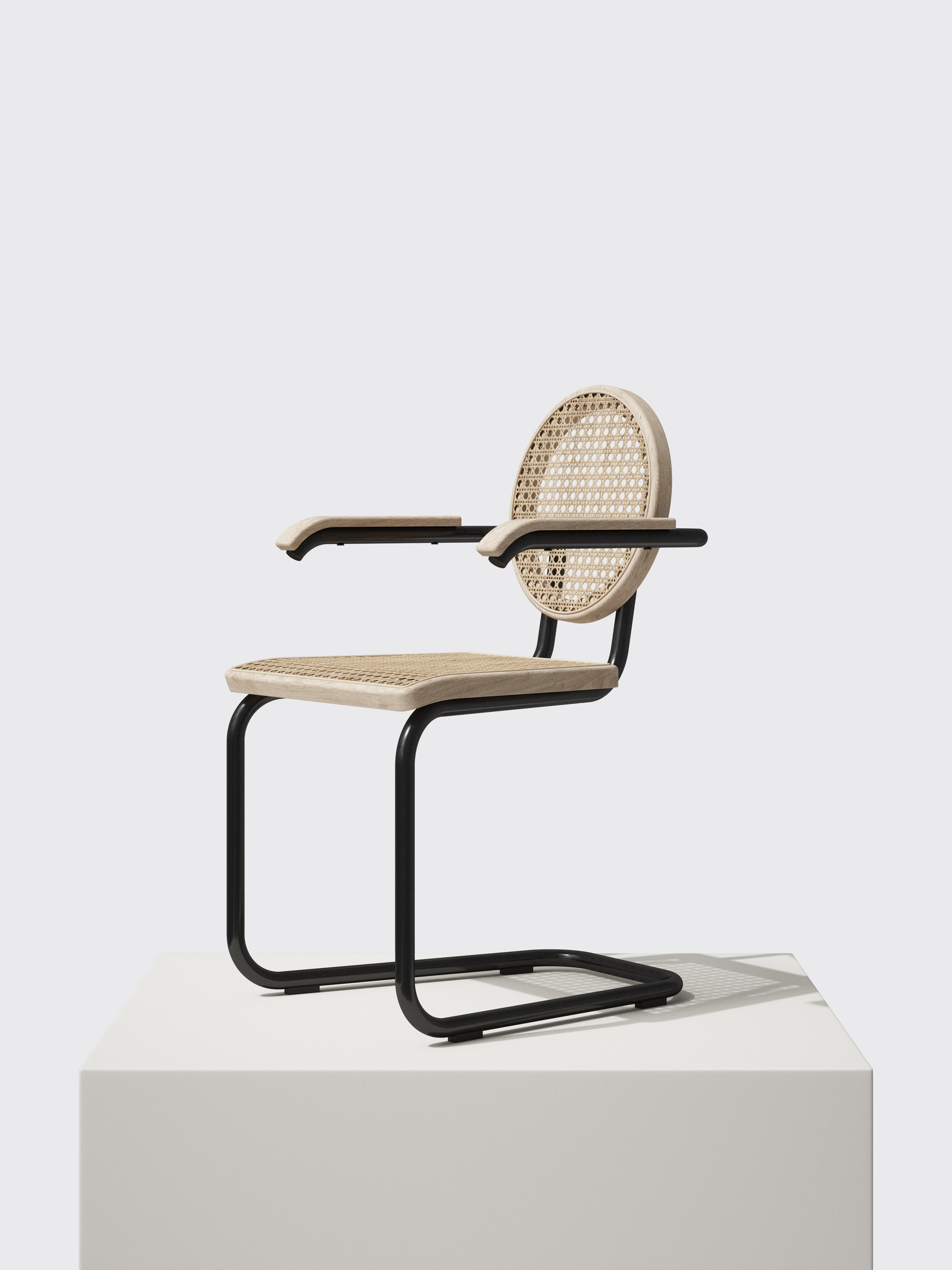
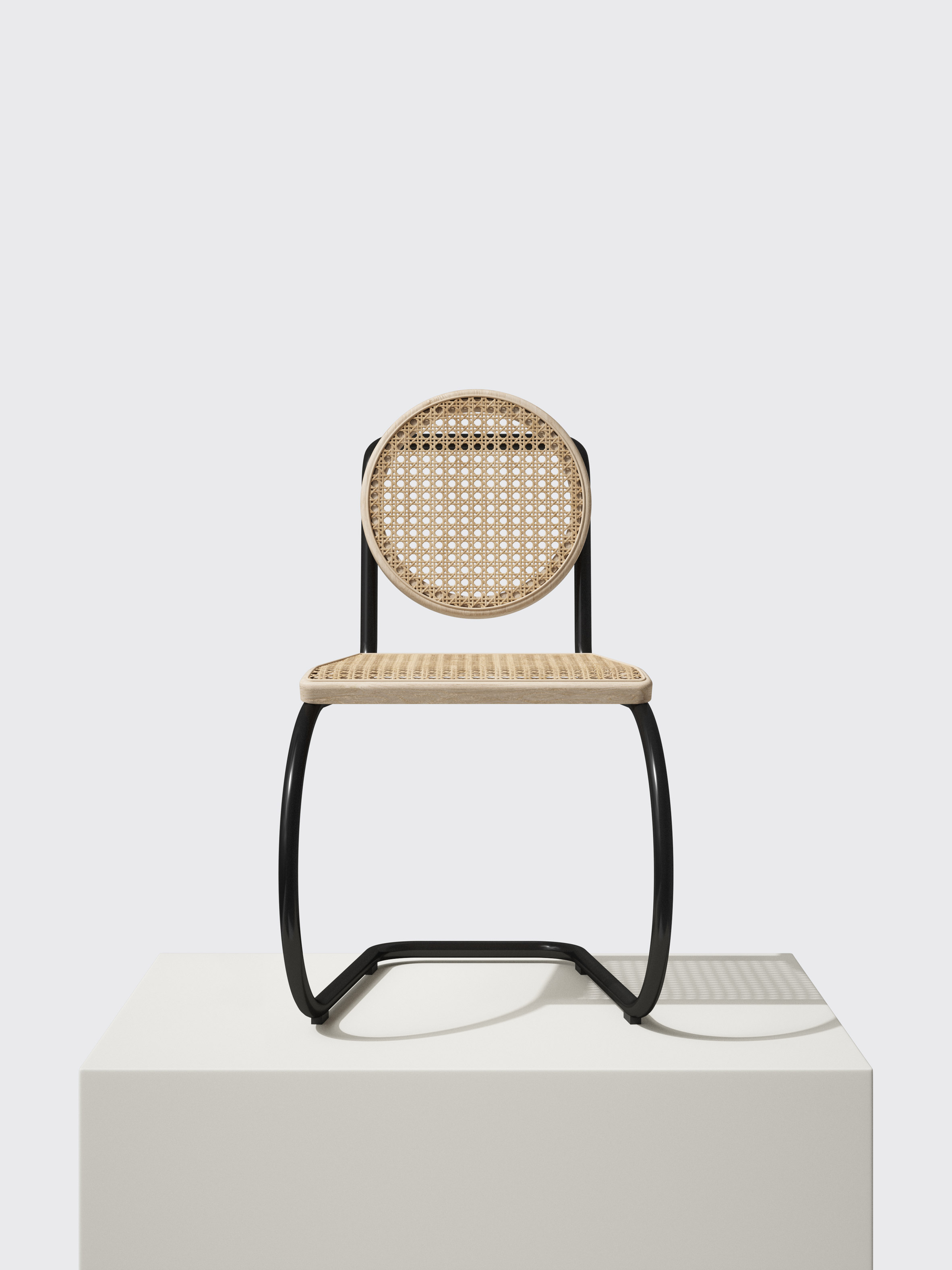
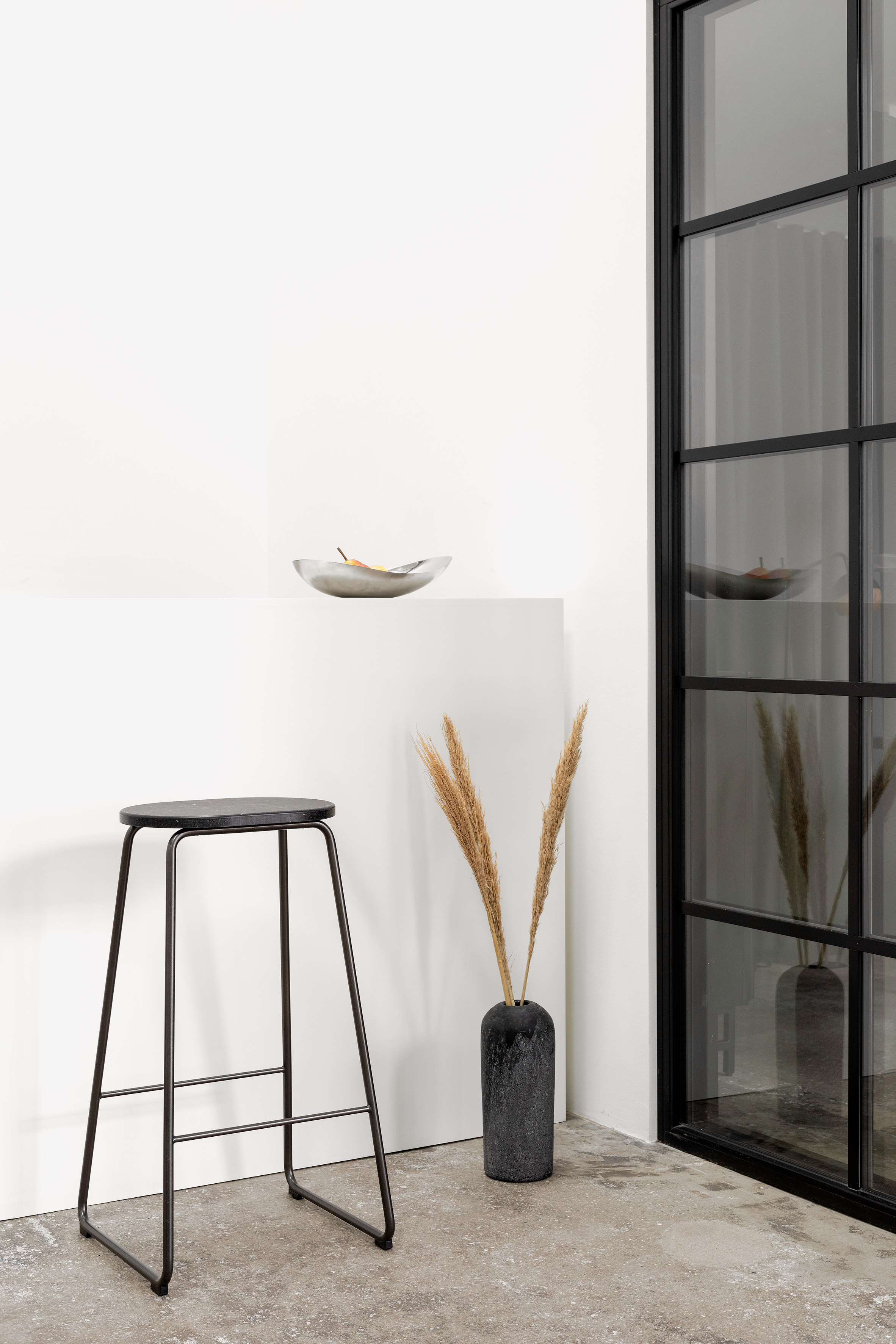
Ethical design brand Mater has launched a chair with a woven rattan seat inspired by Bauhaus founder Walter Gropius, and a stool featuring a seat made from recycled materials, both designed by architect Eva Karlou.

The Earth Stool and the He and She dining chairs are manufactured by the Copenhagen-based brand, and designed by Karlou, who is CEO and co-founder of interior design practice Earth Studio.

Earth Studio is a partnership between Karlou and Mater, with its offices located next to the Mater Earth Gallery, a shared concept store and showroom in Copenhagen's Nordvest district.
Mater uses recycled plastic and rattan for latest sustainable furniture designs

In addition to its sustainably focused interiors projects, Earth Studio develops furniture, lighting and products that are manufactured by Mater using working methods that support people, local craft traditions and the environment.

The philosophies that guide both brands are evident in the latest designs, which use recycled or sustainably sourced materials to create products with a distinctly Scandinavian aesthetic.
Mater uses recycled plastic and rattan for latest sustainable furniture designs

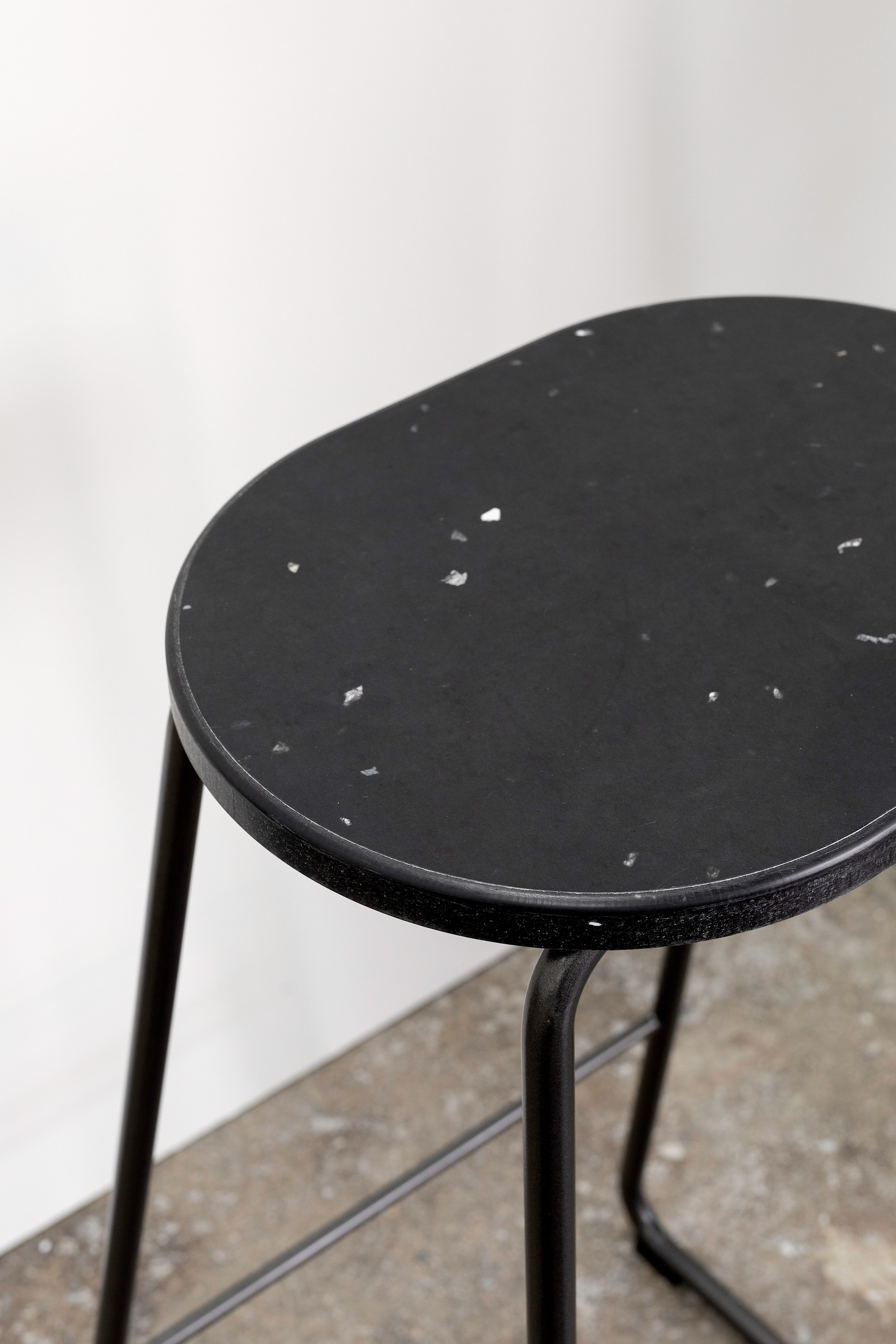
The Earth stools feature a simple frame made from bent steel-tubing that supports a seat produced from either recycled plastic-packaging waste or FSC-certified oak.

According to the manufacturer, Karlou designed the stool as a reinvention of a classic bar stool that offers users a choice between an organic or industrial look.

"The steel pipe frame is reusable, and the light yet solid stool represents timeless classic Scandinavian design created in an elegant composition that matches every indoor interior," said the company.
Mater uses recycled plastic and rattan for latest sustainable furniture designs

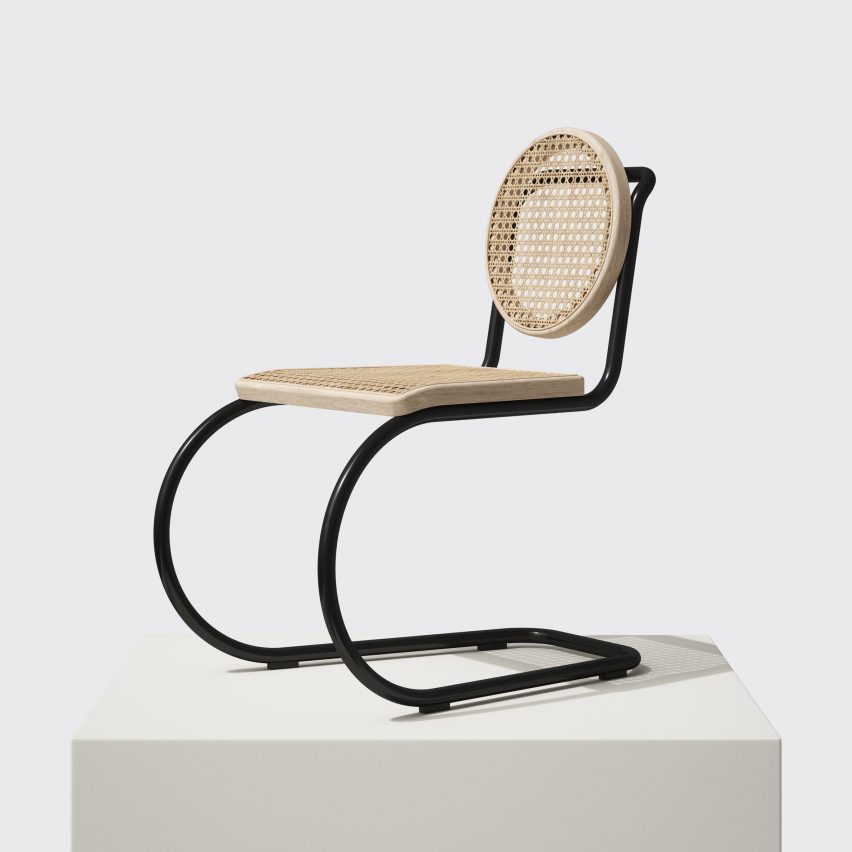
Karlou also developed the He and She Chairs to coincide with the 100th anniversary of influential German architect Walter Gropius founding the Bauhaus art school in Weimar.

Both chairs feature a tubular steel frame that is reminiscent of furniture designed by Bauhaus faculty members Marcel Breuer and Ludwig Mies van der Rohe.

The flexible metal frames support seats that combine certified-oak and woven rattan. The choice of fast-growing and naturally harvested rattan for the cane surfaces enhances the chairs' sustainable credentials.

"The cane work is applied to the wooden oak frame in a proud third-generation Danish wicker workshop, thereby translating an old craft tradition into the new modern design age," Mater added.
Mater uses recycled plastic and rattan for latest sustainable furniture designs

Mater was founded in Copenhagen in 2006 by Henrik Marstrand. The brand seeks to create high-end furniture and lighting based on three key principles: design, craftsmanship and ethics.

Sustainability in design has gained significant momentum in recent years, with Mater featuring on Dezeen's recent list of eight brands tackling key issues such as climate change and plastic pollution.

The post Mater uses recycled plastic and rattan for latest furniture designs appeared first on Dezeen.


from Dezeen https://ift.tt/2LoG2h7

Classic Blue is Pantone's colour of the year for 2020

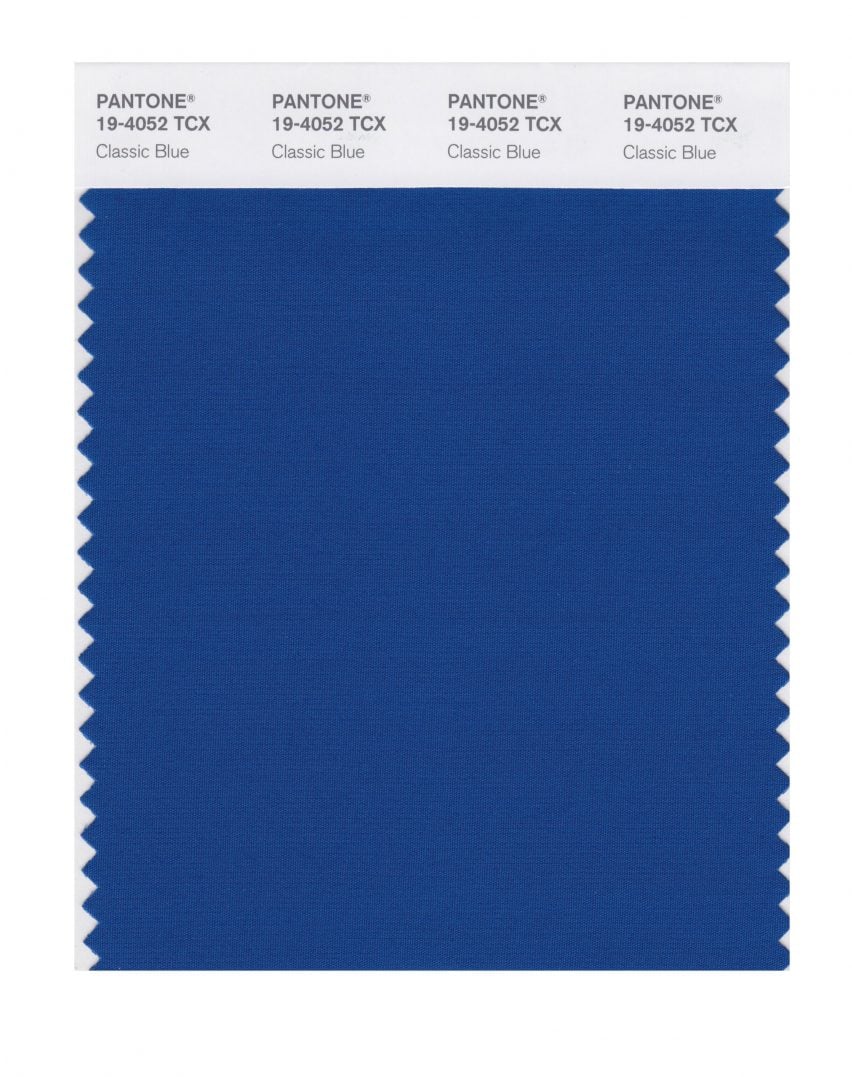
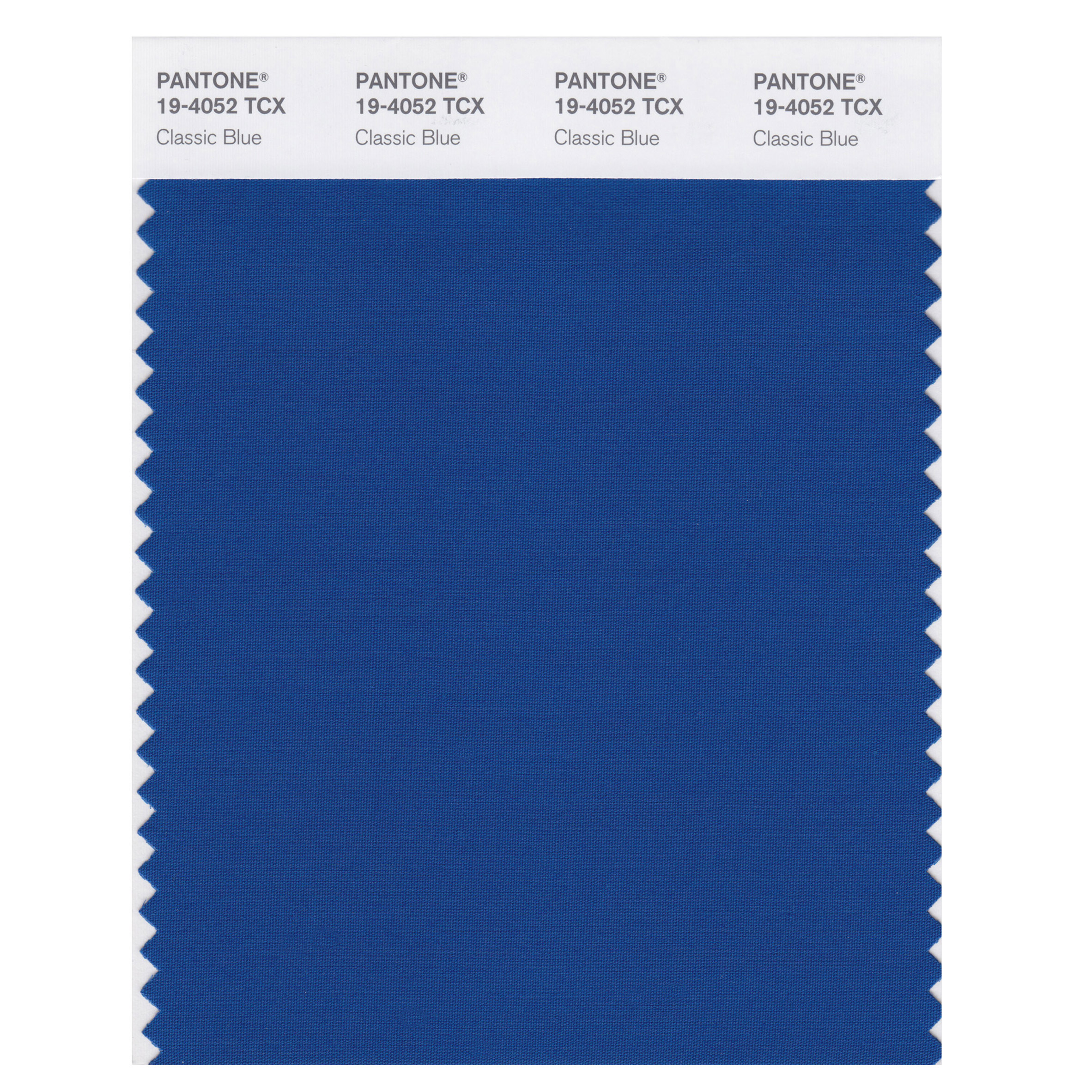
Pantone colour of the year 2020 is Classic Blue

American colour company Pantone has chosen "universal favourite" Classic Blue, or Pantone 19-4052, as its colour of the year for 2020.

Announced 4 December, the Classic Blue colour is described by Pantone as "a reassuring presence instilling calm, confidence and connection".

"Associated with the return of another day, this universal favourite is comfortably embraced," it added.

While this year's colour Living Coral was an "animating and life-affirming", 2020's shade "brings a sense of peace and tranquillity to the human spirit, offering refuge," according to the company.

Pantone colour of the year 2020 is Classic Blue

The cobalt blue hue is also said to be associated with communication, introspection and clarity. Other benefits of the hue include aiding concentration and helping to re-centre thoughts, particularly in light of technology's accelerating developments.

"A boundless blue evocative of the vast and infinite evening sky, Pantone 19-4052 Classic Blue encourages us to look beyond the obvious to expand our thinking; challenging us to think more deeply, increase our perspective and open the flow of communication," said Leatrice Eiseman, executive director of Pantone Color Institute.

"We are living in a time that requires trust and faith," she added. "It is this kind of constancy and confidence that is expressed by Pantone 19-4052 Classic Blue, a solid and dependable blue hue we can always rely on."

Pantone was founded in the 1950s as the printing company in New York but is now based in Carlstadt, New Jersey. Since 2000, it has chosen a colour of the year decided from trend-forecasting research performed by the Pantone Color Institute.

The annual colour, which is announced each December, is chosen based on "what is taking place in our global culture at a moment in time".

Pantone colour of the year 2020 is Classic Blue

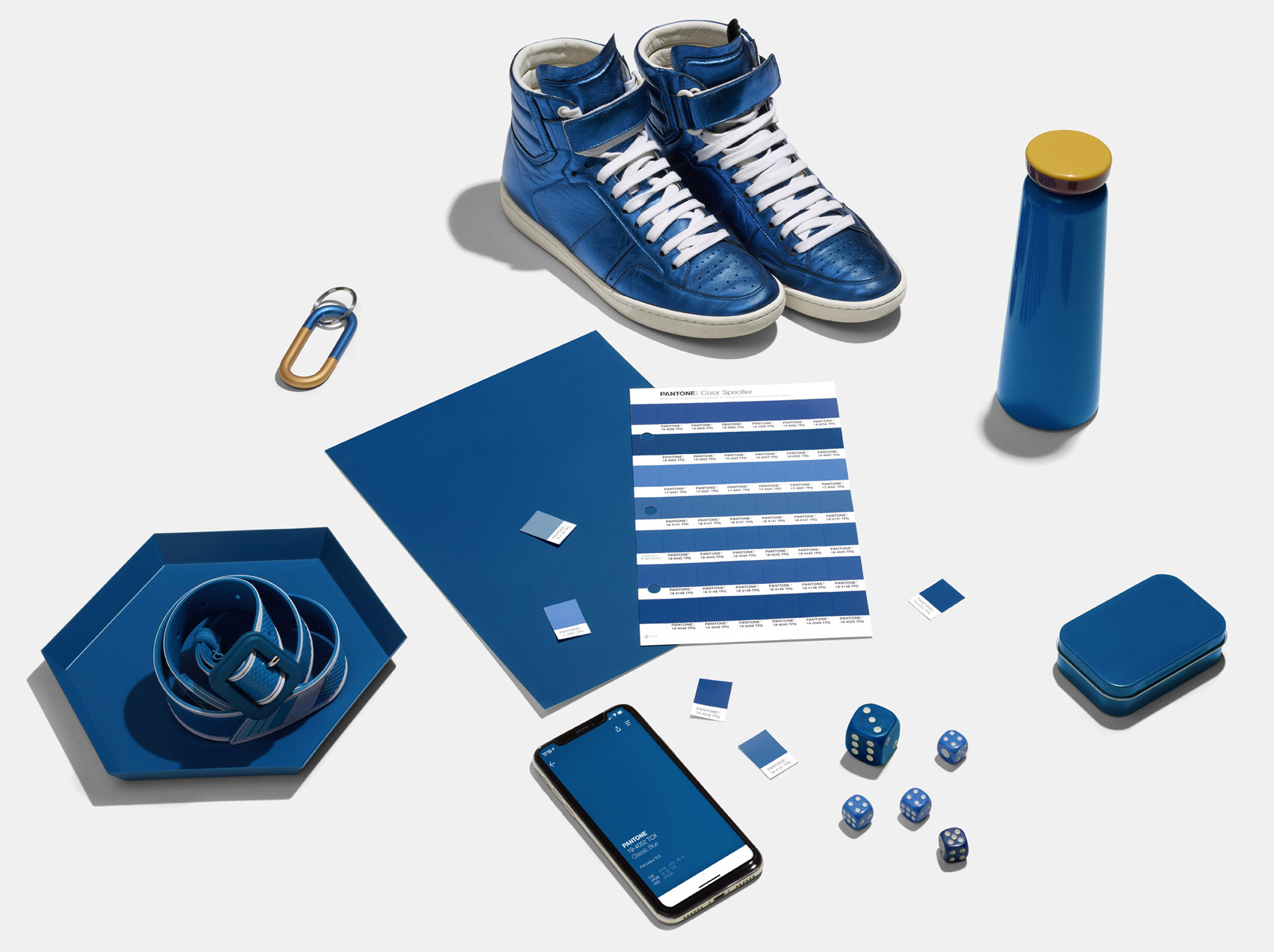
According to Pantone, Classic Blue is already being used in fashion, interior design, textiles and graphic design.

Interiors making the most of its soothing benefits are a Paris home by Anne-Laure Dubois, a Los Angeles nail salon, and an apartment in Porto, Portugal by Fala Atelier.

Last year, the peachy shade called Living Coral was chosen and offered a striking addition to bathrooms, kitchens and lounges. A zesty shade of green called Greenery was selected in 2017, while in 2016 Pantone picked two soft colours – a baby blue and dusty pink.

Other annual colours include the purply pink Radiant Orchid announced for 2014, and the bright orange Tangerine Tango in 2012.

The post Classic Blue is Pantone's colour of the year for 2020 appeared first on Dezeen.


from Dezeen https://ift.tt/2OOpnp2

Interview: Discover Bisa Butler’s Approach to ‘Painting with Fabric’

Bisa Butler (previously) shares her fascinating journey with fiber art, African textile traditions, and historical portraiture in an interview with Colossal’s managing editor. Drawing from university training with both AfriCOBRA artists and feminist fiber artists, Butler has carved her own path as an exhibiting artist with vibrant and evocative quilts. Get to know Bisa Butler in our exclusive conversation, part of our new Interview series for Colossal Members. Learn more about Membership and join here.


from Colossal https://ift.tt/2qjLV7M

JKR rebrands The National Lottery to restore its “sense of joyful purpose”

Jones_knowles_ritchie-the-national-lottery-rebrand-graphic-design-itsnicethat-list
Jones Knowles Ritchie has redesigned the brand identity, website and app for the UK’s National Lottery, animating its crossed fingers logo for the first time, and injecting the vibrant colours of the draw balls to add fun as well as aid navigation online.

Read more


from It's Nice That https://ift.tt/2RuCOMX

Heatherwick Studio unveils glass lobby joining High Line condos Lantern House

Lobby Pavilion at Lantern House by Thomas Heatherwick

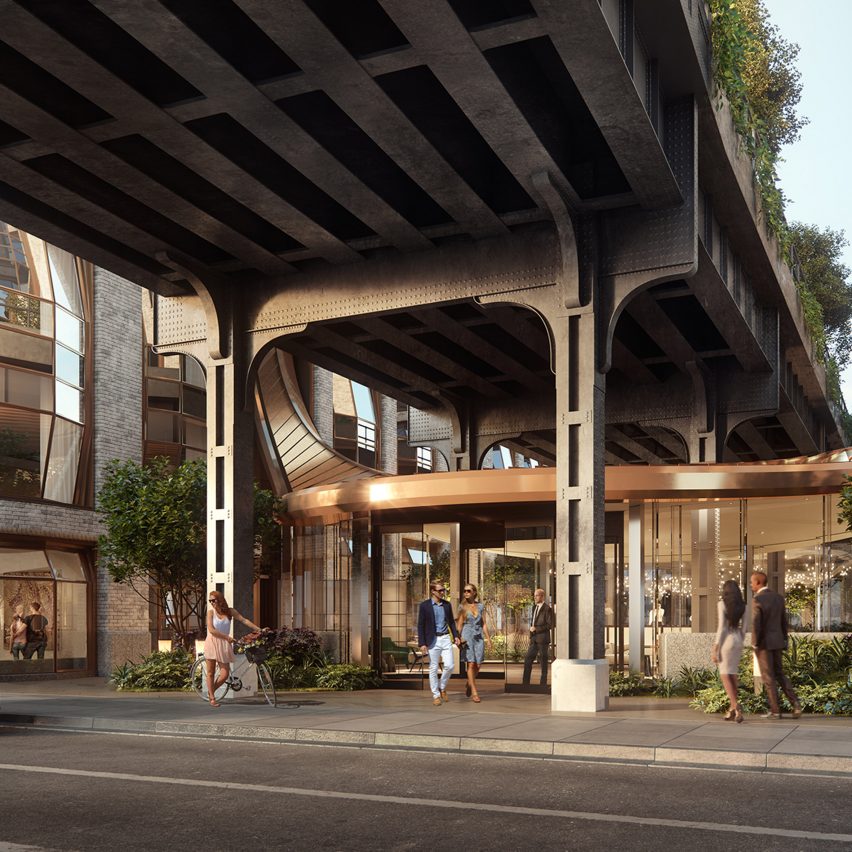
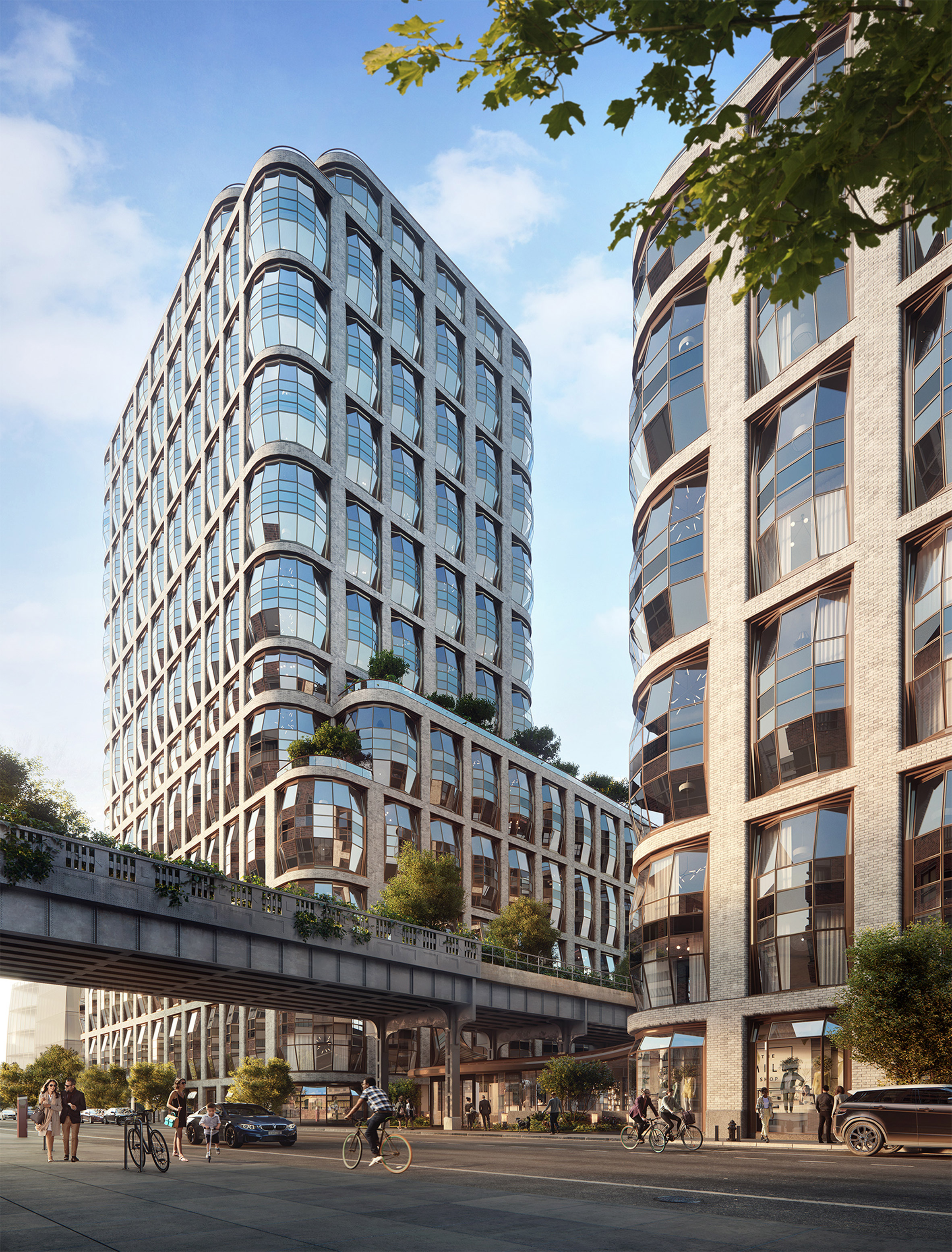
British practice Heatherwick Studio has designed a glass lobby to link its High Line-straddling condo towers with a scooped roof that "barely touches" the park above.

Thomas Heatherwick's studio unveiled the Lobby Pavilion today, to follow the release of new renderings and the project's name Lantern House earlier this year.

The structure will link the two towers that are currently are under construction on either side of the High Line park, at 515 West 18th Street in Manhattan's Chelsea neighbourhood.

Stepped glass panels that range in height from 10 to 25 feet (three to seven metres) will form the longer walls of the pavilion, and dip down in the middle. A coppery coloured metal-seam roof will be placed on top and curve up around the railway track that form the structure of the High Line.

Lobby Pavilion at Lantern House by Thomas Heatherwick

"People love to live in memorable places," said Heatherwick. "As the High Line's amazing riveted steel structure goes straight through the middle of our site, we knew we mustn't miss the chance to borrow all its texture and character to make an idiosyncratic arrival experience for the building's residents."

"To not compete with the soulful materiality of this historic piece of infrastructure, we designed a lobby that barely touches it and is slung from the east building to the west, with a roof structure that gently drapes, like a piece of textile," he added.

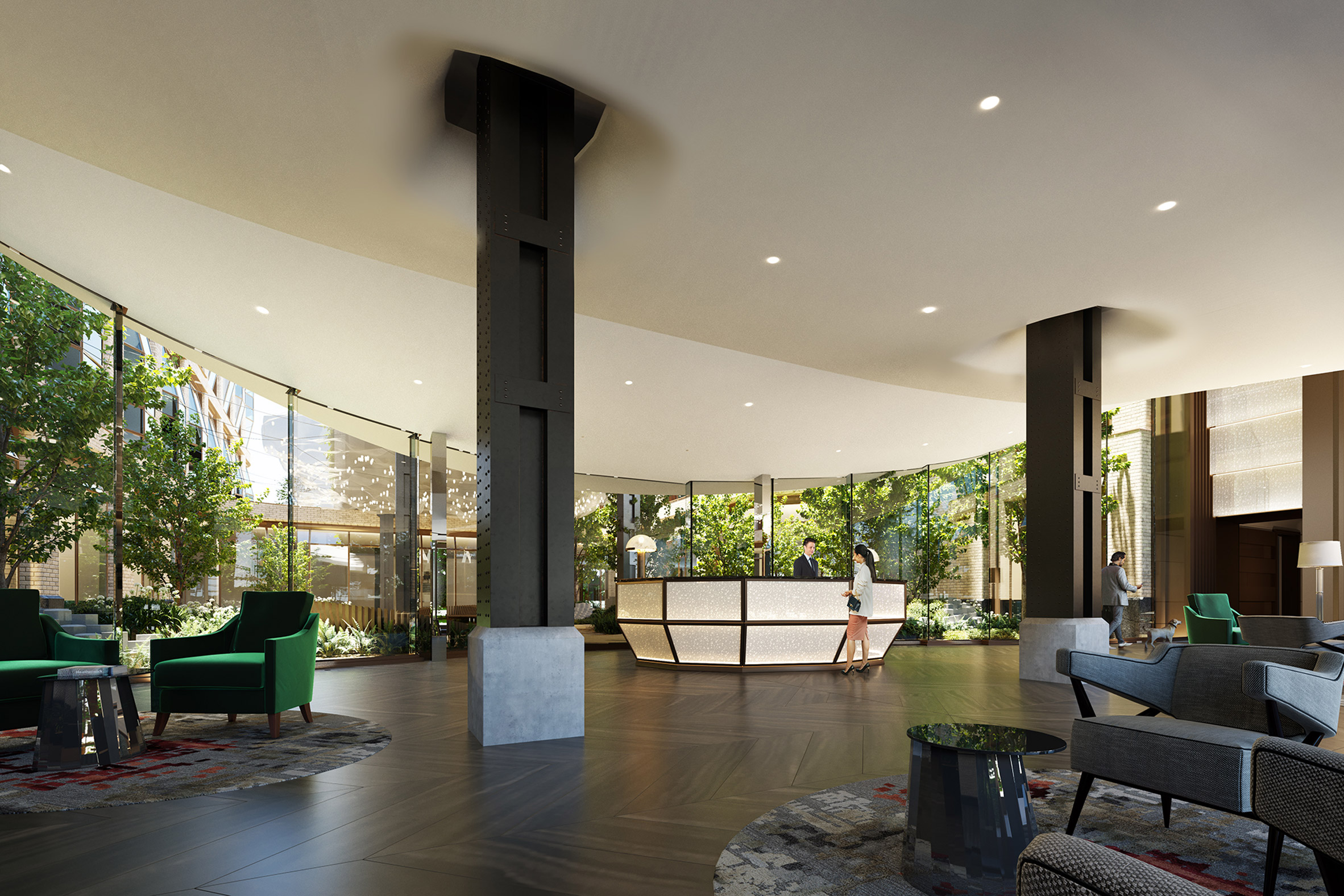
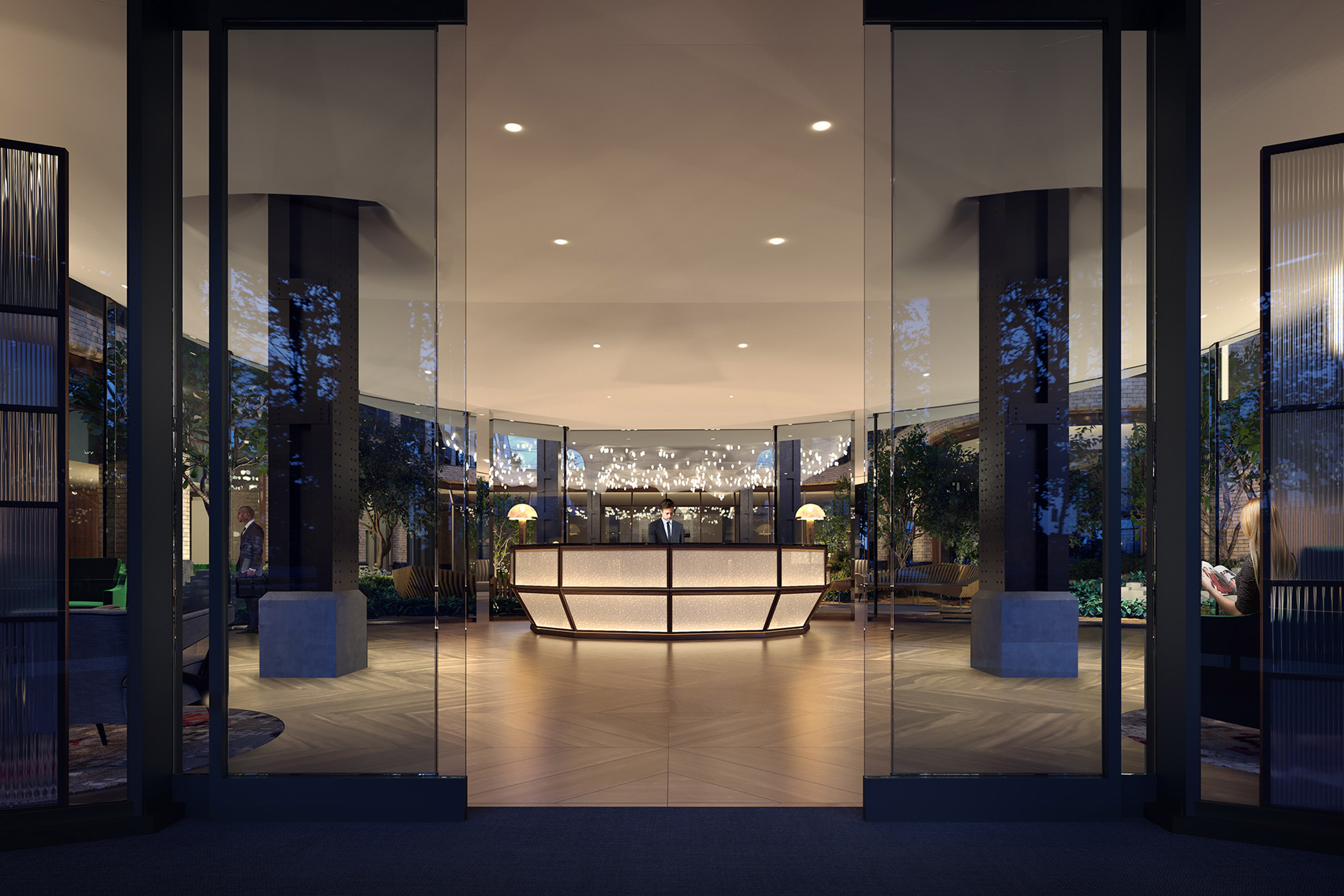
The interior of the 1,900-square-foot (177-square-metre) lobby will be punctured by a pair of chunky columns belonging to the High Line. Inside, the firm has chosen finishes to complement the existing detail, such as a pale ceiling and herringbone Eramosa marble flooring.

Lobby Pavilion at Lantern House by Thomas Heatherwick

"With the legs of the High Line lacing through, we hope that the lobby will provide a special welcome for residents and importantly, create a sense of returning home to a place like no other," Heatherwick said.

Other details include a cast glass and bronze metal reception desk, which is reminiscent of the shape of the bulging windows, as well as furniture pieces from locally based Studio van den Akker.

Lantern House is Heatherwick's first residential project in the US, and was first unveiled last year.

Little information had been provided about the project until October 2017, when developer Related Companies launched a website with extra design details and the project's name, Lantern House – which takes its cues from the shape of the windows.

The two towers will rise to different heights – one will be 10 stories high and the other will reach 21 stories – and have a gridded exterior formed by hand-laid antiqued grey brickwork and metal. Heatherwick Studio said it chose the materials to draw on the industrial aesthetic of warehouses in the surrounding Chelsea neighbourhood.

Lobby Pavilion at Lantern House by Thomas Heatherwick

It will include 181 residential units that will have 10-foot-high (three-metre-high) ceilings to match the windows. The residences will come in a variety of layouts, including one to four bedroom suites and penthouses. Sales will commence early next year, with prices for condominiums expected to start at $1.7 million (£1.39 million).

Lantern House will join a series projects the designer has created for New York's West Side, including The Vessel at Hudson Yards, towards the northern end of the High Line, the and Pier 55 park on Hudson River, which was renamed Little Island last month.

Renderings are courtesy of Related Companies.

The post Heatherwick Studio unveils glass lobby joining High Line condos Lantern House appeared first on Dezeen.


from Dezeen https://ift.tt/2OPg1tq