
The Columbian visual effects artist and animator creates four new films using Adobe Stock 3D assets and Stock videos around the subject of climate change.

from It's Nice That https://ift.tt/2DNQ6vW


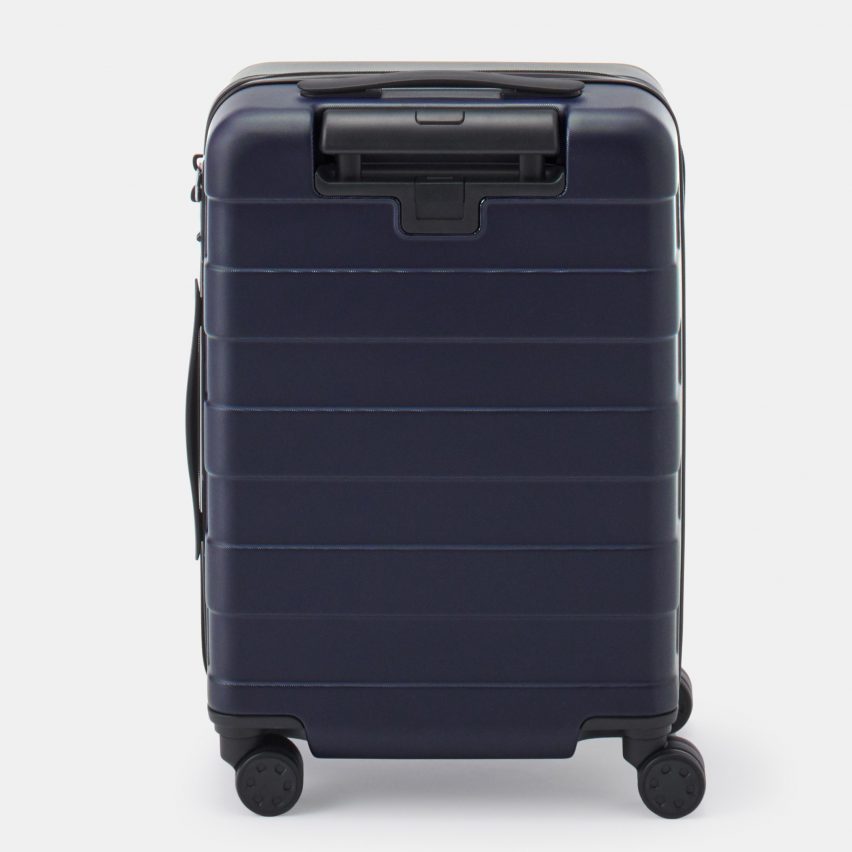
Dezeen promotion: in our latest competition, Dezeen has partnered with Muji to give away five hard-shell suitcases from the Muji to Go travel collection.
The Japanese retailer applies its signature minimalist touch to the Hard Case Trolley, available in five sizes, to cater for a day trip, a weekend away or a long holiday.
With entries limited to our UK-based readers, five winners will receive a 35-litre suitcase each. The brand will choose either a navy or black case for the winner.
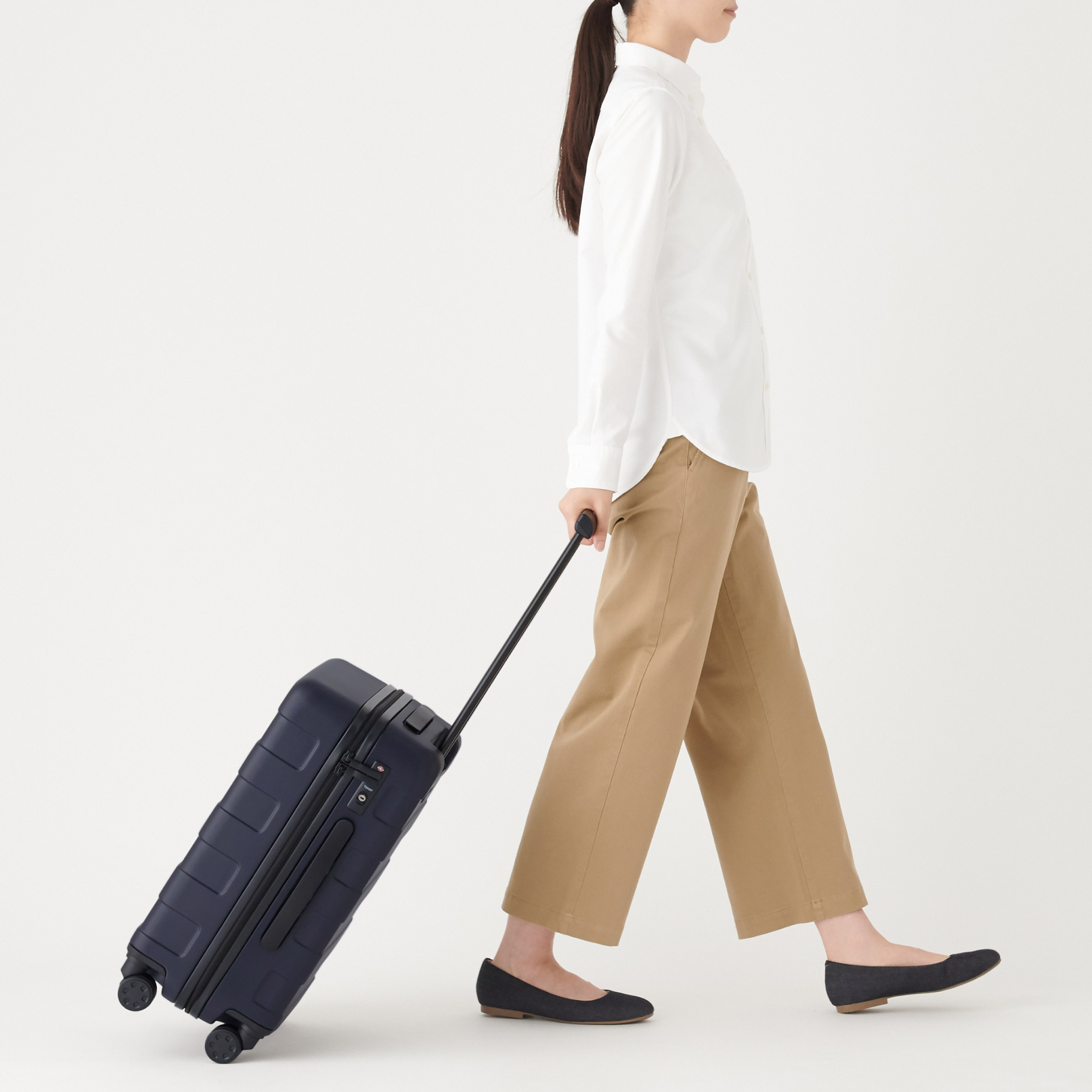
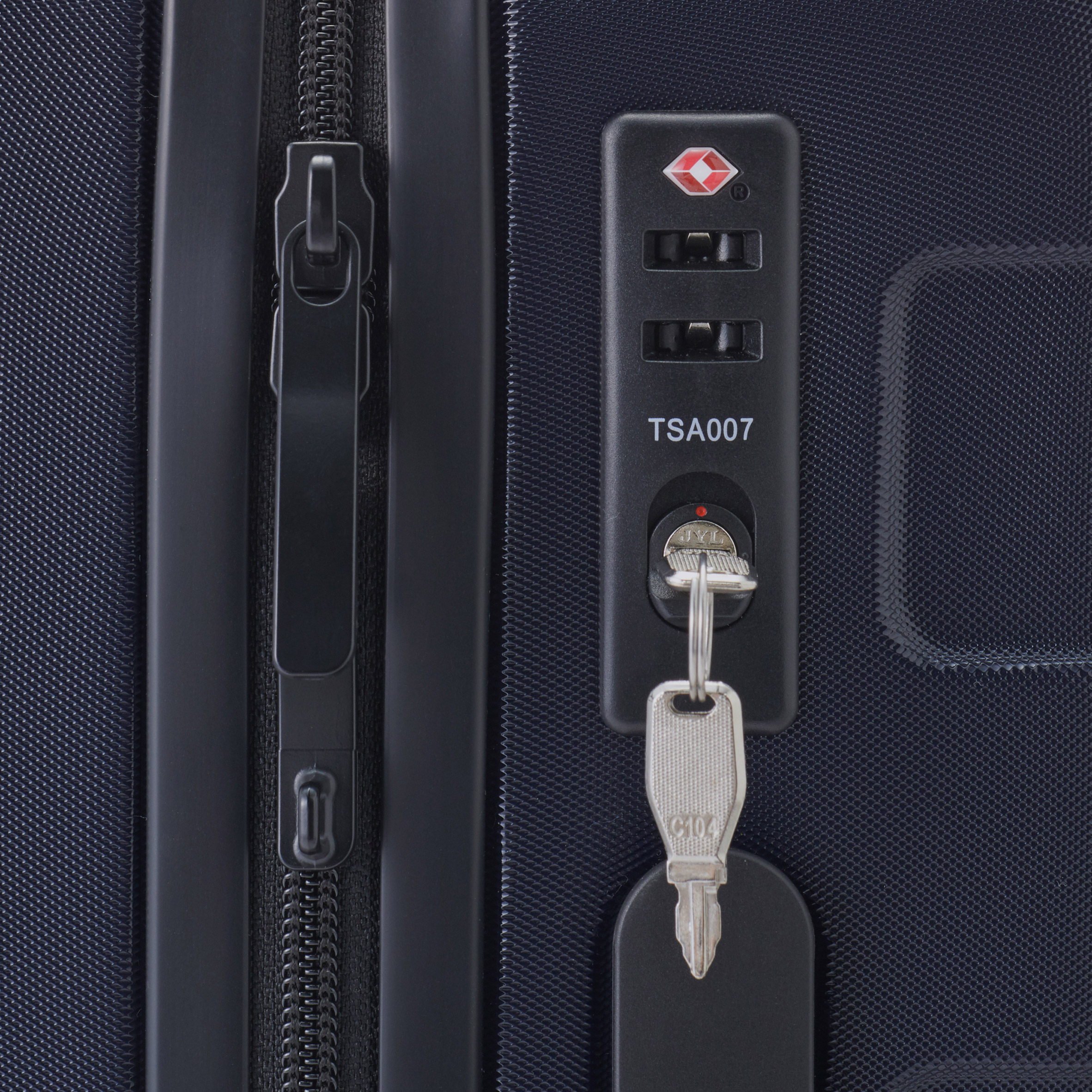
Measuring 54 by 37 by 23.5 centimetres, the suitcase weighs 3.5 kilograms and has a capacity of up to 35 litres. The two exterior zips can be clipped into a TSA-approved luggage padlock found on the side of the suitcase.
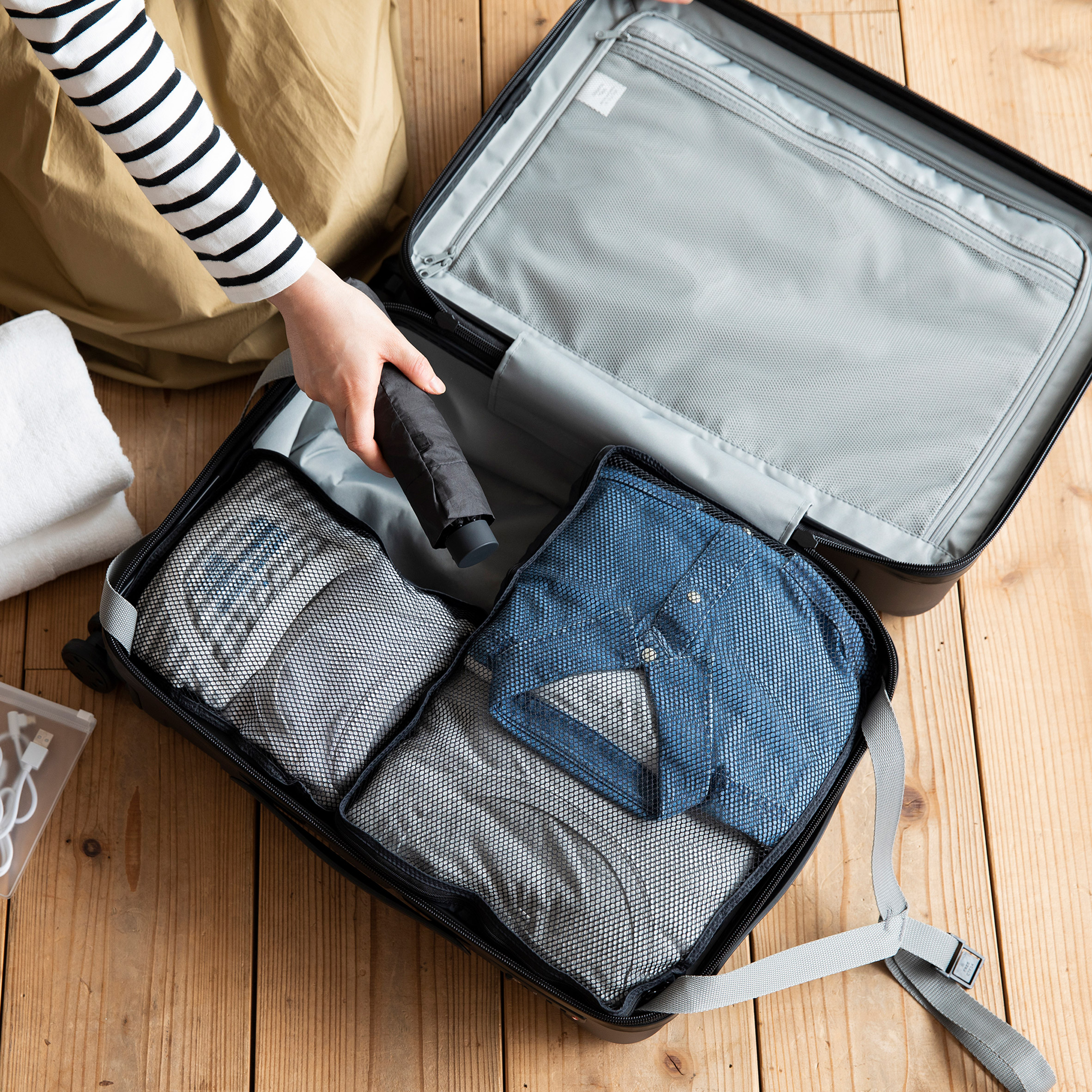
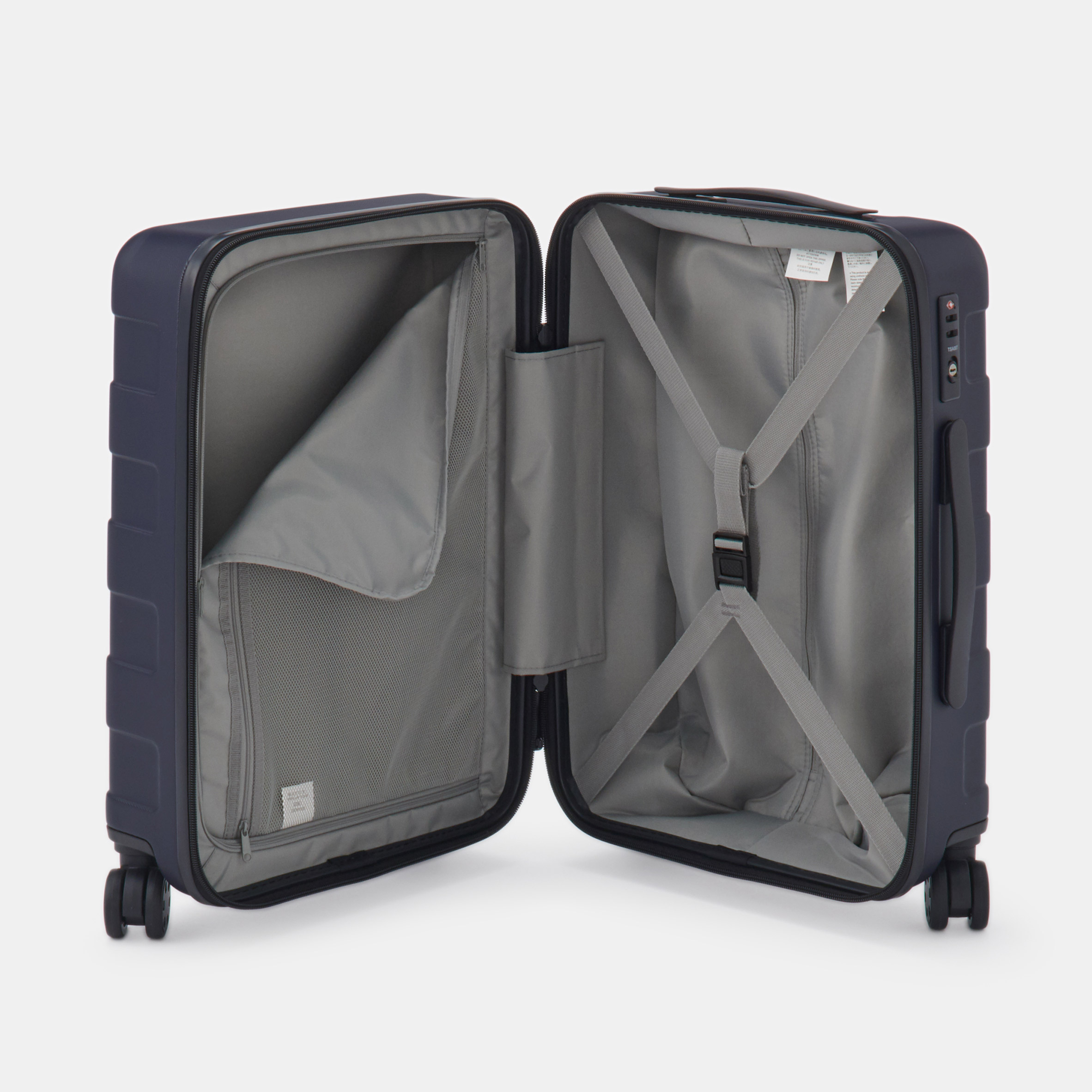
Inside, a flat, mesh-covered zip compartment covers one side of the case, with an elastic compression-strap securing the contents on the other.
Lifting the adjustable handle to the preferred height reveals an in-built stopper, which can be pressed to lock the wheels into brake when needed. The case's wheels have also been developed to roll quietly.
As with all Muji products, according to the brand, the Muji to Go collection's practicality and quality mean its products can be used over and over again with ease.
"The Muji to Go range is designed to take the hassle out of 'getting there' and comes in enough varieties to tailor to the individual needs of your trip," explained the brand.
Muji identifies three main stages within any trip: preparing, travelling and arriving. Each of its travel products are designed to help ease each part of the journey.
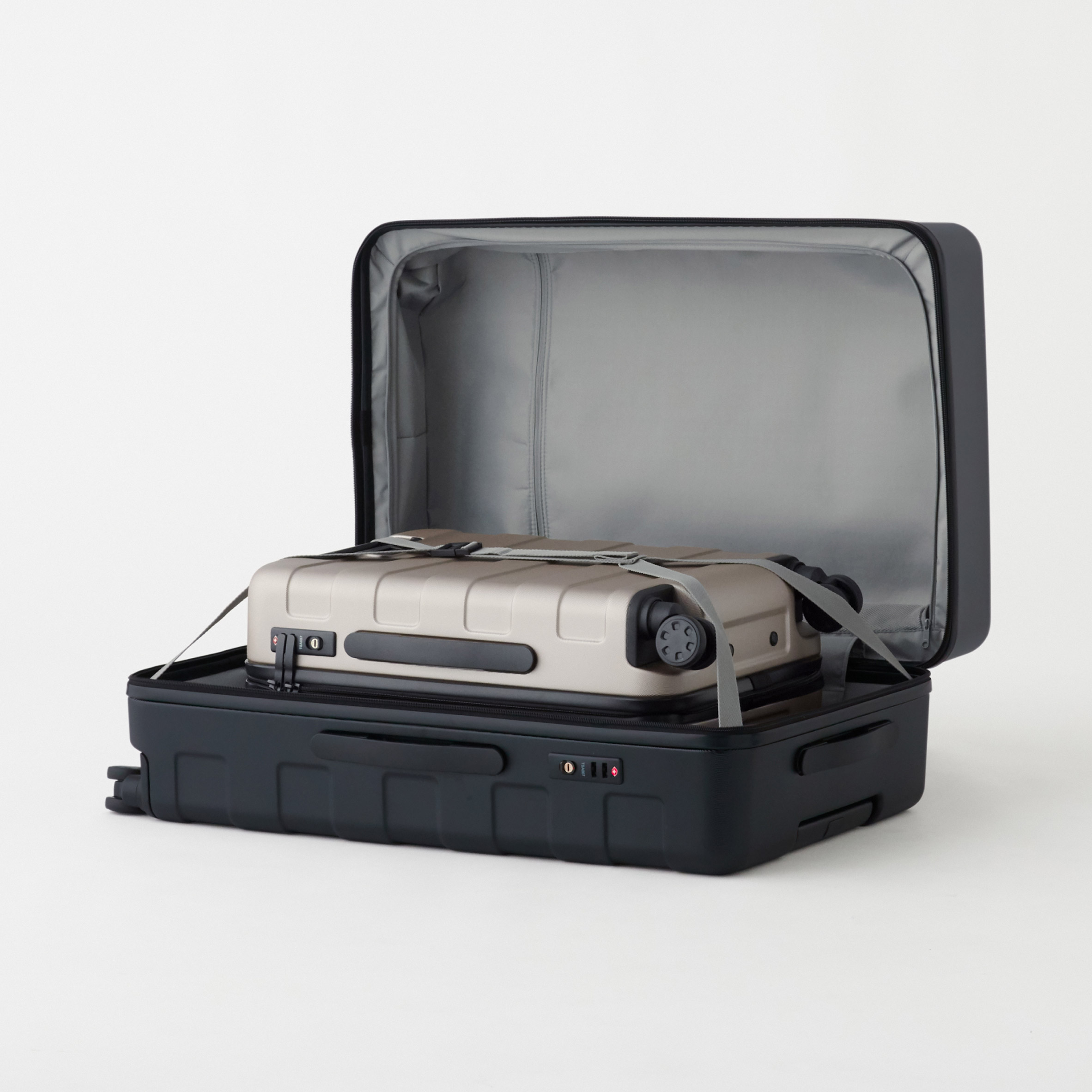
Customers can prepare by filling their Hard Case Trolleys with gusset cases, travel-sized toiletries and refillable bottles from the collection to efficiently pack the essentials for their stay.
Other products, including a micro-bead neck cushion, slippers and eye masks are also offered for comfortable travels.
Muji has also designed for arrivals, when travellers often undergo a "ritual of settling in before setting off".
Compact electric toothbrushes, portable hair dryers and toiletry cases are available to bring a sense of home whilst being away.
Items are designed to be lightweight, ensuring travellers can pack various items into their luggage without exceeding weight limits.
MUJI was founded in Japan in 1980 as an antithesis to the habits of consumer society at that time. MUJI envisions user-friendly products that bring out the beauty in modest simplicity.
For more information on the Hard Case Trolleys and other accompanying Muji to Go products, visit the website.
Five UK-based winners will receive a 35-litre Hard Case Trolley in navy or black, at the brand's discretion.
Competition closes 1 January 2020. Five winners will be selected at random and notified by email, and his or her names will be published at the top of this page. Entrants must be from the UK only.
The post Competition: win a Hard Case Trolley suitcase by Muji appeared first on Dezeen.
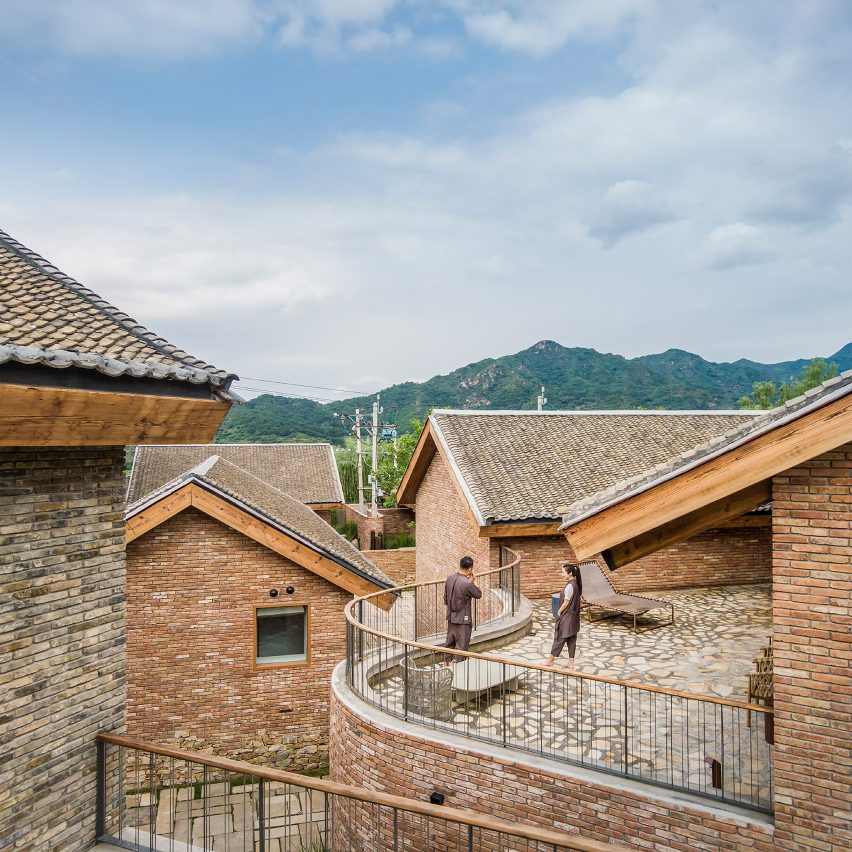
Chinese architecture studio LLLab has designed a hotel on the outskirts of Beijing as a village-style complex of buildings made from local brick and slate.
The hotel is situated in Beijou Village, a short distance from the Great Wall of China, on a site formerly occupied by a gas station.
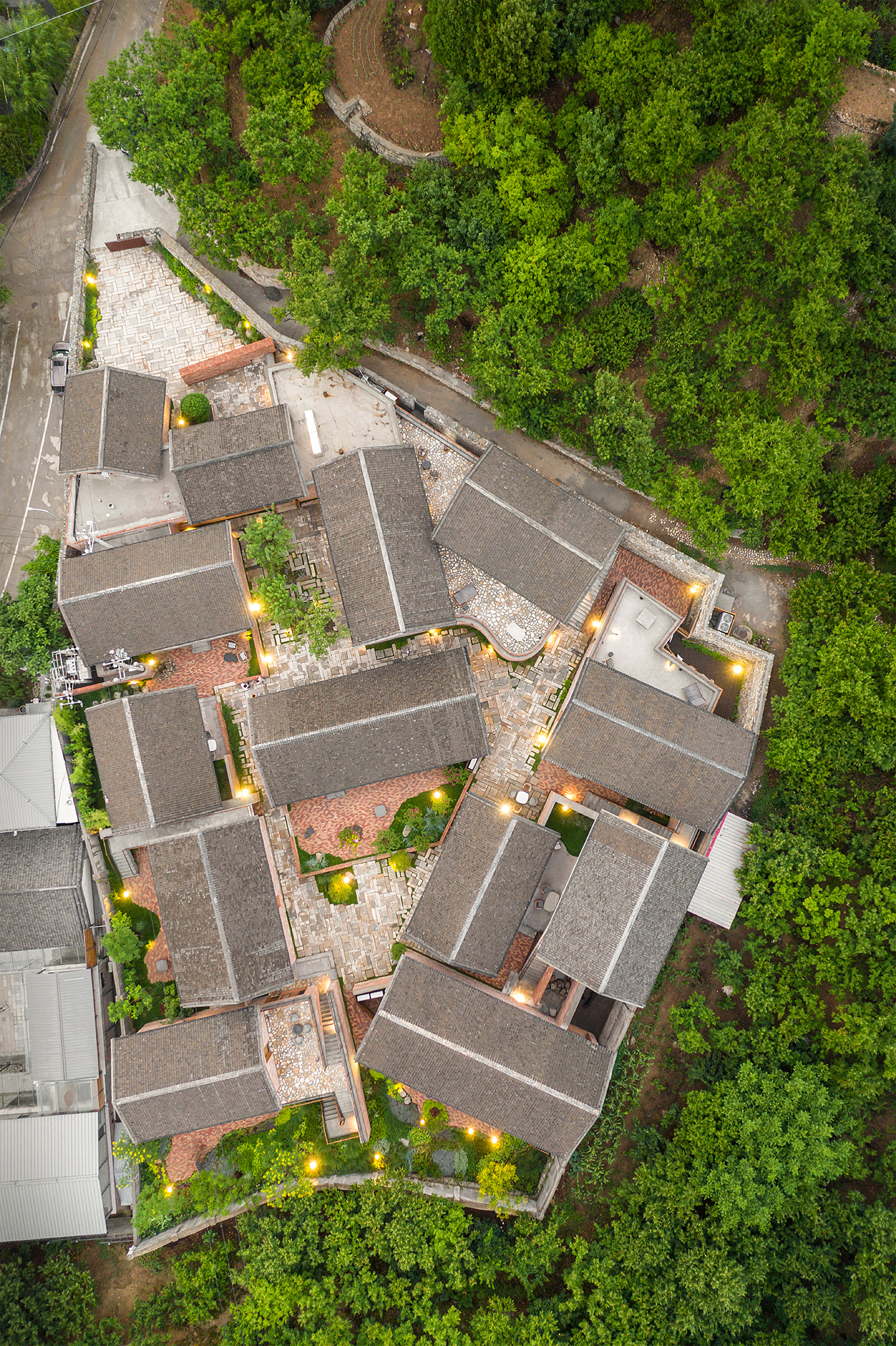
Called San Sa Village, the hotel is a tight cluster of brick buildings connected by a series of terraces and narrow streets.
LLLab said they drew on the layout, forms and materials of the local architecture to create a "village in a village".
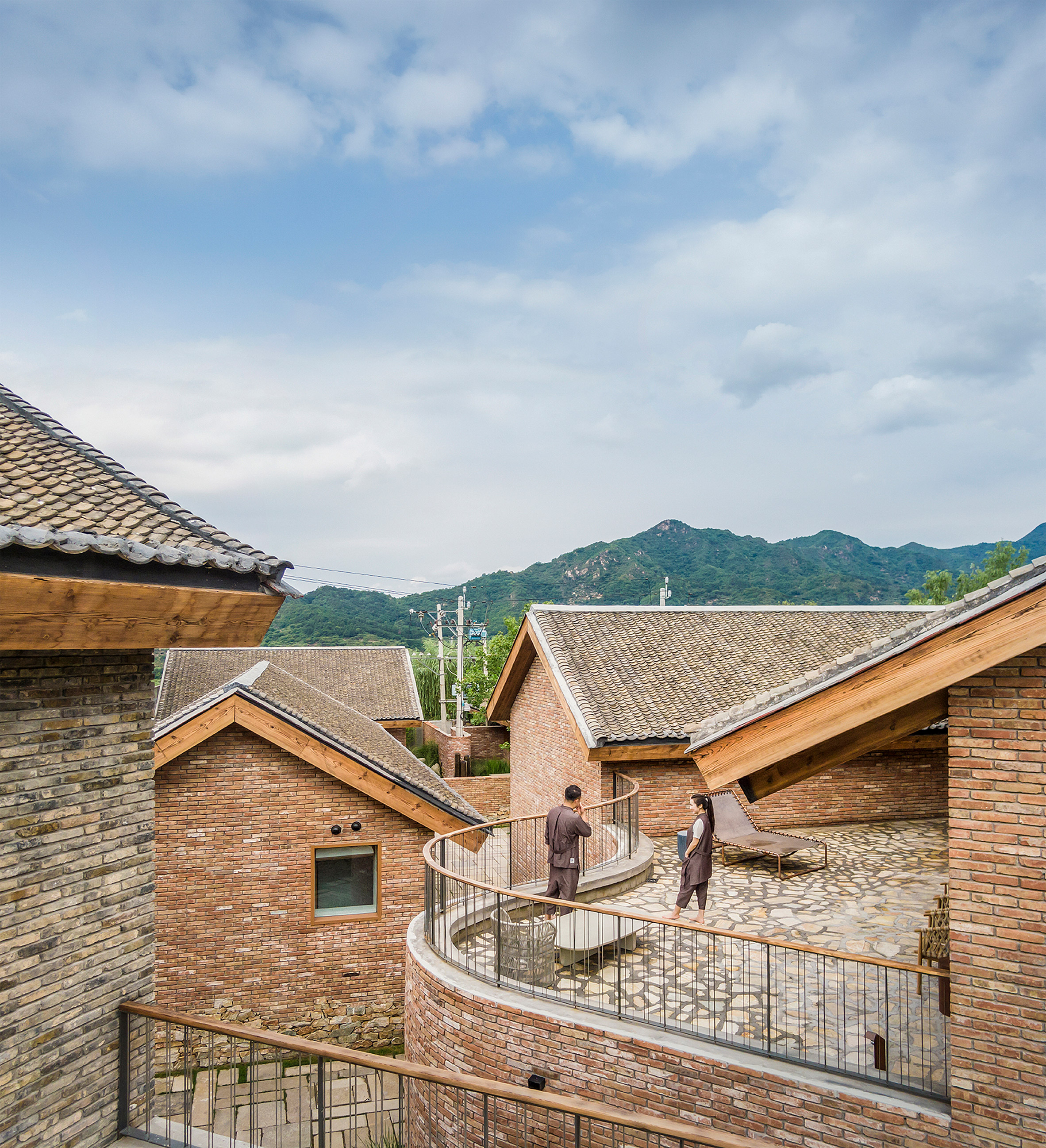
Looking to subvert the typical forms of rural resorts, the structures have been designed to blend into their surroundings, with simple structures and finishes that allowed for the use of local materials and workers.
"To embed within the design an appreciation for the site's heritage, we extended the existing spatial arrangement of the village, scattering the architectural blocks in line with the typical village plan, while combining those blocks into an integrated whole," explained LLLab.
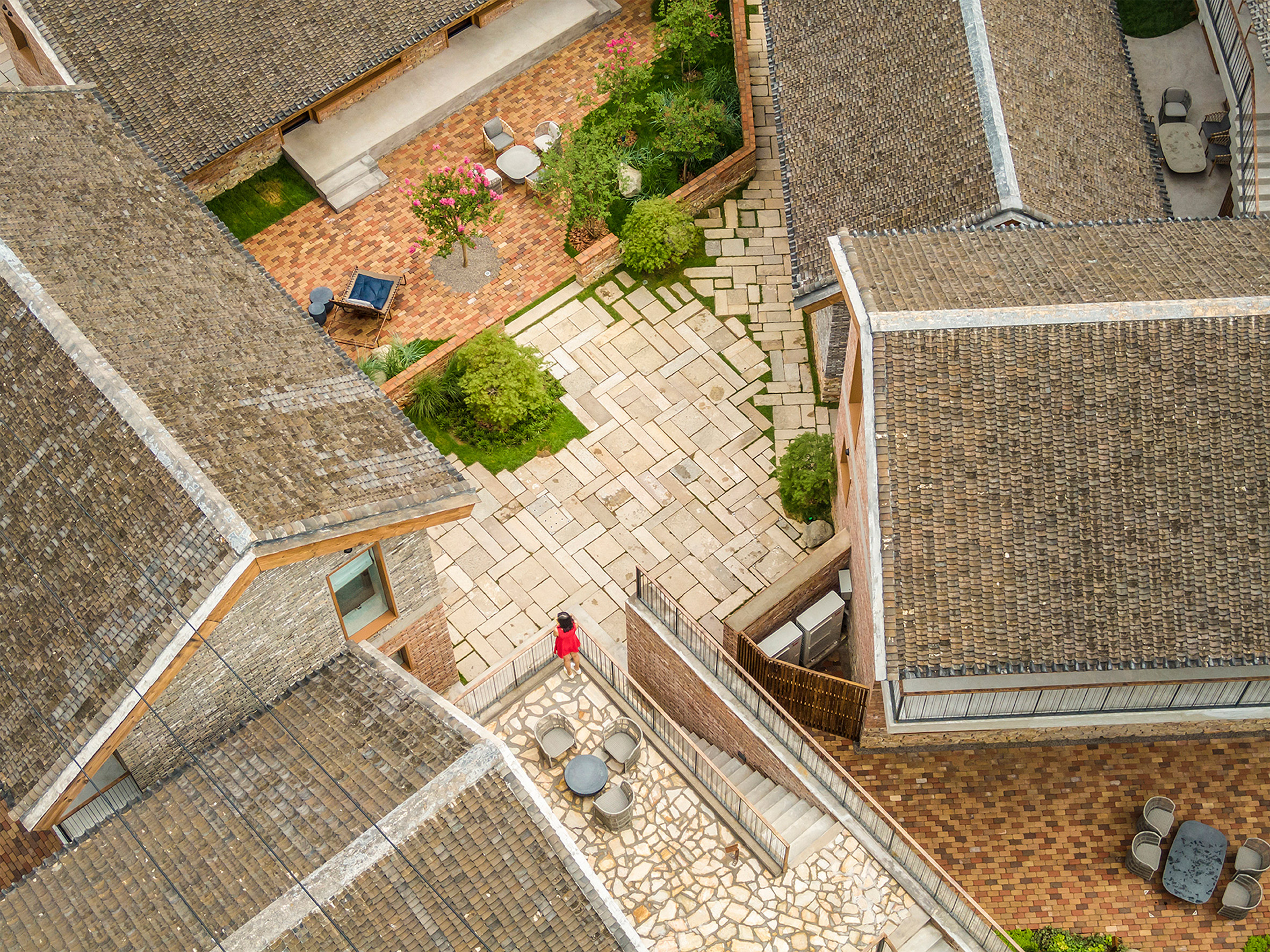
Individual buildings provide a mixture of private bedrooms and communal spaces for socialising and dining, opening onto a mixture of public and private courtyards planted with trees.
Old slate from the site was used to create paving for public areas, while private courtyards are marked by red brick. Blue bricks was also used to construct the walls of the buildings themselves.
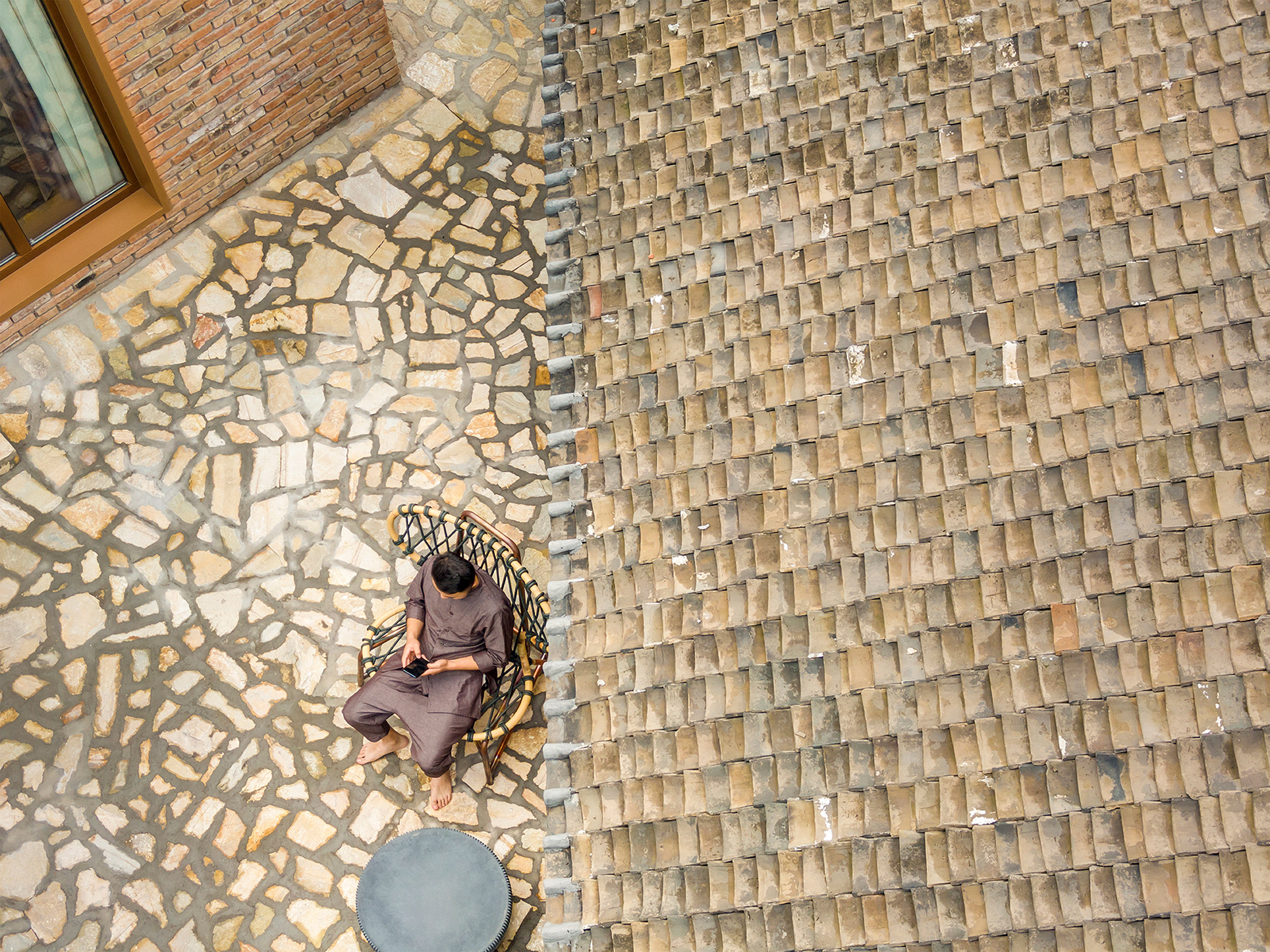
"We tried our best to use local materials that were authentic and readily available, without introducing ornamental or decorative elements," said the practice.
While externally there is a rich and colourful palette of various textures and materials laid in contrasting patterns, internally the building have been kept minimal.
Rooms with white-plaster walls and dark wooden floors overlook courtyards through large windows.
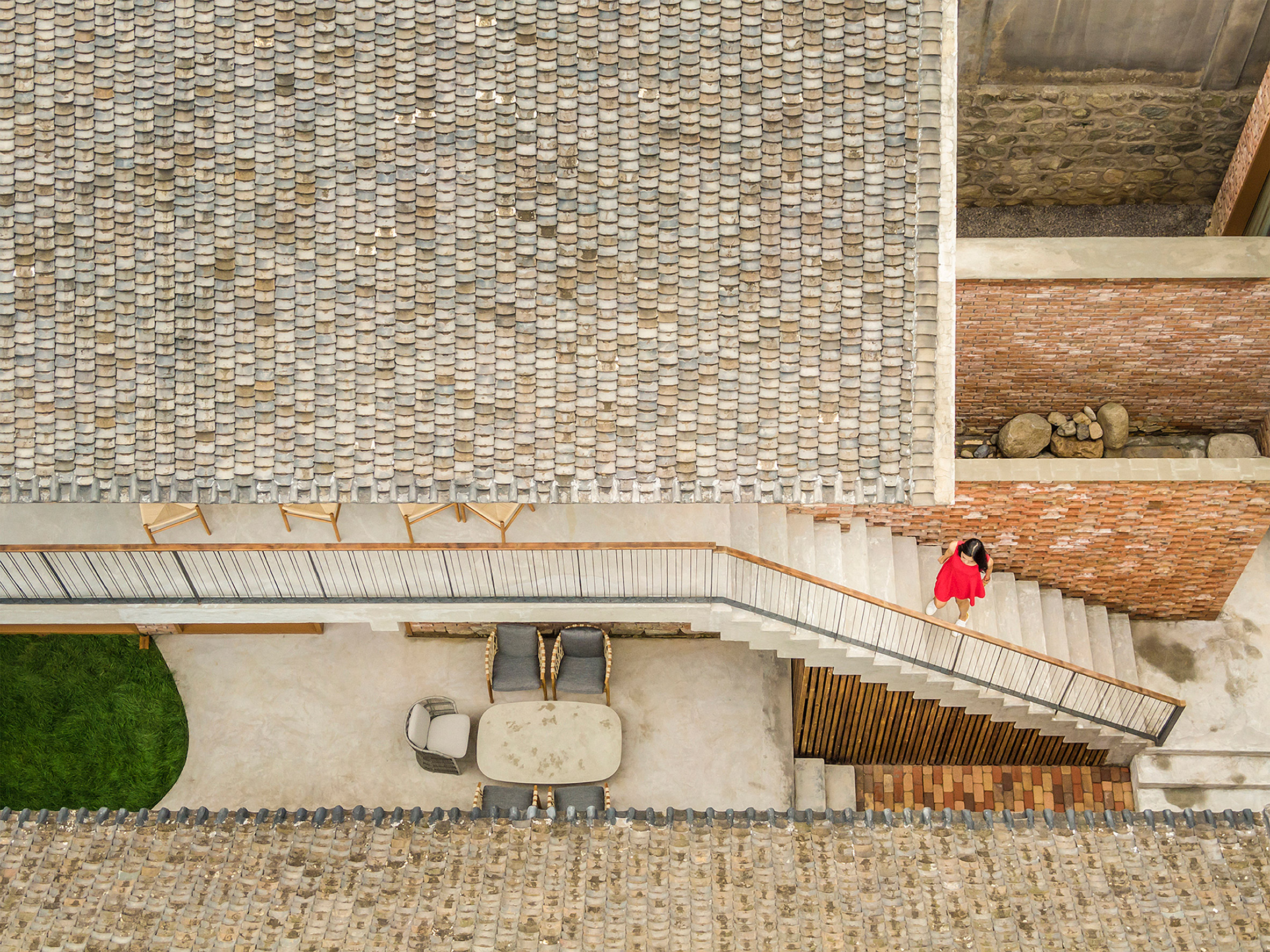
Elevated walkways also double as small balconies for bedroom spaces, with the eaves of the roof extending to provide shelter from the sun.
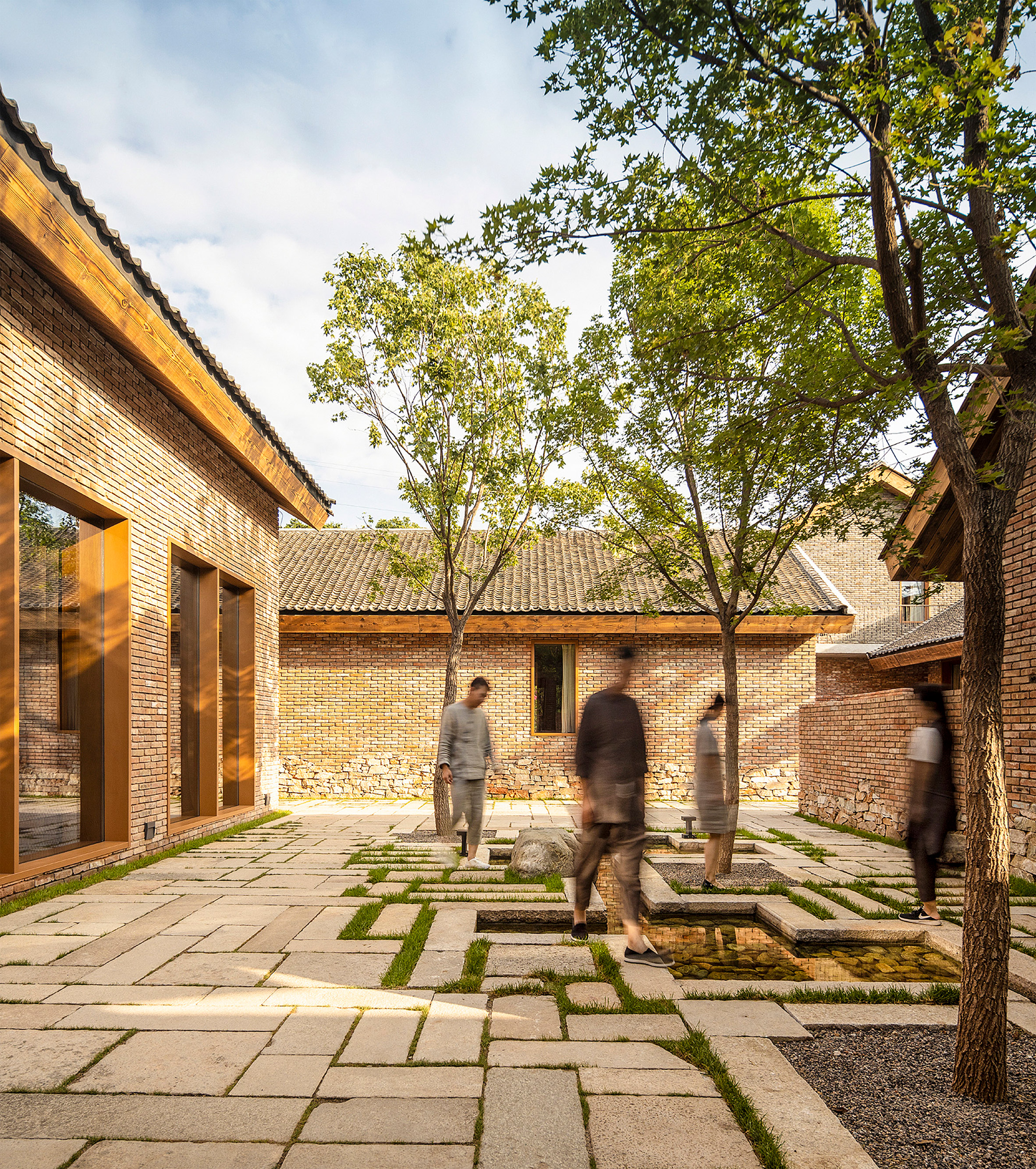
These narrow walkways and pockets of space have been used to create a sense of community between all of the spaces, but also to allow for moments of privacy.
The typology of the rural village has provided inspiration to several architects working in China.
Crossboundaries designed a kindergarten in Funing County designed to evoke the feeling of a miniature village, and Gad Line+ Studio also developed an affordable housing scheme near Hangzhou that drew on rural vernacular forms.
Photography is by Fernando Guerra I FG+SG.
Project credits:
Architectural design: LLLab
Construction team: San She Inn
Construction drawings: China Electric Design & Research Co.
Civil engineering construction team: Yi Wang and his friends
Interior construction team: Guobing Zhou and his friends
Landscape design: Shanghai Di Cui Landscaping Co.
Landscape construction team: Mr. Cai and his friends
Furniture consultation: CDC | Brandcreation
Uniform design: Carpostudio
The post LLLab uses red brick and slate for retreat close to the Great Wall of China appeared first on Dezeen.
This week we've selected four promising paid internships on Dezeen Jobs, including positions at architecture studio Studio Nauta and French fashion brand Lacoste.
Design/model-making intern at Studio Nauta
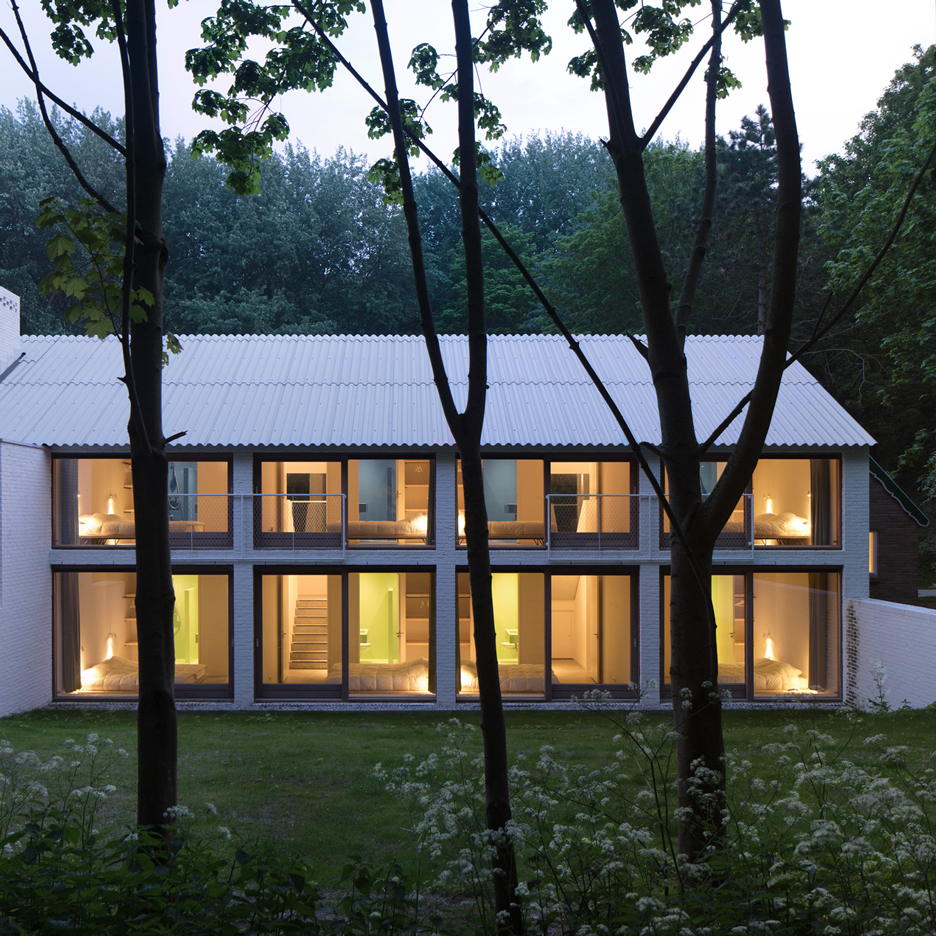
Studio Nauta is offering a six-month design and model-making internship at its Rotterdam office in the Netherlands. The firm created a family home using an assortment of new and old gabled blocks, located within a dense forest on the Netherland's southern coastline.
Find out more about this role ›
3D design/development placement at Lacoste
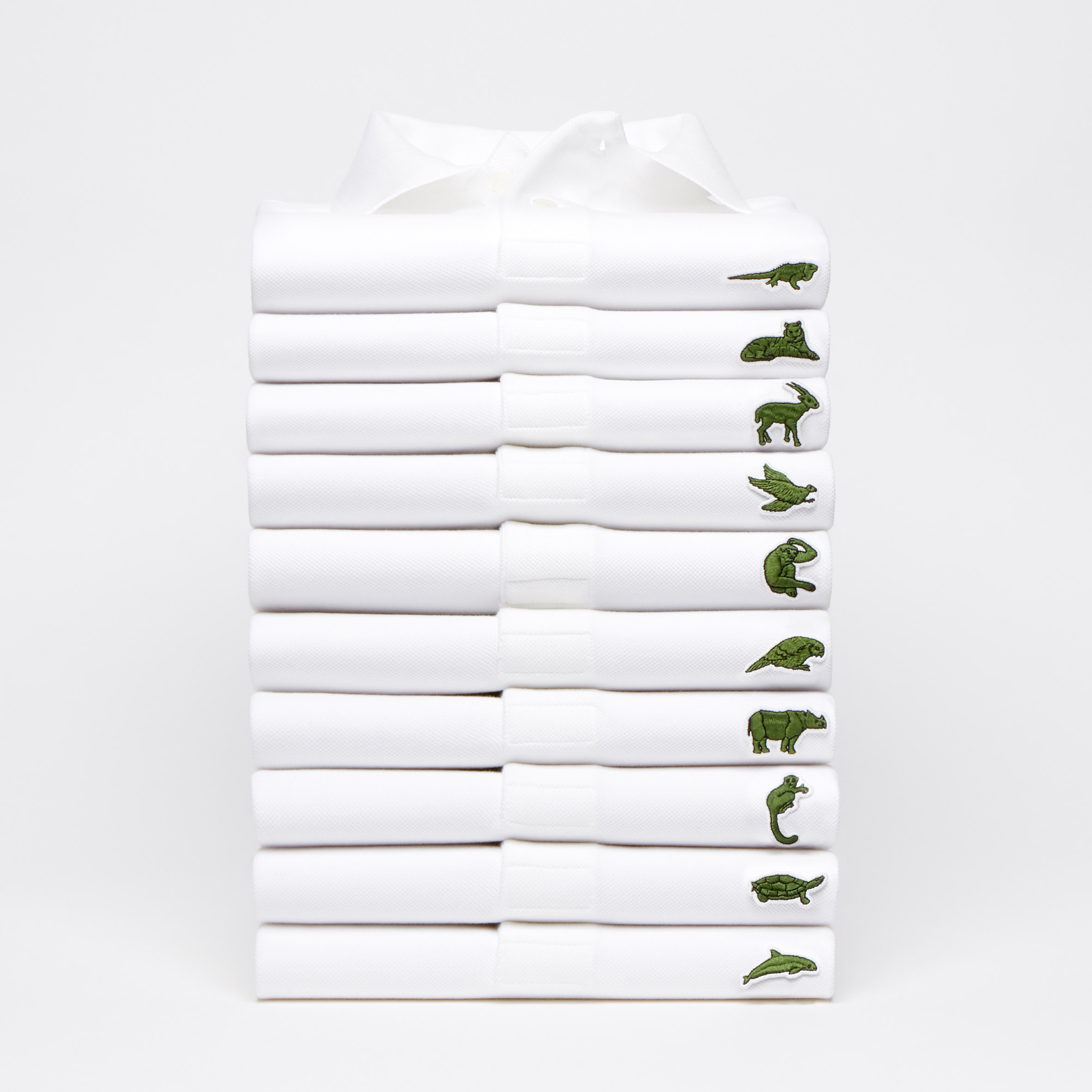
French fashion label Lacoste has created Lacoste x Save Our Species, a range of limited-edition polo shirts which feature endangered animals as the logo instead of the brand's renowned crocodile. The company has an opportunity for an individual to complete a 3D design/development placement at its office in London.
Find out more about this role ›

Global intern programme at Hassell
Hassell is offering six or 12-month internships for students and graduates across its global offices. The practice completed an office design for insurance company Medibank in Australia's Melbourne, designed to promote an active and healthy lifestyle.
Find out more about this role ›
Architectural interns at Nicolas Laisné Architectes
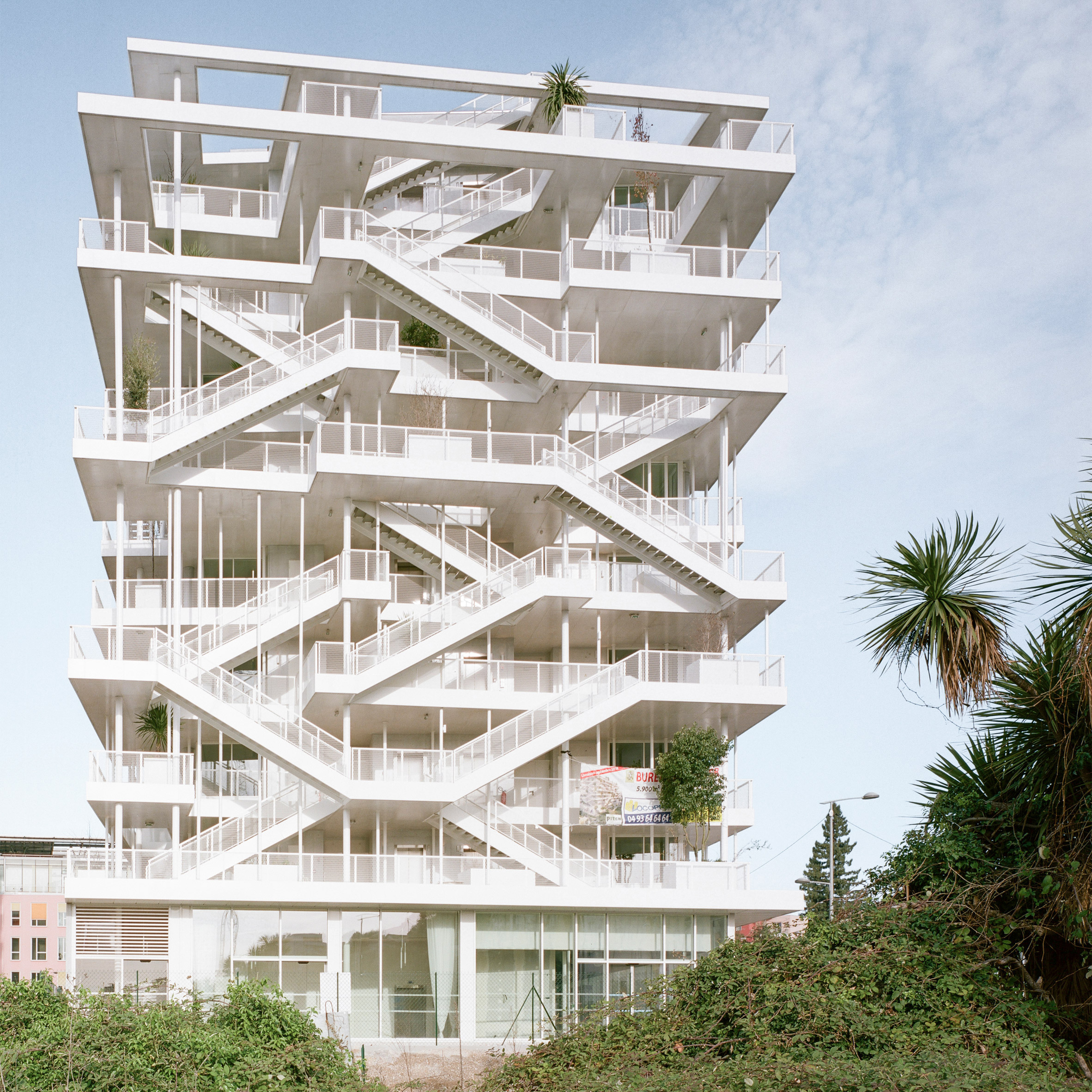
There is an opportunity at Nicolas Laisné Architectes for architectural interns to play an active role in the various stages of project development at its studio in Paris. The firm worked with studio Dimitri Roussel to turn a traditional office layout inside-out by adding staircases and workstations to its facades in Nice, France.
Find out more about this role ›
The post Four exciting internships on Dezeen Jobs including opportunities at Studio Nauta and Lacoste appeared first on Dezeen.


