Thursday, 5 December 2019

Hopkins' Portcullis House demonstrated that high-tech could be adapted to historic settings

High-tech architecture guide: Portcullis House by Michael Hopkins

Next up in our high-tech architecture guide, we look at Portcullis House in London, which demonstrated how the style could be used in historically sensitive locations.

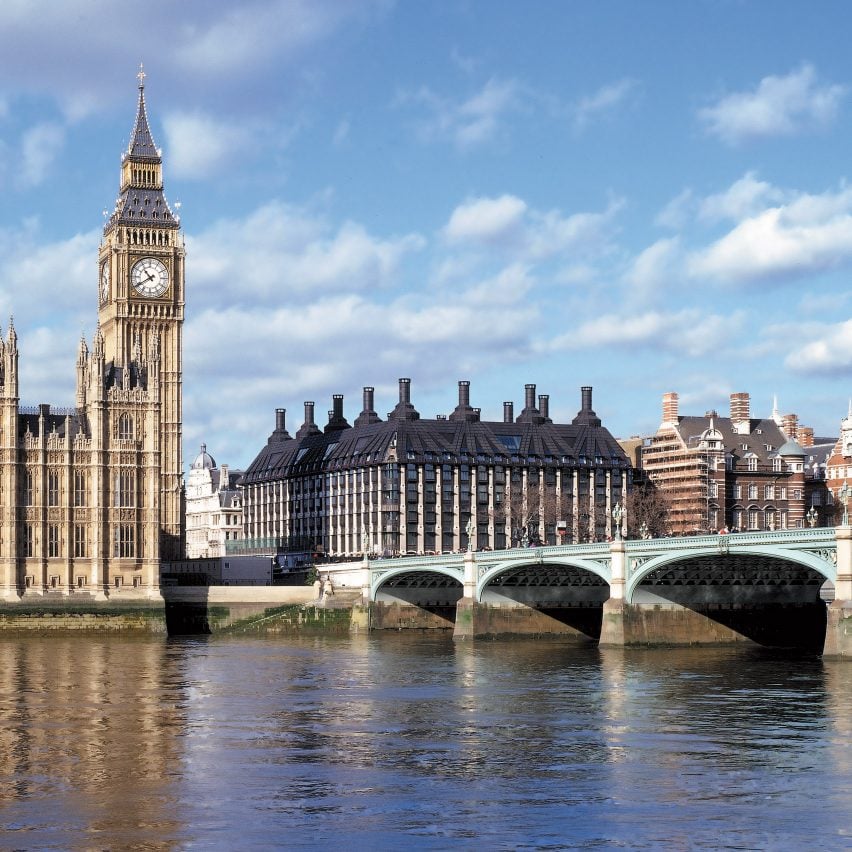
Built opposite the Palace of Westminster, Portcullis House is an office building designed by Michael and Patty Hopkins' studio, now called Hopkins Architects, as offices for the UK Parliament.

The building is six-storeys high and, like other buildings of the high-tech architecture style, has its services and structure expressed externally.

In the case of Portcullis House, this is marked by a roof lined with ventilation chimneys, a glass-roofed atrium and a robust substructure that is visible within the London Underground tube station it sits above.
High-tech architecture guide: Portcullis House by Michael Hopkins

Portcullis House was the result of a space audit of parliament carried out by the Hopkins' studio in 1988, which suggested there was an urgent need for more office space for members of parliament (MPs).

Four years later, Parliament commissioned the studio to develop the office to accommodate 213 MPs and their staff.

The brief demanded an ultra-low energy building, which would also complement its setting in a UNESCO World Heritage Site alongside the Palace of Westminster. The Palace includes the Houses of Parliament and London landmarks such as Elizabeth Tower, often referred to as Big Ben.

It also asked that the building be designed in conjunction with the Westminster tube station, which was built directly below the building.
High-tech architecture guide: Portcullis House by Michael Hopkins

Porticullis House was designed with structural engineer Arup, and is built largely from prefabricated elements – a staple of high-tech architecture – which allowed for quick assembly.

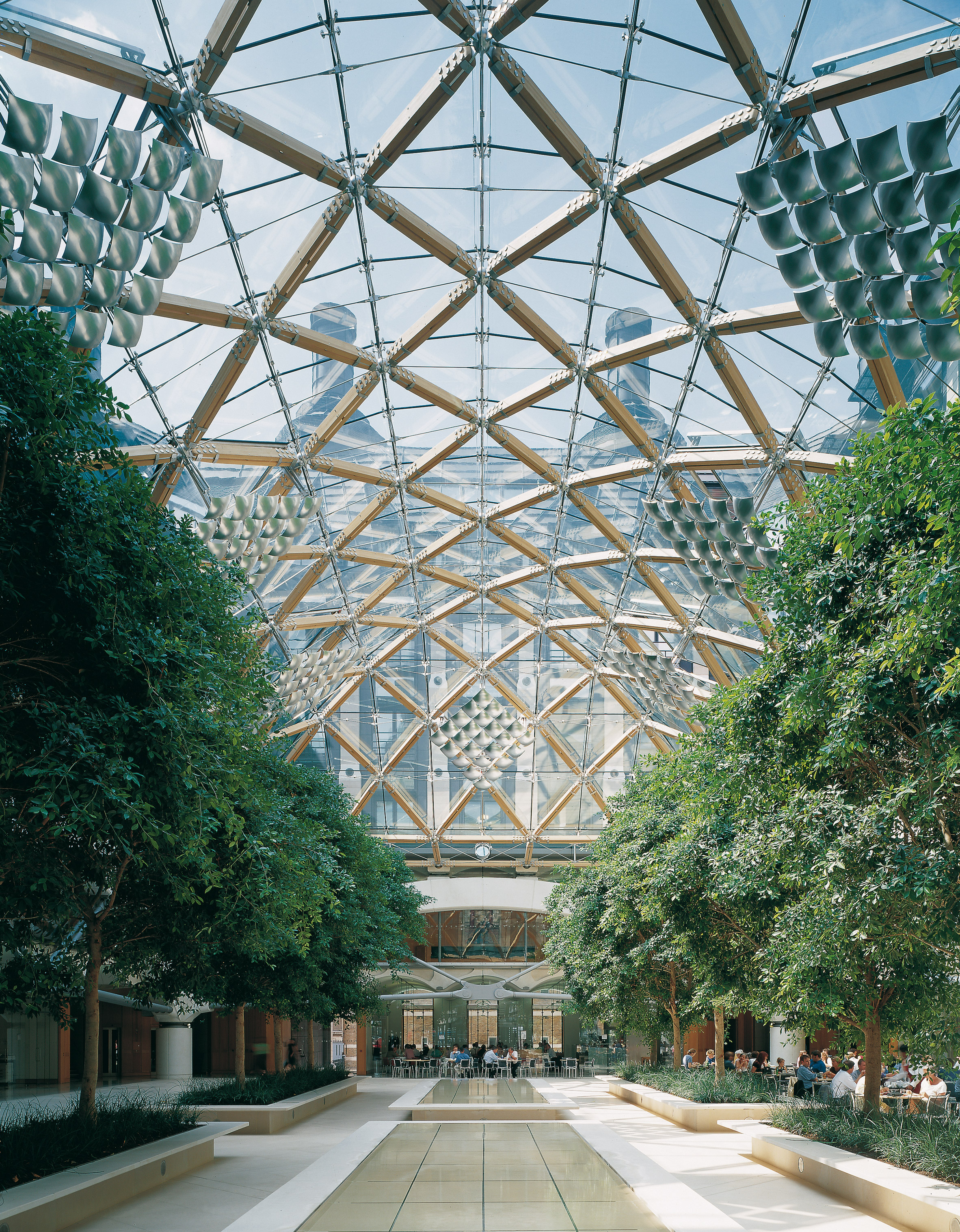
Its form and structure is organised around a central atrium, which is positioned in line with the ticket hall of the Westminster Underground station.

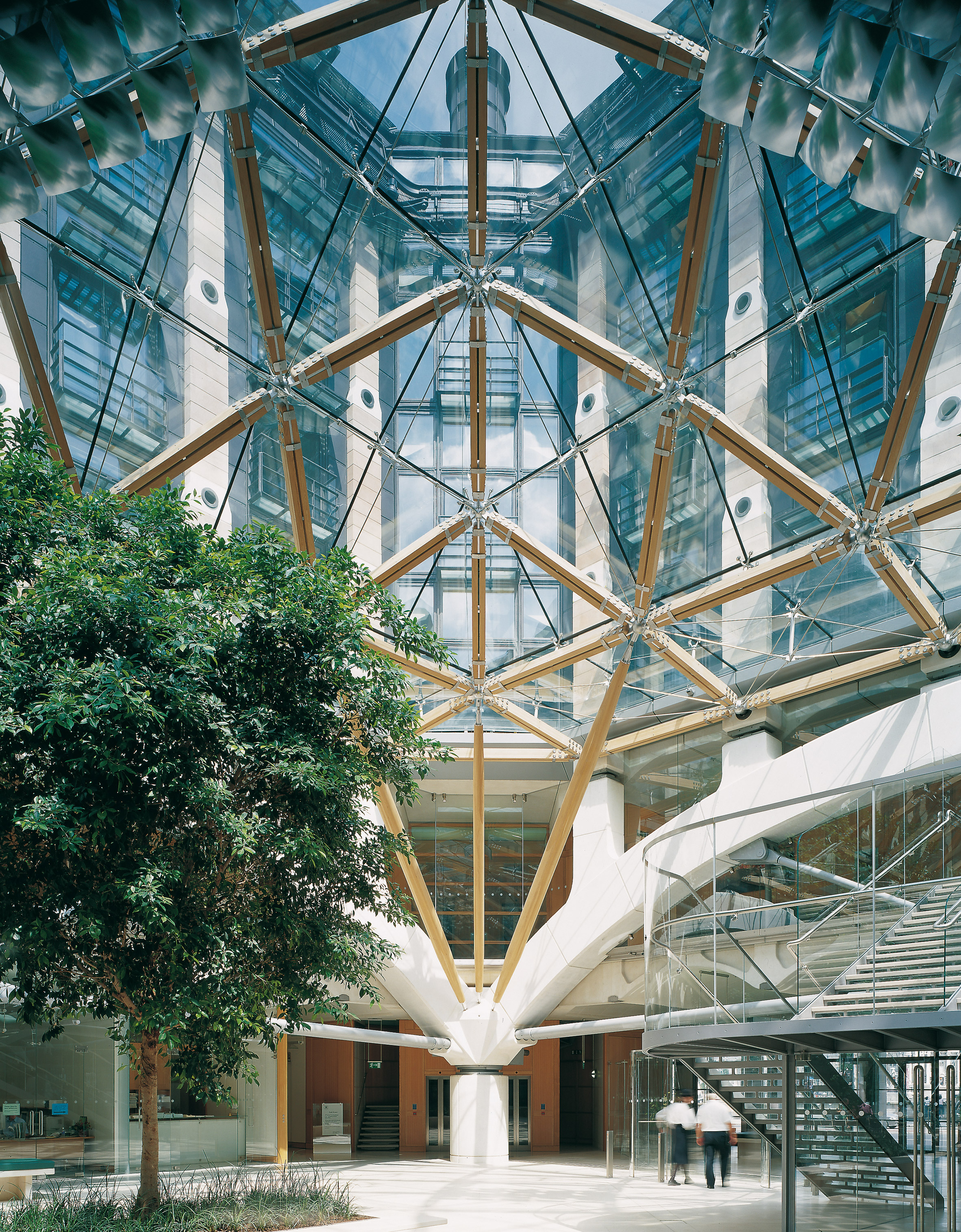
The building is supported by six huge foundation piles, which extend down through the station's ticket hall.

Where these piles meet the courtyard, they emerge above ground to support a series of concrete arches that form the sides of the atrium.

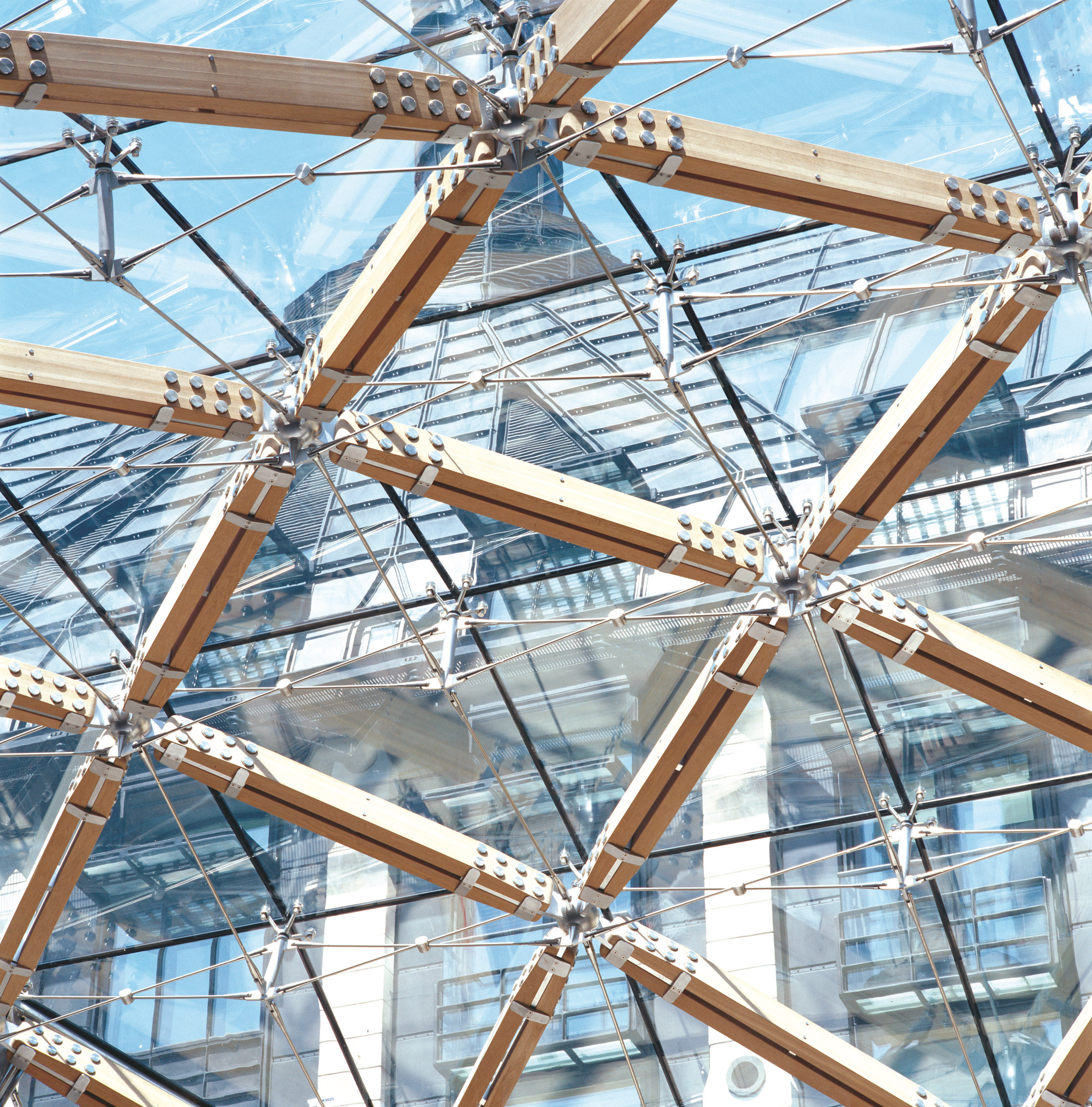
The arches also provide structural support for a huge glass canopy that covers the atrium and is further supported by a grid of steel and oak.
High-tech architecture guide: Portcullis House by Michael Hopkins

The high-tech style of Portcullis House is also evident externally, where fourteen tall, bronze chimneys line its roof. Thirteen of these chimneys are used for natural ventilation, while the fourteenth is a flue for mechanical systems.

They are all positioned on the roof due to a lack of underground space, but by echoing the aesthetic of the chimneys of the adjacent Norman Shaw building and Palace of Westminster, they help the building relate to its setting.

The chimneys are positioned on top of a series of box girders that double as air ducts and form a spider-like pattern on its roof. These box girders then rest on prestressed sandstone columns expressed on the building's facade.

Between the sandstone columns, the studio also developed prefabricated high-tech cladding, including ducting, windows, sun-shading and a "light shelf".
High-tech architecture guide: Portcullis House by Michael Hopkins

The atrium is complete with trees and water features, with a secure underpass that links the courtyard to the Houses of Parliament.

The rest of the ground floor, which surrounds the atrium, features an open arcade that extends along the two street frontages, sheltering the entrance to the tube station and a row of shops.
High-tech architecture guide: Portcullis House by Michael Hopkins

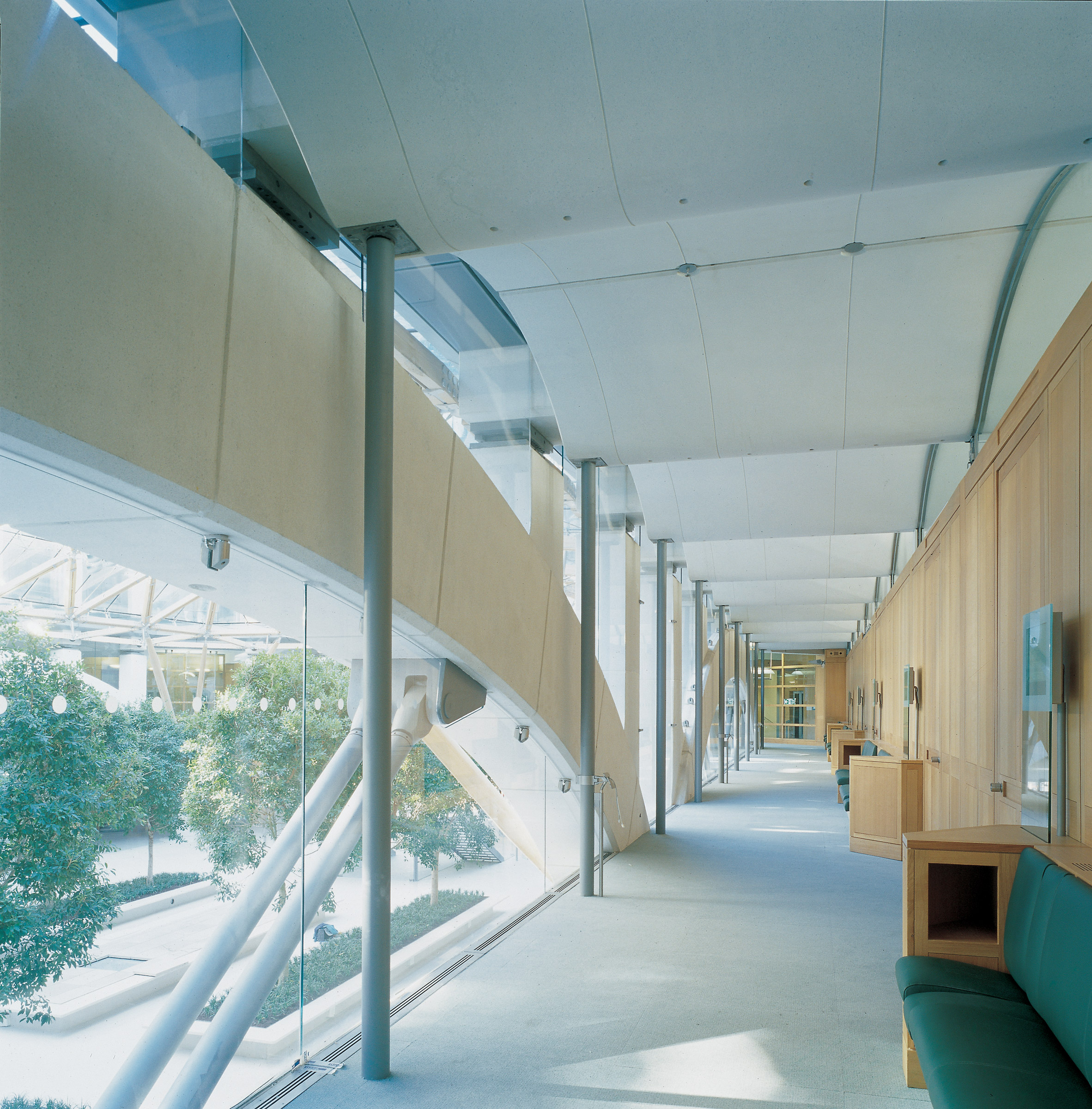
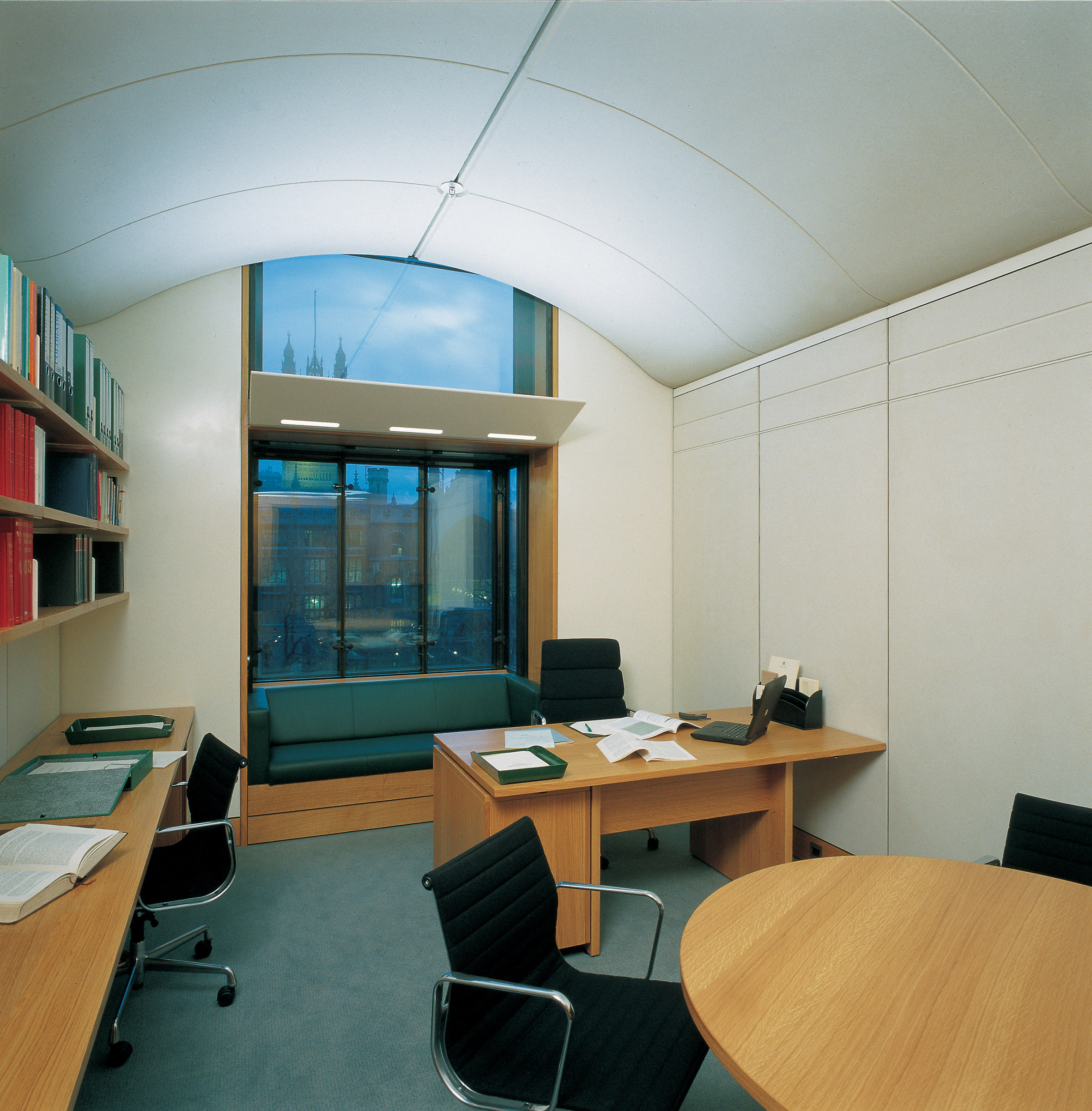
The upper floors of Portcullis House are populated with offices around its perimeter, which tail off from a corridor that looks down into the atrium through the glass roof.

All the interior finishes are designed to look and feel like a ship – with bowed windows and light oak finishing.

Portcullis House is complete with boreholes that use groundwater for cooling, which is one of the reasons it received a BREEAM Excellent rating – the highest available at the time of its completion. It was also nominated for the 2001 Stirling Prize.

High-tech architecture
Dezeen's high-tech architecture series explores the style

Led by architects Norman Foster, Richard RogersNicholas Grimshaw, Michael and Patty Hopkins and Piano, high-tech architecture was the last major style of the 20th century and one of its most influential.

Our high-tech series celebrates its architects and buildings ›

Photography is courtesy of Hopkins Architects. Illustration is by Jack Bedford.

The post Hopkins' Portcullis House demonstrated that high-tech could be adapted to historic settings appeared first on Dezeen.


from Dezeen https://ift.tt/2RnwIO0

Dezeen's top 10 museums and galleries of 2019

National Museum of Qatar by Atelier Jean Nouvel

Continuing our review of the yearSemi Han picks out the top 10 museums and galleries that welcomed their first visitors in 2019.


Dezeen’s top 10 museums and galleries of 2019

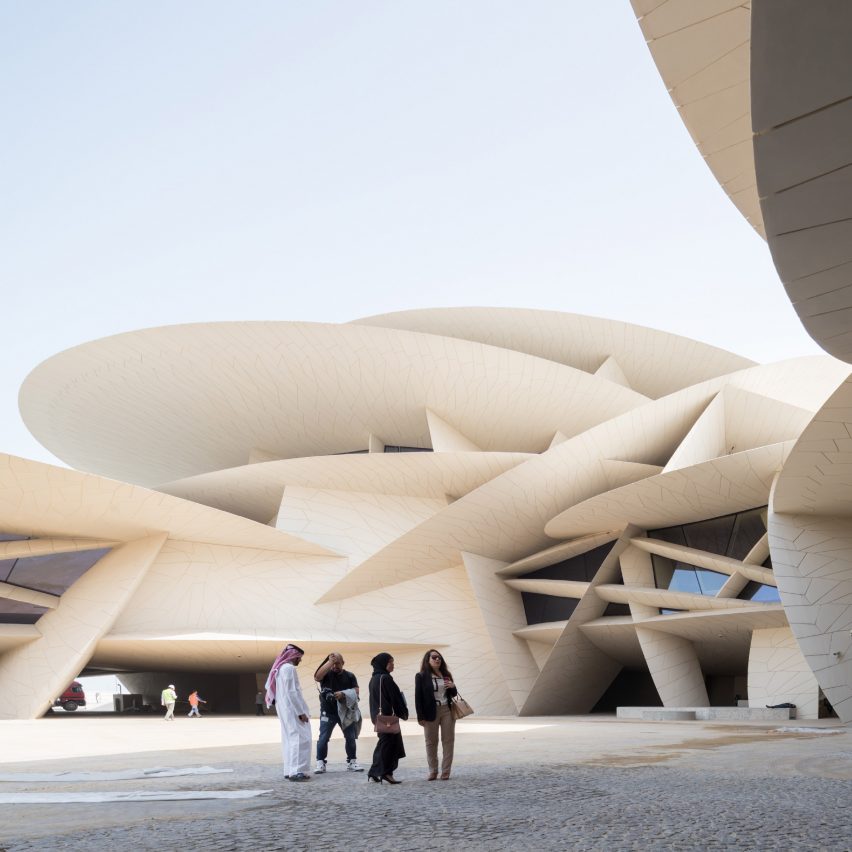
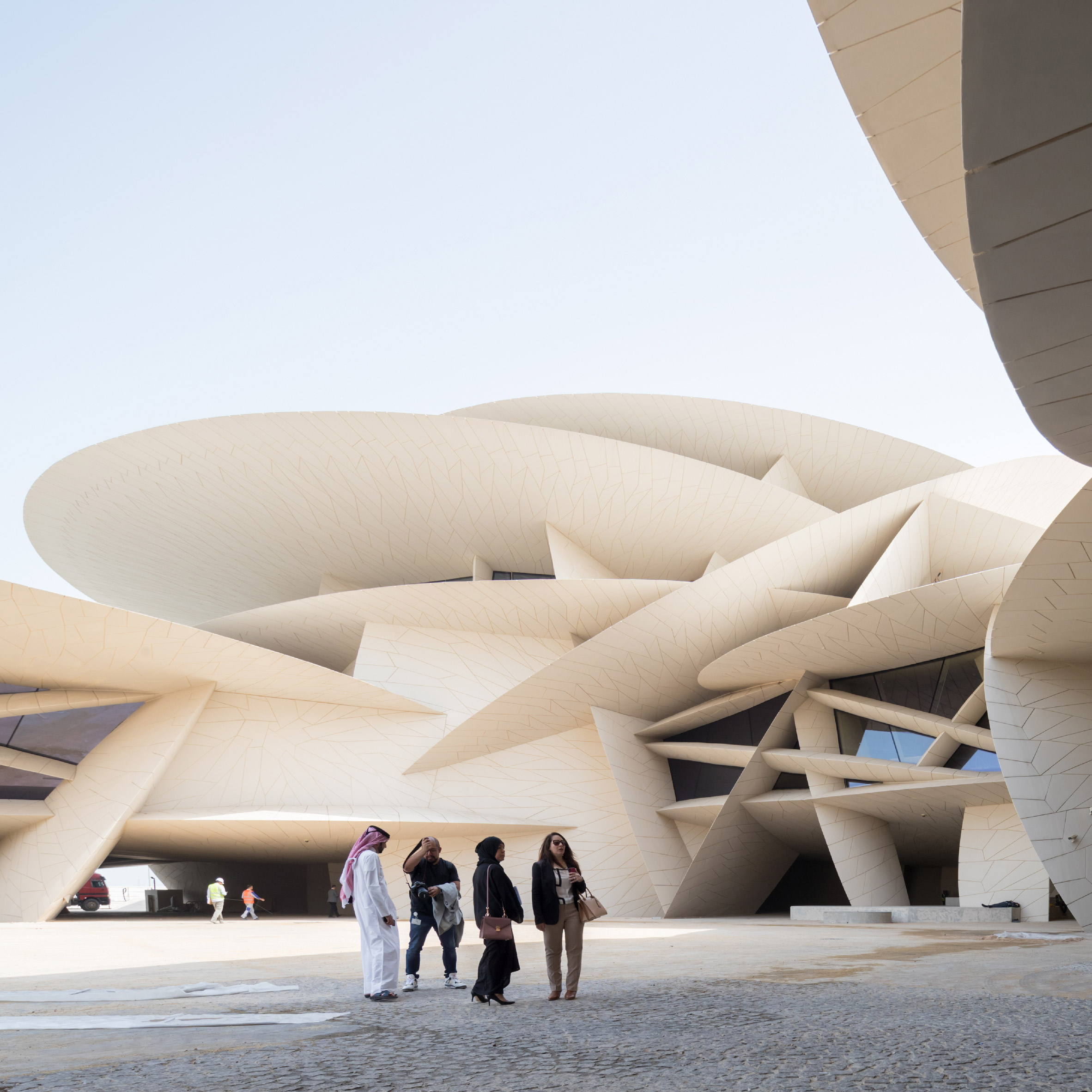
National Museum of Qatar, Doha, Qatar, by Atelier Jean Nouvel

Atelier Jean Nouvel used colliding white discs to create the distinct exterior of National Museum of Qatar. After almost 10 years in the making, the landmark building opened in March.

The museum surrounds an early 20th-century palace, which is also part of the visitor experience. Inside, a mile-long elliptical path follows the chronological history of Qatar, from its prehistoric beginnings to the present day.

Read more about National Museum of Qatar ›


Dezeen’s top 10 museums and galleries of 2019

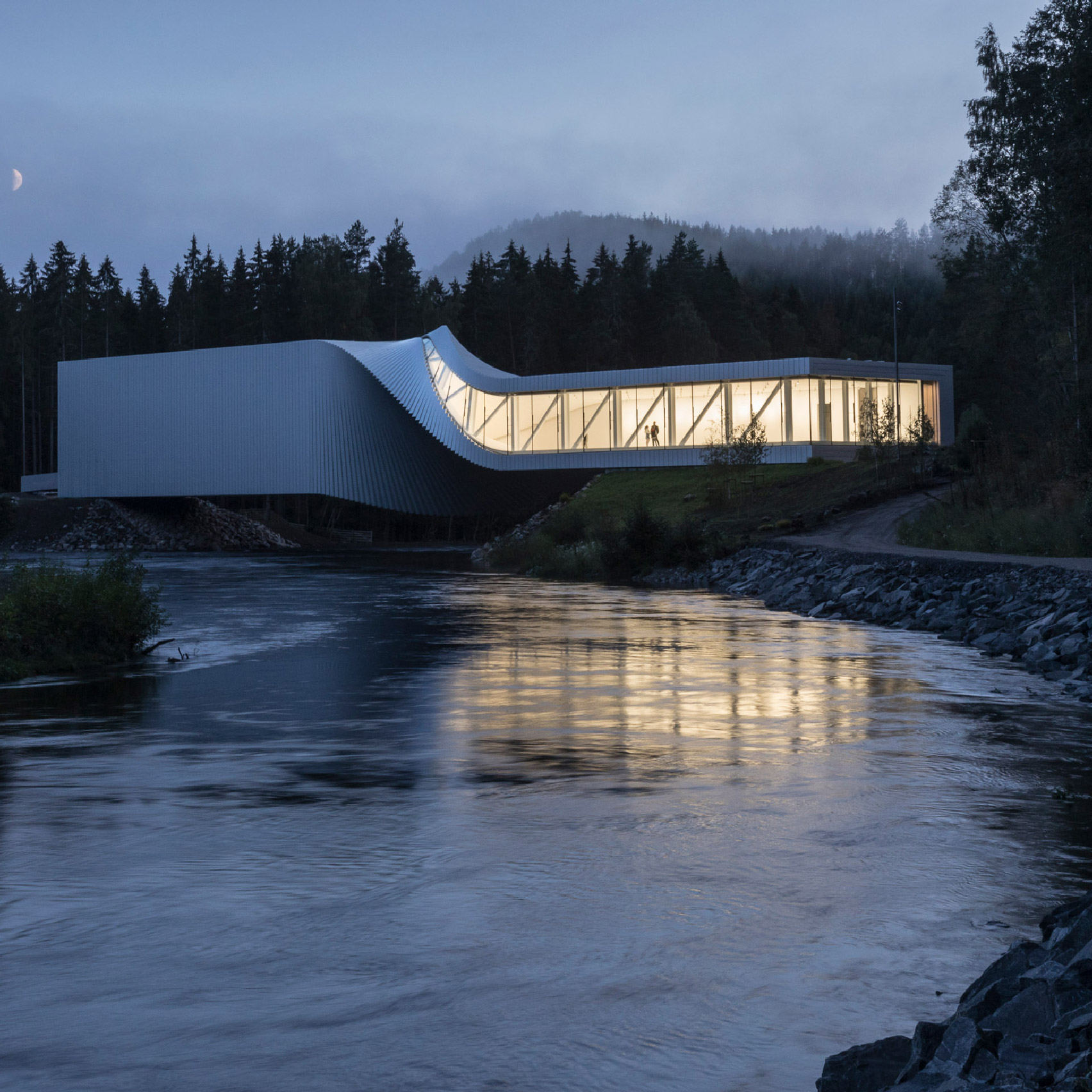
The Twist, Kistefos, Norway, by BIG

Bjarke Ingels designed this art gallery, which doubles as a bridge, using staggered aluminium panels to clad its name-sake twisting form.

The Twist's sculptural aesthetic is meant to reflect the uneven river-bank topography and the artworks of the Kistefos sculpture park next door.

Visitors enter the gallery through the windowless south entrance and walk over the river to the spaces that are glazed from floor to ceiling.

Read more about The Twist ›


Dezeen’s top 10 museums and galleries of 2019

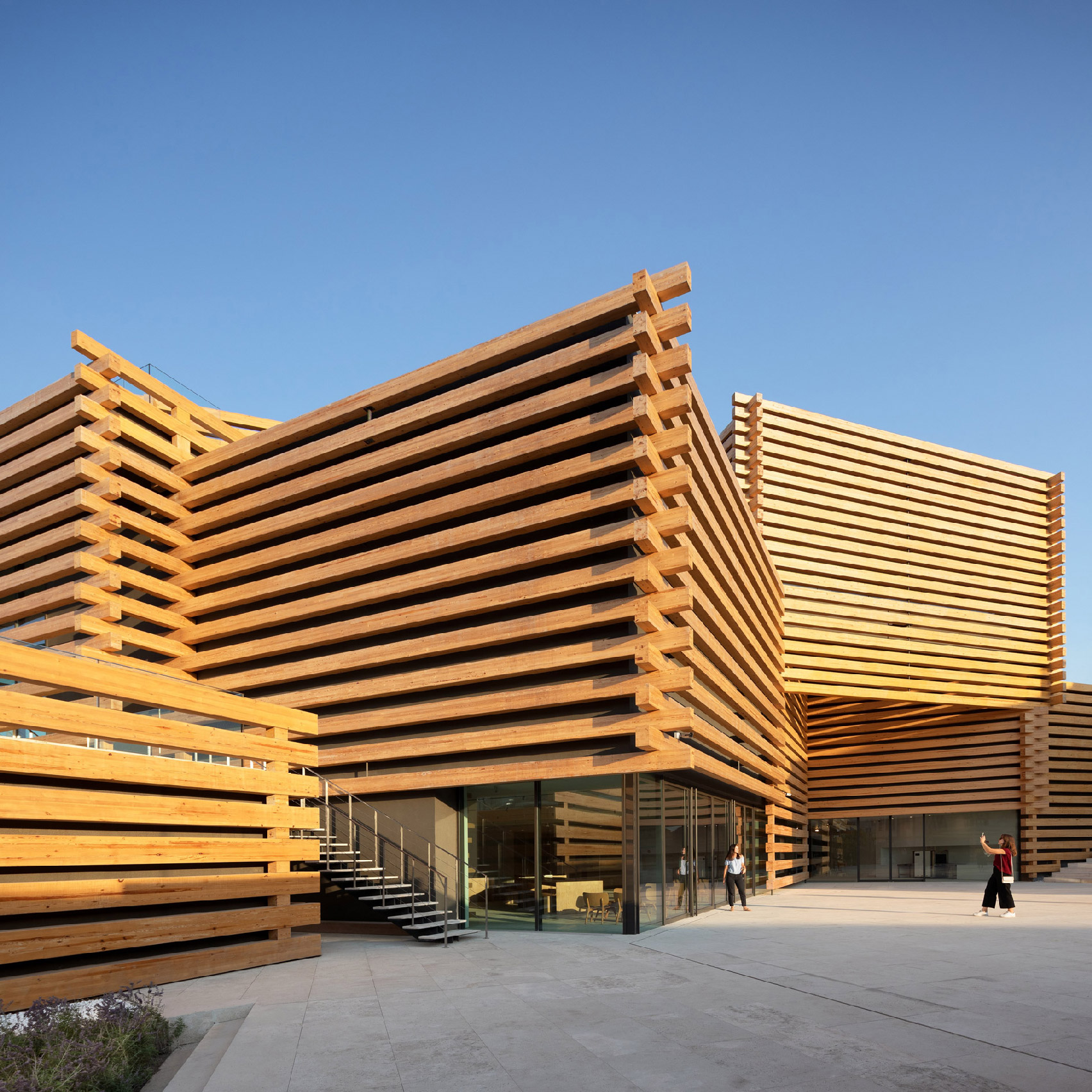
Odunpazari Modern Museum, Eskisehir, Turkey, by Kengo Kuma and Associates

Interlocking, cross-laminated timber beams on the exterior of the Odunpazari Modern Museum allude to the town's history of timber trading. A skylight atrium runs through all three storeys at the point where the four volumes of the building meet.

The museum, which opened in September, houses items from Tabanca's 1,000-piece collection of modern art and hosts temporary exhibitions.

Read more about Odunpazari Modern Museum ›


Dezeen’s top 10 museums and galleries of 2019

Aranya Art Center, Qinhuangdao, China, by Neri&Hu

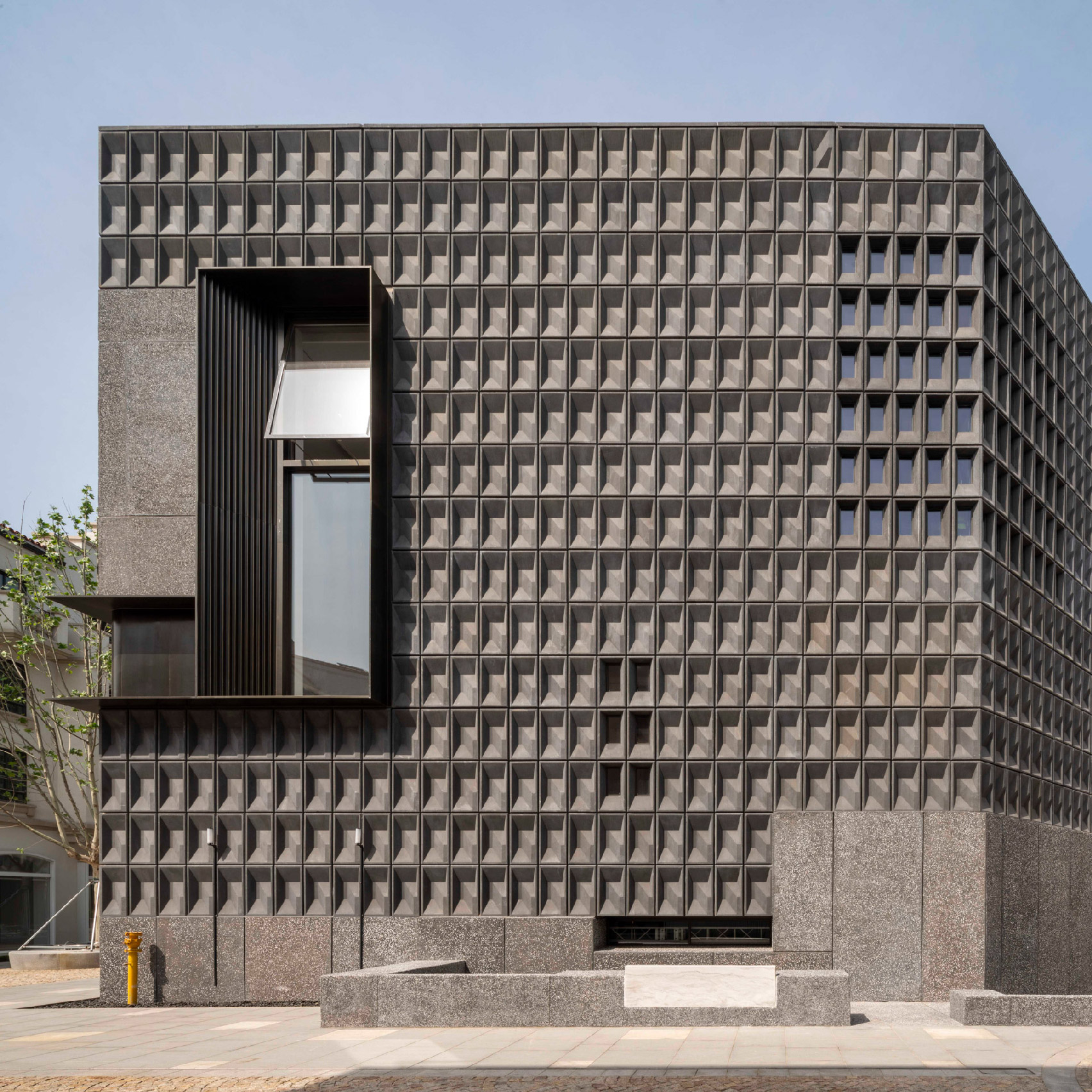
Neri&Hu designed the Aranya Art Center for the Gold Coast seaside resort in China. A patterned exterior is formed from  modular faceted concrete blocks, some of which have openings to let light inside.

This material features throughout the interiors, including in the five gallery spaces that centre around a conical void finished in smooth concrete.

Read more about Aranya Art Center ›


Dezeen’s top 10 museums and galleries of 2019

Bauhaus Museum Dessau, Dessau, Germany, by Addenda Architects

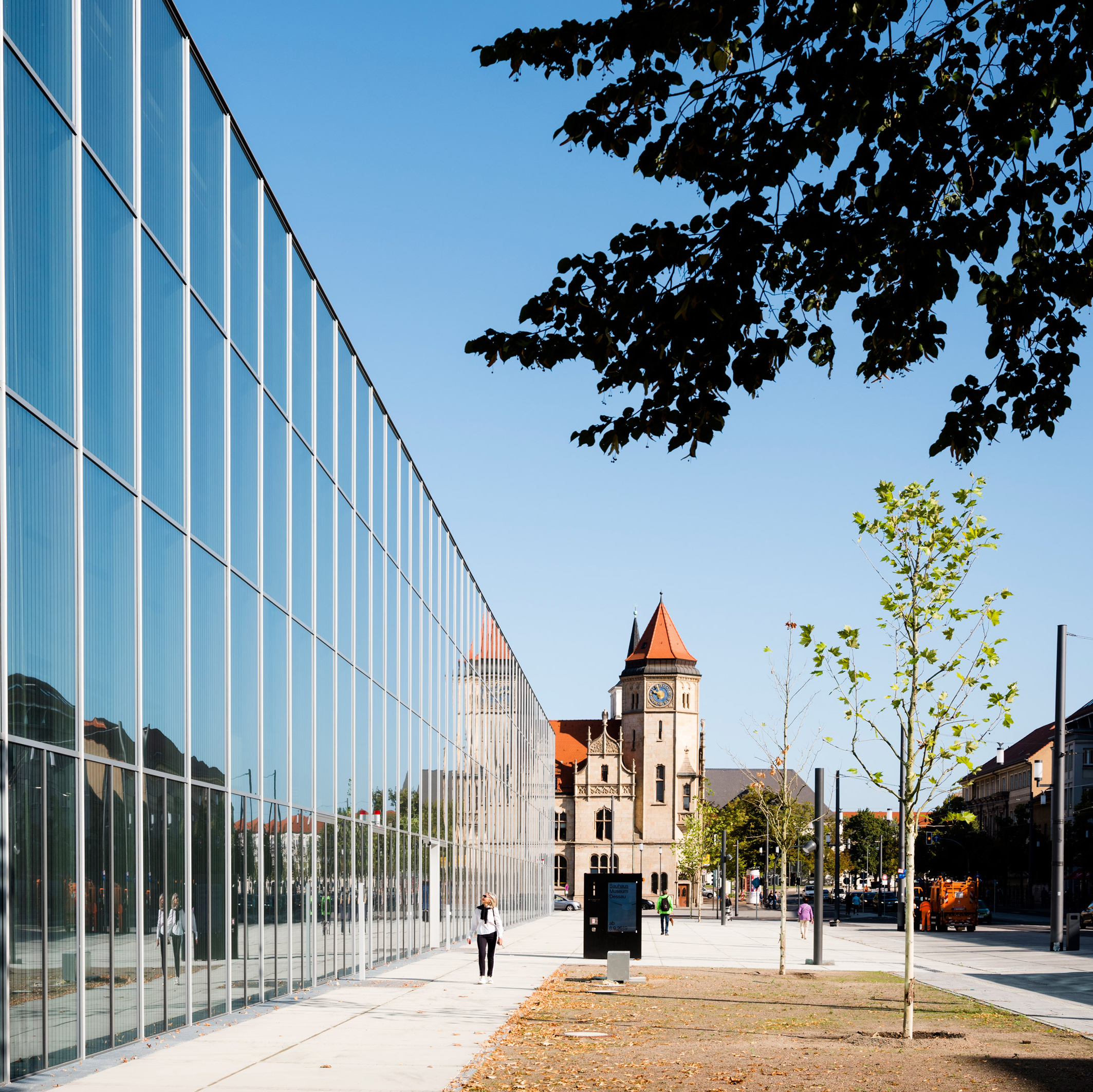
2019 marked 100 years since the Bauhaus school of architecture was founded. This museum its at the centre of Dessau, where the influential school was based between 1925-1932.

Addenda Architects designed an open plan main exhibition place on the ground floor. A black, enclosed space is elevated above the space, where inside visitors can see more delicate items from the movement.

Another museum for the Bauhaus opened in Weimar this year.

Read more about Bauhaus Museum Dessau ›


Dezeen’s top 10 museums and galleries of 2019

The Shed, New York, USA, by Diller Scofidio + Renfro

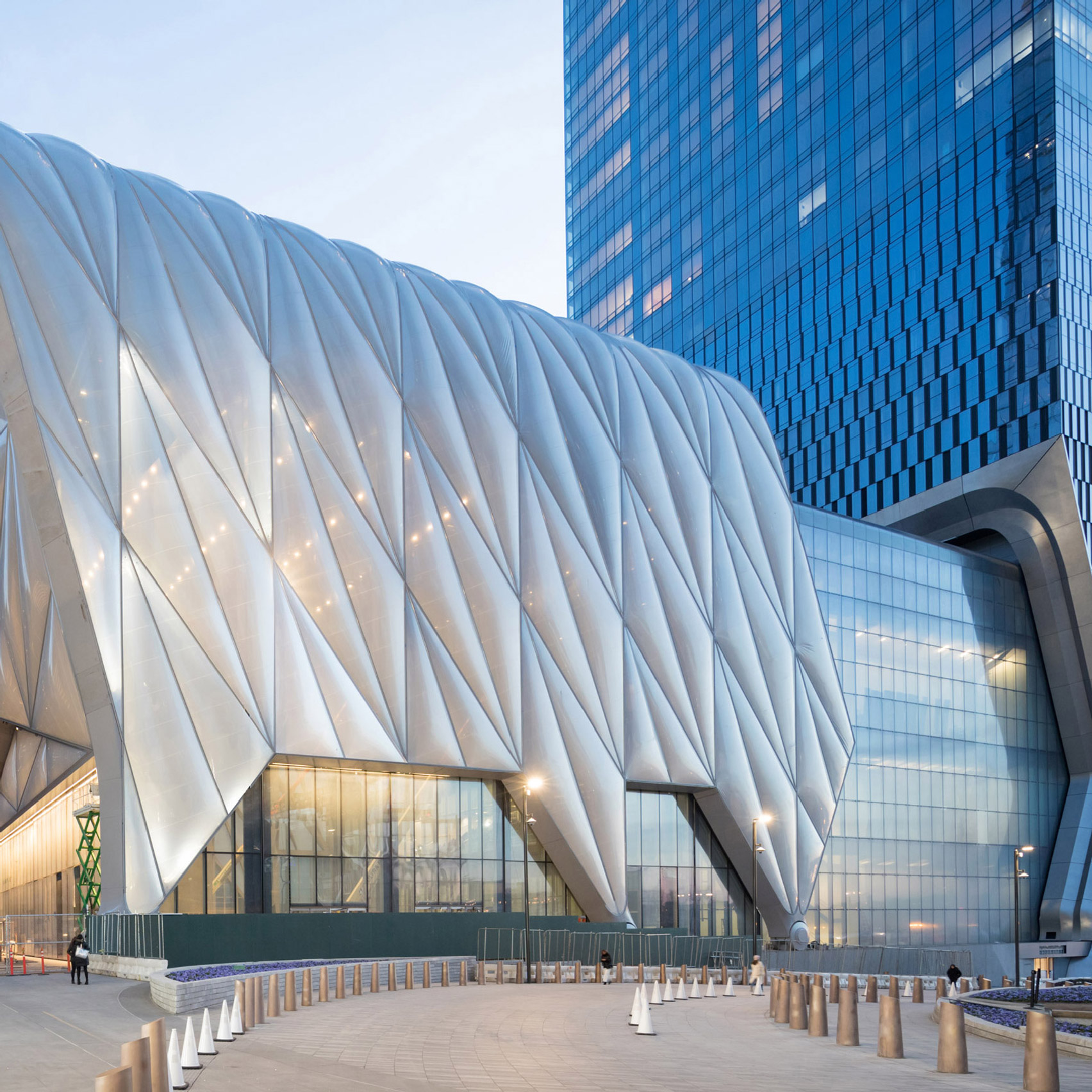
The Shed is an eight-storey museum in New York's Hudson Yards development. Designed by Diller Scofidio + Renfro, the museum's translucent polymer-clad roof is can be moved to shelter a space that almost doubles the building's size.

A sled drive pushes the U-shaped steel frame along a pair of 80-metre-long rails, so the venue can transform depending on the requirements of different artists using the space.

Read more about The Shed ›


Dezeen’s top 10 museums and galleries of 2019

Zhejiang Museum of Natural History, Zhejiang, China, by David Chipperfield Architects

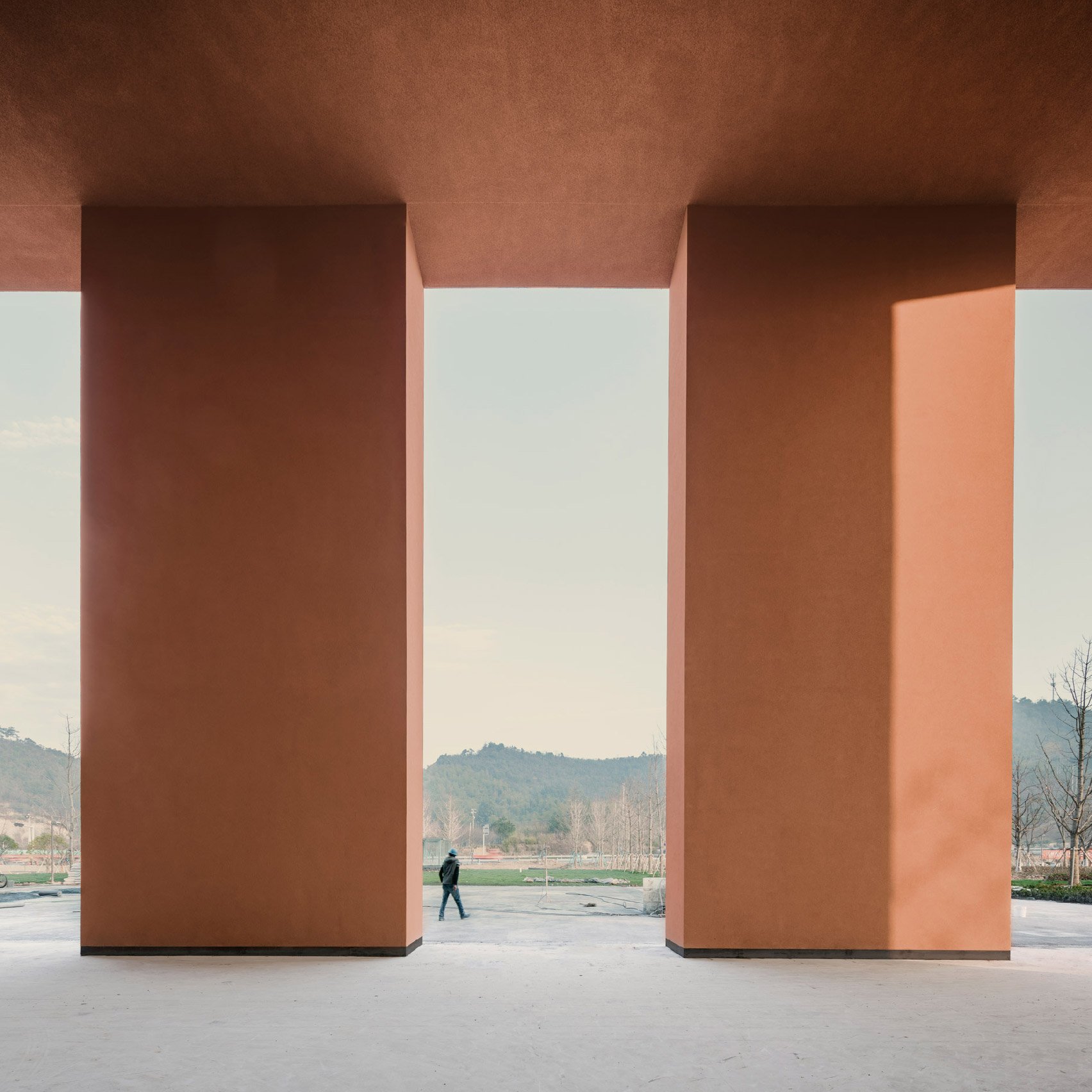
The monolithic red exhibition halls of Zhejiang Museum of National History in the Anji county opened earlier this year. Designed by David Chipperfield Architects, the eight single-storey pavilions are built into the landscape and coloured in ochre to match the local clay.

The project's monumentality, said the studio, signifies the large number of visitors and grand scale of exhibitions to come.

Read more about Zhejiang Museum of Natural History ›


Dezeen’s top 10 museums and galleries of 2019

Jishou Art Museum, Jishou, China, by Atelier FCJZ

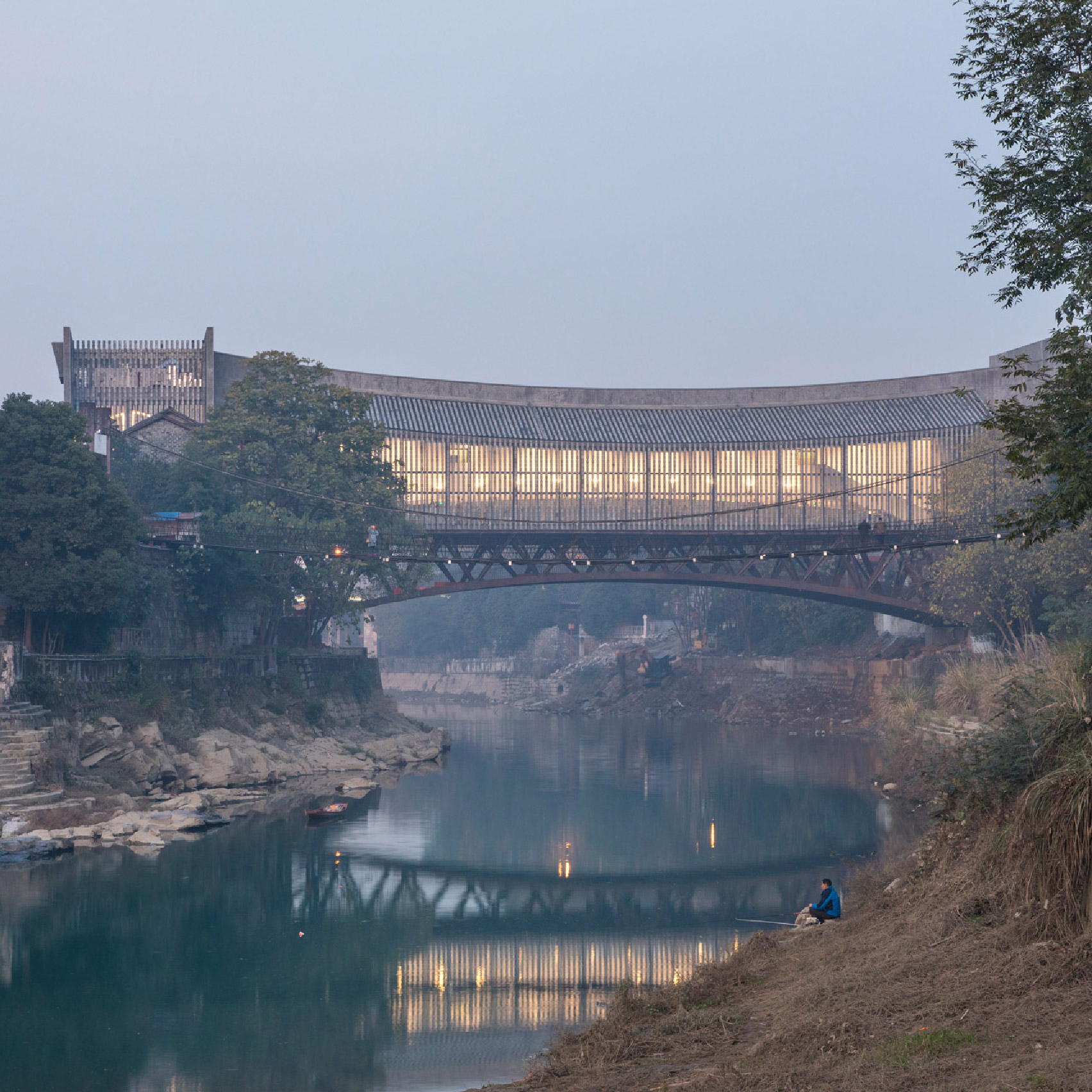
As with the The Twist earlier on our list, Jishou Art Museum in China is a bridge that is also an art gallery. Spanning the Wanrong river, Atelier FCJZ designed the museum to provide an accessible pedestrian route through central parts of the city.

Two bridge structures are stacked atop each other to create the building. Visitors walk through the upper level of exhibition space to cross the bridge, as they browse the artworks whilst passing through.

Read more about Jishou Art Museum ›


Windermere Jetty Museum by Carmody Groarke

Windermere Jetty museum, the Lake District, England, by Carmody Groarke

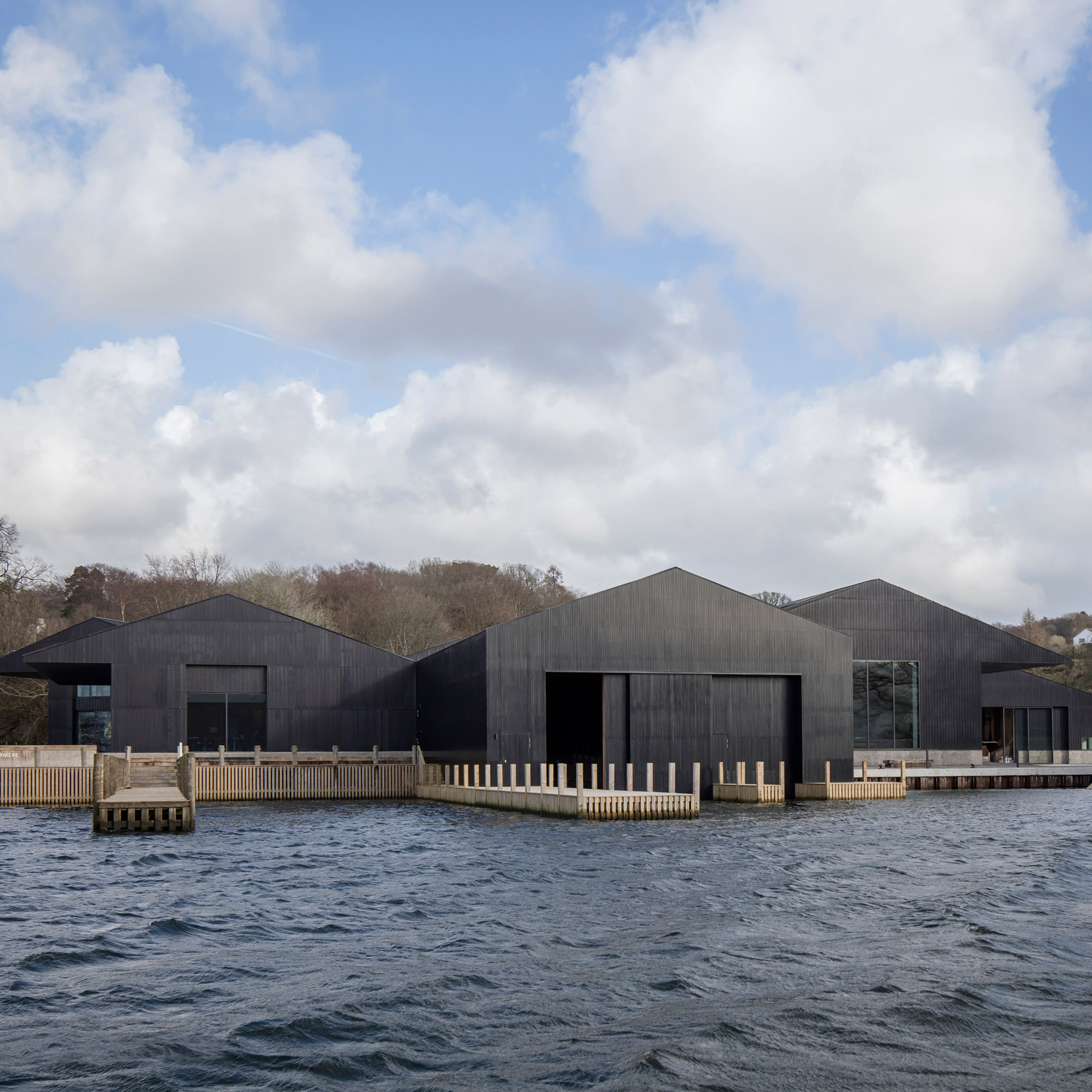
A display of significant motorboats, steam boats and yachts are displayed inside a cluster of gabled hangers clad in dark copper on the shore of Windermere lake in the UK.

Carmody Groake designed the museum to be as close to the water as possible, and included a huge dry dock that allows boats to be sailed up and in to the museum for display.

Read more about the Windermere Jetty museum ›


Dezeen’s top 10 museums and galleries of 2019

Ruby City, Texas, USA, by Adjaye Associates

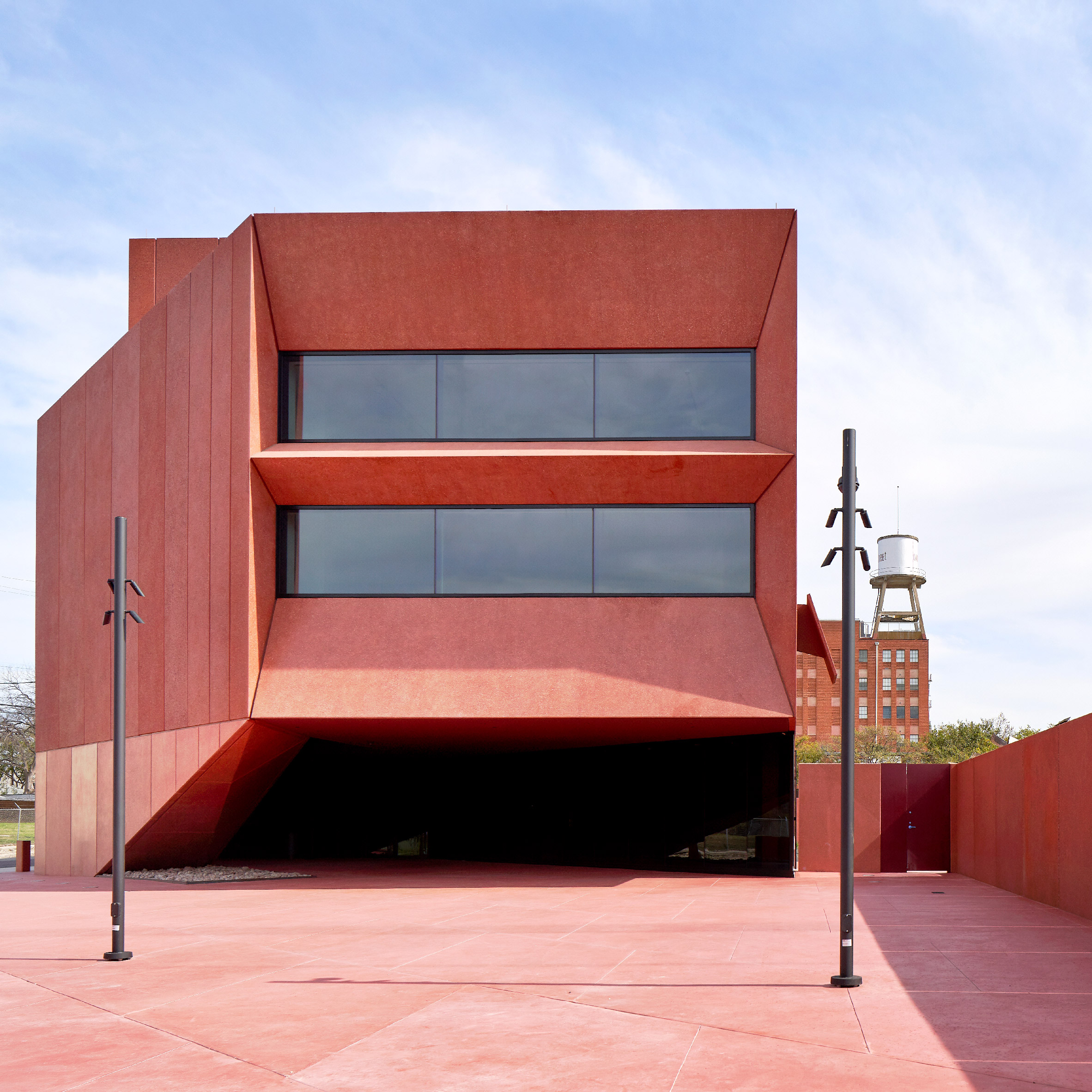
Another red museum is David Adjaye's Ruby City, a contemporary art centre that gets its monochromatic exterior from crimson-coloured concrete panels. Specks of glass and mica were mixed into the concrete, so that Ruby City glistens when it catches the light.

The museum houses over 800 artworks for US-charity Linda Pace Foundation across two storeys, including pieces by Olafur Eliasson and Antony Gormley.

Read more about Ruby City ›

The post Dezeen's top 10 museums and galleries of 2019 appeared first on Dezeen.


from Dezeen https://ift.tt/2Ph2XvD

"Demolition is sometimes the best option" says Bartlett professor at Net Zero Carbon talk

Net Zero Carbon talk by Kingspan and NLA

Construction experts discuss the ways that the building industry can move towards having zero carbon emissions in this panel discussion filmed by Dezeen for Kingspan at the Building Centre in London.

Called Accelerating the Pathway to Net Zero Carbon Buildings, the event was hosted by architectural facade specialist Kingspan and independent research forum New London Architecture.

Moderated by AECOM's Tom Lelyveld, the panel of five speakers drew on academic research and industry experience to discuss how the UK could achieve its target of net-zero emissions by 2050.

A range of arguments were made on the subject, including how retrofitting existing buildings is not as sustainable as people have been led to believe and that timber is not always the solution to decarbonising the built environment.

Michael Stacey was a panellist at the Net Zero Carbon Talk hosted by Kingspan
Professor Michael Stacey from the Bartlett School of Architecture was on panel

Panellist Michael Stacey, who is a teaching fellow at the Bartlett School of Architecture, argued that sometimes demolition can be more carbon efficient than retrofitting a building.

Stacey explained that refurbishing a building often means that less than half carbon is retained, with levels sometimes much lower.

"Demolition is sometimes the best option," he stated. "In most cases, reusing existing buildings saves between four and 46 per cent of the carbon."

In some situations it may use less carbon to demolish a building and replace it with an entirely new structure that has had sustainability considered from the outset.

"If you convert a warehouse into a multi-occupancy residential building it uses 17 per cent more carbon that a new build."

Mark Taylor Allies and Morrison
Allies and Morrison's director Mark Taylor was also a panellist

In contrast to the advice given by speakers at the Architecture of Emergency climate summit in September, Stacey also argued that timber is not always the most sustainable material to use.

The academic believes that people may be misusing timber due to a difficulty in obtaining and interpreting life cycle analysis reports that detail the full environmental impact of a product.

"There are reputable books that say this: if you can't understand the mathematics of life cycle analysis, specify wood. I'm afraid that it's not correct," he stated.

"Timber inside buildings is great because you are looking after the CO2 for as long as the life of the building, but what is not recycled is typically burnt," he added.

In addition to emitting CO2 when it is burned at the end of its life, timber that is used on the outside of a building – especially in the case of windows – must be repainted every eight years to prevent it from rotting and releasing the carbon it has locked up, according to Stacey.

To prevent the misuse of materials, Stacey suggested that life cycle analysis reports should be made more freely available.

Bianca Wong is the Global Head of Sustainability at Kingspan
The panel also featured Bianca Wong, global head of sustainability at Kingspan

The panel also featured Allies and Morrison director Mark Taylor, Kingspan's global head of sustainability Bianca Wong, Sean Butler of metal facade supplier Schüco, and Billy Field from Dane Architectural.

In addition to making the science behind carbon emissions more transparent, the panel also advised that the introduction of legislation and government-backed financial incentives would contribute significantly to attaining the UK's aim of net zero carbon.

Schüco's commercial director Sean Butler also participated in the talk

Taylor is the director of architecture practice Allies and Morrison. The London-based firm is one of the signatories of Architects Declare – a campaign signed by more than 700 architecture practices across the UK declaring a biodiversity and climate emergency.

Wong is the global head of sustainability at Kingspan and is leading the specialist building facade company in attaining its goal to become a net zero carbon business by 2020.

Butler is the commercial director of Schüco, an international building facade supplier that aims to facilitate harmony between buildings, their users and nature.

Field is the director of Dane Architectural, a facade specialist that has provided the exterior components of buildings by Grimshaw Architects and Steven Holl Architects.

The talk is the latest example of built environment professionals addressing their own carbon emissions in order to combat climate change. Last month, Dezeen hosted a conference in which environmental designer Sophie Thomas conducted an analysis of the carbon emitted by the event, while Stirling Prize-winning architect Mikhail Riches pledged to work on zero-carbon projects.

The post "Demolition is sometimes the best option" says Bartlett professor at Net Zero Carbon talk appeared first on Dezeen.


from Dezeen https://ift.tt/366CEPS

Sejin Choi blurs the boundaries between graphic design and art

Sejin-choi-work-graphic-design-itsnicethat-list
The Seoul-based designer talks us through his playful work which experiments with the Korean writing system, Hangul, in a variety of forms including dance, performance and poster design.

Read more


from It's Nice That https://ift.tt/33S3CJa

Dianne Van der Hoeven maps her inspirations to her work in Symbiotic Hues

Dianne-van-der-hoeven-symbiotic-hues-graphic-design-itsnicethat-2
How do you collect and archive your design inspirations? The Rotterdam-based designer wanted to create a tactile way to interact with her references as a way to reflect on her design process.

Read more


from It's Nice That https://ift.tt/2LpbQ5k