Friday, 6 December 2019

Bath's Francis Gallery is set inside a Georgian townhouse

Francis Gallery in Bath, England

Homely living spaces serve as a backdrop to artworks inside this gallery in Bath, England, which has been created by editor Rosa Park and designer Fred Rigby.

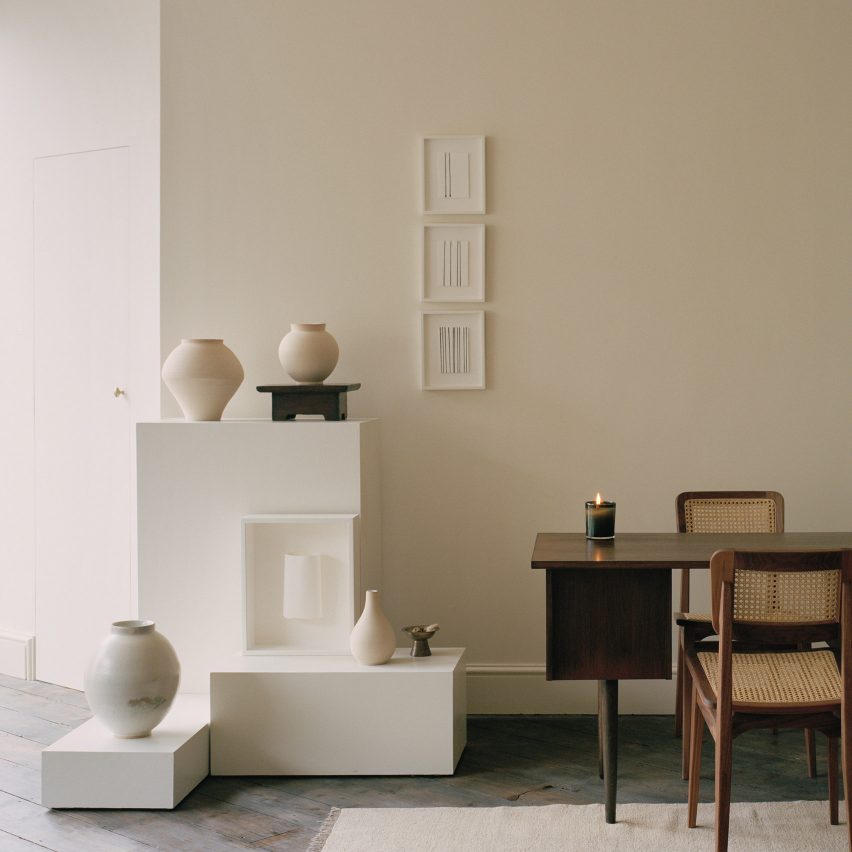
Occupying the ground floor of a heritage-listed Georgian townhouse, Francis Gallery has been designed to be a cosy, domestic setting that "shows people how to live with their art".

It's the brainchild of Cereal magazine editor, Rosa Park, who worked alongside designer and furniture maker Fred Rigby to develop the gallery's interior.
Francis Gallery in Bath, England

"I wanted the space to exude warmth, first and foremost – for people to feel completely welcome and at home when they walk in," Park told Dezeen.

"At Francis, there is a fluid interplay between the works, furnishings, antiques and interior details."
Francis Gallery in Bath, England

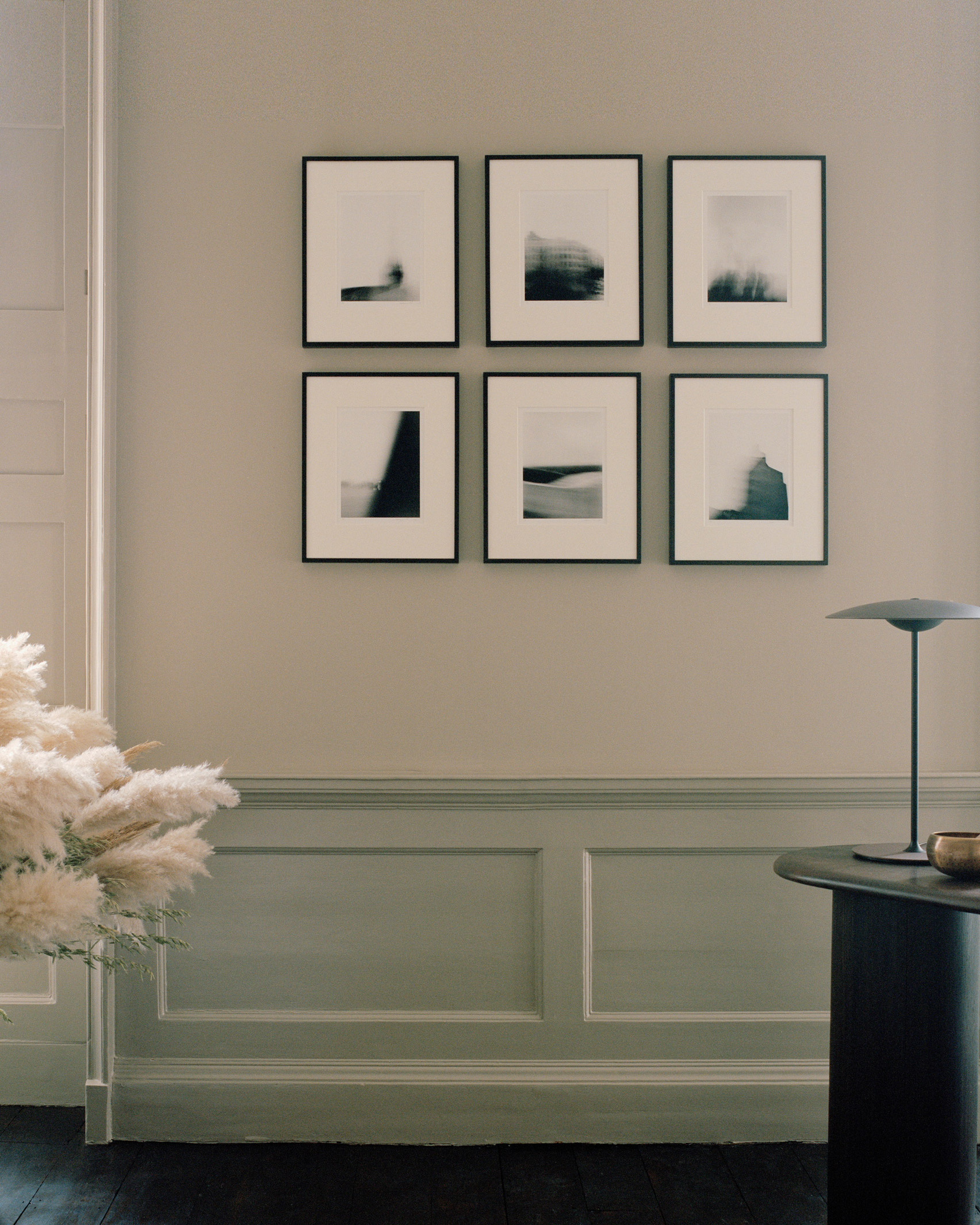
Rooms throughout the gallery have thus been arranged much like living spaces, with artworks, antiques and ceramics acting as decoration.

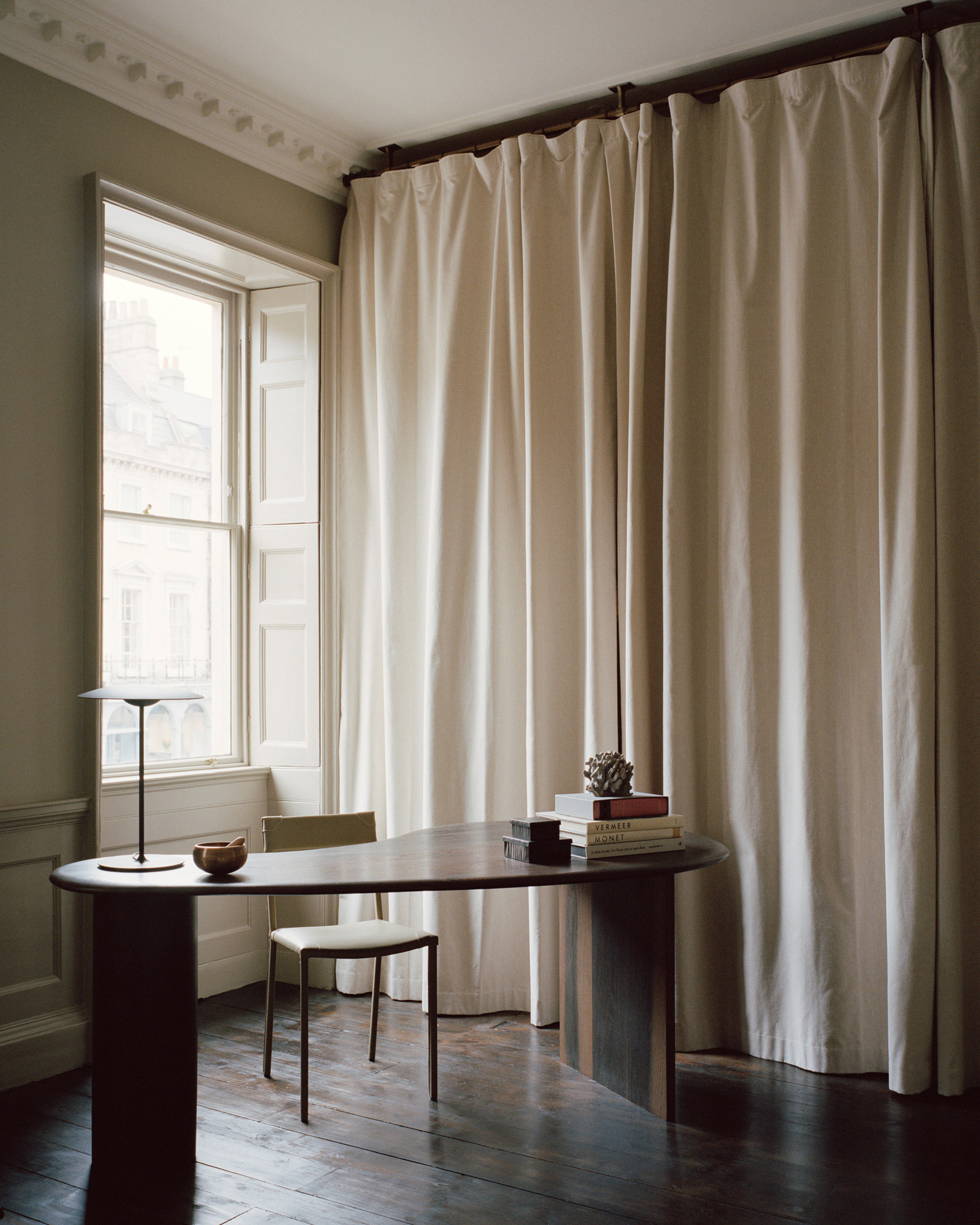
The rear room seems to take cues from a typical study: in its corner lies a bean-shaped wooden desk that's topped with a reading lamp and a handful of books.
Francis Gallery in Bath, England

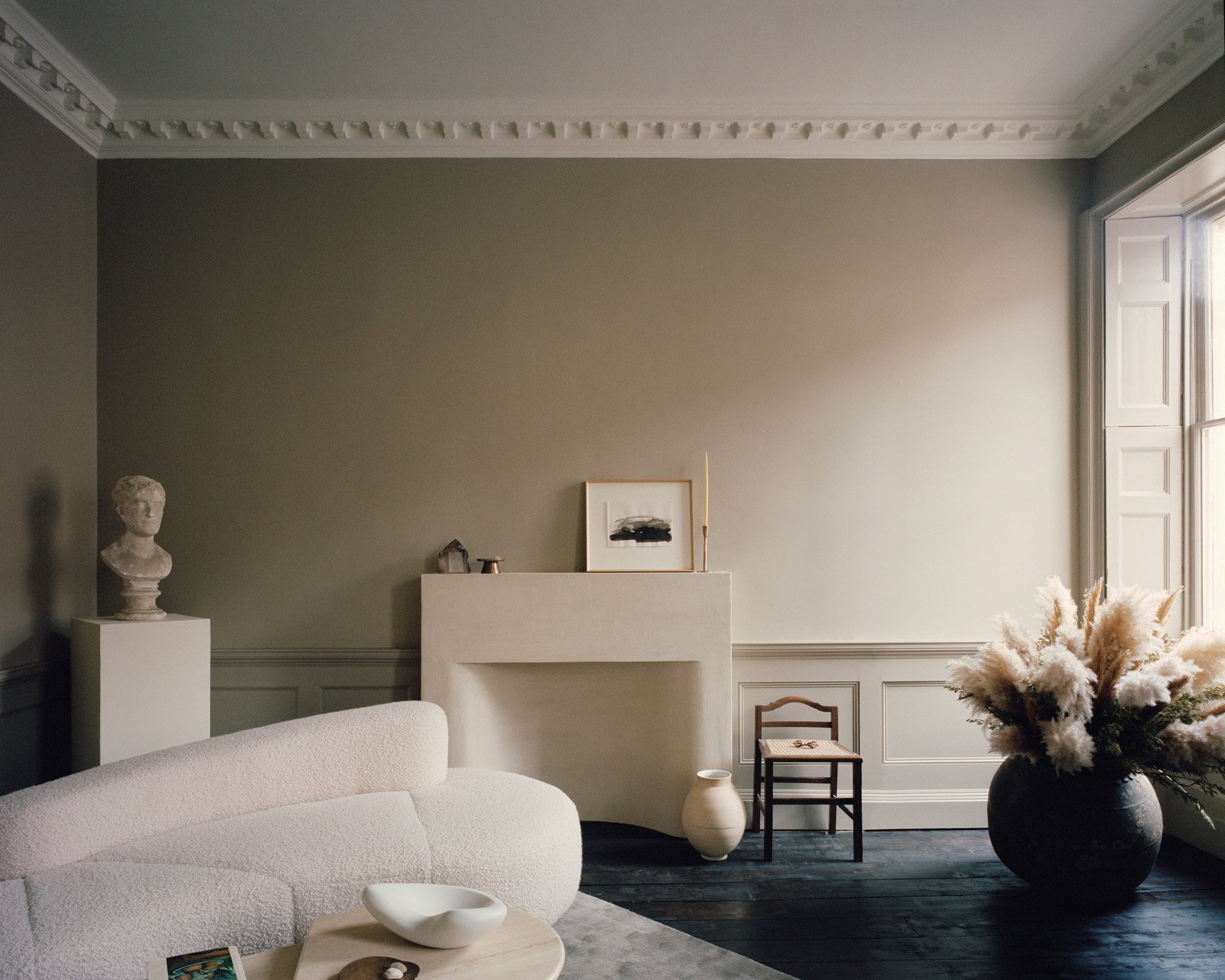
It leads through to a sitting area that's anchored by a curved faux fireplace. A cream-coloured boucle sofa, pale-timber coffee table and huge pot full of wildflowers has also been used to dress the space.

Walls have been painted a shade of buttermilk-cream, contrasting against the dark-wood floorboards.
Francis Gallery in Bath, England

The gallery's light-filled front room that overlooks the surrounding Bath streets will be used as a more typical exhibition space, displaying works from an international roster of artists throughout the year.
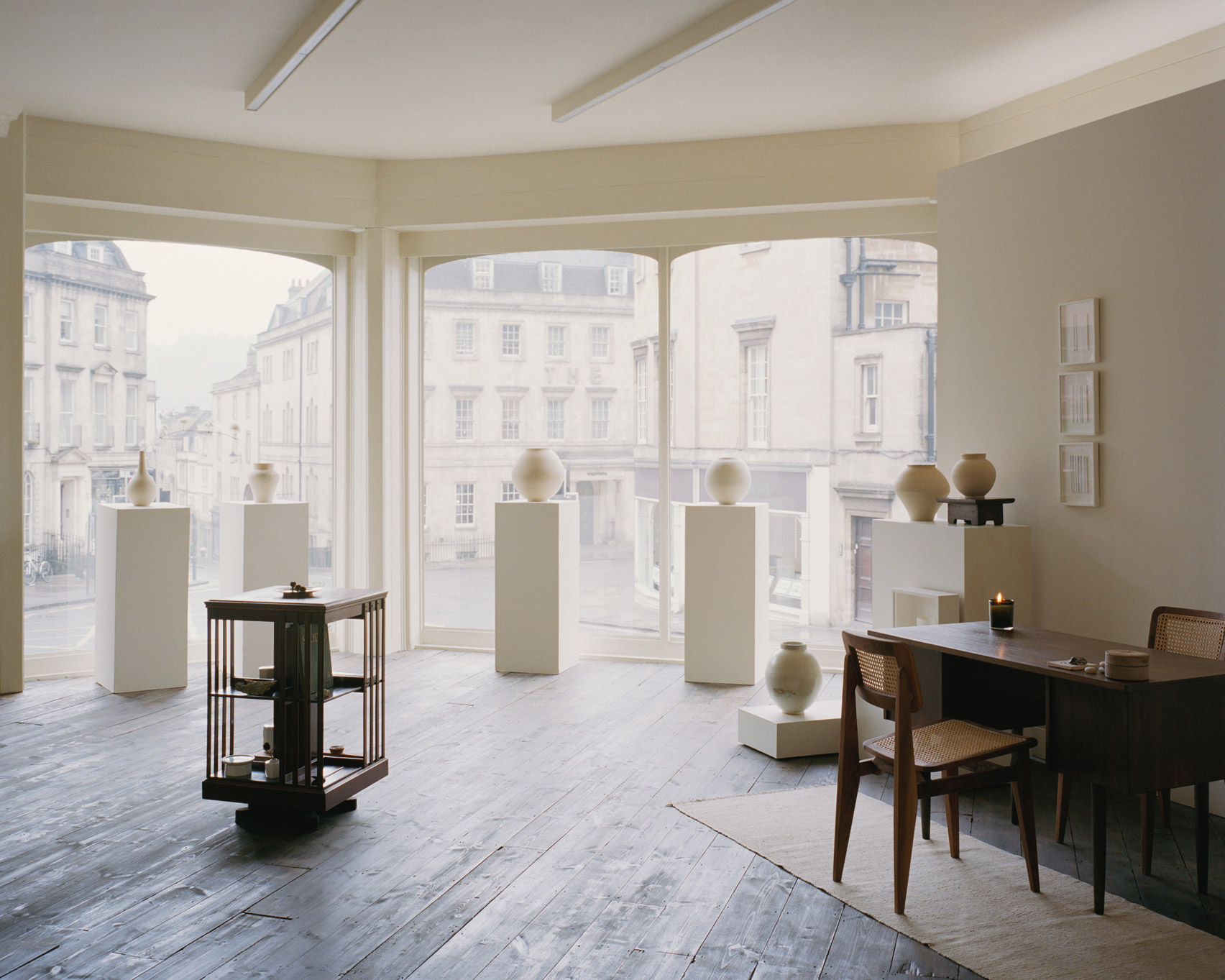
Francis Gallery in Bath, England

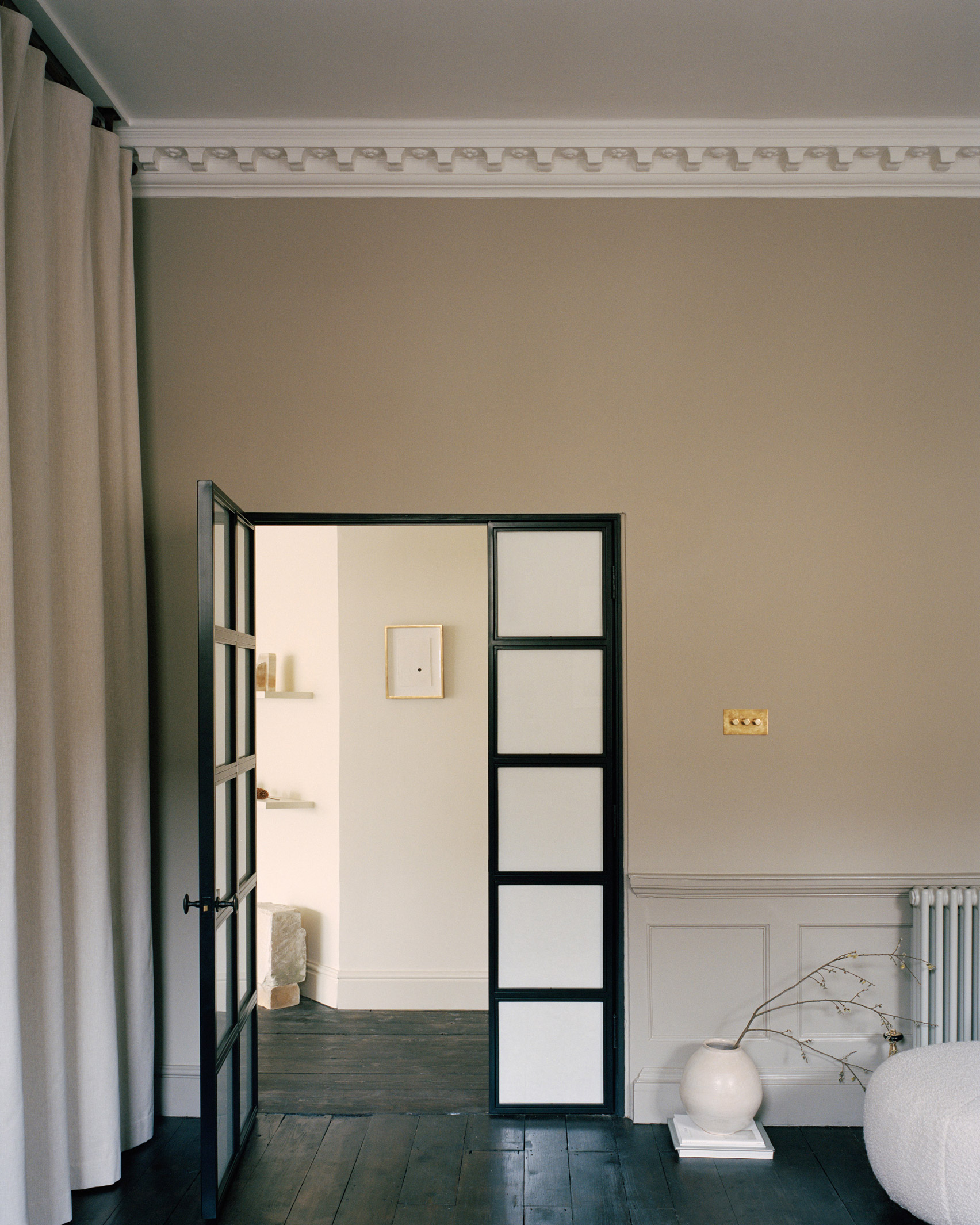
A handful of decorative elements are also meant to nod to Park's Korean roots. The black-framed crittal doors that connect different rooms have been inlaid with sheets of hanji, a handmade Korean paper that's crafted from the inner bark of mulberry trees.

Each purchase made from the gallery – or on its website – will also come packaged in beige-coloured bojagi, a traditional Korean wrapping cloth.
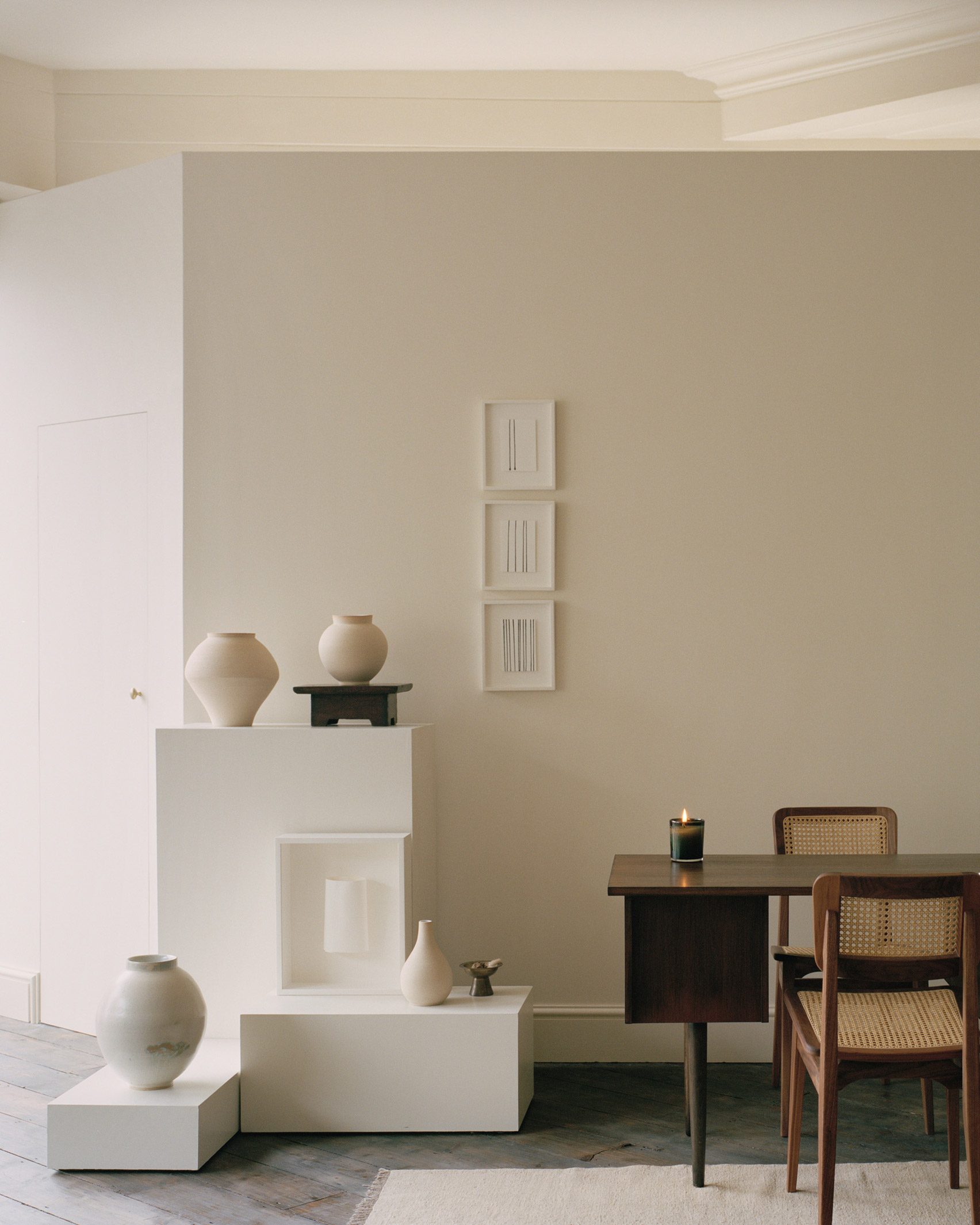
Francis Gallery in Bath, England

Despite opening a temporary Francis Gallery in London's Marylebone neighbourhood in 2018, Park told Dezeen that Bath was a natural choice for setting up a permanent exhibition space.

"As my current residence is in Bath, it made sense to open the first location of Francis Gallery here," she explained.

"Some of the best examples of Georgian architecture are in Bath, and this was also a contributing factor to setting up shop in this small English city – I love the juxtaposition of the contemporary, abstract art we show, against this classical setting."
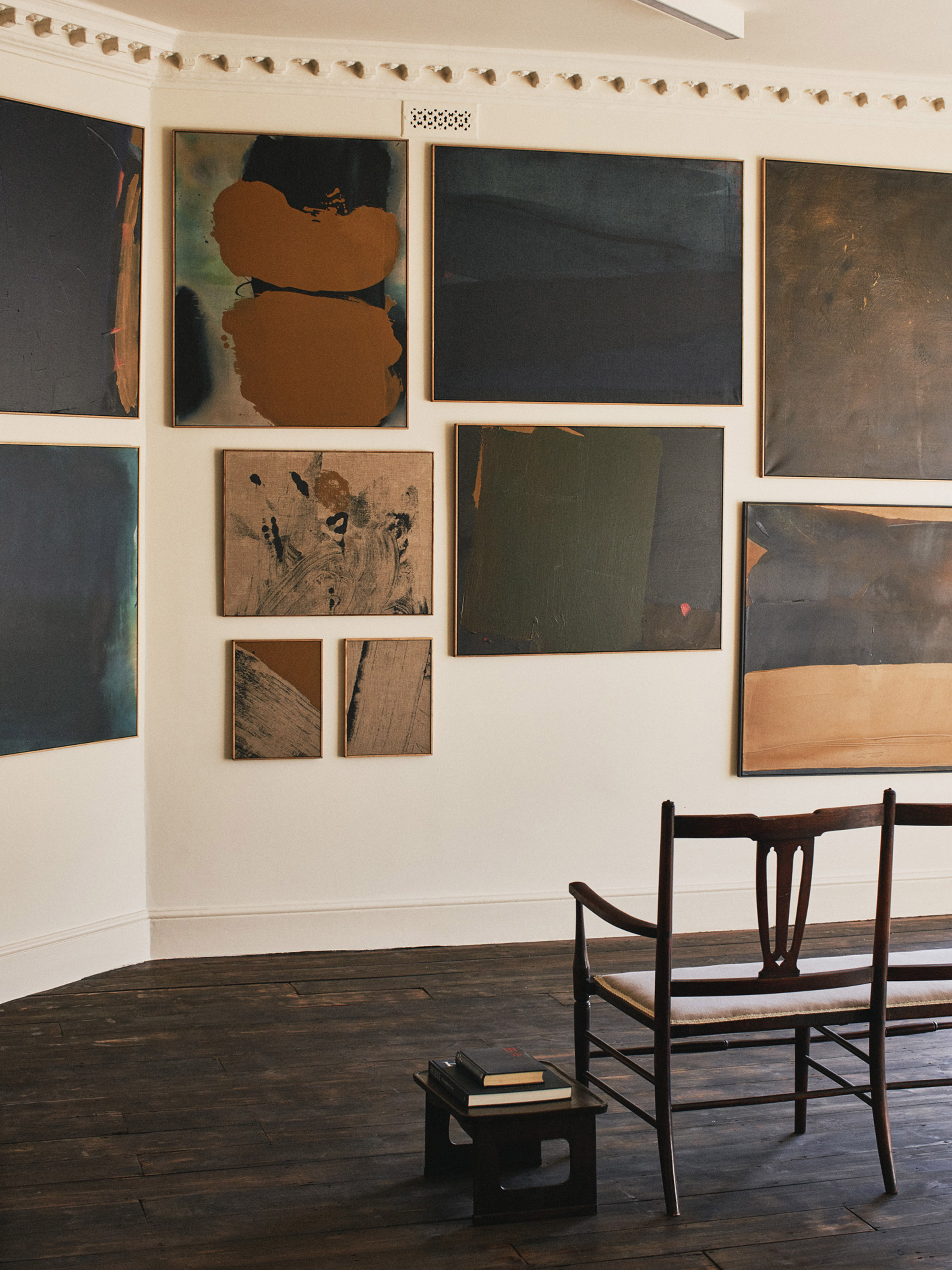
Francis Gallery in Bath, England
Photo by Richard Stapleton

Bath's architectural landscape also came to inspire the interiors of the city's Aesop store, which opened at the beginning of this year.

Design studio JamesPlumb decked out the space with tiles reclaimed from local chapels, and mounted discarded chunks of Bath stone on the walls like artefacts.

Photography is by Rory Gardiner unless stated otherwise.

The post Bath's Francis Gallery is set inside a Georgian townhouse appeared first on Dezeen.


from Dezeen https://ift.tt/2quOqEs

Thursday, 5 December 2019

Nathalie Du Pasquier creates brightly coloured brick sculptures for Mutina

Bric Nathalie Du Pasquier Mutina

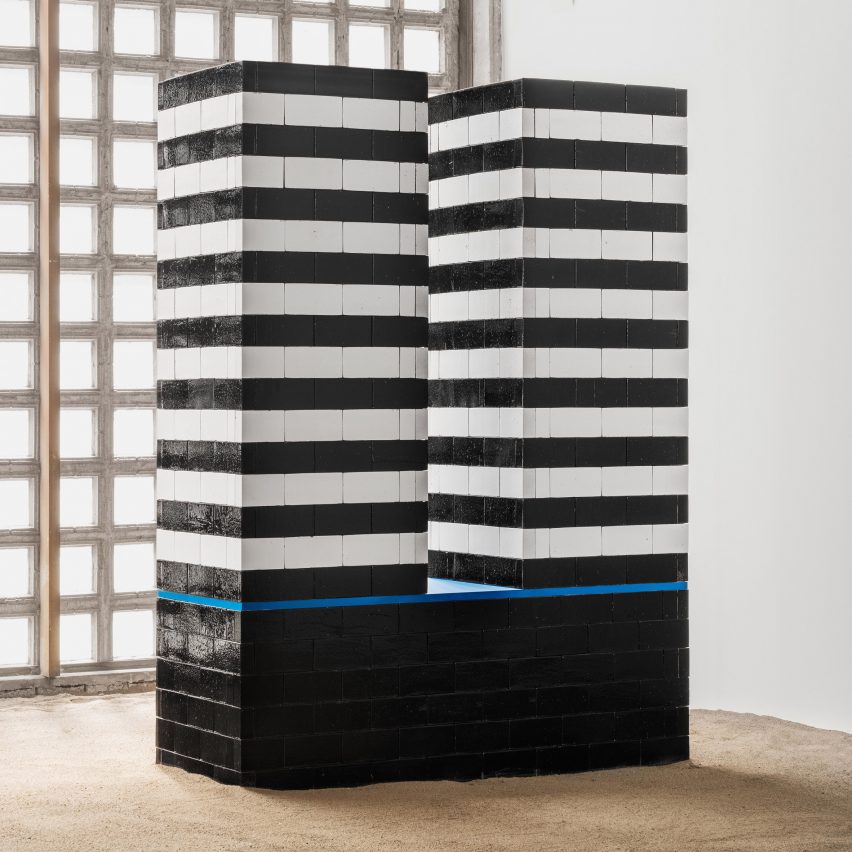
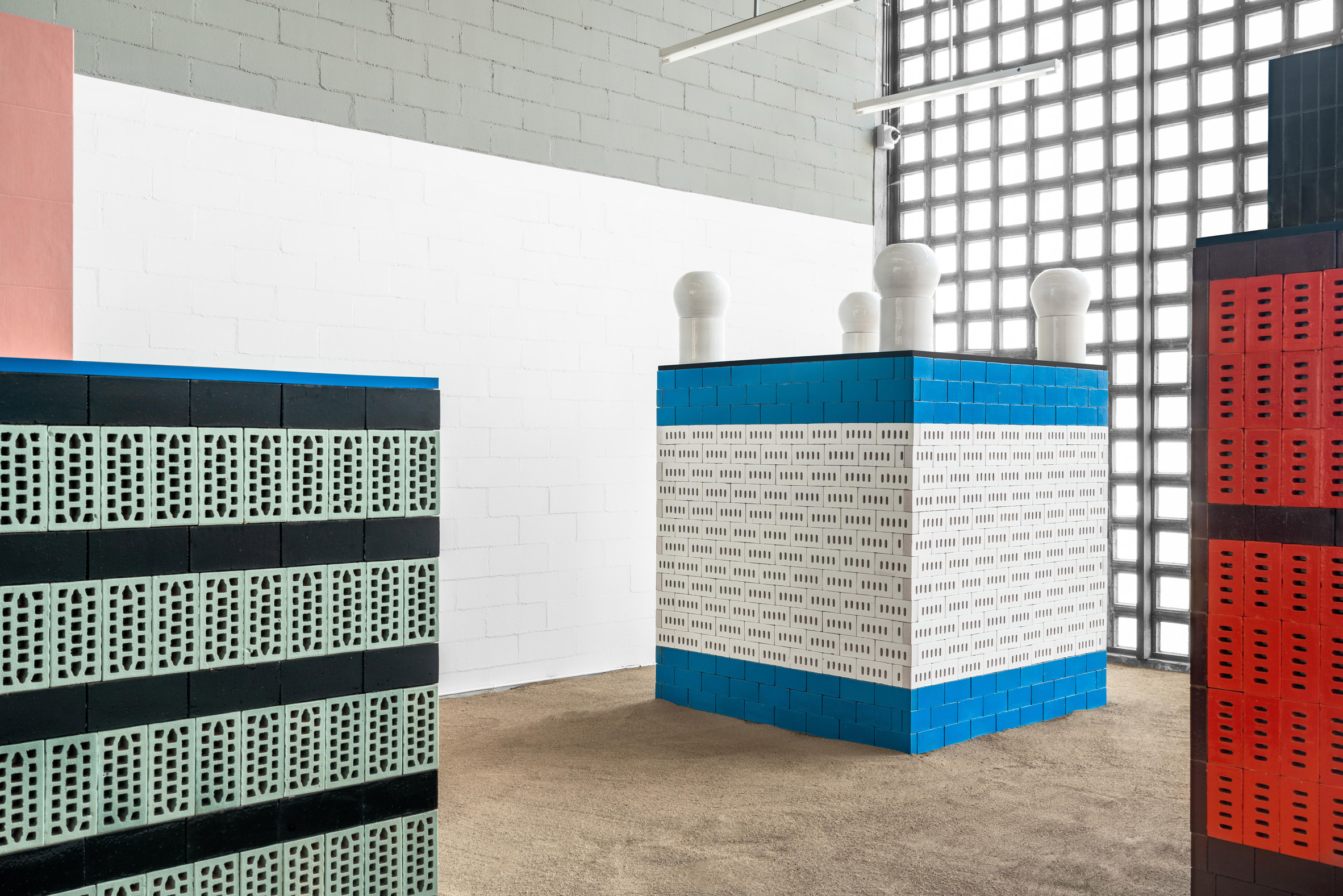
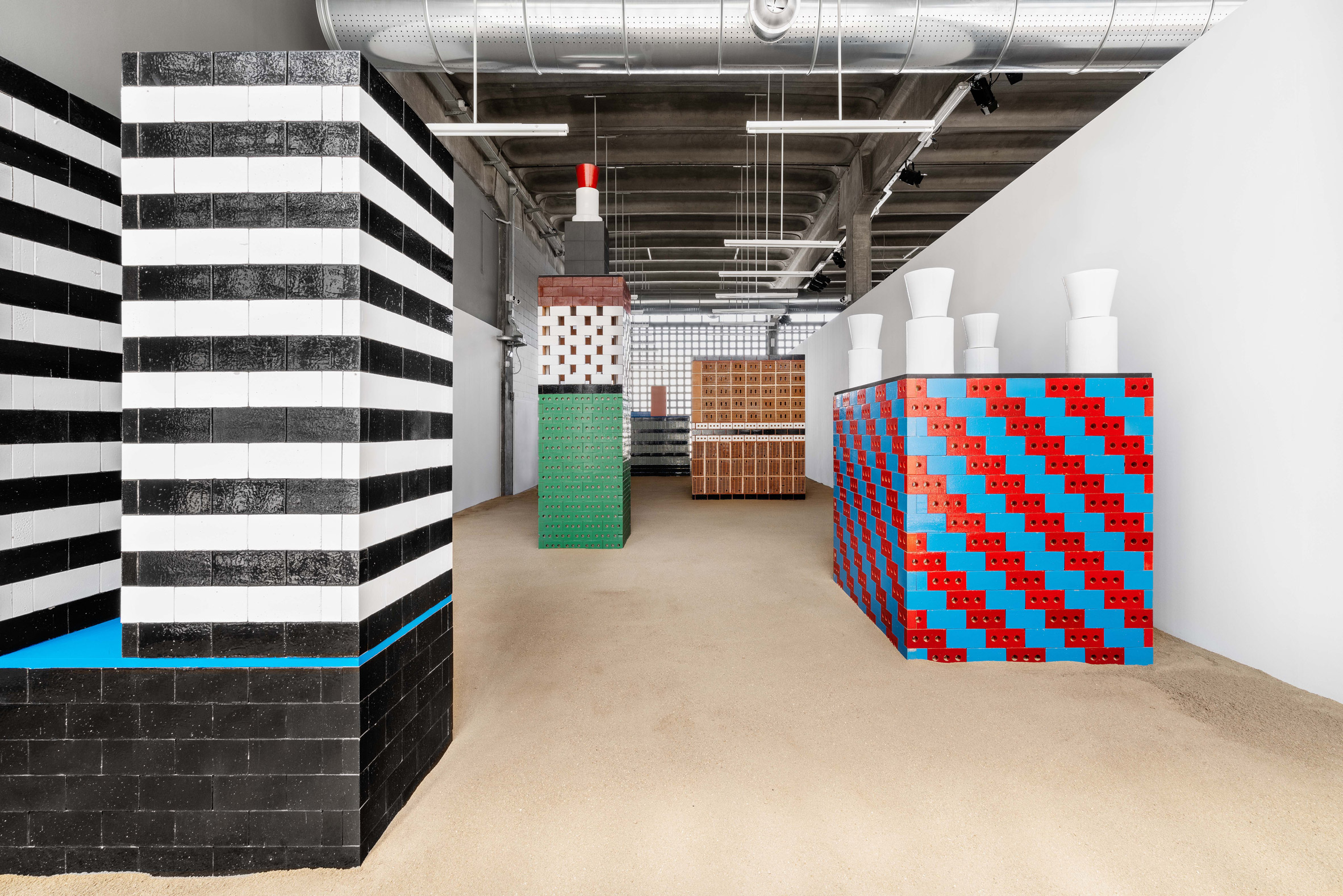
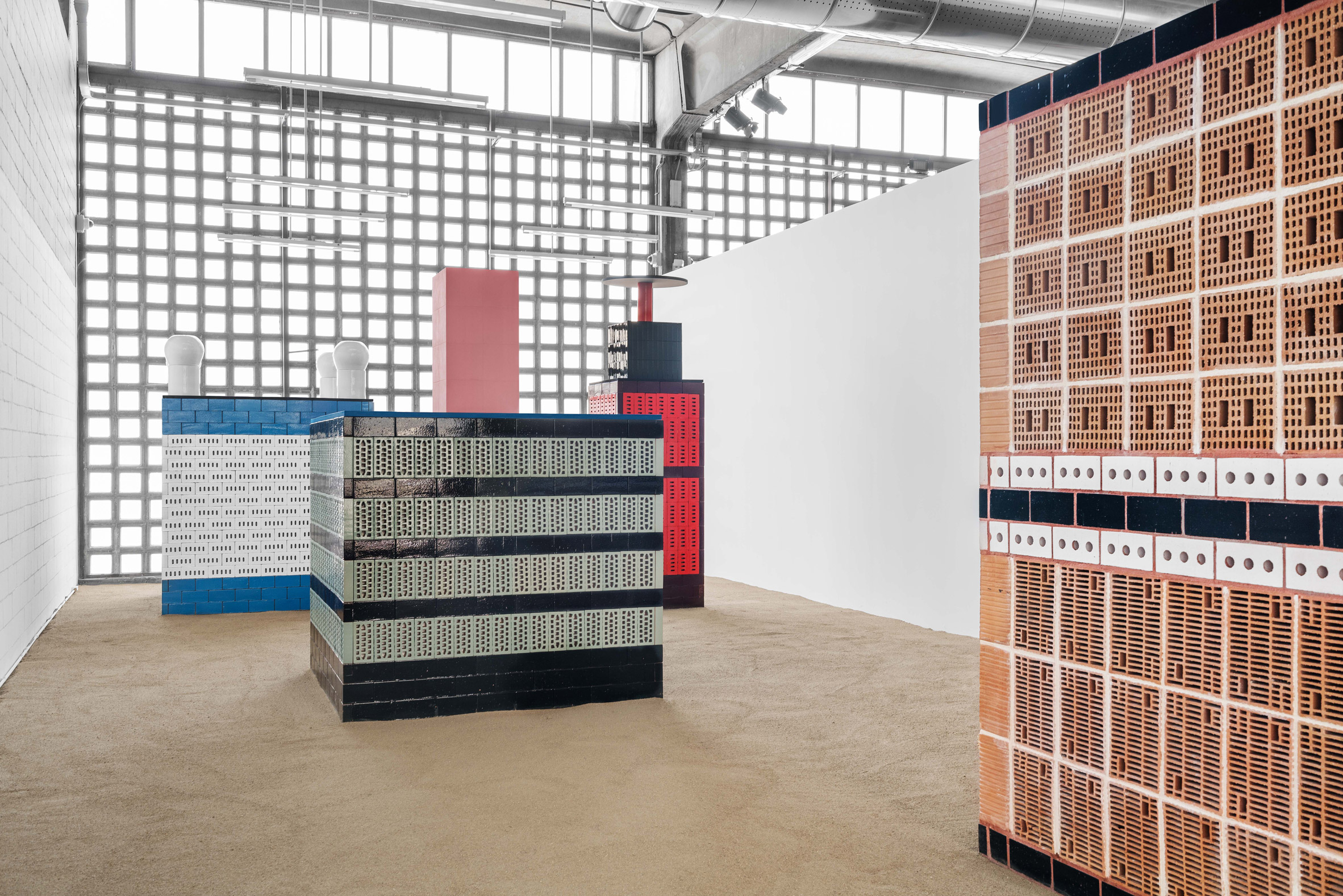
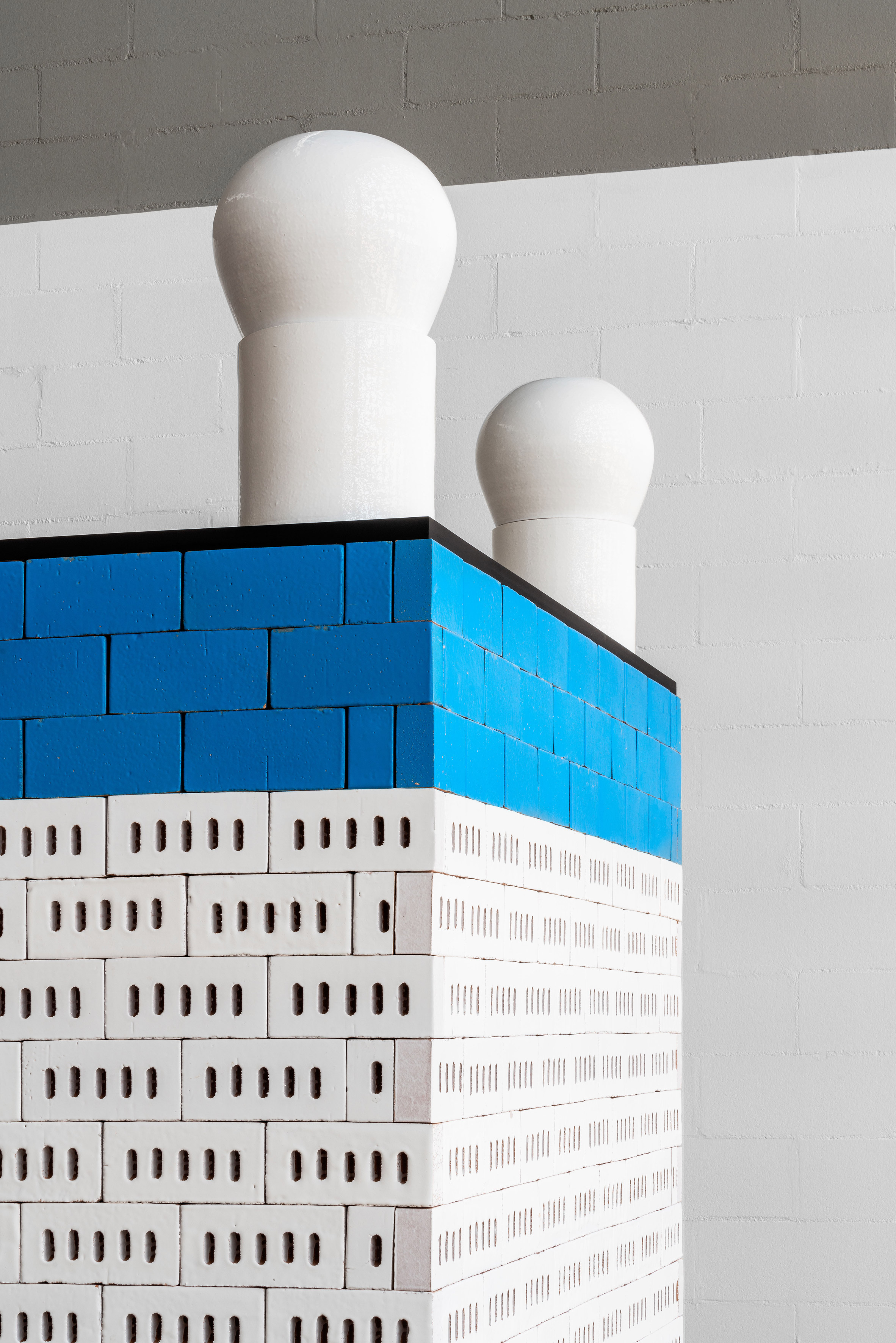
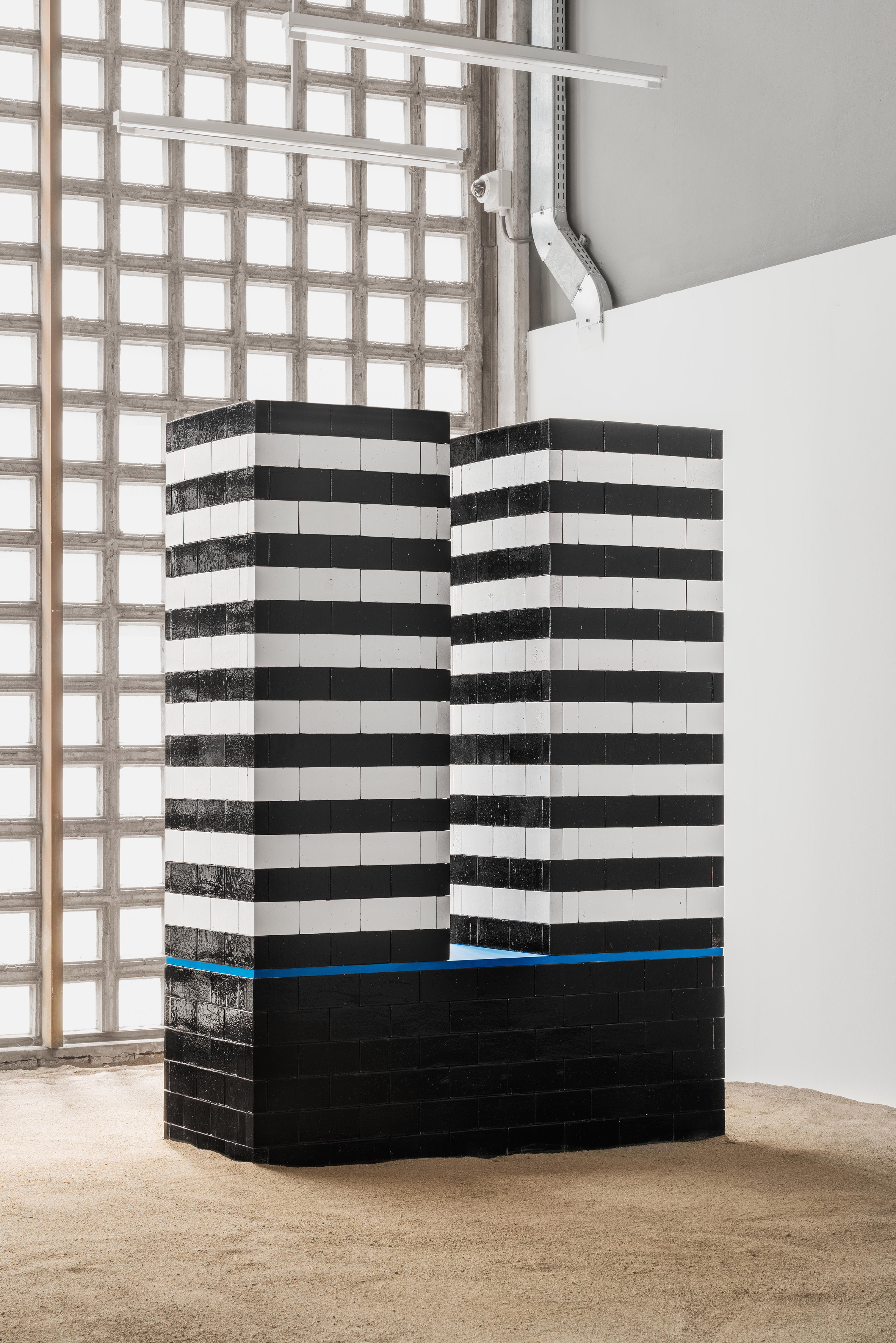
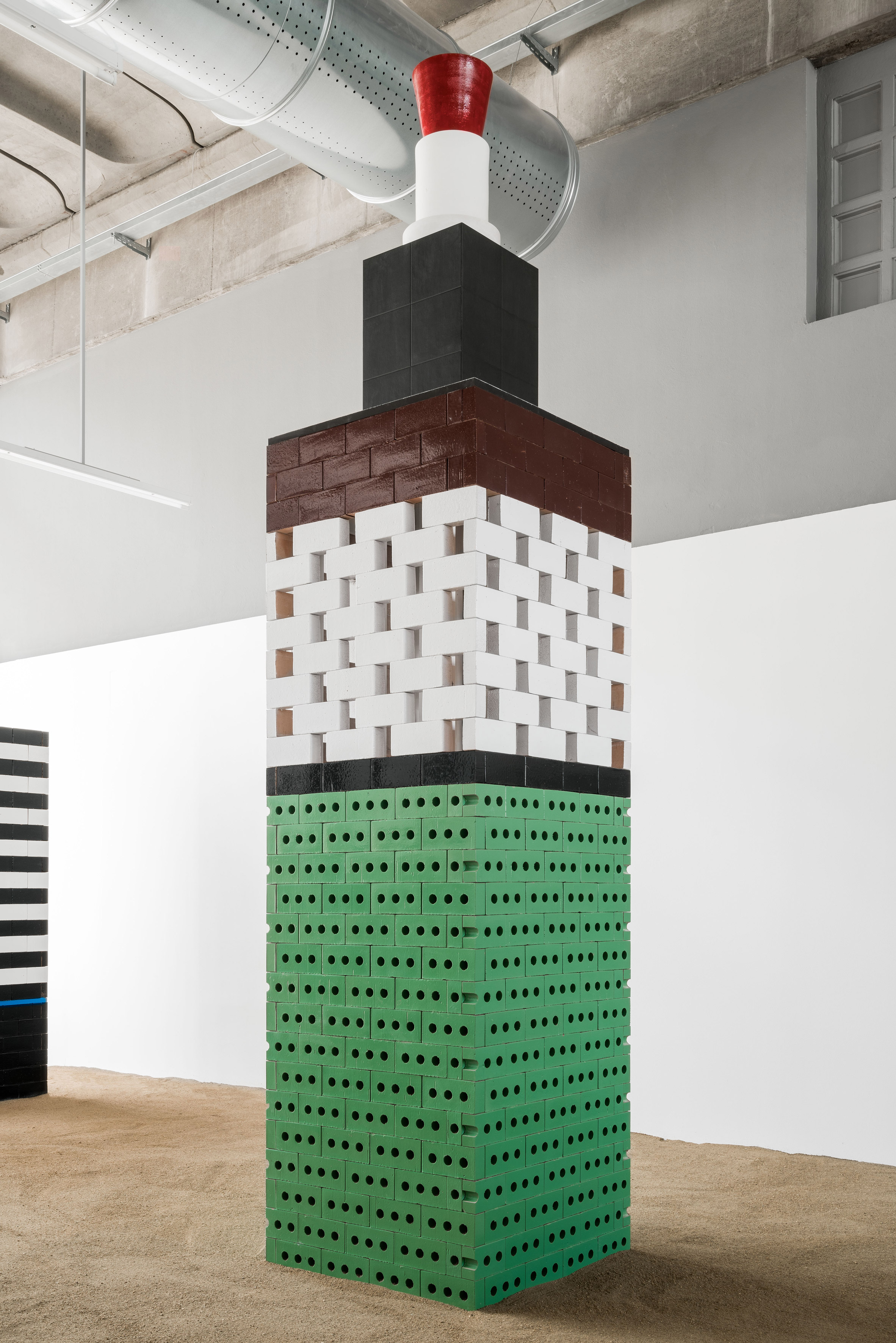
Artist and designer Nathalie Du Pasquier has translated her fascination with bricks into a site-specific exhibition comprising seven totem-like sculptures made from stacked bricks glazed in bright colours.

Du Pasquier created the Bric installation for Italian ceramics brand Mutina, which operates the MUT exhibition space at its headquarters in Fiorano.

The exhibition, which was curated by Sarah Cosulich, features seven sculptural structures that rise from the sand-covered floor of the building designed by Angelo Mangiarotti in the 1970s.

Bric Nathalie Du Pasquier Mutina

The starting point for each sculpture was the humble brick, which has been a recurring element in Du Pasquier's work – particularly her paintings.

"I know nothing about bricks," she said in an interview with Cosulich for the exhibition's catalogue. "For me they are strange, anonymous objects I have inserted sometimes in the still lifes I paint."

Bric Nathalie Du Pasquier Mutina

Du Pasquier has focused on painting since the 1980s, with her abstract works often including shapes that reference domestic objects.

Prior to this, the self-taught designer was a founding member of the influential Memphis Group alongside Ettore Sottsass.

She was responsible for many of its decorated surfaces, including textiles, carpets and plastic laminates, as well as creating products and furniture.

Bric Nathalie Du Pasquier Mutina

A recent revival of interest in Memphis designs has seen Du Pasquier develop a clothing collection featuring her graphic prints for American Apparel, as well as a range of textile designs with Wrong for Hay.

A London exhibition held in 2017 also presented new paintings, sculpture and drawings created by Du Pasquier using her signature bold, geometric forms.

Bric Nathalie Du Pasquier Mutina

For the BRIC exhibition, Du Pasquier explored the brick as the basic element of architecture and used it to create monumental structures that sit somewhere between art and design.

"I have built different three-dimensional things [in the past]," the designer explained.

"The new aspect of this experience is the almost architectural scale, and the fact that the bricks, being modular, almost lose their three-dimensional quality, and go back to being parts that form a surface."

Bric Nathalie Du Pasquier Mutina

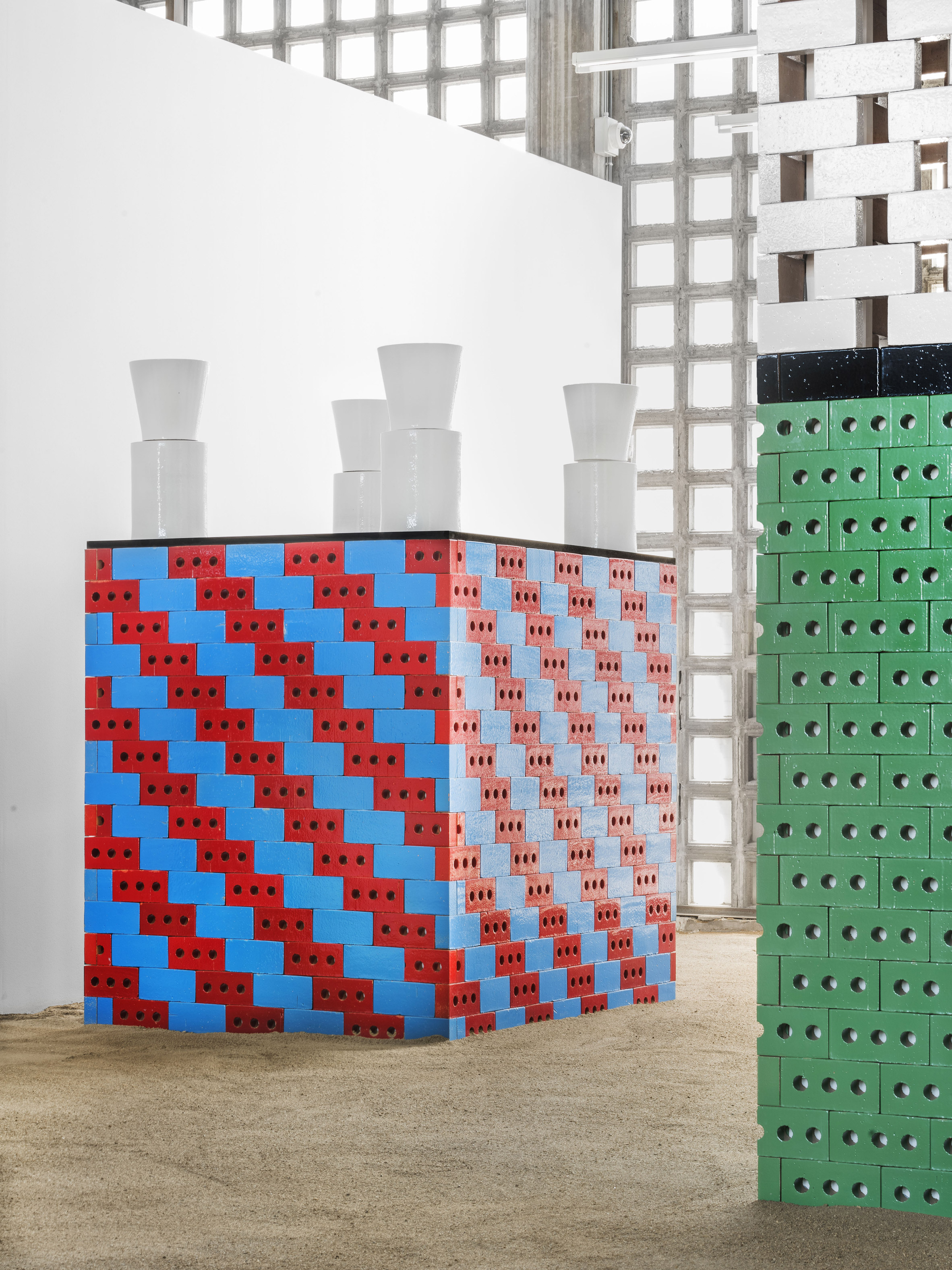
Different types of brick are glazed in bright colours and layered to produce geometric shapes that are reminiscent of Du Pasquier's paintings, as well as some of the Memphis Group's sculptural furniture.

In several of the sculptures, the bricks are turned to display their inner structure. In this way their structural value is compromised but they take on a more decorative quality as patterned units.

Bric Nathalie Du Pasquier Mutina

"Bric is almost design or almost architecture, though it has no useful purpose," the designer added. "It has nothing to do with a painting, which I can alter down to the very last second."

"Bric is a collaboration with the Mutina team, the excellent engineers and masons without whom these small constructions would have remained merely ideas. I had an idea and other people made it. A painting is not an idea."

Bric Nathalie Du Pasquier Mutina

The exhibition was produced by Mutina as part of its Mutina for Art project. The theme connects with the company's heritage as it explores the idea of the brick as a product that is made from the earth in a similar way to traditional ceramics.

Mutina's main focus is on developing innovative ceramics products in collaboration with some of the world's leading designers.

Its previous projects include textured tiles by Ronan and Erwan Bouroullec that can be combined to create different patterns, and a collection by Konstantin Grcic featuring contrasting matte and gloss surfaces.

The post Nathalie Du Pasquier creates brightly coloured brick sculptures for Mutina appeared first on Dezeen.


from Dezeen https://ift.tt/38aASyJ

Competition: win an architectural stadium model-building kit by Arckit

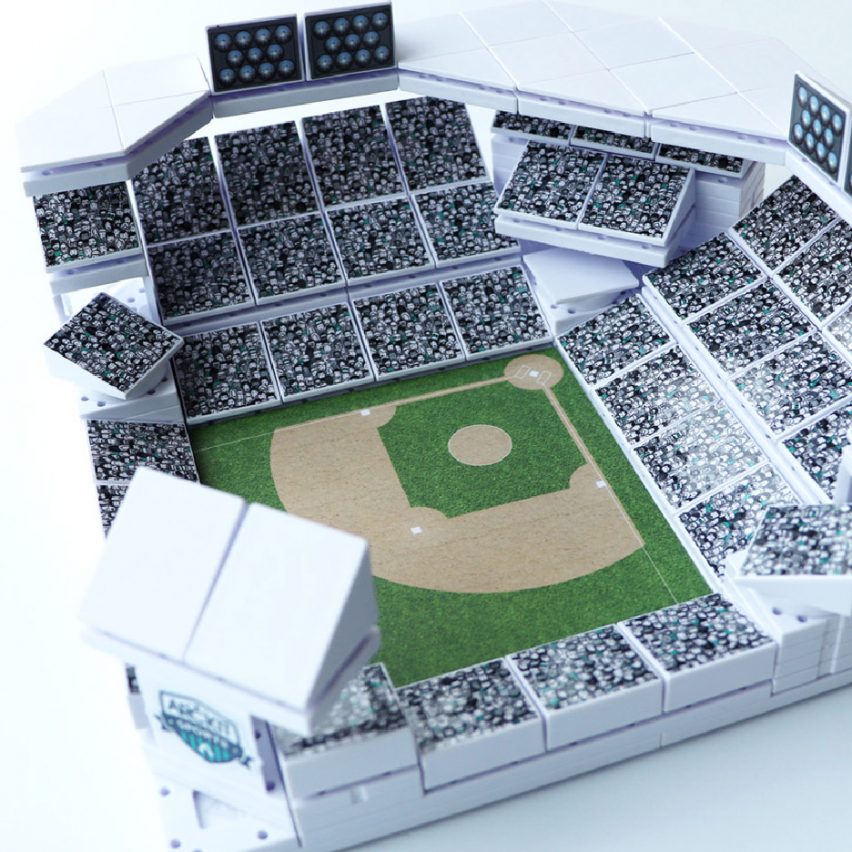
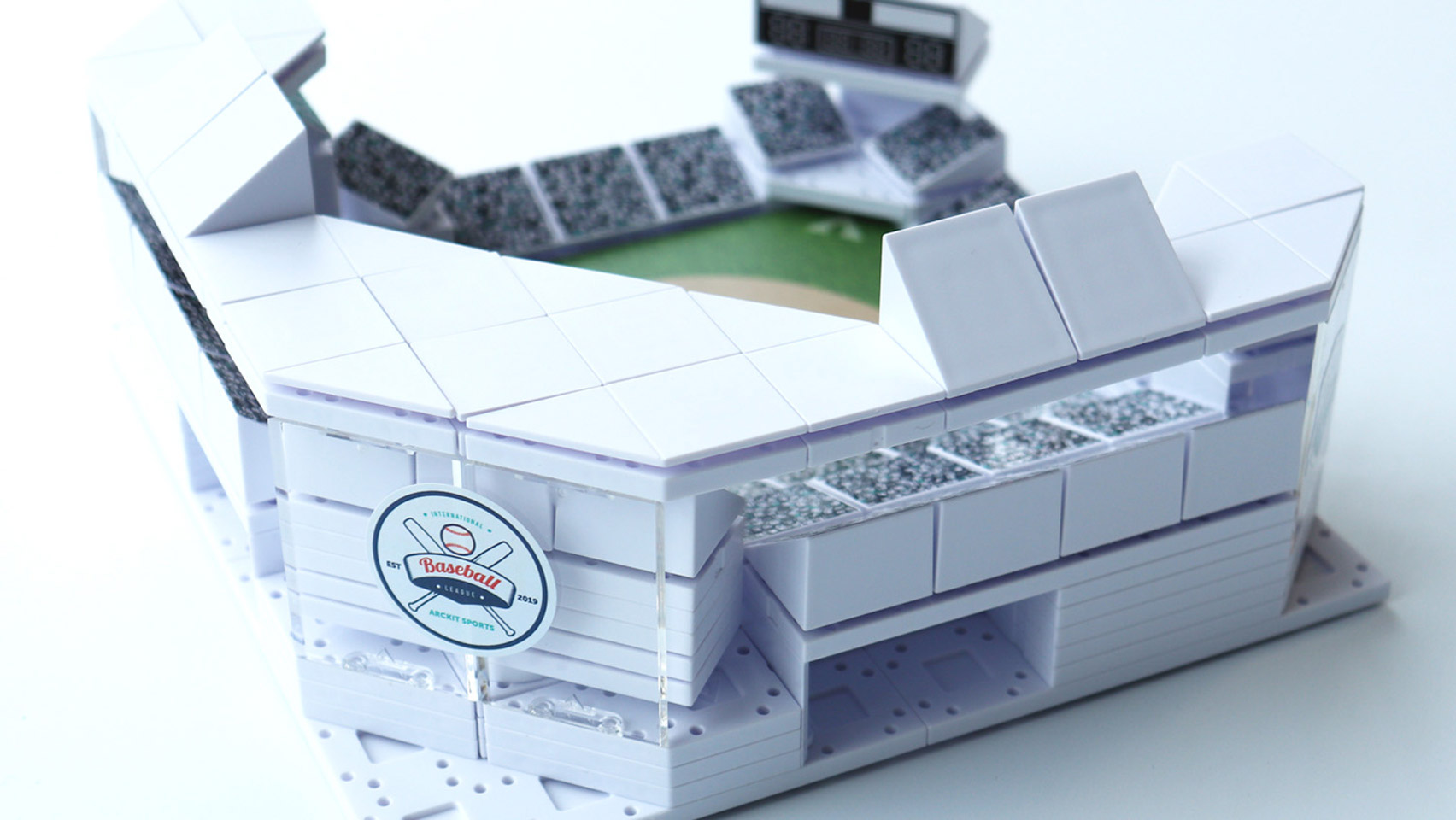
Architectural model-building kit of sports stadiums by Arckit

Dezeen promotion: in our latest competition, Dezeen is partnering with Arckit to give away five model-building kits for sports stadiums and arenas.

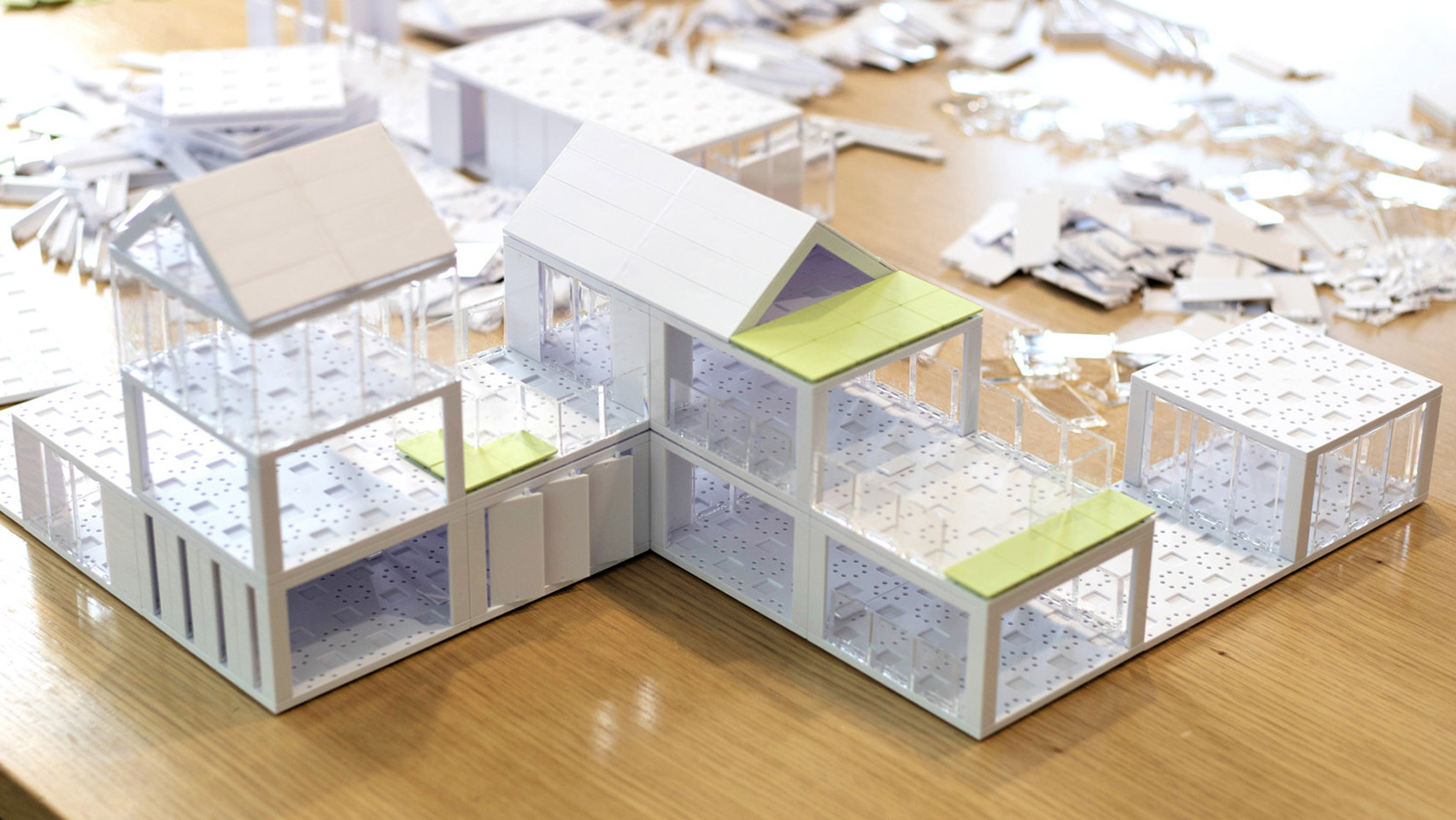
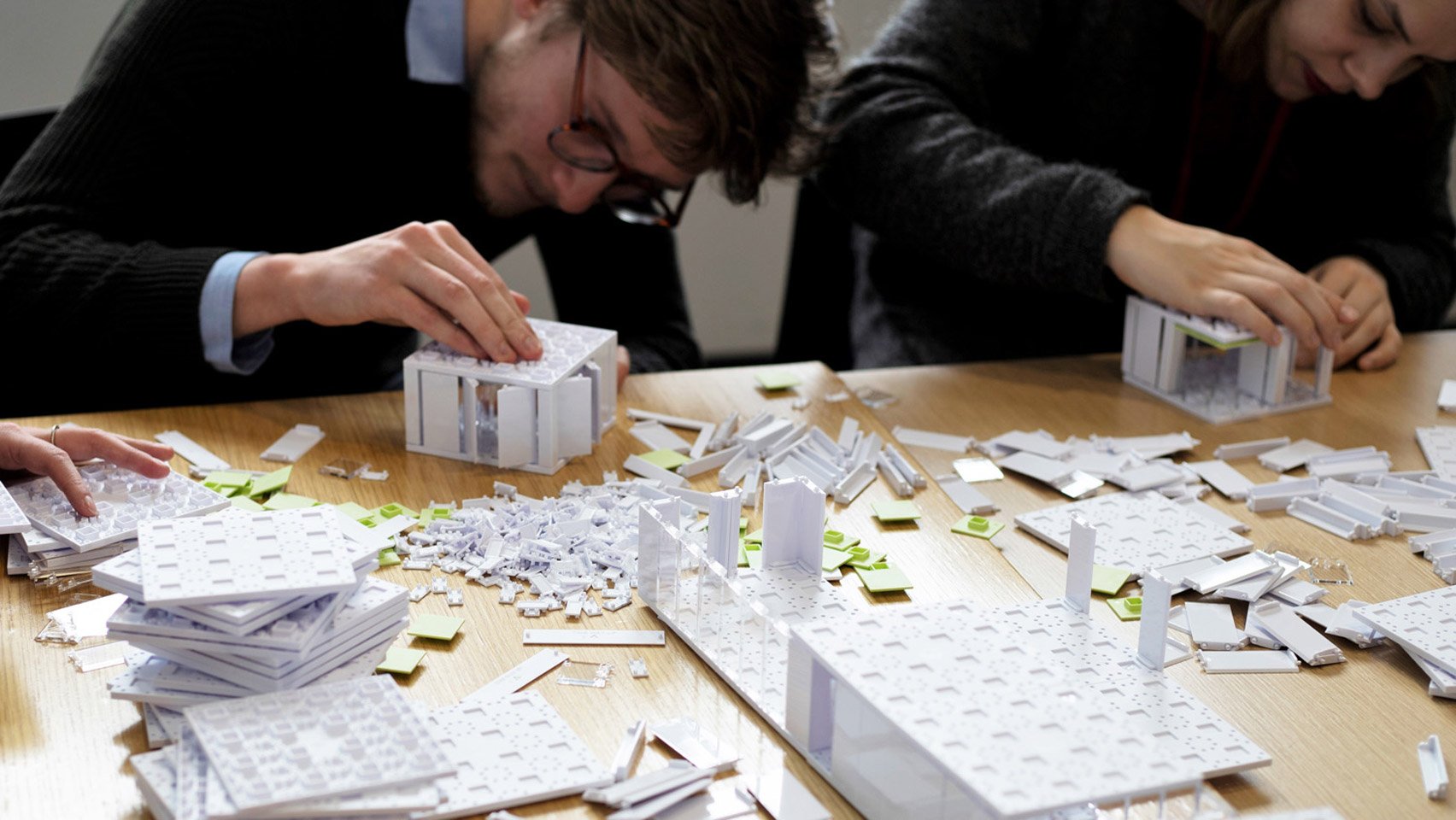
Referred to as "posh Lego" for architects, Arckit's products offer an alternative to traditional models that are often made from materials glued together.

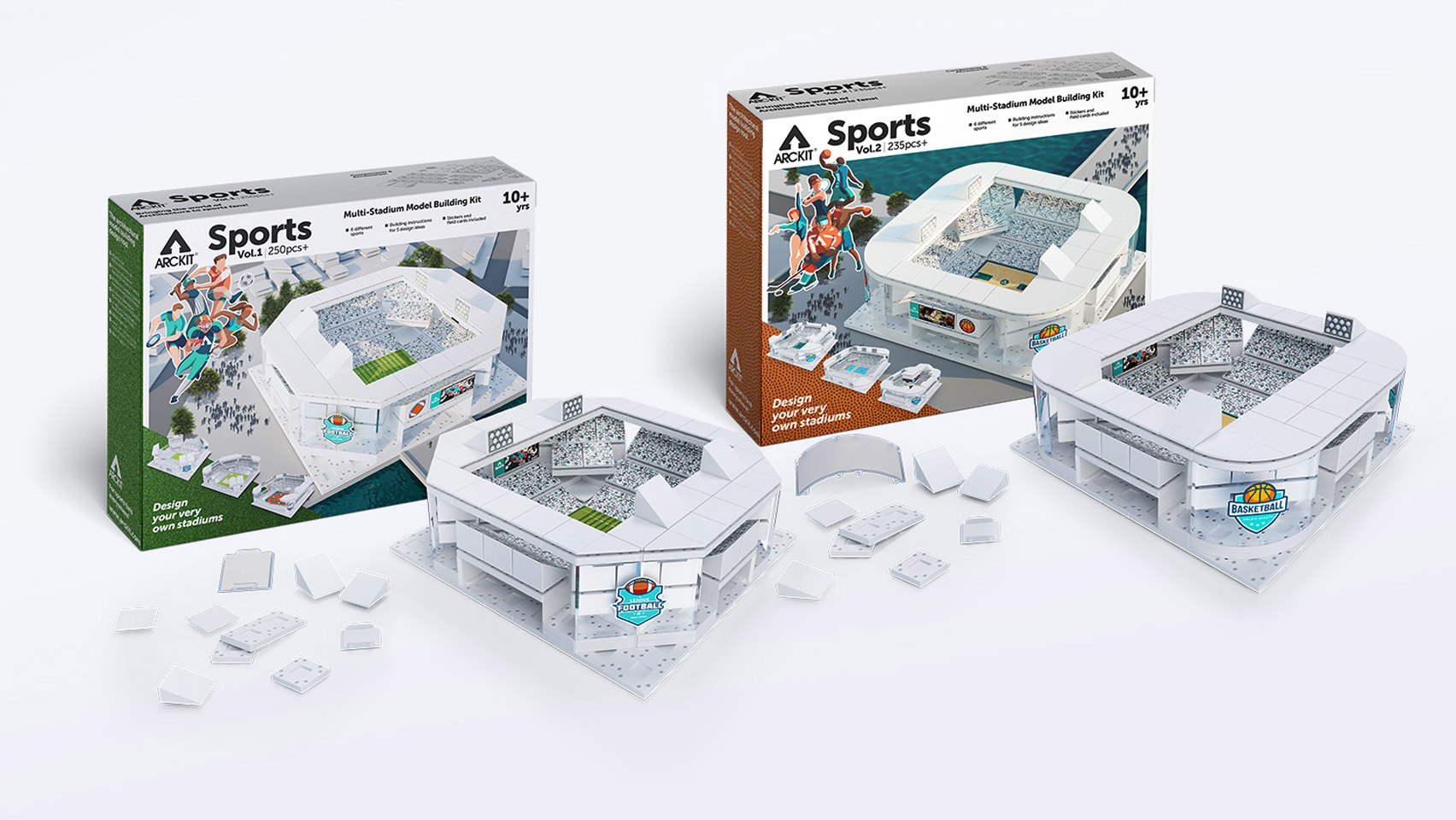
Its recently launched Sports range are described as the world's first multi-stadium model building kits. There range features two kits, with one focused on sports typically played in stadiums, like football, baseball and rugby, with the other featuring indoor sports like basketball, tennis and swimming.

Five winners will be able to pick their preferred kit.

Architectural model-building kit of sports stadiums by Arckit

In both kits, users can create open-air, semi-enclosed or enclosed stadiums for up to 12 different sports.

The larger kit contains 250 pieces and can be used to make American football, baseball, rugby, athletics, football and Gaelic football venues.

This kit comes with components that have an angled outer wall, which helps add realistic sleek finishes to the model stadiums.

Architectural model-building kit of sports stadiums by Arckit

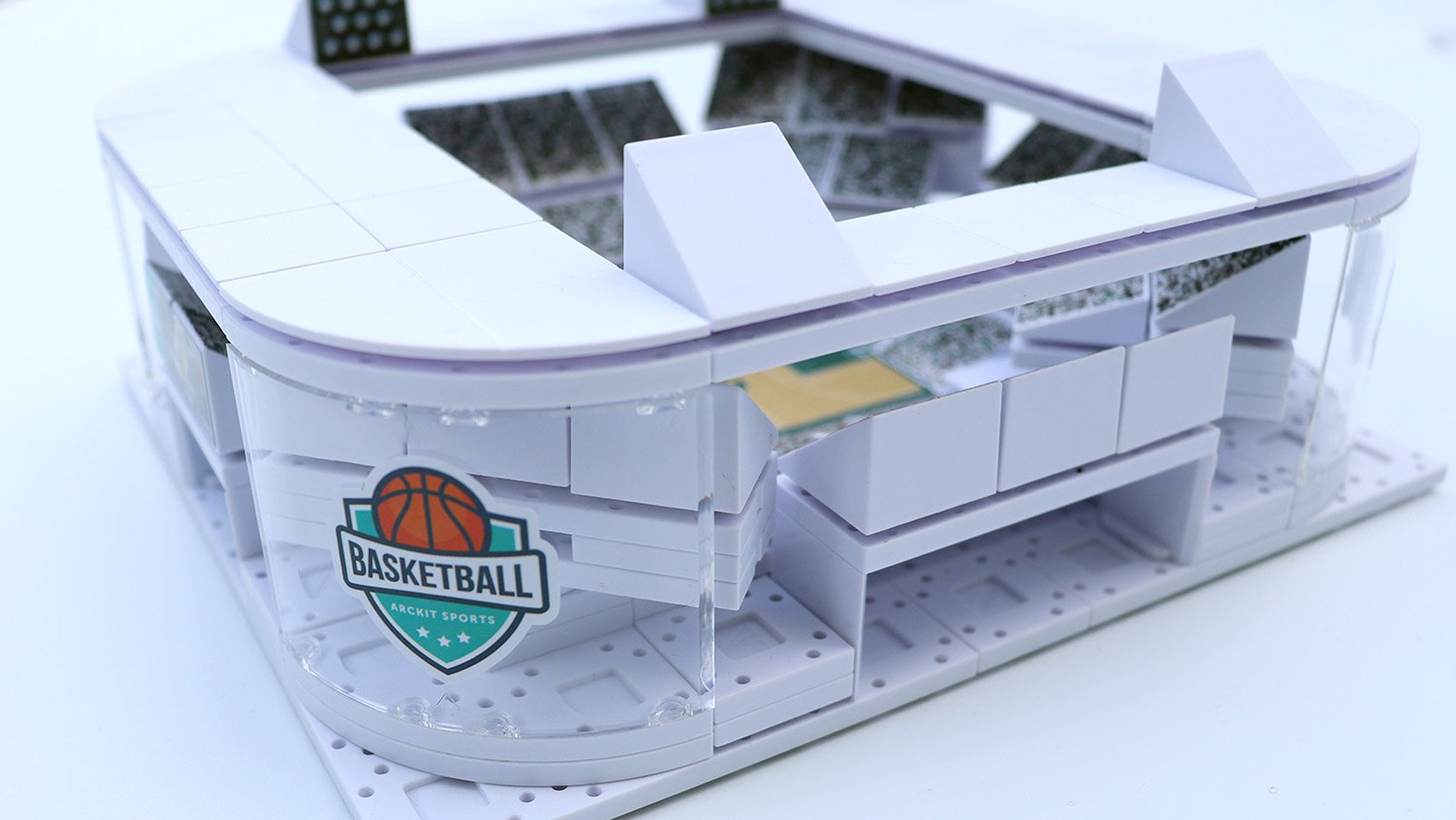
The second 235-piece kit is designed to make models of venues that tend to be hosted in arenas. Owners of this kit can replicate their favourite basketball, tennis, ice-hockey, boxing, swimming and gymnastics venues.

Similar to the angled wall in the stadiums kit, a curved outer wall piece is included to reflect rounded arena features.

Architectural model-building kit of sports stadiums by Arckit

The kits are fully compatible with each other and other building sets by Arckit as well.

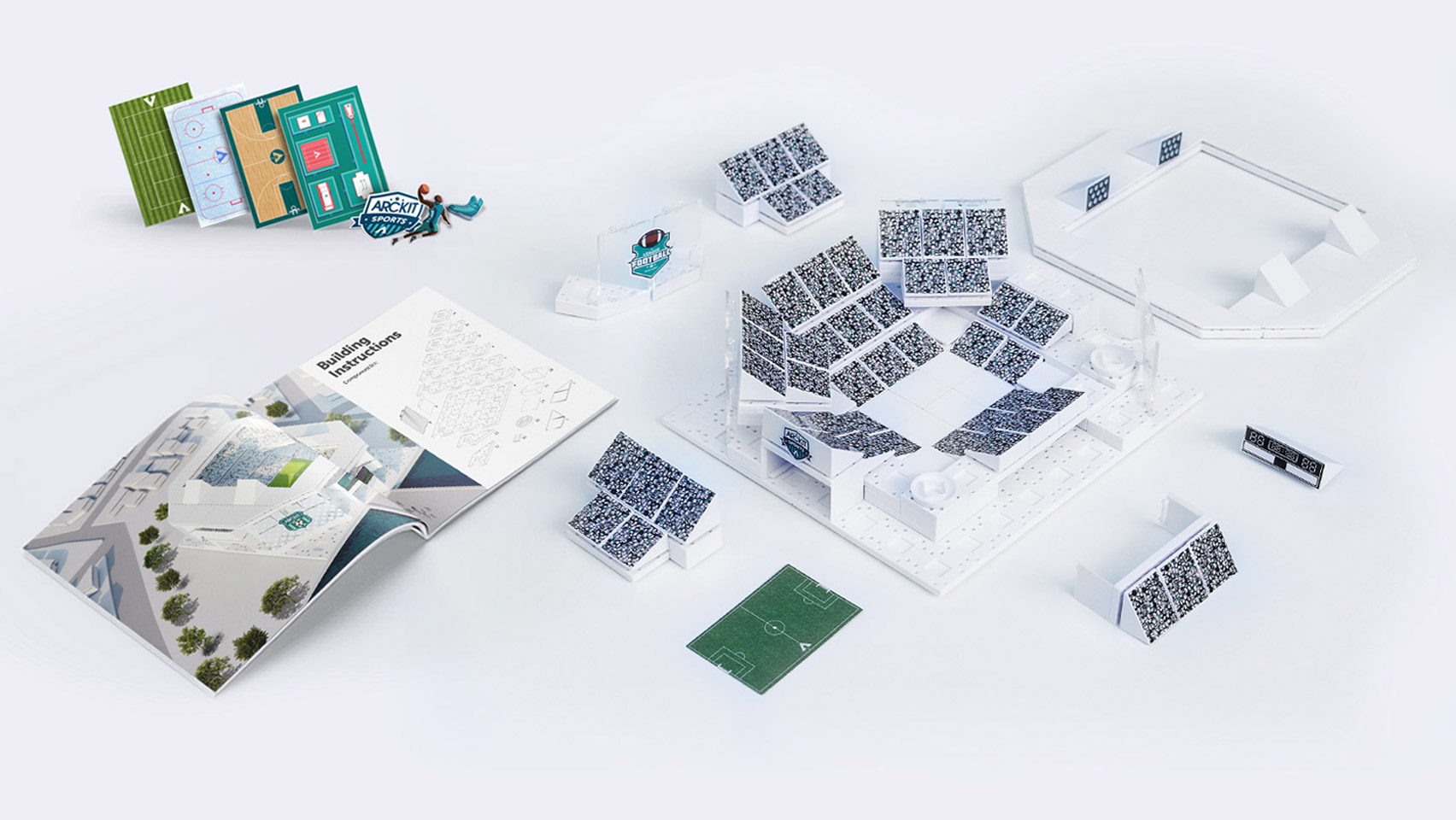
Accessories, like field cards, stickers and team badges, are also part of the kits to enhance the stadiums and arenas. An information booklet in each kit shows the designs of five sports venues to help with building.

Architectural model-building kit of sports stadiums by Arckit

The finished structures have the possibility to integrate with your mobile phone. Through a slot at the base of the model, a phone-screen fits into the playing field at the centre.

Users can animate their stadiums by watching their favourite sport on their phone, playing sports games or downloading 2D-animations of sporting events provided through Arckit's website.

Arckit's modular building kit

The sports-focused collection was designed to reflect the influence of sporting events in our lives.

"Sports and sporting events are such an important part of all our lives whether we are playing or supporting our favourite teams," said Damien Murtagh, founder of Arckit. "So, we've decided to create the world's first multi-stadium model building kits."

Architectural model-building kit of sports stadiums by Arckit

Pieces in Arckit's building kits fit connect using a click and connect system and can be completely disassembled and reused.

Products are available online and stocked at stores including Crate and Barrel, Museum of Modern Art, Harrods and Galeries Lafayette.

For more information on its new sports collection, visit Arckit's website.

Competition closes 2 January 2020. Five winners will be selected at random and notified by email, and his or her names will be published at the top of this page.

The post Competition: win an architectural stadium model-building kit by Arckit appeared first on Dezeen.


from Dezeen https://ift.tt/369KAQh

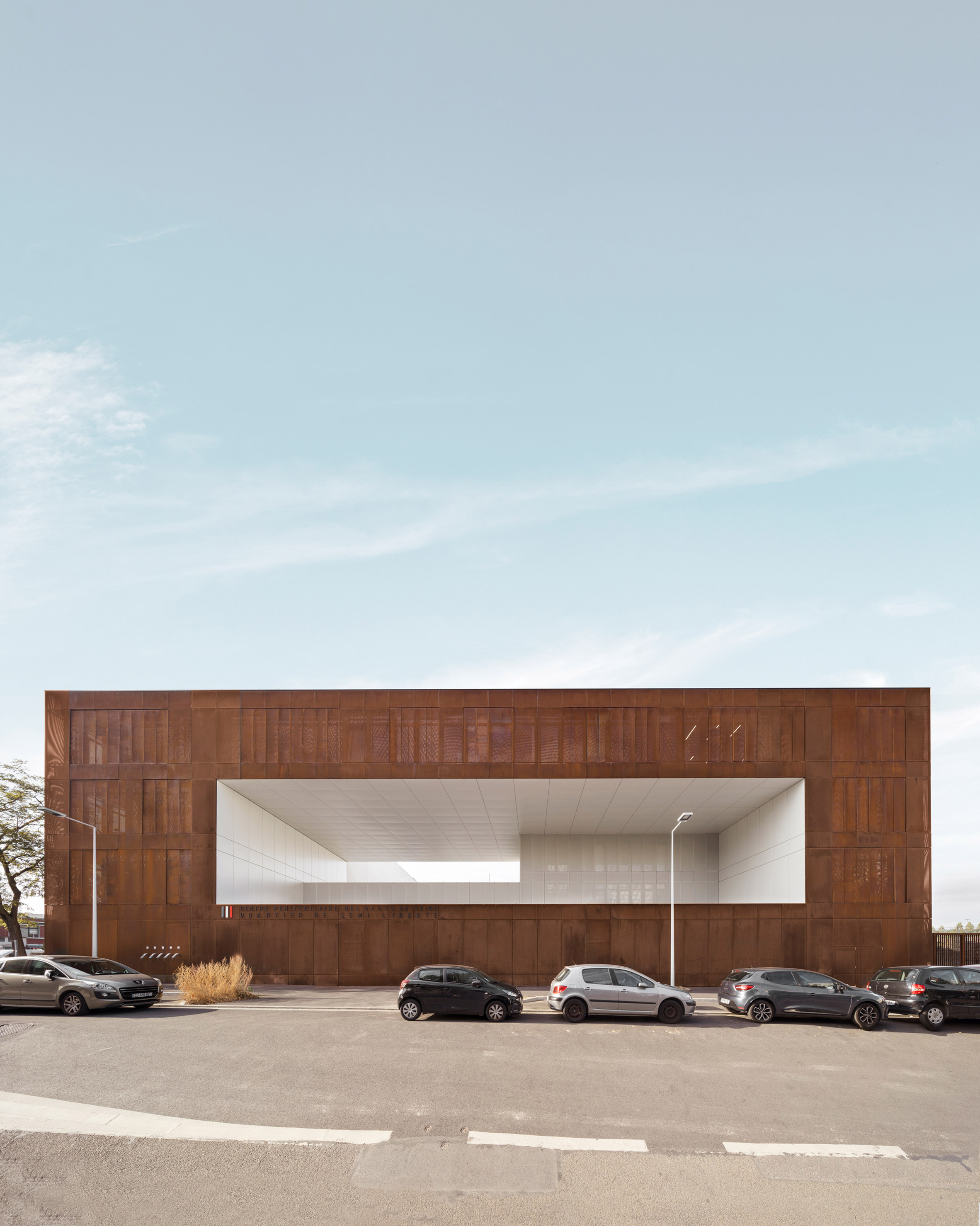
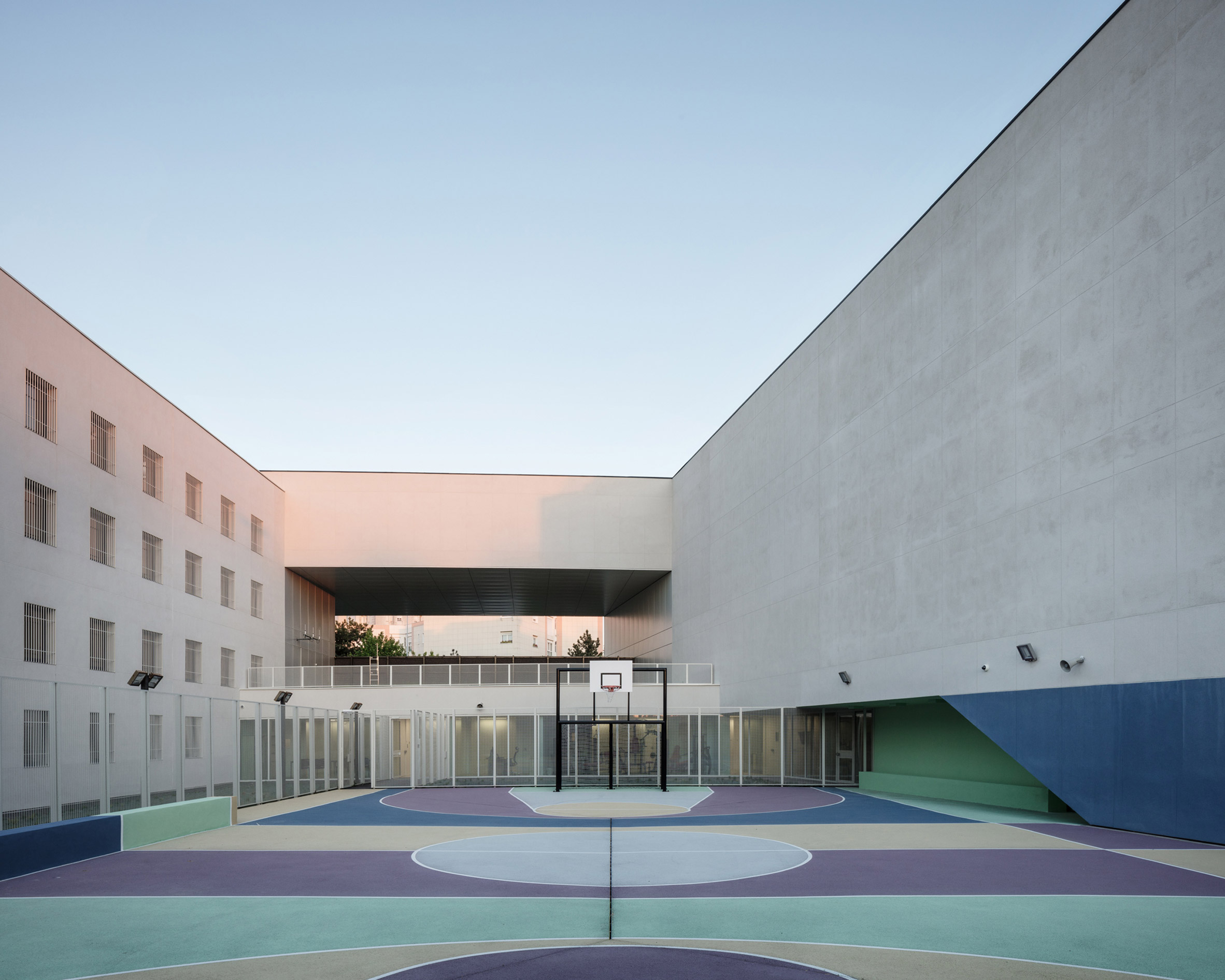
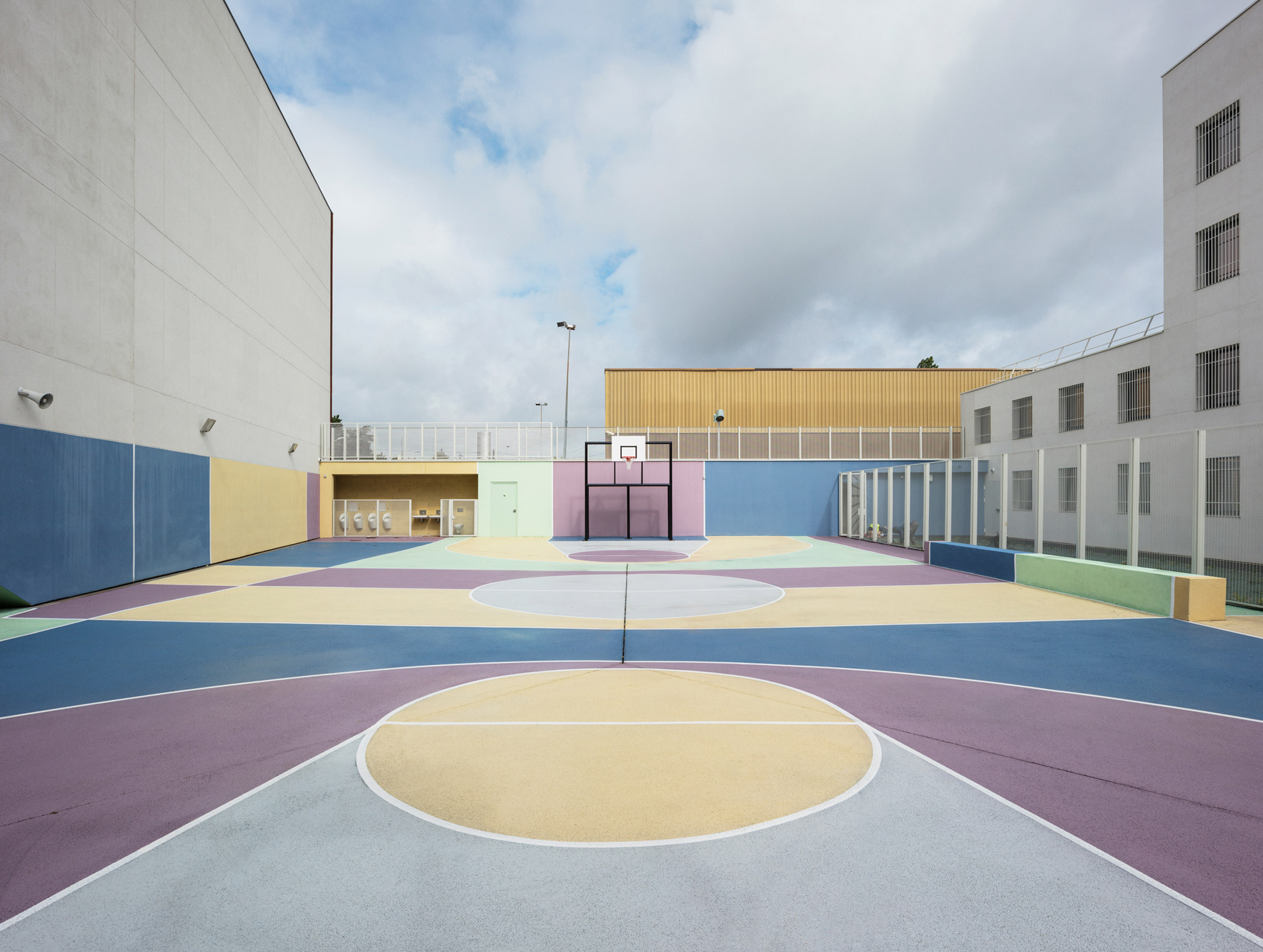
Prison clad in perforated weathering steel has pastel-coloured sports court

Minimum security prison in Nanterre by Local Architecture Network LAN

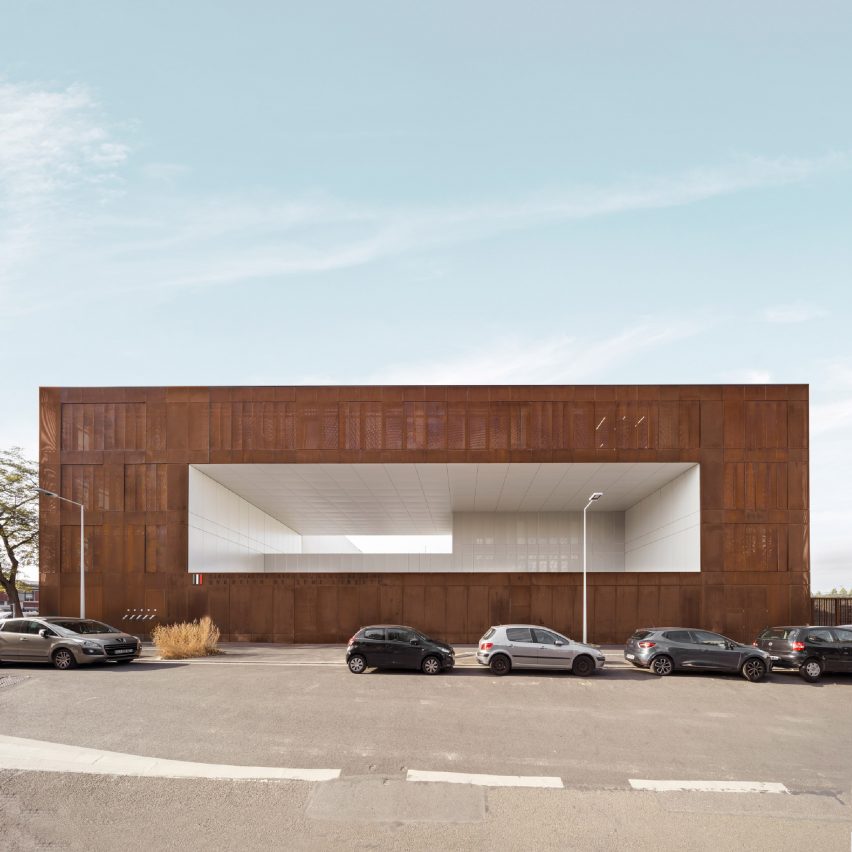
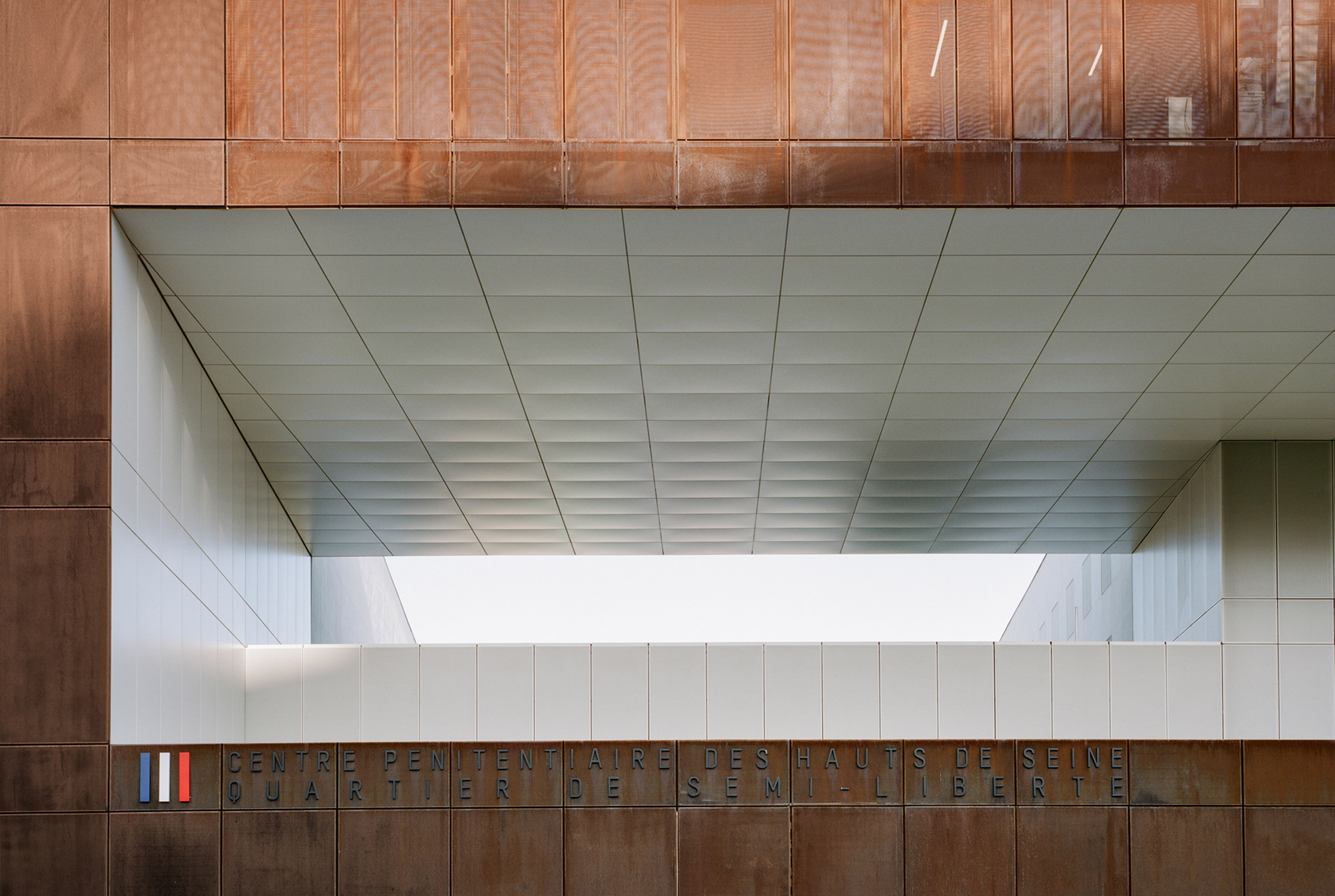
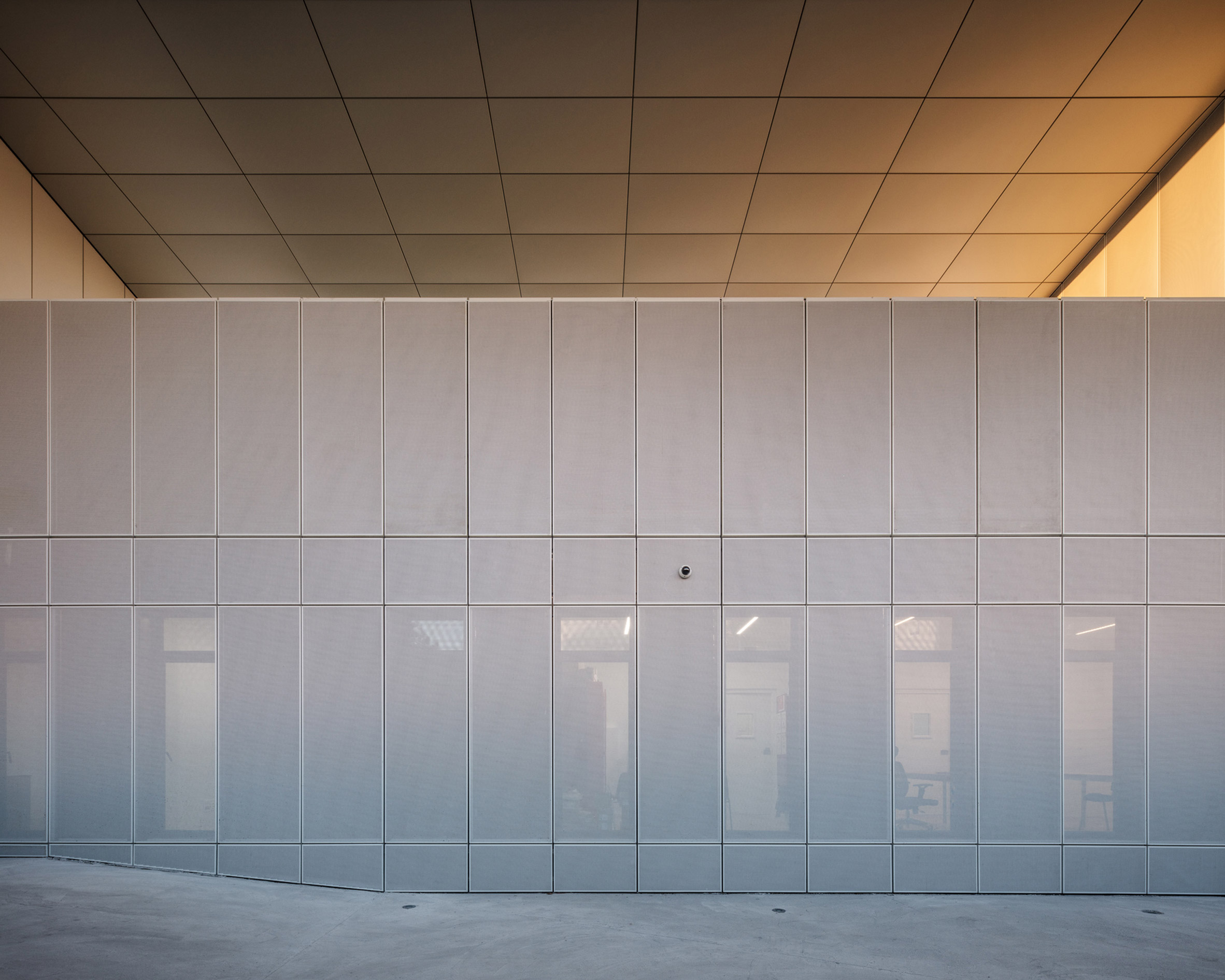
Local Architecture Network has built a minimum security prison with a perforated metal facade of weathering steel in Nanterre that has a sports court in pastel hues.

The minimum security prison is also the headquarters of the Penitentiary Services for Integration and Probation (SPIP) – which monitors those under arrest.

Minimum security prison in Nanterre by Local Architecture Network LAN

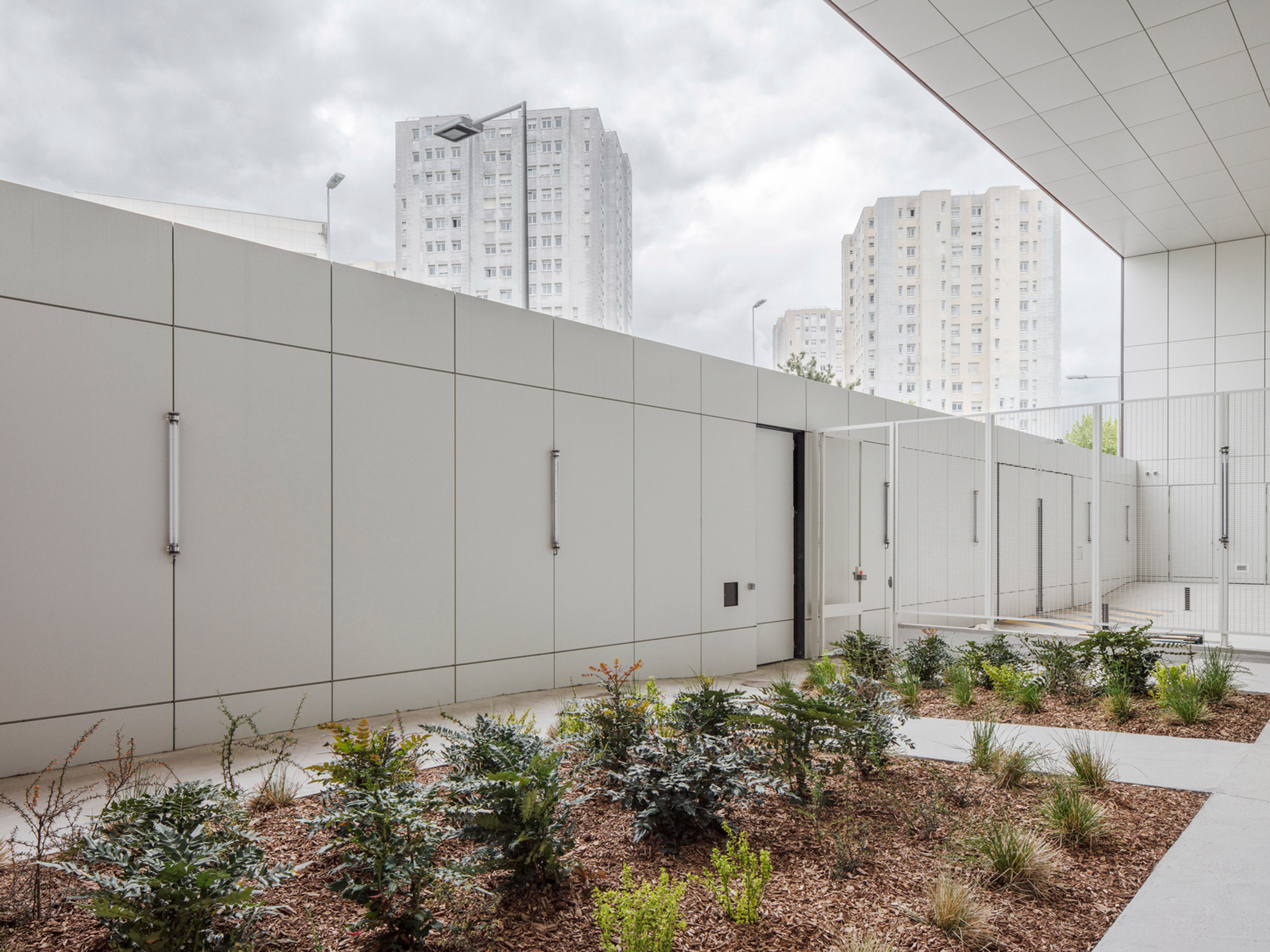
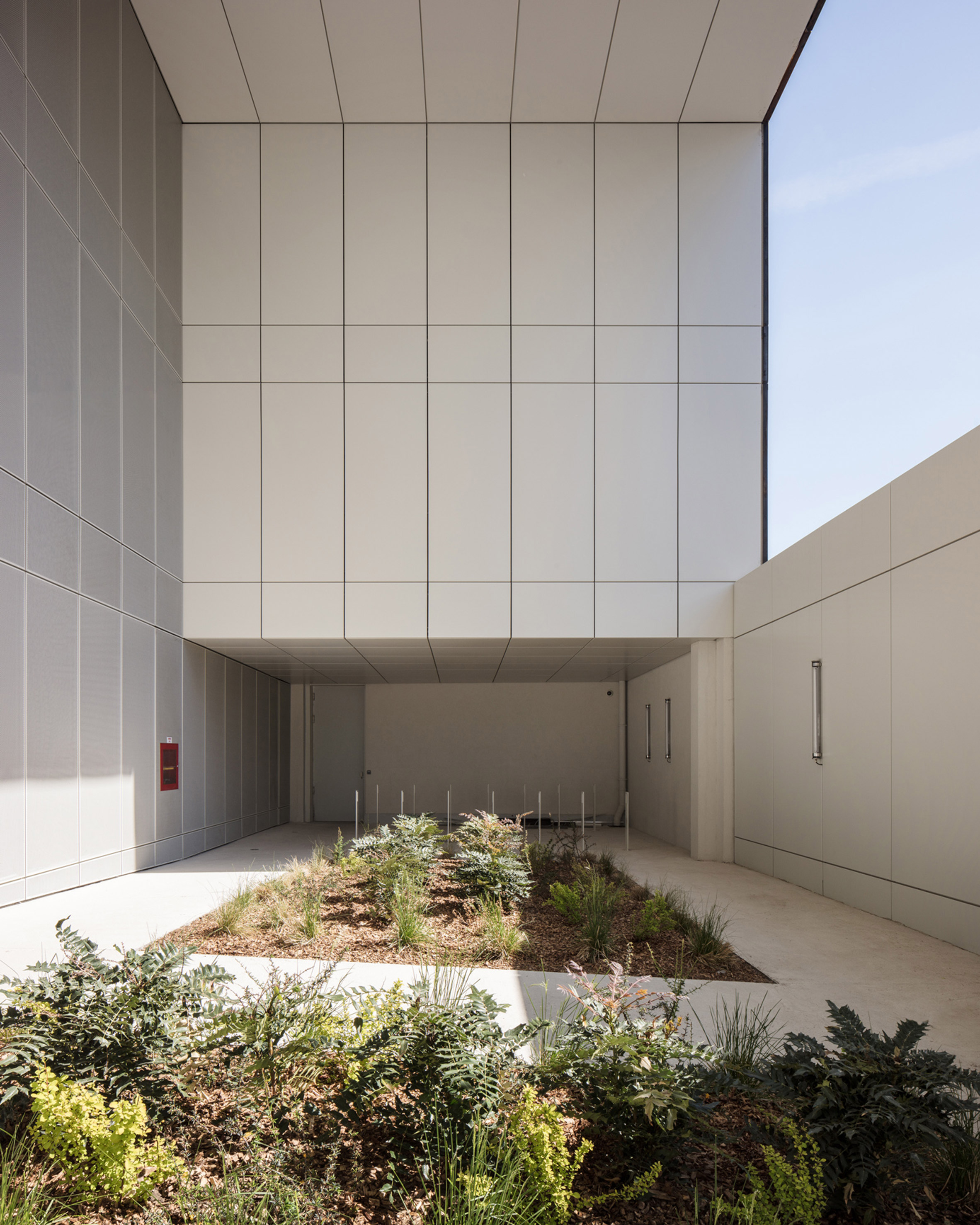
Local Architecture Network (LAN) built the prison as two blocks, which surround a sports court painted in pastel colours.

The prison's exterior, has a large opening cut-out for the entrance, instead of the traditional solid boundary wall that would usually enclose an inner-city prison.

Minimum security prison in Nanterre by Local Architecture Network LAN

"Over time, prisons have become 'non-urban' objects, or objects 'outside the urban sphere', even when they are built in city centres," said the practice.

"Often encased by a protective wall enclosing one or more buildings within, penitentiary architecture has reduced the field of action to addressing the boundary between the inside and the outside, as well as to the question of control and surveillance."

Minimum security prison in Nanterre by Local Architecture Network LAN
Photo is by Charly Broyez

To allow a more direct connection to the surroundings, the L-shaped SPIP block faces out to the street.

It sits atop the larger prison block to form a cube, where entry is managed via a protected entry post (PEP) with a view into the internal courtyard.

Minimum security prison in Nanterre by Local Architecture Network LAN

While largely windowless, the weathered steel elevations include shutters that open and close automatically to regulate the level of sunlight that enters into the interior spaces.

The 89 cells of the minimum security prison have been placed alongside wide walkways.

Minimum security prison in Nanterre by Local Architecture Network LAN
Photo is by Charly Broyez

Cells look out either to the central courtyard or to a small strip of planted space, including a vegetable garden managed by prisoners.

Robust and waterproof materials such as thermo-lacquered aluminium, which is self cleaning, and plaster have been used to line the internal spaces, as well as the large cut-out section in the street-facing facade.

Minimum security prison in Nanterre by Local Architecture Network LAN

LAN was founded in 2002 by Benoit Jallon and Umberto Napolitano.

The practice is currently working on the redevelopment of the Grand Palais in Paris as well as what will be one of France's tallest wooden buildings.

Minimum security prison in Nanterre by Local Architecture Network LAN
Photo is by Charly Broyez

French architecture office Combas has also recently attempted to construct an alternative to oppressive prison architecture at a detention centre for minors in Marseille.

Photography is by Cyrille Weiner unless stated otherwise.


Project credits:

Client: Ministère de la Justice, Agence publique pour l’immobilier de la Justice (APIJ)
General contractor: LAN (general contractor)
HQE: Franck Boutté Consultants
Structure: Batiserf Ingénierie
Liquids and electricity: Nicolas Ingénierie
Economist: Michel Forgue

The post Prison clad in perforated weathering steel has pastel-coloured sports court appeared first on Dezeen.


from Dezeen https://ift.tt/2OSySUq

Luca Schenardi and Lina Mueller's collaborative illustrations capture the spirit of the mountains

Luca-schenardi-lina-mueller-illustration-itsnicethat-list
Together Swiss illustrators Luca Schenardi and Lina Mueller have formed a delicate line-based style that is radically different to their individual practices – proof that collaboration and travel can inspire work you would never have come to alone.

Read more


from It's Nice That https://ift.tt/2DODynV