Sunday, 8 December 2019

Dezeen's top 10 British architecture projects of 2019

Continuing our review of 2019, Tom Ravenscroft picks 10 architecture projects in the UK that made an impact in the past year, including a museum for boats and a football stadium.

Dezeen's top 10 British architecture projects of 2019

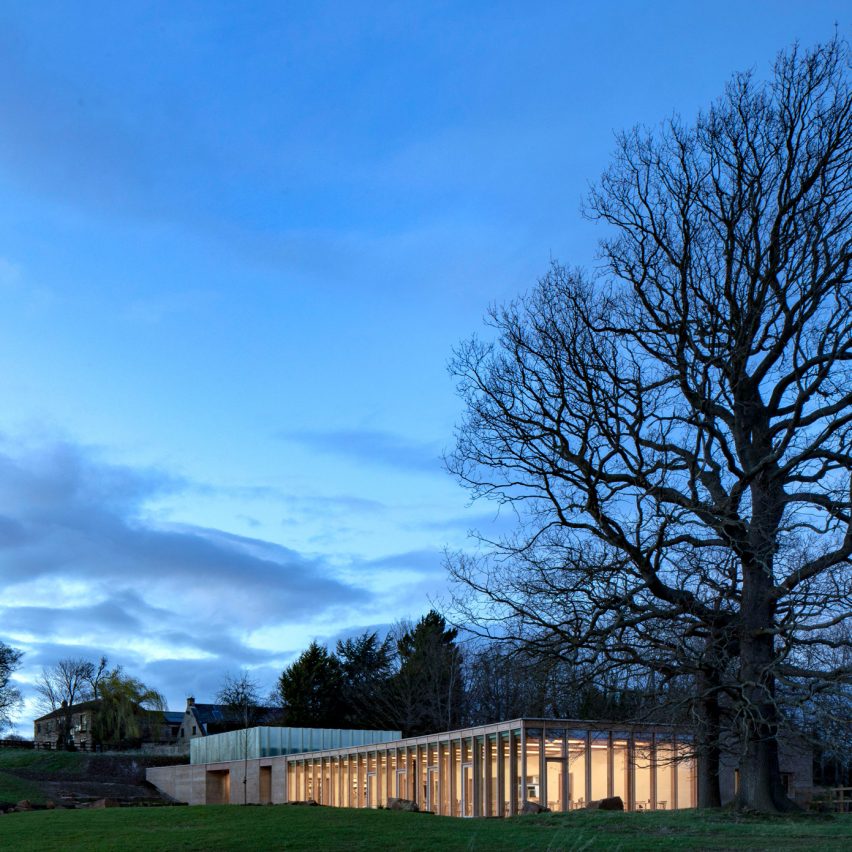
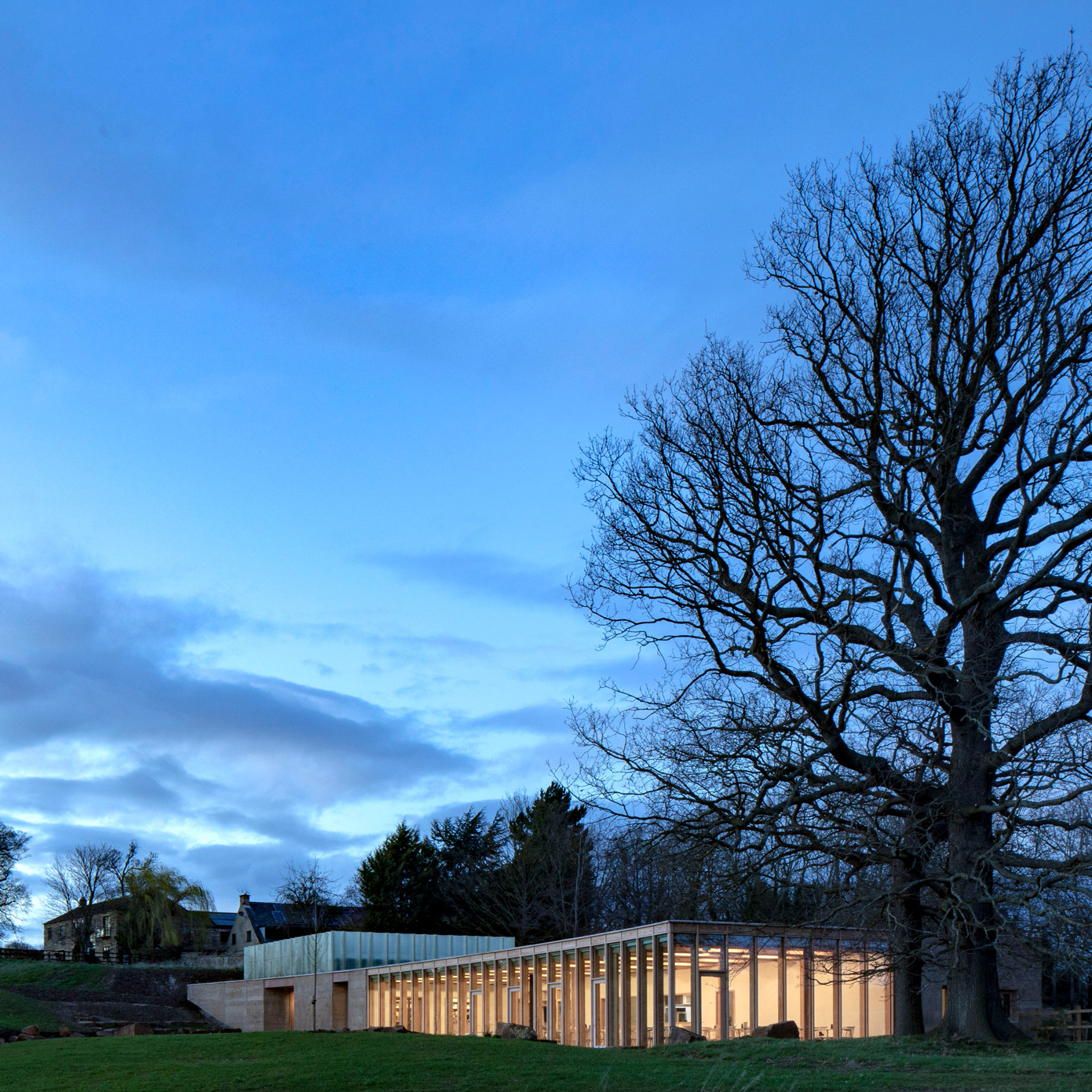
The Weston visitor centre, Yorkshire, by Feilden Fowles

Architect Feilden Folwes designed The Weston as a visitor centre and entrance pavilion for the open-air Yorkshire Sculpture Park, in West Yorkshire.

The building, which was shortlisted for the Stirling Prize, has two distinct faces, a concrete wall broken only by its entrance faces out towards the road while a largely glass facade faces the park.
See more of The Weston ›


Dezeen's top 10 British architecture projects of 2019

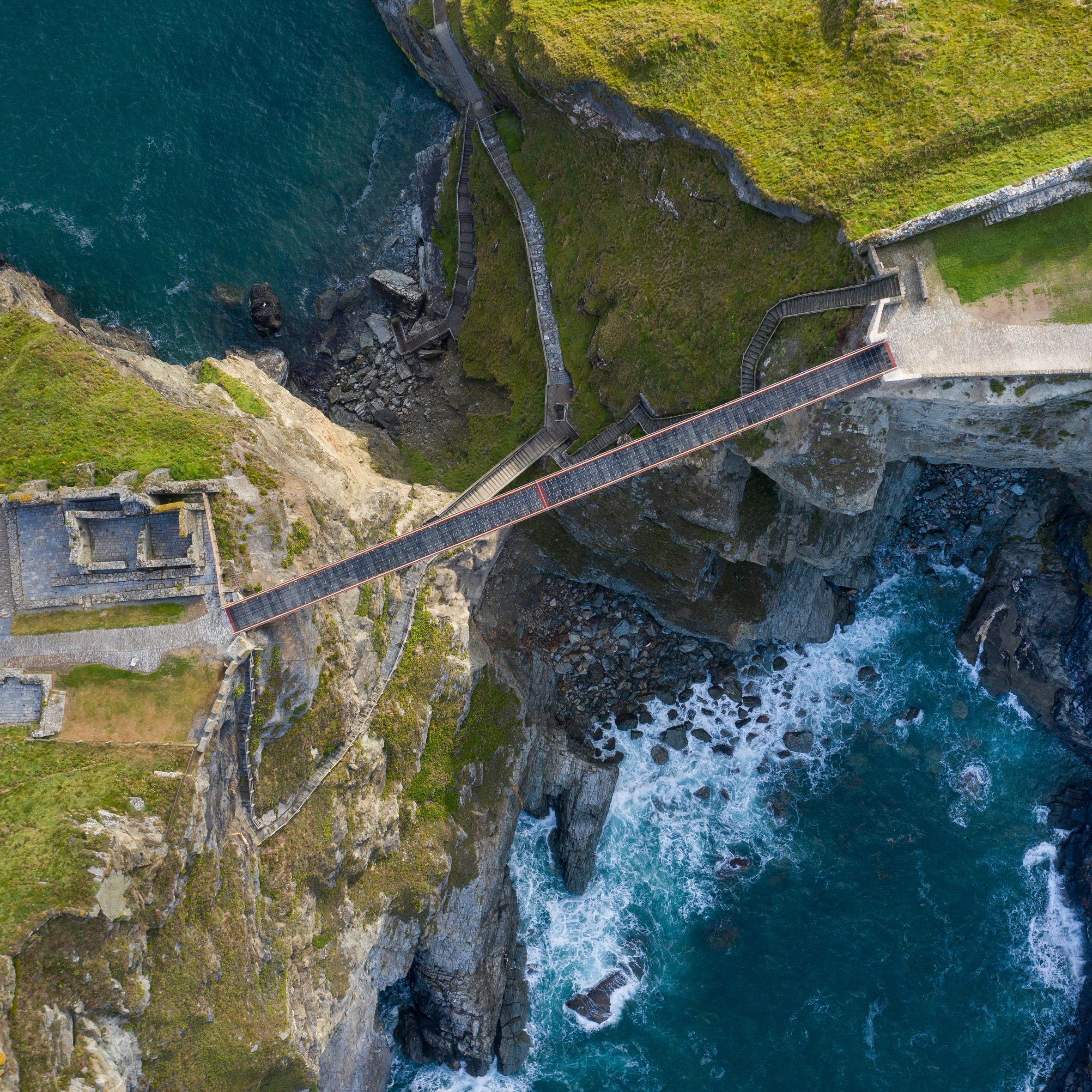
Tintagel Castle Bridge, Cornwall, by William Matthews Associates

Working with engineers Ney & Partners, William Matthews Associates designed this 60-metre-long bridge to reconnect two parts of the ruins of Tintagel Castle in Cornwall.

The modern bridge replaces the original crossing that was built around the 16th century. It is built from two 30-metre cantilevered spans that have a 40-millimetre gap between them.

See more of Tintagel Castle Bridge ›

Dezeen's top 10 British architecture projects of 2019

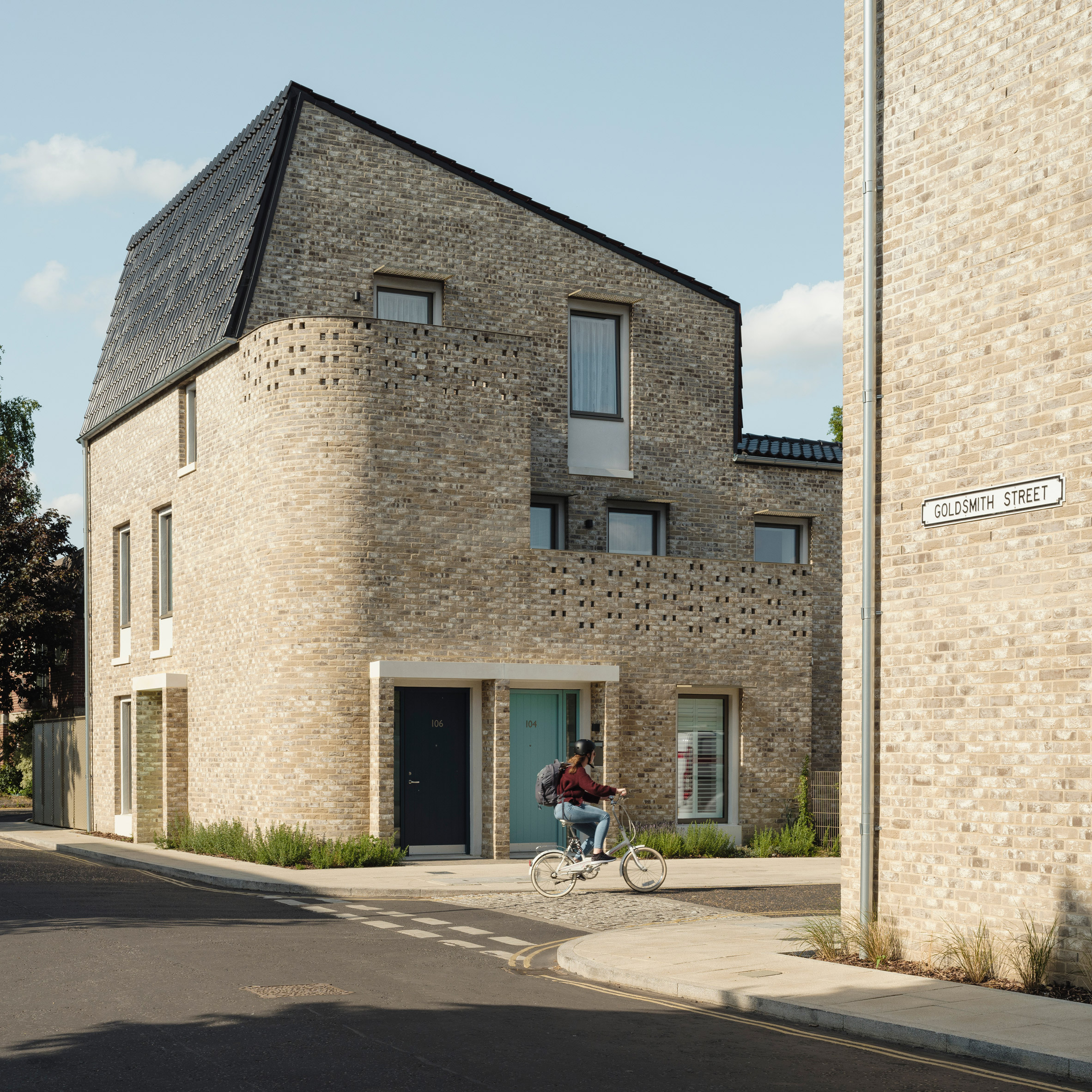
Goldsmith Street, Norwich, by Mikhail Riches

This Passivhaus housing scheme by Mikhail Riches in Norwich made news this year when it became the first social-housing scheme to win the RIBA Stirling Prize.

The development, which consists of 105 terraced houses, was designed to be a high-density alternative to building high-rise apartment blocks.

See more of Goldsmith Street ›

Dezeen's top 10 British architecture projects of 2019

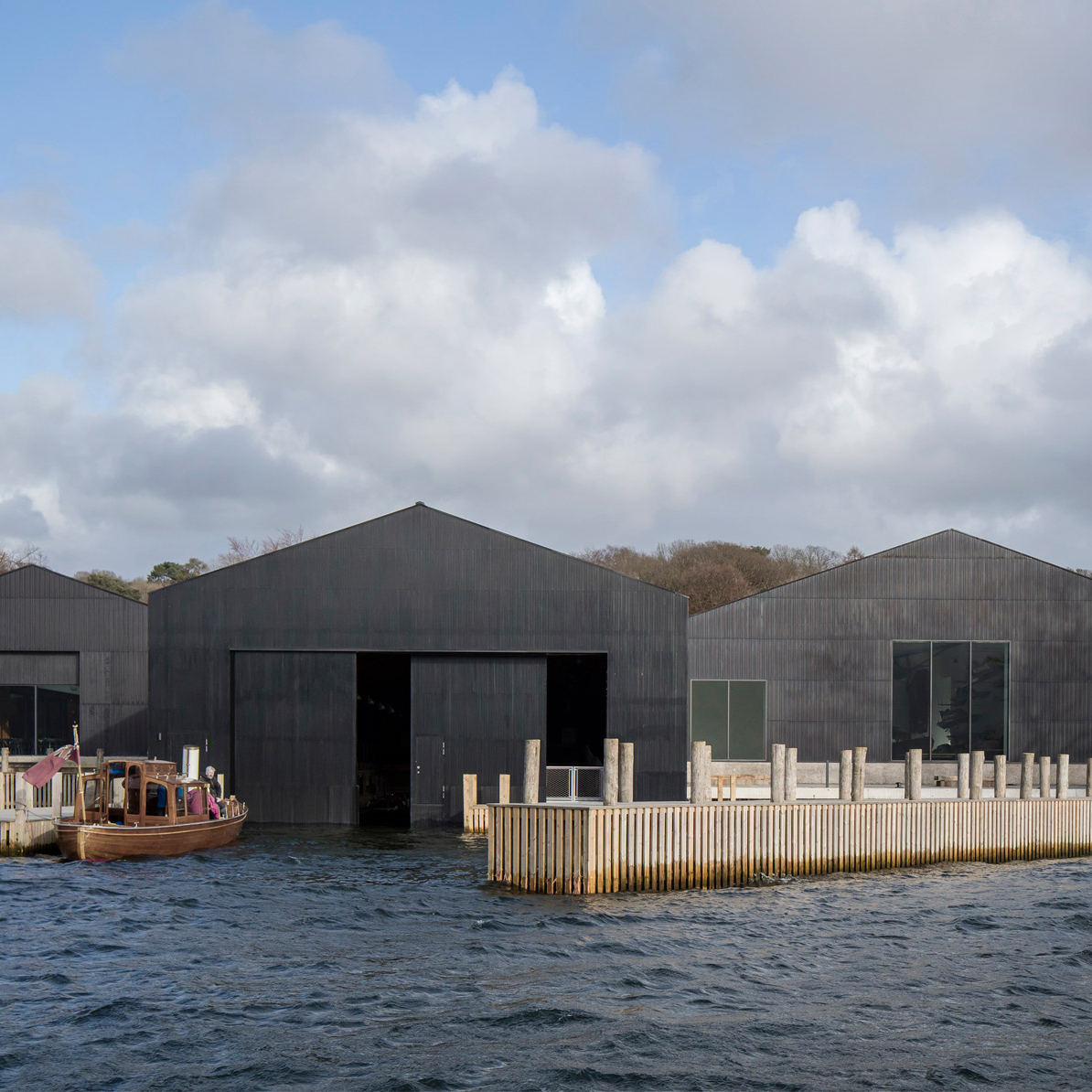
Windermere Jetty museum, Lake District, by Carmody Groarke

The Windermere Jetty museum opened its doors in England's Lake District this year.

Designed by London studio Carmody Groarke, the museum on Windermere lake houses an internationally significant collection of boats in a group of copper-clad sheds.

See more of Windermere Jetty museum ›

Dezeen's top 10 British architecture projects of 2019

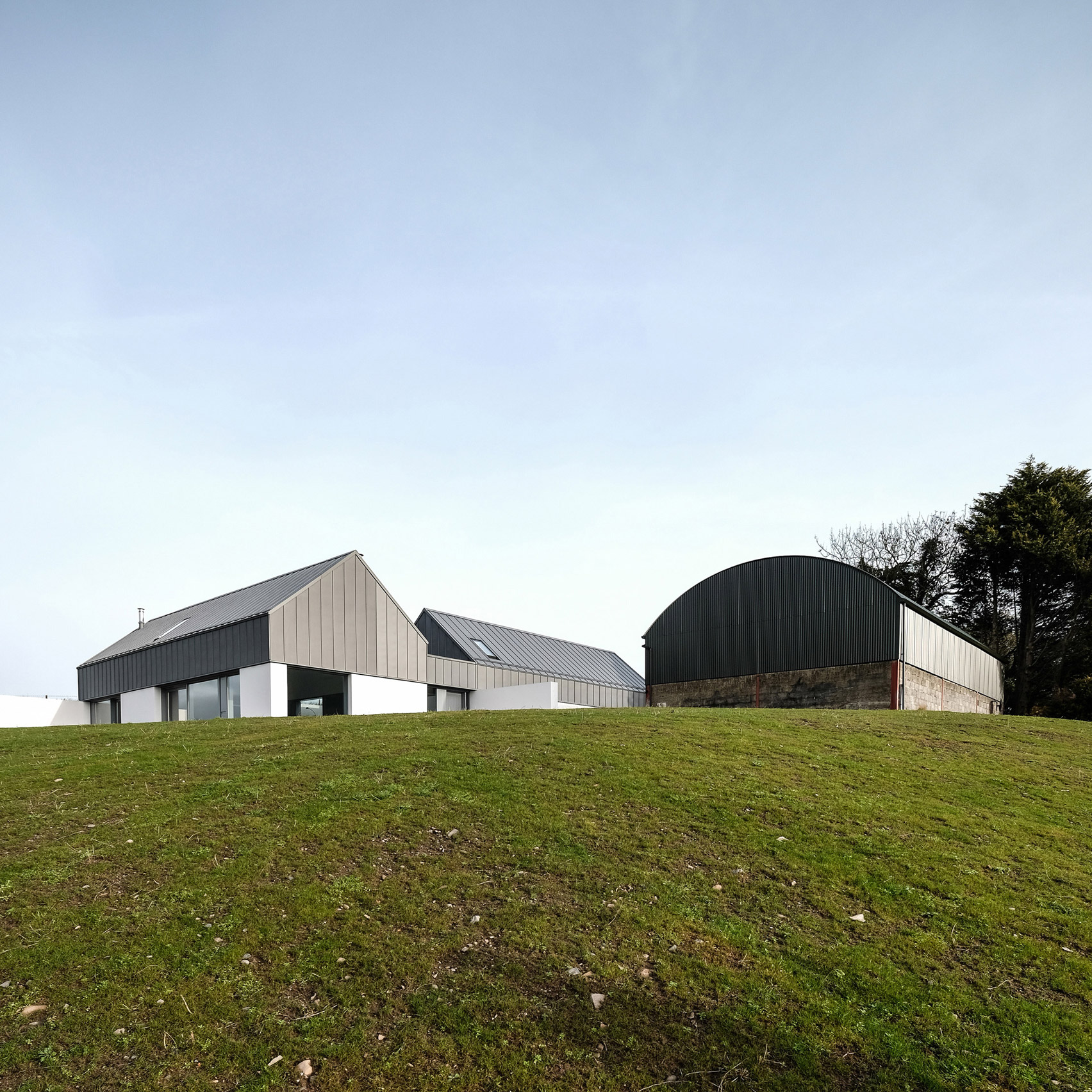
House Lessans, Northern Ireland, by McGonigle McGrath

Belfast studio McGonigle McGrath designed House Lessans in rural Northern Ireland using simple details, materials and construction methods to keep costs down.

The home was named RIBA House of the Year 2019 with RIBA president Alan Jones stating: "House Lessans demonstrates that life enhancing architecture does not have to cost the earth".
See more of House Lessans ›


Dezeen's top 10 British architecture projects of 2019

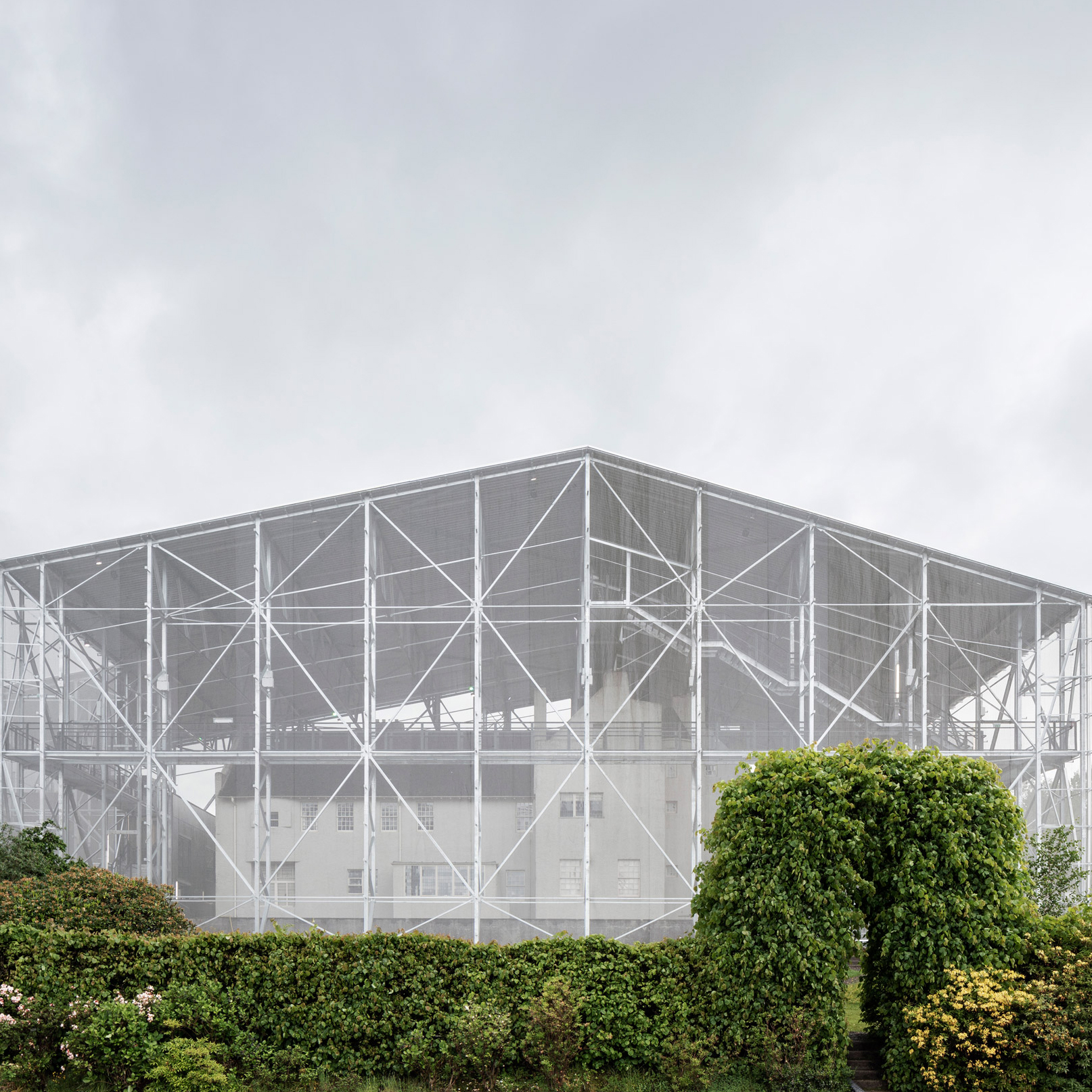
Mackintosh's Hill House, Helensburgh, by Carmody Groarke

To protect one of Scottish architect Charles Rennie Mackintosh's best-known buildings, London studio Carmody Groarke has enclosed it within a transparent shed.

Called the Hill House Box, the temporary shed is made from scaffolding and chainmail. It will protect the building during its renovation and incorporates an elevated walkway so that visitors can see the house from a new perspective.

See more of Mackintosh's Hill House ›

Dezeen's top 10 British architecture projects of 2019

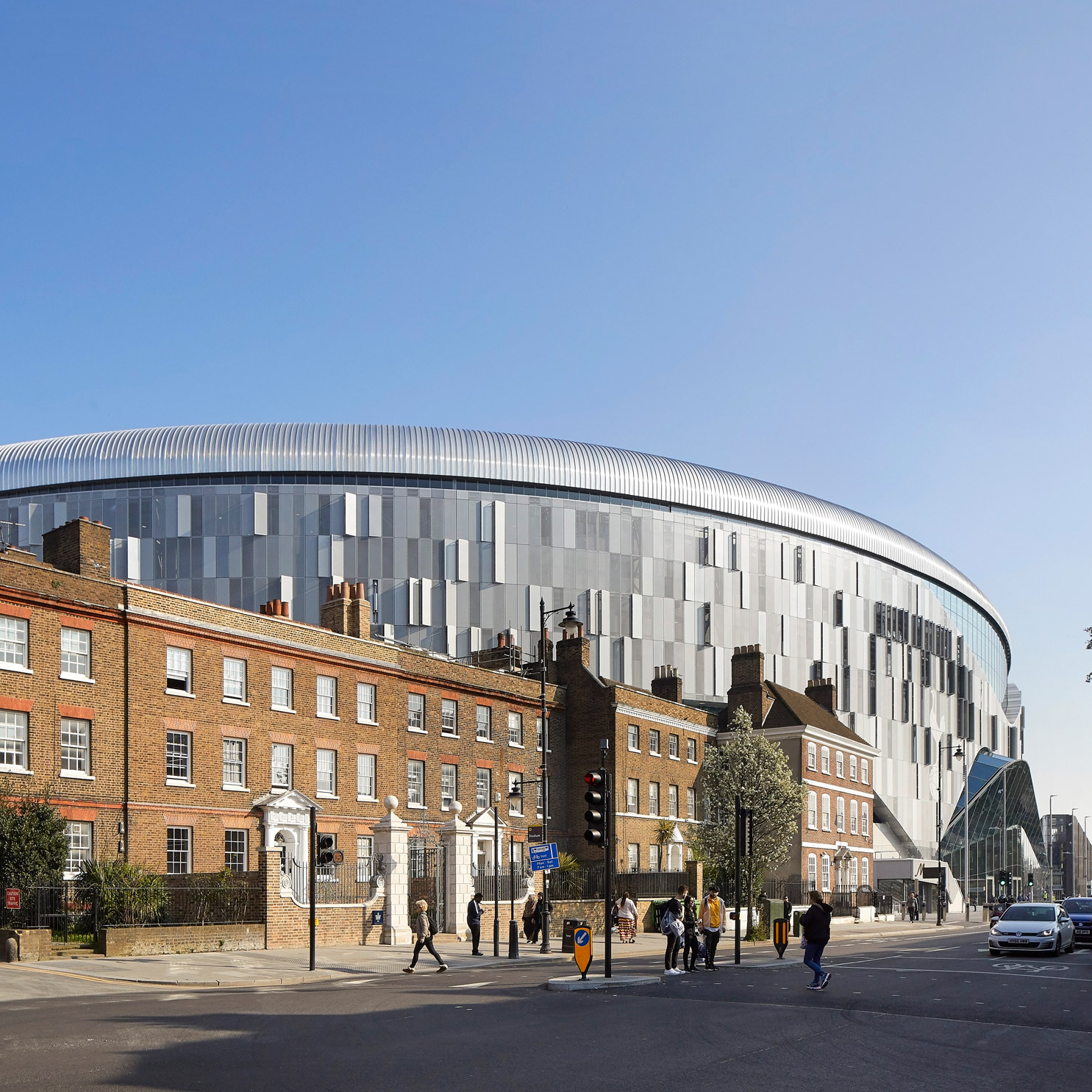
Tottenham Hotspur Stadium, London, by Populous

Premier League football club Tottenham Hotspur opened its 62,062-seat stadium in north London this year.

Designed by architect Populous, the stadium has a retractable grass pitch, which can be removed to reveal an artificial surface that can be used for playing American football.

See more of Tottenham Hotspur Stadium ›

Dezeen's top 10 British architecture projects of 2019

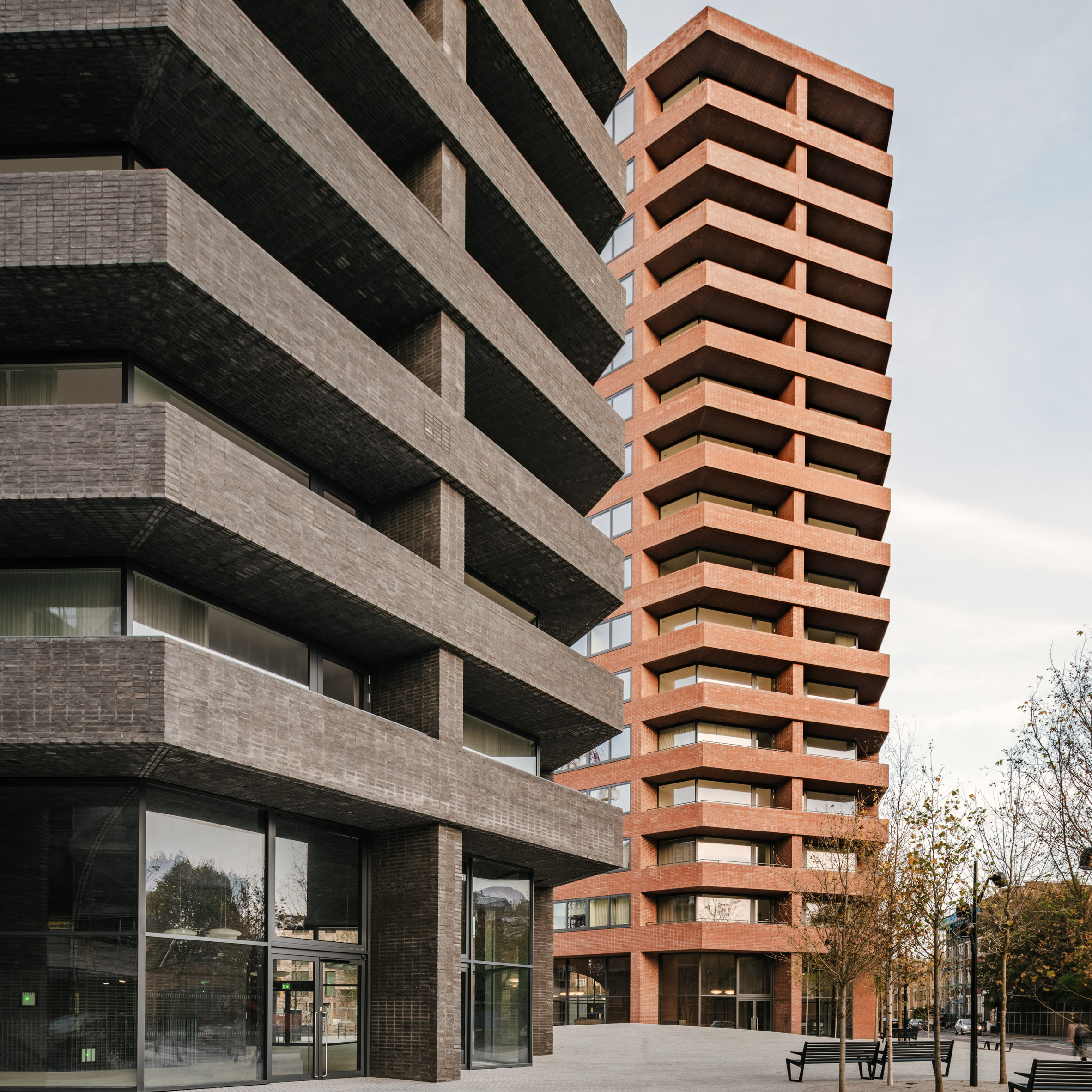
Hoxton Press, London, by Karakusevic Carson and David Chipperfield

David Chipperfield Architects and Karakusevic Carson Architects designed a pair of hexagonal, high-rise towers close to the Dezeen offices in Hackney, London.

Built as part of the redevelopment of the Colville Estate, the red-brick, 16-storey tower and 20-storey, brick-grey tower will contain a total of 198 homes.
See more of Hoxton Press ›


Dezeen's top 10 British architecture projects of 2019

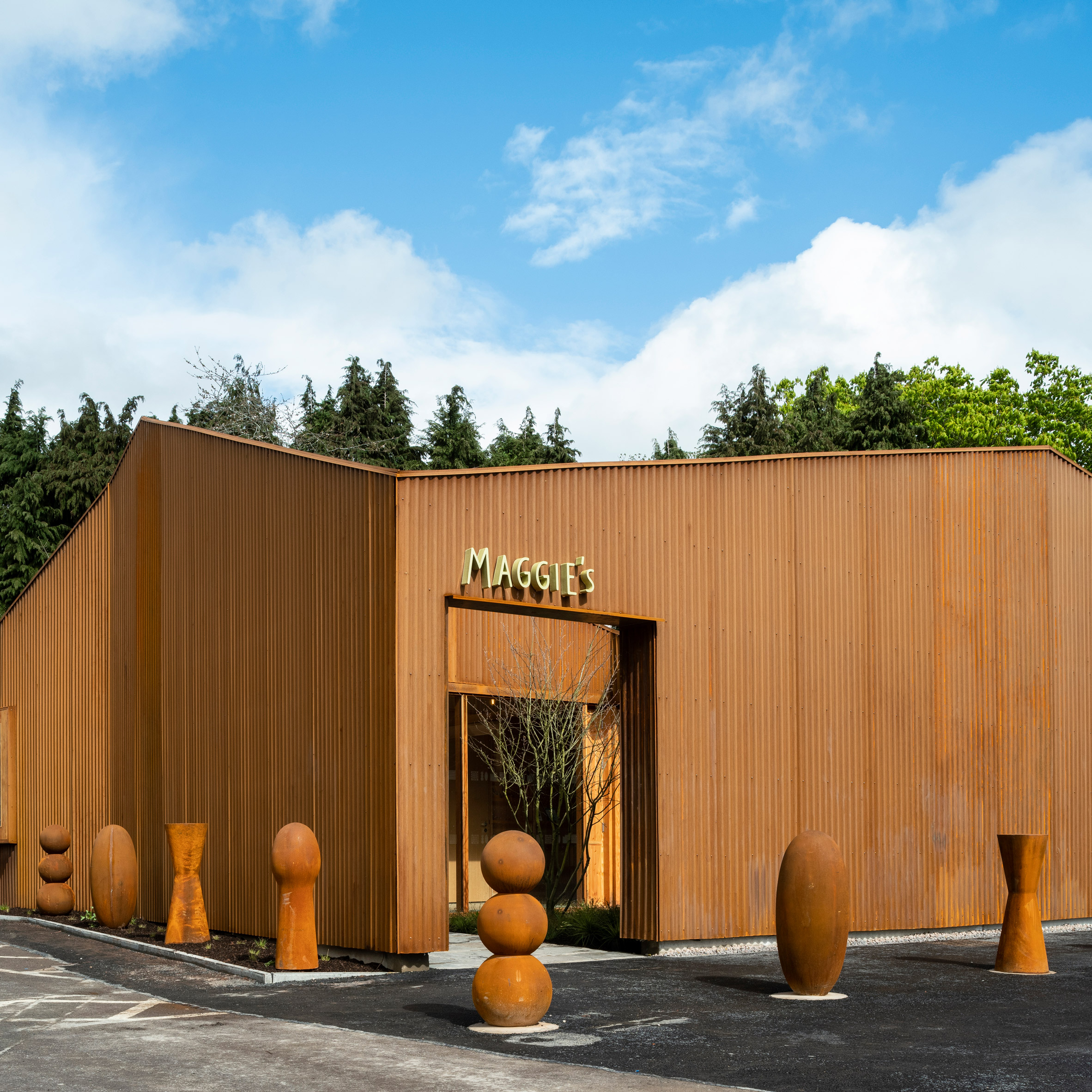
Maggie's Cardiff, Cardiff, by Dow Jones Architects

This year Dow Jones Architects became the latest architect to design a cancer-care centre for the Maggie's charity.

The temporary Maggie's Centre at the Velindre Cancer Care Centre in Cardiff was built in place of a permanent building that was initially proposed for the site. The care centre, which is entirely in weathering steel, cost around one third of the proposed budget for the permanent building.

See more of Maggie's Cardiff ›

Dezeen's top 10 British architecture projects of 2019

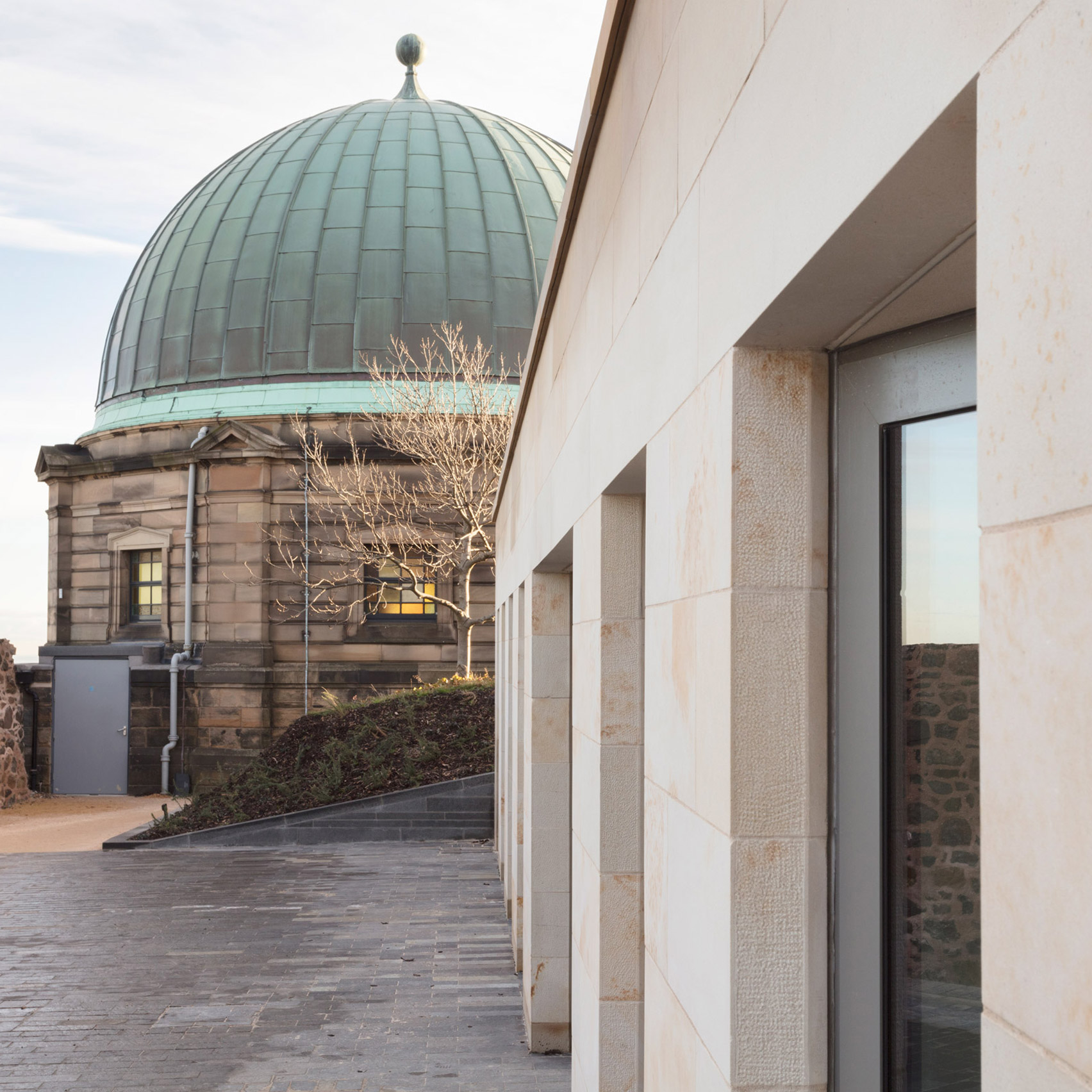
Collective, Edinburgh, by Collective Architecture

In Edinburgh, Scottish studio Collective Architecture has converted the William Playfair-designed City Observatory on Calton Hill into a contemporary art centre.

Named Collective, the art centre occupies the former observatory with buildings containing new gallery space, a restaurant and welcome kiosk, added to the hilltop site.

See more of Collective ›

The post Dezeen's top 10 British architecture projects of 2019 appeared first on Dezeen.


from Dezeen https://ift.tt/2LCyJlM

Perforated panels conceal apartments above Montreal dental clinic by Paul Bernier Architecte

Van Horne by Paul Bernier Architecte

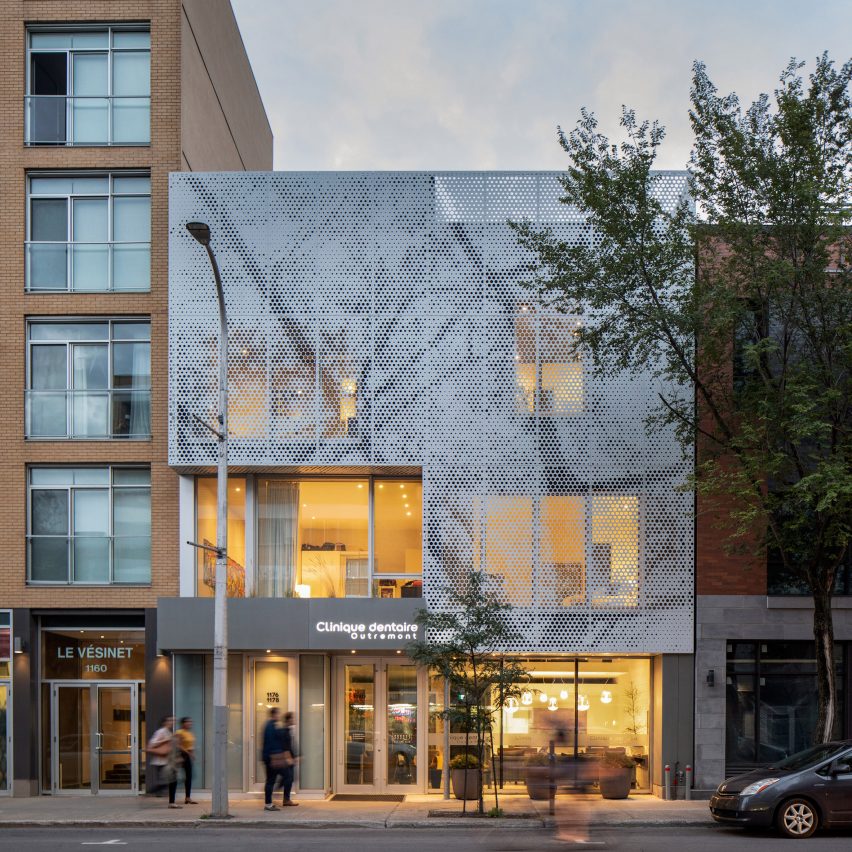
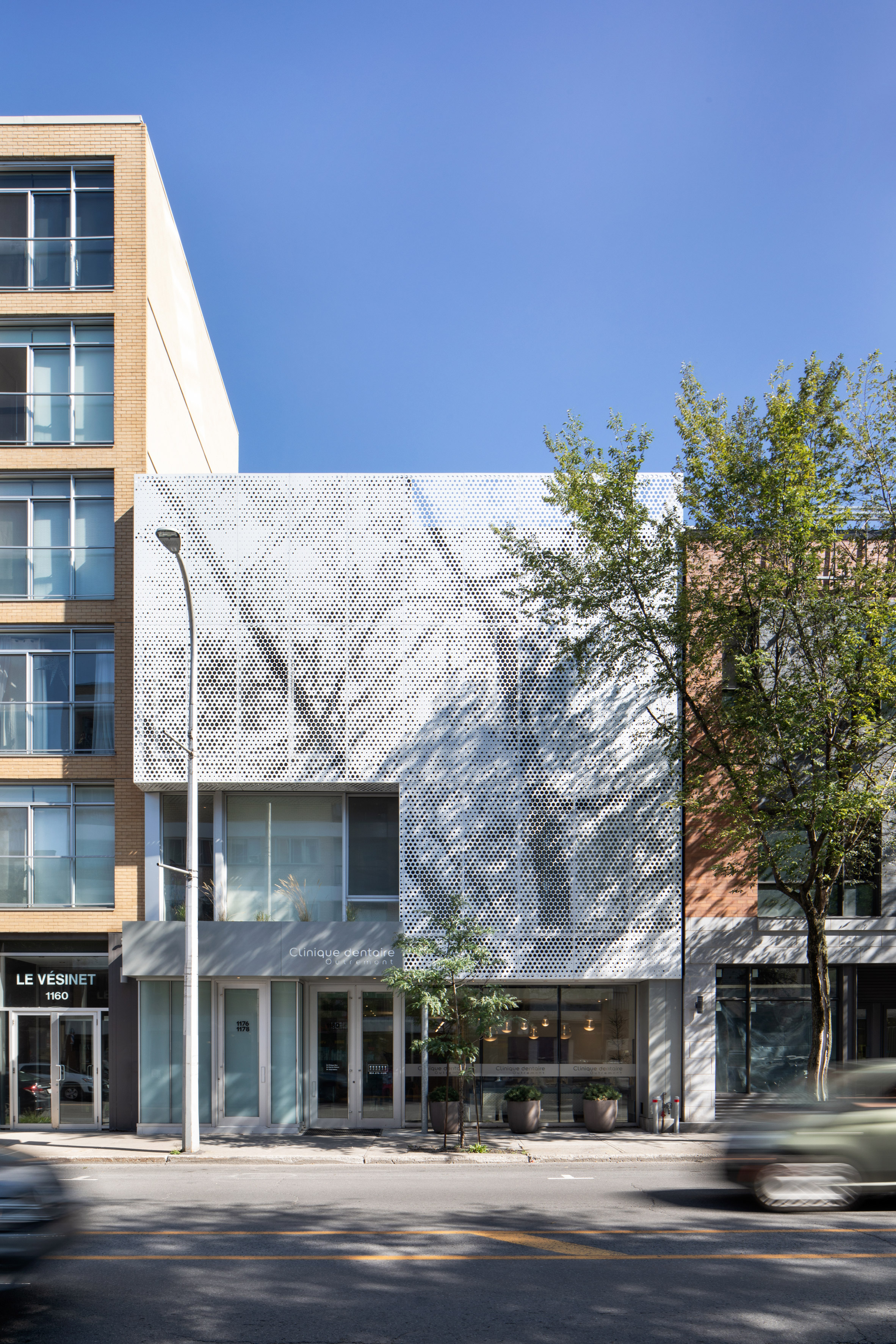
Canadian firm Paul Bernier Architecte has extended a dental practice in Montreal with two floors of apartments covered in aluminium panels.

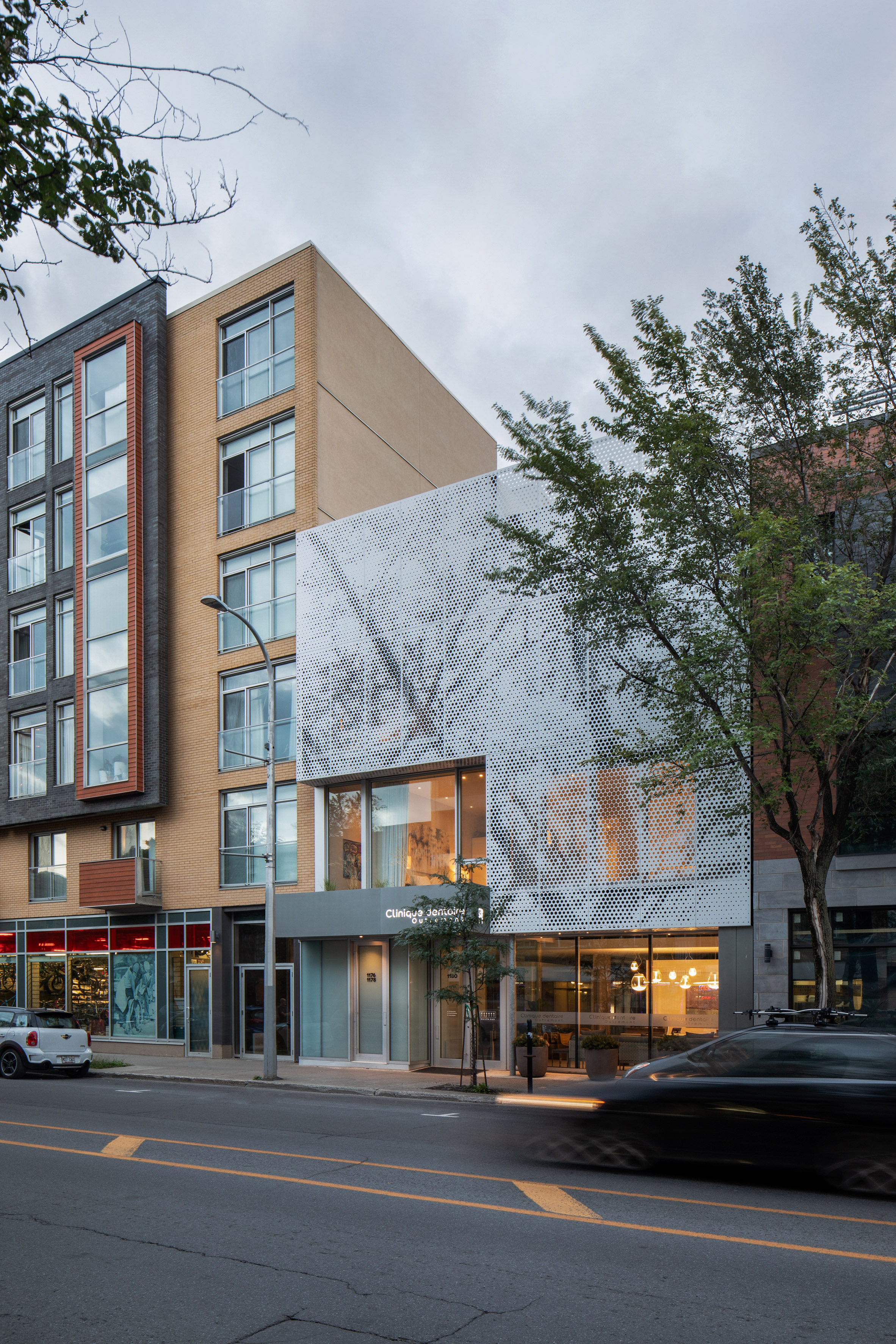
Local firm Paul Bernier Architecte created the three-storey Van Horne building in the city's Outremont neighbourhood. It is slotted in between two brick structures on Van Horne Avenue, and contains a dental clinic on the ground floor, Clinique Dentaire Outremont.

Van Horne by Paul Bernier Architecte

Only the concrete structure on the ground floor of the original building was retained during the overhaul. The top two upper levels are new additions, and each contains a two-bedroom apartment – one of which is for the owners of the complex.

Van Horne by Paul Bernier Architecte

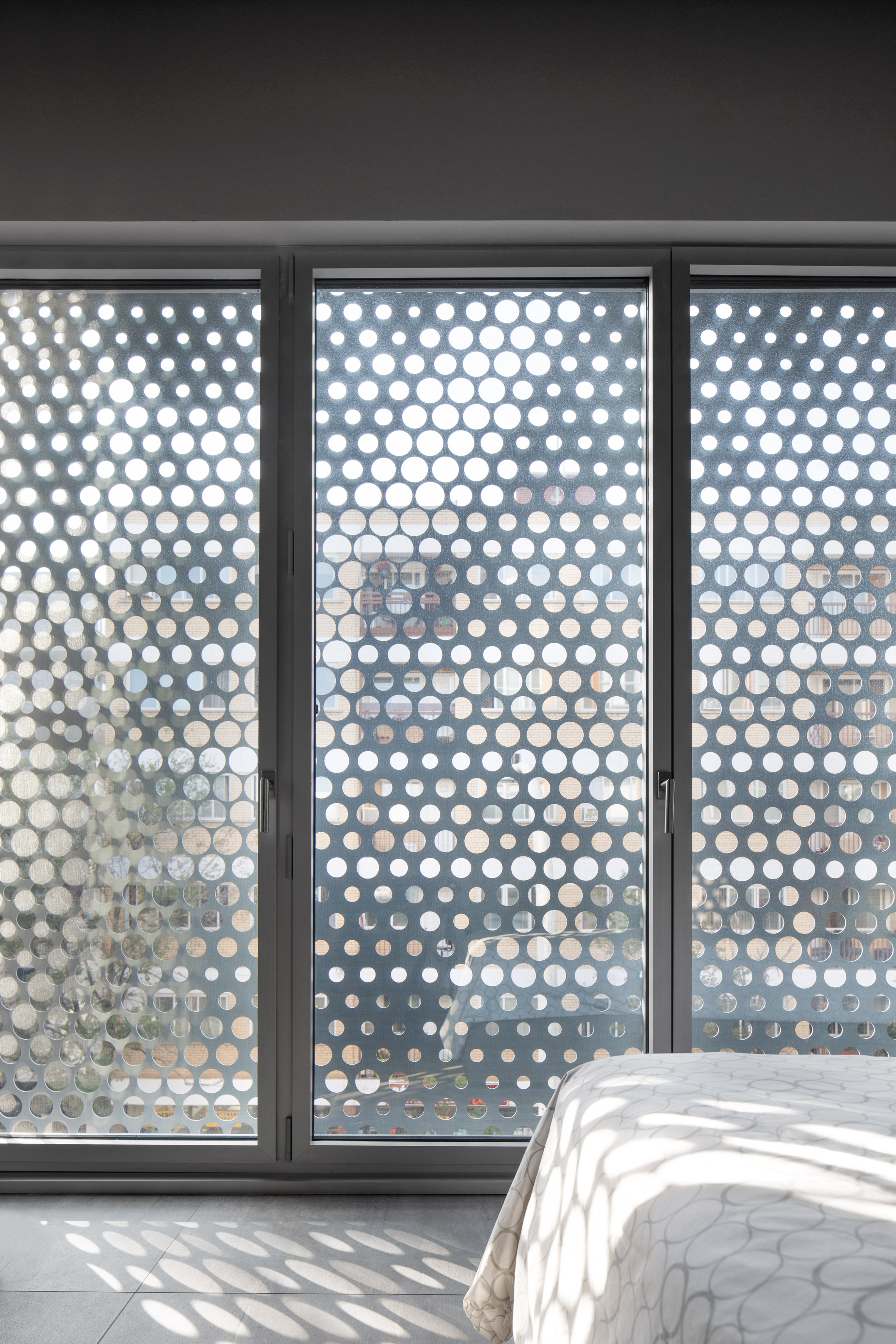
The two new levels feature the perforated aluminium panelling, which screen windows into the residences. One of the openings is left uncovered and has sliding glass doors that lead onto a terrace.

The cladding, which distinguishes the project from neighbouring buildings, was designed in collaboration with local artist Carl-Antonyn Dufault.

Van Horne by Paul Bernier Architecte

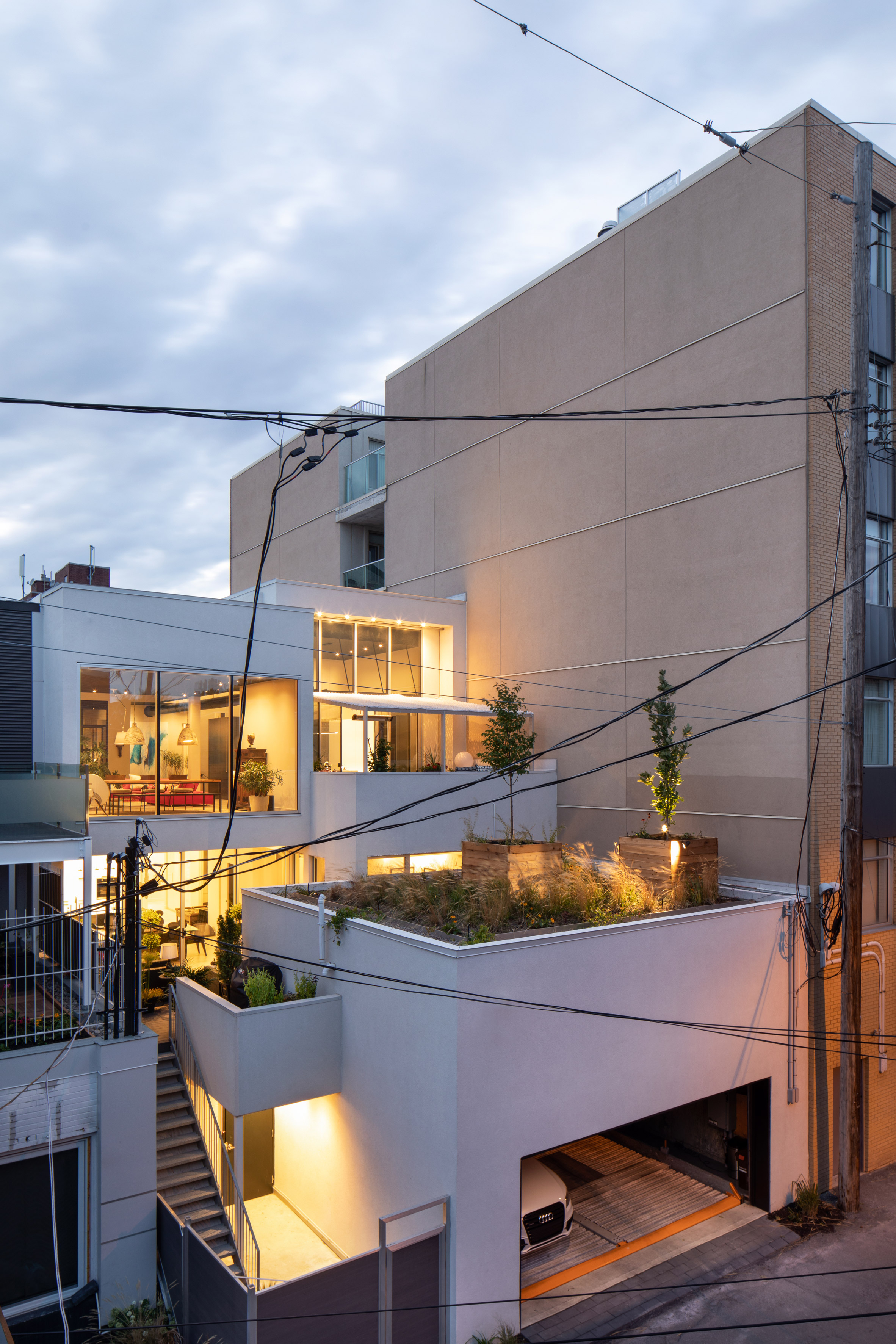
For the rear side of Van Horne, which faces onto an alleyway, the team arranged a series of overlapping, white volumes for different levels.

"The project plays with imbricated volumes," the studio said. "In the back, those boxes are either protruding or set back, which creates private outdoor terraces for each unit."

Van Horne by Paul Bernier Architecte

A two-car garage is at the back of the building, and its roof is topped with a garden and planted trees. A gated entry has a door to the dentist office, and outdoor steps access the rental unit upstairs. This entry is topped by a cantilevered green roof.

Van Horne has two entrances – one for the dental practice and one for tenants – placed next to each other along the avenue.

Van Horne by Paul Bernier Architecte

"A recess on the first floor of the main facade creates a loggia, an architectural element quite present on the avenue Van Horne," Paul Bernier Architecte said.

"This loggia is occupied by a green roof installed on a cantilever which marks the entries of the housing units and the dental clinic."

Van Horne by Paul Bernier Architecte

The building contains three stairwells inside: one at the front, one at the back, and one within to access the upper unit.

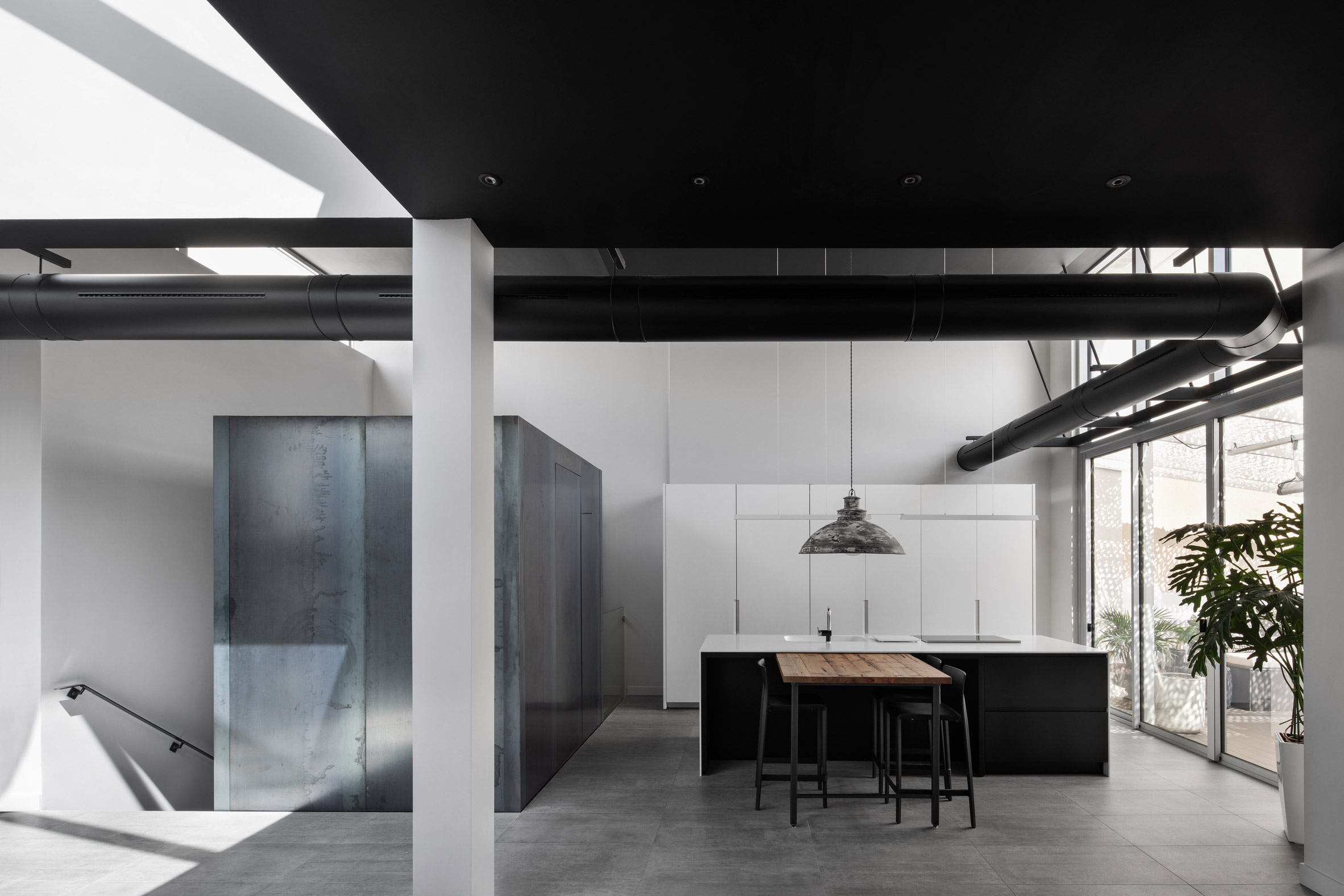
Both apartments have two bedrooms, overlooking Van Horne Avenue, in addition to an open-plan kitchen, living and dining room in the rear.

Van Horne by Paul Bernier Architecte

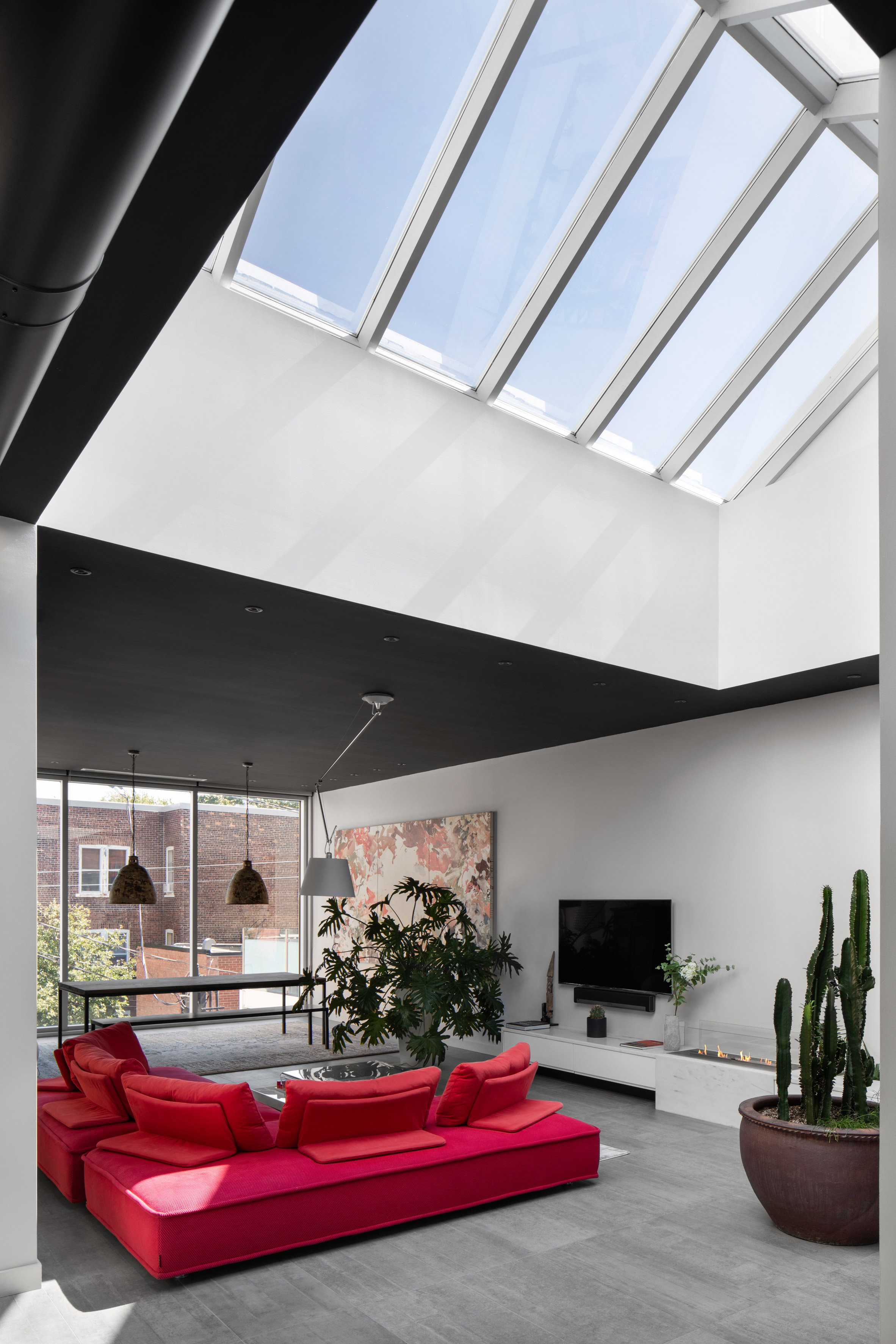
For the clients' home on the top storey, sliding glass doors in the kitchen access a patio that offers a second dining area. A window above this door brings light into the home, in addition to a skylight.

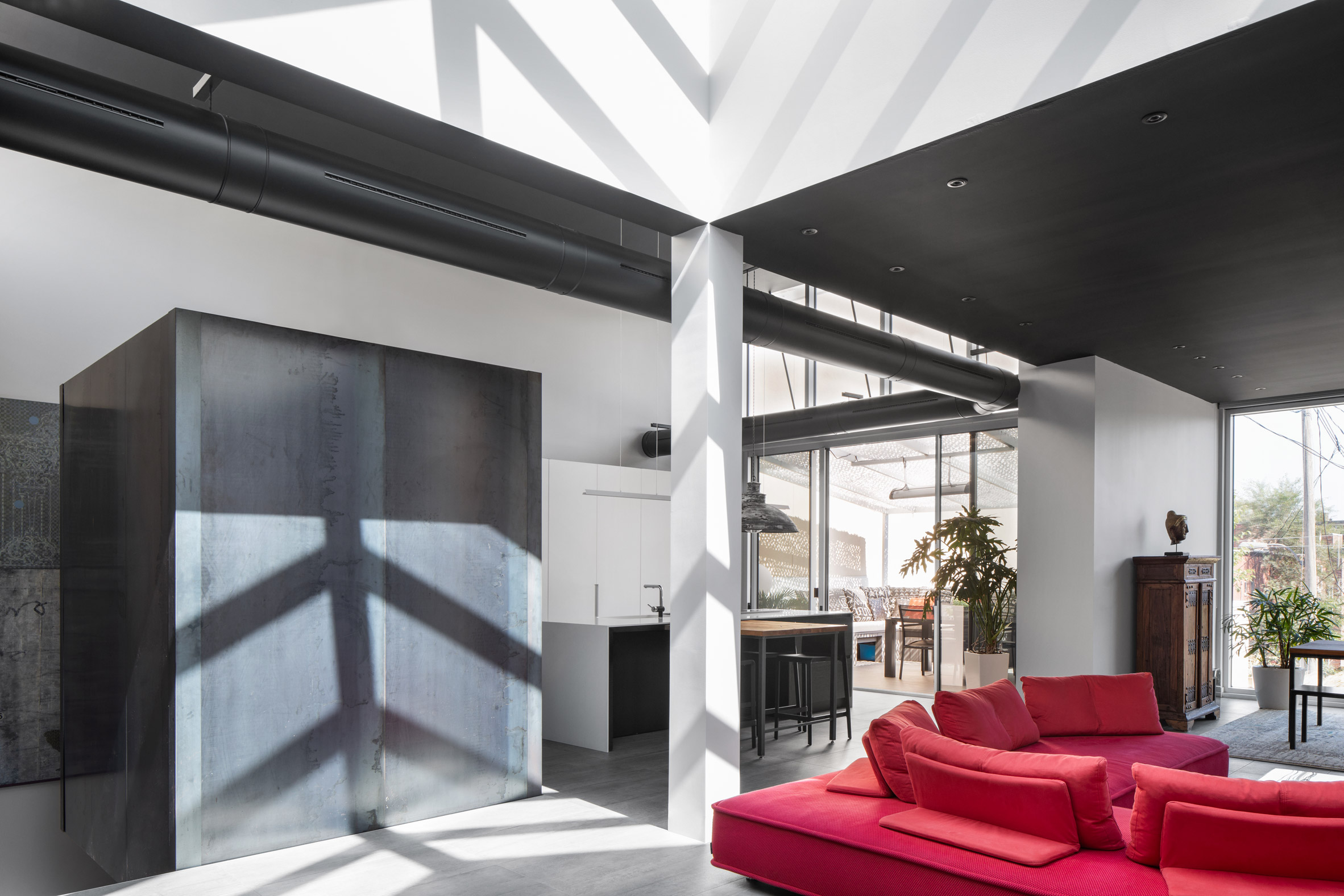
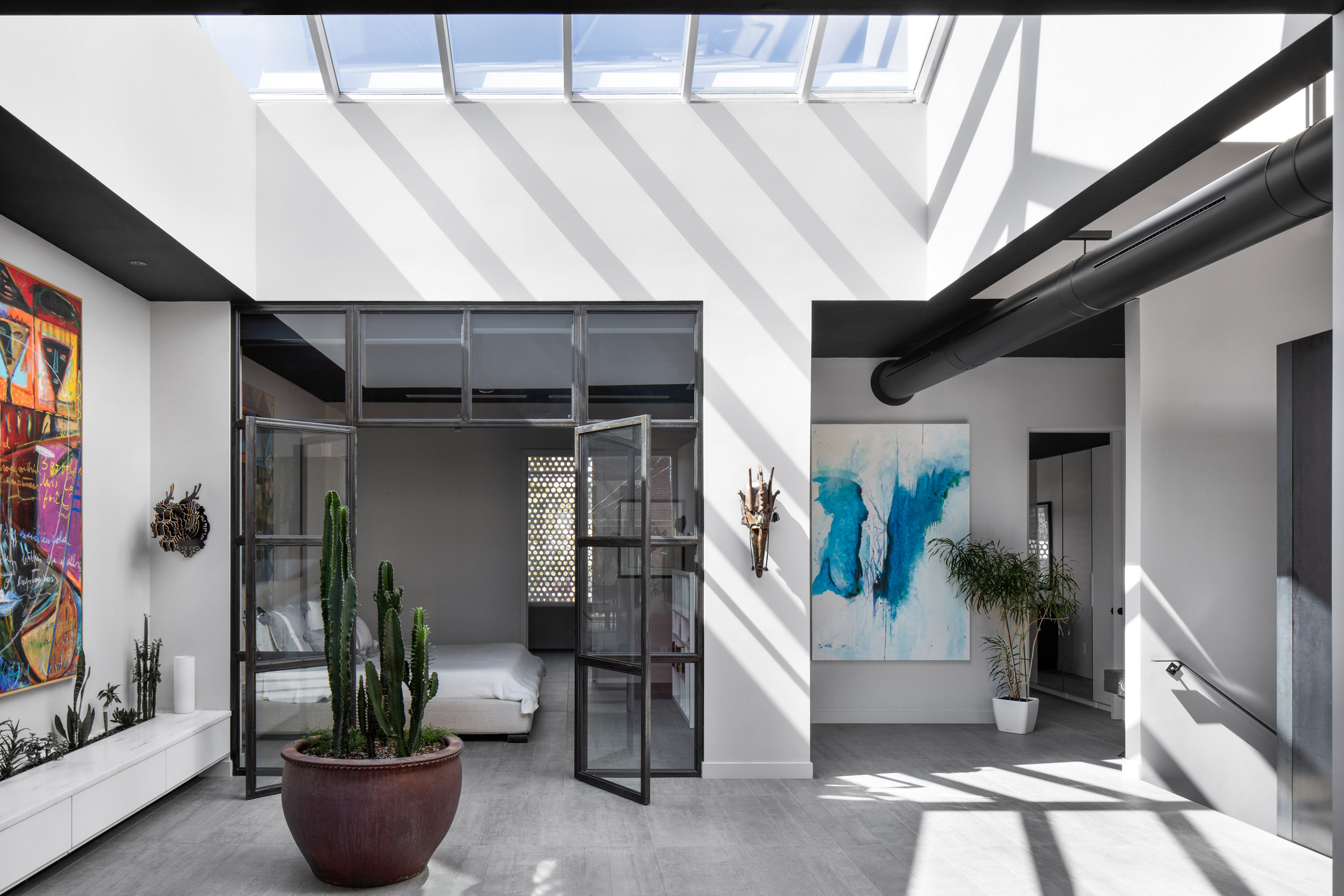
Interiors are minimally decorated with contemporary furnishings and have white walls, concrete floors and black ceilings for contrast.

Van Horne by Paul Bernier Architecte

Another house also in the area of Outremont, meaning "beyond the mountain" of Montreal's Mount Royal, is a renovated mid-century dwelling by local firm Naturehumaine.

Founded in 1991, Paul Bernier Architecte is a small studio based in Montreal's Plateau neighbourhood and is led by Canadian architect Paul Bernier. The firm has also built a lake house in Quebec with rectangular volumes of weathering steel and blackened wood.

Photography is by Adrien Williams.

The post Perforated panels conceal apartments above Montreal dental clinic by Paul Bernier Architecte appeared first on Dezeen.


from Dezeen https://ift.tt/38m4Cc3

Paintings From Prado Museum Collection Given Climate Change Makeovers

Felipe IV a Caballo (1635-36), Diego Velázquez. Images courtesy of Museo del Prado / WWF

Museo del Prado (Prado Museum) recently collaborated on a project with the World Wildlife Fund (WWF) designed to coincide with the 2019 UN Climate Change Conference in Madrid. Paintings from the museum’s collection were digitally modified to reflect a future world destroyed by inaction. Rising sea levels, barren rivers, and refugee camps transform works by European painters into a campaign to save the environment.

The project is titled “+ 1,5ºC Lo Cambia Todo,” which translates from Spanish to mean “+ 1.5ºC Changes Everything.” Paintings by three Spanish artists (Francisco de Goya, Diego Velázquez, and Joaquín Sorolla) and one Flemish Renaissance painter (Joachim Patinir) were chosen for the project by WWF and museum experts. The altered works were installed on billboards in Madrid and shared online using the hashtag #LoCambiaTodo as a way to expand and continue political and social conversations through art.

“For the Museum, this project represents an opportunity to continue placing art and its values at the service of society,” Javier Solana, Prado’s Royal Board of Trustees President, said in a statement. “The symbolic value of the masterpieces and the impressive artistic recreation that we present with WWF is an excellent way to transmit to everyone and especially to the young generations what is really at stake in this fight against climate change.” [via Artnet]

Landscape with Charon Crossing the Styx (c. 1515-1524), Joachim Patinir

Boys on the Beach (1909), Joaquín Sorolla

The Parasol (1777), Francisco de Goya


from Colossal https://ift.tt/2YtDQtP

Two mothers open Brella to offer flexible childcare in Los Angeles

Brella by Rectangle Design Studio

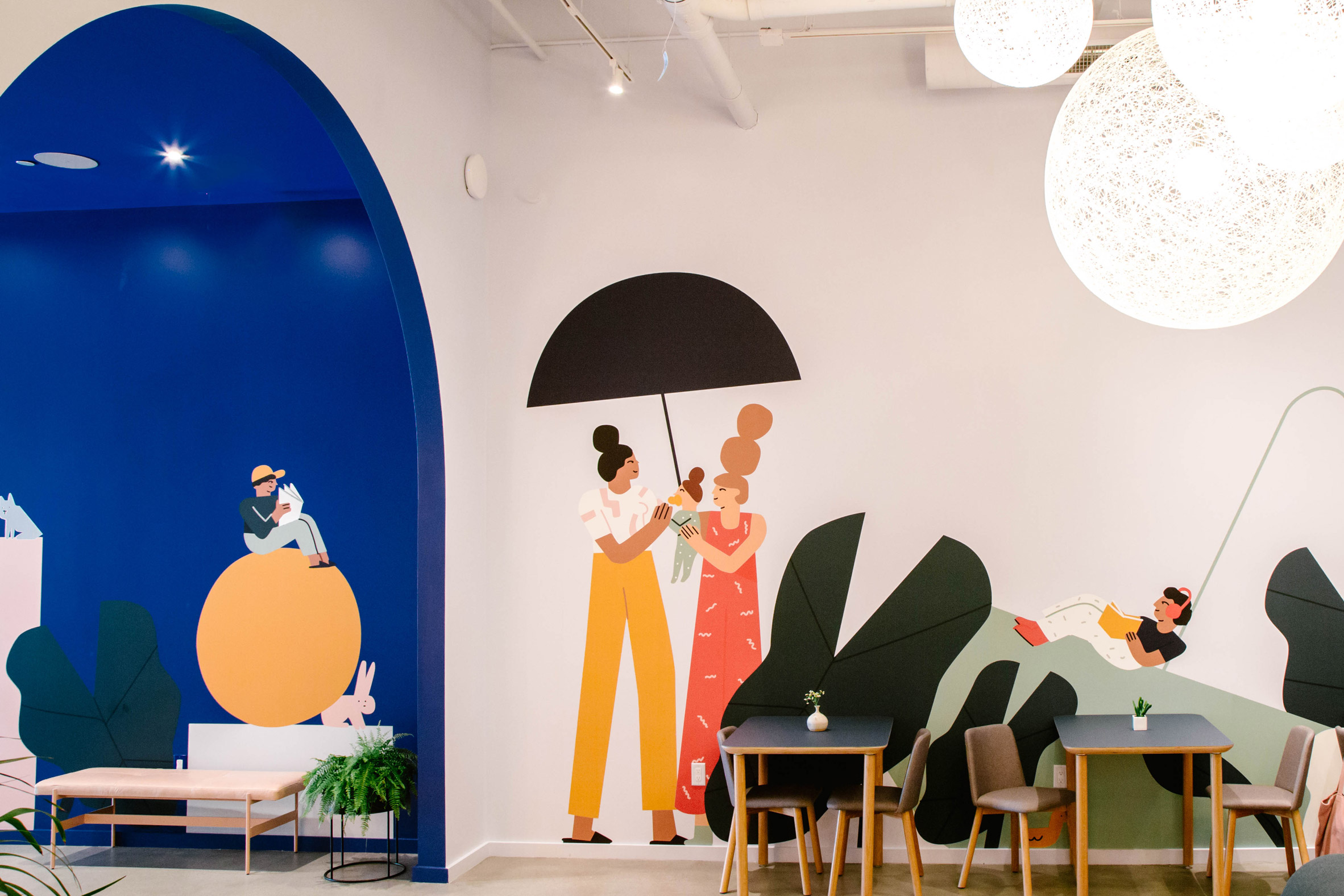
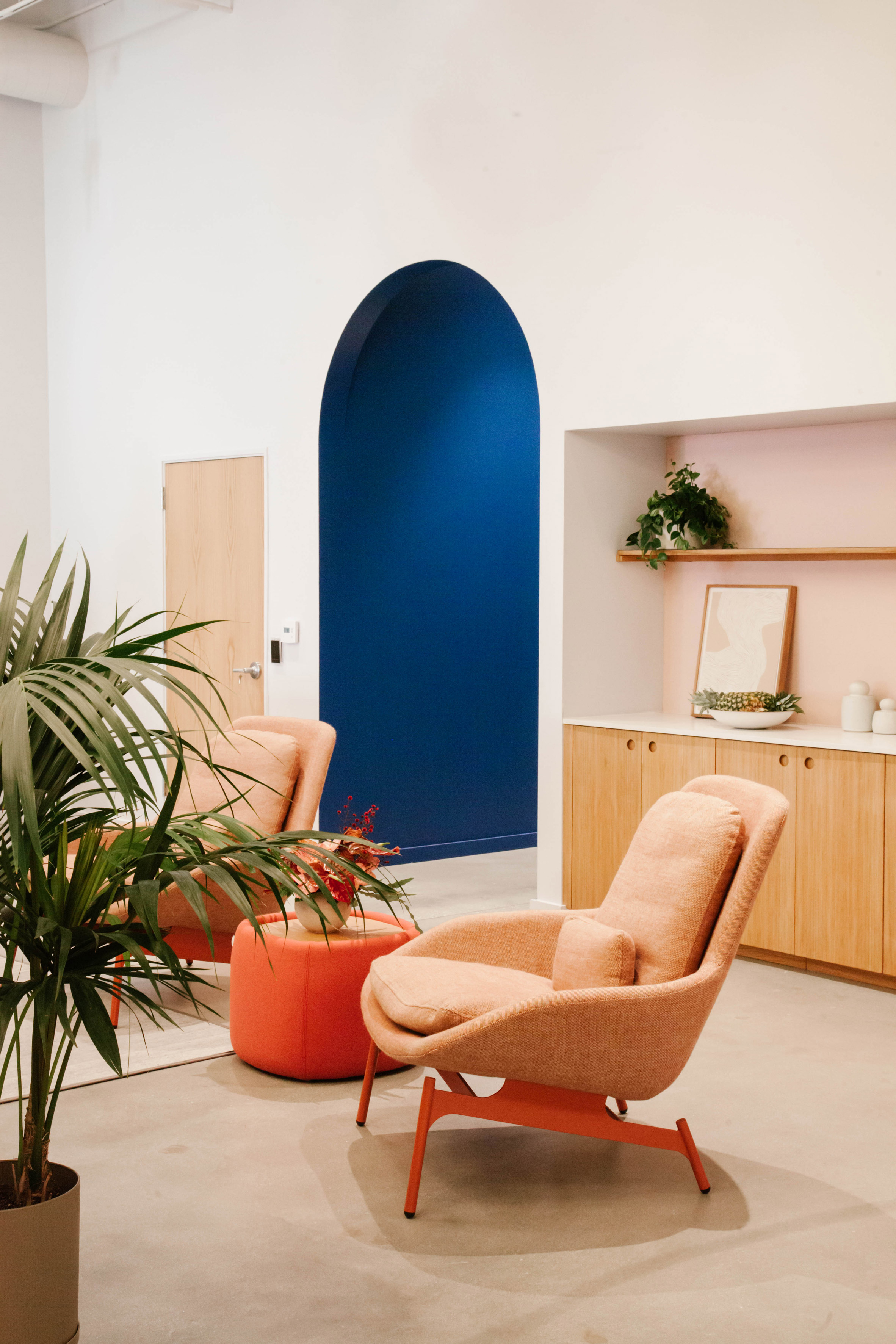
Childcare subscription app Brella has opened its first space in Los Angeles, comprising play areas, a co-working space and a yoga studio.

Brella by Rectangle Design Studio

Launched in 2019, the startup is led by two mothers – Darien Williams and Melanie Wolff – that grew frustrated with the daycare options available to their own families.

Brella's service provides licensed, flexible child care, that is paid for by the hour and booked through an app.

Brella by Rectangle Design Studio

Brella's first space is located in Playa Vista – a developing neighbourhood in Los Angeles where Microsoft and Facebook have offices. It was designed collaboratively by co-founder Darien Williams, who is also an architect, and Yasmeen Khan, of Rectangle Design Studio.

It includes a variety of rooms are meant to cater to children of different ages, but also to parents that may need space for work. There is also another area dedicated to yoga.

Brella by Rectangle Design Studio

Other co-working spaces have aimed to combine workspace and childcare like Big and Tiny in Santa Monica and female-focussed The Wing in New York, but Brella says it is the first to offer "truly flexible high-quality care".

"While online marketplace models have attempted to streamline families' access to in-home care, and gyms and social clubs have dabbled in unlicensed onsite babysitting, no other provider has executed a successful model of truly flexible high-quality care," said Brella.

Brella by Rectangle Design Studio

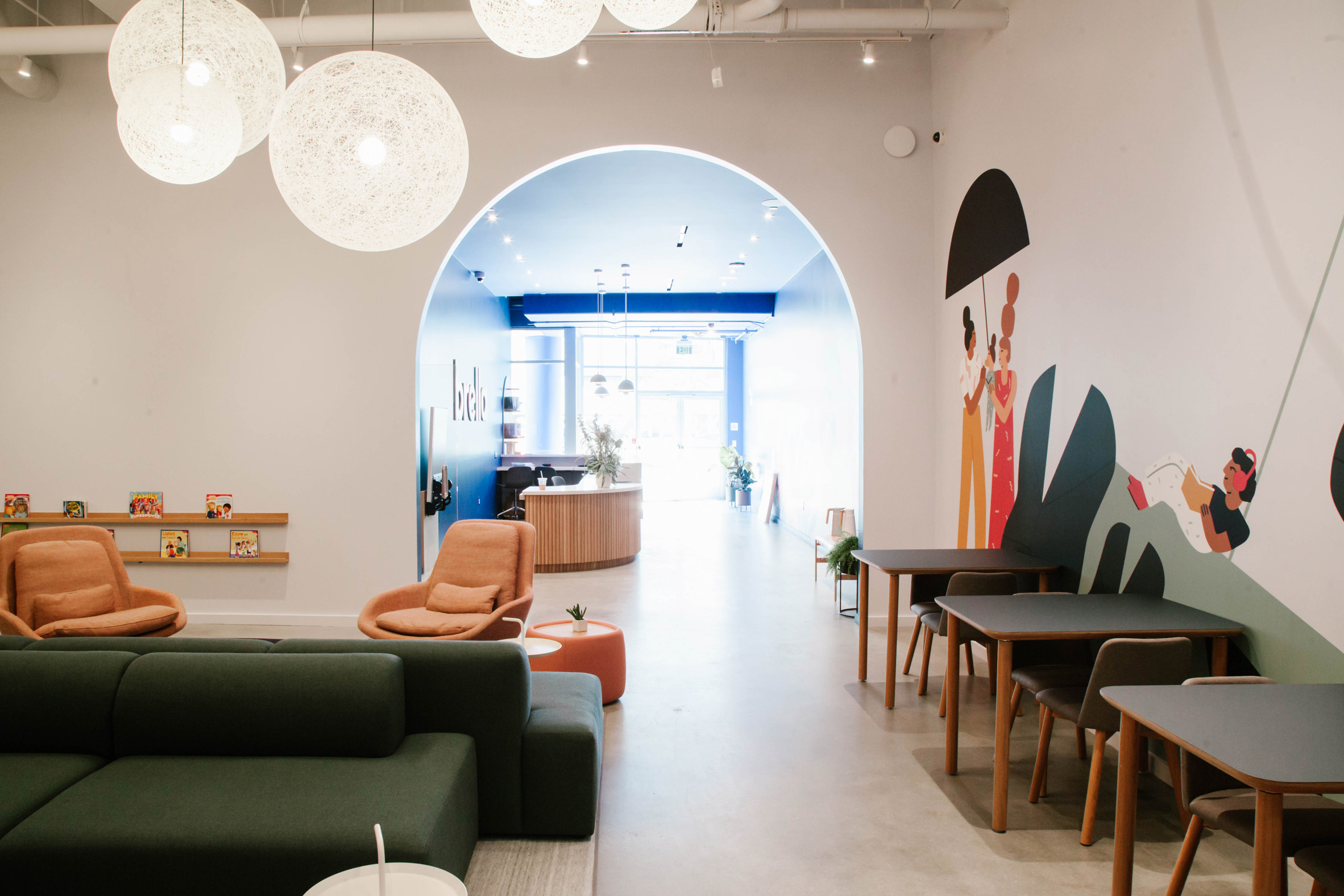
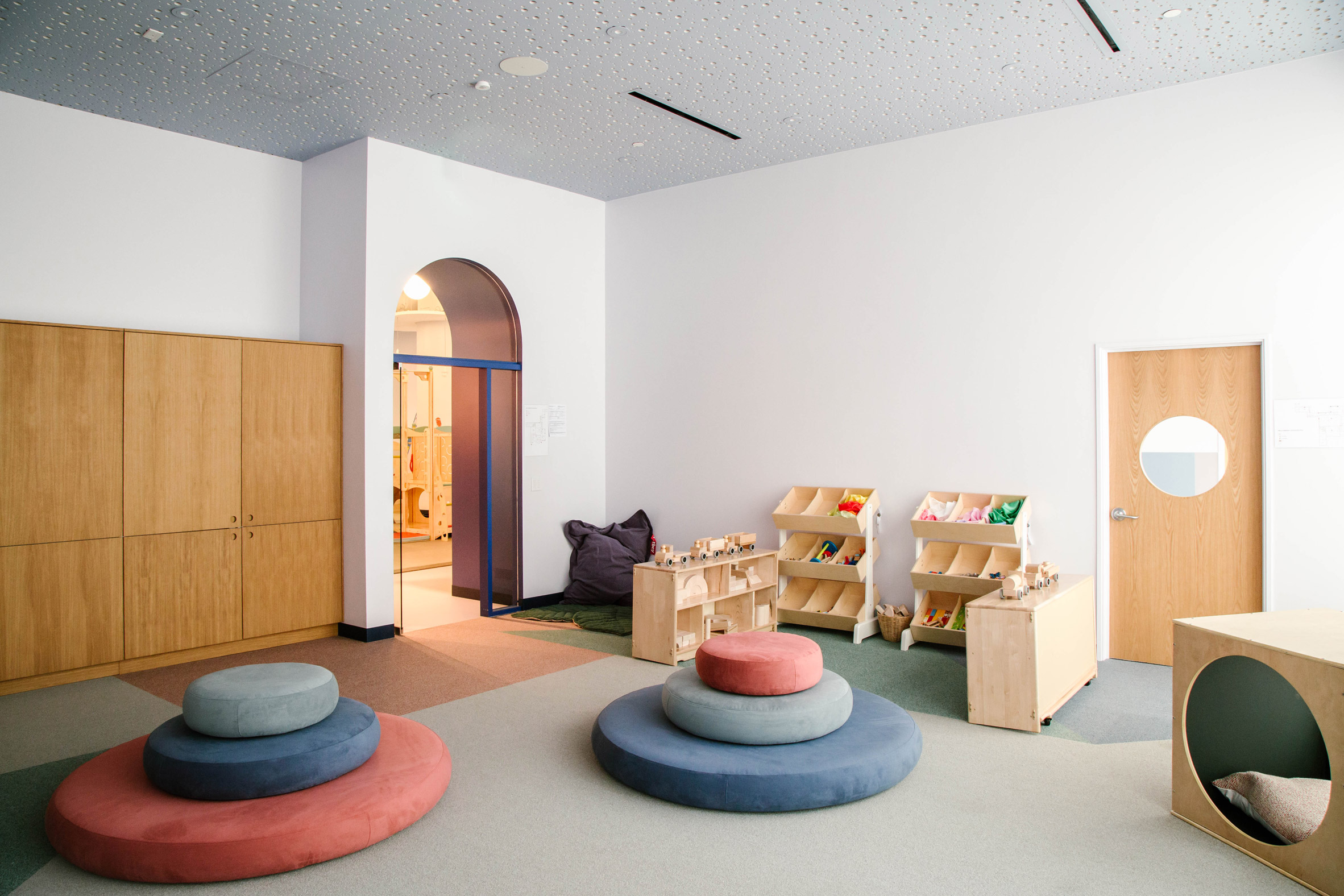
The 8,060 square-foot (743 square metres) space includes three different classrooms, each with a different function: creative playroom, art lab and library. These are located closer to the facade, where there is the most light for active play. All of these classrooms open onto a central space, dubbed the "playground".

Smaller rooms that receive indirect light are then used as areas for quiet play or nap time. For families, there is a lounge, enrichment studio, and a quiet space, where adults can book rooms for meetings.

Brella by Rectangle Design Studio

"The sequence from compressed to larger volumes and juxtaposition of colours creates moments of surprise and organically draws children from one classroom to the next," said Brella.

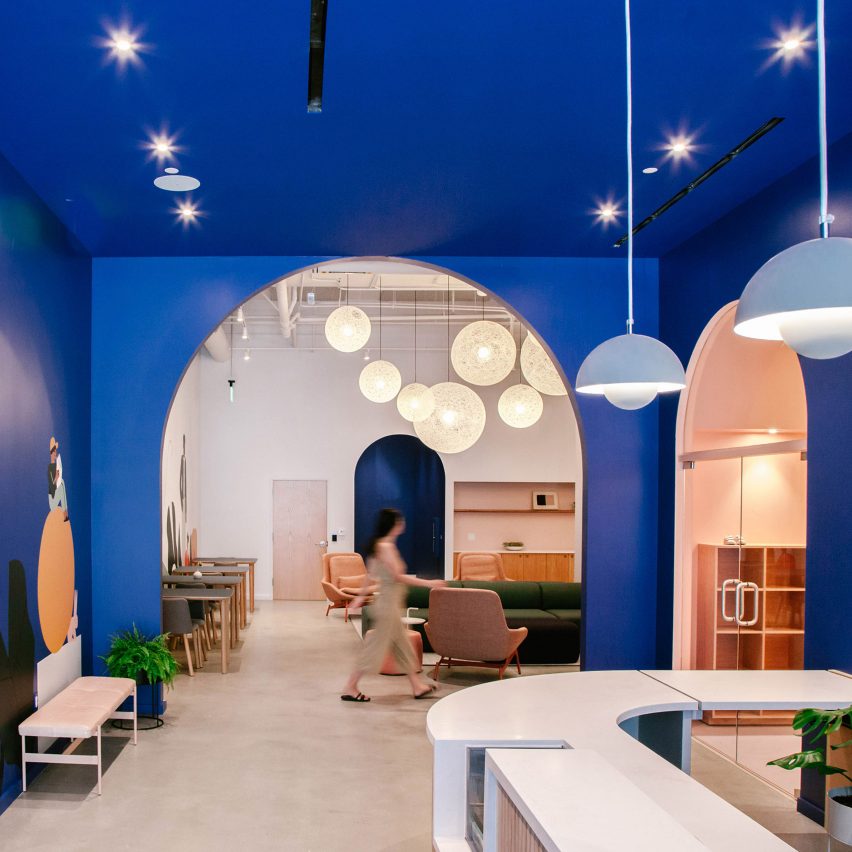
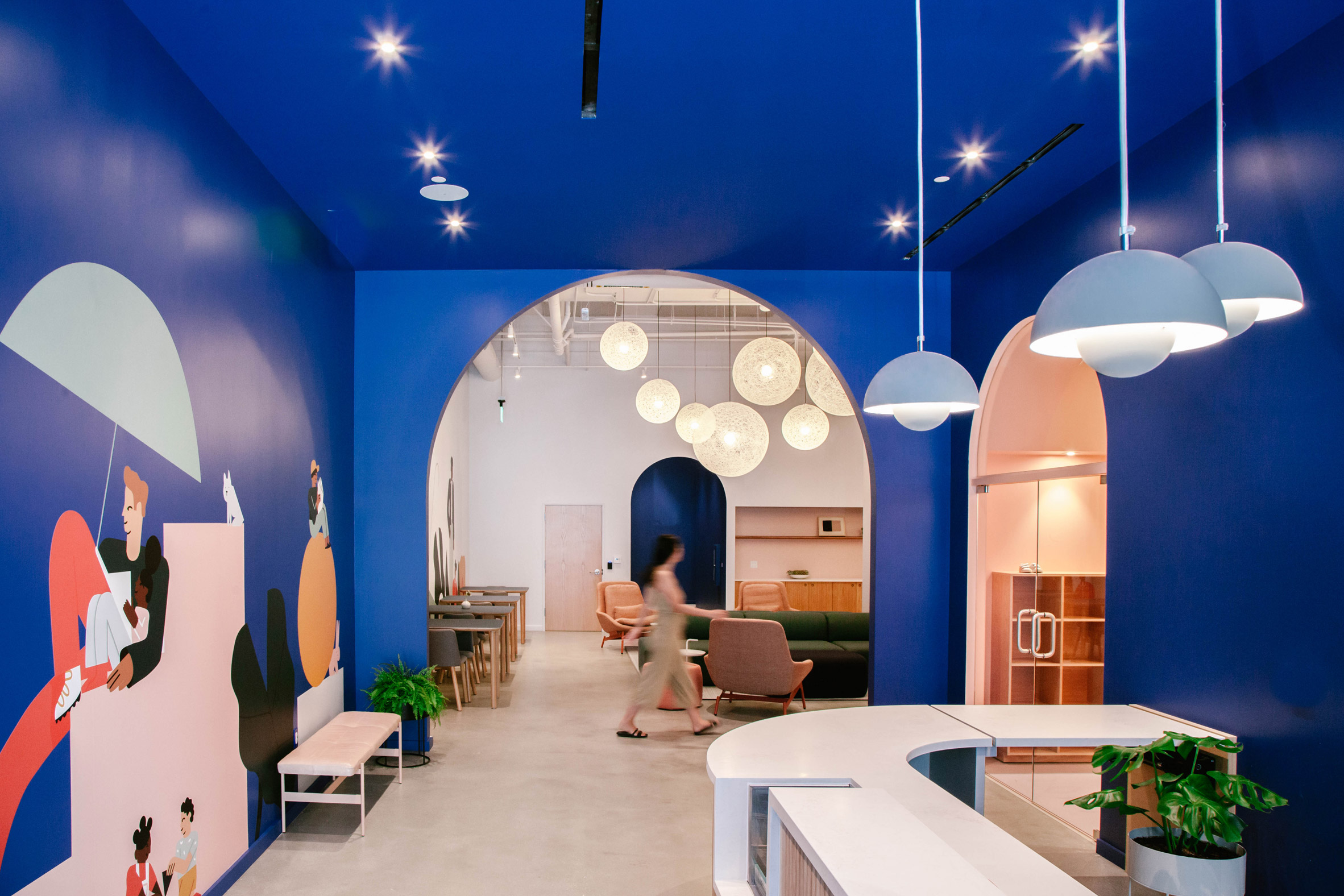
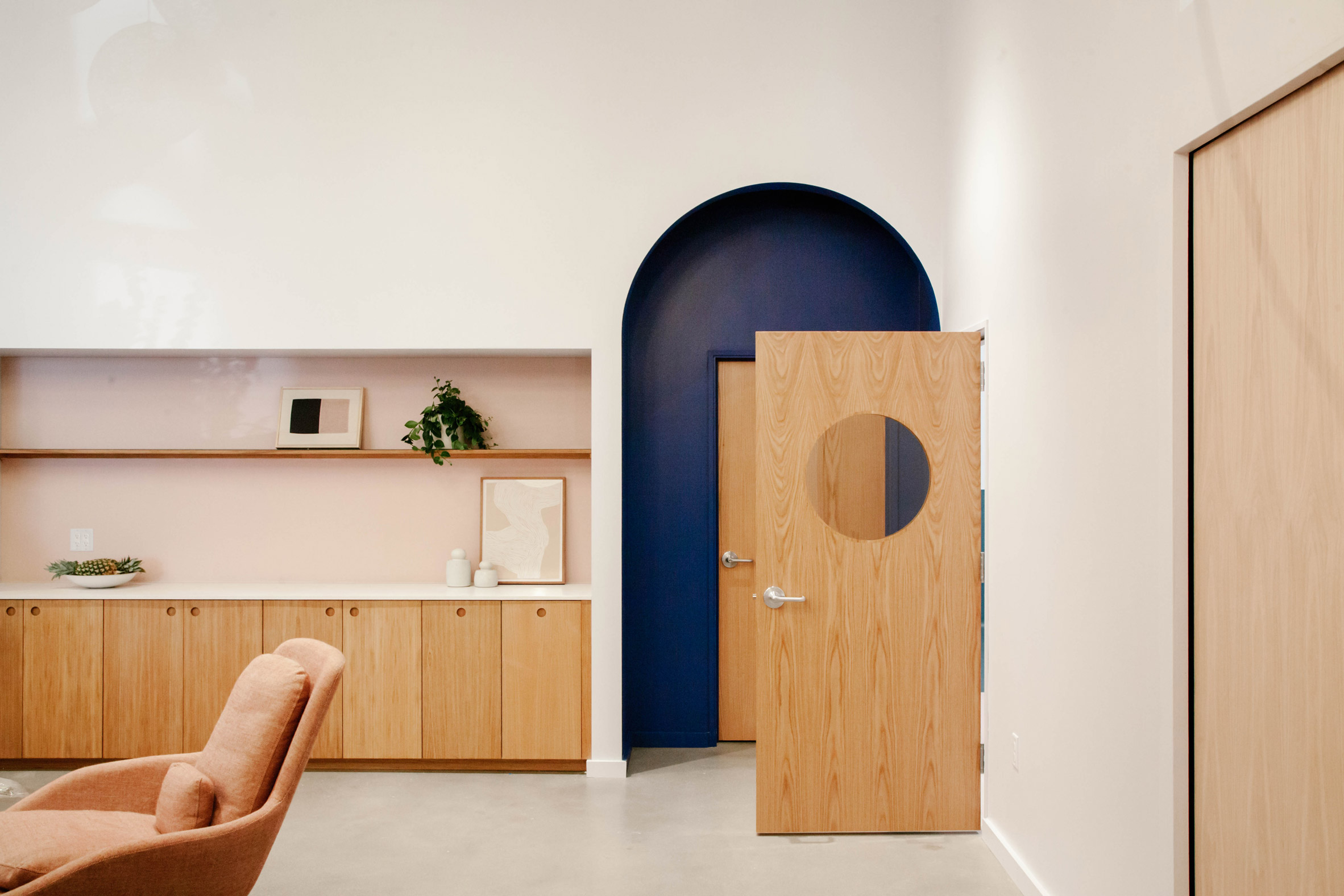
A bold colour palette is used to tie these spaces together. Painted, arched doorways lead from one room to another, matching arched clerestory windows that are set back from the facade and help illuminate the rooms.

Most are painted in a hue that resembles the Classic Blue hue that Pantone revealed as the colour of 2020 earlier this week. Other areas are painted in a bright coral as a contrast. Furnishings also come in a range of tones – like stacks of blue and peach cushions.

"The team specified sturdy, commercial materials and made gender-neutral colour, furniture and accessories selections," Brella said.

Brella by Rectangle Design Studio

Playful elements feature throughout the children's areas, including ceilings that are covered with perforated, blue panels and white-clour cutouts to look like a sky, and a number of colourful murals.

Brella is open for children aged between three months and six years old, and aims to save parents from needing to enrol in a monthly or annual programme. Instead, it offers subscriptions to a set number of hours per month, which can be booked according to individual needs and rolled over to the next month if not used.

Photography is by Brandon Shigeta.


Project credits:
Co-founders / Co-CEOs: Darien Williams and Melanie Wolff
Architecture: Darien Williams, AIA; and Yasmeen Khan of Rectangle Design Studio
FF&E Design and interior design: Project M Plus in collaboration with Darien Williams and Yasmeen Khan
Brand design: Project M Plus

The post Two mothers open Brella to offer flexible childcare in Los Angeles appeared first on Dezeen.


from Dezeen https://ift.tt/2s50Tz2

Spiral lookout tower gives views of the mountains in Shenzhen

Tower of Spiral by Doarchi

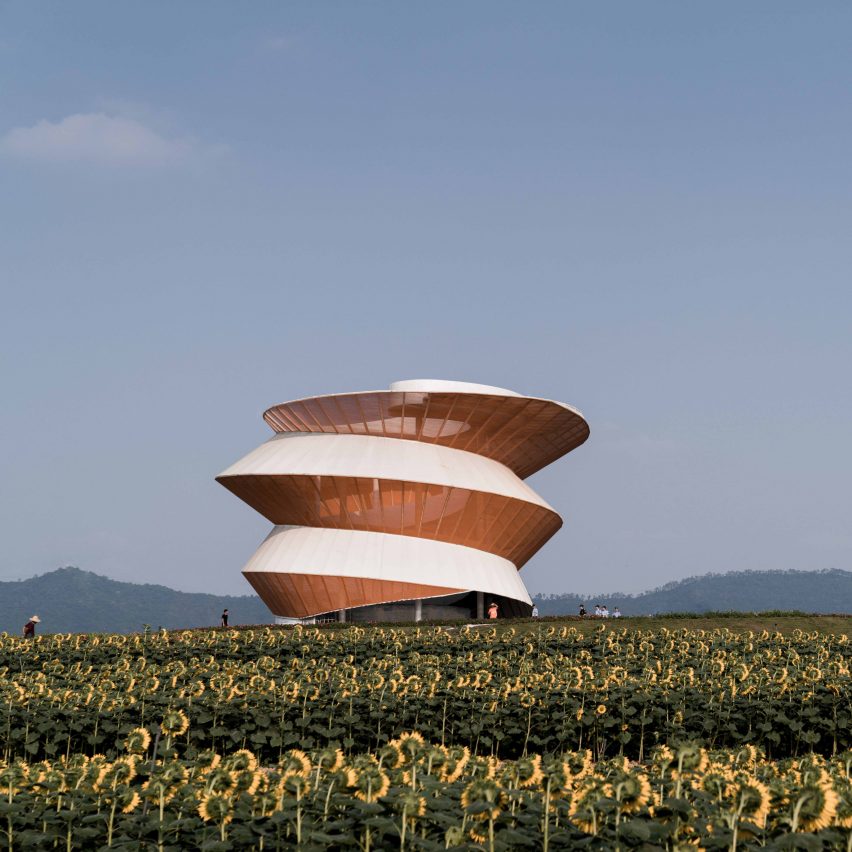
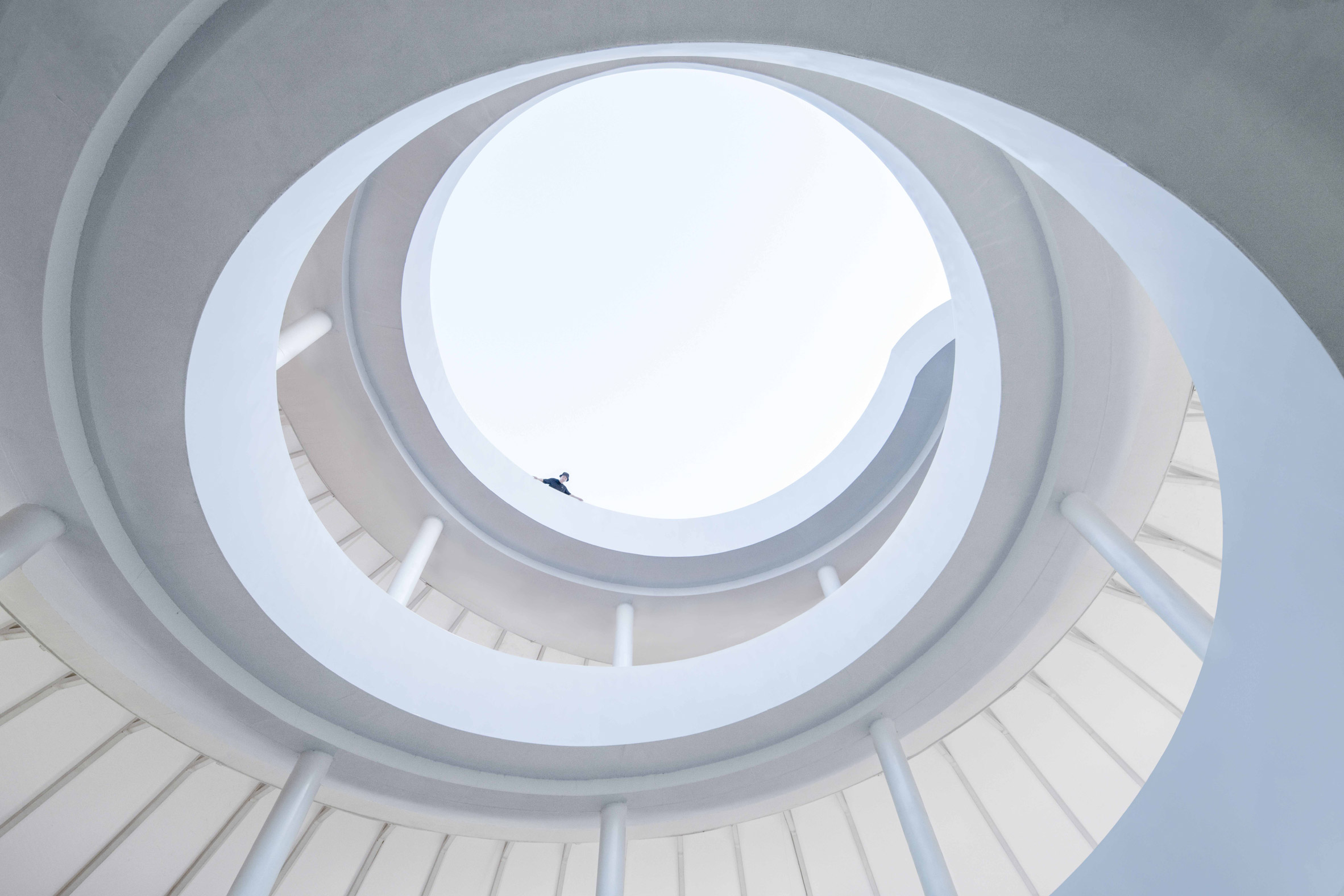
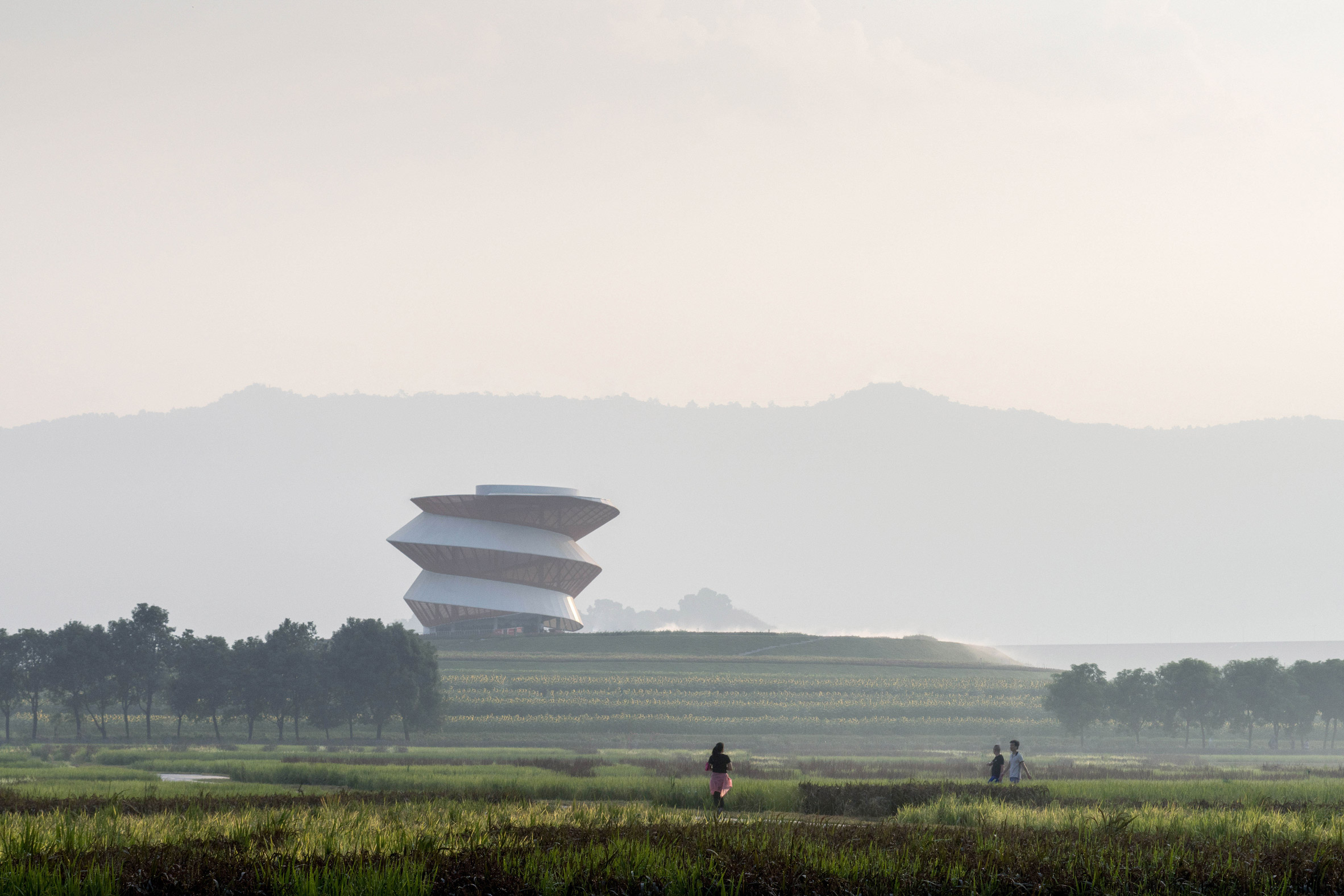
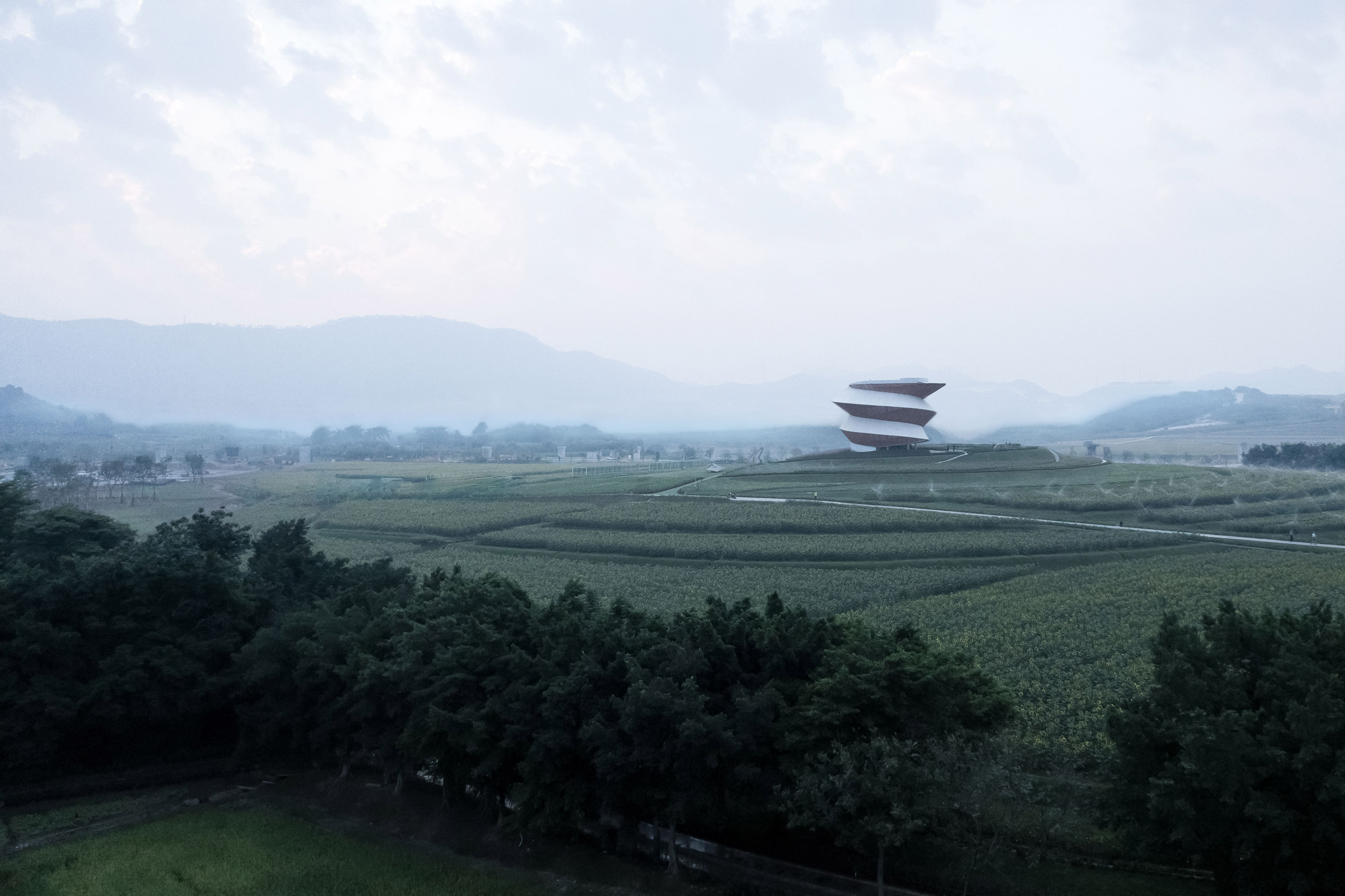
A spiral staircase twists 810 degrees to form a viewpoint designed by architecture studio Doarchi to look out over the mountains close to Shenzhen.

Called Tower of Spiral, the stairs wrap around a small pool used for irrigation for nearby fields.

Tower of Spiral by Doarchi

Surrounded by grass, sunflower fields and the mountains in the distance, the base of the tower is accessed via a winding paved path.

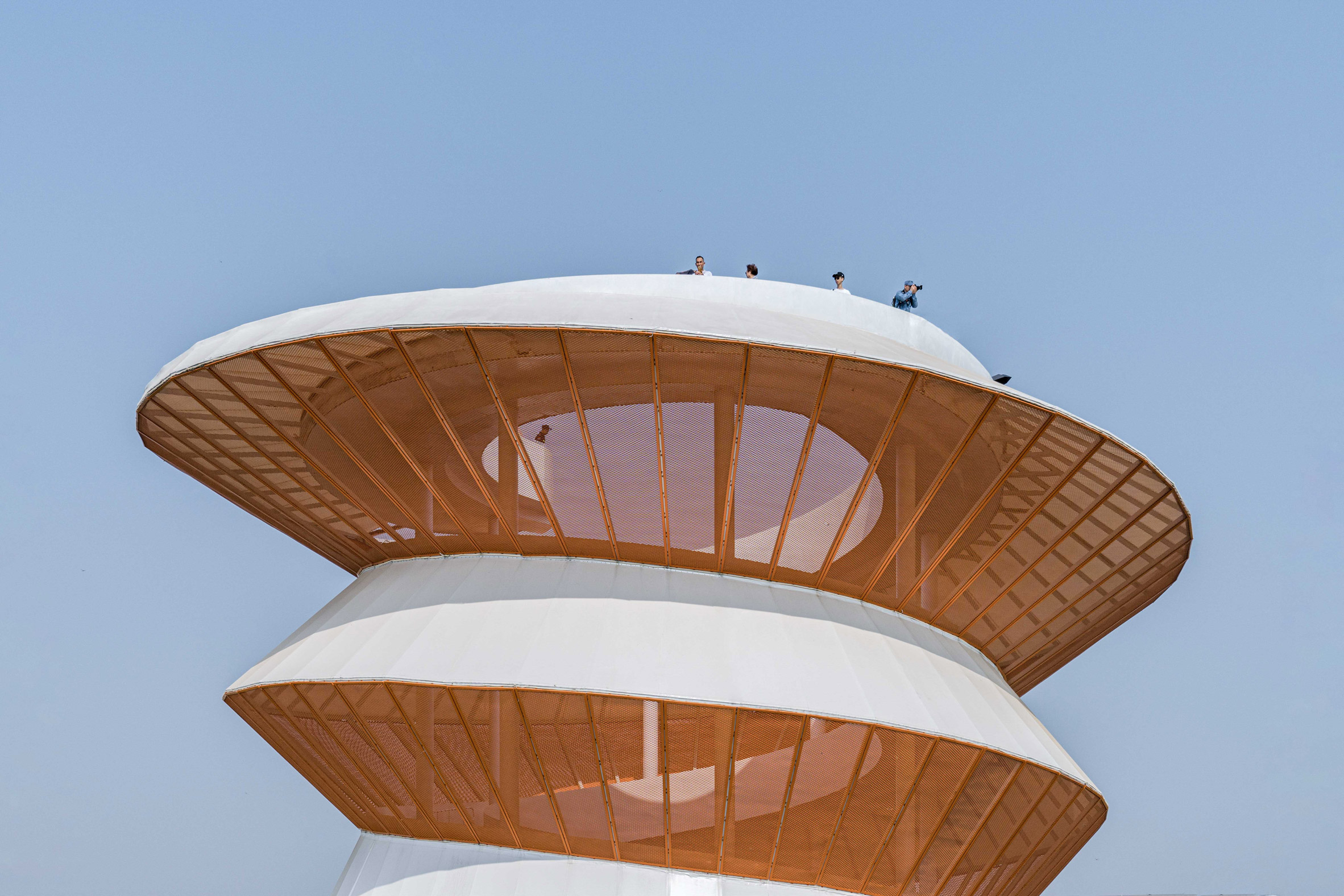
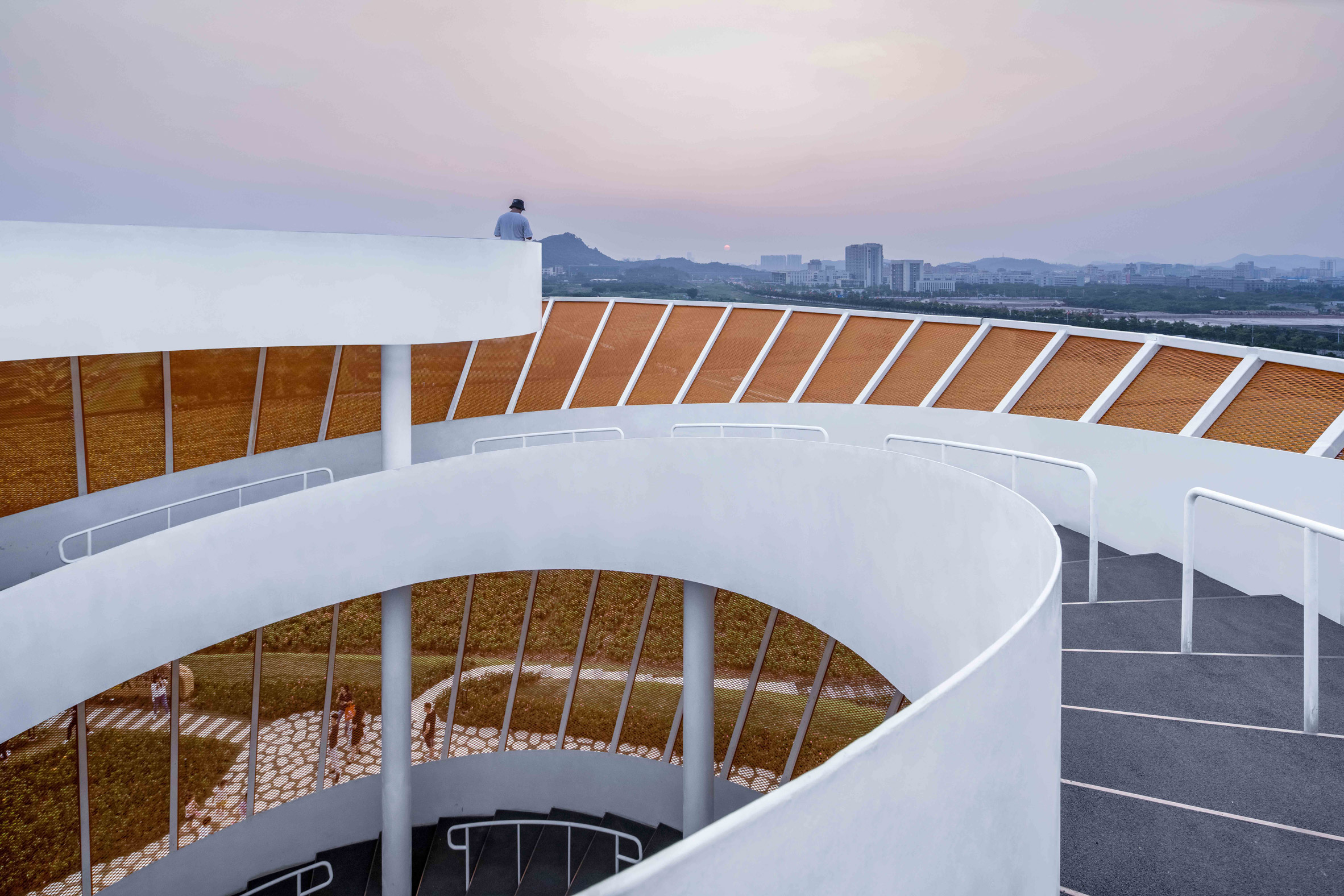
Visitors can ascend 15 metres via a twisting set of shallow steps, ending in a lookout point surrounded by a low parapet.

Tower of Spiral by Doarchi

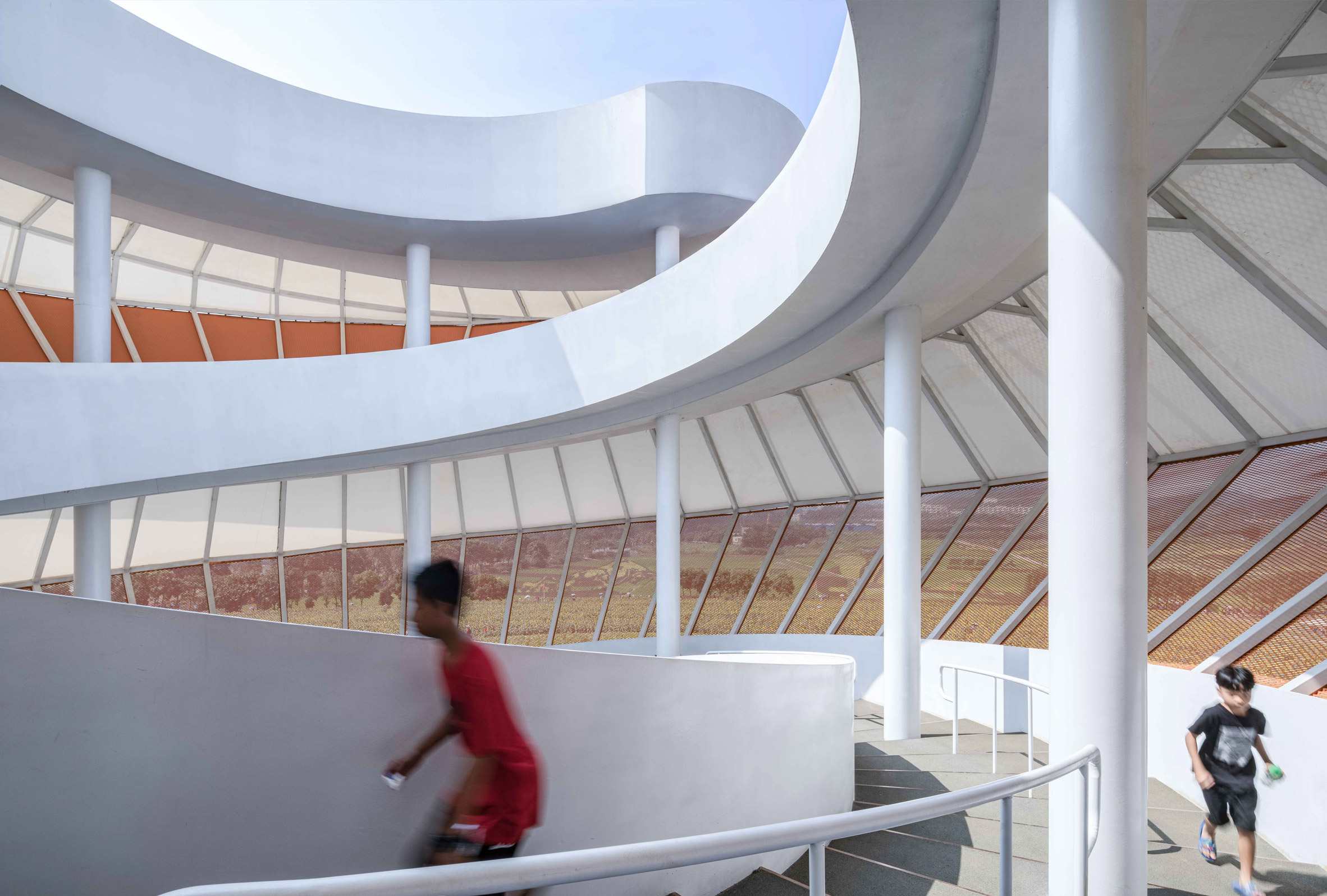
Tower of Spiral's core is formed by the spiral steps that twist 810 degrees, supported by steel columns,

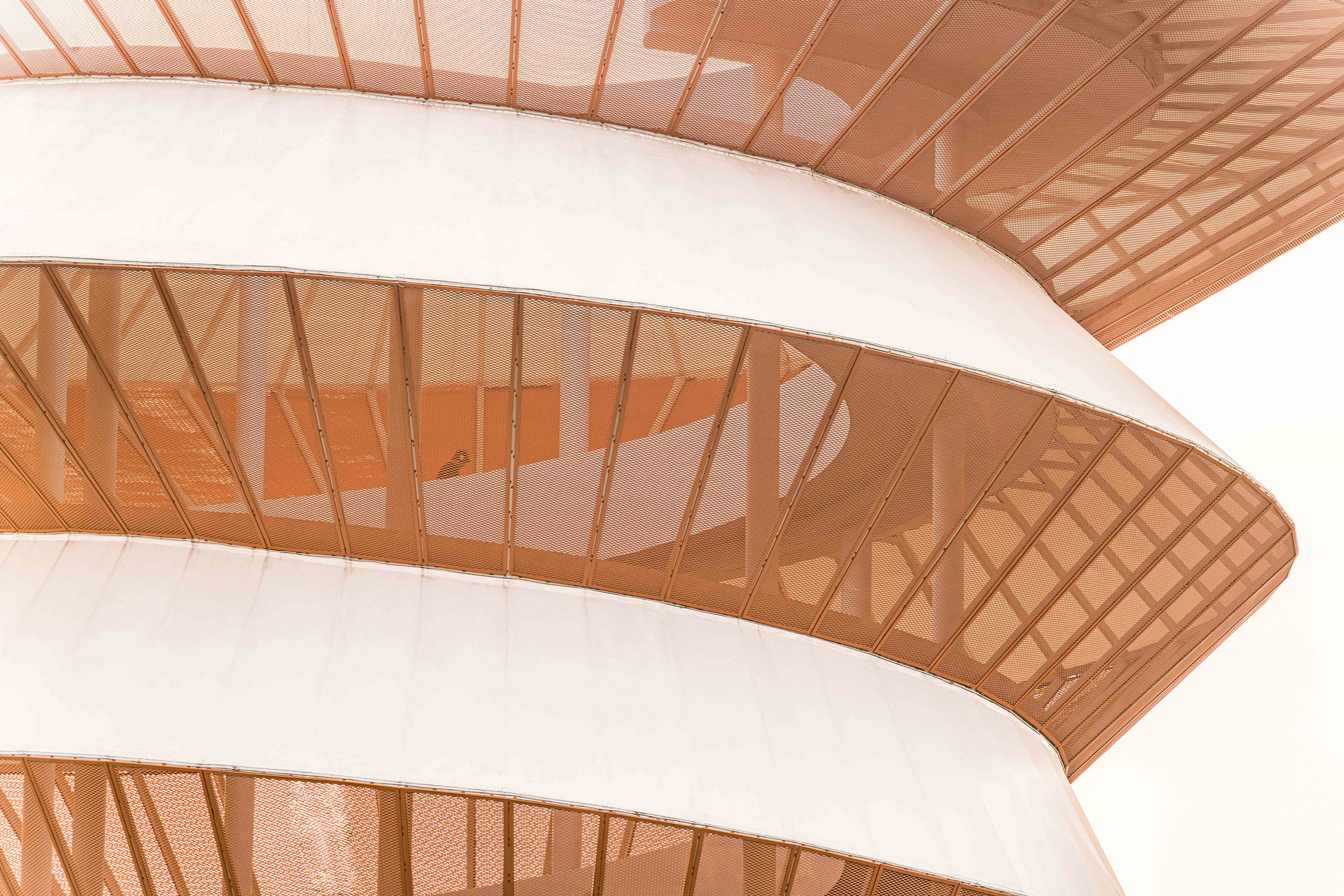
Doarchi encased the structure in a concertina-like steel shell, the upper sections covered with PTFE film and the lower with tensioned metal mesh.

Tower of Spiral by Doarchi

As visitors move up this ramp, they are provided with a variety of lines-of-sight out across the surrounding landscape.

These views are visible through the metal mesh that lines the lower portion of the spiral's form.

Tower of Spiral by Doarchi

The top of the tower has been left open to the elements, allowing light and rain to enter down past the staircase and into the pool area.

Looking inwards gives a view down to this irrigation pool, which reflects both the sky above as well as the forms of visitors moving up the ramp.

Tower of Spiral by Doarchi

White stone has been used to create a heavy base for the tower, in contrast to the the light-weight frame of the stair's shell.

Around the edge of the spiral, LED strip lights have been fitted.

Tower of Spiral by Doarchi

Due to the translucent nature of the tower's coating, this creates a lantern-like effect at night.

"We need a natural place to clear up the melancholy mood in busy urban life," said the practice.

"We have created a straightforward and simple ascending space, so that people can observe and feel nature in different latitudes. Tourists, the tower and the earth are integrated here."

Tower of Spiral by Doarchi

Lookout towers have provided many firms with the opportunity to experiment with form and material.

In Scotland, Icosis Architects also used a spiral stair to create an observation point for stargazing, and in a vineyard in Tasmania Cumulus Studio arranged a series of shipping containers into a lookout tower.

Photos are by Schran.


Project credits:

Clients: OCT Group-Guangming Modern Farming
Architecture firm: Doarchi
Lead architects: Penn Ding,Oliver Li
Design team: Jiajia Tang,Zhiyuan Liu
Engineering: Jianbo Miao,Tong Chen, Dacang Li
Collaborators: IMBOX

The post Spiral lookout tower gives views of the mountains in Shenzhen appeared first on Dezeen.


from Dezeen https://ift.tt/2RCFt7j