
The&Partnership London teams up with The Royal National Institute of Blind People (RNIB) and The Design Museum to rebrand a number of ingenious life-hacks that aid people with sight loss.

from It's Nice That https://ift.tt/341aHar


This year saw a wave of projects aimed at improving life for people with disabilities, and making spaces more inclusive. For our review of 2019, Dezeen has selected 10 of the best, including a mind-controlled exoskeleton and a series of 3D-printed IKEA hacks.
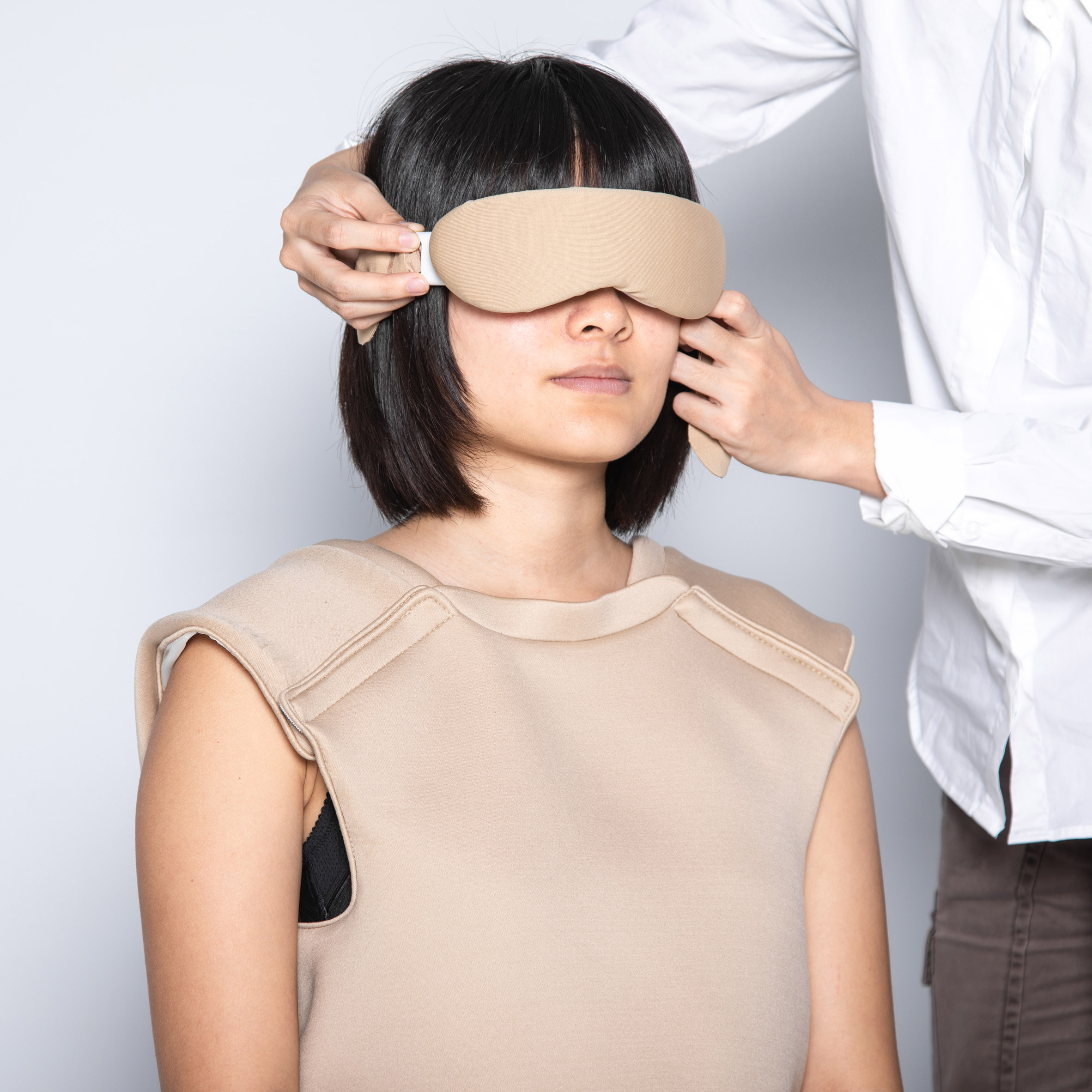
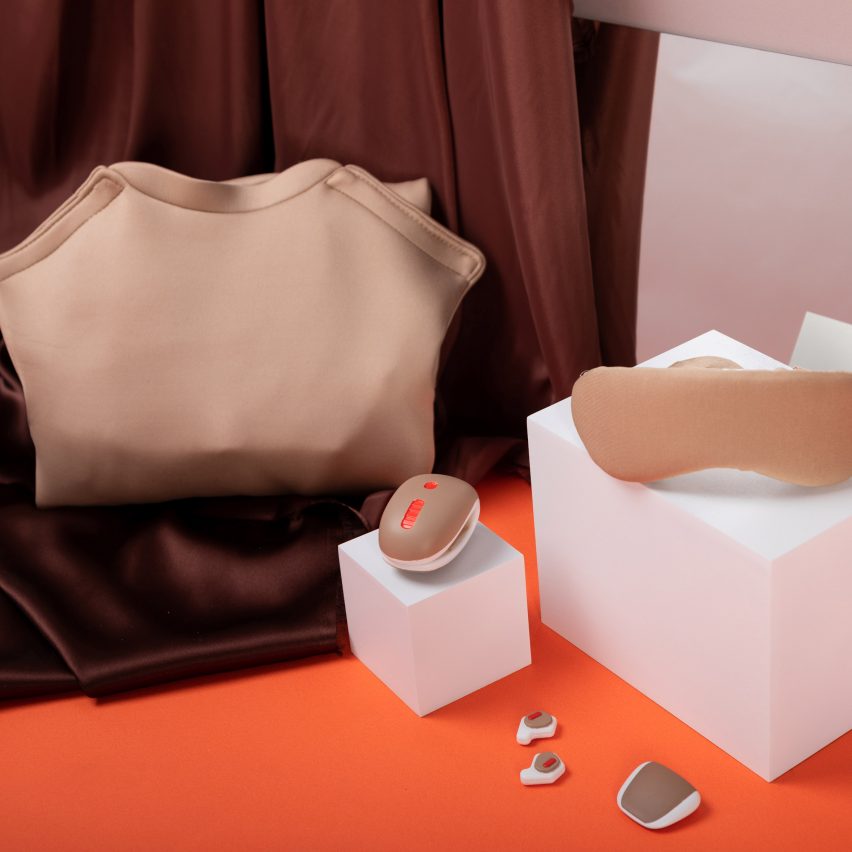
Ripple by Hsin-Jou Huang, Szu-Ying Lai and Chia-Ning Hsu
For people with functional limitations who rely on their family to perform day-to-day tasks, masturbation is often not an option.
This three-piece, multi-sensory sex toy allows them to take matters into their own hands via a remote controlled, inflatable bodysuit that can vibrate or exert pressure as desired, a pheromone-releasing eye mask and headphones playing soothing ASMR sounds.
Find out more about the Ripple suit›
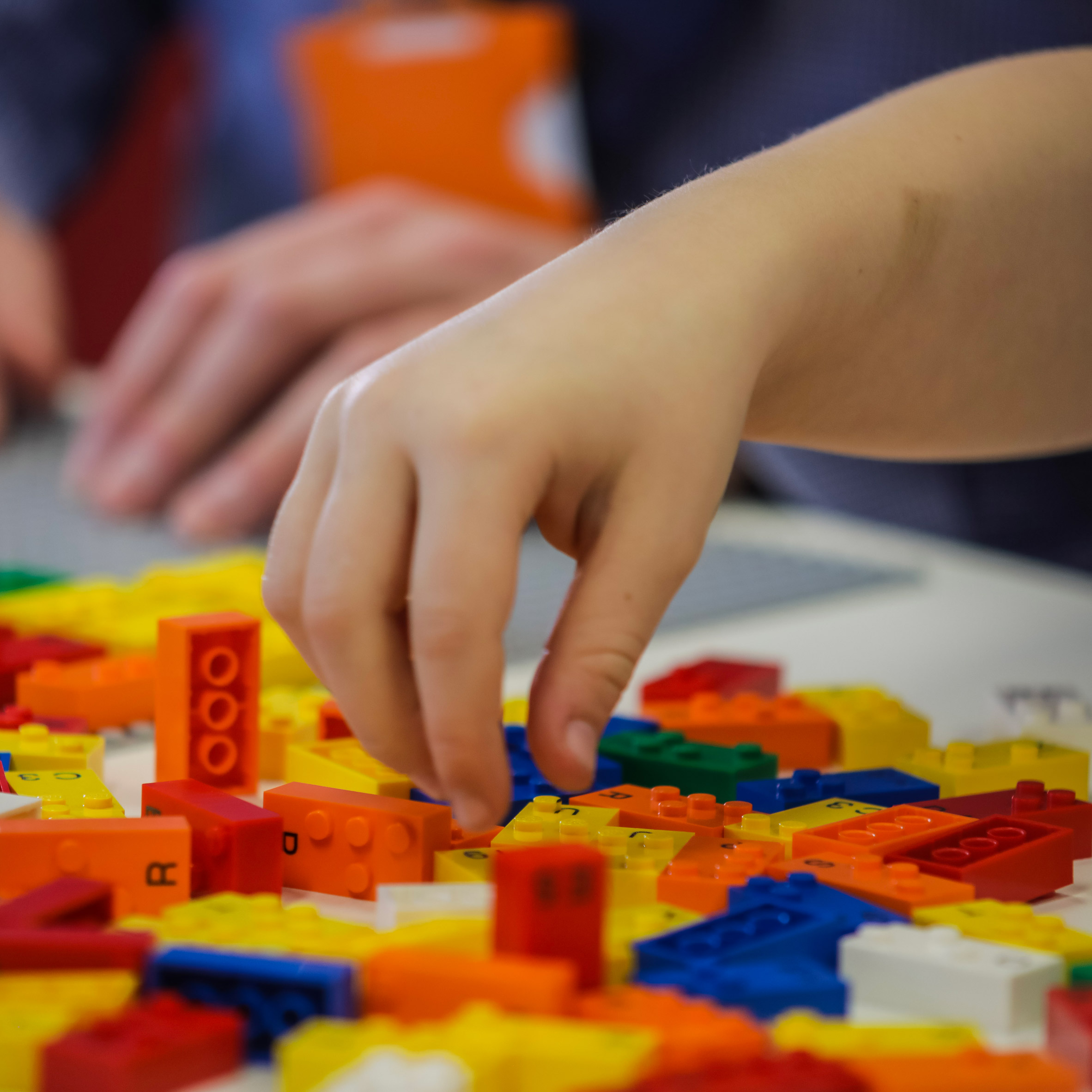
Work meets play in this collection of Lego bricks, which sees the product's trademark circular studs arranged to form Braille letters, digits and mathematical symbols, in order to help children with visual impairments learn to decipher them.
The hope is to reengage a new generation with this physical writing system, which has increasingly fallen out of favour thanks to the proliferation of digital solutions such as audiobooks.
Find out more about Lego's Braille Bricks›

Lifetools by Nicola Golfari and Scivola
A number of projects this year have focused on being inclusive – normalising accessible products for everyday use rather than ghettoising them for use by only certain groups of people.
That's why this minimal series or furniture and homeware, which includes a foldaway shower seat and a tilting mirror, is designed to be beautiful and desirable in its own right, rather than solely functional for a particular group.
Find out more about Nicola Golfari's Lifetools›
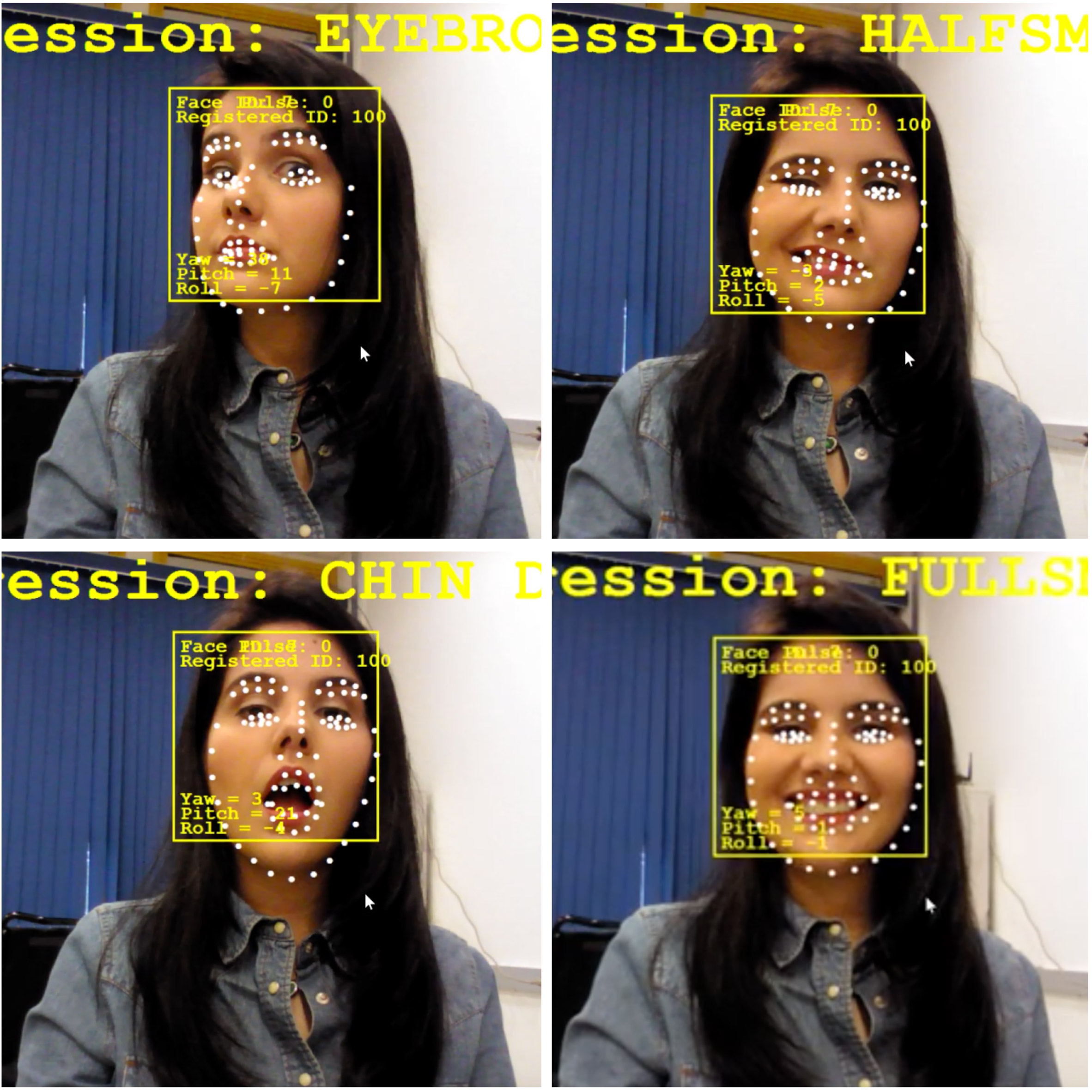
Wheelie by Hoobox Robotics and Intel
This adapter kit can be installed in most electric wheelchairs in just seven minutes, making them controllable via the facial expressions of the person driving. This helps the user to manoeuvre more independently.
The system relies on a 3D depth camera – that can judge both depth and distance – to read the expressions, before a sophisticated machine-learning algorithm is used to analyse and convert them into concrete commands.
Find out more about the Wheelie›
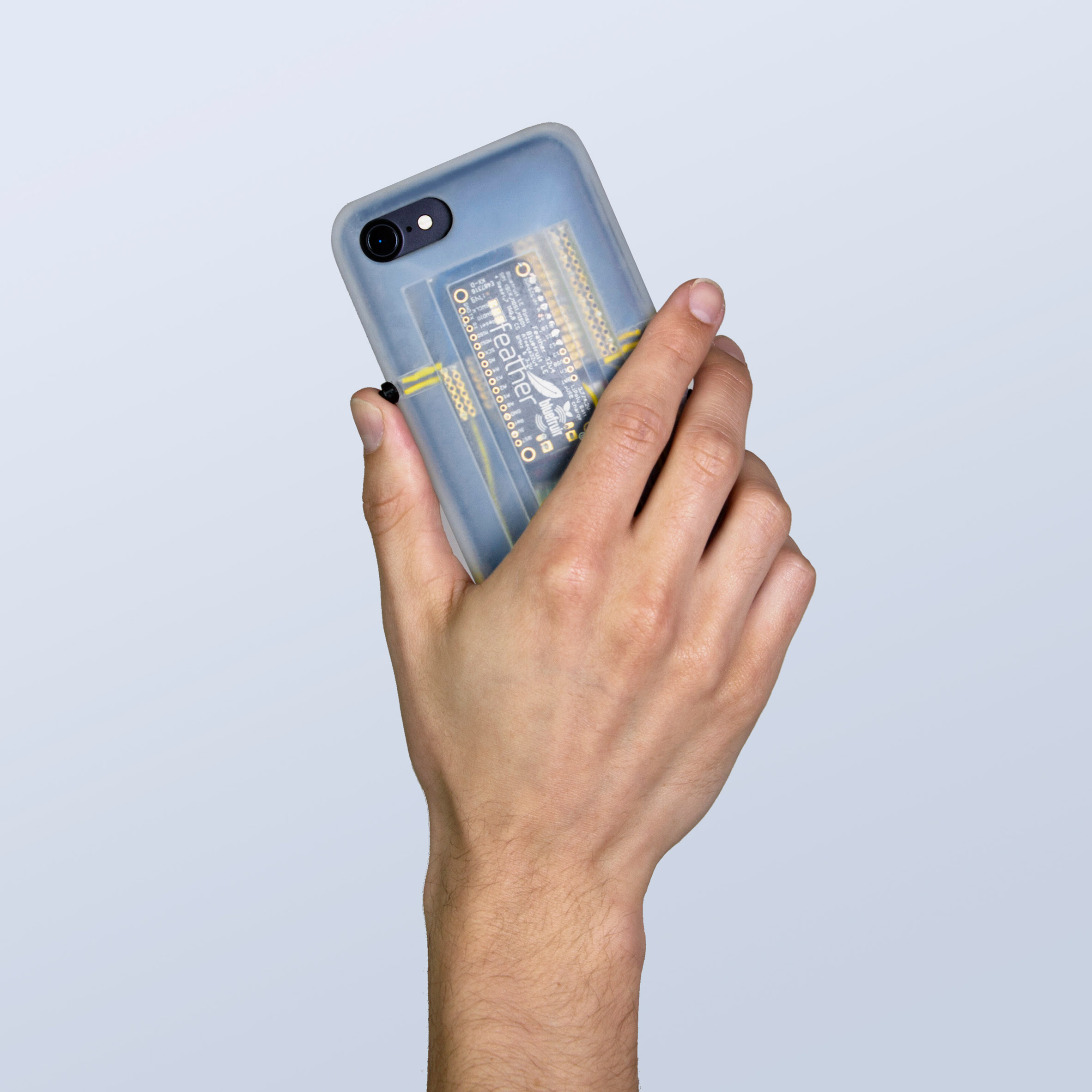
The five buttons of Dougie Mann's simplified keyboard can be operated with a single hand and without looking, to enable people with motor or visual impairments to type on a smartphone.
However, like the Lifetools collection, it is also designed for use by the wider public and could keep us from being constantly glued to our screens or help us to take notes more efficiently.
Find out more about Dougie Mann's TypeCase›
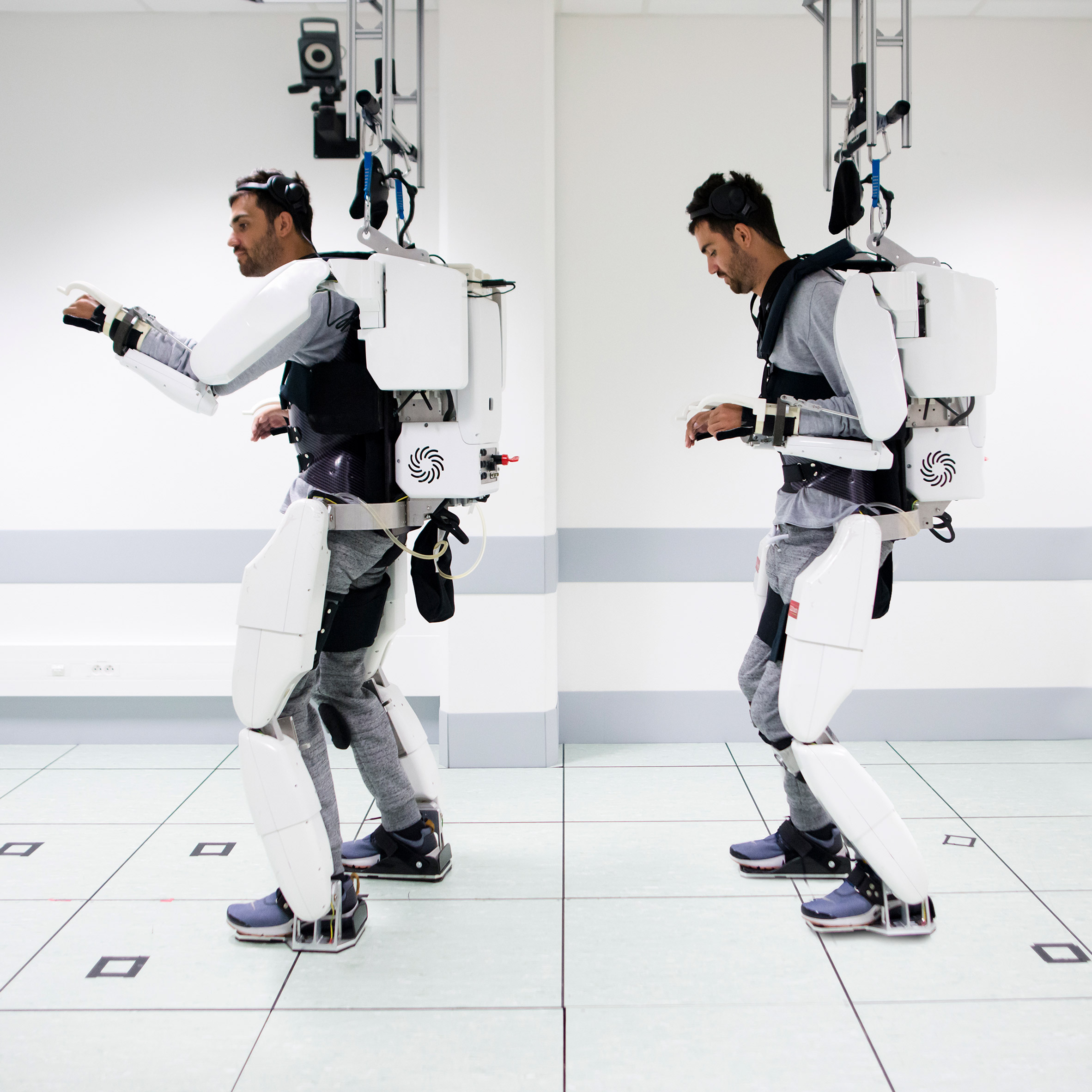
Clinatec's full-body exoskeleton is wirelessly linked up to the wearer's brain through implants and, for the first time ever, allows quadriplegic patients to move all four of their limbs just by willing the suit into action.
So far it has only been used by a single test patient – who practised for more than two years to be able to operate it – but the programme is currently being expanded in order to gather larger data sets and refine the algorithms at the heart of the technology.
Find out more about Clinatec's Exoskeleton›
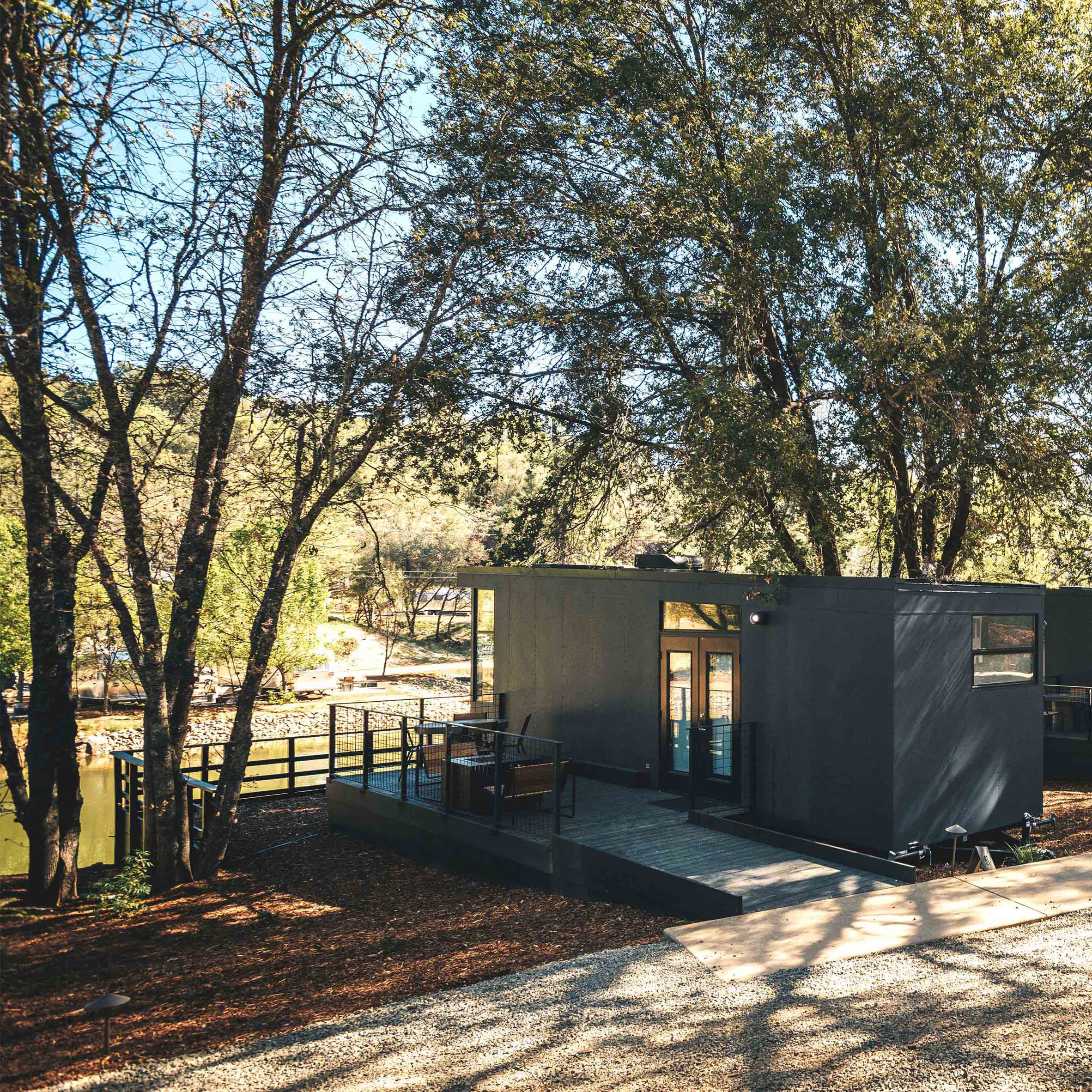
Meanwhile, architecture practice M-Rad proved that accessibility can be seamlessly integrated into even the smallest of spaces, with a series of California holiday cabins.
Here, a wooden deck functions as a ramp, while dramatic double-doors make for easy entry in a series of simple adjustments that don't call attention to themselves.
Find out more about M-Rad's X-Suite›
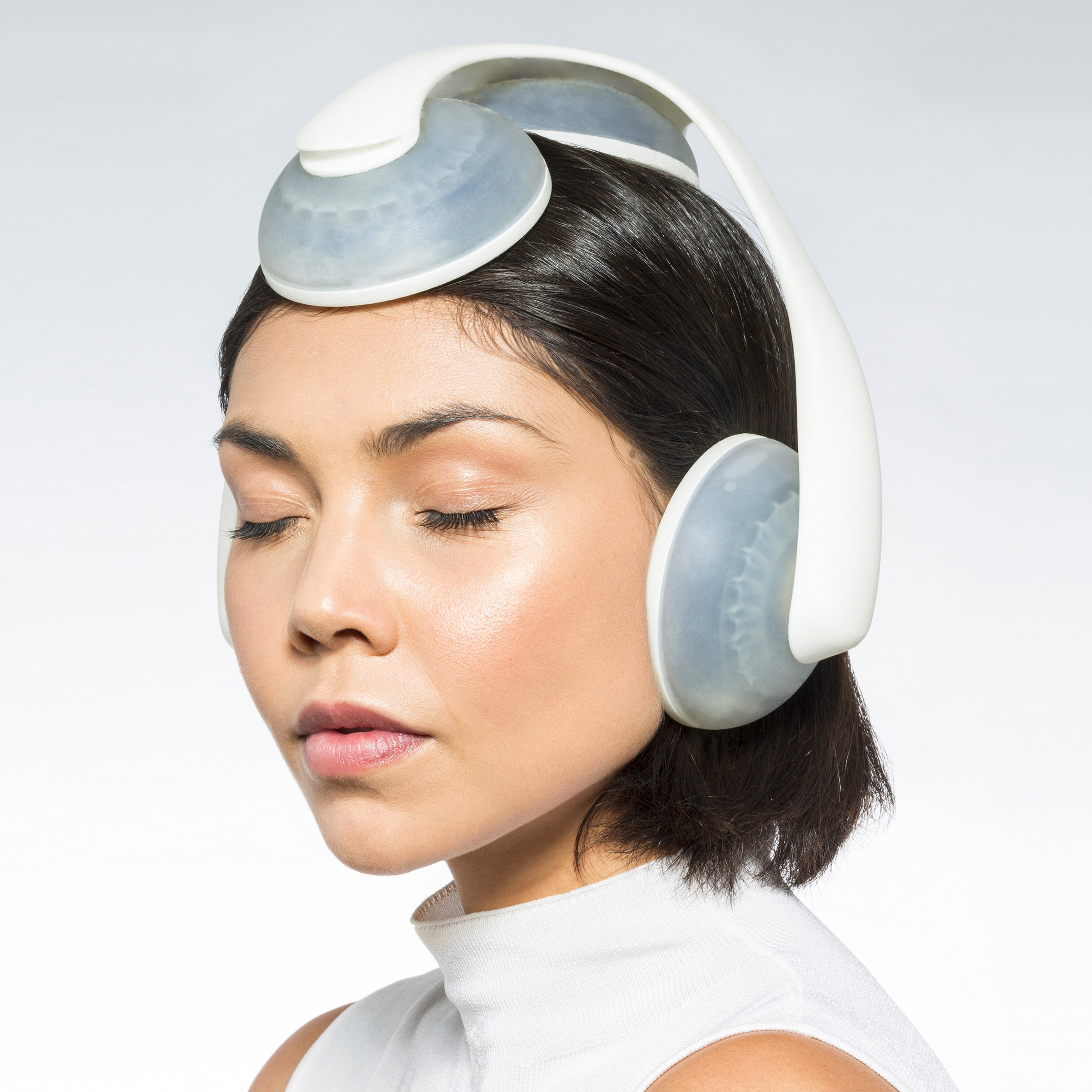
Bone-conducting headphones – in which sound waves are transmitted by vibrating the bones in the skull, rather than the eardrum – have long been popular among people who are hard of hearing. But their sound quality can leave much to be desired.
This design hopes to improve on that experience by making listeners feel like they are "inside the song" through a helmet of five speakers, each encased in a silicone membrane filled with an ultrasonic gel which sits against their skin.
Find out more about Rocco Giovannoni's Inmergo›
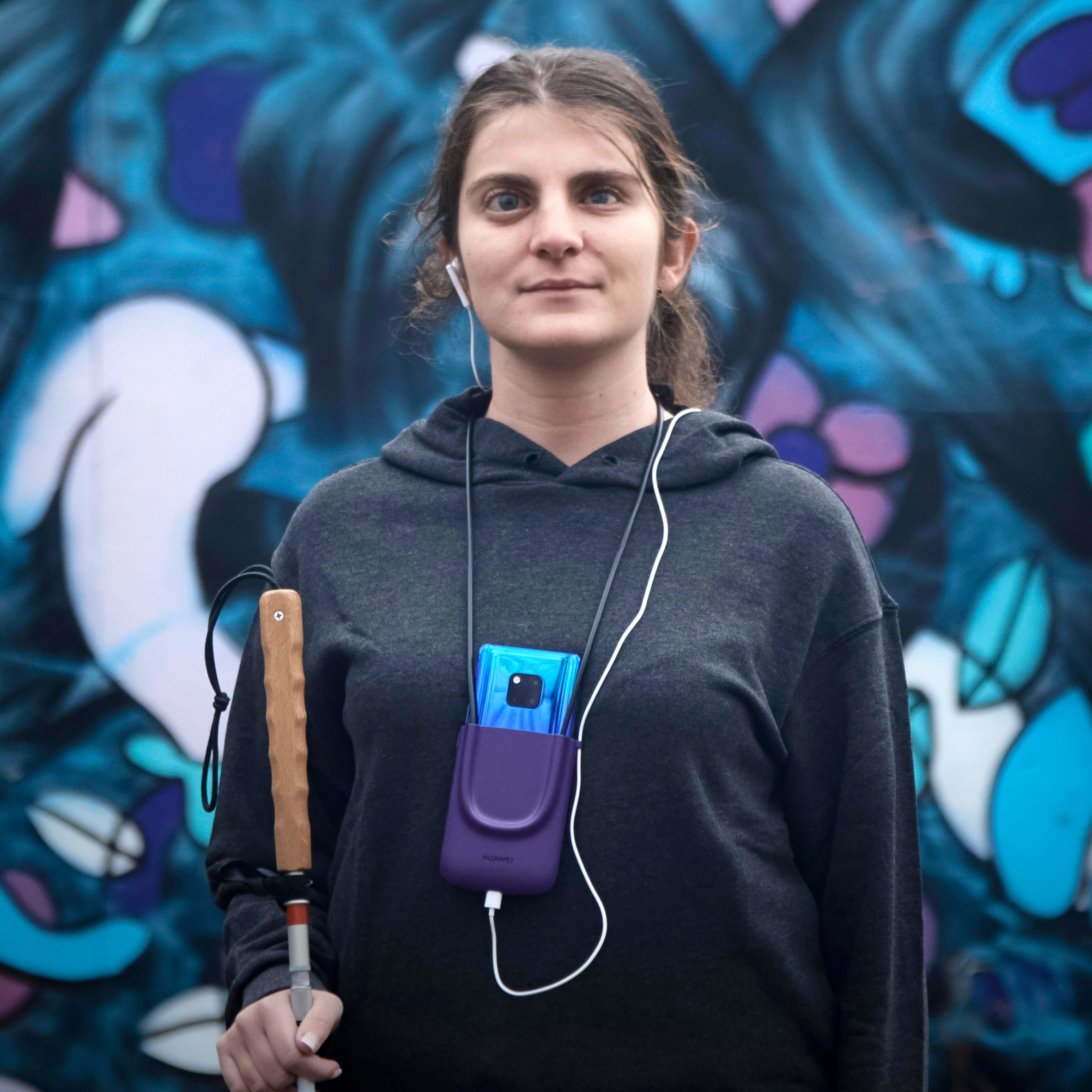
Facing Emotions by Huawei and the Polish Blind Association
An app developed for Huawei's Mate 20 Pro phone uses sound to help people with visual impairments recognise the emotions of their conversation partner.
Using the rear-facing camera and an offline machine-learning algorithm, the app is able to identify seven key emotions and translate them into distinct sounds that were created by blind composer Tomasz Bilecki to be easily recognisable yet unobtrusive.
Find out more about Facing Emotions›
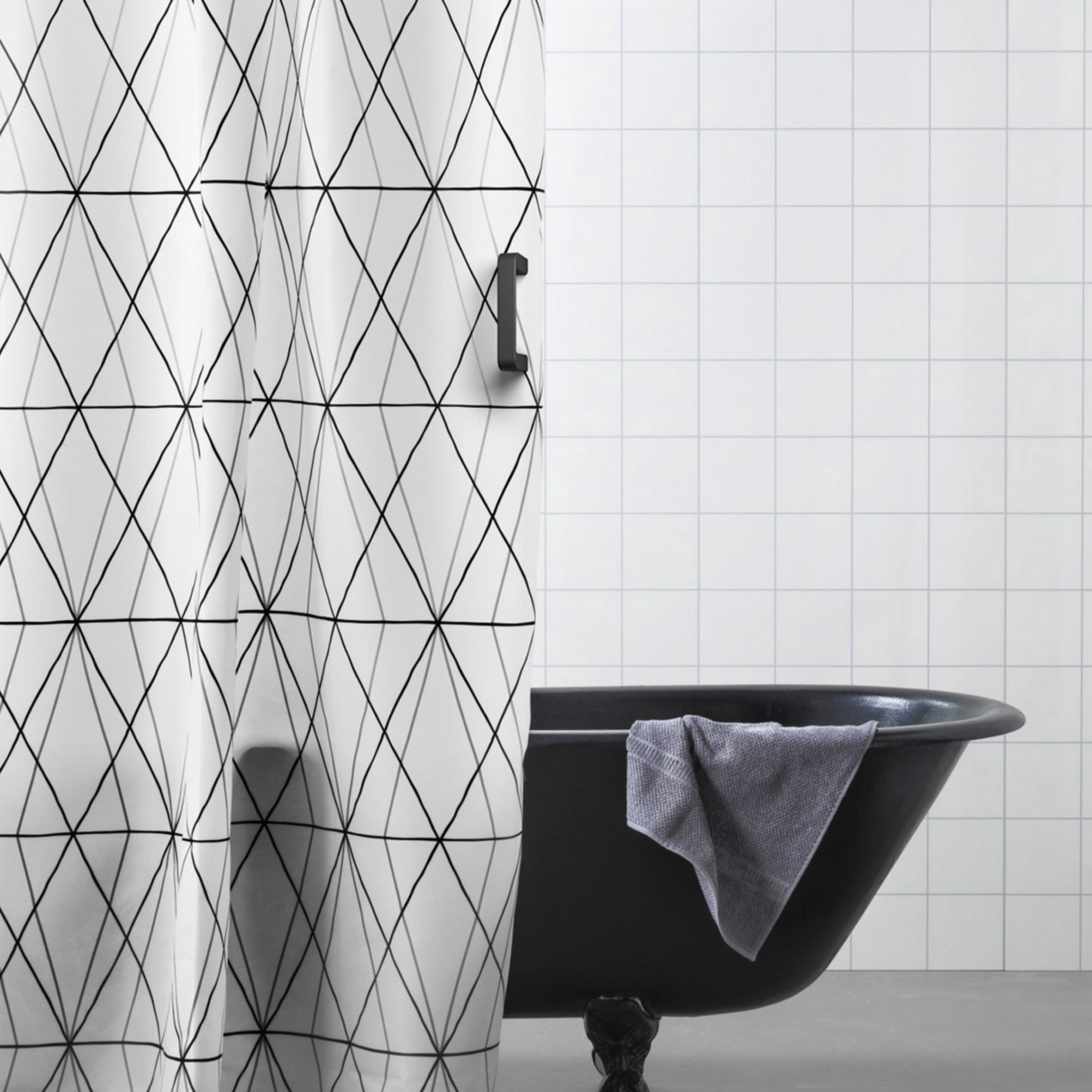
ThisAbles by IKEA, Milbat and Access Israel
Rather than having to invest in entirely new furniture, this series of 13 add-ons can be downloaded and 3D printed by anyone, to make existing IKEA pieces in their home more usable for people with special needs.
This includes handles to make shower curtains or cupboard doors easier to open, as well as holders for cups or walking sticks that can be attached to a bed.
Find out more about ThisAbles›
The post Dezeen's top 10 accessible designs of 2019 appeared first on Dezeen.
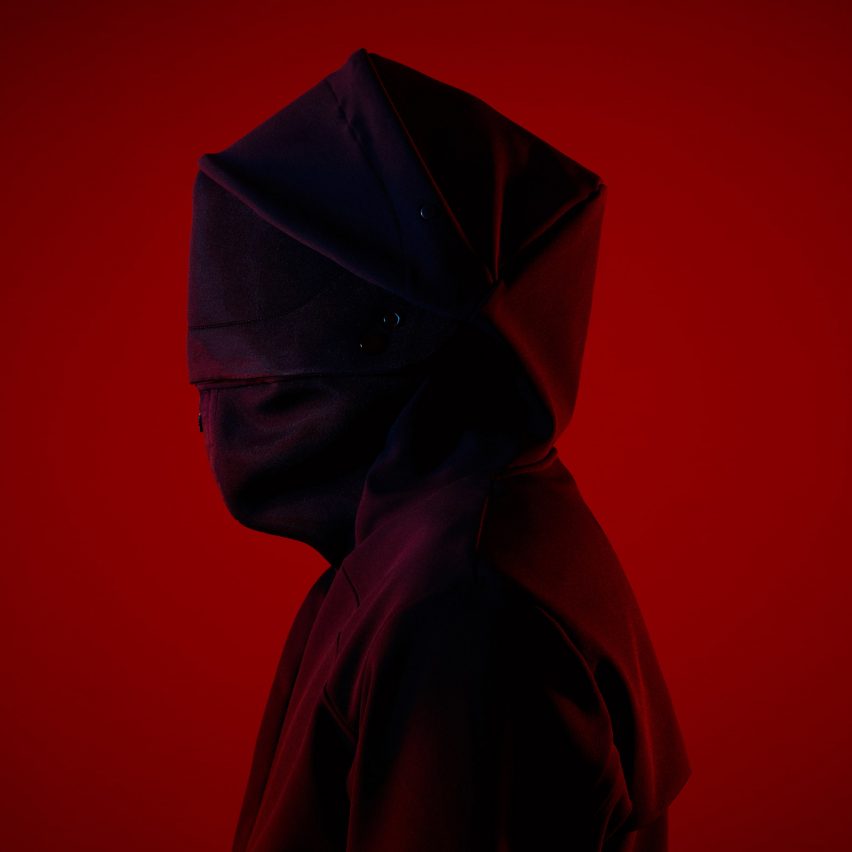
Experimental clothing brand Vollebak's Deep Sleep Cocoon jacket is designed to allow people to sleep anywhere, including in space.
The Deep Sleep Cocoon jacket has been designed by Vollebak so that people wearing it can sleep in the most difficult conditions. It was created specifically for space where sleeping can be difficult due to noise and light.
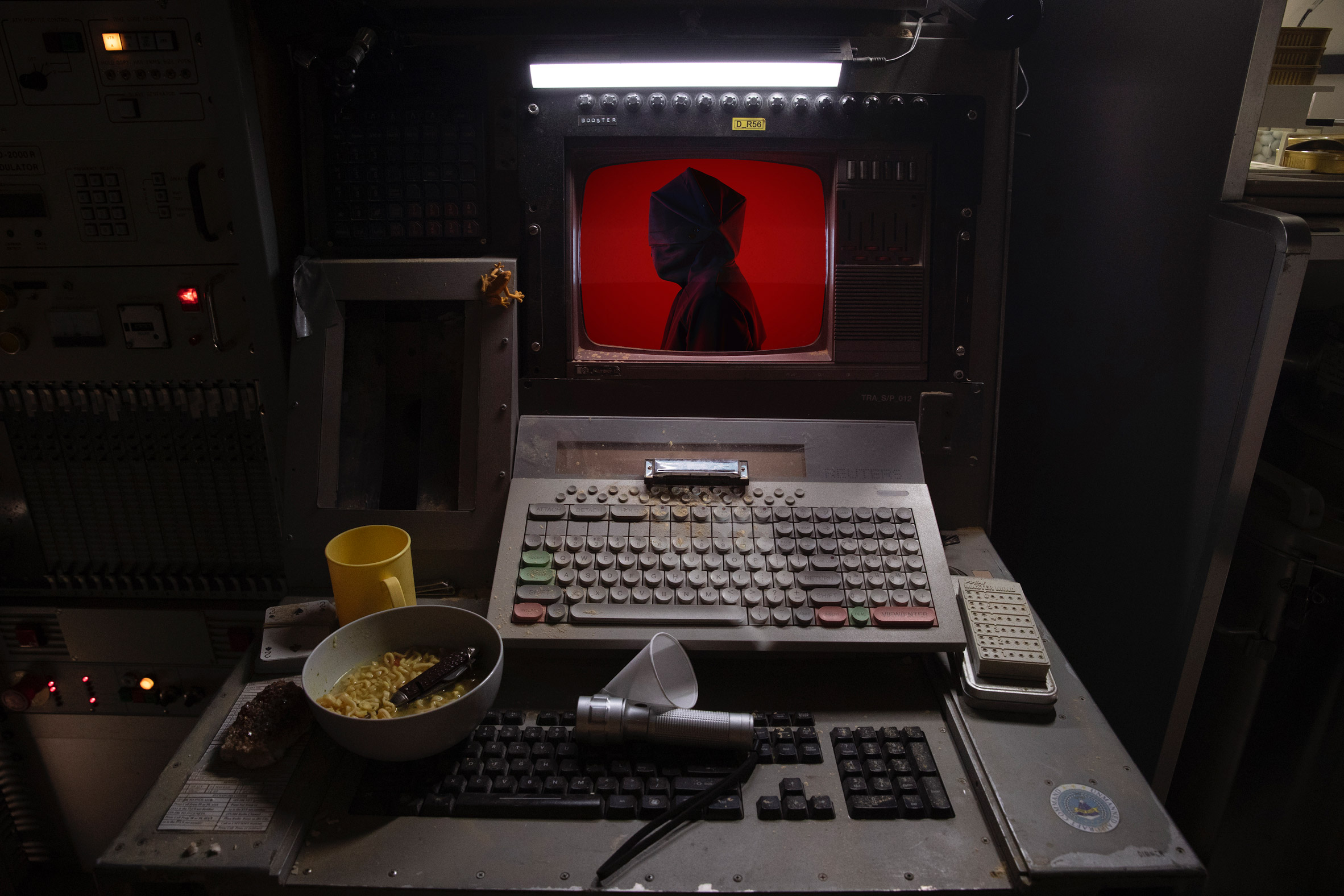
"The sleeping conditions we take for granted on Earth, like quiet and darkness, are far from guaranteed in space," explained Vollebak co-founder Steve Tidball.
"Astronauts on the International Space Station experience 16 sunrises a day, and 75 per cent of crew report using sleeping pills which induce sedation rather than deep sleep," he told Dezeen.
"This in turn impacts cognitive ability and alertness in space, where there's little room for error."
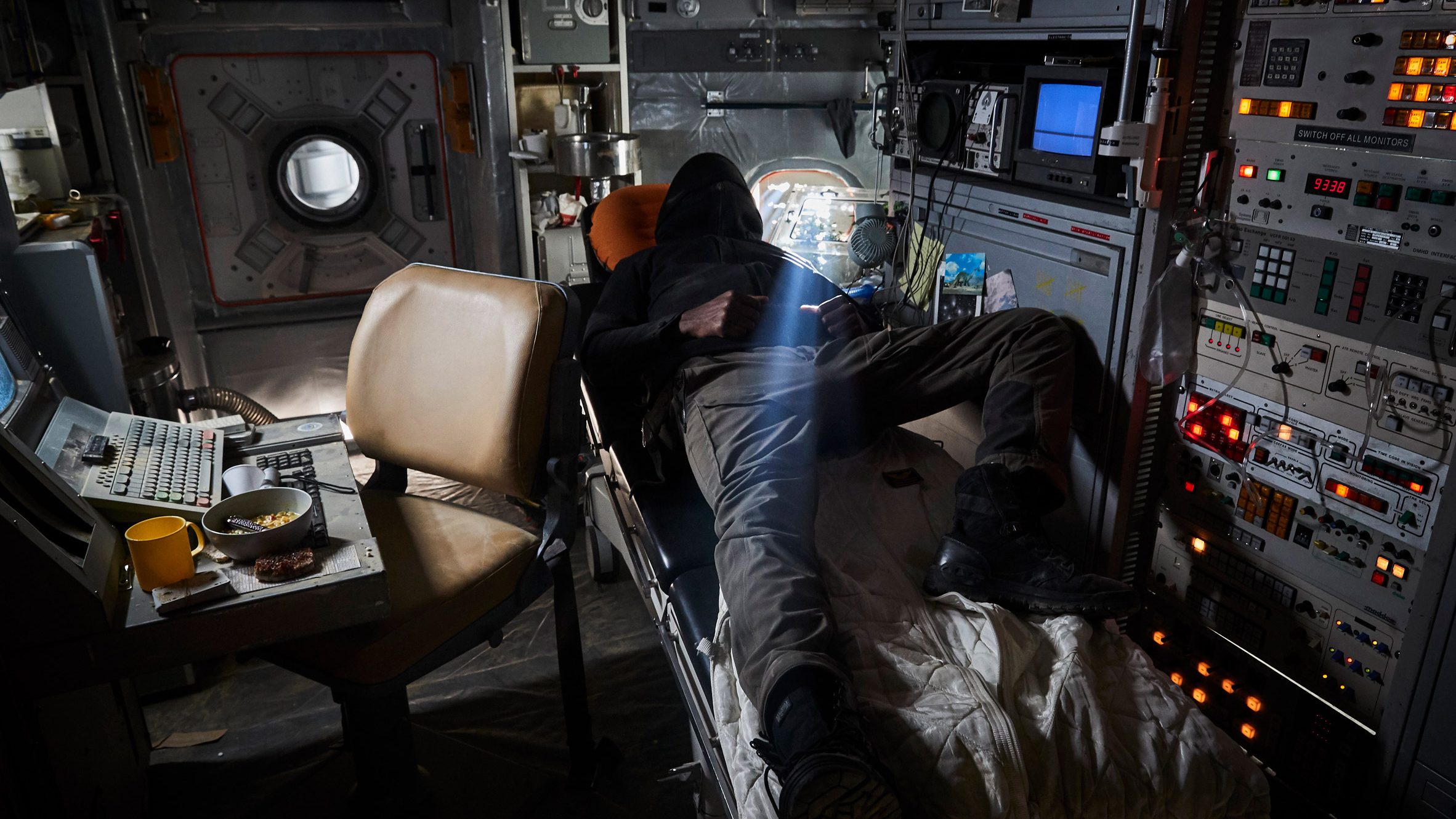
The jacket is designed to be "a microhabitat for a person", so that the wearer is not reliant on the environment they are in to fall sleep.
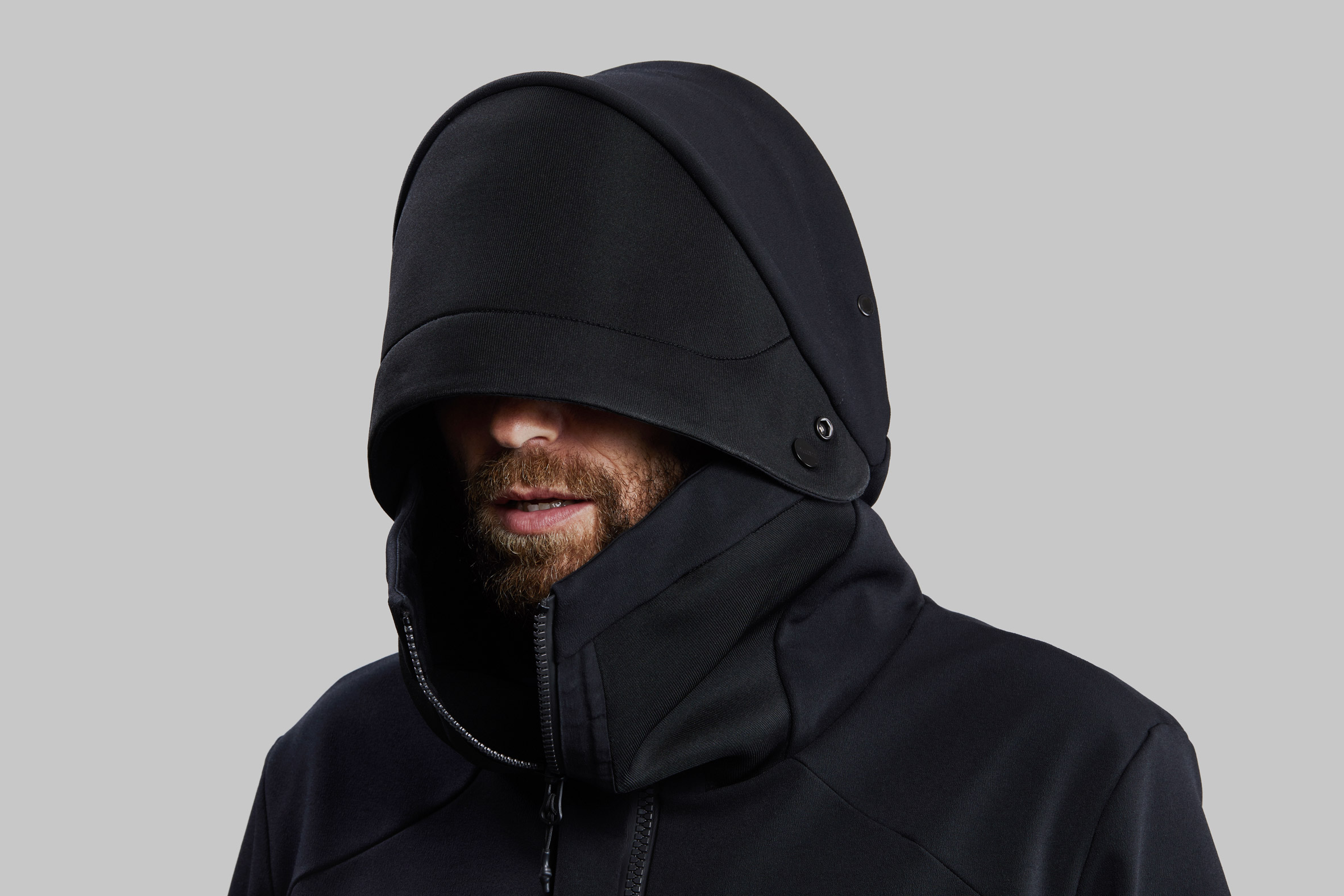
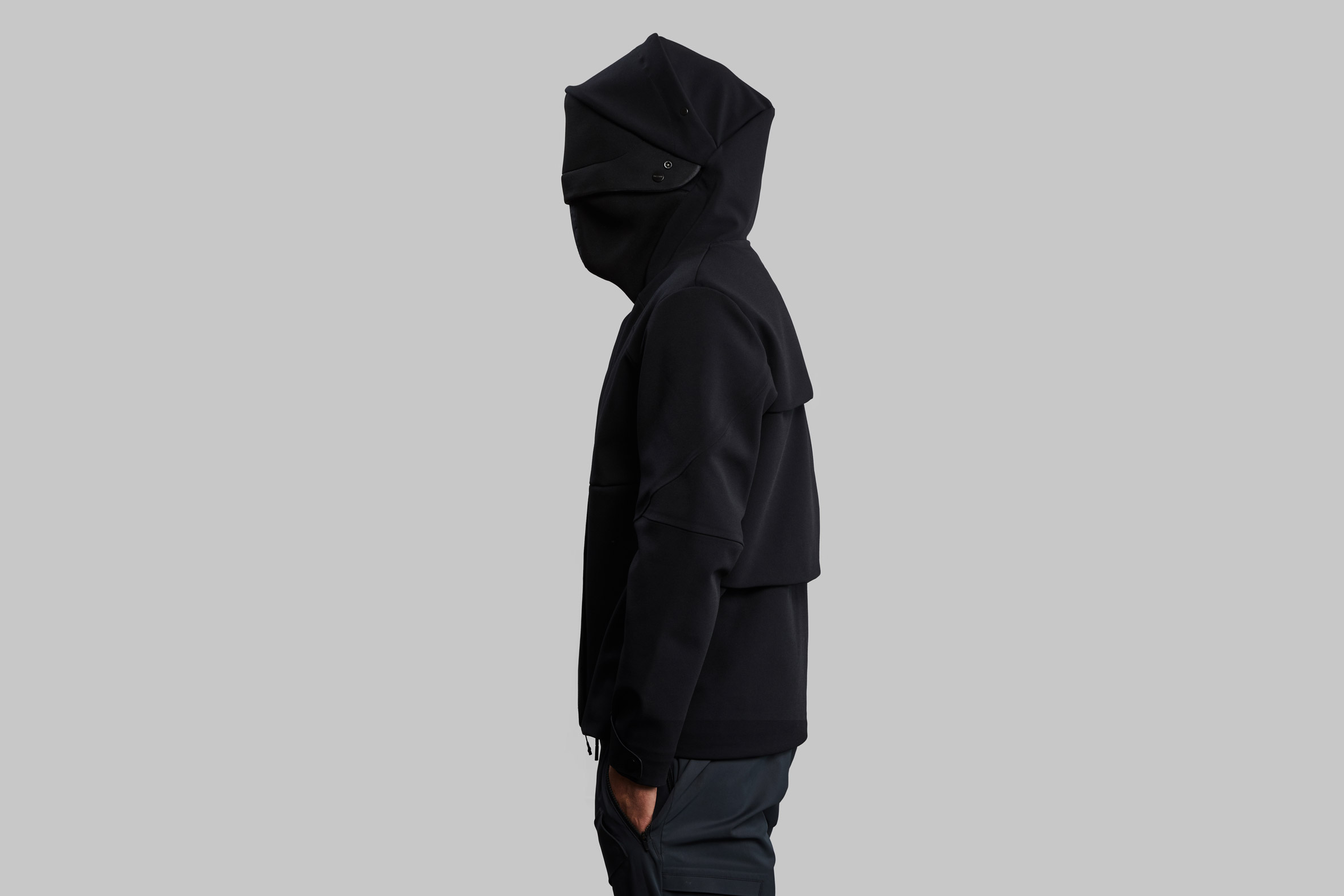
To allow the wearer to sleep, the coat has a large hood that resembles the visor on a space helmet and is made from five segments that can fold down and cover the wearer's entire face.

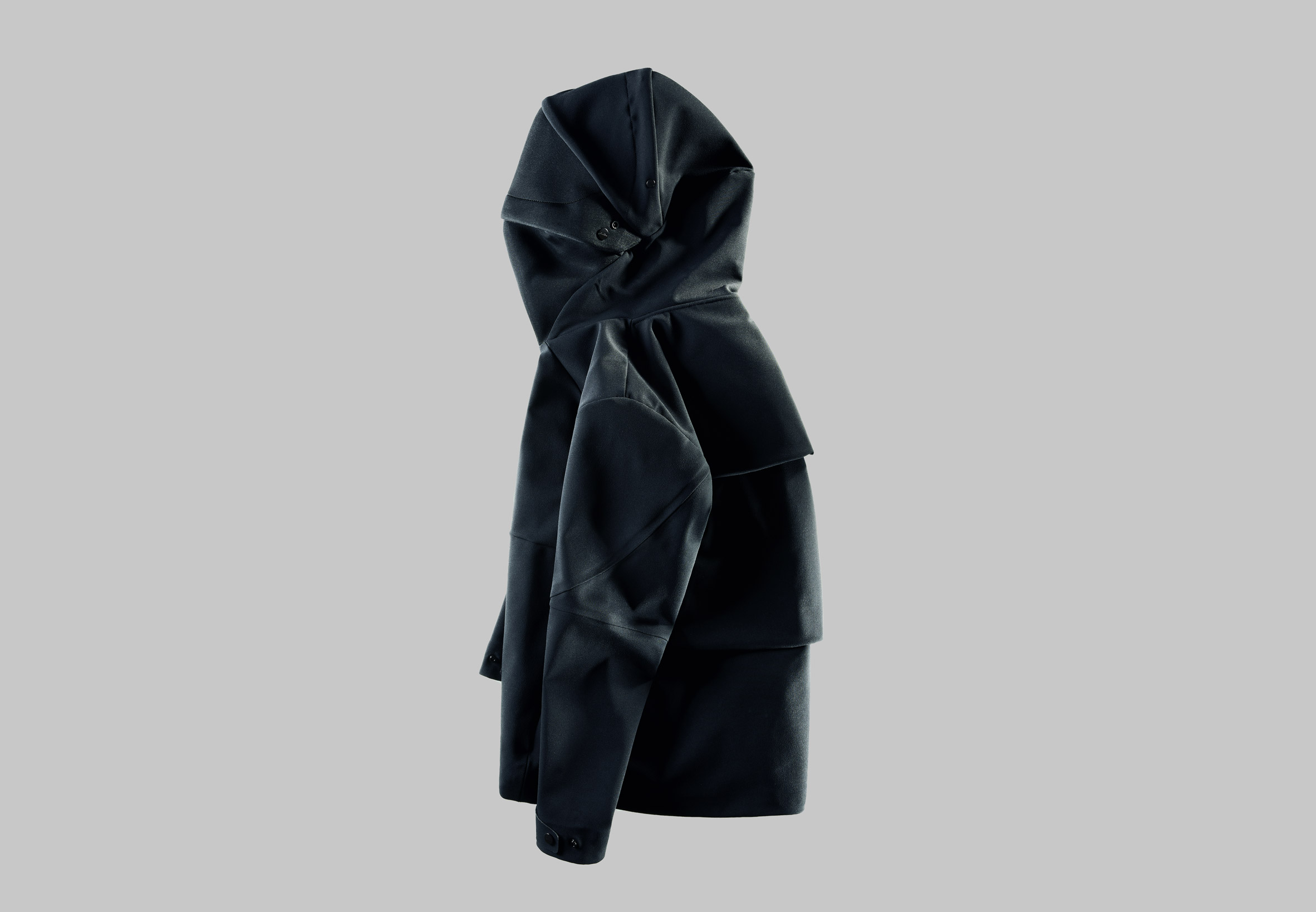
The soft hood is designed to hold its shape to create a cocoon that is kept clear of the wearer's face. It has a segmented structure that is similar to the body of a woodlouse.
"To solve this engineering challenge with a single piece of clothing we turned to nature and looked at structures that are highly adaptable, protective, and allow creatures to metamorphose from one state to the next," said the brand.

While the hooded section looks identical to the rest of the jacket it is constructed from a breathable, mesh fabric that wearers can see out of but people on the outside can't see through.
The rest of the coat is made from a three-layer fabric for warmth with a waterproof and windproof membrane. A two-way zipper means the wearer can decide how enclosed within the jacket they want to be.
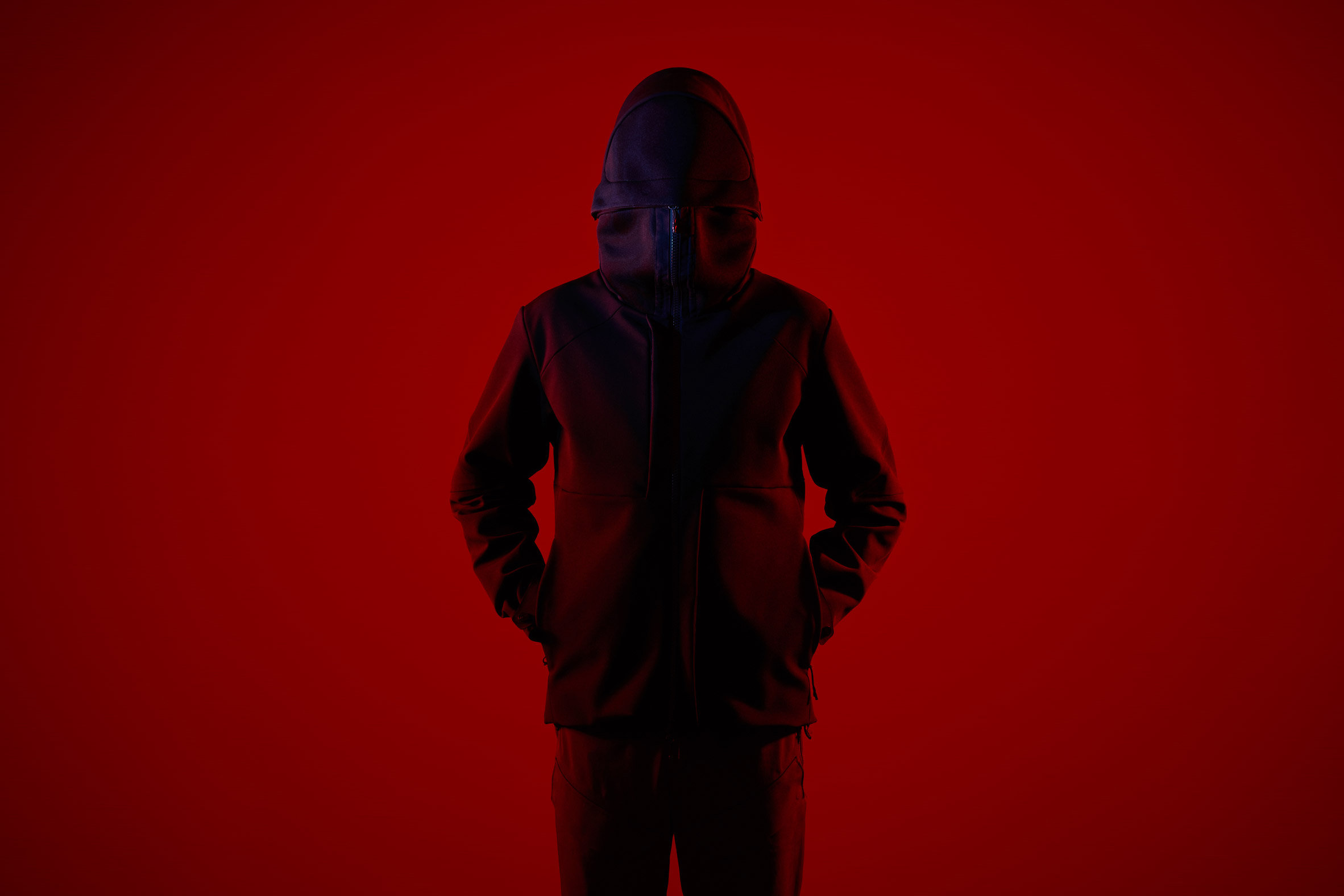
Vollebak built the jacket for the first journeys to Mars, as their research showed that current sleeping conditions in outer space leaves a lot to be desired.
"Sleep in space today is not exactly a vision of the future," explained Tidball. "Alongside eye masks and earplugs every crew member has a cupboard-sized sleeping pod with a sleeping bag fixed to the wall with a bungee cord to combat microgravity and air currents."
Tidball believes that people's sleeping habits will have to adapt to the light conditions in space, and this may mean reverting to patterns of sleep found before the invention of electric lighting.
"Before the introduction of artificial light during the Industrial Revolution, sleeping several times a day was common," explained Tidball.
"Many nomadic and hunter gatherer societies still sleep on and off during day and night, and under experimental conditions people sleep and wake more frequently," he continued.
"So the Deep Sleep Cocoon is built for shift-pattern sleeping that we may well revert back to as we travel further and further into space – by allowing the clothes you're in to double as your sleeping bag."
Vollebak predict that as humans travel further into space the clothes that they wear will have to be become more useful.
"As something that's always attached to us, clothing is uniquely suited to solve some of the simplest as well as most complex questions that will arise as we go intergalactic," said Tidball.
"It will become our breathing system, our doctor, sleep aid, source of comfort, food and hydration. In an environment like space where every gram and every square millimetre increases the cost of the mission, clothing will have to start to do more."
Clothing company Vollebak was established by twin brothers Steve and Nick Tidball in 2015. The company has launched numerous experimental items of clothing including the first jacket made of graphene, which acts as a radiator.
It has also released a T-shirt made entirely from wood pulp and algae and a jacket that reflects light from two billion glass spheres. Vollebak also made a coat for early man called the 50,000 BC jacket.
"Creating clothing for the first journeys to Mars and clothing for early man's colonisation of Earth are equally fascinating engineering challenges," said Tidball.
"Over the past 50,000 years clothes have helped us maintain stasis – keeping us warm, dry, cool, or conferring status. Over the next 50,000 years clothes will help enhance everything from strength, to health, to sensory perception. It's simply a question of what timescale that happens on."
The post Vollebak designs jacket that lets the wearer sleep in space appeared first on Dezeen.
Continuing our high-tech architecture series, Catherine Slessor looks at how the women in Team 4 helped shape the narrative of the movement.
All architecture is a leap into an unknowable future, but how will history regard high-tech? As a movement, it now does seem more like an ending than a beginning; a rarified sub-stratum of architectural geology, rather like German rococo churches, becoming ever more phantasmagorically fiddly until it ultimately implodes.
It also still has that slightly unhealthy, obsessive whiff of a teenage boy's bedroom, as a generation of postwar men who grew up playing with Mecanoo took their models out of the playroom and into the world.
High-tech was a supreme toys-for-the-boys moment. With its roots in Victorian engineering puissance spliced with the cartoon provocation of Reyner Banham and Cedric Price (architecture's Hunter S Thompson and Kingsley Amis), this is hardly surprising. The oil-rig-on-speed aesthetic of the Pompidou Centre still oozes testosterone, despite the Sisyphean challenge of its long term maintenance. Yet high-tech did have its unsung female proponents, who enabled, facilitated, supported and created.
Unpicking and defining their contributions is a slightly delicate business. But now, with the benefit of time passed, when the dutiful official histories have become played out, like cracked records, a more nuanced, egalitarian and, indeed, speculative perspective is finally possible. PhD candidates are doubtless doggedly whirring in the archives as we speak.
High-tech did have its unsung female proponents, who enabled, facilitated, supported and created
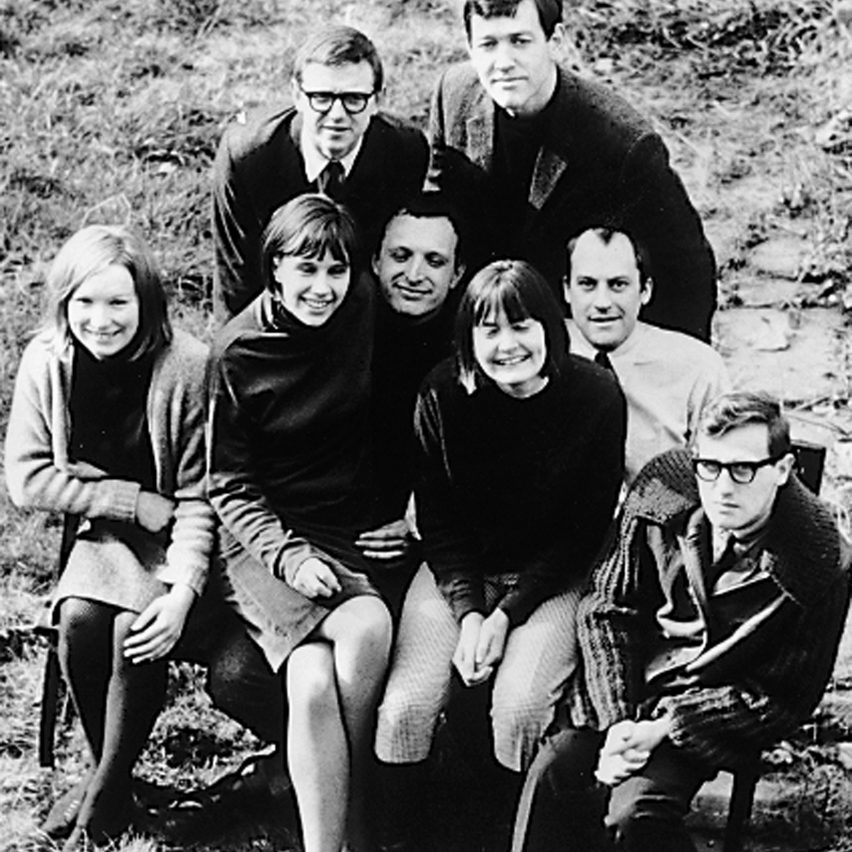
So who were the women of high-tech? There's a famous photo of Team 4, dating from mid 60s showing the young titans of Norman Foster and Richard Rogers, with Wendy Foster (née Cheesman) and Su Rogers (née Brumwell) sitting on their knees, like children in Santa's grotto. It's an image of youthful exuberance and ambition, the world at their feet, yet the power dynamics of women protectively balanced on men's knees are still subtly apparent.
Cheesman and Brumwell were the "other" members of Team 4 and the first wives of Foster and Rogers. As part of the collective which designed the first recognisably high-tech building in the UK, the Reliance Controls factory in Swindon, their contributions helped to pave the way for high-tech's eventual ascendency and the rise to fame of their partners.
Such contributions were not just creative. Family contacts provided jobs, succour and support. Su Rogers was the daughter of Marcus Brumwell, who ran the Design Research Unit (DRU), an integrated design service established in 1943 to tackle the demands of postwar reconstruction. Its first head had been the critic and historian Herbert Read, who recruited luminaries such as industrial designer Misha Black, engineer Felix Samuely and architect Frederick Gibberd.
The Brumwells provided Team 4 with its first commission, Creek Vean, a country house in Cornwall, selling a Mondrian painting in order to fund the project. And when Team 4 disbanded in 1967, Richard and Su Rogers were invited to work in association with DRU, giving them valuable breathing space and a source of income.
Their contributions helped to pave the way for high-tech's eventual ascendency and the rise to fame of their partners
Neatly spanning the four years from the onset of Beatlemania to the Summer of Love, the enigmatic and anonymous sounding Team 4 was a calculated riposte to the cult of the individual, though ironically it was incubating what were to become two of British architecture's most powerful and conspicuous individuals. Foster and Rogers had cemented their professional relationship during post graduate studies at Yale and decided to work together on their return to the UK.
Wendy Foster also studied at the Yale, while Su Rogers, though not formally an architect, brought urbanism skills and a sociological grounding from her time at the London School of Economics. The founding members also included Wendy's older sister Georgie Wolton, a former girlfriend of Rogers, and another key influence and enabler.
Trained at the AA and the only qualified architect in the group, Wolton effectively enabled the practice to function from one room in Wendy Foster's north London flat.
Wolton left Team 4 and went on to practise on her own, in a way that suggests she had a talent for greater things, had the tenor of the times had been less reactionary. Influenced by the domestic projects of the Eames, Mies and Philip Johnson, her 1969 Fieldhouse in the Surry Downs was the first dwelling in the UK to employ rusting Cor-ten steel as a structural material.
"I wanted it to get older and older and older," she explained. "It grew mould on all the neoprene gaskets and it was simply beautiful, with the green mould, the brown steel and this brown Spectrafloat glass". Cliff Road Studios, a building for artists in Camden, was equally accomplished. She later successfully turned her hand to landscape design.
Wolton effectively enabled the practice to function, run from one room in Wendy Foster's north London flat
The experience of designing Creek Vean encouraged Team 4 to look beyond brick and concrete to conceive of a different kind of architecture: lightweight, made of mass-produced components, flexible, adaptable and demountable. As a testbed for these radical principles, Reliance Controls proved opportune. The high-tech planets aligned and the rest, as they say, is history.
Yet with the completion of Reliance Controls, Team 4 appeared to have run its course and with no work, the supergroup duly disbanded. There followed a "difficult" Foster Rogers divorce, with Norman and Wendy Foster founding Foster Associates and Richard and Su Rogers forming the core of another new practice.
Until her death from cancer in 1989, Wendy Foster was involved with the all the major groundbreaking projects – Sainsbury Centre, Willis Faber, Hongkong and Shanghai Bank – that would make the Foster name and cement high-tech as the British national style du jour.
Writing about the Sainsbury Centre in a 1975 issue of Architectural Design (AD), she chose to emphasise architecture's collaborative possibilities rather than its predilection for the lone genius: "Skydivers hold hands to form a circle. Every link is of equal importance, every action a chain reaction. We liaise in this way with a team of clients, architects, engineers, quantity surveyors, model makers and photographers from day one".
Wendy Foster was involved with the all the major groundbreaking projects that would make the Foster name and cement high-tech as the British national style du jour
In the same issue of AD, which focused on the experiences of women working in architecture, we also catch up with Su Rogers, now divorced from Richard (more often than not the fate of first wives) and heading up a unit at the AA.
Interviewed about her time in Team 4 she asserts that: "I feel competent as a designer, but I think my contribution to any office was at the critical level rather than the creative level, and that's where that partnership was successful, from my point of view, because one could work as a catalyst, within a group of architects."
High-tech's gradual ebbing from public and architectural consciousness was much less visceral than modernism's very public consignment to history. There was no Pruitt Igoe moment with the wrecking ball confected for posterity by self-serving cultural historians.
Instead, as the millennium dawned, the party moved elsewhere and the boys quietly put their toys away. But the experiences of Wolton, and the "other" Foster and Rogers still resonate, in shaping the narrative of high-tech's quixotic history.
The post "High-tech was a supreme toys-for-the-boys moment" appeared first on Dezeen.


