Monday, 9 December 2019

Tessa Silva creates compostable homeware from surplus milk and chalk

Tessa Silva creates compostable homeware from surplus milk and chalk

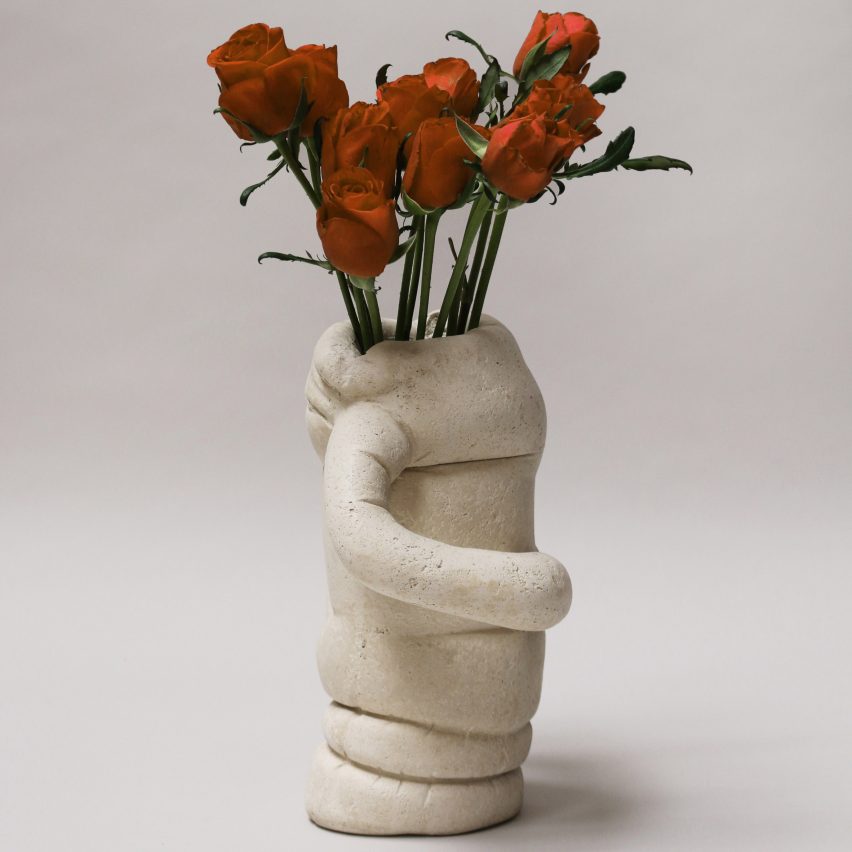
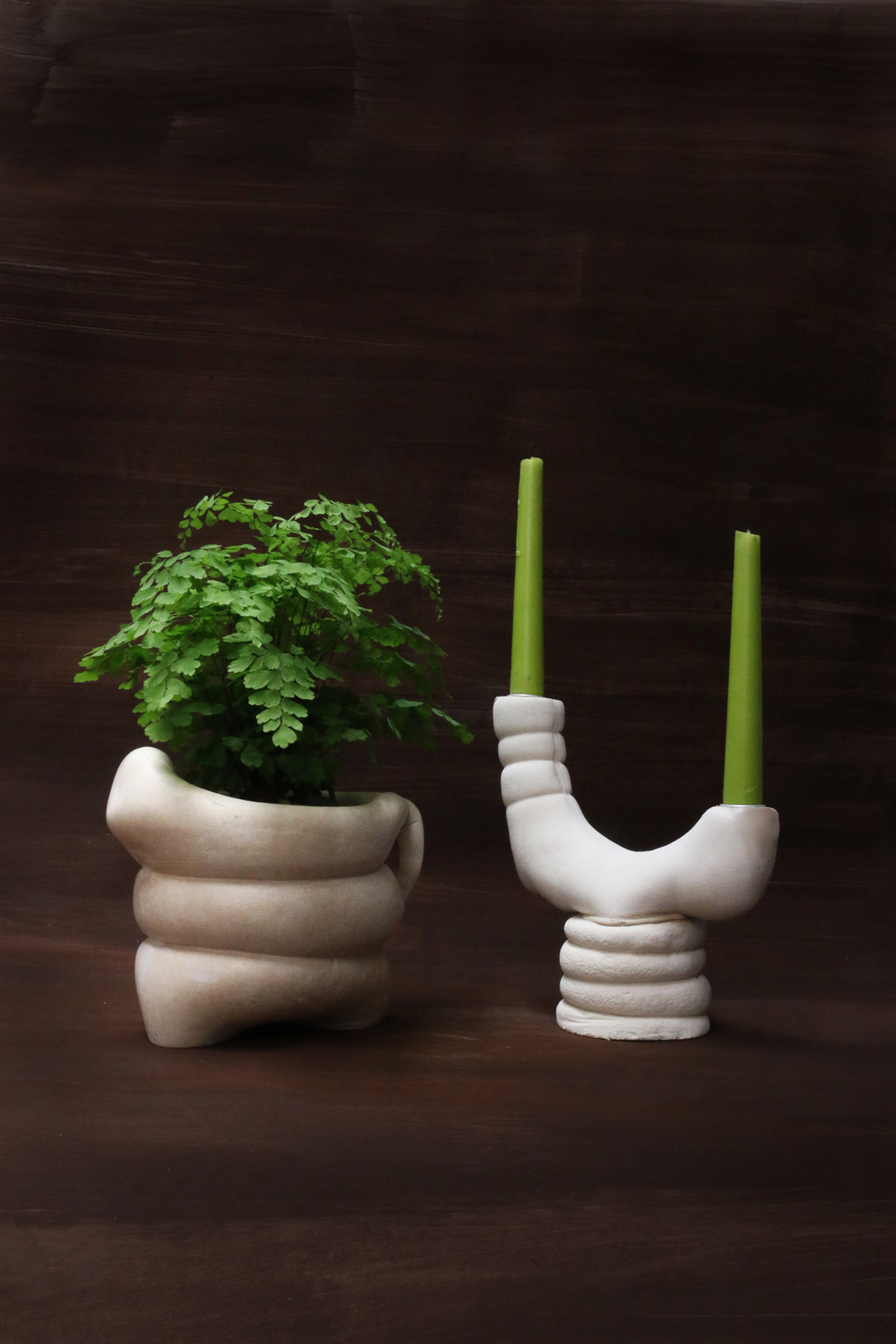
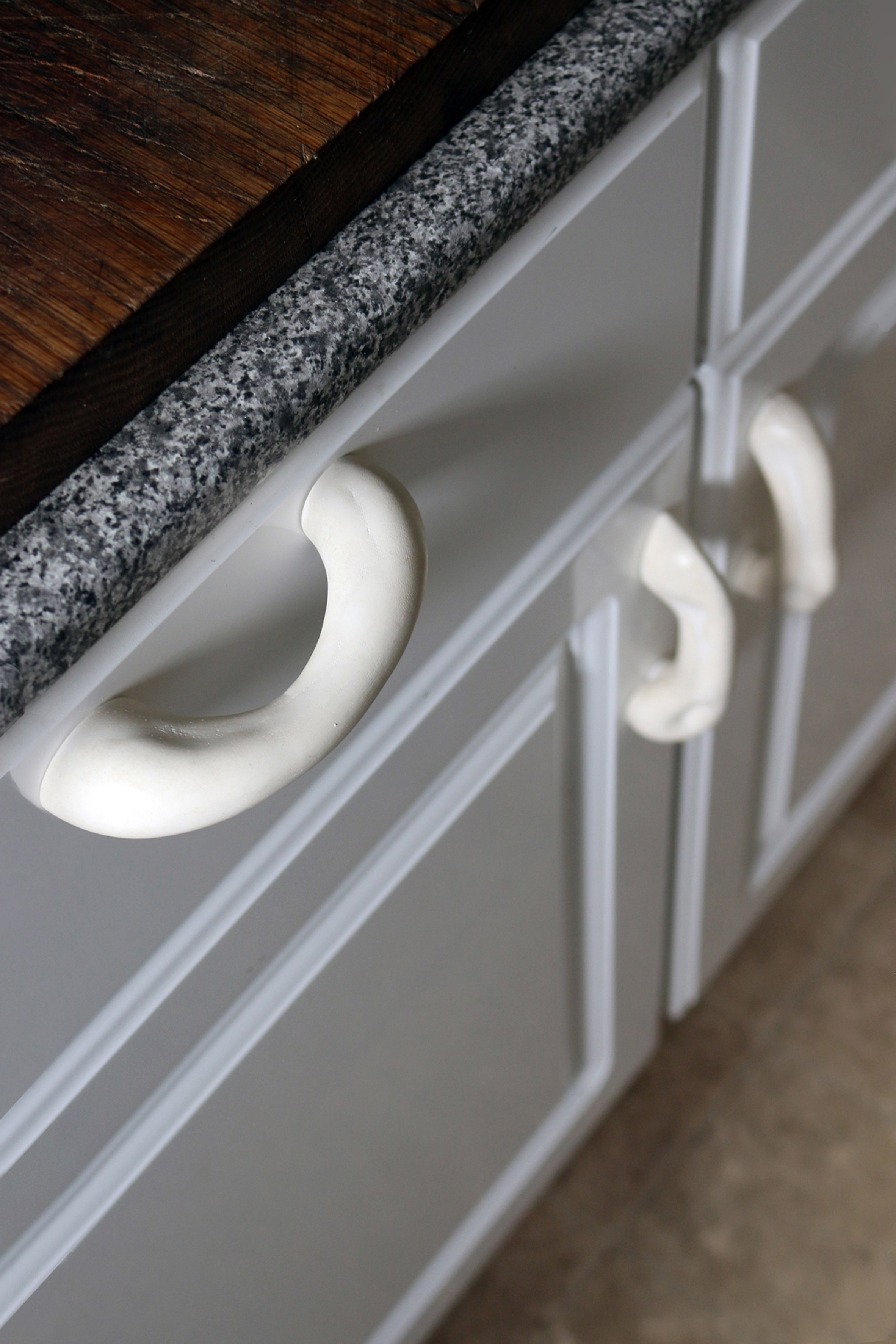
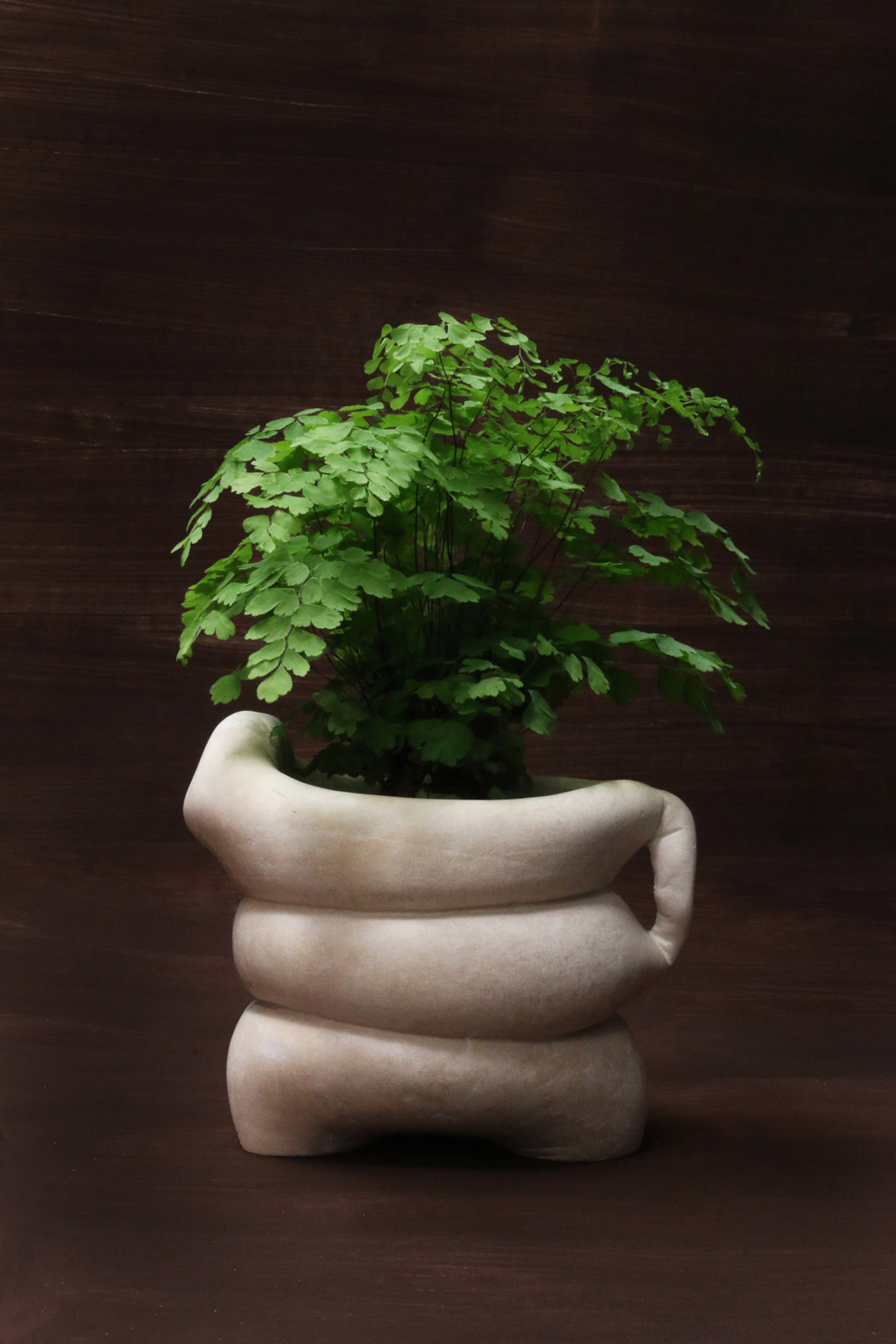
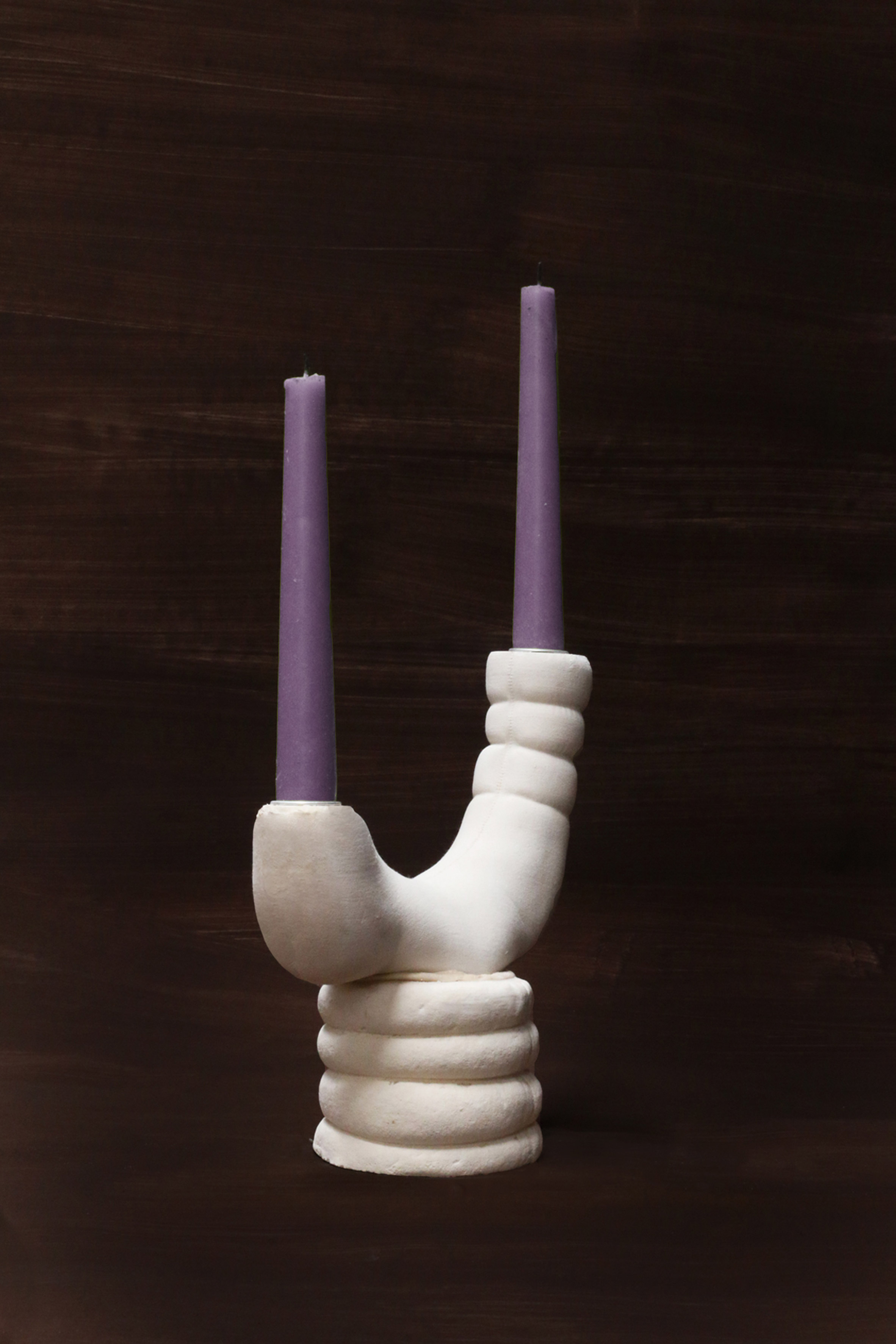
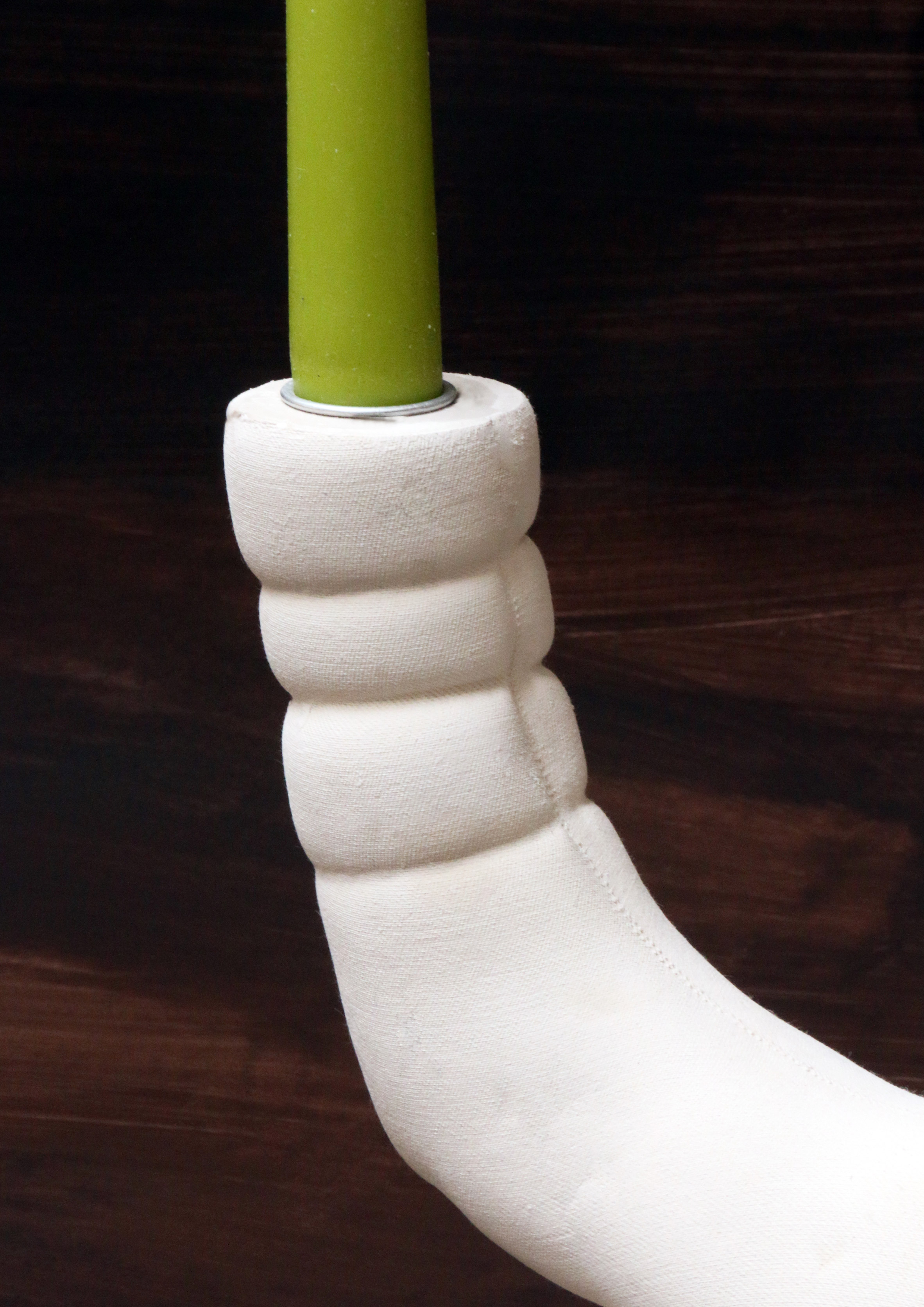
Royal College of Art graduate Tessa Silva has turned a clay-like material made from waste milk into bulbous vases, candelabras and door handles called Chalk & Cheese.

Silva's technique, which was developed over the course of three years, sees chalk mixed with a common byproduct of the dairy industry – the excess skimmed milk which is created in the production of butter and cream.
Tessa Silva creates compostable homeware from surplus milk and chalk

"The proteins are extracted from fresh milk and combined with chalk to produce a material similar to air drying or polymer clay," she told Dezeen.

"It can be hand thrown or pressed into moulds, but these particular objects are created by extruding the material into moulds using a sausage stuffer."
Tessa Silva creates compostable homeware from surplus milk and chalk

The surplus milk comes from an organic dairy farm in Surrey, and the chalk from a quarry in Hampshire. For the moulds, Silva uses another post-industrial waste product in the form of deadstock fabric.

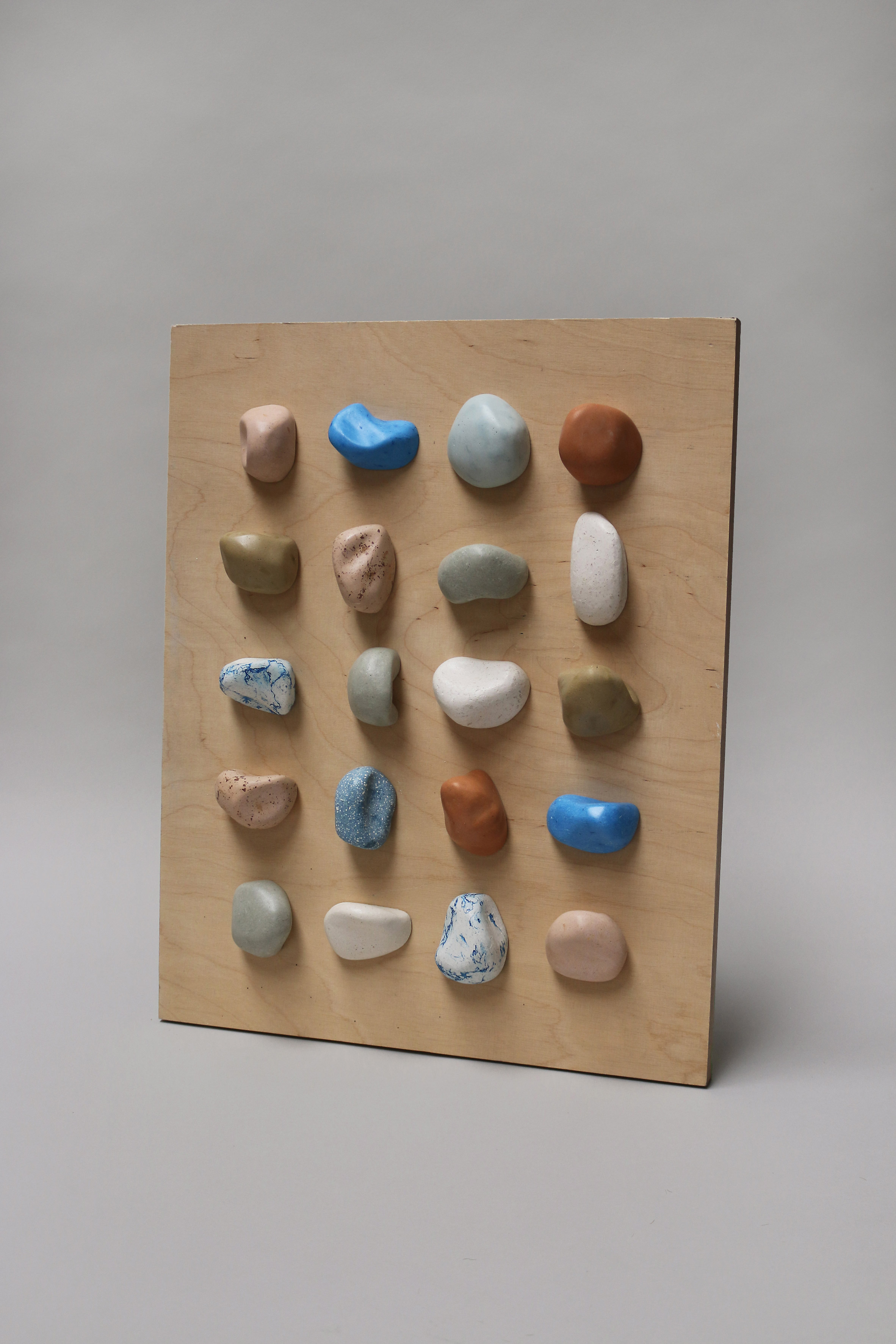
Once dried, the finished material has a surface reminiscent of stone or concrete. In the Chalk & Cheese collection, this is left mostly exposed, save for the doorhandles which are variously painted in speckled blue and rust shades.

As well as being locally sourced, the material can be easily composted and used as fertiliser once it is no longer needed.

"In order to use it as compost, it would need to be soaked in water for a number of hours, where it will eventually begin to decompose and crumble into dust," she explained.
Tessa Silva creates compostable homeware from surplus milk and chalk

Silva's material is a modern take on one that was originally used as flooring in the Tudor period.

"It was made using sour milk that had expired, and was poured similarly to concrete," said the designer. "The material that I have adapted from this is much more solid."

"Extracting the milk proteins means the material is purer and harder in consistency, and doesn't take much time to cure or dry when compared with the Tudor milk flooring, which apparently took weeks to set."
Tessa Silva creates compostable homeware from surplus milk and chalk

This isn't the first time the designer has worked with milk, having previously used it as a plastic alternative for her graduate project at the RCA.

"I find the material of particular interest considering the controversies that are associated with milk consumption," she explained. "It's an interesting time for the industry due to the huge movement toward veganism."

"Whilst I don't necessarily believe that vegan design is the only way forward, I do believe that we need to drastically reevaluate our relationship with animals and food products," she continued.

"The project is very much anti factory-farming – I am exploiting a current surplus in the industry, and as long as this surplus exists, so can the project."
Tessa Silva creates compostable homeware from surplus milk and chalk

Silva passes on her method through public workshops in association with the educational programme Store Projects, and in the project's design courses for school pupils.

"The After School Club workshops are of particular importance to me as they introduce students to a variety of design processes with a focus on sustainability," she explained.

"It's so important that young people get the opportunity to explore such diverse creative processes."
Tessa Silva creates compostable homeware from surplus milk and chalk

Elsewhere, designers have used waste byproducts from the beer and coffee industry to create a collection of lights, as well as turning unwanted fruit and vegetables into natural dyes.

The post Tessa Silva creates compostable homeware from surplus milk and chalk appeared first on Dezeen.


from Dezeen https://ift.tt/2LET8qG

Richard Chivers photographs England's remaining gas holders

Offgrid: photographs of UK gas holders by Richard Chivers

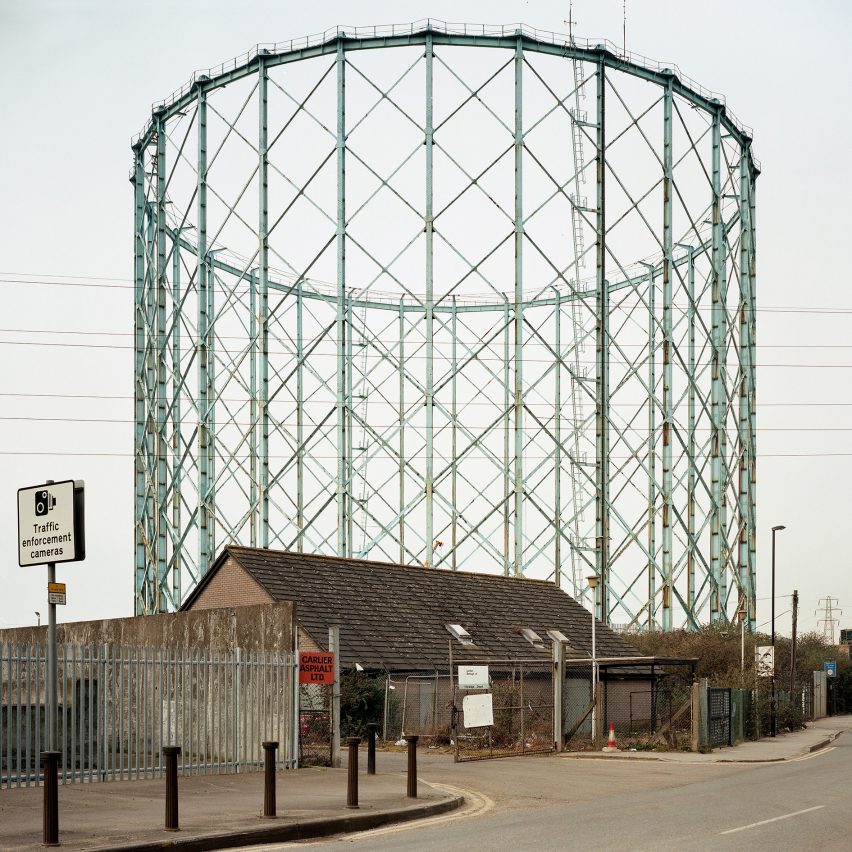
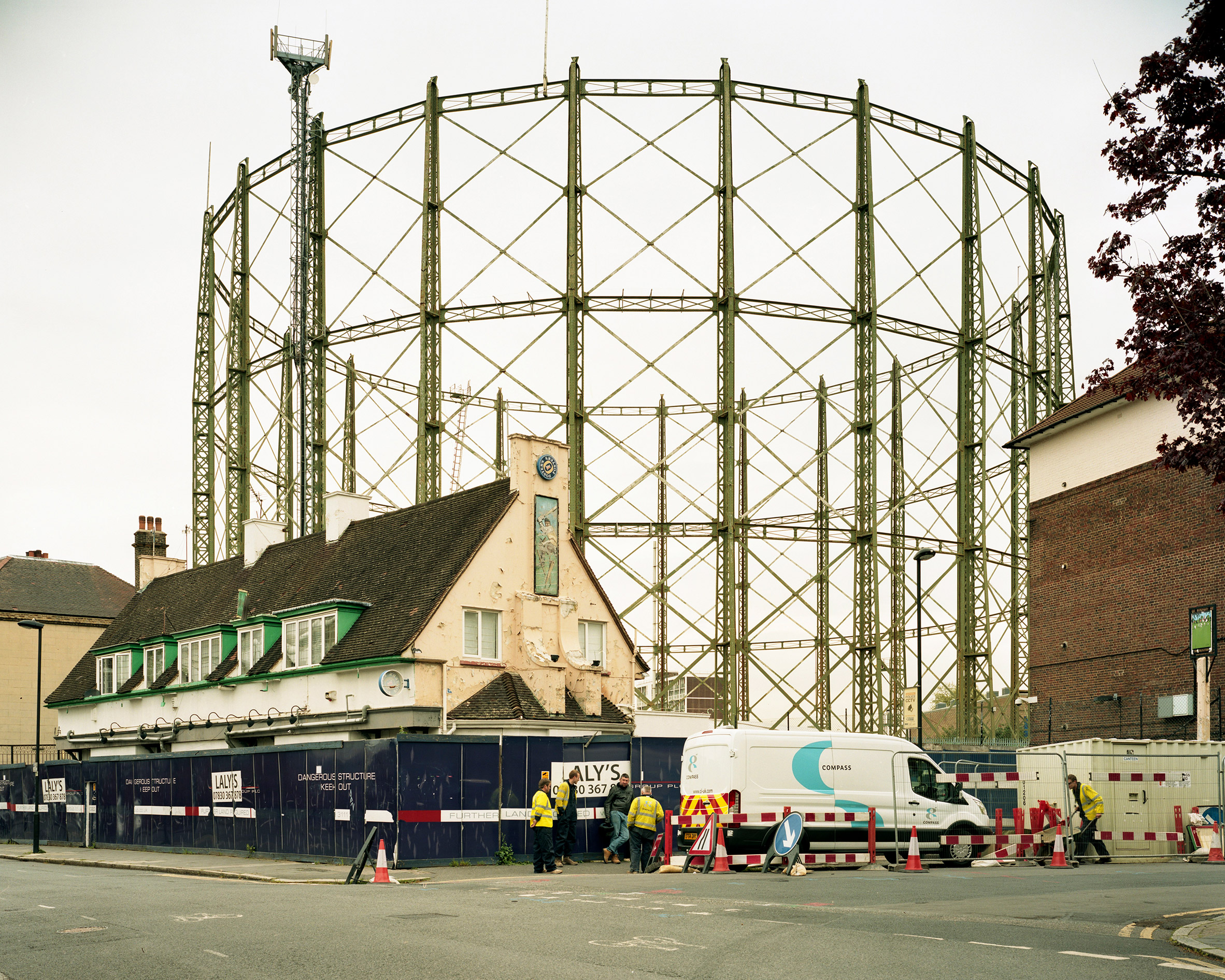
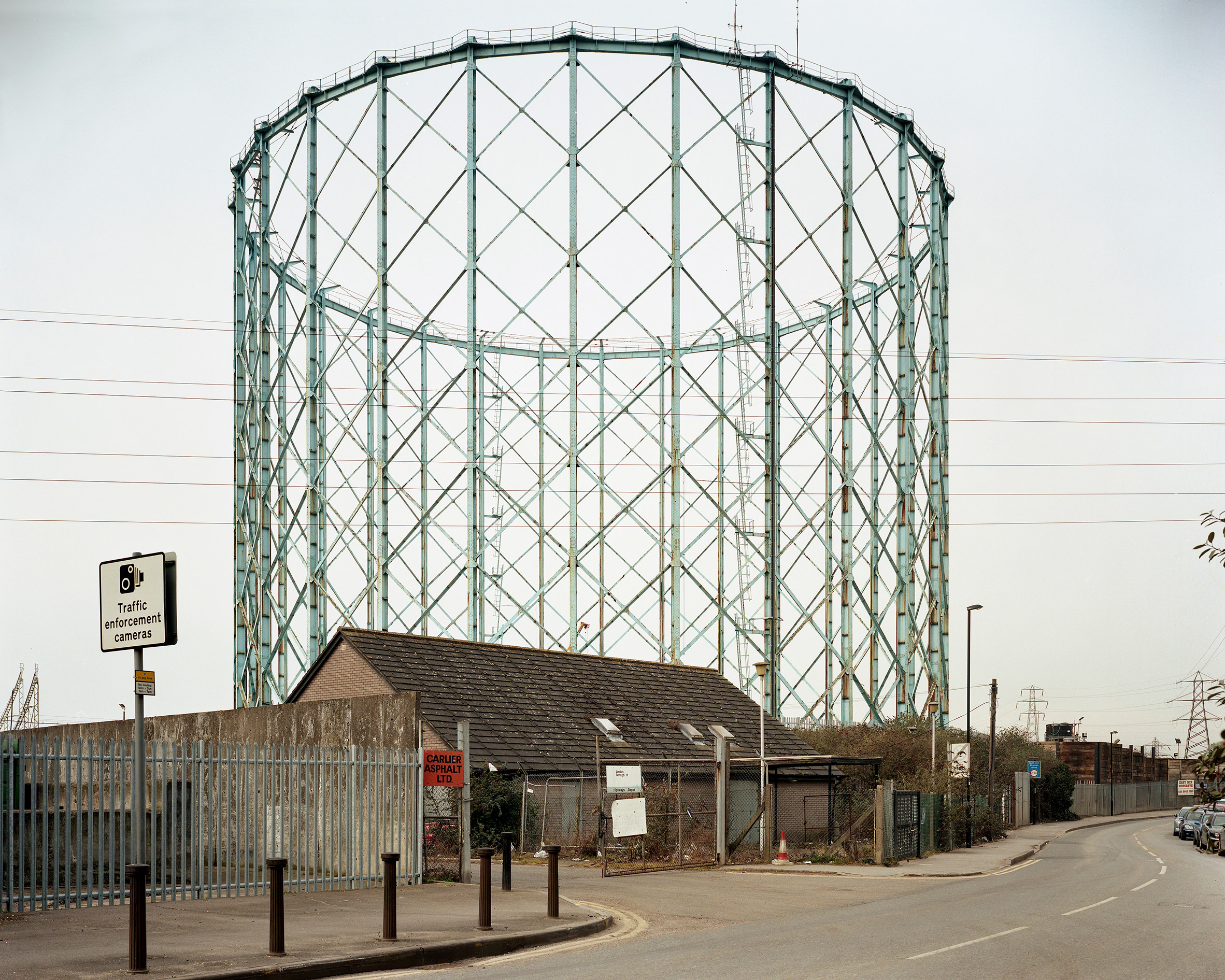
Architectural photographer Richard Chivers has captured images of gas holders from across England to create a visual record of the remaining examples of the structures.

Chivers decided to photograph the gas holders – large structures that were used to store natural gas – as many of them are under threat of demolition.

Offgrid: photographs of UK gas holders by Richard Chivers
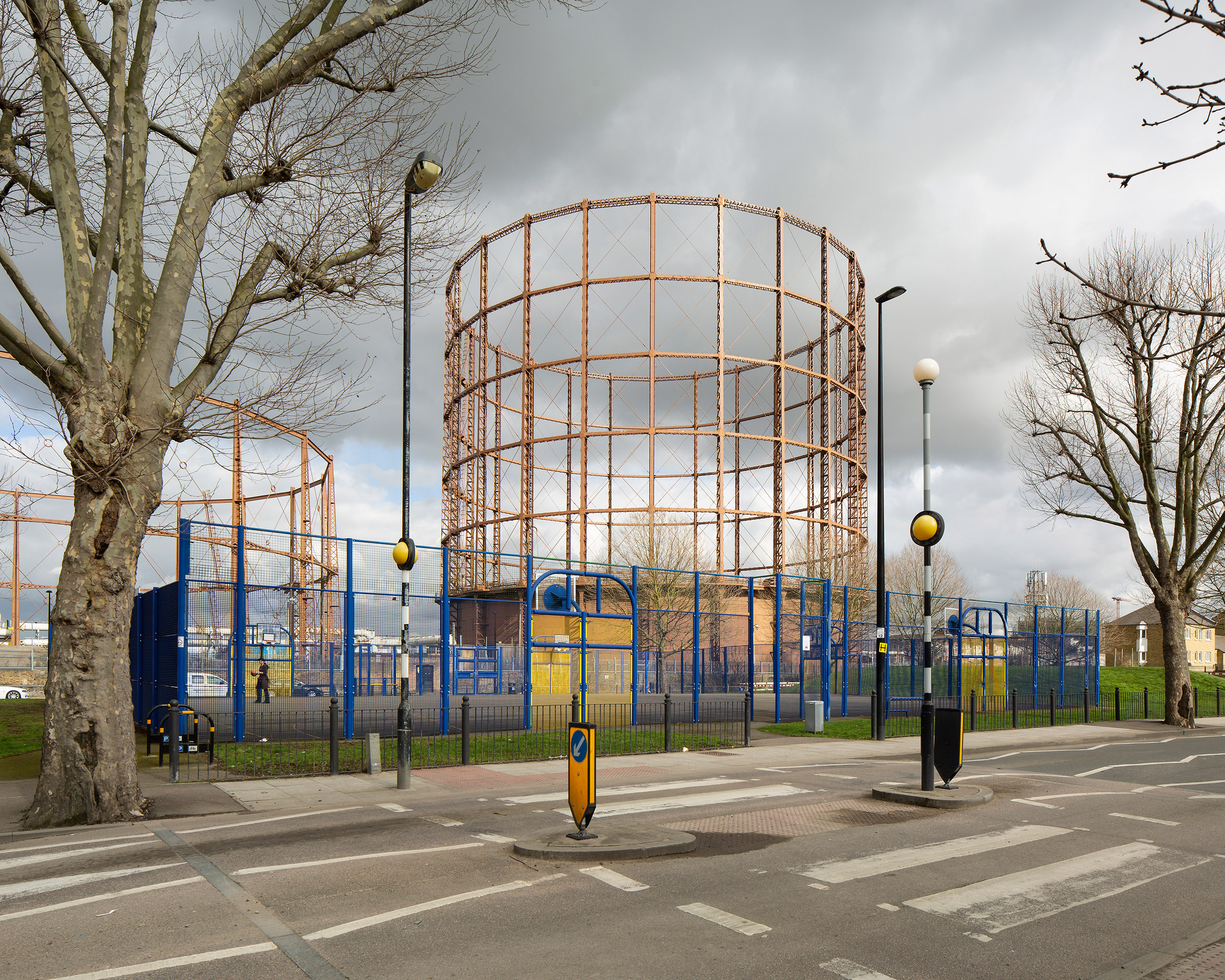
Richard Chivers has photographed 35 gas holders including at the Oval

"Three or four years ago I read an article in the news that most were to be demolished so I decided I would try and capture some of them before they were lost forever," he told Dezeen.

"Quite a few of these structures are now gone or are about to go, so the images themselves become a record of our industrial heritage and for some people a nostalgic record of a place they used to inhabit."

Offgrid: photographs of UK gas holders by Richard Chivers
Chivers photographed the gas holders in Croydon as part of the collection

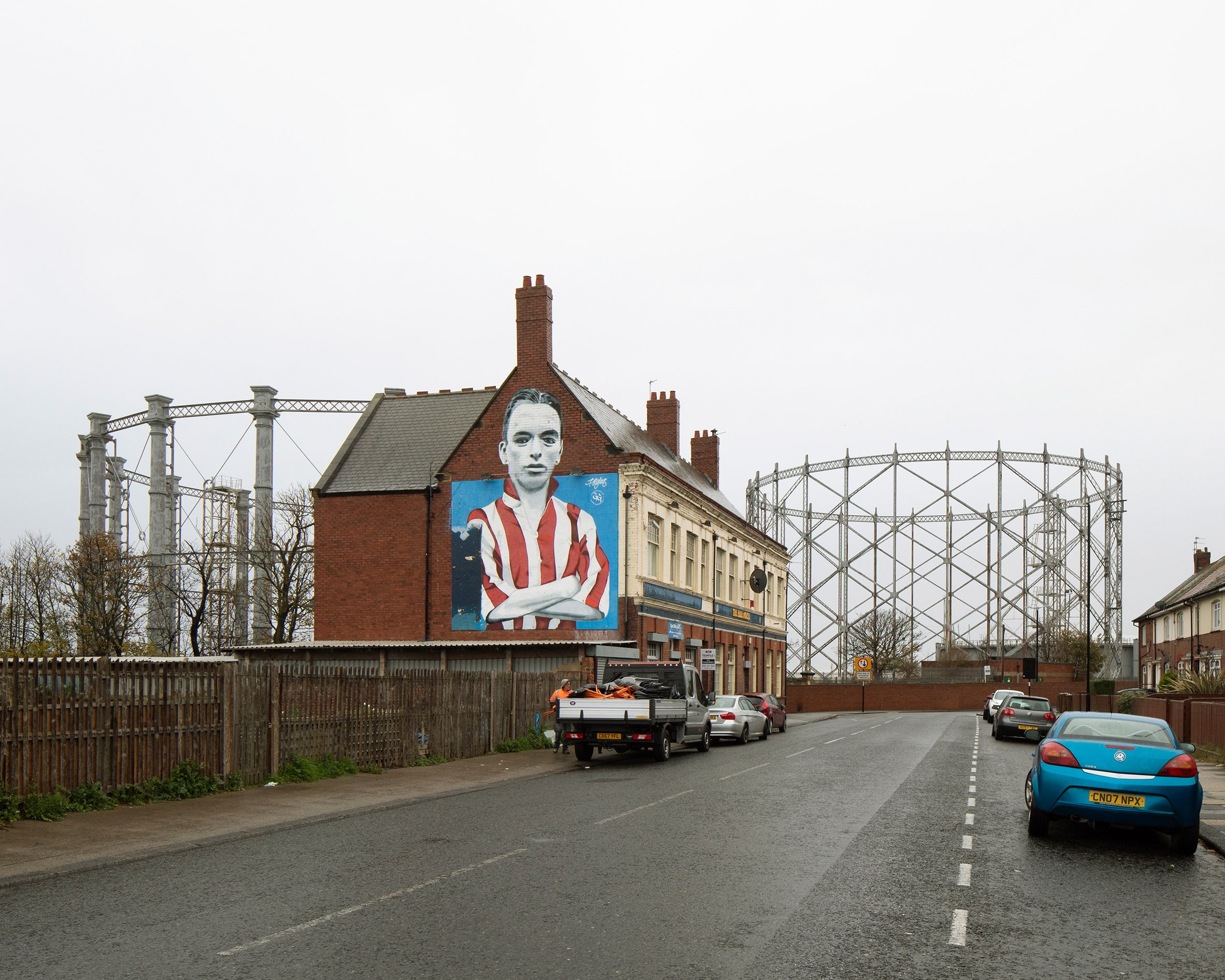
In total Chivers photographed 35 of the industrial structures over a period of three years, visiting cities across the country including Leeds, Manchester, Brighton and Sunderland.

The photographer also captured numerous gas holders in London including structures that have become landmarks at Battersea, Southall and Kennington.

Offgrid: photographs of UK gas holders by Richard Chivers
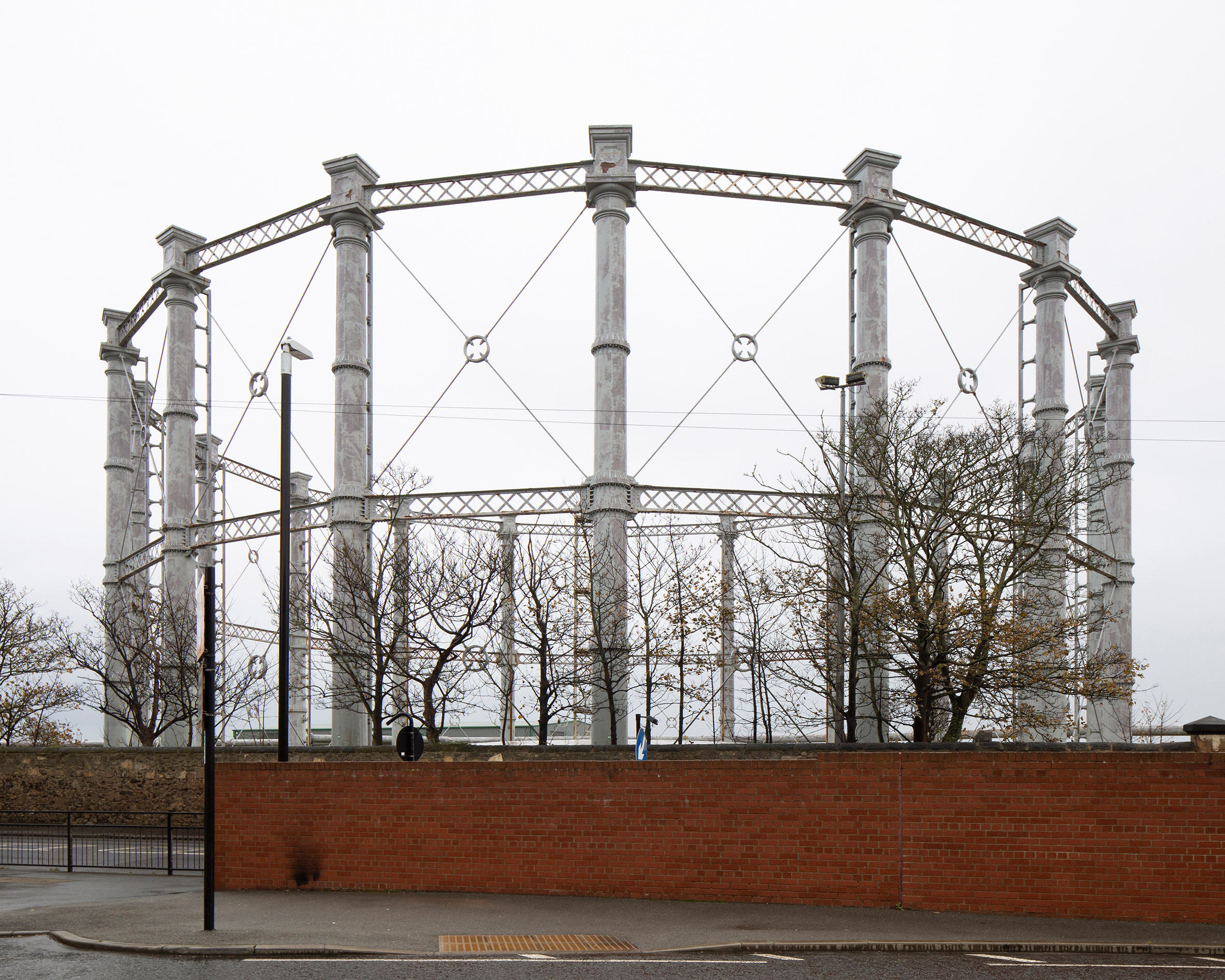
Chivers visited gas holders across the county including in Sunderland

"They have been part of the urban skyline across the UK for up to 200 years and have become distinct landmarks for people," explained Chivers.

"The gas holder at Battersea for example, next to the power station, indicate your arrival into London on the train," he continued.

"The gas holder in Southall had LH painted on the side to show aircraft pilots that they were near London Heathrow and another famous gas holder overlooks the Oval cricket ground."

Offgrid: photographs of UK gas holders by Richard Chivers
Many of the UK's remaining gas holders are under threat of demolition

Chivers was drawn to the structures as his work is often focused on the UK's industrial landscape.

"My personal work often revolves around capturing industrial aspects of the landscape and architecture so gas holders have always held a fascination for me," he said.

"My Dad used to work on them so I think this furthered my interest."

Offgrid: photographs of UK gas holders by Richard Chivers
The Poplar gas holders are included in the collection

The gas holders all have a similar form with gas held in a domed cylinder supported by a cylindrical lattice.

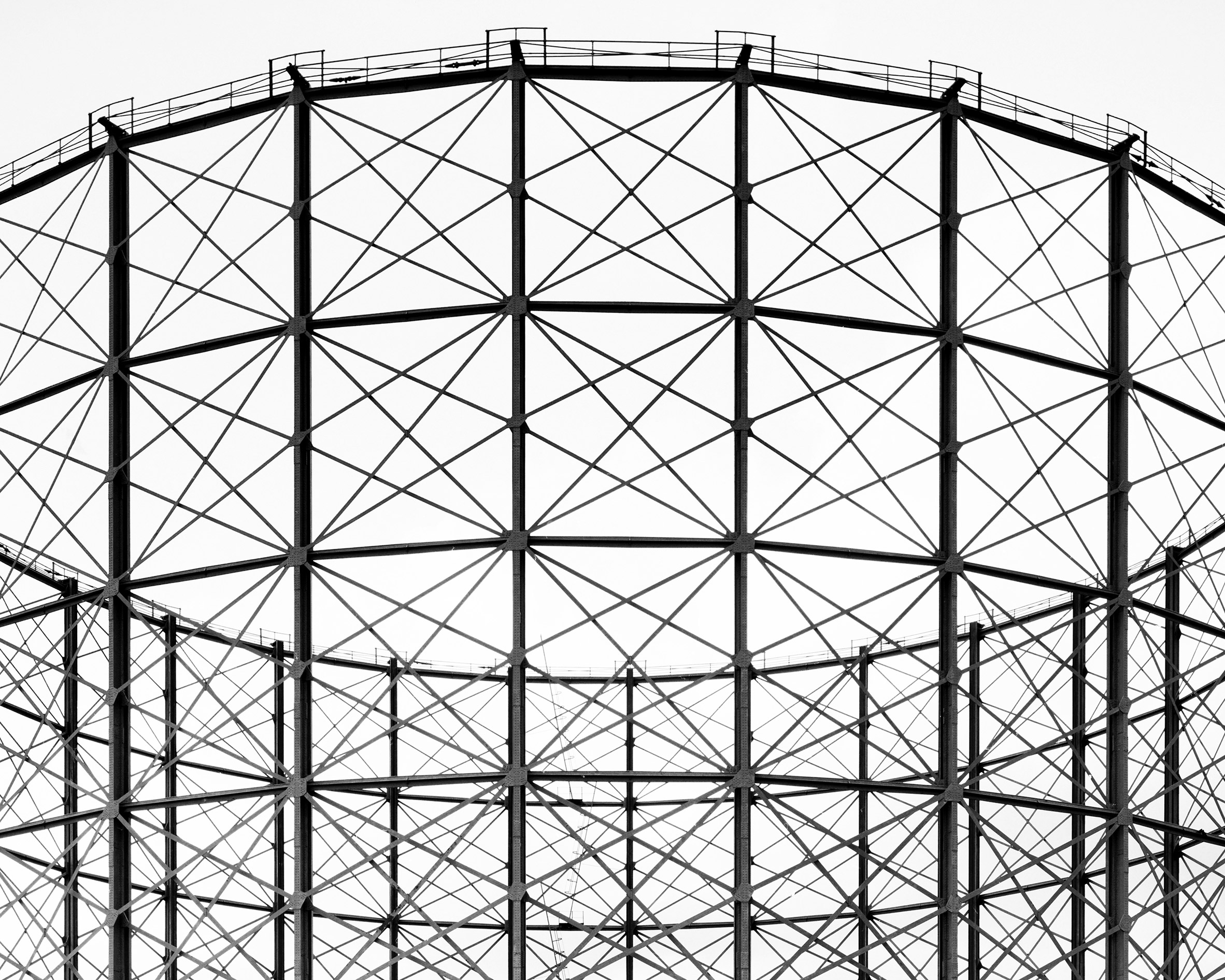
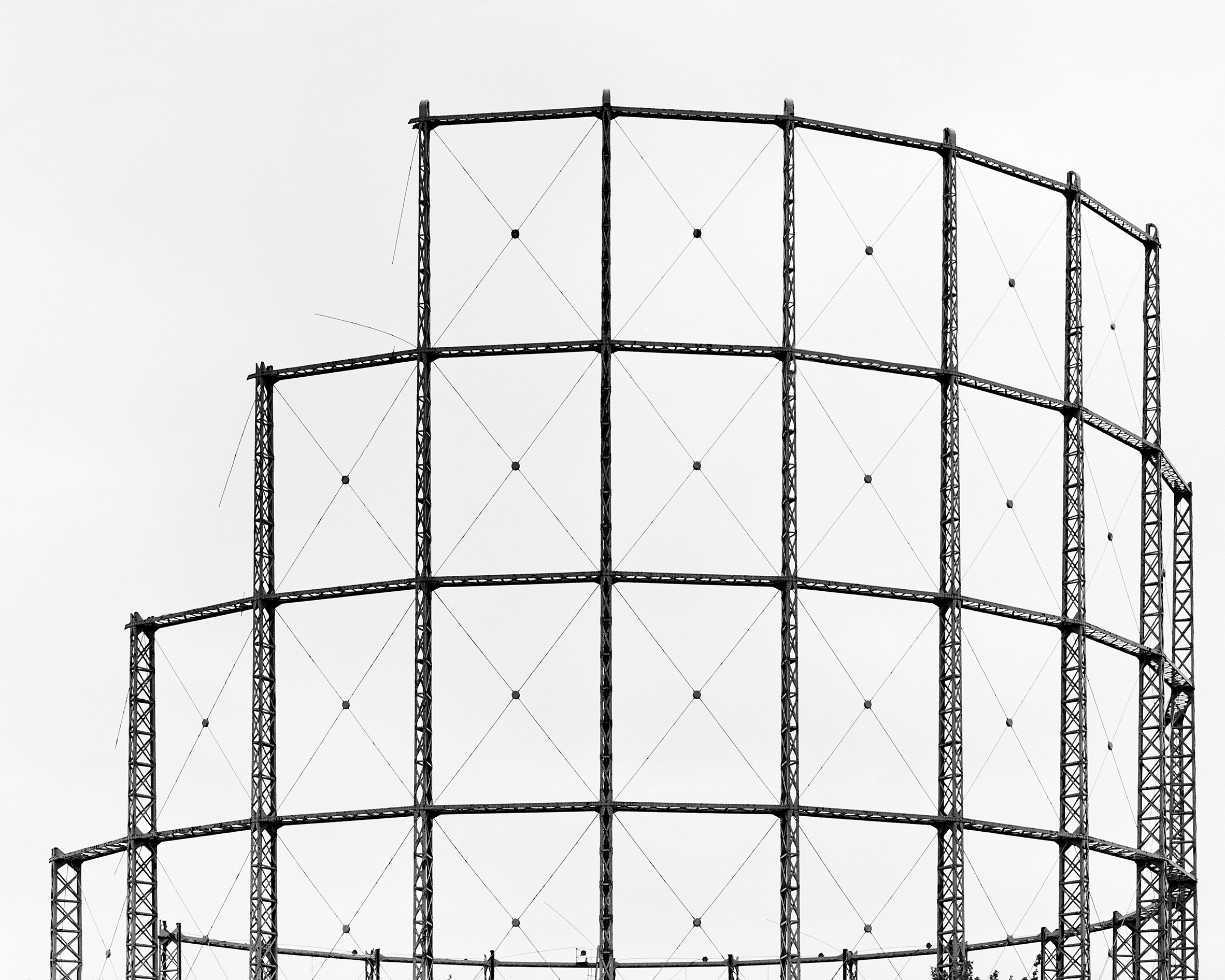
However, they were constructed using a large variety of steel structures. Chivers has highlighted this with a selection of black and white images in the collection.

Offgrid: photographs of UK gas holders by Richard Chivers
Many of the gas holders are photographed in black and white to express the structure

"There are many reasons why these structures are interesting for me, many were built in Victorian times and often have quite intricate designs that I find quite beautiful," said Chivers.

"The most interesting gas holders for me are the steel-framed structures, each having their own slightly different design which when photographed in a certain way look visually beautiful," he continued.

"The work is mainly shot on a 5x4 film camera, which with its bellows and look reflects the technology of the Victorian era."

Offgrid: photographs of UK gas holders by Richard Chivers
Chivers photographed the gas holder in Lee Side Road, London

Gas holders that were once a common sight in many cities. As larger gas works and pipeline technology was developed in the second half of the 20th century, the structures largely became redundant.

The majority of gas holders were decommissioned, with many subsequently demolished, and others repurposed.

In London's King's Cross WilkinsonEyre and Jonathan Tuckey converted three Victorian gas holders into flats, while Bell Philips converted a fourth gas holder into circular park.

In 2017, RIBA and British gas and electricity network National Grid ran an ideas competition to develop proposals to regenerate sites containing gas holders across the UK. The contest was won by London studio Outpost.

The post Richard Chivers photographs England's remaining gas holders appeared first on Dezeen.


from Dezeen https://ift.tt/2Lzg6zl

"There's something very inspiring happening again in Israel," says architect Asaf Mann

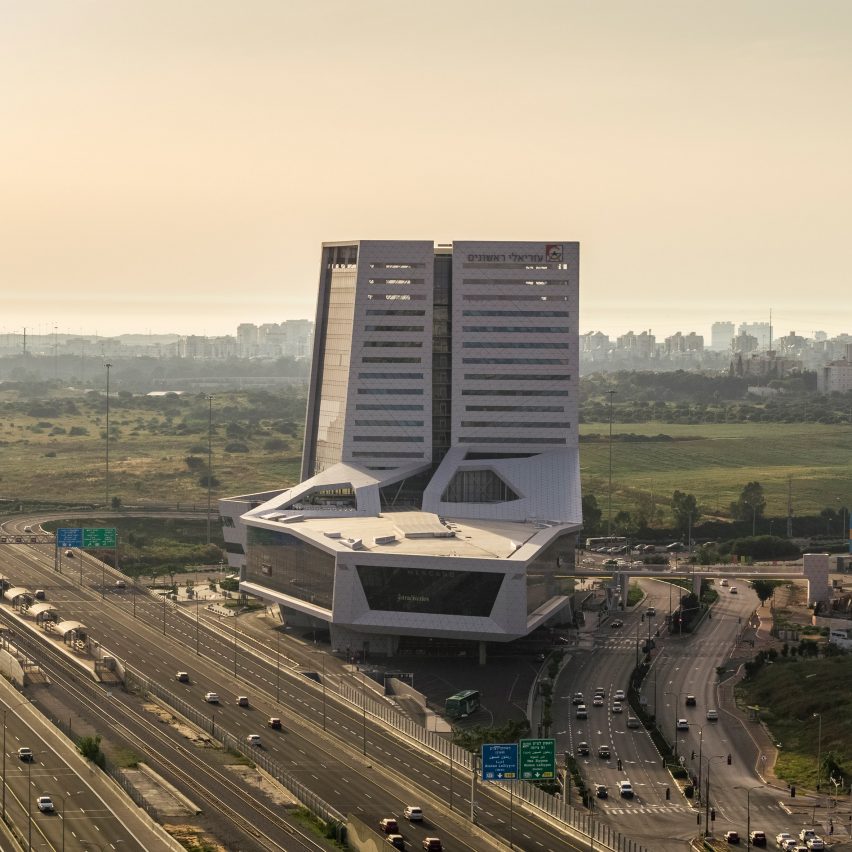
Rishonim Center by Mann Shinar Architects

Israel's architecture scene is thriving, according to architect Asaf Mann, who likens it to the Bauhaus boom in Tel Aviv during the 1930s and 1940s.

New public buildings, infrastructure developments and talented young local architects are contributing to the creative boom said Mann, who is a principal architect at his father's practice Amir Mann-Ami Shinar Architects in Tel Aviv.

Asaf Mann of Mann Shinar Architects
Asaf Mann spoke to Dezeen about the booming architecture scene in Israel

"There's something very inspiring happening once again in Israel," Mann told Dezeen.

"Before that, the last inspirational moment was back in the 1960s and 70s, or even the Bauhaus period and the initial planning initiative."

Contemporary projects to surpass Bauhaus architecture

Israel's built environment was strongly impacted by the Bauhaus, the German design school that had a major influence on modernist architecture.

Jews who studied at the school, or were influenced by its teachings, emigrated to the region to flee persecution during the interwar years.

As a result, Tel Aviv contains the world's largest collection of Bauhaus buildings.

Ramon Airport by Mann Shinar Architects
Mann's firm, Amir Mann-Ami Shinar Architects, completed the new Ramon Airport in the Negev desert with Moshe Zur Architects earlier this year

However, Mann believes the current era of development will far outweigh Bauhaus architecture in terms of quality, as buildings in that period were often built cheaply and quickly to provide mass housing to accommodate the surge of immigrants.

"The Bauhaus is cheap building and, as you see in Tel Aviv, the facades of those old buildings don't look great," he said. "They're stucco, they're falling apart, and they all need a re-do."

Tel Aviv home to "extremely talented young architects"

According to Mann, the current boom can be partially credited to a wave of homegrown architects that are choosing to base themselves in Israel and are contributing to the country's development.

"A lot of young talent of architects who studied abroad or studied in Israel are coming in with new ideas," he said.

"I see extremely talented young architects in Tel Aviv, like really hot stuff."

Sderot Train Station by Mann Shinar Architects
The firm also completed this rocket-proof train station for the southern town of Sderot

Other changes influencing Tel Aviv's landscape are large-scale projects spearheaded by well-known international firms.

British-Israeli architect Ron Arad, for example, has recently completed an iceberg-like office tower, while KPF has proposed a 340-metre-high supertall skyscraper that could be the country's tallest building if completed.

"All of these crazy towers that are shooting up in Tel Aviv," said Mann, who added that there are a number of projects are underway in Jerusalem – like a library his firm is working on with Herzog de Meuron for The National Library of Israel and a new building for Israel's Ministry of Justice.

"A lot of public buildings are coming into place, especially in Jerusalem," he added. "It's going to get interesting."

Ministry of Defence Israel by Mann Shinar Architects
Amir Mann-Ami Shinar Architects has developed this proposal for a new building to house Israel's Ministry of Justice in Jersusalem

Government buildings and infrastructure projects are also developing, including Tel Aviv's above-ground metro line that is expected to complete in 2021, and a bullet train that links the city to Jerusalem which launched in 2018.

"Israel coming into an adolescent period"

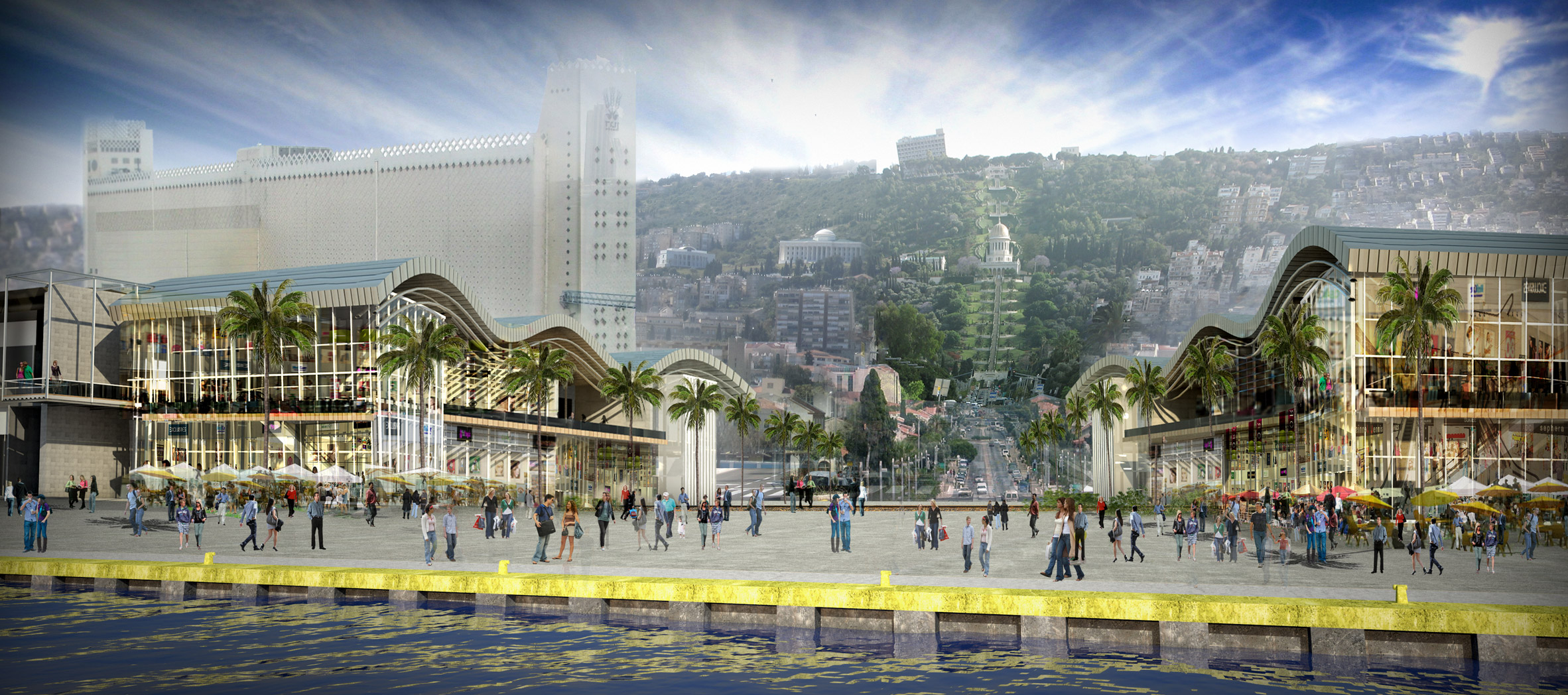
The boom is not just limited to Jerusalem and Tel Aviv however. Other building proposals around the country include the development of Haifa's waterfront and a city centre in Be'er Sheva, both by Mann Shinar Architects, as well as a cancer centre designed by Arad.

Haifa development by Mann Shinar Architects
Haifa's waterfront is expected to be overhauled in the coming years

Mann credits Israel's architecture boom to a growing stability in the country, which has been in a long-term conflict with Arab states.

"Israel is really coming into an adolescent period," he said. "It's finished with kindergarten, and it's there to stay. It's not any more question of: 'Are we gone tomorrow?'."

"It doesn't matter what your political stances are. After 10 years of major wars, Israel has become a lot more stable in terms of security."

The post "There's something very inspiring happening again in Israel," says architect Asaf Mann appeared first on Dezeen.


from Dezeen https://ift.tt/357pZMb

A Monster Named Musgor Inhabits a Future World in ‘Urban Mutations’

Musgor, an angular green monster, roams a futuristic paper world in “Urban Mutations.” The exhibit, which originally was on view at the Museo del Humor in Buenos Aires in November 2018, showcased work from 17 artists—including Estudio Guardabosques (previously), a Buenos Aires design studio by Caro Silvero and Juan Elizalde. The artists reinterpreted historical components of La Plata and presented them in futuristic terms. The series depicts Musgor, its world of origin, and a few of the fictional space’s other creatures, including a beetle whose face appears on its body and a ten-legged insect that resembles a leaf.

With a focus on the Natural Museum of La Plata, the artists say they wanted to maintain the influence of a science museum, which included incorporating the research and speculation central to interpreting unknown beings. Combining this idea with the large monsters of Japanese kaiju films brought the group to these paper figures. Explore more of Estudio Guardabosques’s geometric paper creations on Instagram.


from Colossal https://ift.tt/2PukxMN

Sixty per cent of creatives feel they face unfair barriers due to their background, report finds

Um-bloom-uk-report-miscellaneous-01
Published by media agency UM in partnership with professional network Bloom UK, the report paints a poor picture of inclusivity in the industry, especially at leadership level.

Read more


from It's Nice That https://ift.tt/36aERd0