Wednesday, 11 December 2019

Material palette of London's Forte Forte boutique is a "visual and chromatic melody"

Forte Forte boutique in London, designed by Giada Forte and Robert Vattilana

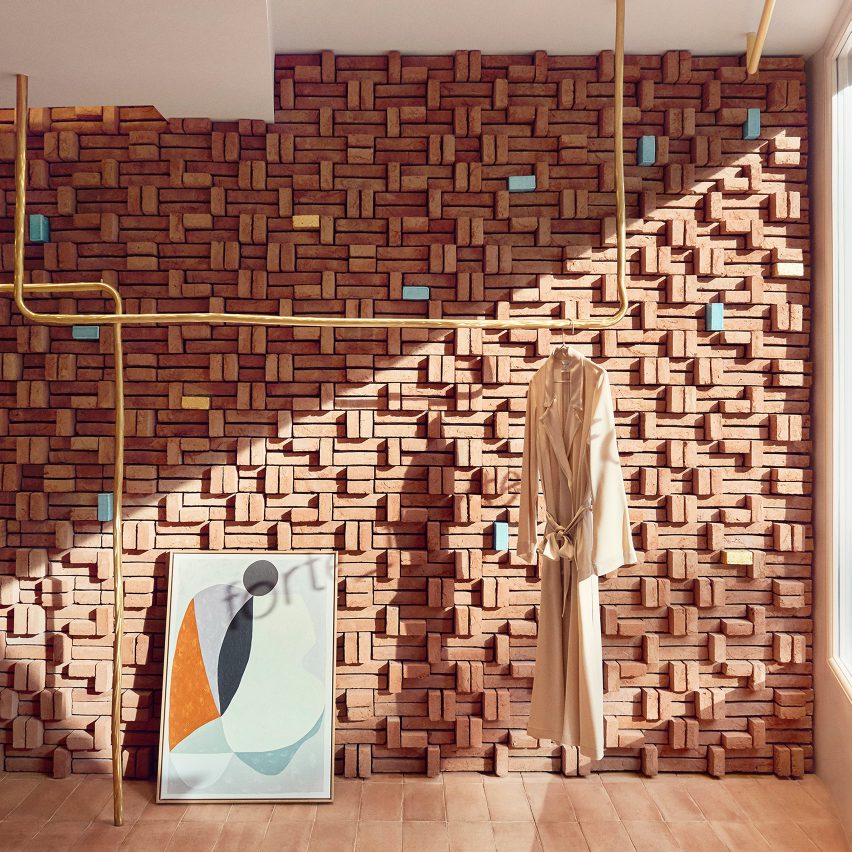
Clay bricks, onyx and plush velvet are just some of the materials that creative duo Giada Forte and Robert Vattilana have used for the interior of this fashion boutique, which has opened in west London.

Located in London's affluent Chelsea neighbourhood, Forte Forte has been decked out in a medley of materials that are meant to offer a "succession of tactile and visual sensations".
Forte Forte boutique in London, designed by Giada Forte and Robert Vattilana

The two-floor boutique – which sells a selection of high-end womenswear and accessories – was designed by the brand's co-founder, Giada Forte, and her partner, creative director Robert Vattilana.

"The feeling is to enter a place that keeps moving instead of being static, run by a sense of surprise and discovery: a fluid, ever-changing container," the pair explained.
Forte Forte boutique in London, designed by Giada Forte and Robert Vattilana

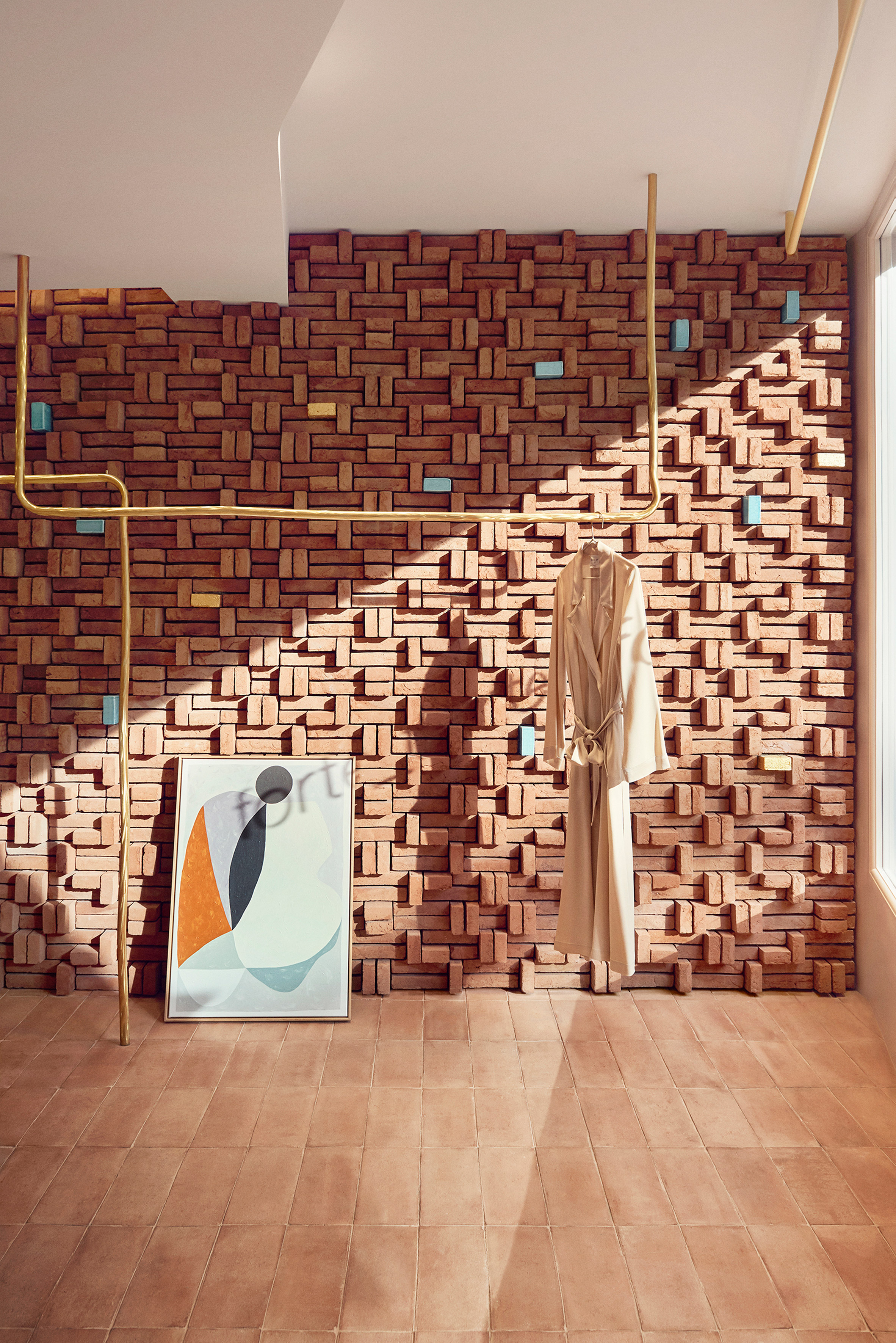
Red clay bricks have been used to line a majority of surfaces on the shop's ground floor. In some areas the bricks are laid flat, while in others they've been stacked horizontally and vertically to create an almost pixelated surface effect.

To add a "surprising touch to the visual and chromatic melody", a handful of finely-cracked turquoise ceramic bricks have been dotted across the wall, as well as some gold-leaf blocks.
Forte Forte boutique in London, designed by Giada Forte and Robert Vattilana

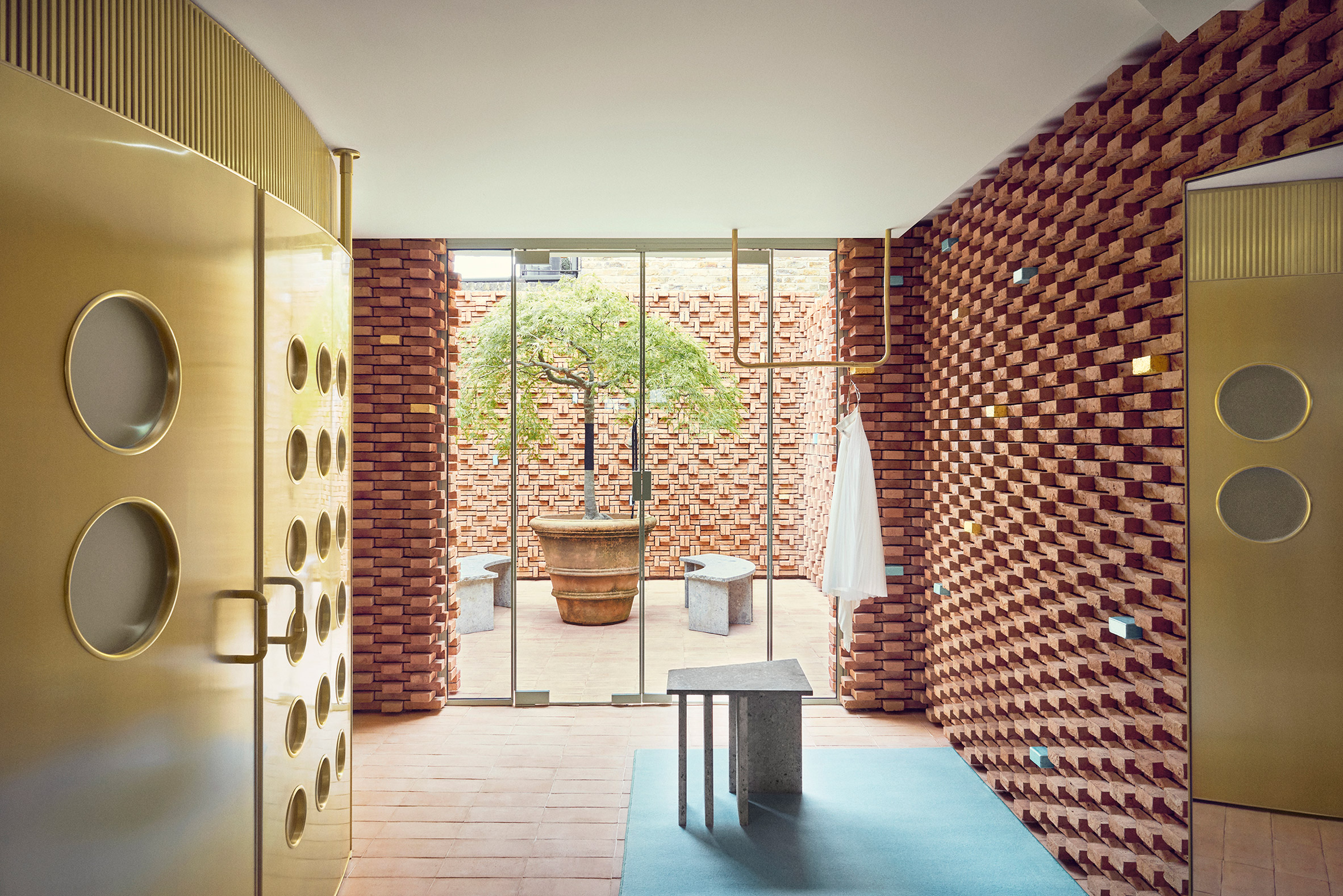
The bricks go on to appear in the outdoor courtyard, which lies at the back of the store. At its centre is a Japanese maple tree.

"[The trees] changing of leaves during the year marks the alternation of the seasons, adding to the dimension of time in the space," Forte and Vattilana explained.
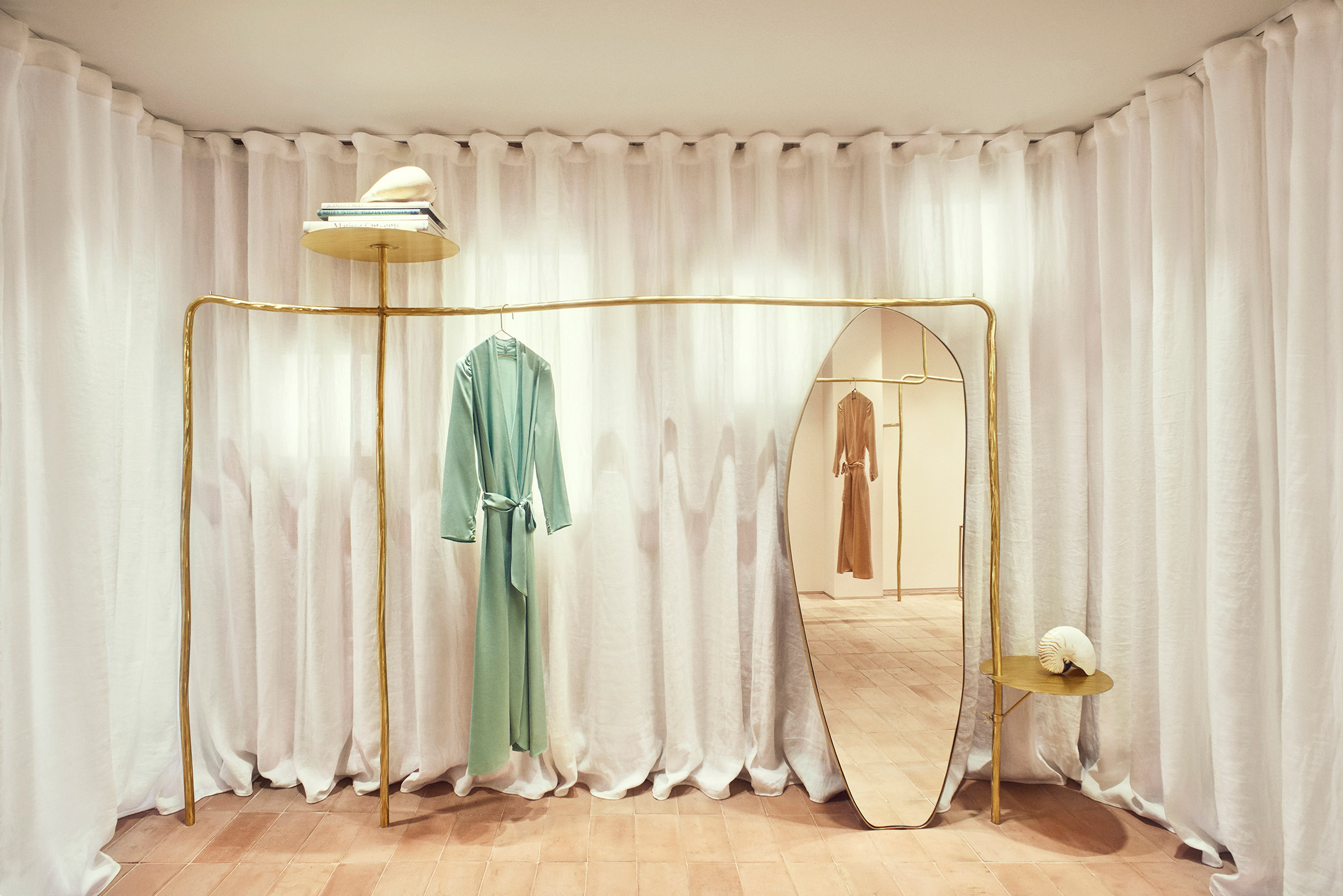
Forte Forte boutique in London, designed by Giada Forte and Robert Vattilana

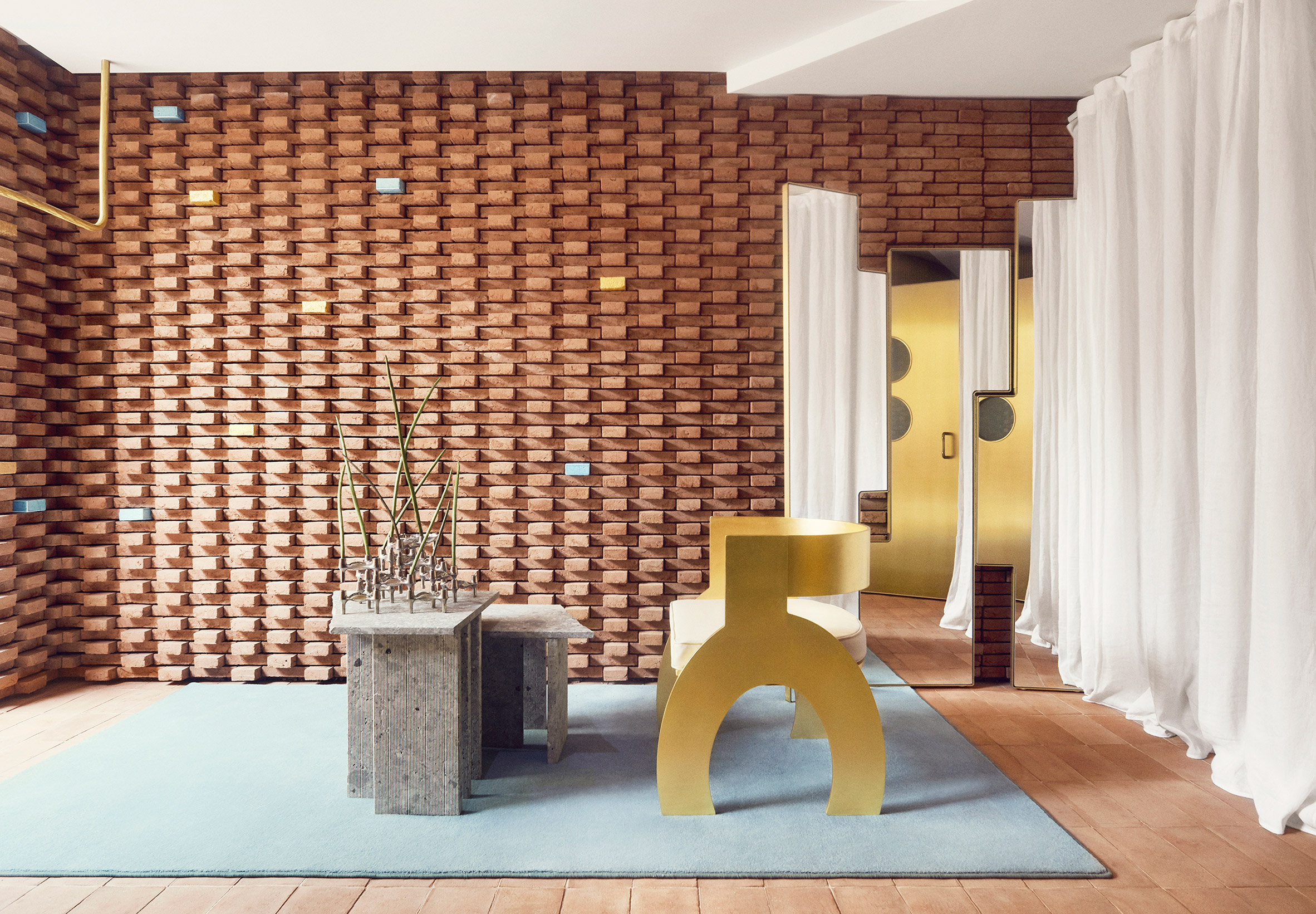
Brass – which Forte and Vattilana say is part of their "material grammar" – has been used to craft several fixtures in the store, including the wiry clothing rails, organically shaped mirrors and ultra-thin treads on the stairs.

The gold-hued metal has also been used to craft huge grooved doors that grant access to the changing rooms. Inside they've been finished with cushioned walls and heavy blue-velvet curtains to be "as welcoming as a boudoir".
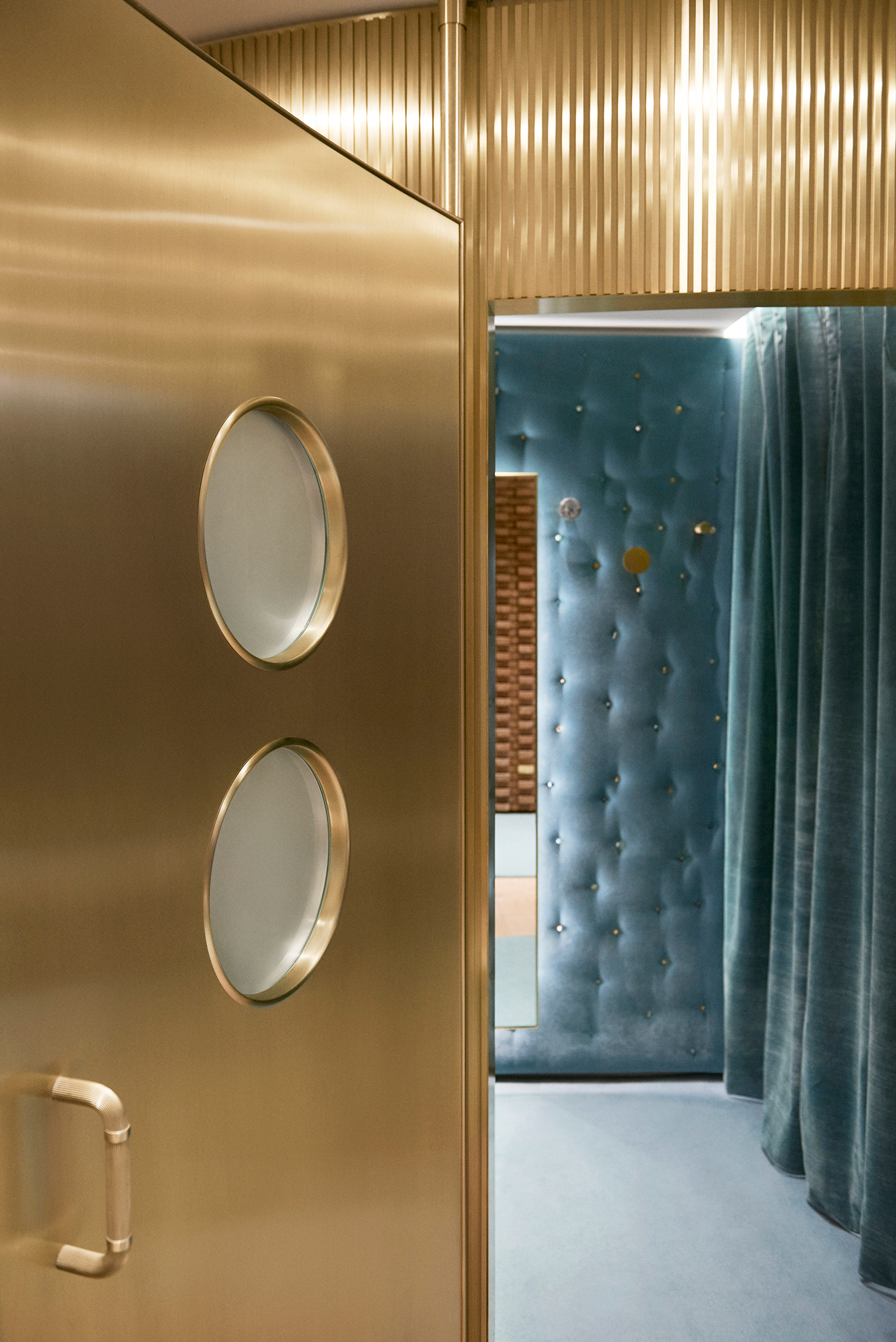
Forte Forte boutique in London, designed by Giada Forte and Robert Vattilana

Grey ceppo lombardo stone has been used to create a chunky service-counter and the base of greenery-filled planters. A block of pale-yellow onyx also forms the first step of the staircase.

A couple of sculptural armchairs and chaise-longues have been added to bring a more domestic feel to the space, as well as a couple of paintings and postcards from far-flung destinations.
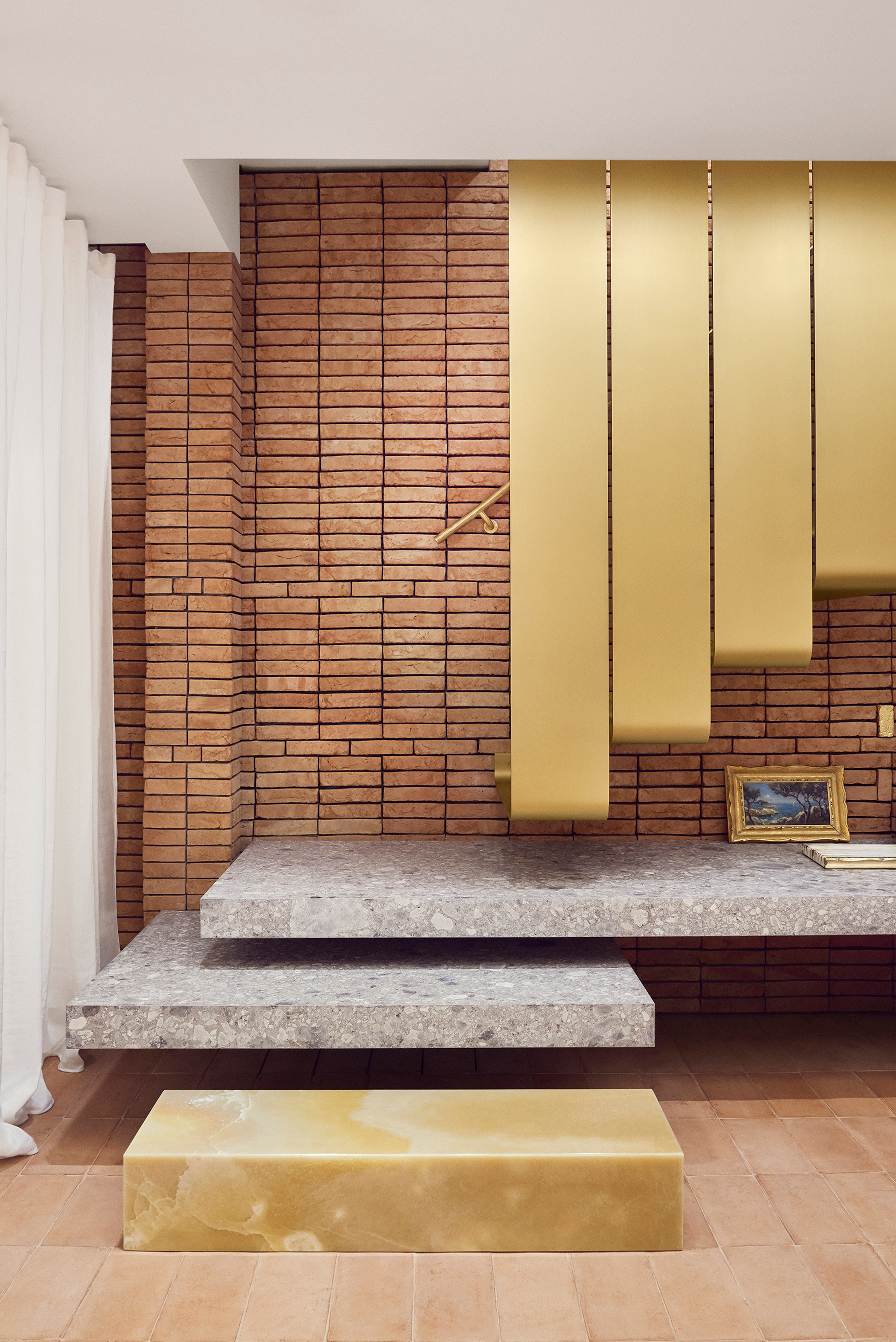
Forte Forte boutique in London, designed by Giada Forte and Robert Vattilana

London's Forte Forte boutique is the brand's fourth bricks-and-mortar location, joining branches in Paris, Tokyo and another in Milan, which Dezeen featured back in 2018.

The Milan store boasts travertine marble surfaces and a random array of decorative ornaments, including lumps of coral, a Roman bust and nude sketch.

The post Material palette of London's Forte Forte boutique is a "visual and chromatic melody" appeared first on Dezeen.


from Dezeen https://ift.tt/2PxT3pQ

Ines Alpha on imagining a future with digital pets and 3D makeup

Nt_november_youtube_thumbnails_
At her Nicer Tuesdays talk in November, Ines spoke with enthusiasm about the future of AR and digital expression, and about how her practice is propelling this unique area of creativity forward.

Read more


from It's Nice That https://ift.tt/2sjDSZu

Tuesday, 10 December 2019

Kamila Rudnicka designs at-home insemination kit for use as part of sex

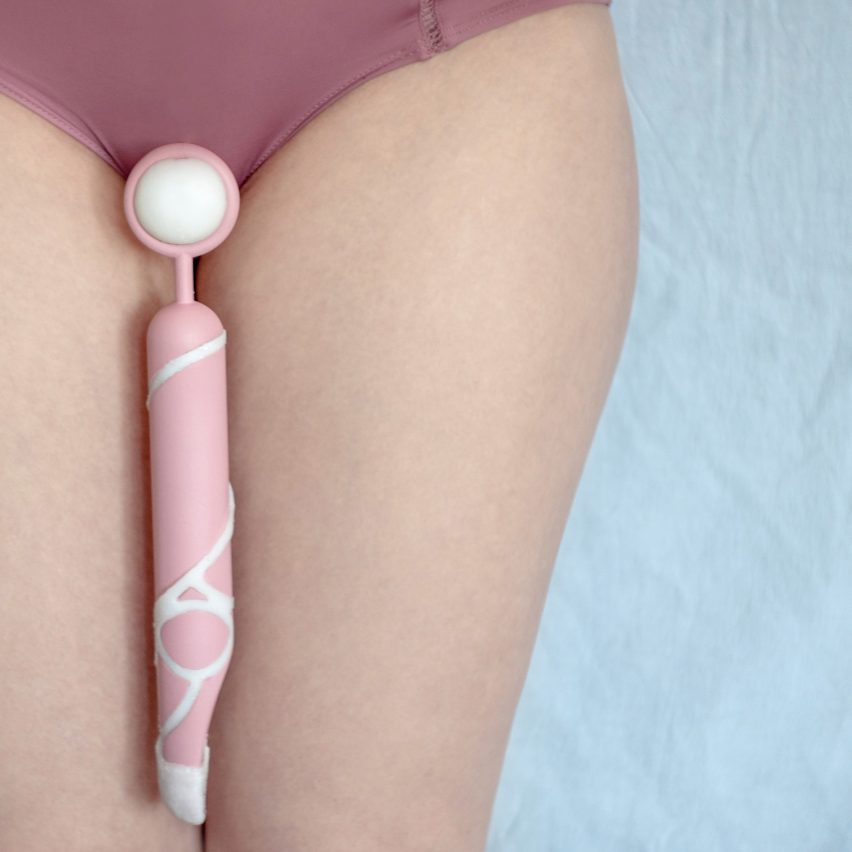
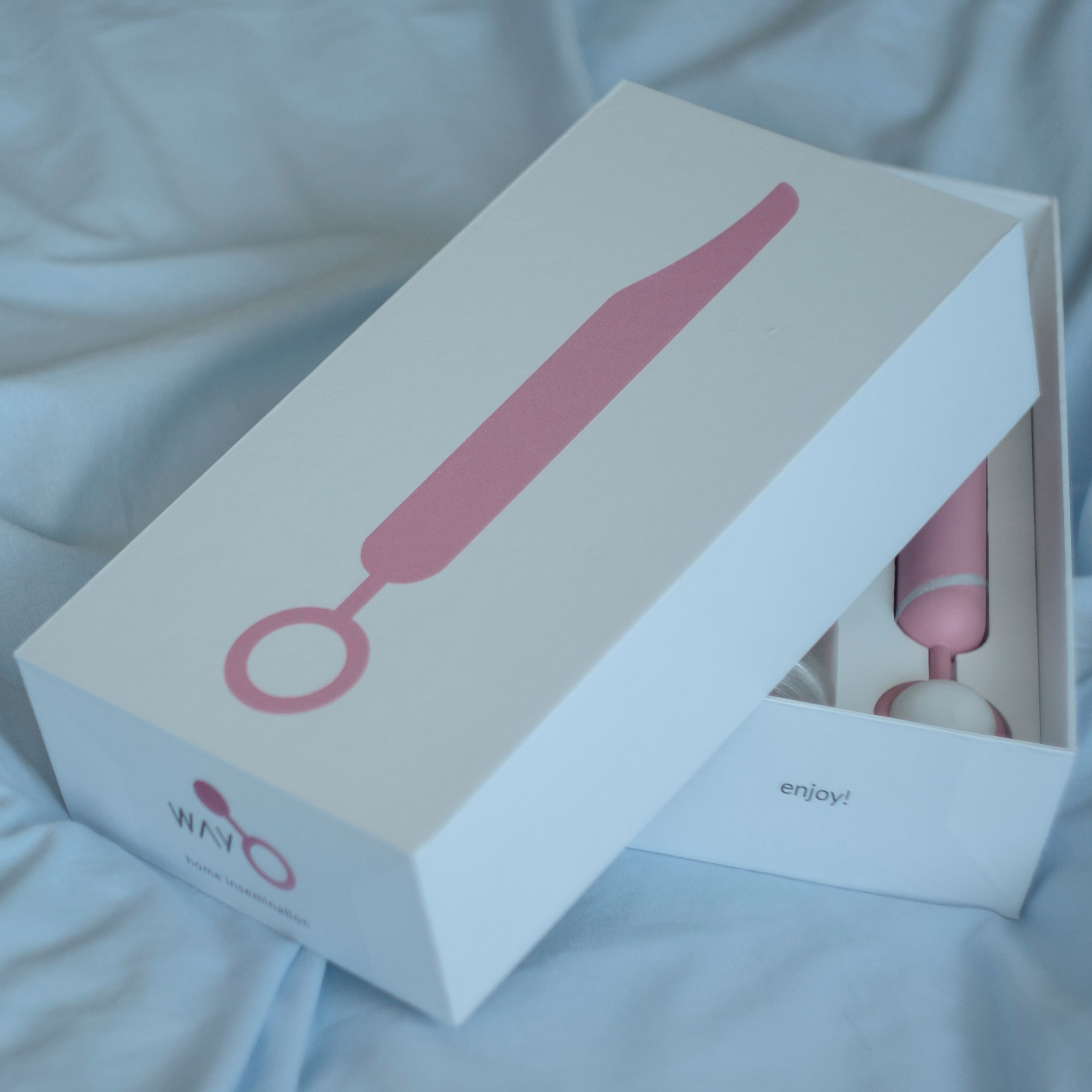
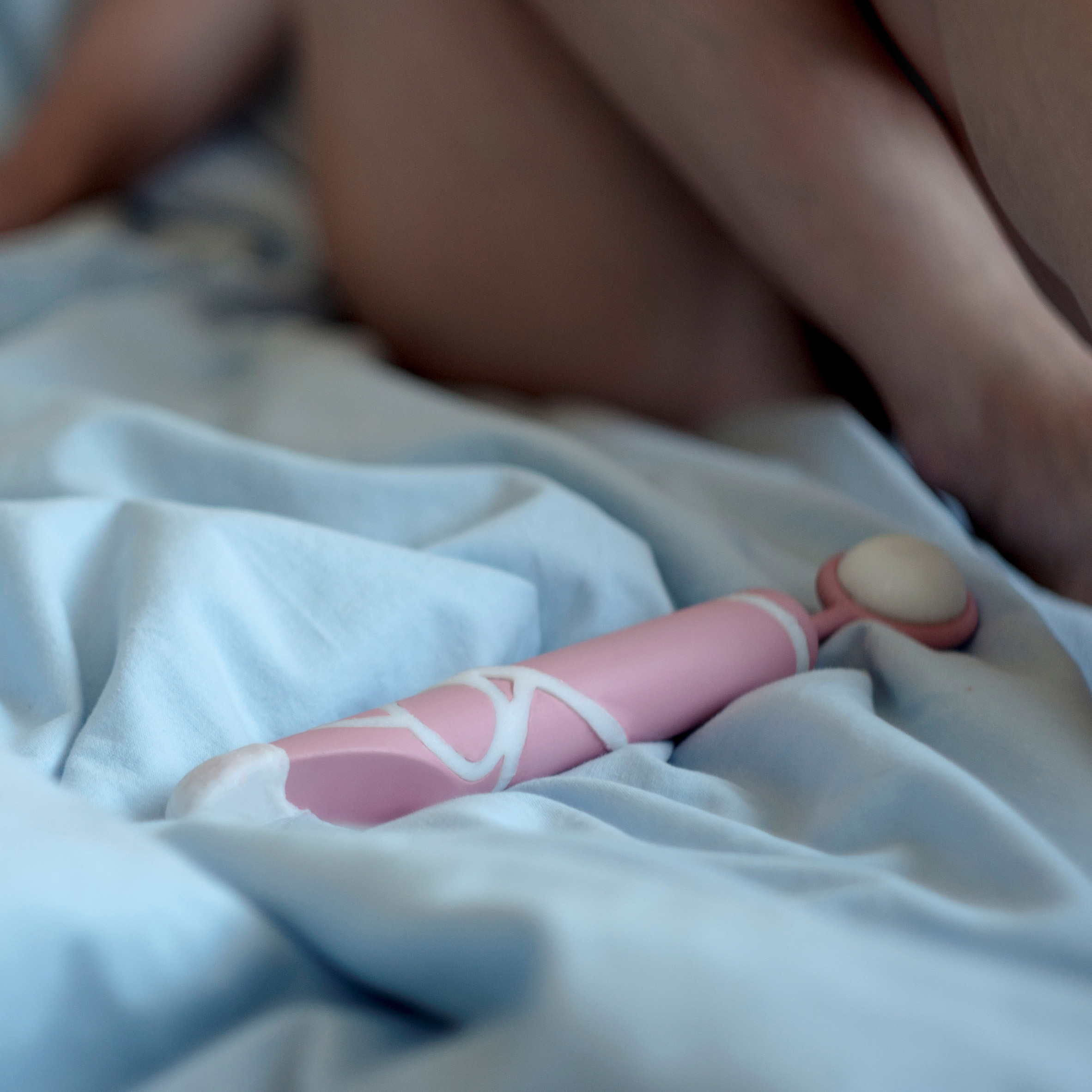
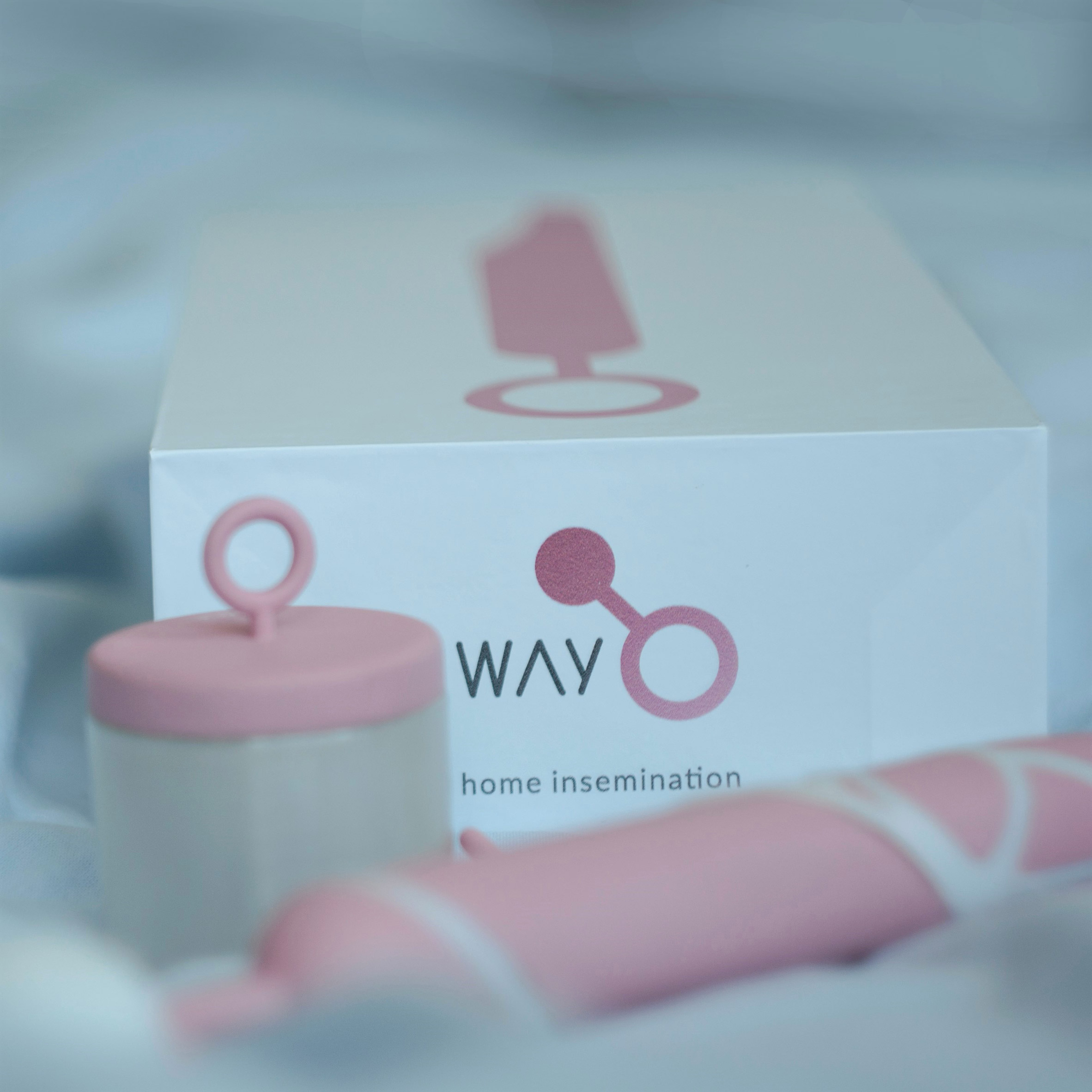
Kamila Rudnicka designs home insemination kit for use as part of sex

Polish designer Kamila Rudnicka has created an artificial insemination tool that doubles up as a sex toy, in the hopes of restoring pleasure to an often clinical process.

Like other self-insemination aids, it allows the intimate process of conception to be carried out in the comfort and privacy of the home.

But in place of a purely functional design, the Way device draws on the same visual language as a minimalist dildo.

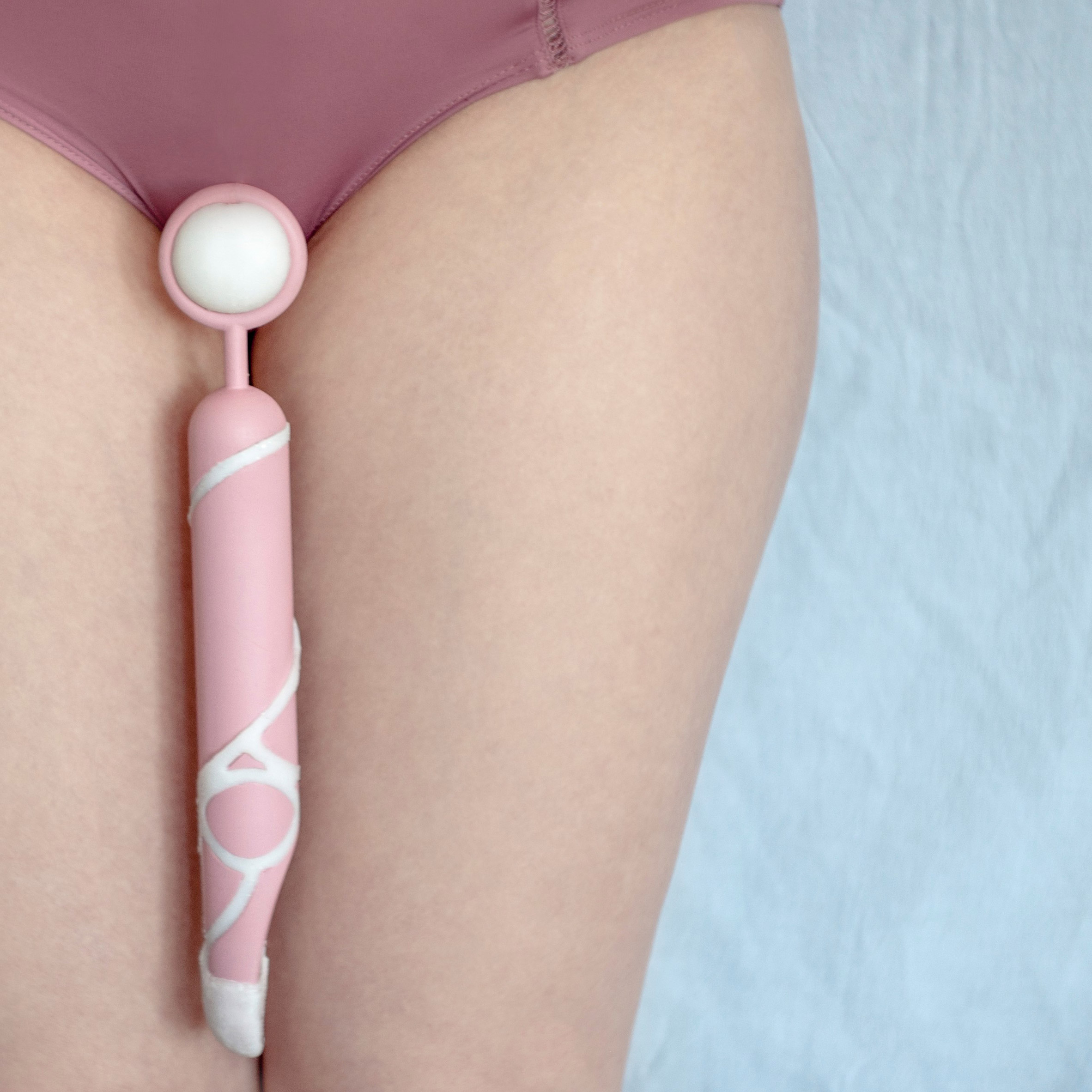
Kamila Rudnicka designs home insemination kit for use as part of sex

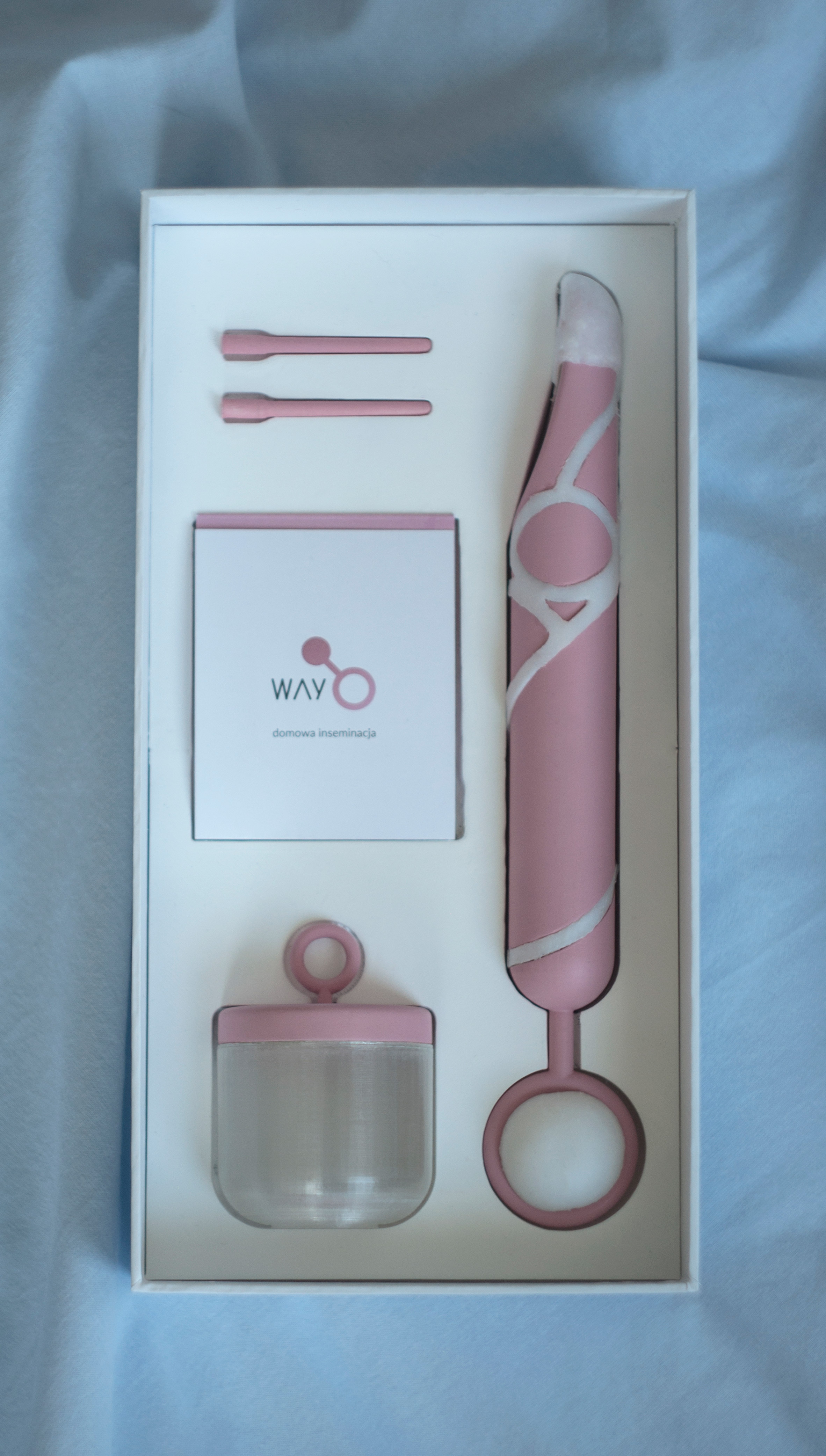
It is made of soft pink, medical-grade silicone with a ring at its base containing a removable bubble, which holds the semen.

"To use the device, you first need to deposit the semen into the jar that's included in the kit, and suck it into the bubble using air pressure," Rudnicka told Dezeen.

The process is reminiscent of separating an egg yolk from the white using the suction of an empty plastic bottle.

"Then the bubble goes back into the ring and needs to be connected with a tube that's wound around the hilt," the designer continued. "From there, everything works thanks to the pressure that we have in the bubble."

Kamila Rudnicka designs home insemination kit for use as part of sex

When the Way device is inserted into the vagina, pressing the bubble propels the semen into the uterus via these tubes.

Although they are embedded in the base of the device like veins, they can also be taken off and strapped onto the hand as a harness for insemination during manual stimulation.

"Hands are very important when we are making love, especially in lesbian sex," said Rudnicka. "That's why I decided to use them to connect two people. Just using a device will not give them the same feeling as using their own body during sex."

Kamila Rudnicka designs home insemination kit for use as part of sex

By integrating the device into a couple's sexual activity, the non-conceiving partner can feel like they are a part of the process, while making the process itself more pleasurable.

Far from being secondary, Rudnicka explained, this could actually be crucial to aiding fertilisation, as some studies show that orgasming could increase a woman's chances of conceiving by up to 15 per cent.

At the same time, the designer also hopes that it could eliminate the pressure and psychological stress that can be associated with repeated rounds of fertility treatments – especially when they are not immediately successful.

Because this, too can play a part in the success of conception, with one study finding that women with higher levels of stress hormones were 12 per cent less likely to conceive.

Kamila Rudnicka designs home insemination kit for use as part of sex

One of the women Rudnicka interviewed explained that even though the procedure of insemination in a hospital was very efficient and the doctors were trying to involve her partner, they still felt like everything was very sterile and medical.

"So I wanted to create a device that would help them focus on something other than just getting pregnant," she explained.

"In a survey I did of couples, the majority said that even if at-home insemination can be less effective they still want to try it in their own bed."

The Way device was developed in consultation with gynaecologists and psychologists, and is designed for intrauterine insemination (IUI), which sees a semen sample washed in a lab, the healthiest sperm isolated and finally injected directly into the uterus.

This is geared towards less severe fertility problems than IVF, in which an egg is removed from the ovaries and fertilised in the lab.

"This is not a device for people who have been trying to get pregnant for years," the designer explained. "It's for couples where one side has HIV, for lesbian couples, transgender people and those with disabilities – people who are unable to conceive during their regular sexual activity."

Kamila Rudnicka designs home insemination kit for use as part of sex

The Way device is Rudnicka's graduate project from the University of Arts in Poznań, and will need further testing before it can be used by actual couples.

"I am looking for a company that will help me to bring the product to market," she said. "The hope is to make it a 'first step' people can take before resorting to the sterile medical procedure at the hospital."

Elsewhere, Korean designer Koo Hyeonjeong has created a self-insemination device which takes the form of an enlarged Seeding Finger. Unlike the Way, it was designed primarily to facilitate women becoming pregnant by themselves, without the need for a man beyond the supply of sperm cells.

Sex toys more generally have been getting a revamp this year, with designers creating gender-neutral vibrators, one disguised as a ring and another shaped like Thomas Heatherwick's Vessel.

The post Kamila Rudnicka designs at-home insemination kit for use as part of sex appeared first on Dezeen.


from Dezeen https://ift.tt/2E7k2TM

Competition: win a Malt Whisky Tall bottle by Mikko Laakkonen for Nude

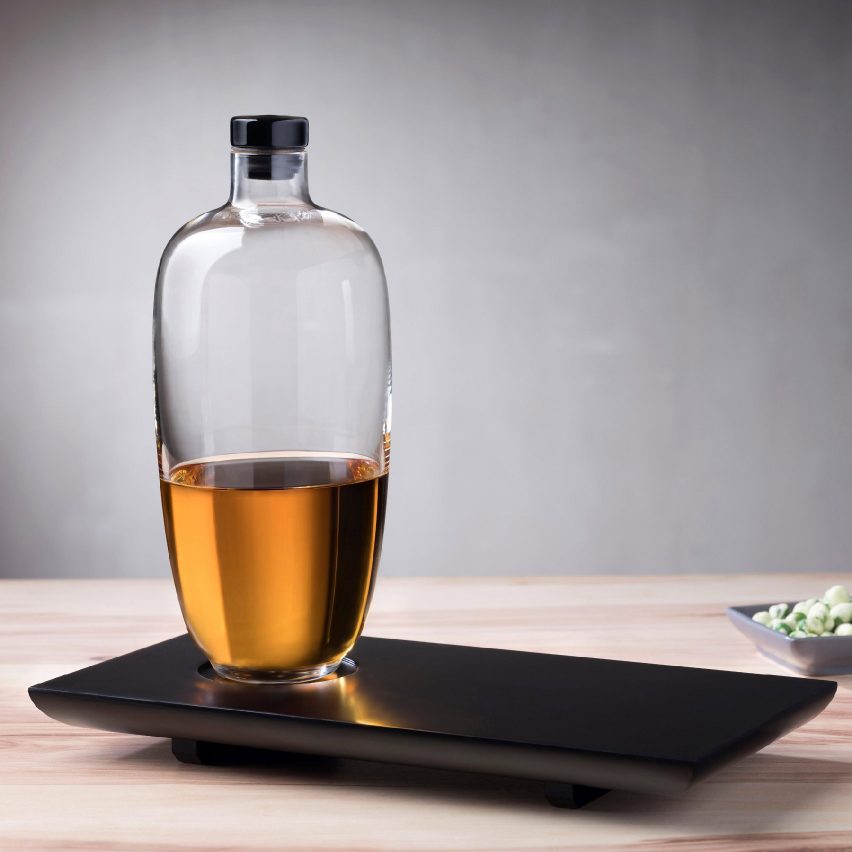
Malt Whisky Tall handmade glass bottle by Mikko Maakkonen for Nude

Dezeen promotion: in our latest competition, Dezeen has partnered with glassware brand Nude to give away three whiskey bottles from its Malt collection.

Working in collaboration with Finnish designer Mikko Laakkonen, Nude has redesigned the traditional whiskey carafe into a slender, minimalist form for the Malt Whisky Tall bottle.

Three winners will receive one Malt Whisky Tall bottle each, along with an accompanying wooden tray.

Laakkonen is known for his use of rounded shapes and simplified geometry in furniture design. He has translated these characteristics into the curved, glass whiskey bottle.

The carafe is 25 centimetre tall and has a capacity of 1.05 litres. It has a short neck and broad top, which tapers slightly towards the base. A black stopper is corked at the lip.

Malt Whisky Tall handmade glass bottle by Mikko Maakkonen for Nude
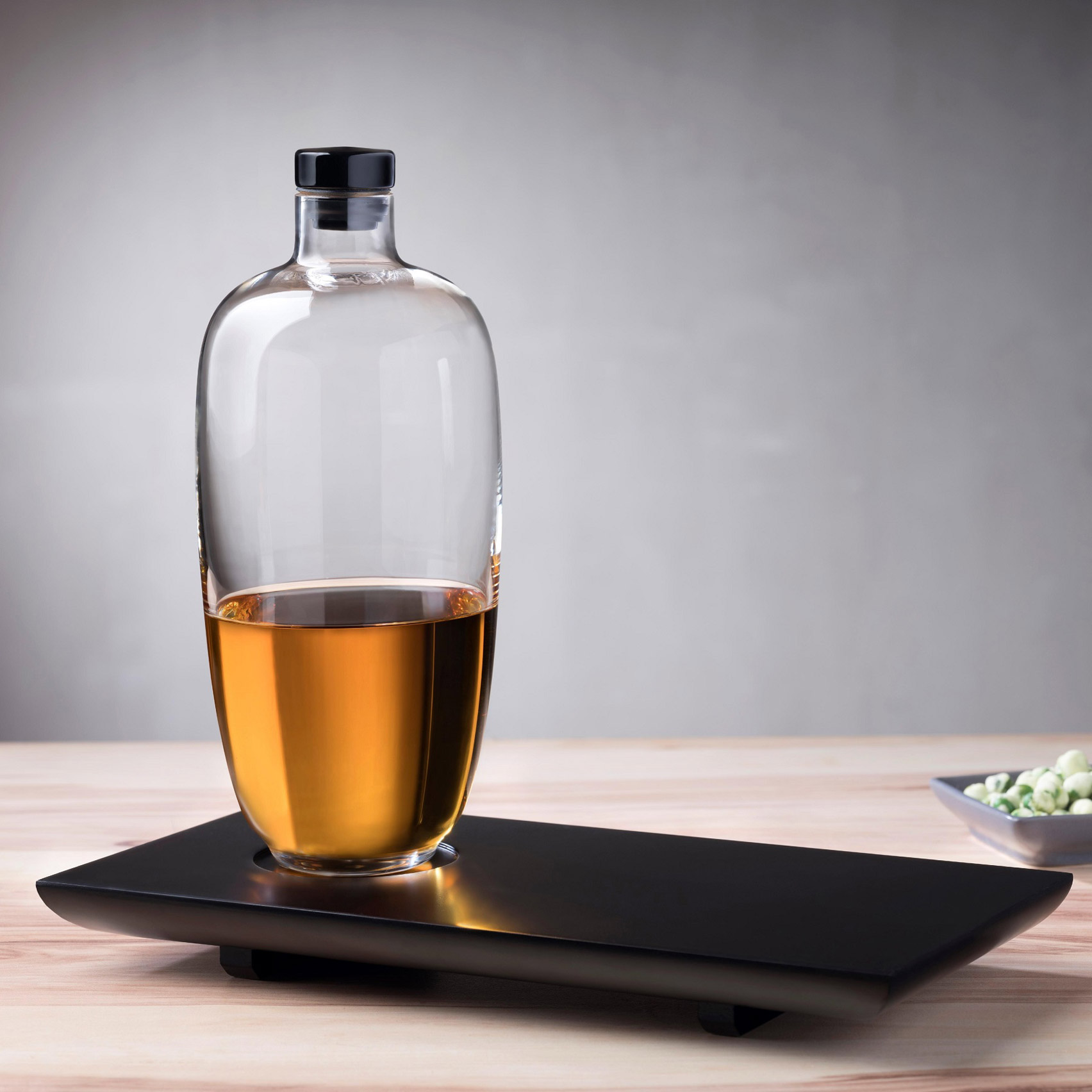
Nude's Malt Whisky carafe comes with an accompanying wooden tray

The bottle is handmade by master glassblowers using Nude's lead-free crystal. The lead-free material is highly durable without sacrificing shine or quality.

Due to its strength, the brand said the material helps produce "gossamer-thin" glassware and the clear, crystalline finish can reflect light to add resonance to the surface.

"Crystalline glass captures the light, delivering sparkling clarity, bringing out the full colours and textures of the best wines, champagnes and liquors," said Nude.

Part of the Malt collection, the Malt Whisky Tall carafe is paired with a smooth, black, wooden tray that chimes with the bottle's minimalist look and matches the colour of the stopper.

The tray has a circular indentation on one side that is designed for the bottle to sit on, and the tray itself rests on two vertical slats on its base.

Malt Whisky Tall handmade glass bottle by Mikko Maakkonen for Nude
Finnish designer Mikko Laakkonen has produced a minimalist take on a traditional carafe

Nude is based in Istanbul and aims to produce glassware that is simple and refined, with a focus on function.

"We live in a confusing world; too many choices, too many products, too much 'noise'," said the company. "Nude believes less is more and that form is best when it meets function."

As well as the Tall bottle, other products in the Malt collection are also designed by Laakkonen. The glass bottle is also available in a classic, wider shape.

Both can be paired with whiskey glasses from the same range, which are available to buy online.

Competition closes 8 January 2020. Three winners will be selected at random and notified by email, and his or her names will be published at the top of this page.

The post Competition: win a Malt Whisky Tall bottle by Mikko Laakkonen for Nude appeared first on Dezeen.


from Dezeen https://ift.tt/2rDxb4n

Rombout Frieling Lab creates interactive Arctic bus stop

Station of Being by Rombout Frieling Lab

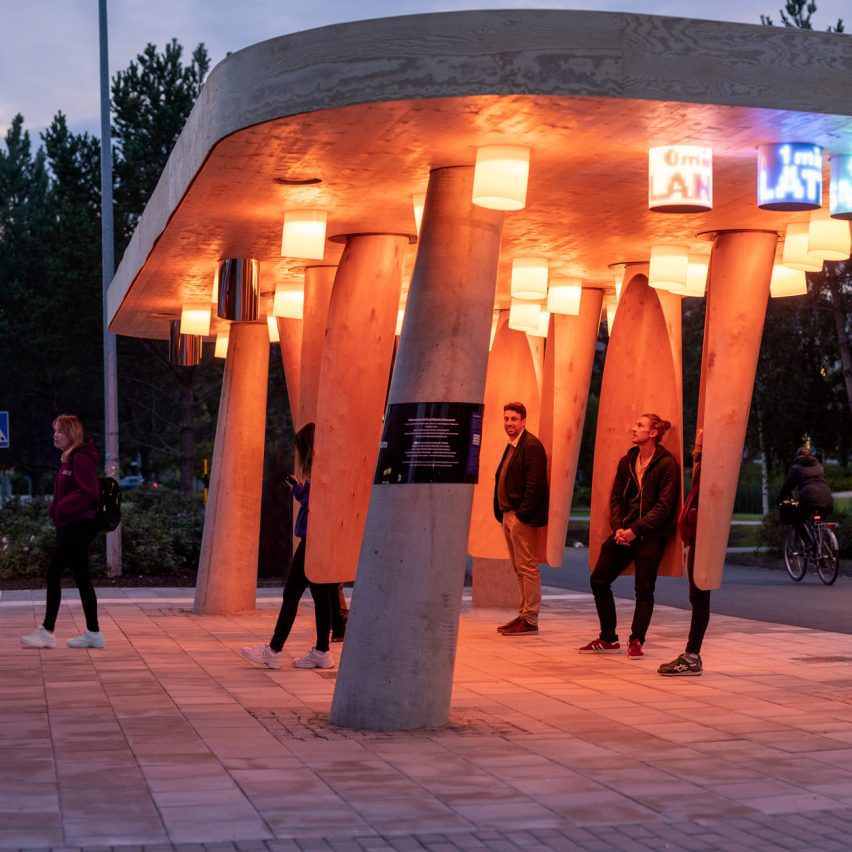
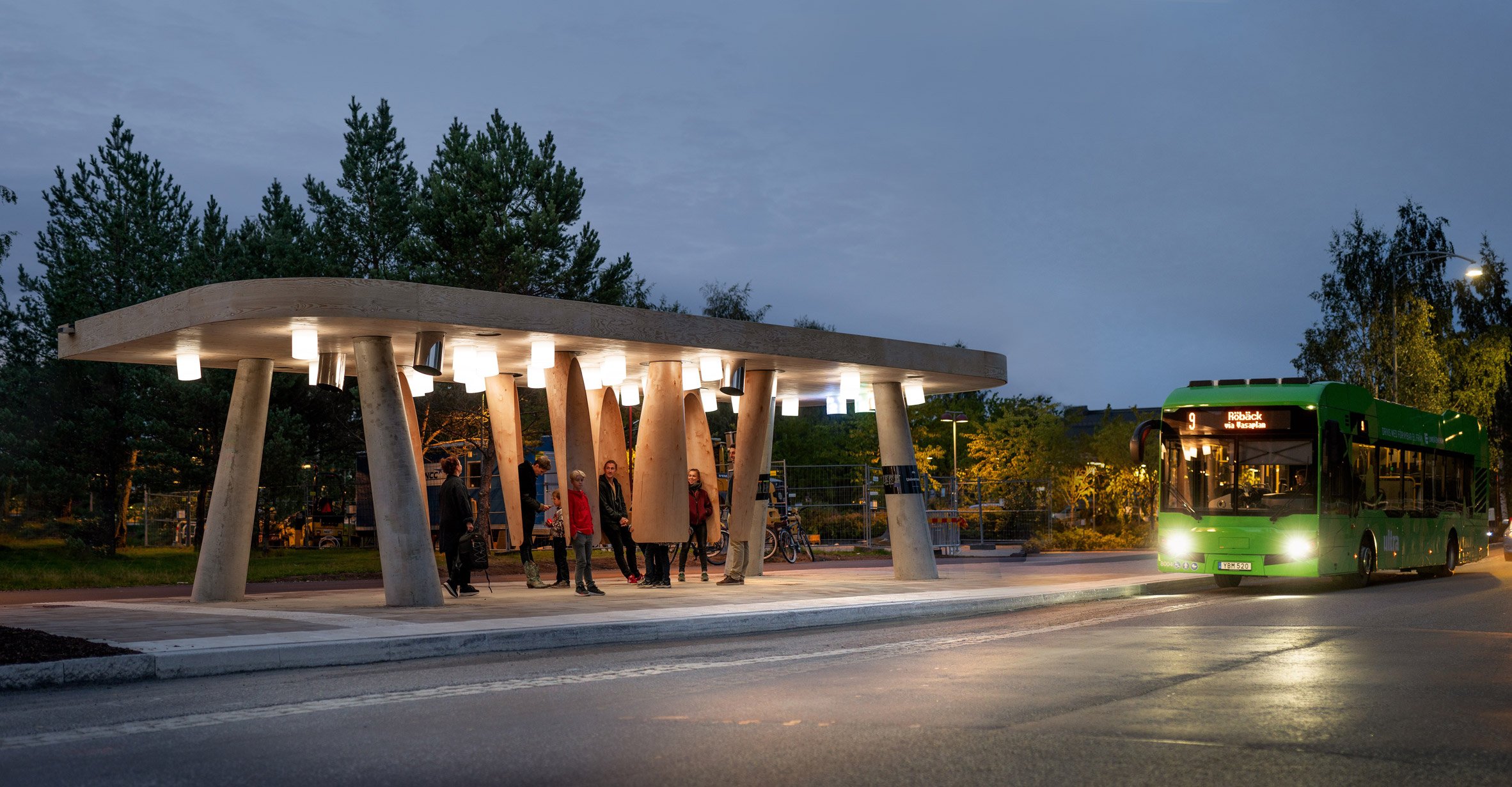
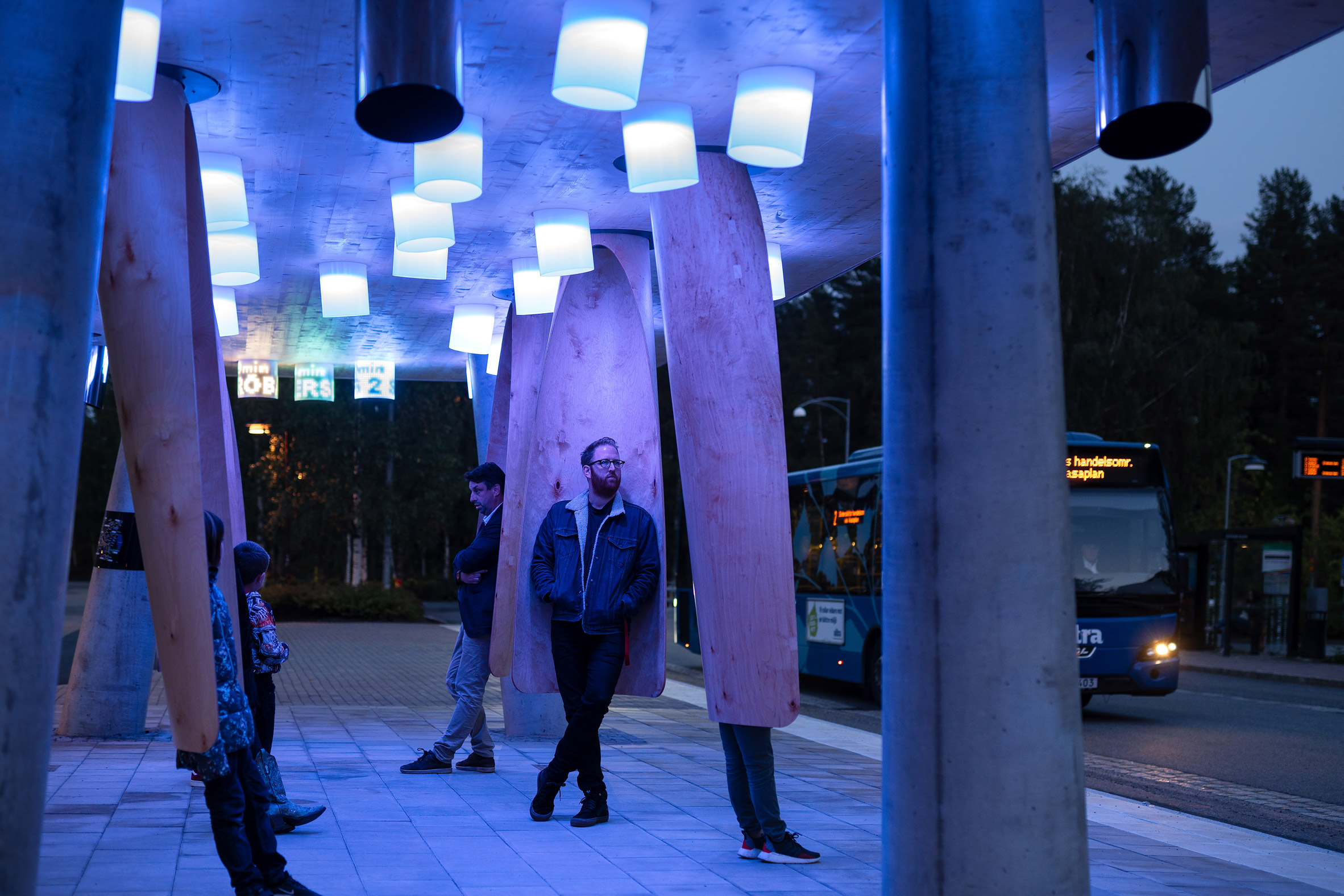
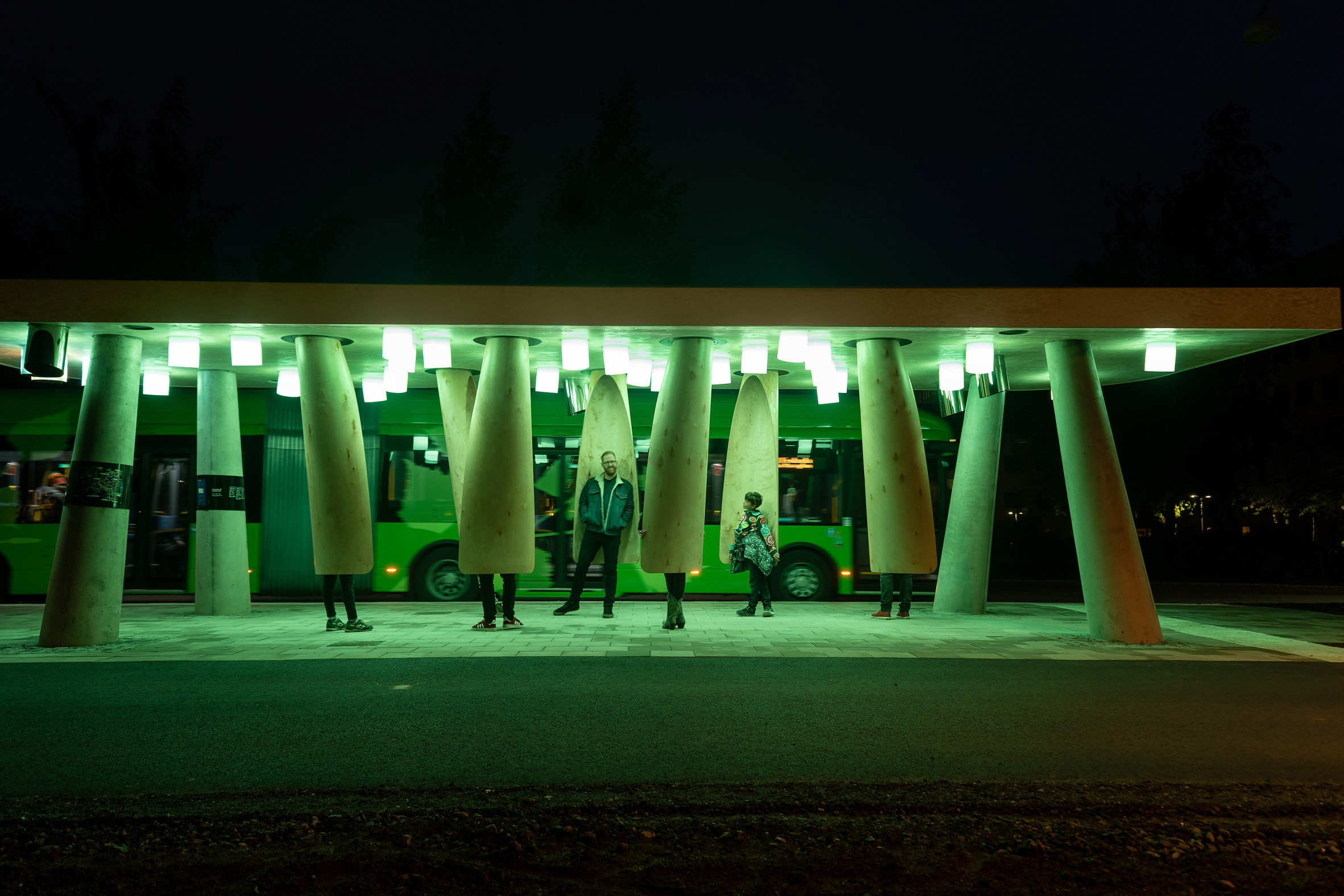
Architecture studio Rombout Frieling Lab has created the Station of Being as a prototype bus stop for use in the Arctic region, which uses sound and light to alert passengers to approaching buses.

The bus stop in Umeå, Sweden, was designed to improve the waiting conditions for passengers using public transport in cold weather conditions within the Arctic region.

It uses lights and sounds to alert passengers to approaching buses so that they can relax and shelter from the wind while waiting rather than constantly having to keep a look out.

Station of Being by Rombout Frieling Lab

"Waiting for the bus can be an annoying experience," said Rombout Frieling, founder of Eindhoven studio Rombout Frieling Lab. "You have to continuously be on the lookout in order to ensure you do not miss the bus."

"Instead, the Station of Being looks out for the bus for you – so that travellers can have 'time for just being', which was a clear need we identified among the commuters who work on the Science Park where the Station is located," he told Dezeen.

Station of Being by Rombout Frieling Lab

The bus stop was commissioned by the Research Institutes of Sweden as a prototype and opened during the EU Arctic Forum, which was held in the city earlier this year.

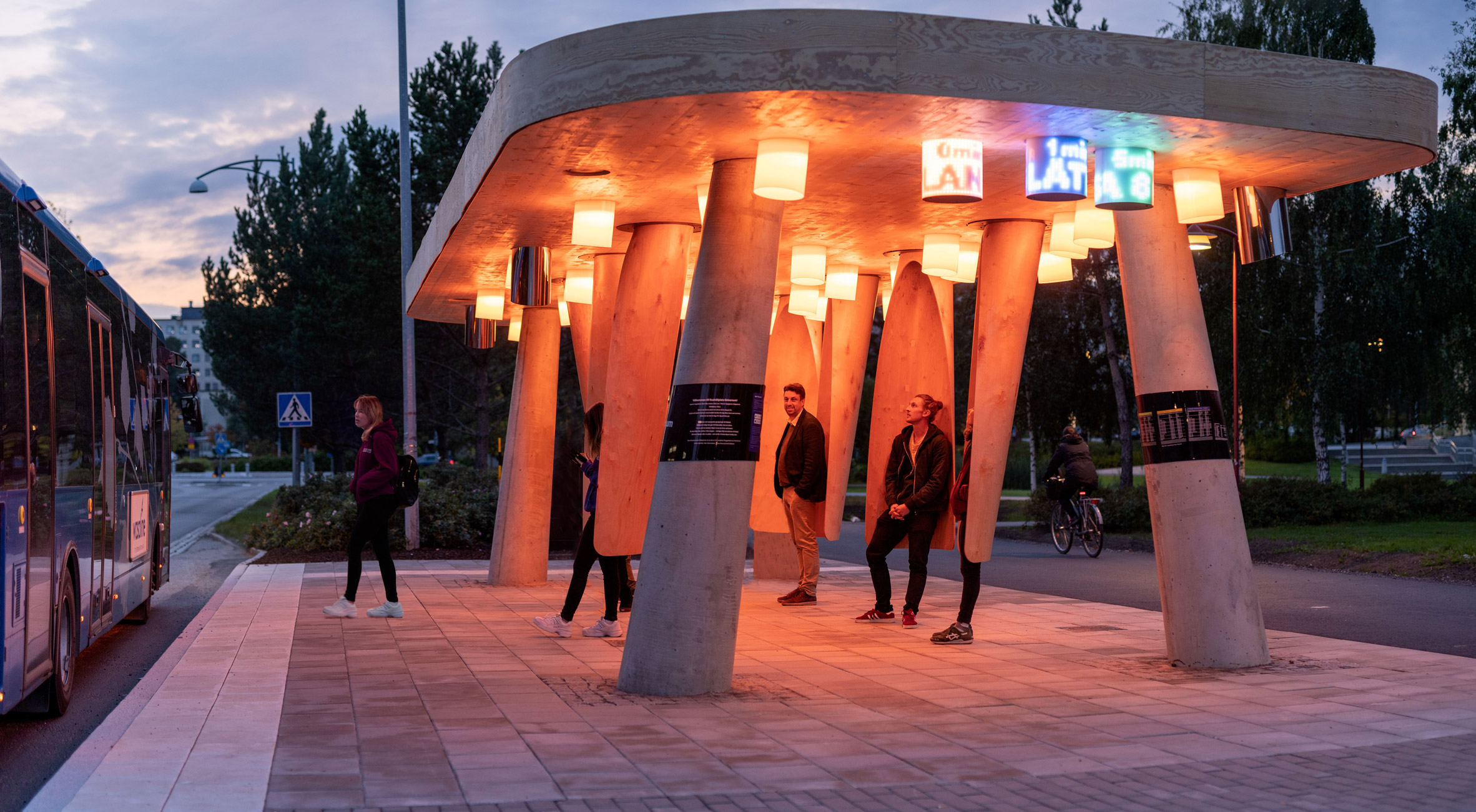
It has a "smart roof" which contains lighting and speakers that are used to create different atmospheres dependent on the bus that is approaching.

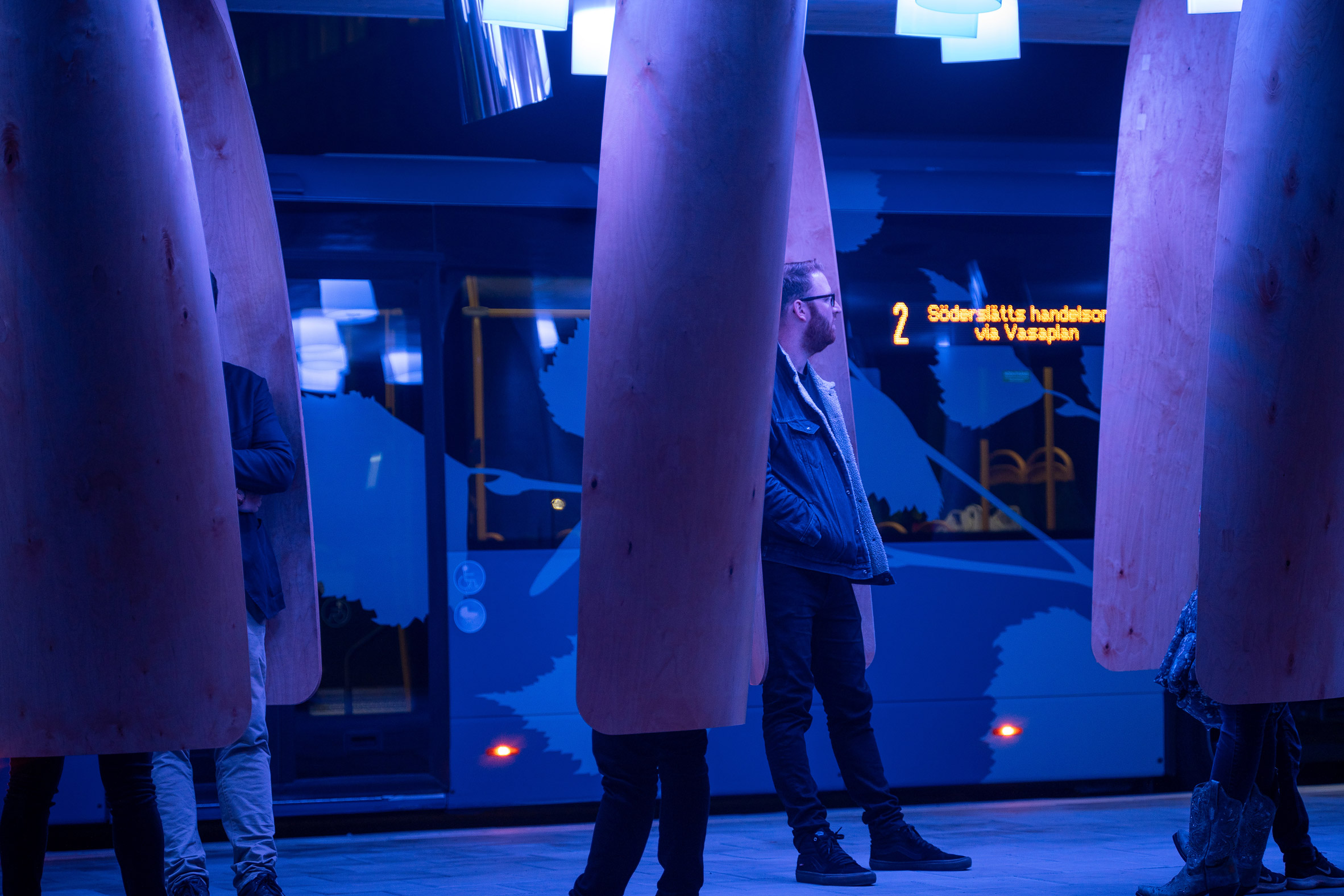
"The sounds and lights indicate the destination of the bus," explained Frieling. "For instance, when glassy tones sound, the bus goes to the locally famous glass factory."

Station of Being by Rombout Frieling Lab

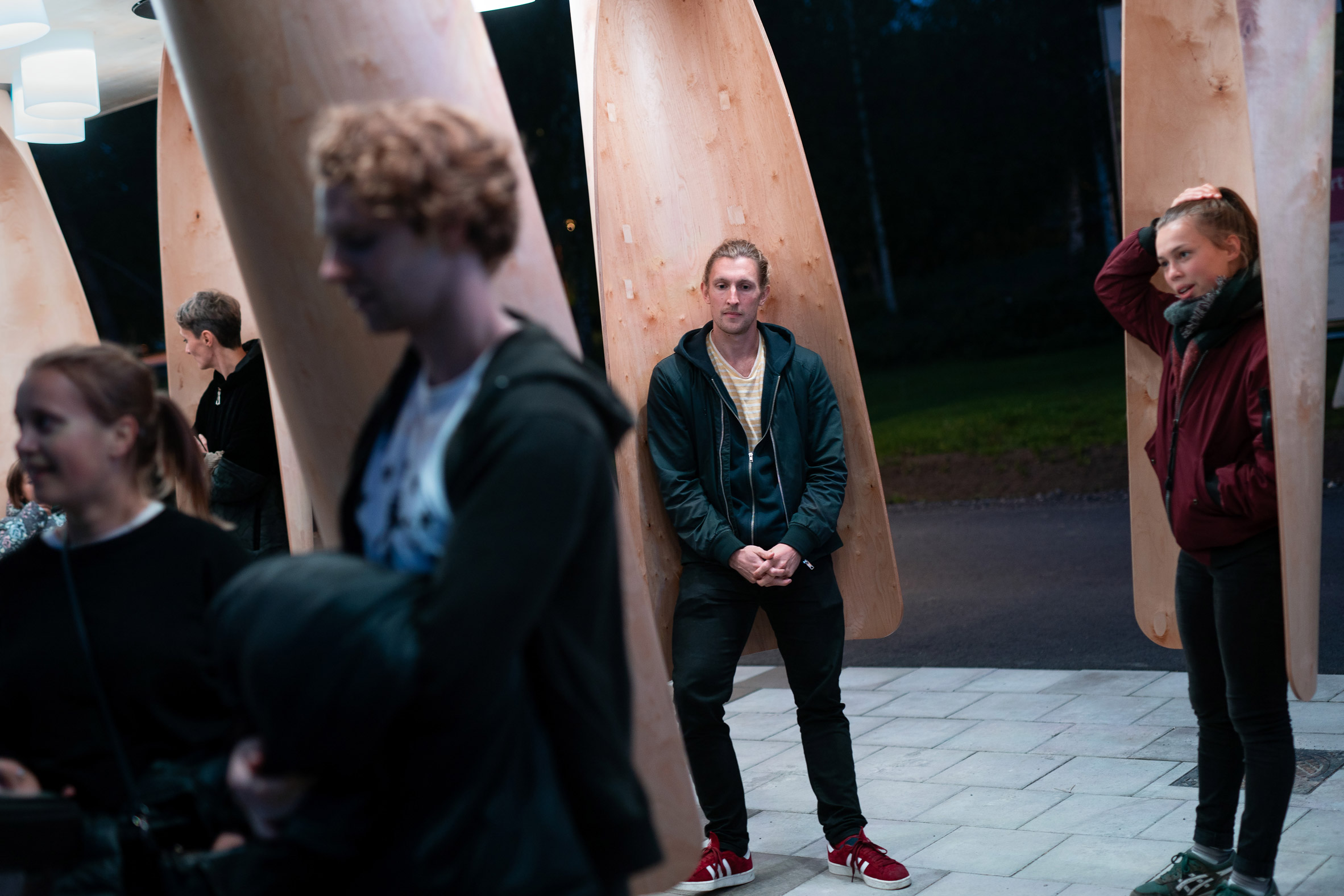
Rather than seating, the bus stop contains timber pods as Rombout Frieling Lab's research found that people often preferred to stand, or lean, rather than sit while waiting for a bus in the cold and snowy conditions.

The rotating pods are designed to protect the passengers from the wind and provide privacy if needed.

Station of Being by Rombout Frieling Lab

"In this work we found, for instance, that one of the reasons why people prefer their car above the bus, is the need for privacy and the need to zone off," said Frieling.

"This is one of the reason why we invented the wooden pods that hang from the ceiling of the station – the pods allow people to lean comfortably in their own 'cocoon', while they can also be rotated to create different settings: social or private."

Station of Being by Rombout Frieling Lab

The bus stop's roof and pods are made from local timber. They can be rotated to allow a snowplough to pass through the bus stop, so that it can easily be cleared in periods of heavy snowfall.

According to the studio it consumes the same amount of energy as a standard bus stop.

In the first couple of weeks after the bus stop's opening the studio recorded a 35 per cent increase in usage, with many passengers taking time to relax in the structure.

"The design is meant to get people out of their heads and into their bodies," said Frieling.

"We have seen people meditating, people hugging in pods together and people explicitly choosing to miss their bus and stay a bit longer," he continued.

"As in all my design projects, I find it important that people get a chance to escape the rational humdrum of the everyday, to do things differently and to engage their bodies. Some people find that fun and that is great."

Station of Being by Rombout Frieling Lab

Although Station of Being was designed specifically for the Arctic region, Frieling believes that it could be adapted for use in many different climates and environments.

"The Station was designed on the basis of a series of deep insights on the needs of travellers," he said.

"We suspect that many of these are very universal, like the need to have some transition time, and so we would love to apply innovations, for instance the spectacle of sound and light, to other areas and climates."

Bus stops have been a favourite subject for photographers with Peter Ortner documenting 500 bus stops across former Soviet countries and Hufton + Crow capturing seven extraordinary bus shelters in Austria by architects including Sou Fujimoto, Smiljan Radić and Wang Shu.

Photography is by Samuel Pettersson.

The post Rombout Frieling Lab creates interactive Arctic bus stop appeared first on Dezeen.


from Dezeen https://ift.tt/2rqFIHU