Thursday, 12 December 2019

Dezeen's top 10 graduate design projects of 2019

Dezeen's top 10 graduate design projects of 2019

Graduates consistently offer some of the most forward-thinking designs, and 2019 didn't disappoint. To continue our review of the year, we picked 10 of the most innovative student projects, from a "chestfeeding" kit to a masturbation suit.


Ripple masturbation suit by Hsin-Jou Huang, Szu-Ying Lai and Chia-Ning Hsu

Three graduates from Taiwan designed this Ripple sex aid kit – comprising a bodysuit, a mask and a remote control – to address the "ignored" subject of helping people with disabilities fulfil their sexual needs.

Parts of the suit gradually inflate to put pressure on certain body parts that simulate the feeling of human touch. Other stimulations include vibration, for women, and pressure in the genital area for men.
Find out more about Ripple ›


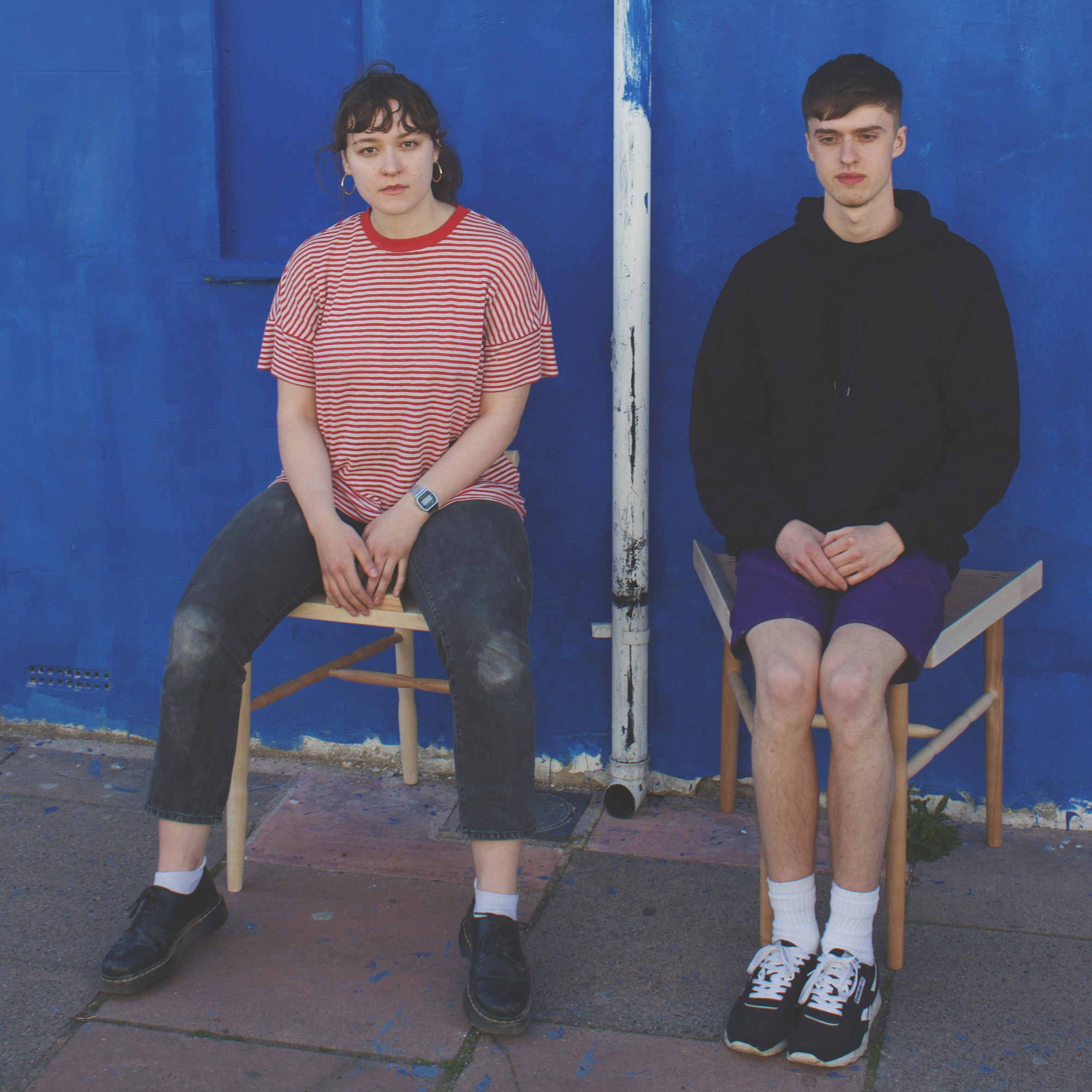
A Solution for Man-Spreading by Laila Laurel

This pair of chairs by Brighton University graduate Laila Laurel is a playful response to women's experiences of "manspreading".

Designed to prevent the "frustrating" action, one of the chairs forces the user to sit with their legs together, while the other encourages the sitter to take up more space by parting their legs.

Find out more about A Solution for Man-Spreading ›
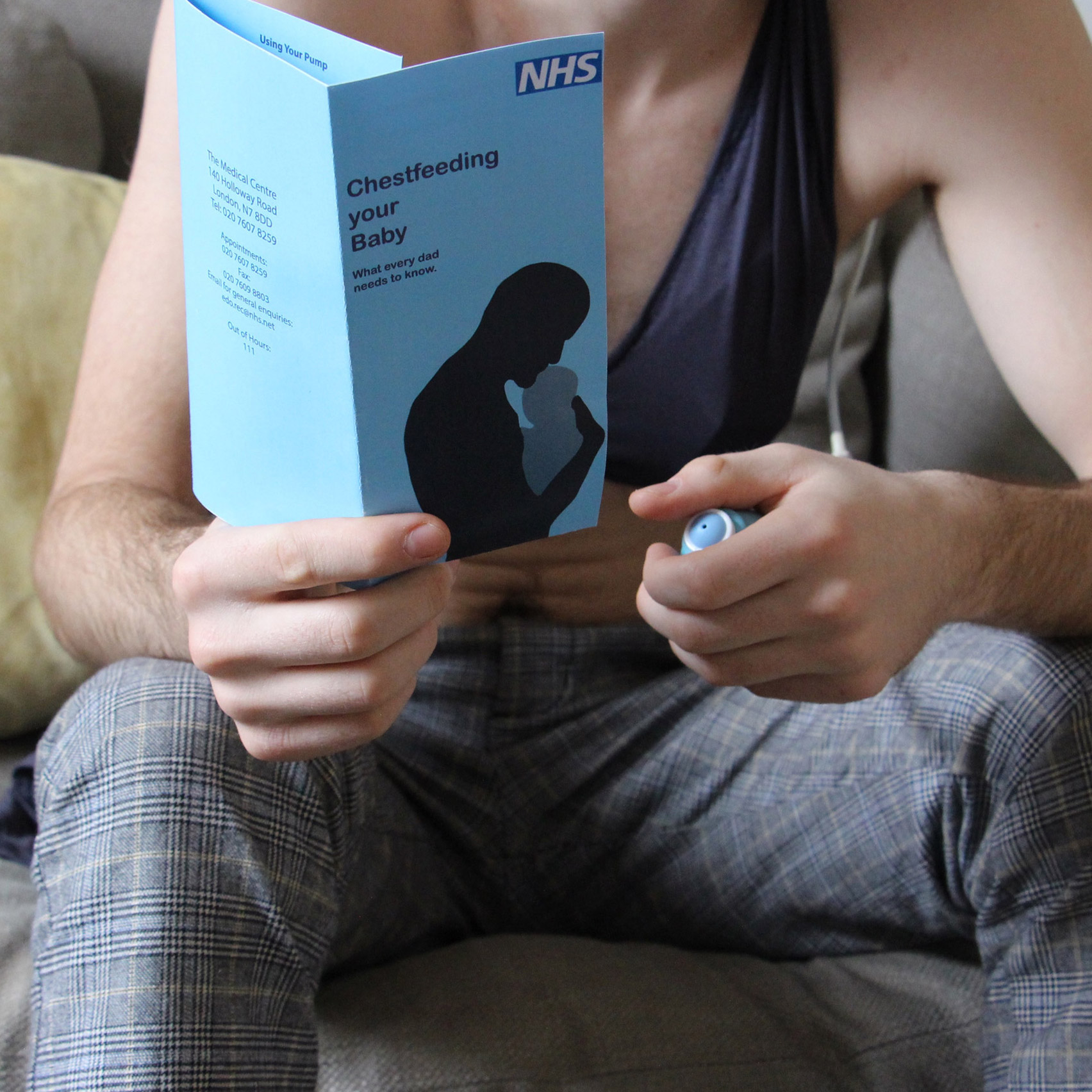

Chestfeeding kit by Marie-Claire Springham

Central Saint Martins graduate Marie-Claire Springham developed a hormone kit this year that allows fathers to lactate so that they can help breastfeed, or "chestfeed", their child.

The kit includes a breast pump, a compression vest and hormones that change the breast tissue so that milk can be stored. Springham believes that it could benefit both sexes – reducing pressure on new mums while preventing dads from feeling left out.

Find out more about the Chestfeeding kit ›
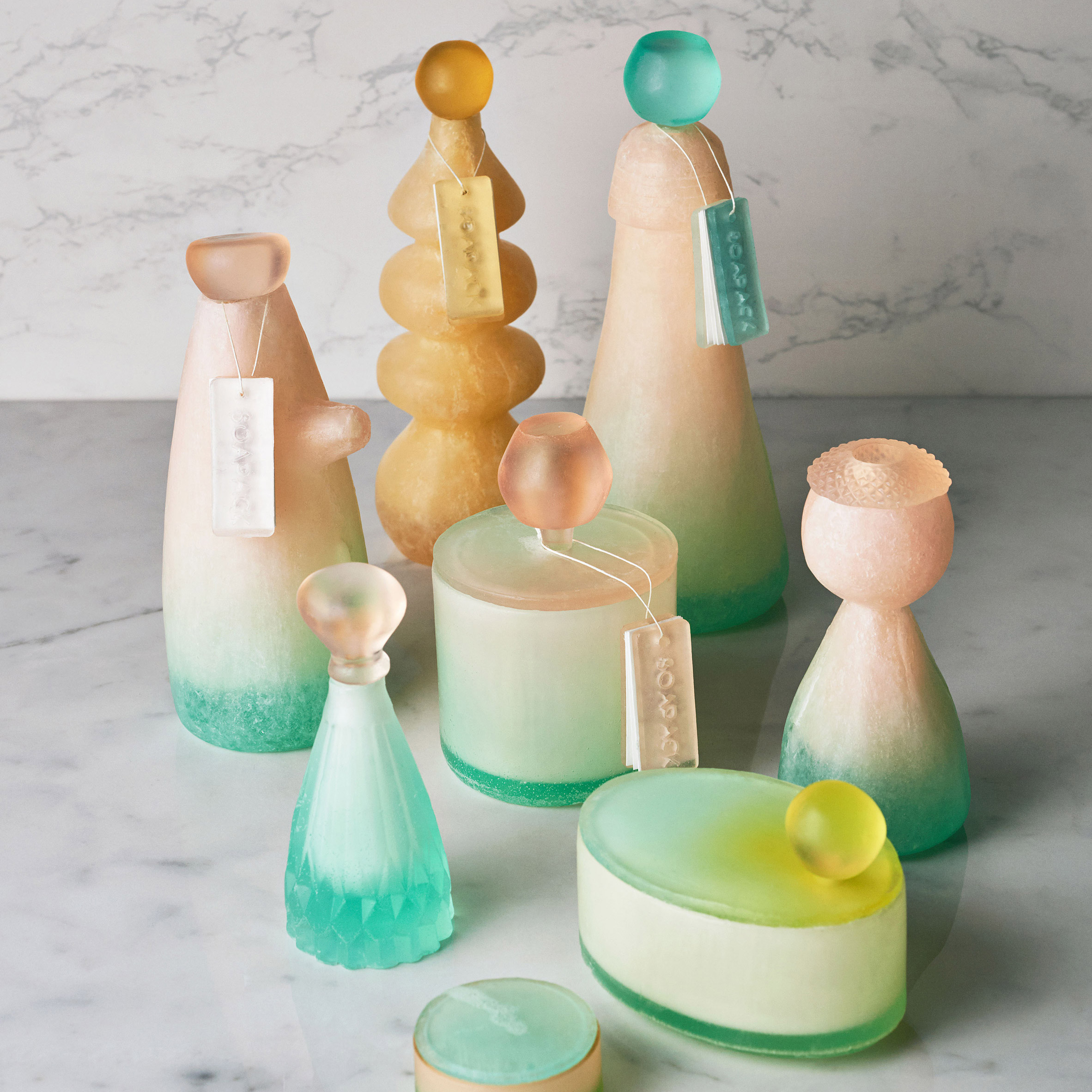

Soapack by Mi Zhou

Mi Zhou used vegetable oil-based soap dyed with natural plant pigments to create this collection of toiletry bottles, which melt away once they reach the end of their life.

Called Soapack, the bottles are formed in a mould in a process similar to slip-casting ceramics. A thin layer of beeswax is used to line the bottles to make them waterproof, and prevent the liquid contents from dissolving the bottles before they are used up.
Find out more about Soapack ›


Re[...] or Die by Laura Kraup Frandsen

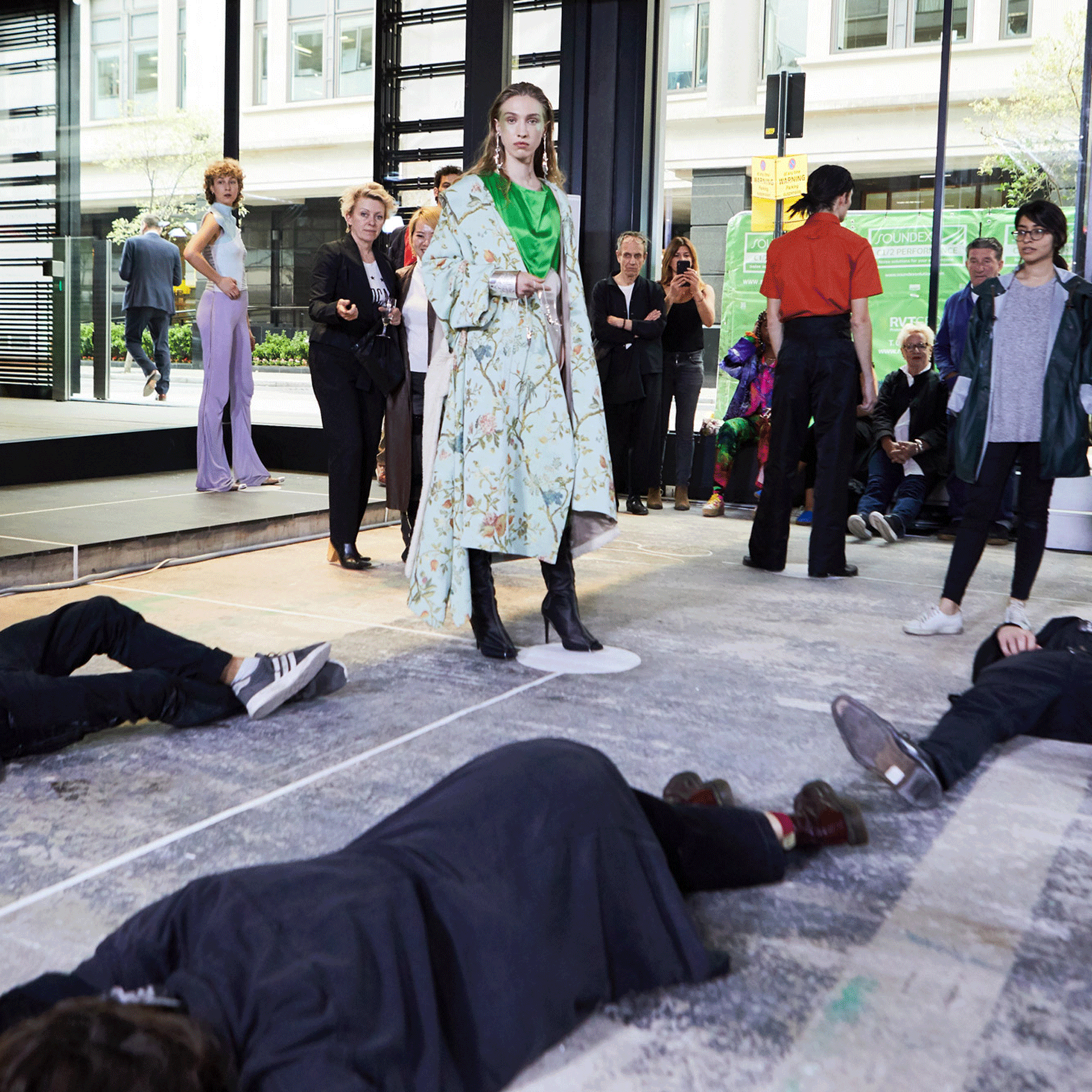
Instead of a final clothing collection for her RCA graduate show, fashion student Laura Kraup Frandsen staged a "die-in" demonstration with the help of 20 Extinction Rebellion members, as a protest against overproduction and overconsumption in the climate crisis.

With no physical collection to show, Frandsen instead represented her final project by displaying a mound of textile waste that had accumulated in her university's fashion studio over the past two to three months with the words "THIS IS NOT WASTE" printed above.

Find out more about Re[...] or Die ›

The Body as Material by Karoline Vitto

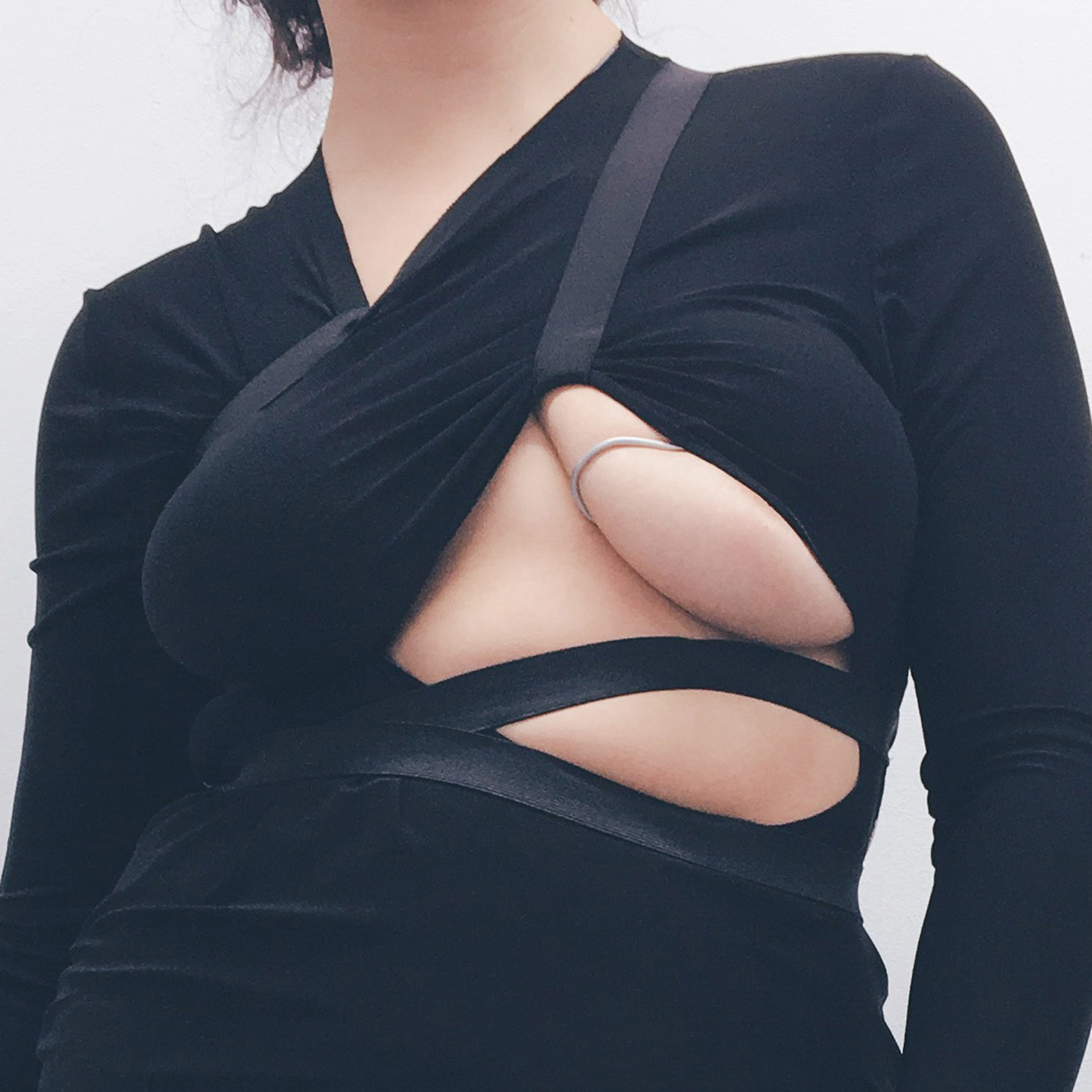
Brazilian fashion graduate Karoline Vitto designed a collection of cloth and metal-wire garments that accentuate rather than hide the rolls and curves of the female form.

According to the designer, each garment acts as a representation of an area she used to be self-conscious about. Vitto saw the project as a way of celebrating the parts of our bodies that we typically consider as "flaws".

Find out more about The Body as Material collection ›

Self-sanitising door handle by Sum Ming Wong and Kin Pong Li

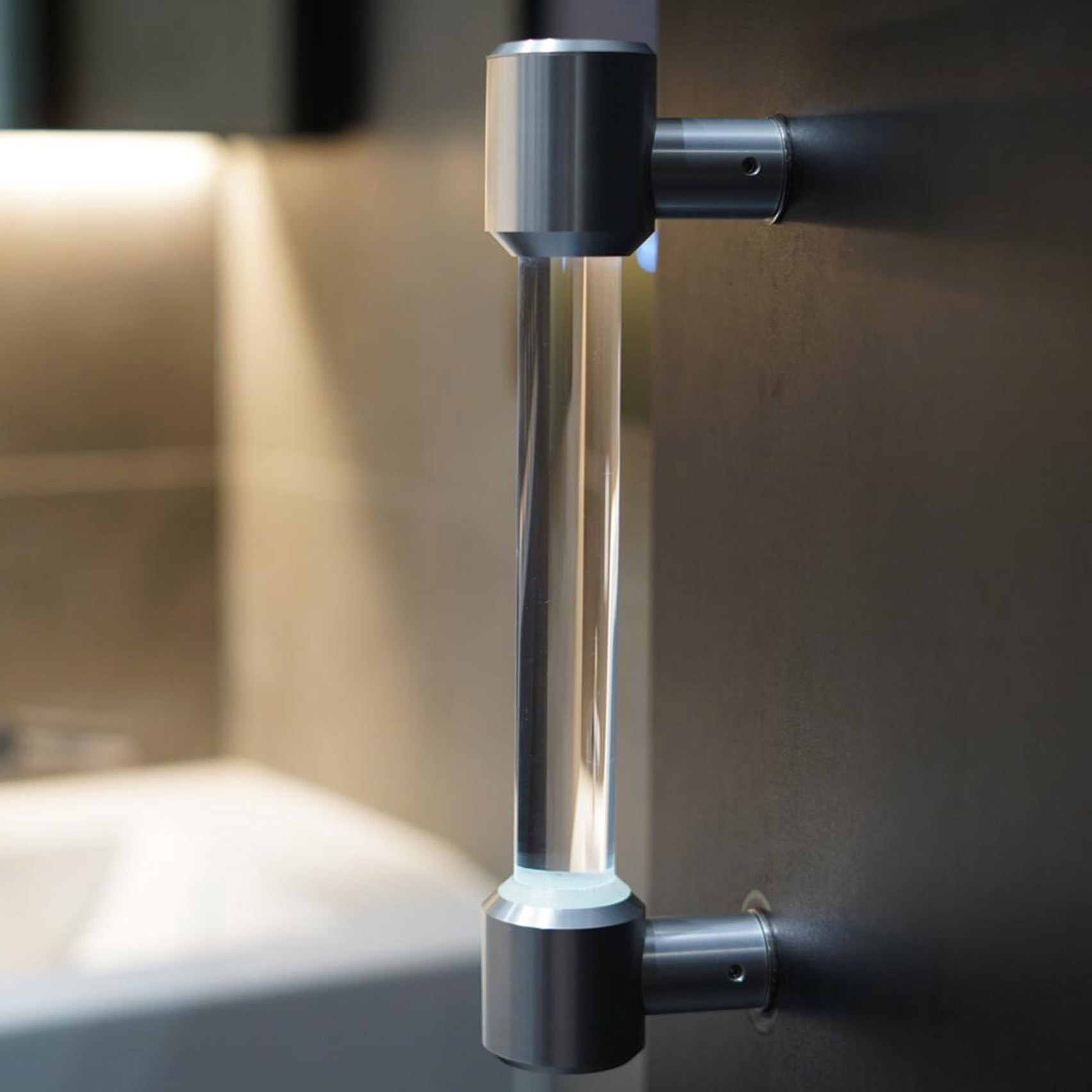
University of Hong Kong students Sum Ming Wong and Kin Pong Li aimed to offer a more effective germ-cleaning solution this year with their self-sanitising door handle.

Made up of a glass tube with metal caps at each end, the design is covered in a photocatalytic coating made from a mineral called titanium dioxide, which is able to decompose bacteria via a chemical reaction that is activated by UV light.

Find out more about the self-sanitising door handle ›

Balloon dresses by Fredrik Tjærandsen

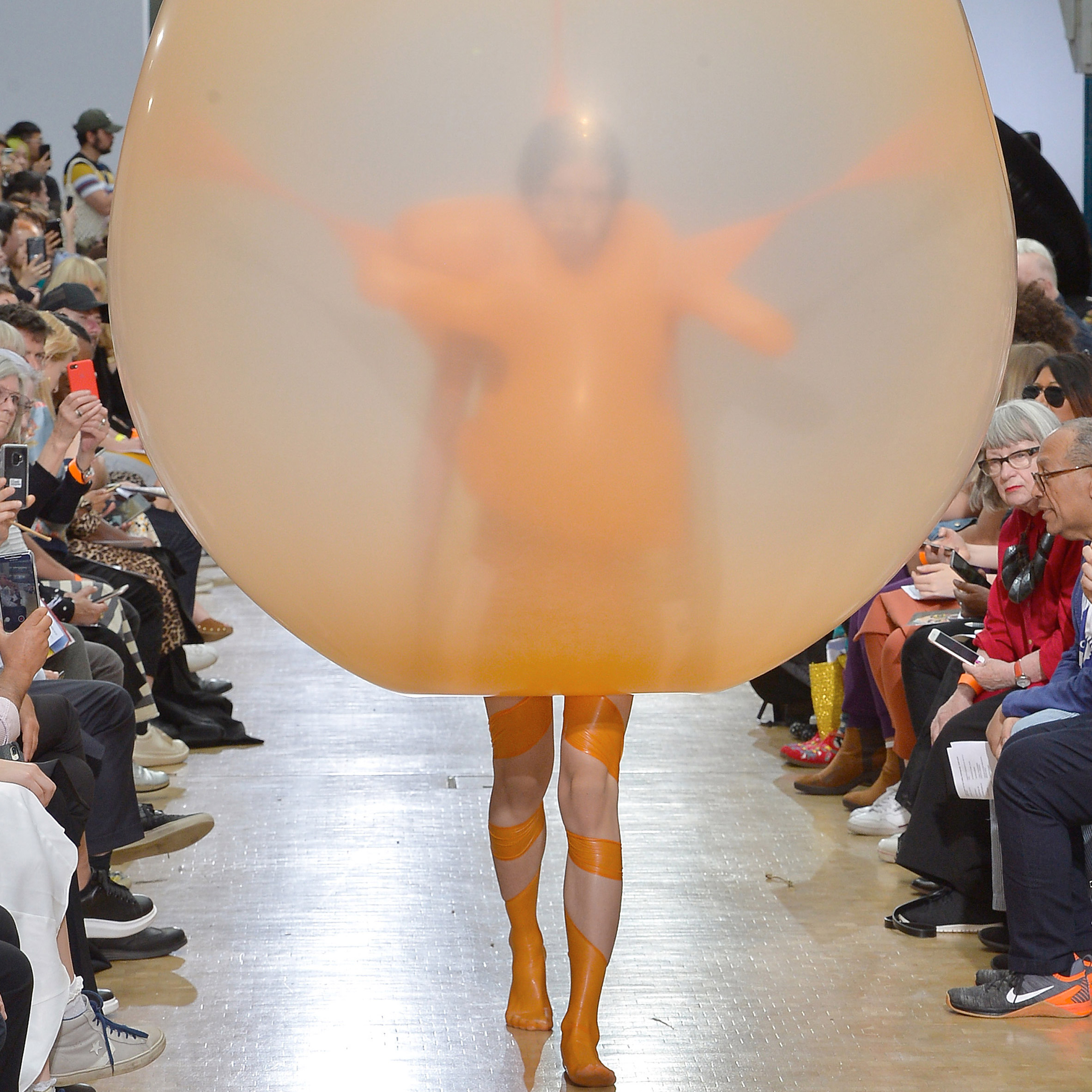
Central Saint Martins fashion graduate Fredrik Tjærandsen sent models down a runway wearing giant inflated rubber spheres that formed bubbles around their bodies and heads, which deflated into dresses and skirts as they walked.

Outfits included a yellow balloon that morphed into a shift dress with an inflated skirt, a black rubber garment with two giant inflated banana-shaped sleeves, and a skintight blue rubber leotard with inflated blue armbands.

Find out more about Tjærandsen's balloon dresses ›
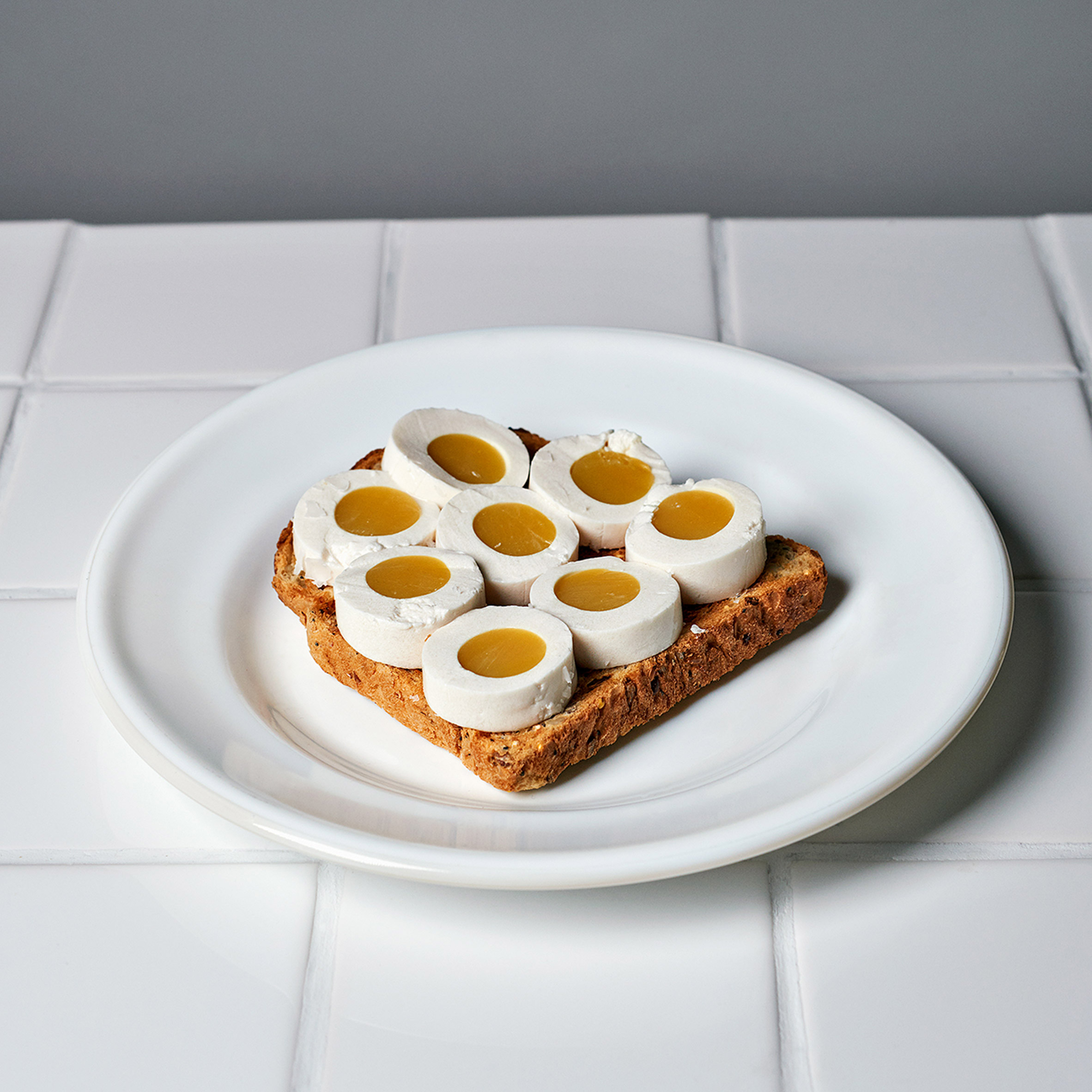

An Egg Without a Chicken by Annie Larkins

Central Saint Martins graduate Annie Larkins developed a playful, egg-free alternative to chicken eggs using pea protein, salt and algae-derived acid, as a response to a high demand for the food.

While she tried to stay true to the original egg's form, with a white and a yolk, Larkins altered the food's typical shape by elongating them or moulding them into cubes.

Find out more about An Egg Without a Chicken ›
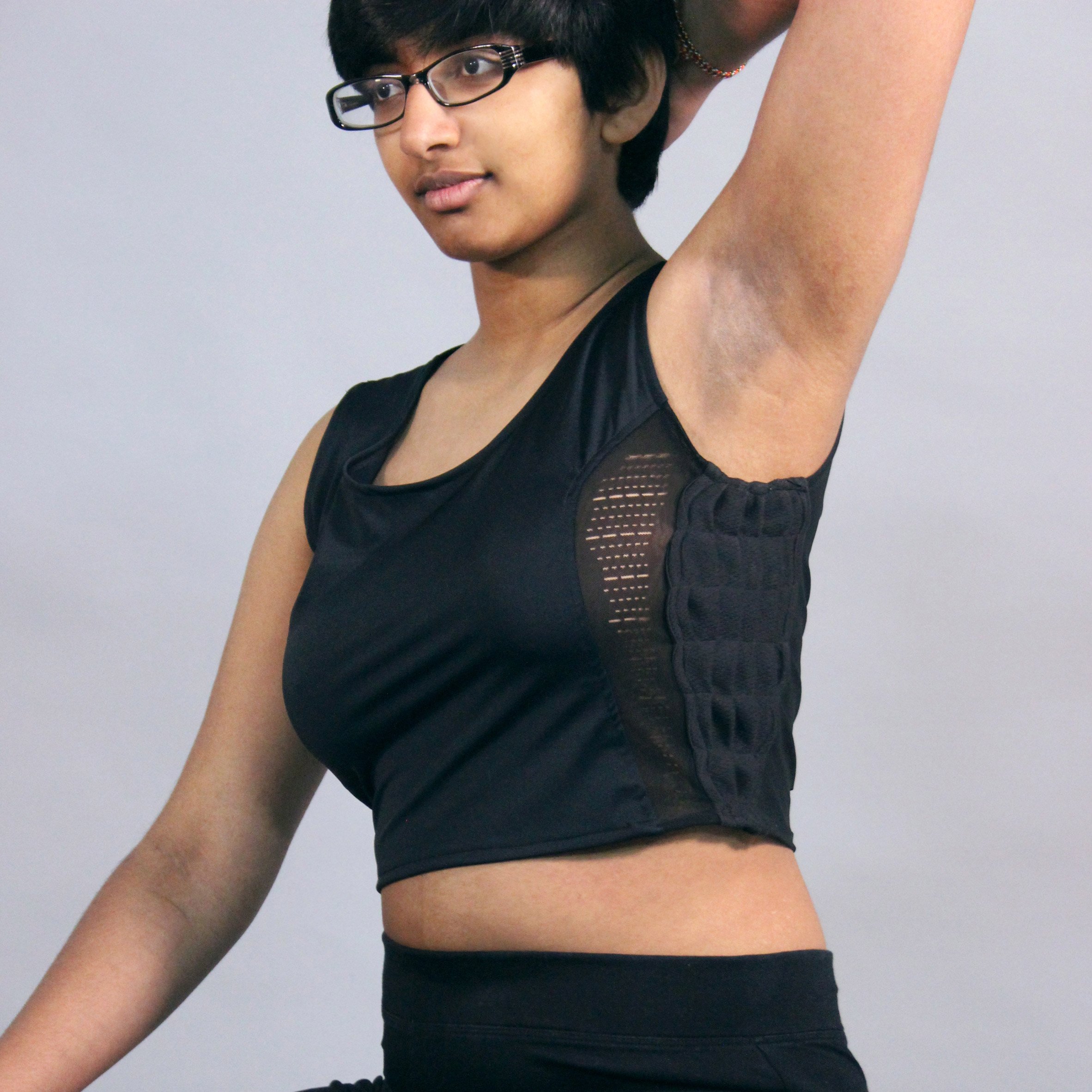

Miles Kilburn Breathe smart binder trans

Breathe by Miles Kilburn

This smart garment designed by Loughborough University graduate Miles Kilburn offers a safer and more comfortable way of chest binding for transgender men and non-binary people.

Breathe is woven from a smart material in order to allow the user to avoid bad physical side effects, including back and chest pain, rib fractures, rashes, shortness of breath and overheating.

At the push of a button, the tight binder contracts to grant a more relaxed fit without having to find a private place to loosen off the garment.

Find out more about Breathe ›

The post Dezeen's top 10 graduate design projects of 2019 appeared first on Dezeen.


from Dezeen https://ift.tt/2qJ3r5y

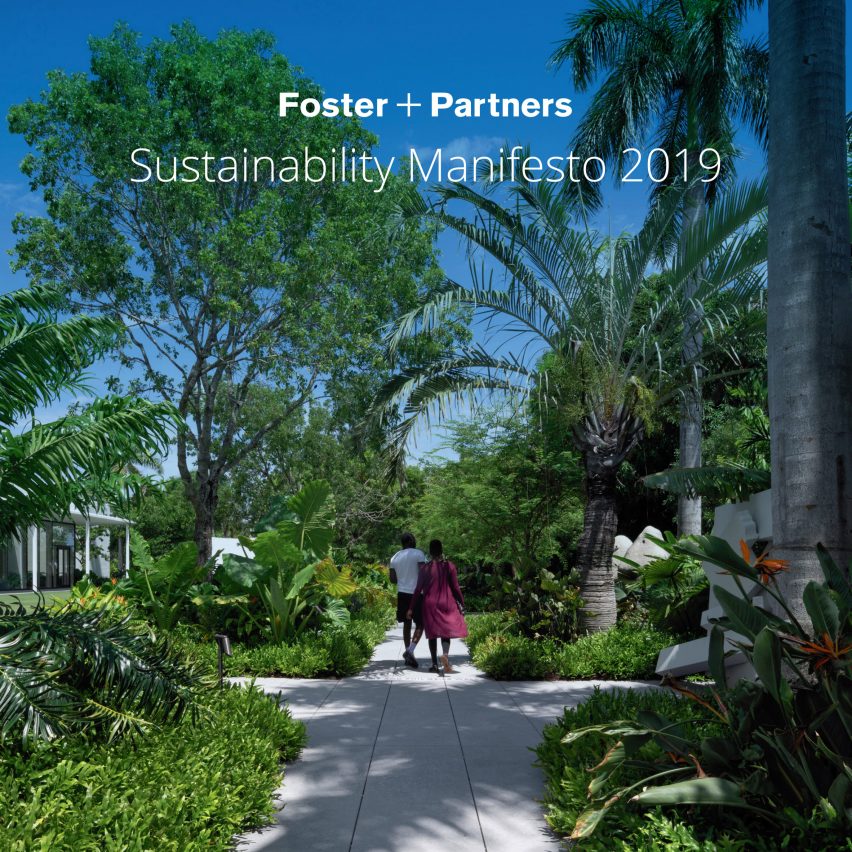
Foster + Partners launches sustainability manifesto

Foster + Partners launches sustainability manifesto

Foster + Partners has launched a sustainability manifesto that outlines its methodology for designing buildings that will go beyond current environmental certification schemes to meet the demands of the Paris Agreement.

The Norman Foster-led studio developed its evaluation methodology, which is outlined in its eight-page manifesto, as it believes that designing buildings to current environmental standards will not reduce carbon emissions enough to meet the requirements of the Paris climate agreement.

Current standards don't go far enough

Foster + Partners calculates that even if buildings are designed to meet the standards set by current certification schemes this will still lead to a three degree celsius rise in global temperatures.

To meet the Paris Agreement's target of limiting global temperature rise to 1.5 degrees celsius its buildings need to be more environmentally efficient.

"Our research over the past few decades has shown that even if all new and existing buildings are designed or refitted to comply with best practice, as set by the many international green building certification schemes, global temperatures would still rise by three degrees celsius," said Chris Trott,  head of sustainability at Foster + Partners.

"Therefore, we must find ways of reducing the increase by a further 1.5 degrees celsius."

Embodied carbon "generally missed by other rating schemes"

Foster + Partners' methodology, which will be offered to all future clients, is designed to quantify the total carbon emissions produced over the full life-span of a building, including its design, construction, fit-out and future refurbishment.

It focuses on reducing the embodied carbon in the project rather that the energy used by occupants of the building.

"It provides architects with tools to understand and reduce embodied carbon over the lifecycle of a project – this is generally missed by other rating schemes, while also providing tools to predict and monitor operational carbon emissions," explained Trott.

"This enables us to make judgements to reduce carbon emissions early in the design process."

Architects "need to become more focused on material efficiency"

Foster + Partners aims to make its buildings more sustainable by focusing on using less materials and choosing materials that have less embodied carbon.

"Passive strategies such as looking at massing, orientation, operational energy and occupants' wellbeing have always been a key part of sustainable design and this must continue," continued Trott.

"However, architects now need to become more focused on material efficiency, using less and using better materials to reduce embodied carbon."

Goal to design "climate restorative buildings"

Foster + Partners intends to offer its methodology to all of its clients. It hopes that by doing so it can contribute to achieving the aims of the Paris Agreement to limit the global temperature increase to 1.5 degrees celsius.

"We are now ready to offer this methodology to all future clients so that their projects can comply with the Paris Agreement," said Trott.

"Our goal is to facilitate the global carbon neutrality targets by 2050 and limit the global temperature increase to 1.5 degrees celsius. This will be challenging but, with careful analysis and dialogue, we aim to achieve our goal of designing climate restorative buildings."

"The most crucial device that we have is that of advocacy"

Foster + Partners launched its sustainability manifesto as architects around the world are considering the environmental impact of the buildings they design.

Earlier this year Foster + Partners was one of many British studios, including Zaha Hadid Architects and David Chipperfield Architects, joining Architects Declare, to declare a climate and biodiversity emergency.

Speaking to Dezeen Michael Pawlyn, one of Architects Declare's founders, said that current sustainability targets were not going far enough.

This sentiment has been echoed by architecture institutions with RIBA declaring a climate emergency, and the AIA making the climate crisis its "top priority". However, following the announcement, Donald Trump decided to withdraw the US from the Paris agreement.

As well as architects, a large number of other institutions are planning to reduce their carbon impact. In June, Finland announced that it plans to be carbon neutral by 2035 and this week the EU followed suit and unveiled a plan to be carbon neutral by 2050.

According to Trott the biggest role that architects can have in creating change is by influencing others to tackle climate change.

"The most crucial device that we have is that of advocacy," he said. "We need to work together with our clients and other partners to create greater awareness about how we can bring about meaningful change."

The post Foster + Partners launches sustainability manifesto appeared first on Dezeen.


from Dezeen https://ift.tt/2EcYvsV

Egg is an animation about attempting – and failing – to take control of something you are afraid of

Martina-scarpelli-egg-work-animation-itsnicethat-list
Animator and director Martina Scarpelli talks us through her critically-acclaimed 12-minute short Egg, a highly personal reimagining of a woman who has to eat an egg, but doesn’t want to.

Read more


from It's Nice That https://ift.tt/2PBbqtS

Russian photographer Evgenia Arbugaeva documents Time's Person of the Year 2019: Greta Thunberg

Evgenia-arbugaeva-greta-thunberg-time-person-of-the-year-2019-publication-photography-itsnicethat-1
Yesterday, it was announced that the young Swedish activist has been named Time magazine’s Person of the Year. For the cover, Evgenia Arbugaeva photographs a stoic Greta on the Portuguese shore as she defiantly stares into the distance.

Read more


from It's Nice That https://ift.tt/36DwFlV

Why creatives should take the election advantage

Why-creatives-should-take-the-election-advantage-opinion-itsnicethat
As we reach the day of our third general election in five years, Creative Brief’s Izzy Ashton looks at why creativity could do with getting a little political.

Read more


from It's Nice That https://ift.tt/2tbk6Qe