Saturday, 14 December 2019

Atelier l'Abri draws from mid-century A-frame chalets for "sculptural" guest house in Canada

La Pointe by L'Abri

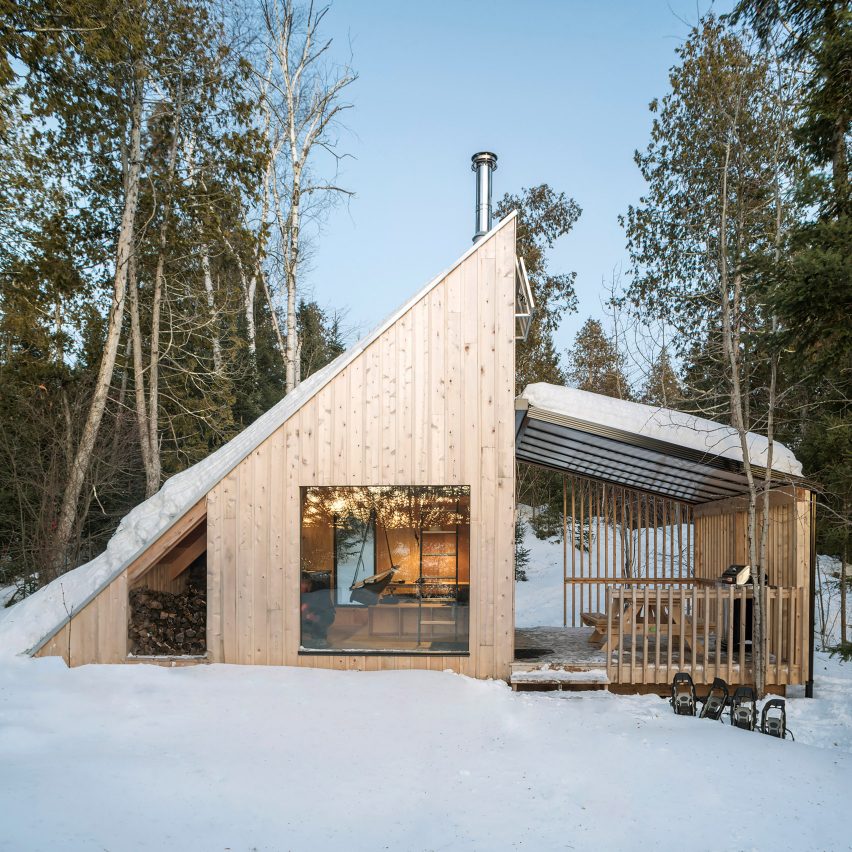
Visitors to Canada's Poisson Blanc regional park can rent this wooden cabin designed and built by Montreal architecture studio Atelier l'Abri, which has a triangular profile that takes cues from A-frame cottages.
La Pointe by L'Abri

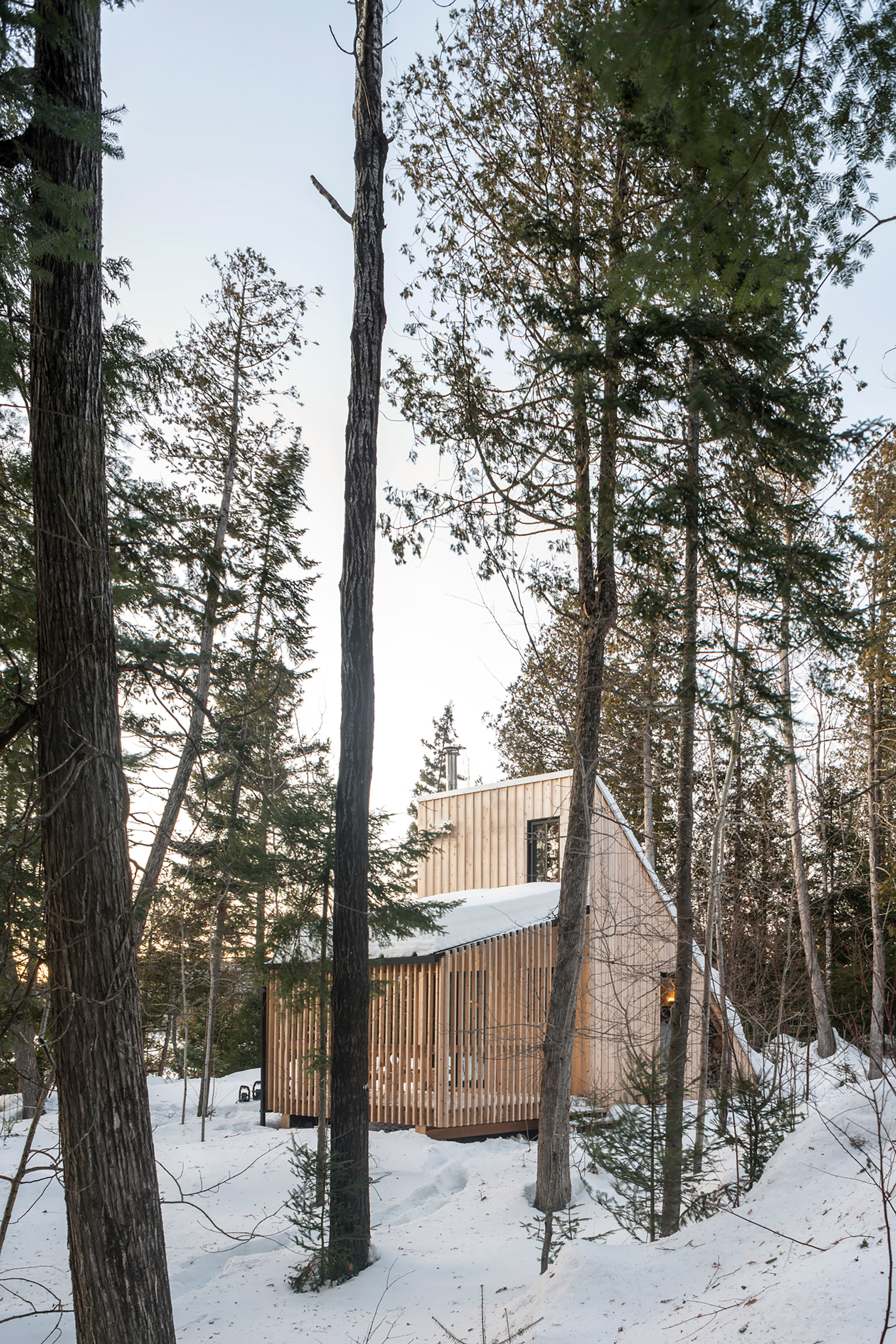
Called The Point, the shelter is located in the Poisson Blanc regional park, a wildlife reserve roughly 120 kilometres North of Ottawa. The park is a popular destination for fishing and camping, and most visitors sleep in tents.

The compact wooden structure is meant to offer a more comfortable experience to guests. Described by the firm as a "micro-shelter", it is designed to accommodate up to four guests.
La Pointe by L'Abri

It is sited near the park's visitor centre, but only accessible via footpath – the hike out to the cabin takes about 10 minutes, according to the architects. The isolated cabin is in a wooded area overlooking Lac du Poisson Blanc, which is a large man-made reservoir formed when the nearby Rivière du Lièvre was dammed in 1928.

The roof's steep slope and angular construction make it stand out amongst its dense wooded setting.
La Pointe by L'Abri

"With its triangular geometry, the shelter offers a reinterpretation of the legendary A-frame popularised in North America in the 1950s," said Atelier l'Abri. "It was important for the designers to create a simple, almost sculptural structure that would provide functional and nature-oriented spaces."

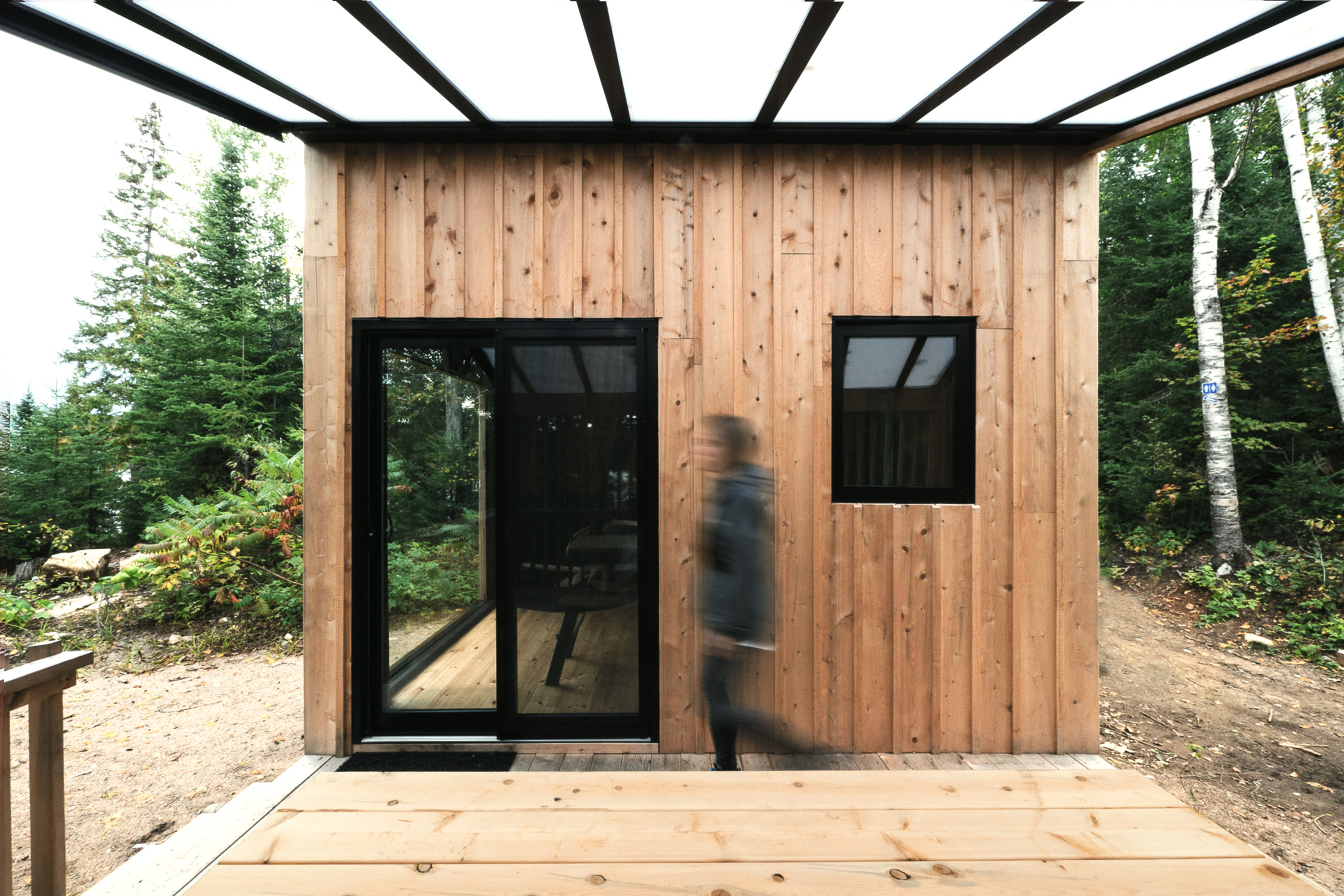
The steep roof is clad in metal seam panels, a classic choice for the region's climate. The exterior cladding is cedar, and is intended to gain a silvery patina as the building ages.

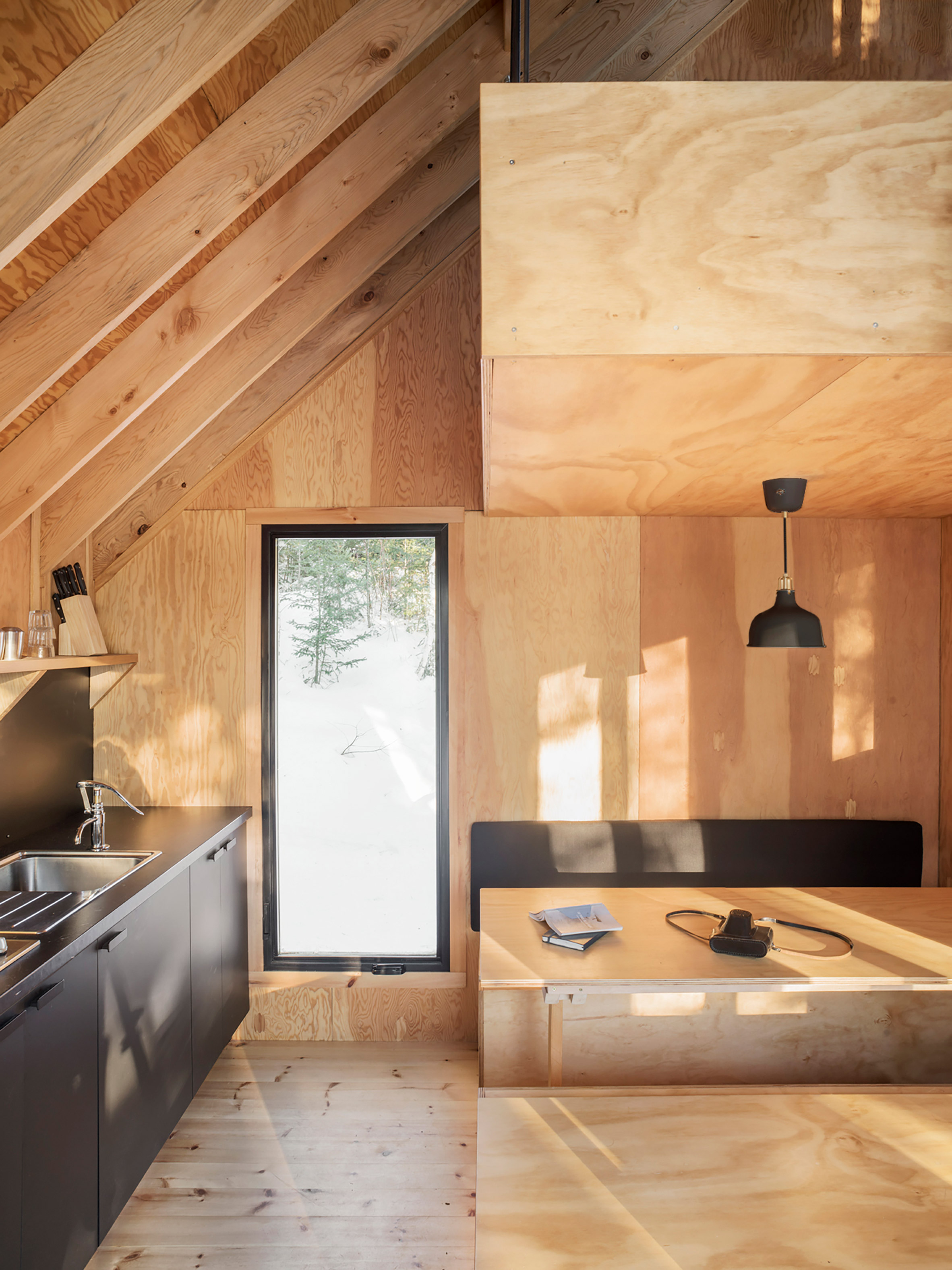
The interior space comprises a single volume, with a kitchenette, living area, and dining table on the ground level, and a sleeping loft perched above that is suspended by steel rods.

In addition to the loft, the dining table can be lowered, to create another bed that brings the total number of possible guests up to four.

The decor is kept as simple as possible, lending a rustic feel to the cabin. "The interior spaces are minimal and bathed in natural light," said the architects.
La Pointe by L'Abri

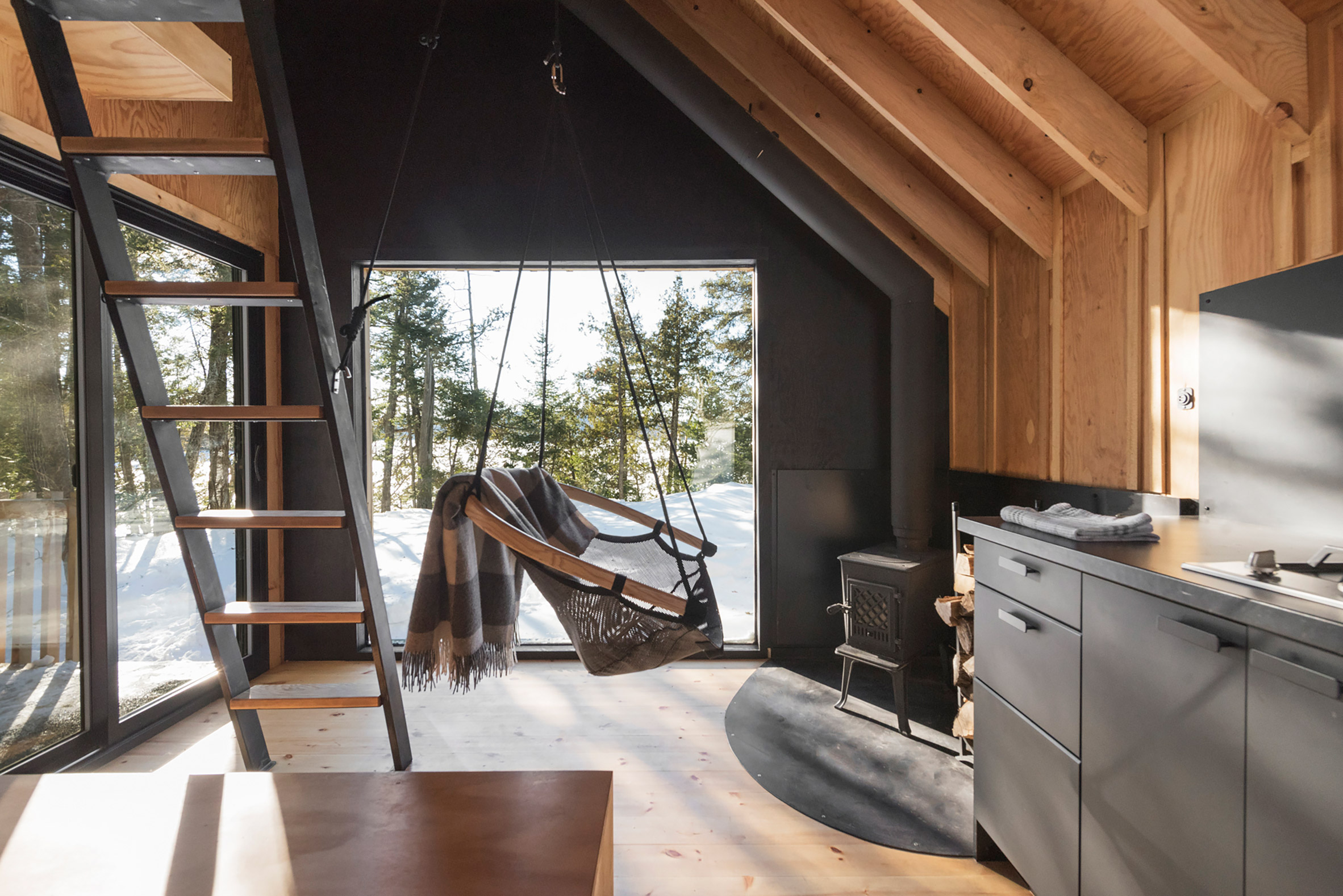
At the front of the cabin, a suspended lounge chair hangs in front of a floor-to-ceiling window, offering views of the nearby lake. "The focal point of the refuge is the large bay window that offers uninterrupted views of the forest and reservoir below," said the studio.

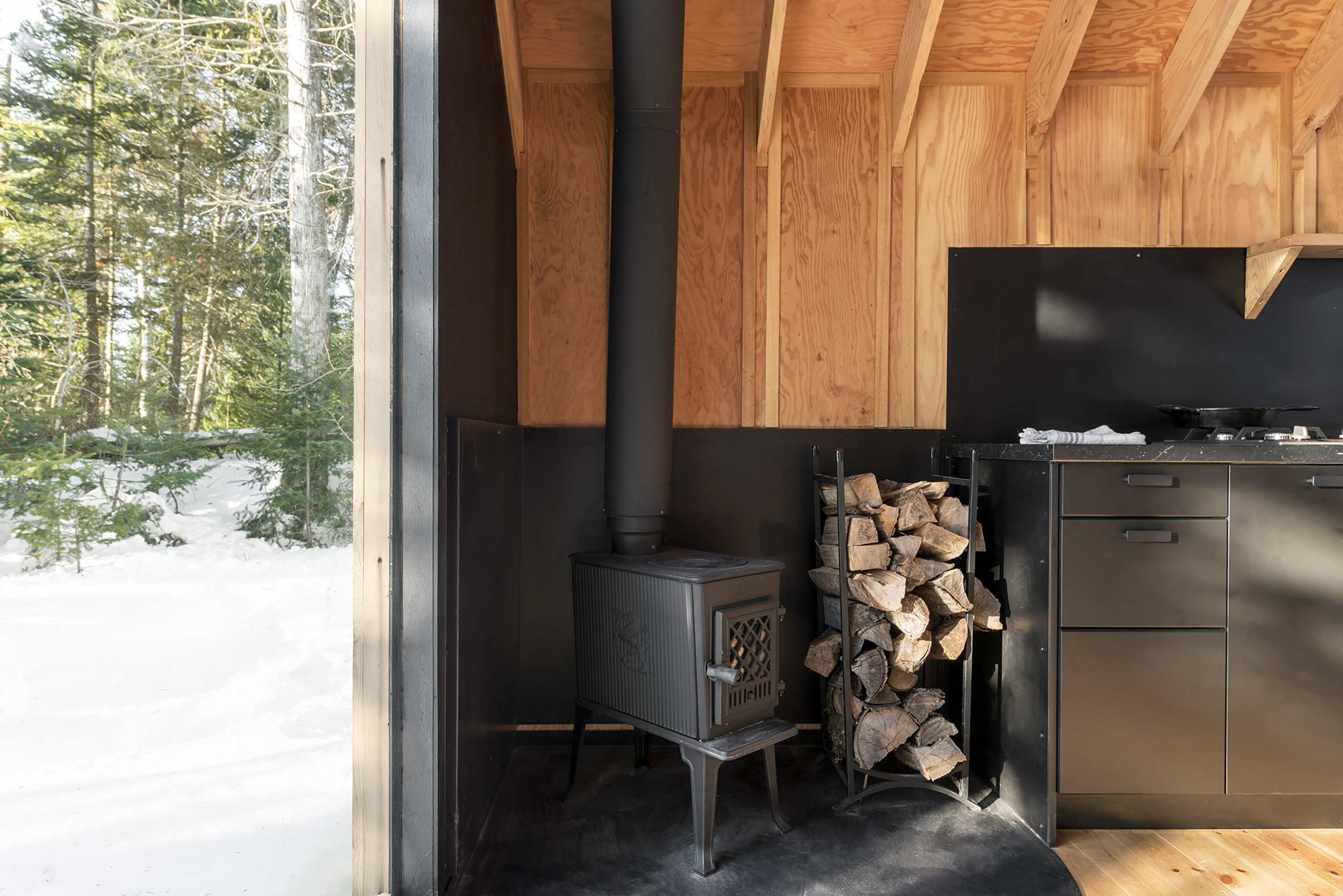
A wood-burning stove occupies a corner of the space, making the cottage inhabitable year-round. Outside, part of the roof that is too low to stand under creates a triangular nook for stacking firewood.

Just outside the front door, there is a covered deck screened by vertical wooden rods. "Leaning on the main volume, the covered terrace becomes the ideal place to continue to enjoy the outdoors when the temperature is less favourable," said Atelier l'Abri.
La Pointe by L'Abri

Atelier l'Abri is a Montreal-based architecture studio, but also holds a general contractor's license. They used an in-house team to build the cabin, which gave them more control over construction details and quality. According to the architects, one of the main challenges was building on such a remote site.

Although the Point is the first cabin-style accommodation in the vast park, Atelier l'Abri is currently working on another similar shelter nearby, which will be larger and accommodate a few extra guests. Other projects by the emerging studio include a home designed for a carpenter to build himself, and a complete overhaul of a residence in Montreal's Plateau Mont-Royal neighbourhood.

Photography is by Jack Jérôme, unless otherwise indicated.


Project credits:

Team: Francis M Labrecque, Francis Pelletier, Jérôme Codère

The post Atelier l'Abri draws from mid-century A-frame chalets for "sculptural" guest house in Canada appeared first on Dezeen.


from Dezeen https://ift.tt/36A1ebR

Illustrations by David Alvarez Reflect the Intersection of Fantasy and Reality

All images © David Alvarez, shared with permission

When working in black and white instead of a muted color palette, Mexico-based artist David Alvarez (previously) manages to still create illustrations rich in texture and contrast. Layers of graphite and charcoal on white and cream colored paper form complex shadows. Highlights emerge from the negative space and become the light on stone walls, on faces, and on glowing wings and shiny armor.

The depictions of creatures from myth and fantasy are personal projects from Alvarez’s notebook that have been reworked at random over time. “There is an attempt to represent how humanity moves, how it thinks, how humans are in collective,” he tells Colossal. “A jumble of undivided people who move by reflex and without autonomy.” The new drawings of little girls, stone pillars, and soldiers are illustrations for an as yet unpublished book that the artist says is about “social pressures and the search for freedom.”

You can see more of Alvarez’s contemplative work on Instagram and purchase prints of his illustrations via his Etsy shop.


from Colossal https://ift.tt/2sq01Fu

Dezeen's top 10 restaurant interiors of 2019

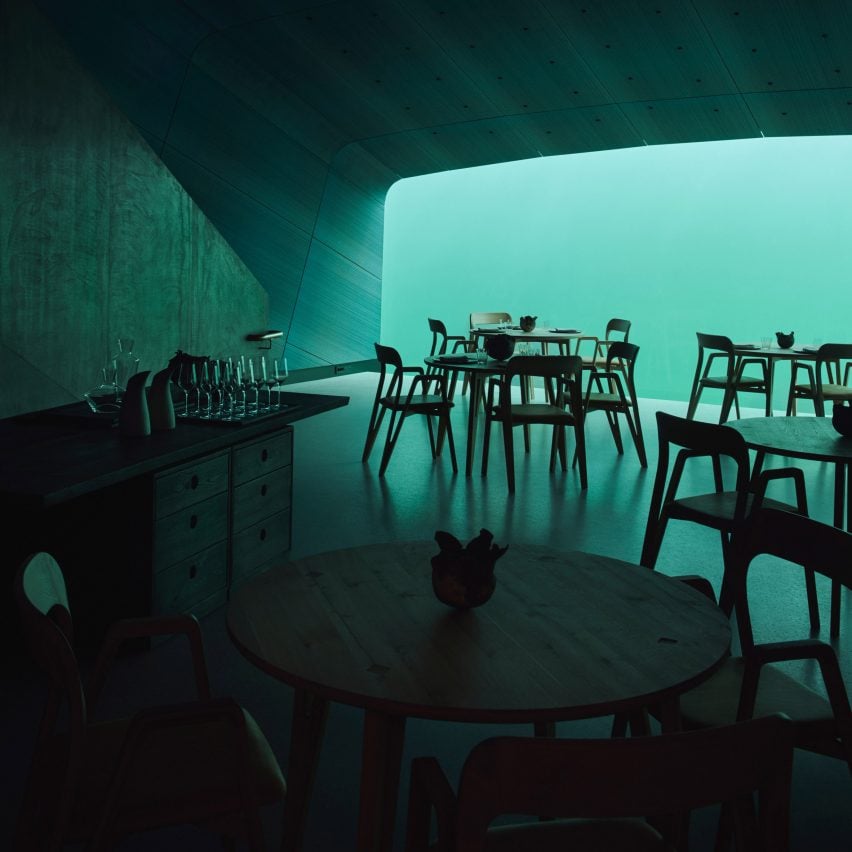
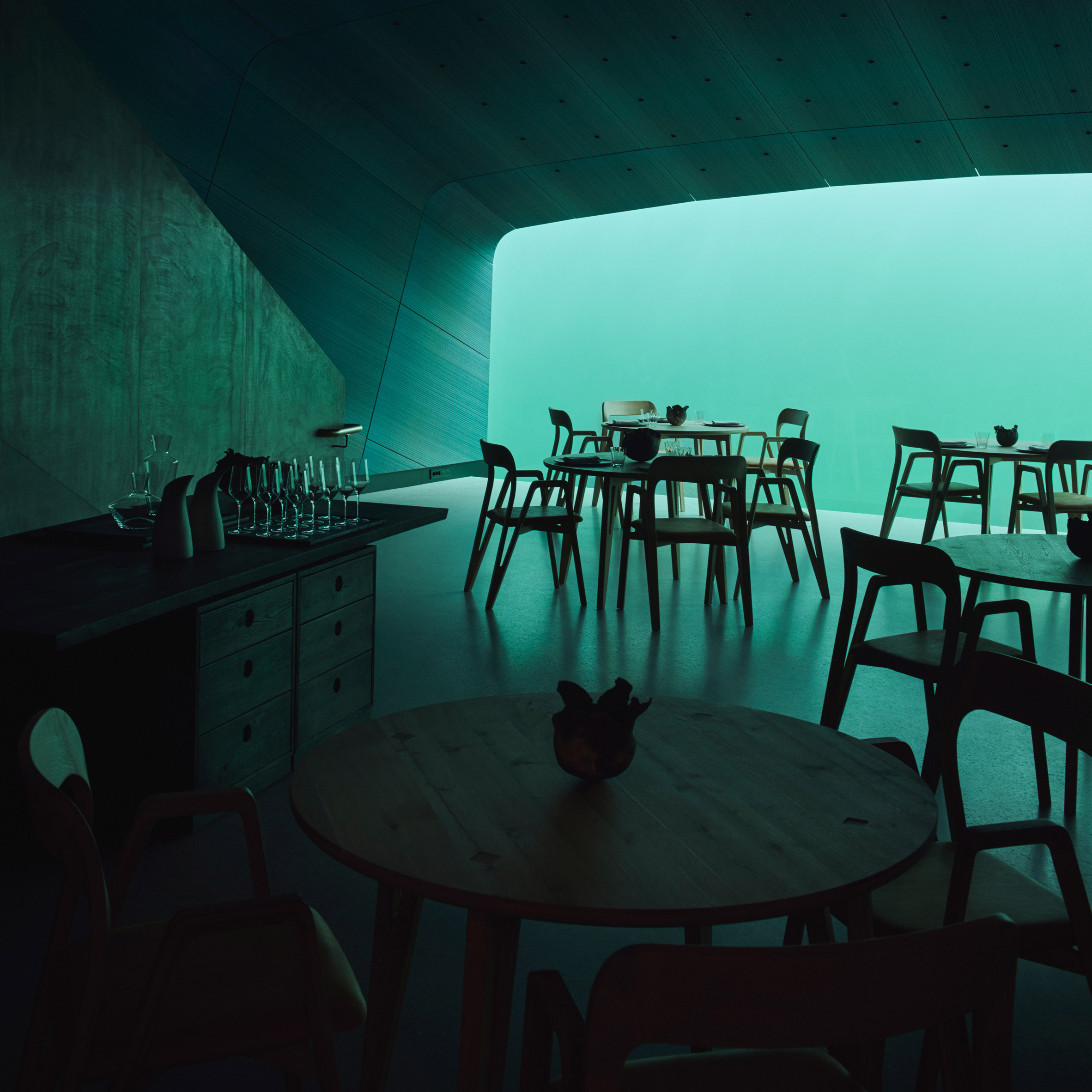
Under by Snohetta

Bridget Cogley has picked the top restaurants around the world for our next review of 2019 – including Snøhetta's underwater eatery in Norway, a Kyoto chocolate bar and an all-pink pizza spot in London.


Under by Snohetta

Under by Snøhetta, Båly, Norway

This underwater restaurant on the southern tip of Norway by Snøhetta comprises a rectangular concrete container that slants up against a rocky cliff and plunges down into the North Sea. Inside, water is visible through a floor-to-ceiling acrylic window, and appears to glow a turquoise hue.

"It's a great experience, and to sit here and be safe, allowing the nature so close into you," lead project architect Rune Grasdal told Dezeen. The restaurant, called Under, is decorated sparingly with oak tables and chairs and is complete with three dining levels, a champagne bar and a foyer.

Find out more about Under ›


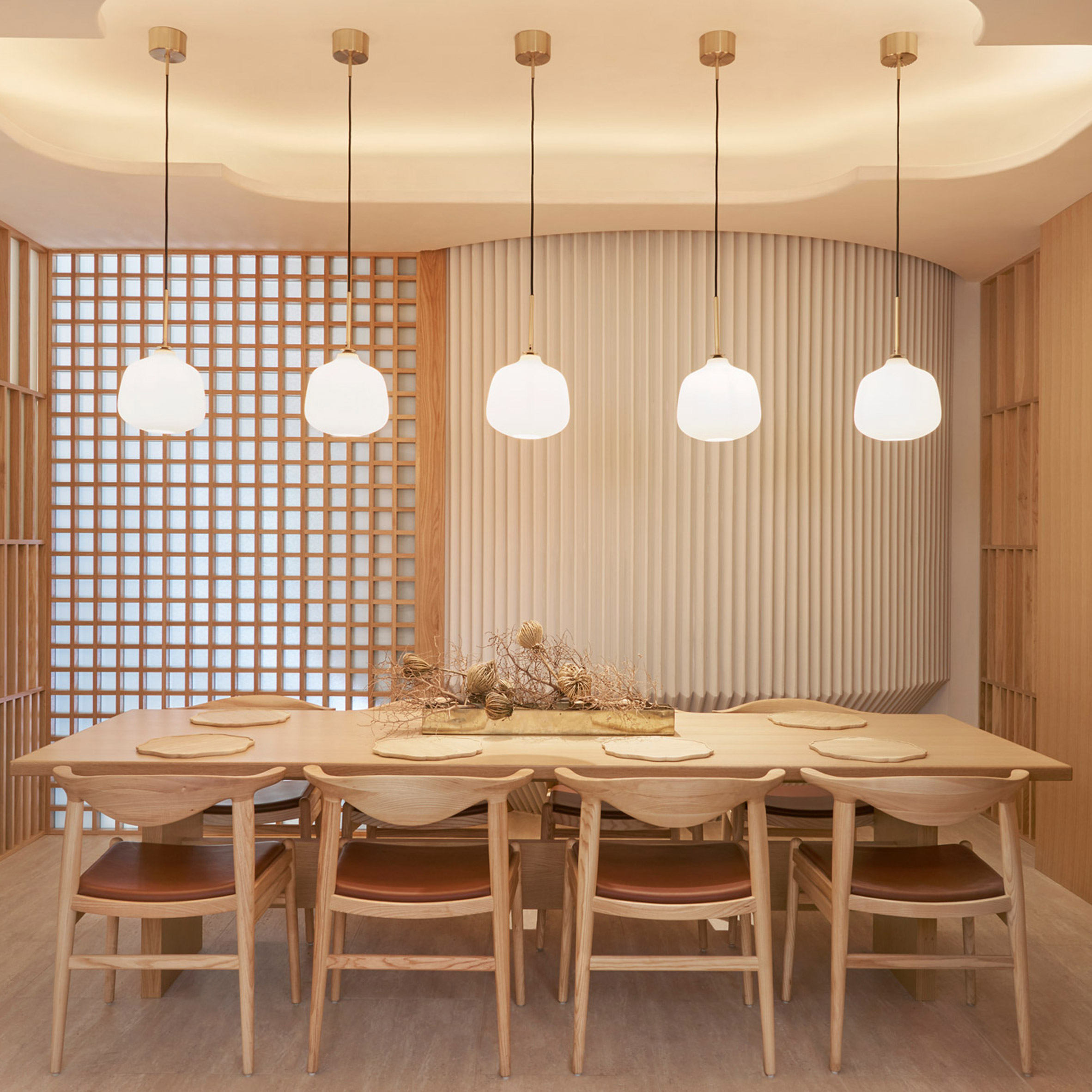
Esora by Takenouchi Webb

Esora by Takenouchi Webb, River Valley, Singapore

Singapore's Esora is a Japenese eatery inside an old shophouse – a common building type in Southeast Asia that combines a home with a workplace. Designed by local studio Takenouchi Webb, the interiors feature a large amount of timber, including its walls, furniture and floors.

At the centre of the space is an L-shaped table that offers a chef's table dining experience. Overhead is a curved, white ceiling design that adds depth and character.

Find out more about Esora ›


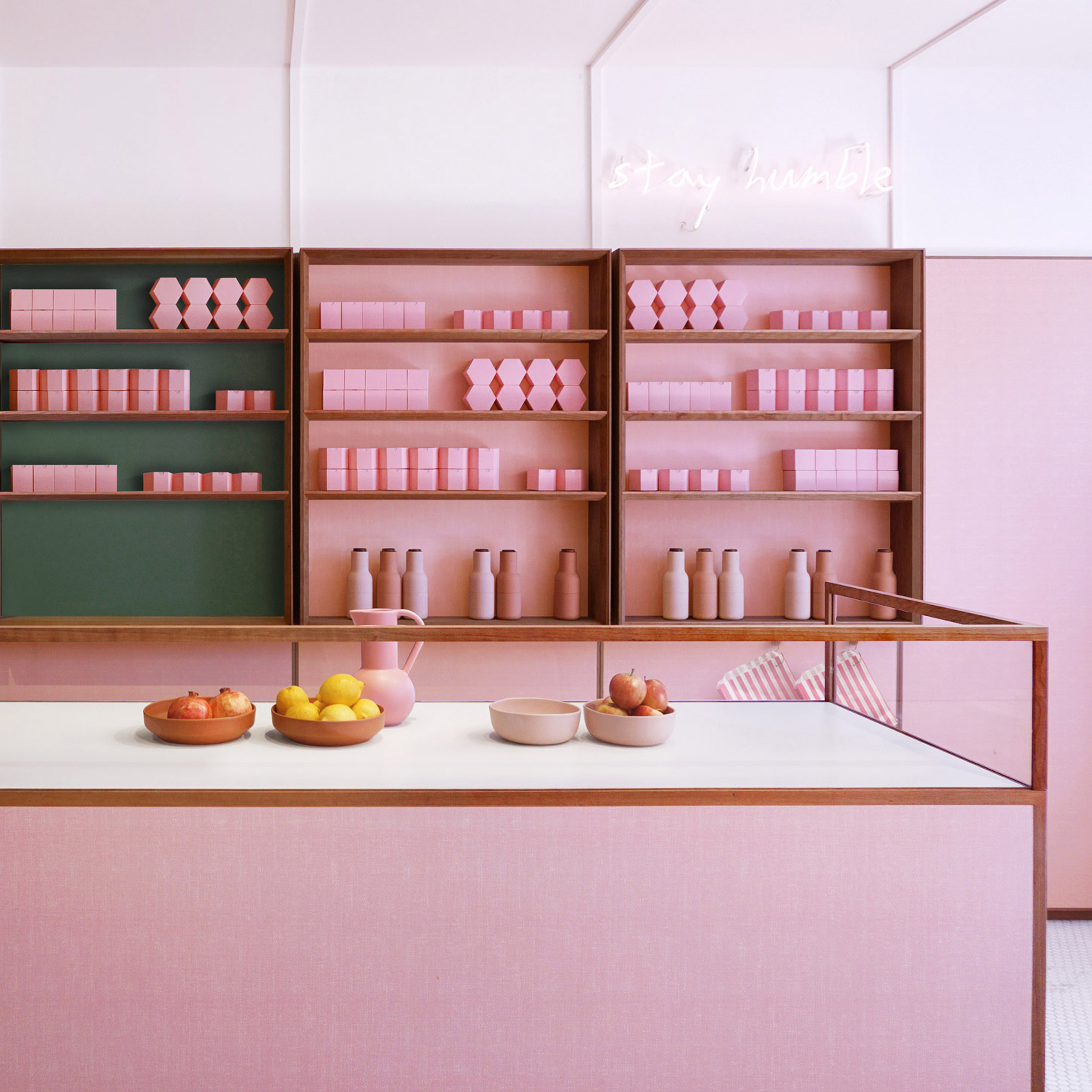
Humble Pizza by Child Studio

Humble Pizza by Child Studio, London, England

Humble Pizza in London's Chelsea neighbourhood is almost entirely pink, making its cosy Italian food pop against the playful decor. It is painted bright pink outside too, and even its plates, mugs and packaging are coloured in a rosy hue.

Designed by locally based Child Studio, the eatery is a narrow storefront with a service counter on one side and a built-in upholstered bench fronted by small round tables and stools on the other.

Find out more about Humble Pizza ›


Yaffa by Frama

Yaffa by Frama, Copenhagen, Denmark

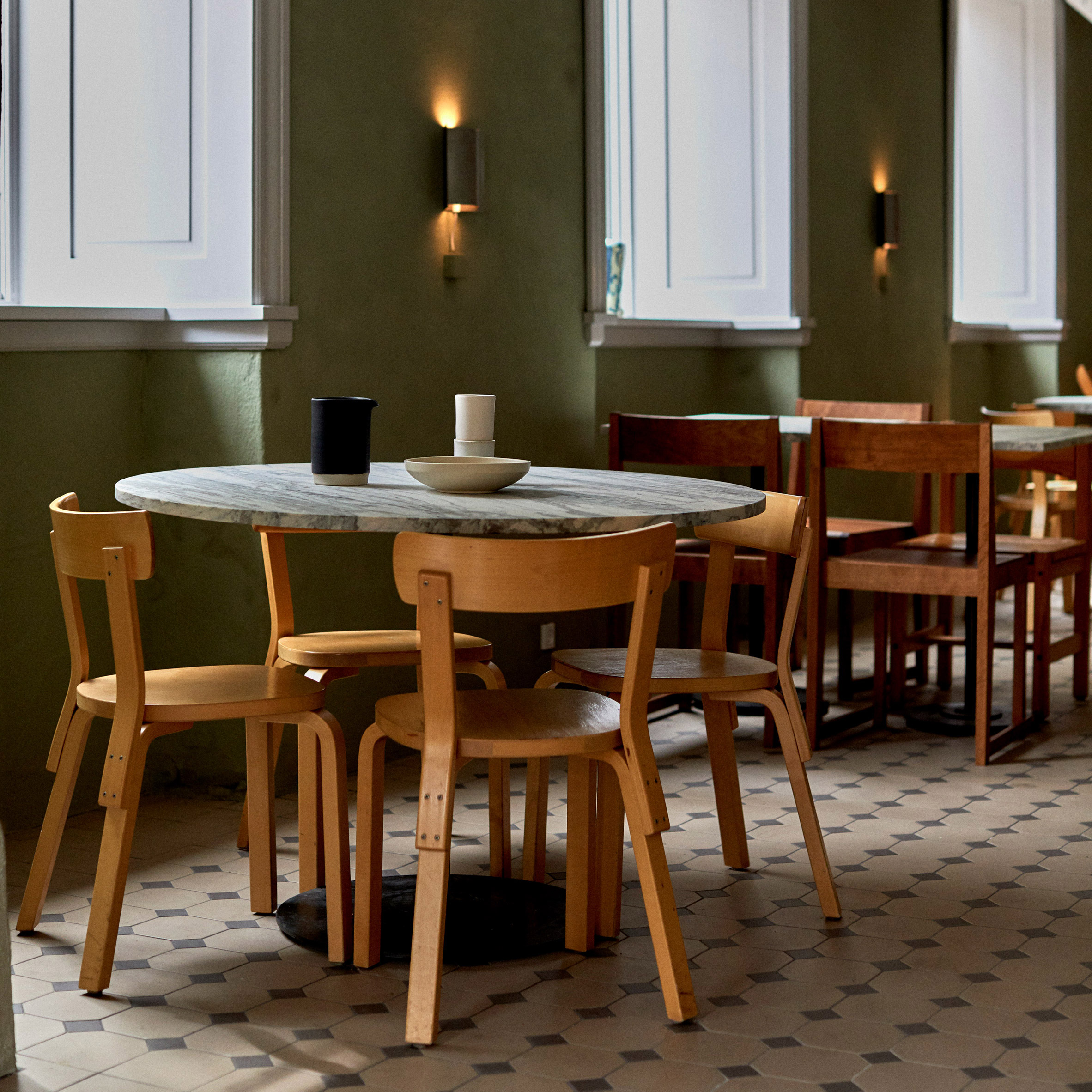
Called Yaffa, this Copenhagen restaurant is outfitted with cream tile floors, wood dining chairs, sandblasted marble tabletops, green walls and taupe accents.

Located in a basement in the city's Gråbrødretorv square, the restaurant serves Mediterranean and Middle Eastern dishes and takes its name from an ancient port city in Israel, also called Jaffa or Yafo. A feature of the interiors are Alvar Aalto's 69 chairs paired alongside Chair 01 designs by Frama, which designed the project.

Find out more about Yaffa ›


Auburn by Klein Agency

Auburn by Klein Agency, Los Angeles, USA

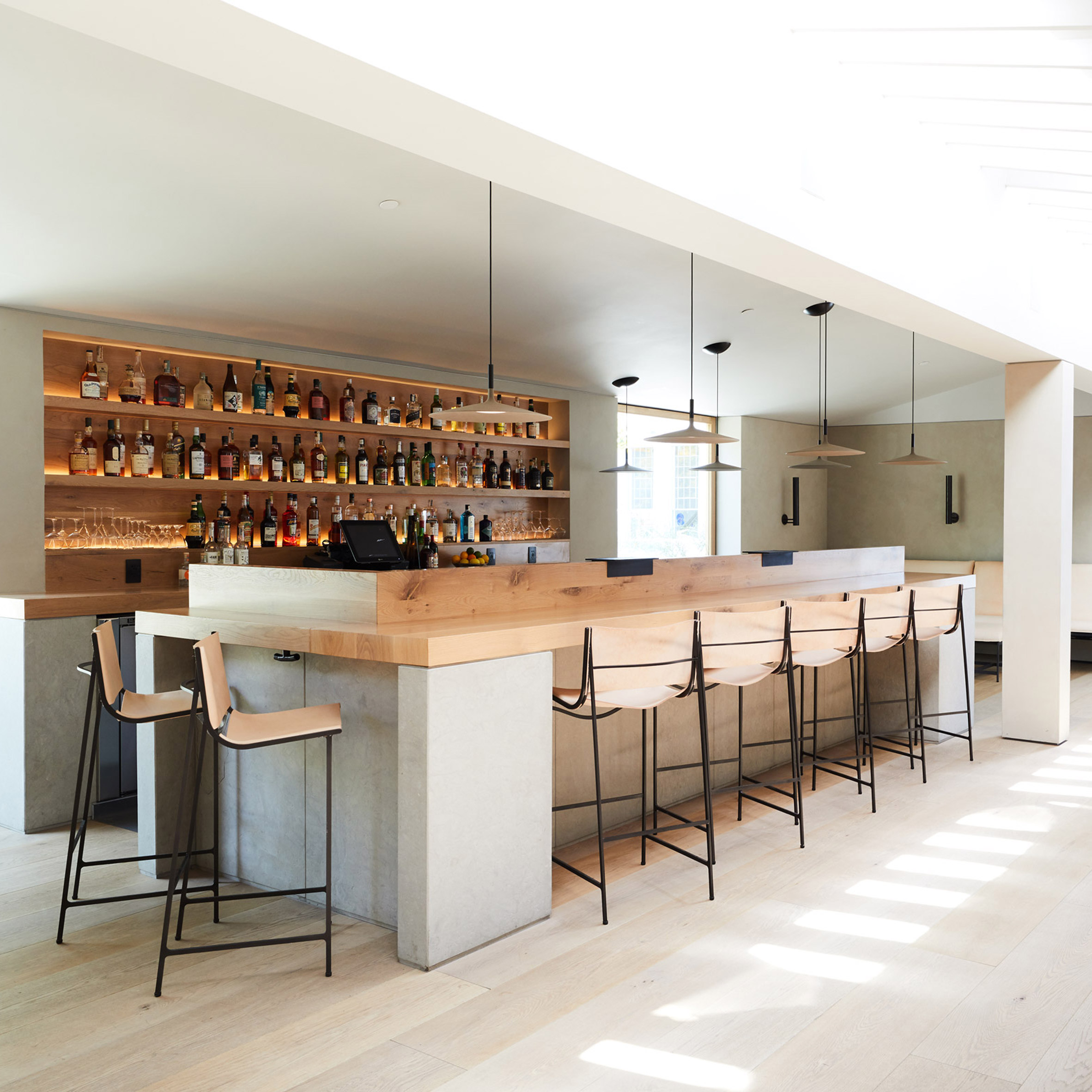
A fine-dining restaurant in Los Angeles on Melrose Avenue, Auburn is the work of husband-and-wife design duo Jon and Maša Kleinhample of Klein Agency and local architect Oonagh Ryan. A range of different nooks and spaces are provided throughout the restaurant for dining and relaxing, based on custom made tables, chairs and lights.

Light wood floors, cream walls and wood and black accents inform a natural aesthetic, while an outdoor dining area is enclosed with glass walls and doors to bring sunlight inside.

Find out more about Auburn ›


Willmott's Ghost by Price Erickson

Willmott's Ghost by Price Erickson, Seattle, USA

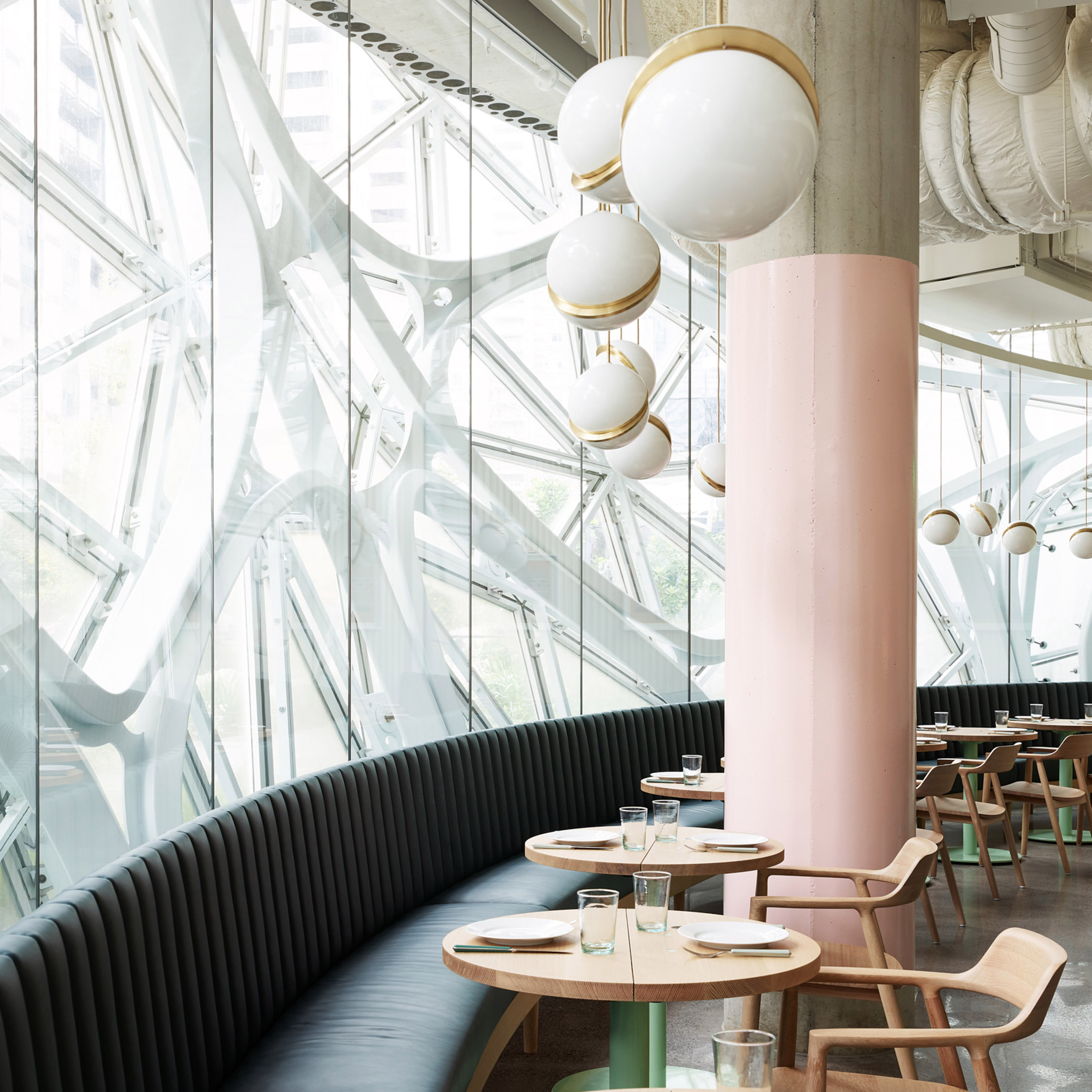
Amazon's Seattle headquarters is complete with an all-day eatery Willmott's Ghost, named after botanist Ellen Willmott, located in its office-cum-botanical garden The Spheres.

Designed by local interior designers Jeremy Price and Renee Erickson of Price Erickson with by Heliotrope Architects, the restaurant features curved booths enclosing the orb-shaped venue alongside concrete pillars painted soft pink. Globe lights with bronze accents dangle overhead.

Find out more about Willmott's Ghost ›


The Manzoni by Tom Dixon

The Manzoni by Tom Dixon, Milan, Italy

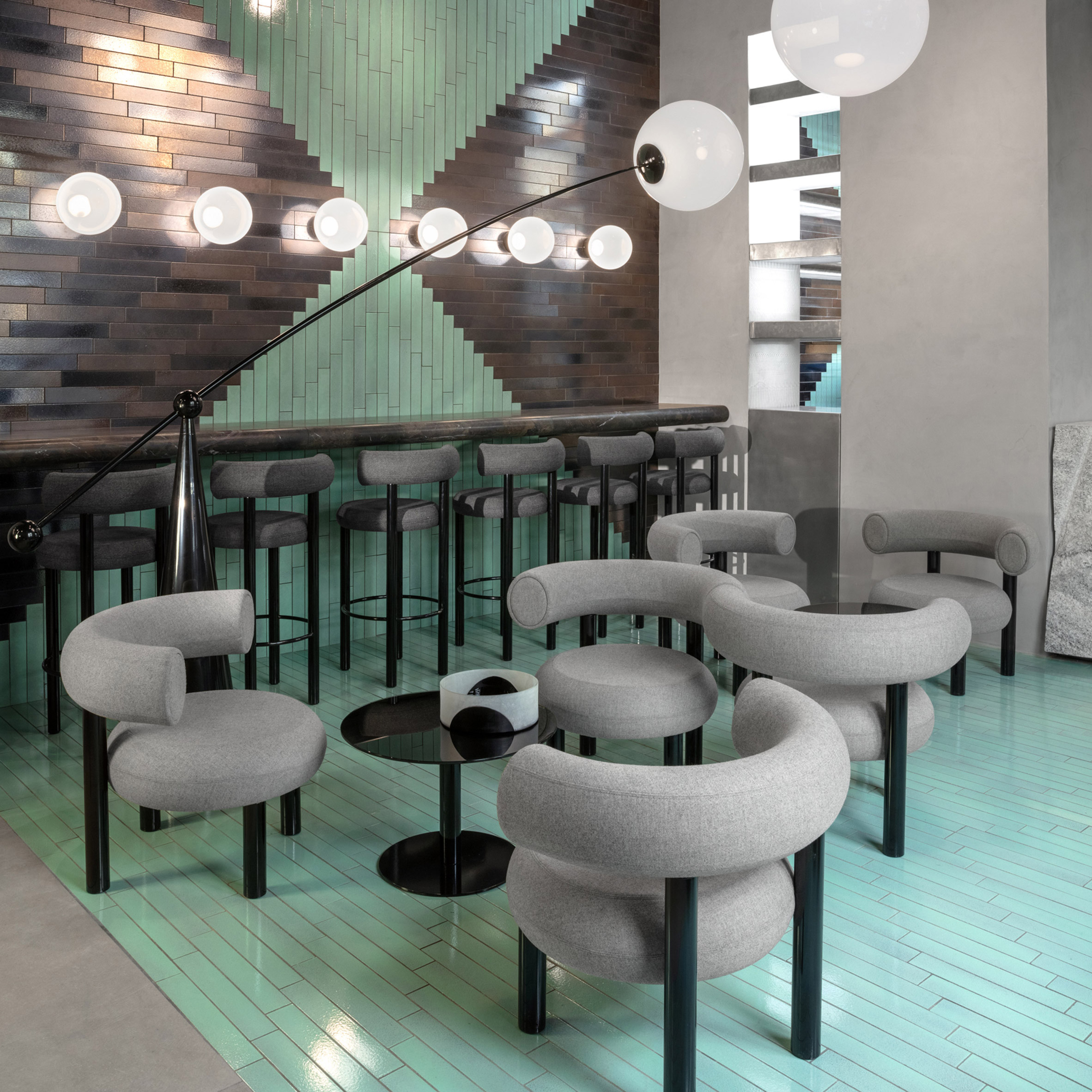
London designer Tom Dixon has created a restaurant in Milan, Italy with a colour palette of mint green, grey and black for The Manzoni, which serves also as his furniture showroom and European headquarters.

"The idea is that everything is for sale, so table settings, through to candle holders, glassware, furniture, absolutely everything will be available to buy," Dixon told Dezeen.

Find out more about The Manzoni ›


Dandelion Chocolate by Fumihiko Sano Studio

Dandelion Chocolate by Fumihiko Sano Studio, Kyoto, Japan

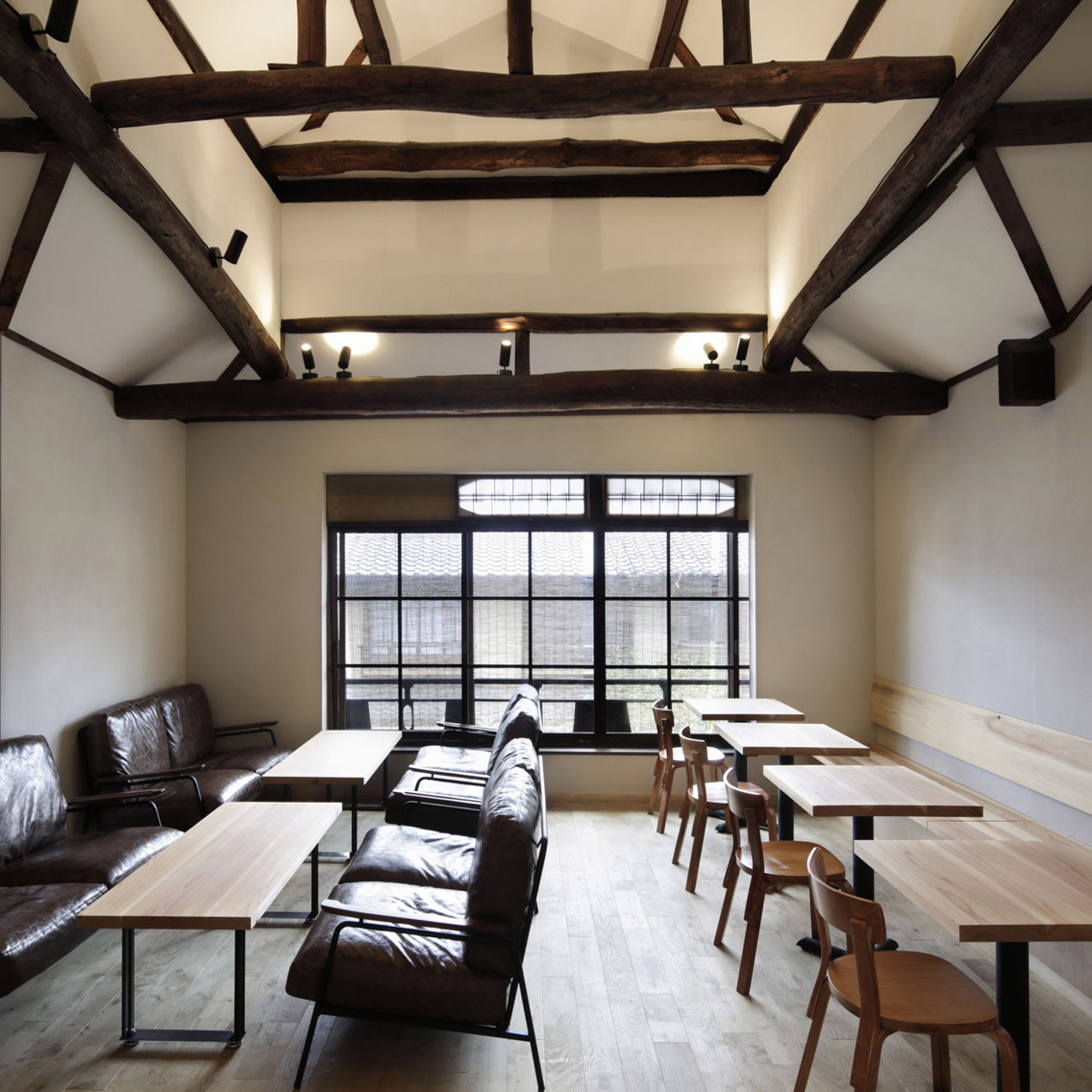
Dandelion Chocolate is a chocolate maker and factory from San Francisco, which has set up shop in Kyoto thanks to the work of Fumihiko Sano Studio.

Located on a quiet street in the city's Ichinenzaka neighbourhood, the project contains a cacao bar where customers can order pairings of chocolate, beverages and desserts, as well as a traditional Japanese courtyard garden. Almost all of the historic property has been preserved for this adaptive reuse project.

Find out more about Dandelion Chocolate ›


Et Cetera by Jeonghwa Seo

Et Cetera by Jeonghwa Seo, Seoul, South Korea

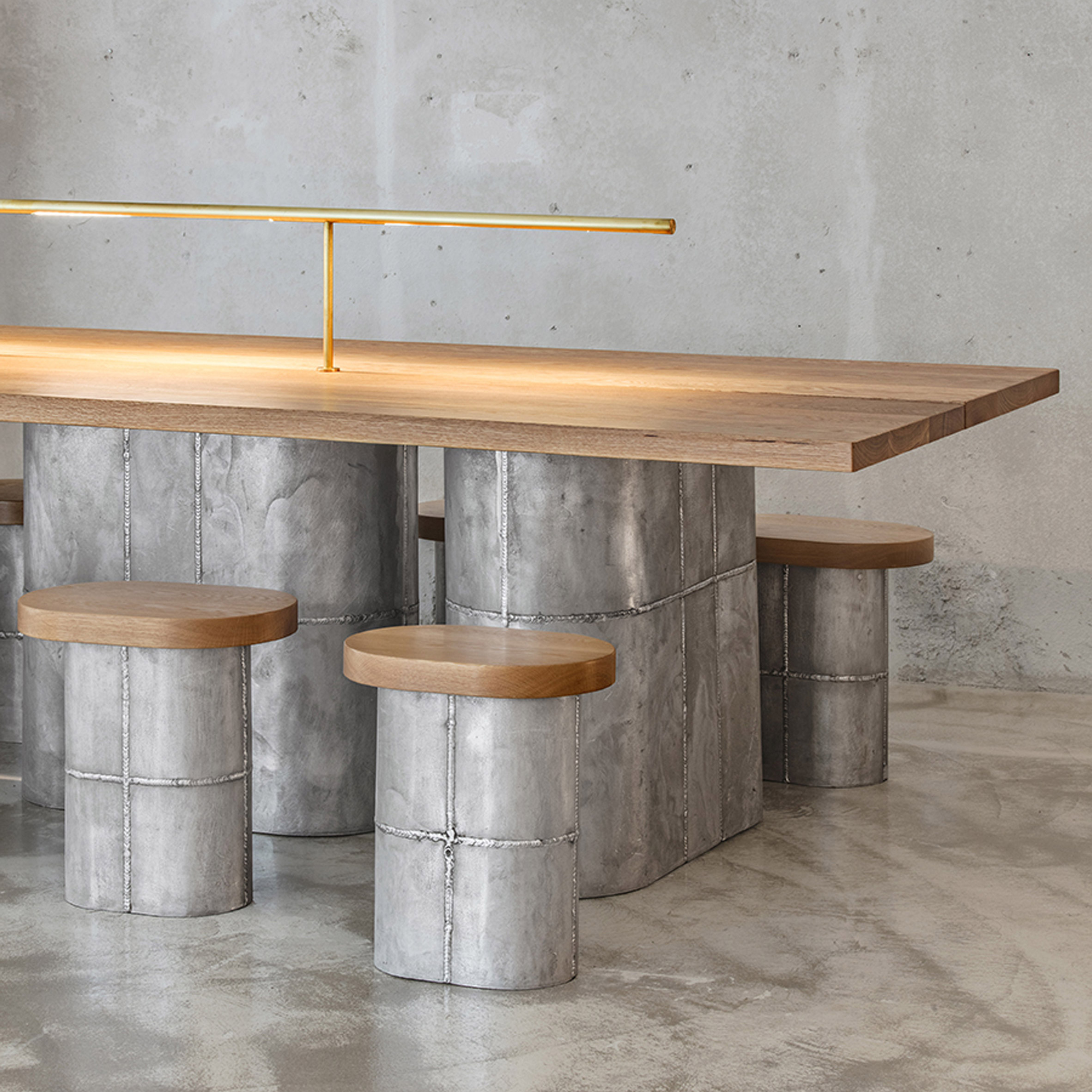
South Korean designer Jeonghwa Seo has designed a wine bar and a cafe in Seoul with a powerful grey palette based on the heavy use of concrete, mirrors, glass and aluminium.

Called Et Cetera, the cafe is filled sparingly with custom tables and chairs made from cast aluminium bases that have been welded into elongated elliptical shapes. The pieces have welding join-lines that have not been ground down to highlight the making process.

Find out more about Et Cetera ›


Maku Poke by Wewi

Maku Poke Stop by WeWi, Cancun, Mexico

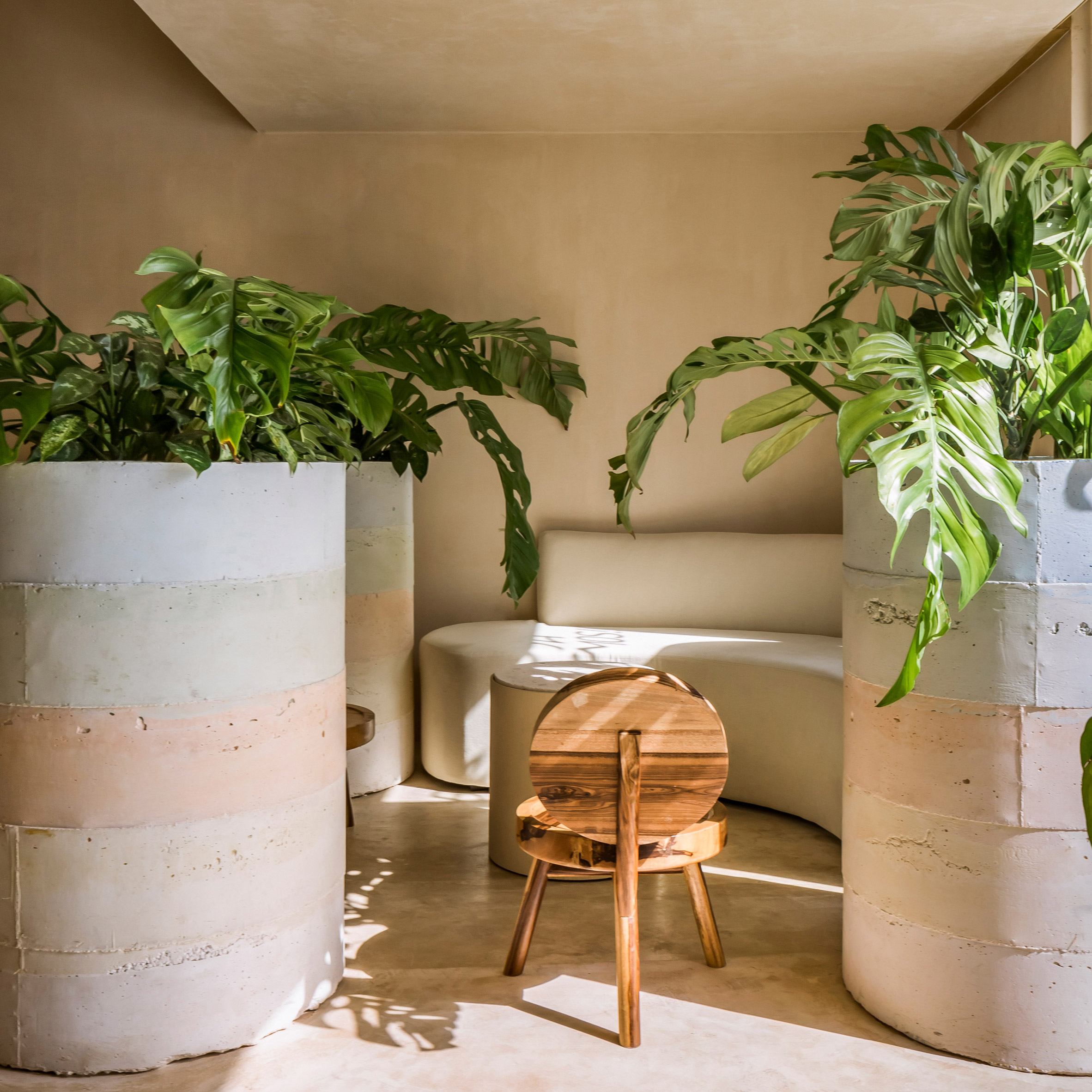
Maku is a poke spot in the Mexican beach town of Cancun, designed by local studio WeWi around the "smooth atmosphere of the Mexican Caribbean beaches".

Large concrete planters with lush plants divide the cafe and create dining nooks, with wood chairs, tables and built-in booths upholstered in a cream fabric filling the space. The walls, floor and ceiling are coated in chukum – a local plaster technique made from limestone and tree resin.

Find out more about Maku Poke Stop ›

The post Dezeen's top 10 restaurant interiors of 2019 appeared first on Dezeen.


from Dezeen https://ift.tt/2PmmrR5

Branches disguise a secluded hideaway next to a Norwegian lake

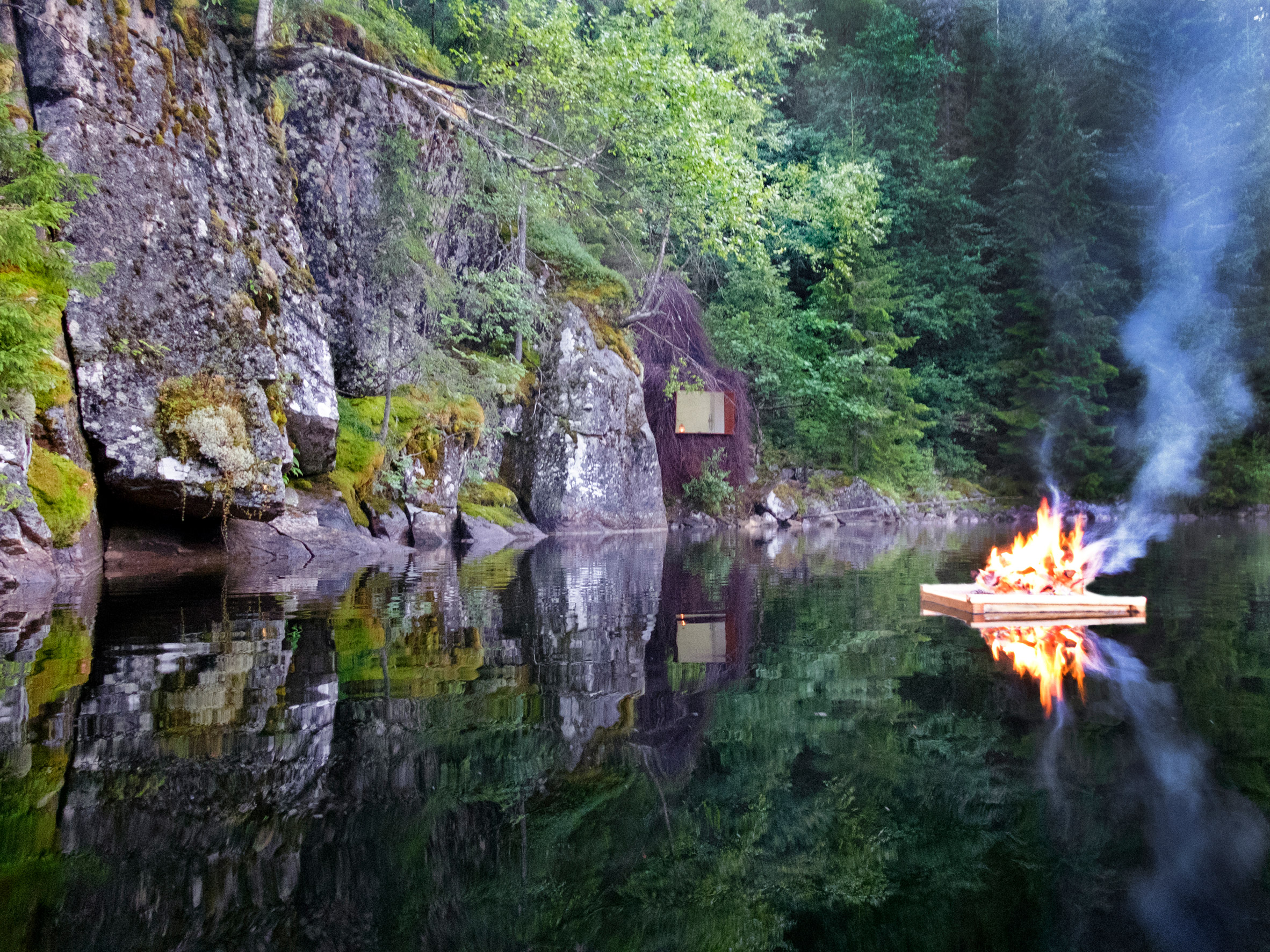
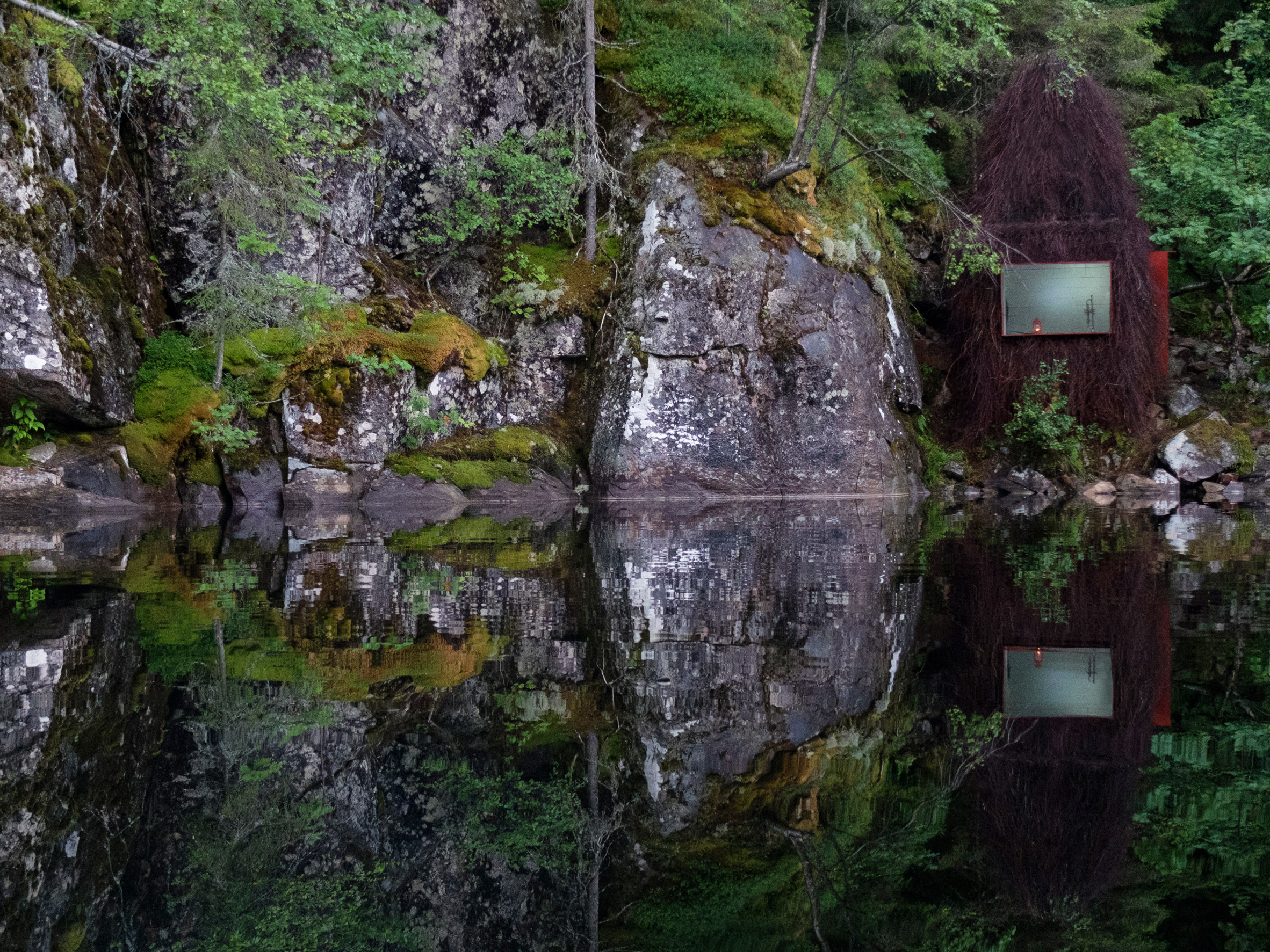
Gjemmested by Gartnerfuglen Arkitekter & Mariana de Delás

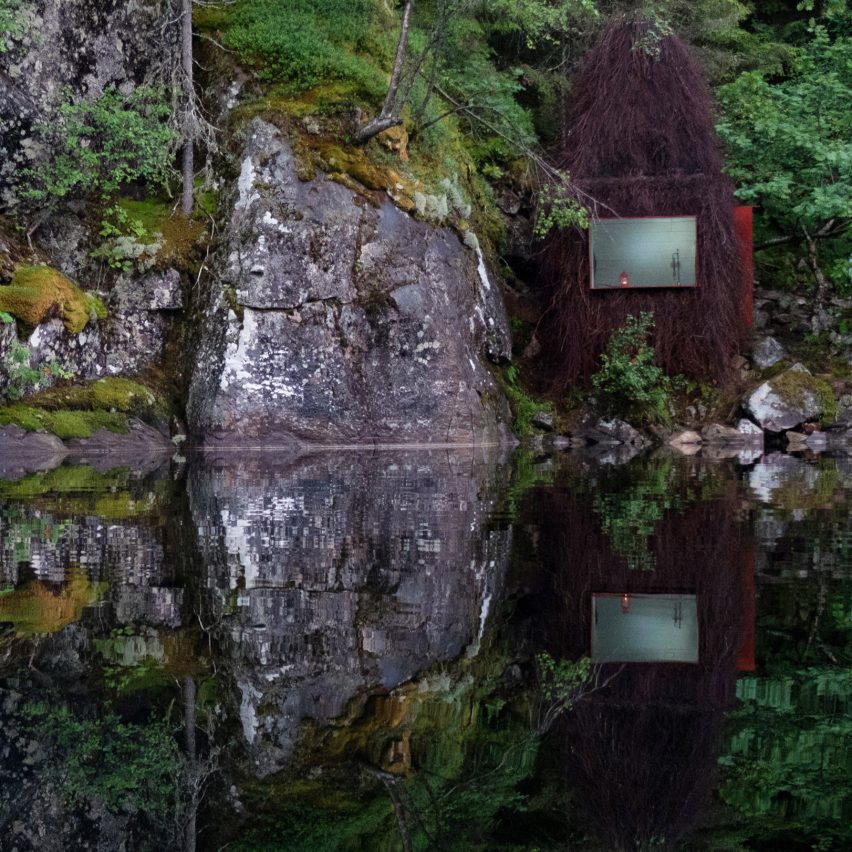
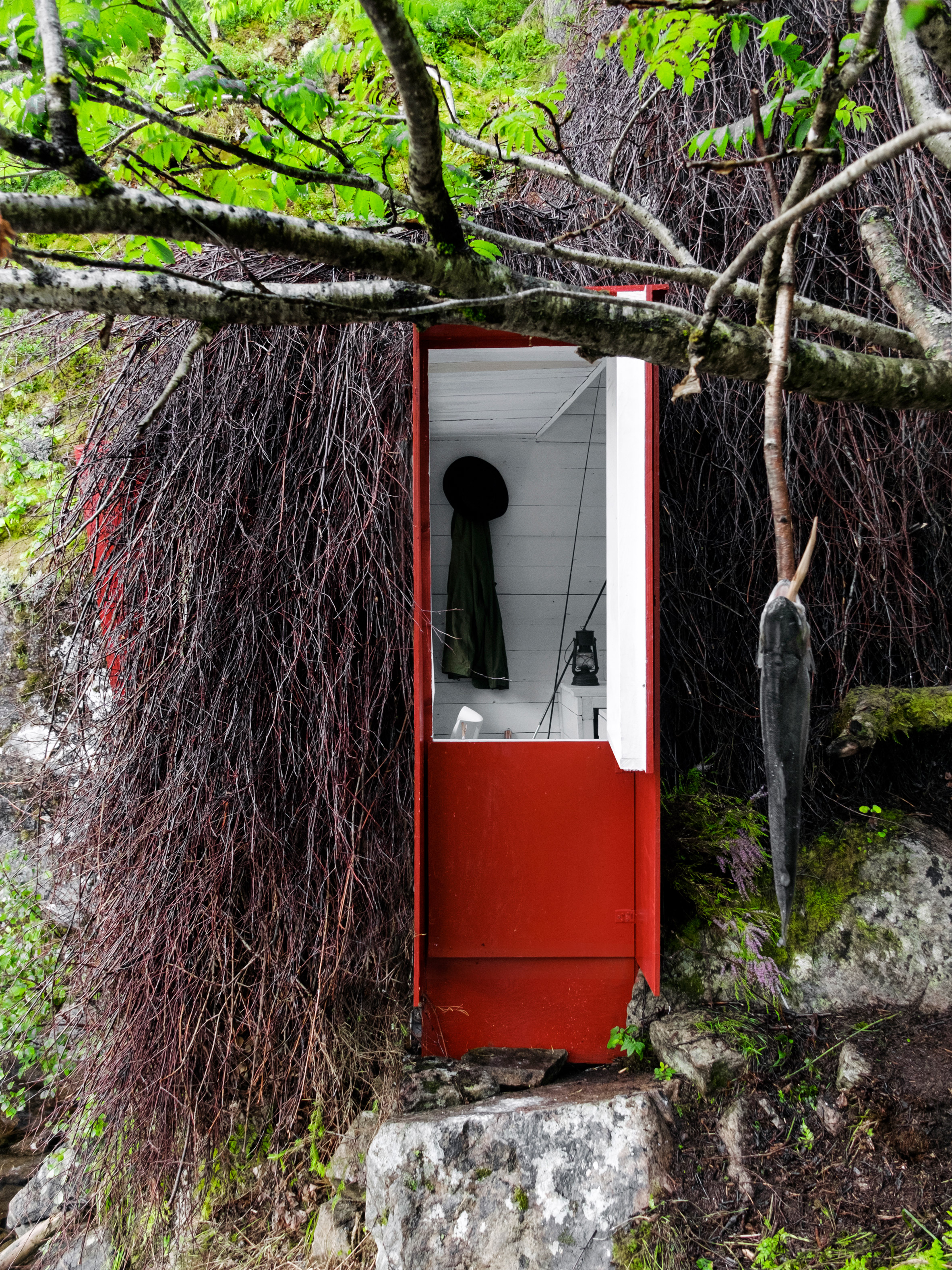
Architecture practice Gartnerfuglen and architect Mariana de Delás have hidden a hut next to a secluded lake in Norway with a layer of birch branches.

Gjemmested, meaning hideout in English, sits at the bottom of a steep slope in the Telemark region, and is accessible only by rowing boat or by skis when the lake is frozen over.

Gjemmested by Gartnerfuglen Arkitekter & Mariana de Delás

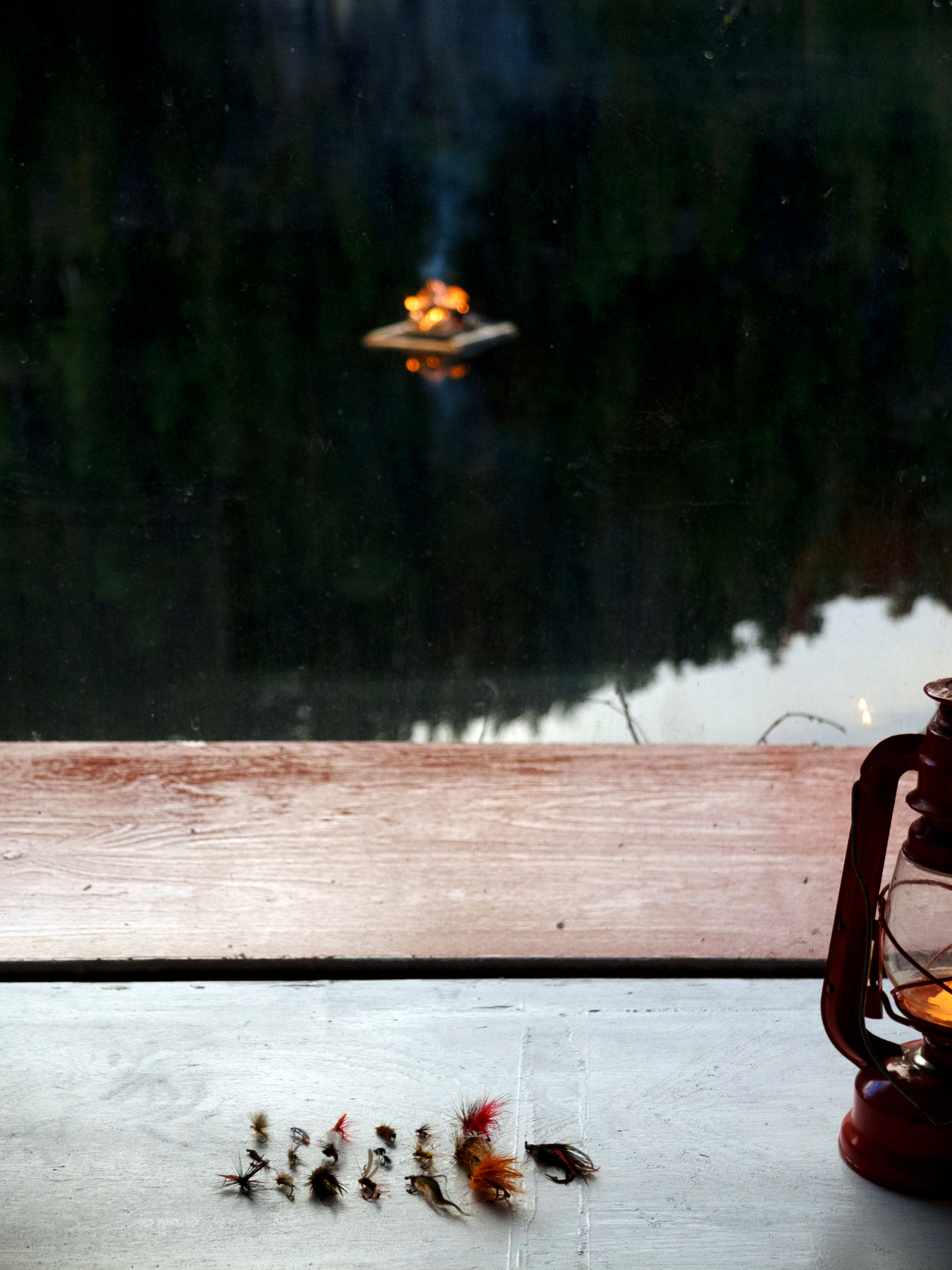
The hut was designed to be a place to retreat and disconnect from any technological distractions, a place where the occupants can fish and nap in peace.

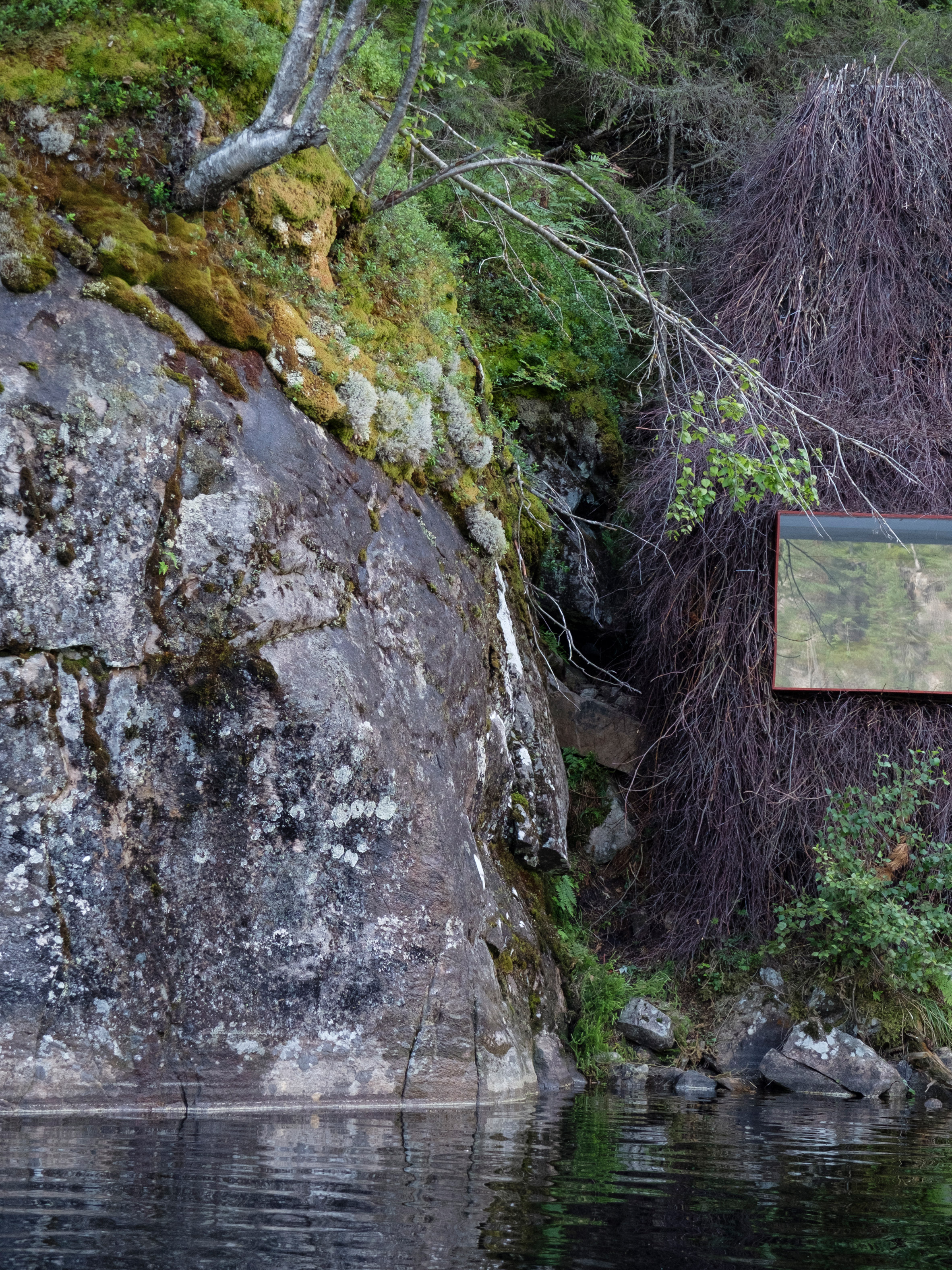
"When not in use, the hideout sits quietly and modestly in nature as if it were one of its creatures; blending in with the forest behind and even serving as a pitstop for thirsty birds on their way to the lake," explained the studio.

Gjemmested by Gartnerfuglen Arkitekter & Mariana de Delás

The family who own the land the Gjemmested is built on live on a secluded farm on the other side of the lake.

They have gradually seen the surrounding area be discovered and used by more and more people, due to the public right of access laws in Norway – called Allemansträtten.

Gjemmested by Gartnerfuglen Arkitekter & Mariana de Delás

While not wanting to prevent this access, the owners sought to create a space that evoked the isolated, secluded feeling of the forest. The fishing hut has no internet or mobile phone connection.

"Elements that could be considered inconvenient in the past are more and more becoming luxurious nowadays," said Gartnerfuglen.

Gjemmested by Gartnerfuglen Arkitekter & Mariana de Delás

Gartnerfuglen and Mariana de Delás dug the scree out by hand and used the rocks to create a pier for the owners to dock their rowboat at. The hut is made from a skeleton of timber.

The birch branch thatch provides a layer of insulation against snowy winters and and helps camouflage the hut.

Gjemmested by Gartnerfuglen Arkitekter & Mariana de Delás

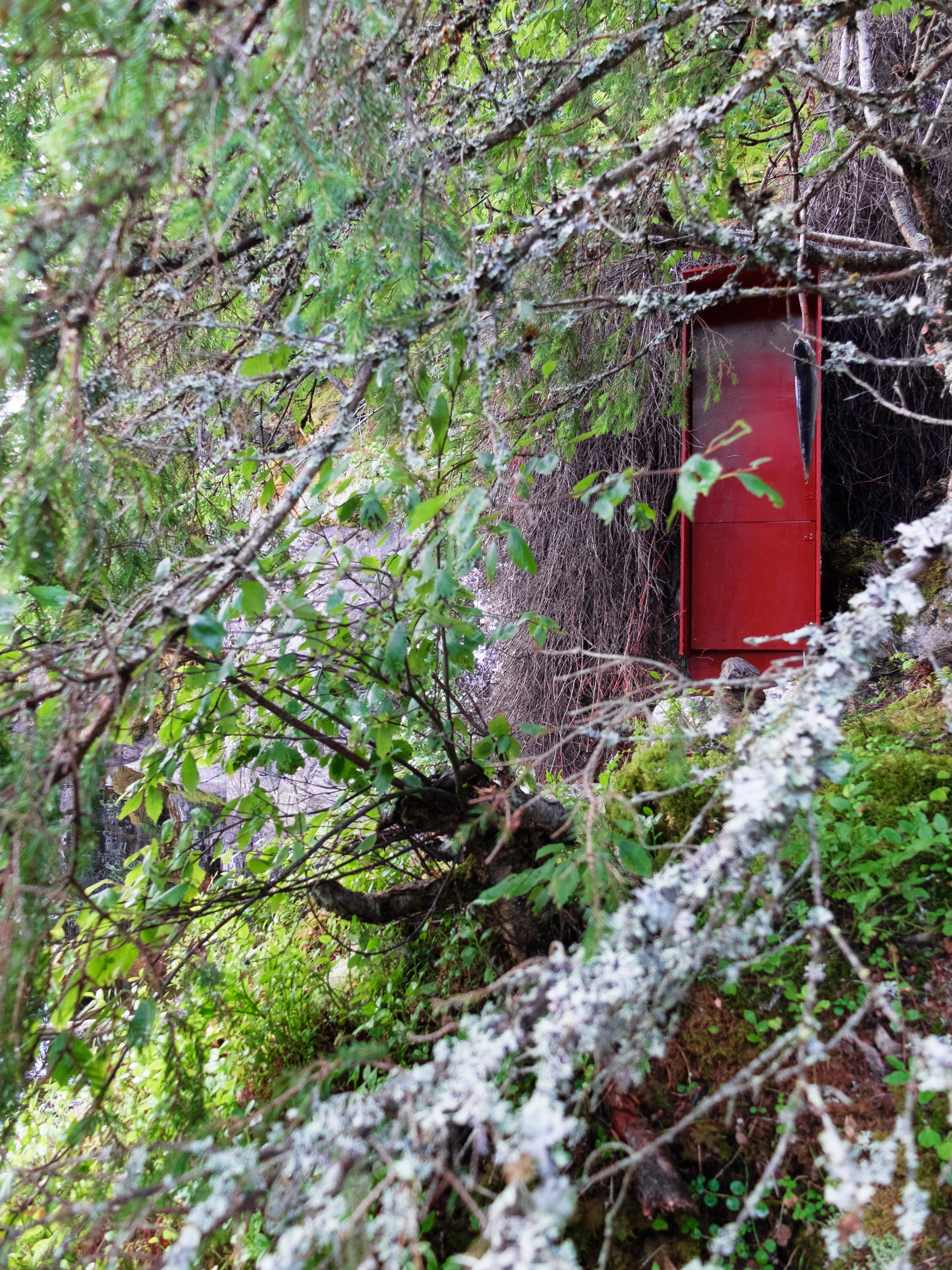
Bright red windows and a door provide a splash of colour to the shaggy exterior of the fairytale hut.

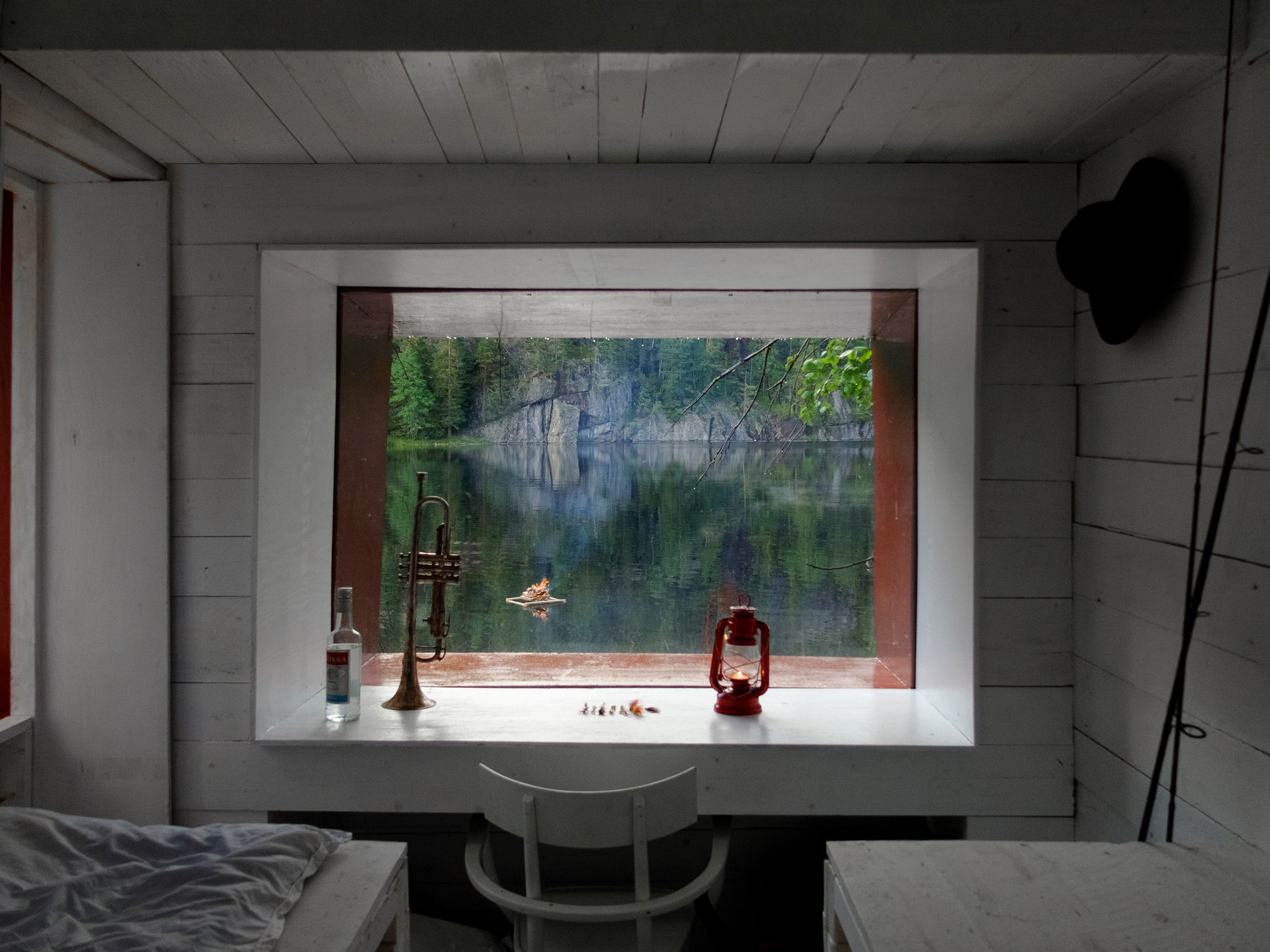
The hide's interior contrasts its rough and textured exterior, with plain white wooden walls accented by the large red surrounds of the window and door.

Gjemmested by Gartnerfuglen Arkitekter & Mariana de Delás

One small room has a built-in desk looking out through a large window to the lake.

A set of steps leads up to a second room large enough for two people to lie down, which is illuminated by a high skylight.

Gjemmested by Gartnerfuglen Arkitekter & Mariana de Delás

Gartnerfuglen and Mariana de Delás have previously collaborated on another, equally nature-focused project in Mallorca, where they designed a raised wooden platform for an equestrian to use for grooming.

Photography is by Gartnerfuglen Arkitekter & Mariana de Delás.


Project credits:

Studio: Gartnerfuglen Arkitekter and Mariana de Delás
Architects: Astrid Wang, Olav Lunde Arneberg, Ole Larsen, Mariana de Delás

The post Branches disguise a secluded hideaway next to a Norwegian lake appeared first on Dezeen.


from Dezeen https://ift.tt/2YOv7mf

Dezeen's top 10 shops of 2019

Standard Dose New York by SR Projects

A pink-tinged CBD store in New York and a minimalist handbag boutique in Milan are among the top 10 shops of 2019, selected by interiors reporter Natasha Levy as part of Dezeen's yearly review.


Standard Dose New York by SR Projects

Standard Dose, USA, by SR Projects

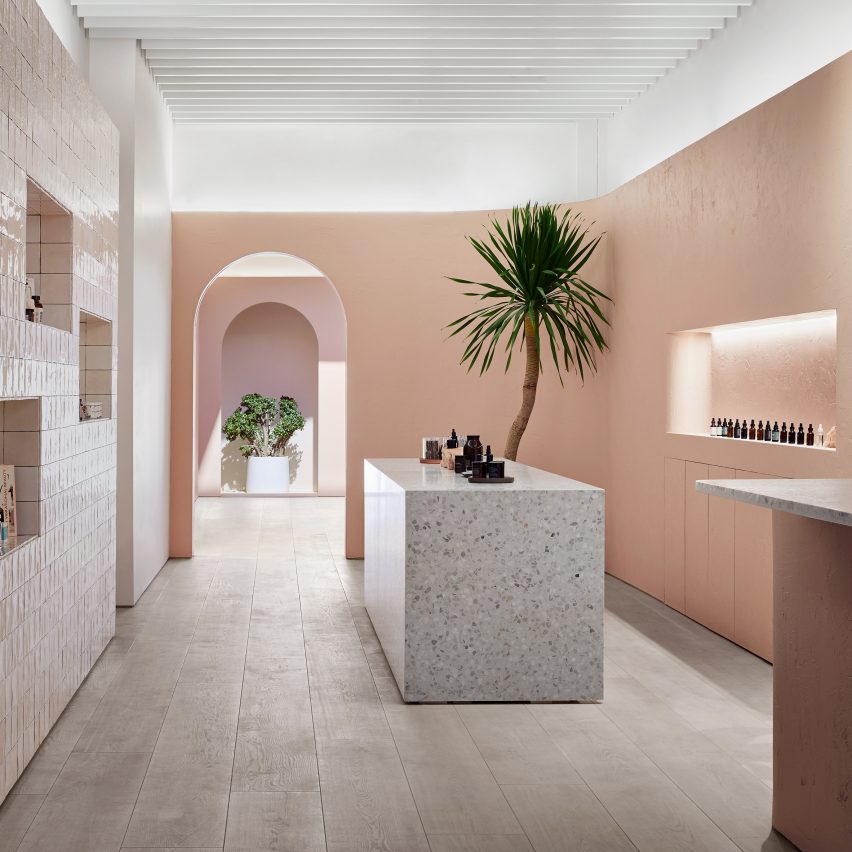
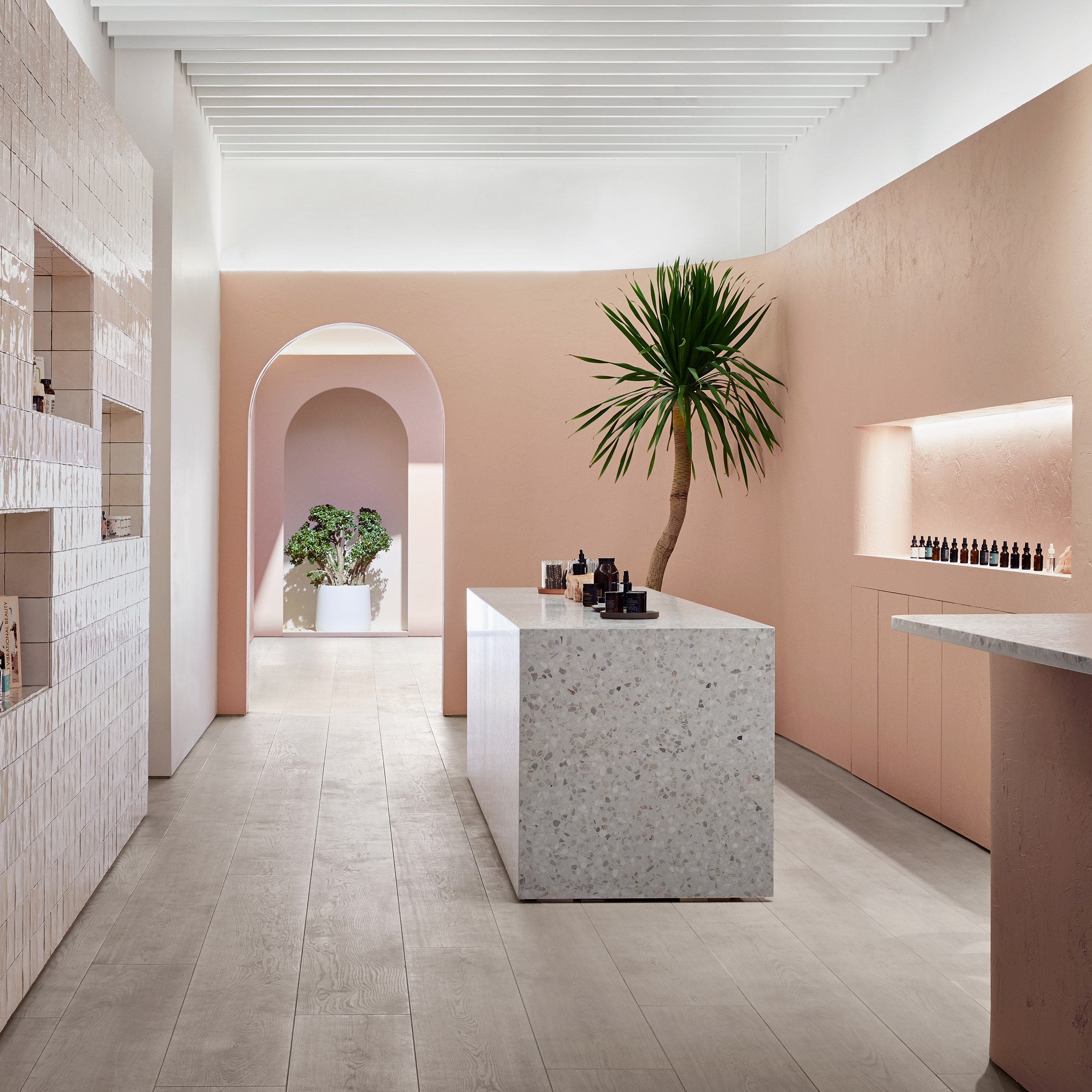
It's only fitting that SR Projects set out to create a "calm escape" inside this New York store, which exclusively sells products infused with CBD – a cannabis-derived substance known for its anxiety-reducing qualities.

The space is decked out in a soothing mix of pink plaster, pearly white tiles and pale grey terrazzo. There are also a series of arched doorways that take customers through to the on-site tea rooms, meditation spaces and yoga studio.

Find out more about Standard Dose


Valextra, Italy, by John Pawson

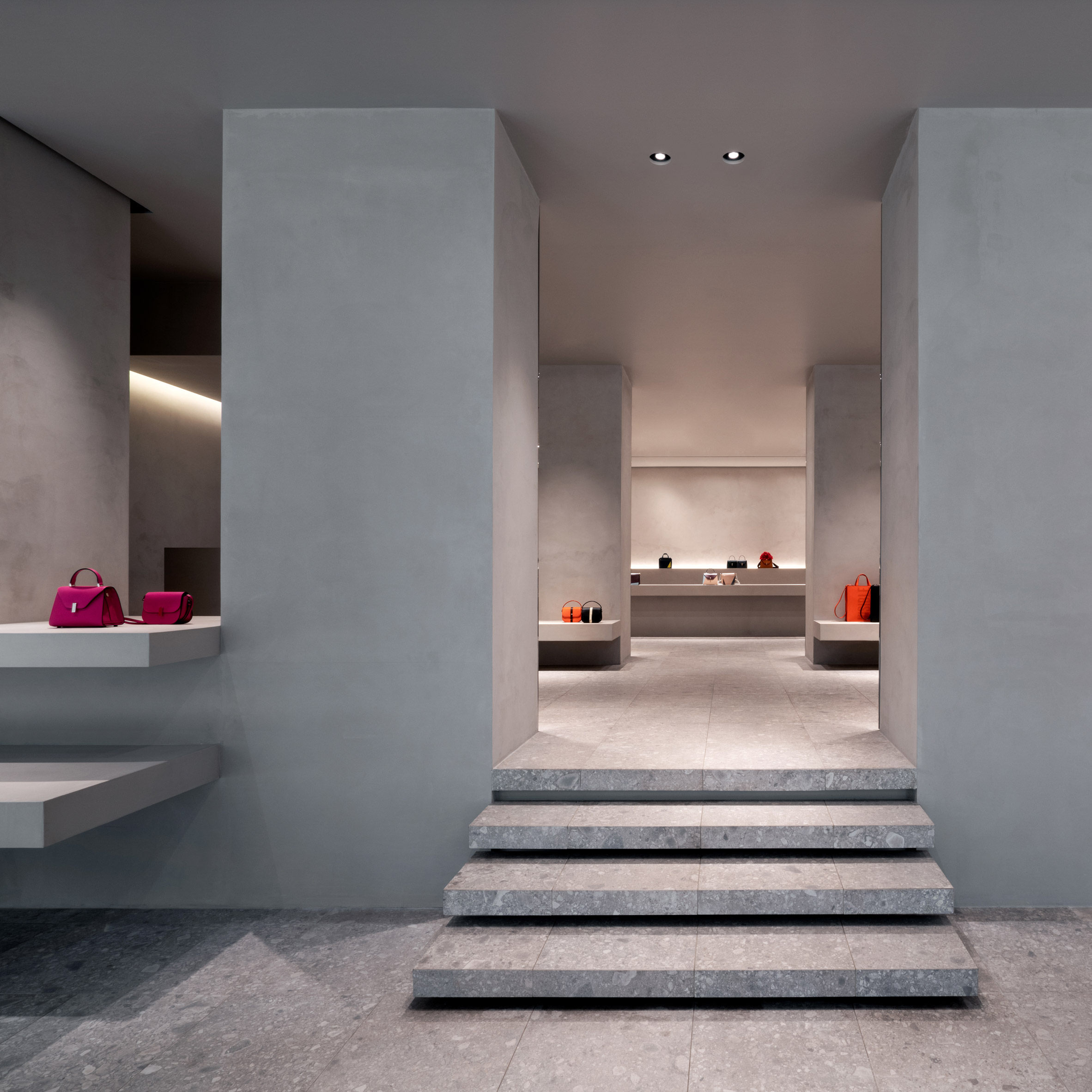
John Pawson channelled "minimalism, clean elegance and restrained luxury" to create the interior of Milan's Valextra store, which boasts a spartan mix of grey-plaster walls and stone floors.

The overhaul also saw the erection of a suspended ceiling, parts of which have been cut away to form faux skylights that illuminate the high-end handbags displayed below.

Find out more about Valextra


Fig by Scott & Scott Architects

Fig, Canada, by Scott & Scott Architects

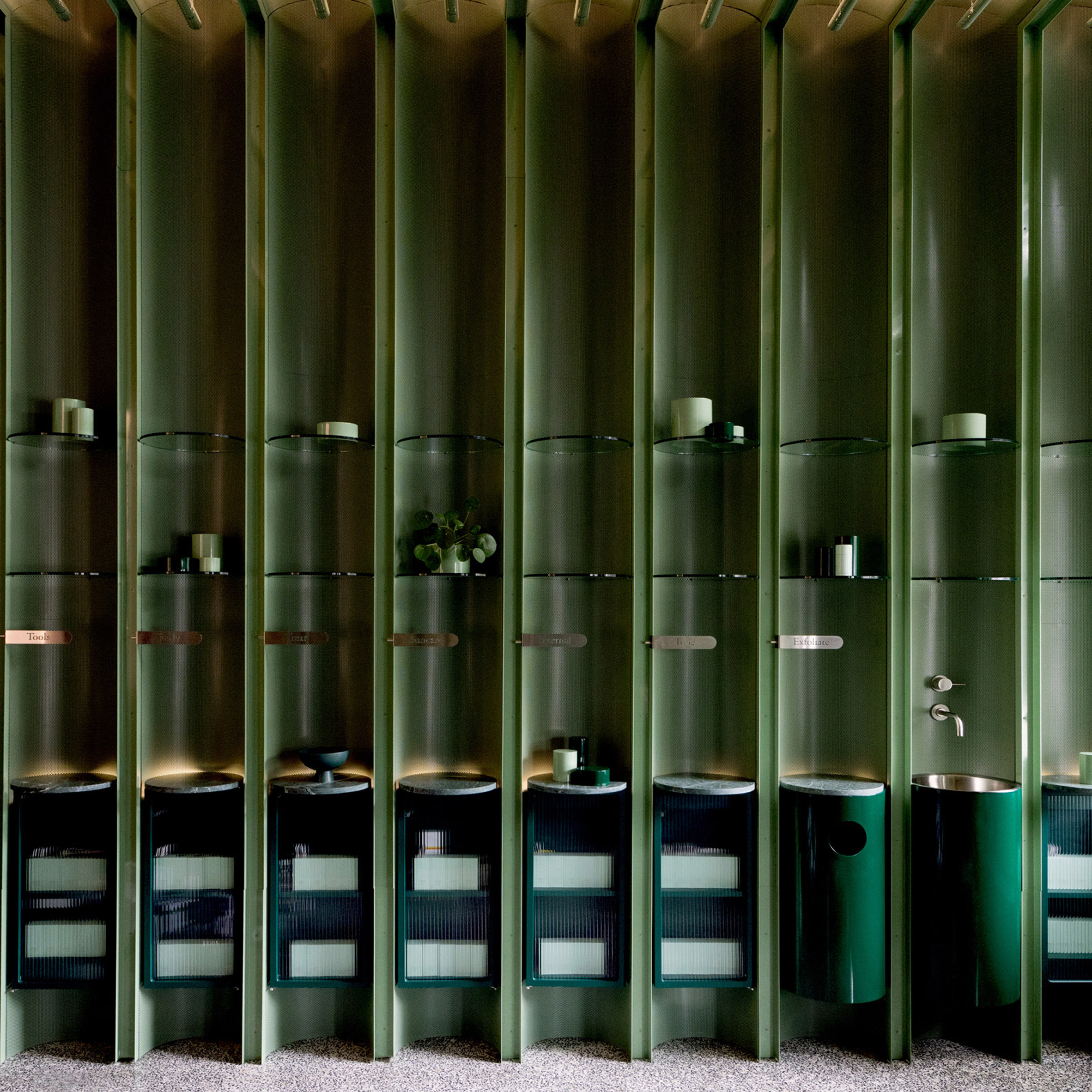
Scott & Scott Architects drew upon the natural ingredients found in Fig's skincare products to create the rich-green interior of the brand's Vancouver store.

Concave tubes of khaki-coloured steel align to form a feature wall, while at the centre of the space is a service counter topped with emerald marble. Forest-green velvet curtains can also be drawn back to reveal a series of private treatment booths.

Find out more about Fig


Interiors of National Museum of Qatar by Koichi Takada Architects

National Museum of Qatar gift shop, Qatar, by Koichi Takada

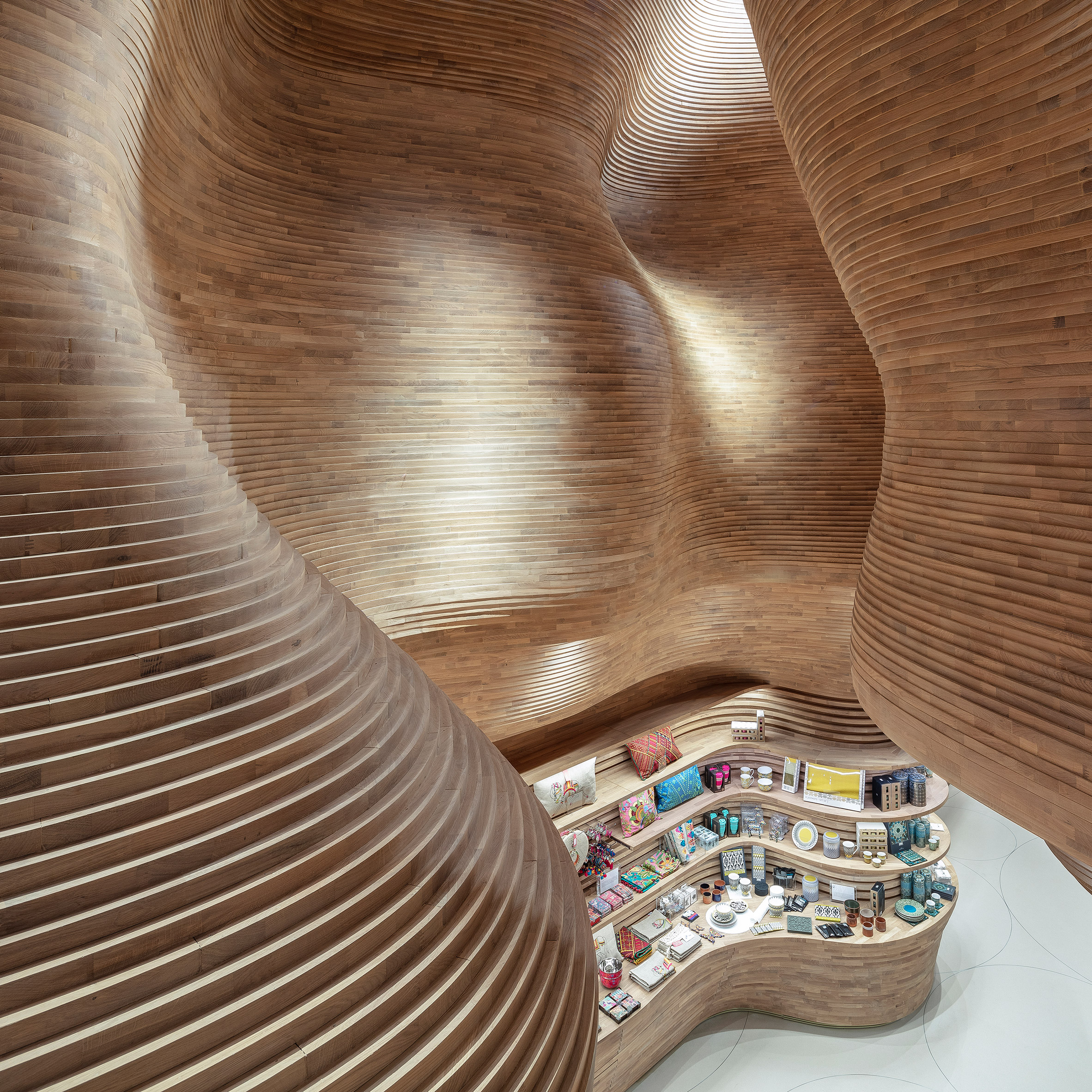
A staggering 40,000 pieces of wood were used to form the undulating surfaces of the National Museum of Qatar's gift shop.

Designed in reference to the Dahl Al Misfir cavern, the shop's soaring walls stagger downwards to form stalagmite-like columns with in-built display shelves. Light trickles in from the outdoors through skylights punctuated in the ceiling.

Find out more about the National Museum of Qatar gift shop


Aesop Sounds Hannam store designed by Mlkk Studio

Aesop, South Korea, by Mlkk Studio

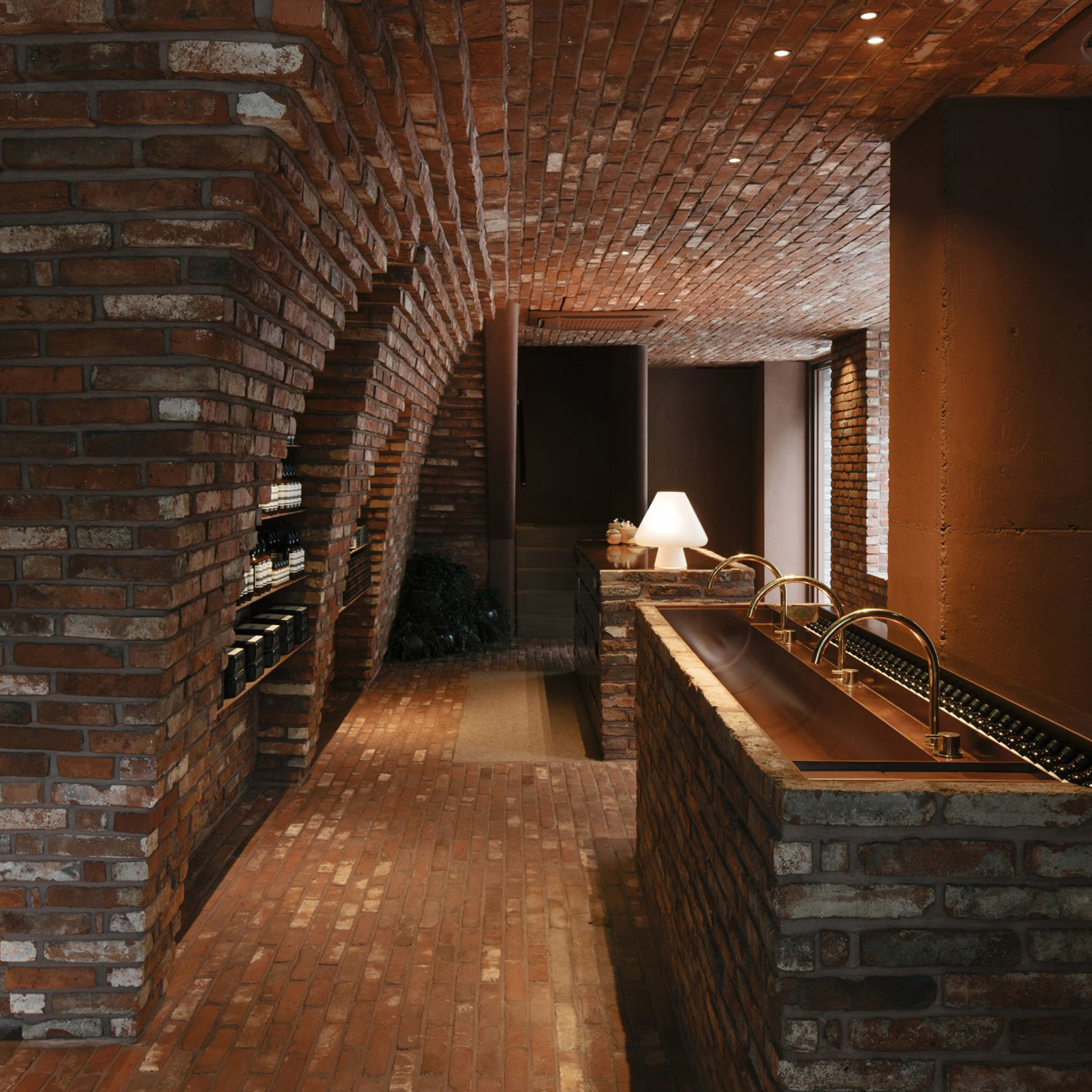
Behind the cold, grey facade of a mixed-use building in Seoul lies this cosy Aesop store, which is almost entirely lined in reclaimed red bricks.

The material palette – which is meant to "enrich the sense of time and history" – takes a turn on the first floor, where walls are covered in a chocolate-coloured plaster. Treatment rooms are finished with deep brown cabinetry and sandy beige sofas.

Find out more about Aesop


Louis Vuitton store on London's New Bond Street, designed by Peter Marino

Louis Vuitton, UK, by Peter Marino

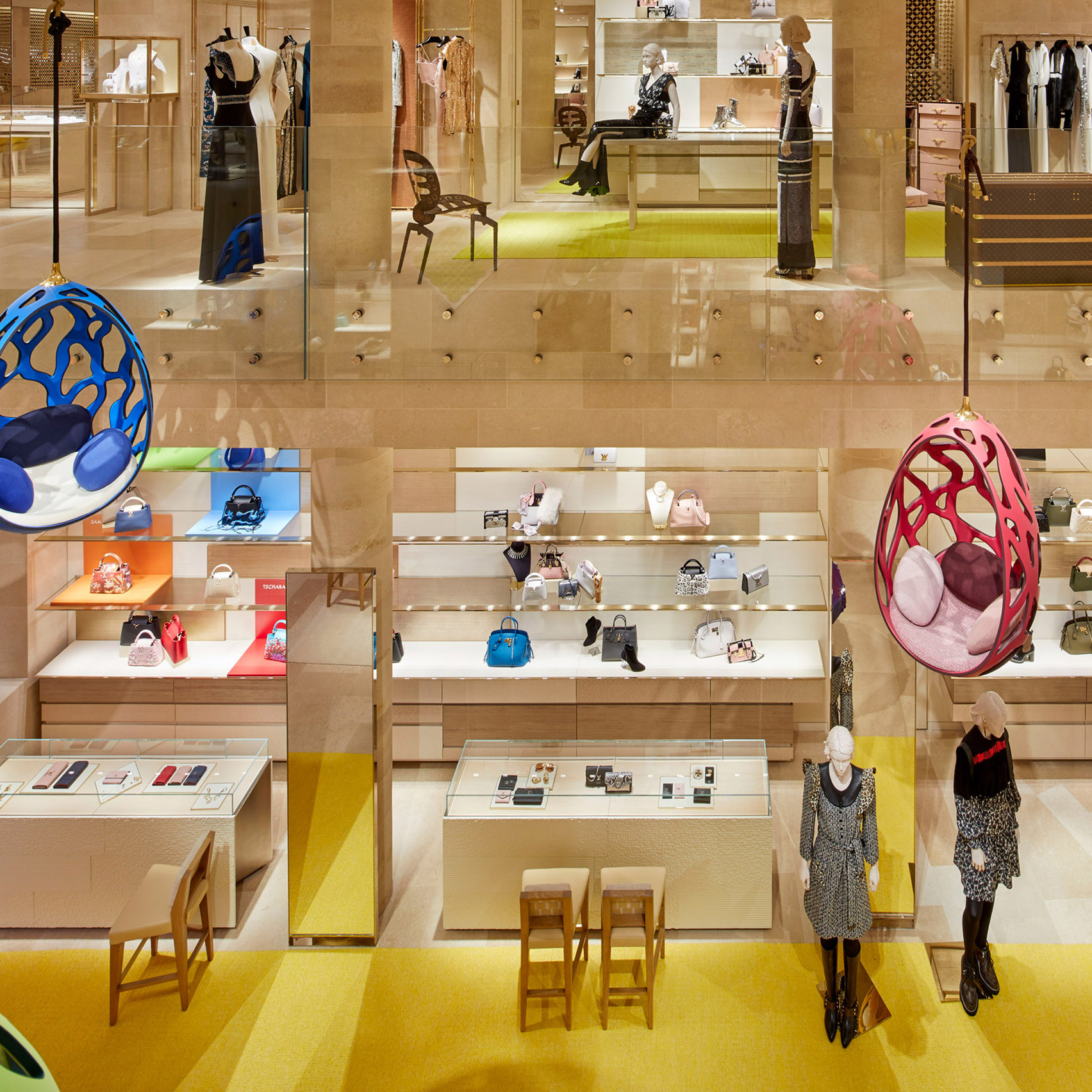
A heart-shaped neon sculpture by Tracey Emin and a series of cocoon-like pods from the Campana brothers are just some of the colourful artworks to appear inside this west-London branch of Louis Vuitton, which reopened this year following a 14-month renovation.

Other fun elements like a tall, twisting staircase have also been included in the store, which Peter Marino wanted to seem "lighter, clearer and happier" than the fashion brand's early retail spaces.

Find out more about Louis Vuitton


Dolce & Gabbana Piazza di Spagna store by Carbondale features digital fresco

Dolce & Gabbana, Italy, by Carbondale

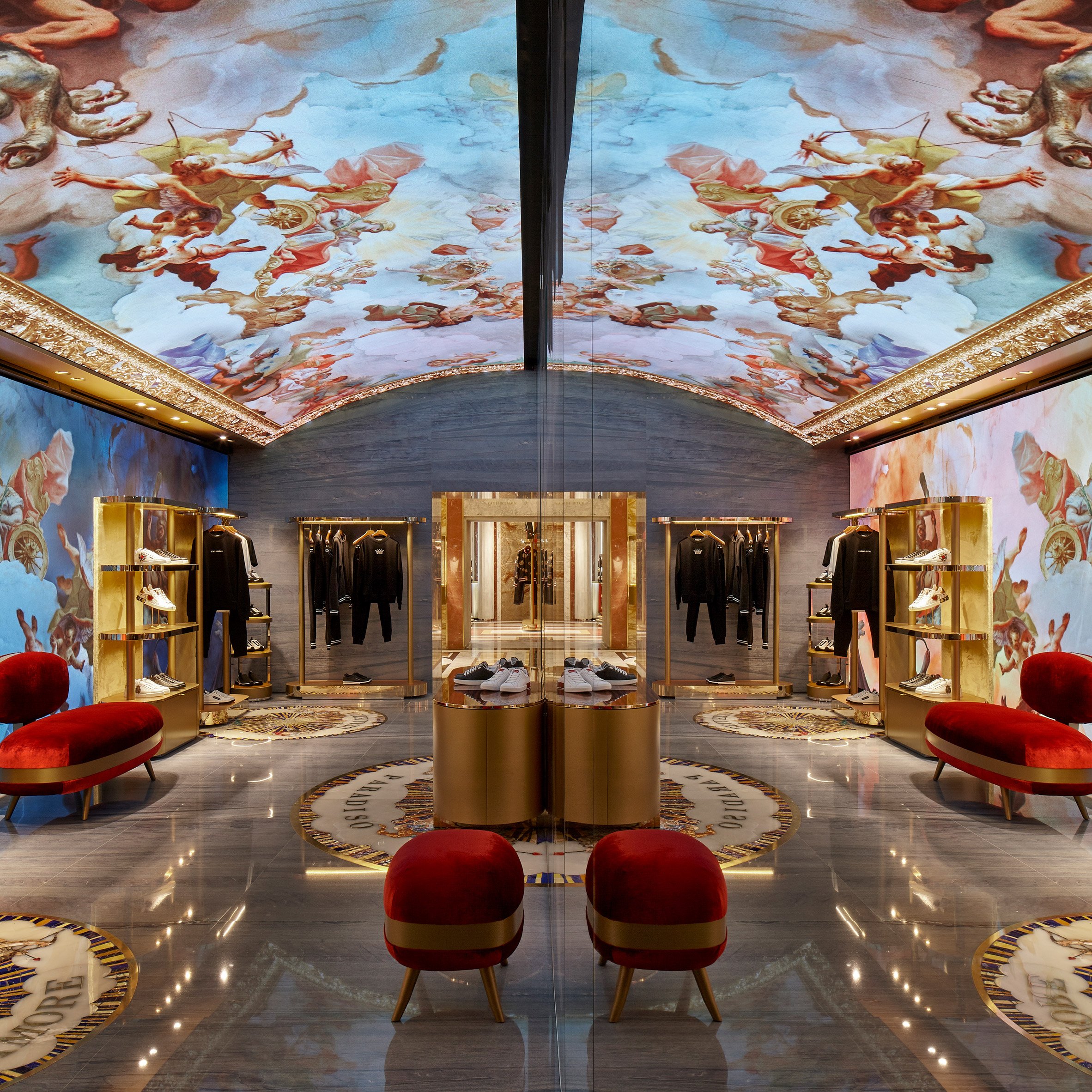
Chubby cherubs and angered deities soar across a digitalised fresco that features inside Rome's Dolce & Gabbana store, which occupies a 16th-century palazzo.

A rich material palette of walnut, brass and marble has been used to decorate the rest of the space, reflecting the "magnificence and uniqueness" of the Italian capital.

Find out more about Dolce & Gabbana


Open by Emily and Mark Anderson

Open, UK, by Emily and Mark Anderson

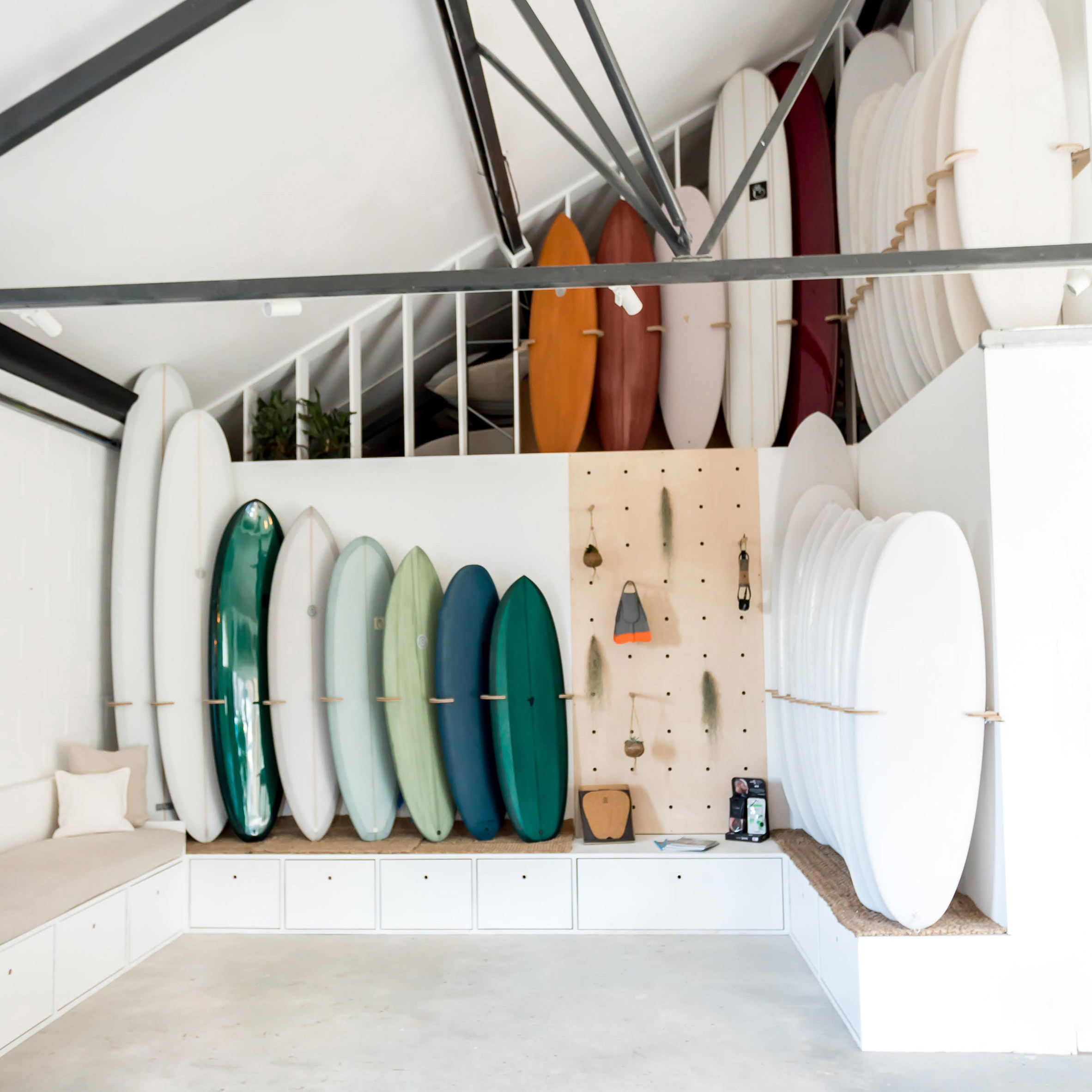
Design novices Emily and Mark Anderson took on the task of transforming a dilapidated surfboard factory into this shop-cum-cafe, which lies just 100 metres from the Cornish coastline.

The space has been finished with bright-white walls that nod to the colour of nearby cliffs, and a handful of woven furnishings. Eventually the owners are also planning to create a workshop where avid wave-riders can learn how to make and shape their own surfboards.

Find out more about Open


Camper store in Barcelona, designed by Kengo Kuma

Camper, Spain, by Kengo Kuma

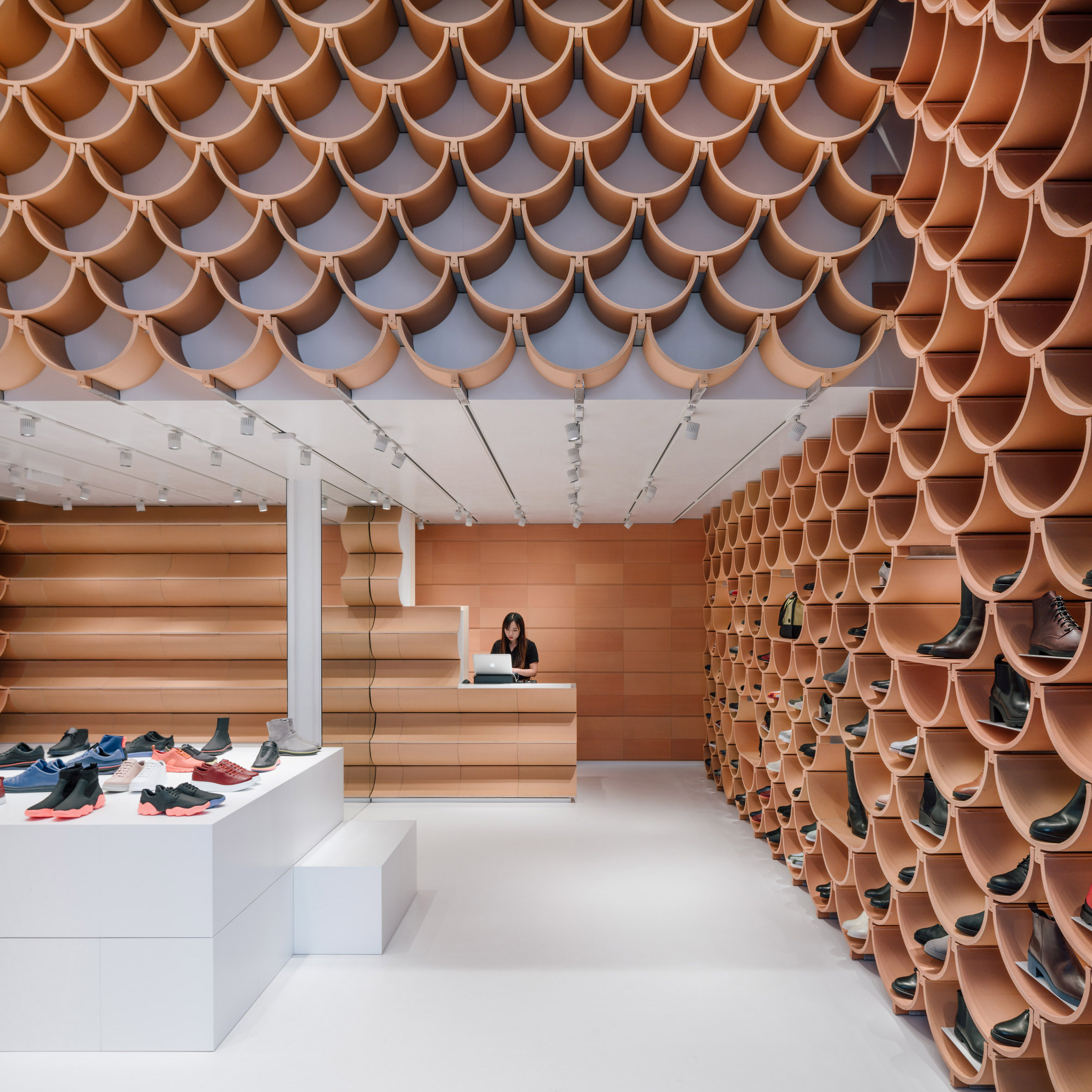
Hollow terracotta tiles that double up as shelves cover the interior of this shoe store in Barcelona, creating a scallop pattern across its walls.

Although similar tiles have been used to clad the service counter and seating bench, grey-resin floors and display plinths help keep the rest of the space simple.

Find out more about Camper


Chongqing Zhongshuge Bookstore by X+Living

Chongqing Zhongshuge Bookstore, China, by X+Living

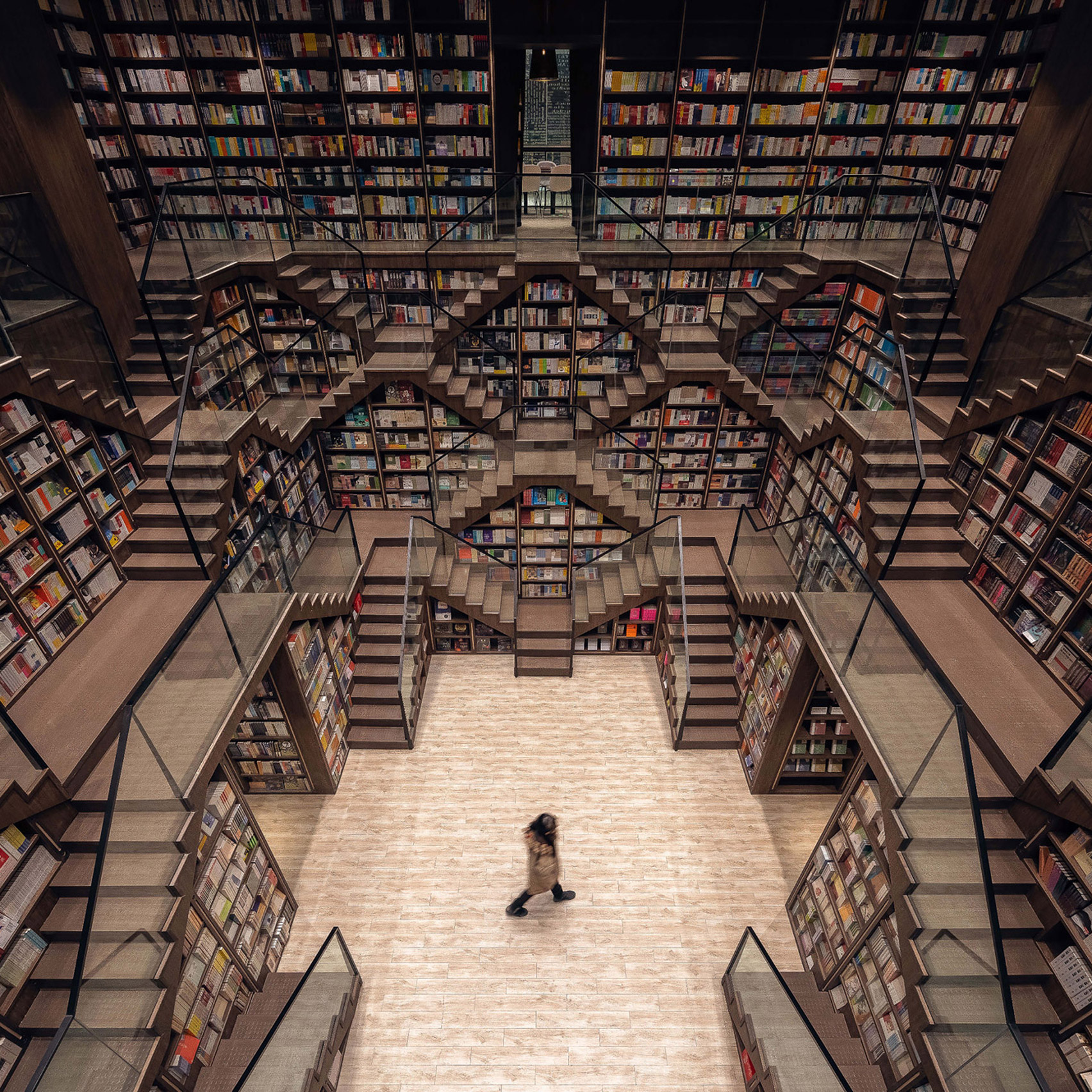
A myriad of novels seem to line the walls of this bookstore in Chongqing, which features confusing zig-zag staircases and mirrored ceilings.

An equally whimsical fit-out has been given to the shop's other reading rooms, including one with glossy tempered-glass floors and conical shelves where bibliophiles can hide away and leaf through their favourite titles.

Find out more about Chongqing Zhongshuge Bookstore

The post Dezeen's top 10 shops of 2019 appeared first on Dezeen.


from Dezeen https://ift.tt/2LV0ia7