Monday, 16 December 2019

Linde Freya Tangelder introduces six furniture designs using "rich and poor" materials

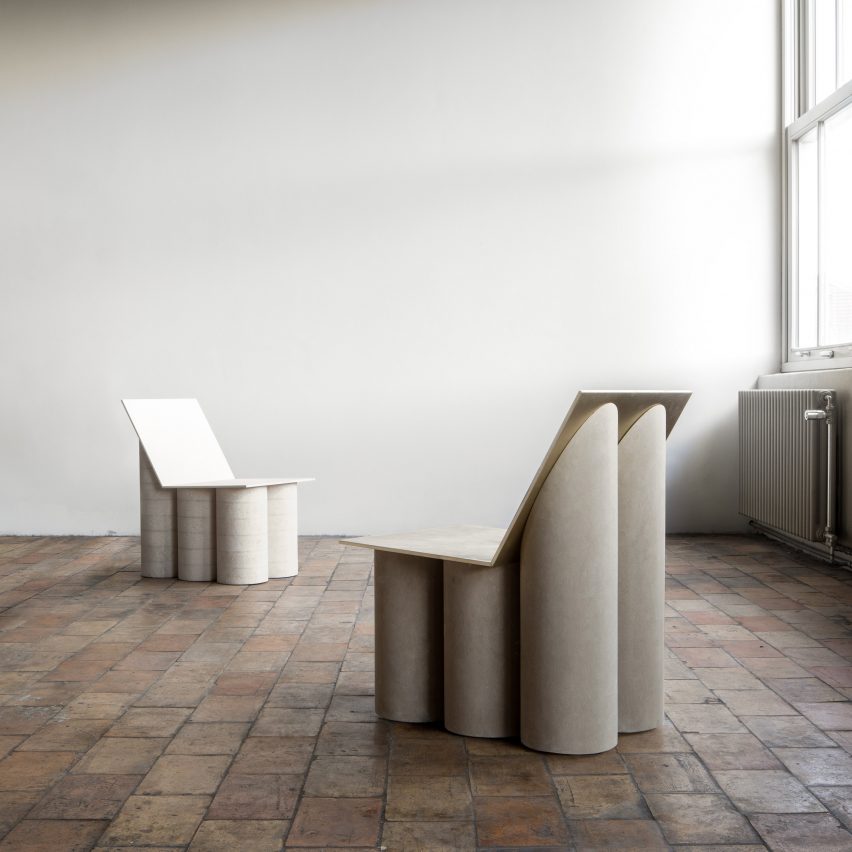
Bolder Chair I and II by Linde Freya Tangelder of Destroyers/Builders

Linde Freya Tangelder creates furniture pieces that combine architectural references with surprising materials. She talks Dezeen through six key projects, including tables based on Lina Bo Bardi's windows and chairs built from columns.

Belgium-based Tangelder named her studio Destroyers/Builders, because she believes that new things can only be created when others are broken down.

Many of her inspirations come from buildings and construction sites, and she also likes to combine luxury and off-the-shelf elements.

"I like the mixture of rich and poor materials," she said. "It's not something I can explain, but I like transforming something very simple into something beautiful."

"Design should be simple"

Tangelder works as a designer, but her approach is more like an artist. She often starts with an idea and only later applies a function, so her designs are highly sculptural.

"It's very intuitive," she told Dezeen. "I don't think it's strict enough to be design."

This approach means that, although Tangelder has produced some production pieces for Belgian brand Valerie Objects, the majority of her work is in the realm of collectible design. However she is keen to branch out.

"It's strange that you only work for a small number of people that can afford the pieces," she said. "Design is such a luxury job and it shouldn't be. It should be simple and for a large group of people."

Tangelder spoke to Dezeen following the news that she is Biennale Interieur's 2019 designer of the year. Here, she picks out six of her key projects:
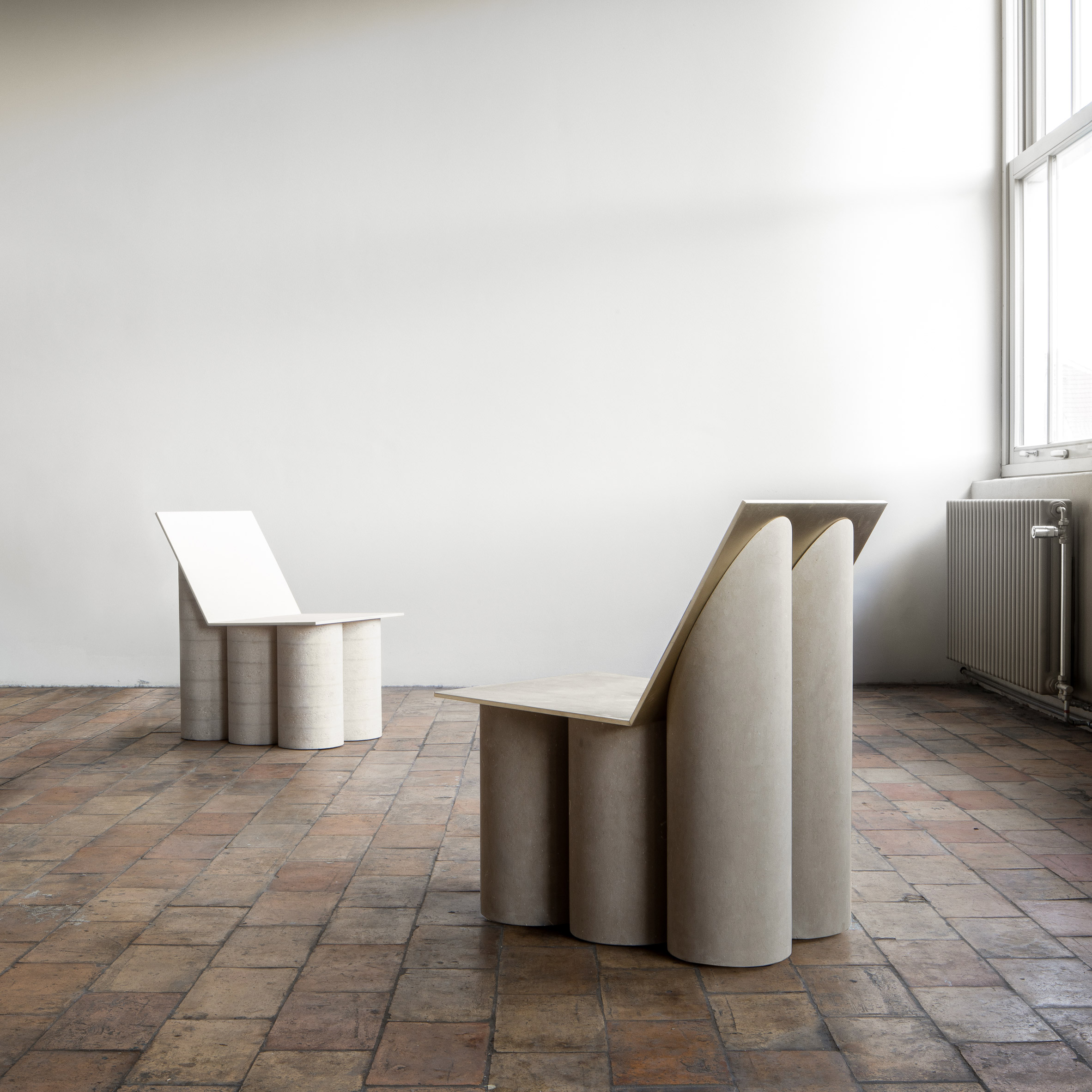

Bolder Chair I and II by Linde Freya Tangelder of Destroyers/Builders

Bolder Chair I and II

By referencing the architectural column, Tangelder gives a feeling of weightiness to her Bolder Chairs. Yet only one of the two versions is actually heavy – the first is made from chipboard and a pressed textile-fibre, while the second is limestone and brass.

"Chipboard is normally used for insulation; I thought it would be interesting to make it unrecognisable," the designer said. "It almost looks like stone."
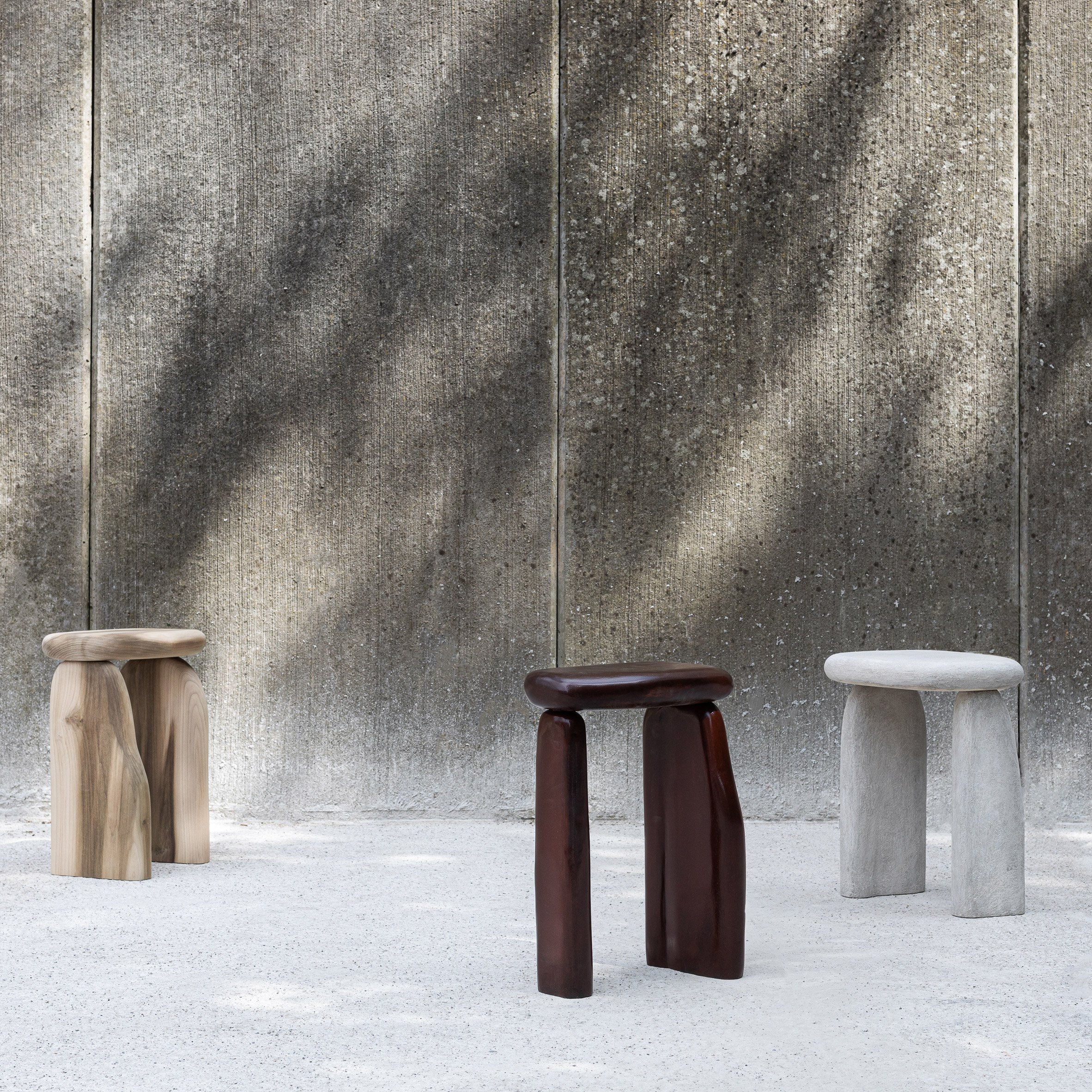

Windows of Bo Bardi by Linde Freya Tangelder of Destroyers/Builders

Windows of Bo Bardi

The surfaces of these tables match the shapes of windows on the SESC Pompéia Factory in São Paulo, a building famously designed by Brazilian architect Lina Bo Bardi. They offer a subtle reference to Tangelder's own Brazilian heritage.

"I thought it would be nice to make a positive shape out of these negative windows openings," said the designer. "The function definitely came later in the development."

The tables come in lacquered wood, natural wood and concrete.
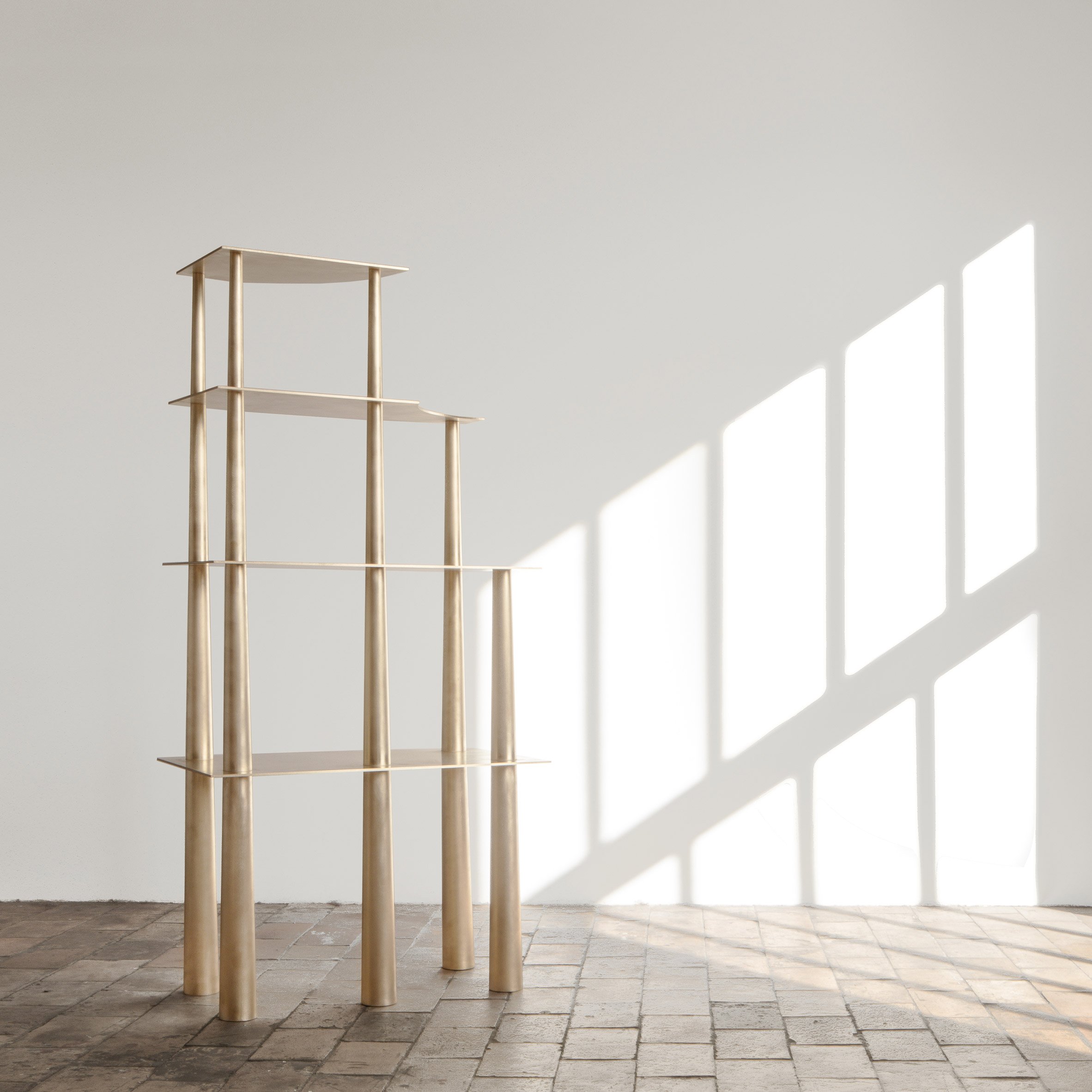

High Section by Linde Freya Tangelder of Destroyers/Builders

High Section

Chimneys were the inspiration for this brass shelving-system, particularly the ones found on buildings in Belgium.

"In Belgium you have a lot of chimneys in the landscape that don't have a function anymore," said Tangelder. "They're quite dominant, with this conical shape. I wanted to take this architectural remnant and give it a new function."

The piece is made from brass but, instead of a polish finished, Tangelder chose to give it a softer, brushed finish. "It becomes much lighter, much less gold," she added.
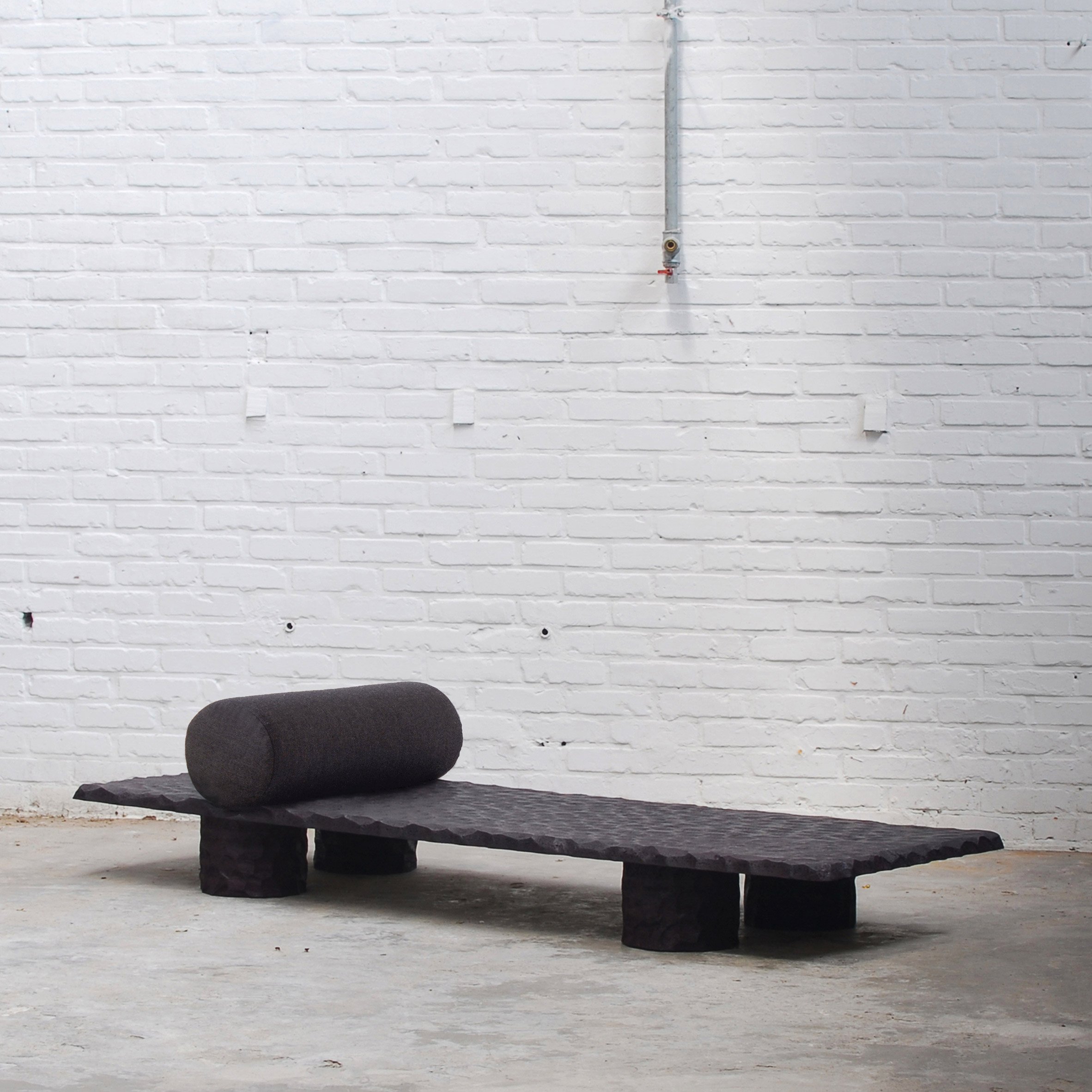

Archetyping Daybed by Linde Freya Tangelder of Destroyers/Builders

Archetyping Daybed

Tangelder produced this design while she was completing her graduate studies at Design Academy Eindhoven. It is made from pigmented chipboard, carved by hand to create its unusual texture.

"It was a really important work because it combined a form language that is very primitive with a texture that is really hand made," said the designer. "That is definitely a signature of Destroyers/Builders."
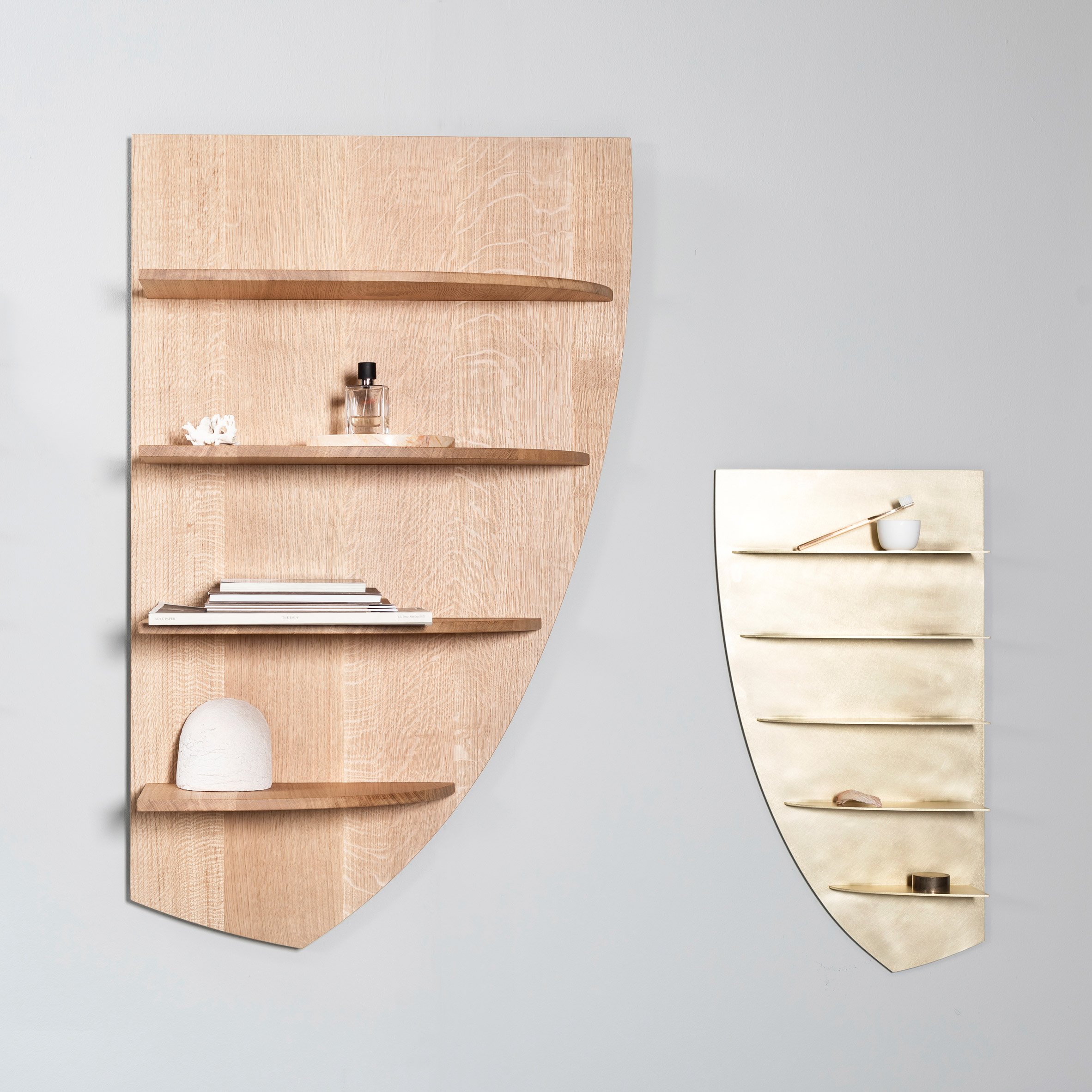

Etage Shelves by Linde Freya Tangelder of Destroyers/Builders

Etage Shelves

This design emerged after Tangelder was asked by a client to create a piece that could be used to store glasses. The name Etage, which means "floor" in both French and German, relates to its various levels.

The design comes in different sizes, in brass, aluminium, ash and oak.

"I like to try to get to use different materials next to each other, so you get to see their qualities even better," said Tangelder.
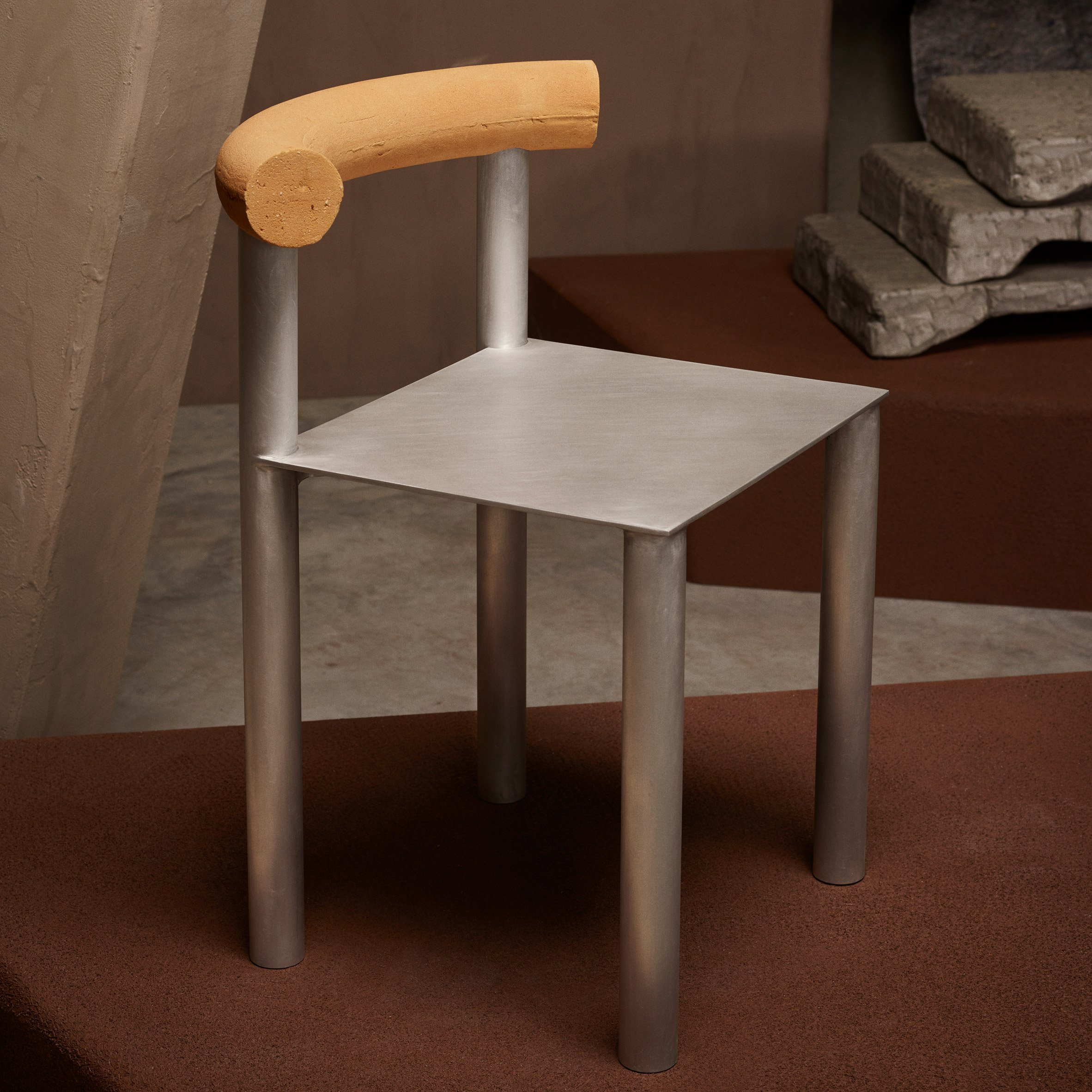

Brick's Reflection Chair by Linde Freya Tangelder of Destroyers/Builders

Brick's Reflection Chair

The humble brick was the starting point for this simple aluminium chair, which features a curved terracotta backrest.

"Brick is a key material in my work," said Tangelder. "It's related to architecture but it's also the materialisation of this open structure.

"The roughness of it, the colour of it – I like everything about it," she added.

The post Linde Freya Tangelder introduces six furniture designs using "rich and poor" materials appeared first on Dezeen.


from Dezeen https://ift.tt/2tmEGNC

Sunday, 15 December 2019

Top roles on Dezeen Jobs this week include Níall McLaughlin Architects and Craftworks

Our selection of the most promising architecture and design roles on Dezeen Jobs this week includes positions at Níall McLaughlin Architects and Craftworks.


Top architecture and design jobs: Project architect at Níall McLaughlin Architects in London, UK

Project architect at Níall McLaughlin Architects

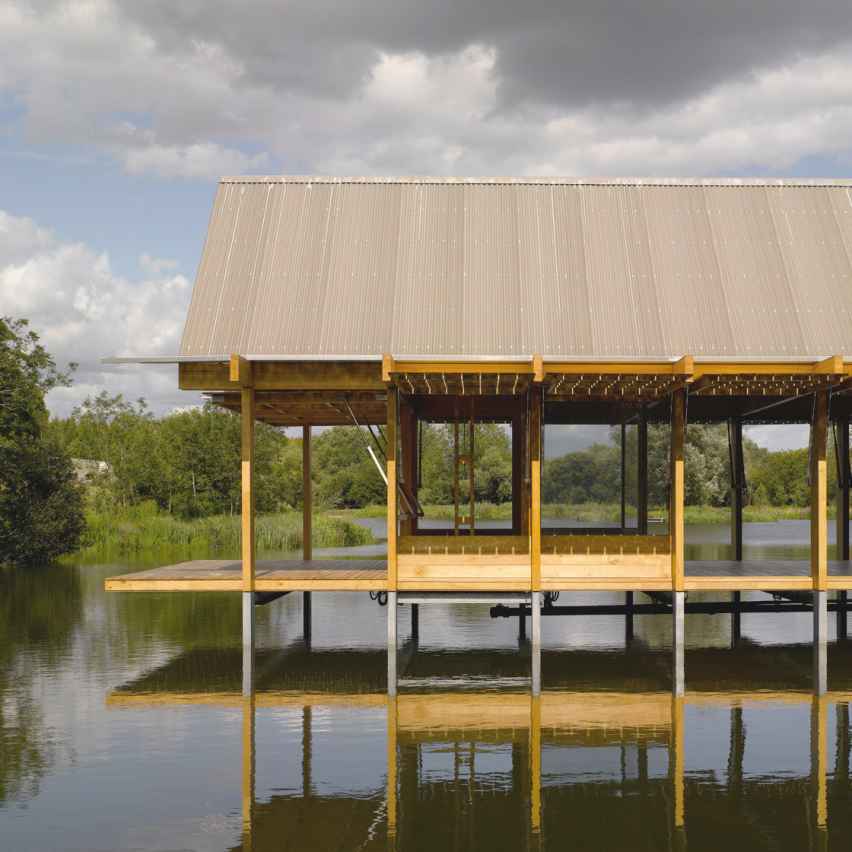
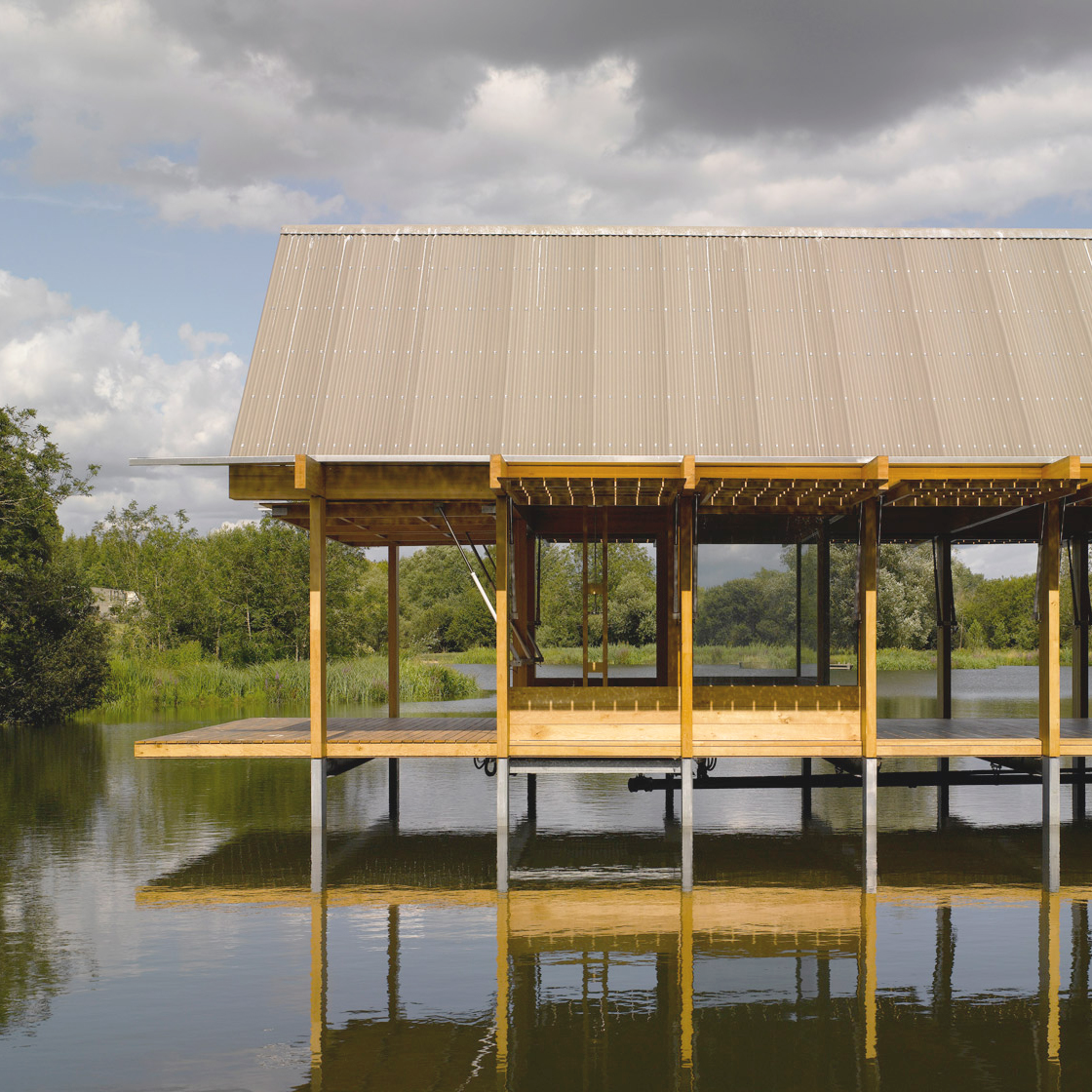
Níall McLaughlin Architects has an opening for a project architect with BIM experience to join its practice in London. The firm created a fishing hut in Hampshire, which features a facade of wooden shutters that fold open to allow views all the way through the interior.

Browse more roles for project architects ›


Top architecture and design jobs: Part 2/3 architects at Craftworks in London, UK

Part 2 or Part 3 architects at Craftworks

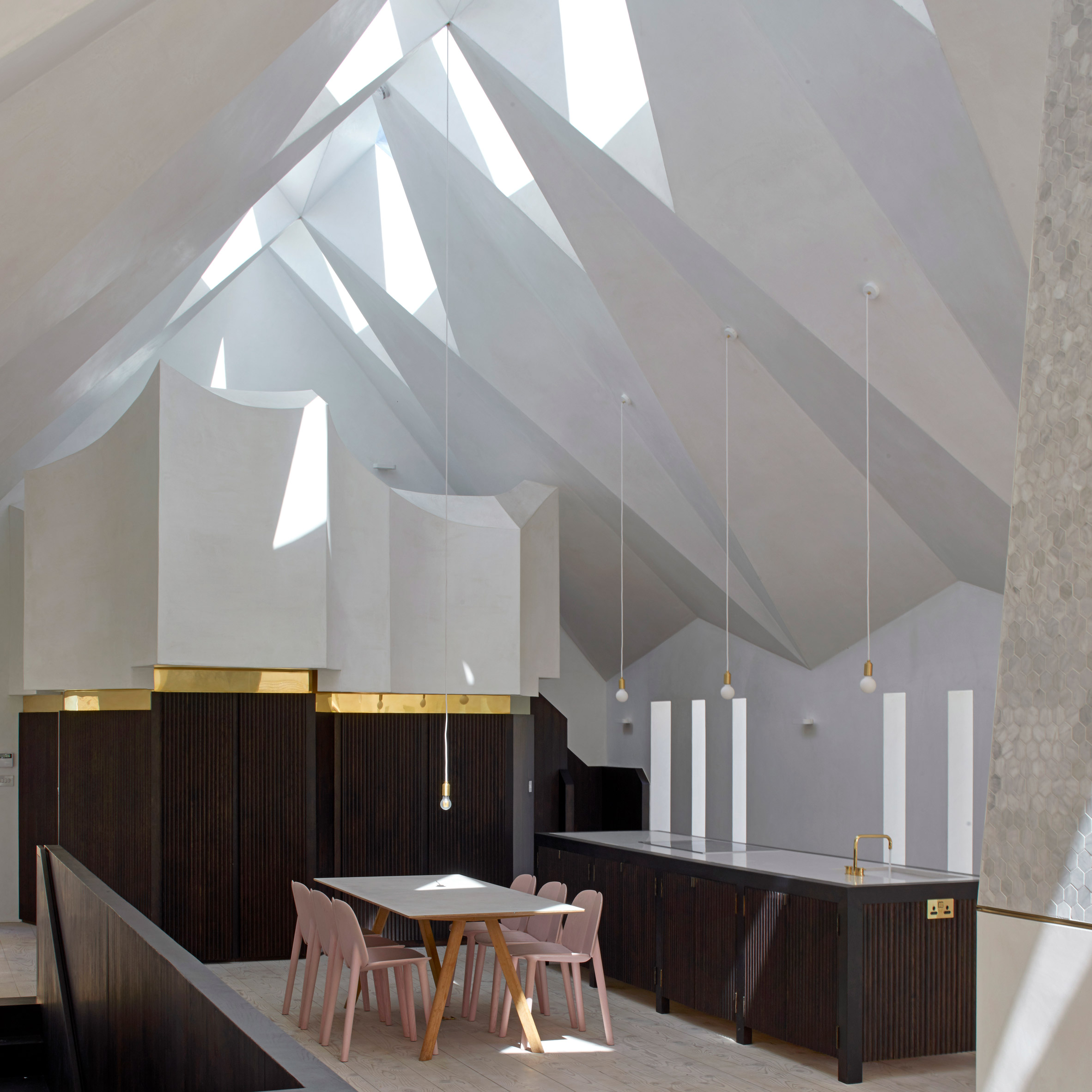
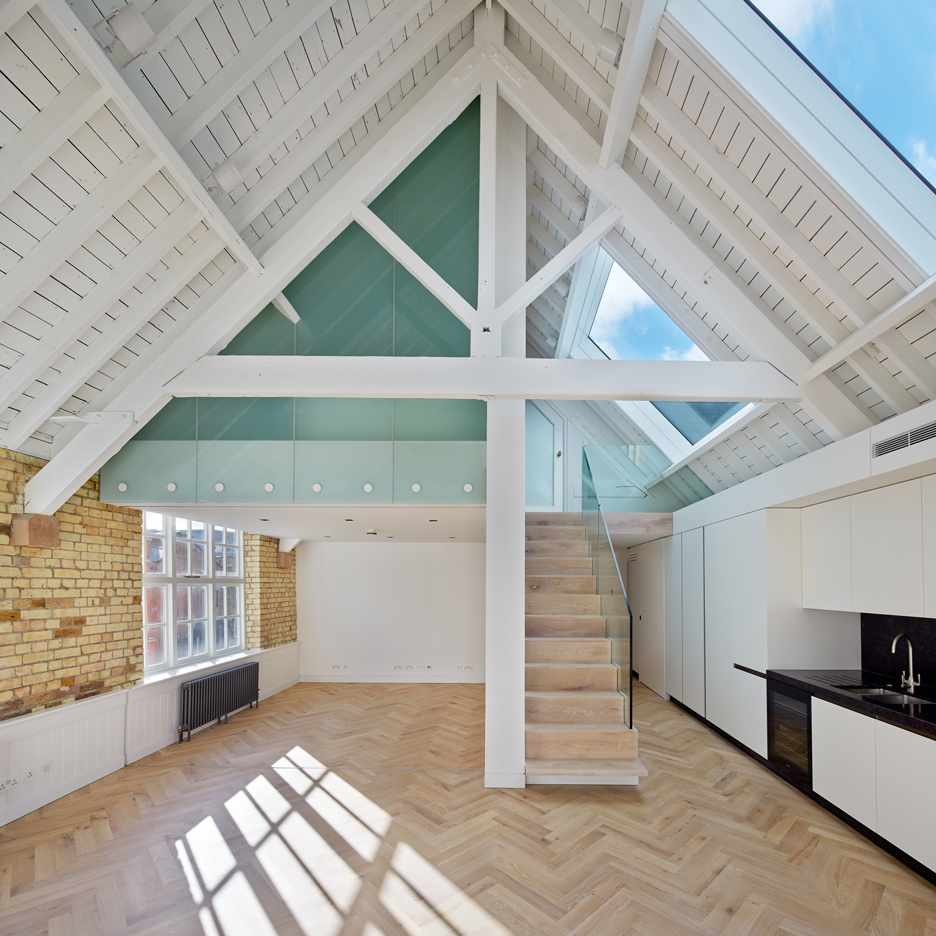
Craftworks has overhauled a derelict chapel into a south London home, adding a faceted ceiling and triangular skylights as a nod to its former use. The studio is seeking Part 2 or Part 3 architects to join its team in London.

Browse all jobs in London ›


Top architecture and design jobs: Architectural intern at René van Zuuk Architekten in Almere, the Netherlands

Architectural intern at René van Zuuk Architekten

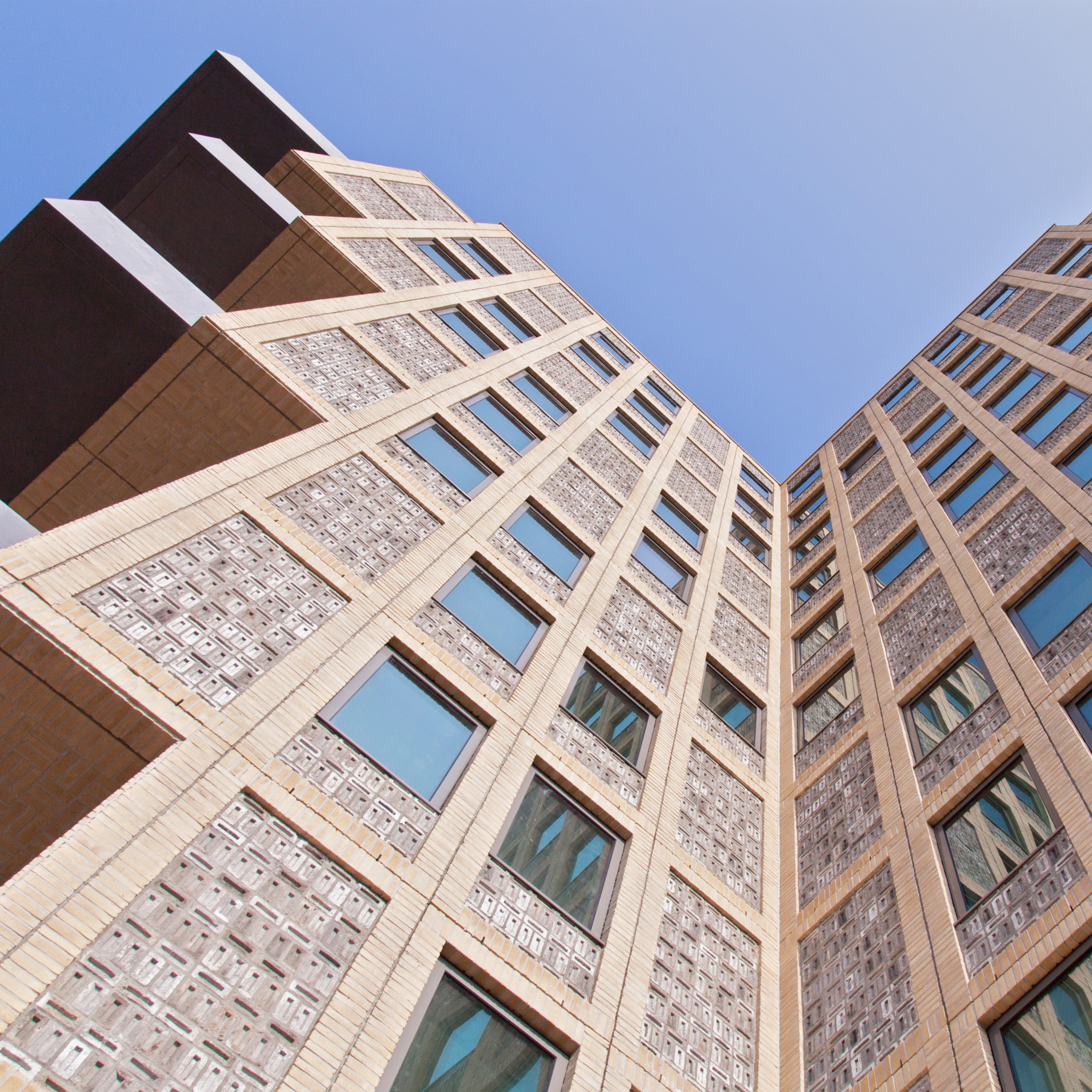
René van Zuuk Architekten has designed a top-heavy cross-shaped apartment block in the Dutch town of Hilversum, which expands as it rises to accomodate more living units. The Dutch firm is offering an architectural internship in Almere, the Netherlands.

Browse all internships ›


Top architecture and design jobs: Architect at Emrys Architects in London, UK

Architect at Emrys Architects

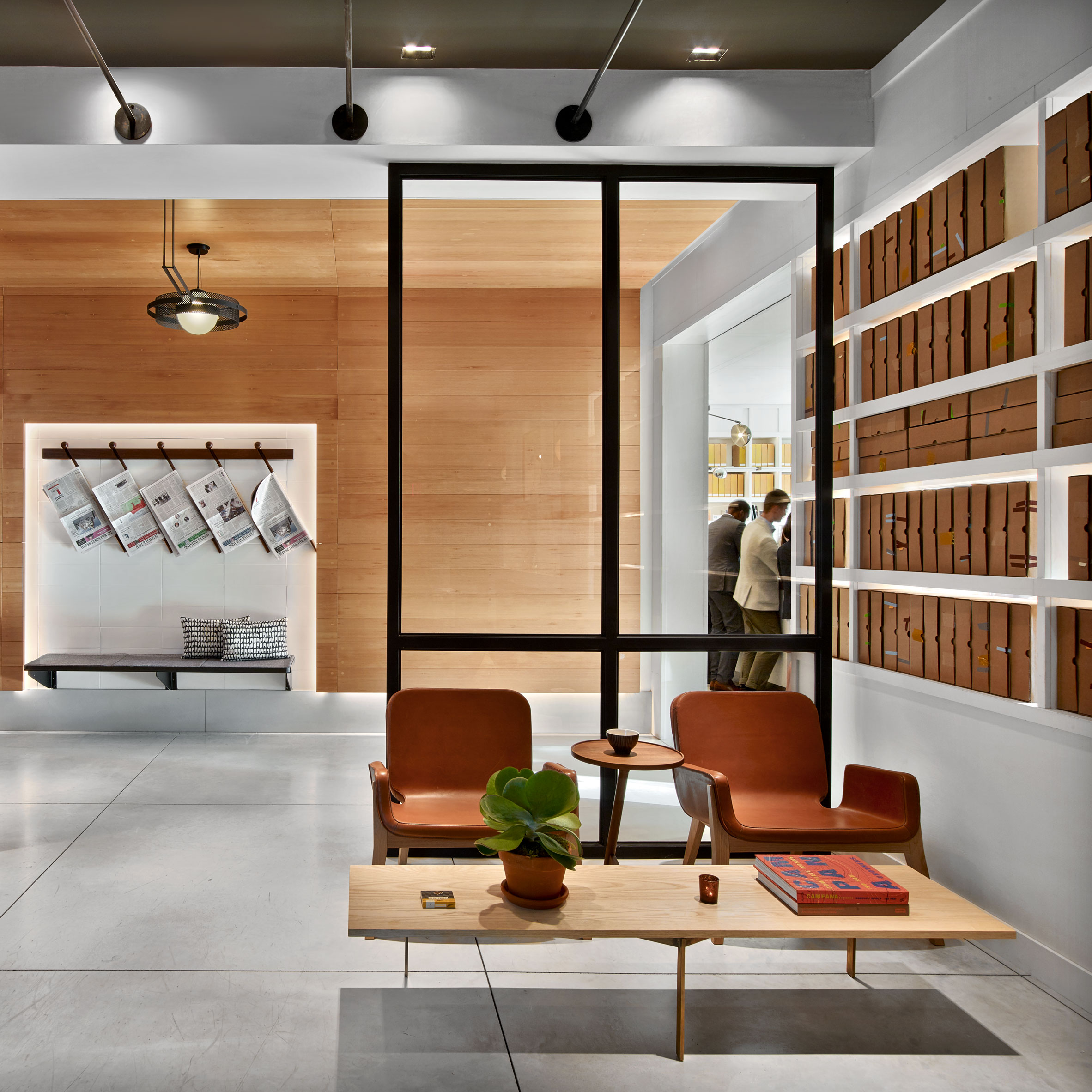
Emrys Architects is looking for an architect to join its studio in London. The practice converted a pair of warehouses into apartments in London's Covent Garden, adding limed oak flooring, bronze ironmongery and walnut joinery to complement the stripped-back brick walls.

Browse all architecture jobs ›


Top architecture and design jobs: Design director at AvroKO in London, UK

Design director at AvroKO

New York studio AvroKO has designed the interiors of a boutique micro-hotel in Hudson Square, which includes compact guest rooms half the size of standard US hotel rooms and a variety of amenity spaces. The firm's London office has an opening for a design director.

Browse all design roles ›

See all the latest architecture and design roles on Dezeen Jobs ›

The post Top roles on Dezeen Jobs this week include Níall McLaughlin Architects and Craftworks appeared first on Dezeen.


from Dezeen https://ift.tt/35m1RWm

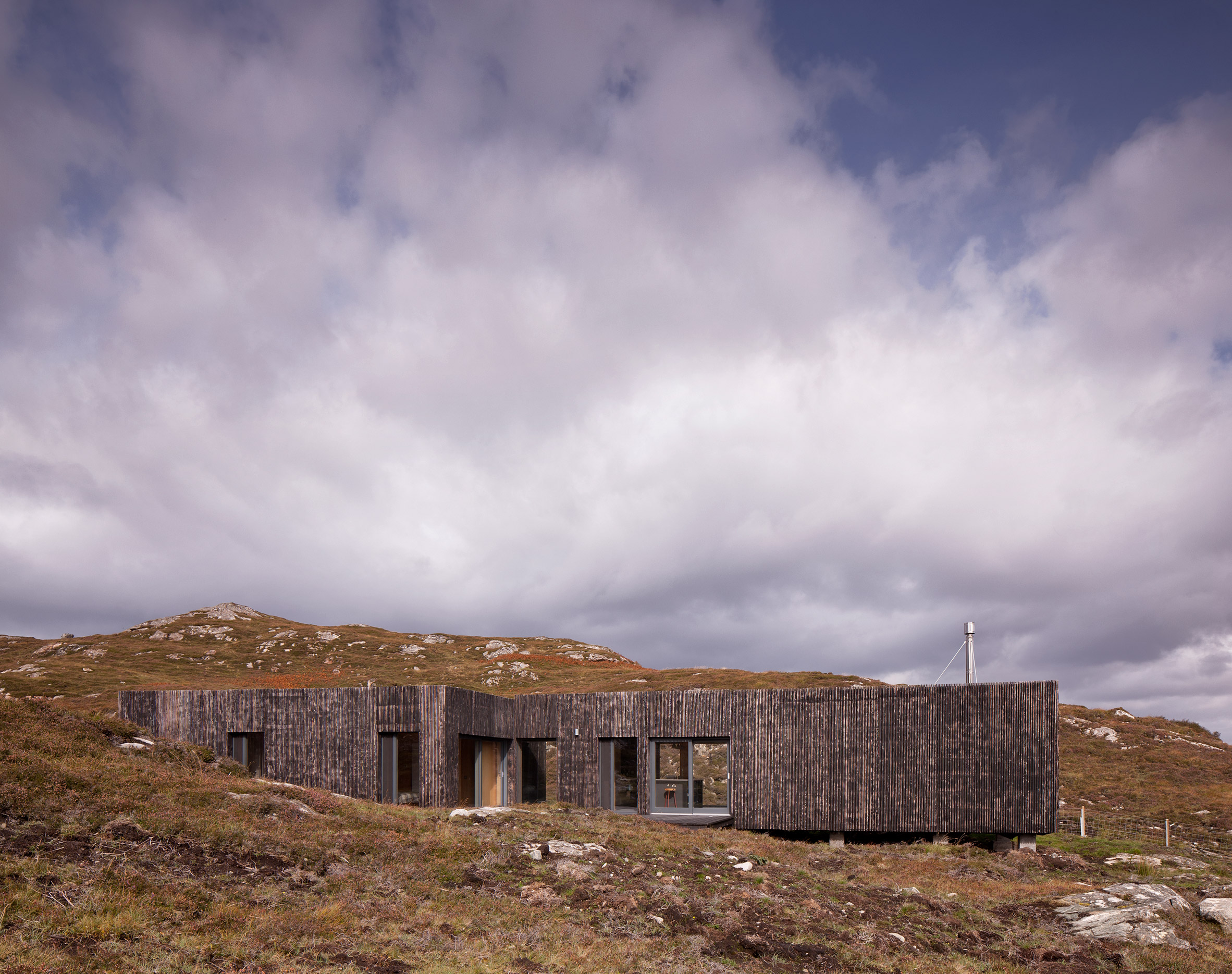
House clad in burnt larch perches on a rocky site in the Scottish Highlands

Nedd by Mary Arnold-Forster Architects

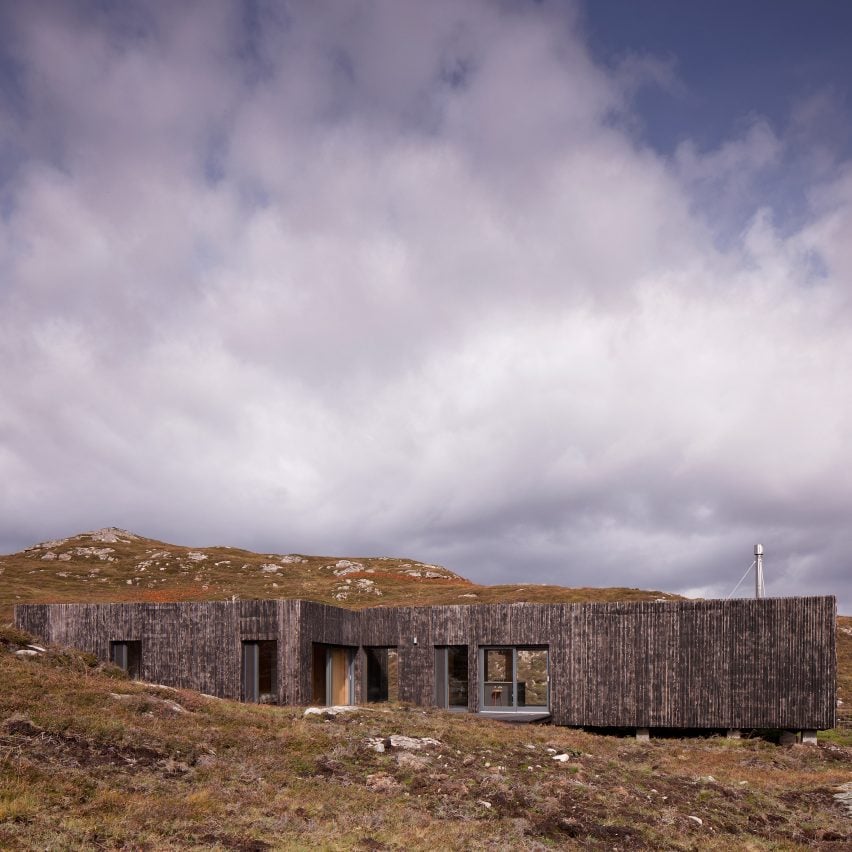
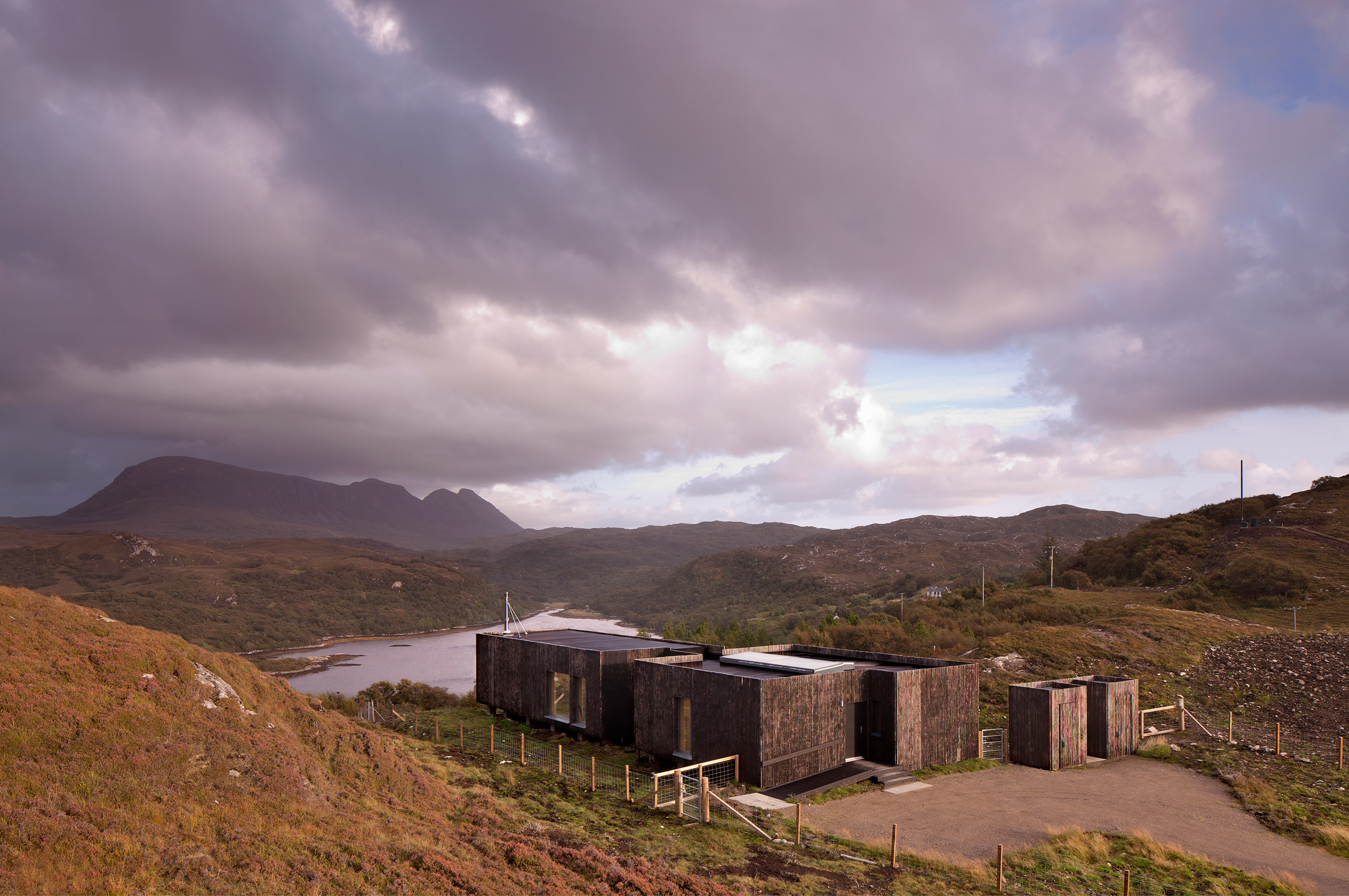
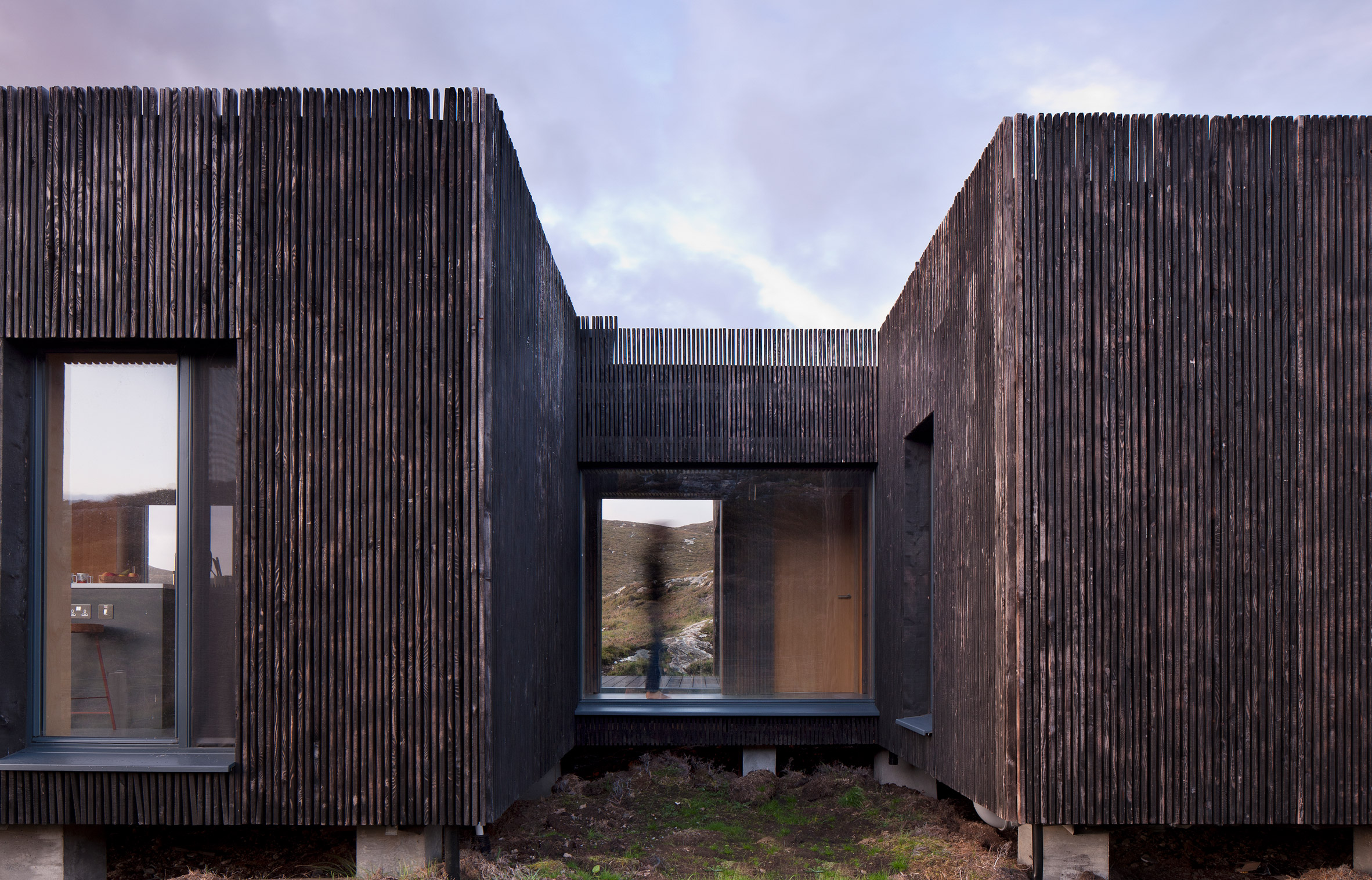
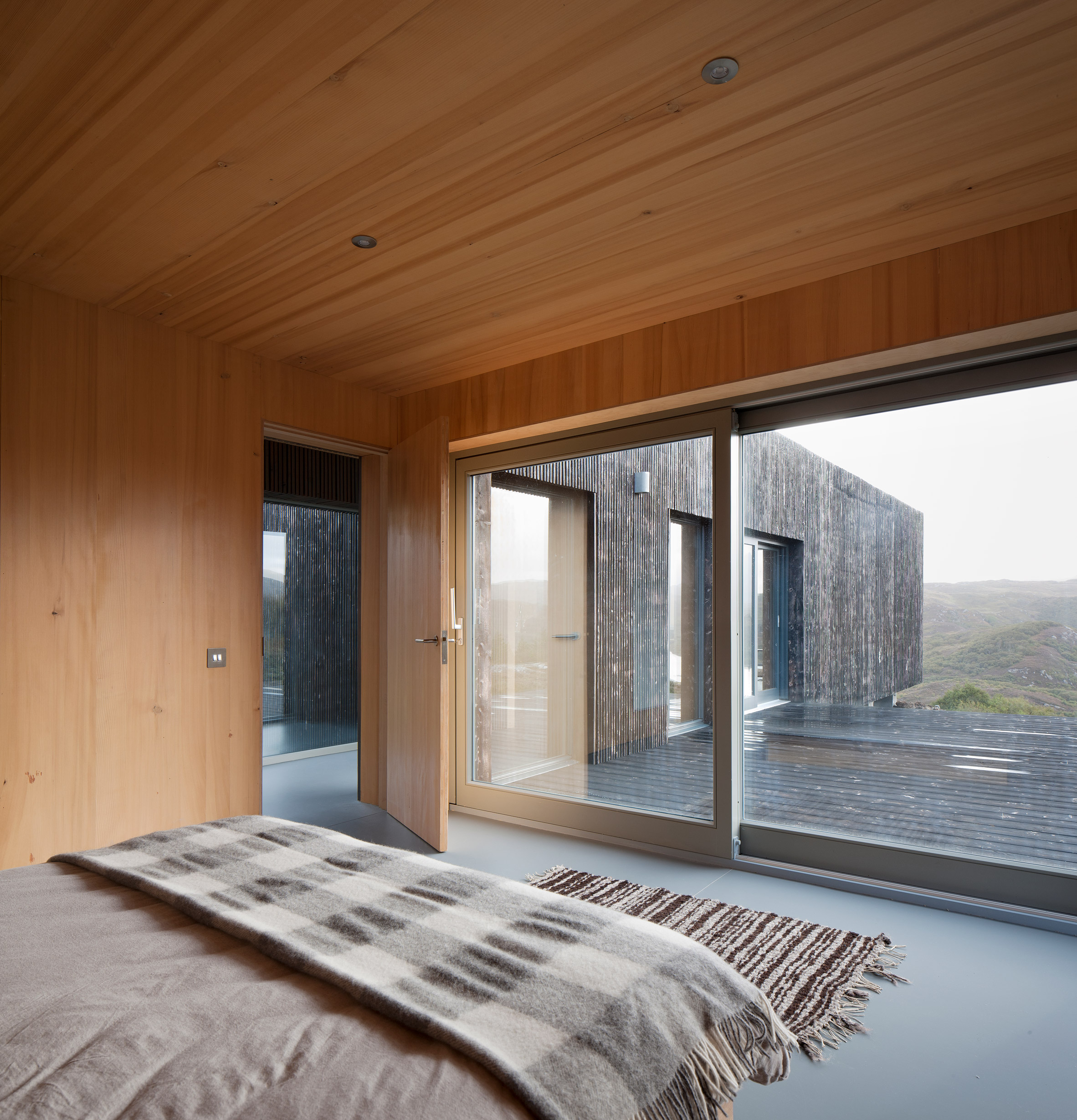
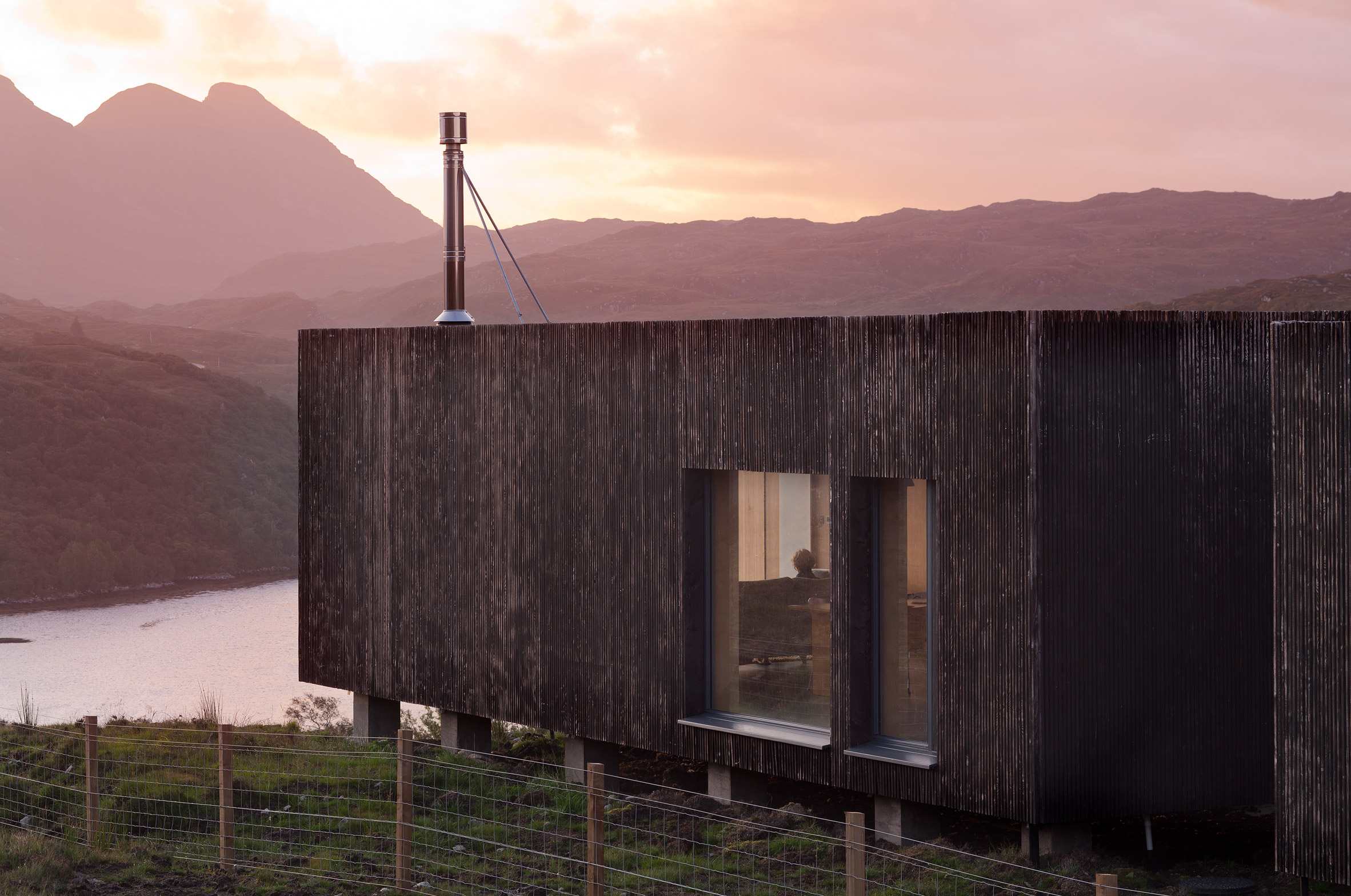
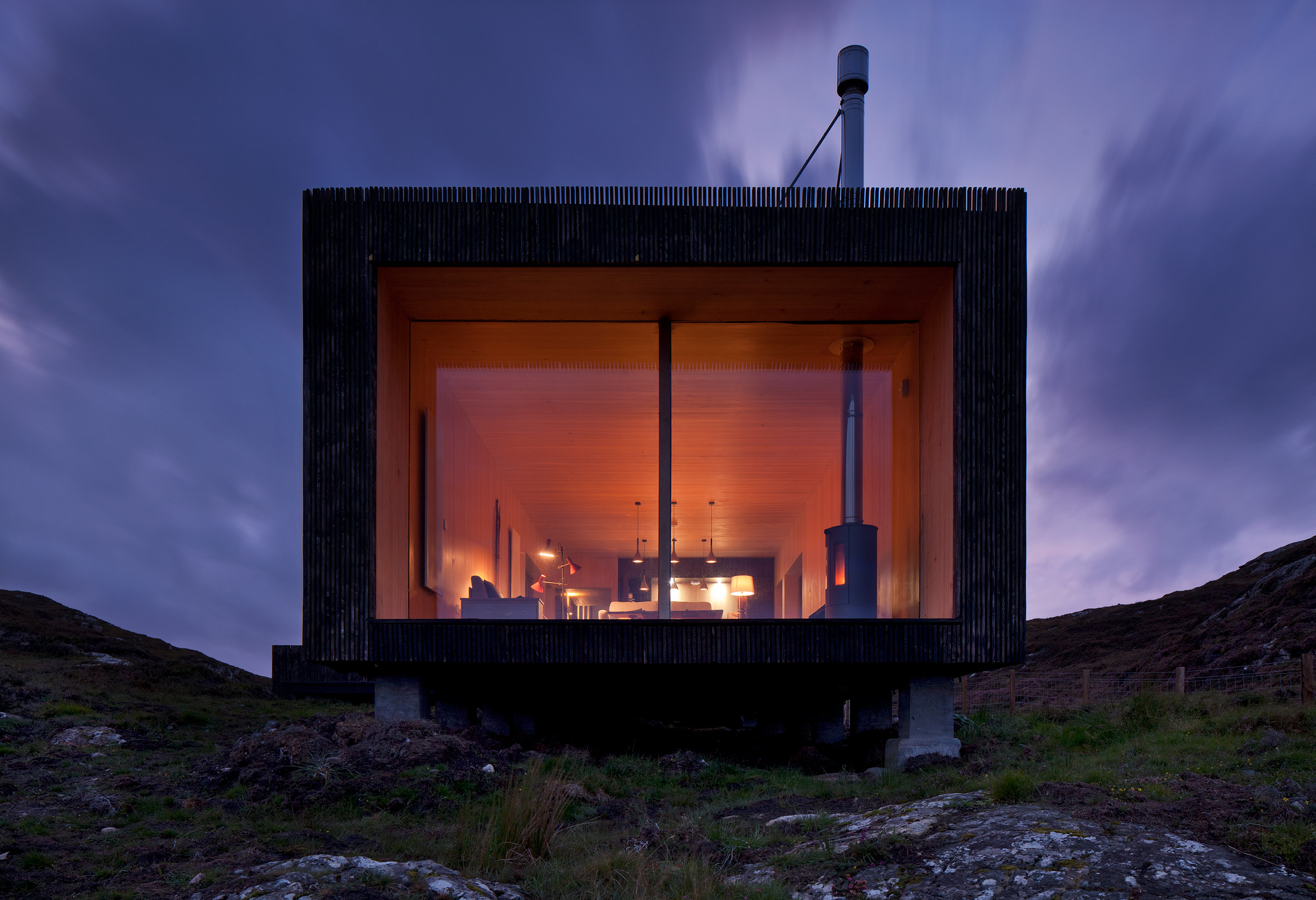
Mary Arnold-Forster Architects used planks of burnt larch to clad a cross-laminated timber house in the Scottish Highlands raised on low foundations above the rocky landscape.

The house is located in the small village of Nedd, which is also the name of the project.

Nedd by Mary Arnold-Forster Architects

Mary Arnold-Forster Architects surveyed the site to determine a location that could be built upon without breaking any of the surrounding rocks.

They chose a spot nestled between two outcrops.

Nedd by Mary Arnold-Forster Architects

No ground-bearing slab was used in order to minimise the impact on the land. Instead a series of cross-laminated timber (CLT) units make up the structure, which is supported by concrete pillars.

The size of the modules, which are made by Carbon Dynamic, was determined by the size of lorry that was able to reach the site on a small, single-track road.

Nedd by Mary Arnold-Forster Architects

Using the dimensions of these units, the plan of the home was divided into three pods – one for the living spaces, one for the en-suite master bedroom and another for the guest bedroom and showers.

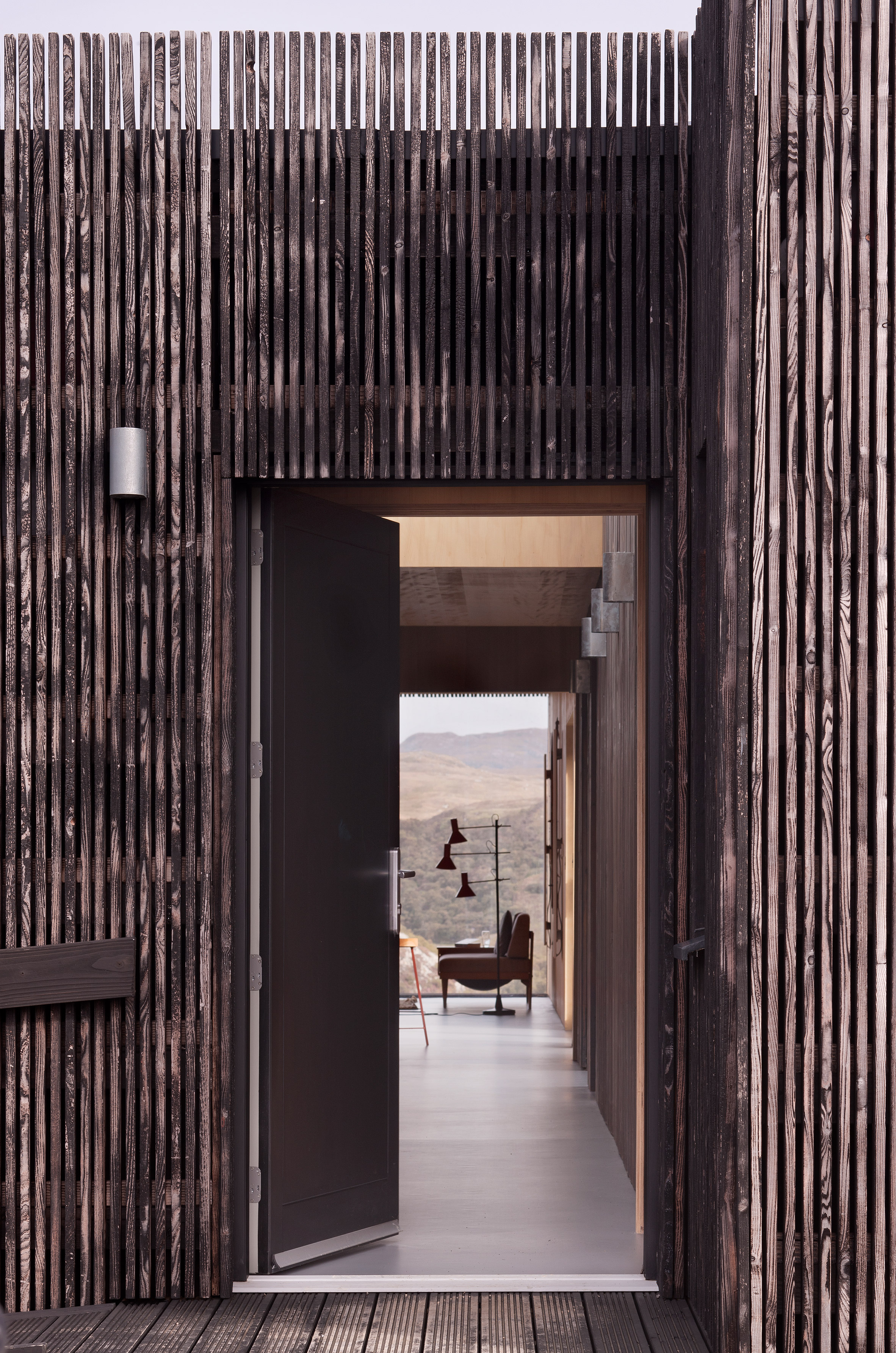
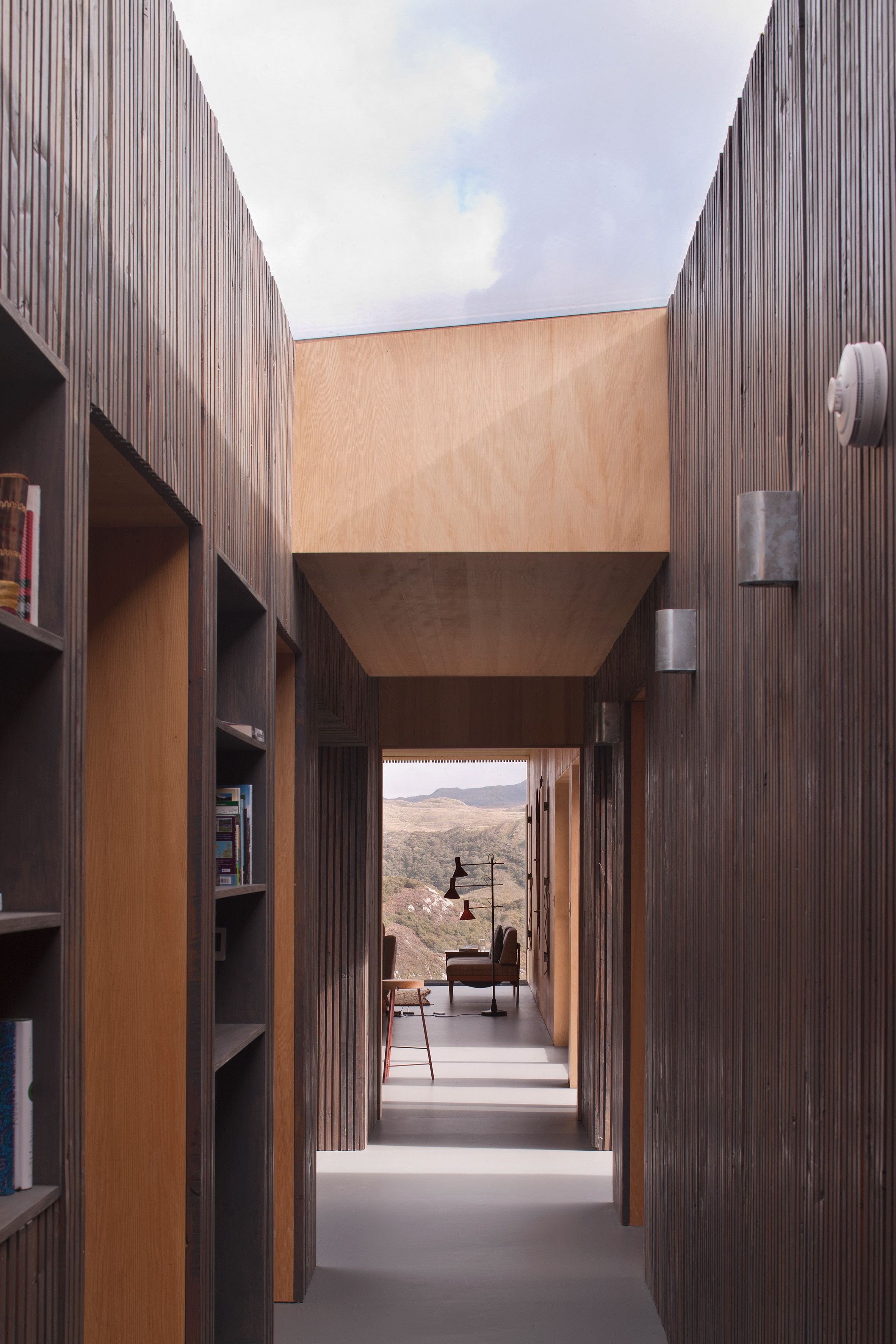
A corridor links all of these sections, opening out with a large, north-facing window as it move from the bedrooms into the kitchen, living and dining area.

Nedd by Mary Arnold-Forster Architects

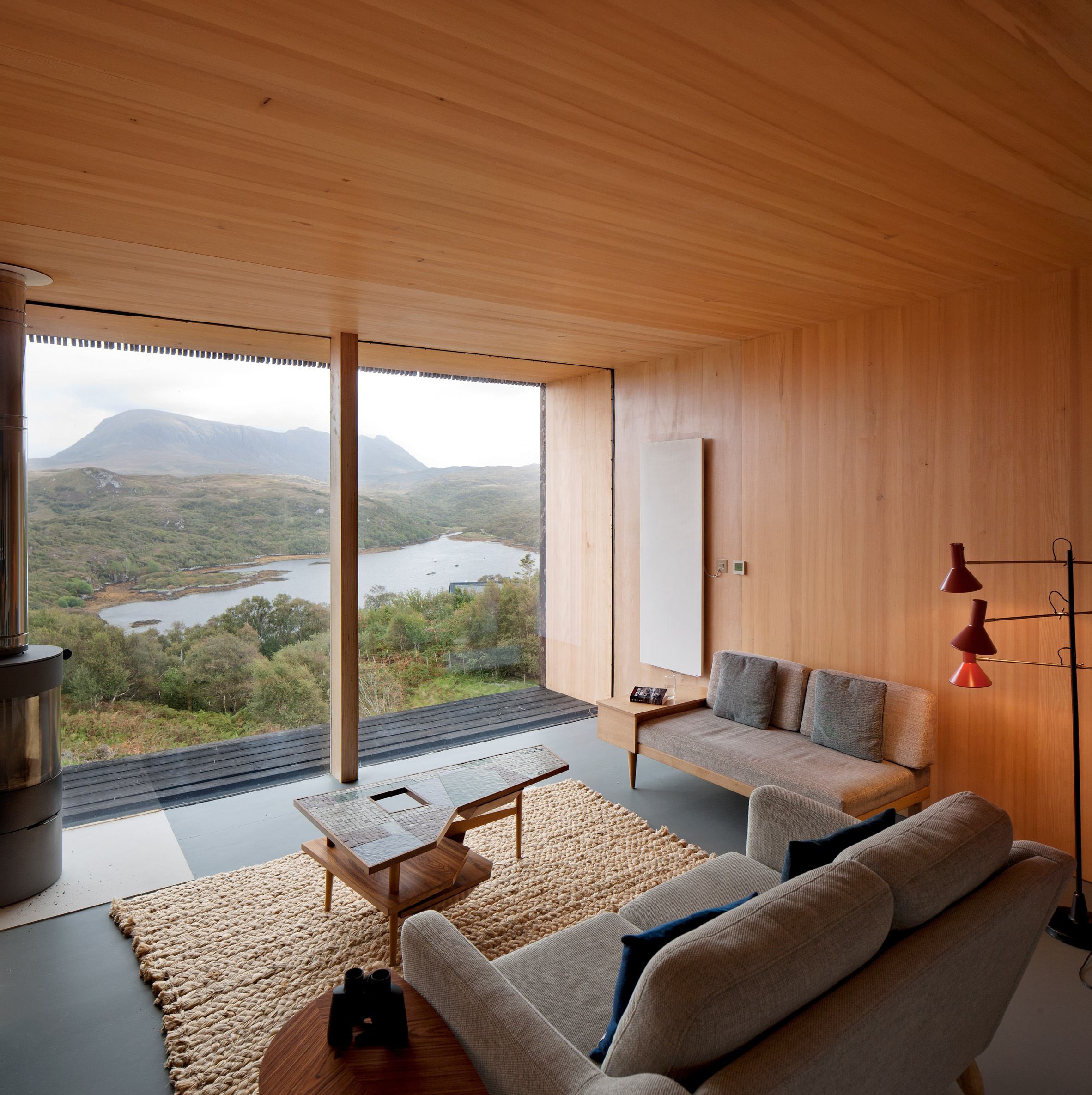
"I wanted to avoid a wall of glass but instead to frame the large view in two key rooms; the living space and the main bedroom, partly due to the topography of the site," said Arnold-Forster.

"The other windows frame views of the rocks, heather and grasses."

Nedd by Mary Arnold-Forster Architects

These windows look out eastwards towards the nearby Loch Nedd.

Large, full-height sliding glazed doors provide access out to small areas of decking to be used during warmer months.

Nedd by Mary Arnold-Forster Architects

A thin rain screen of burnt larch which draw echoes the nearby birch trees in winter.

This cladding was chosen for it robustness and contributes to to an airtight envelope that means very little heating is required inside the home, apart from a wood-burning stove.

Nedd by Mary Arnold-Forster Architects

Inside, a grooved lining of dark wood mirrors the appearance of the exterior for the corridor space.

Bedrooms and living spaces are lined in pale timber.

Nedd by Mary Arnold-Forster Architects

A small outbuilding adjacent to the home provides storage space.

It was finished with the same materials as the main home to create a unity between the two.

Nedd by Mary Arnold-Forster Architects

Mary Arnold-Forster set up her practice in 2016, specialising in creating sustainable homes in remote locations across Scotland.

Last year, the practice completed a home on the Isle of Sky clad in black tin to emulate a traditional Scottish blackhouse.

Photography is by David Barbour.

The post House clad in burnt larch perches on a rocky site in the Scottish Highlands appeared first on Dezeen.


from Dezeen https://ift.tt/2PHGU1m

Studio Shamshiri designs pink-hued jewellery shop in LA for Sonia Boyajian

Sonia Boyajian studio and store by Studio Shamshiri

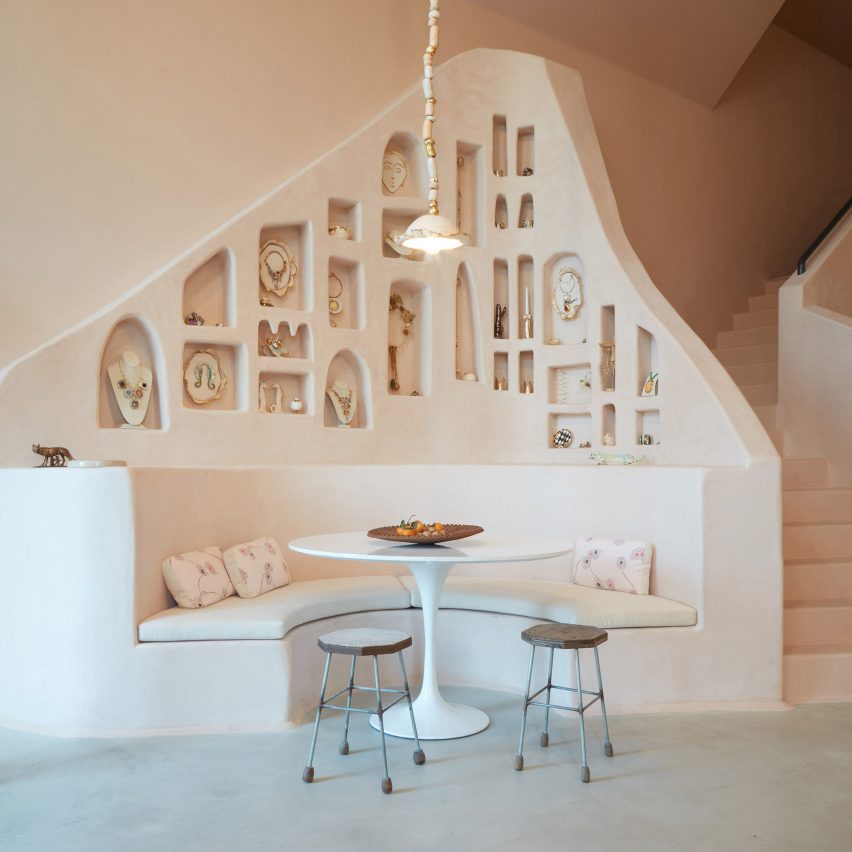
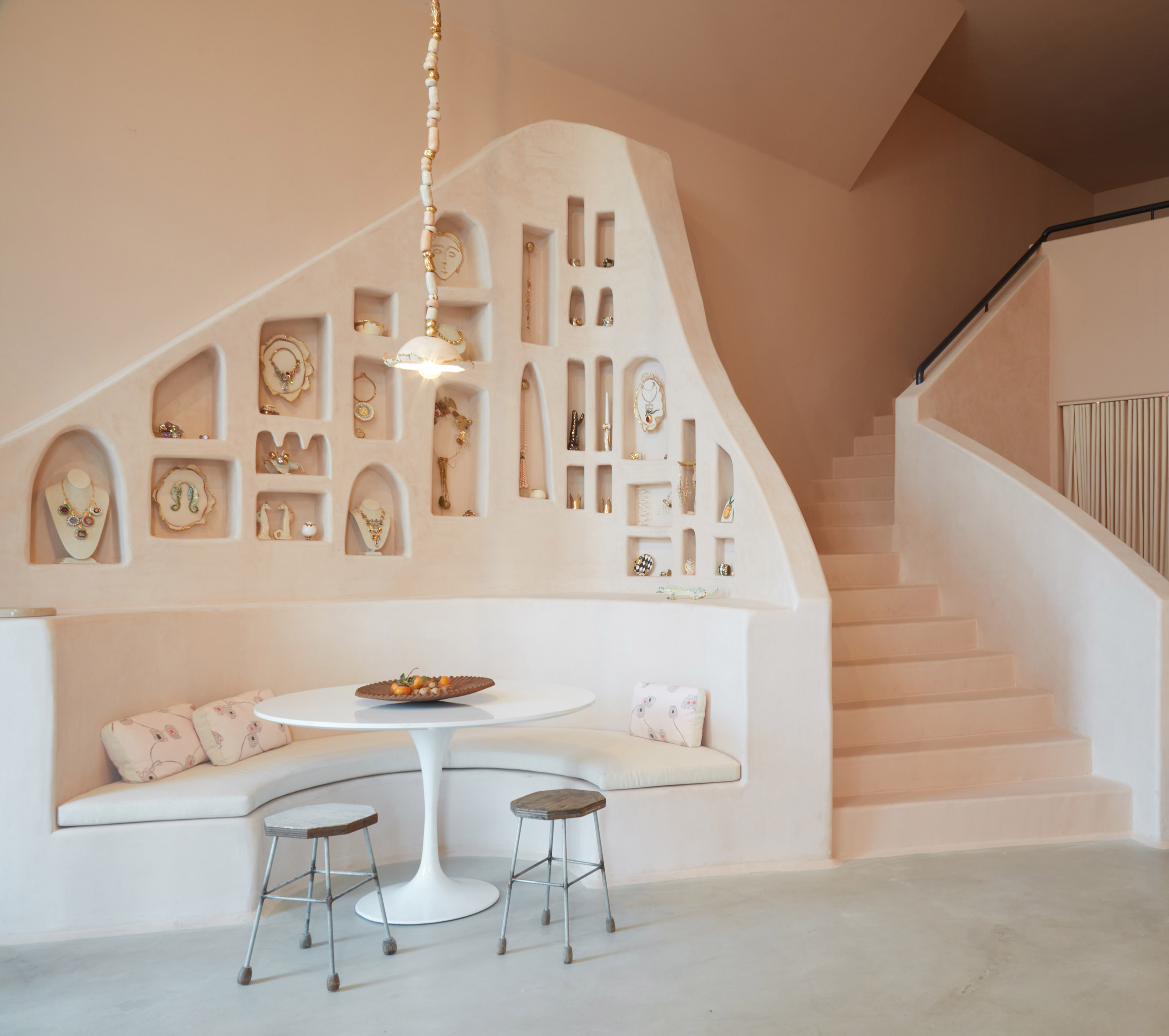
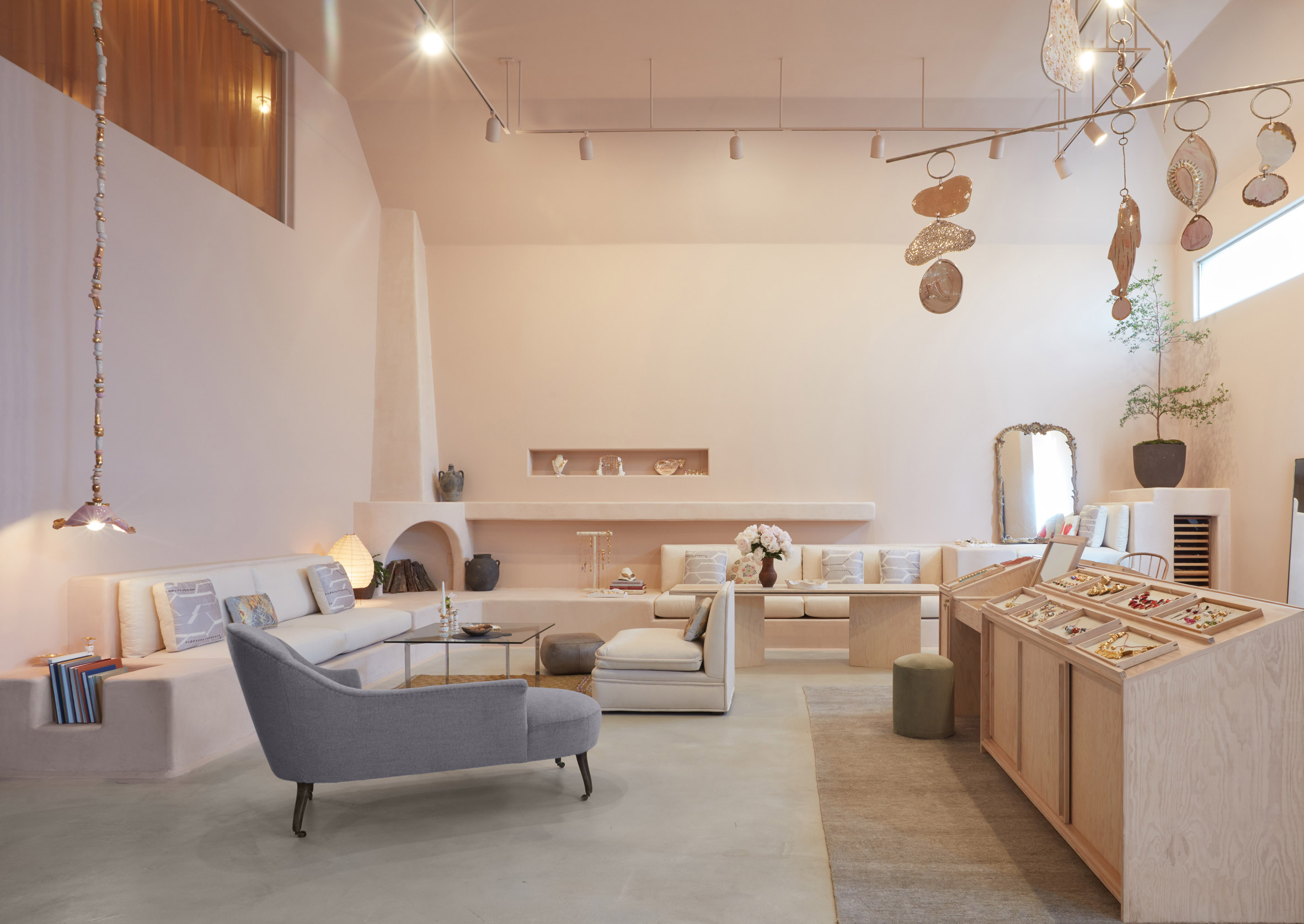
Los Angeles jewellery designer Sonia Boyajian has hung oversized replicas of her creations as light fixtures in the pink-toned flagship store she designed in collaboration with Studio Shamshiri.

Sonia Boyajian studio and store by Studio Shamshiri

Pamela Shamshiri, founder of Studio Shamshiri, worked alongside her long-time friend Sonia Boyajian to realise the 5,000 square foot (464.5 square metre) space at 357 North La Brea.

Boyajian wanted a space that allowed her to host events, but also a place that felt like home. They added "residential touches" such as an entertainment area and eat-in kitchen to the interior, while also leaving room for work-centred spaces, including a studio, office and showroom.

Sonia Boyajian studio and store by Studio Shamshiri

"This building is her working studio, office, and showroom – it was important for the space to feel like home and where she able to prepare food, given how much time she spends there and how much she likes to host," the designers told Dezeen.

Shamshiri and Boyajian took cues from famous designers and architects to create many of the interior's architectural features and furnishings.

Sonia Boyajian studio and store by Studio Shamshiri

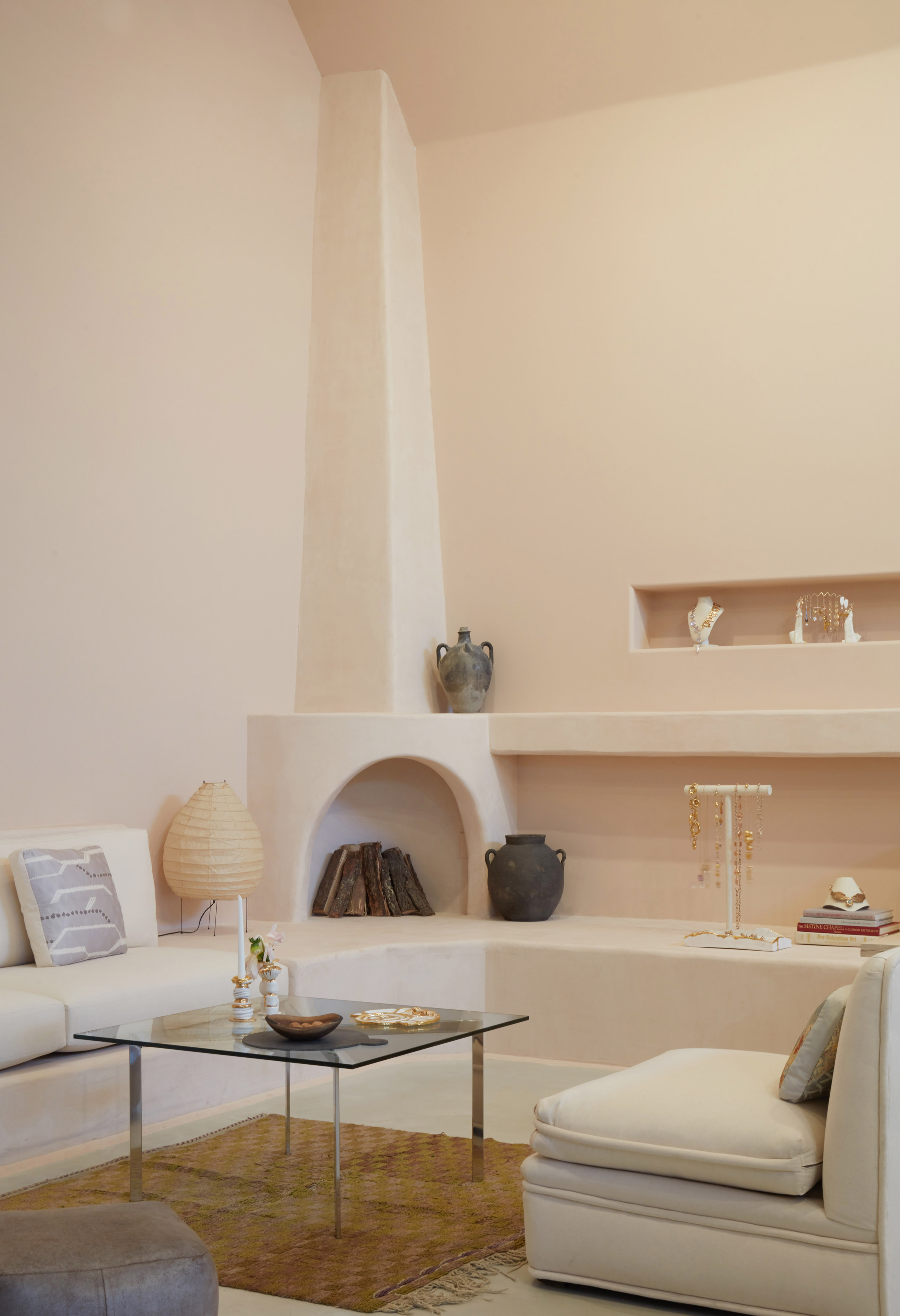
The plywood display cases topped with rectangular compartments for exhibiting jewellery were influenced by pieces from late American artist Donald Judd, while the colour and form of the pink portola plaster seating around the showroom was modelled after the benches artist Georgia O' Keefe used inside her Abiquiu House in New Mexico.

A spiral staircase by architect Robert Mallet-Stevens provided a basis for the curving series of steps the designers added to the interior. And the palette was taken from work by 20th-century architect Le Corbusier.

"Pulling inspiration from Georgia O' Keefe, Robert Mallet-Stevens, Corbusier, and Donald Judd, the space features custom display niches that are as whimsical as the pieces they hold," the designers added.

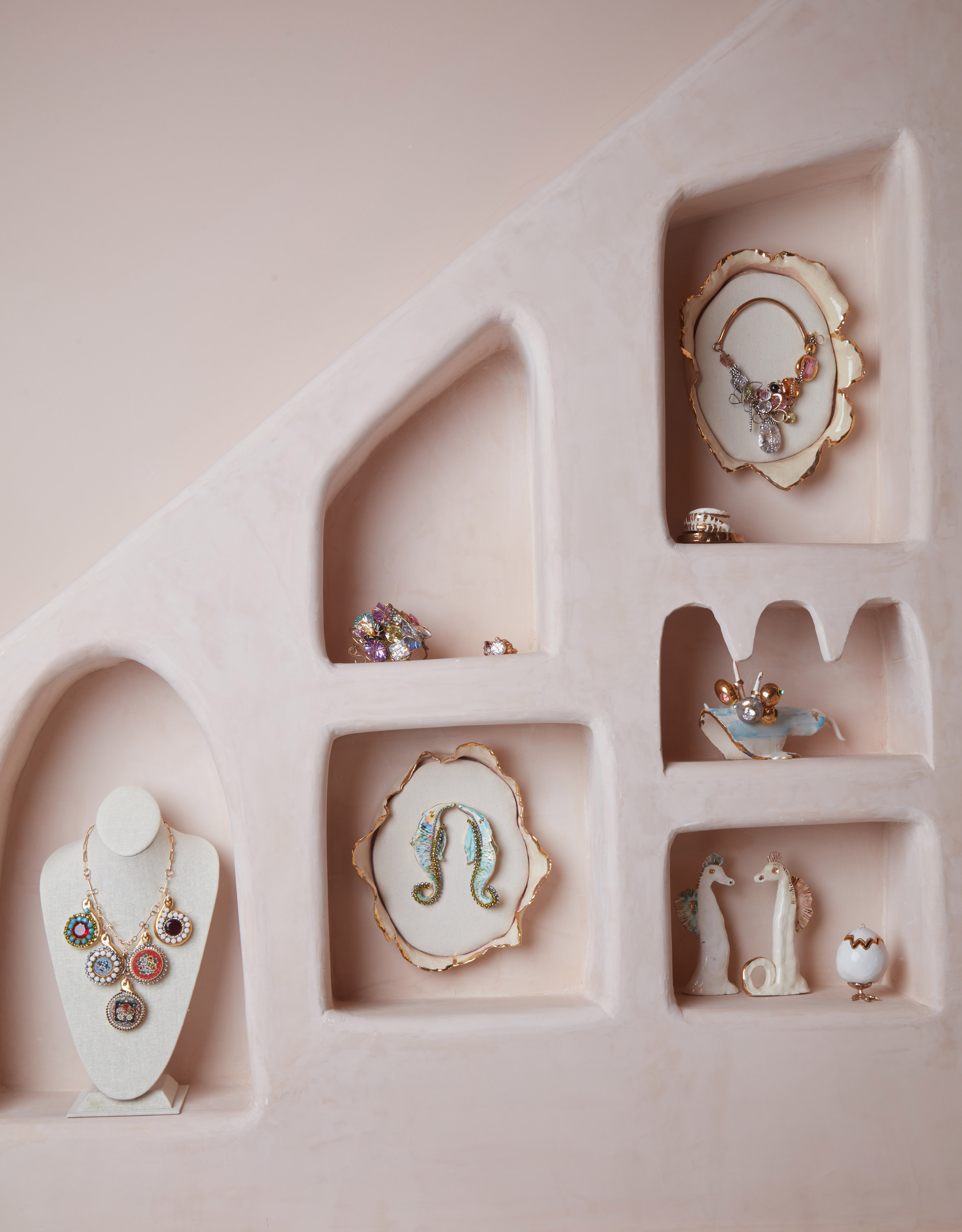
Necklaces, earrings and ceramic pieces also display inside small niches that were cut into sculpturally built shelving featured throughout the space. Other pink-rendered details inside include seating and a chimney.

Sonia Boyajian studio and store by Studio Shamshiri

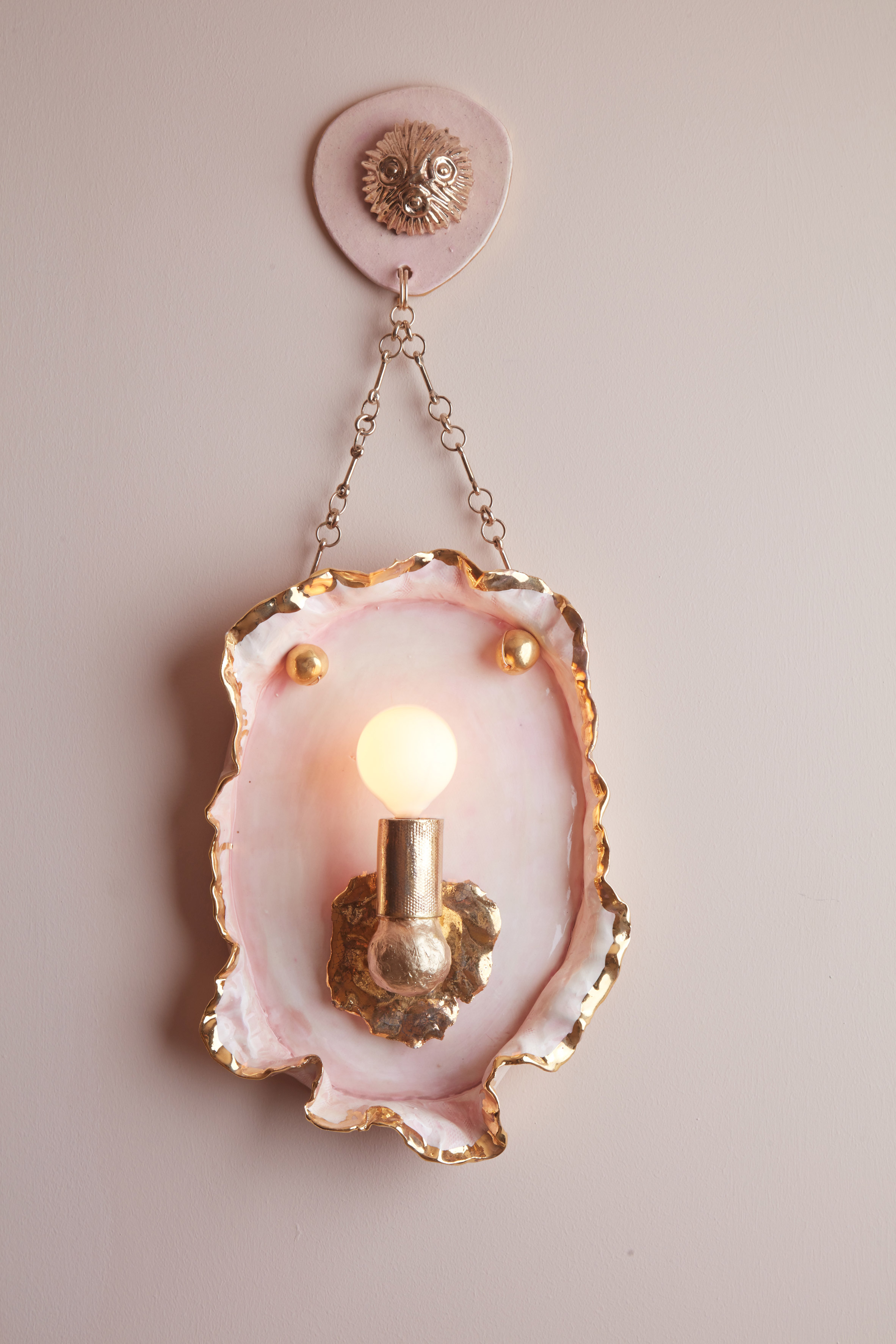
Upscaled versions of Boyajian's work hang from the ceiling and walls in the form of functioning light fixtures.

"The jewellery is not only on display, but is a part of the space itself: the ceramic sconces, pendants, and mobiles are larger-than-life versions of Sonia Boyajian's earrings," the women described.

Sonia Boyajian studio and store by Studio Shamshiri

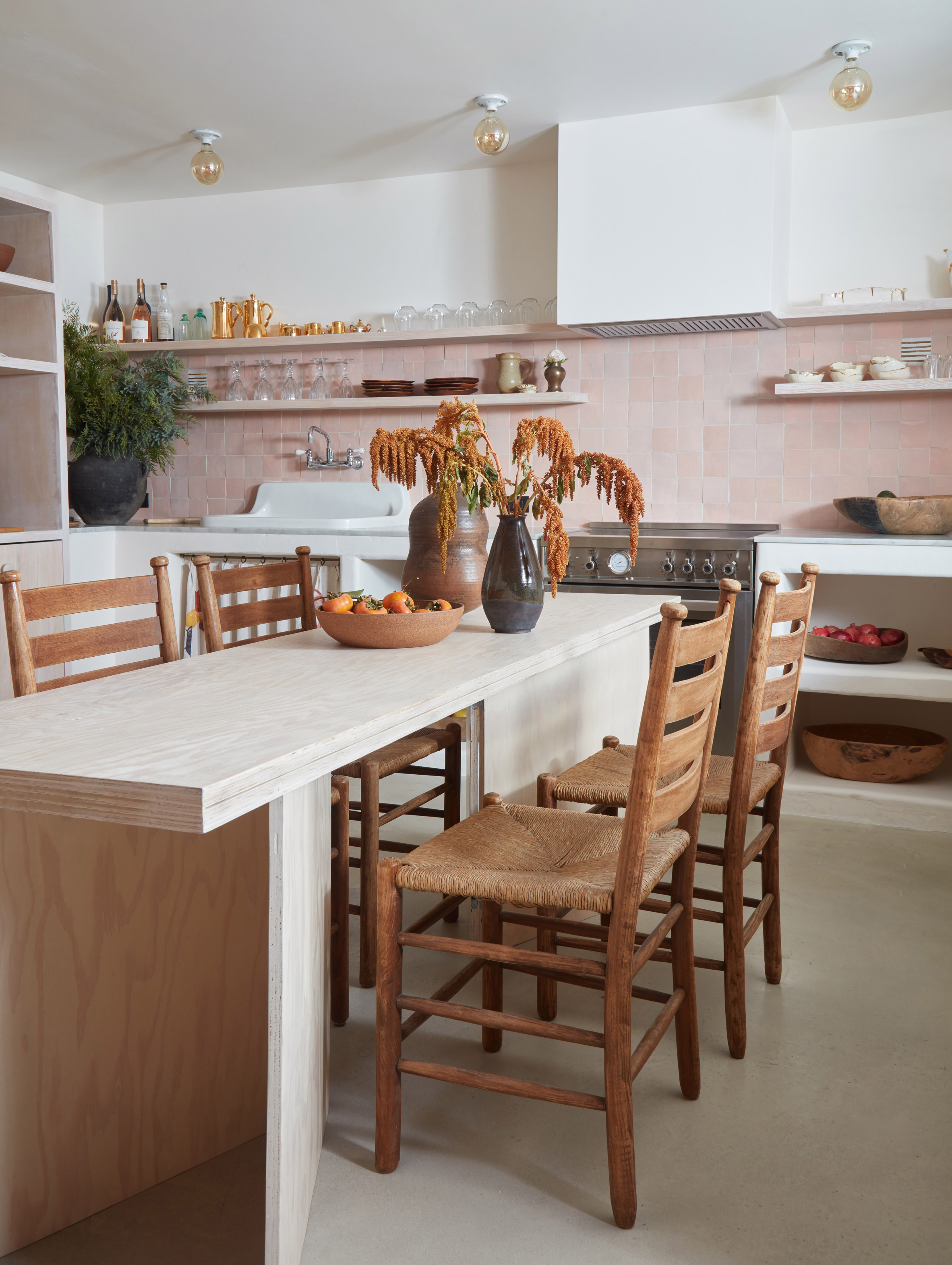
Away from the showroom, Boyajian's kitchen features a pink backsplash, white cabinetry and stainless steel appliances. A whitewashed plywood dining table, similar to the coffee table used in the retail space, was also custom made by Studio Shamshiri.

The Los Angeles designer founded her jewellery and accessories line in 2003, her unique designs are influenced by objects she collects on her trips around the world.

Sonia Boyajian studio and store by Studio Shamshiri

Sibling duo, Pamela and Ramin Shamshiri founded Studio Shamshiri in 2016. Its other projects include the renovation of a New Orleans hotel designed to be the home of a worldly woman and her collection of souvenirs.

French studios Java Architecture and Atelier Brunoir decorated a Parisian jewellery store with pink and gold accents and a London jewellery shop designed by Frederico Fazenda was also filled with custom-made furniture pieces.

Photography is by Stephen Busken.

The post Studio Shamshiri designs pink-hued jewellery shop in LA for Sonia Boyajian appeared first on Dezeen.


from Dezeen https://ift.tt/2EmBT9f

A New Book Chronicles Over Two Centuries of Japanese Woodblock Prints

Featuring over 200 prints by 89 artists, Taschen’s new book Japanese Woodblock Prints (1680- 1983) is a journey through two centuries of the art form. Ranging from depictions of everyday life to kabuki and erotica, the XXL edition is a 622-page art history lesson and a high resolution visual compendium rolled into one.

For this tome, Taschen spent three years reproducing woodblock prints from museums and private collections from around the world. Written by Andreas Marks, head of the Japanese and Korean Art Department at the Minneapolis Institute of Art, the book is divided chronologically into seven chapters beginning with the 17th century early masters and concluding with the Shin-hanga movement. Large, vibrant images of demons, villages, confidants, and landscapes fill the book’s pages, complemented by essays and captions that reveal more about the artists and techniques. There are 17 fold-outs, as well as a full appendix listing the artists, the titles of the woodblock prints, and editorial notes.

To add this comprehensive edition to your art book library, head over to Taschen.


from Colossal https://ift.tt/2LXH4Rv