Tuesday, 17 December 2019

Clowns, graveyards and split trousers: the surreal worlds of Līva Kandevica

Liva-kandevica-illustration-itsnicethat-01

Freakishly clown-like characters are trapped in what seems to be a barred prison cell, while a hat-wearing lady joyously lounges on the beach with a crab. Another image sees a redhead pose with split trousers, while another sees its protagonist anguish over the fact they’ve spilt liquid on their drone. These are the scenes of the disparate work of illustrator Līva Kandevica, where quite literally anything can happen. “I reflect my everyday life into my work,” she tells It’s Nice That. “It has a lot to do with sexy clowns, creepy men and cute butterflies.”

Read more


from It's Nice That https://ift.tt/35w6Zav

Google Sheets, virtual playgrounds and floating clouds of books: it's December's Double Click

Double-click-december-2019-digital-itsnicethat-list
To round of 2019’s Double Click, we’ve got five amazing websites which demonstrate the versatility of web design and the surprising results the medium often produces.

Read more


from It's Nice That https://ift.tt/2Psrmj7

Floor Skrabanja designs 3D-knitted furniture without staples or stitches

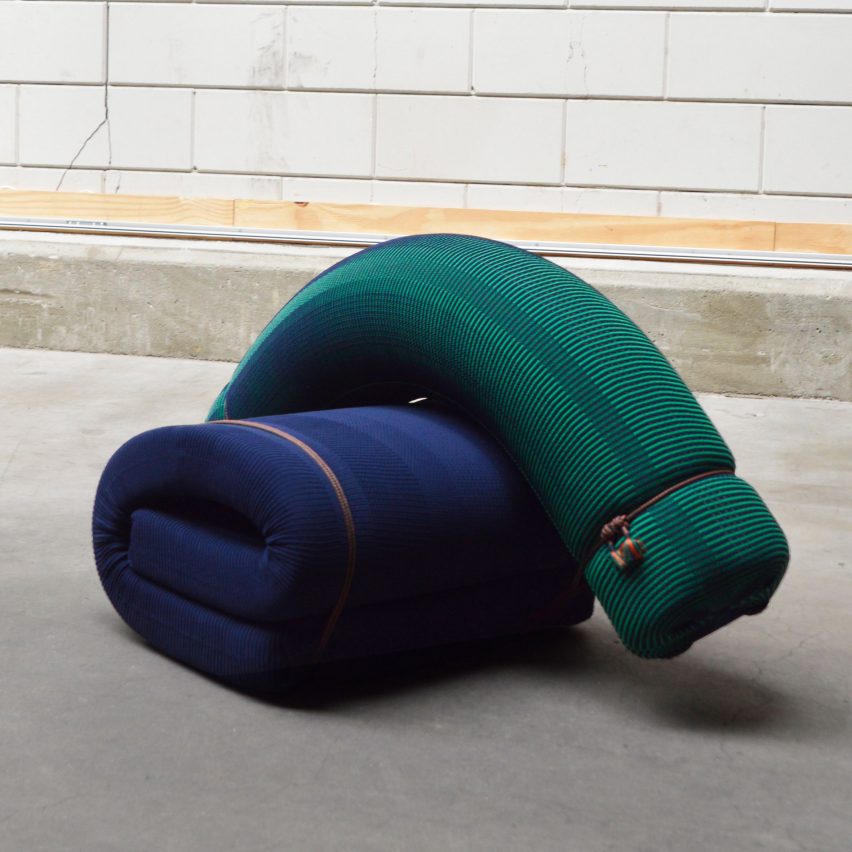
Floor Skrabanja designs 3D-knitted seats that use no staples or stitches

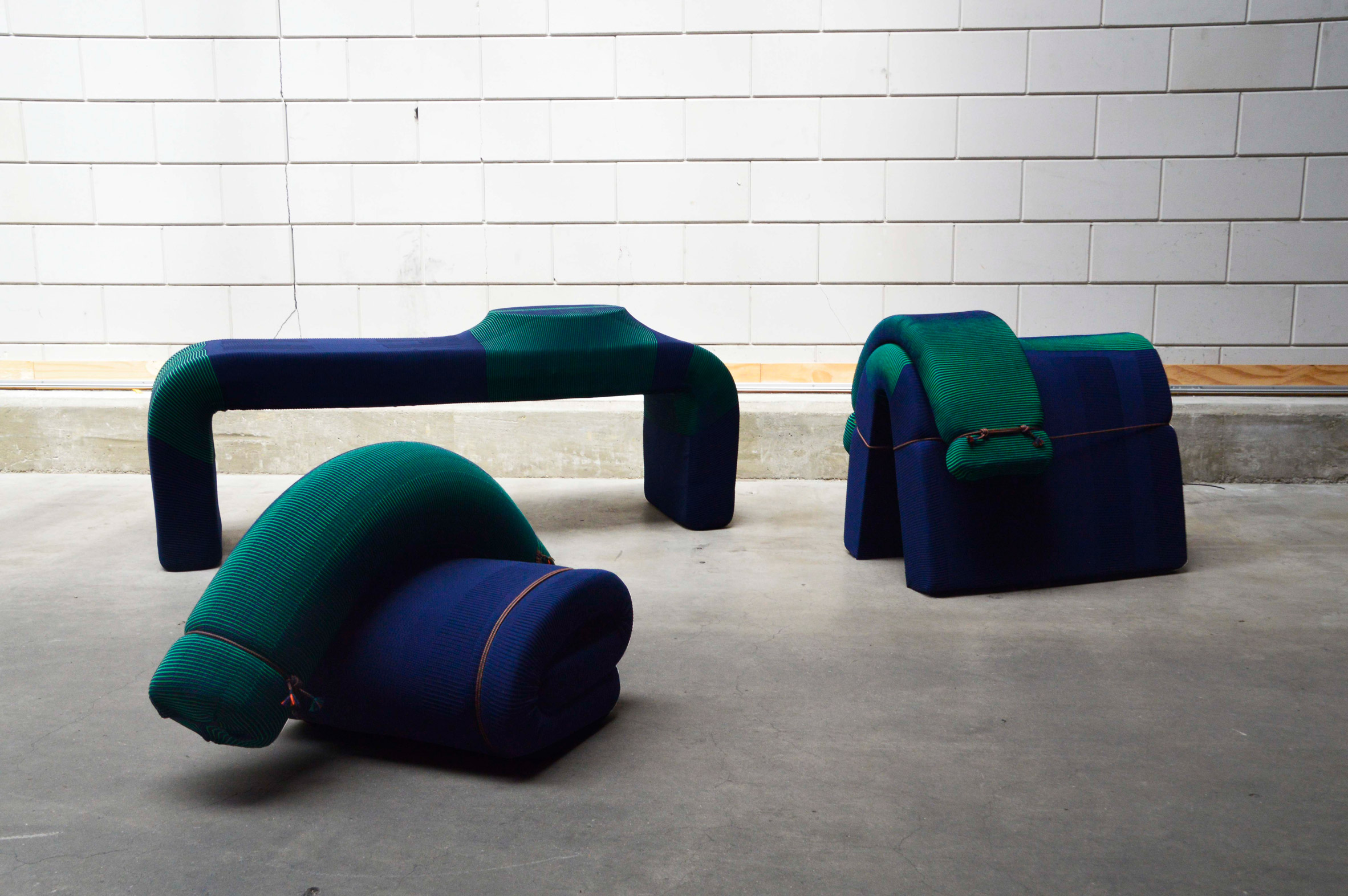
Design Academy Eindhoven graduate Floor Skrabanja has created a collection of seats with single-piece 3D-knitted upholstery that needs no gluing or stitching, so can easily be deconstructed.

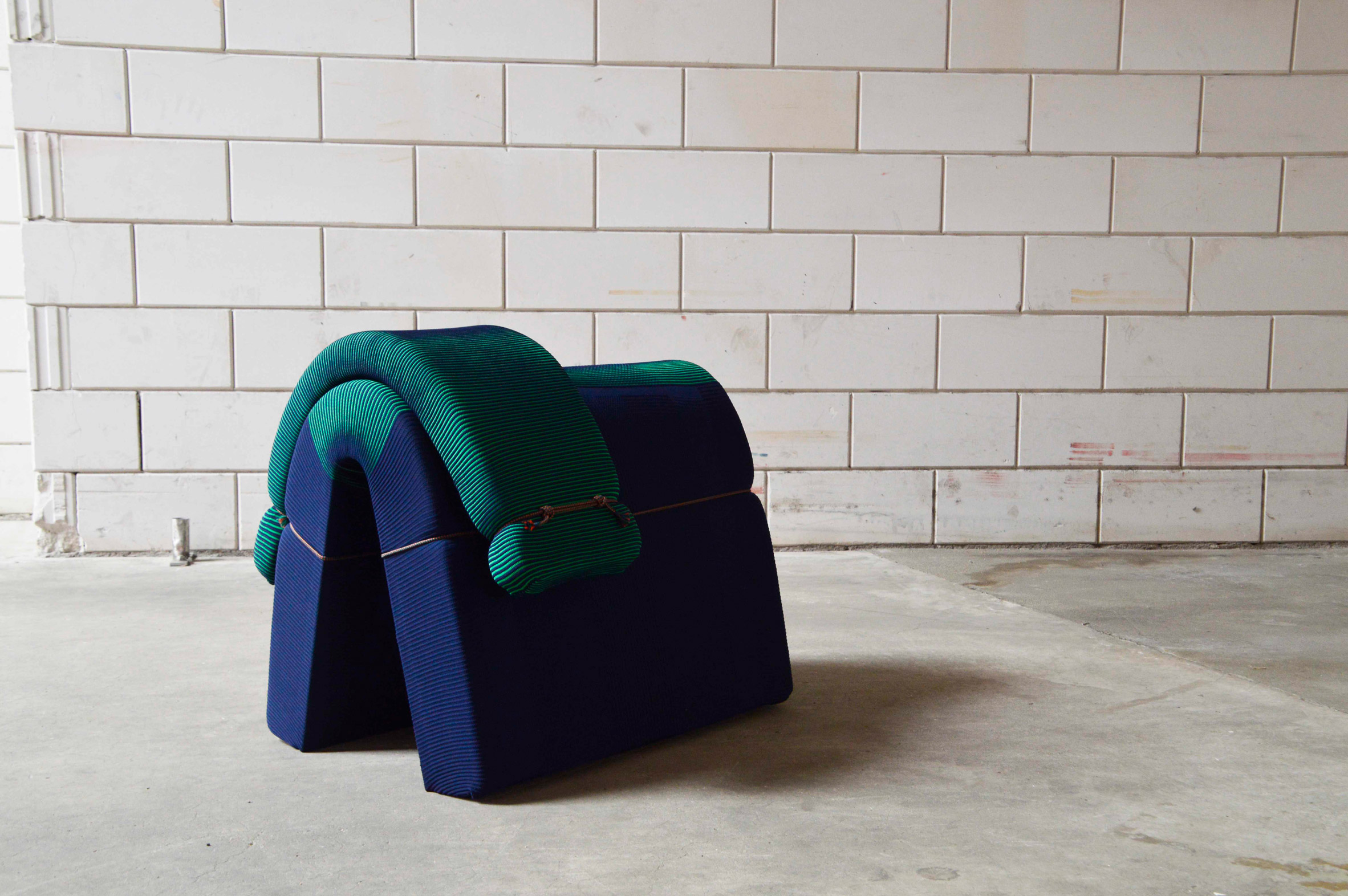
The series features a chair, stool and bench, each covered with a seamless, continuous piece of fabric that is slipped on like a sleeve and bound to the frame with a contrasting orange cord.

The upholstery fabric is 3D-knitted – a fabrication method which combines digital pattern-making with the knitting process. The process replicates 3D printing's ability to scale and multiply a pattern, in order to create complex designs at specified sizes.

The knitted yarns that make up the fabric can be unraveled in order for the threads to be re-knitted as another piece of furniture in future.
Floor Skrabanja designs 3D-knitted seats that use no staples or stitches

"Like with 3D printing, you code a shape on the computer and then you can reproduce it endlessly," Skrabanja told Dezeen.

"The difference is that a 3D printing filament is heated and will melt together so you get a solid shape composed of layers. With 3D knitting you bond with the yarn."

"The traditional limitations of knitting are challenged by the new technology," she continued. "Textiles are mostly used and made in two-dimensional surfaces, but with this knitting technique you can rethink textiles as a three-dimensional shape."
Floor Skrabanja designs 3D-knitted seats that use no staples or stitches

The technique can be scaled up to cover entire furniture pieces, as well as to make clothes or blankets.

The designer worked with the knitting experts at the Textile Museum in Tilburg to finesse the myriad of variables that can affect a knitted piece – ranging from the type of thread used, to the tension with which it is bound.

The code must be recalculated every time a new material is introduced, using trial and error.

"Unlike 3D printing, the material influences the shape and feel of the outcome," she explained. "Every yarn acts differently, depending on the twine elasticity and so on."
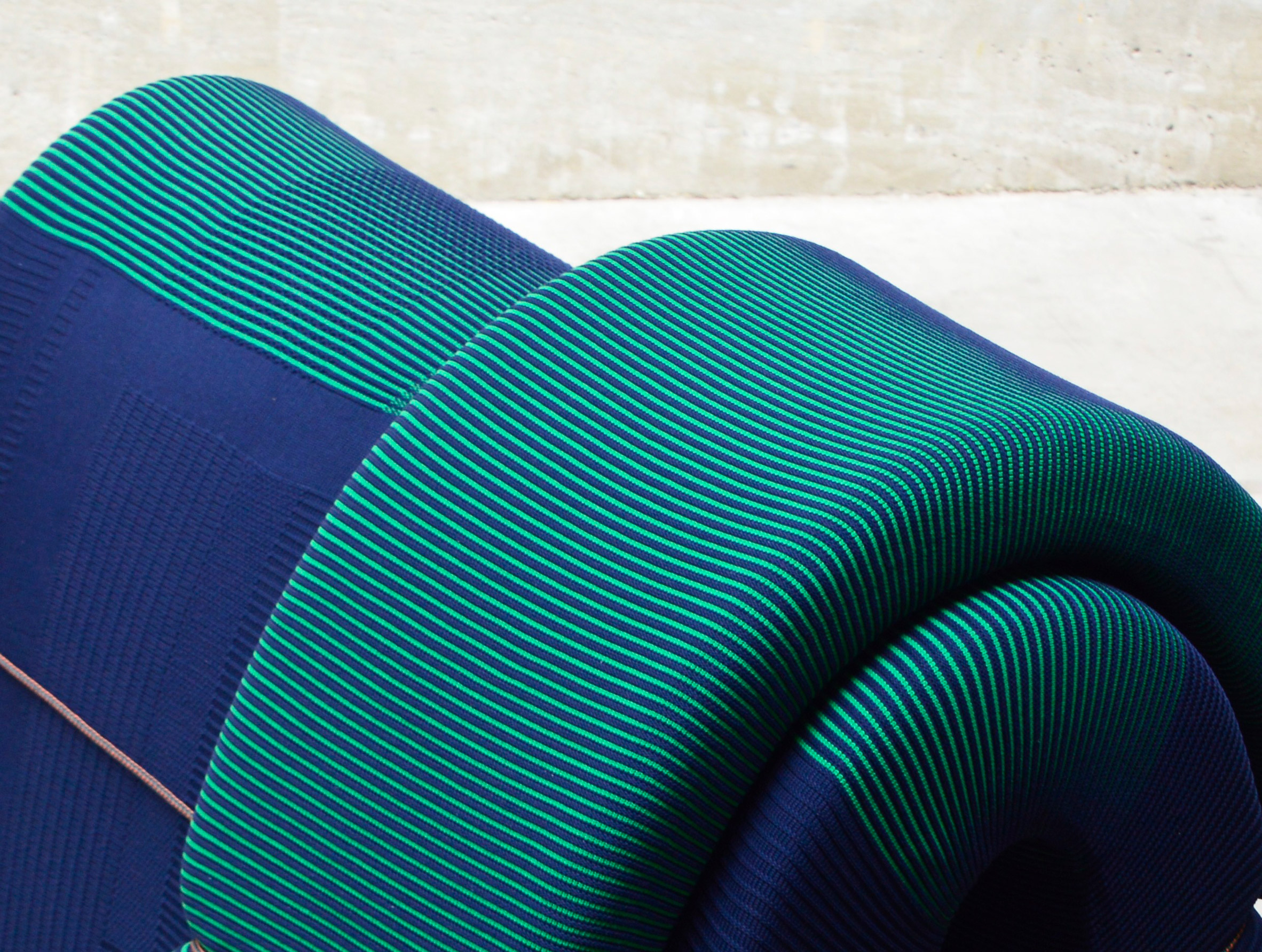
Floor Skrabanja designs 3D-knitted seats that use no staples or stitches

The seats themselves consist of floppy shapes that are variously folded in on themselves or draped over each other, propped up by an aluminium frame filled with fibres shredded from old textiles.

This, Skrabanja explained, is how most discarded fabric ends up – shredded or pulled apart to become stuffing for mattresses, insulation or, in this case, upholstery.

She believes that knitted fabric presents a unique opportunity in moving towards a more circular furniture design, because it lends itself to being disassembled and reused without compromising the quality of the original material.
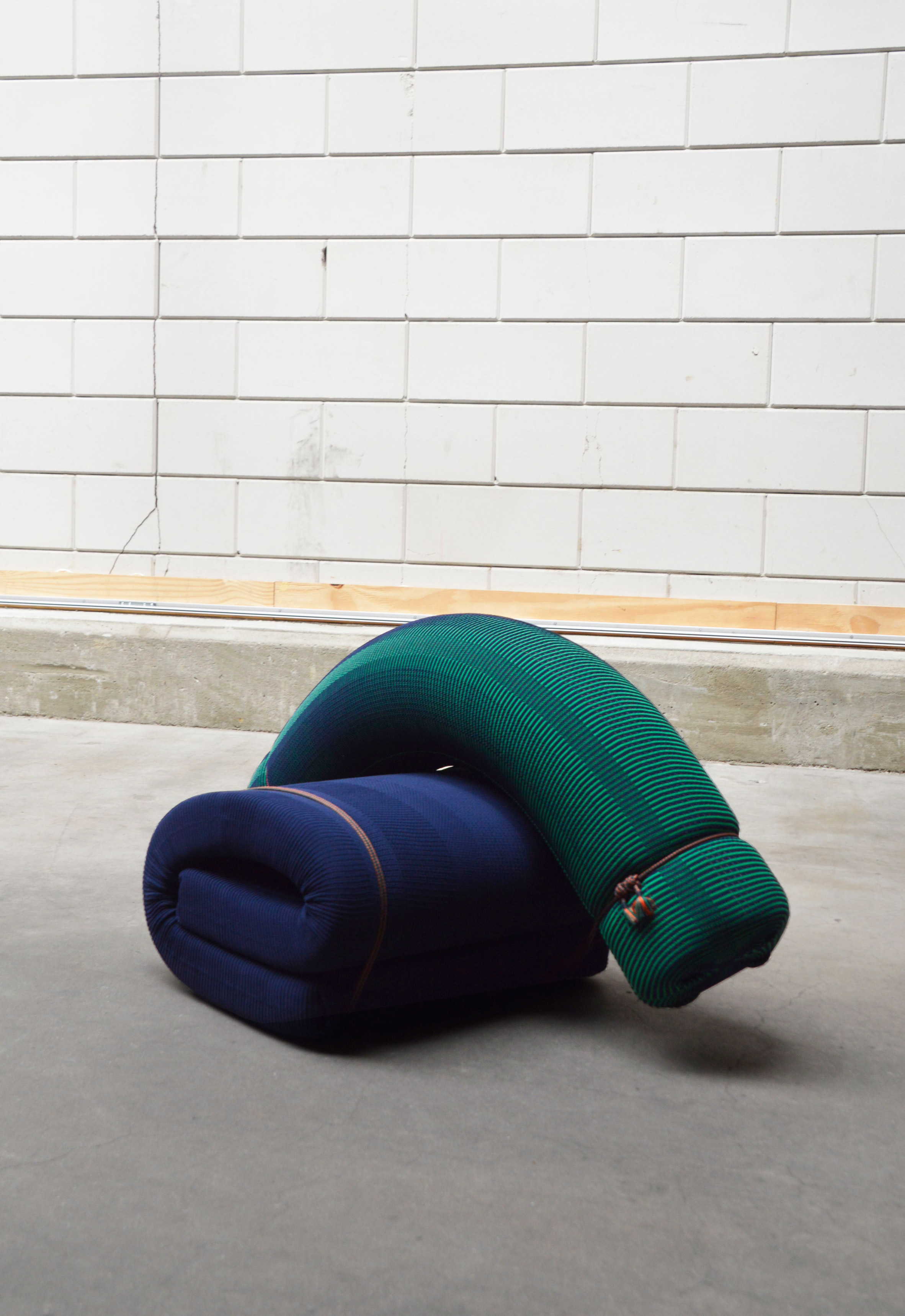
Floor Skrabanja designs 3D-knitted seats that use no staples or stitches

"Products and especially textile products are not consciously designed with the thought of how we can use the materials again after the life of the product," she explained.

"There is an excess of textiles. I would say enough have been produced already," she continued. "That's why I envision my pieces being collected, the textile unraveled, cleaned, re-spun and sold as a yarn."

"If you have ever unraveled a knit, or watched your jumper come apart, you know how easy it would be to pull on a single thread on a seamless shape and be left with a pliable high quality yarn."
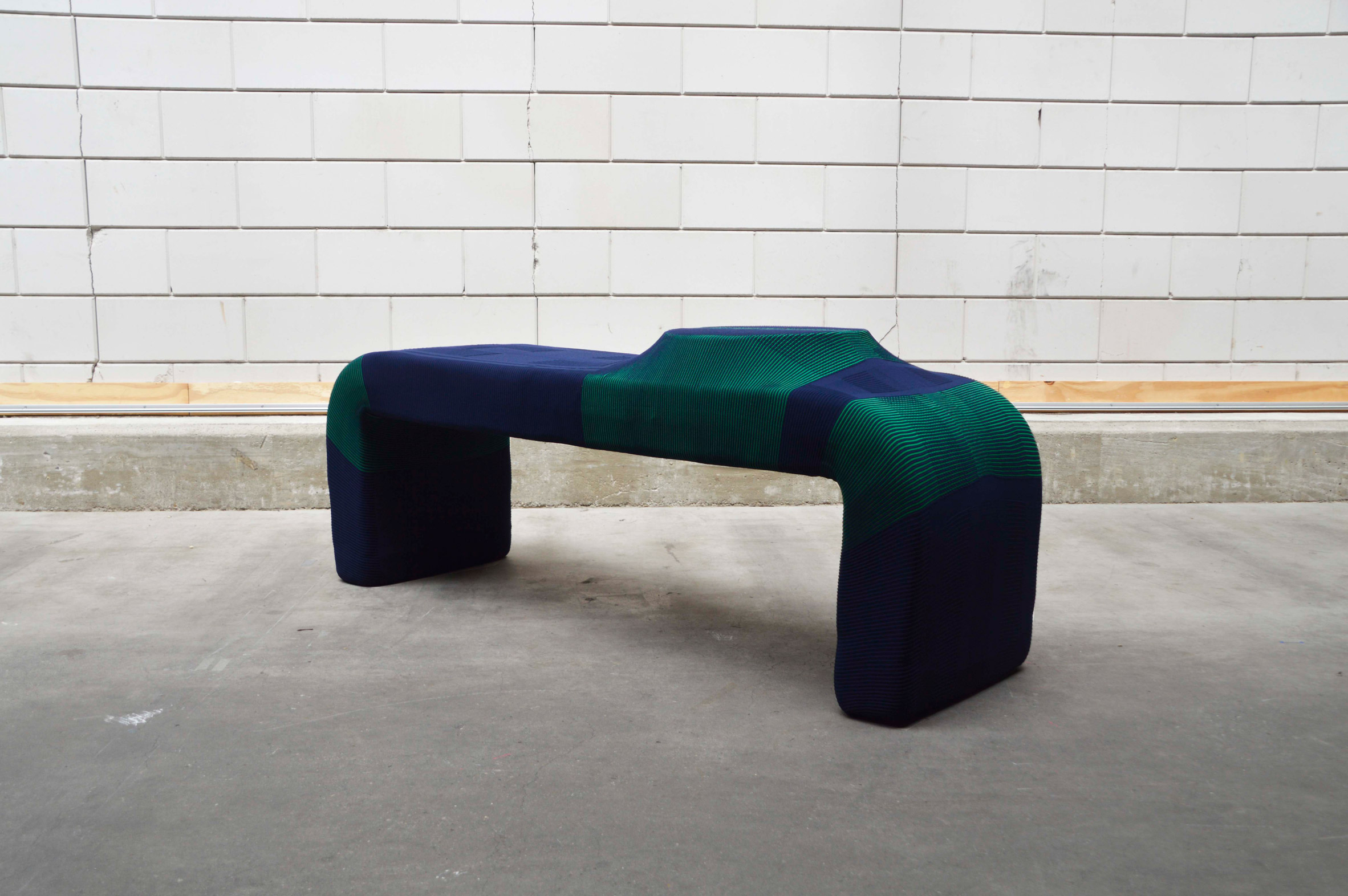
Floor Skrabanja designs 3D-knitted seats that use no staples or stitches

Finding the right yarn was key, as it needed to be durable enough to be endlessly reused.

That meant mixing yarns like polyester and cotton was out of the question as this makes the textile harder to recycle, while wool would break too easily.

"Considering the need for durability in a frequently-used furniture piece, I settled on a texturised polyester yarn," said the designer. "In the future I would love to use recycled yarns but at the moment the quality of these isn't high enough."
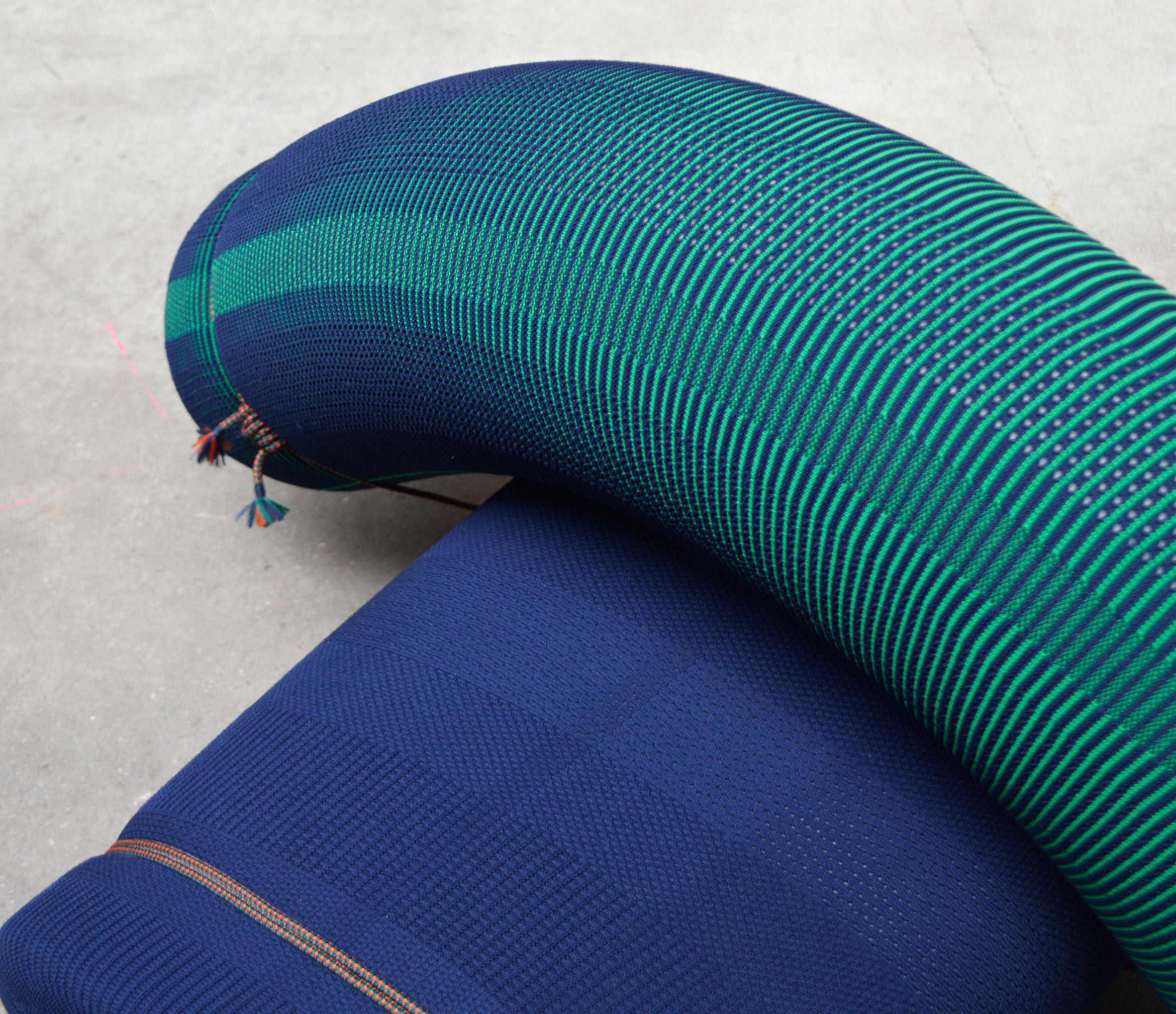
Floor Skrabanja designs 3D-knitted seats that use no staples or stitches

In the past, 3D-knitting has mainly been used in furniture design to create seats for chairs – as in Benjamin Hubert's Tent and IKEA's PS 2017 – rather than covering an entire piece of furniture.

The post Floor Skrabanja designs 3D-knitted furniture without staples or stitches appeared first on Dezeen.


from Dezeen https://ift.tt/2RYNcwv

Monday, 16 December 2019

Riluxa expands Corian collection to push the boundaries of bathroom design

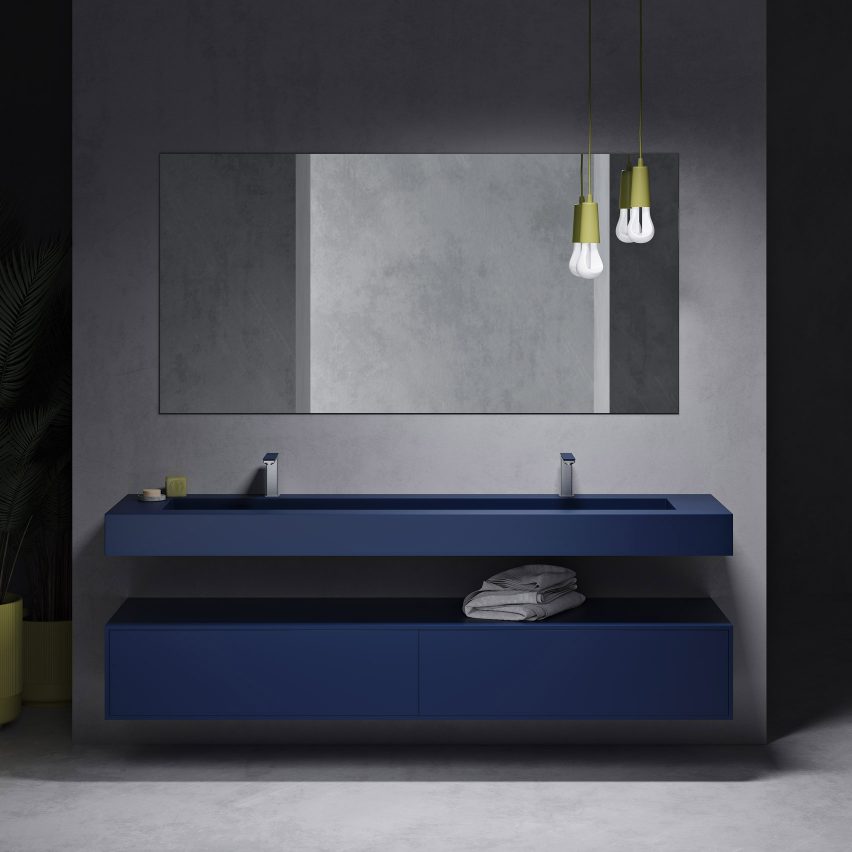
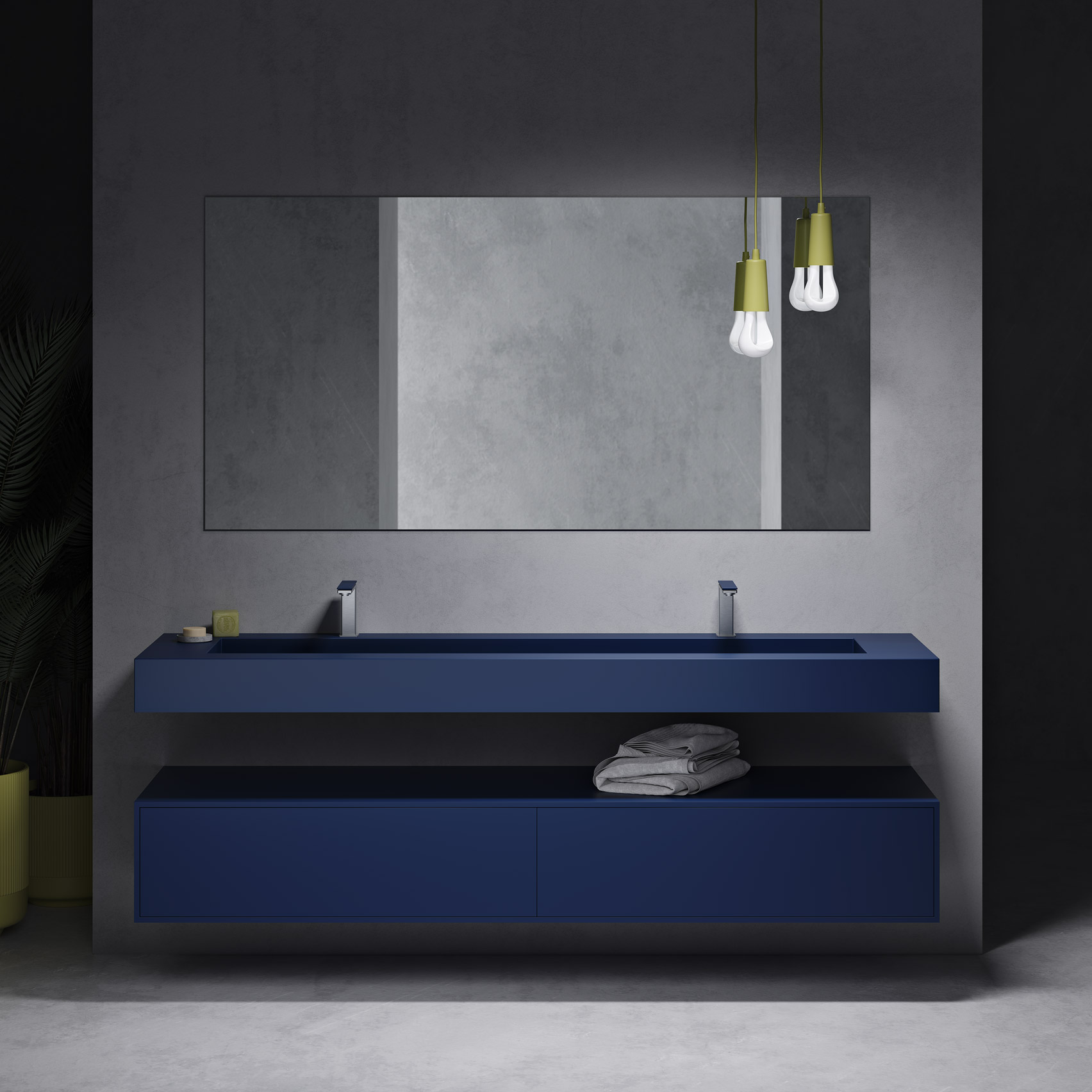
Corian colour collection by luxury bathroom retailer Riluxa

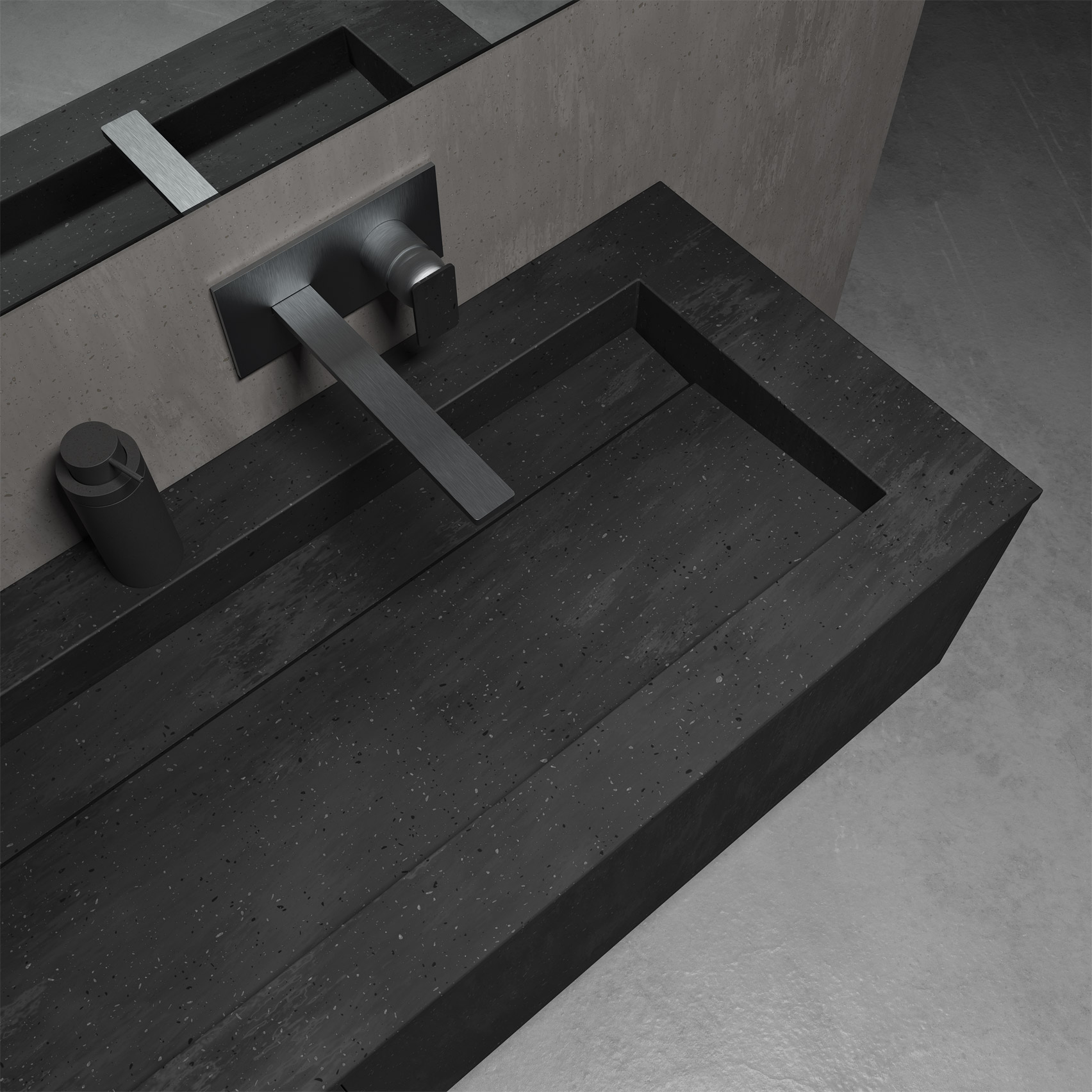
Dezeen promotion: Riluxa has expanded its Corian surface material collection with an array of new colours to help users create vibrant yet minimal bathrooms.

Bathroom retailer Riluxa's range of colourful surface materials are designed to be applied to its existing mix of customisable bathroom products, in a bid to "push the boundaries of minimalist bathroom design".

According to Riluxa, the Corian collection is designed to meet the demand of the increasing number of designers, artists, architects, and industry sector experts who are moving away from traditional white bathrooms.

Corian colour collection by luxury bathroom retailer Riluxa
Riluxa has expanded its surface material collection Corian with an array of new colours

"There are two types of Riluxa customer," explained Riluxa's CEO Frédéric Tomé Riluxa. "Those who want the more opulent style of our marble products and those whose taste leans toward a more minimalist aesthetic."

"Of this latter group, we've definitely noticed a shift in their buying patterns away from white Corian to the various colour options previously made available," he continued. "Of course, we want to capitalise on this growing trend, and, so challenged our design partners at Galfia – whose products we exclusively retail – to really explore the possibilities."

Corian colour collection by luxury bathroom retailer Riluxa
The materials are designed to be applied to its existing mix of customisable bathroom products

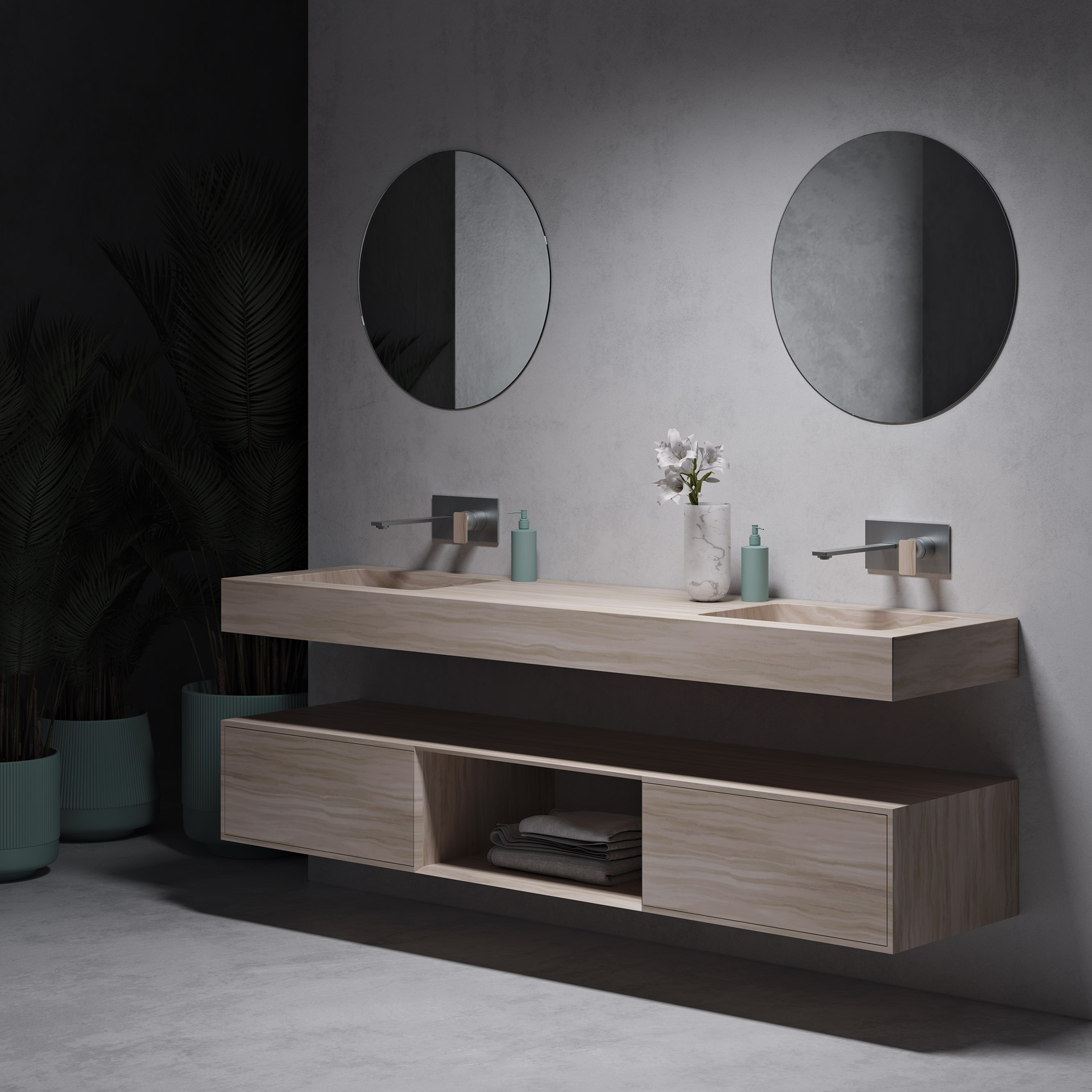
The new Corian colours can be applied as the surface to Riluxa's array of bathroom furniture that includes sinks, bathtubs, cabinetry, showers.

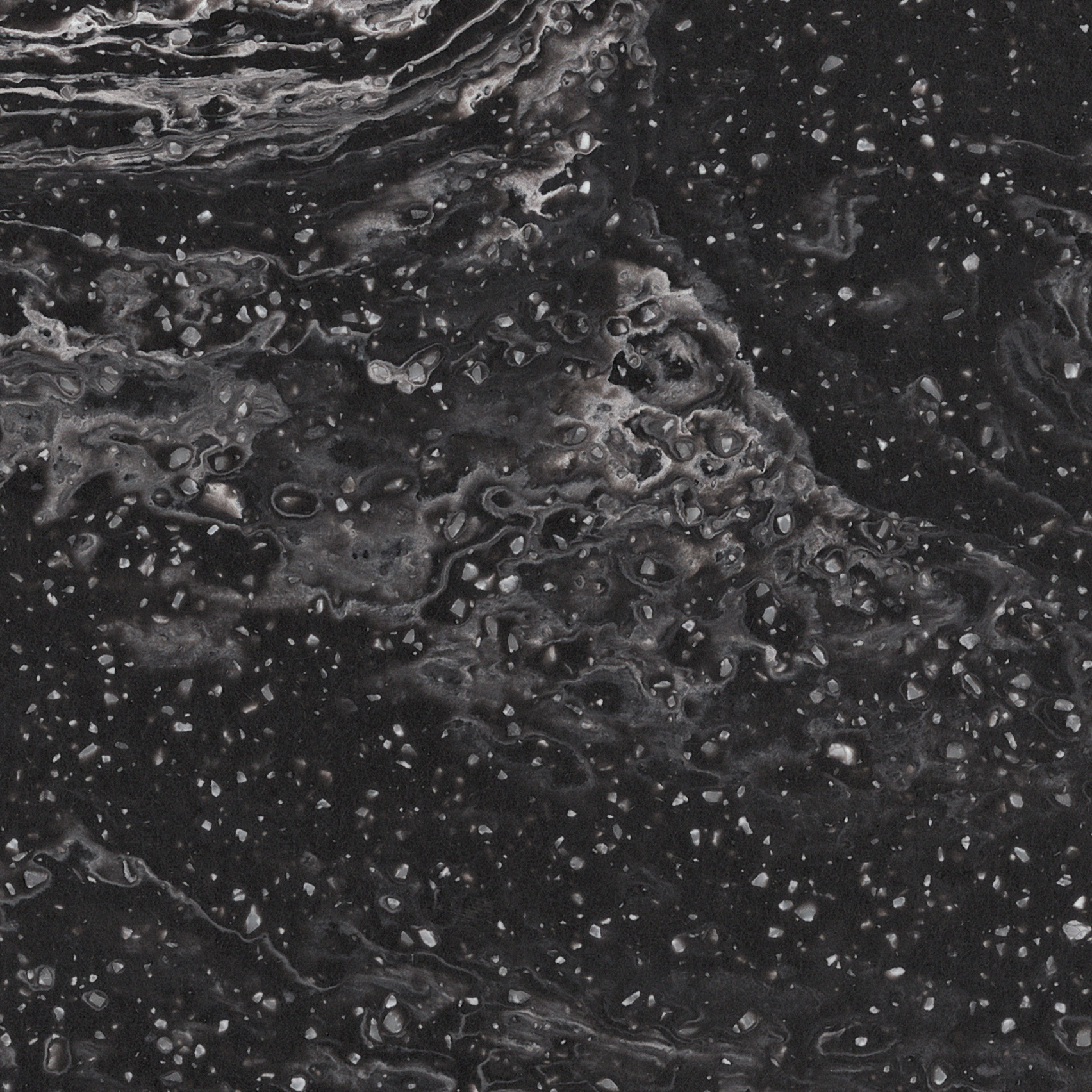
Materials range from artistic, decorative finishes like "the chocolatey swirls" of Corian Cocoa Prima and the "astral patterns" of Corian Cosmos Prima, through to bolder, statement finishes like Corian Citrus Orange and Corian Imperial Yellow.

"Don't get me wrong, Corian Glacier White is, by far, still our biggest seller and you can still buy all of our products in that and other classic colours," concluded Riluxa.

"But the sheer scale of the increase in sales of our bolder colour products does seem to signify a bit of a trend. We're just happy to somewhat accidentally be at the forefront of it."

Corian colour collection by luxury bathroom retailer Riluxa
The expansion offers customers a greater variety of colour options

They are all designed with "perfectly smooth surfaces" and to complement any other material, such as metal, wood, glass or natural stone.

Each surface is also made to be highly resistant and easily repairable, and non-porous to help maintain hygienic surfaces.

Corian colour collection by luxury bathroom retailer Riluxa
Corian Cosmos is one of the more decorative finishes and is intended to resemble stars

Riluxa is a luxury bathroom retailer founded in Valencia, Spain in 2015. It exists to provide "premium materials and high quality" products that allow customers to create unique, customisable bathrooms. Corian forms core of the business.

Read more about Riluxa on its website.

The post Riluxa expands Corian collection to push the boundaries of bathroom design appeared first on Dezeen.


from Dezeen https://ift.tt/2PQZnca

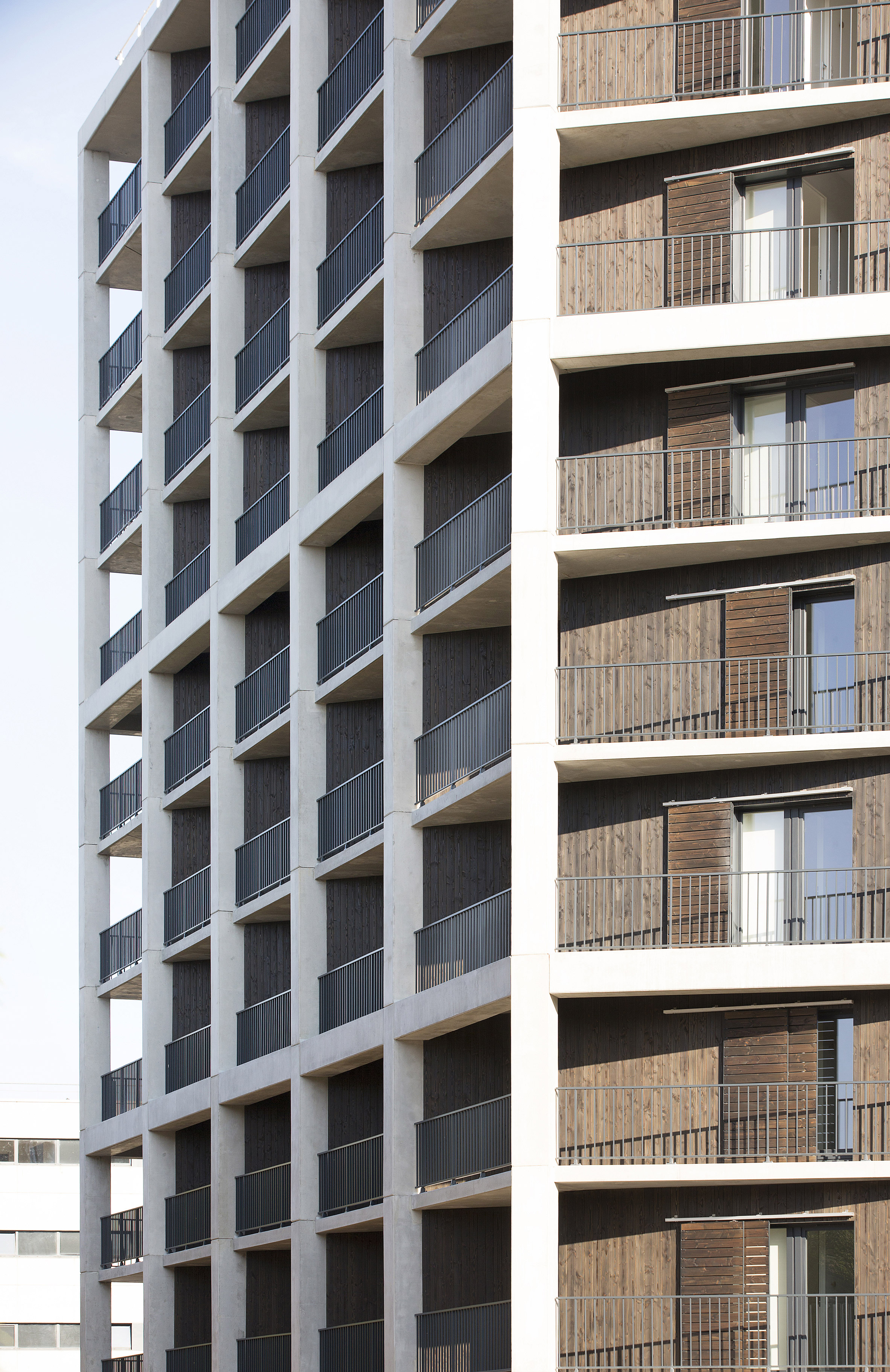
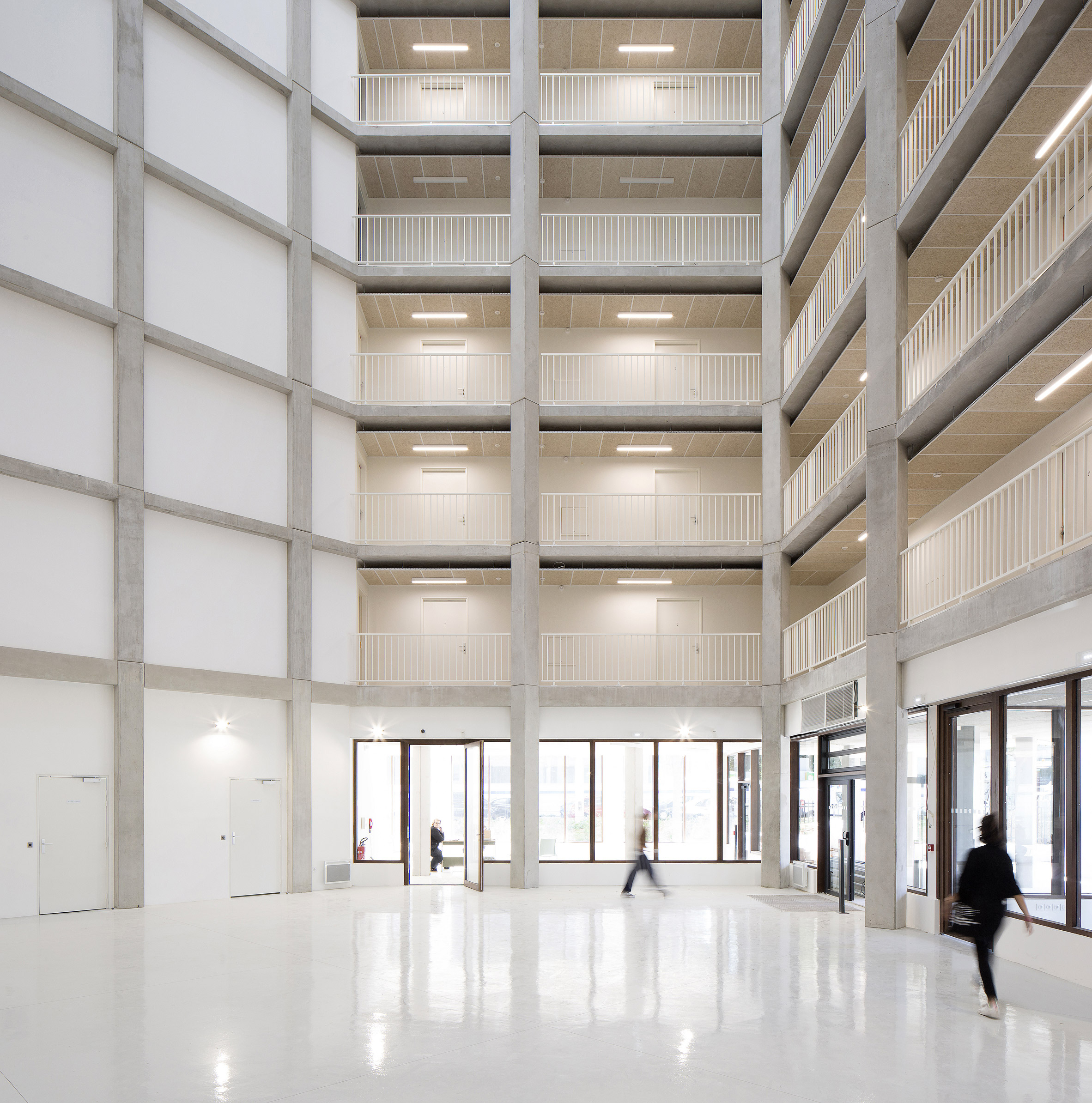
Concrete grid forms student housing block in Paris by Atelier Villemard et Associé

Student housing block by Atelier Villemard et Associés (AVA) in Champs-sur-Marne

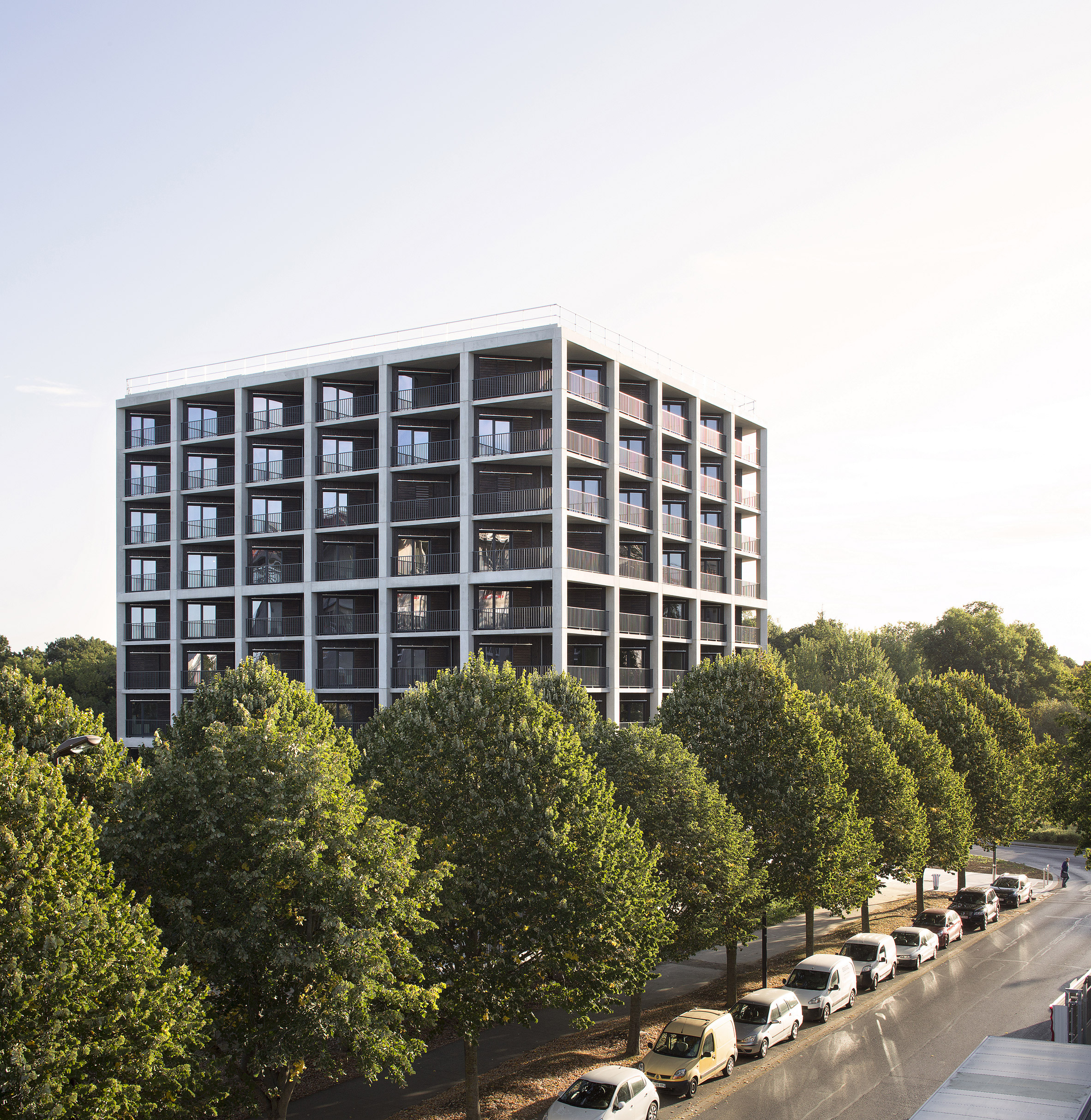
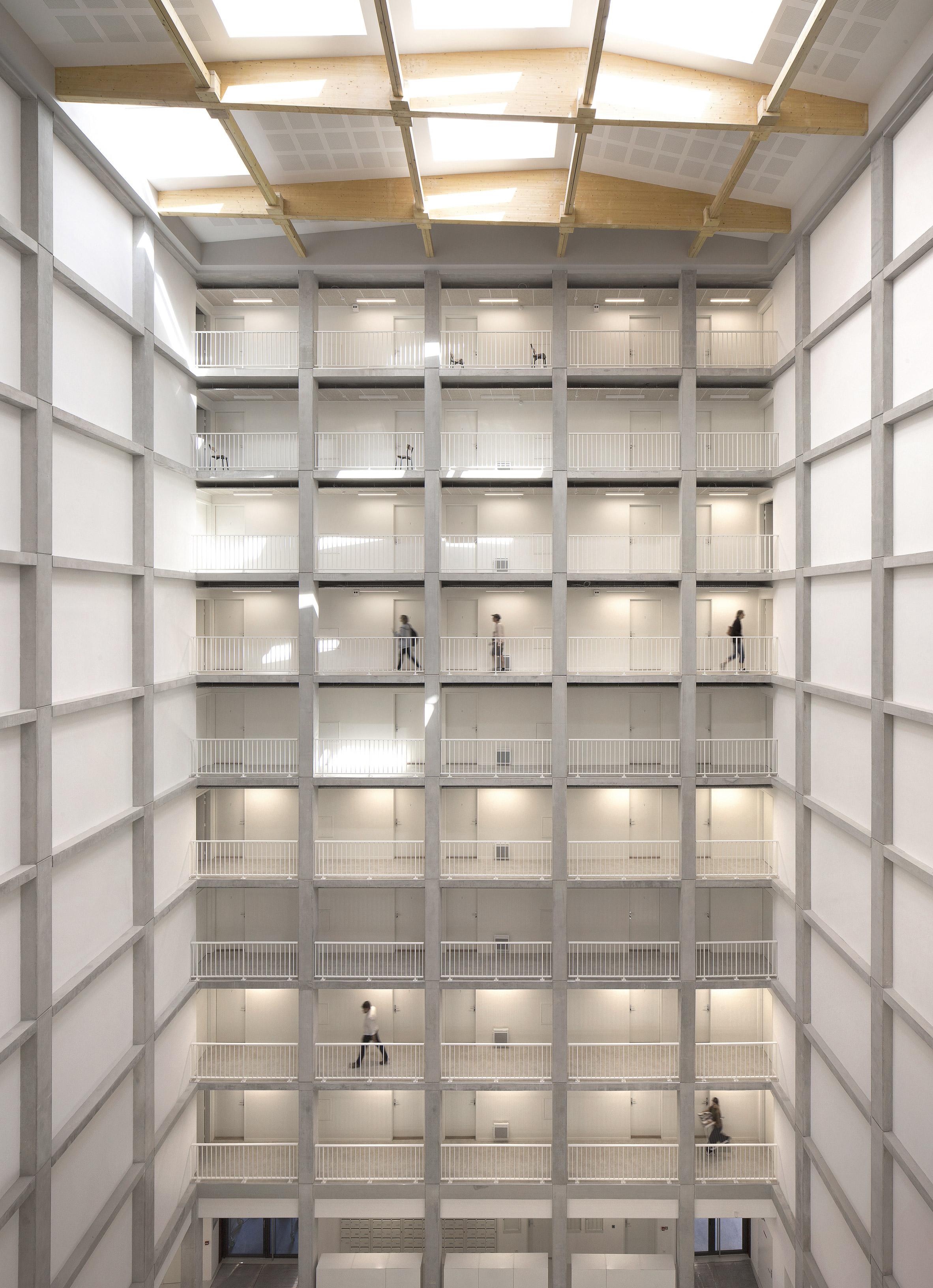
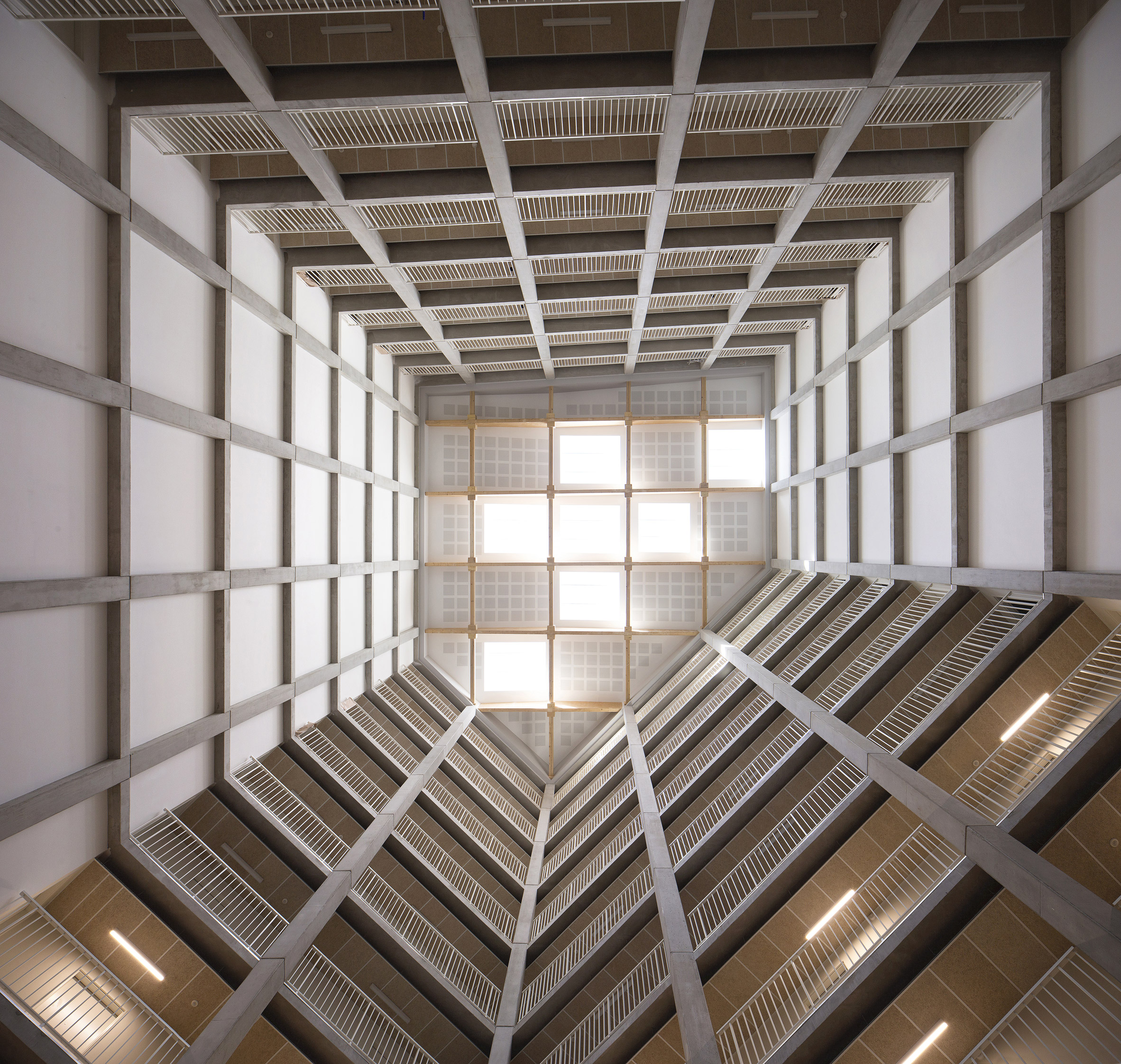
Atelier Villemard et Associés used a structural grid of exposed concrete to define the exterior and interior of this student housing block on the outskirts of Paris.

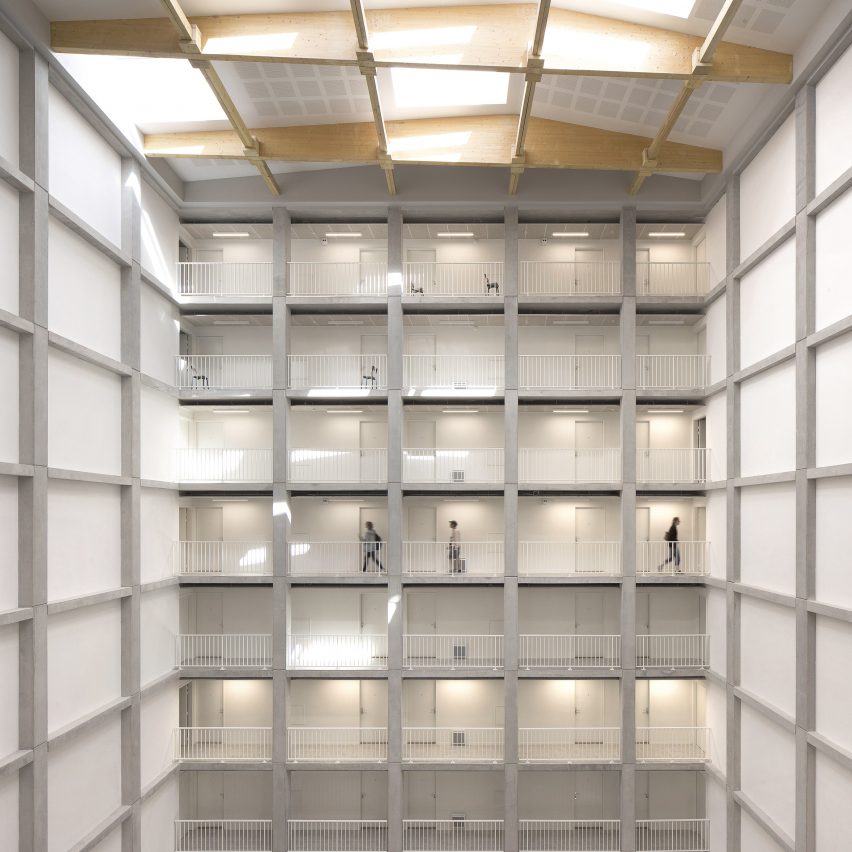
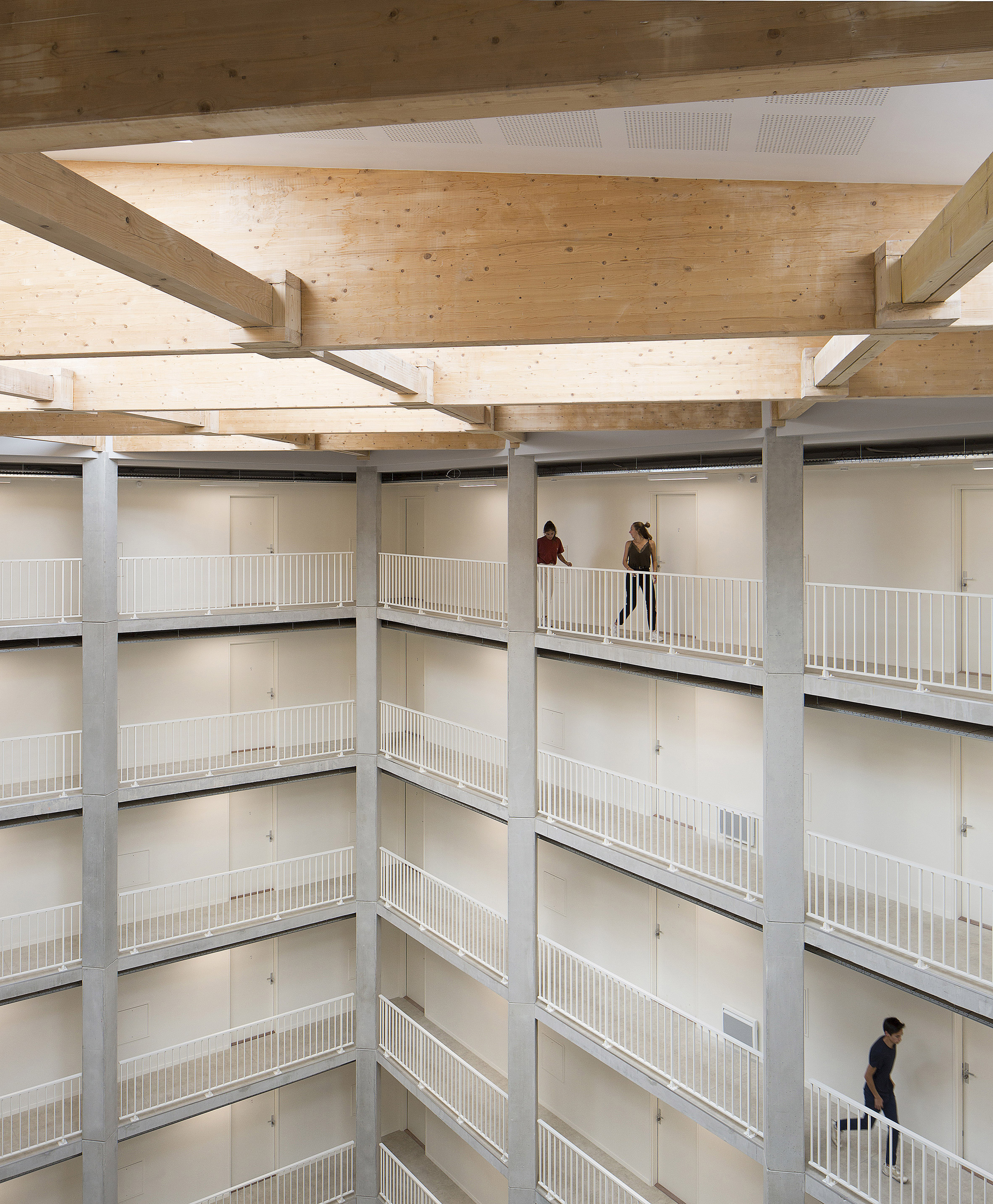
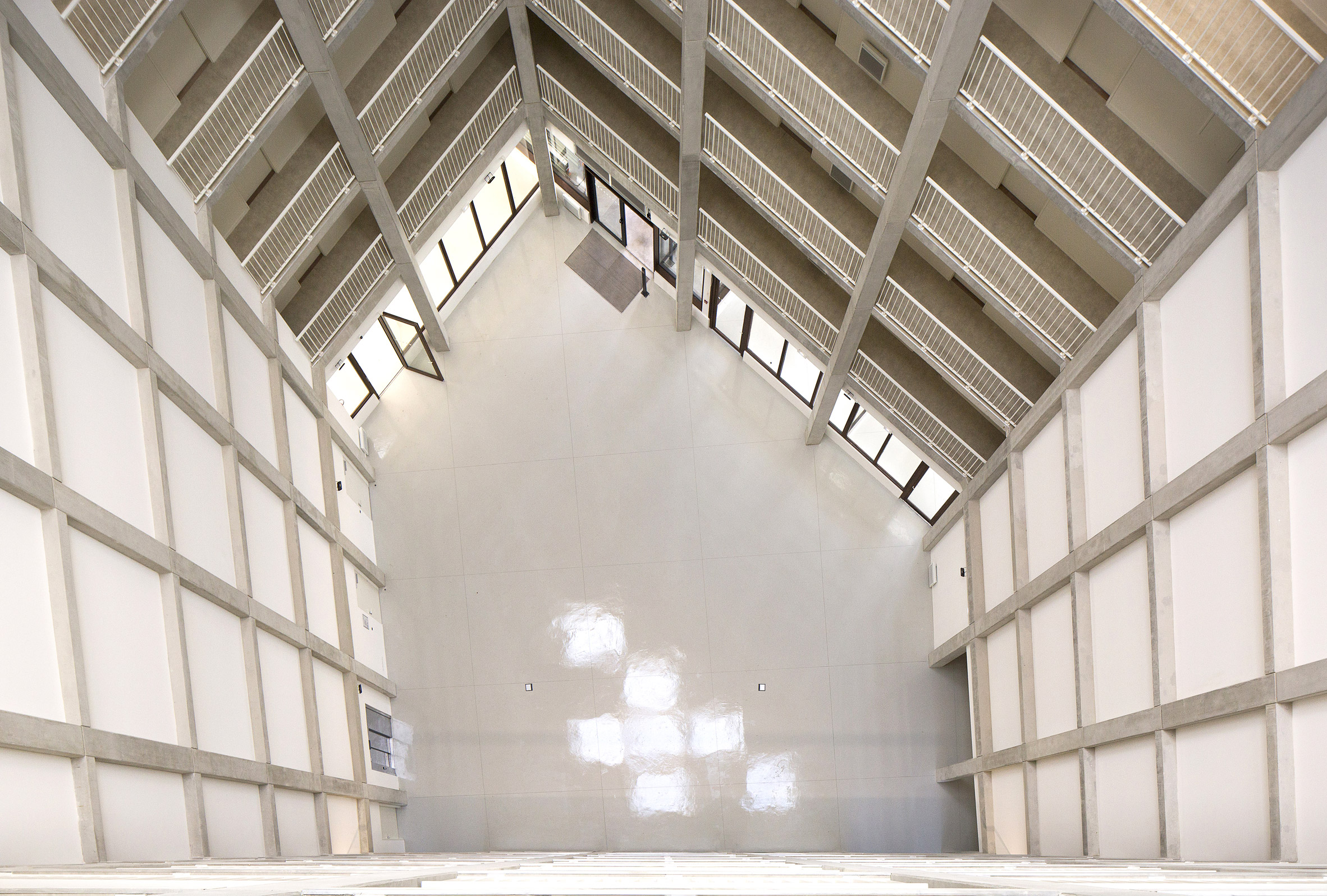
The nine-storey residential block in Champs-sur-Marne centres around a full-height atrium.

Student housing block by Atelier Villemard et Associés (AVA) in Champs-sur-Marne

This housing scheme by Atelier Villemard et Associés is the latest addition to the Campus Descartes.

The campus is one of the French capital's sustainable city clusters and includes parts of the Paris-Est Marne-la-Vallée University (UPEM).

Student housing block by Atelier Villemard et Associés (AVA) in Champs-sur-Marne

A total of 207 rooms wrap around the atrium, which is topped by a series of skylight.

Rather than have the bedrooms overlook this space, a corridor on each level separates the two and creates a communal access route for residents.

Student housing block by Atelier Villemard et Associés (AVA) in Champs-sur-Marne

On each level the floor plan has been kept one-room deep, providing each bedroom with a private balcony looking out to view across the landscape.

The structure's concrete frame acted as a shell into which prefabricated bathroom, balcony and wall were inserted. Each floor took just 10 days to complete.

Student housing block by Atelier Villemard et Associés (AVA) in Champs-sur-Marne

At ground floor level, this atrium is surrounded by communal spaces, such as a café, gym, laundry area and bike parking.

These areas are a space between the private bedrooms and the city outside where students can socialise and go about their lives.

Student housing block by Atelier Villemard et Associés (AVA) in Champs-sur-Marne

The nine-storey scheme sits among the EISEE School of Engineering designed by Dominique Perrault in 1987 and a School of Architecture designed by Bernard Tschumi in 1999.

Atelier Villemard et Associés decided to respond to these existing forms and create a new focal point for the campus.

Student housing block by Atelier Villemard et Associés (AVA) in Champs-sur-Marne

"With its localisation and its exceptional interiority, the building represents a new landmark," said the studio.

"Its strong form responds to the nearby School of Architecture by affirming a radically simple yet imposing volume."

Student housing block by Atelier Villemard et Associés (AVA) in Champs-sur-Marne

Atelier Villemard et Associés was founded by architect and urban planner Jérôme Villemard, who was previously a founder of Parisian firm BVAU.

A grid was also used for another student housing project by Hamonic+Masson Associés, which features a golden facade of private balconies.

Photographer is by Clément Guillaume.

The post Concrete grid forms student housing block in Paris by Atelier Villemard et Associé appeared first on Dezeen.


from Dezeen https://ift.tt/2trk07d