Tuesday, 17 December 2019

"Fictional reality" of North Korea's architecture revealed in Model City Pyongyang

Cristiano Bianchi and Kristina Drapić have photographed architecture across the capital of North Korea for their book Model City Pyongyang. Here they reveal six of the most interesting buildings in the city.

Model City Pyongyang contains more than 200 pictures of the North Korean capital, which is described by Bianchi as an "open-air museum of socialist architecture".

Italian architects Bianchi and Drapić decided to photograph Pyongyang after being surprised by the variety and colour of the architecture in the city following a visit in 2015.

"Pyongyang certainly delivered and we were fascinated by three elements: the 'total planning', which was largely recognisable through the city, the surprising colourful urban environment, which was totally unexpected," Bianchi told Dezeen.

"We had in our mind the greyness of soviet-era cities and what we call the perception of a 'fictional reality', which later inspired the photography concept."

To convey the feeling of fictional reality that the architects felt in Pyongyang, Bianchi and Drapić decided to replace the sky in every picture with a simple gradient of colours.

"The photography concept aims to establish a dialogue with the DPRK's artistic representations, and at the same time wants to portray the initial, peculiar and puzzling feeling of 'fictional reality' that we had during our first visit," explained Bianchi.

"We experienced for the first time such a strikingly different city: a sense of confusion, where the perception between what is real and genuine merges with what is seen as staged or faked."

Bianchi and Drapić chose this illustration method as it echoes a similar technique used by Korean fine artists in paintings, sculptures, mosaics and propaganda posters.

"The photography is framed using an architectural approach and with no significant editing, whilst the sky is completely replaced by a soft gradient of pastel colours, taken from the colour palette used by Korean artists for posters, and by architects for facades," explained Bianchi.

"The contrast between the two parts of the picture creates a visual alienation where the real part – the building or the city – looks unreal and the unreal part – the sky – could actually be real."

Bianchi hopes that the photos will help people see the city in a different light.

"We will be happy if these photos will push the curiosity of people further from the stereotypes usually projected by the media about DPRK," he said.

"And we hope the photos could transmit to the people the beauty of this city, a beauty of a different kind, which we hope will be preserved with all its peculiarities when a necessary change will eventually occur, in a future that we hope will unfold for the better."

Read on for Bianchi's pick of intriguing buildings in the city:
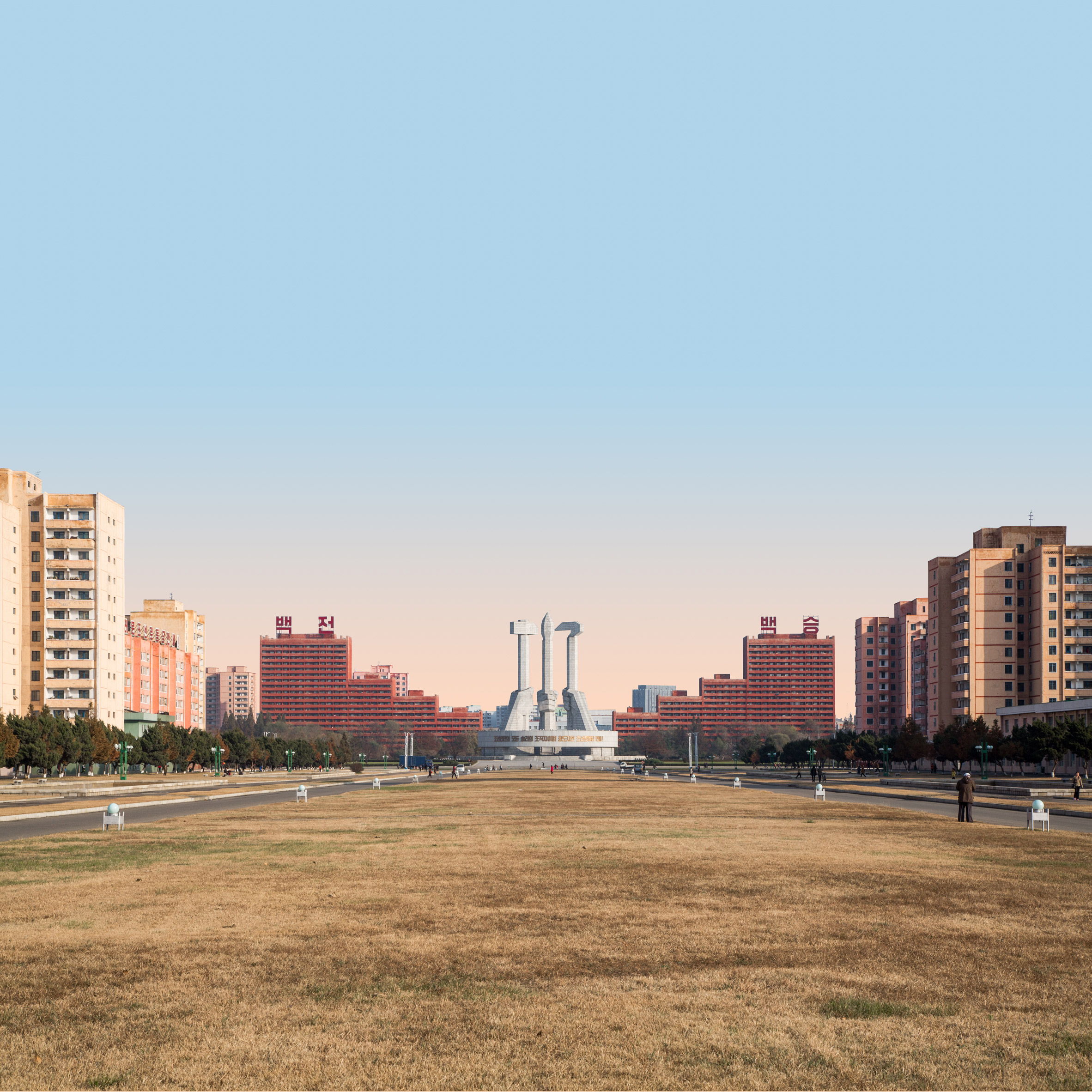

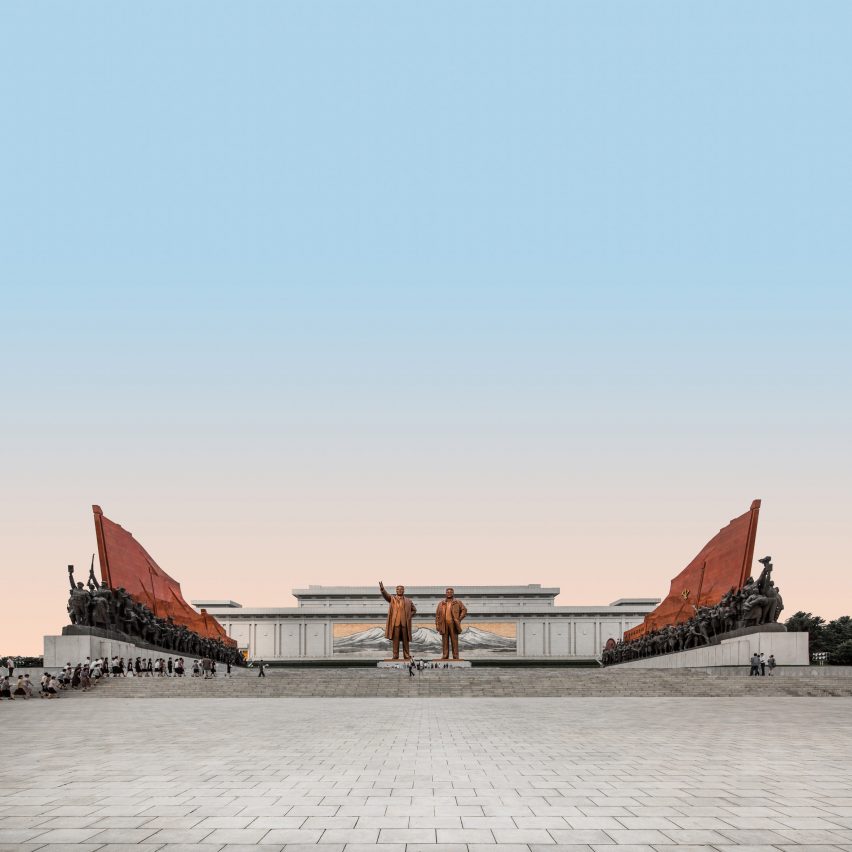
Axis from the Mansu Hill Grand Monument (image at top of page) to the Monument to Party Founding, 1995

In many monumental cities the urban axes are of fundamental importance, and in Pyongyang this concept is particularly emphasised. The Axis from the Mansu Hill Grand Monument to the Monument to Party Founding is so long (1.3 miles), that on a hazy day you can barely see from one end to the other.

The shape of the two residential buildings flanking the Monument to Party Founding echoes the flags held aloft by the sculptural groups in front of the Mansu Hill Grand Monument at the opposite end of the axis.

The buildings were originally white, but later painted red to reinforce the connection; on their rooftops are characters that spell out the words 'a hundred battles, a hundred victories'. Serving as an extension of the axis is the Ryugyong Hotel, one mile from the Mansu Hill Grand Monument, which rises like a massive futuristic pyramid from the city below.
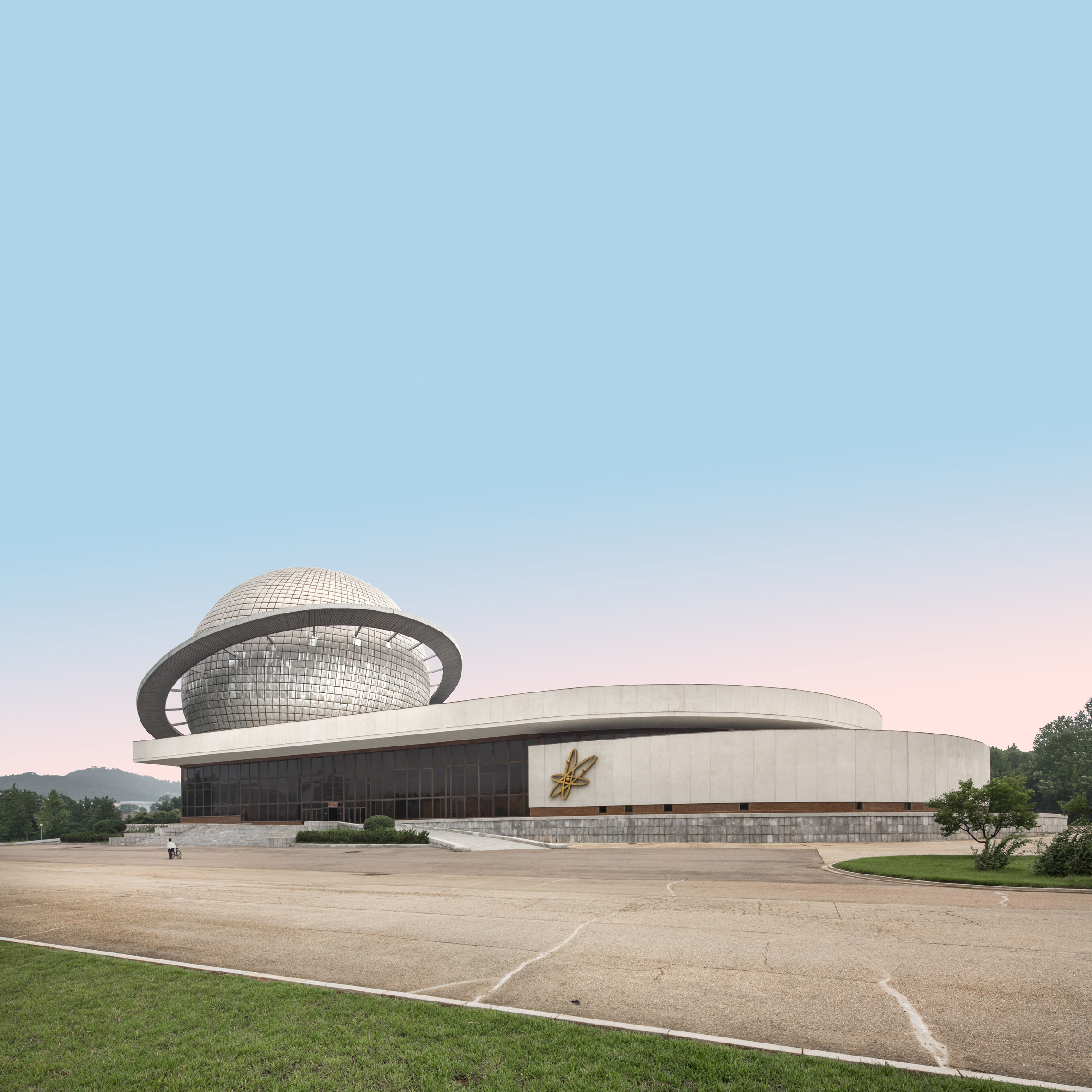

Electronics Industry Hall, Three Revolution Exhibition Complex, 1983

The planet-shaped Electronic Industry Hall is part of the Three Revolution Exhibition Complex, the official showcase of Kim Il Sung's three revolutions (ideological, technical and cultural – the guiding precepts of the Workers' Party of Korea) including six cultural buildings aligned along a monumental axis.

Their massive scale emphasises the importance of the exhibits inside, while the individual logos at the top of each building reflect the ideological content within.

The exhibitions inside the Electronic Industry Hall are related to the electronics and automation industries, communication and space research, robotics, computers, optical and measuring instruments. The building also contains a planetarium and section devoted to research into the peaceful use of atomic energy.

The architecture of the public buildings in Pyongyang is always highly symbolic and their concept and inspiration are often very literal, sometimes even naif, as it is considered very important to easily and clearly communicate to the people the use and the physical and ideological content of the building.
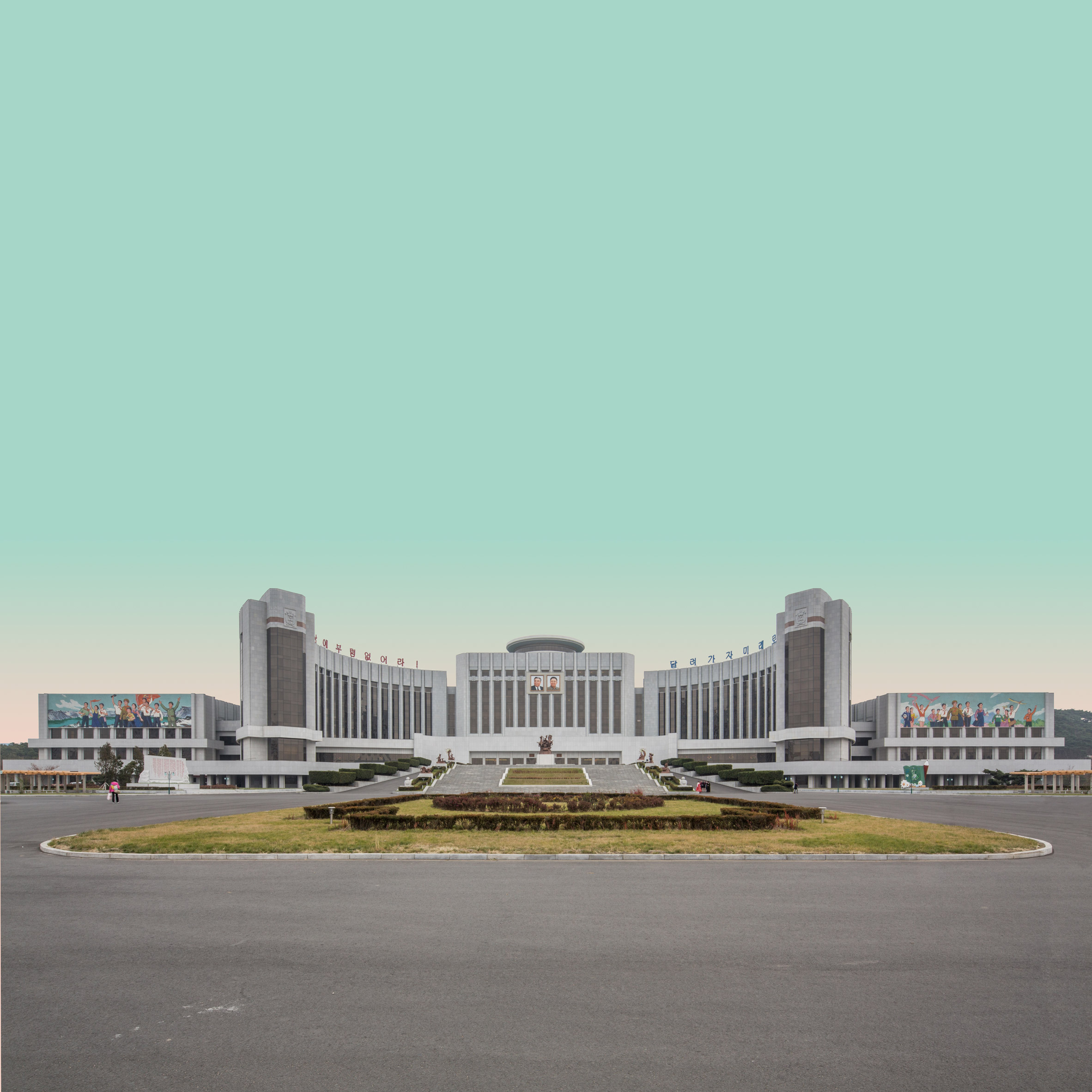

Mangyongdae Children's Palace, Kwangbok Street, 1989

This public facility provides a place for children to participate in after-school activities, from learning music, languages and computer skills, to playing games. It is the largest of such centres in the country, and contains 120 rooms, a swimming pool, a gymnasium and a 2,000-seat theatre.

The architectural design represents two curved wings, outstretched to encircle the plaza, symbolising the embrace of the children by the leaders. The building was renovated in 2015: while the facade appears largely unchanged, the interior, originally quite sober and austere featuring terrazzo floors and mosaics, has been transformed into an unexpectedly playful space filled with hyper-saturated colour.
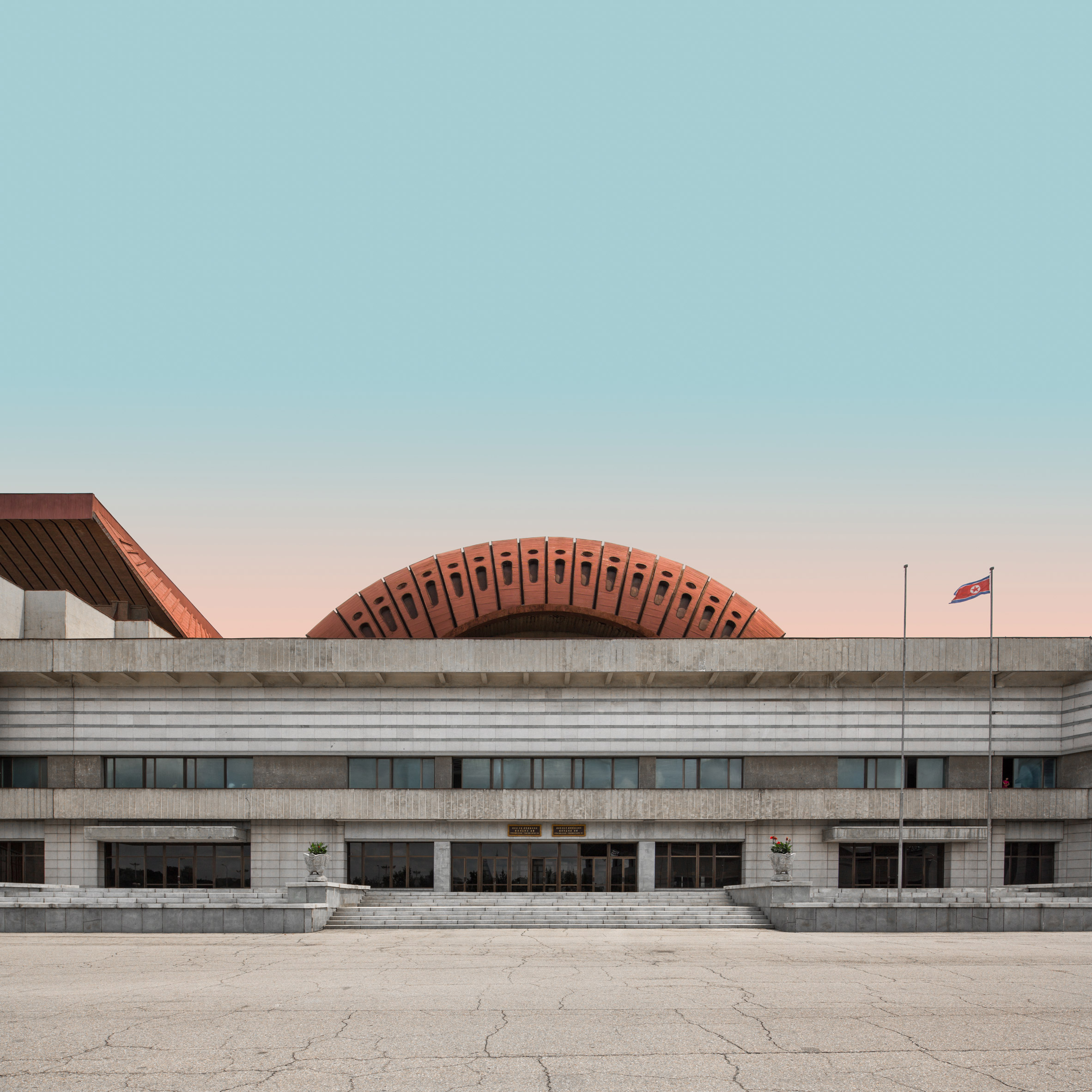

Central Youth Hall, Munsu Street, 1989

The design of the building, which is a center for performing arts, is defined by the two red roof elements, which represent an open piano and an accordion: the main theatre is beneath the 'piano', while an auditorium is below the 'accordion'.

As documented by photos on display in the main hall, the design was chosen from three different proposals by Kim Jong Il in 1986. In Pyongyang the different proposals for every new building are designed by selected teams of professors and their best students in the main architectural institutions, The Paektusan Academy of Architecture and The Pyongyang University of Architecture.
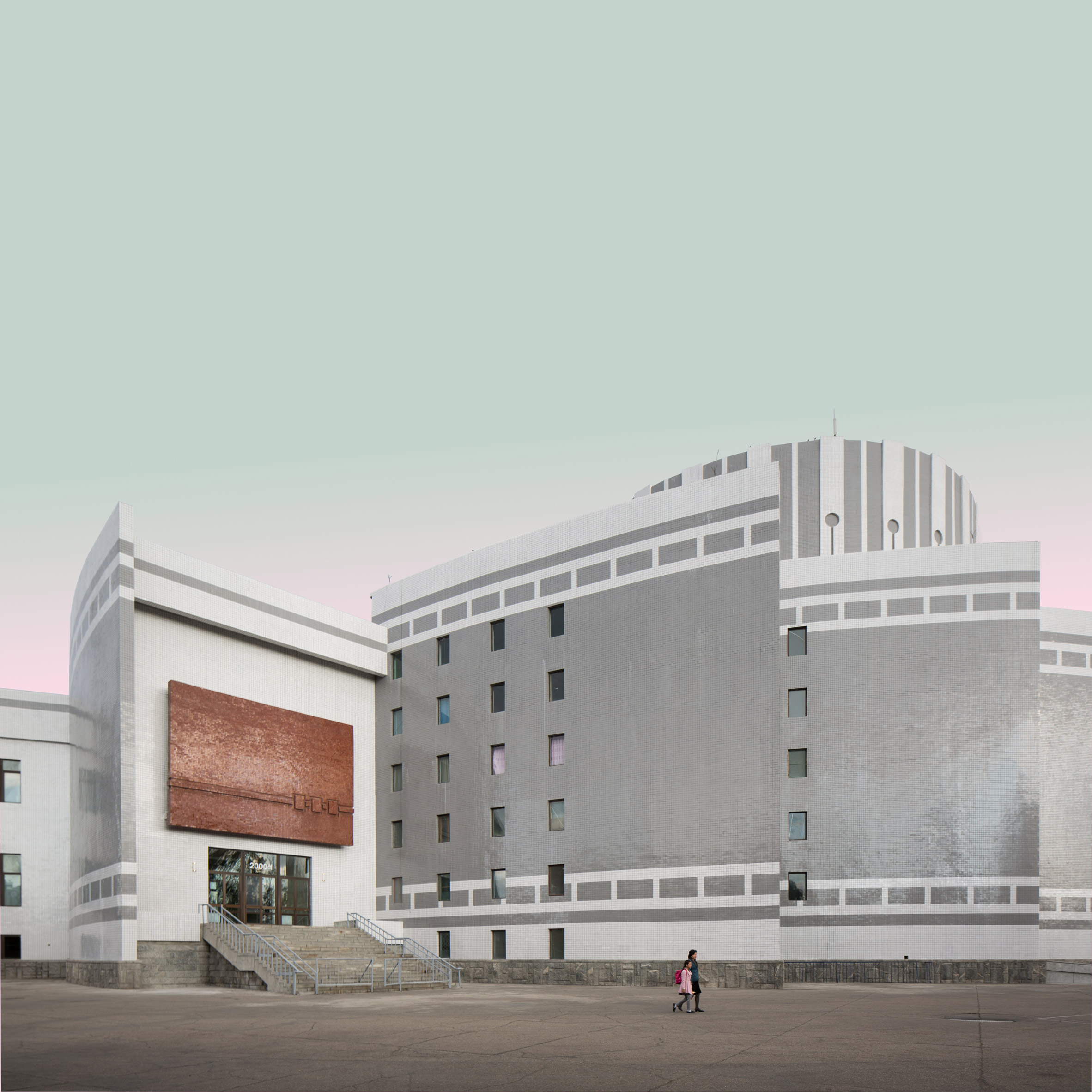

International Cinema Hall, Yanggak Island, 1995

This is the country's primary centre for film art and culture, which were intensively promoted by Kim Jong Il. Since 1987, it has also hosted the biennial Pyongyang International Film Festival, one of the few events in North Korea that actively seeks connection with the outside world.

The shape of the building is inspired by a film reel. The original brutal facade in concrete has been recently covered in grey and white ceramic tiles, making the image of the film reel more obvious.

The interiors have been mostly left in their original design, although one of the halls has been recently upgraded with up-to-date equipment and a 'cinema bar', the first of its kind in the country.
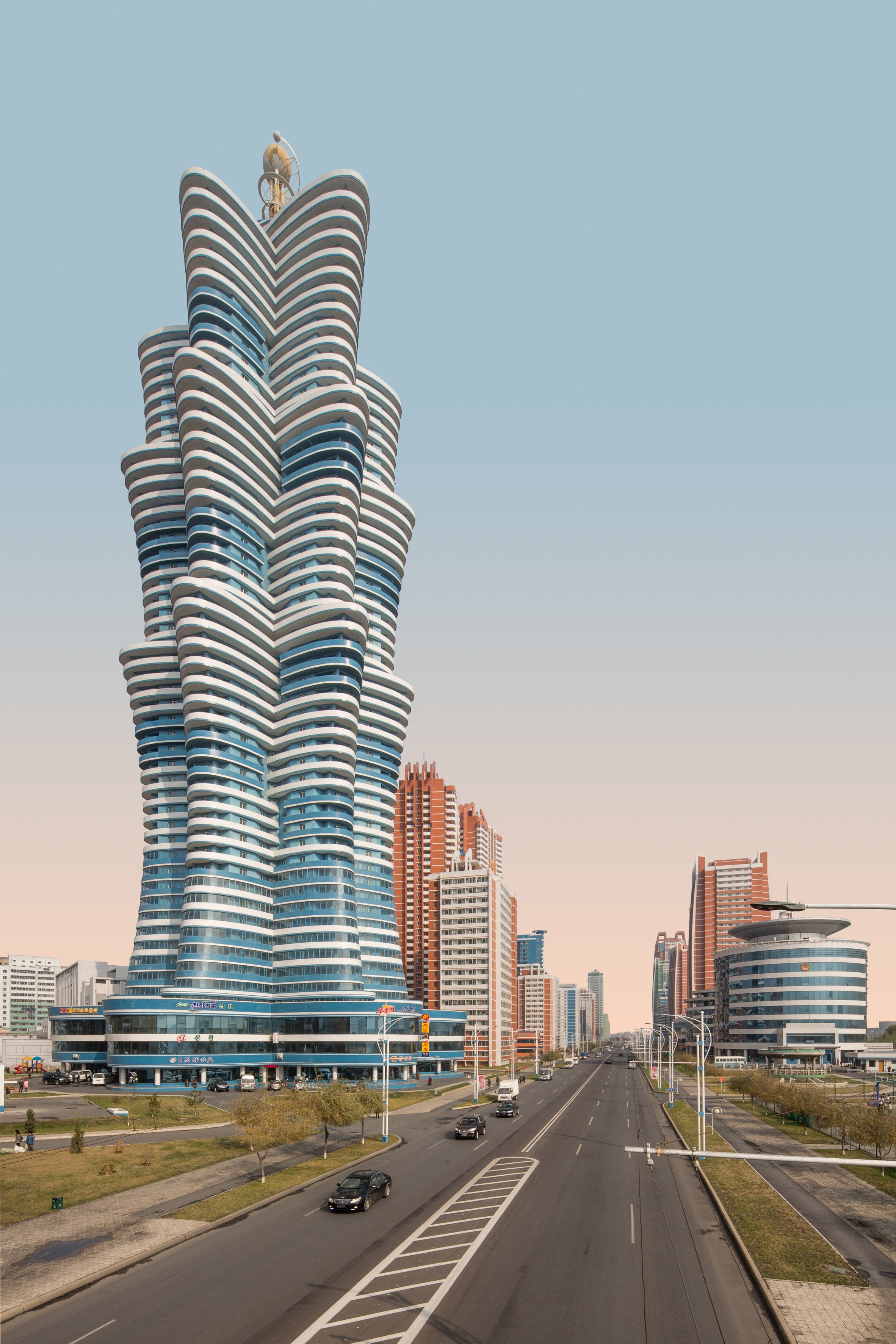

Unha Tower, Mirae Street, 2015

The city of Pyongyang is experiencing a period of intense construction and urban transformation. Entire new roads lined with residential high-rise buildings have been completed at a very fast speed in the last few years.

The huge high rise complex of Mirae Street, which opened in 2015, has 28 apartment towers, with an unprecedented composition of colourful facades clad in orange and green ceramic tiles and coronated by turrets and discs. It includes the iconic Unha Tower.

This 53-storey tower, shaped like a blossoming flower has immediately become the new landmark of the city. All of these constructions seem to follow a new and uniform design direction, where the combination of organic futuristic shapes and pastel colours results in an unprecedented retro science-fiction style, immersed in a fictional atmosphere of progress and carefree prosperity.

The post "Fictional reality" of North Korea's architecture revealed in Model City Pyongyang appeared first on Dezeen.


from Dezeen https://ift.tt/34sTveu

Dezeen's top 10 controversial stories of 2019

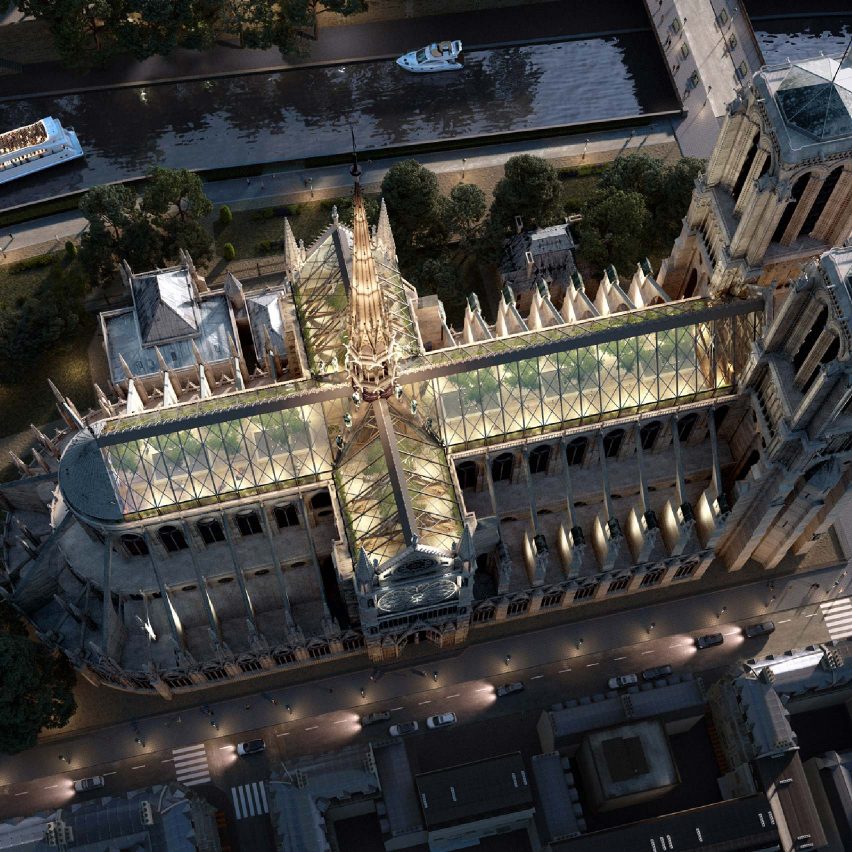
Notre-Dame proposal by Miysis Studio

This year had its fair share of provocative stories, from the backlash against concrete to a chair that prevents "manspreading". For our review of the year, digital editor Karen Anderson looks at the 10 of the most polarising.

notre-dame-cathedral-fire-2019-getty-images-hero_a.jpg

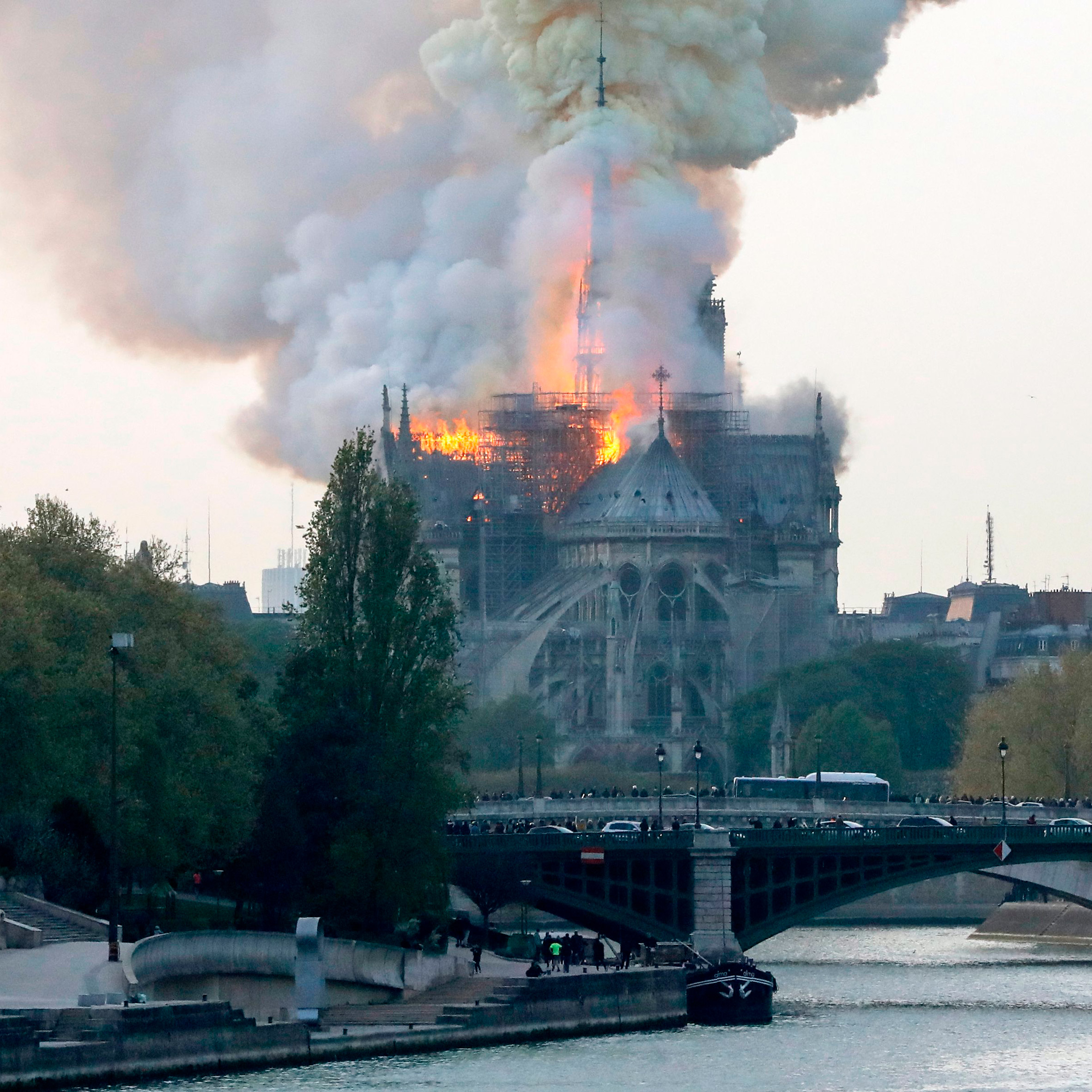
Huge fire breaks out at Notre-Dame Cathedral in Paris

One of the biggest stories this year was news that Notre-Dame Cathedral in Paris had caught fire.

Outrageous proposals for how best to rebuild the gothic building – including a tower topped with a beam of light – attracted more than 810 comments between them.

Commenters were relieved though when Miysis Studio eventually suggested combining a reconstruction of Notre-Dame's spire with a modern glazed roof: "I love this, out of all the ridiculous designs that have been proposed, this is really on point. Incorporating the original spire design is an absolute essential."

Find out more about the Notre Dame fire ›


Architects urged to cancel concrete

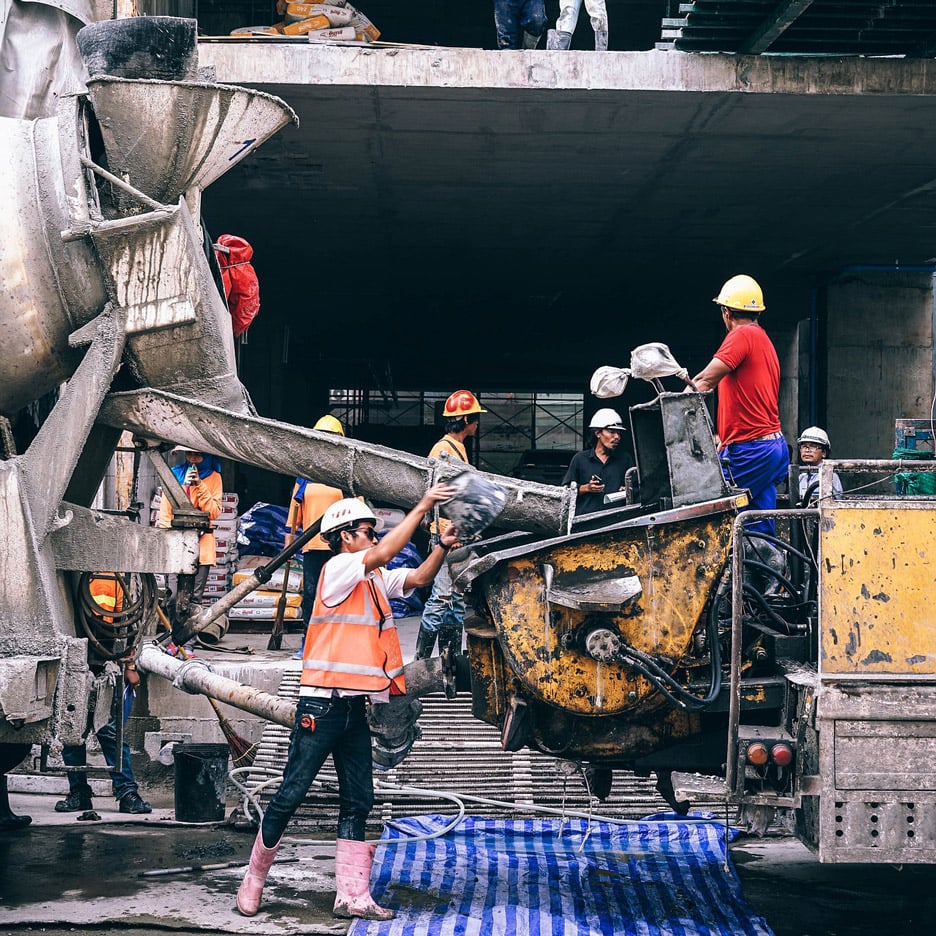
Architects should give up concrete say experts at Architecture of Emergency climate summit

The story that received the second most comments this year was a report on the Architecture of Emergency climate summit, where experts said that architects should give up concrete.

One reader joked that maybe architects should give up using bricks as well.

Another was confused: "So what is up then with the recent surge of concrete designer buildings and furniture? For the last 20 years concrete has been pushed as sustainable, now, this week it's not? Is coffee good for you or not? I need another cup of coffee!"

Find out more about the Architecture of Emergency climate summit ›


Laila Laurel manspreading chair

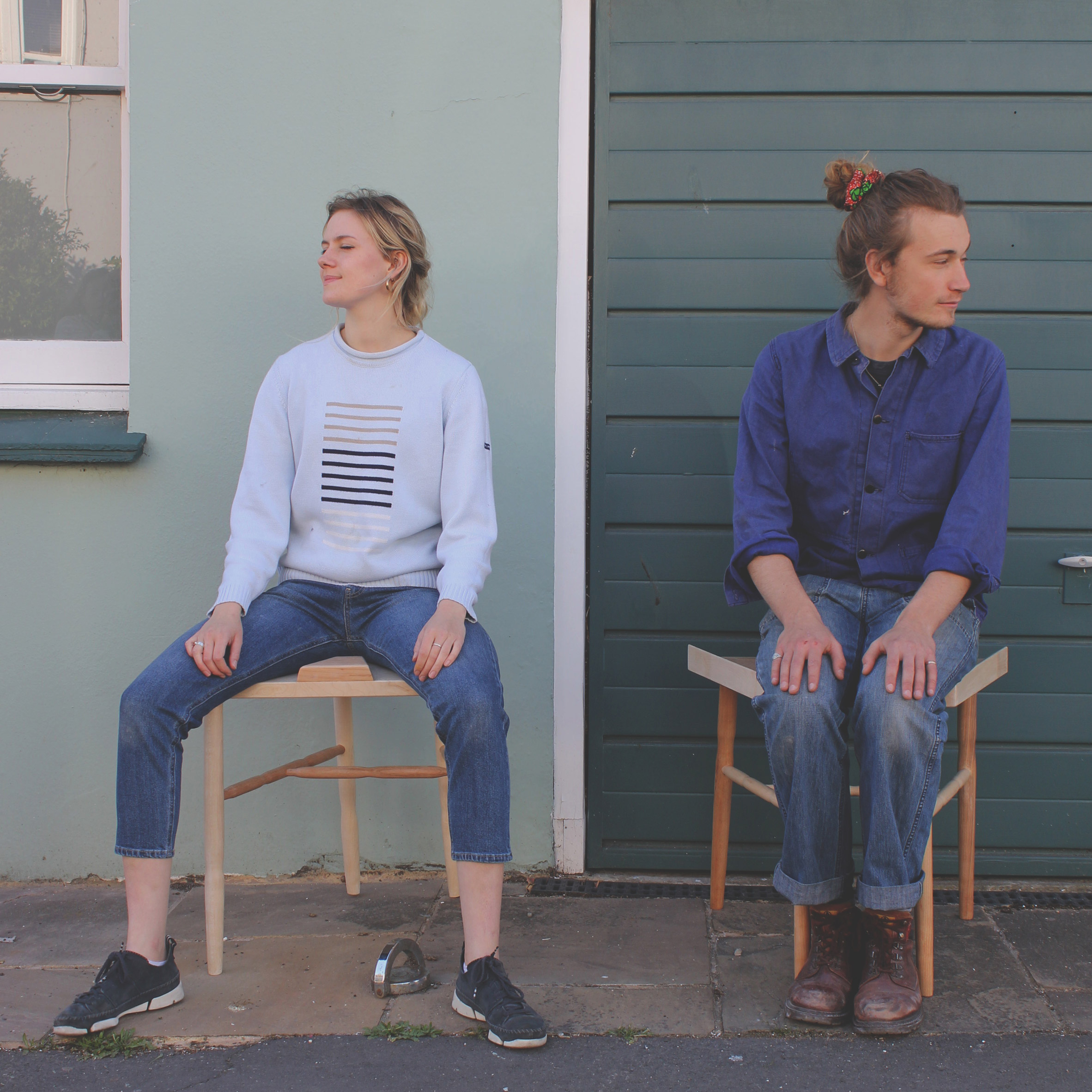
Laila Laurel's chair provides a solution to manspreading

Brighton University graduate Laila Laurel caused uproar with her design for a tongue-in-cheek chair that offers a solution to "manspreading".

"How about we have an anti-womanspreading chair," suggested one commenter. "One that makes it impossible for women to put their handbags on the empty seat next to them?"

"This is hilarious and totally nailed its purpose," replied another. "To the guys being super upset: the aim of this design was to offend you. What, don't you have a sense of humour?"

Find out more about Laila Laurel's chair›


Architects who don't pay interns "shouldn't be given prestigious commissions" says designer who revealed Ishigami unpaid internships

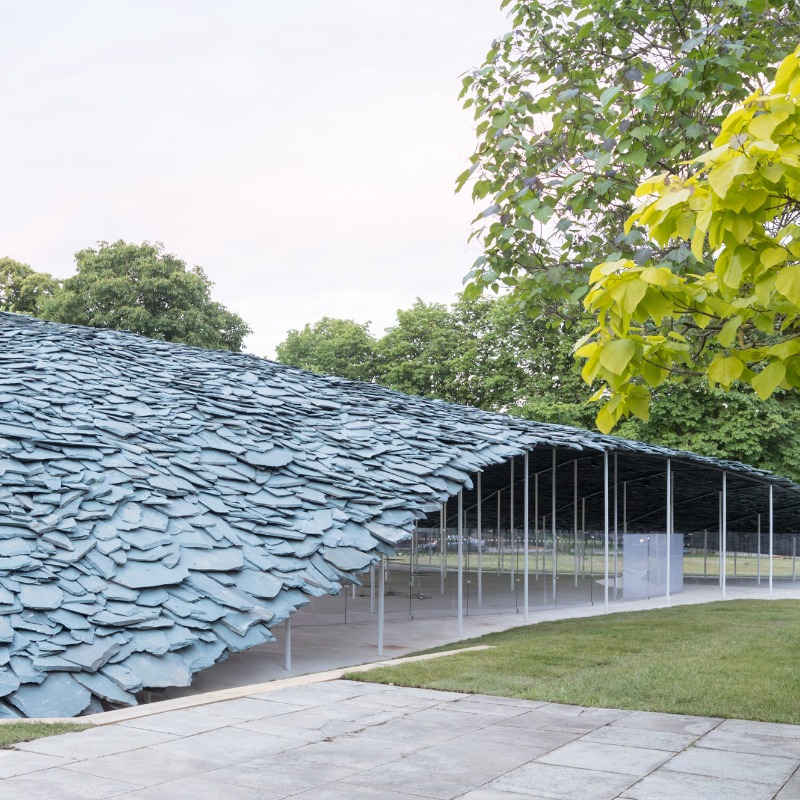
News that this year's Serpentine Pavilion designer Junya Ishigami offers unpaid internships prompted a polarised response from readers.

New York designer Karim Rashid defended the use of unpaid internships, saying young designers can learn more working at a studio than studying at a fee-paying university.

"I learnt more in the first month in a small office than three years of architecture school," agreed one reader. "Never work for free. Ever," was the reaction from another.

"What if overpriced higher education and unpaid internships are both bad at the same time?" offered one commenter.

Find out more about unpaid internships›


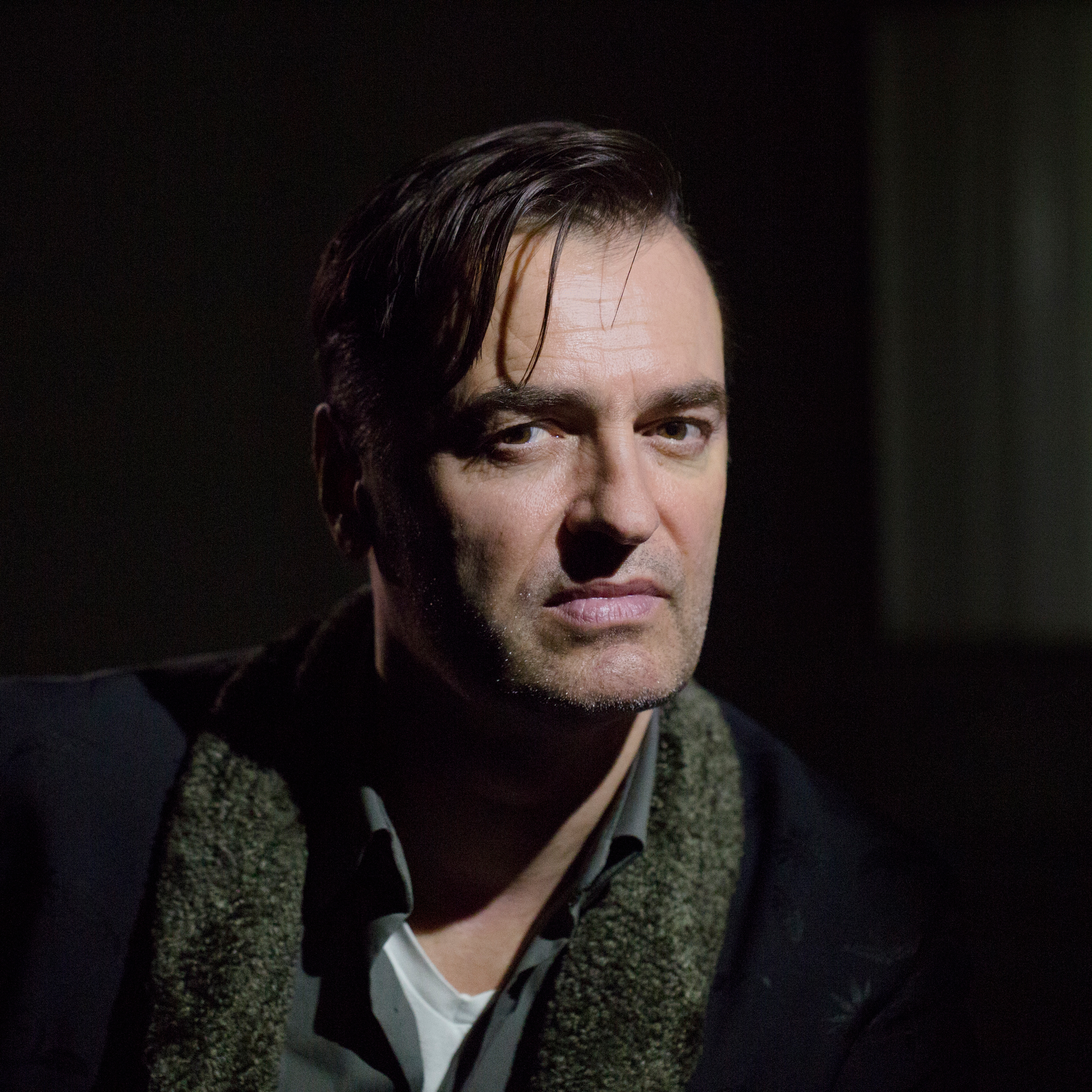
Patrik Schumacher

Architecture education is in crisis and detached from the profession, says Schumacher

As part of the conversation about education, Patrik Schumacher claimed that architecture schools are disconnected from the real world.

"For the first time ever I agree with Schumacher," said one reader. "Add in the fact that architecture schools charge an arm and a leg for this stuff, unethically, since architects typically don't make a ton of money coming out of school and just end up being in debt forever."

"Though I largely agree with what he's saying, teaching everyone parametricism as the hegemony is just exchanging one academic circle jerk for another," replied another.

Schumacher also clashed with Harriet Harriss over architecture's long-hours culture at our Dezeen Day conference.

Find out more about Schumacher's thoughts on education ›


Wallgren Arkitekter and BOX Bygg create parametric tool Finch that generates adaptive plans

Rise of artificial intelligence means architects are "doomed" says Sebastian Errazuriz

Readers disagreed with designer Sebastian Errazuriz who claimed that ninety per cent of architects will lose their jobs as artificial intelligence takes over the design process.

"The only architects that are doomed are the ones that won't adapt," said one reader.

"Everybody just calm down," said another. "Designers will still have to set all the parameters and make sure all criteria are met. This should be a useful tool to help streamline the process and allow the exploration of many more variations toward the best ultimate design. We're not going anywhere. If anything, this will be empowering."

Find out more about Sebastian Errazuriz's claims ›


Parents "should start thinking about a bulletproof backpack" following latest mass shootings

Commenters were alarmed after the CEO of self-defence brand Guard Dog told Dezeen that children going to school or public places should be given bulletproof backpacks.

"Oh America. Hang your head in shame that it's come to this!" said one reader.

"This is not the solution," said another. "It once again removes the responsibility to act from those in power and places it on the victims. This is a political problem that needs a political solution. Stop wasting time with this and call your political rep and demand that they do something."

Readers were also shocked when American firm Tower Pinkster designed a school in Michigan with the aim of reducing the number of student casualties in the event of a terror attack.

Find out more about the bulletproof backpacks ›


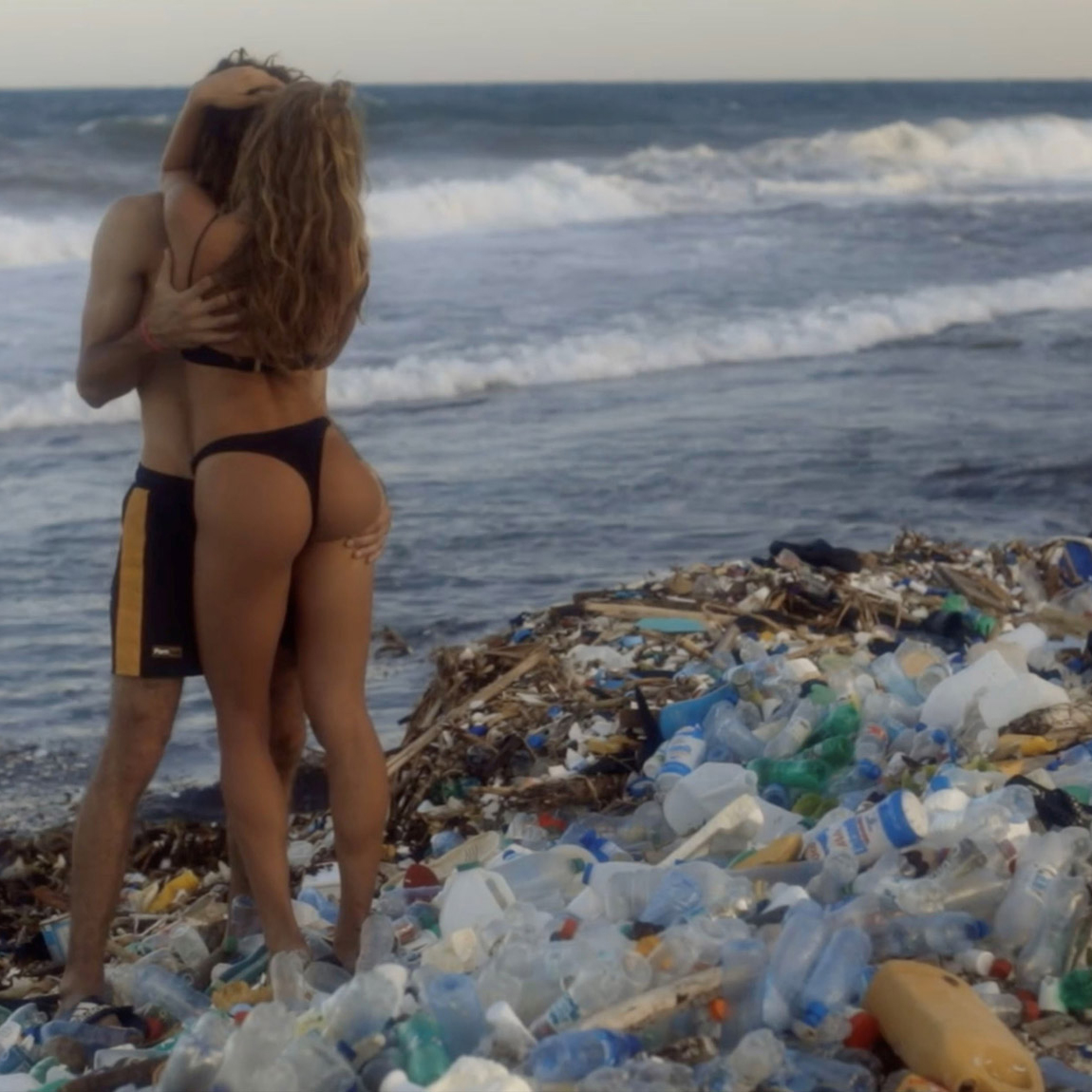
Dirtiest Porn Ever by Pornhub aims to raise Monet to remove plastic from oceans

Pornhub launches Dirtiest Porn Ever campaign to clean up the world's oceans

Readers cracked jokes after adult video website Pornhub released a movie filmed on a litter-filled beach, in an attempt to raise money for removal of plastic from the world's oceans.

"Pornhub – the perfect place to get a computer virus," teased one commenter.

Others were impressed: "One might laugh but it had 33.5 billion visits to the website in 2018 and its top 20 countries by web traffic are majority OECD member countries. I think they are putting their platform to good use. This reaches more people than a lot of newspapers."

Find out more about the Dirtiest Porn Ever›


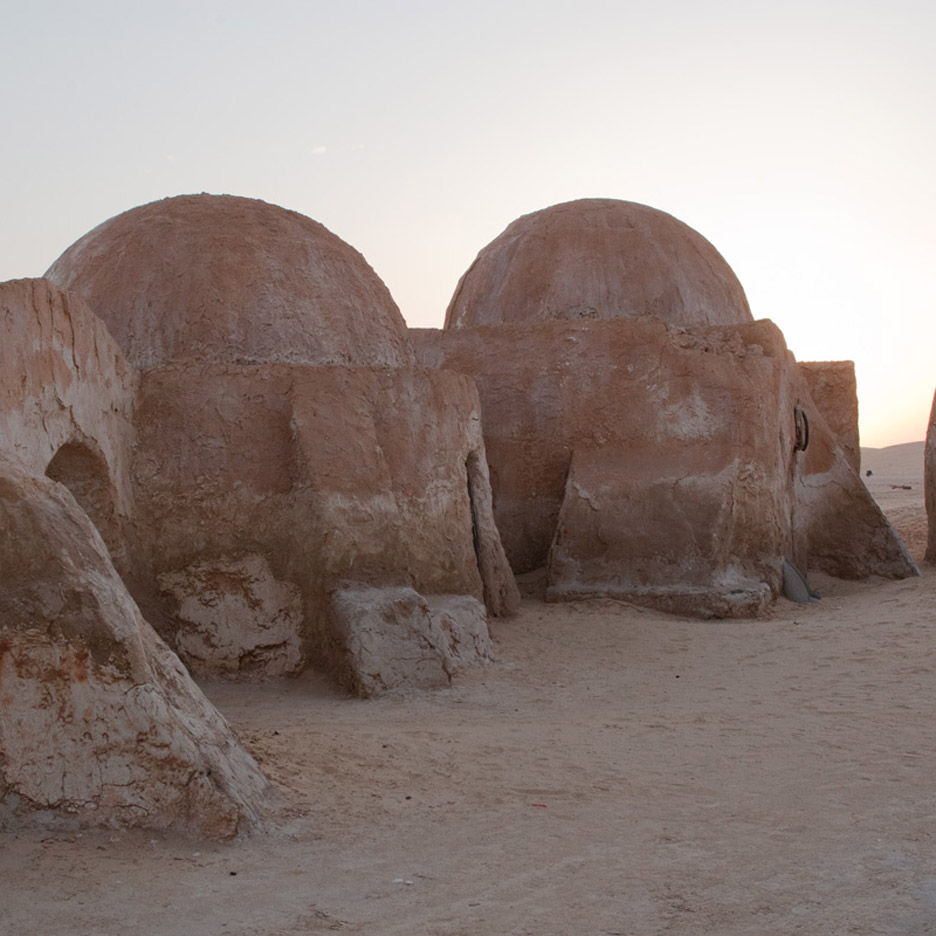
Kanye West's prefabricated affordable Yeezy Home units take inspiration from the Star Wars films and might be used as underground homeless housing.

Kanye West is building Star Wars-themed housing for the homeless

Hip-hop artist and producer Kanye West was criticised after revealing prototypes for prefabricated, affordable Yeezy Home units. Inspired by the Star Wars films, they are designed to be built underground.

"Why doesn't Mr Kanye himself live in an underground house? Or maybe I'm wrong, and one of his 100 villas is underground?" said one reader.

Not long after building started, West was forced to demolish the prototypes having failed to secure a building permit.

Find out more about the Yeezy Home units ›


Elon Musk's Neuralink implant will "merge" humans with AI

Commenters were surprised to learn that Tesla founder Elon Musk had launched tech startup Neuralink, which builds implants that connect human brains with computer interfaces via artificial intelligence.

"A few months ago he was adamantly against AI. What happened to 'AI is more dangerous than nuclear weapons?'" asked one reader. "I guess Neuralink got some top-notch back-engineered tech that his bank account couldn't say no to."

Others questioned whether this is the future we want. Musk also caused controversy in November by revealing the Cybertruck, a bulletproof electric vehicle clad in the same kind of steel used to make SpaceX's Starship space craft.

Find out more about Neuralink ›

The post Dezeen's top 10 controversial stories of 2019 appeared first on Dezeen.


from Dezeen https://ift.tt/2RZNrHC

Bijan Berahimi and Ruohan Wang create a T-shirt encouraging us to interact with nature

List_(1)
Collaborating over Dropbox Paper, the founder of Fisk works with Beijing-born, Berlin-based illustrator Ruohan Wang to showcase, not only their talents in illustration and typography, but their love of nature too.

Read more


from It's Nice That https://ift.tt/2PUY8sd

Creative agency buys $10k of blank ad space to give everyone a break from ads

Wunder_white_christmas_advertising_itsnicethat1
The White Christmas stunt by independent Canadian agency Wunder includes blank adverts on billboards, bus stops, newspapers, social and even radio.

Read more


from It's Nice That https://ift.tt/38KLtAR

Pentagram’s holiday card by Yuri Suzuki makes music with your face

Yuri_suzuki_pentagram_face_the_music2
Face the Music is an interactive platform that turns your face into a musical instrument, so you can play along with different musical styles including dubstep, opera, blues or sci-fi by moving your mouth, tilting your head or raising your eyebrows.

Read more


from It's Nice That https://ift.tt/2sxLOWY