
Francesco Valtolina and Kevin Pedron talk us through their recent redesign of the highly regarded Mousse Magazine and shed light on their design ethos.

from It's Nice That https://ift.tt/2x6VtWA
Francesco Valtolina and Kevin Pedron talk us through their recent redesign of the highly regarded Mousse Magazine and shed light on their design ethos.
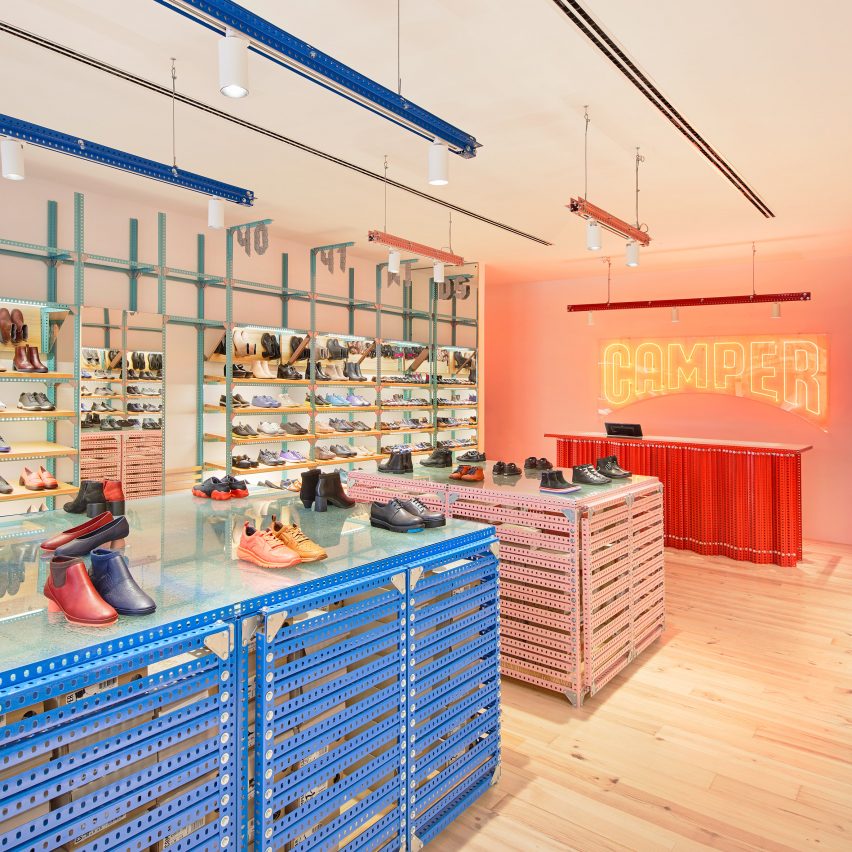
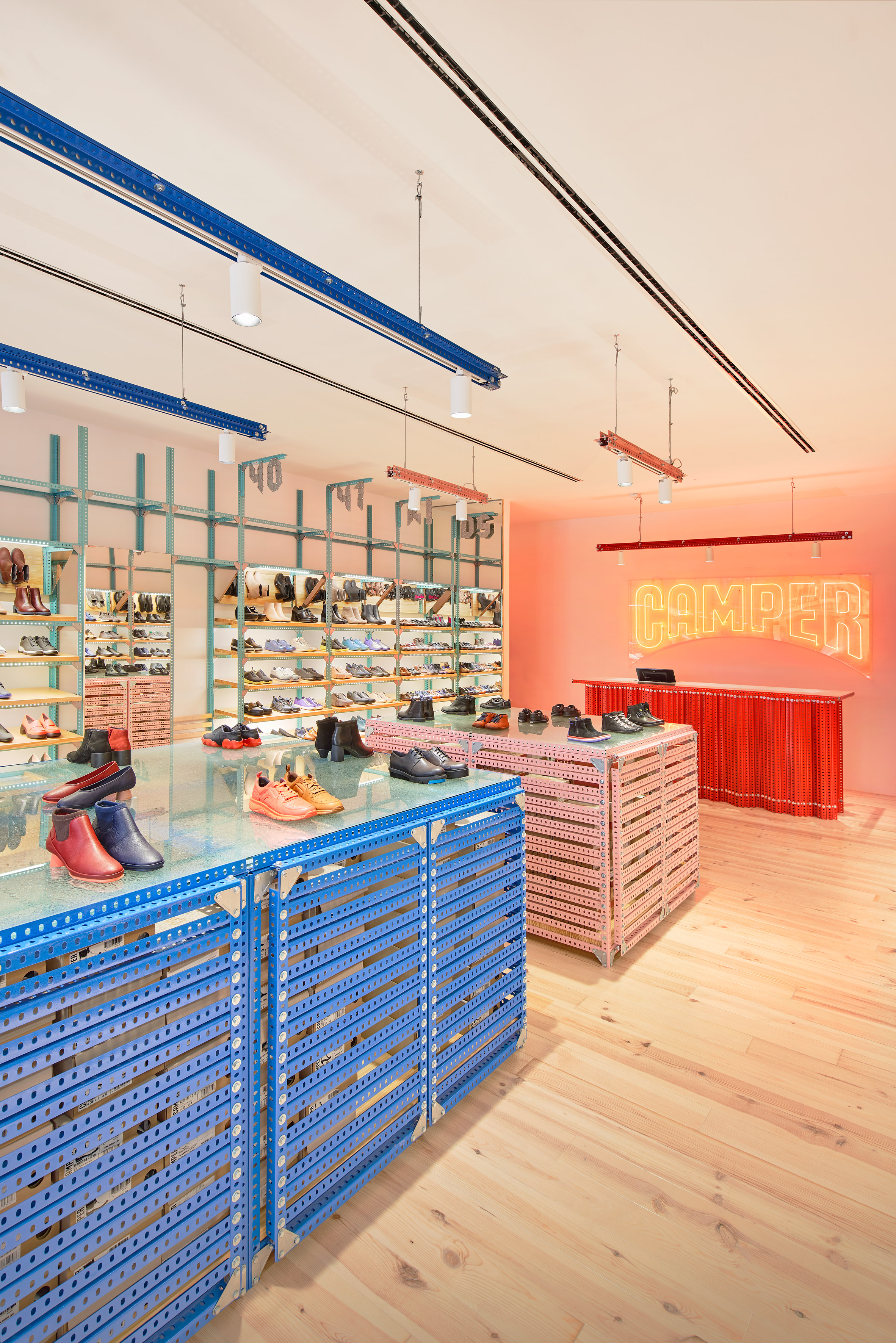
Madrid-based designer Jorge Penadés has designed and fabricated a colourful shop for Spanish footwear brand Camper from simple perforated metal profiles.
The store in Málaga has a raw, industrial aesthetic that has been softened with a colour palette of bright blues, pinks and reds.
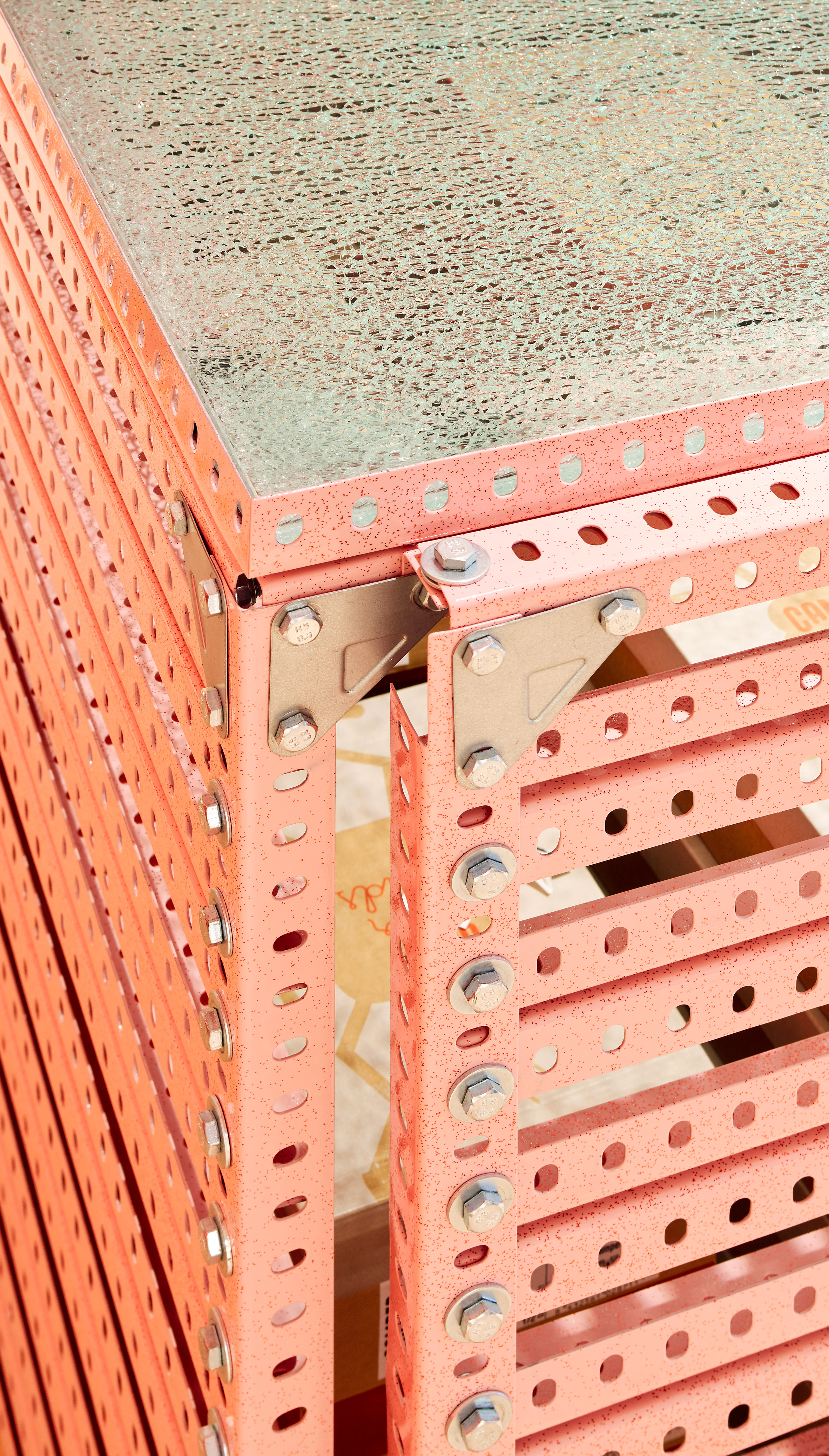
Penadés used just three basic elements – perforated metal profiles, corner plates and bolts/nuts – in the design and construction of the shop. The designer and four assistants built the store together.
"We did the whole shop in four intense weeks," Penadés told Dezeen.
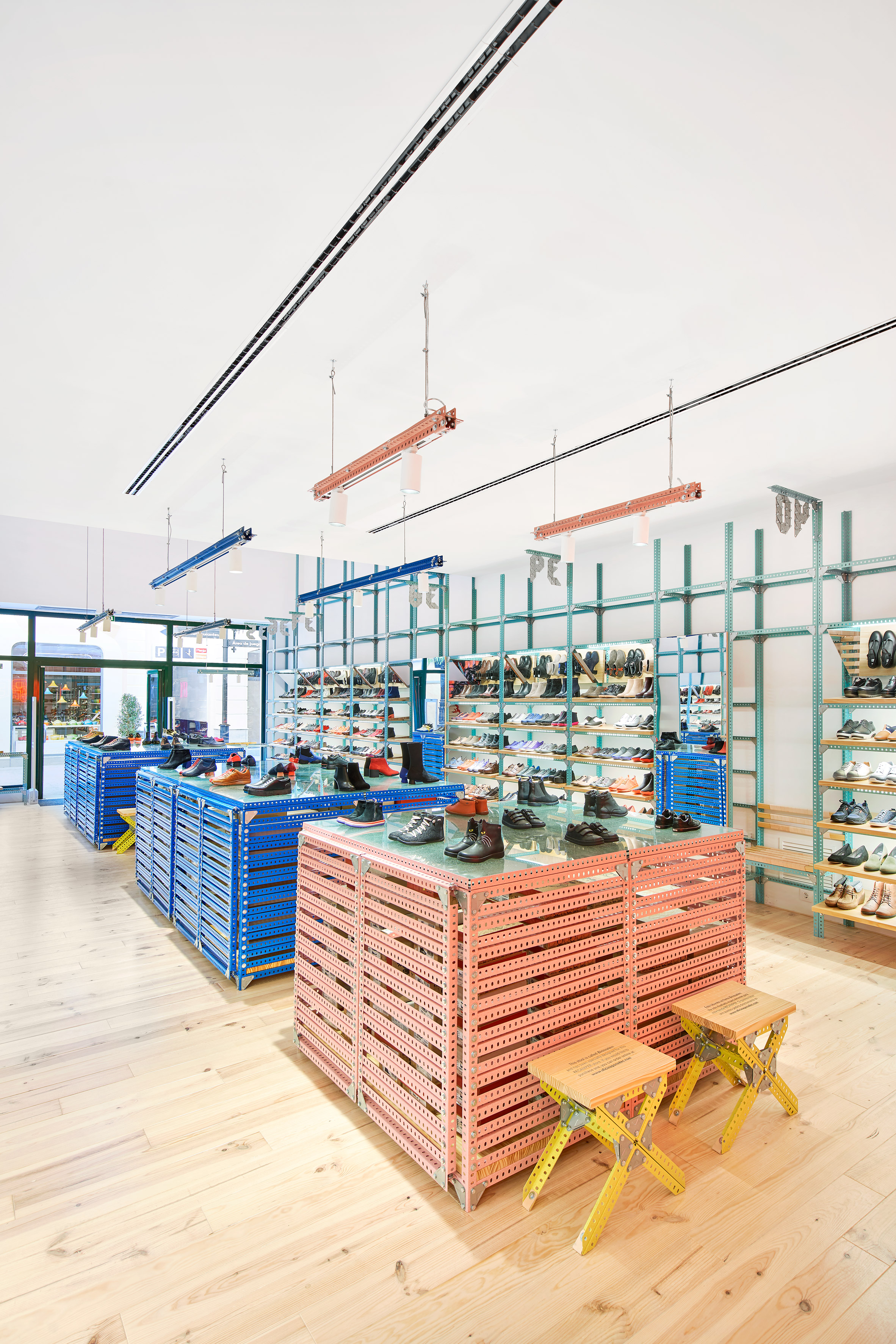
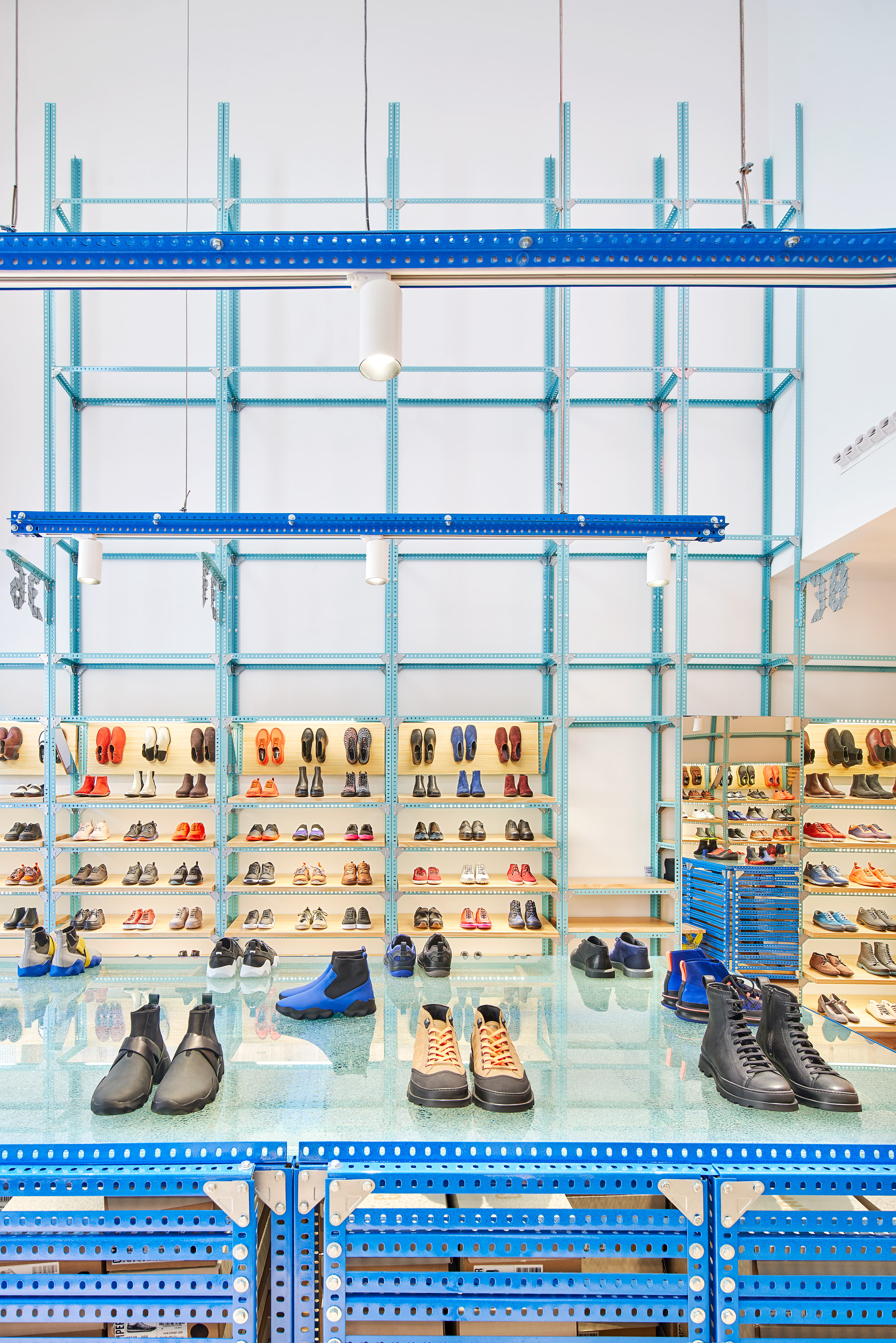
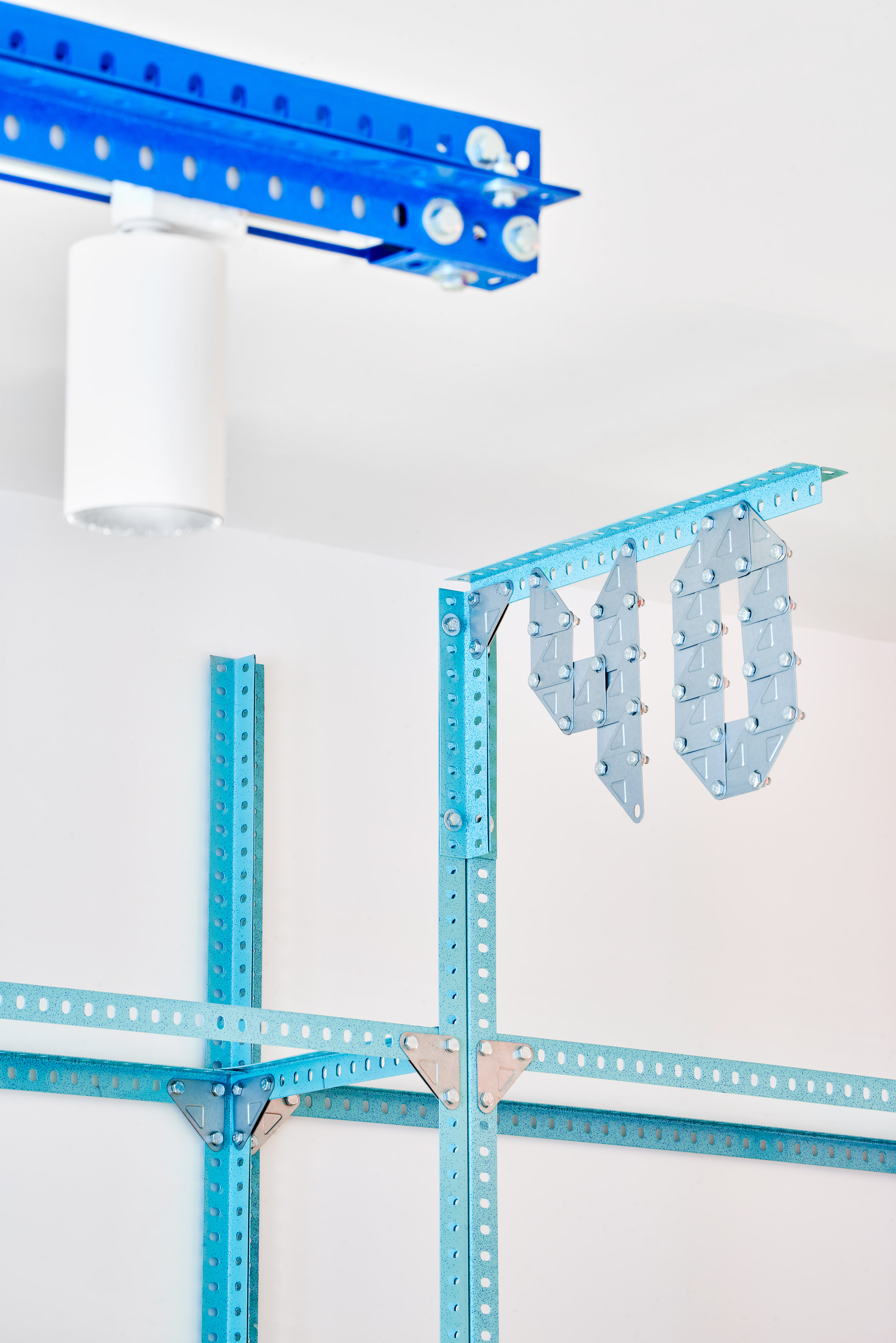
The three elements were used for everything, from seating units to the checkout counter and light fixtures in the store. Even the shoe sizes on the shelves are marked with numbers created from bolted-together corner plates.
Penadés chose different-coloured metal profiles for each area.
"I decided to create a code regarding the function of every area of the shop: wall displays are green, table displays are blue for men and women and pink for kids, seating is yellow and paying is red," the designer said.
He also created brand logos and a new typography using the perforated metal profiles.
The design of the store is a nod to Camper's warehouse in the small Mallorcan village of Binissalem, which is primarily used as a storage space for old Camper stores that have been refurbished.
The space also functions as an archive and contains pieces custom-made for the brand by designers including Michele De Lucchi, Gaetano Pesce, Ingo Maurer, the Bouroullec brothers and Konstantin Grcic.
When visiting it, Penadés was immediately drawn to the warehouse space and decided to use it as a temporary factory.
"It was this sort of irrational attraction that we sometimes have and we can not avoid!" said Penadés.
"When I entered and the Camper team started to open crates showing me all those museum-quality pieces from many maestros my mind was blown."
"I could not get this image out of my mind of me working for a few weeks in this space, fabricating the entire shop myself, directly one to one," the designer said.
Penadés moved to Mallorca with his team in the summer of 2019 to construct the store.
"At the beginning the brief was to make a shop with what I could find there and not adding anything new," he explains.
"But I didn't want to put some of those great works together and create a sort of 'one-off' store; I was more interested in generating a system that could potentially be replicated in other Camper stores in the future."
The project is a part of Camper Together, a model of collaboration in which Camper teams up with designers to create unique stores and products. Previous collaborations include Jasper Morrison's Ni-jo sandals that reference minimal tatami mats.
Penadés was born in Málaga and established his own practice in Madrid in 2015 after graduating from the city's design and fashion school, IED. He has previously worked with repurposed materials, and used aluminium profiles to create a collection of fluted vases for furniture brand BD Barcelona Design.
Photography is by José Hevia.
The post Jorge Penadés fabricates Málaga Camper store from materials that match the brand's warehouse appeared first on Dezeen.
The Creative Industries Federation has criticised the UK government's decision not to ban group gatherings due to coronavirus, as it could restrict the ability of creative organisations to claim compensation.
The national membership organisation that represents companies in the UK’s creative industries believes that the decision to advise social distancing rather than implement a ban on gatherings of people could severely financially damage cultural organisations and creative companies.
"The advice issued by government today is a crippling blow to the UK's creative industries," said Caroline Norbury, CEO of the Creative Industries Federation.
Yesterday, UK prime minister Boris Johnston announced a range of recommendations aimed at reducing people's contact with each other to slow the spread of coronavirus Covid-19. As part of the measures, he recommended people avoid crowded places such as pubs, museums and theatres.
"Now is the time for everyone to stop non-essential contact with others," said Johnson. "You should avoid pubs, clubs, theatres and other such social venues."
"These measures have the potential to devastate"
However, unlike many countries in Europe, the UK government has not banned large-scale events or gatherings, a move that the Creative Industries Federation believes will reduce the possibility for organisations to claim compensation.
"As the social distancing measures announced this afternoon are only advisory, rather than an outright ban, we are deeply concerned that creative organisations and cultural spaces will find they are unable to claim compensation for the huge losses they will experience as a result of Covid-19," Norbury said.
"Public safety remains the top priority for everyone in the creative sector. However, these measures have the potential to devastate the UK's theatres, museums, cinemas, venues and other cultural spaces reliant on audiences, visitors and participation, as well as the huge array of creators and freelancers who work within these industries."
However, according to the Association of British Insurers, compensation for cancelled events would not be determined by a government decision to force businesses to close.
"Irrespective of whether or not the government orders closure of a business, the vast majority of firms won't have purchased cover that will enable them to claim on their insurance to compensate for their business being closed by coronavirus," said the Association of British Insurers in a statement.
"Standard business interruption cover – the type the majority of businesses purchase – does not include forced closure by authorities."
"It is vital that government puts in place support"
The Creative Industries Federation urged the government to put in place financial measures to support organisations and businesses that will be impacted.
"For the sake of our £111.7 billion creative industries, it is vital that government puts in place support to ensure that our world-leading creative sector is able to survive Covid-19," said Norbury.
Later today, the UK government is expected to unveil its financial plans to support the UK economy during the coronavirus outbreak.
The number of confirmed cases of Covid-19 coronavirus in the UK continues to rise. At present, there are more than 1,500 confirmed cases in the UK.
It has impacted many events including Clerkenwell Design Week, which has been postponed due from May until July. For news of impacted events, check Dezeen Events Guide's dedicated coronavirus page.
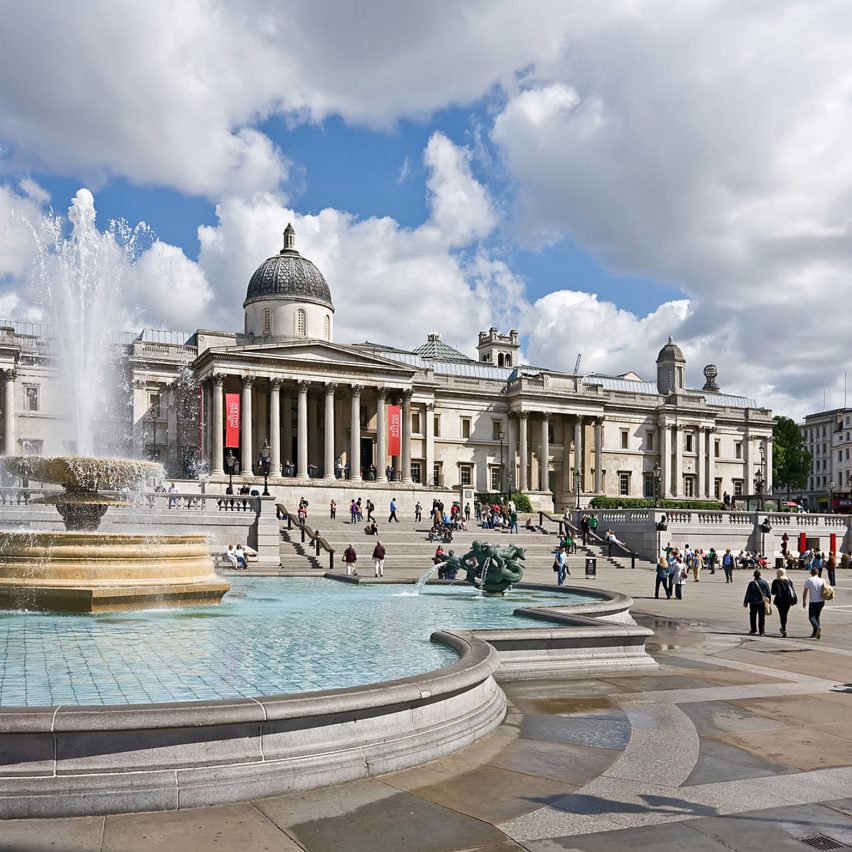
Photo of the National Gallery by Diliff
The post Government's coronavirus advice "crippling blow to the UK’s creative industries" says Creative Industries Federation appeared first on Dezeen.
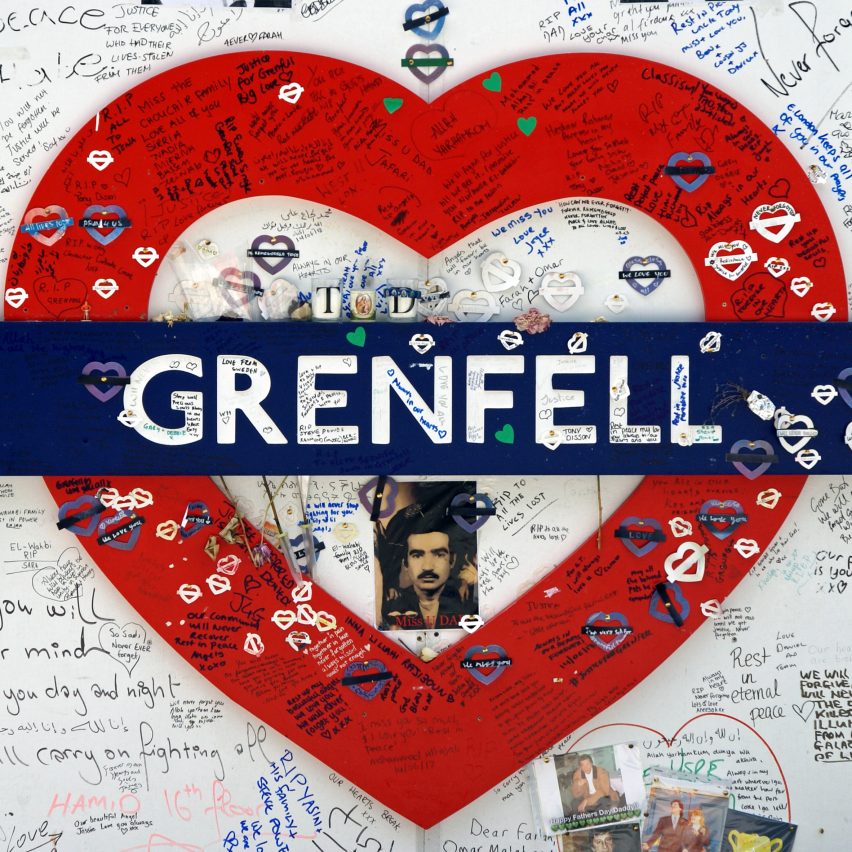
The inquiry into the Grenfell Tower fire has been paused because attendees would be at "unacceptable risk" from coronavirus.
The Grenfell Tower Inquiry has been suspended following new guidance from the UK government asking people to work from home and avoid offices, pubs, restaurants and theatres, and unnecessary travel.
"In the light of the prime minister's statement this afternoon the panel has decided that the inquiry should hold no further hearings for the time being," said chairman inquiry Martin Moore-Bick.
Continuing would "send the wrong signal"
The decision was made to ensure the safety of those attending the enquiry. A member of the inquiry panel, health and safety expert Thouria Istephan, has been taken ill with suspected coronavirus. Istephan is an architect at London studio Foster + Partners.
"To do so, even on the basis of limited attendance, would be to expose those whose presence is essential for that purpose, not to mention those whom we wish to call as witnesses, to an unacceptable risk of infection," added Moore-Bick.
"It would also send the wrong signal to the world at large at a time when everyone is being urged to cooperate with measures designed to minimise the effect of the virus."
Panel may not be able to continue digitally
Moore-Bick added that the panel would consider whether they could "resume hearings using electronic means", but warned that it even then it may not be possible for the inquiry to continue for now.
At 73 Moore-Bick is in the high risk category of those over 70 years of age who are being asked to self isolate to protect themselves from coronavirus, along with people of all ages who have existing health conditions.
The Grenfell Tower Inquiry, which is now in its second phase, is hearing evidence from architects and contractors involved with the renovation of the social housing tower block before the fire.
Before the inquiry was halted it was revealed that architects Studio E were unaware of the fire risk posed by the cladding that was used.
Phase one of the Grenfell Tower Inquiry, which finished in 2019, heard evidence from responders and survivors about the night of the fire where 72 people died. Despite the focus on the events of the fire, Moore-Bick concluded that there was "compelling evidence" the tower was not compliant with building regulations.
Main image is by Carcharoth.
The post Coronavirus social distancing sees Grenfell Tower Inquiry suspended appeared first on Dezeen.
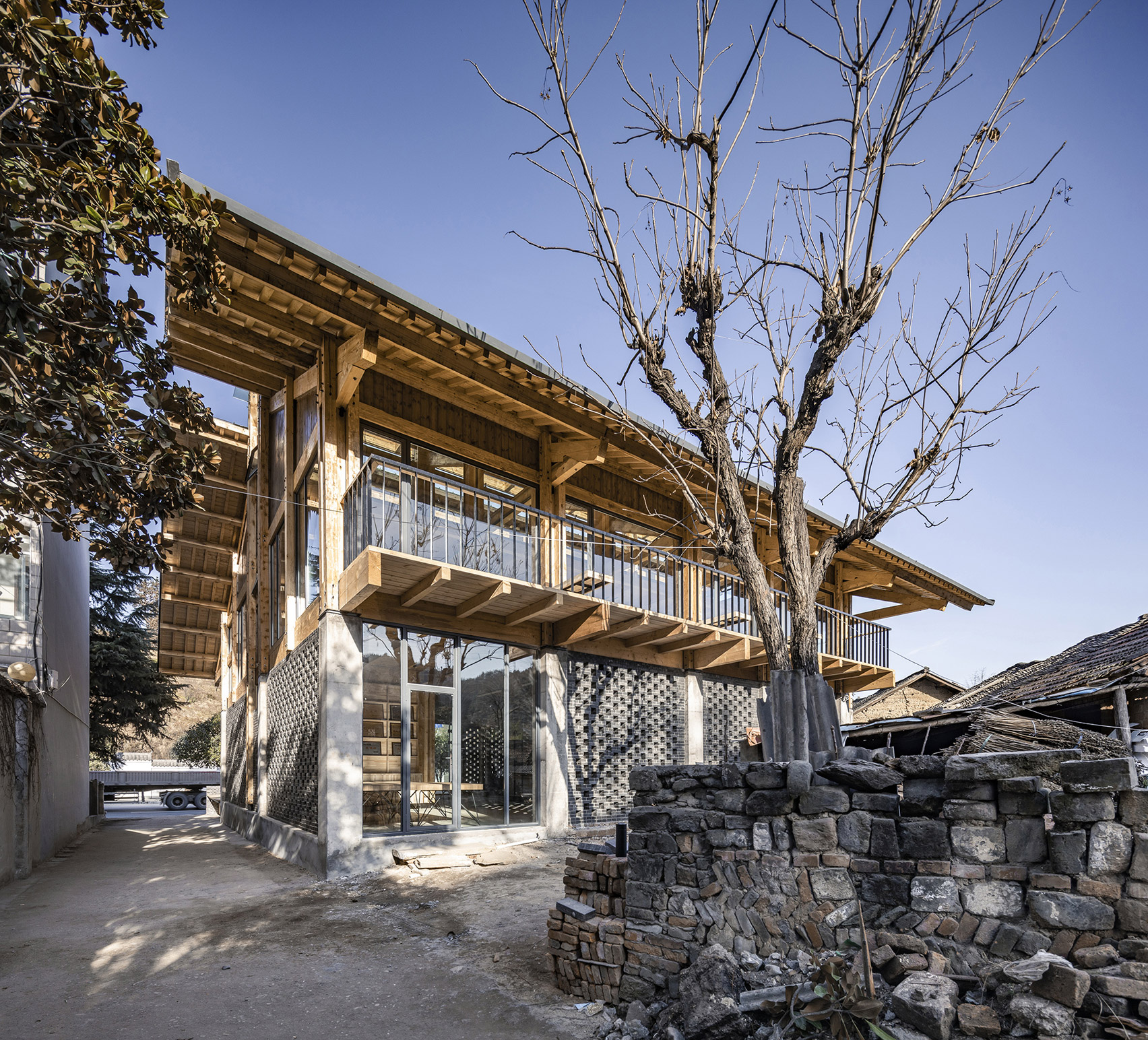
Architcture practice. LUO Studio has extended the abandoned foundations and concrete columns of a residential project with a timber-framed upper storey to create a community centre in Yuanheguan, China.
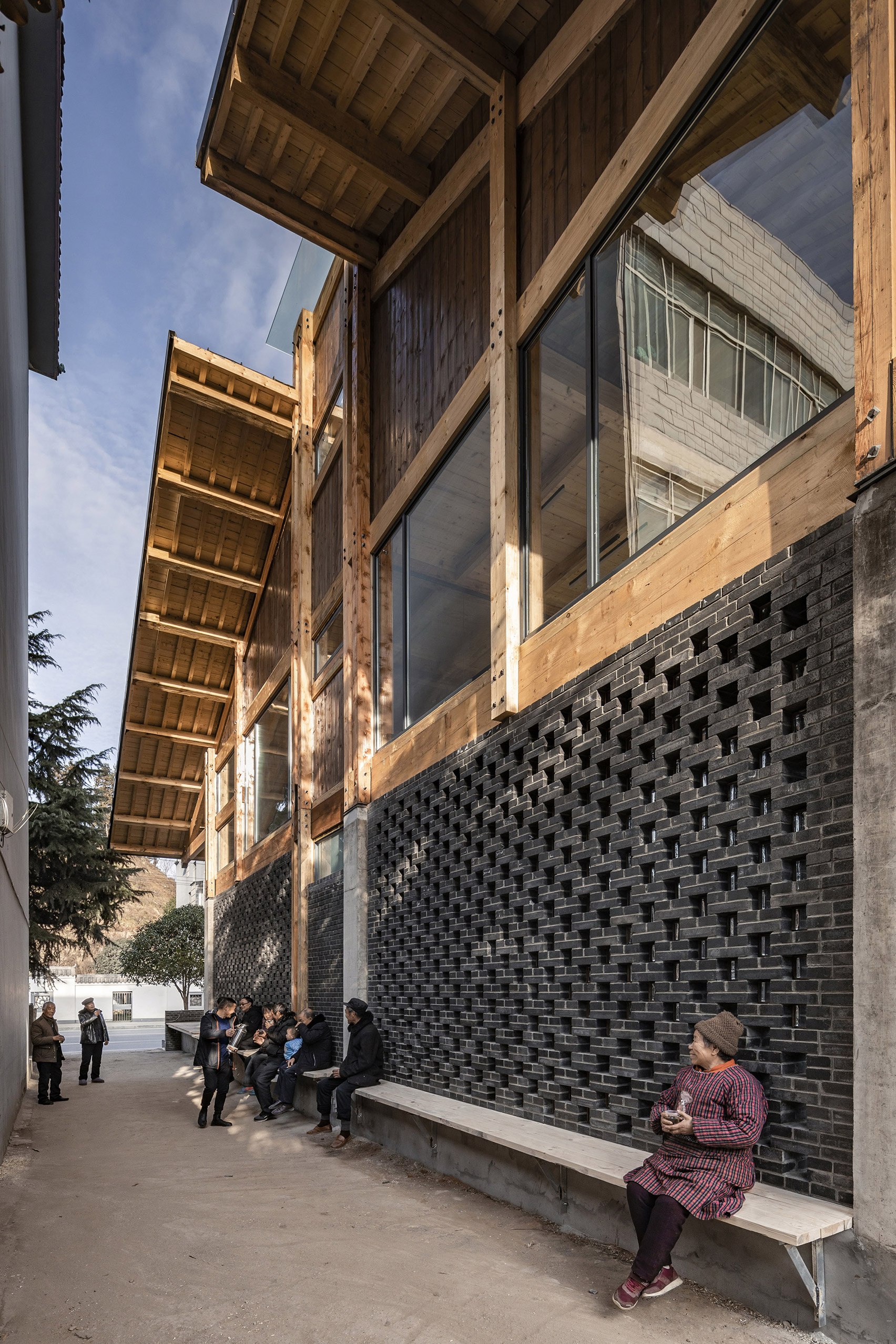
Perforated brick wraps the lower storey of the village's Party and Public Service Centre, which includes offices and conference spaces.
Located in Hubei province, the village of Yuanheguan sits close to the entrance to the Wudang Mountains, and is undergoing rapid development for tourism.
With the site of the former village committee office proposed for a hotel development, it became urgent to relocate these services to a new building in a short space of time.
To achieve this, LUO Studio recommended the use of an abandoned residential plot at the intersection of two busy streets where the construction of a home had begun but been placed indefinitely on hold.
"The subdistrict office and the village committee agreed to reuse and transform the plot, hoping to reshape the built landscape along the streets and activate the dilapidated western area of the village," said the studio.
After the architects assessed the existing structure's high concrete base and columns, it was decided to adopt a timber framework for the upper level to minimise its load.
The layout of the existing columns was too wide for timber to span above.
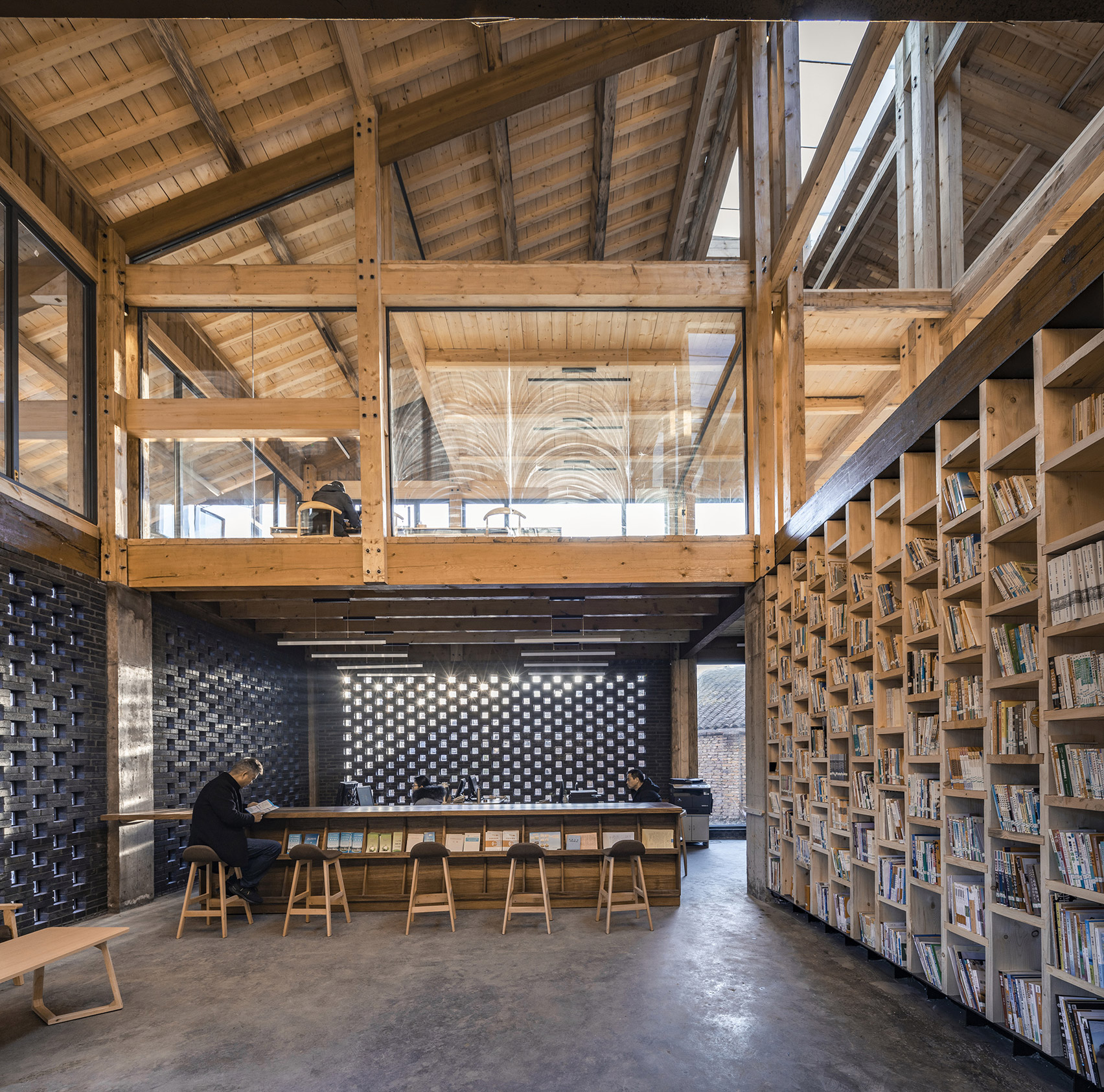
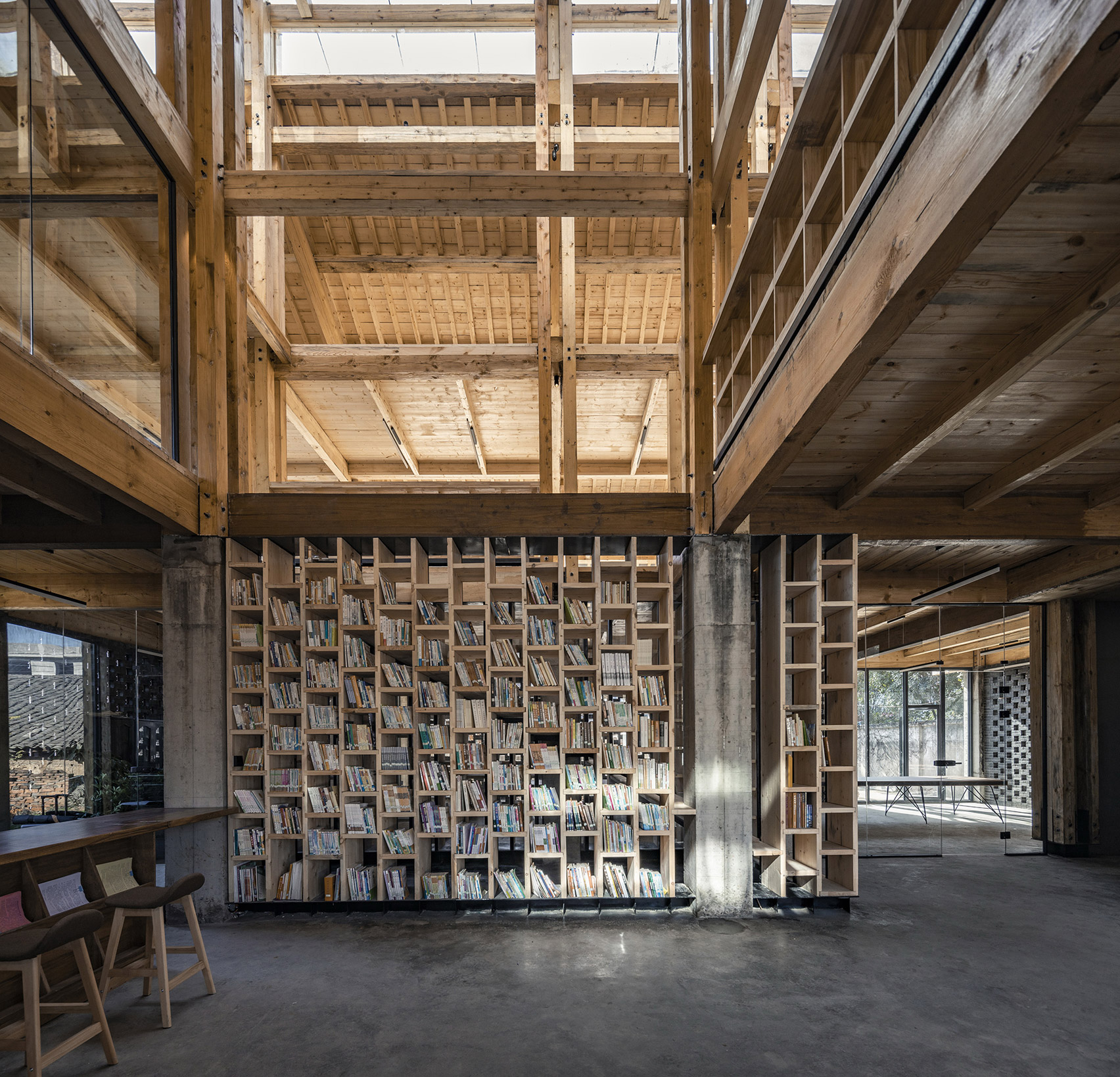
A series of "clustered columns" formed by bundles of wooden pillars were added to provide additional support.
The ground floor is surrounded by walls of grey and glass bricks.
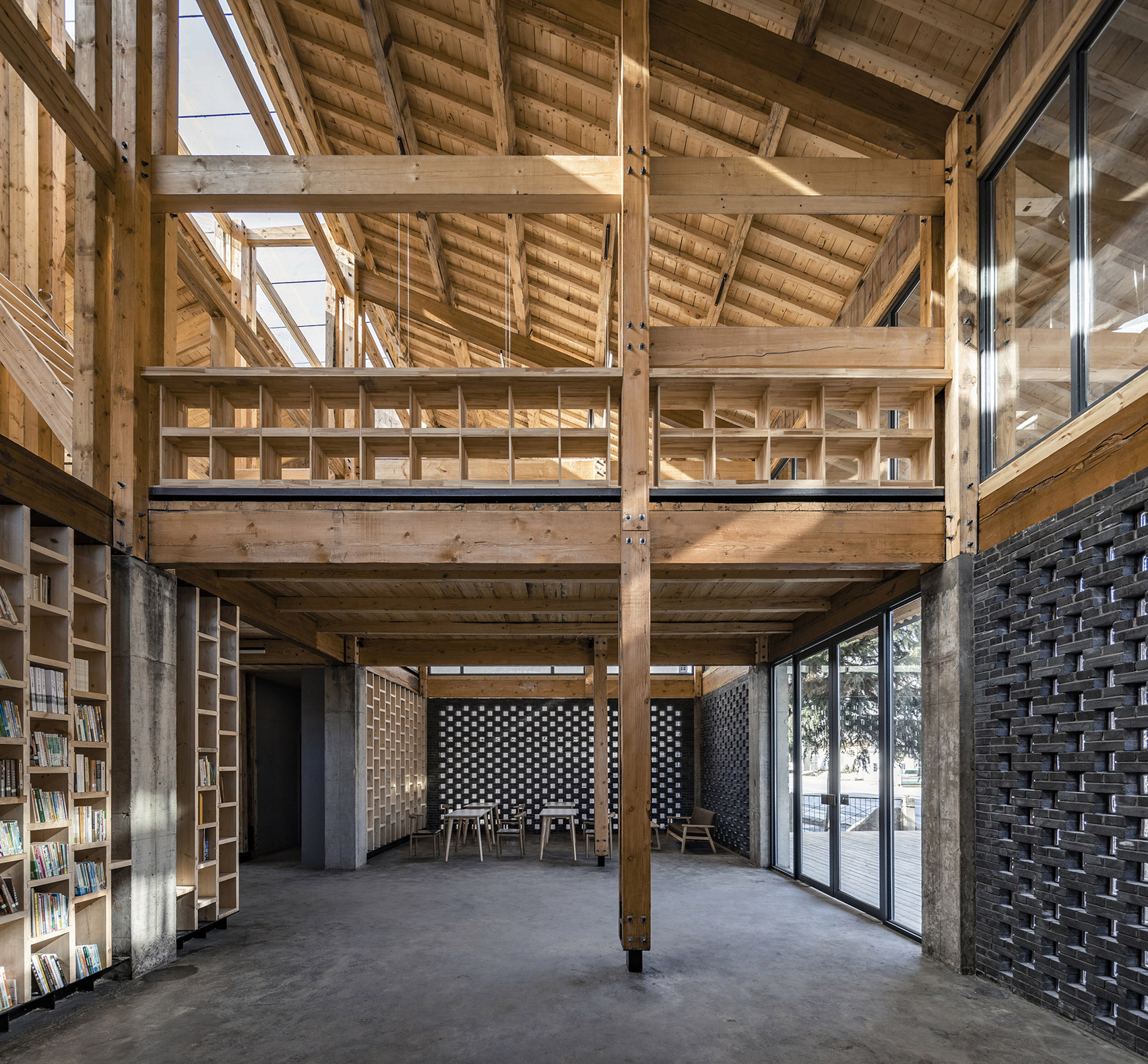
These glass bricks allow light to filter into the interiors.
An extra social space is created by the wooden benches around the exterior, where villagers can sit and rest.
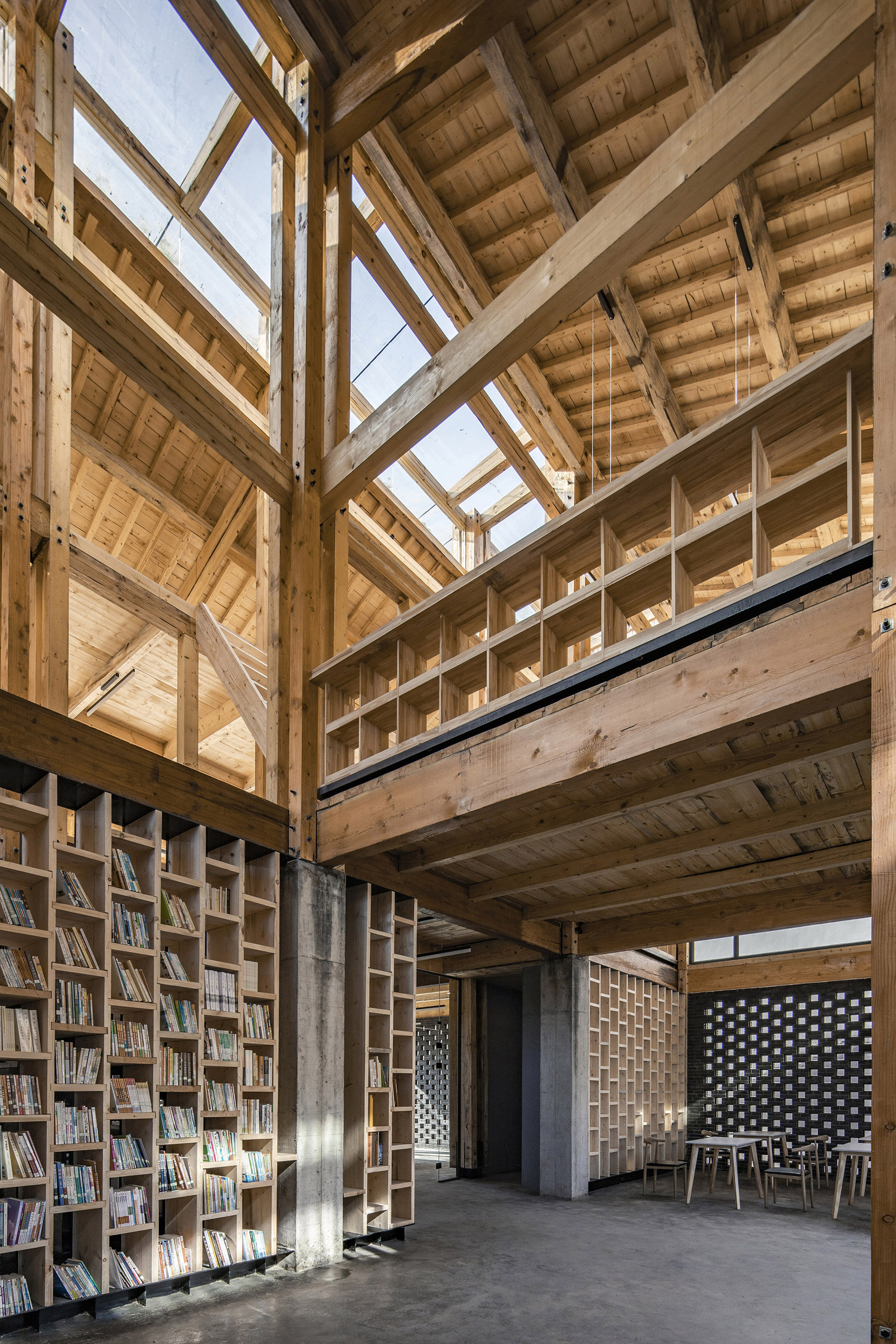
Inside, the building has been made as open as possible.
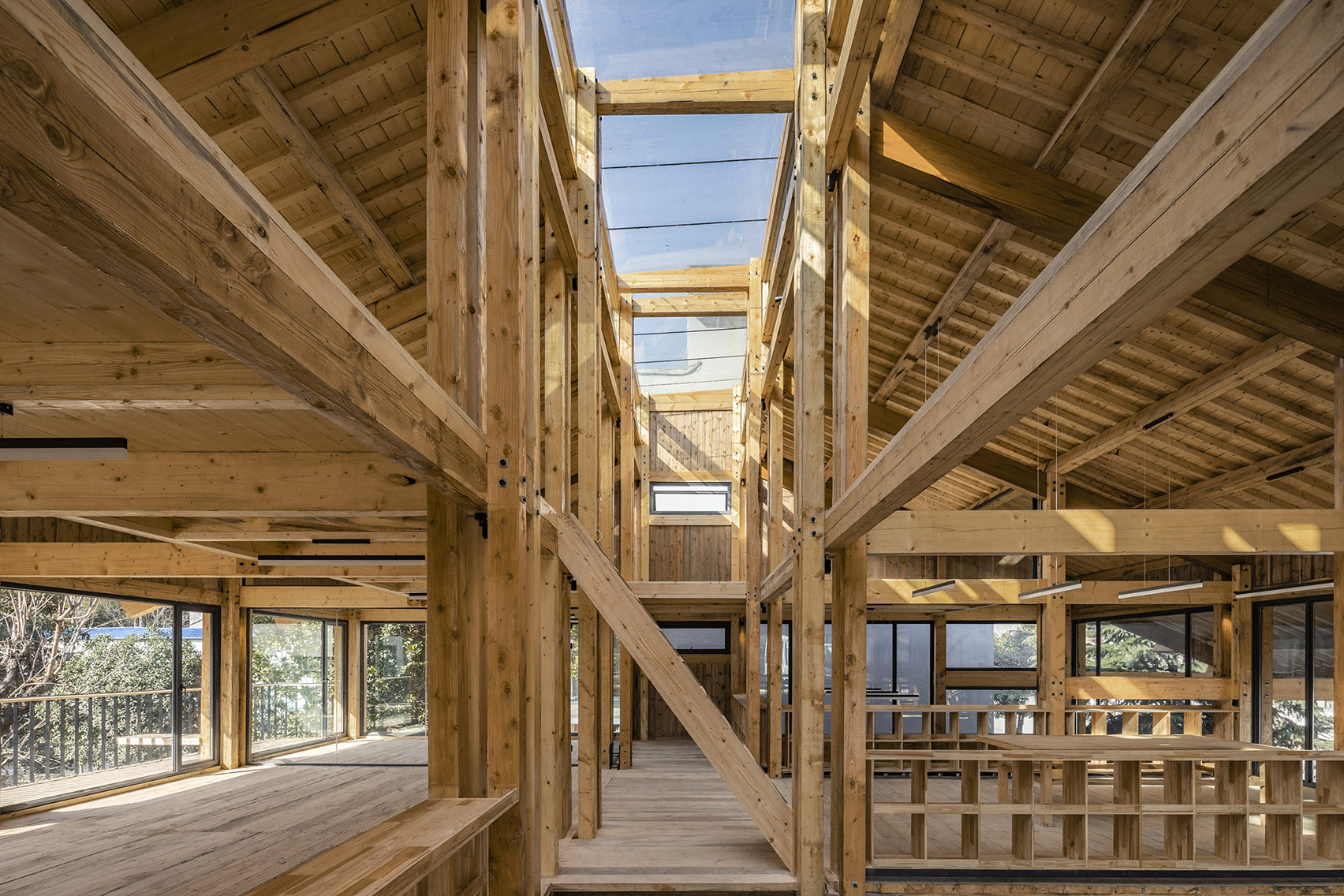
Daylight illuminates the space via the largely glazed elevations of the first floor and a lantern-style skylight that splits the pitched roof.
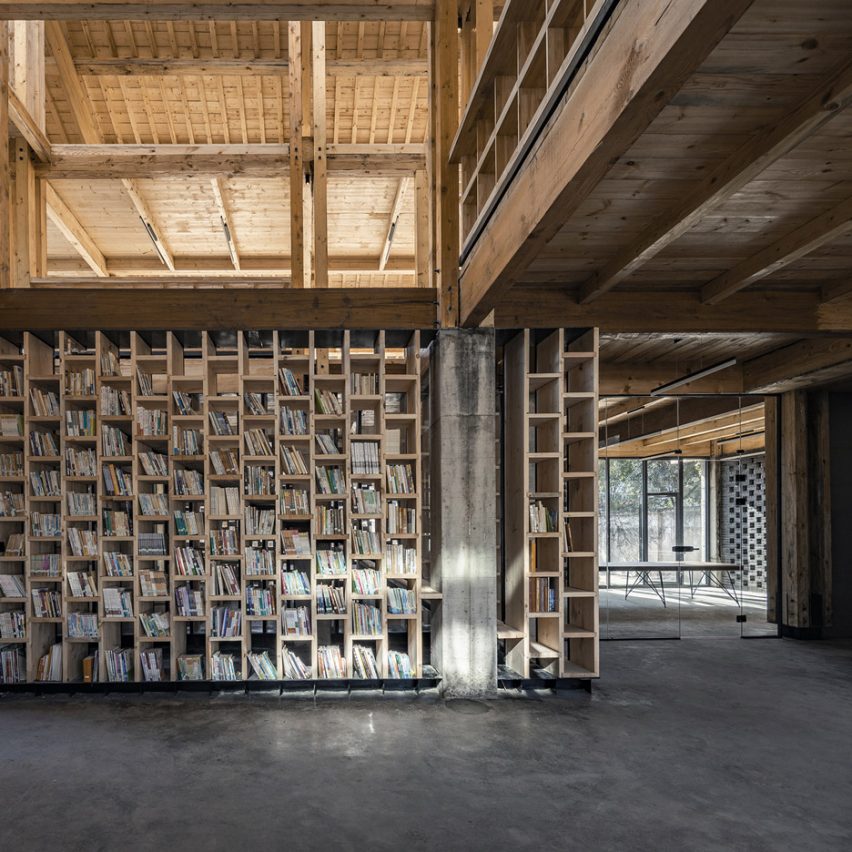
The entrance leads directly into an open plan reception, office and meditation room, divided by bookshelves and glazed partitions.
Above, there are further office and conference spaces, opening onto a small balcony, sheltered by the overhanging roof.
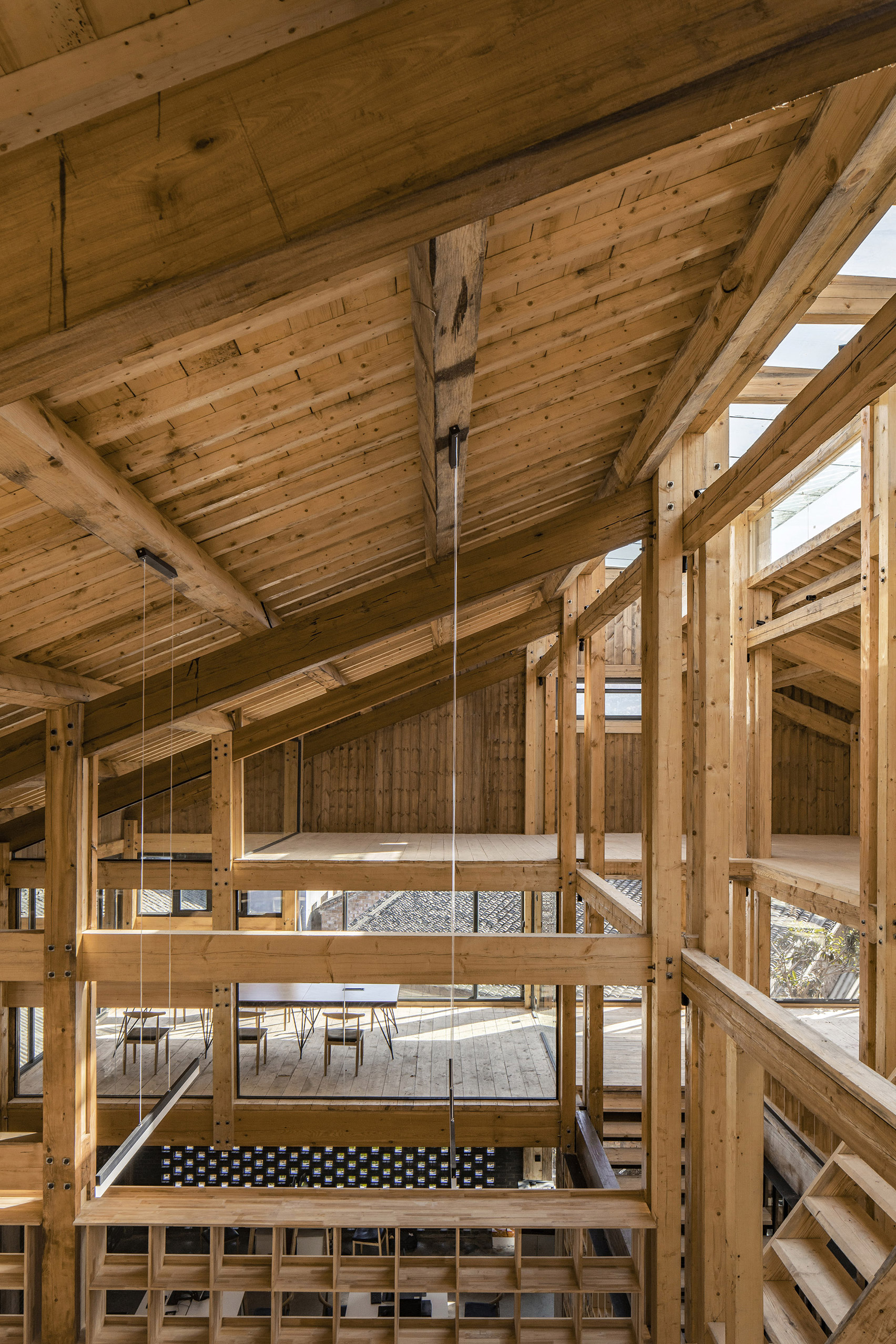
"Based on the principle of sharing and openness, the interior space breaks the introverted layout of conventional village committee offices," said the studio.
"Except for the conference area, the financial room and two added enclosed equipment rooms, all other spaces are open. Within the open space, a lot of convenient seating, reading and communication areas were created."
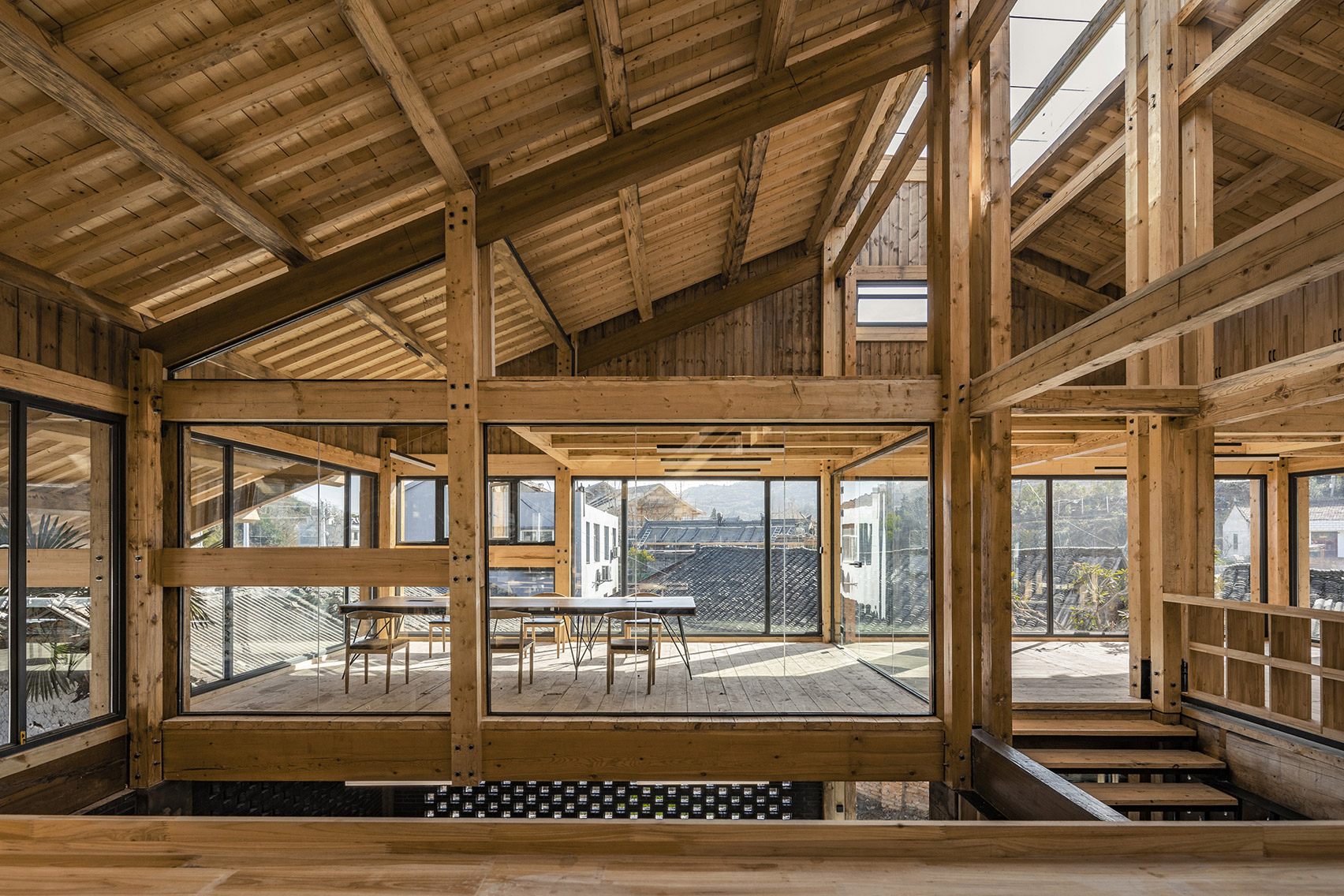
Inside, the wooden beams and roof structure have been left exposed, creating bright and open barn-like spaces with simple fittings and furniture.
LUO Studio's projects often engage salvaged or recycled materials, working to make the often tourism-led development of villages more sustainable.
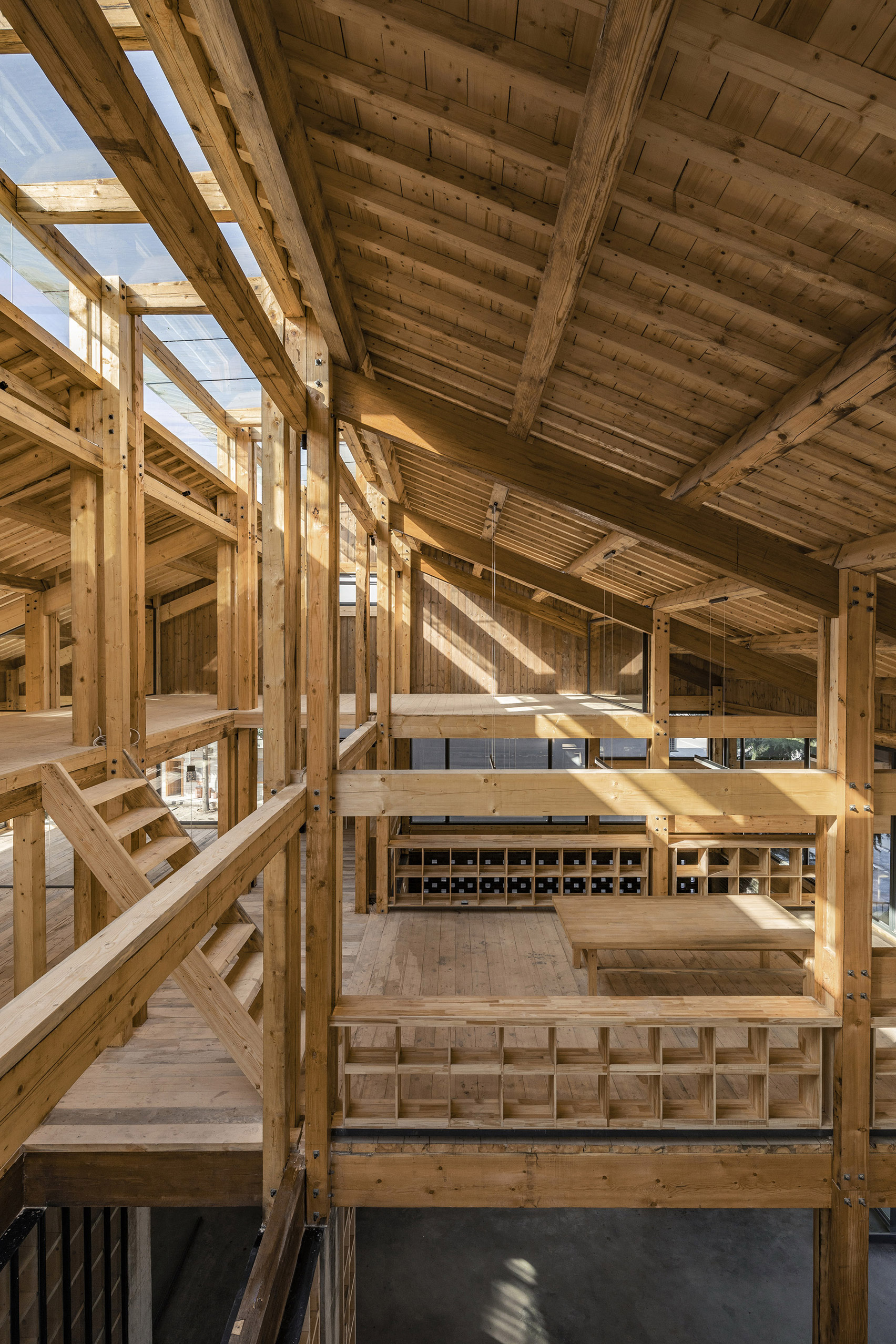
In Puyang City, the practice designed a temporary marketplace that could be recycled after use, and in Lutowan Village the office designed a pergola constructed using salvaged wood recovered during the redevelopment of the village.
Photography is by Jin Weiqi.
Project credits:
Architect: LUO studio
Designers (architecture, interior and landscape): Luo Yujie, Wei Wenjing
Client: Yuanheguan Village Committee
Construction firm: Hubei Yufeng Construction Engineering Co., Ltd.
Construction supervision: Shiyan Hongchao Construction Engineering Supervision Co., Ltd.
The post LUO Studio turns abandoned concrete foundations into community centre appeared first on Dezeen.


