Thursday, 19 March 2020

OMA unveils rural culture complex for Melbourne's outskirts

Wollert Neighbourhood Centre by OMA

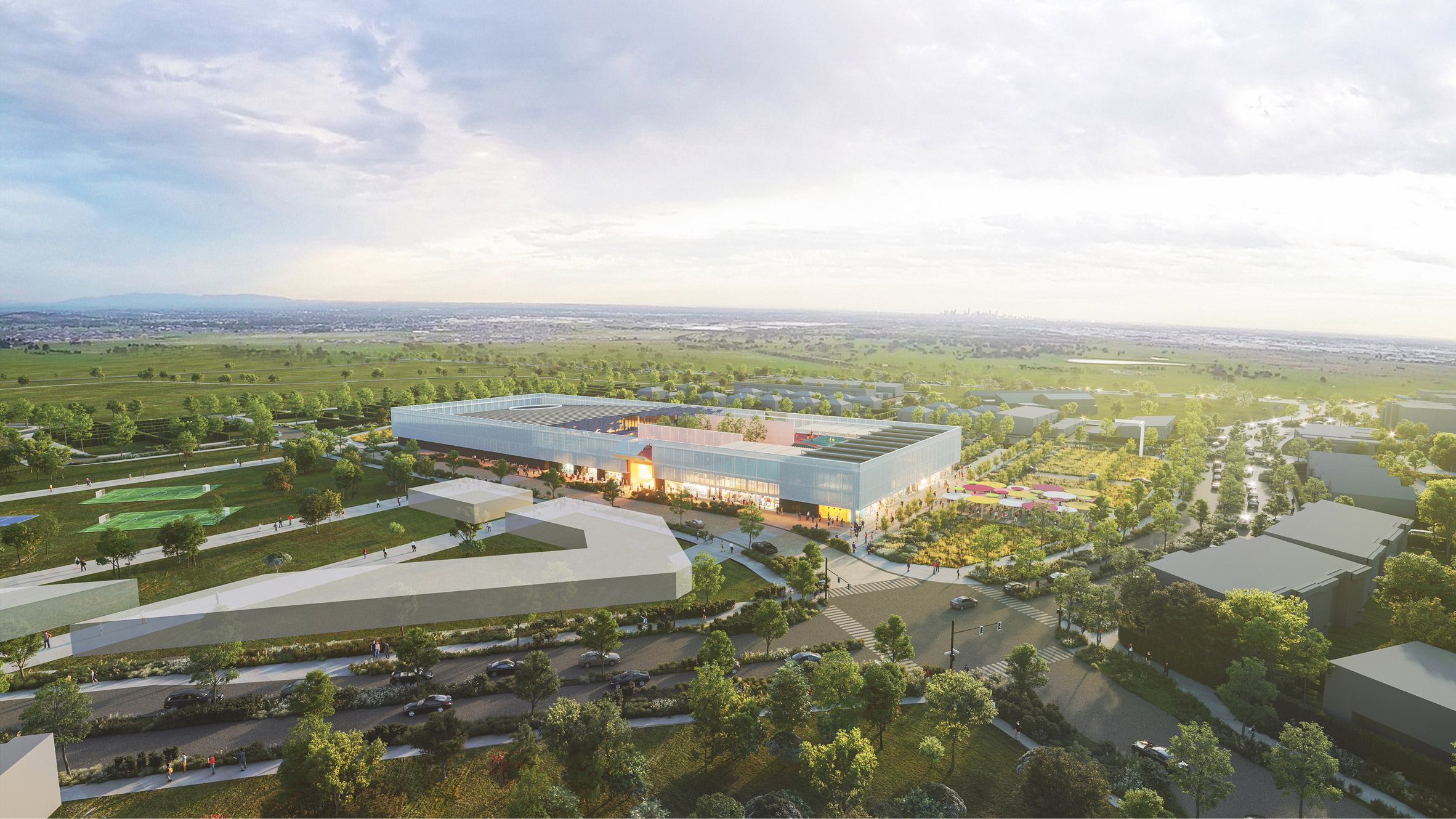
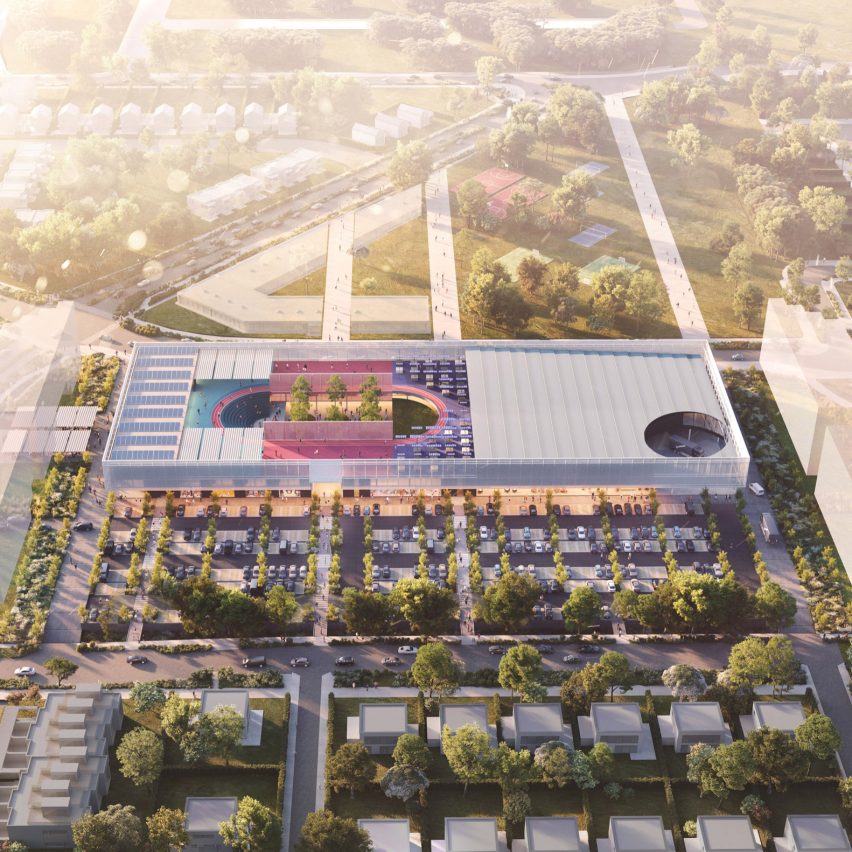
A mix of retail and cultural facilities will make up the Wollert Neighbourhood Centre, which OMA has proposed for the town of Whittlesey, Australia.

The countryside complex has been designed by OMA as a "social condenser" for the area, which is located 25-kilometres north of Melbourne.

OMA founder Rem Koolhaas recently curated an exhibition aiming "to put the countryside on the agenda again" at New York's Guggenheim museum.

Alongside shops, the Wollert Neighbourhood Centre will include childcare, entertainment and cultural amenities to meet the needs of the entire suburban community.

Wollert Neighbourhood Centre by OMA

"We conceived the Wollert Neighbourhood Centre as social infrastructure where retail and social interaction weigh equal," said OMA's regional director Paul Jones.

"Existing community activity centres in Wollert’s surrounding areas, separated from retail programs, are often under utilised. They fail to bring the community together," Jones continued.

"Our design weaves together retail, amenity and cultural spaces for use by people in the community with different needs. It will be a social condenser in the area."

Once complete, Wollert Neighbourhood Centre will encompass 9,000 square metres. As the project is at concept stage, its materiality is yet to be determined.

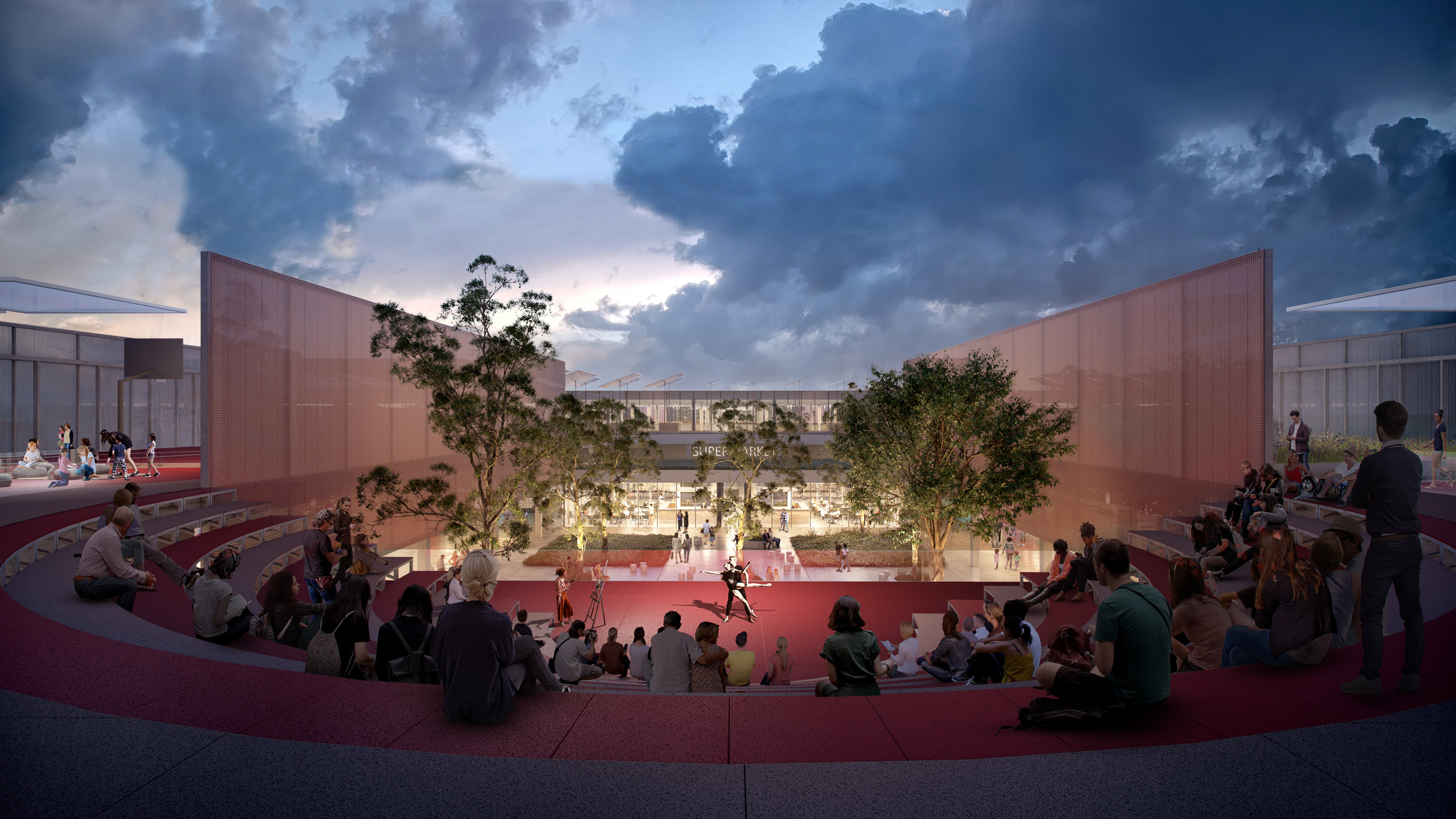
It will have a rectangular and "utilitarian form" that wraps around a giant open courtyard at its centre.

This courtyard will contain an amphitheatre for community events alongside public outdoor space.

To ensure it is accessible, OMA will position multiple entrances across the building's elongated facade that offer direct access to the courtyard as well as inside the building.

Wollert Neighbourhood Centre by OMA

Inside, the rest of the building's facilities will be arranged by OMA in vertical zones to evoke a barcode.

These will include retail, entertainment and childcare programmes and according to the studio they will all place an emphasis on health and wellbeing.

Wollert Neighbourhood Centre will be complete by an accessible roof that will be developed into areas dedicated to sports and outdoor activities.

As the scheme develops, OMA also hopes the rooftop will also provide space for urban agriculture.

Wollert Neighbourhood Centre was commissioned by the Australian retail developer Sandhurst Retail. It responds to recent development in the town that is seeing a growing number of homes.

According to OMA, the complex is hoped to become the centre of a wider masterplan for the area, which is in one of Victoria's fastest growing regions.

Founded in 1975 by Dutch architect Rem Koolhaas, OMA is a Dutch architecture studio with offices in Rotterdam, Hong Kong, Beijing, New York, Dubai, Doha and Sydney. The studio's name is an acronym for Office for Metropolitan Architecture.

Other recent projects by the studio include proposals for a residential Wafra Tower in Kuwait City, and "cliff-like" headquarters for SNCB in Brussels.


Project credits:

Architect: OMA
Regional director: Paul Jones
Project architects: Clare Johnston Team: Fedor Medek, Marcus Parviainen
Supervising partner: David Gianotten
Project manager: Case Meallin

The post OMA unveils rural culture complex for Melbourne's outskirts appeared first on Dezeen.


from Dezeen https://ift.tt/3b98fTj

“Humour has the ability to make the unthinkable easier to process”: meet tapestry artist Kayla Mattes

Introduced to the medium of tapestry while studying textiles at Rhode Island School of Design, artist Kayla now utilises the form to comment on the trials and tribulations of society.


from It's Nice That https://ift.tt/2WyF5Jv

"Glimmer of hope" as studios in China reopen after coronavirus shutdown

As China recorded its first day with no new coronavirus cases, architecture and design studios in the country have said they are gradually returning to normality.

"It's a tough and challenging time, however, our colleagues in Hong Kong are back in the office and our stores in Hangzhou and Hong Kong have reopened," said London-based designer Tom Dixon.

"This news has provided us here with a small glimmer of hope that our collective problems have an end and this difficult moment has a time limit."

"The condition in China is improving quickly, a positive sign that Europe and other parts of world can get through it too," said Zhexu Du, architect at the Shanghai office of architecture firm David Chipperfield.

"The market is slowly picking up again in China"

The country's strict quarantine measures enforced following the coronavirus outbreak are now being reduced.

All but two of the 1,119 highway entrances and exits that were closed during the outbreak have reopened, and the temporary coronavirus hospitals that China quickly constructed in response to the outbreak are being closed.

"In Shanghai, the city is gradually back to its normal pace, shops have reopened, and traffic gets jammed again," Chinese designer Chen Min, founder of Chen Min Office, told Dezeen

"The situation in Hubei province is still serious and under lockdown but everywhere else we are seeing restaurants, bars, and events opening," Alex Mok, co-founder of Shanghai interior design studio Linehouse, told Dezeen.

Beijing studio Superimpose Architecture co-founders Carolyn Leung, Ben de Lange and Ruben Bergambagt told Dezeen were curiously optimistic.

"This is difficult to say and to predict, but we feel that the market is slowly picking up again in China," they said.

"In general, everybody is extremely cautious and careful, and this will take a while to disappear. There is an urge for the market to resume back to its normal state as soon as possible."

David Basulto, founder and editor-in-chief of website ArchDaily, explained how the situation had improved at its office in China.

"We're learning a lot from the China situation," he said. "Our office there went through this since January. Now they are getting back to normal, which in a way gives me perspective to understand that it's like a wave."

"Our industry got halted because of the cancellation of all the shows," he continued. "Everyone is still at their home office until 24 March but now shops are opening, people are going back to work."

"We are all now back together"

Many in the architecture and design industry are now back working in their offices, but still adhering to extra safety precautions.

Linehouse staff worked from home for three weeks.

"Many of our colleagues found themselves unable to get back to China, said Mok. "Extremely tight restrictions were put in place and it took a long time for our office to be allowed to reopen by the government."

"We are all now back together and it's definitely something you take for granted on a daily basis," she added.

Du from David Chipperfield' Shanghai office, said staff worked from home for two weeks immediately following the extended Chinese New Year holiday, but they were now back at the office.

"As the condition got better and better in Shanghai, all of us came back to office to work on 24 February," he said.

"But still, all travel plans and office visits are cancelled, and temperatures taken before each staff enter the office."

"The virus enabled a sense of social (online) bonding"

Some designers said that the period of lockdown and remote working helped instil a sense of solidarity among staff.

Superimpose Architecture worked from home throughout February, before returning to the office in early March.

According to the founders, the atmosphere in China now is "calm, organised and creative" and the outbreak had the positive impact of developing a sense of community.

"The virus enabled a sense of social (online) bonding because everyone is in the same situation," said Leung, De Lange and Bergambagt.

Frank Chou, founder of Frank Chou Design Studio, agreed: "The outbreak has caused the all-round effects on people's daily life, as well as a dramatic change in the atmosphere," he said.

"People went from panic to firmness."

"Our plan for 2020 is completely messed up"

However, despite the recent improvements, many designers warned that the impact on their businesses caused by the pandemic were already severe.

"People can't wait to get back to normal again, but the reality seems worse than we thought," said designer Min.

"Even the virus is under control, its profound impact to economy and politics is yet to come," he continued.

"The plan we made at the end of last year for 2020 is completely messed up. Exhibitions and joint events are mostly postponed or cancelled,"

Many designers said that although things in China were looking up, they were still facing huge challenges as Europe goes into lockdown.

"[People] gradually try to return to their normal pace of life," said Chou. "And now [they are] concerned and worried about the development of the epidemic overseas."

"We will be able to live without fear of catching the virus, but I don't see us returning to our transient lives anytime soon," said Mok.

"I think the numbers in China will decrease significantly in the next two weeks to the point where it is isolated cases, but we still face the challenge of when and how to open borders and allow free movement."

"Production plans are severely postponed, especially for our European clients, because now the factories in China start to come back to normal, but the ones in Europe are all shut down for a while," said Min.

"We thought if we had controlled it in China, the whole thing can probably be over when summer arrives. But now since it's nearly everywhere in the world, I don't think it's going to end soon."

He added: "We still keep optimistic, although everybody knows it's a tough year, probably the toughest ever for most of us."

Designers are responding to the coronavirus outbreak in many positive ways. Some graphic designers are creating informative illustrations to circulate helpful advice, while an Italian additive manufacturing start-up has 3D printed medical valves and experience designer Bompas & Parr has launched a design competition to rethink hand sanitisers while raising money for charity.

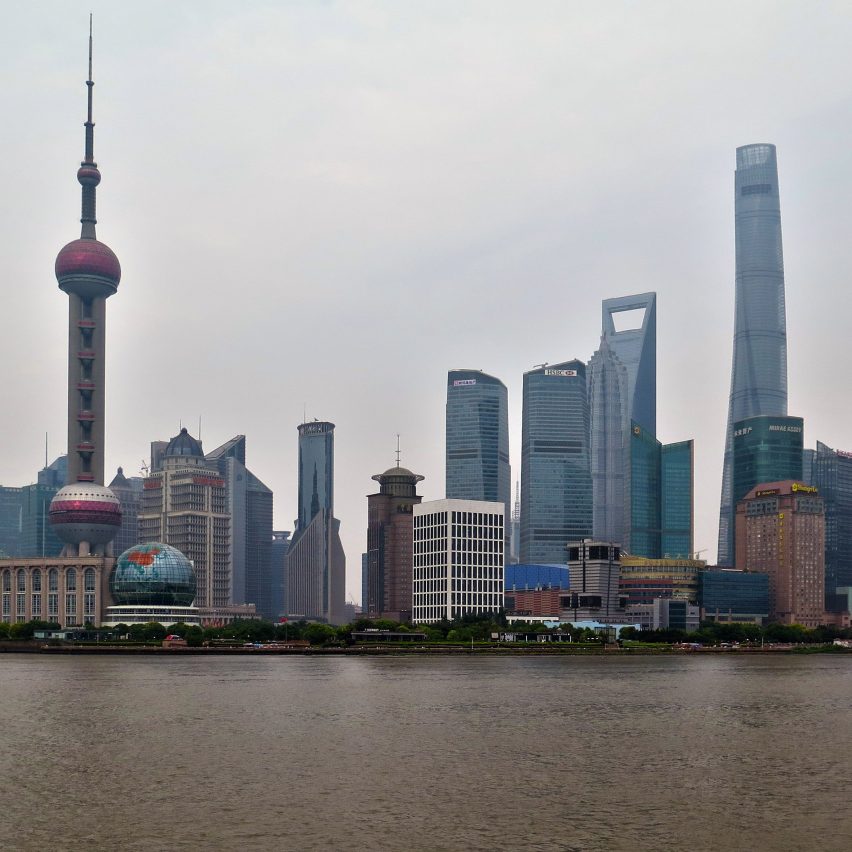
Photography is by Pixabay.

The post "Glimmer of hope" as studios in China reopen after coronavirus shutdown appeared first on Dezeen.


from Dezeen https://ift.tt/2IVYw6W
Bohlin Cywinski Jackson touches up its design for Williamsburg's Blue Bottle Coffee

Blue Bottle Williamsburg renovation by Bohlin Cywinski Jackson

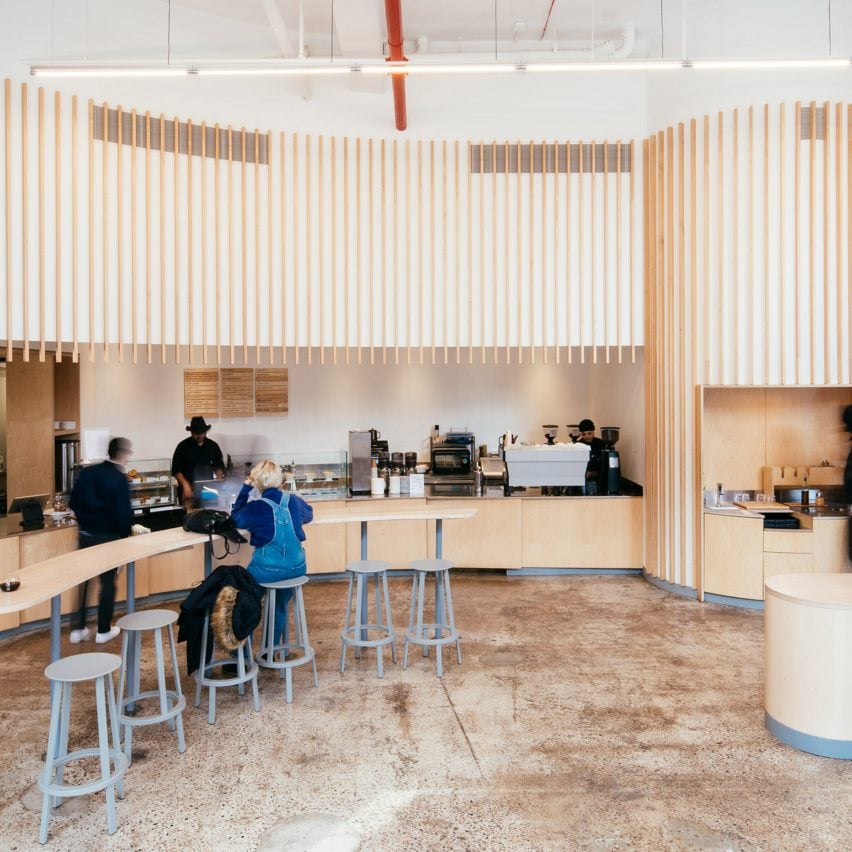
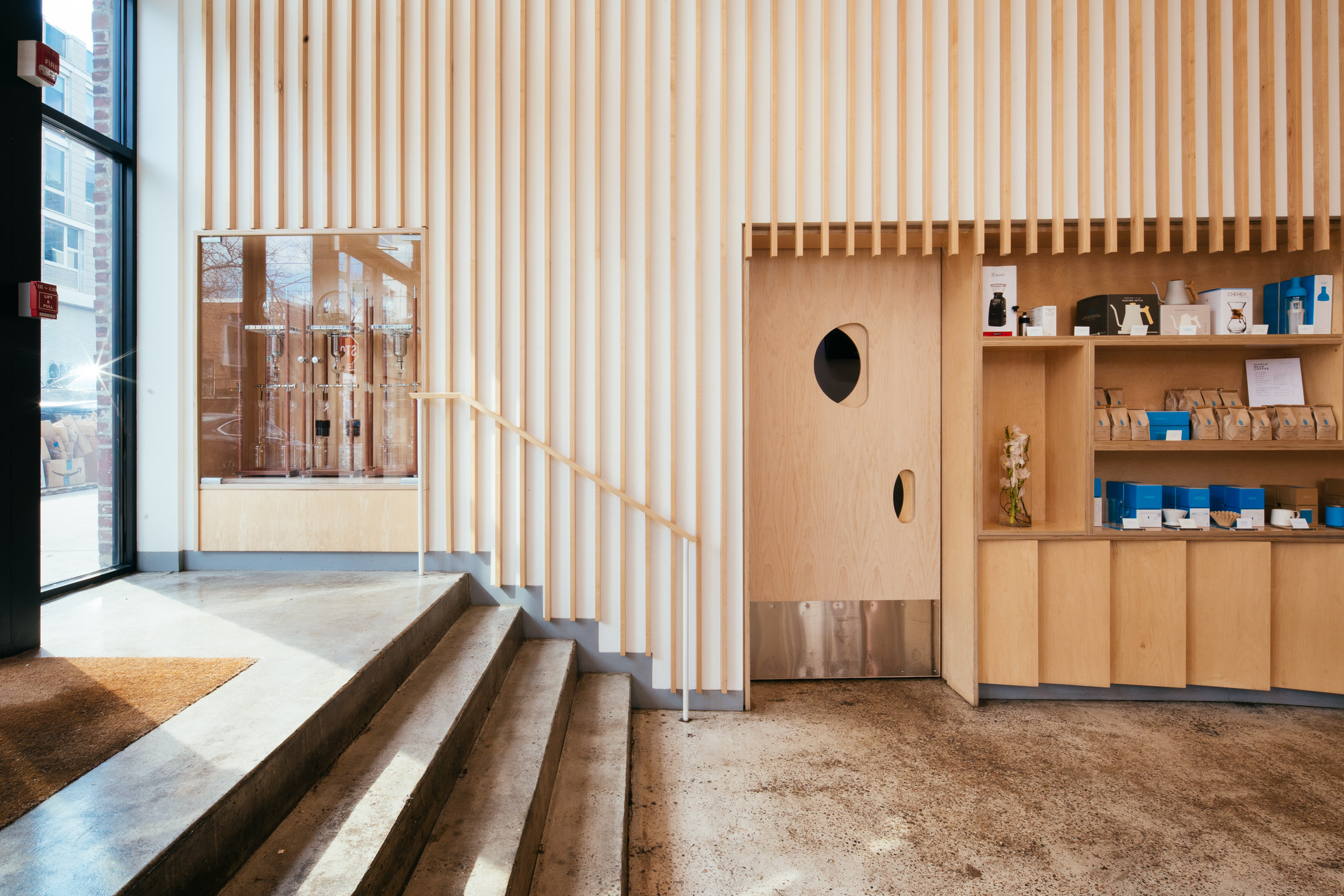
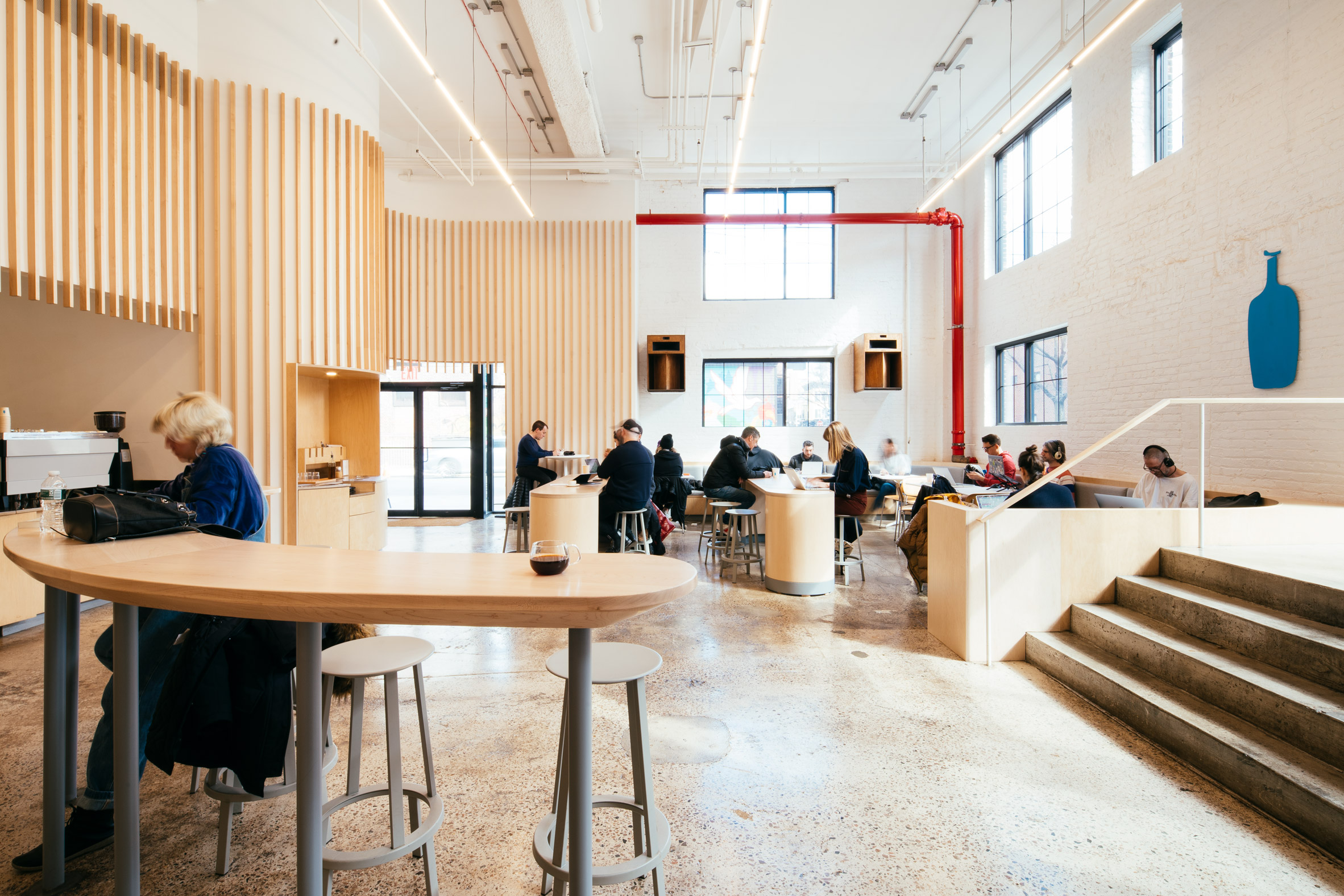
Pale wood decorates this Blue Bottle Coffee cafe in Brooklyn designed by Bohlin Cywinski Jackson, which the American practice has updated to accommodate more people.

Blue Bottle Williamsburg renovation by Bohlin Cywinski Jackson

Bohlin Cywinski Jackson created the Blue Bottle Coffee space in New York's Williamsburg neighbourhood in 2017.

The firm was enlisted to return to the project to make more space for customers and extend the facilities, as the coffee shop has become popular since opening.

Blue Bottle Williamsburg renovation by Bohlin Cywinski Jackson

"Although it is not necessarily our instinct to revisit a recently completed project so soon, one thing that has made the collaboration between us and Blue Bottle so rewarding is their constant drive to refine and perfect what they are doing," said Bohlin Cywinski Jackson.

Blue Bottle Williamsburg renovation by Bohlin Cywinski Jackson

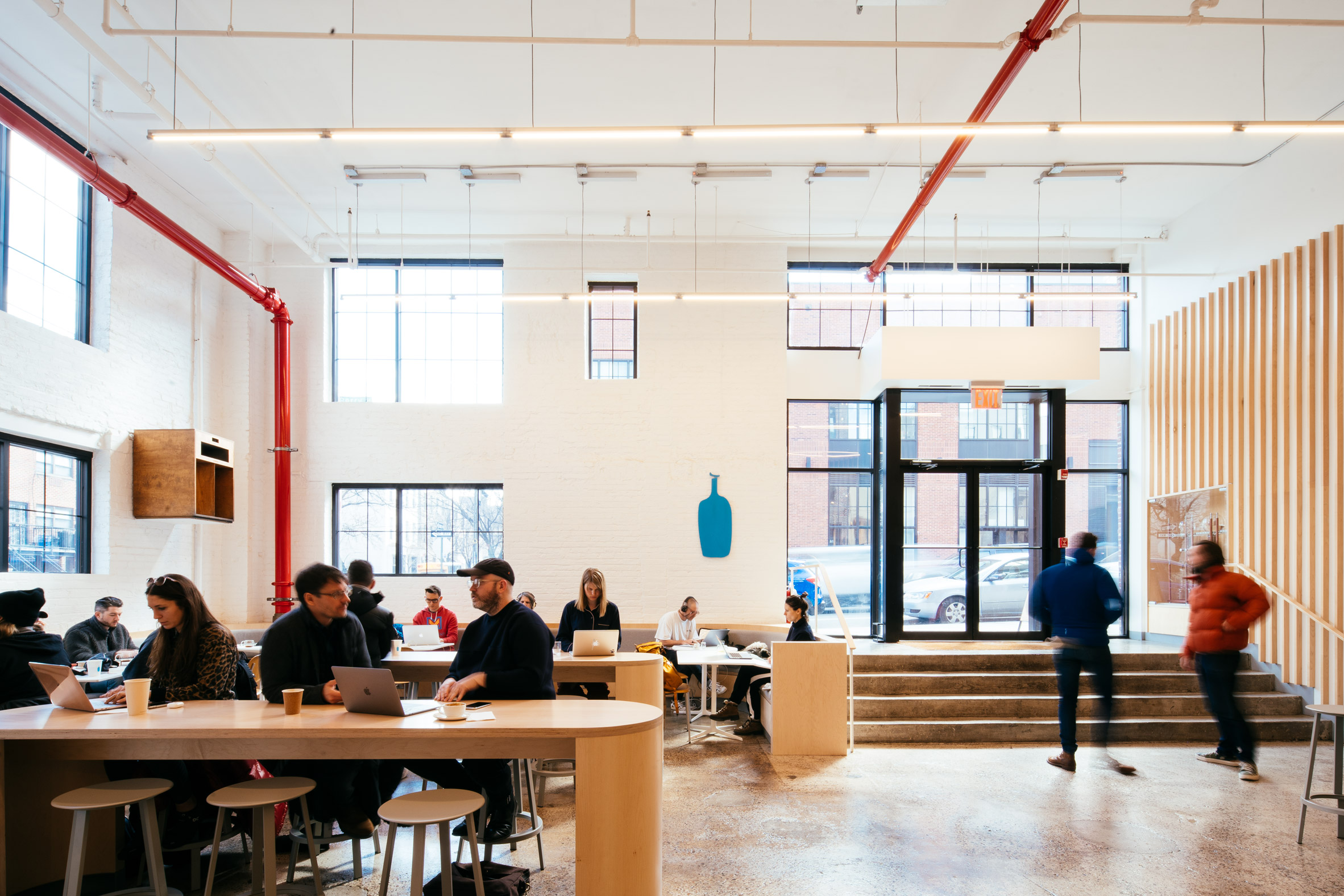
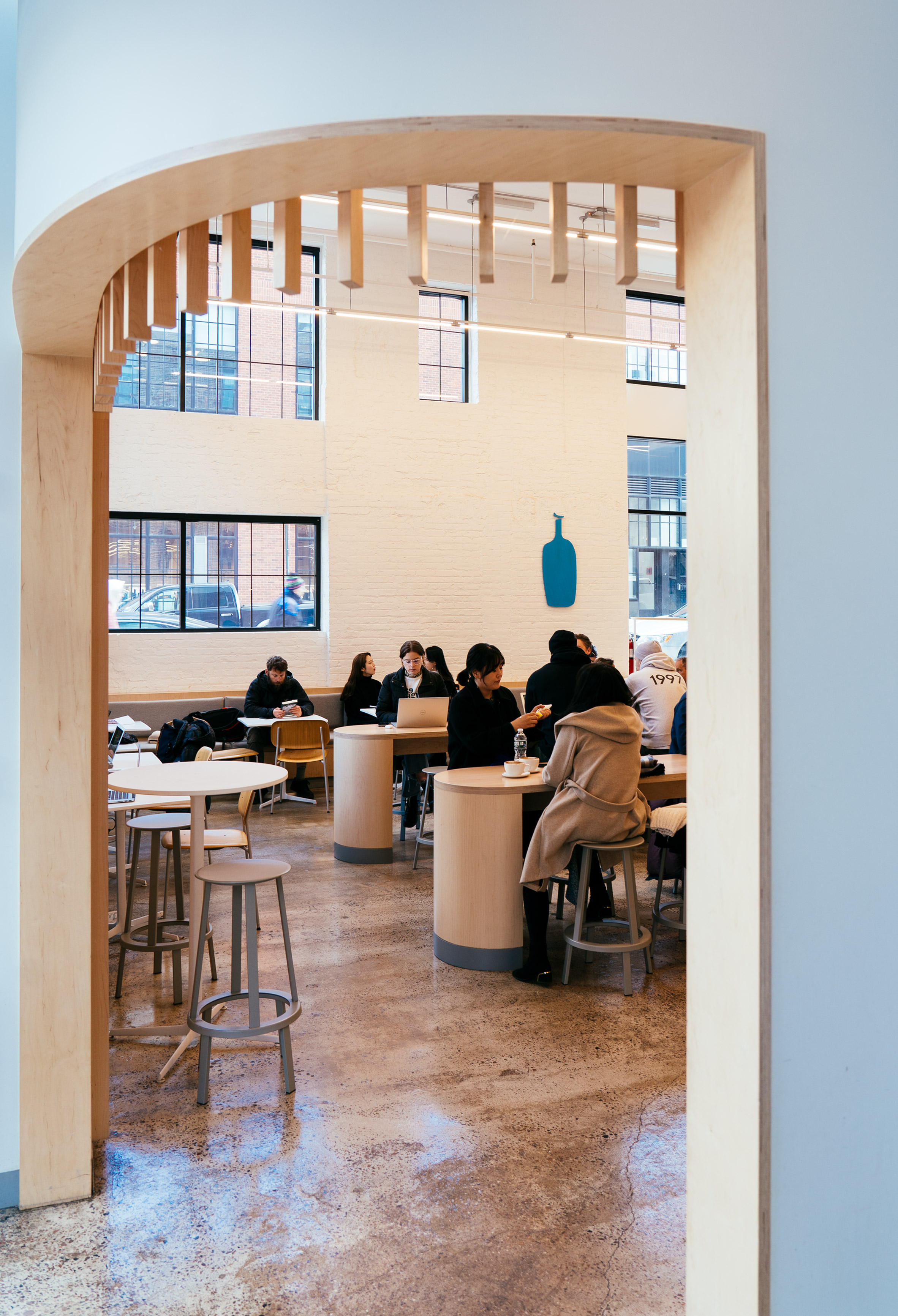
Located on the corner of Berry Street and North 4 Street, the coffee shop features interiors intended to riff of the details of the former industrial space, such as concrete floors and exposed brick walls painted white.

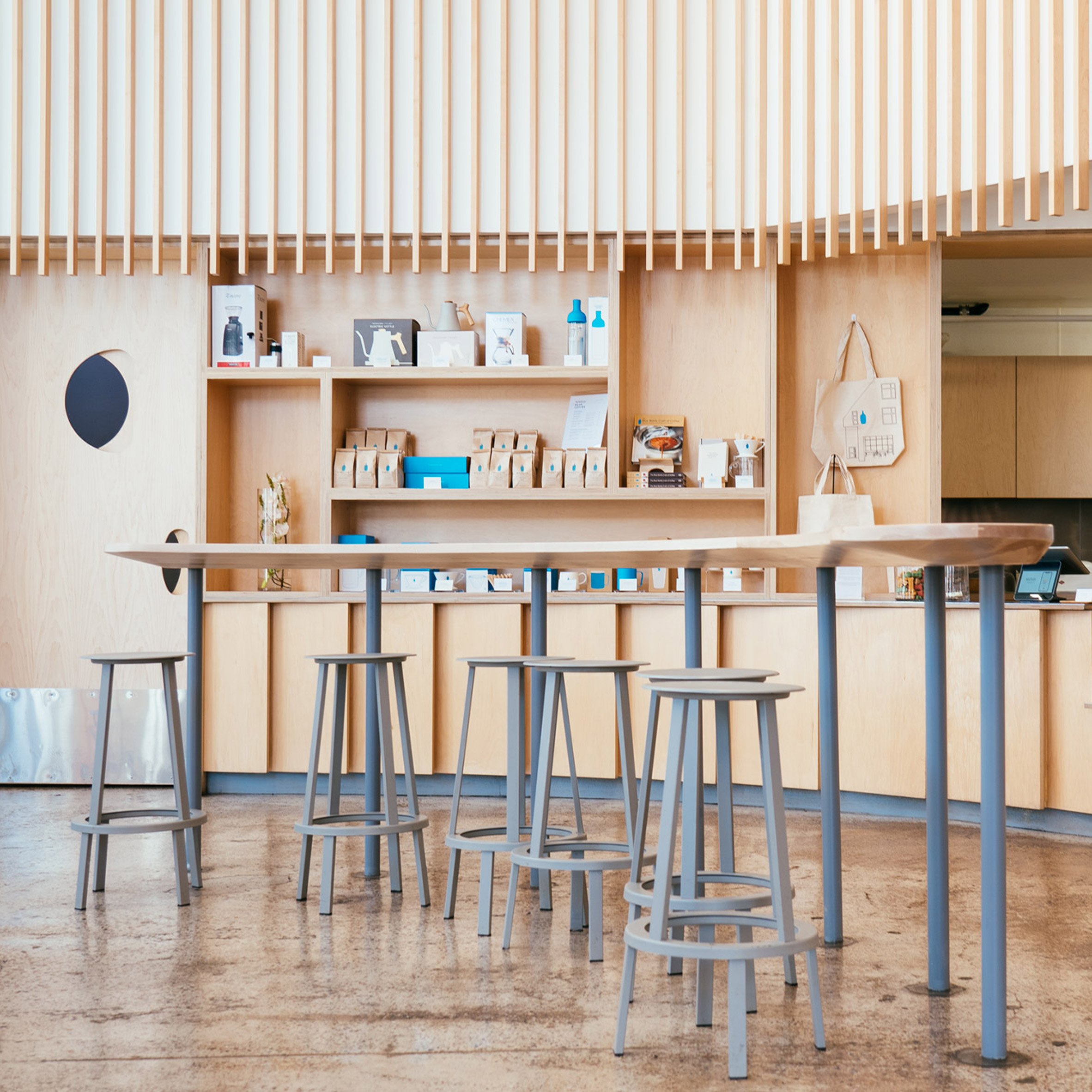
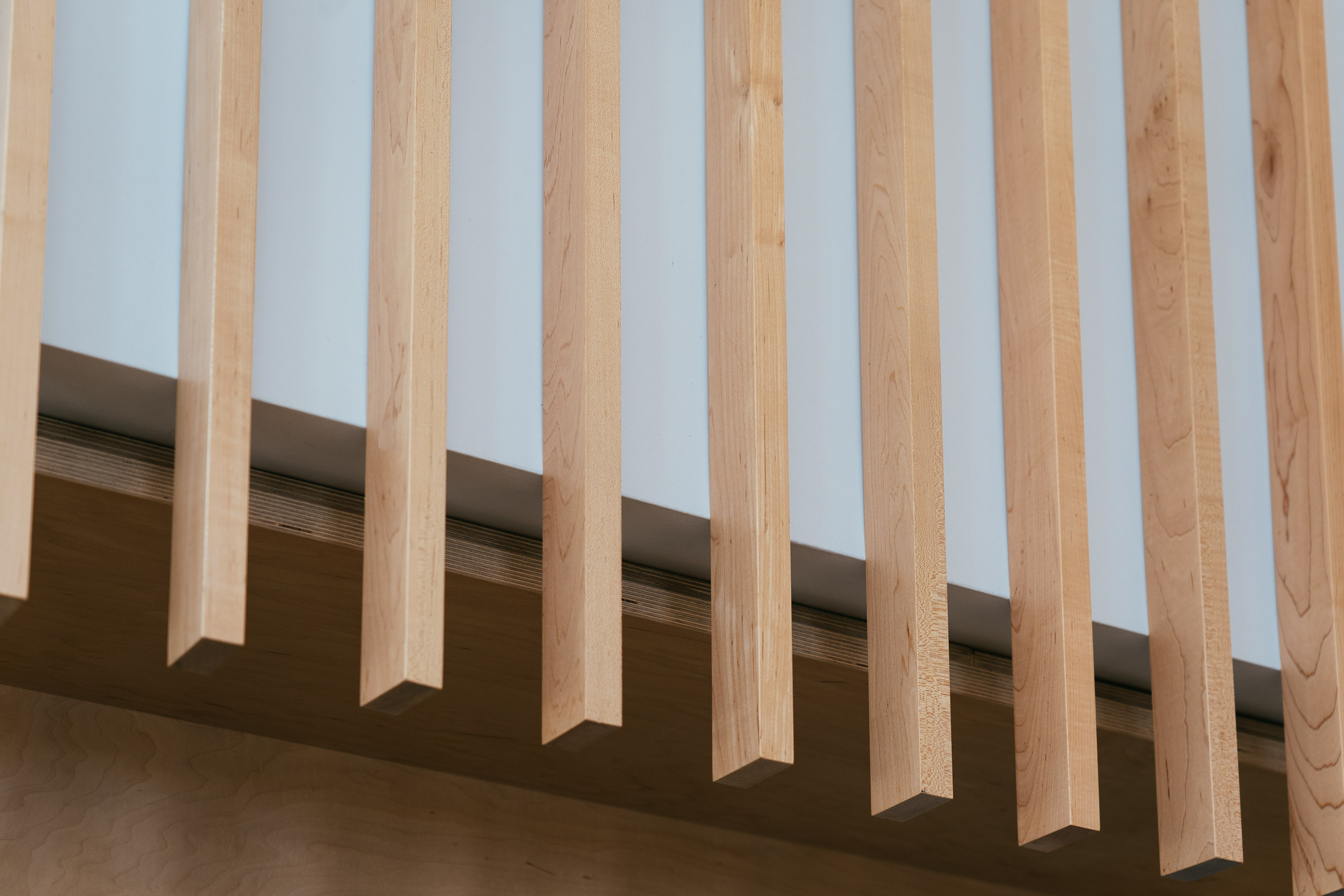
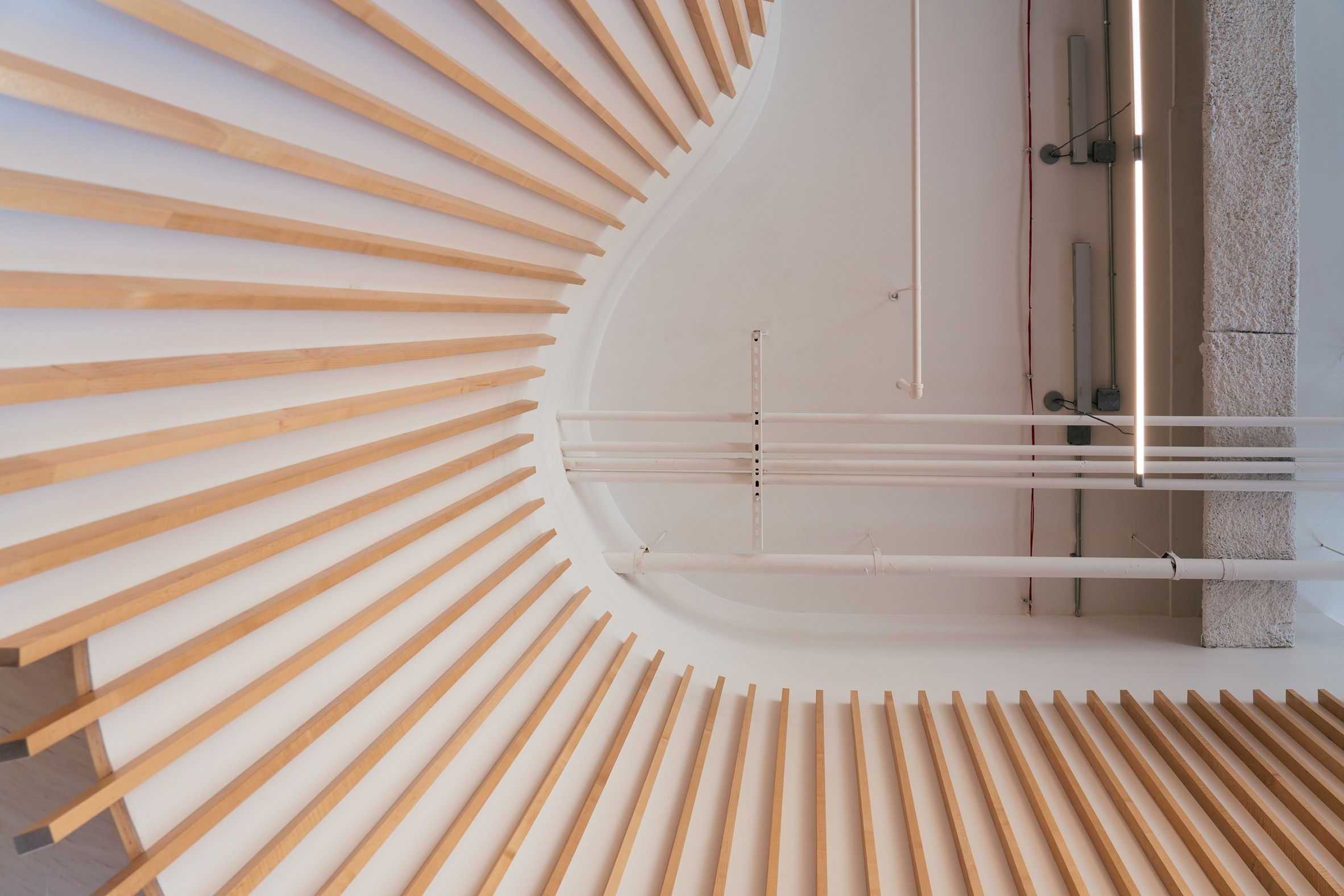
Slatted woodwork fronts a coffee bar and counter and matches the wooden tables that furnish the cafe.

Blue Bottle Williamsburg renovation by Bohlin Cywinski Jackson

For the redesign, Bohlin Cywinski Jackson kept much of the project the same, including the wood detail that wraps around the walls. Concrete floors have been sealed for better wear.

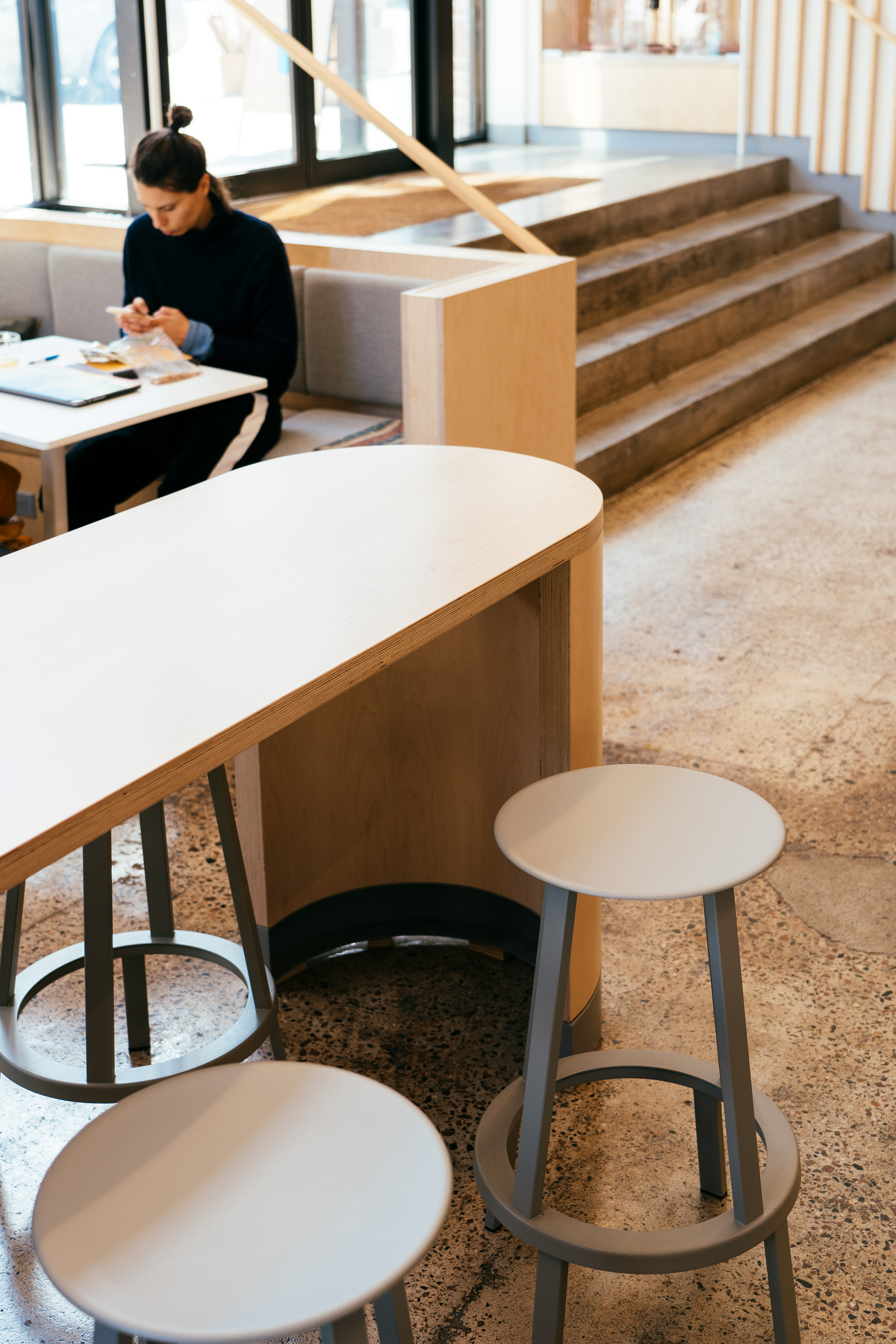
The practice also updated some of the furniture. Two long tables replace a communal table, and a curvilinear wood bar has been added near the counter where a smaller version previously stood.

Grey bar stools by Danish brand Hay accompany both areas. White tables and chairs are also used.

Blue Bottle Williamsburg renovation by Bohlin Cywinski Jackson

The kitchen was also upgraded during the renovation, allowing the Blue Bottle Coffee shop to expand its food and drink offerings.

"The bulk of the update happened in the back of house and is not visible to customers," the firm said.

Blue Bottle Williamsburg renovation by Bohlin Cywinski Jackson

The 2,170-square-foot (201-square-metre) cafe is the latest that Bohlin Cywinski Jackson has designed for Blue Bottle Coffee, which has expanded to almost 100 outposts around the world since it was founded in the early-2000s.

Others include San Francisco cafe with similar pale wood interiors, as well locations in Boston, Miami and Washington DC.

Blue Bottle Williamsburg renovation by Bohlin Cywinski Jackson

"Our designs focus on the experience of coffee making and interaction with the barista: stores are uncluttered and all operations are in full sight, so that the 'performance' of making coffee is front-and-centre," said the firm.

Blue Bottle Williamsburg renovation by Bohlin Cywinski Jackson

Bohlin Cywinski Jackson, which was founded in 1965 by Peter Bohlin and Richard Powell, is also behind a number of other projects in Williamsburg, such as the Apple store on Bedford Avenue and a clothing store for Everlane.

Other Blue Bottle Coffee locations are a cafe in Seoul and one in Tokyo, both by Japanese studio Schemata Architects.

Photography is by Daniel Lee.


Project credits:

Client: Blue Bottle
Principal in charge: Tom Kirk
Project team: Ryan Simpson, Sophia Lee, Daniel Stanislaw, Habeeb Muhammad, Nora Chase
Mechanical and electrical engineer: WSP
Structural engineer: Silman
Contractor: DCR NYC
Millworker: Okayama Works Inc

The post Bohlin Cywinski Jackson touches up its design for Williamsburg's Blue Bottle Coffee appeared first on Dezeen.


from Dezeen https://ift.tt/2wbGvik

The newly launched Made of Millions provides a digital hub for the mental health community

Designed by those with mental health conditions, for the mental health community, the newly redesigned platform focuses on providing accessible video content to those in need.


from It's Nice That https://ift.tt/2x7A6EL