Saturday, 21 March 2020

10 design-focused dwellings from the East London Homes book

East London Homes book

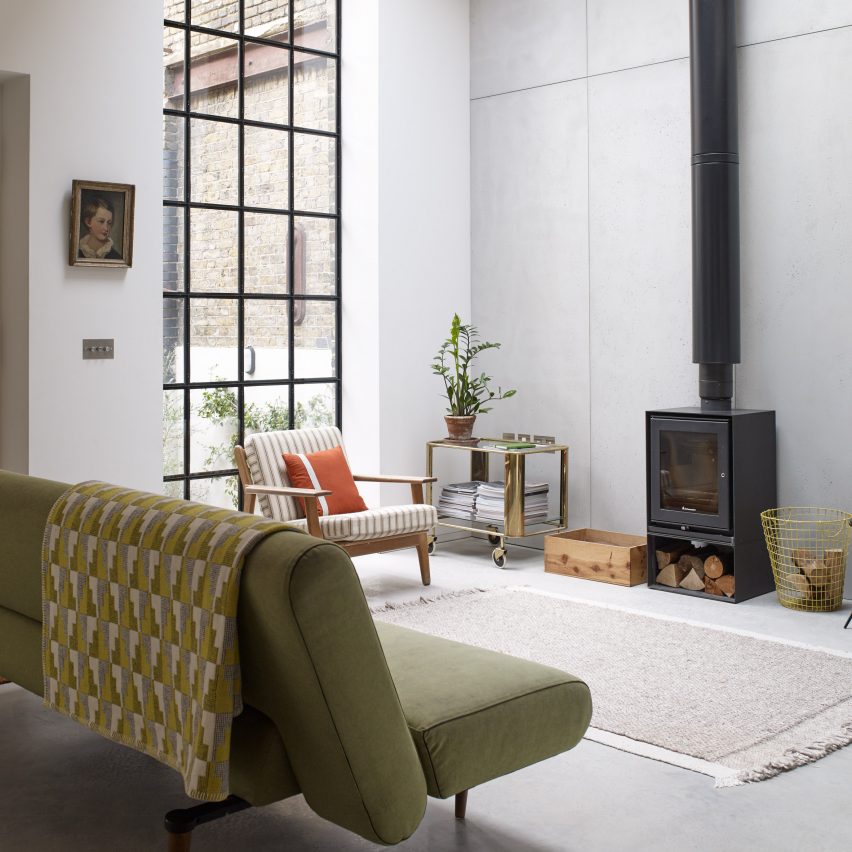
Interiors reporter Natasha Levy has selected 10 striking homes in east London that the city's creatives have designed for themselves.

The projects are all from the East London Homes, published by Hoxton Mini Press, which showcases 29 design-focused dwellings that lie in the east of the English capital.

Each home included in the book is accompanied by a selection of photographs by Jon Aaron Green, and text that reveals how the owners have aesthetically curated their personal living quarters.

A notable number of the owners are architects or interior designers, but filmmakers, florists and restaurateurs are among the other creatives to be featured.

"When people think of east London, they tend to imagine warehouse conversions with high ceilings and exposed brickwork and artists living in their studios," explained the book's author, interior stylist Sarah Bagner.

"Though I have seen some beautiful flats in former factories that are reminders of the area's industrial past, there is so much more to this eastern side of the city."

Read about ten of the homes below:


East London Homes book

Clapton home by Florence and James Kennedy

With the lease on this Clapton home set to run out in just a few years, its owners – florists Florence and James Kennedy – made sure that they took a frugal approach to designing its interiors.

The kitchen, for example, features a pale marble splashback crafted from an old fireplace surround purchased on eBay, and a couple of butchers' blocks found in a local market.

Its raw-plaster walls have also been left untouched, complementing the earthy pink surfaces that appear upstairs in the sleeping quarters.

East London Homes book

Forest Gate home by Carlo Viscione and Florence Andrews

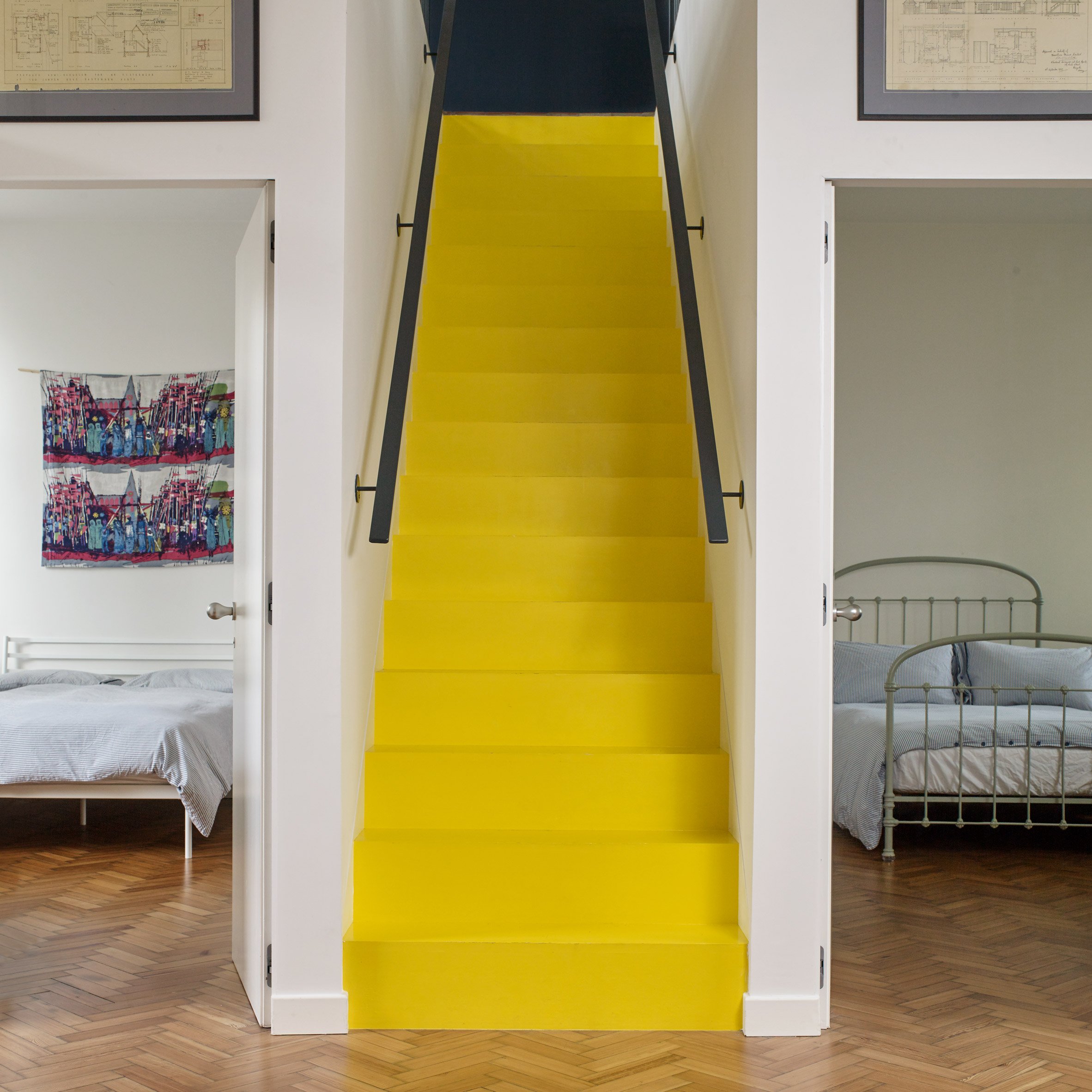
Two separate flats in the Forest Gate neighbourhood were knocked together to form this expansive home, at the centre of which lies a sunshine-yellow staircase.

One side of the ground floor is dedicated to cooking and eating, while the other is used for relaxing or entertaining guests.

Throughout there are what Carlo Viscione, who is a designer, and Florence Andrews, who is a project manager at the V&A, describe as "concentrations of clutter", where they display an eclectic mix of personal trinkets.

East London Homes book

Clapton home by Kentaro Poteliakhof

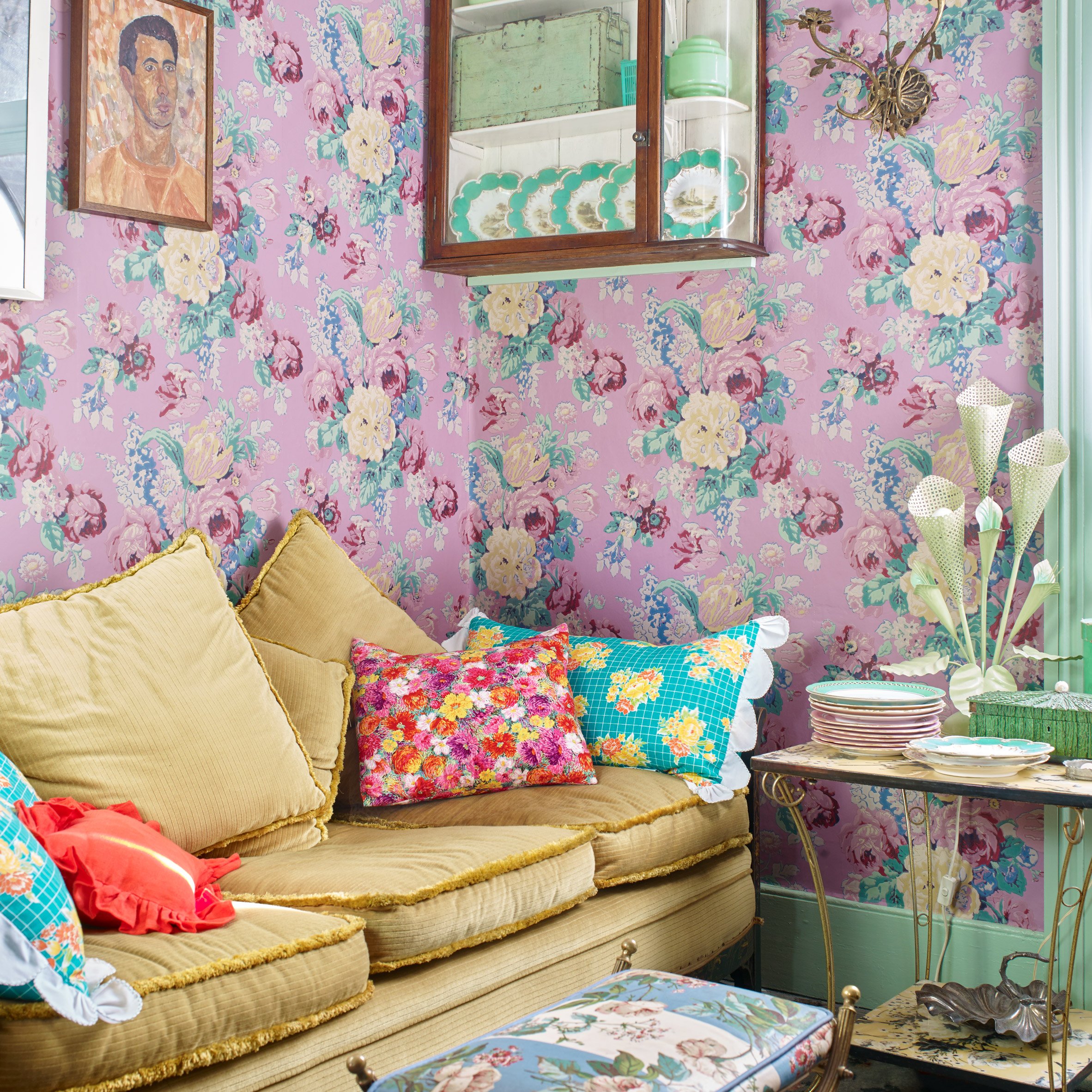
This home in east London's Clapton neighbourhood channels what the owner, furniture specialist Kentaro Poteliakhof, describes as "Tokiana" – an aesthetic that mixes the brightly-coloured kitsch of Tokyo with the quaintness of an old English-country home.

In the living room, bubblegum-pink floral wallpaper clashes against a fringed, mustard-yellow sofa. Surrounding cabinets and side tables contain an array of vintage ornaments, which the owner has grouped and displayed according to colour.

East London Homes book

Stoke Newington home by Anne and Mark Hermann

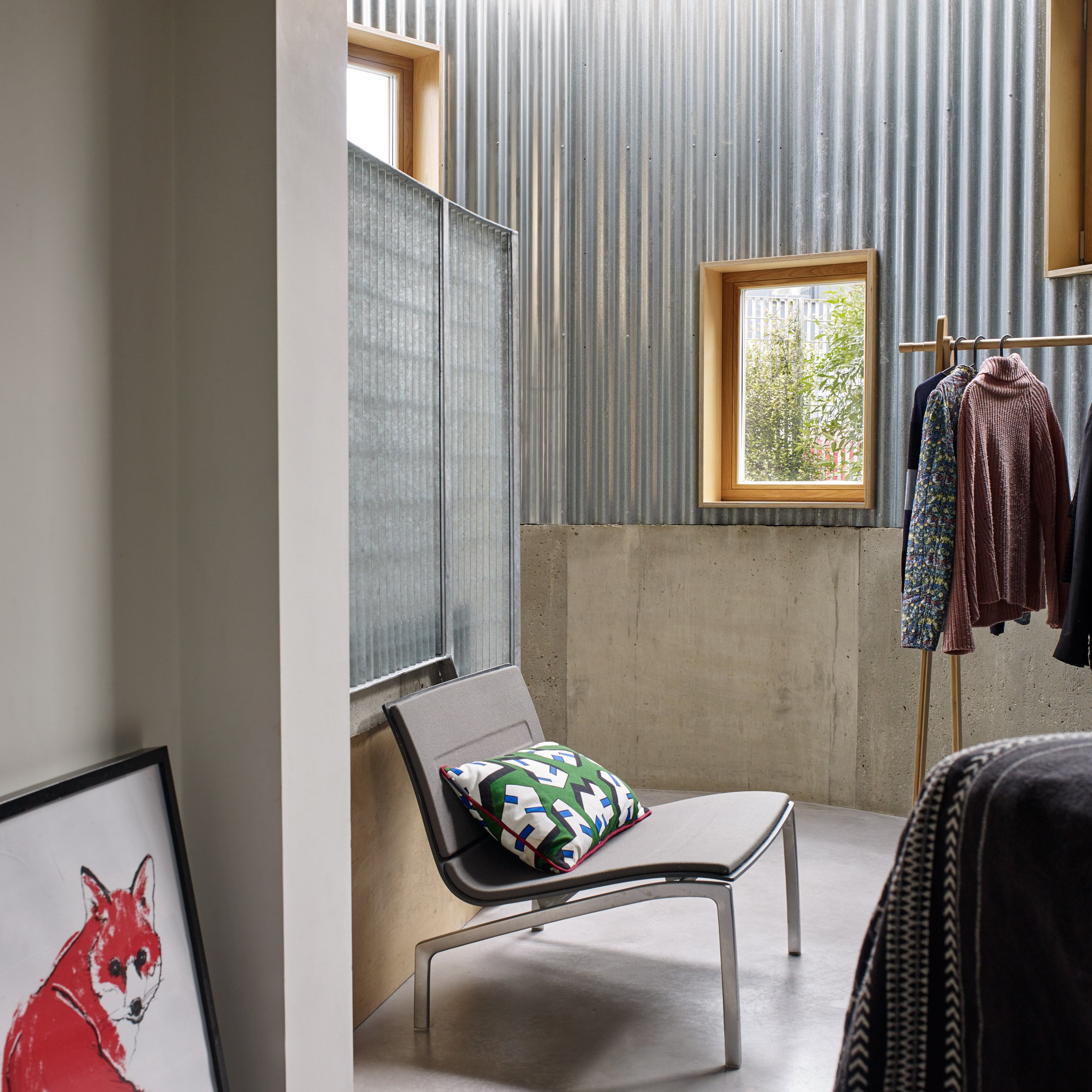
Stacked circular volumes form the body of this house in Stoke Newington, which takes cues from French composer Erik Satie's Vexations – a looping piece of music that's meant to be played 840 times over.

Inside the home, which was constructed by architecture practice Chance de Silva, curved surfaces are largely covered with corrugated steel or concrete. The owners have offset the industrial feel by dressing rooms with a smattering of woven cushions and throws.

East London Homes book

Whitechapel home by Leo Wood and Rupert Scott

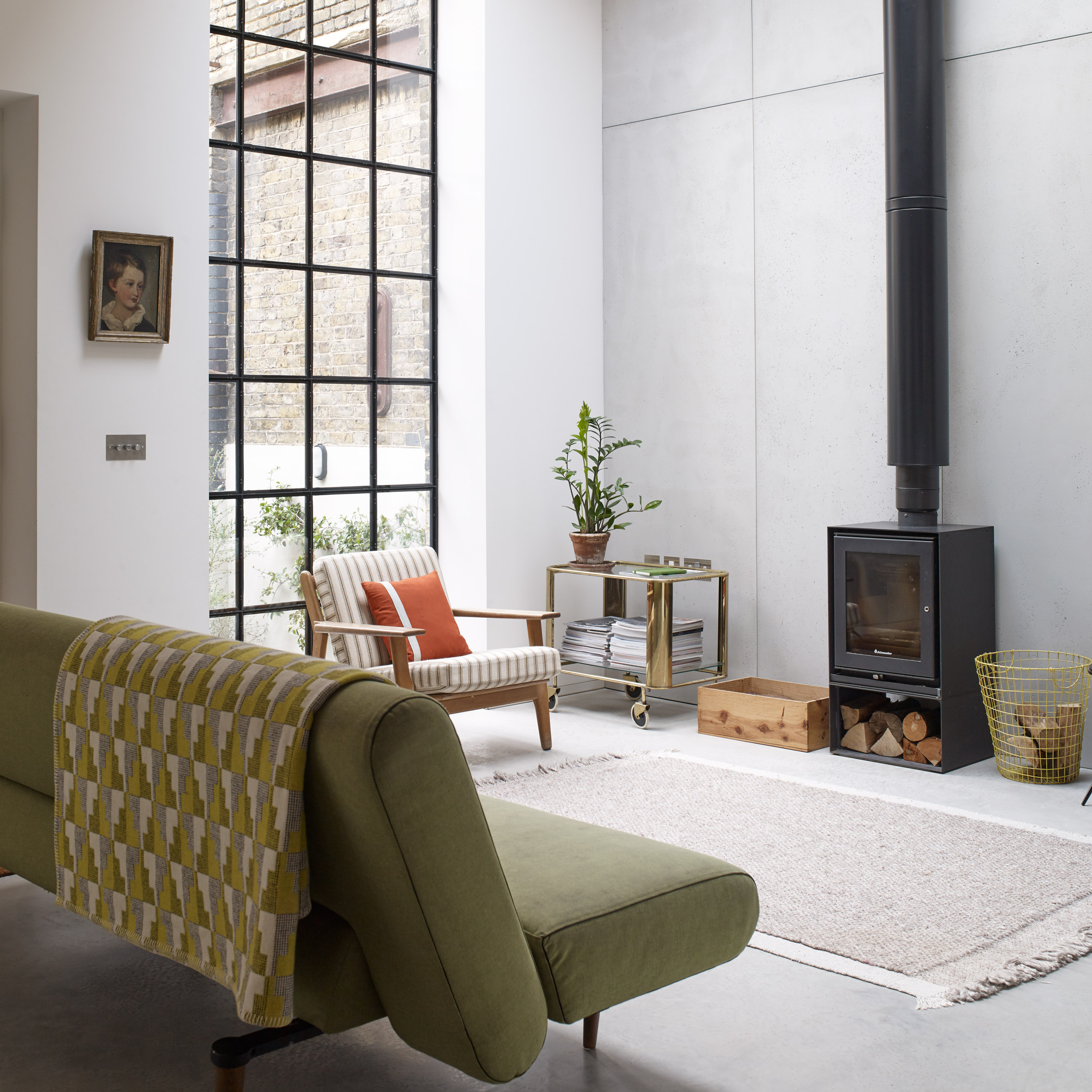
Upon purchase, this abandoned gin distillery in Whitechapel was a rat-infested "brick box with no windows", but has since been transformed into a light-filled family home.

Scott, who is an architect, and Wood, an interior designer, opted to fill its interiors with an array of mid-century furnishings. These sit alongside high street-buys and antique pieces handed down from older relatives.

East London Homes book

Hackney Wick home by Michael Pybus

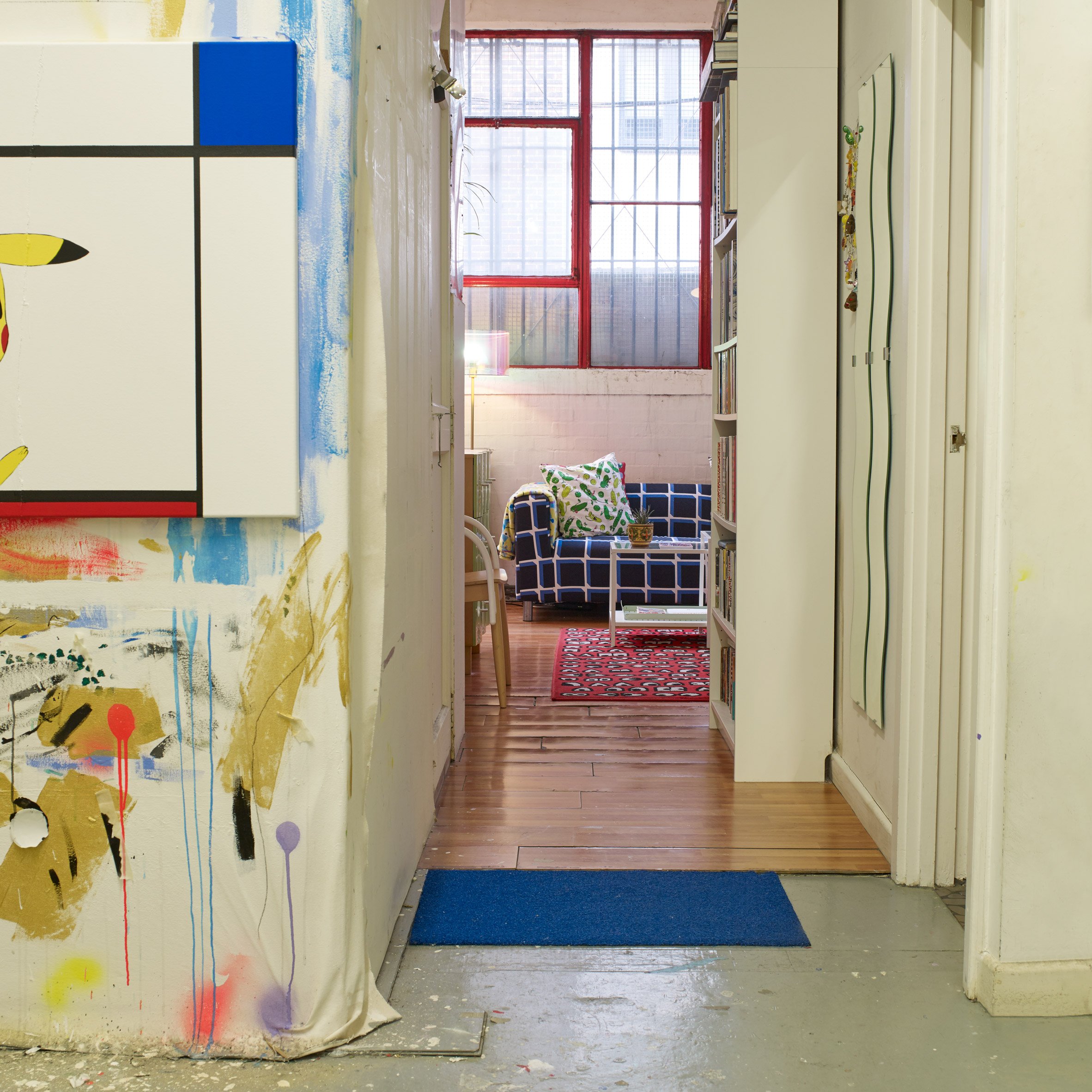
Boldly-patterned furnishings, Japanese toy figurines and Pokemon cards decorate this Hackney Wick home, which its owner – artist Michael Pybus – compares to a playhouse.

Pybus has turned a majority of the former factory into living space, but there are also work areas which he can freely splash with paint when in the process of making new artworks.

East London Homes book

Plaistow home by Joe Stuart and Lina Nilsson

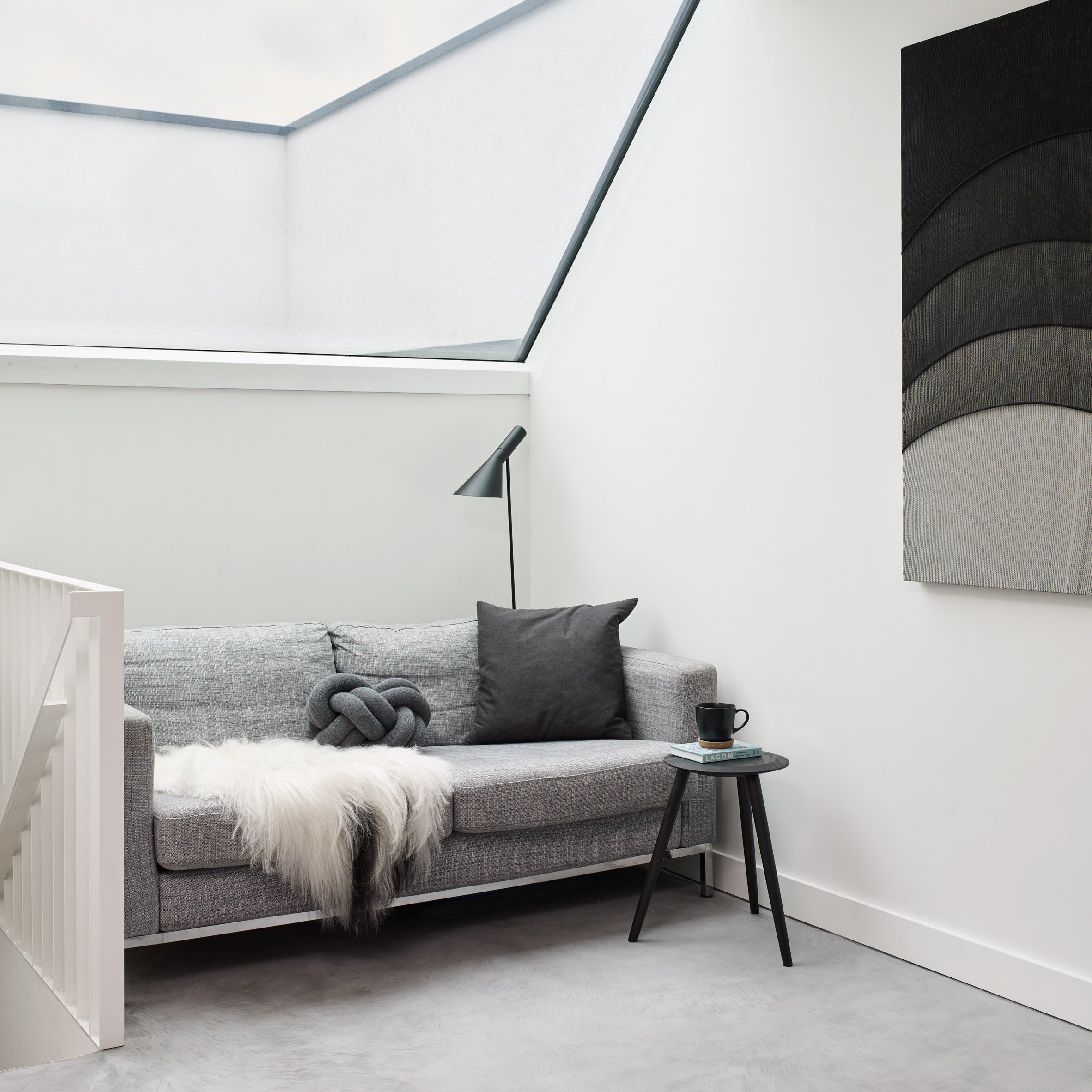
Former design engineer Joe Stuart oversaw the design and build of this Plaistow home, which sits on the site of a defunct coffin workshop and hearse garage.

There's no hint of this grisly past in the interior, where there is a sequence of soothing, greyscale spaces dotted with contemporary furniture. Stuart's partner, Lina Nilsson, said that the minimal aesthetic is largely informed by lagom – the Swedish term for having "just enough".

East London Homes book

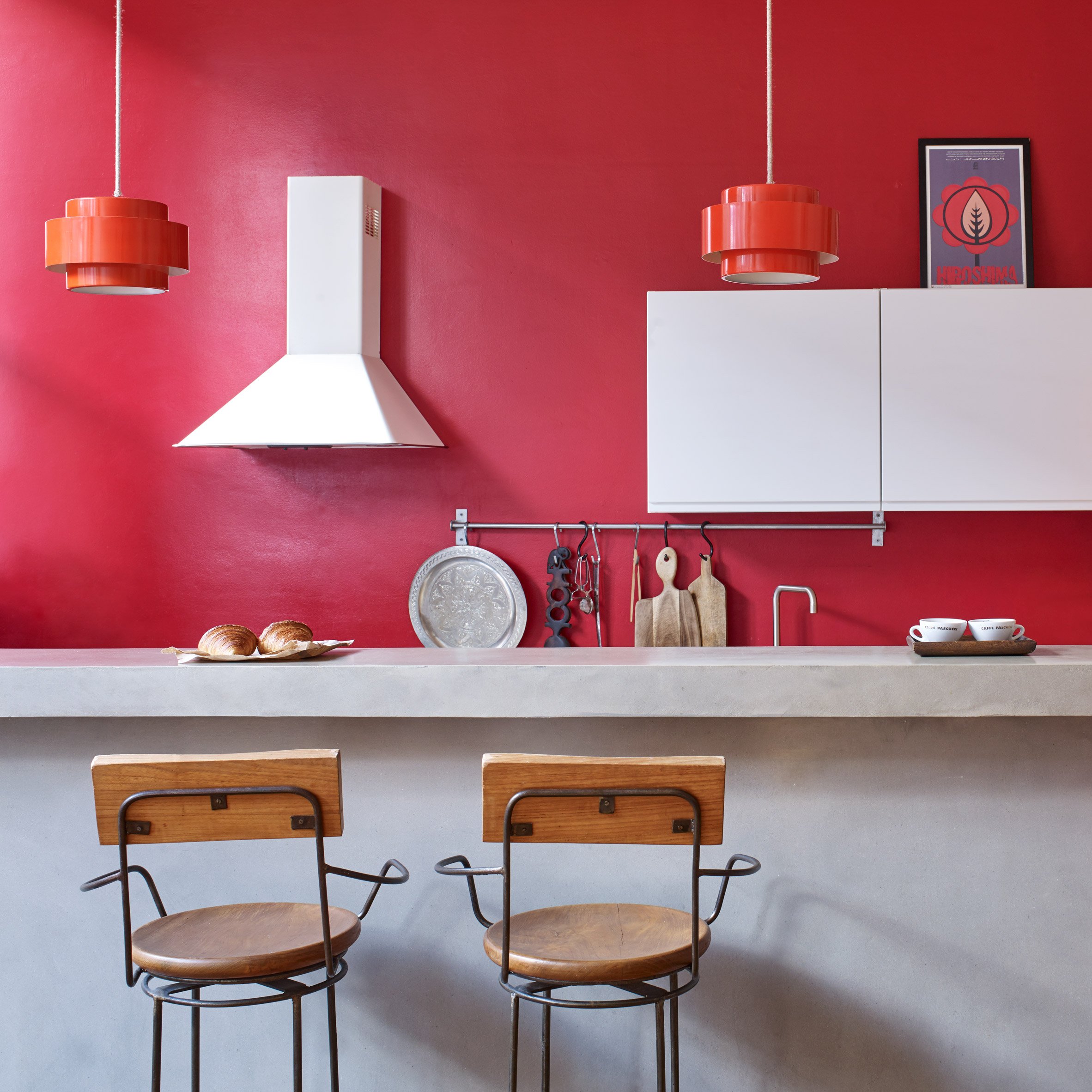
Hackney home by Chantal Martinelli

The bold crimson-red kitchen inside this Hackney home is meant to nod to the vibrant homelands of its owners – architect Chantal Martinelli, who hails from southern Italy, and her husband who is French-Algerian.

Martinelli, who also runs a local design store, has filled the rest of the home with ornaments gathered from North Africa and an abundance of leafy potted plants.

East London Homes book

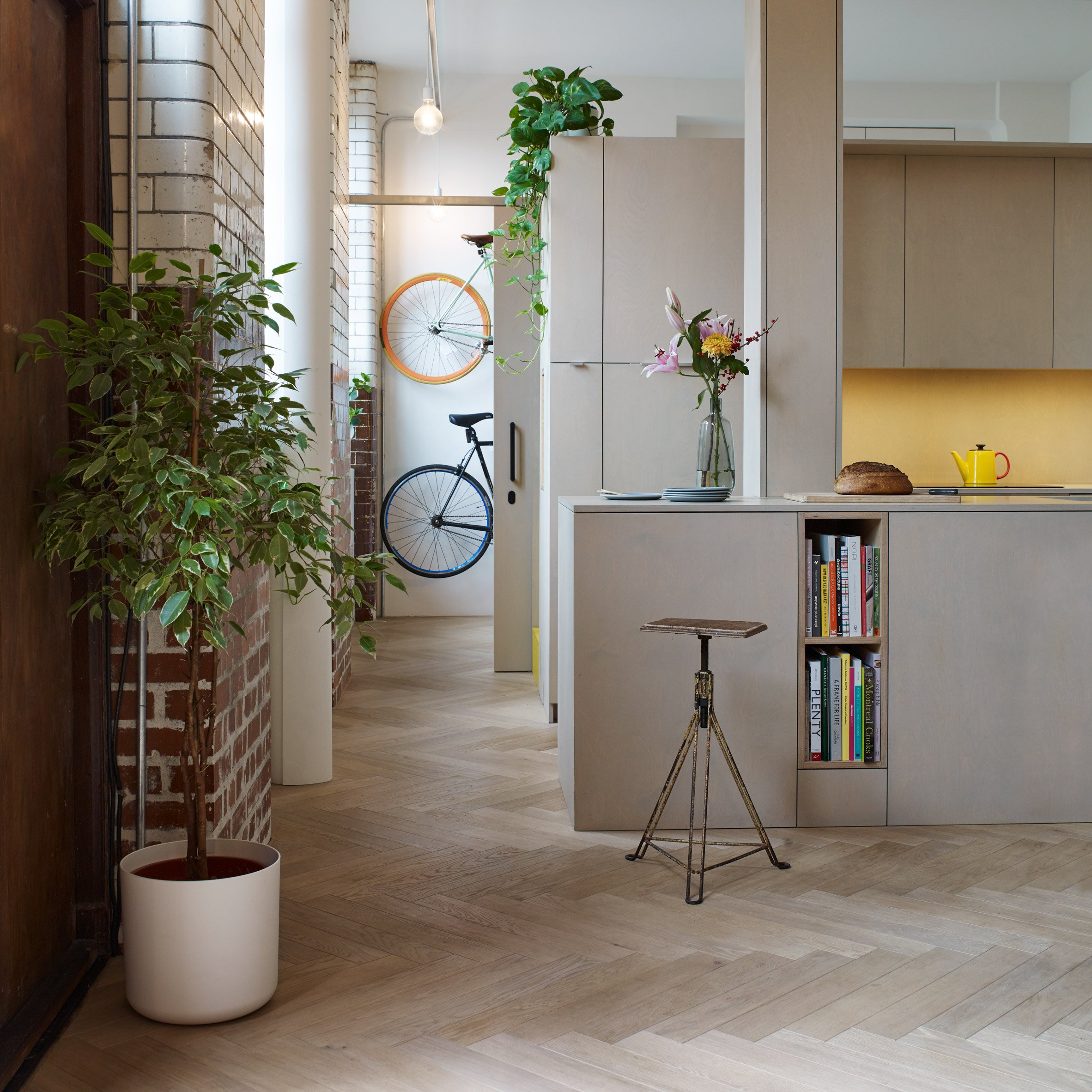
Bethnal Green home by Michael Putman and Sara L'Esperance

Plywood "pods" with in-built storage cupboards neatly tuck away the possessions of architects Michael Putman and Sara L'Esperance, who share this home in Bethnal Green.

The house, which was shortlisted in the 2019 Dezeen Awards, is set inside a former biscuit factory and still boasts some time-worn details, like crumbling glazed-brick walls.

East London Homes book

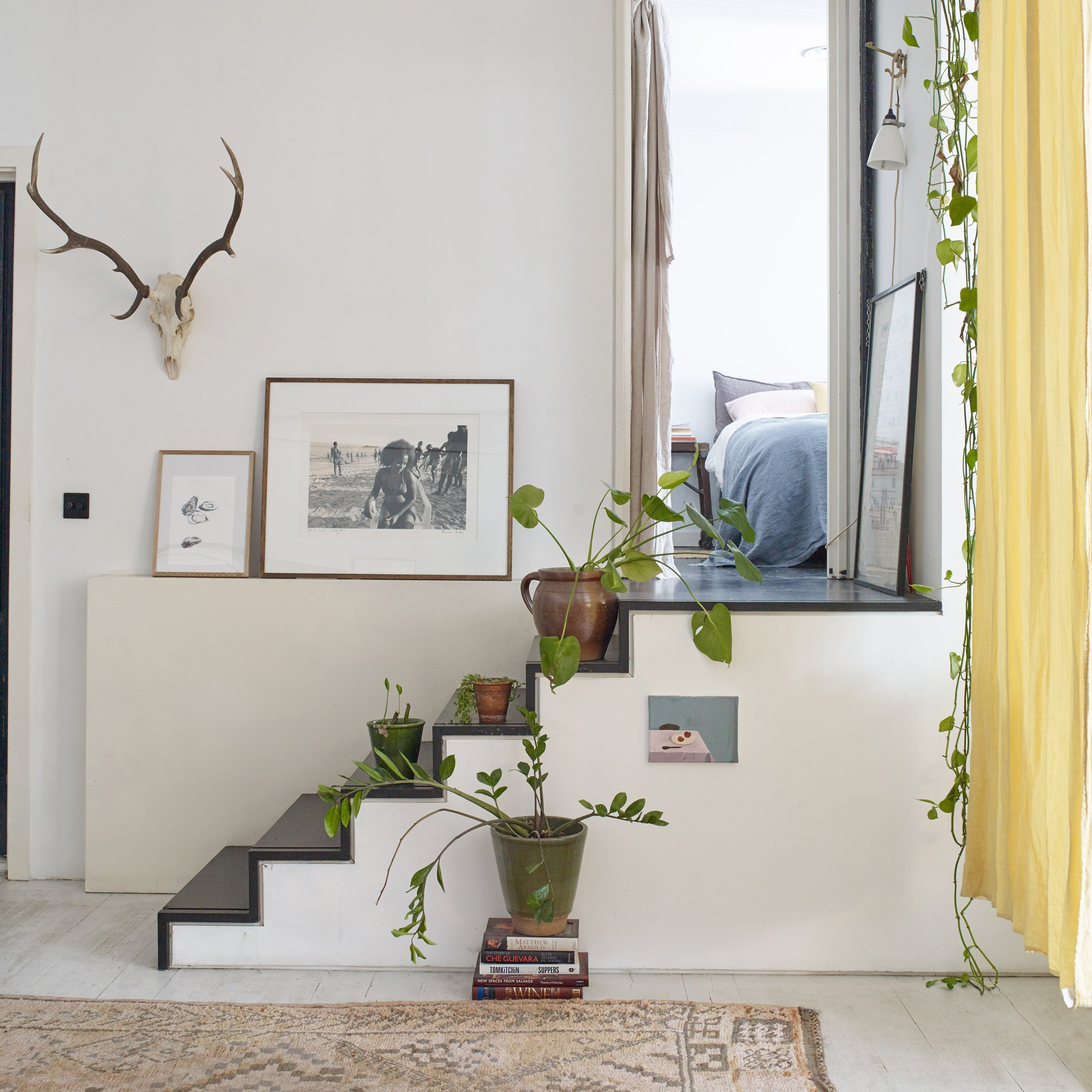
Hackney Wick home by Clare Lattin

A holiday to Morocco inspired restaurateur Clare Lattin to swap the doors in her Hackney Wick home for washed-out linen curtains.

"They have a magical way of doing things [in Morocco]. The colours are always dusty and faded," explained Lattin.

Ornaments and plant pots are casually displayed throughout on stools, the treads of stairs or stacks of books.

The post 10 design-focused dwellings from the East London Homes book appeared first on Dezeen.


from Dezeen https://ift.tt/3dkMW3e

This week, designers responded to the coronavirus outbreak

Oliver Jeffers coronavirus awareness artwork

This week on Dezeen, designers put their skills to use in response to coronavirus by 3D-printing ventilator valves and sharing critical advice.

Italian start-up Isinnova has begun 3D-printing the crucial valves required for hospital ventilators, which help patients suffering from the coronavirus Covid-19 to breathe.

The company's first prototype was developed in just six hours after finding out that the usual supplier for a hospital in Chiari was unable to meet the increasing demand for the valves.

Graphic designers get creative to show support during Covid-19 outbreak
Graphic designers get creative to circulate helpful advice during coronavirus outbreak

Elsewhere, graphic designers took to social media with artworks to encourage more people to follow the vital steps needed to slow the spread of Covid-19.

Among the artists was Juan Delcan, who told Dezeen that "even though we are not doctors or nurses... we artists can help by creating something useful".

Fountain of Hygiene hand sanitiser competition 
Fountain of Hygiene competition calls on designers to rethink hand sanitisers amid coronavirus pandemic

To highlight the importance of hand-washing, Bompas & Parr launched The Fountain of Hygiene competition that invites designers to create new forms of hand-sanitiser pumps.

In Dubai, curators of the Global Grad Show called on universities and students to develop solutions for the issues that have resulted from the spread of the disease.

Italian architect Vittorio Gregotti dies of coronavirus

The designers' efforts coincided with more event postponements this week as a result of the coronavirus outbreak, with Clerkenwell Design Week, AIA and NYCxDesign all being delayed.

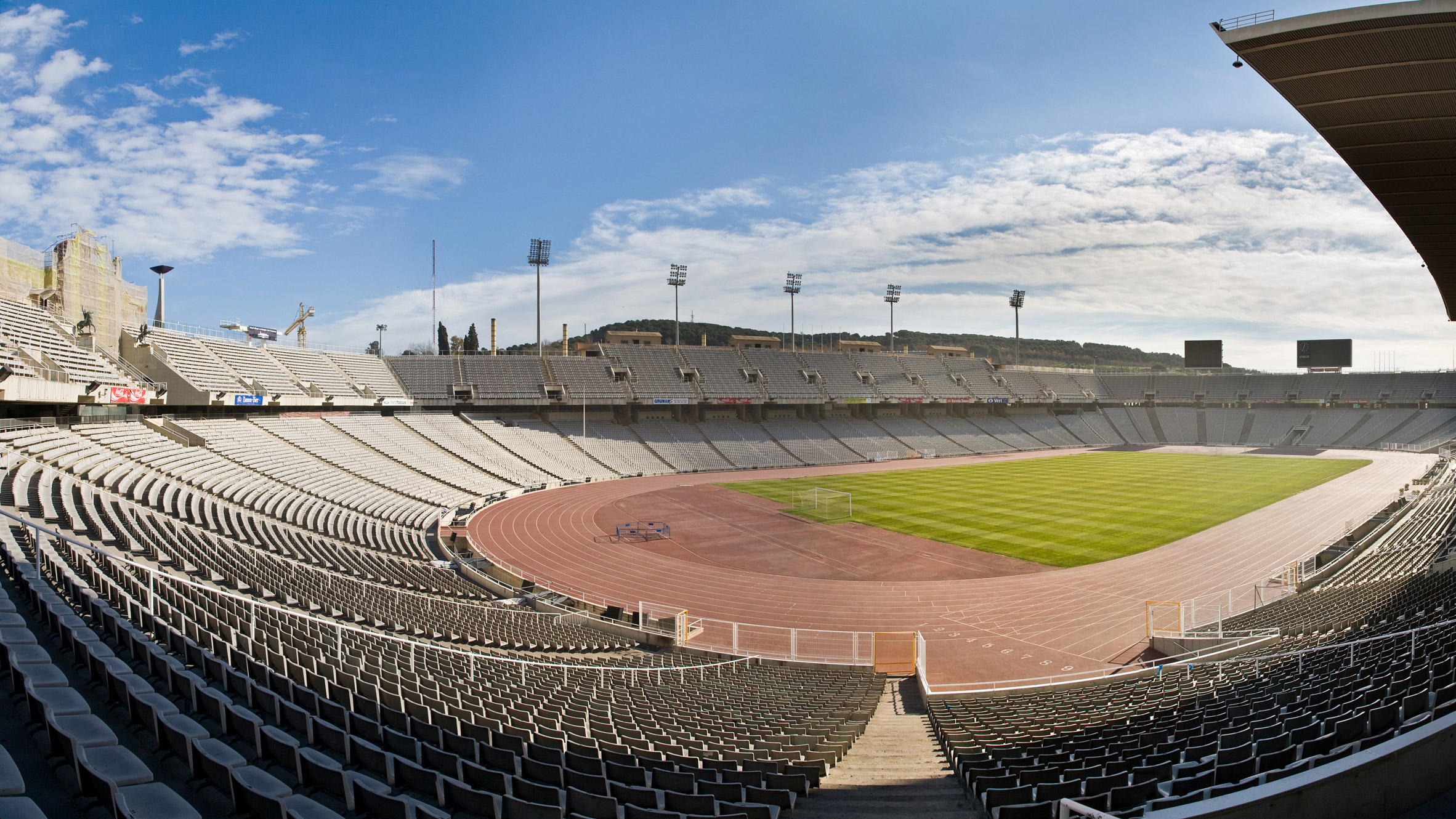
It was also announced that Italian architect behind the Barcelona Olympic Stadium, Vittorio Gregotti, had sadly passed away aged 92 after contracting the disease.

"Glimmer of hope" as studios in China reopen after coronavirus shutdown

However, there were signs of hope as studios working in China told Dezeen that life was returning to normal in the country, as it recorded its first day with no new reported cases.

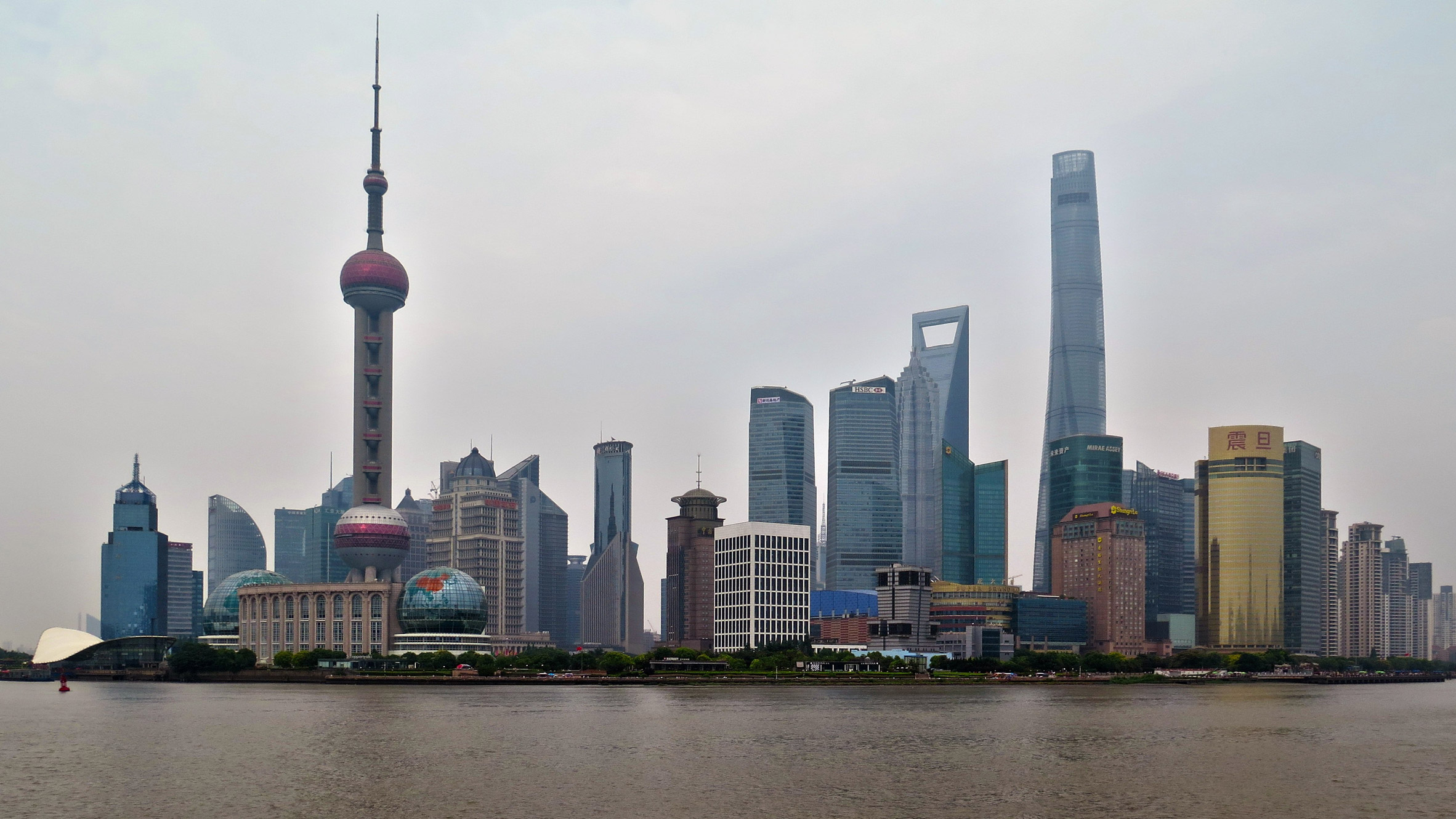
An architect at David Chipperfield's Shanghai office said that "the condition in China is improving quickly, a positive sign that Europe and other parts of world can get through it too".

Exploded View CLT bridge by Paul Cocksedge
Paul Cocksedge to install CLT bridge over Cape Town river

Elsewhere, Paul Cocksedge hit the headlines after revealing plans to install a bridge made from cross-laminated timber over a river in Cape Town.

IJP Architects and AKT II also unveiled a bridge proposal named Dubai Creek Footbridge, which will have views of the world's tallest structure being designed by Santiago Calatrava.

Cockle Bay Park by Henning Larsen for Sydney, Australia
Henning Larsen designs Cockle Bay Park skyscraper on Sydney waterfront

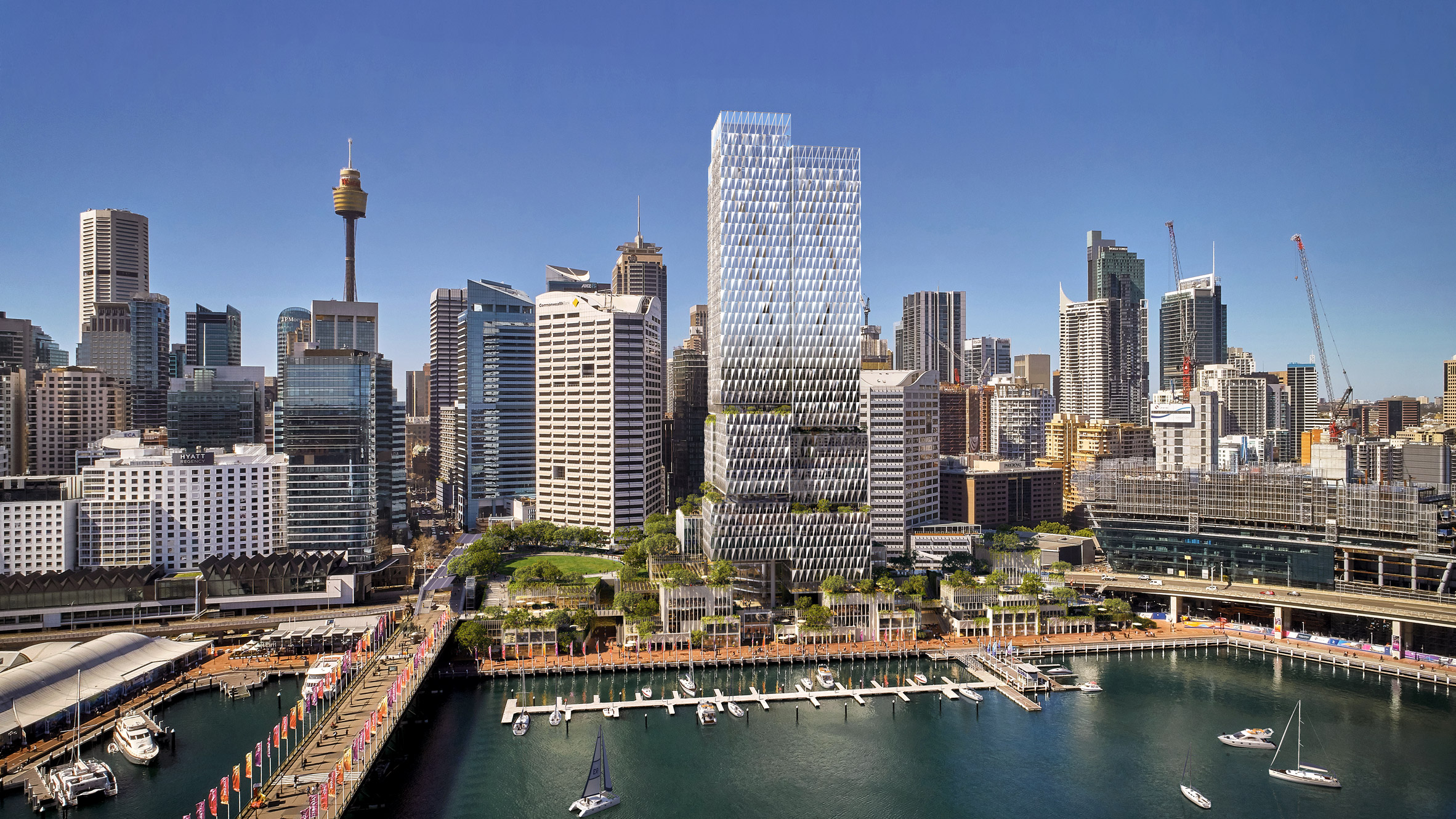
Henning Larsen revealed visuals for a skyscraper in Sydney, which will be 183 metres at full height and form part of Cockle Bay Park on the city's waterfront.

In Chicago, SOM's consulting design partner David Childs updated his design for a pair of towers in the city after his initial proposal was halted.

"My studio is a giant version of my bedroom when I was nine years old" says Thomas Heatherwick in Dezeen's latest podcast

In an exclusive interview, photographer Alastair Philip Wiper told Dezeen that he doesn't "want [his] pictures to tell people what they should think".

Dezeen also released its second Face-to-Face podcast, during which Thomas Heatherwick speaks to editor-in-chief Marcus Fairs about his childhood fascination with engineering and distaste for architectural discourse.

Ogimachi House by Tomoaki Uno Architects
Tomoaki Uno Architects creates peaceful home to be "healing architecture"

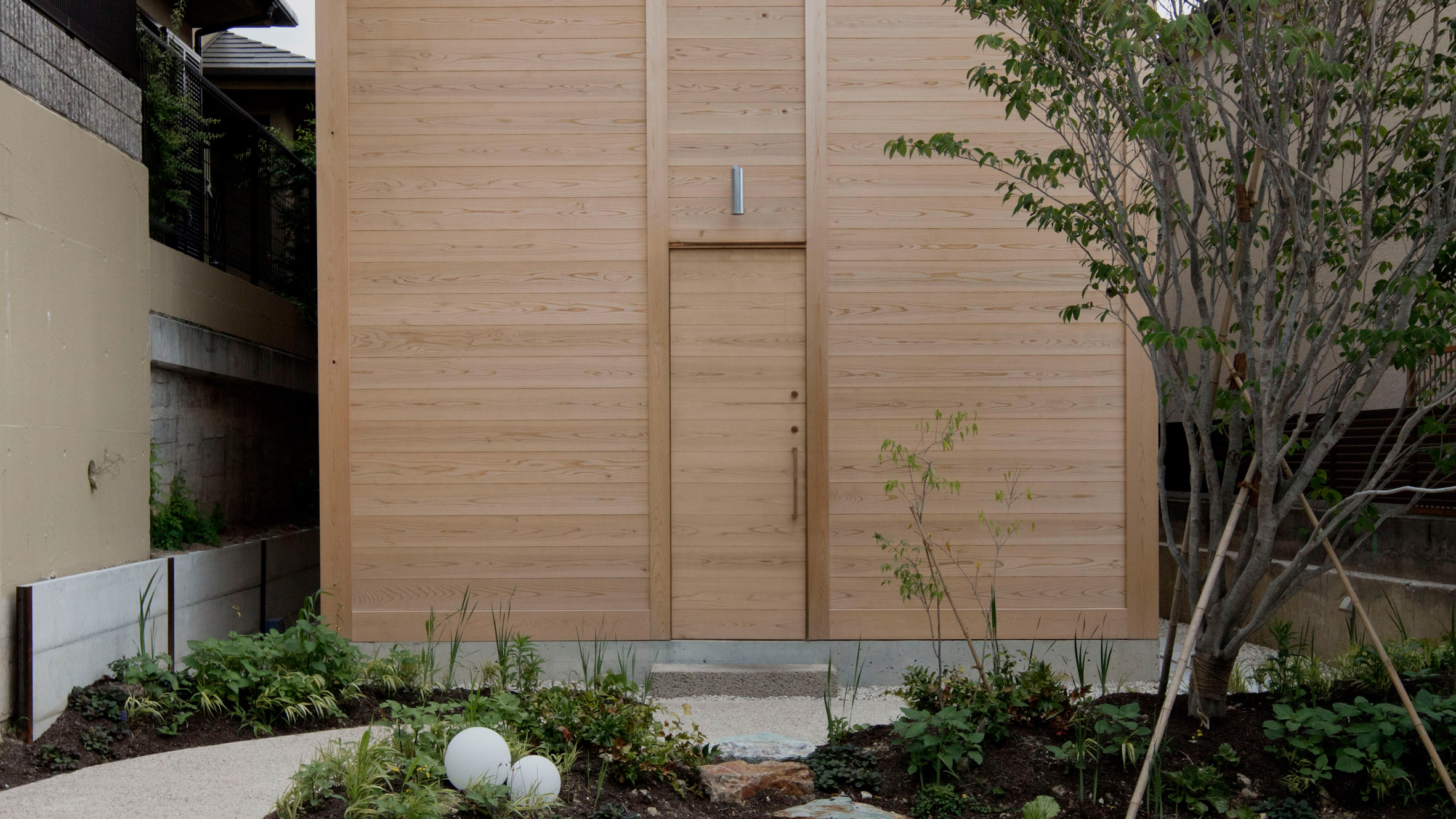
Projects that sparked readers imaginations this week included a wooden house in Japan described by its architect as "healing architecture", a Spanish dwelling with an underground concrete extension and a village residence in India composed of irregularly stacked boxes.

The post This week, designers responded to the coronavirus outbreak appeared first on Dezeen.


from Dezeen https://ift.tt/2QzS0ah

Friday, 20 March 2020

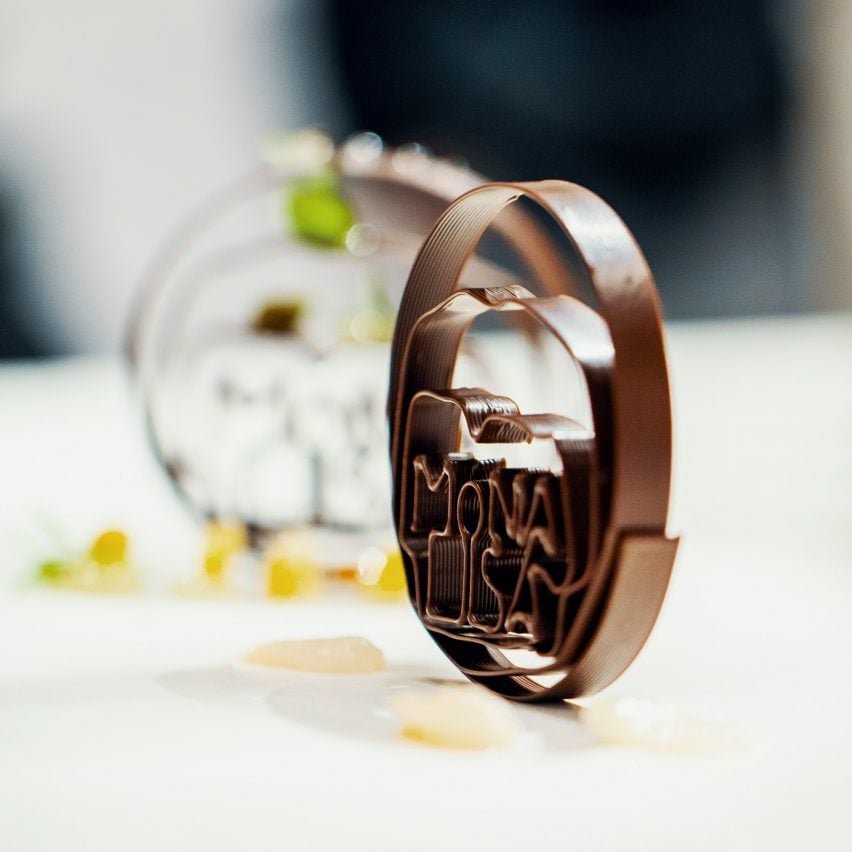
Barry Callebaut 3D-prints intricate desserts in Belgian chocolate

Barry Callebaut 3D-prints intricate desserts in Belgian chocolate

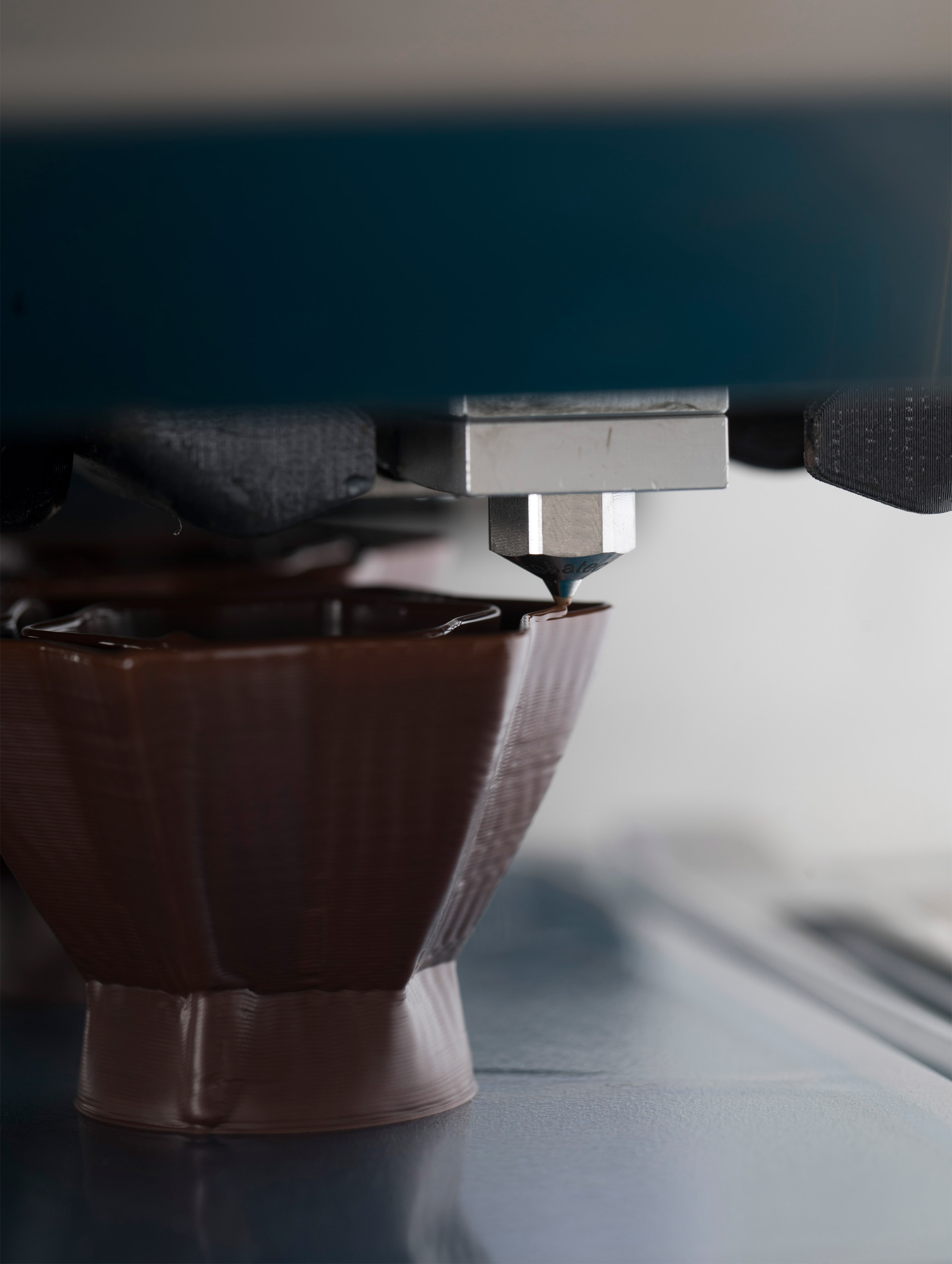
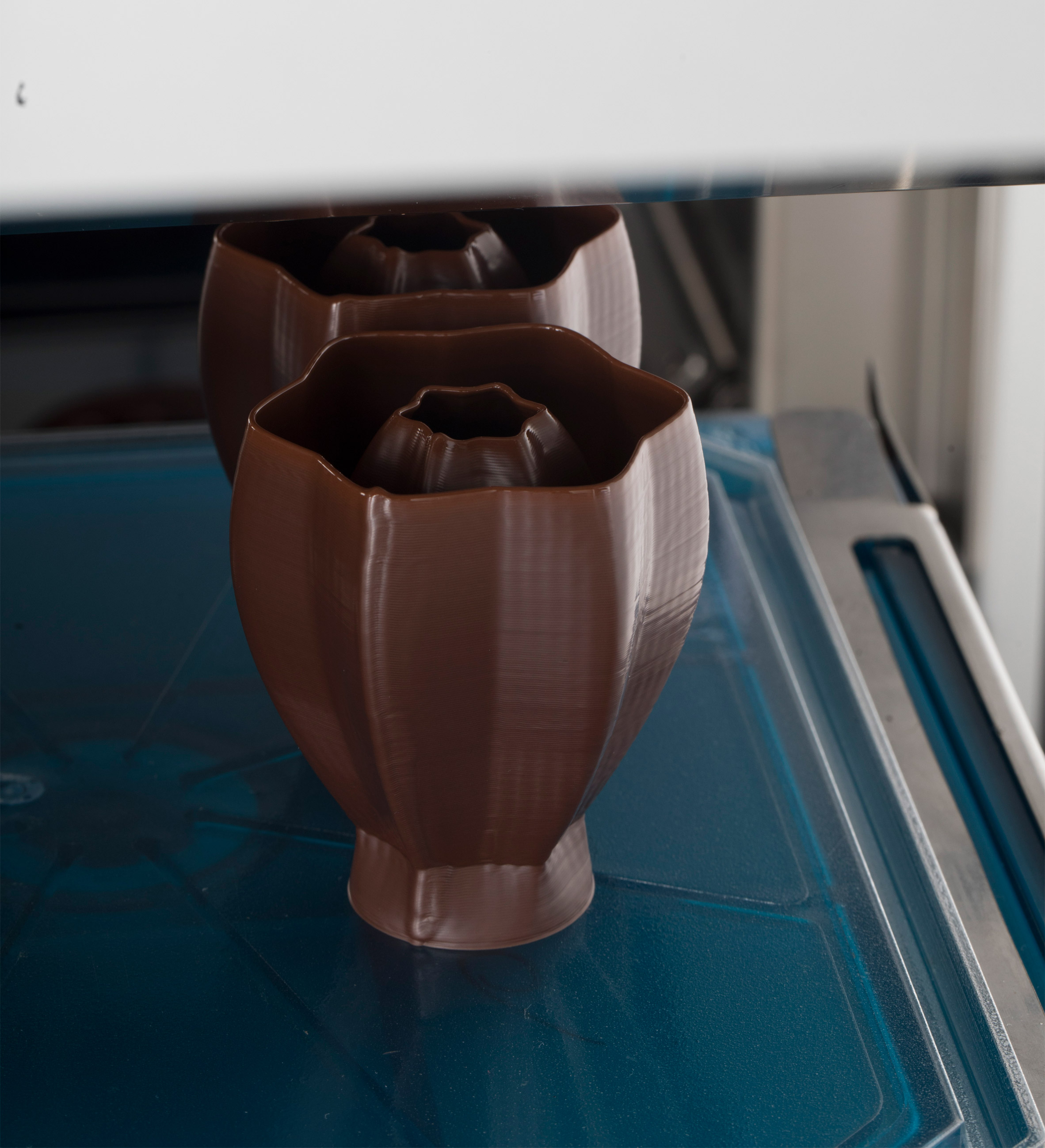
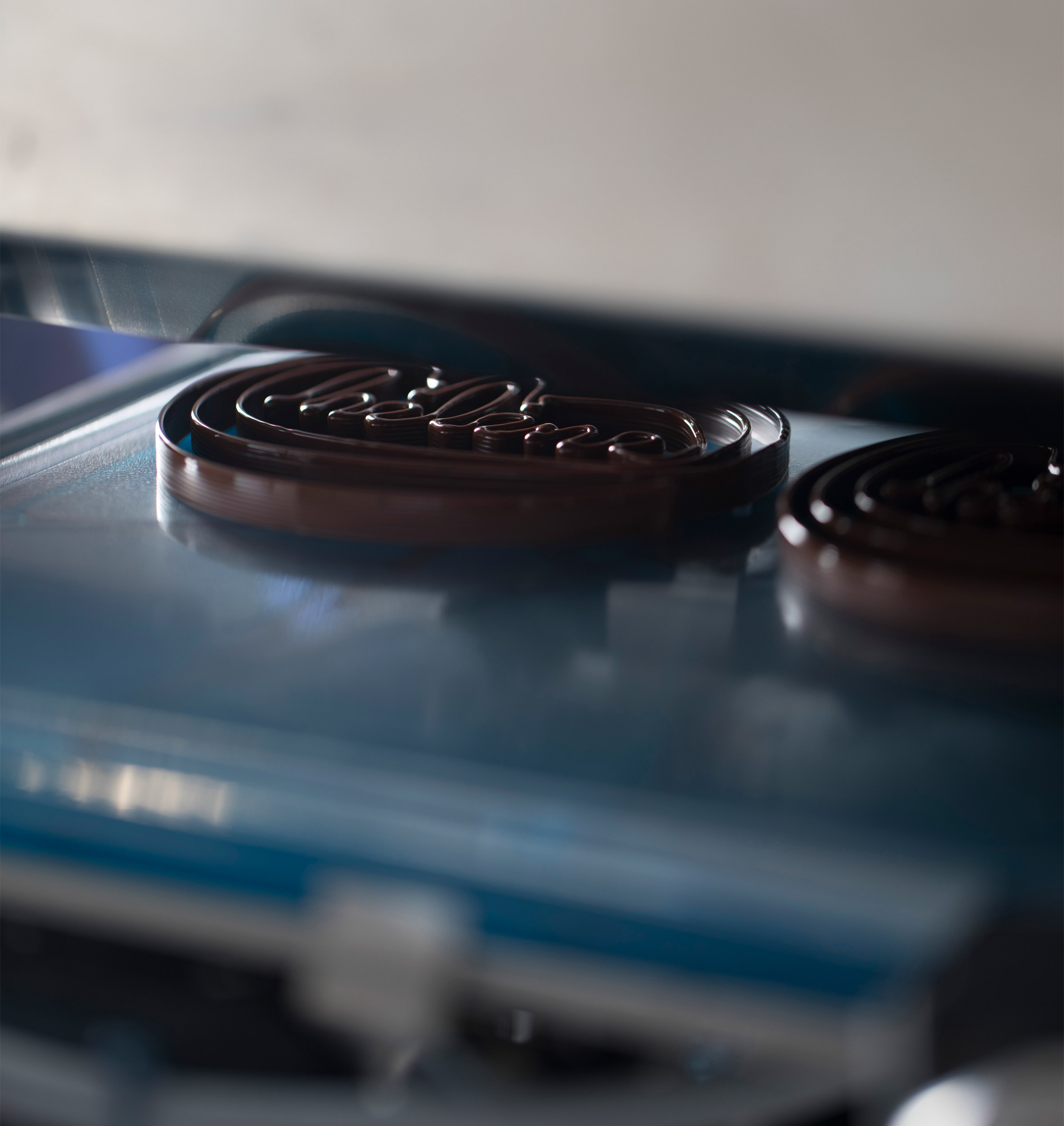
Chocolate manufacturer Barry Callebaut has set up a dedicated 3D-printing studio for desserts, providing chefs with an opportunity to create bespoke designs that can be reproduced at scale.

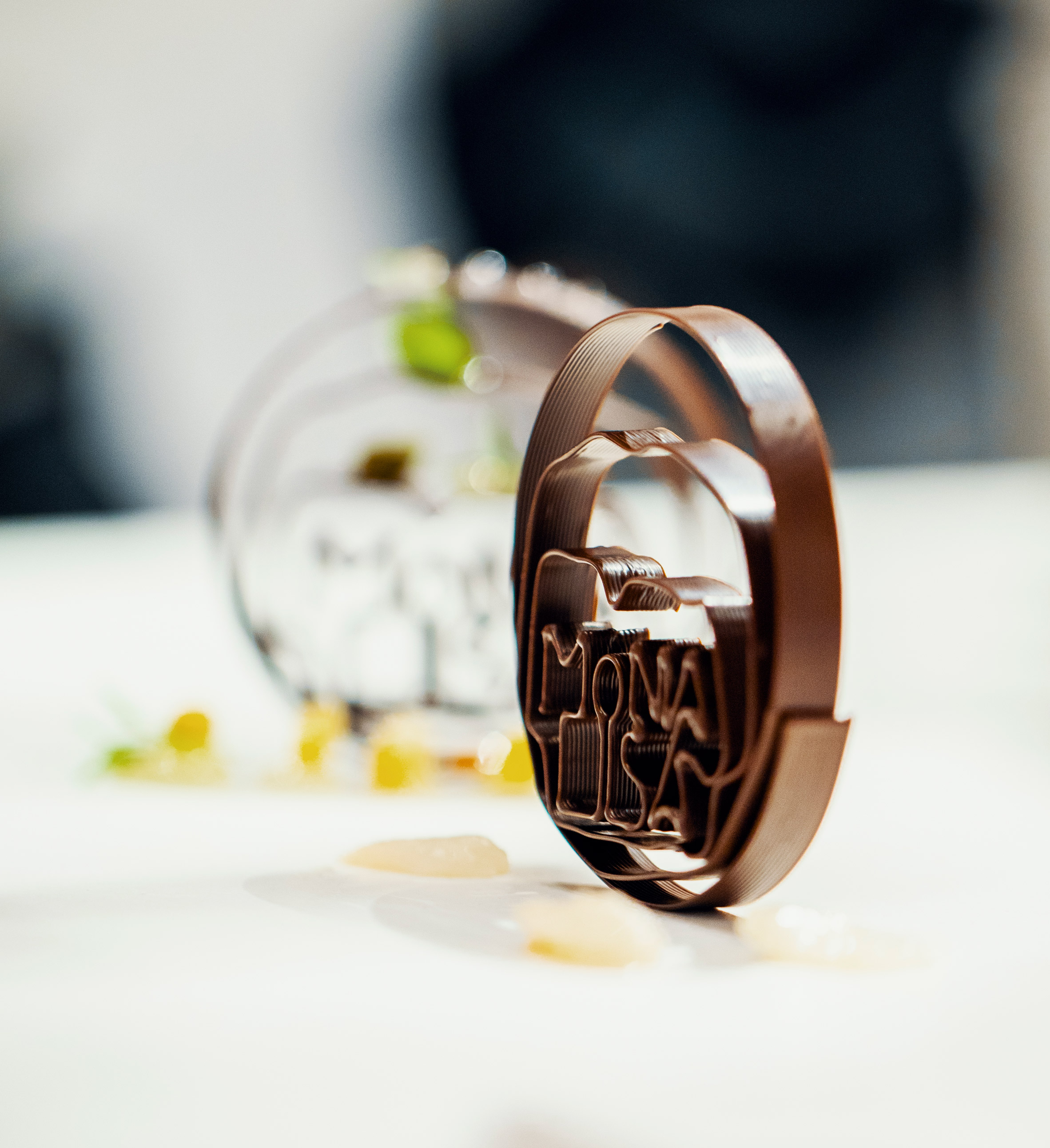
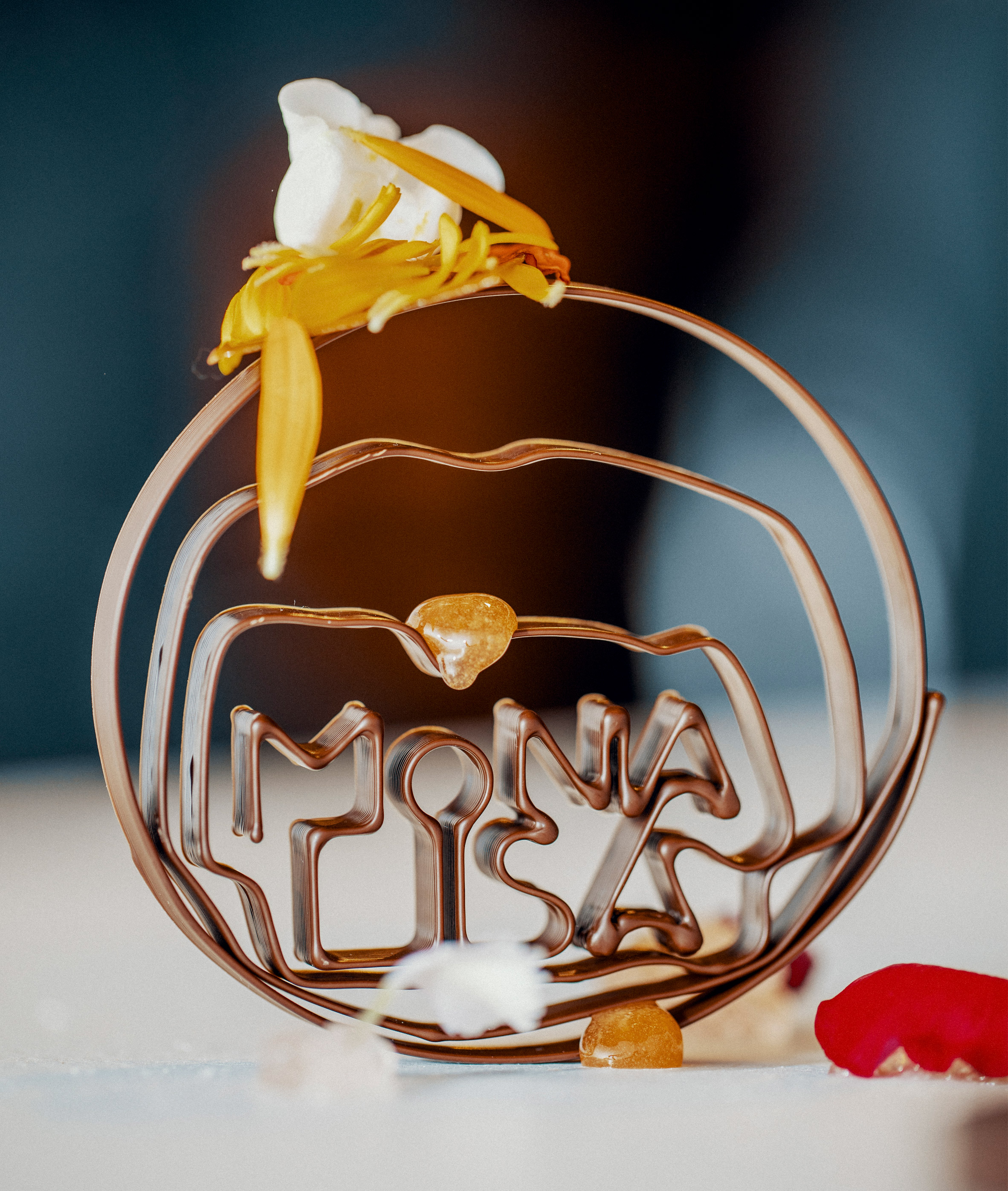
The Barry Callebaut Group's global decoration brand, Mona Lisa, is responsible for launching what the group described as "the world's first personalised 3D-printed chocolate at scale".

Chefs can develop their own intricate or unique creations in collaboration with Mona Lisa 3D Studio, which will reproduce them in the desired quantity using its advanced printing technologies.

Barry Callebaut 3D-prints intricate desserts in Belgian chocolate

"Mona Lisa 3D Studio enables you to wow your guests or customers with unseen chocolate experiences, and with innovative shapes and designs that were impossible to be produced before," said the brand.

"It is the first and only studio in the world where we 3D-print your creations or designs in real, delicious chocolate at scale," it added. "And where you can co-create with our design teams to explore new ideas, shapes and experiences."

Barry Callebaut 3D-prints intricate desserts in Belgian chocolate

The printing process was developed in response to increasing demand for more experiential dining, particularly among millennials.

The technology allows chefs to devise desserts that are more personalised or interactive, and therefore more likely to be shared on social media.

Barry Callebaut 3D-prints intricate desserts in Belgian chocolate

Mona Lisa 3D Studio partnered with renowned pastry chef Jordi Roca of Catalonian restaurant El Celler de Can Roca to develop a signature dessert for the project's launch that showcases the possibilities of 3D-printing technology.

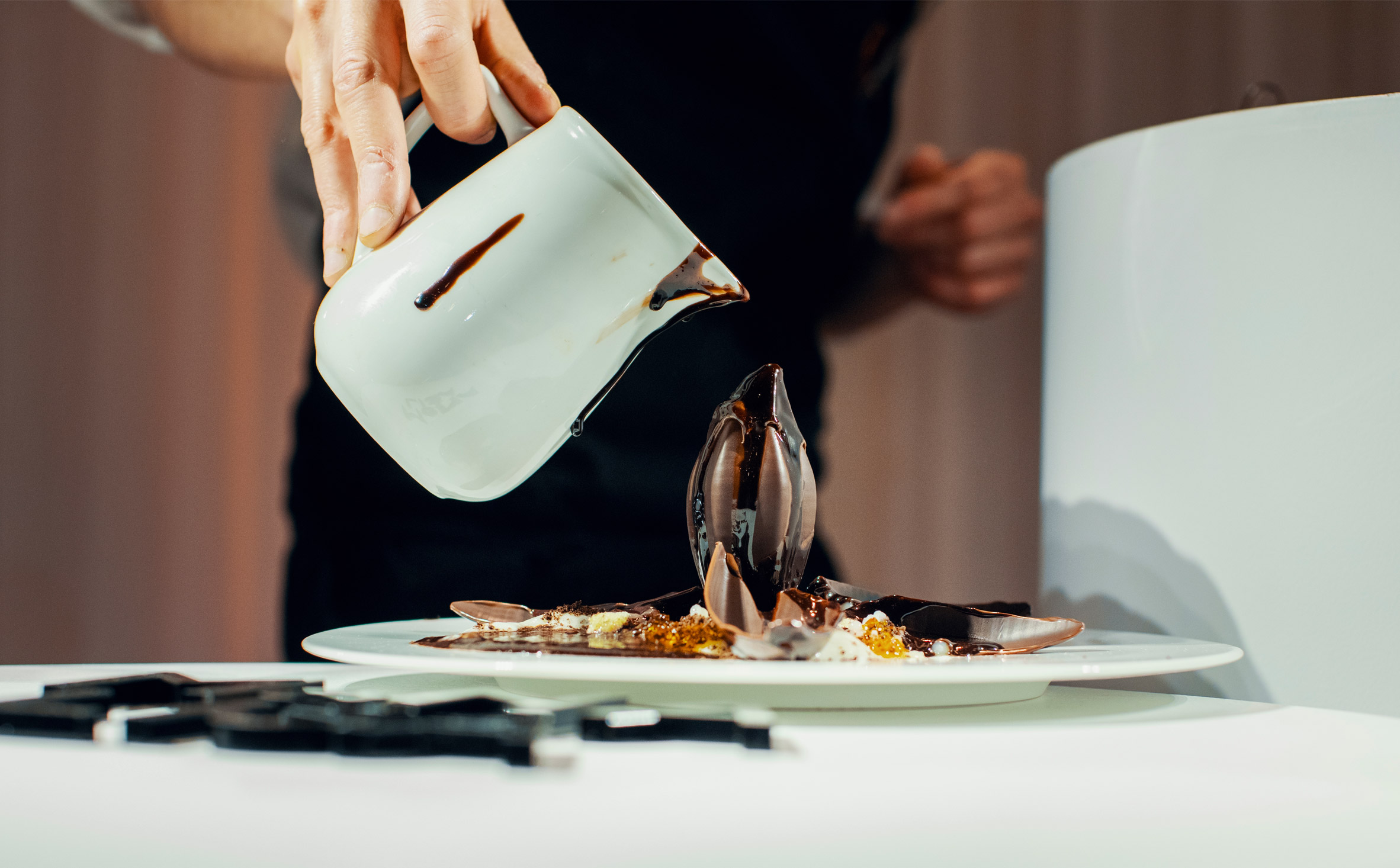
Roca collaborated with designer Andreu Carulla's technical studio ACID to devise the Flor de Cacao – a 3D-printed chocolate dessert that resembles a cocoa bean.

When hot chocolate sauce is poured on top, the printed form opens up like a cacao flower.

Barry Callebaut 3D-prints intricate desserts in Belgian chocolate

"This new way of working with chocolate is going to take consumers by surprise," said Roca, "with previously unthinkable shapes produced at scale and with impressive precision."

"I'm usually inspired by the things I can't do as they represent a creative challenge," the chef added. "But now I can take my chocolate craftsmanship to the next level. I can imagine any new kind of design and it will come to life."

Barry Callebaut 3D-prints intricate desserts in Belgian chocolate

A team of designers at Mona Lisa 3D Studio will work with chefs and customers to develop personalised chocolate decorations through a process involving digital prototyping.

The approved designs can then be reproduced quickly and affordably at scale using the company's patented printing technology. The brand is initially targeting chefs, hotels, coffee chains and restaurants in specific European countries.

For the project's launch event, Roca also developed You, a personalised dessert with the name of the guest rendered in chocolate.

Roca's handwriting was digitised and translated into a ribbon-like printed form that became the centrepiece of the dessert.

Barry Callebaut 3D-prints intricate desserts in Belgian chocolate

Several other designers have experimented with printing chocolate and other foodstuffs in recent years.

As early as 2013, designer Janne Kyttanen told Dezeen that food would be "the next frontier" for 3D printing. He supported his claim with a series of prototypes for printed pasta, breakfast cereal and burgers.

Dutch design studio Michiel Cornelissen Ontwerp has developed a proposal for a chocolate printer that would produce objects sent to it through an app, while Italian bioengineer Giuseppe Scionti has 3D printed a vegan steak from plant-based proteins.

The post Barry Callebaut 3D-prints intricate desserts in Belgian chocolate appeared first on Dezeen.


from Dezeen https://ift.tt/2xQ440i

Pentagram designs branding for CBD sparkling drink Fountain to "stand out"

Fountain branding by Pentagram

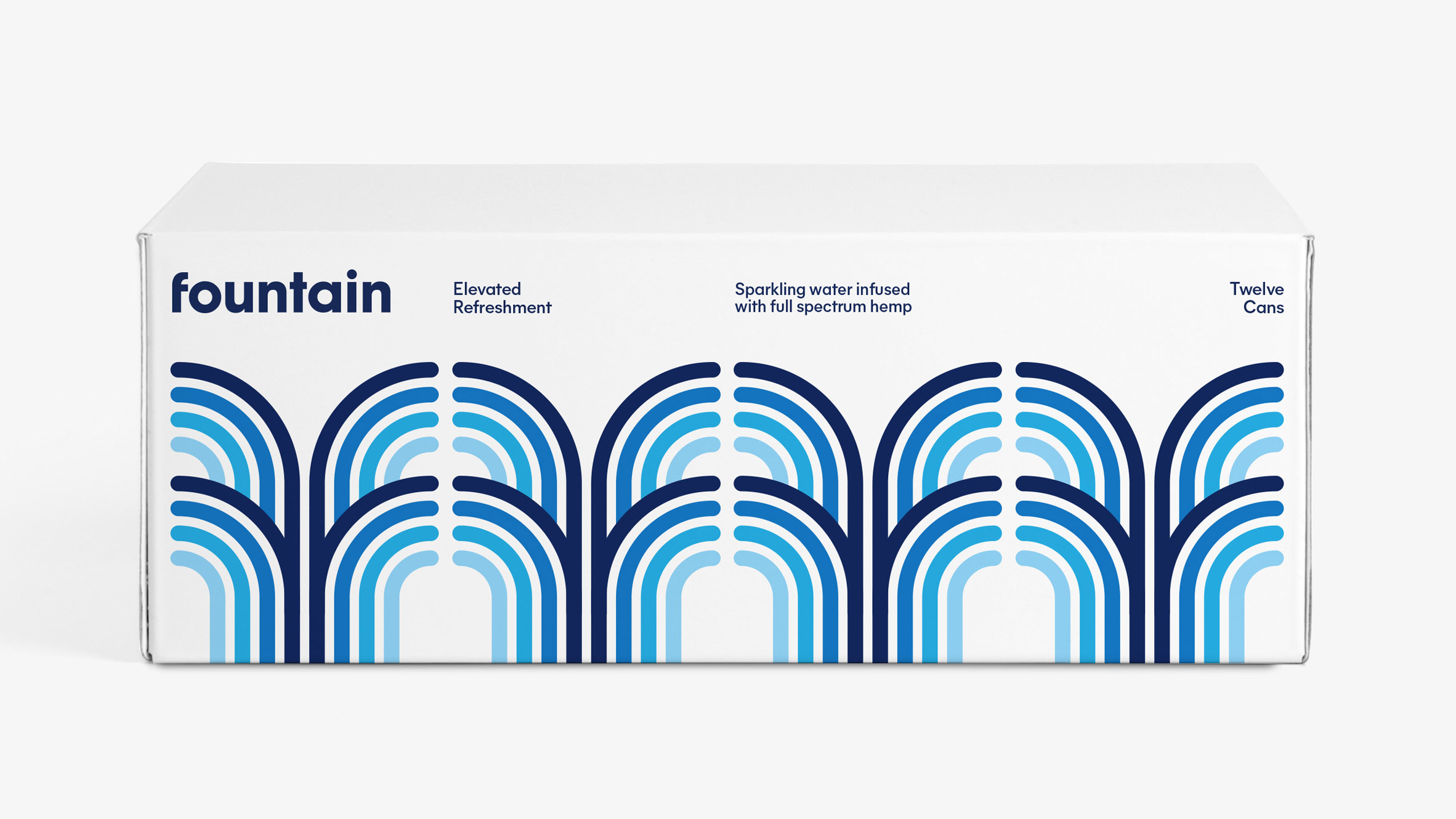
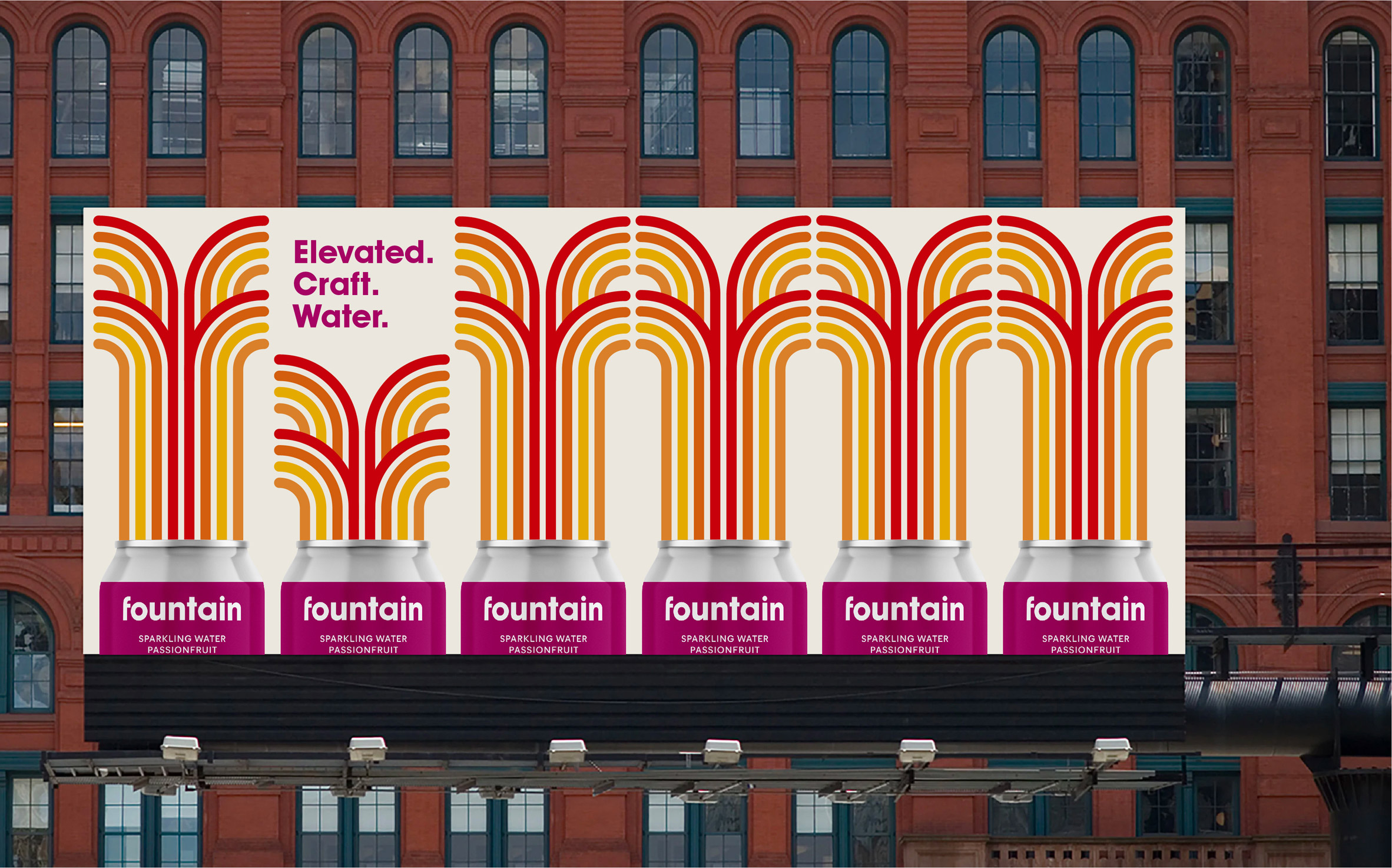
Pentagram has created the brand identity for Fountain, a craft CBD sparkling-water drink, to feature curving lines modelled on the shape of the letter "f".

Fountain branding by Pentagram

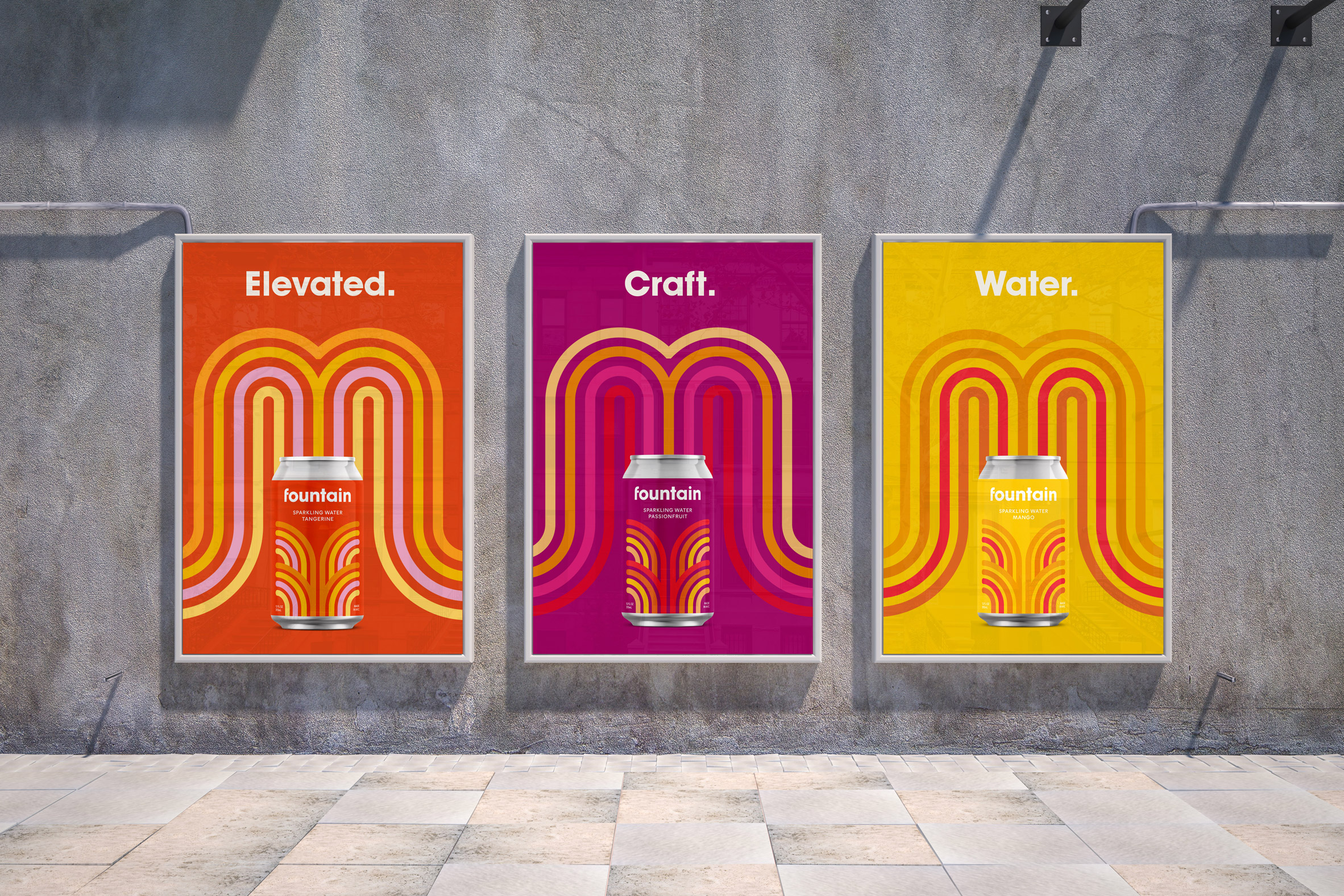
Fountain is a New York City drink brand of carbonated water infused with hemp-derived CBD and all-natural flavours, including cucumber, passionfruit, tangerine and mango.

Also known as cannabidiol, CBD has grown in popularity as a legal, lighter strain of cannabis that can be used to reduce stress and anxiety, and induce calming effects.

Fountain branding by Pentagram

Pentagram partner Michael Bierut said he wanted to create an identity that would stand out among the competition. According to the team, both CBD and sparkling water industries have grown significantly in recent years and are now billion-dollar industries.

"Pentagram designed a colourful brand identity for Fountain that helps it stand out in the category," the team said.

Fountain branding by Pentagram

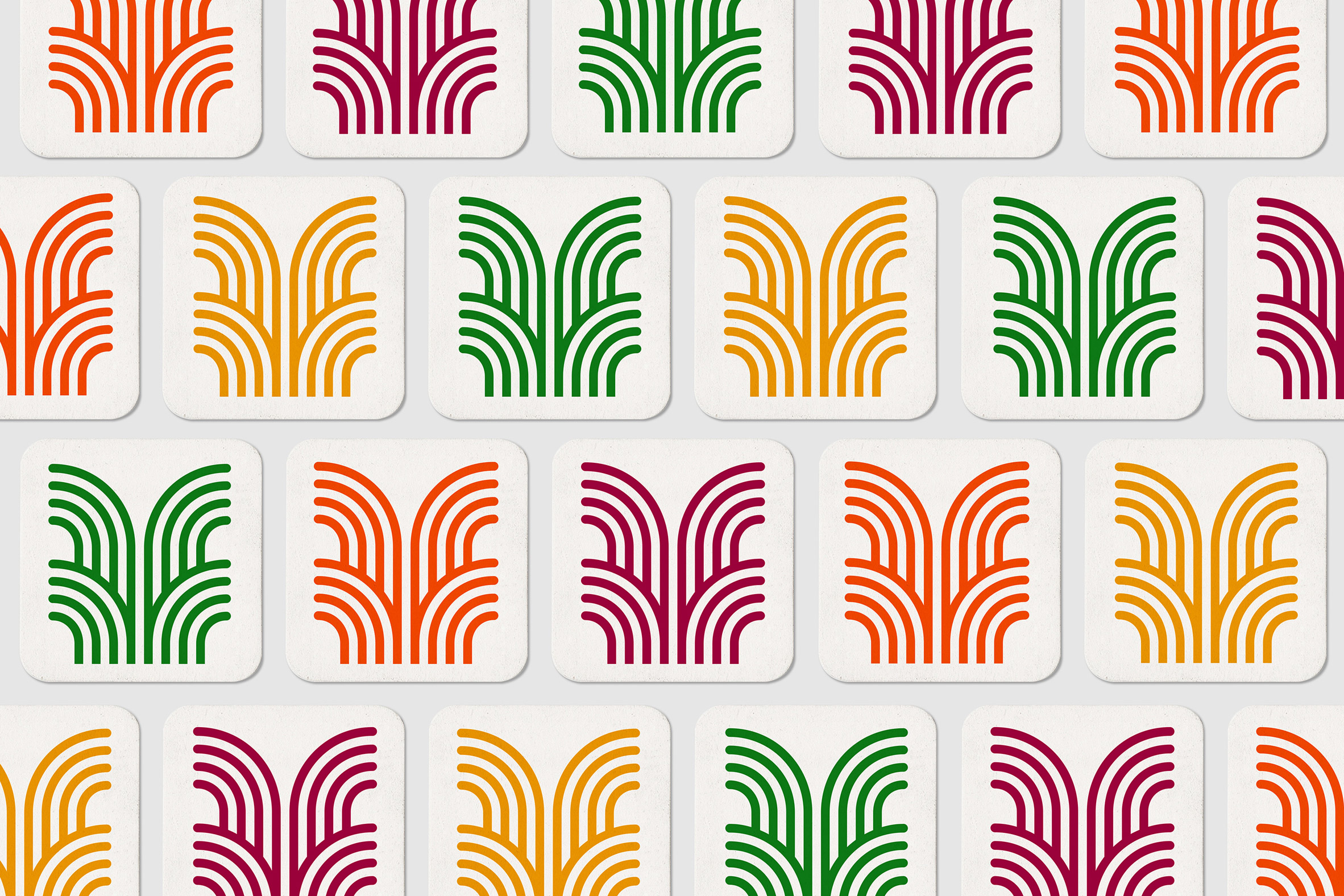
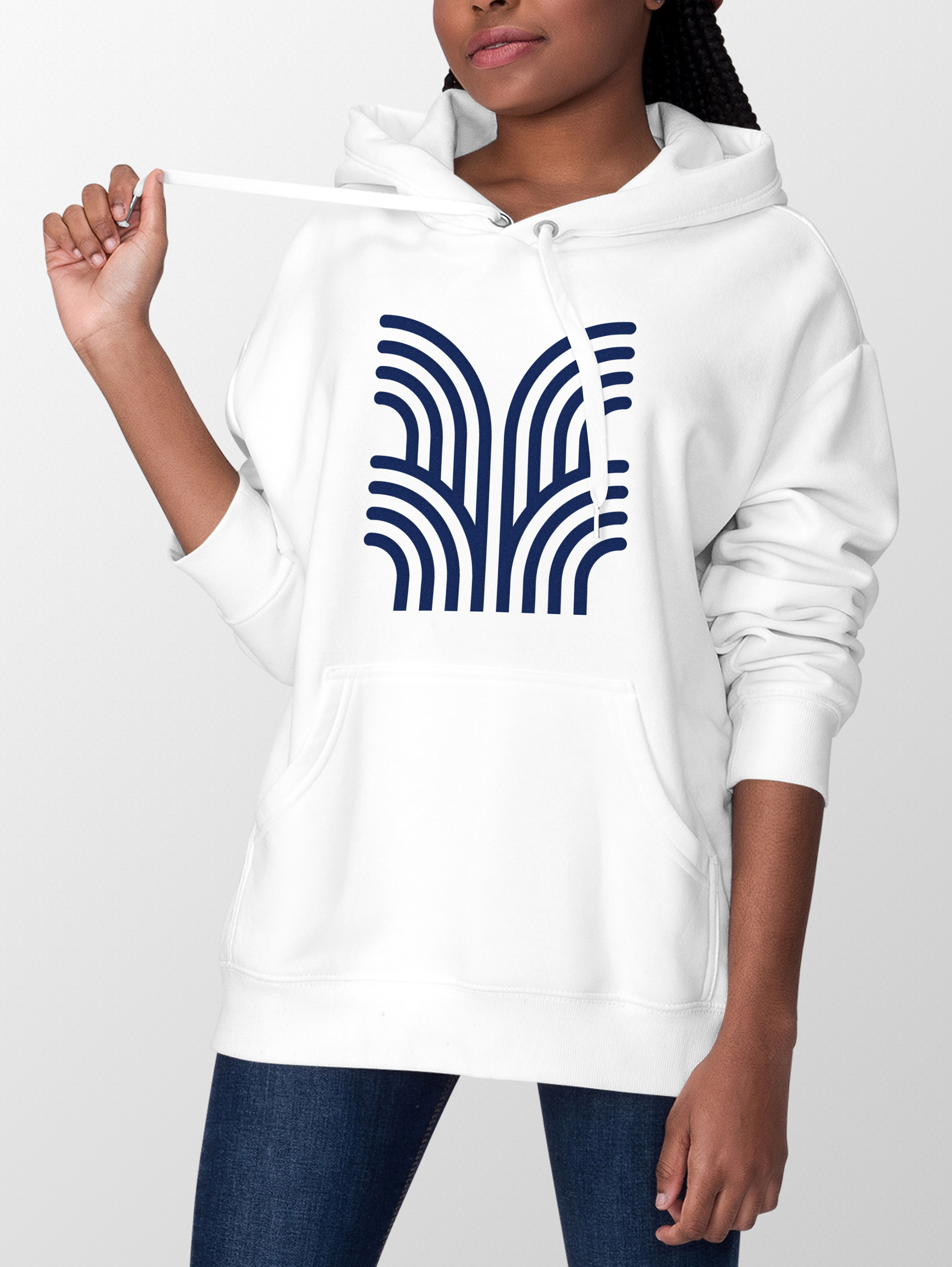
For the logo, Pentagram chose to mimic the look of the letter "f", taken from the drink's name. It takes a single lower-case "f" and adds several curved lines in incremental order to it.

The design is reflected across the face of the aluminium drink to create a mirrored image.

Colours used on the cans vary depending on the flavour, hues of green and blue are used on the cucumber variety, while bright yellow and orange adorn the mango.

"The logomark is built of a linear pattern inspired by the name and organic ingredients, and can appear in a variety of colours for different flavours," Pentagram added.

Fountain branding by Pentagram

A sans serif wordmark set in Avant Garde type spells out "fountain" to accompany the logo. This font shares similar geometric forms and stroke weights with the logo. Pentagram redrew the lowercase "f" for the word so it matches the version in the logo.

Fountain branding by Pentagram

In addition to the beverage cans, the geometric patterns are used on Fountain's colourful promotional materials, packaging, advertisements and store display boards. The New York company has also added the logo and linear patterns to other objects, including coasters and apparel such as sweatshirts and tote bags.

The popularity of CBD has grown in US states in recent years as it offers a way around tight marijuana legislation. Also in New York City is the Standard Dose store, which sells a range of CBD-based products.

Fountain branding by Pentagram

Pentagram is a design consultancy established in 1972. In addition to the New York office that worked on this redesign, the company operates several other offices in San Francisco, Austin, Berlin and London.

Its other branding projects include a redesign for Mastercard, which involved removing the company's name from the logo and new branding for Yahoo that gives the Internet company a "21st-century identity".

The post Pentagram designs branding for CBD sparkling drink Fountain to "stand out" appeared first on Dezeen.


from Dezeen https://ift.tt/2Wsptal

Companies rally to produce crucial supplies in the fight against coronavirus

Companies rally to produce crucial supplies in the fight against coronavirus

Elon Musk, car manufacturer Vauxhall, Gucci parent company Kering and beer maker BrewDog are among the brands that have offered up money and production lines to create the items needed to treat and contain the coronavirus.

Manufacturers of essential medical devices such as ventilators and antiviral products such as hand sanitser are struggling to keep up with the unprecedented demand, as outbreaks of coronavirus continue around the world.

In response, numerous companies with similar production capabilities and material resources – including automotive, cosmetics and alcohol manufacturers – are stepping up to bolster the supply.

Engineering companies explore manufacturing ventilators

Tesla and SpaceX founder Elon Musk tentatively offered his companies' support in producing more ventilators, as European countries and the United States report shortages.

"We will make ventilators if there is a shortage," Musk tweeted

Ventilators are life-saving medical devices that are used to mechanically fill the lungs of patients with oxygen, which can become infected and fill with fluid in severe cases of coronavirus.

"Tesla makes cars with sophisticated hvac systems," Musk added. "SpaceX makes spacecraft with life support systems. Ventilators are not difficult, but cannot be produced instantly."

In the UK, car manufacturer Vauxhall has said that it can 3D-print ventilator parts in its Ellesmere Port plant, in response to an appeal by prime minister Boris Johnson.

The UK's health secretary Matt Hancock has confirmed that the National Health System's 5,000 adult-sized ventilators would not nearly be enough to meet demand, while the German and Italian governments have placed orders for another 10,000 and 5,000 units respectively.

Other car brands including Rolls-Royce and Jaguar Land Rover, as well as General Motors and Ford in the US, have also said that they are looking into the practicalities of how they could help. Multinational plane manufacturer Airbus is doing the same in its teams across the UK, France, Spain and Germany.

However, experts including Helen Meese, founder of medical technology consultancy The Care Machine, have cautioned that the industry's stringent regulations could stand in the way of production.

She told CNN Business that "being able to turn production lines manufacturing processes over is not something that can be done overnight, it will take many weeks".

Alcohol and cosmetics brands turn to hand sanitiser

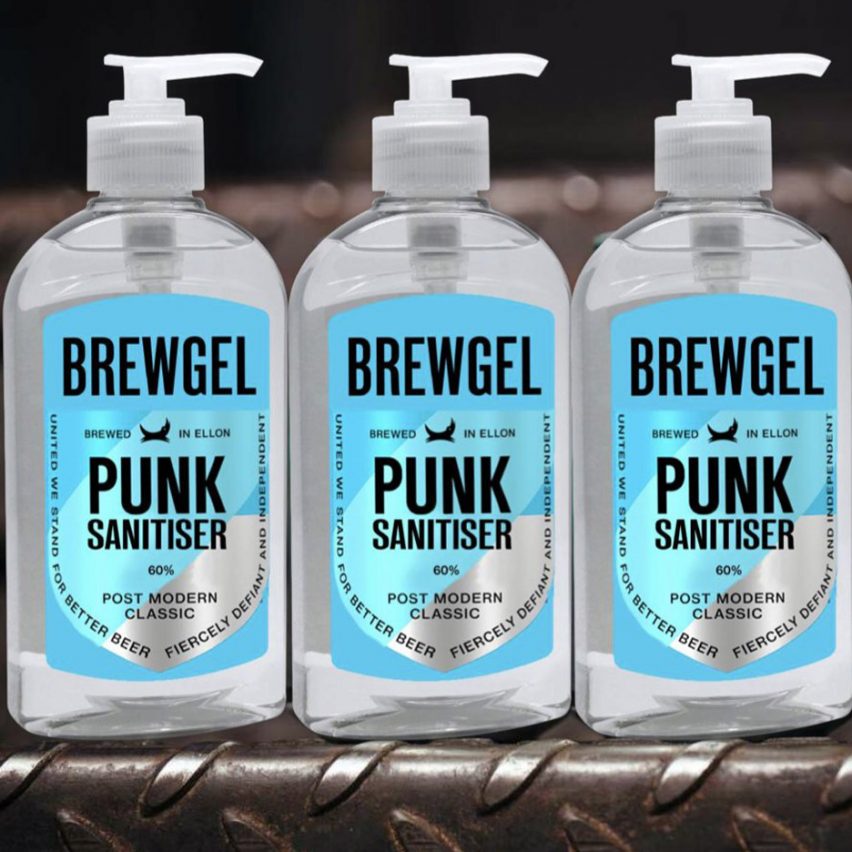
As stocks of hand sanitiser and its constituent ingredients are running low across Europe, UK brewery BrewDog, Deeside Distillery, Verdant Spirits and LVMH have all repurposed factories to begin production of the antiviral gel.

Hand sanitisers are effective against viruses provided that they have an alcohol content of at least 60 per cent, meaning they can help to slow the spread of the pandemic alongside regular hand washing.

LVMH, the French conglomerate behind fashion house Louis Vuitton, is retooling three of its cosmetics factories to produce 12 tonnes of sanitising gel, which will be delivered to hospitals in Paris free of charge.

BrewDog is making the product in its distillery, with the aim of providing it to those in need from next week. Deeside Distillery near Aberdeen and Dundee's Verdant Spirits will also begin production in the weeks ahead.

Italian fashion houses show their support

With stocks of medical equipment running low in Italy, Miuccia Prada and Patrizio Bertelli, CEOs of the Prada Group, have contributed six fully equipped intensive care and resuscitation units to hospitals in Milan.

Italy is now the world's worst-affected country, as the death toll has overtaken that of China and hospitals are struggling to accommodate the influx of patients.

Others have opted to donate money instead, with French luxury group Kering donating £1.82 million to health care organisations in the country's worst-affected areas.

After recently resorting to live streaming its Milan Fashion Week show due to coronavirus fears, Giorgio Armani is giving £1.14 million to four hospitals in Rome and Milan.

The post Companies rally to produce crucial supplies in the fight against coronavirus appeared first on Dezeen.


from Dezeen https://ift.tt/2QzCo6p