The concept for this year’s identity centres on a series of symbols which represent the beam of light from a film projector, the way your eye reacts to light, and the Sun.

from It's Nice That https://ift.tt/2UcXUA4
The concept for this year’s identity centres on a series of symbols which represent the beam of light from a film projector, the way your eye reacts to light, and the Sun.
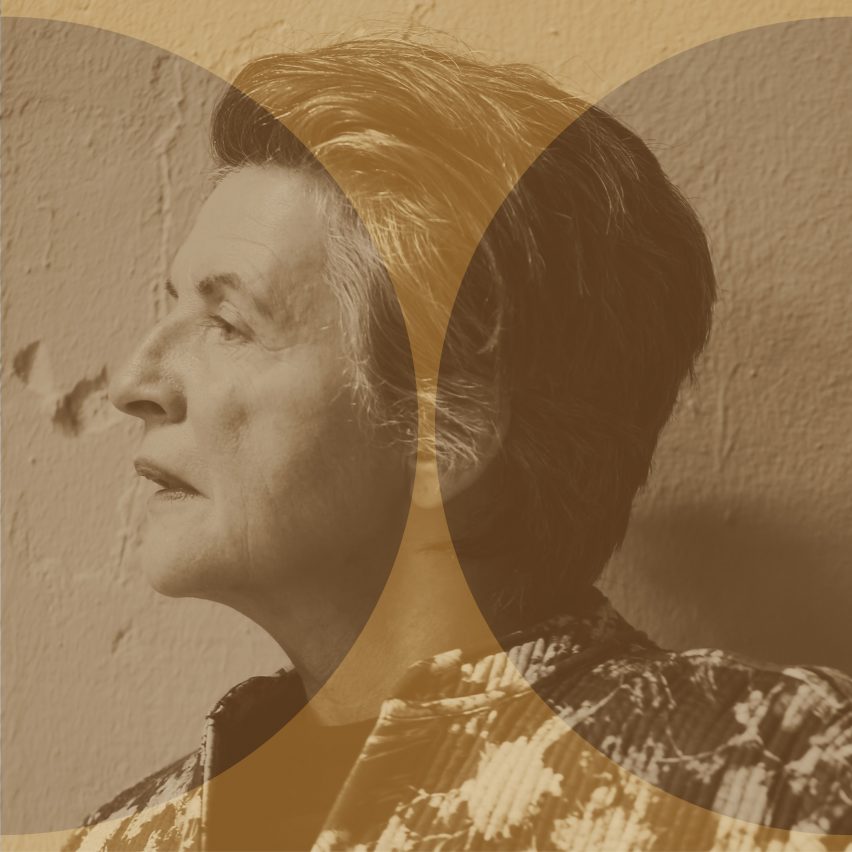
Dezeen's Face to Face podcast series continues with a conversation with Dutch industrial designer Hella Jongerius, who explains how she grew up on a tomato farm and discovered her creative ability when she took an evening course in carpentry.
Listen to the episode below or subscribe on Apple Podcasts, Spotify and Google Podcasts to catch the whole series.
In the Face to Face series, Dezeen's founder and editor-in-chief Marcus Fairs sits down with leading architects and designers to discuss their lives and careers.
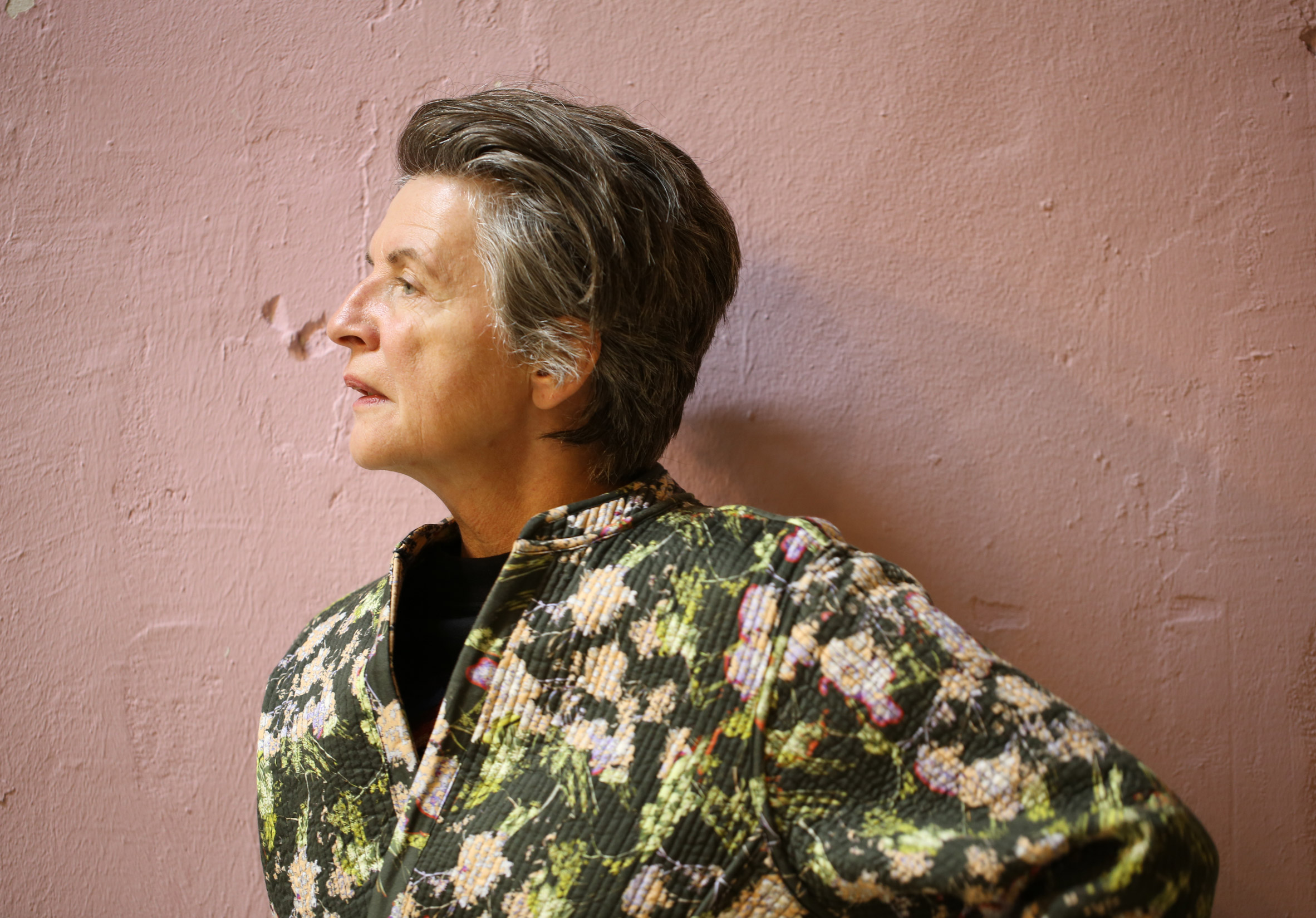
Jongerius, known particularly for her influential work with colour and textiles, is not afraid to speak out about the industry and about her gender.
"I find it stupid," she said when asked how she feels about being regarded as the world's most important female designer. "As if my creativity is in my breasts."
Raised on a tomato farm
The daughter of a tomato farmer, Jongerius' childhood was devoid of cultural experiences. Her earliest brush with designing and making came via traditional women's handicrafts.
"I was raised up in the 70s and we girls sat together and knitted and macraméed and decorated our rooms," she said in the interview. "The creativity was in the air and I knew I had intelligent hands."
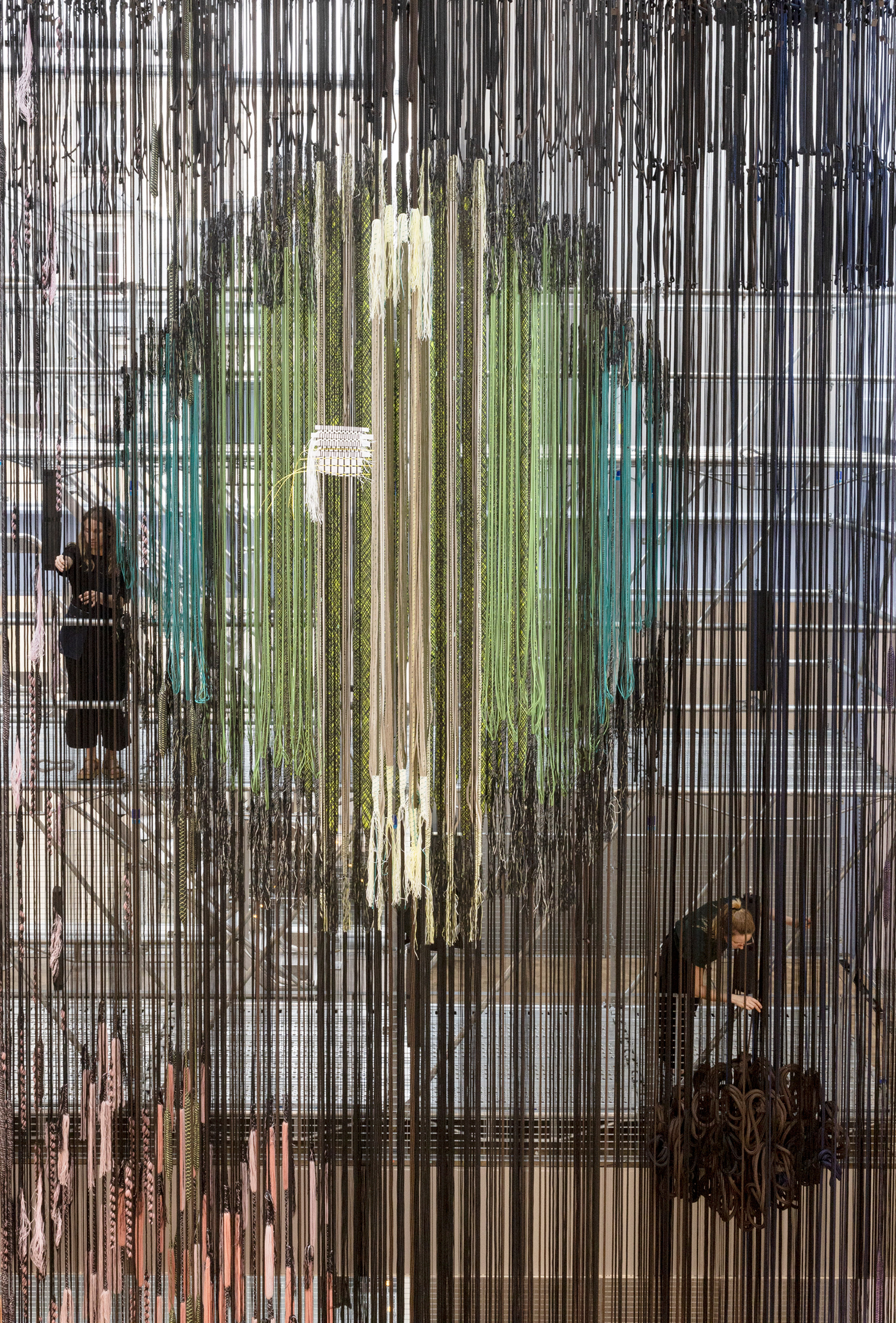
She initially rejected attempts to persuade her to pursue such stereotypical activities.
"A teacher once told me 'you have to do something with textiles' and I was not interested at all," she remembered in the interview. "I thought they had pushed me in the female corner but in the end I knew my talents were in that direction."
She studied creative therapy but abandoned her course, instead taking an evening class in carpentry and discovering a talent for it. She decided to go to design school but was initially rejected by Design Academy Eindhoven for being "too technical".
Designing for Vitra and KLM
She was eventually accepted and graduated from the academy in the early 1990s. She then became part of Droog, a highly influential design collective started by Gijs Bakker and Renny Ramakers that launched the careers of a new generation of Dutch designers including Jongerius, Richard Hutten and Marcel Wanders.
She quickly began to get work from design brands around the world including New York textile firm Maharam and Swiss furniture brand Vitra.
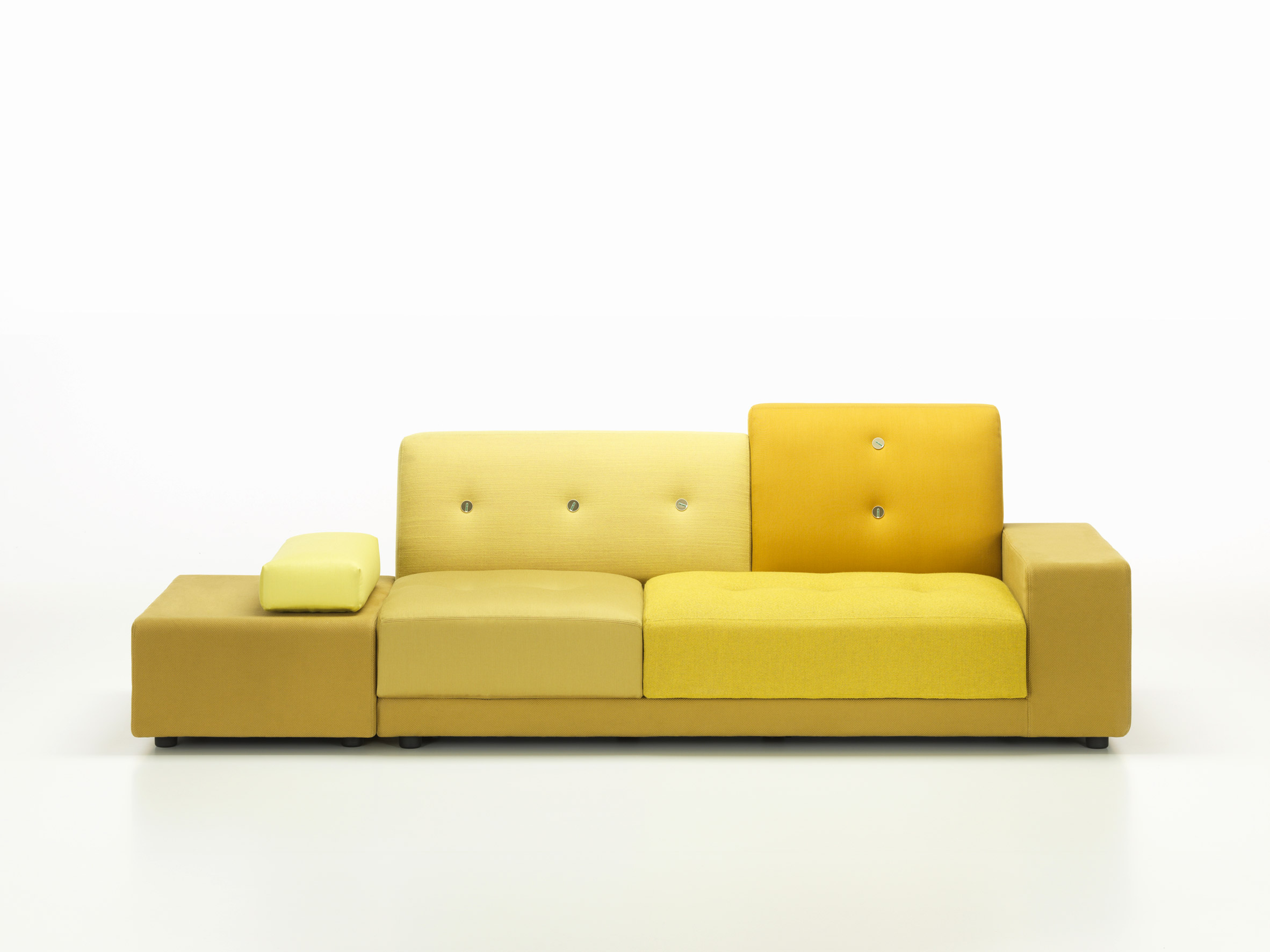
The radical, blocky Polder sofa she designed for Vitra in 2005 became one of its best-selling products. However, when Vitra's then-chairman Rolf Fehlbaun first asked her to design it, her reaction was: "I don't have a sofa. I hate sofas!"
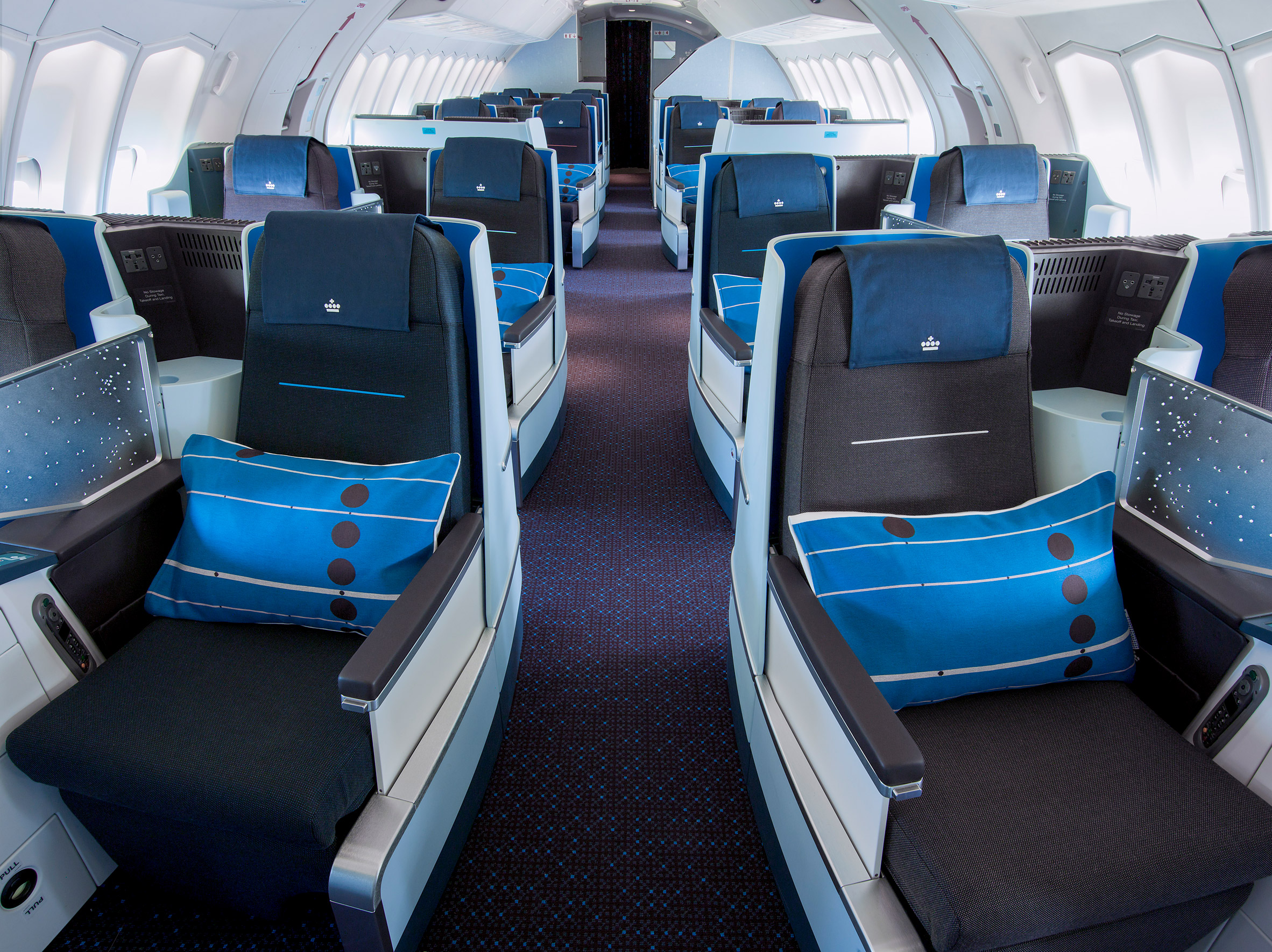
Jongerius has also worked with Dutch airline KLM to transform its cabin interiors, using textiles and colour in a way never before seen in aviation design.
"I think we created a human space within this very hard industrial world and inconvenient space," Jongerius explained.
"Too much shit design"
Jongerius has previously spoken out about the wastefulness of industrial production. Her 2015 manifesto Beyond the New, written with theorist Louise Schouwenberg, called for an end to "pointless products, commercial hypes and empty rhetoric" in design.
"There's too much shit design," she said in the podcast. "It's easy to say but the answer is so much more difficult."
However, Jongerius remains optimistic about the role designers can play.
"I want to fight the battles within the industry," she said. "It is slow, it's boring and it's bullshit but there are the real challenges and there we can really change something."
Produced by Dezeen's in-house creative team Dezeen Studio, Face to Face episodes will be released every Tuesday for the next eight weeks. Interviewees will include David Chipperfield, Roksanda Illinčić and Tom Dixon.
Designer Thomas Heatherwick featured on the previous episode of Face to Face, where he discussed his childhood fascination with engineering, his distaste for architectural discourse and how he completed his first building while still a student.
The podcast features original music composed by Japanese designer and sound artist Yuri Suzuki.
Face to Face is sponsored by Twinmotion, the real-time architectural visualisation solution that can create immersive photo and video renders in seconds.
Subscribe to Dezeen's podcasts
You can listen to Face to Face here on Dezeen or subscribe on podcast platforms such as Apple Podcasts, Spotify and Google Podcasts.
The post The design industry is "slow, boring and bullshit" says Hella Jongerius in Dezeen's latest podcast appeared first on Dezeen.
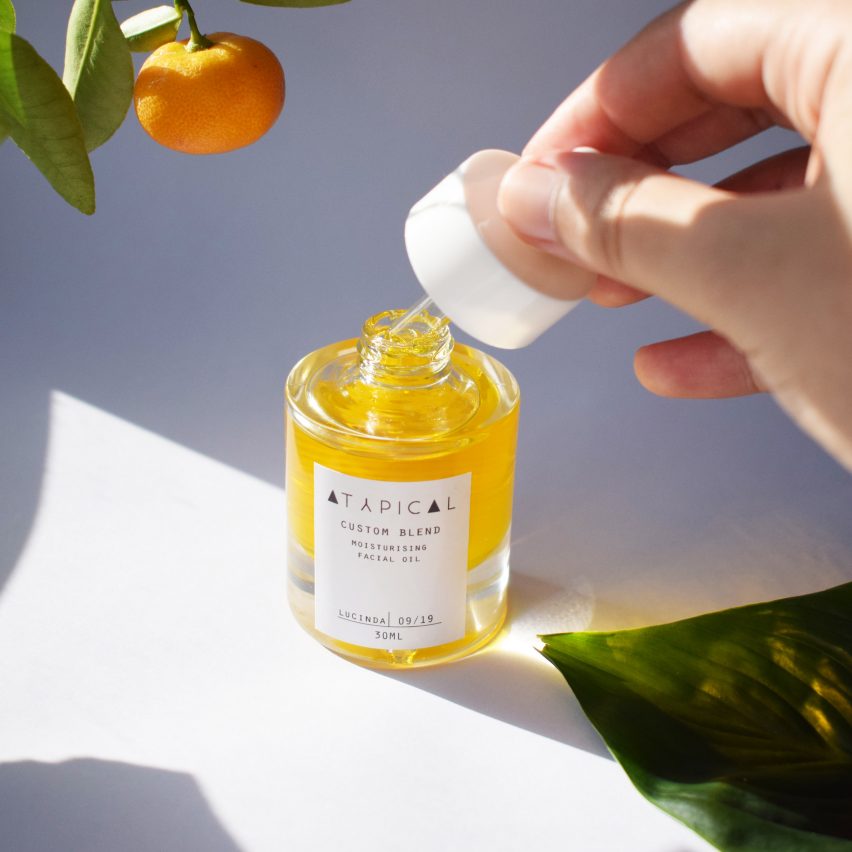
Bespoke, smart and made-to-order is the new face of the skincare industry, where product designers are applying artificial intelligence and machine learning. Rima Sabina Aouf spotlights seven brands demonstrating this.
The last two years have seen the rise of several startups that combine data with dermatology. These companies typically share some common principles – new customers will provide detailed information about their needs and lifestyle, and an algorithm will choose the right ingredients and formula to suit.
The machine learning component also plays an important part, as feedback from users constantly provides more information from which the algorithm can hone the product further.
For new startups like Glasgow-based Atypical Cosmetics, the technology has allowed them to reimagine both the product and its business model, with customers receiving a made-to-order product where the ingredients inside are fresh and active.
"Companies typically rely on mass production to create the same product for everyone, but that has led to a lack of diversity in the beauty industry," Atypical founder Marwa Ebrahim told Dezeen.
"Our customisation service and product offering are proof that technology and data can address the niche needs of a diverse population, helping people of all races, colours, genders and lifestyle requirements find suitable data-driven skincare," she added.
Here are seven brands offering AI-driven skincare:

Atolla began when Massachusetts University of Technology (MIT) engineer Meghan Maupin set out to see if she could use her software expertise to fix problem skin.
Launched in 2019, the brand works by giving users testing kits to measure the exact characteristics of their skin – specifically its hydration, oil, pH and absorption.
It then sends them a face serum calibrated precisely to their skin's needs, with the formula updated monthly.
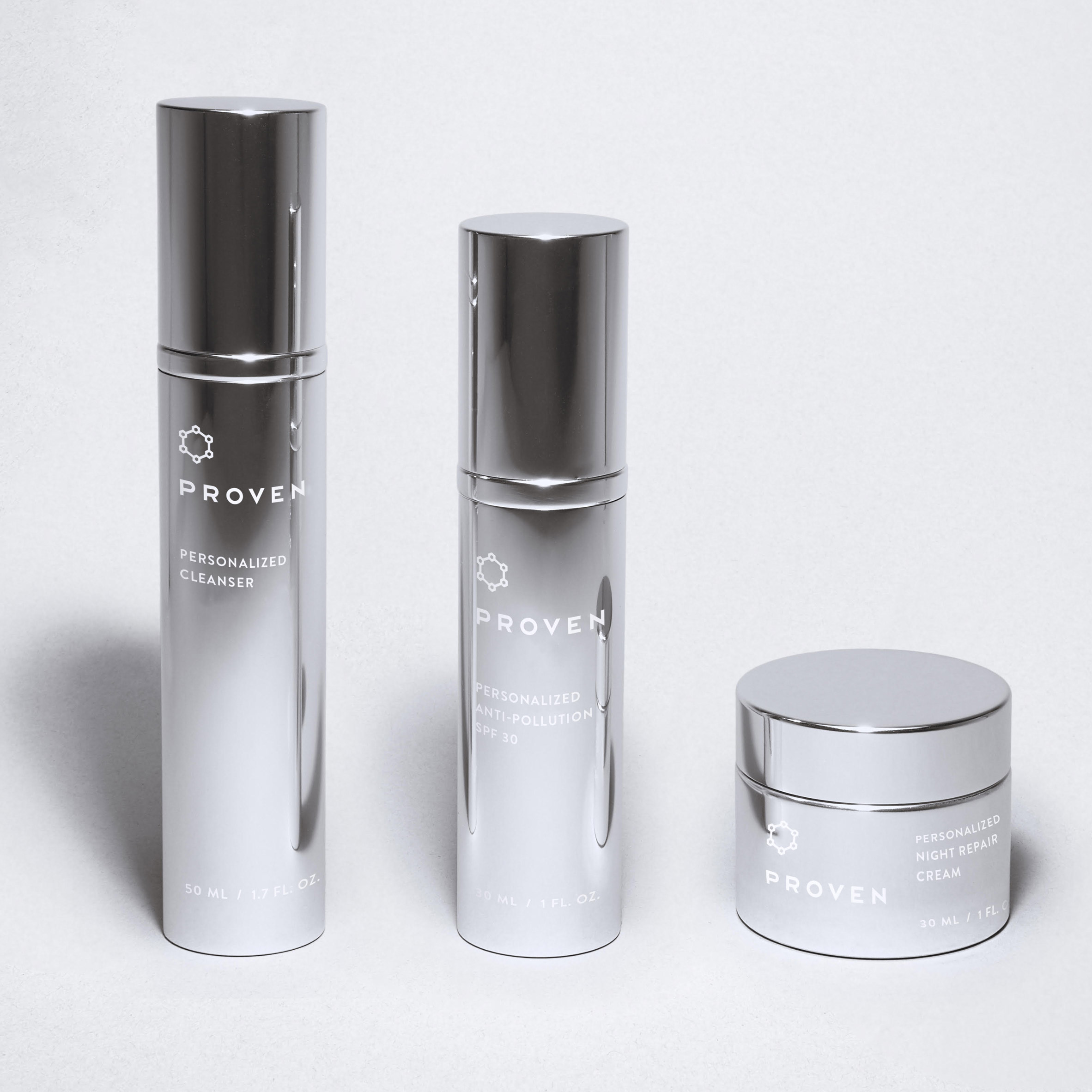
Another brand with roots at MIT is Proven, which claims its database is the biggest in the beauty business.
Titled the Skin Genome Project, it contains more than eight million consumer reviews and 4,000 scientific journal articles pertaining to over 20,000 beauty ingredients.
Factors as specific as the water hardness, humidity level and UV index at the customer's location influence their customised formulations of cleanser, SPF moisturiser and night cream.
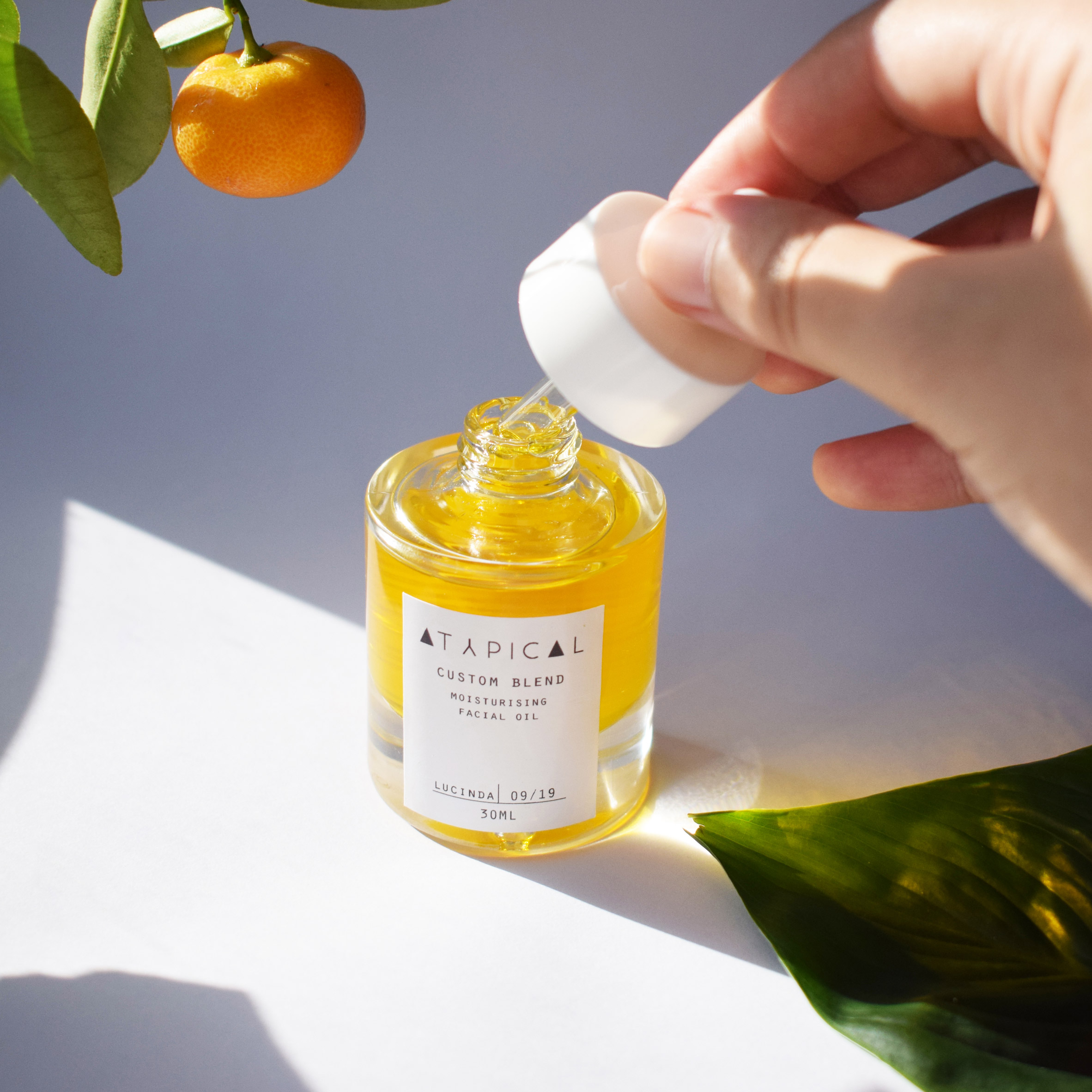
Launched this year by product designer Marwa Ebrahim, Atypical brings AI skincare to the UK market in the form of a face oil and cleanser.
The company uses an online survey to learn a customer's allergies, skin type, lifestyle and skin goals, and an algorithm identifies the best ingredients and formulation to fit them.
The products are then made to order, which, as Atypical points out, means not only that they are tailored to the customer but that the ingredients are at their most fresh and active.
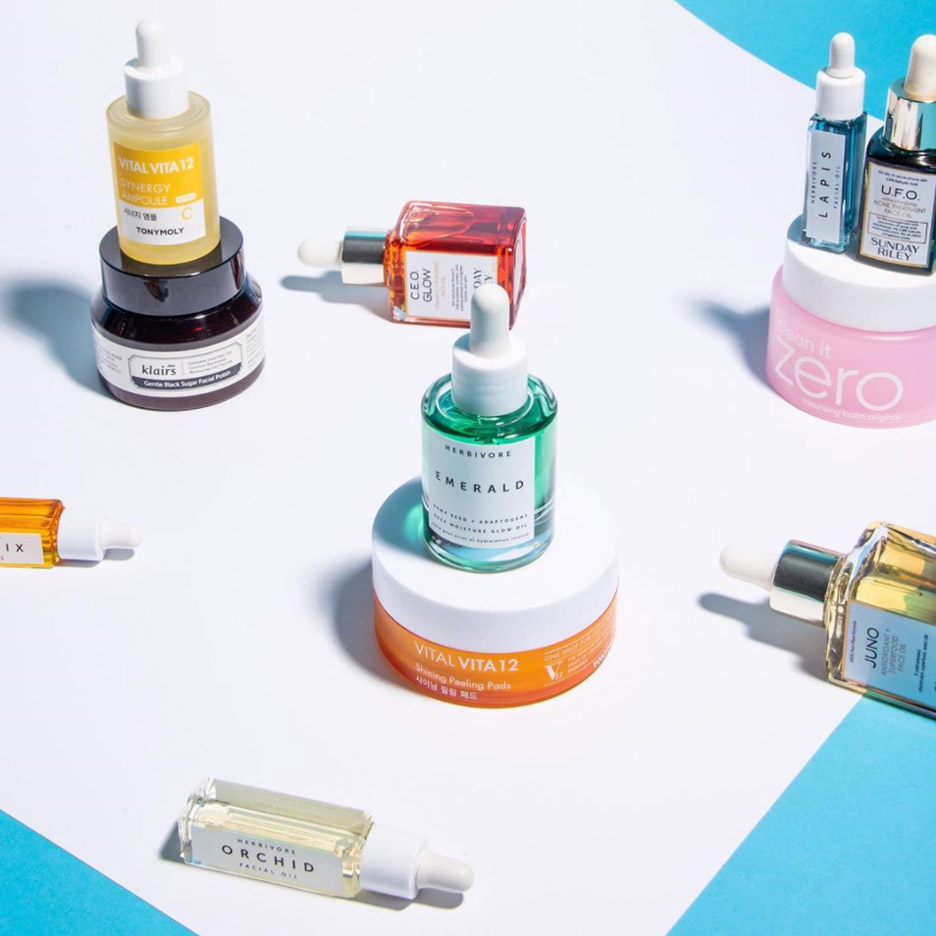
In contrast to the other companies on this list, HelloAva is a curation service rather than a product maker.
Users answer detailed questions about their skin and environment through a chatbot, and the resulting recommendations are so detailed and personalised they come with a score and a data visualisation indicating how good a match each product is.
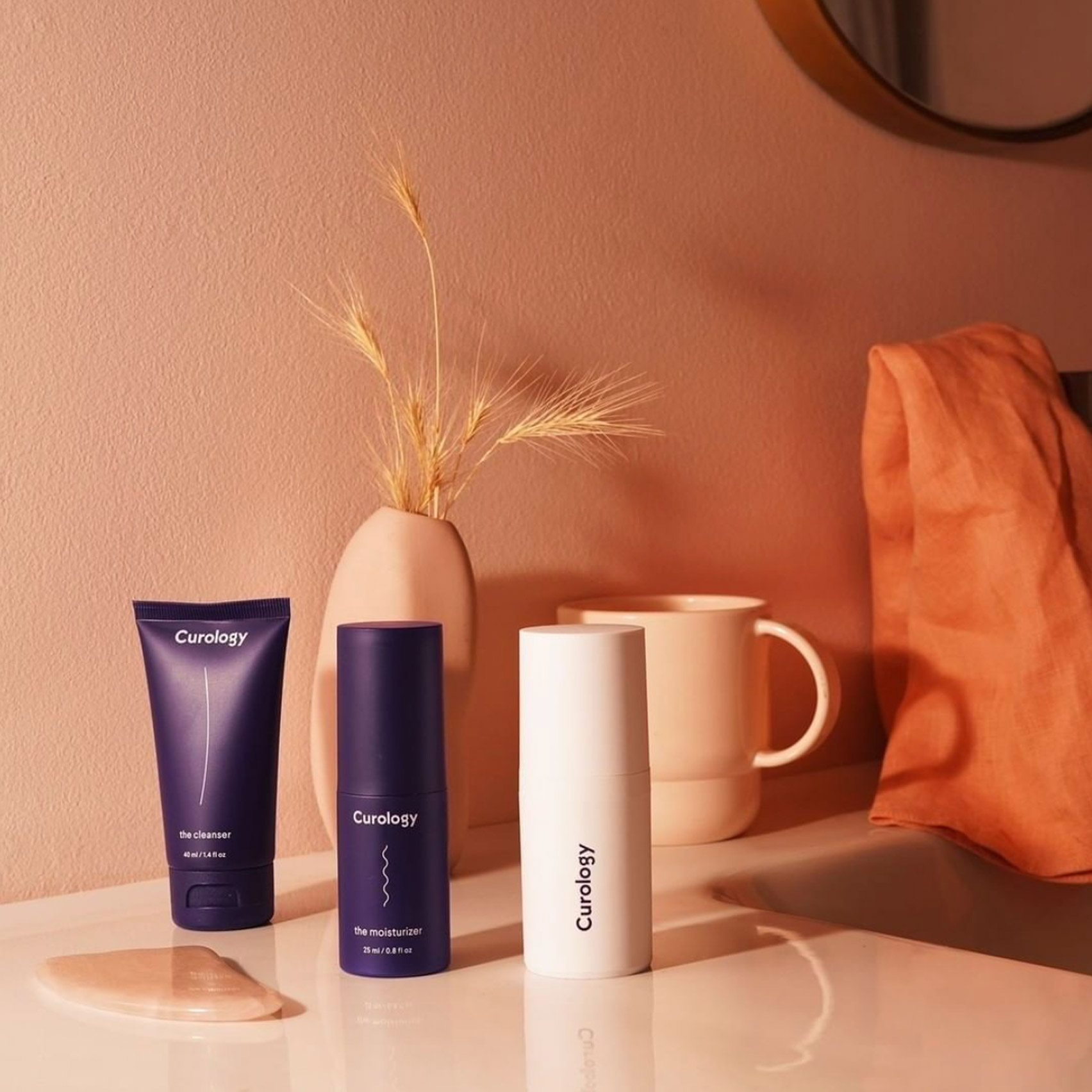
Curology embraces technology in a more distant fashion. It uses a certain level of artificial intelligence in its analysis tool, which incorporates an app, photographs and quiz questions, but calls on human skill for the solution.
Customers get matched to a dermatologist who customises their formula and provides ongoing advice.

While skincare startups are more likely to orientate their whole business around AI, established brands are also adopting new technologies.
One unique product is Shiseido's Optune, currently only available in Japan. A machine adjusts the user's formula daily, based on factors varying from pollen count to quality of sleep.
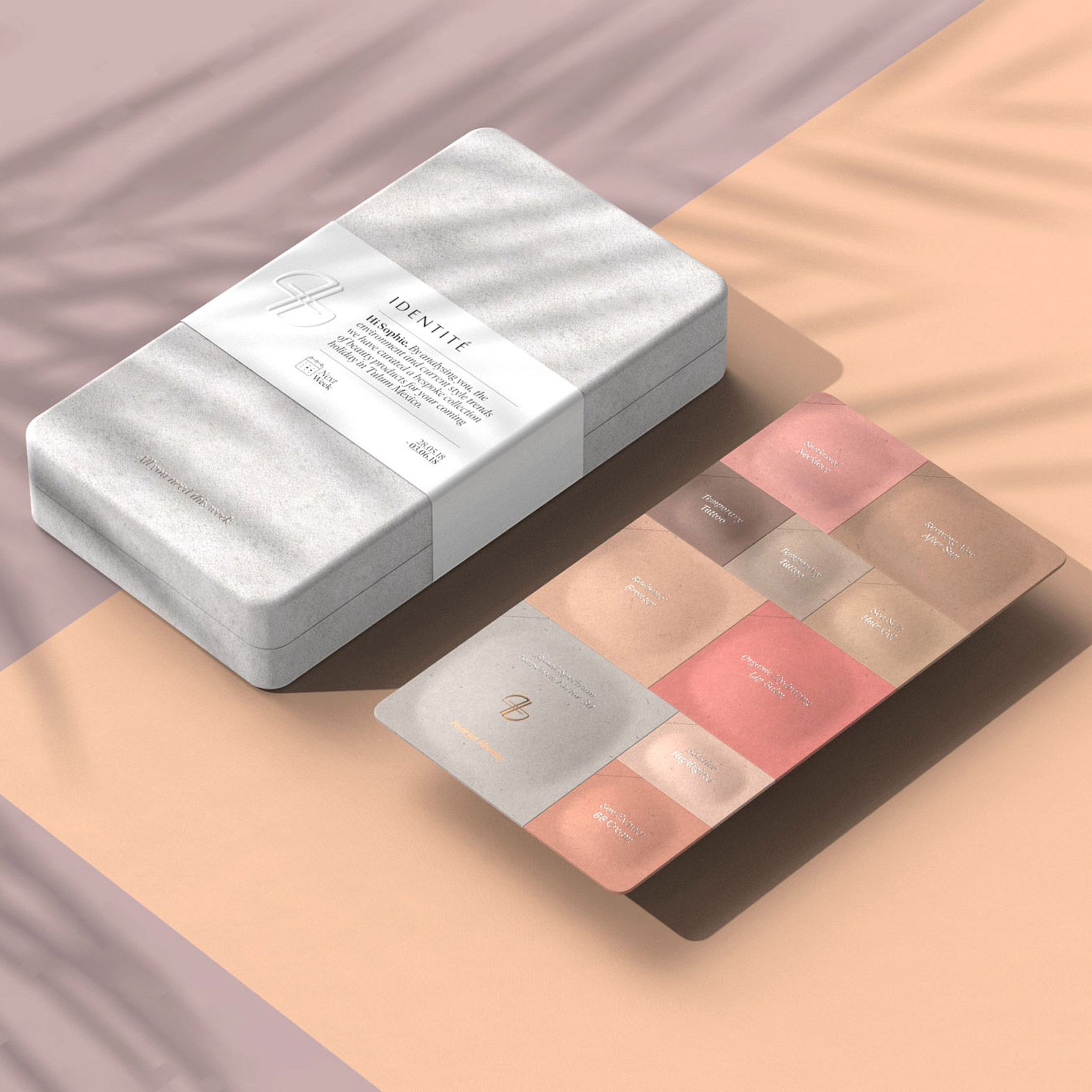
Presaging most of these brands was Identité, a concept by design agency Seymourpowell imagining what the skincare offerings of the future might look like.
The industrial design studio proposed a world where users were sent monthly skincare and makeup packets based on their lifestyle data.
If its predictions are correct, even more personal data such as schedules, diets and travel plans could one day feed into people's skincare formulations.
The post Seven customisable skincare brands harnessing artificial intelligence appeared first on Dezeen.
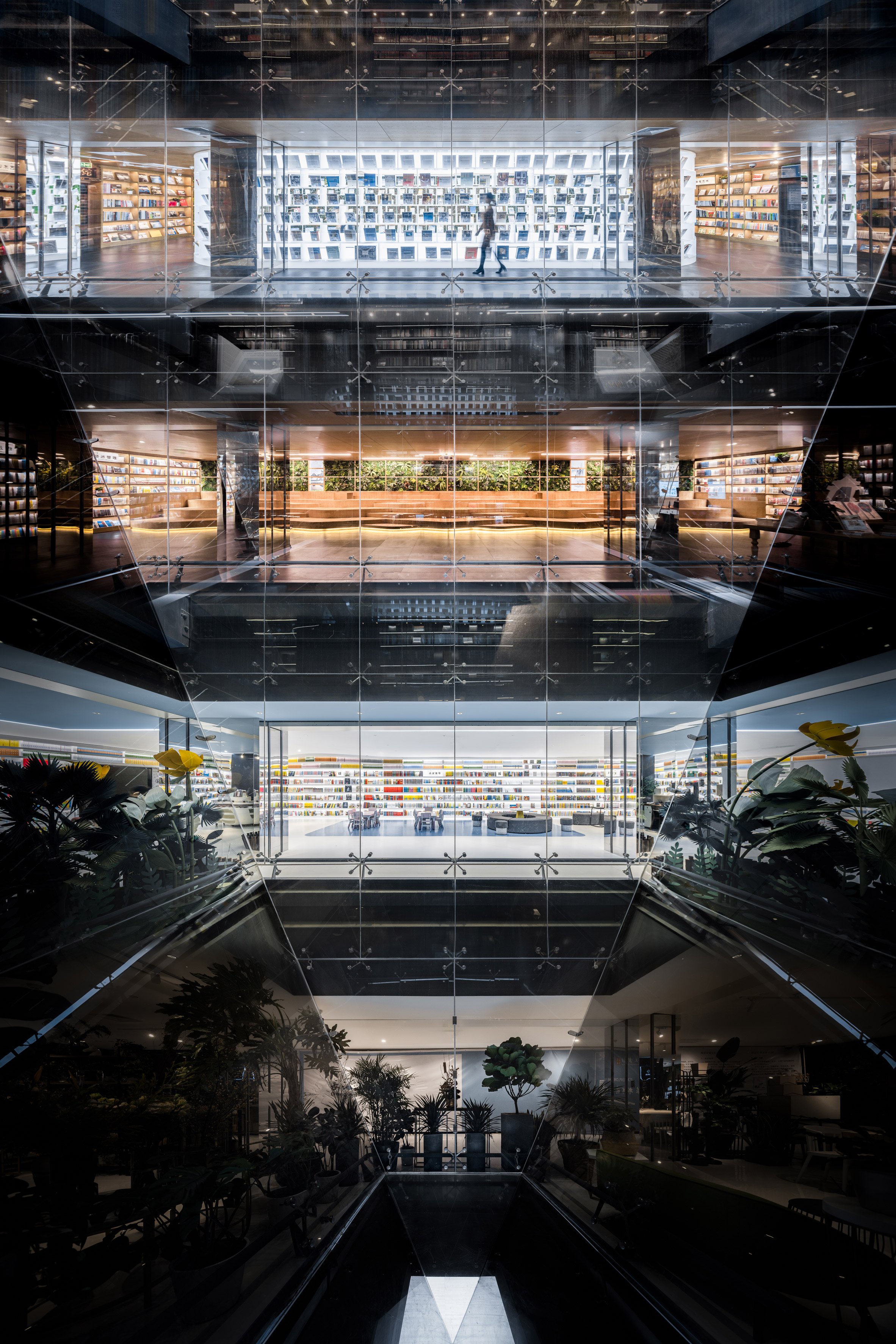
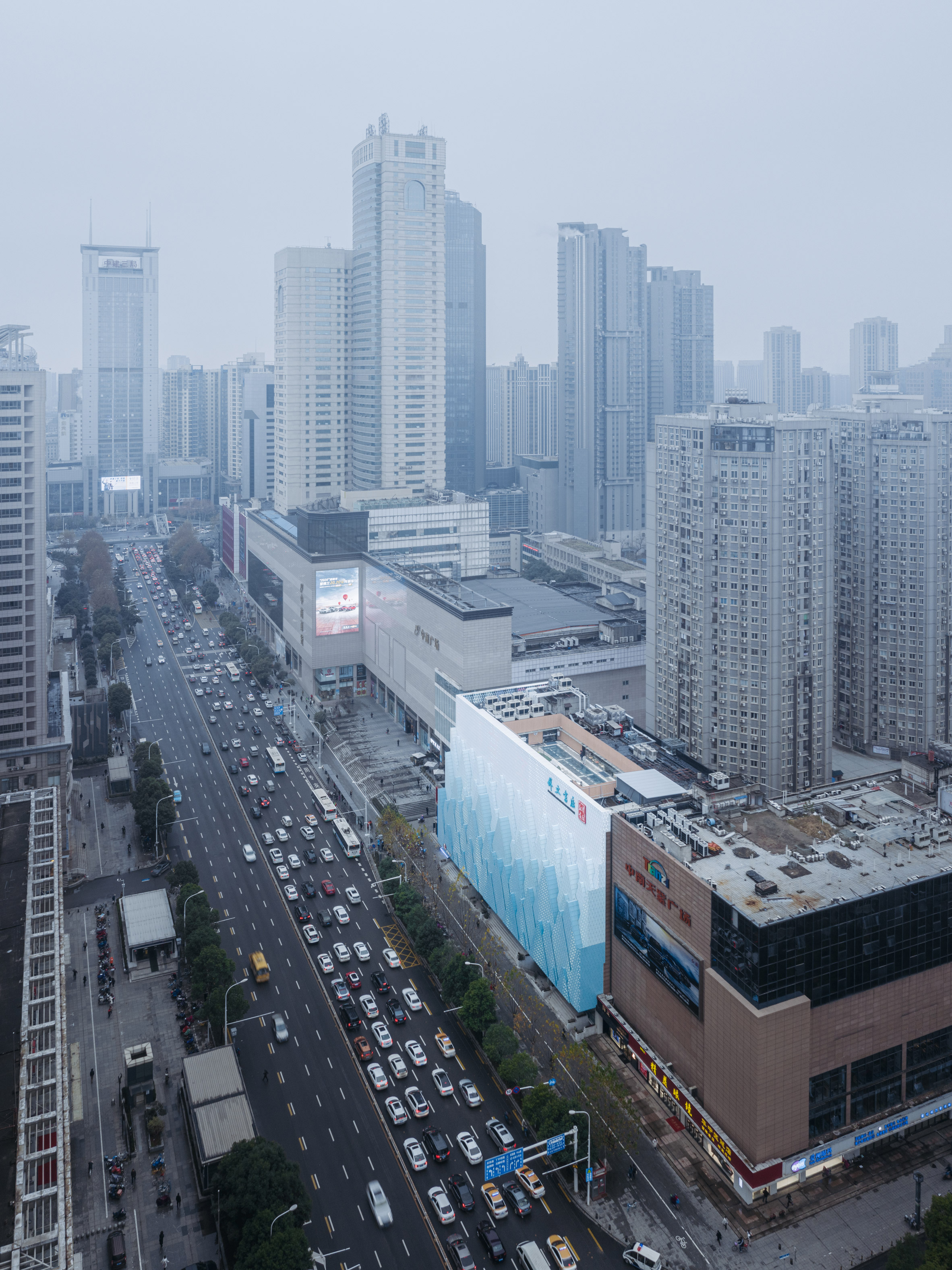
Architecture studio Wutopia Lab has renovated the Hubei Foreign Language Bookstore in Wuhan, China, inserting a shard-like glass lightwell that pierces through six stories.
The shape of this lightwell is mirrored on the bookshop's exterior by a facade of triangular-shaped aluminium plates.
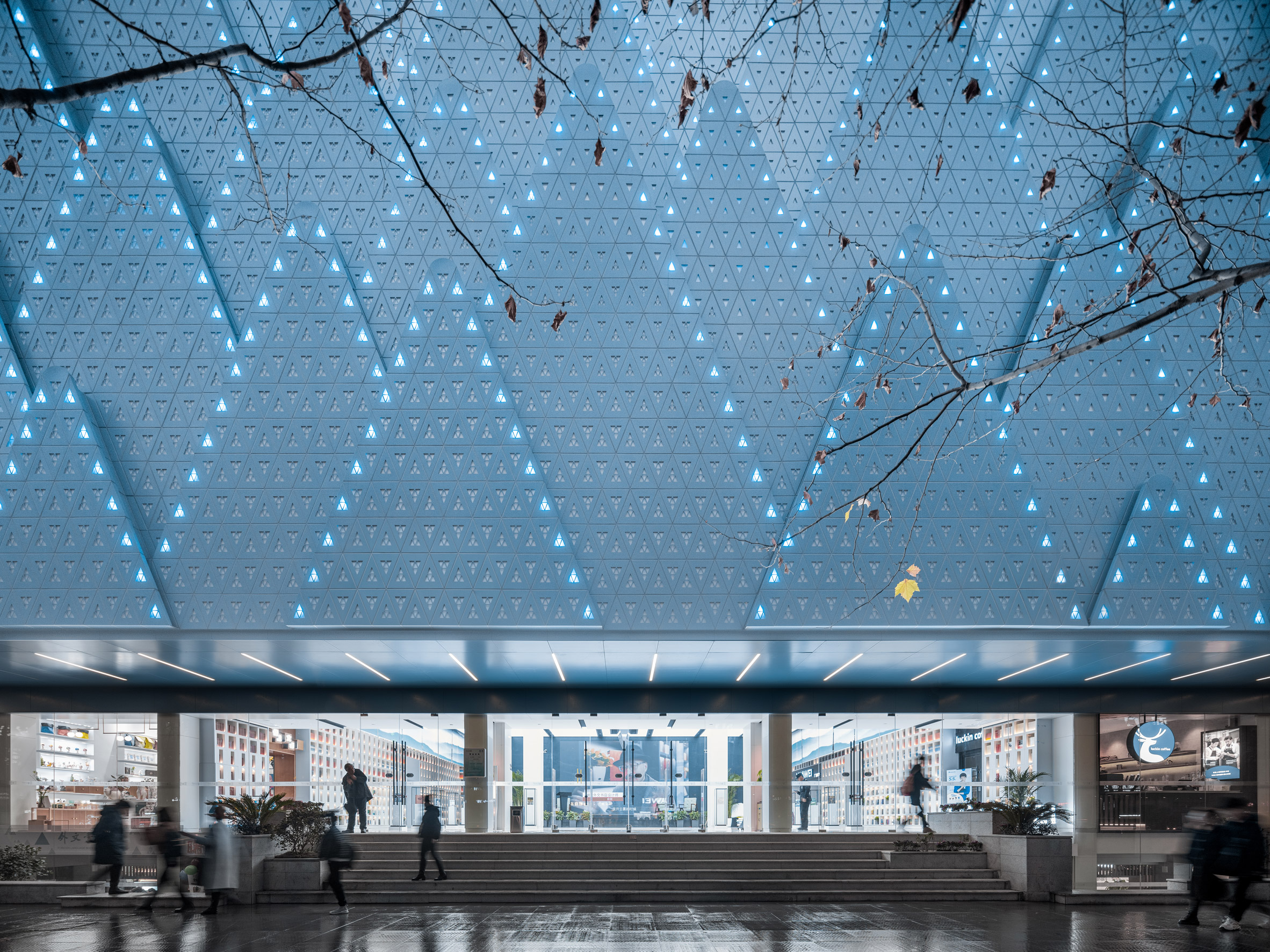
Hubei Foreign Language Bookstore is designed to reference a mountain range or run of hills.
At night the outlines of the mountain range is illuminated by blue triangular lights.
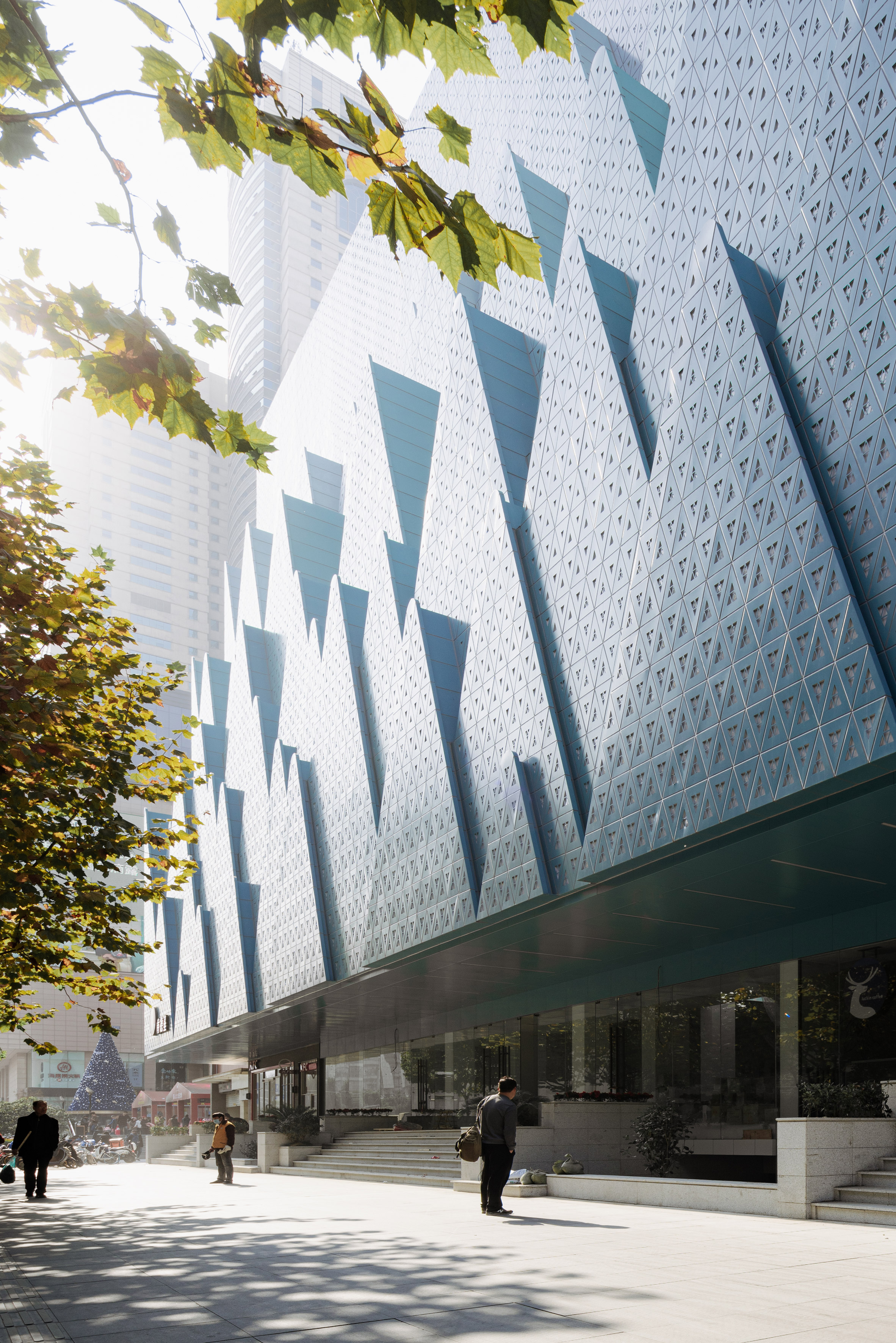
The bookstore occupies a large mixed-use structure on Zhongan Road that dates back to the 1980.
It was subject to a series of alterations and developments that confused its interior layout and connection to the street.
Wutopia stripped this structure it back to its concrete structure to build a cultural and community hub, with a new glazed ground floor to draw in passers-by.
"The first thing we needed to do was remove parts from unsafe expansions, then strengthen each addition from different periods into a solid whole," said the studio.
"Our team decided to use perforated aluminium plate to create the layers of 'hills', acting as the background of the street's trees and symbolising the new life of the bookstore."
Across six stories, the mixed-use building now houses the bookstore at its core.
This core is flanked by a mixed programme of arts spaces, restaurants and cafes.
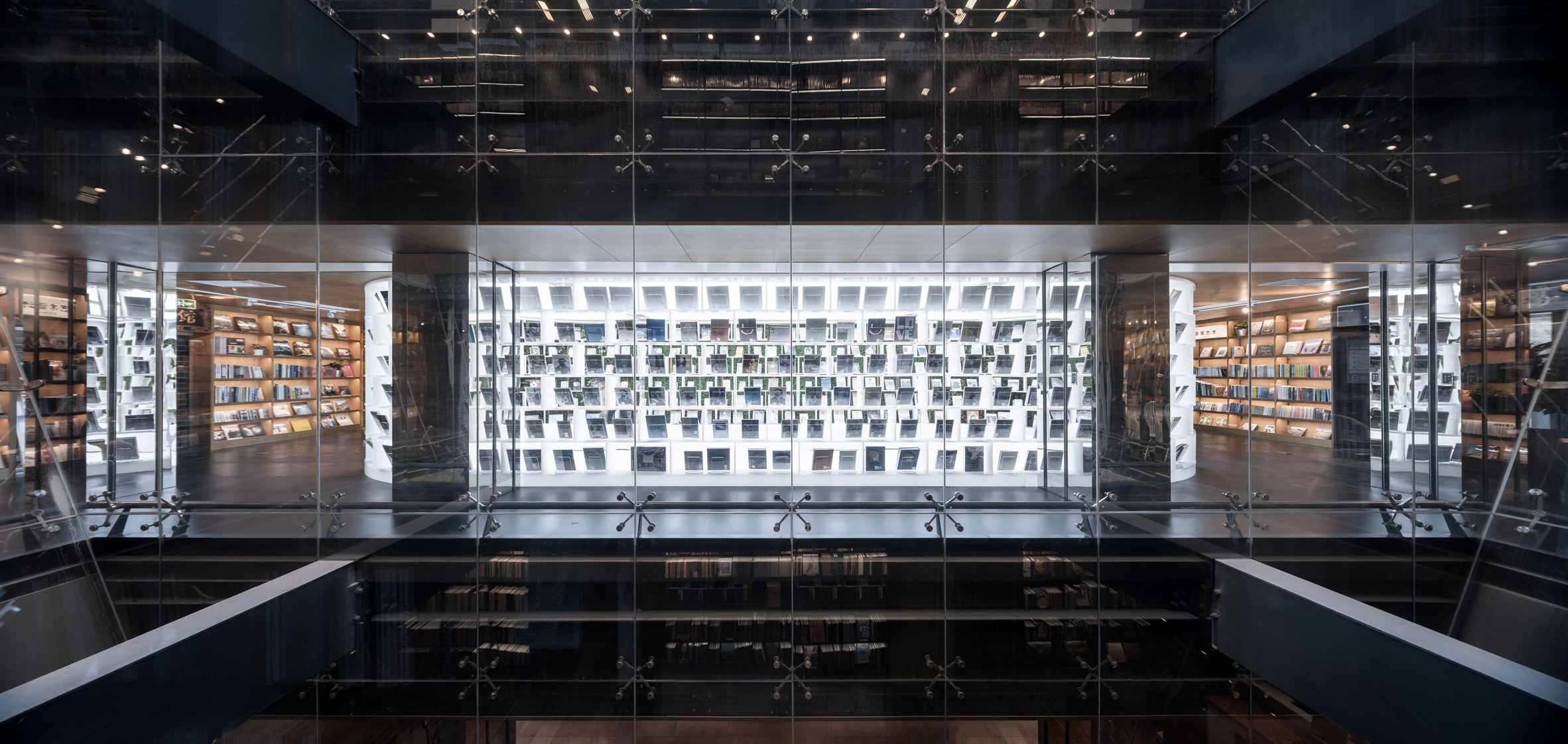
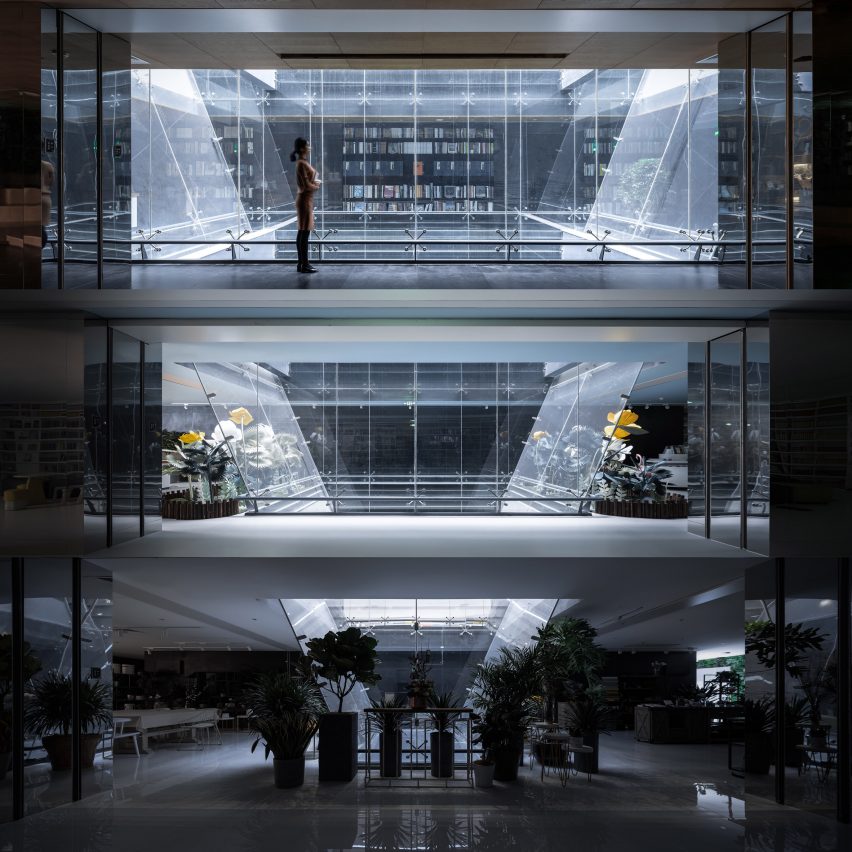
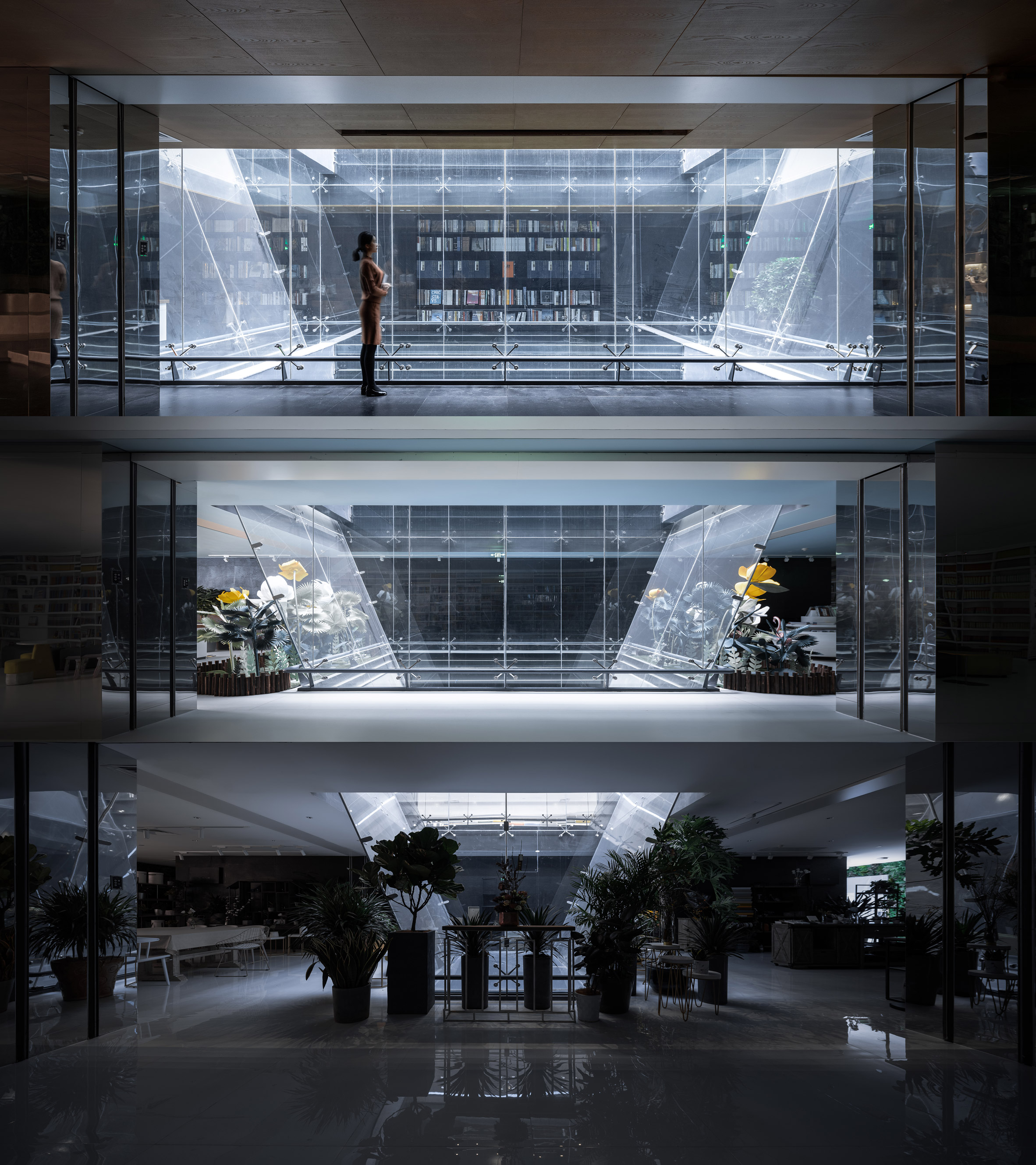
Closed to the street by the aluminium screen, the interiors of the block are illuminated by a glass "light cone", an inverted triangular prism that cuts through the entire building.
Its tip pierces the ceiling of the basement auditorium to create a skylight.
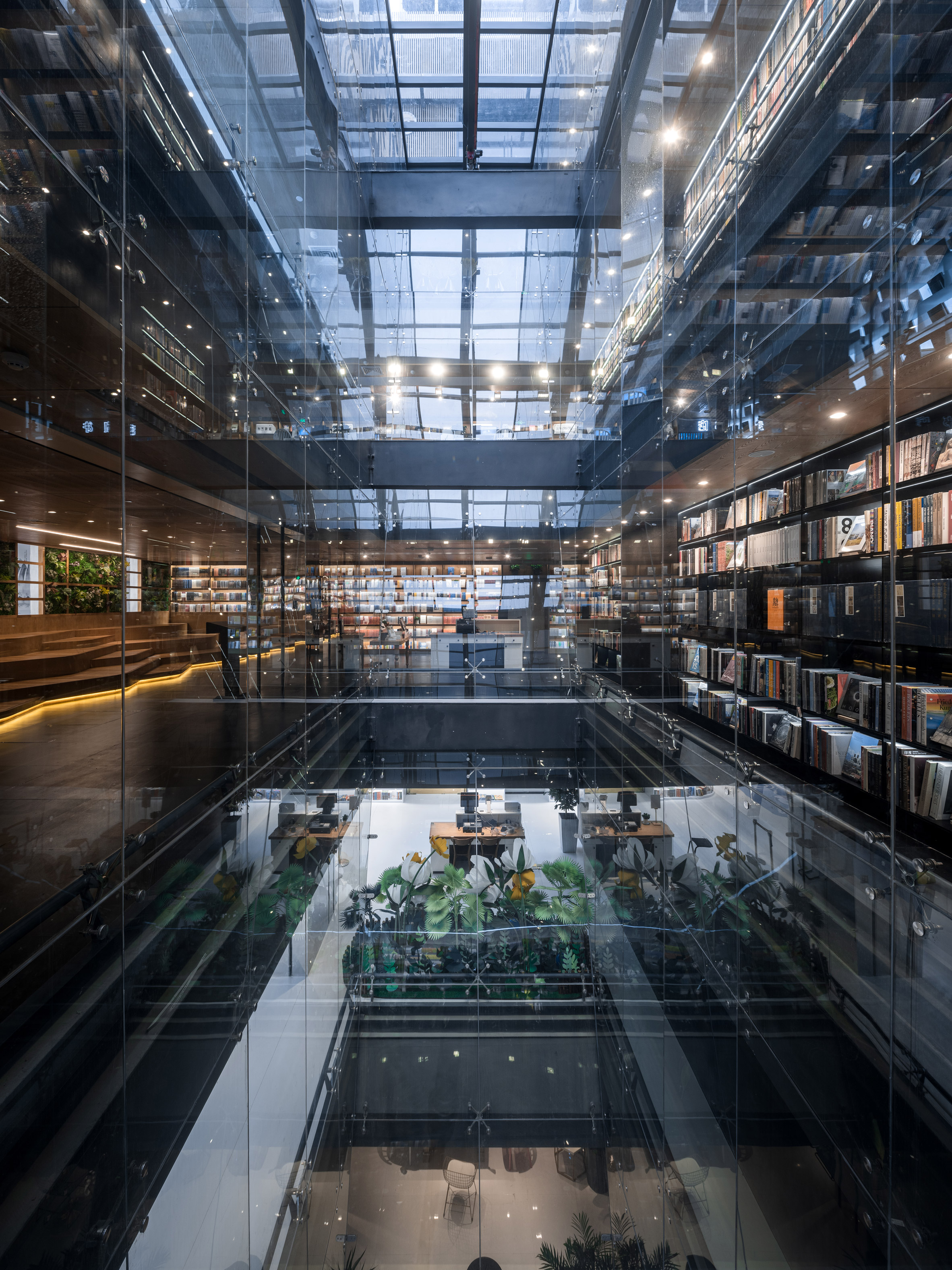
"[The cone] allows the changes in weather and time to permeate all corners of the bookstore with pouring light," said Wutopia.
"It creates an unreal experience on the site, arousing ordinary people's awareness of space and stimulating the readers' imaginations."
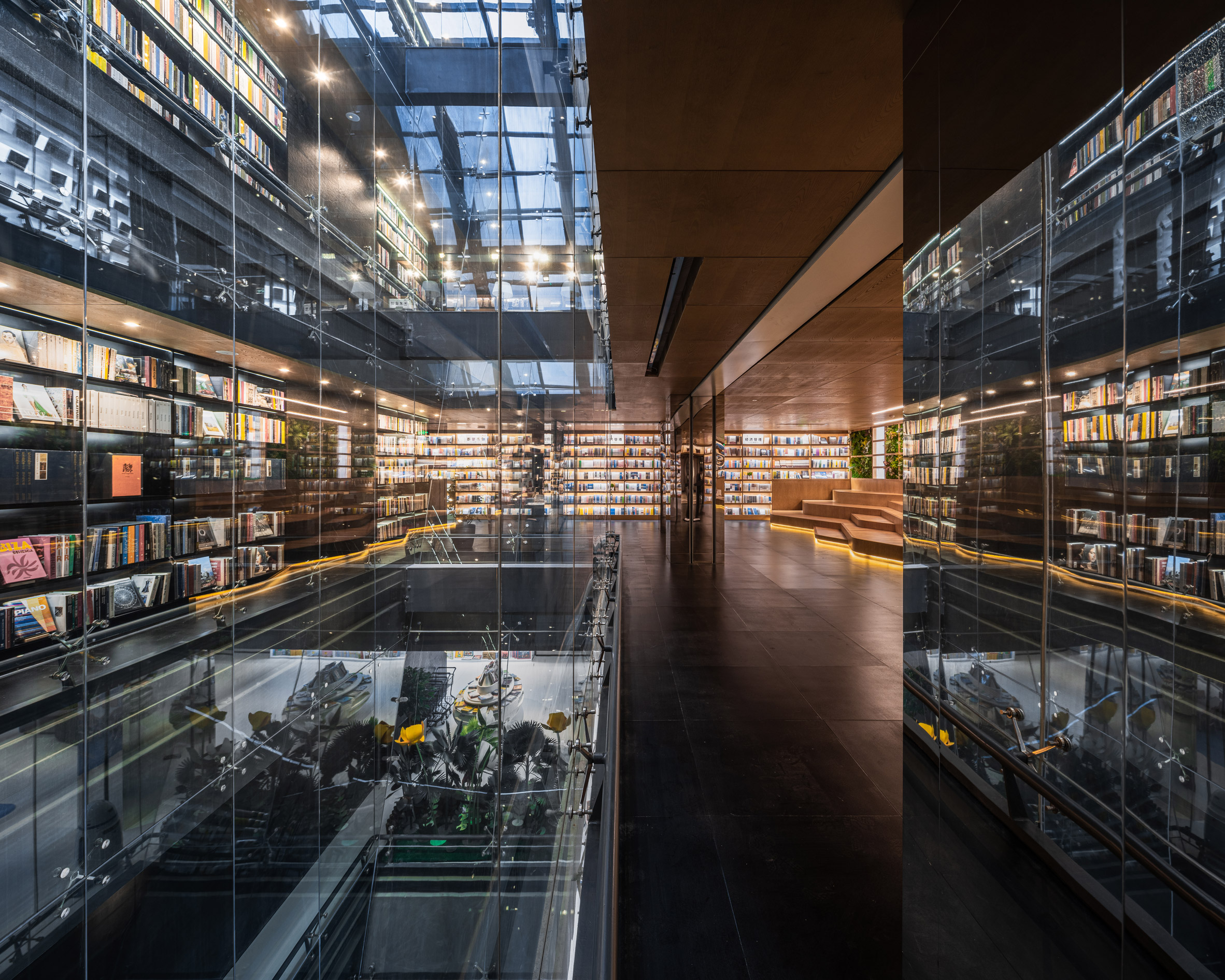
On each level, this cone and the adjacent escalators form the core of the floor plan, surrounded by full-height bookshelves and reading rooms.
On the roof, the top of the light cone becomes a section of walk-on glass alongside a roof garden, a library of ancient books, and meeting room spaces.
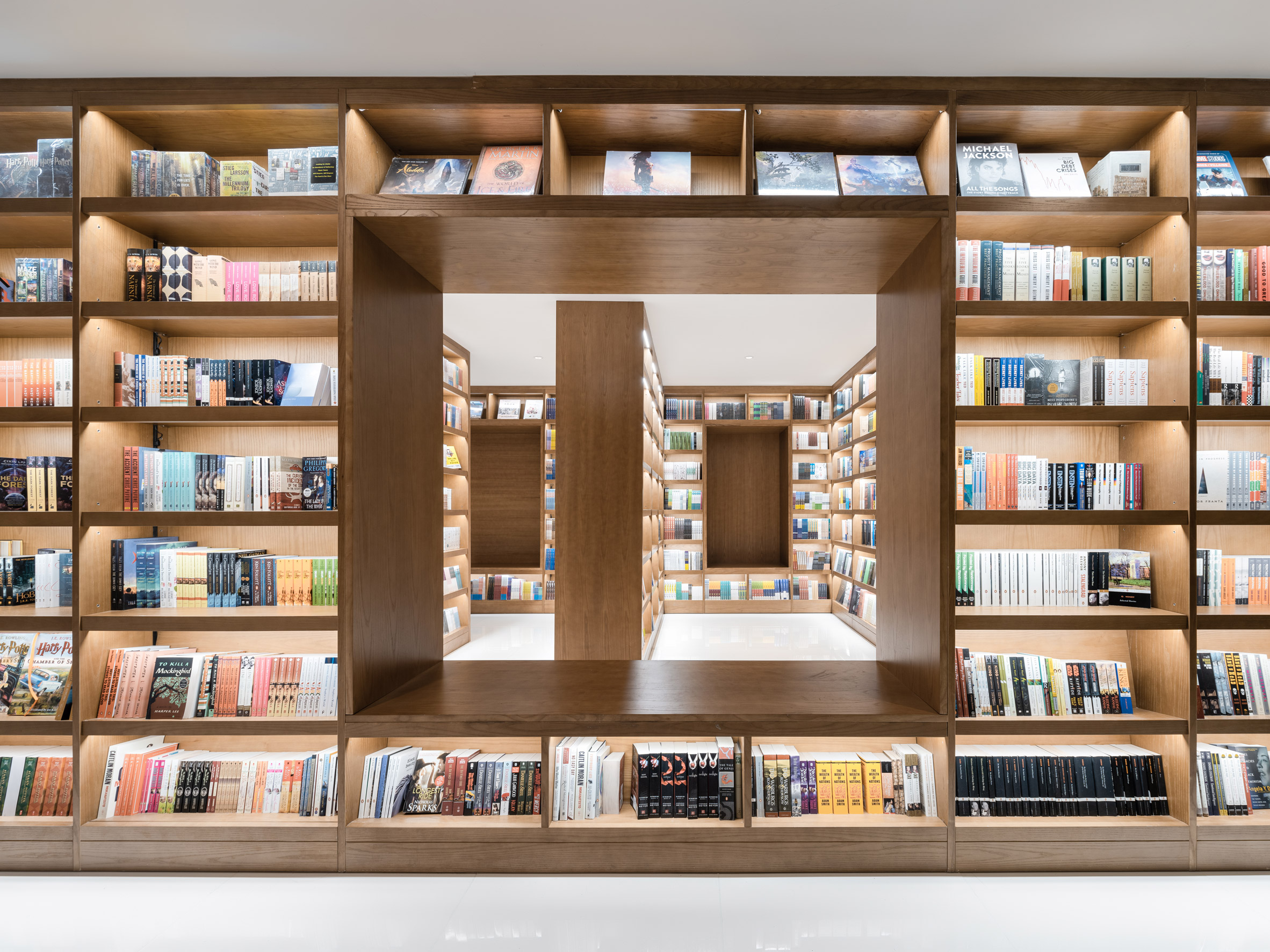
This top floor has dramatic views over the city, wrapped internally by a screen of wooden slats.
The dark, glossy surfaces used in the upper levels are contrasted by bright white finishes in the basement and planted green walls.
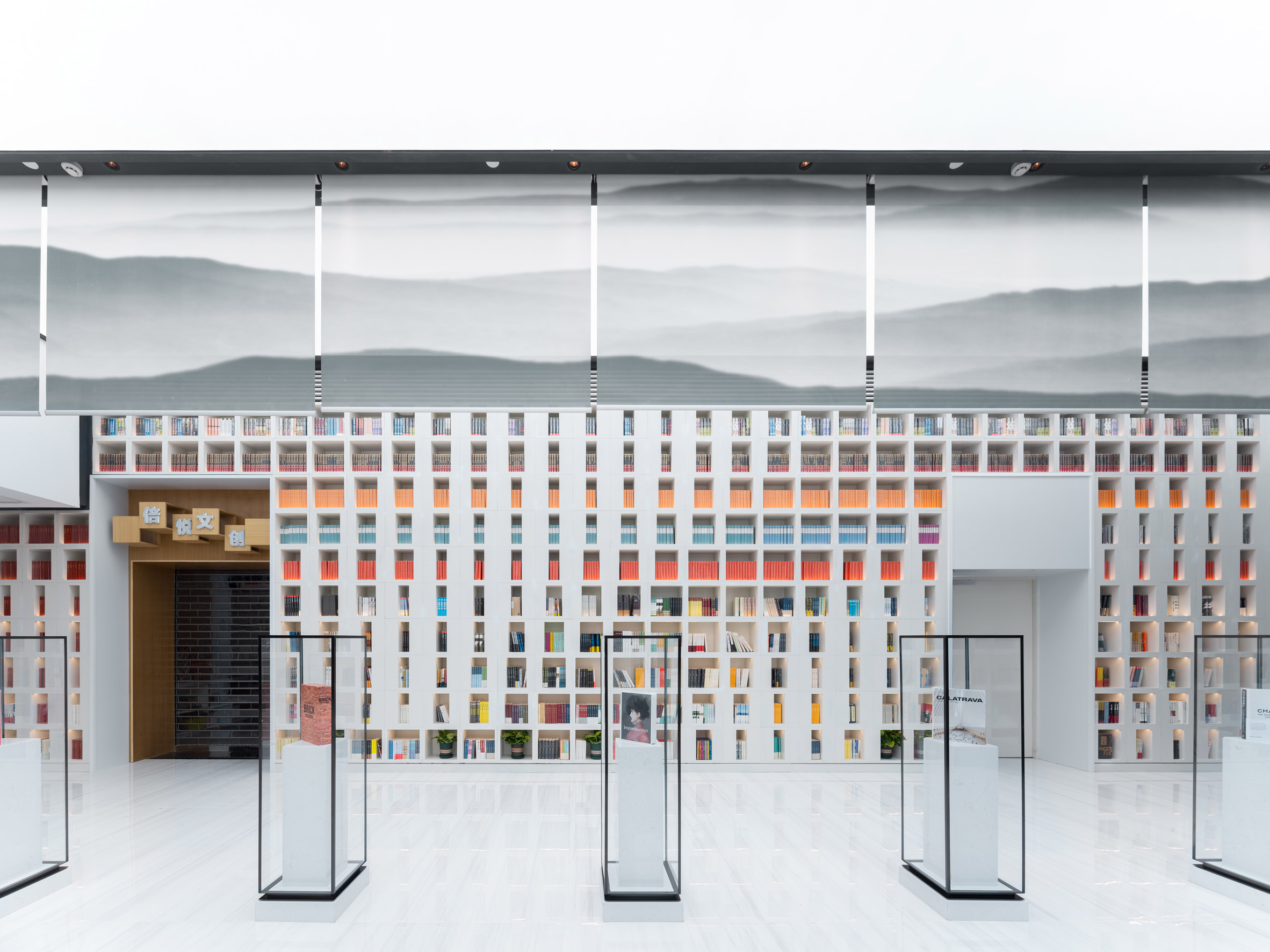
"From the roof garden to the basement, we have planting areas of different sizes on each floor," said the studio.
"They run through, forming a dark green line to echo the bright light cone."
Doors at either end of the bookshop spaces on each level connect to the adjacent wings of the building, housing galleries, restaurants and cafés.
Shanghai-based Wutopia has previously completed a bookshop that takes inspiration from the human body and mind, with a variety of interior conditions representing the heart, eyes and mind.
Photography is by CreatAR Images.
Project credits:
Architect: Wutopia Lab
Chief architect: Ting Yu, Erni Min
Project architect: Chen Lin
Project manager: Shengrui Pu
Design team: Jie Lv, Lei Wang, Liyuan Lu, Jianming Zhu, Yanyan Feng, Yining Gu(Internship)
Design consultant: Topos Design
Structural design consultant: Zhun Zhang, Xuejian Chen
Lighting consultant: Chenlu Zhang, Mingjie Cai
Branding consultant: Meng Miu, Jiaxin Yang, Linghui Wu, Mutong Zhou
Client: Hubei Changjiang Publishing and Media Group, Hubei Xinhua Bookstore Group
Construction: Jiangxi the Third Construction
The post Wutopia inserts inverted triangular lightwell into book shop appeared first on Dezeen.

Leonardo da Vinci’s “The Last Supper” (1498)
Despite being a couple of years old, José Manuel Ballester’s artworks feel eerily familiar in the time of COVID-19. The Spanish artist recreates classic paintings like Goya’s “The Third of May 1808,” Vermeer’s “The Allegory of Painting,” and Botticelli’s “The Birth of Venus,” except he leaves out one central aspect: humans. Some of Ballester’s digital versions retain remnants of the former subjects, showing blood-covered ground marking the spot of a gruesome battle or even a faint outline of the sitter in an unfinished portrait. Other works, however, seem to exist simply on their own, offering a view of an empty gallery or a wreckage on rough waters.
In an interview with Bored Panda, Ballester said that while his Concealed Spaces series often is regarded as humorous, it has multiple meanings. “After a deeper look it’s not difficult to find transcendence and the multiple possible interpretations, both as new images and as related to their original counterparts,” he said.
One of the clearest aspects in this series is the way we can understand art from the point of view of each period, which has a unique way of looking and understanding reality shared by artists, who develop their creativity inside those period’s values and connect with ideas and universal precepts extended in time.
For more of Ballester’s digital creations that reconsider historical projects, check out his site. (via This Isn’t Happiness)

Diego Velázquez’s “Las Meninas” (1656)

Sandro Botticelli’s “The Birth of Venus” (c.1486)

Jan Vermeer’s “The Allegory of Painting” (1668)

Pablo Picasso’s “Guernica” (1937)

Francisco Goya’s “The Third of May 1808” (1814)

Théodore Géricault’s “The Raft of Medusa” (1819)
Do stories and artists like this matter to you? Become a Colossal Member and support independent arts publishing. Join a community of like-minded readers who are passionate about contemporary art, apply for our annual grant, and get exclusive access to interviews, partner discounts, and event tickets.


