Tuesday, 24 March 2020

"Great home to be self-isolated in"

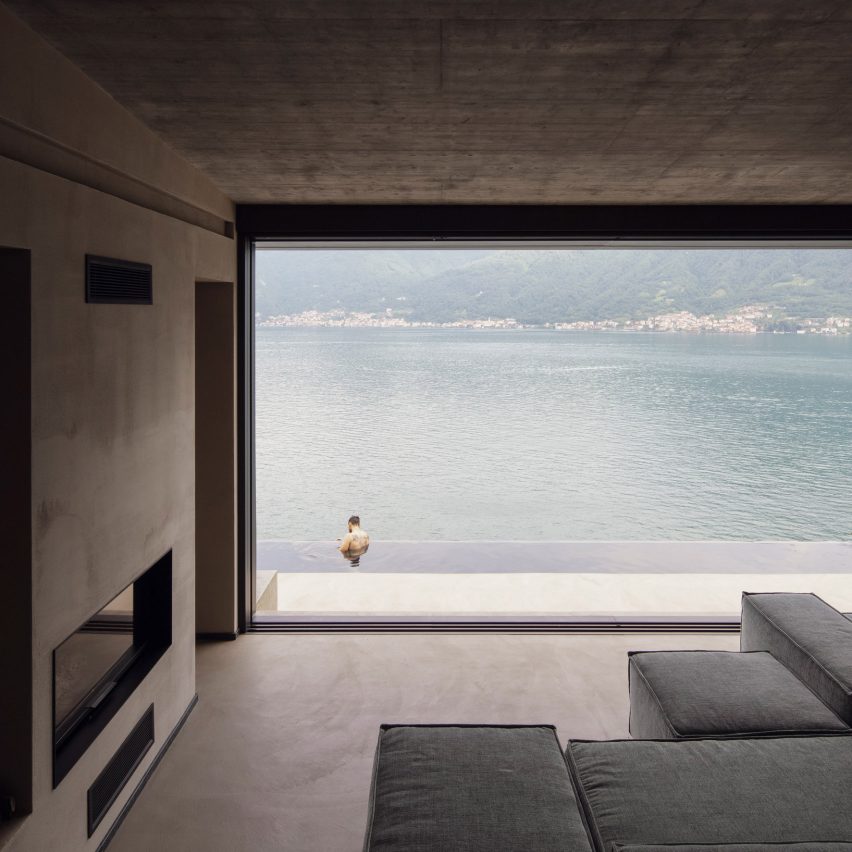
Villa Molli by Lorenzo Guzzini in Italy

In this week's comments update, readers have chosen their ideal house to self-isolate in and architect Marc Thorpe has designed a divisive spaceship installation that reimagines the concept of borders.

Safe house: readers are divided over a stone house designed by architect Lorenzo Guzzini and overlooking Lake Como in Italy.

"It's not a stone house," said Alfred Hitchcock. "It's a concrete bunker with some stone cladding and it looks like a wasted opportunity given the spectacular site."

"Is luxury to have steps everywhere inside your house?" asked LWE7. "Did the architect want to kill somebody?"

Erik Trumpsholm was more positive: "Great home to be self-isolated in during the Covid-19 pandemic of 2020."

As was Jon: "Wonderful interplay of light and materiality, and a sense of cosiness achieved with a simple but refined, effectively deployed palette. Well done!"

This reader had a suggestion for improvement:

What do you think of Villa Molli? Join the discussion ›


Citizens of Earth by Marc Thorpe

Border control: American architect Marc Thorpe has designed a conceptual installation near the border of Mexico that resembles a large spaceship landing on earth. It is intended to imagine a world without borders, but not everyone is convinced.

"The intention of the project is to question the value of international borders within the context of the 21st century," said Trewus. "How prescient and timely in the age of a global pandemic... not!"

"Yeah we certainly don't need borders with a flu going around," added Spadestick sarcastically.

Daniele disagreed though: "To the ones claiming the value of borders during this pandemic, we don't need borders to fight a virus, just personal awareness and social responsibility."

"We have borders currently and there is a pandemic," concluded Jjang Sam.

This reader was simply impressed:

Can you imagine a world without borders? Join the discussion ›


School's out: readers are frustrated after Aaron Betsky, president of Frank Lloyd Wright's School of Architecture at Taliesin, explained the bitter behind-the-scene events that led him to leave his post.

"The whole thing is disheartening," said Benny. "When from a simple viewpoint these two entities should be mutually self benefitting one another rather than being at odds."

Geof Bob continued: "The foundation seems to have taken the shadow of FLW's reputation for the substance of a school actually teaching his architectural principles. Or to put it more colloquially, they've thrown out the baby with the bathwater."

"Based on a recent 'in depth' tour of Fallingwater, I would say that 'educational programs' is a vague term that may be defined to suit the agendas of users," replied Robert Becker. "My tour was superficial rather than in depth. I had the impression that it was more about revenue generation than learning."

"The best 'educational programme' is an architecture school," agreed Puzzello. "Private or public, every major city should have one."

One reader made their feelings very clear:

How do you feel about the school closing? Join the discussion ›
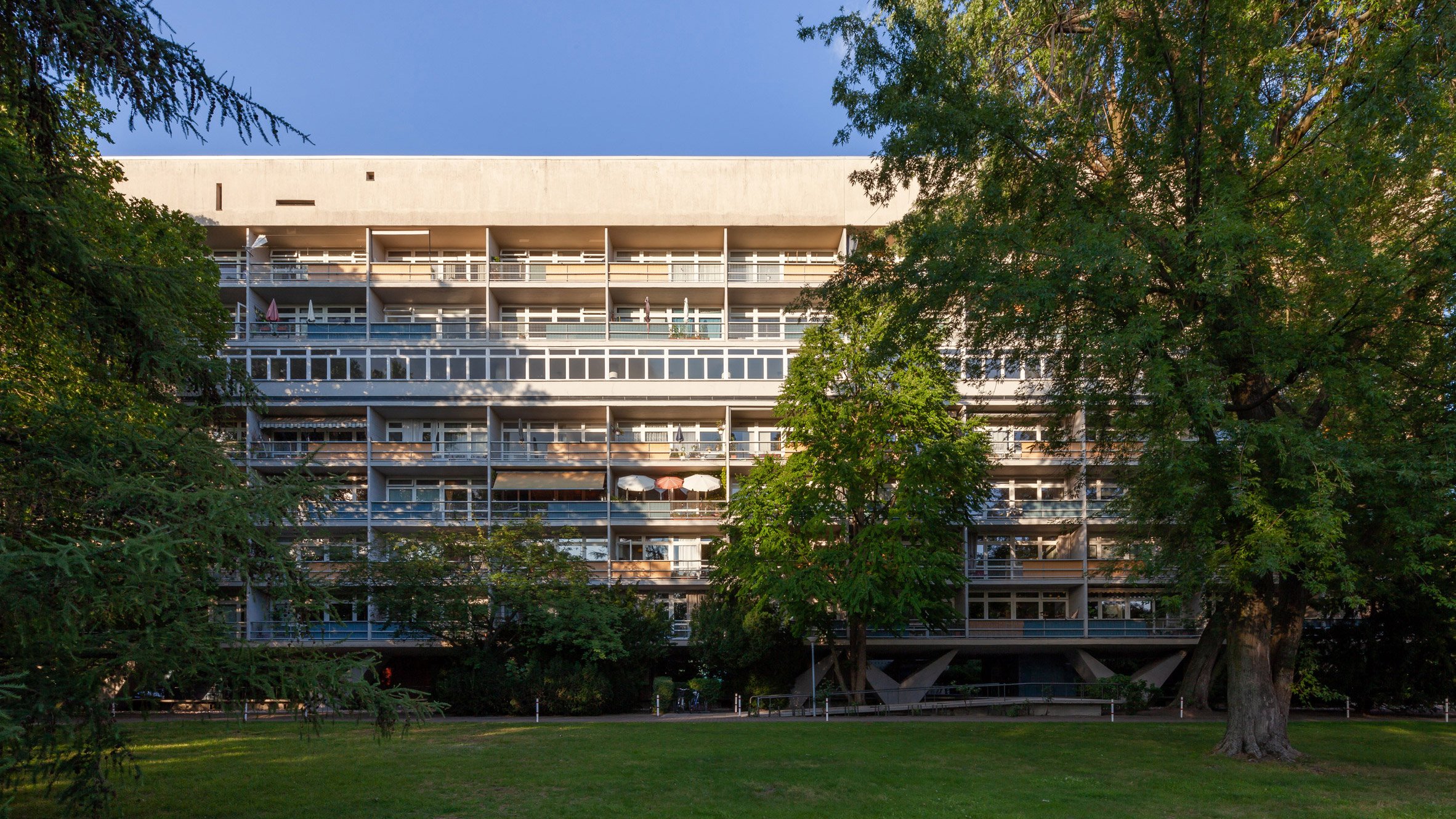

Oscar Niemeyer Haus Photography by Pedro Vannucchi

Picture this: Brazilian architect Pedro Vannucchi shared photographs of an apartment building that was built by Oscar Niemeyer in Berlin during the 1950s, and readers can't get enough.

"This is beautiful," said JMFM. "And beautifully maintained."

TK agreed: "I find this amazing. No expensive finishes, no door man, no glitz and yet it looks like a dream place to live, simple and optimistic."

"It's no surprise that these modernist buildings seem pleasant and inviting when they are maintained," continued John McWaters. "I'm enjoying this movement that has been gaining momentum in the last five or so years of renovating these modernist blocks instead of going the route of demolition."

Alfred Hitchcock agreed: "Yes, it's great when these modernist mass housing schemes are properly maintained, loved and respected by the residents. Unfortunately most local authorities in the UK never spent a penny on maintaining their modernist housing stock, which is why there's not much left."

This commenter was particularly impressed:

Would you like to live in the building? Join the discussion ›

The post "Great home to be self-isolated in" appeared first on Dezeen.


from Dezeen https://ift.tt/2UBwKBR

Using Tracing Paper and Rice Water, Designer Pao Hui Kao Creates a Sturdy Furniture Collection

All images © Pao Hui Kao

When Eindhoven-based designer Pao Hui Kao realized she was allergic to some of the pigments and coatings used in household furnishings, she decided to construct her own minimalist collection. The result is a line of tables, seats, shelves, and a light fixture made almost entirely of tracing-paper tubes soaked in rice water.

To ensure the sturdiness of her mostly-white designs, Hui Kao varies the size of her paper rolls. As they dry, the rice water binds each wrinkled piece together. In a statement about the wrinkle-filled project, the designer noted that she hoped to reconsider paper’s functionality and explore its potential. “Water is usually not welcome in the world of paper. I realized, however, that when water is absorbed by paper, it brings power to the inner structure,” she said.

Hui Kao also told Dezeen that part of her interest in the project was to find materials that wouldn’t create more waste once they were out of use. “By having a better understanding of how recycling systems work in real life, I tend to investigate a new way of creating objects, and study the relationship between objects, bodies, and recycling systems,” she said.

Head to Instagram for more of the Hui Kao’s sustainable designs.

“Strength from paper,” paper and rice glue, 45 x 40 x 45 and 55 x 50 x 65 centimeters

“Let’s get wrinkle!” paper and rice glue, 400 x 200 x 45 centimeters

“There is a cloud!” paper and rice glue, 550 x 550 x 45 centimeters

“I don’t think it is a lotus!” paper, rice glue, and resin, 60 x 50 x 55 centimeters

“A slice of cave,” paper, rice glue, and wood, 110 x 110 x 50 centimeters

“Roma,” paper, rice glue, and resin, 110 x 45 x 70 centimeters


Do stories and artists like this matter to you? Become a Colossal Member and support independent arts publishing. Join a community of like-minded readers who are passionate about contemporary art, apply for our annual grant, and get exclusive access to interviews, partner discounts, and event tickets.


from Colossal https://ift.tt/2UuwODA

Layer and Cat Person design mix-and-match furniture for felines

Layer and Cat Person design social media-friendly furniture for felines

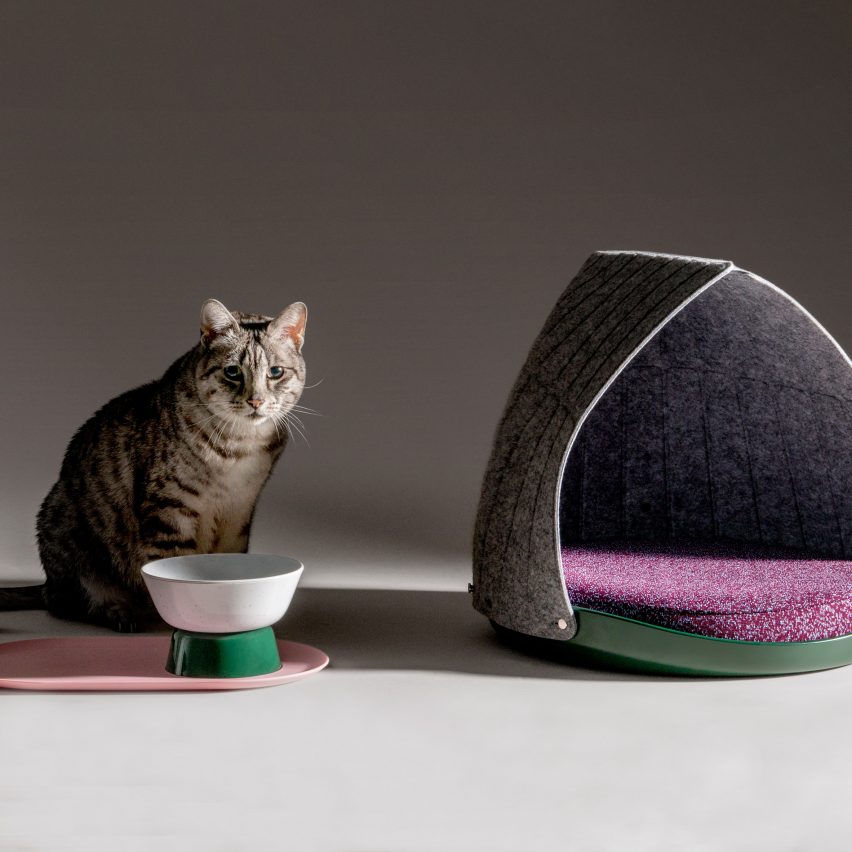
Strategic design agency Layer has collaborated with American startup Cat Person on a collection of modular furniture for cats that can change as the animal grows.

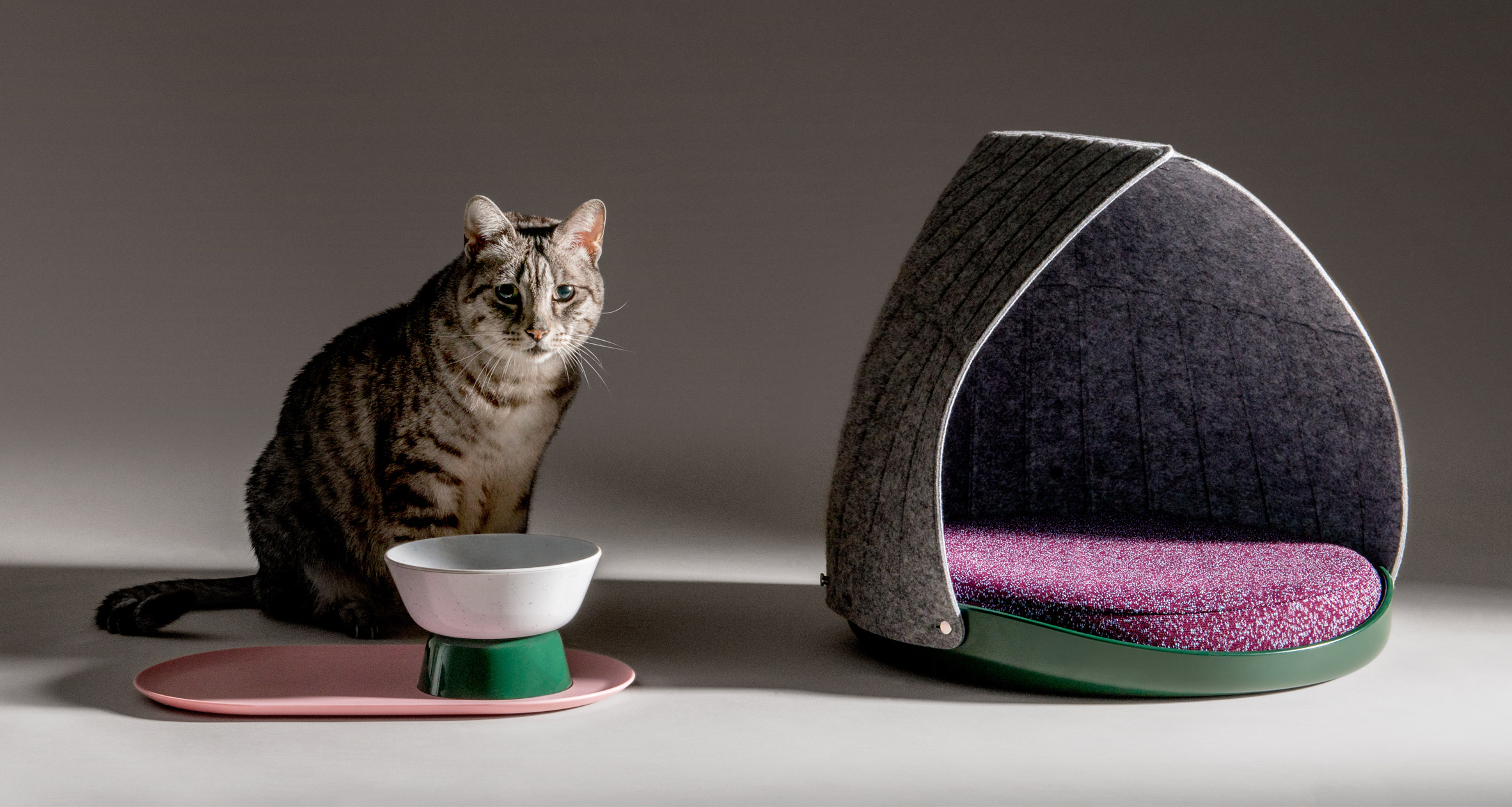
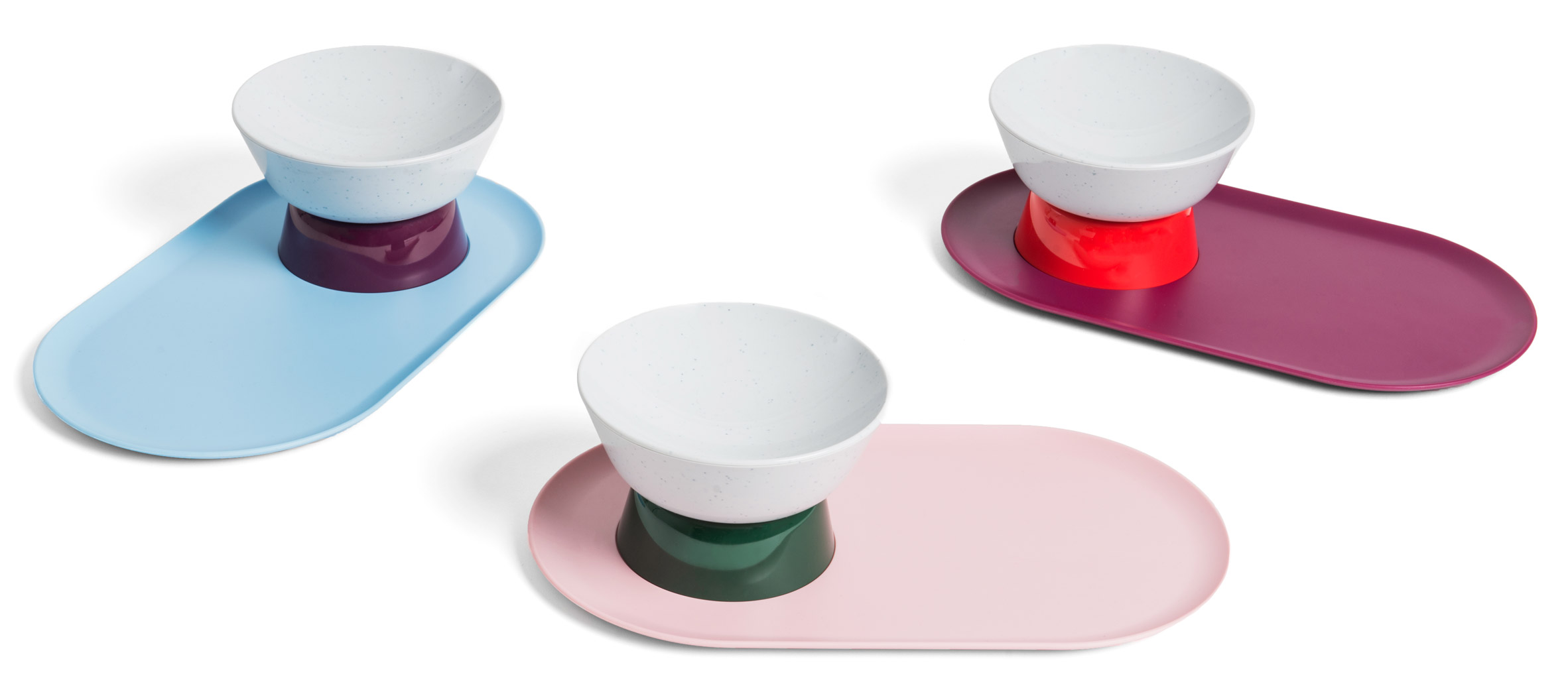
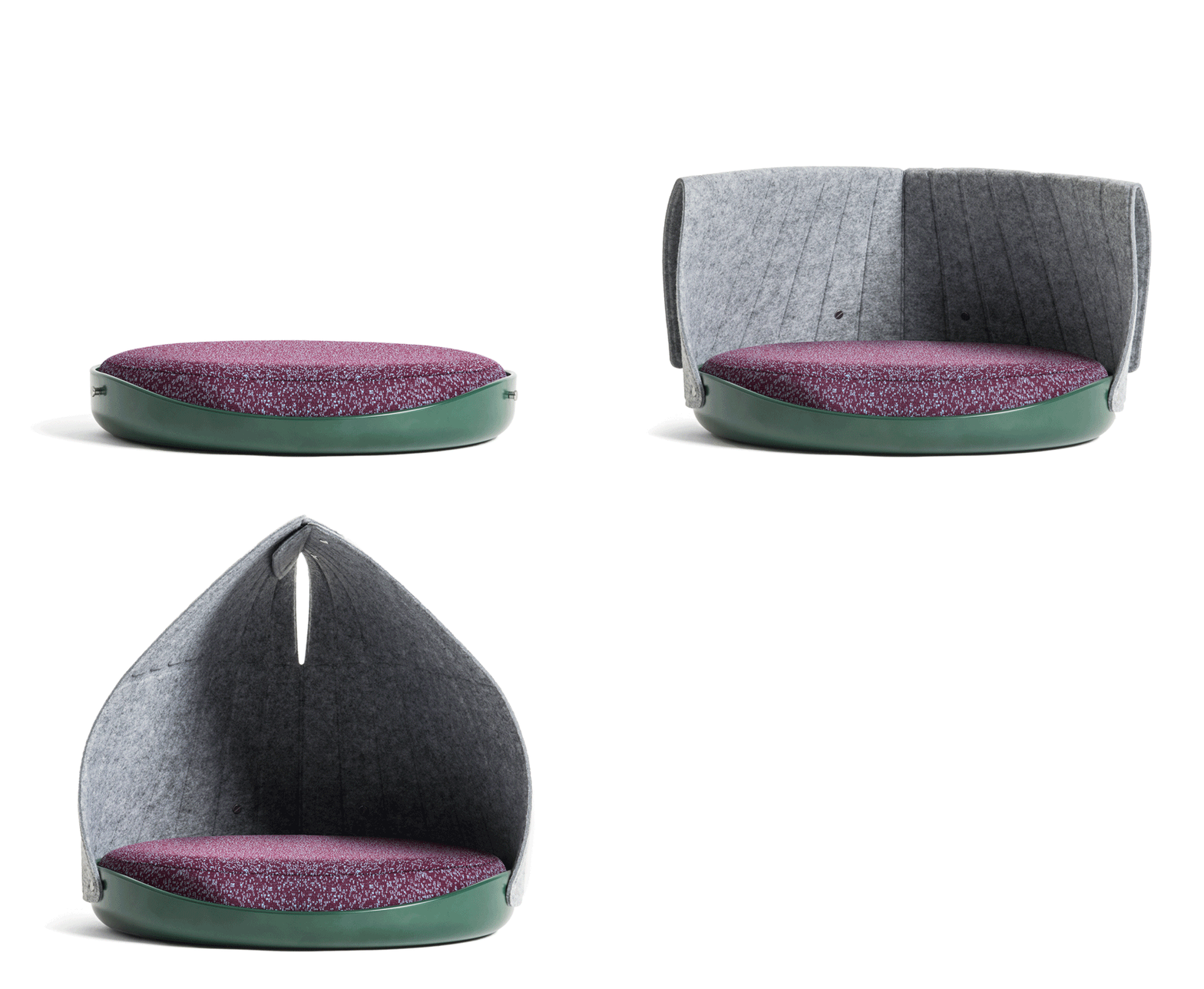
The Cat Person collection comprises a modular feeding station, called the Mesa Bowl, and an adaptable three-in-one cat bed, dubbed the Canopy Bed.

Layer and Cat Person design social media-friendly furniture for felines

After discovering that 35 per cent of pets in the US are owned by millennials living in cities, the New York-based startup and Layer wanted to create a selection of feline accessories that would reflect the tastes of this demographic.

Both the Mesa Bowl and the Canopy Bed have a minimal, contemporary aesthetic and a changeable design, including mix and match colours.

Inviting materials and geometric forms are designed to be "proudly displayed in the home and on social media".

Layer and Cat Person design social media-friendly furniture for felines

"We saw an opportunity to disrupt a market underserved by good design with a collection of products to connect with a new generation of cat owners," said Layer founder Benjamin Hubert.

"The collection is based on extensive research into cat and cat owner behaviours to find new insights that have driven innovative features," he added.

"The resulting collection not only meets the specific needs of domestic cats, but also seamlessly integrates into the home life of owners and offers an opportunity for them to celebrate their feline friends."

Layer and Cat Person design social media-friendly furniture for felines

The Mesa Bowl is a modular feeding station.

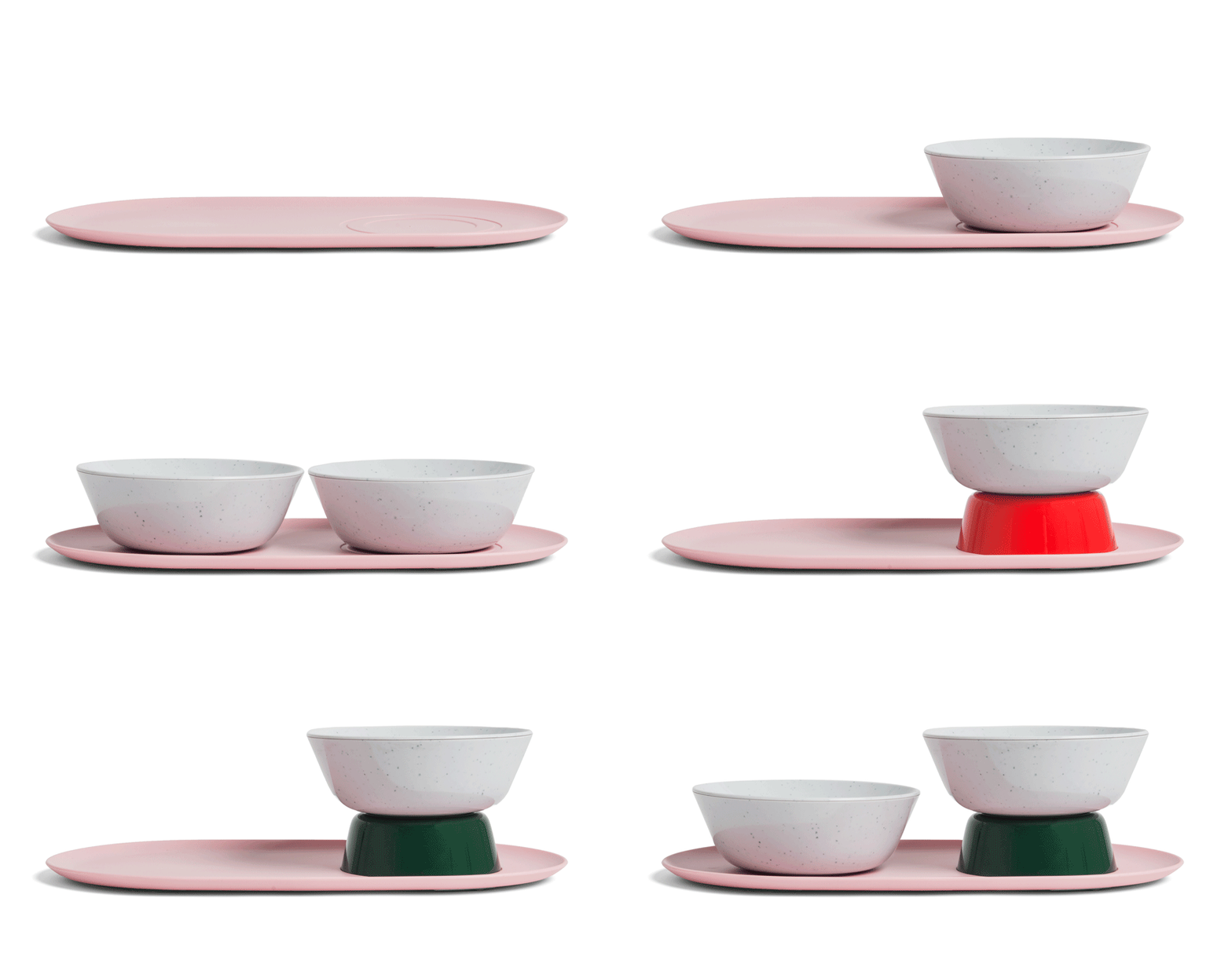
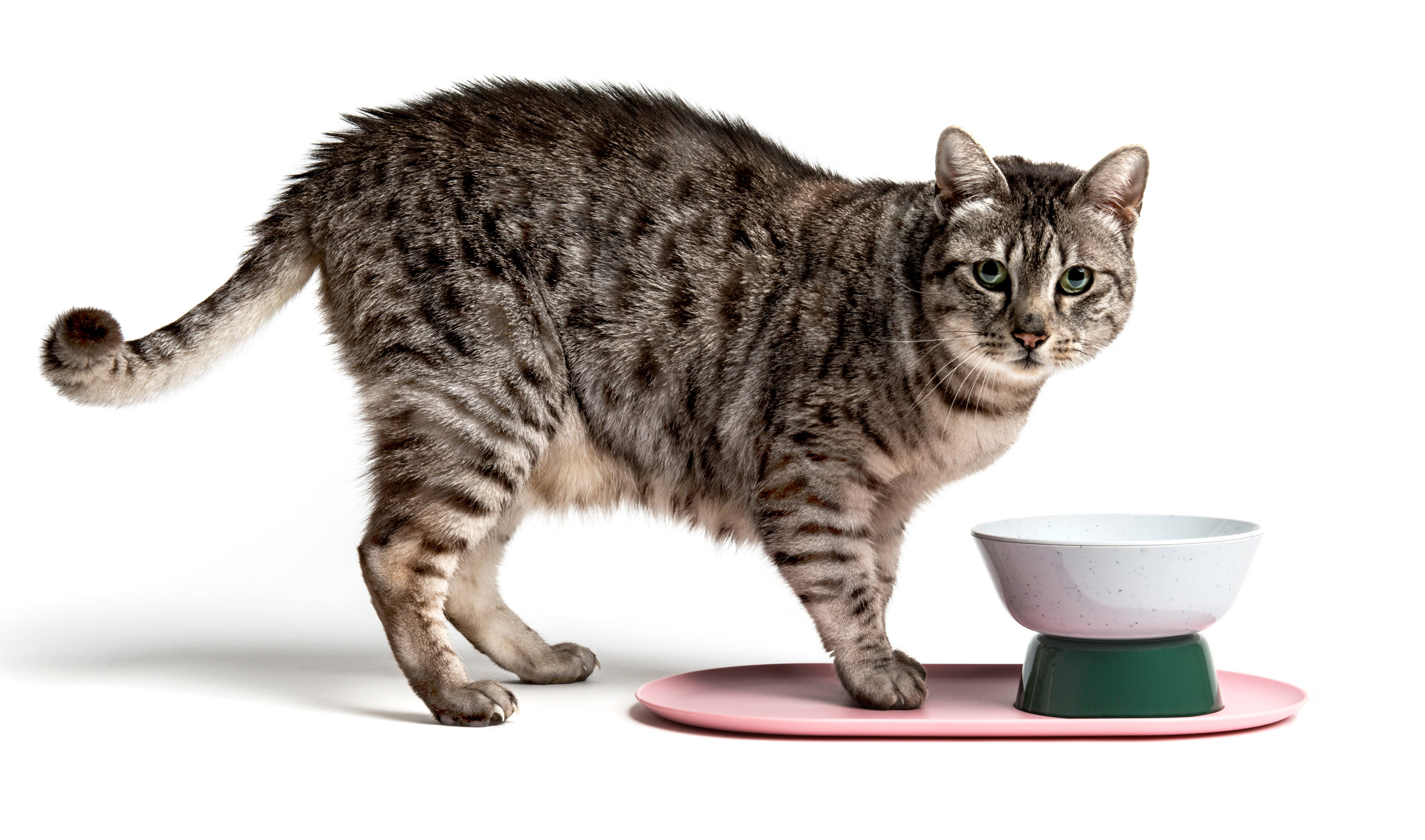
It's comprised of a round bowl made from durable non-BPA plastic and a sculptural stand, which sit on a semi-rigid plastic placemat to make the area easy to clean.

Layer fabricated the shallow bowl with whiskers in mind. The design lets cats eat without getting "whisker fatigue", which occurs when their whiskers continually brush up against the sides of their food or drink containers.

Layer and Cat Person design social media-friendly furniture for felines

The accompanying stand enables the feeding station to grow along with the pet.

The bowl can be used directly on the tray by kittens or on the stand for adult cats, to avoid them having to crouch or hunch when feeding.

According to Layer, the Mesa Bowl and stand take design cues from high-end homeware, in a bid to seamlessly blend into the owner's interior space.

Layer and Cat Person design social media-friendly furniture for felines

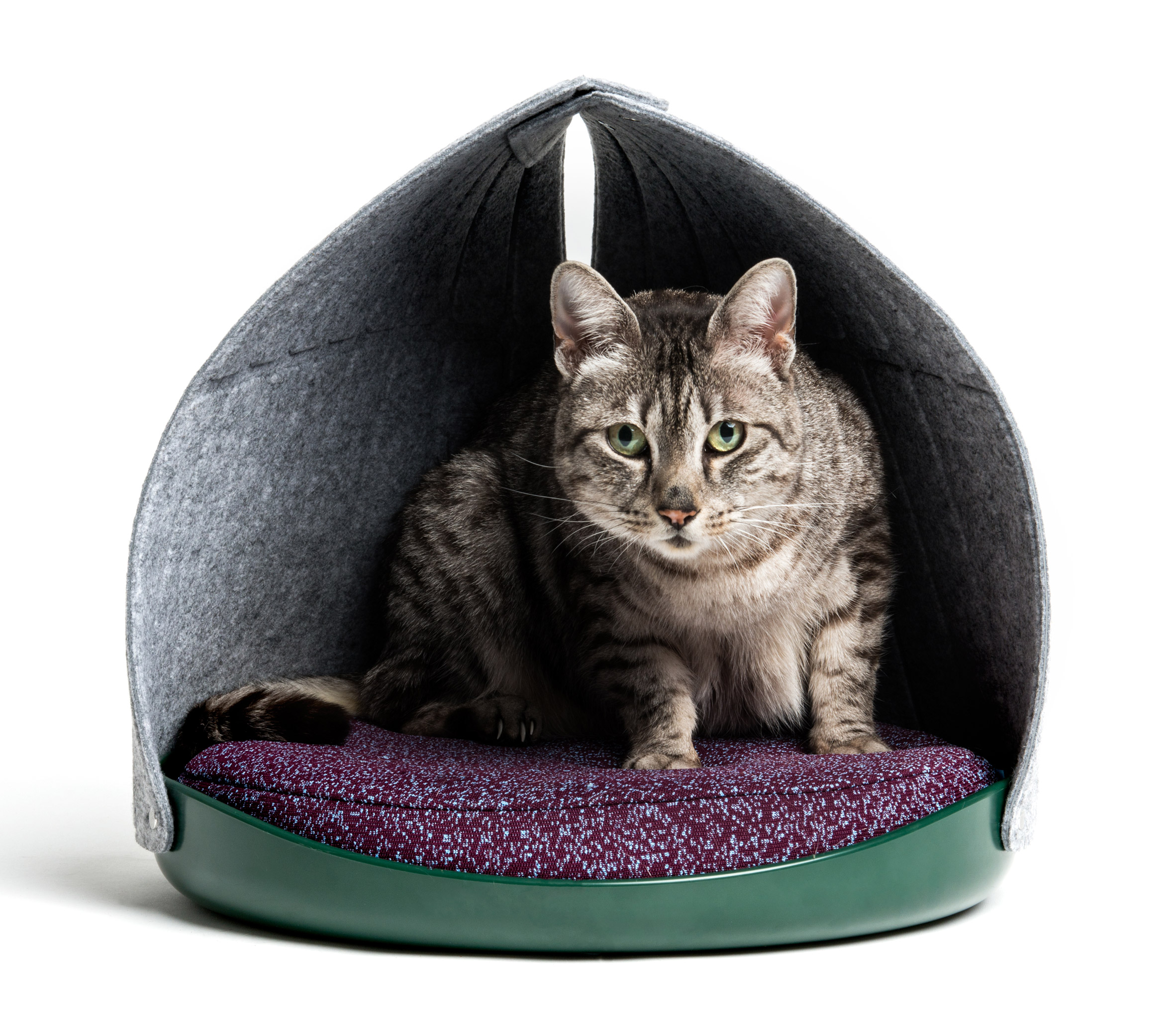
The adaptable Canopy Bed has three different configurations to fit the cat's changing moods.

"Most cats will sleep up to 17 hours each day, with kittens and older cats napping for even longer. As such, it was important to provide a sleeping area that could adapt throughout the day," Hubert said.

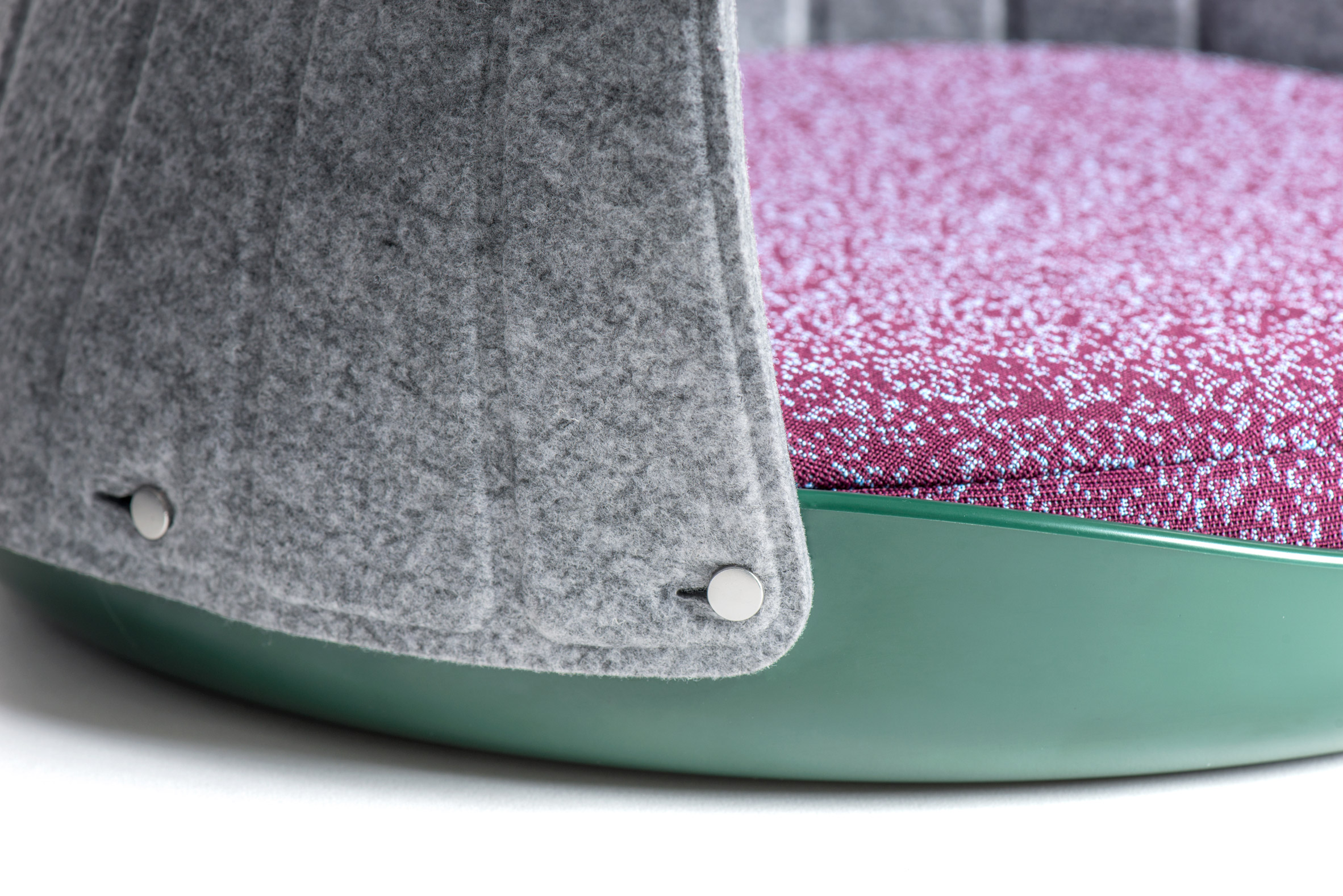
Based on these findings, Layer designed a bed with a detachable, cone-shaped element that can be added when the cat wants a more enclosed space.

This can be folded down to half its height to get rid of the over-head cover, and taken off altogether to create an open bed.

Layer and Cat Person design social media-friendly furniture for felines

The bed includes a circular memory foam cushion that mimics cats' curled sleeping position, while the detachable element is made from a felted PET material that can withstand the pets' scratching habits.

Both the Mesa Bowl and the Canopy Bed are available in three different colourways: Jungle, Tundra, and Savanna.

Layer and Cat Person design social media-friendly furniture for felines

Founded in March 2020 by Jimmy Wu and Lambert Wang, Cat Person is the company behind the subscription shaving company Harry's.

The male grooming brand previously designed a range of playful packaging based on a comic strip character that featured on confectionary wrappings in the 1950s.

The post Layer and Cat Person design mix-and-match furniture for felines appeared first on Dezeen.


from Dezeen https://ift.tt/2vQUauY

Micheal Two Bulls

Micheal Two Bulls

Micheal Two Bulls is an Oglala Lakota artist from South Dakota whose work spans an eclectic array of disciplines and mediums. Two Bulls weaves together elements of photography, drawing, painting, printmaking, songwriting, and other creative disciplines to create multi-layered compositions that invite his audiences to question and explore. At the heart of his creative process is a unyielding commitment to collaboration, community, and family. This commitment is reflected in the nature of this interview, which includes Douglass and Reed Two Bulls, family members who feature in many of his creative projects, including The Wake Singers band.

Read at thegreatdiscontent.com

#artist #musician


from The Great Discontent https://ift.tt/2UvTjIg

AIA urges US government to expand relief for architecture business owners

The American Institute of Architects has urged Congress to support small architecture firms and their employees as they struggle amid the coronavirus pandemic.

The call comes as small creative businesses in the US fear they could go out of business as the pandemic slows the economy.

"The mega galleries – Larry Gagosian, Hauser & Wirth, David Zwirner, Pace – will survive," American sculptor Barry X Ball, who runs a gallery in Brooklyn, told Dezeen. "Many of the others will not."

In a letter addressed to house speaker Nancy Pelosi and senate majority Leader Mitch McConnell, the American Institute of Architects (AIA) asked for improved aid, including loans and tax breaks, to help architecture firms amid the economic downturn caused by the virus.

AIA calls for relief to save architecture firms

It urged Congress to extend the relief past the HR 6201, which was introduced to offer benefits such as paid sick leave, free coronavirus testing, food assistance and unemployment benefits.

"To address pressing short-term economic needs, AIA urges you to expand temporary relief for business owners to avoid layoffs and the sharp economic downturn that would follow," said the statement.

"Architecture firms come in all sizes, but the majority are classified as small businesses. The relief provided in HR 6201 was an important first step, but more will be necessary. Businesses cannot wait until the next tax filing season to see relief."

AIA has urged Congress to invest in Small Business Interruption Loans so that businesses with 500 employees or under can cover the cost of payroll for employees unable to work due to health issues caused by the virus or working in isolation.

It has also called on Congress to provide loans so that they can cover costs like payroll and rent during uncertain times, and has suggested Congress suspend the collection of business taxes, including payroll tax, for the duration of the pandemic.

In addition, it has asked for changes to offer tax breaks to pass-through entities, which are businesses that pay taxes through the owners, like many architecture firms.

The letter, was sent by AIA president Jane Frederick and chief executive officer Robert Ivy, comes amid economic uncertainty caused by the virus.

"The short term hurt is upon us"

David Galullo, who is CEO of American design firm Rapt Studio, said that measures to confirm economic stability were necessary to ensure that businesses could keep afloat.

"The biggest impact is the uncertainty," Galullo told Dezeen. "There are many reports that have outlined the potential trajectory of the virus globally and the markets are responding to the potential outcome of the potential trajectory but it's all just guessing."

"Financial stability is built on the foundations of societal, emotional and systemic stability," he added. "With uncertainty comes instability, which leads to a big impact on economic health. We are in a 'wait and see' situation at the moment, waiting for the world around us to become certain."

"Construction has all but halted in California"

Galullo said that the short-term effect on the architecture and construction industry was already apparent in California, where all residents are placed under a stay-at-home order.

"From a business perspective, construction has all but halted in California and many of our clients are in a "wait and see" mode," he said. "The long term impact? No one knows, but the short term hurt is upon us."

Barry X Ball, who has a gallery in Brooklyn's Greenpoint neighbourhood, said the art and design industries were already seeing an impact, after a number of high-profile events were cancelled, like ArtBasel Hong Kong, TEFAF spring New York, Frieze New York, and ArtBasel.

"When travel is severely restricted, the artworld grinds to a complete halt (as has occurred over the last few days)," he said. "When there is great financial uncertainty, art purchases also almost completely dry up.

UK introduces financial package to support businesses

"Even the 0.1 per cent get cautious in a storm. Most galleries – especially small and mid-size ones – do not have deep enough pockets to maintain their staffing levels for long without the sales opportunities provided by art fairs."

While the support offered by the US remains uncertain, the UK government has introduced a huge financial package, worth an estimated £78 billion, to help companies protect jobs during the crisis.

Under the temporary measures, the government will cover up to 80 per cent of salaries for workers that are "furloughed", meaning they are still retained as employees but not engaged in any work. Called the Coronavirus Job Retention Scheme, it will offer payments up to £2,500 per month for each furloughed worker, for up to three months.

The relief package will offer support to a number of small businesses. But the UK's Creative Industries Federation said more needed to be done to help workers without salaried jobs, including freelancers and self-employed workers.

Photograph is courtesy of Shutterstock.

The post AIA urges US government to expand relief for architecture business owners appeared first on Dezeen.


from Dezeen https://ift.tt/2UvEG7X