Wednesday, 25 March 2020

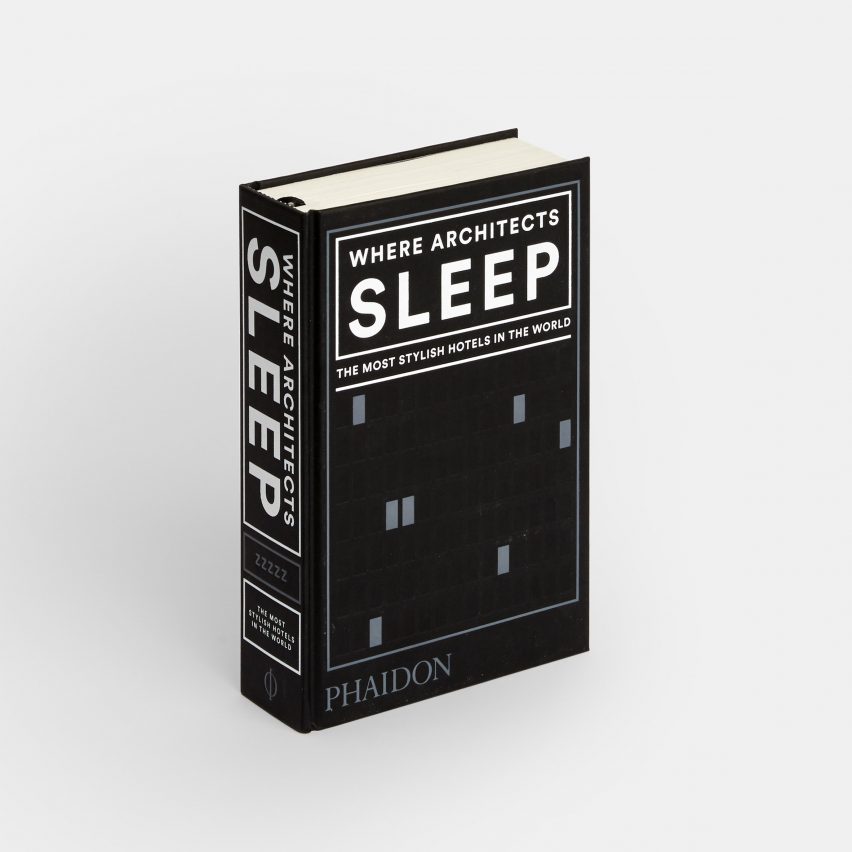
Competition: win a copy of Where Architects Sleep by Sarah Miller

Competition: win a copy of Where Architects Sleep by Sarah Miller

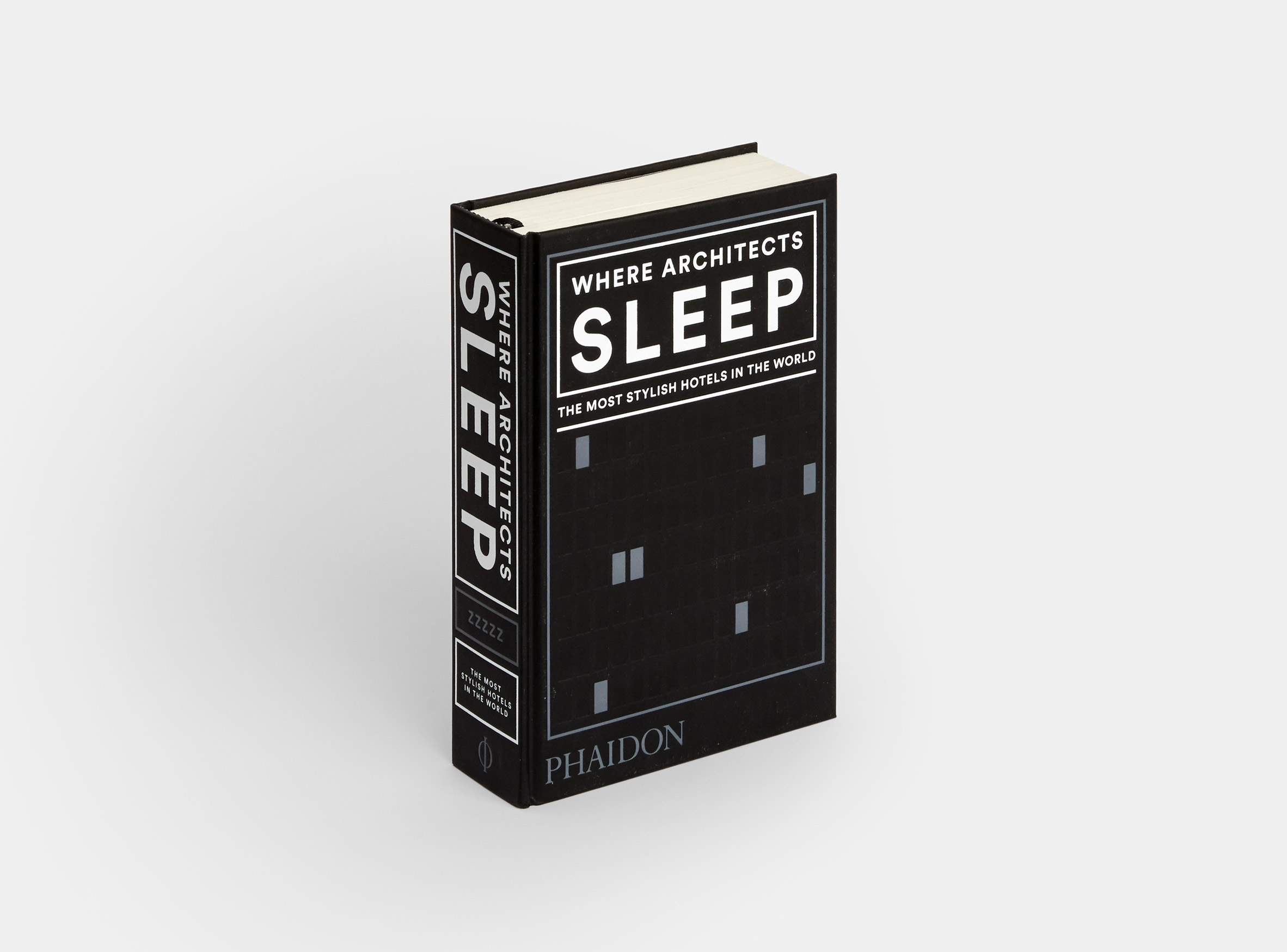
For our latest competition we're offering readers the chance to win one of three copies of Where Architects Sleep, The Most Stylish Hotels in the World.

Curated and edited by Sarah Miller, founding editor-in-chief of Condé Nast Traveller UK, the book is "the ultimate, global accommodation list", bringing together the expert opinions of more than 250 of the world's most esteemed architects.

Between them, they have given more than 1,200 recommendations from better-known destinations to secret spots. We've teamed up with publisher Phaidon to give away three hardback copies of the book.

Where Architects Sleep, The Most Stylish Hotels in the World
We're offering readers the chance to win one of three copies of Where Architects Sleep

From luxury rooms to budget escapes, Where Architects Sleep showcases an extensive array of architects' favourite international places to stay for both work and leisure.

Desert, urban, countryside and island locations are all featured, including The Upper House in Hong Kong – a number one for Amanda Levete – and Villa Flor in Switzerland, chosen by Norman Foster.

"In the heart of an unspoiled village called S-Chanf, this is a simple but sophisticated guest house," says Foster about Villa Flor.

"Its corridors host exhibitions by artists, many of whom are frequent guests," he continues. "It is discreet and unpretentious without any signs to advertise its presence."

Competition: win a copy of Where Architects Sleep by Sarah Miller
The book is curated by founding editor-in-chief of Condé Nast Traveller UK, Sarah Miller

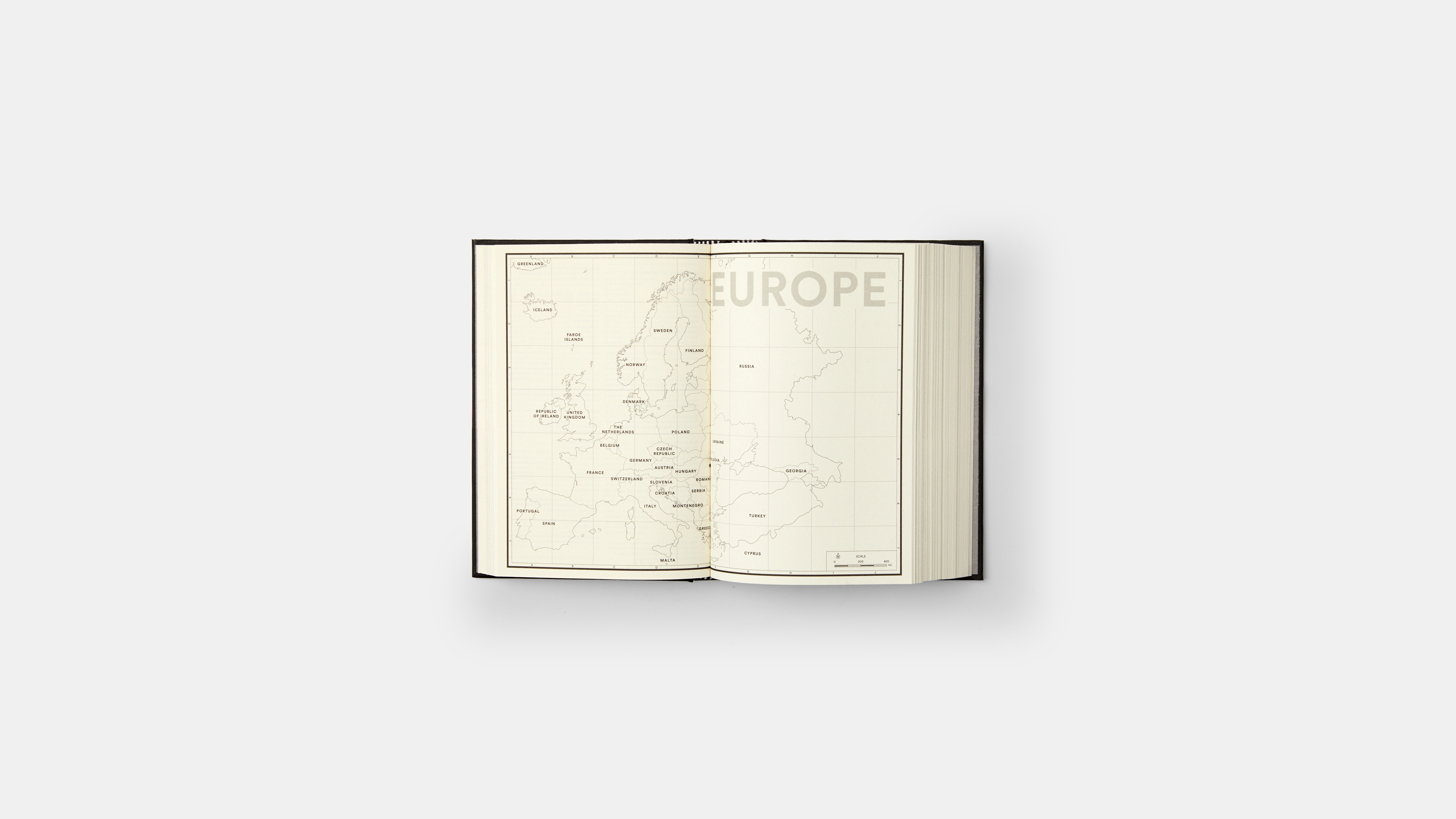
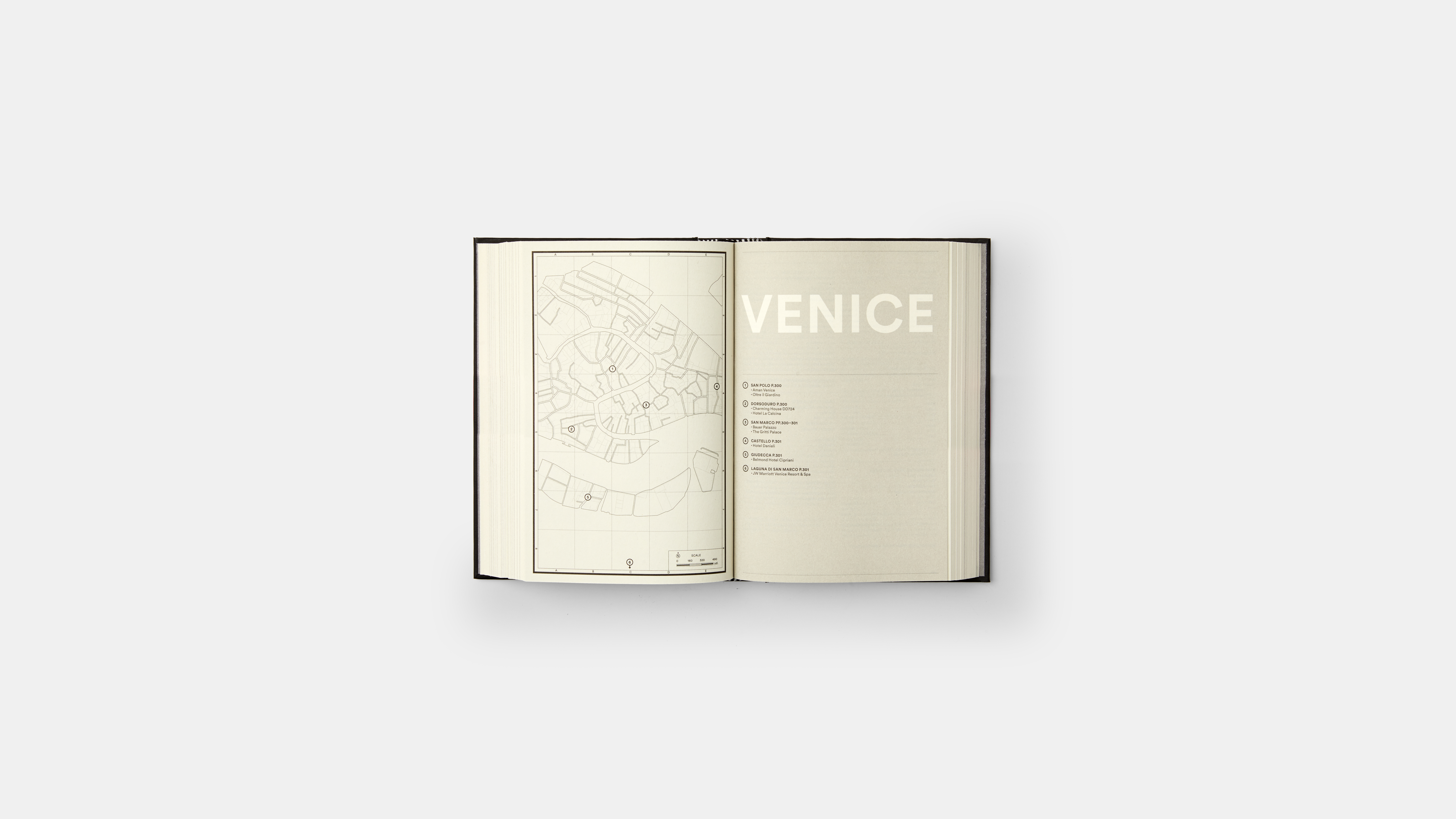
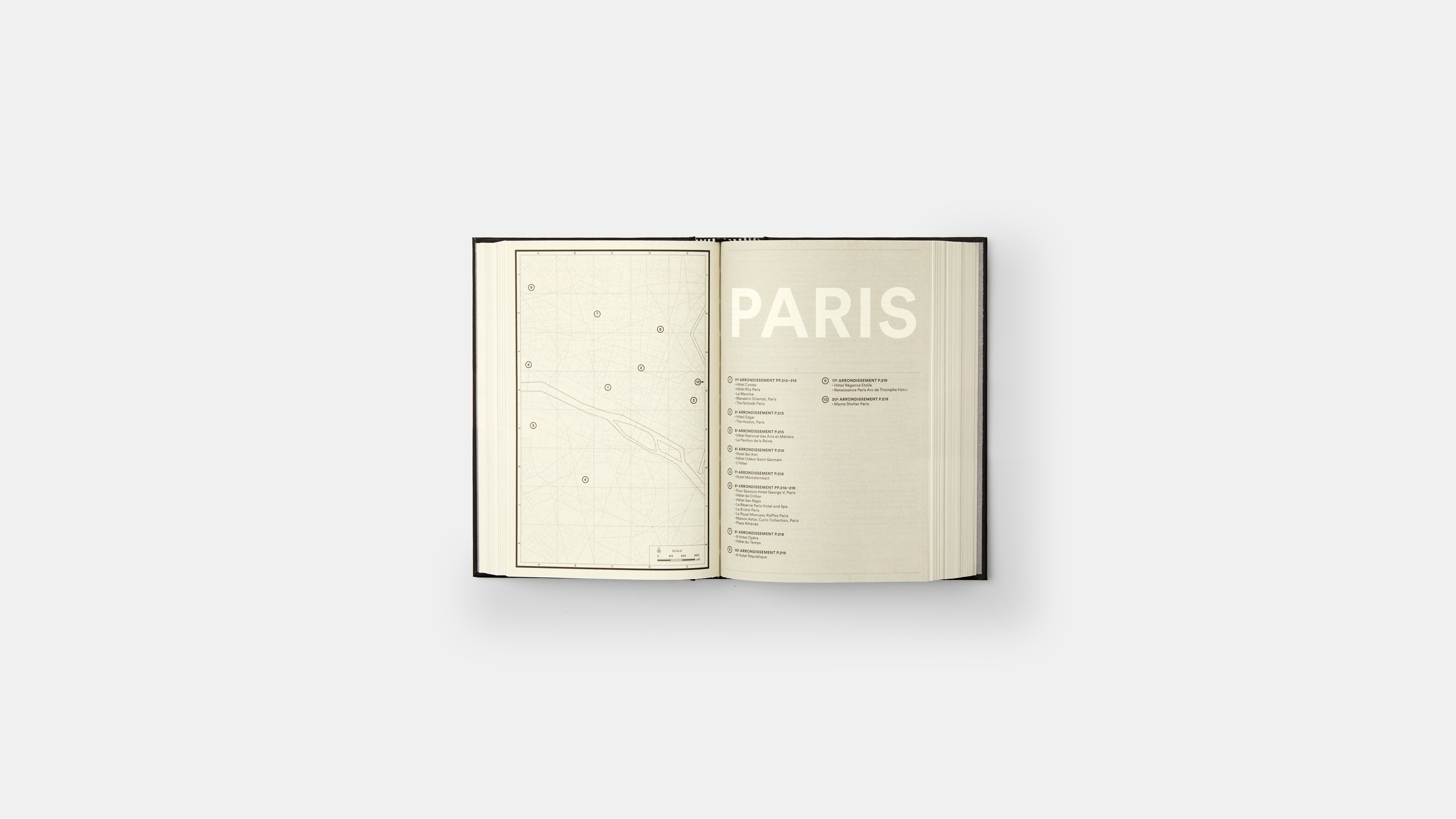
Insightful reviews, specially-commissioned maps and essential information are included to offer easy-to-navigate pages, which are organised by geographical area.

As well as suggesting destinations, the contributing architects also detail places they wish they had designed themselves.

More than 100 countries are covered in the book, with the most recommended hotel being 7132 Hotel in Vals, Switzerland – the hotel most architects wished they had designed.

Designed by Japanese architect Kengu Kuma, if the top-floor presidential suite of this hotel is booked then the visitor's helicopter and limousine transfer will also be included.

Where Architects Sleep, The Most Stylish Hotels in the World
A host of well-known architects have given over 1,200 recommendations

The winner of the "all-time favourite" category is Benesse House in Japan, while joint-winners Le Pavillon de la Reine in Paris and Das Stu in Berlin steal the prize for "best-kept secret".

The Connaught in London received the highest votes for "luxury", while Amangiri in Utah had the most votes for "worth the travel", and "eco-conscious" is won jointly by Hotel Whitepod in Switzerland and Heritance Kandalama in Sri Lanka.

Where Architects Sleep, The Most Stylish Hotels in the World
Where Architects Sleep is "the ultimate global accommodation list"

Miller launched Condé Nast Traveller UK in 1997 and stayed at the title for 15 years. She went on to become European editor of travel and leisure and today runs Sarah Miller and Partners – an agency that creates brand strategies and content for a range of luxury and lifestyle brands.

The author also sits on the international advisory board of École hôtelière de Lausanne, a renowned hospitality institution.

Three readers will win a copy of Where Architects Sleep by Sarah Miller, first published by Phaidon in January 2020.

Competition closes 22 April 2020. Three winners will be selected at random and notified by email. Terms and conditions apply.

The post Competition: win a copy of Where Architects Sleep by Sarah Miller appeared first on Dezeen.


from Dezeen https://ift.tt/39kNS4e

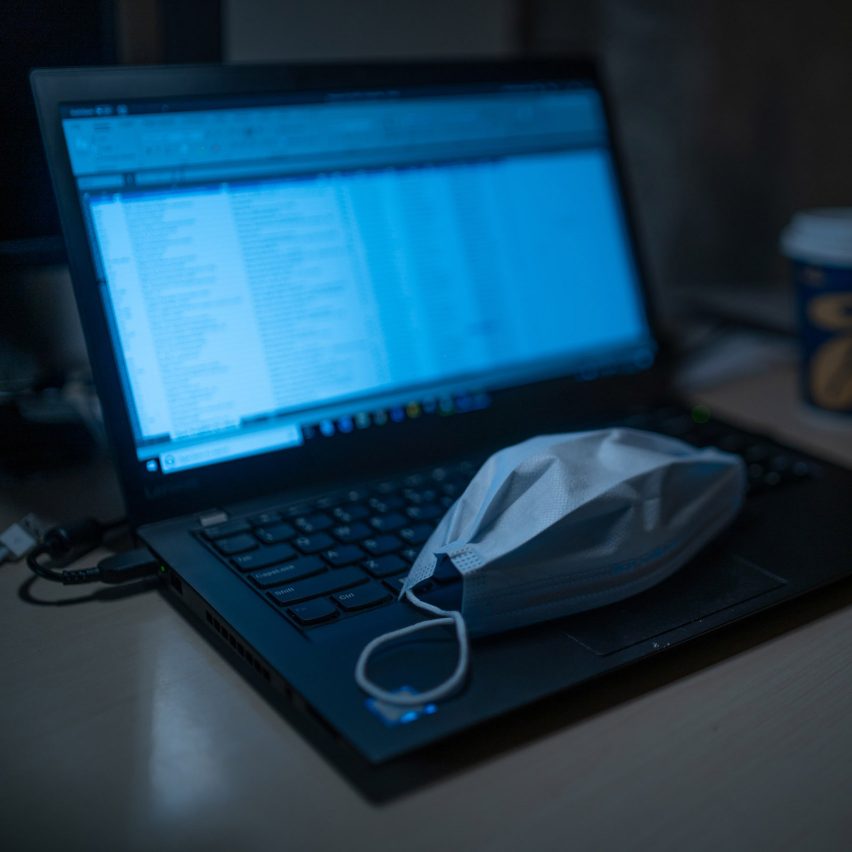
"The great work-from-home experiment could have far reaching positive impacts on our office culture"

The great work-from-home experiment

The mass work-from-home experiment imposed on us by coronavirus could finally force companies to embrace remote working, says Tom Ravenscroft.


Like many companies around the world, Dezeen has closed its offices and all of our staff are now working from home. We made the decision at the end of the week before last, as the coronavirus outbreak in the UK worsened. In the absence of government guidance, we decided we were not comfortable asking people to come into the office.

At a company meeting to explain the move to the team, there was unanimous agreement that sending everyone home was the right choice. Twelve days later, social distancing is now part of our collective vocabulary and working from home has become the new normal.

The Dezeen staff are part of the world's largest-ever work-from-home experiment. The coronavirus outbreak is the most dramatic disruption to office working culture in our lifetimes. Companies across the world are being forced to embrace remote working and the digital technology that supports it.

The dawn of the internet threatened to revolutionise the traditional office, as near-instant communication promised to free large numbers of people to work from wherever they wanted – by now I definitely should be editing Dezeen from a beachside location. By 2020, slogging to a physical office and back was meant to be a thing of the past; instead, everyone would be "telecottaging", as we quaintly called it in the noughties.

The coronavirus outbreaks have now forced many companies to stress-test working from home at its most extreme

But despite leaps in technology, the office has stubbornly refused to retire. Twenty years after the internet became ubiquitous, while many companies (including Dezeen) have introduced degrees of flexibility, few office workers telecommute on a daily basis. Disrupting long-held working patterns has been limited by both technology and corporate inertia. There has been a fear of the disruption that working from home might cause, effectively slowing its adoption.

The coronavirus outbreaks have now forced many companies to stress-test working from home at its most extreme. Where some businesses were resistant to a single team member telecommuting for a single day, they are now coming to terms with having the entire team working from home indefinitely.

And as many of us are learning, working full-time from home is possible. Of course, at least in these early weeks, it is far from ideal. At Dezeen, a largely online company that is seemingly perfect for a digital transition, the move has been expectably strained.

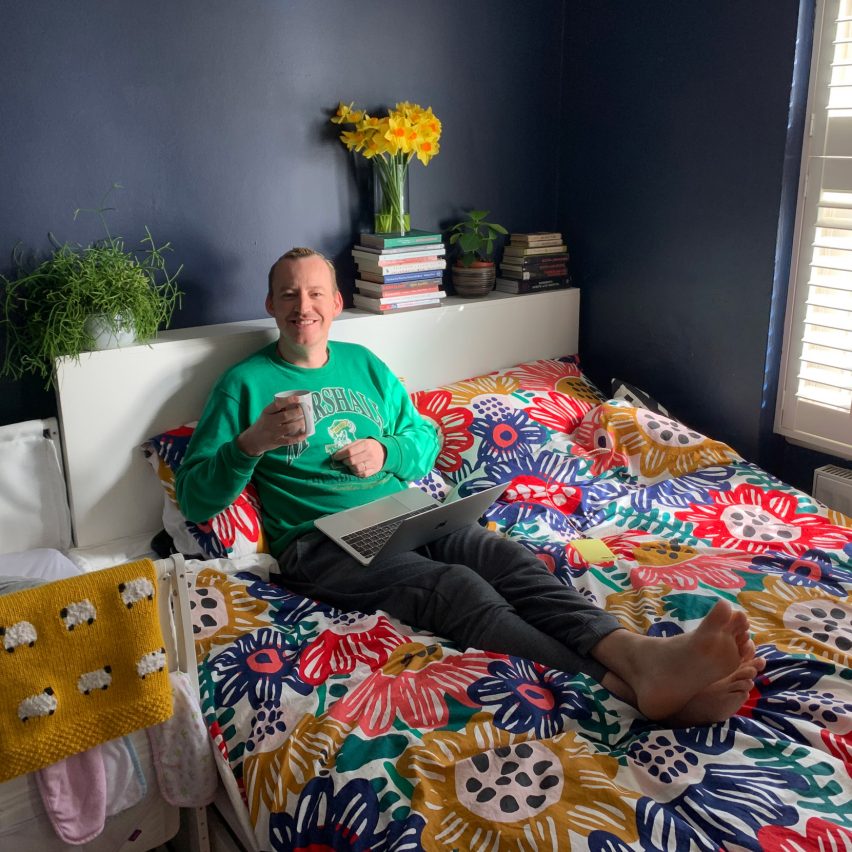
We have lost the immediacy of face-to-face communications. Conversations that should take seconds have been stretched out over minutes on Slack, ideas and instructions are being lost in translation within emails and we are all talking over each other in Google Hangouts. My own productivity is definitely suffering. The relative, calm of the office has disappeared. Concentrating amid constant cat and baby distractions is tough. Like many, I am now rotating between working in bed, at the kitchen table or in my garden shed-cum-office, which doesn't have WiFi. While all good options, none is ideal.

We are finding ways to make working remotely work

However, as a team, we are learning. And next week will be easier, as we begin to develop personal and company-wide systems to understand how to work most efficiently in this unprecedented environment. We are finding ways to make working remotely work.

Certainly, there will be hiccups and barriers to smooth remote working and technology is not quite up to the task. Internet speeds and variability make downloading large files troublesome, remote server access is a pain, and teleconferences often have a frozen person. There is the constant worry that, with everyone else working from home too, internet services will become overloaded.

But the experiment will force innovation, driving investment and improvement. It will force teams to better understand distance working and try things that were previously thought to be impossible. Joining a meeting remotely used to be a novelty; this week our 15-person editorial meeting happened in a Google Hangout without any major issues. Next week's full-team meeting will be even more efficient.

Once the world returns to normality, remote working will no longer be unusual

After the coronavirus outbreak recedes and the many of us return to work-from-office, bosses will no longer be able to say that working from home will not work, that it's too complex, or that employees will take advantage of the lack of oversight and do less work. Once the world returns to normality, remote working will no longer be unusual. The undoubted benefits of flexible working will have been clearly laid out.

For one, I am going to enjoy saving an hour and a half a day on my commute and already being at home bang on six o'clock every day for the foreseeable future. Also, a major personal bonus, I'm getting to see my new-born baby far more regularly than the majority of young fathers.

This wide adoption of remote working also has the potential to fulfil some of the internet's promise of democratising working. The demystification of remote and flexible working will hopefully be a huge help to those for whom it is not possible to work traditional hours in a traditional office.

The enforced work-from-home experiment will not signal the death of the office

Although some companies may have well-meaning "flexible working" policies in place for parents, carers and less-able bodied people, these are often not fully understood or embraced. All will benefit from the lifting of suspicion and confusion that has surrounded flexible working since people first started disappearing from their desks and had to be trusted to work remotely.

Although enforced by unprecedented circumstances, the global shift away from office-based environments could have a far-reaching positive impact on our office culture.

For many, myself included, returning to work-from-office will be tough. I will miss the extra hour of sleep, lunch at home, hanging with children or pets. However, there will be many, myself included, who want to get back into the routine, want to see people in an office and have face-to-face meetings.

The enforced work-from-home experiment will not signal the death of the office – it will just highlight the many benefits of remote working and lead to true flexibility for the greater good of business and individuals alike. Hopefully, it will lead many companies to develop a healthier relationship with flexible working and all of the digital technologies that support it. This will positively impact numerous people's daily working practices and make office-style jobs more inclusive.

The post "The great work-from-home experiment could have far reaching positive impacts on our office culture" appeared first on Dezeen.


from Dezeen https://ift.tt/3bnxh1e
Meet feeeels, a magazine exploring fuzziness in both a physical and conceptual sense

How has tactility been affected by our increasingly digital world? Find out more in the very first, fuzzy issue of feeeels.


from It's Nice That https://ift.tt/2wtc8nE

TAP Architects builds black house atop old granite mill in Scotland

The Larch Mill by TAP Architects

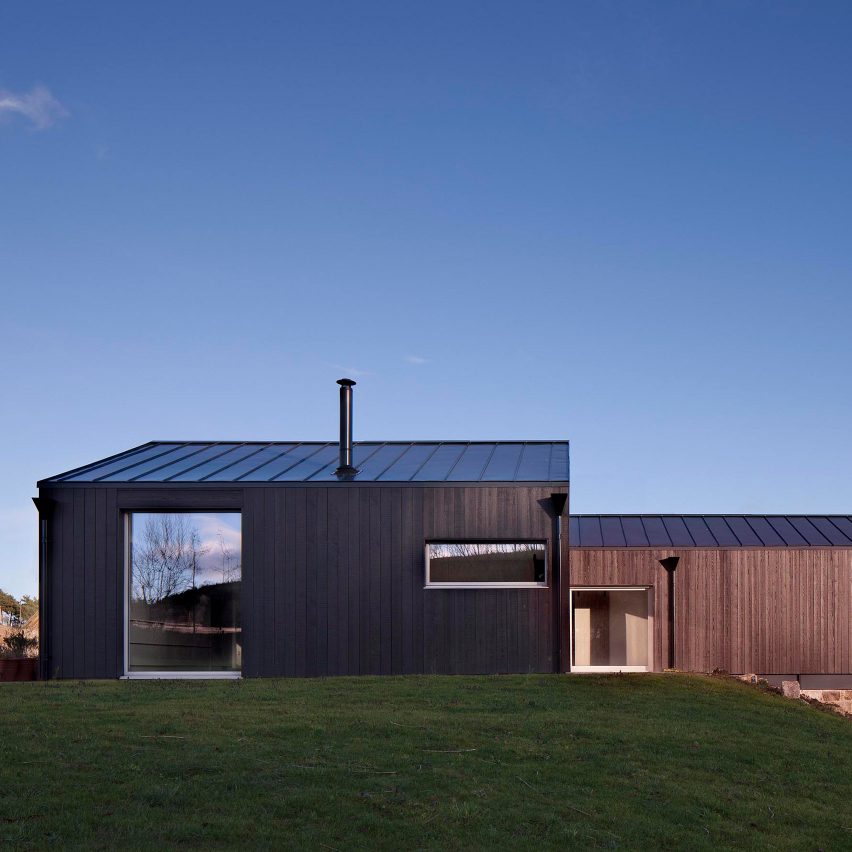
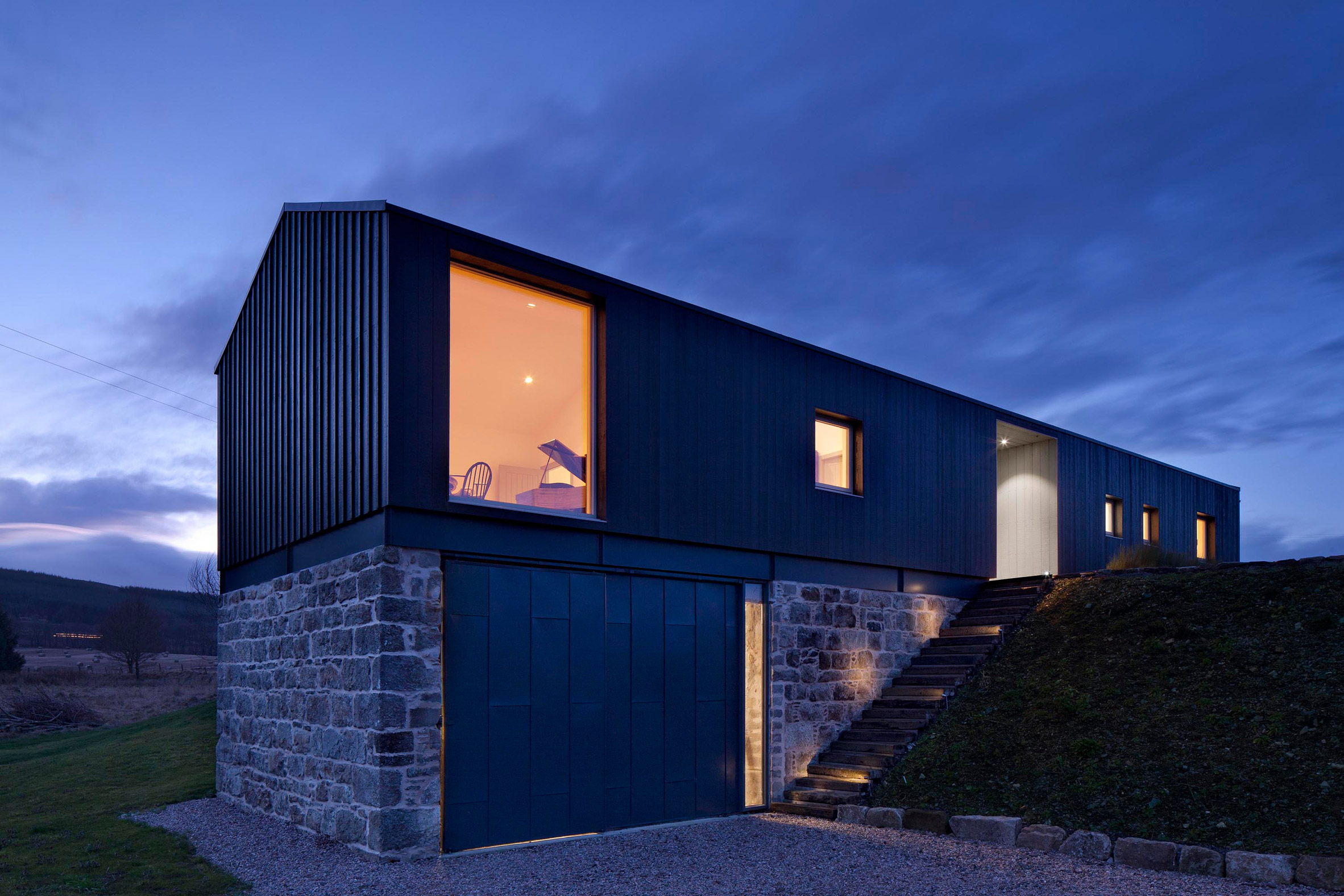
The stone base of a former mill has been repurposed as a raised plinth for house in Aberdeenshire, Scotland, designed by TAP Architects.

Dug into a gently sloping site, the granite mill building was once surrounded by a variety of agricultural structures.

The Larch Mill by TAP Architects

The new home – called The Larch Mill on account of its black Siberian larch cladding – is designed to reference this history.

Its owners initially wanted to incorporate the ruined mill into the home itself,  but flood risk in the area restricted any new building to the higher portion of the site.

The Larch Mill by TAP Architects

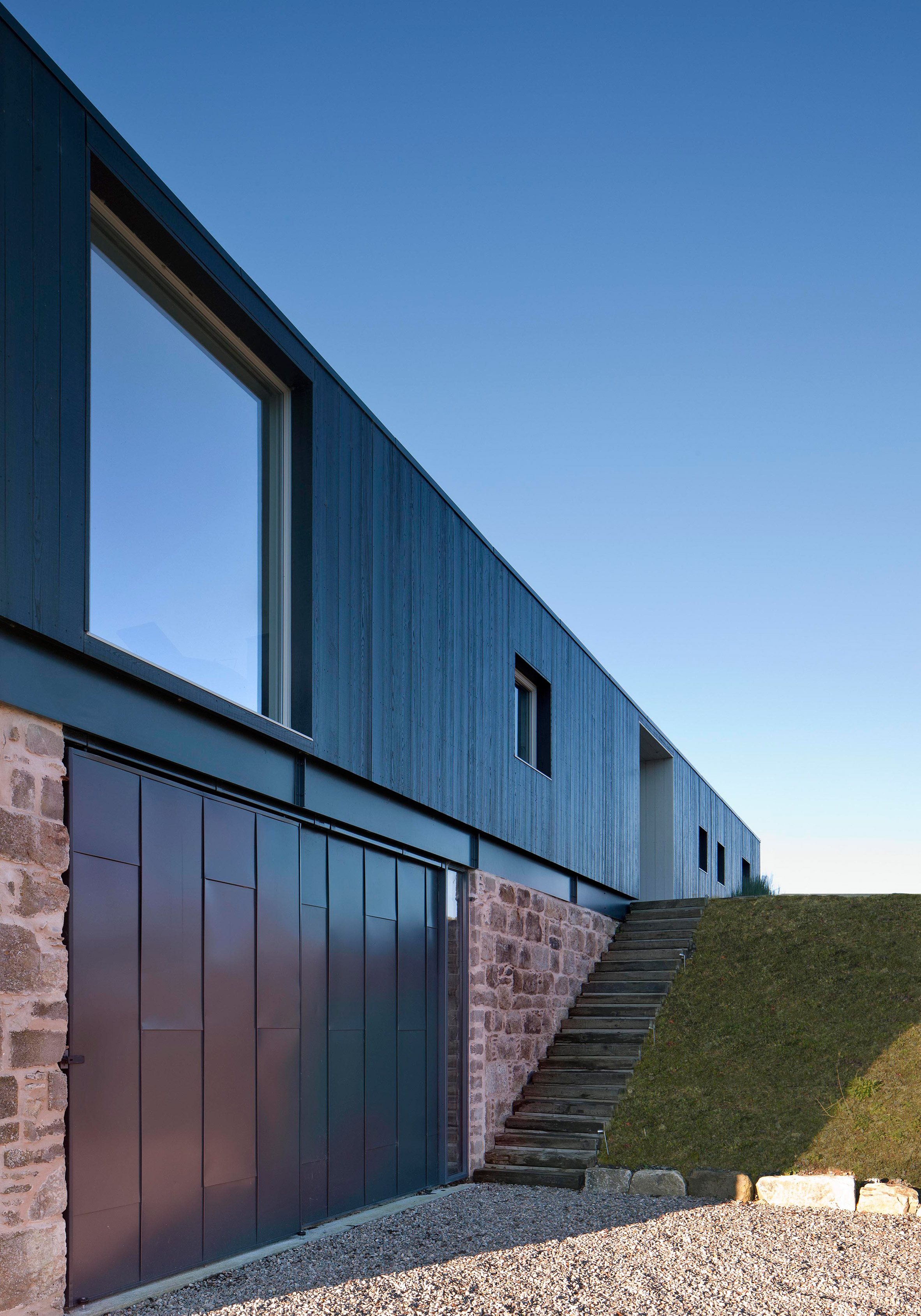
To solve this, TAP Architects used the old mill's stone walls as a base.

"By removing the roof of the mill we were able to conceive of the base of the building as a plinth for the new construction above, thus treating it as part of the site topography - the built equivalent to a rock outcrop," said the studio.

The Larch Mill by TAP Architects

This stone base houses storage and a plant room with a separate entrance.

An exterior staircase leads up to an L-shaped area housing the living spaces, accessed from the higher plateau.

The Larch Mill by TAP Architects

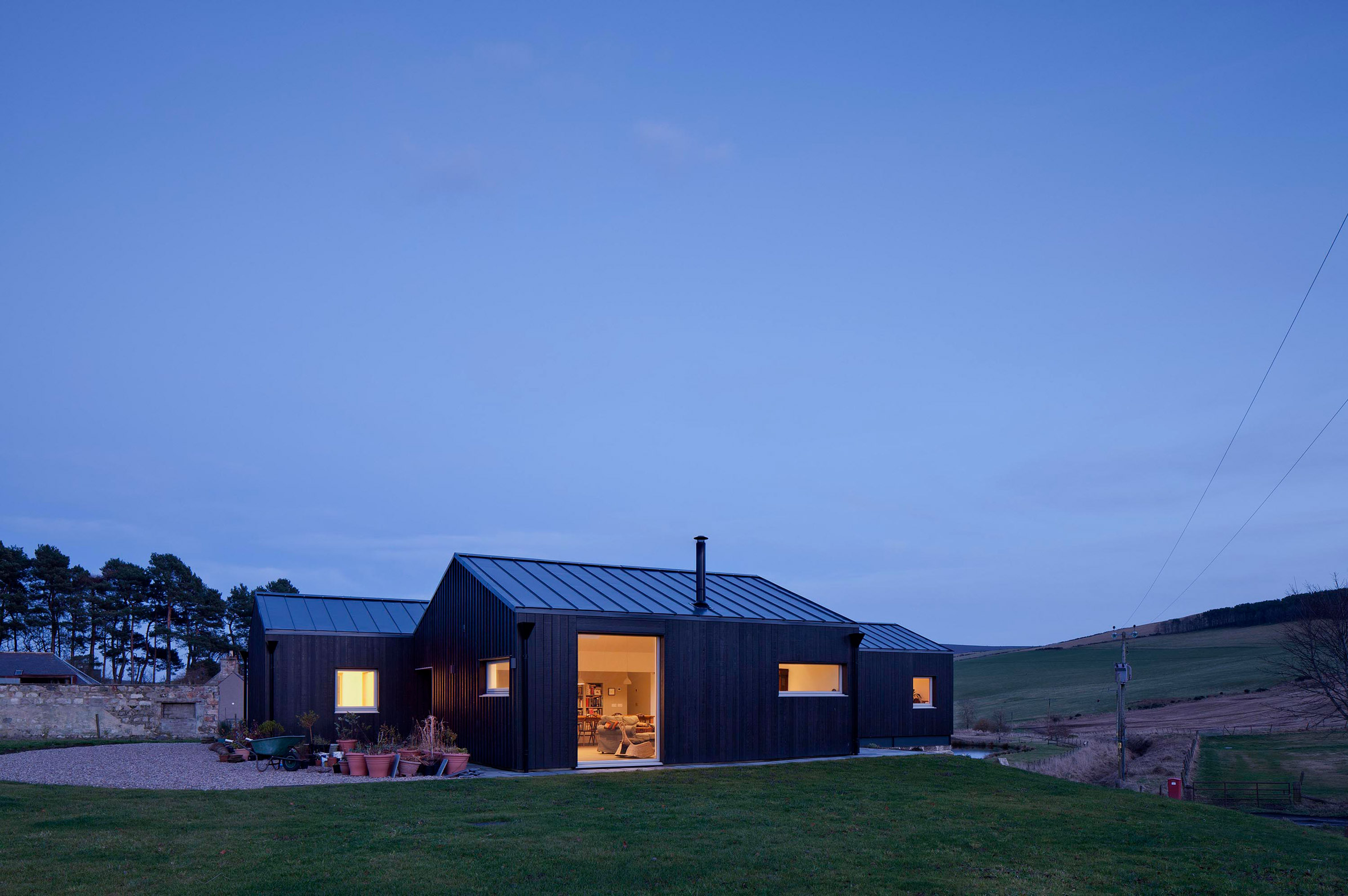
"We developed a proposal that organised the house into two parallel bays," said TAP Architects.

"The first appears as a linear structure with half its length on the solid ground of the plateau and the other projects out of the granite walls of the mill."

The Larch Mill by TAP Architects

In order to build atop this stone base, a lightweight structure of steel and timber was used.

The wing at the top of the slope is built upon new concrete foundations.

The Larch Mill by TAP Architects

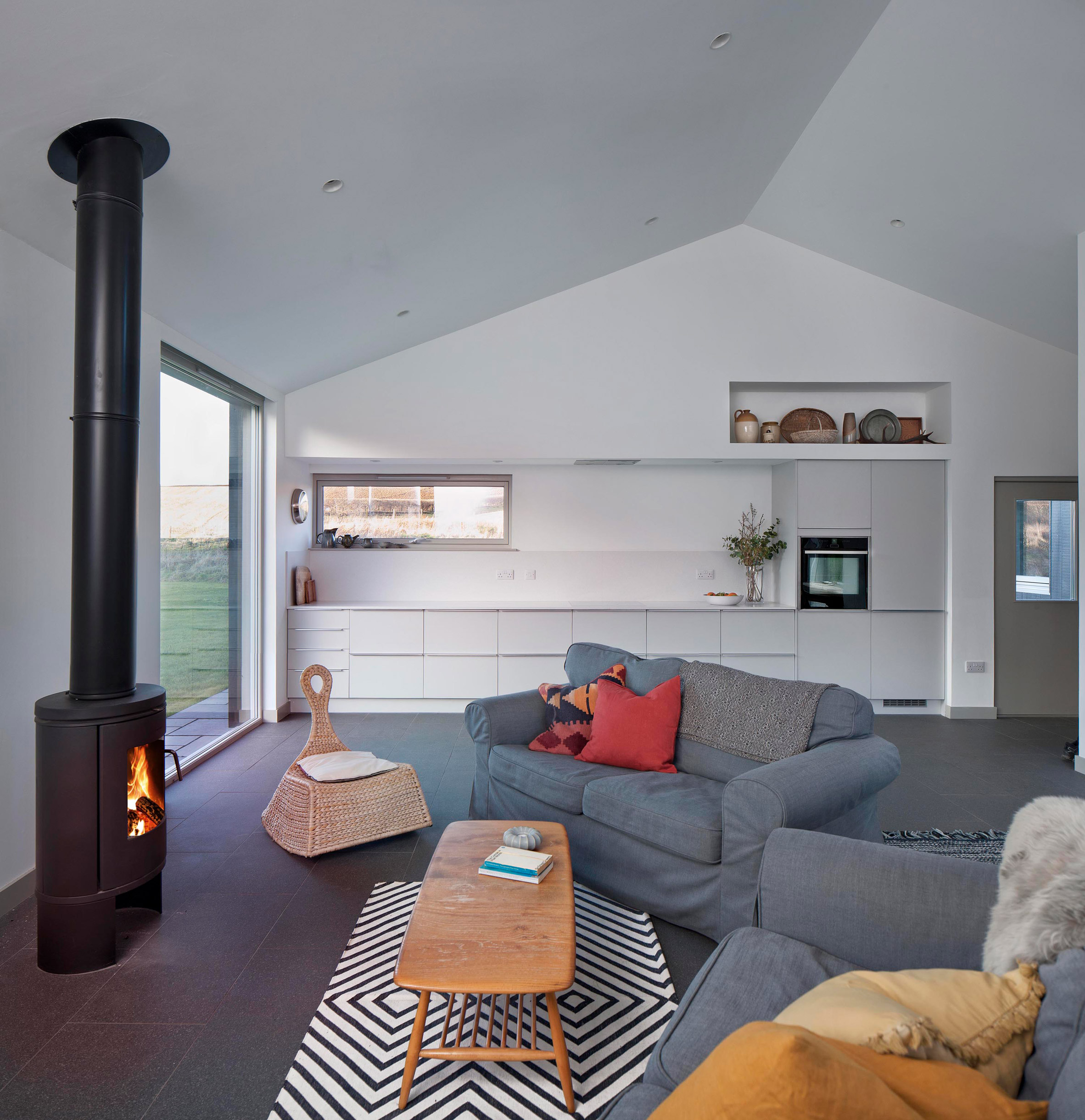
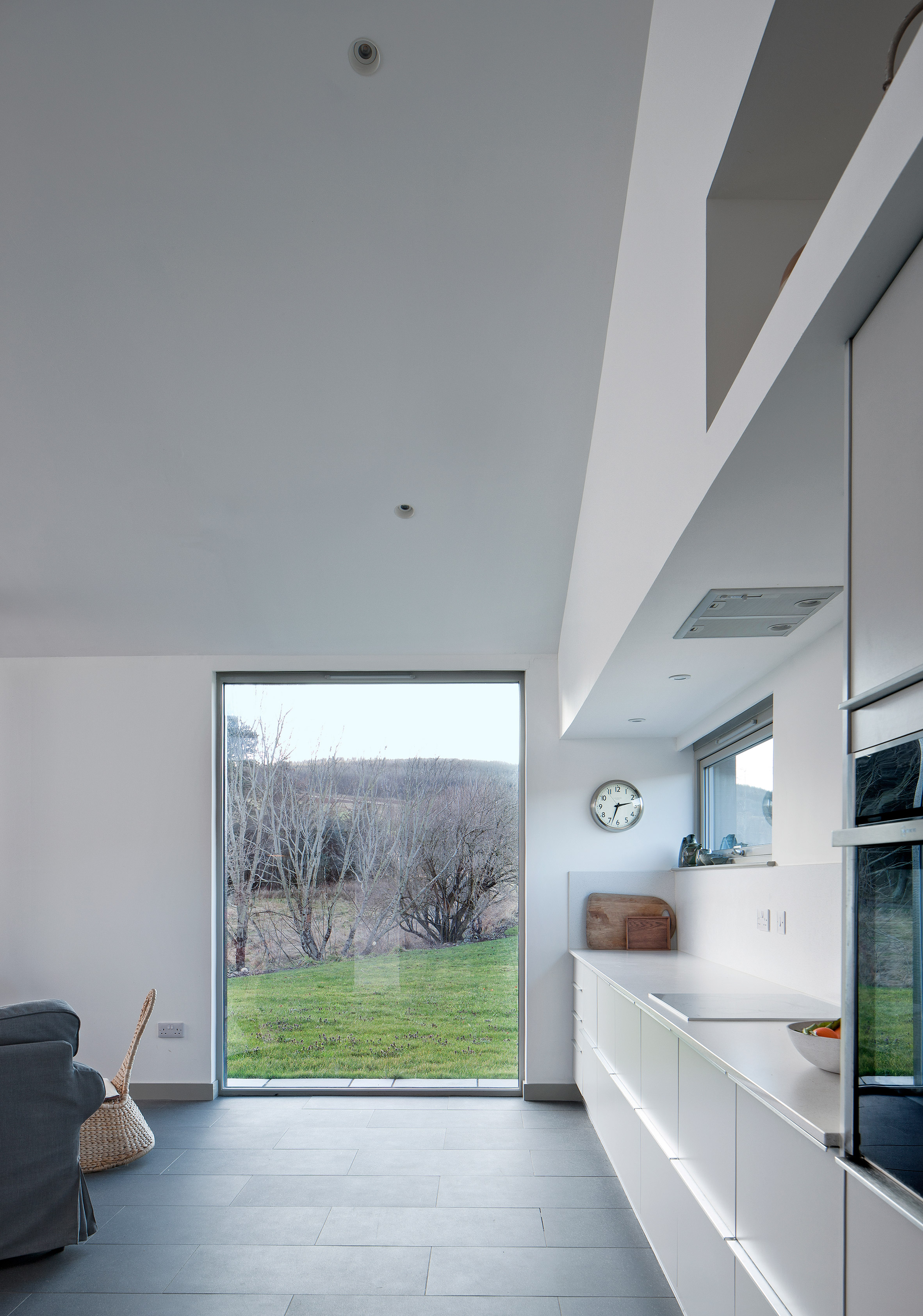
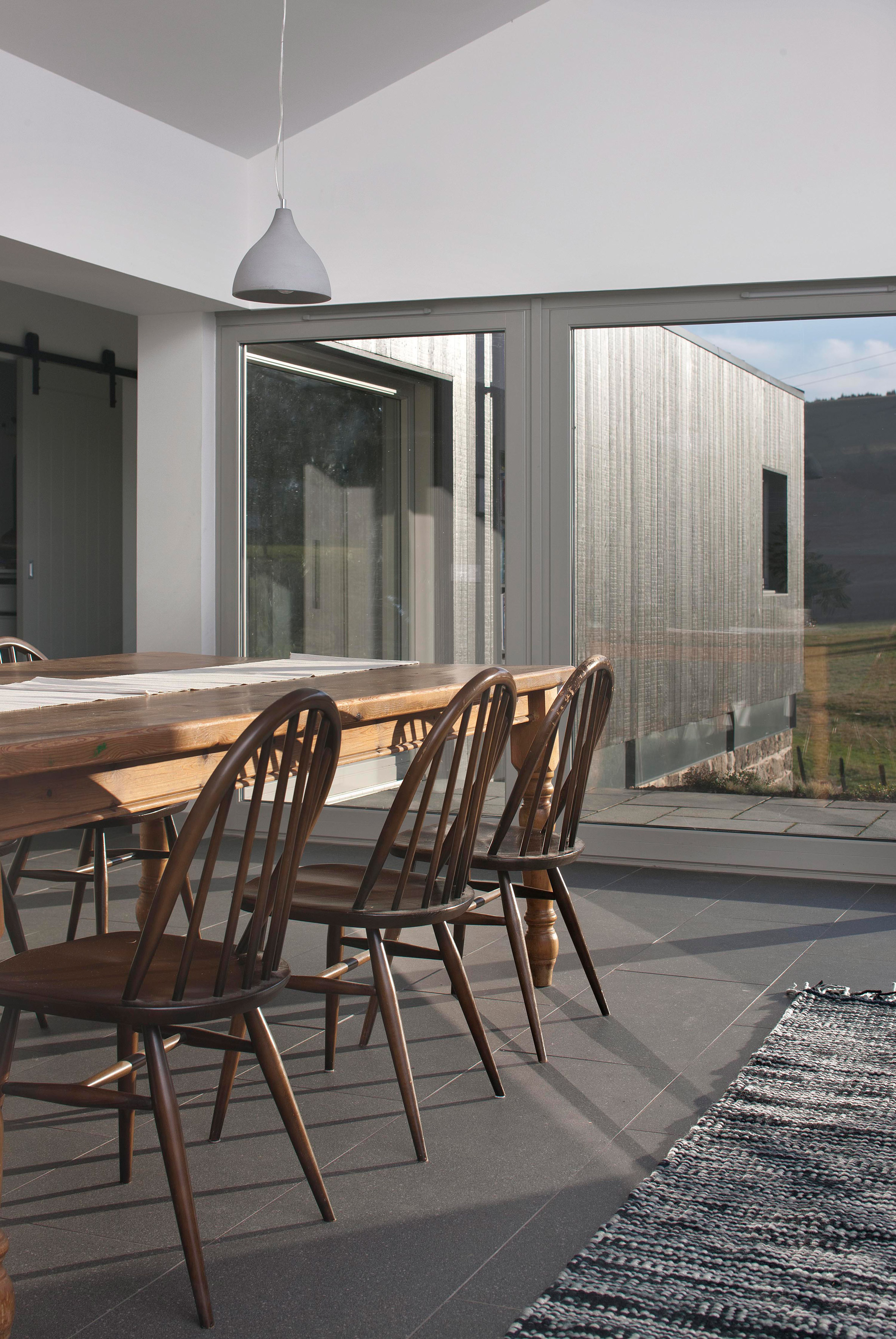
Floor-to-ceiling windows at both ends frame views over the landscape.

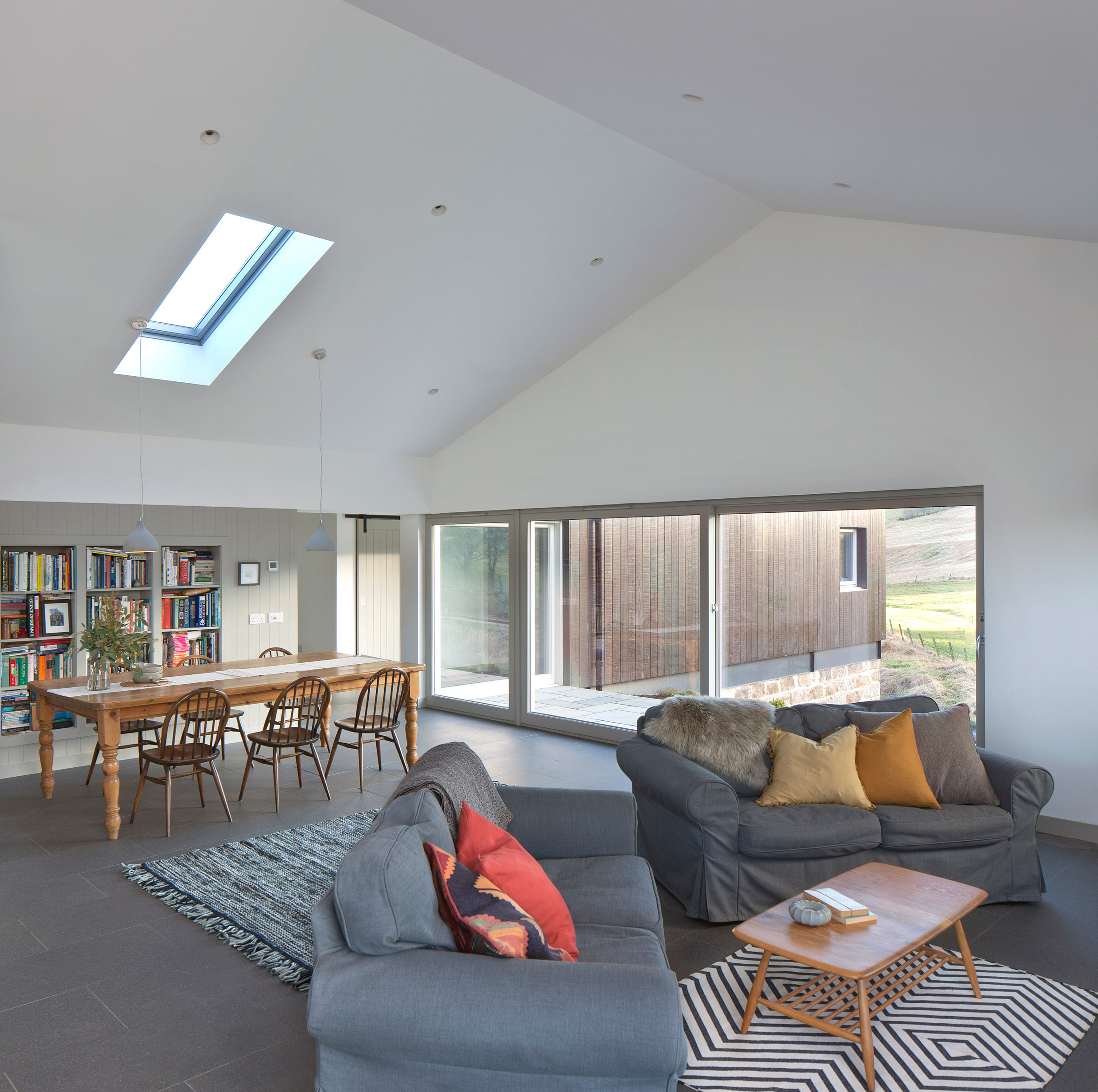
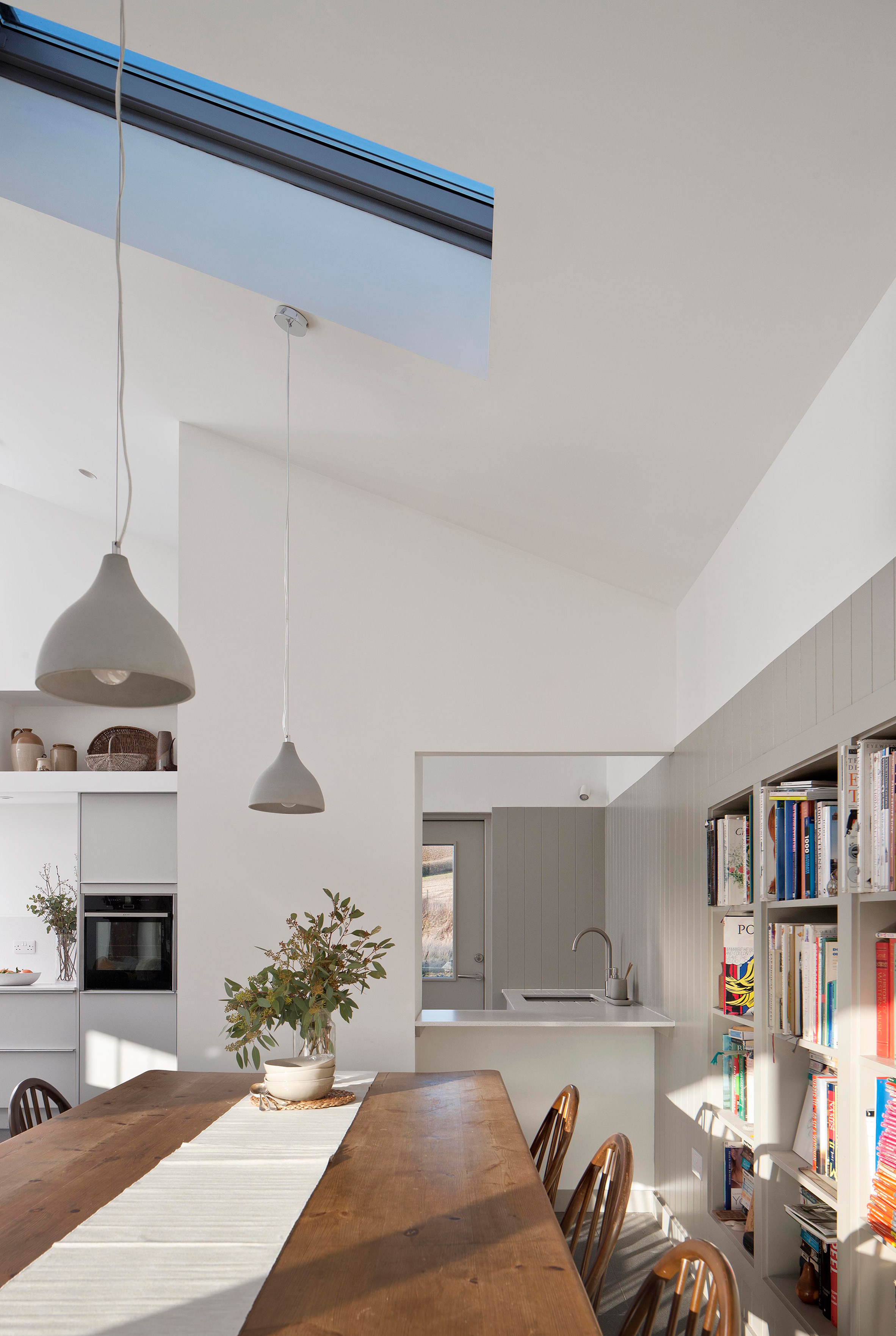
The Larch House's interiors are organised around two pieces of furniture. The first is a ten-seat antique dining table that acts as a focal point for the living, dining and kitchen wing.

The Larch Mill by TAP Architects

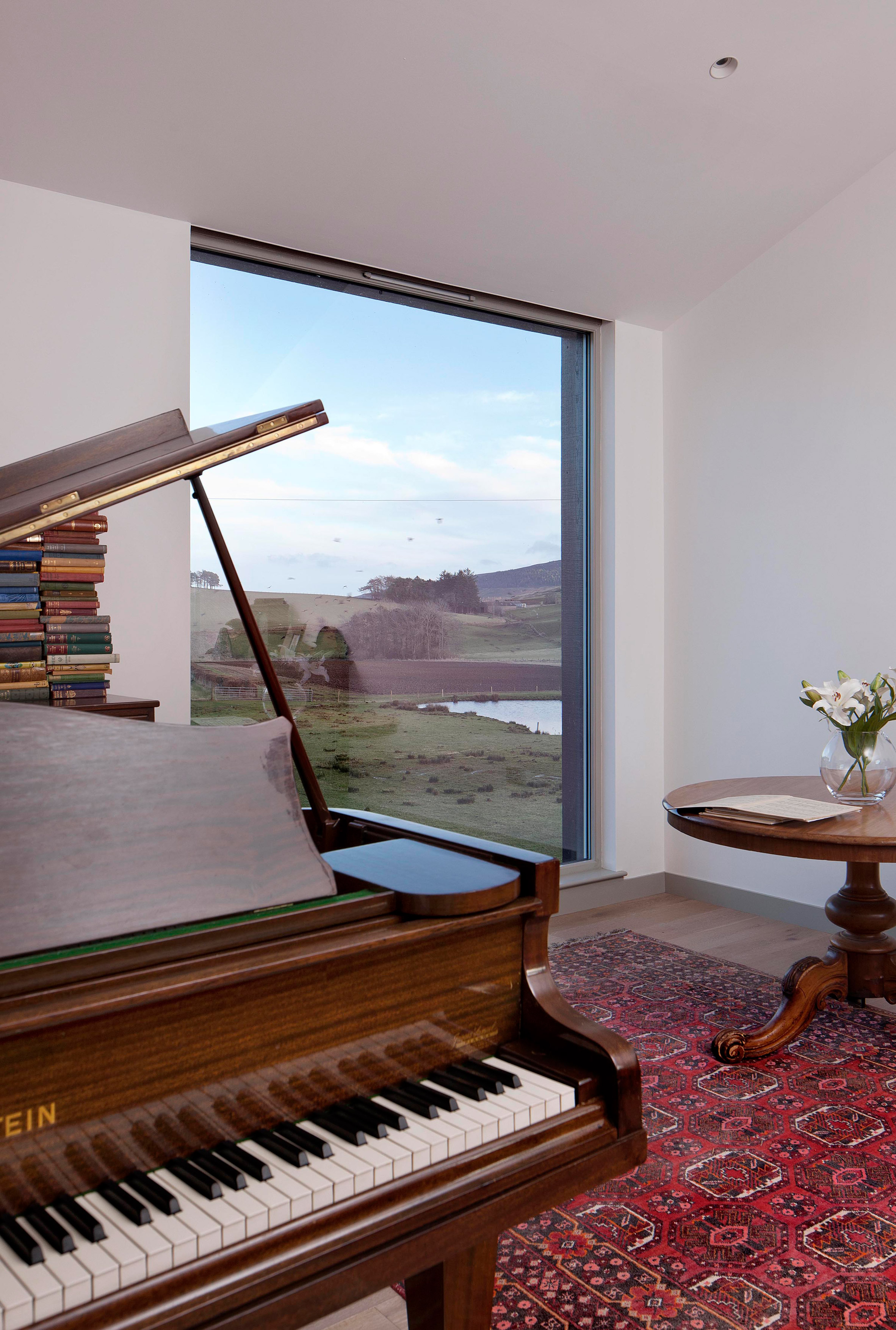
A baby grand piano sits in a music teaching space in the linear wing.

Two bedrooms, one to the south and one to the north, feature east-facing windows to bring in morning sunlight.

The Larch Mill by TAP Architects

The master bedroom also looks out to the west.

An area of paving surrounds the entire upper level of the home, opening into a small terrace and garden space to the north.

The Larch Mill by TAP Architects

This patio is sheltered from the wind by the place where the house's wings meet.

Simple white interiors and skylights create bright, open spaces which focus on views of the surroundings.

The Larch Mill by TAP Architects

The agricultural architecture of rural Scotland has inspired many architects working on similar sites.

Mary Arnold-Forster designed a house on the Isle of Skye that has an industrial-style metal exterior.

Haysom Ward Millar Architects won RIBA House of the Year with a barn-style cottage on the edge of a loch in the Scottish Highlands.

Photography is by David Barbour.

The post TAP Architects builds black house atop old granite mill in Scotland appeared first on Dezeen.


from Dezeen https://ift.tt/2xmqu9q

Software creates computer hive mind to help find coronavirus cure

Folding@home diverts computer power to finding coronavirus cure

Stanford University's Folding@home project allows users to donate unused computer power to run simulations of how the novel coronavirus is structured – and how ultimately, it could be treated.

Up until now the initiative has focused on modelling diseases such as Alzheimer's and breast cancer.

Now Folding@home has turned its attention to coronavirus, also known as SARS-CoV-2, which has infected almost 335 thousand people across 190 territories.

Folding@home diverts users' computer power to finding coronavirus cure
This illustration, created at the US Centers for Disease Control and Prevention, shows the structure of a coronavirus

"A lot of people are going to suffer, and even die, until someone finds vaccines or therapeutics for the virus," said Folding@home director Professor Greg Bowman.

"We, collectively as a species, should be trying every possible avenue to find treatments," Bowman told Dezeen.

"My lab and collaborators have been working on a number of viruses recently, especially Ebola, and expect the same approaches will be equally applicable to SARS-CoV-2."

Software turns computers into hive mind

The project is based on a distributed computer system, meaning it draws on the dormant processing capabilities of numerous computers.

The computers are connected into a kind of hive mind via a downloadable software, allowing the system to run calculations with greater speed and efficiency than any individual device.

This is necessary to do the complex work of simulating how the proteins that make up the novel coronavirus behave and where there could be potential binding sites for drugs to latch on to.

The protein structures, which a virus uses to reproduce and suppress our immune system, are bounded together in a process called folding. Crucially, this structure isn't stagnant but continually folding and unfolding.

"We’re simulating how every atom in the protein moves as time progresses," said Bowman.

"To do this, we have a model of what the protein looks like and keep asking over and over: where is each atom in the protein going to be at a point in the future, given how all the atoms in the protein are pushing and pulling on each other?"

Simulations require lots of processing power

These simulations take a huge amount of computational power.

According to Bowman, simulating a single protein could take between a hundred and millions of years if executed on a single desktop computer.

"We’ve developed algorithms for breaking these enormous calculations into lots of small pieces that can be run in parallel on different computers," he said.

"Think of it as trying to explore a new planet by having one astronaut walk around, versus having lots of astronauts fan out and explore different parts of the planet. In this analogy, the astronauts are the simulations and the planet is the set of different shapes that a protein can adopt as all of its parts move about."

Race to discover how drugs can bind to virus

Through these simulations, Bowman's team is hoping to identify where drugs could bind to the virus' proteins in order to disrupt them.

"We call these sites 'cryptic' pockets and have made a lot of progress on finding them in simulations and then experimentally confirming that they exist to provide new opportunities for drug design," he explained.

So far, the team has already managed to find a few promising cryptic pockets. Now they are working with experimental collaborators to help design small molecules that may target the virus' different proteins.

"Each simulation is like buying a lottery ticket"

Any data gathered through the project will also be shared with laboratories around the world as part of an open science collaboration, to power research into how we might develop therapeutic antibodies.

"Open sourcing our data is the intellectual equivalent of our distributed computing paradigm," said Bowman.

"Hypothetically, our labs can extract all the useful information from these simulations. But if a lot of people look at the data, we can get all the useful information more quickly."

Although computers with powerful graphics processing units for use in gaming or mining cryptocurrency are the most effective, even older, slower laptops can help by downloading the software from the Folding@home website and selecting to contribute to "Any Disease".

"Each simulation is like buying a lottery ticket," said Bowman. "The more machines and the faster they are, the more tickets we can buy and the better chance we have of beating the virus."

On Friday, the World Health Organisation launched a global trial of four possible treatments, that have so far been deemed the most promising.

Among these is the malarial medications chloroquine, which US President Donald Trump falsely claimed had already been approved for use in treating the coronavirus.

His statements led multiple people to self-administer the drug, including an elderly man in Arizona as well as three people in Nigeria, who overdosed and subsequently died.

In lieu of a cure, many designers have turned to devising products that could instead help to contain the spread of the coronavirus, such as a sterilising lamp, an electrically-charged, graphene face mask and a full-body shield powered by UV light.

The post Software creates computer hive mind to help find coronavirus cure appeared first on Dezeen.


from Dezeen https://ift.tt/2Je2Pul