Wednesday, 25 March 2020

Architectural designers develop hands-free door handle to prevent spread of coronavirus

Hands-free door handle adaptor by Ivo Tedbury and Freddie Hong

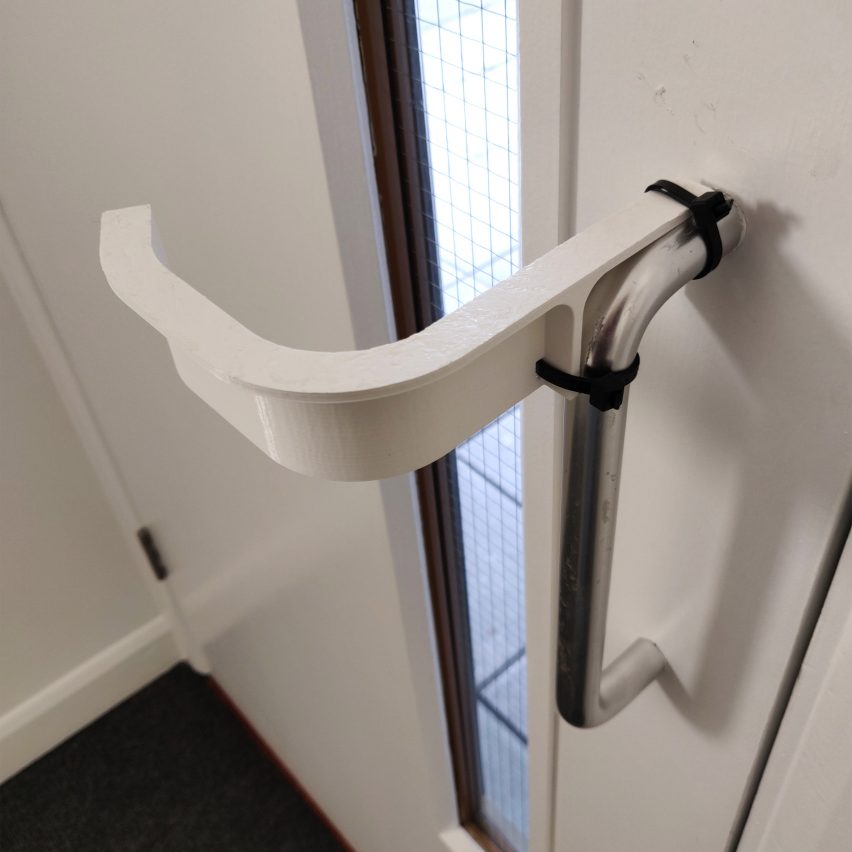
Architectural designers Ivo Tedbury and Freddie Hong have created a 3D-printed device that adapts door handles for hands-free opening, in a bid to help prevent the spread of coronavirus.

Tedbury and Hong, who met while studying architecture at the Bartlett School of Architecture, designed a curved plastic device that attaches onto "fire escape-style" pull door handles via a pair of cable ties.

The idea is that instead of opening the door with their hands, users loop their arm through the adaptor and pull the door open.


The duo came up with the design as a way to respond to outbreaks of Covid-19, which can reportedly last on some surfaces for days and is spread by human touch.

"I live in a block of flats and was frustrated at the number of shared doors between my flat and the outside world," Tedbury told Dezeen. "If you're going out to buy groceries, you might end up with contaminated hands within 30 seconds."

"Not being medics or involved in other front line services, we were happy to try to help fight the coronavirus in other ways."
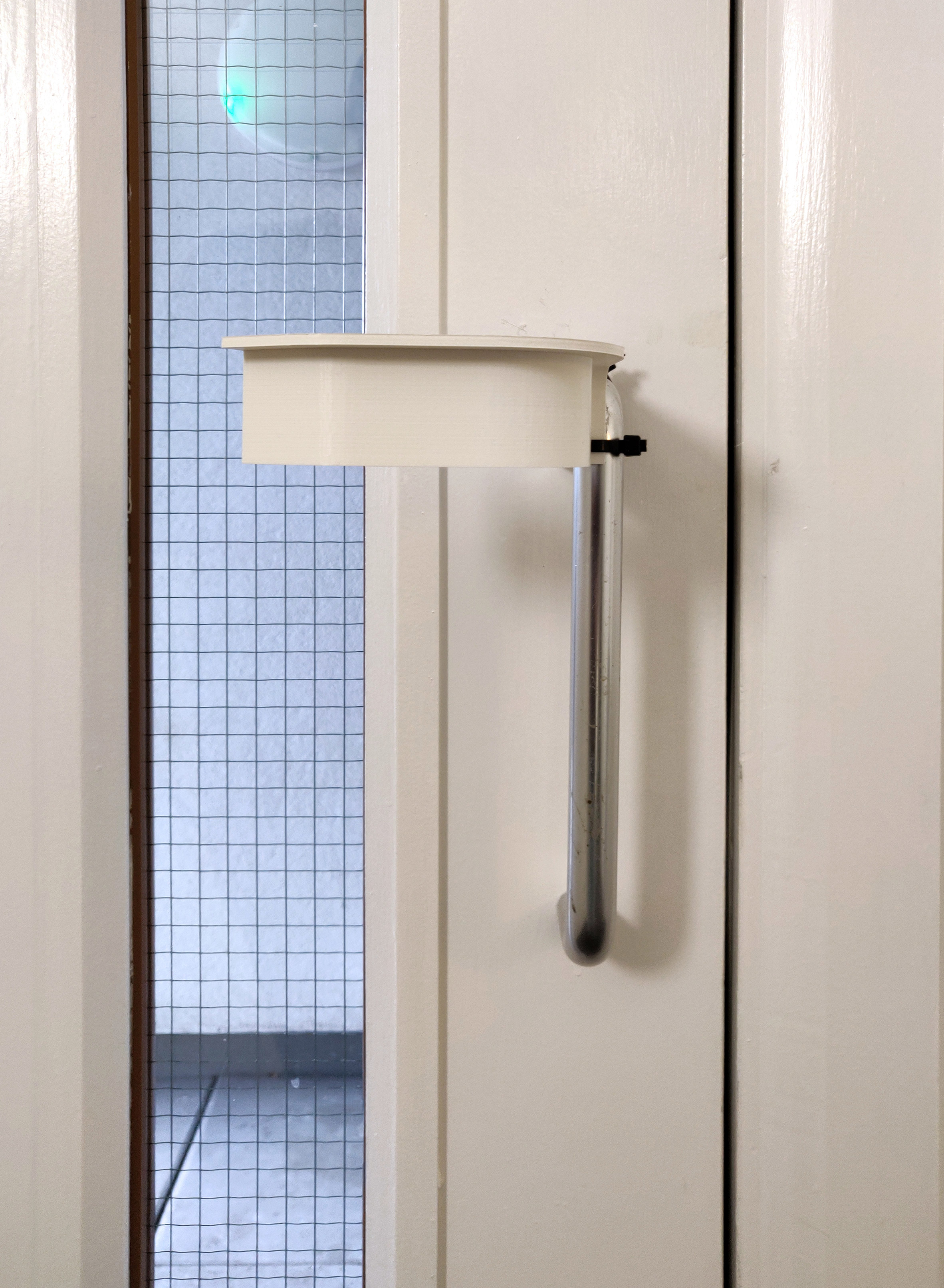
The adaptor is designed for "fire escape-style" pull door handles

The design of the device, which can be 3D-printed in under three hours, is available to download for free on a platform called Hands-Free Architecture. It comes with a poster that can be printed to show how to use the handle.

In addition to releasing the Open Source handle adaptor, Tedbury and Hong set up Hands-Free Architecture as a provocative platform to encourage others to share ways to respond to the current pandemic.

"To help fight Covid-19, our interactions with the built environment need to go 'Hands-Free'," they said. "We're sharing designs for adaptor kits to reduce physical contact with shared surfaces in buildings."

"What simple things can we do to temporarily 'invert' architecture and design norms?" Tedbury added.
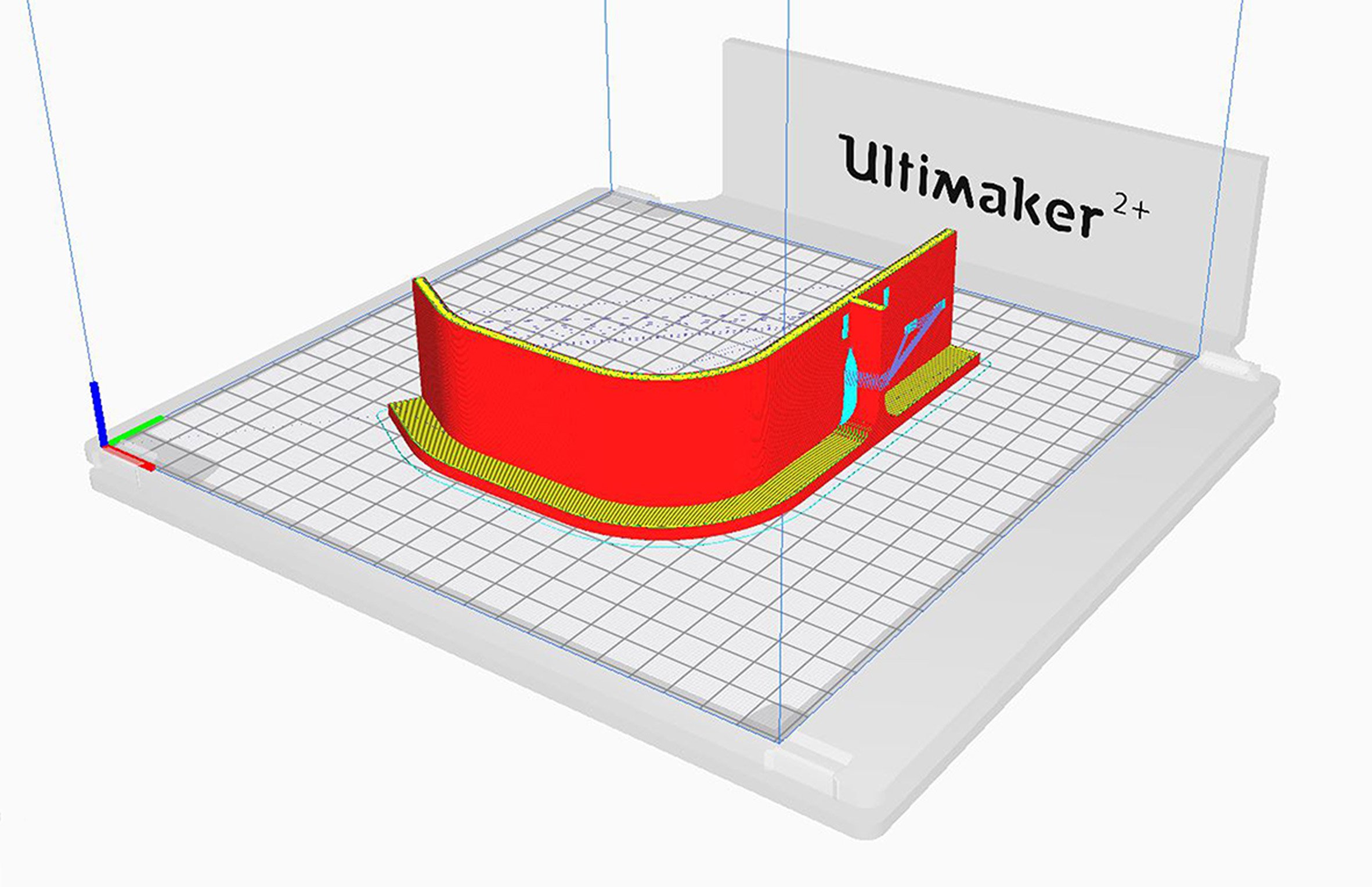
Hands-free door handle adaptor by Ivo Tedbury and Freddie Hong
Tedbury and Hong have made the design available to download for free

Tedbury said that while unable to fight on the medical front, architects and designers are able to adapt the built environment to make safer spaces that could prevent the spread of the virus.

"It's also meant to be a bit of provocation – the majority of existing architecture and design is geared towards bringing people together to enable human interactions (on a group scale), and centering our personal physical interactions with the built environment around our hands (on an individual scale)," Tedbury said.

Hands-free door handle adaptor by Ivo Tedbury and Freddie Hong
Tedbury and Hong have created a poster advising on how to use the adaptor

"In the time of the coronavirus pandemic, both of these are actively unhelpful," he continued.

A number of architects and designers have come up with creative solutions to problems caused by the coronavirus crisis.

Italian architects Carlo Ratti and Italo Rota have designed an intensive-care pod within a shipping container that could be added to hospitals fighting the pandemic.

Graphic designers have also developed images of support and informative illustrations that advise on how to slow the spread of the virus.

The post Architectural designers develop hands-free door handle to prevent spread of coronavirus appeared first on Dezeen.


from Dezeen https://ift.tt/2y8R5XT

A New Building Near Seoul Pairs a Textured Facade with Prismatic Windows

All images © OMA

In the developing city of Gwanggyo located about 25 kilometers south of Seoul, a high-end Korean department store stands out amongst gray office buildings and other concrete structures. Designed by OMA/Chris van Duijn, the Galleria shopping center features a mosaic facade of neutral-toned stones, in addition to geometric, opal windows that offer those passing through the dome-like hallways a look at the burgeoning city’s activities.

OMA said in a release that the building is inspired in part by the nearby Suwon Gwanggyo Lake Park, an urban green space that surrounds a small body of water. Complete with a rooftop garden, the structure has designated space for consumers to shop and for cultural activities that are open to the public. To keep up with the architectural design firm’s upcoming projects, head to Instagram. (via designboom)


Do stories and artists like this matter to you? Become a Colossal Member and support independent arts publishing. Join a community of like-minded readers who are passionate about contemporary art, apply for our annual grant, and get exclusive access to interviews, partner discounts, and event tickets.


from Colossal https://ift.tt/39jbaYm

Jure Tovrljan redesigns iconic logos to reflect a world under coronavirus

Slovenian graphic designer Jure Tovrljan has redrawn the logos of brand including the OlympicsStarbucks and Nike to show how the coronavirus has impacted our everyday lives.

In the 12-part series Tovrljan has redesigned well-known brands' logos to reflect how the pandemic has affected people and businesses around the world.

Jure Tovrljan has redesigned numerous corporate logos, including Starbucks

"I believe that iconic logos are a visual message we're all familiar with," Tovrljan told Dezeen.

"And as soon as someone disrupts them in any way, we feel uncomfortable. So they can become a very strong attention grabber. These days, people can tend to pay more attention to big brands than world leaders."

He redrew the NBA logo to reflect the fact the season is in hiatus

While healthcare systems including in the UK and the US are experiencing a shortage of face masks due to panic buying, Tovrljan pictures the Starbucks siren proudly donning hers.

The dribbling silhouette of player Jerry West in the NBA logo is replaced with a reclining figure on his laptop, as the league's current season is suspended indefinitely. This is a nod towards the fact that many people are now confined to their homes.

The Olympic games logo is redrawn with the rings separated to reflect the fact many are practising social distancing

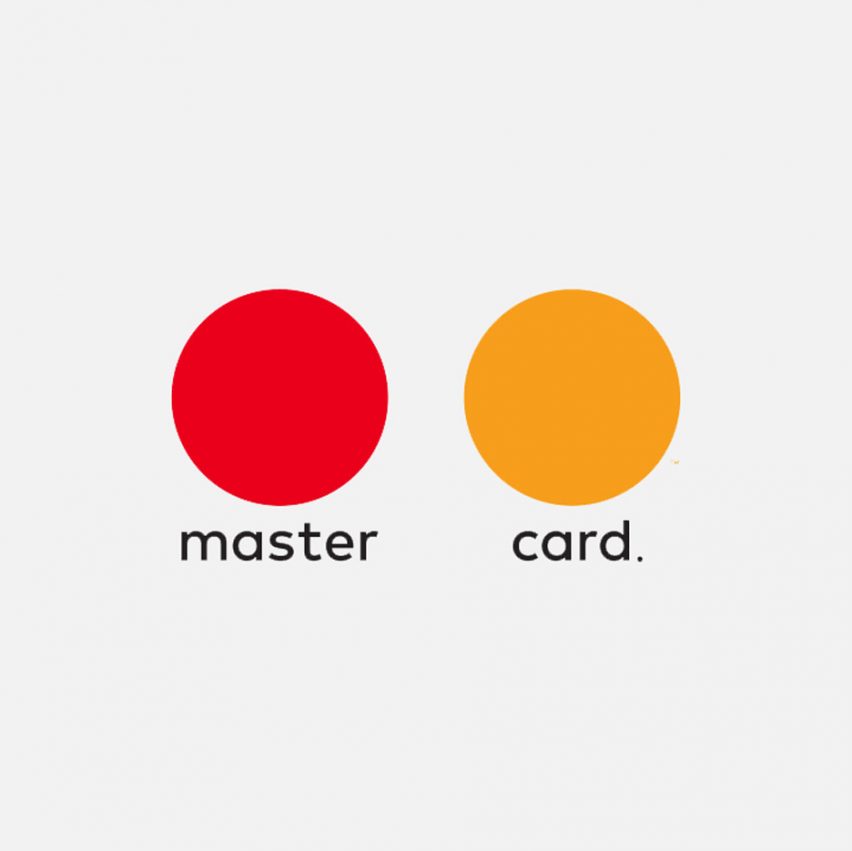
The overlapping circles of the Mastercard logo, as well as the iconic rings of the Olympic flag are reimagined safely spaced apart.

"I tried to send a message for people to stay at home and if they really need to go out, act responsibly, keep your social distance," the designer explained.

This comes as it was announced on Tuesday that the 2020 Olympics would be postponed until next year.

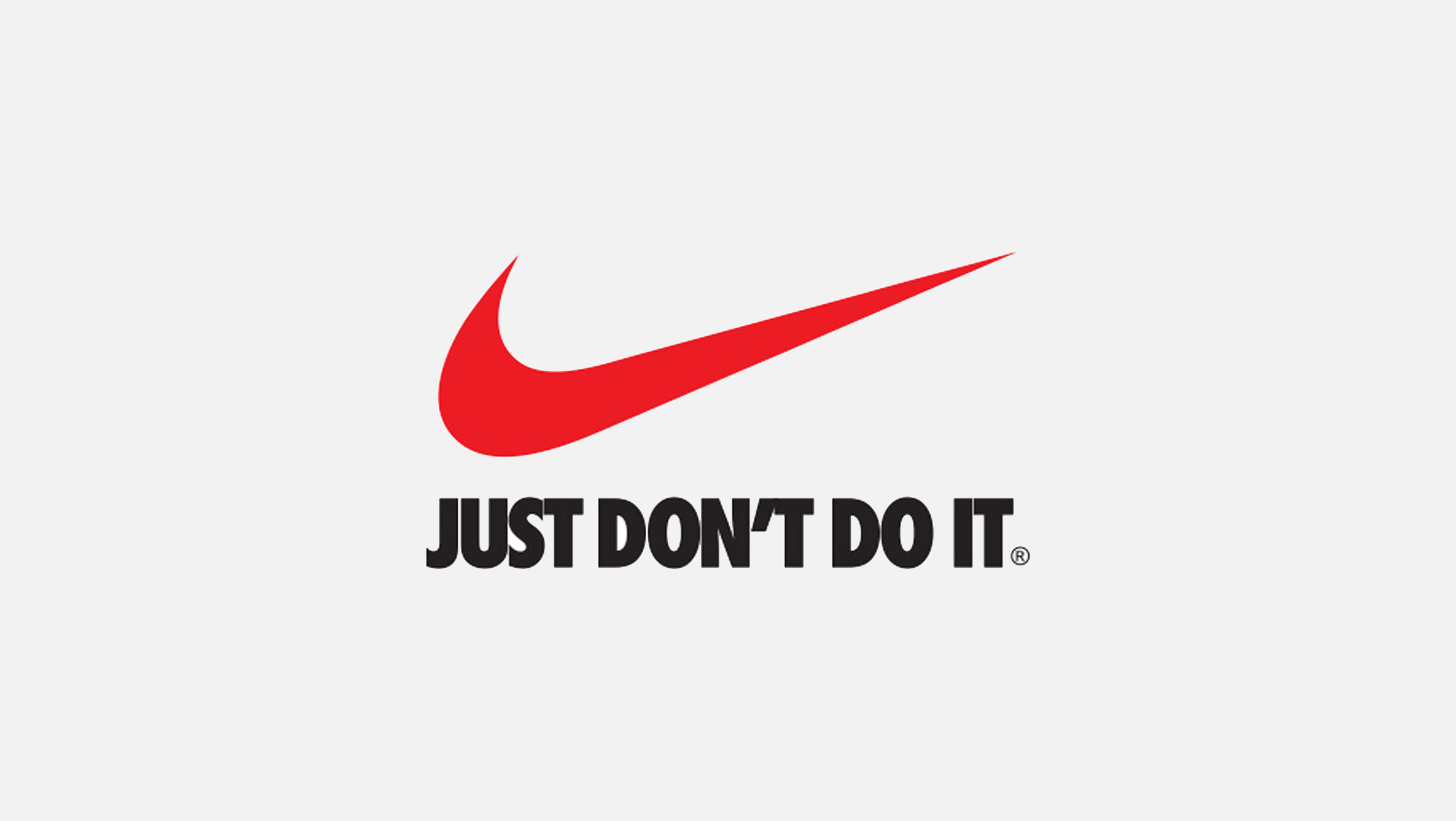
Tovrljan also amended text on logos, with Nike's Just Do It slogan being reversed

Elsewhere, Tovrljan opted to introduce tongue-in-cheek wordplay, rather than making changes to the actual design.

LinkedIn becomes LockedIn while Nike's often-co-opted Just Do It slogan is turned into Just Don't Do It.

The sports brand has started closing stores in North America, western Europe as well as in the Australias, and shared a post on social media calling for people to "Play inside, play for the world".

Tovrljan amended professional networking platform LinkedIn's logo to say LockedIn

Other brands including McDonalds in Brazil and Coca-Cola in the US have started independently sharing ad campaigns in which the core elements of their logos, such as the golden arches, are noticeably spaced apart to promote social distancing.

Meanwhile, a slew of independent graphic designers have taken it upon themselves to create playful public service announcements to circulate advice and educate people about the benefits of staying home.

The post Jure Tovrljan redesigns iconic logos to reflect a world under coronavirus appeared first on Dezeen.


from Dezeen https://ift.tt/2JgprdC

“A chance to catch a breath”: Danielle Pender on why we should avoid the pressure to create

The editor of Riposte magazine on how it could be best to use the time caused to reassess our relationship with work, rather than quickly pivot to new projects.


from It's Nice That https://ift.tt/2Uyza4w

Life-Cycle Analysis report highlights the sustainable impact of CLT

Catalyst building by Katerra

Dezeen promotion: A newly published report on the cross-laminated timber supply chain demonstrates the material's sustainable credentials as it becomes more mainstream in the US.

Written by members of the Department of Architecture and School of Environmental and Forest Sciences at the University of Washington, the Life-Cycle Analysis (LCA) report investigates the environmental impact cross-laminated timber (CLT).

The authors of the report commissioned by construction company Katerra, carried out an in-depth environmental analysis of both Katerra's CLT factory and a building constructed from the material.

"The market needs mass timber to succeed"

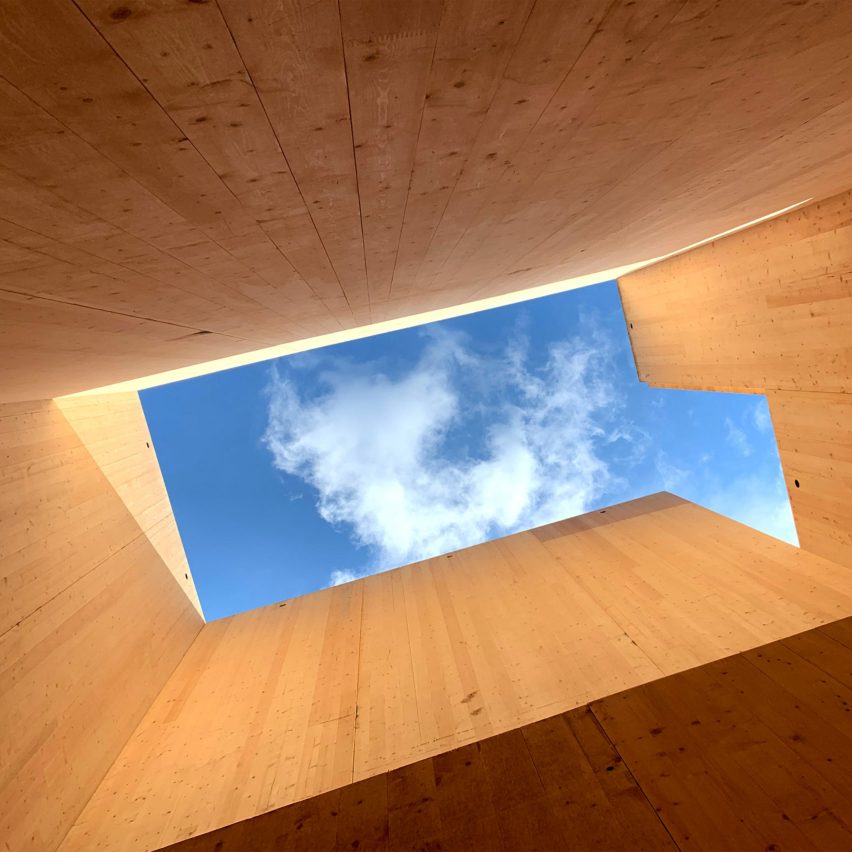
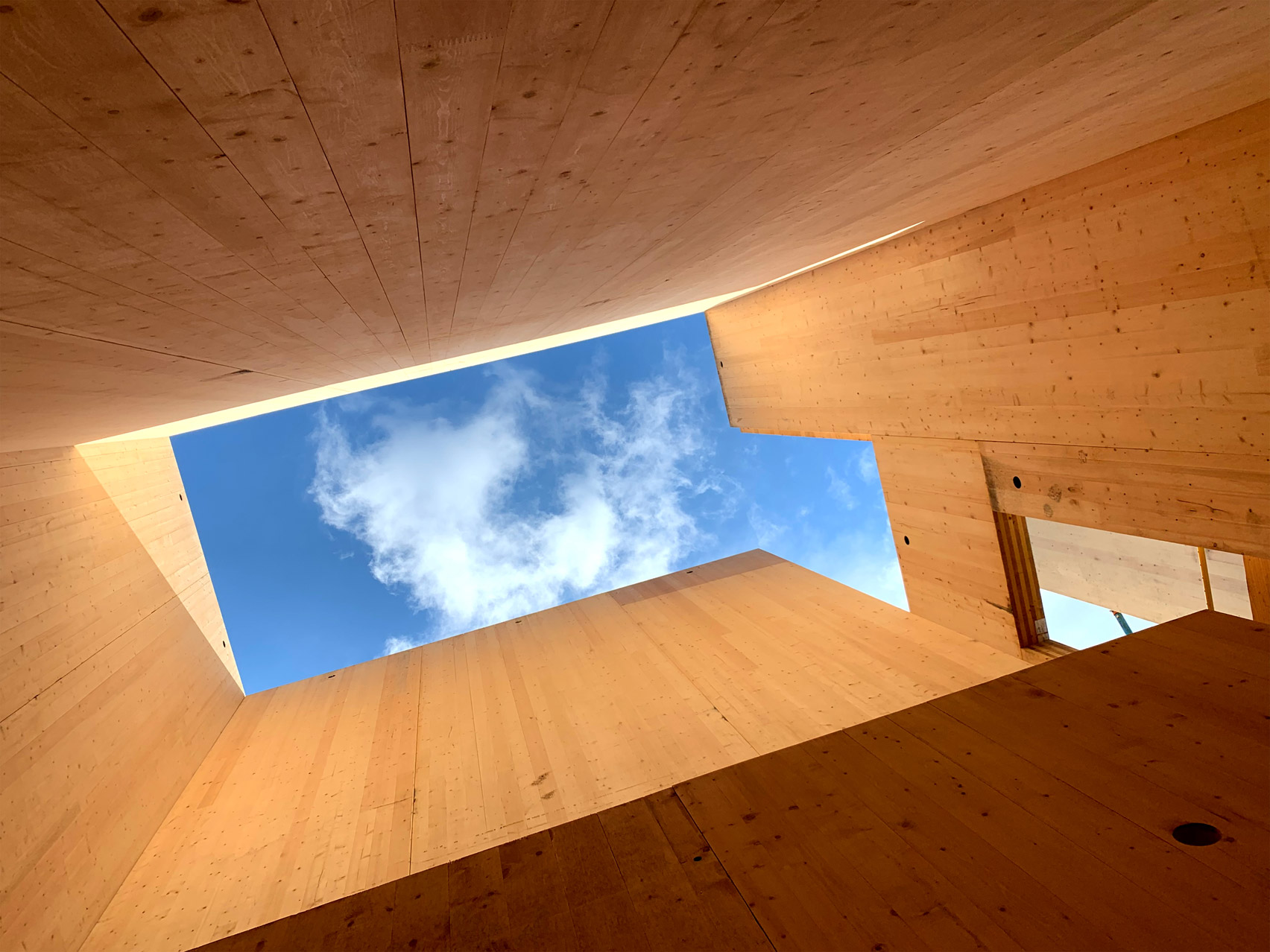
CLT is a building material made up of alternating layers of sawn wood.

It is celebrated for having a lower embodied carbon footprint than traditional construction materials such as concrete and steel, because wood is renewable and low impact.

The LCA report seeks to verify the material's sustainable credentials, while also showcasing the material's ability to help deliver better quality buildings in terms of in-use performance and occupant wellbeing.

Catalyst building by Katerra
Katerra is heavily involved with CLT as a firm specialising in architecture, construction, and manufacturing of the material

The company is championing striving to make CLT the US' leading building material.

"Green technologies are enhancing our ability to create more sustainable solutions that also meet structural and aesthetic demands," explained Nick Milestone, Katerra's director of mass timber.

"Mass timber, and CLT in particular, is the only material grown for construction that offers incredible biophilic design solutions," he told Dezeen.

"The market needs mass timber to succeed in order to meet ever-increasing housing and climate demands."

Study explores Katerra's first CLT building

A key study in the report was focused on the company's first building to make extensive use of its CLT system.

Named the Catalyst building, the five-story office was designed in partnership with Michael Green Architecture and uses CLT for almost its entire structure and building envelope.

Catalyst building by Katerra
It has released a Life-Cycle Analysis (LCA) of its own CLT systems to demonstrate their potential

The assessment found that the use of CLT nearly offset all of the building's upfront embodied carbon. According to Katerra, this means it is significantly lower than other North American commercial offices measured in other studies.

Another section of the report examined the company's own high-volume CLT factory in Spokane Valley, Washington, which demonstrates how the company is leading the way in bringing the material to the mainstream in the US.

Katerra's factory makes CLT products using timber sourced in sustainability-managed forests in Canada, and is capable of producing 140 boards per minute when at full operation.

Equivalent to 50, 23,000-square-metre, commercial office buildings a year, this is "more than any plant in the world" and means the company's CLT it produces has a smaller environmental footprint compared to other manufacturers in the US.

CLT embodies "Katerra's guiding principles"

Reflecting on the report, Katerra's product engineer Hans-Erik Blomgren concluded that "CLT has proven to be a versatile building block that allows for more efficient, factory-built, and sustainable approaches to design and construction".

He added: "Beyond its sustainability as a building material, CLT creates a new paradigm of sustainable systems. From sourcing to the factory to onsite logistics – it creates a new, more sustainable supply chain."

Catalyst building by Katerra
The report investigated the embodied carbon of Katerra's first CLT building

Find out more about the LCA results in the full report, or learn more about Katerra on its website.

The post Life-Cycle Analysis report highlights the sustainable impact of CLT appeared first on Dezeen.


from Dezeen https://ift.tt/2Ukm5Nk