Friday, 27 March 2020

"Challenging situations spark human innovation" say Italian design brands hit by Covid-19

Coronavirus news Italian brands respond Italy factory closures

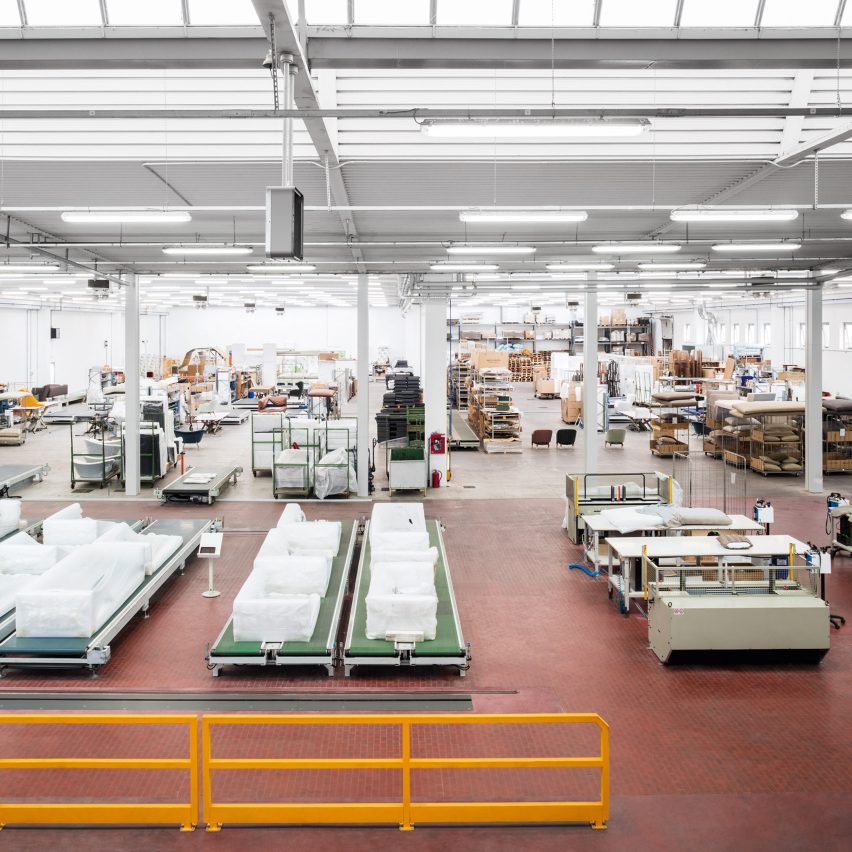
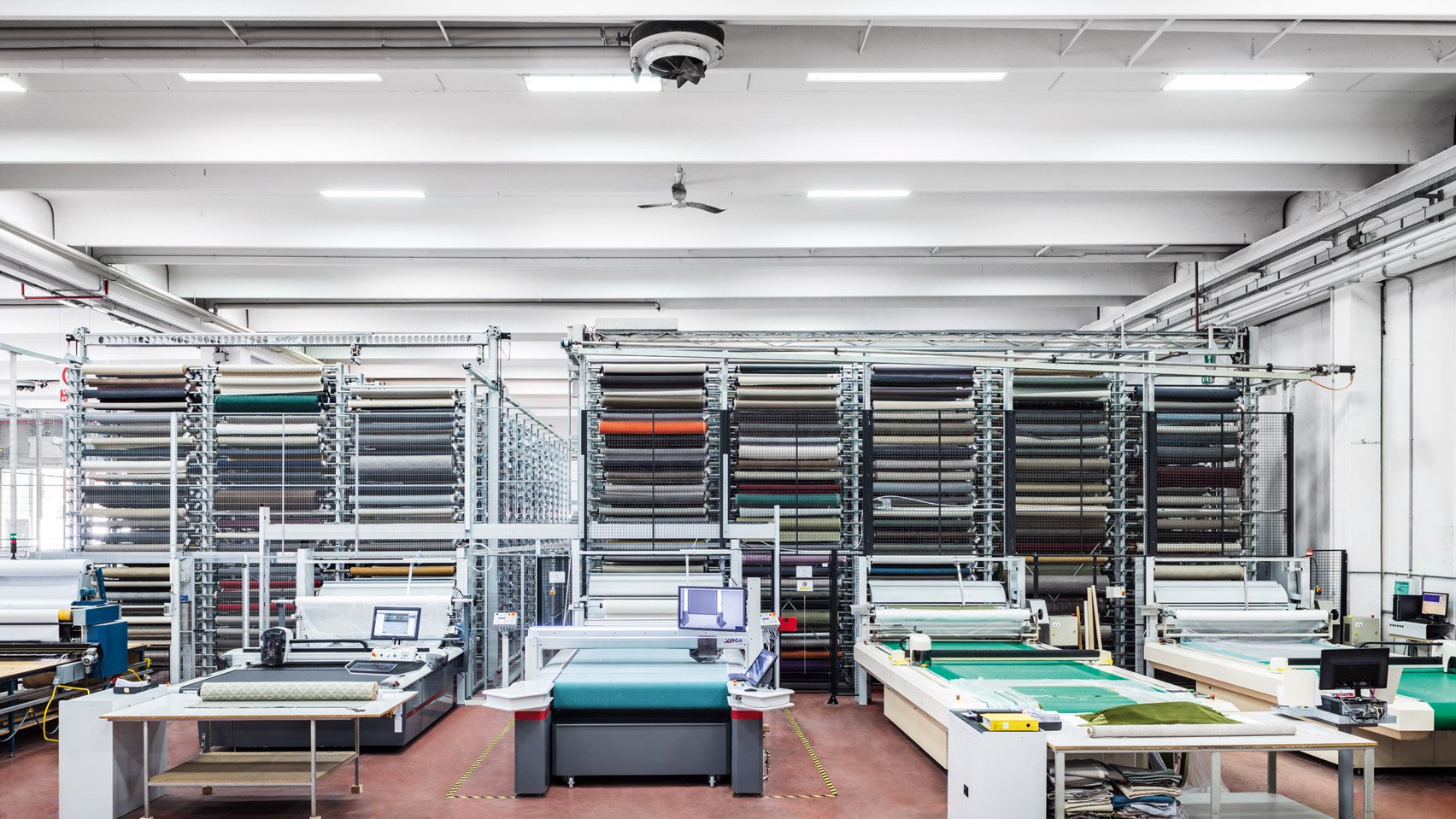
The coronavirus pandemic will eventually lead to higher quality, more sustainable products, according to Italian design brands that were forced to temporarily close their factories this week.

Italian prime minister Giuseppe Conte closed all factories that manufacture non-essential items on Saturday 21 March, meaning production lines for internationally renowned design brands fell silent. "We will slow down the country's productive engine, but we will not stop it," said Conte.

Covid-19 "causing us to re-evaluate what truly matters"

Italian brands have rallied, vowing to come back stronger than before. "Challenging situations spark human innovation," said Molteni&C head of marketing and communication Giulia Molteni.

Founded in 1934, Molteni&C is a family-run business based in Milan that specialises in luxury furniture. "Despite all the challenges that this pandemic brings, it is also causing us to re-evaluate what truly matters," Molteni told Dezeen.
Coronavirus news Italian brands respond Italy factory closures
Coronavirus is "causing us to re-evaluate what truly matters" said Molteni&C.

Molteni&C is one of several firms that spoke to Dezeen earlier this week, before speculation mounted that Milan's Salone del Mobile might be cancelled. The fair is due to confirm today whether or not it will go ahead.

Travel restrictions, lockdown and the cancellation of real-world events will push brands to explore new ways of using technology to connect with clients, Poltrona Frau CEO Nicola Coropulis told Dezeen.

"Digital and physical worlds will be even more connected," said Coropulis. "Though the physical experience remains paramount in our industry, digitalisation will bring to close relationships between brands and consumers."

"Post-crisis consumers" will value different things

The crisis of Covid-19 will be a "turning point" for everyone, Coropulis predicted. "Italian companies will discover the benefit of acting together in a more systemic way to defend the undisputed excellence they stand for," he said. Furniture brand Poltrona Frau, which was founded in 1912, is headquartered in Tolentino in central Italy.

Giuliano Mosconi, president and CEO of Zanotta, believes "post-crisis consumers" will have different values.

"We believe that once fear is over, if the financial resources for families and businesses are sufficiently guaranteed, we will see a recovery in the economy, perhaps characterised by more aware and optimistic consumer behaviour," Mosconi said.

Zanotta has been making upholstery and furniture since 1954 and is based in Lombardy, one of the areas worst affected by coronavirus. Mosconi said the lockdown would have a significant impact on sales. "Now production is suspended, we will most likely see a sales reduction of more than 30 per cent compared to previous periods," he said.

Factories hope to re-open in a few weeks

The state of emergency and factory closures will be a challenge for its iconic brands, but all the companies Dezeen spoke to had optimistic messages to share. "Our factories are smart and flexible, and they are able to re-start quite fast, hopefully in a couple of weeks," said Molteni.

"We all are called to face new individual and common responsibilities, which lead our communities to embrace new, stronger and more convinced purposes," she added. "We truly are determined to continue cultivating the beauty and quality of Made in Italy, as we’ve been doing for over 80 years now."

Some of the brand's comments chime with predictions made by trends forecaster Li Edelkoort. Edelkoort told Dezeen that coronavirus has put the world into a "quarantine of consumption" that will help people re-learn to value simple and durable possessions in favour of endlessly buying new and disposable objects.

While coronavirus cases continue to rise in Europe and America, factories in China are beginning to open again after they were shut down for weeks during the country's effort to stop the spread of the virus.

The image is courtesy of Molteni&C.

The post "Challenging situations spark human innovation" say Italian design brands hit by Covid-19 appeared first on Dezeen.


from Dezeen https://ift.tt/3amrEAc

Watch SXSW shorts for free courtesy of new Mailchimp platform #SupportTheShorts

Designed by studio Code and Theory in just under a week, #SupportTheShorts is a chance to see 70 short films that were due to be screened at the cancelled Austin festival.


from It's Nice That https://ift.tt/3bzpzRx

Grayson Perry to teach lockdown art classes in new Channel 4 show

Aimed at the “average Joe”, the new show will take viewers through the principles of drawing, painting and sculpture, in the hopes of encouraging them to make work about self-isolation.


from It's Nice That https://ift.tt/2Jh1cvR

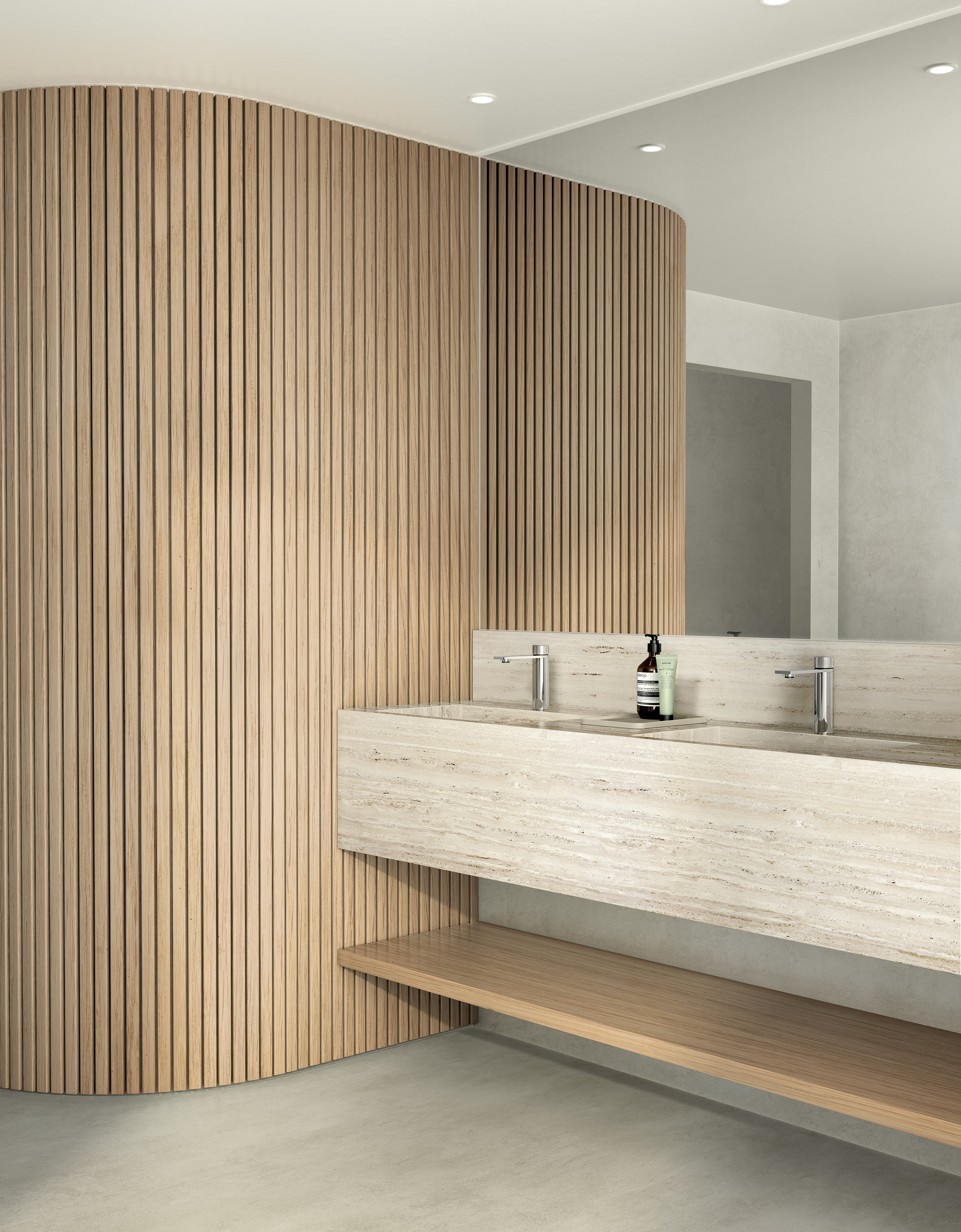
Phoenix unveils ultra-thin Axia collection of minimalist taps

Axia collection by Phoenix Tapware

Dezeen promotion: the Axia collection from Australian brand Phoenix is a set of ultra-thin minimalist taps for architecture fans.

Available in finishes including chrome, matte, black and brushed nickel, the taps are a "fresh take on modern minimalism" according to the tapware and bathroom accessories brand.

Axia collection by Phoenix Tapware

It took two years for designers to hone the Axia collection's streamlined profile.

"Our challenge was how to achieve a 6.5-millimetre-high super lean outlet through a one-piece casting," said Phoenix senior designer Ban Liu.

"This results in a strong signature of machined in detail with a precision control aesthetic," added Liu.

Axia collection by Phoenix Tapware

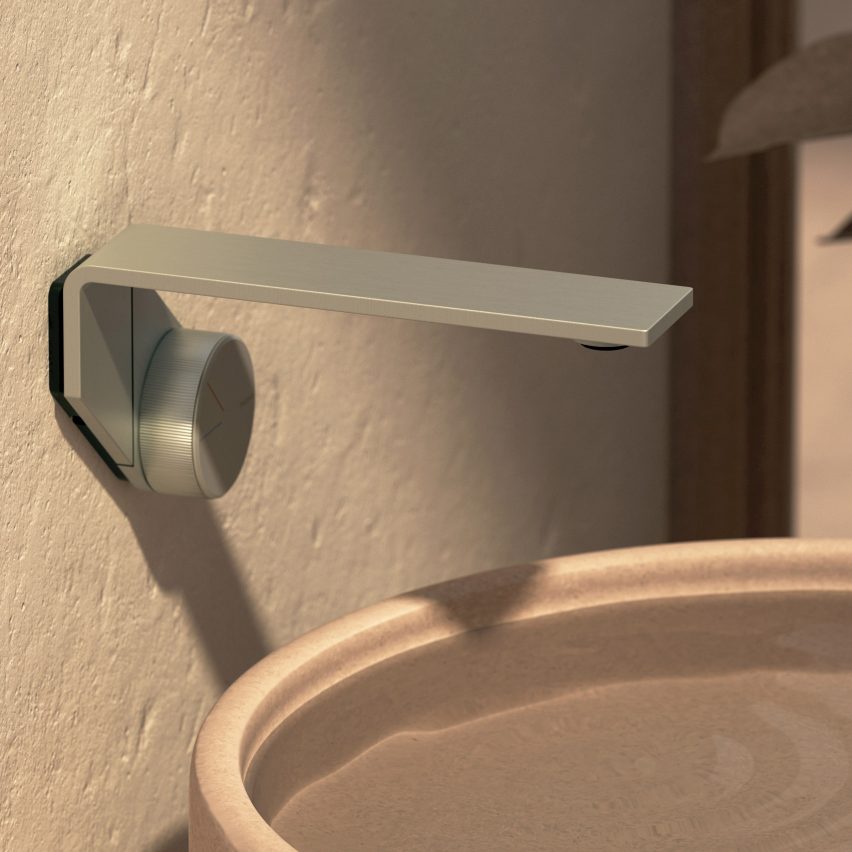
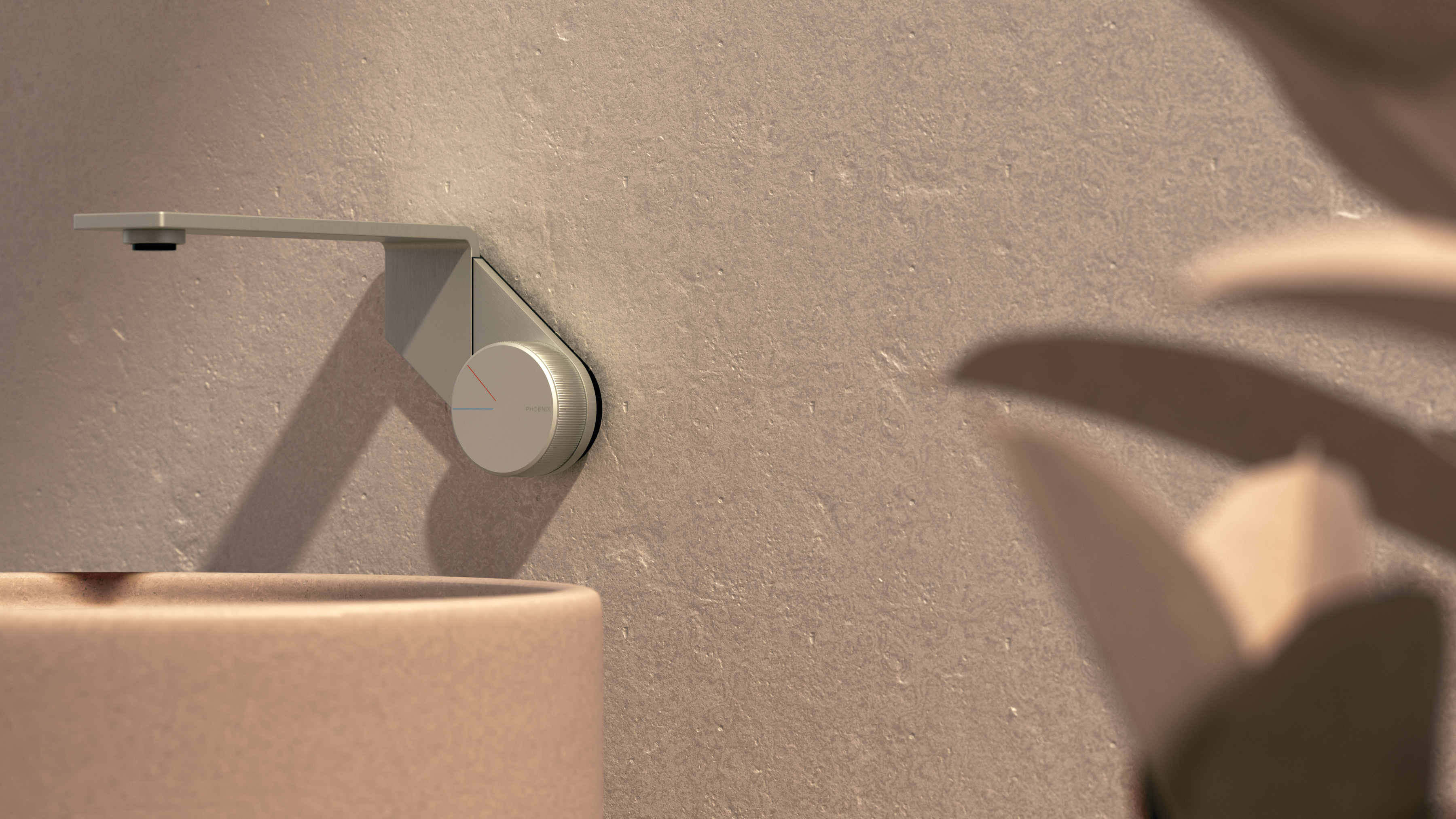
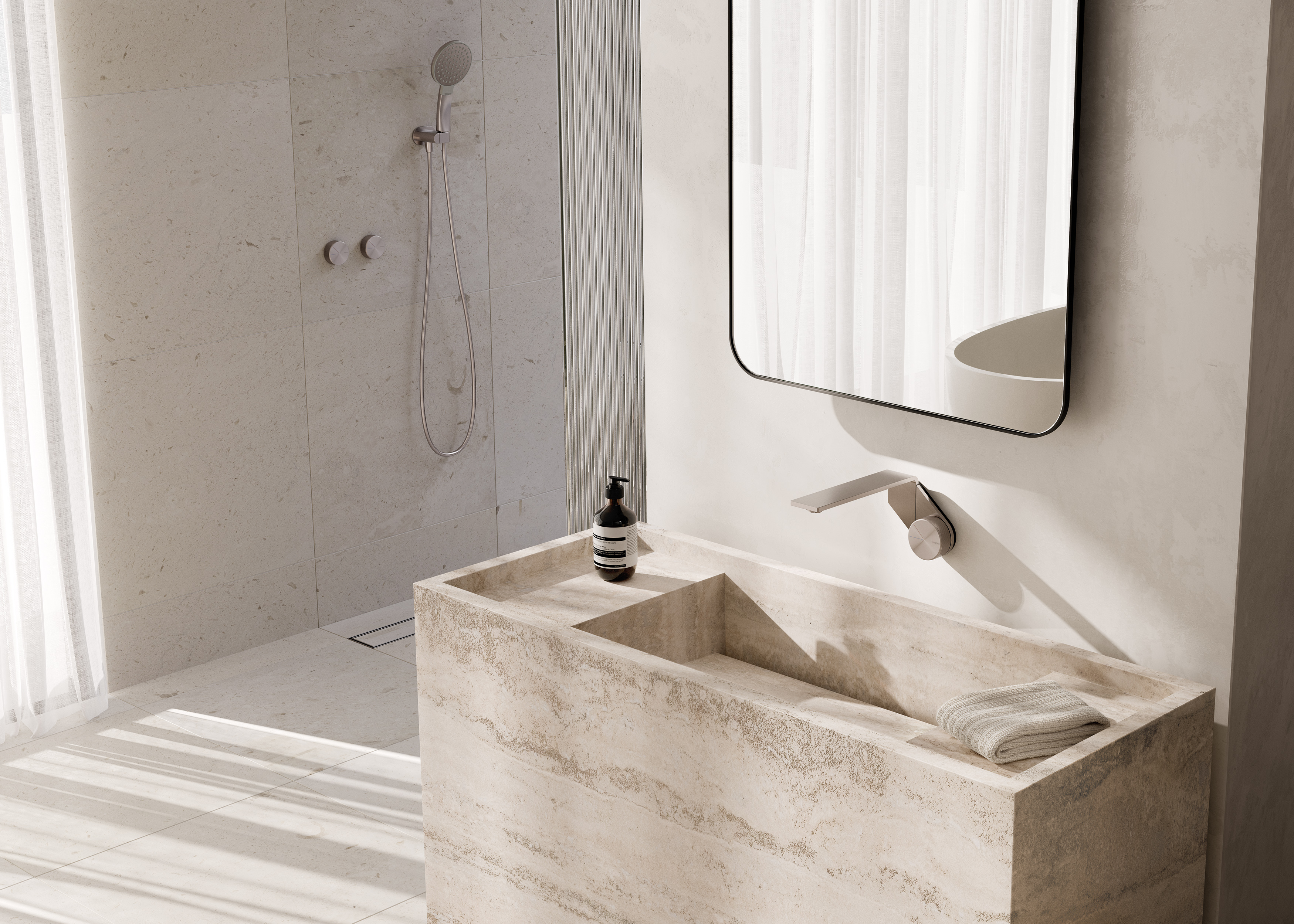
The wall-mounted tap, which breaks away from traditional tap design, is the highlight of the Axia collection.

Designed to appeal to architecture fans, the long, thin spout cantilevers out from a slim metal fixture. Its tap handle sits to one side on a diagonal.

This shape was informed by the way a single piece of metal bends.

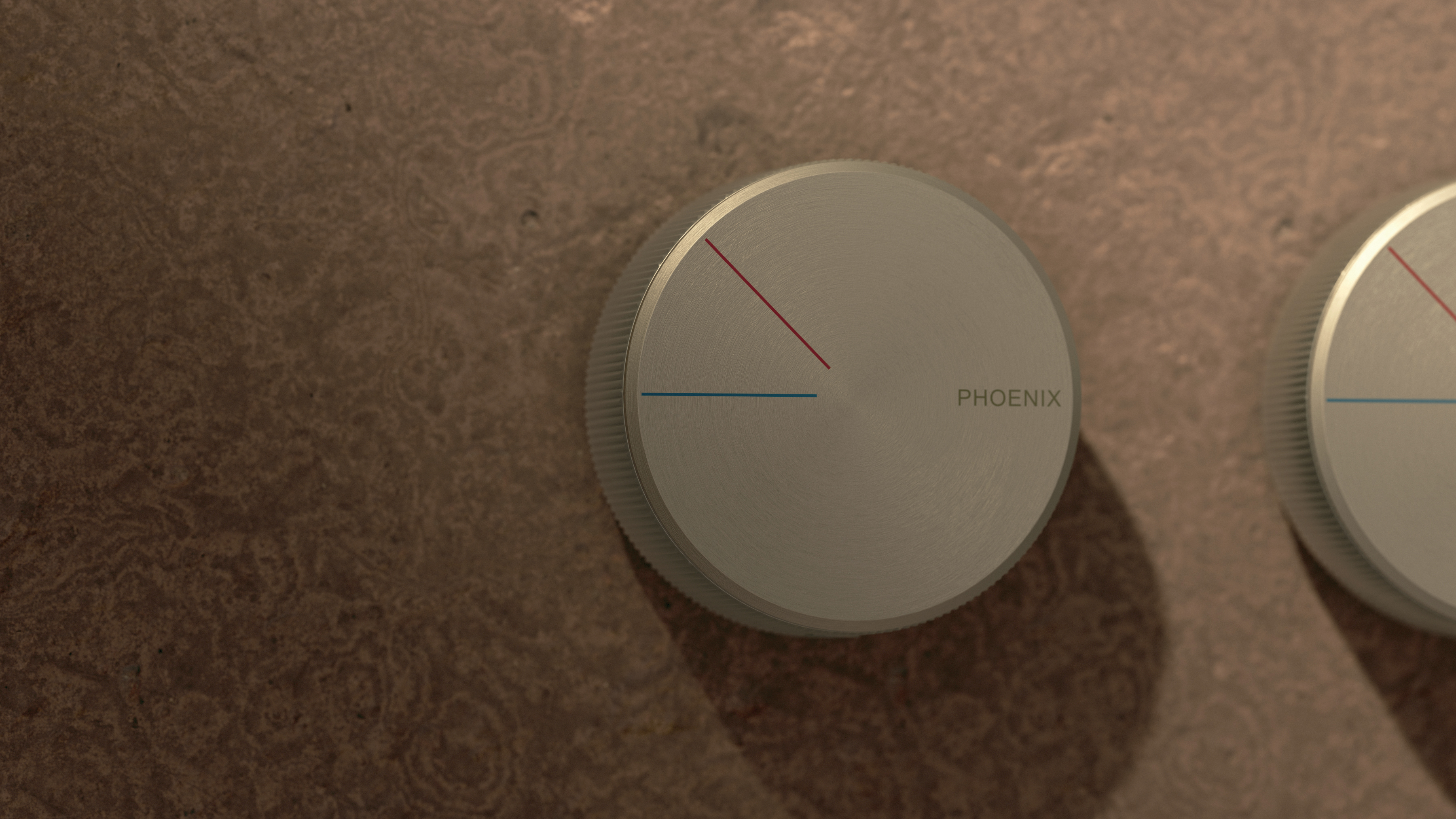
The mixer tap handles have an outer dial that rotates around a fixed central face. Temperature is indicated by two fine lines, one blue and one red, at a 45 degree angle to each other.

Axia collection by Phoenix Tapware

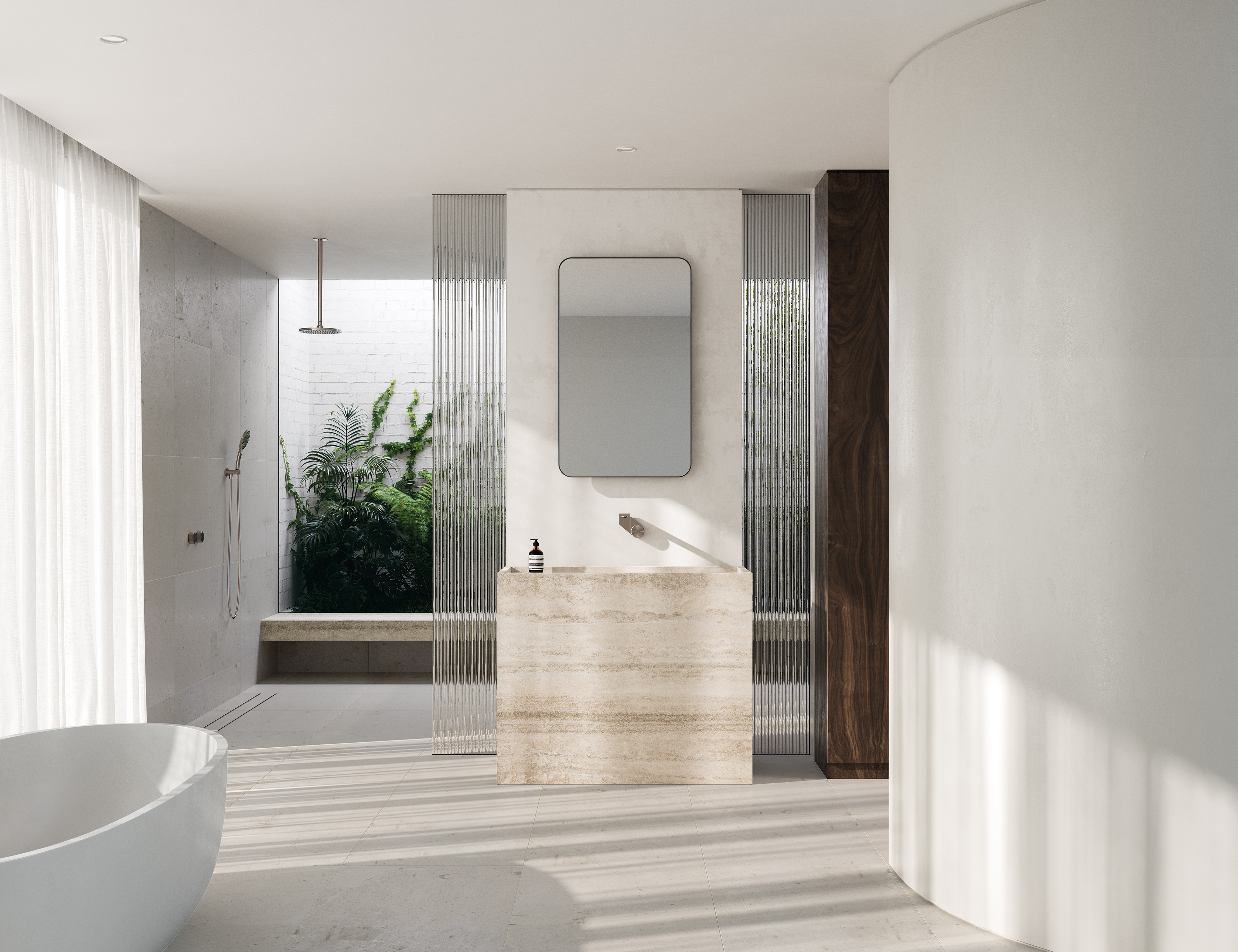
For bathtubs, the wall set can also come without the diagonal tap handle. Wall handles are available separately, and a single large dial can act as a handle for a shower.

There are no levers on the basin mixer from the Axia collection. Instead, the single dial tap is placed on top, completing the slim cylindrical column.

Axia collection by Phoenix Tapware

The Axia collection tap cartridges are sourced from Europe made from a high quality brass, and come with a lifetime replacement warranty.

Axia has won several design accolades, including a 2020 Red Dot Award as well winning Best of the Best, a 2020 iF Design Award and a Good Design Award.

Phoenix was founded in Australia in 1989 by Brian Wansbrough, and came under new management in 2005. Its other collections include Radii, which has minimal, cross-shaped taps with lowercase sans serif "hot and cold" etched on one tine.

For more information about the Axia collection by Phoenix, visit the brand's website.

The post Phoenix unveils ultra-thin Axia collection of minimalist taps appeared first on Dezeen.


from Dezeen https://ift.tt/33NTtPo

Swiveling Mirror Installation Skews Perspectives of Historic Venetian Architecture

All images © Arnaud Lapierre and Andrea Giadini

AZIMUT, an installation by French artist and designer Arnaud Lapierre, offers a prismatic look at some of Venice’s historic structures. Situated along the waterfront of Riva degli Schiavoni, 16 titled mirrors with battery-powered motors rest on the cobblestone walkway in front of the Palazzo Ducale, a gothic landmark that dates back to the 14th century and currently houses one of the Italian city’s museums. The reflective circles spin in tandem, offering a magnified view of the palace’s patterned stone and the intricate details on its facade.

When facing the water, the mirrors even pick up glimpses of the San Giorgio Maggiore, a Benedictine church that was completed in the 16th century. Featuring massive marble columns, the basicillica was designed by Renaissance architect Andrea Palladio.

Lapierre described the project as “a loss of balance, of recomposing landscape and a patchwork observation,” of the surrounding architecture and historic city. For more of his designs that question and alter perspectives, head to Instagram and Vimeo. (via designboom)


Do stories and artists like this matter to you? Become a Colossal Member and support independent arts publishing. Join a community of like-minded readers who are passionate about contemporary art, apply for our annual grant, and get exclusive access to interviews, partner discounts, and event tickets.


from Colossal https://ift.tt/2wvhNJT