
Laugh out loud with this wonderful Beijing-based illustrator who went from a Fresco painter to children’s book illustrator.

from It's Nice That https://ift.tt/2xvvyIG
Laugh out loud with this wonderful Beijing-based illustrator who went from a Fresco painter to children’s book illustrator.
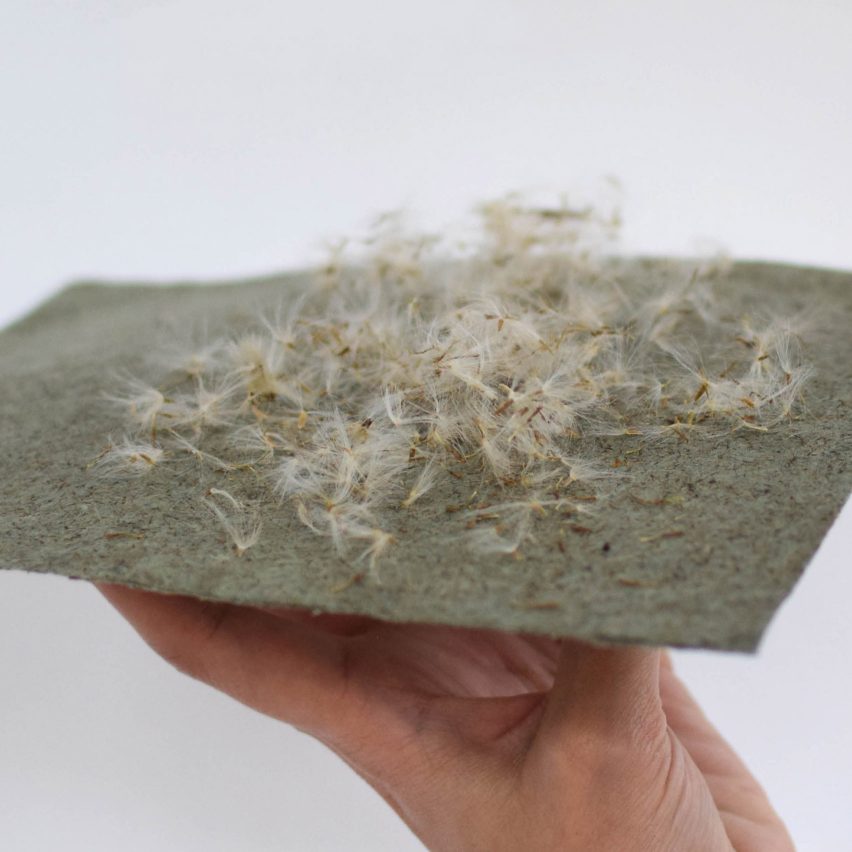
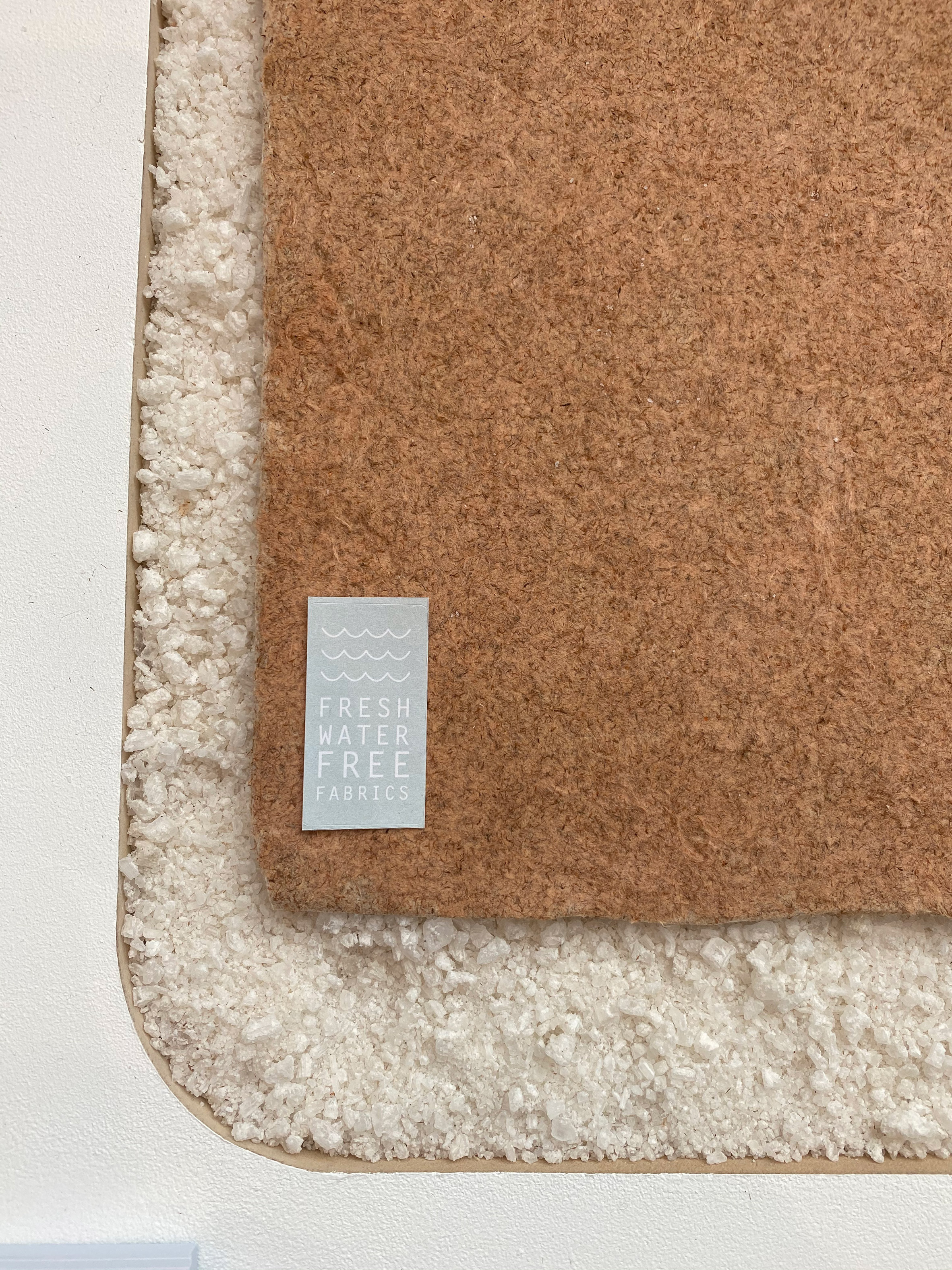
Students from the Royal College of Art have made fabrics from plants grown in seawater, providing a potential solution for the currently freshwater-intensive fashion and textile industries.
While cotton is notoriously water-hungry, requiring as much as 20,000 litres of freshwater to produce just a kilogram of the material, these fabrics are made from a salt-tolerant plant that thrives in seawater.
Insulating jacket liners, faux leather and clothing like t-shirts and trousers could all potentially be made with the fabrics.
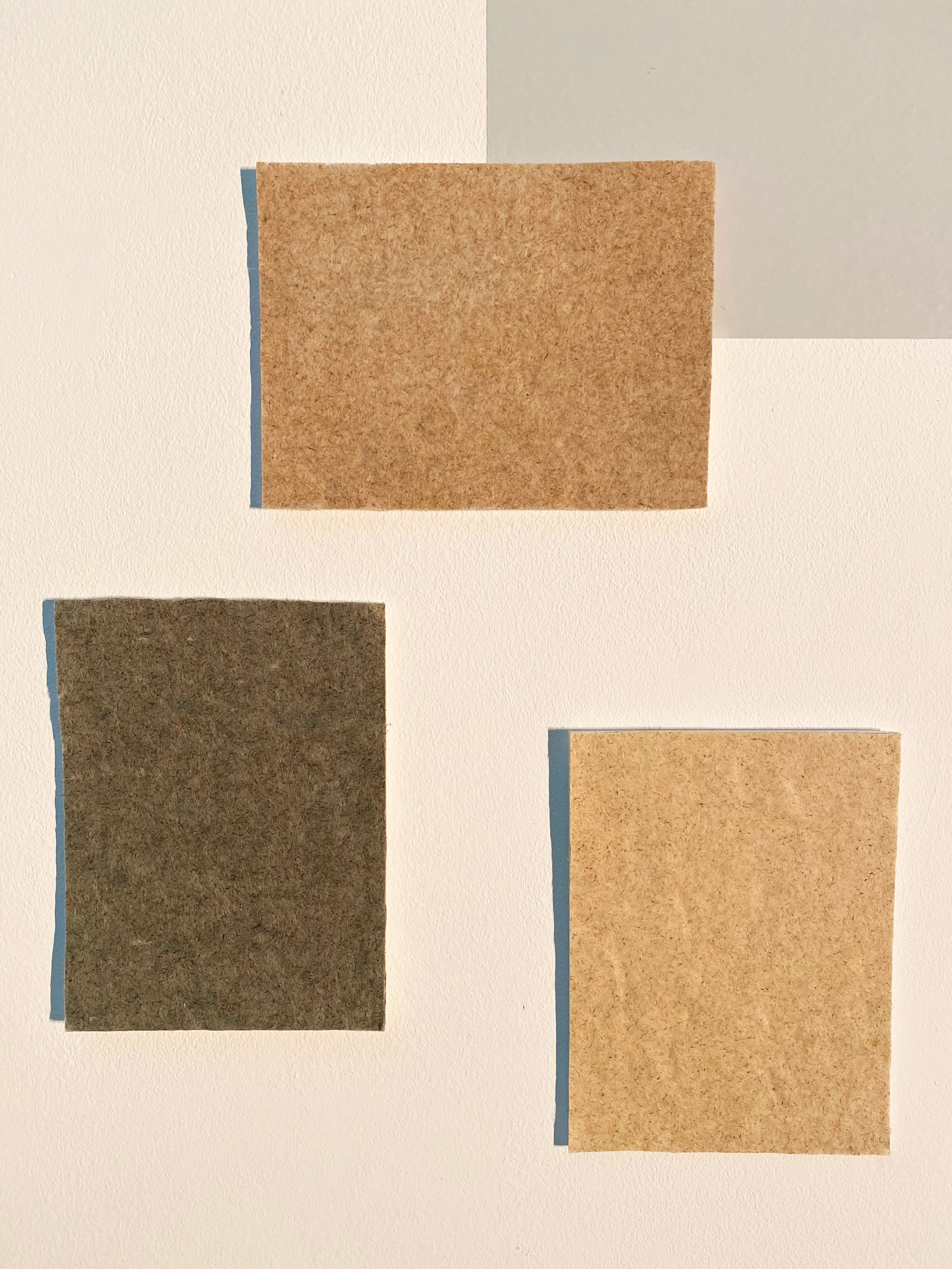
The students – an interdisciplinary team from the Imperial College London and the Royal College of Art – came together to find a way to tackle the global overconsumption of freshwater.
This led to them to the idea of using salt-tolerant plants, and following promising early testing, they are now planning to launch a start-up named SaltyCo to bring their textile products to market.
"We were initially shocked by the vast quantities of resources that currently go into the fashion and wider textiles industry, specifically freshwater," SaltyCo's mechanical engineer Julian Ellis-Brown told Dezeen.
"We've been pushing our planet to the limit of its resources and are now starting to see the effects of wells drying up, lakes and reservoirs being replaced by deserts and more and more people suffering from water scarcity on a daily basis," he added.
While current industry efforts are mainly focused on using organic or recycled materials, Ellis-Brown said SaltyCo was looking ahead to the next challenge.
"For a long time now you have been able to buy organic, vegan and natural textiles," said Ellis-Brown.
"More recently we're also seeing the introduction of carbon neutrality as a standard. Now we're looking to what tomorrow's sustainable standard will be – freshwater-free fabrics."
"By creating a new calibre of what's necessary for an environmentally friendly textile, we hope to push brands and thought leaders to turn to these new materials," he added.
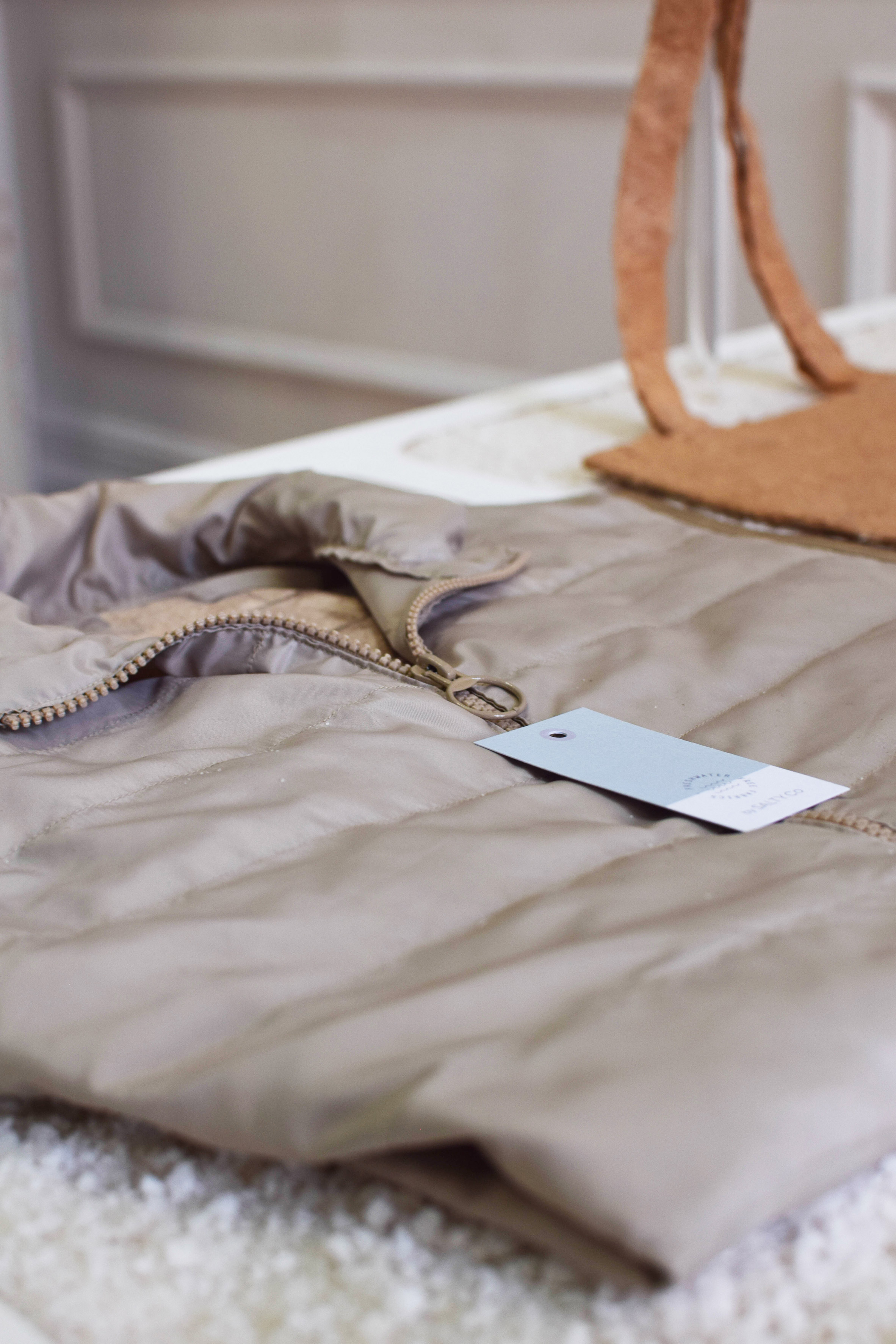
SaltyCo is developing three different textile products from their salt-tolerant plant, which, to protect their intellectual property, they cannot currently name.
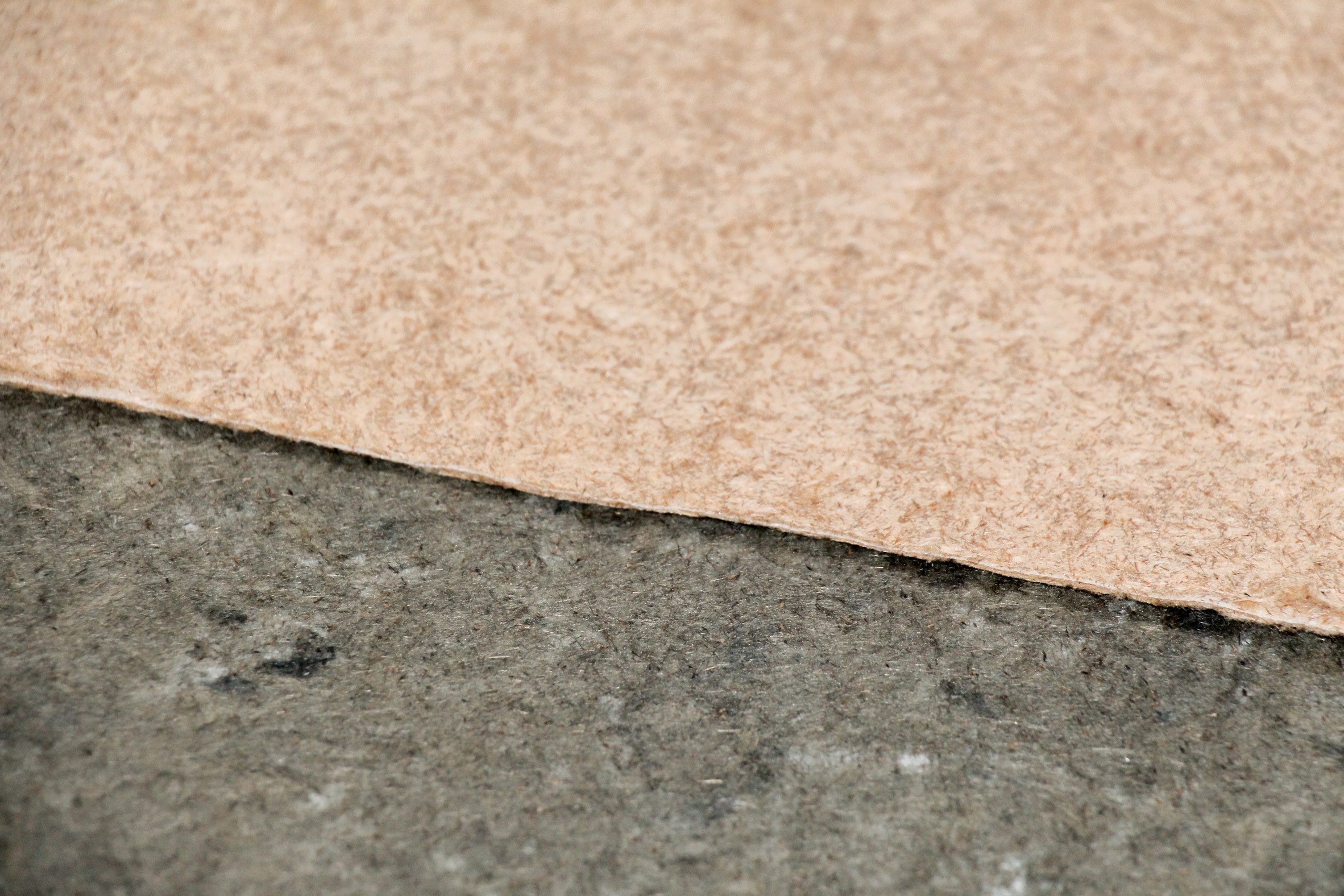
There is a woven fabric, a non-woven fabric and a technical stuffing.
The stuffing is the closest to being market-ready, and SaltyCo has already showcased it as part of a jacket. Ellis-Brown says it is warm, lightweight and hydrophobic, making it suitable for insulating jackets.
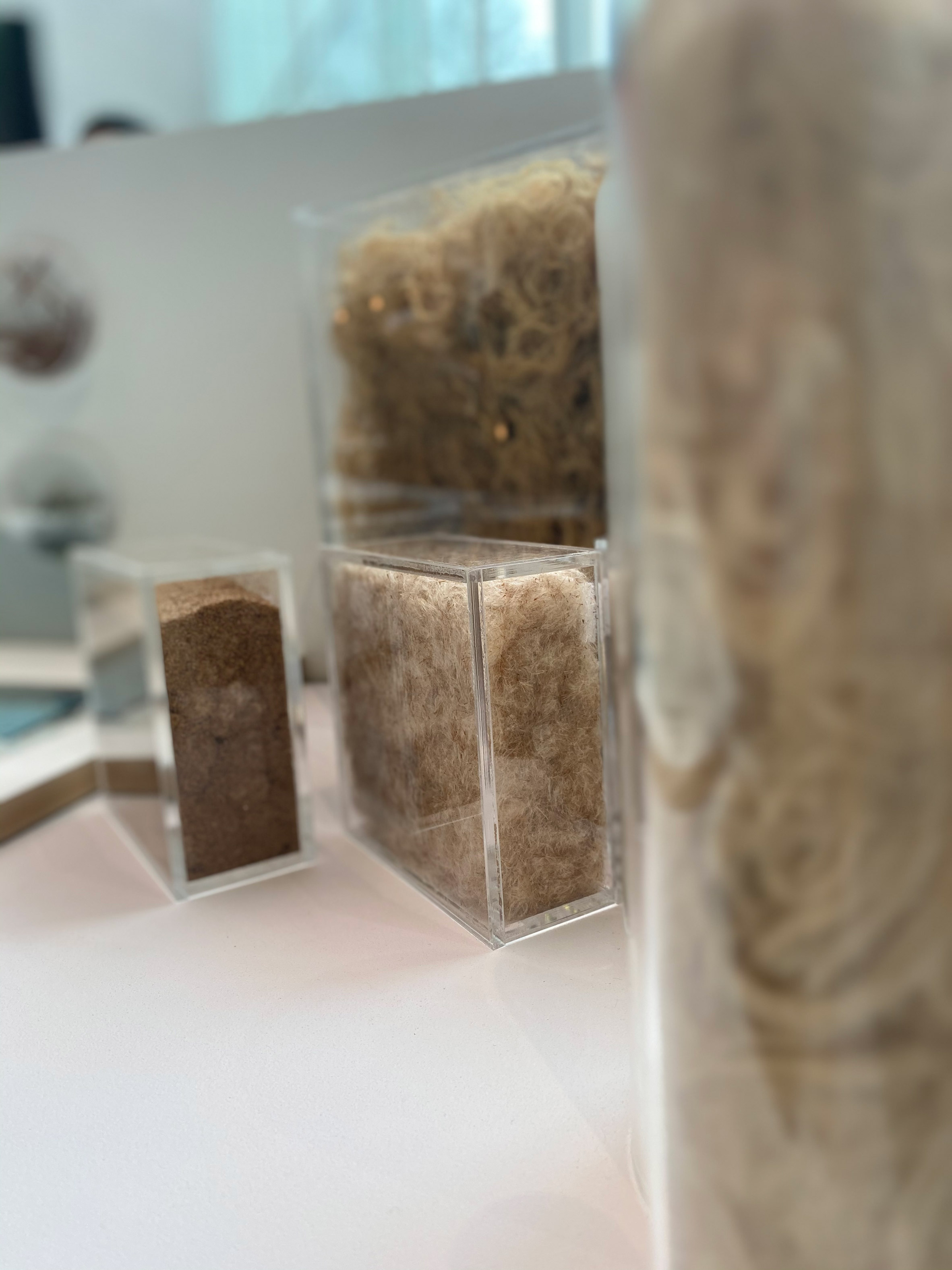
They have also showcased their non-woven fabric in a few forms, and see it being used for accessories or faux leathers.
The woven fabric requires the most further development and, if done right, it would have similar properties to linen or cotton.
SaltyCo is currently participating in Imperial Enterprise Lab's Venture Catalyst Challenge and hopes to launch the startup in the coming months.
Project credits:
Mechanical Engineer: Julian Ellis-Brown
Chemist: Finlay Duncan
Integrated designer: Antonia Jara
Business/design strategist: Neloufar Taheri
The post RCA students develop SaltyCo sustainable fabrics using seawater plants appeared first on Dezeen.
With our early entry discount ending tomorrow on 31 March at 23:59 UK time, here are some of the most frequently asked questions some of the Dezeen Awards 2020 entrants have been asking us this week!
Read on to find out the answers to these frequently asked questions.
When is the early entry deadline?
At 23:59 UK time on Tuesday 31 March.
How much can I save by entering before 31 March?
You can save 20 per cent on your Dezeen Awards entry if you enter before the early entry deadline. On top of this, companies with ten or less employees get half-price entry fees.
Is the early entry deadline being extended due to coronavirus?
If you're struggling to get your entry completed before 31 March due to the impact of the coronavirus pandemic, you will still qualify for the lower price as long as you start your entry before the deadline.
You will then have up until 2 June to finish and submit your entry. Email us at awards@dezeen.com for more information.
Who can enter Dezeen Awards?
Dezeen Awards is open to all registered companies, as well as all individual professionals over the age of 18.
Can unbuilt or speculative projects be entered?
No, only completed projects can be entered! Read through our terms and conditions for more details or get in touch with us if you're unsure.
When should my project have been finished to be eligible?
In order to be eligible for Dezeen Awards 2020, projects need to have been completed between 1 June 2018 and 2 June 2020.
Which category should I enter my project into?
There are 36 project categories that you can enter this year, including eight new categories.
You can enter the same project into multiple categories. If you aren't sure which category is most appropriate, you can email us to ask for our advice.
What should I include in my studio category entry?
When entering a studio category, please include at least two projects that were completed during the eligibility period.
Is the entry process complicated?
No, our entry process is simple and intuitive. All you need to do is provide up to 11 images, tell us about your project and why it should win a Dezeen Award.
Once you have completed the online entry form and paid the fee, your entry will be automatically submitted.
Will I need to pay for anything else once I have submitted my entry?
No. There are no hidden costs involved with Dezeen Awards. We will not charge you for your trophy or anything else if you win.
There is also no obligation to attend the winners' party, which may not be going ahead this year due to the coronavirus outbreak.
Can I enter the same project two years in a row?
Yes, as long as you enter it into a different category and as long as it meets the eligibility criteria. But you cannot enter the same project into the same category more than once.
Is Dezeen Awards international?
Yes! We encourage entries from countries all over the world. Last year, we received entries from 87 different countries.
Can I view my past submissions?
Yes, drop the Dezeen Awards team an email if you would like us to send you a copy of an entry that you submitted in a previous year.
What if I need help?
If you run into issues or have any questions email us at awards@dezeen.com or visit our how to enter page for more information.
Enter Dezeen Awards 2019 now to save 20 per cent ›
Good luck with your entry!
The post One day left to save 20 per cent on your Dezeen Awards 2020 entry appeared first on Dezeen.

In signature documentary style, the French photographer has been capturing the ongoing conflict in the Donbass region.

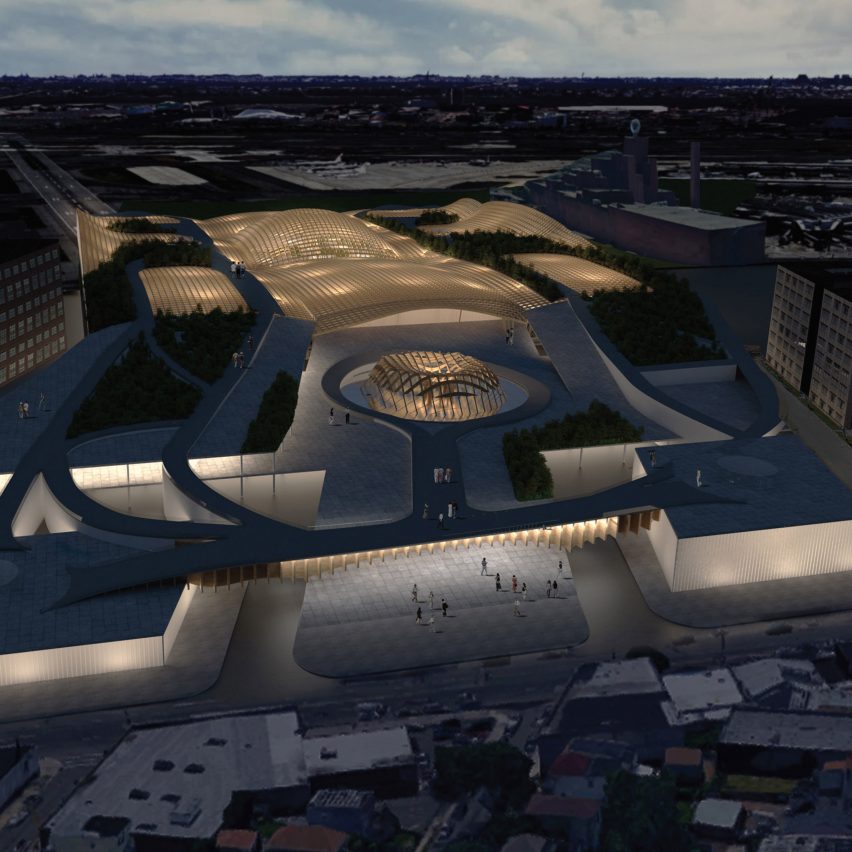
Dezeen promotion: Fentress Architects is inviting entries to its annual Fentress Global Challenge – a competition that tasks students with designing an airport terminal for the year 2100.
First launched in 2011, the annual Fentress Global Challenge (FGC) is open to graduate and undergraduate students across the globe, and aims to advance the pursuit of innovative design in public architecture.
Designers are asked to create a new airport terminal concept, taking into consideration forecasts for the future population, environmental conditions, modes of travel and potential destinations.

"Despite a multitude of technological advances including video conferencing and drones, the proliferation of airports worldwide continues to be spurred on by global commerce and an unrelenting demand for travel," said Fentress Architects.
"While the airport terminal – conceived a century ago – is a relatively new architectural typology, it has since its inception held equal importance with quintessential civic buildings: city halls, courthouses, libraries, museums, and theatres."
"Yet, airports are uniquely complex and they are more than just high volume transportation hubs," added the US practice. "Increasingly, airports are also workplaces, centres of commerce, recreational outlets, and cultural resources."
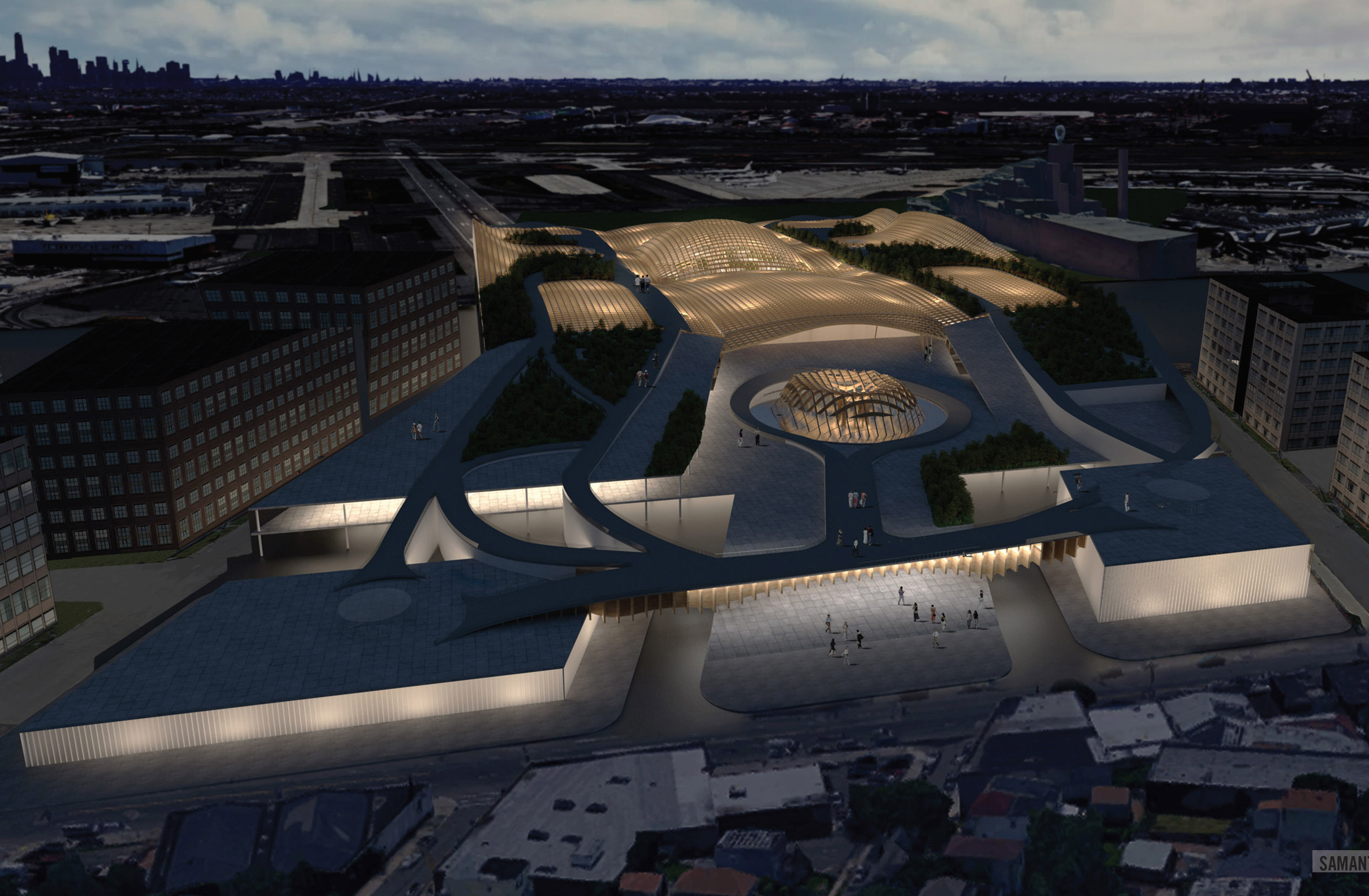
Over its past 10 editions, the competition has accrued thousands of entries from over 75 countries that have competed for top honours.
Both undergraduate students who are currently pursuing architecture or engineering degrees in an accredited university program and recent graduates who have received a degree in architecture or engineering within the last four years are free to enter.
Current students must provide proof of active enrolment status, which includes a scanned copy of their student ID and current course schedule. Recent graduates must provide a scanned copy of their diploma.
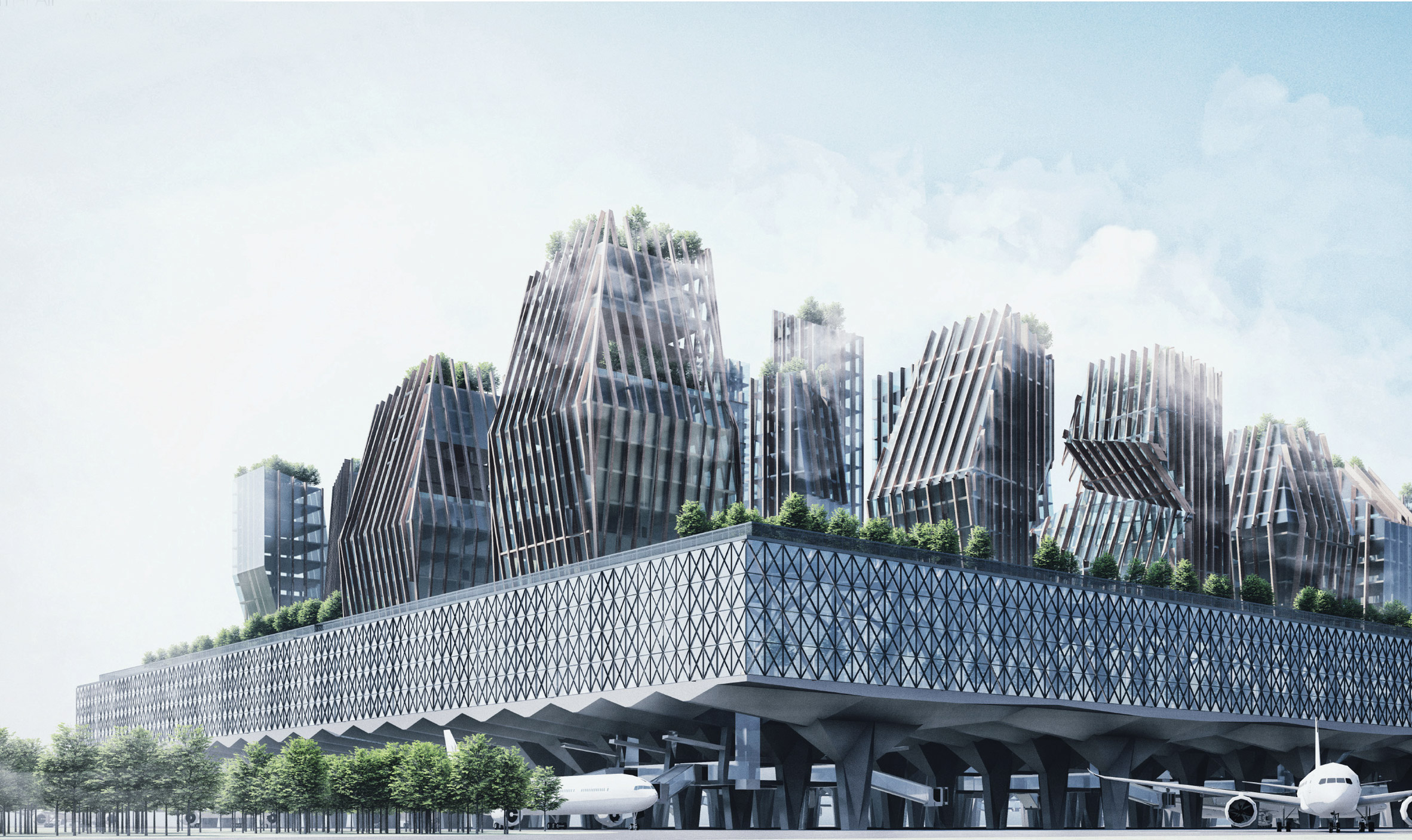
As Fentress Architects explains, all concepts must be contextualised to create an identity for themselves.
"Context is more than an intellectual consideration of the history or physical appearance of a neighbourhood, city, or state, and it's more than the way new will live with old."
"Context draws on the senses, the sights, smells and memories that define a place and make it unique. Context grows from community, and people respond to it."
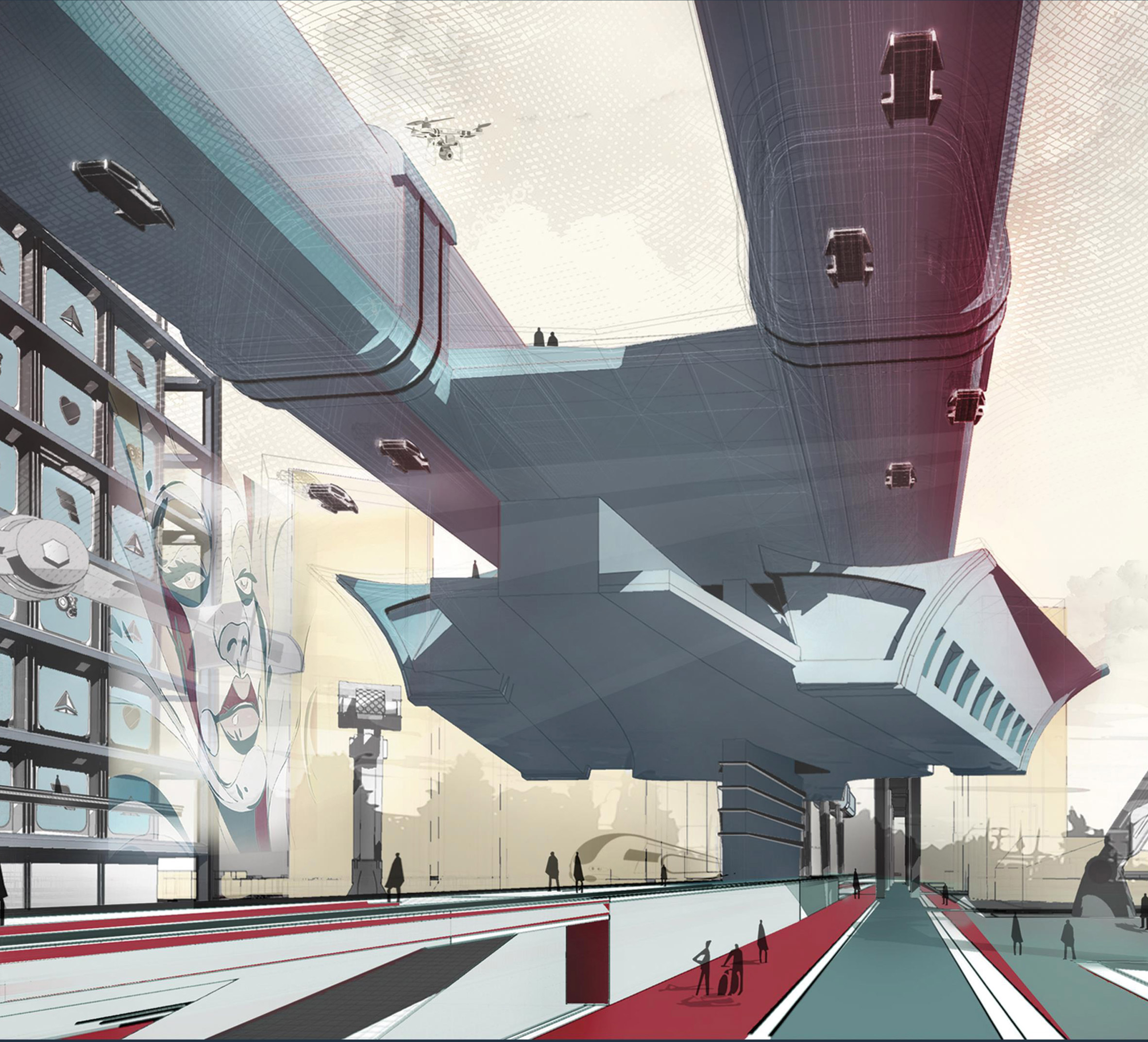
Entrants are also encouraged to make predictions about the factors that will most influence airport terminal building design in the year 2100, and improve on at least one of these elements.
This includes mobility, urbanisation, globalisation, technology, flexibility, security, project feasibility and passenger experience.
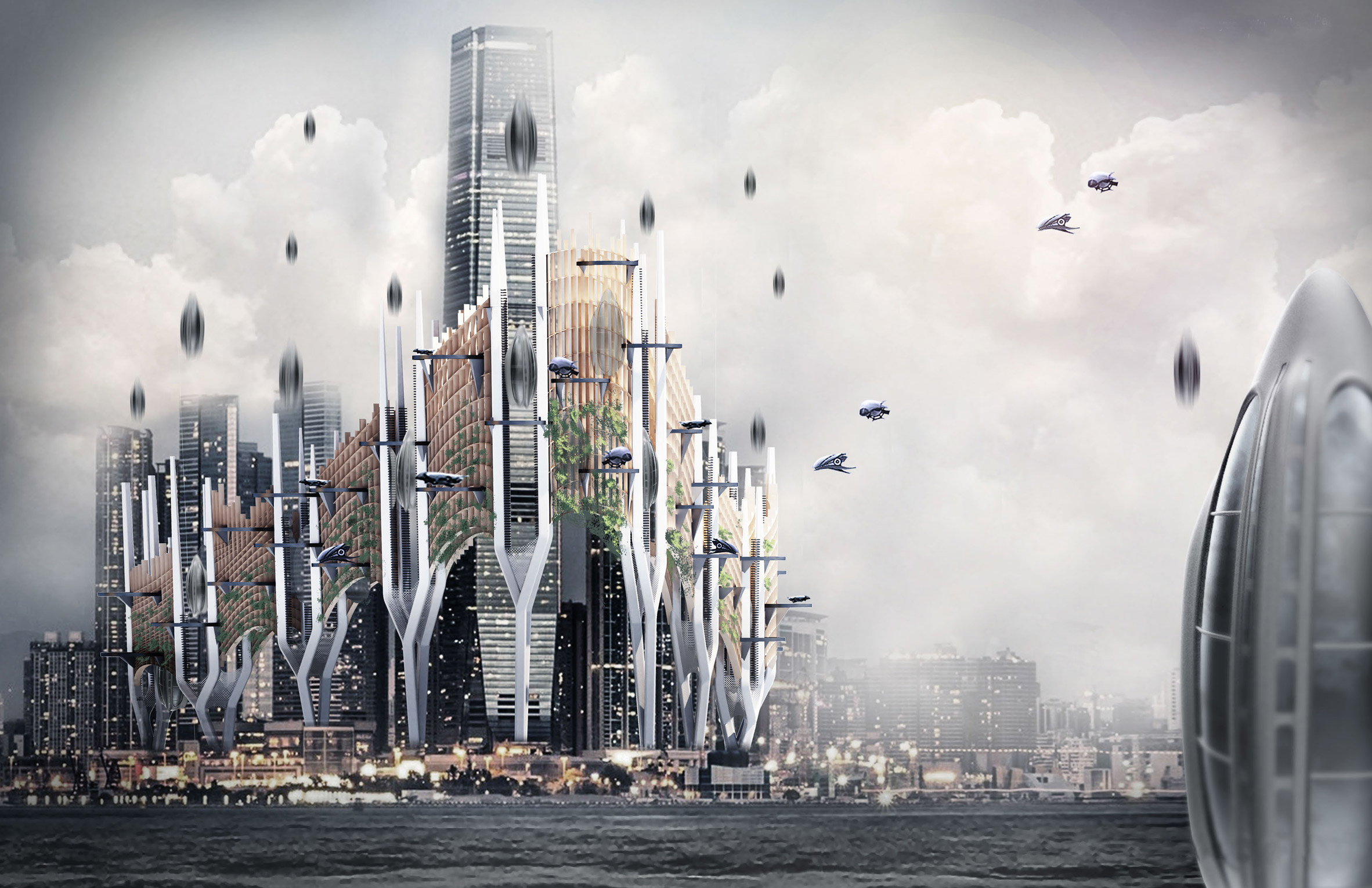
Concepts must be sustainable – boasting environmentally responsible, healthy, equitable and profitable qualities – as well as resilient – being capable of adapting to changing conditions and maintaining functionality through natural and manmade disasters.
The new terminal concept must also be located at one of the world's 20 busiest airports, including Dubai International Airport, Los Angeles International Airport, Amsterdam's Schiphol airport and London's Heathrow airport.
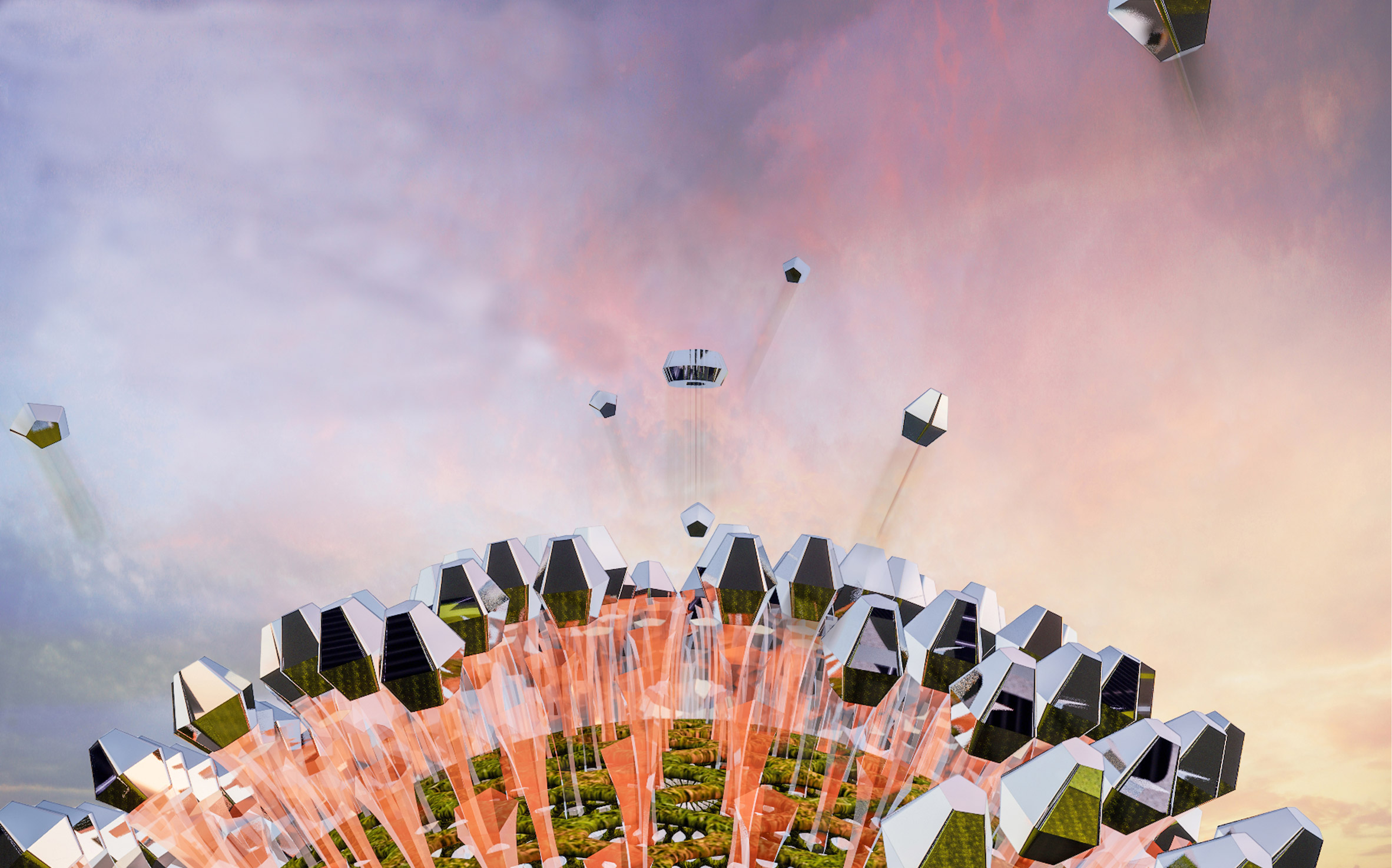
Designs are evaluated on their use of clear and concise language to convey ideas, key points and design solutions, and photographs, diagrams, renderings, animations, collages and other visualisations are encouraged to help explain the concept.
A jury of distinguished industry experts will look for innovative and inspiring design approaches, with both the concept and design solution being presented through unique and compelling graphics and other media.

The winner of first place will be awarded $10,000, and will be given the opportunity to accompany FGC founder, Curtis Fentress, to a prestigious architectural event. Airfare, lodging and entrance fees will be paid for by Fentress Architects, with a limit of $5,000.
If designers are entering as a group, the monetary prize and attendance at the architectural event will be distributed equally.
The second place winner will receive $3,000, and the third place winner will receive $2,000, while the two selected winners of the People's Choice Award will each be given $1,000.
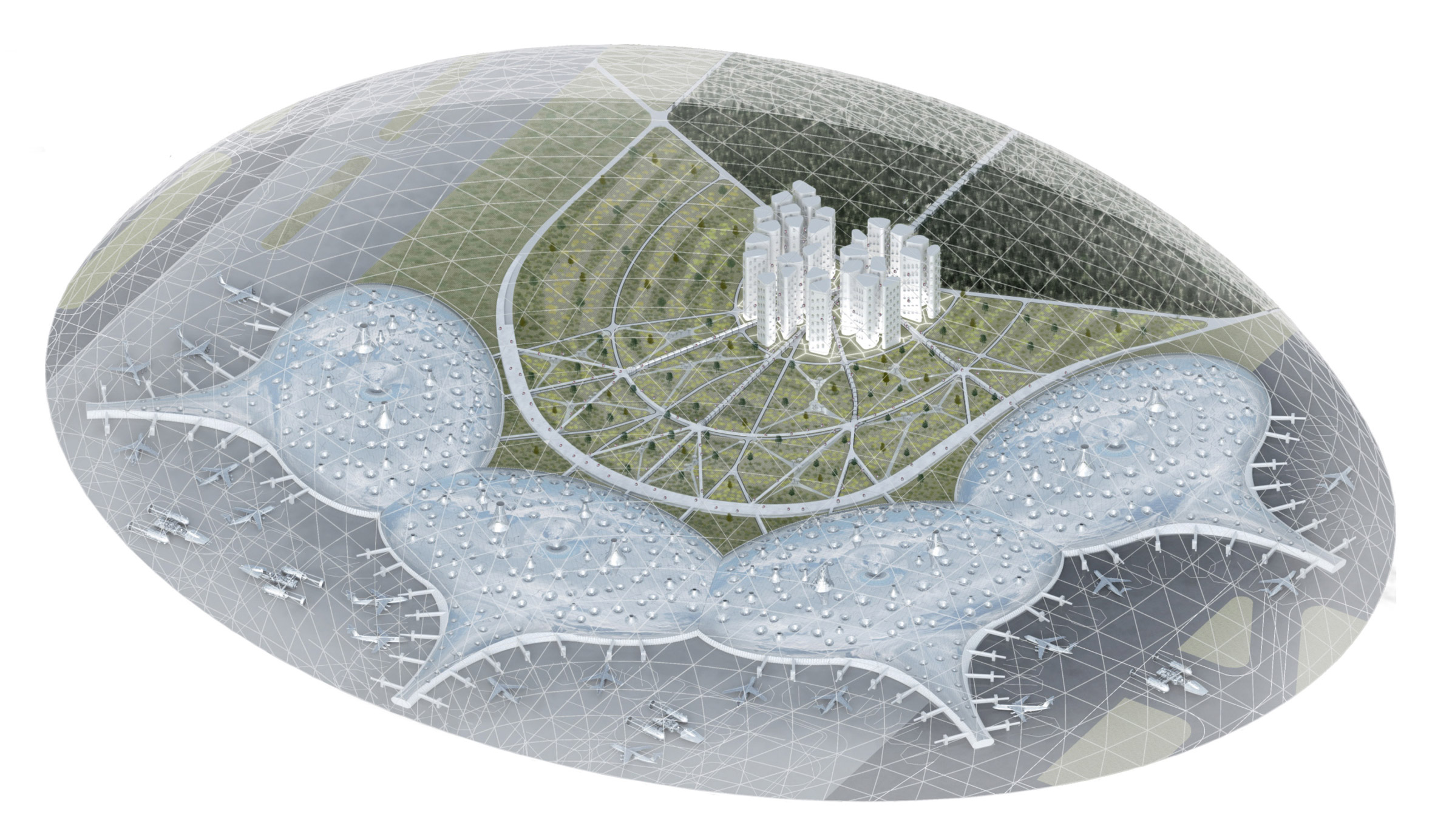
Entrants must submit their concepts by midnight 31 July 2020. The shortlist will be announced on 4 September, before the winners announcement on 2 October 2020.
Participants must register and upload competition materials to their profile page on the FGC website.
Concepts must be written in English, and use the American system of measurements.
To find out more about the submission guidelines and Fentress' "eight touchstones of design", visit the company's design philosophy page.
For more information on the competition itself, visit the Fentress Architects website.
The post Fentress Architects launches 2020 competition to design airport of the future appeared first on Dezeen.


