Monday, 6 April 2020

Nendo creates Mai bag from single sheet of laser-cut leather

Nendo designs Mai bag from single sheet of laser-cut leather

Japanese studio Nendo has designed a collection of handbags from single sheets of laser-cut leather that the buyer can assemble at home.

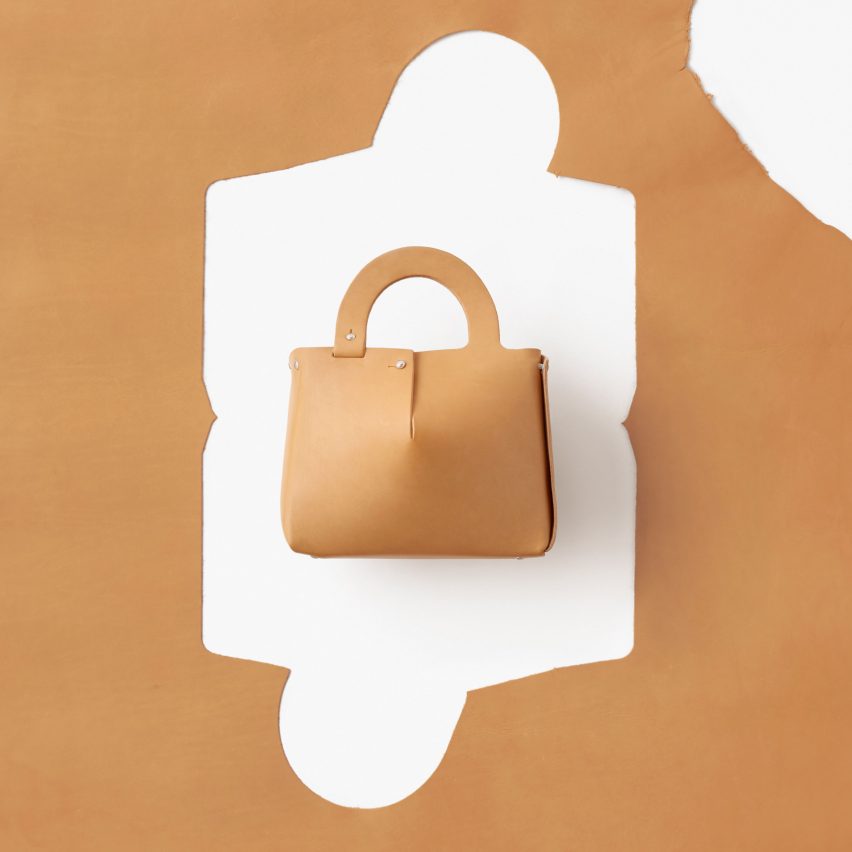
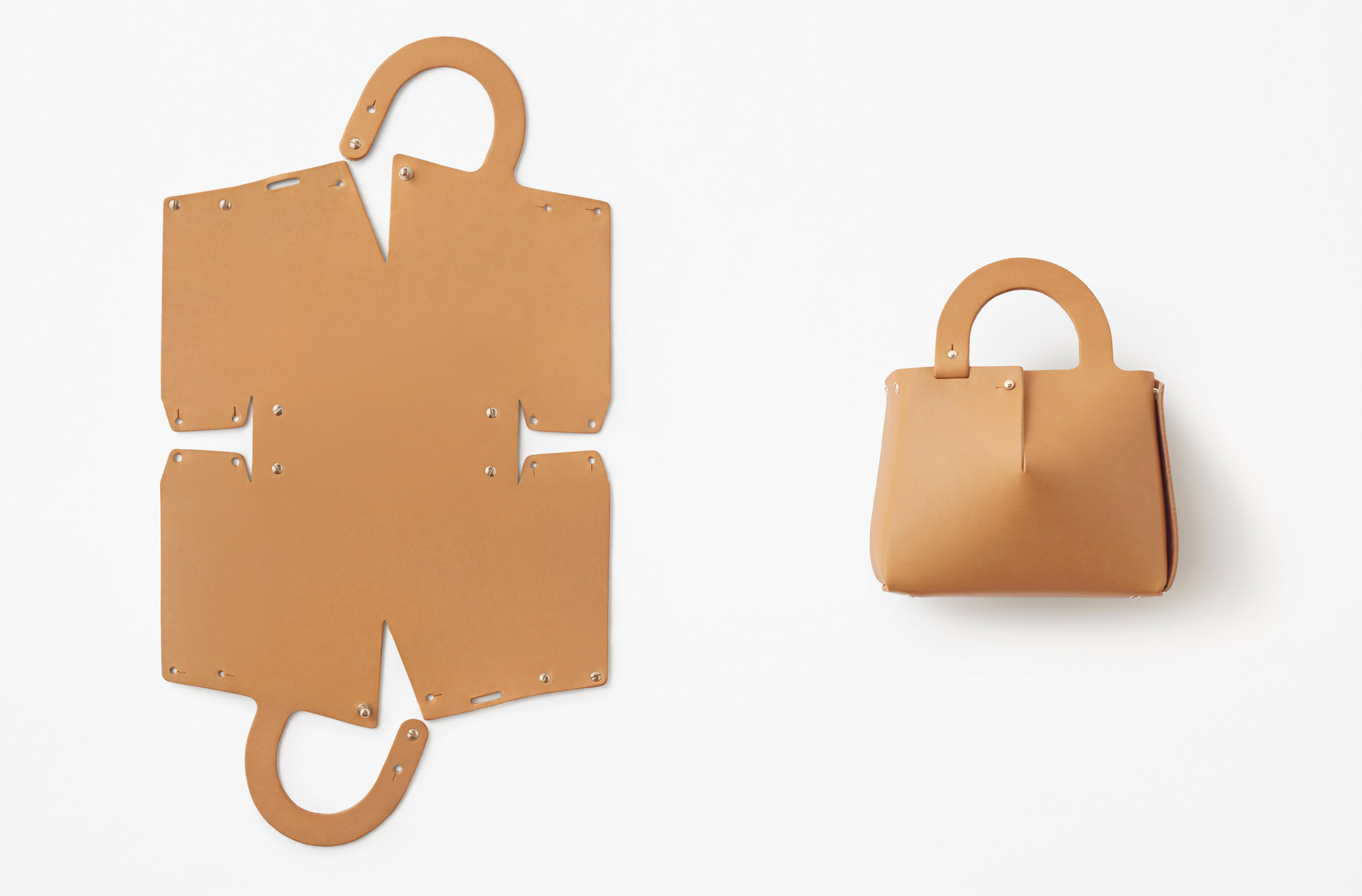
Created for Italian online platform Up To You Anthology, each bag in the Mai collection was designed as a single laser-cut sheet of leather, in a net-style format.

The bags are distributed to their buyers in a completely flat form. Once received, the customer can fold and assemble the bag into its three-dimensional form.
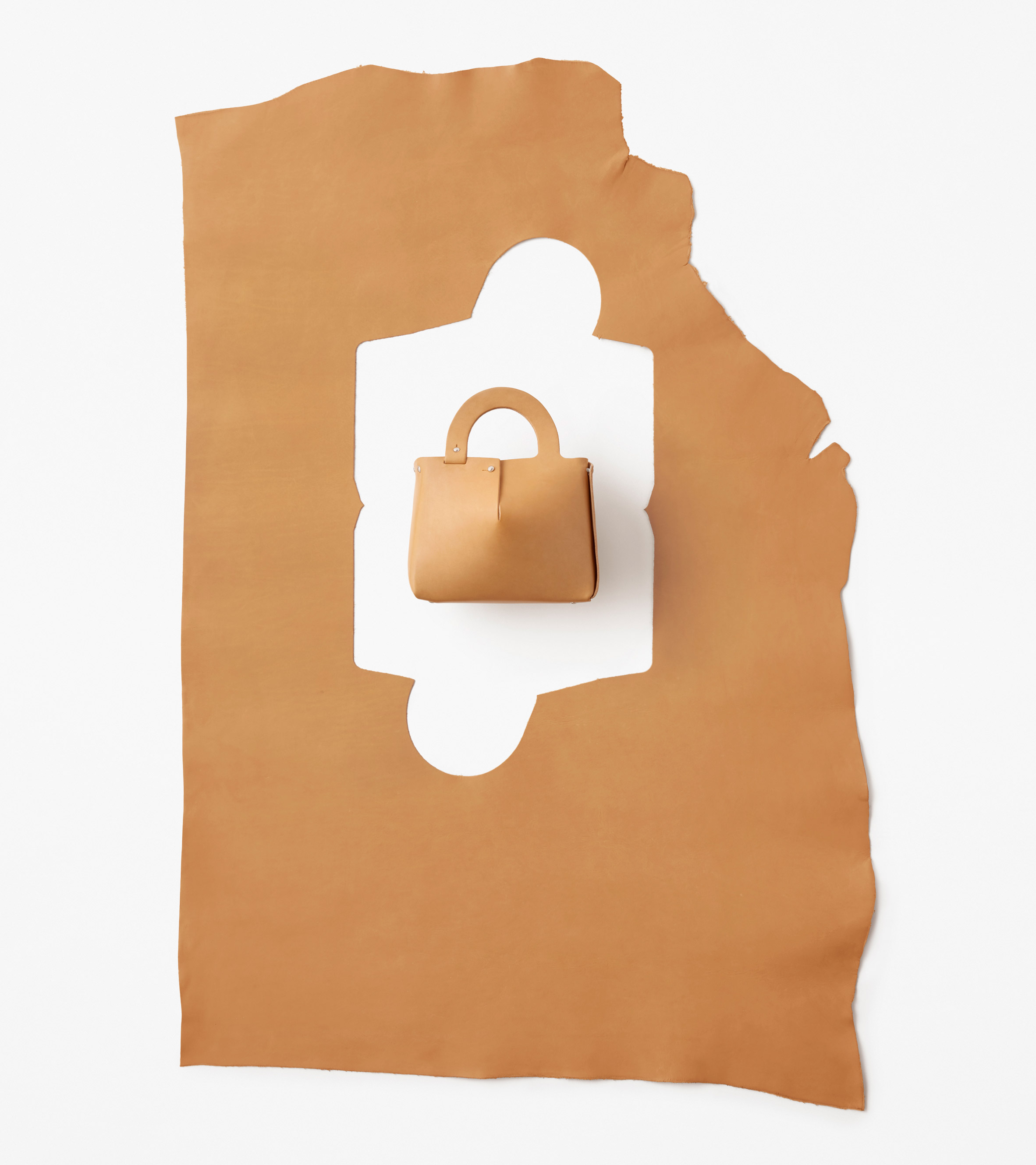
The assembly doesn't require any tools – the bag can be assembled by simply joining a few rivets through the holes of the bag.

This straightforward design has also allowed Up To You Anthology to simplify the manufacturing process as well as minimise the inventory and shipping costs.
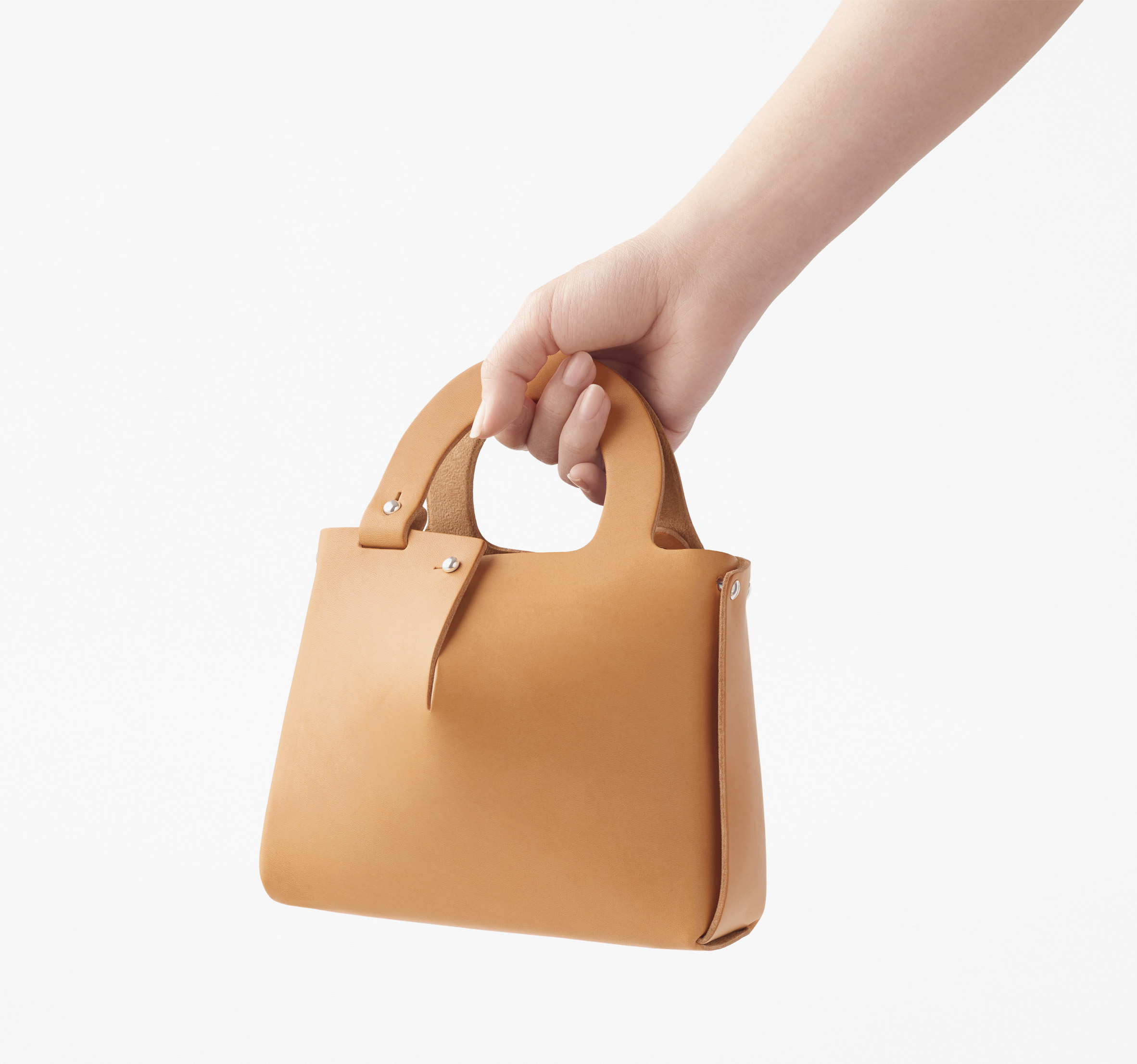
Due to its composition, the bag has been named after the Japanese word "ichi-mai", which translates to "one sheet".

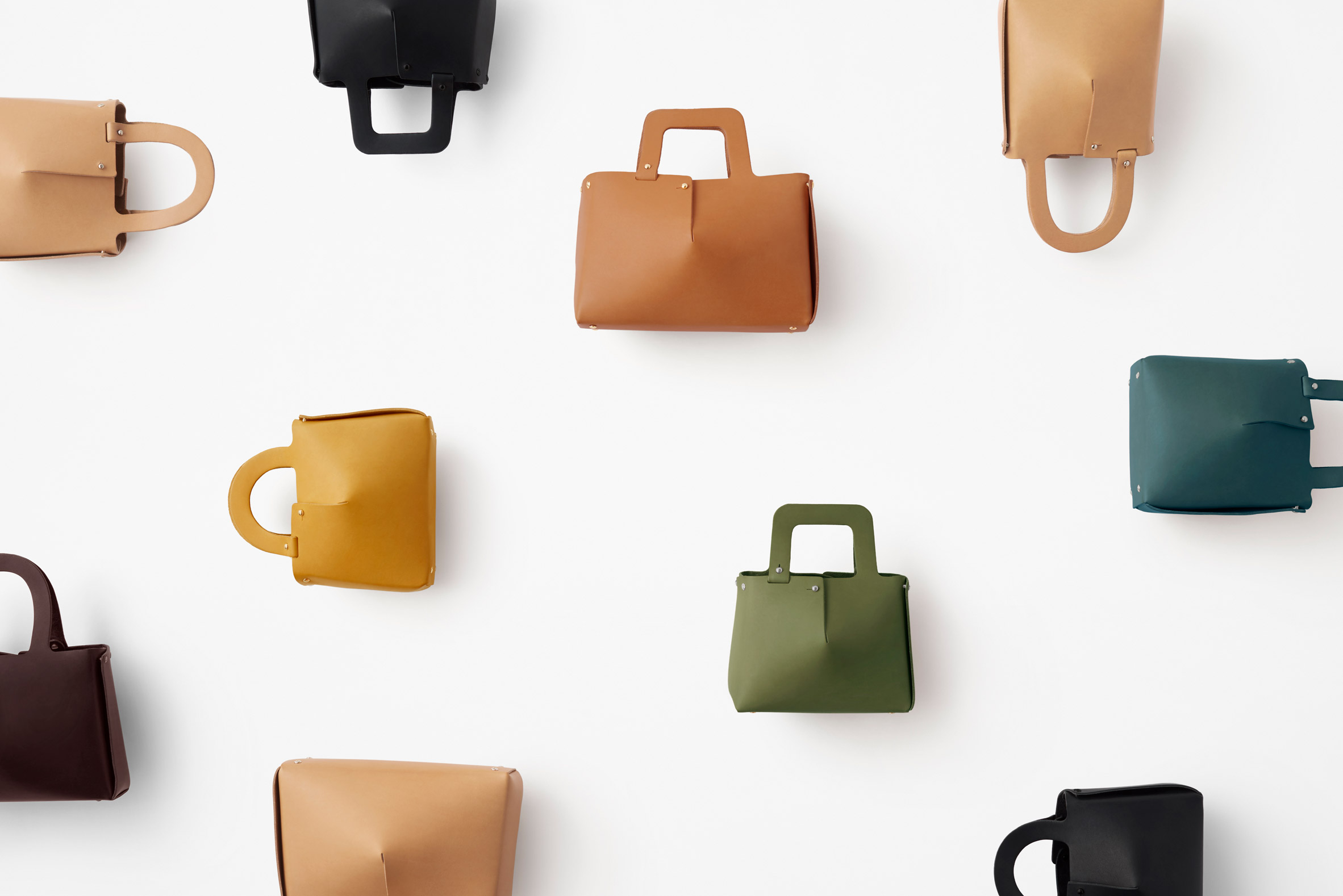
The Mai bag is available in a range of different sizes and colours, including mustard yellow, dark brown, khaki and teal, achieved by dying the leather with a plant-derived tannin.
Launched in December 2019, Up To You Anthology is a startup e-commerce platform that allows visitors to design their own bag or to buy one made by various well-known designers.

"The brand is unique in that it is not limited to professional designers and is open to design proposals from anyone, and provides total support from product development to manufacturing management and online distribution," said Nendo founder Oki Sato about the company.
This is not the first time Nendo has ventured into bag design. Previously the Japanese studio created a bag for luxury accessories brand Tod's which is specifically suited to architects.

The bag can change shape to accommodate different sizes of drawings held inside. In its extended form, the bag can hold a full-size A3 drawing, but a more compact shape can be created using poppers at the corners to fold the bag in half.

Photography is by Akihiro Yoshida.

The post Nendo creates Mai bag from single sheet of laser-cut leather appeared first on Dezeen.


from Dezeen https://ift.tt/2RjznaL

Forbo designs waterproof Flotex flooring for ski resort interiors

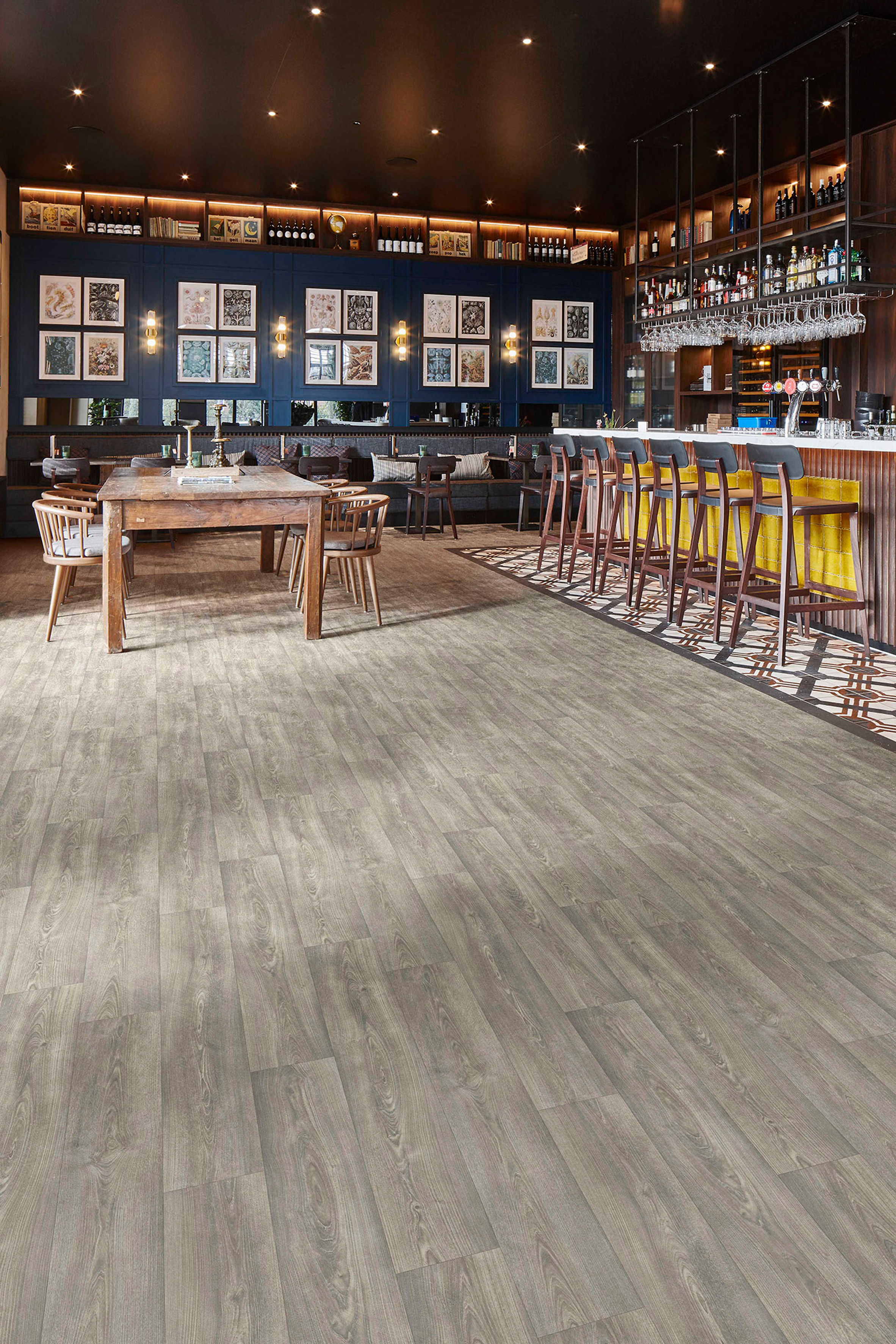
Forbo Flotex flooring range

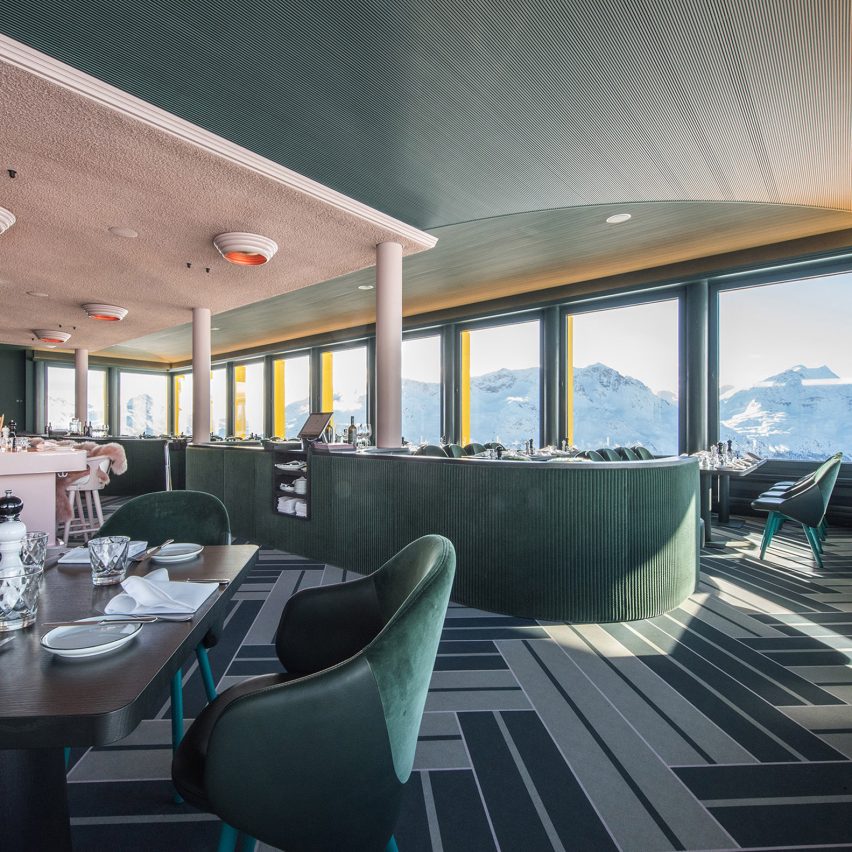
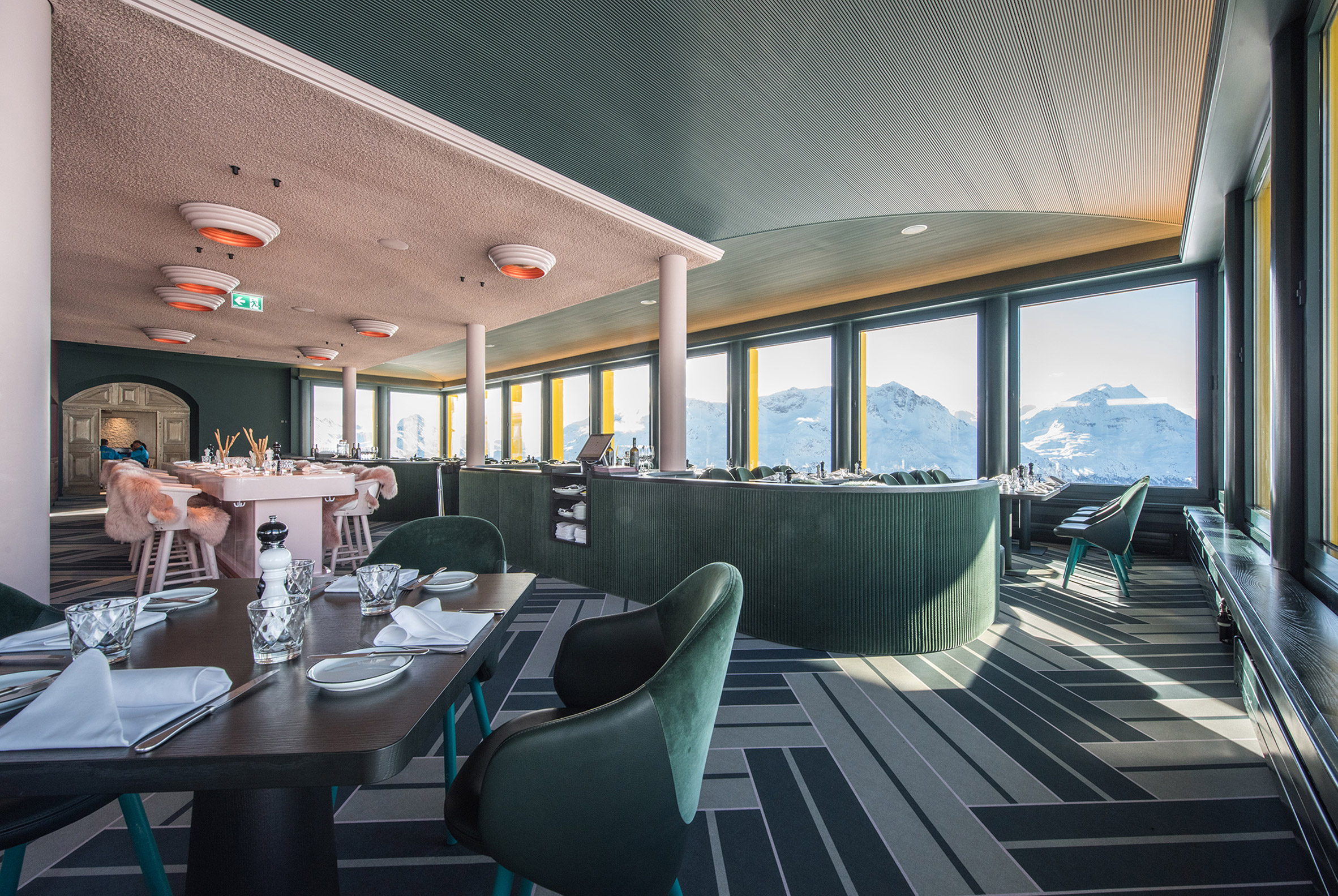
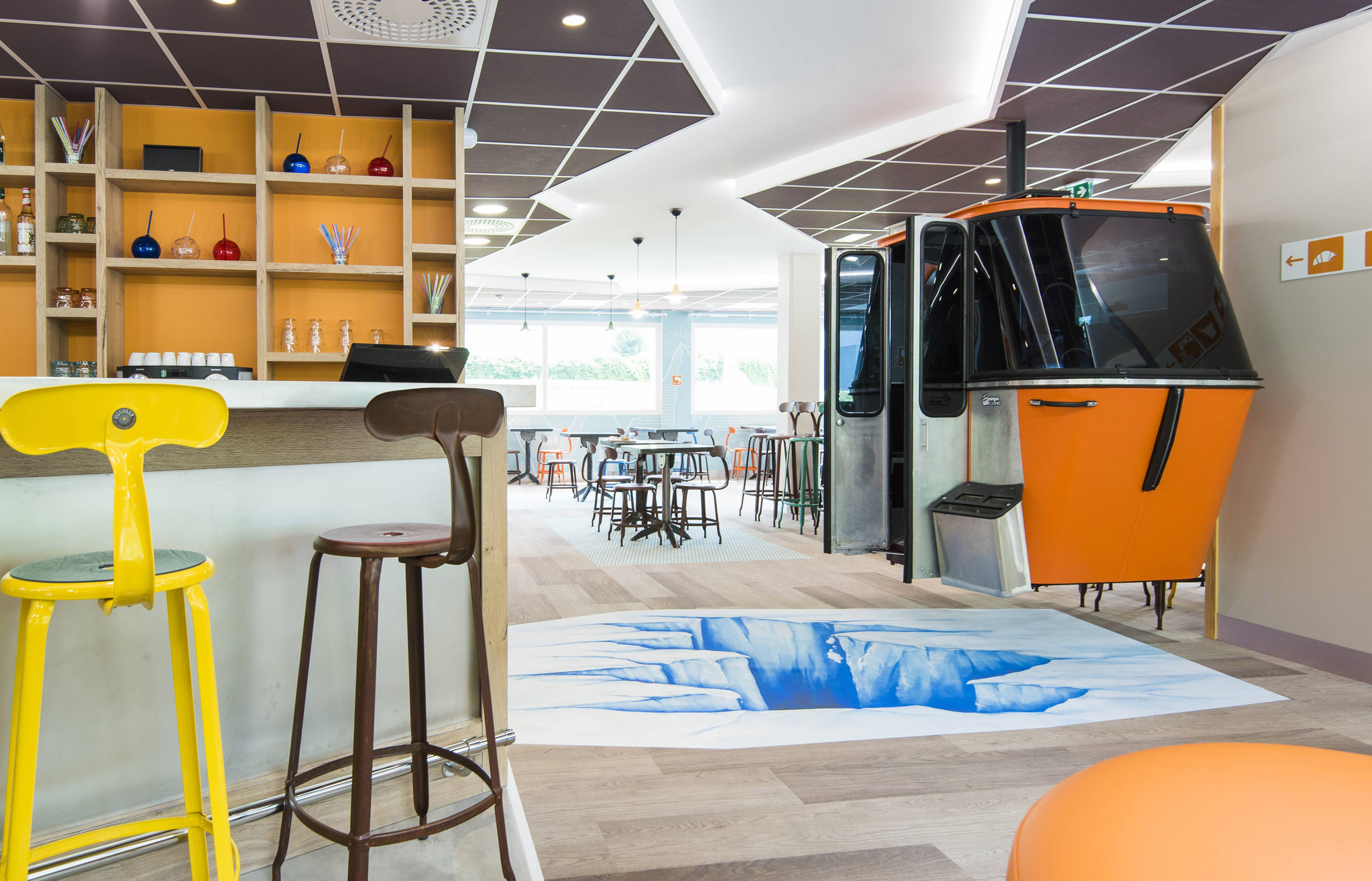
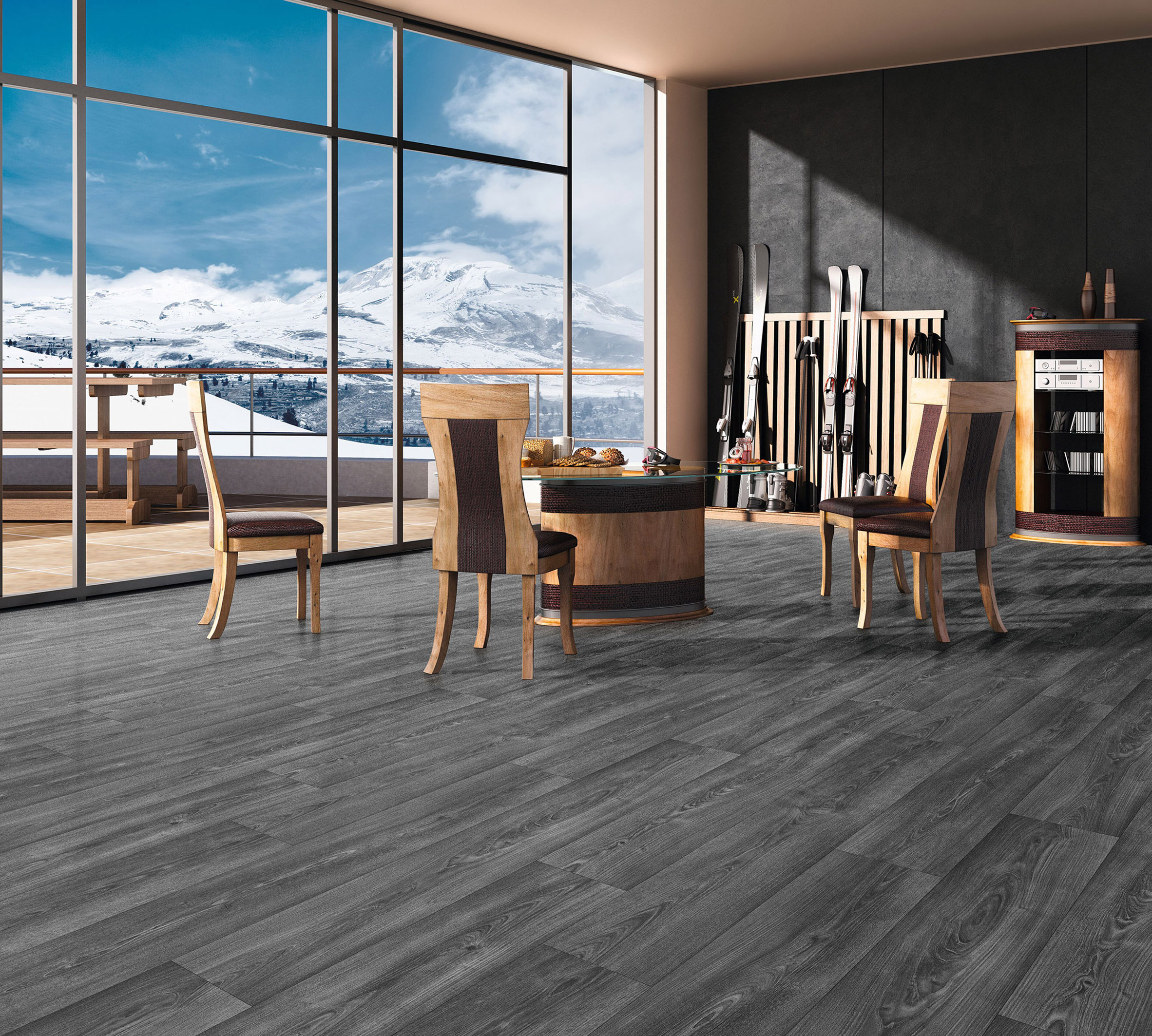
UK manufacturer Forbo has launched a waterproof, hard-wearing flocked flooring range suitable for ski resorts.

Forbo's Flotex combines the durability of a resilient floor covering with a textile finish, making it perfect for areas with high footfall.

Forbo Flotex flooring range

The designs are digitally printed onto Flotex's flocked flooring, which can have up to 70 million fibres per square metre. This process creates intricately detailed designs as well as rich, vibrant colours.

Floral styles, geometric patterns and wood-like motifs are among the 500 existing design options that are available and users can also create their own designs for orders for large designs.

The Flotex flooring is available in plank, tile or sheet format, and the bespoke design option means users can make one-of-a-kind floors that suit their environment.

"The Flotex collection not only provides design flexibility, but it is also truly different to any other floor covering available on the market in terms of performance," said Chloe Taylor, Flotex product manager at Forbo.

"With 100 per cent impermeable backing, Flotex is completely waterproof, making it perfect for areas with high volume foot traffic coming into ski facilities from the snow," Taylor added.

"The range is also quick drying in comparison to most carpets, reducing maintenance downtime and eliminating odours."

Flotex is the only textile floor covering to be awarded with the Allergy UK Seal of Approval, meaning that with the correct cleaning and maintenance, it won't harbour dust mites. This can help maintain a healthy indoor environment.

The flooring meets the UK's Health and Safety Executive (HSE) wet and dry slip resistance classifications for use on flat surfaces and ramps, and its non-fray construction avoid trip hazards. The surface's pattern, texture and grip makes it comfortable to walk on and reduces the risk of slipping.

Forbo's Flotex provides both low in-room impact noise performance (Class A) and good impact sound reduction (<22dB), a useful quality for noisy after-ski environments.

Forbo has previously created flooring from regenerated industrial and post-consumer waste and marble flooring informed by nature.

The post Forbo designs waterproof Flotex flooring for ski resort interiors appeared first on Dezeen.


from Dezeen https://ift.tt/3aRbeQu

Chybik + Kristof designs greenhouse-style pavilion for Czech abbey

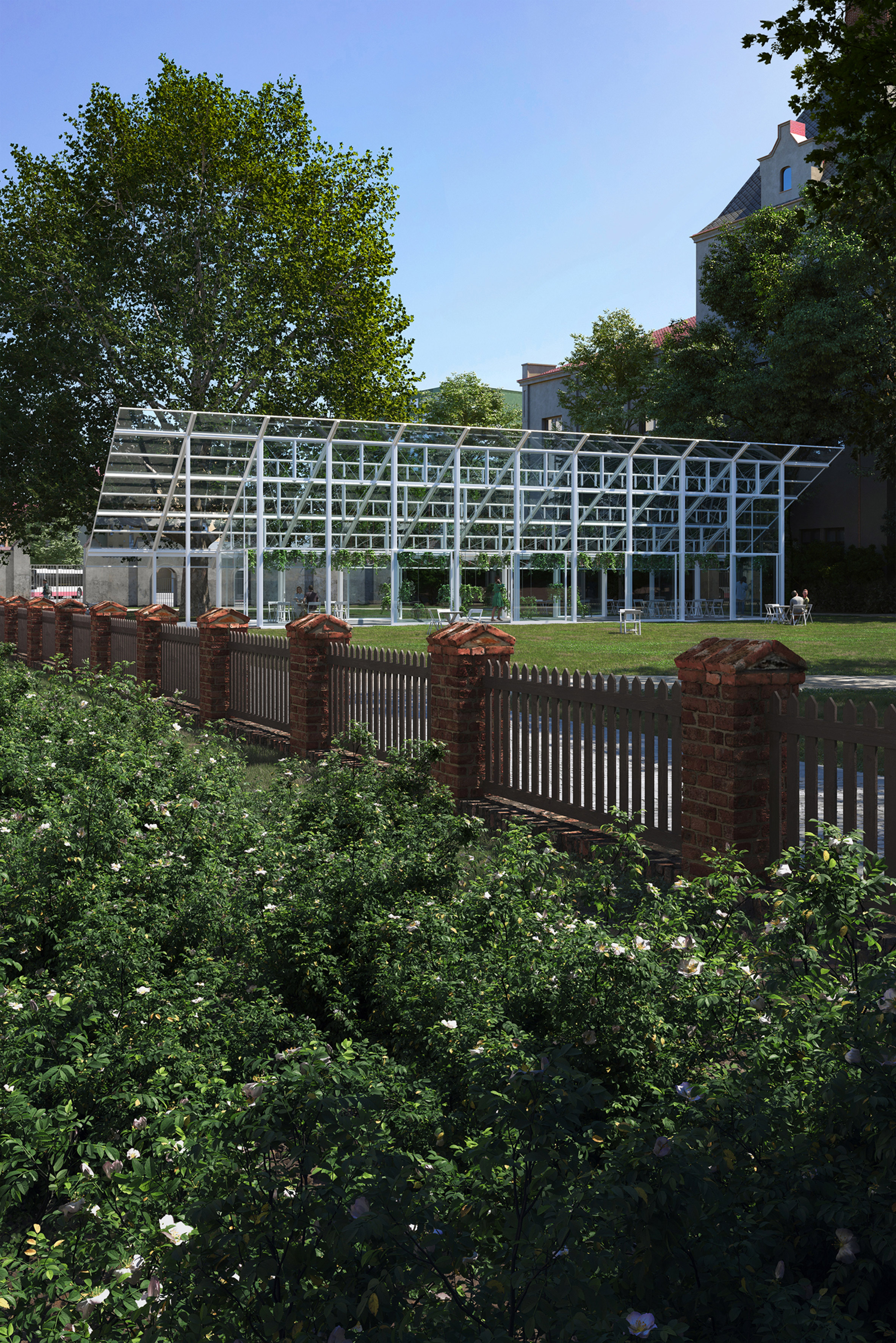
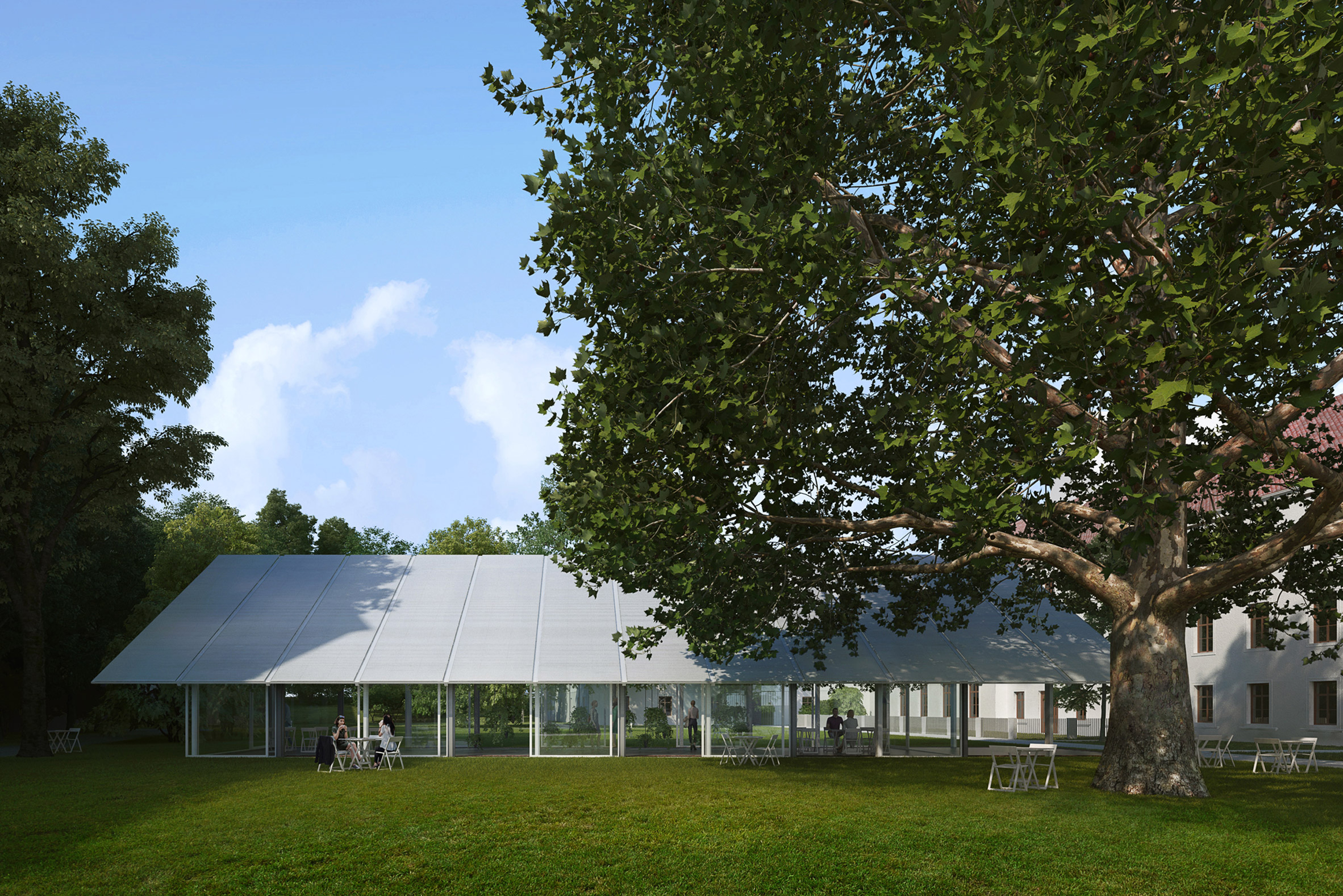
Mendel Greenhouse by Chybik + Kristof

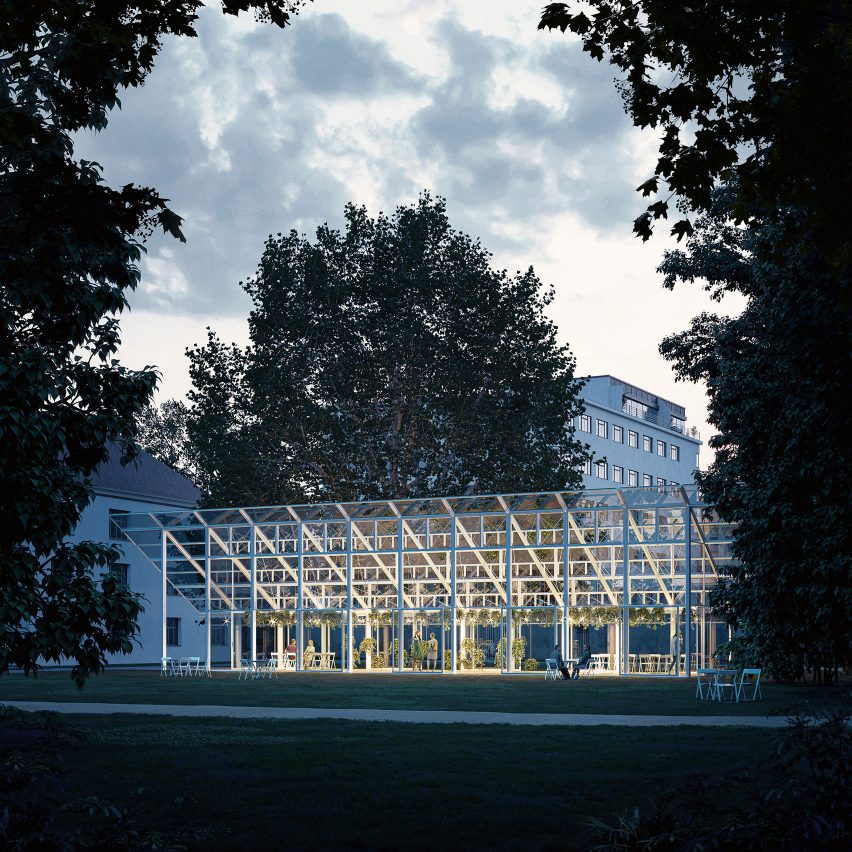
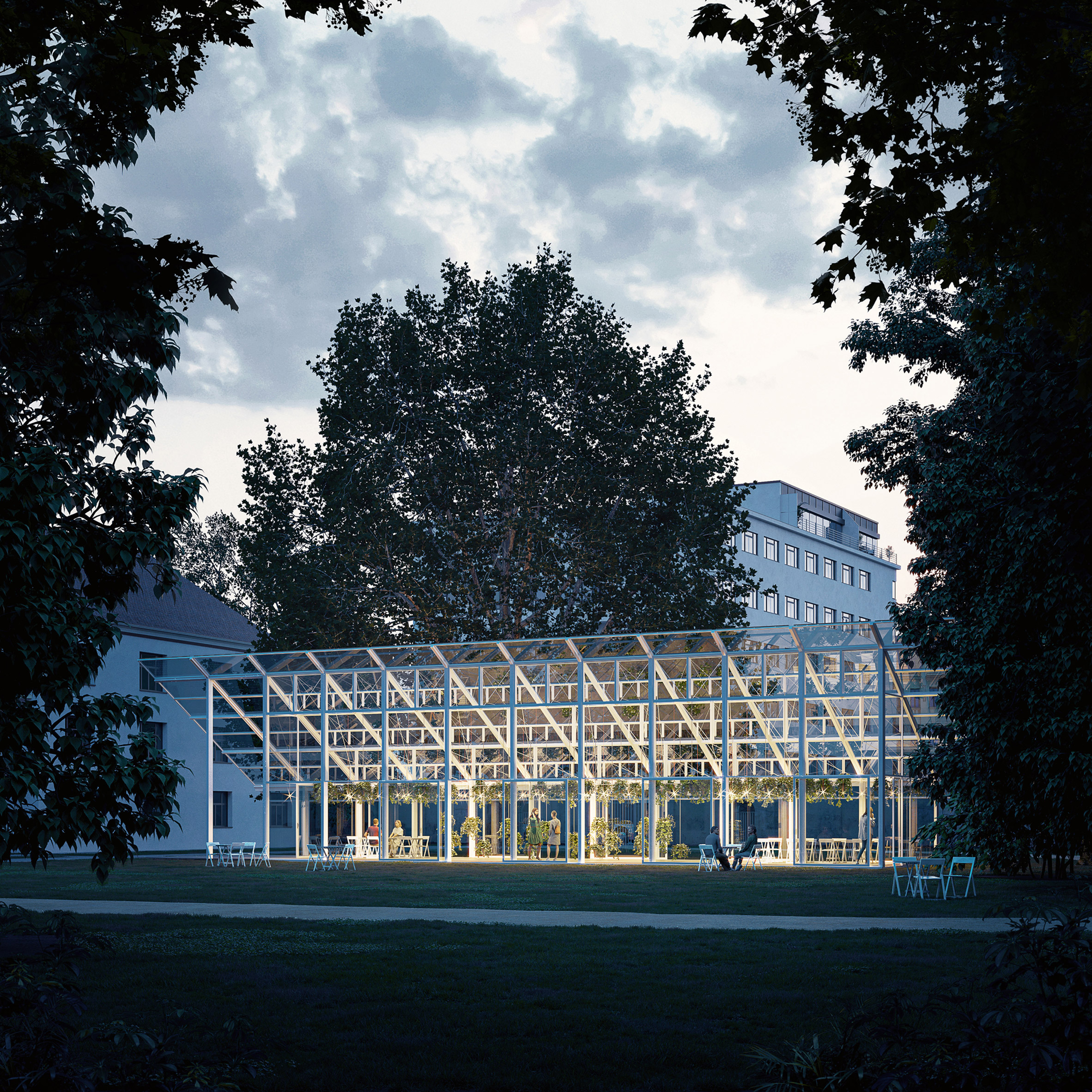
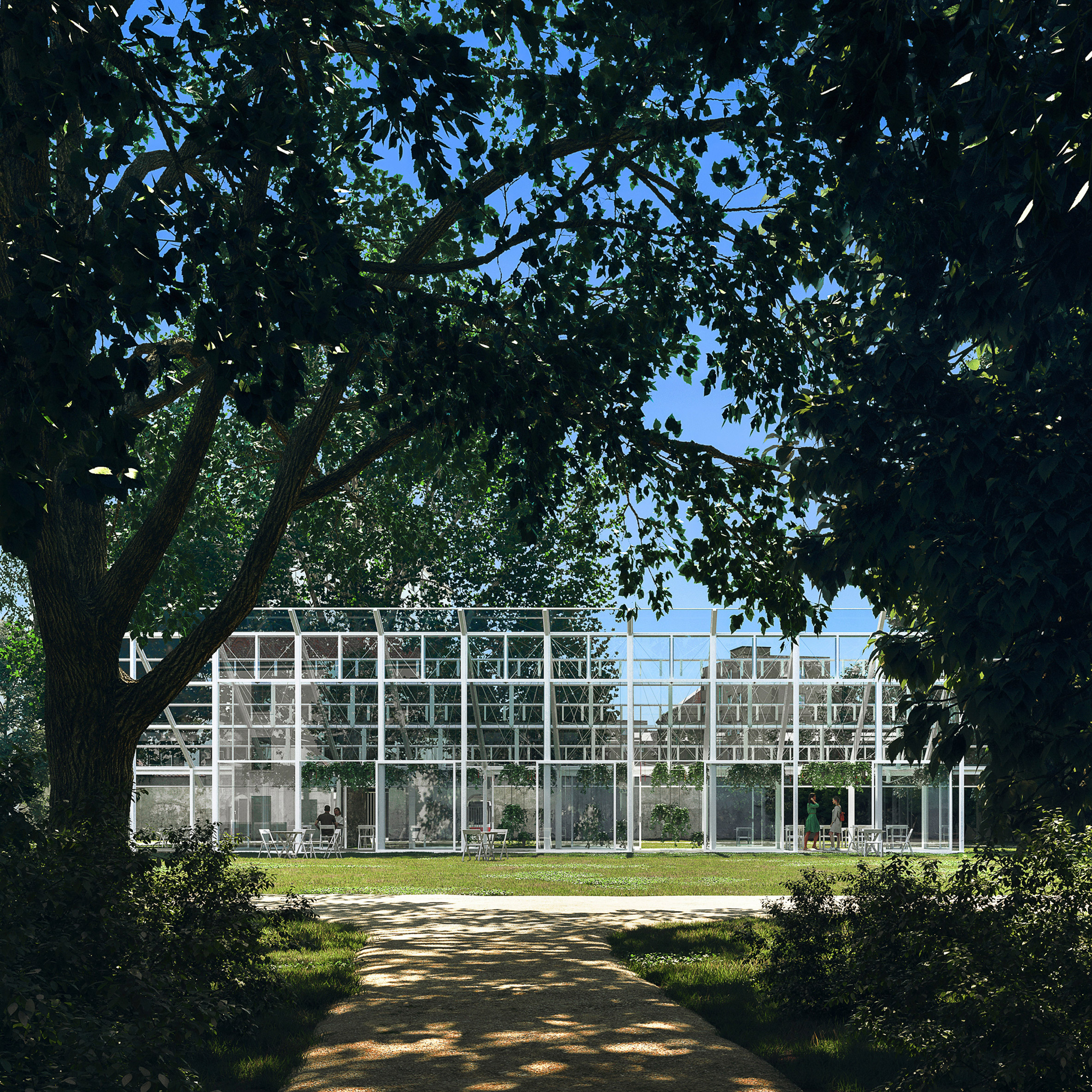
Architecture studio Chybik + Kristof has revealed its design for a pavilion on the site of the greenhouse in the Czech Republic where Gregor Mendel discovered genetics.

The greenhouse is located in Brno in the grounds of St Thomas' Abbey, an Augustinian monastery built in the 14th century.

Gregor Mendel, a scientist and abbot of St Thomas' Abbey, conducted a series of experiments from 1856 to 1863 growing pea plants in his outdoor laboratory, which lead to his groundbreaking discovery of inherited characteristics.

The original greenhouse structure was swept away in a storm a few years later, leaving behind only its foundations.

Mendel Greenhouse by Chybik + Kristof

Chybik + Kristof is building a new greenhouse-style pavilion on the site.

Due to be completed in 2022, the Mendel Greenhouse will be a part of the commemoration of 200 years since the scientist friar's birth.

The pavilion will host conferences and lectures at the Abbey, which still continues a programme of scientific research under its current abbott, Cyrill Napp.

Mendel Greenhouse by Chybik + Kristof

The architecture studio decided to combine the greenhouse's original design with elements that allude to the site's scientific importance.

The Mendel Greenhouse will match the original building's size and shape, with its distinctive slanted roof. Chybik + Kristof consulted material from the archives, including old photographs and plans.

Its contemporary steel structure will reference Mendel's three laws of inheritance.

Mendel Greenhouse by Chybik + Kristof

"The nodes and branches constituting the steel supportive framing are in direct dialogue with his laws of inheritance, in particular that of hereditary segregation," said Chybik + Kristof founder Ondřej Chybík.

"Building on this notion as well as Mendel’s original drawings, the resulting, highly complex structure pays homage to his legacy," he added.

Large panes of glass will cover the steel frame to form a roof, with the tallest side left open to the surrounding monastery grounds.

Mendel Greenhouse by Chybik + Kristof

Underground heating will keep the Mendel Greenhouse warm in winter, while blinds and shades will prevent it from getting too hot in the summer.

Chybik + Kristof was founded in 2010 by Ondřej Chybík and Michal Krištof, and has offices in Prague, Brno and Bratislava.

Recent projects include a Prague food market made of shiny metal cabins, and a Czech wine bar in a 19th-century brewery.

The post Chybik + Kristof designs greenhouse-style pavilion for Czech abbey appeared first on Dezeen.


from Dezeen https://ift.tt/2x7YR43

Foster + Partners designs reusable open-source face shield

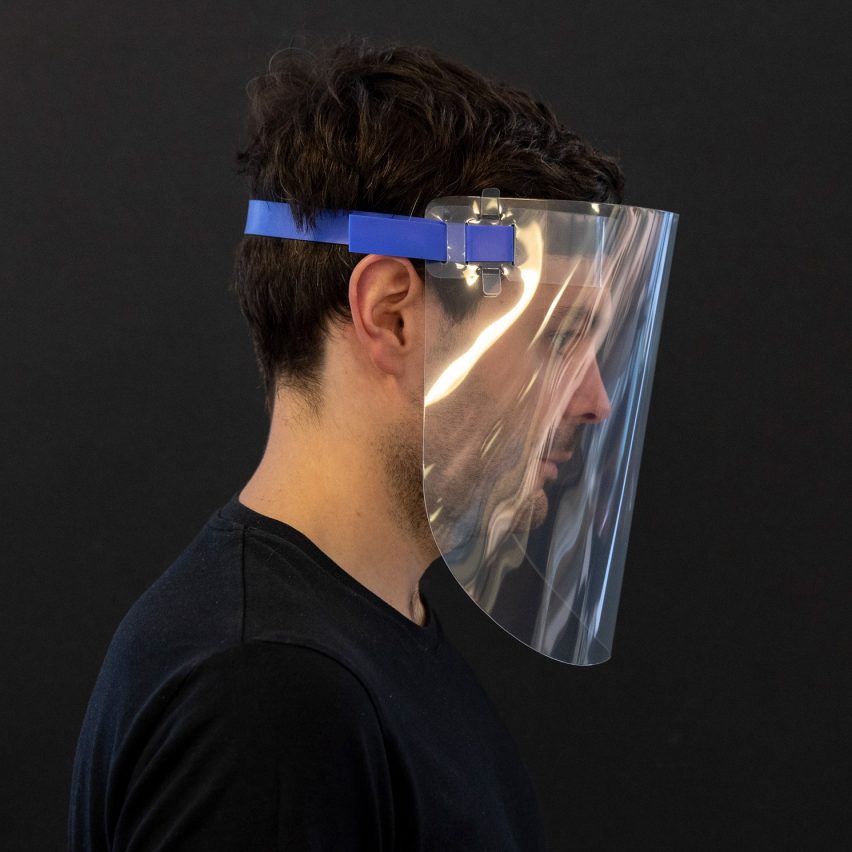
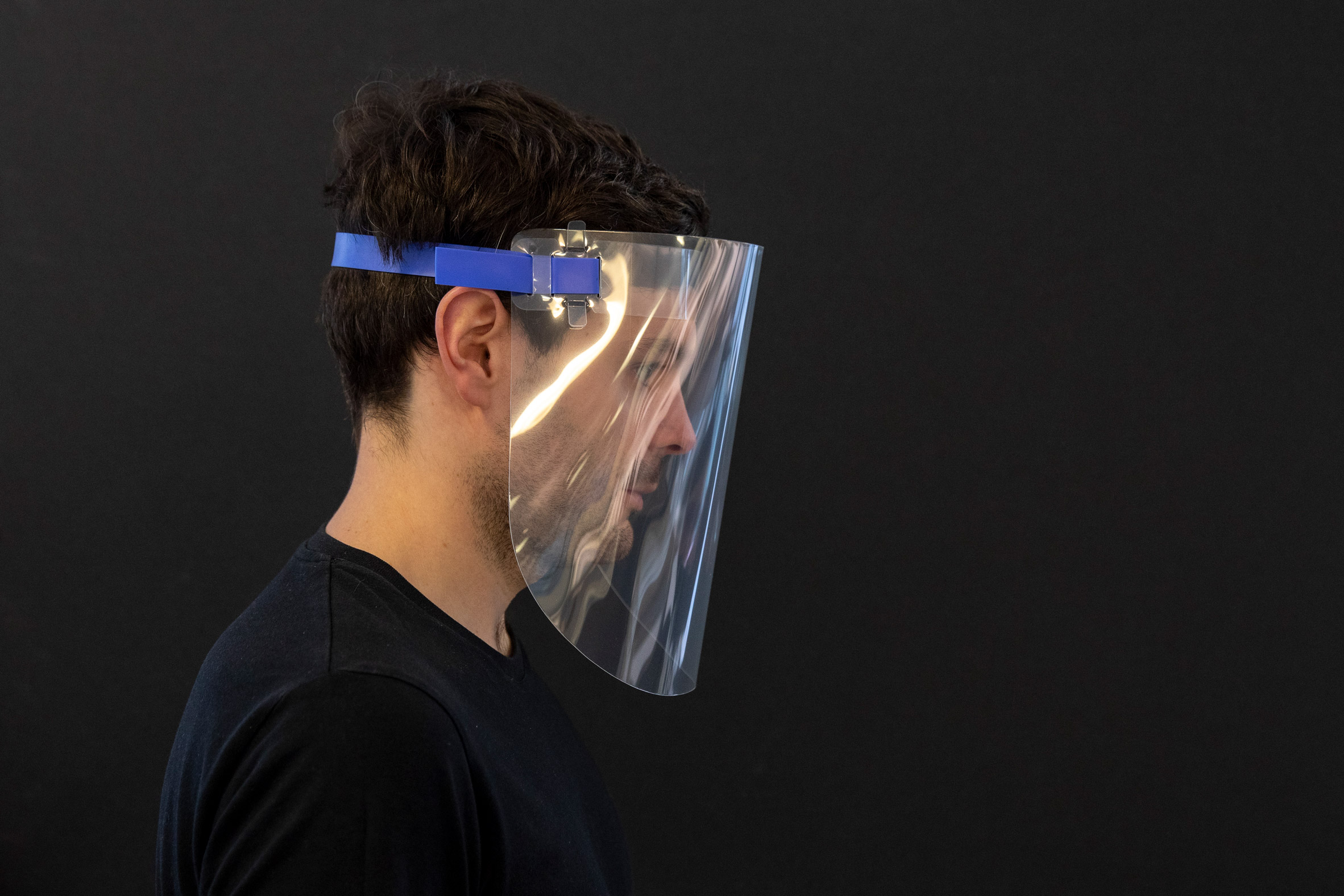
Foster + Partners designs reusable open-source face shield

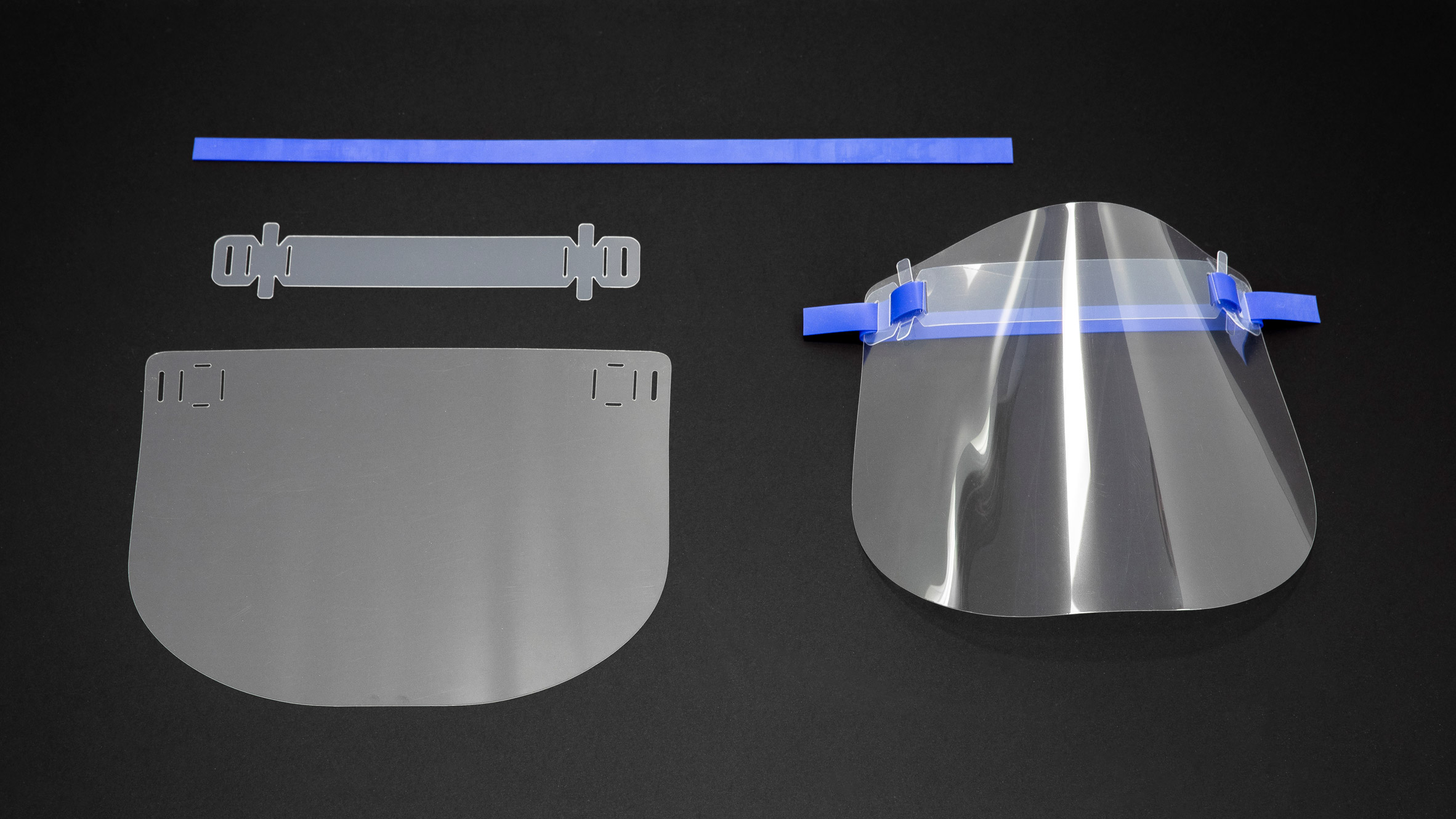
Architecture studio Foster + Partners has created a laser-cut face shield to protect health workers from coronavirus, which can be disassembled and sanitised so that it can be reused.

Foster + Partners is the latest architecture studio to design a piece of personal protective equipment (PPE), with studios including BIG, KPF and Handel Architects already making face shields.

"Protecting front-line health workers is key and we felt this was an obvious way that we could contribute," Grant Brooker, head of studio at Foster + Partners, told Dezeen.

Foster + Partners designs reusable open-source face shield

The mask is specifically designed so that it can be manufactured quickly and disassembled, sanitised and reused after wearing.

"We wanted to look at simple cleaning and reuse, as we know that materials are scarce and in high demand, so reuse is essential," explained Brooker.

Foster + Partners designs reusable open-source face shield

The masks are fabricated from plastic using a laser cutting machine, as Foster + Partners believes this is faster than 3D-printing components.

"It's the approach to production that we are encouraging others to look at – we started off printing in 3D then realised we could do something a lot faster by focusing on cutting-machine technologies," Brooker said.

Foster + Partners designs reusable open-source face shield

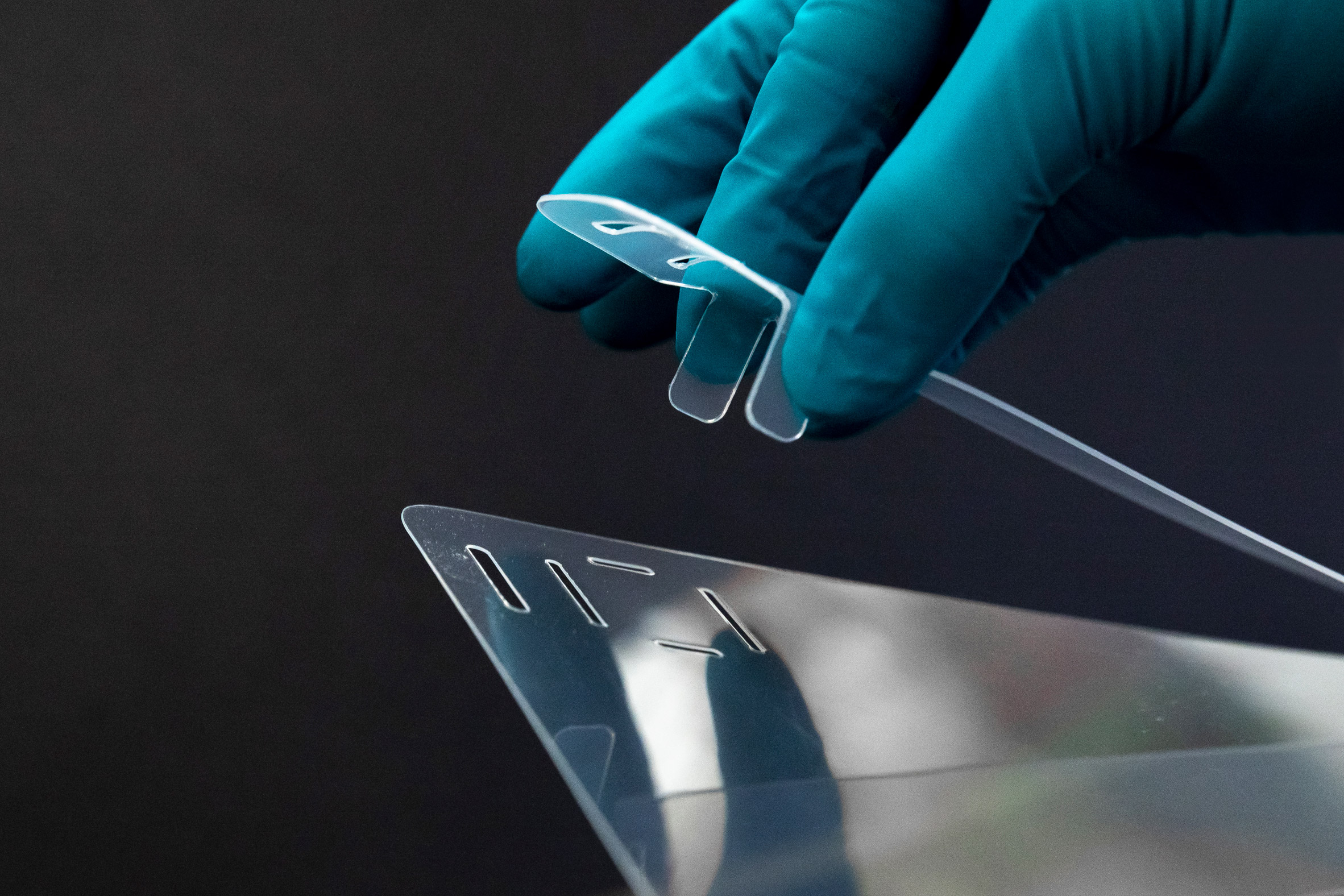
Each face shield is made from three components – a visor, headband and strap – which can all be laser cut. The visor is made from a 0.5-millimetre-thick piece of clear plastic, the headband a piece of the same material that's o.75 millimetre-thick and the strap from silicone.

The components for the face shields can be cut within 30 seconds and assembled in under a minute. Using one cutting machine, Foster + Partners cut and assembled 1,000 face shields in a single day.

Foster + Partners designs reusable open-source face shield

These masks have now been distributed to health workers in London to test and the studio is exploring how to get the design approved for mass production.

The studio has made the design and material specifications available to enable others with laser cutters to begin fabrication.

Numerous designers have turned their attention to creating face shields. MIT has developed a one-piece Covid-19 face shield, while alumni from Rhode Island School of Design are also fabricating the items to meet the growing demand.

The post Foster + Partners designs reusable open-source face shield appeared first on Dezeen.


from Dezeen https://ift.tt/34gRBPF

A Massive Wave of Luminous Figures Scales a Dark Wall in Ataraxia by Eugenio Cuttica

All images © Eugenio Cuttica

One-hundred five fiberglass figures stand atop white chairs in rows that extend from the floor to the ten-meter high ceiling. Part of an exhibition titled Ataraxia, the LED-lit installation invokes the ideas behind the Greek phrase, which roughly translates to imperturbability, equanimity, and tranquility. The glowing project by Argentinian artist Eugenio Cuttica was on view in 2018 at the MAR Museum in Buenos Aires and explored the ways subjects can achieve balance and happiness through freedom from desire.

Ataraxia, the artist said in a statement, “points to a calm beauty, a calm but agitating act, moves the spirit and can even cause fear. It is an art that refers to the observer’s consciousness in its own insignificance and in unity with nature.” In addition to the expansive wave, the exhibition also featured a series of wooden boats and paintings meant to reflect on fertility, abundance, the sublime qualities of Argentinian landscapes, and the ways art and food intersect. The same feminine form is interspersed throughout and can be seen standing in one of the suspended vessels.

Cuttica currently splits his time between his studios in Buenos Aires, New York, Miami, and Milan. For more of the artist’s figurative projects, follow him on Instagram. (via Sophie N Gunnol)


Do stories and artists like this matter to you? Become a Colossal Member and support independent arts publishing. Join a community of like-minded readers who are passionate about contemporary art, apply for our annual grant, and get exclusive access to interviews, partner discounts, and event tickets.


from Colossal https://ift.tt/2RcBMUE