Tuesday, 5 May 2020

Scott Brownrigg's Social Contact Pod would let people visit vulnerable family during pandemic

The Social Contact Pod by Scott Brownrigg

Architecture firm Scott Brownrigg has developed a concept for a pod with a transparent divider to allow people to meet vulnerable relatives safely, plus today's other design-related coronavirus news.

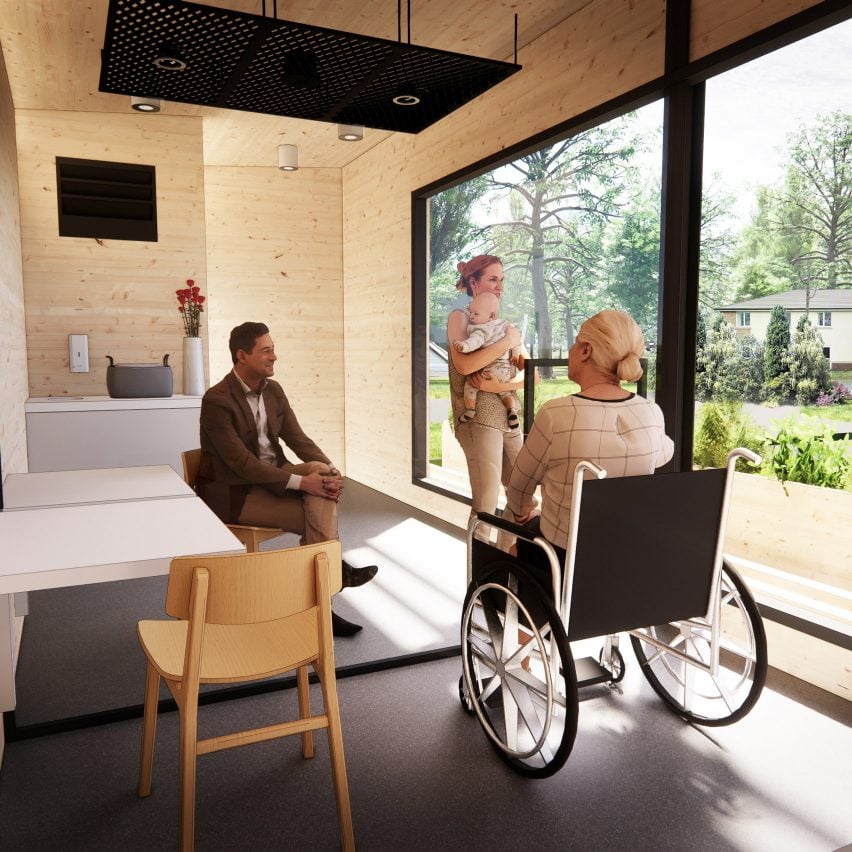
Called the Social Contact Pod, the prefabricated structure would allow families with vulnerable relatives to meet without putting each other at risk of transmitting disease.

A perspex wall divides the room in two to create full visual contact. Metal ceiling panels with integrated speakers would transmit sound across the barrier for conversation.

"It is lightweight, rapidly constructed and is easily transported on the back of a standard truck or pulled on a trailer," said Scott Brownrigg.

"Importantly, it's been designed to be fully sustainable so that pods can be repurposed or recycled with relative ease when they are, hopefully, no longer needed."

Scott Brownrigg included a panel of more flexible plastic in the perspex screen to allow users to hold hands without skin contact.

Isolation is hard on friends and family who have to remain separate to cut the risk of transmitting the virus, which spreads from person to person via droplets from the nose and mouth.

Until a vaccine is created, people who are over the age of 70, or who have pre-existing health conditions, will need to reduce their contact with anyone outside their immediate household.

With society having to rapidly adjust to balance public health with the need for human connection, Scott Brownrigg developed the Social Contact Pod with engineers Ramboll and Hoare Lea to ask how architecture can help people temporarily adjust their behaviour.

The pod, which has ramps for accessibility, would include handle-less doors, hygienic floors and an air purging system to flush it between uses.

Here are five more coronavirus-related architecture and design news stories from today:


Coronavirus daily briefing

Dubai Expo postponed to 2021

The Dubai Expo 2020 is the latest global event delayed by coronavirus, with its opening date pushed back to October 2021 (via Al Jazeera).

Virtual city built in an Oxford University lab shows how the tracing app could work

A model city built by scientists at Oxford University is being used to model to test the technology of a smartphone app to track and alert people if they have come into contact with an infected person (via The Times – subscription).

"The cruelness of demolishing LACMA when Angelenos are unable to bear witness should not be ignored"

With the demolition of Los Angeles County Museum of Art underway for Peter Zumthor's redesign, Mimi Zeiger is concerned about what will be left for the city and its residents following coronavirus lockdown (via Dezeen).

Studio Natalie researching local materials for interiors projects after being stranded on coral island

In the most exotic VDF video message we received, interior designer Natalie Papageorgiadis explains how she found herself stranded in the Maldives as the world went into lockdown due to coronavirus (via Dezeen).

Street design will change in the age of social distancing 

Green Party London Assembly member Caroline Russell has outlined how streets and cities will change following the coronavirus pandemic (via Architects' Journal).

The post Scott Brownrigg's Social Contact Pod would let people visit vulnerable family during pandemic appeared first on Dezeen.


from Dezeen https://ift.tt/35z5gC4

KPF's Scalpel skyscraper adds to the "urban drama" of the City of London

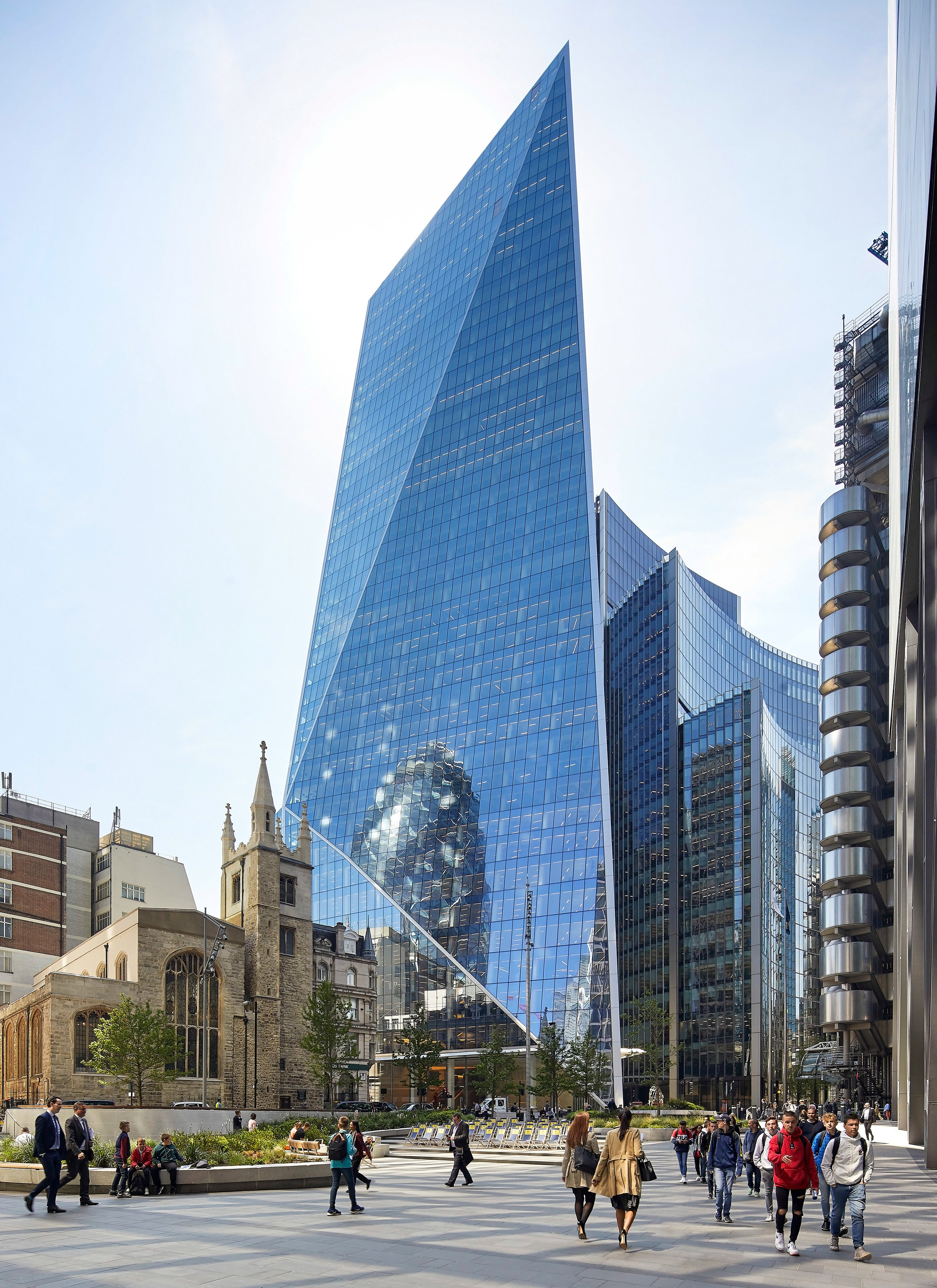
52 Lime Street – Scalpel skyscraper, City of London by KPF

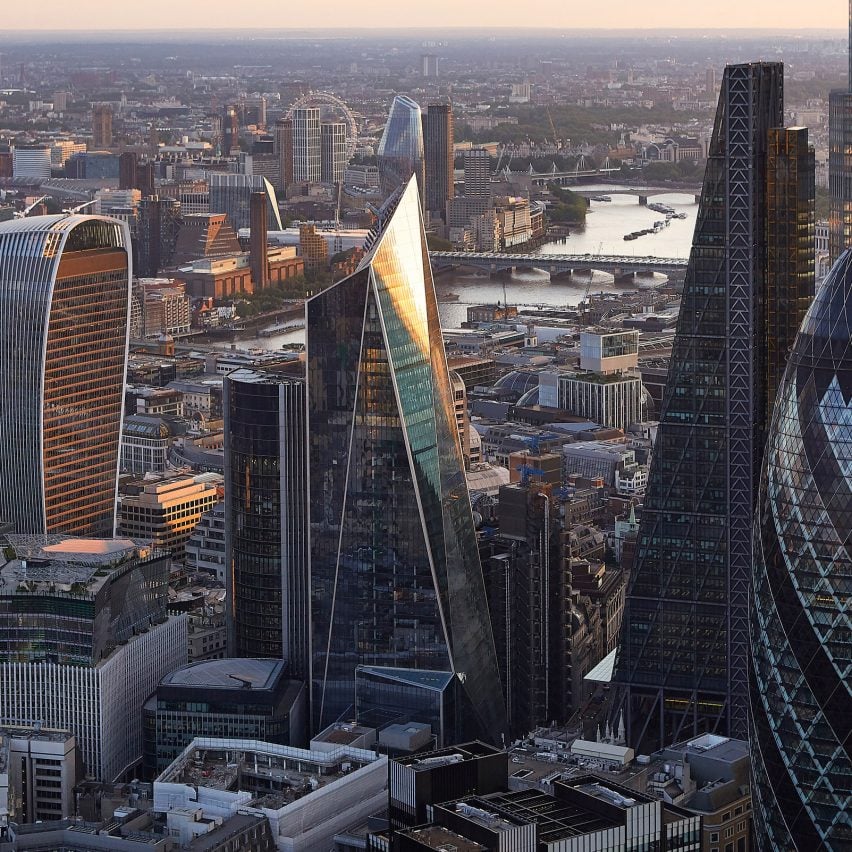
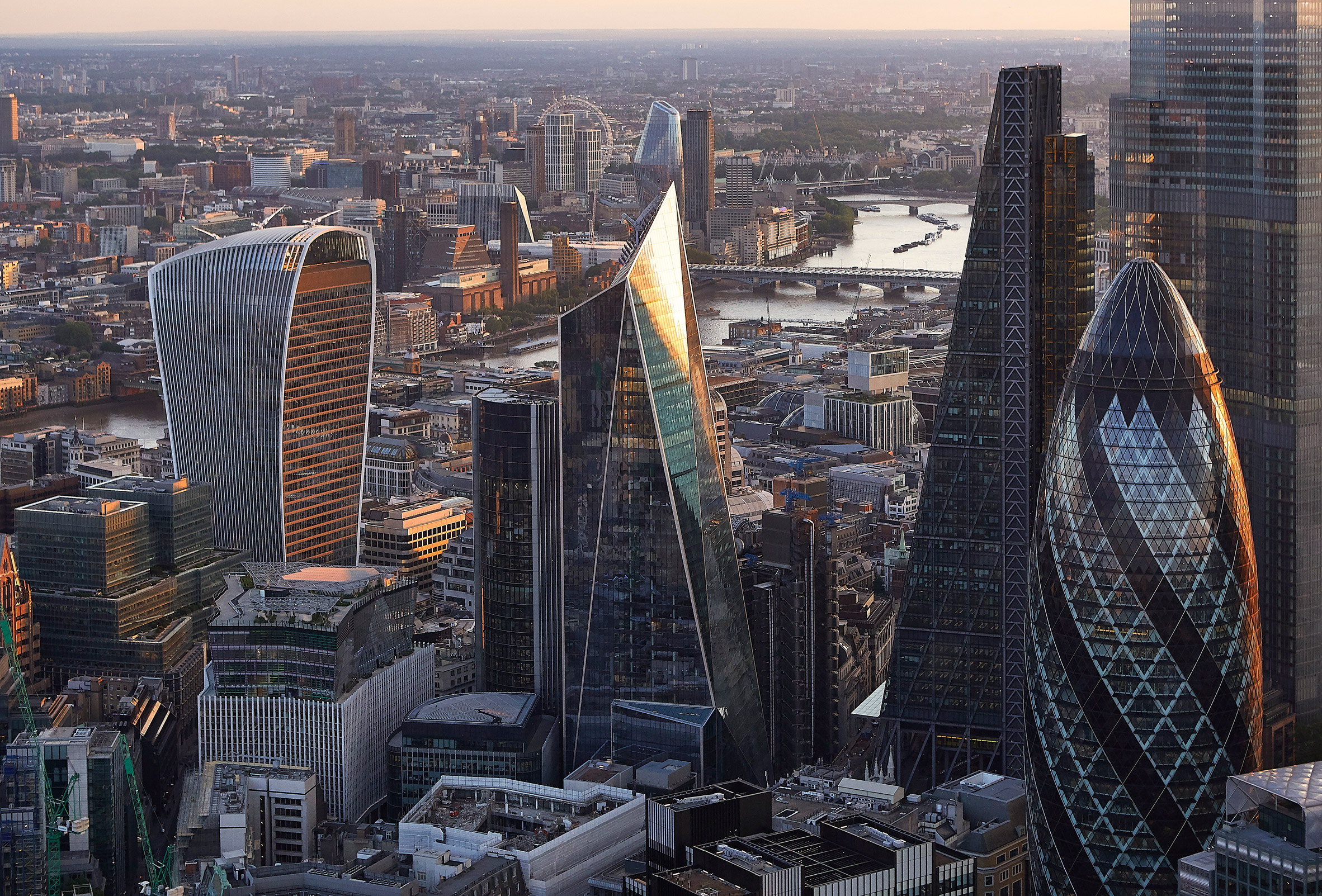
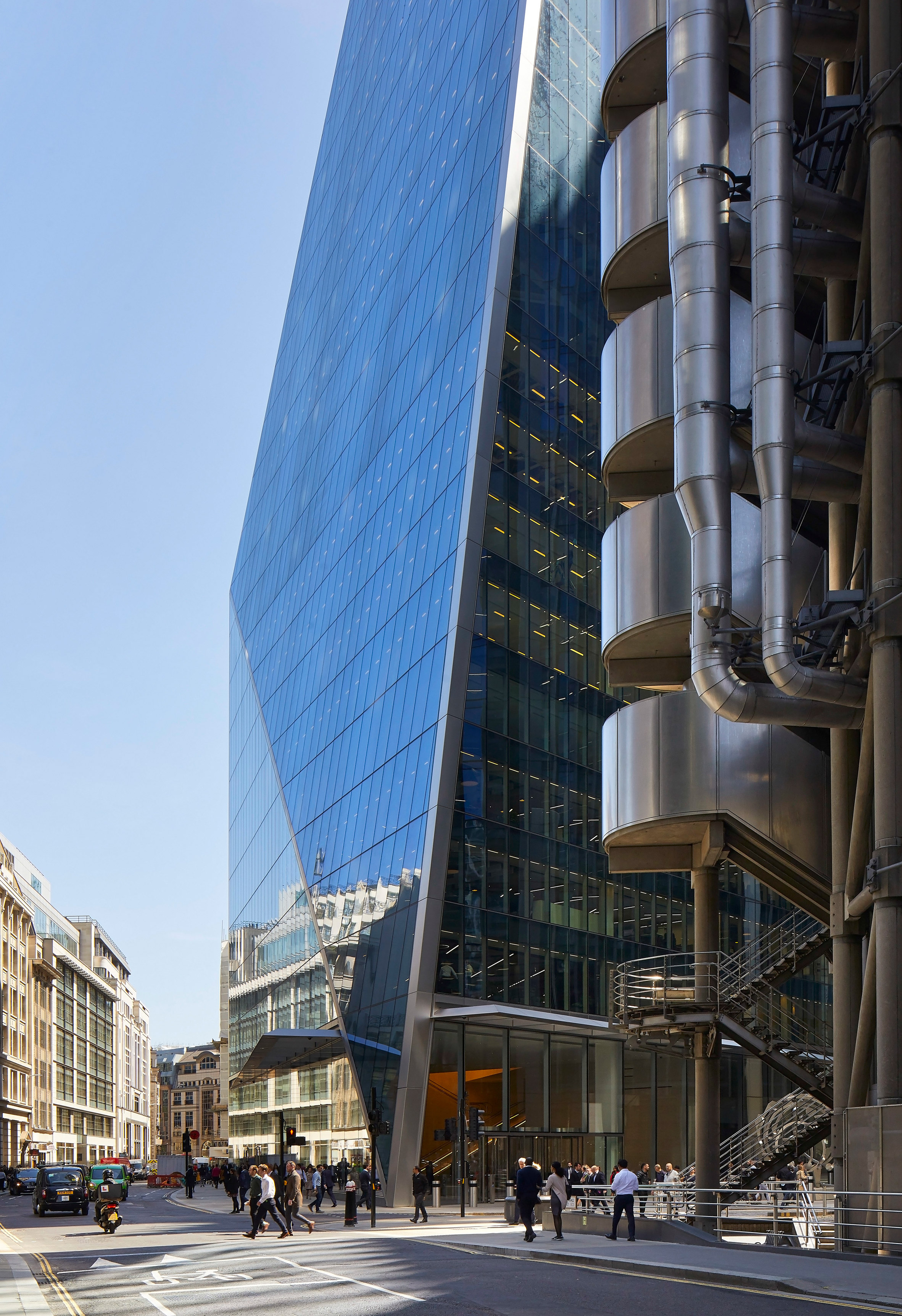
Architecture studio Kohn Pedersen Fox has completed the 190-metre-tall Scalpel skyscraper alongside the Lloyd's building at 52 Lime Street in the City of London.

The Scalpel is the latest skyscraper to be built in the City of London cluster, which also includes RSH+P's Leadenhall Building, Foster + Partners' Stirling Prize-winning 30 St Mary Axe and the Foggo Associates-designed 70 St Mary Axe.

52 Lime Street – Scalpel skyscraper, City of London by KPF

Kohn Pedersen Fox (KPF) created the 38-storey skyscraper's angular shape, which gave it the name the Scalpel, to allow it to be built along Leadenhall Street without interfering with any of London's protected views.

"At the outset of the project the city cluster was in its infancy," William Pedersen, co-founder of KPF, told Dezeen.

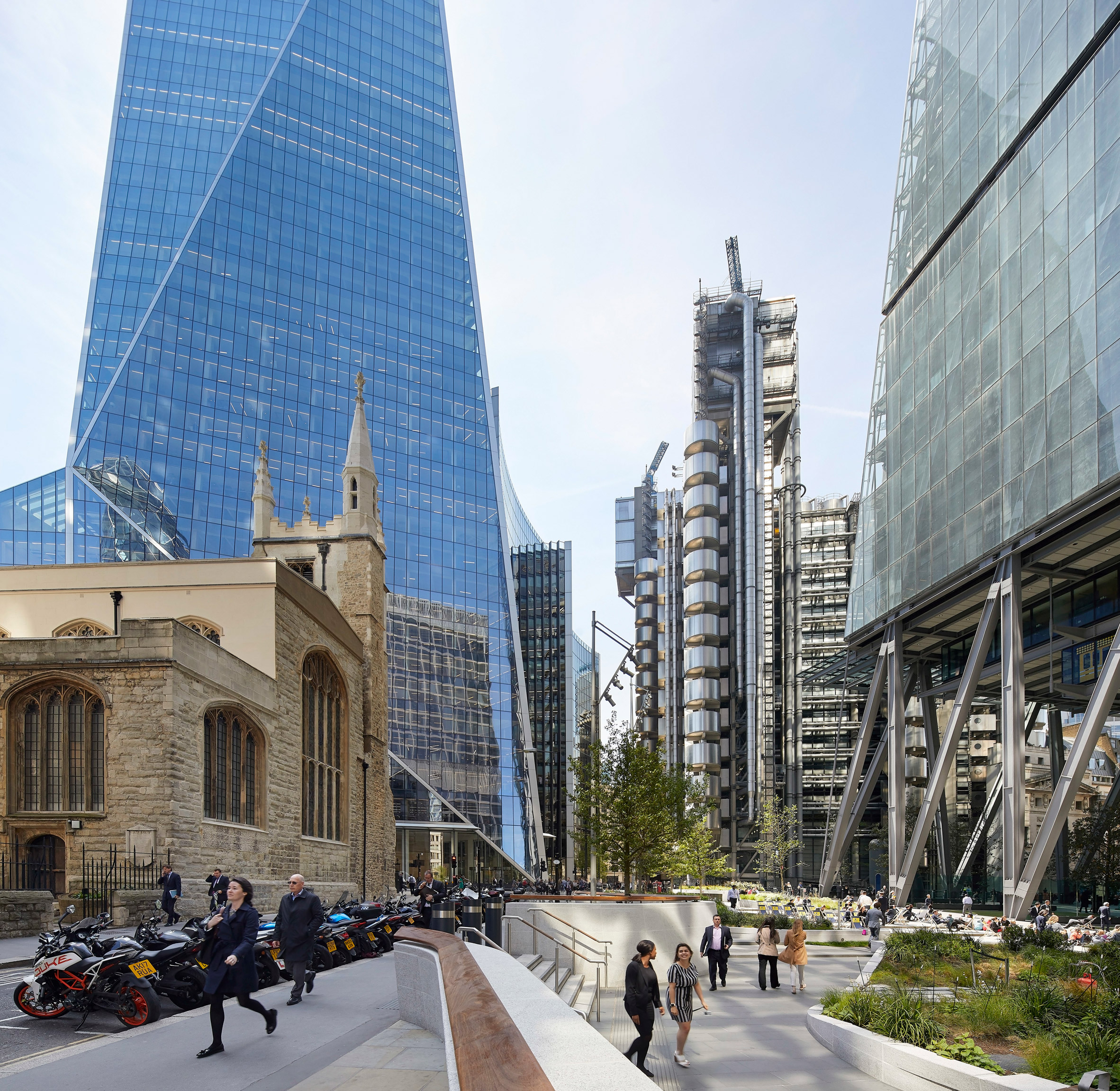
"Working with the planning authorities, KPF demonstrated the potential for a tall building on the site that would maintain the street edge, preserve protected views and enhance the public realm through the provision of new public space between 52 Lime Street, the Willis Building and the Lloyd's building."

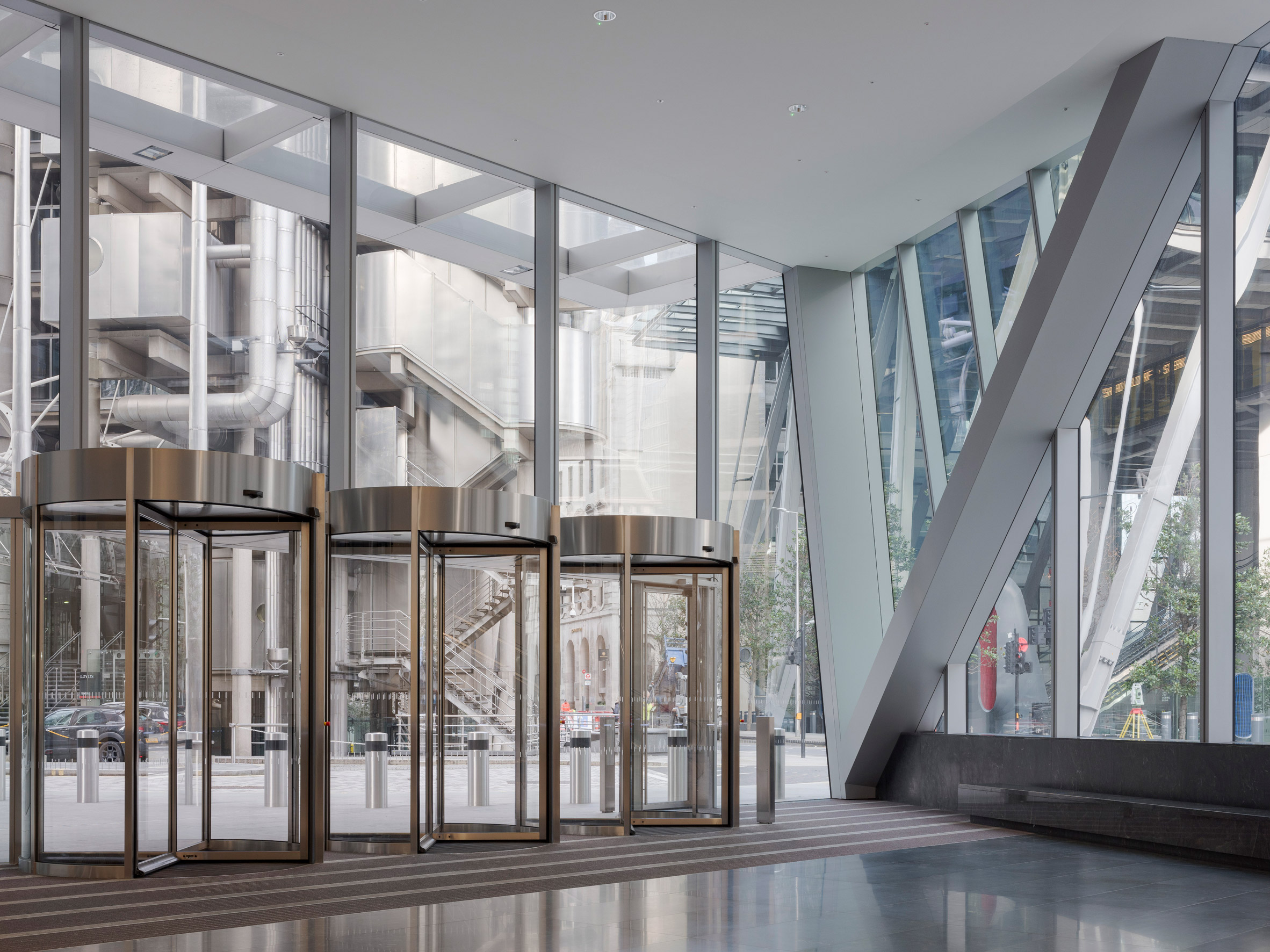
52 Lime Street – Scalpel skyscraper, City of London by KPF

The building's facade leans back from Leadenhall Street. This means it is hidden behind St Paul's Cathedral when viewed from Fleet Street.

"The kinetic views along Fleet Street played an important role [in the building's form]," said Pedersen. "To protect the view of St. Paul's Cathedral, the building needed either to be stepped or inclined behind the dome."

"The inclined facade and taut sculptural form offered a calm silhouette as well as providing a wider variety of floor plate types and greater efficiencies," he continued.

52 Lime Street – Scalpel skyscraper, City of London by KPF

According to the architect the building was designed to add to the drama of the City of London's skyscraper cluster, and mirror the form of the Leadenhall Building.

"At KPF, our aspiration from the earliest days was to find a way for tall buildings to create a more 'social' interaction with the cities they inhabit – they need to be able to respond and gesture to their context," continued Pedersen.

"In the City of London what has been created, in effect, is a type of urban drama. 52 Lime Street responds by leaning back to respect the view corridor, creating a paired but mirrored gesture to the Leadenhall Building, which makes for an exceptional urban conversation, one which is theatrical in its nature."

52 Lime Street – Scalpel skyscraper, City of London by KPF

As with other nearby skyscrapers that have been given nicknames based on their shape – the Leadenhall Building is known as the Cheesegrater, 30 St Mary Axe as the Gherkin and 70 St Mary Axe as the Can of Ham – KPF's skyscraper at 52 Lime Street was given the name the Scalpel.

However, unlike the other towers that have maintained their official names, this skyscraper has adopted its nickname officially, something that Pedersen approves of.

"As for the nickname, which came from an article in the FT in 2012, I love it," he said. "Cutting-edge... who wouldn't want that?"

52 Lime Street – Scalpel skyscraper, City of London by KPF

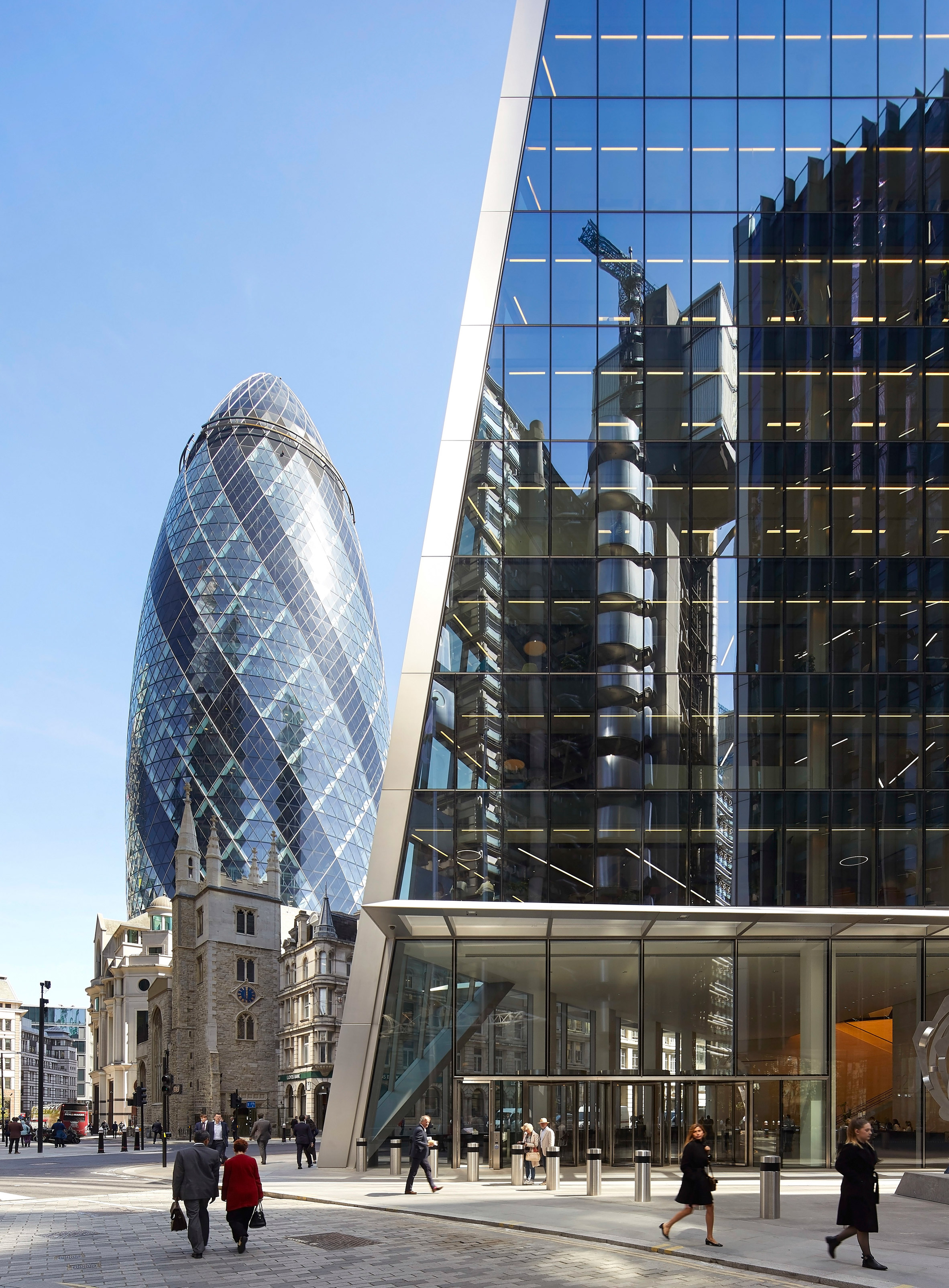
The Scalpel is clad almost entirely in high-performance glass, with the building's lift and stair core placed on the south facade to shade the interior spaces. The building has been awarded a BREEAM sustainability rating of excellent.

"The high-performance glazed facade acts as a foil to the highly textural surfaces of the buildings around it," said Pedersen. "The facade treatment, with strong metal edges, reinforces the form and defines its appearance at different scales around London."

52 Lime Street – Scalpel skyscraper, City of London by KPF

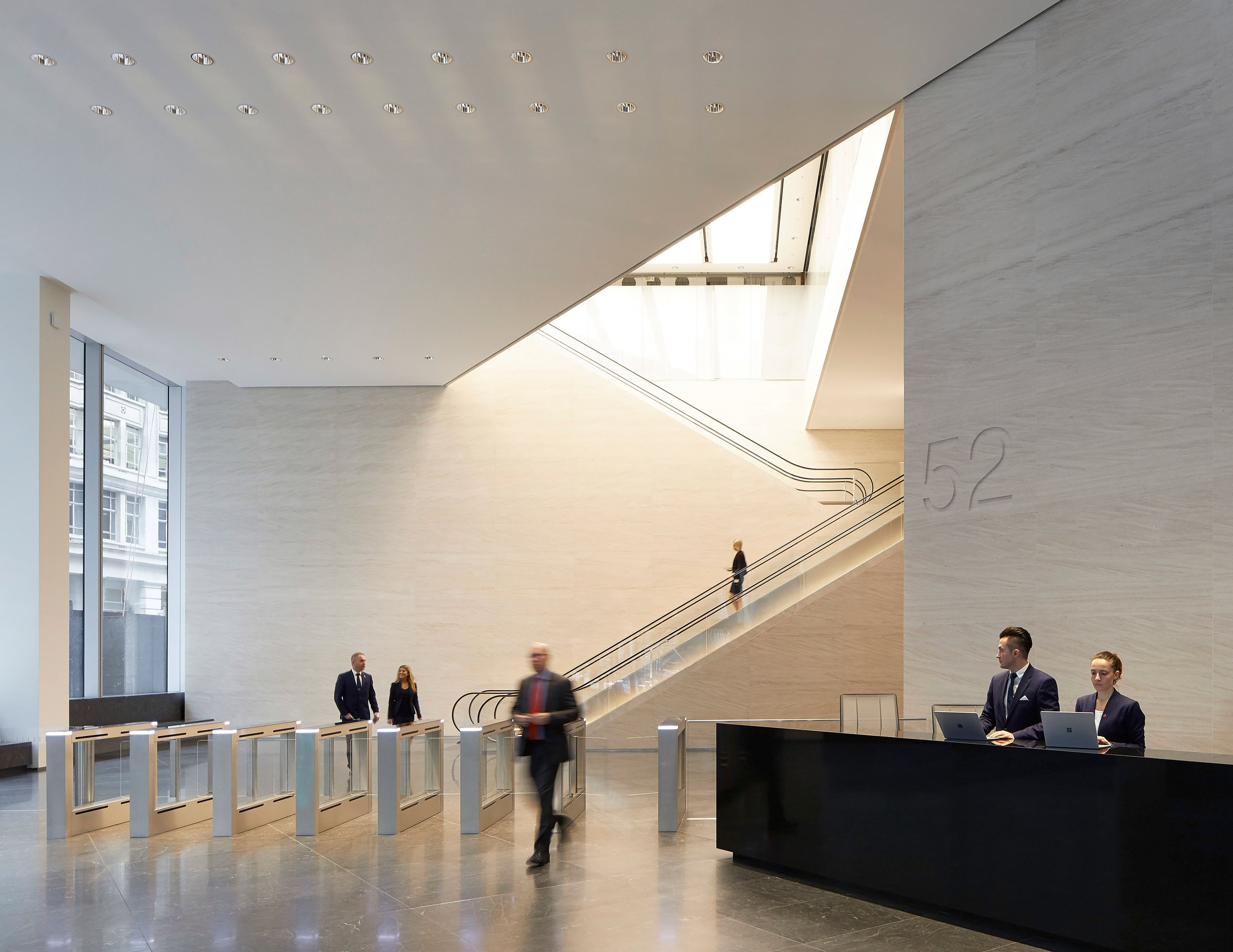
Internally the floor skyscraper's floors diminishes in size as the building rises to its peak. However, although the building has a non-standard form, KPK designed the tower so that each floor would be relatively easy to fit out.

"The offset core provides large and almost column free floorplates with an internal planning grid that's adaptable to different styles of work place," said Pedersen.

"The facade is specifically designed to respond to this internal grid, mullions are rotated to align with the grid and notional partitions, resolving the complex geometry and making it easy to fit out."

52 Lime Street – Scalpel skyscraper, City of London by KPF

KPF's Scalpel skyscraper is a global architecture studio founded by Pedersen alongside Eugene Kohn and Sheldon Fox in 1976, which is responsible for numerous skyscrapers in many of the world's major cities.

The studio recently completed the "highest outdoor sky deck" on a skyscraper in New York, Beijing's tallest skyscraper, and a tower with stepped and planted roof terraces in Singapore.

The post KPF's Scalpel skyscraper adds to the "urban drama" of the City of London appeared first on Dezeen.


from Dezeen https://ift.tt/2YySsdo

Pair Up matches creatives online to seek advice or discuss ideas

Creatives can either offer their time or ask to be paired with another creative who could help with their work, all via video call.


from It's Nice That https://ift.tt/2L3xoE4

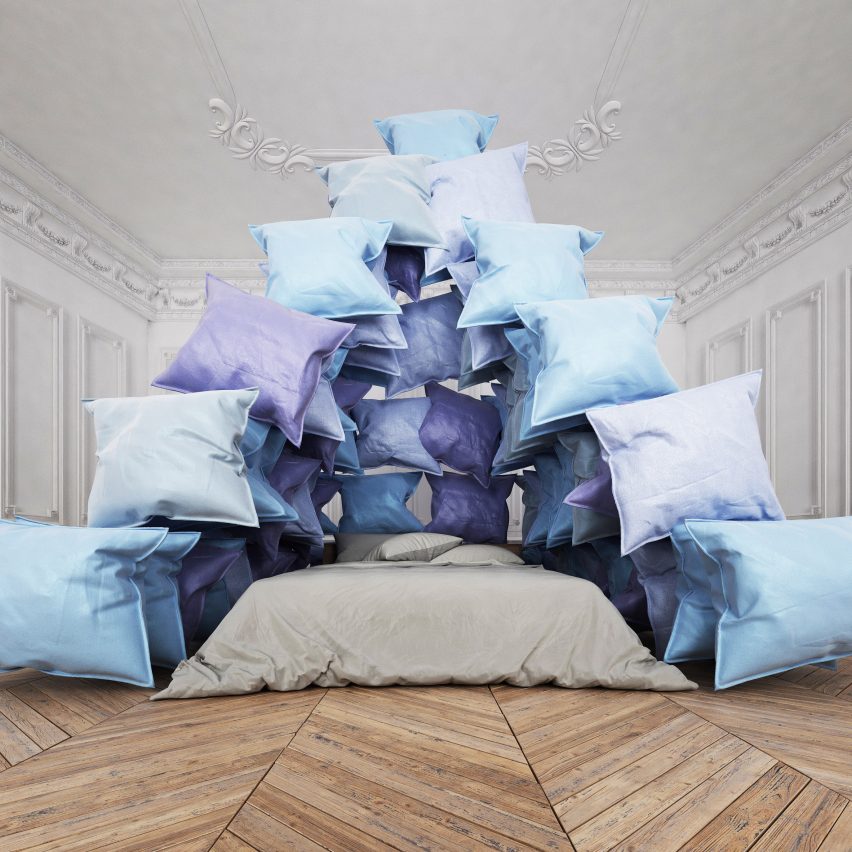
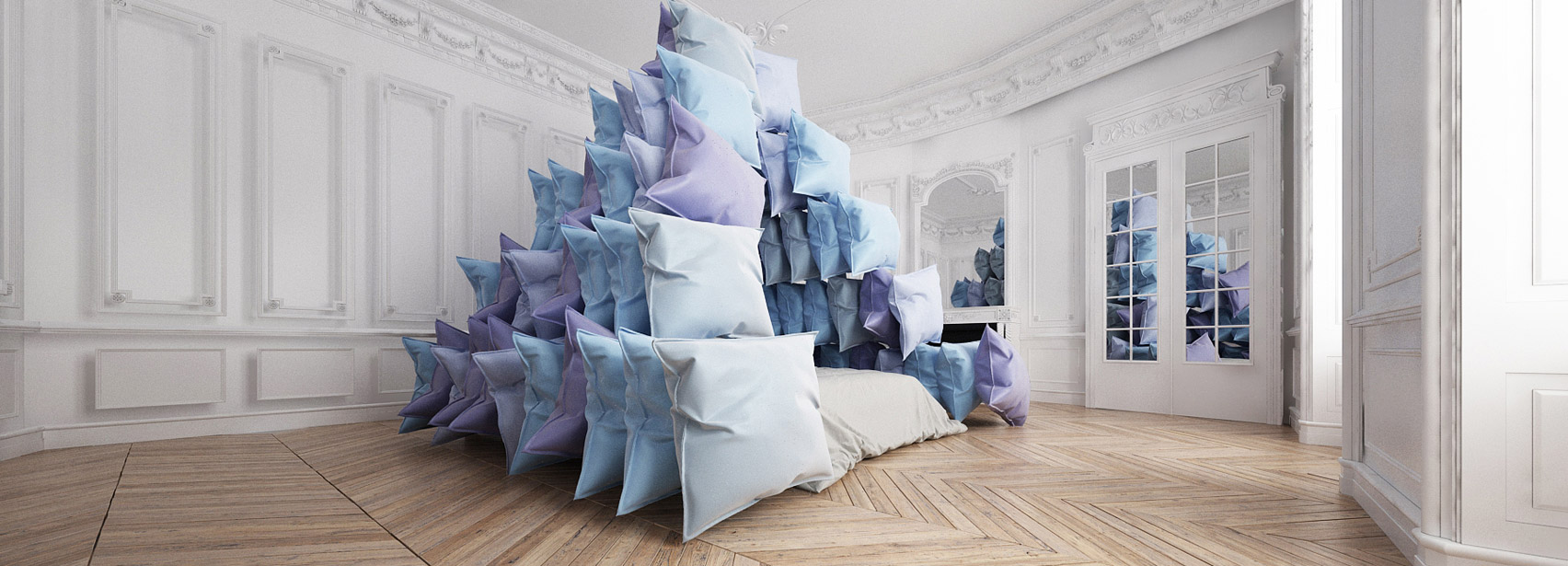
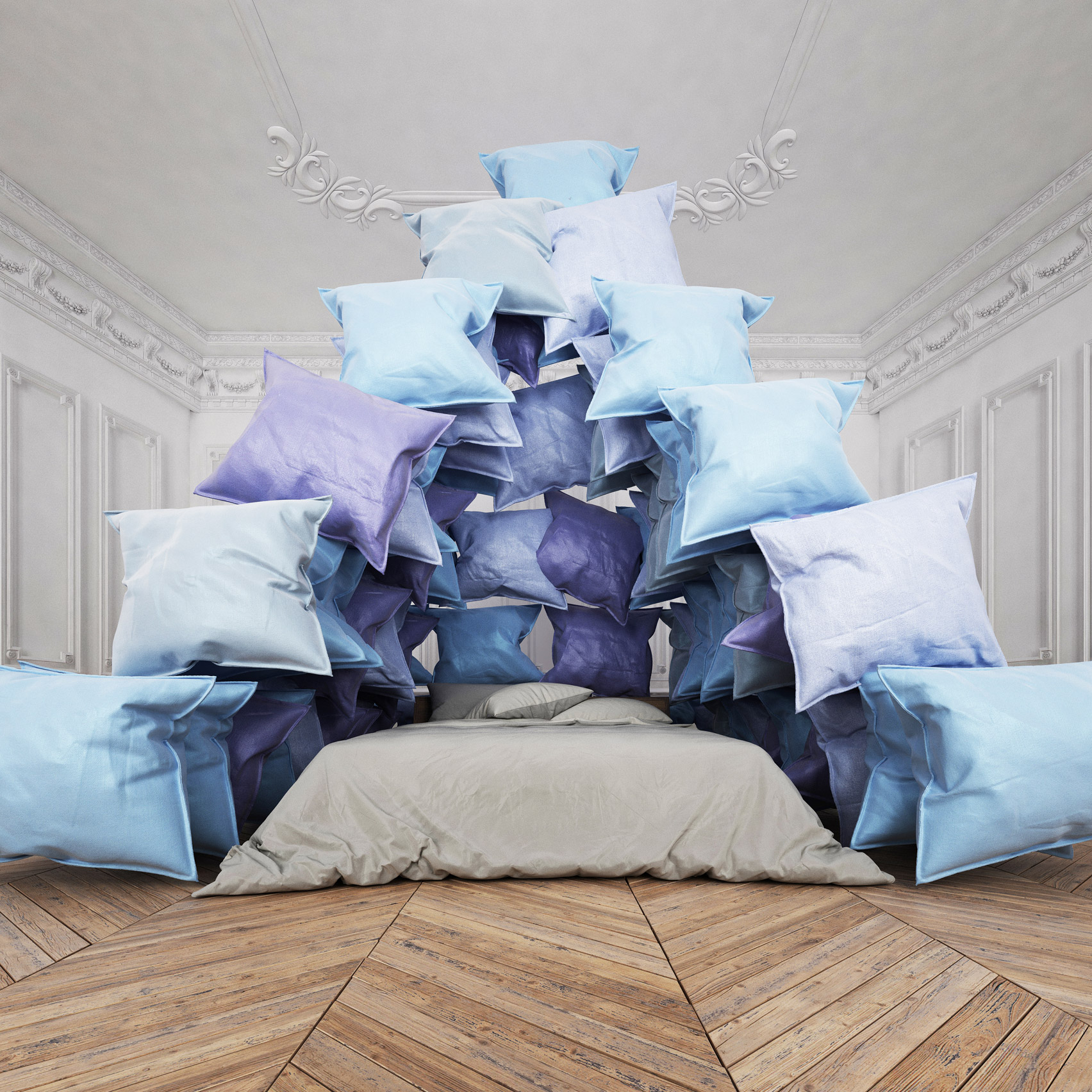
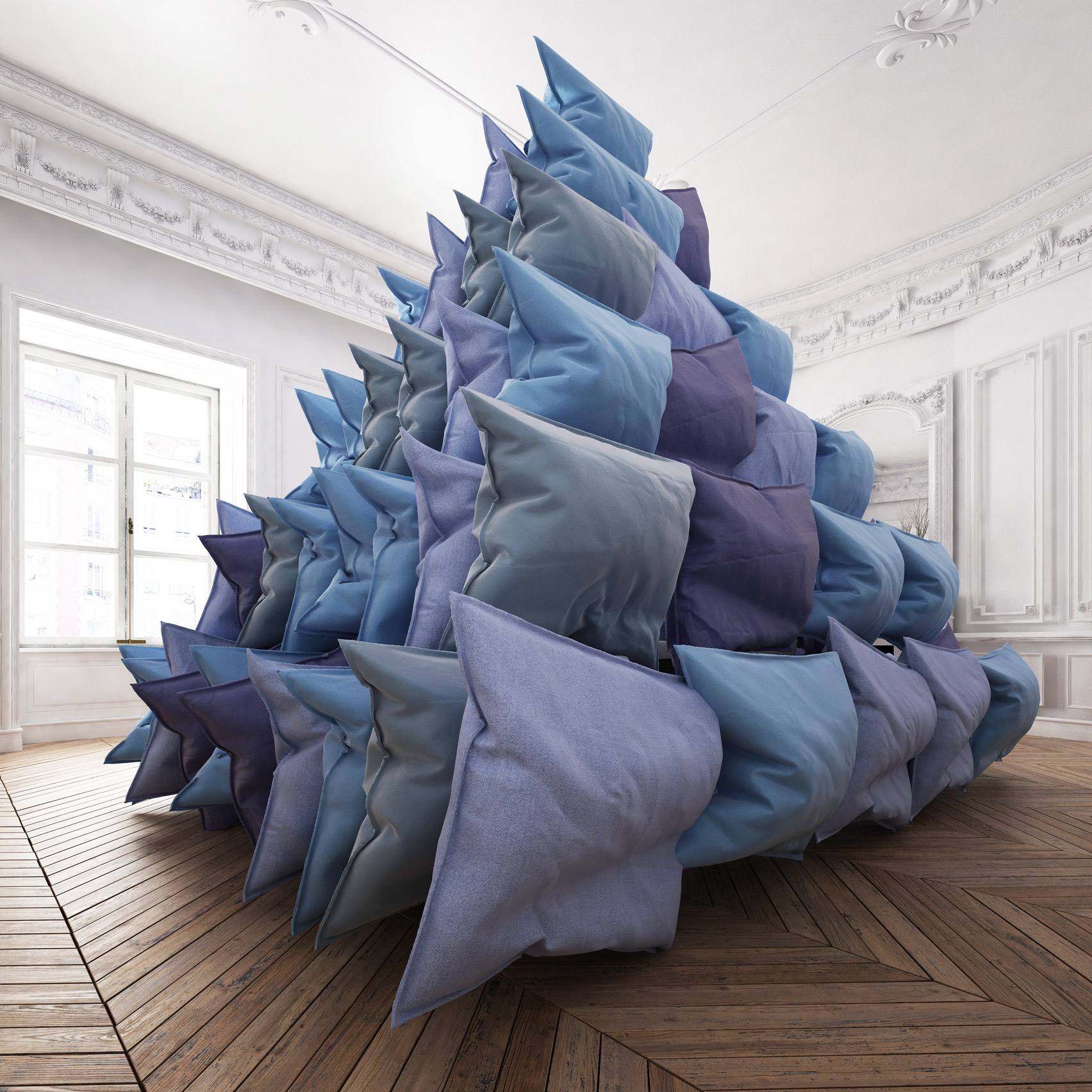
Cyril Lancelin conjures cosy image of staying home with Pillow Pyramid

Cyril Lancelin's Pillow Pyramid

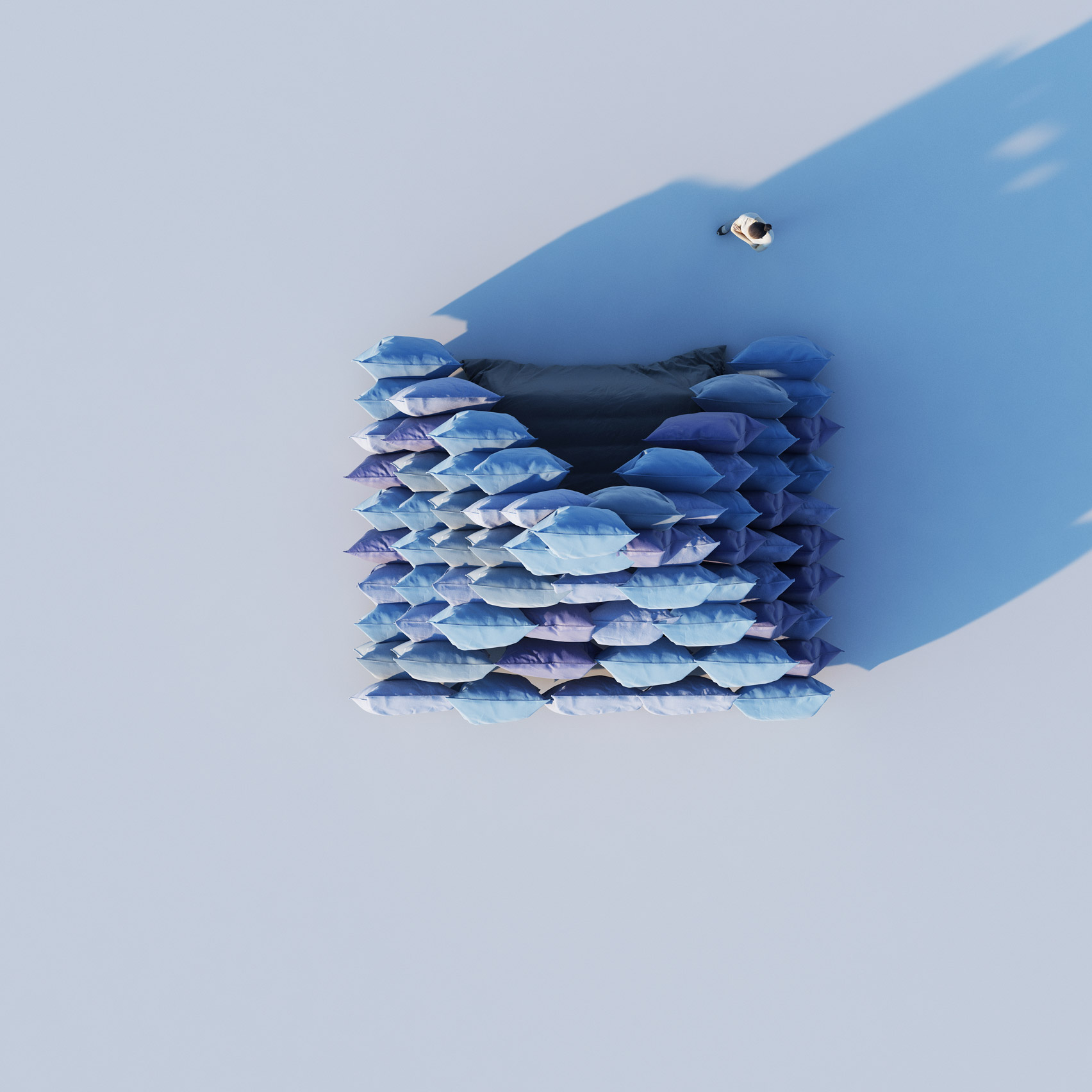
Artist Cyril Lancelin has imagined a protective fort made of pillows to encourage people to stay home to stop the spread of coronavirus.

Named Pillow Pyramid, the conceptual design sees a double bed sheltered under a tent-like tower of cushions. Lancelin created the images as a morale-boosting allegory.

"It is both a refuge, a house within the house, a cocoon where one will want to stay, Lancelin told Dezeen. "The cushion is the symbol of the house as a cozy nest, a place of rest and above all of security."

People in countries around the world are currently self isolating at home to slow the transmission of the coronavirus.

"Through the pandemic that we are all experiencing, the cushion is one of the weapons we have," he said. "Stay at home, so as not to infect others, and stop the virus."

Like so many others caught in the pandemic, the Lyon-based artist had seen all his work delayed as countries went into lockdown.

First a project he was working on in China was pushed back, then one for the South by Southwest festival in the USA.

"As I couldn't anymore design an immersive art installation for outside, I thought we should all have an indoor installation to help us stay home," said Lancelin.

"Even if it is conceptual, I wanted the idea to bring us positive images in our head."

Lancelin normally creates huge artworks that envelop the viewer such as Knot in Hangzhou, a twisting tangle of inflatable pink tubes.

Other recent projects include a stacked sculptures of shining steel balls called Half Pyramid in Shenzhen, and a giant blowup flamingo in Dubai.

As a creative person, Lancelin has found the pandemic to be a mixed bag when it comes to making art.

"I will say it is hard to focus," he said. "I like to mix in my work real and fictional ideas, digital art and immersive art installations. Real or not, they are designed for a world that we know."

"Now I have to think about all the changes in our everyday's life, the world seems to become fictional! This is challenging and bringing new ideas and of course new discussions," he continued.

Many designers have adopted pillows as a tool for alleviating loneliness in difficult times. Aseptic Studio has made cushions with arms for lonely city-dwellers to be held by, while Somnox is a robotic pillow that "breathes" in and out to lull the user to sleep.

The post Cyril Lancelin conjures cosy image of staying home with Pillow Pyramid appeared first on Dezeen.


from Dezeen https://ift.tt/3b4Aanc

Combining gaming and art, visitors are encouraged touch the work in Manuel Rossner’s digital exhibition

This unique digital experience that sits somewhere between game and art asks its visitors: what is possible in a physical space and what can it be?


from It's Nice That https://ift.tt/2xxSszg