Friday, 8 May 2020

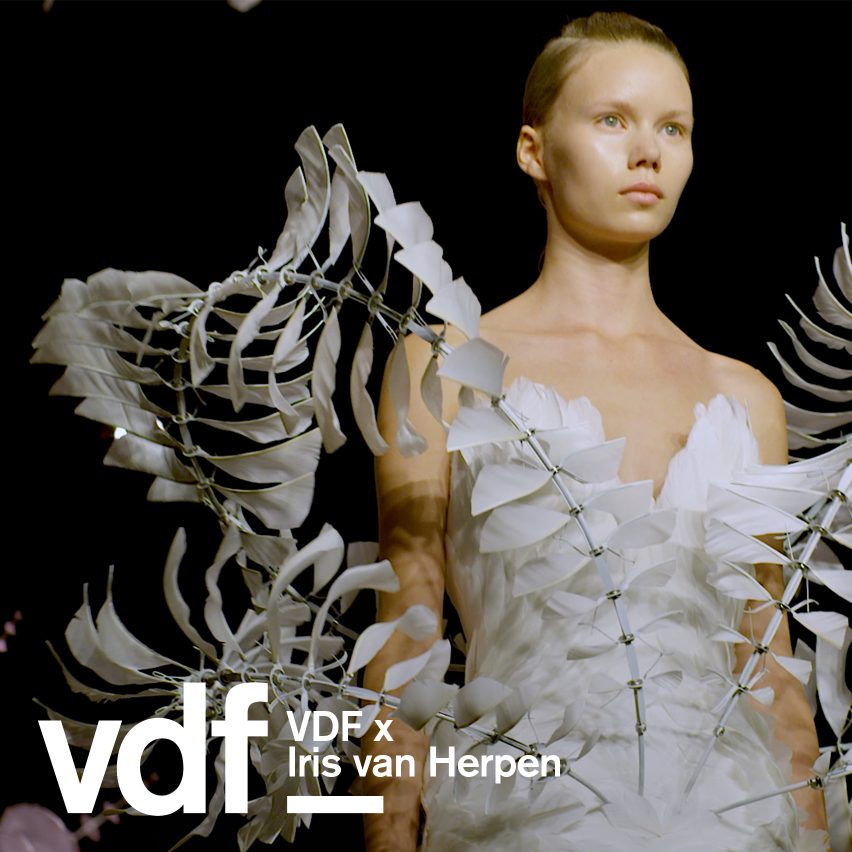
"The Infinity dress is the most difficult I have ever made" says Iris van Herpen

In the last of our three exclusive video interviews for Virtual Design Festival, Iris van Herpen describes how she created the optical illusions in her Hypnosis collection, which includes a dress the Dutch fashion designer describes as her most complicated yet. 

Van Herpen is known for her elaborate haute couture fashion. For her Fall 2019 Hypnosis collection, presented at Élysée Montmatre in Paris during the city's fashion week, she produced dresses made from tens of thousands of rippling pieces of fabric, each cut to just 0.8 millimetres wide.

"What I hoped is that you really couldn't see where the garment begins and where the skin ends," she said in the video.
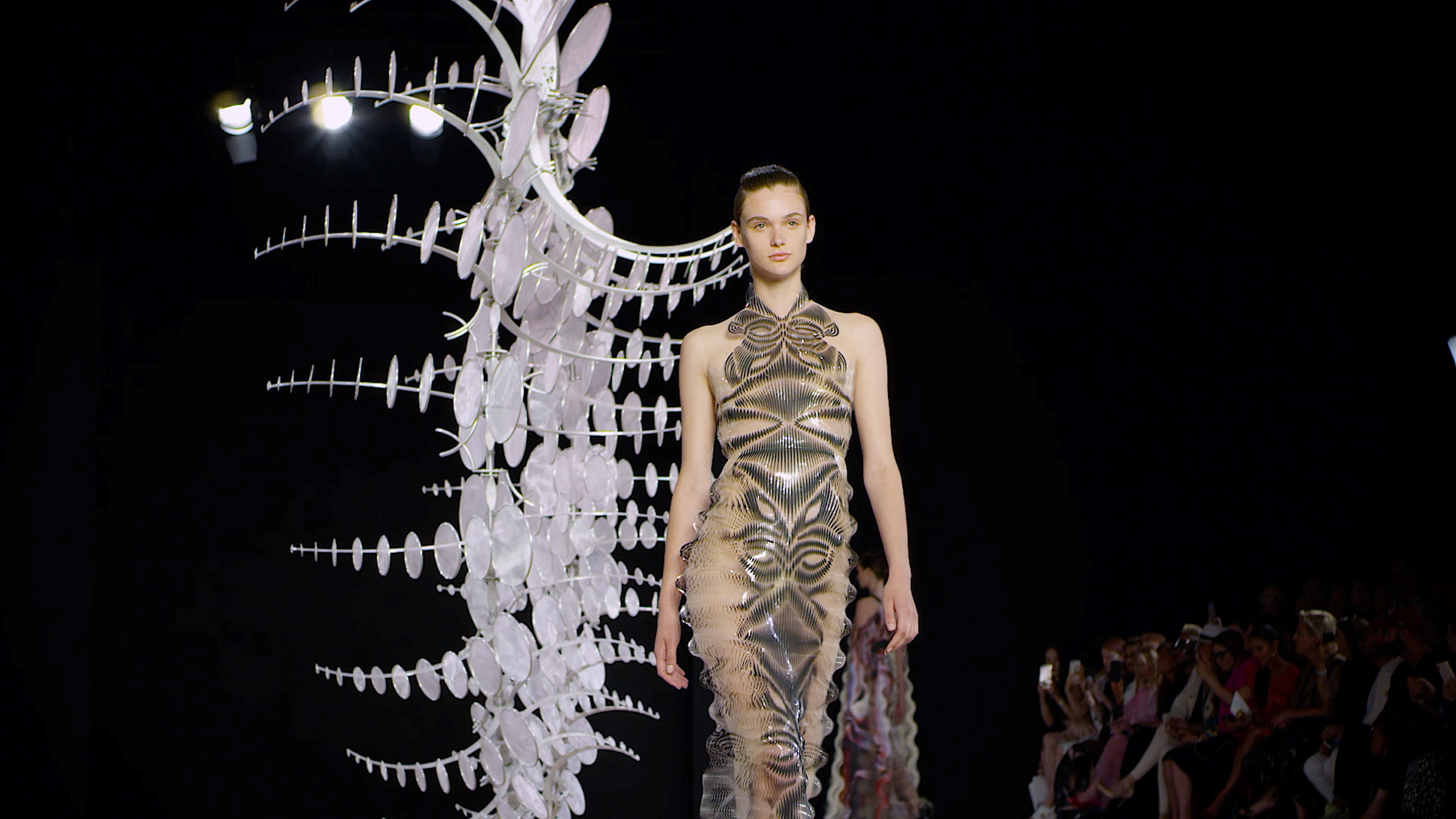
Iris van Herpen "hopes you can't see where her garments begin and the skin ends" 
For her Fall 2019 collection, Iris van Herpen created dresses that blur the lines between the skin and the garment

Van Herpen describes the collection, which she developed together with architect and long-time collaborator Philip Beesley, as a series of optical illusions.

"The patterns are cut so finely that it moves faster than your eye can follow," she said. "So it has a really delicate interaction with tiny movements of the body and creates an optical illusion when you walk in it."
Iris van Herpen "hopes you can't see where her garments begin and the skin ends" 
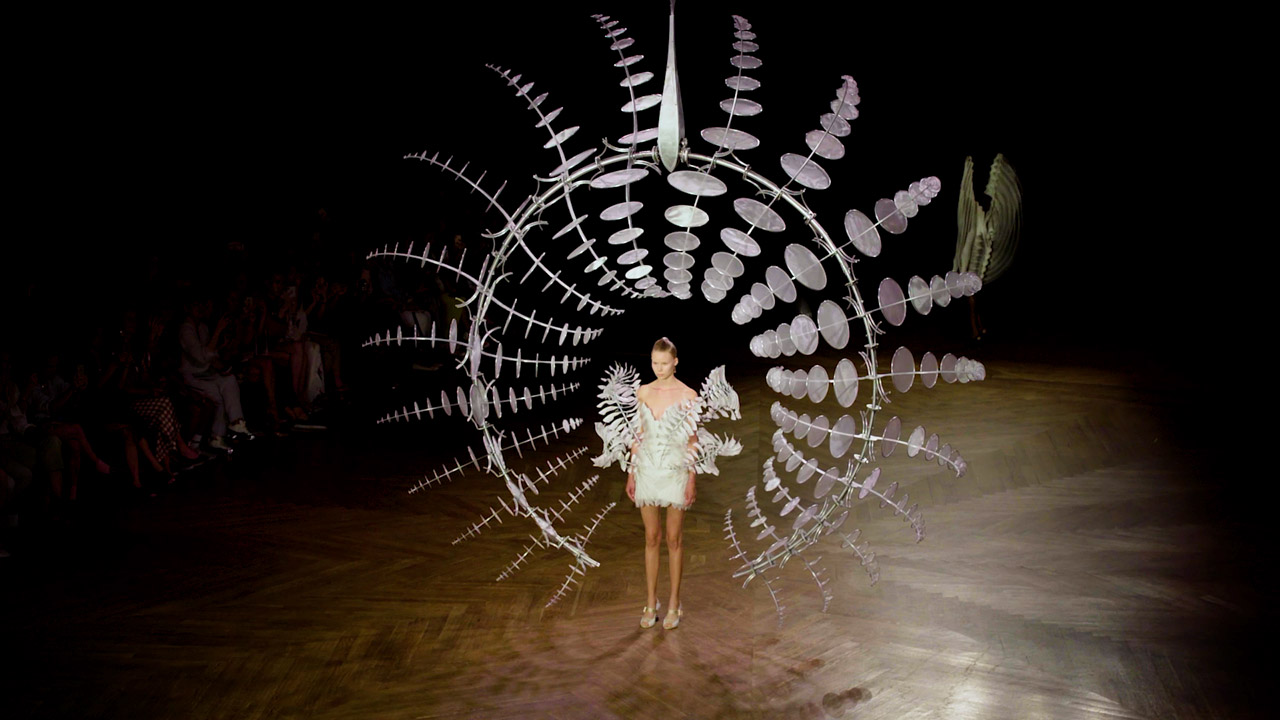
The designer collaborated with American sculptor Anthony Howe on a kinetic sculpture for the show

Van Herpen enlisted American sculptor Anthony Howe to create a kinetic sculpture for the runway show entitled Omniverse, which also plays with optical illusion.

"His sculptures create an optical illusion that is quite infinite and that was also the inspiration behind that collection," she said.

Constantly moving, the sculpture was made from multiple metal stems that protrude from a central circular structure that the models passed through as they walked the runway.

The stems featured layers of round discs covered in silk, which slowly rotated, resulting in a pulsating visual trick.

"When they move you can't really tell whether they go forward or backwards," Van Herpen explained. "The whole sculpture starts breathing. It's a continuous expansion and contraction."
Iris van Herpen "hopes you can't see where her garments begin and the skin ends" 
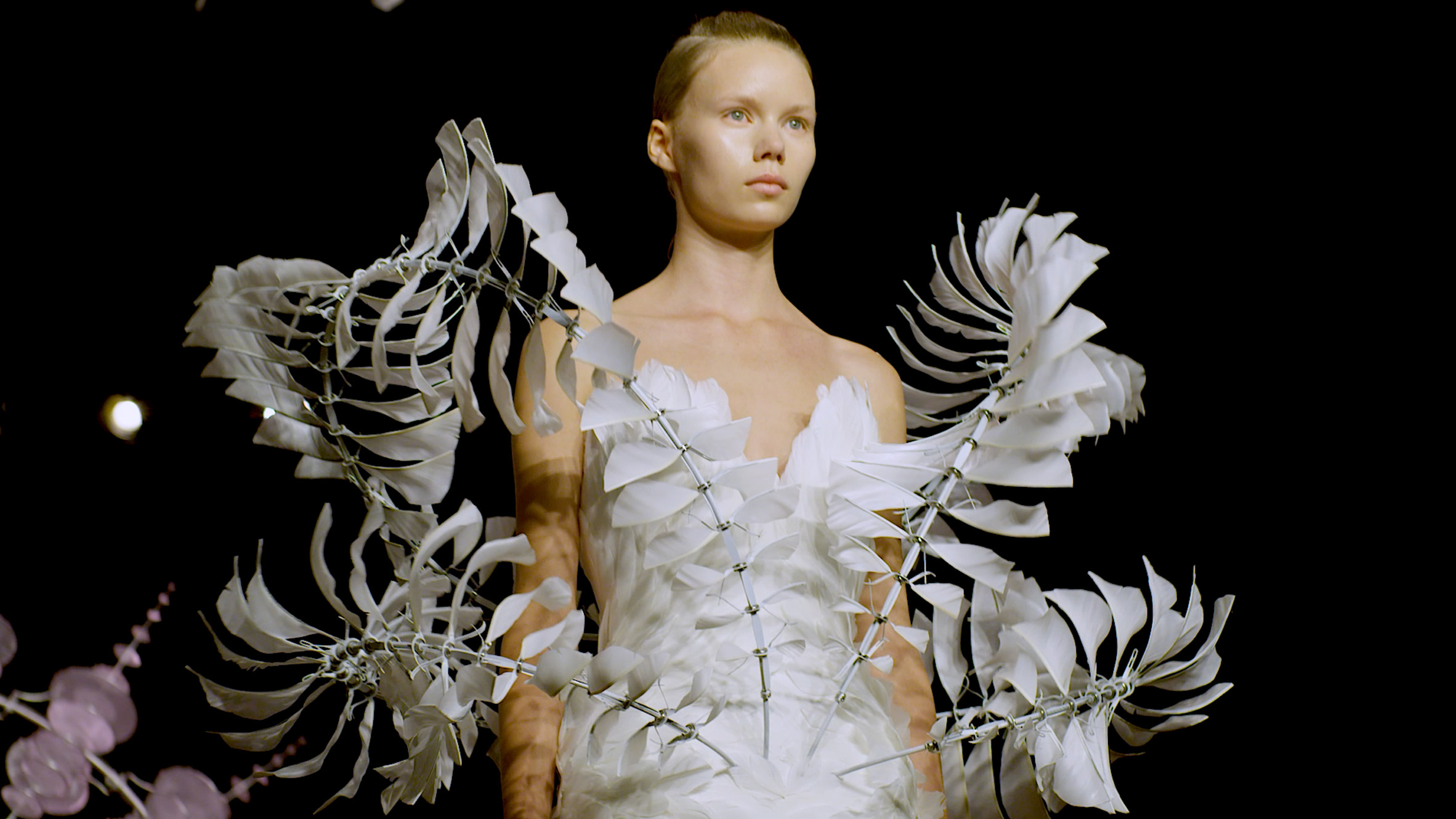
The Infinity Dress was also made in collaboration with Howe and mirrored the essence of the Omniverse sculpture

Mirroring the look of the Omniverse sculpture, Van Herpen and Howe also collaborated on one of the show's statement pieces, titled the Infinity dress.

"I think it's the most difficult dress we ever made," Van Herpen stated.

A white dress covered with a layer of feathers was surrounded by a revolving aluminium and stainless steel skeleton embroidered with white feathers, powered by a mechanism in the back of the dress.

"I wanted to created that balance where nature always needs to be in dialogue with the technology," van Herpen said.

This video was filmed by Dezeen at Van Herpen's Amsterdam atelier. It is the third and final video in a series exploring the pioneering fashion designer's work, for Virtual Design Week.

About Virtual Design Festival

Virtual Design Festival, the world's first digital design festival, runs until 30 June 2020. It is a platform that will bring the architecture and design world together to celebrate the culture and commerce of our industry, and explore how it can adapt and respond to extraordinary circumstances.

VDF will host a rolling programme of online talks, lectures, movies, product launches and more, complementing and supporting fairs and festivals around the world that have had to be postponed or cancelled and it will provide a platform for design businesses, so they can, in turn, support their supply chains.

Find out more here or email vdf@dezeen.com for details or to join our mailing list.

The post "The Infinity dress is the most difficult I have ever made" says Iris van Herpen appeared first on Dezeen.


from Dezeen https://ift.tt/2LdfZZv

Milan calls on architects and designers to create social-distancing devices

YesMilano launches campaign as Milan calls for creatives to respond to coronavirus

Architects and designers are being asked to devise social-distancing devices to allow Milan's bars, shops  and public spaces to reopen safely following the height of the coronavirus pandemic.

Spacers to keep people apart, signs to remind people to distance, and layouts for indoor and outdoor spaces are needed to help the city, which has been in lockdown since 8 March, begin to restart.

The Commune di Milano is including a creative consultation as part of plans to reopen commercial and public spaces.

YesMilano launches campaign as Milan calls for creatives to respond to coronavirus
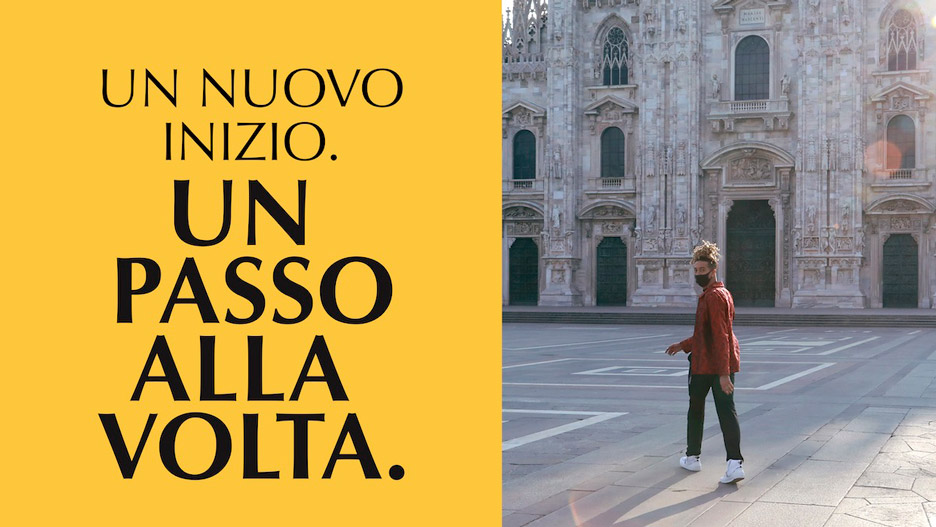
Milan is encouraging residents to take things one step at a time

"We need the imagination of designers, architects and creatives to find solutions capable of reconciling security and social distancing with needs for socialising and conviviality of people and for the use of shops and services," said councillor for commerce Cristina Tajani.

"What we want to achieve is a register of ideas and projects, aimed particularly at small and medium-sized companies, which facilitate collaboration between private subjects and, in particular, between creatives, designers, planners and traders for the reorganisation of the layout of commercial space."

YesMilano launches campaign as Milan calls for creatives to respond to coronavirus
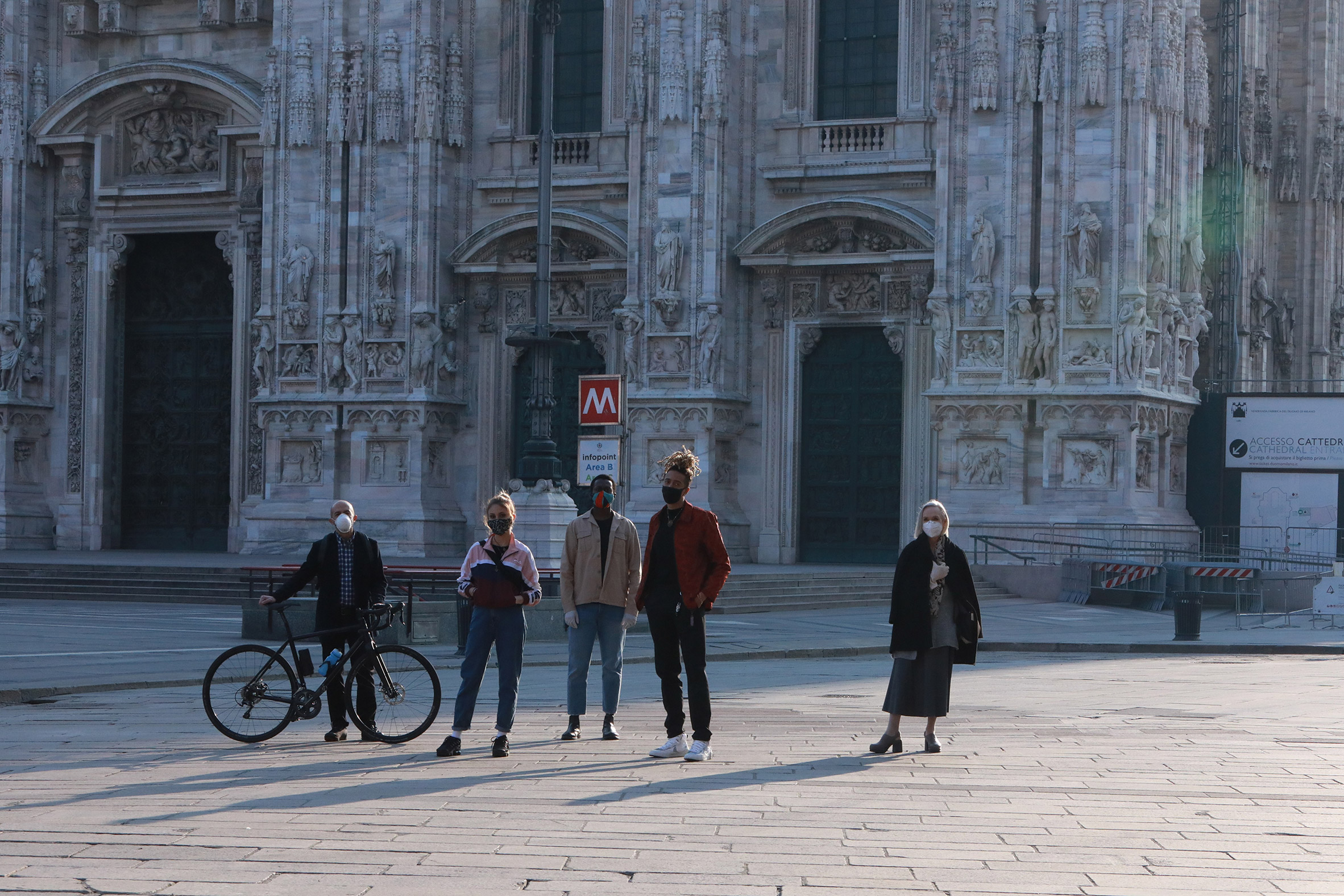
Along with the ad campaign, the city has called for a creative response to social distancing

The request follows a global call from the UN and the World Health Organisation (WHO) asking creatives to make visual aids to spread health advice during the pandemic.

Dutch studio Shift Architecture Urbanism has already created a model for a food market that allows people to shop while keeping social distancing rules.

Companies, organisations, institutions and freelancers are all invited to submit their ideas, which will be gathered into a digital catalogue for Milanese traders to look at to find solutions for their situations.

The consultation will remain open for the duration of the coronavirus crisis, with the council periodically reviewing the submissions and putting them forward to the guide.

Milan's promotion agency YesMilano has already created a video to encourage residents to embrace the gradual end of lockdown.

Featuring the Italian and Tunisian rapper Ghali, residents of all ages are shown putting on their face masks and returning to the city centre under the motto "one step at a time".

Northern Italy, where Milan is located, was particularly badly effected by the coronavirus.  Milan was forced to cancel its annual design festival Salone del Mobile, which usually attracts half a million visitors to the city.

But after eight weeks of lockdown, the capital is beginning to reopen.

Some of the city's covered markets re-opened yesterday, 7 May, to begin selling food again. Factories and construction sites are allowed to reopen, but theatres, shops, gyms and salons are still shut.

To help people commute and exercise, 22 miles of new cycling lanes have been set up on the roads, with plans to temporarily pedestrianise selected neighbourhoods.

Images courtesy of YesMilano.

The post Milan calls on architects and designers to create social-distancing devices appeared first on Dezeen.


from Dezeen https://ift.tt/2SMZMyn

Philippe Malouin designs Lines rug collection for CC-Tapis to celebrate imperfection

Philippe Malouin designs Lines rug collection to celebrate imperfection

VDF products fair: designer Philippe Malouin has developed a collection of monochrome rugs for Italian brand CC-Tapis that replicates the irregularities of lines made by crayons.

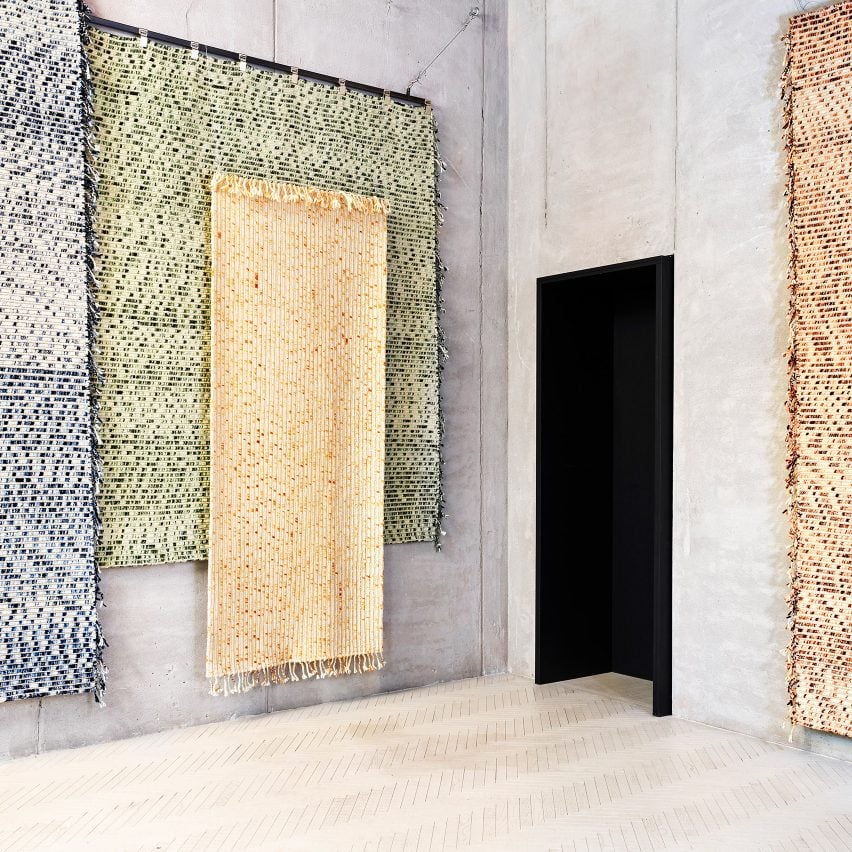
Malouin created the Lines collection for the Milan-based brand using an innovative process that results in an uneven linear pattern.

For his first-ever textile rug, Malouin wanted to develop a piece that was not overly decorative but instead celebrates the imperfections inherent in the weaving process through its simple off-white and monochromatic design.

"We were interested in making a rug with characteristics that typically don't go well together, such as tribal weaving techniques, a really simple aesthetic, and a trip-proof but very comfortable low pile," the designer said.

The design evolved out of the idea of capturing imperfection. In particular, Malouin liked the fact that crayons deposit wax irregularly on a piece of paper and looked to replicate this effect in his rugs.

"We focus a lot on the process and trial and error," Malouin explained. "So we'll do one action over and over again until we have a direction we find interesting."

"The rug's aesthetic was dictated by repeating the action of drawing parallel lines with a crayon, which we looked to translate into a dyeing technique," he added.

CC-Tapis art director Daniele Lora helped the studio to develop a dip-dyeing process that partly colours the bobbins of Himalayan wool used to weave the rugs.

The combination of the heavily pigmented and naturally coloured sections of yarn creates irregular lines with a tonal variety similar to the wax crayon effect.

Product: Lines
Brand: CC-Tapis
Designer: Philippe Malouin

Video: Lines by Philippe Malouin.

About VDF products fair: the VDF products fair offers an affordable launchpad for new products during Virtual Design Festival. For more details email vdf@dezeen.com.

The post Philippe Malouin designs Lines rug collection for CC-Tapis to celebrate imperfection appeared first on Dezeen.


from Dezeen https://ift.tt/2zjCiu4

Thursday, 7 May 2020

Moxon Architects adds perforated weathering steel extension to Aberdeenshire Council HQ

The Faithlie Centre by Moxon Architects

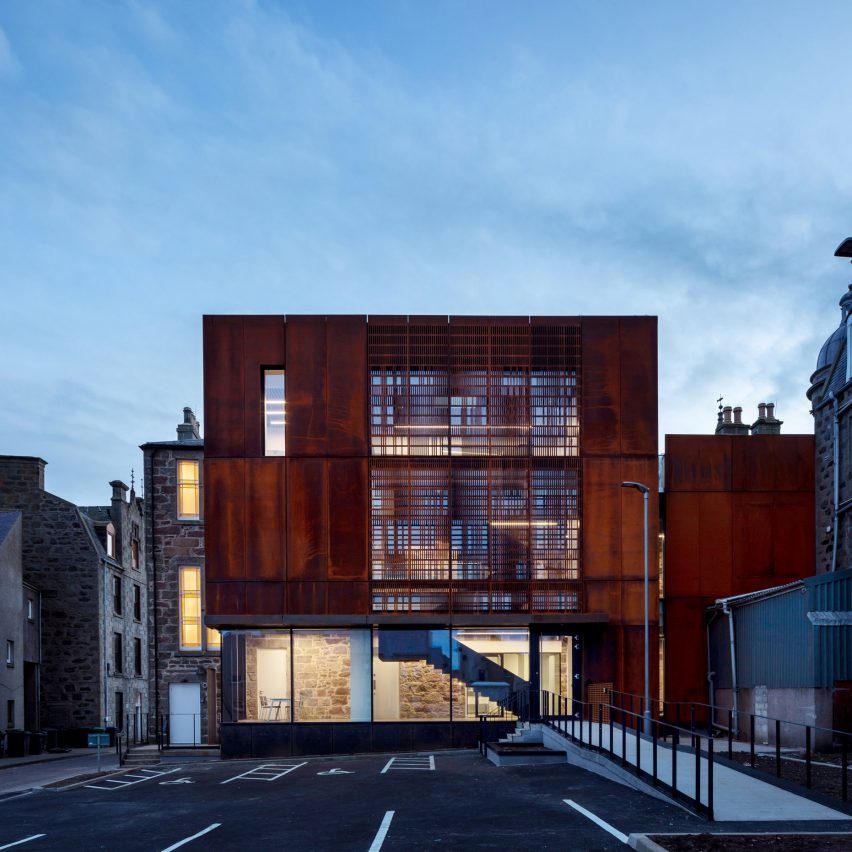
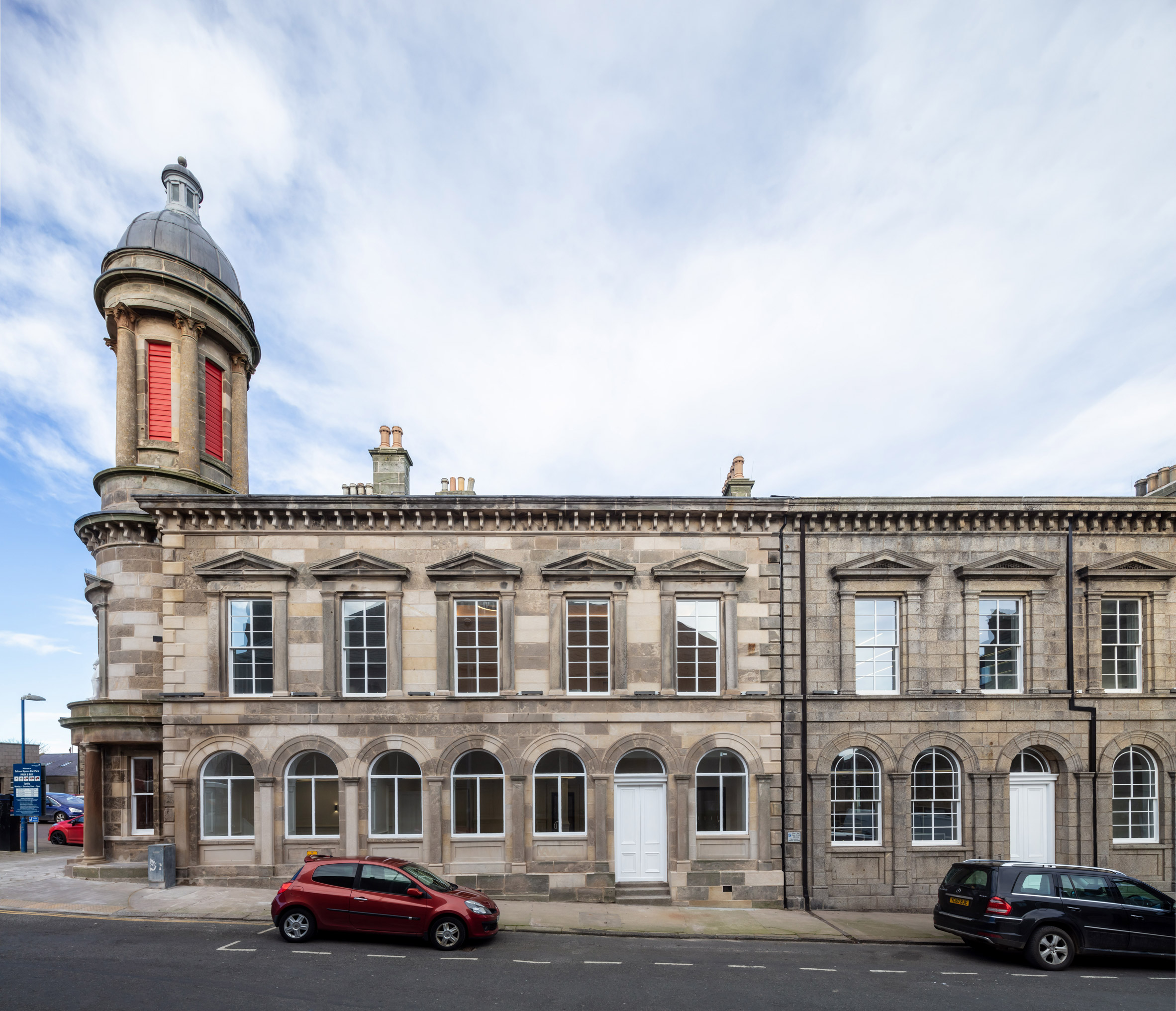
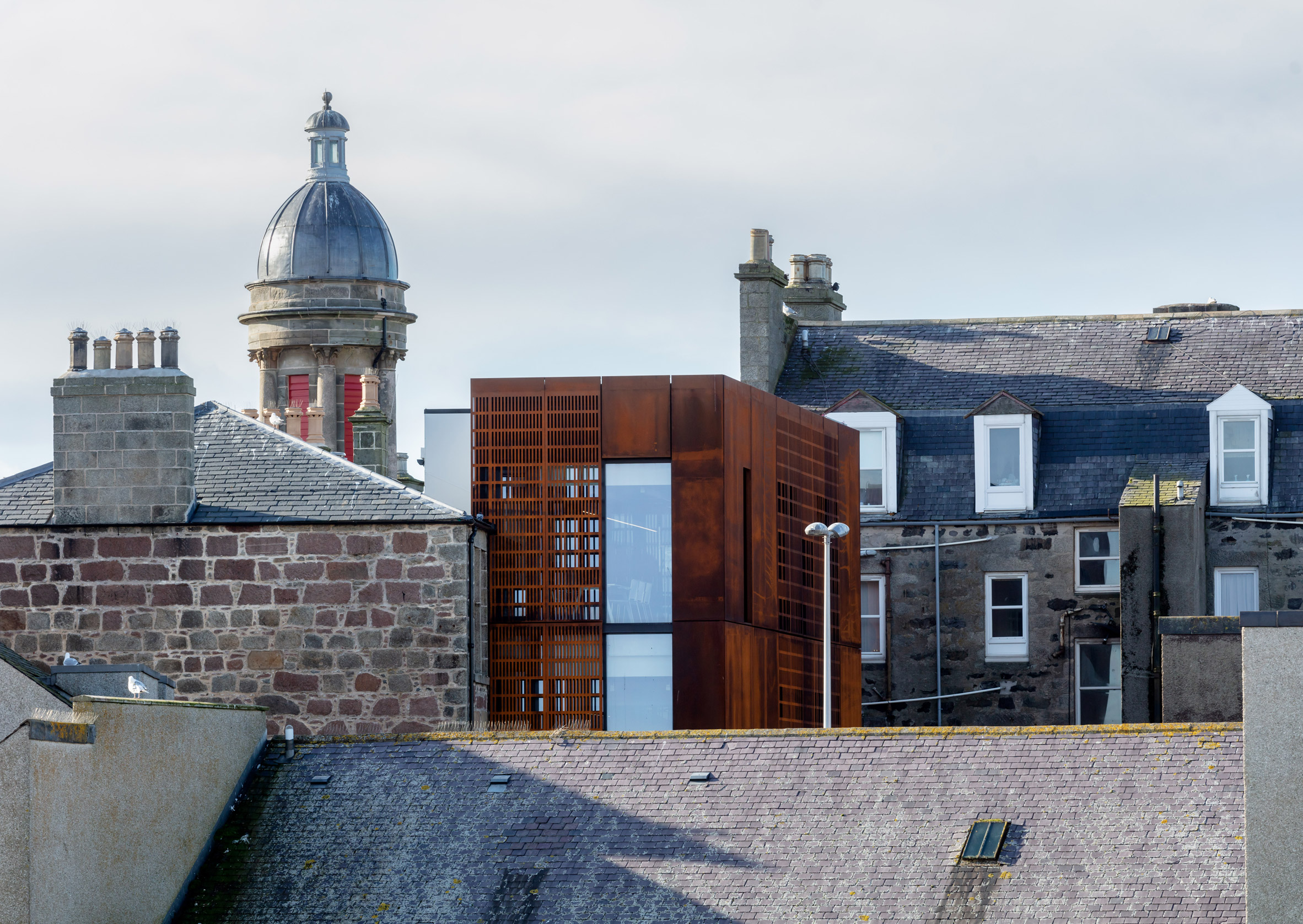
Moxon Architects has restored and converted a listed building and a former police station in Fraserburgh, Scotland, adding a contemporary extension clad in weathering steel.

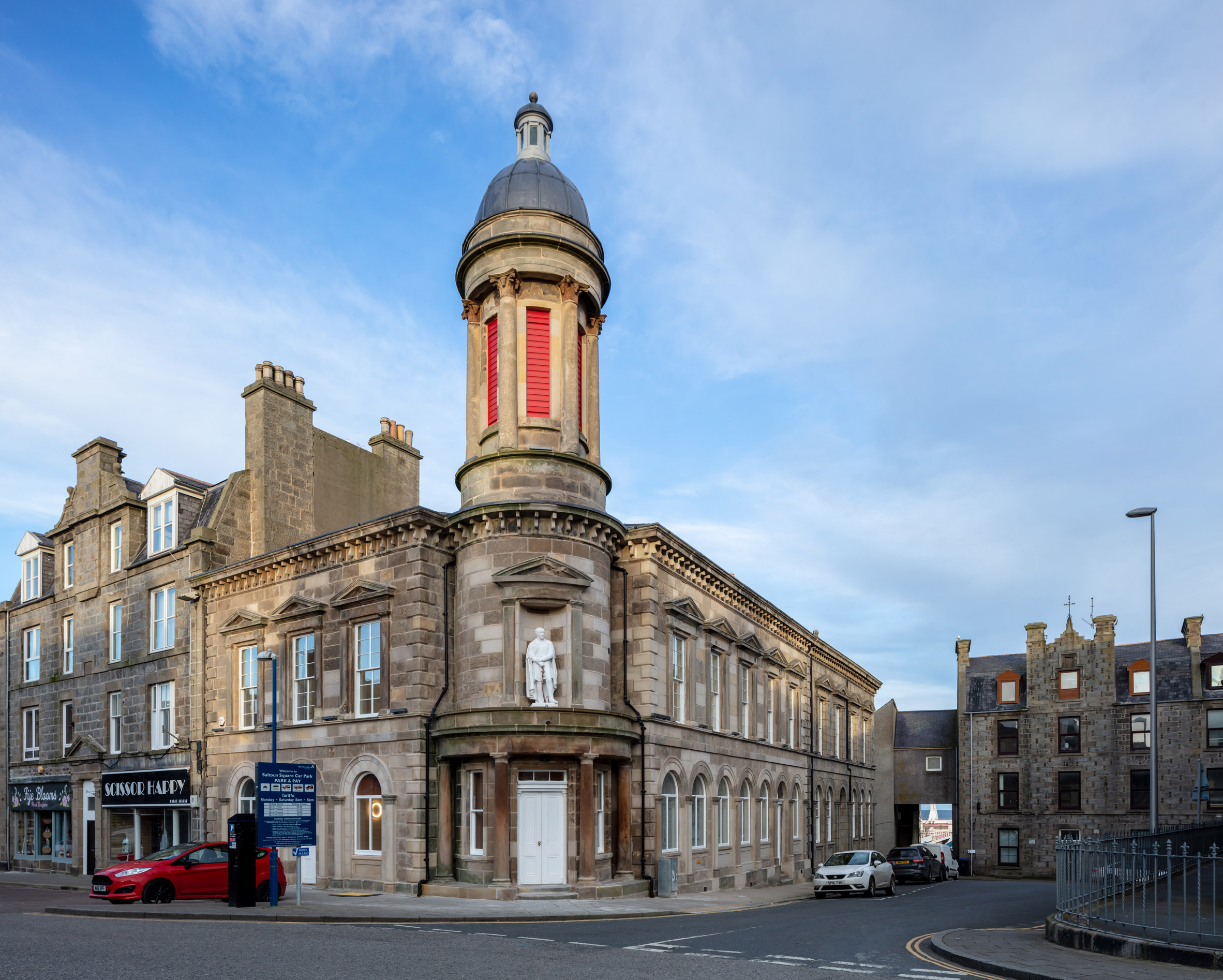
Two civic buildings – the Category B-listed Fraserburgh Town House and a derelict police station – have been turned into one facility that serves as the headquarters for Aberdeenshire Council.

Weathering steel was chosen for its associations with the harbour of this port town.

The Faithlie Centre by Moxon Architects

"The aim of this project was to deliver economic, social and physical regeneration outcomes in an area that suffers from high levels of deprivation and disadvantage," Moxon Architects managing director Ben Addy said.

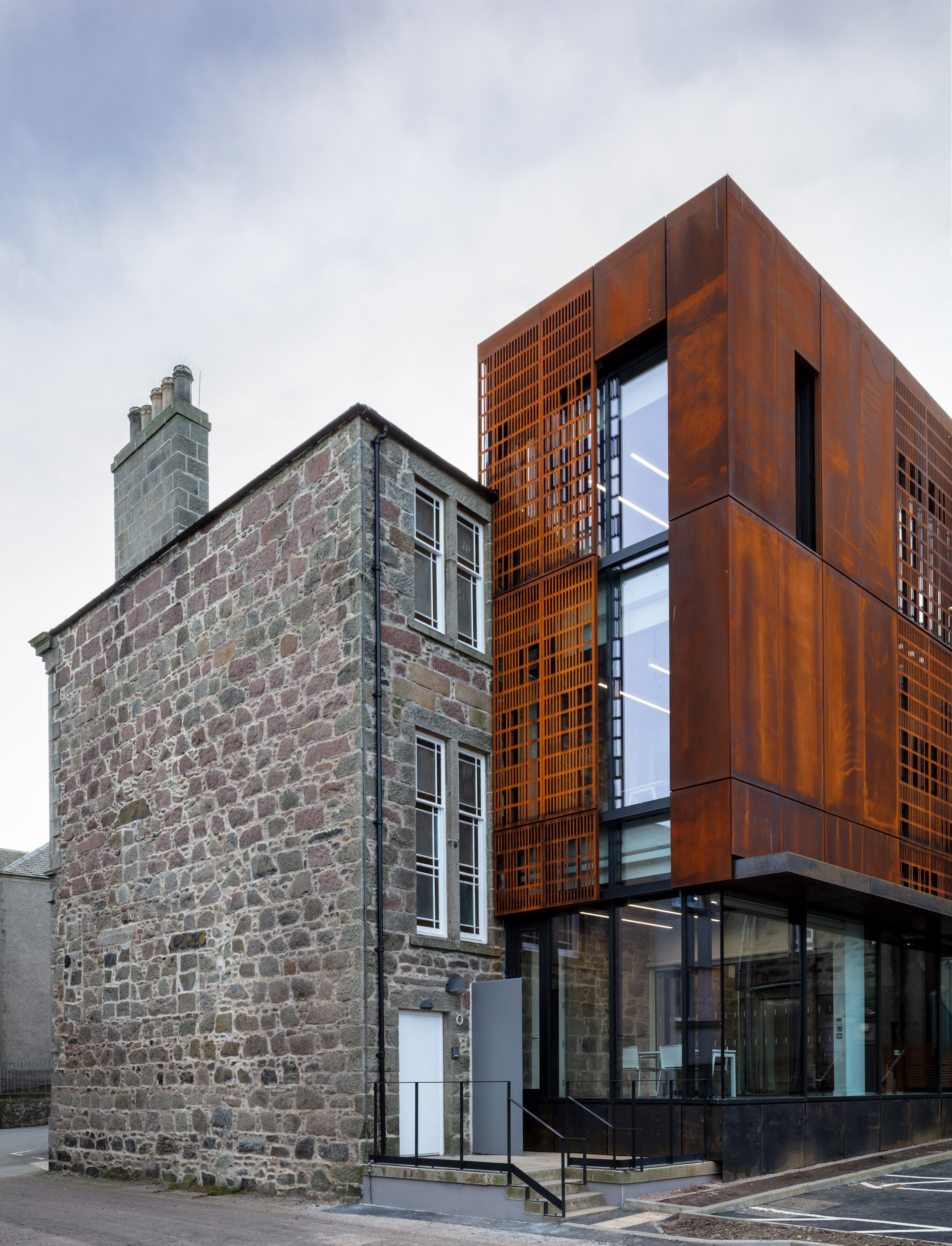
Moxon Architects, which has offices in London and Highland Aberdeenshire, used corten steel to create an extension that connects the renovated buildings.

Set back from the east gable and indented to the rear, it ties the Town House and police station together.

The Faithlie Centre

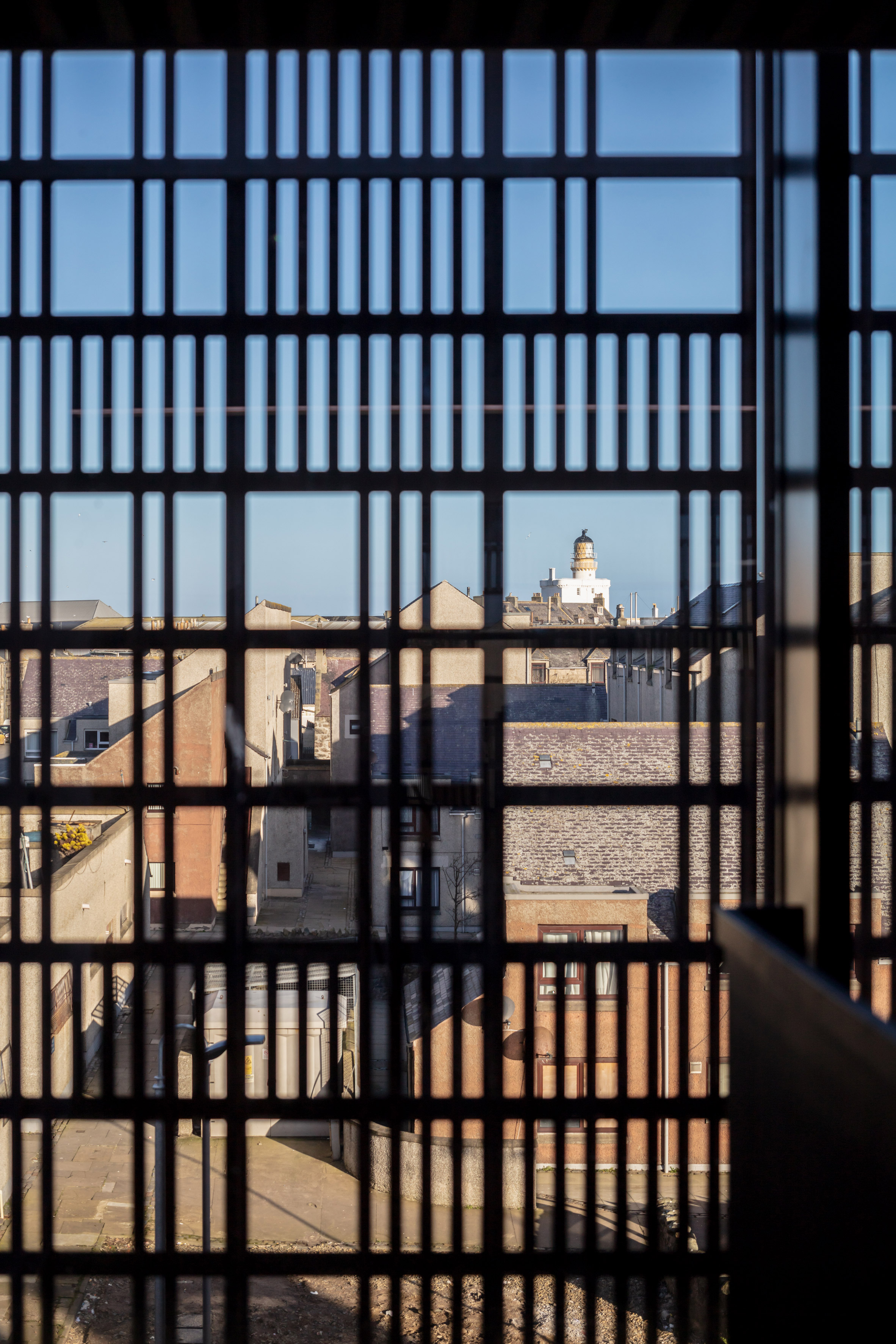
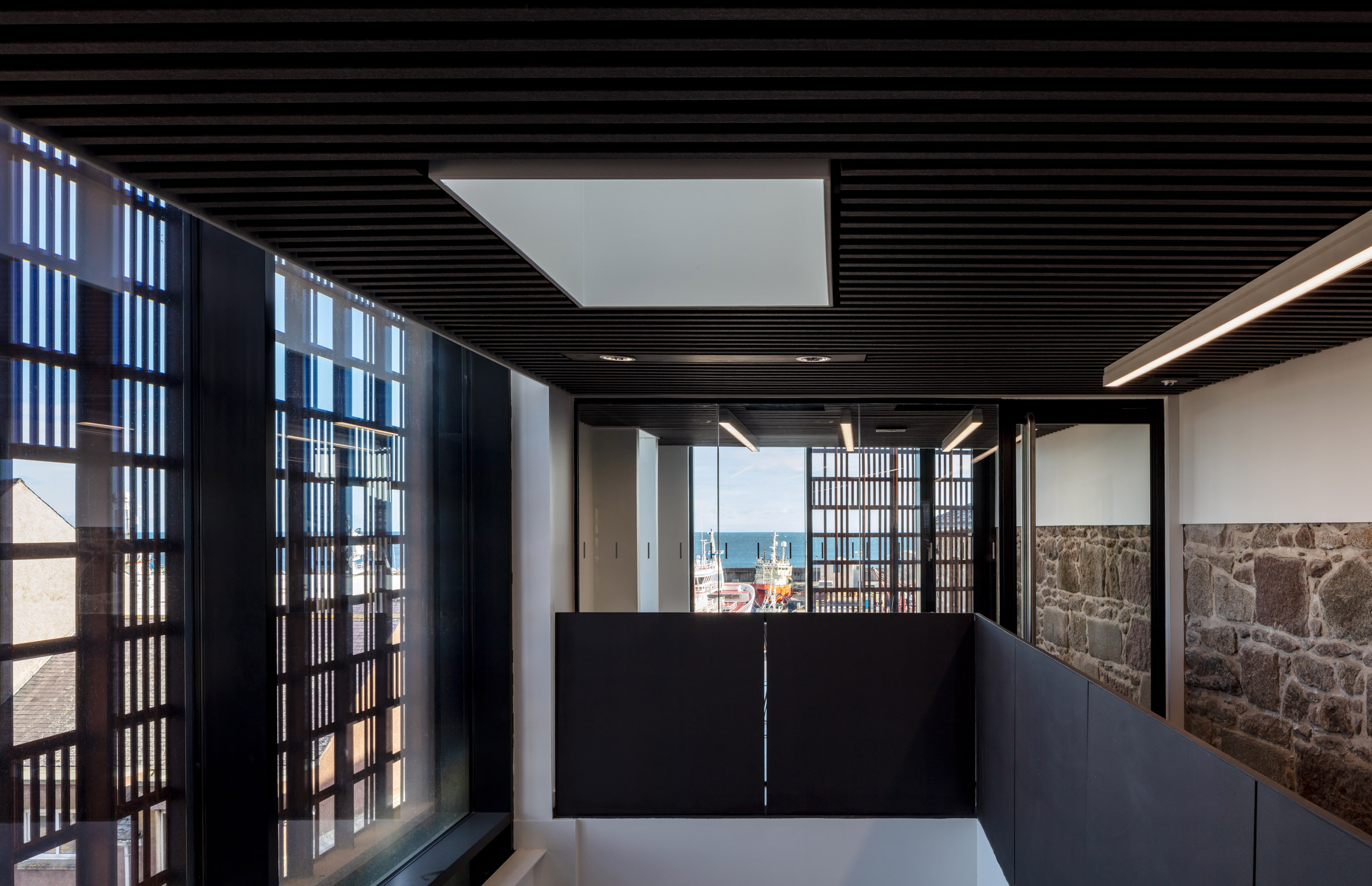
The new structure was constructed using weathering steel and curtain walling. Perforations cut from the steel sheets allow views through to the original masonry.

Its glass front reveals the facade of the existing building that forms the inner wall of the extension.

"The steel clad extension is intended to be understood as a durable but largely permeable structure set against the massive construction typology of the existing buildings," Addy said.

"Weathering steel, suitably pre-oxidised, was attractive to us to provide that visual counterpoint," he added.

"At a basic level we really like the material and there is a beautiful serendipity in the effects of streaking in the pre-patination process and how that has translated onto the façade of the completed building."

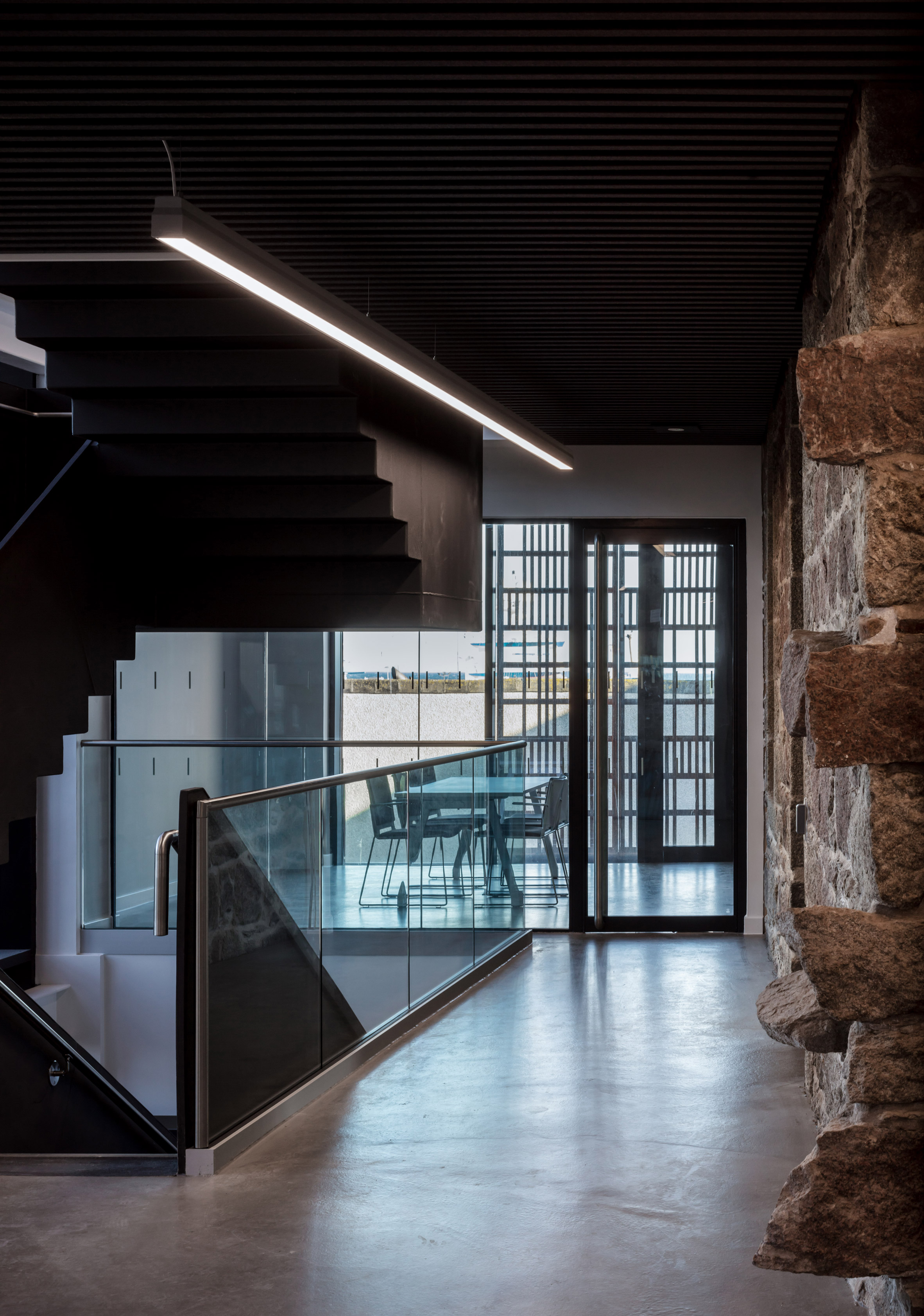
The apertures in the steel widen next to the stair flights and landings to allow framed views out to Kinnaird Head Lighthouse and the fishing port, and were designed to reference the surrounding environment.

"The pattern takes cues from the spacing of astragals on the adjacent stained-glass windows; ship gratings in the harbour; and the weave of fishing nets and textiles," Addy explained.

While it is invisible from the front of the existing buildings, the rear extension nevertheless serves as a new "front of house" for all council services and offers access to all levels.

It also contains and distributes a low carbon air source heating system for the entire building.

As well as meeting accommodation for the public and council use, the extension has a range of supporting facilities that relieve pressure on the existing buildings.

"The extension addresses both the harbour area that can be seen from the top of the building; providing a direct material reference in terms of colour, texture and pattern to the defining industry of the town; and the public housing of North Braeheads for which it provides a newly active frontage," Addy said.

Moxon Architects also renovated the Thomas Mackenzie-designed Town House from 1853 and expanded it into the adjacent police station.

The Faithlie Centre by Moxon Architects

The Town House is made from sandstone, an unusual material for a civic building in the town.

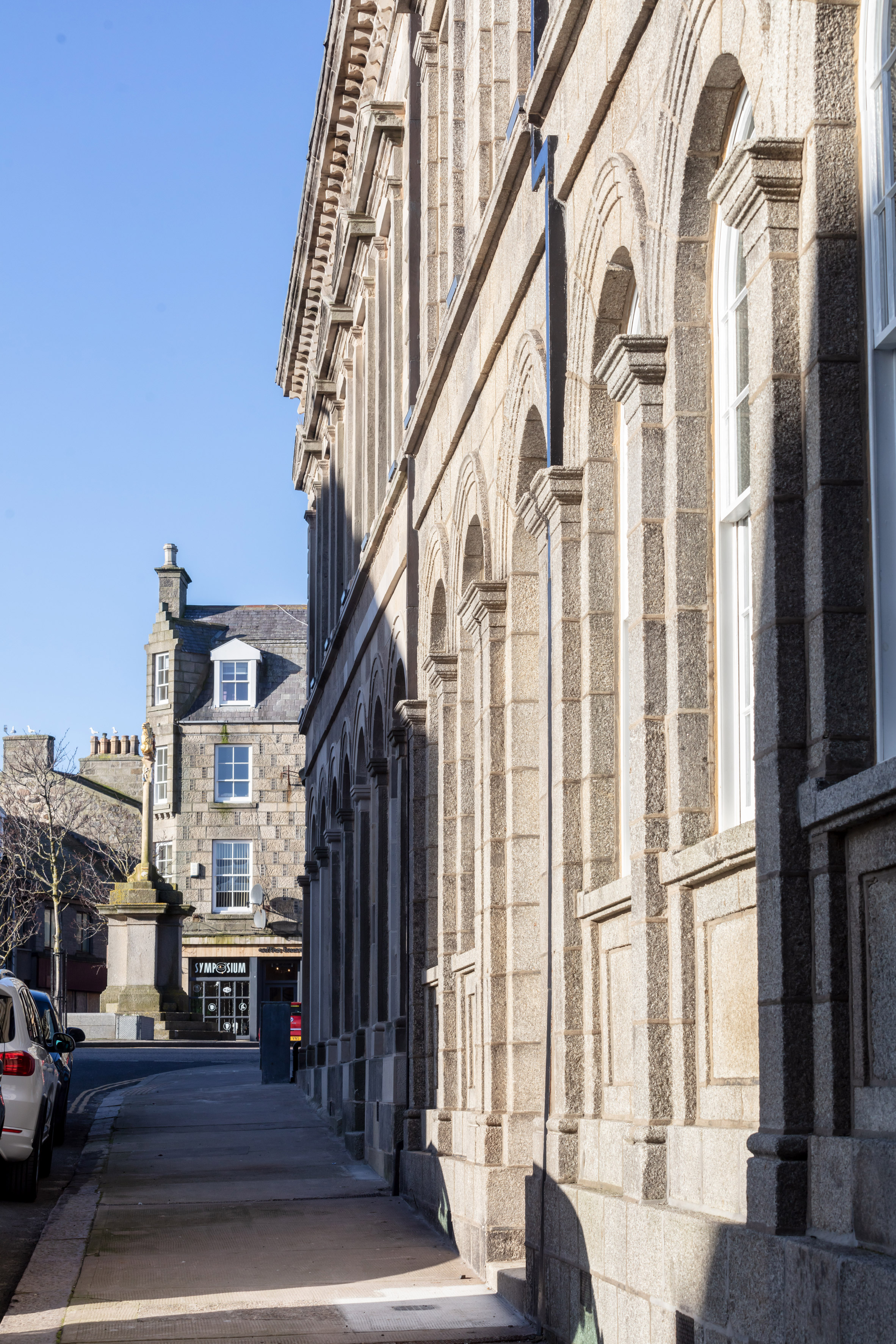
"Intended as a demonstration of refinement and permitting a finer grain of modelling than the granite employed on the adjacent police station, the sandstone has nevertheless fared badly in the coastal environment, with many of the mouldings having lost definition over the course of the last century and a half," Addy said.

Matching stone from the Spynie Quarry in Elgin was used to replace the worst affected sandstone blocks, which were catalogued and drawn.

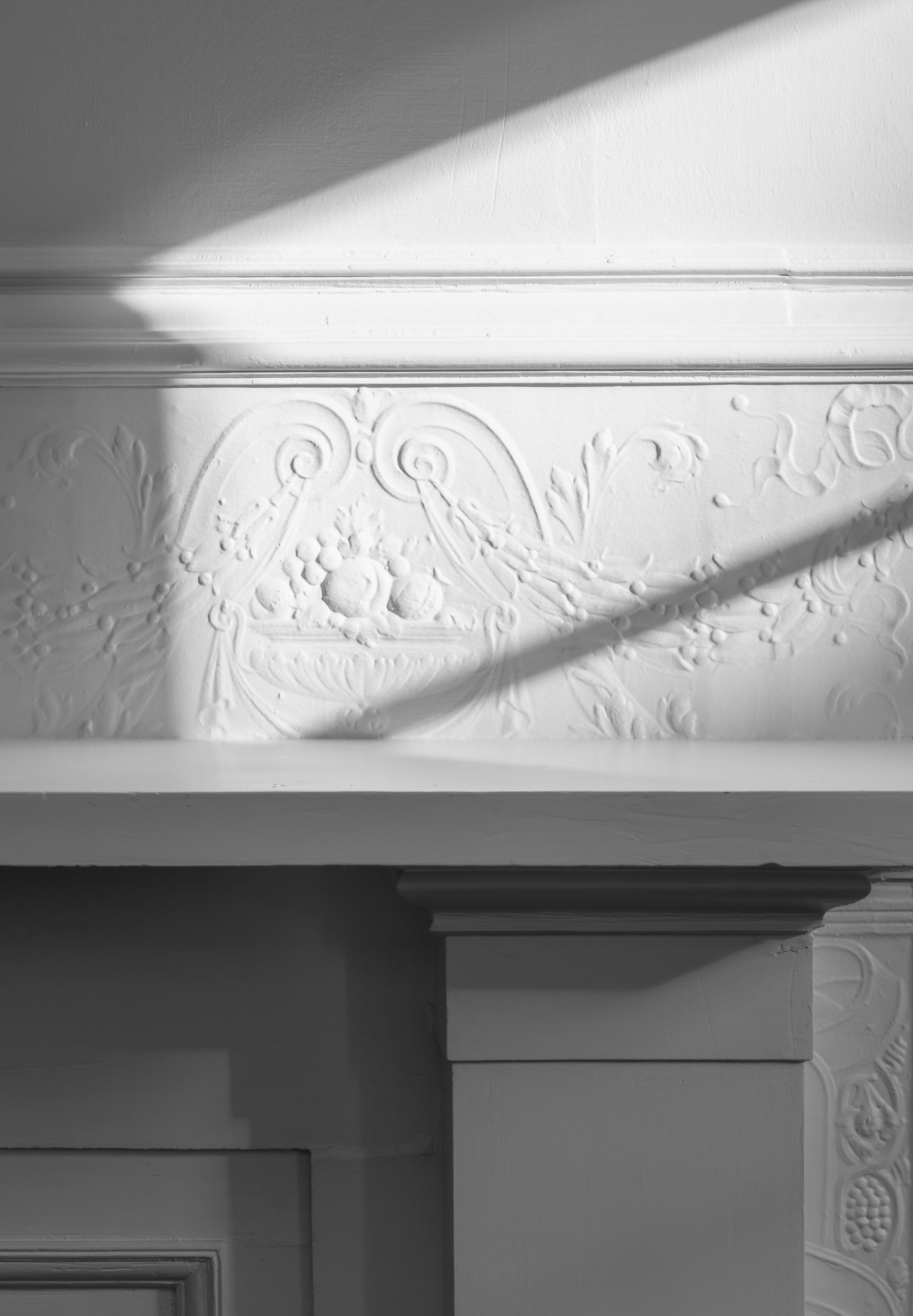
The building's interior was repaired where possible and stripped back to the masonry where compromised beyond salvage, and finished in white to emphasise both the restored mouldings and the original patterned lincrusta wall coverings.

"The restoration work secures the future of two listed buildings, one of which had been empty and boarded up for several years, and the other much underused and in need of modernisation," Addy said.

The combined complex has been named the Faithlie Centre, after Fraserburgh's original Scots name.

Moxon Architects' previous projects in Scotland include a humble cabin in a mountainous landscape. The studio has also added a red metal and larch extension to a Highlands farmhouse.

Photography is by Simon Kennedy.


Project credits:

Client: Aberdeenshire Council
Lead Architect: Moxon Architects
Conservation Architect: Alan S Marshall
Contractor: Morrison Construction
Structural Engineers: David Narro Associates
M&E Consultation: Tuv-SUD
Quantity Surveyor: Faithful + Gould
Clerk of Works (Architecture & Services): Aberdeenshire Council
CDM Advisory: GWS Architects

The post Moxon Architects adds perforated weathering steel extension to Aberdeenshire Council HQ appeared first on Dezeen.


from Dezeen https://ift.tt/2WaHiKq

Home MuralFest: 67 Artists Simultaneously Painted Murals in Their Homes and Gardens While Quarantined

“O Cavalo Preto” (2020) by Alex Senna. All images couretesy of Void Projects, shared with permission

Similar to other muralists, Copenhagen-based artist Jacoba Niepoort was preparing for a busy period full of travel and public projects when COVID-19 canceled all of her plans. “I had been dreaming of methods for connecting individual, like-minded creatives who share common dreams within this multi-layered/directional world of art in the public space,” she tells Colossal. “When quarantine hit, I wanted to use the spaces we were in to create parallel individual works.”

Niepoort connected with Axel Void (previously), a Miami-based artist who leads a cultural platform designed to bring art out of conventional spaces. The pair and the Void Projects’ creative team curated Home MuralFest, a collective initiative that inspired 67 quarantined artists around the world to paint their latest artworks on blank walls in their living rooms, studios, and garden sheds. Each worked simultaneously throughout April to create pieces that range from monochromatic birds inked on windows to vibrant geometric expanses.

By bringing them out of the public sphere, Home MuralFest subverts how viewers typically engage with these artworks. “What interests me about this project is the new unexpected connections across time and space—using this digital world in some potentially more productive way, letting it grow, seeing what unexpectedness comes out of this,” says Niepoort, whose contribution is shown below.

Because only the residents inside the building have the opportunity to view each mural, technology and social media serve as integral and sincere methods of connection. “Being cooped up has presented an opportunity to come together in new ways, both as coordinators and as artists,” Niepoort says. “To share visuals of the space and time we’re standing in now, created in solitude, but with the solidarity and simultaneousness being an important value-factor.”

See the full Home MuralFest collection and process videos on Void Projects’ site, and watch for the 35 murals being rendered throughout May on Instagram.

“New Horizons” (2020), Chinese ink on window and shutter of a house in Montevideo, by David de la Mano

“New Horizons” (2020), Chinese ink on window and shutter of a house in Montevideo, by David de la Mano

“Indoors” (2020), Helen Bur and Erin Holly

“Loading” (2020) by Icy and Sot


from Colossal https://ift.tt/2SJuUPx