Monday, 11 May 2020

"New opportunities have arisen directly as a result of winning" say Dezeen Awards winners

Dezeen Awards 2019 party

With the deadline for Dezeen Awards 2020 fast approaching, we spoke to last year's victors to find out how winning has helped them win business, get international press coverage and feel like they're standing "on top of the world for a moment".

One studio said that the award “has helped the project to gain significant global recognition,” while another winner said: "Dezeen Awards occur on a different level, a different scale."

"We stood on top of the world for a moment," said another.

"Dezeen Awards are on a different level"

Winners said that getting a Dezeen Award added credibility, brought international exposure and helped them land new business.

"The Dezeen Awards are on a different level, a different scale," one winning studio said. "It felt very rewarding getting chosen from all those beautiful projects by such a renowned jury."
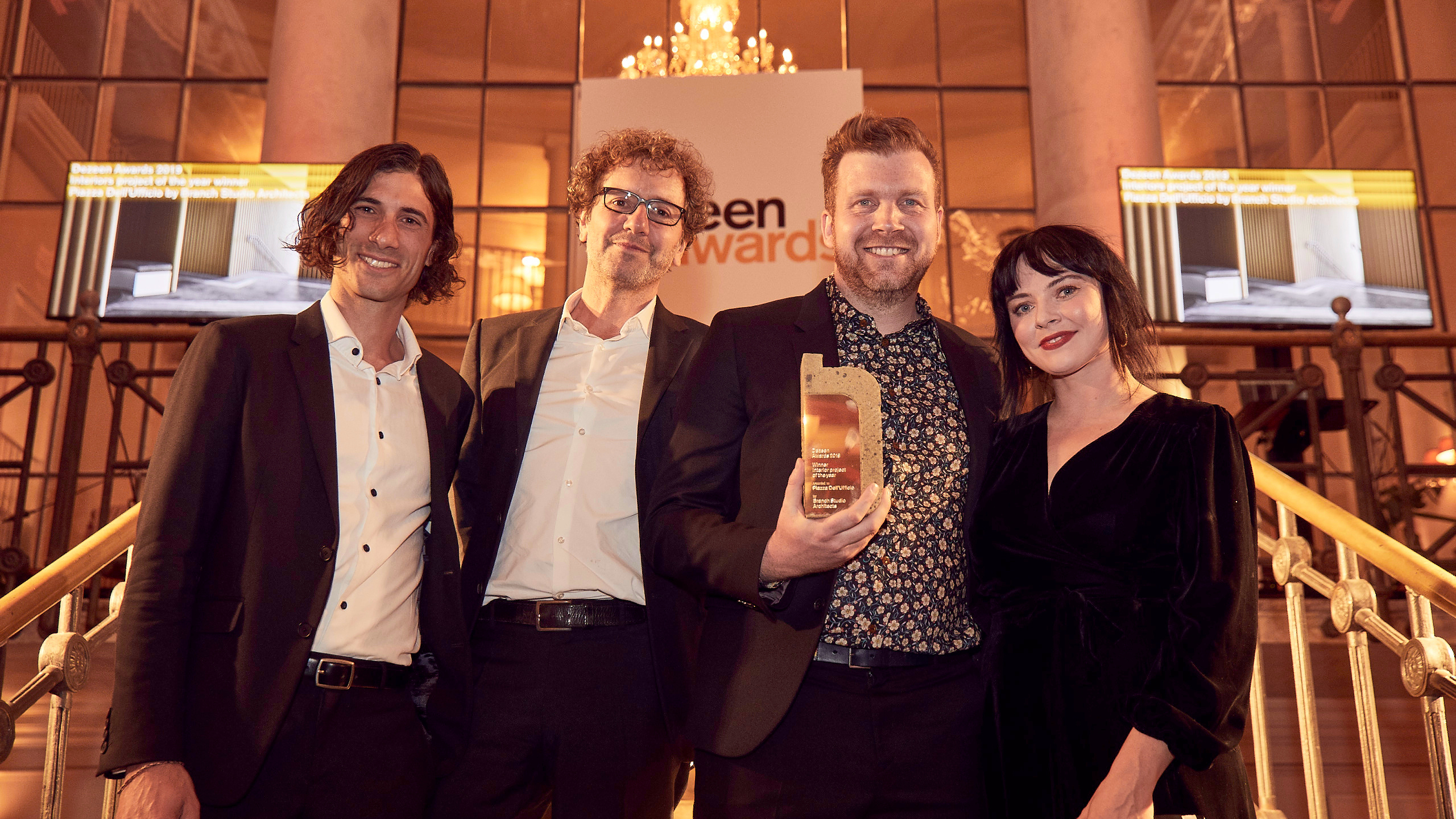
Dezeen Awards 2019 party
Nicolas Russo and Brad Wray of Branch Studio Architects won interior project of the year

Dezeen Awards 2020 is open for entries until 2 June – enter now to see how our awards could change things for you.

This year there are 36 project categories that you can enter, plus six categories for established and emerging studios. Three additional awards are handed out for overall project winners in architecture, interiors and design.

Here is what last year's winners had to say about what their victory has meant to them:

"New opportunities have arisen directly as a result of winning"

"This is one of the few awards I have won that I can associate with new opportunities arising directly as a result of winning," said Joe Doucet, winner of seating design of the year with his anti-terrorism public bench.

"New clients have referenced the awards when approaching me for some very exciting commissions," Doucet said. "I am grateful to Dezeen and the panel of judges for furthering my desire to make the world better through design."

"We're now able to hire some of the best new design talent in the world"

"The whole team at Elvie were delighted to find out we had been nominated for a Dezeen award and thrilled to win one," said tech brand Elvie, which took home the award for wearable design of the year with its silent breast pump.

"As a startup, we don’t have the history and prestige of some of the market leaders," the brand said. "Winning this award brings the credibility and awareness the product deserves, and gives potential customers confidence that they are buying a truly game-changing product," the studio added.

"The award raises awareness of Elvie among the design community and is helping us reach a bigger talent pool as we grow. It means we are able to hire some of the best new design talent in the world, to help us develop more innovative solutions that make women’s everyday lives better."

"The award propelled the exposure of our firm"

Vladimir Radutny Architects won apartment interior of the year with its Michigan Loft project. They said their Dezeen Award gives them "a humbling sense of pride and accomplishment for the labor of love, an exclamation mark for a project that we are all very much proud of."

"We have been fortunate to land on a cover of a French design magazine as well as many other international and domestic publications," said Vladimir Radutny Architects.

"The award definitely propelled the exposure of our firm to the design community outside our base in Chicago," the studio added.

"We are optimistic as the project is continuously getting noticed. Some retail and scouting firms have inquired about using the space for their catalogue shoots and other promotional interests. It’s only a matter of time!"

"Calls from magazines all over the globe"

"Although I've won international competitions before, it meant a lot to me personally," said Van Staeyen Interieur Architecten, winner of civic and cultural interior of the year.

"The Dezeen Awards are on a different level, a different scale," the studio said. "It felt very rewarding getting chosen from all those beautiful projects by such a renowned jury."

"Winning the award created a lot of awareness worldwide. I did get calls and requests from foreign magazines all over the globe. From Korea, China, Russia, United States, South Africa, Israel, all of Europe and so on. Local press also jumped on it. The Architecture Biennale Venice did send an invitation," the studio added.

"Dezeen Award is good to create international reknown among a focused audience and the inside world of designers, architects. It got me a direct assignment for designing a restaurant. And it gave extra persuasiveness with new, nearly new and existing clients."

"Over 20 additional features and awards"

“Following the Dezeen award, this project received over 20 additional features and awards,” said Lorcan O’Herlihy of Lorcan O'Herlihy Architects, winner of housing project of the year for its MLK1101 social housing building in Los Angeles.

"These combined accolades have helped us to gain a number of important new projects that will help bring people off the street and into safe places to live."

"Dezeen’s name helps us safeguard our reputation"

"The award has definitely helped us getting press attention," said Office AIO, which won restaurant and bar interior of the year.

"We do see a growing interest and attention in the Chinese media community," the studio said.

"We have been getting more queries for design collaborations. For some of our clients who are more well-informed and travel internationally, Dezeen’s name does help us safeguard our reputation and gauge the client’s expectation what type of designers we are."

"It has brought in additional awards"

"The Dezeen Award has given us an international platform for increased visibility, both among press and clients," said rug company GAN, winners of homeware design of the year with Backstitch by Raw Edges.

"We think it has brought in additional awards for us and has made it easier to spread the word about our recent launches," the company added.

"Most of our clients follow Dezeen, so getting an award from you is a big endorsement. We can't say that people view us differently but we do believe that the award has made people take a second look at us."

"Unique global exposure of excellence in architecture"

J Mayer H, winners of residential rebirth project of the year, claimed that a "Dezeen Award is a unique global exposure of excellence in architecture."

"With our project we were able to communicate internationally the potentials of reactivating brutalist architecture for new forms of living and its relationship to nature," said the studio.

"The response was enthusiastic and it was a wonderful awards party to connect with colleagues and celebrate with old friends."

"We stood on top of the world for a moment"

Describing the moment he won urban house of the year in 2019, Kasutoshi Sasaki said "we stood on top of the world for a moment."

"I looked back on my work and felt a sense of accomplishment," he added. "We are on the next starting line now."

"Definitely made clients' decisions easier"

"What makes a difference is when the client is being told what Dezeen represents and how many entries were running for the award," said Laurent Troost, winner of rural house of the year.

"It has definitely made several clients' decisions easier," said Troost. "In terms of market positioning, it is a strong asset very respected in the architectural world."

Dezeen Awards is accepting entries until 2 June. Find out more about how to enter here.

The post "New opportunities have arisen directly as a result of winning" say Dezeen Awards winners appeared first on Dezeen.


from Dezeen https://ift.tt/3dzZwuF

Archigram, Faye Toogood, Reiulf Ramstad and Rosey Chan feature at VDF this week

VDF-week-five-schedule

In week five of Virtual Design Festival we team up with former Archigram members Peter Cook and Dennis Crompton for an exclusive video series, plus our live Screentime interviews feature Rael San Fratello, Standard Architecture, Ben van Berkel and more.

Also on the schedule is a collaboration with conference Architects not Architecture, a discussion with Faye Toogood as part of our collaboration with Freedman Benda gallery and an interview and special performance from musician Rosey Chan.

To catch up on what you missed so far, check out the VDF weekly highlights posts looking back on what happened in previous weeks, and see the full VDF schedule. All times are UK times and are liable to change.


Monday 11 May

12:00pm VDF x Archigram

Dezeen will launch an exclusive series of video interviews with architects Peter Cook and Dennis Crompton, former members of  influential architecture collective Archigram. The collaboration is sponsored by Enscape.

2:00pm Screentime: Stefan Behnisch

Today’s interview for VDF’s Screentime series, in partnership with Enscape, is with Stefan Behnisch of German studio Behnisch Architekten.


Tuesday 12 May

10:00am VDF x Friedman Benda

The second video from Virtual Design Festival’s collaboration with Friedman Benda, featuring designer Faye Toogood, launches. This is part of the gallery’s Design in Dialogue series.

12:00pm VDF x Archigram

Former Archigram members Peter Cook and Dennis Crompton discuss the avant-garde collective’s influential Plug-In City project in the second video interview in our exclusive series.

5:00pm Screentime: Virginia San Fratello

Architect Virginia San Fratello of studio Rael San Fratello is in conversation with Marcus Fairs for this episode of our Screentime series, in partnership with Enscape.


Wednesday 13 May

VDF x Architects not Architecture

Virtual Design Festival will show three talks from Architects not Architecture featuring well-known architects talking about their paths, their influences and experiences.

Among the architects taking part are Reiulf Ramstad of Reiulf Ramstad Arkitekter and Francine Houben of Dutch studio Mecanoo.

12:00pm VDF x Archigram

Former Archigram member Peter Cook discusses the collective’s Instant City project in the third video interview in our exclusive series.

3:30pm Screentime: Ben van Berkel

Wednesday’s Screentime series in partnership with Enscape features Ben van Berkel, co-founder of Dutch architecture firm UNStudio.


Thursday 14 May

12:00pm VDF x Archigram

Former Archigram member Dennis Crompton discusses the project the influential architecture collective almost built in Monte Carlo, until it was scuppered by the financial crash in the 1970s, in the final instalment of our exclusive video interview series.

5:00pm Screentime: Standard Architecture

Standard Architecture founders Silvia Kuhle and Jeffrey Allsbrook join Virtual Design Festival live from Los Angeles for this Screentime conversation in partnership with Enscape.


Friday 15 May

VDF x Rosey Chan

Musician Rosey Chan will conduct an interview and special performance, plus share some of her music-based collaborations with designers.


Virtual Design Festival is the world's first online design festival. Produced by Dezeen and running from 15 April to 30 June, it features a rolling schedule of interviews, movies, product launches, live streams and collaborations. To join the VDF mailing list or to find out more contact vdf@dezeen.com. Press information can be found here.

The post Archigram, Faye Toogood, Reiulf Ramstad and Rosey Chan feature at VDF this week appeared first on Dezeen.


from Dezeen https://ift.tt/2LknbDb

Clancy Moore Architects converts Dublin warehouse into family home for a photographer

Avenue Road warehouse conversion by Clancy Moore Architects

Clancy Moore Architects has overhauled a Dublin warehouse, creating a light-filled home and studio for photographer Fionn McCann and his family.

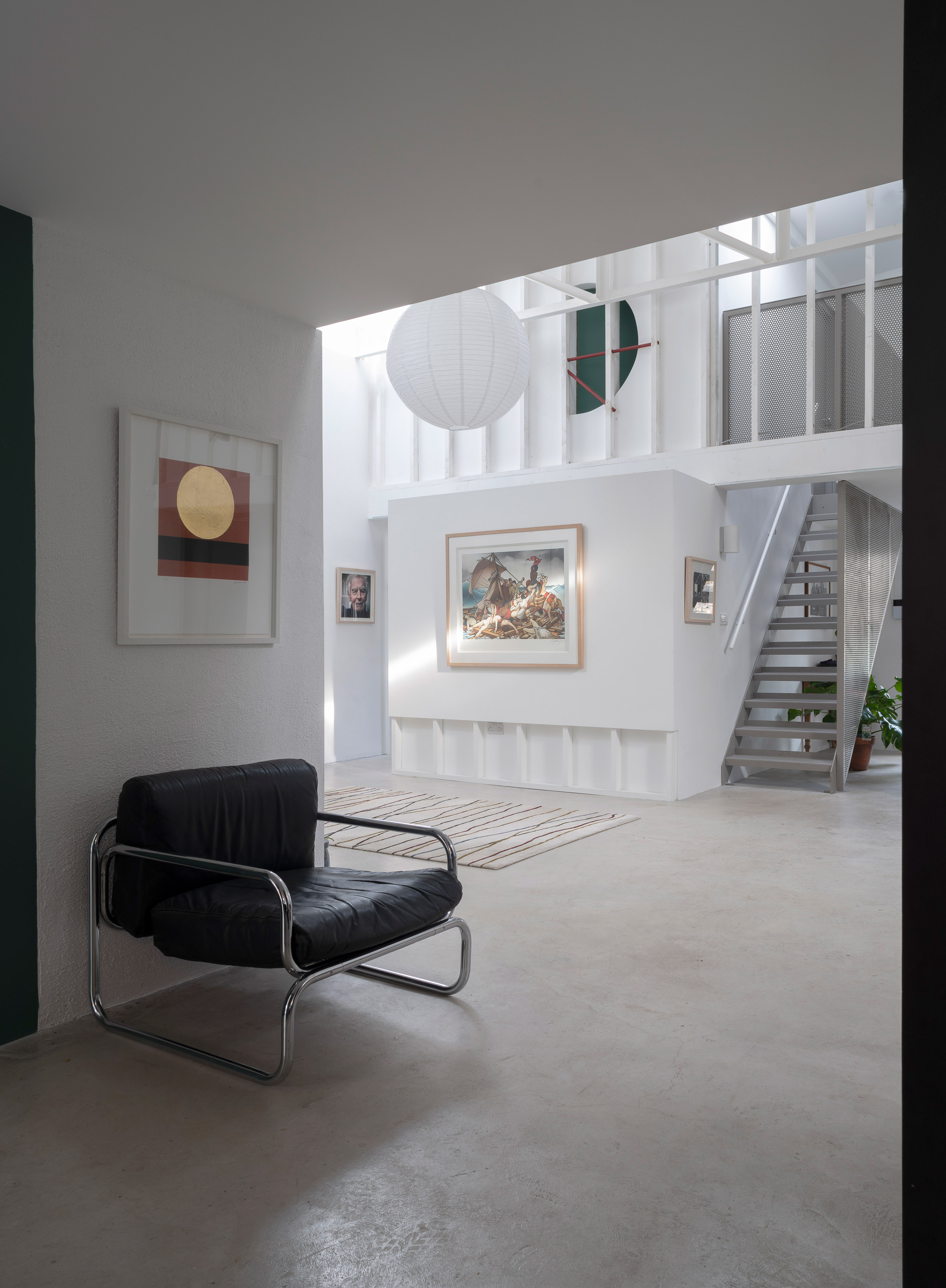
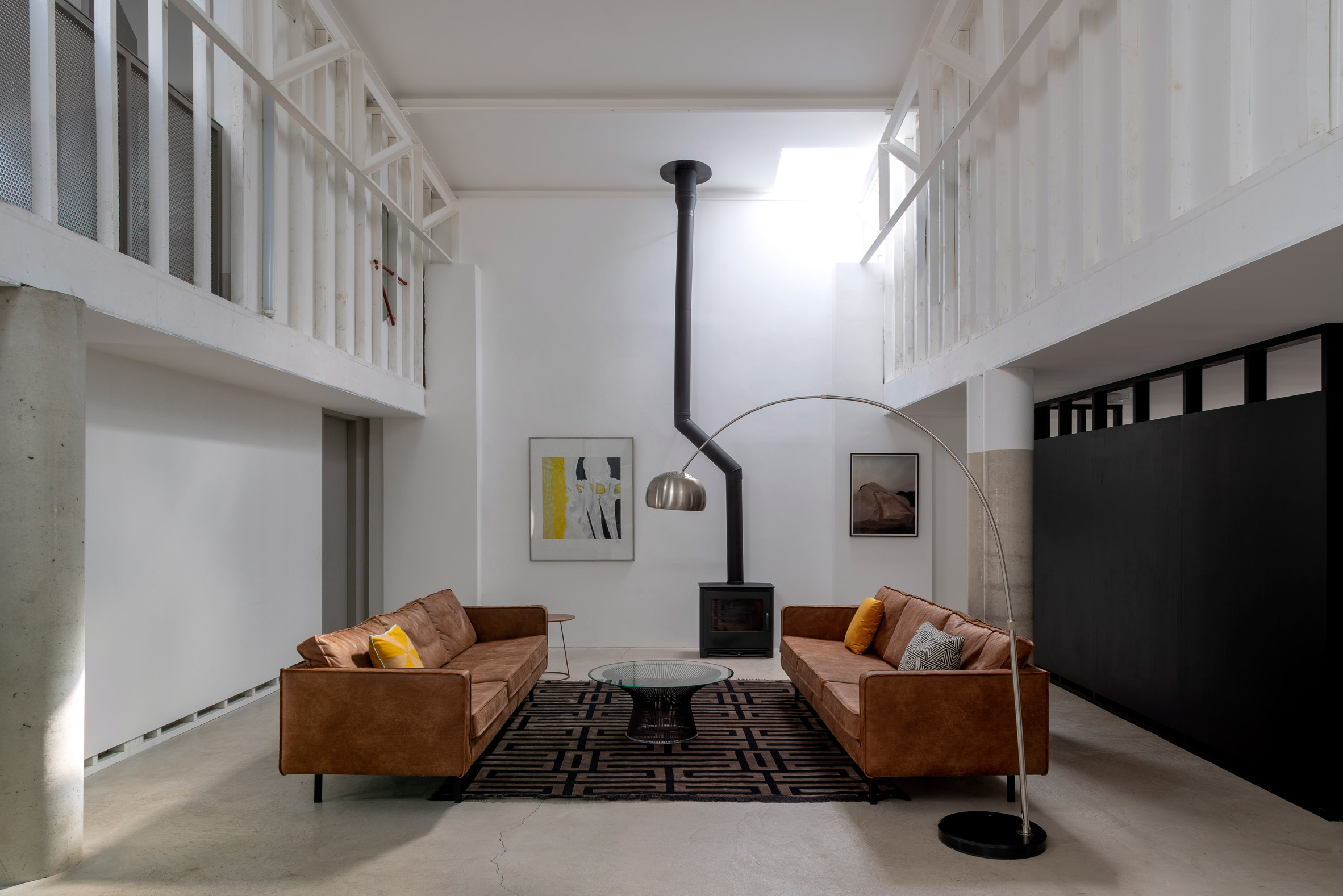
Organised around a double-height atrium, the Avenue Road home retains the spacious feel of the former industrial unit, but also includes some more intimate, cosy spaces.

Avenue Road warehouse conversion by Clancy Moore Architects entrance

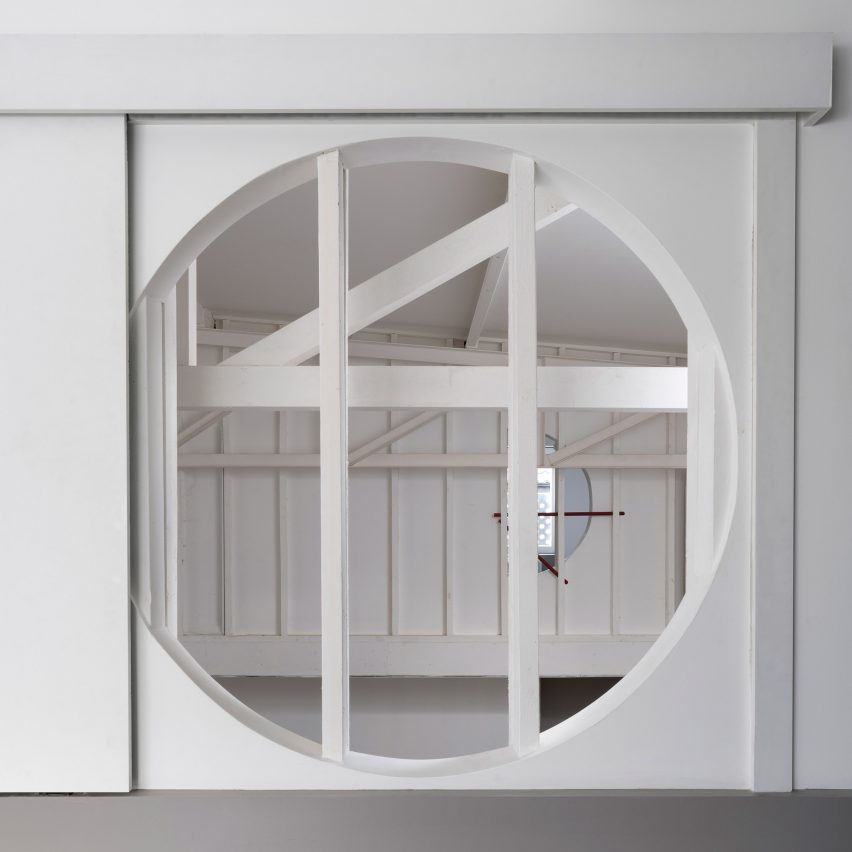
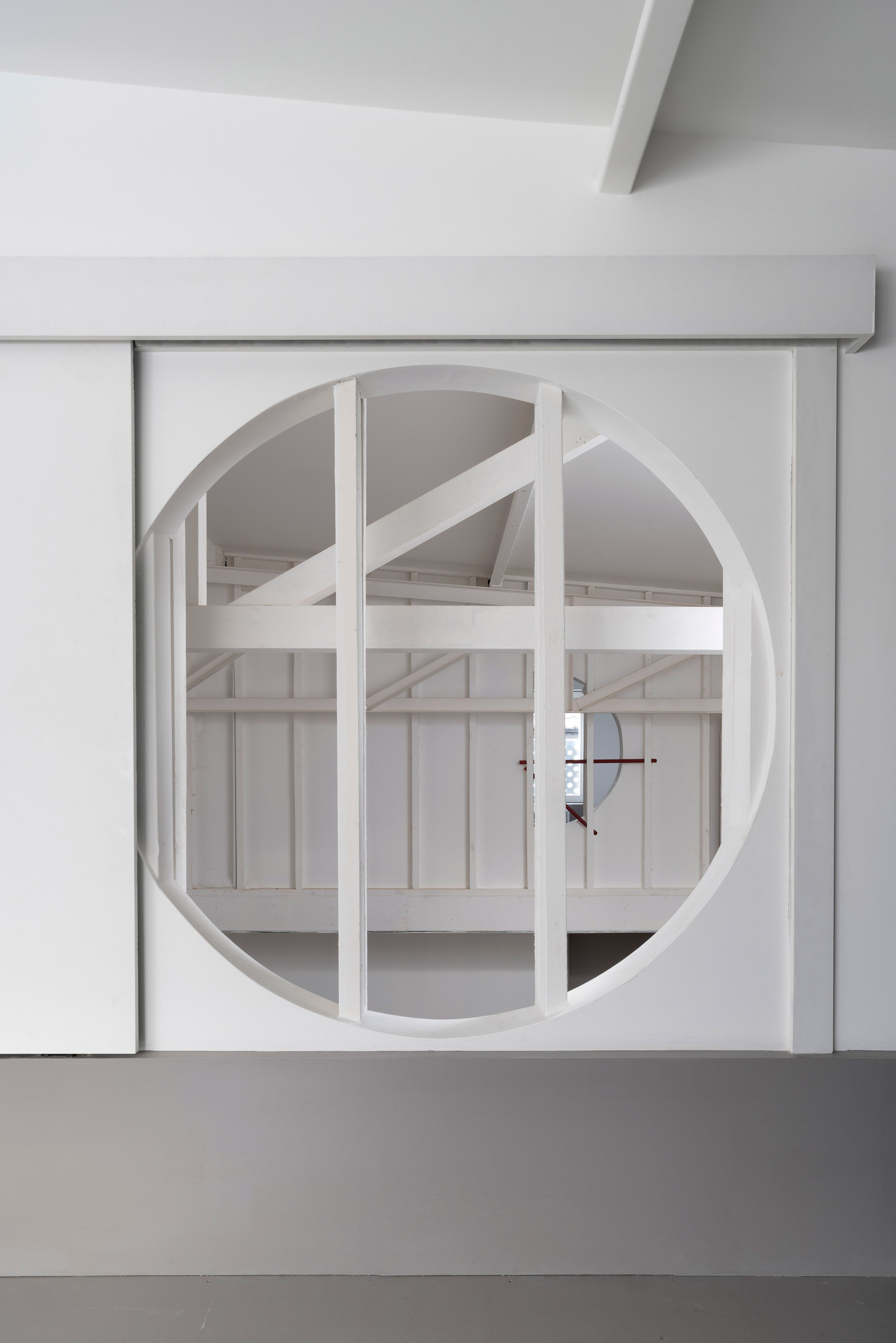
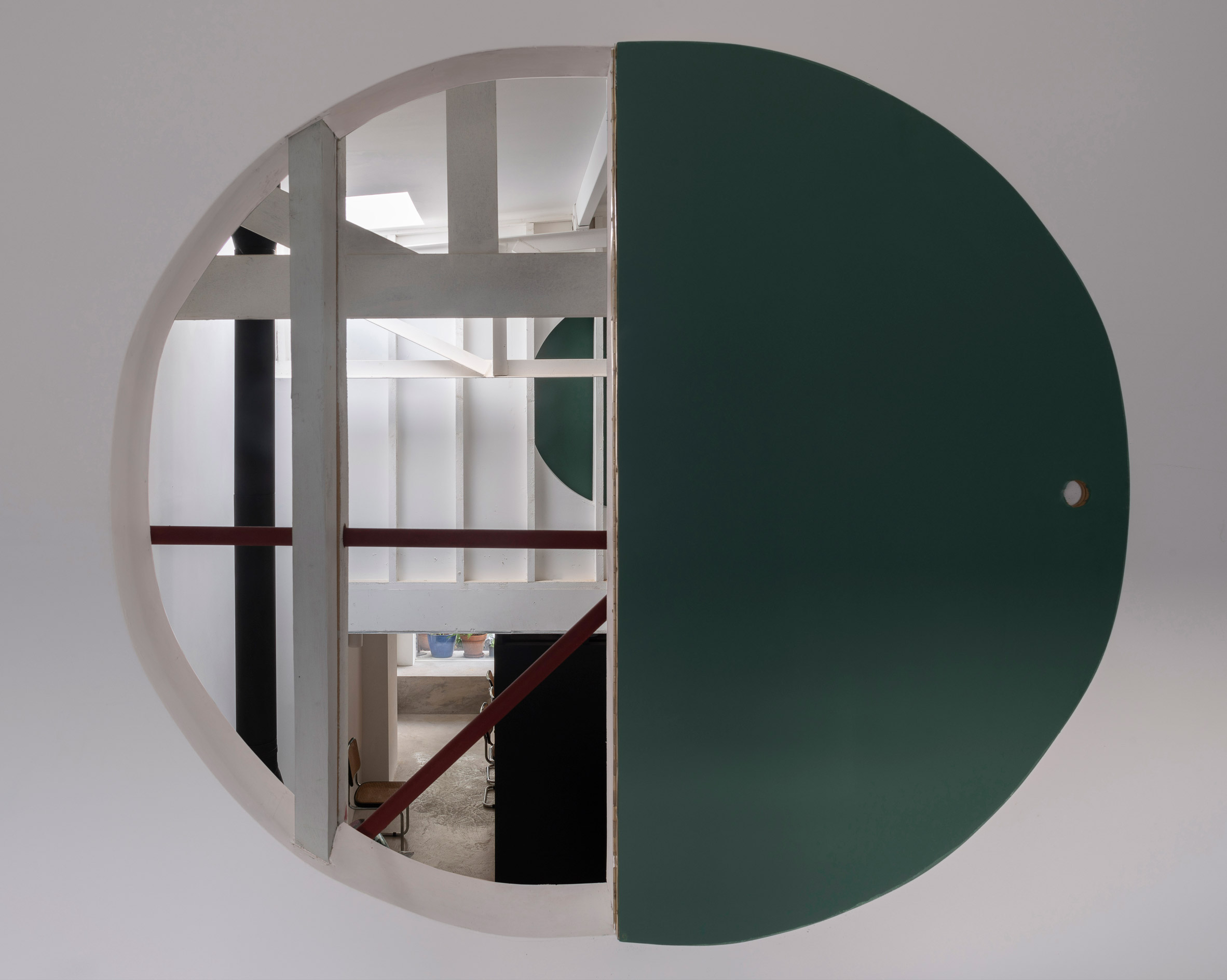
Architectural details, from round internal windows to diagonal beams, give the space its own character, while flashes of colour add a sense of warmth.

Dublin-based Clancy Moore Architects designed the internal layout to make as much use of the existing structure as possible.

Avenue Road warehouse conversion by Clancy Moore Architects atrium

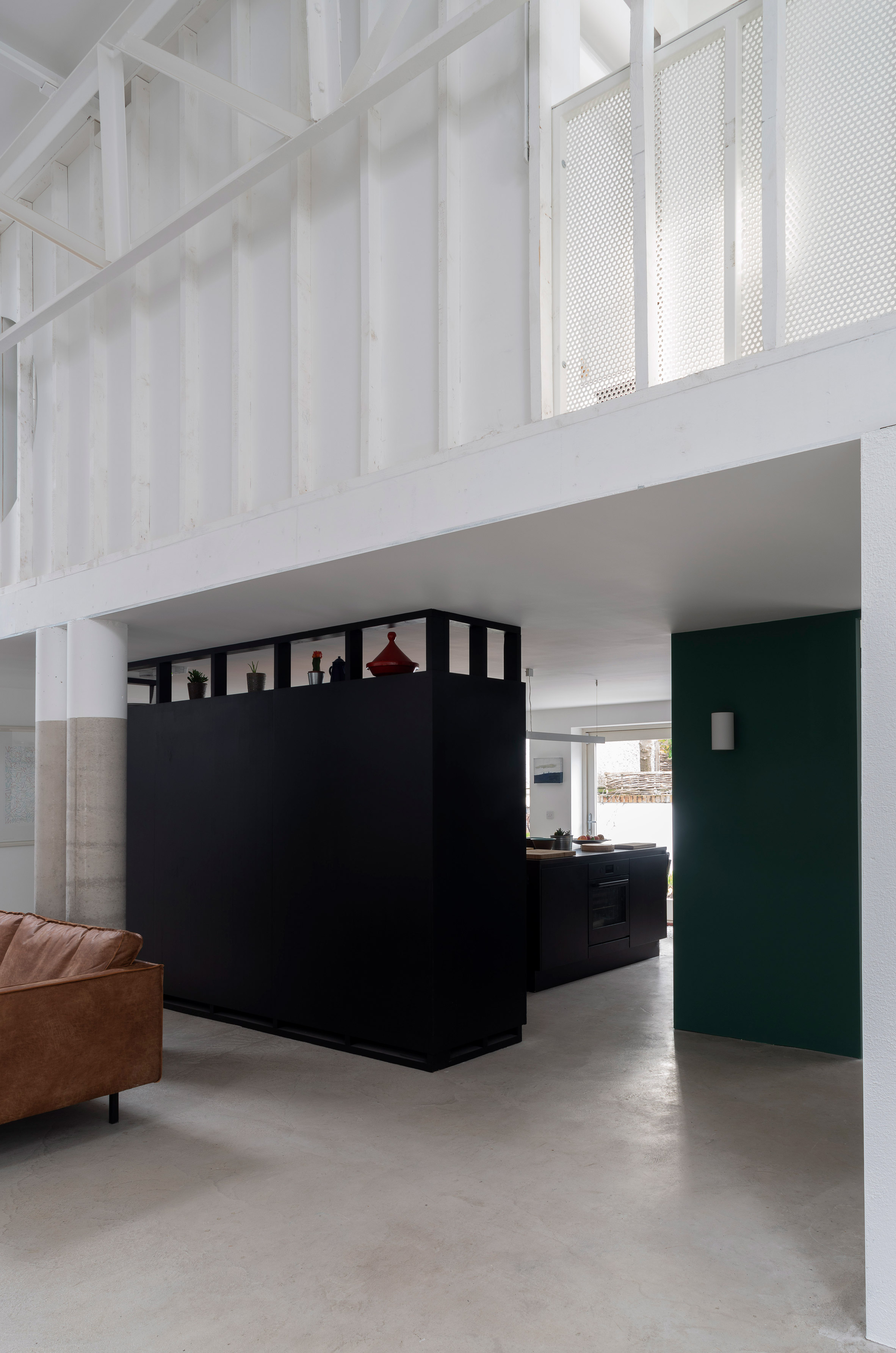
The lofty atrium runs though the centre of the floor plan, with smaller rooms on either side. Living rooms and workspaces occupy the ground floor, while bedrooms and bathrooms are located upstairs, served by two different staircases.

"The warehouse was built in the early 70s and had various ad-hoc structures built within it over the course of its life," explained studio co-founder Andrew Clancey.

Avenue Road warehouse conversion by Clancy Moore Architects entrance

"Our primary effort was put into keeping this quality," he told Dezeen.

"The external shell was kept unchanged, along with its beautiful structure. All the subdivisions, in terms of interior walls and floors, work back from this."

Avenue Road warehouse conversion by Clancy Moore Architects window

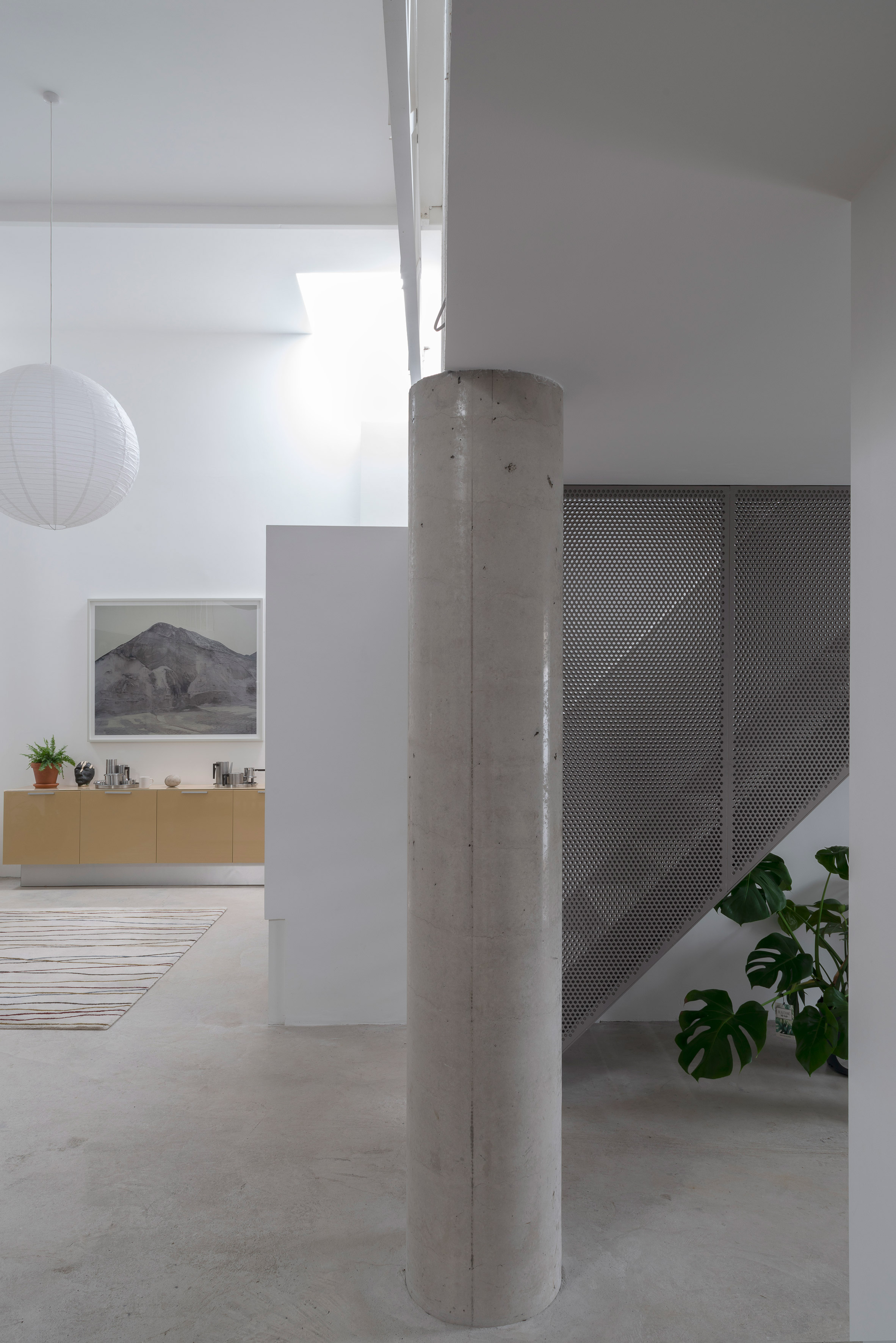
Four new skylights were installed in the roof, allowing plenty of light to permeate the largely windowless building.

Three of these frame the corners of the atrium, making it the brightest space in the building. The room typically functions as a living space, but McCann – whose work covers everything from architecture to portraiture – also uses it as a studio.

Avenue Road warehouse conversion by Clancy Moore Architects window

Thanks to the circular and semi-circular windows, all three bedrooms have a view down onto this space, although shutters can be closed to provide privacy.

"We thought of the family as a society in itself, and the house, in a way, as an analogy for the town," explained Clancey.

"The main living space functions as a little public square, with the more private accommodation made as apartments with facades that address it and animate it. The windows were created to allow communication."

Avenue Road warehouse conversion by Clancy Moore Architects interior

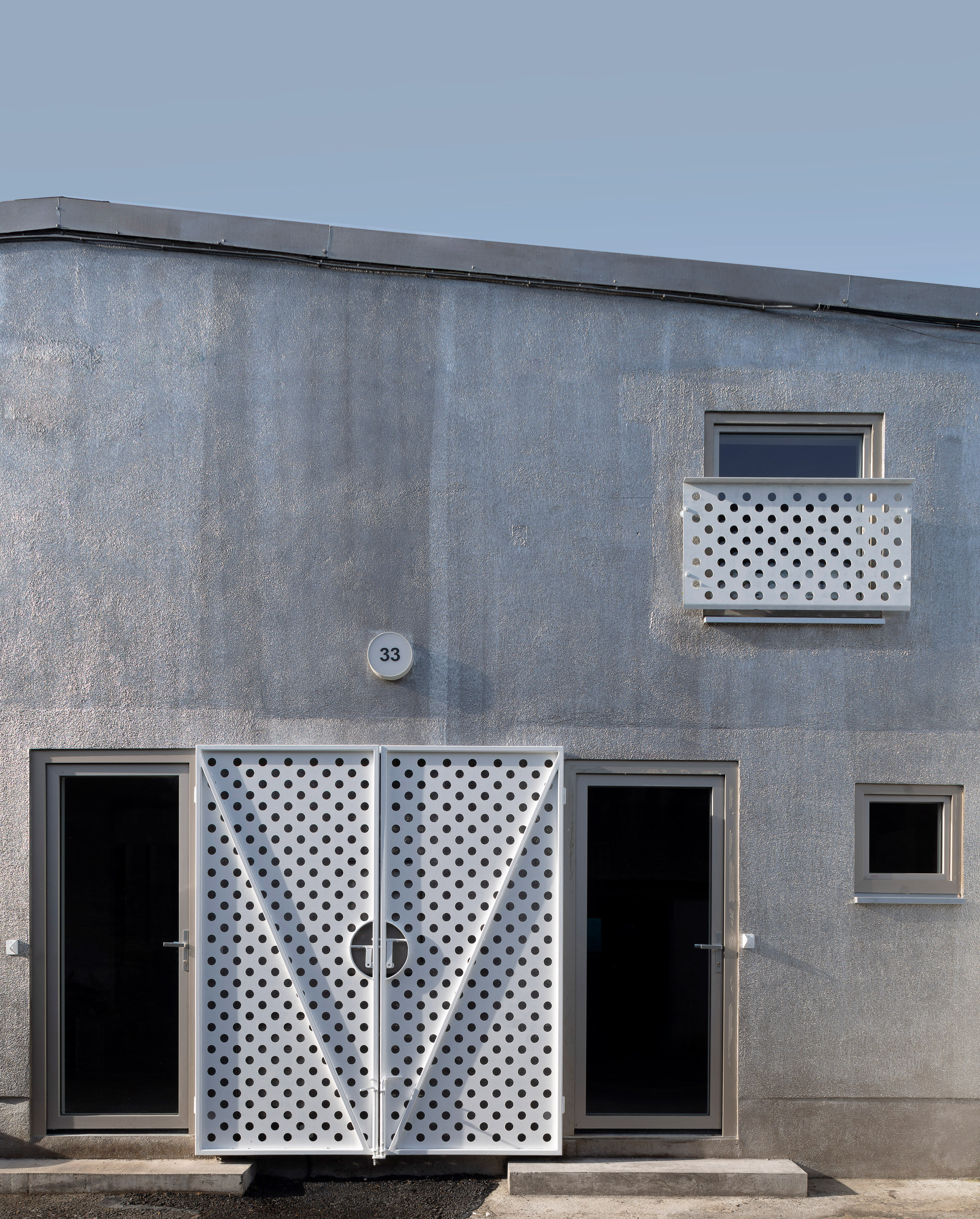
Avenue Road has two entrances, positioned alongside one another. One leads through to the living spaces, while the other leads directly into an office space, helping the family separate home and work life.

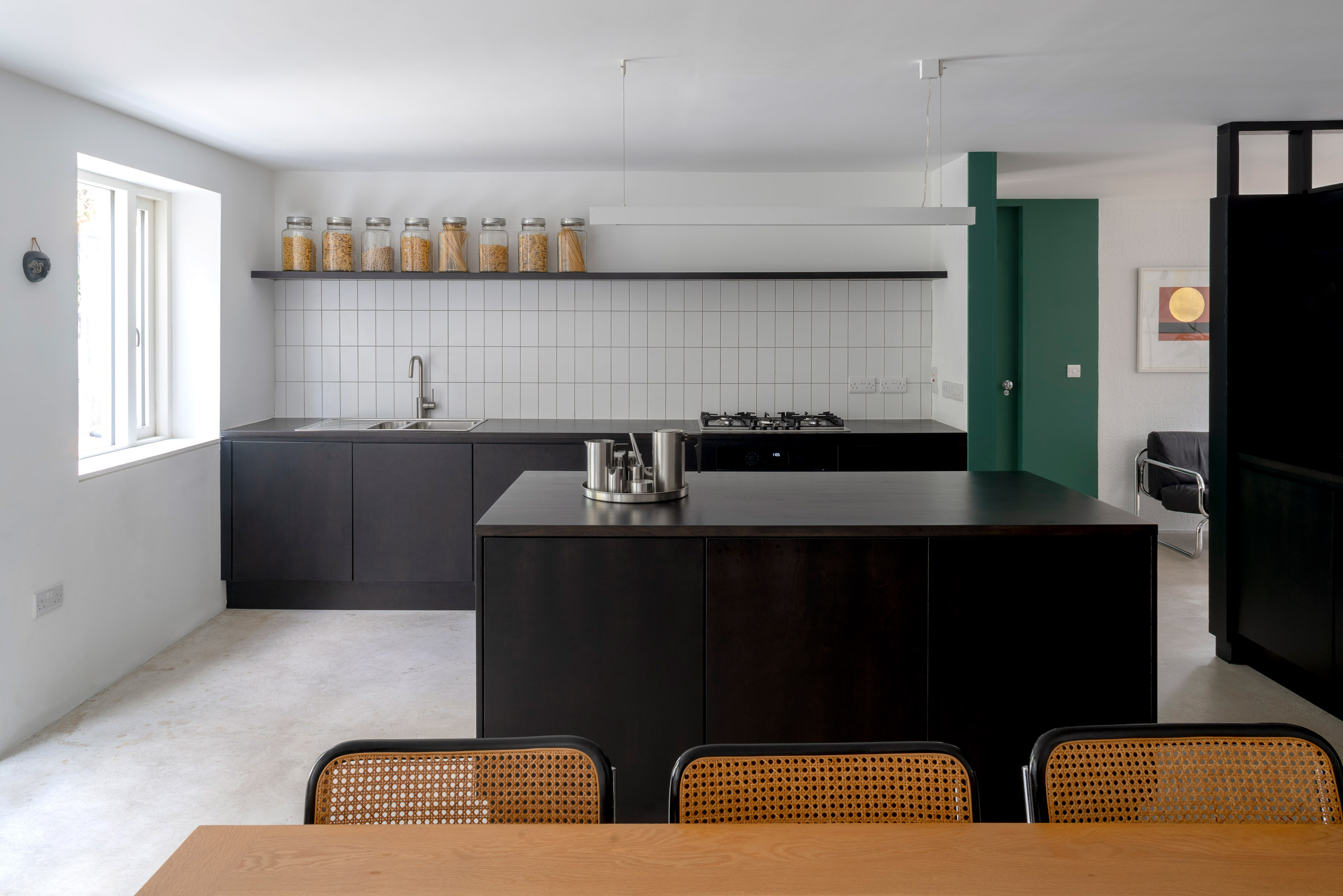
Other rooms on the ground floor include a den, a large utility room, and a combined kitchen and dining space.

Avenue Road warehouse conversion by Clancy Moore Architects kitchen

Different colours give these various rooms distinct identities. For instance, a green door and wall marks the entrance to the utility room, while the kitchen features black cabinets.

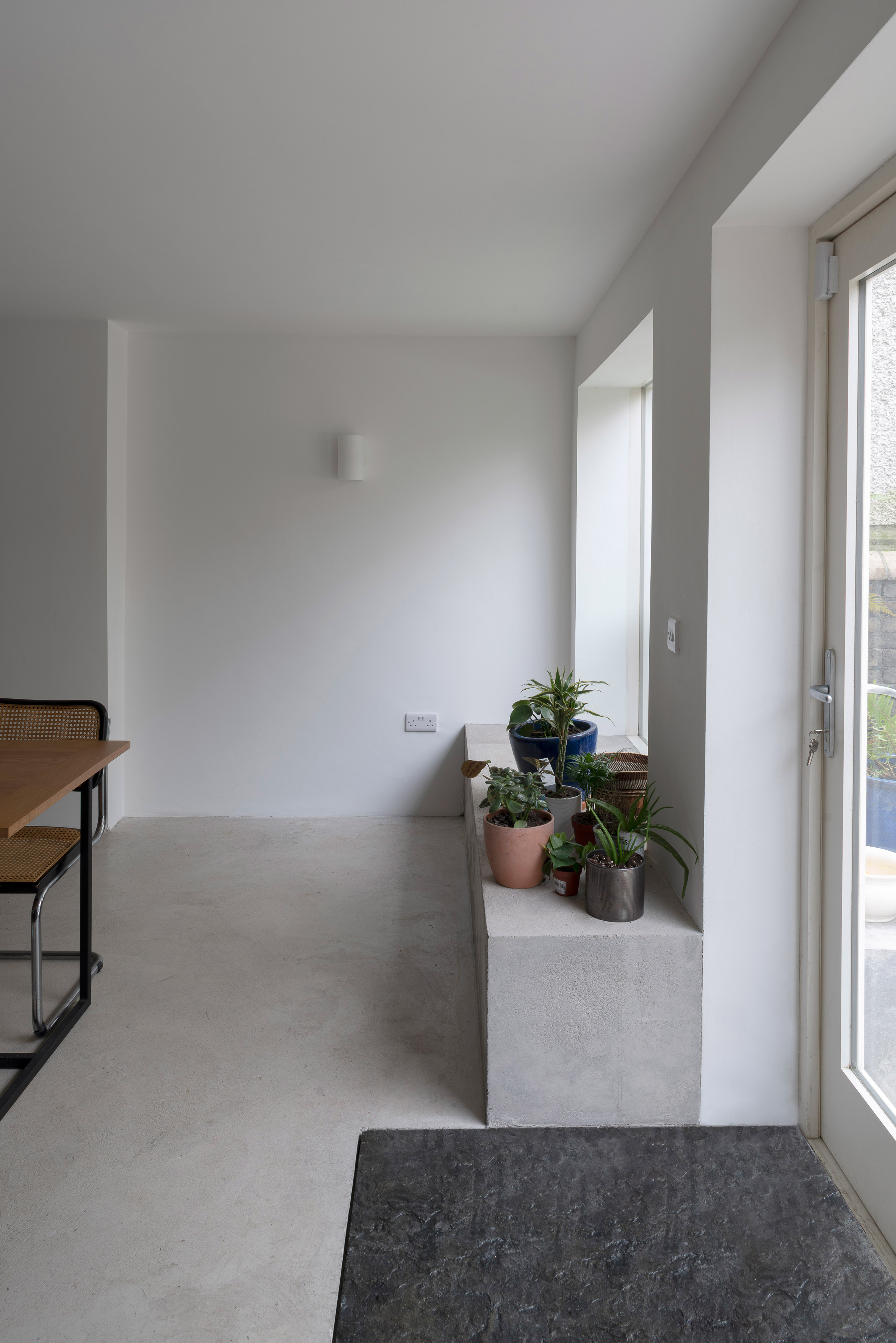
The effect is amplified because most other walls and structural elements are all painted in simple white.

Avenue Road warehouse conversion by Clancy Moore Architects window seat

"Paint is such a key aspect of making powerful spaces in this context," said Clancey. "We use colour to animate surfaces, and to give a depth to views through the space."

Materials offer a memory of the building's industrial past. Perforated metal provides exterior shutters and a staircase balustrade, while concrete provides both flooring and a window seat.

Avenue Road warehouse conversion by Clancy Moore Architects facade

Warehouse conversions are an ongoing trend in architecture around the world. Other recent examples include Redfern Warehouses in Sydney and Dirk and the Chocolate Factory in Spain.

Photography is by Fionn McCann.

The post Clancy Moore Architects converts Dublin warehouse into family home for a photographer appeared first on Dezeen.


from Dezeen https://ift.tt/3bjGVBG

Sunday, 10 May 2020

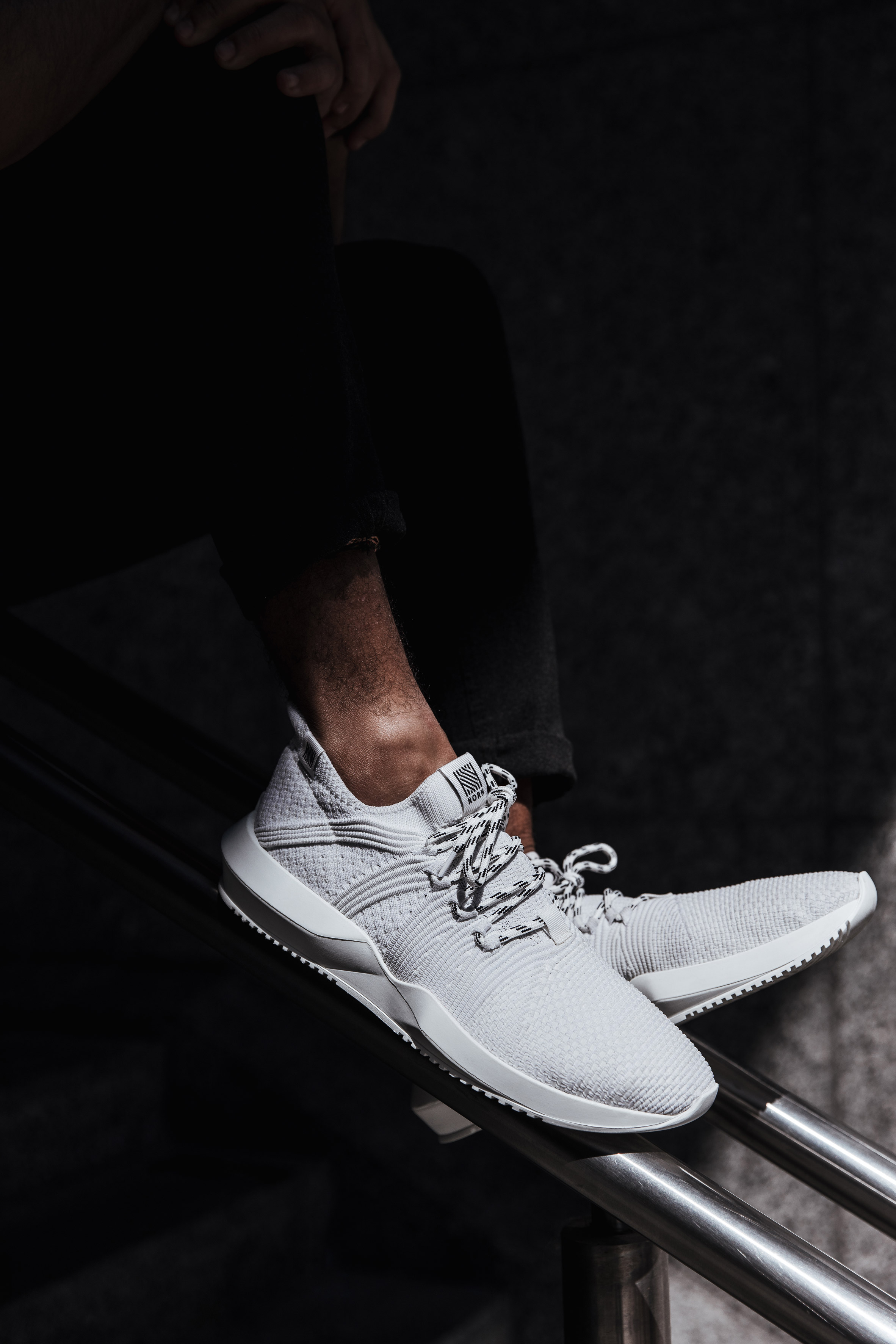
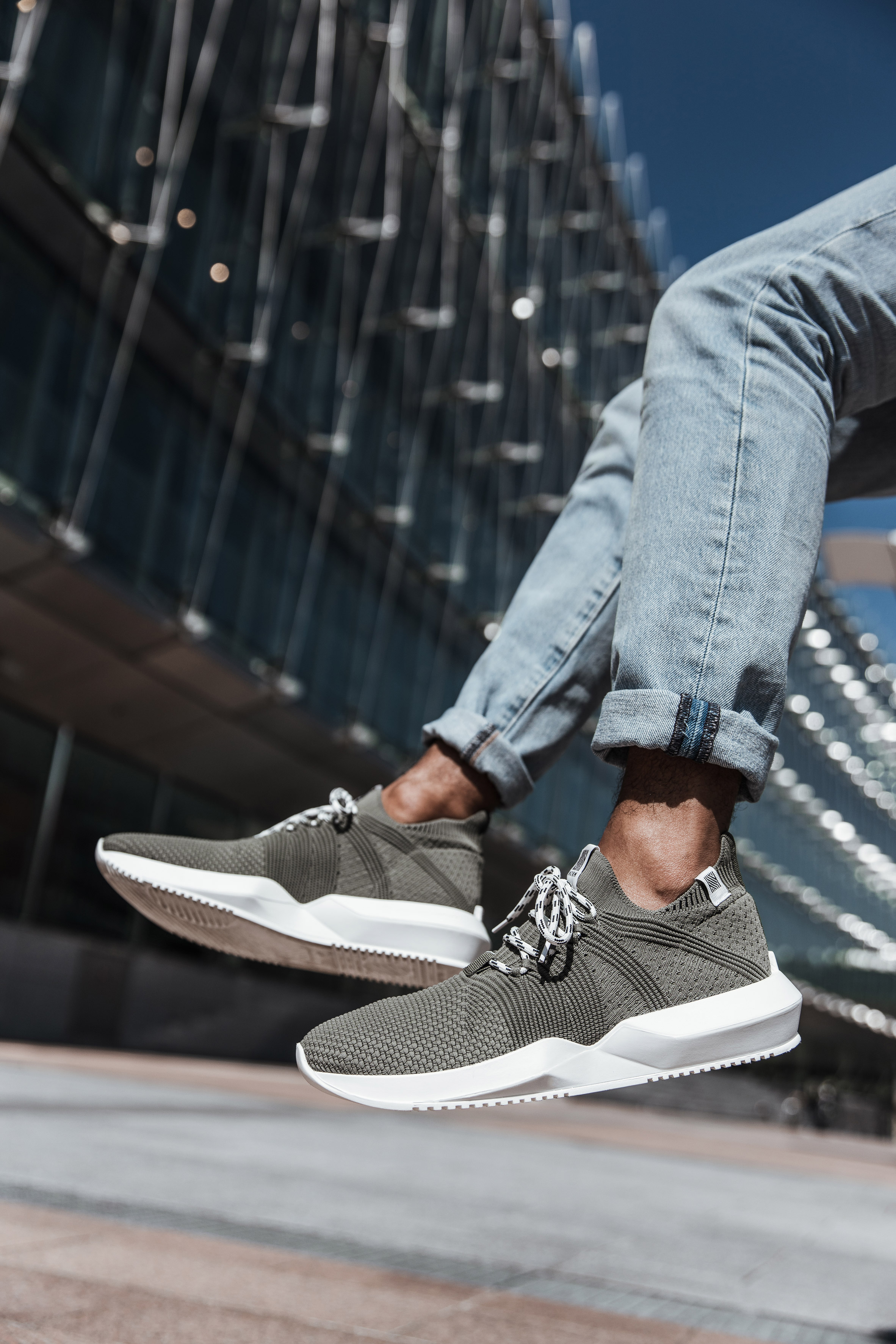
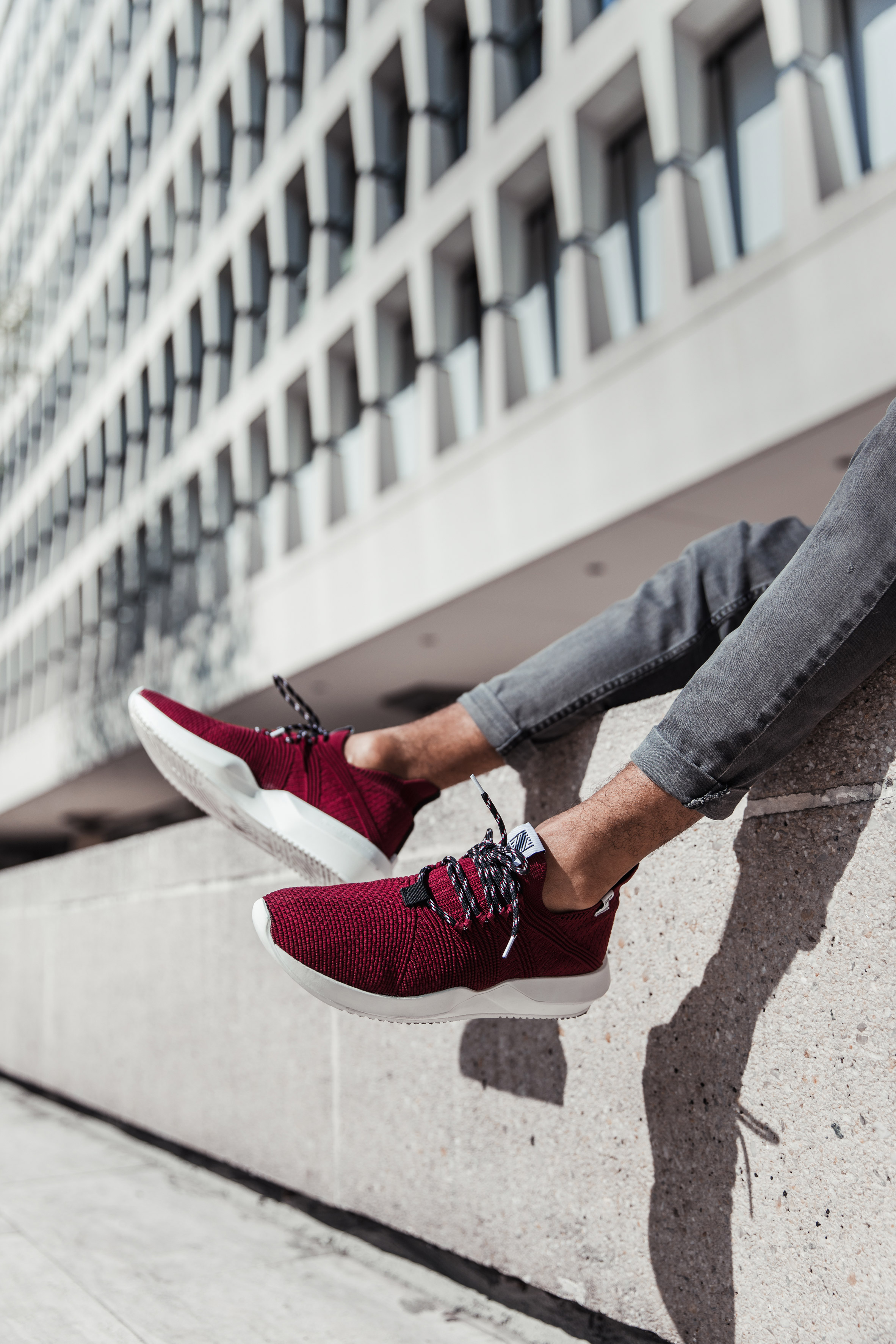
Norm's 1L11 trainer produces 80 per cent less carbon than typical shoes

Norm's 1L11 trainer

Recycled plastic and rubber make up this unisex trainer by Belgian brand Norm, which has set out to change the "nonsense" manufacturing process of a standard pair of shoes.

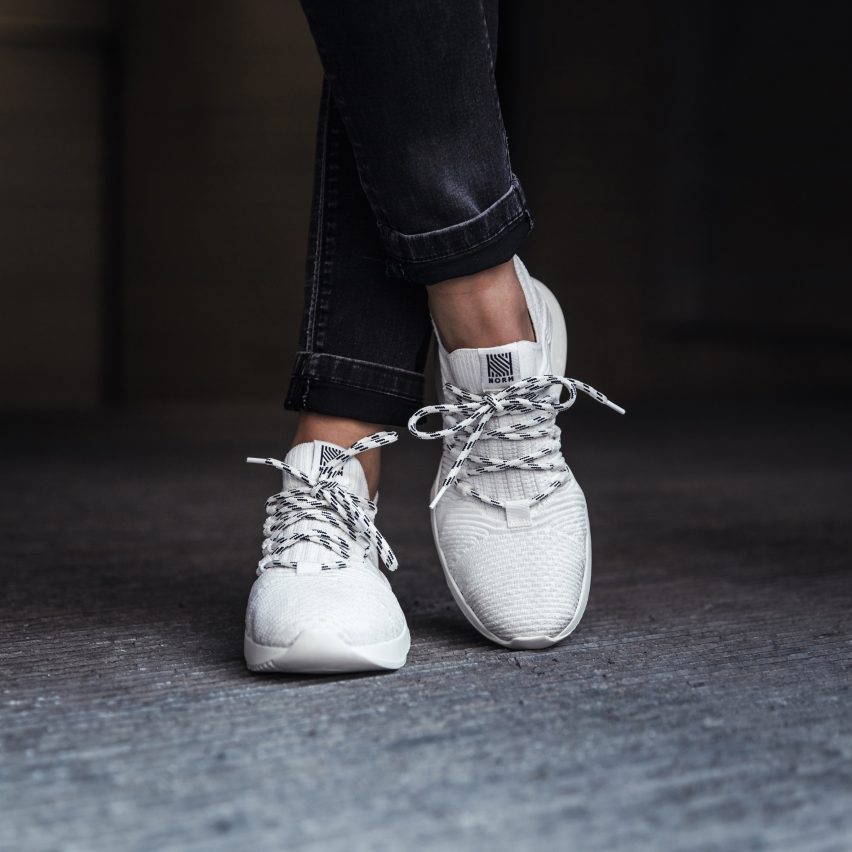
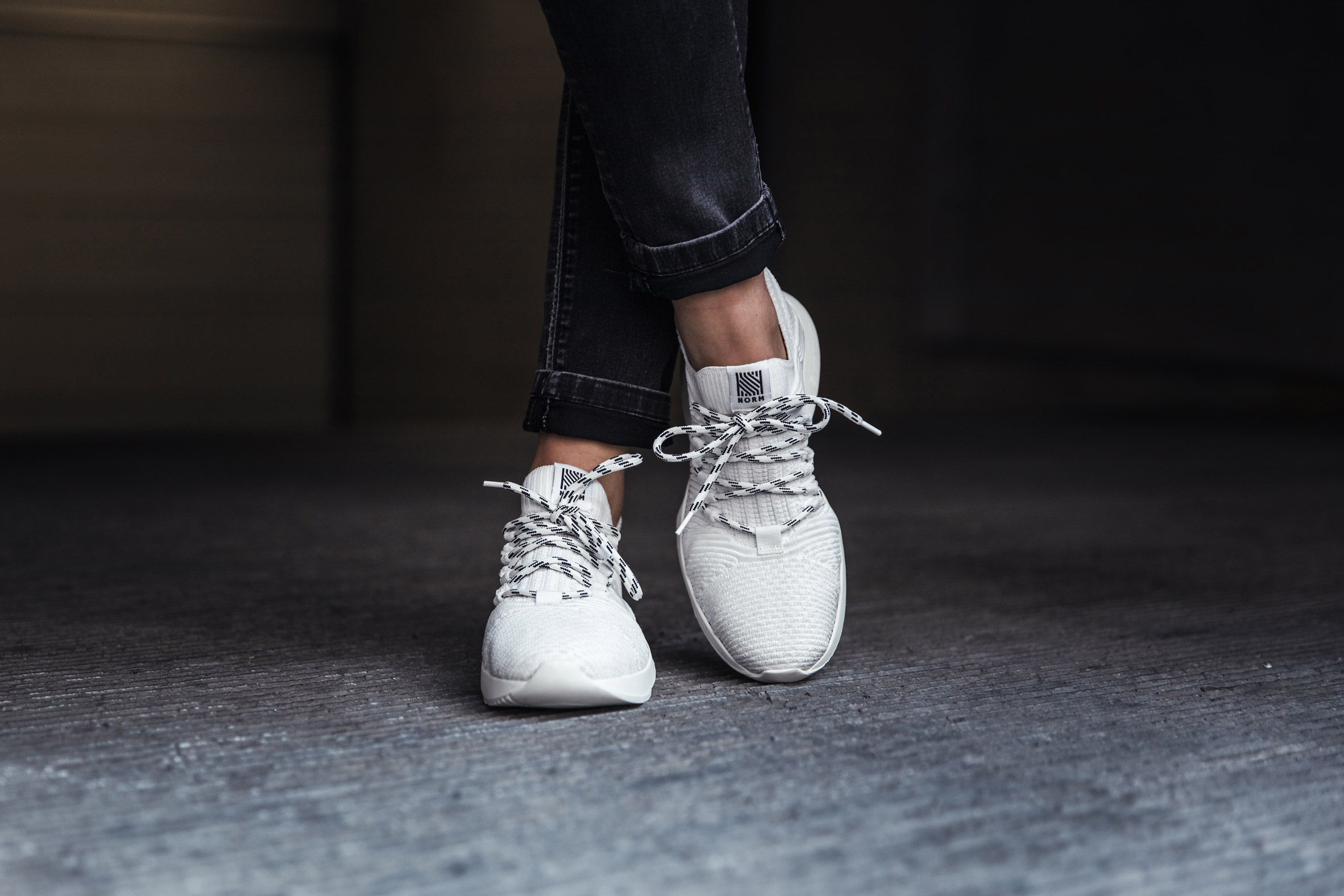
Norm's 1L11 trainers, which are available in white, black, navy, red and khaki-green, have been made to have a carbon footprint of 6.5 kilograms – approximately 80 per cent less than a typical pair of shoes.

The brand achieved this figure by almost exclusively using recycled materials to make the shoe and its packaging, in addition to cutting back on transportation during the manufacturing process, which Norm is carrying out solely in Europe.

Norm's 1L11 trainer

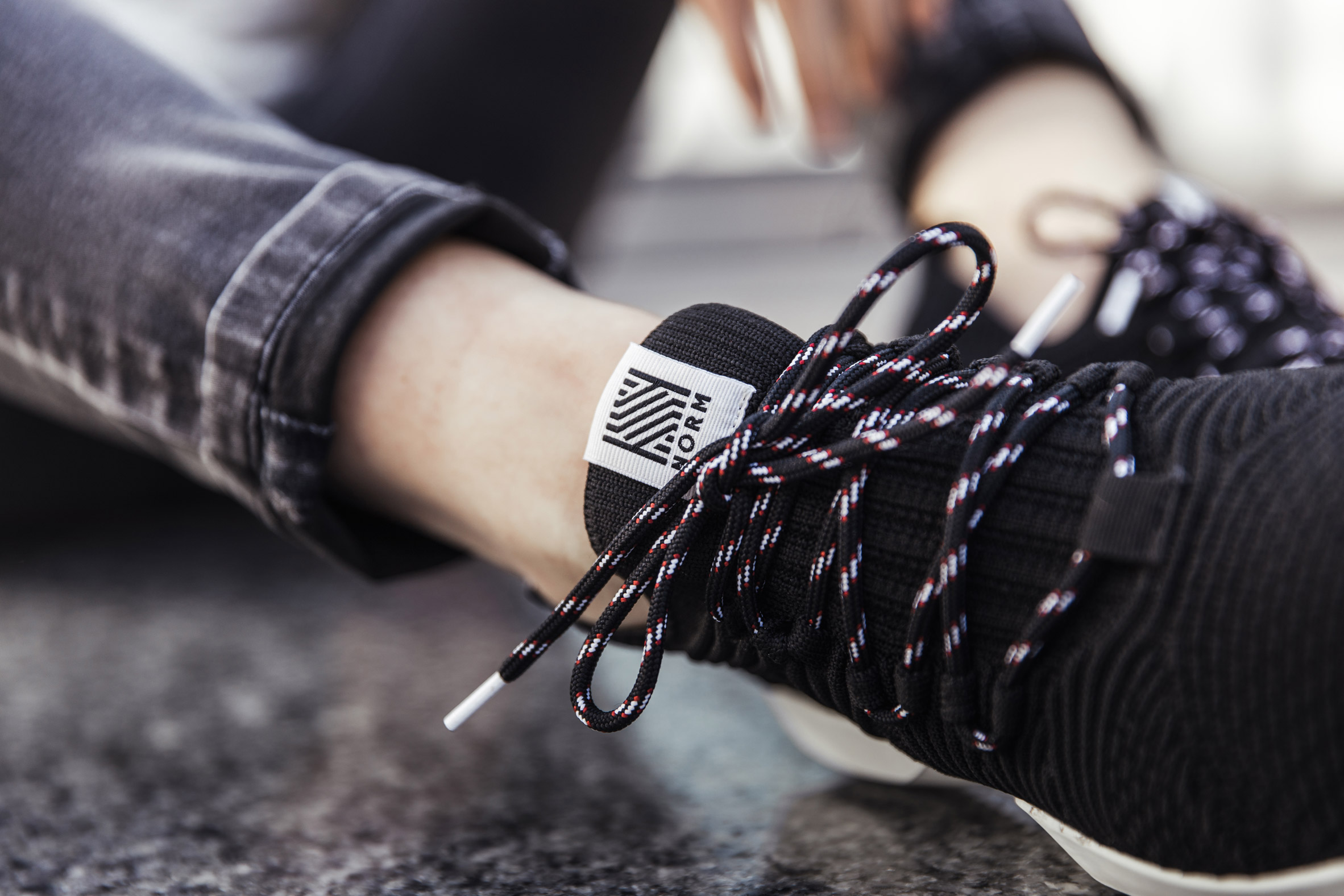
The upper part of the 1L11 model is 3D knitted with yarn made from recycled plastic bottles – six bottles are used per pair of trainers.

A knitted upper was specifically incorporated in the shoe so that, if damaged, the wearer can simply use a needle and thread to repair it.

In a bid to reduce waste, the upper is also made as one single component instead of several pieces that would typically have to be cut and stitched together.

Norm's 1L11 trainer

The trainer was created after the brand's three founders – Nicolas Lavigne, Antoine Bodart​ and A​rnaud Vanderplancke – struggled to find shoes that are "holistically sustainable".

According to the trio, the footwear industry produces over 23 billion pairs of shoes per year, with each pair emitting the equivalent of 32 kilograms of carbon dioxide during the course of its life cycle.

"[Brands] only used recycled polyester canvas, without thinking of the other components, and were producing [shoes] on the other side of the planet... it was nonsense," Lavigna told Dezeen. "So we decided to do something ourselves."

Norm's 1L11 trainer

Recycled plastic bottles have been employed to make other details on the shoe such as the tongue label and dashed, hiking-style laces.

A mix of 70 per cent recycled rubber and 30 per cent natural fair-trade rubber is then melted down and injected into moulds to form the outer sole, which is attached to the shoe with a water-based glue.

The inner sole is made from recycled foam.

The brand has also partnered with Belgian organisation Graine de Vie, which plants two trees for every purchased pair of 1L11 trainers.

Norm's 1L11 trainer

Norm joins a growing wave of footwear companies that are attempting to make more eco-savvy shoes.

Earlier this year, Nike released its Space Hippie range, which it claims has their "lowest carbon footprint scores ever".

The shoes are crafted from scraps taken from the brand's factory floors and other recycled materials such as plastic water bottles and T-shirts.

Norm's 1L11 trainer

In 2019, Native Shoes also unveiled its compostable Plant Shoe, which is made from components such as eucalyptus, pineapple husk and dried hevea milk.

The post Norm's 1L11 trainer produces 80 per cent less carbon than typical shoes appeared first on Dezeen.


from Dezeen https://ift.tt/3dzGEMe

Five white architecture projects brightening Mexican city Morelia

Ja House

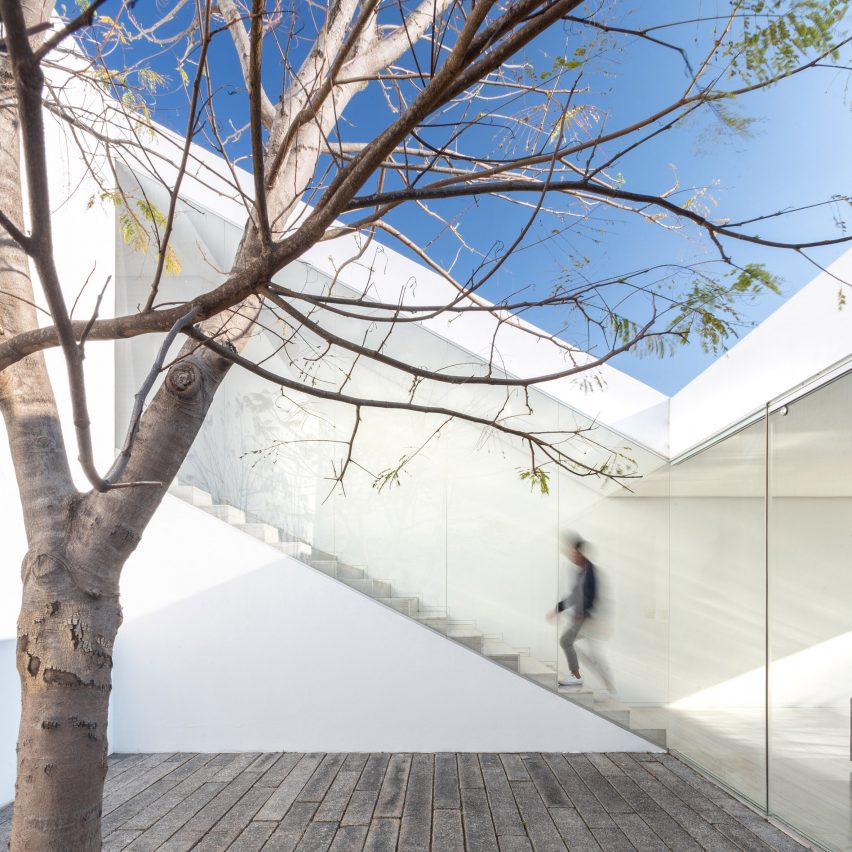
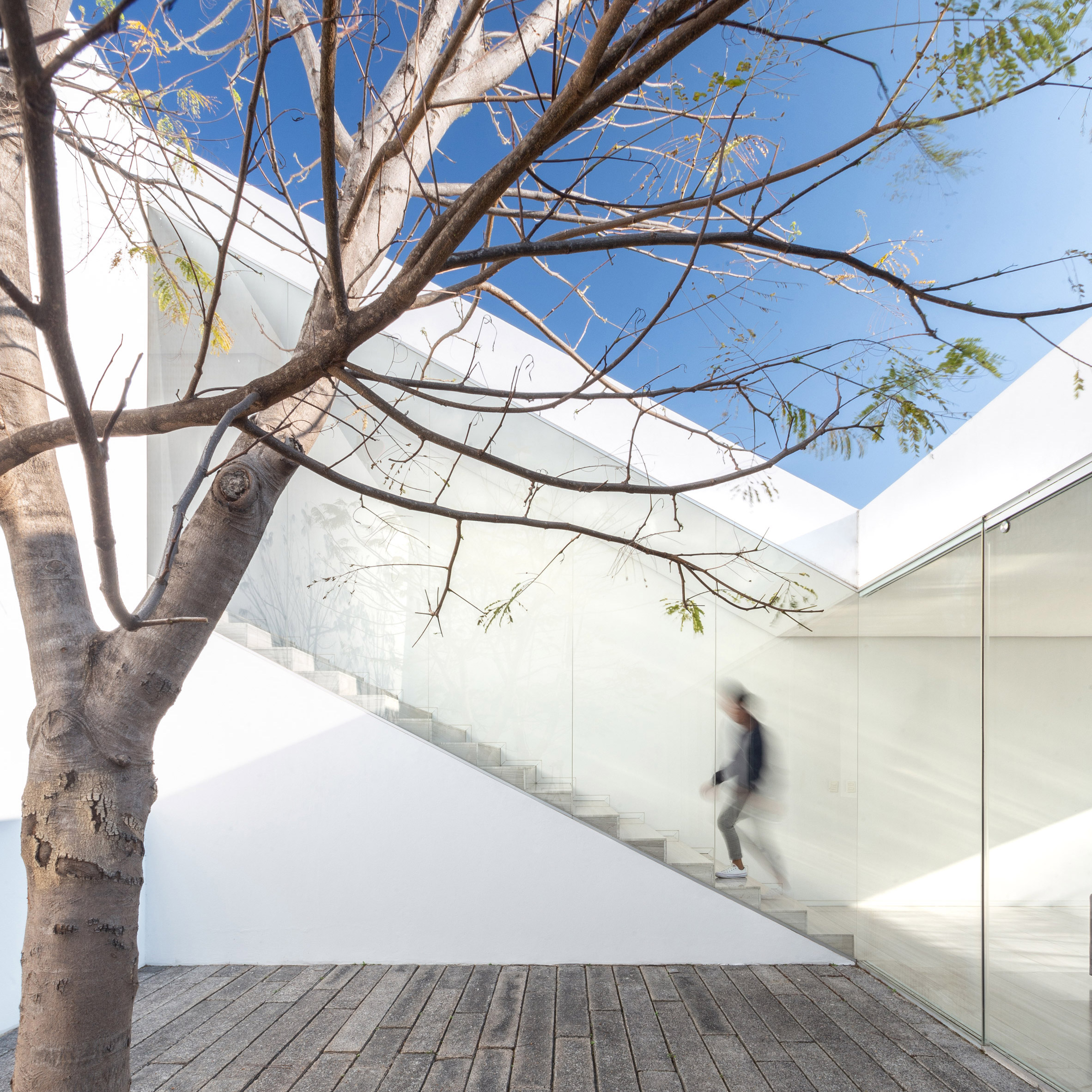
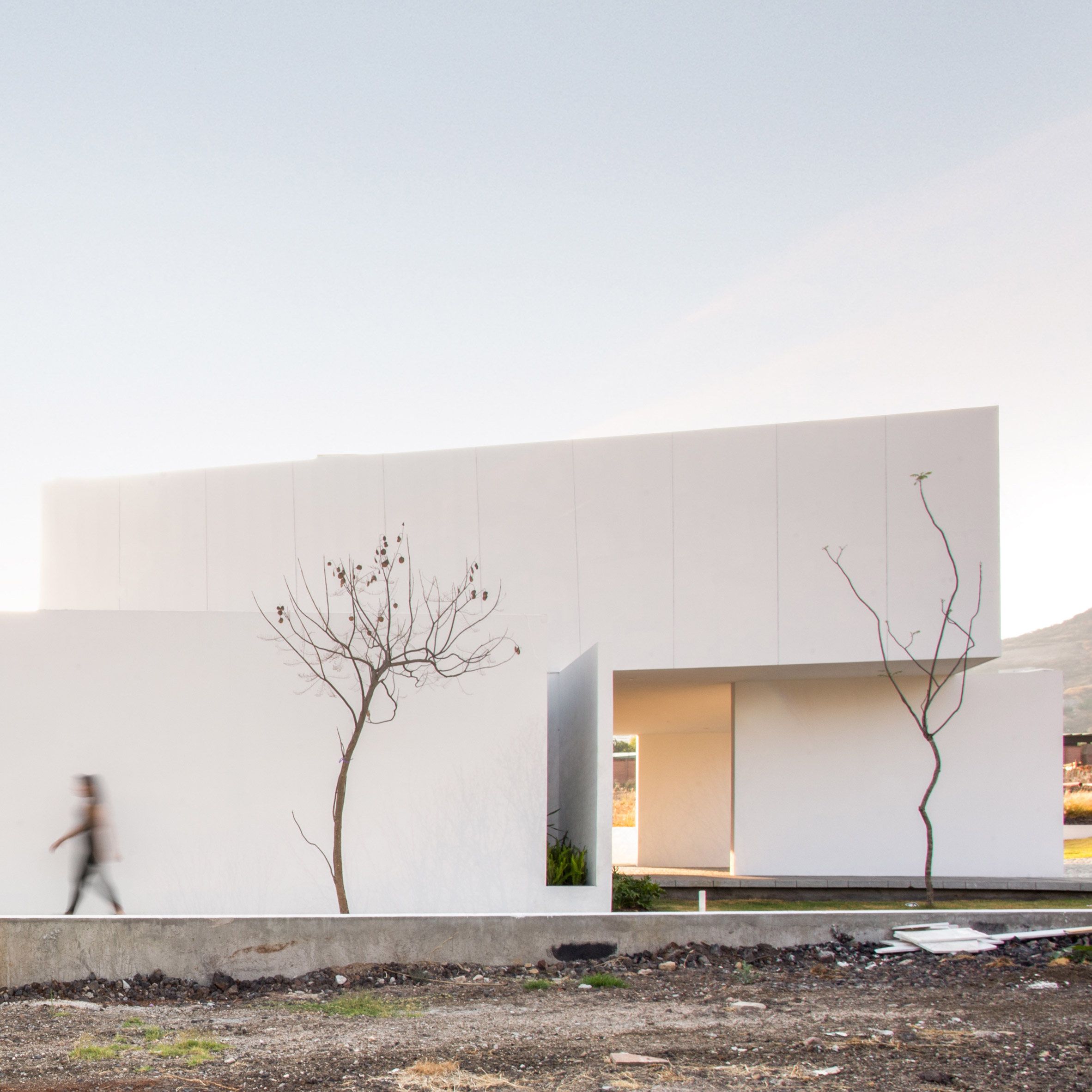
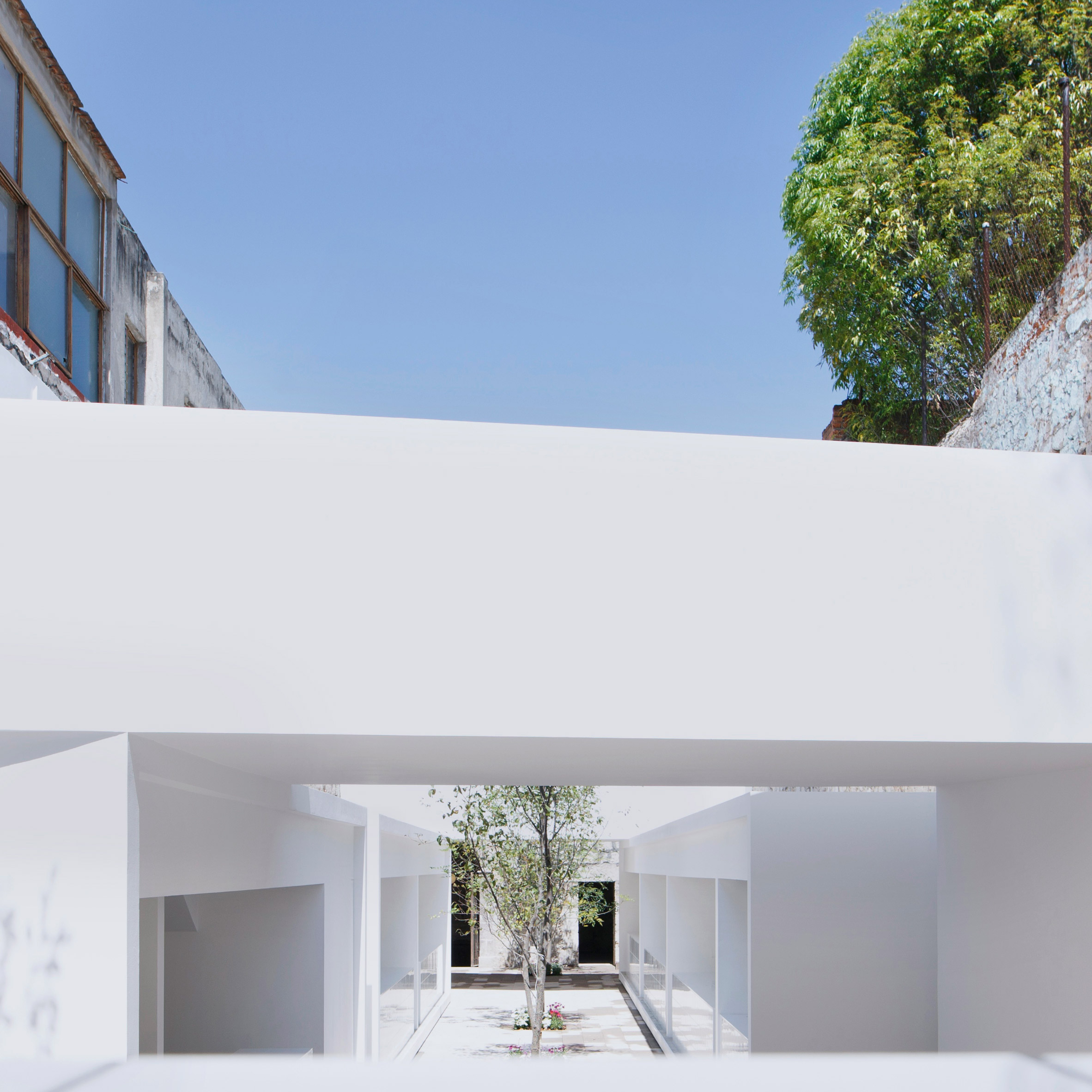
Architects working in Morelia, Mexico are choosing to make bold additions in eye-catching white. Here are five striking projects, including a house punctured by trees and a food market.


Ja House

Casa Ja by HW-Studio

White concrete contrasts black granite in this house that HW-Studio has stepped down a sloped site in the city.

Bright finishes continue throughout the interior of the house, called Casa Ja, which has different levels arranged around gardens and patios.

Find out more about Casa Ja ›


San Antonio House by Juárez R Arquitecto

San Antonio House by Juárez R Arquitecto

Mexican studio Jaime Juárez R Arquitecto designed San Anotonio House to be a blank canvas to greenery and shadows.

It comprises three white-rendered volumes: two splay towards the rear to enclose a swimming pool, and a third is stacked on top.

Find out more about San Antonio House ›


Morelia Market by HW Studio

Morelia market by HW-Studio

Before Casa Ja, HW-Studio designed this food market to replace a warehouse that dated back to the 16th century when it was used as a wine cellar to an adjoining house.

The white volumes create a stark contrast to a number of existing details that the studio maintained like stone walls and steps, arched openings and iron gates.

Find out more about Morelia market ›


Casa MK by Roof Arquitectos

Casa MK by Roof Arquitectos is fronted by white walls that screen the entrance to a residence and a central courtyard planted with 13 oak trees.

The house is formed by four volumes – one of which is clad in black granite. Inside, white walls with panoramic openings and glazing frame views of the oak trees as well as the surrounding hilly landscape.

Find out more about Casa MK ›


Julio Hernandez house by Roof Arquitectos, a white house in Mexico

Julio Hernandez house by Roof Arquitectos

Roof Arquitectos designed Julio Hernandez house as an interplay between white architecture and greenery, as sweetgum trees grow through openings in the concrete slabs.

Slender white columns rise up the two floors of the house, while most of the walls are formed from sliding glass doors.

Find out more Julio Hernandez house ›

The post Five white architecture projects brightening Mexican city Morelia appeared first on Dezeen.


from Dezeen https://ift.tt/2WGJRD8