Tuesday, 12 May 2020

Metaform Architects creates customisable face shields for children

Children's face shield by Metaform Architects

Child-sized face shields with interchangeable decorations have been designed by Metaform Architects for children going back to school, plus today's other design-related coronavirus news.

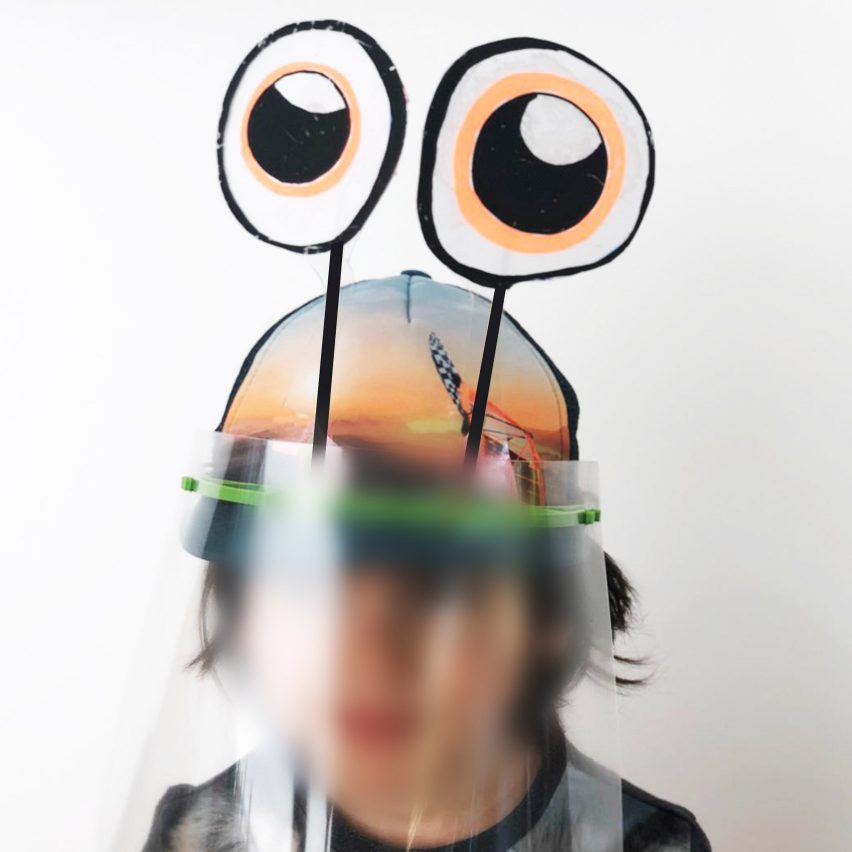
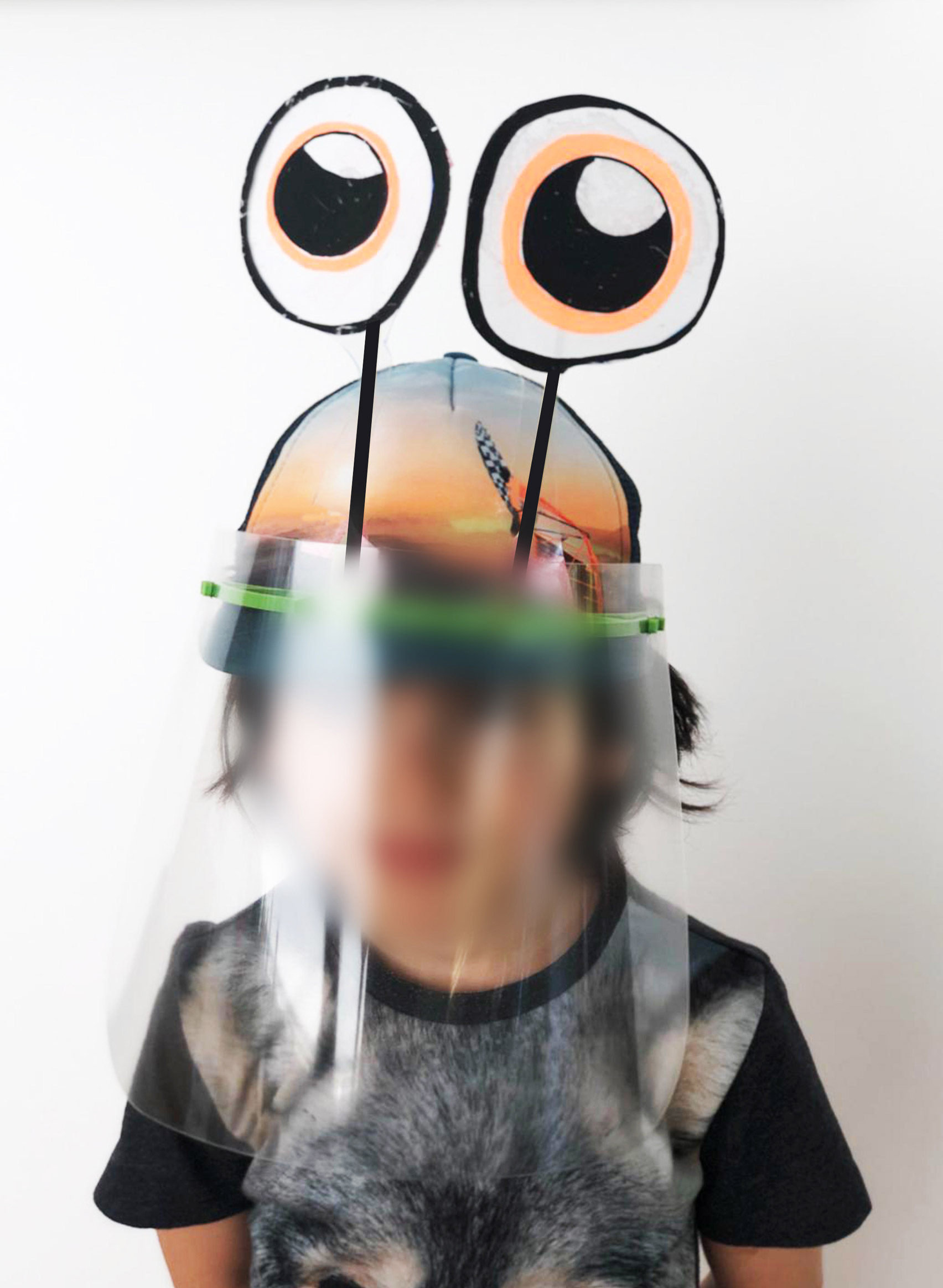
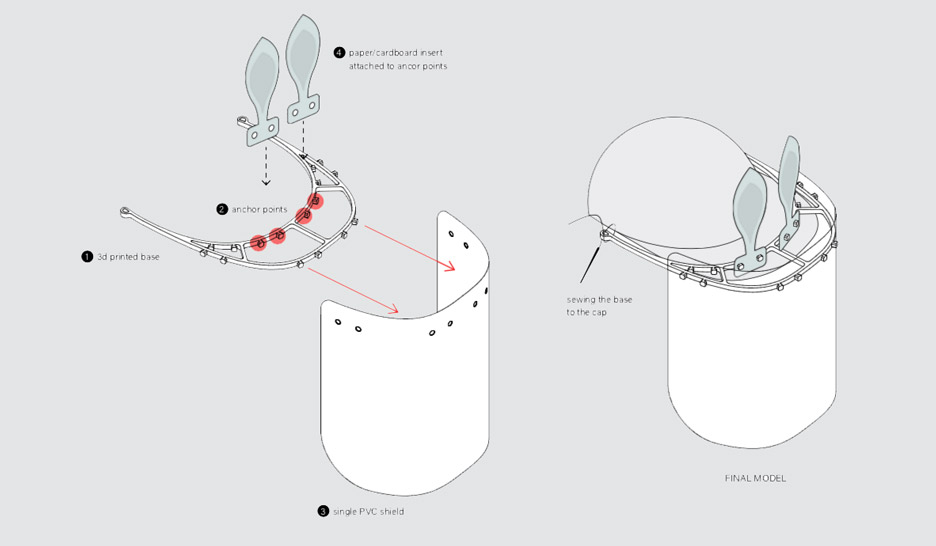
Designed for children aged four to eight years old, the face shield includes studs to secure personalised adornments such as crowns, animal ears or googley eyes.

A 3D-printed plastic frame is designed to fit over a child's hat to hold a PVC shield in front of their face.
Children's face shield by Metaform Architects

Luxembourg-based studio Metaform Architects created the design to encourage children returning to school to practice good safety and hygiene without scaring them unnecessarily.

"We have been re-thinking the medical face shield to adapt it for kids to use it once they go back to school," said head of conceptual design at Metaform Architects Ljiljana Vidovic.

"We came up with an idea that can additionally be personalised by kids, and therefore help to de-dramatise the situation and let them be creative."
Children's face shield by Metaform Architects

Wearing a shield would help children remember not to touch their faces, while letting them customise their masks would be a fun and distracting activity.

Children at not one of the groups most at risk from coronavirus, but it is understood that they can catch the illness and pass it on to more vulnerable people and adults.

Metaform Architects created a free guide along with an activity pack for making the children's face shields.

Here are six more coronavirus-related architecture and design news stories from today:


Coronavirus daily briefing

Caret Studio installs gridded social-distancing system inside Italian piazza 

Italian practice Caret Studio has installed the StoDistante installation in an Italian square to encourage social-distancing as a temporary solution for reactivating public spaces after Covid-19 lockdown ends (via Dezeen).

Smithsonian museum construction workers test positive for Covid-19

Three construction workers completing the renovation of the Smithsonian's Gyo Obata-designed Air and Space Museum in Washington DC have tested positive for coronavirus, sparking arguments their health is being risked for non-essential projects (via the Huffington Post).

"Offices are going to get much smaller" after pandemic says Sevil Peach

Large offices will become a thing of the past according to interior designer Sevil Peach, who predicts that corporate towers will be replaced by smaller hubs as staff work from home offices and co-working spaces as a result of coronavirus (via Dezeen).

MoMA makes drastic budget and staff cuts to "survive" pandemic

The director of New York's Museum of Modern Art has cut 160 staff and $45 million from its annual budget, just one year after its $450 million expansion by Diller Scofidio + Renfro and Gensler (via Bloomberg).

Carlo Ratti calls for redesign of "dinosaur" hospitals and universities for the post-coronavirus era

Hospitals and universities are "dinosaurs" that need to be redesigned in the wake of coronavirus, according to architect Carlo Ratti (via Dezeen).

Google and Facebook extend work from home policies until 2021

Most employees at tech companies Google and Facebook will not be returning to the office this year, although some offices will reopen at up to 15 per cent capacity as early as June (via Variety).

The post Metaform Architects creates customisable face shields for children appeared first on Dezeen.


from Dezeen https://ift.tt/2Ll6oQH

Spikes, satire, Frank Ocean and The New York Times: Nejc Prah discusses his recent work

Having moved from New York to Ljubljana to start his own studio, our former Ones to Watch talks us through a host of playful new projects.


from It's Nice That https://ift.tt/2WIR05O

Rural Urban Framework builds tent-style community centre in Ulaanbaatar

Ger Innovation Centre by Rural Urban Framework

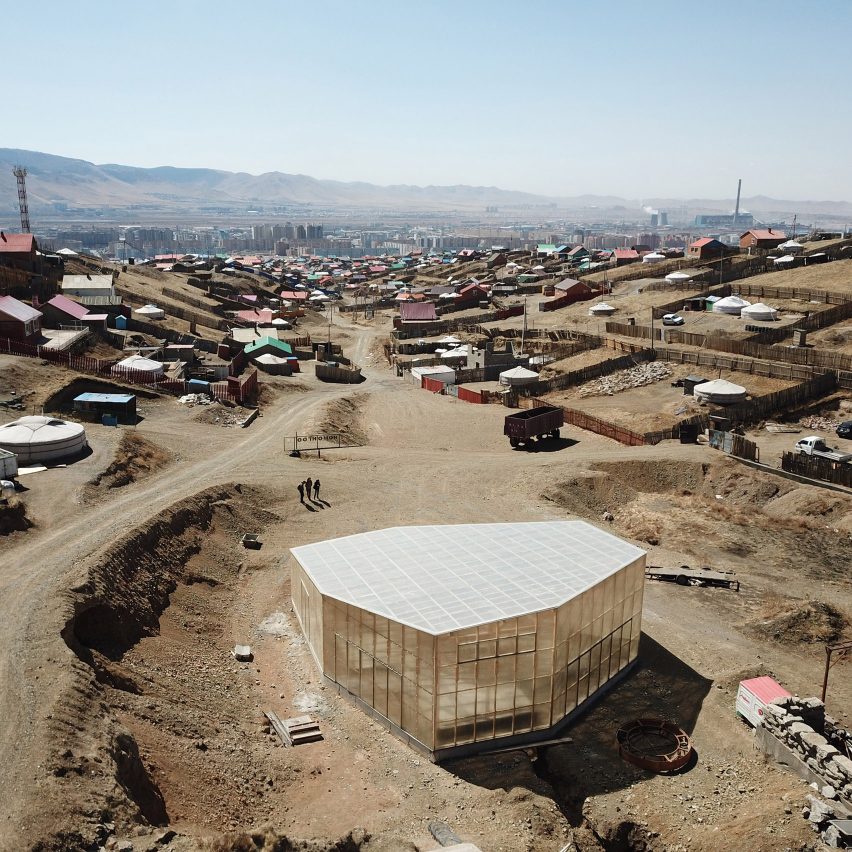
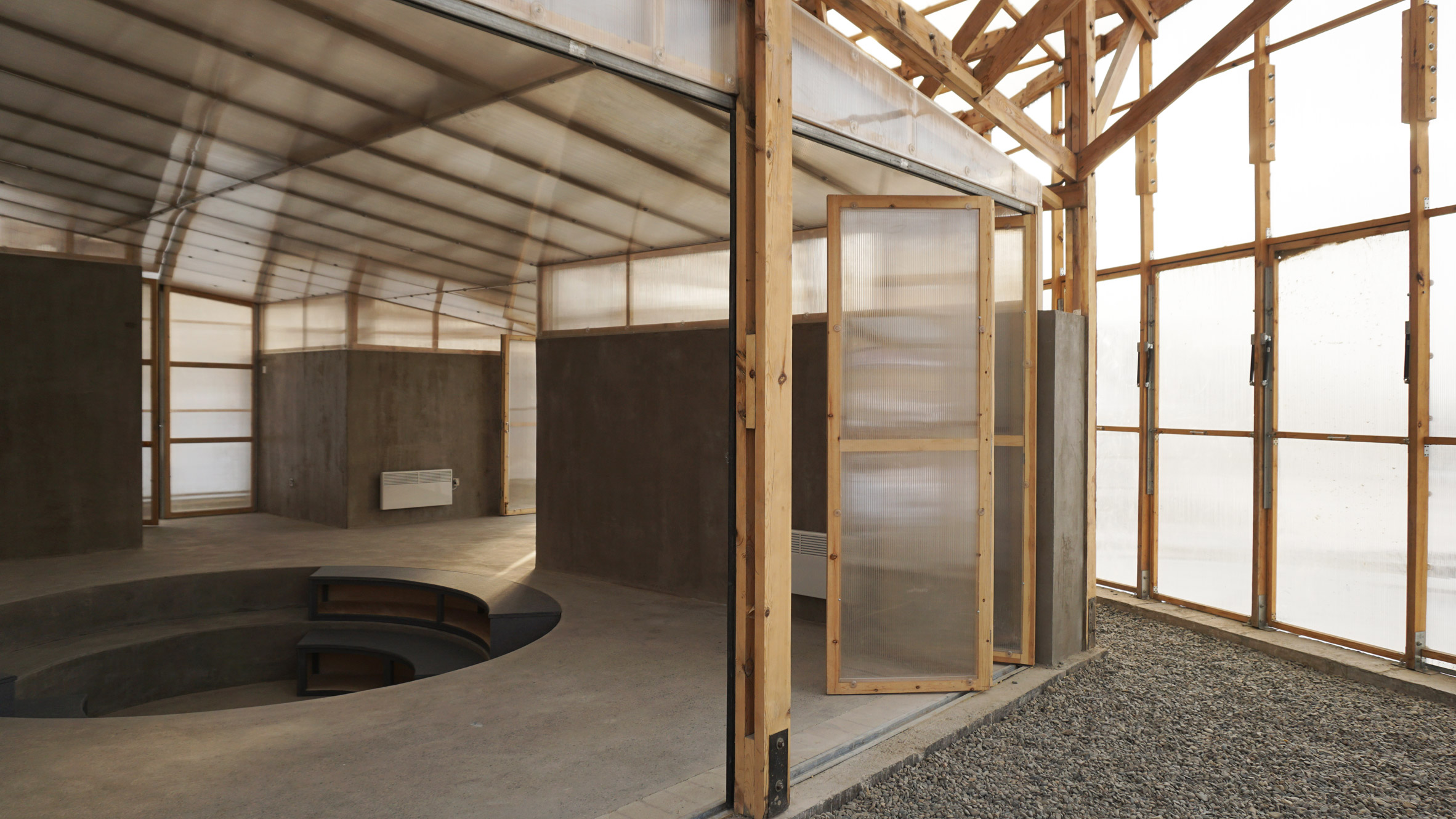
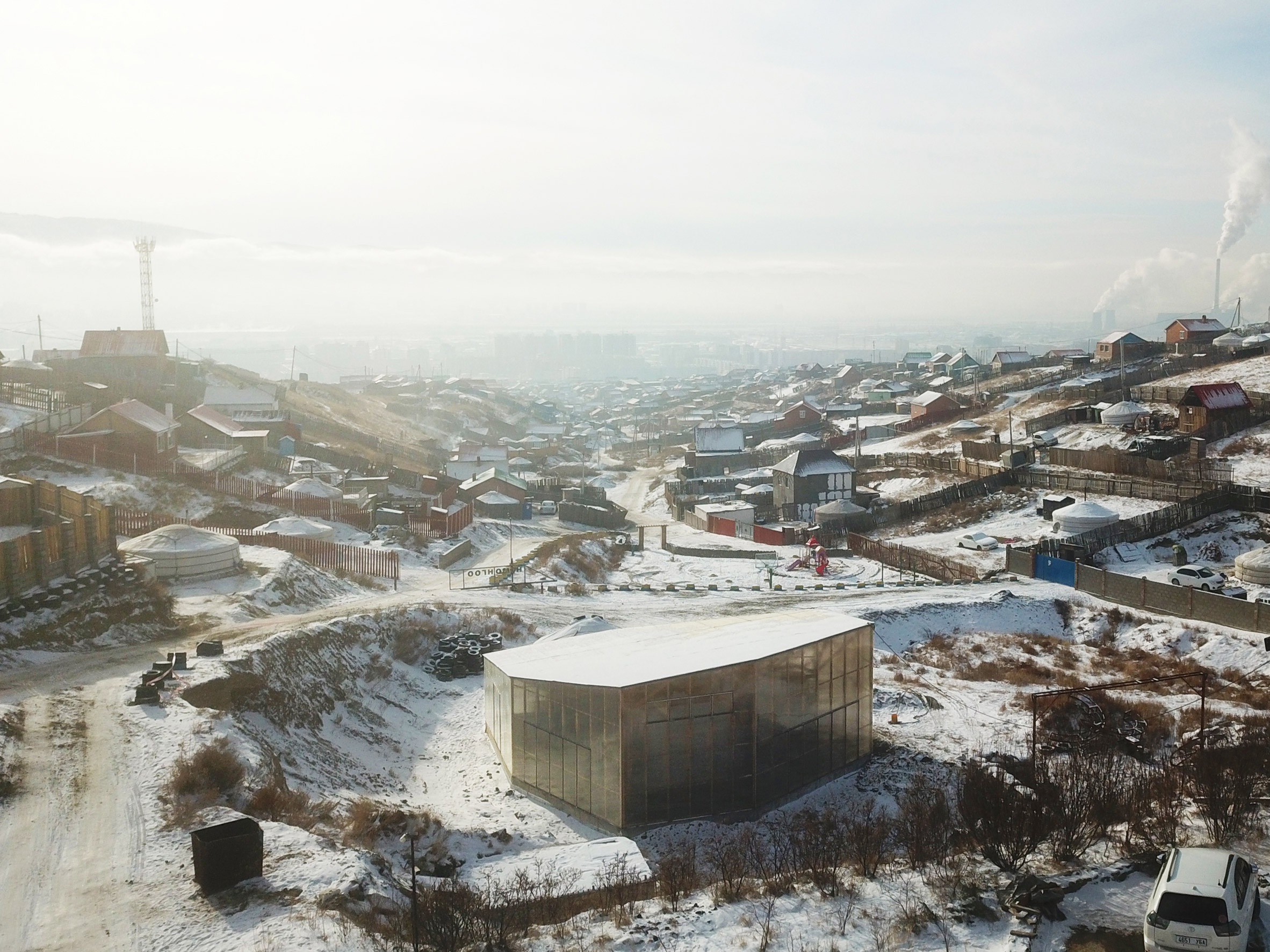
The Ger Innovation Centre is a community centre built from timber and polycarbonate by design group Rural Urban Framework in Ulaanbaatar, Mongolia.

Hong Kong-based group Rural Urban Framework worked with the residents living in the Songino Khairkhan district of the Mongolian capital to create a gathering place for workshops, after-school clubs and community events.

Ger Innovation Centre by Rural Urban Framework

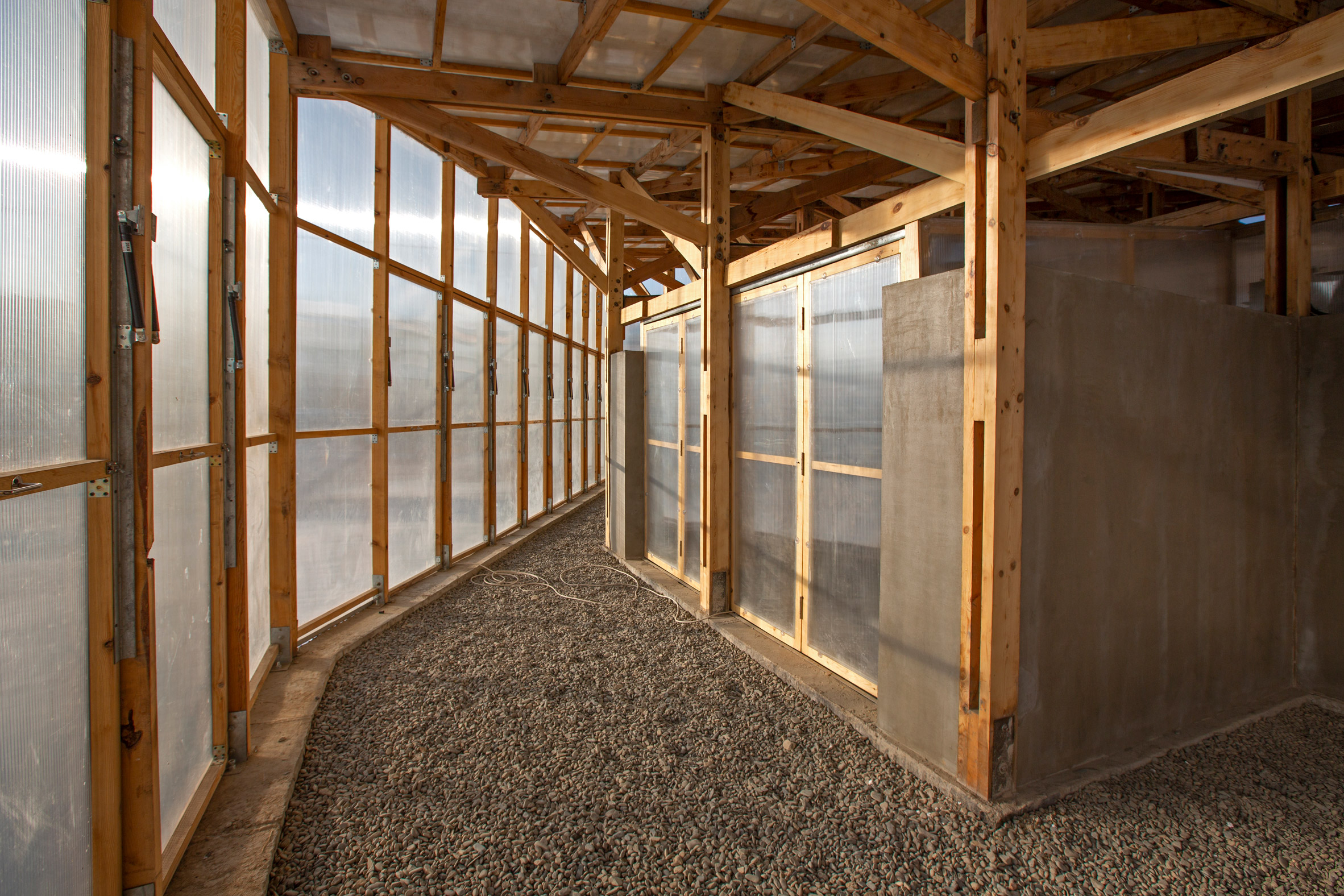
A timber frame supports the whole building, which is structured as a room within a room. Mudbrick walls infil the wooden frames in four L-shaped configurations to bracket the inner space.

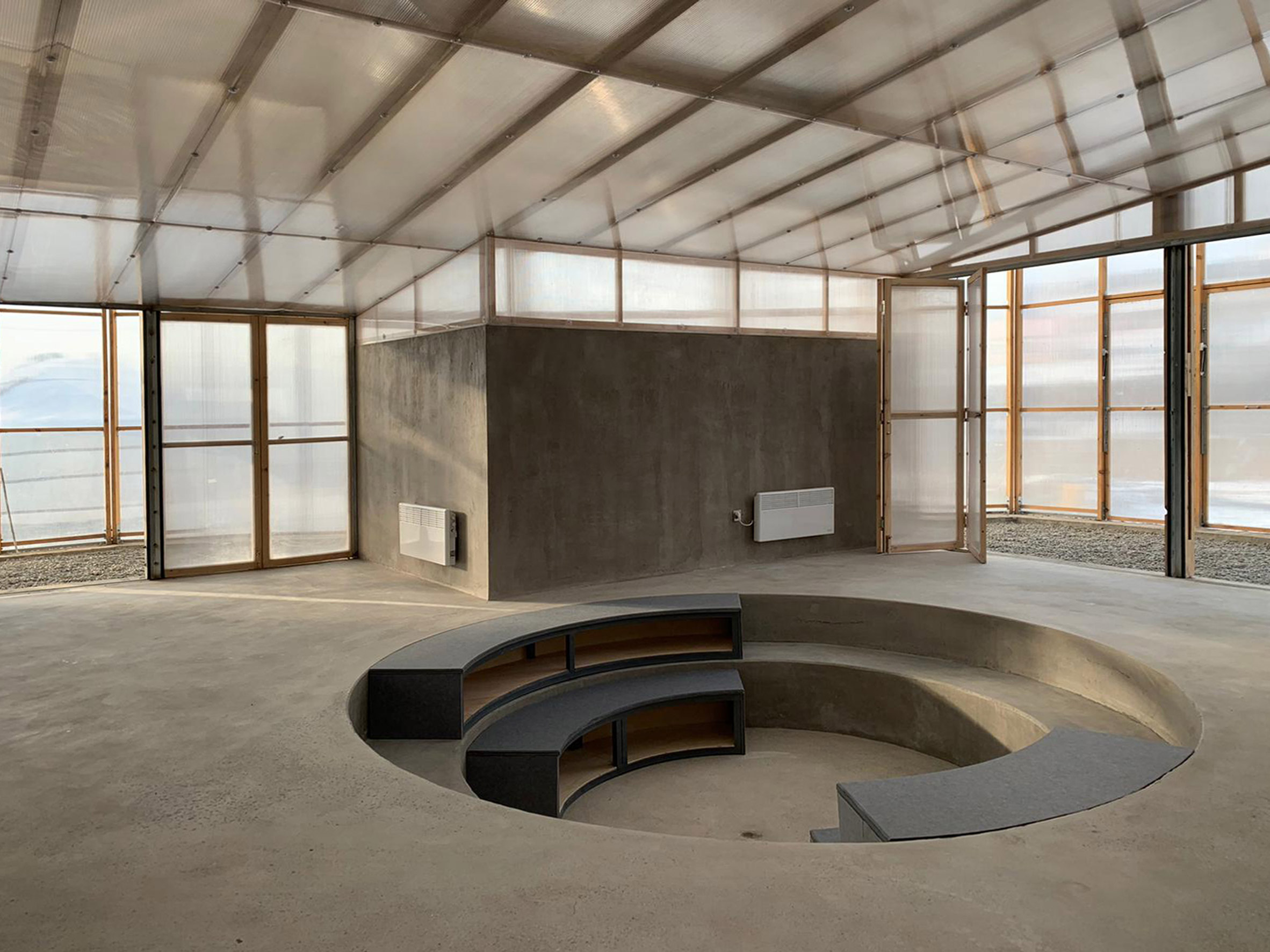
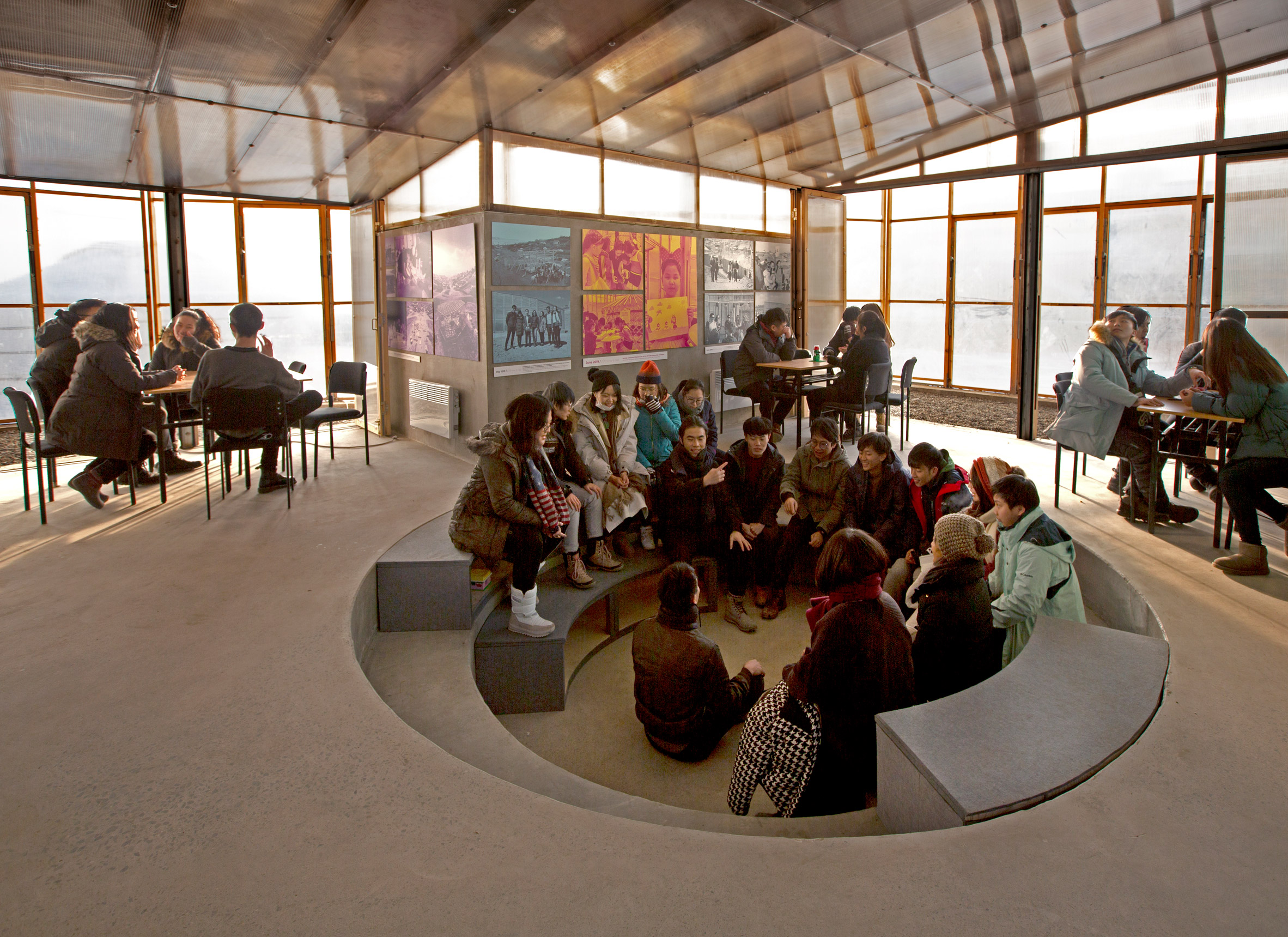
In the centre, a sunken conversation pit has amphitheatre-style seating with modular benches. The compact seating arrangement lets people sit cosily close together in cold weather.

Ger Innovation Centre by Rural Urban Framework

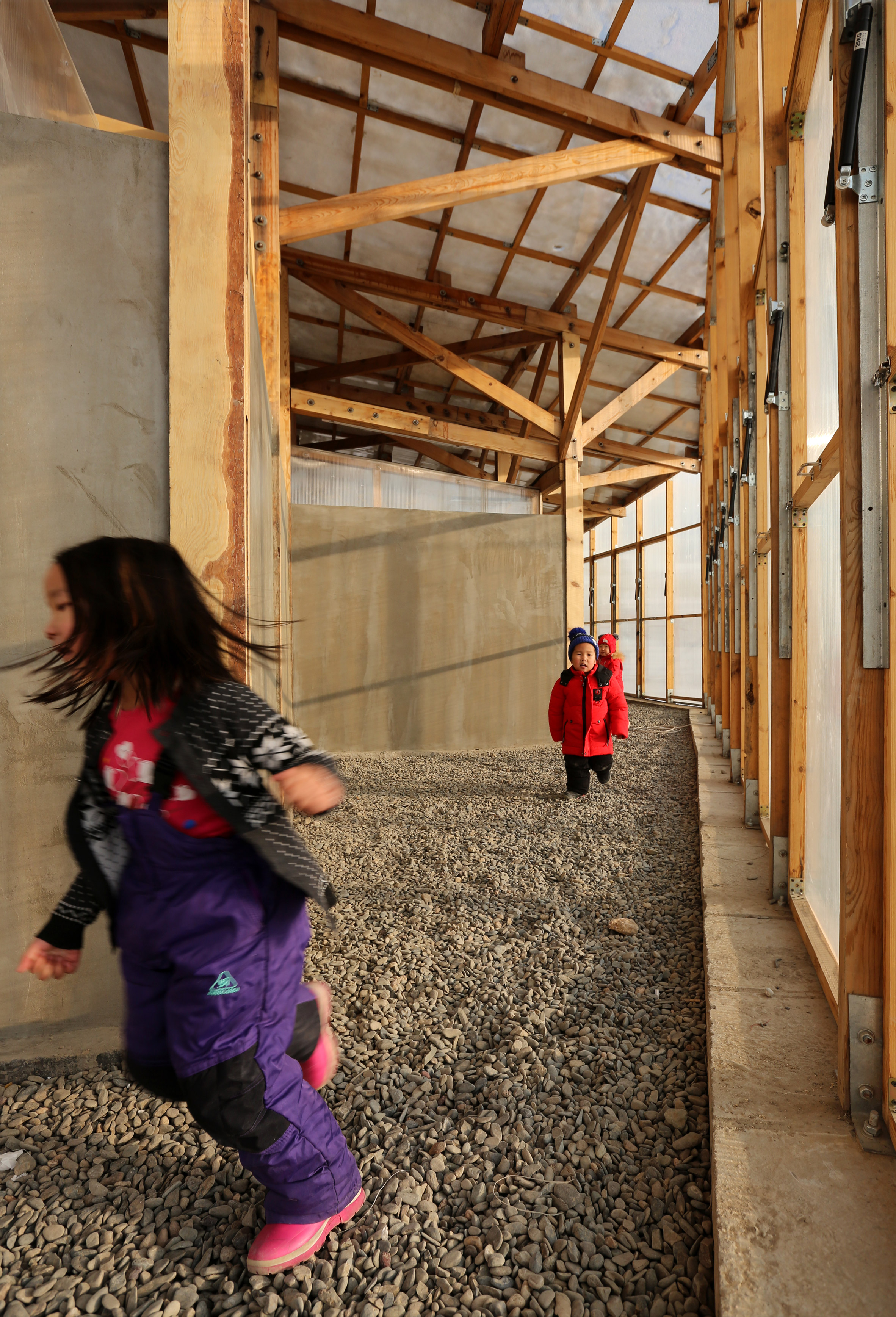
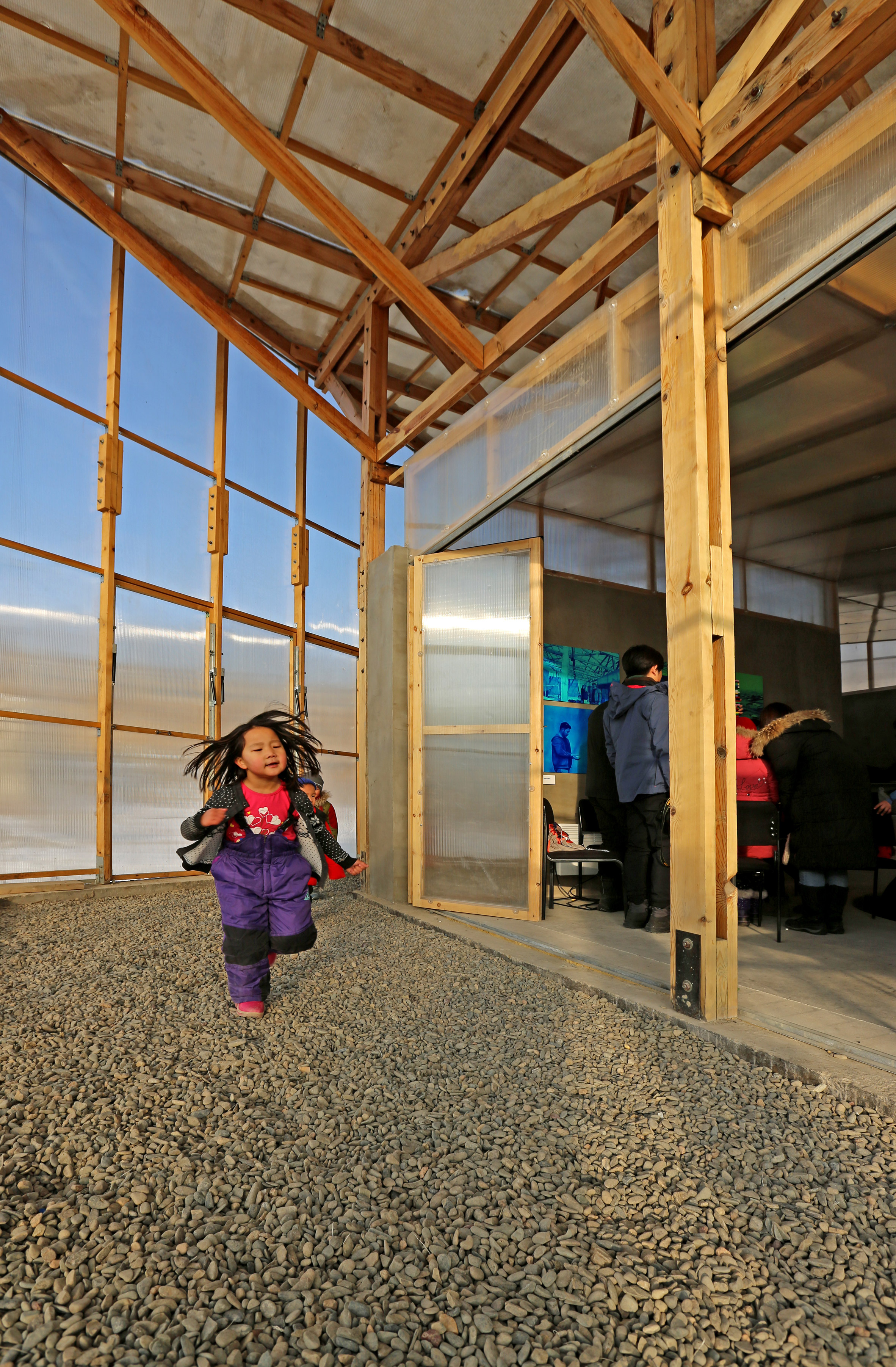
The polycarbonate roof and outer walls let in light, and maximise the heat from the sun to warm the interior.

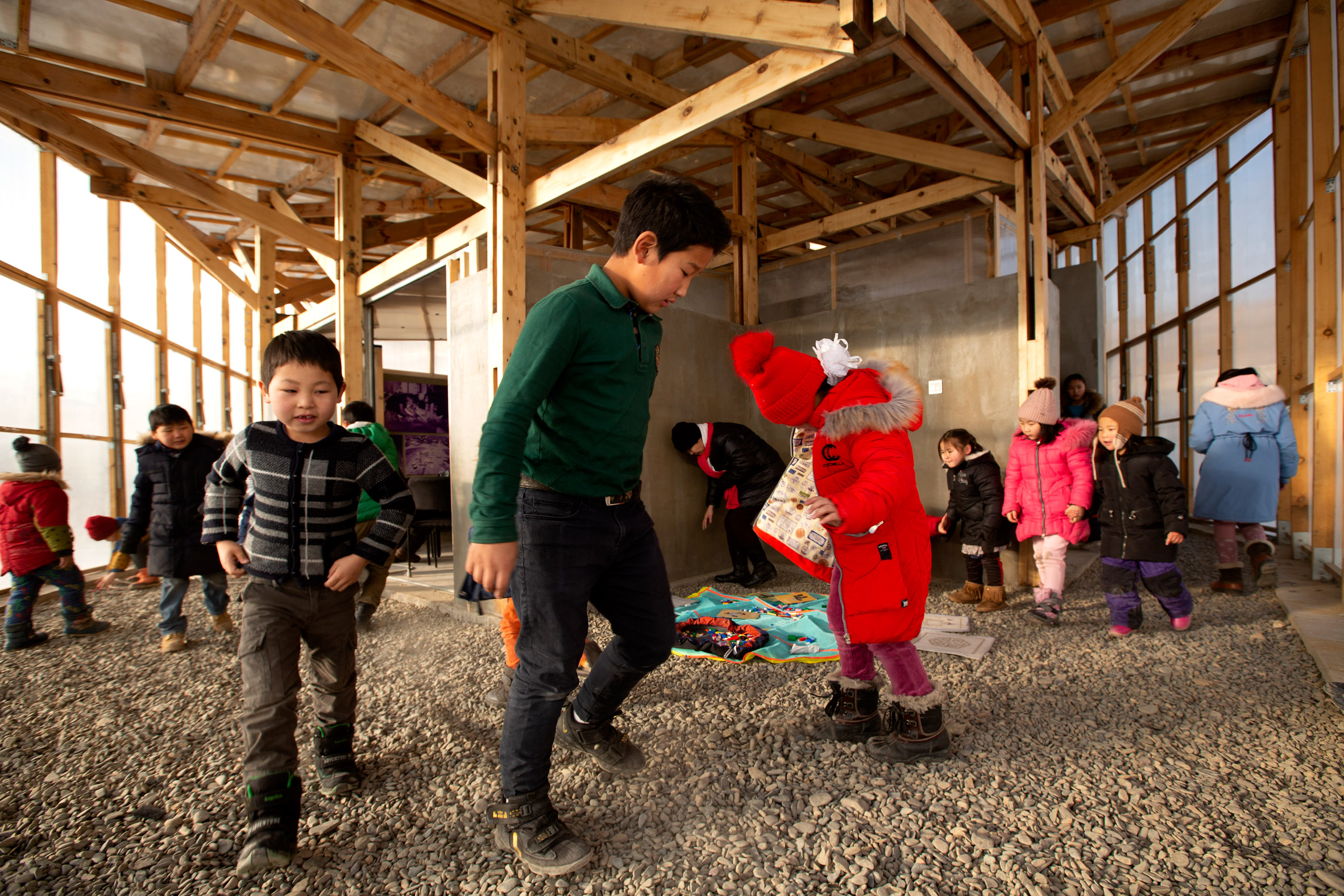
Extra warmth is also created by the buffer layer that traps heat between this inner sanctum and the outdoors, which doubles as a children's play area when the Ger Innovation Centre is used as a creche.

Ger Innovation Centre by Rural Urban Framework

The shape of the centre is informed by the ger, a type of Mongolian yurt made from a lattice of wood and covered in felt or animal skins.

Songino Khairkhan is home to formerly nomadic people who have moved to the city, where they have permanently set up their tents and built homes from mud bricks. The Ger Innovation Centre was set up to help ease residents' transition from the nomadic lifestyle.

Ger Innovation Centre by Rural Urban Framework

"In this process of becoming urban, nomadic residents are confronted with a new set of challenges," said Rural Urban Framework.

"In a culture which has no word for 'community', the aim of the project is to enable residents to address what it means to live together and forge new methods of collaboration."

Ger Innovation Centre by Rural Urban Framework

Every year some 30,000 more people arrive to Ulaanbaatar, seeking job opportunities, education for their children and access to healthcare.

Families live side by side in areas with no running water or sewer system. People dig their own pit latrines, and burn coal to keep warm in bitter winters where temperatures drop to below minus 40 degrees Celsius.

Ger Innovation Centre by Rural Urban Framework

During the winter, the Ger Innovation Hub is another place for people to come and hang out in the warmth, outside of their own gers.

Throughout the year the community centre hosts educational workshops on sustainability and courses in vocational training. In the summer, gardening workshops will work on planting the area around it.

Ger Innovation Centre by Rural Urban Framework

Ulaanbaatar is one of the world's most polluted cities, so building a sustainable structure was a major part of the design process.

"Our work is still ongoing as we evaluate the buildings' environmental performance and monitor how it is used by residents," said the design team.

Ger Innovation Centre by Rural Urban Framework

Rural Urban Framework is a not-for-profit research and design studio led by John Lin and Joshua Bolchover and based at The University of Hong Kong.

Another sustainable project from the team involved emergency housing for an area of China affected by earthquakes and flooding with roofs that doubled as farming plots.

Photography is by Rural Urban Framework.


Project credits:

Design: Joshua Bolchover and John Lin, Rural Urban Framework, The University of Hong Kong
Project leader: Jersey Poon
Project team: Chiara Oggioni
Project partner: GerHub: Badruun Gardi and Enkhjin Batjargal, Ecotown NGO: Odgerel Gansukh
Contractor: Odgerel Gansukh
Wood supplier: Shinest Co
Funding: Hong Kong Jockey Club Charities Trust (as part of the Jockey Club HKU Rural-Urban Design Project), YPO ASEAN United
Supporting Institutions: The University of Hong Kong, HKU School of Professional and Continuing Education

The post Rural Urban Framework builds tent-style community centre in Ulaanbaatar appeared first on Dezeen.


from Dezeen https://ift.tt/2Te6kqj

Archigram's Plug-In City shows that "pre-fabrication doesn't have to be boring" says Peter Cook

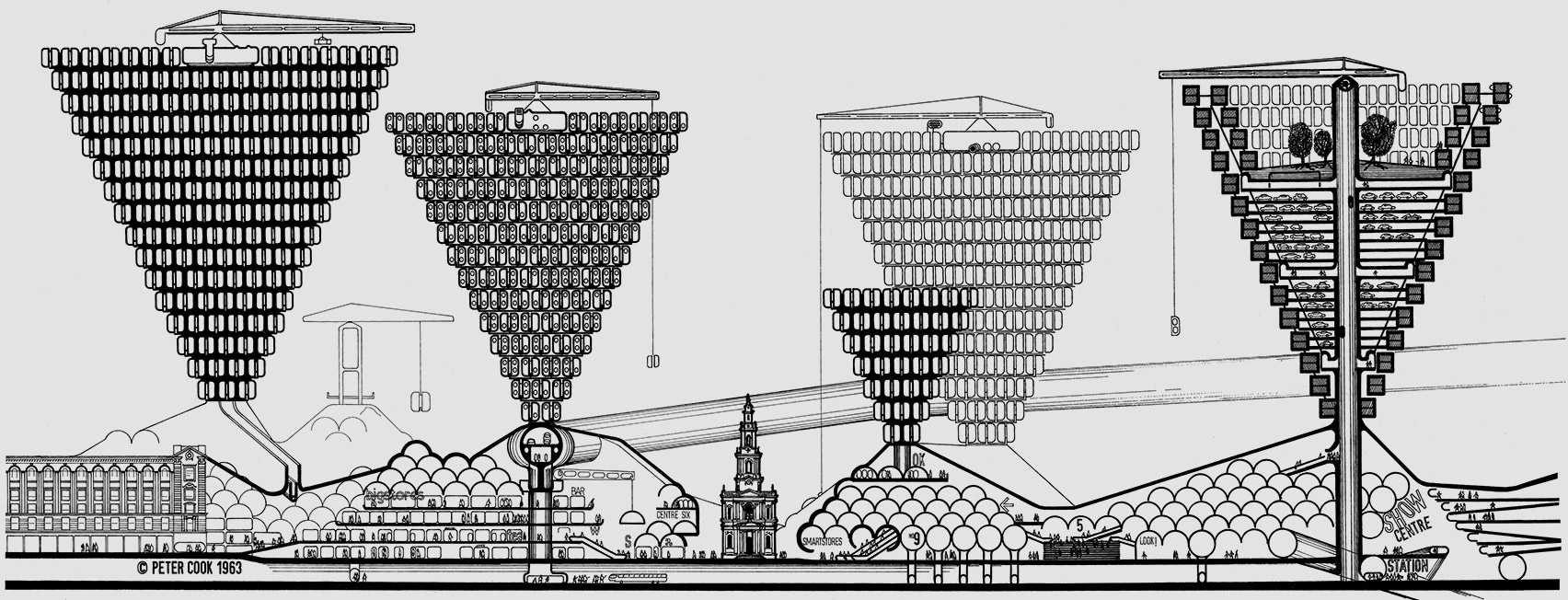
Plug-In City by Archigram

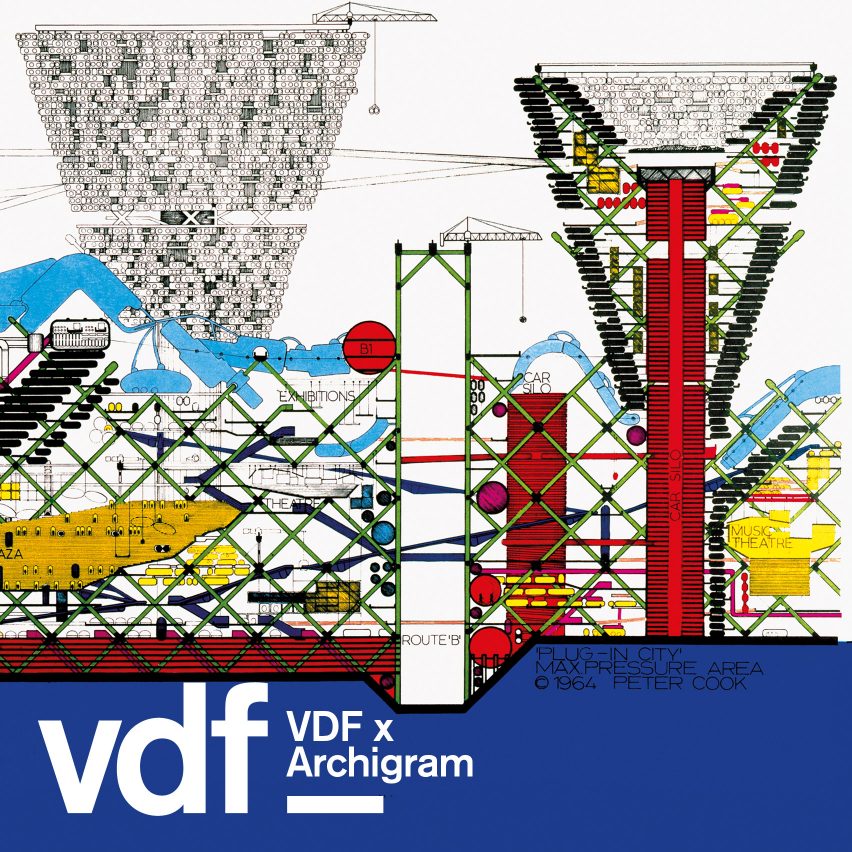
Architects Peter Cook and Dennis Crompton discuss Archigram's influential concept for an elevated city of capsule homes in the second instalment of our exclusive video series with the radical architecture group for VDF.

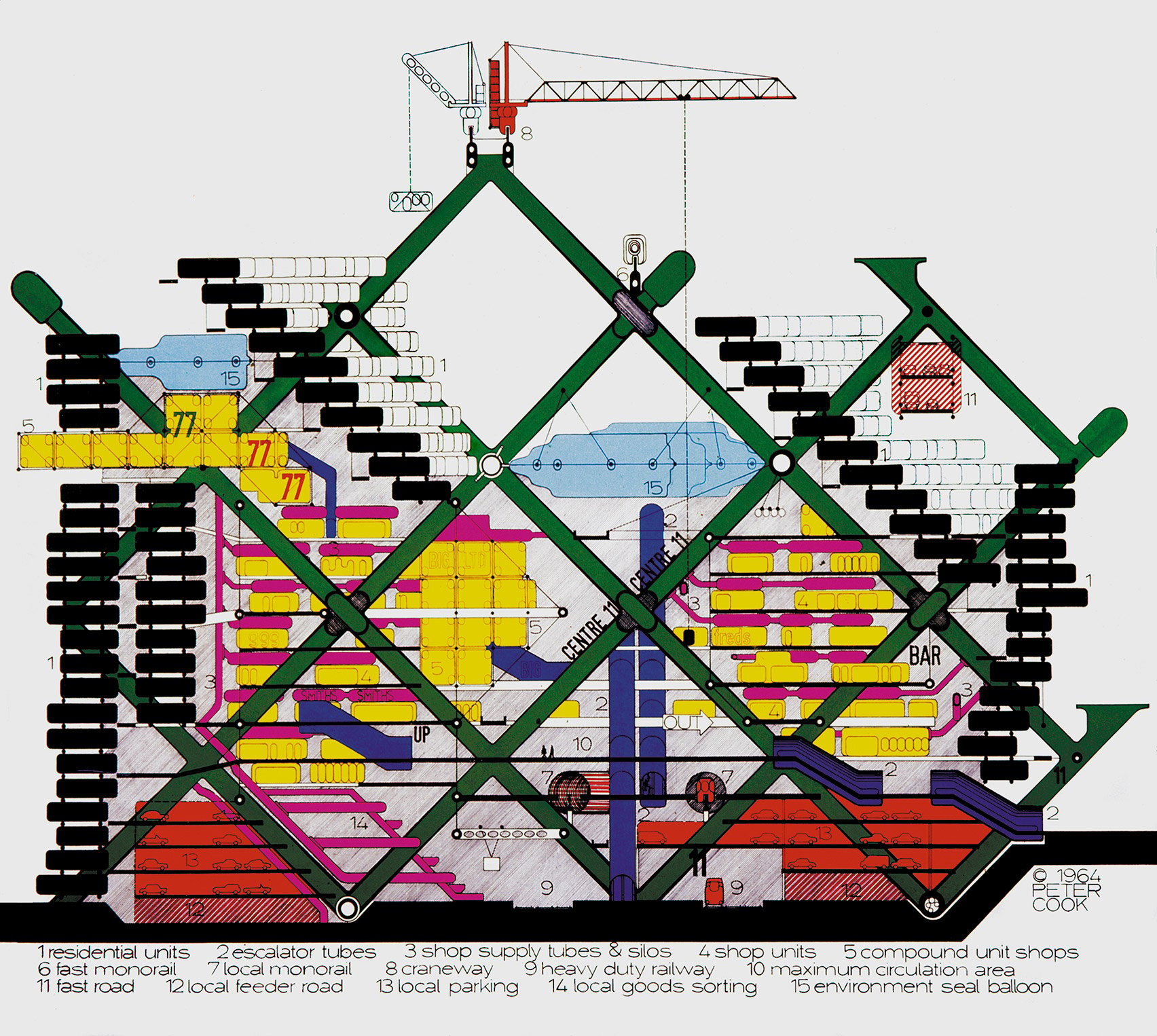
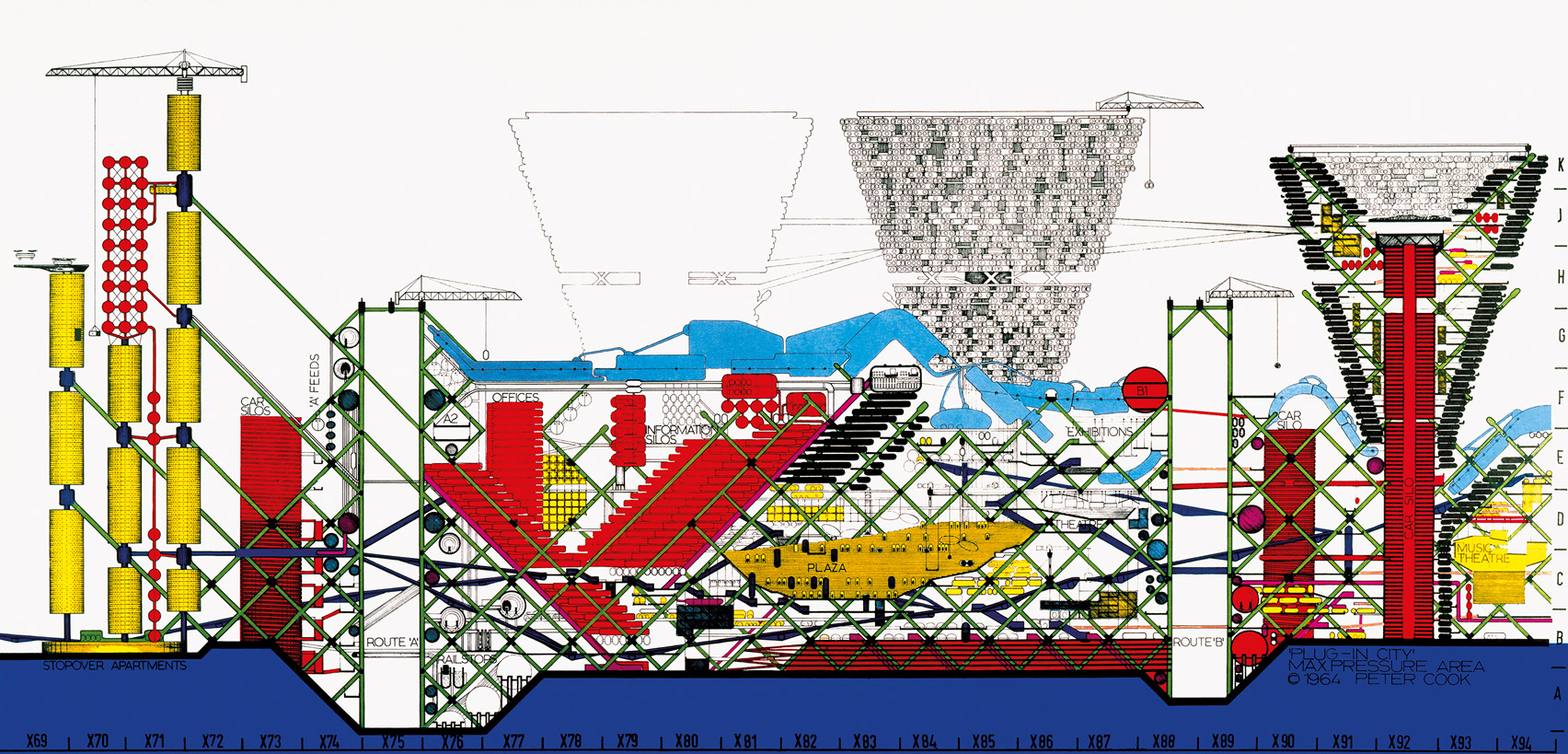
Developed between 1963 and 1966, Plug-In City is a conceptual city comprising personalised pre-fabricated homes that are inserted into high-rise megastructures.

The concept was developed while Cook, Crompton and fellow Archigram members Michael Webb, David Greene, Warren Chalk and Ron Herron were working for Taylor Woodrow Design Group.

Plug-In City by Archigram
Archigram's Plug-In City concept was developed between 1963 and 1966

"It was done at a time when our day job was including prefabricated housing components," said Cook in the video, which Dezeen filmed in London and is sponsored by Enscape.

"It was looking at prefabrication and saying: 'Come on, this doesn't have to be boring. It can be quite romantic and quite exciting.'"

Plug-In City "allowed people to grow their dwelling with themselves"

Archigram developed a number of different Plug-In City designs, with each comprising the same basic components.

"It developed over about three years, actually," said Cook. "You stick up a megastructure that contains the access systems, diagonal lifts, and the servicing elements that bring up food and water and take out rubbish and so on."

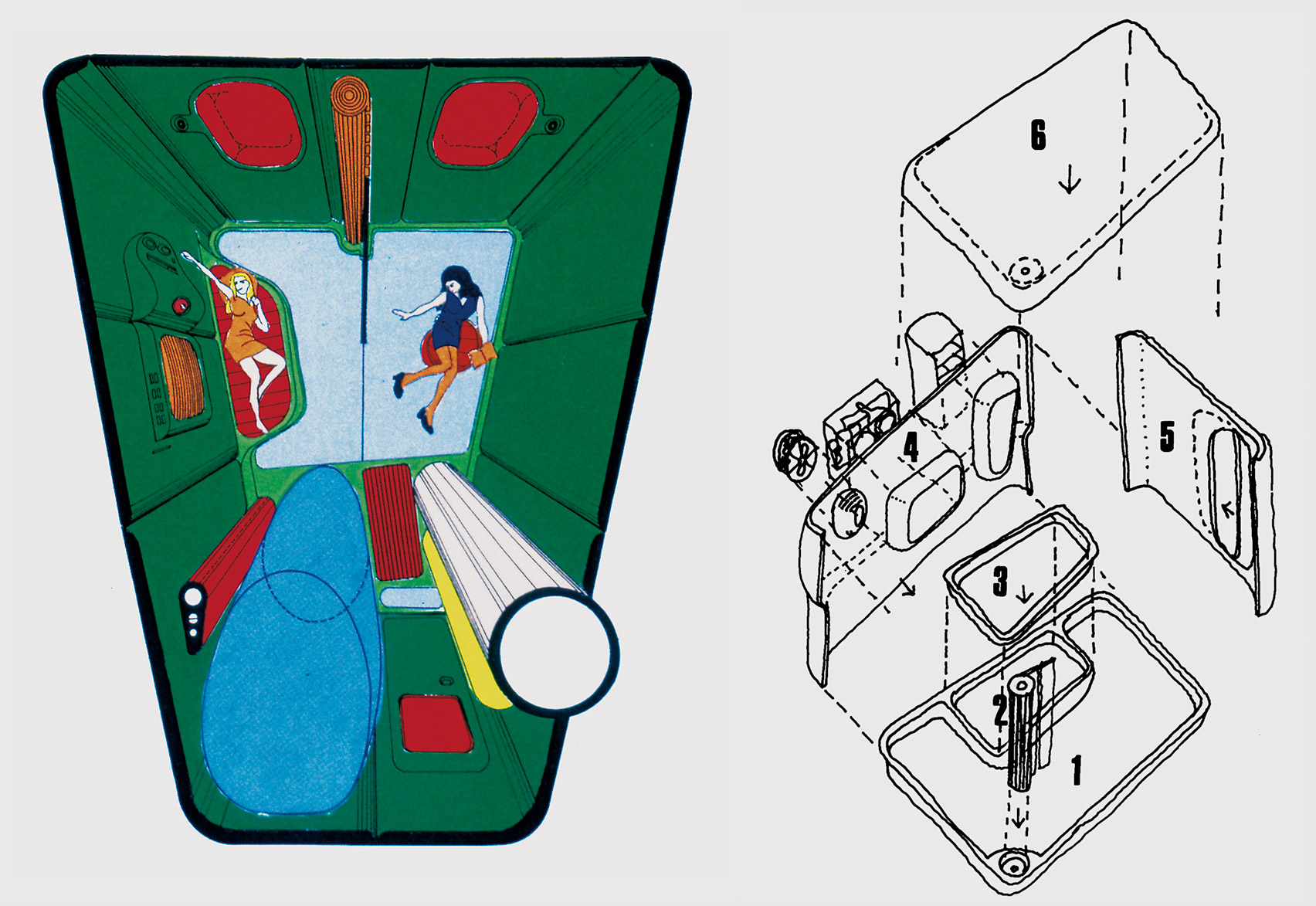
"You then add to that a substructure that can carry pre-fabricated dwellings that we call capsules," he continued.

Plug-In City by Archigram
Archigram's Plug-In City concept allowed people to customise their pre-fabricated capsule homes

The concept aimed to give people more flexibility and choice in the design of their home, allowing them to customise the capsules and easily replace them when required.

"Plug-In City was a method of allowing people to grow their dwelling with themselves," said Cook. "[The capsules] vary in size, but also can be replaced, so you're getting a lot of variety and change."

"We'd use the construction industry to do to the construction, but the planning would be done by the occupants of the house," added Crompton.

Plug-In City by Archigram
Individual capsule homes are inserted into high-rise megastructures

As well as hosting private homes, the architects envisaged the megastructures featuring a host of elevated public spaces.

"Unlike traditional, existing cities – which are basically two-dimensional with buildings extruded up from the ground plan – we were looking at an alternative way of putting a city together, where it would be possible to have open spaces at upper levels," explained Crompton.

"So it lifts the city off the ground and it enjoys space in a different way, because there are certain pieces of enclosed space that then become public areas," added Cook.

"The megastructure that you hold the dwellings on can start to sprout up and become relatively high-rise and contain more public open spaces inside it."

Archigram explored emerging technologies and consumer culture of the 1960s

Founded in 1961, Archigram was an avant-garde collective of architects that became famous in the 1960s and 1970s for its radical architecture concepts.

As part of Virtual Design Festival, Dezeen is publishing  a series of exclusive interviews with former Archigram members Cook and Dennis Crompton.

In the previous instalment of the series, Cook explained the origins of the group and how it rose to prominence through a series of self-published magazines.

Plug-In City by Archigram
Archigram's Plug-In City featured elevated public spaces and amenities as well as private capsule homes

Like many of Archigram's most influential projects, Plug-In City combines an interest in the emerging technologies and consumer culture of the 1960s with the language and aesthetics of comic books and science fiction.

"It has all sorts of implications for growth and change, which I think was very contemporary with that period," Cook said.

This video was filmed by Dezeen in London and sponsored by Enscape, a virtual reality and real-time rendering plugin for architectural design programme Autodesk Revit.

It is the second in a series of video interviews we are publishing this week as part of Virtual Design Festival.

All images are courtesy of and copyright of Archigram. You can browse more images from Archigram's archive online at The Archigram Archival Project.

The post Archigram's Plug-In City shows that "pre-fabrication doesn't have to be boring" says Peter Cook appeared first on Dezeen.


from Dezeen https://ift.tt/3brQ6jr

Factorydesign proposes Isolation screen for social distancing on planes

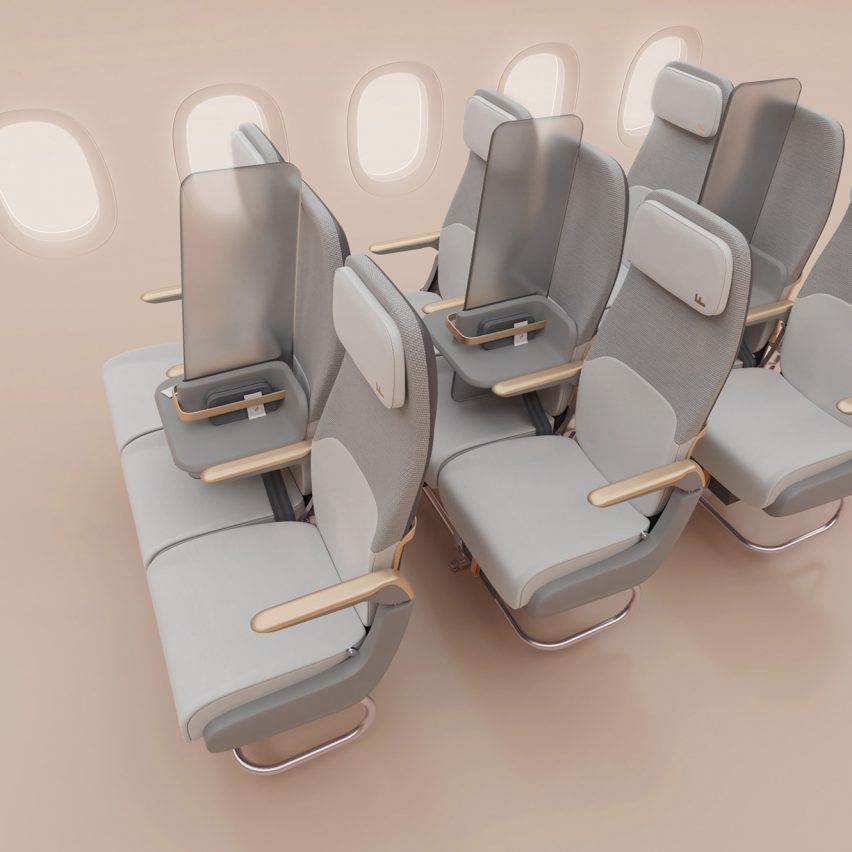
Factorydesign creates Isolation passenger screen for social distancing on planes

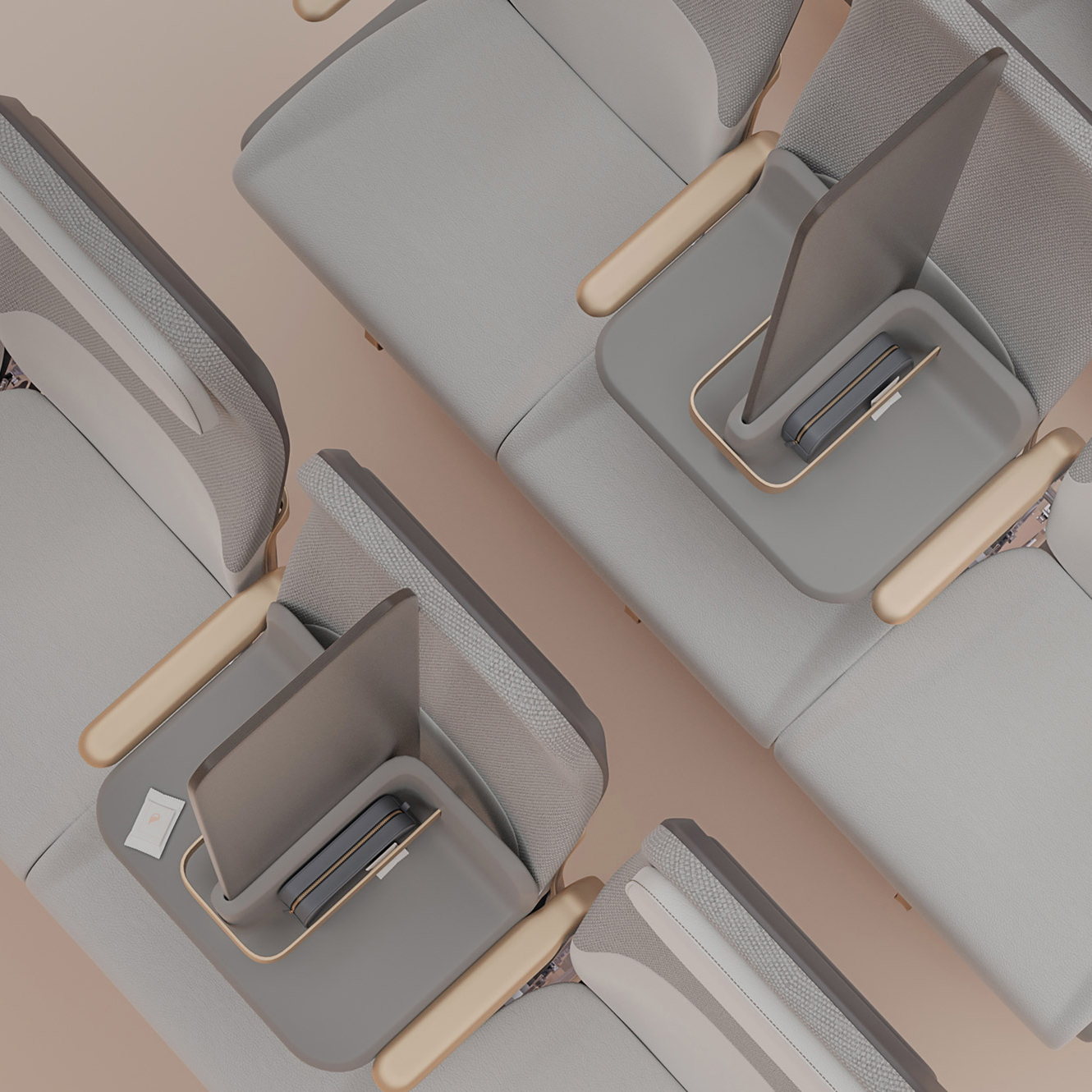
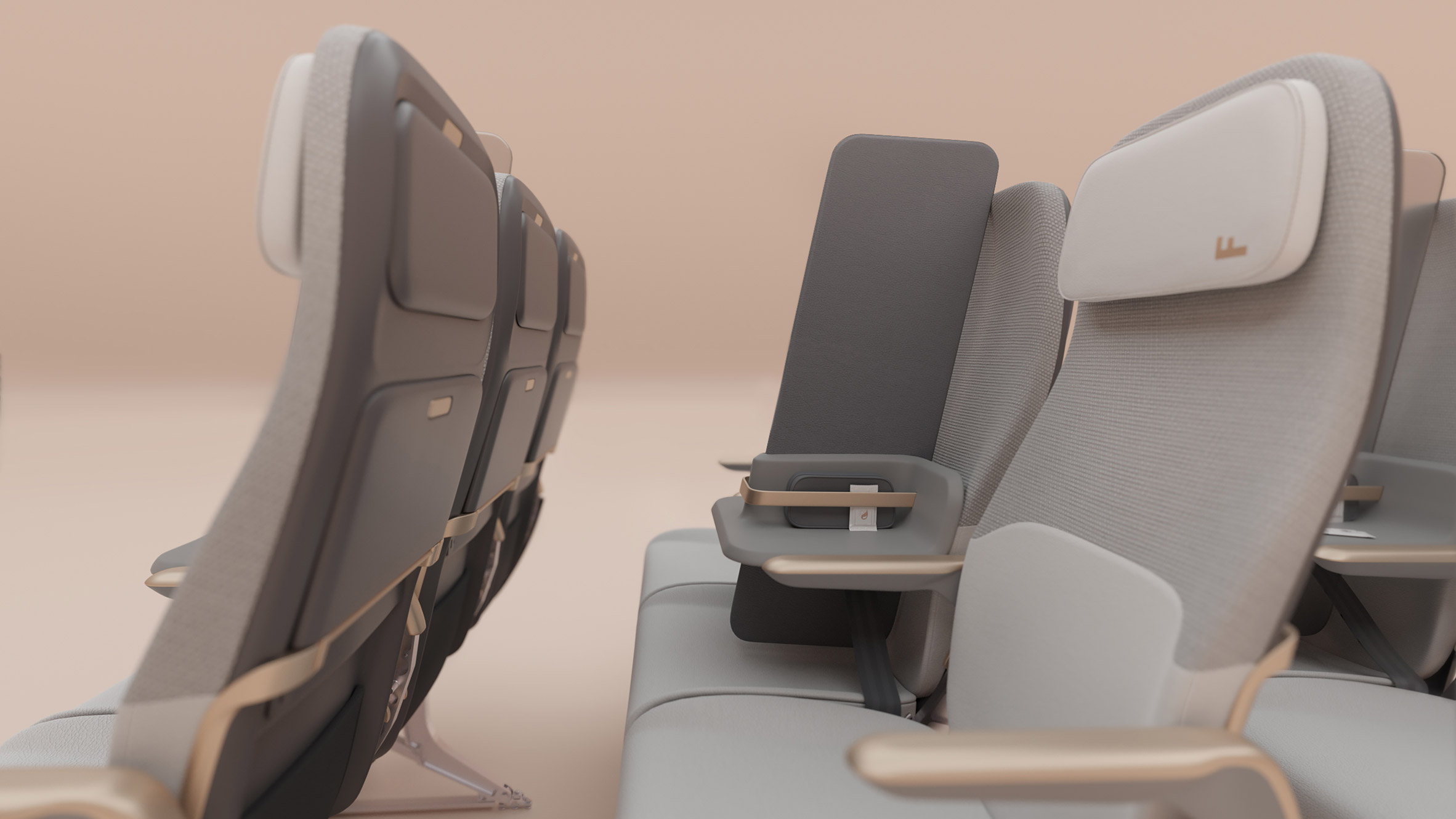
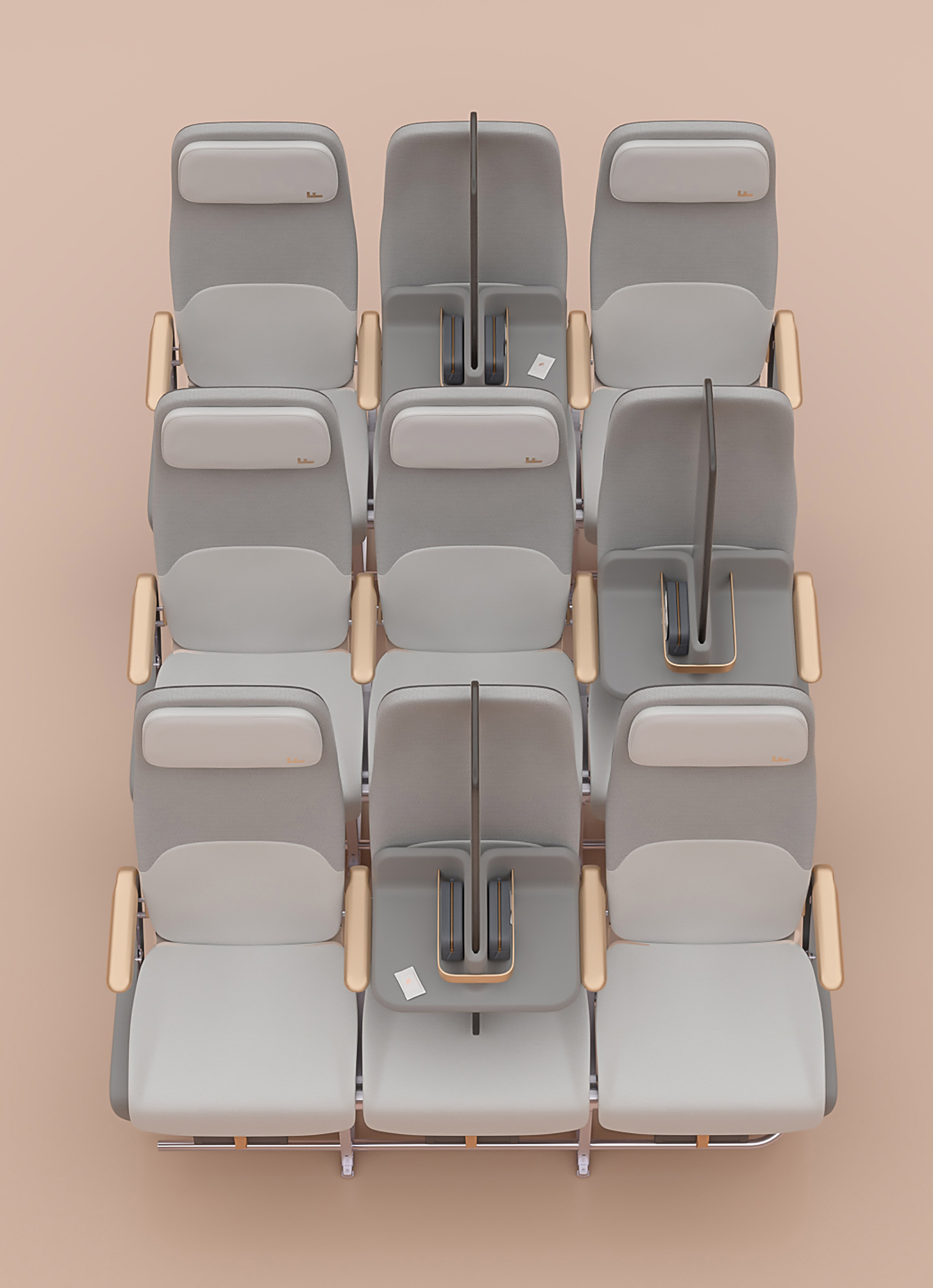
Aviation consultancy Factorydesign has envisioned how social distancing could be achieved on planes after the peak of the coronavirus pandemic with its Isolation screen divider kit.

The London studio designed the kit to allow airlines to offer increased protection for passengers by temporarily dividing seating in economy cabins once widespread commercial flights resume.

"We felt there was a need to offer airlines the simplest possible addition to a seat," explained Adam White, director at Factorydesign.

"This could be temporarily fitted to enforce separation where there are multiple seats, to help protect passengers."

Factorydesign creates Isolation passenger screen for social distancing on planes

Isolation is designed to enable airlines to quickly adapt current cabins in the short term, to improve social distancing and reassure passengers while the amount of people traveling remains relatively low.

"We wanted to offer something that, in turn, passengers could get re-assurance from, that was offering a degree of separation beyond simply not selling centre seats," White told Dezeen.

Factorydesign creates Isolation passenger screen for social distancing on planes

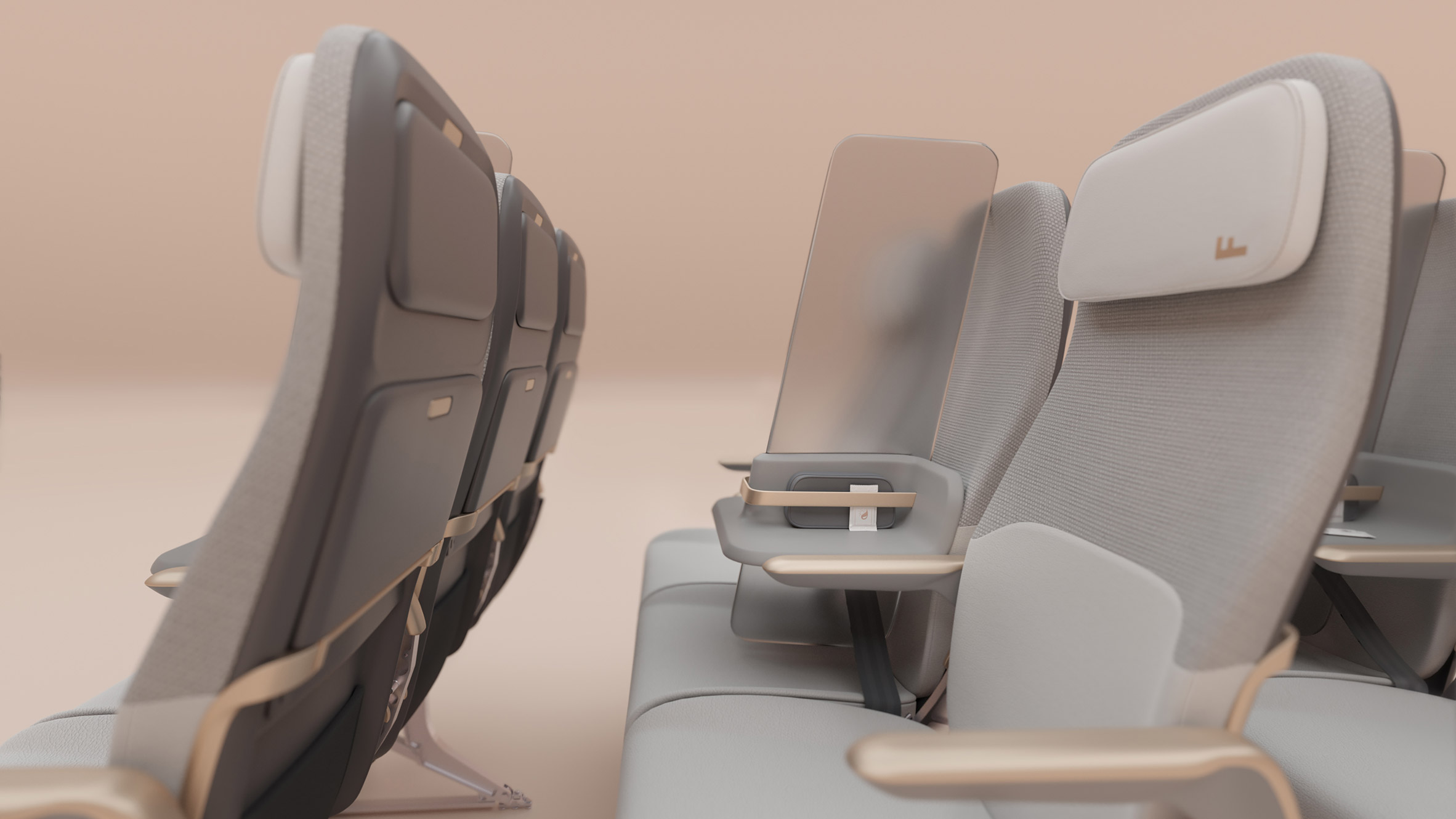
The kit would be used to convert the central seat in a row of three into a physical divider. The translucent screen, which would be supported on the chair's armrest and belted into position, would require no permanent alteration to the aeroplane.

Factorydesign said that the kit, which is "designed for all types of commercial airline" is currently under development and several options could be made available.

Factorydesign creates Isolation passenger screen for social distancing on planes

"There are several translucent materials available for use in aircraft cabins that pass all current certification requirements," said White. "These may be used as a single piece as illustrated or as a window in flexible, solid material."

Isolation has been designed to be easy to clean with no dirt traps. It also includes a holder for a personal amenity kit that could contain a mask, hand-sanitiser and disinfectant wipes.

Factorydesign creates Isolation passenger screen for social distancing on planes

The studio designed the Isolation screen as a way of temporarily improving airline cabins, but believes that in the long term more substantial changes to aircraft interiors may be required.

"This is a temporary solution," said White. "Longer term there certainly are opportunities to make aircraft cabins better able to cope with transmissible disease and needless to say we are at present working hard on further ideas."

Italian design firm Aviointeriors is another studio that is aiming to improve social distancing in aeroplane cabins. It has proposed two concepts. The first, called Glassafe, divides passengers with a plastic hood, while the second, named Janus after the Roman god with two faces, has a reversed centre seat.

The post Factorydesign proposes Isolation screen for social distancing on planes appeared first on Dezeen.


from Dezeen https://ift.tt/3dEHx6s