Wednesday, 13 May 2020

Julius Raymund Advincula makes "provocative" typeface from cleverly positioned body parts

Julius Raymund Advincula makes "provocative" font from cleverly positioned body parts

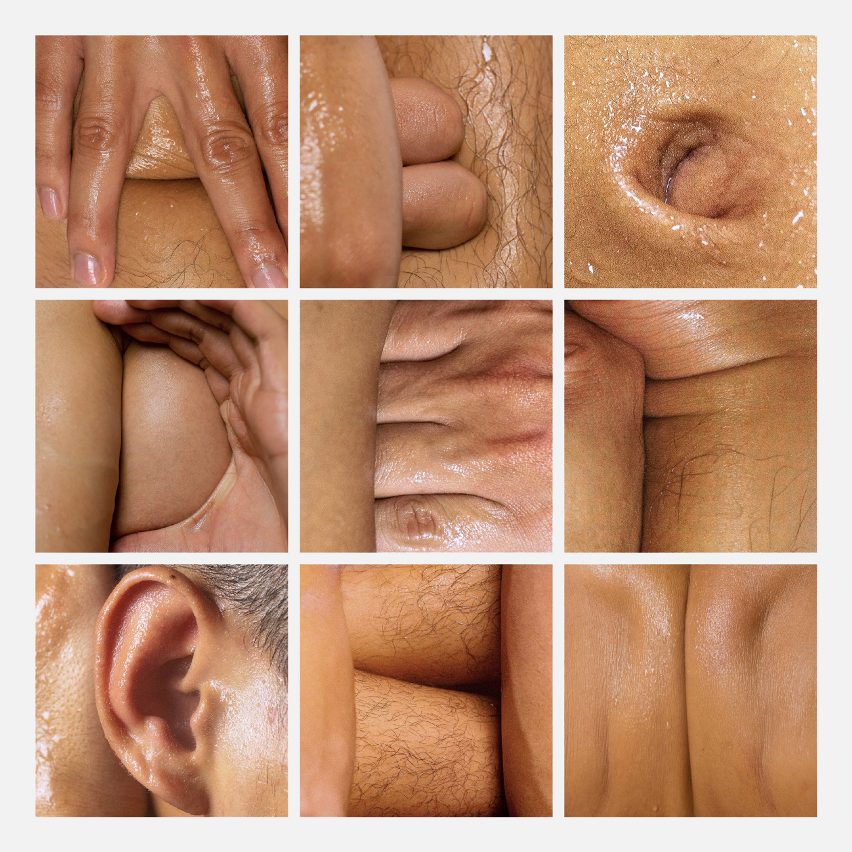
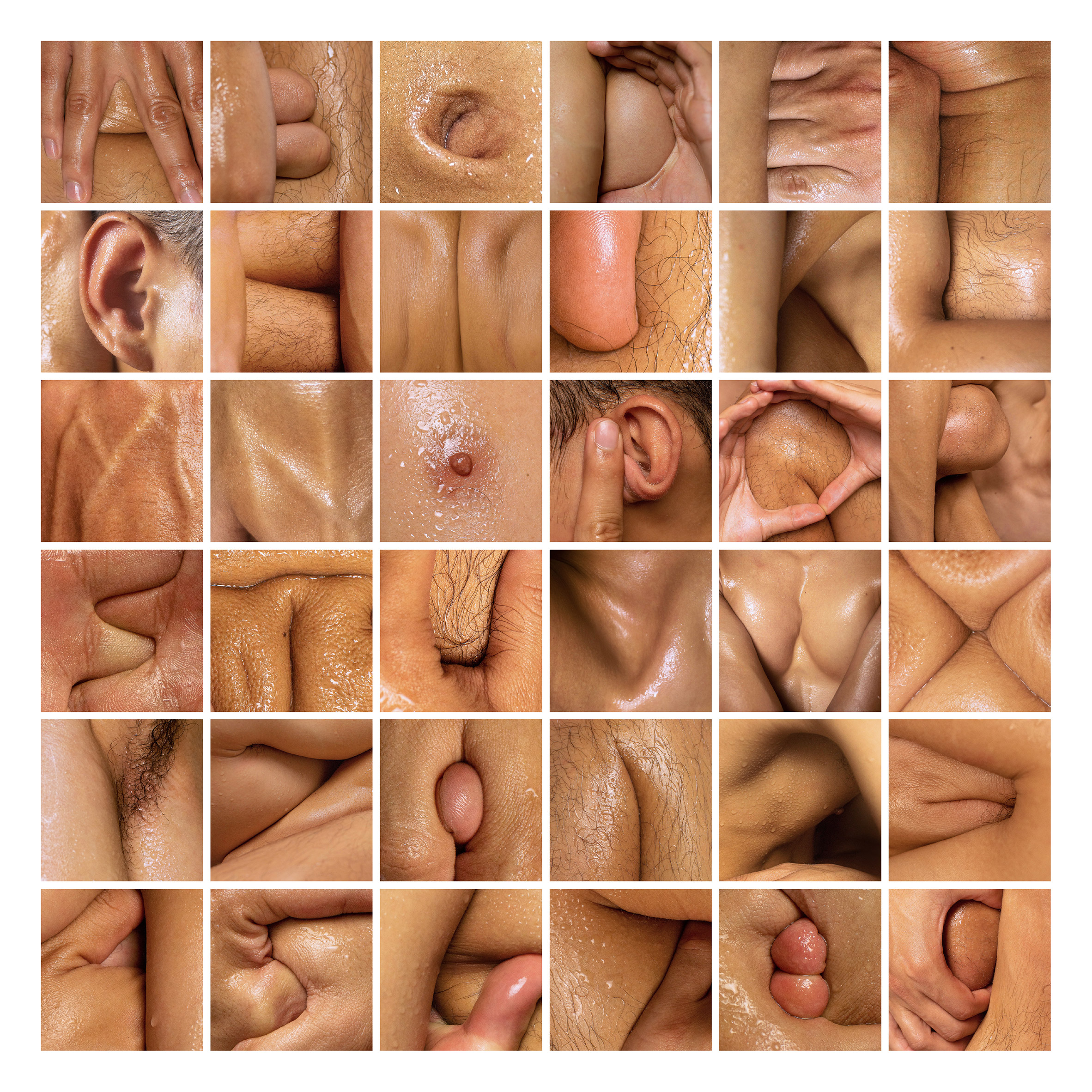
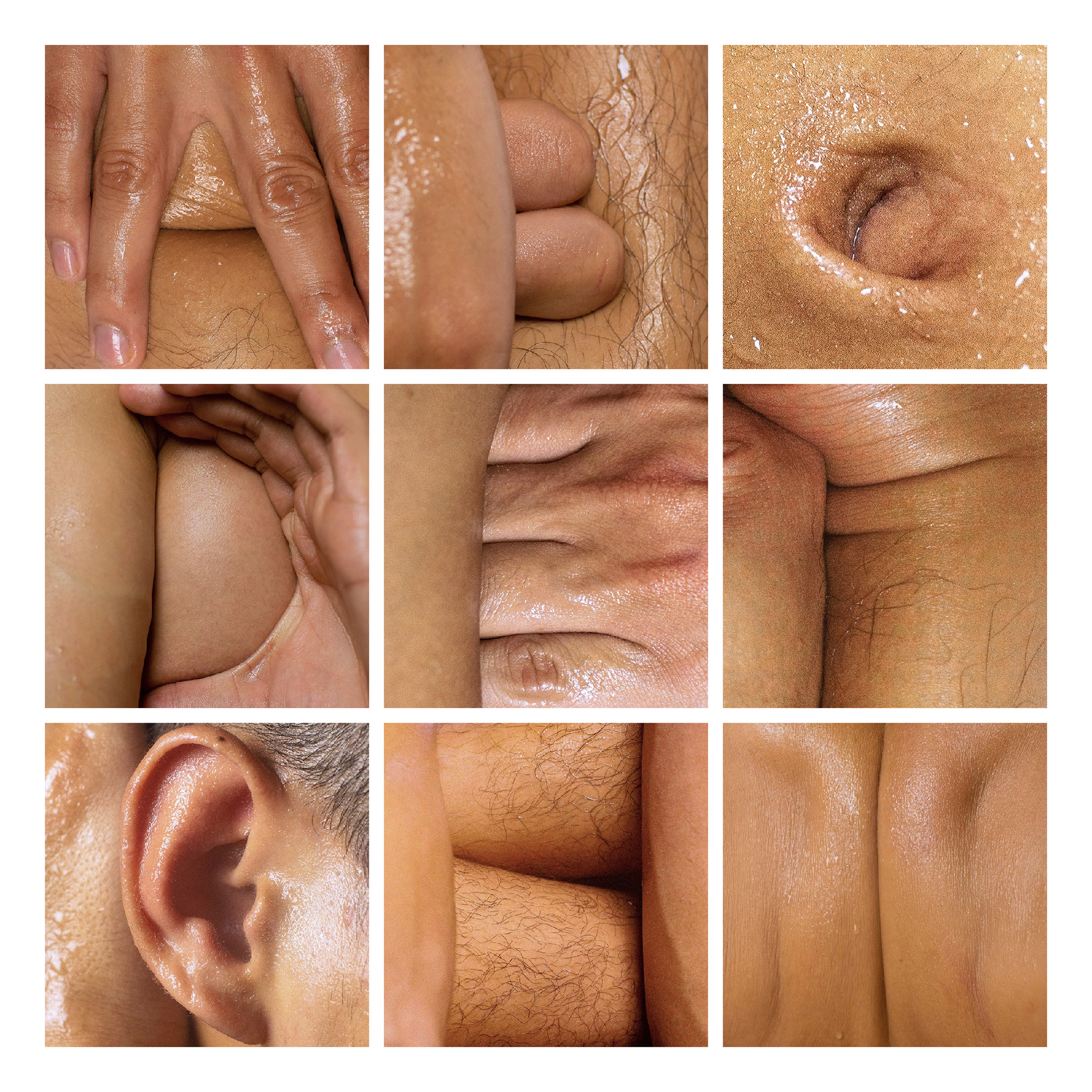
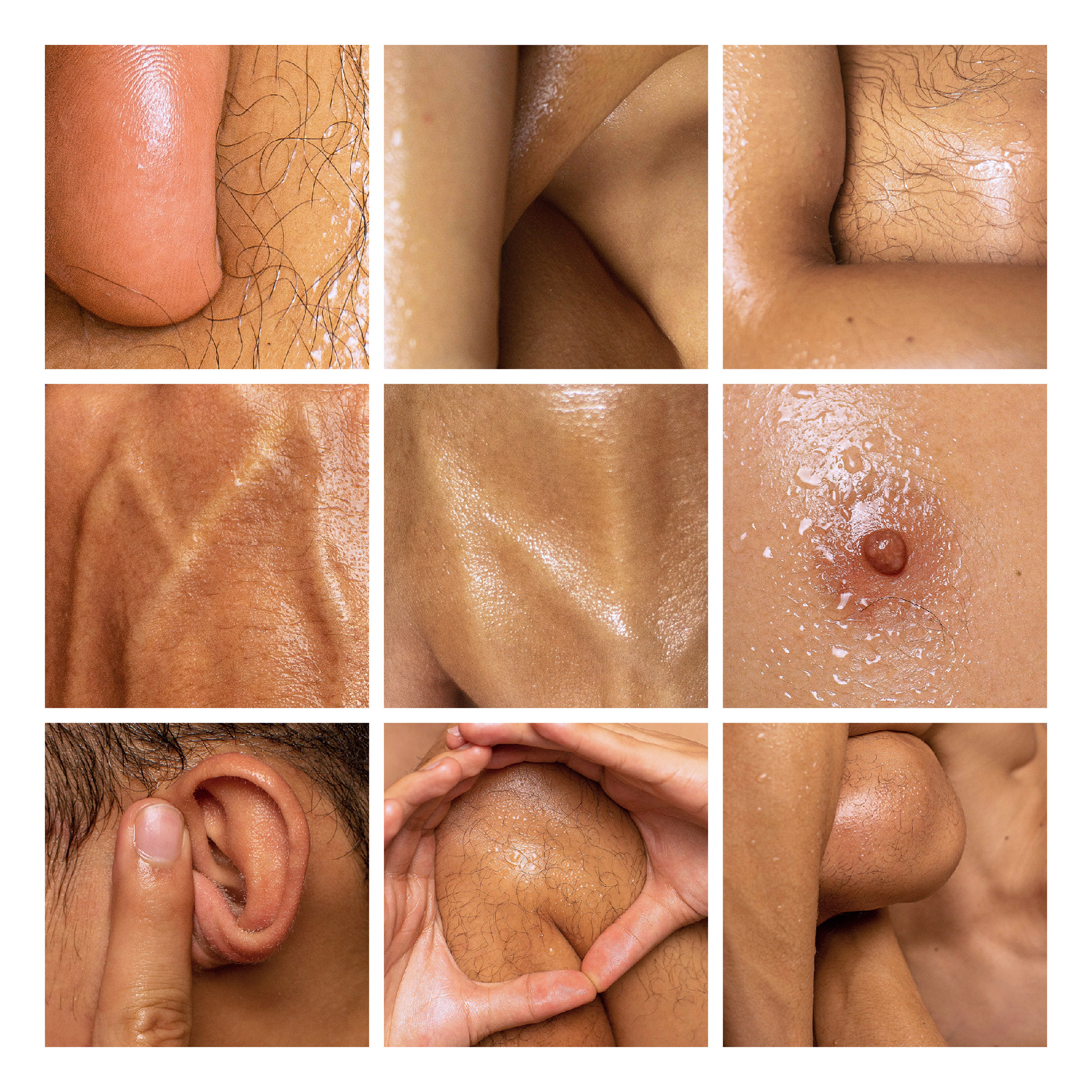
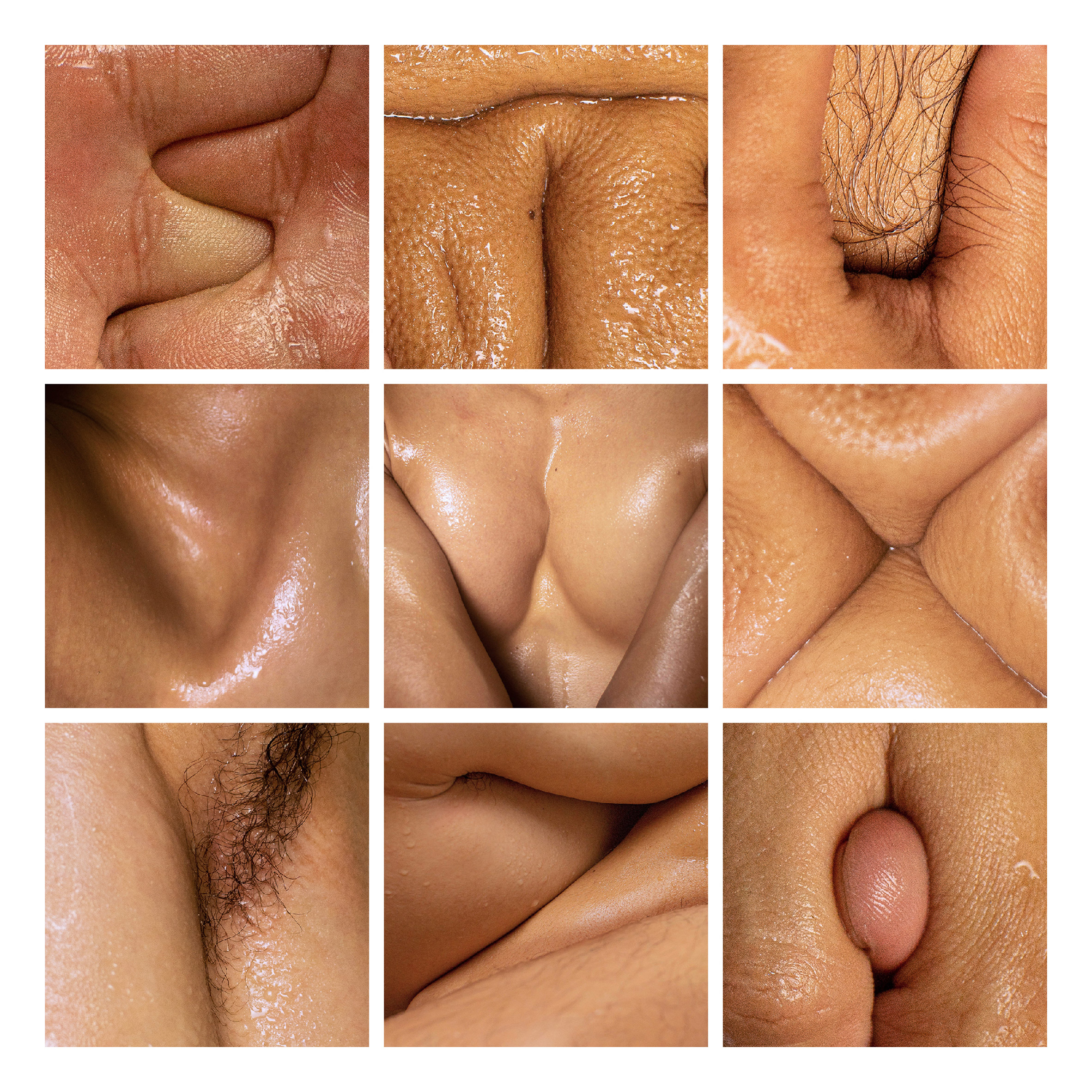
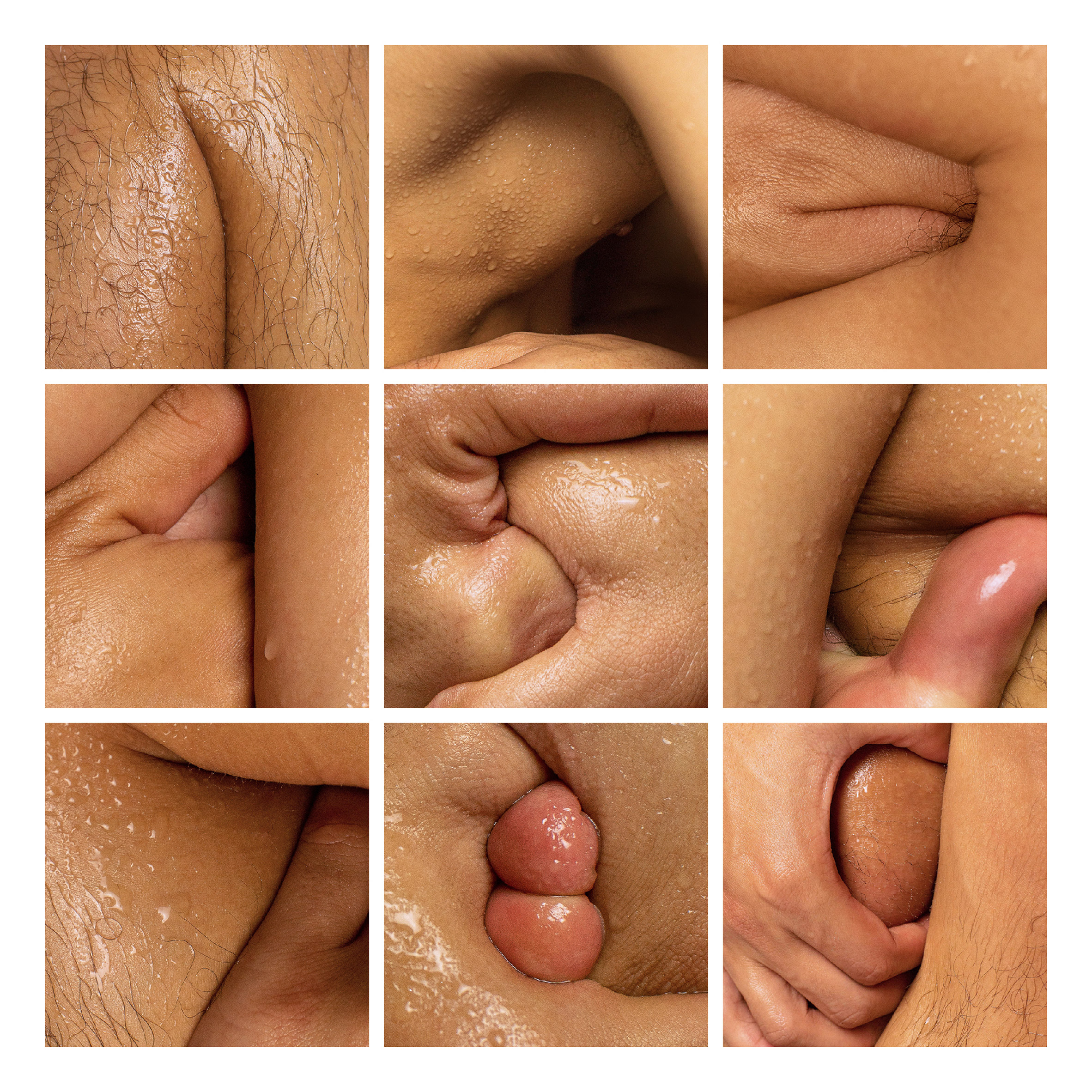
Filipino graphic designer Julius Raymund Advincula sat half-naked in front of a mirror looking for letters and numbers in the folds of his skin and limbs to make up this Body Type typeface.

Advincula, who works under the name Subhelic, created Body Type as an exploration of the various characters and figures that are hidden in the skin.

The letter C, for example, has been formed from the designer's belly button, while P has been made using his finger to fold down his ear, and a nipple takes the place of an O.
Julius Raymund Advincula makes "provocative" font from cleverly positioned body parts

Body Type was designed in response to the 36 Days of Type challenge, which invites creatives to design a number or letter each day for 36 consecutive days.

After looking through the submissions, Advincula noticed that most of them were illustrated, either traditionally or digitally.

"I wanted to deviate from that and explore a process that involved finding rather than drawing," he told Dezeen. "Then the phrases 'body type' and 'body language' popped into my head."
Julius Raymund Advincula makes "provocative" font from cleverly positioned body parts

To create the typeface, Advincula sprayed his body with a mixture of olive oil and water before sitting half-naked in front of a mirror and searching for different numbers and letterforms in the folds of his skin and contortions of his body.

"I had one friend help me squeeze and stretch and hold my body still while another friend took the photos," he explained.

The oil and water mixture offered heightened highlights and textures that elevated the "sensuality and organic-ness" of the images, he said.
Julius Raymund Advincula makes "provocative" font from cleverly positioned body parts

The designer explained that the project has, expectedly, received mixed reactions. "Some have said it's a brilliant idea, others can't look at it for more than two seconds, and some have called it utterly disgusting."

"I wanted it to be provocative; to confront the viewer and their opinions on skin and hair and body parts," he added. "I like to ask people if they would react differently to it if I were a woman."
Julius Raymund Advincula makes "provocative" font from cleverly positioned body parts

Exactly what body parts were used to make which letters or numbers remain undisclosed, as Advincula wishes to retain the mystery of the images.

"I can't reveal how the letters and numbers were formed because I think what really makes the images is the ambiguity; the responses of 'I wonder which body part this is', and the 'Wait... what?'," he added.

The letter Y is one of the designer's favourites, as it "does its job of provocation well", alongside M and N, which were "pleasant surprises" during the creation process.
Julius Raymund Advincula makes "provocative" font from cleverly positioned body parts

This is not the first time graphic designers have looked to unusual materials to create typefaces. Swedish hardcore band Pissjar designed a typeface made from their own urine.

Jerusalem designer Ori Elisar, on the other hand, used a bacteria-based ink to grow a Hebrew alphabet in a lab.

The post Julius Raymund Advincula makes "provocative" typeface from cleverly positioned body parts appeared first on Dezeen.


from Dezeen https://ift.tt/2Wt9cS7

Tuesday, 12 May 2020

Curl la Tourelle Head proposes tent classrooms for socially distanced learning

Curl la Tourelle Head designs social-distancing tent classrooms

UK studio Curl la Tourelle Head has designed a concept for tent classrooms that would allow students to return to schools while maintaining social distancing guidelines.

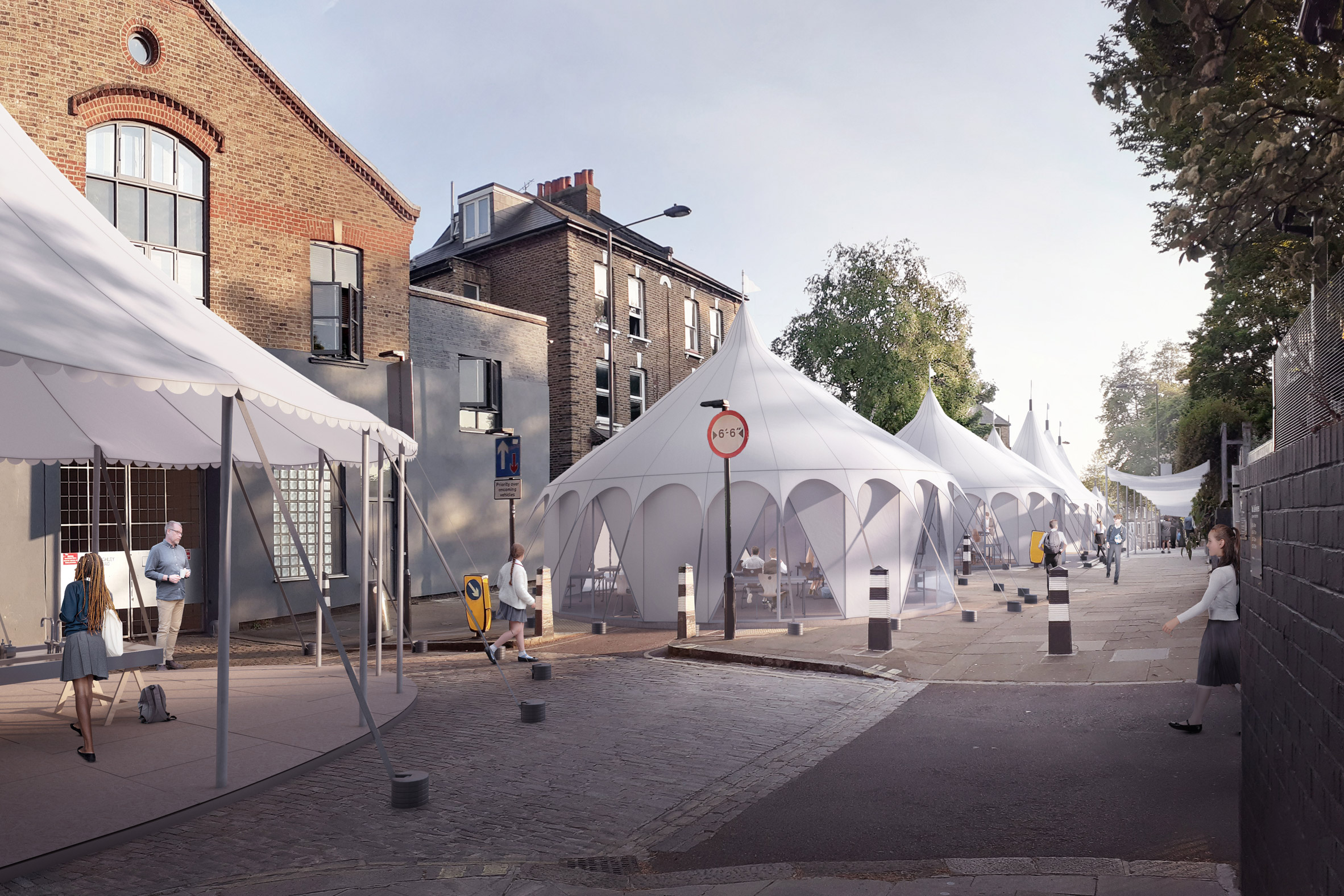
Curl la Tourelle Head envisions the pop-up teaching spaces being erected at schools to expand capacity for socially distanced learning and reduce the reliance on restricted circulation routes.

"We designed the concept to assist pupils and staff with their return to school and to mitigate the possibility of infection by proper spacing of pupils and staff in fresh air environments," explained Wayne Head, director of Curl la Tourelle Head.

Curl la Tourelle Head designs social-distancing tent classrooms
Curl la Tourelle Head has designed a concept for socially distanced classroom tents

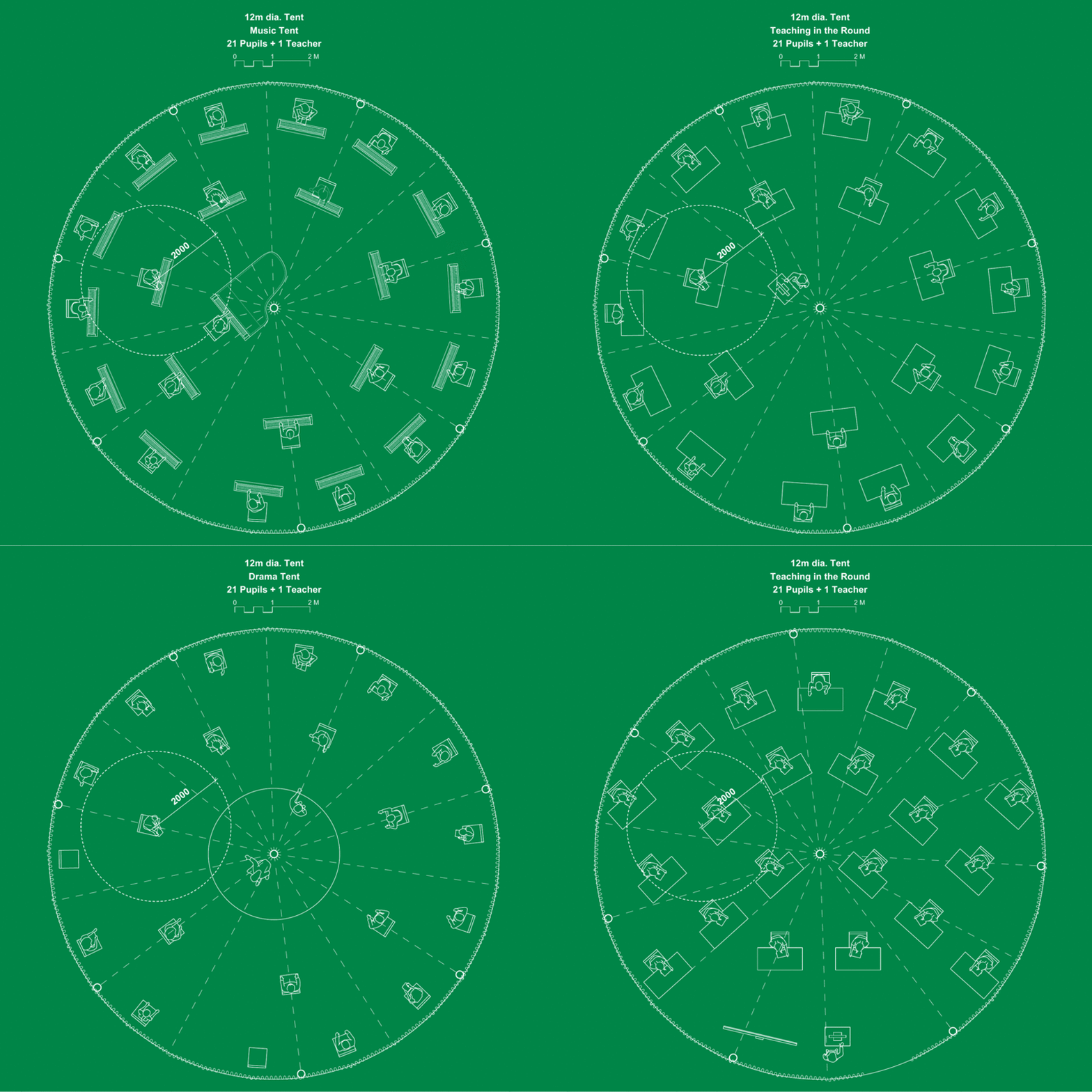
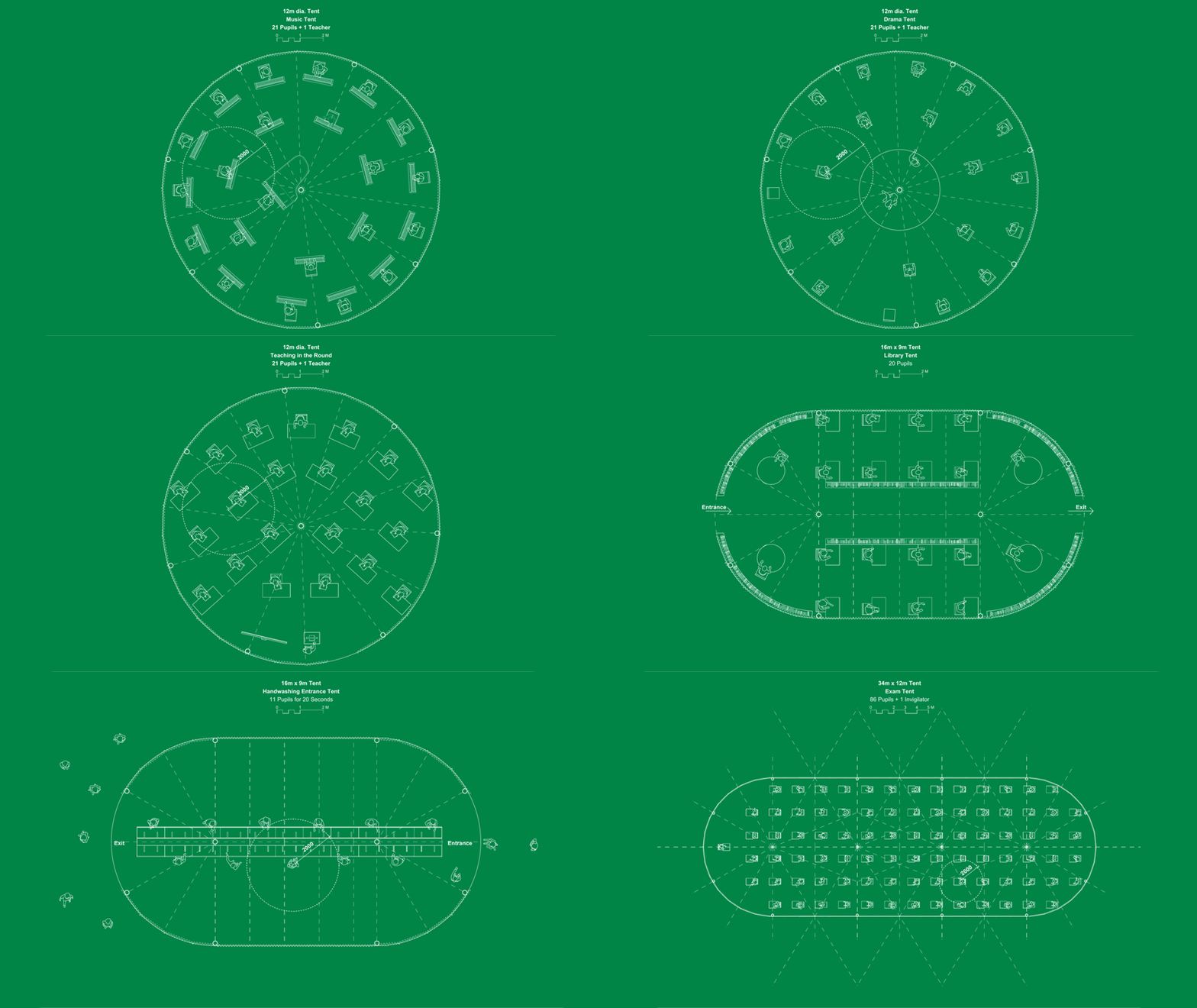
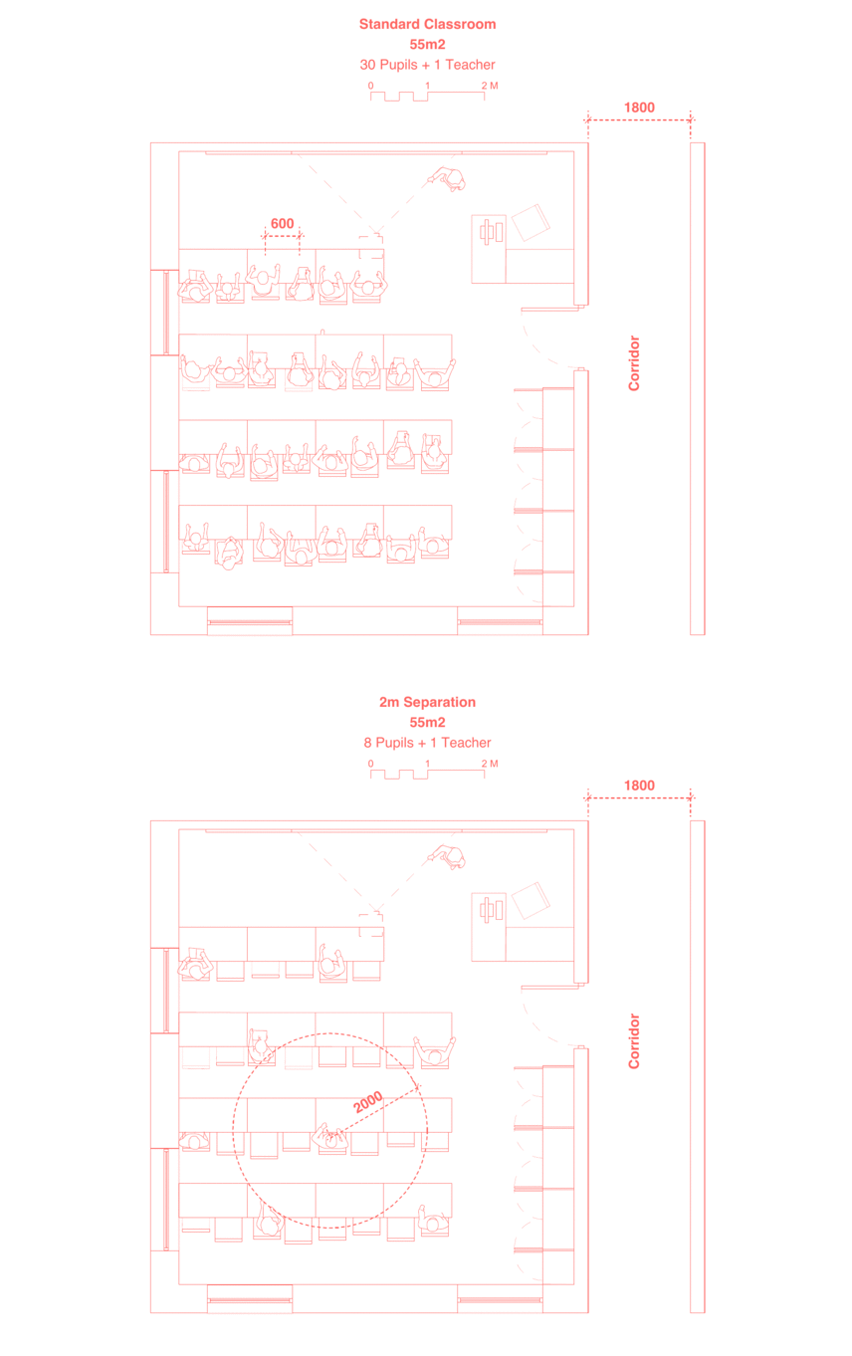
The concept would see tents being assembled on the school's playing fields or other nearby outdoor spaces. Inside, classrooms would be arranged so that pupils can be separated from each other by two metres.

Each would be configured for the various set-ups required by the school, while some would contain dedicated handwashing stations.

Curl la Tourelle Head proposes tent classrooms to allow social distancing in schools
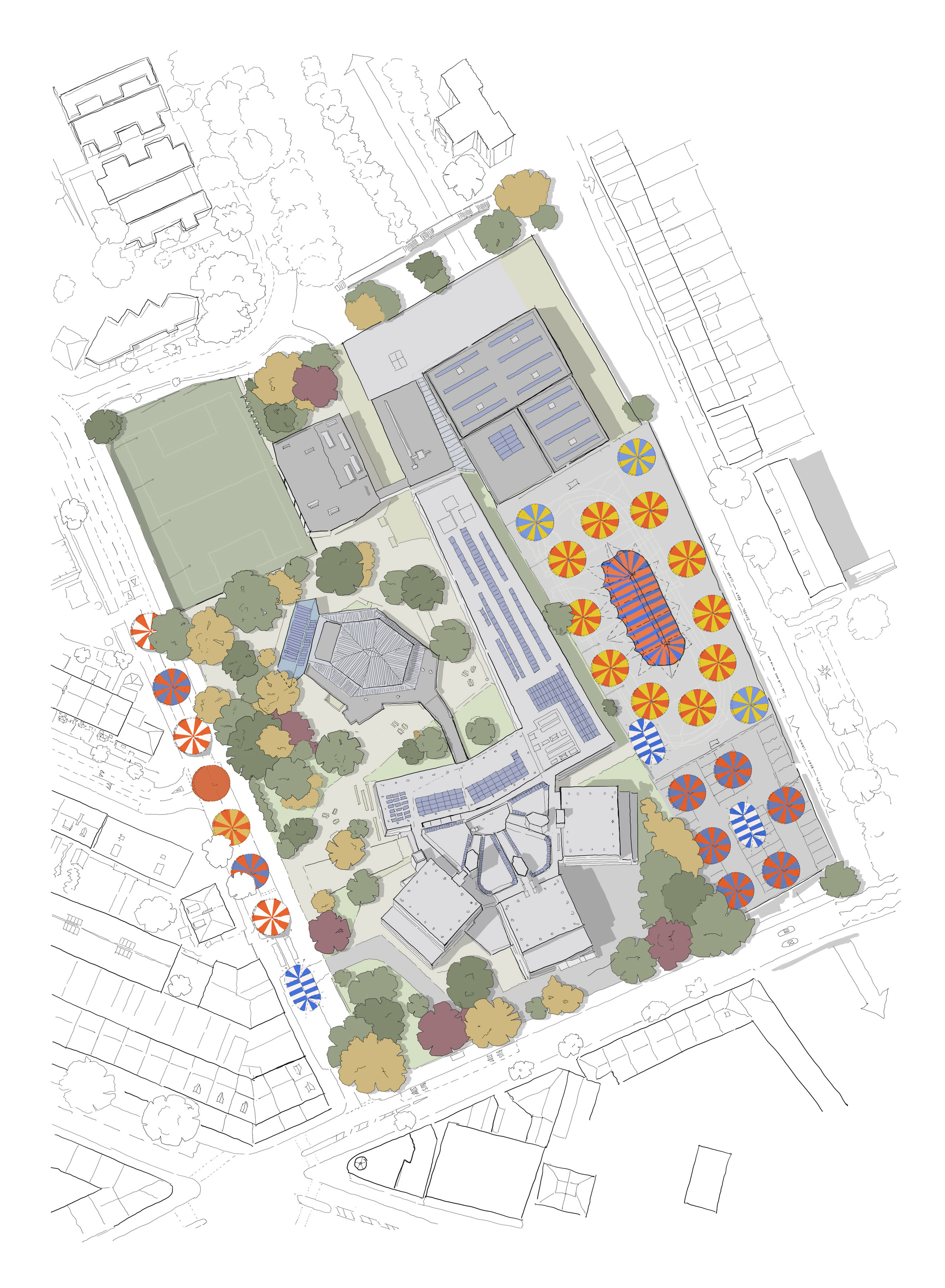
The tents would be erected on the school's playing fields and other outdoor spaces

Curl la Tourelle Head believes that the concept, which is illustrated at a school in London above, could allow for a greater number of students to safely return to schools.

"At the moment only children in nursery, reception, year 1 and year 6, alongside priority groups may return in June," explained Head. "This is most likely due to the difficulties schools will face in enabling adequate safe spacing of pupils as they circulate."

"The additional outdoor structures would enable pupils and staff to be better spaced and this increase the possibility of year group intake," he continued.

Curl la Tourelle Head proposes tent classrooms to allow social distancing in schools
Tents could be erect on land around the schools

The studio envisions that the tents would be used alongside the school's existing buildings that would also be adapted to allow for safe teaching.

"Our studies have shown that in utilising some outdoor structures to ease the load on circulation and teaching areas in main school buildings, that a quantum of temporary works could be undertaken to adapt and remodel existing school structures to more suitable Covid-19 compliant arrangements," explained Head.

Curl la Tourelle Head designs social-distancing tent classrooms
Existing classrooms are not designed for social distanced teaching

The concept was developed after Curl la Tourelle Head saw makeshift tents being used by some nurseries in Denmark. It would make use of tents and marquees that would normally be in use at festivals and other outdoor events currently not taking place.

Head believes that the concept designed for coronavirus social distancing could potentially lead to a wider rethink of the classroom and school design.

"It is possible that schools may adopt and evolve the concept of outdoor schooling," he said.

"Other countries including Denmark are experimenting with new models of outdoor learning," he continued. "We believe that our emergency first step proposal will lead to new settings for learning environments and a much needed rethink of school planning."

As countries begin to reopen following lockdown, designers are creating concepts to allow people to carry out activities while social distancing. Aviation consultancy Factorydesign has designed a screen to allow social distancing to be achieved on planes, while Paul Cocksedge designed a blanket to let people "socialise safely and confidently" outdoors.

In Italy, Caret Studio has installed a gridded installation in a piazza to encourage social distancing.

The post Curl la Tourelle Head proposes tent classrooms for socially distanced learning appeared first on Dezeen.


from Dezeen https://ift.tt/3dGFVsY

Promote your architecture or design business with a Virtual Design Festival studio profile

VDF studio profile

Are you an architect or designer who wants to spread the word about your work? A Virtual Design Festival studio profile is a low-cost way to put your company in front of Dezeen's huge global audience.

A studio profile on Virtual Design Festival could expose your work to Dezeen's three million monthly website visitors. Each studio profile will be featured on the VDF homepage and included in Dezeen's daily newsletter, which has 170,000 subscribers.

Profiles can be featured on Dezeen's social media channels (which have a combined total of over five million followers) for an additional fee.

Consisting of up to 500 words of text and five images, each studio profile post will have a powerful visual impact. With a link to your website and an email address for enquiries, this is an affordable way to promote your work and generate new business.

www.dezeen.com/vdf/studio-profiles

Contact us now for details of prices by emailing vdf@dezeen.com. For information about what a studio profile will look like, click here.

For greater impact, companies can also collaborate with VDF on a bespoke talk, video or full-day takeover. VDF also offers an affordable platform for students and graduates to showcase their work and a products fair for new launches.

About Virtual Design Festival

Virtual Design Festival is the world's first online design festival, taking place from 15 April to 30 June.

The festival has already generated substantial interest around the world, with contributions lined up from many leading designers.

"The global design community has collaborated to launch the first virtual design festival in response to the coronavirus lockdown," wrote The Guardian newspaper.

Designer Ron Arad described VDF as "a great initiative to bring us together at this extraordinary time," while Tom Dixon said: "The Virtual Design Festival allows us an unexpected digital platform to describe our latest thinking."

"Thank you Dezeen for keeping the light on," said Stefano Giovannoni. "I look forward to this digital festival with Dezeen," said Yves Behar.

The post Promote your architecture or design business with a Virtual Design Festival studio profile appeared first on Dezeen.


from Dezeen https://ift.tt/2LjphU3

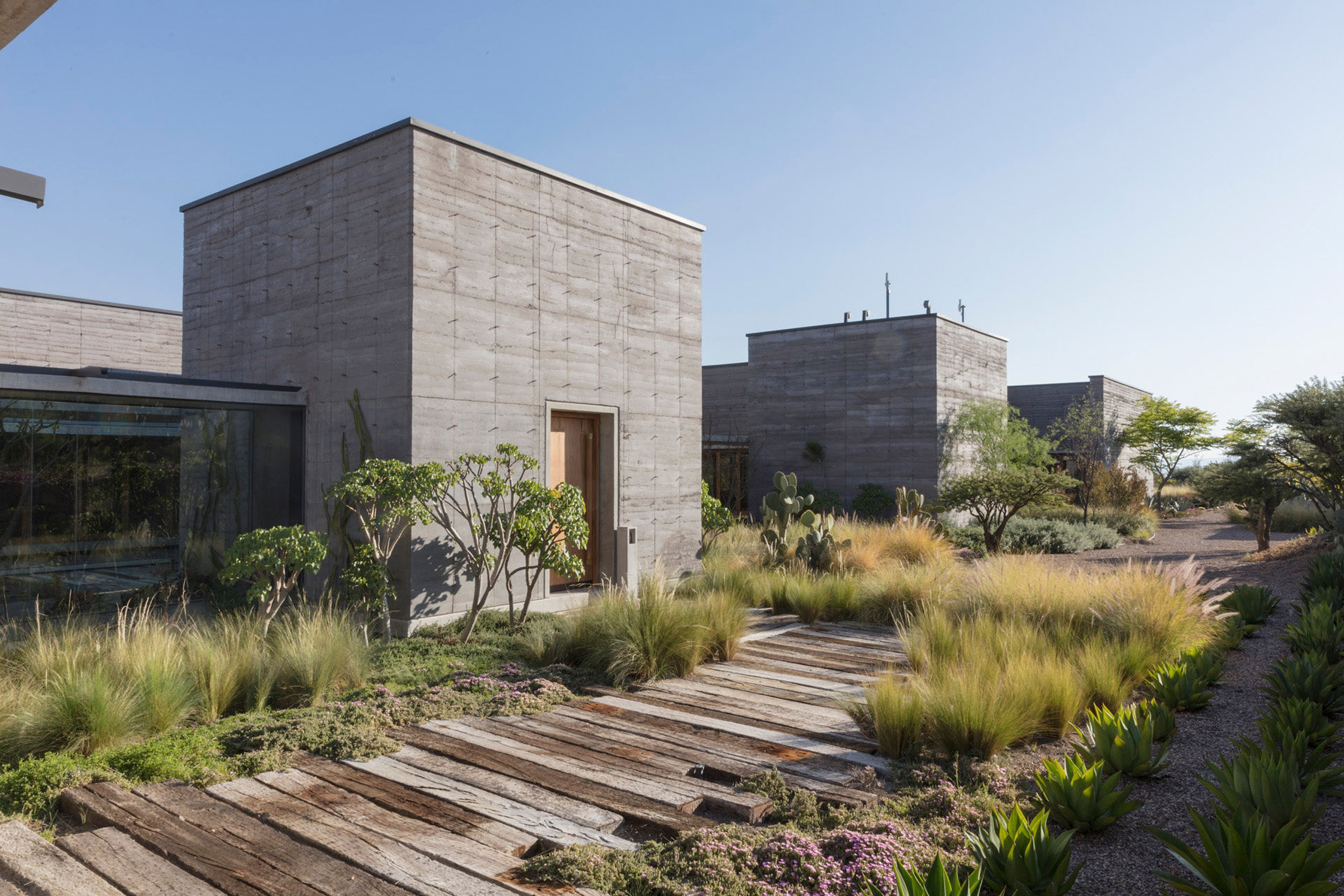
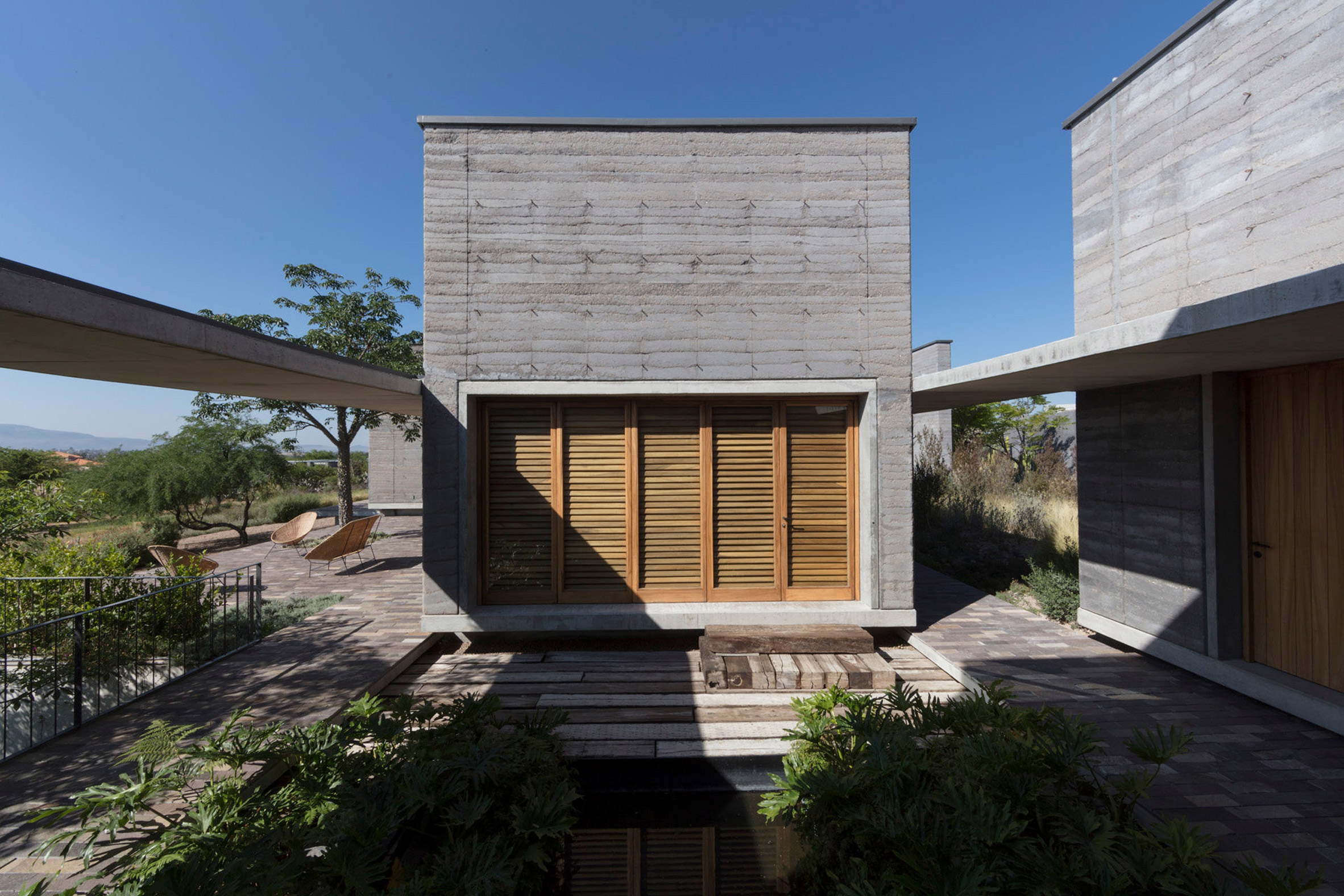
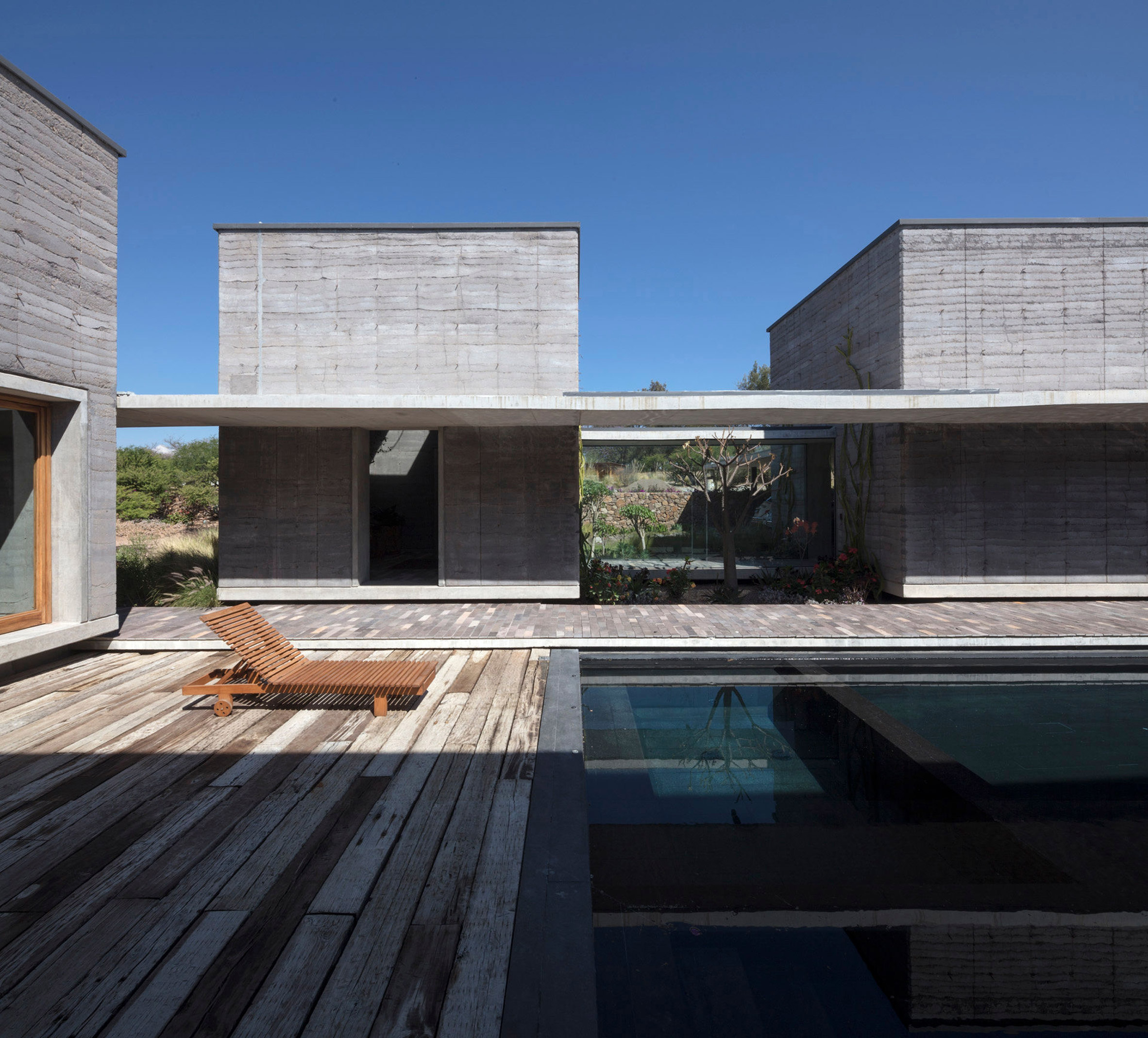
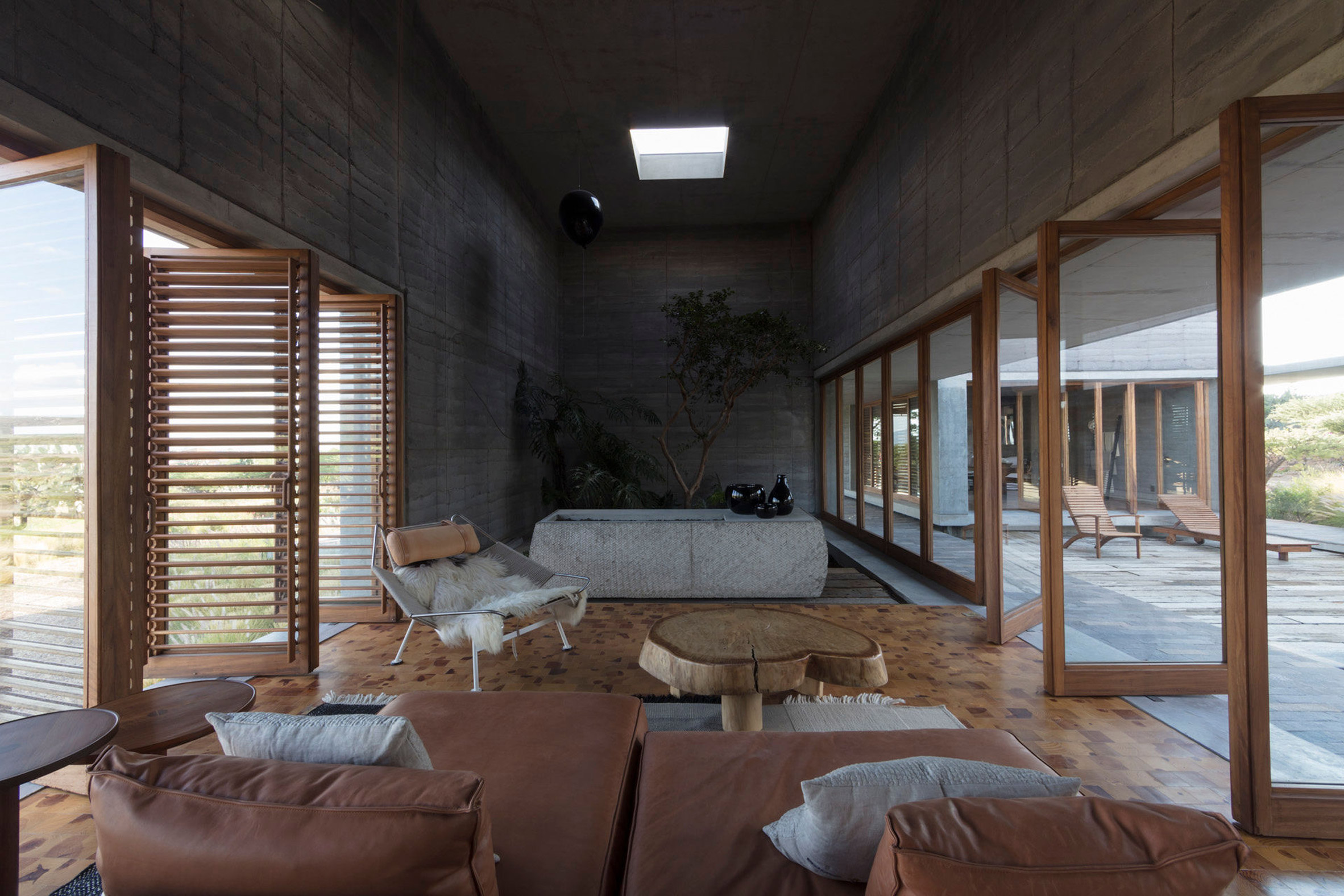
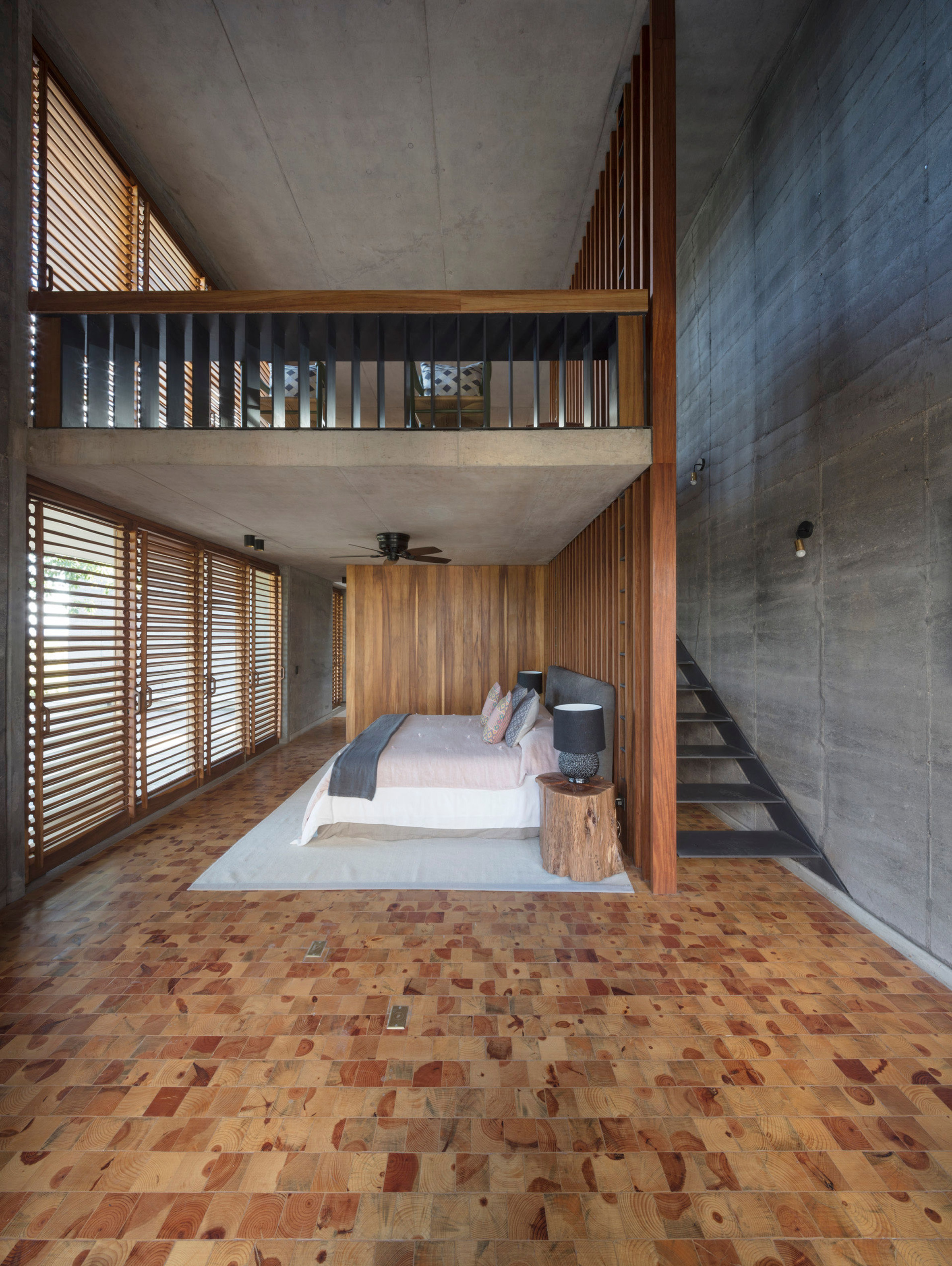
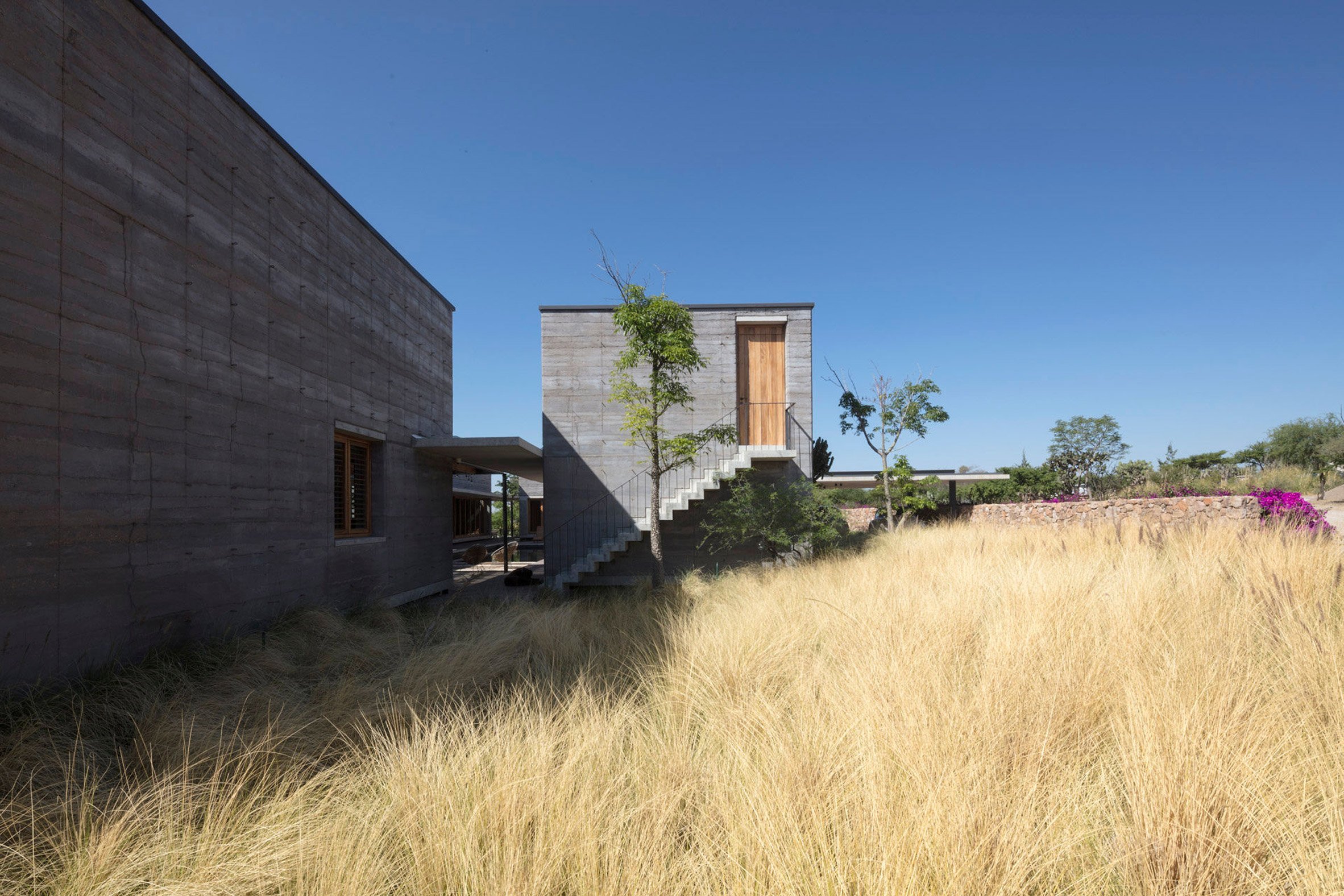
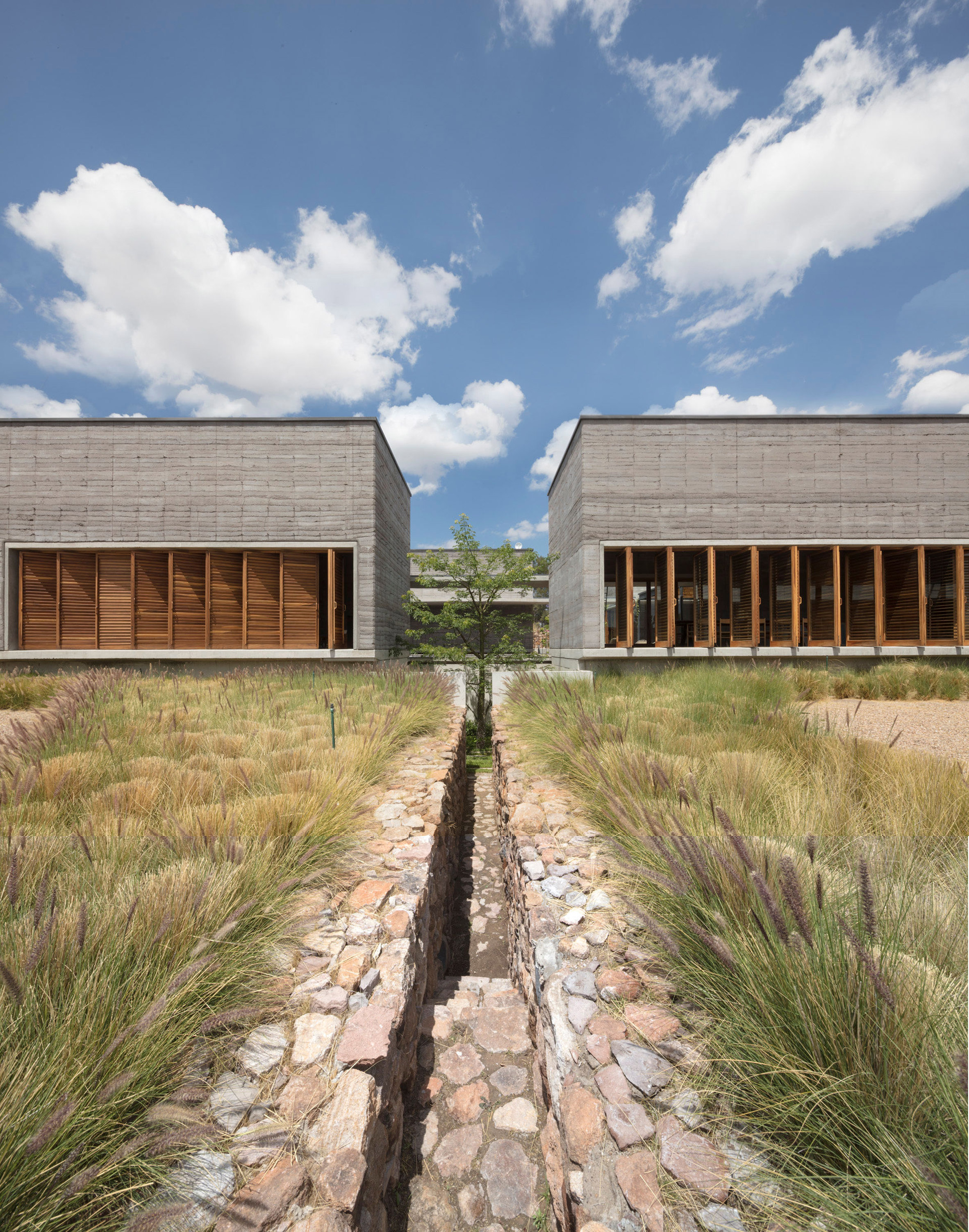
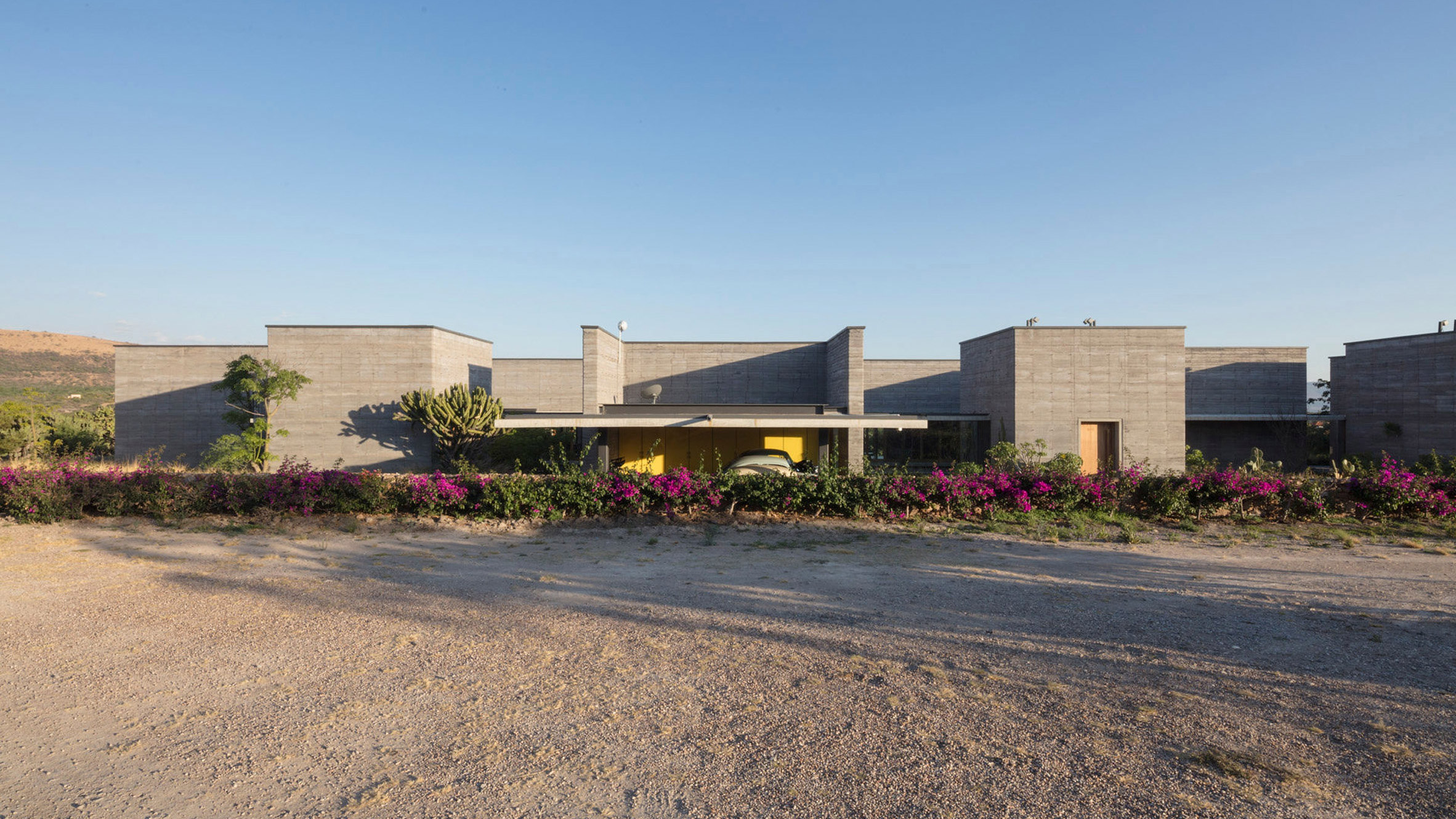
Cherem Arquitectos separates Casa Candelaria into 12 blocks

Cherem Arquitectos Casa Candelaria

Twelve volumes built with rammed earth form this residence in San Miguel de Allende, Mexico, designed by Cherem Arquitectos.

Cherem Arquitectos Casa Candelaria

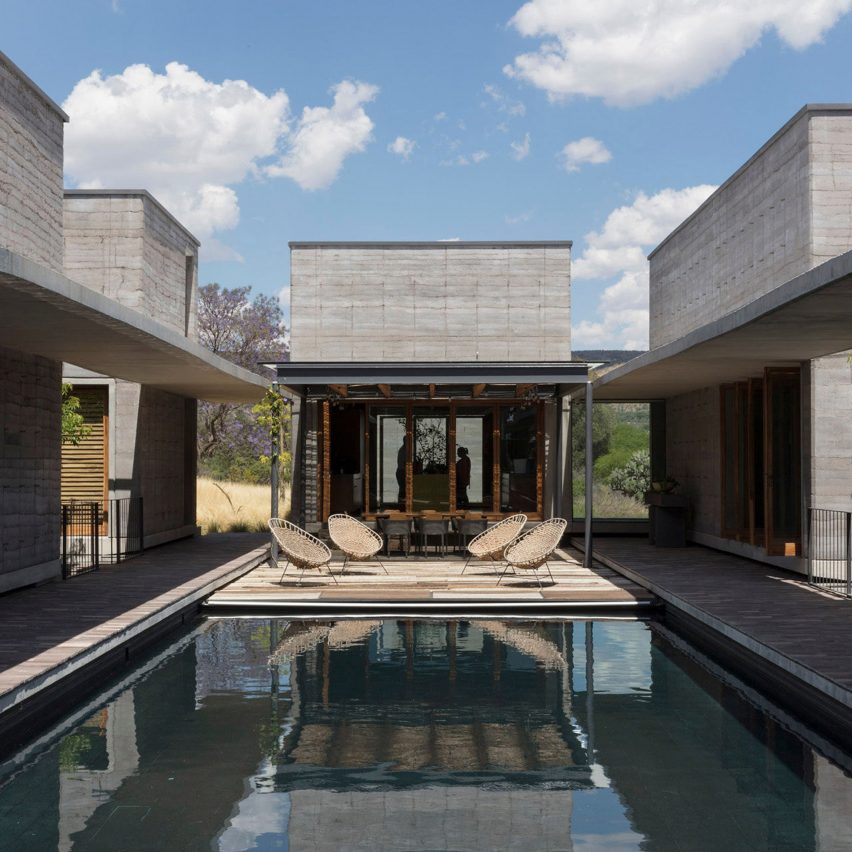
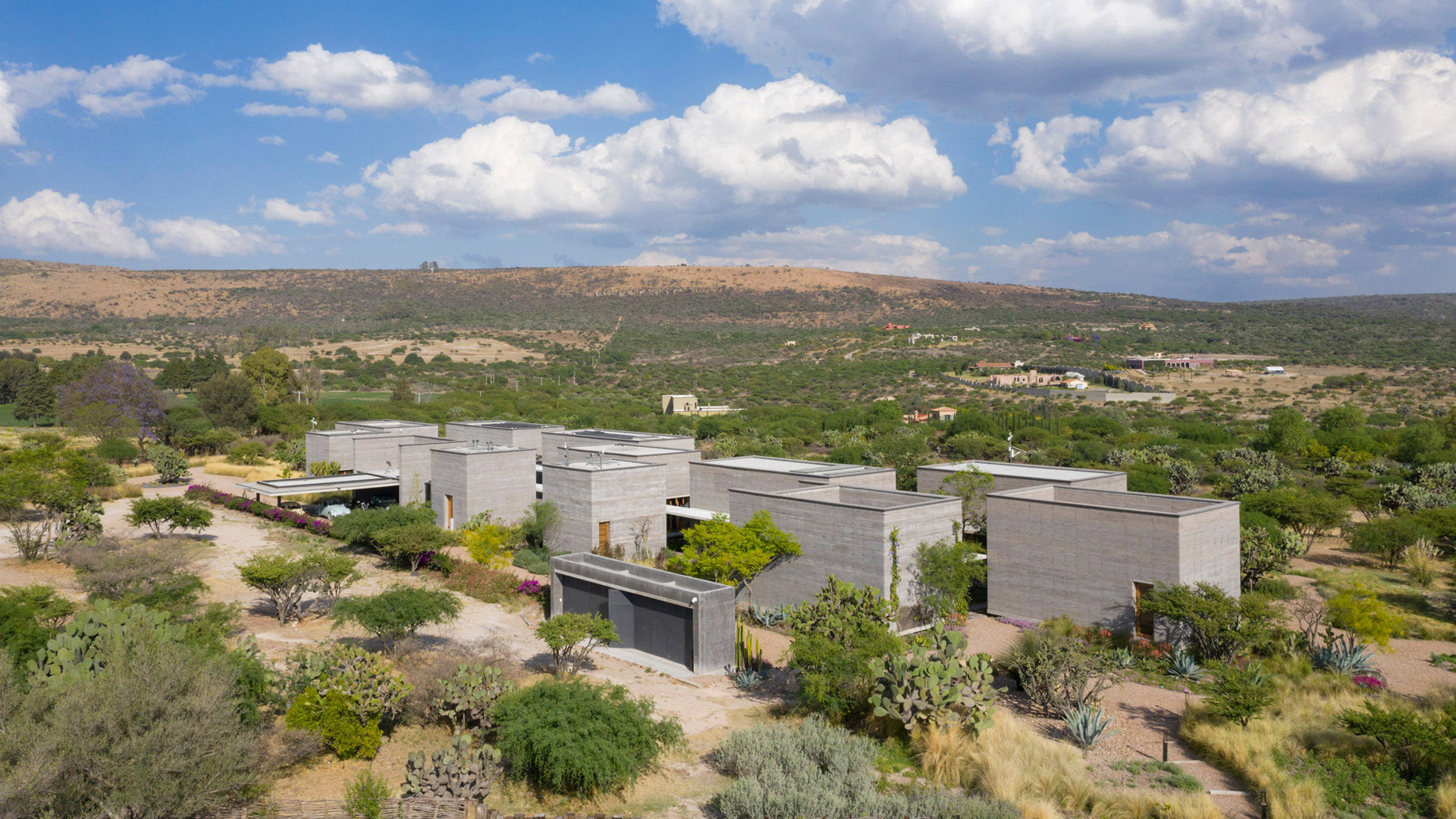
The residence, called Casa Candelaria, comprises a dozen flat-roofed buildings and two courtyards built on the outskirts of the city in Mexico's central highlands.

Cherem Arquitectos Casa Candelaria

The design is intended to reference Mexican haciendas, or lavish Spanish colonial houses, whose large estates centre around courtyards and lush gardens.

"It was conceived under concepts that detonate the strength in its presence and belonging to the place where it uproots, for which it was decided to return to the programme of the Mexican haciendas and solve the house around courtyards," Cherem Arquitectos said.

Cherem Arquitectos Casa Candelaria

In the 1700s, haciendas grew to encompass extensive grounds with buildings for workers and other living quarters. The four-hectare site of Casa Candelaria similarly includes a guest house that Cherem Arquitectos also designed, as well as a clubhouse, a caretaker's house and a one-kilometre-long jogging track.

Cherem Arquitectos Casa Candelaria

Cherem Arquitectos completed both the main house, which it refers to as the "big house", and the guest house with rammed-earth walls to create a unified look.

The studio chose the earthen material to utilise the site's natural resources and also for its insulating properties. Casa Candelaria's walls are 50 centimetres thick and mixed with natural aggregates that pigment the soil black.

Cherem Arquitectos Casa Candelaria

"In a place of extreme weather as San Miguel de Allende, it is sought to achieve spaces that during the day could stay fresh and at night preserve the thermal gain they achieve during the day and radiate it into the interior, in order to create warm spaces," said the studio.

Cherem Arquitectos Casa Candelaria

The separate volumes of Casa Candelaria are built in three rows and connected by patios, corridors and patios. In total, the 12 volumes amass 930 square metres.

Cherem Arquitectos Casa Candelaria

A swimming pool and jacuzzi are at the centre of the blocks that house the main living areas on the ground floor, including the kitchen, dining room and two lounges. Four bedrooms are on the other side of the property.

Cherem Arquitectos Casa Candelaria

Three of the 12 units rise two-storeys and have bedrooms on the top level.

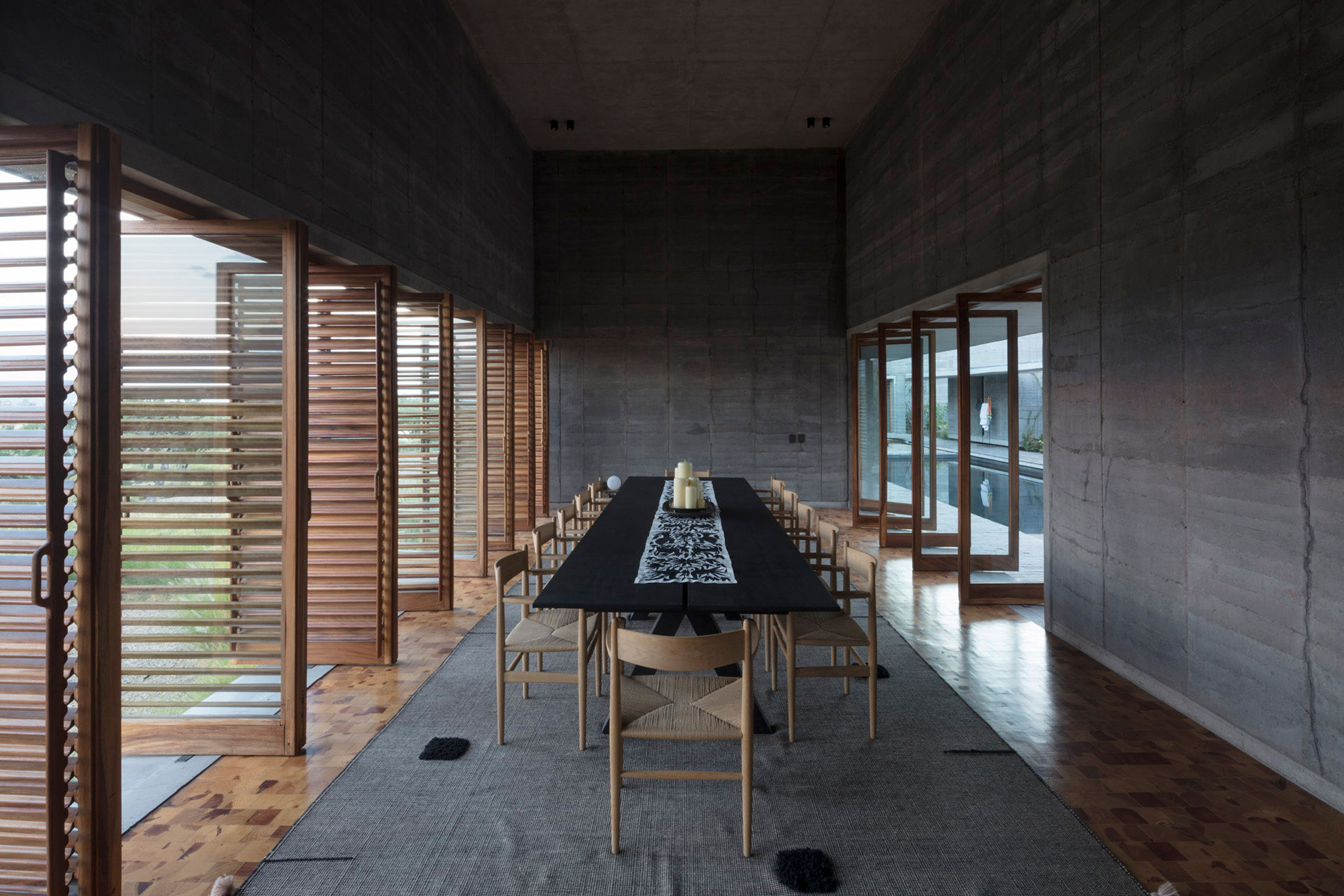
Rounding out the design are sliding glass doors, tile floors, pivoting glass doors with wood screens, and exposed rammed-earth walls inside. Local Guanacaste wood, stone and concrete are also used.

Cherem Arquitectos Casa Candelaria

An eclectic mix of furniture feature inside, including a Flag Halyard Chair by Hans Wegner, a contemporary caramel leather couch, a black dining table and pale wooden chairs.

Woven tapestries, potted plants and tables made from tree stumps provide more rustic accents.

Cherem Arquitectos Casa Candelaria

San Miguel de Allende is a city in Mexico's central highlands. Other projects in the area include Casa Hoyos hotel and Casa La Quinta.

Cherem Arquitectos has also designed a concrete house with a corrugated exterior for a family of four just outside Mexico City.

Photography is by Enrique Macias.

The post Cherem Arquitectos separates Casa Candelaria into 12 blocks appeared first on Dezeen.


from Dezeen https://ift.tt/2xSUom6

Once Complete, Magic Puzzles Reveal an Optical Illusion and Secret Narrative

“The Mystic Maze” by Boya Sun. All images © Max Temkin, shared with permission

When Max Temkin was considering his latest project, Magic Puzzles, he wanted to ensure that the most exciting moment wasn’t inserting the last piece. The Chicago-based designer, who’s behind games like Cards Against Humanity, worked with artists Boya Sun, Felicia Chiao (previously), Sarah Becan to create 1,000-piece jigsaws that have an added surprise: “When you receive the box, there’s a big envelope that says, ‘Don’t open this until you’re done with the puzzle.’ When you finish the puzzle and open that up, it starts the magical ending and makes some cool surprises available,” Temkin says. Once users complete the mythical landscapes and fantastical scenes—and open the envelope—an optical illusion and final narrative reveal themselves.

As an added bonus, each individual piece has its own miniature picture of a figure, building, or scene. “To make the magical ending work right, we had to customize the shape of every single piece in all three puzzles. While we were at it, we also made sure that the individual puzzle-piece shapes highlighted the cool art details instead of cutting them in half,” Temkin writes. Fifty eggs are hidden throughout each work, offering a treasure hunt, too.

Because the jigsaw pieces required extreme precision for the surprise ending to work correctly, the designer said that he had to collaborate with the factory on a new die-cutting technique. “Some of the roughly 3,000 blades that make up our dies actually had to be precise to within 0.1 millimeter—30 times more precise than a regular puzzle,” he said.

To get a Magic Puzzle for yourself, back the project on Kickstarter, and keep up with Temkin’s innovative projects on Instagram.


“The Sunny City” by Felicia Chiao

“The Happy Isles” by Sarah Becan


from Colossal https://ift.tt/2SY1RI1