Thursday, 14 May 2020

Live interview with Standard Architecture as part of Virtual Design Festival

Standard Architecture will speak to Dezeen in this Screentime conversation sponsored by Enscape as part of Virtual Design Festival. Watch it here live from 5:00 pm UK time.

The founders of the Los Angeles-based architecture and interior design firm, Silvia Kuhle and Jeffrey Allsbrook, will discuss their work with Dezeen's founder and editor-in-chief Marcus Fairs.

The architects' work often merges the built environment with a site's natural landscape in an effort to prove that "architecture can be landscape-generative rather than landscape displacing".

They have previously designed a proposal for a housing complex consisting of 30 dwellings with grass-covered roofs that replace the grass-covered ground displaced by the buildings.

As part of Dezeen and adidas Originals' P.O.D.System Architecture collaboration from 2018, the duo created a design for a unique conceptual building based on the story behind the P.O.D.System shoe.

For the project, Kuhle and Allsbrook designed an elevated, modular megastructure of pathways and vaulted pods, which could be used to build on top of different natural landscapes without interference.

Live interview with Standard Architecture as part of Virtual Design Festival
The founders of Standard Architecture will discuss their work in a live Screentime interview as part of Virtual Design Festival

They have also previously designed a showroom for fashion brand Helmut Lang in Hollywood which includes a light-filled garden.

The interview is part of our VDF Screentime series, a series of live interviews which has featured trend forecaster Li EdelkoortNew York architecture practice SO-ILdesign studio Space Popular and architect Ben van Berkel.

This Screentime conversation is sponsored by Enscape, a virtual reality and real-time rendering plugin for architectural design programme Autodesk Revit.

Virtual Design Festival is the world's first online design festival, taking place from 15 April to 30 June. For more information, or to be added to the mailing list, contact us at virtualdesignfestival@dezeen.com.

The post Live interview with Standard Architecture as part of Virtual Design Festival appeared first on Dezeen.


from Dezeen https://ift.tt/3dJoZBV

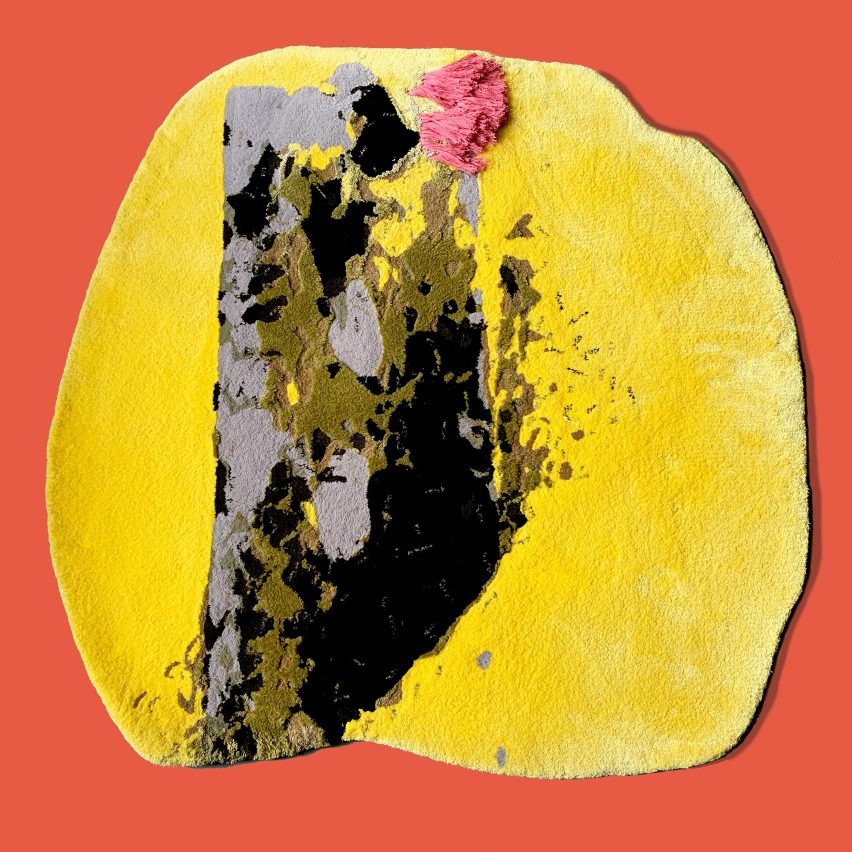
The Yellow Untitled by Sandra Keja Planken for Noun Amsterdam

The Yellow Untitled by Noun Amsterdam for VDF products fair

VDF products fair: The Yellow Untitled is a new rug collection designed by Sandra Keja Planken for Noun Amsterdam that aims to brighten interiors "like the morning sun".

The collection is made from bright eucalyptus wools, and intended to evoke a sun decorated with textured "pieces of the earth".

The Yellow Untitled design evolved from a painting by Planken, founder of Noun Amsterdam, and has been created using the traditional textile craft of hand-tufting.

European eucalyptus wool was chosen for the rug collection as the fibre is "huggable", naturally-occurring and sustainably produced.

Planken's ambition for The Yellow Untitled was to offer a series of unique and textural rugs that could bring "rays of sunlight" into home interiors.

"The Yellow Untitled is a kiss from the sun," explained the Dutch design studio. "It is designed to brighten your space like the morning sun."

Each product is made to order and can be completed in any size and shape.

Product: The Yellow Untitled
Brand: Noun Amsterdam
Designer: Sandra Keja Planken
Contact address: sandra@noun-amsterdam.nl

About VDF products fair: the VDF products fair offers an affordable launchpad for new products during Virtual Design Festival. For more details email vdf@dezeen.com.

The post The Yellow Untitled by Sandra Keja Planken for Noun Amsterdam appeared first on Dezeen.


from Dezeen https://ift.tt/3fNAmum

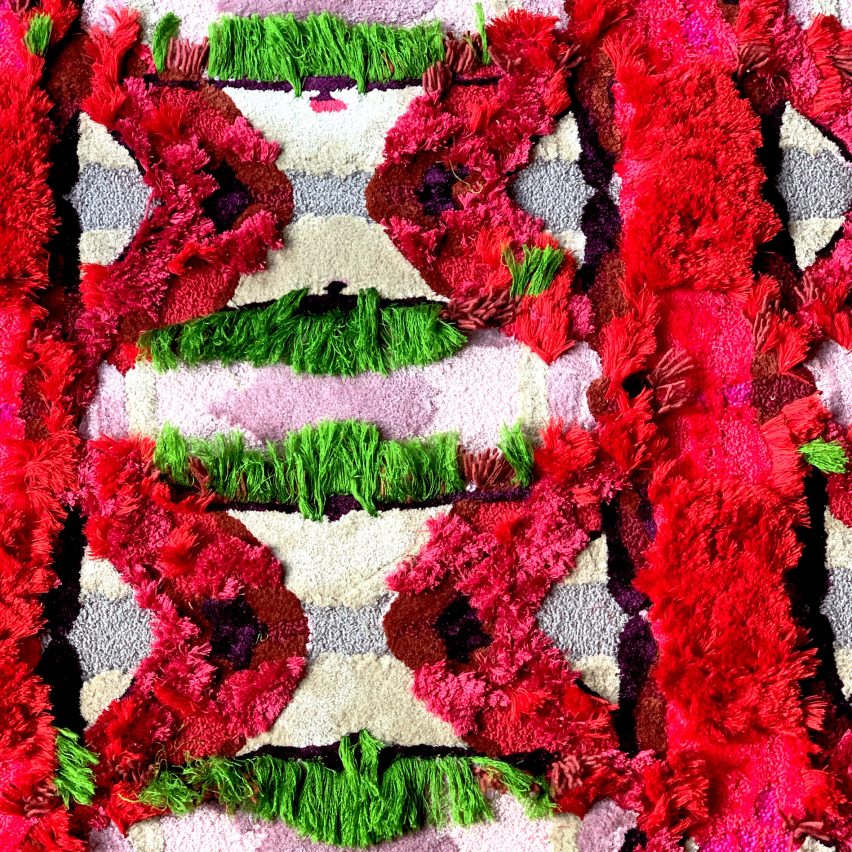
The Lips by Sandra Keja Planken for Noun Amsterdam

The Lips by Noun Amsterdam at VDF products fair

VDF products fair: Noun Amsterdam's colourful wall rugs called The Lips are designed by Sandra Keja Planken to add "depth, vibrancy and boldness" to interior spaces.

The rugs are made from bright eucalyptus wools, which have been applied in layers and with different textures to evoke varied landscapes.

This is achieved using the traditional technique of hand-tufting, which involves punching strands of wool into a canvas that is stretched on a frame.

Planken chose to use European eucalyptus wool for The Lips as the fibre is naturally-occurring and can be sustainably produced.

According to Noun Amsterdam, The Lips' design also takes cues from the human body, and can be custom-made in any size and shape.

"The Lips takes inspiration from female and male forms," explained the Dutch studio. "They make you feel like you are being hugged and kissed by the wonderful landscape by walking through the wool."

The Lips forms part of Noun Amsterdam's wider series called The Wonder Room, which comprises handmade and locally produced products such as tables, prints, and lamps.

It is designed "for people who aren't afraid, those who yearn to add depth, vibrancy and boldness to their space".

Product: The Lips, The Wonder Room
Brand: Noun Amsterdam
Designer: Sandra Keja Planken
Contact address: sandra@noun-amsterdam.nl

About VDF products fair: the VDF products fair offers an affordable launchpad for new products during Virtual Design Festival. For more details email vdf@dezeen.com.

The post The Lips by Sandra Keja Planken for Noun Amsterdam appeared first on Dezeen.


from Dezeen https://ift.tt/3fHcbxI

Equipo de Arquitectura updates synagogue in Paraguay with board-marked concrete

Synagogue at the Hebraic Union of Paraguay by Equipo de Arquitectura

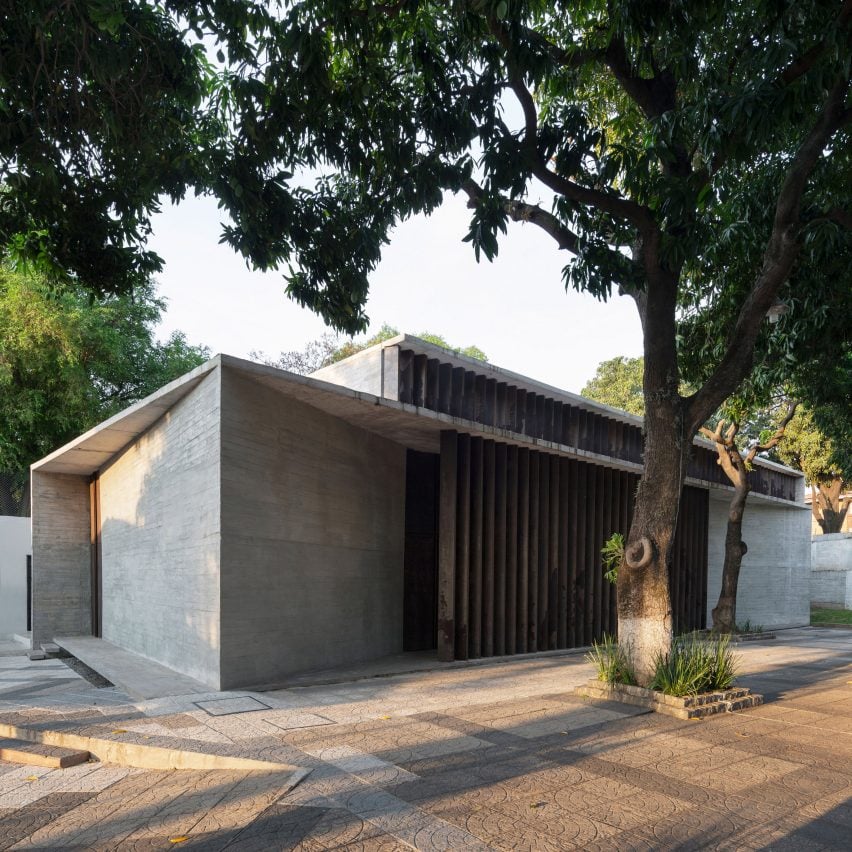
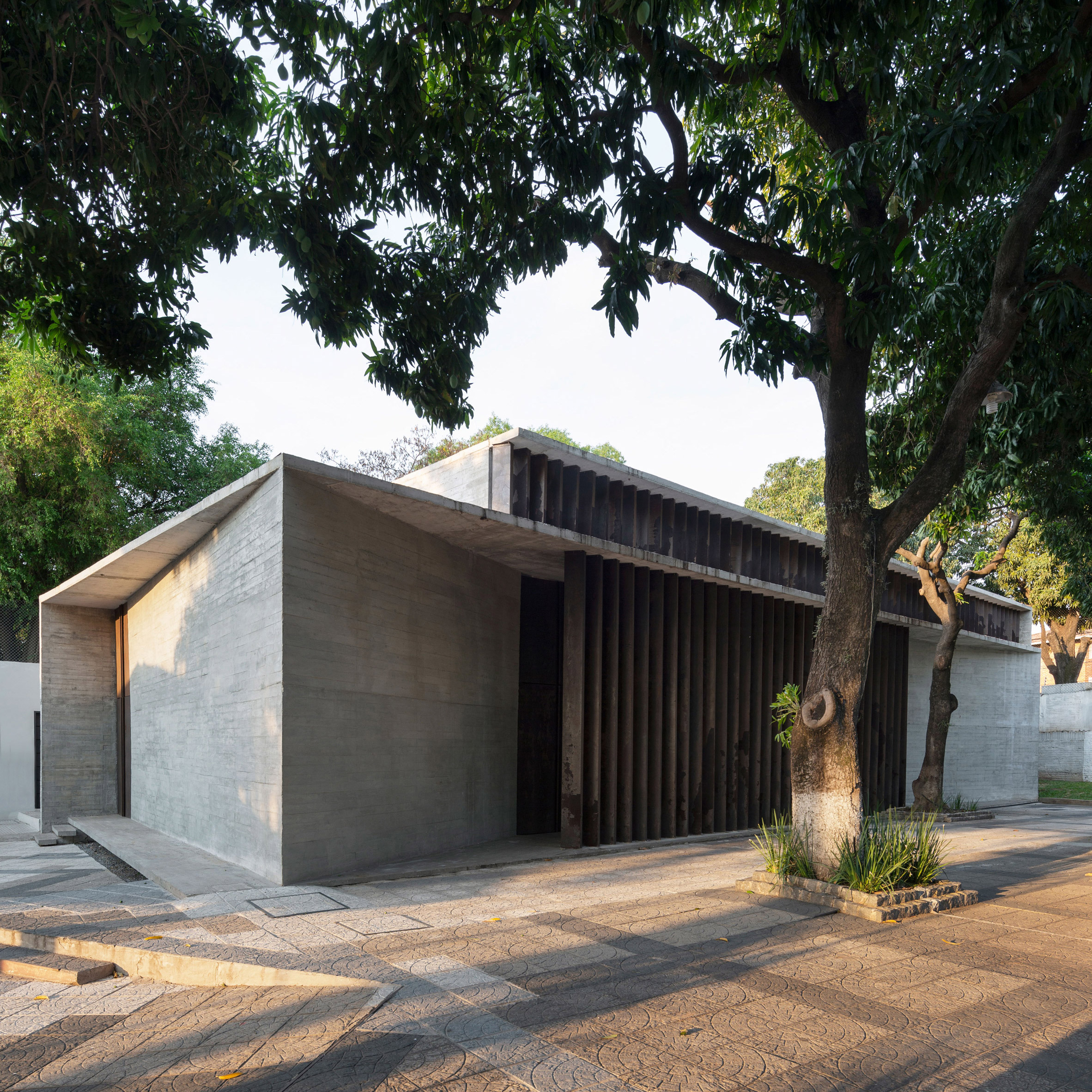
Board-marked concrete and warm wood are contrasted in this synagogue in Asunción, Paraguay, which has been renovated by local studio Equipo de Arquitectura.

Equipo de Arquitectura transformed an existing synagogue in the capital city for the Hebraic Union of Paraguay. The design preserves its perimeter walls and roof but concrete is applied to hide the original structure.

Synagogue at the Hebraic Union of Paraguay by Equipo de Arquitectura

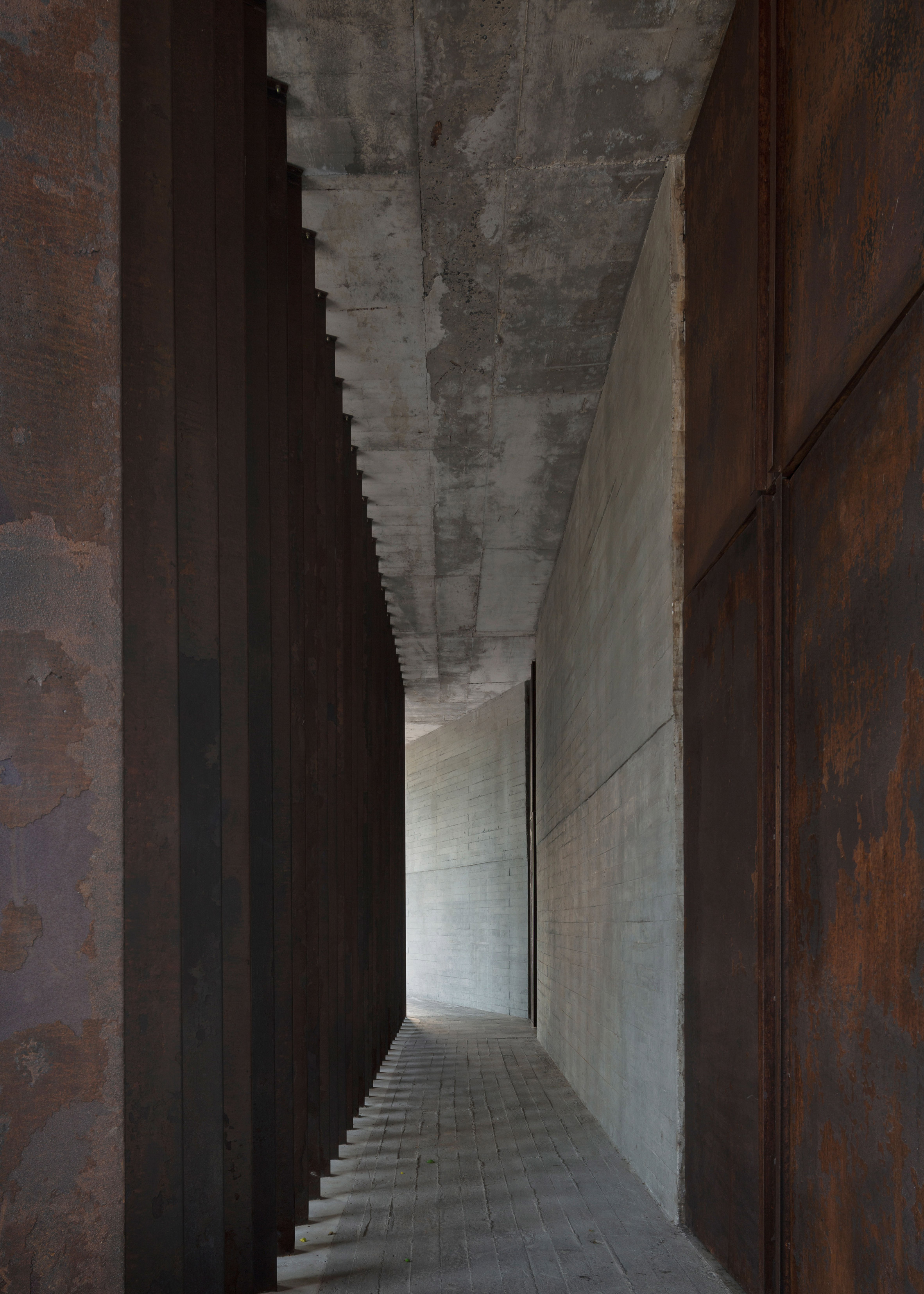
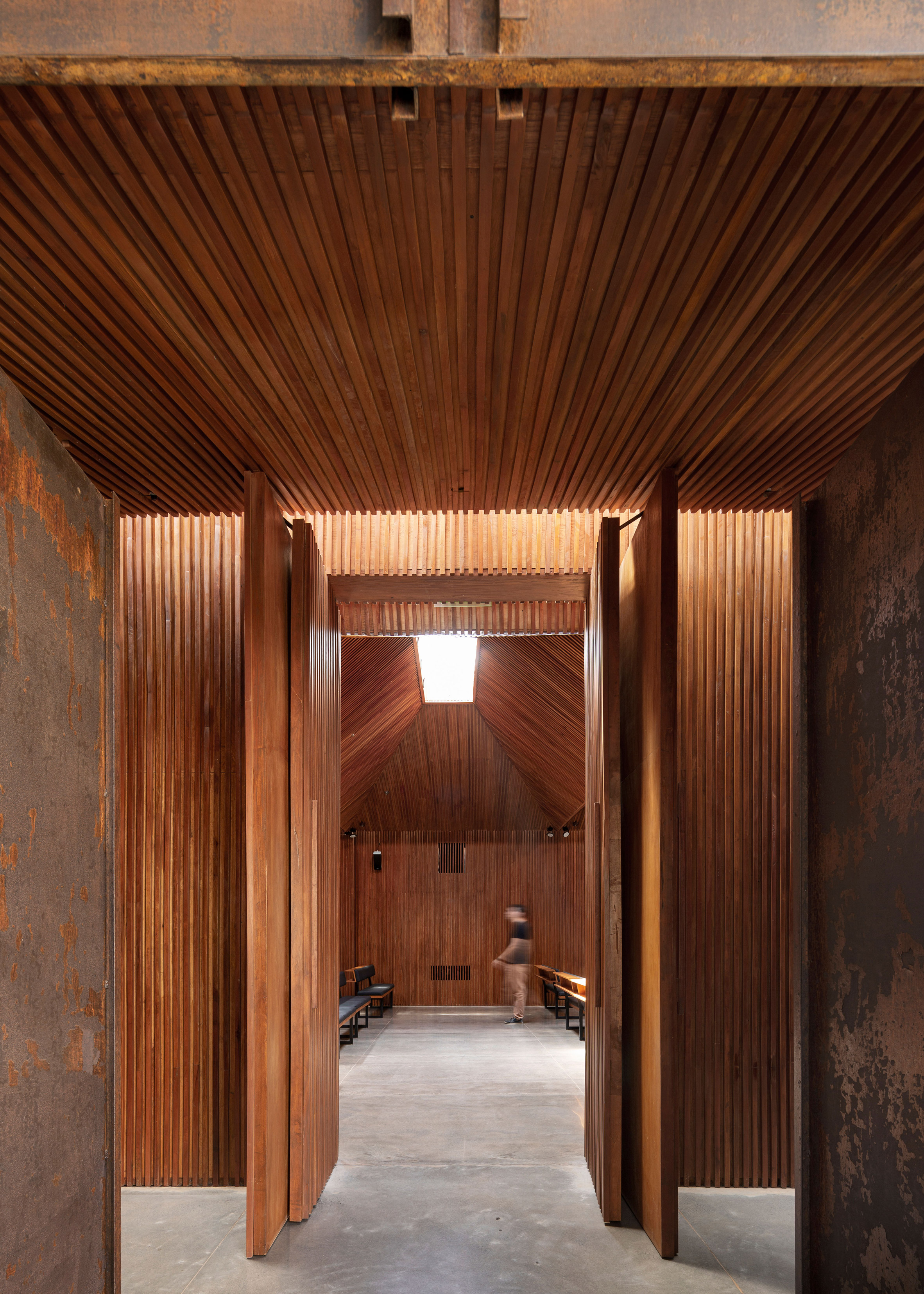
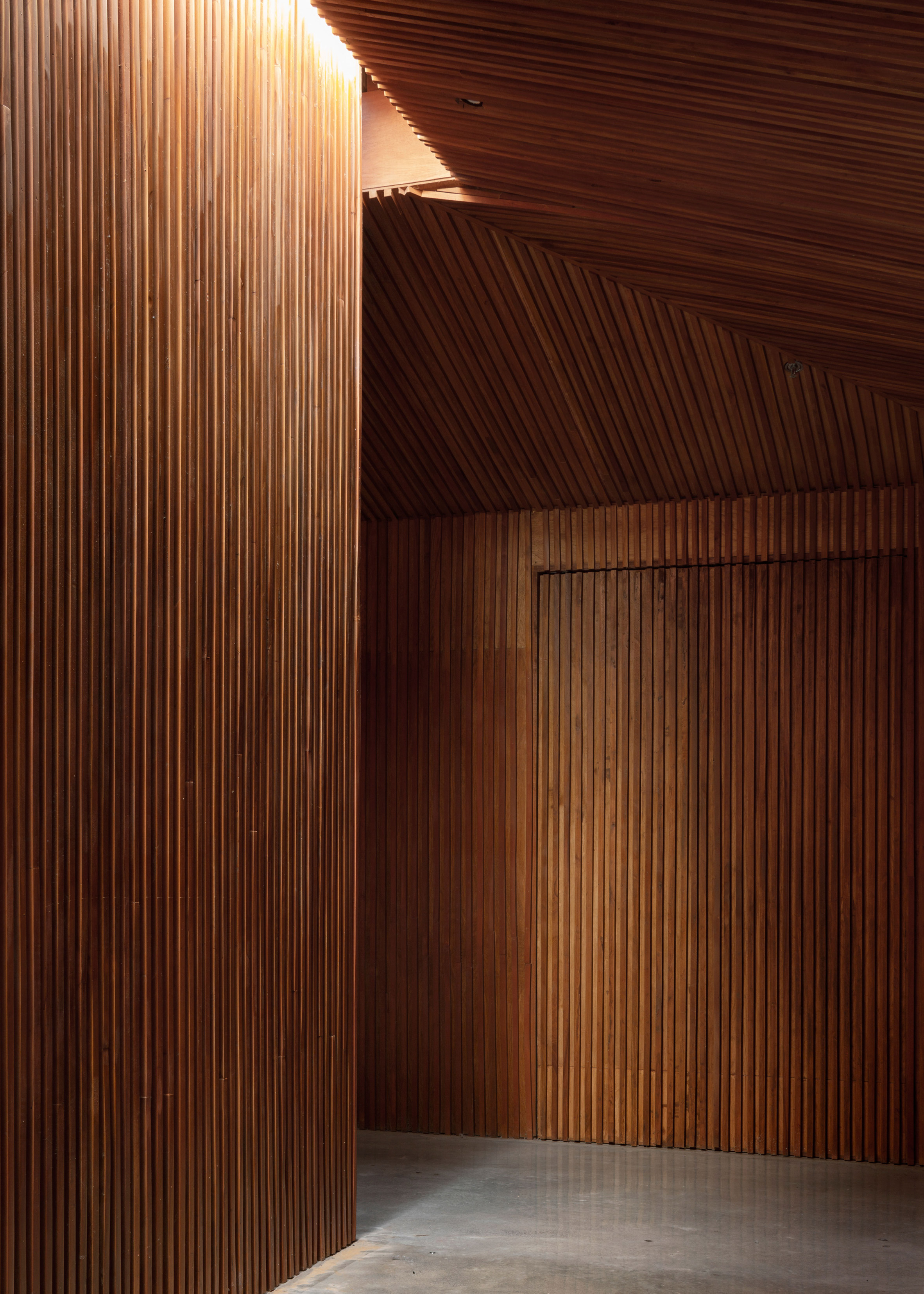
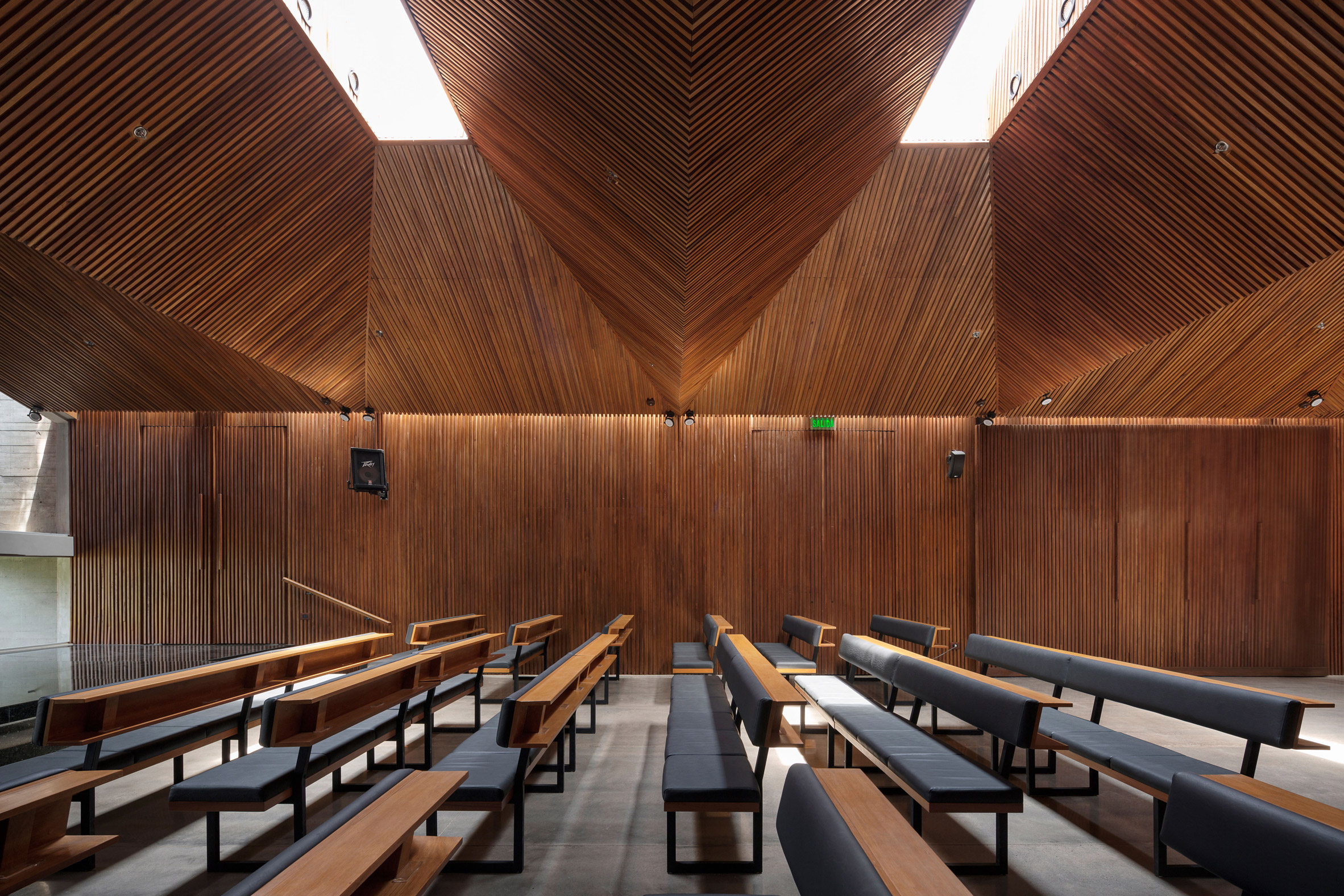
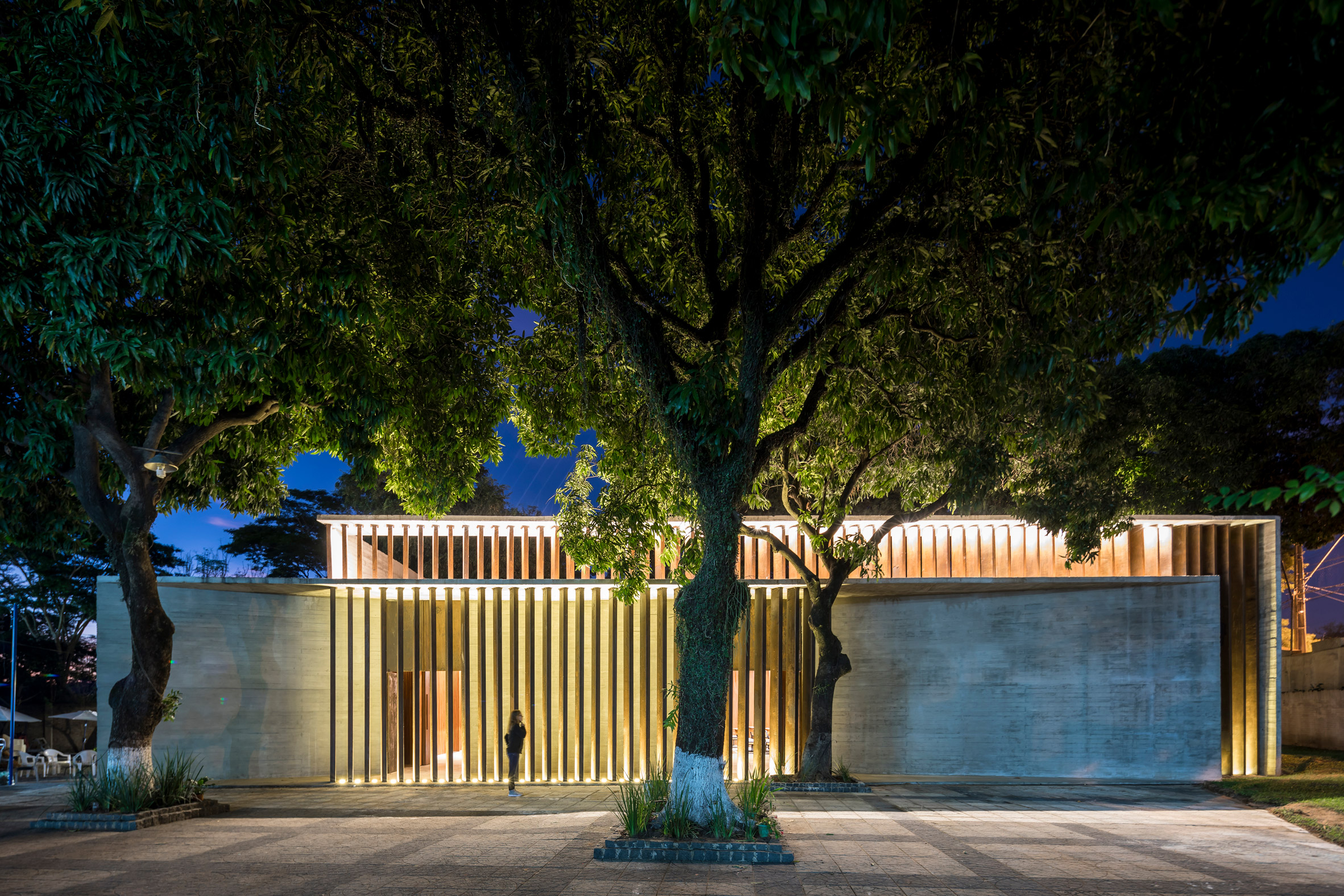
The concrete walls, which gain texture from imprints of wood planks, are paired with slatted metal walls. These are juxtaposed by the wood panelling that clads the interiors, which were refurbished extensively.

Synagogue at the Hebraic Union of Paraguay by Equipo de Arquitectura

When tasked with redesigning the synagogue, Equipo de Arquitectura chose these materials as a reflection of the Jewish community.

"Rusted metal represents resilience, a characteristic of the Jewish community," it said. "Raw concrete displays strength and sturdiness to represent the temple's protection."

Synagogue at the Hebraic Union of Paraguay by Equipo de Arquitectura

Jews arrived in Paraguay mostly from Europe in the early 1900s via a series of waves of migration. The community is currently about 1,000 people, with a number having left for Argentina or Brazil.

Synagogue at the Hebraic Union of Paraguay by Equipo de Arquitectura

"The challenge of any ceremonial space demands a reflection that respects the religious essence and the culture that involves it," the studio added. "Imagining a space of introspection and prayer suggest a creation of silence, where rite becomes the main protagonist."

Synagogue at the Hebraic Union of Paraguay by Equipo de Arquitectura

Equipo de Arquitectura designed the 375-square-metre synagogue based on "prisms" inside one another. "We began the design process by locating two prisms, one as a threshold and the other as the holy enclosure," said the studio.

"The concept of a prism inside the other is fairly simple, creating a cushion between the exterior, wide open and noisy, towards the interior, silent and spiritual."

Slatted walls create a barrier between the internal ceremonial space and the busy street life beyond. A corridor is then created to mark the threshold between the two zones.

Synagogue at the Hebraic Union of Paraguay by Equipo de Arquitectura

"The outer case works as a strongbox, controlling the access of the synagogue through metallic doors that protect the interior," it added.

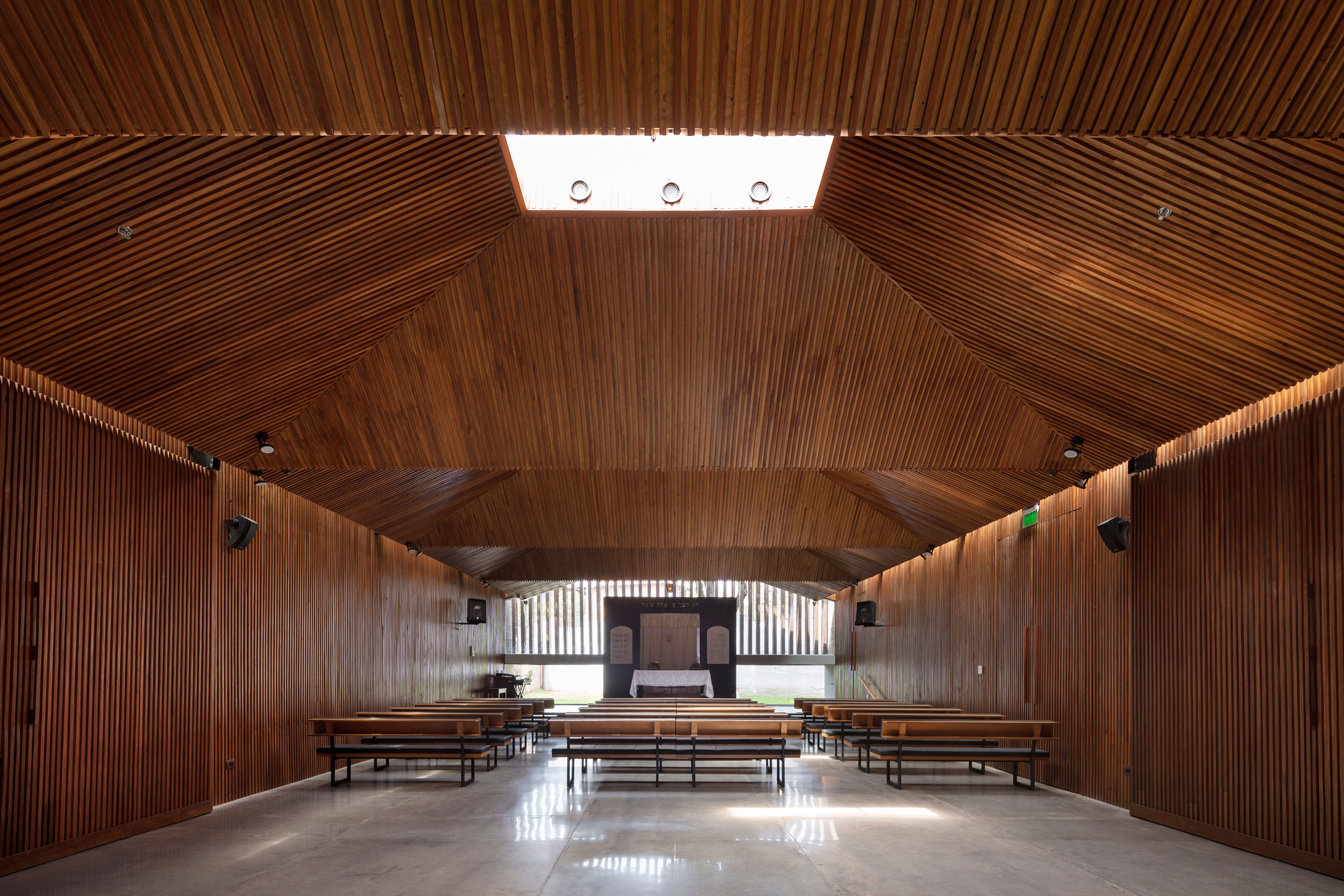
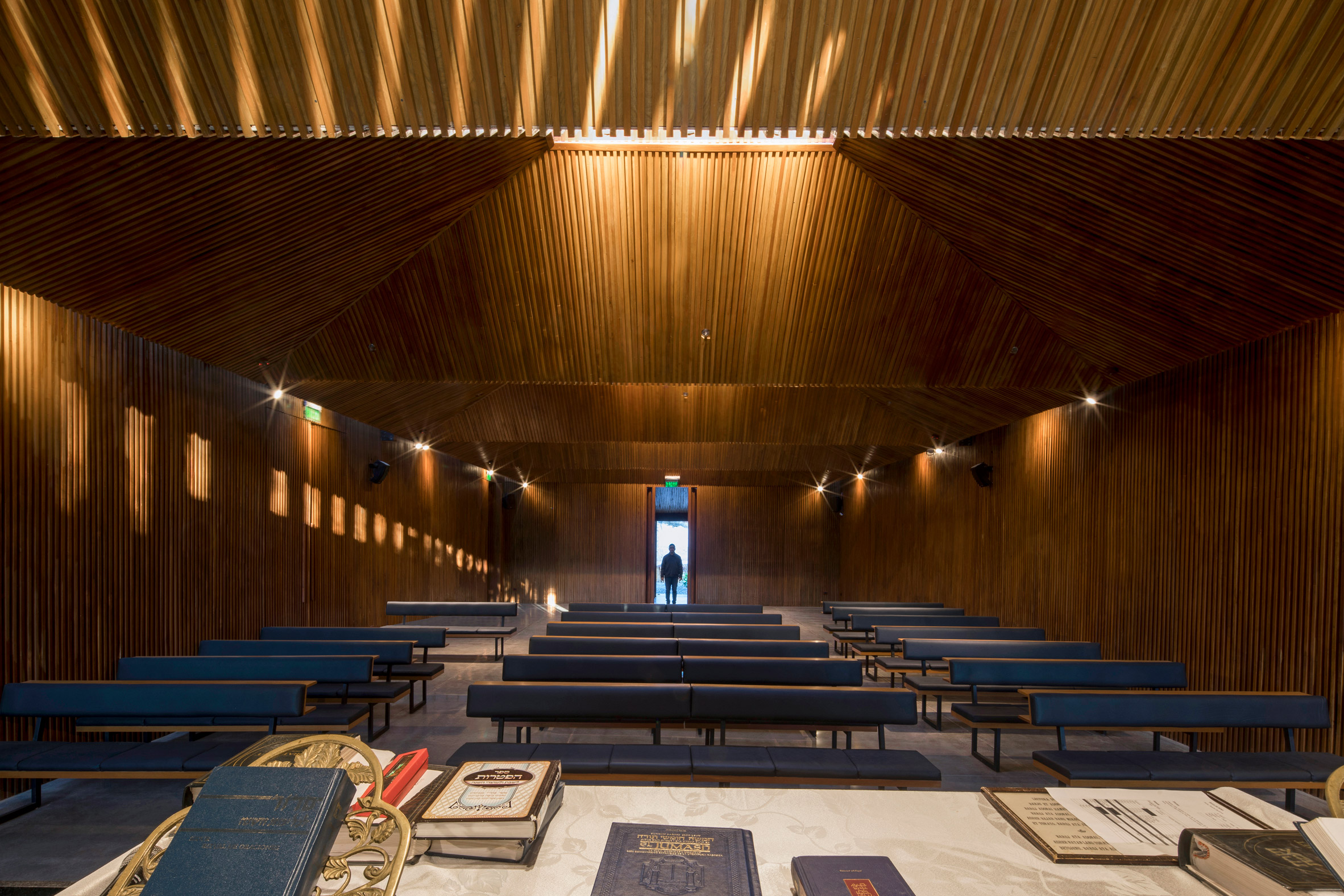
Inside is an open space with concrete floors, rows of benches with blue cushions and a central altar or lectern, known in Judaism as a bimah.

Synagogue at the Hebraic Union of Paraguay by Equipo de Arquitectura
Photograph by Leonardo Méndez

The strips of dark wood that cover the walls add a sense of warmth and shelter are also great for acoustics and insulation.

The cladding extends upwards towards the ceiling, which features a series of truncated pyramids that culminate in lightwells. Other than skylights and a large window at the bimah, the religious space has no windows. Hardly any direct sunlight enters inside either.

Synagogue at the Hebraic Union of Paraguay by Equipo de Arquitectura
Photograph by Leonardo Méndez

Other synagogue designs, both of which are in Germany, include a religious centre in Mainz covered in green tiles and an Ulm building clad in limestone.

Photography is by Federico Cairoli unless stated otherwise.


Project credits:

Project team: Equipo de Arquitectura, Horacio Cherniavsky and Viviana Pozzoli
Collaborators: Jonathan Sosky, Diego Soto
Construction: SIAR

The post Equipo de Arquitectura updates synagogue in Paraguay with board-marked concrete appeared first on Dezeen.


from Dezeen https://ift.tt/2YXYwwq

MT Bench by Shinsaku Miyamoto for Ritzwell

MT Bench by Ritzwell at VDF products fair

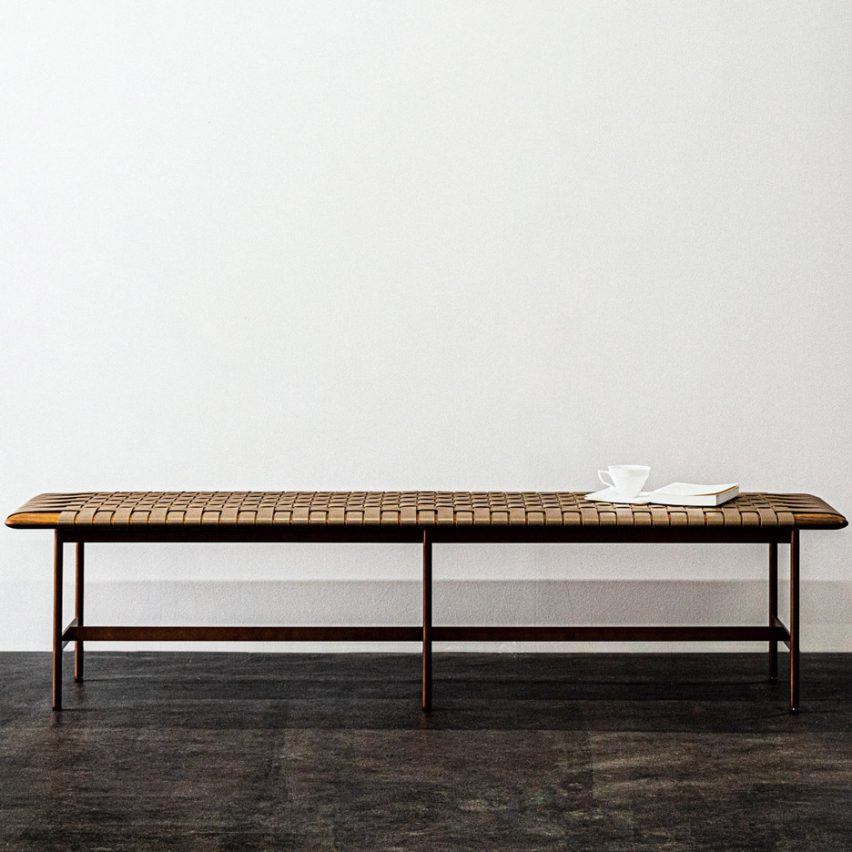
VDF products fair: woven leather straps form the seat of the MT Bench, which Japanese designer Shinsaku Miyamoto has created for Ritzwell.

MT Bench is designed by Miyamoto to defy trends and ensure longevity, taking its cues from the traditional crafts and philosophies of Japanese artisans.

The bench is available in two different sizes, each distinguished by a woven leather seat with a wooden frame made from walnut or oak.

This seat overhangs a slender base structure made from steel, which is available in seven colours to help the product complement a variety of interior spaces.

"The MT Bench offers an interweaving game and a combination of quality materials that represent the encounter between tradition and modernity," explained Ritzwell.

"The attention to detail, such as the pure lines and rounded edges of the surface, makes this structure a harmonising element in any environment."

Ritzwell is a Japanese furniture manufacturer founded in 1992. Its factory and main showroom are based in in Fukuoka, and it has two mono-brand showrooms in Tokyo and Osaka.

Shinsaku Miyamoto is the company's creative director. He is responsible for developing this year's collections, for which the focus is on marrying traditional Japanese crafts with contemporary design.

Product: MT Bench
Brand: Ritzwell
Designer: Shinsaku Miyamoto
Contact: info@ritzwell.com

About VDF products fair: the VDF products fair offers an affordable launchpad for new products during Virtual Design Festival. For more details email vdf@dezeen.com.

The post MT Bench by Shinsaku Miyamoto for Ritzwell appeared first on Dezeen.


from Dezeen https://ift.tt/3dLhhHo