Friday, 15 May 2020

Doomed Sidewalk Toronto development "was not dealing with the urgent topics of today" says Ben van Berkel

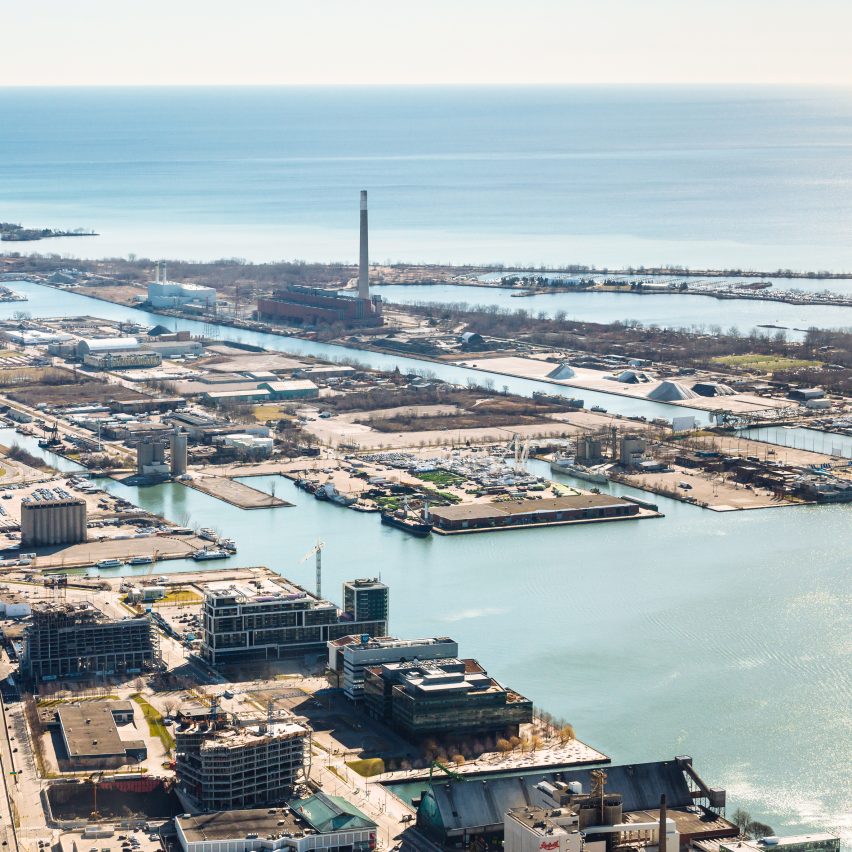
Sidewalk Toronto by Sidewalk Labs and Waterfront Toronto

The Sidewalk Toronto smart city was scuppered by a combination of local opposition, excessive secrecy and the prioritisation of profit and technology over sustainability and community, according to architect Ben van Berkel.

Speaking to Dezeen in a live interview for Virtual Design Festival earlier this week, the UNStudio co-founder said that the project, led by Alphabet subsidiary Sidewalk Labs, focused too much on commercialising data and too little on community engagement and environmental issues.
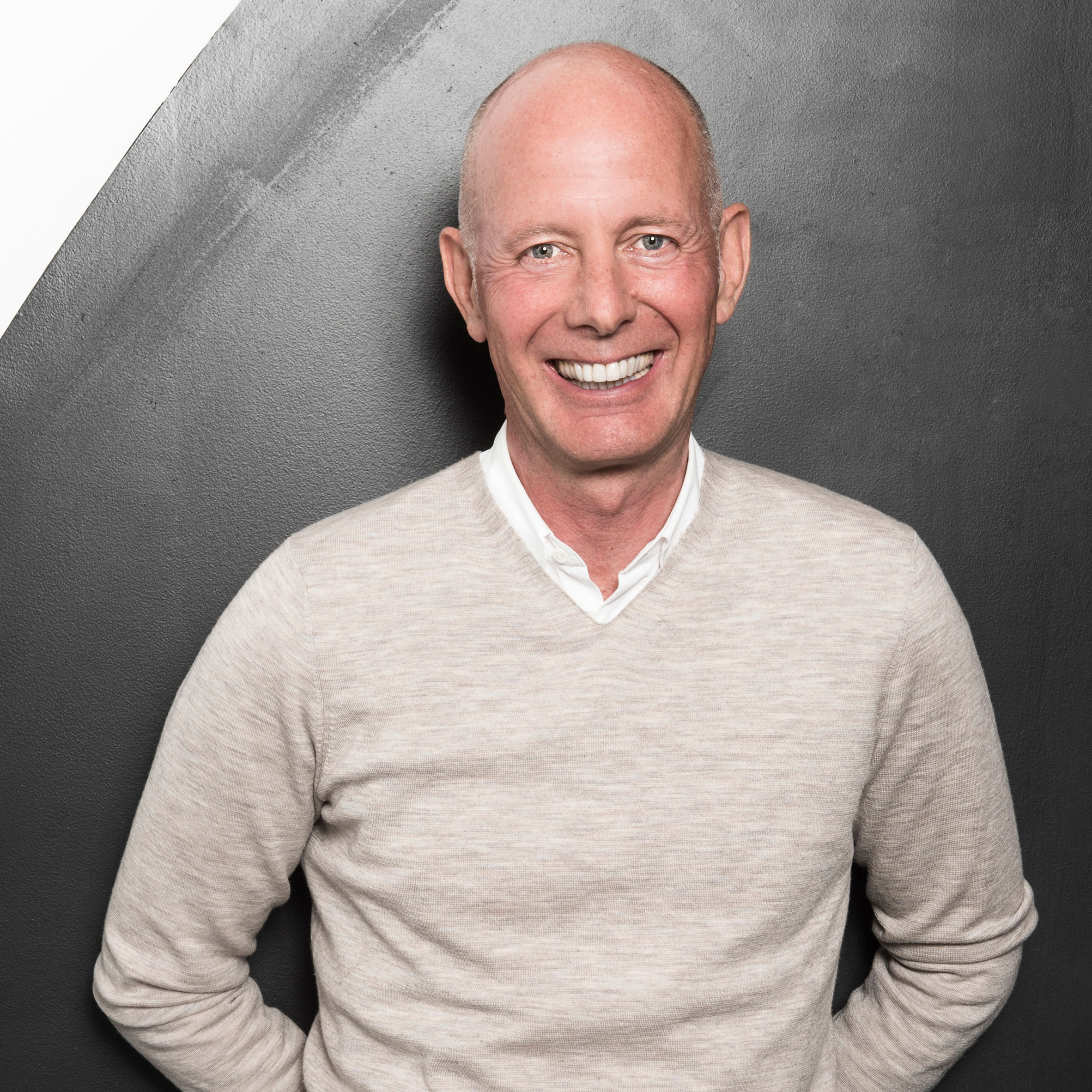
Ben van Berkel
Ben van Berkel spoke to Dezeen in a live interview for Virtual Design Festival earlier this week. Photo by Els Zweerink

The project was scrapped last week, with Sidewalk Labs blaming the coronavirus pandemic for the decision.

"That project in Toronto, of course, we studied endlessly," said van Berkel, who is developing Brainport Smart District, a smart neighbourhood in Helmond in the Netherlands.

"It was all about the commercial use"

"And we've talked to the parties who were involved there," he said. "The problem there was that it was too much oriented towards efficiency, such as who is shopping where in the neighbourhood."

"It was all about the commercial use," he added. "It was not dealing with the real important, urgent topics of today like sustainability and community-building."

Launched in 2017, the Sidewalk Toronto project initially aimed to transform a 324-hectare site into a high-tech urban district. The project was subsequently scaled down to just 4.8 hectares.

"Sidewalk Toronto will combine forward-thinking urban design and new digital technology to create people-centred neighbourhoods that achieve precedent-setting levels of sustainability, affordability, mobility, and economic opportunity," said Sidewalk Labs at the time.

Architects involved in the project included Heatherwick Studio and Snøhetta, who developed timber buildings for the site, and Partisans, which worked on a "raincoat" concept to shield pedestrians from the elements.

Project failure blamed on pandemic 

Sidewalk Labs CEO Daniel Doctoroff announced last week that the project had been scrapped, blaming uncertainty caused by the coronavirus pandemic.

"As unprecedented economic uncertainty has set in around the world and in the Toronto real estate market, it has become too difficult to make the 12-acre project financially viable without sacrificing core parts of the plan we had developed together with Waterfront Toronto to build a truly inclusive, sustainable community," Doctoroff wrote.

"And so, after a great deal of deliberation, we concluded that it no longer made sense to proceed with the Quayside project, and let Waterfront Toronto know yesterday."

However, many observers felt that the pandemic was not the real reason why the project was pulled.

"They had problems particularly with the neighbours," van Berkel said. "The people really hated it. You know, this was already the case a year ago, two years ago, that they started to complain."

Sidewalk Toronto architects contracted to secrecy

Van Berkel said that architects involved in Sidewalk Toronto were not allowed to speak publicly about the project, which he said was unusual for a large urban regeneration project that requires openness and community engagement.

"I know some of the architects... I'm not allowed to mention them because they were assigned all kinds of complex contracts," van Berkel said. "But I already felt then that it was weird that they had, you know, 10 architects working on it who were not allowed to talk about it. It didn't feel good."

UNStudio took a close interest in the Toronto project as it was simultaneously developing its own "smart neighbourhood" in Helmond.

Work has already started on the 150-hectare Brainport Smart District site, which will eventually feature 1,500 homes set amid shared gardens where food will be grown. Designed along circular principles, the development will feature advanced technology to monitor everything from energy use to waste management.

UNStudio smart neighbourhood will be about "community-building and people"

UNStudio has worked with data-security specialists to ensure the information is secure and cannot be exploited by third parties, van Berkel said.

"We worked endlessly with specialists, even cyber-technology specialists who gave us the security. There are endless reports to make sure that the data shared there is kept within the owners of the neighbourhood so that it is not shared with any large company outside that neighbourhood."

"And, of course, people can decide to be part of that digital community [or not]."

As the first development of its kind in the Netherlands, Brainport Smart District required careful community consultation, van Berkel said. "We had major questions and front-page criticism in the beginning," he said.

"It's about community-building and people," van Berkel concluded. "It's not about technology. It's about the way we can improve the future neighbourhoods with the support of technology. It's not the other way around."

The post Doomed Sidewalk Toronto development "was not dealing with the urgent topics of today" says Ben van Berkel appeared first on Dezeen.


from Dezeen https://ift.tt/3e0gsuL

Forbo designs Tessera Earthscape carpet tile collection inspired by nature

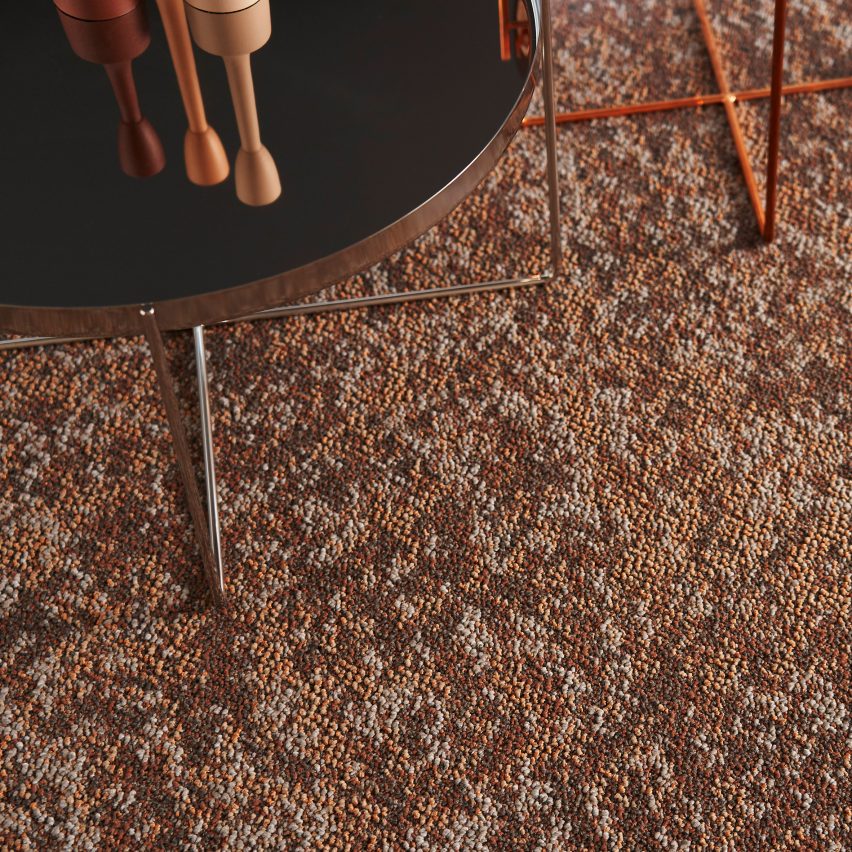
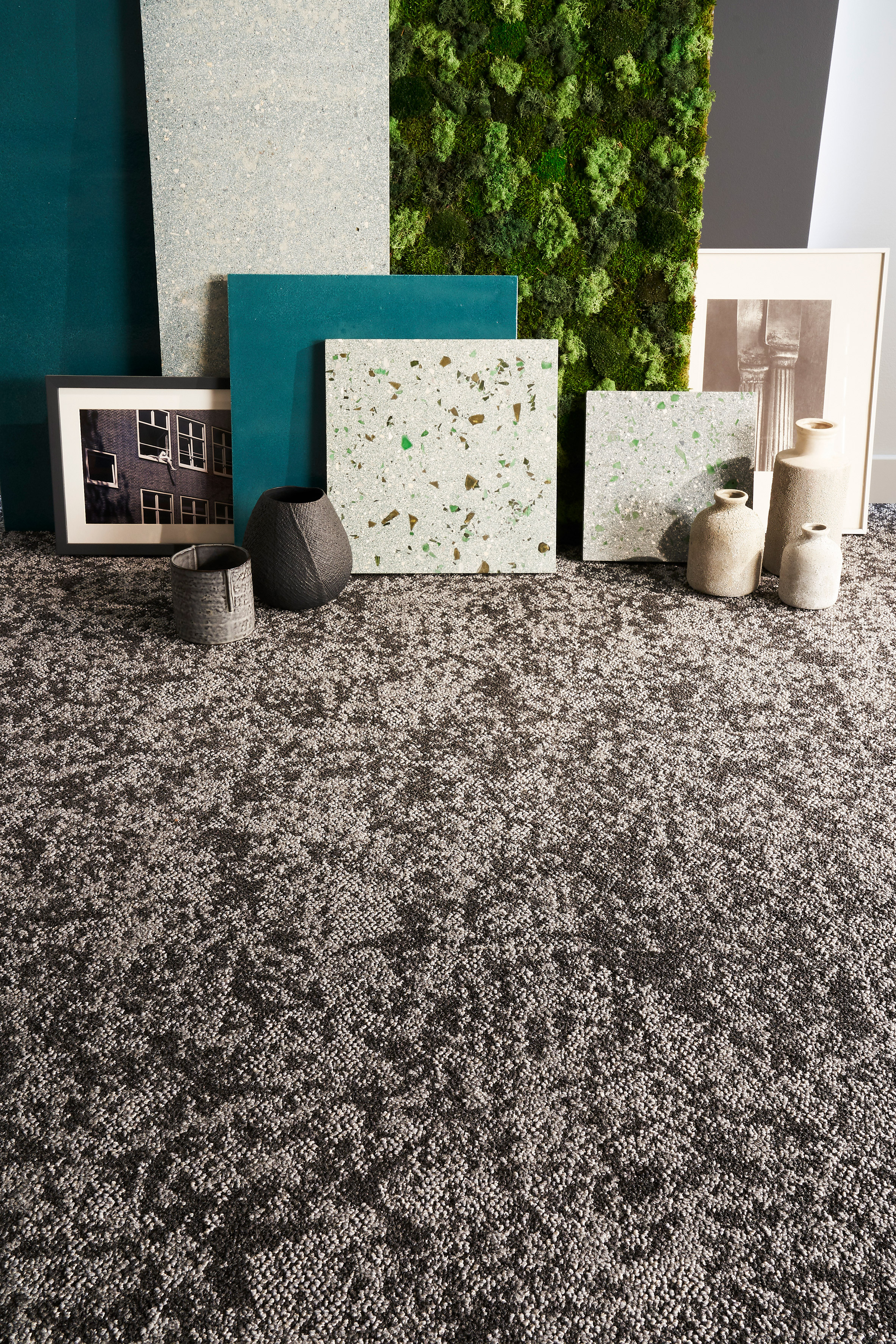
Forbo's Tessera Earthscape carpet tile collection features a dappled effect inspired by nature

Dezeen promotion: UK manufacturer Forbo has released its Tessera Earthscape carpet tile collection, which takes design cues from colours and textures found in nature in a bid to promote wellbeing.

Fresh and earthy hues including forest green, sage and terracotta feature across the loop pile carpet tile collection, as part of a colour palette that was inspired by various elements in nature.

The Tessera Earthscape series, which is particularly suited to commercial office environments, was driven by the desire to incorporate biophilic design into interior spaces, which Forbo believes promotes employee wellbeing.

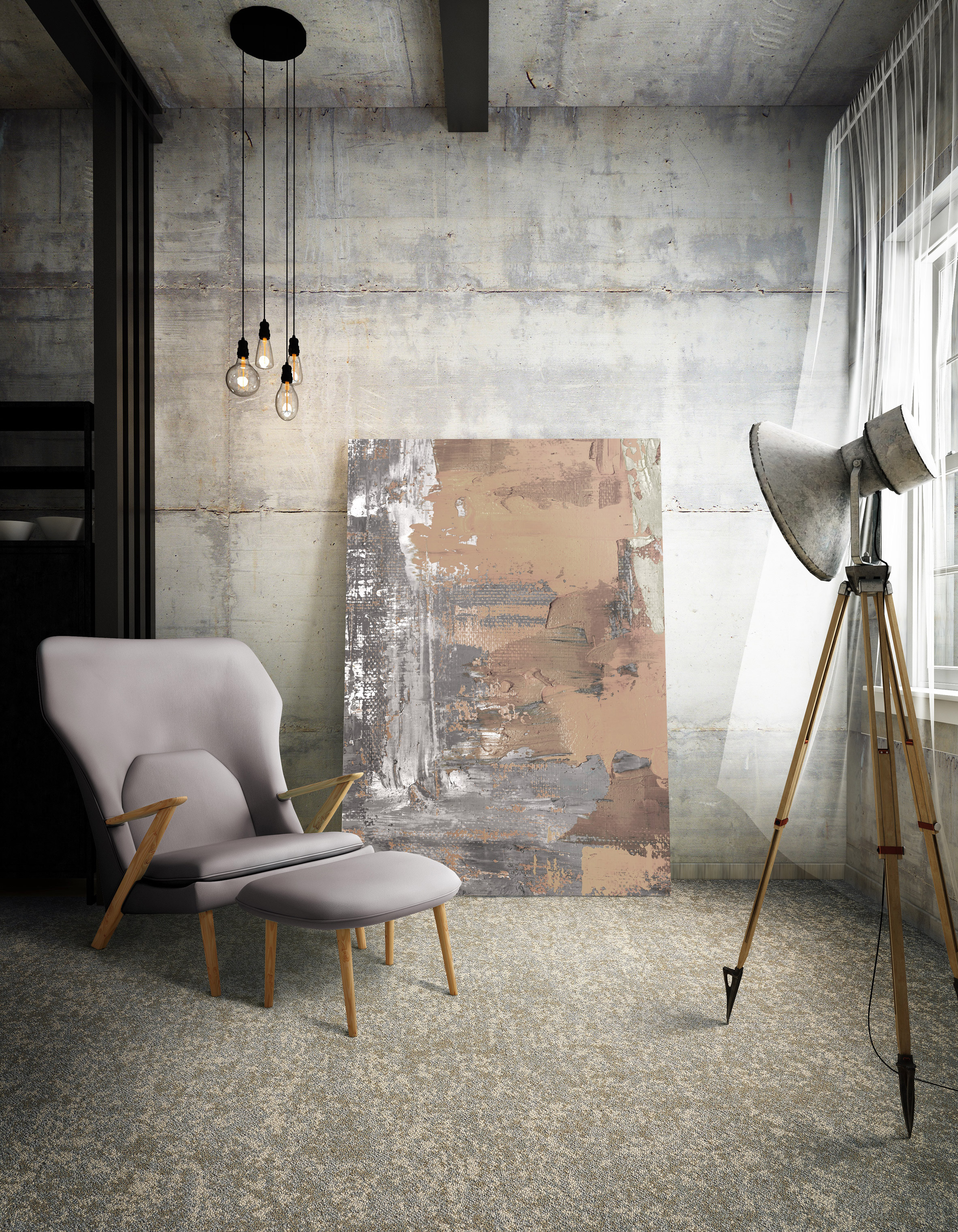
Forbo's Tessera Earthscape carpet tile collection features a dappled effect inspired by nature

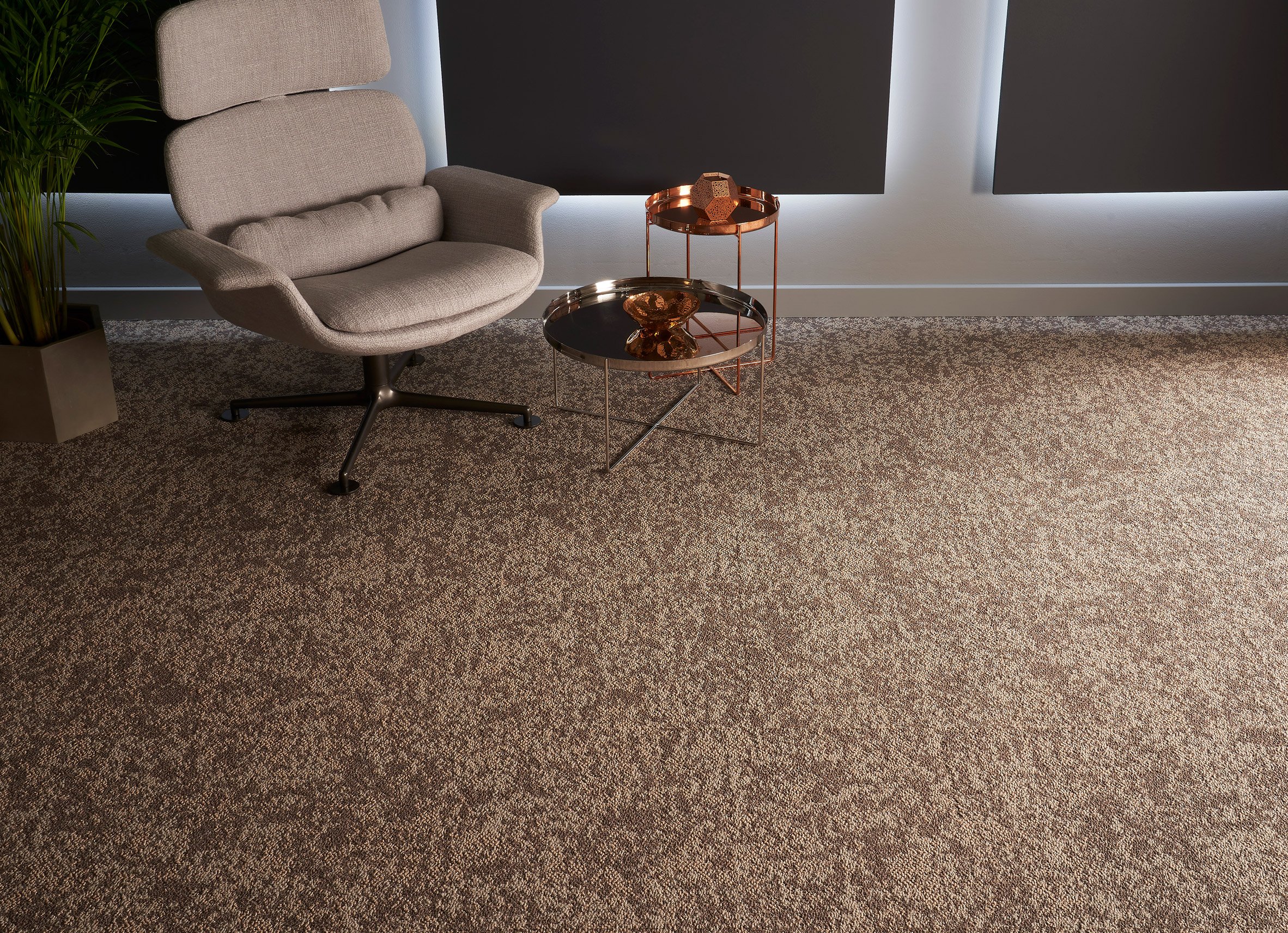
Each design in the Tessera Earthscape collection has a heavily textured composition designed to emulate natural surfaces such as soil and rock.

This is composed of a mixture of light and dark tones that complement and contrast to one another, to create a "seemingly infinite" surface design.

Forbo's Tessera Earthscape carpet tile collection features a dappled effect inspired by nature

According to the UK manufacturer, neutral tones remain the most used in flooring design, but warmer hues like honey, bronze and pale rust shades are being increasingly utilised.

Colours inspired by nature have also extended past the sole use of green shades, Forbo explained, to include colours associated with earth, soil, ore, rocks, leather, fruit, moss, heathers and lichens.

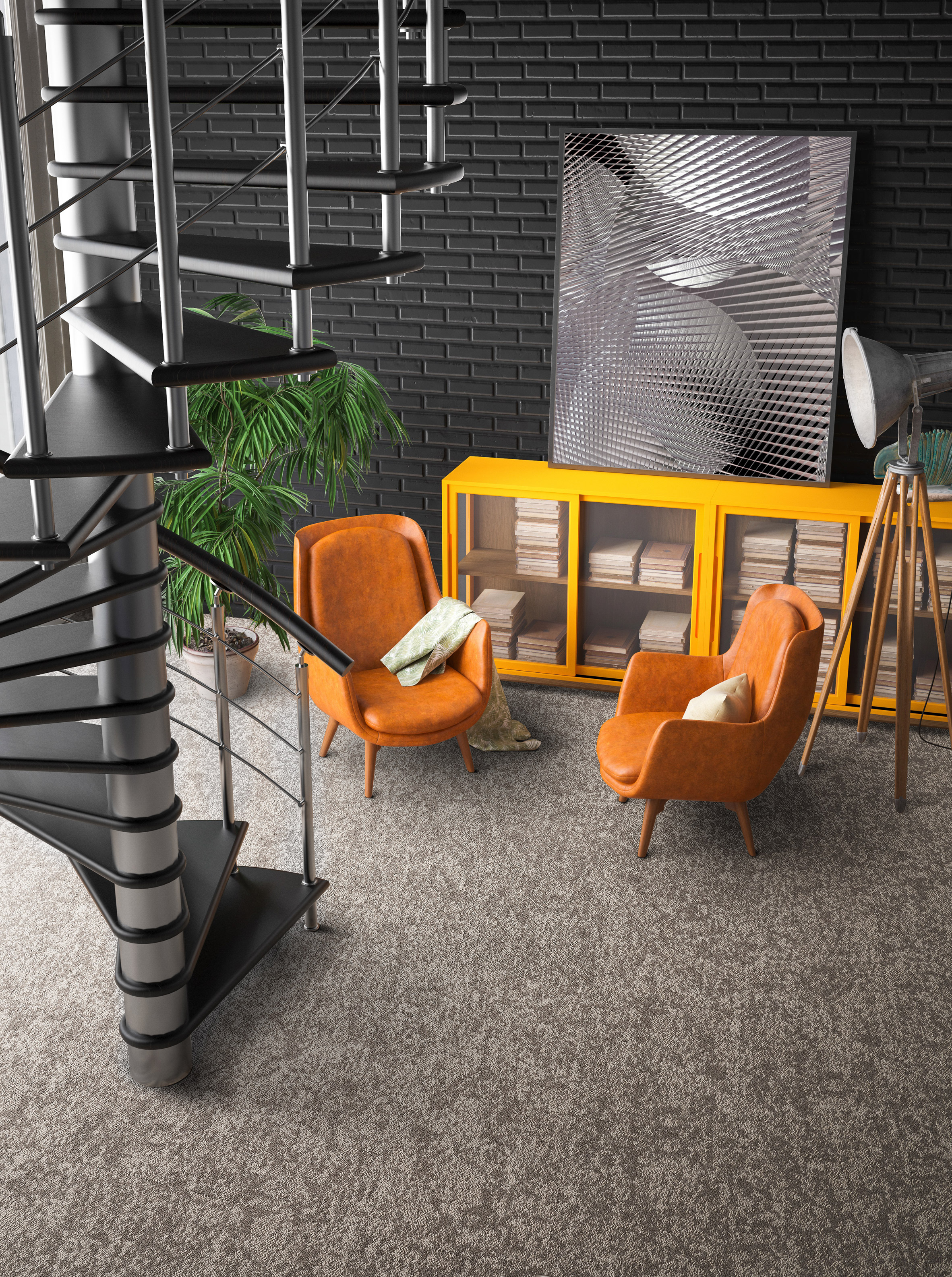
"These hues are all being introduced to help to build on this notion of 'bringing the outside in'," said the company. "As a result, patterns have followed suit with organic designs that are softer and more fluid, as shapes are becoming less defined."

Forbo's Tessera Earthscape carpet tile collection features a dappled effect inspired by nature

In line with its nature-derived theme, the tiles are made using 57 per cent recycled content.

They also have a heavy 978 grams-per-square-metre pile weight – and a pile height of four millimetres – giving them a plush texture and making them comfortable underfoot.

This thickness also offers 26 decibels of impact sound reduction to offer minimal noise transmission for better indoor environments.

Forbo's Tessera Earthscape carpet tile collection features a dappled effect inspired by nature

Measuring at 50 by 50 centimetres, the Tessera Earthscape tiles can be laid directly next to each other to create a seamless finish.

They can also be combined with Forbo's Allura Flex Luxury Vinyl tiles using the same tackifier – the type of adhesive used to install carpet tiles – without the need for transition strips, additional profiles or the build-up of a subfloor.

This makes the collection an "ideal solution" for refurbishments that include integrated flooring schemes, said Forbo.

Forbo's Tessera Earthscape carpet tile collection features a dappled effect inspired by nature

More information on Forbo's new Tessera Earthscape collection can be found on the manufacturer's website.

The post Forbo designs Tessera Earthscape carpet tile collection inspired by nature appeared first on Dezeen.


from Dezeen https://ift.tt/2WxCBdK

Hybrideae exhibition by Fredrikson Stallard featured a live performance by Rosey Chan

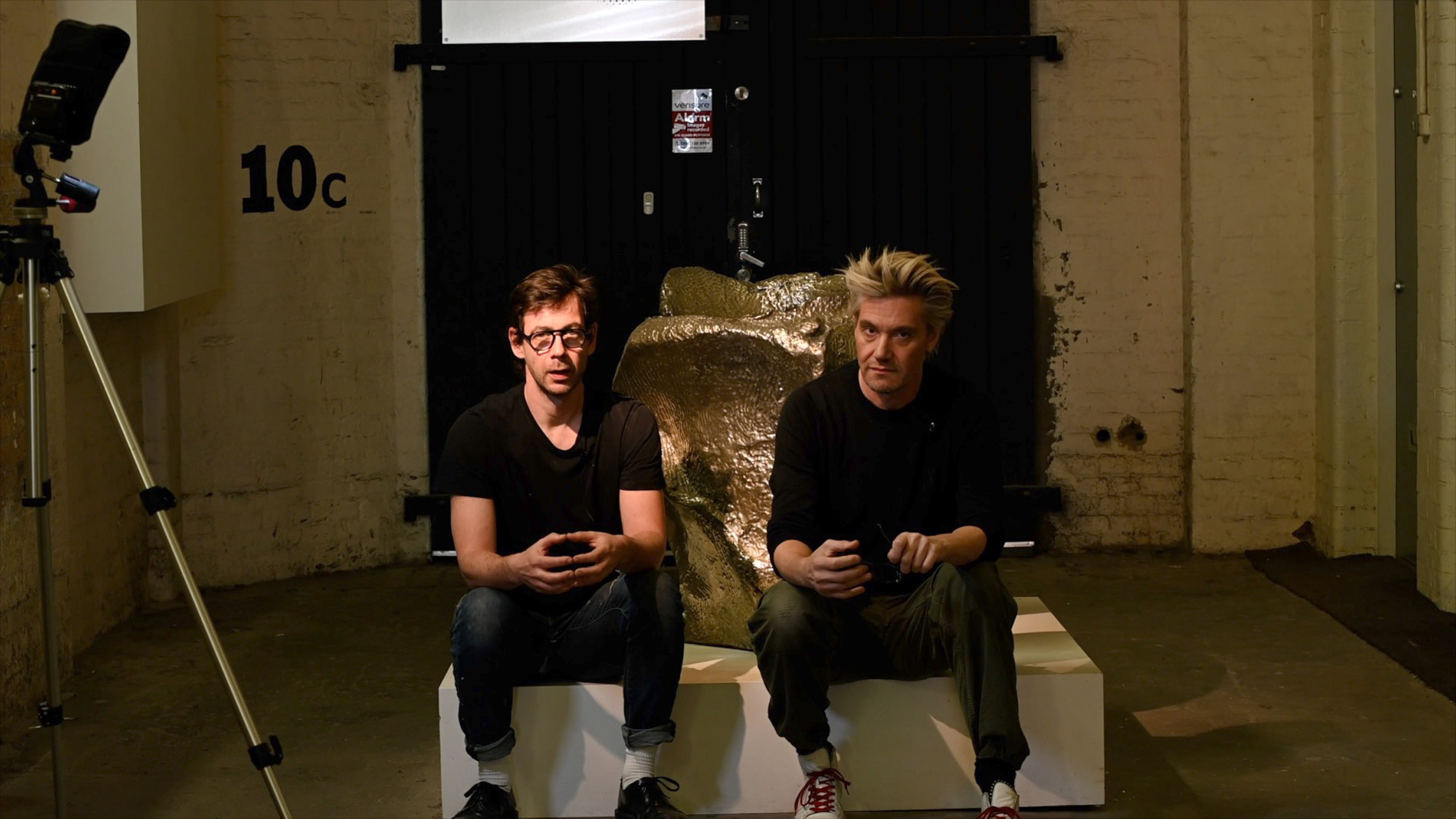
Rosey Chan performed a musical accompaniment to Fredrikson Stallard's Hybrideae exhibition

VDF's collaboration with musician Rosey Chan continues with this video showing Chan's performance at the opening of Fredrikson Stallard's Hybrideae exhibition.

Held in the artists' studio in London in 2017, Hybrideae featured a range of large-scale bronze planters developed through a process that combined hand-crafting with digital technology.

Rosey Chan performed a musical accompaniment to Fredrikson Stallard's Hybrideae exhibition
Hybrideae is an exhibition by artist duo Fredrikson Stallard

Patrik Fredrikson and Ian Stallard initially sculpted rough forms by hand-shaping red terracotta. They then scanned the objects, scaled them up and used CNC machines to cut the enlargened forms from blocks of foam.

The foam was then used to create a mould from which the final pieces were cast in bronze.

Artworks "needed a classical platform"

In the video, the Fredrikson and Stallard explain how they invited Chan, a longstanding friend, to perform at the vernissage of the Hybrideae show. "When we saw these finished bronzes, it felt like they needed to sit on a classical platform," said Fredrikson.

"The first thing that sprung to mind was Bach's Cello Suites," said Stallard, although the designers felt that the famous pieces, written between 1717 and 1723 for an unaccompanied cello, needed contemporary input to make them more relevant to their Hybrideae pieces.

"That's when we called up Rosey," said Fredrikson.

"The starting point was Bach's Cello Suites as that was the element that Fredrikson Stallard were very keen on," said Chan.

Live cello combined with pre-recorded digital sounds

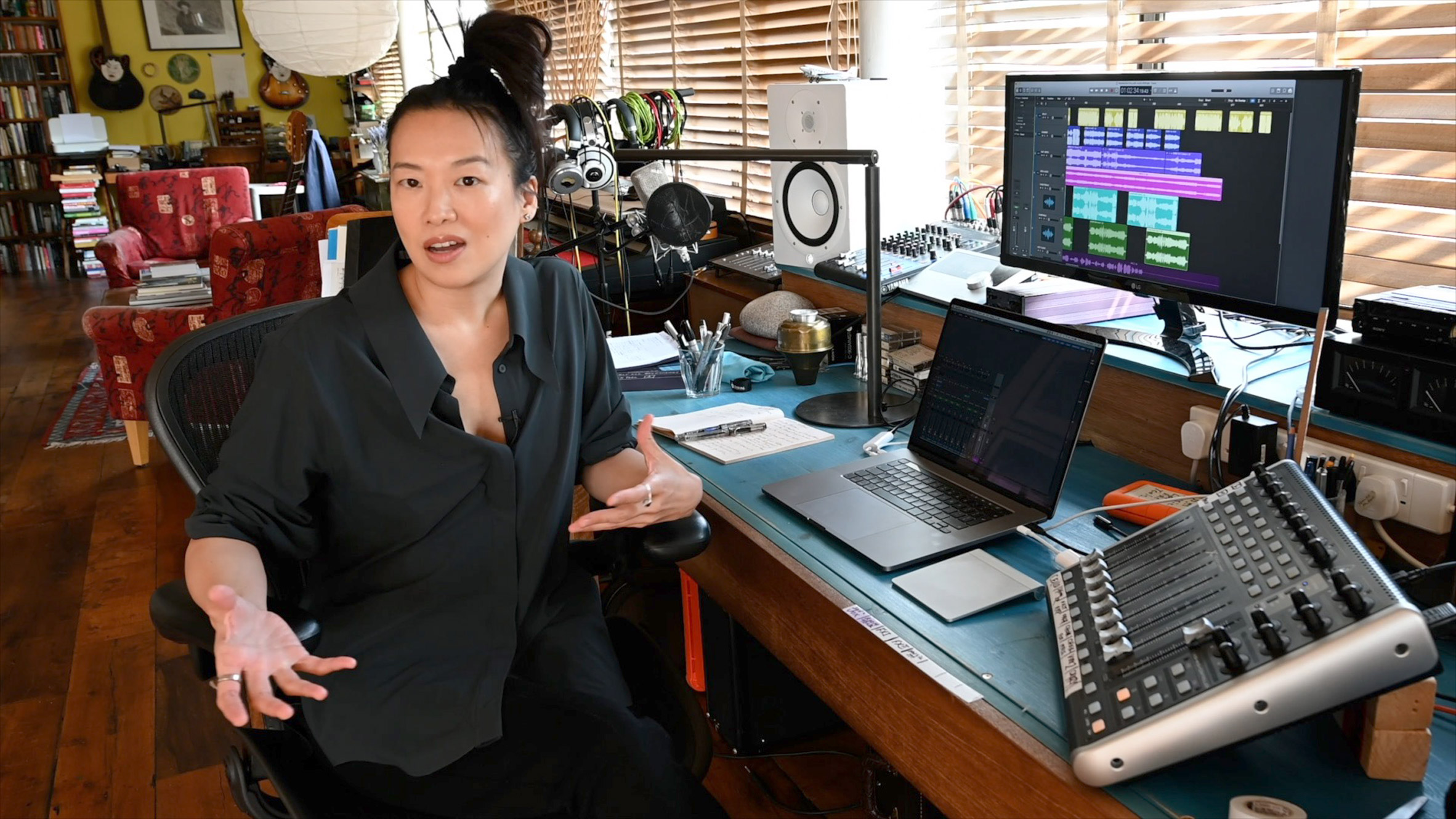
"As their project involved the relationship between digital and analogue, I decided to explore combing pure live analogue sound of the cello, with a pre-recorded grid of digital sounds, and then in the live environment, giving myself enough digital material to improvise around the live cello, in a 25-minute performance," said Chan.

"The work of creating this grid of digital sounds was very long and involved and consisted of me using elements like the human voice, but treated digitally," she added, explaining that she incorporated "abstract sounds, music concrète, an arpeggiator, and various synthesisers, creating enough choice so that in the live performance I could do something completely original and spontaneous."

Rosey Chan performed a musical accompaniment to Fredrikson Stallard's Hybrideae exhibition
Musician Rosey Chan performed a live accompaniment to the exhibition

Chan studied piano and composition at the Royal College of Music in London and now performs, composes and collaborates with artists and designers.

Other projects include the soundtrack of the short film Parametricism created in collaboration with architect Patrik Schumacher; and Water Dancer, a new collaboration with artist Eyal Gever and dancer and choreographer Sharon Gever.

The post Hybrideae exhibition by Fredrikson Stallard featured a live performance by Rosey Chan appeared first on Dezeen.


from Dezeen https://ift.tt/2y3Tm6U

Live interview with architecture studio Sauerbruch Hutton as part of VDF

Sauerbruch Hutton speaks to Dezeen in a live Screentime discussion

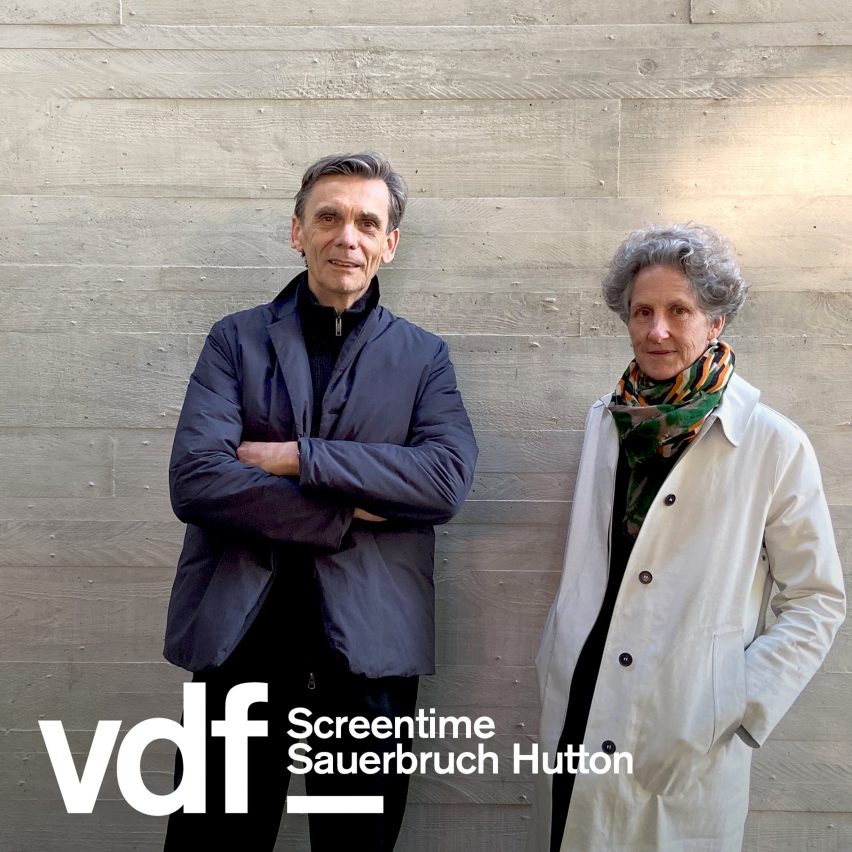
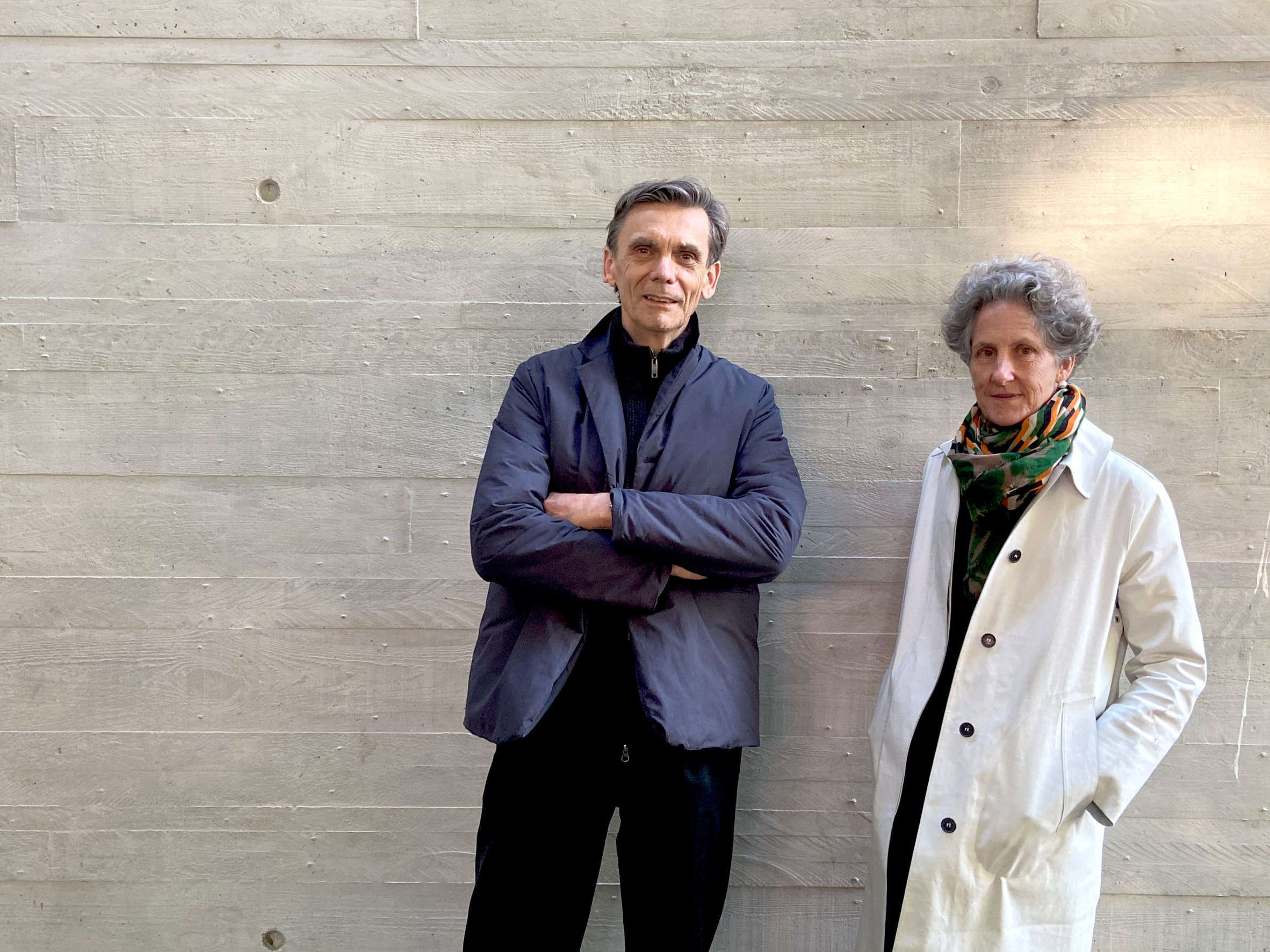
Matthias Sauerbruch and Louisa Hutton, of Berlin architecture practice Sauerbruch Hutton, will speak to Dezeen in this live Screentime conversation sponsored by Enscape as part of Virtual Design Festival. Watch above from 2:00pm UK time.

Sauerbruch and Hutton will speak to Dezeen's founder and editor-in-chief Marcus Fairs live from Berlin.

The pair founded Sauerbruch Hutton in London in 1989, before moving operations to Berlin. The practice renovated and extended a former Prussian military uniform factory to accommodate its own offices and an artist's studio.

Other projects completed by the firm include a church in Cologne with a zigzagging timber exterior, and Cologne's colourfully-clad Brandhorst Museum.

Other creatives featured in our Screentime series include trend forecaster Li Edelkoort, UNStudio founder Ben van BerkelNew York architecture practice SO-ILThe World Around curator Beatrice Galileefilmmaker Gary Hustwit and British-Israeli architect Ron Arad.

Sauerbruch Hutton speaks to Dezeen in a live Screentime discussion
Matthias Sauerbruch and Louisa Hutton are the founders of Berlin architecture practice Sauerbruch Hutton

This Screentime conversation is sponsored by Enscape, a virtual reality and real-time rendering plugin for architectural design programme Autodesk Revit.

Virtual Design Festival is the world's first online design festival, taking place from 15 April to 30 June. For more information, or to be added to the mailing list, contact us at virtualdesignfestival@dezeen.com.

The post Live interview with architecture studio Sauerbruch Hutton as part of VDF appeared first on Dezeen.


from Dezeen https://ift.tt/3dRtL0r

“Designing fonts is designing tools”: Two Points.Net on its latest typeface for Nike

Discussing its new typeface for Nike's store at Chelsea Football Club, co-founder Martin discusses its long line of sports-based typographic ventures.


from It's Nice That https://ift.tt/2X34f1c