Manila-based artist Patrick Cabral (previously) layers paper incised with decorative motifs and lacy patterns into dazzling sculptural portraits of wildlife. Ribbed tentacles with alternating gold and white dangle from an octopus, while elegant pieces comprise a rhinoceros’s exterior. Each multi-layered work contains hundreds of individual paper pieces that are entirely hand-cut.
The crowned lion (shown below) spans more than five feet and is one of Cabral’s largest projects to date. “Working on a piece like this is a paradox. It’s a lot of work that usually spans around 3 months. I love the whole process of cutting because it’s sort of meditative for me,” he writes on Instagram. “It’s opposite though once I started assembling the pieces together because it becomes really stressful (especially) on pieces as big as this.”
For more of the artist’s intricate compositions, head to Behance and Instagram.
Today VDF teams up with Schloss Hollenegg for a tour of the historic castle in Austria and live interview with curator Alice Stori Liechtenstein. Watch the broadcast above at 5:00pm UK time.
Stori Liechtenstein will speak live to Dezeen's founder and editor-in-chief Marcus Fairs, before sharing a specially recorded tour of Schloss Hollenegg.
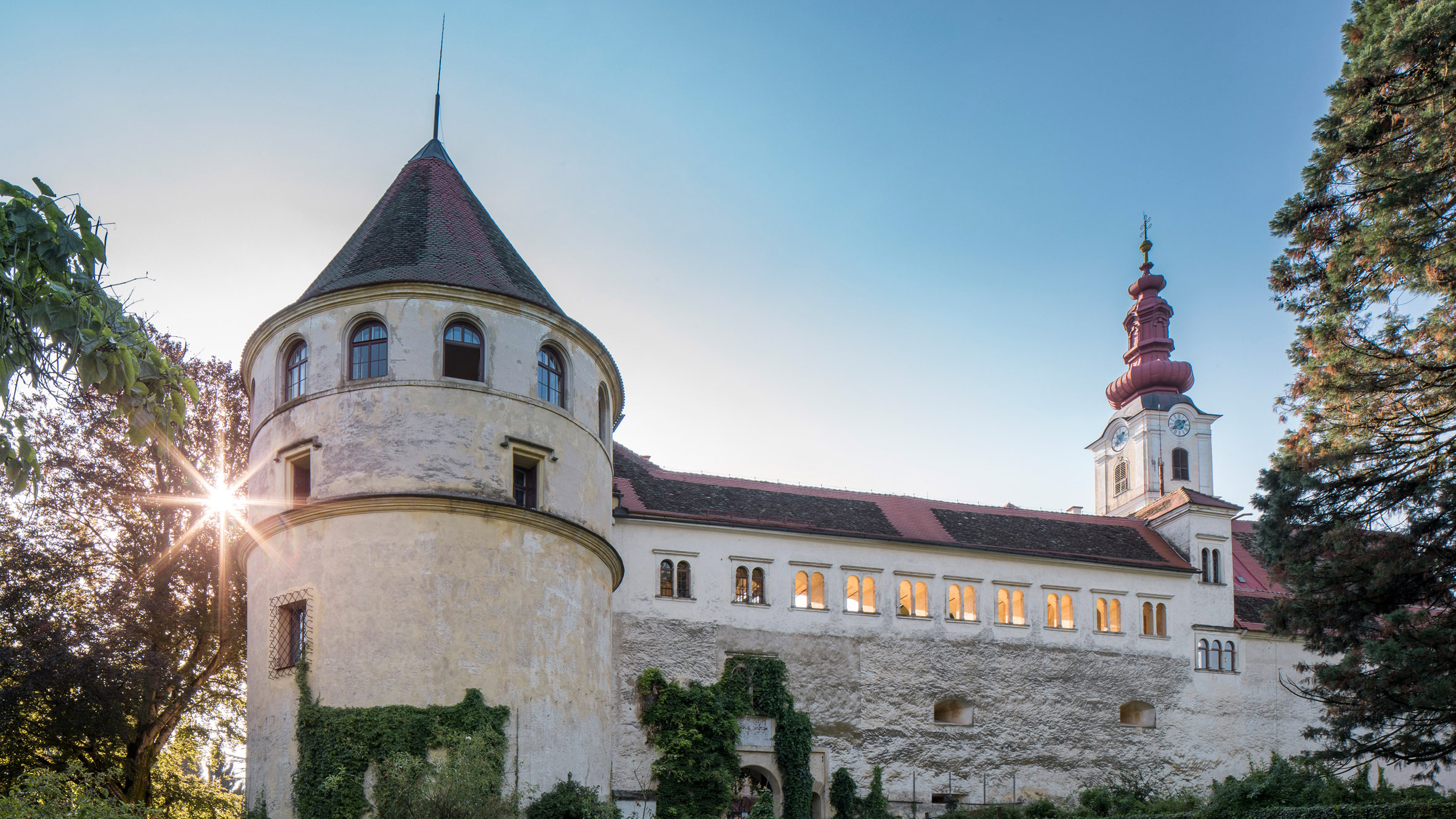
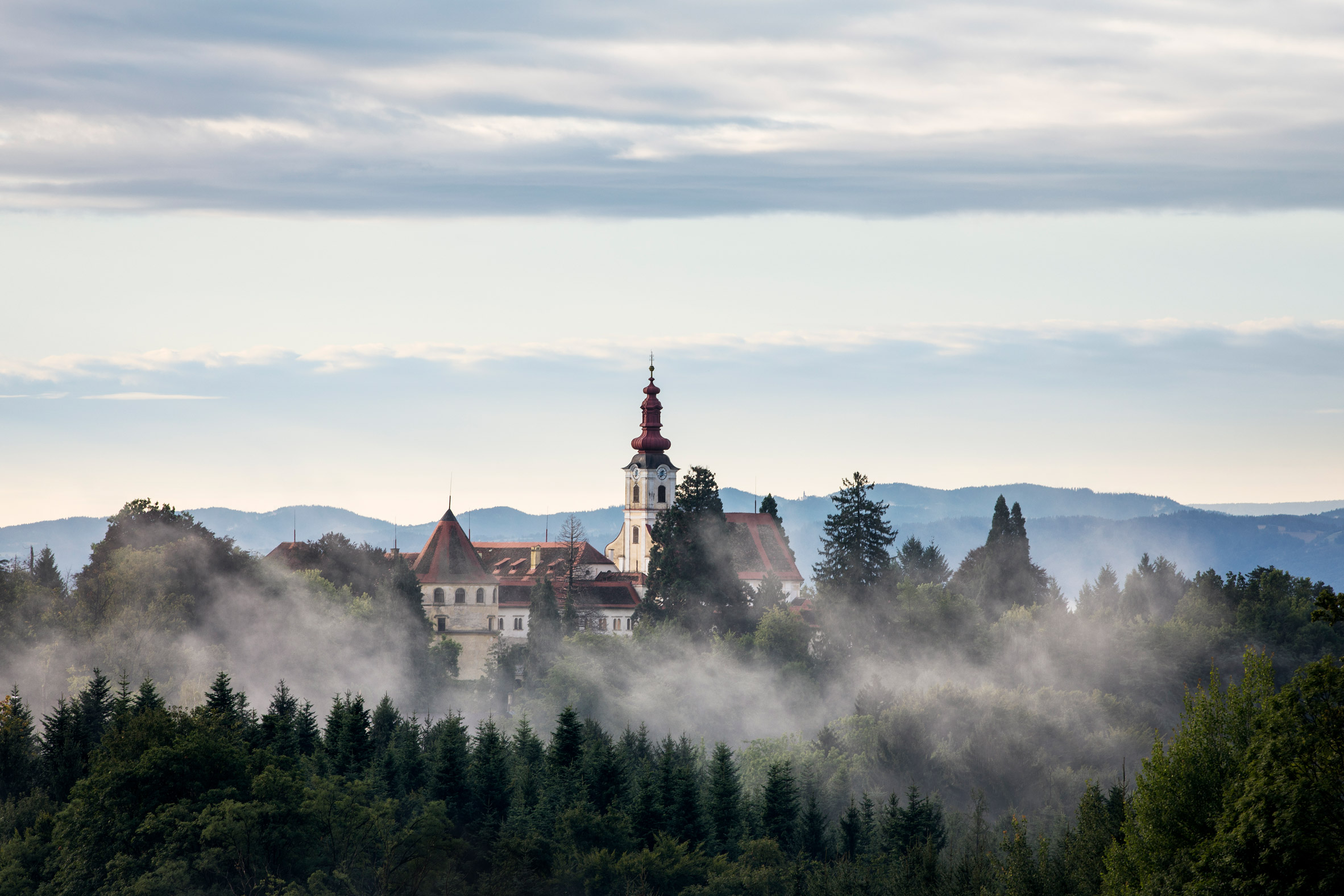
The castle, which dates back to 1163, is home to Schloss Hollenegg for Design, a cultural programme established by Stori Liechtenstein in 2015.
Schloss Hollenegg in Austria is home to cultural programme Schloss Hollenegg for Design
Last week saw the opening of Walden, an exhibition exploring our relationship with the wilder side of the natural world, which features works by 22 designers.
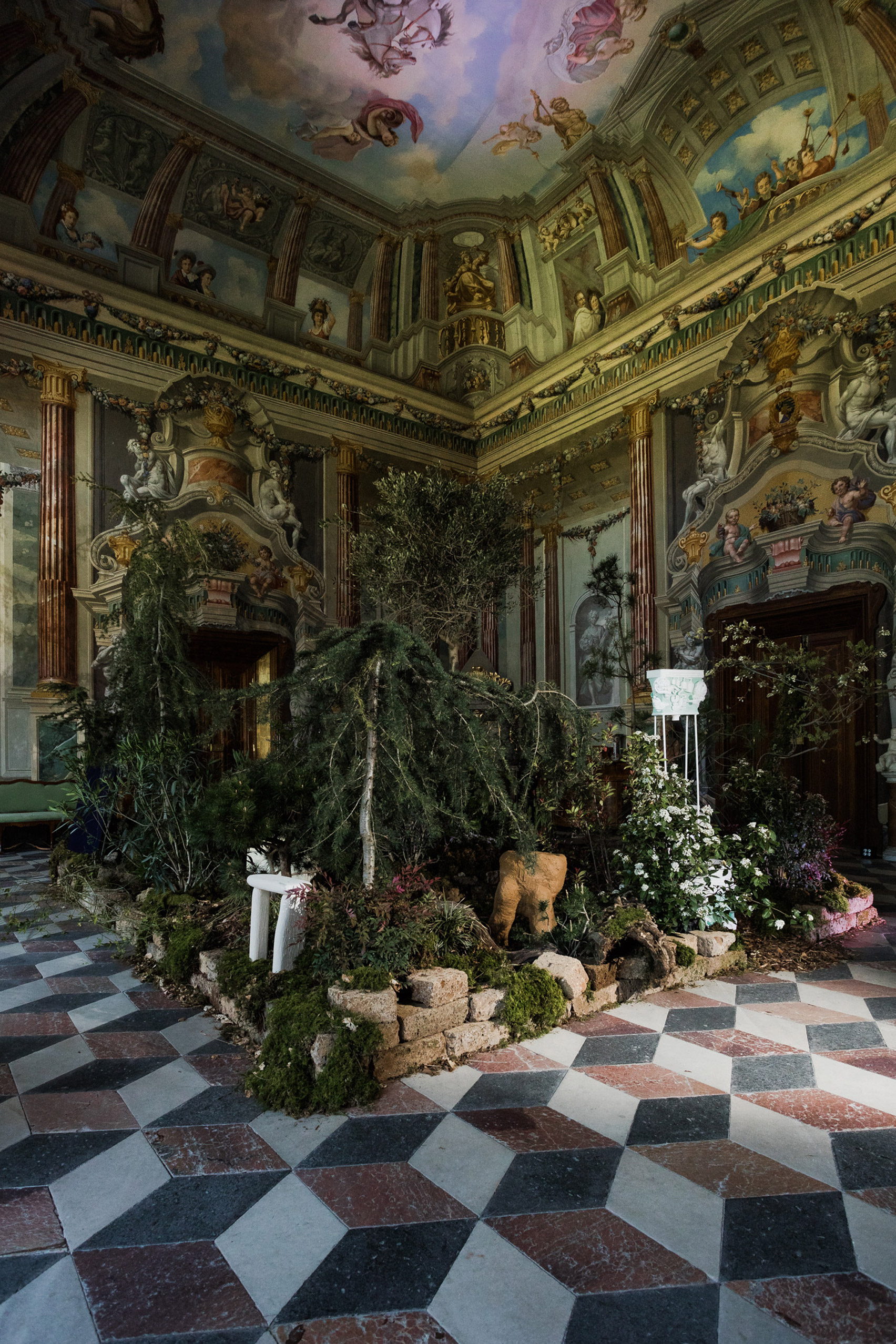
On the tour, which will be streamed above as well as on Dezeen's Facebook page, Stori Liechtenstein will discuss the pieces, which are dotted around the castle and its grounds, as well as recounting the history of her home.
The Walden exhibition explores our relationship with nature
"Many of the projects in the exhibition are about self-sufficiency and about finding a new approach to doing, making, living," said Stori Liechtenstein, who commissioned many of the works for the Walden exhibition.
"It is the time to bring nature back in our everyday life; not the romanticised, sanitised, domesticated version of it, but the gritty, wild stuff. The current narrative around the environmental crisis offers conflicting and confusing information, it has been wrongly politicised, and often induces guilt without offering solutions."
"This makes accepting that our lifestyles need to be dramatically transformed, a painful process: we procrastinate, waiting for a miracle cure," she added.
Schloss Hollenegg is the seat of the Liechtenstein family
"In order to find the solution, perhaps, we need first to stop seeing our environment for our use, to be tamed into a garden. We need to embrace the undomesticated, feral side of nature and allow pockets of wilderness to take over, in order to live with the simplicity of the philosopher," Liechtenstein said.
Pieces from the show will be available for purchase via digital design gallery Adorno.
Located in Austria's Styria province, Schloss Hollenegg is the seat of the Liechtenstein family. It features elements of multiple architectural styles that have been added to the original medieval building over three years.
The fortified palace has a Renaissance courtyard modelled on the Landhaus palace in nearby Graz and a Baroque church.
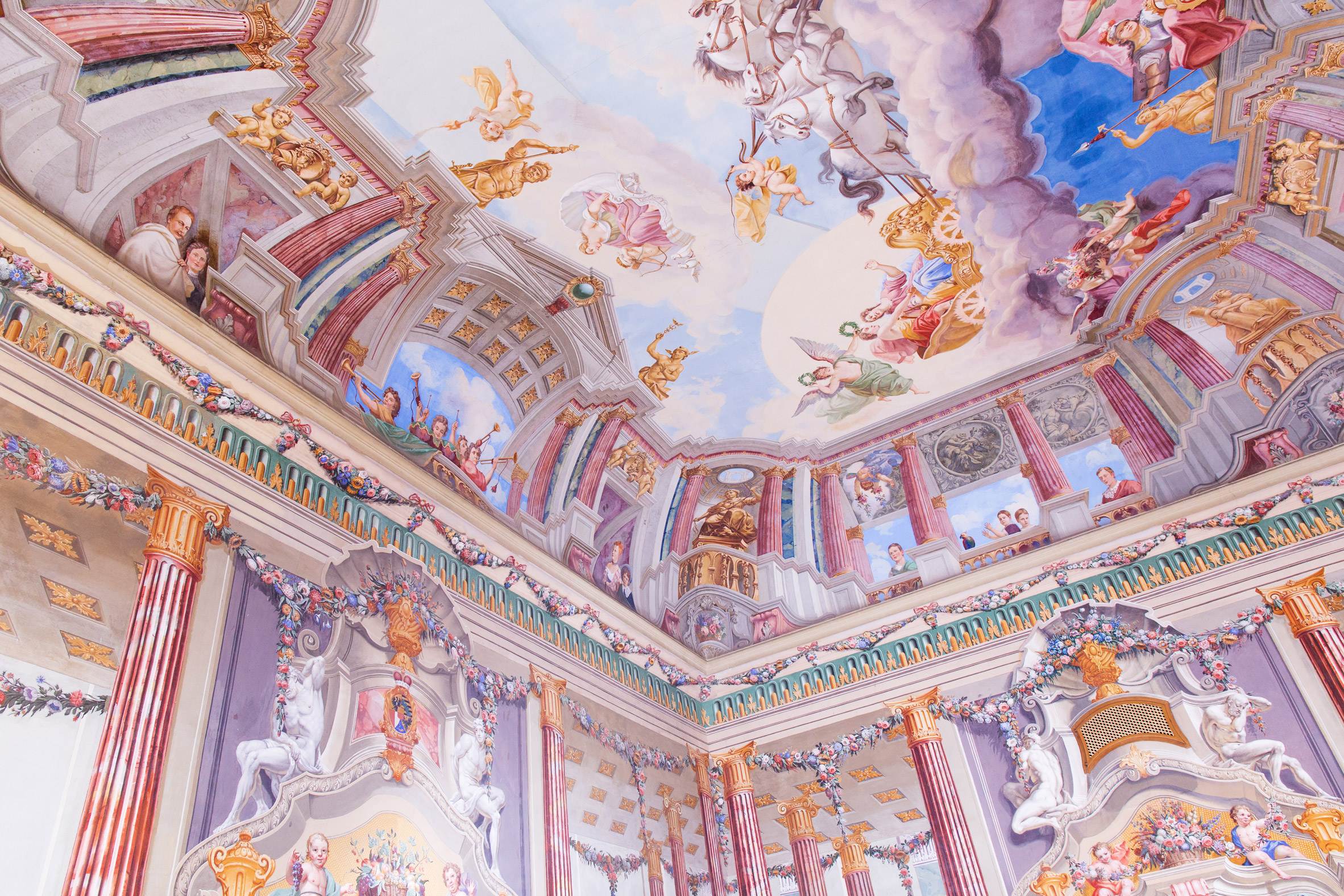
Murals in the Schloss Hollenegg
Usually closed to the public, the castle opens once a year to the public for its annual design show. This year's public opening has been cancelled due to coronavirus, but the exhibition has been mounted and will be brought to life via the live tour and an accompanying video.
Participants in the Walden exhibition are Crafting Plastics, Charlap Hyman & Herrero, Calico Wallpaper, Marlène Huissoud, cc-tapis, Klemens Schillinger, Sophie Dries, Kaia, Arvid & Marie, Thomas Ballouhey, Thomas Barger, BNAG, Commonplace, Marianne Drews, Jonas Edvard, Destroyers/Builders, Marc Leschelier, mischer’traxler, Odd Matter, Marylou Petot, Studio B Severin, Study O Portable, Studiotut, Evalie Wagner and Sander Wassink.
About Virtual Design Festival
Virtual Design Festival, the world's first digital design festival, runs from 15 April to 30 June 2020. It is a platform that will bring the architecture and design world together to celebrate the culture and commerce of our industry, and explore how it can adapt and respond to extraordinary circumstances.
VDF will host a rolling programme of online talks, lectures, movies, product launches and more, complementing and supporting fairs and festivals around the world that have had to be postponed or cancelled and it will provide a platform for design businesses, so they can, in turn, support their supply chains.
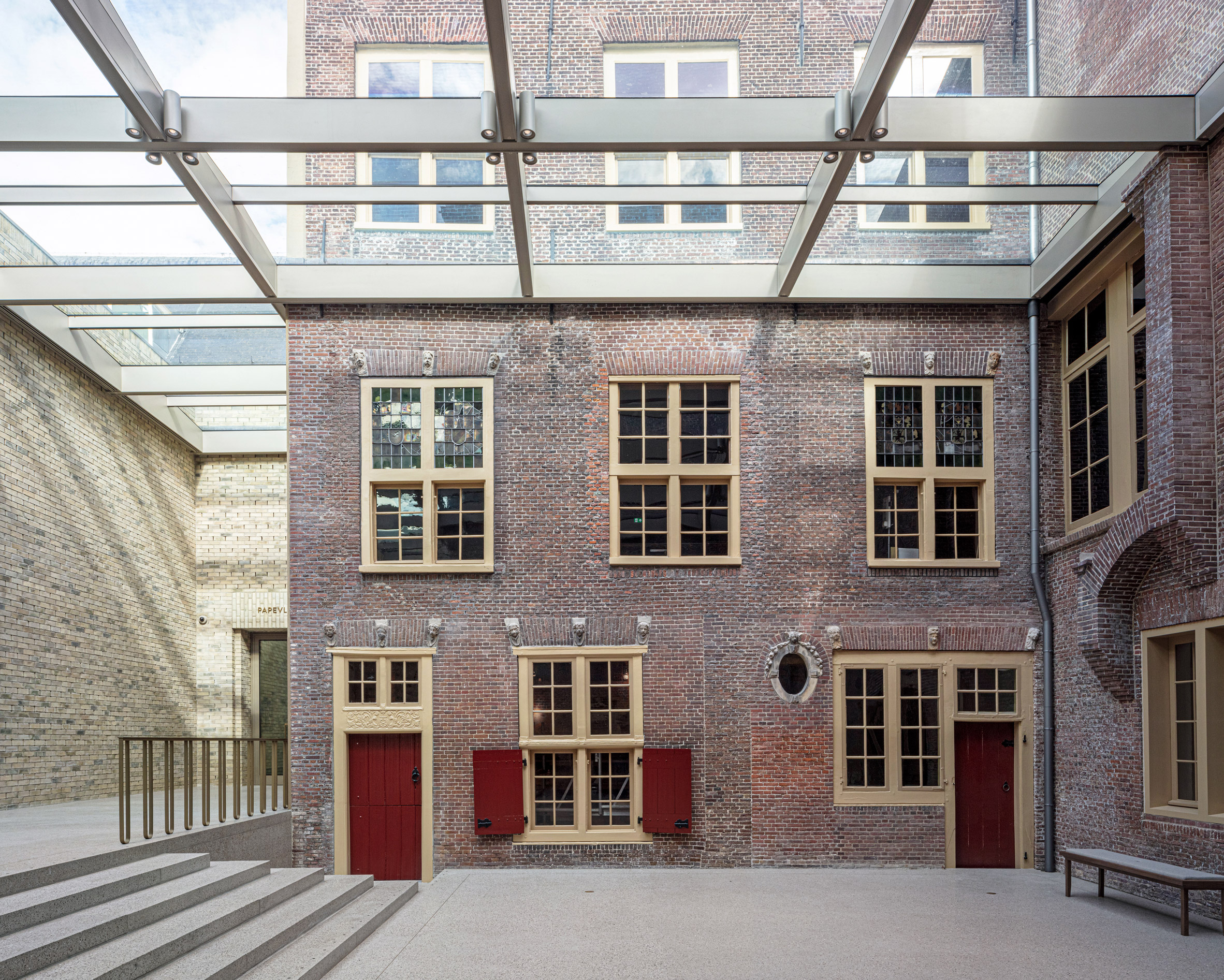
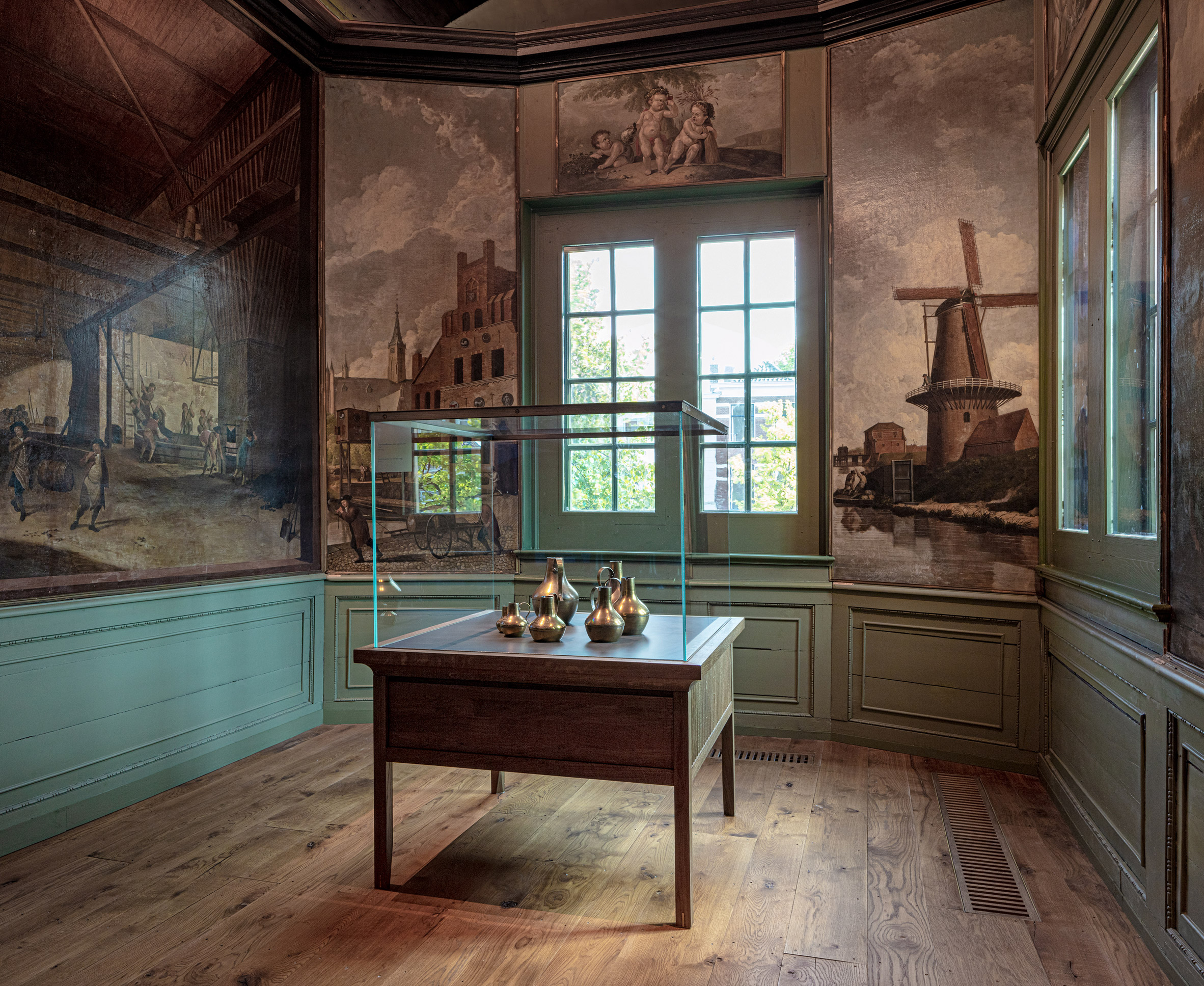
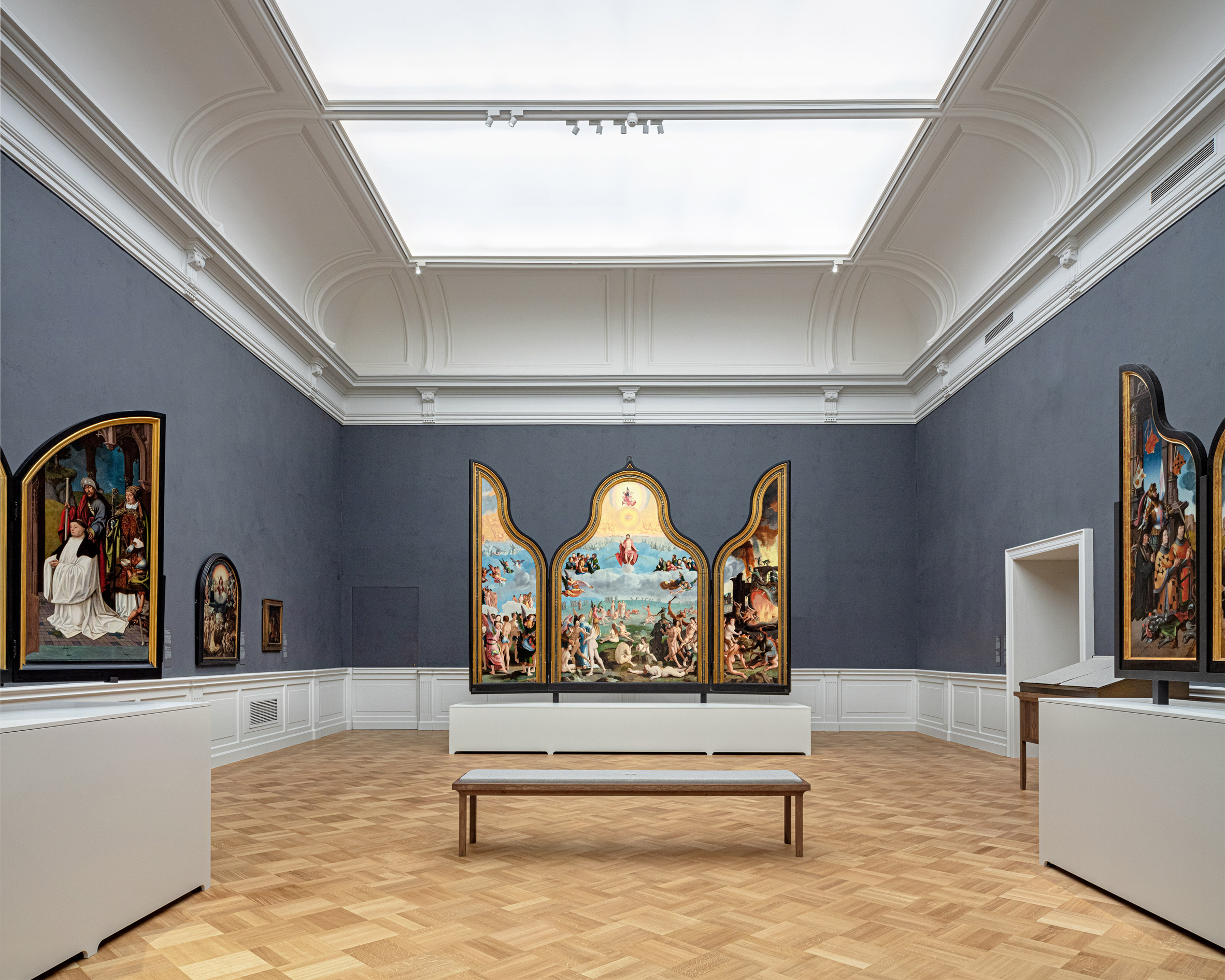
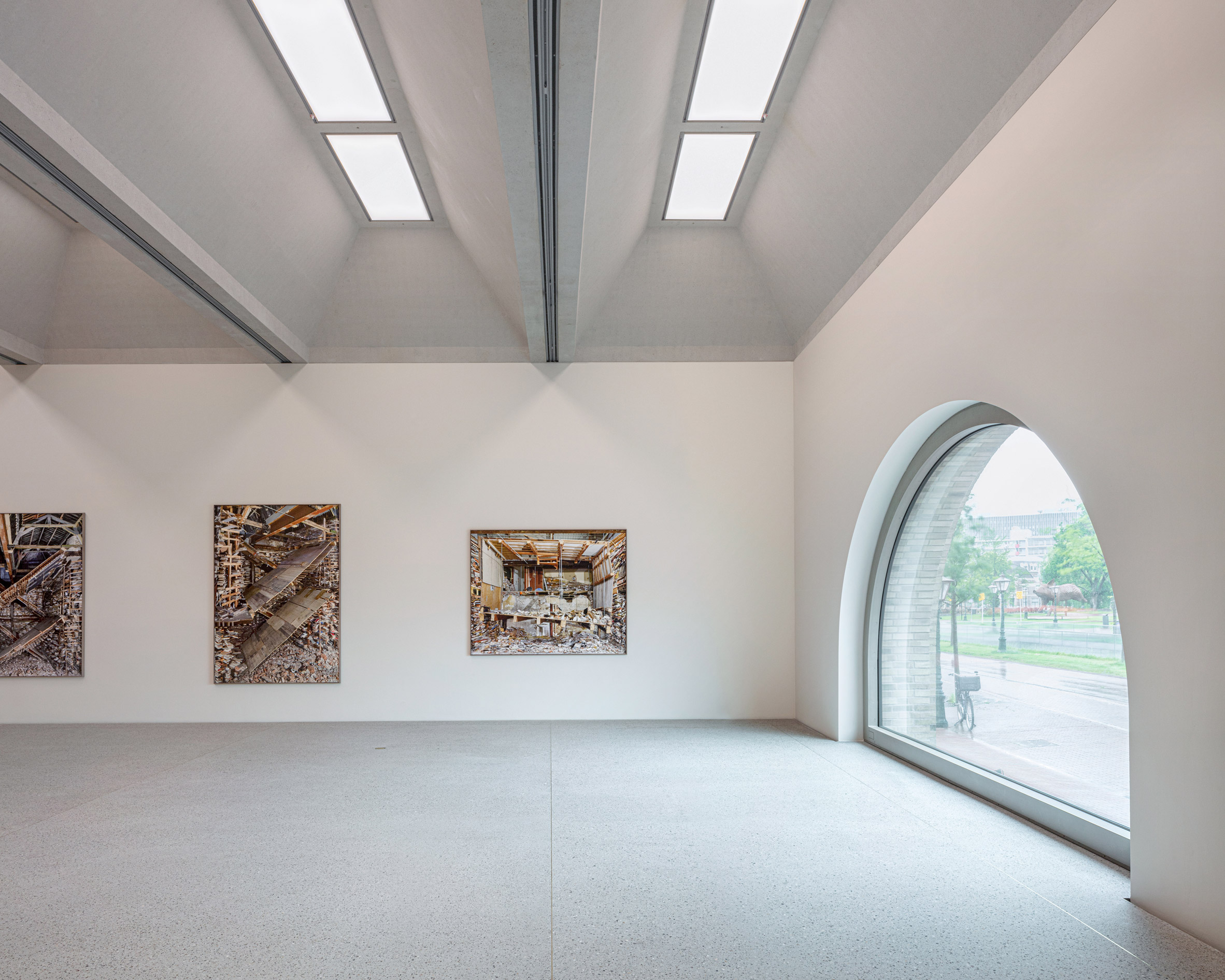
Museum de Lakenhal, a 375-year-old building in the Dutch town of Lien, has been given a contemporary extension and redesign by Happel Cornelisse Verhoeven and Julian Harrap Architects.
As it had already been extended several times over the years, the arts and crafts museum was also given a new and simplified layout.
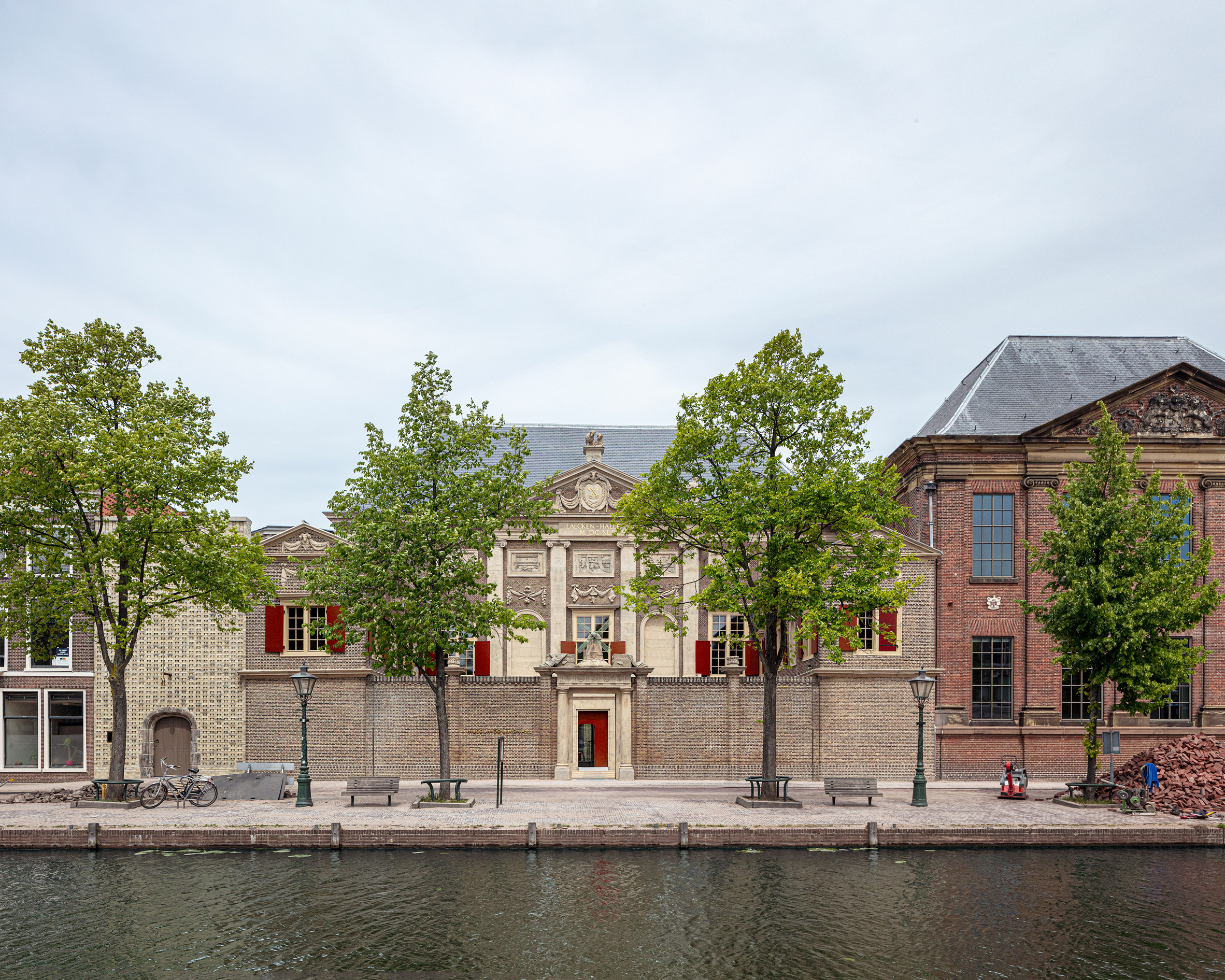
Built in 1641 by the architect Arent van's-Gravesande, the Laecken-Halle was originally a centre for the fabric trade.
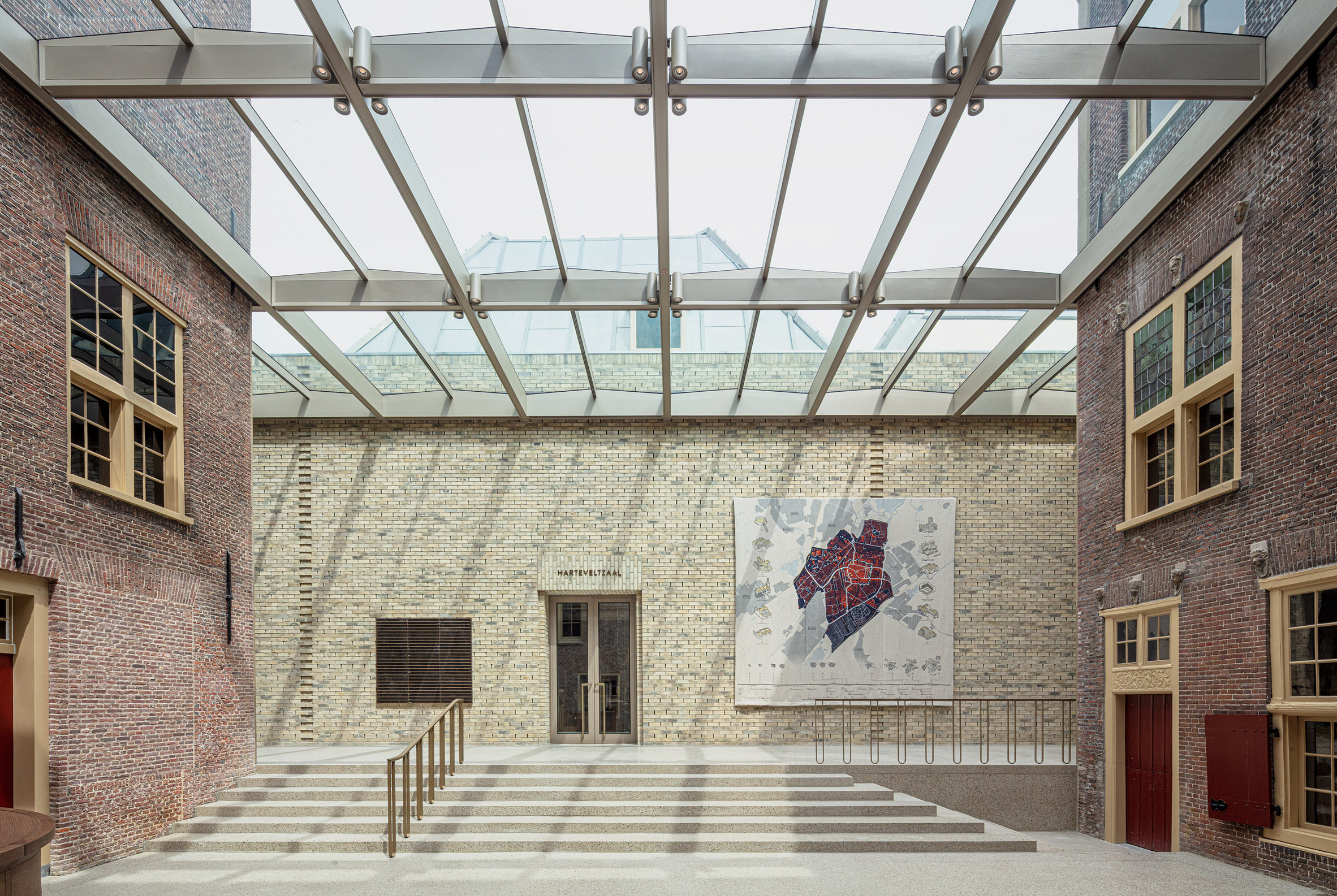
It was turned into a museum in 1874, and subsequently extended in 1890 with the Harteveltzaal building. The Papevleugel building was added in 1921.
Dutch practice Happel Cornelisse Verhoeven and London-based renovation experts Julian Harrap Architects won the competition to makeover the museum in 2013, promising to simplify the labyrinthine corridors and modernise the building.
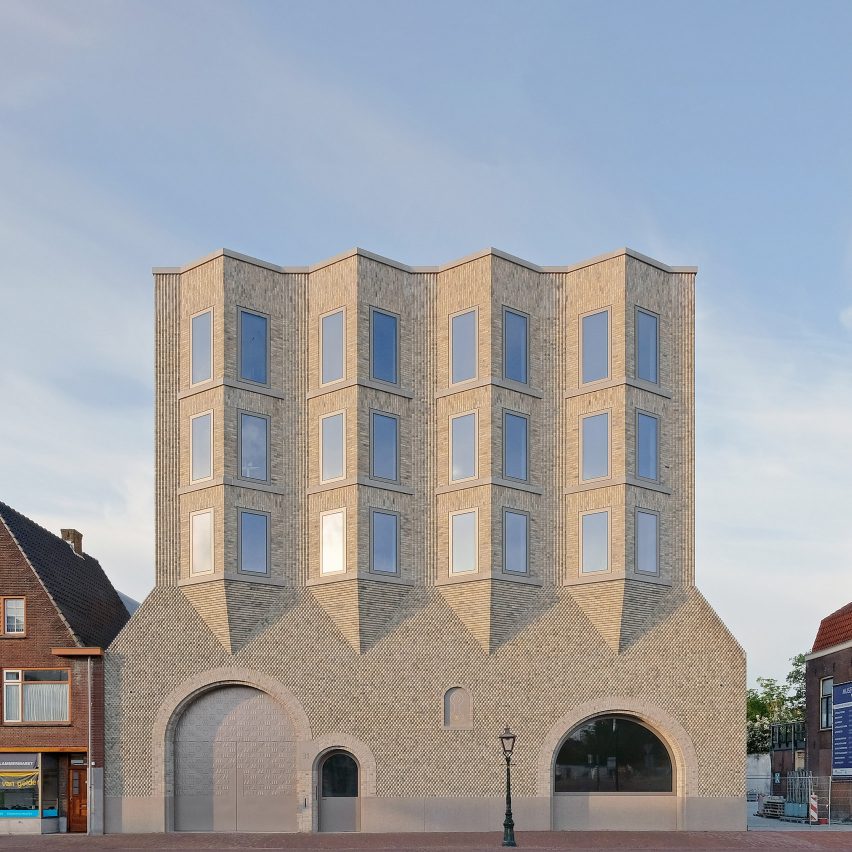
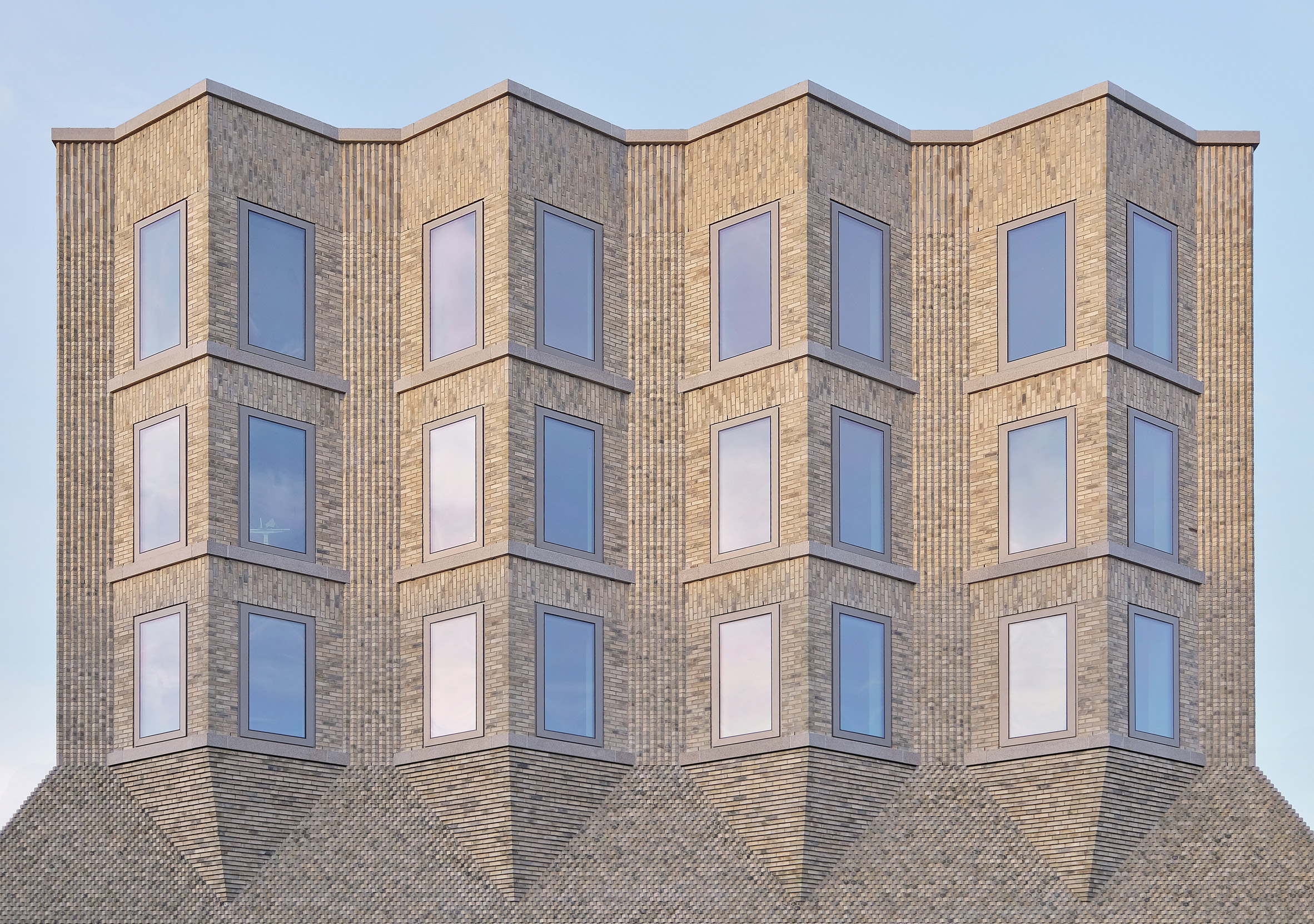
The extension is called the Van Steijn building and has a brick facade with concertina-style folds that was designed as a reference to fabric factories and woven textiles.
"The building presents itself as a recognisable one-piece architectural unit," said Happel Cornelisse Verhoeven.
"It's a new member of the Lakenhal family that refers to the morphology of the large textile factories that stood around the Lammermarkt until the end of the 19th century," added the studio. "These factories were pragmatic brick buildings, but with a proud presence and fine details."
Visitors enter through a gate in the wall and cross a courtyard to the main building, which dates from the 1600s.
The museum shop, cloakroom and cash register have been relocated here to all be in one convenient place.
A path leads to the Achterplaats, a former courtyard behind the main building that has been covered with a glass roof to form a light-filled central hub for the museum.
The four wings of the Museum de Lakenhal – the upper floors of the Laecken-Halle, the Harteveltzaal, the Papevleugel and the Van Steijn building – can all be accessed from the Achterplaats.
"The traces from 375 years of building history were preserved as far as possible and left visible," said the studio.
"The special architectural history has been made tangible and legible, so that the museum shows itself as a detailed sampling of time layers again."
In the Van Steijn extension, the ground floor contains more galleries and exhibition spaces, and the museum cafe.
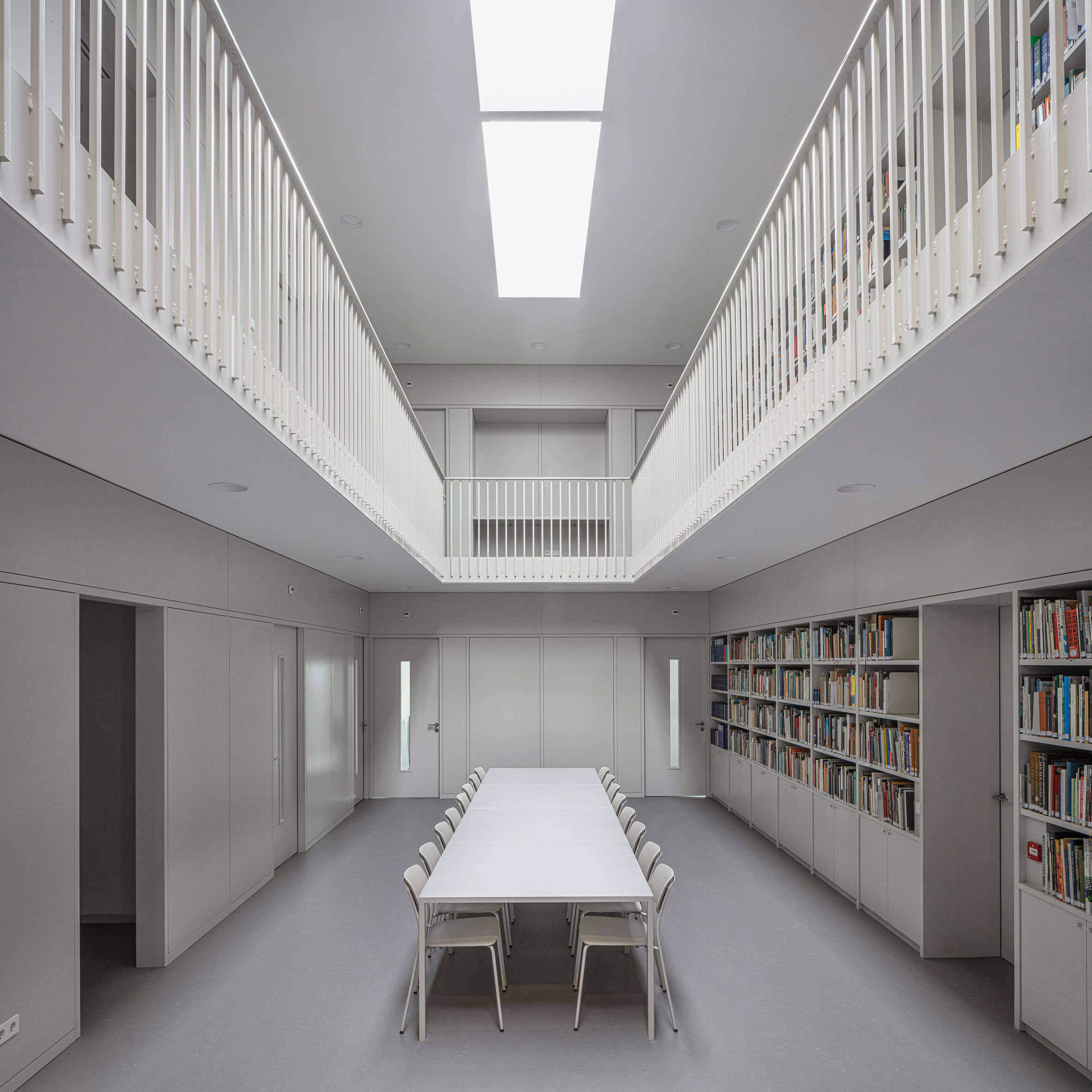
Upstairs there are studios, offices and libraries for the institution staff.
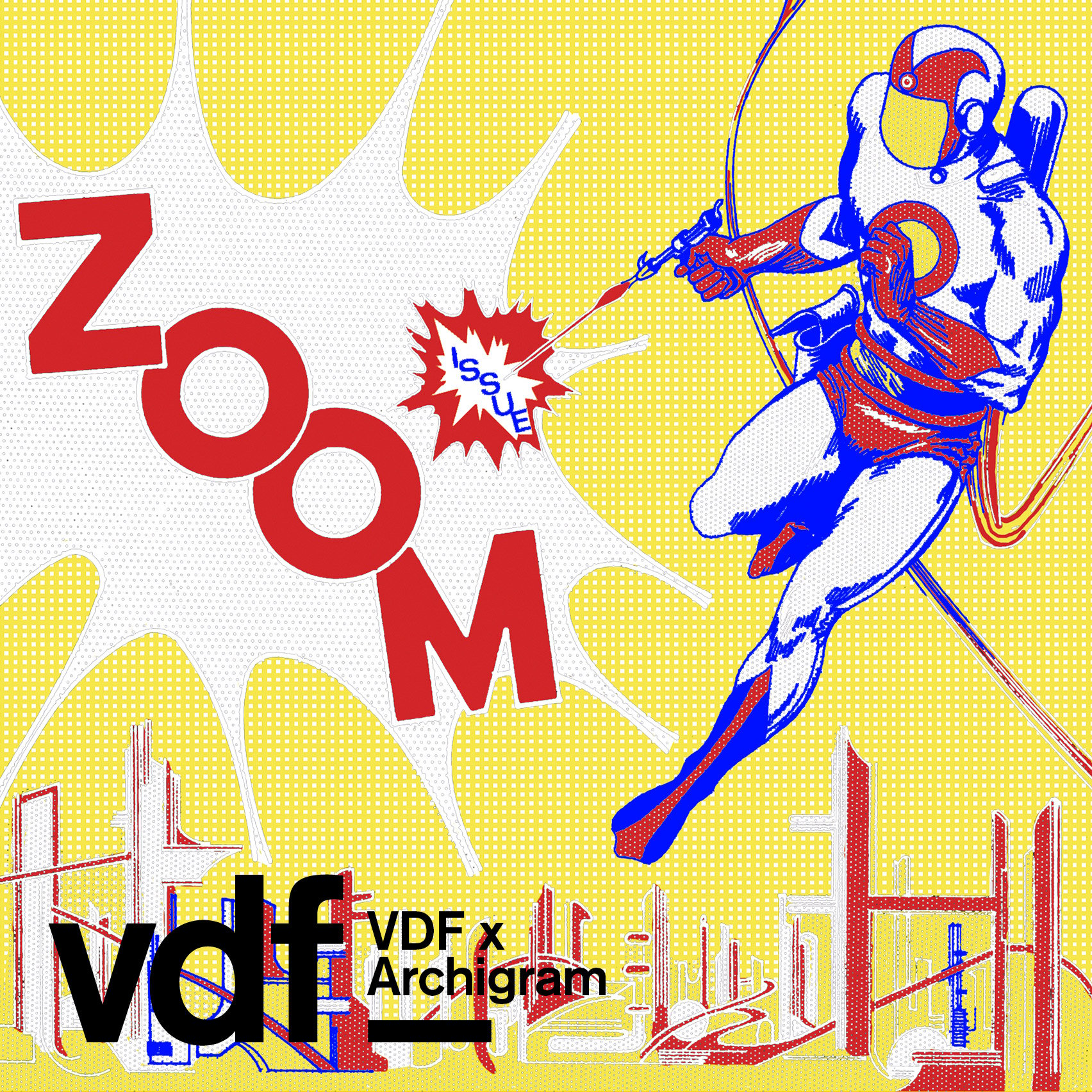
VDF x Archigram: Our second Archigram video interview saw Cook and Crompton speak at length about the group's Plug-In City concept, in which prefabricated capsules could allow inhabitants to essentially "grow" their own dwelling.
VDF x Architects, not Architecture: We streamed three selected talks from the Architects not Architecture archives, in which Francine Houben, Richard Rogers and Reiulf Ramstad spoke candidly about their lives, experiences and influences.
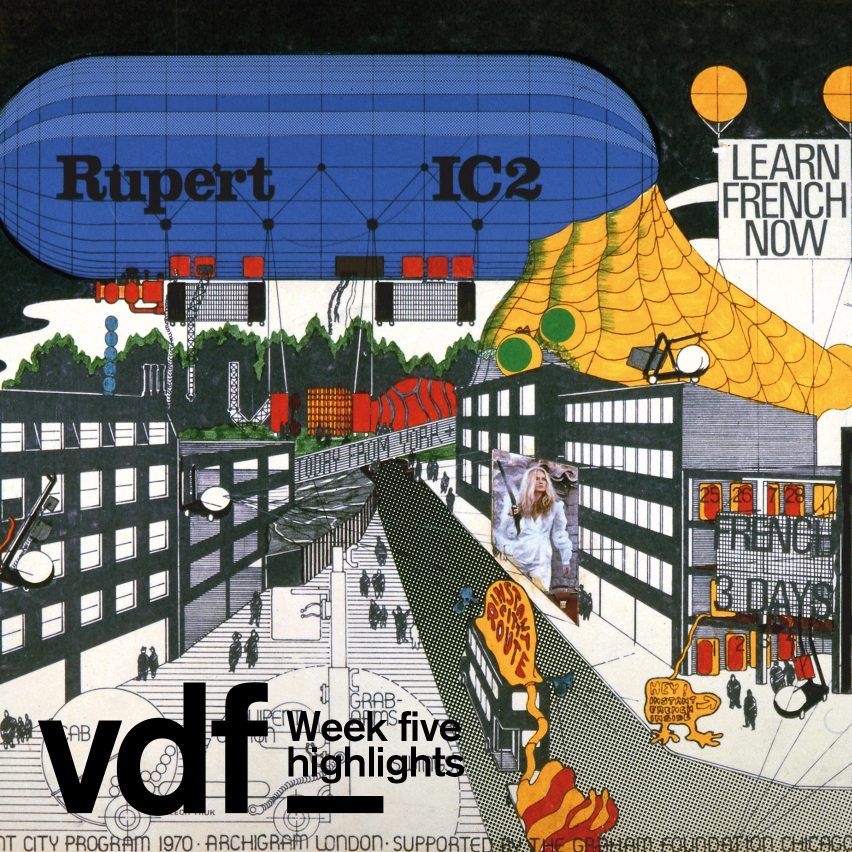
VDF x Archigram: In part three of our video interview series, Peter Cook delved deep into Archigram's Instant City concept, which he describes as a travelling "cultural circus" that could turn a small village into a kind of proto-city.
VDF x Archigram: In the final instalment of our video interview series, Archigram's Dennis Crompton spoke about the sports and entertainment complex in Monte Carlo that was meant to become the collective's first completed building – and how those plans were ultimately foiled.
Screentime with Standard Architecture: Standard Architecture founders Silvia Kuhle and Jeffrey Allsbrook spoke live from Los Angeles about their efforts to make architecture that is "landscape-generative rather than landscape displacing".
Did you miss week four?Read our summary of the highlights, including exclusive interviews with Carlo Ratti and Iris van Herpen, as well as a cocktail masterclass from the owner of Milan's Bar Basso.
Did you miss week three?Read our summary of the highlights, including a video message from Ben van Berkel and an exclusive screening of Gary Hustwit's Dieter Rams documentary.
Here are 10 of the best horror films and shows where the haunted house plays a starring role to watch while you're trapped at home during lockdown – if you dare.
The Haunting, 1963
Some houses "are born bad" warns the ominous narrator of The Haunting, a 1960s adaption of Shirley Jackson's novel The Haunting of Hill House. A group of paranormal investigators studying an old New England house with a nasty past find themselves simultaneously terrorised and beguiled by the building.
Strange noises come from behind ornate doors and a precarious spiral staircase holds a particularly terrible draw for one member of the unlucky party. Art director Elliot Scott created the Expressionist-style interiors, featuring angled walls that screw with perspective and – unusually for a film set – real ceilings, to create a suitably claustrophobic atmosphere.
There's something terrible lurking in the attic of this house in Utah, but the most unsettling part of director Ari Aster's Hereditary is the miniature models of houses and rooms that feature in many of the scenes.
Main character Annie Graham is a miniature artist, so real life miniaturist Steve Newburn was brought onboard to make the sinister models and dioramas that correlate to key moments in the plot.
One model, almost three metres tall, shows a series of dollhouses in different architectural styles sinking through the ground towards hell.
Floor plans can be deceiving in this tv series adaption of Jackson's novel, following five grown-up children coming to terms with their paranormal-filled childhood in a Gothic wreck of a house their parents planned to fix up and sell.
The 10-part Netflix show features a mysterious room at the heart of a house that's trying to put a sinister twist on the idea of a "forever home".
The Haunting of Hill House is available to stream on Netflix.
House, 1977
Nobuhiko Obayashi's psychedelic comedy horror film House follows a group of schoolgirls' misadventures while staying in a house belonging to the aunt of one of them – which is also trying to eat them.
Domestic items such as mirrors and mattresses, light bulbs and jars become possessed and devour the girls. Obayashi consulted his young daughter for the script, and used animation to create the bizarre furniture attacks.
BIG founder Bjarke Ingels consulted on the architecture of this stomach-turning story of a failed architect turned serial killer, directed by Lars von Trier. Together the architect and director came up with a truly horrifying prop for the film's denouement – a house built out of frozen corpses.
The House That Jack Built is available to stream on Amazon Prime.
Poltergeist, 1982
Even cookie-cutter new builds in the suburbs can become haunted, as the 1982 cult movie Poltergeist shows. Unfortunately for the Freeling family, their California dream house is part of a housing development that was built over an ancient cemetery, and the existing residents don't take too kindly to their new upstairs neighbours.
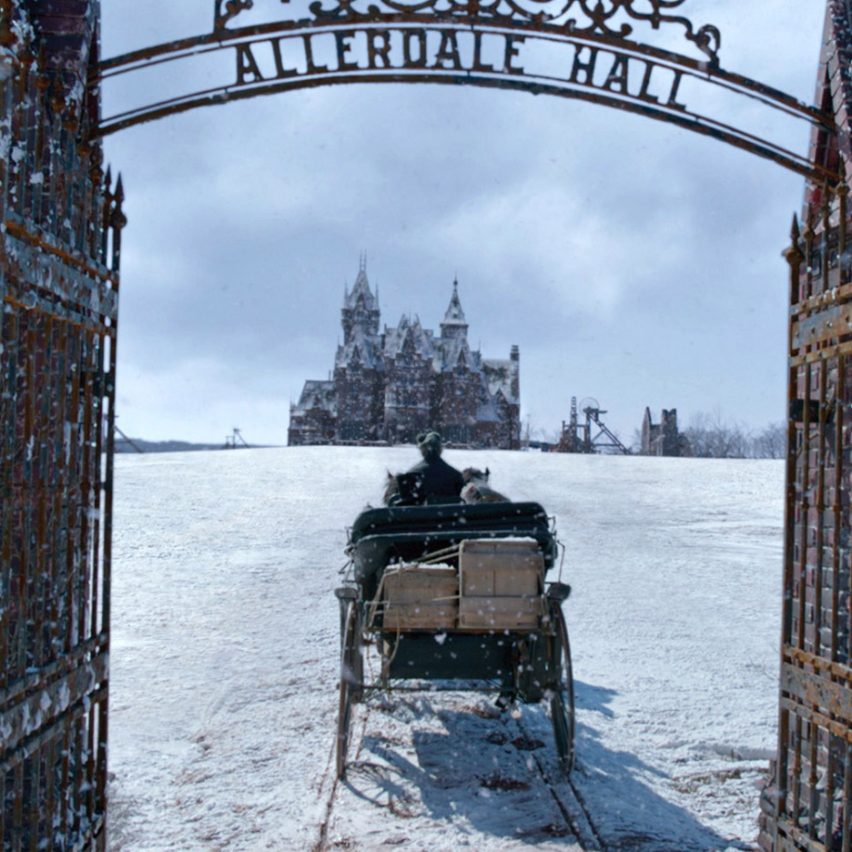
Guillermo del Toro's Crimson Peak is set at the fictional Allerdale Hall, a crumbling British manor built on top of a mine. Leaves drift in to the grand foyer through a broken roof, and sinister red clay seeps up from the basement.
Production designer Tom Sanders built the entire house, in its exaggerated Gothic Revivalist style, from scratch as a series of sets that were dismantled after filming finished. Every detail was customised, down to the patterns of moths on the tiled floors.
Isolation can take its toll on the human psyche, as explored in Jack Nicholson's famous turn in Stanley Kubrick's adaption of the Stephen King horror novel.
Despite having the run of the Overlook Hotel and its decidedly groovy decor, the lack of contact with the outside world, strange nightmares, and a ghost in room 237 drives an aspiring writer round the twist.
The Shining is available to stream on Google Play.
American Horror Story: Murder House, 2011
1120 Westchester Place in Los Angeles is stuffed to the rafters with the ghosts of murderers and their victims, who walk among the living and play havoc with their lives in this 12-episode series.
A real house, built in 1902 in a mix of the Tudor and Gothic Revival by Alfred Rosenheim, served as the exterior. Interior sets were created to be exact replicas, down to the stained glass originally designed by Louis Comfort Tiffany.
American Horror Story: Murder House is available to stream on Netflix.
The Cabin in the Woods, 2011
No category of horror sub-genre is safe from being sent up in this horror movie. A clichéd cast of characters, attempting to have a weekend away at a remote cabin, end up fighting for their lives when they discover monsters in the woods. But the real scares only start when they find the secret laboratory under the floorboards.
The spooky cabin, filled with two-way mirrors and mysterious items in the cellar, is the bait for a much bigger trap.
The Cabin in the Woods is available to stream on Google Play.