Wednesday, 3 June 2020

Competition: win a Braun LE03 speaker and a BN0265 Chronograph watch

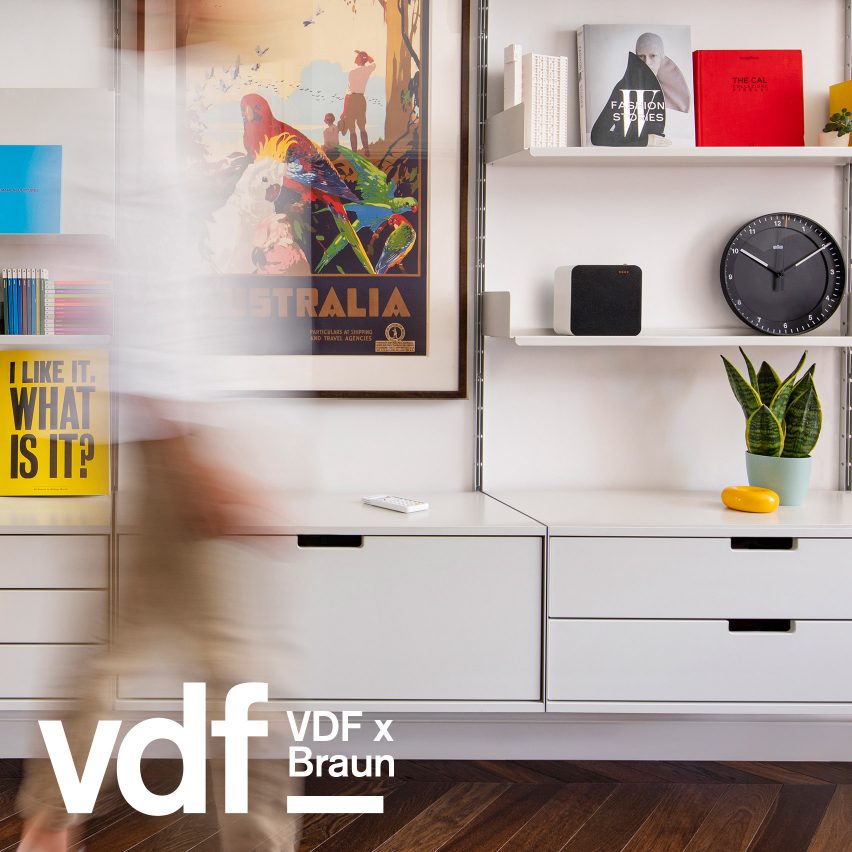
As part of today's VDF x Braun collaboration, we have teamed up with the German design brand to give readers the chance of winning a Braun LE03 speaker and a BN0265 Chronograph watch.

Since 1921, German brand Braun has designed products with a "less is more" design approach. This includes the LE03 speaker, which features an updated design by legendary designer Dieter Rams.

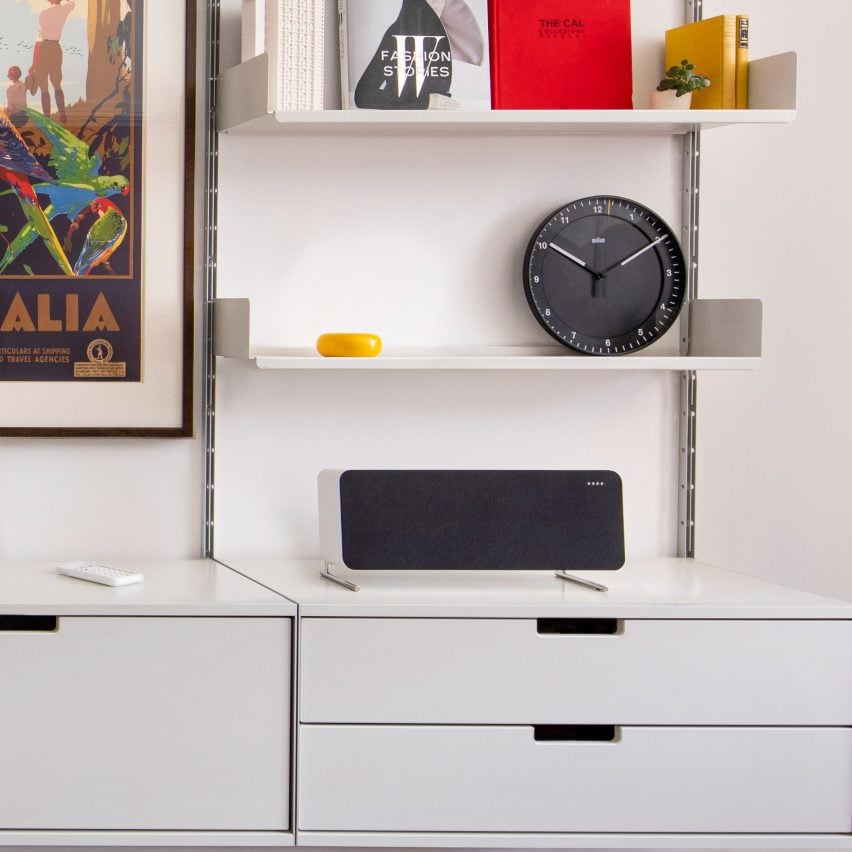
Crafted from aluminium and finished in either black or white, the LE03 is a compact speaker teamed with a subtle stand that also "elegantly resolves cable management".

Despite its size, the speaker is designed to produce solid, immersive sound at all volumes,  which can be controlled using your voice thanks to built-in Google Assistant.
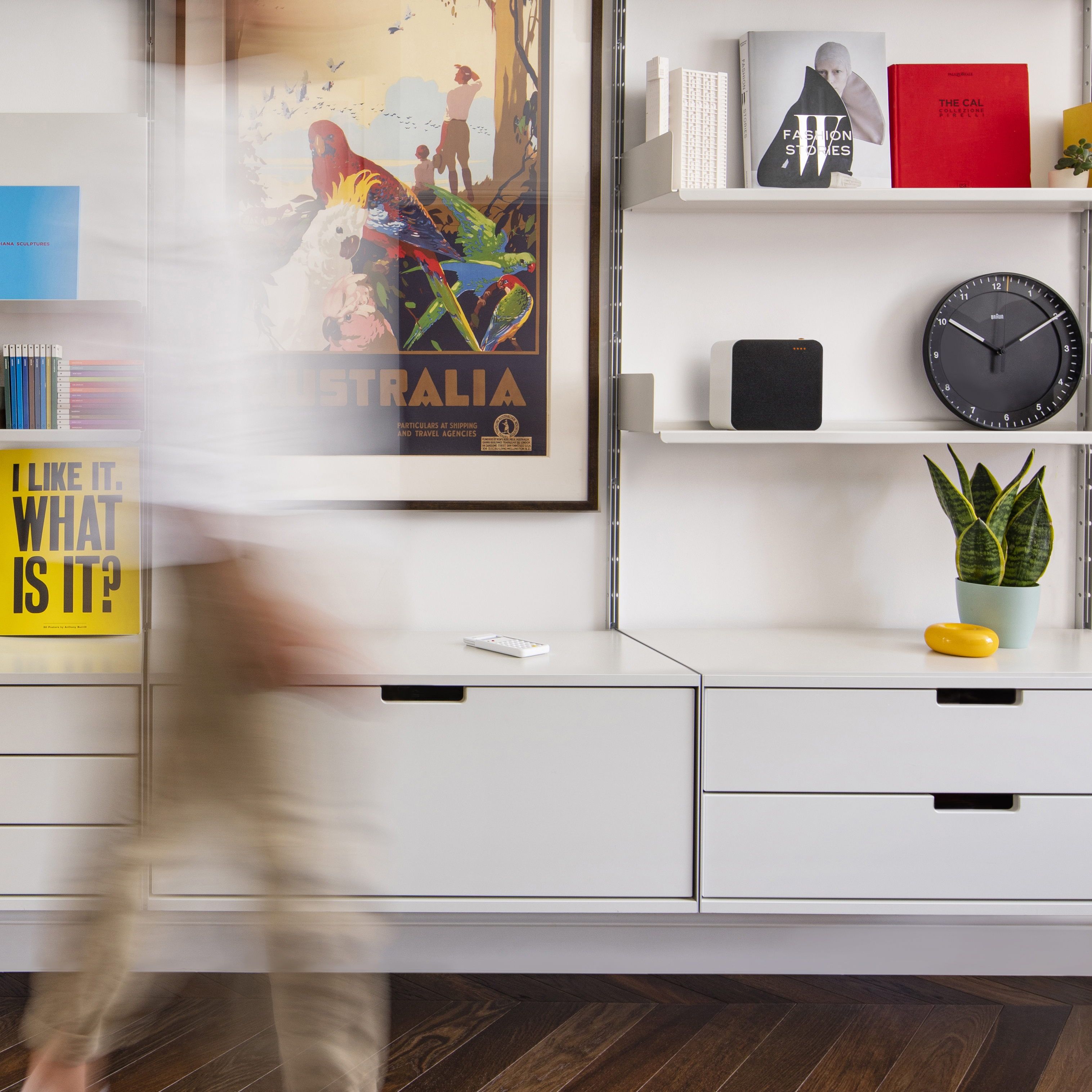
The LE03 speaker is crafted from aluminium and finished in either black or white

All LE speakers are engineered with profile Balanced Mode Radiator (BMR) drive units, which provide a near 18-degree soundstage, "meaning that the units are always easy to position without the worry of a specific sweet spot of traditional speakers," according to Braun.

Users benefit from regular software updates and can choose from over 300 music streaming services, all available with wi-fi streaming. Each speaker also has a dedicated privacy button to physically disconnect microphones should you wish.

"The perfect combination of form and function, the LE range is eye-catching without being intrusive, offering the perfect balance of unparalleled performance in a minimalist form," said Braun.
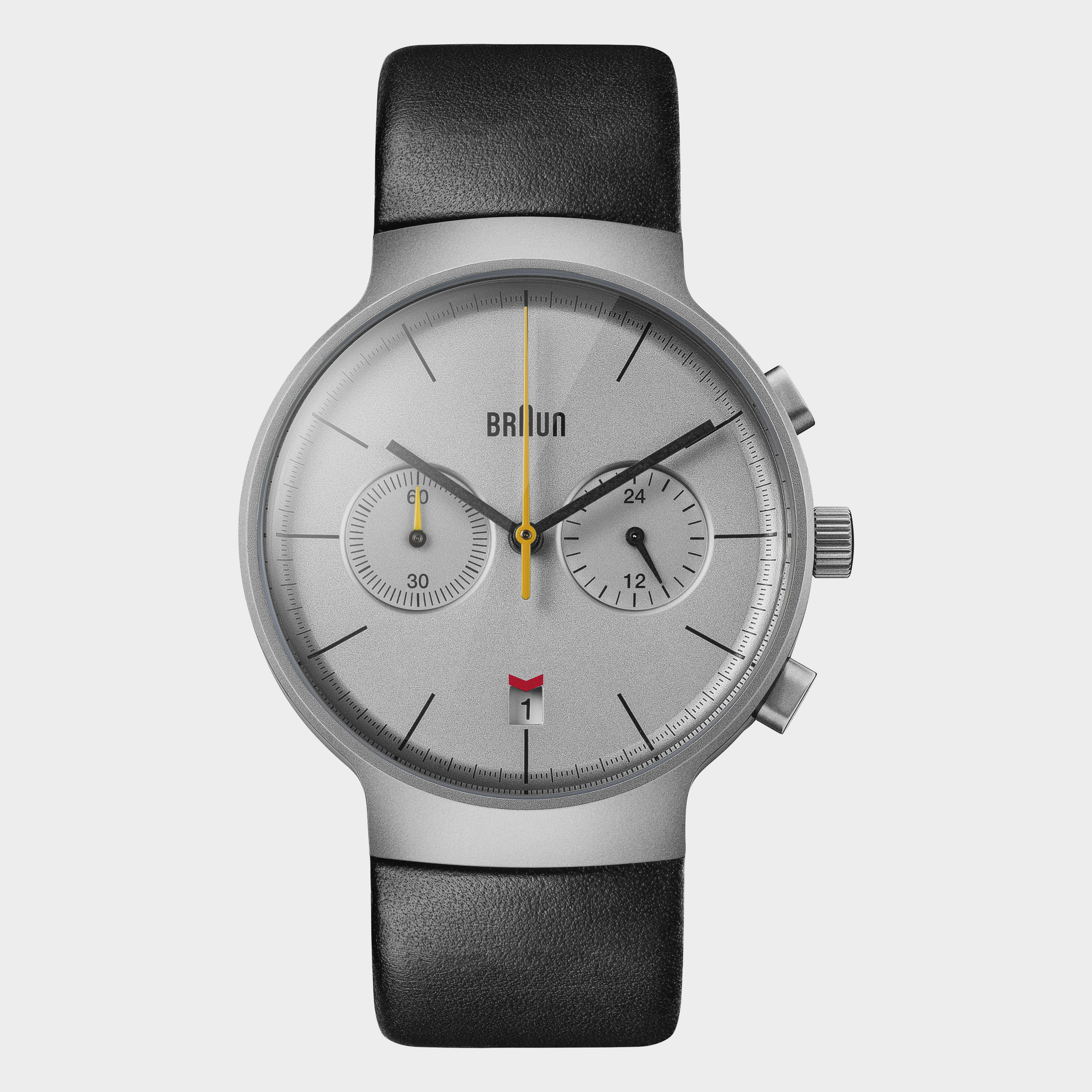
BN0265 Classic Chronograph
Also up for grabs is a BN0265 Classic Chronograph watch for men

Also up for grabs in the competition is a BN0265 Classic Chronograph watch for men – winner of a Red Dot Design Award for 2020, an international design competition for product design, communication design and design concepts.

Described by Braun as a "modern interpretation of the brand's design philosophy 'less is best'", the BN0265 Classic Chronograph watch boasts a sleek, consistent connection between its black leather strap and matt stainless-steel case.
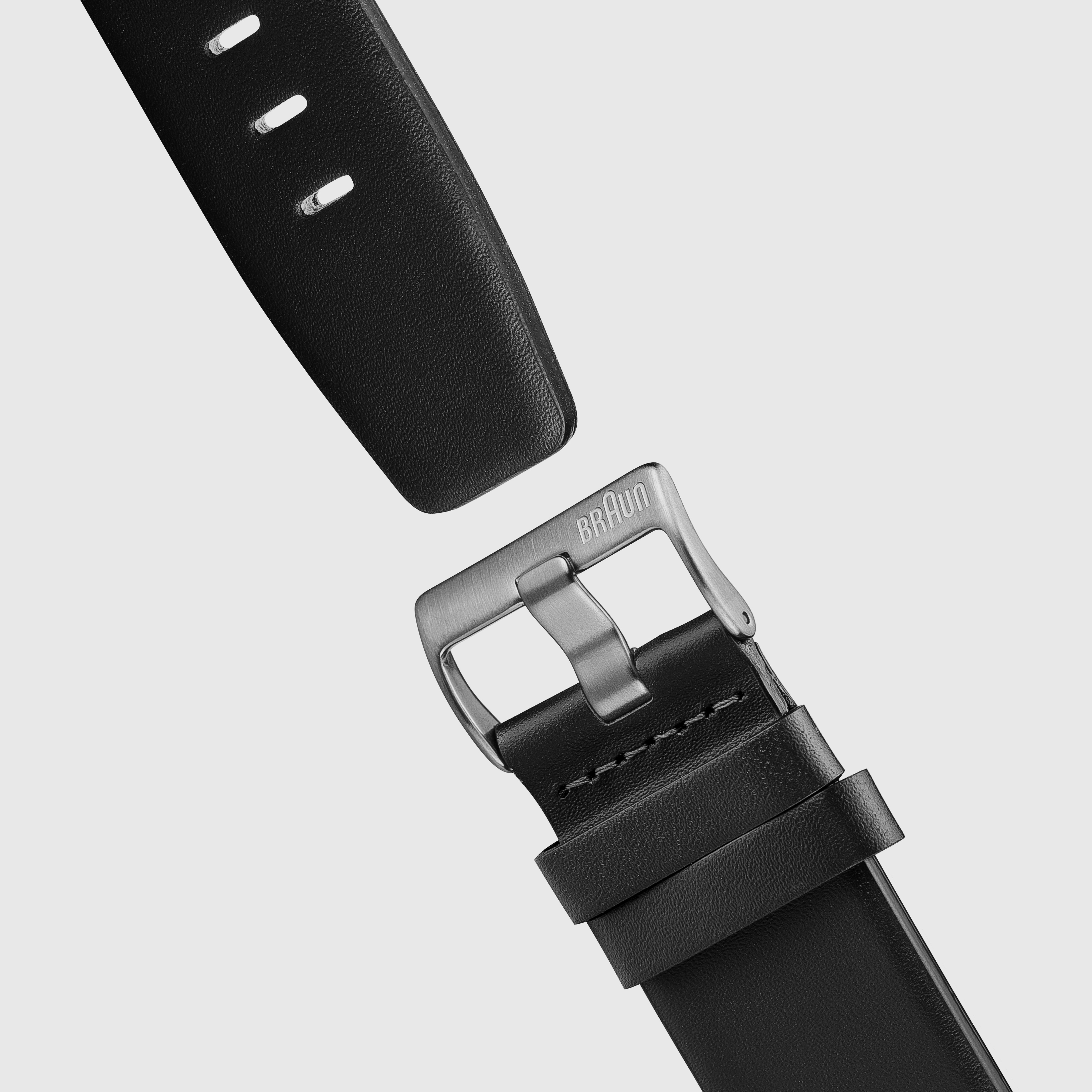
The BN0265 Classic Chronograph watch
The BN0265 Classic Chronograph watch boasts a black leather strap and matt stainless-steel case

The concave dial features a yellow second hand and red chevron date indicator – iconic details that were developed by Braun more than half a century ago and are still recognisable today.
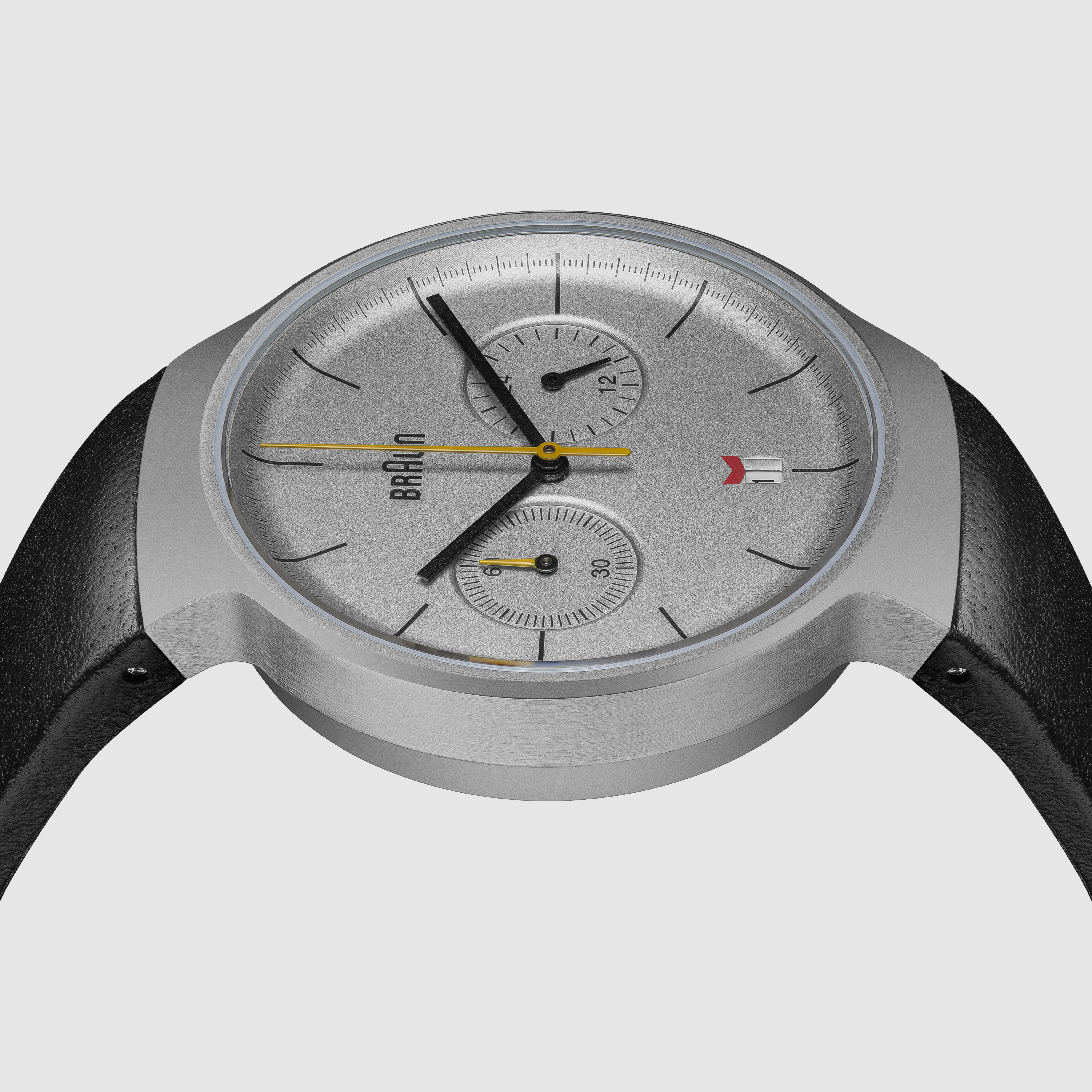
The BN0265 Classic Chronograph watch
The concave dial features a yellow second hand and red chevron date indicator

The competition forms part of our collaboration with Braun for Virtual Design Festival. As part of the collaboration, Braun also presented two talks on the theme "Times of change and good design".

The first talk featured industrial designer Benjamin Wilson and Dr Peter Kapos, writer, curator and creative director at Systems Studio. The second featured an interview with designer Ilse Crawford.

To enter this competition, fill out the form below.

One reader will be selected to win both prizes. They will win an LE03 speaker in white and a BN0265 Chronograph gentleman's watch in stainless steel with a black leather strap.

Competition closes 30 June 2020. Terms and conditions apply. One winner will be selected at random and notified by email.

The post Competition: win a Braun LE03 speaker and a BN0265 Chronograph watch appeared first on Dezeen.


from Dezeen https://ift.tt/2BxRzbT

Live interview with Ilse Crawford as part of VDF's collaboration with Braun

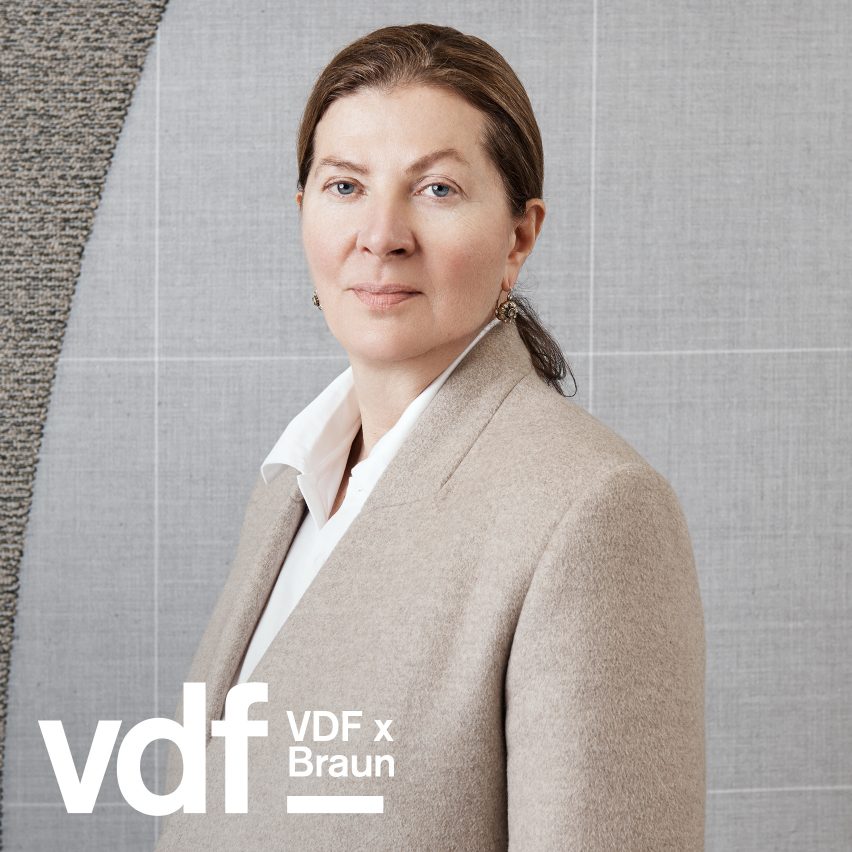
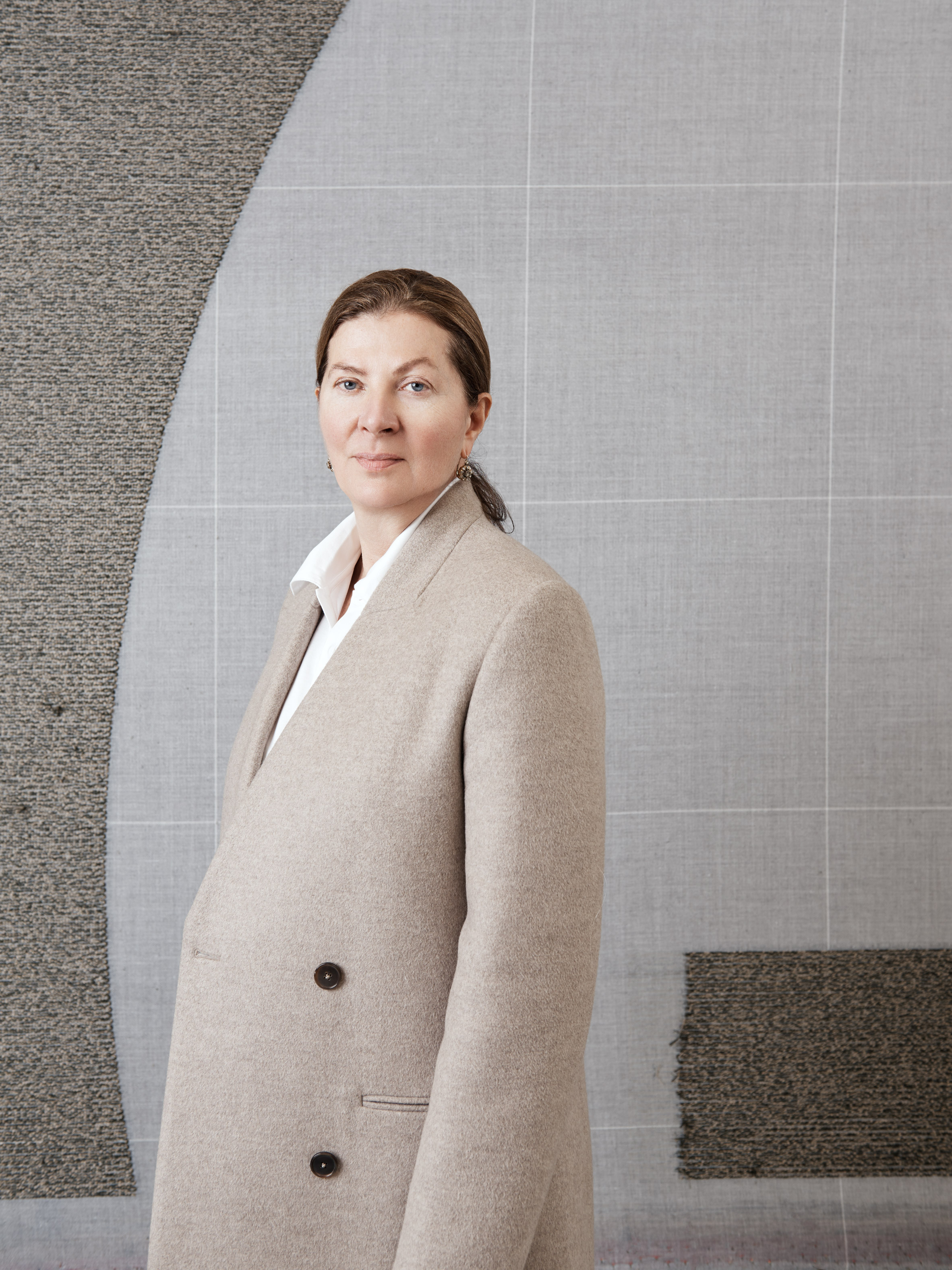
Designer Ilse Crawford spoke to Dezeen in a live interview as part of our collaboration with Braun for Virtual Design Festival.

The London-based designer spoke to Dezeen's founder and editor-in-chief Marcus Fairs about her work and what the future holds for the design industry.

Crawford is the founder of Studioilse, a multidisciplinary design studio working primarily in interior and product design.

The designer is embarking on a collaboration with influential German design brand Braun to create an online video masterclass in design.

The course will be structured around the key Braun design principles Less But Better, Built To Last and Design For Real Human Need, and aims to provide a framework by which participants can learn the fundamentals of design.

The studio has previously produced several products for Swedish lighting brand Wästberg including a collection of non-electric oil lamps and a high-tech take on the classic library lamp.

Its previous projects also include a rug collection influenced by Sweden's landscapes for Kasthall and a collection of furniture made from cork and natural fibres for IKEA.

Crawford has also designed interior spaces such as a community soup kitchen in London opened by the renowned chef Massimo Bottura and the VitraHaus showroom in Germany using furniture by Vitra and Artek.

Live interview with Ilse Crawford as part of Virtual Design Festival
Crawford is the founder of multidisciplinary design studio Studioilse. Portrait is by Marsy Hild Thorsdottir

Before stepping down in 2019, Crawford was the head of the Man and Well-Being bachelors programme at Design Academy Eindhoven for over 20 years.

Crawford, who was named Maison&Object's designer of the year in 2016, was profiled in Netflix's documentary series Abstract: The Art of Design, alongside designers and architects like Bjarke Ingels and Es Devlin.

This livestream interview is part of Braun's takeover of VDF today, which also includes a live talk with designer Benjamin Wilson and curator Dr Peter Kapos about the history of the Braun brand, as well as a competition in which the brand's LE03 speaker and a BN0265 Chronograph gentleman's watch can be won at 5:00pm.

Braun is renowned for its functional approach to design, and counts designer Dieter Rams and his protege Dietrich Lubs amongst its heads of design. The brand's mission to create "honest, unobtrusive, practical devices" helped establish it as one of the most influential manufacturers of the 20th century.

Virtual Design Festival

Running from 15 April to 30 June, Virtual Design Festival is the world’s first online design festival. It brings the architecture and design world together to celebrate the culture and commerce of our industry, and explore how it can adapt and respond to extraordinary circumstances.

To find out what's coming up at VDF, check out the schedule. For more information or to join the mailing list, email vdf@dezeen.com.

The post Live interview with Ilse Crawford as part of VDF's collaboration with Braun appeared first on Dezeen.


from Dezeen https://ift.tt/304JyW3

Monte Uzulu is a boutique hotel in the Oaxacan jungle by Taller Lu'um and At-te

Monte Uzulu hotel

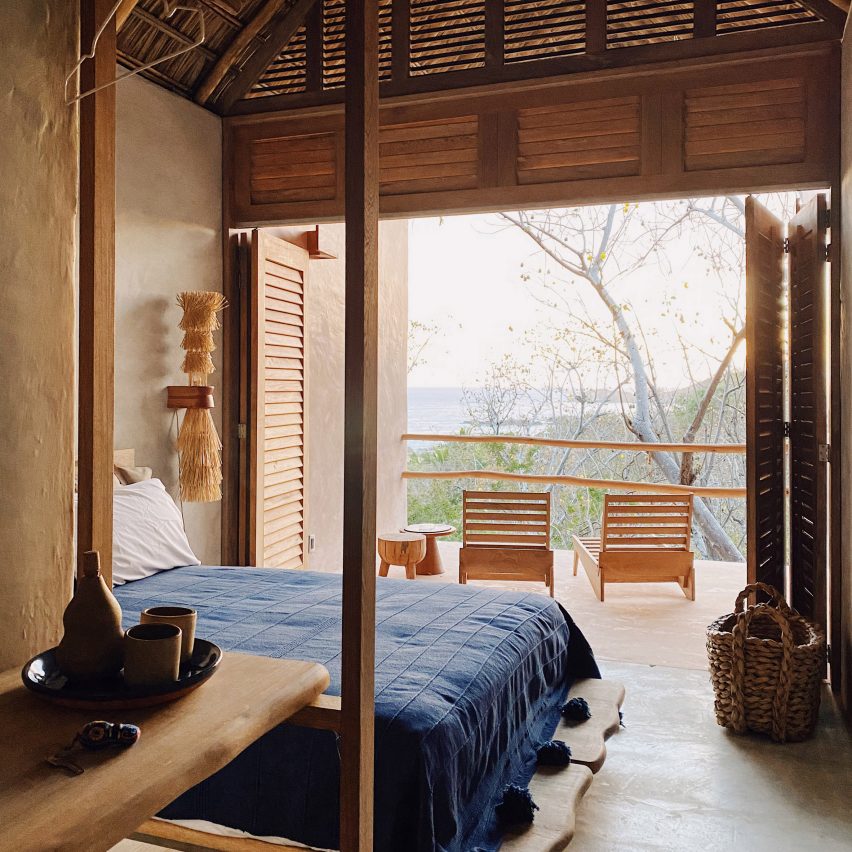
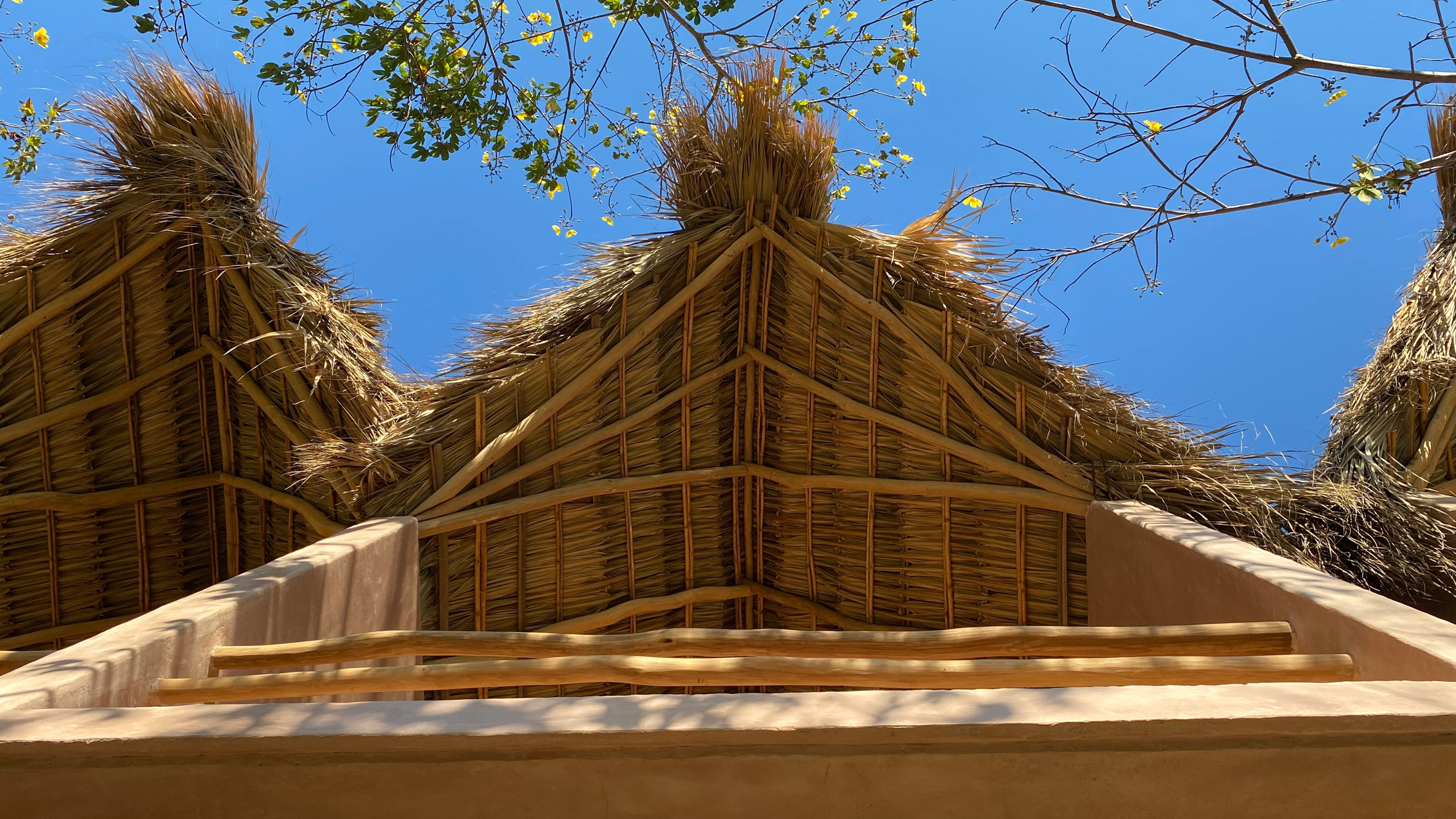
Mexican studios Taller Lu'um and At-te designed this boutique hotel in Oaxaca to showcase local craft with earthen walls, doors made from local wood and a thatched roof.

Called Monte Uzulu, the hotel is located in San Agustinillo, a small fishing village and beach in the state of Oaxaca, Mexico.

Monte Uzulu hotel

Its name comes from the word gusulú, which means the start or beginning in the language of the Zapotec people indigenous to the region.

Drawing on this meaning, Mexico City architecture studio At-te and design workshop Taller Lu'um modelled the hotel to be closely tied to nature.

Monte Uzulu hotel

Located on a sandy, hillside with the Pacific Ocean a short walk away, it is surrounded by trees that were kept in order to make the least environmental impact as possible.

Monte Uzulu hotel

"The jungle that surrounds us is thousand years old, that is why we have respected all the trees during construction, and pass next to them to allow them to continue growing," the team said.

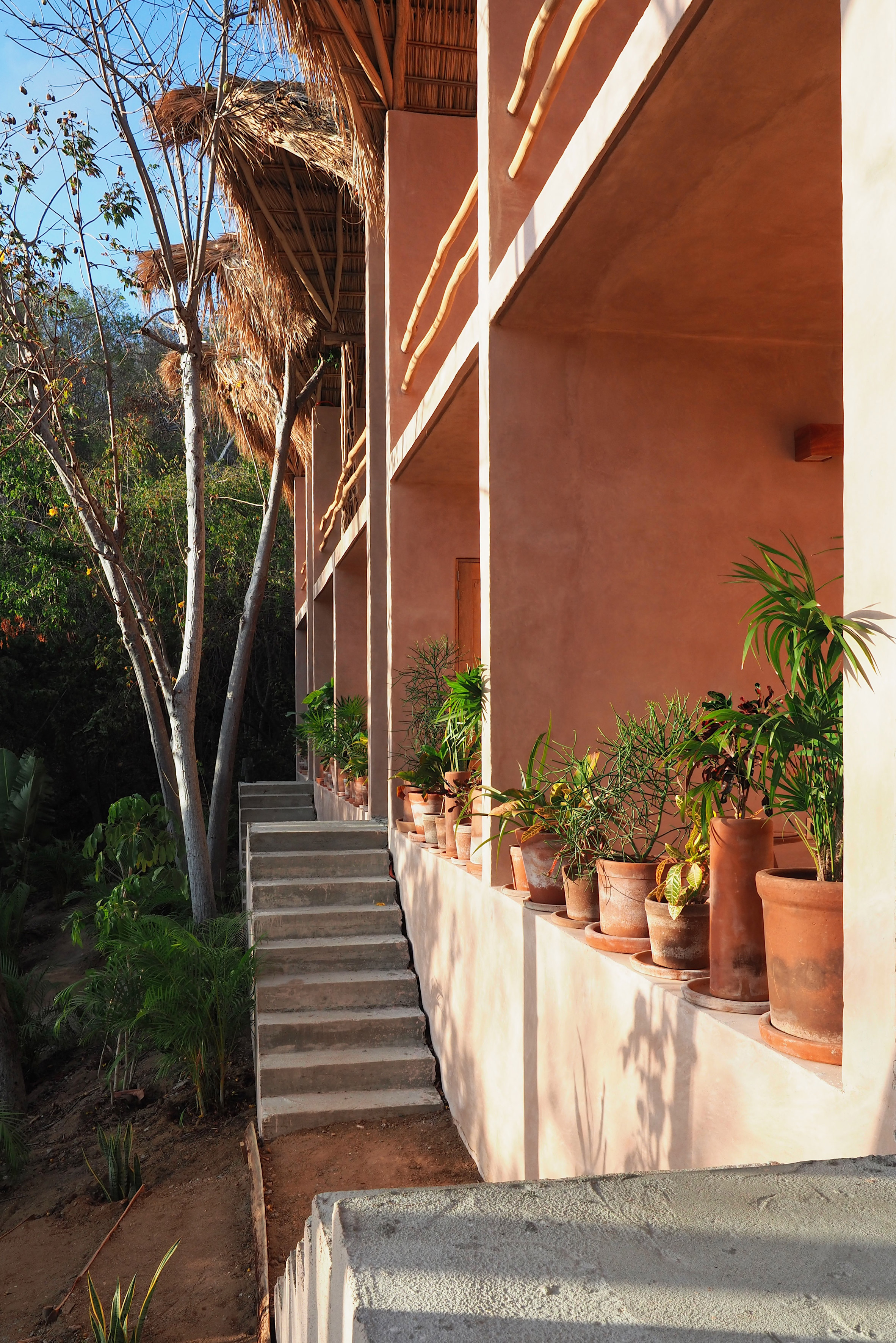
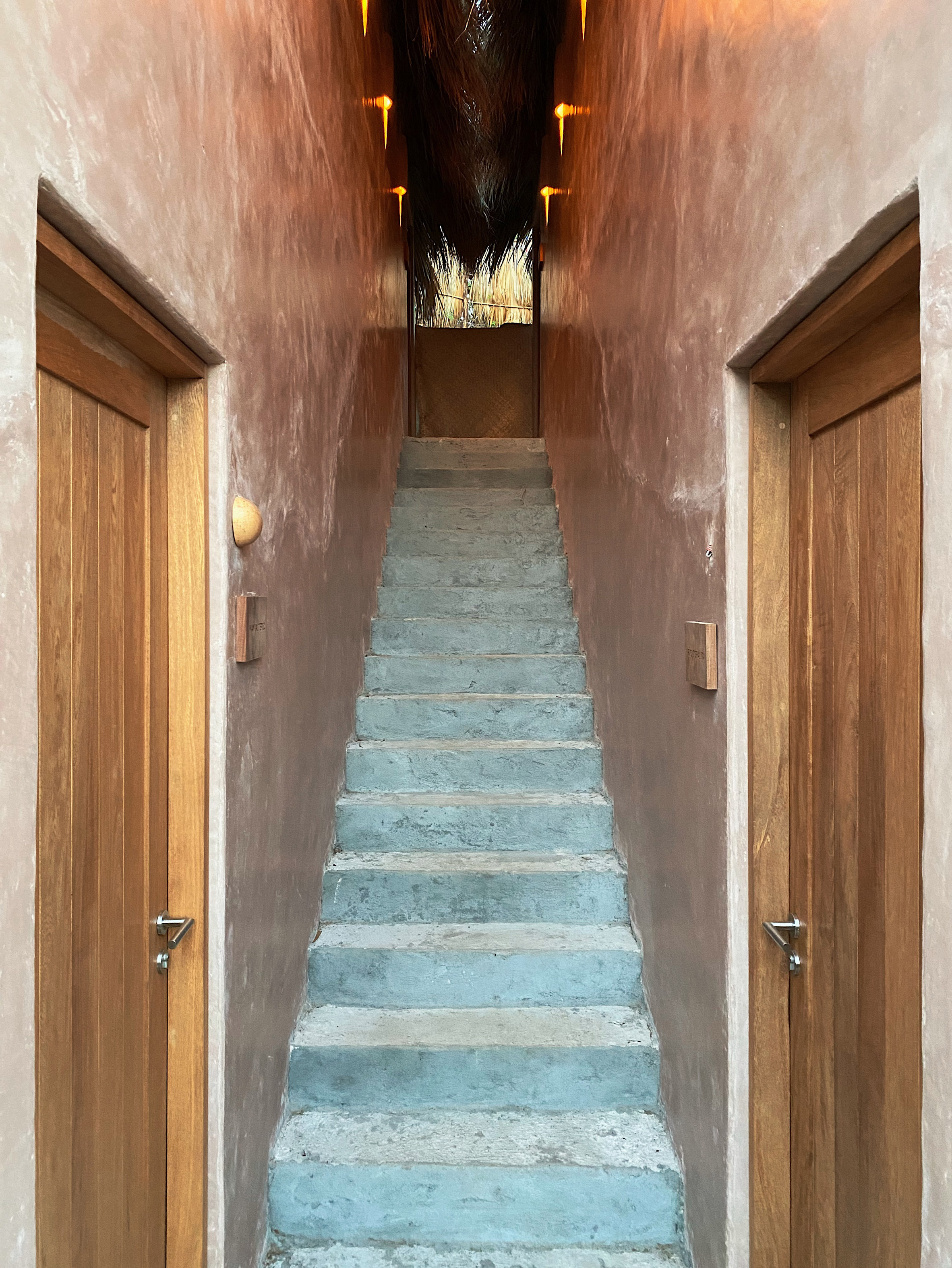
The team aimed to use local and natural materials where possible, such as wood, soil and dried palm leaves, to keep the hotel in "balance with nature". Concrete walls are covered in a pink render comprising earth, lime and pigment mixed and applied by hand.

Monte Uzulu hotel

"The natural resources of San Agustinillo allowed us to design spaces that are in balance with nature, all wood is local, the finishes of the walls are made of earth and lime," the team said.

"It is a hard technique because they do the mix in a bucket and then with a palette knife, they apply it to the wall and rub it until it is ready."

Monte Uzulu hotel

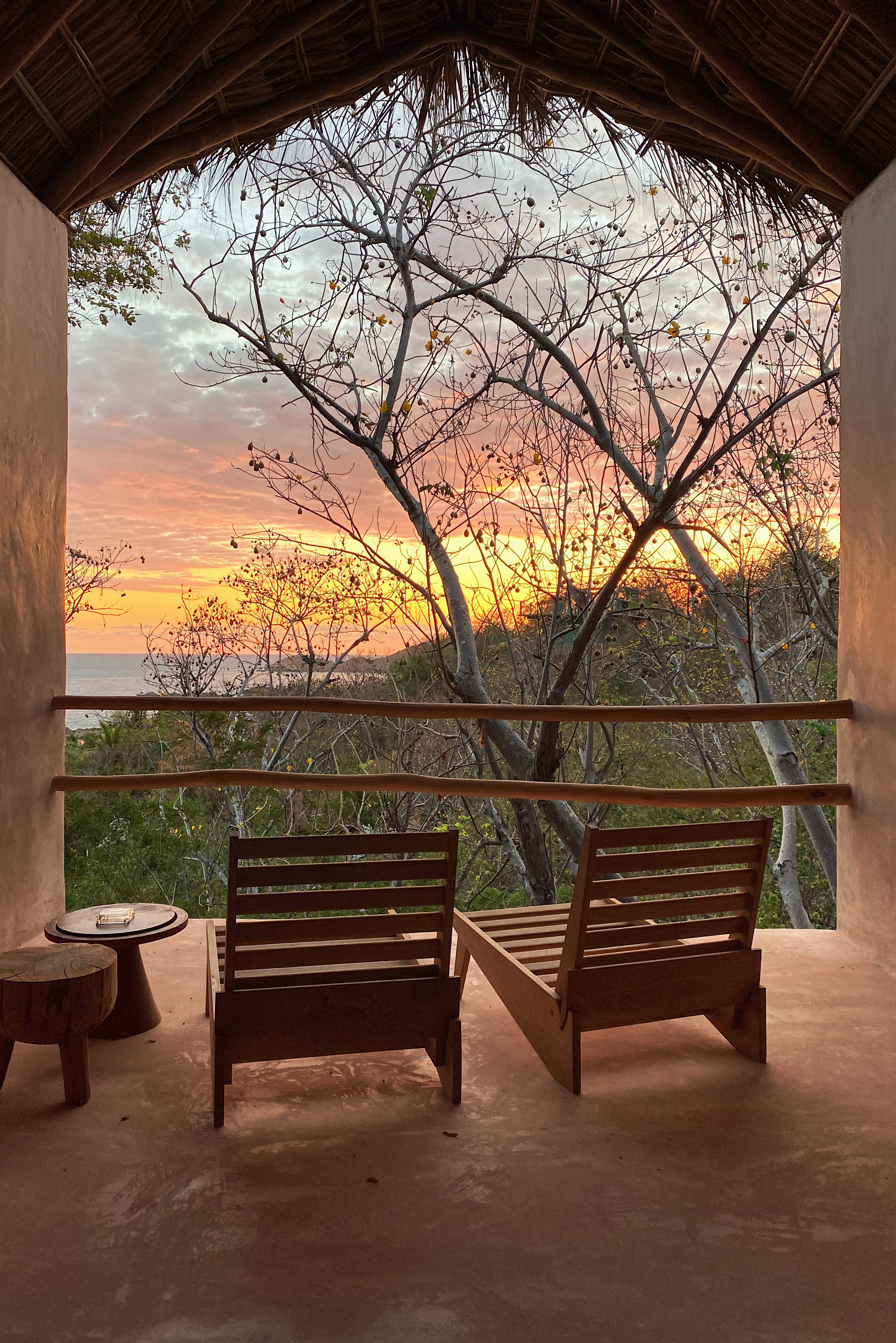
Montel Uzulu is also designed as an open-sided structure based on a palapa that is native to Western Mexico, which features movable wood walls and a thatched roof. The design is conducive for hot weather and promotes natural ventilation while shading harsh sunlight.

The complex has a symmetrical construction comprising six rectangular volumes with gabled roofs. A series of stairs connect the structures together, while additional steps lead down into the Oaxacan jungle.

Monte Uzulu hotel

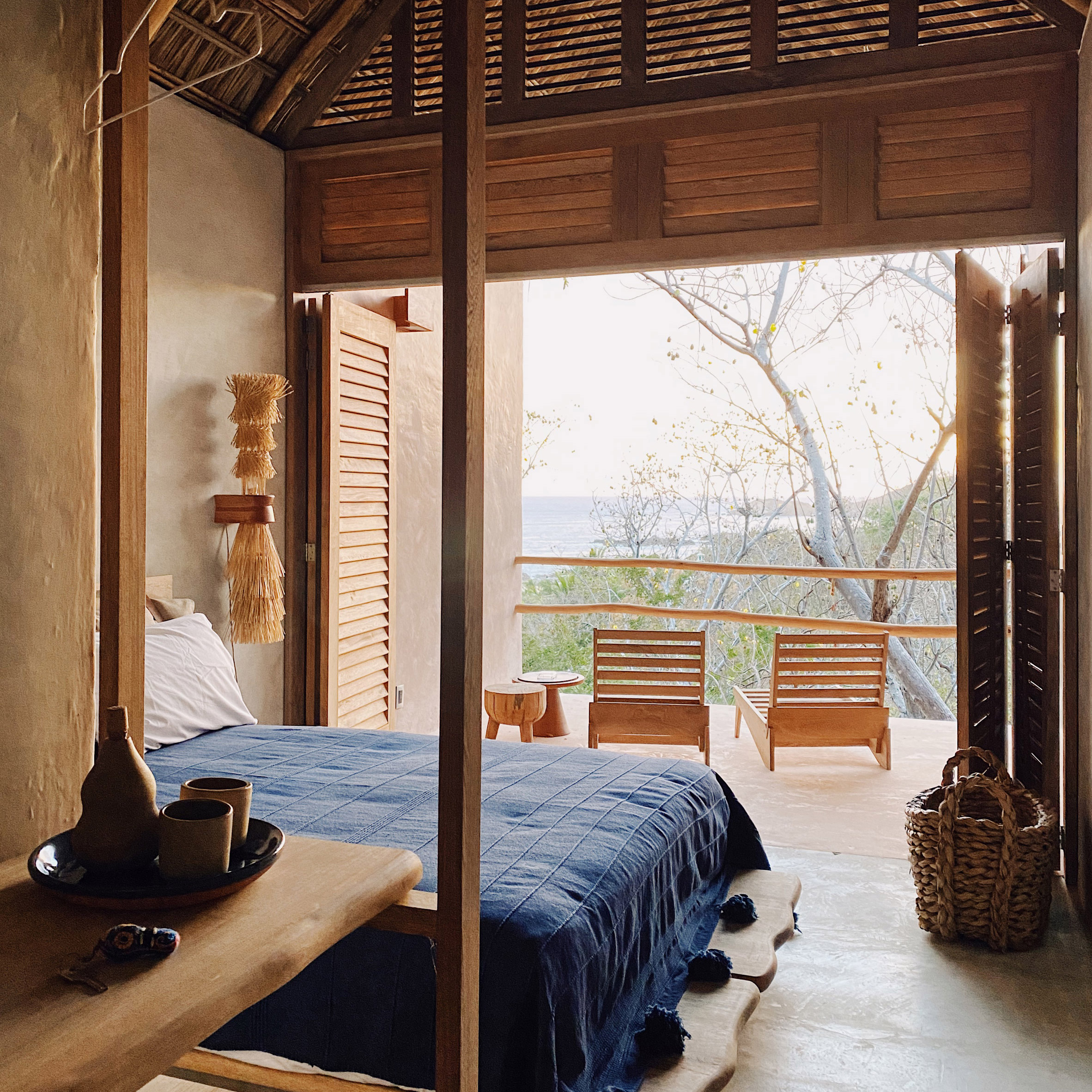
Measuring 723 square metres, it contains 11 guest suites and one master suite, each with a terrace overlooking the forest and ocean.

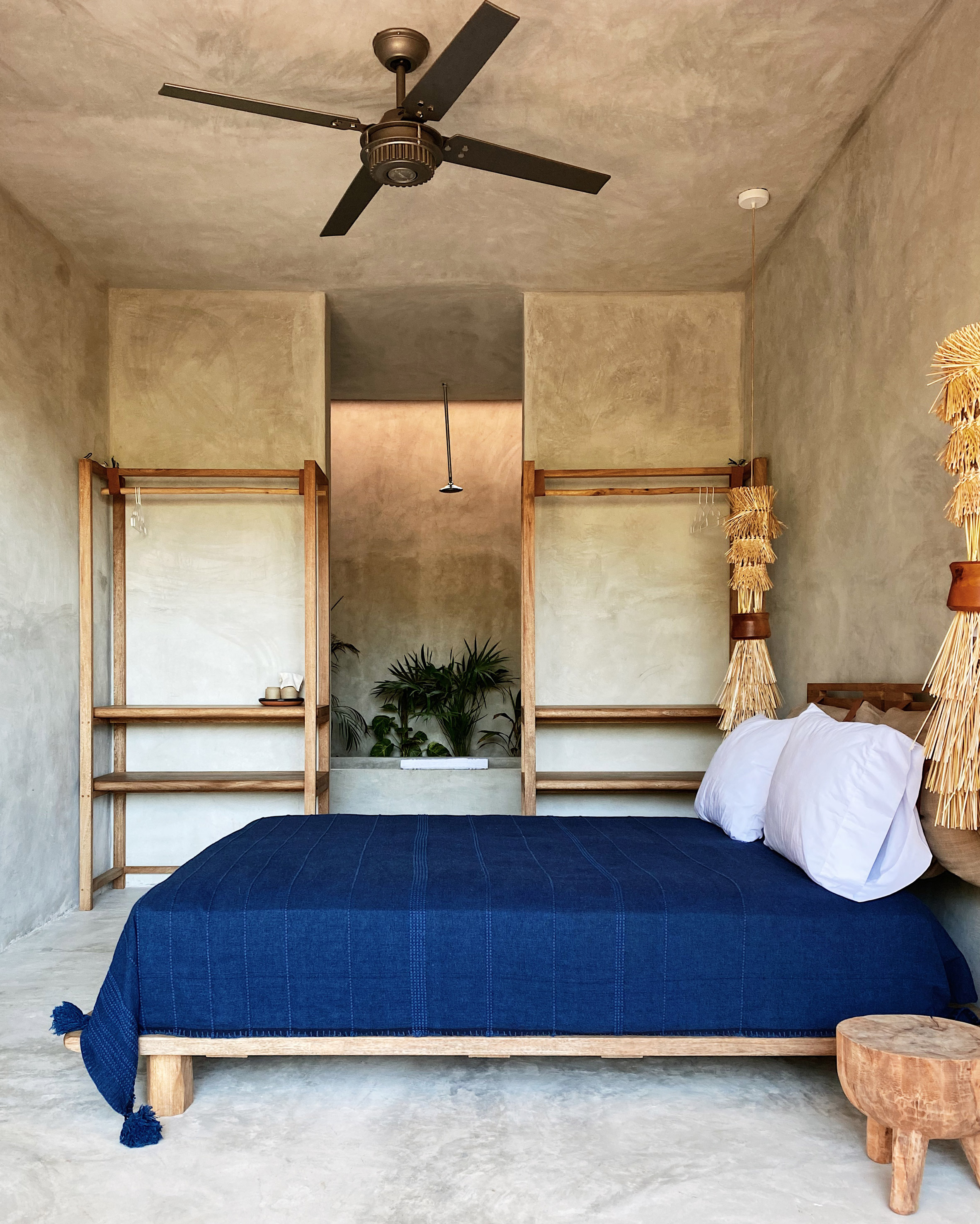
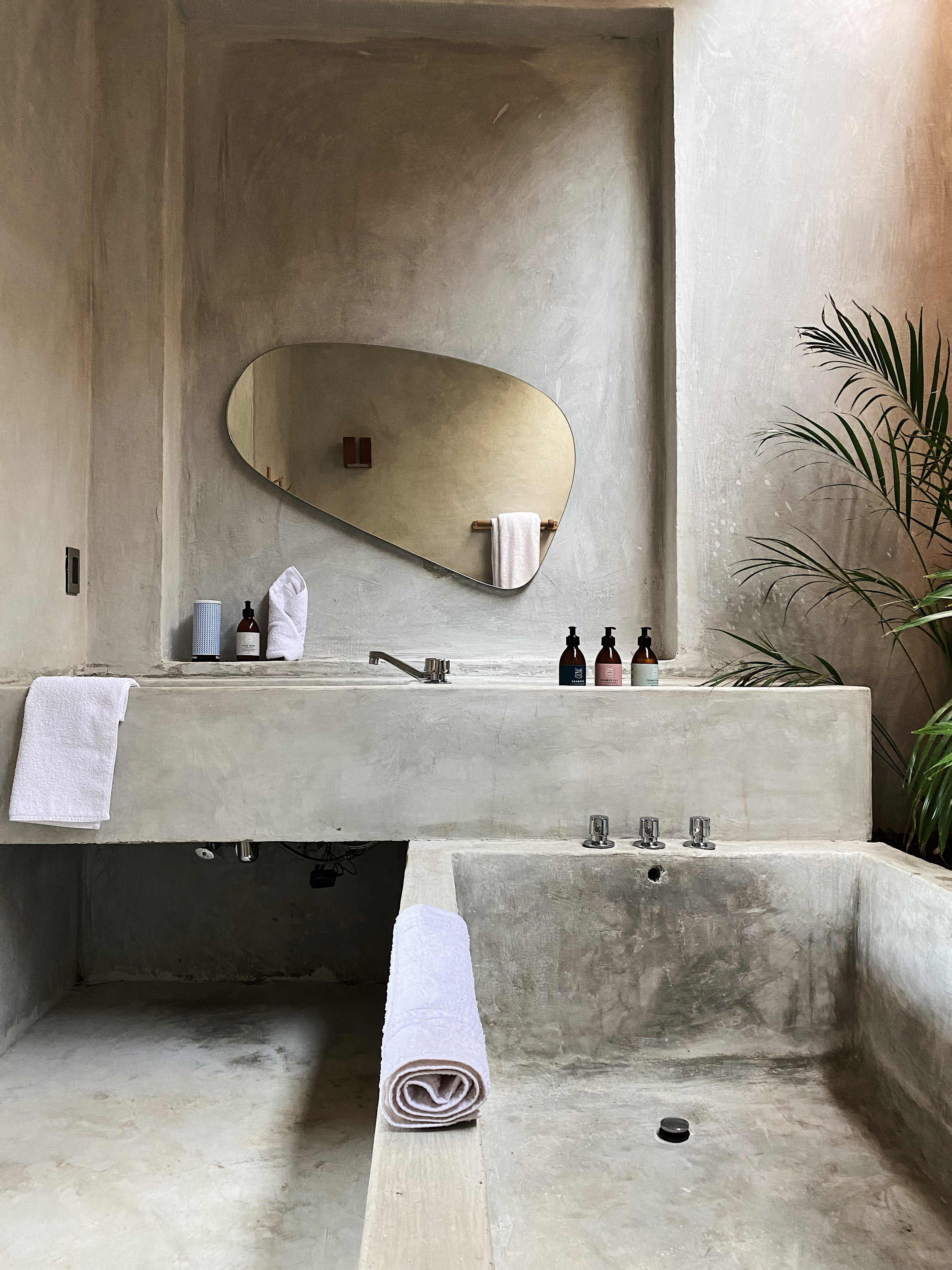
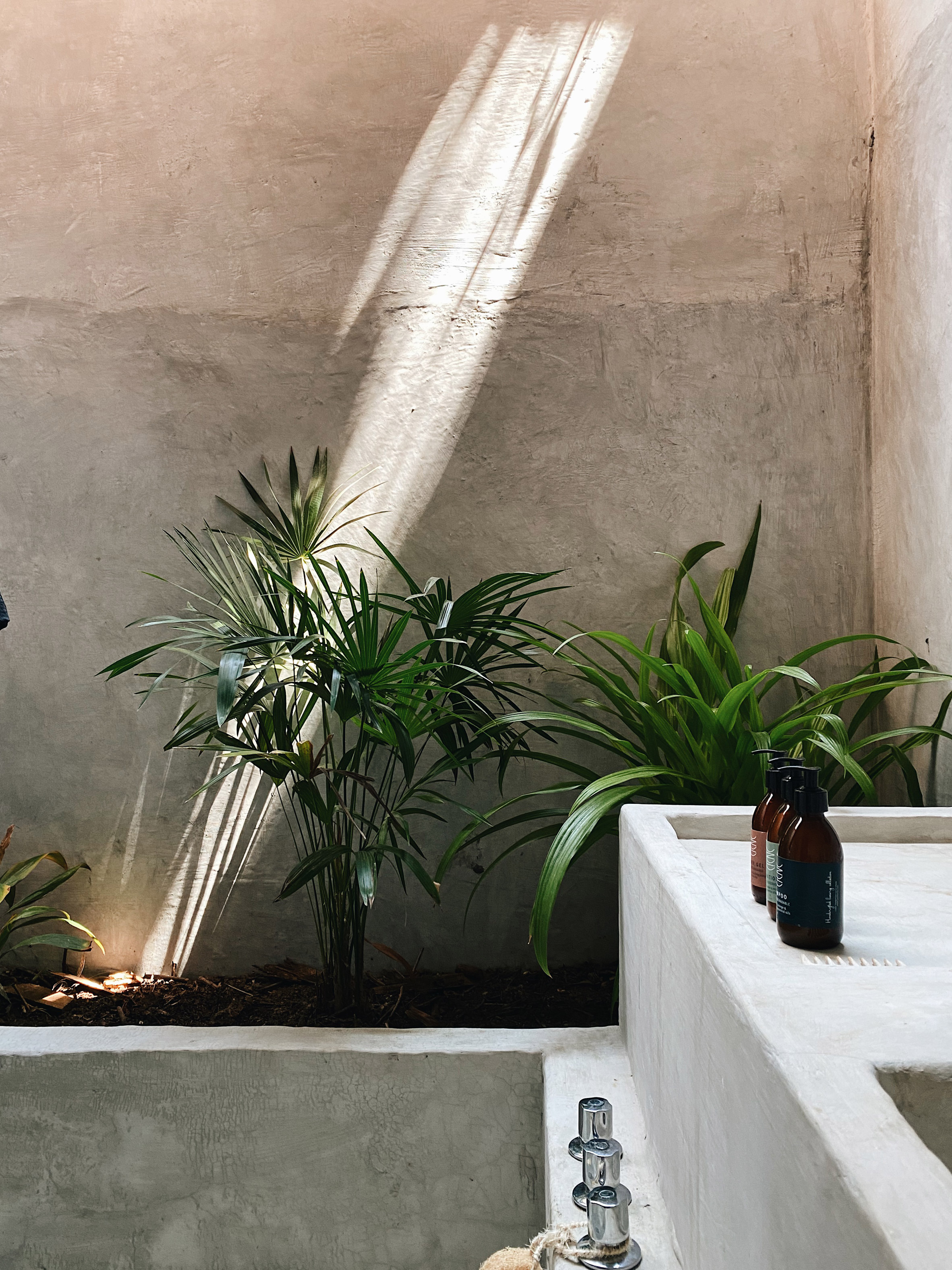
Inside, concrete walls are left exposed to match concrete floors, sinks, bathtubs and showers.

Monte Uzulu hotel

Shelves and bed frames are also made with local wood and showcase handcraftsmanship, while lighting designed by Paola José from Sombra have shades that relate to the roofs.

In keeping with its light footprint and attention to the natural surroundings, Monte Uzulu integrates a number of systems in order to reduce its environmental impact.

Monte Uzulu hotel

These include a system for recycling and reusing the water it consumes, a rainwater collection system, natural water pools and a biodigester for converting organic waste matter with bacteria into a nutrient-rich resource.

The coastal region of Oaxaca is home to a number of recent projects like a holiday home by Ludwig Godefroy and Emmanuel Picault and Tadao Ando's artist foundation Casa Wabi, which includes a red brick chimney by Alberto Kalach and a cube-like installation by Bosco Sodi.

Photography is by Elke Frotscher.


Project credits:

Conceptual design and project management: Alan Favero, Mariana Ruíz, Tiago Carvalho
Architects: At-te, Mariana Ruíz, Tiago Carvalho
Interior design: Taller Lu'um
Collaborators: Daniel Laredo, Enrique Martínez
Engineering: Mauricio Martínez
Builder: K&G Construcción
Contractor: Andrés Sánchez
Sewage water project: Templo Construcciones
Wood works: Gerardo García
Finishes: Valentina Deffis
Palapa: David Camacho
Lighting: Sombra Paola José

The post Monte Uzulu is a boutique hotel in the Oaxacan jungle by Taller Lu'um and At-te appeared first on Dezeen.


from Dezeen https://ift.tt/3cwgbhE

LE speakers by Braun Audio

LE speakers by Braun Audio

VDF products fair: Braun Audio presents its LE speakers, which feature an updated Dieter Rams design paired with new audio technology that creates a "panoramic sound stage" in the home, as part of today's VDF x Braun collaboration.

Sixty years on from its original conception, the range has resurrected Rams' minimalist chrome body and sleek L-shaped feet, while its sharp corners have been gently rounded off.

The design's dimensions are varied to create three progressively smaller products – from the more than half a metre long, rectangular LE01 to the boxy 17-by-17-centimetre LE03.

The pared-back exterior hides flat profile Balanced Mode Radiator (BMR) drive units, which the brand says are capable of creating "a non-directional, panoramic sound stage" that saturates the room.

Treble and bass can be fine-tuned using a corresponding app in order to customise the sound to its surroundings.

Each speaker in the trio can be used individually or paired with the others to amplify sound and synchronise it across different rooms.

To assuage the privacy concerns associated with integrated virtual assistants, the series also features a manual button that can be pressed to physically disconnect the Google Assistant microphones.

Products: LE01, LE02 and LE03
Brand: Braun Audio
Contact address: store@braun-audio.com

About VDF products fair: the VDF products fair offers an affordable launchpad for new products during Virtual Design Festival. For more details email vdf@dezeen.com.

The post LE speakers by Braun Audio appeared first on Dezeen.


from Dezeen https://ift.tt/3dtKXcl

Grimshaw designs range of shipping-container coronavirus testing centres

D-Tec shipping-container coronavirus-testing centres by Grimshaw and SG Blocks for Osang

The New York office of architecture studio Grimshaw has drawn up plans for a range of prefabricated coronavirus testing centres within shipping containers, named D-Tec.

Grimshaw designed the prefabricated facilities for healthcare company Osang and engineering company SG Blocks to provide mass testing for the Covid-19 coronavirus.

"We were approached by Osang and our long term collaborators, SG Blocks to develop a solution to collect samples but more importantly to be able to process their GeneFinder Covid-19 Plus Real Amp Kit," said Grimshaw chairman Andrew Whalley.

"This is a highly accurate test that can detect Covid-19 at the very earliest a symptomatic stages," he told Dezeen. "The testing process has to be undertaken in a laboratory and the entire process can be completed in under 2.5 hours."

D-Tec shipping-container coronavirus-testing centres by Grimshaw and SG Blocks for Osang
Grimshaw has designed a series of five testing facilities

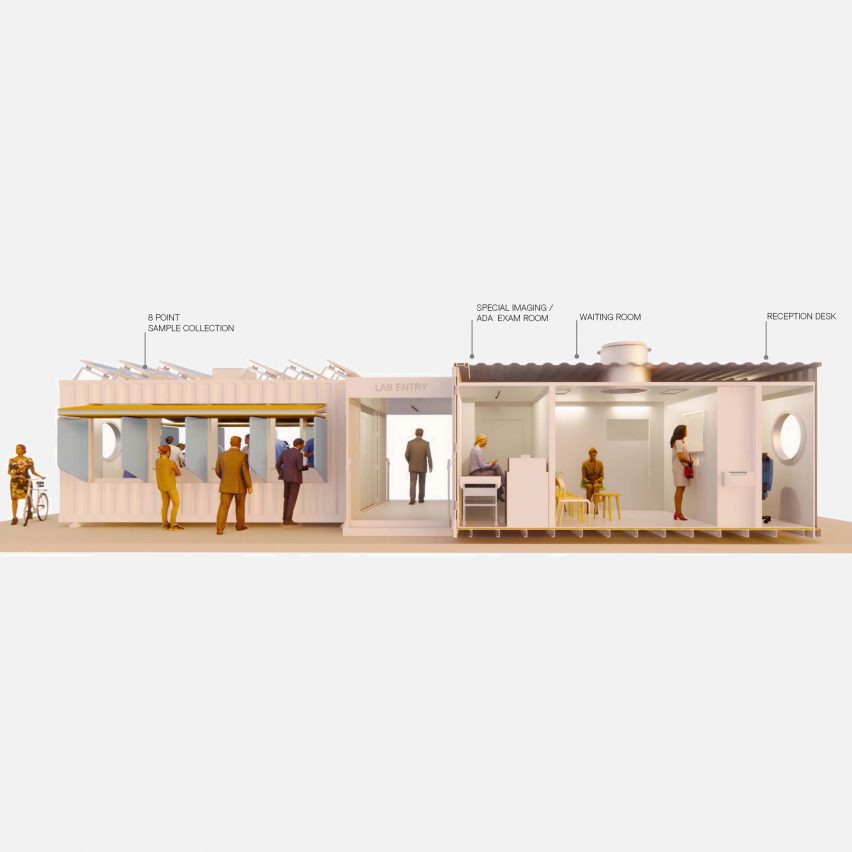
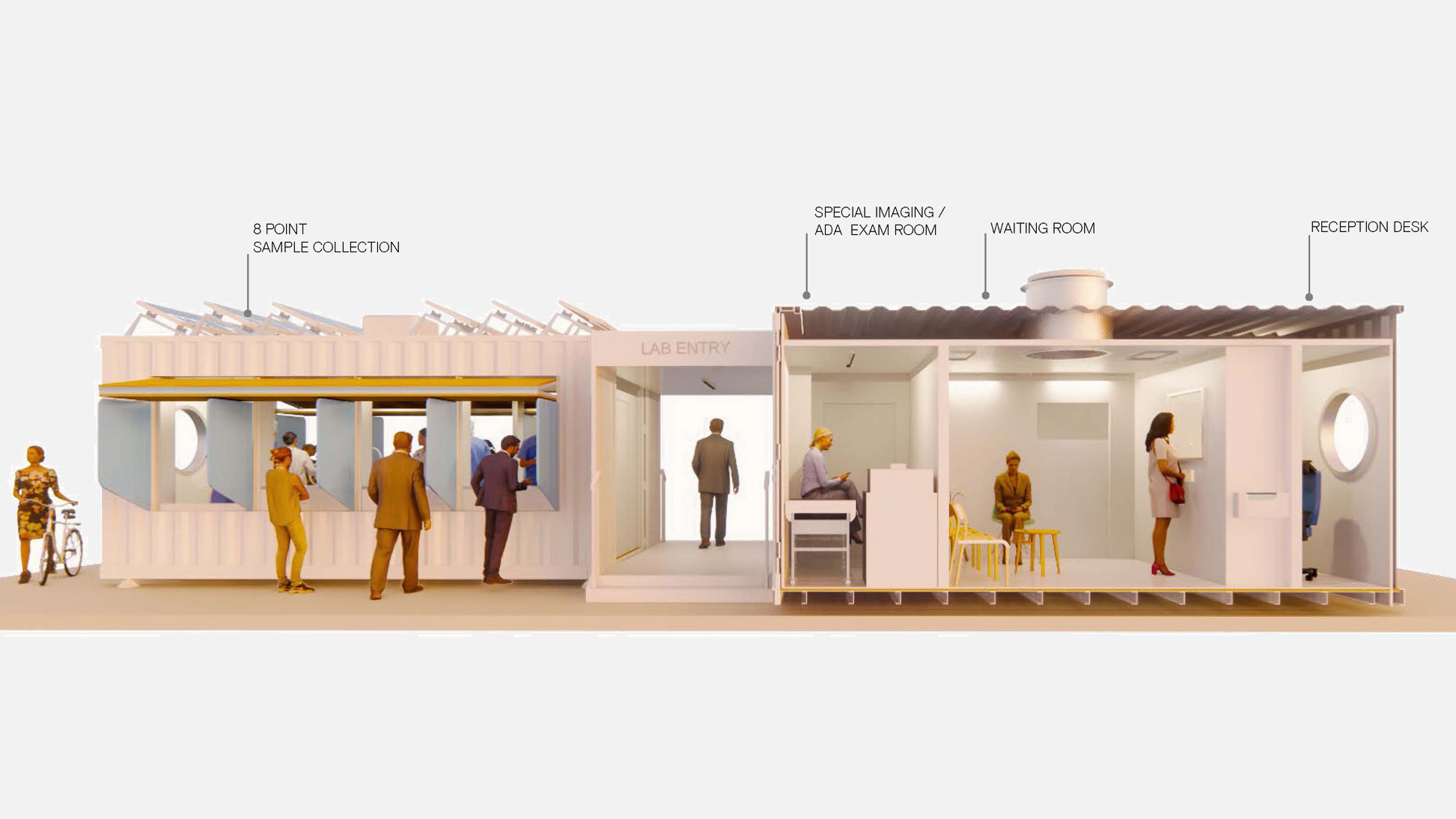
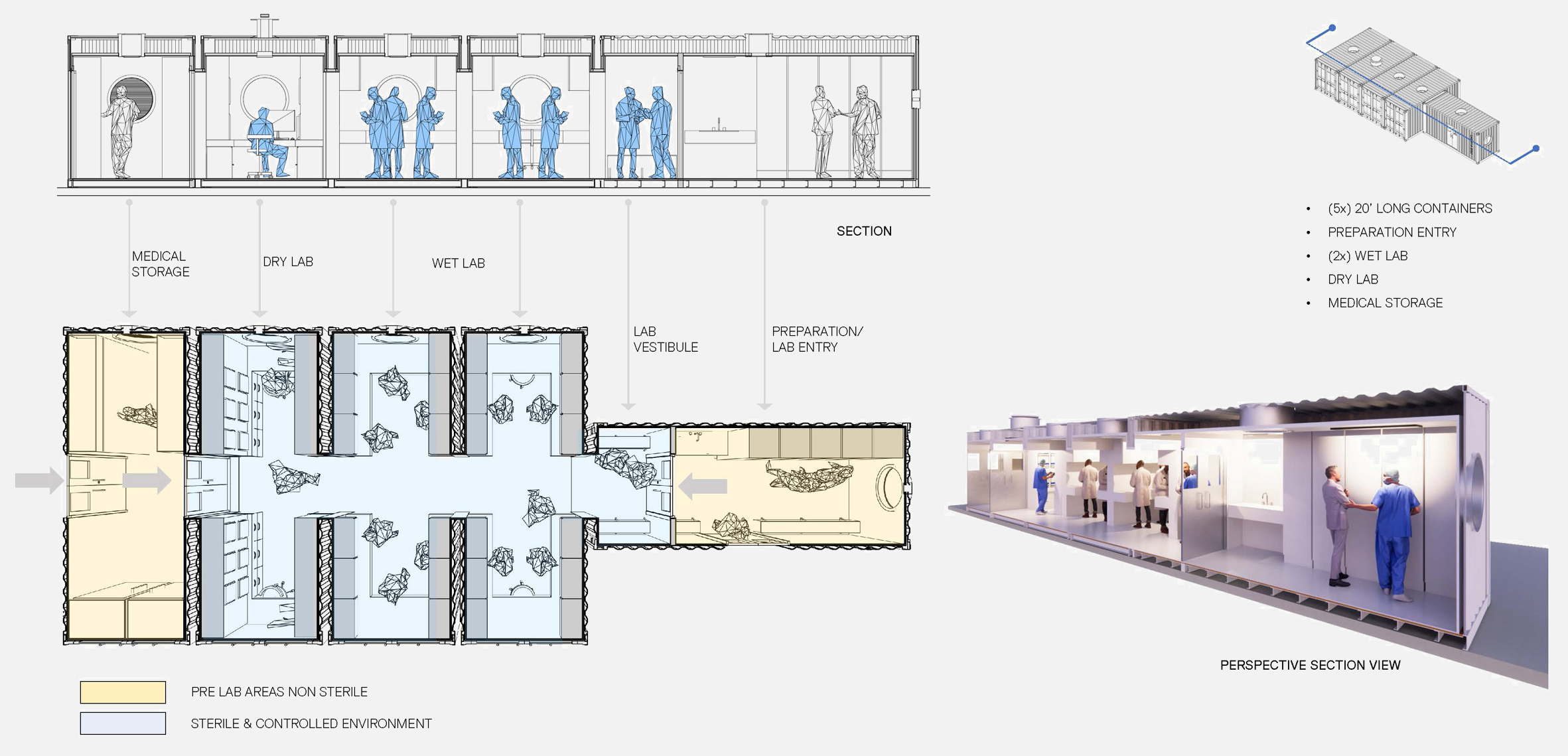
The studio has designed five units that would each be built using shipping containers. The smallest unit, named D-Tec 1, would occupy a single shipping-container, while the largest, D-Tec 5, would be built of five containers.

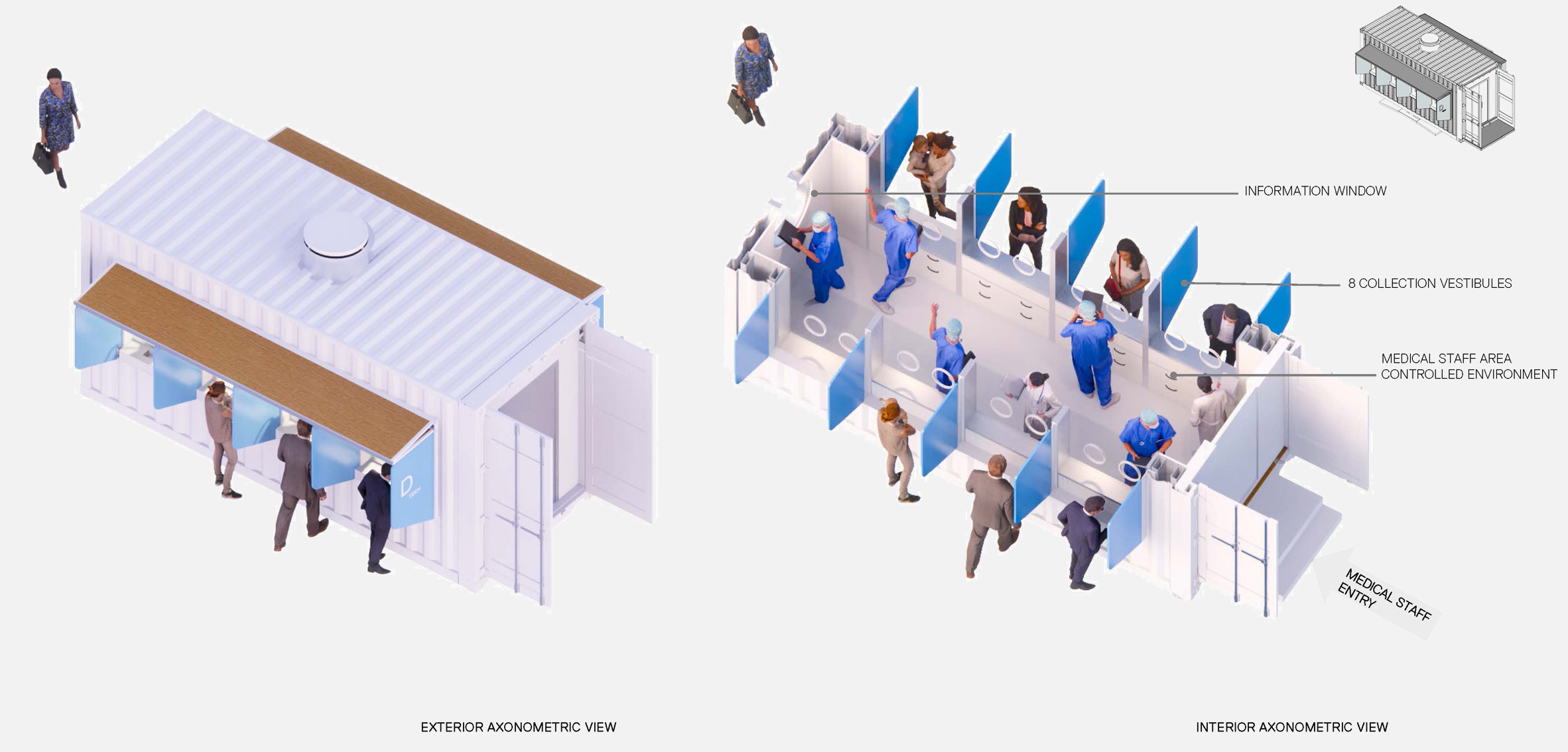
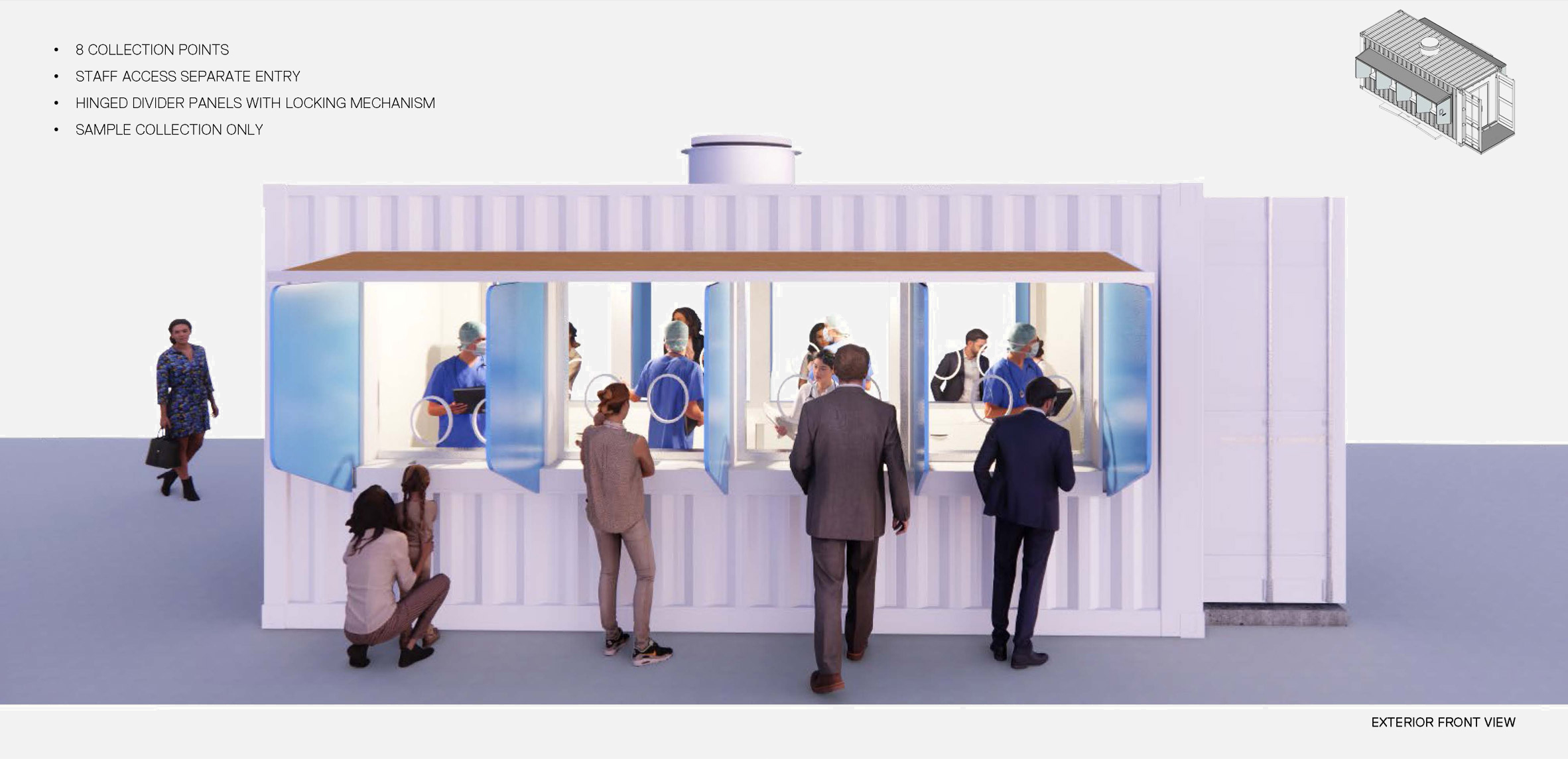
D-Tec 1 is designed to be a sample collection unit and could be configured to have either four or eight collection windows, along with an information window. The collection windows would be sheltered by a moveable section of wall that could be closed for transportation and separated by hinged divider panels.

D-Tec shipping-container coronavirus-testing centres by Grimshaw and SG Blocks for Osang
D-Tec 1 would be configured for collecting samples

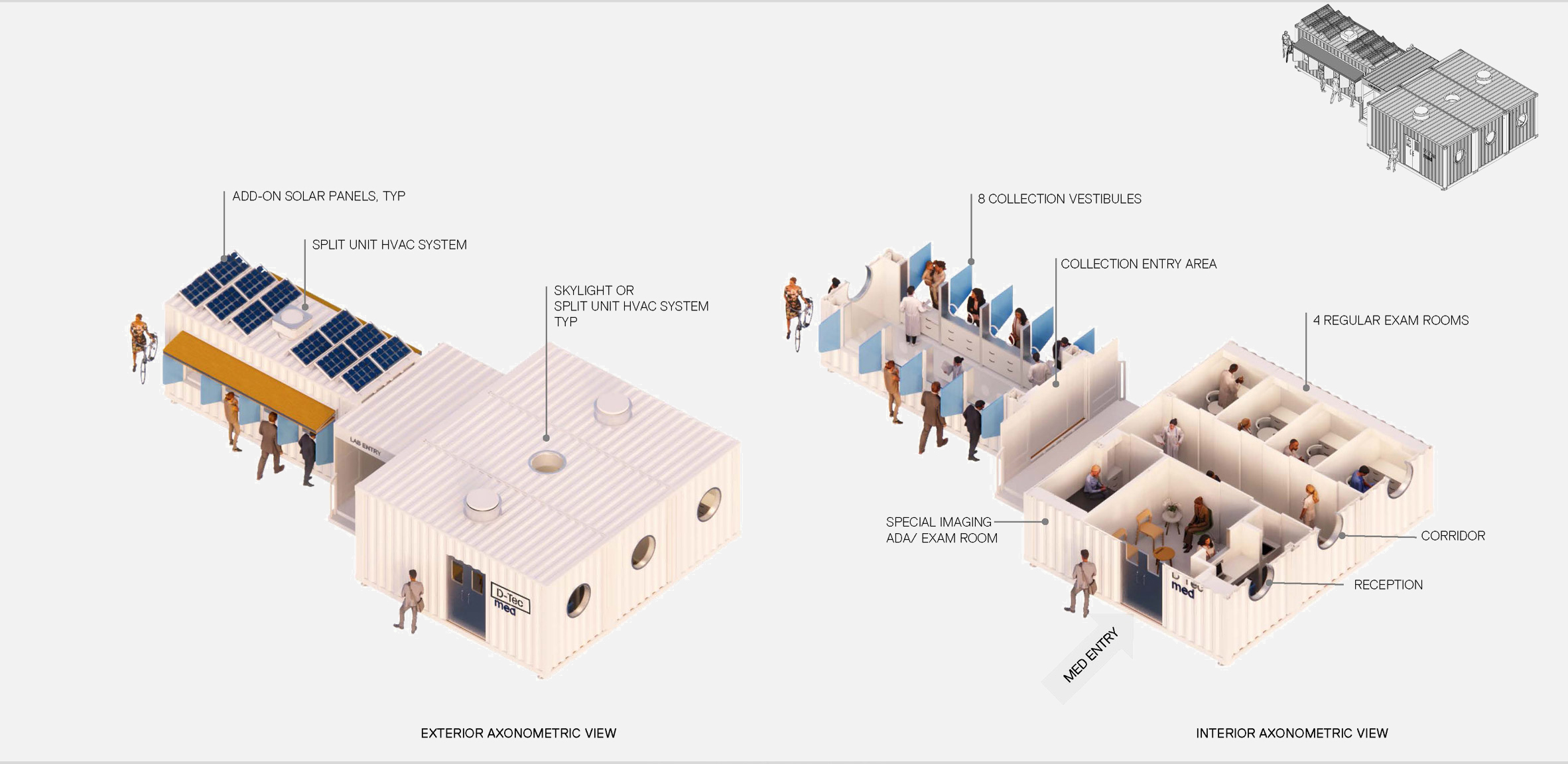
Each of the larger D-Tec 2, D-Tec 3 and D-Tec 4, units combine one of these sample collection units with laboratories for analysing test results or clinics with examination rooms.

The D-Tec 2, has a laboratory and collection units in two containers placed on either side of a central vestibule, while D-Tec 3 and D-Tec 4 incorporate two and three shipping-container clinics, respectively.

D-Tec shipping-container coronavirus-testing centres by Grimshaw and SG Blocks for Osang
The larger D-Tec 4 unit would combine a clinic and sample collection point

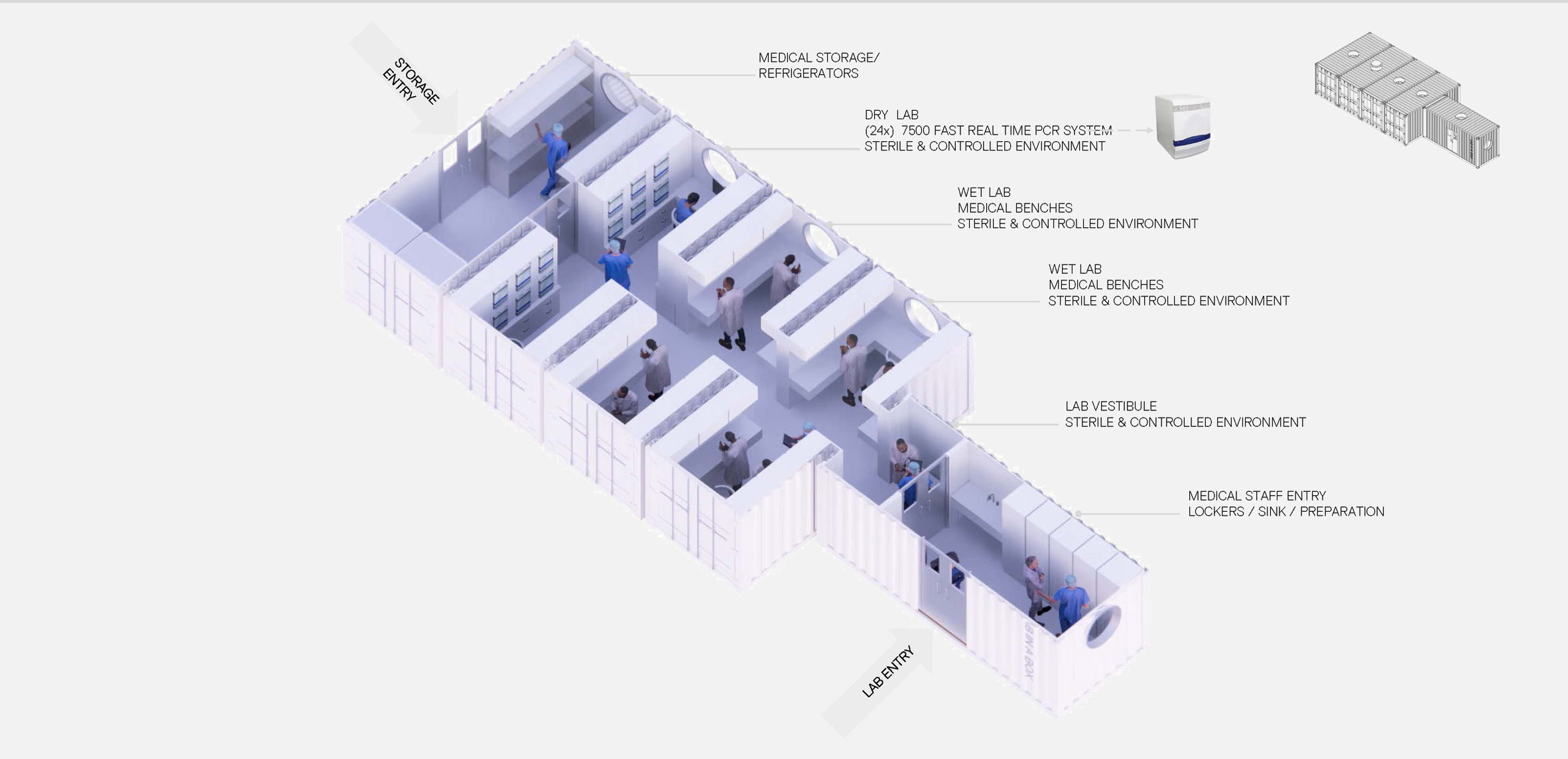
The largest unit, the D-Tec 5, would consists of five shipping containers entirely dedicated to laboratory facilities.

"The D Tec 5 lab cluster can process 750 tests per hour, so over three shifts it will process 18,000," explained Whalley. "We were asked to look at the logistics of organising 20 sets in a number of locations so they could process 350,000 tests over 24 hours."

"The smaller units facilitate testing, processing and health care clinics for remote and rural locations," he continued.

D-Tec shipping-container coronavirus-testing centres by Grimshaw and SG Blocks for Osang
The largest unit, D-Tec 5, is a laboratory

Grimshaw decided to design the range of testing and laboratory units from shipping containers as fabrication could be achieved quickly. Once built, the units could be moved and redeployed where necessary.

"The system needs to be ready to go into operation at scale in six weeks so using readily available shipping containers accelerated the process," said Whalley,

"However it's the logistics that are more important the need to be easy to transport and then to move and redeploy at a new location."

D-Tec shipping-container coronavirus-testing centres by Grimshaw and SG Blocks for Osang
A prototype of the D-Tec 1 is currently in construction

The first prototypes of the D-Tec 1 and D-Tec 2 units are set to be completed in early July, with Grimshaw currently working on a plan to combine these mobile, shipping-container units with permanent facilities.

"We are only considering them [shipping containers] for small scale deployable solutions where the ability to rapidly deploy is essential," explained Whalley.

"We are currently looking at another application where the testing and health check units will be deployed and then replaced over a number of phases with a permanent modular prefabricated system in rural locations," he continued. "The temporary container solution will then move to a new location and the process repeats."

Grimshaw plans to combine the shipping-container units with permanent facilities

Grimshaw joins Waugh Thistelton and Carlo Ratti in proposing using shipping containers to create structures that help combat coronavirus.

UK architecture studio Waugh Thistleton proposed making 6,500 mobile vaccination centres in shipping containers that could travel around the country, while Italian architects Carlo Ratti and Italo Rota built a prototype intensive-care pod within a shipping container at a hospital in Milan.

Although shipping-container architecture is sometime criticised, Whalley believe that there are both good and bad examples of the modular units being used to build structures.

"I believe they can be if properly designed and there are many good examples, its all about design so equally as with all architecture there are also very poor examples," he said.

The post Grimshaw designs range of shipping-container coronavirus testing centres appeared first on Dezeen.


from Dezeen https://ift.tt/2MoQBAT