Thursday, 4 June 2020

"In the future home, form will follow infection"

The interiors of future houses will be designed to mitigate coronavirus, says Michelle Ogundehin who has outlined 11 ways the pandemic will impact the home.


The home played a pivotal role in the recent global crisis. Forced to double as office, school, gym, even restaurant, whether it felt safe or suffocating, it came under forensic examination, and for many was found wanting. And I do not mean in the decorative sense. Rather, Covid-19 clarified that the contemporary paradigm of the home, and crucially, how we live within it, must change if we are to survive the next inter-pandemic phase — learning to live with a virus in our midst.

After all, if we look to history, we can see that pandemics are not the exception in human history, they are the rule, so domestic adaptation is long overdue. For many, lockdown unleashed profound mental stress, and yet responses ranged from unduly romantic visions of a "great correction" to reactive catastrophising with homes as isolationist bunkers and the need for off-grid independence.

A more pragmatic way forward is required. Something achievable regardless of wealth, size of home, or whether they're rented or owned. Not least because further waves of this virus are highly likely. Less a 'new normal' on the horizon then, than a new 'counter-normal'.

Thankfully, I believe our homes can be a powerful weapon in the fight against contagion. And right now, as we lack a vaccine and immunity after infection is not proven, they might just be the most potent defence available. In the future home, form will follow infection. Herewith then 11 proposals for change:

Immunity boosting homes. Indoor air can be up to 10 times more contaminated than that outdoors due to the build-up of pollutants therein. Think paints off-gassing, toxins from common cleaning products, fumes from petroleum-wax based candles or adhesives in new carpets even before you factor in cigarette smoke, mould spores, bacteria and viruses.

It's a lethal cocktail that's responsible for some 99,000 annual deaths in Europe alone, according to the Royal College of Physicians. So, VOC-free paints and formaldehyde-free building materials must become standard and MDF should be banned.

Air and water filtration systems can be high-tech solutions but the minimum of a drinking water filter jug and plenty of leafy houseplants can also be highly effective. Plants are air-cleaning ninjas so effective even NASA commissioned research to prove it.

Layout determined by need, not history. Apparently 80 per cent of the homes we'll be living in by 2050 have already been built. If this is the case, then existing layouts must be seen as suggestions, not absolutes. But it's not about just moving or removing walls. For example, in a standard house, why are all bedrooms habitually placed upstairs? A smaller darker downstairs room might be better fit for purpose and a larger well-lit upstairs suite then released for living, rather than sleep.

Survival of the most adaptable. Indeed, in Japan, floor plans for new homes are seldom drawn with furniture in situ because rooms are intended to be multi-functional. Ample storage enables a single room to segue effortlessly from dining space to relaxation area or sleeping quarters, as required.

There is much to learn from this. In contrast, in the West, open-plan became the layout of choice in pursuit of flexibility. While it undoubtedly improves inter-household communication, quiet corners and privacy were lost. A complete reversion to cellular rooms is not necessary, but the recognition that mental health will always suffer without some means of retreat from the maelstrom of life, even within the home itself, is vital. A situation that's exacerbated if entire families are at home together 24/7.

Back to Basics. Another Japanese concept that may soon become a Western norm is the concept of the Genkan. A kind of small indoor porch where outdoor shoes are removed before entry into the home proper, it is a practical gateway to good indoor hygiene.

Indicated by a different flooring finish to the rest of the home, it sometimes also has a step to further delineate its boundary. Combine this with naturally antibacterial surfaces like cork and copper, a small shelf for some hand sanitiser, and the pre-hallway lobby as decontamination chamber might just be possible without the need to introduce hospital-standard UV-filter systems.

Smart not sterile. We must be wary of reverting to sterility in reaction to the threat of disease. The importance of being surrounded by objects, furnishings, finishes and materials that have personal meaning brings its own boosts to wellbeing.

Decoration can still be full-on and fun; it is the infrastructure behind it that must change. Likewise, much has been made of the possibilities for touchless tech, handle-less doors and knee-operated sinks; these have no place in the home. More so than ever before we will crave profoundly tactile home environments as deliberate respite from the socially distanced world beyond our doors. Common sense must prevail. Regular wipe-downs, good basic cleanliness and soap dispensers by every tap will suffice.

Living rooms for active rest and play. In the accelerating pace of life, many homes had become little more than places to get ready to leave in the morning and collapse back into at night with living rooms in particular reduced to boxset-binge crash pads.

And yet, during lockdown, searches for online adult learning courses, as well as baking, board games and reading, surged in popularity, indicating that the desire is there, if not usually the time. All of these things constitute active rest — an engaged use of downtime that naturally counteracts stress and supports resilience and good immune function.

Within the reassessment of floorplans must come a re-focus on this home zone to help the continuation of such healthy habits. After all, exercise can happen here too, no fancy gyms or expensive kit required, just a Smart TV to tap into the wealth of online classes and enough space in front of the sofa to stretch your arms or lay a yoga mat.

Hopefully, another benefit of the increased acceptability for WFH will be the provision of more time to enjoy such activity. And if lack of space is still perceived to be an issue, bear in mind that the average household contains 300,000 items, two-thirds of which are never used. Far from lacking space, most of us simply have too much stuff. Time to get rid of it.

The anti-trophy kitchen. Hand in hand with the above, the trend for multi-functional kitchens flowing unbounded into our living areas will be reversed. It's time for a move towards kitchens as the engine of the home, not heart.

Finely tuned but in the background. Not a return to back-of-house status, just an acknowledgement that their intended purpose is the storage of real food (i.e. the sort that goes off if not refrigerated), and the creation of healthy meals, one of the greatest preventative medicines available, with no side effects. Besides, schoolbags, toys, admin and other such household ephemera have absolutely no place in a hygienic food prep area.

Home as wealth hub. In the same way, more freed-up space will contribute to the provision of a den/study with a door, preferably sound-proofed, to better enable working from home, as well as the aforementioned need for retreat.

Nevertheless, dining tables are a poor substitute for a desk, being higher than is optimum, and neither laptops nor regular chairs are osteopathically advisable for continuous usage. A priority for the design industry then must be home-worthy standing desks (to encourage movement) and more attractive lumbar supportive chairs.

The revival of forgotten rooms. Libraries, larders, utility and morning rooms. The priority given to such separate rooms will be re-visited. Clearly some — libraries and morning rooms — only if space allows for such a luxurious mode of escape.

Whereas larders will be squeezed into even the smallest of homes for the sense of security engendered by a well-stocked food cupboard. Utility areas will be re-configured to accommodate additional freezer capacity with deep pantry-style shelving alongside the washer/dryer.

Human-centric homes. The design ethos of biophilia, meaning a love of nature, has already entered the mainstream, as referenced in my 2020 Trend Report. The abundant use of natural materials or its simulation via colour, texture and form, make up the core of the approach with proven benefits for wellbeing.

But a degree of communal green space per new home built should now be mandated, and standards regarding the balance of indoor vs outdoor square footage revised. After all, we're absolutely not all in it together if you compare being locked down with a private garden versus holed up in an urban tenement block. Even a balcony would make a huge difference.

Spaces for living, not speculation. Overall, far from advocating ways of living that further isolate us as individuals, if we have the opportunity to build new, we must move towards the development of mixed-model home units that tap into shared ownership of resources from utilities and sports facilities to outside space and childcare.

Now is a time to solidify community and come together, not fracture apart. Nonetheless, flexibility is key. Therefore, following the successful membership models currently enjoyed for music and movies, why not homeownership by subscription too? Make it easy to upgrade, downsize, add/remove services or swap cities as requirements change, and growing families don't get stuck in cramped conditions and empty nesters with a zen for travel don't leave over-sized properties empty.

And this is not the same as collective-housing, or co-living, which so far largely comprises single buildings divided into rentable individual rooms more akin to student-style dorms with hotel-grade services. The subscription model would deliberately encompass couples and families as well as footloose singletons, and work to alleviate the social isolation and loneliness that's become so common among new mums, teenagers, single parents to retirees. It also goes hand in hand with a long-overdue review of our lamentable habit of sequestering old people in late-life ghettos. Something painfully highlighted by the impact of Covid-19 on UK care homes.

In this way, if we can evolve our domestic landscape towards small-scale collectives of ethically powered, well-insulated individual homes focused around healthy-living, community, sustainability and inter-generational support, we might yet thrive in, and beyond, the Corona era.

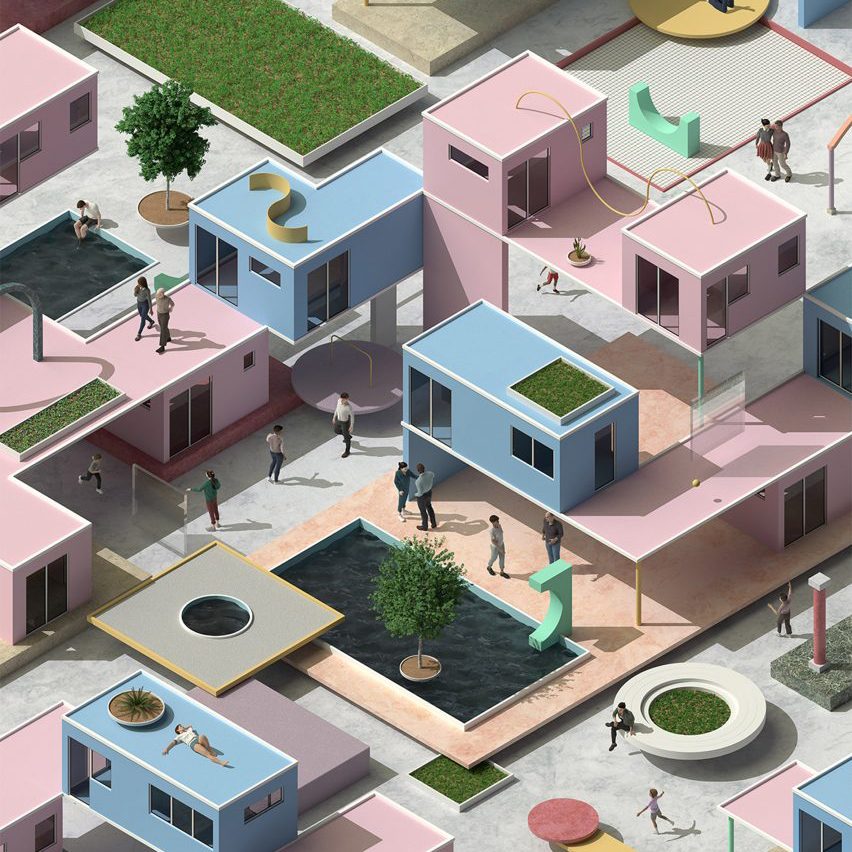
Image created by Space10 for its Imagine: Exploring the Brave New World of Shared Living report.

The post "In the future home, form will follow infection" appeared first on Dezeen.


from Dezeen https://ift.tt/2AHr3vS

Jay-Z bought full-page adverts in newspapers across the US to honour George Floyd

The black-and-white ad quotes Dr Martin Luther King Jr’s speech “How Long, Not Long” and is signed by the families of racial brutality victims and civil rights organisations.


from It's Nice That https://ift.tt/2XV8uwm

Berliner Ensemble gives glimpse of its socially distanced theatre

Berliner Ensemble socially distanced theatre

The Berliner Ensemble theatre group has removed around 500 of its 700 seats to prepare for reopening in alignment with Germany's social-distancing policies.

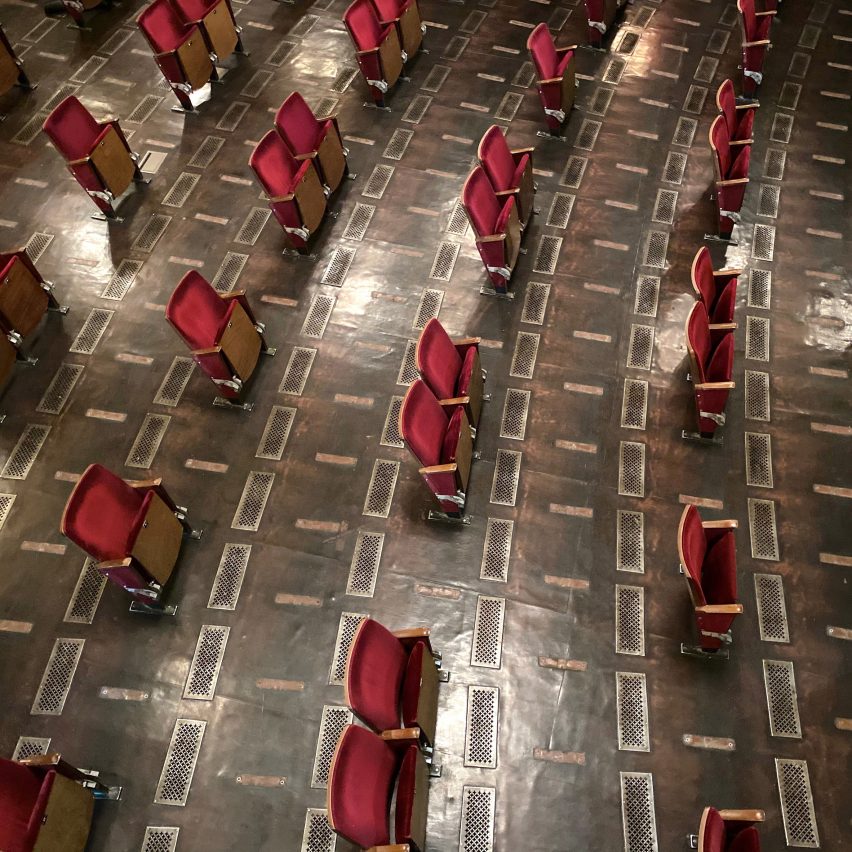
The Berlin-based theatre group, which operates from the 19th century Theater am Schiffbauerdamm building, shared an image of its auditorium on Twitter to give theatre-goers an idea of the experience they will have when it reopens following the Covid-19 pandemic.

Around 70 per cent of the auditorium's seats have been removed, with every second row cleared and seats arranged either individually or in pairs on the remaining rows.

Berliner Ensemble removed the seats as part of its investigation into how social distancing can be achieved when the theatre reopens in September. The removed seats will be renovated while they are not needed.

"This allows us to follow the rules of physical distancing"

"The seats were removed in the last 10 days for two reasons: On the one hand, we try to come up with creative solutions for the current corona regulations," said Oliver Reese, artistic director of Berliner Ensemble.

"The auditorium now looks like an installation, it is not just empty rows," he told Dezeen. "By removing the seats, the remaining ones are easier to access."

"This allows us to follow the rules of social, or the way we like to put it, the rules of physical distancing. On the other hand, we will use the removal for a renovation of the historic seats."

Along with the reduced number of seats, when the theatre reopens the Berliner Ensemble will instigate a range of measures to ensure that the official regulations, which stipulate a minimum distance of 1.5 meters, will be maintained.

"Tickets will be checked contactless, spectators must wear a mask until they reach their seat and there will be a crowd management system during the entry," said Reese.

"The order of admission will be strictly regulated. The guests will be brought to their seats in small units – approximately six people – so that there are no traffic jams and the distances between the individual visitors, couples, or groups can be observed."

This is an "extraordinary seating plan"

Although the majority of seats have been removed from the theatre, the Berliner Ensemble wants to make the experience of a performance as enjoyable as possible for its socially distancing audience.

"We really want to play! It is not only our primary mission and obligation as a public theatre but also our heartfelt wish to get back on stage," explained Reese.

"We had to change the plans for our next season several times in the past weeks, but I am happy that we have finally discovered creative and playful ways with our actors and artistic teams to deal with the regulations in the coming season with an indeed extraordinary seating plan," he continued.

"We should definitely keep in mind that the seats are removed temporarily. We are all longing for normality. But I am absolutely sure that our ensemble will perform with at least the same energy for 200 than for 700 people."

Along with theatres, architects and designers have been creating solutions to allow people to socially distance in office, hotels and restaurants. US architecture firm MASS Design Group has outlined strategies to allow restaurants to open following coronavirus, while UK architecture studio The Manser Practice has explained how hotels would need to be adapted.

Also in the UK, Weston Williamson + Partners has outlined its plans for a social-distancing workplace.

The post Berliner Ensemble gives glimpse of its socially distanced theatre appeared first on Dezeen.


from Dezeen https://ift.tt/3dz2tfh

Alcova shares eight conversations with independent designers as part of VDF

Alcova shares 8 conversations with independent designers as part of VDF

Milan design platform Alcova is taking over VDF today to present a programme of interviews with eight international studios whose work could guide us into a better post-pandemic future.

The designers and their projects, which range from fashion and furniture to lighting and large-scale installations, were originally intended to be showcased as part of Alcova's exhibition during Salone del Mobile in April.

But with the fair postponed until next year due to the ongoing coronavirus outbreak, Alcova is instead highlighting some of the studios, whose work is most relevant to the current moment, as part of this Virtual Design Festival presentation.

"Since we’re all starved of moments of physical sociality right now, we decided to structure our contributions to VDF as conversations – the kind we look forward to having once again in Milan once this is over," said the team behind Alcova.

"These times have forced us to rethink many things – our relationships with our homes, the configuration of our workspaces, the supply chains that underpin production and the relationship between our species and the natural environment," they continued.

"In our interviews, you’ll find new approaches and strategies that attempt to tackle some of these questions, such as Studio Plastique’s research into immateriality, Spread’s experiments in collective therapy, the resilience of Kalon’s business model or the use of new materials in Lukas Wegwerth’s systems."

"You’ll also read about Qwstion's infiltration of the mainstream industry with sustainable material strategies, Trame’s collaborations on the theme of borders and cultural exchange, Sammlung Walter’s iterations in the art of fabrication, and From Lighting’s production at the intersection of craftsmanship and technology."

Alcova's programme foregrounds young and independent designers, as it has since the platform was founded by Genoa design practice Space Caviar and Milan's Studio Vedèt three years ago.

"When we started Alcova, it was born from the need to find spaces of research and experimentation in a Fuorisalone that was increasingly saturated by big money, in which independent designers, brands, institutions, and collectives were struggling to be heard by the vast crowds converging on Milan," said the team.

"At the time, we never considered what it would mean to try to do the same thing in an online space. So we would like to look at current conditions as the perfect opportunity for an experiment – a stage for research into an entirely virtual sphere of representation and one which we all hope can converge again in the very near future with the physical one."

Below, Alcova introduces the eight studios featured as part of VDF x Alcova and shares a preview of what to expect in the interviews.


Alcova shares 8 conversations with independent designers as part of VDF

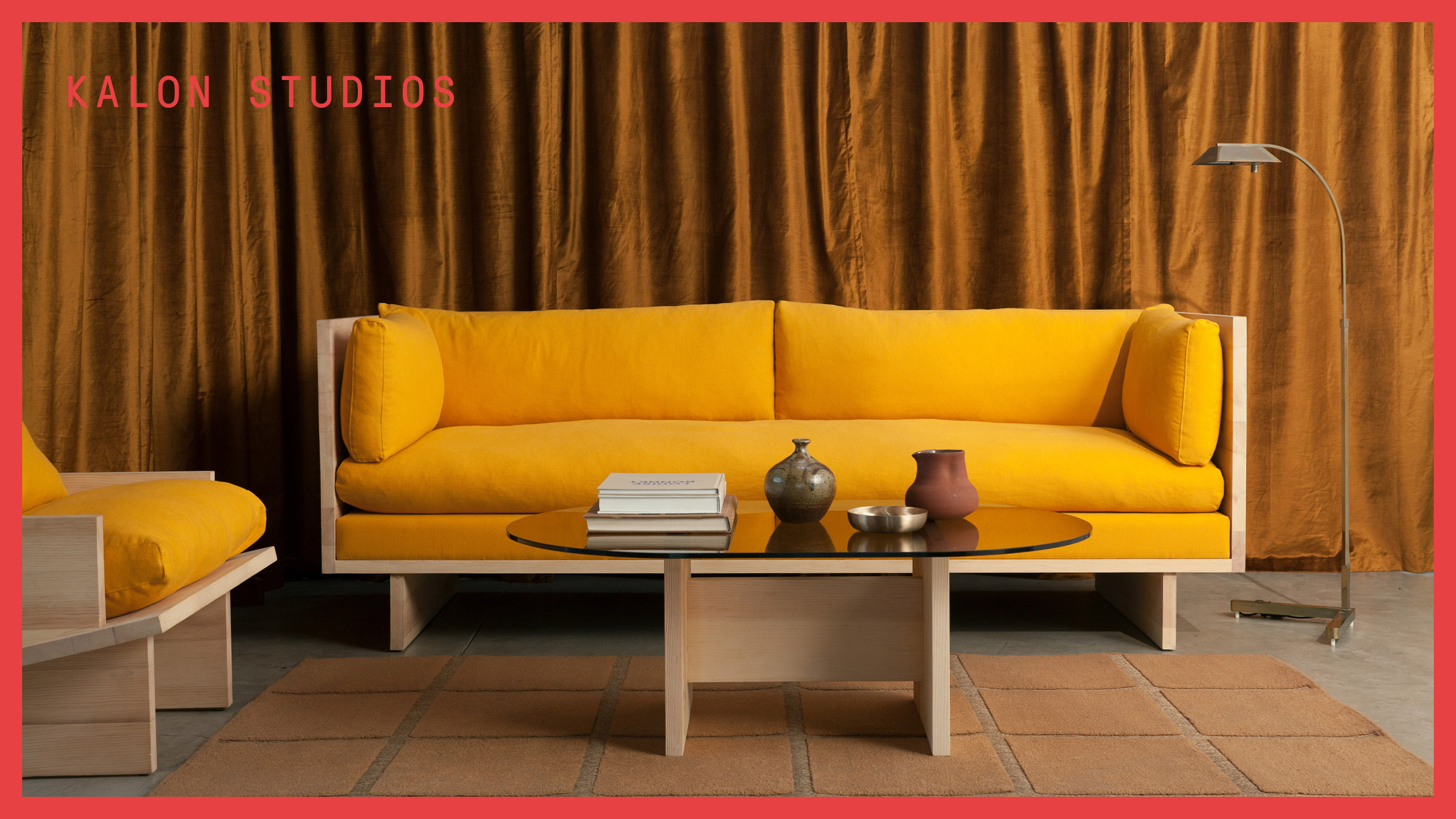
Kalon Studios

"Kalon was founded by Michaele Simmering and Johannes Pauwen in Los Angeles, California in 2007.

"Their furniture is rooted in natural materiality, design integrity and emotive quality, exploring the resources of the North American and European ecologies where their work is produced and sold. At the same time, they consider their pieces through long timelines of function and adaptation based on the user’s changing needs.

"We interviewed Michaele Simmering and Johannes Pauwen about the challenges and opportunities of moments of crisis and how design is evolving to embrace slow, local production and online-first launches."


Alcova shares 8 conversations with independent designers as part of VDF

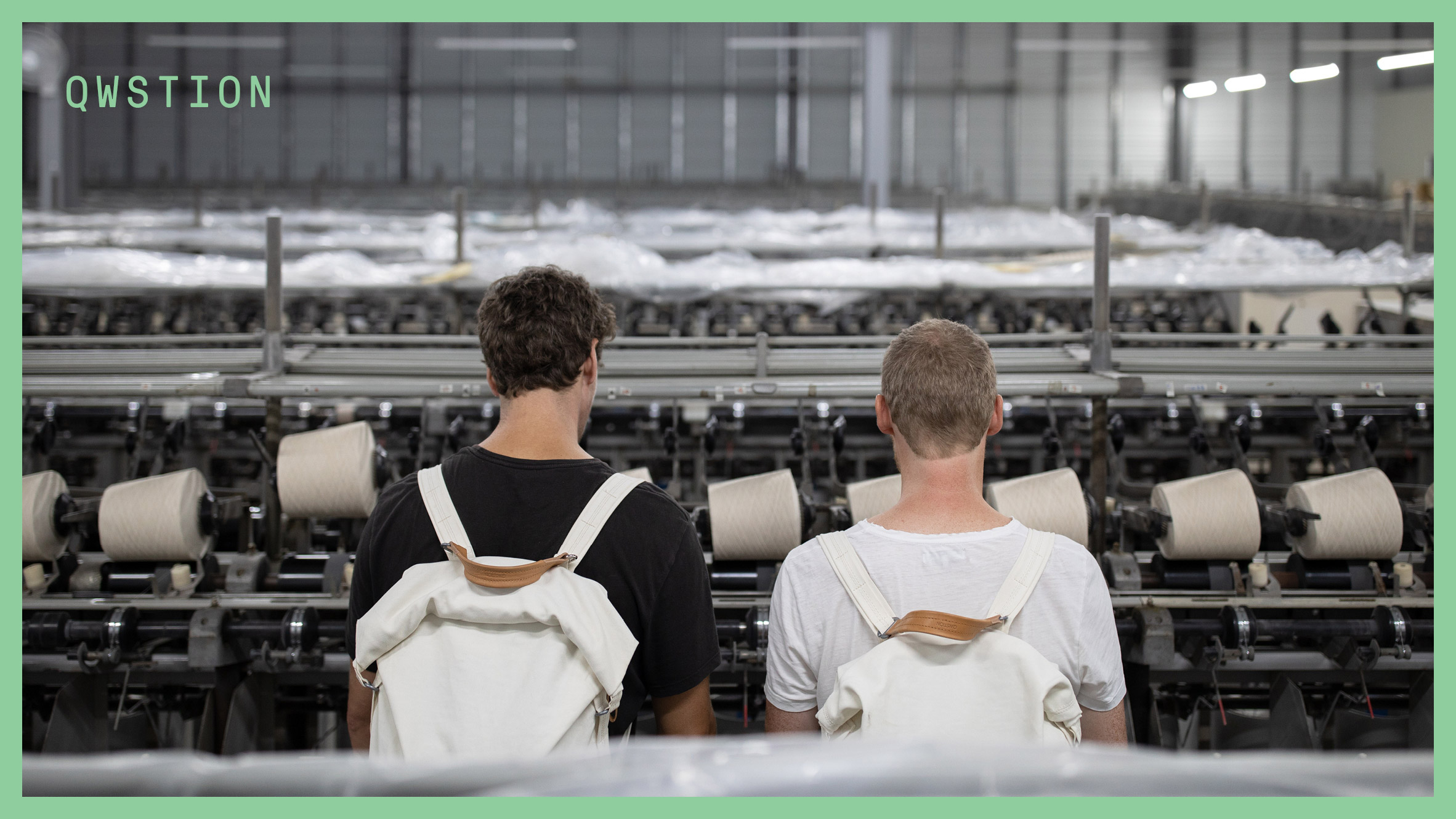
Qwstion

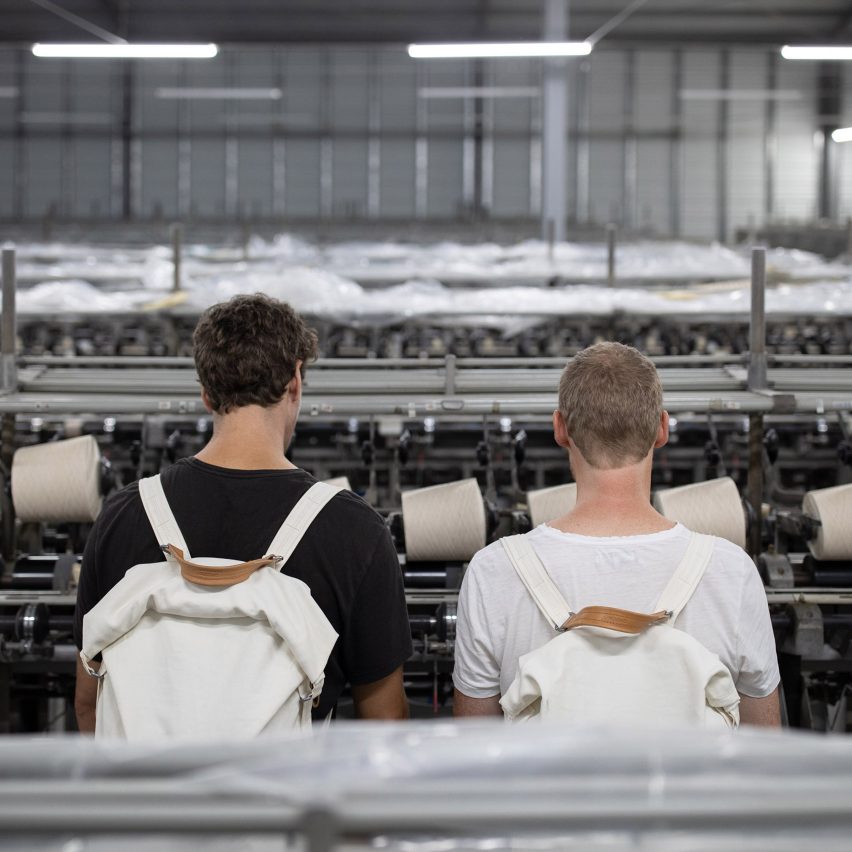
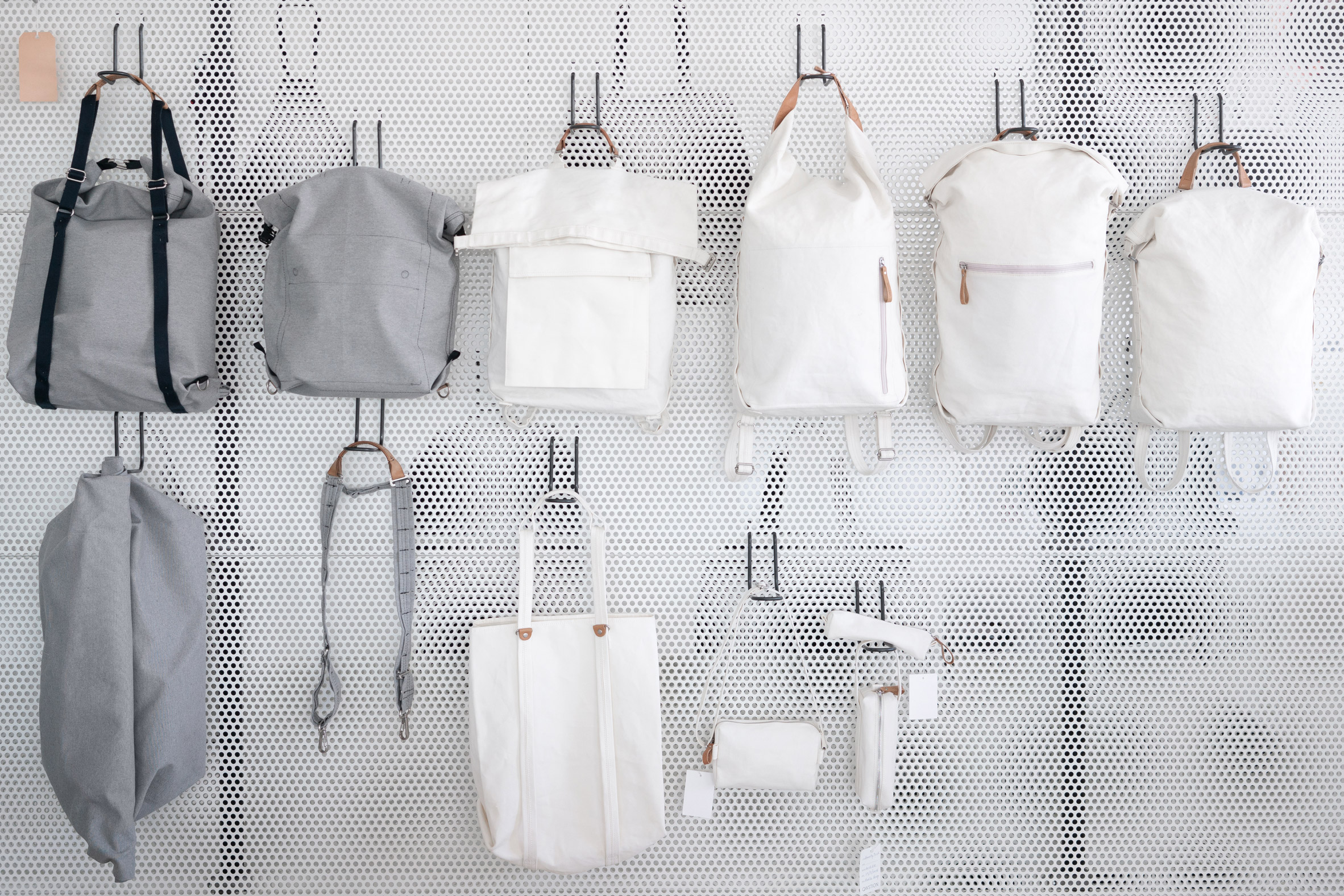
"Material innovation, environmental responsibility and Swiss modernist design principles meet in the everyday bags by Qwstion. The team behind Qwstion go far beyond product design – they also source and process their own organic textiles and they even invented a technical fabric made from banana plants called Bananatex.

"According to creative director Christian Kaegi, a similar level of dedicated care and bold experimentation is needed at all levels, from customer experience in retail spaces to strategic partnerships with larger brands.

"We spoke with Christian Kaegi about brand strategies for larger ecological impacts and a circular economy using new plastic-free textiles."


Alcova shares 8 conversations with independent designers as part of VDF

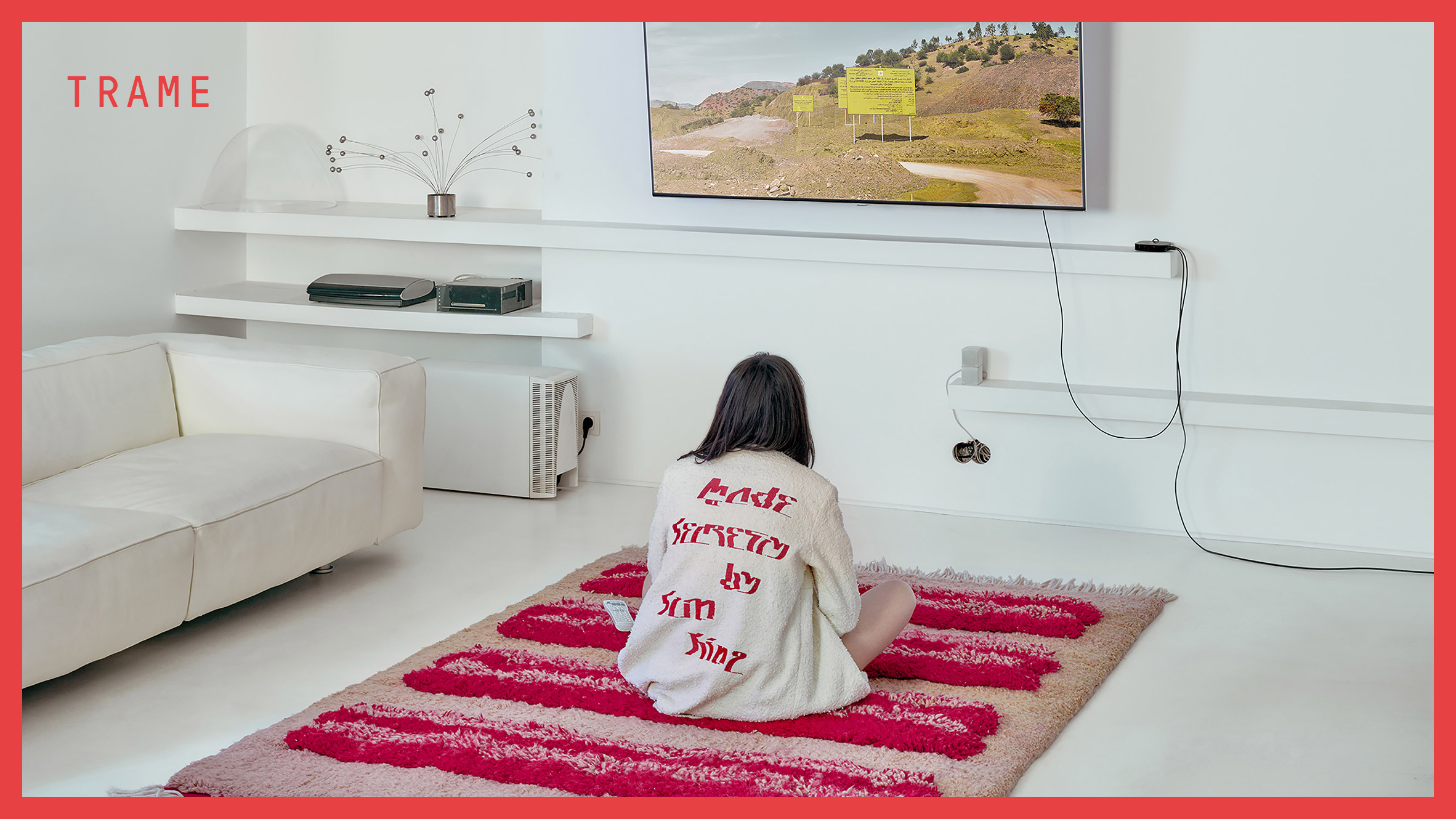
Trame

"Founded by Ismail and Adnane Tazi, the homeware brand Trame was unveiled just a few weeks before the lockdown started in France.

"The Paris-based start-up promotes 'new domestic landscapes' across the Mediterranean and creates design collections through encounters between designers and craftsmen from one end of the sea to the other. In light of the pandemic, they are even more determined to respond with constructive energy to a history of painful struggle and rich artistic crossings over the Mediterranean.

"We interviewed co-founders Ismail and Adnane Tazi on what it means to launch a new business venture in the midst of a crisis, as well as what it means to explore cross-border cultures during and after lockdown."


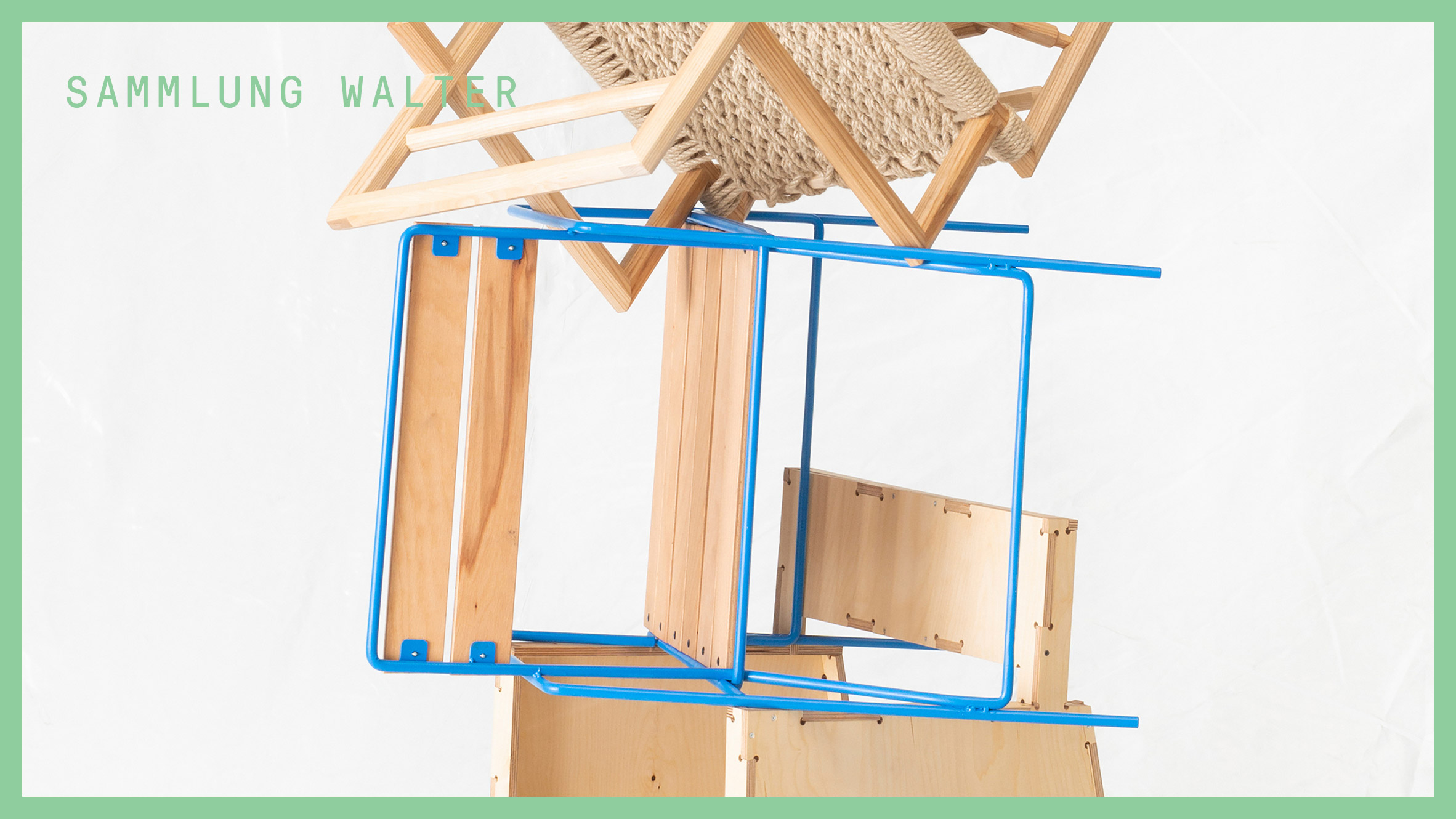
Sammlung Walter

"Sammlung Walter was founded in 2018 by siblings Merle and Till Richter, bringing together product and fashion design into a studio structure that explores the art of fabrication.

"They investigate the notion of value within design – the careful study of materials by artists and craftsmen, the efficiency of collaboration and mechanisation in industry, the collective learning through making via the free distribution of DIY blueprints. Working between Berlin and Hamburg, they conceive of their studio practice as an inclusive network that spans both physical and digital meeting points.

"We spoke to Merle and Till Richter on their three-pronged approach to design that embraces DIY, industry and craftsmanship as well as independent research."


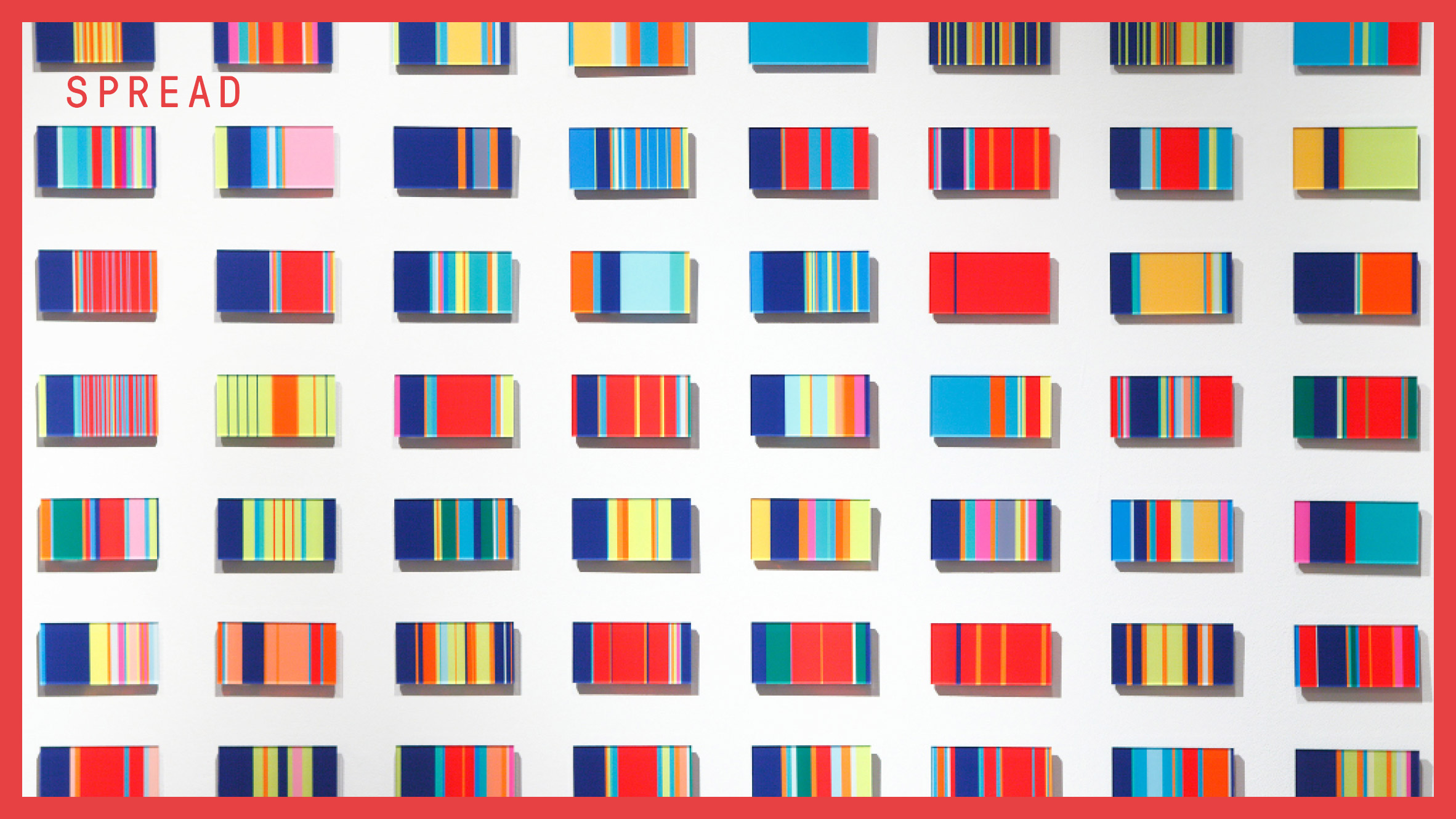
Spread

"Spread was founded in 2004 by Haruna Yamada and Hirokazu Kobayashi, bringing their respective experiences in landscape and graphic design together into a new creative practice.

Their projects use bright colours as large-scale elements in space, generating a playful social atmosphere or conveying complex archives of information for broad public audiences. Spread uses colour as a form of abstract sensory communication that cuts across cultural and language barriers as well as international borders.

"We interviewed Haruna Yamada and Hirokazu Kobayashi on the importance of creativity and self-reflection as key to imagine a personal and collective future in this moment of immobility."


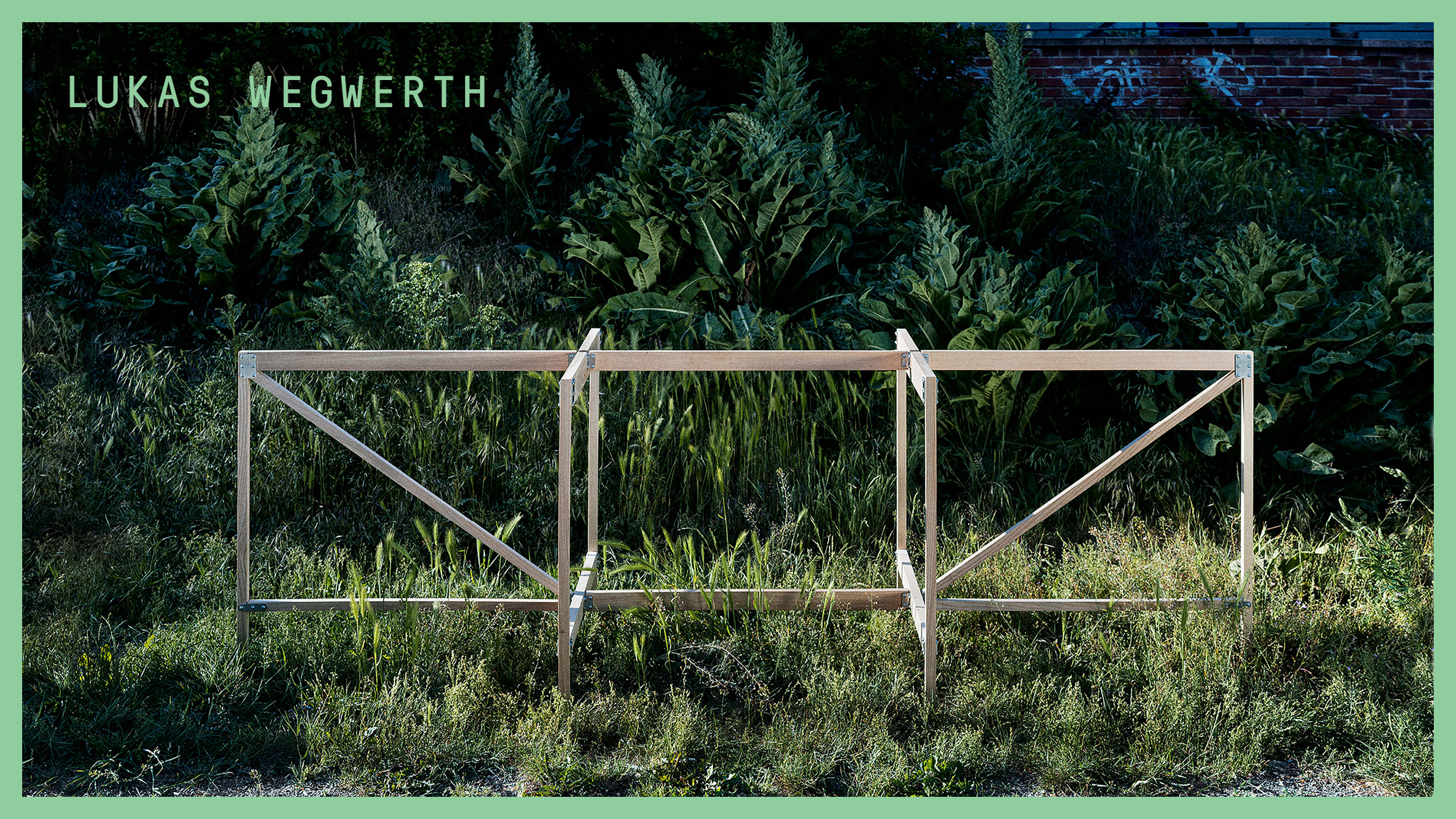
Lukas Wegwerth

"Lukas Wegwerth brings together a team of collaborators to work on evolving systems as the framework for furniture making. His experiments begin with the smallest generative element – a connective joint, a structural principle, a material dimension – and expand into larger assemblies, from simple chairs to architectural constructions.

"Wegwerth’s design process is further informed by careful consideration of structural details and their implicit consequences for cycles of re-use, disassembly and strategic material sourcing.

"We spoke to Lukas Wegwerth about what he’s learned from leaving the city and how his range of designs is evolving to embrace new materials."


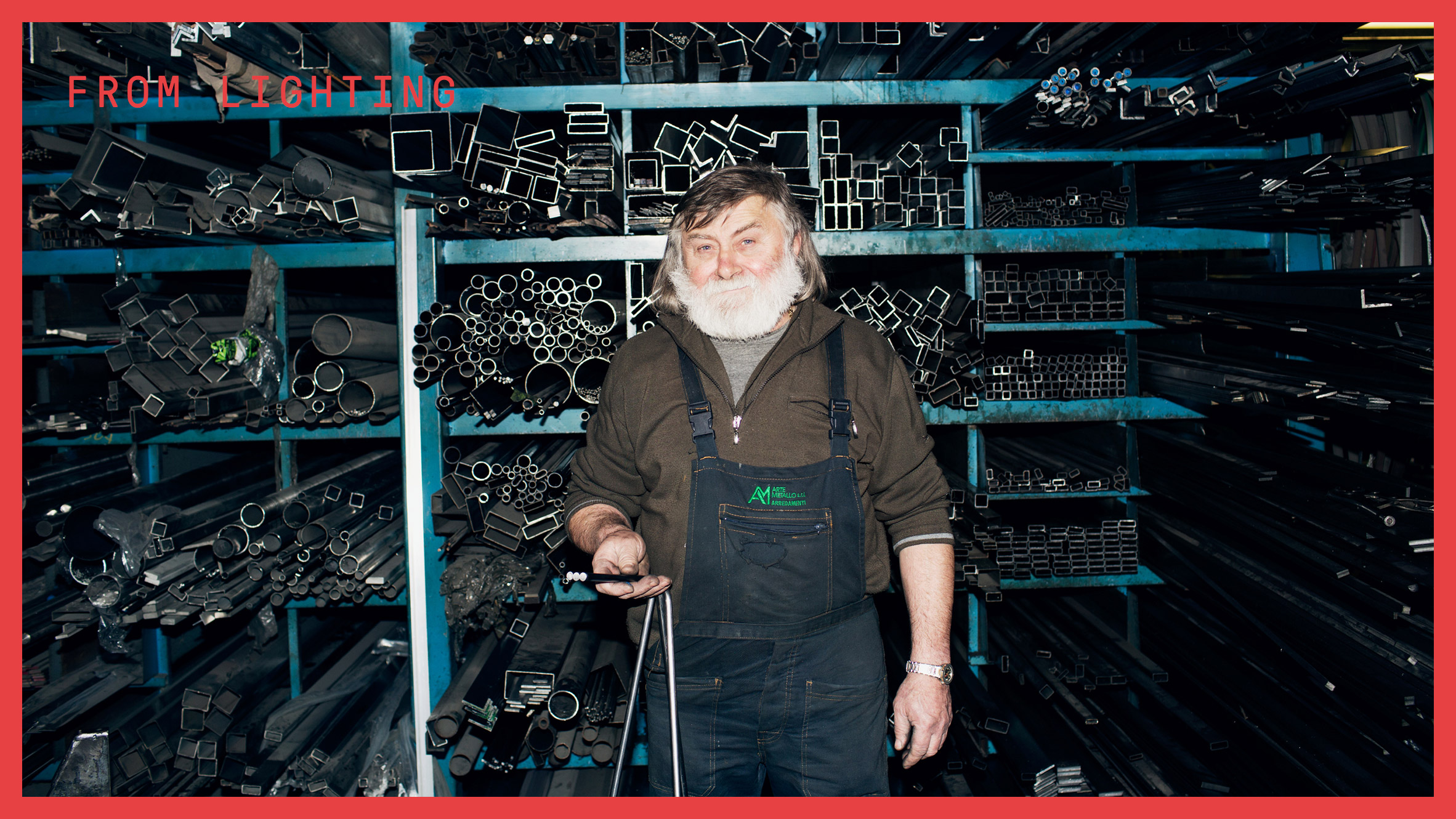
From Lighting

"From Lighting is an independent lighting brand founded by Cesare Bizzotto and Tobias Nitsche. Working with a local network of industrial workshops in northern Italy, they produce their lamps with a keen eye for form and detail, a thoughtful integration of cutting-edge technology and an ethical commitment to local manufacture and collaborative teamwork.

"As designers and entrepreneurs, they take an innovative and flexible approach towards business development, using their full range of acquired technical knowledge and creative insight to adapt to a quickly changing market for design goods and services.

"We interviewed Cesare Bizzotto and Tobias Nitsche on the value of local production and business strategy development during lockdown, as well as new needs for design when working from home."


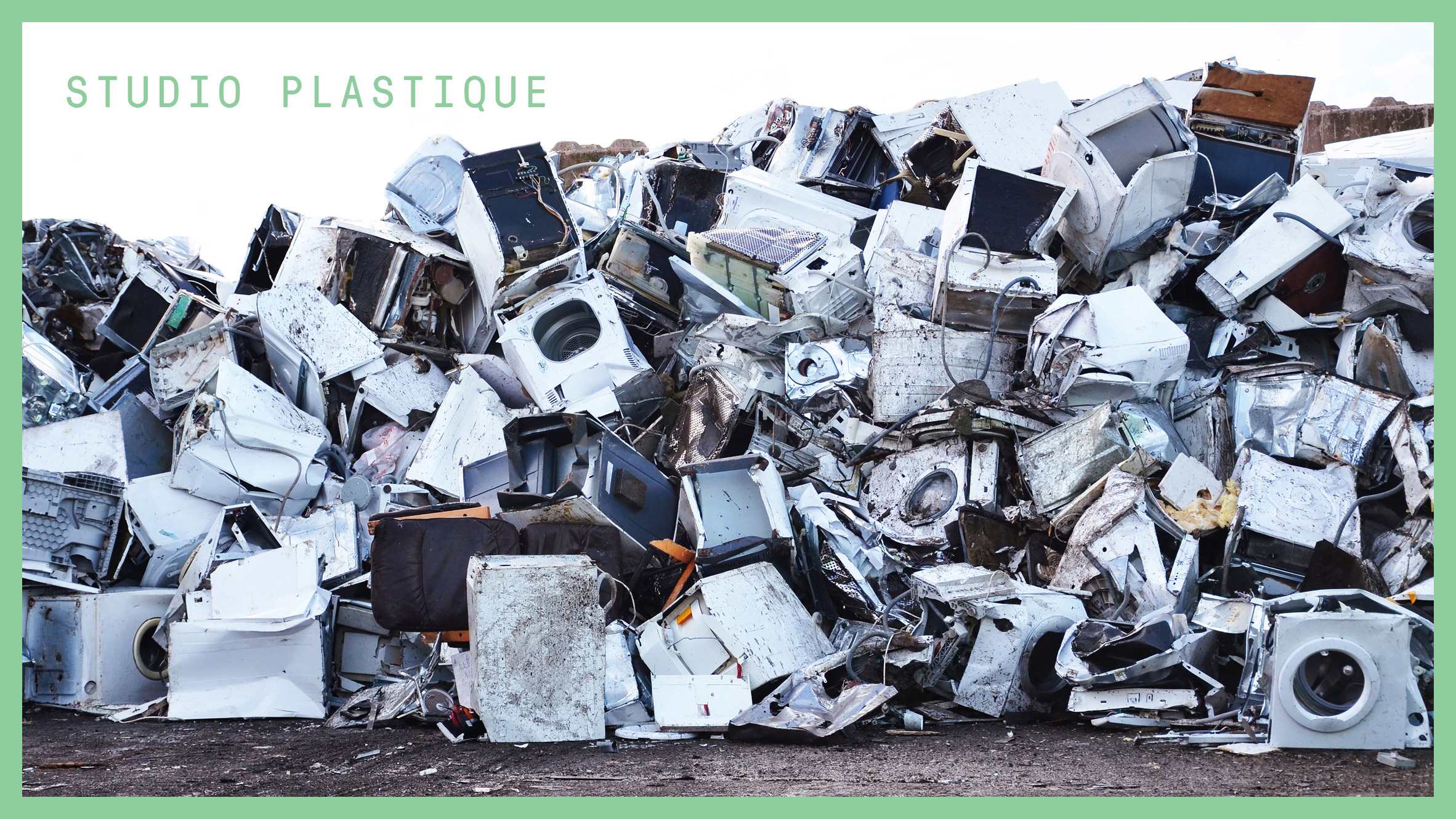
Studio Plastique

"Theresa Bastek and Archibald Godts founded Studio Plastique in 2017 in Brussels after graduating from Design Academy Eindhoven. Their work combines imaginative scenarios and critical reflections with in-depth investigations of complex material supply chains and technological infrastructures, thus pushing the boundaries of what design aims to achieve.

"Studio Plastique builds up networks of collaboration around significant themes for contemporary society, strategically positioning the role of the designer in an evolving landscape of industry, culture, and human experience."

"We spoke to Theresa Bastek and Archibald Godts about how they nourish their future-oriented vision on design through a process of ongoing research and collaboration—even in moments of upheaval such as the present."


About Virtual Design Festival

Virtual Design Festival is the world's first online design festival, taking place on Dezeen from 15 April to 10 July 2020.

About Alcova

Alcova is a Milan-based platform established by Space Caviar and Studio Vedèt, which champions independent design through a programme of exhibitions. The team consists of
Valentina Ciuffi, Joseph Grima, Martina Muzi, Tamar Shafrir and Marco De Amicis.

The VDF x Alcova collaboration presents interviews with eight studios that were set to be featured at the platform's presentation during Salone del Mobile this year.

The post Alcova shares eight conversations with independent designers as part of VDF appeared first on Dezeen.


from Dezeen https://ift.tt/2XxlFoe

Qwstion maximises the positive environmental impact of its work through collaboration

Qwstion interview for VDF x Alcova

The creative director and co-founder of Qwstion, Christian Kaegi, sheds light on why the sustainable Swiss brand is infiltrating the production chains of major companies in this exclusive interview for VDF x Alcova.

Founded in Zurich in 2008, Qwstion specialises in sustainable backpack design, and also develops eco-friendly plant-based materials with the goal of helping to establish a circular economy.

Kaegi told Alcova that in order to make the positive impact of its work more measurable, one of the brand's main strategies is collaboration. All of its production processes and material innovations are accessible for use by larger companies to make their own supply chains more environmentally responsible.

"Our strategy is to maximise the positive impact our material developments can have by making them available to any brand or company that wants to improve its sustainability," Kaegi said.

"We are a small brand, so even if our products and processes are sustainable, the impact will always be limited," he explained. "By making our processes available to others, however, we can enable large major brands to use more sustainable materials and have larger ecological effects."

Qwstion interview for VDF x Alcova
Qwstion uses its material innovations to create backpacks and accessories but also shares them with larger companies for use in their own production chains

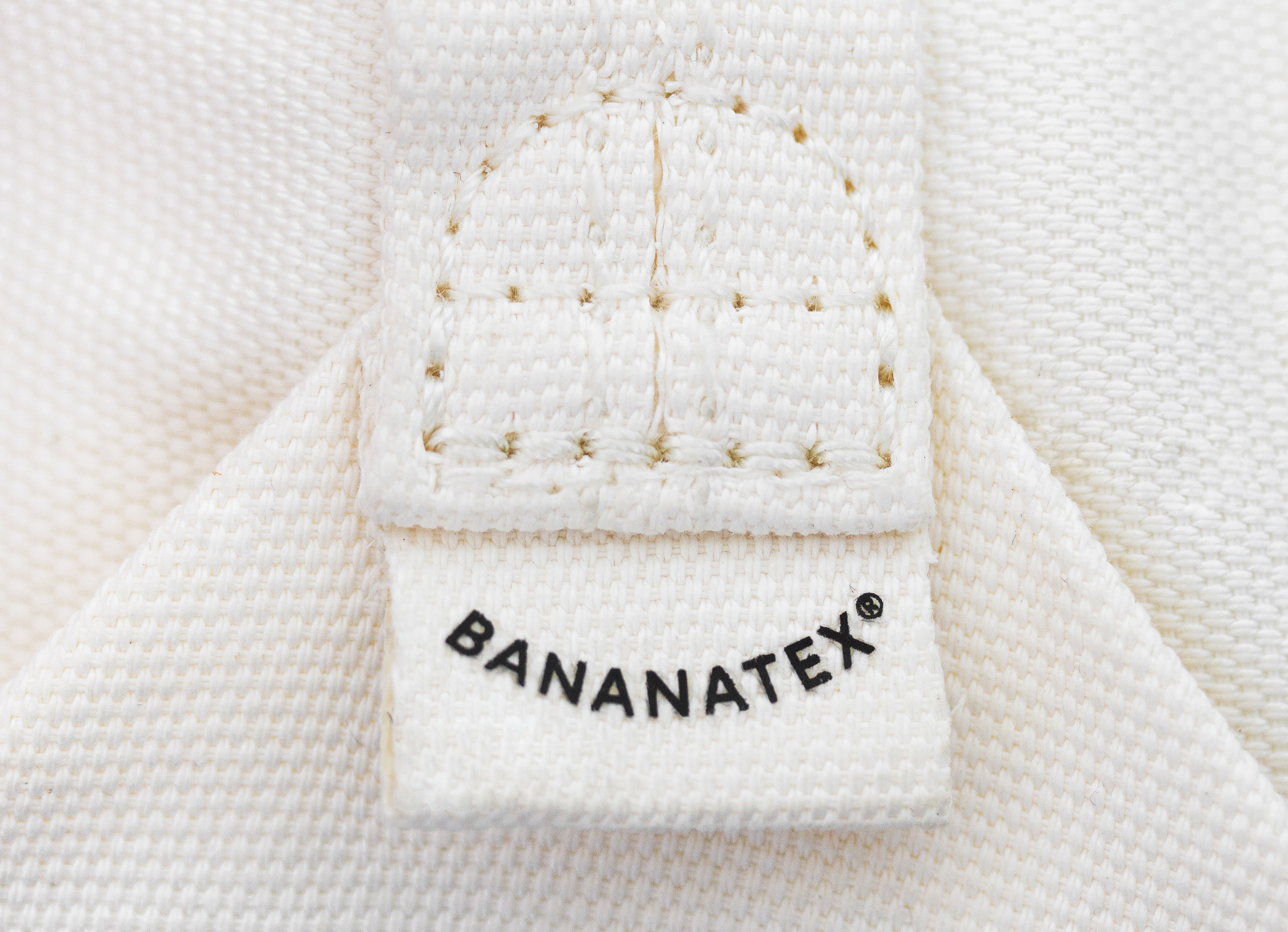
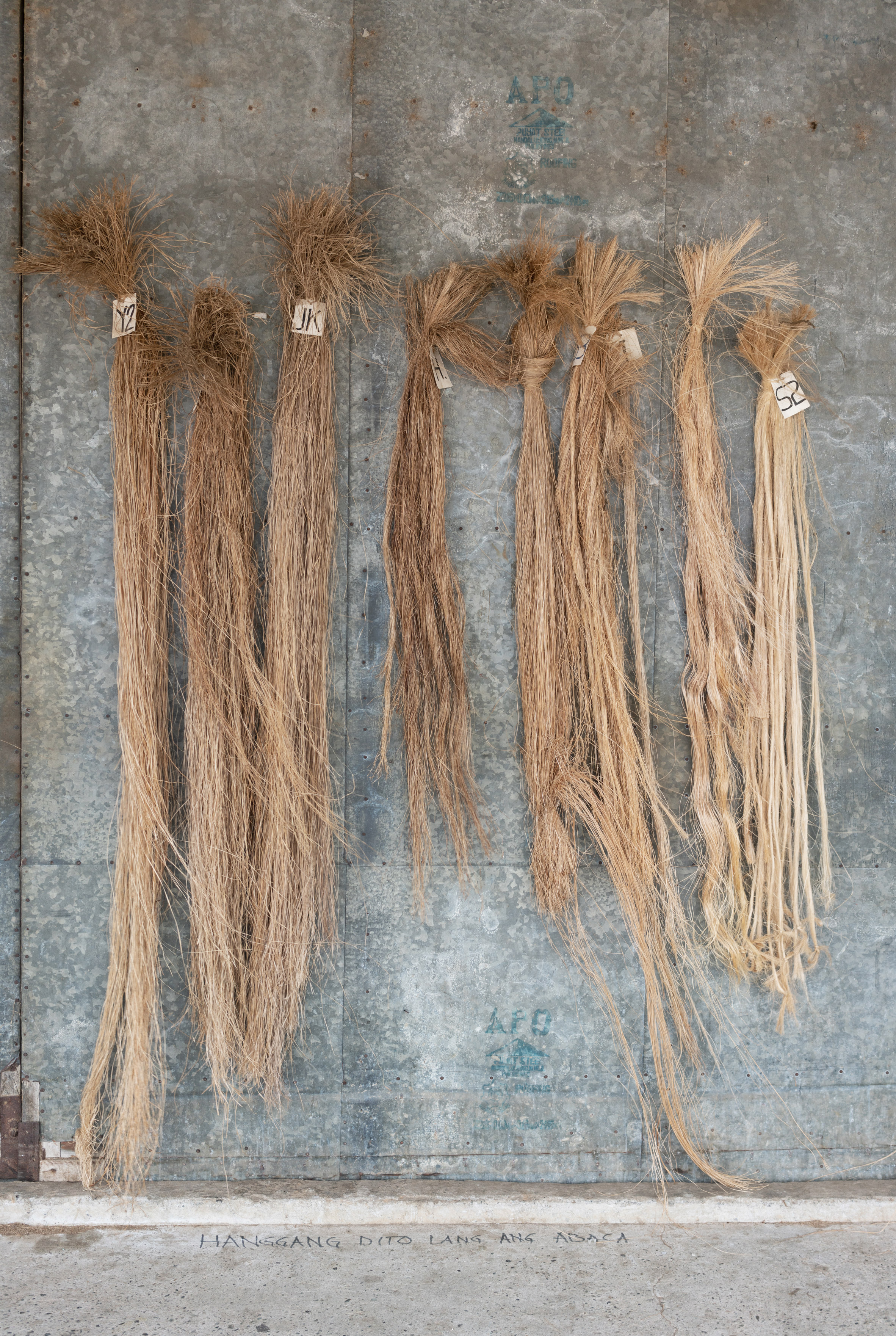
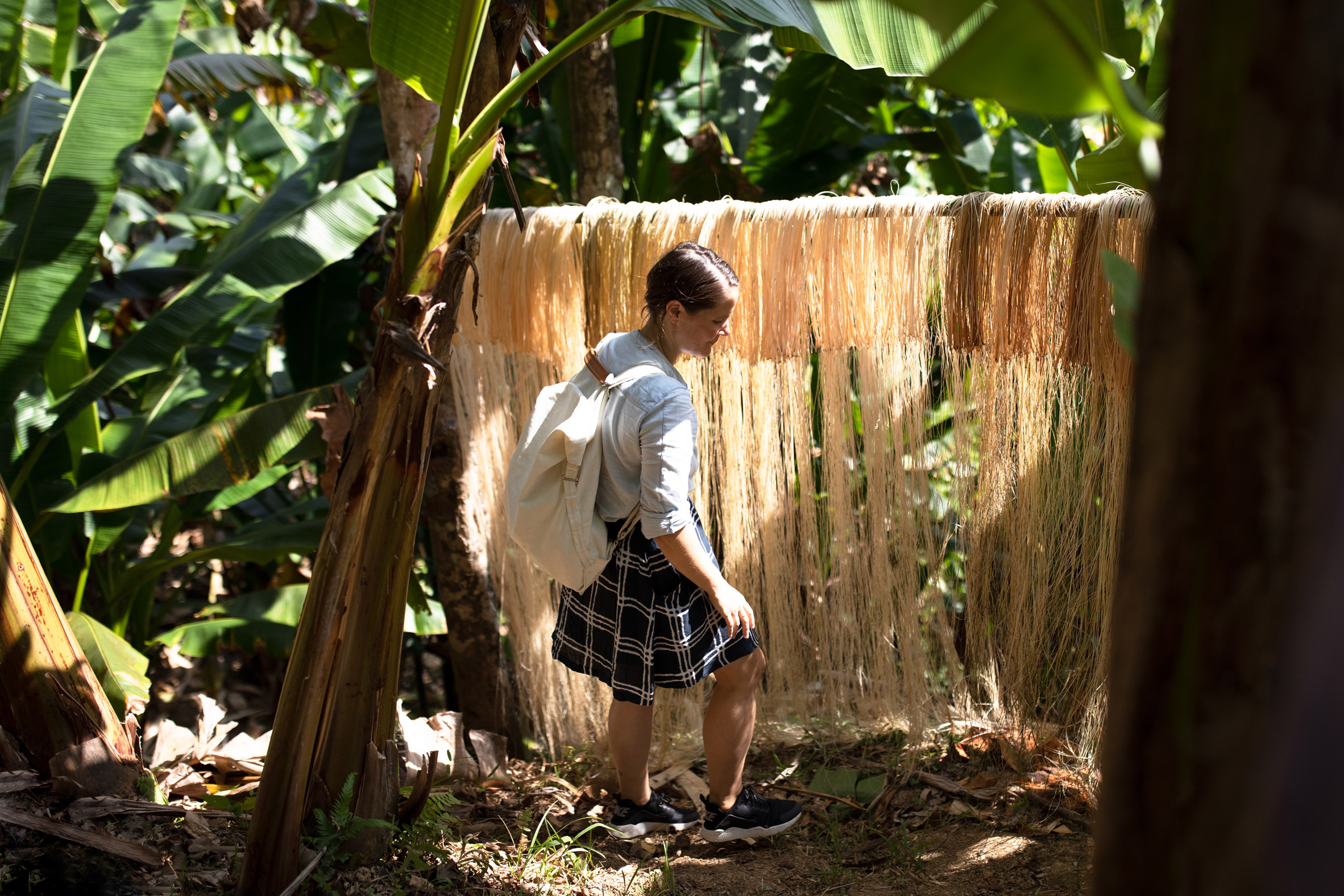
An example of this concept is demonstrated by the brand's development of Bananatex, a durable and sustainable textile made entirely from banana plants. Qwstion has recently spun Bananatex into its own company and it is now collaborating with brands and companies internationally.

"We are currently in discussion with numerous global brands from diverse industries, including furniture, automotive, tech, and fashion, who are all interested in employing our material," said Kaegi.

"There is a potential for Bananatex across a whole range of applications that require a textile with a certain amount of durability and other technical capacities."

Qwstion was due to exhibit its products and material innovations as part of this year's Salone del Mobile presentation by design platform Alcova.

In light of the event's cancellation due to coronavirus pandemic, Kaegi joined the Alcova team for an interview instead, in which he introduces the brand, its ethos and work.

VDF x Alcova
Exhibitor:
Qwstion
Website: www.qwstion.com
Email: press@qwstion.com


Alcova: The current tragic circumstances pose huge challenges, but also open up new perspectives. Is there a new appreciation for the things we use and surround ourselves with, the stories they tell and the values they stand for?

Christian Kaegi: Definitely. The question we need to ask ourselves right now is: what do we really need? We as designers have spent the last five years incubating a number of brands based on values of sustainability and ethical consumption. But as in so many aspects of life today, there is a strong polarisation of attitudes.

Those who have a conscious approach to how and what they consume have become even more conscientious. The real challenge is how to get such questions to resonate with a much broader segment of society in the coming years.

Qwstion interview for VDF x Alcova
One of its main plant-based materials is Bananatex, which is made entirely from banana plants

Alcova: What did you set out to achieve when you founded Qwstion?

Christian Kaegi: After graduating as an industrial designer and co-founding design studio Aekae right out of school, I had many questions as to where the world was heading and how products were designed and manufactured. I was interested in designing in a holistic way, starting from the very beginning, the material itself.

The standard role of consultant for clients did not provide an opportunity to do so in a comprehensive manner, so I co-founded Qwstion as a platform to search for new answers. Qwstion is a brand for everyday bags, through which we try to question current material norms and applications. One crucial factor in our path towards a circular economy has been designing our own plant-based materials to replace plastics. We want to act responsibly towards nature and our community, while remaining profitable as a business.

Alcova: One strategy implemented by your company, or companies, is not simply to act independently from the major brands, but to collaborate with them, to infiltrate their production chains and introduce the values and processes you've established in your own work. Can you tell us about that?

Christian Kaegi: That's a really important strategy, and I see that as a major possibility to actually have a measurable outcome. We are a small brand, so even if our products and processes are sustainable, the impact will always be limited. By making our processes available to others, however, we can enable large major brands to use more sustainable materials and have larger ecological effects.

We have now spun Bananatex off into a separate company, and we are currently in discussion with numerous global brands from diverse industries, including furniture, automotive, tech, and fashion, who are all interested in employing our material.

Qwstion interview for VDF x Alcova
Qwstion's sustainable innovations, like Bananatex, are available to other companies to help them become more sustainable

There is a potential for Bananatex across a whole range of applications that require a textile with a certain amount of durability and other technical capacities. Our strategy is to maximise the positive impact our material developments can have by making them available to any brand or company that wants to improve its sustainability.

Alcova: At the same time, there's another side to your strategy, which is thinking about new aesthetics and other kinds of possibilities that can be unlocked by these innovative materials. Do you think the circular economy could have its own visual language or aesthetic canon?

Christian Kaegi: Yes, definitely. If you take a radical approach to sustainability, then as a consequence a new aesthetic will emerge. If you look back to the modernist movement in the 1950s and 1960s, the ideas of letting the materials speak for themselves, reducing mass, simplifying shape and form – these principles had a significant impact on aesthetics. We believe this is equally relevant today and will be part of becoming more sustainable as a society.

Alcova: As someone whose career has already spanned multiple companies, what is your perspective on the marketplace? Will you change business models or adapt in other ways to current conditions?

Qwstion interview for VDF x Alcova
Qwstion's main goal is to help establish a circular economy

Christian Kaegi: In the context of the circular economy, the question of ownership needs to be re-evaluated and will have an impact on our business model. Another significant question remains open: how will physical retail develop in years to come? There has been an ongoing shift from offline to online, and in the past three to four years, we have been working with many retail partners that had to close their shops due to financial pressure, perhaps because they were unable to adapt quickly enough to online business.

Due to the current crisis, that one side that has been even further challenged because most people were unable to visit stores and could only buy from home through online platforms. At the same time, people have been questioning their consumption even more than before, so the entire sector remains an open question for us. We have our own stores, which are experimental spaces in which we try new things, for instance, experimenting with possible forms of interaction between customers and brands in the future. We see these spaces as testing grounds for ideas. So we are working on new developments for our own company in that regard.

Alcova: Aside from the business aspect, what did the cancellation of this year's Salone del Mobile mean to you?

Christian Kaegi: We are social beings, and the present circumstances have in many ways stripped that element of life away for an extended period of time. I see that all around me – that what people are missing the most is social interaction, human interaction, friends, family. That's what we really need in the end.

I think that those platforms that create opportunities for social interaction will definitely remain relevant. In many ways this crisis has actually demonstrated how relevant they are. At the same time, there may just be too much on the calendar. Now that we have a bit of distance and a bit more slowness in our lives, we are also becoming more aware of what's really important.


Virtual Design Festival is the world's first online design festival, taking place on Dezeen from 15 April to 10 July 2020.

Alcova is a Milan-based platform established by Italian practices Space Caviar and Studio Vedèt, which champions independent design through a programme of exhibitions. The team consists of
Valentina Ciuffi, Joseph Grima, Martina Muzi, Tamar Shafrir and Marco De Amicis.

The VDF x Alcova collaboration presents interviews with eight studios that were set to be featured at the platform's Salone del Mobile presentation this year.

The post Qwstion maximises the positive environmental impact of its work through collaboration appeared first on Dezeen.


from Dezeen https://ift.tt/373tvcj