Friday, 3 July 2020

This week, Milton Glazer passed away

This week on Dezeen, we looked back at Milton Glazer's most interesting creations following the graphic designer's death and looked forward to a house designed to ride out the next global crisis in.

Graphic designer Glazer, who was most famous for creating the "I ♥ New York" logo, died earlier this week aged 91.

To mark his passing we rounded up 11 of the New Yorker's most interesting graphic designs from the past six decades, including posters for Bob Dylan and Mad Men, and the logo for New York magazine.
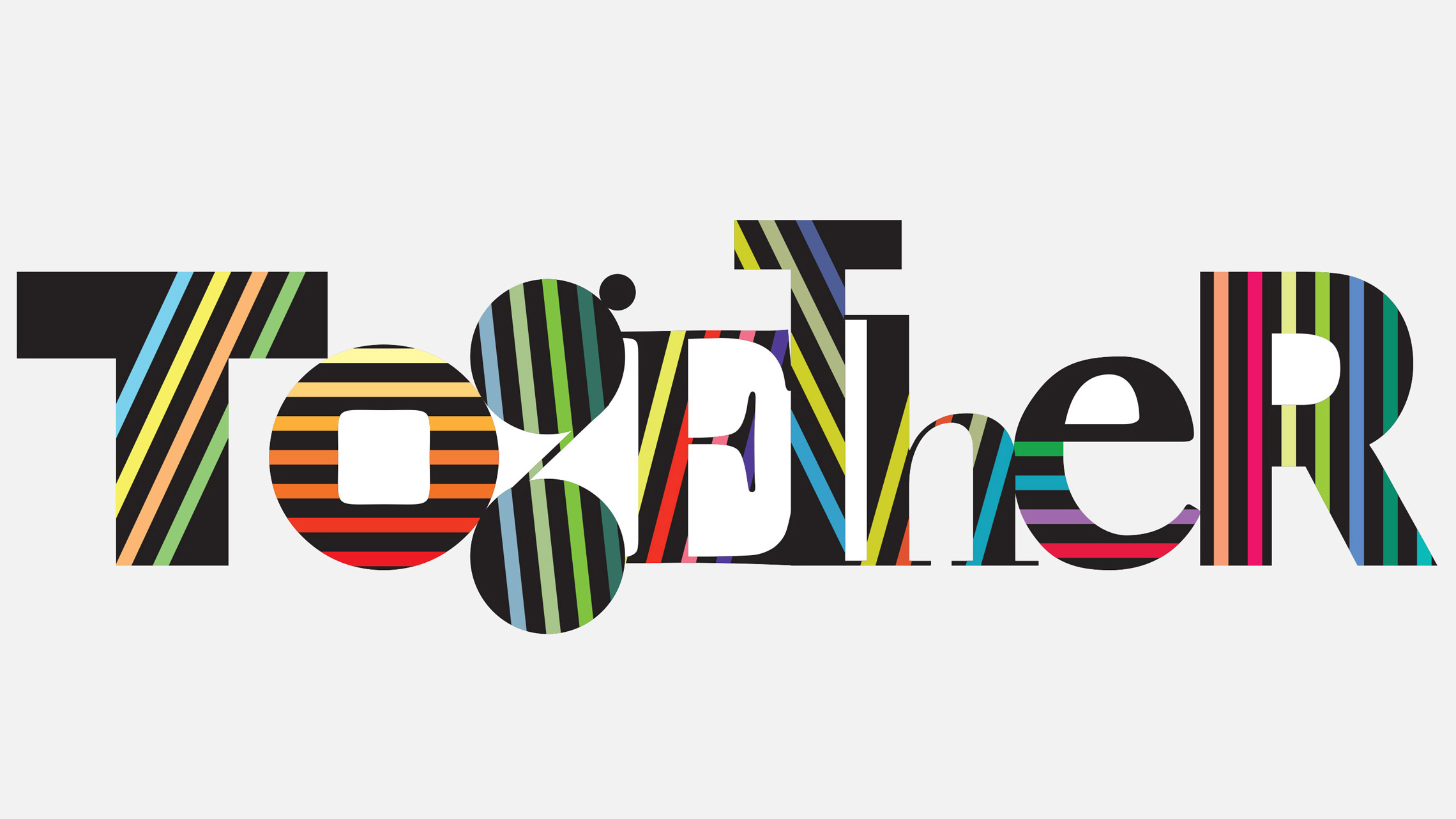
11 memorable graphic design projects by Milton Glaser

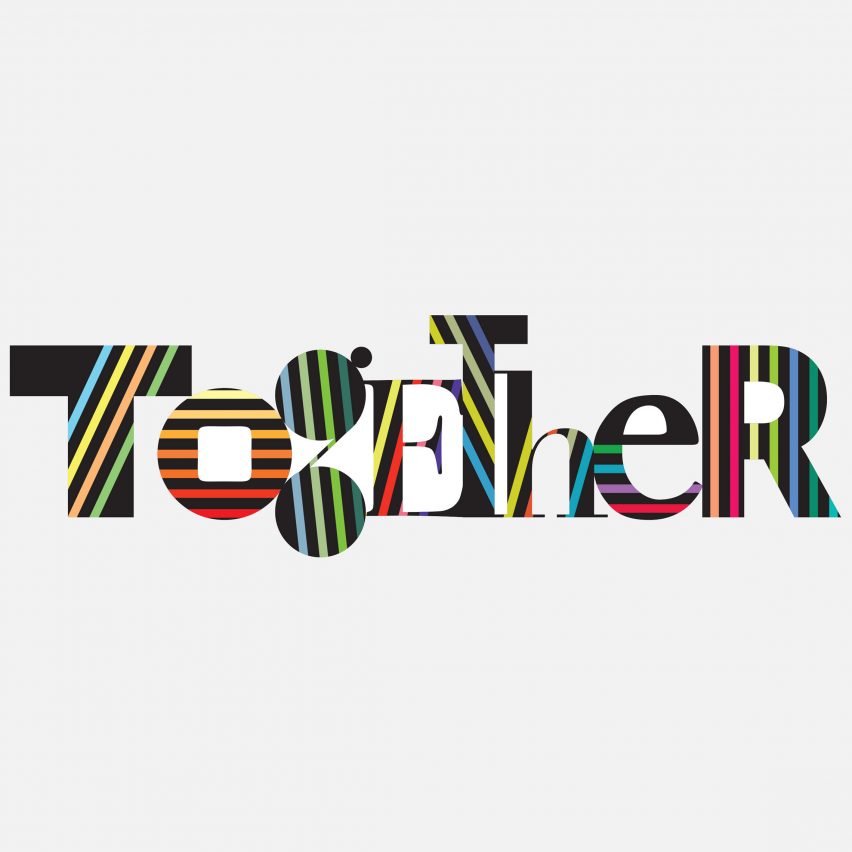
Glazer's highlights included a graphic version of the word together designed to represent the idea of collectivity during the forced isolation of the coronavirus pandemic that he was working on up until his death.

"'We're all in this together' has been reiterated a thousand times, but you can create the symbolic equivalent of that phrase by just using the word 'together', and then making those letters [look] as though they are all different, but all related," he told the New York Times before he died.
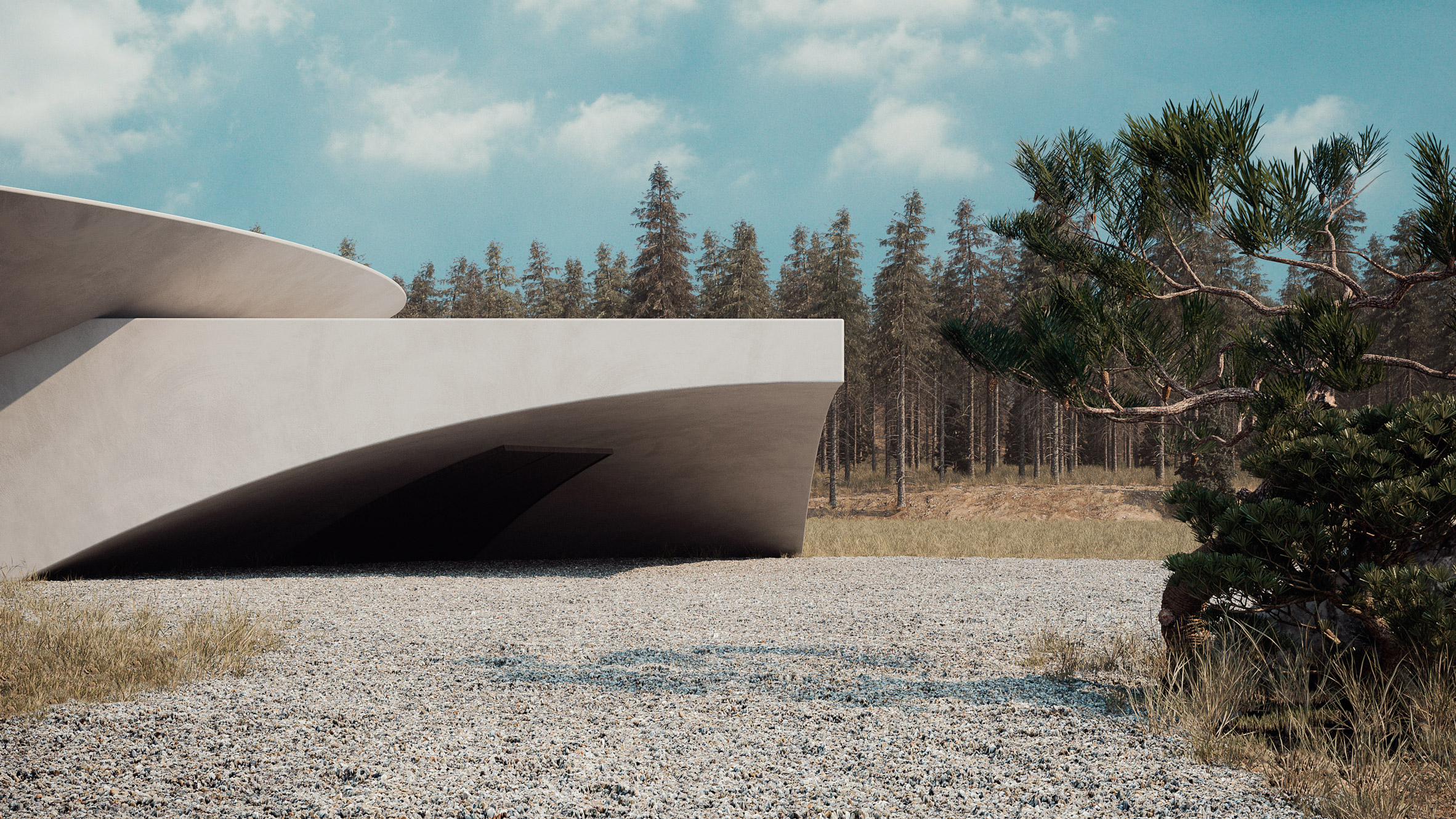
Underground House Plan B is a hideout concept for the next global crisis

Sergey Makhno Architects took a different take on the coronavirus pandemic and envisioned a subterranean home that could be used as a hideaway in the post-pandemic world.

"We realised that the world has many more unpleasant surprises for us, to which even the most highly developed environmentally, socially and technically savvy countries may not be ready," said the studio.
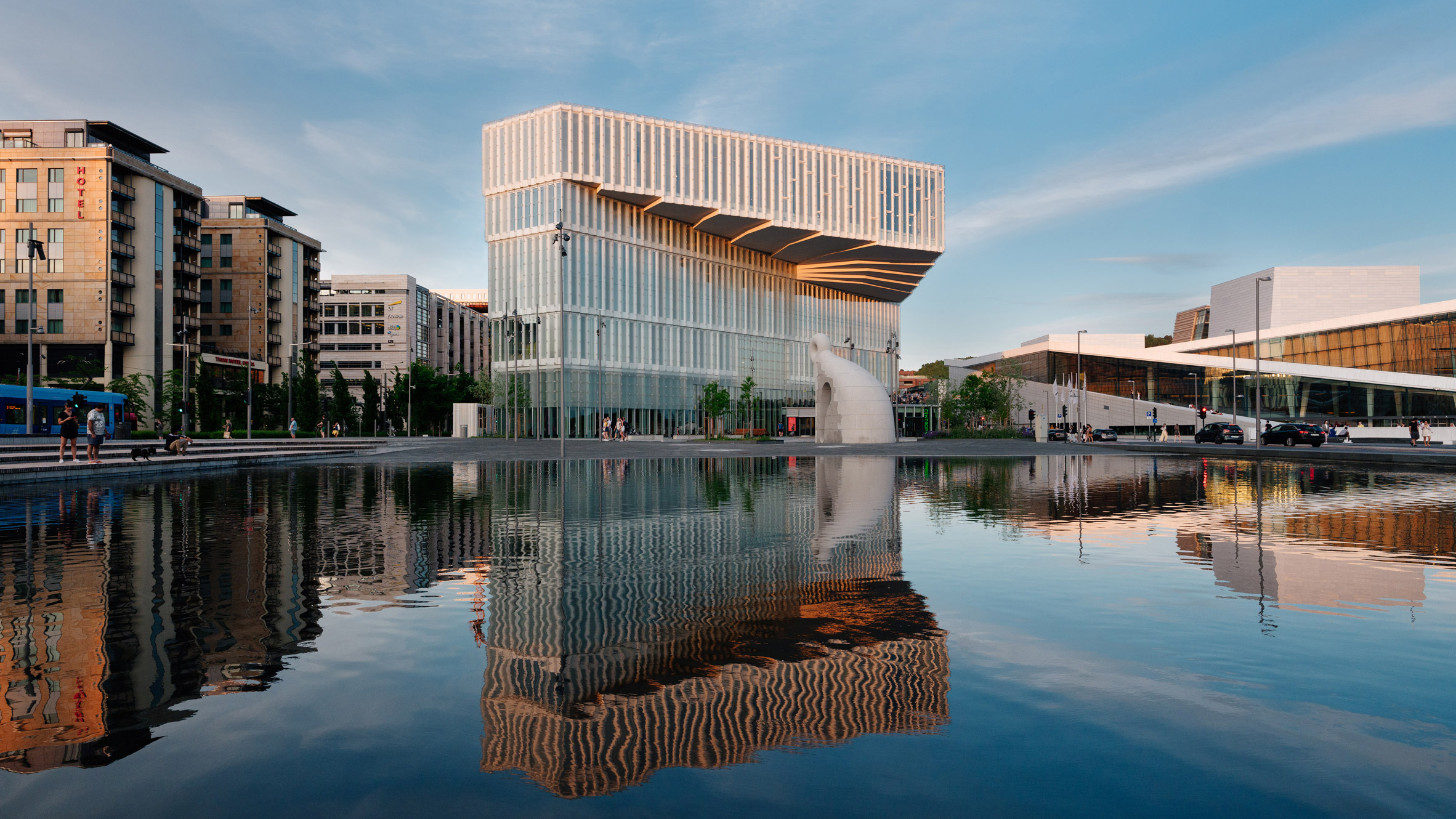
Atelier Oslo and Lundhagem unveil Oslo's "huge but intimate" central library

In architecture news, Oslo's long-awaited Deichman Bjørvika central library, which was designed by Atelier Oslo and Lundhagem, opened to the public in Norway.

While in Germany, David Chipperfield built an art gallery and conference hall to complete the Carmen Würth Forum cultural building in Künzelsau.

NASA releases decade-long time lapse of the sun

American space agency NASA revealed a time lapse of the sun that was complied from photos taken over the past decade.

The video was made from 87,000 high-resolution images taken from its Solar Dynamics Observatory satellite, which has been photographing the sun from its orbit around the Earth since 2010.
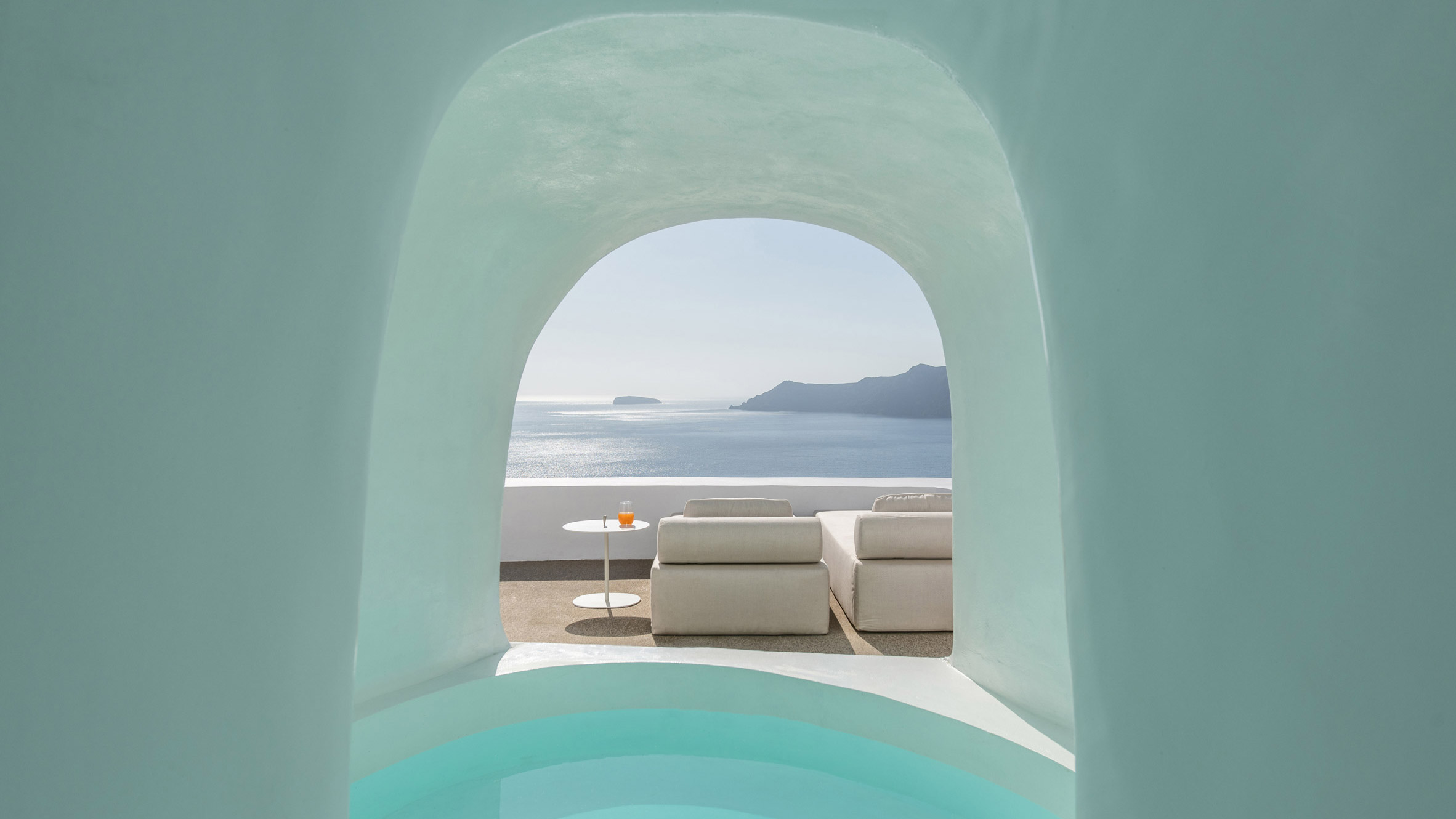
Seven Santorini island retreats by Kapsimalis Architects

We also rounded up seven hotels and homes designed by local studio Kapsimalis Architects on the Greek island of Santorini.

The properties included several covered caves and numerous swimming pool covered terraces.

Hooba Design Group wraps Tehran office in glass-punctuated bricks

Popular projects on Dezeen this week include an office in Tehran clad in glass-punctuated bricksa house in Guadalajara wrapped around two trees and a house in California's Silicon Valley that has chunky limestone walls.

This week on Dezeen is our regular roundup of the week's top news stories. Subscribe to our newsletters to be sure you don't miss anything.

The post This week, Milton Glazer passed away appeared first on Dezeen.


from Dezeen https://ift.tt/2VEWPl5

Álvaro Siza builds Casa Wabi ceramics pavilion with a thatched roof

Casa Wabi ceramics pavilion by Alvaro Siza

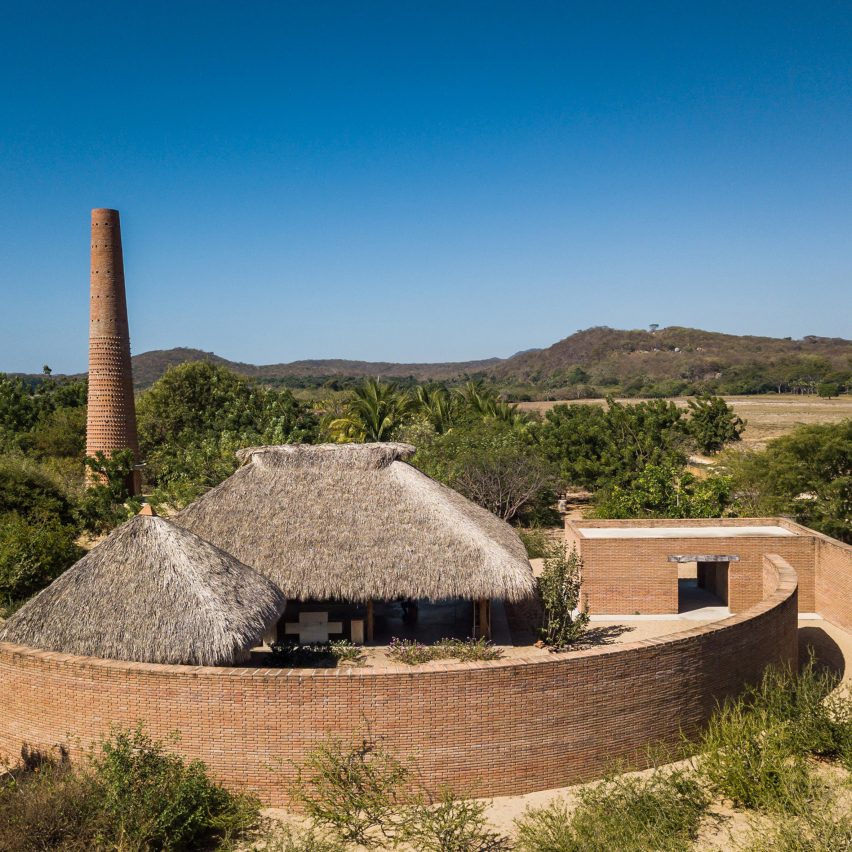
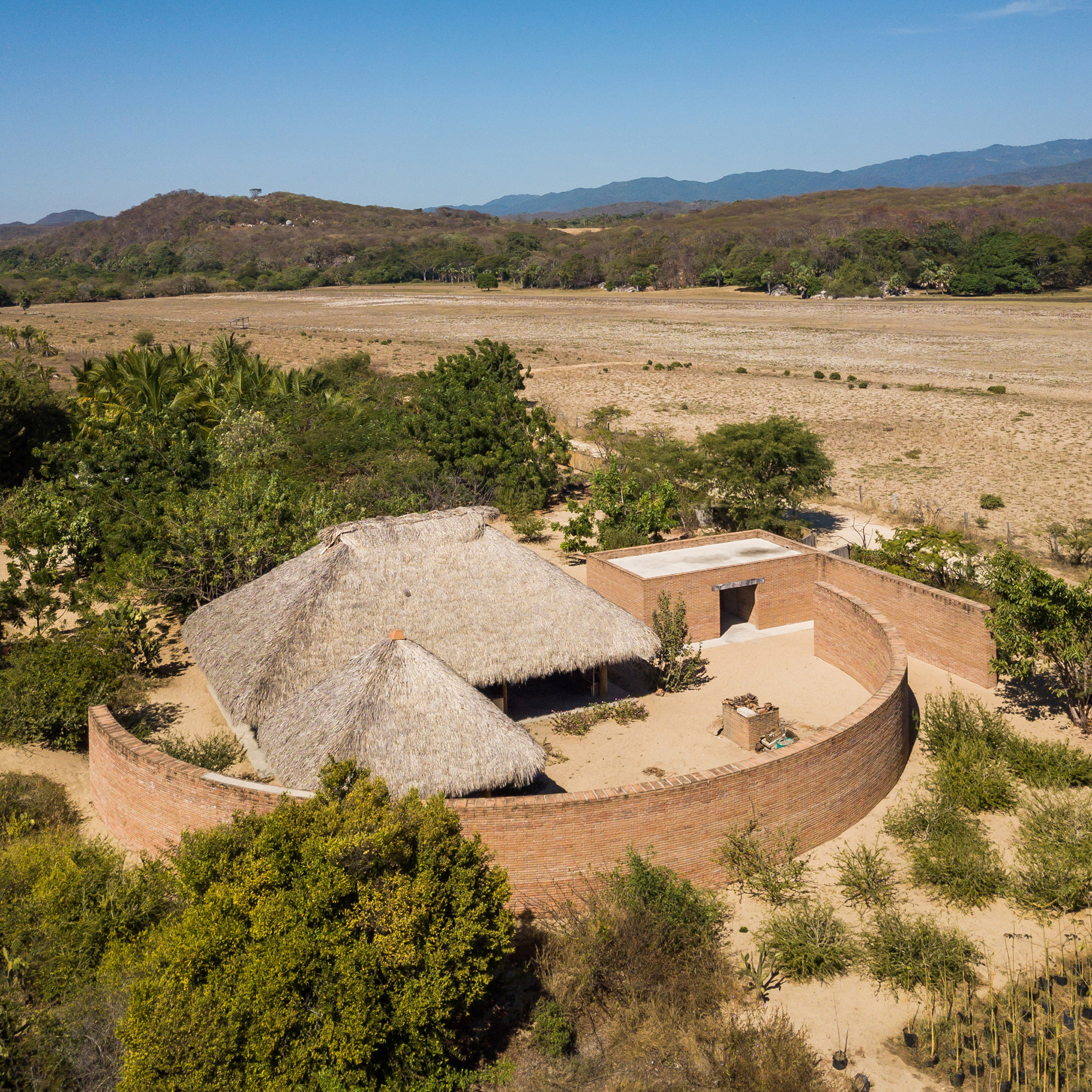
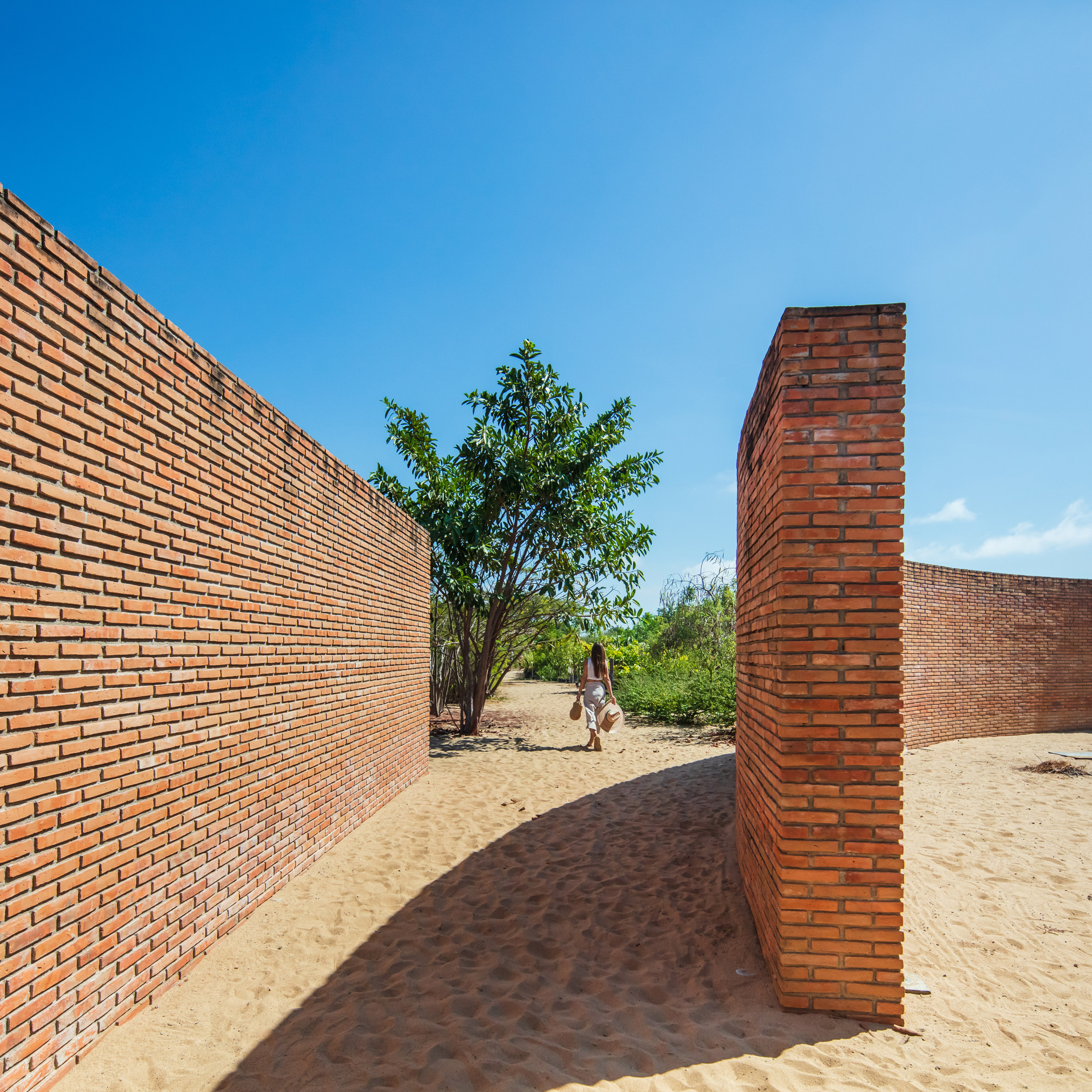
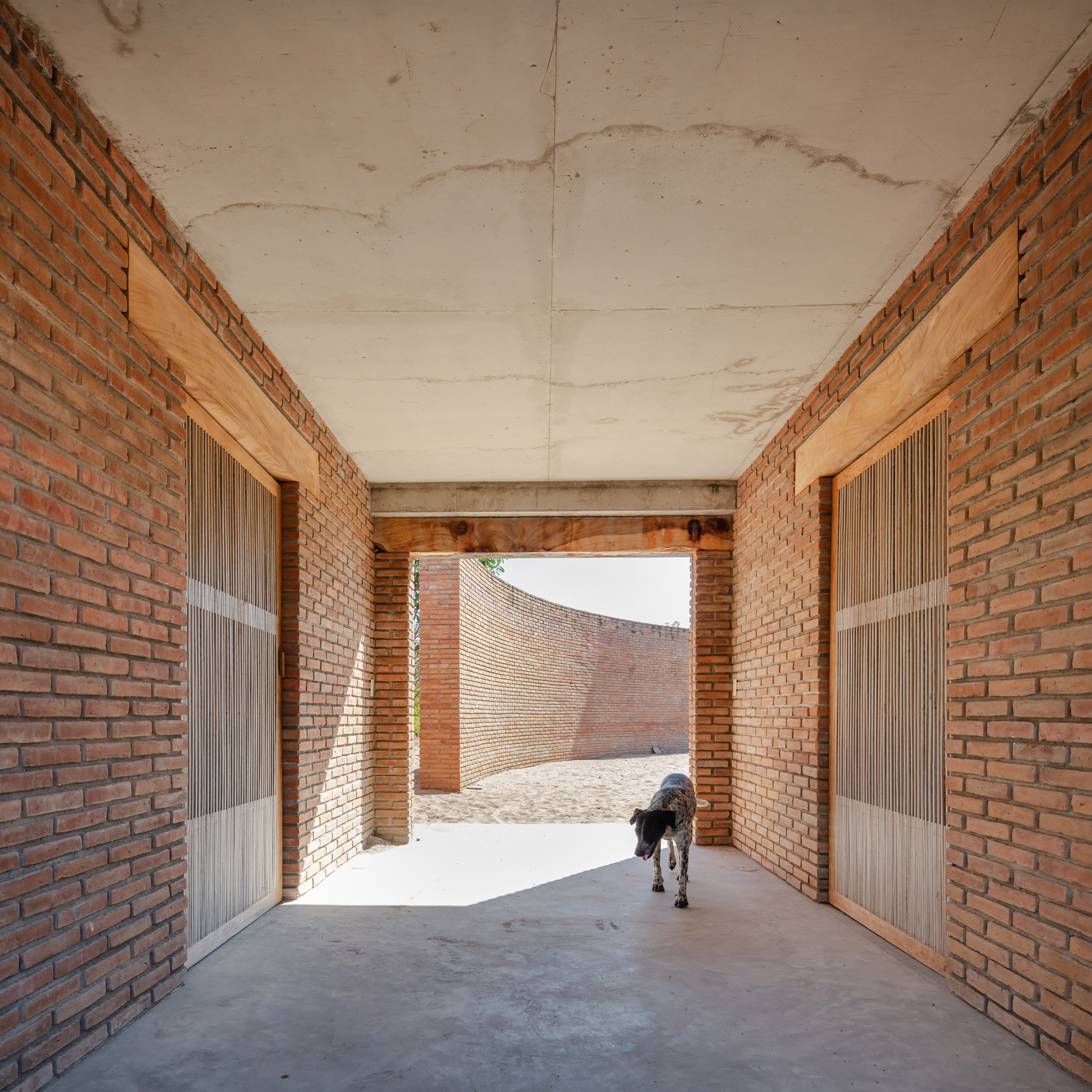
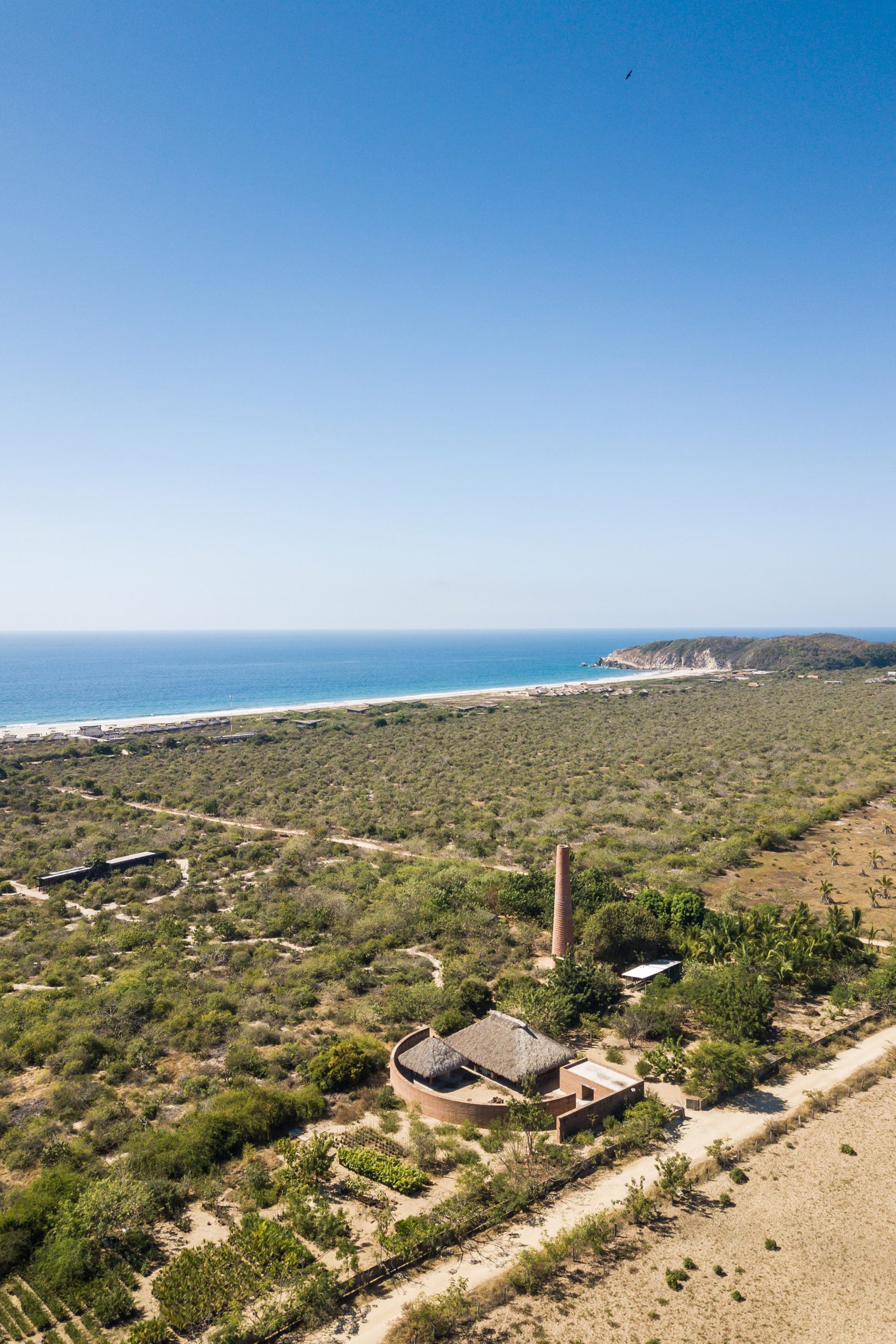
A curved brick wall encloses the open-air complex for ceramics that Portuguese architect Álvaro Siza designed as part of the artist retreat Casa Wabi in Puerto Escondido, Mexico.

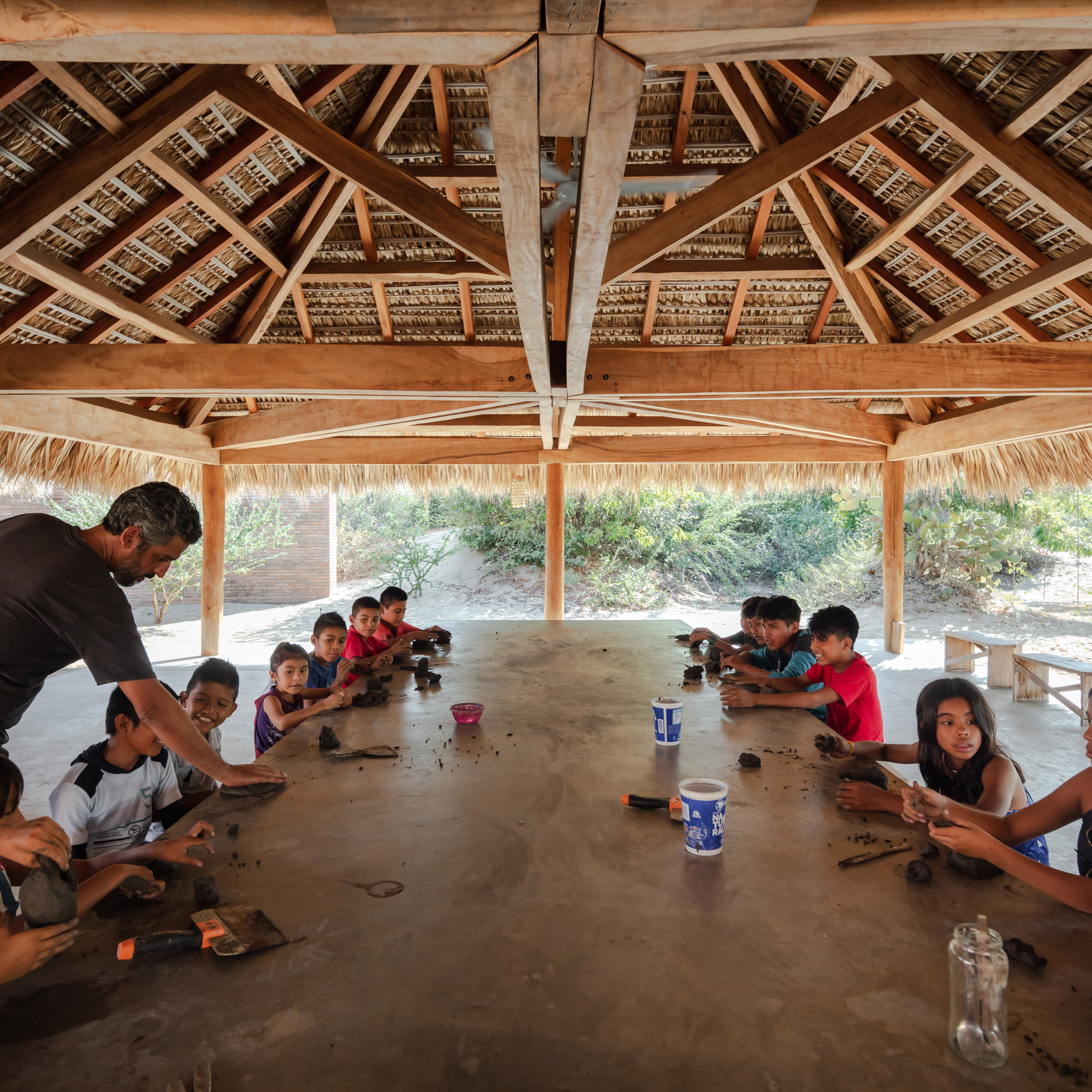
The Pritzker Prize-winner was tasked by Casa Wabi Foundation founder Bosco Sodi to build the pavilion as a space for children who live in the area to learn the local clays techniques of Oaxaca. It also hosts artists on Casa Wabi's residency programme.

Casa Wabi ceramics pavilion by Alvaro Siza

"The pavilion is aimed to host a series of workshops with the intention of bringing new generations to the aesthetic and artistic use of the materials in the region," Casa Wabi said.

"We hope that in the near future this programme will contribute to the economic and cultural revival of the use of the local clays of the Oaxaca coast."

Casa Wabi ceramics pavilion by Alvaro Siza

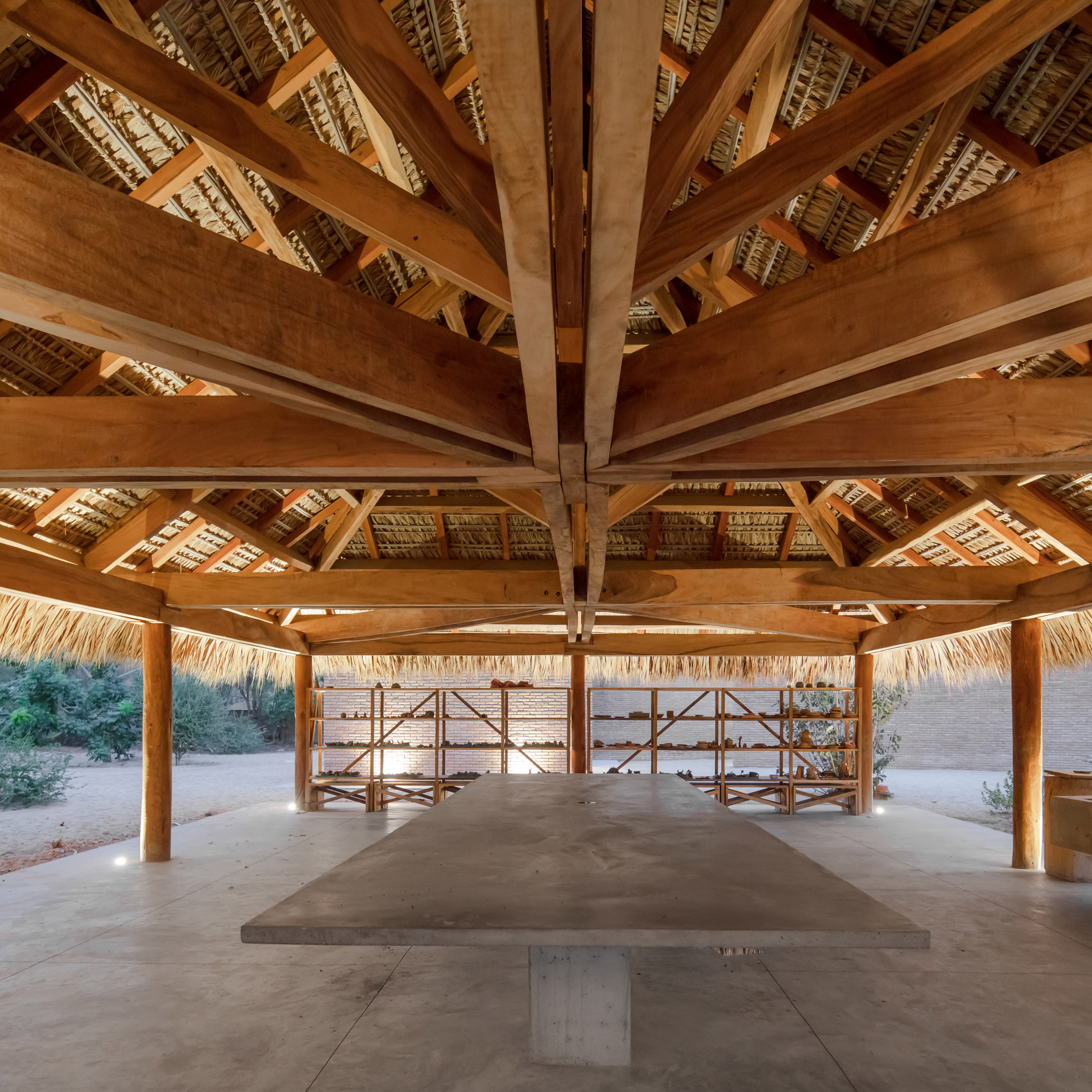
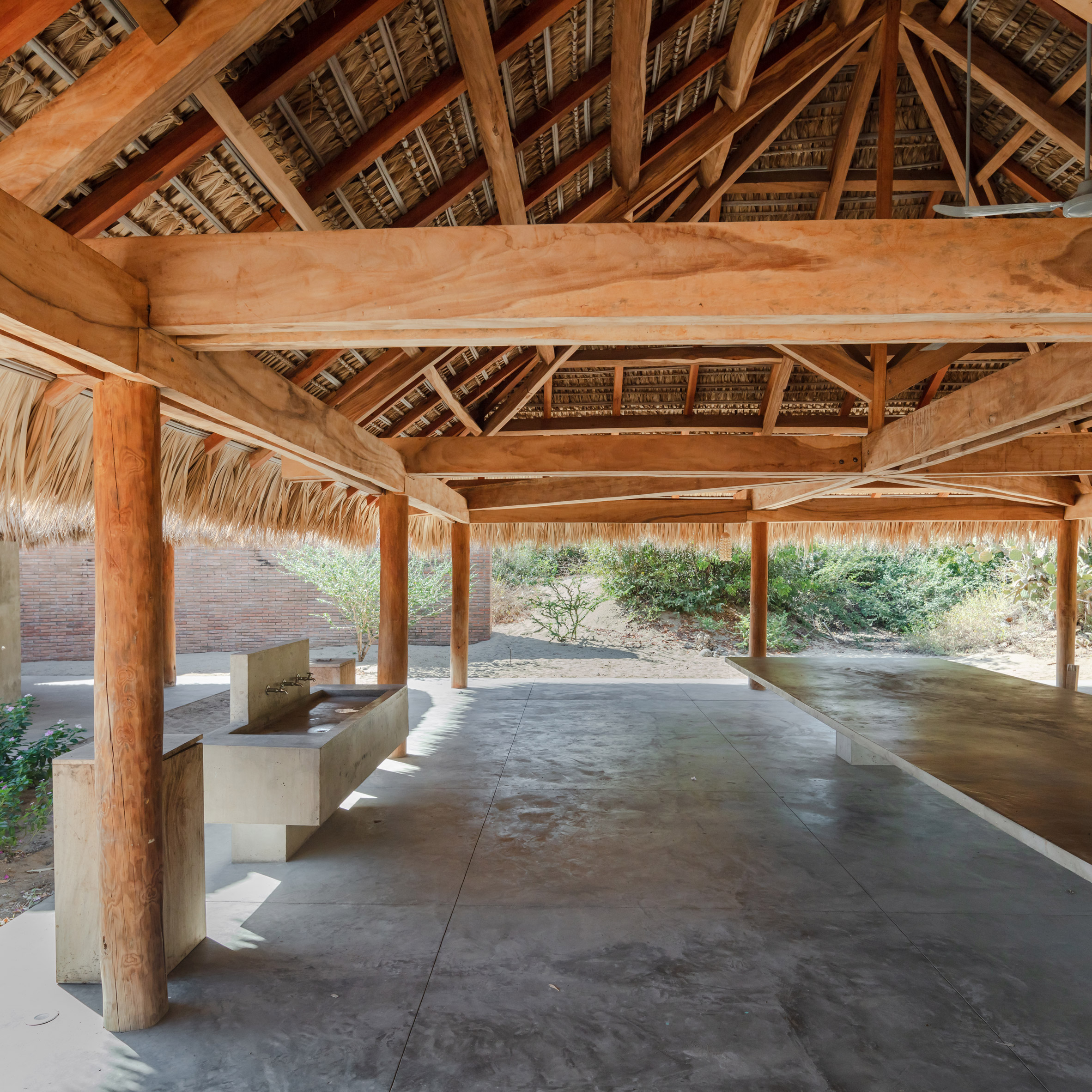
The ceramics pavilion is topped by a huge thatched roof and has concrete floors, but no walls. Its sandy surrounds are instead enclosed by a curved brick wall that is eight meters in diameter and an L-shaped barrier, which forms rooms for storing pottery tools and raw clay.

Casa Wabi ceramics pavilion by Alvaro Siza

The thatched roof is formed from dried palm branches and a wood frame – a traditional construction method known in the region as Palapa.

Casa Wabi's house and art centre also feature this type of roof, which was completed by Japanese architect and Pritzker Prize winner Tadao Ando in 2016, as well as Monte Uzulu hotel that is about an hour drive away.

Casa Wabi ceramics pavilion by Alvaro Siza

"The uses of two of the most common local techniques and materials in the area have been fundamental in the design and construction of the pavilion," said Casa Wabi.

"The palm palapa provides roof and ventilation to the central module and fully open main work area."

Casa Wabi ceramics pavilion by Alvaro Siza

The ceramics area features a large concrete table in the centre and a concrete washbasin on one side, with wood shelves providing places to store the ceramics. A smaller thatched-roof structure nearby houses two toilets that are enclosed by horseshoe-shaped walls.

Casa Wabi ceramics pavilion by Alvaro Siza

Siza's pavilion is accompanied by outdoor showers and an existing outdoor oven, along with trees and shrubs that extend to a 22-metre-tall chimney for firing the pieces. Designed by Mexican artist Alberto Kalach, it is similarly built with bricks using local clay.

A number of well-known architects and studios have completed structures on the Casa Wabi complex. Others include Paraguayan studio Gabinete de Arquitectura, which designed a composting pavilion, and Kengo Kuma, who created a blackened-wood chicken coop.

Casa Wabi ceramics pavilion by Alvaro Siza

Siza, who is based in Porto, Portugal, won the Pritzker Prize in 1992. He has designed many buildings around the world including Capela do Monte chapel in Portugal's Algarve region, a museum in Hangzhou, China and a white-concrete church in France.

One of his most well-known projects is Lisbon's Expo'98 Portuguese National Pavilion, which he described as challenging in an interview with Dezeen in 2019.

Photography is by João Morgado.

The post Álvaro Siza builds Casa Wabi ceramics pavilion with a thatched roof appeared first on Dezeen.


from Dezeen https://ift.tt/3iCwu0W

Jefferson by Luca Nichetto for Lodes

Jefferson by Luca Nichetto for Lodes

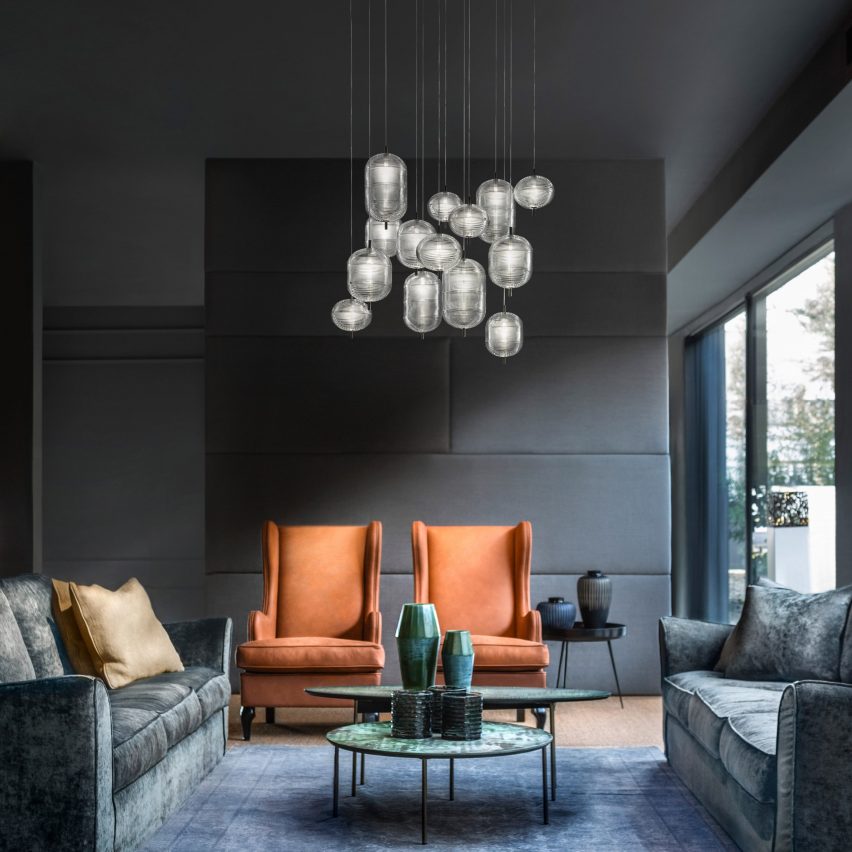
VDF products fair: Venice lighting brand Lodes is presenting the Jefferson glass pendant light, designed by Luca Nichetto, to coincide with the launch of its rebrand.

Lodes, which was previously known as Studio Italia Design, designed the statement Jefferson light in collaboration with Nichetto as a reference to the psychedelic art typical of the 1960s.

It is the first product presented by the brand under its new name and rebrand, which was developed to mark its 70th anniversary.

Jefferson is characterised by the rippled texture of the glass pendant, which Lodes describes as "kaleidoscopic and whirling chromatic patterns", made from Bohemian crystal from the Czech Republic.

The pendants are available in three different sizes, all of which are suspended from thin cables and available for installation as singular or cluster lighting. This was developed to ensure the range is versatile and can be adapted to any interior space.

"Jefferson is a suspension lamp made in Bohemian crystal inspired by the visual arts of the 1960s," said Lodes.

"The different dimensions of Jefferson and the possibility of cluster compositions offer endless customisation and adaptability, whilst adding a personal touch to different settings and interiors."

Product: Jefferson
Designer: Luca Nichetto
Brand: Lodes

About VDF products fair: the VDF products fair offers an affordable launchpad for new products during Virtual Design Festival. For more details email vdf@dezeen.com

The post Jefferson by Luca Nichetto for Lodes appeared first on Dezeen.


from Dezeen https://ift.tt/3goKCsF

4Space hopes to create "long-term relationships" between people and spaces

VDF studio profile: 4Space is a Dubai-based design studio, which specialises in interior architecture with a decidedly human-centred approach.

"We seek to integrate the design of an interior seamlessly into the daily lives of its occupants, regardless of style preferences," said co-founder Firas Alsahin.

"This creates tangible, long-term relationships between them and the spaces they occupy,"

Alsahin founded 4Space together with Amjad Hourieh, and over the last decade the duo has built up a multidisciplinary team to take on everything from residential projects to restaurant, retail and office spaces.

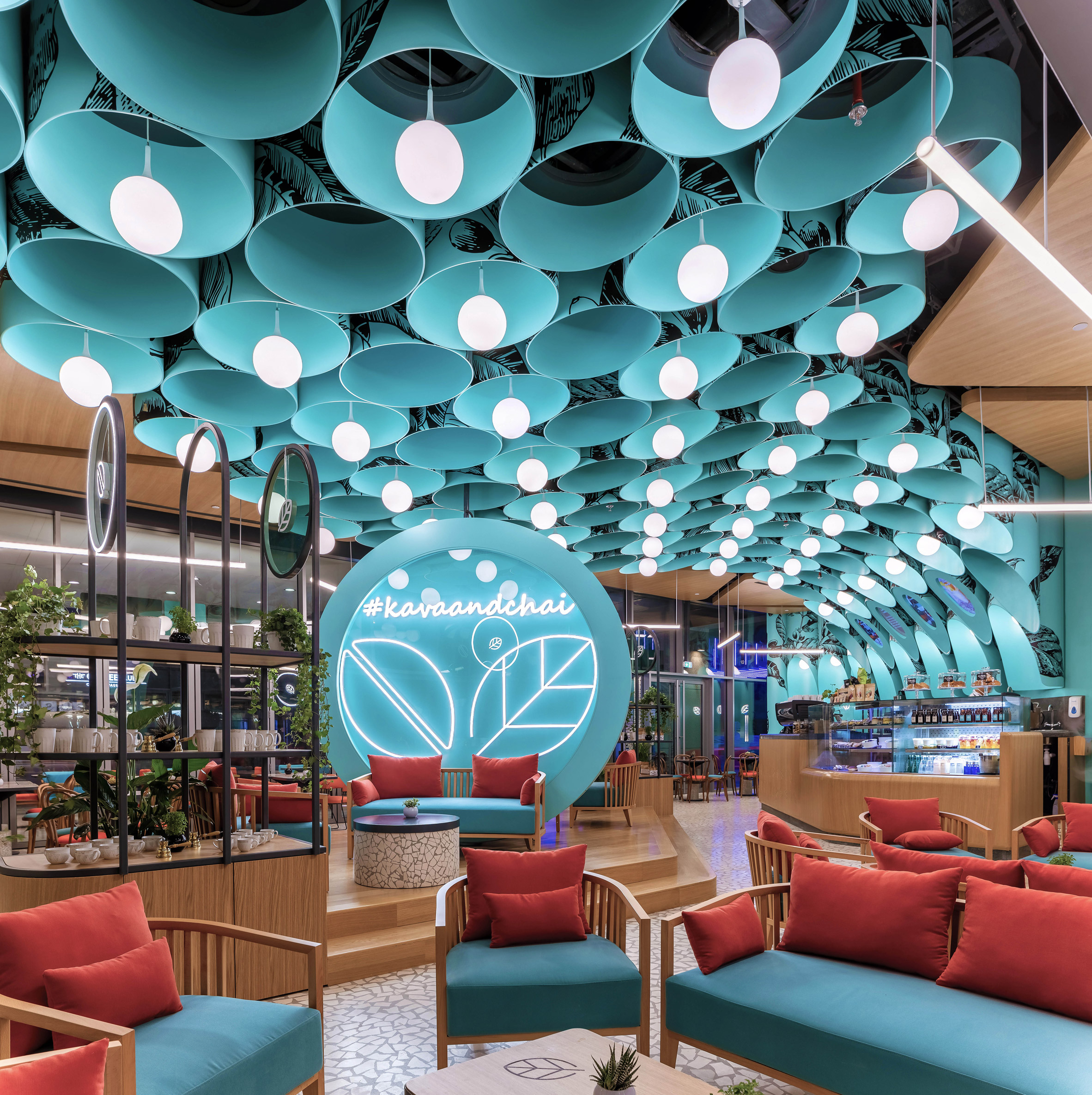
The Kava & Chai speciality cafe features an algorithmically designed ceiling light installation

Across all of its projects, the studio prides itself in "challenging the status quo" and pushing the boundaries of traditional interior design.

"Our design approach has always been bold and unique," said Hourieh, who is the company's managing director. "It always tells a story."

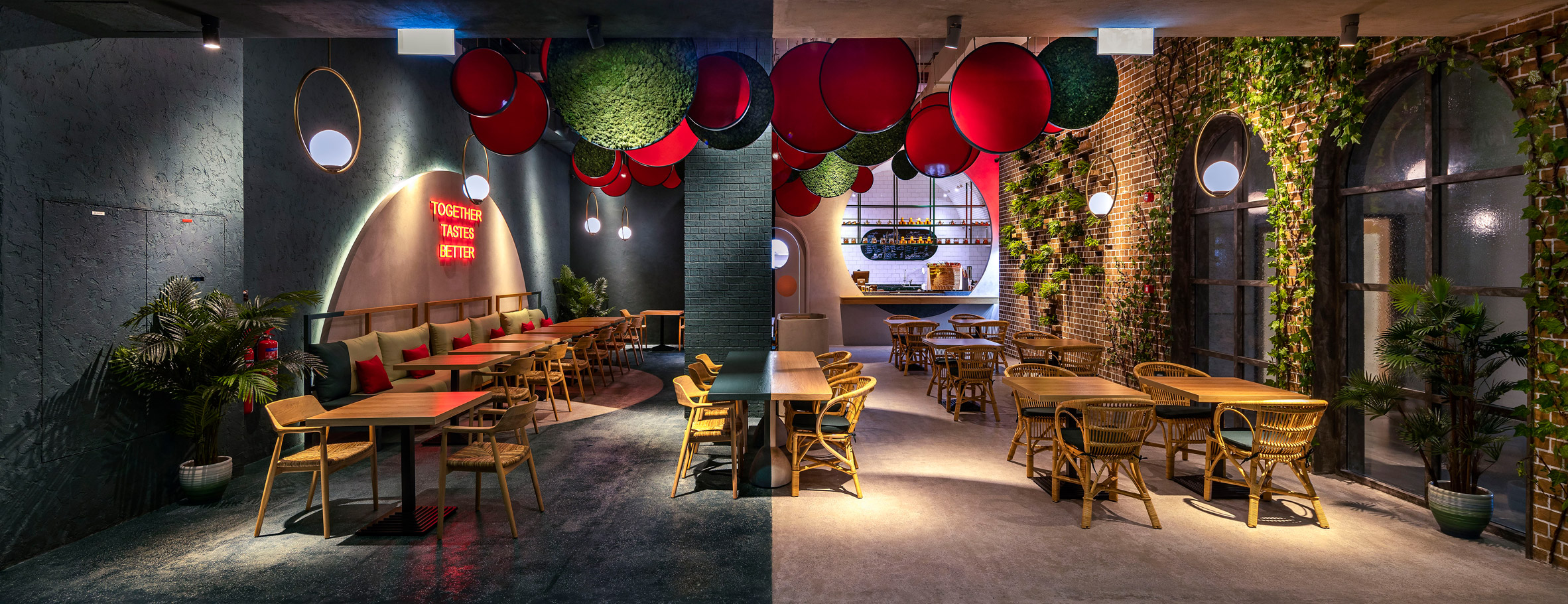
This can be seen for example in the Coffeetea cafe in Dubai, which features a split interior to suggest the impossible choice between the two titular beverages.

A two-sided interior distinguishes the Coffeetea cafe in Dubai

The coffee side of the room features a rich, brown palette with exposed bricks and recessed plants integrated into the wall in the shape of an Arabica tree.

Meanwhile, the other side is held in rich green shades and is accentuated by decorative, moss-covered pendants that are designed to resemble tea leaves in a strainer.

This speaks to the studio's biophilic approach, which is focused on bringing elements from nature into the indoors.

"Healthy and sustainable living is often lost amidst our fast-paced and convenience-focused lives," said Alsahin, the company's design director. "4Space wants to alter this mindset and reinstitute the benefits of nature."

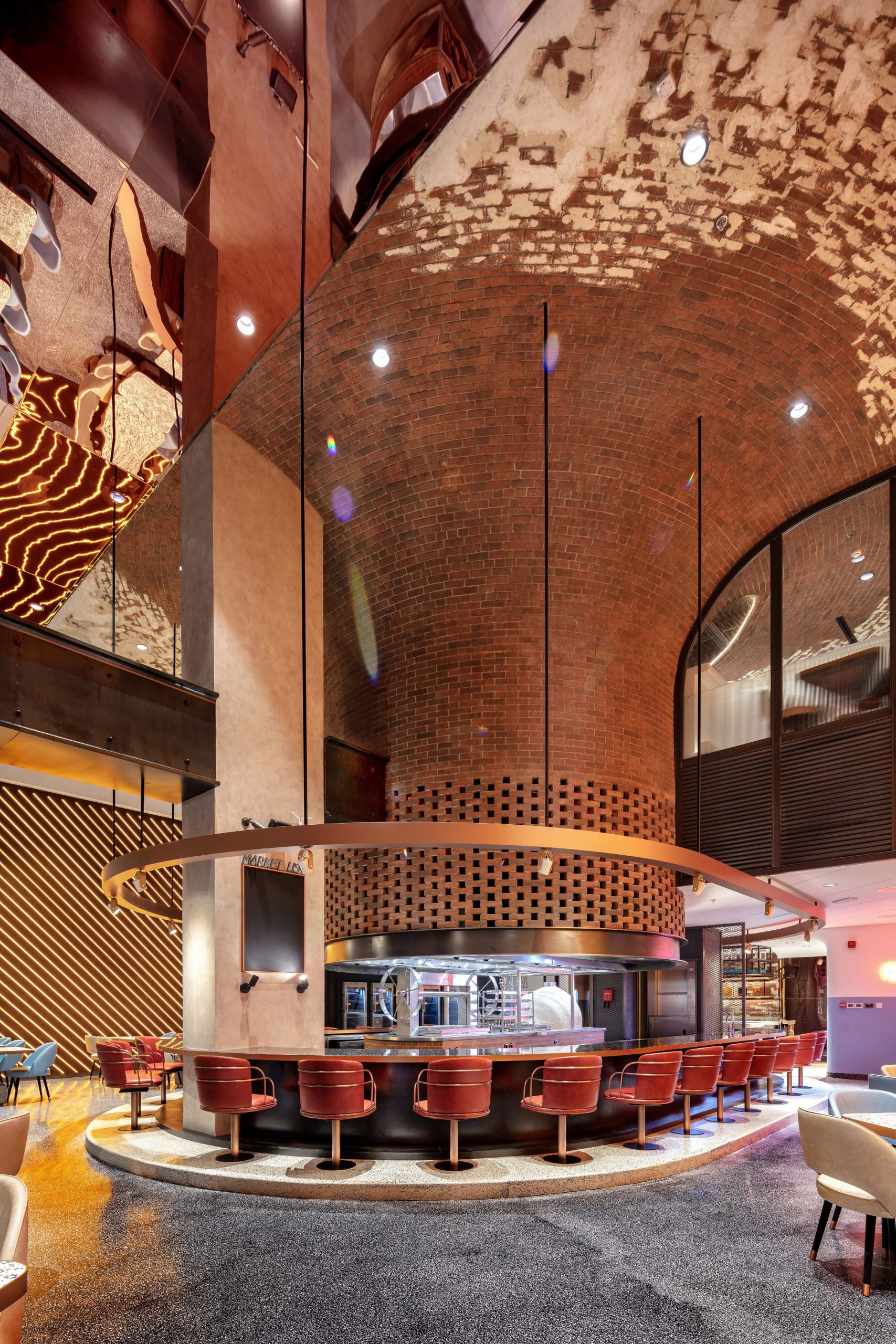
The focal point of the Atmosfire restaurant is a giant brick brazier

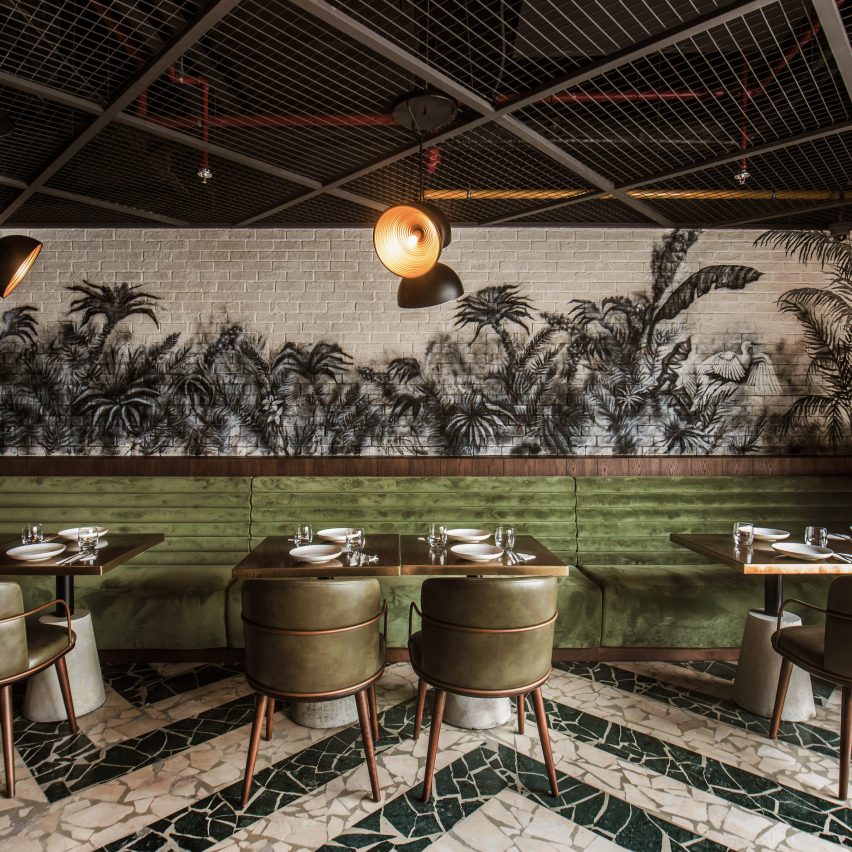
Another local 4Space-designed restaurant, called Charcoal Garden, features a reclaimed wooden counter and a vertical garden of vines stretching across columns and walls.

A rustic mesh sheet is spread across the ceiling to give the space an industrial feel and as a subtle nod to the menu's focus on grilled meats.

The interior of Dubai's Atmosfire restaurant is equally centred around its cuisine. In fact, the entire space is organised around an open barbecue fire pit, topped with a vast, brick brazier that extends into the ceiling to become an architectural element in its own right.

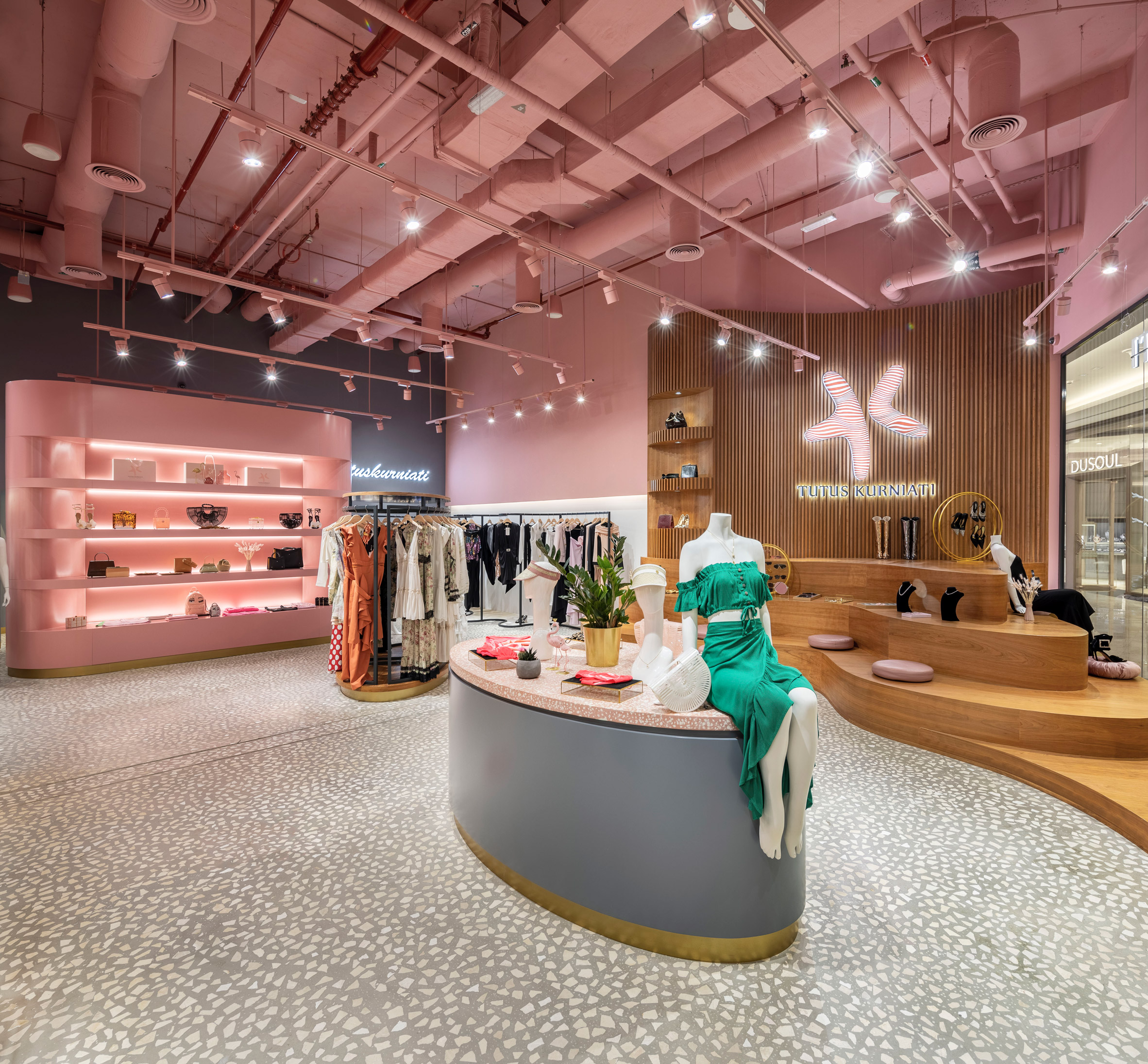
Customers at the Tutus Kurniati boutique in Nakheel Mall can pay on their phones rather than at a counter

In the retail arena, 4Space has recently completed the Tutus Kurniati womenswear boutique in Dubai's Nakheel Mall, which features an undulating wooden bench and sand-coloured terrazzo floor to suggest waves crashing into a beach.

The shop is designed without a till counter to promote cashless payments, which Hourieh thinks is going to become increasingly important in a post-pandemic world.

"The entire context in which we design has shifted and this changes what, how and why we design," he explained.

Studio: 4Space
Website: 4space.ae
Contact address: info@4space.ae

The post 4Space hopes to create "long-term relationships" between people and spaces appeared first on Dezeen.


from Dezeen https://ift.tt/3glJKF9

Swoon Editions apologies to freelance designer after producing her work without paying her

Swoon Editions apologises for using Simone Brewster's work without "a word or a penny"

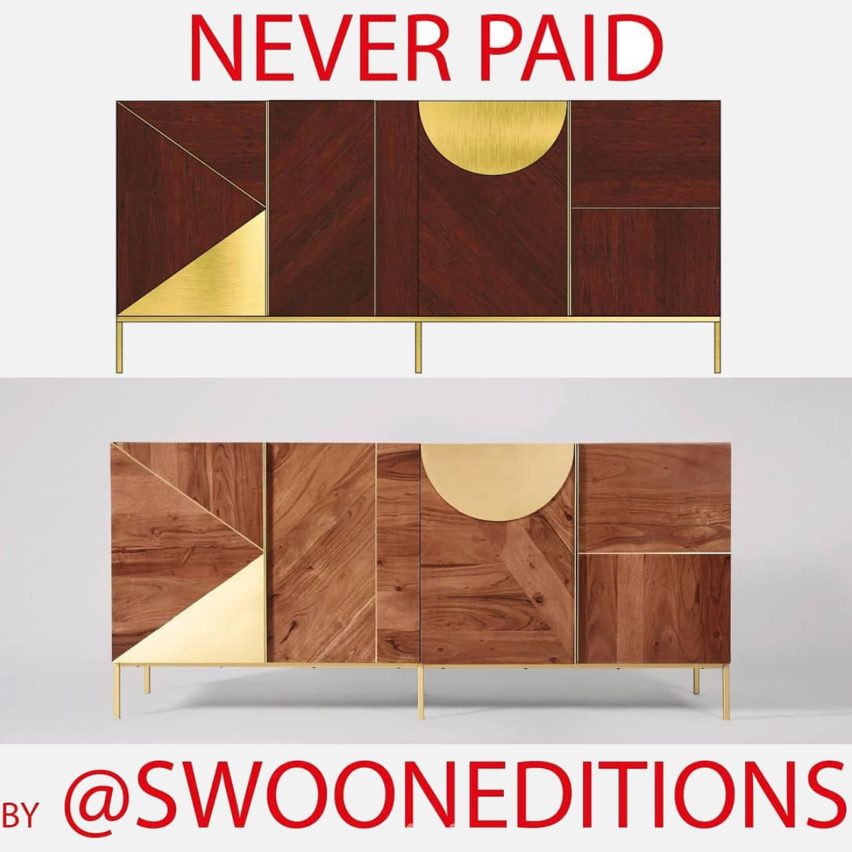
UK furniture brand Swoon Editions has apologised to London designer Simone Brewster after producing one of her designs without her knowledge and without paying her.

Swoon Editions co-founder Debbie Williamson apologised to Brewster after the designer noticed the brand was selling a cabinet she designed as part of a freelance assignment. Swoon Editions and Brewster are now negotiating payment and compensation.

"This morning I posted a public apology to Simone Brewster on the Swoon Editions social channels," said Williamson in a statement issued to Dezeen.

"Both professionally and personally, I wanted to ensure that Simone and the wider design industry know that we really value the designers who work with us and that when our processes fall down, we take responsibility and we put it right."

"I felt taken advantage of"

The apology comes after the London-bassed designer and artist took to social media to call the company out for exploiting her work. In a series of Instagram posts, Brewster explained how she had been invited to do freelance work for the brand in 2018. The designer agreed that she would only receive payment for designs that were put into production.

"I took on the work and after working with Swoon, handed over the designs, but never heard anything back, and assumed the pieces were not going into production, and so I would not be paid," she wrote.

"But this January I was shocked to see the pieces for sale on Swoon's website. I felt angry and taken advantage of. The designs had gone into production without me ever receiving a word or a penny."

Williamson attributes the misconduct to the company's processes having "fallen down", and states that its operations need to be improved.

"It was an issue with the payment process"

According to the furniture brand, which was established by Williamson and Brian Harrison in 2012 to sell design-led furniture online, the non-payment and lack of contact was due to an issue with how it pays its designers.

"In this instance, it was an issue with the payment process and we are working with Simone's lawyers to sort this out and ensure Simone is paid the fee we agreed with her and compensated," said Williamson.


View this post on Instagram


A post shared by Simone Brewster (@simonebrewster_london) on

According to Brewster, who specialises in furniture and jewellery design, Swoon Editions agreed to pay her a flat fee for each design it used.

"I was told that for each design that went into production I would receive a flat fee," she wrote on Instagram. "If the designs were unsuccessful I would unfortunately not be paid. I was never presented with a physical contract."

"I saw it as a great opportunity to expand my portfolio, and see how the big guys did things," she added. "Also, I was confident in my ability to design something worthwhile, so I said yes."

Brewster did not receive "any form of recognition"

According to Brewster, she submitted her final designs on 1 July 2018 and was told by Swoon Editions that she should hear back by 4 July 2018, which did not happen. After receiving no further contact from Swoon Editions, in January 2020 Brewster came across her designs for sale on its website.

"Before I knew it I was looking at a real-life manifestation of the designs I had handed over in 2018," she wrote.

"I felt angry and taken advantage of," she added. "The designs had gone into production without me ever receiving a word or a penny."


View this post on Instagram


A post shared by Swoon (@swooneditions) on

In response, the designer enlisted the help of a lawyer and was reportedly offered a settlement from Swoon Editions that was less than what she had paid in legal costs. Rather than take the offer, Brewster decided to post about the situation on her social media accounts.

"If the case went to trial, not only would I have to find further money for my own significant legal fees, but could also be liable for up to £50,000 for Swoon's legal fees if I lost," she said.

"I, therefore, agreed with my lawyer to take a different route. So I reached out to my network of friends and contacts within the design world to share my experience on social media."

The company has now removed her designs from its website until the issue is resolved.

This is not the first time a company has been called out for using a designer's work without permission. Earlier this year, Sulafest music festival in India apologised to British designer Morag Myerscough for copying her colourful pavilion design, while Nirvana sued Marc Jacobs for using its smiley face logo in a fashion collection.

In 2018, Swiss fair Art Basel filed a lawsuit against Adidas for using the event's name and branding without permission on a limited-edition pair of trainers.

The post Swoon Editions apologies to freelance designer after producing her work without paying her appeared first on Dezeen.


from Dezeen https://ift.tt/2YVMKlP