Monday, 6 July 2020

In Bright Paintings Full of Color, Artist Otis Kwame Kye Quaicoe Depicts Black Subjects in Gray

“Sitter” (2019), oil on canvas, 86 x 54.75 inches. Photo by Robert Wedemeyer. All images © Otis Kwame Kye Quaicoe and Roberts Projects, Los Angeles, shared with permission

For Otis Kwame Kye Quaicoe, pastel backdrops and numerous shades of orange, blue, and pink directly connect to the Black subjects depicted in his oil paintings. The artist, who was born in Ghana and now resides in Portland, uses a range of bold hues to engage with emotions. “Through time, I have formed a unique language through color, one that serves to communicate directly to my audience,” he tells Colossal.

With skin rendered in shades of gray, each subject helps to establish the contours of the textured piece. Through the style and color of their clothing, distinct poses, and facial expressions, Quaicoe reveals their personalities, of which he writes:

When I first see my subjects, whether in real life or in photos, I see in them their resilience, their power, their inner strength. These are the character traits that arrest me, that jump out at me and grab my attention… My subject’s attitude is very important to me. I try to put myself in their place. See what they see, experience what they experience, be who they are.

When painting men, Quaicoe inserts softer elements, like in his recent works “Fur in Black” and “Kwame Asare in Stripes.” “When I paint male figures, I typically incorporate floral elements into the painting as a means to subvert the overall masculine energy of the work,” he says. “These questions—what’s makes someone read as a man, or manly—and how this comes down to societal expectations is something I try to engage within my work.”

Follow the artist’s vivid, subversive work on Instagram and see his available pieces on Artsy. (via Juxtapoz)


“Alimatu Yussif” (2019), oil on canvas, 85 x 54 inches. Photo by Alan Shaffer

“Fur on Black” (2020), oil on canvas, 40.25 x 30 inches. Photo by Alan Shaffer

“Kwame Asare in Stripes” (2020), oil on canvas, 84 x 52 inches. Photo by Alan Shaffer

“Lady on Blue Couch” (2019), oil on canvas, 48 x 36 inches. Photo by Robert Wedemeyer

“Radiant” (2019), oil on canvas, 40.75 x 30.5 inches. Photo by Robert Wedemeyer

“The Artist II Kwesi Botchway” (2019), oil on canvas, 85 x 55 inches. Photo by Robert Wedemeyer

“Man and his Black Cat” (2019), oil on canvas, 86 x 54.75 inches. Photo by Robert Wedemeyer


from Colossal https://ift.tt/3gvuAgx

From child actor to painter, Adebayo Bolaji discusses his instinctive and expressive practice

The London-based painter expounds on how his eclectic background in the arts has informed his striking painting practice today.


from It's Nice That https://ift.tt/2C9AN2S

Hospitality brand TGIF – now named Fridays – launches a fun and colourful redesign

Working alongside branding agency SomeOne, the Fridays team have welcomed a modern update to the recognisable brand.


from It's Nice That https://ift.tt/2Z0WGu8

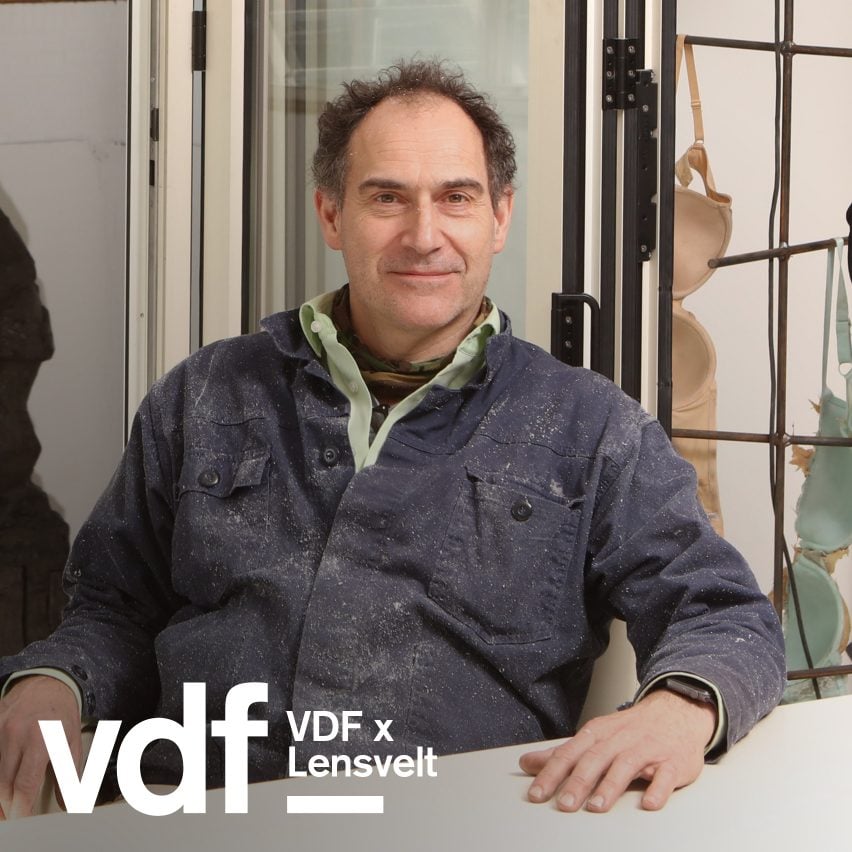
Live conversation with designer Joep van Lieshout and Hans Lensvelt for Virtual Design Festival

The third part of today's VDF collaboration with Dutch furniture company Lensvelt sees designer Joep van Lieshout discuss his work for the brand in conversation with Hans Lensvelt and Marcus Fairs. Tune in from 1:00pm UK time.

Van Lieshout, who founded his studio Atelier van Lieshout in 1995, is one of this year's Dezeen Awards judges. His work spans art, design and architecture.

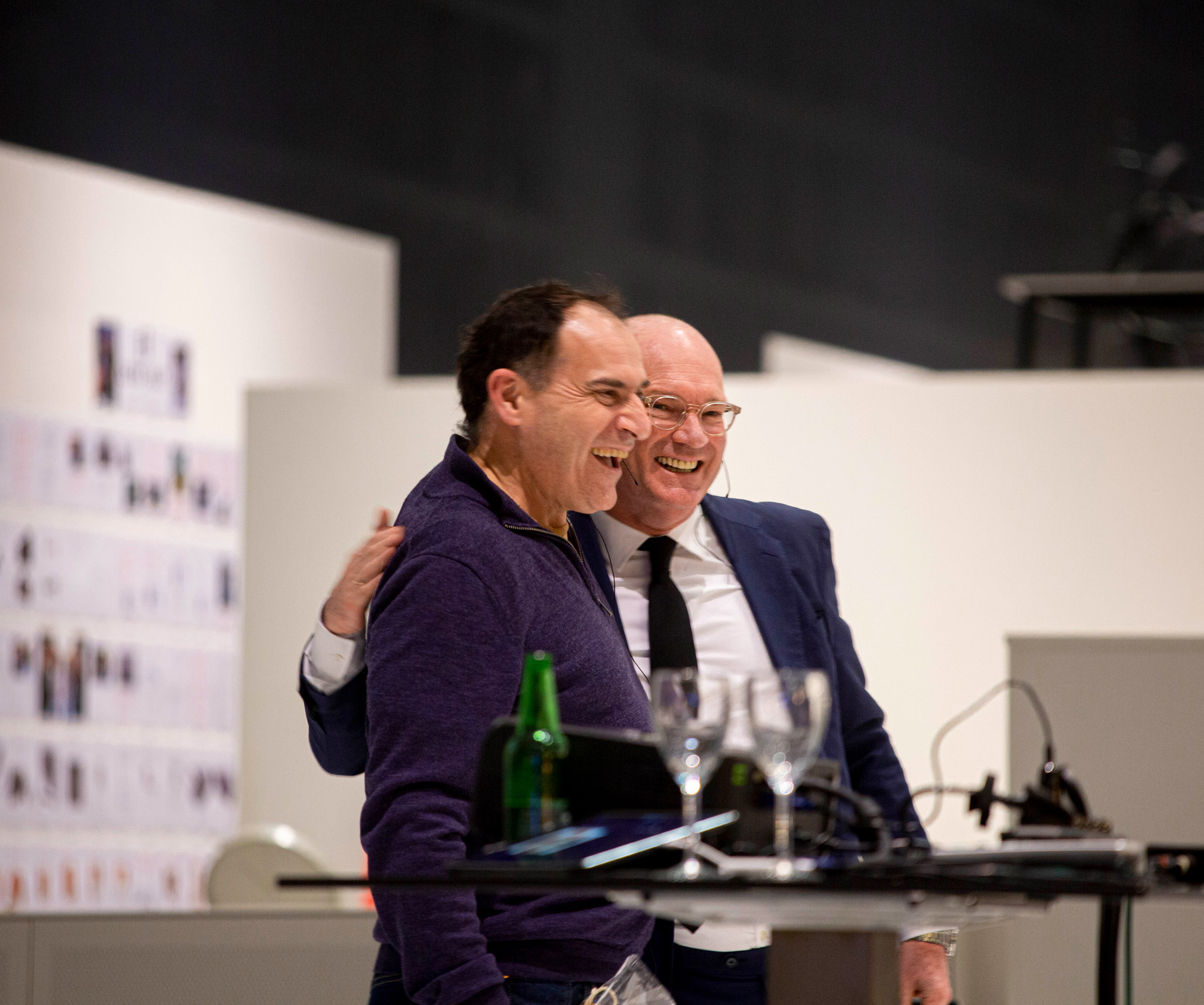
Joep van Lieshout and Hans Lensvelt
Designer Joep van Lieshout (left) and director of Dutch furniture brand Lensvelt Hans Lensvelt will speak as part of VDF

For this VDF collaboration, Van Lieshout will speak to Lensvelt's director Hans Lensvelt, a big fan of van Lieshout's work who has collected many of his pieces.

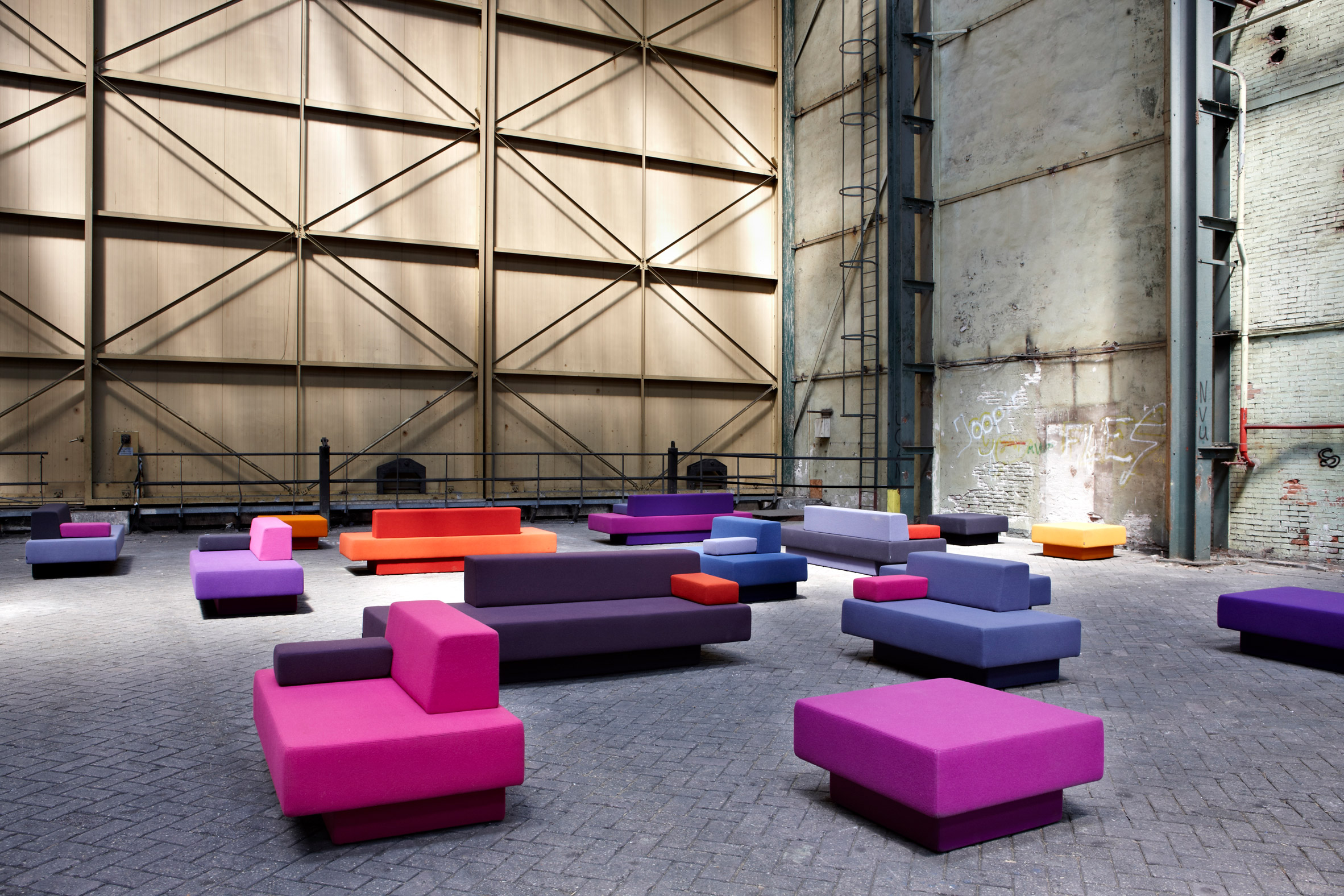
The Dutch designer has created a number of products for Lensvelt, many of which have become "modern classics in the interior design industry," the brand said. These include the AVL Shaker and AVL Office Chair.

The AVL Glyder chair by designer Joep van Lieshout
Atelier van Lieshout's AVL Glyder chair is one of the products he designed for Lensvelt

"The collaboration between Joep and Lensvelt has a lot of history and fun, resulting in the most beautiful, original and best-selling products of Lensvelt," the brand said.

As well as furniture, Atelier van Lieshout designs more abstract pieces. For Design Miami 2015, the studio created an inhabitable sculpture that is a cross between a luxury lounge and a primitive dwelling.

In 2017, Van Lieshout's controversial sculpture Domestikator was shown at the Centre Pompidou after being pulled by the Louvre.

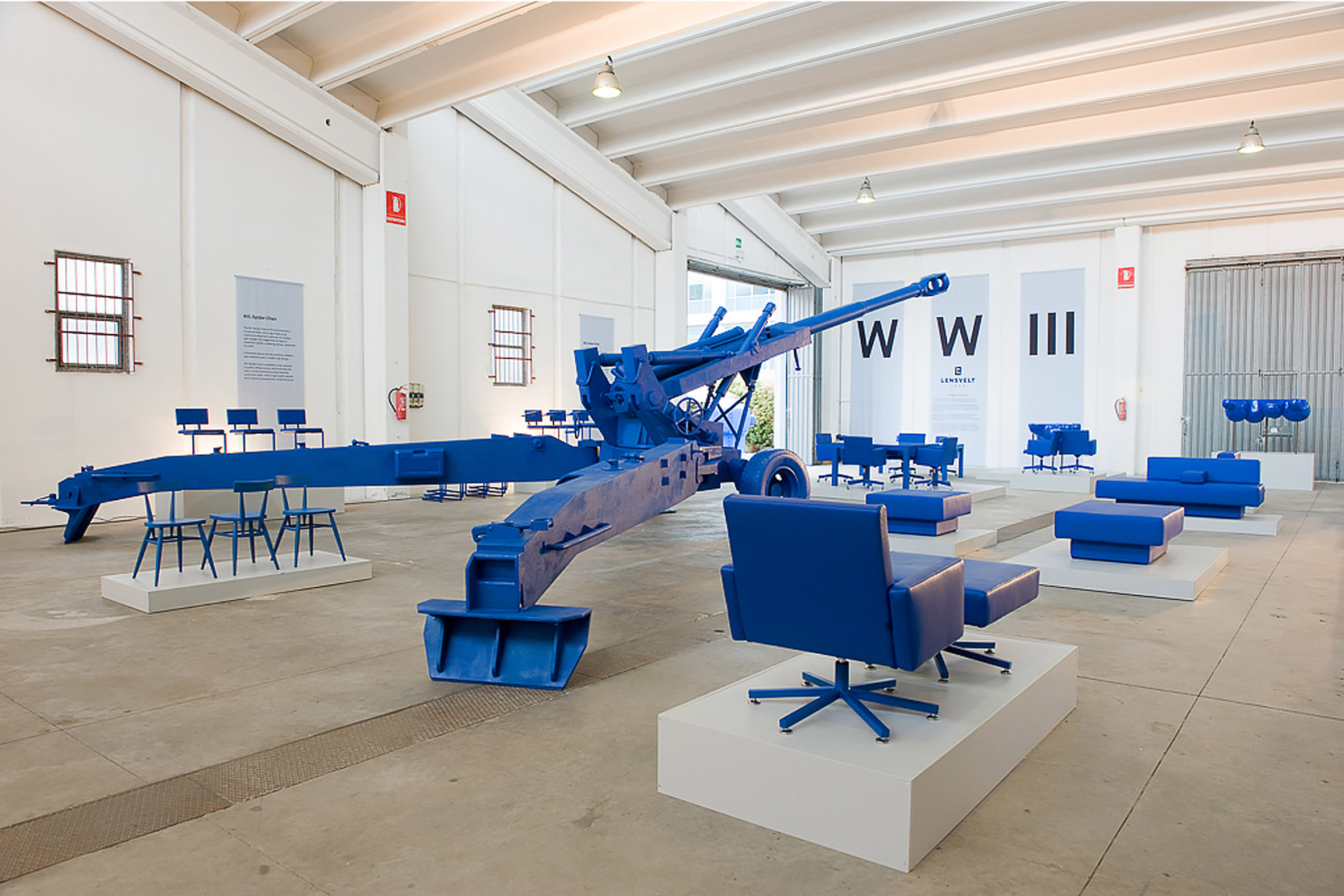
AVL SPR, shown at the Furnication WW-III exhibition in Milan
AVL's SPR Cathedra lounger for Lensvelt was shown at the Furnication-WWIII exhibition in Milan

Van Lieshout was born in Brabant but runs Atelier van Lieshout from a warehouse in Rotterdam, where he declared an independent state, AVL-Ville, for a 2001 project. AVL-Ville was "a free state in the Rotterdam harbour, with a minimum of rules, a maximum of liberties, and the highest degree of autarky," the studio said.

Among Atelier van Lieshout's designs for Lensvelt are the AVL Office Chair, AVL Lazy Modernist, AVL Spider chair and AVL workbench, shown as part of the Virtual Design Festival products fair.

Dezeen founder and editor-in-chief Fairs will also take part in the discussion, which is part of our wider collaboration with Lensvelt for Virtual Design Festival. This will include three Screentime interviews with designers Maarten BaasVan Lieshout and Fabio Novembre, all of which have designed products for the brand.

About Virtual Design Festival

Virtual Design Festival runs from 15 April to 10 July 2020. It brings the architecture and design world together to celebrate the culture and commerce of our industry, and explore how it can adapt and respond to extraordinary circumstances.

To find out what's coming up at VDF, check out the schedule. For more information or to join the mailing list, email vdf@dezeen.com

The post Live conversation with designer Joep van Lieshout and Hans Lensvelt for Virtual Design Festival appeared first on Dezeen.


from Dezeen https://ift.tt/3e51F18

Blueprint magazine ends print edition after 37 years and 369 issues

Blueprint magazine ends print edition after 37 years and 369 issues

Influential architecture and design magazine Blueprint has published its last print edition in its current bi-monthly format and is set to launch a "reimagined version" later this year.

Blueprint magazine, which was launched in 1983 by Peter Murray and Deyan Sudjic, will not continue in its current printed format as the brand focuses on investing in its digital offering.

"Issue 369 will be the final print version of Blueprint in its current format," said a statement from its publisher. "Fear not, a reimagined version will return later in the year."

Blueprint to become "content hub for architects and designers"

The highly influential publication, which has been a mainstay in the design and architecture world for almost 40 years, was initially launched with the backing of leading architects and designers including Richard Rogers and Terence Conran.

Blueprint was originally published monthly, before moving to a bi-monthly format in 2013. The publication, which is owned by NS Media Group, will now focus on becoming a "content hub for architects and designers".

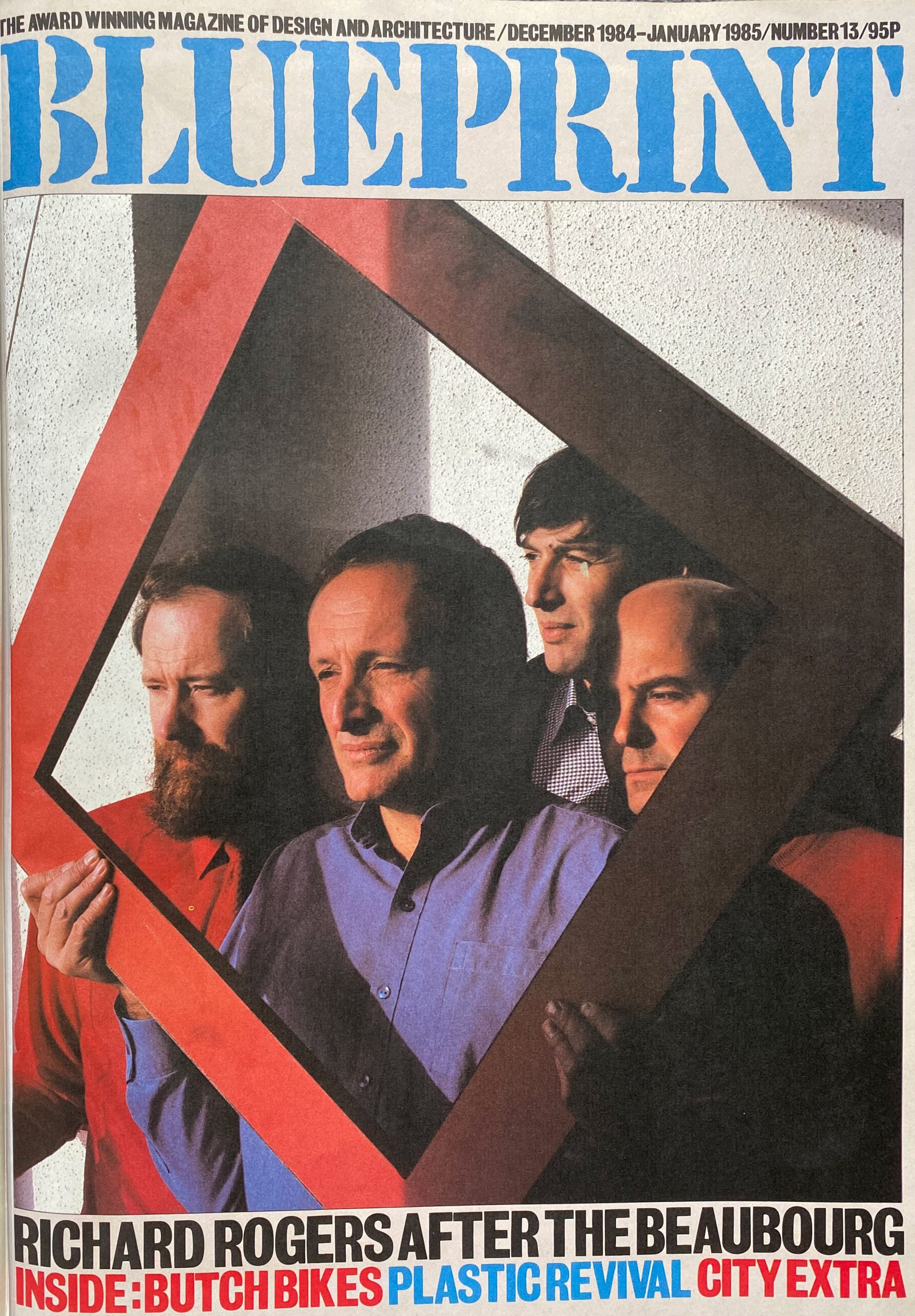
Blueprint magazine ends print edition after 37 years and 369 issues
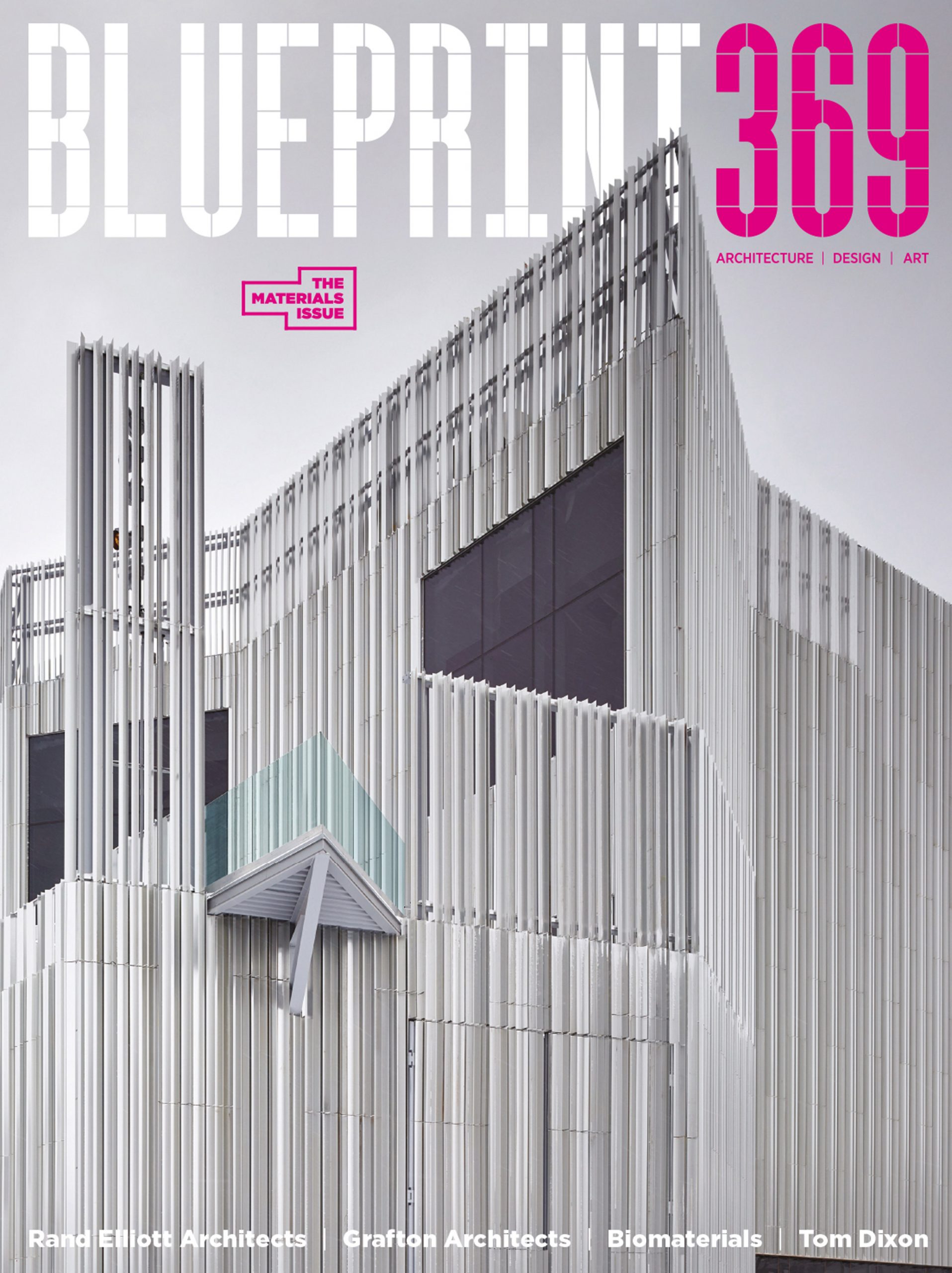
Blueprint magazine is ending is current print run, with number 369 being the final issue

"Since its launch in 1983, Blueprint's sole aim is to provide unrivalled coverage of the architecture, design and art worlds for professionals and enthusiasts alike," said the statement.

"We are excited to announce a new direction for Blueprint, as we invest in digital and aim to make it a central content hub for architects and designers around the world."

"I like to think we would have moved to a digital version ages ago"

Co-founder Murray described the move towards digital as "positive change", and said that he would have made the move to digital "ages ago" if he was still running the publication.

"We would only have been able to publish Blueprint in the 80s because the relatively new offset litho printing technology, and the demise of union control, widened access to the means of production," he told Dezeen.

Blueprint magazine ends print edition after 37 years and 369 issues
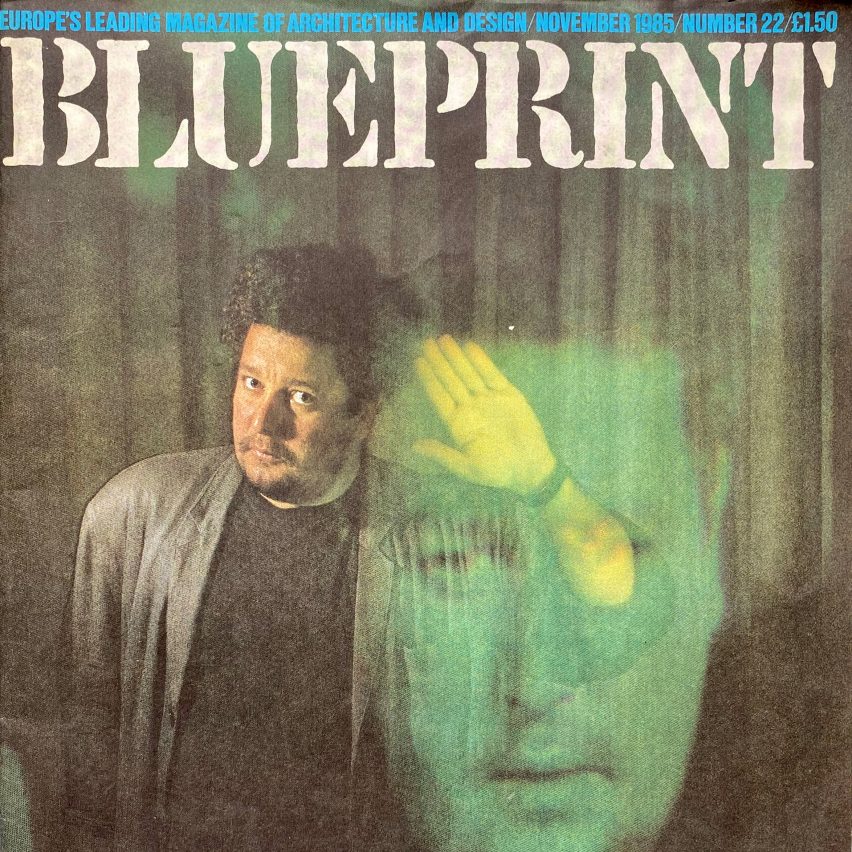
Blueprint was highly influential during the 1980s and 1990s

"The new technology was the key: the medium was the message as Marshall McLuhan would say," continued Murray.

"In those early days, we were excited by change and I like to think we would have moved to a digital version ages ago if we'd still been running it," Murray added. "As Dezeen has proved so eloquently, design content and digital communications work brilliantly together."

However, Murray was concerned that the move towards digital may impact the quality of the publication.

"My key concern would be that too often publishers reduce editorial resources to such an extent when they go digital that the quality of the output suffers," he said.

"I do feel rather proud of the influence the magazine"

Following its launch in 1983, the publication was edited by Sudjic, who recently left his post as director of the Design Museum in London, until 1994. Former editors include Rowan Moore, who is now architecture critic at The Observer newspaper, plus Marcus Field and Vicky Richardson. The most recent editor was Johnny Tucker.

Murray said he was "rather proud of" the influence the magazine had on architecture and design discourse and on the careers of its contributors and editors.

Blueprint magazine ends print edition after 37 years and 369 issues
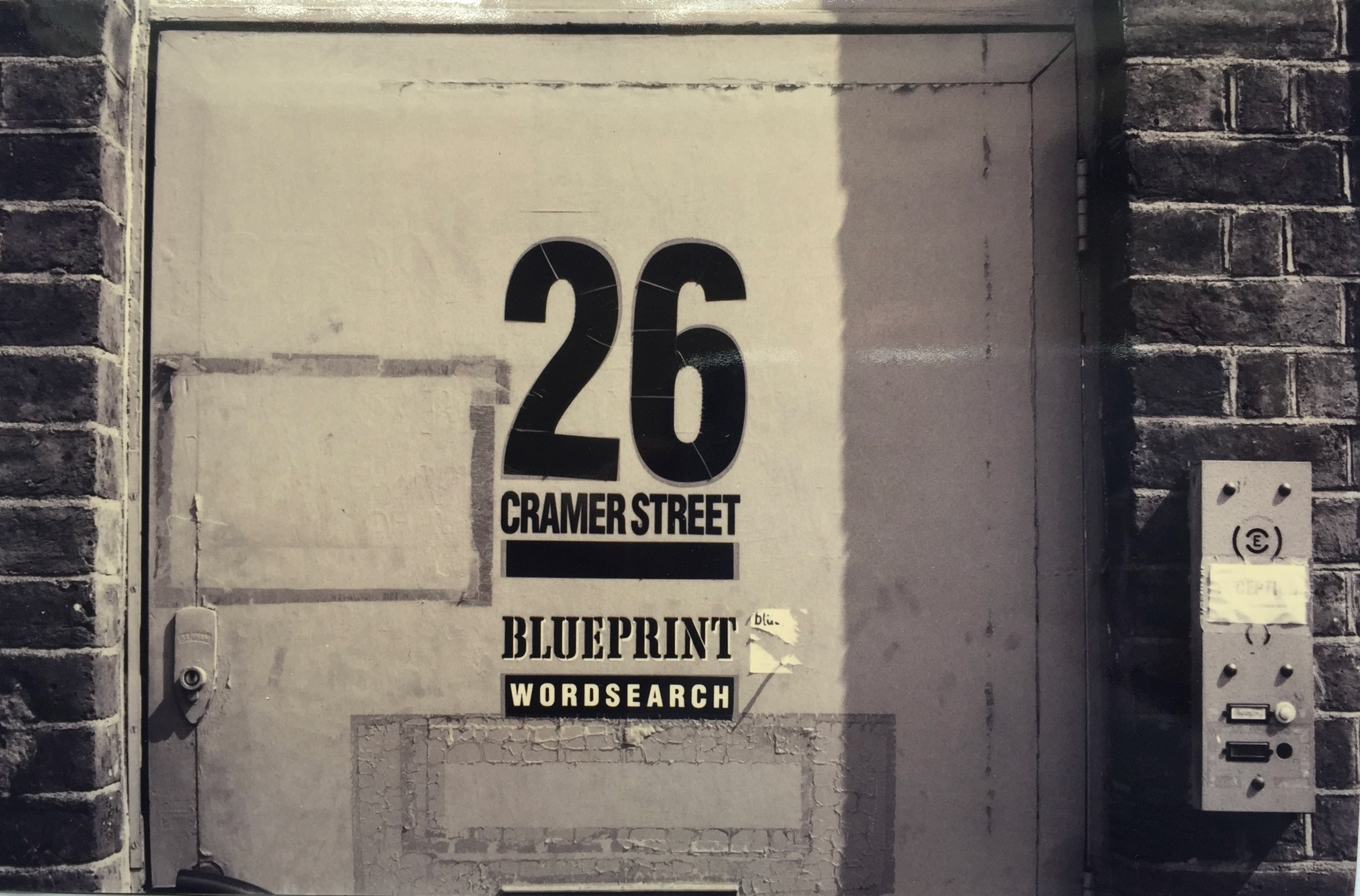
Blueprint's first office was at 26 Cramer Street

"Looking back I do feel rather proud of the influence the magazine had, under the editorship of Deyan Sudjic and then Rowan Moore, on the discussion of architecture and design as well as of the number of magazines, writers, sites and programmes it spawned," he said.

"In the first Blueprint office at 26 Cramer Street in Marylebone we gathered around us a stellar group of creatives who went on to play even bigger roles in design and architecture," said Murray, listing David Chipperfield, Ken Armstrong, Sebastian Conran, Ricky Burdett and Tim Marlowe as well as Sudjic and Moore.

Burdett went on to set up the Architecture Foundation run the LSE Cities programme and direct the Venice Architecture Biennale in 2006. Sudjic later edited Domus, directed the Venice Architecture Biennale in 2002 and was director of the Design Museum from 2006 until early 2020.

Marlowe was director of exhibitions at the White Cube and then artistic director of the Royal Academy of Arts from 2014 until he took over from Sudjic as director of Design Museum earlier this year.

The post Blueprint magazine ends print edition after 37 years and 369 issues appeared first on Dezeen.


from Dezeen https://ift.tt/2VPSFa5