Tuesday, 7 July 2020

Five houses where the courtyard is the heart of the home

Courtyard living: Contemporary houses of the Asia-Pacific by Charmaine Chan

Charmaine Chan has highlighted 25 recently completed courtyard houses for her book Courtyard living: Contemporary houses of the Asia-Pacific. Here she picks five of the most interesting.

As the book's title suggests, Courtyard living: Contemporary houses of the Asia-Pacific is a compilation of houses completed in the past 10 years across Asia and Oceania that are focused around an internal courtyard.

"What fascinates me is that courtyard houses can be found throughout the world – in the Middle East, China, north Africa and elsewhere – and that the typology has survived since antiquity," Chan told Dezeen.

"One hypothesis is that it developed from the need to let smoke escape through a hole in the roof of a house with a central fireplace. Over time the roof opening became larger and courtyards were born."

Chan, who is design editor of Hong Kong-based newspaper South China Morning Post, has been intrigued by the typology since visiting a mansion in Malaysia that was built around five courtyards.

"Twenty years ago, the Cheong Fatt Tze Mansion in Penang had a significant impact on me," she explained. "A Chinese courtyard house built in the late 19th century to accommodate nine generations of Cheongs, the house was opened to visitors after its restoration in the mid-1990s."

"For the only time in my life, I felt the energy of a building coursing through my body," she continued. "The feng shui heart of the mansion is said to lie in the middle of its central courtyard and it is apparently from there that the greatest 'chi' radiates."

Chan wrote the book while renovating her own courtyard home in Australia, which has been designed so that she can live with her parents – and both generations could still have their private space.

"More recently, I was drawn back to the typology because of the possibility of having to provide 24/7 care for my elderly parents, who live in Sydney, Australia, where I grew up," she said.

"Living together but separately seemed like a good idea, and with courtyard houses making harmonious multigenerational living possible, I embarked on an architectural project of my own: 2 + 2 House, which is in my book, is the result," she continued.

"Also, I craved the freedom that comes with privacy. Living cheek by jowl for years in Hong Kong made the idea of refuge desirable. But prospect, too, was important, especially in a seaside location: turning inwards while being able to observe the world are reasons I love my courtyards."

The book is split into five chapters, which each focus on a different type of courtyard home. The "Private little worlds" chapter focuses on houses that have courtyards for privacy and security, while "The young, the old and the in-between" looks at properties where courtyards allow multigenerational families to live together.

In "Essential sightlines", Chan focuses on houses that have been opened up to provide views, while in the "Air, light, shade" chapter the courtyards have been created to improve the internal climate of the home. Finally, "Blurring the boundaries" looks at courtyards that have been fully integrated with the home.

Read on for Chan opinions on five of the book's most interesting houses, one taken from each chapter:

Courtyard living: Contemporary houses of the Asia-Pacific by Charmaine Chan
Photo is by Albert Lim

The young, the old and the in-between: Cornwall Gardens by Chang Architects, Singapore 

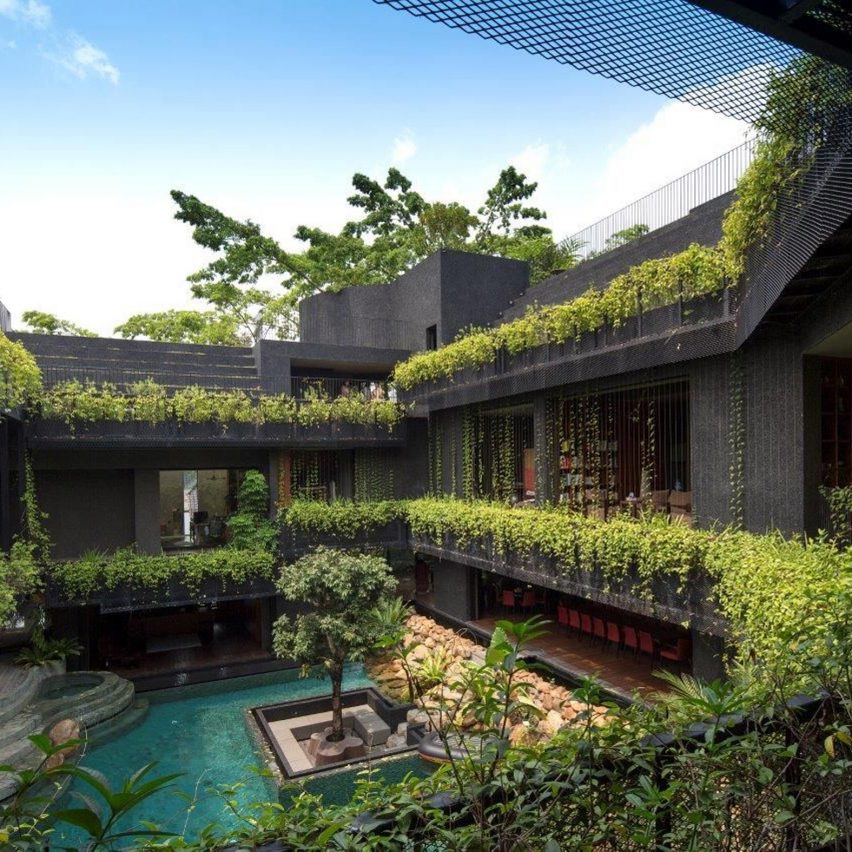
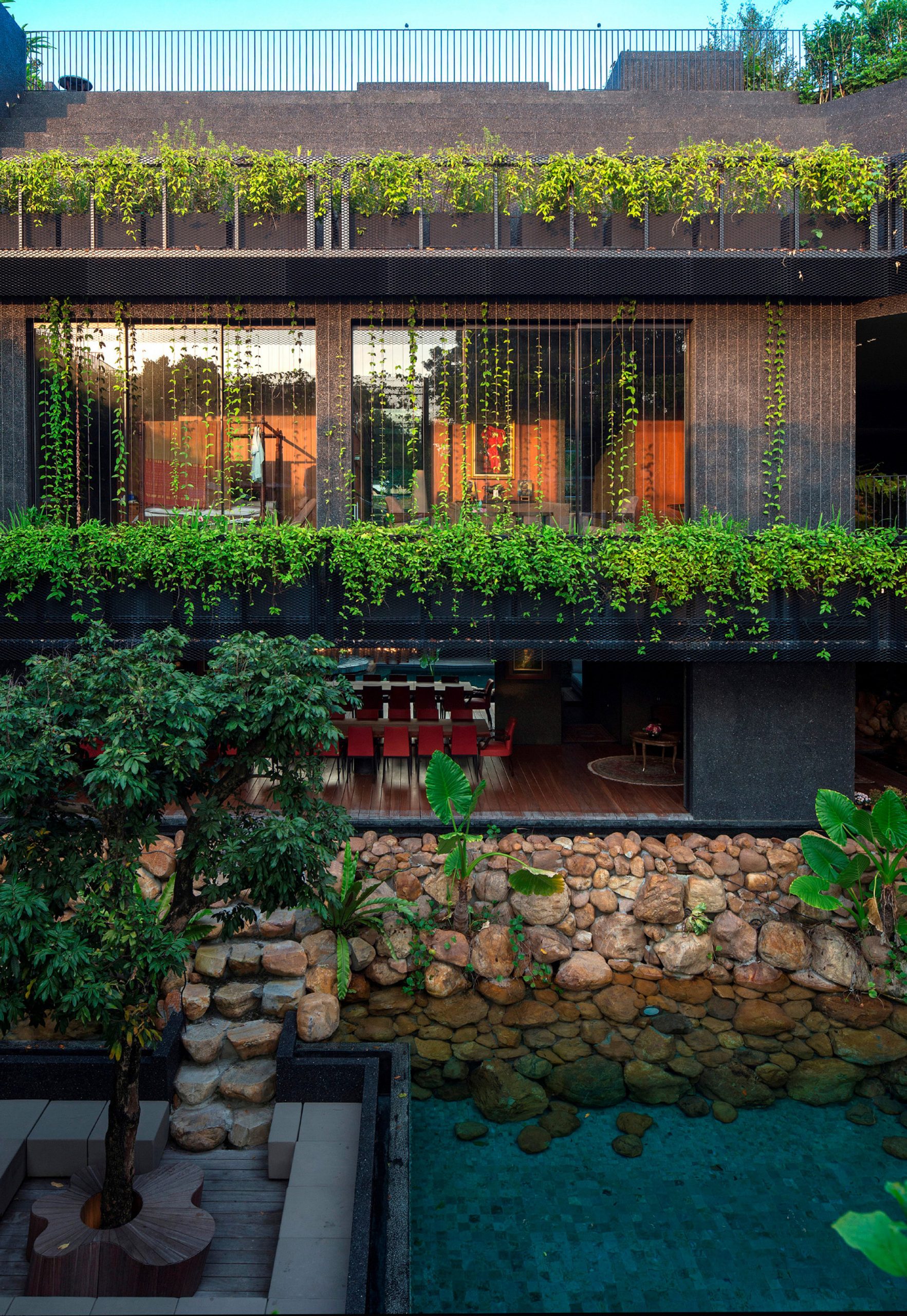
Cornwall Gardens, in Singapore, allows four generations of a family to live with abundant flora around a large pool. Designed by Chang Yong Ter, the redeveloped home is a response to the owner's desire to use greenery and water to create a cool, tropical paradise.

Positioning the rock- and palm-fringed pool in the middle allows interconnection among the rooms and full appreciation of its beauty: all six bedrooms and communal areas feel like box seats on Centre Court.

From its original L-shape, the house expanded into a U configuration, with a double-storey planter bridge linking the ends. The bridge connects young and old symbolically and physically.

Courtyard living: Contemporary houses of the Asia-Pacific by Charmaine Chan
Photo is by Mario Wibowo

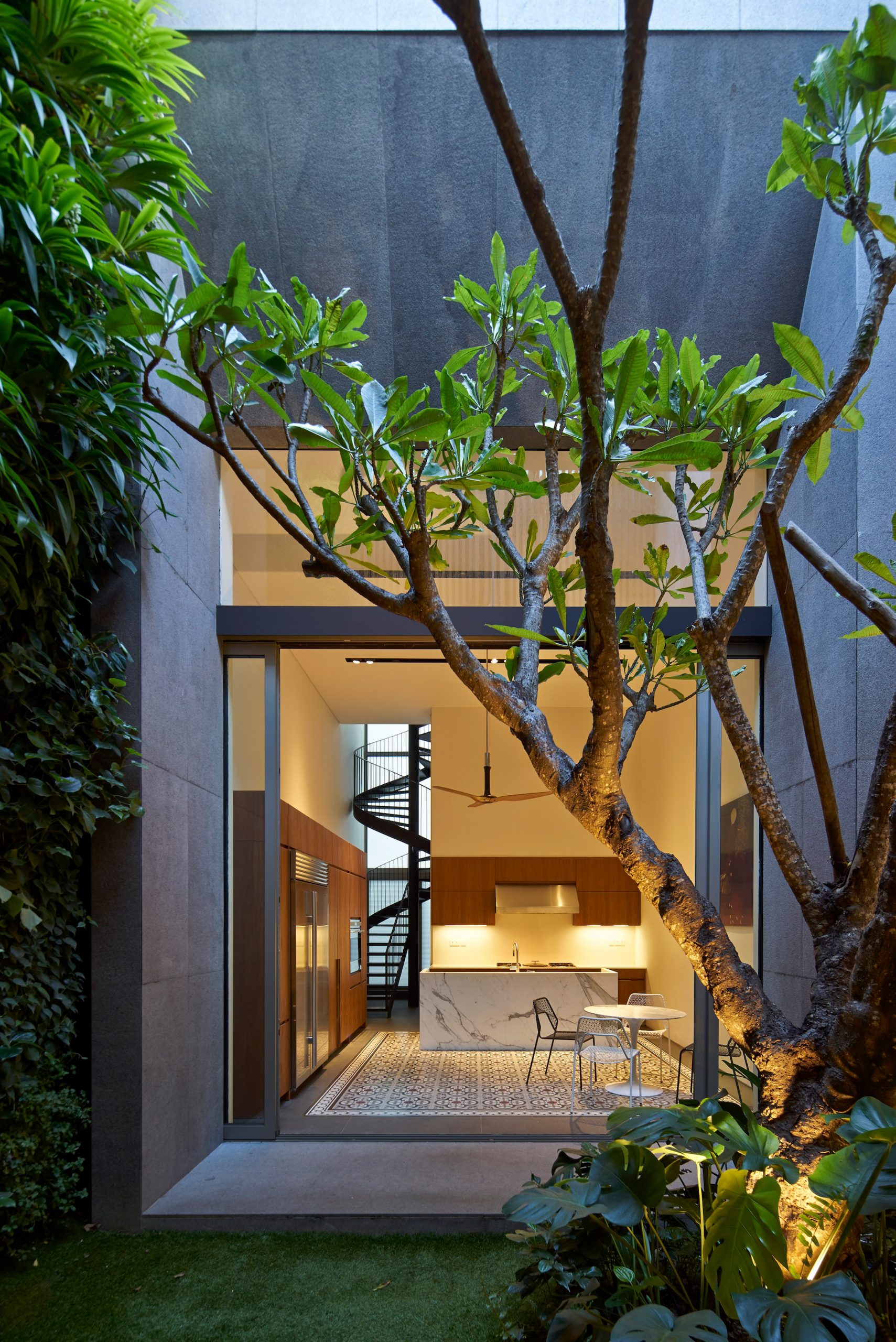
Private little worlds: AW House by Andra Matin in Jakarta, Indonesia

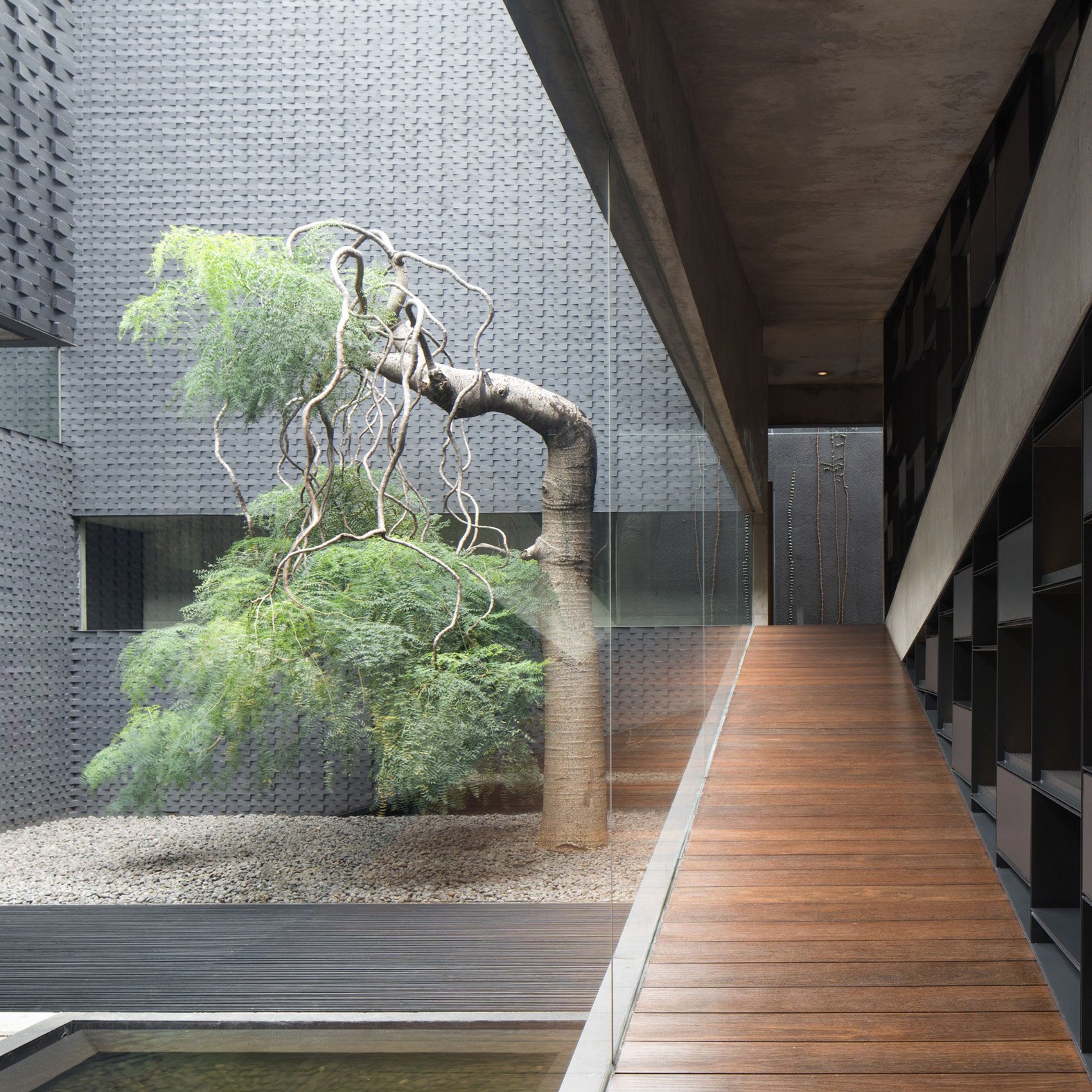
At AW House, Andra Matin used ramps to choreograph a route around the central courtyard.

He tried to make each floor feel like the ground floor. On exiting the children's bedrooms on the first level, you come across a paddy field – it's actually lemongrass in big planters. And on the roof, you see trees and an infinity pond on the border, which makes you feel grounded.

In this house, the doors can all be left open without compromising privacy. The moringa tree in the courtyard is the most memorable piece of art in a house full of artworks.

Courtyard living: Contemporary houses of the Asia-Pacific by Charmaine Chan
Photo is by Aaron Pocock

Air, light, shade: 17 Blair Road by Ong & Ong

In its former life as a converted warehouse, all the courtyard elements had been removed from this early-20th-century Singaporean shophouse, such that the ground floor was a single, continuous space stretching the entire length of the property, from street to alleyway.

Little wonder the new owners chose to puncture the dark cocoon. Making the most of their unusually long plot, they opted for a generous patch of green between their front and rear blocks, providing a safe playground for their children.

The courtyard, a source of air and natural light, is the focal point of almost every room. "Architectural archaeology" enabled the architects to restore the courtyard faithfully.

Courtyard living: Contemporary houses of the Asia-Pacific by Charmaine Chan
Photo is by Ira Gosalia and Sebastian Zachariah

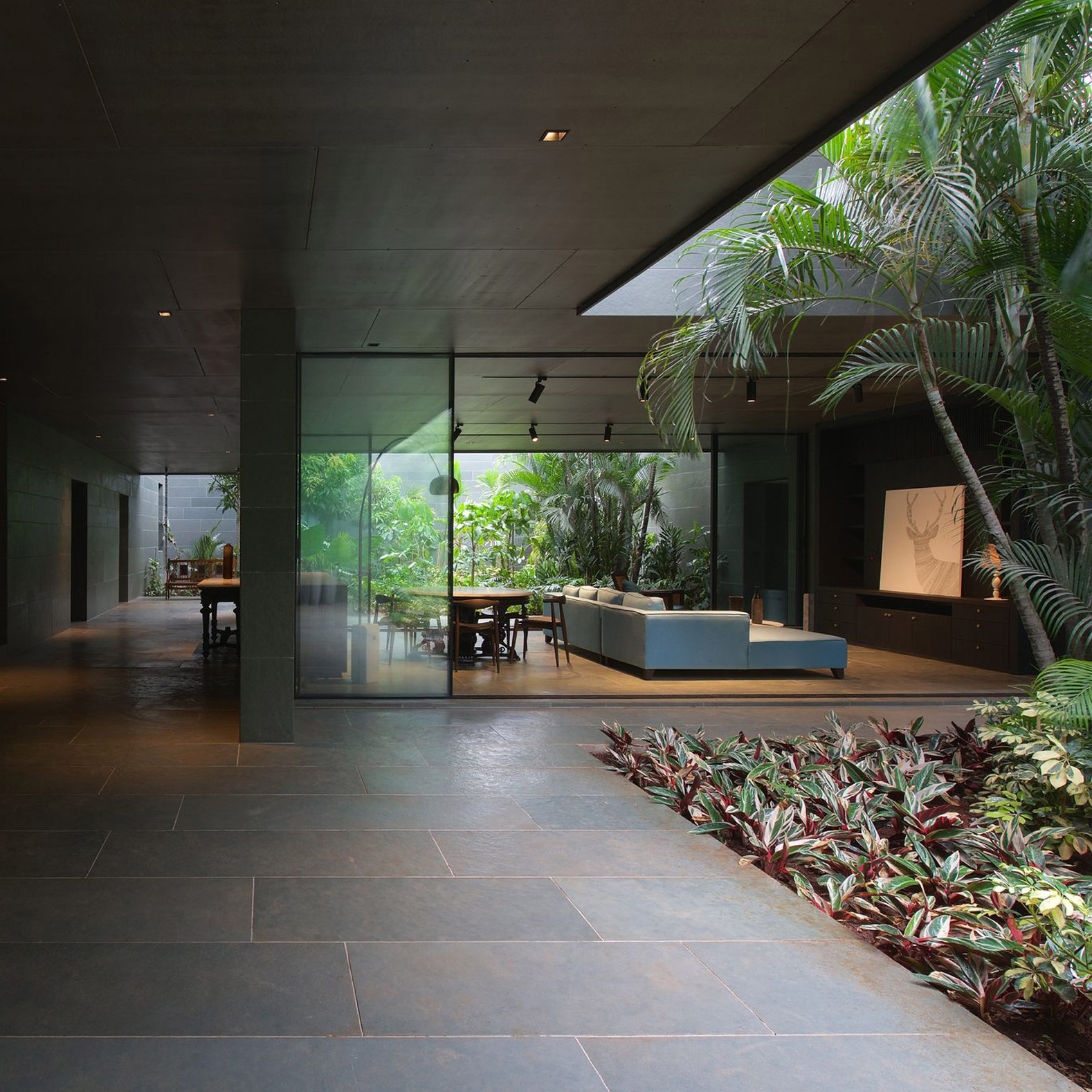
Blurring the boundaries: Gomati House by SPASM Design Architects, India

On listening to the recording of my interview with architect Sanjeev Panjabi at Gomati House – in Malavli, India – I realised the stereophonic bird sounds were almost deafening. Our conversation had taken place in a family room downstairs flanked by lively courtyards. Inside and outside felt like one and the same.

When Panjabi visited the old house for the first time he immediately realised that it faced the wrong direction, neglecting about 50 mature trees in the grounds. He turned the new house the other way and wove it around the trees, using greenery in two courtyards to connect the two levels.

I loved that the rubble from the old house was retained to create a mound on the plot of land. The bottom floor, partially sunken into this mound, offers cool respite through its lushly planted courtyards.

Courtyard living: Contemporary houses of the Asia-Pacific by Charmaine Chan
Photo is by Simon Whitbread

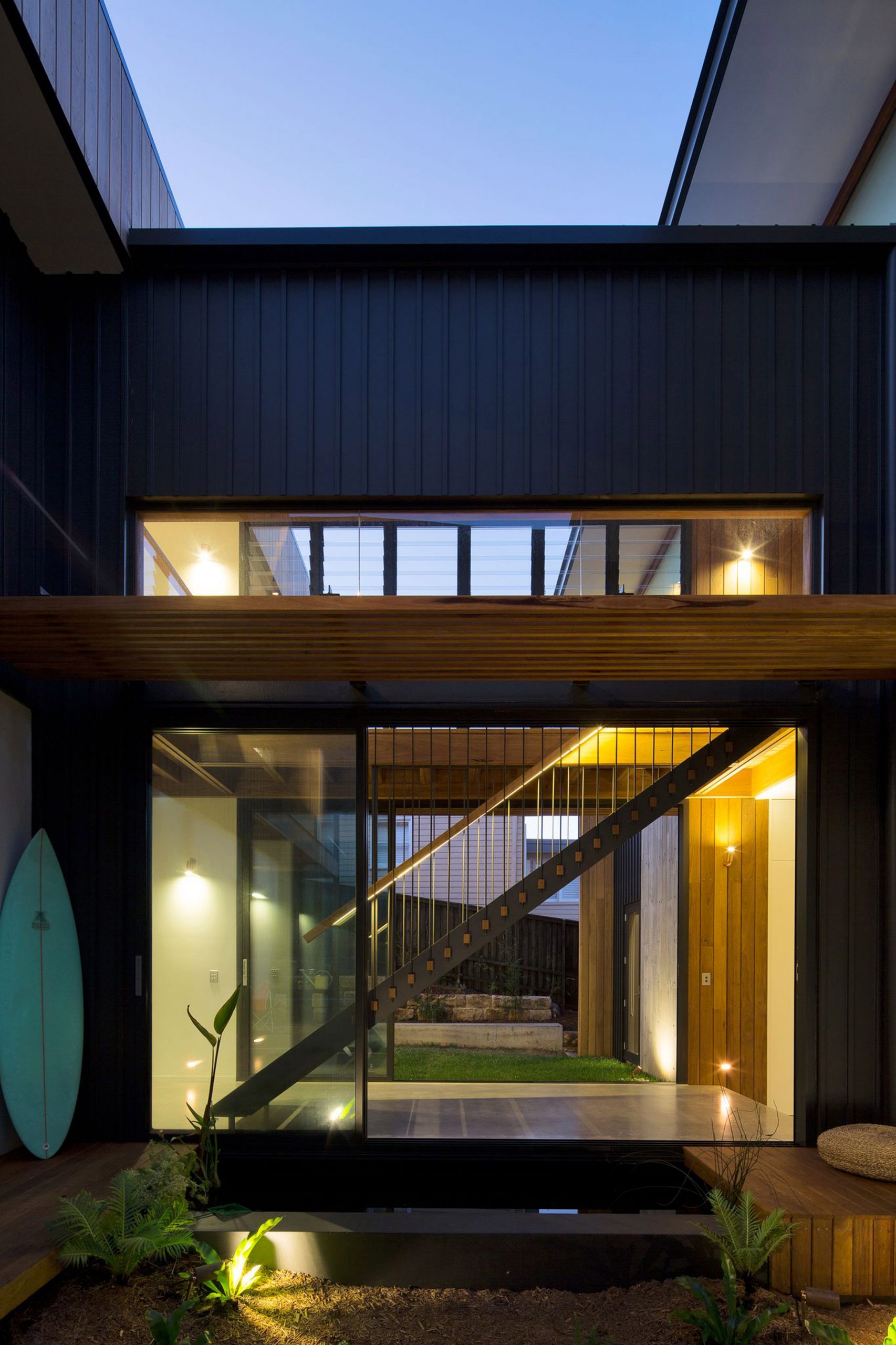
Essential sightlines: 2 + 2 House by Matt Elkan Architect, Australia

Prospect and refuge; public and private; rough and refined. These binary opposites find expression in 2 + 2 House, named after the wet and dry courtyards separating two pavilions.

The outdoor areas – one fern-filled, with water features; the other turfed – offer protection away from wild coastal winds that buffet the dumbbell-shaped seaside home, in Sydney, Australia. Intentionally room-sized, the inward-looking sanctuaries flow from a library/rumpus for all, and zones for the family alone.

Upstairs and down, from unobstructed vistas of the Pacific Ocean to flashes of surf through view corridors, every room retains a visual link to the coast, and that owes much to the courtyards.

The post Five houses where the courtyard is the heart of the home appeared first on Dezeen.


from Dezeen https://ift.tt/3iwQlhQ

Mother creates a new global brand campaign for Stella Artois

The Life Artois is a new global campaign leaning on the drinks company’s long standing association with arts and film.


from It's Nice That https://ift.tt/2AAmuUz

Eva Cremers is back, and this time she comes armed with an animated film for her wonderfully fun new website

The Dutch illustrator has created a fun 3D world that presents her work in a joyously fresh manner.


from It's Nice That https://ift.tt/2ZEWsYU

Stockholm Furniture & Light Fair announces pared-back "Nude Edition" for February 2021

Stockholm Furniture & Light Fair 2021

The organisers of Stockholm Furniture & Light Fair have unveiled plans for a more affordable and sustainable version for next year in response to the coronavirus pandemic.

The 71st edition of the Scandinavia's largest design fair will be labelled The Nude Edition, with exhibitors encouraged to present less extravagant stands.

Taking place from 9 to 13 February 2021, the fair will allow firms to participate on a lower budget than previous years.

2021 fair "first step towards a sustainable transition"

"The new concept has been formed to support companies that have been hit hard financially by Covid-19 and its effects on society," organisers said. The fair will be supplemented with digital content.

"Many companies have already been hit hard financially by Covid-19 and we don't know how long this will last, which means that the need to meet and do business is greater than ever," said Sanna Gebeyehu, product and concept owner at Stockholm Furniture and Light Fair.

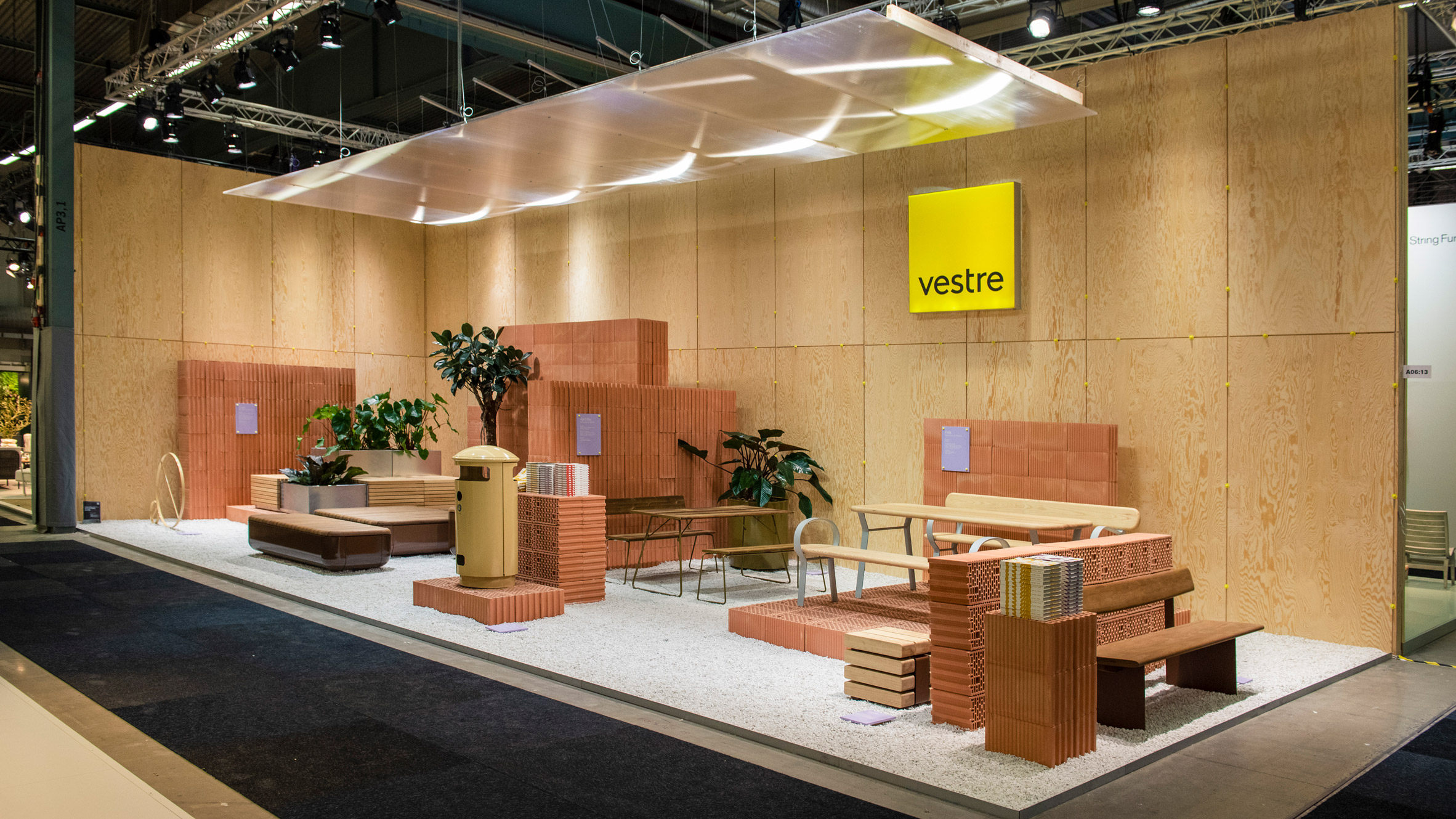
Vestre Stand by Note Design Studio
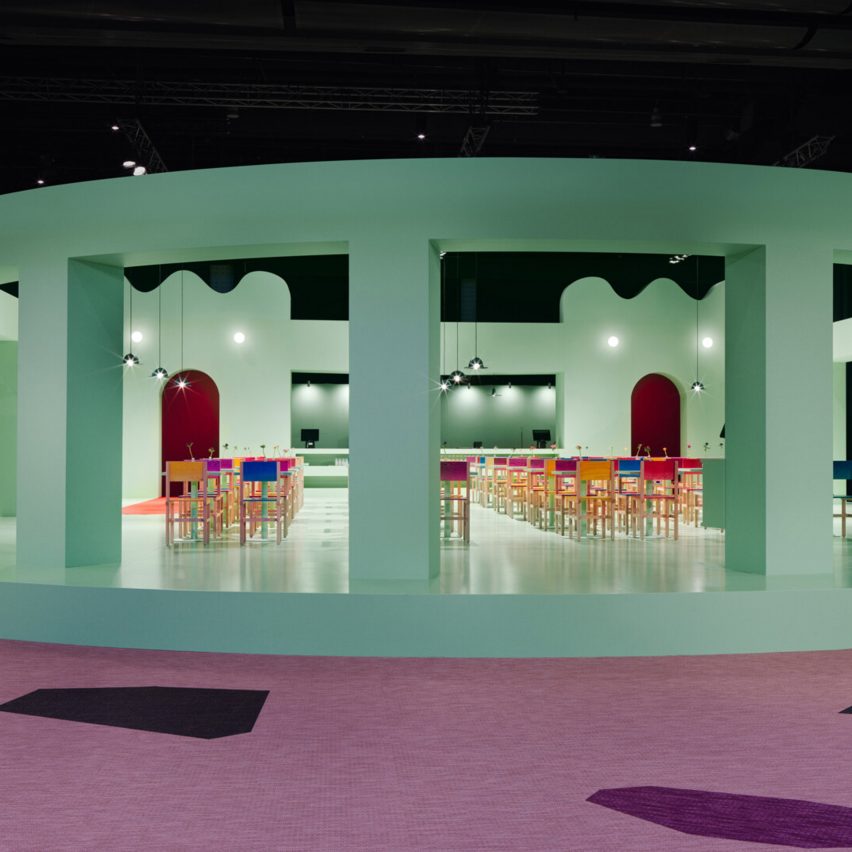
Note Design's stand for Vestre won the best stand award at this year's fair (above), while Fredrik Paulsen created the Design Bar (top)

"For the upcoming edition, we have developed a concept for all exhibitors to think about downscaling when it comes to building stands," she added.

"Our ambition is for The Nude Edition to be a first step towards a sustainable transition in the industry."

The fair, which takes place at the Stockholmsmässan exhibition centre on the outskirts of the Swedish capital, usually features 60-700 exhibitors and attracts around 40,000 visitors, of which 30 per cent are from overseas.

"The purpose is to cut costs for exhibitors"

It is traditionally held alongside Stockholm Design Week, which features exhibitions and events around the city.

The 2021 edition will be presented in collaboration with the Swedish Federation of Wood and Furniture Industry (TMF).

The fair will still feature open, purpose-built stands, but these will conform to new safety regulations being drawn up by Folkhälsomyndigheten, the Swedish public health agency.

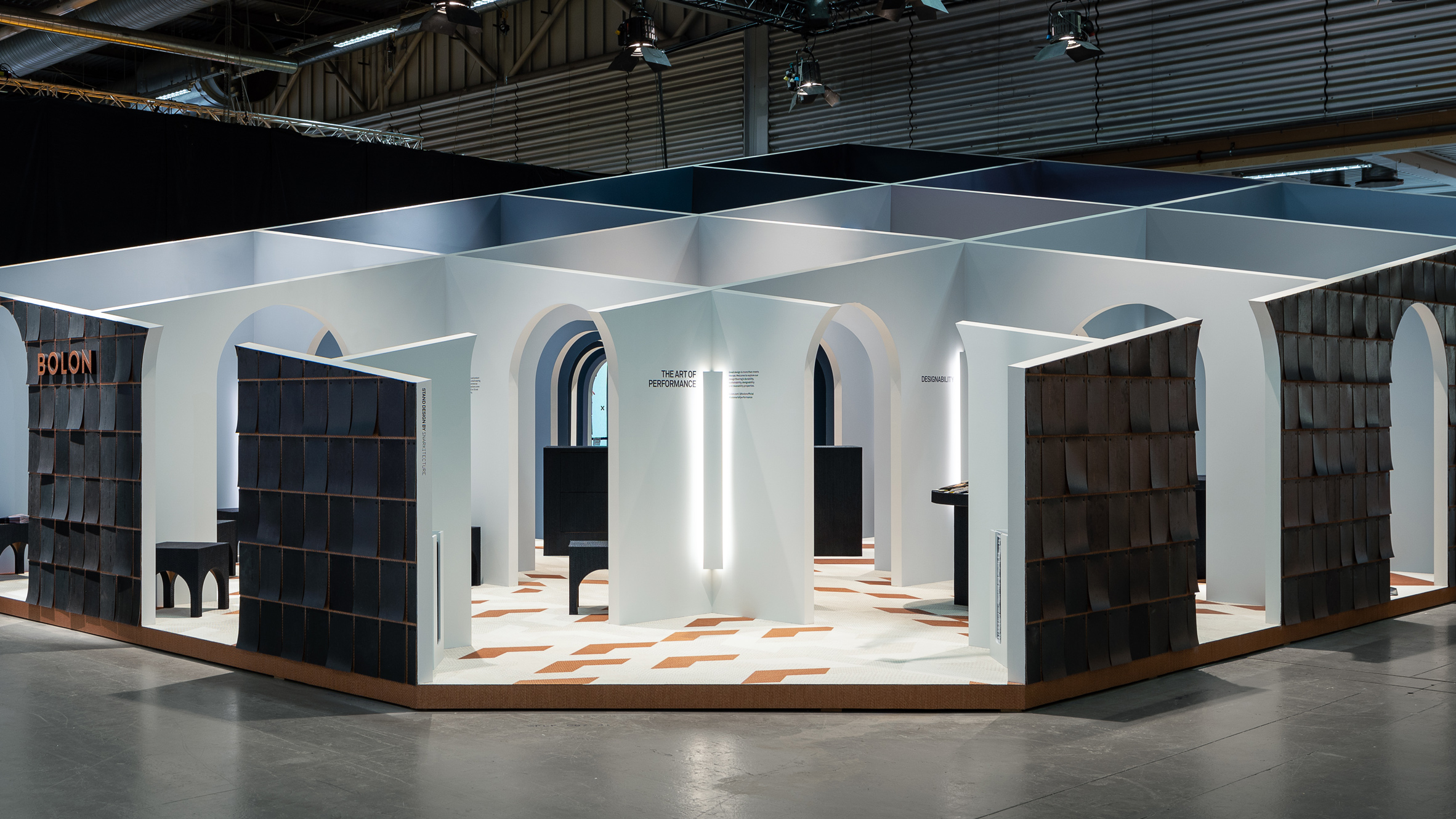
Snarkitecture designed a multi-room stand for Bolon at this year's fair

"There will be room for a lot of variations with the products being in focus," said Cecilia Nyberg, the fair's project area manager.

"The purpose is to cut costs for exhibitors, and make it possible to carry out the fair in light of the increased need for safety in accordance with Folkhälsomyndigheten's recommendations."

Dezeen was media partner for this year's Stockholm Furniture & Light Fair, live streaming talks including a conversation with guests of honour Doshi Levien and a lecture by interior architect Sevil Peach.

The coronavirus pandemic has led to the cancellation or postponement of almost all the major architecture and design events in 2020, including Milan's giant Salone del Mobile and the Venice Architecture Biennale.

Visit Dezeen Events Guide for more details of upcoming architecture and design events, including an updated list of events impacted by coronavirus.

Main photo is by Jonas Lindström.

The post Stockholm Furniture & Light Fair announces pared-back "Nude Edition" for February 2021 appeared first on Dezeen.


from Dezeen https://ift.tt/2VTGXv4

Interior design meets visual communication in New Design University school show

Interior design students from the New Design University in Austria explore visual communication design and adaptive reuse in this school show for Virtual Design Festival.

A total of 10 projects feature in the digital exhibition. They were completed by pupils enrolled on the MA Interior Design and Visual Communication and BA Interior Design and 3D Design courses at the school in Sankt Pölten, a young university founded in 2004 that prides itself on thinking outside the box.


New Design University

University: New Design University
Courses: MA Interior Design and Visual Communication, BA Interior Design and 3-dimensional Design
Studios: Master and Bachelor Design Studio
MA tutors: Christine Schwaiger, Christian Prasser, Christa Stürzlinger and Josef Perndl
BA tutors: Alistair Neil Harkess, Florian Sammer, Andreas Breuss and Adam Sebestyen

School statement:

"The New Design University in Sankt Pölten offers a study program that is unique in Europe. The master's degree in Interior Design and Visual Communication builds on a highly interdisciplinary and practical combination of space and visual communication design.

"Through the interdisciplinary exchange, students equally deepen and expand the competencies of their respective backgrounds in architecture, interior design, graphic and communication design. The freedom to experiment creatively and process-oriented is an essential starting point for any design exercise. Cooperation with private and public partners enables studying based on real-life clients projects.

"The BA Interior Architecture and 3-dimensional Design program encompasses the subject of interior space and built form through projects such as those concerned with private and public space, residential, retail, corporate design and the adaptive reuse of existing buildings. Fundamentally, the course is based upon understanding a host building or space, dealing with proportion and volumetric aspects, spatial sequence, context and architectonics with materials and construction."


Monstra by Anna Schmiderer

Monstra by Anna Schmiderer

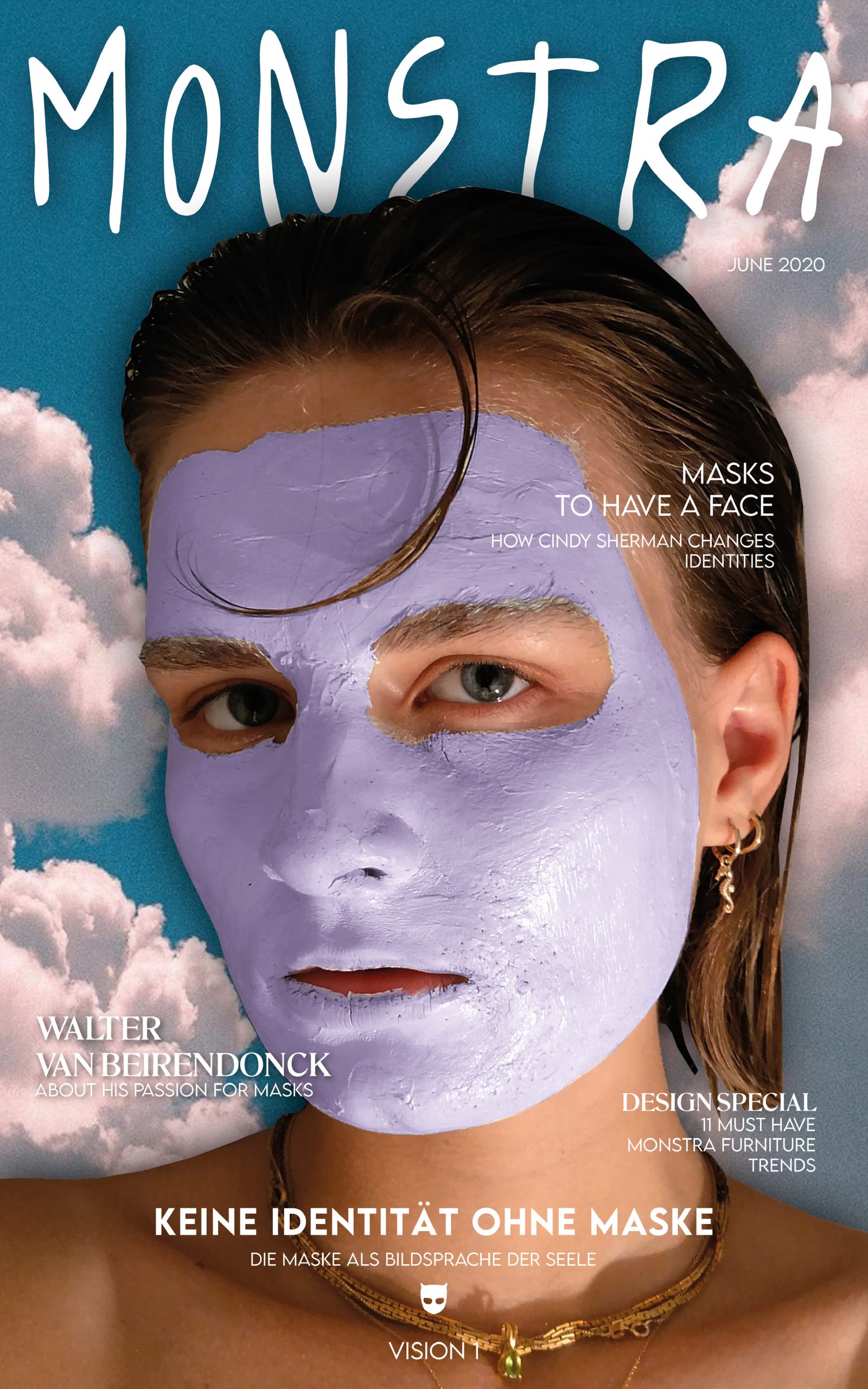
"Monstra is a synthesis of a magazine, an exhibition and a club – spaces that are all about identity and self-expression. A journey through the club is a process of finding your own identity. You go deeper and deeper into space and closer to yourself. The deeper you go, the more permissive and mystical it gets.

"Monstra is about the mask, as a symbol for showing and hiding identities. Monstra has a vision: no identity without a mask. The mask irritates, hides the external identity to give more expression to your inner self. With a mask you don't hide, you show yourself."

Name: Anna Schmiderer
Project: Monstra
Contact address: a.schmiderer@sbg.at


School of the invisible parallel by Flora Szurcsik

School of the invisible parallel by Flora Szurcsik

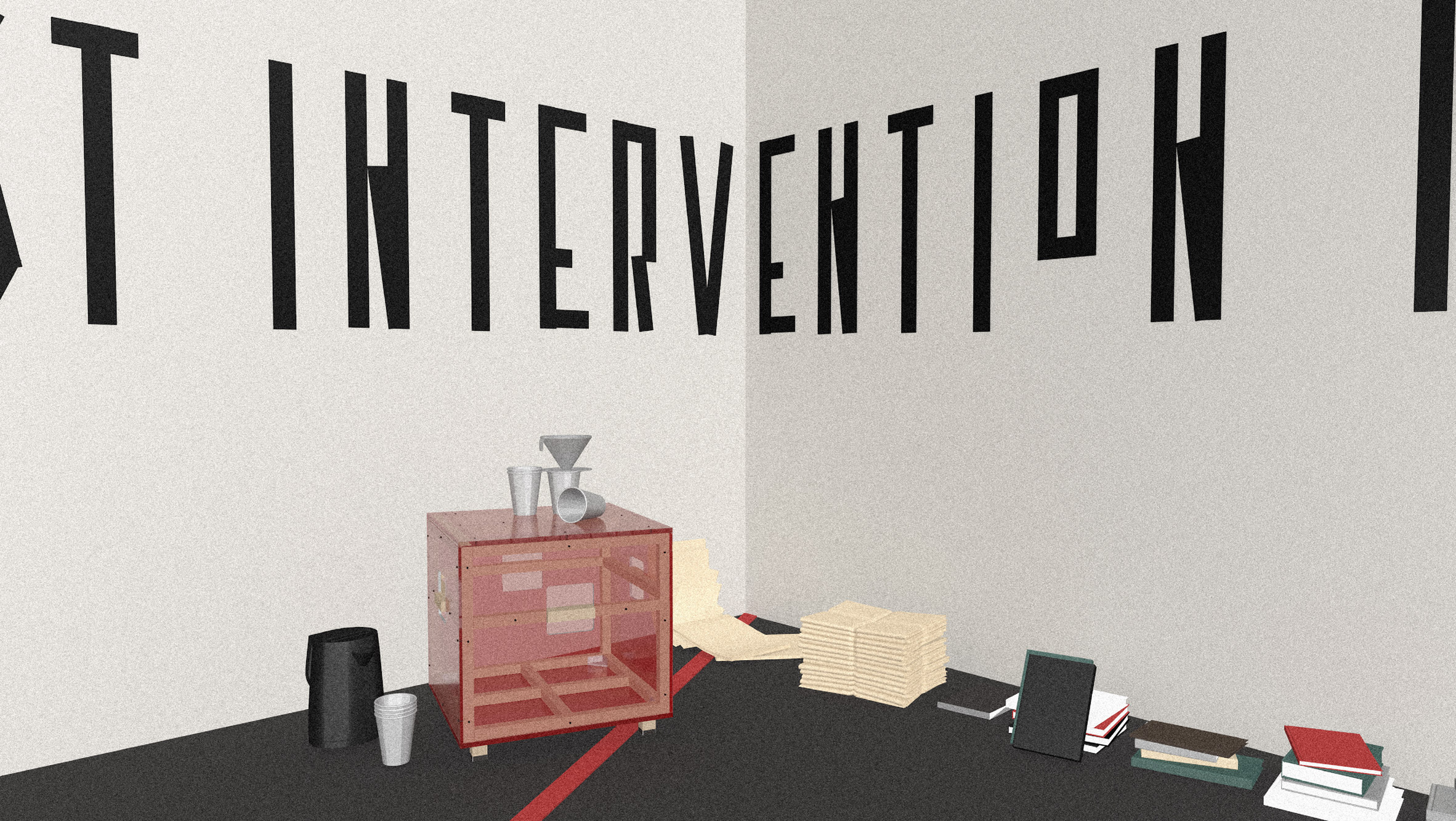
"The nomadic design school offers a programme parallel to those of conventional design and art education institutions, which addresses the political context of design and of its effects. The aim is to develop a new democratic form of education that promotes political awareness and discourse, especially in the field of art and design.

"The organisational structure of the school will be developed in a participatory process together with its students. The graphical and spatial concept created corresponds to the process-oriented character of the school. The school occupies abandoned places and initiates a dialogue with their inscribed spatial, visual and social memories."

Name: Flora Szurcsik
Project: School of the invisible parallel
Contact address: flora.szurcsik@marsundblum.at
Website: www.marsundblum.at


Mehrhaus by Anna Wieser

Mehrhaus by Anna Wieser

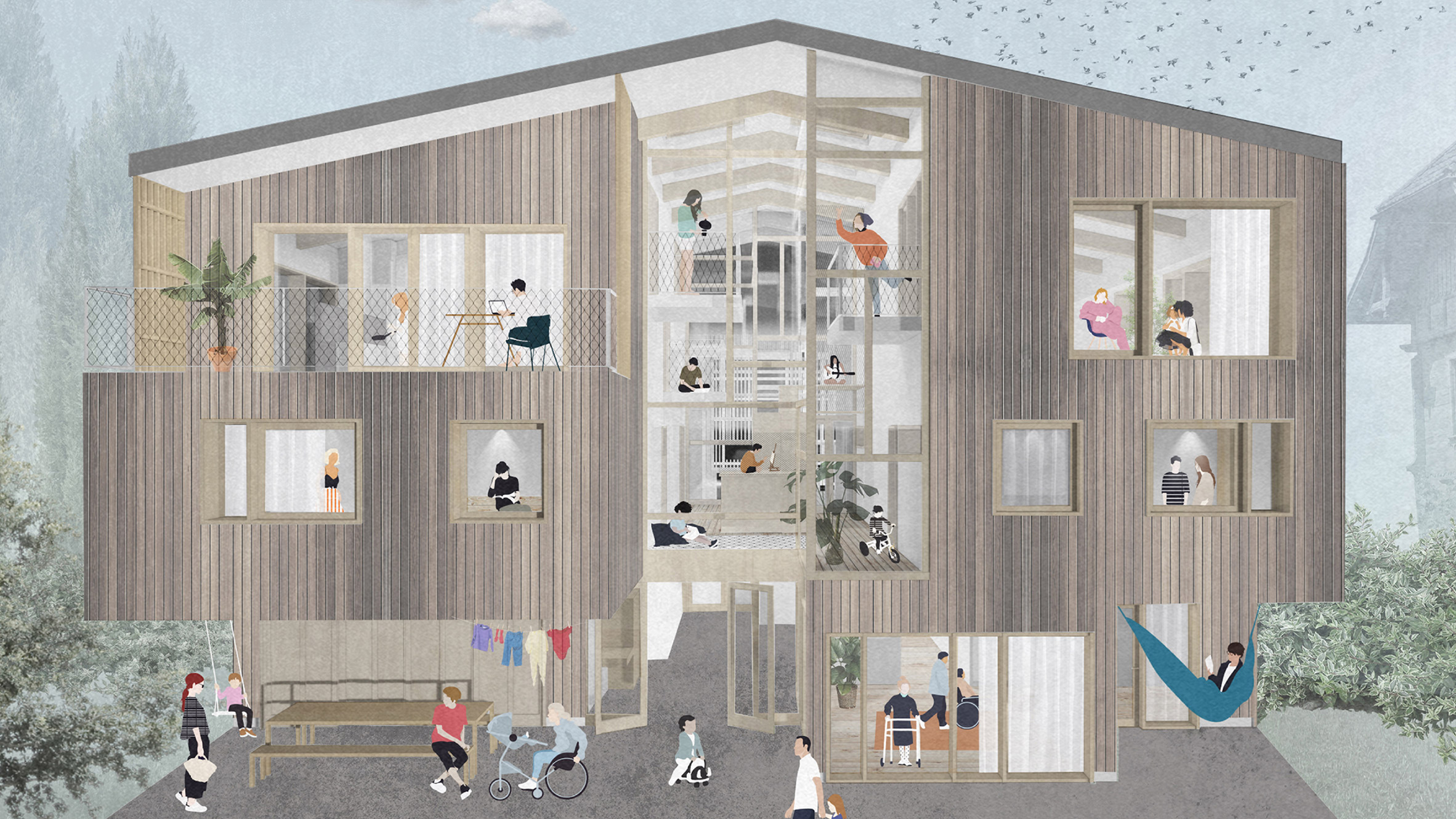
"More is more when it comes to community. In order to tackle financial, space-saving, environmental and social issues of the present and the future, there is a trend towards shared accommodation.

"The Mehrhaus is a new example of communal architecture under the aspects of universal design. It connects and respects people with different needs on an interpersonal, spatial and urban scale. It fills gaps, connects and forms niches for the users. It allows communal living and safe havens, i.e. private, intimate spaces at the same time.

"The Mehrhaus builds on the diversity and individual participation of its residents. They make the house special and vice versa."

Name: Anna Wieser
Project: Mehrhaus
Contact address: hello@huesla.at
Website: www.huesla.at


Motus – The Festival of Diversity by Marie Oniemba

Motus – The Festival of Diversity by Marie Oniemba

"A festival space where all participants are equal. A place where there is no room for hate, discrimination or stereotypes. Where everybody is accepted regardless of their nationality, religion or sexuality.

"This is the vision of Motus - The Festival of Diversity. The aim is to teach acceptance, tolerance and respect to finally find its way from there into our society. We are the movement and therefore the symbol for the festival's visual identity is the wind. Motus creates an identity that visualises the power not only of diversity but also of togetherness."

Name: Marie Oniemba
Project: MOTUS – Festival of Diversity
Contact address: marie.oniemba@gmx.at
Website: www.behance.net/mariegrace


Das Karl – Restaurant in the Otto Wagner Pavilion by Sissi Kasacek

Das Karl – Restaurant in the Otto Wagner Pavilion by Sissi Kasacek

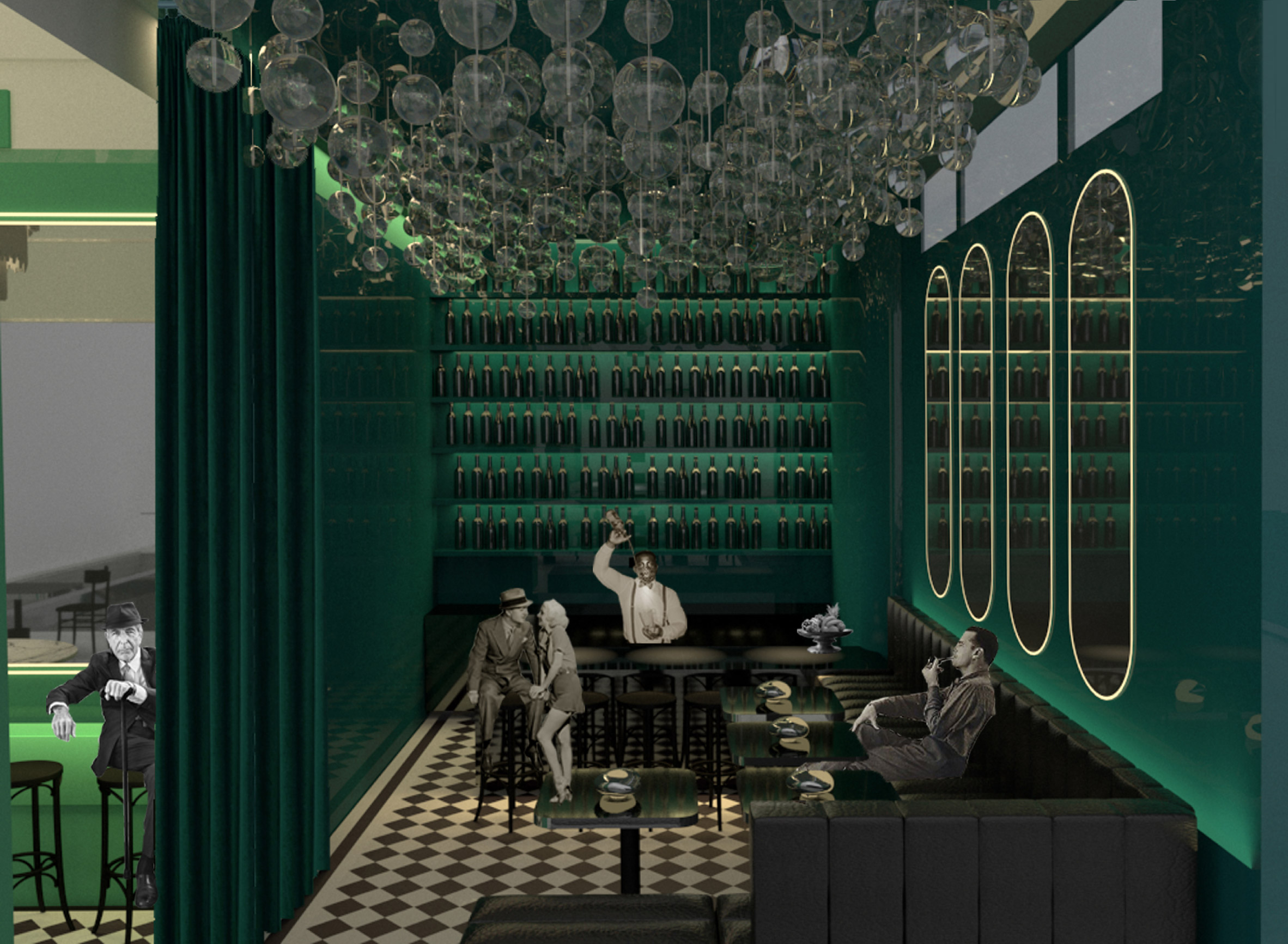
"The intention behind Das Karl is to create a new point of attraction on one of Vienna's most contested public squares, the Karlsplatz. Through the restaurant new life is to be brought into its listed Otto Wagner Pavilion.

"The central guideline of the concept is the Vienna River, which runs underneath the Karlsplatz and shapes the design in terms of its theme and articulation. The site is dominated by an intense field of tension between the sophisticated upper and the sober underground world. A special highlight of the restaurant is a chrome-plated ceiling, imitating the swell of a river."

Name: Sissi Kasacek
Project: Das Karl – Restaurant in the Otto Wagner Pavilion
Contact address: sissi.kasacek@aon.at


Stork's Nest by Andrea Majstorovic

Stork's Nest by Andrea Majstorovic

"The Stork's Nest is a touristic concept for the water meadow of the Lonjsko Polje nature park in Croatia. By designing a holiday and relaxation destination, the area's lack of prospects should be counteracted.

"The challenge is to enhance and outline the specific qualities and values of a landscape that is flooded regularly. The flood is not interpreted as an impediment for development but as an opportunity to accentuate the hidden attractiveness of this recreational destination.

"The identity of the traditional villages and the diverse flora and fauna is emphasized, staged and integrated into the holiday experience through the interior design."

Name: Andrea Majstorovic
Project: Stork's Nest
Contact address: majst.andrea@gmail.com


Reuse Retreat – Detoxifying Interiors by Valerie Achleitner

Reuse Retreat – Detoxifying Interiors by Valerie Achleitner

"With reference to the potential of Hainburg as an escape from the cities of Vienna and Bratislava, nature should be the focus of the concept for the interior. To design an indoor landscape, a grid is laid over the building based on the stacked storage system that was found on site.

"From that levels are extracted, volumes and platforms are inserted, moved vertically and horizontally toward each other and accessed via ramps."

Name: Valerie Achleitner
Project: Reuse Retreat – Detoxifying Interiors
Contact address: valerie.achleitner@gmail.com


Mehr Denier by Hannah Hager 

Mehr Denier by Hannah Hager 

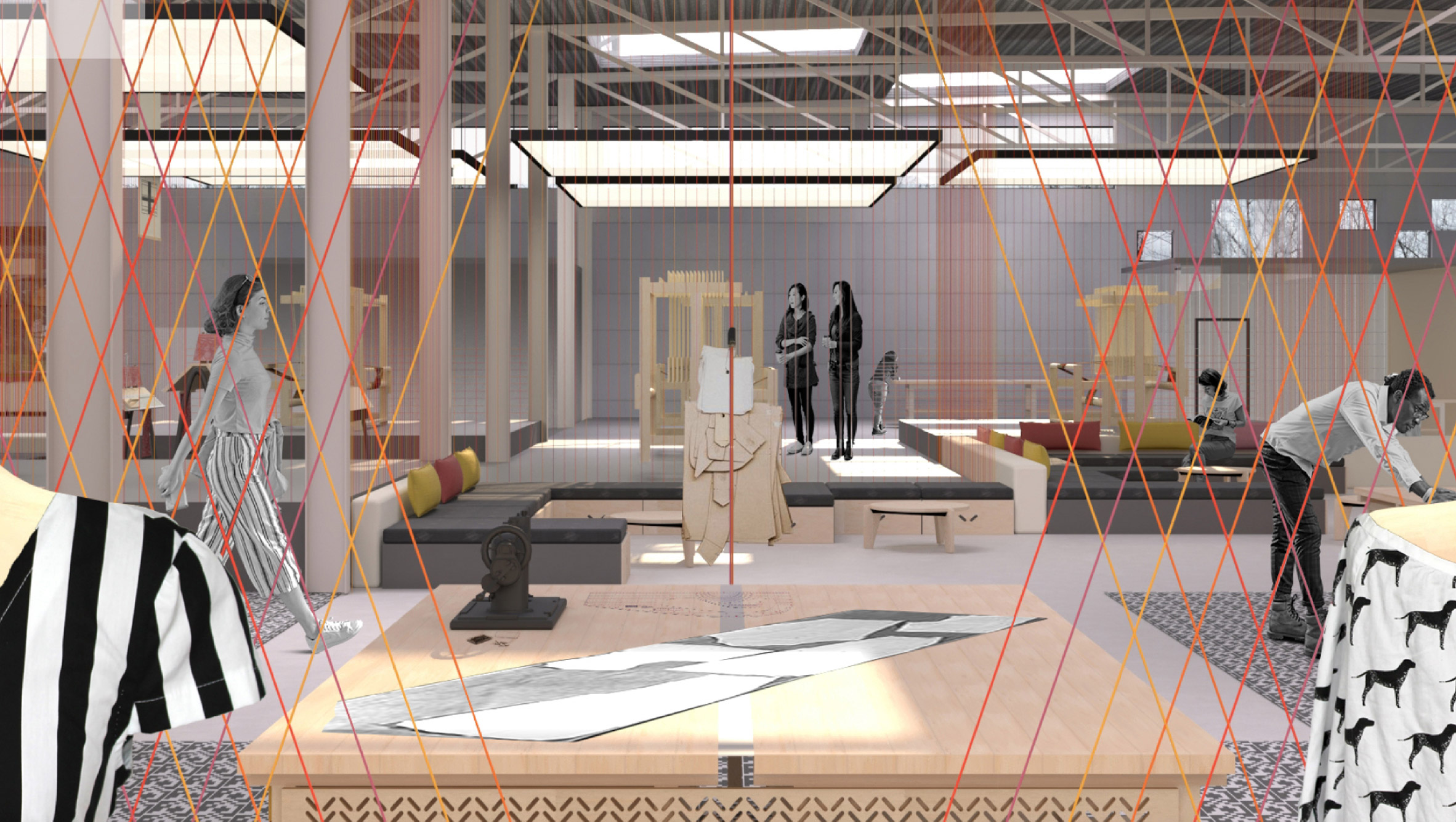
"'Who made my clothes?' is a question that comes to mind when thinking about the fashion industry today. The aim of Mehr Denier is to create a space for people who want to be the person who made their clothes and textiles.

"The site is an old factory building in Austria near the Slovakian border with industrial features and feeling. Elements are taken from weaving and textile design, such as pattern repeats and the operating principle of a loom, run like a common thread through the floorplan, the colour and material concept and the overall design of the conversion of the old building."

Name: Hannah Hager
Project: Mehr Denier
Website: hannah.hager@gmx.at


School for Woodwork and Gardening by Hannah Traindl

School for Woodwork and Gardening by Hannah Traindl

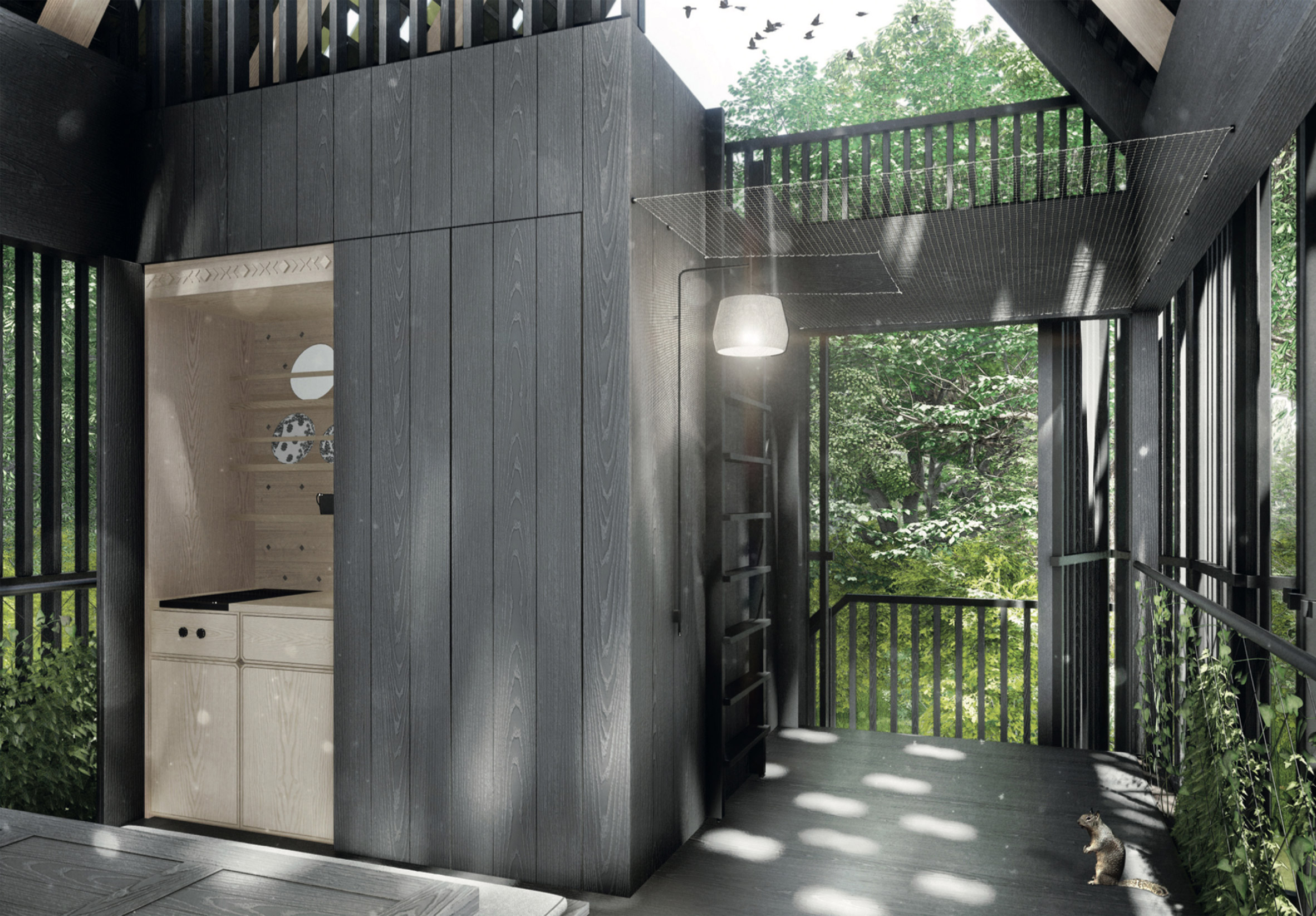
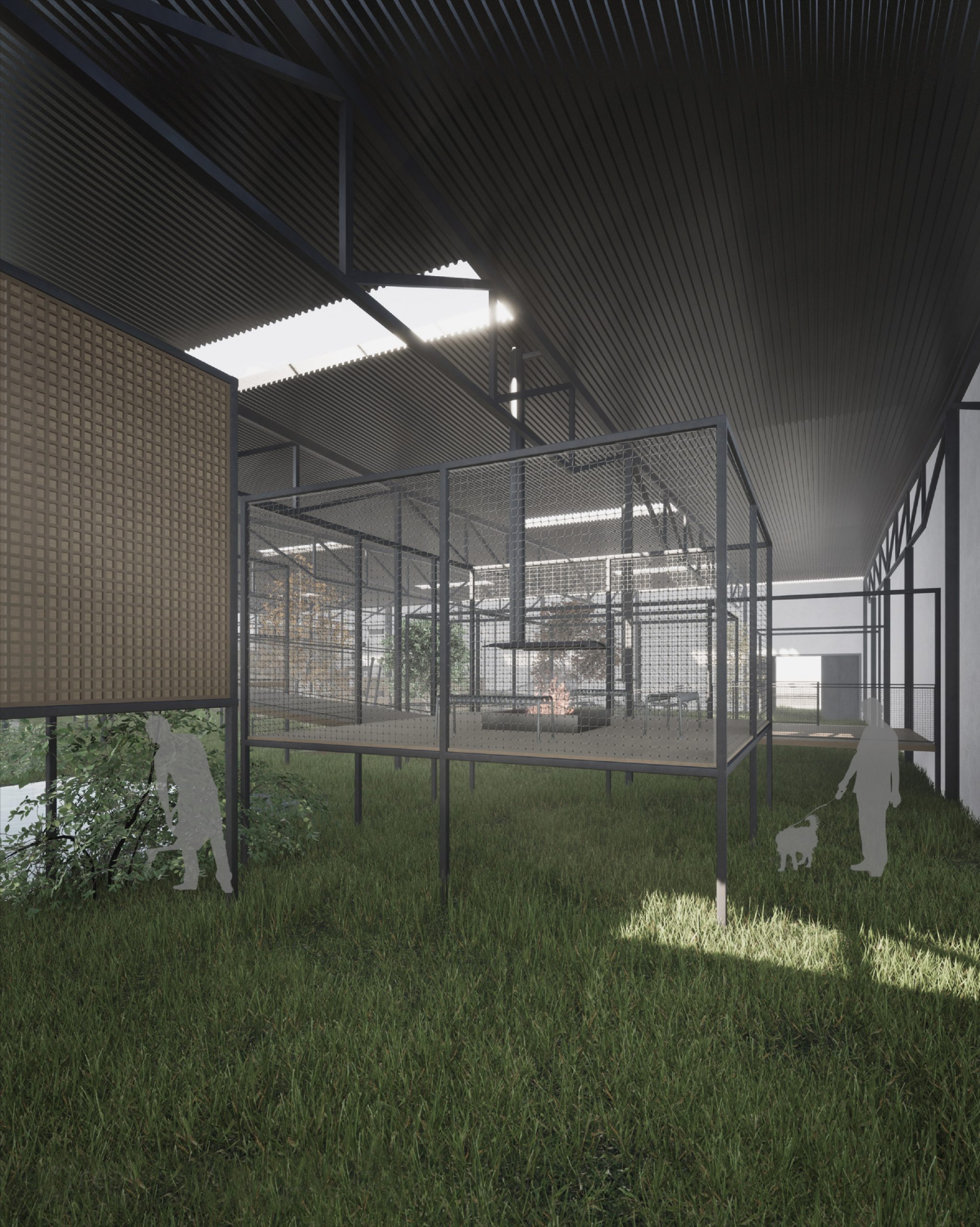
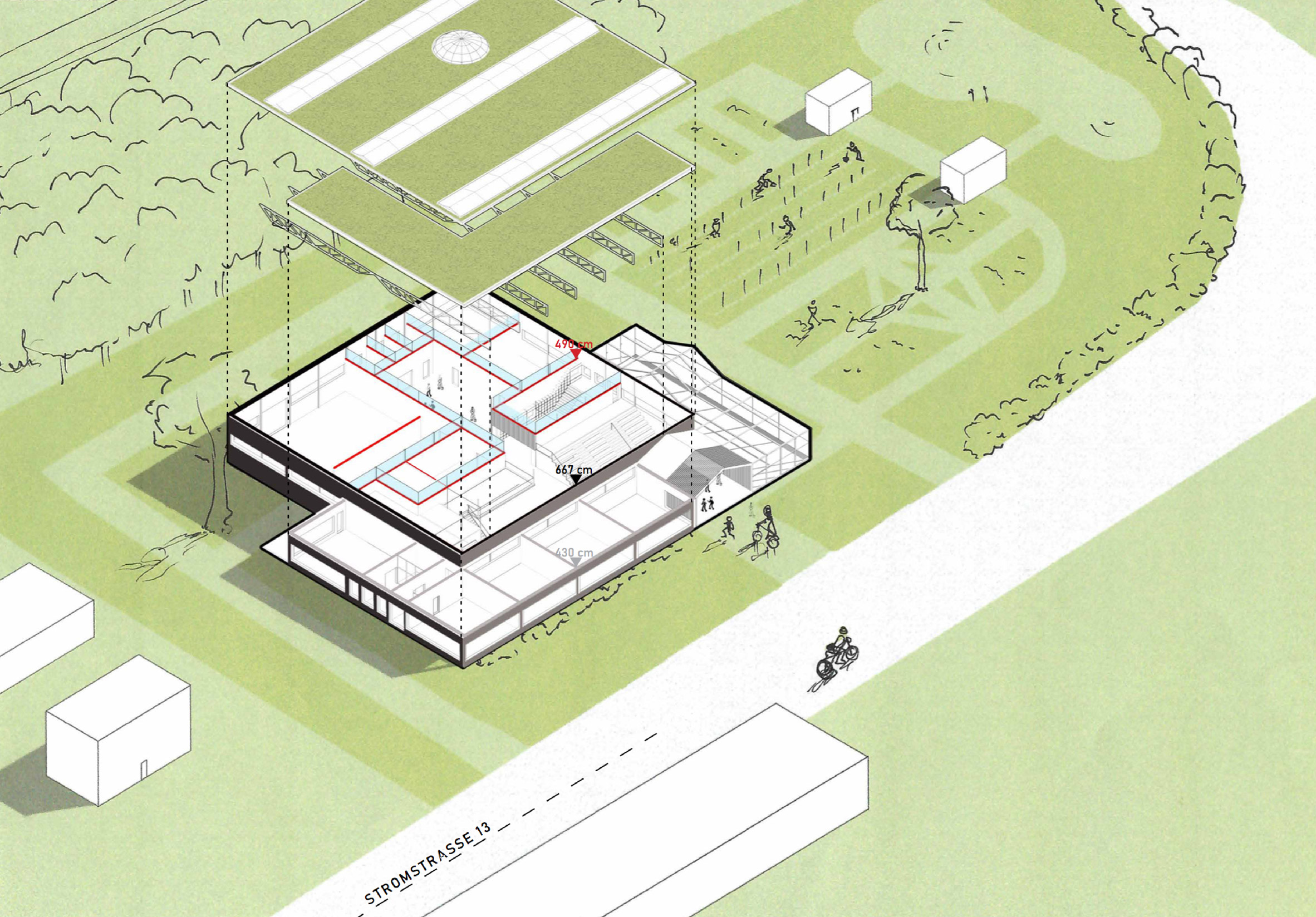
"Surrounded by the Danube and national parks, the school aims to instruct its students with a 'back to nature' philosophy.

"To find the right balance between the existing industrial hall and the new green and colourful interior, some components of the hall got reused instead of being discarded, such as the glass door of the library and the green steel grid for the railings.

"The resulting school includes classrooms, a big assembly hall, a spacious library, a wood workshop, and adds a glasshouse and a school garden. The green roof, the glasshouse and the wooden entrance pergola are symbolising to the outside, what is getting taught inside."

Name: Hannah Traindl
Project: School for Woodwork and Gardening
Contact address: hannah.traindl@gmail.com
Website: instagram.com/art_traindl


Dine Factory by Sarah Passian

Dine Factory by Sarah Passian

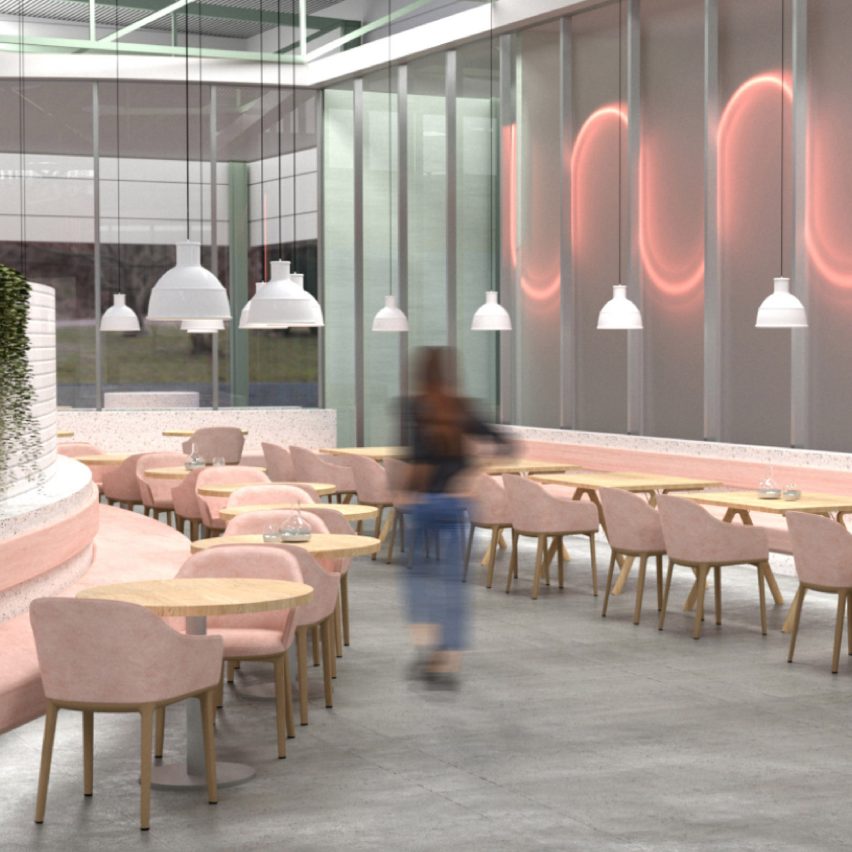
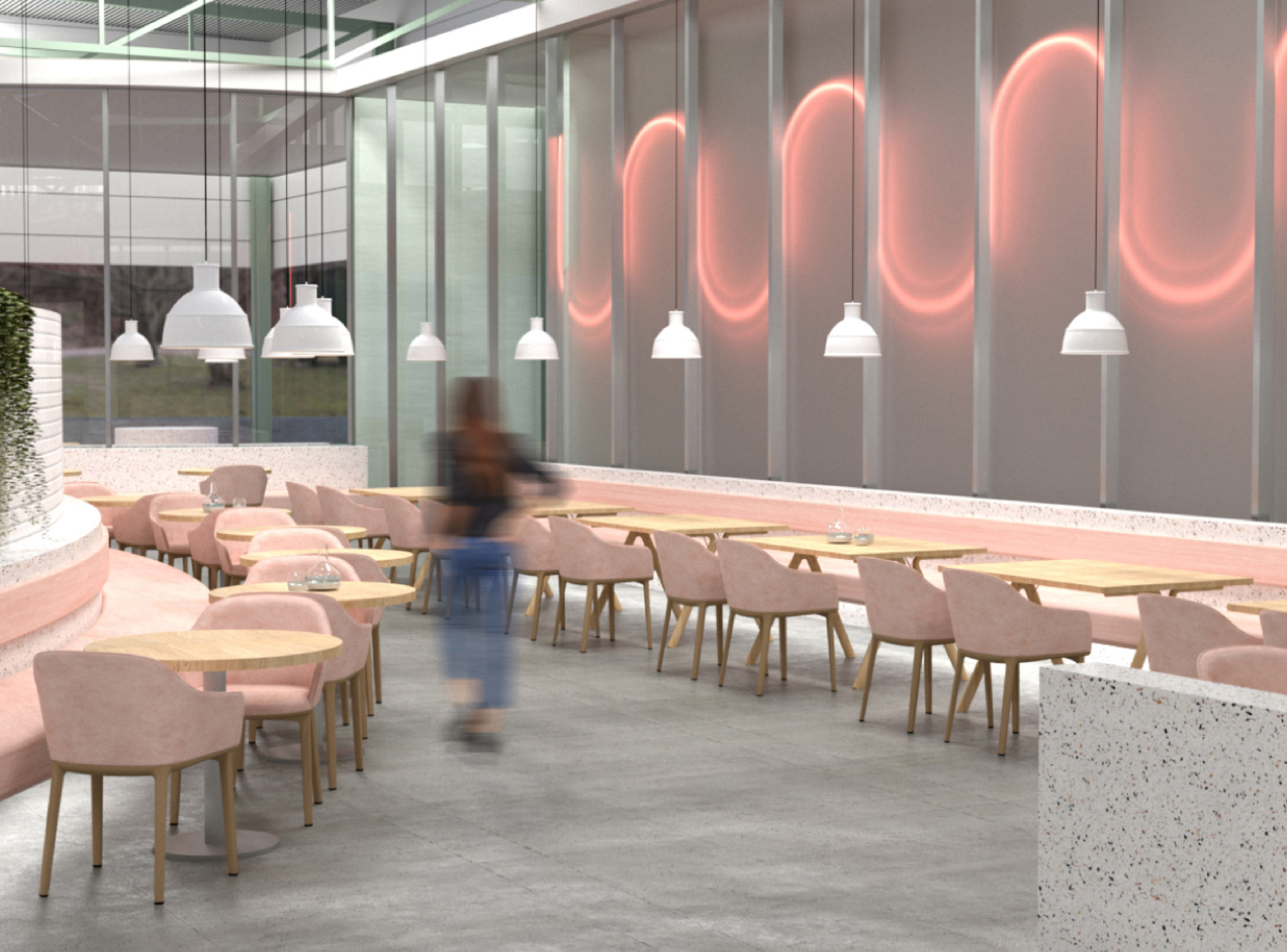
"Dine Factory is a restaurant built inside an old factory hall. Besides its conventional dining operations, local companies from the organic food industry have the opportunity to rent specific rooms within the building. This combination allows them to market their products directly.

"The curved design of the interior contrasts with the industrial appearance of the hall. The aim was to harmonise these two aspects and not to hide the existing structure. Therefore, the soft and pastel colour palette that was used matches the existing mint green framework."

Name: Sarah Passian
Project: Dine Factory
Contact address: sarah.passian@gmail.com


Virtual Design Festival's student and schools initiative offers a simple and affordable platform for student and graduate groups to present their work during the coronavirus pandemic. Click here for more details.

The post Interior design meets visual communication in New Design University school show appeared first on Dezeen.


from Dezeen https://ift.tt/3f5qJGI