
Nine large-scale prints by the celebrated artist who tragically lost her life in the Grenfell Tower fire are now on display from 7 July to 7 August in Notting Hill.

from It's Nice That https://ift.tt/38H6uwD
Nine large-scale prints by the celebrated artist who tragically lost her life in the Grenfell Tower fire are now on display from 7 July to 7 August in Notting Hill.
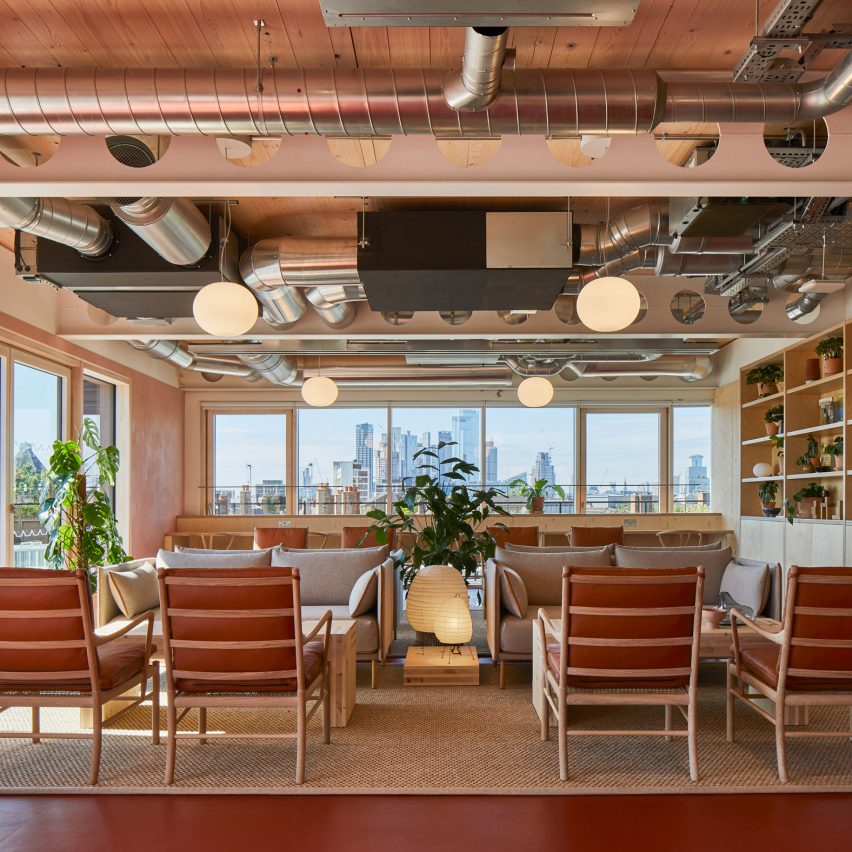
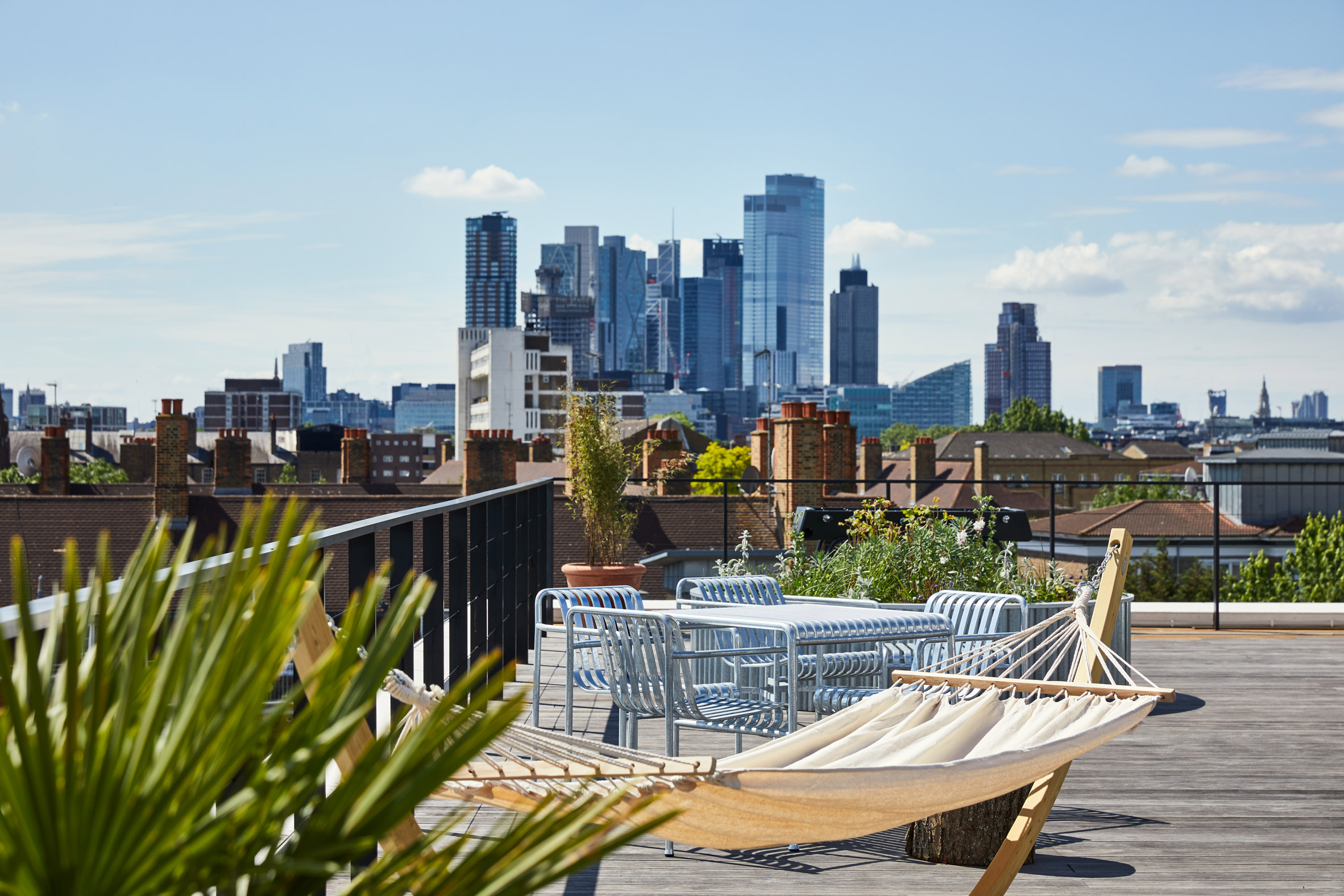
London studio Waugh Thistleton Architects has built a hybrid cross-laminated-timber and steel office block next door to Dezeen's London office alongside the Regent's Canal.
The six-storey building at 6 Orsman Road was created for Storey – developer British Land's flexible workspace company – and contains 3,150 square metres of office.
Waugh Thistleton Architects aimed to create a more sustainable, flexible building that could be adapted to the needs of its many tenants and could ultimately be demounted at the end of its life.
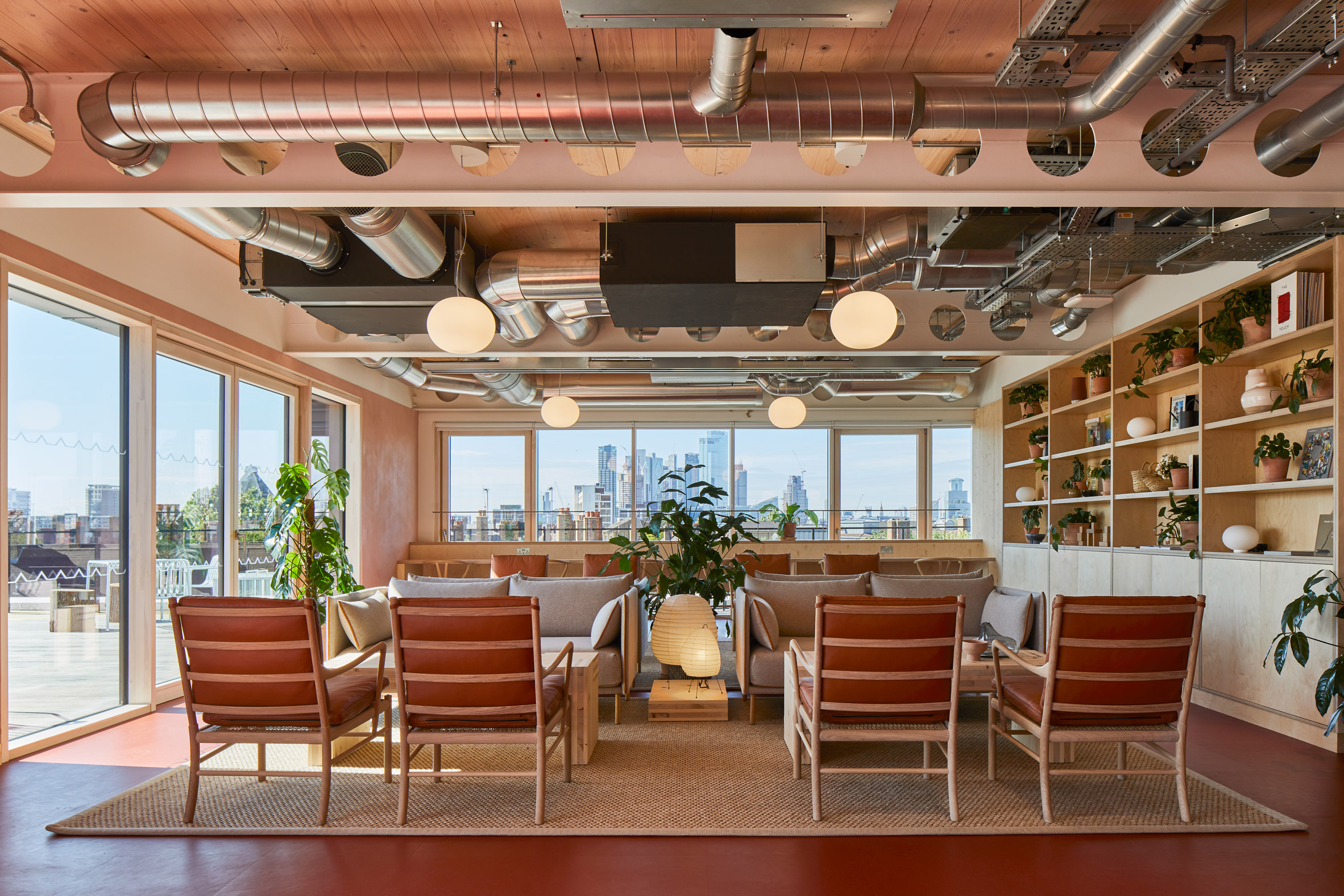
"We wanted to make a super-low carbon building that is durable, adaptable and demountable," Waugh Thistleton Architects co-founder Andrew Waugh told Dezeen.
"6 Orsman Road has only two columns per space and no internal support walls, which means the developing businesses that will call the building home will be able to easily adapt in the building".
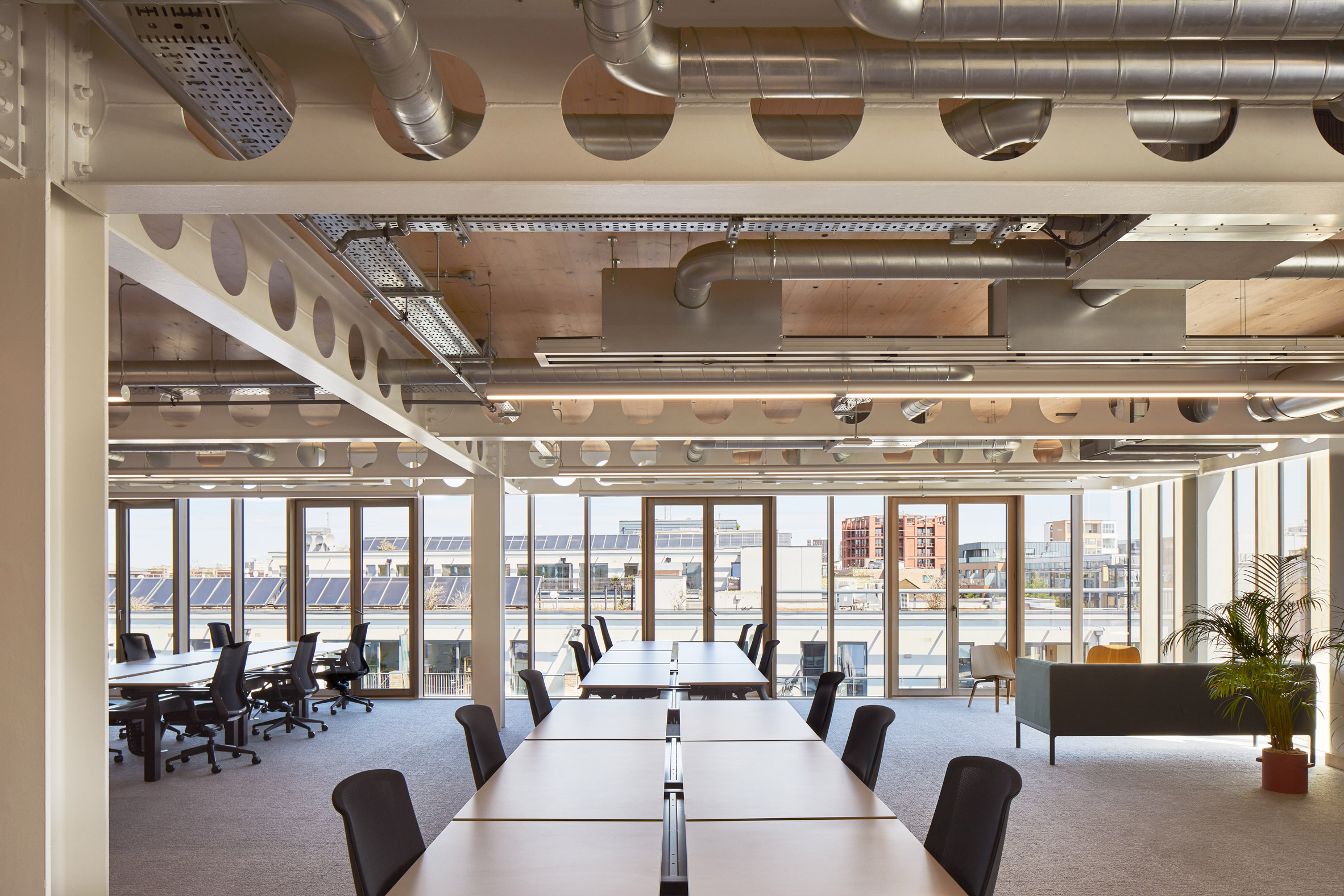
The building was designed with the aim of achieving zero waste.
Throughout the build, the architecture studio considered how the building could be recycled at the end of its life, with the main steel structure bolted together and cladding, decking and balustrades all designed to be detachable.
"When buildings are designed to be used as efficiently as possible this can lead to a longer lifespan, which of course is ultimately better for the environment," explained Waugh."
"We wanted to treat the building as a recyclable product, we conceived of it being dismantled, reused and recycled in the future," he continued.
"All the steel connections are bolted… and the timber is screwed together – you'd need a good toolbox, but yes it could be demounted!"
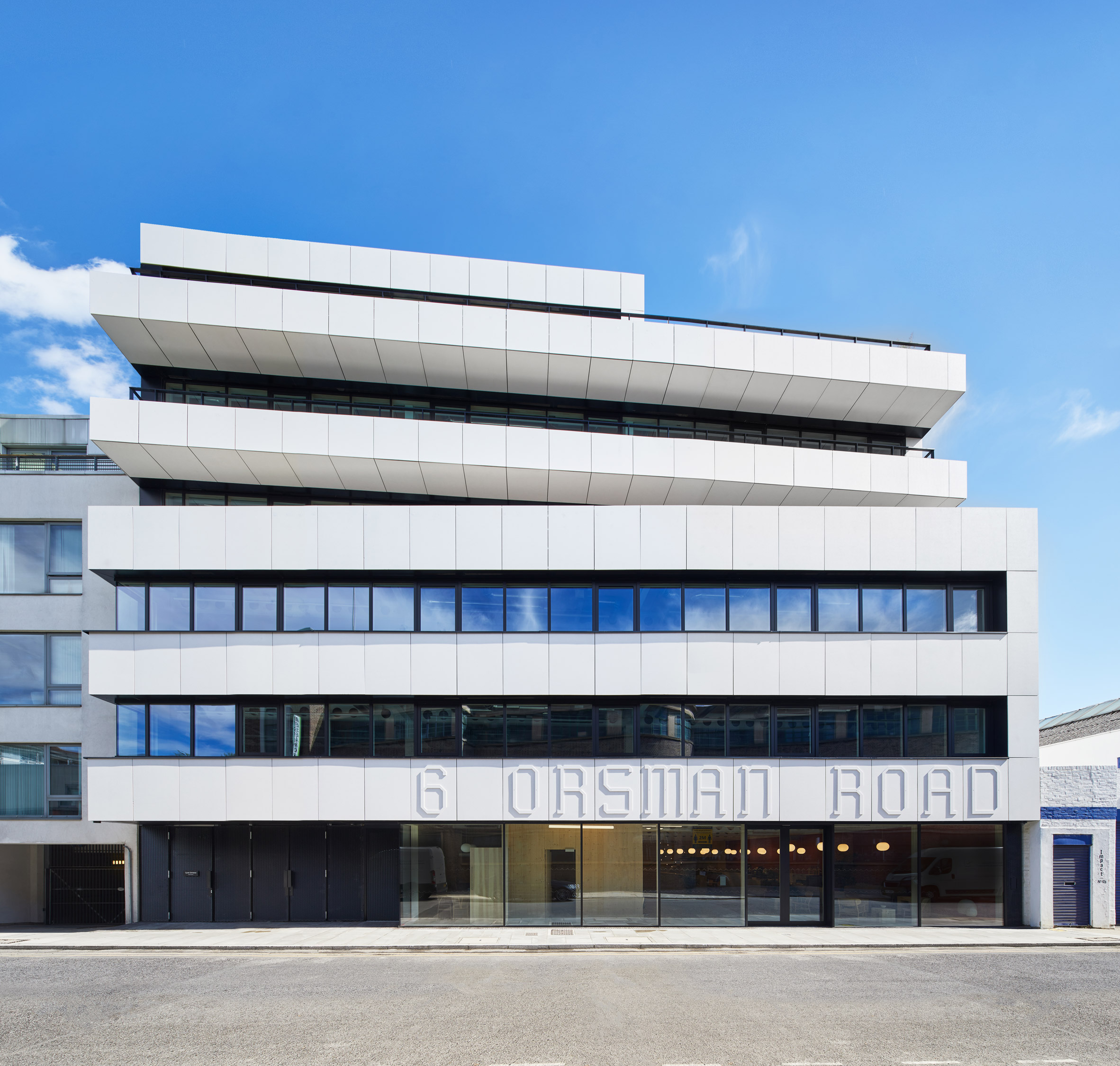
The street facade of the office block is stepped back to preserve views down Orsman Road and create a series of terraces for the offices. White-panelised cladding was combined with ribbon windows to create what the studio describes as a "Bauhaus flavour".
On the canal-facing facade, the block has been fully glazed to give views across the water and maximise the amount of light entering the building.
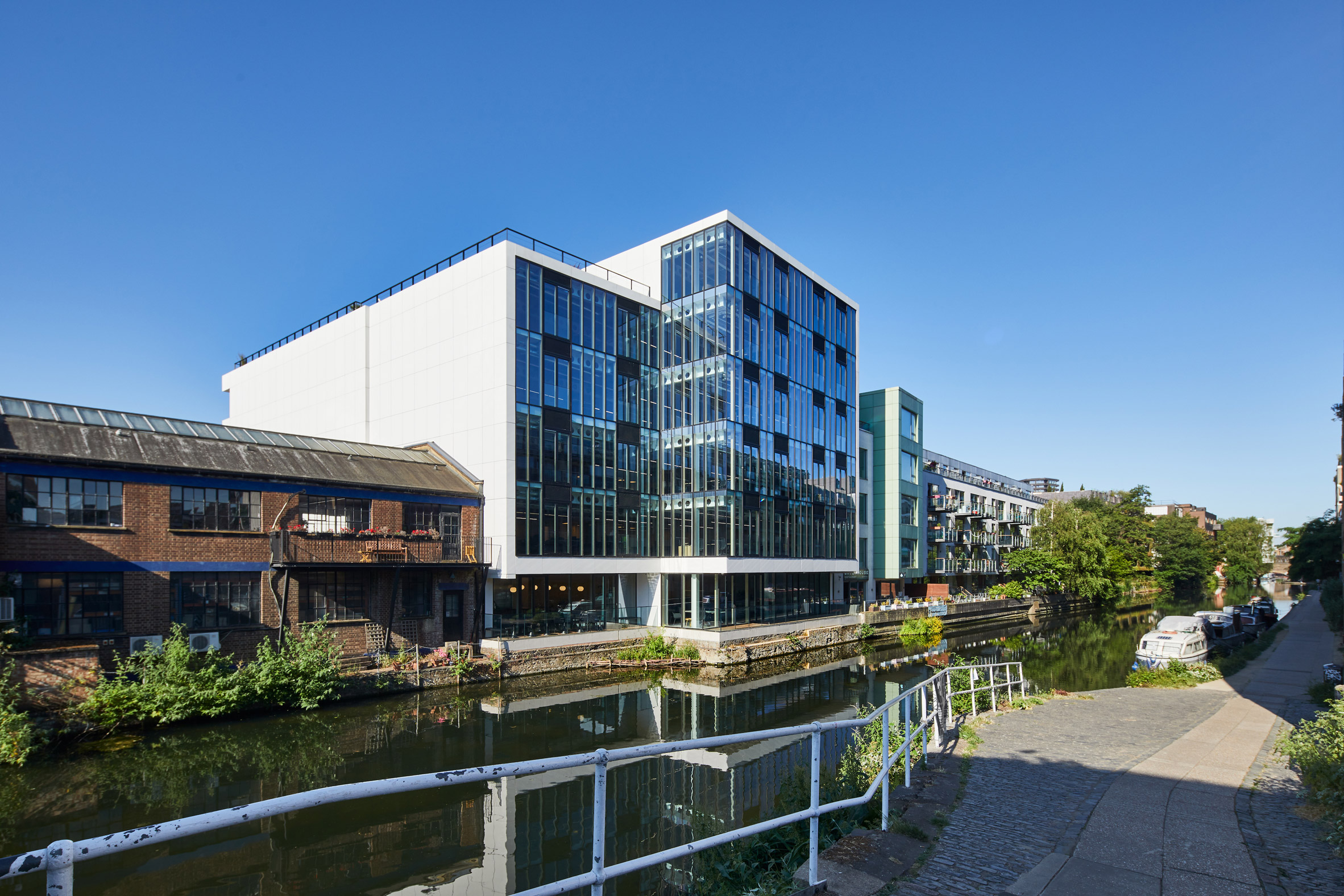
The architecture studio combined a steel frame with cross-laminated timber (CLT) walls and floors to take advantage of the properties of both materials to make an office that has large, flexible floors.
"We used the light weight of CLT and the structural quality of standard steel components to produce a fast built and fully adaptable structure," said project architect Ana Lourenco.
"The steel supports the light-weight CLT floors which work with the timber core to stabilise the building."
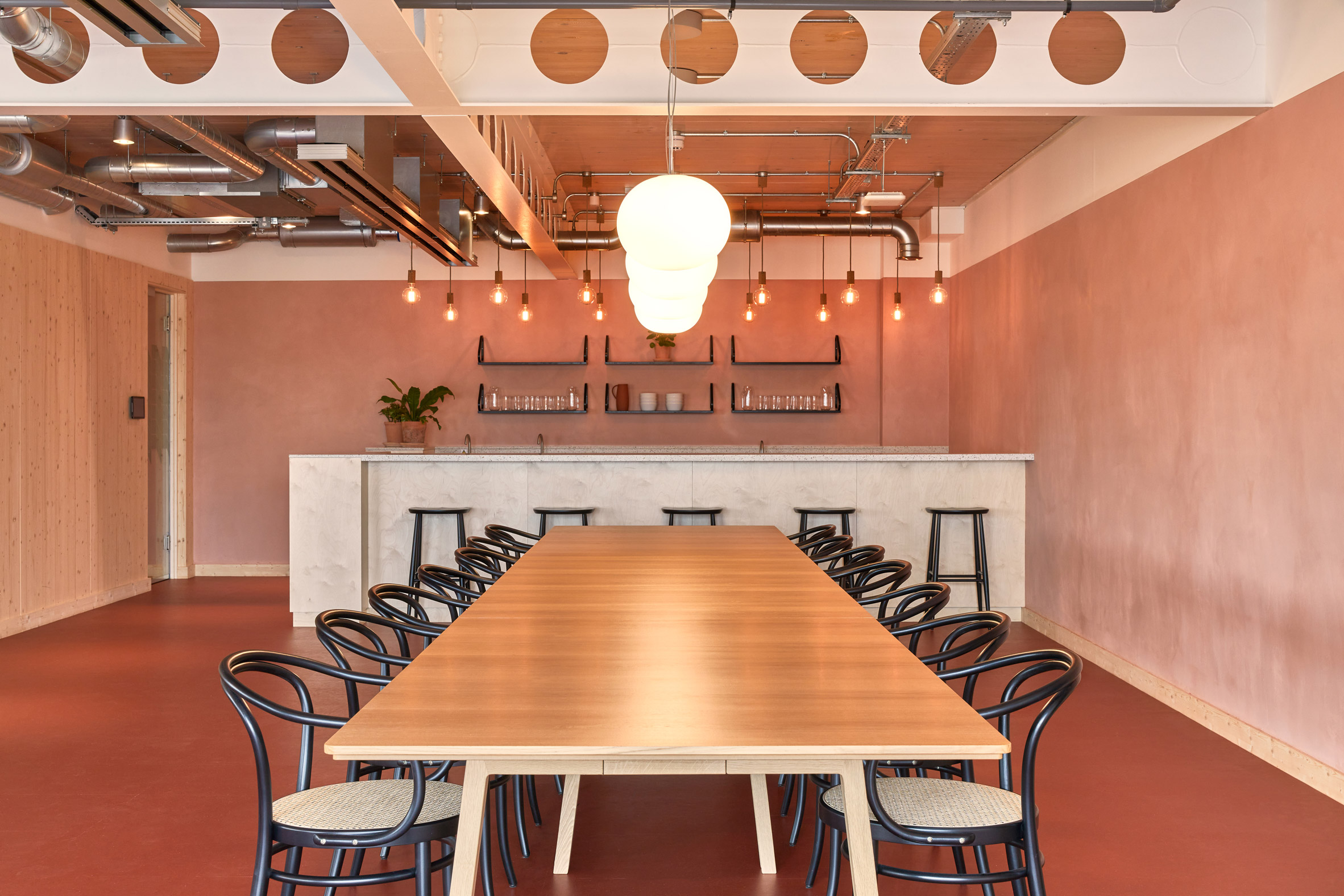
Utilising a steel frame means that the timber wall and floor elements can be adapted or relocated within the building to rearrange, or combine, the internal spaces.
"The open structure allows walls to be built and re-built anywhere on the plan and the CLT floor slabs can be removed or cut to allow double-height spaces – or a new stair, which we've done already!" explained Lourenco.
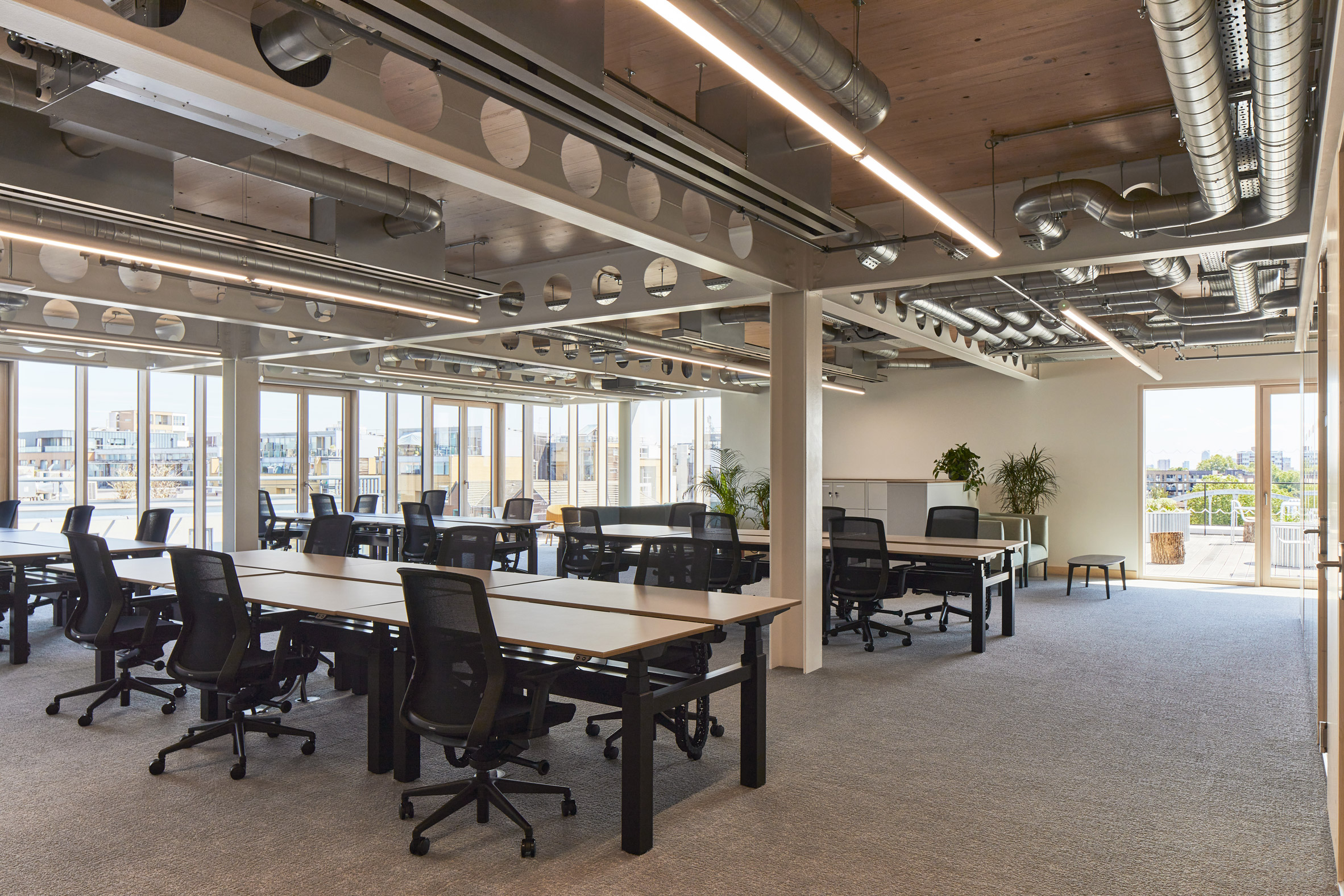
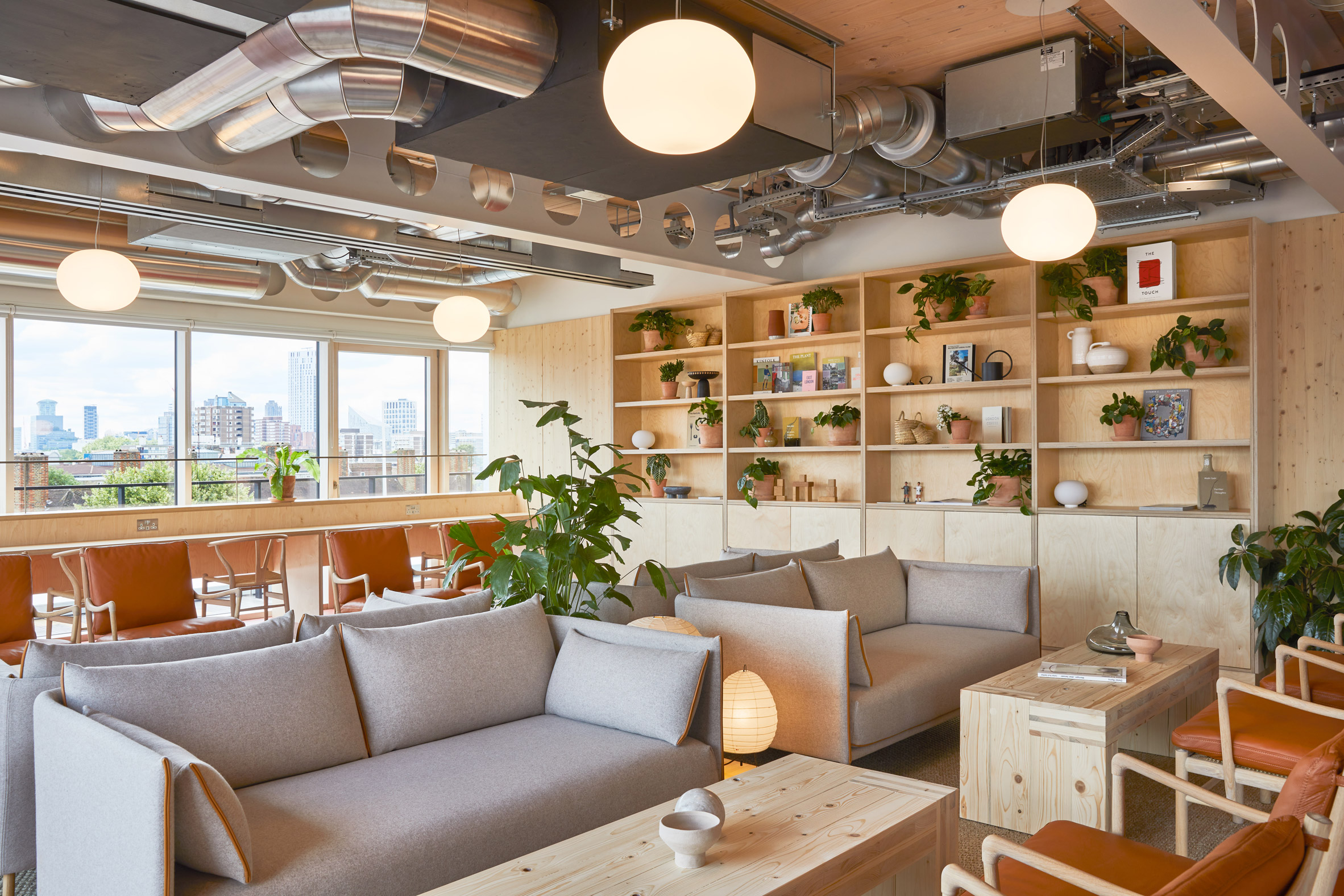
Within the five floors of offices, the steel and timber structure has largely been left exposed and combined with natural clay finishes and marmoleum tiles. Offcuts from the CLT structure have also been used to create furniture within the offices.
"The interior finish and plan are all about celebrating natural materials and natural light," added Lourenco.
London-based Waugh Thistleton Architects was established by Waugh and Anthony Thistleton in 1997. The studio is known as a proponent of the use of CLT and for building one of the first timber high-rises and, in 2017, completing the world's largest CLT building.
In 2018 the studio was shortlisted for the Stirling Prize – the UK's most important architecture award – for a cemetery building with rammed-earth walls in the English county of Hertfordshire.
Photography is by Ed Reeve.
The post Waugh Thistleton Architects creates fully demountable office block next door to Dezeen appeared first on Dezeen.
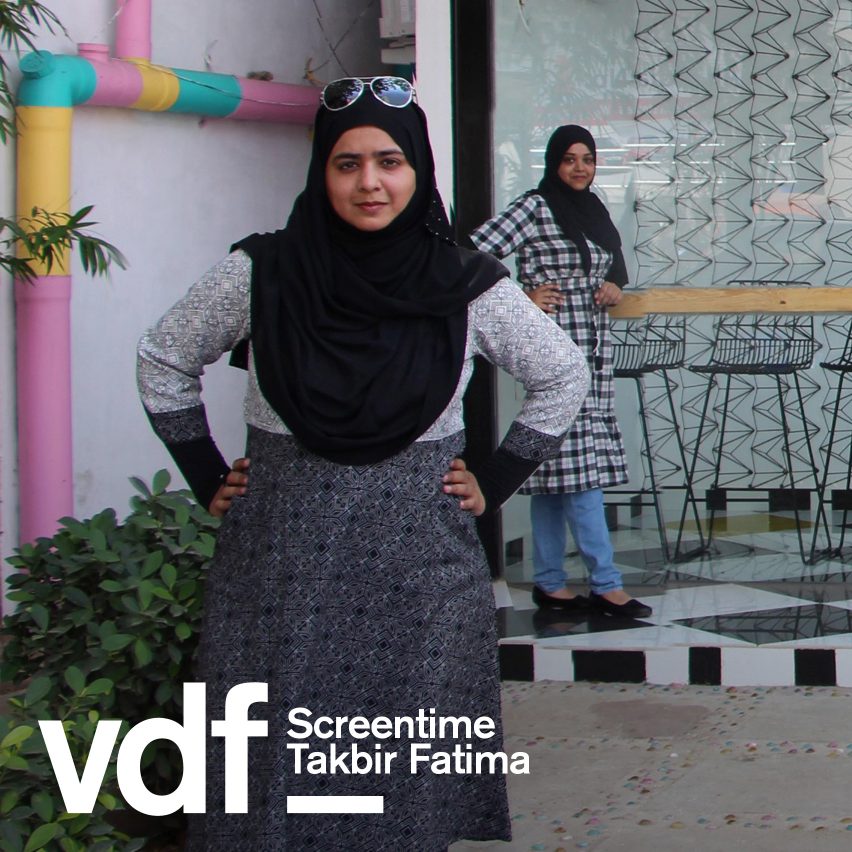
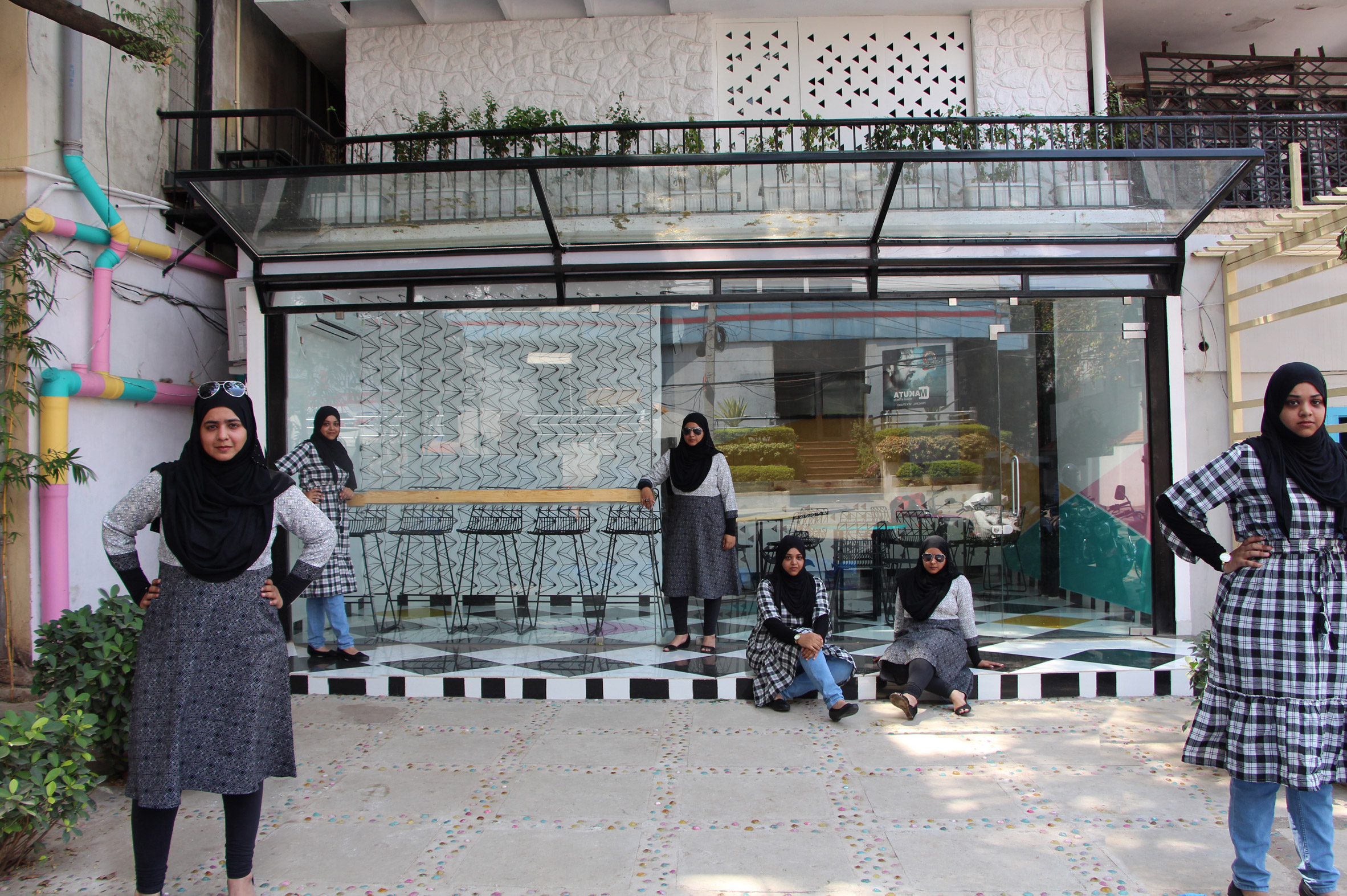
Architect Takbir Fatima of Hyderabad studio DesignAware will discuss how architecture can be experienced digitally in a live Screentime conversation sponsored by Enscape as part of Virtual Design Festival. Tune in from 12:30pm UK time.
Fatima, who runs the interdisciplinary studio DesignAware alongside Abeer Fatima and Asna Moazzam Khan, will speak to Dezeen's founder Marcus Fairs before presenting the Hilltop School in Hyderabad, India through a variety of digital media including a virtual walkthrough and a walking video tour.
The project, which is in the final stages of construction, is situated within a dense residential neighbourhood that surrounds a 16th-century fort.
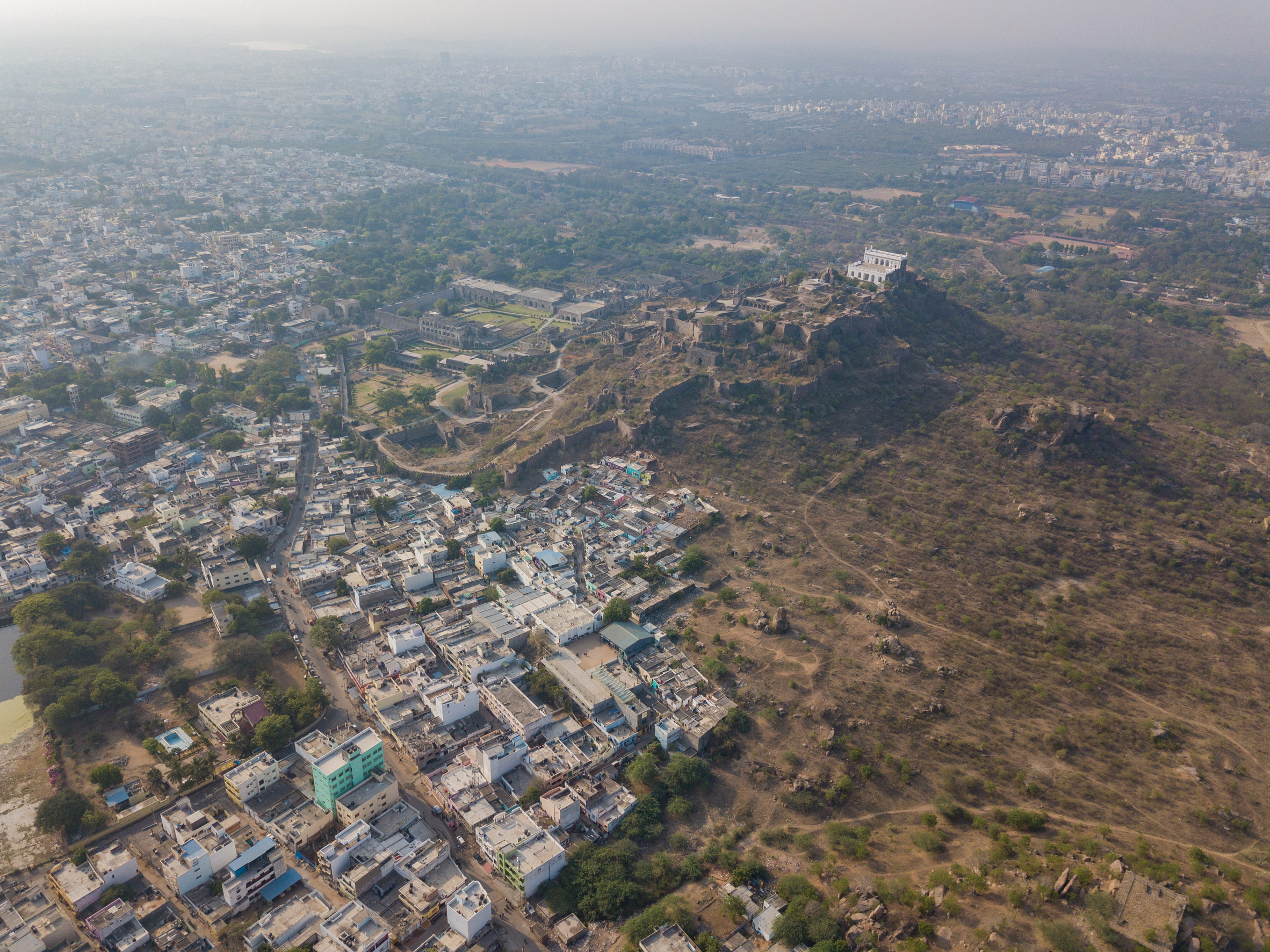
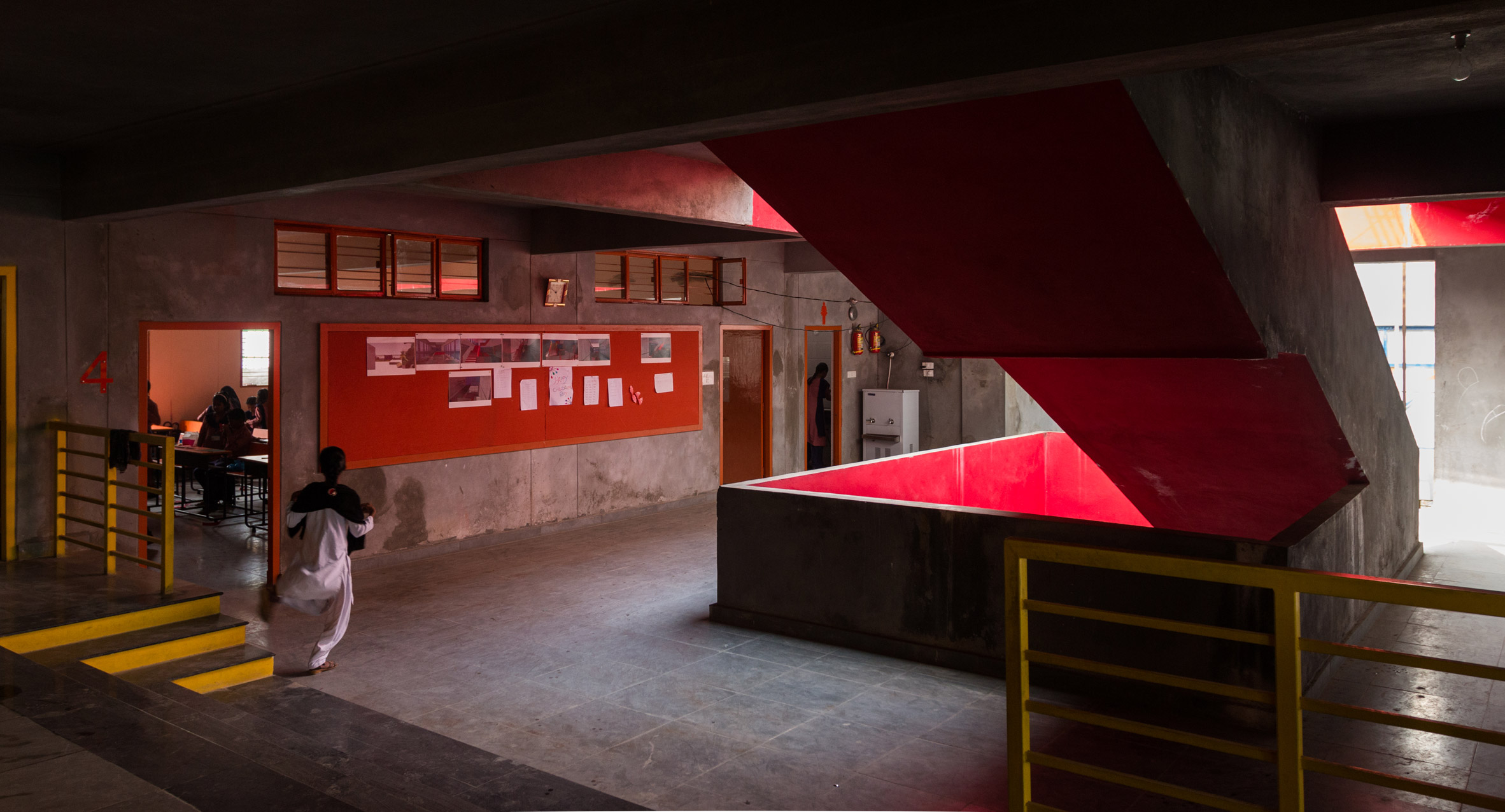
Embedded into an rocky hillside, the four-storey primary school has a rooftop playground and makes use of the site's solid rock to create several walls within the facility.
Additional walls made of brick are completed in a cement finish and either painted in vivid colours, or punctuated by openings in playful hues.
Fatima studied architecture at the CSIIT School of Architecture and Planning in Secunderabad and obtained a master's degree in architecture and urbanism from the Architectural Association in London.
In 2016, Fatima was awarded the Telangana Young Architect Award by the Indian Institute of Architects and recognised as Emerging Architect of the Year by NDTV Design & Architecture Awards.
DesignAware focuses on accessible and responsible design ranging from small scale products to large scale residential, commercial and institutional architecture projects.
The studio, which has offices in Hyderabad and Dubai, won an A’Design Award for the Hilltop School in 2018 after being declared Platinum Winner of Architecture Ideas 3.0 at the Festival of Architecture and Interior Design in 2017.
This Screentime conversation is sponsored by Enscape, a virtual reality and real-time rendering plugin for architectural design programme Autodesk Revit.
Other creatives featured in our Screentime series include Atelier Masomi founder Mariam Kamara, MVRDV's Winy Maas, dean of the Pratt Institute School of Architecture Harriet Harriss, trend forecaster Li Edelkoort, and architect Farshid Moussavi.
About Virtual Design Festival
Virtual Design Festival is the world's first online design festival, taking place from 15 April to 10 July. For more information, or to be added to the mailing list, contact us at virtualdesignfestival@dezeen.com.
The post Takbir Fatima presents an exclusive guided tour of the Hilltop School in Hyderabad for VDF appeared first on Dezeen.

A keen cyclist himself and a member of Rapha’s cycling club in LA, Geoff’s collection features the various shapely characteristics of cyclists.

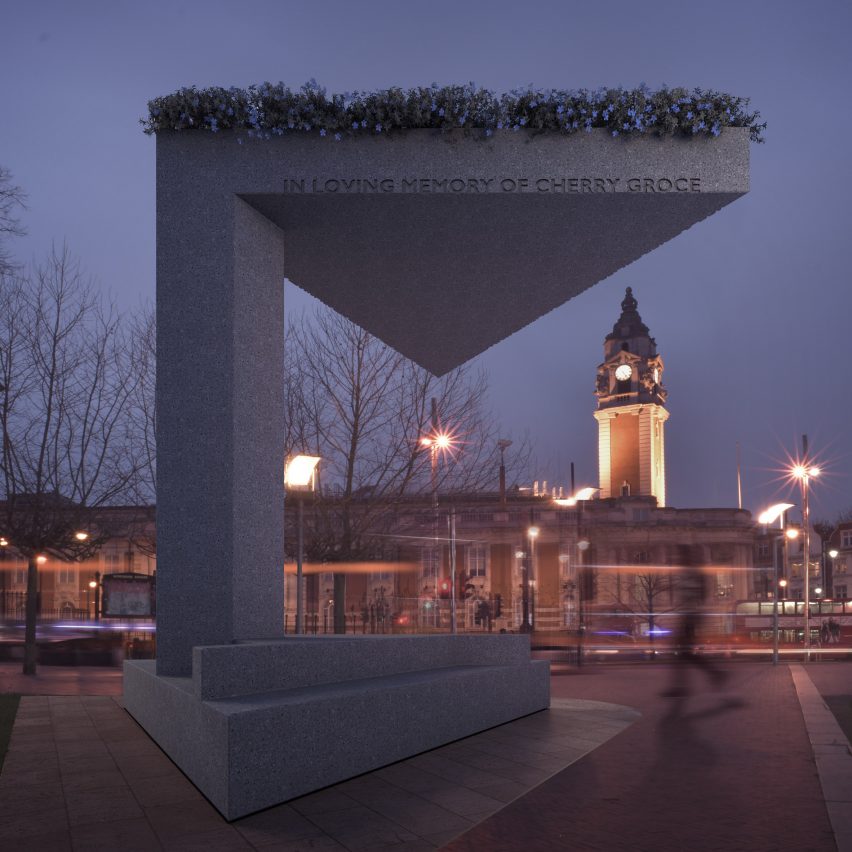
British-Ghanaian architect David Adjaye has designed a memorial in Brixton for Cherry Groce, an innocent black woman shot by London's Metropolitan Police in her own home in 1985.
Adjaye Associates, the practice founded by David Adjaye in 2000, will begin construction on the memorial for Cherry Groce in a few weeks.
Set on in Windrush Square in south London, it will include a planted roof that will shelter public benches. Its triangular-shaped plinth will have seating at different heights carved into all three sides.
A sturdy column on one corner will support another triangular structure, which will overhand the benches from sun and rain and will have sides engraved with Groce's name.
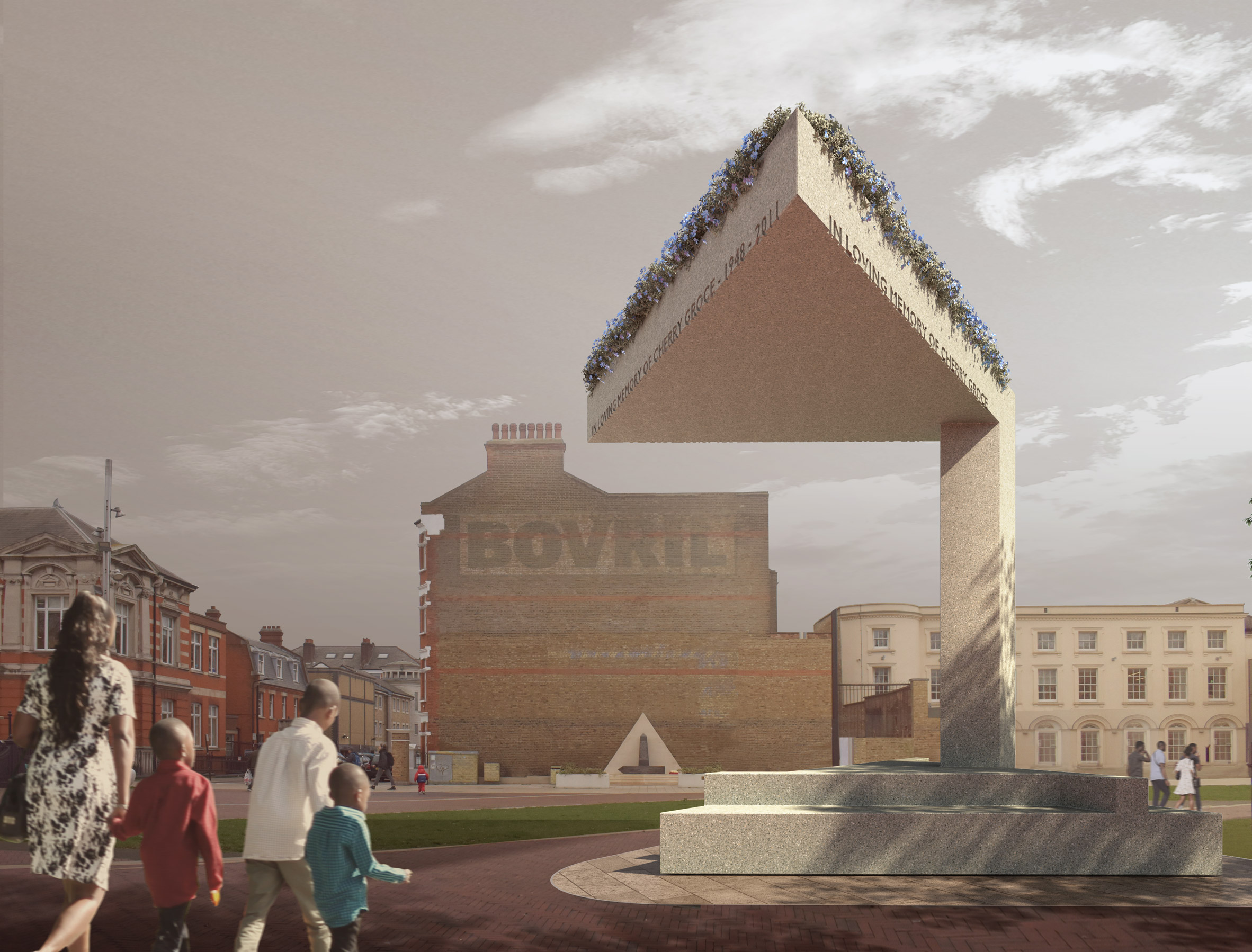
Ensuring her memorial, which was endowed by the Cherry Groce Foundation, would benefit the people of Brixton was imperative to the project, said Adjaye.
"The construction of this memorial will speak to restorative justice and will symbolise that what matters to the community, matters to London and the whole world," he said.
"This tragedy went too long in the public realm without acknowledgement and there is now renewed urgency and importance in finally facing this history," he added.
Groce, a black woman, was shot in front of her children in her house in Brixton on 28 September 1985. She was paralysed by the attack, suffering ill health and needing decades of care from her family before she died of complications from her injuries in 2011.
At the time, the police shooting sparked the 1985 uprising against institutional racism in the London borough of Brixton. The Metropolitan police force eventually issued an apology for their actions in 2014. The raid was targeted at one of Groce's children, who did not live there.
Groce's memorial will be inaugurated with a ceremony on the 35th anniversary of the attack.
"The 35th anniversary of my Mum's shooting is a poignant time for our community," said her son Lee Lawrence.
"Over the years and despite all odds, we as a community have never faltered in our pursuit for justice," added Lawrence, who was 11 years old when he witnessed his mother being shot in their home.
"Whilst we still face enormous challenges, coupled with the impact of a pandemic, our plans for the memorial remain firm. The memorial will serve as a living legacy to a woman who never doubted the power of truth nor the spirit of community."
In 2019 Adjaye Associates designed a memorial pavilion for Hugh Masekela, the black South African jazz musician who wrote anti-apartheid songs.
Adjaye was one of the architects who declared "black lives matter" on social media following the death of George Floyd at the hands of police in the USA. He reposted a photo of a burning building from the unrest that followed the killing.
The post David Adjaye reveals memorial for black woman shot by police in Brixton appeared first on Dezeen.


