Monday, 23 November 2020

Franklin Azzi Architecture completes The Bureau co-working space in Paris

Interiors of The Bureau co-working space in Paris

French practice Franklin Azzi Architecture took tips from the work of Frank Lloyd Wright to design this Parisian co-working space, which features open areas for working, dining and lounging.

The co-working space can be found along Rue du Quatre-Septembre in Paris' second arrondissement, joining two other branches of The Bureau in the capital's eighth arrondissement.

This new location is set inside a Hausmann building that dates back to the 19th century, but when it came to devising the interiors, Franklin Azzi Architecture had a more modern point of reference – mid-century homes created by American architect Frank Lloyd Wright.
Interiors of The Bureau co-working space in Paris
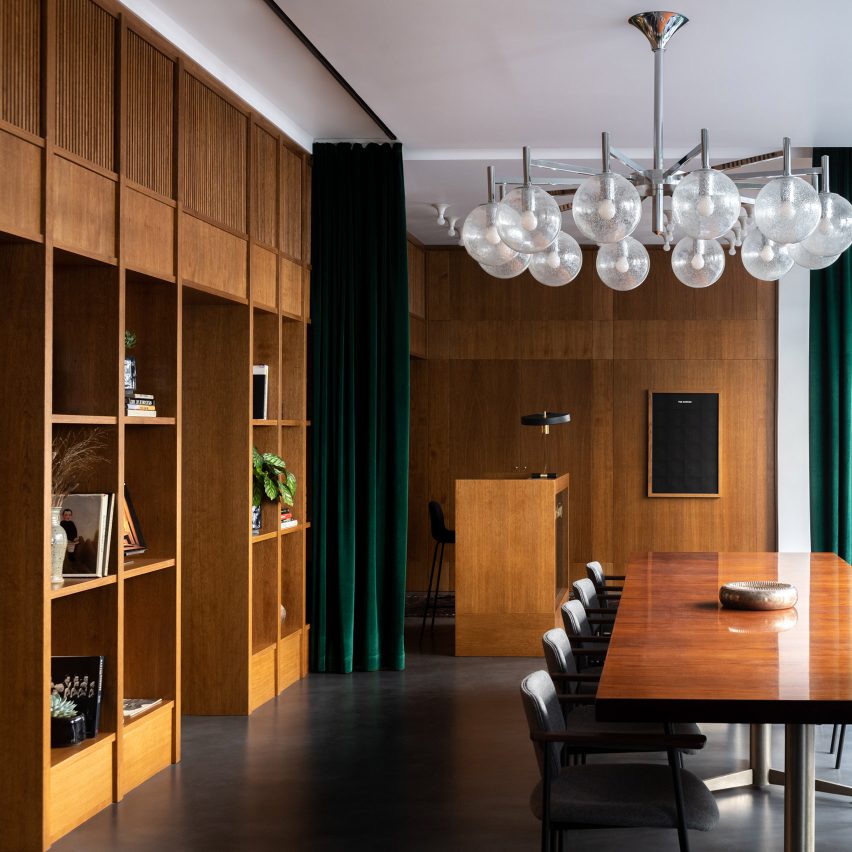
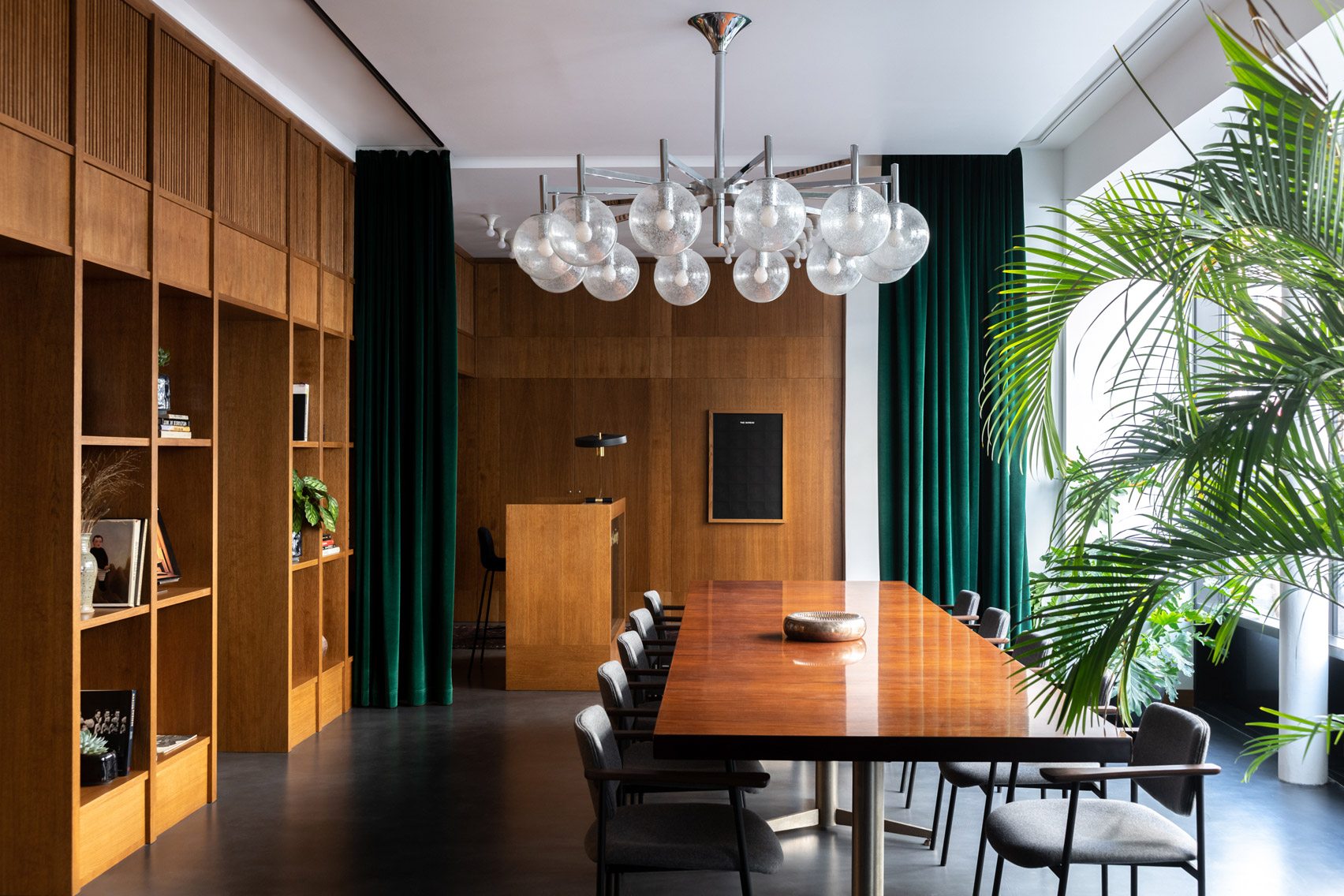
Top image: The Bureau's restaurant. Above: one of the building's communal work areas

"Those houses are manifestos because Frank Lloyd Wright broke free from unnecessary partitions to reveal open areas largely bathed in light, which was very innovative for the beginning of the 20th century," the practice's eponymous founder, Franklin Azzi, told Dezeen.

"For me, they are timeless works that reflect a real desire for integration into their environment through horizontality."
Interiors of The Bureau co-working space in Paris
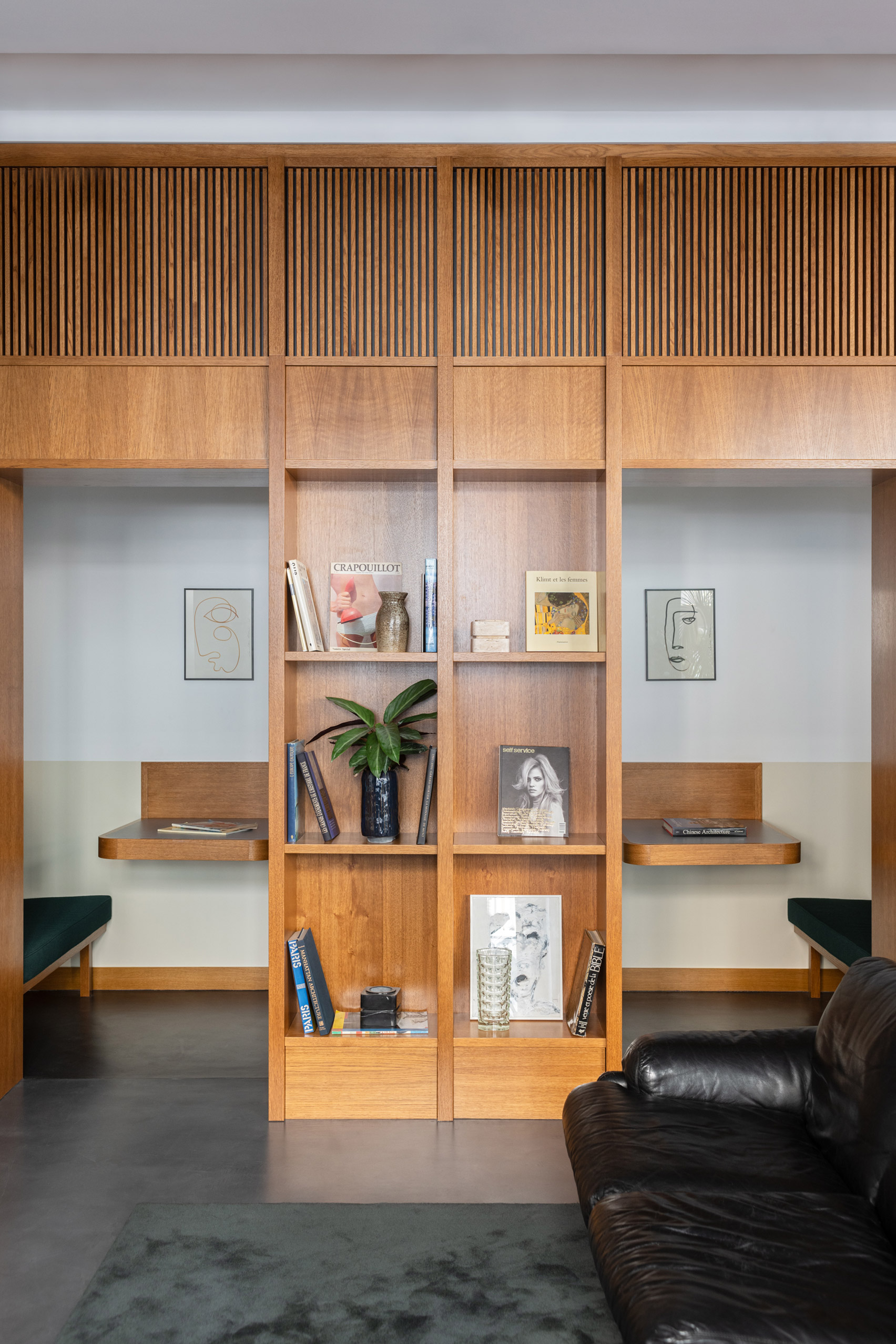
An oak partition is inbuilt with private work booths

In keeping with Llyod Wright's architecture, The Bureau's ground level has been made to have a largely open layout.

The floor plan is interrupted by just one oak-lined partition, which is inbuilt with deep-set bookshelves and private booths where members can escape to take calls or do more focused work.
Interiors of The Bureau co-working space in Paris
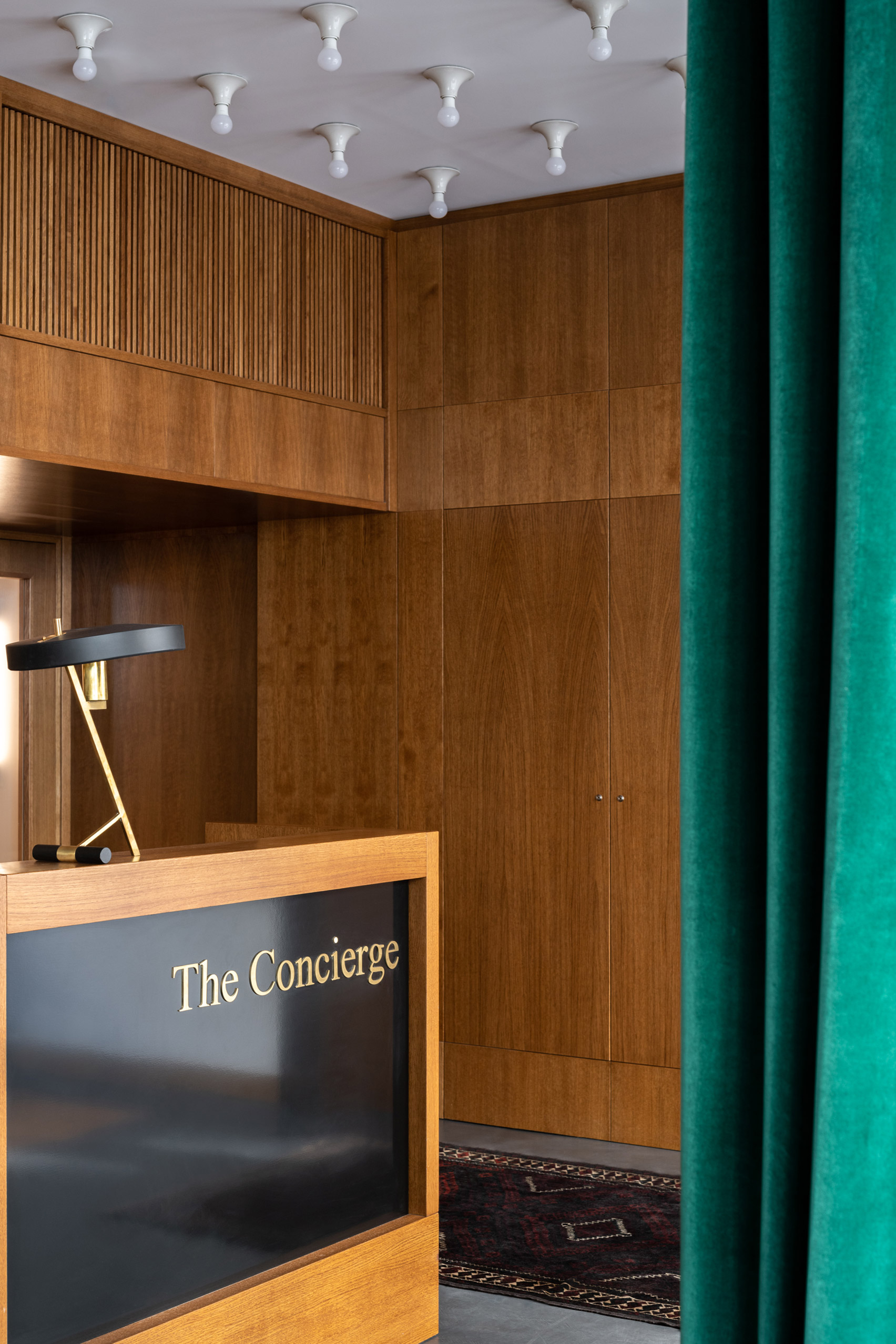
The concierge desk can be screened off by heavy green curtains

Adjacently lies an expansive workroom that features a long communal desk. Dangling above is a chandelier composed of glass spheres and silver-metal spokes.

Towards the front of the room is a concierge desk, which can be screened off by floor-to-ceiling green curtains if necessary.
Restaurant inside The Bureau co-working space in Paris
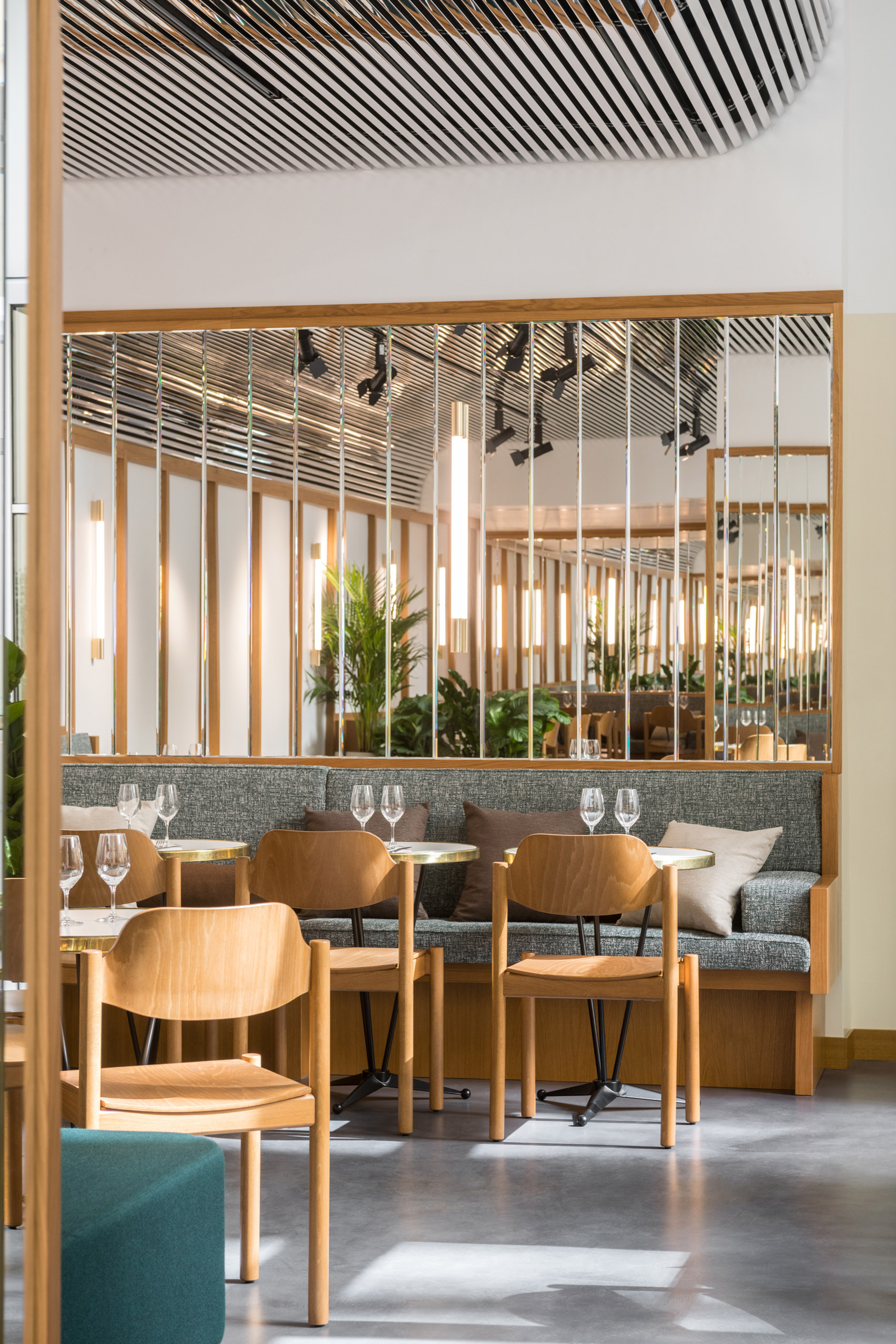
Members will be able to dine at an in-house restaurant called The Comptoir

The Bureau's in-house restaurant, called The Comptoir, has been created in a corner of the ground floor. A grey seating banquette winds around the wall, accompanied by brass-edged tables and wooden dining chairs.

Surrounding surfaces, including the structural columns and part of the ceiling, have been lined with slim mirrored panels.

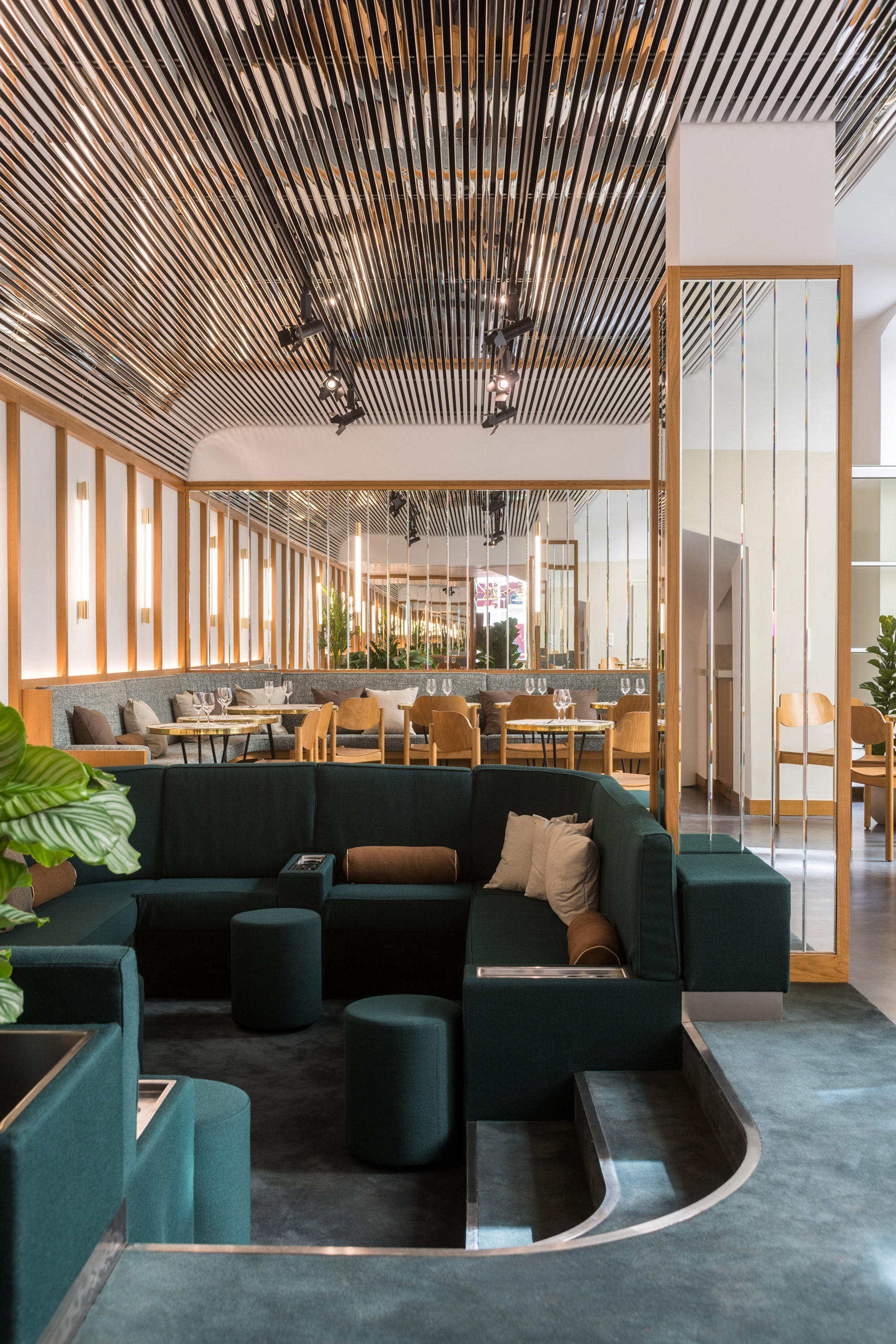
Just in front of the restaurant is a striking, 70s-style decor feature – a sunken conversation pit complete with a plush, deep-green sofa and carpeting to match.

"In terms of inspiration, I position myself as an assembler, picking uninhibitedly from different periods and several registers," explained Azzi.

"We immersed ourselves in the 1970s world of American offices, as well as the colours and material codes infused with Oscar Niemeyer's work to create a unique hybrid identity for The Bureau."
The Bureau co-working space in Paris includes conversation pit
A sunken conversation pit lies in front of the restaurant

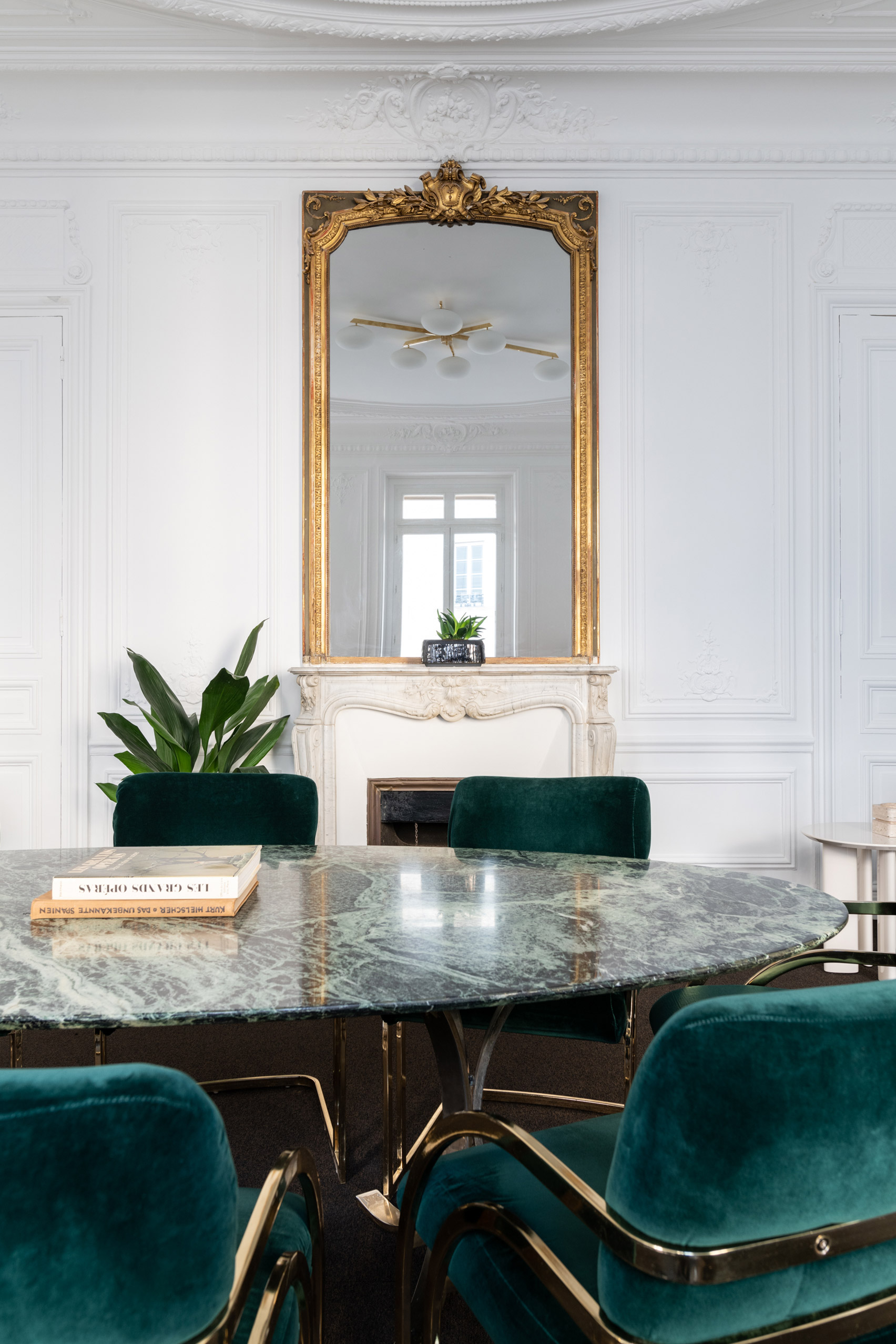
The upper levels of the building play host to more private work areas and meeting rooms, which boast original fireplaces and ornate ceiling cornicing.

Here, as well as downstairs, are a number of furnishings and ornaments sourced by French decorators The Socialite Family.
Meeting room inside of The Bureau co-working space in Paris
Meeting rooms upstairs showcase the building's original features

The pandemic may have put co-working on hold for now, but shared offices are still continuing to pop up. Earlier this year, architect Caro Lundin opened the doors to ARC Club in east London, which is specifically designed for those tired of working from home.

Photography is by Valerio Geraci.

The post Franklin Azzi Architecture completes The Bureau co-working space in Paris appeared first on Dezeen.


from Dezeen https://ift.tt/3lXLQyh

Dezeen Awards 2020 architecture category winners revealed in video show today

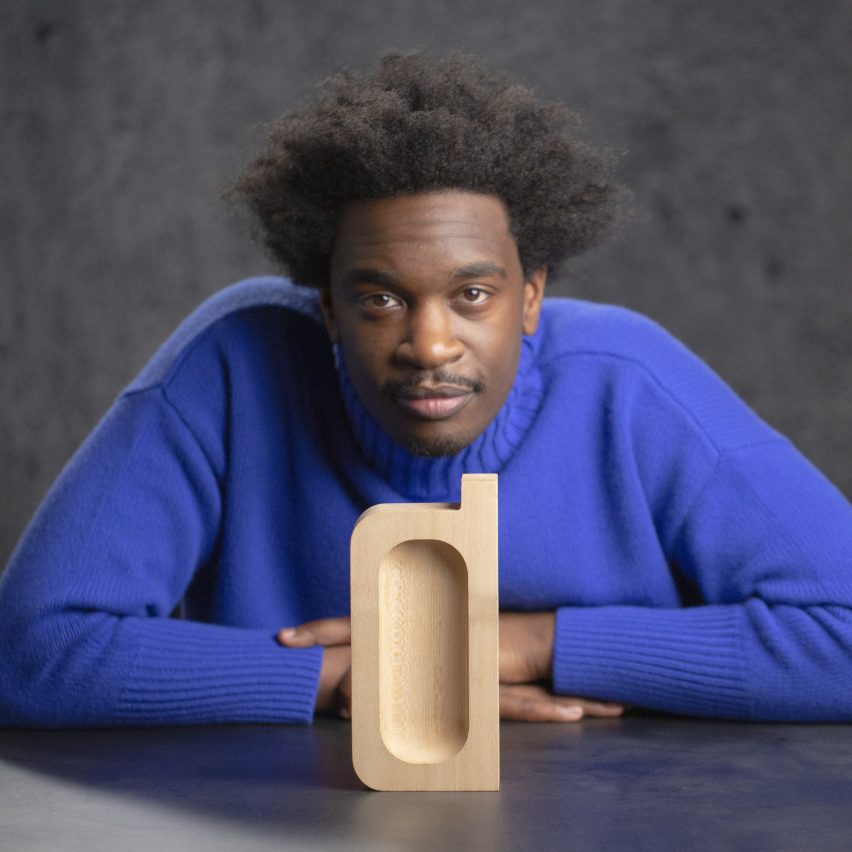
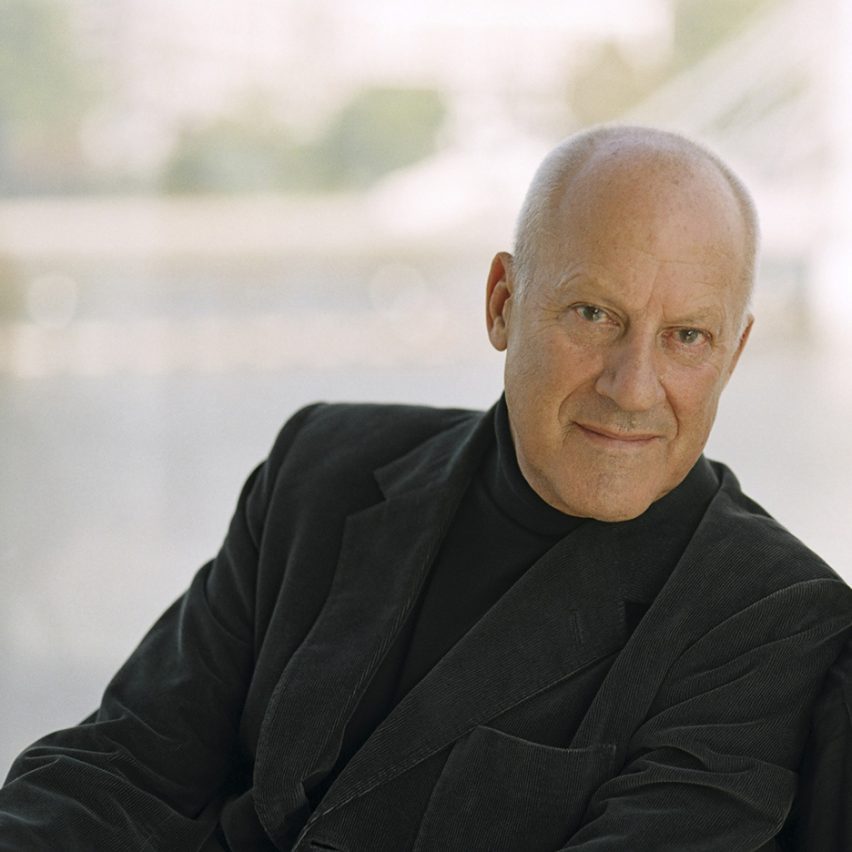
The winners of the Dezeen Awards 2020 architecture categories will be announced today in a special show hosted by poet and broadcaster LionHeart. Watch the broadcast here at 4:00pm GMT, starting with a special message from  Norman Foster.

The 20-minute show will reveal the winners of the 12 project categories before naming the winner of the best architecture project of the year.

The winners of the architecture studio of the year and the emerging architecture studio of the year awards will also be named.

We'll also be announcing the winners live on Twitter:

@dezeenawards
#dezeenawards

Today's show is the first of three programmes that will reveal all 45 Dezeen Awards 2020 winners. Tomorrow's show will name the interiors winners, and the design categories will be announced on Wednesday.

Dezeen Awards 2020 architecture show running order

4:00pm: Dezeen Awards 2020 architecture show starts
4:04pm: Urban house of the year revealed
4:05pm: Rural house of the year revealed
4:06pm: Housing project of the year revealed
4:08pm: Residential rebirth project of the year revealed
4:09pm: Civic building of the year revealed
4:10pm: Cultural of the year revealed
4:11pm: Business building of the year revealed
4:12pm: Hospitality building of the year revealed
4:14pm: Rebirth project of the year revealed
4:15pm: Small building of the year revealed
4:17pm: Landscape project of the year revealed
4:18pm: Infrastructure project of the year revealed
4:19pm: Architecture project of the year revealed
4:21pm: Architect of the year revealed
4:23pm: Emerging architect of the year revealed

Winners selected by master jury

This year's master jury included London-based Sally MackarethMariam Kamara of Studio Masomi, Alexandra Hagen of White Arkitekter, Penda China's Sun Dayong and Issa Diabaté of Ivory Coast-based Koffi Diabate Architects.

Working remotely, the judges reviewed all shortlisted projects online between 4 and 6 November.

About LionHeart

LionHeart, the host of this year's Dezeen Awards 2020 Shows, is a poet, broadcaster and architecture enthusiast. A TEDx Speaker and BBC Radio London Presenter, his poetry explores connections between the built environment and wellbeing and he has acted as poet in residence at architecture firms including Grimshaw Architects and Squires & Partners. London-based LionHeart, whose real name is Rhael Cape, was a judge for the Dezeen Awards 2020 architecture categories.

About Dezeen Awards 2020

Dezeen Awards is our annual awards programme, now in its third year. It identifies the world's best architecture, interiors and design, as well as the studios and the individual architects and designers producing the most outstanding work.

Organised by Dezeen, the world's most popular and influential architecture and design website, Dezeen Awards is the benchmark for international design excellence and the ultimate accolade for architects and designers everywhere.

This year, more than 4,300 entries were received from over 80 countries across five continents.

To receive more information about Dezeen Awards 2021, please subscribe to our newsletter.

The post Dezeen Awards 2020 architecture category winners revealed in video show today appeared first on Dezeen.


from Dezeen https://ift.tt/3lY56vA

Kasturi Balotia's first original rug is "the future of design"

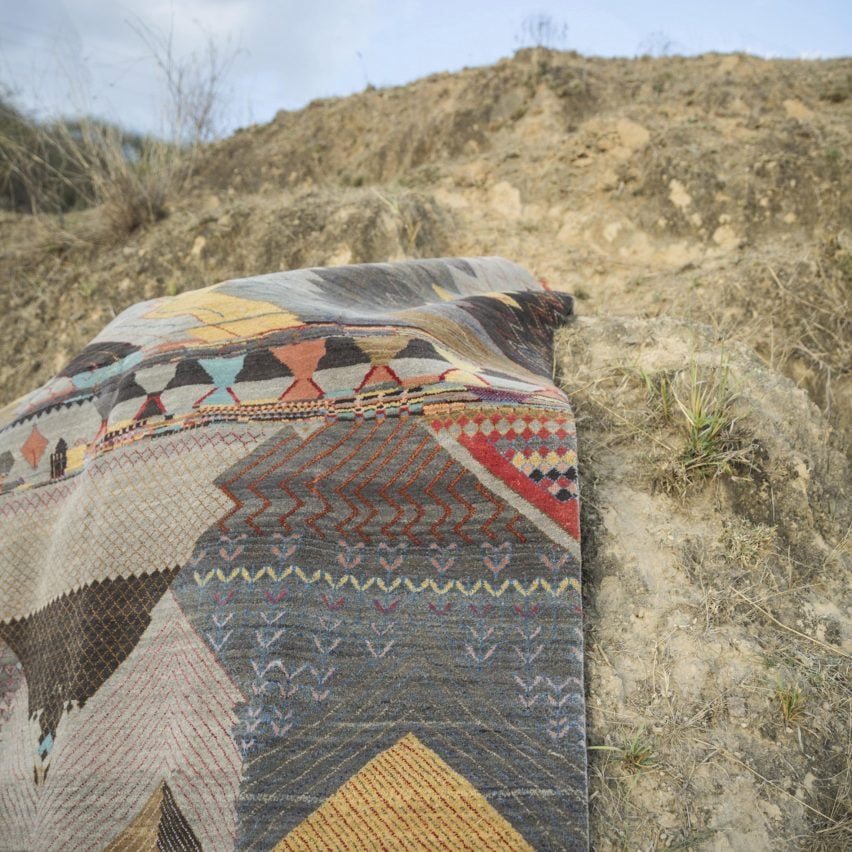
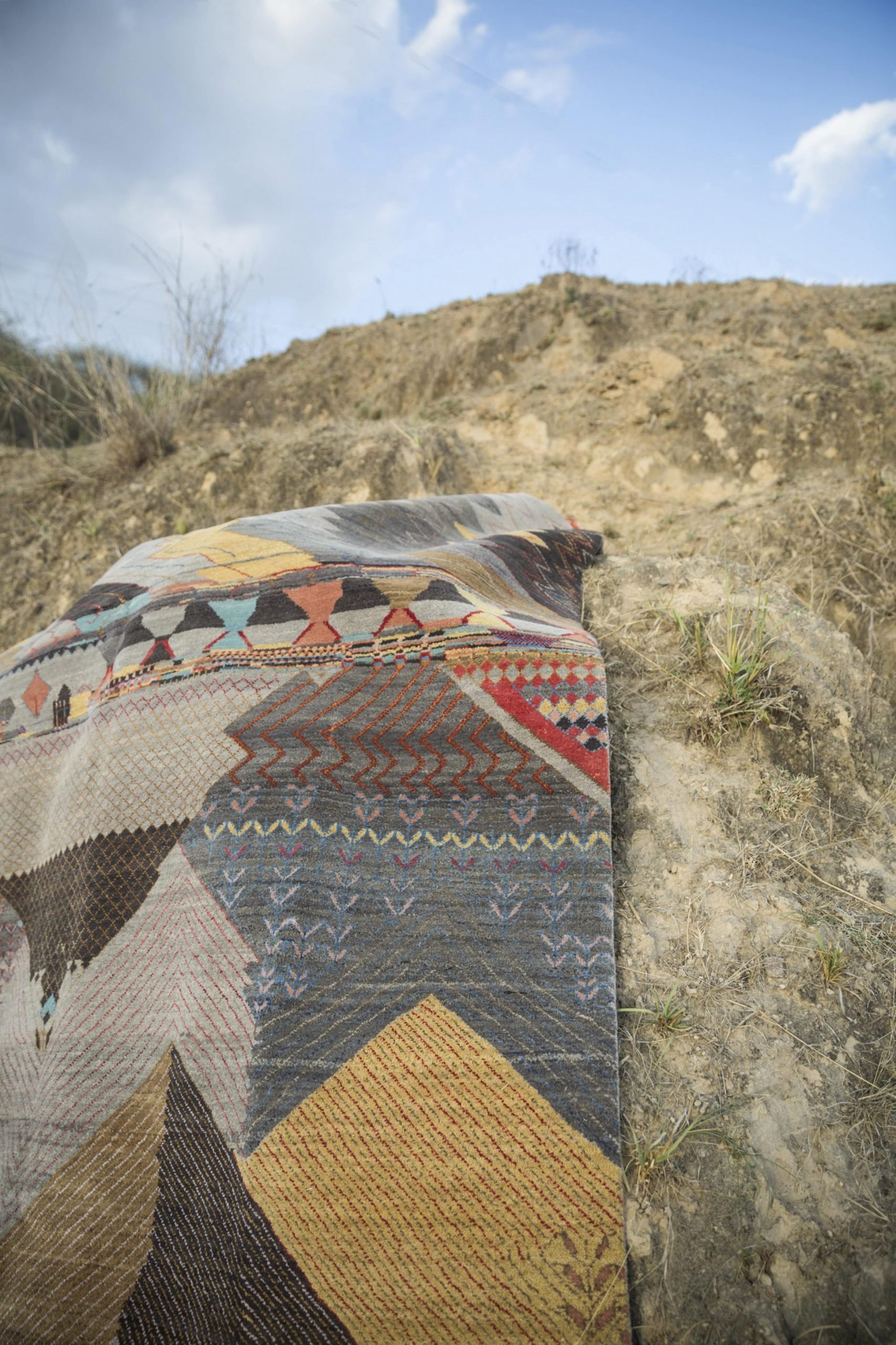
Deepak rug by Kasturi Balotia for Jaipur Rugs

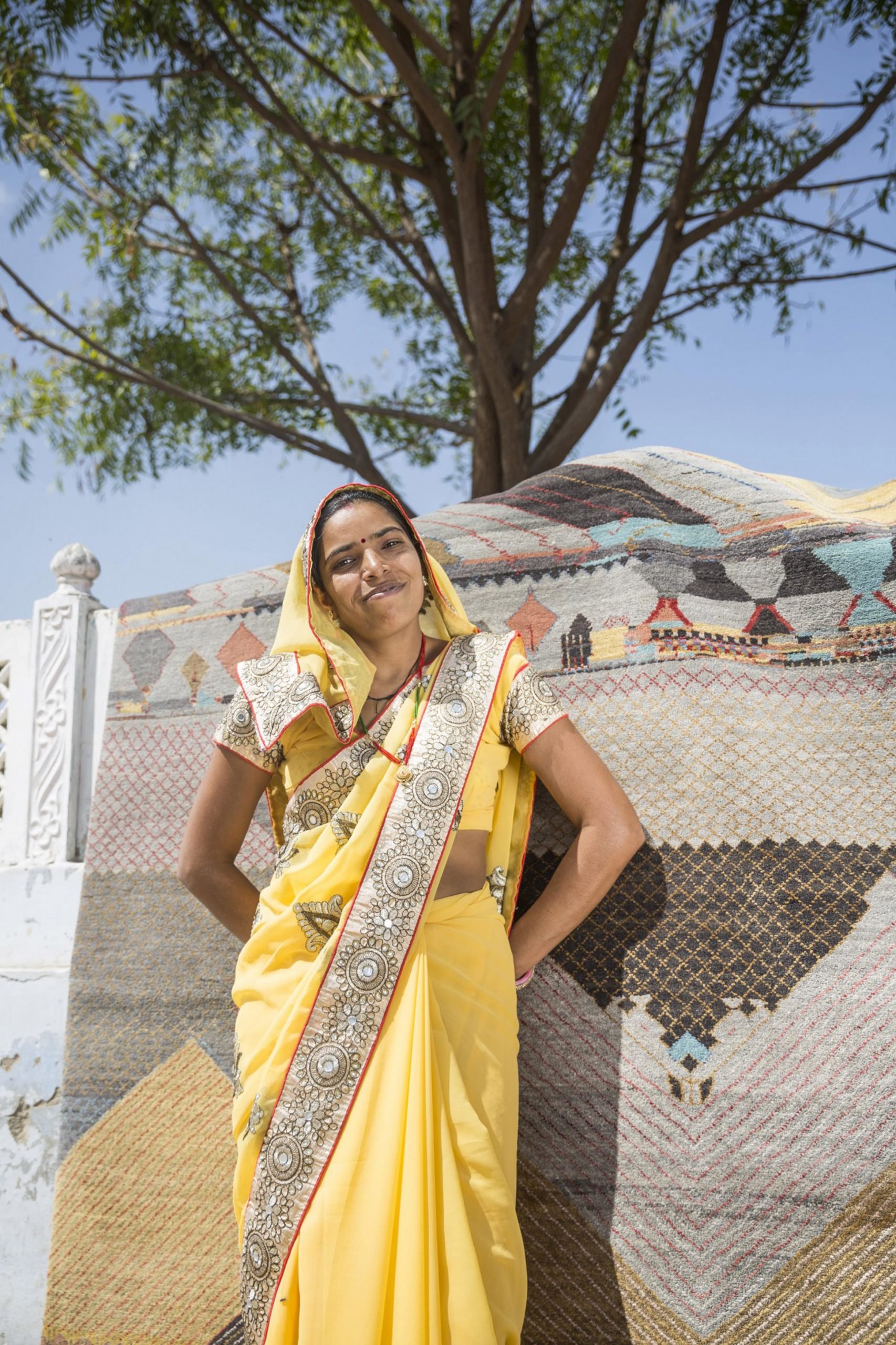
Jaipur Rugs weaver Kasturi Balotia has released her debut rug design as part of the company's Manchaha initiative, which aims to take textile workers in rural India from a position of "exploitation to empowerment".

Called Deepak, the rug has been shortlisted for this year's Dezeen Award in the homeware design category, with winners set to be announced on 25 November.

Balotia, who normally executes the designs of others, was given the opportunity to create the pattern spontaneously on the loom, using yarn offcuts that would otherwise have gone to waste.

In this way, the Manchaha project hopes to improve the social and economic standing of female weavers like her, while making the industry itself more circular.

Deepak for Jaipur Rugs
Kasturi Balotia dubbed her rug design Deepak, meaning source of light

"We feel that one cannot be done without the other," Jaipur Rugs founder Nand Kishore Chaudhary told Dezeen.

"Change is always from the ground up and if we do not work to uphold the dignity of the art and its artist then we won't be able to achieve the sustainability goals we aspire to."

Dezeen Awards judge Natsai Audrey Chieza applauded the project, describing it as "the future of design".

"This is a noteworthy intervention that, without overstatement or hype, fuses equity-based, impact-oriented and sustainability-focused design, craft and production," she said.

Deepak for Jaipur Rugs
A pattern of red, yellow and blue lanterns runs across the rug in a nod to Diwali

By allowing weavers to express themselves through their craft, the project hopes to renew their passion for the tradition of hand-knotting, thereby preserving it for future generations.

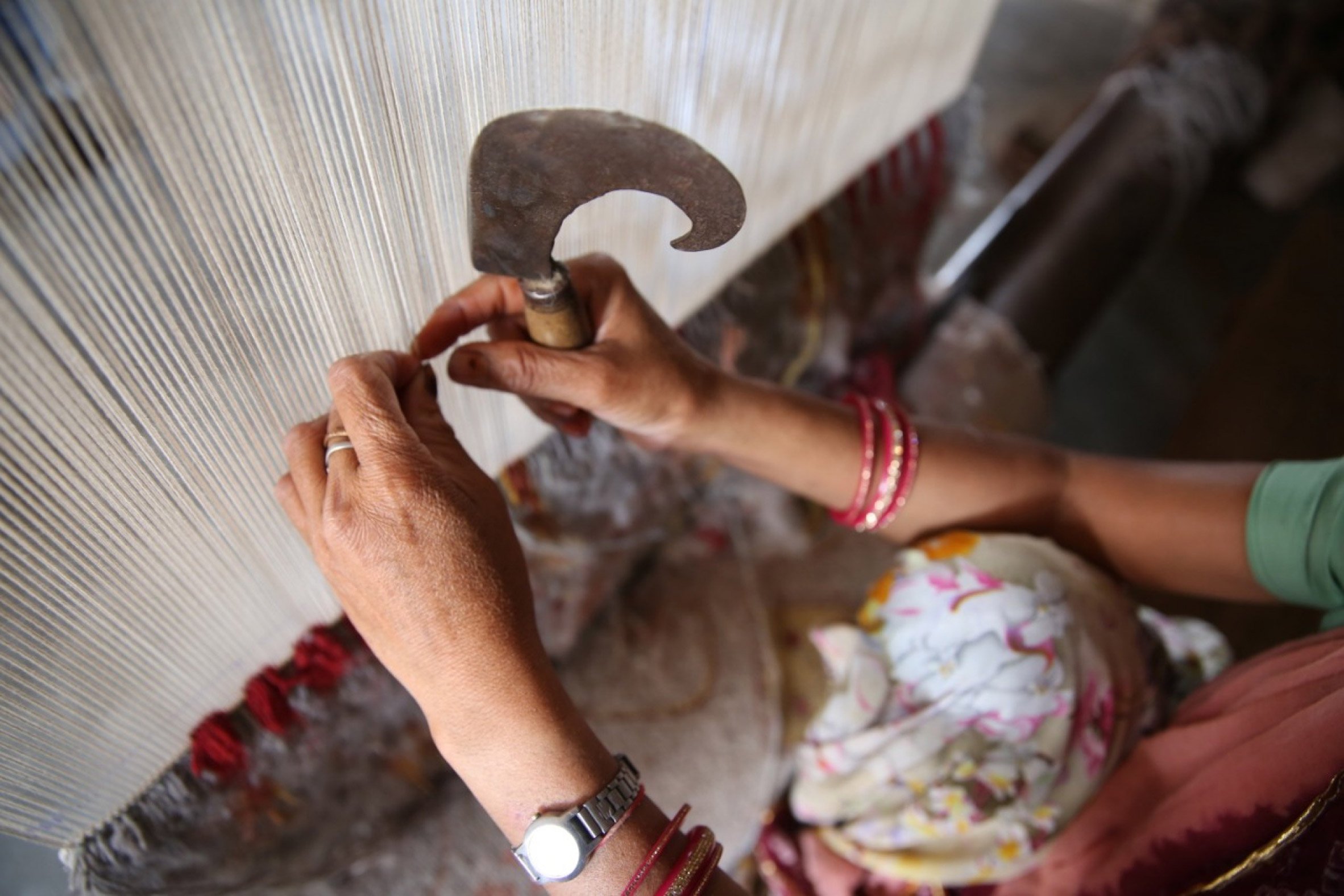
The Deepak rug is made of 222,184 individual knots per square meter, each tied individually and by hand over the course of two months.

This process coincided with Diwali season, leading up to the Indian festival of light, which is immortalised in the rug through a pattern of colourful, trapezoid lanterns.

Deepak being hand-knotted in the Jaipur Rugs factory
Balotia tied the 222,184 knots found in every square metre of the rug by hand

While making the rug, Balotia watched the wheat fields in her village change with the seasons, a context that is immortalised in the rug through a zig-zag pattern, suggesting the tracks of a plough paving the way for fresh seeds.

This scene changes as monsoon season sees the wheat stalks basked in sunlight, drenched in puddles or whipped around by punishing winds.

According to Chaudhary, the project has created a regular and sustainable income for Balotia and other women, giving them not just financial stability but also causing a marked change in how they are viewed in their households and communities. 

"The Manchaha project is a great tool against the patriarchy. As the women become earning members of the family they slowly, but surely rise in status and get a voice that they can use for their own transformation," he said.

"After being nominated for several design awards, Kasturi has found more confidence in her creative thinking and design style. The news of her nomination has spread fast in her small village, elevating her social standing in her community," he continued.

"By nurturing the creative potential of rural India, Manchaha transforms a community from exploitation to empowerment."

Kasturi Balotia with the Deepak rug designed for Jaipur Rugs
The project has seen Balotia nominated for a series of international design awards

At the same time, the project reclaims silk, wool, cotton, jute and hemp yarn, leftover from the production of other rugs, and turns it once again into a valuable material.

"The rug industry globally is losing billions of dollars in wasted yarn," said Chaudhary.

"Surplus yarn is either incinerated or goes straight to landfill. Repurposing it helps reduce wastage that had no solution and makes the colour palette of these rugs as unique as their design."

Other projects that have been shortlisted in the homeware category alongside Deepak include Poppy Lawman's steam-bent Bue brushes, which hope to encourage a more mindful way of living, and a series of porcelain tableware that wears its blue glaze layered internally.

The post Kasturi Balotia's first original rug is "the future of design" appeared first on Dezeen.


from Dezeen https://ift.tt/2IZ59ZC

Dezeen Awards is an "extraordinary initiative" says Norman Foster ahead of this week's Dezeen Awards 2020 Shows

As we prepare to announce this year's winners, architect Norman Foster has described judging this year's Dezeen Awards as "a great privilege and pleasure" while fellow judge Michelle Ogundehin said the quality of entries was "absolutely extraordinary".

With the winners set to be announced in a series of three, 20-minute Dezeen Awards 2020 Shows starting today, Foster, Ogundehin and Paola Antonelli recorded video messages describing their experience as judges.

It's been a great privilege and a pleasure to be part of the judging panel on this year's entries," said Foster, who judged the architecture categories.

"I'd like to congratulate everybody who's competed, those who've won, and the magazine for this extraordinary initiative."

Architecture winners unveiled today

The architecture category winners will be unveiled at 4:00pm UK time today in the first of three Dezeen Awards 2020 Shows hosted by poet and broadcaster LionHeart. Foster's full video message will be broadcast as part of the show.

"I was lucky enough to be on the judging panel for the interiors awards and I am very excited to be able to share that the quality of entries was absolutely extraordinary," said architect and broadcaster Michelle Ogundehin, who judged the interiors categories.

Interiors and design winners revealed on Tuesday and Wednesday

Interiors winners will be named in the second Dezeen Awards 2020 show at 4:00pm UK time on Tuesday 24 November.

MoMA design curator Paola Antonelli described this year's field of entries as "humungous".

" I had the opportunity to look at what happened in the world of design last year," said Antonelli, who judged the design categories." And I hope that you will enjoy poring over the finalists' entries as much as I have. "

Design winners will be announced in the final Dezeen Awards 2020 Show at 4:00pm GMT on Wednesday 25 November.

See all three Dezeen Awards 2020 Shows at dezeen.com/awards2020shows. Details of every winning project and studio will be published at dezeen.com/awards/2020 once each show has finished.

The post Dezeen Awards is an "extraordinary initiative" says Norman Foster ahead of this week's Dezeen Awards 2020 Shows appeared first on Dezeen.


from Dezeen https://ift.tt/2IRm2pj

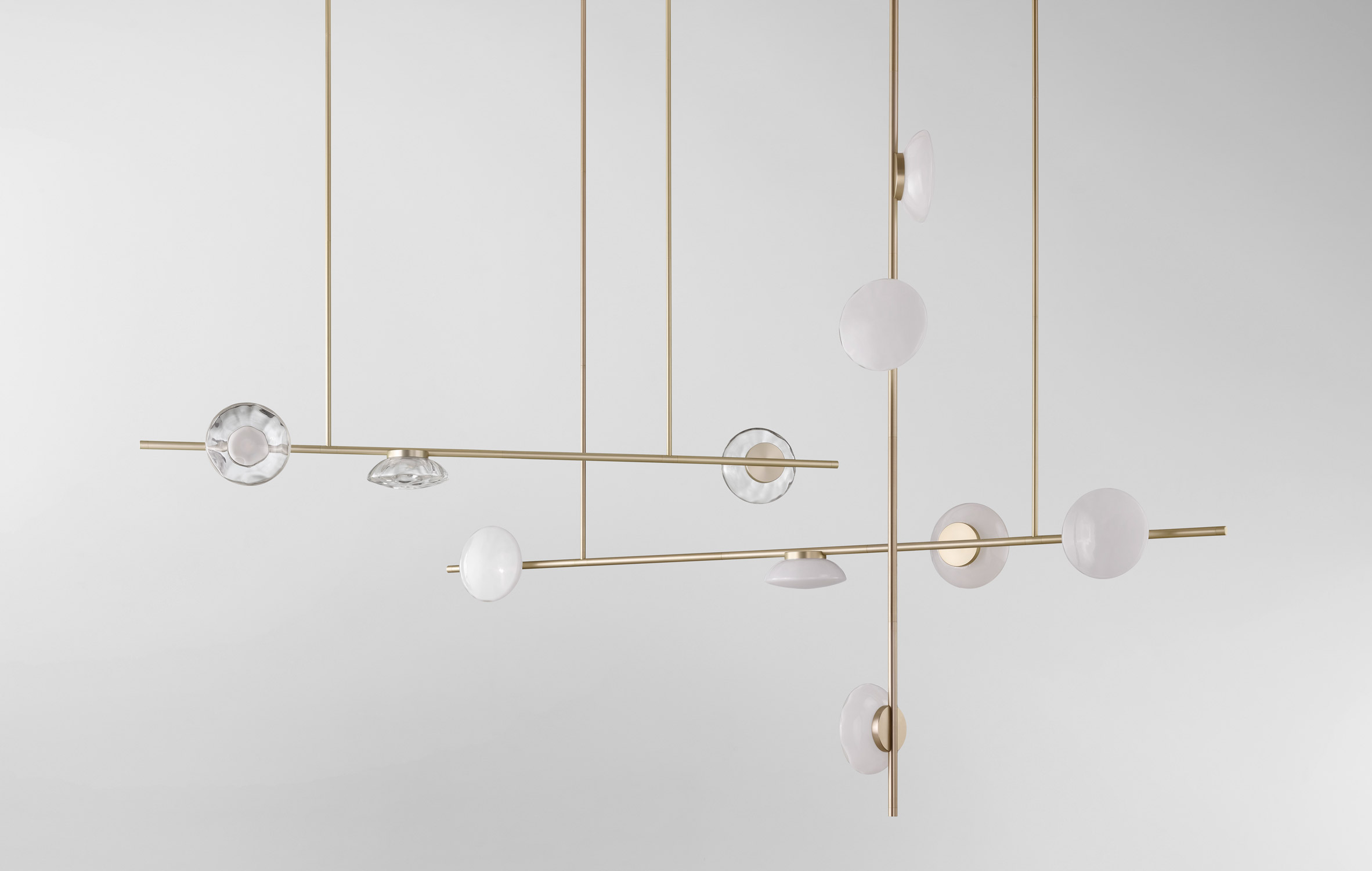
Ceto horizontal chandelier by Ross Gardam

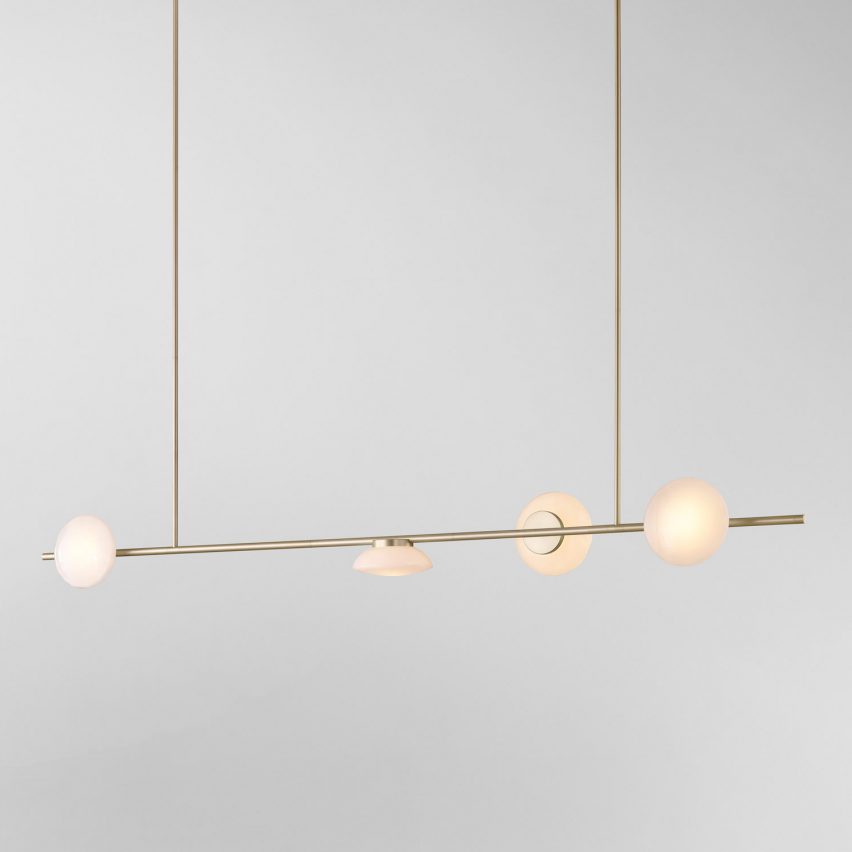
Horizontal Ceto chandelier by Ross Gardam

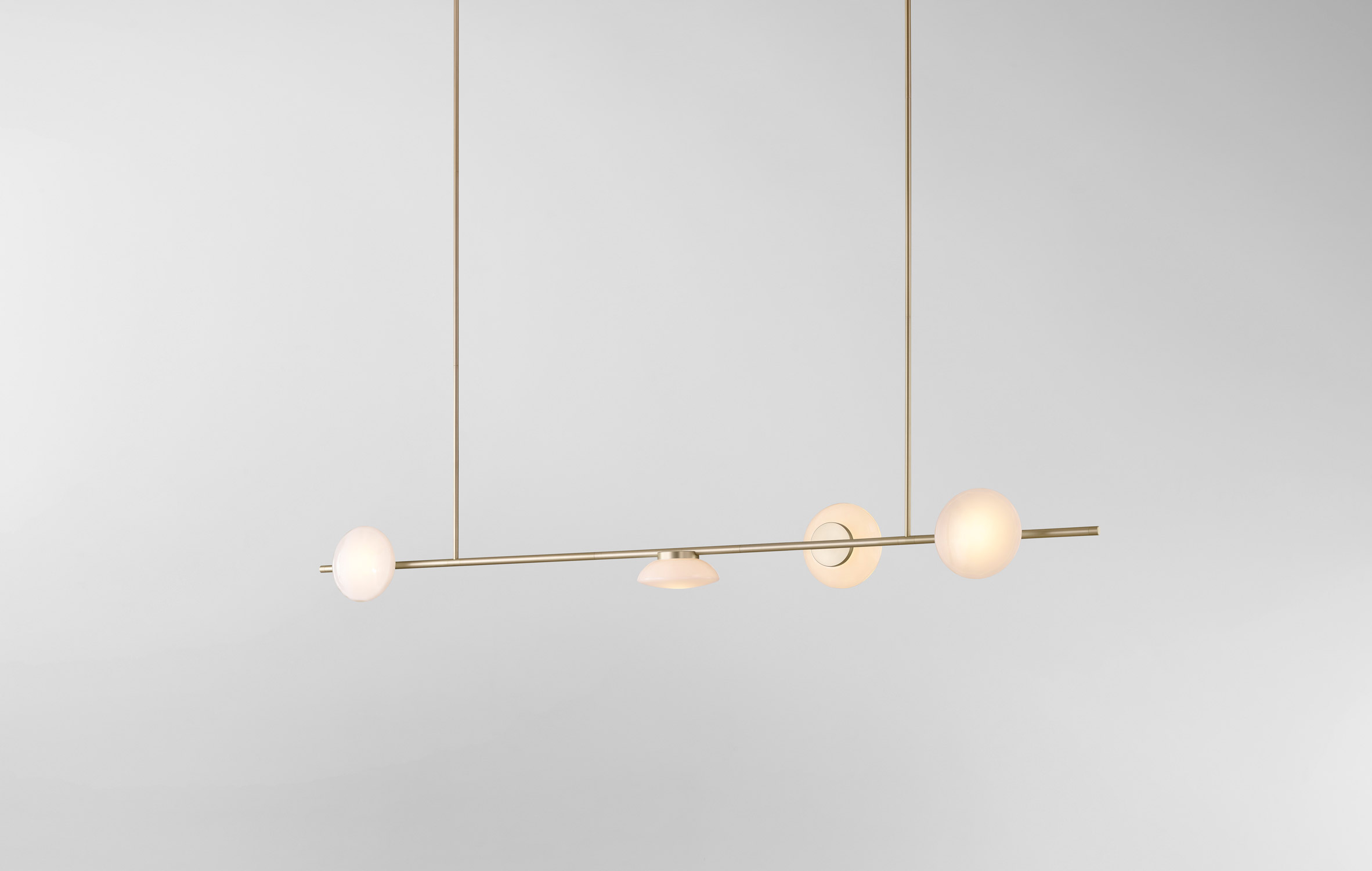
Dezeen Showroom: Melbourne design studio Ross Gardam's Ceto horizontal chandelier has a unique patterned glass that was designed to reference the rippling surface of the ocean.

The studio experimented with traditional optic glass-blowing techniques to create unique forms for the horizontal chandelier, which have a rippled-glass effect on the inside of the shade while the external shape is smooth.

Horizontal Ceto chandelier by Ross Gardam
Top: the chandelier on display in a room. Above: the light was designed to evoke the ocean

The Ceto chandelier's glass elements were first blown into a preliminary mold, called the optic, and then the final mold, which gives the glass its absolute form. Its shape was designed to evoke the sea.

"For me, the ocean has such a calming effect; it’s a place heavily wrapped up in childhood nostalgia and a deep feeling of tranquillity," Ross Gardam said.

"I wanted the Ceto light to act as a kind of mnemonic device, allowing you to return to this place."

Ceto chandeliers by Ross Gardam
The Ceto chandelier is made from mouth-blown glass and anodised aluminium

The glass elements are completed by supporting tubes in anodised aluminium, which the glass shades appear to have been simply pressed on to.

As well as the horizontal chandelier, the Ceto collection includes other chandeliers, floor lamps, wall lighting, and pendant varieties.

The lights are produced in Ross Gardam's Melbourne studio using mouth-blown glass from Adelaide and aluminium components from Melbourne.

Product: Ceto horizontal chandelier
Brand: Ross Gardam
Contact: sales@rossgardam.com.au

About Dezeen Showroom: Dezeen Showroom offers an affordable space for brands to launch new products and showcase their designers and projects to Dezeen's huge global audience. For more details email showroom@dezeen.com.

The post Ceto horizontal chandelier by Ross Gardam appeared first on Dezeen.


from Dezeen https://ift.tt/3fplBy3