Monday, 23 November 2020

Alison Brooks Architects and Gad Line+ Studio named architecture studios of the year at Dezeen Awards

Alison Brooks Architects has been named studio of the year while Gad Line+ Studio has won the title of emerging architecture studios of the year at Dezeen Awards 2020.

Based in the UK, Alison Brooks Architects was selected from a shortlist of six studios, which was determined by our jury of 25 leading figures from the world of architecture.

Chinese architecture studio Gad Line+ Studio beat four other emerging studios to win the award.

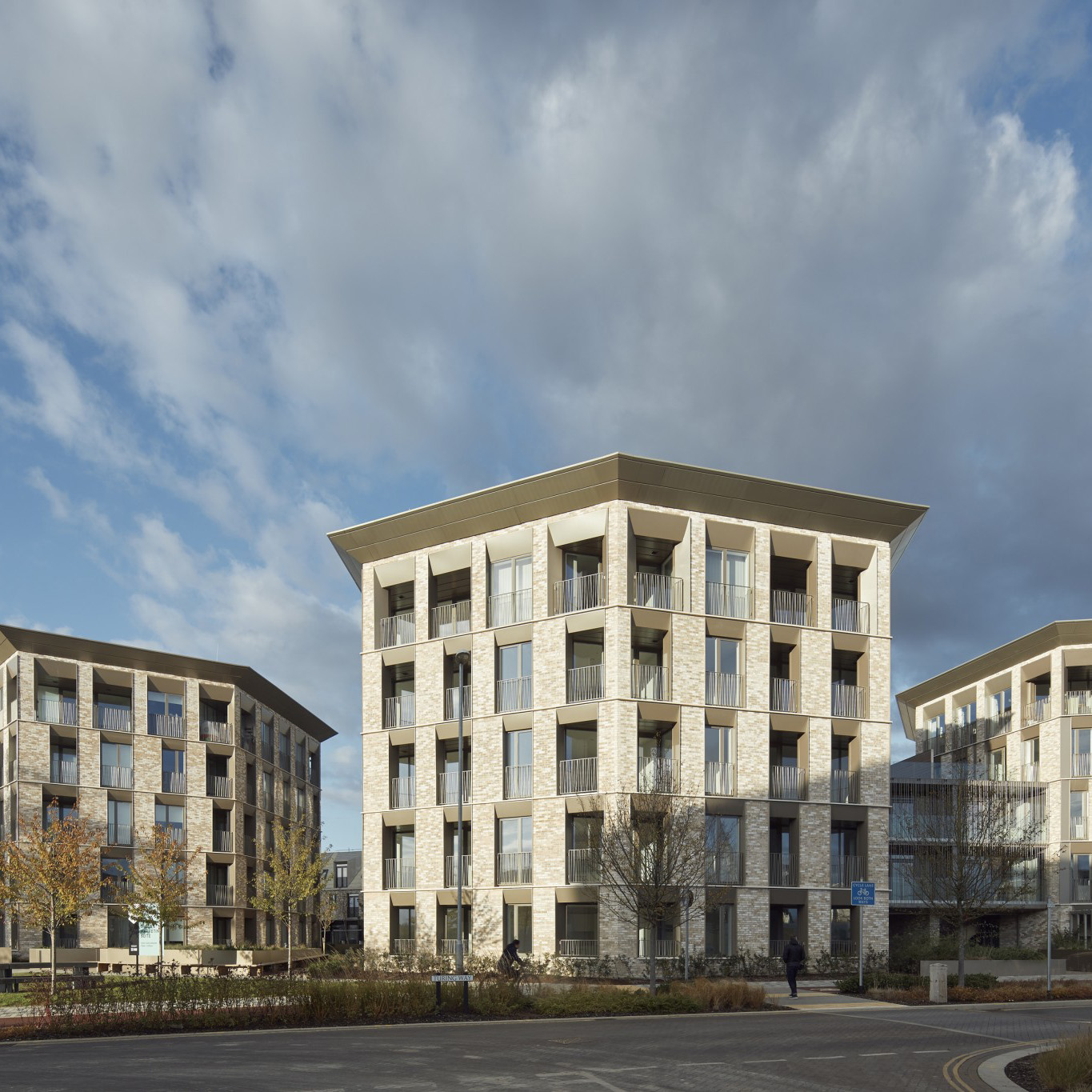
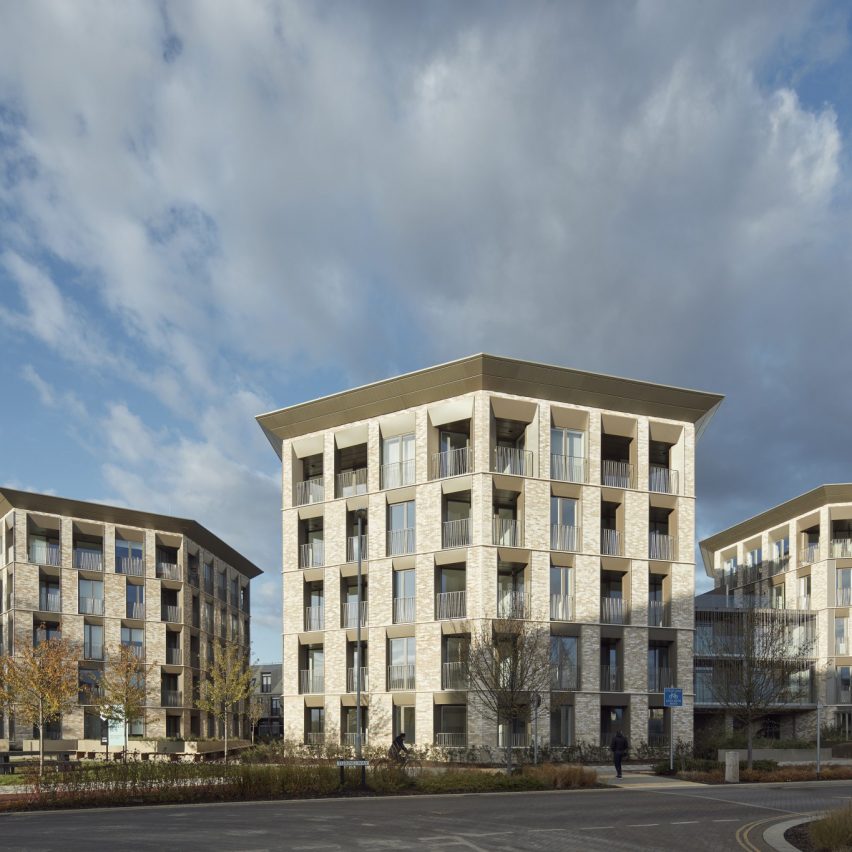
Athena by Alison Brooks Architects in Eddington, Cambridge
Alison Brooks Architects' projects include Athena, Eddington in Cambridge. Image is by Paul Riddle

The winning studios were revealed at the Dezeen Awards 2020 architecture show, which was streamed on Dezeen on 23 November.

The interiors and design studio category winners will be revealed on 24 November and 25 November.

Alison Brooks Architects named studio of the year

The architecture jury, which consisted of London-based Sally Mackareth, Mariam Kamara of Studio Masomi, Alexandra Hagen of White Arkitekter, Penda China's Sun Dayong and Issa Diabaté of Ivory Coast-based Koffi Diabate Architects, chose London-based Alison Brooks Architects as the winning architecture studio of the year.

They said that the practice is "conscious and questioning, and adopts a public interest approach" and that "this is the direction we want architecture to move towards".

"A groundbreaking practice with great ethos – particularly the way that they question both norms and the profession itself," they further explained.

Projects by the studio include an art-filled black house alongside a Georgian farmhouse in Gloucestershire and a housing development in King's Cross.

Brooks founded her eponymous architecture studio in 1996 with a portfolio ranging from urban design and landmark developments to private houses, higher education projects and buildings for the arts.

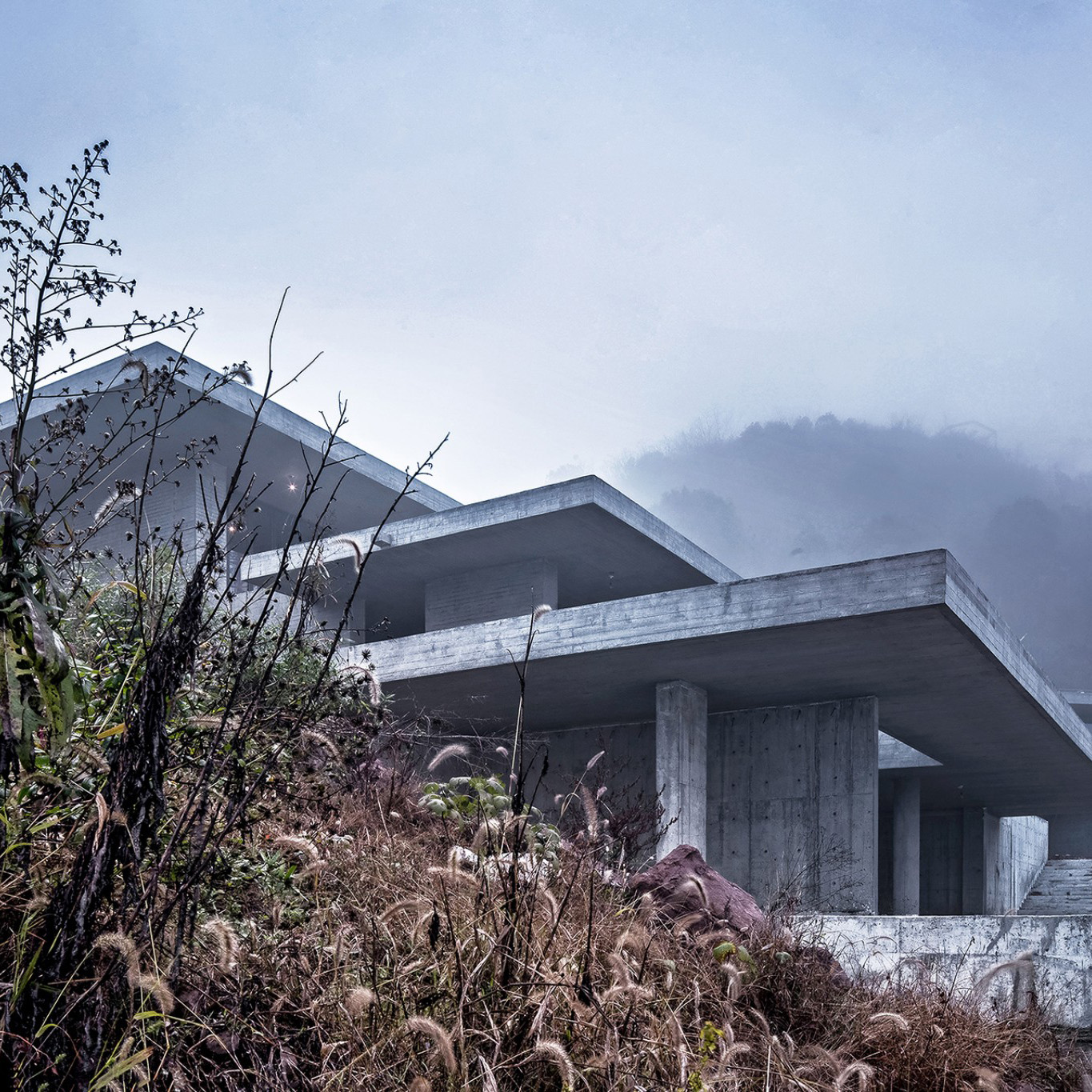
Teahouse in Jiuxing Village by Gad Line+ Studio in China
Gad Line+ Studio's work includes this Teahouse in Jiuxing Village, China. Photo is by Yilong Zhao

The studios were chosen by this year's architecture master jury, which virtually met on 4 November. Their selections were based on evidence of strong vision and achievement, business success, client satisfaction and positive impact.

Gad Line+ Studio named emerging studio of the year

Gad Line+ Studio, a Hangzhou-based architecture studio, founded by Meng Fanhao and Zhu Peidong in 2018, has won the emerging architect of the year category. The architecture master jury was "hugely energised by this young studio" and praised it for "its youthful, spirited and exciting work".

Based in Hangzhou, the studio was also shortlisted in the cultural building of the year category for its Jiunvfeng Study on Mount Tai this year and previously for an affordable housing scheme it designed in Fuyang District at Dezeen Awards 2018.

The post Alison Brooks Architects and Gad Line+ Studio named architecture studios of the year at Dezeen Awards appeared first on Dezeen.


from Dezeen https://ift.tt/3fueepo

The Red Roof by TAA Design named architecture project of the year at Dezeen Awards 2020

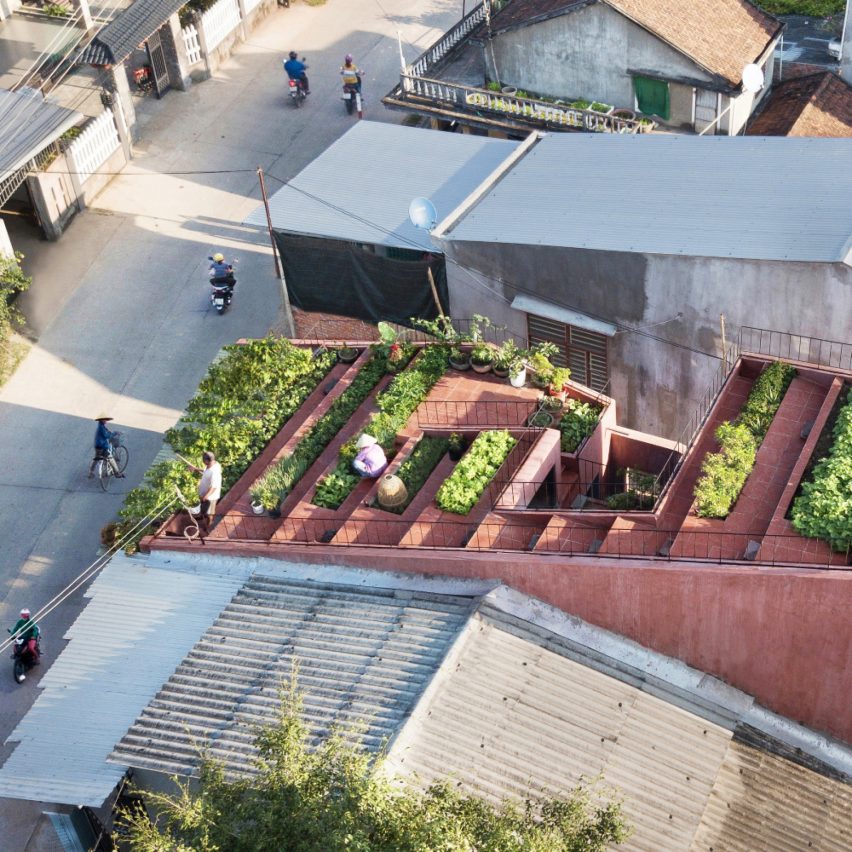
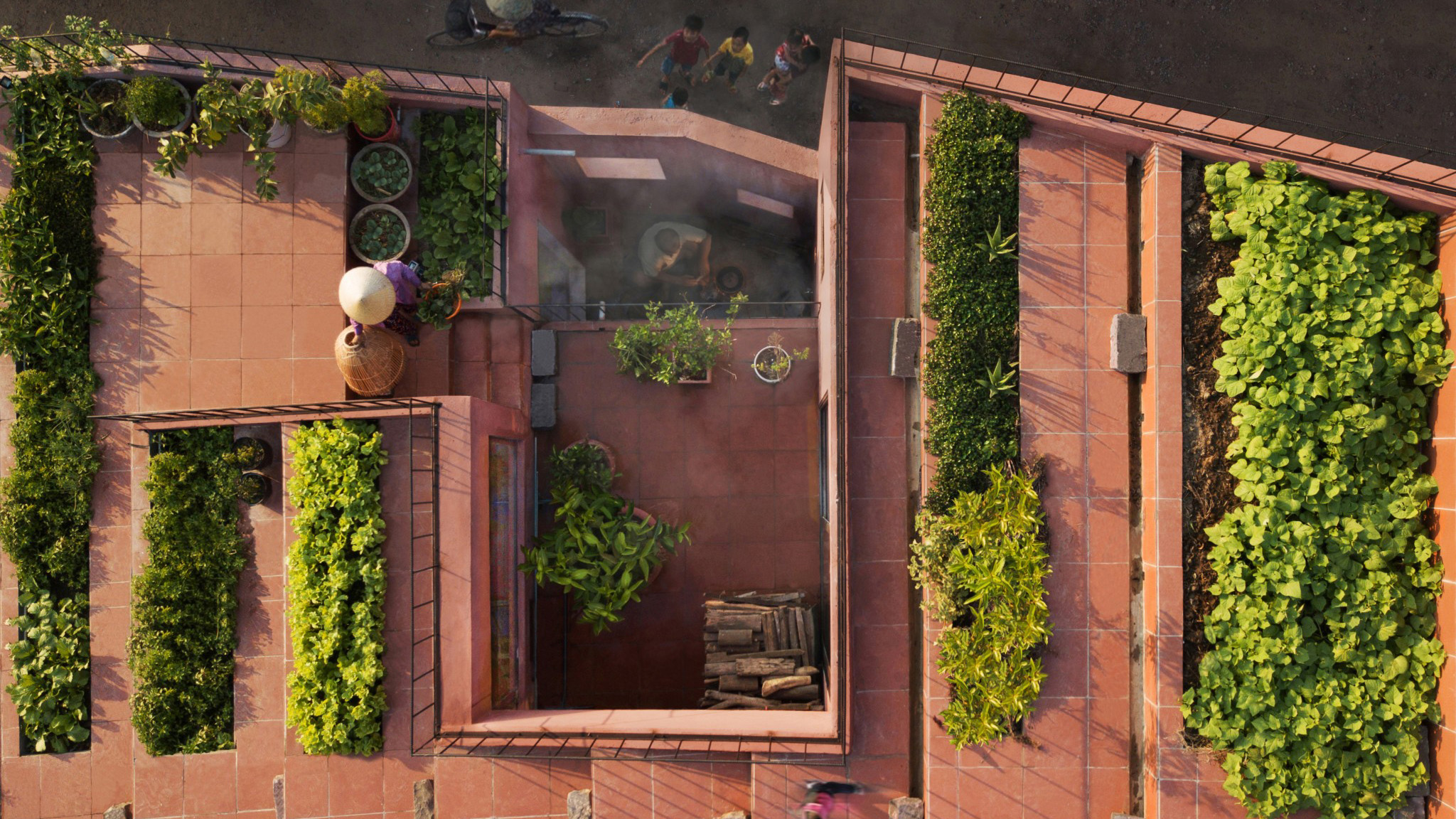
The Red Roof by TAA Design has won the Dezeen Awards 2020 architecture project of the year. The house in Vietnam "invents a new typology, which addresses issues we face in the world today, where the urban is spilling into the rural," said judge Sally Mackereth.

Announced at the Dezeen Awards 2020 architecture show, this private home located in a small Vietnamese village won the prestigious architecture project of the year award, as well as being named rural house of the year.

There were 1,455 entries for the architecture categories at this year's Dezeen Awards, which is sponsored by Allermuir, V1, LSA, Hem and Grohe. Of these, 64 were shortlisted by our jury of 25 leading figures from the world of architecture.

The winners of the interiors categories will be announced on 24 November and the design winners will be unveiled on 25 November from 4:00pm-5:00pm GMT.

To find out about Dezeen Awards 2021, subscribe to our newsletter.

The Red Roof by TAA Design also won in the rural house of the year category

Architecture studio TAA Design wanted to create a new kind of rural home that creates a closed cycle of growth, harvest and consumption.

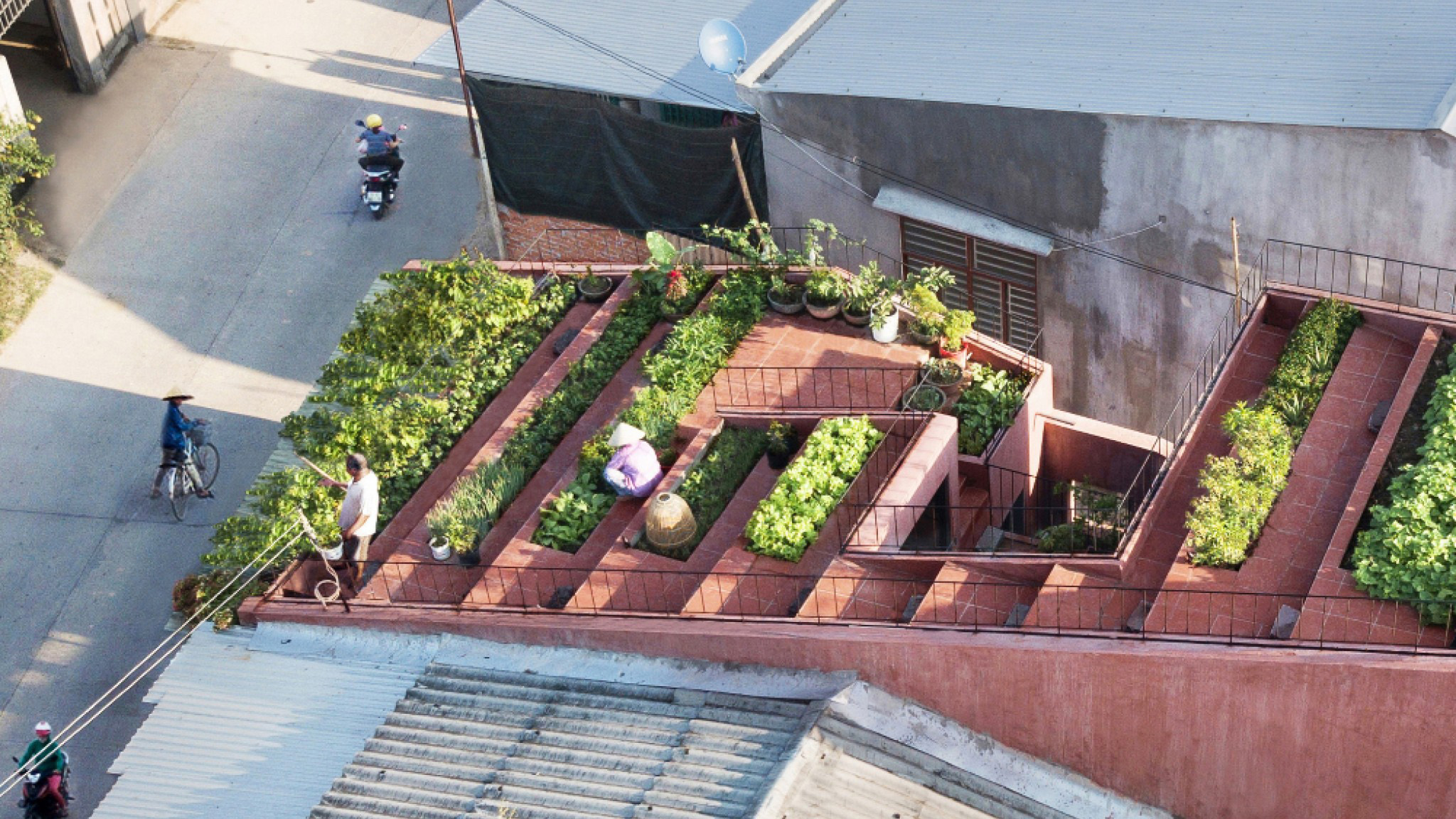
The stepped roof section allows for the growth of vegetables, which are shared with the local community. The lower levels of the house are a series of courtyards used as gardens, spaces for communal activities and playgrounds for children.

This project is located in Kim Loc Hamlet in Vietnam

Sally Mackereth, founder of London-based Studio Mackereth, told Dezeen that this project "embodies the spirit of design in 2020."

"Perhaps it’s no wonder, given the situation we find ourselves in, that we were seduced by a project with nature at its heart."

The judges were impressed by this project with "nature at its heart"

Mackereth was joined by Issa Diabaté, Sun Dayong, Mariam Kamara and Alexandra Hagen on the architecture jury, which virtually met at the beginning of November.

The jury chose this project for its "humble gesture that has a very powerful reach” and said that small projects like this one "show that great design can be made available to ordinary people".

The post The Red Roof by TAA Design named architecture project of the year at Dezeen Awards 2020 appeared first on Dezeen.


from Dezeen https://ift.tt/33rIsEL

Dezeen Awards 2020 architecture project category winners revealed

The 12 winning architecture projects for Dezeen Awards 2020 have been revealed. Winners include a Vietnamese house with a vegetable garden on the roof, a primary school in Iran and a boutique hotel in Bali.

Other winners, unveiled in the Dezeen Awards 2020 architecture show hosted by LionHeart, include an apartment block in China, a black pavilion filled with glass yams and a public square in Copenhagen with parking for 2,000 bikes.

The Red Roof by TAA Design was named overall architecture project of the year.

The winners were decided by a master jury consisting of London-based Sally Mackereth, Mariam Kamara of Studio Masomi, Alexandra Hagen of White Arkitekter, Penda China's Sun Dayong and Issa Diabaté of Ivory Coast-based Koffi Diabate Architects.

There were 1,455 entries for the architecture categories at this year's Dezeen Awards, which is sponsored by Allermuir, V1, LSA, Hem and Grohe . Of these, 64 were shortlisted by our jury of 25 leading figures from the world of architecture.

The winners of the interiors categories will be announced on 24 November and the design winners will be unveiled on 25 November.

To find out about Dezeen Awards 2021, subscribe to our newsletter.

See the winning architecture projects on the Dezeen Awards website or read on below:

Urban house of the year:
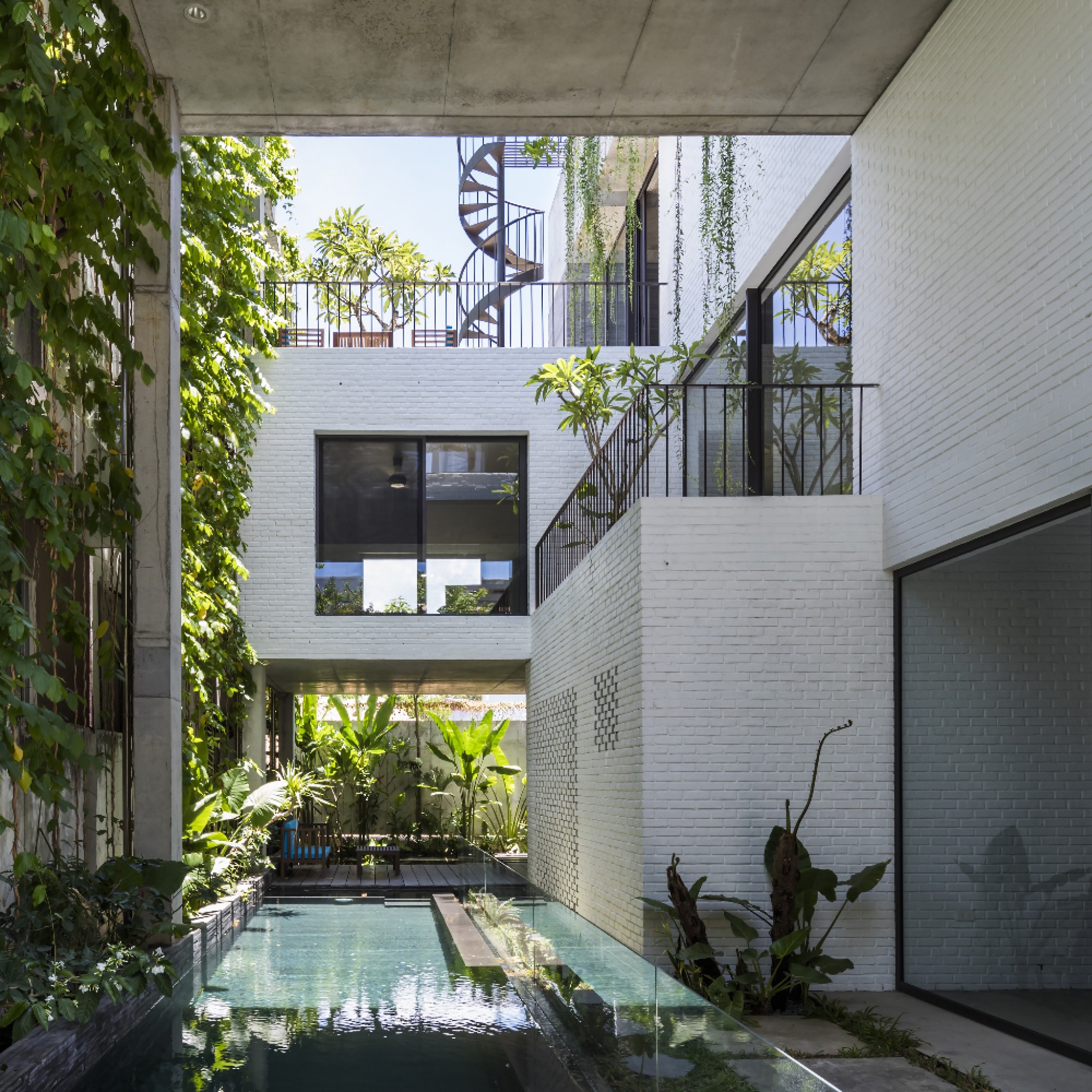
Thang House by Vo Trong Nghia Architects

Recycled water from a ground-floor fish pond is used to nourish fruit trees on the roof of this house in Danang City, Vietnam, by Vo Trong Nghia Architects.

Formed from brick and stone boxes stacked around a green courtyard, Thang House is the latest in the practice's House for Trees series.

Judges on the architecture panel were impressed with the "ambition of replacing the footprint of the house with greenery."

"It's beautiful and has a benefit to its surroundings," judges said.

Highly commended: Daita2019 by Suzuko Yamada Architects.

Rural house of the year:
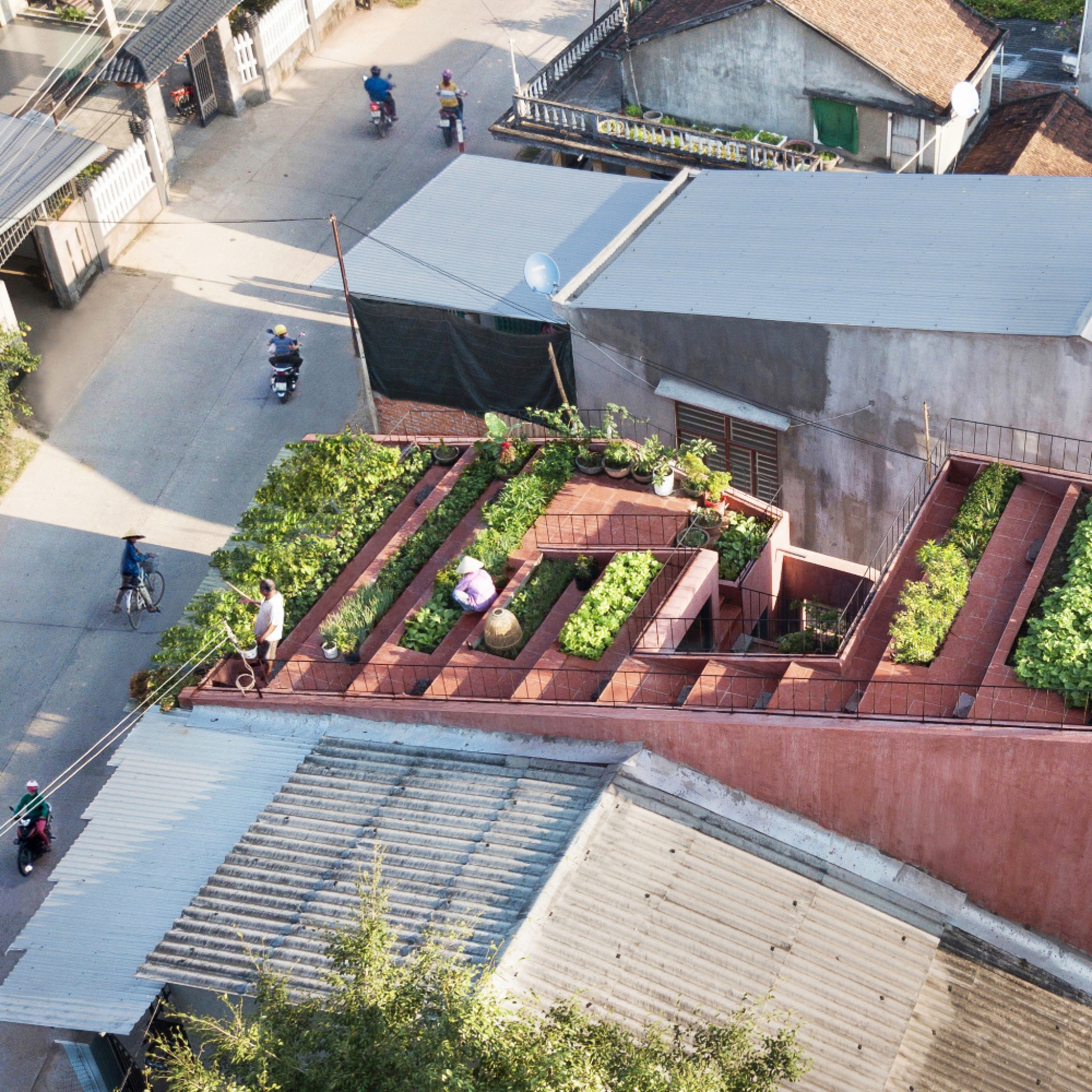
The Red Roof by TAA Design

The green roof of this house in Quang Ngai, Vietnam, has been made from stepped planters finished in red plaster and tiles.

Called The Red Roof, the home has been designed for a couple who have lived in this rapidly-developing area of Vietnam for decades.

"Small projects like this one show that great design can be made available to ordinary people," said the judges on the architecture master jury. "It is a small, humble gesture that has a very powerful reach."

Highly commended: Casa Naila by BAAQ.
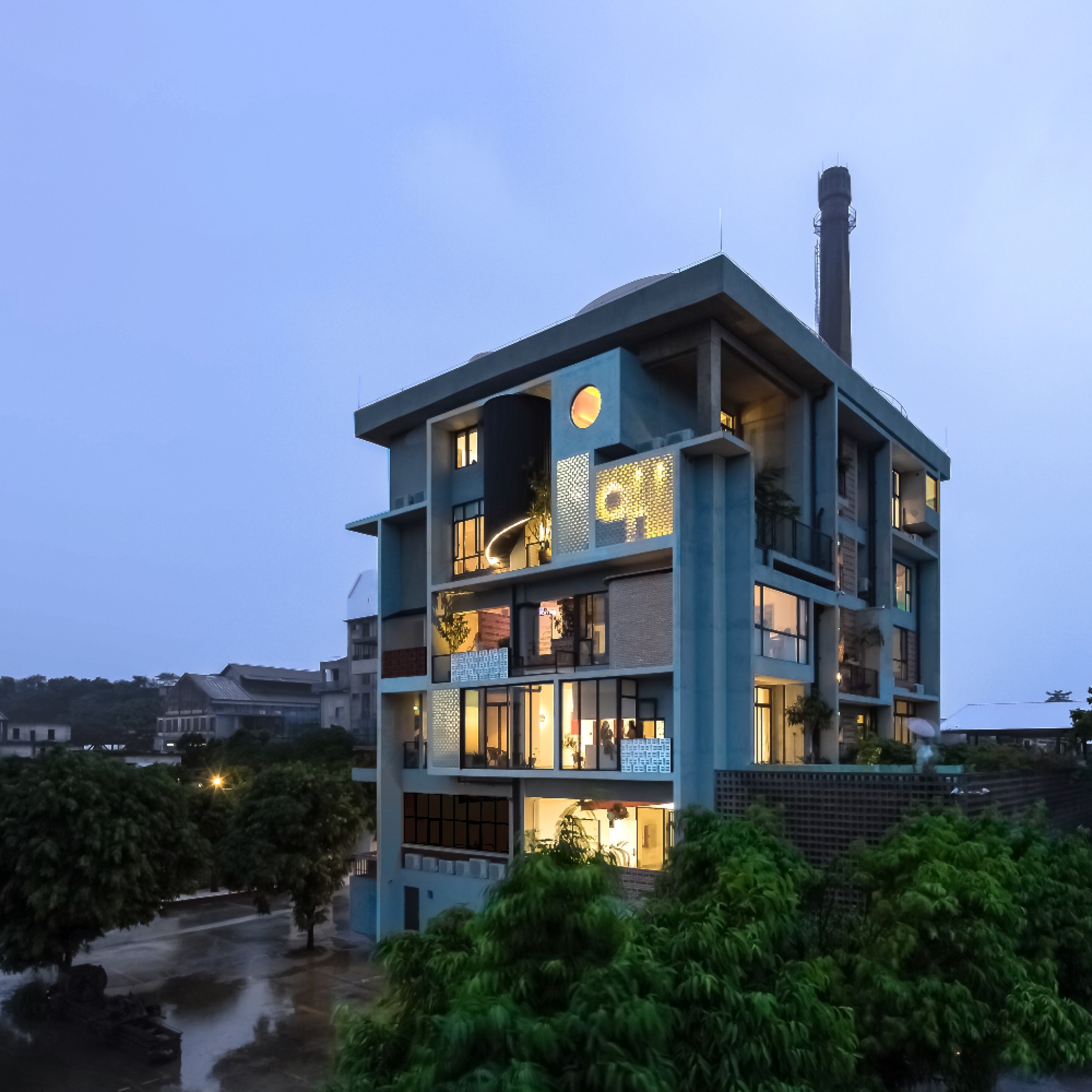

Housing project of the year:
The Borderless Community by Fei Architects

This project is an apartment block in Guangzhou, China. The studio designed the project for seven occupants, so-called slash youths, which can be described as a younger generation of Chinese people who embrace creative jobs and digital entrepreneurship.

The judges liked this project because "there is something very optimistic and hopeful about this project."

They added: "Apartment buildings can be seen as isolated spaces but this helps us go back – to a neighbourhood feeling where there are moments of interconnection."
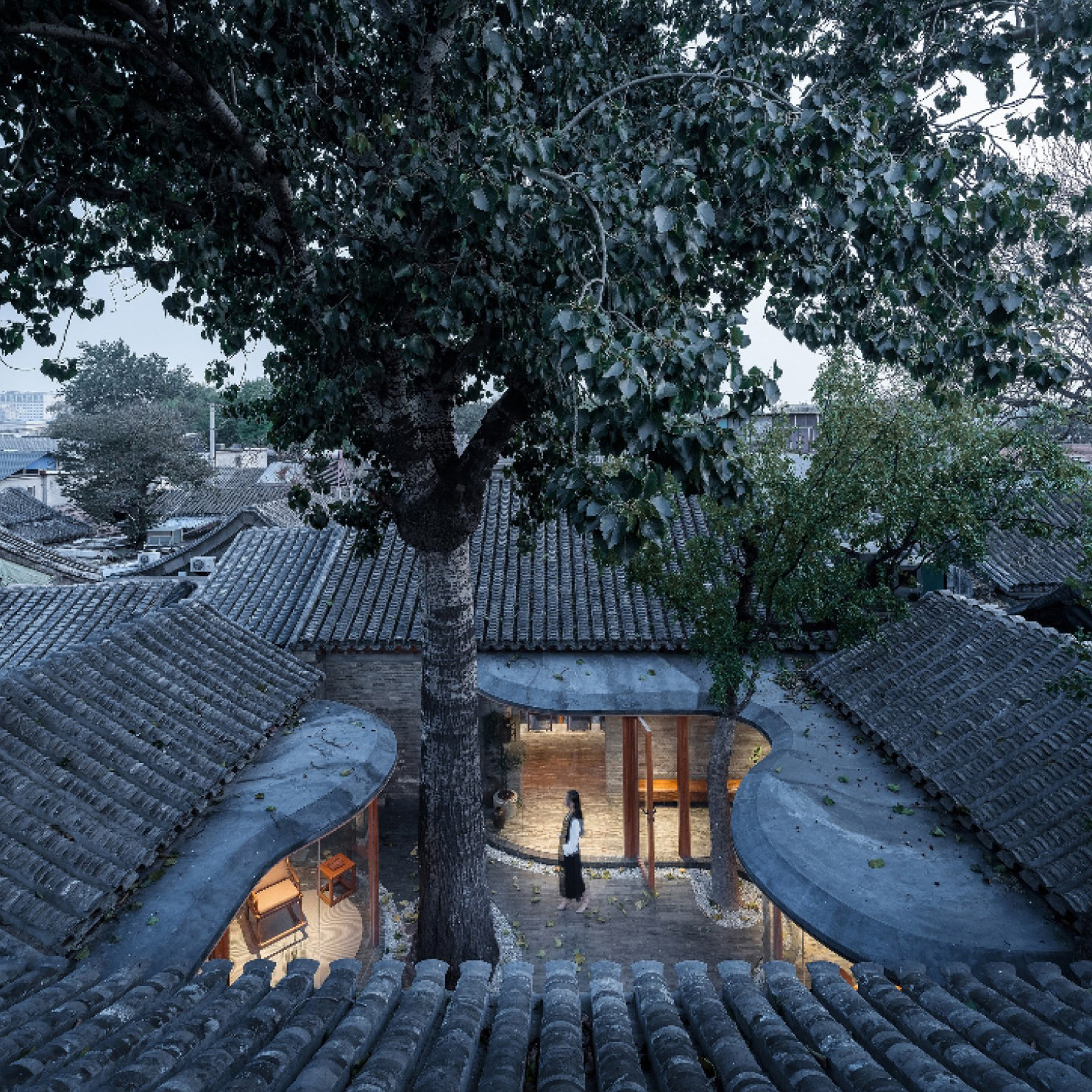

Residential rebirth project of the year:
Qishe Courtyard by Arch Studio

This project is a former abandoned hutong that has been converted into a house with curving glass walls arranged around internal courtyards in Beijing.

The courtyards originally contained seven wooden structures that were intact, but the roofs, walls and windows had fallen into disrepair. Instead of restoring the structures to their original form, the architects preserved the original materials but improved the circulation to connect the spaces into a single home.

The judges said this project is a "collision of old and new." They added that it "preserves history for the future, whilst adding a sculptural element of modern times."
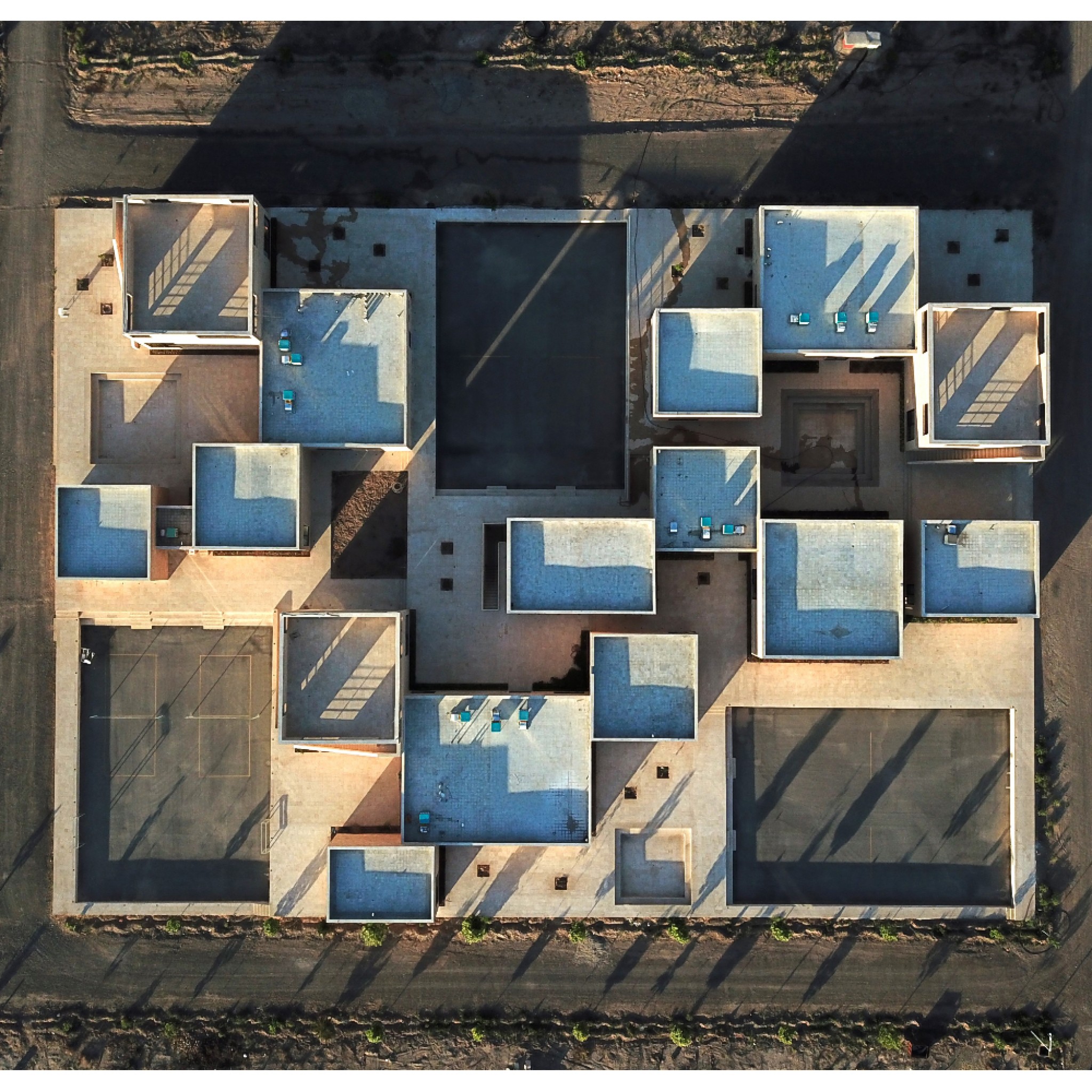

Civic building of the year:
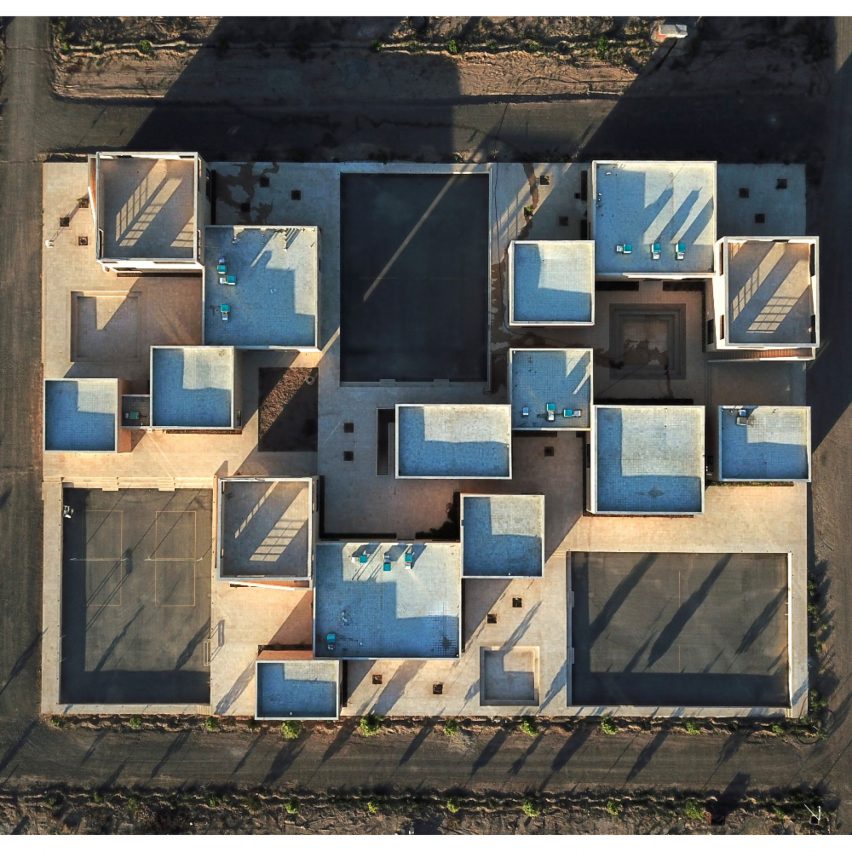
Noor E Mobin Primary School by FEA Studio

This school in Iran has been designed as an "educational neighbourhood" for children.

The vision of the Noor E Mobin pedagogical plan is to bring up fully-fledged human beings as responsible citizens: people who have high self-esteem with a constructive mentality for their surrounding environment.

"The school creates refuge. There's an intimacy and comfort about the scheme when comparing it to the vastness and harshness of the landscape," said the judges. "It makes the school a small city or community for the children."
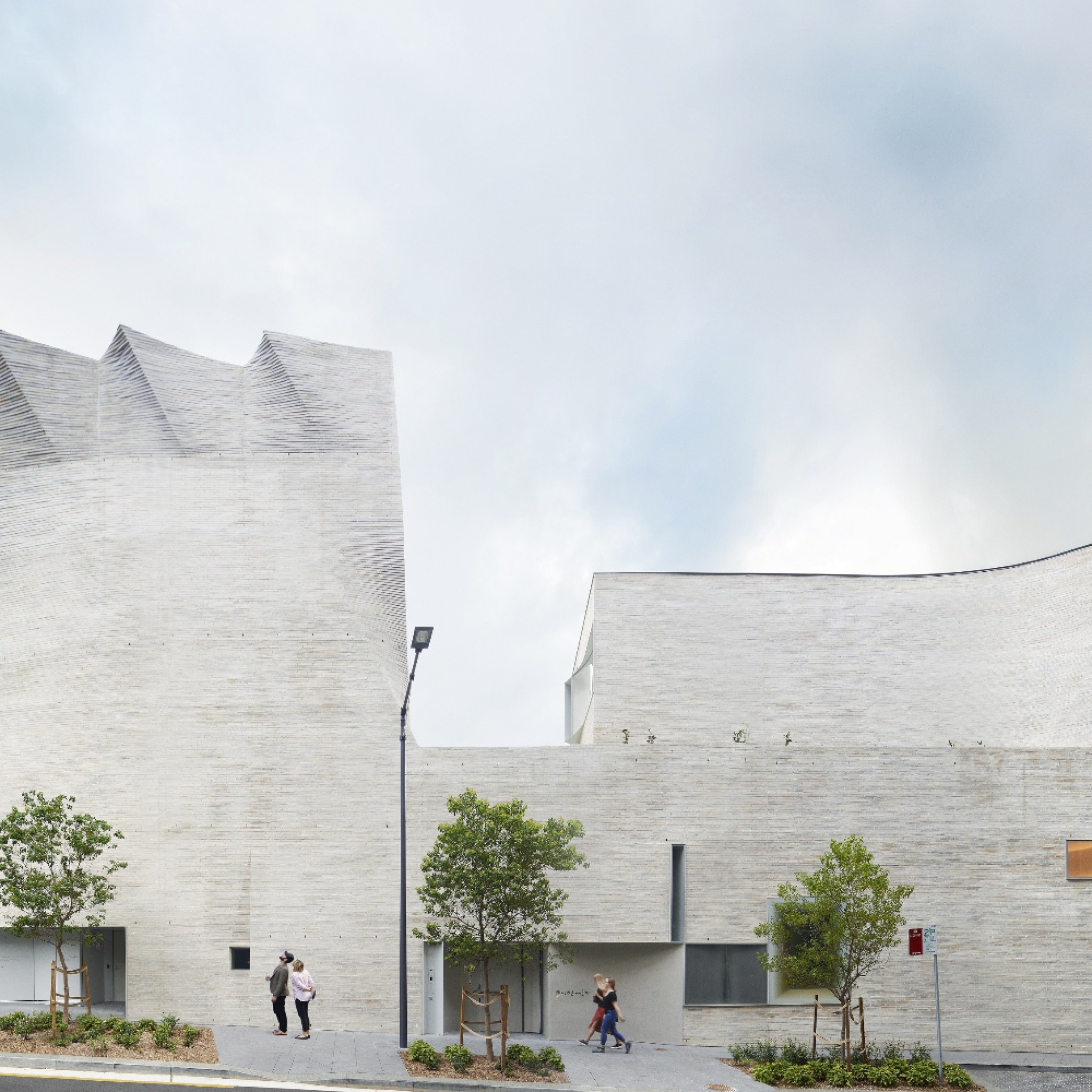

Cultural building of the year:
Phoenix Central Park by Durbach Block Jaggers Architects and John Wardle Architects

Phoenix Central Park is a gallery and performance space. The spaces are intended to work together, to have visual arts interwoven with the performing arts.

John Wardle Architects designed the gallery in the east wing, while Durbach Block Jaggers designed the performance space. The components are linked centrally by a courtyard and garden.

The architecture master jury said that "this is a building that exhibits and creates culture, wanting people to invest in buildings that celebrate performing arts."
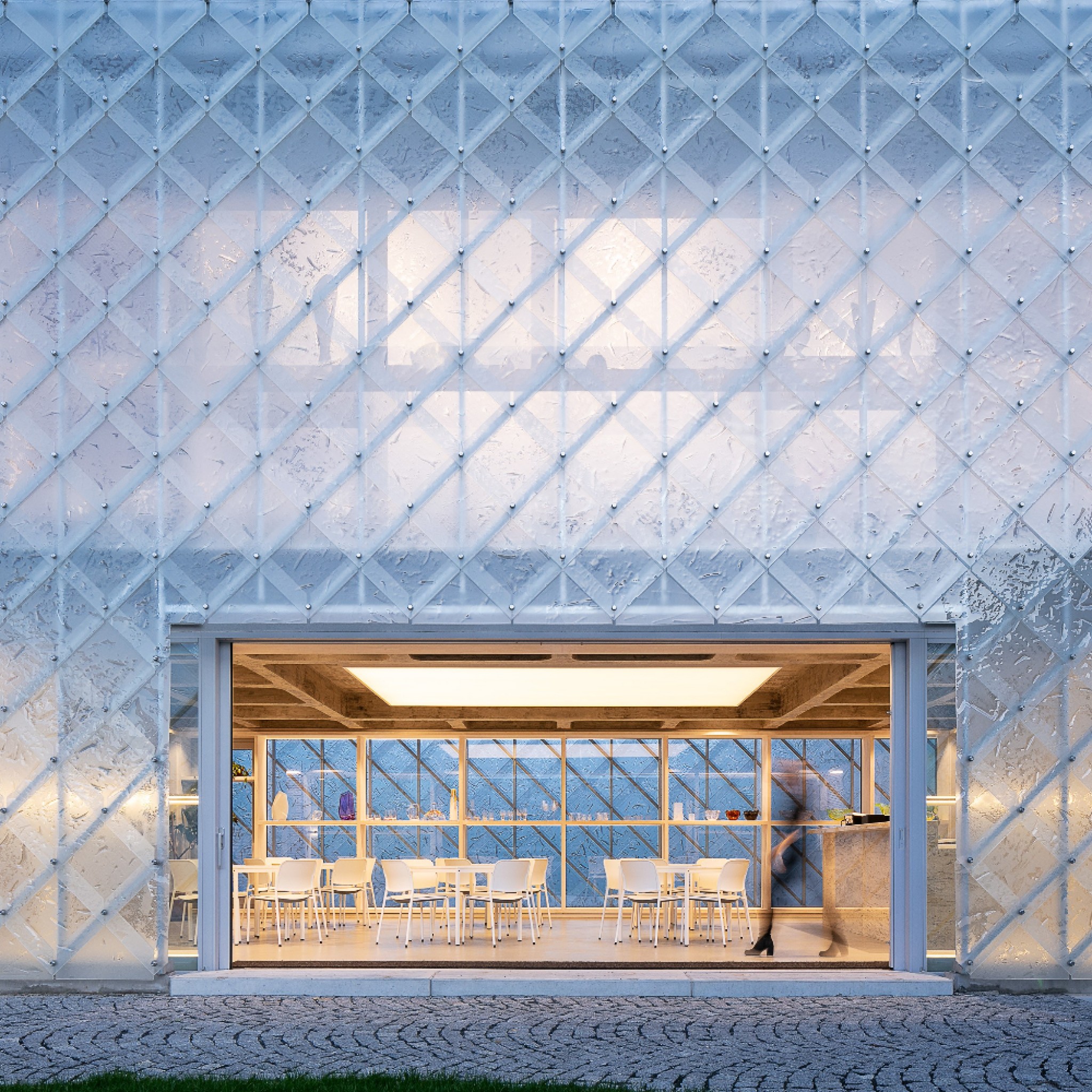

Business building of the year:
Lasvit Headquarters by Ov-a Architekti

This project is a translucent glass house for glass company Lasvit's Czech Republic headquarters.

Historical houses, where glassworkers used to reside more than 200 years ago, were renovated and transformed into the headquarters.

The whole compound also features two modern, newly-built buildings – the Black house and the Glass house – which are a metaphor for darkness and light.

"This project combines head, hand and heart," said the judges. "The building displays a proud heritage about what the company does in terms of craft, and celebrates the reuse of old buildings."
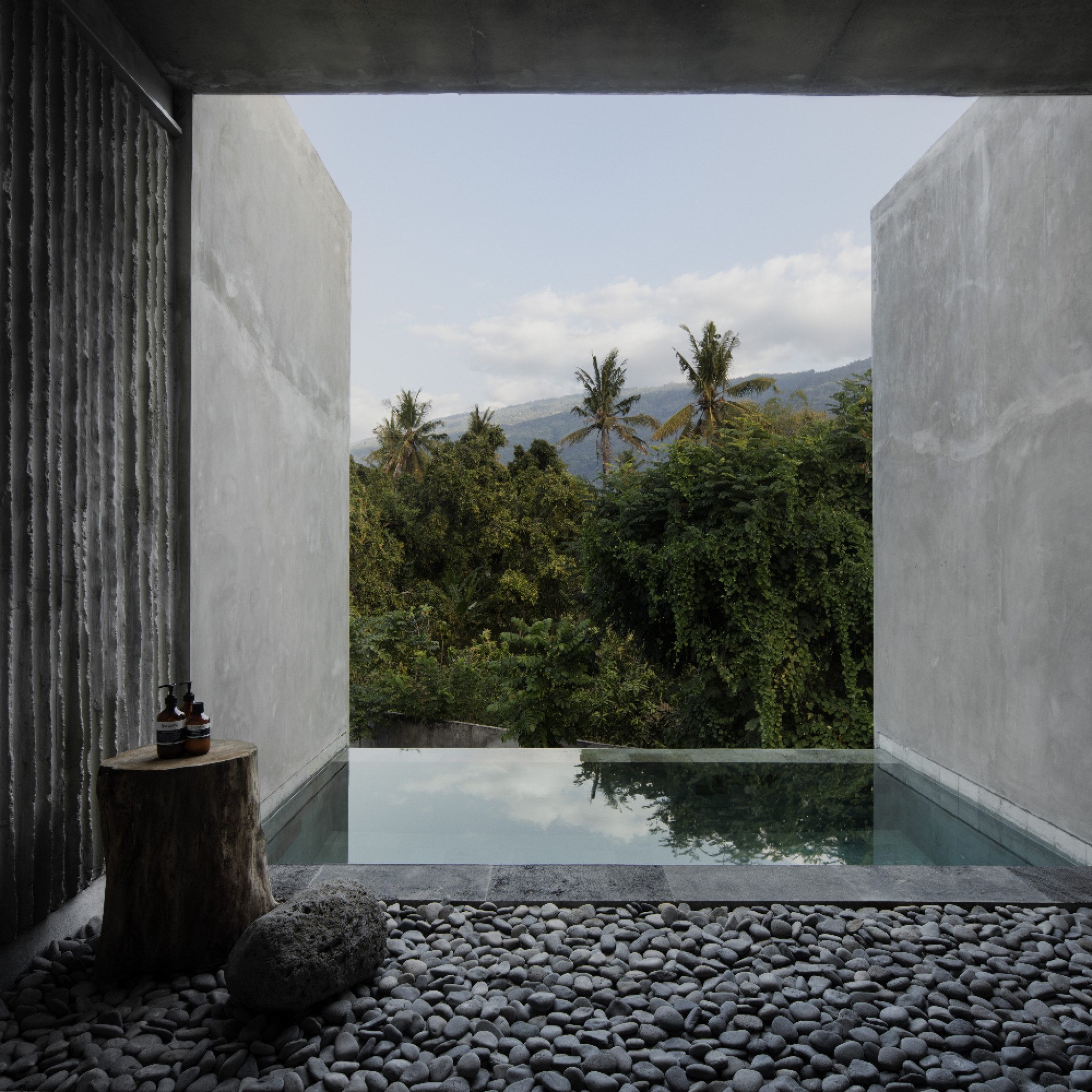

Hospitality building of the year:
The Tiing by Nic Brunsdon

The design of this 14-room boutique hotel on the northern coast of Bali deliberately leans on traditional materials and construction techniques due to its remote location, while providing a robust conceptual framework; a rugged regionalism.

Concrete and bamboo are abundant, so the studio worked with these materials throughout; for doors, shutters, walls, fences, details, and importantly, as the formwork for the project's heavy organising walls, expressing the texture of the material in the patina of the concrete.

"This project has a strong connection with the immediate environment," said the judges. "It lets the landscape be part of the design."

Highly commended: Kasiiya Papagayo by AW².
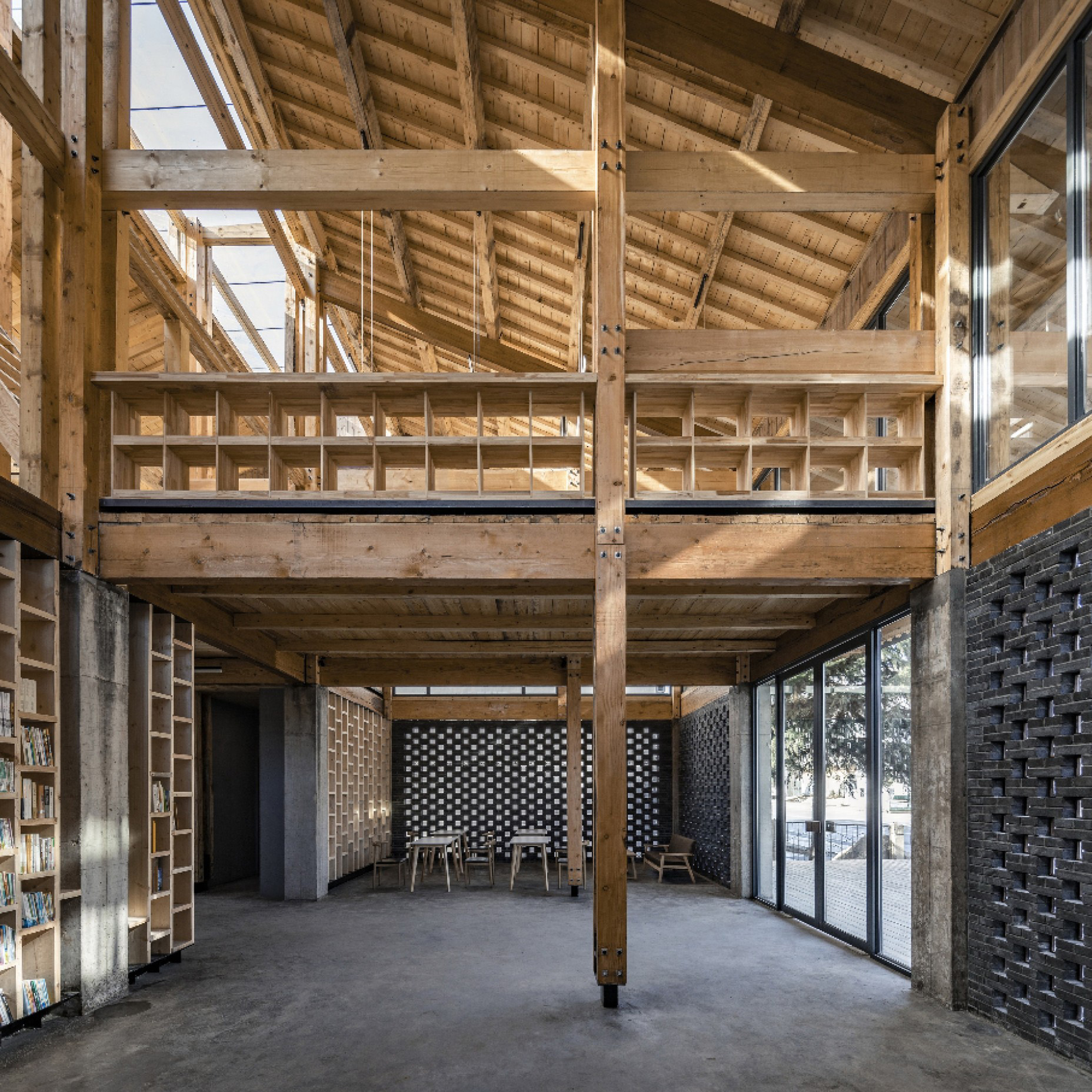

Rebirth project of the year:
Party and Public Service Center by LUO Studio

LUO Studio has transformed abandoned concrete foundations into a community centre in Yuanheguan, China.

The studio extended the deserted foundations and concrete columns of a former residential project, adding a timber-framed upper storey to minimise its load.

The architecture master jury said that "this project shows a respect for the existing structure whilst creating a new centre that serves people. Small buildings such as this can make very powerful statements."
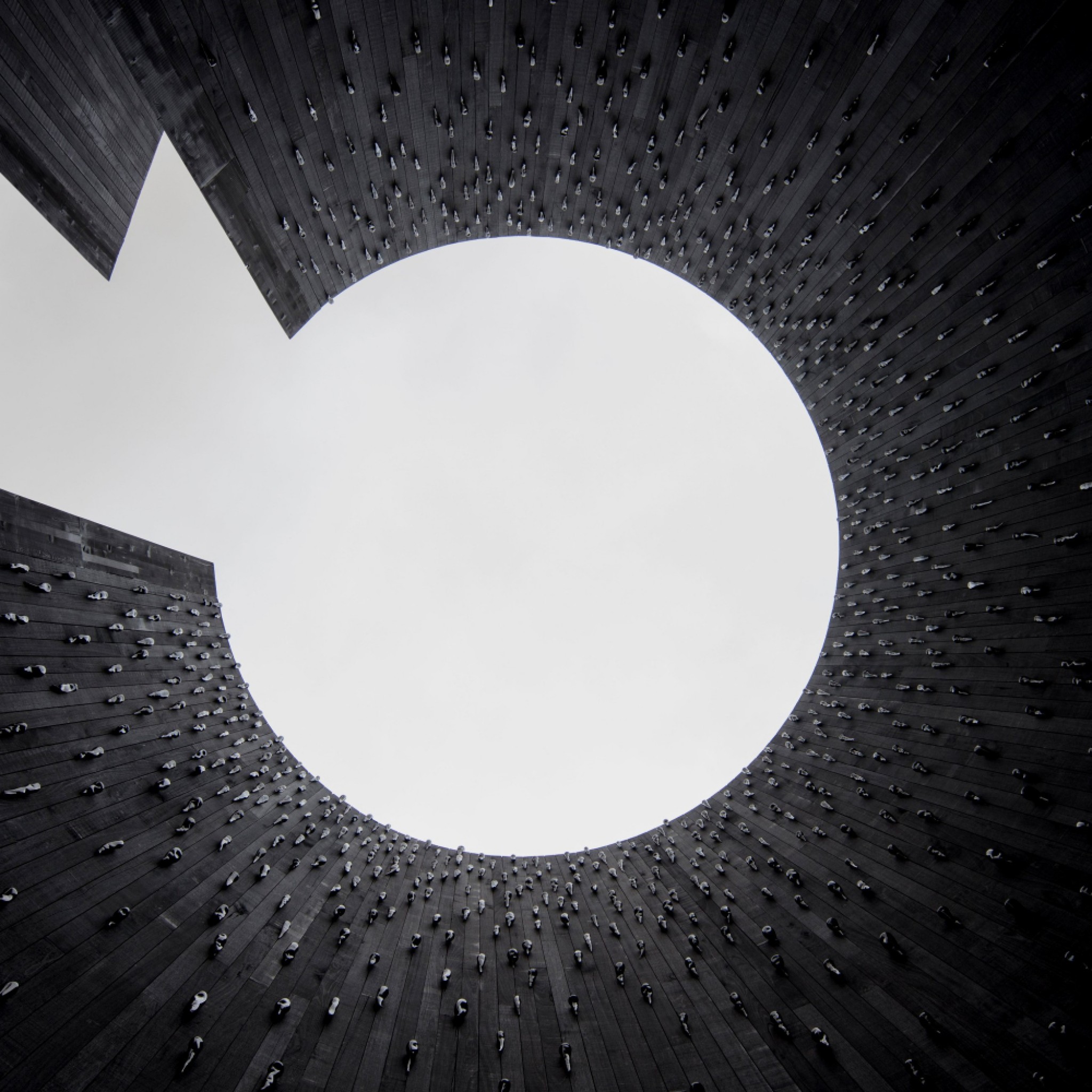

Small building of the year:
In Absence by Edition Office and Yhonnie Scarce

Hundreds of black glass yams line the interior of this cylindrical pavilion for the National Gallery of Victoria in Australia. The purpose of the annual commission is to highlight the erasure of Indigenous knowledge and memory from Australia's national story.

The void within the centre of the work – the false absence of a people – leads the audience inwards to a twin pair of chambers that enable a space for deep listening and knowledge-sharing.

"The project is compelling as a gesture in terms of materiality, and also as a space which leads to reflection", said the judges on the architecture master jury. "It's a beacon of hope; powerful and visceral."
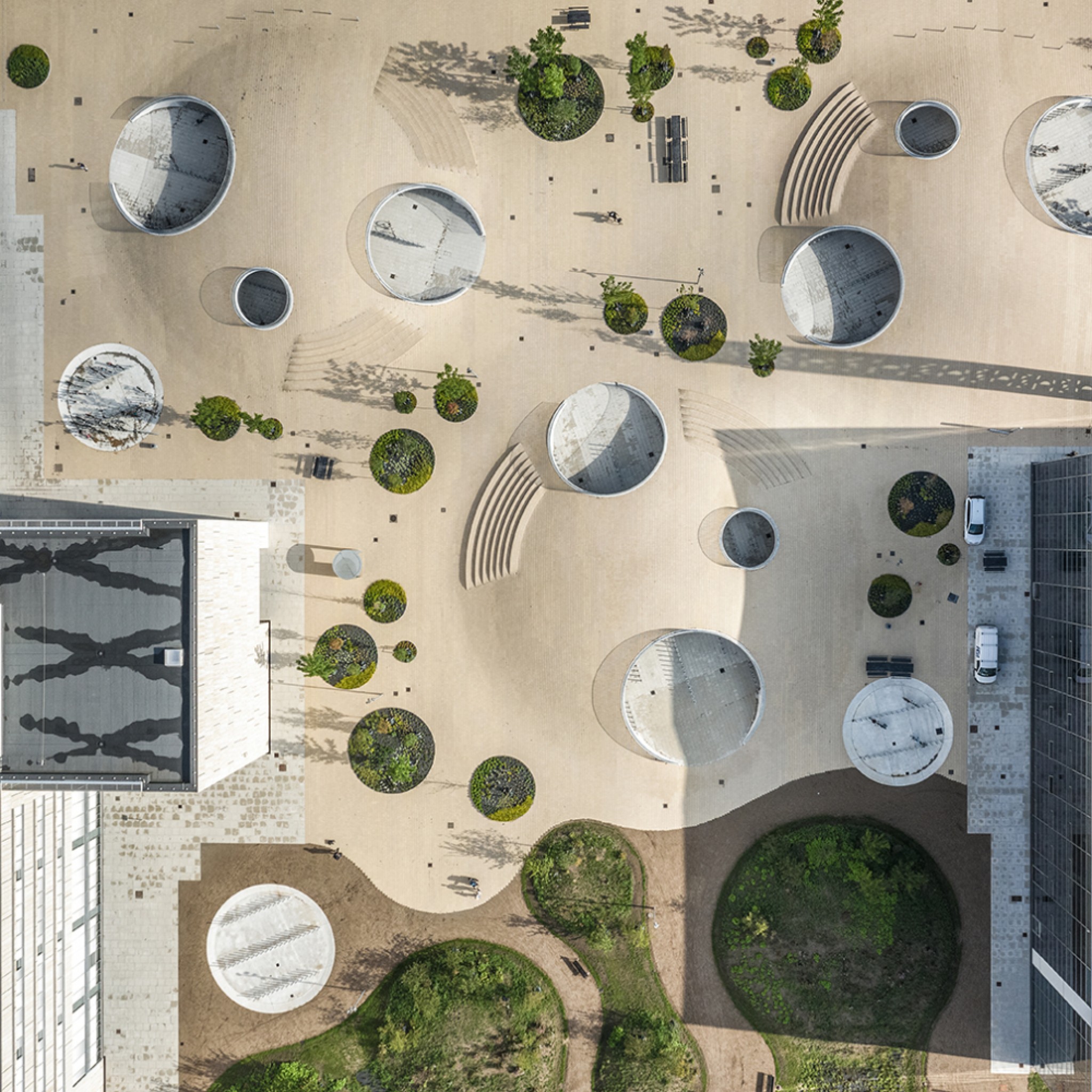

Landscape project of the year:
Karen Blixens Plads by COBE

Karen Blixens Plads in Copenhagen is an undulating plaza with sheltered parking for over 2,000 bicycles. The 20,000-square-metre public park is situated between the University of Copenhagen and Amager Common, an area of wetlands, fields and lakes just outside of the city.

The judges said that "it's impressive - how they made this project feel like a breath of fresh air; it's egalitarian in spirit whilst triggering curiosity."

"A mix of landscape design and architecture, it offers a great solution to the problem of bike storage in Copenhagen," they added.
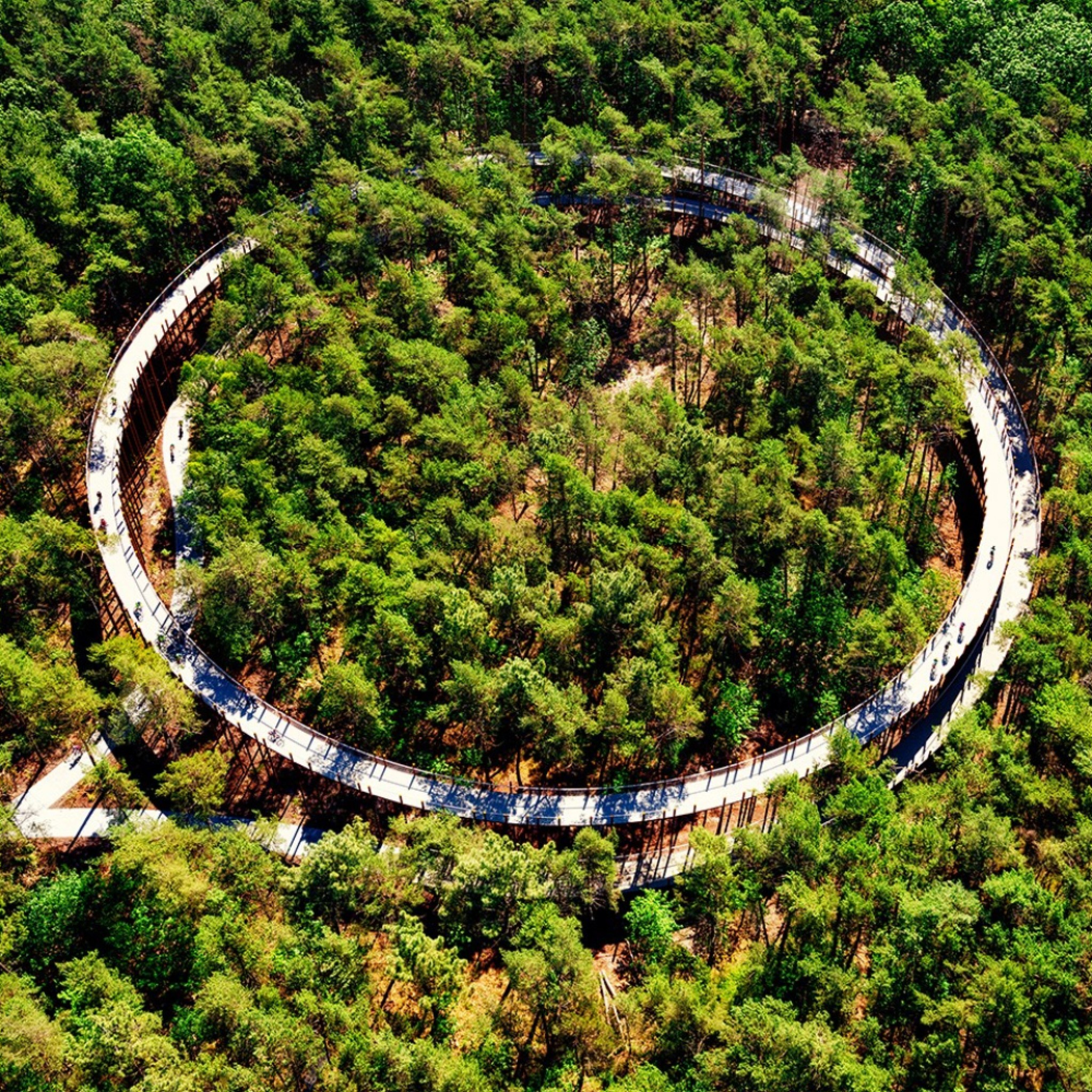

Infrastructure project of the year:
Cycling Through Trees by BuroLandschap and De Gregorio & Partners for Visit Limburg

Cycling Through Trees is a tight double-circle cycle path with iconic allure that runs through the crowns of the trees in Belgium.

The path is 700-metre-long, and rises gradually with a slope of maximum four per cent to a height of 10 meters.

The judges liked this project because of its "simple gesture that lifts you up beyond the canopy of trees and allows you to contemplate the forest."

"It perfectly fits the environment and yet provides a great viewpoint," they said.

The post Dezeen Awards 2020 architecture project category winners revealed appeared first on Dezeen.


from Dezeen https://ift.tt/3kT1Hwx
YOY blurs the line between analogue and digital with watch for Rado

True Square Undigital by YOY for Rado

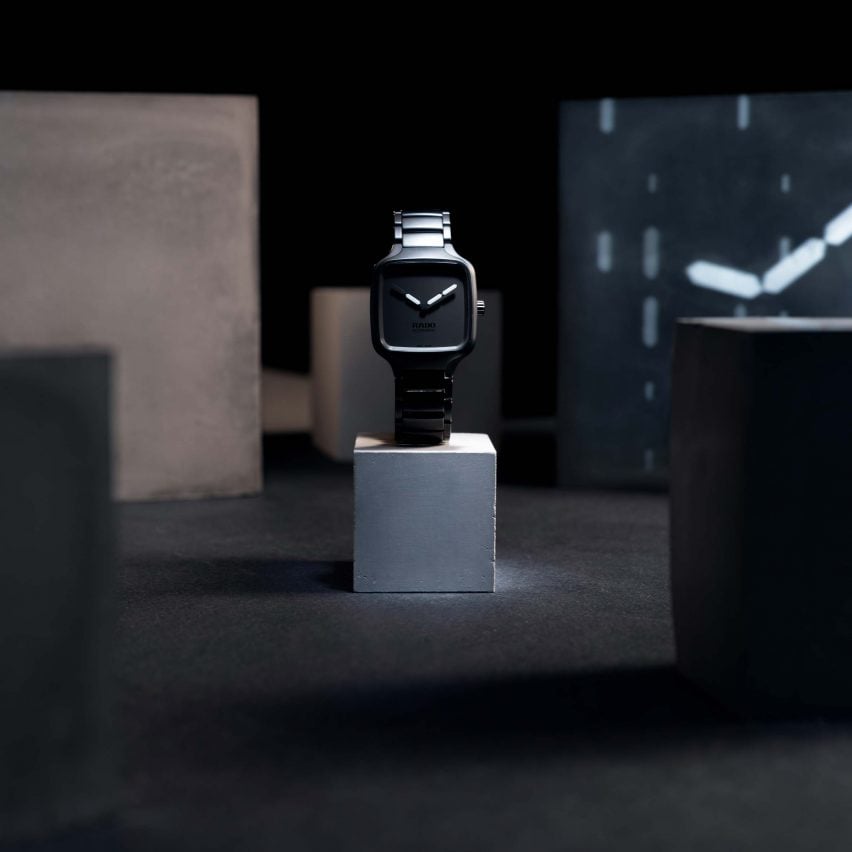
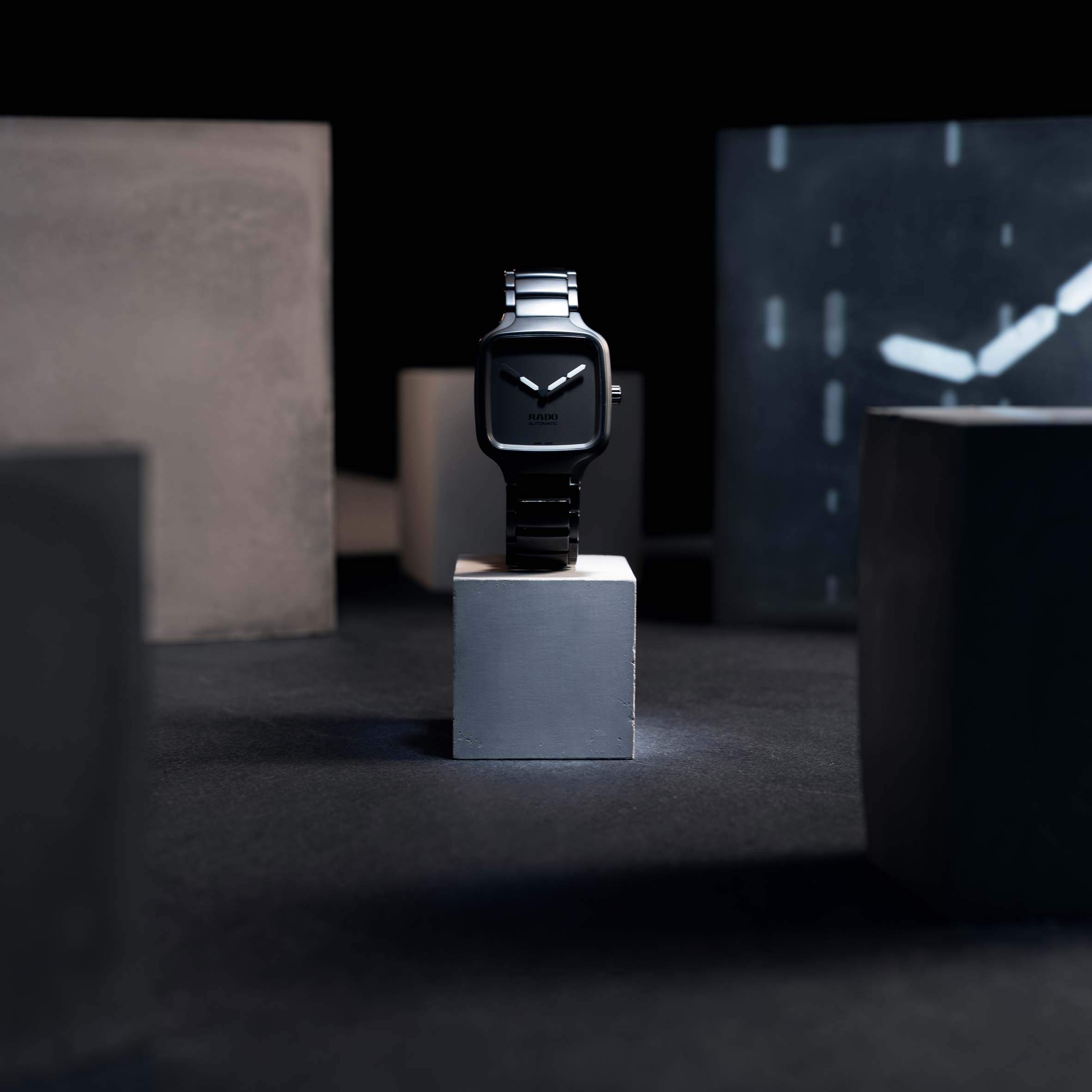
Japanese design duo YOY celebrates the futuristic feel of the 1980s with the True Square Undigital, one of four new watches set to launch during Rado Design Week on Dezeen next week.

Working with Swiss brand Rado, Tokyo-based designers Naoki Ono and Yuki Yamamoto have created a watch that is analogue in function, but has the appearance of a digital watch.

True Square Undigital by YOY for Rado
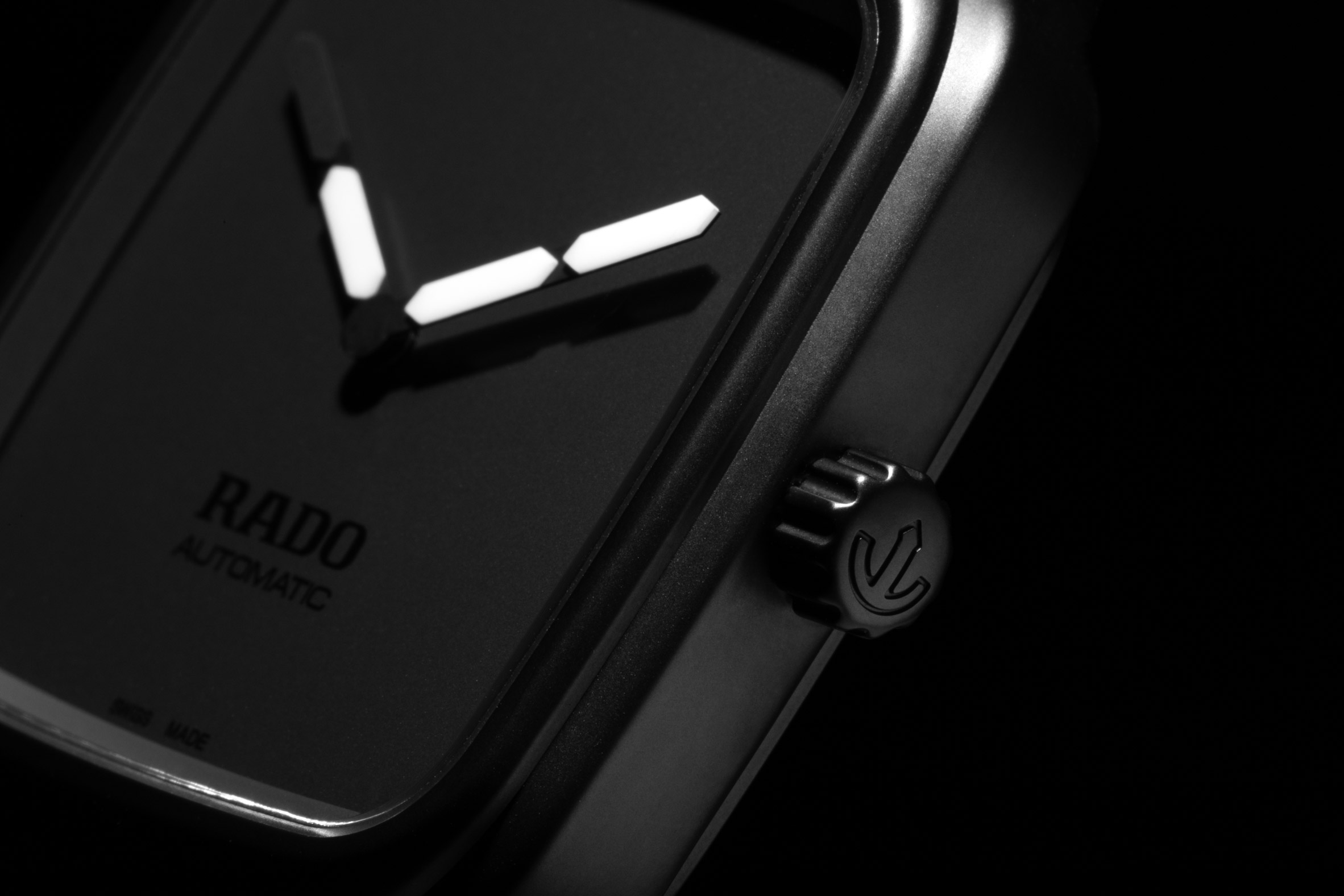
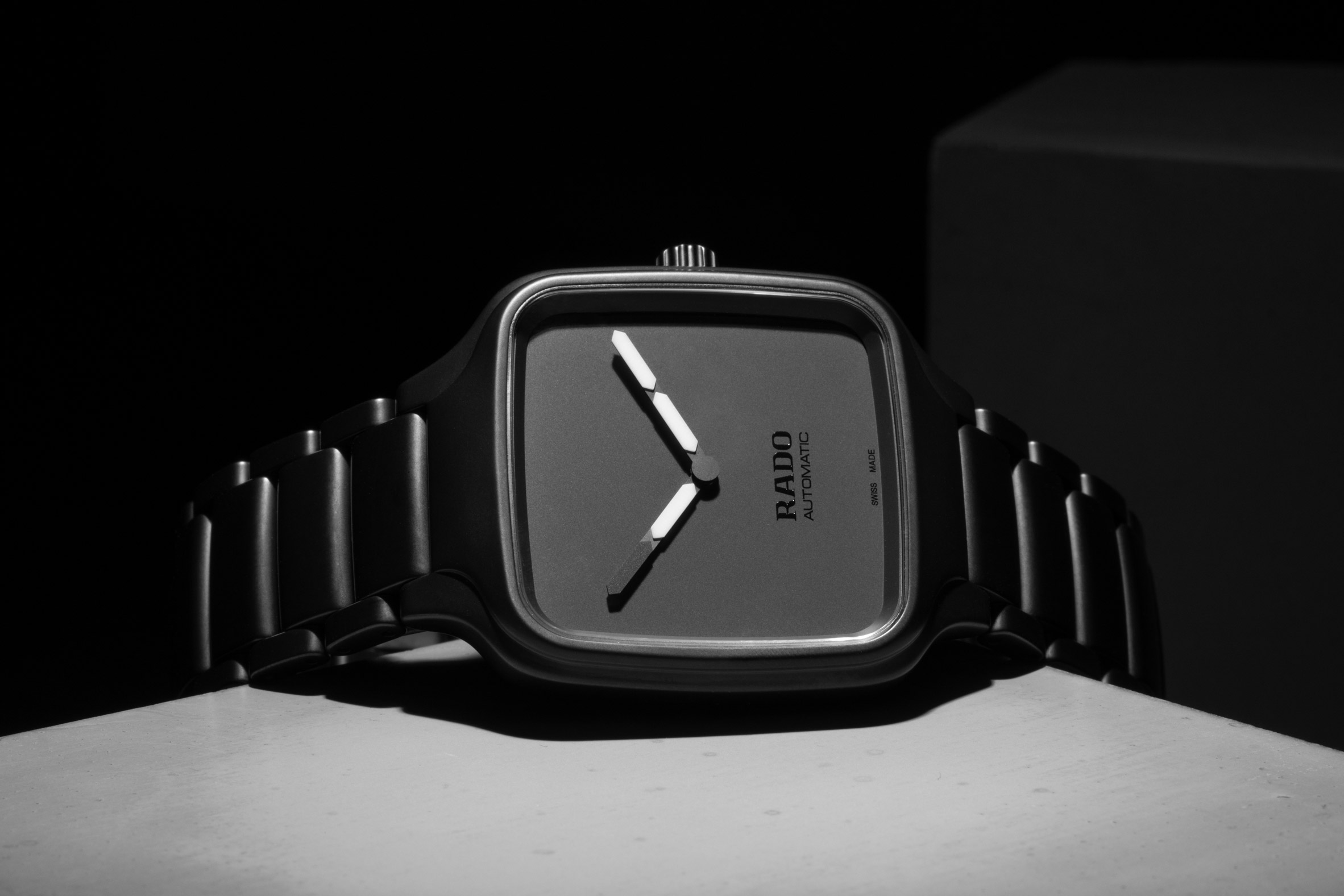
The True Square Undigital is an analogue watch that emulates a digital display

Here, the angular bars used in the seven-segment displays of digital watches are instead used to form the hands of a clock face.

These elements are bright white, while the rest of the watch is black, allowing them to stand out. This creates a bold aesthetic, akin to the futuristic designs that dominated in the 1980s.

True Square Undigital by YOY for Rado
Angular white bars, typical of digital watches, are here used to form the watch's hands

Simple yet clever, the design is typical of YOY's work. Since founding their studio in 2011, Ono and Yamamoto have become known for their novel approach to product design.

With the motto, "between space and object", the pair like to place as much focus on the context of their work as they do on the objects themselves.

Among their best-known designs are Canvas, a chair that looks like a two-dimensional artwork, and YOYLight, a lamp that creates uses projected light to create the impression of a shade.

True Square Undigital by YOY for Rado
A white Super-LumiNova finish ensures the hands stand out

The True Square Undigital is the duo's first watch design. It launches next week as part of Rado Design Week, a week of virtual content hosted exclusively on Dezeen from 30 November to 4 December.

Along with its unique digital-style display, the watch also features the square-shaped face that has become iconic for Rado, and which characterises all the watches in the brand's signature True Square collection.

True Square Undigital by YOY for Rado
The watch features the square-shaped face that has become iconic for Rado

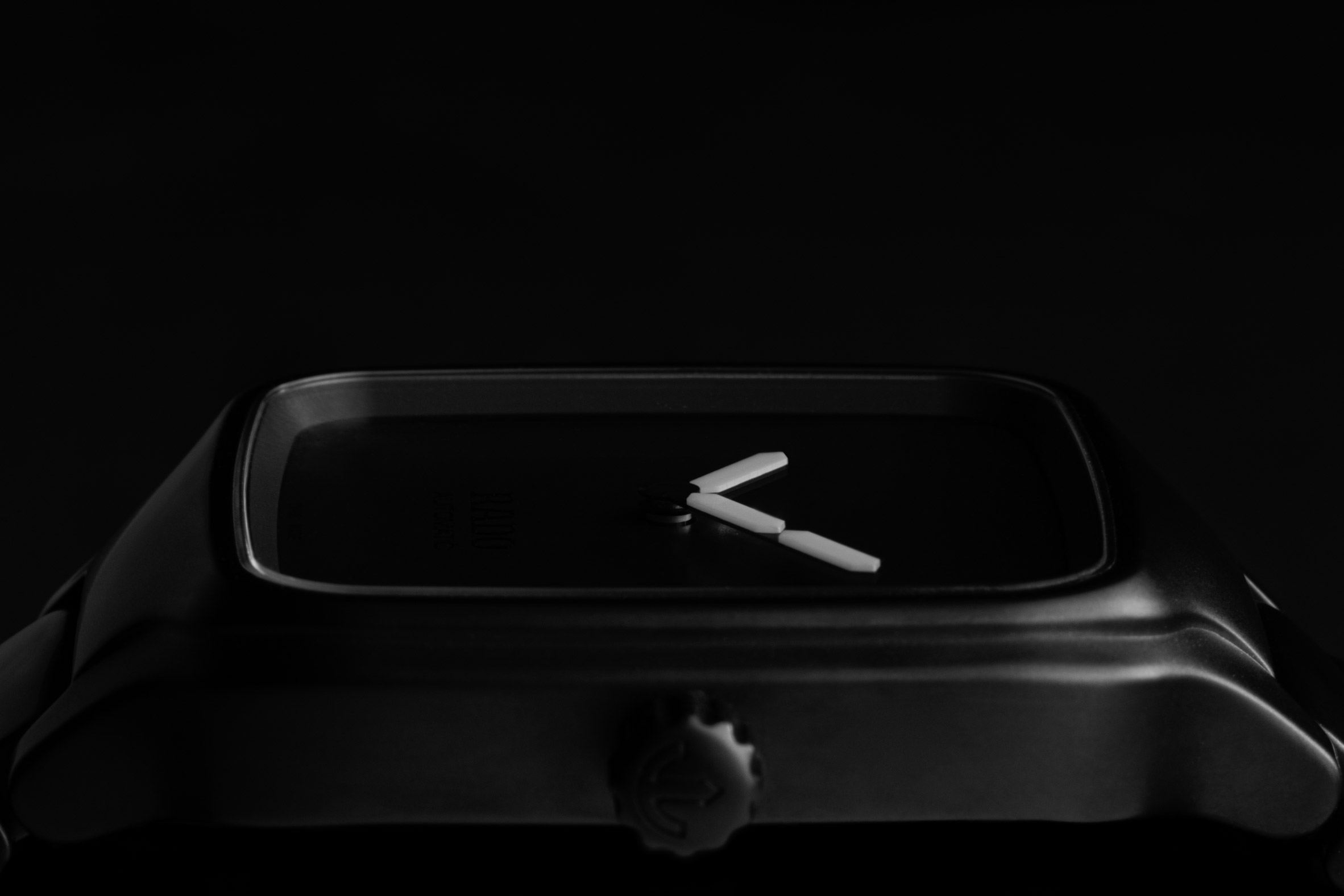
A monobloc construction incorporates a modern mechanical movement but still keeps the watch super-slim, at only 9.6 millimetres high.

The back of the watch is made from PVD-coated titanium, while the matt black bracelet is made from Rado's high-tech ceramic, making it both durable and lightweight.

A Super-LumiNova finish on the display ensures the watch is just as functional at night as by day.

"This watch is truly smart. And absolutely undigital," said Rado.

True Square Undigital by YOY for Rado
A matt black ceramic bracelet is both durable and lightweight

True Square Undigital is one of four new True Square watches by designers including YOY, Tej Chauhan, Formafantasma and Thukral&Tagra for Rado.

More details about all the watches will be unveiled during Rado Design Week, when Dezeen will broadcast a video about each watch as well as live interviews with Rado CEO Adrian Bosshard and each of the designers involved. Click here to see the schedule.

Rado Design Week takes place from 30 November to 4 December at www.dezeen.com/rado-design-week

The post YOY blurs the line between analogue and digital with watch for Rado appeared first on Dezeen.


from Dezeen https://ift.tt/3kV1vNy

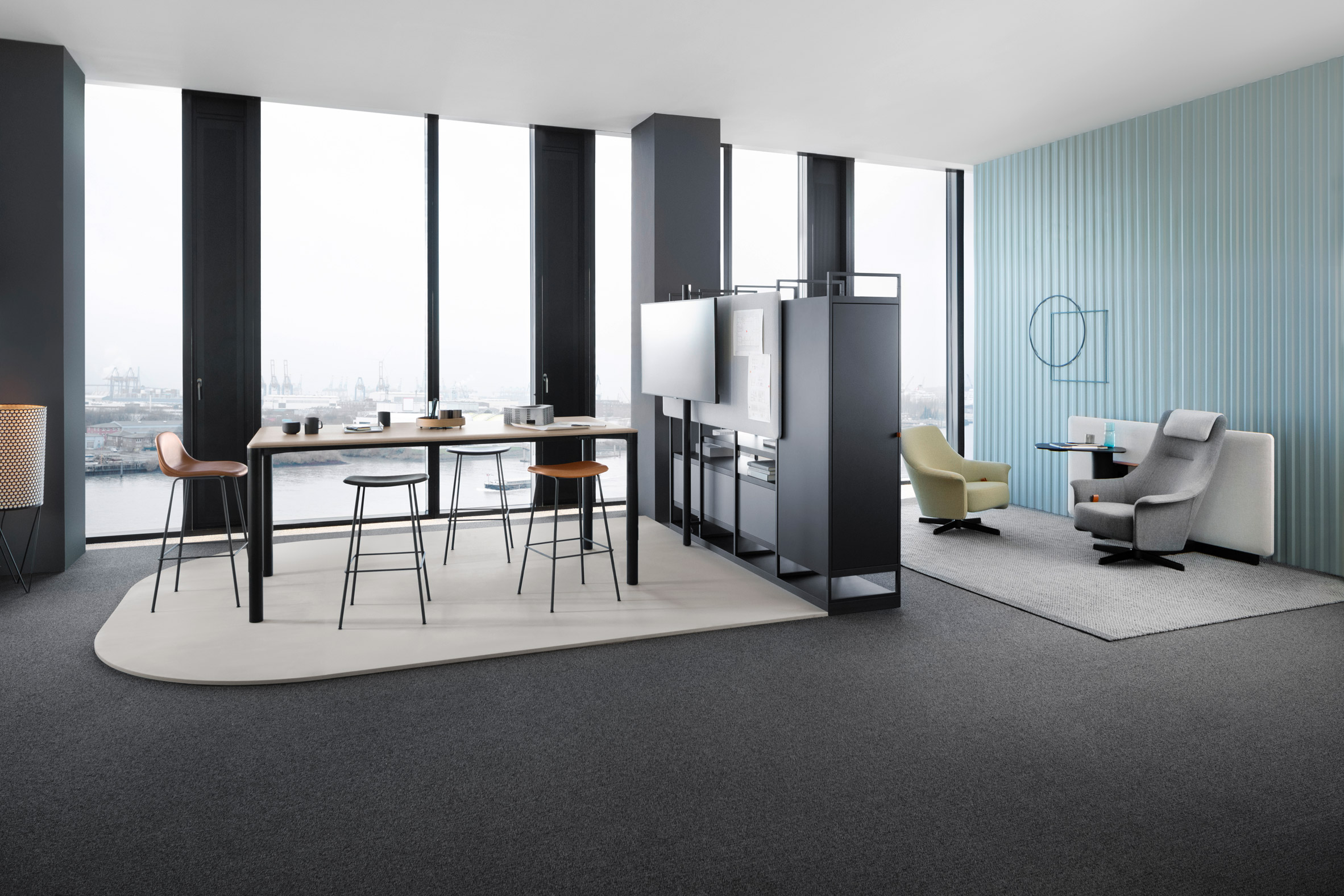
PORTS Lounge by Pearson Lloyd for Bene

PORTS Lounge by Pearson Lloyd for Bene

Dezeen Showroom: London design studio Pearson Lloyd has designed the PORTS Lounge chair and sofa for office furniture brand Bene.

Pearson Lloyd created the PORTS Lounge collection for Bene to furnish informal and formal meeting areas in modern workplaces.

PORTS Lounge by Pearson Lloyd for Bene
PORTS Lounge by Pearson Lloyd for Bene is intended for modern workplaces

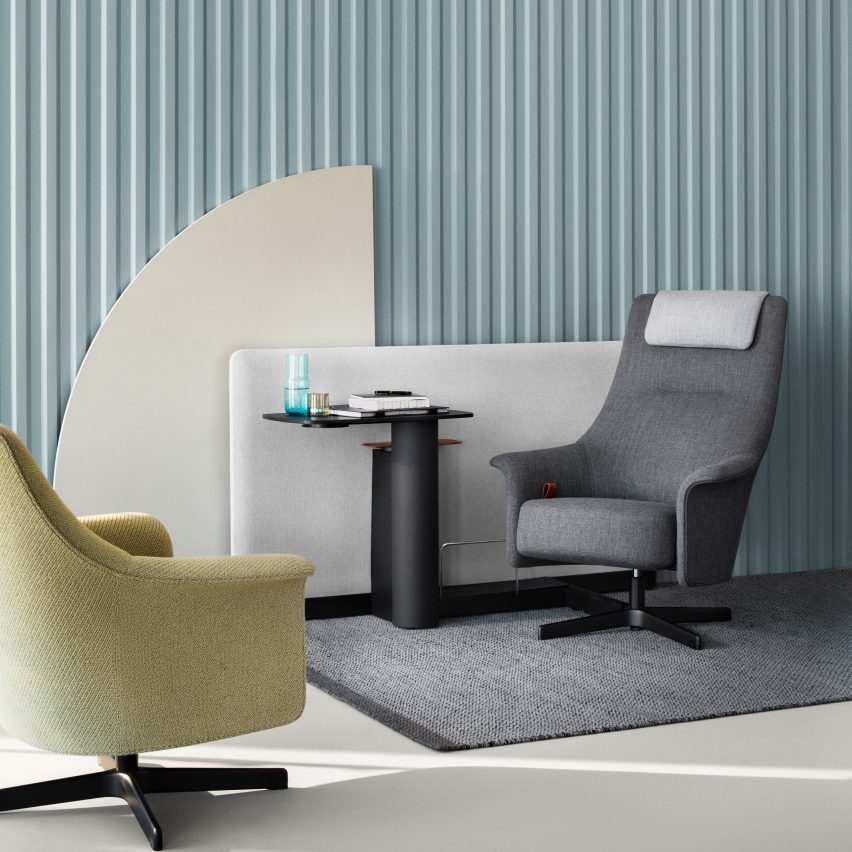
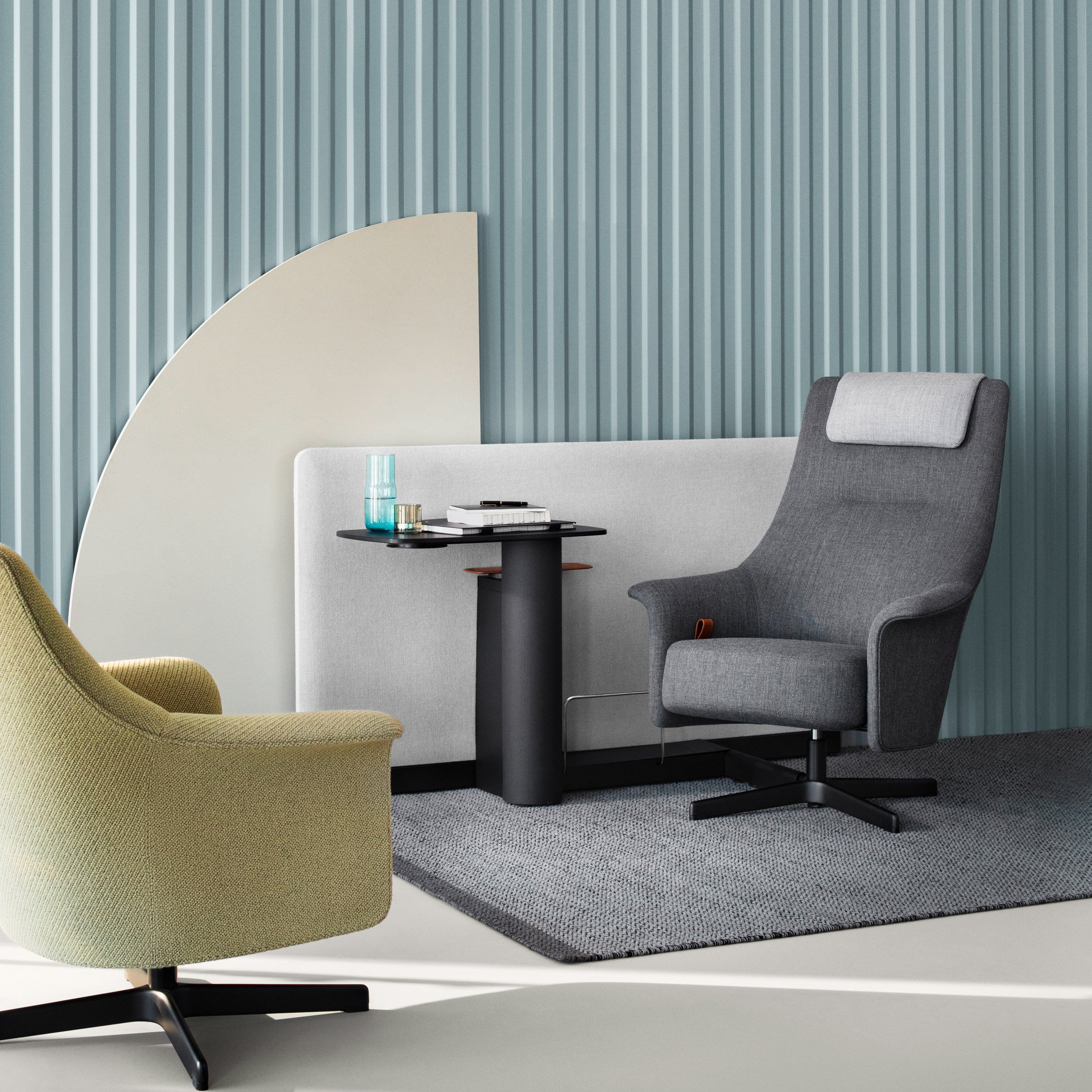
The matching PORTS Lounge Chair and Sofa have a low-rise back and four-legged base. The seats are covered in a textured upholstery that comes in a variety of colours.

"A relaxing lounge area is an essential part of the contemporary office environment," said Bene. "The Sofa and Lounge chairs can be combined to form comfortable seating areas."

PORTS Task Lounge by Pearson Lloyd for Bene
PORTS Task Lounge is composed of a chair, a table and a partition

PORTS Lounge collection also includes the Active Chair, which has an adjustable height altered pulling a leather strap. The rear can also tilt back by 20 degrees for added comfort. It is available in a low-and a high-back version – the latter comes with a height-adjustable headrest that can be placed on top.

Rounding out the collection is the PORTS Task Lounge suite composed of a chair, a table and a partition.

According to Bene, PORTS Lounge can be reconfigured in a variety of ways to create workplaces outside of traditional layouts. "Ideal for today's times when mobile devices have liberated us from static positions behind a desk," it said.

Product: PORTS Lounge
Designer: Pearson Lloyd
Brand: Bene
Contact: office@bene.com

About Dezeen Showroom: Dezeen Showroom offers an affordable space for brands to launch new products and showcase their designers and projects to Dezeen's huge global audience. For more details email showroom@dezeen.com.

The post PORTS Lounge by Pearson Lloyd for Bene appeared first on Dezeen.


from Dezeen https://ift.tt/33bvWJg