Tuesday, 24 November 2020

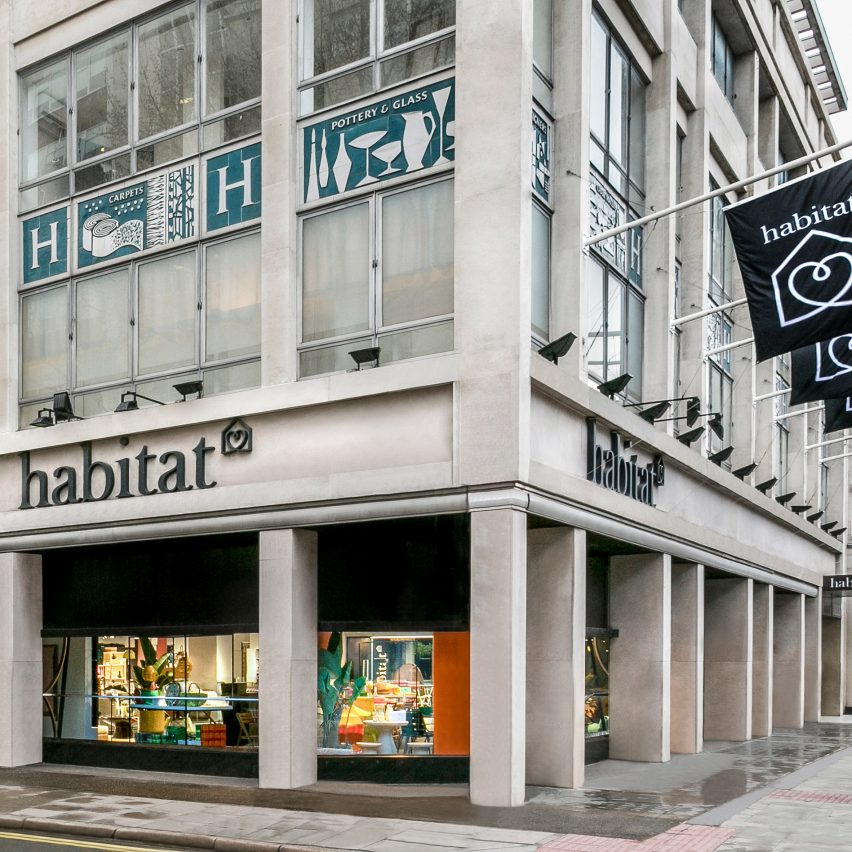
Habitat to close flagship store on London's Tottenham Court Road after more than half a century

Habitat Tottenham Court Road

British furniture retailer Habitat has announced that it will be closing two of its London locations at the start of next year, including its global flagship on Tottenham Court Road.

Opened by Habitat's founder Terrance Conran in 1966, the location epitomised his resolve to turn the brand into a widely-available design chain and grew into "possibly its best-known store", with everyone from IKEA to Muji setting up shop nearby.

Store "provided inspiration to millions of people"

A representative for parent company Sainsbury's, which bought Habitat in 2016, cited consumer's increasing preference for online shopping as the reason for the closure.

"Over the years the store has provided inspiration to millions of people," they explained. "But as the retail market continues to change it's important we adapt and focus investment in the right way so that we can meet our customers' needs as they increasingly want to shop with us online."

Although Habitat was a pioneer of modern design, ushering everything from duvets to woks and flat-pack furniture into British homes, the company has struggled financially since Conran was resigned in the late 1980s.

After a number of mergers and acquisitions, all but its three central London stores were put into administration in 2011, with what was left of the brand sold to the Home Retail Group.

"Habitat has been in the wrong ownership for many years," the company's one-time creative director Tom Dixon said in a 2013 interview with The Guardian.

"It needed to be nurtured by design entrepreneurs (like Terence Conran) rather than bean counters."

Habitat's remaining stores to be relaunched as showrooms

Now under the Sainsbury's umbrella, the company will also be closing its stores on London's Tottenham Court Road and Finchley Road while its three remaining, full-sized stores in Brighton, Leeds and Westfield shopping centre will be relaunched as showrooms.

Here, shoppers will be able to see selected designs in the flesh, although larger furniture items will be primarily sold through the Habitat and Argos websites.

Smaller homeware goods will be more accessibly priced and sold in Argos and Sainsbury's shops, with Habitat supplanting the supermarket's existing home and furniture offering.

The news comes only a few months after Conran died in September of this year, prompting an outpouring of tributes from industry figures including architect Thomas Heatherwick.

"For me, Sir Terence Conran was one of a small handful of amazing people who dragged Great Britain out of the post-second world war gloom and modernised the country by revolutionising how we think about our homes, the products we buy for them and even the food we eat and how we eat it," he said.

"His impact and influence is around us every day and has been so successful that we don't even realise where it came from."

Photo courtesy of Habitat.

The post Habitat to close flagship store on London's Tottenham Court Road after more than half a century appeared first on Dezeen.


from Dezeen https://ift.tt/35YGBJ8

Cristian Zuzunaga designs all-black version of Dreams cabinet for BD Barcelona

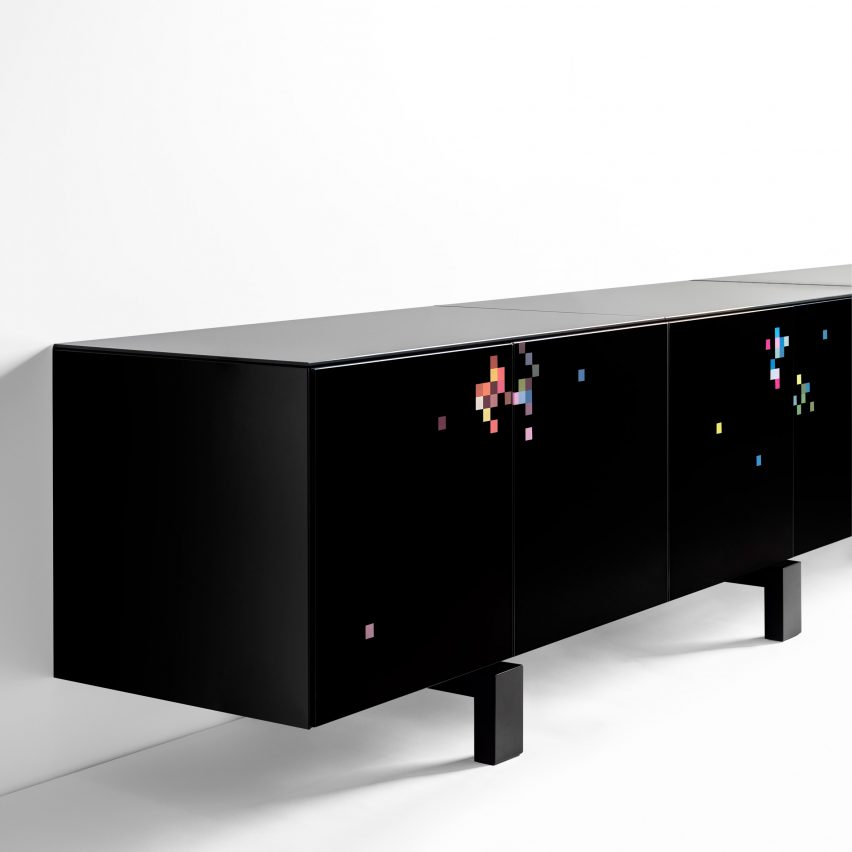
The all-black Dreams cabinet by Cristian Zuzunaga for BD Barcelona

Dezeen Showroom: Spanish designer Cristian Zuzunaga has created an all-black version of the Dreams cabinet for furniture brand BD Barcelona, which features colourful pixel designs.

The all-black version joins the existing collection of Dreams cabinets by Zuzunaga, which were originally released in 2015 in grayscale and multicoloured versions.

According to BD Barcelona, the latest design was issued to offer a "more aesthetically contained" style of the cabinet.

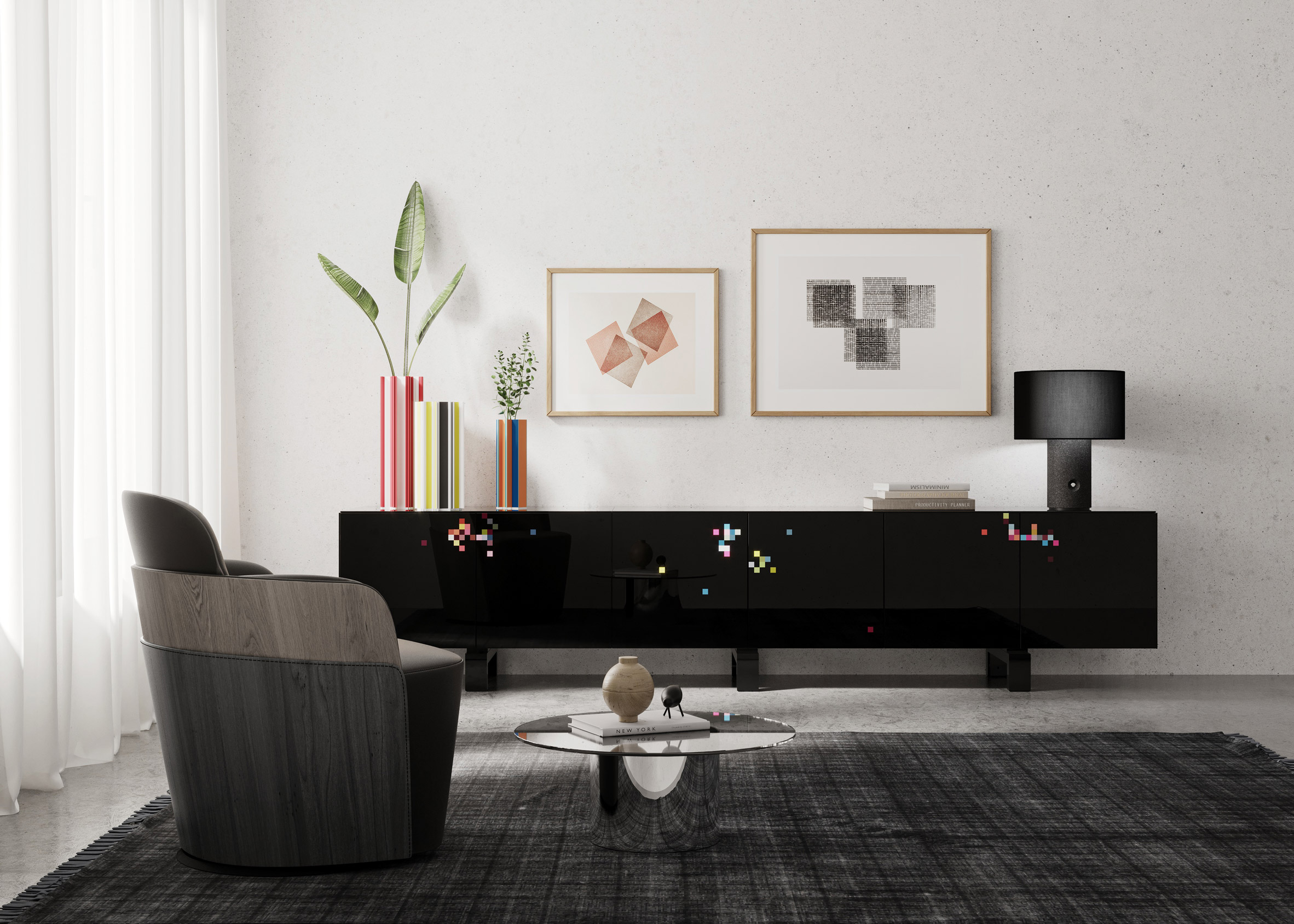
The all-black Dreams cabinet by Cristian Zuzunaga for BD Barcelona
The all-black Dreams cabinet features small colourful clusters of pixels

The cabinet comprises a wooden base structure covered with six millimetre-thick tempered glass that has been digitally printed to have a black background punctuated with colourful clusters of pixels.

These flashes of colour are designed to indicate where the user needs to touch to open the doors.

"The darkness will show you what the light hides," said the designer. "For me it's going back to the origin. I always work by printing with black ink, and if the results convince me and is essential, then I pass onto colour."

"We always try to reflect the personality of the authors with the cabinets in our catalogue," added the brand. "It's a typology of furniture that allows us to experiment on the outside with total creative freedom, whilst remaining functional internally."

The all-black cabinet comes in two sizes: the smaller cabinet measures at 200 by 51 centimetres, while the longer version is 300 by 51 centimetres. Both have a height of 67 centimetres.

Product: Dreams cabinet
Designer: Cristian Zuzunaga
Brand: BD Barcelona
Contact: sales@bdbarcelona.com

About Dezeen Showroom: Dezeen Showroom offers an affordable space for brands to launch new products and showcase their designers and projects to Dezeen’s huge global audience. For more details email showroom@dezeen.com.

The post Cristian Zuzunaga designs all-black version of Dreams cabinet for BD Barcelona appeared first on Dezeen.


from Dezeen https://ift.tt/3fz5ePB

Esrawe Studio and Formafatal named interior design studios of the year at Dezeen Awards 2020

Esrawe Studio has been named studio of the year while Formafatal has won the title of emerging interior designer of the year at Dezeen Awards 2020.

Based in Mexico, Esrawe Studio was selected from a shortlist of five studios, which was determined by our jury of 25 leading figures from the world of interiors.

Czech studio Formafatal beat six other emerging studios to win the award.

Grupo Acra interior by Esrawe Studio
Top: Art Villa in Costa Rica by Formafatal. Photo by BoysPlayNice. Above: Esrawe Studio's interior for Grupo Acra was shortlisted in large workspace interior. Photo by Genevieve Lutkin

The winning studios were revealed at the Dezeen Awards 2020 interiors show, which was streamed on Dezeen on 24 November.

The architecture winners were announced on 23 November and the design winners will be revealed in tomorrow's final Dezeen Awards Show from 4 pm to 5 pm GMT.

Esrawe Studio named interior designer of the year

The interiors jury, which consisted of New York-based designer Rafael de Cardenas, Victoriya Yakusha of Yakisha Design, Alex Mok of Linehouse, Seyhan Özdemir and Sefer Çağlar of Istanbul-based studio Autobahn and Ambrish Arora of Studio Lotus, chose the Mexico City-based studio as this year's winner.

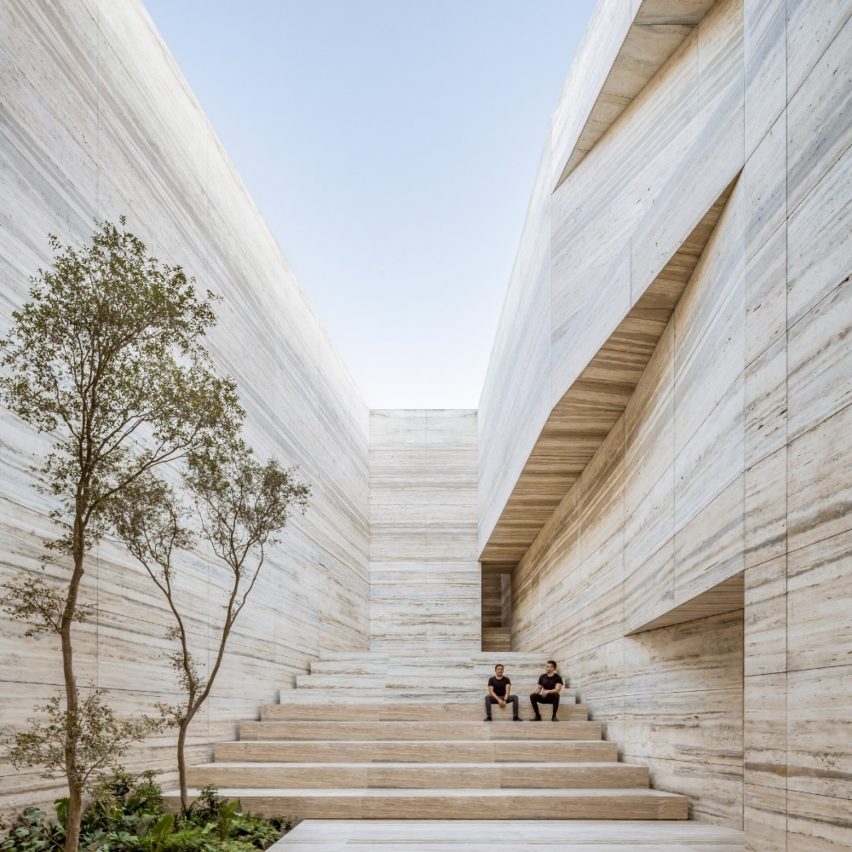
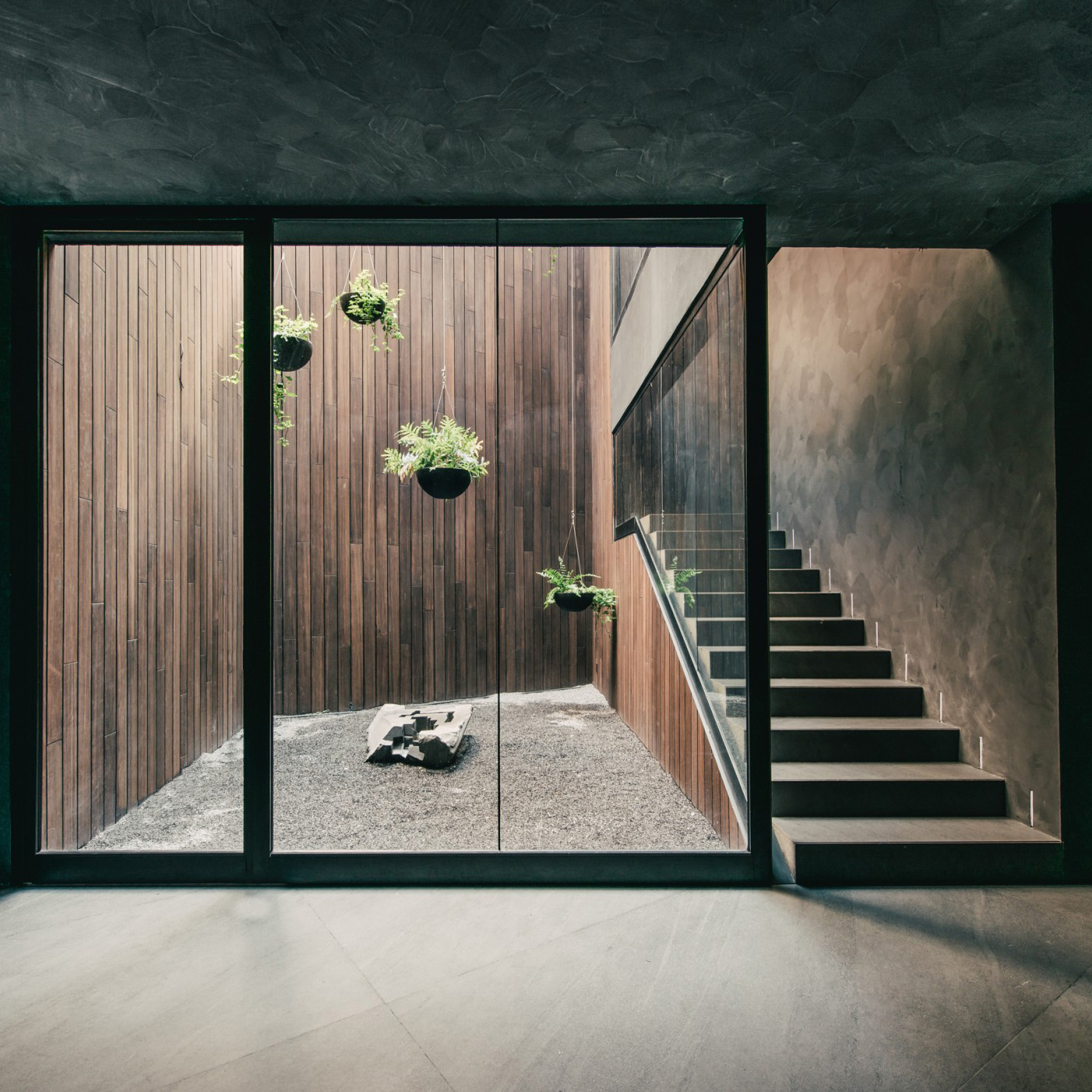
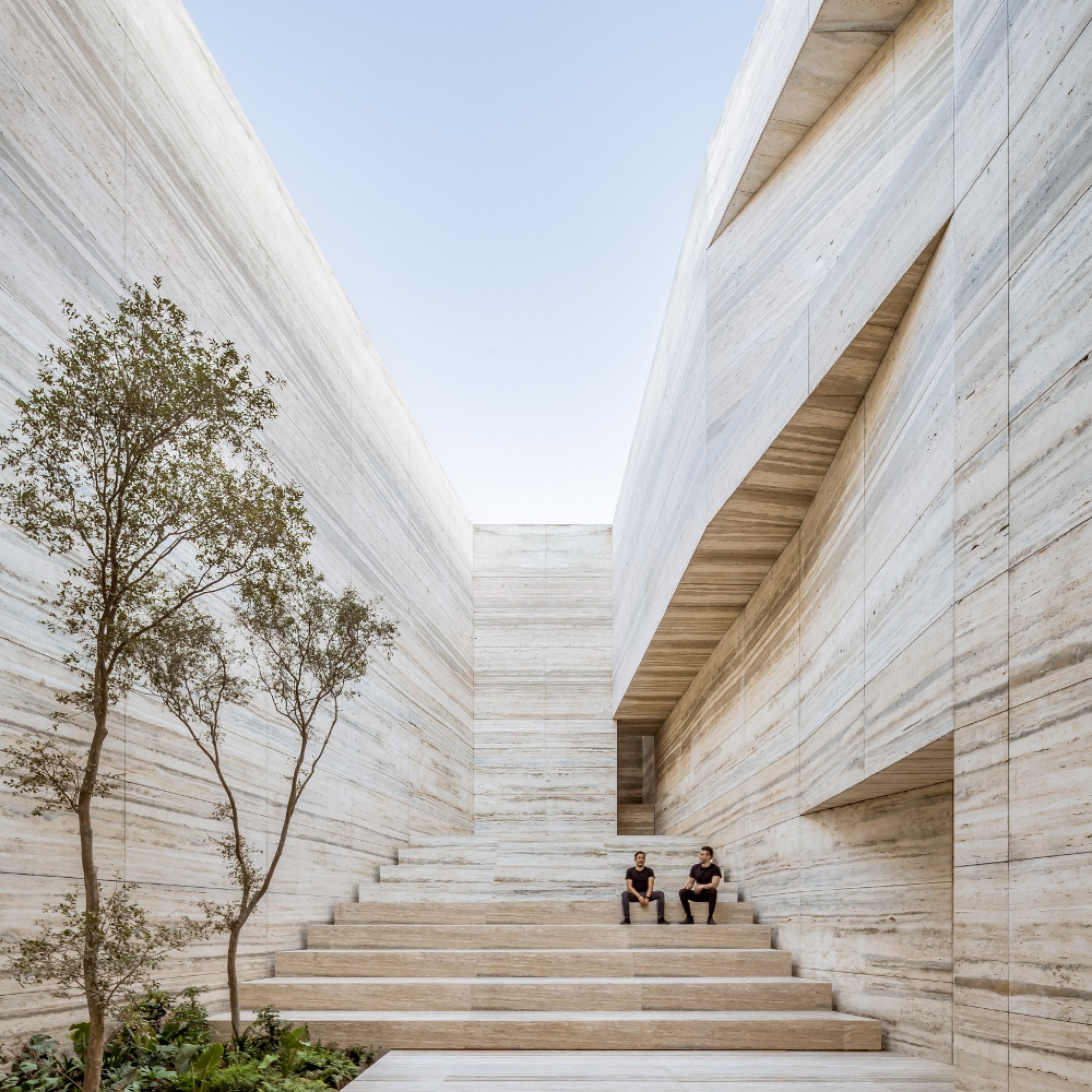
Guadalajara stone showroom by Esrawe Studio
Esrawe Studio carves quarry-like landscape for Guadalajara stone showroom. Photo by Genevieve Lutkin

The judges liked that "Esrawe Studio's projects have an element of surprise, power and innovation and added that the "exquisite details and craftsmanship achieved through their projects shows a rigorous design process - across all scales, from architecture to furniture."

Projects by Esrawe Studio include the studio's workspace, which took over a former dance hall and a Japanese restaurant, which also won in the restaurant interior of the year category.

Formafatal named emerging interior designer of the year

Czech interior design studio Formafatal won the emerging interior designer of the year award. The judges said that "Formafatal is a young, vibrant and globally present studio with many interesting projects for its age." 

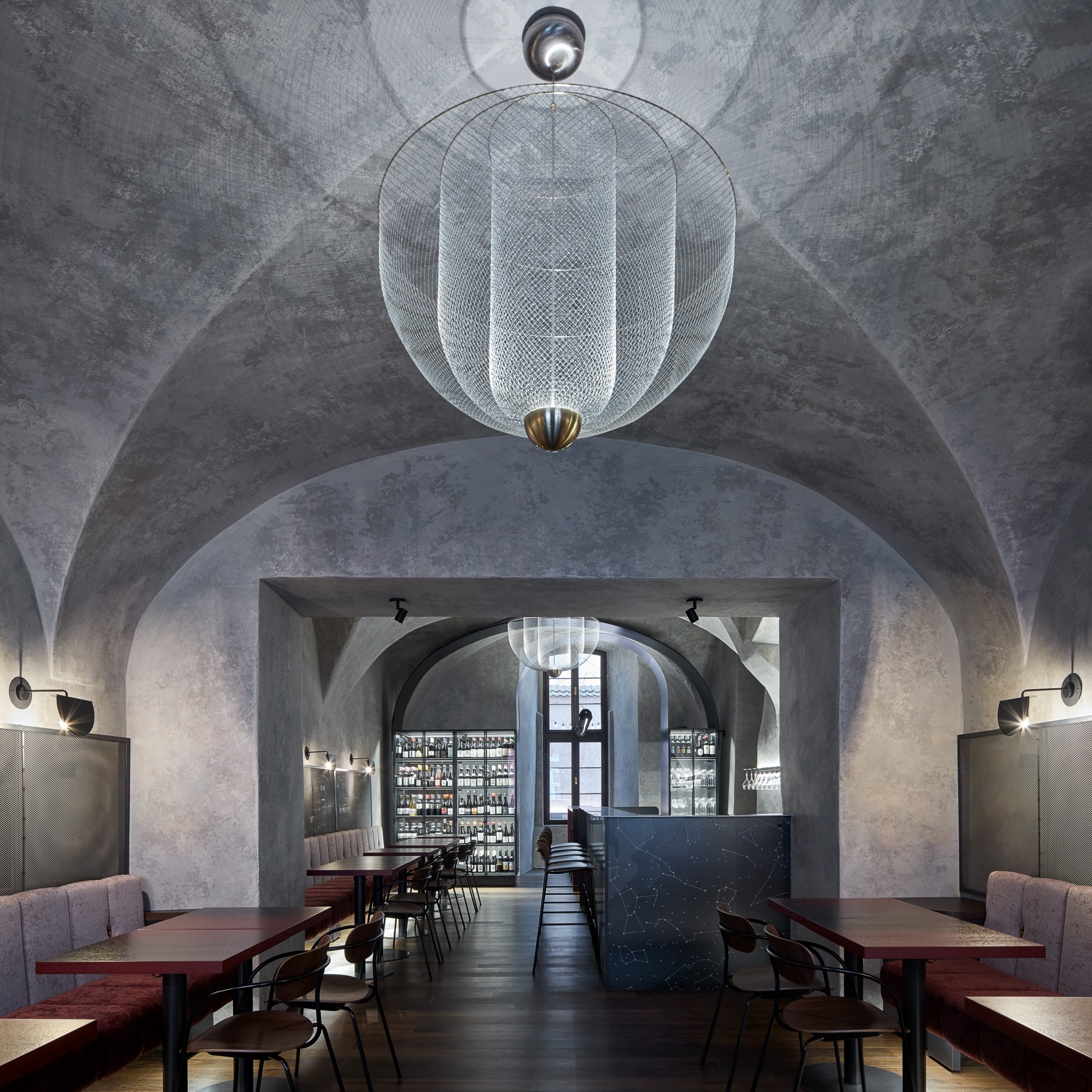
Wine bar interior by Formafatal
Formafatal's work includes this wine bar in the Czech Republic. Photo by BoysPlayNice

The interiors master jury, which virtually met on 5 November, based their selections on the evidence of strong vision and achievement, business success, client satisfaction and positive impact.

Projects by Formafatal include a holiday home in Costa Rican jungle called Art Villa, which was also shortlisted in house interior of the year.

The post Esrawe Studio and Formafatal named interior design studios of the year at Dezeen Awards 2020 appeared first on Dezeen.


from Dezeen https://ift.tt/3nVc3ya

Capsule hostel and bookstore by Atelier Tao+C named interiors project of the year at Dezeen Awards 2020

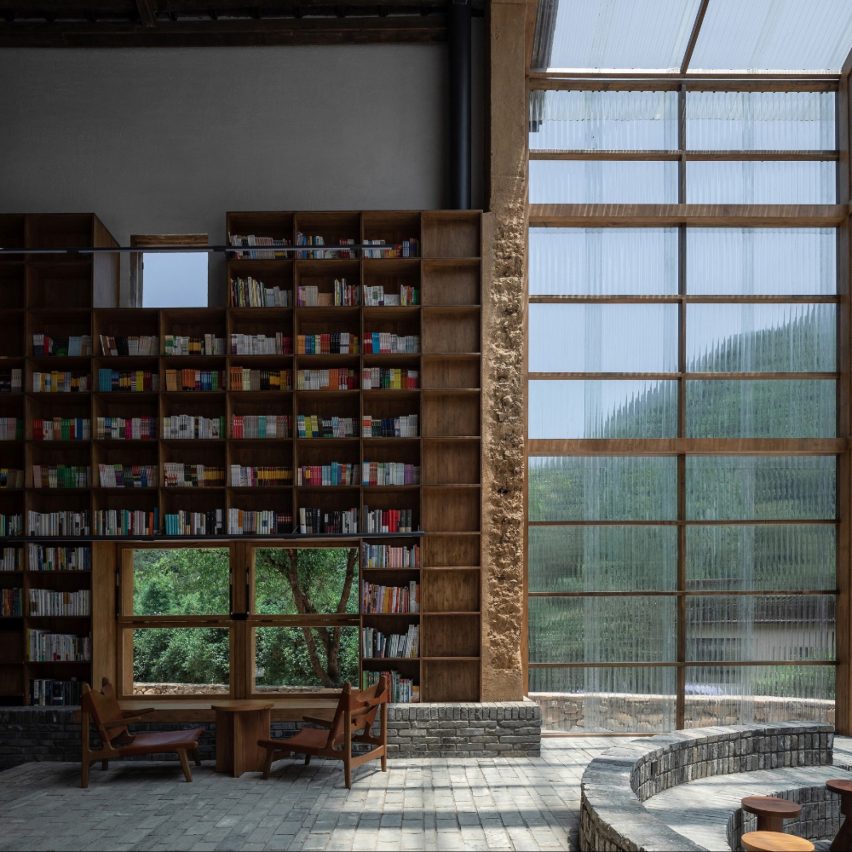
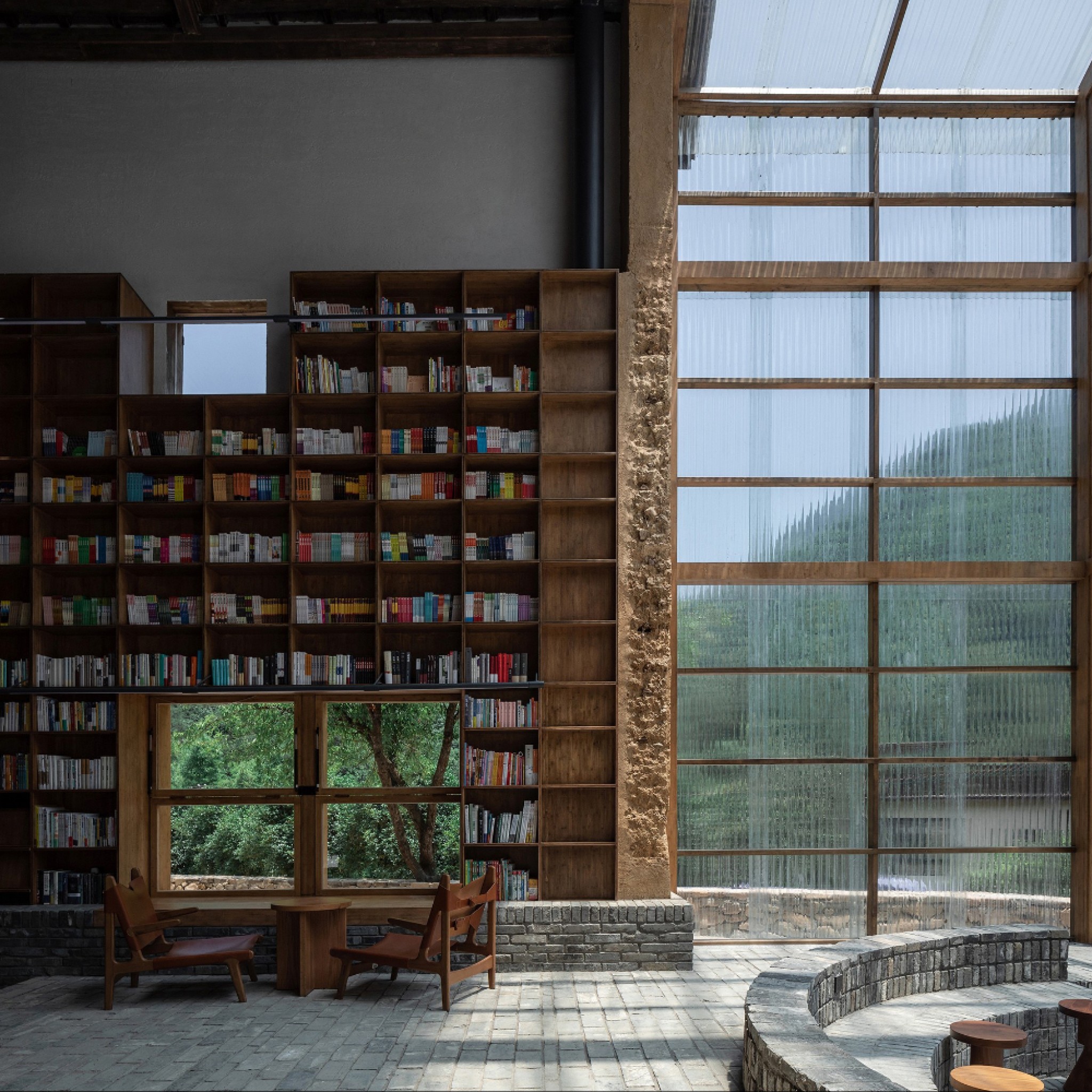
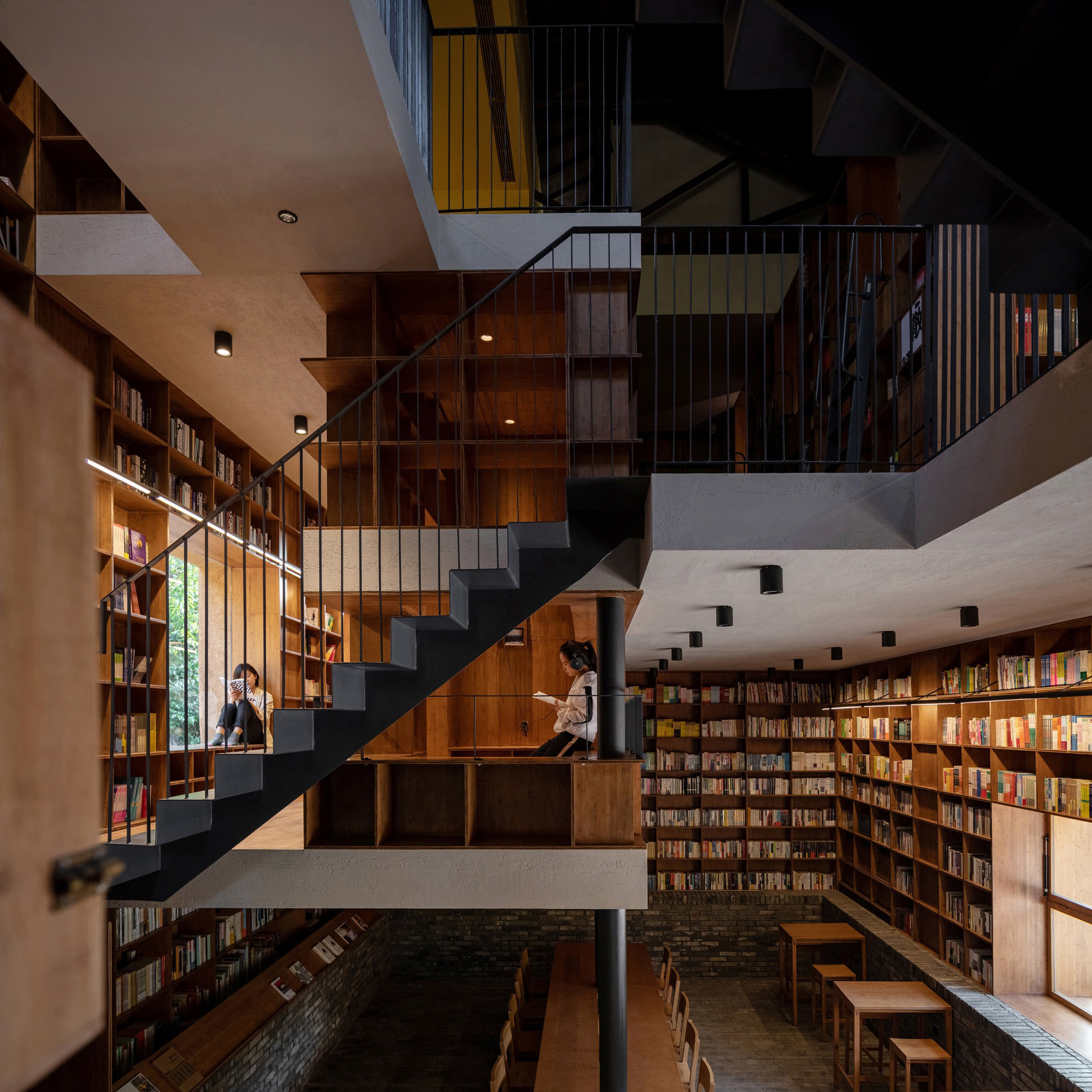
Capsule hostel and bookstore by Atelier Tao+C has won the Dezeen Awards 2020 interiors project of the year. The studio "succeeded in taking a traditional building and celebrating its sighting in the landscape," said judge Rafael de Cárdenas.

Announced at the Dezeen Awards 2020 interiors show, this hostel and bookstore located in a small village in rural China won the prestigious interiors project of the year award, as well as being named hotel and short-stay interior of the year.

There were 1,374 entries for the interiors categories at this year's Dezeen Awards, which is sponsored by Allermuir, V1, LSA, Hem and Grohe. Of these, 61 were shortlisted by our jury of 25 leading figures from the world of interiors.

The winners of the architecture categories were announced yesterday and winners of the design categories will be announced in the final Dezeen Awards 2020 Show from 4:00pm-5:00pm GMT tomorrow.

To find out about Dezeen Awards 2021, subscribe to our newsletter.

Chinese architecture and design studio Atelier Tao+C designed this hostel and bookstore inside an old, rammed-earth house that has been fitted with a glazed gable-end extension, which houses a large library and bookstore.

By removing the floor plates and original dividing walls, the studio created a big open space. A series of staggered volumes create a feeling of intimacy within the large open space as well as smaller spaces where the rooms sit.

The master jury for the interiors categories included New York-based designer Rafael de CardenasVictoriya Yakusha of Yakusha Design, Alex Mok of Linehouse, Seyhan Özdemir and Sefer Çağlar of Istanbul-based studio Autobahn and Ambrish Arora of Studio Lotus.

The jury, which met virtually on 5 November to select the winners, felt that "the combination of the building's old character and with its newly opened up dynamic spaces produces a very contemplative space filled with calm."

The post Capsule hostel and bookstore by Atelier Tao+C named interiors project of the year at Dezeen Awards 2020 appeared first on Dezeen.


from Dezeen https://ift.tt/3fyNRyn

Dezeen Awards 2020 interiors category winners revealed

The 12 winning interiors projects for Dezeen Awards 2020 have been revealed. Winners include a winery in northeast Austria, a series of studios for yoga brand Vikasa and an old Spanish workshop that has been converted into a tactile family home.

Other winners, unveiled in the Dezeen Awards 2020 interiors show hosted by LionHeart, include a bar that reflects its owners' interest in insects, a former lecture hall that has been transformed into a playful multi-level office and a four-bedroom smart home in Hong Kong.

Capsule Hostel and Bookstore by Atelier Tao+C was named overall interiors project of the year.

The winners were decided by a master jury consisting of New York-based designer Rafael de Cardenas, Victoriya Yakusha of Yakisha Design, Alex Mok of Linehouse, Seyhan Özdemir of Istanbul-based studio Autobahn and Ambrish Arora of Studio Lotus.

There were 1,374 entries for the interiors categories at this year's Dezeen Awards, which is sponsored by Allermuir, V1, LSA, Hem and Grohe. Of these, 61 projects were shortlisted by our jury of 25 leading figures from the world of interiors.

The winners of the architecture categories were announced yesterday and the design categories will be unveiled tomorrow.

To find out about Dezeen Awards 2021, subscribe to our newsletter.

See the winning interiors projects on the Dezeen Awards website or read on below:

House interior of the year:
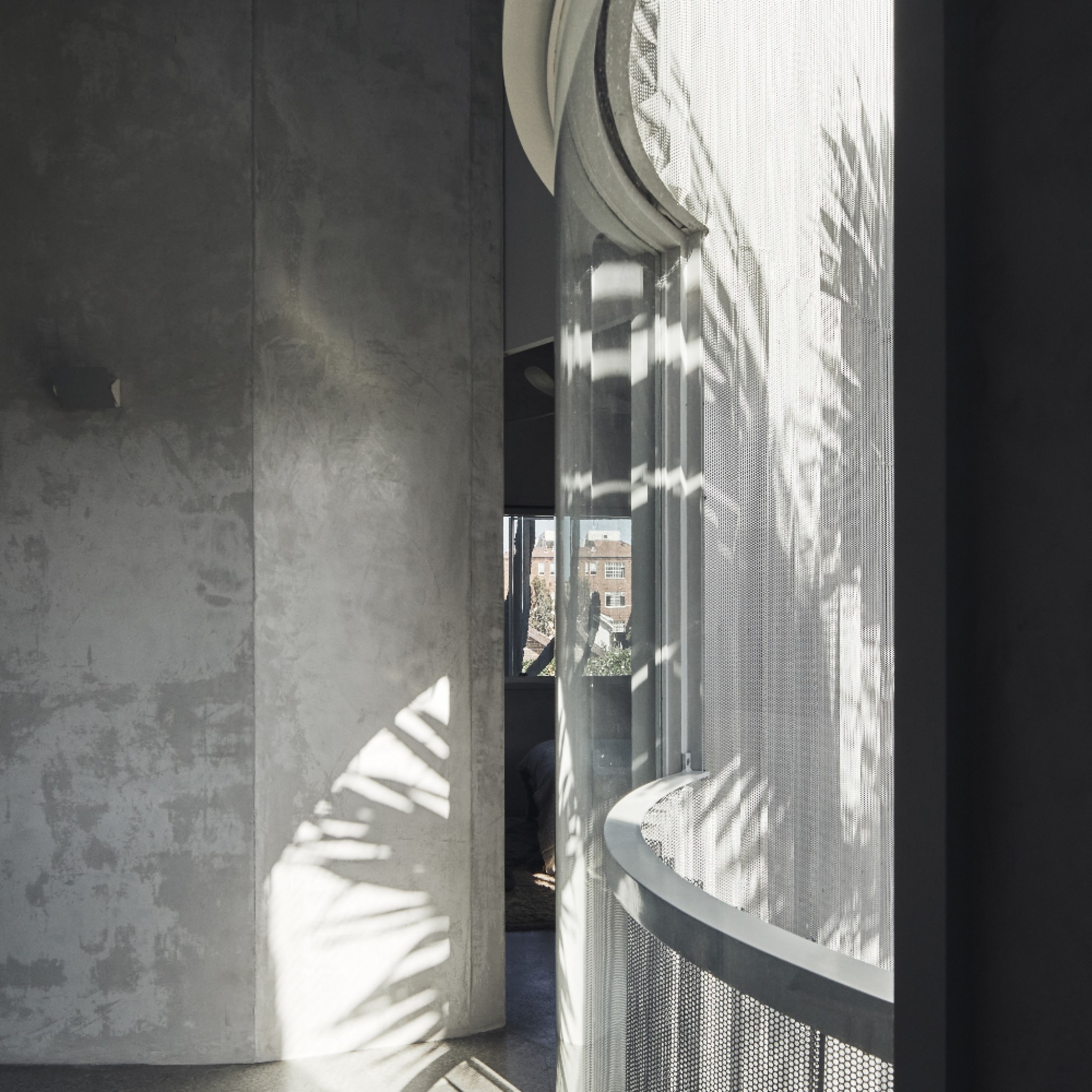
Bismarck House by Andrew Burges Architects and David Harrison & Karen McCartney

This project is a semi-detached dwelling located within the tight urban grain around Sydney's Bondi beach. The project explores the relationship between house, garden and public realm along a gritty urban laneway bounding the immediate site.

The judges on the interiors master jury said that "the relationship between the house and the urban street condition is sublimely orchestrated and the varied collection of raw materials creates warmth and intrigue throughout the rooms".

Apartment of the year:
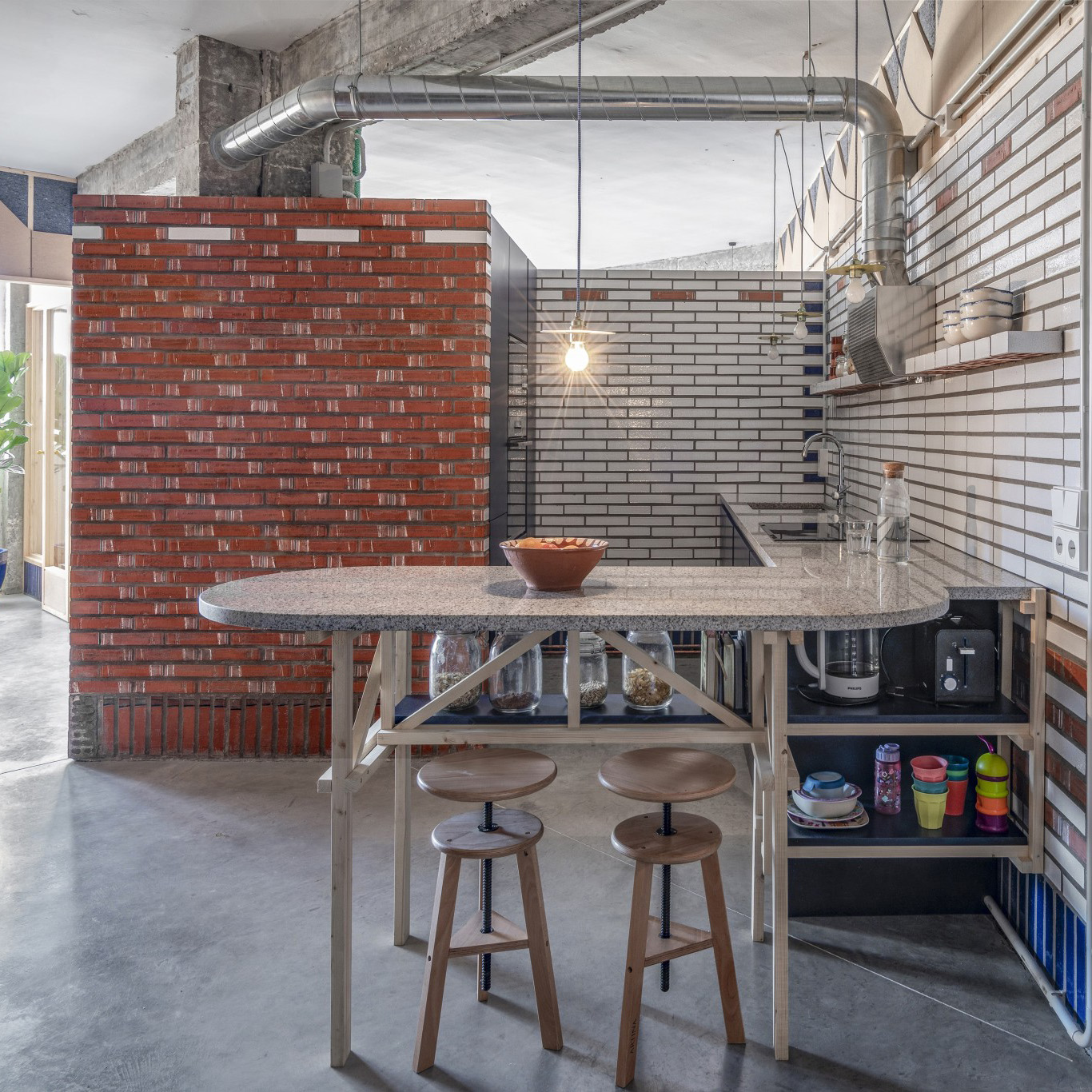
La Nave by Nomos

This former print shop has been transformed into a residence in Spain. La Nave is the transformation of an industrial space into a place for life, which takes place as a continuous sequence, with very little difference between work and family leisure.

"The simple and frugal intervention is inventive, converting what is a relatively un-remarkable shell into a living space that holds the potential, for delightful and unexpected encounters with light, privacy and views," said the judges.

"This project addresses social and environmental issues in the renovation of an existing space."

Restaurant interior of the year:
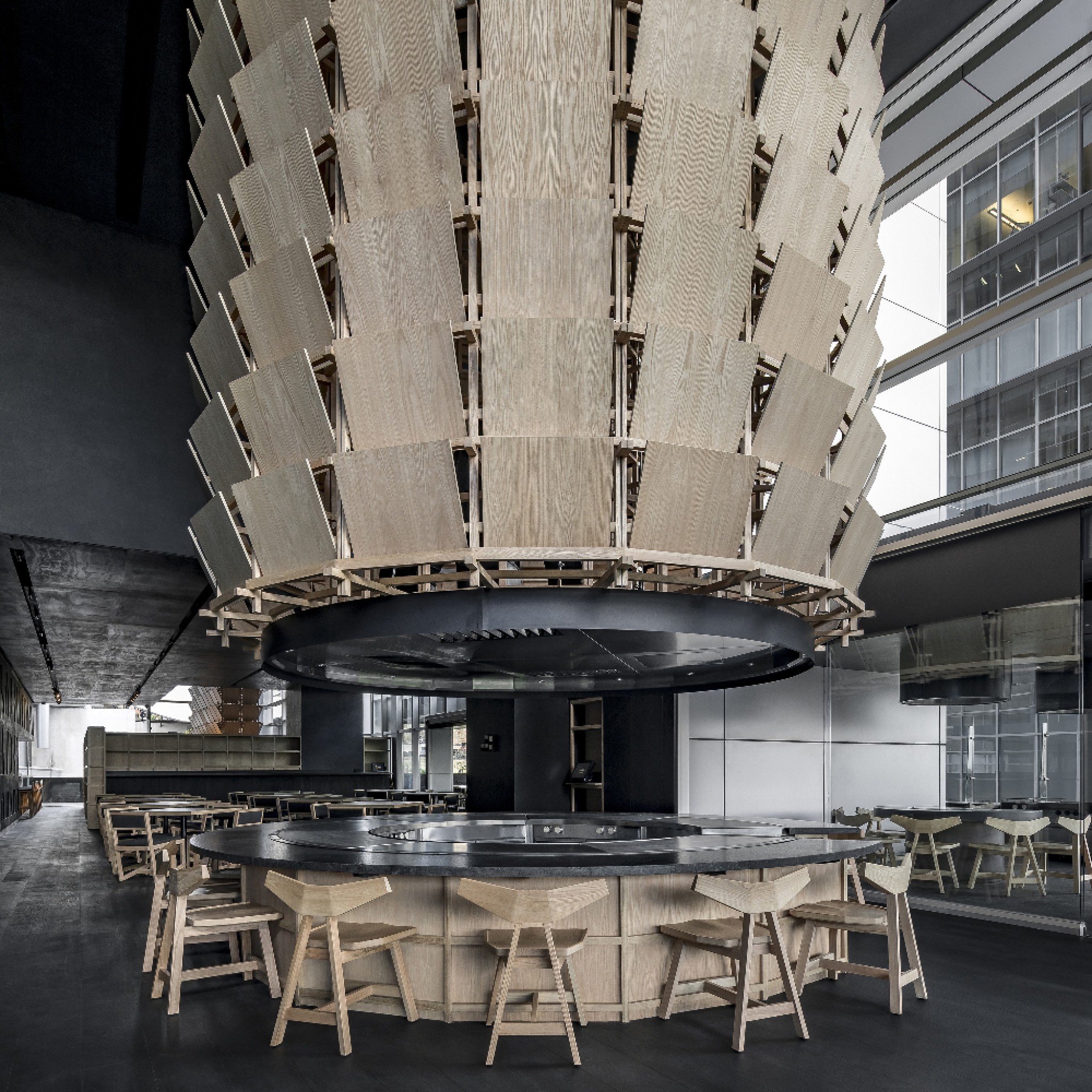
Tori Tori Santa Fe by Esrawe Studio

Tori Tori Santa Fe is a Japanese restaurant with a cylindrical oak structure and dark interiors in Mexico City. The subtlety and sobriety of Japanese crafts and its skilled artisans have informed the interiors of the restaurant.

"The contrast with the darker, subdued materials allows the timber to stand out in a very powerful way," said the judges.

"The abstract form of the Japanese armoury is cleverly and effortlessly executed, with a sense of quirkiness."

Highly commended: DooSooGoBang by Limtaehee Design Studio.

Bar interior of the year:
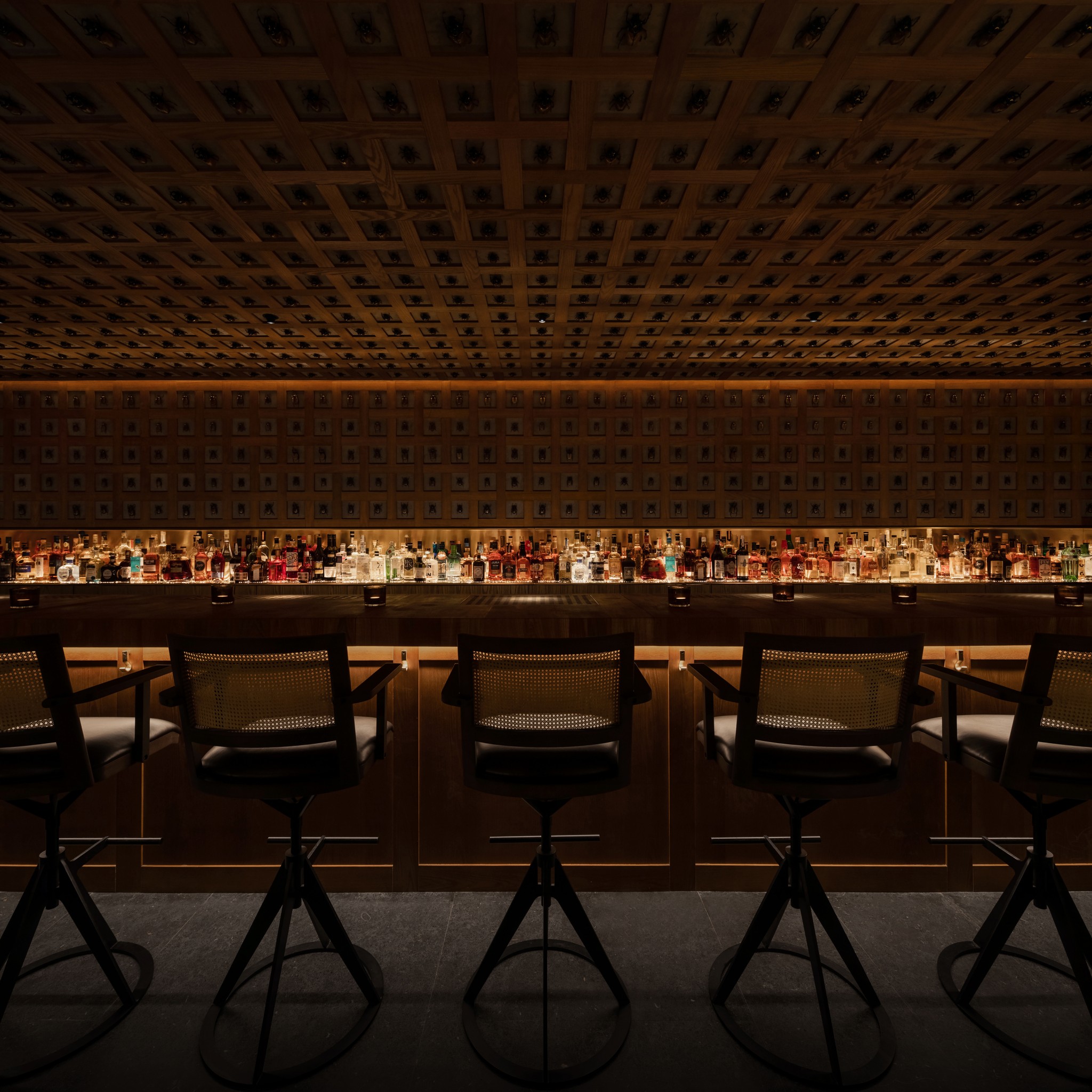
A Secret Bar in a Lively Downtown by Atelier XY

Atelier Xy created a secret bar that features an amber insect collection in Shanghai, China. The result is a dialogue of spatial functions complimenting the operational requirements.

"This project shows the narrative of a secret bar with quirks and unexpected elements," said the judges. "The dim lighting is very well done, especially in conjunction with the material palette."

Hotel and short-stay interior of the year:
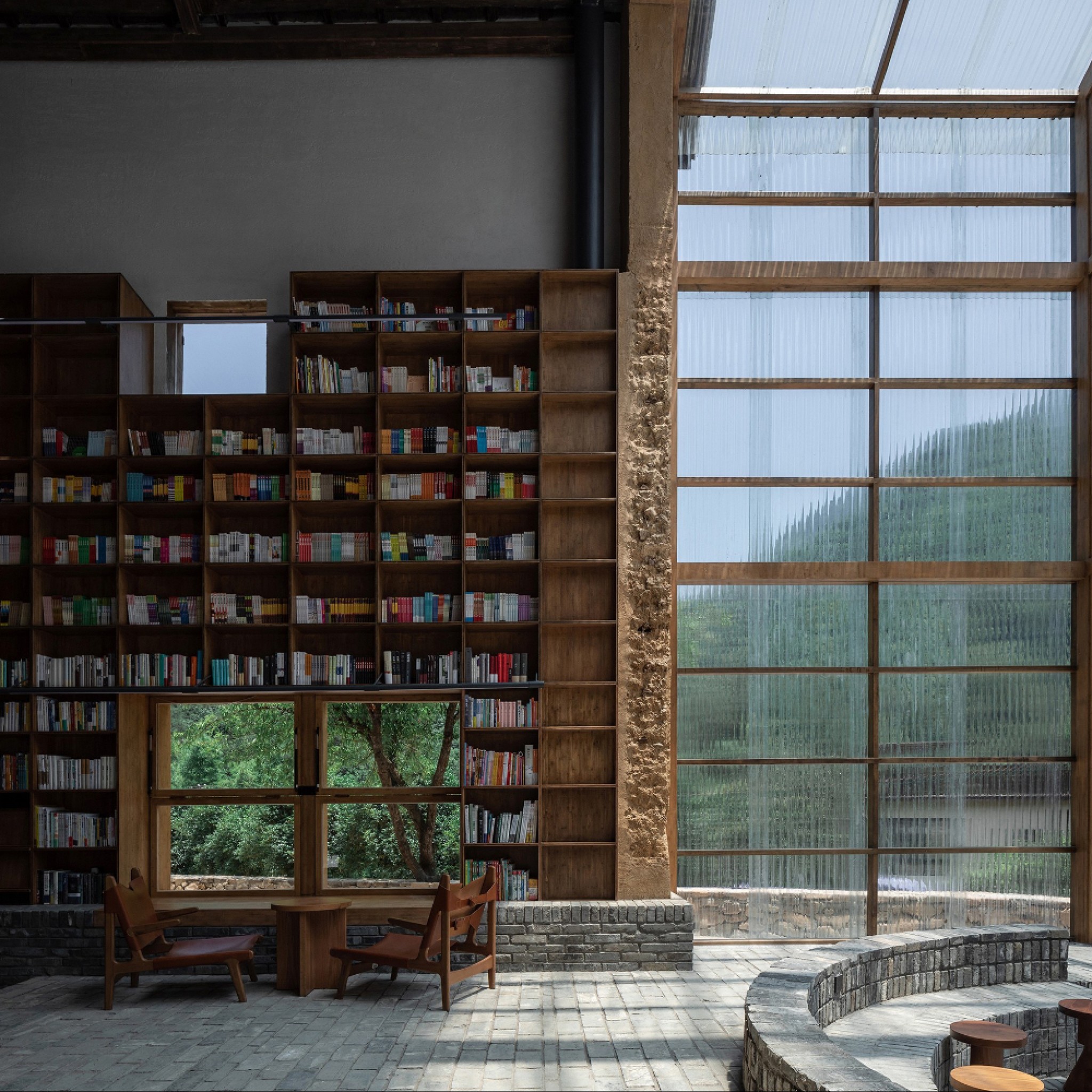
Capsule Hostel and Bookstore by Atelier Tao+C

This capsule hostel and bookstore designed by Atelier Tao+C is surrounded by mountains in Zhejiang Province, China.

The hostel, which is located in a small village, was built inside an old rammed-earth structure that has been given a glazed gable-end extension.

"Architecturally it works with the existing building and village in a very clever way with the glowing translucent extension," said the judges on the interiors master jury.

"The resolution of the capsules themselves within the bookshelves is both well crafted and meticulous."
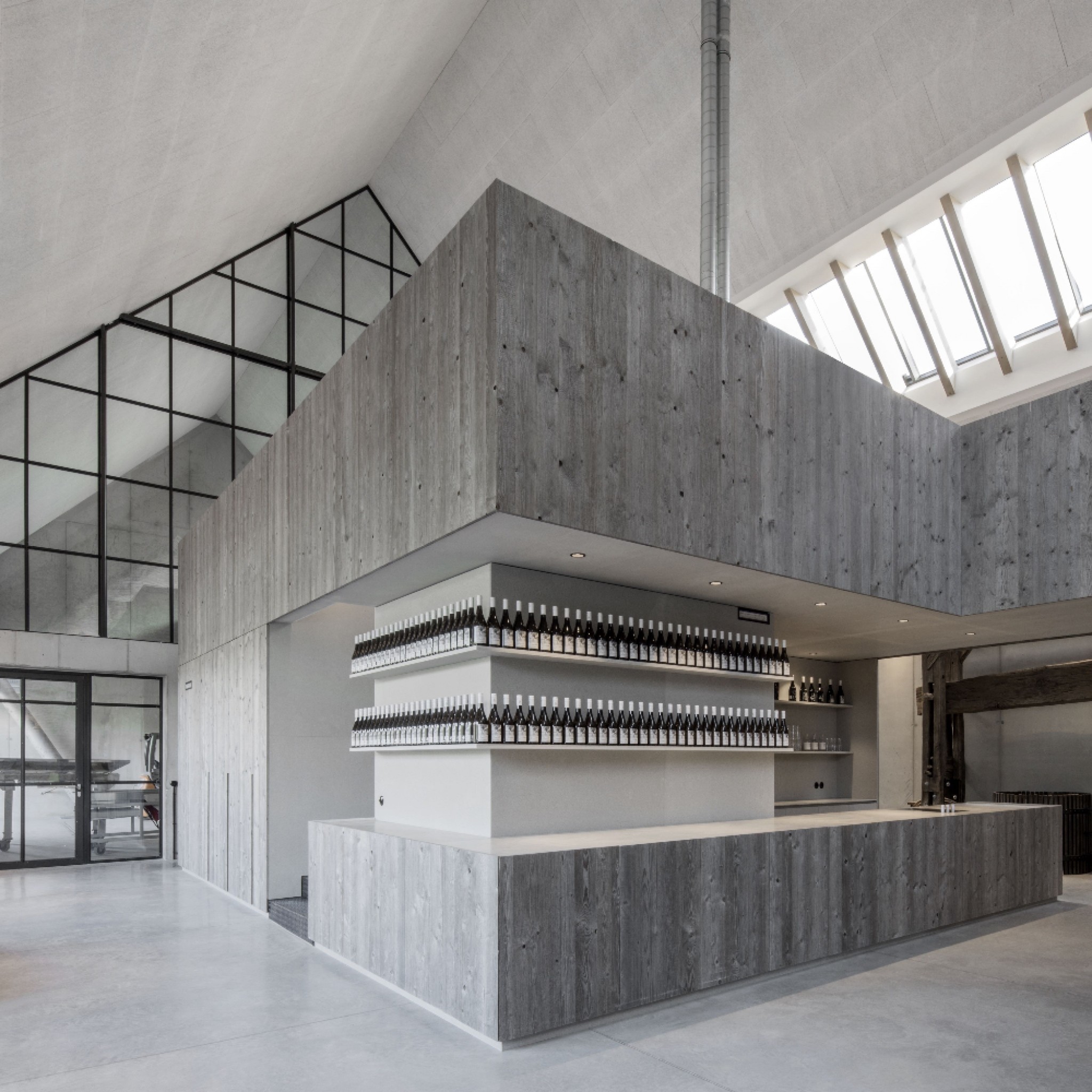

Large workspace interior of the year:
Weinmanufaktur Clemens Strobl by Destilat Design Studio

Weinmanufaktur Clemens Strobl is a winery with residential areas and a bathhouse located in Austria. The Clemens Strobl winery – the centrepiece of the historic architectural ensemble of the Wagram estate – is characterised by its clear design.

The winery features a vaulted cellar, tasting room, kitchen and contains offices that form massive spatial bodies, which are interwoven into the architectural structure, define spatial borders and take on several functions.

"Incorporating elements that are not synonymous with a typical office – such as a tasting room and wine cellar – this project does not disappoint," the judges said during the master jury session.

"The palette and subdued tones create a monastic feeling to the space where the focus is all on the wine itself and its production."
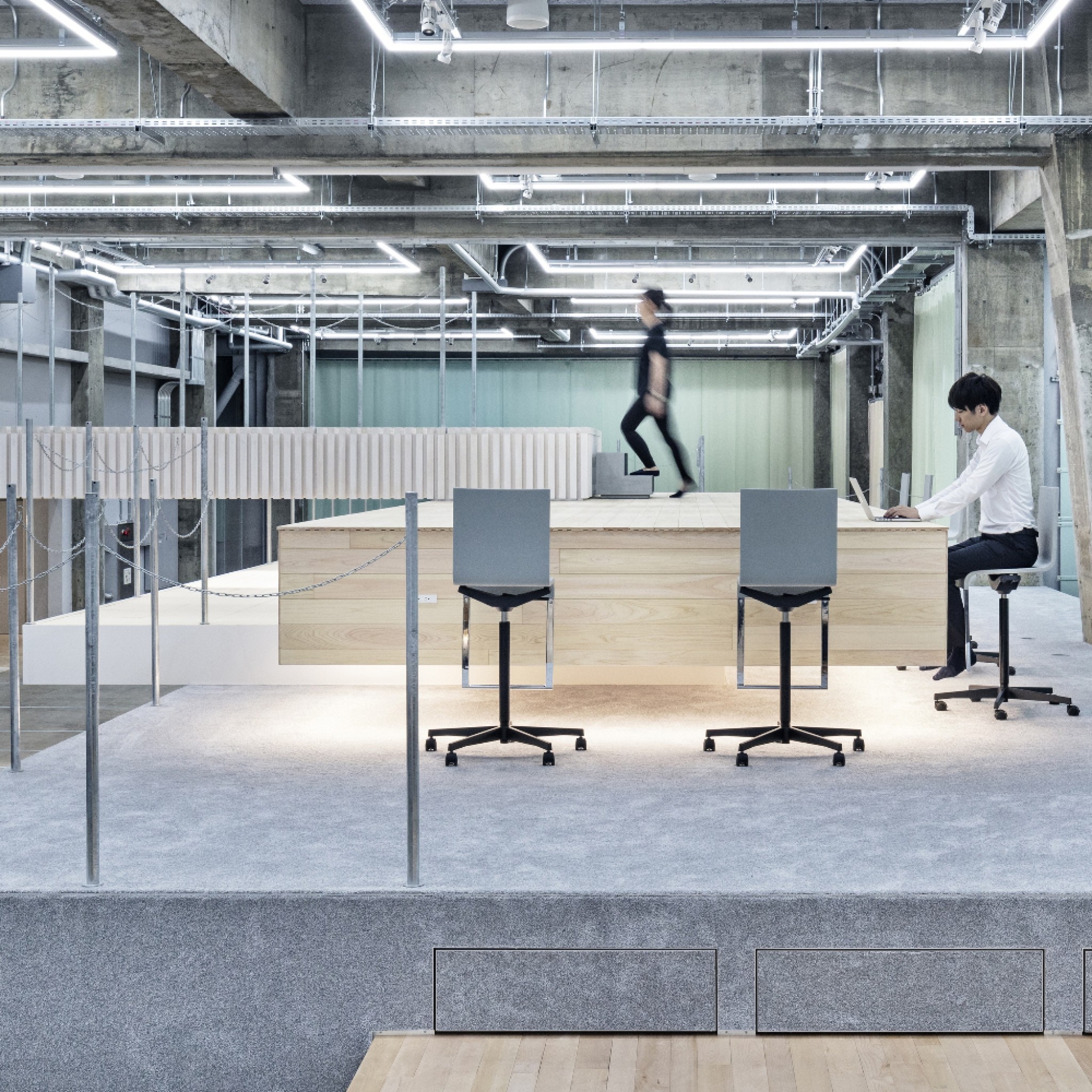

Small workspace interior of the year:
CODO by Loftwork and Shuhei Goto Architects

CODO is a former lecture hall that has been converted into a space for working, meeting and holding leisure events. The hall had been originally used for in-house events and the studio adapted it into a space that allows people to circulate freely.

The existing space was utilised in all directions and box-like steps were stacked in a staggered formation along the periphery of the room, which left a wide open space in the centre. This created a new "sense of distance" and led to a multi-purpose space.

The judges said that "this is an interesting approach to socially distanced co-working". They also said that "the project is both spatially intriguing as well as impeccably detailed".
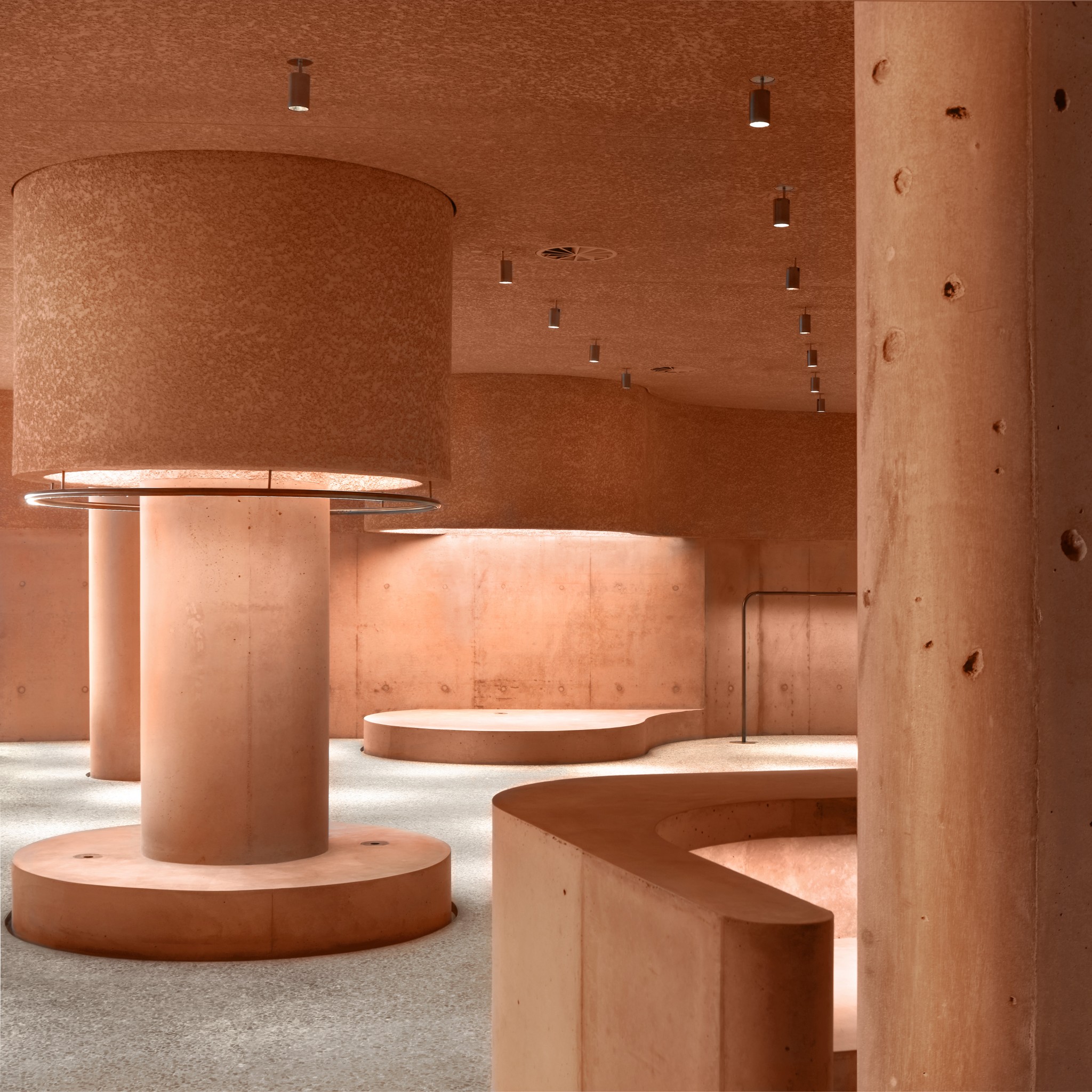

Large retail interior of the year:
The Webster by Adjaye Associates

The Webster is a curved, pink-tinted concrete building designed for luxury retailer The Webster's flagship store in Los Angeles. It is a new 11,000 square-foot retail development adjacent to the Los Angeles Beverly Center.

The development establishes a new public space, featuring a digital art wall that will debut bespoke site-specific multimedia works.

The judges said that this project is "something completely fresh and new from the curved shapes and plan to the colour of the concrete."

"Paired with the lighting effects within the volumes, it creates a sublime environment."

Highly commended: PSLab London by JamesPlumb.
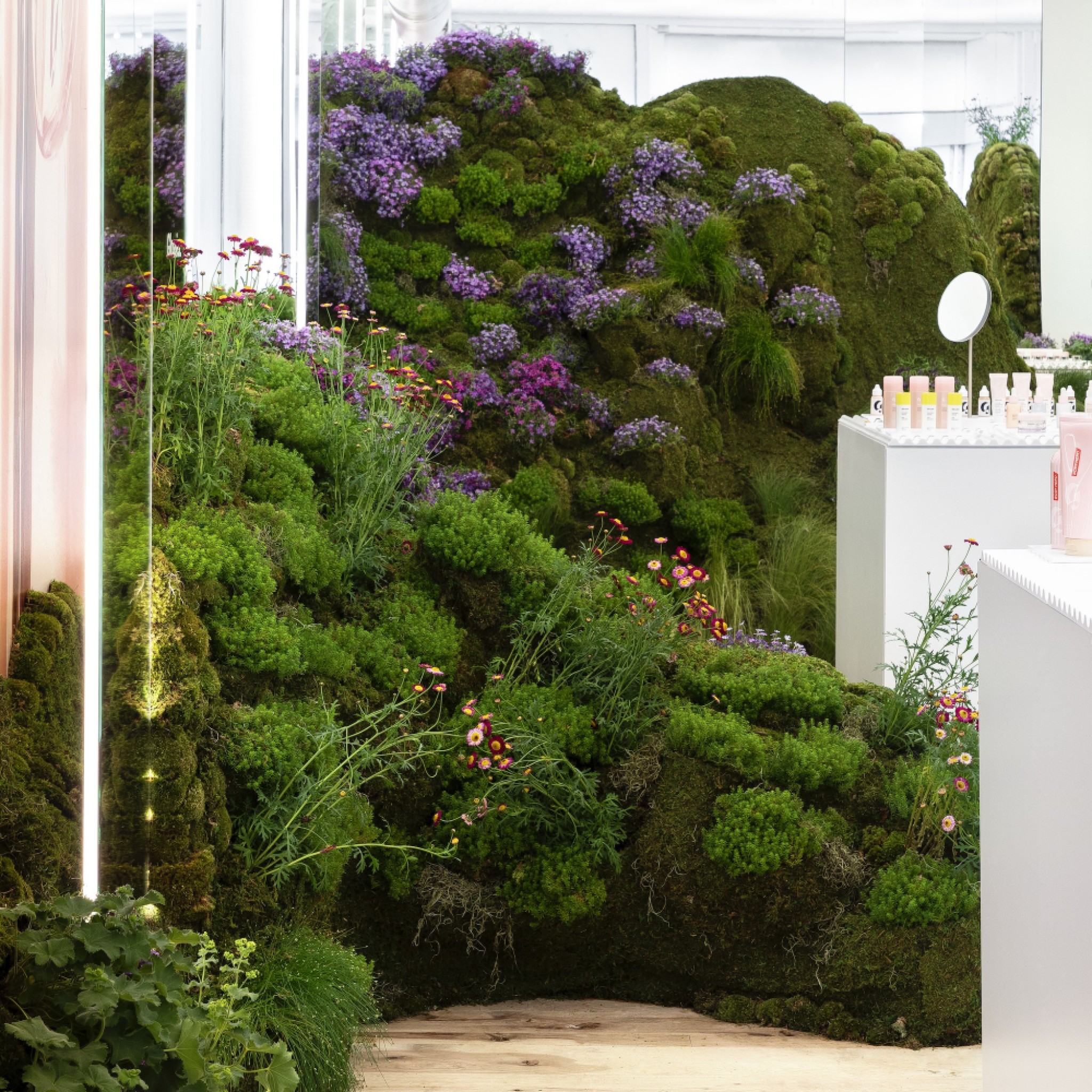

Small retail interior of the year:
Glossier Seattle by Glossier

Glossier teamed up with landscape designer Lily Kwong to create a temporary retail space in Seattle. The pop-up shop was informed by Seattle's natural landscape, and was designed for community engagement and connection.

The space brought together industrial elements, with meadow-like hills full of locally-sourced flowers to create an engaging and community-centric shopping experience, which in turn served as an embodiment of Glossier in real life.

"The narrative and connection to the local area is lovely and it's a beautifully executed project," said the judges.

"It introduces an extra dimension to the notion of retail by serving as an art installation with community roots."

Highly commended: Freitag Sweat Yourself Shop by Freitag Lab.
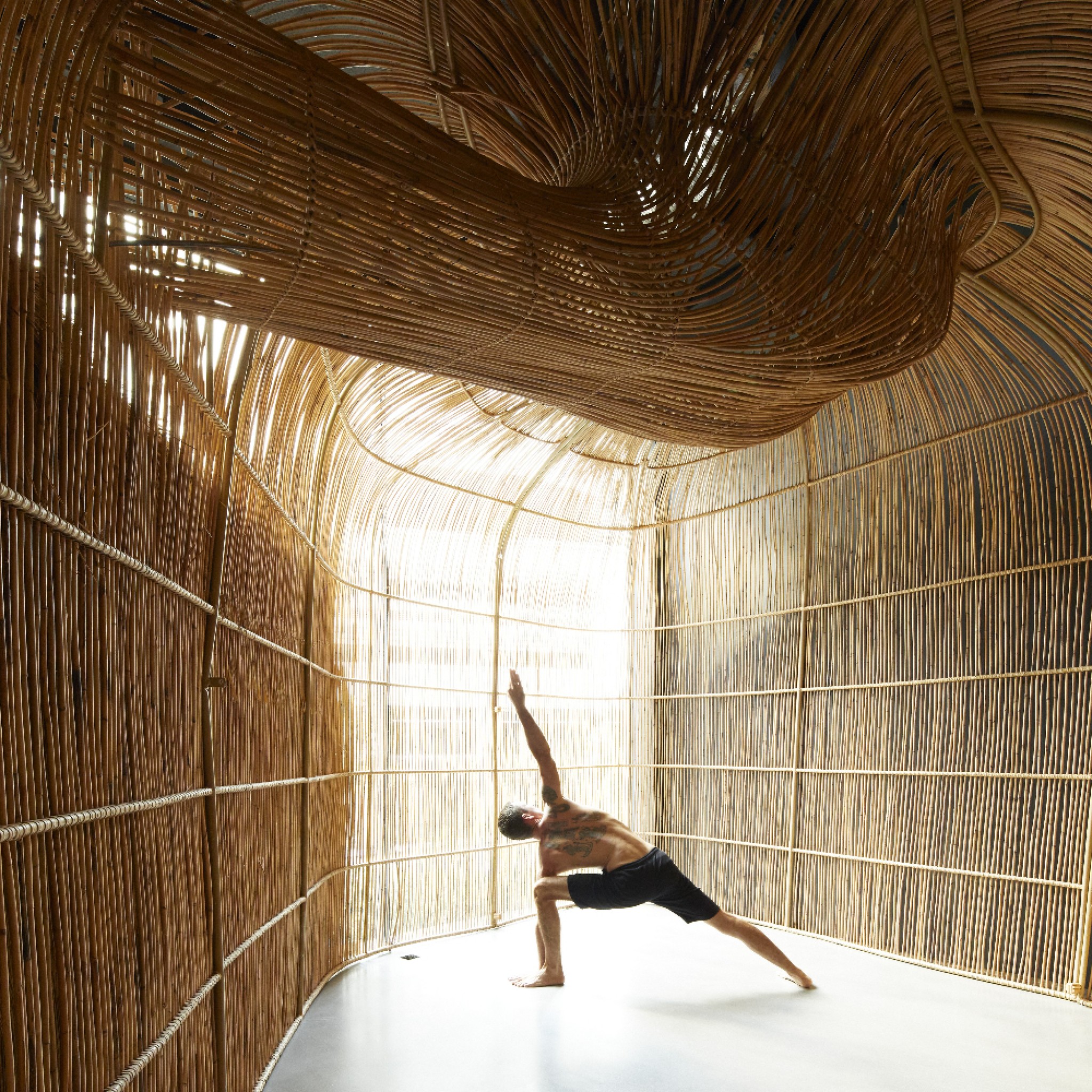

Leisure and wellness interior of the year:
Vikasa by Enter Projects Asia

Vikasa is a yoga studio comprised of a series of free-form yoga pods in Thailand. Enter Projects Asia fused 3D technology with Thai regional arts and crafts to provide contemplative nature-based spaces for a yoga studio in the heart of Bangkok.

"The sustainable medium of handcrafted reed as a primary material, to weave a spatial narrative, is both clever and meaningful to the context of the region and programme," commented the judges.

"The bamboo and wood is expertly manipulated in such a soft and organic way to mimic the flow of the body."
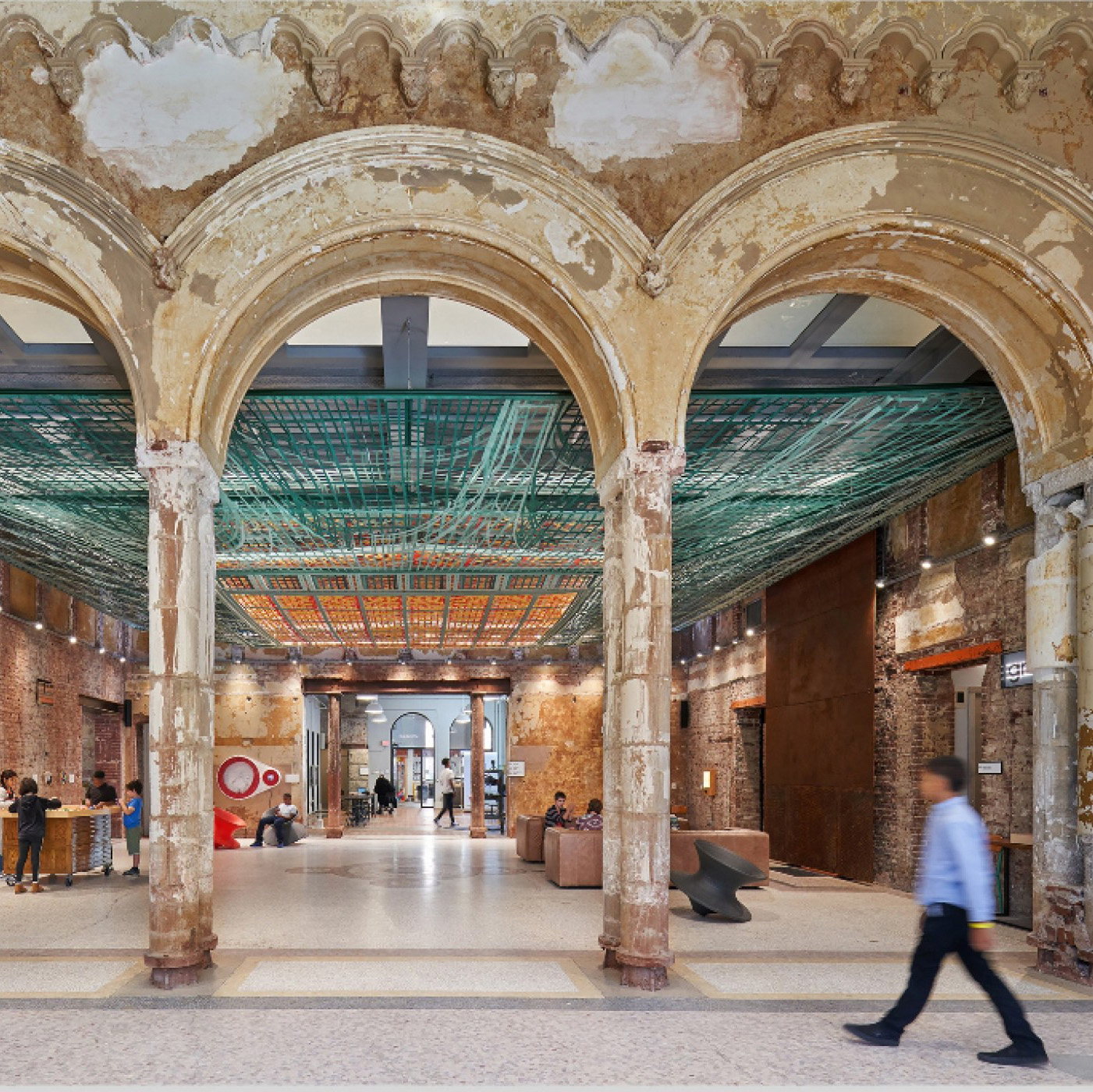

Civic and cultural interior of the year:
MuseumLab by KoningEizenberg Architecture

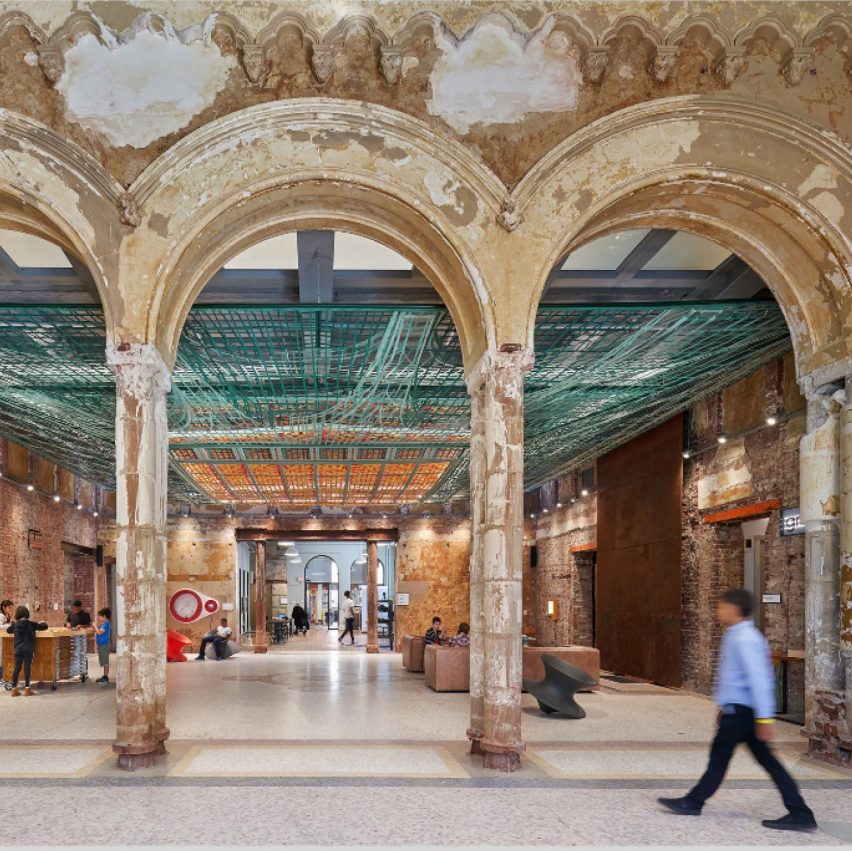
MuseumLab is a children's museum in Pittsburgh that has been converted from a lightning-struck library. The Carnegie library in Pittsburgh had been struck by lightning, leaving it in ruins. The studio drew on the building's former use and the legacy of educational innovation and access has been revived through the museum.

It now offers experimental art and technology programmes for youth, a charter middle school and space for community events.

"A wonderfully articulated and resolved design approach, turns a technical and budgetary challenge on its head and succeeds - in surpassing what the project sets out to achieve," said the judges.

"The focus on the end-user is evident, as is the collaborative effort it must have taken."

Highly commended: Church of Pope John Paul II by Robert Gutowski Architects.
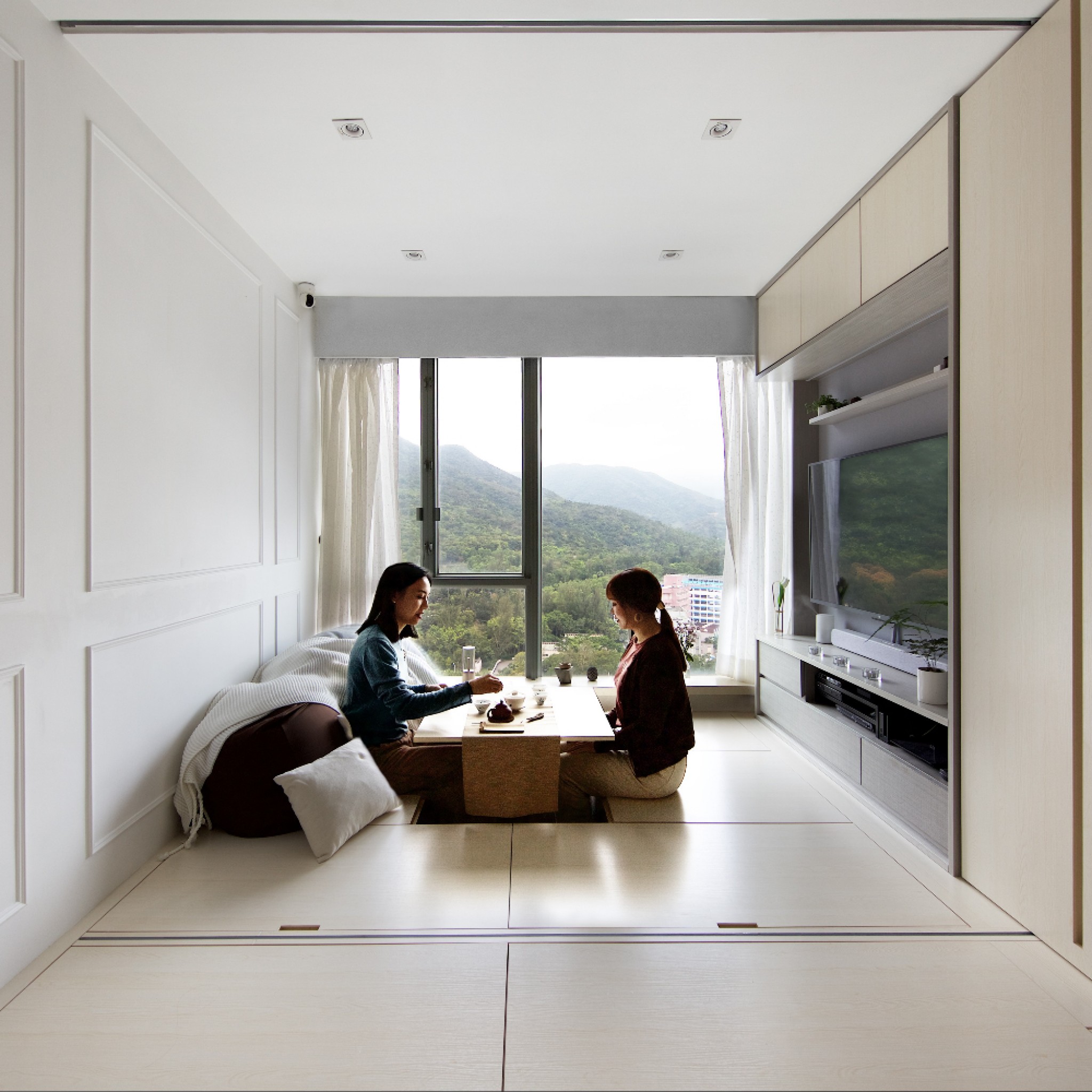

Small interior of the year:
Smart Zendo by Sim-Plex Design Studio

Sim-Plex Design Studio has converted a two-bedroom living space into a four-bedroom smart home in Hong Kong.

The judges said that this project has "clever design details". It achieves a "sense of comfort and luxury within a challenging and highly functional space".

The post Dezeen Awards 2020 interiors category winners revealed appeared first on Dezeen.


from Dezeen https://ift.tt/3fBpnVh