Wednesday, 25 November 2020

Judit Giró Benet develops home-testing kit for breast cancer

Spanish engineer Judit Giró Benet has won the 2020 international James Dyson Award for her design The Blue Box, which enables women to test themselves for breast cancer at home using a urine sample.

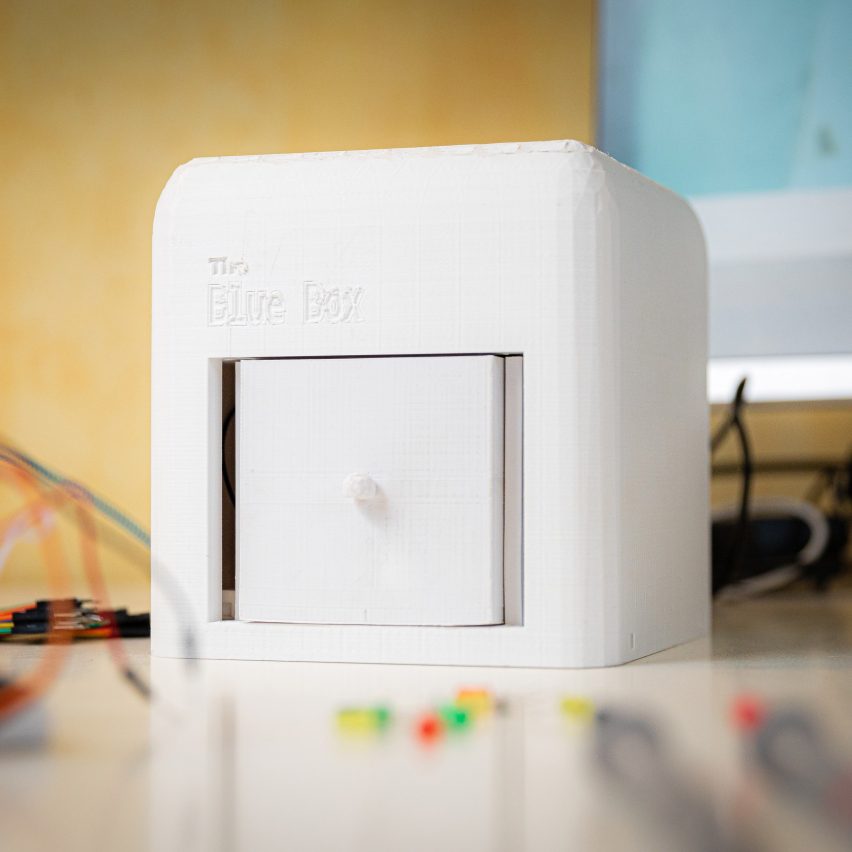
The Blue Box – which has not yet been painted blue as it is currently in the prototype phase – is an at-home, biomedical breast cancer testing device that uses a urine sample and an artificial intelligence (AI) algorithm to detect early signs of the disease.

Benet designed the kit with the aim of offering women a more accessible and less invasive way of getting tested for breast cancer, which typically requires them to attend hospitals or medical facilities for a mammogram.
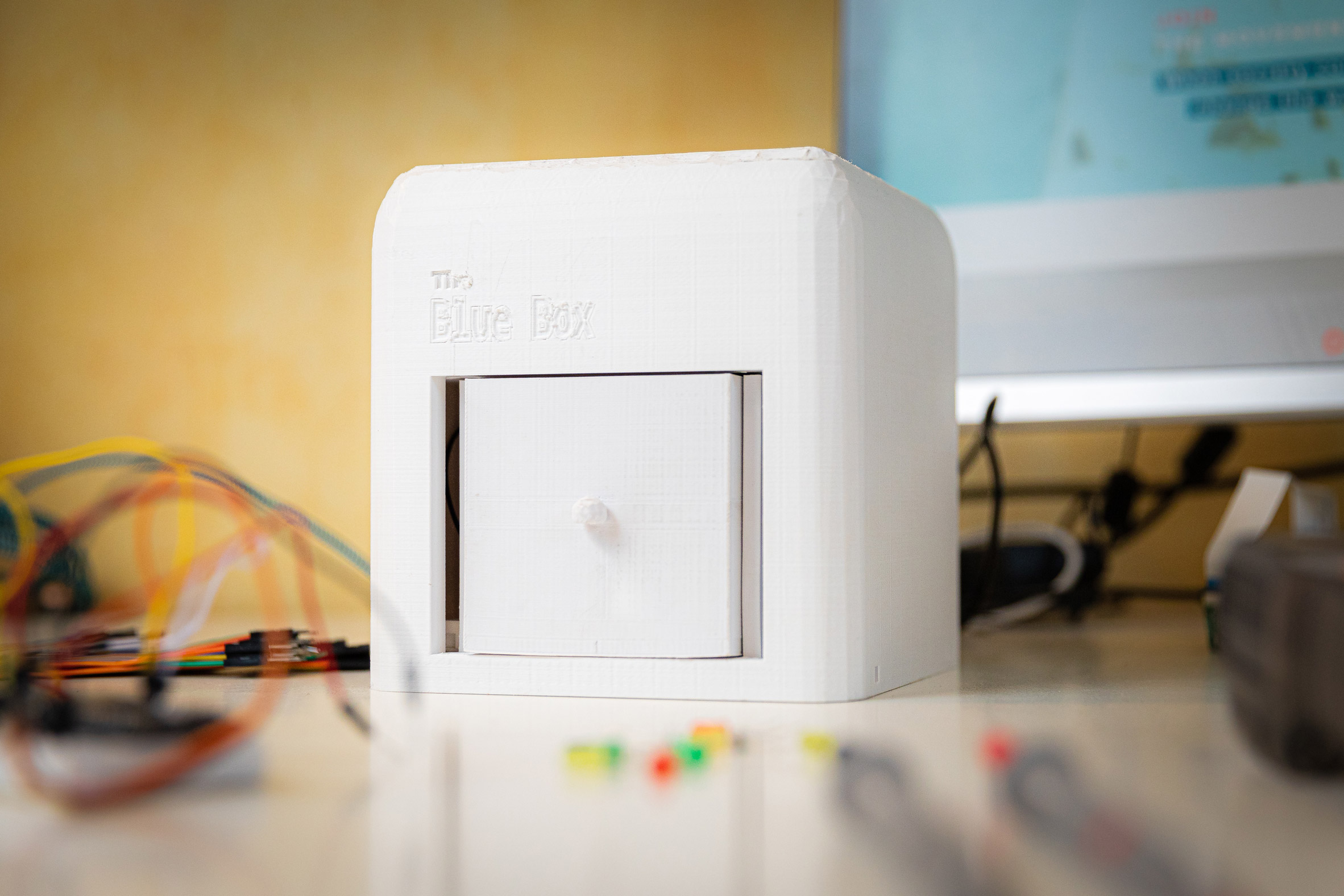
The Blue Box at-home breast cancer testing kit by Judit Giró Benet
Judit Giró Benet won the 2020 international James Dyson Award with The Blue Box

This procedure can be painful and often costly. Due to this, Benet explains that an estimated 40 per cent of women skip their screening, resulting in one in three cases being detected late.

More recently, the coronavirus pandemic has led to nearly one million women missing their breast screening, according to charity Breast Cancer Now.

Inspired by Benet's mother, who was previously diagnosed with breast cancer, The Blue Box test could be used at home as a non-invasive, pain-free, low-cost alternative to hospital mammograms.
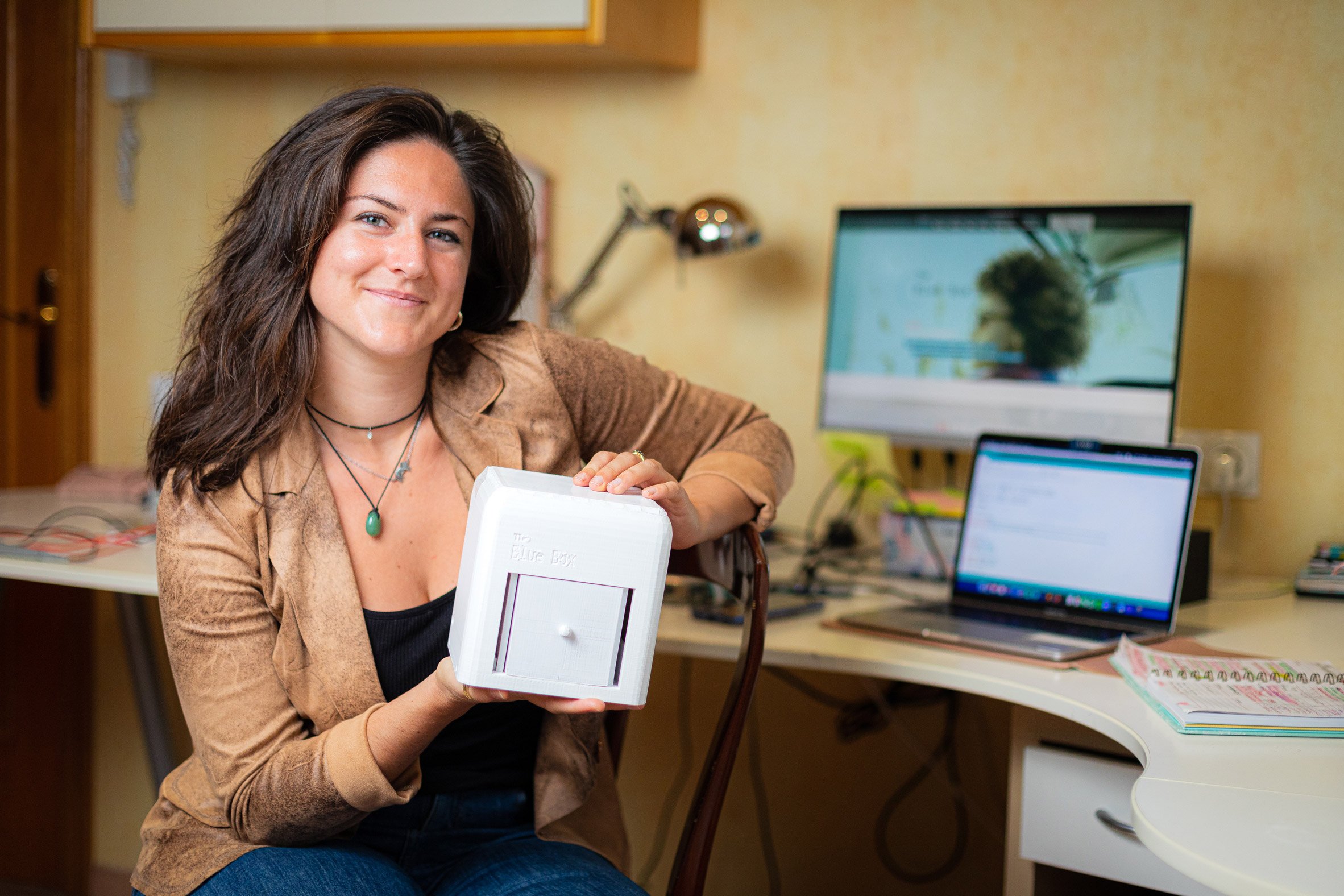
Judit Giró Benet holding The Blue Box, an at-home breast cancer testing kit
The design enables women to test themselves for breast cancer at home using a urine sample

The device's technology is based on Blat, a dog that was able to detect lung cancer by smelling its owner's breath.

Benet aimed to make her own "electronic nose" by replicating the dog's sensory system onto an Arduino microprocessor and a series of sensors.

Judit Giró Benet developing The Blue Box, an at-home breast cancer testing kit
The Blue Box was designed as a non-invasive, pain-free, low-cost alternative to mammograms

Her device uses the gas chromatography–mass spectrometry (GC-MS) method to analyse and identify different substances within different urine samples in order to learn about the odour of cancer.

The same odour was then processed with Arduino – an open-source computing platform that is able to read inputs and turn it into an output – and four metal oxide sensors.

The results are then sent to the Cloud, or the internet, where an AI-based algorithm reacts to specific metabolites in the urine, providing the user with a fast diagnosis.

The device is linked to a smartphone app that communicates the results to the user and puts them in touch with a medical professional if the sample tests positive.
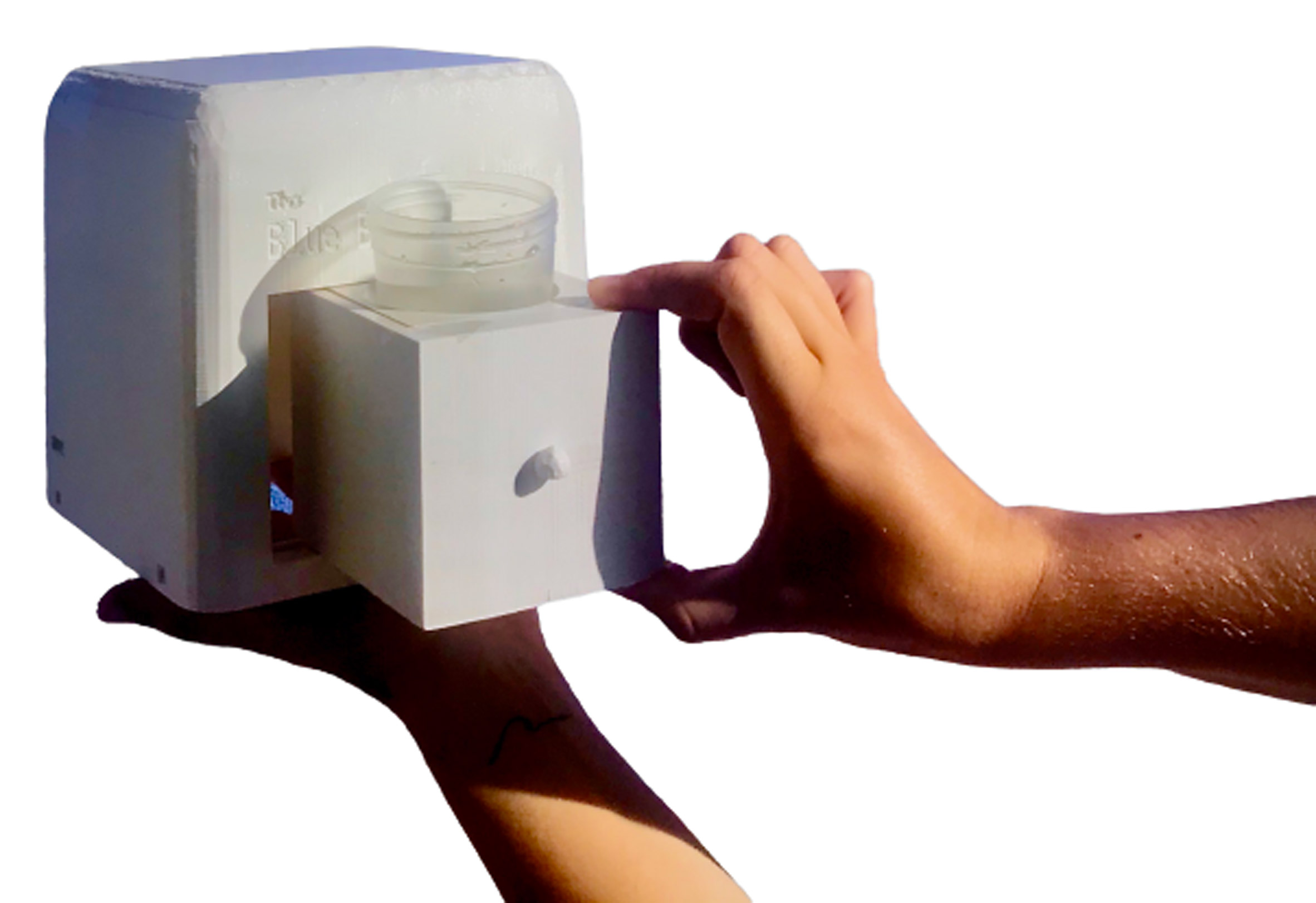
The Blue Box at-home breast cancer testing kit by Judit Giró Benet
The Blue Box uses an AI-based algorithm to analyse urine samples

Benet's design won the international James Dyson Award 2020, which is the competition's top prize. Last year's winner was Lucy Hughes for her MarinaTex bioplastic material made from fish scales and skin.

"The Blue Box has the potential to make cancer screening a part of daily life," said Benet. "It can help to change the way society fights breast cancer to ensure that more women can avoid an advanced diagnosis."

"The day that James Dyson told me that I had won the International prize was a real turning point as the prize money will allow me to patent more extensively and expedite research and software development I am doing at the University of California Irvine," she continued.

"But, most of all, hearing that he believes in my idea has given me the confidence I need at this vital point."
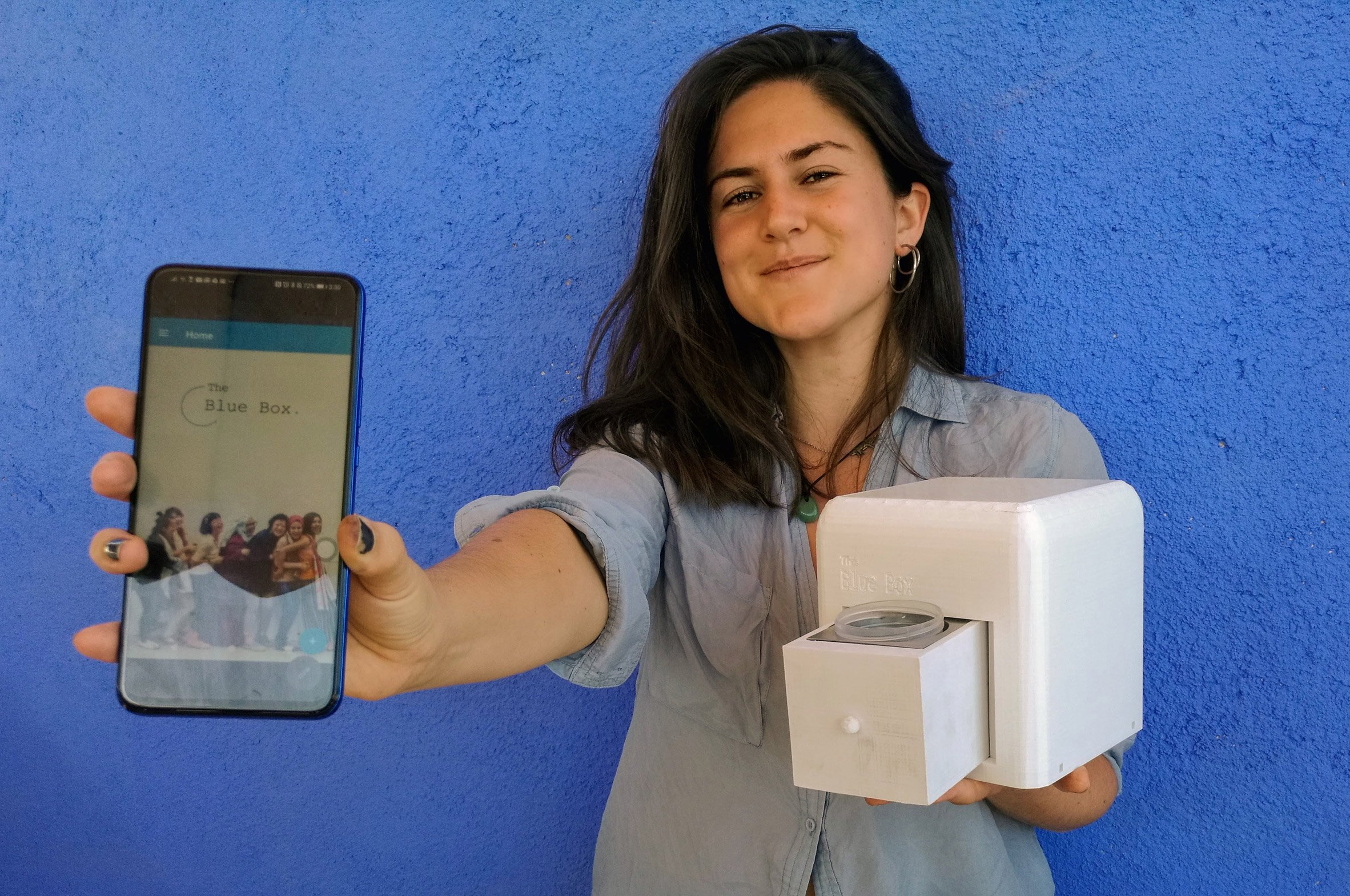
Judit Giró Benet holding The Blue Box, an at-home breast cancer testing kit
The device is linked to a smartphone app that communicates the results to the user

Benet is a biomedical engineering graduate from the University of Barcelona, but is now based in California where she completed a Master's degree in Cyber-physical Systems. She begun developing the first prototype of The Blue Box in October 2017 during her final year of university in Barcelona.

The engineer is currently undergoing patent discussions for The Blue Box, and will spend the next few years working on the final stages of prototyping and data analytics software at the University of California Irvine, in preparation for human studies and clinical trials.

A similar project also saw multidisciplinary design consultancy Matter design three conceptual cervical cancer examinations that women could carry out themselves at home in a bid to make screening experiences more positive for women.

The project comprises three different tests in the form of an applicator, a wand-like smart device and a silicone applicator that fits over the finger. After they are used to take a sample, each one can then be sent off to a lab for testing.

The post Judit Giró Benet develops home-testing kit for breast cancer appeared first on Dezeen.


from Dezeen https://ift.tt/2JaJ6z7

Tuesday, 24 November 2020

Design Shanghai trade fair returns with biggest ever show

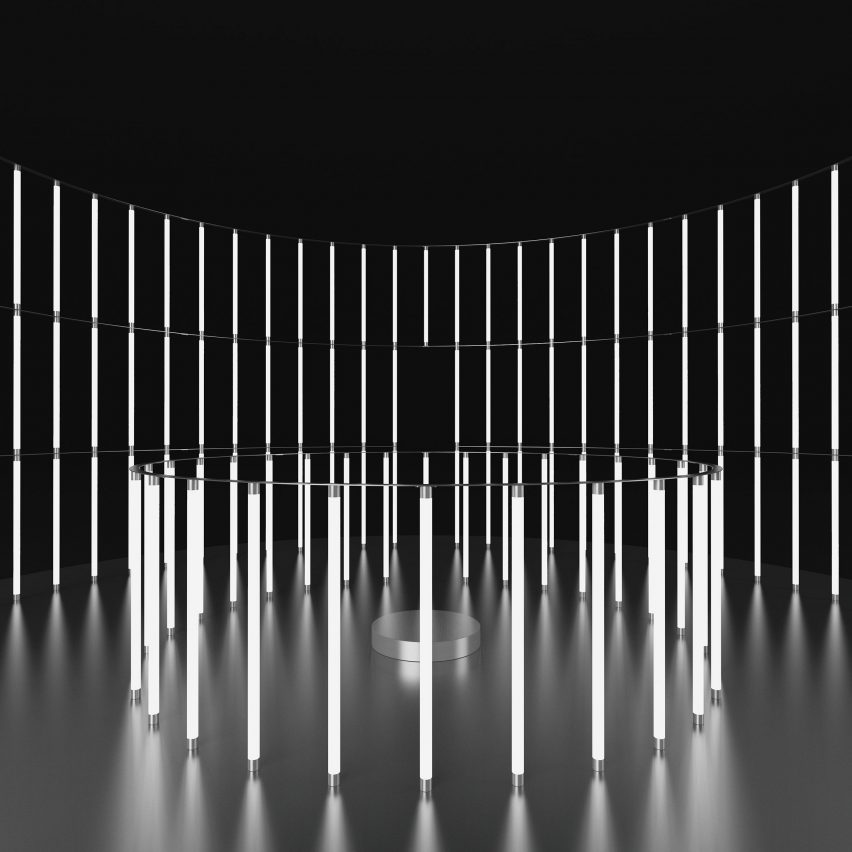
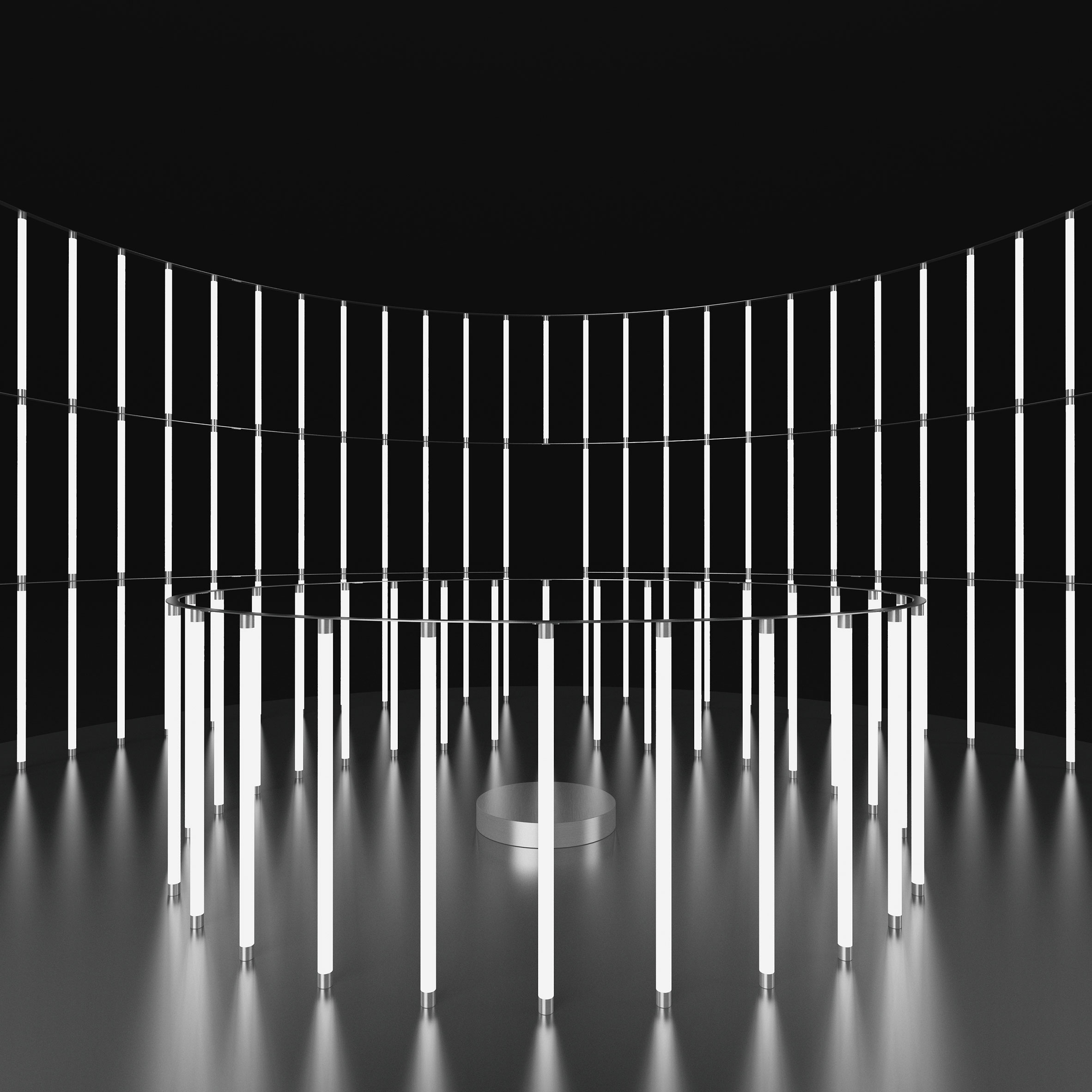
Colosseum installation by Mario Tsai at Design Shanghai

Dezeen promotion: after two postponements earlier this year due to the coronavirus pandemic, the 2020 edition of Design Shanghai takes place this week, presenting over 400 brands in a new, larger venue.

Like many design fairs around the world, Design Shanghai had to postpone its planned March event due to the impact of coronavirus, initially pushing the show back to May before rescheduling it to November.

With the virus now largely under control in China, Design Shanghai's seventh edition is able to go ahead at the third attempt and, despite the setbacks earlier in the year, is set to be its biggest yet.

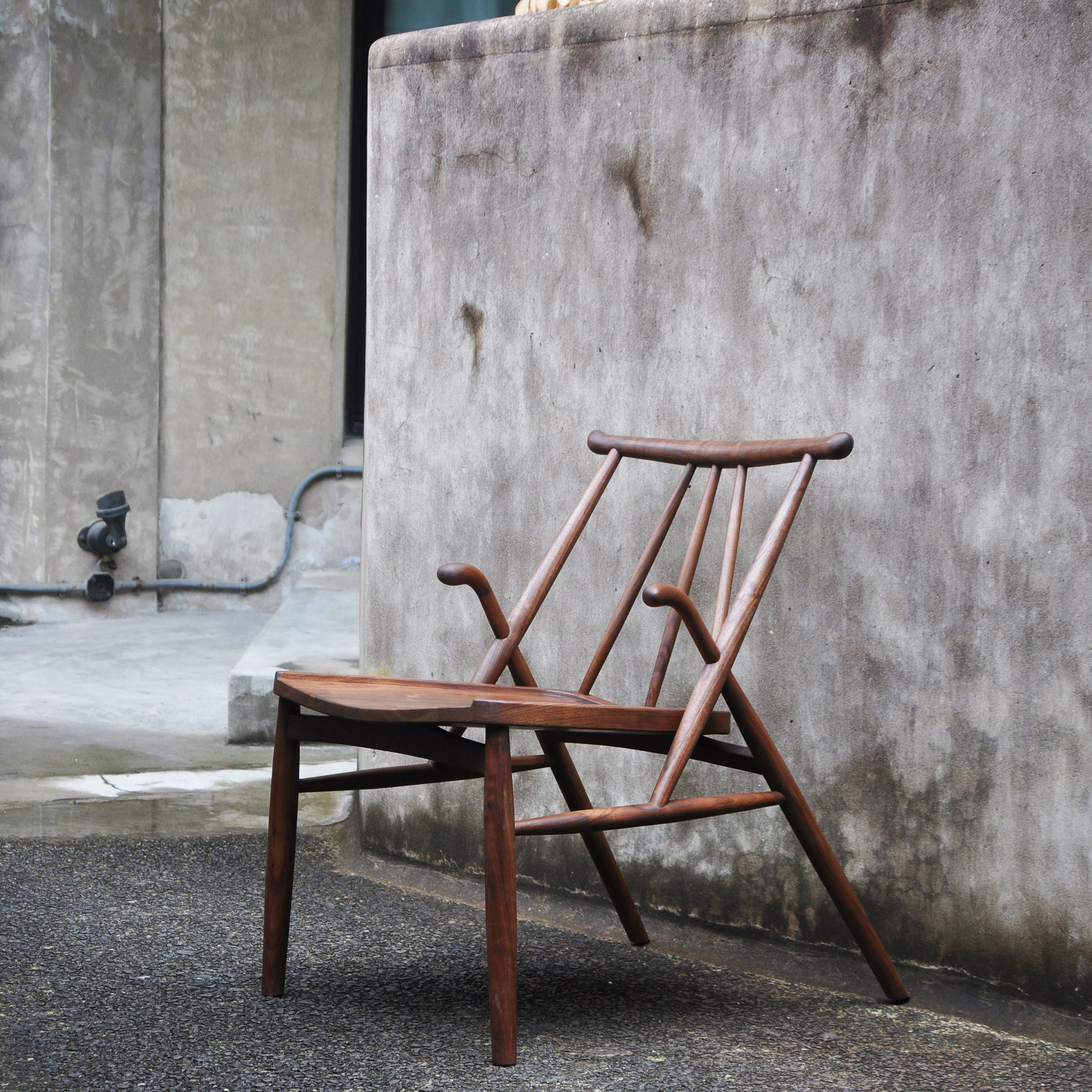
Ugan furniture will be exhibited at Design Shanghai
Above: Chinese furniture brand Ugan will be presenting at Design Shanghai. Top: Lighting brand Leedarson will also be exhibiting

From 26 to 29 November, Design Shanghai 2020 takes place at the Shanghai World Expo Exhibition and Convention Center, a new venue for the show that is 40 per cent larger than its previous edition.

"Although we have experienced unprecedented circumstantial challenges and postponement, we are now fully prepared and ready to go," said Design Shanghai director Zhuo Tan.

"We have received support from many brands and designers both in China and abroad, which is a testament to the industry’s confidence in the Chinese market. This year's show is larger than ever, and we believe that Design Shanghai will be the most high-profile design event in China and Asia this year."

Colosseum installation by Mario Tsai at Design Shanghai
Mario Tsai will create a lighting installation called Colosseum

Like previous editions, the show will present a wide selection of Chinese designers and brands alongside a host of international exhibitors, as well as installations, exhibitions and a talks programme.

The entrance to the venue will feature a bespoke light installation by Hangzhou-based designer Mario Tsai, who is making his Design Shanghai debut.

Called Colosseum, the installation features a series of tubular lamps that evoke the pillars of the Colosseum In Rome.

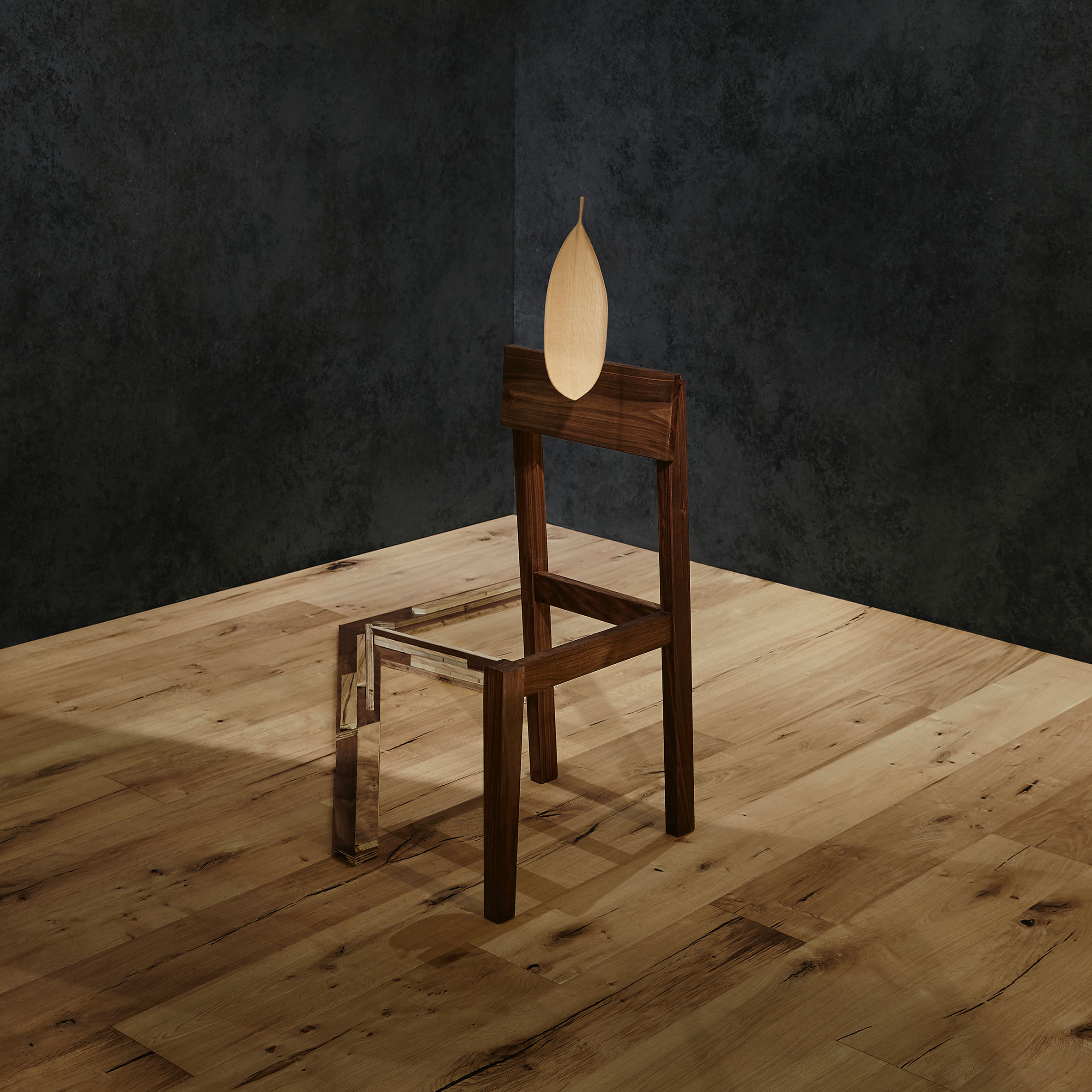
Wenlot furniture will be exhibited at Design Shanghai
Chinese furniture brand Wenlot will showcase its latest products

Tsai will also exhibit a new collection of his studio’s furniture and lighting, which have all been designed with sustainability in mind.

Other Chinese design studios and brands to be featured include Banlan, Wenlot, Kun Design, Femo Design, Nanchow, Frank Chou, Ugan Concept, Leedarson, Wuu, Mumo, EY-Products, Sozen, Suyab, Lightspace, UFUO and Above Studio, which received the Emerging Chinese Designer award at last year's show.

New for this year's event is the Talents section, curated by Chinese designer Frank Chou, which aims to spotlight the next generation of Chinese design talent.

Zanotta furniture will be exhibited at Design Shanghai
Zanotta is one of the international brands taking part

International brands exhibiting at Design Shanghai 2020 include Fredericia, AYTM, Zanotta, Marmo, Ligne Roset, Andreu World and Gufram.

Brands such as Nude, Revol, Robert Welch and Iittala will present pieces at the Objects and Accessories section, which is another new section for Design Shanghai 2020.

House of Wang furniture at Design Shanghai 2020
Lifestyle boutique House of Wang will showcase work by international designers

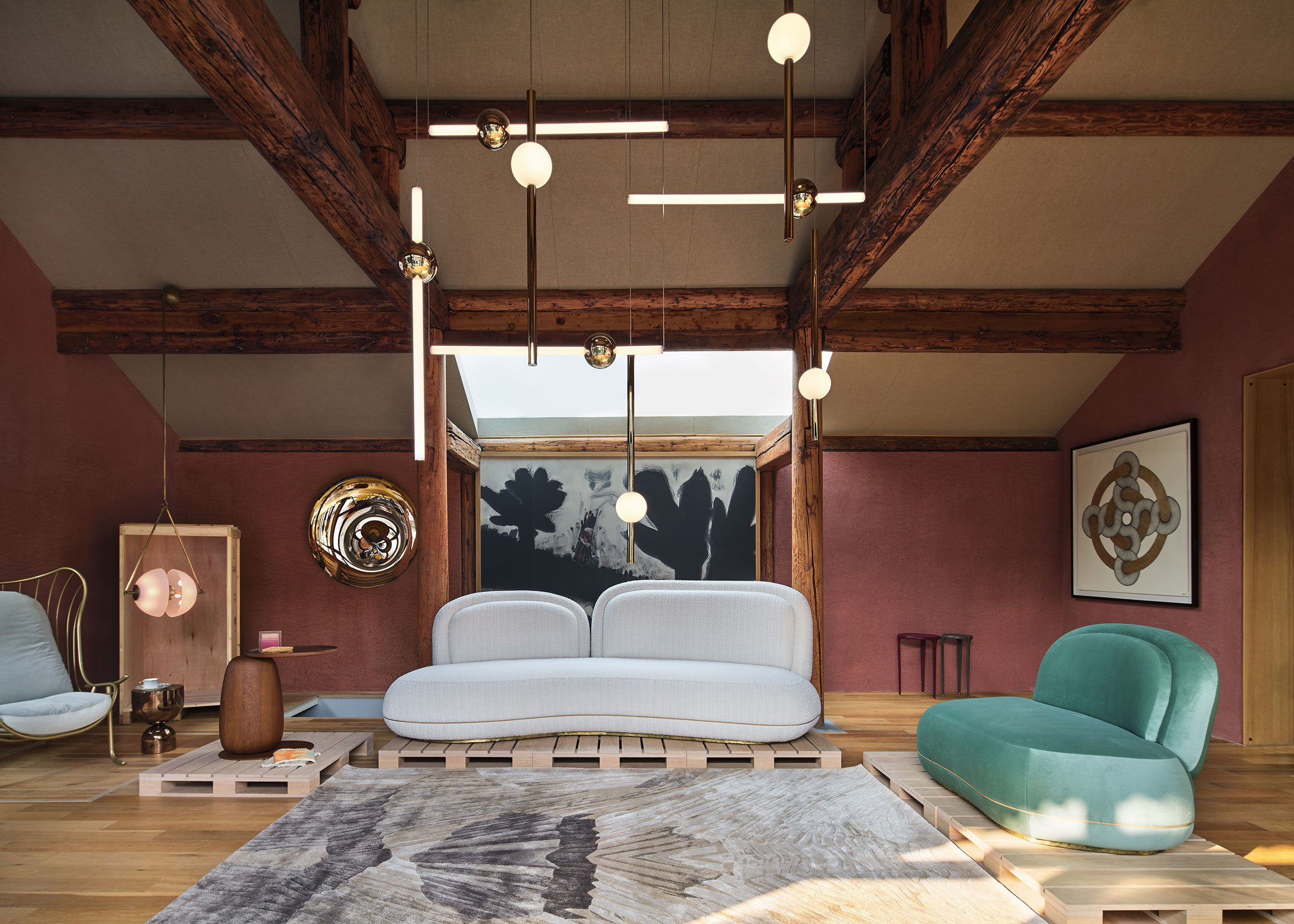
House of Wang, a lifestyle boutique that recently opened in Beijing, will also showcase a selection of works by international designers and brands including Sé Collection, Nada Debs, Bethan Gray and Lee Broom.

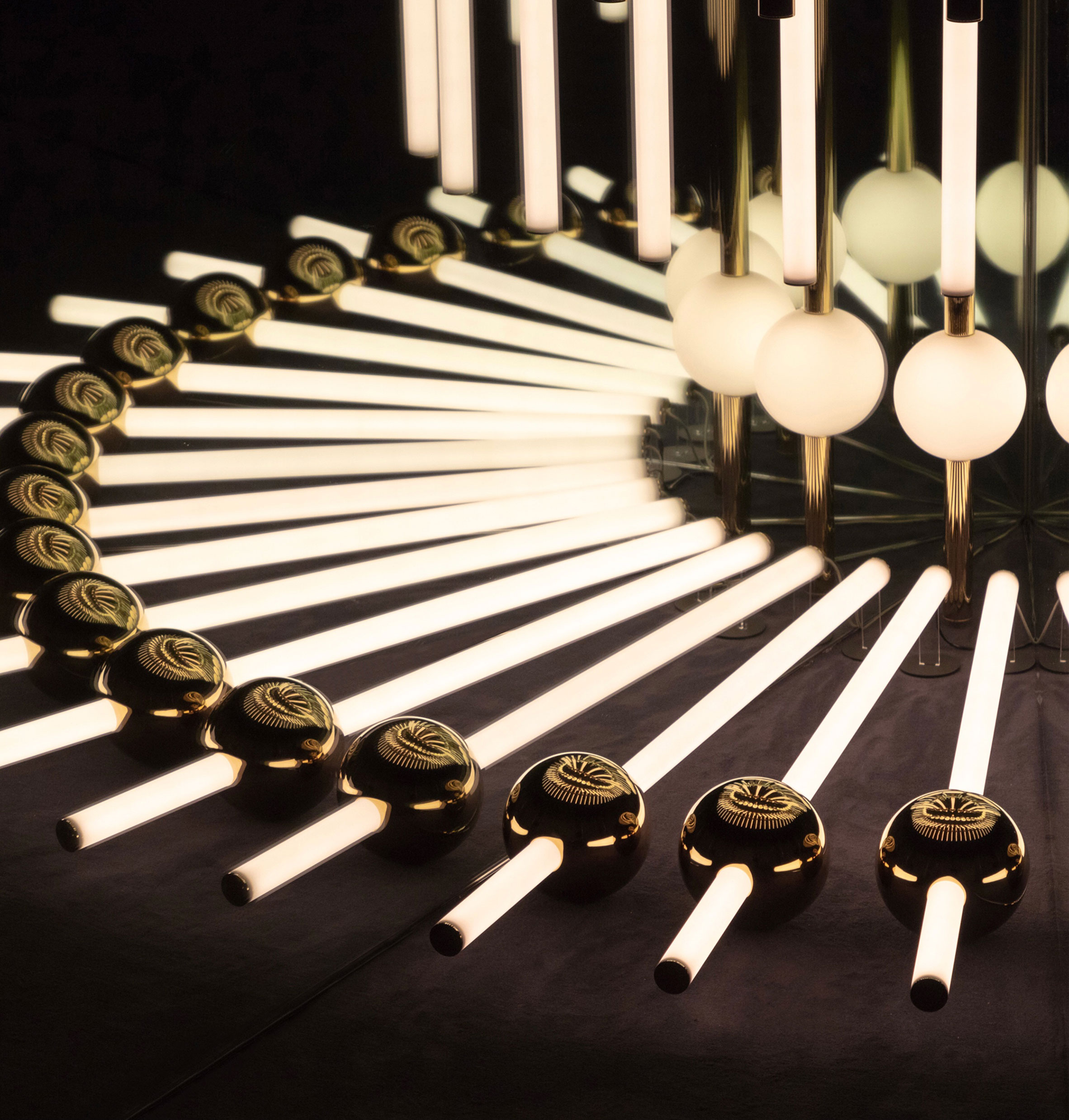
Broom will present a light installation called Kaleidoscopia II, which features some of the British designer's most iconic lighting products wrapped in reflective surfaces within a dark space.

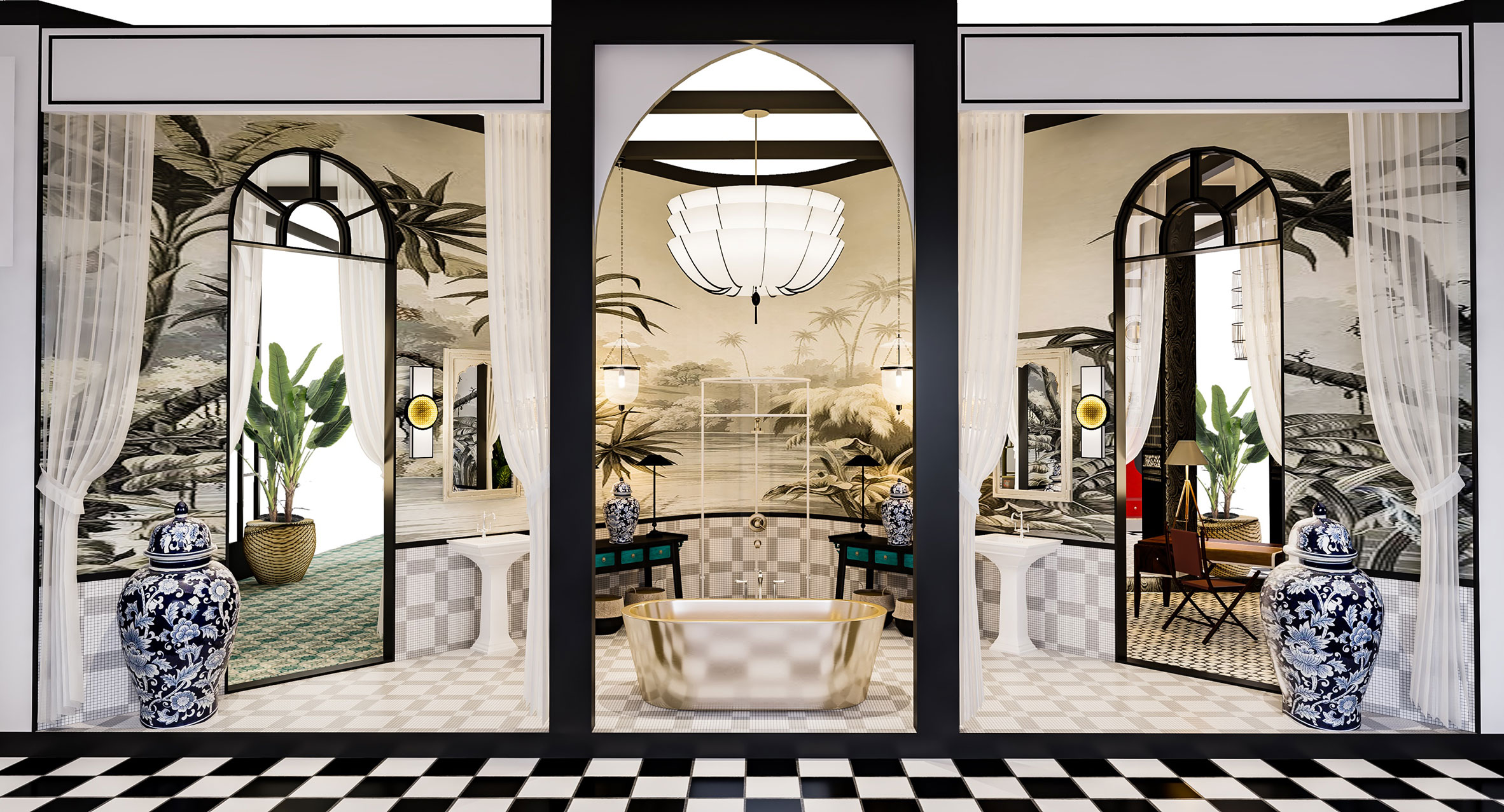
Other installations by international designers include OCTAGON by Tom Dixon and The Silk Road Hotel by French interior designer Baptiste Bohu, which will celebrate the coming together of Asian and European cultures.

Car brand Audi, which is the headline partner of the show, will also present an installation called Window into the Future at the fair entrance, which will explore the brand and present its Audi Q4 e-tron concept electric vehicle.

Kaleidoscopia installation by Lee Broom at Design Shanghai
Lee Broom will present a light installation called Kaleidoscopia II

The Design Shanghai Forum also returns for another year, presenting talks and panel discussions from over 50 speakers over four days under the theme Design Completes the Circle.

Keynote speakers include Philippe Starck, Barber Osgerby, Chi Wing Lo, Jamy Yang, Huang Xiaojing, Kelly Hoppen, Emily Johnson, Lee Broom, Tom Dixon and Nada Debs.

Silk Road Hotel installation by Baptiste Bohu at Design Shanghai
The Silk Road Hotel by Baptiste Bohu will celebrate the coming together of Asian and European cultures

Design Shanghai is one of a host of events that have been able to go ahead in China at the end of this year, as coronavirus restrictions in the country are lifted. In September, sister event Design China Beijing went ahead on schedule, with record numbers of attendees.

For visitors who are still unable to attend the event due to international travel restrictions, Design Shanghai is, for the first time, live streaming video and photos daily from the show floor, which are available to view at designshanghai.com.

Dezeen is a media partner for Design Shanghai 2020.

Design Shanghai 2020 runs from 26 to 29 November at the Shanghai World Expo Exhibition and Convention Center. See Dezeen Events Guide for an up-to-date list of architecture and design events taking place around the world.

The post Design Shanghai trade fair returns with biggest ever show appeared first on Dezeen.


from Dezeen https://ift.tt/33egsnP

Leaf-shaped aluminium panels cover ceiling of Tokyo department store

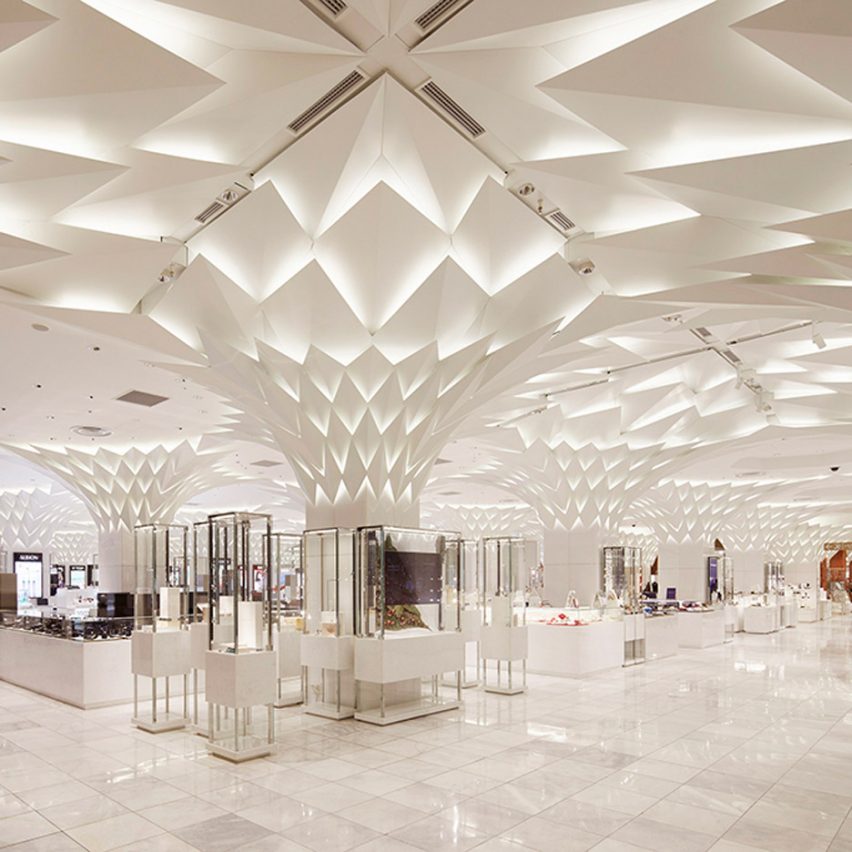
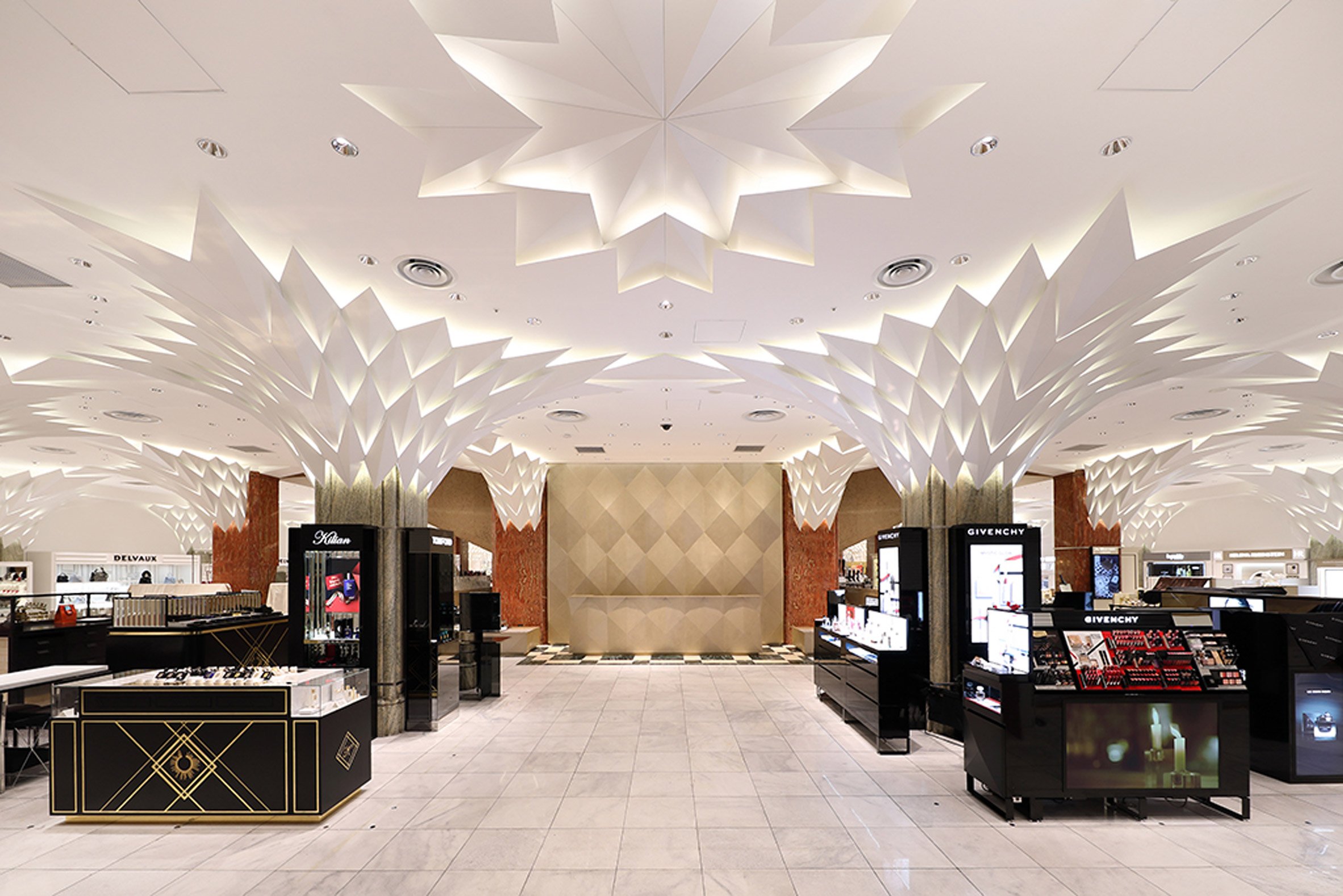
Japanese studio Lighting Planners Associates lit a white tree-like canopy for the interior refurbishment of the historic Nihombashi Mitsukoshi Main Store in Tokyo.

The retail brand traces its history back to 1673 and a kimono fabric seller named Echigoya, while the department store was established in 1904.

Japanese architect Kengo Kuma was brought on board to redesign the first floor in 2018, alongside Lighting Planners Associates.

Interior renovation of Nihombashi Mitsukoshi by Lighting Planners Associates
The first floor of Nihombashi Mitsukoshi Main Store has been refurbished

The concept for the renovation was building "a shining, white forest" that arches over shoppers as they browse the counters and channels them through the store.

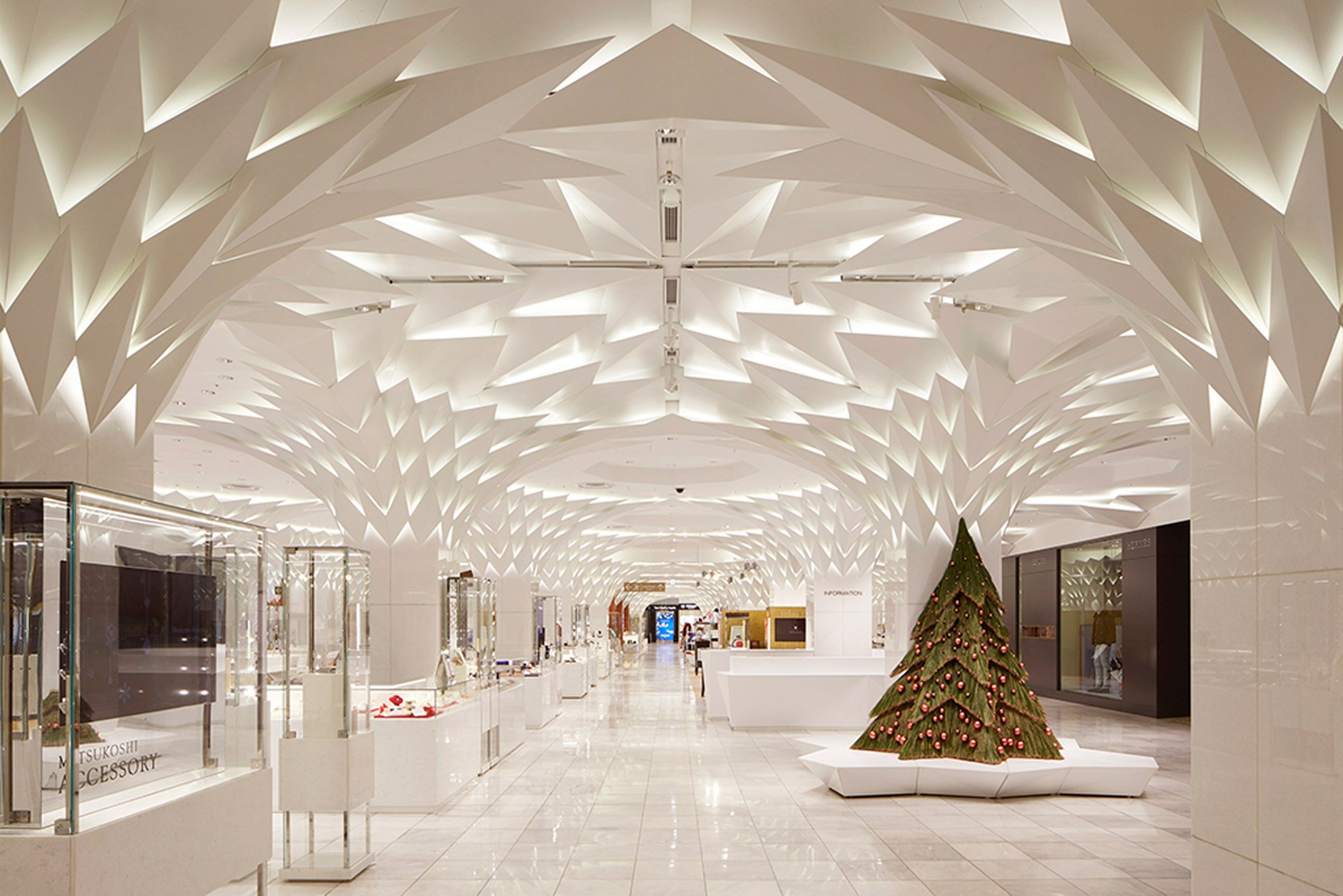
Columns covered in bright white, stylised leaf-shaped panels have a distinctive art deco influence, in a nod to the building's original architecture.

"At each entrance, a specially designed ceiling greets customers," said Lighting Planners Associates.

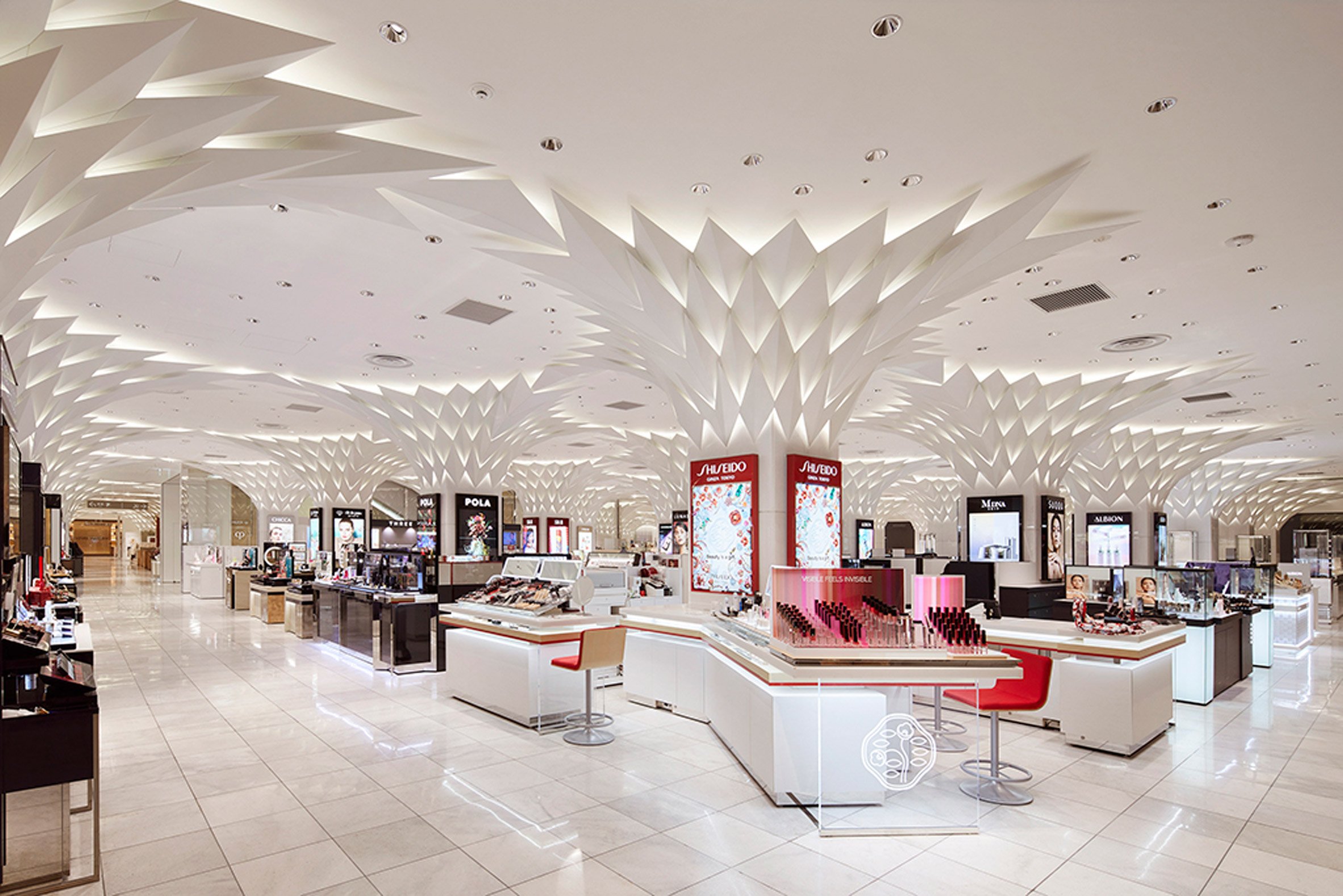
"The tree canopy expands across the entire sales floor creating a beautiful gradation of light and filling the space with a sense of brightness."

Nihombashi Mitsukoshi by Lighting Planners Associates
Columns have been covered in backlit white aluminium panels

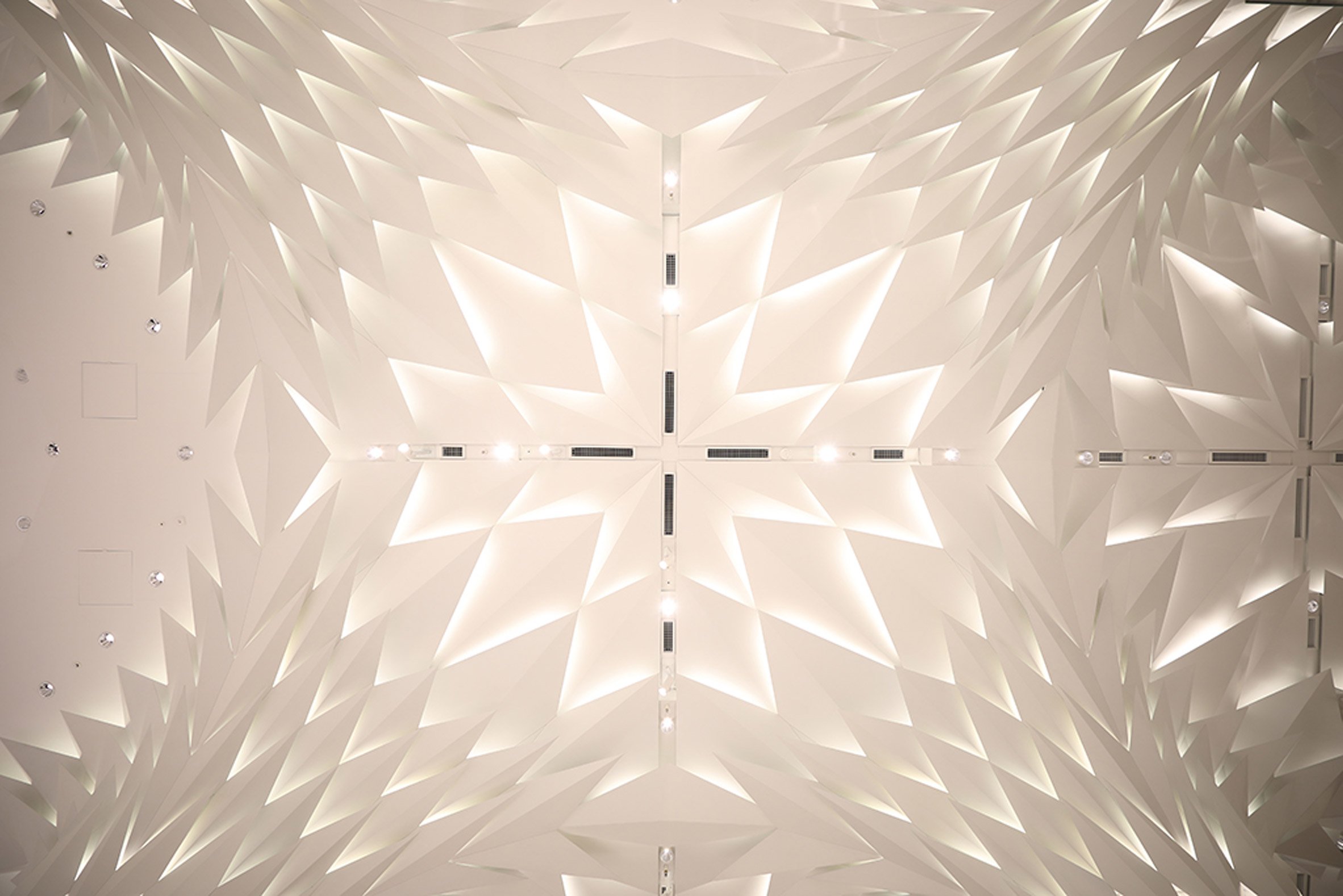
Each aluminium leaf is lit from behind by an individual light.

"In conjunction with the architect and manufactures we made adjustments and verifications through carefully conducted mock-ups to achieve a soft glow of light from in-between canopy leaves," explained the lighting studio.

Leaf-shaped panels decorate Nihombashi Mitsukoshi by Lighting Planners Associates
The creative vision was to create a "shining forest" branching over shoppers

Every mount and leaf was carefully mounted and adjusted to ensure a perfectly graduated effect across the whole installation.

One challenge was settling on the right finish for the panels. Too matte and the panels would dirty easily and require constant cleaning; too shiny and the light would be reflected too much.

"In the end, the maintenance clash was solved using a 20 per cent semi-gloss finish to keep reflection to a minimum," explained Lighting Planners Associates.

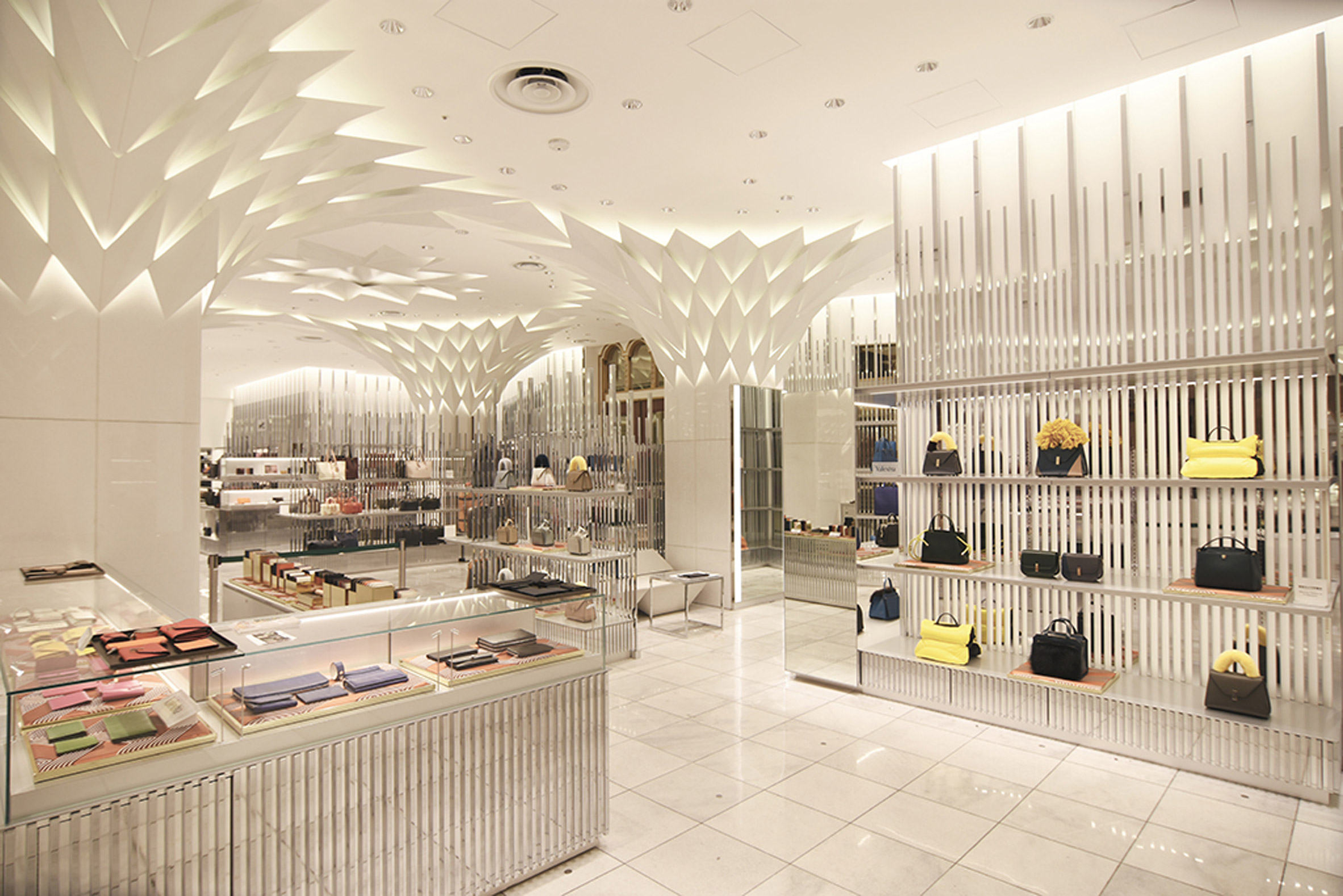
Shop floor of Nihombashi Mitsukoshi by Lighting Planners Associates
The art deco elements are a nod to the department store's history

Getting every detail of the trees right was important, argued the studio, in order to create a physical experience that would attract shoppers who might otherwise be tempted to go online.

"We have entered the age of online shopping and department stores have an uphill battle," said Lighting Planners Associates.

"The real environment of a department store is being lost to the virtual shopping realm," the studio added.

"Customers come here to experience something they can only experience in this shopping environment."

Ceiling of Nihombashi Mitsukoshi by Lighting Planners Associates
Lighting Planners Associates carefully calibrated the level of gloss on the panels

Lighting Planners Associates was founded in 1990 by Kaoru Mende and has offices in Tokyo, Hong Kong and Singapore.

The Nihombashi Mitsukoshi project is shortlisted for Dezeen Awards 2020 in the architectural lighting design category, alongside the lighting for Snøhetta's underwater restaurant in Norway.

The post Leaf-shaped aluminium panels cover ceiling of Tokyo department store appeared first on Dezeen.


from Dezeen https://ift.tt/2Kv8Pmi

Carlos Zapata completes curved-glass Unique tower in Quito

Unique by Carlos Zapata

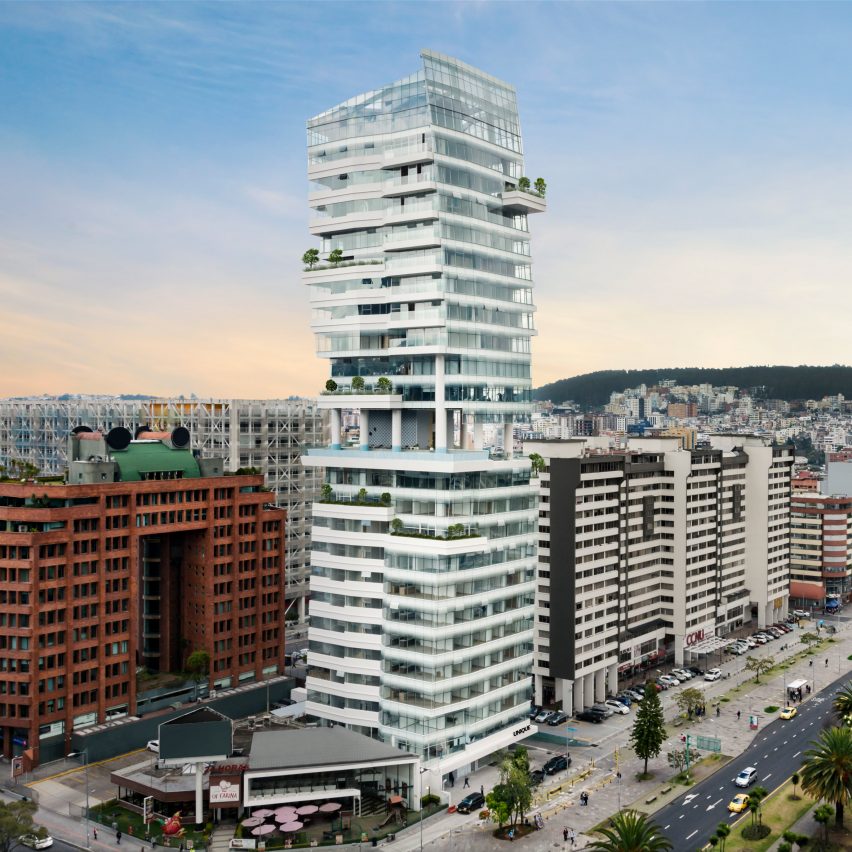
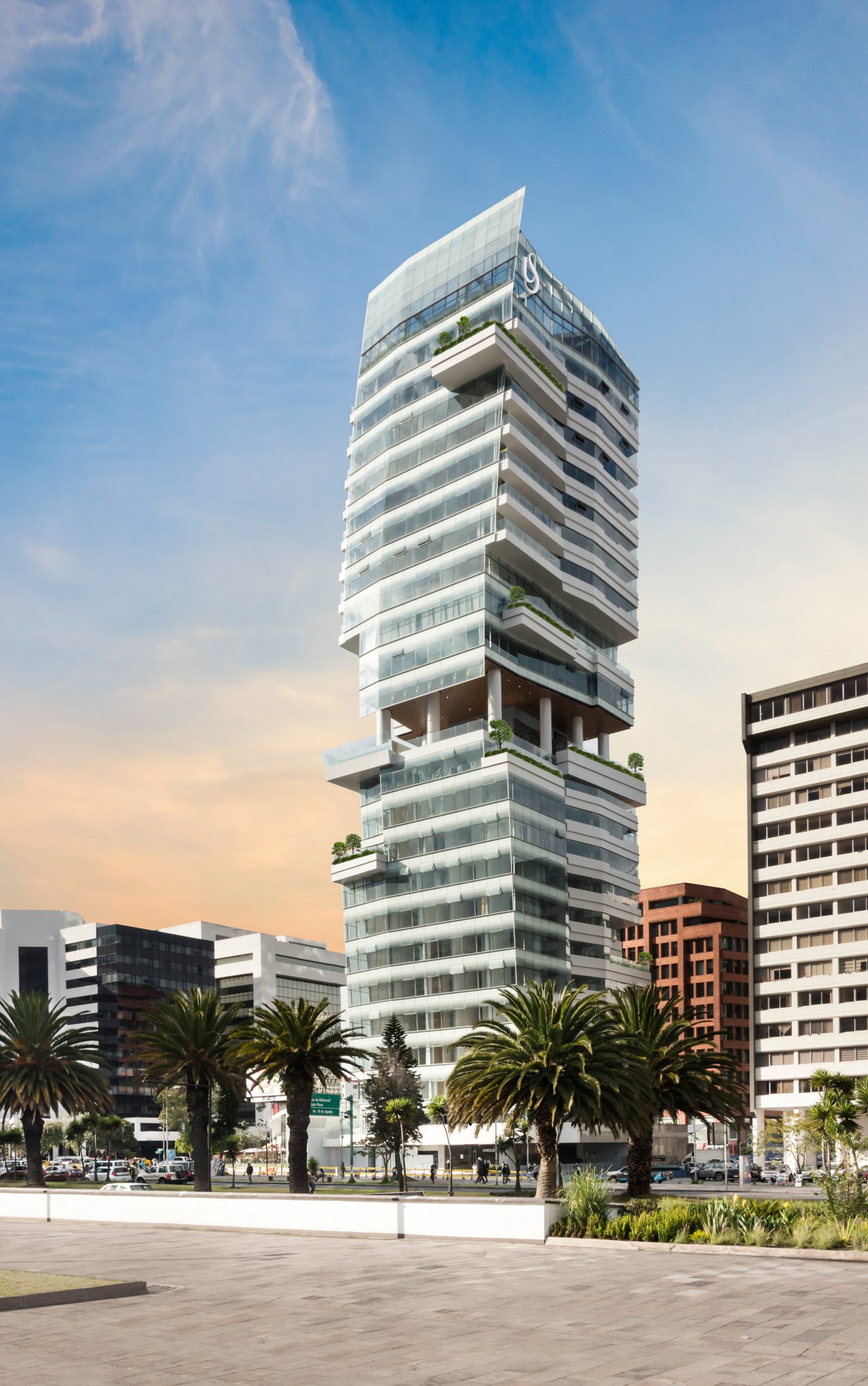
New York City-based architect Carlos Zapata and Quito-based developers Uribe Schwarzkopf have completed a 24-storey glass residential building, which appears to be split in two, in the Ecuadorian capital.

Unique contains 99 apartments and five units for commercial purposes and is located on the northern edge of the city's La Carolina park.

Exterior of Unique by Carlos Zapata
Curved glass walls front Zapata's Unique tower

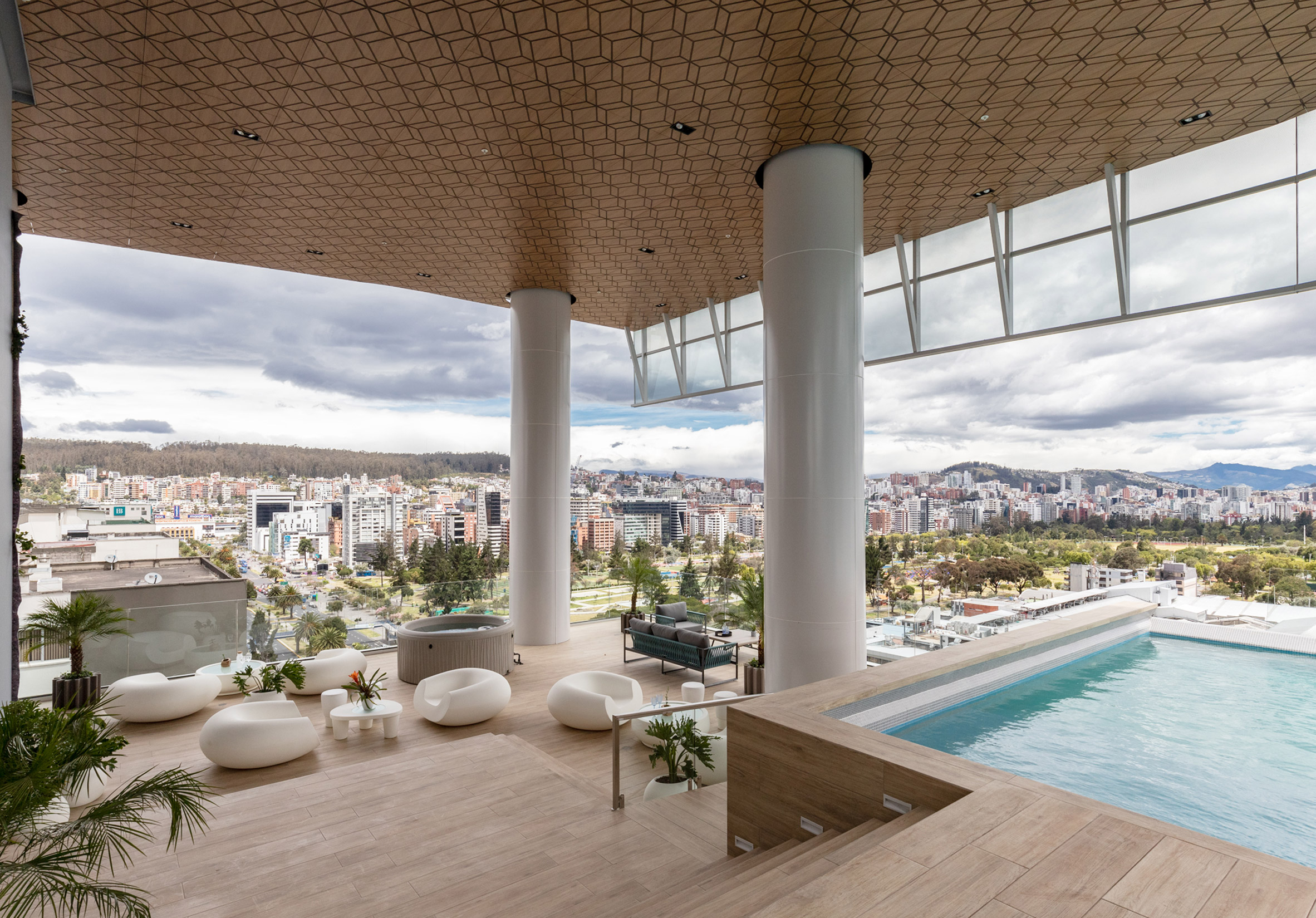
The building is separated in two at the centre by a three-storey, outdoor communal area – circular columns are used to elevate its upper half.

Covered in wooden flooring, the outdoor area contains a swimming pool with steps down to an outdoor lounge for residents to enjoy city views.

"La Carolina Park was a major reference point for me on this project. I thought about the greenery, openness and access to fresh air that the park brings and wanted to mimic that feeling in this building," Zapata told Dezeen. "Creating the open-air communal area achieved this – we created a space where people can spend all day, enjoying the surrounding views, yet having covered protection."

The architect added that the broken form of the building – which rises 102.4 metres making it one of the city's tallest – helps to relate it to surddouning structures.

"Unique also complements the surrounding architecture, by having the break at the midpoint of the building it aligns with the rooftops of the neighboring buildings providing a contextual relationship," he explained.

Unique is fronted by curved sections of glass which are broken up by white aluminium panels, forming walls that wrap around the building. Inside, large expanses of glazing offer the residents views across the city.

Communal area in Unique by Carlos Zapata
A three-storey communal area splits the building in two

"As our first residential building in Ecuador, we were inspired by Quito's particular geographical setting – the surrounding valleys and the Andes mountains and volcanoes, the busy city streets, and ample green space," said Zapata​.

"It's always exciting to make your mark on a skyline, and we wanted to represent Quito properly and embrace its bountiful natural surroundings and dynamic community."

Residence in Unique by Carlos Zapata
Residences have expansive views of the surroundings

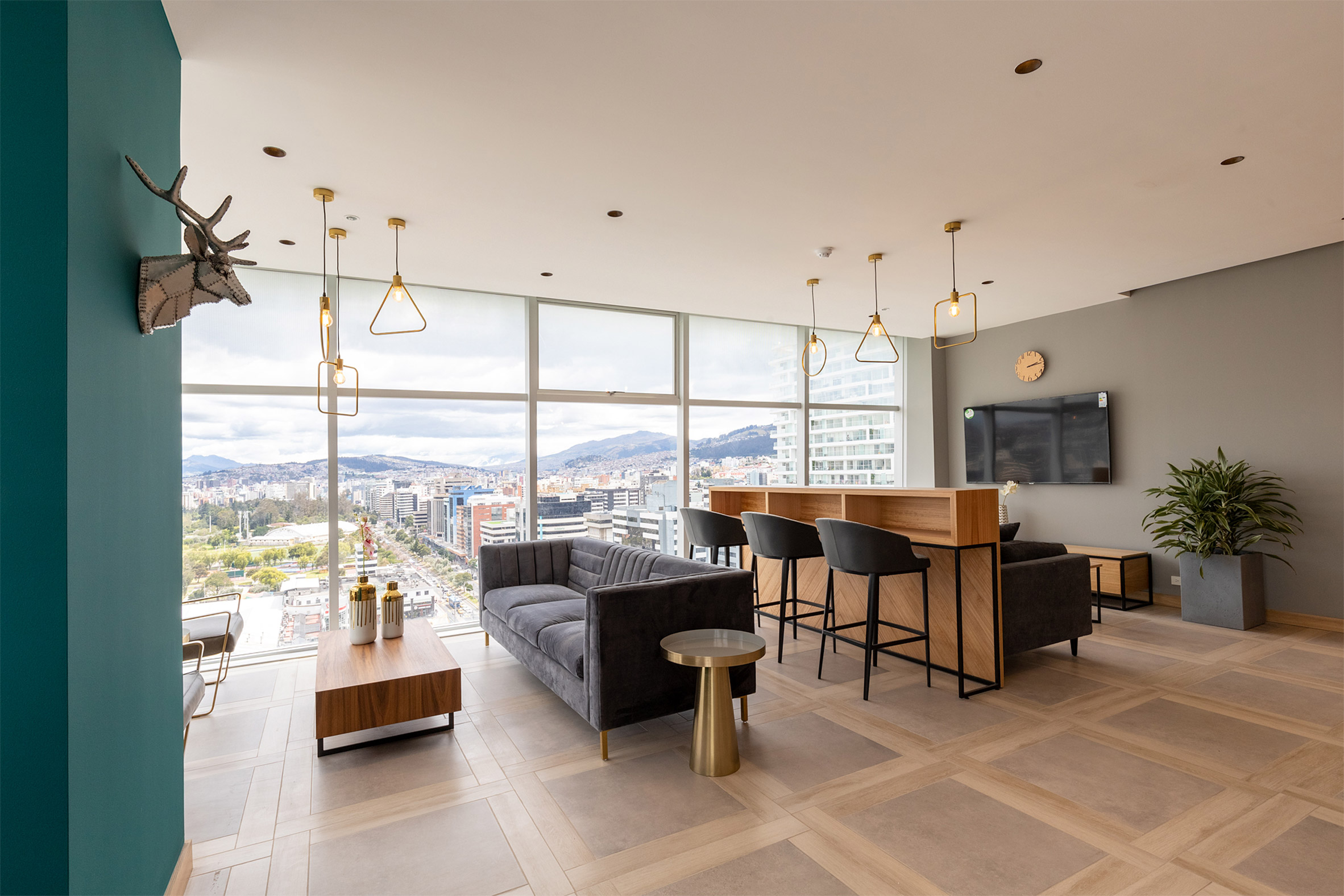
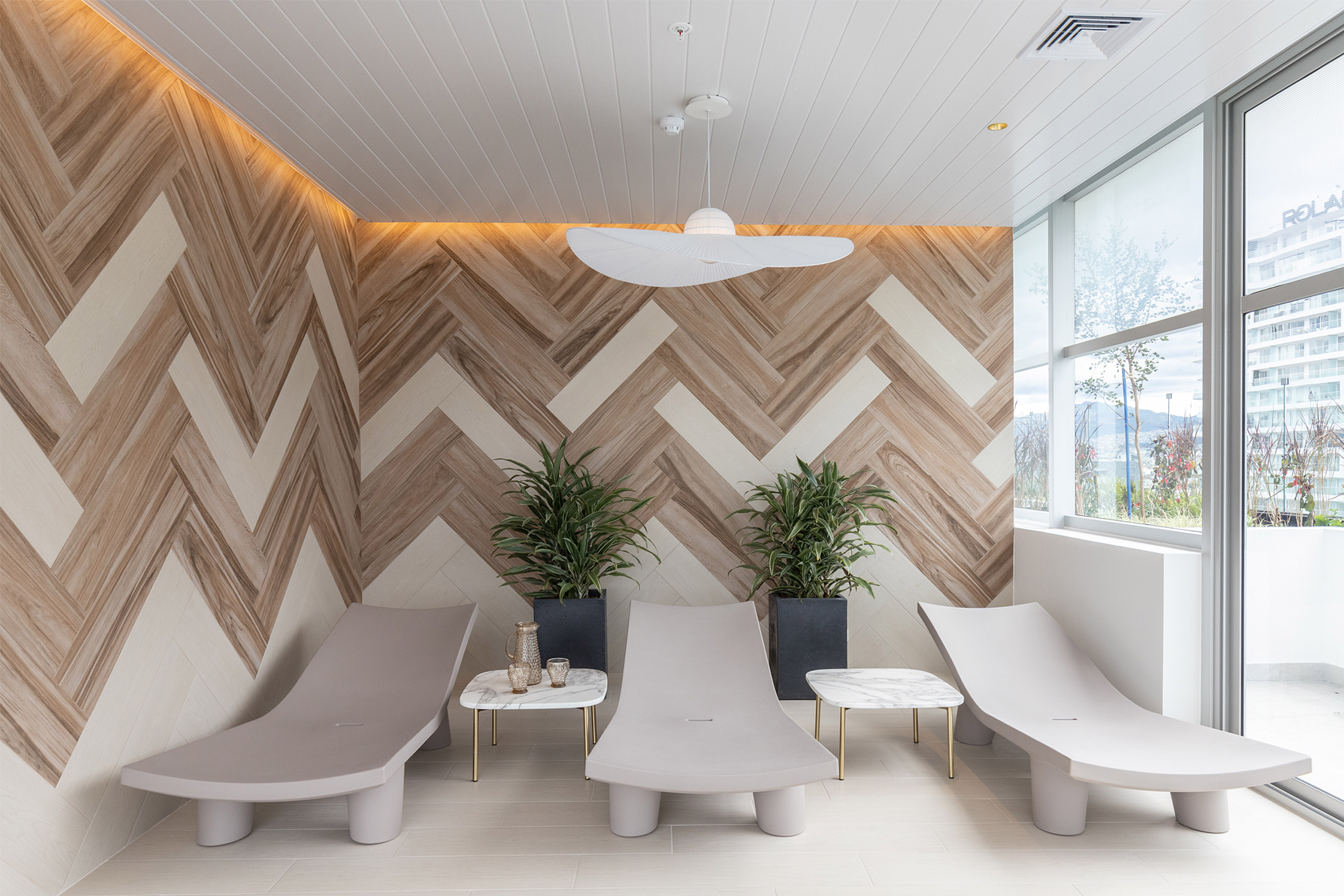
The 18,846-square-metre building is complete with a number of amenities for residents. Among these are wellness facilities like a second pool on the building's rooftop, a fitness room with a spinning studio and a spa that includes a sauna, steam room, and massage room.

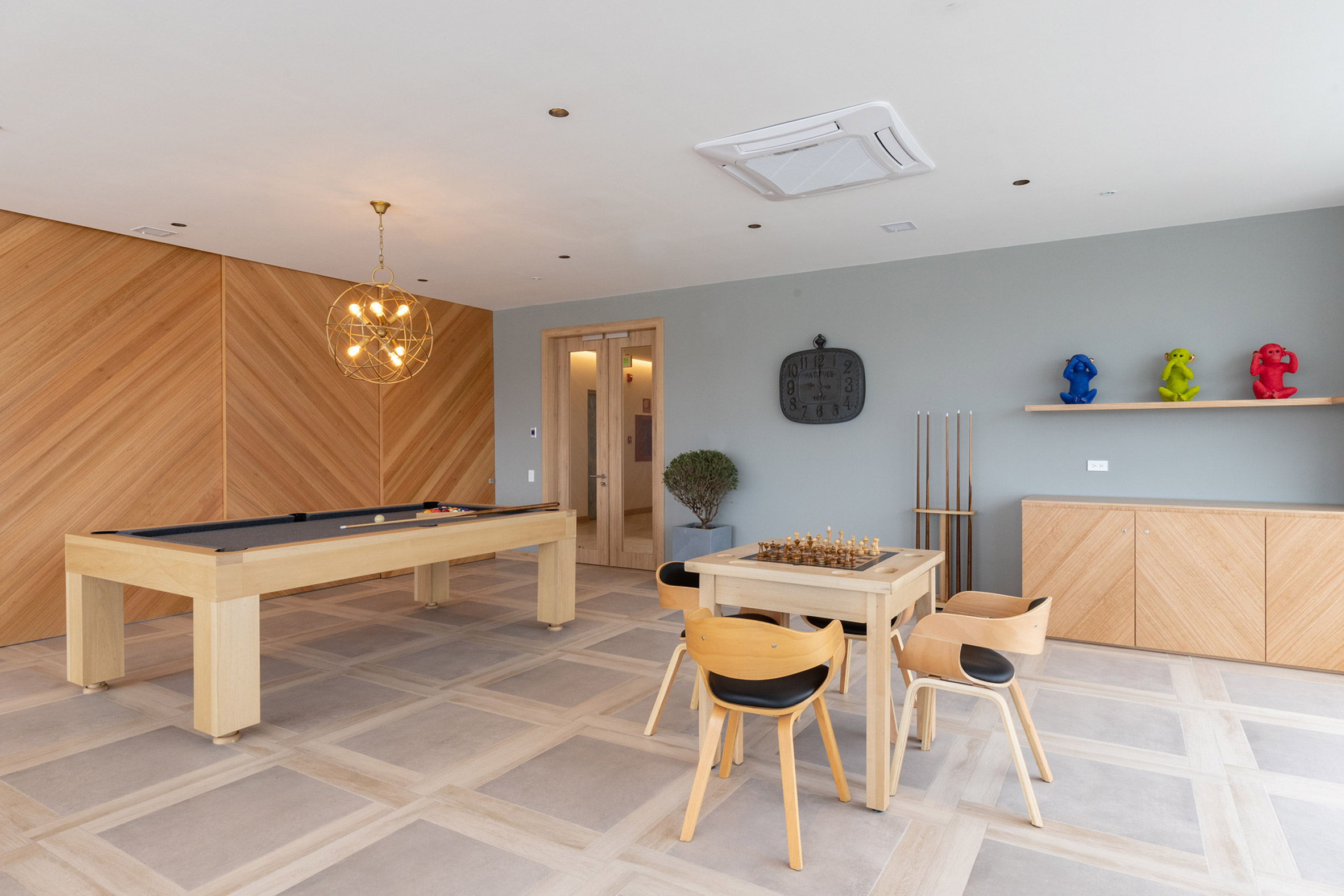
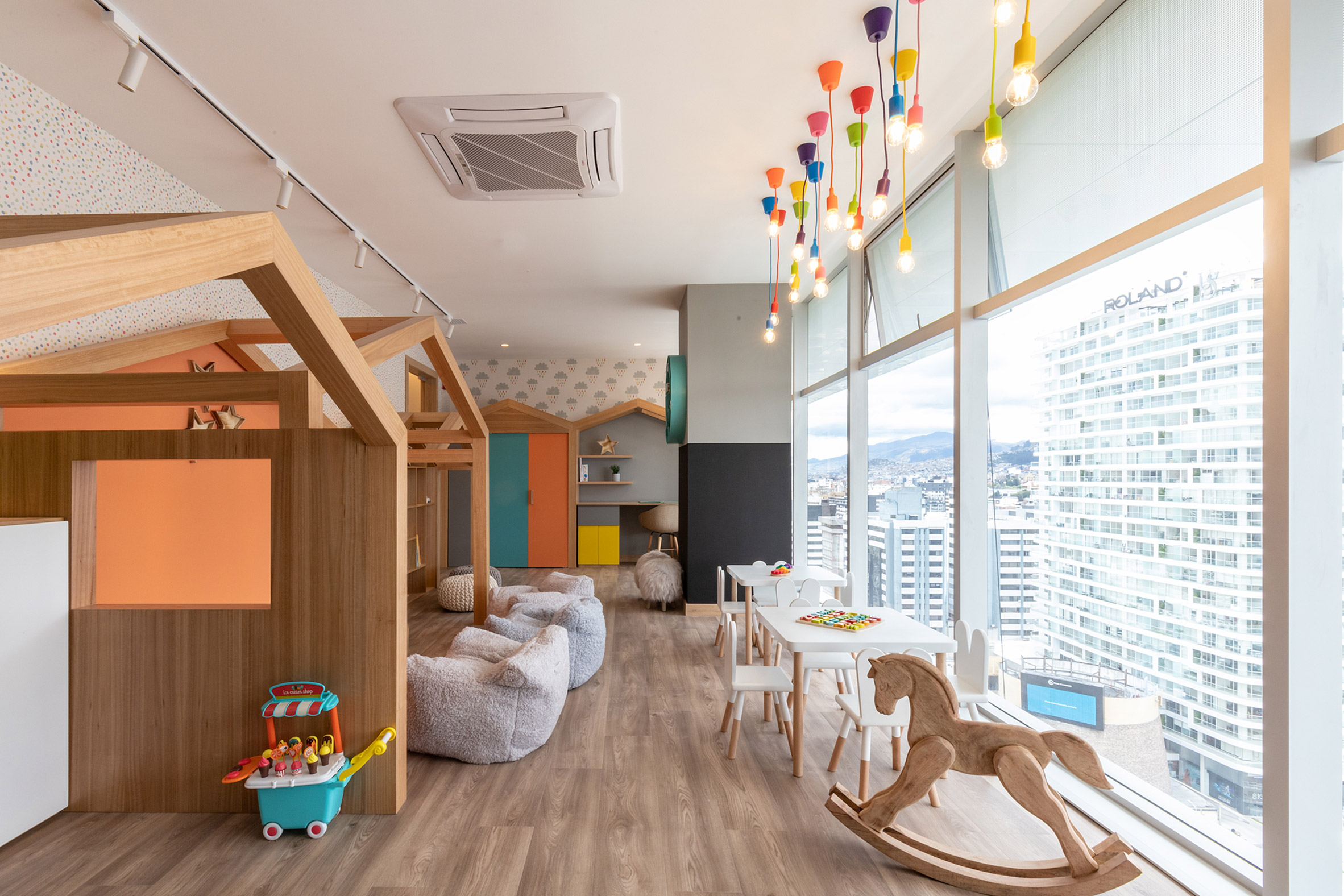
There are also outdoor lounges with barbecues, a games area with an arcade, a children's room and cinema.

Lobby in Unique by Carlos Zapata
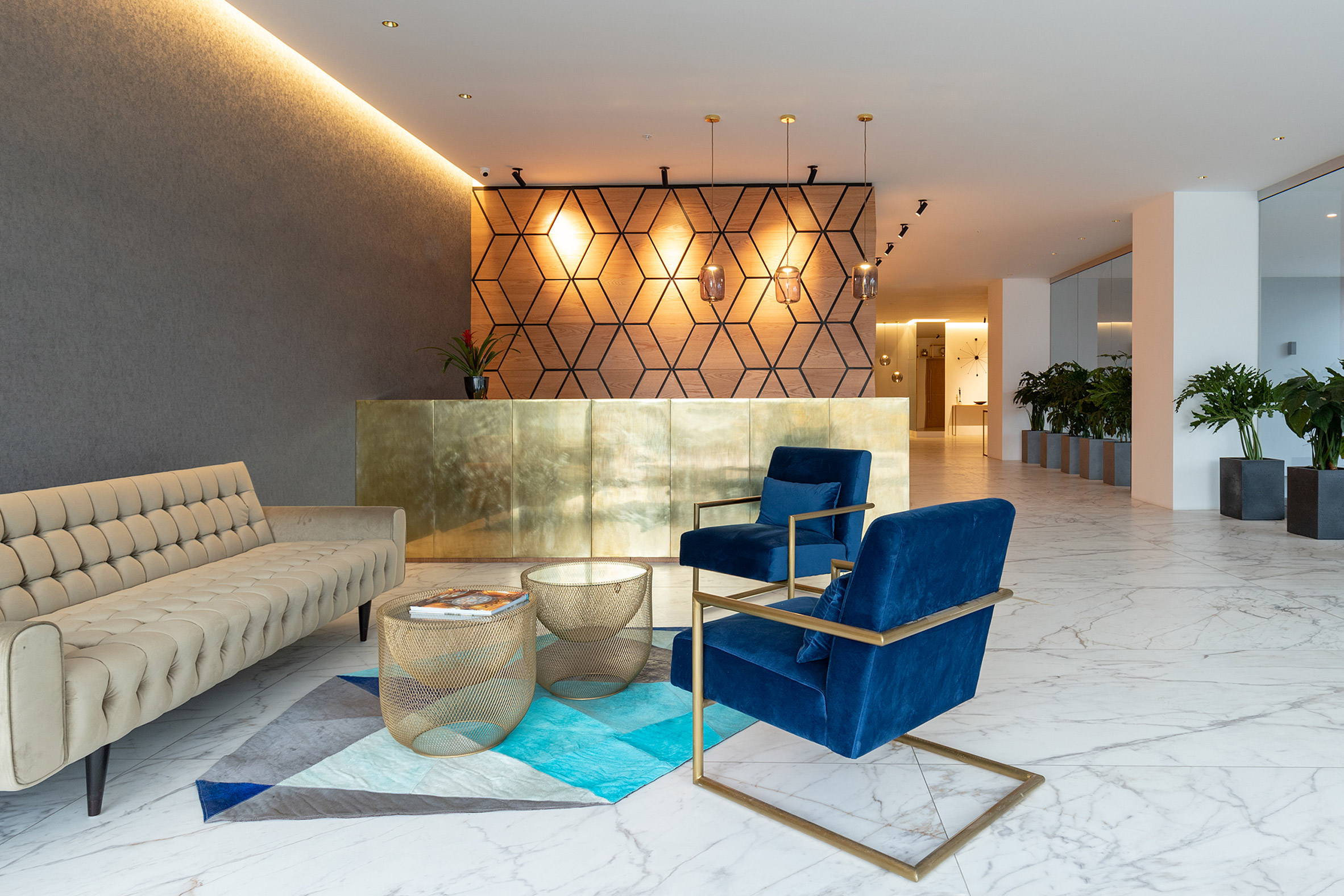
White marble floors, metallics and patterns decorate the lobby

Uribe Schwarzkopf oversaw the interior design choosing warm woods and green hues. White marble flooring in the lobby provides a backdrop to a golden reception desk with a wood wall covered in a decorative geometric pattern behind. There is also a large-scale work by a Quito artist installed in the lobby.

Unique was designed to be as environmentally friendly as possible, and the building incorporates electrical energy saving, potable water, the collection and reuse of rainwater, water treatment and irrigation systems.

Games room in Unique by Carlos Zapata
There are a number of amenities, including a games room

Zapata lived in Quito from five years old to his teenage years before moving to the US, where he established his firm.

He joins an impressive roster of architects working with Uribe Schwarzkopf, which was founded in 1973 by Tommy Schwarzkopf. Today, he leads the company with his son Joseph Schwarzkopf.

Its other completed projects in Quito include YOO Quito residences by Arquitectónica and YOO studios, which is run by Philippe Starck and John Hitchcox.

Children's room in Unique by Carlos Zapata
The children's room is completed with gabled house-like structures

Bjarke Ingel's firm BIG is developing a mixed-used tower called EPIQ for Schwarzkopf, which is covered in pink, herringbone-patterned cladding, and the curved IQON tower, which is set to become the tallest building in the city, while Moshe Safdie has designed the Qorner tower.

French architect Jean Nouvel, meanwhile, has designed a sprawling, stone-clad residential development to echo its mountainous surroundings in Cumbayá, a rural area east of the Ecuadorian capital.

Spa in Unique by Carlos Zapata
A spa and a fitness room are among other facilities

"We were thrilled to bring Carlos Zapata and his renowned studio to Quito," said Tommy Schwarzkopf​, founder of Uribe Schwarzkopf.

"His unique take on building design has added another beautiful landmark to our skyline and has provided our community with a first-class residence in a dynamic neighbourhood with close proximity to La Carolina park and access to a major Metro station.

"This building will have an enormous impact on the neighbourhood and improve the quality of life along the avenue it anchors."

The post Carlos Zapata completes curved-glass Unique tower in Quito appeared first on Dezeen.


from Dezeen https://ift.tt/2UXJN1b

Kama Sutra typeface is "stunning and inclusive" says commenter

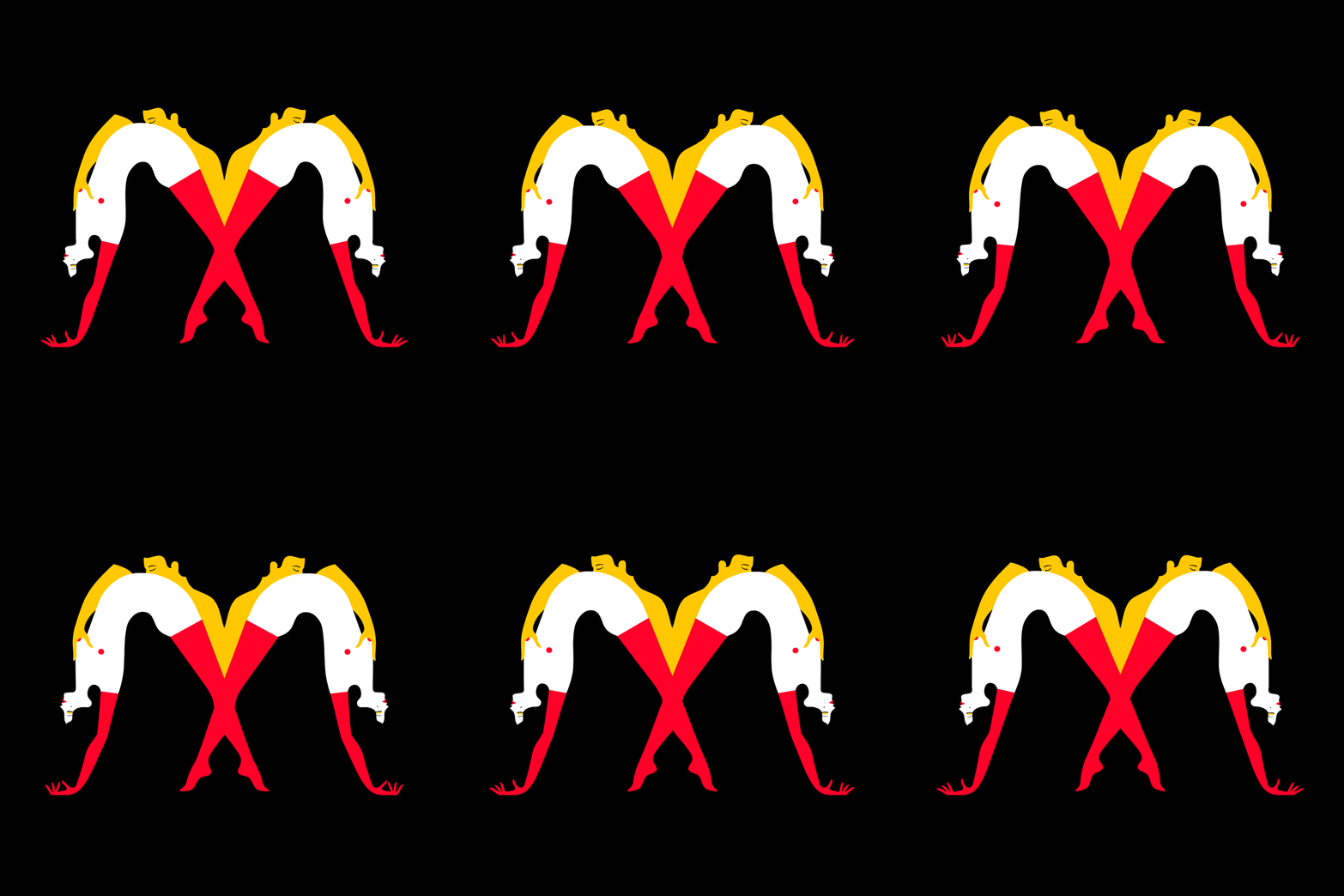
Letter M from Malika Favre's Kama Sutra typeface

In this week's comments update, readers are discussing the Kama Sutra A-Z coffee table book and sharing their views on other top stories.

French illustrator Malika Favre has drawn letters of the alphabet using naked bodies intertwined in various sex positions for a new Kama Sutra book.

The letters are drawn in Favre's characteristic, minimal style and are paired with an erotic verse or text from the likes of William Shakespeare and Emily Dickinson.

"This is beautiful"

Readers are delighted by the typeface. "This is beautiful!" said Mister Moog.

"This is the first time I've looked at Dezeen and become erect," added Sizza.

"I think this is absolutely stunning," agreed Rd. "I would say the book is eloquently graphical. Beautiful drawings and animations, a lovely inclusive sentiment and very tasteful, sexy explicitness."

"Superb," concluded Think.

What do you think of the Kama Sutra A-Z coffee table book? Join the discussion ›

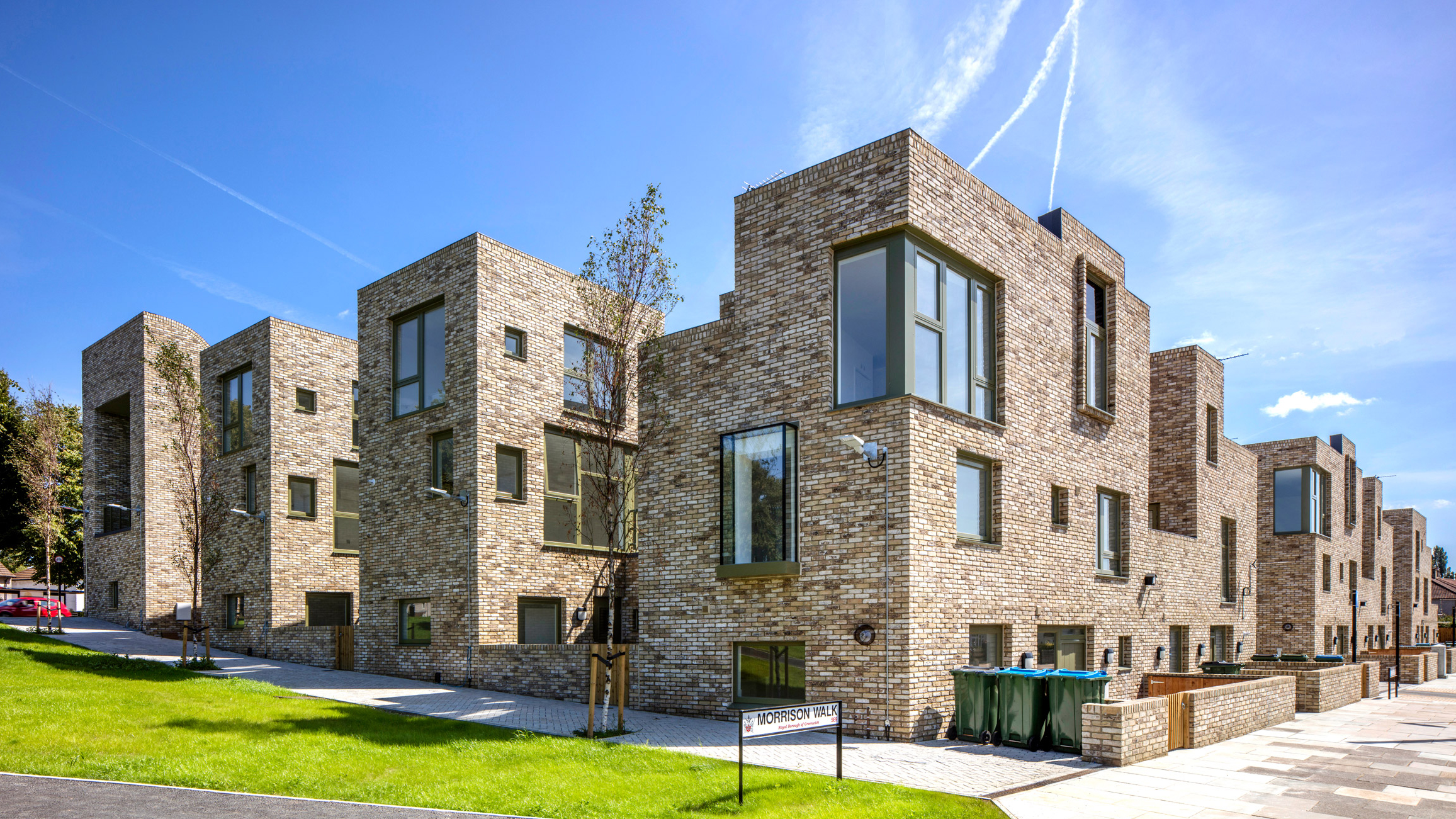
Rochester Way housing in Greenwich by Peter Barber Architects 
Peter Barber Architects creates five terraces of affordable homes in Greenwich

"Affordable to whom exactly?" asks commenter

Readers are divided over a development in London, which Peter Barber Architects has created for the Greenwich-council owned developer Meridian Home Start. The 29 homes will be available to those working locally at discounted rents.

"'Affordable' to whom exactly?" asked a sceptical Alfred Hitchcock.

Boreal was also unsure: "Too much hardscape and very little green space."

"Great stuff!" said BWC on the other hand. "Too bad we can't have more buildings like this on the other side of the Atlantic."

Would you like to live in Barber's affordable housing? Join the discussion ›

Cycling Through The Trees in Limburg by BuroLandschap and De Gregorio & Partners
Raised circular cycling path gives 360-degree views of Belgian forest

"This is the future" says reader

Commenters are intrigued by a raised, circular track in the province of Limburg, which Belgian studios BuroLandschap and De Gregorio & Partners have created as part of a cycling network.

"This is the future," said Rosemen Magentis. "But it needs to be way more expansive. I would make the loop an 'infinity' design so that you could incorporate some long straight stretches."

Marc Godts agreed: "Nice work – wouldn't have been possible without the thorough work of engineers."

"Reminds me of a zoo," finished Apsco Radiales. "'Come see the animals.' This time though, you can come and and see the trees as you cycle around them."

Are you impressed by Cycling Through The Trees? Join the discussion ›

In God We Trust flag for Mississippi
Mississippi votes to officially adopt In God We Trust flag

"Why do they have to bring a God into this?" asks commenter

A new flag has been designed for Mississippi after its people voted to replace the state's official flag, which incorporated the Confederate battle emblem. The new flag is called In God We Trust, baffling some readers.

"The design is quite nice," said Michael Knappitsch. "But why do they have to bring a God into this?"

"Atheists must be very lonely in Mississippi," replied Blue Wren.

"E Pluribus Unum was clearly the superior motto," concluded Mr G. "This will not pass the test of time, once again."

Do you agree with commenters? Join the discussion ›

Read more Dezeen comments

Dezeen is the world's most commented architecture and design magazine, receiving thousands of comments each month from readers. Keep up to date on the latest discussions on our comments page.

The post Kama Sutra typeface is "stunning and inclusive" says commenter appeared first on Dezeen.


from Dezeen https://ift.tt/3m39tpb