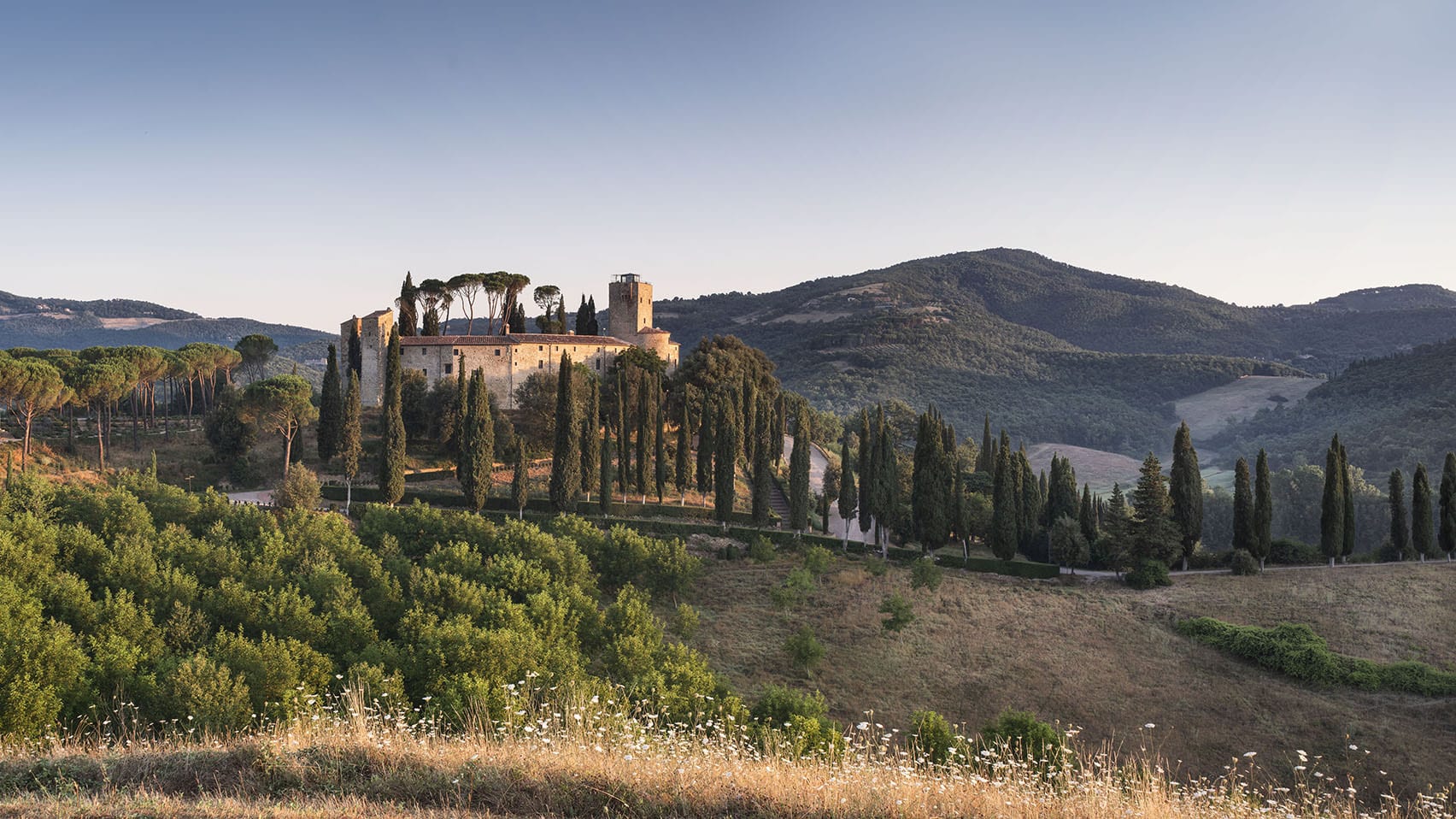
Friday, 9 July 2021

Hauser & Wirth showcases architectural sculptures by Eduardo Chillida

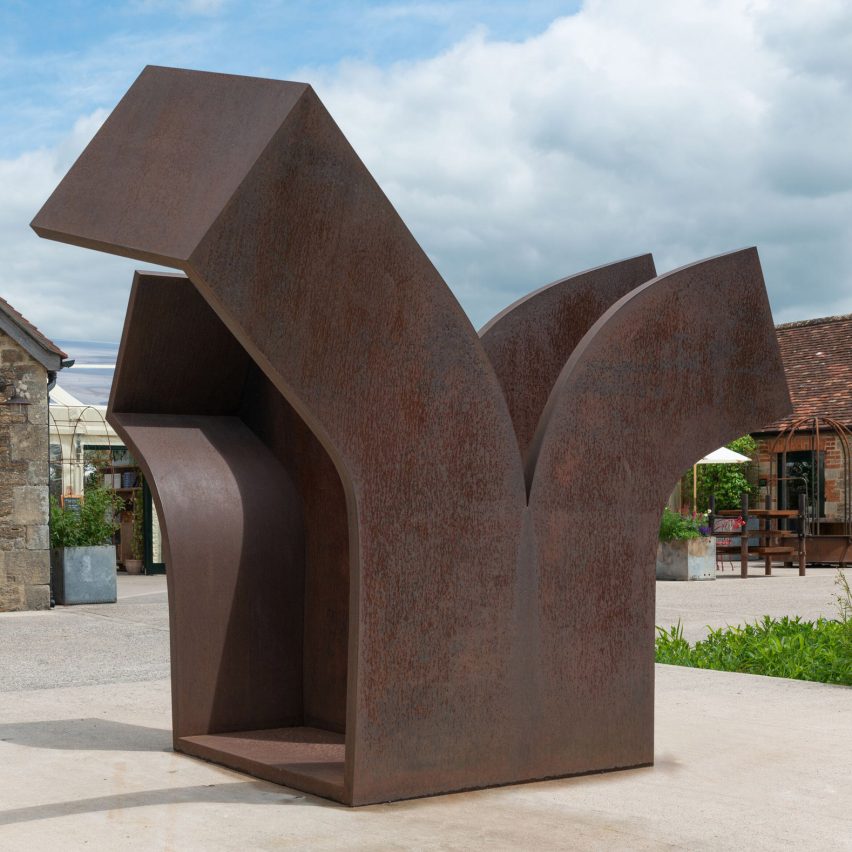
Advice to Space IX

Artist Eduardo Chillida's monumental sculptures are on show in the galleries and grounds of Hauser & Wirth in Somerset, England.

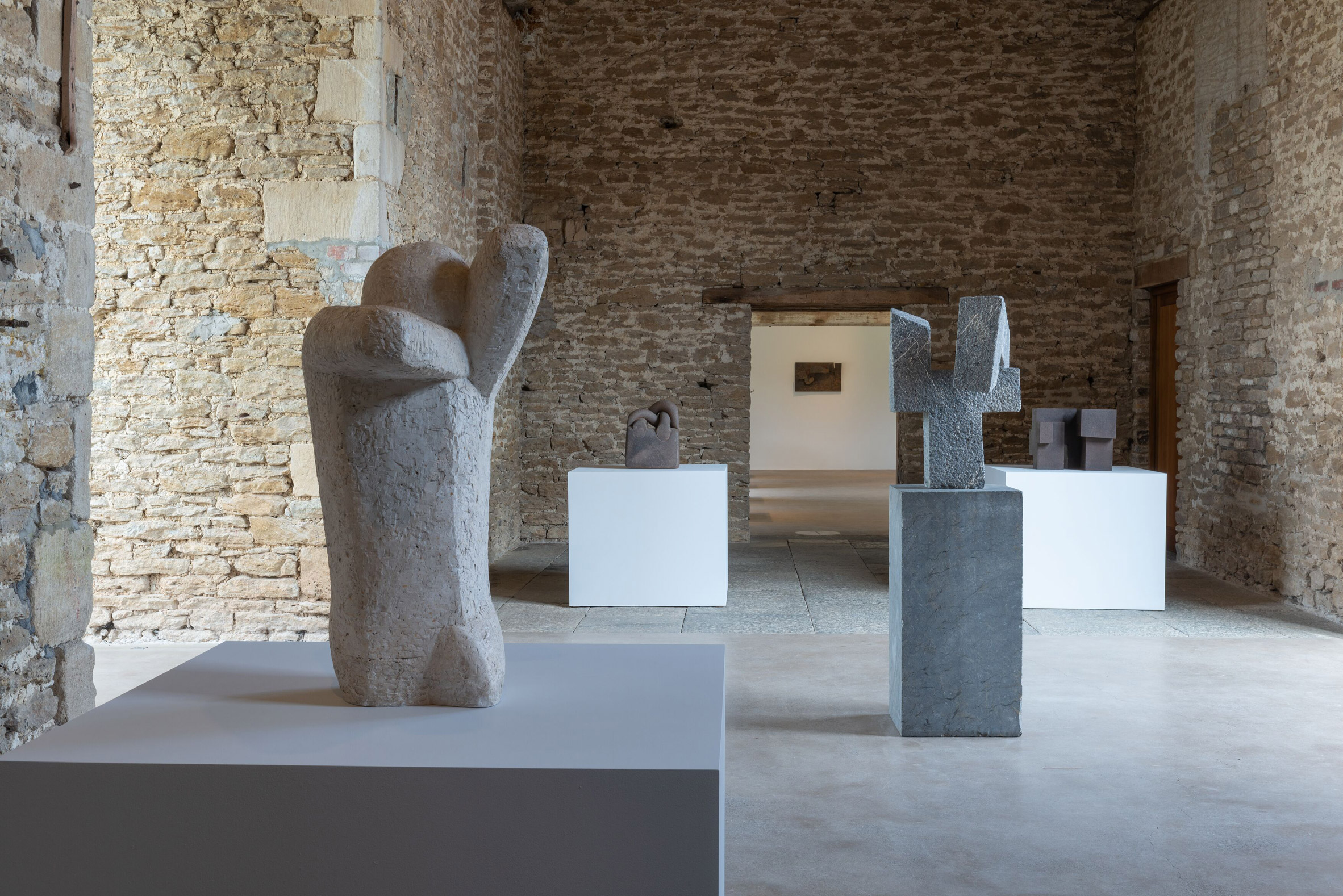
Numerous pieces by the architecture-trained artist, who is best known for his large public sculptures, are on display at Hauser & Wirth Somerset. Each piece plays with ideas of solidity and its connection to empty space.

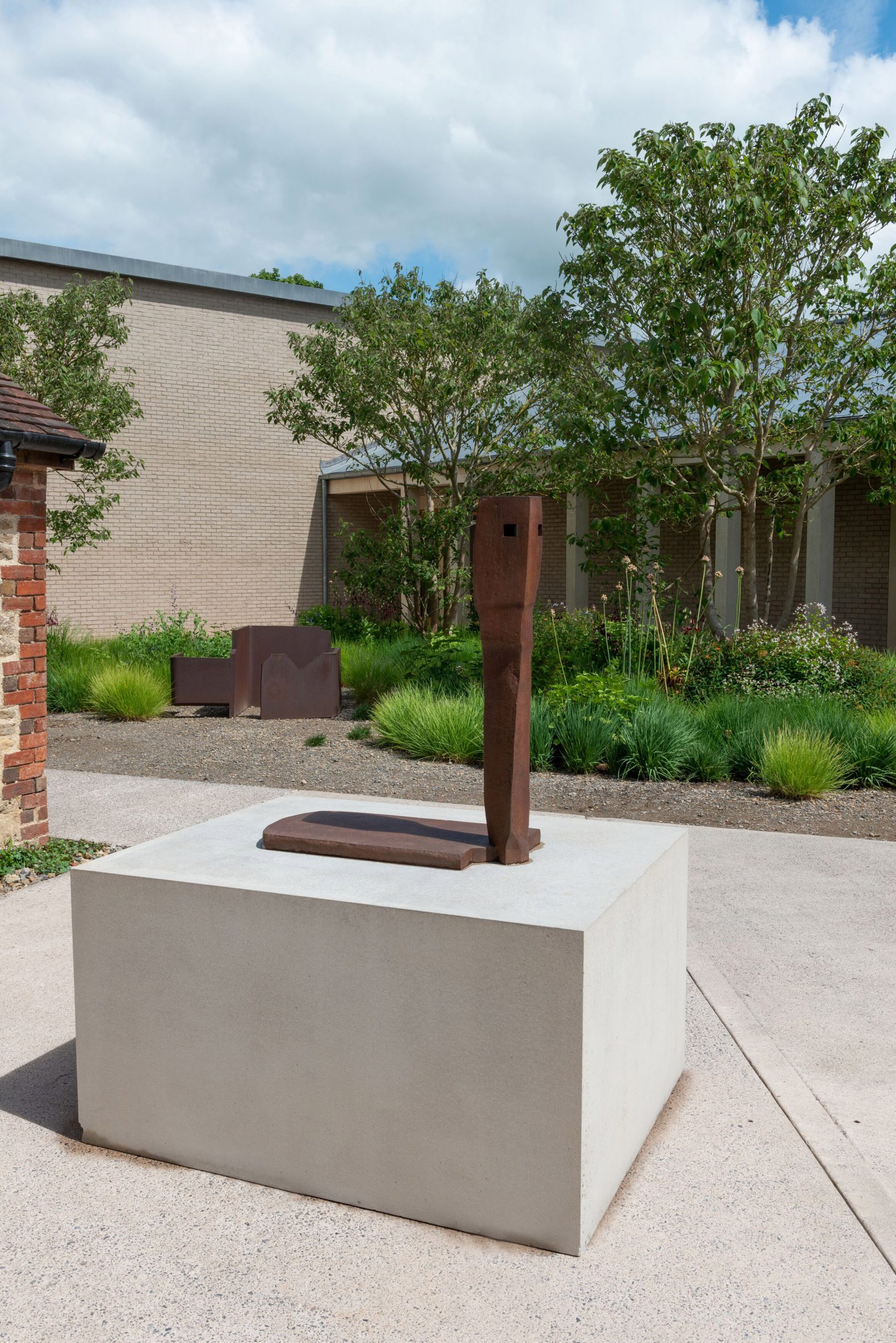
Chillida corten steel sculpture
The Corten-steel Advice to Space IX sculpture stretches from the ground

"You need the emptiness to construct over – the space is his material," said Mikel Chillida, the artist's grandson and development manager of the Chillida Leku open-air museum.

"Once you show the limits, you show the space at the same time," he added.

"So it's interesting, the relation with the space; all of these sculptures are full of material, there is no void. There is no emptiness inside of them – there is the positive material and the negative."

Artwork by Eduardo Chillida
Chillida's The Watcher III from 1994 is made from steel

Eduardo Chillida, who was born in 1924 in San Sebastián in Spain's Basque region, studied architecture before turning to art.

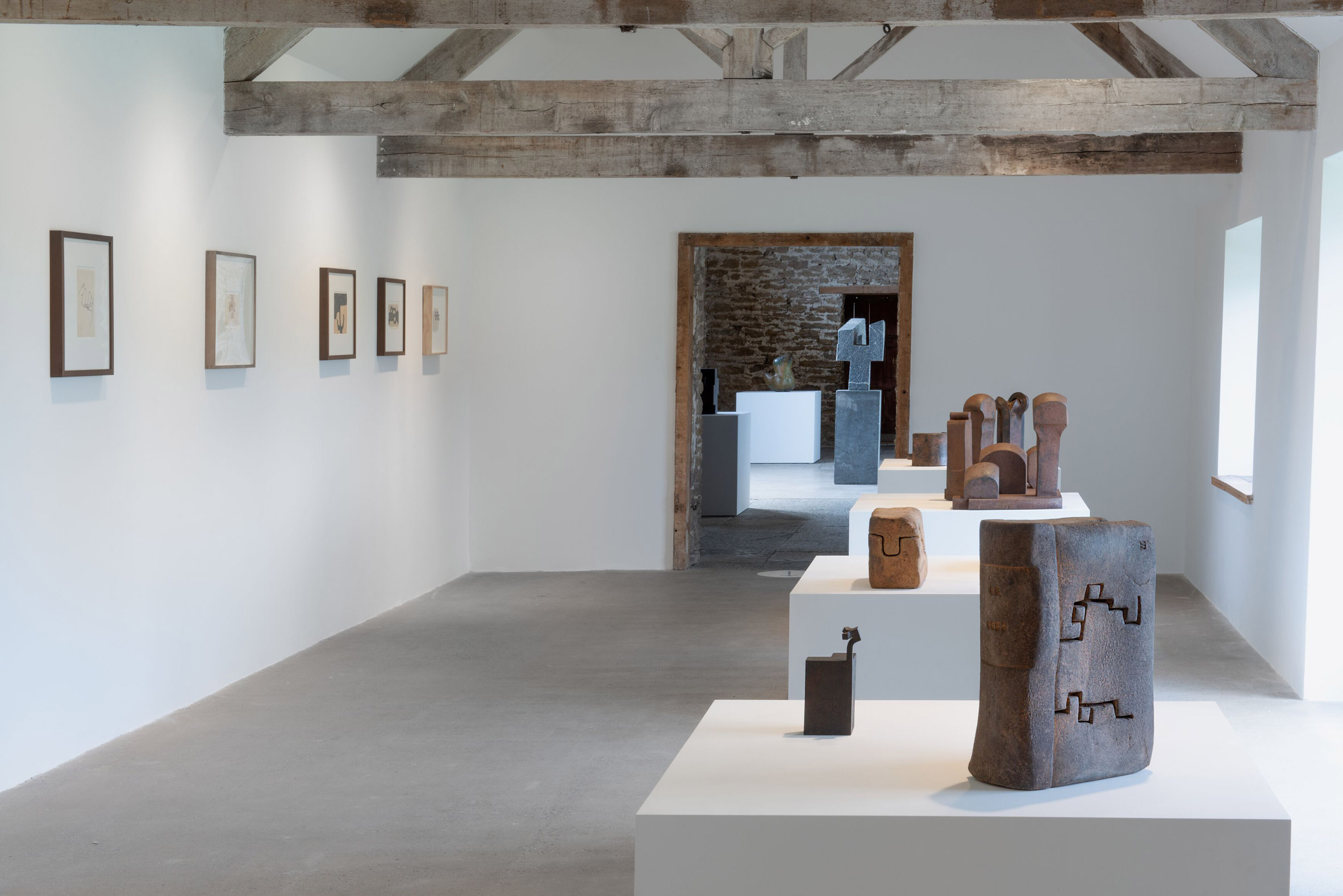
His larger works are shown in Hauser & Wirth Somerset's gardens, while small sculptures and drawings are on display inside the gallery, which is located in a former farmhouse.

Artworks by Eduardo Chillida
The artist worked with many different materials

Chillida's work is a study in material use – the artist worked with Corten steel, iron, steel, granite and chamotte clay.

Despite being fashioned from these solid, very heavy materials – one sculpture in the exhibition weighs four tonnes – they also have a lightness that speaks to Eduardo Chillida's thorough understanding of working with the materials.

One example on show at Hauser & Wirth Somerset is Advice to Space IX, a large piece made from Corten steel that stretches from the ground.

Stone VI
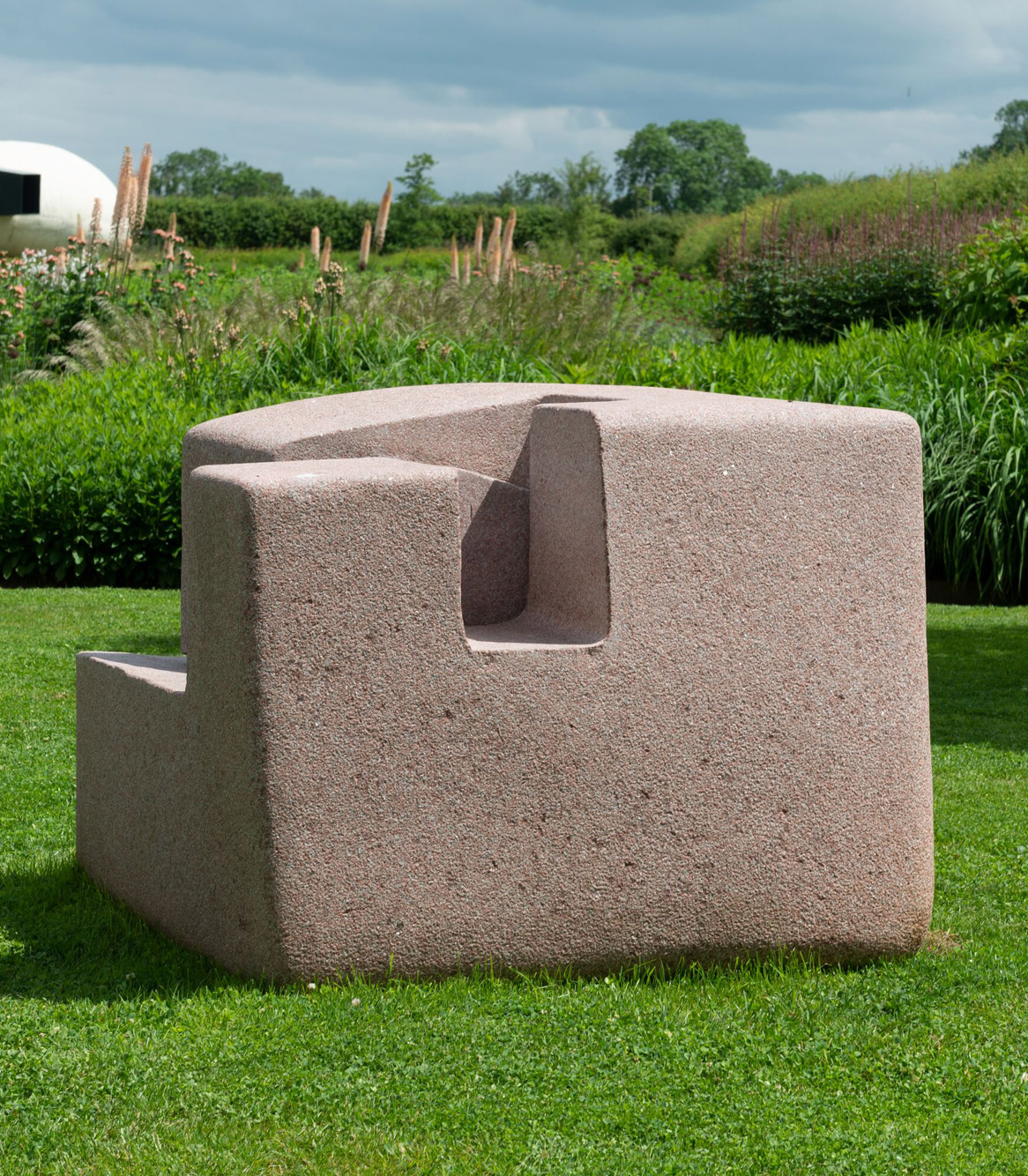
Stone VI is displayed in the gallery's Piet Oudolf-designed gardens

Another monolithic work, a pink granite sculpture named Stone VI, sits within the Piet Oudolf-designed gardens near the Smiljan Radić-designed Serpentine Pavilion from 2014.

The sculpture was made from a granite slab that the artist found on a trip to India.

"They always showed him perfectly cut stones and he asked 'where do you have the stones that you're not going to use, the rubbish?'' Mikel Chillida explained.

"And they showed him a selection and one was in pink granite."

Clay sculptures at Hauser & Wirth Somerset
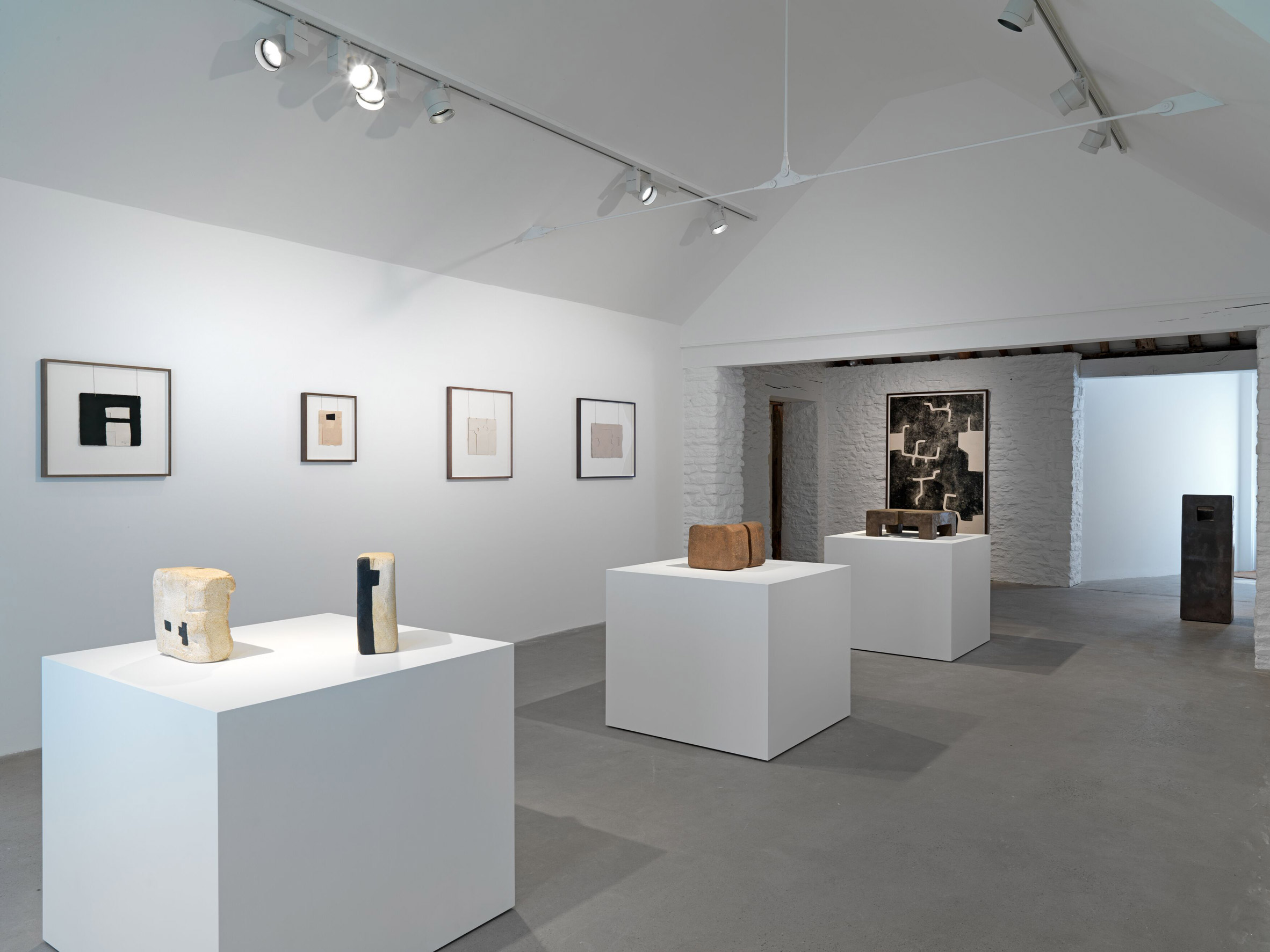
Some of the artist's clay sculptures were coloured with copper oxide

Alongside the larger pieces, a collection of Eduardo Chillida's clay sculptures are on display inside the gallery. Some of these have a natural, brown hue while others are a striking white with black detailing that adds a graphic touch to the organic structures.

"The difference is that one has been cooked in a natural oven with fire, and one in an electrical oven," Mikel Chillida explained.

"So there is no smoke and it is white. The black isn't ink, it is copper; it's the result of an oxidation process as he painted it with copper oxide."

Stone sculptures created by Chillida
The sculptures are always solid

Eduardo Chillida passed away in 2002. As well as his public installations, Chillida's work can be seen at Chillida Leku, which Hauser & Wirth collaborated with for this exhibition.

Other recent exhibitions include Uncommon Found, which physically showcases 19 designers found on Instagram, and Seven Stories about Mirrors, for which design duo Front created seven reflective objects.

Photography is by Ken Adlard.

Eduardo Chillida will run from 26 June 2021 – 3 January 2022. See Dezeen Events Guide for an up-to-date list of architecture and design events taking place around the world.

The post Hauser & Wirth showcases architectural sculptures by Eduardo Chillida appeared first on Dezeen.


from Dezeen https://ift.tt/3qXLdrK

Paulo Merlini Architects creates concrete spiral walkway inside Porto office

Spiralling concrete ramp in E-goi and Clavel's Kitchen by Paulo Merlini Architects

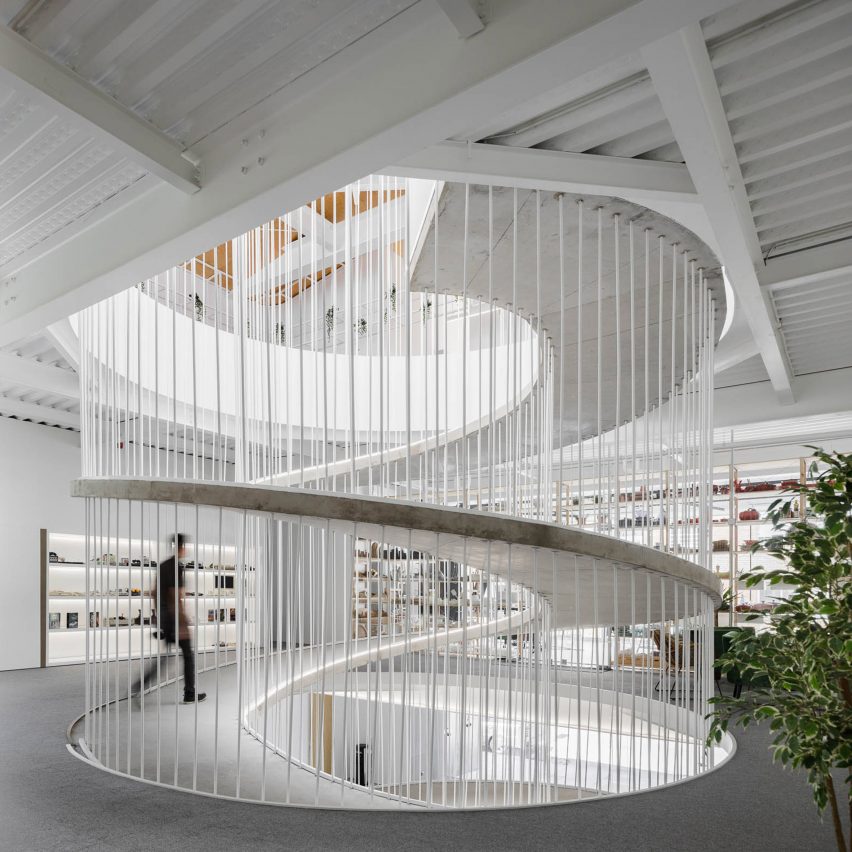
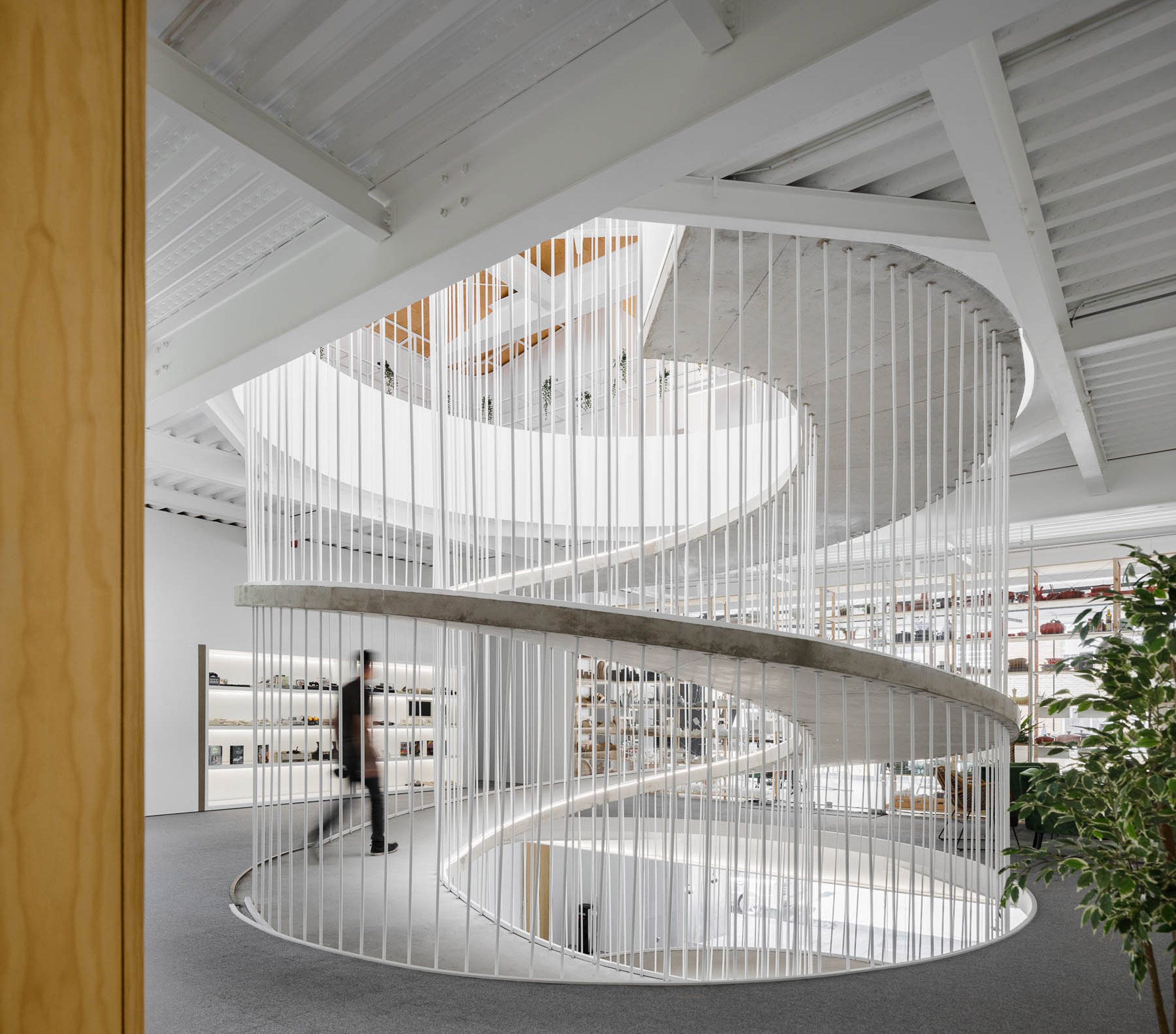
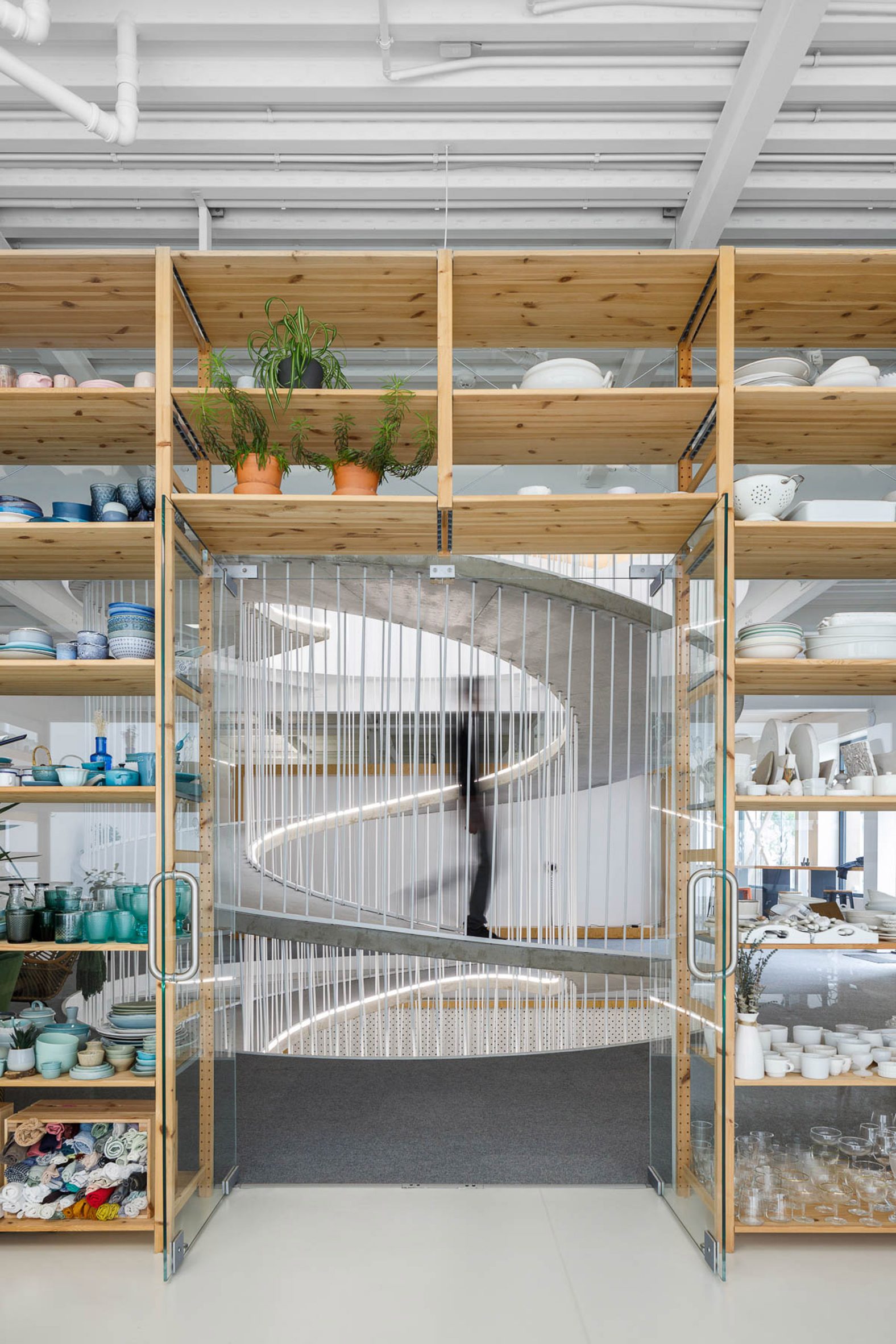
A spiralling concrete walkway and a storage wall filled with colourful ceramics are the standout features in this office for E-goi and Clavel's Kitchen, designed by Paulo Merlini Architects.

The three-storey building is the headquarters for two companies: Clavel's Kitchen, which creates digital content for brands in the food sector, and email marketing provider E-goi.

Spiralling concrete ramp in E-goi and Clavel's Kitchen by Paulo Merlini Architects
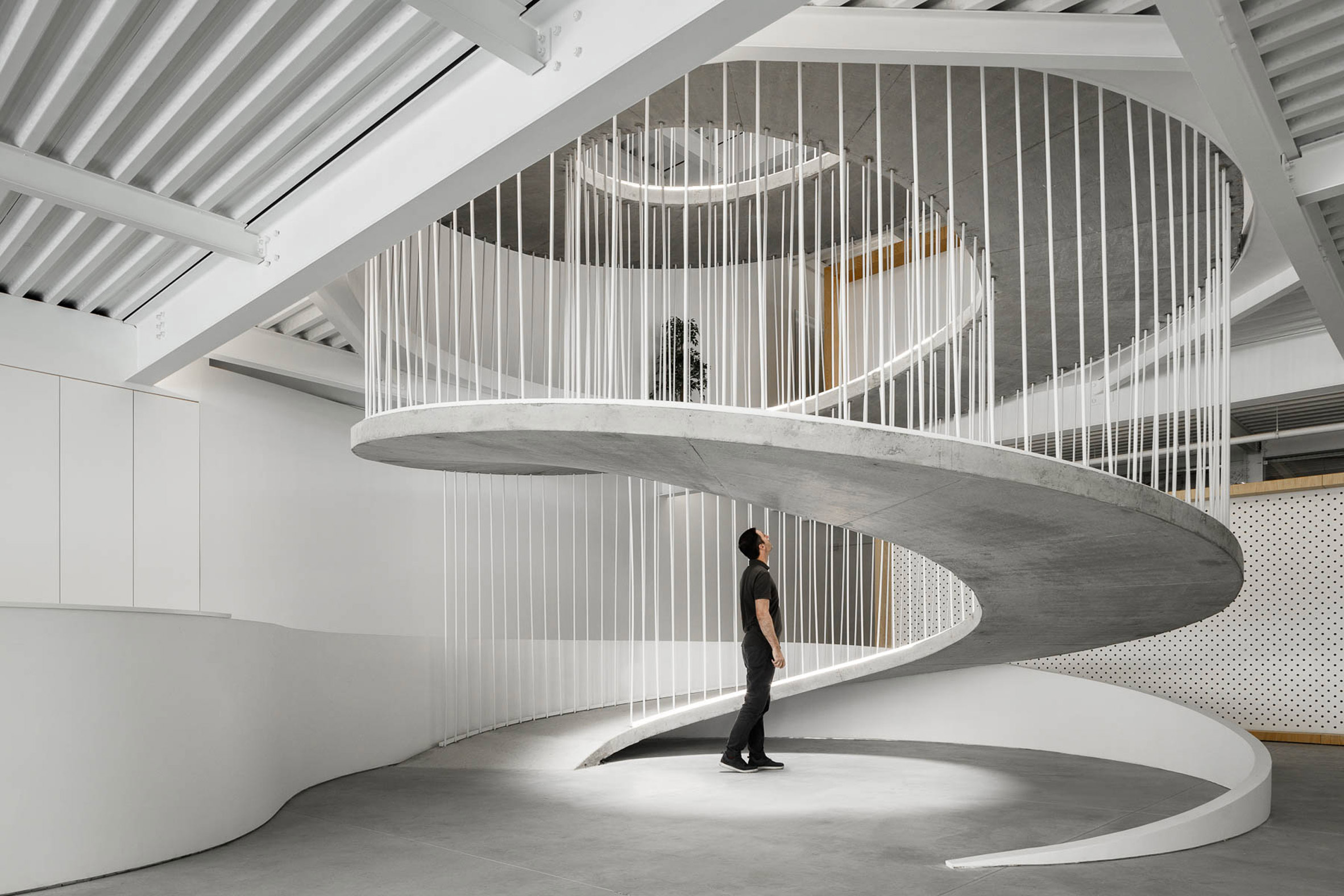
A spiralling concrete ramp connects the three floors

Paulo Merlini Architects designed the 2,800-square-metre workplace to be functional and flexible, but to also feel playful and creative.

"One of the most important issues in designing a company's headquarters is to create a space that expresses and is in line with the corporate culture," said the studio.

"Both E-goi and Clavel's Kitchen present a rather informal type of management, although extremely professional, and asked us for a space that would express that – a fluid, equal, heterogeneous and unpretentious space."

Base of spiralling concrete ramp in E-goi and Clavel's Kitchen by Paulo Merlini Architects
A skylight illuminates the walkway from above

The building is made of two structures – one preexisting and one new – which join together.

The concrete ramp forms the natural heart of the newly connected interior, providing access between floors while also functioning as a meeting place for staff.

Slender vertical bars create a balustrade, while adding to the sculptural appearance of the spiral.

There's also a skylight above, which allows natural light to filter down through all three floors.

Doorway in storage wall filled with colourful ceramics in E-goi and Clavel's Kitchen by Paulo Merlini Architects
A storage wall is filled with objects used in photoshoots

The colourful storage wall, located on the first floor, provides a striking backdrop to the spiral.

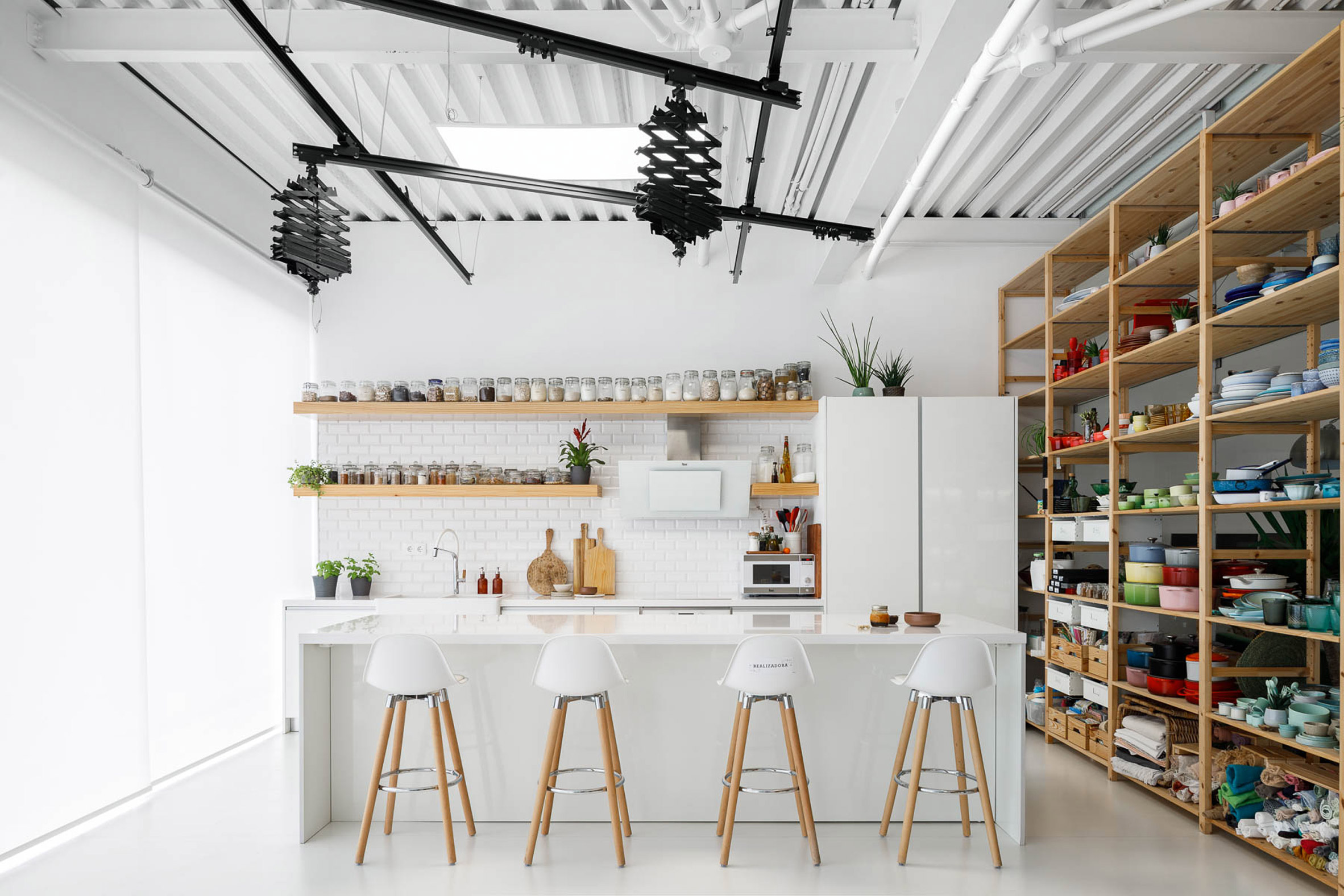
Built from wood and with a backdrop of clear glass, this huge shelving unit is filled with cooking equipment, crockery and tableware, used by Clavel's Kitchen for photoshoots.

These elements are organised by colour, creating a rainbow effect.

Photography studio in E-goi and Clavel's Kitchen by Paulo Merlini Architects
The photography studio benefits from north light

The photography studio is positioned directly in front of this wall, behind the glazed north-facing facade, so that it can benefit from natural light with minimal shadows.

Paulo Merlini Architects said this is "the best light for the type of function it offers since, reflected by the sky, it offers low-contrast lighting, remaining relatively constant during the day".

Desks and wooden ceiling on top floor of E-goi and Clavel's Kitchen office by Paulo Merlini Architects
"Wooden boxes" organise the interior layout

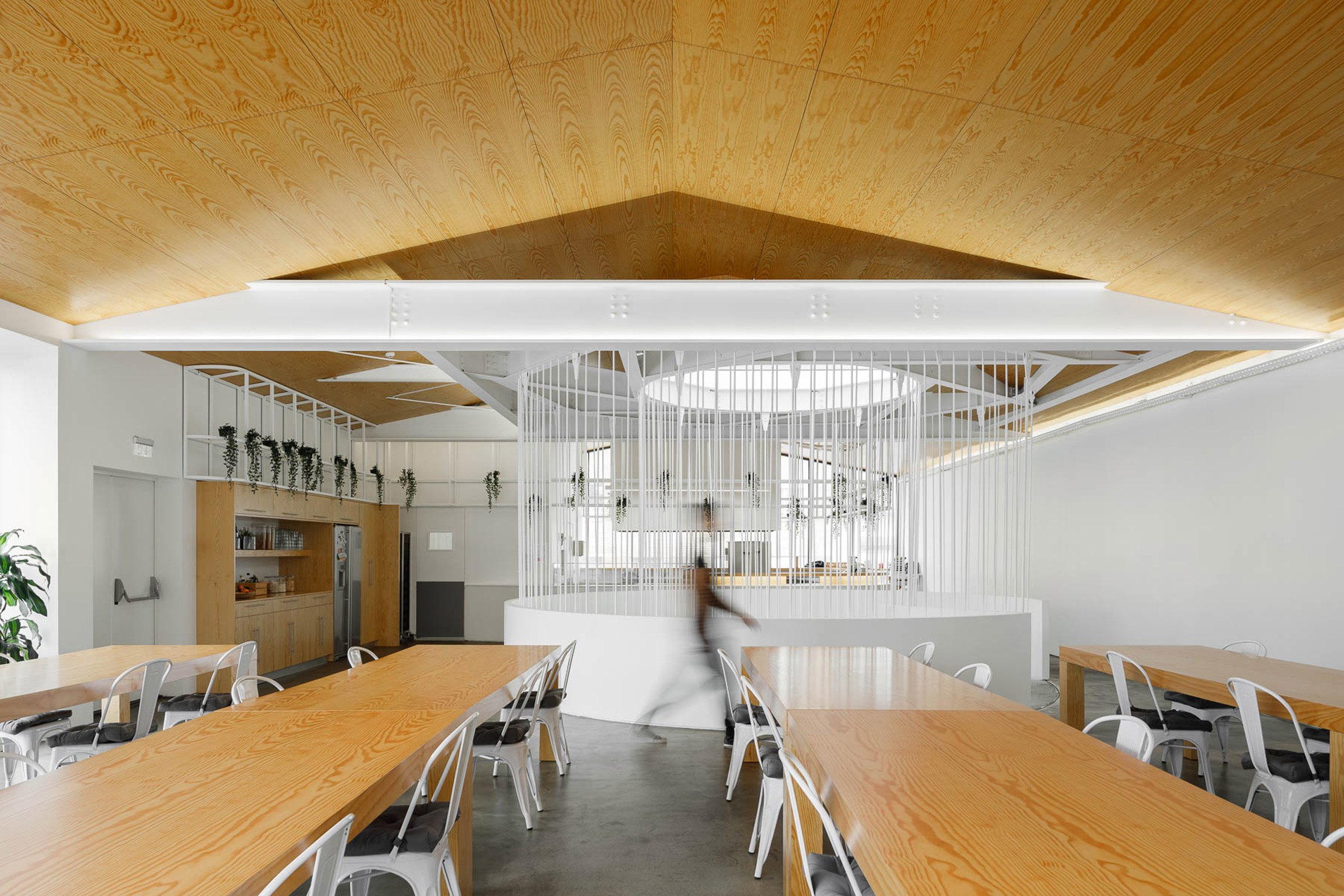
Other spaces in the office include a dining room with enough space for 100 people to eat together along with a mix of formal and informal meeting rooms and video-call booths.

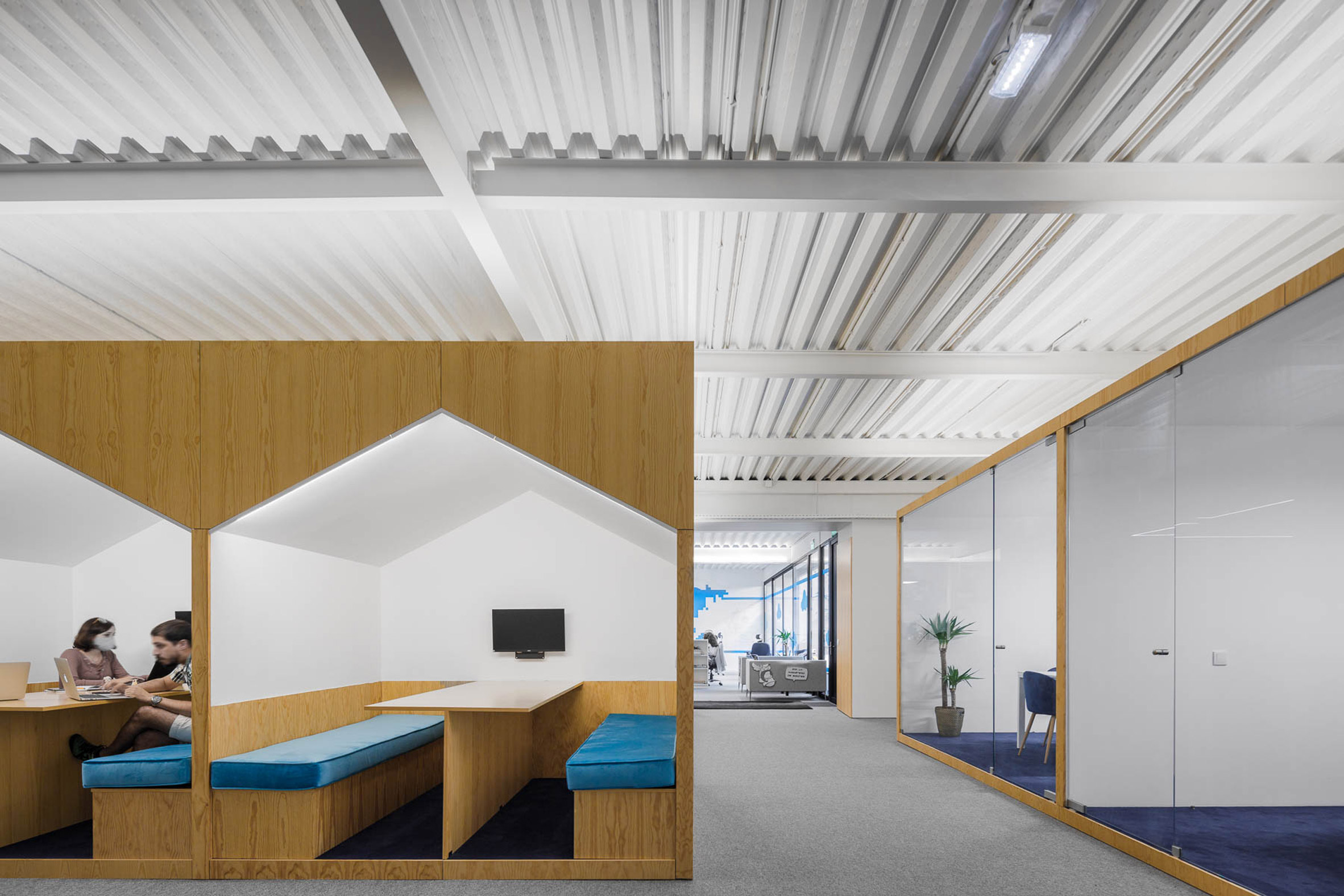
These spaces are organised by a series of "wooden boxes". Some of these are complete volumes that contain entire rooms or booths, while others are made up of partition walls or ceiling surfaces.

Wooden boxes organise layout of E-goi and Clavel's Kitchen office by Paulo Merlini Architects
Meeting rooms are housed within these wooden volumes

One box incorporates three house-shaped openings, with banquette seating and tables built in, while another features curtains and beanbags.

"It is the distribution of these boxes throughout the space that defines all the spatial dynamics," said the studio.

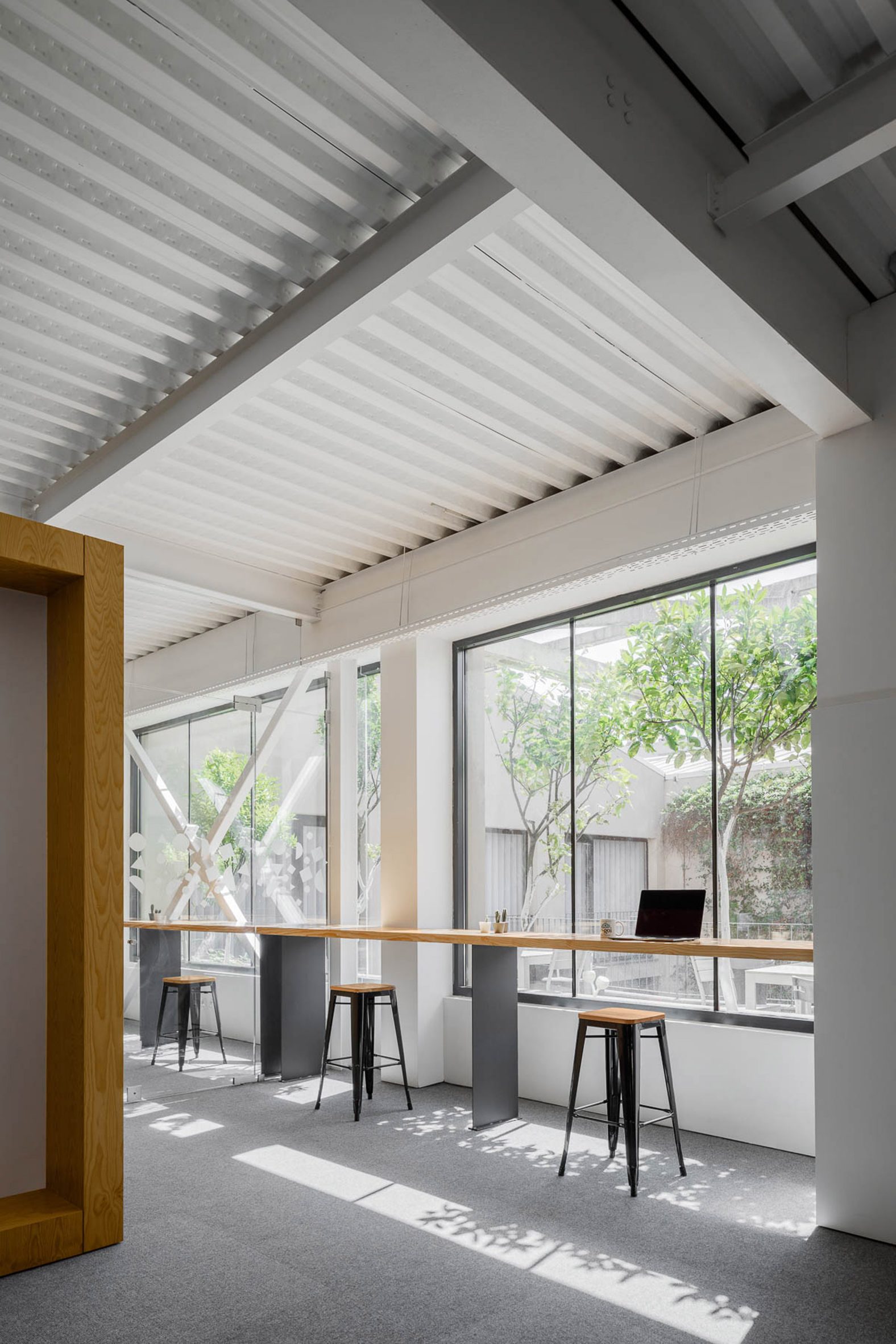
Window desks at E-goi and Clavel's Kitchen office by Paulo Merlini Architects
Spaces are designed to be flexible and fun

"By distributing these functions in a heterogenic way throughout the space, and by mismatching these elements in a kind of organised chaos, we guarantee spatial versatility and create a series of nooks and crannies that allow several kinds of appropriation," it continued.

"We guarantee ample spaces where the interaction between co-workers takes place with great naturalness, and more discrete spaces where you can read a book, relax, or even have a more informal meeting."

Photography is by Ivo Tavares.


Project credits

Architect: Paulo Merlini Architects
Project team: Paulo Merlini, André Santos

The post Paulo Merlini Architects creates concrete spiral walkway inside Porto office appeared first on Dezeen.


from Dezeen https://ift.tt/3AV2NkS

New Designers present 12 awarding winning student projects

A device designed to manage menopausal women's symptoms and a plastic-free grocery delivery service are included in Dezeen's latest award-winning student showcase by New Designers.

Also included is a project investigating the material potential of seaweed and an AI headset that places gender-neutral avatars over participants involved in a trial, in order for a fairer verdict.


New Designers

Showcase: New Designers
Instagram: @newdesigners

Statement: "New Designers showcases the work of over 3,000 talented graduates from across the UK during their annual exhibition, this year held online.

"The event connects thousands of design graduates with businesses and buyers, while also offering prospective students an opportunity to explore design courses.

"We believe that great design shapes the human experience. New Designers provides a unique platform for fresh design talent to connect with design educators, professionals and consumers, for creative exchange and collaboration."

New Designers

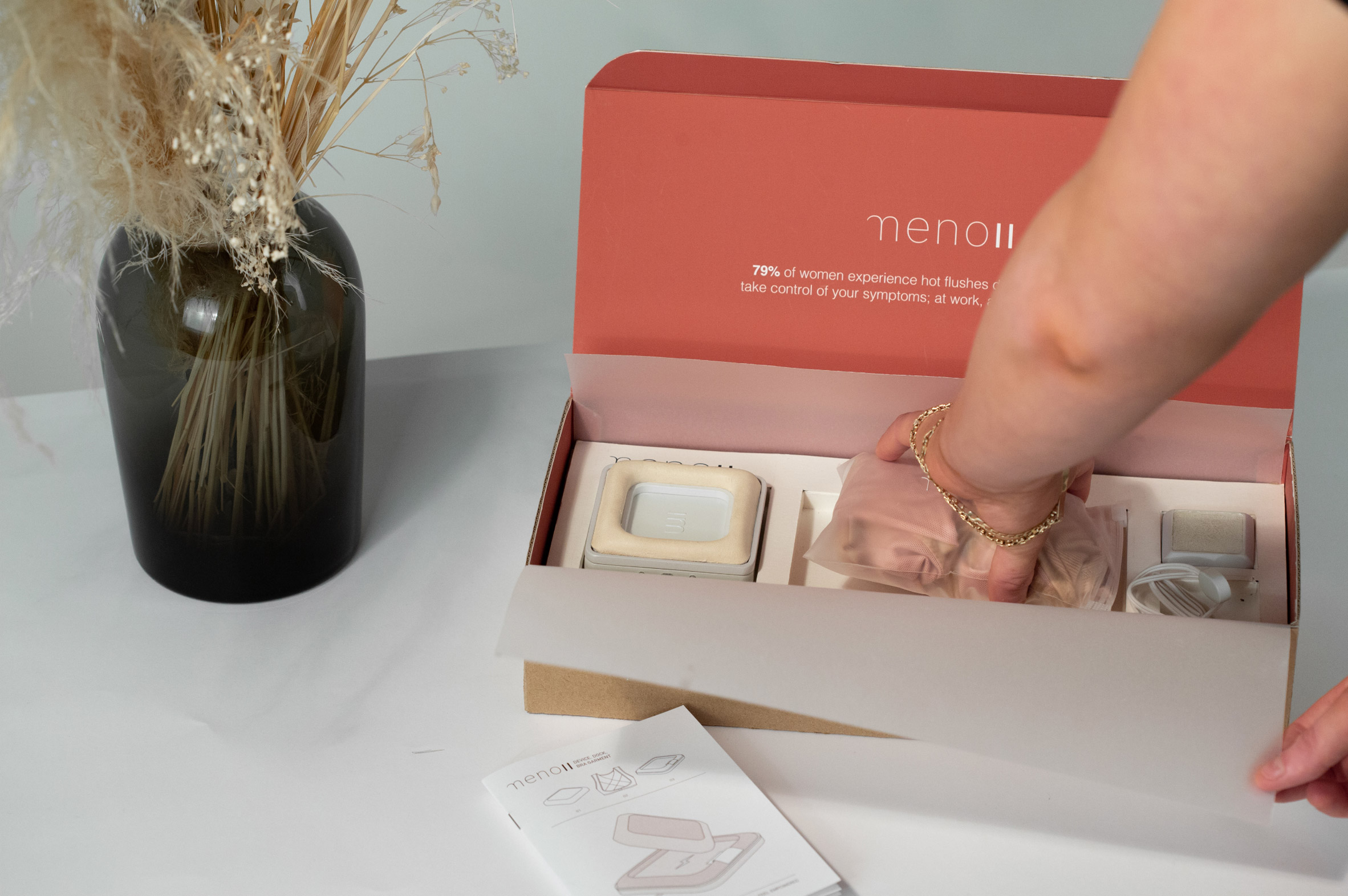
Meno II by Olivia Latham, winner of the Stannah: The Joseph Stannah Award

"Menopausal women often suffer from a range of symptoms throughout perimenopause and menopause. This can affect women in a variety of ways and hinder their working careers. This has become more of a prevalent issue as women are now often working to the age they are going through menopause. This device gives physical, thermal relief to manage hot flush symptoms."

Student: Olivia Latham
University: Northumbria University
Course: Design for Industry
Award: Stannah: The Joseph Stannah Award

New Designers

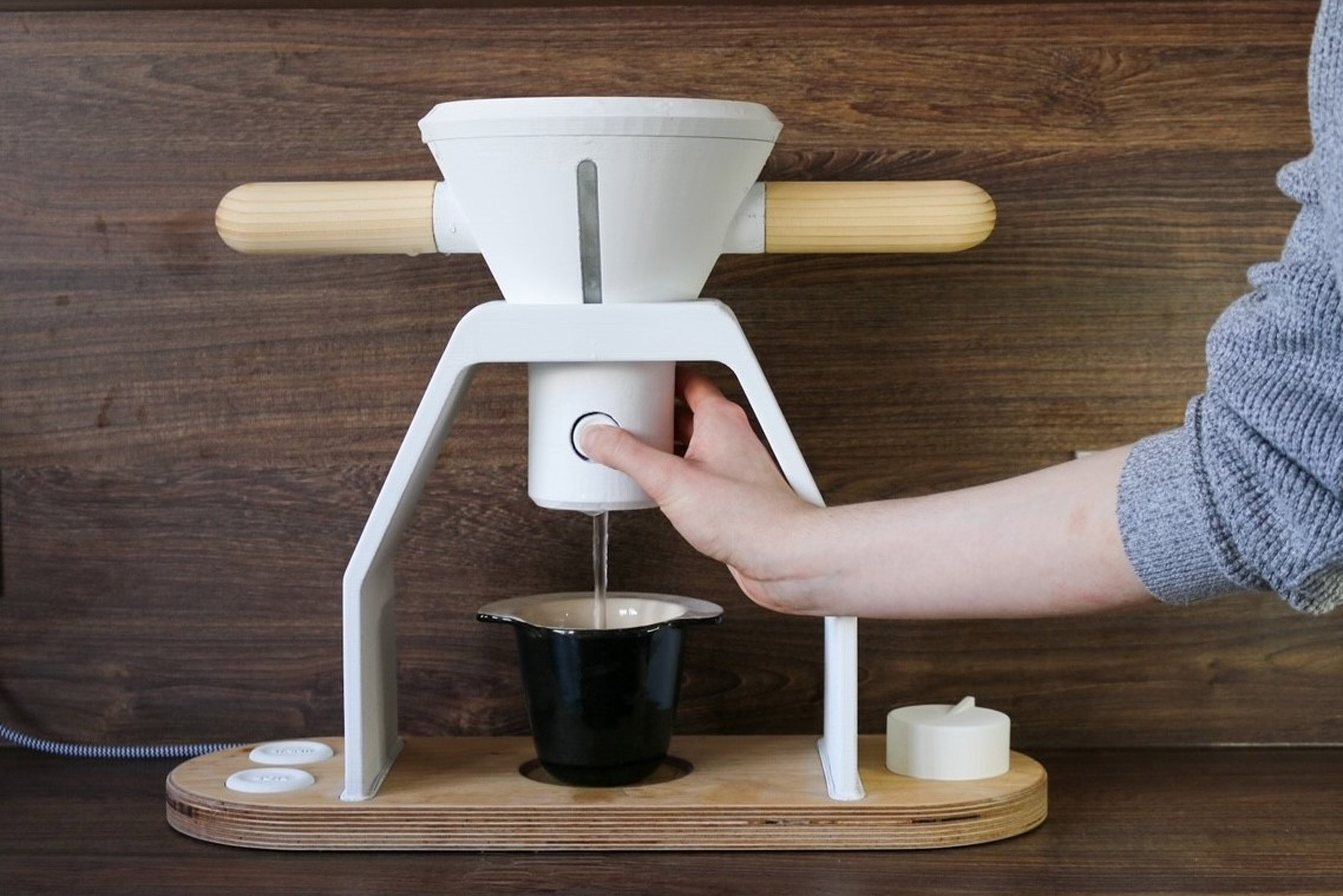
Inclusivitea by Nick Fitzpatrick, winner of the Lakeland: Lakeland Home Design Award

"Over the last year, Nick Fitzpatrick realised how difficult kettles could be to use for a wide variety of people, especially elderly people, people with visual impairments and reduced strength or dexterity.

"This project highlights the two core functionality problems to fix – the filling and pouring of kettles. Fitzpatrick has created an exciting, innovative and inclusive kettle that would not only remove obstacles for people without drawing attention to their disability but create something that provided a better user experience for everyone."

Student: Nick Fitzpatrick
University:
Duncan of Jordanstone College of Art and Design
Course: Product Design
Award: Lakeland: Lakeland Home Design Award

New Designers

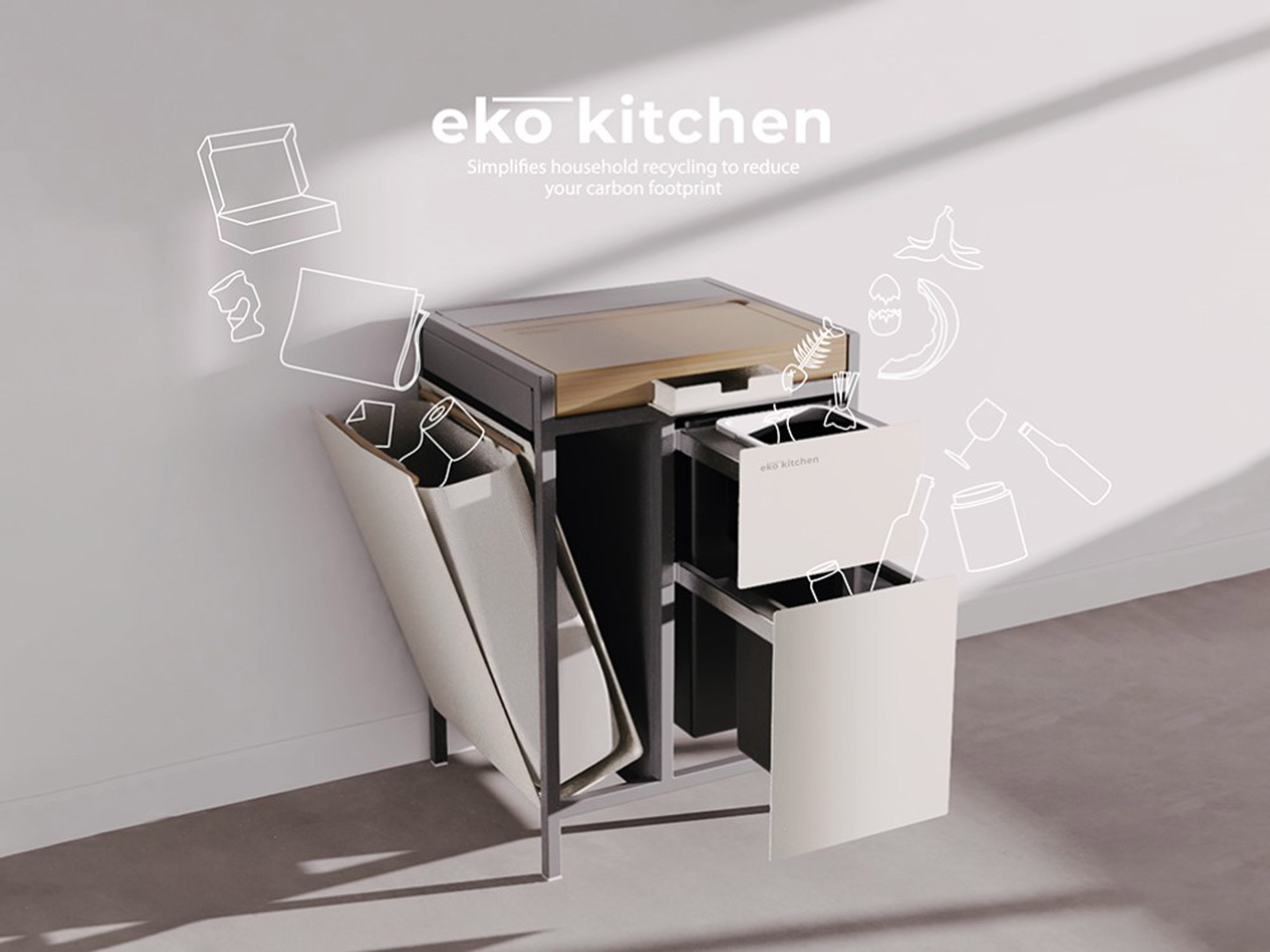
Eko Kitchen by Matthew Shepherd, winner of the Kenwood: Kenwood Appliances Award

"Matthew Shepherd's research into recycling food waste led him to create a stand-alone butcher's block/kitchen unit. Contained within it are recycling bins and a place to store waste wrappers, whilst decluttering the kitchen by centralising all the bins."

Student: Matthew Shepherd
University:
Edinburgh Napier University
Course:
Product Design
Award: 
Kenwood – Kenwood Appliances Award

New Designers

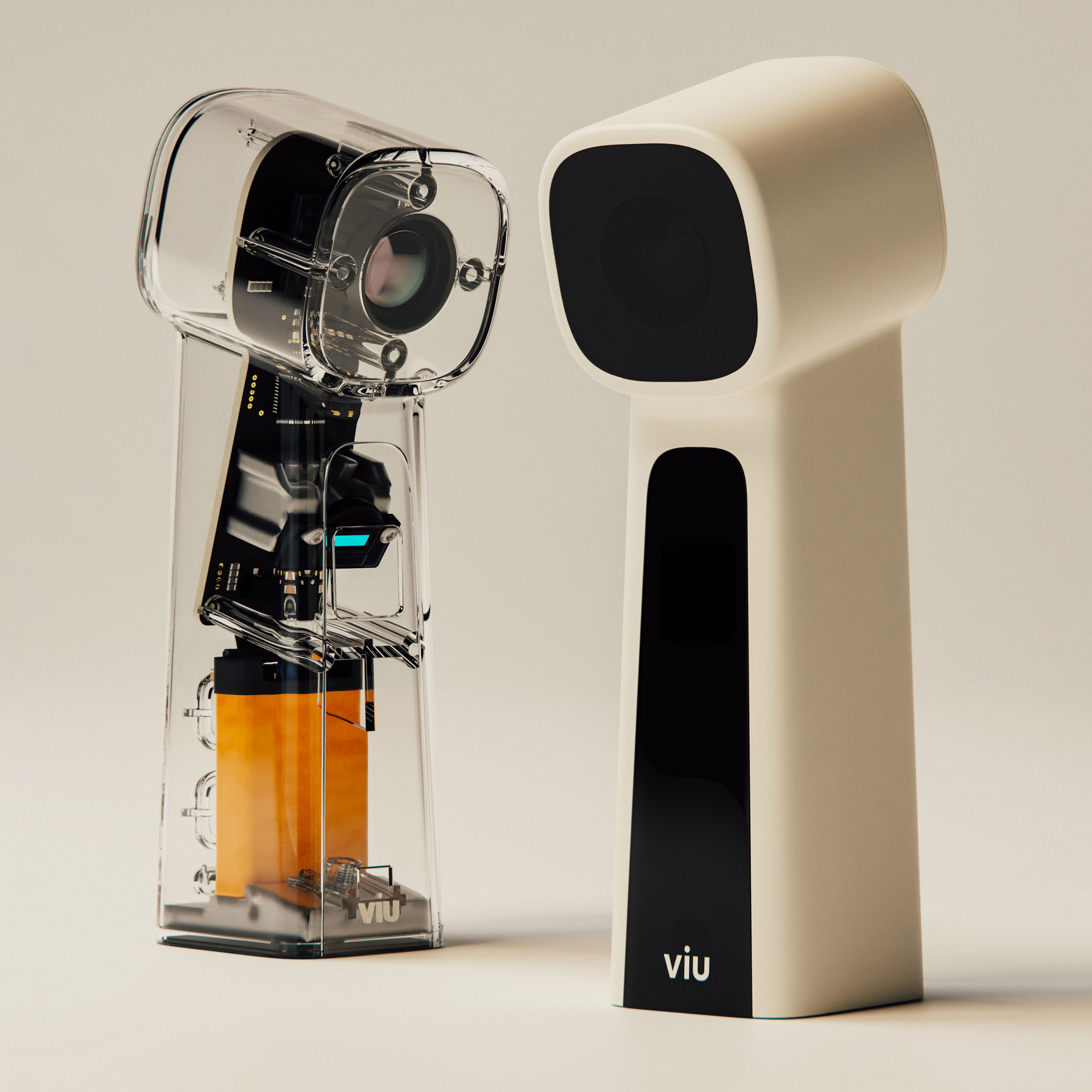
Viu by Alex D'Souza, winner of Joseph Joseph: Brilliantly Useful Design Award

"Viu is a webcam that offers a completely new way to communicate over online video, transforming any flat physical surface into a shareable platform.

"The webcam utilises image geometry correction to warp flat surfaces in view to appear as if the camera is placed directly above the surface, all in an aesthetically pleasing yet highly compact form that will fit under most computer monitors.

"The all-in-one solution fits seamlessly into users existing work-from-home setup, transforming their online communication capabilities."

Student: Alex D'Souza
University:
Brunel University London
Course: Product Design Engineering BSc
Award: Joseph Joseph – Brilliantly Useful Design Award

New Designers

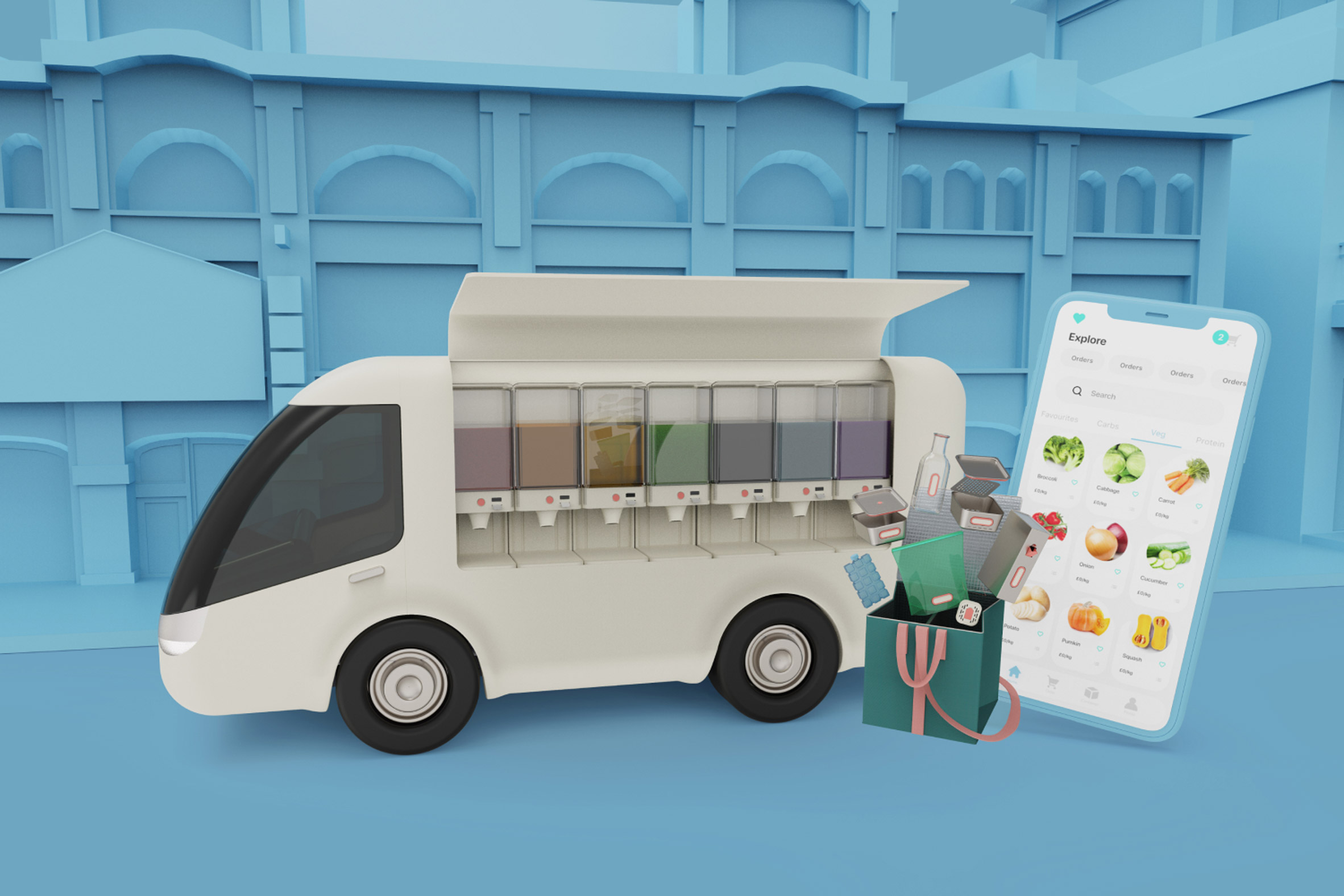
Reverse – A Package-free Grocery Delivery Service by Samantha Tung, winner of the DCA Design: DCA Packaging Futures Award

"Reverse is a plastic-free grocery delivery service for time-starved parents and young professionals who want to reduce their plastic usage but have limited time to engage with conventional options and want value for money.

"The all-in-one service is designed to maximise customer's convenience, product types and efficiency and the reusable containers keep food fresh for longer, with trackers on them to enable a scalable system."

Student: Samantha Tung
University:
Loughborough University
Course:
BSc User Centred
Award:
DCA Design – DCA Packaging Futures Award

New Designers

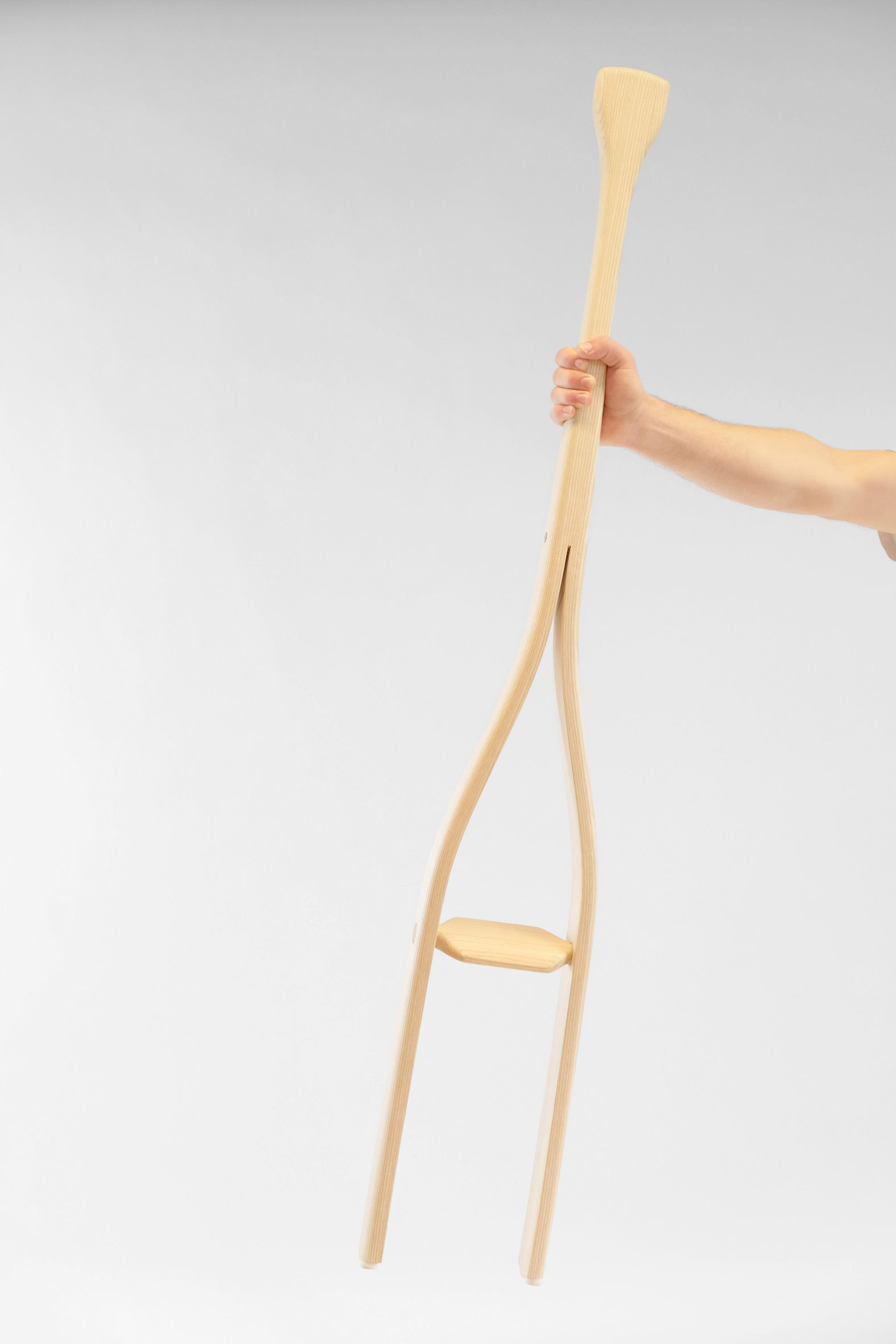
One Step Ladder by Cameron Rowley, winner of The Conran Shop and The Marandi Foundation: Designer of the Future Award

"The One Step Ladder was born out of an observation that when using step stools and ladders around the house, it is usually for a brief moment and with only one step.

"This object aims to facilitate that behaviour while maintaining a small footprint. Intended as a domestic tool, the ladder borrows features from utilitarian objects such as gardening implements."

Student: Cameron Rowley
University:
Kingston University
Course:
Product and Furniture Design
Award: 
The Conran Shop and The Marandi Foundation: Designer of the Future Award

New Designers

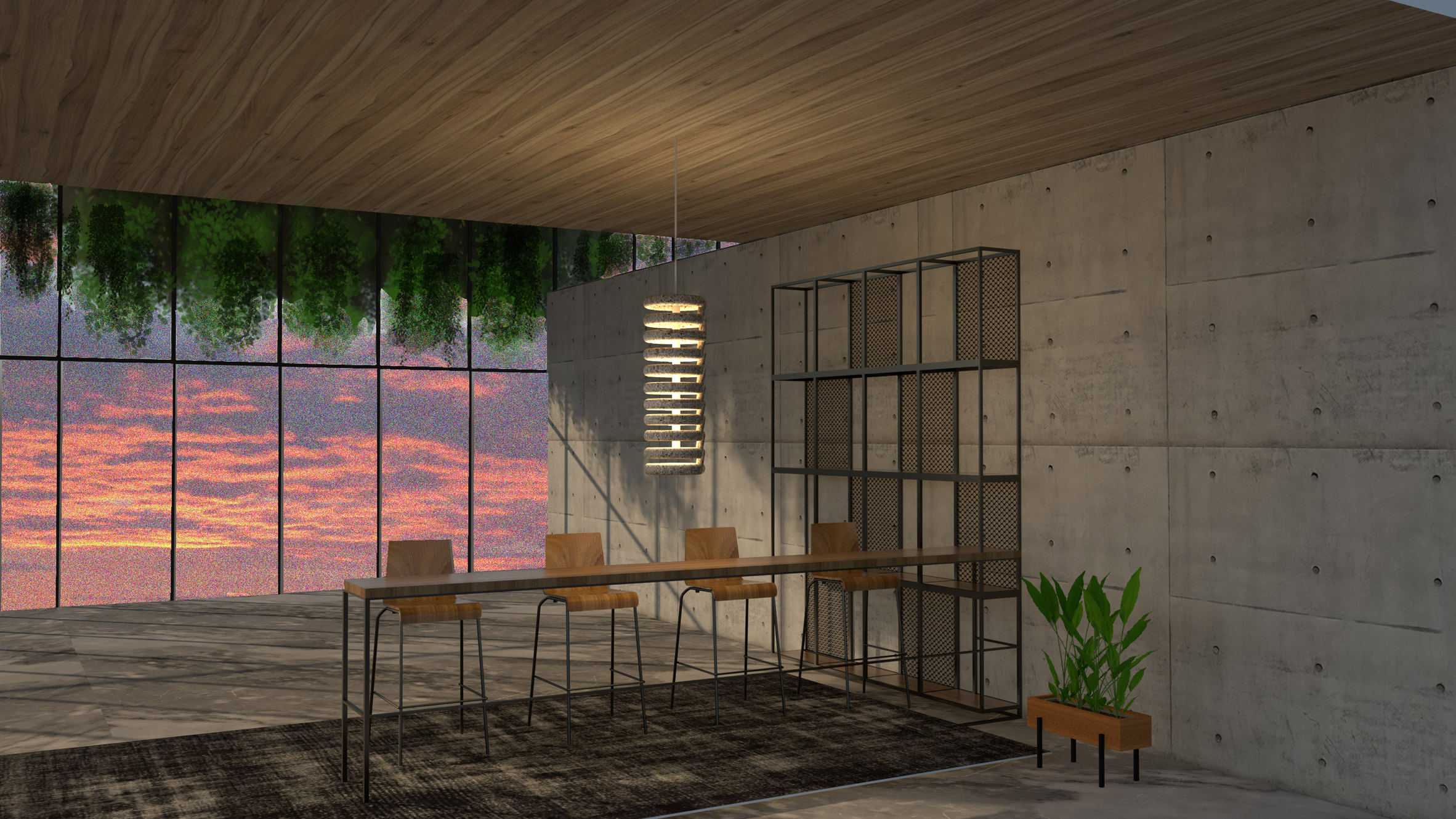
Inhabited Task Light by Billy-Jo Piercem winner of Anglepoise: Anglepoise Abandon Darkness Award

"Inhabited is a lamp centred around reducing the amount of costly waste burdening our landfills and oceans. It is a practical and pleasing design solution made using waste materials.

"Billy-Jo Pierce's goal is for customers to choose their form of waste: such as lint, plastic, paper, dried flowers, wax etc., for their lamp. The materials they choose will create a more personal connection with the object and highlight the importance of respecting the world around us."

Student: Billy-Jo Pierce
University:
The University of the West of England, Bristol
Course:
Interior Design
Award:
Anglepoise: Anglepoise Abandon Darkness Award

New Designers

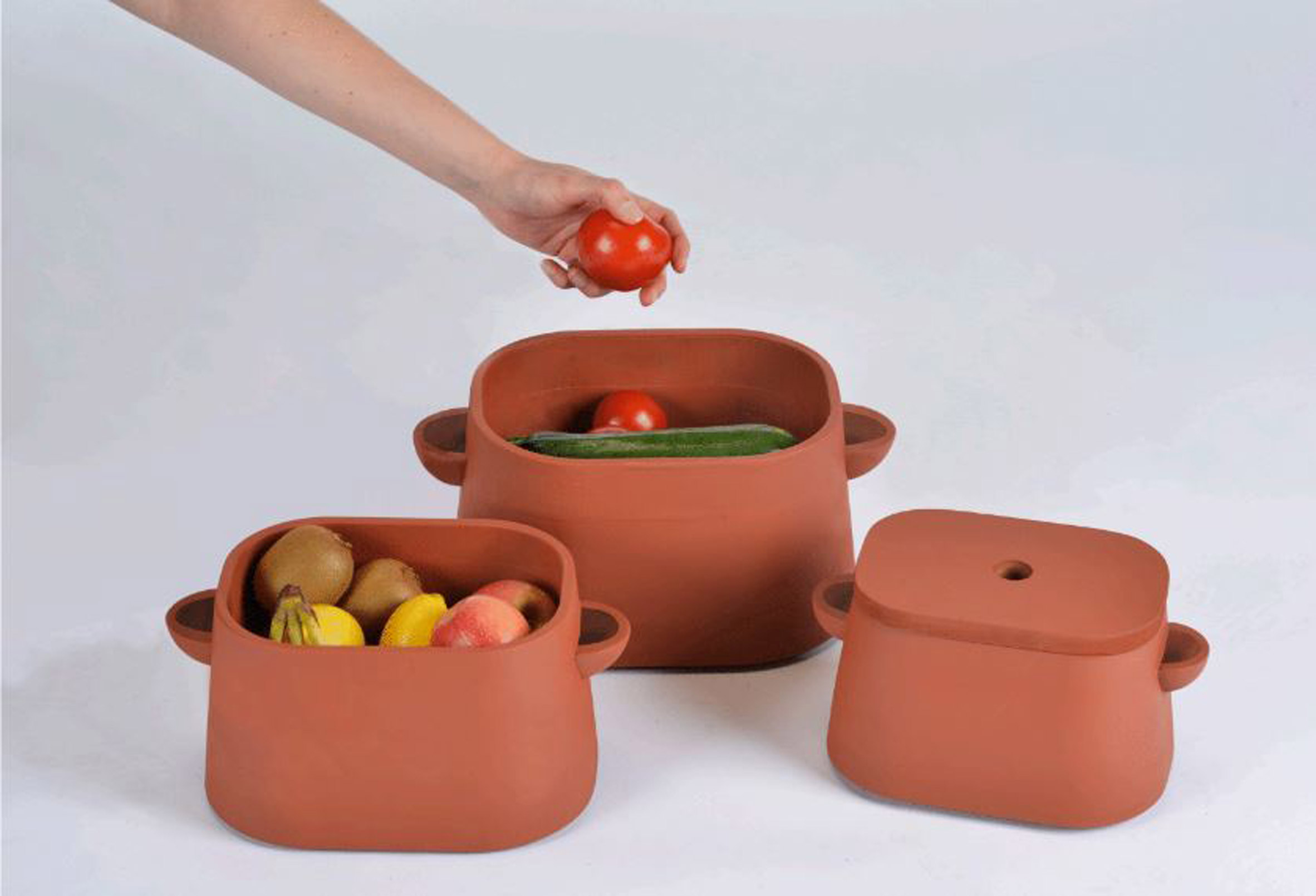
Terracooler by Ellie Perry, winner of John Lewis and Partners: The John Lewis and Partners Award for Design and Innovation: Week 2 Disciplines
"Taking influence from the Zeer pot, an ancient method of cooling that dates back to 3,000BC. The Terracooler is a food storage system designed to replace the need for a fridge.

"The pots are slip cast with a double-wall, allowing the user to pour water through the spouts into the body. The porosity of terracotta draws the water out and the heat from the inner pot. This process can keep the pots at a constant six degrees Celsius. An electricity-free, modern take on an age-old tradition."

Student: Ellie Perry
University:
Kingston University
Course:
Product and Furniture Design
Award:
John Lewis and Partners: The John Lewis and Partners Award for Design and Innovation: Week 2 Disciplines


New Designers

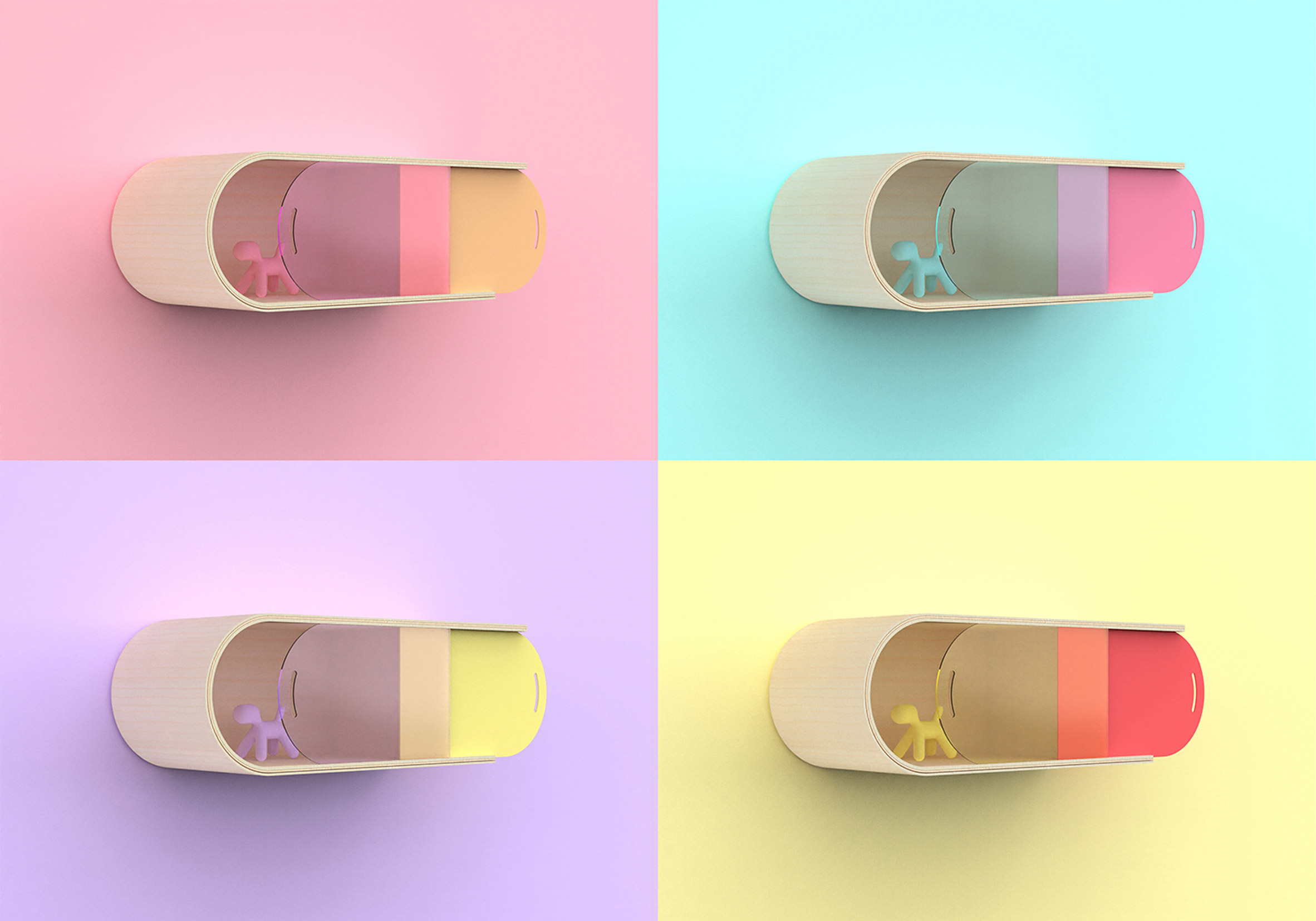
Alegra by Sophie Hickman, winner of the Habitat: The Habitat Future Design Award: Furniture, Product, Industrial and Spatial Design award"

"Alegra is a plywood moulded wall shelf, which utilises colour to enhance people's mood and mental health. The shelf features interchangeable opaque and transparent coloured acrylic sliding doors overlapping and merging to create different shades of colour.

"The combination of transparent and opaque acrylic provides privacy in some areas, whilst also allowing parts of the shelf to be exposed."

Student: Sophie Hickman
University:
Birmingham City University
Course:
Product and Furniture Design
Award:
Habitat: The Habitat Future Design Award: Furniture, Product, Industrial and Spatial Design

New Designers

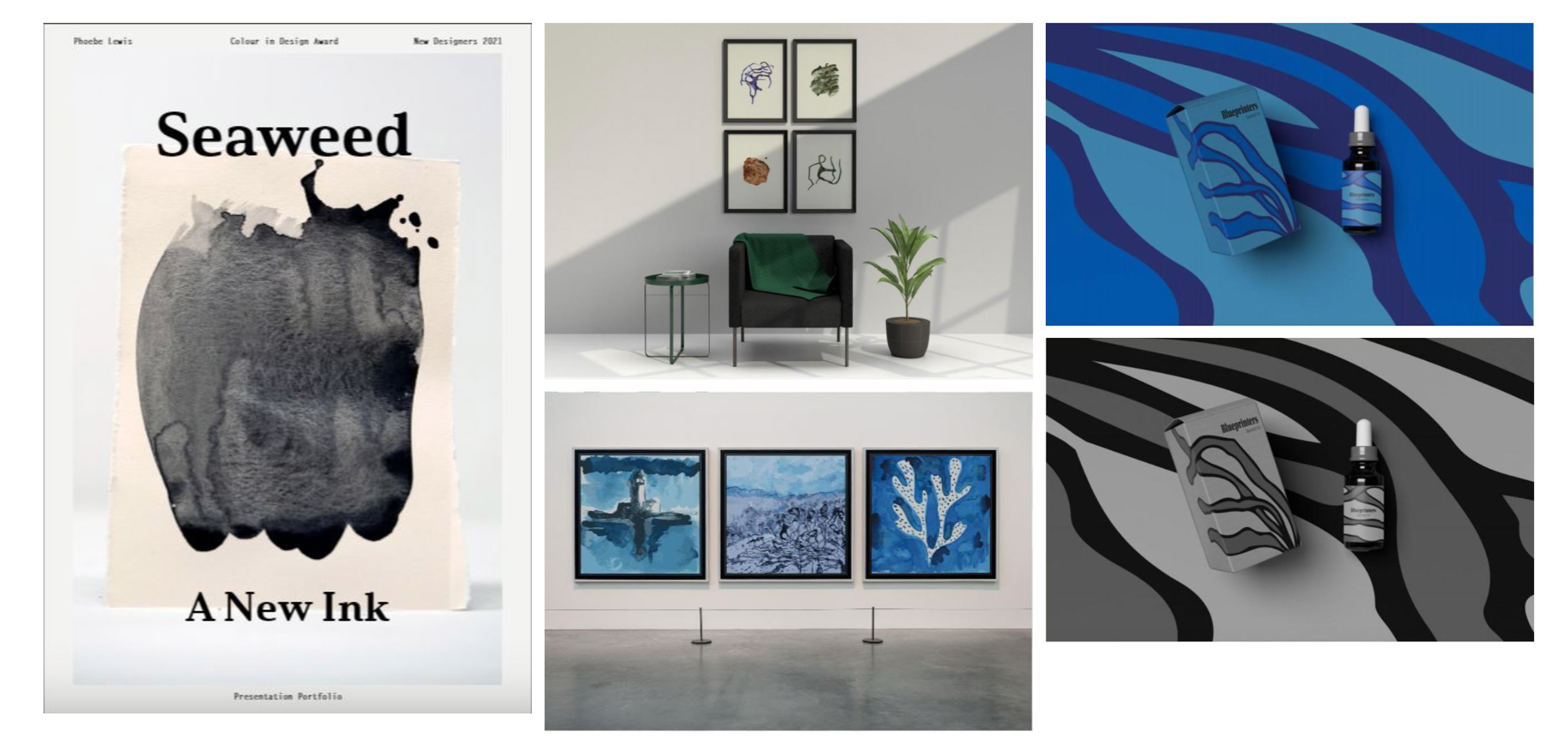
Seaweed - A New Ink by Phoebe Lewis, winner of the Colour In Design Award: Week 2 Disciplines

"This project investigates the material potential of seaweed, in particular its pigments. It explored how these products can be integrated into society to support the stability of coastal communities.

"This collection aims to evoke the memories of visiting the coast through packaging, the quality of the product within, and its story. It utilises both raw seaweed and its waste products to provide a colour palette like no other."

Student: Phoebe Lewis
University:
Northumbria University
Course:
Design for Industry
Award:
 Colour In Design Award: Week 2 Disciplines

New Designers

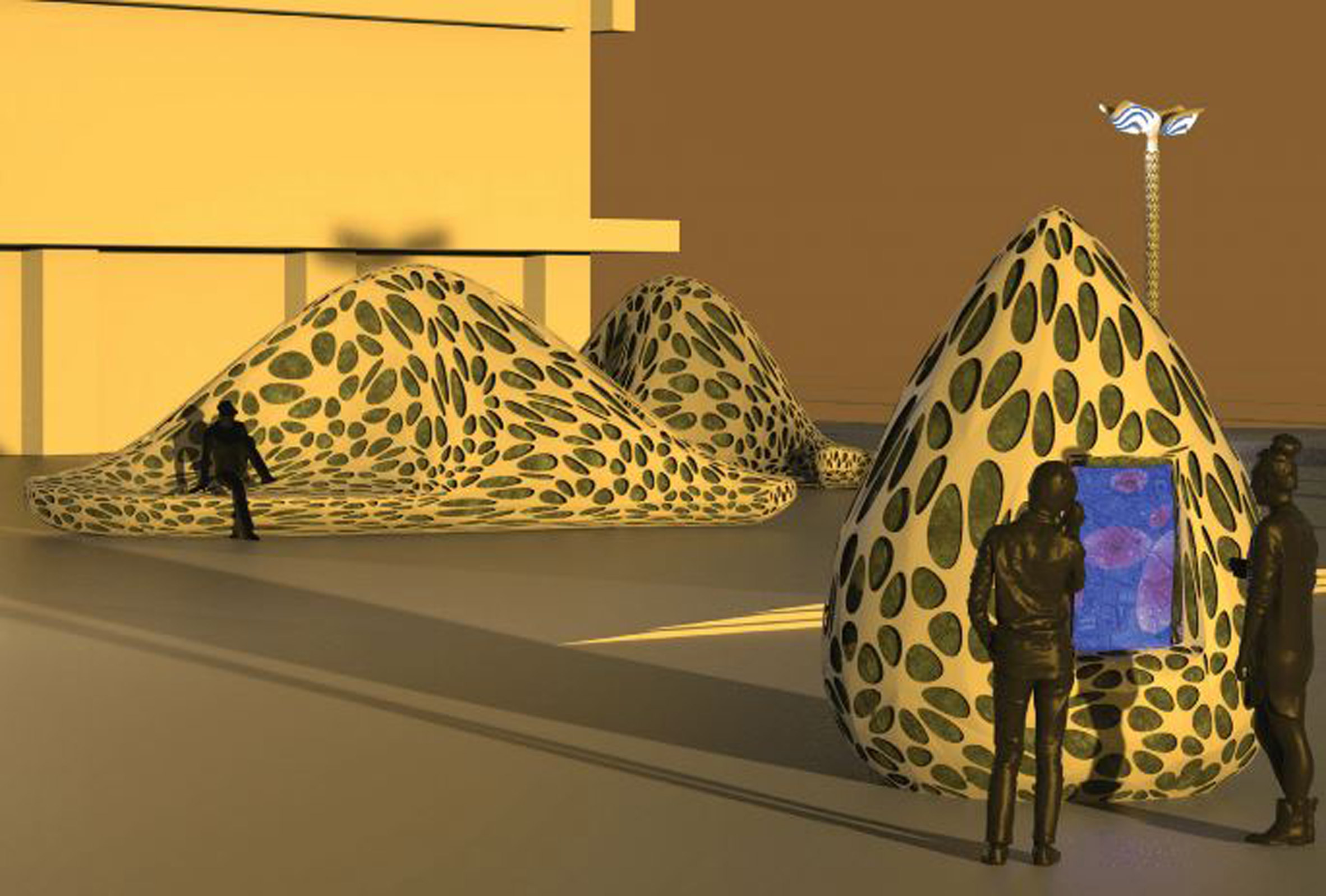
The Green Reset Project by Dominik Bondicov, winner of the Creative Conscience: Creative Conscience Environmental Design Award

"The Green Reset Project aims to bring the 51 billion tons of greenhouse gas emissions that currently are released into the atmosphere annually down to zero. This project brings a new approach to emissions reduction by capturing carbon at the source.

"It is changing its structure and storing it efficiently while creating value from it. If a project like this is scaled to a certain degree, it could solve our global emissions problem within a decade."

Student: Dominik Bondicov
University: Birmingham City University
Course:
Product and Furniture Design
Award:
Creative Conscience: Creative Conscience Environmental Design Award


New Designers

BYAS by Lloyd Potter, winner of Creative Conscience: Creative Consience Social Impact Design Award

"BAME males are the worst affected from internal discrimination, being 81 per cent more likely to be sent to prison for an offence than white males. BYAS is an augmented reality system for judges and juries during a trial.

"The headset utilises body tracking technology and projects gender-neutral avatars over the top of the participants involved in the trail, thus removing any preconceived beliefs about the individuals.

"AI adjusts the frequency of voices to a gender-neutral tone, and neutral alternatives replace gender-specific pronouns. With this system in place, we can be confident that the way we treat people in the criminal justice system is entirely equal, and individuals will receive a fairer trial."

Student: Lloyd Potter
University:
Loughborough University
Course:
Industrial Design and Technology
Award:
Creative Conscience: Creative Conscience Social Impact Design Award


Partnership content

This school show is a partnership between Dezeen and the New Designers. Find out more about Dezeen partnership content here.

The post New Designers present 12 awarding winning student projects appeared first on Dezeen.


from Dezeen https://ift.tt/3xsGi4s
Thursday, 8 July 2021

The Butterfly Effect is a bridge to help insects cross the road

The Butterfly Effect

VenhoevenCS, DS Landschapsarchitecten and Studio Solarix have designed the Butterfly Effect, a proposal to stretch a treetop-level web over a Dutch motorway to provide insects with cleaner air above roads.

Currently a conceptual design, the project is a proposal for the Our Energy Our Landscape design challenge organised by Kunstloc Brabant, a cultural programme in the Netherlands' North Brabant province.

The Butterfly Effect is in the Netherlands
The studios have released renderings of the proposal

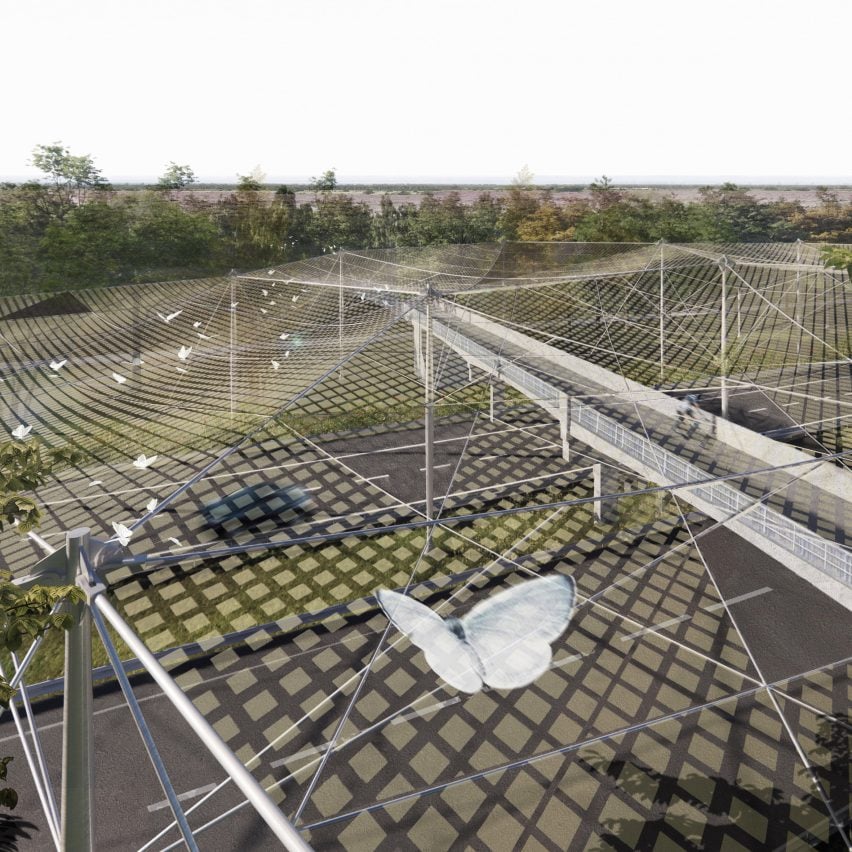
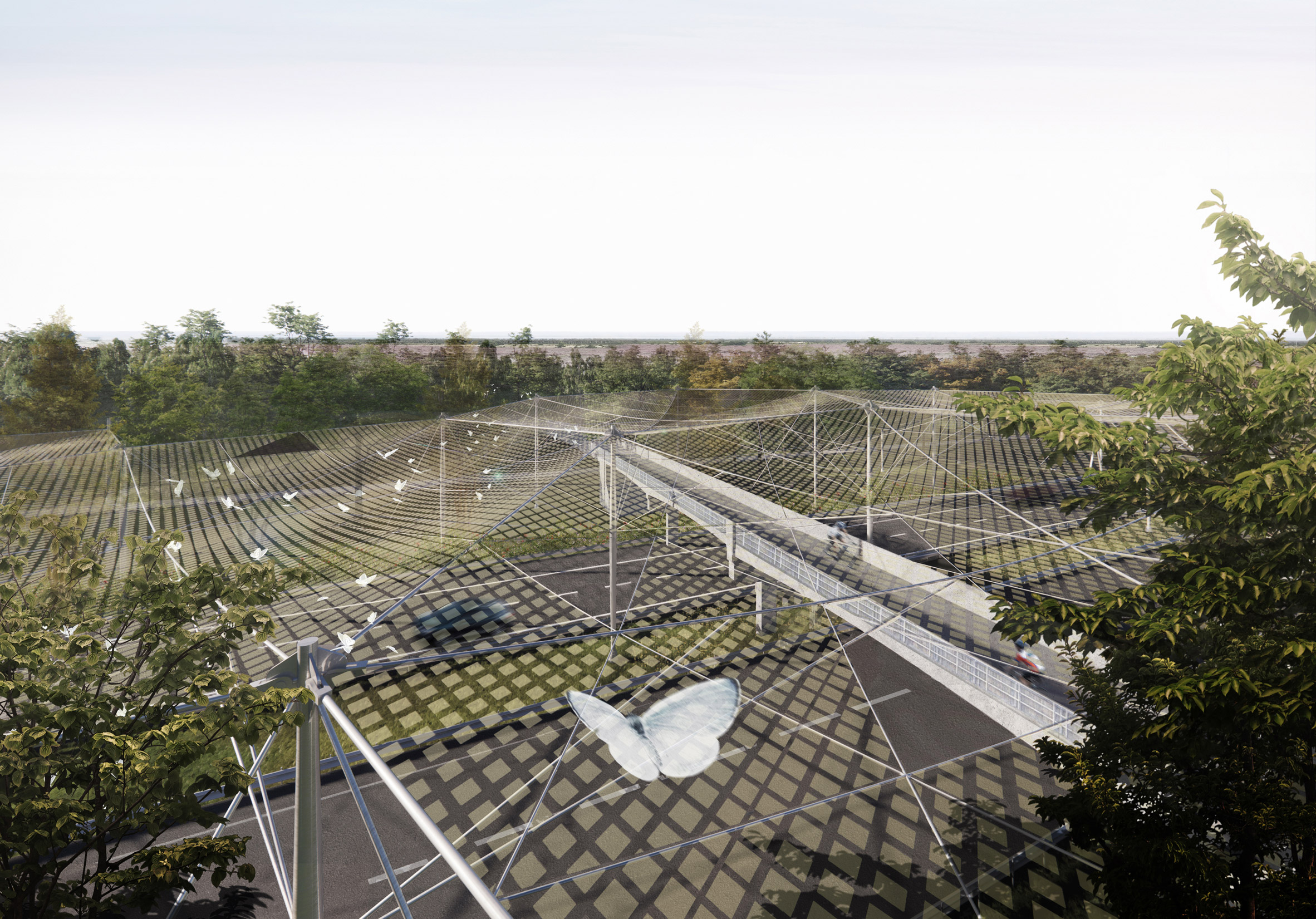
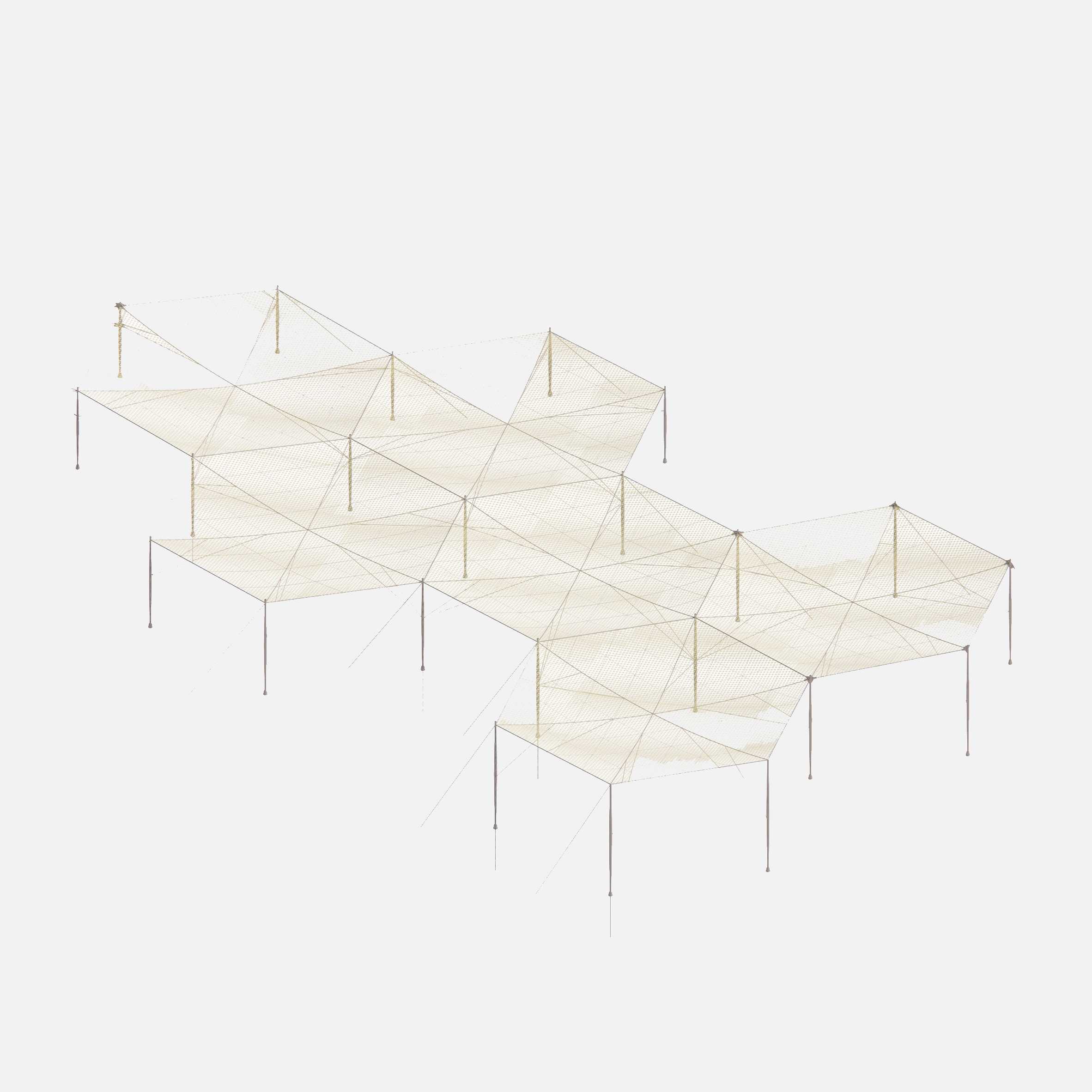
Dutch design studio VenhoevenCS collaborated with landscape architecture agency DS Landschapsarchitecten and solar energy firm Studio Solarix to imagine a membrane of solar panels that could span a road.

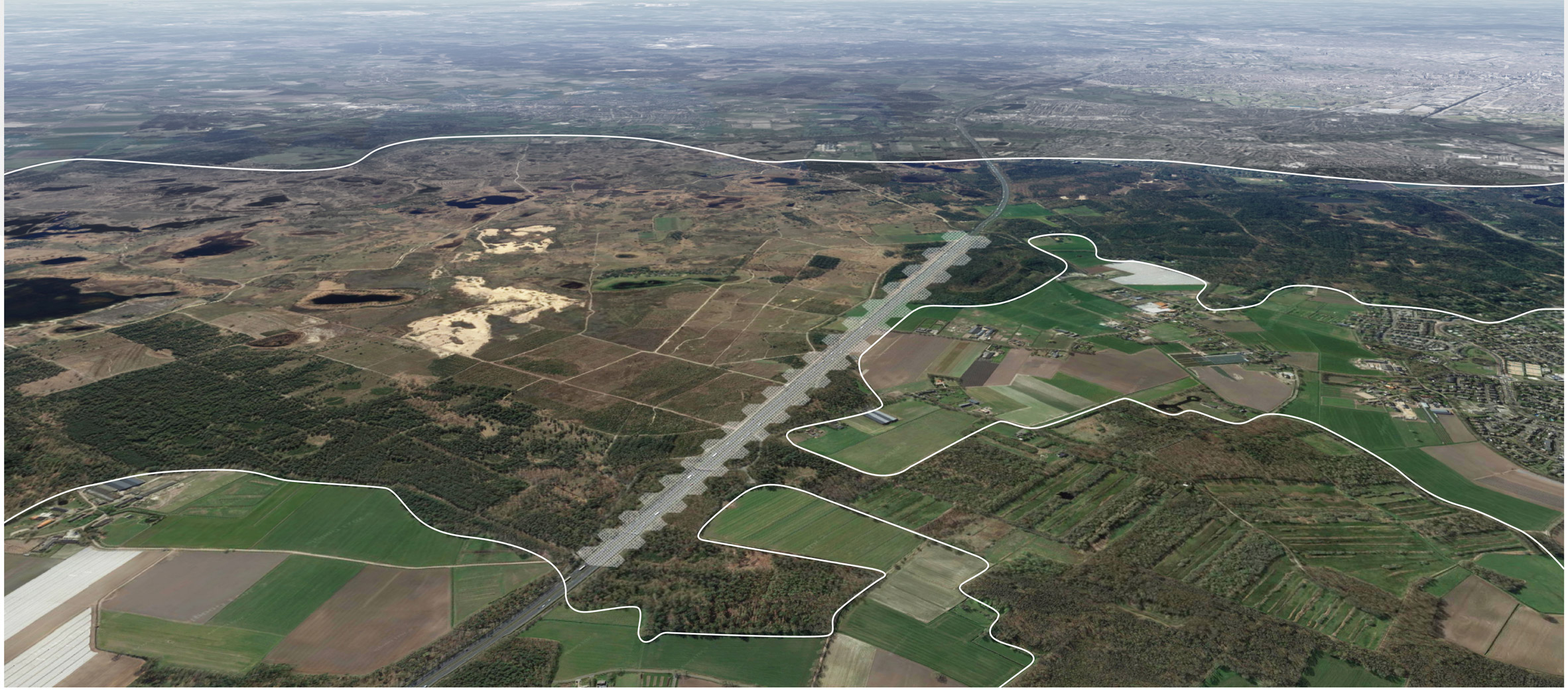
Called the Butterfly Effect, the web could be suspended across the A67 motorway on the Strabrechtse Heide, a natural heathland area in North Brabant, although its inventors said the concept could be replicated anywhere.

The project is to promote insect pollination
A web would be suspended across the motorway

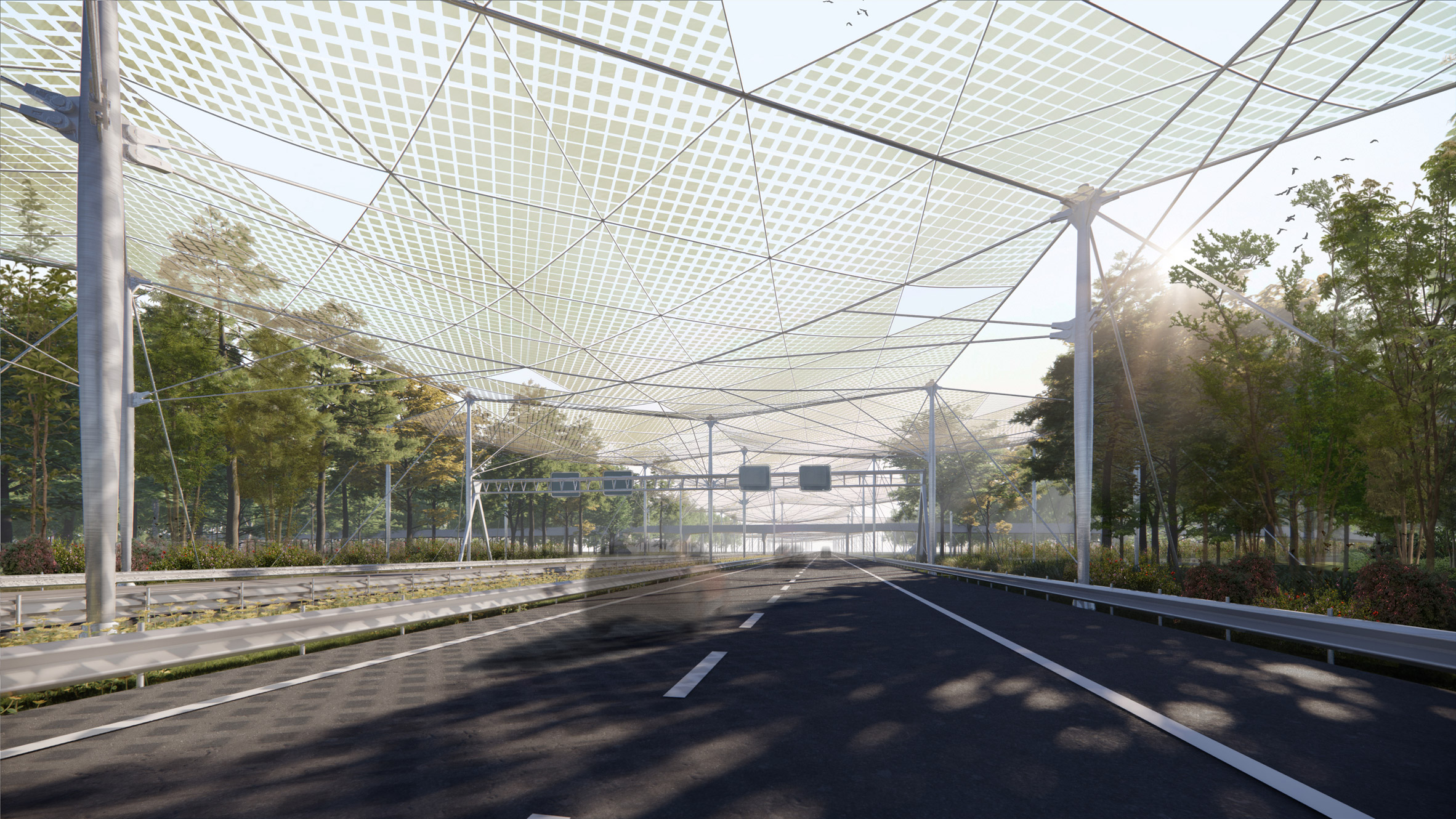
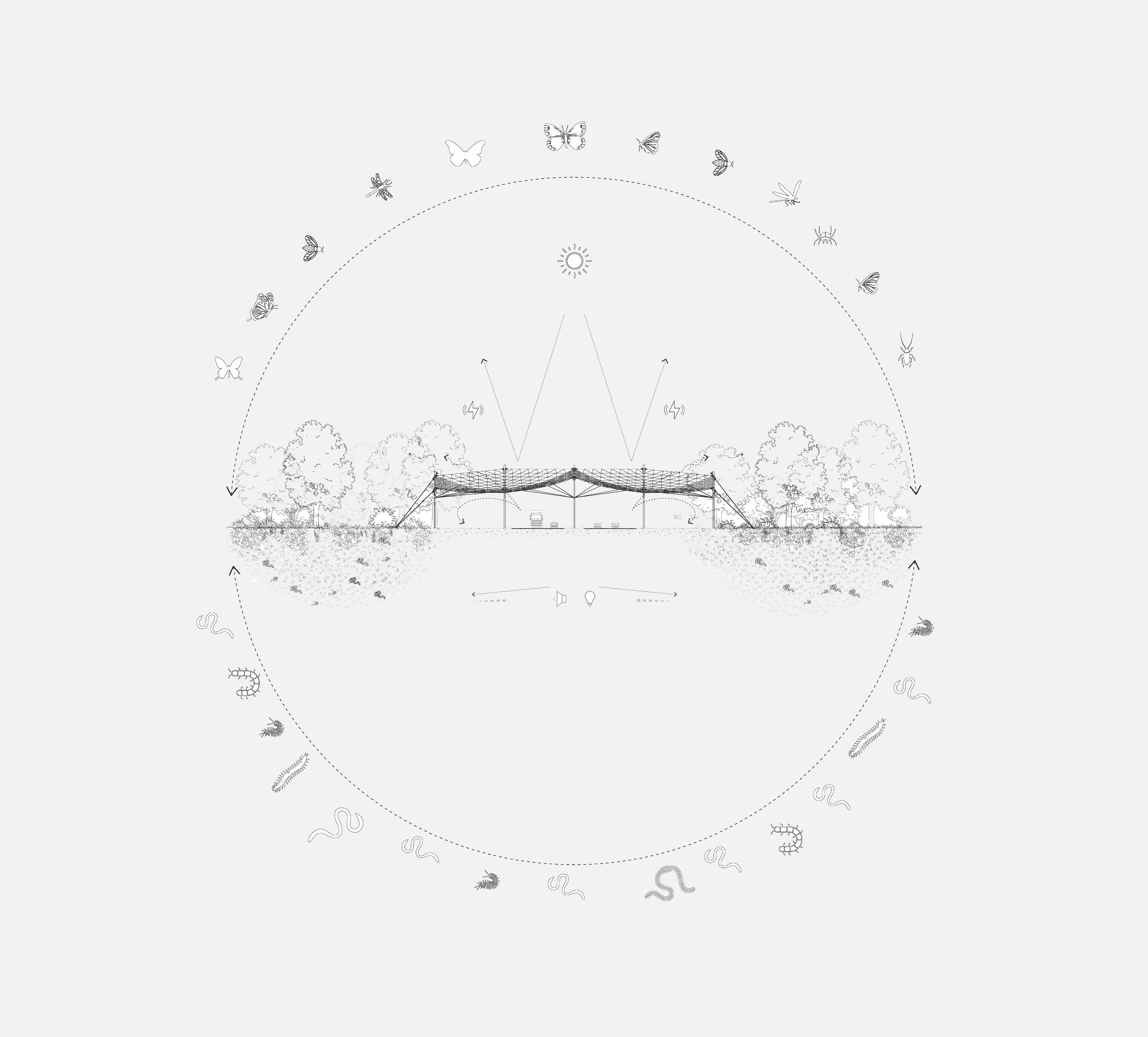
Connected to trees on each side by steel columns, the web would stretch across the motorway and provide clearer air space for insects to cross the road above the traffic below.

"A motorway forms a huge barrier for many insects as the vortexes and currents in the air caused by traffic are deadly to them," VenhoevenCS architect and director Cécilia Gross told Dezeen.

"Research has shown that many insects, such as the Alcon Blue butterfly, only dare to cross the motorway when there is a traffic jam and the air is still," she added.

The solar-panelled web
Shadows formed by the web's hexagonal structure would produce a unique driving experience

According to VenhoevenCS, 85 per cent of the world's food is dependent on insect pollination.

The Butterfly Effect would reduce the disruptive air currents produced by cars and encourage insects to travel across the road and pollinate plants.

Made up of hexagonal photovoltaic modules, the web's design is informed by a bee's honeycomb and would create a large surface area of solar panels that could convert sunlight into energy.

The designers expect that the technology for translucent photovoltaic surfaces will soon be available.

"The first generation of these energy-generating surfaces will consist of a thin translucent photovoltaic membrane," said Gross.

"Looking ahead we expect that developments mean that the next generation of these surfaces could see them being created from textiles, given the textile industry is already working on energy-generating fibres."

The Butterfly Effect
The web could stretch in every direction

Pollution would also be decreased as the nitrogen and particulates released by traffic would remain in the roadside woodland and act as a fertilizer for the soil.

This enriched soil would encourage further tree and vegetation growth, leading to a quieter motorway with noise reduced by dense woodland.

Biodiversity caused by the web
The bridge would encourage biodiversity

Gross explained that the Butterfly Effect's hexagonal structure means that the web could grow in any direction and could become a wider tool in urban landscapes such as above railways.

"It could be used as a blueprint in places where there is noise pollution, a lot of particulate matter or a high energy demand," said Gross.

"It will become a symbol of the type of energy generation that should be a priority, something that gives a helping hand to small ecosystems and in doing so contributes to a large-scale approach to climate change and biodiversity loss."

The Butterfly Effect could be replicated anywhere
The project could be replicated above vast expanses of space

VenhoevenCS is a Dutch design office founded by Ton Venhoeven in 1995 with a focus on sustainable architecture. The firm recently revealed designs for a timber aquatic centre for the Paris 2024 Olympics.

DS Landschapsarchitecten is an Amsterdam-based architecture and urban planning company. Studio Solarix is a solar energy company, also based in the Dutch capital.

Other sustainable architecture includes a university building in Georgia, America, topped by a giant photovoltaic canopy.

The renderings are courtesy of VenhoevenCS, DS Landschaparchitecten and Studio Solarix.

The post The Butterfly Effect is a bridge to help insects cross the road appeared first on Dezeen.


from Dezeen https://ift.tt/3AFGbo9

Hyundai's claim of flying cars by 2030 features in today's Dezeen Weekly newsletter

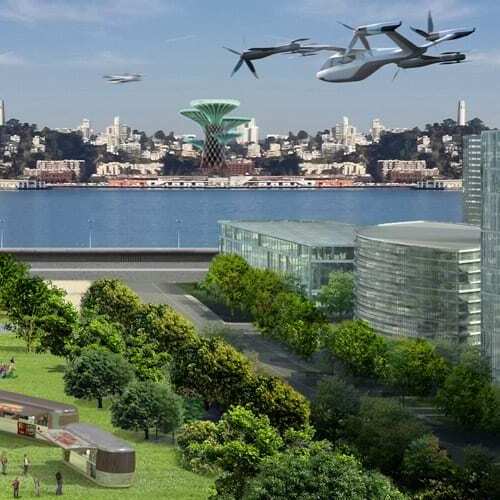
The latest edition of our Dezeen Weekly newsletter features the chief executive for operations at Hyundai, Michael Cole, who says that flying cars will be in our cities "by the latter part of this decade".

South Korean automaker Hyundai, which is developing a flying taxi with Uber, expects electric flying cars to be seen in cities before the end of the decade.

Cole told the Society of Motor Manufacturers and Traders conference that, "urban air mobility will offer great opportunity to free up congestion in cities, to help with emissions, whether that's intra-city mobility in the air or whether it's even between cities".

Readers aren't convinced. One asked: "What could go wrong?"

Reschio estate in the summer
Bolza family turns 1,000-year-old Italian castle into Hotel Castello di Reschio

Other stories in this week's newsletter include the restoration of a 10th-century castle, a concrete art pavilion in South Korea that will be used to display sculptures by Álvaro Siza, and our pick of ten Scandi-style living rooms that play with textures and showcase natural materials.

Subscribe to Dezeen Weekly

Dezeen Weekly is a curated newsletter that is sent every Thursday, containing highlights from Dezeen. Dezeen Weekly subscribers will also receive occasional updates about events, competitions and breaking news.

Read the latest edition of Dezeen Weekly. You can also subscribe to Dezeen Daily, our daily bulletin that contains every story published in the preceding 24 hours.

Subscribe to Dezeen Weekly ›

The post Hyundai's claim of flying cars by 2030 features in today's Dezeen Weekly newsletter appeared first on Dezeen.


from Dezeen https://ift.tt/3AKgL99