Monday, 12 July 2021

Virtual pavilion seeks projects that showcase zero-carbon architecture at COP26 climate conference

View of the earth from space

The UK Green Building Council is calling for projects and installations that propose solutions to the built environment's carbon emissions in a virtual pavilion that will coincide with November's COP26 climate conference.

Organised by the UK Green Building Council (UKGBC), the COP26 Built Environment Virtual Pavilion will draw attention to the sector, which is responsible for around 40 per cent of carbon emissions but which has been overlooked at previous COP climate conferences.

COP26 pavilion to showcase "playful interventions"

Intended to "give the built environment sector a voice at COP26," the virtual pavilion has been proposed amid concerns that delegates may not be able to attend in person due to the coronavirus pandemic.

"The eyes of the world will be on the host city, Glasgow," organisers wrote in their open call for the pavilion. "Covid-19 travel restrictions may reduce the number of delegates able to attend COP in person."

"To mitigate risk and enable maximum participation in COP26, regardless of the status of the physical conference, an unprecedented coalition of over 100 partner organisations has come together to deliver a digital presence in the form of a Built Environment Virtual Pavilion."

Organisers are looking for "playful interventions" that convey the scale of the sector's emissions and suggest ways to eliminate them. The competition is looking for up to 12 projects to showcase in the pavilion as well as a design for a central installation.

"The open call provides a unique opportunity to showcase how your work is helping to mitigate climate change and the associated issues," said Katie Clemence-Jackson, who chairs the pavilion's working group. "We are looking for projects from around the world, representing a diverse range of scales and typologies."

COP26, or Conference of the Parties, is the 26th annual United Nations Climate Change Conference. It takes place in Glasgow from 1 to 12 November. It was originally due to be held last year but was postponed due to the pandemic.

Theme day to recognise buildings' impact on climate change

For the first time, the conference will feature an official Cities, Regions & Built Environment Theme Day. This will recognise the huge contribution that buildings make to climate change for the first time at a COP conference.

UN climate champion Nigel Topping is keen to engage architects in efforts to reach net-zero emissions since they have a powerful influence over the carbon foorprint of the projects they design.

"Designers and architects making choices to specify circular, low-carbon and innovative materials on their projects can also act as a huge demand signal to industry, product manufacturers and material producers," Topping told Dezeen in an email interview last month.

"We want the built environment to be recognised as a critical sector for unlocking the goals of the Paris Agreement," said Topping, referring to the 2015 agreement that legally binds signatories to action that will limit climate change at 1.5 degrees Celsius or lower.

However, Topping added that architects were "one of the least well-represented businesses in the Race to Zero," referring to the United Nations initiative to get companies to commit to achieving net-zero emissions by 2050.

"By revenue, globally, we don't think that any of the top 50 standalone architectural practices are in the Race to Zero," he said. "We are working hard to change this so that when we reach COP26 we can really show ambition within the sector."

Ahead of COP26, RIBA and Architects Declare will host a Built Environment Summit to alert governments to the need to reduce emissions from the built environment.

COP26 will take place at SEC Centre in Glasgow from 1 to 12 November 2021. The Built Environment Summit will take place at RIBA London from 28 to 29 October 2021.

See Dezeen Events Guide for all the latest information you need to know to attend the event, as well as a list of other architecture and design events taking place around the world.


Carbon revolution logo

Carbon revolution

This article is part of Dezeen's carbon revolution series, which explores how this miracle material could be removed from the atmosphere and put to use on earth. Read all the content at: www.dezeen.com/carbon.

The sky photograph used in the carbon revolution graphic is by Taylor van Riper via Unsplash.

The post Virtual pavilion seeks projects that showcase zero-carbon architecture at COP26 climate conference appeared first on Dezeen.


from Dezeen https://ift.tt/3hTCr9W

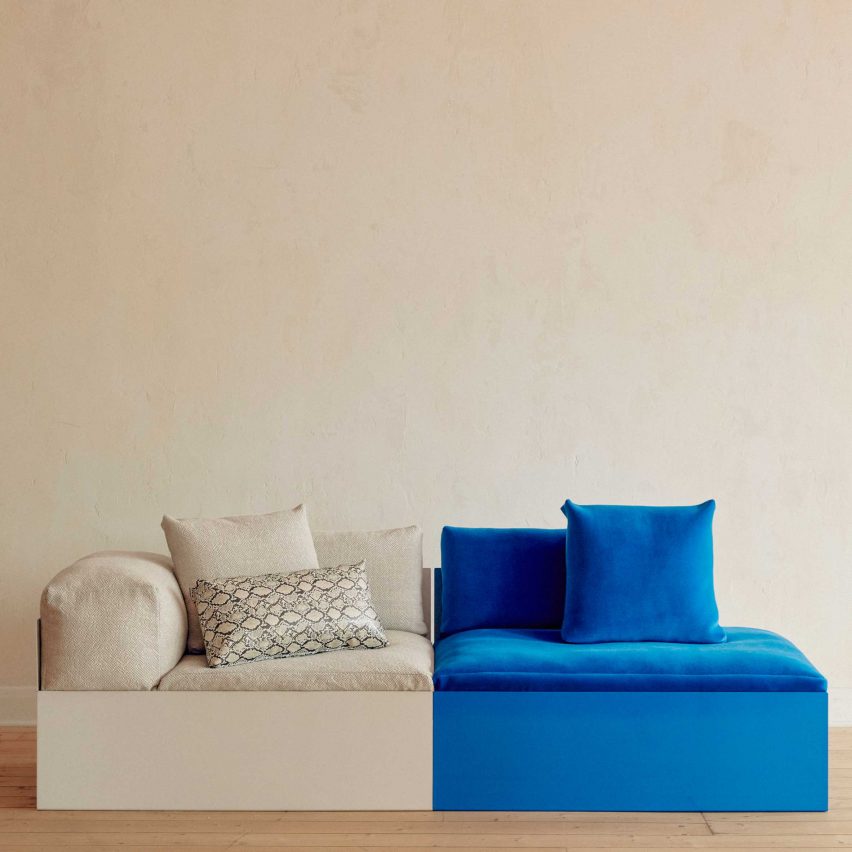
Mello sofa by Steelotto

Mello sofa by Steelotto

Dezeen Showroom: Steel furniture brand Steelotto has made its first foray into upholstered products with the Mello sofa, which plays with the textures of metal and fabric.

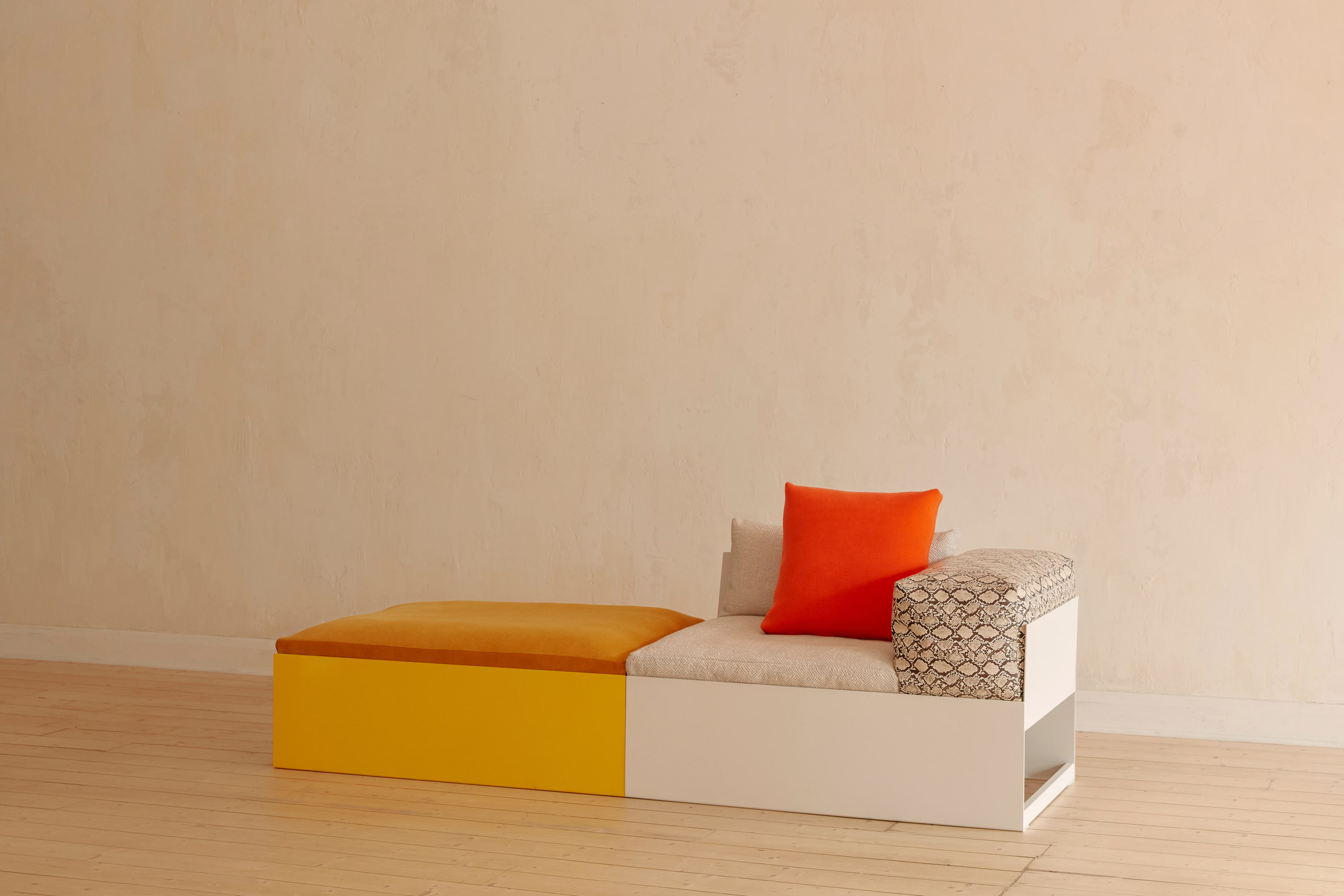
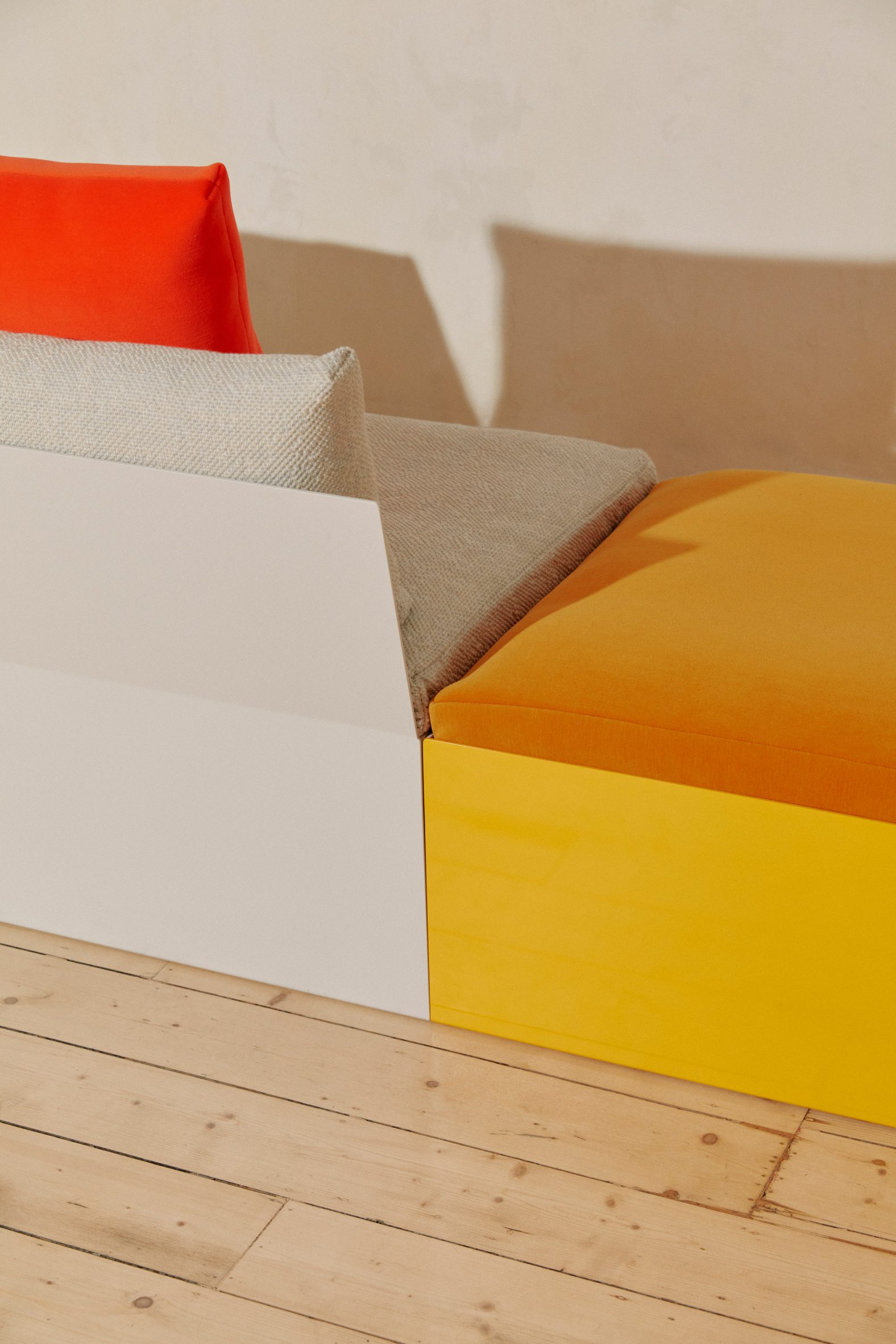
Mello contrasts folded planes of solid Australian steel with the soft and inviting nature of upholstery.

Mello sofa by Steelotto
Mello is a sofa by metal furniture brand Steelotto

With its expertise in metal, Melbourne-based Steelotto gave attention to the frame, an area of the sofa that is usually hidden, to create an atypical design.

"An inside-out approach to manufacturing exposes the voids in traditional sofa construction," the brand explained.

Mello sofa by Steelotto
It contrasts folded metal planes with soft upholstery

Mello is available upholstered in a range of Kvadrat and Febrik fabrics. The steel and aluminium frame can be ordered in matching colours to further put emphasise the interplay of textures.

The product comes fully flat-packed and is easy to assemble and disassemble, enabling repair and recycling. No glue is used in its construction.

Photography is by Tom Ross.

Product: Mello
Brand: Steelotto
Contact: mail@steelotto.com.au

About Dezeen Showroom: Dezeen Showroom offers an affordable space for brands to launch new products and showcase their designers and projects to Dezeen's huge global audience. For more details email showroom@dezeen.com.

Dezeen Showroom is an example of partnership content on Dezeen. Find out more about partnership content here.

The post Mello sofa by Steelotto appeared first on Dezeen.


from Dezeen https://ift.tt/3yMZjij

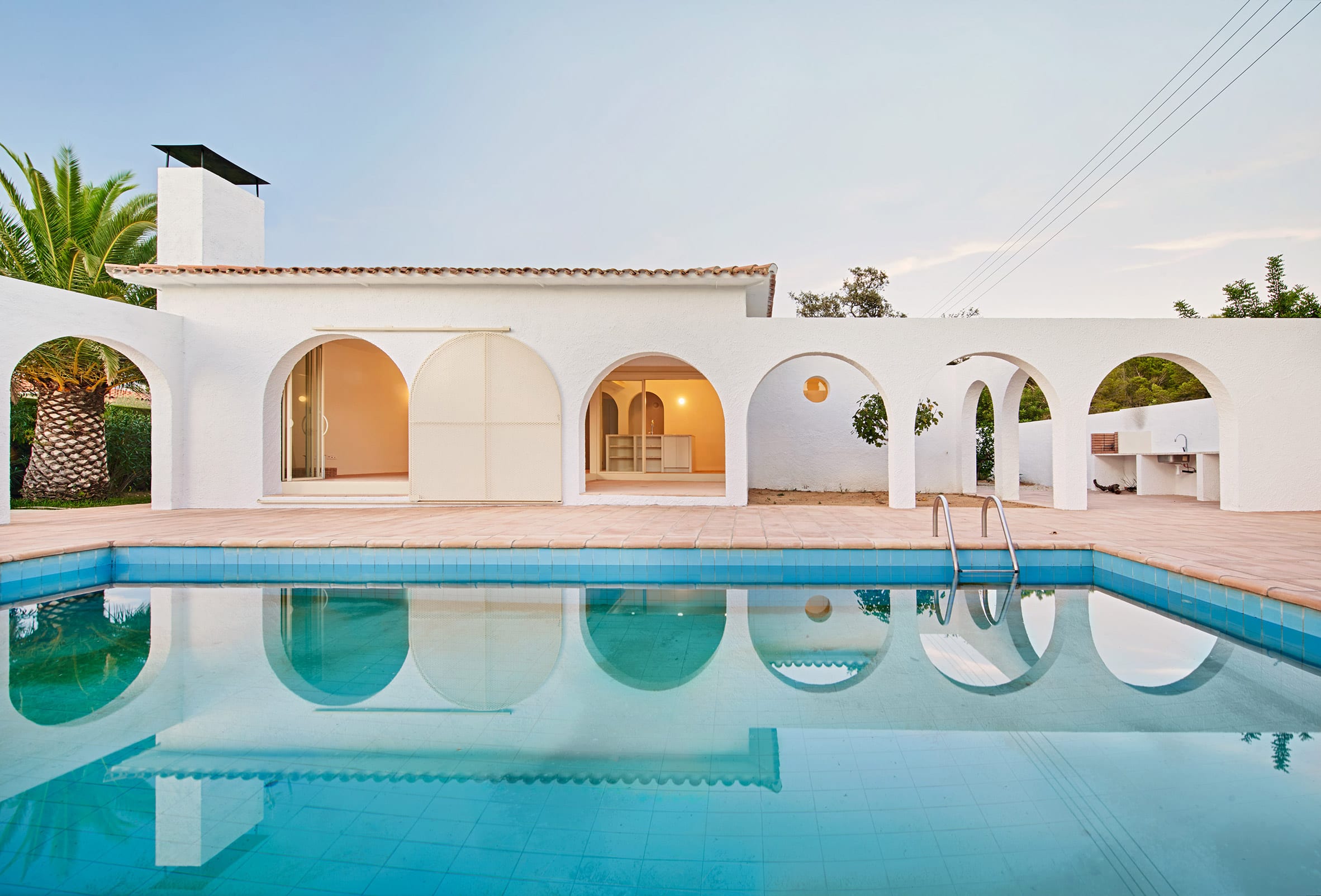
Arched openings connect indoor and outdoor spaces in 1960s Spanish holiday home

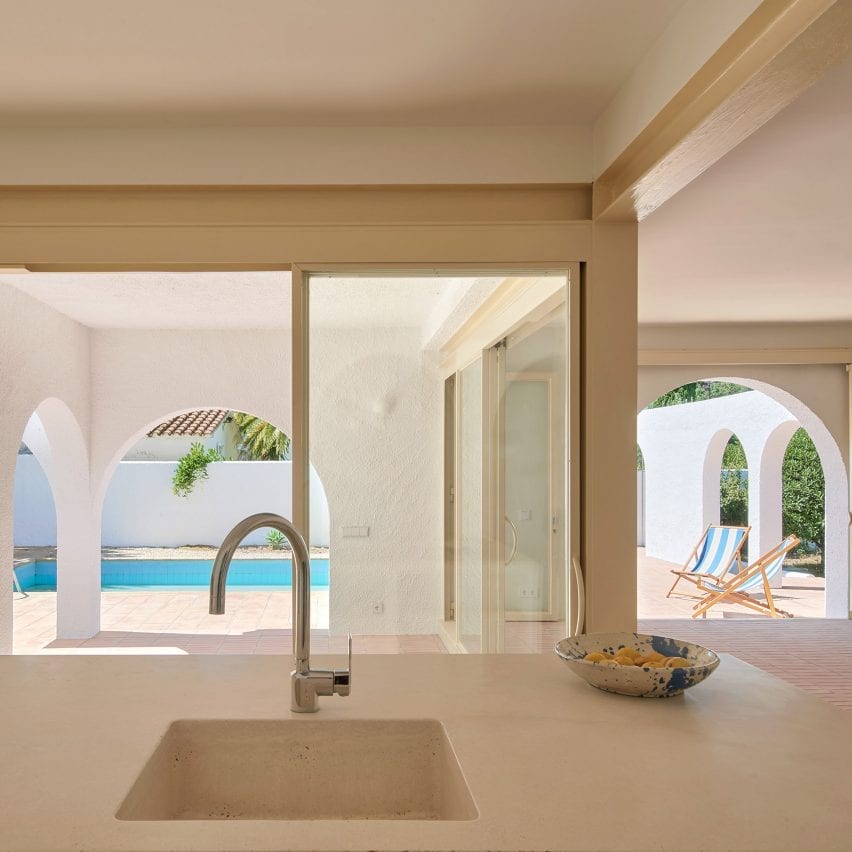
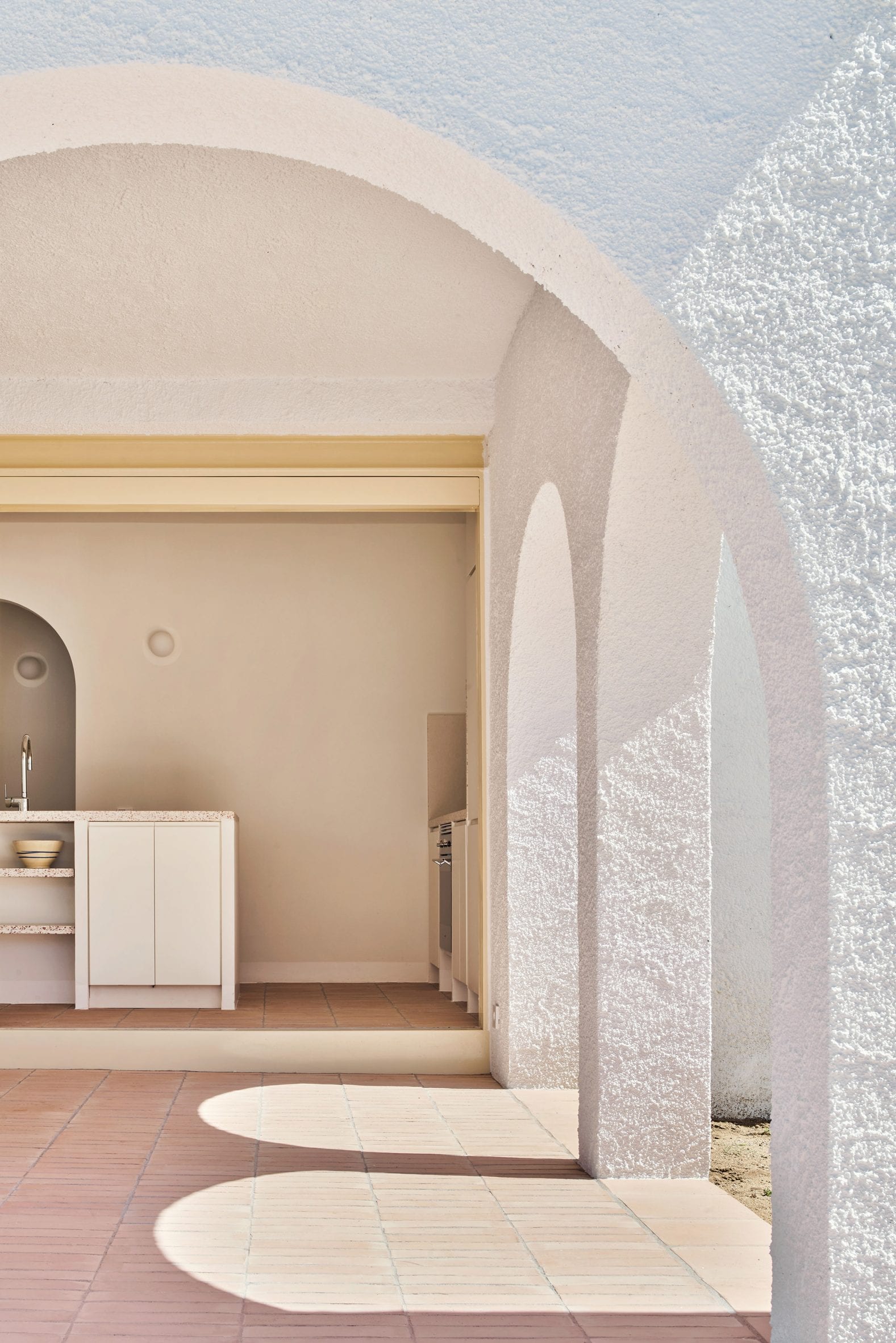
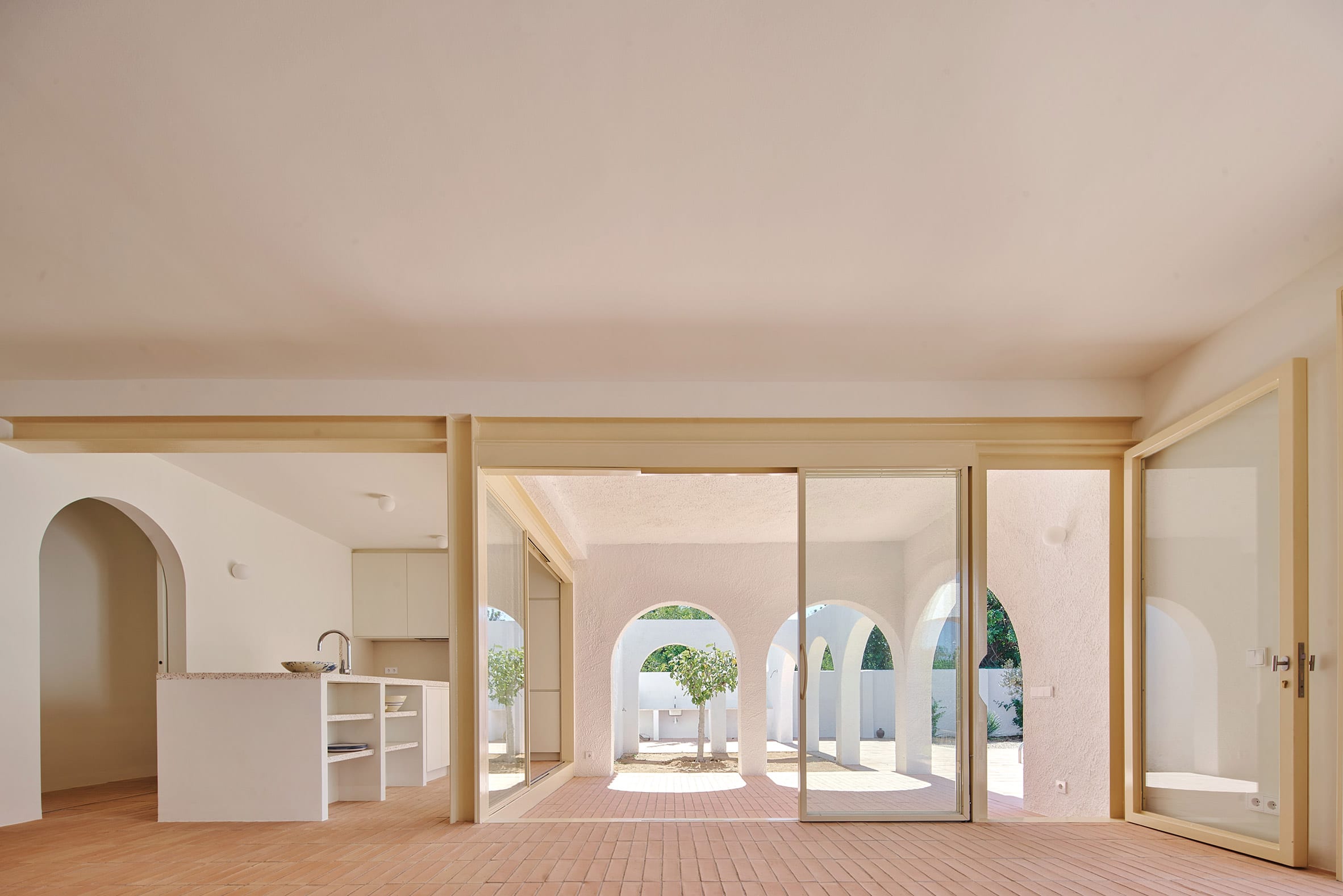
The kitchen space has a light and airy look

Perforated steel doors, generous arched openings and terracotta tile floors help to blend the indoor and outdoor spaces within this Spanish holiday home by Barcelona design studio Bajet Giramé.

Owned by three sisters who bought the property with a view to renovating it to use as a summer home, Las 3 Marías is located in a small 1960s residential development in Mont-roig del Camp near the city of Tarragona. It is surrounded by pine forests and rural landscapes.

Las 3 Marías has a pool
Top: the interior used sandy hues throughout. Above: a collection of arches envelop the home

Bajet Giramé was initially invited by the owners to renovate the property's garden and bathrooms.

"We started with the garden, by following the idea of 'garden rooms' and questioning a clear distinction between interior and exterior spaces," the studio, headed by Maria Giramé and Pau Bajet, told Dezeen.

"Ultimately, we ended up working on the whole plot, treating both house and garden as a playful matrix of varied interconnected rooms for the sisters' holiday enjoyment."

Las 3 Marías has terracotta tiles across its floors
Interior and exterior spaces were designed to become one

The interior and exterior spaces are designed to merge seamlessly together. Valencian terracotta tiles are used both inside and out while generous archways, powder-coated perforated doors and rectangular folding window frames further blend the interior with its outdoor spaces.

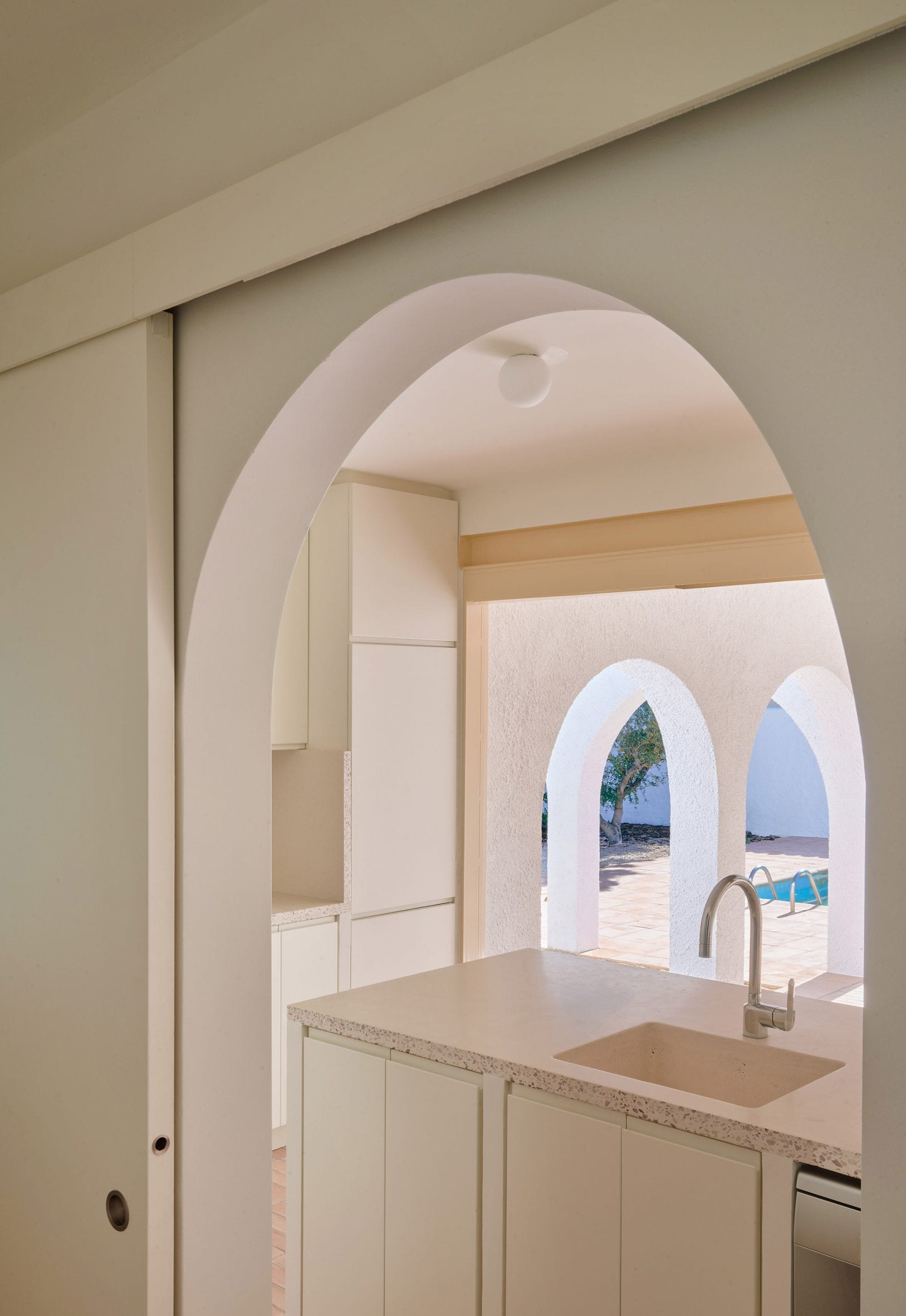
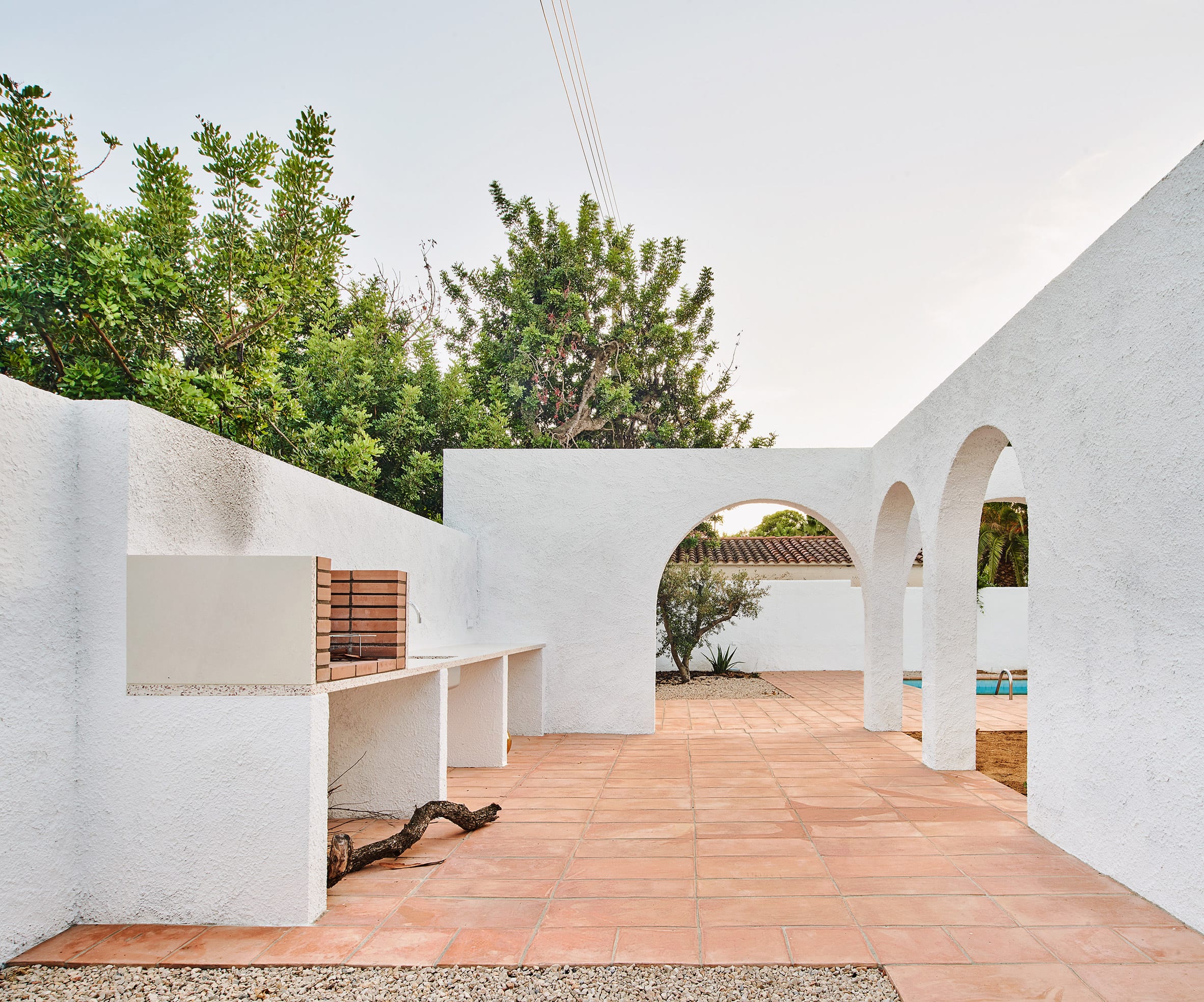
A terrazzo surface made by Mallorcan tile brand Huguet is used in the kitchen, bathrooms, fireplace and in the outdoor kitchen.

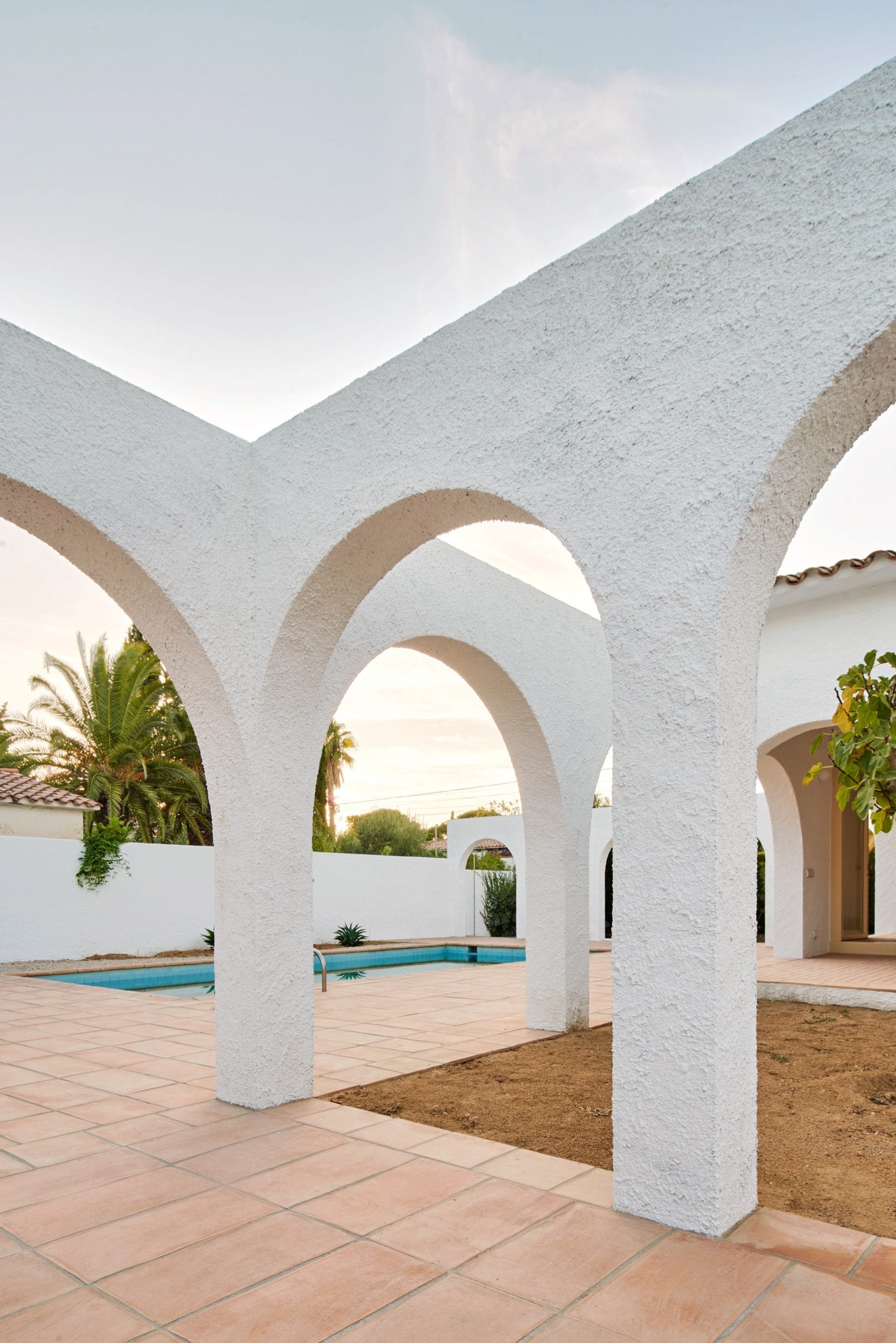
Archways lead between spaces at las 3 Marías
A terrazzo kitchen was finished with white cabinetry

In terms of layout, the studio wanted to open the space up to make it more suitable for modern Mediterranean living while celebrating some of the house's original features.

"The houses [in this residential development] were built in the area decades ago to attract local and European tourism," explained Maria Giramé.

"They followed a kind of modest reinterpretation of Mediterranean architecture with white walls, a few arches and ceramic pitch roofs, but they were planned following functionalist housing doctrines including corridors and small bedrooms – and with a marginal relationship between interior and exterior."

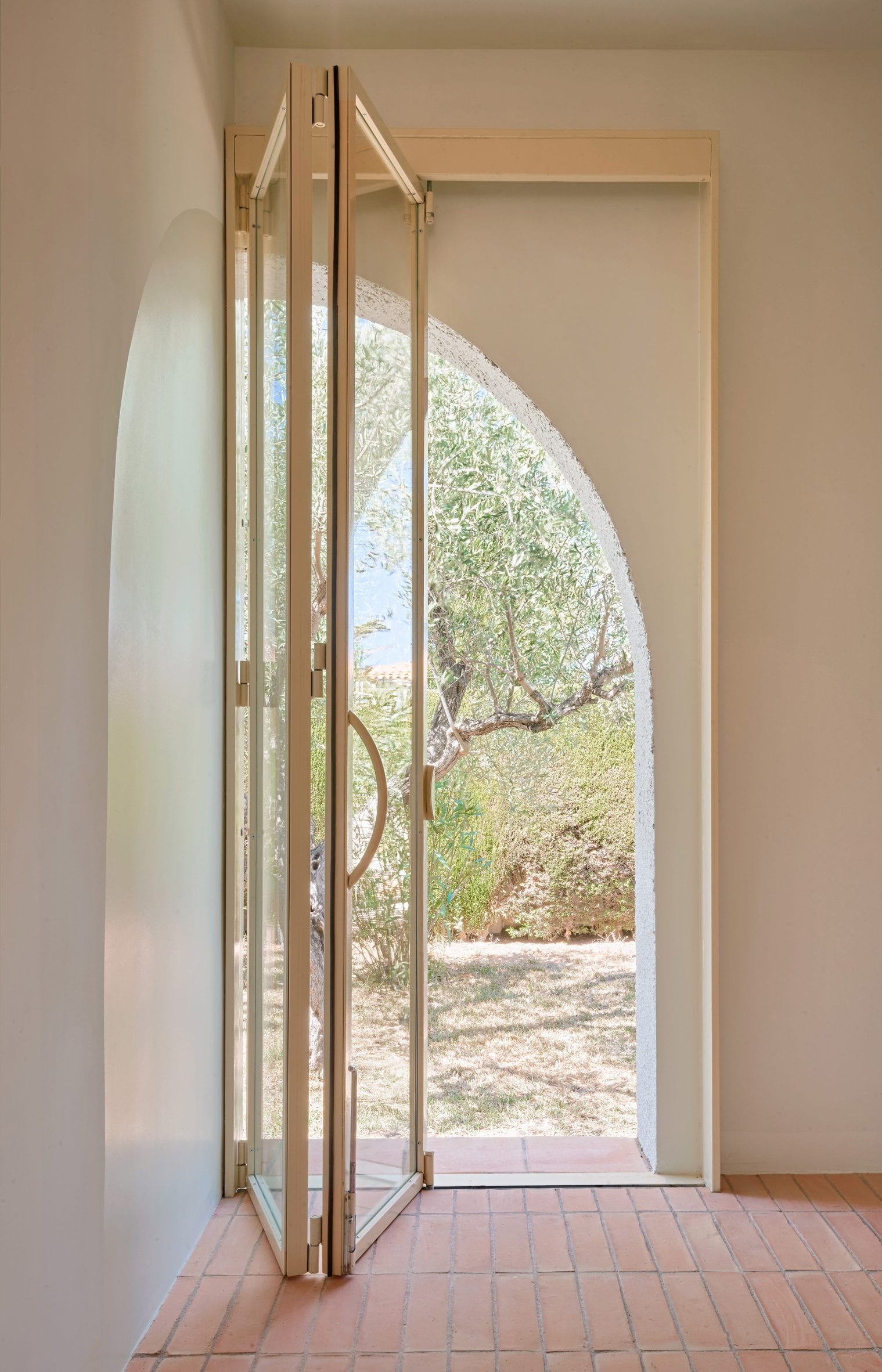
A glass door covers an archway
Golden bi-folding doors separate the exterior and interior

"In other words, they had little to do with actual vernacular Mediterranean houses, which are based on generous indeterminate chambers opening up to courtyards and gardens through loggias, porches, and so on," said Giramé.

"So, rather than neglecting them, we decided to enhance the almost caricaturist traits of the house – such as its arches and exterior walls – while recovering vernacular qualities such as threshold spatiality and domestic indeterminacy."

The house's original archways, which were used to divide up the patios, have been echoed inside the house to connect the rooms. The house's original closed layout with individual rooms has been opened up to create an open-plan living, dining and kitchen area with a loggia.

An exposed sand-coloured structure frames the space and merges into the matching window frames.

Glass doors open up to merge the indoor and outdoor
Areas of the original home were incorporated into the new design

The studio also created openings in the house's pre-existing long corridor to better connect it with the living area, and installed generous pivoting doors at either end to provide spatial continuity.

The front door is superimposed with a sliding perforated steel panel that provides security and privacy but also allows fresh air to flow.

White arches surround a grill at Las 3 Marías
It has an outdoor grill

"In this summer house, without air conditioning, it’s never too hot," explained the studio. "Following ordinary construction methods, the existing pitched roof sits on top of a dense matrix of walls which provide a ventilated cavity while increasing greatly thermal inertia."

"This thermal comfort is improved with additional cross ventilation and sun protection. In the garden, hard surfaces have been reduced to increase greenery, aiming to improve atmospheric humidity and perceived ambient comfort."

Las 3 Marías has textured white walls
Arched walls form a pergola around the outdoor spaces

Dezeen has created a round-up of a number of home interiors that feature arched openings – from an Arts and Crafts-inspired Melbourne house to a renovated Barcelona apartment.

Photography is by José Hevia.

The post Arched openings connect indoor and outdoor spaces in 1960s Spanish holiday home appeared first on Dezeen.


from Dezeen https://ift.tt/3k9w1GI

Footage of "sinister" police raid on Antepavilion building triggers anger ahead of tensegrity structure unveiling

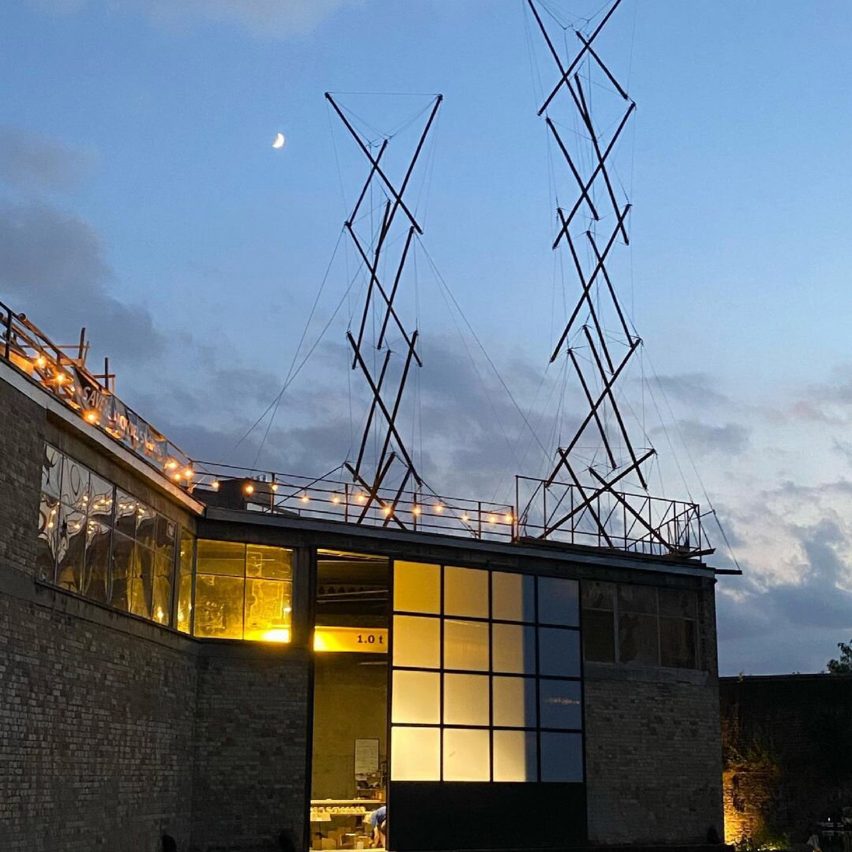
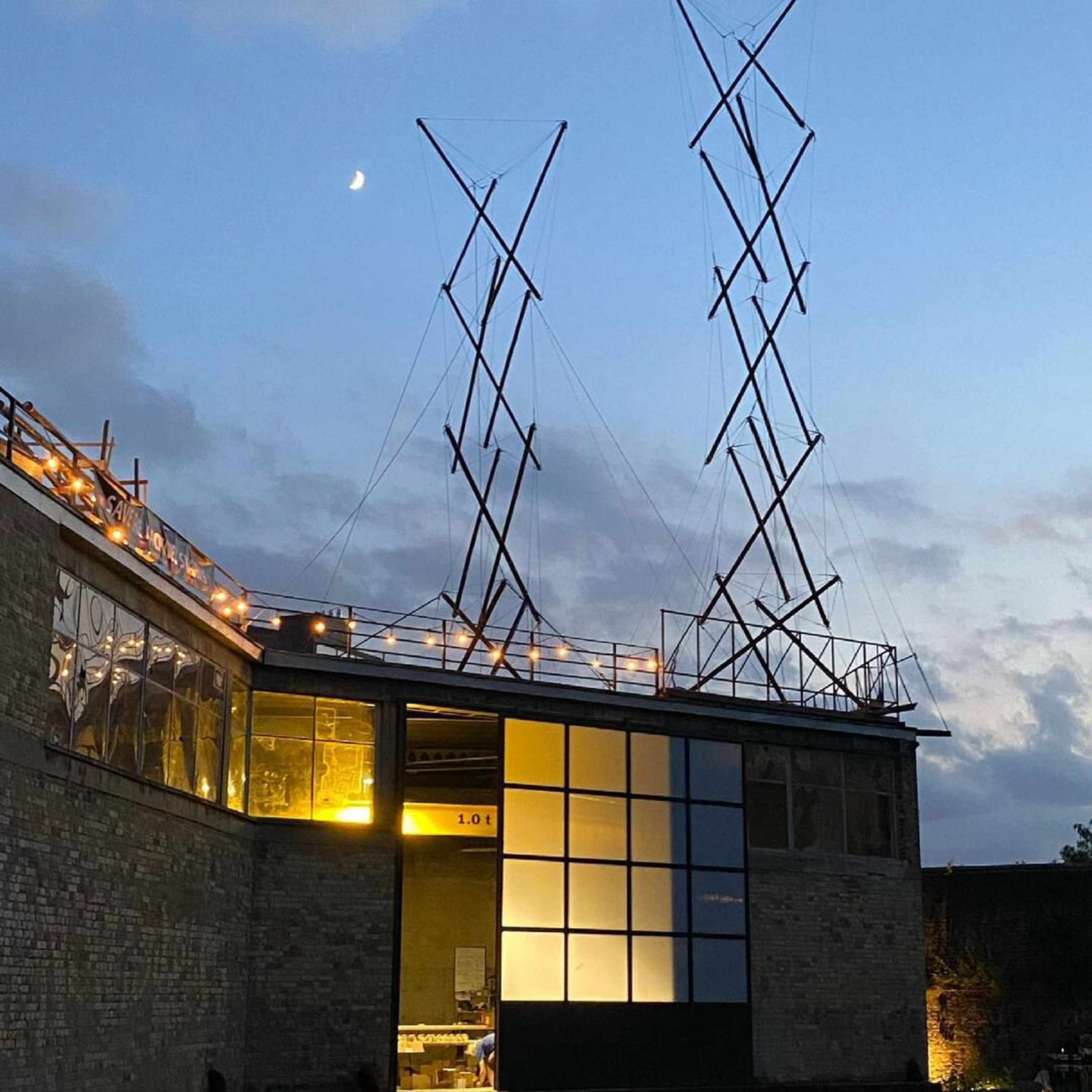
Tensegrity structures at Antepavilion

Organisers of the annual Antepavilion architecture competition have released footage of police storming their building and arresting staff ahead of the opening of the rooftop tensegrity structure targeted in the raid.

CCTV footage shows more than 40 officers streaming into the canalside Hoxton Docks arts building in east London after the door was forced open with power tools.

Another clip shows eight officers pulling owner Russell Gray off his motorbike when he arrived at the building after being told about the raid. A third clip shows police pushing Gray against a shutter and handcuffing him.

Antepavilion employees spent night in jail

Gray was arrested on suspicion of attempted assault and dangerous driving. He and two employees spent a night in jail but were released the next morning.

Police have issued "no apologies and no charges" following the raid, Gray told Dezeen.

It is thought that police believed the building was being used by environmental protest group Extinction Rebellion to prepare for protests against media groups that are dismissive of climate change.

The rooftop installation, called All Along the Watchtower and designed by a collective called Project Bunny Rabbit, is similar to structures used by protesters to block roads during demonstrations. One of two winners of this year's Antepavilion competition, it will open to the public on 23 July.

Tensegrity structures at Antepavilion
Police threatened to remove All Along the Watchtower

During its construction, the arts venue hosted workshops that showed members of the public how to assemble similar lightweight, reusable tensegrity structures made of bamboo poles and steel cables. During the raid, police threatened to come back and remove the structure, according to Gray.

Police said the raid and arrests were “proactive action to prevent and reduce criminal disruption which we believe was intended for direction at media business locations over the weekend”.

Raid triggers concern among architecture community

However, Antepavilion insisted there was no connection between Extinction Rebellion and the installation. "Antepavilion has no links to Extinction Rebellion beyond commissioning the construction of an art installation at their site using long-established ‘tensegrity’ structural principles," it said in a statement.

"Extinction Rebellion has sometimes used the same tensegrity principles to erect temporary structures at protest sites. The raid is clear evidence of the carte blanche powers police have been given to harass and intimidate, in the government’s efforts to crackdown on dissenting voices."

The footage of the raid, which Antepavilion organisers have been projecting onto the side of the building, triggered widespread concern. "The more I look at this the more appalled I am," tweeted architect and head of Central St Martins school Jeremy Till in response to the footage. "While the [right-wing] press bleat on about rising crime, 40 police raid innocent artists."

Detail of All Along the Watchtower
The installation was made using tensegrity structural principles

Architect Julia Barfield described the raid in a tweet as "A shocking misuse of power and resources particularly in a #ClimateEmergency."

"May not be entirely accurate but I count 41 coppers here," wrote Financial Times architecture critic Edwin Heathcote. "Is that not also an insane waste of resources?"

"Utterly mad to hear the Met [police] has arrested the team from this year's Antepavilion, tweeted Open City director Phineas Harper. "The police are out of control."

"This doesn’t seem to have had much attention beyond the specialist art/design press but the sight of 30+ police breaking into a private building to remove an artwork, apparently on political grounds, is….sinister," wrote Simon Hinde, programme director of journalism and publishing at London College of Communication.

"On Friday 25th June 2021, Antepavilion was raided by dozens of police spearheaded by the Territorial Support Group (TSG)," the Antepavilion team said in its statement. "Upon entering, the authorities handcuffed everyone on-site and three people were arrested, held until 4 am the next day and had their phones confiscated."

"The police continued to occupy the site until Saturday night, 26 June."

The controversial annual Antepavilion competition began in 2017 and calls for designs for temporary structures that challenge planning constraints.

The tensegrity structure was commissioned as a "special early summer commission" alongside the winner of this year's competition. The winner, AnteChamber by Studio Nima Sardar, will be built later this year.

Photography is courtesy of Antepavilion

All Along The Watchtower will be open to the public from 6 to 11pm on Friday 23 July. Tickets cost £10. For details of more architecture and design events, visit Dezeen Events Guide.

The post Footage of "sinister" police raid on Antepavilion building triggers anger ahead of tensegrity structure unveiling appeared first on Dezeen.


from Dezeen https://ift.tt/36x4Kpq

John Lewis to repurpose car parks to create 10,000 homes

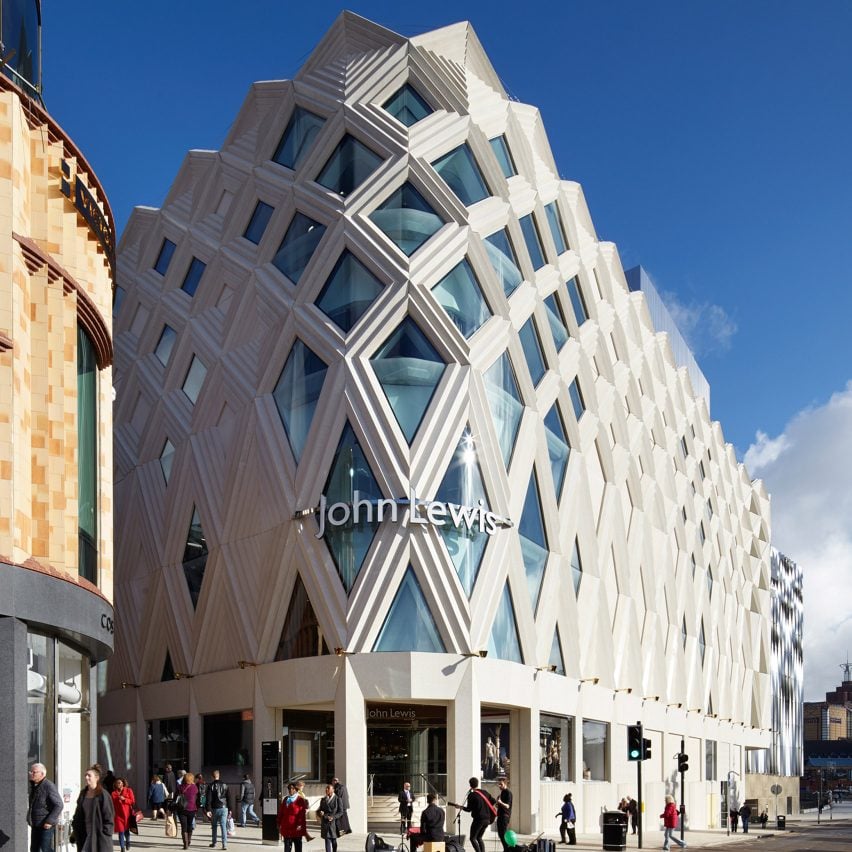
Victoria Gate department store by ACME

UK department store John Lewis has revealed its plans to become a residential landlord by converting its own shop car parks into rental housing across the UK.

Over the next decade, approximately 10,000 John Lewis homes will be built on sites that also include plots above retailer's Waitrose supermarkets and next to its distribution centres.

Plans address the national housing shortage

The employee-owned company said the plans draw on its "social purpose" and are an effort to help address Britain's housing shortage.

It is also hoped to revive its fortunes following the impact of the coronavirus pandemic on UK high streets and growing competition from its online rivals.

"As a business driven by social purpose, we have big ambitions for moving into property rental to address the national housing shortage and support local communities," said John Lewis executive director of strategy and commercial development Nina Bhatia.

"It will also provide a stable, long-term income for [the] partnership, new employment opportunities for our partners and plays to our strength as a trusted brand known for strong service."

First homes to be built in southeast England

So far, John Lewis has identified space for 7,000 of the 10,000 rental homes across its existing property portfolio, reported The Sunday Times.

However, the company said that some homes will also be built on new sites, with the retailer preparing to submit a number of planning applications in early 2022.

Details of the architect that John Lewis will collaborate with on the housing have not been revealed. The company previously collaborated with London firm Acme on a shopping centre in Leeds.

The first John Lewis homes are planned for southeast England and will range from studio flats to four-bedroom houses. However, the company is confident there will be opportunities for homes to be built across the country due to the extent of the housing crisis, which is seeing property prices skyrocket nationwide.

UK housing secretary Robert Jenrick recently blamed a "lengthy and absurdly complex" planning process for high housing costs in England, as he revealed a new planning system that will automatically grant new housing planning permission in England.

However, this was widely disputed by architects such as Charles Holland, who said: "This is just absolute boll*cks. Planning regulations are absolutely not the reason for the housing crisis".

John Lewis furniture will be available to hire

Future residents of a John Lewis home will be able to use their own furnishings or hire furniture from the retailer as part of their rent.

This follows John Lewis' recent announcement that it was to begin renting its furniture out to customers following a successful trial, as it is a "sustainable choice for our customers".

Renting furniture has become an increasingly popular trend in recent years due to the growing popularity of the sharing economy. This has also seen Swedish furniture giant IKEA begin renting its furniture out.

It is expected some of the John Lewis housing developments will also come with a concierge service and may feature Waitrose convenience stores.

American firm KTGY Architecture + Planning proposed transforming unused cark parks into a framework for housing units in 2019. Named Park House, the proposal mages housing made from shipping containers placed within repurposed multi-storey parking garages.

The main image is of the John Lewis flagship in Victoria Gate taken by Jack Hobhouse.

The post John Lewis to repurpose car parks to create 10,000 homes appeared first on Dezeen.


from Dezeen https://ift.tt/3i3iuxw