Wednesday, 14 July 2021

Nine design projects from The New School's Parsons School of Design students

Parson school of design

A project exploring how architecture is integral to healing trauma and another investigating how bioluminescence could change our relationship to interiors is included in Dezeen's latest school show by students at the Parsons School of Design.

Also included is a project examining how the design of a shelter can support survivors of domestic violence and a device designed to slow desertification.


The New School's Parsons School of Design

University: The New School's Parsons School of Design
Course: Architectural Design (BFA), Architecture (MArch), Industrial Design (MFA), Interior Design (AAS), Interior Design (BFA), Interior Design (MFA), Lighting Design (MFA), Product Design (BFA)
 Email: thinkparsons[at]newschool.edu

Statement:

"Parsons School of Design – consistently named the best art and design school in the United States and ranked third in the world – has sent change-making artists and designers out into the world since its founding in 1896.

"The School of Constructed Environments, one of the five schools within Parsons, guides students in creating socially and environmentally sustainable and technologically innovative buildings, interiors, lighting and products.

"In a time of unprecedented change, our BFA and MFA programmes foster the skills, values and vision that foster creative thinking and a more integrated, equitable and aesthetically beautiful world."

Parsons School of Design

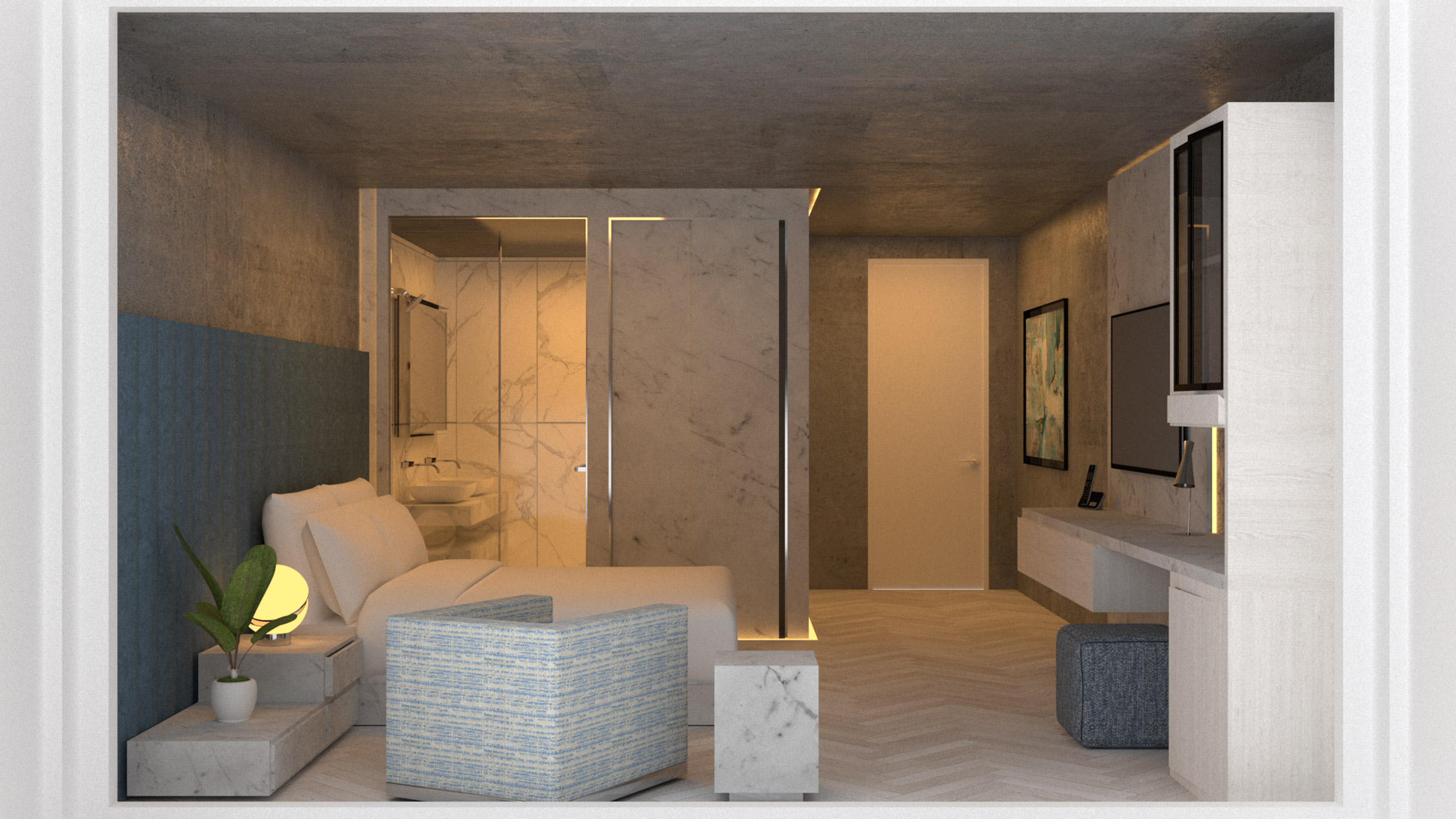
The Gallery Hotel by Mohamad Ali Ezzeddine

"Located at the corner of 20th Street and 10th Avenue, The Gallery Hotel offers a dynamic and cultural experience at the heart of Chelsea adjacent to the High Line. In a neighbourhood saturated with art galleries, The Gallery Hotel is thoughtfully designed to include an art gallery displaying local artists' work on the main floor.

"The lobby floor also features a reception area as well as a bar and lounge where guests can relax and enjoy the atmosphere. The second floor includes a restaurant with direct access to the High Line with the option to dine outdoors.

"The hotel has 24 guest rooms located on the third, fourth and fifth floors. To complement the neighbourhood's features, The Gallery Hotel will include a rooftop lounge area where guests can enjoy a panoramic view of all that Chelsea has to offer."

Student: Mohamad Ali Ezzeddine
Course:
AAS Interior Design

Parsons School of Design

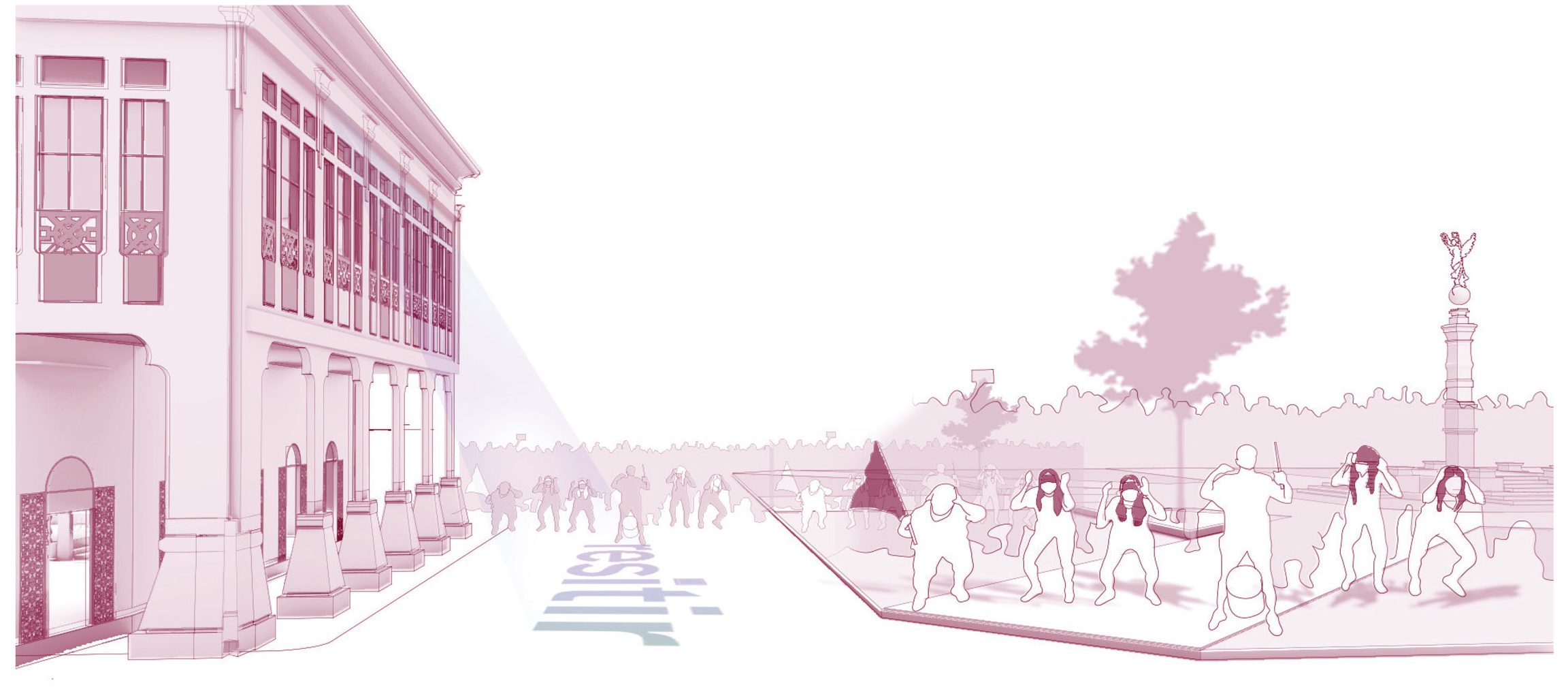
Resistance by Carmen Cordova

"Self-sacrifice: working without compensation, care and labouring towards the reproduction of society, have been attributed as characteristics of women's identity.

"It is not fair or sustainable to place the duty of maintaining society on an individual and as part of their identity. Without restructuring the exploitative relationships of care, societies can never promote the unity of community nor achieve greater equality.

"This is why it is important to build resistance towards traditional roles, to end this issue and direct society towards fairness. My capstone project aims to build solidarity between the women of El Salvador and bring visibility to the issues they face. For women to continue to resist and fight, it is essential to provide them with tools to overcome the hardships they may face."

Student: Carmen Cordova
Course:
BFA Interior Design

Parsons School of Design

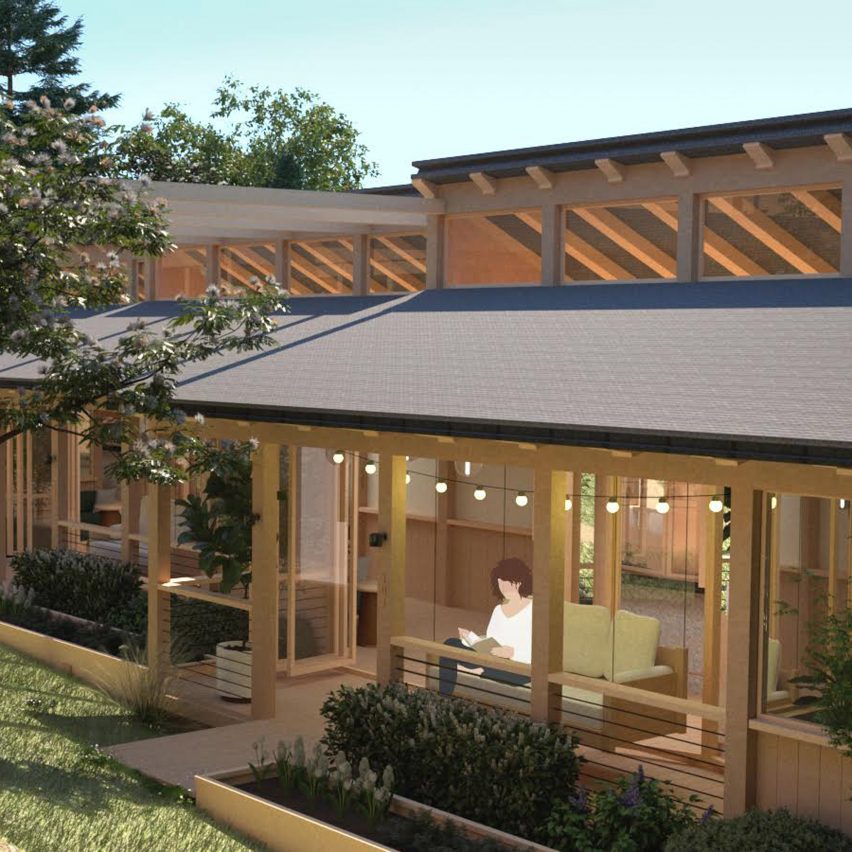
Why They Stay by Jenna Koss

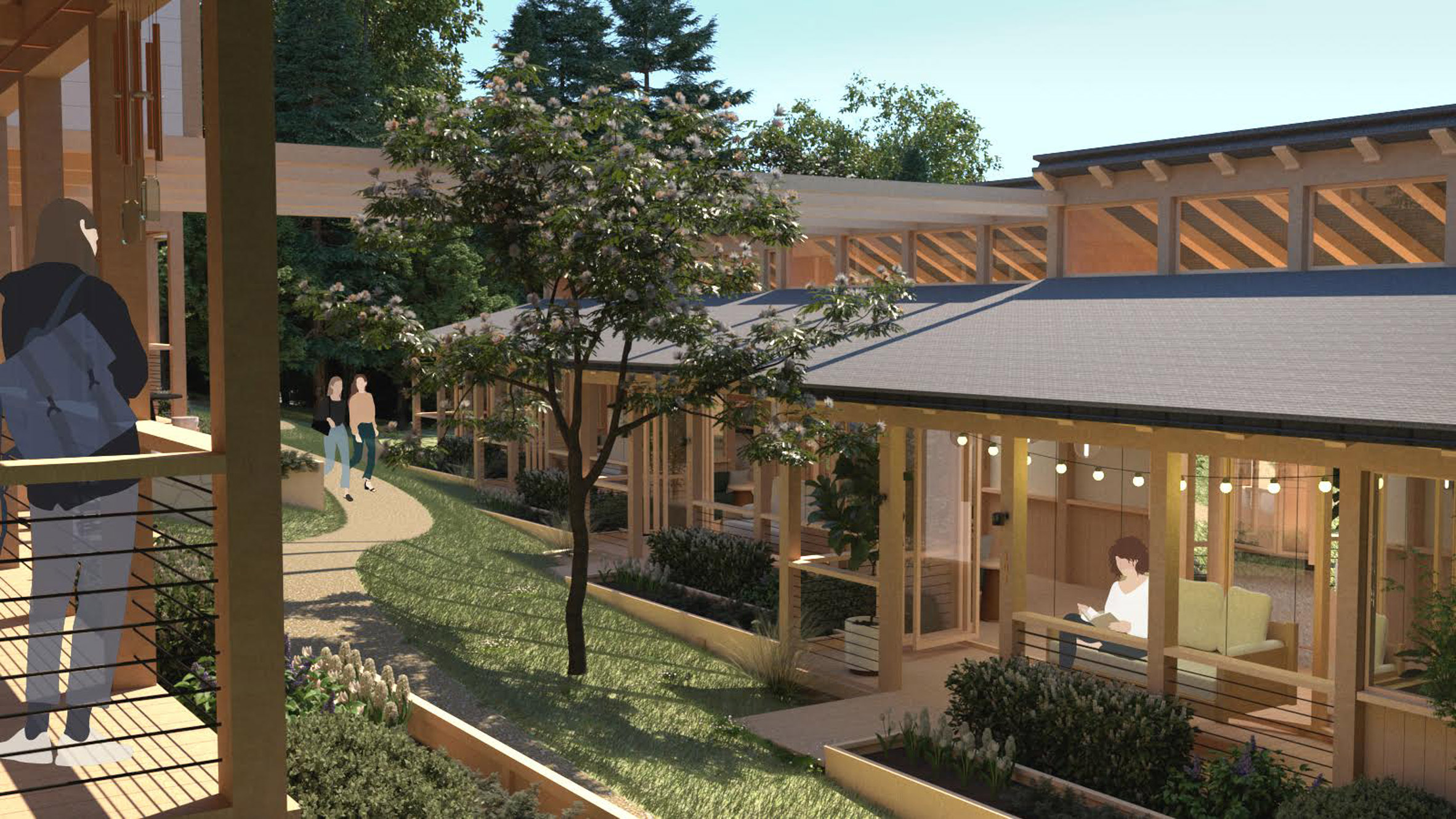
"This is a real-life proposal for the Helpmate Domestic Violence Shelter in Asheville, North Carolina. The shelter needs to grow in both capacity and quality of its space and has purchased land on a slope to construct a purpose-built shelter.

"Working within the expansion committee, this ongoing project investigates how the shelter can be designed to provide safety to inhabitants from both illness and abuse while enhancing conditions that promote healing.

"This project also proposes how interior space can be layered in a way that empowers a survivor to form connections, reclaim agency and build resilience over time."

Student: Jenna Koss
Course:
MFA Interior Design

Parsons School of Design

A Tale: Heading to the Tent of Tomorrow by Jiuying Li

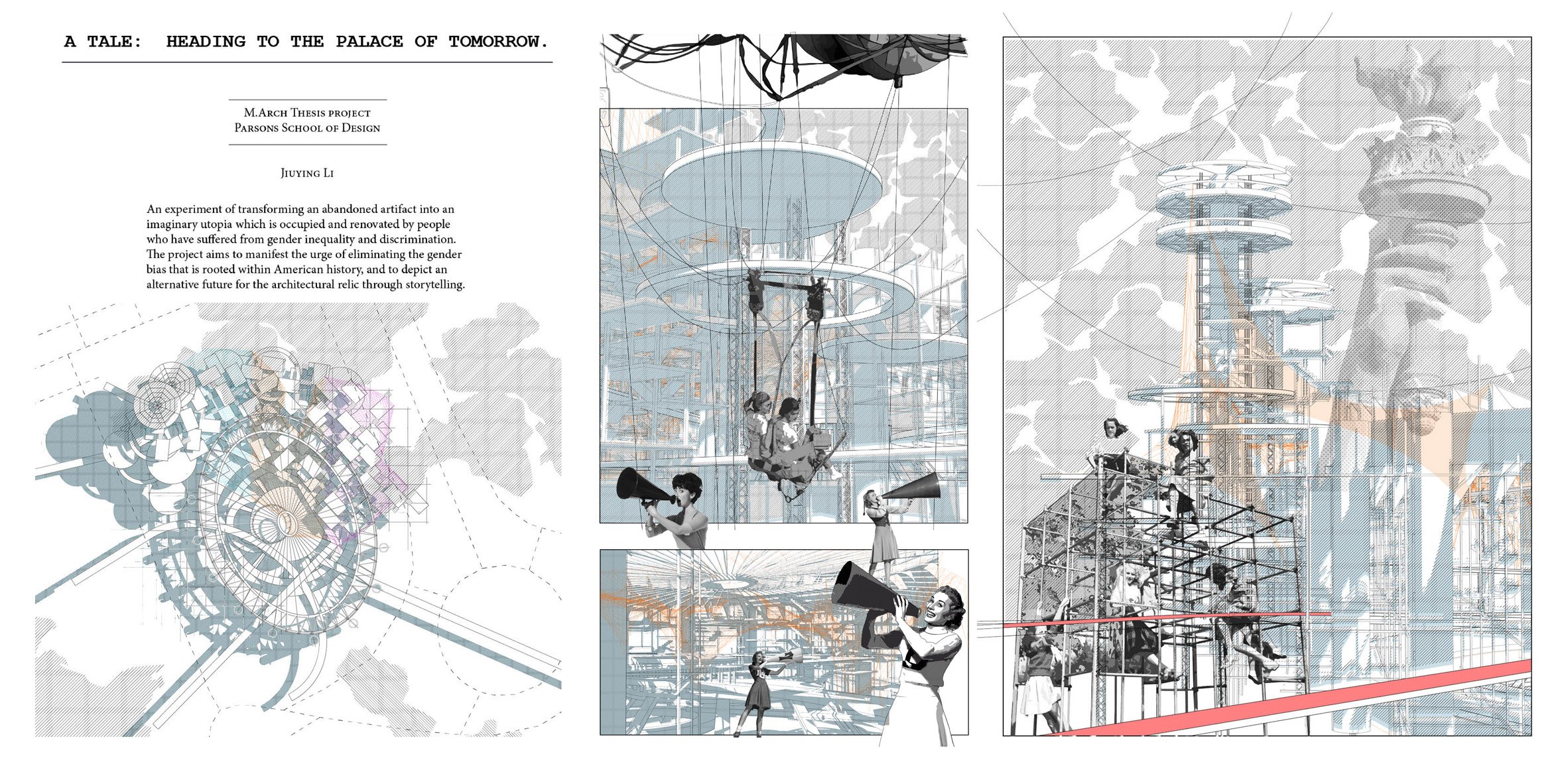
"The thesis project is an experiment of transforming an abandoned artefact into an imaginary utopia which is occupied and renovated by people who have suffered from gender inequality and discrimination.

"The project aims to manifest the urge of eliminating the gender bias that is rooted within American history, and to depict an alternative future for the architectural relic through storytelling."

Student: Jiuying Li
Course: 
MArch

Parsons School of Design

Flood Points: Redesigning Ekistics with time by Nalin Chahal, Eric Hu and Anthony Vesprini

"Ekistics, the science of human settlements, has been a pervasive and well-established foundation of human civilisation since agriculture began. The dominance of humanity over the natural world has primarily left this science in a perpetual, unchanging state. But, our anthropogenic effects on the environment and the natural world around us in the past century have upset the delicate balance of carbon that is critical to maintaining habitable conditions on our planet.

"Our devastating effect on the natural world must force us to reevaluate the ways we inhabit the land, how we engage with the world, and refound the idea of ekistics to adapt rather than withstand.

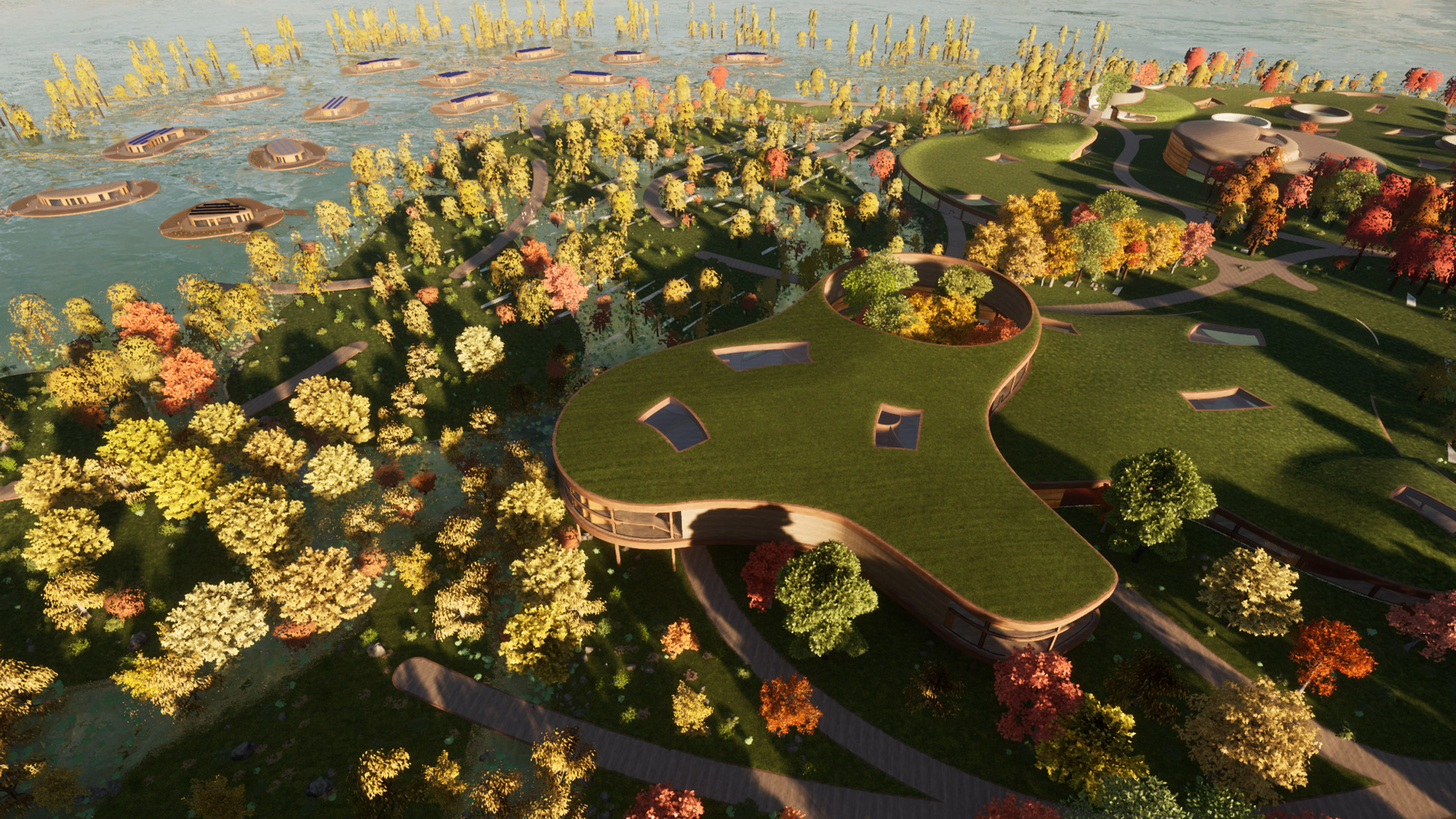
"Our proposal will drastically alter our site to consider this change, focusing on rising sea levels and how we must adapt to this change rather than build ever-growing sea walls – be it 55 years on a critical carbon emissions scenario (2075) or 95 years in a low emissions scenario (2115) for our site to flood.

"The first phase of the timeline would see the reintroduction of the natural habitat of Ditmars-Steinway back into the area, while also reimagining the site as an engaging park, educational space, market and community centre for Astoria. A vital component of this shift would be to drastically change the way energy is generated at our site to a more circular, sustainable and less carbon-intensive solution.

"The second phase of the timeline would include the flooding of the site due to rising sea levels. As the site floods, more of the land would be dedicated to housing the changing flora and fauna. During this period, our programmatic elements of the site would remain functional. The final phase of our timeline would see the flooding of the programmatic mounds, returning the land (and the flooded interiors) to the natural flora and fauna. During this phase, the only operable programme would be the research centre."

Students: Nalin Chahal, Eric Hu and Anthony Vesprini
Course: BFA Architectural Design

Parsons School of Design

Aquastor by Zihao Fang

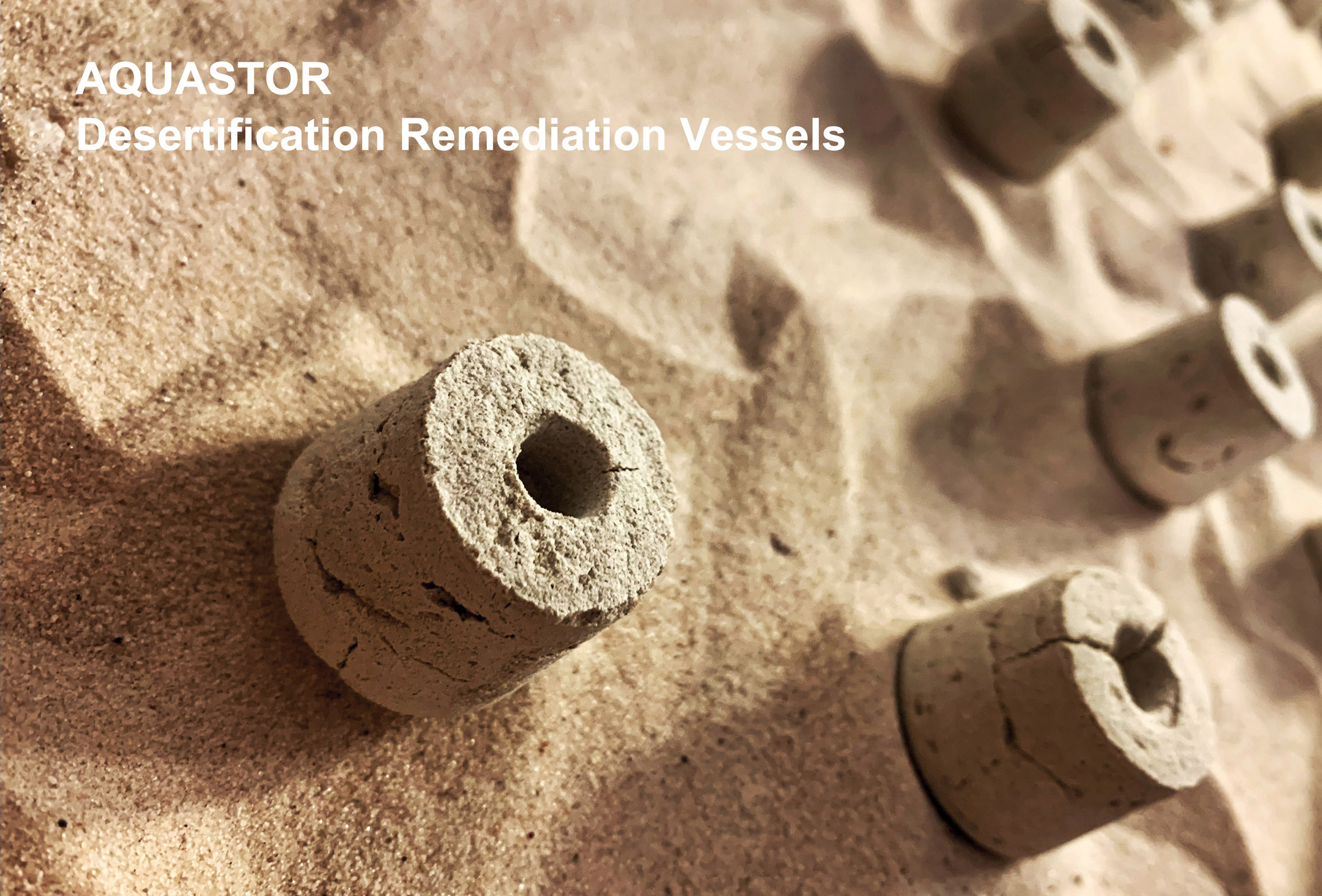
"Aquator is desertification remediation vessels produced using mixed materials from desert resources. Aquator vessels can promote soil growth in desert areas and slow the advance of desertification. It will be placed on the edge of the desert in a triangular arrangement with a spacing of one metre to build a barrier.

"The temperature difference between the inside and outside of the vessels allows external water vapour to enter the desert and reduce the evaporation rate. Eventually, the Aquator vessels will be completely degraded and turned into nutrients for the land."

Student: Zihao Fang
Course: MFA Industrial Design

Parsons School of Design

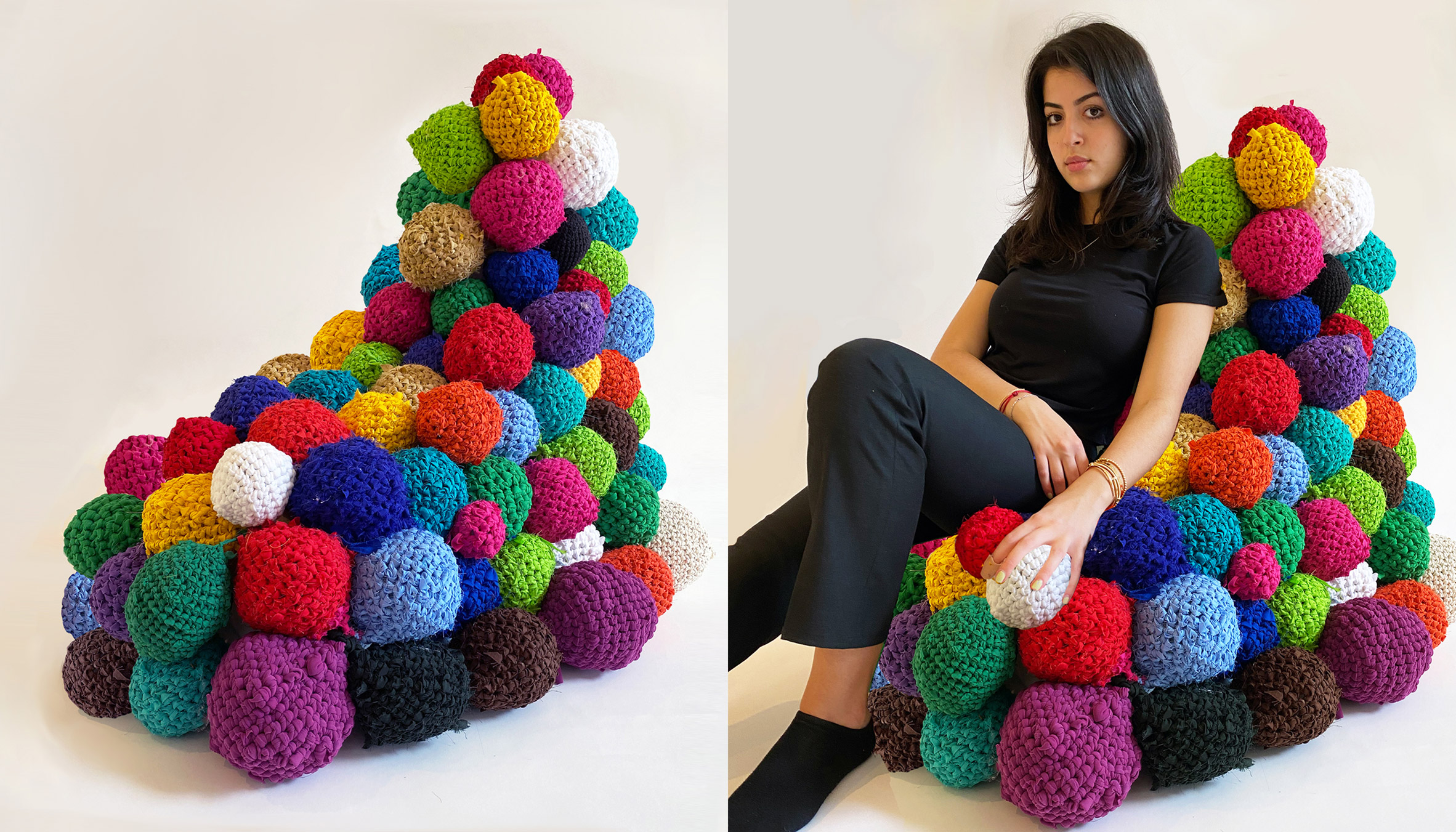
The CroChair by Daniela Solovey

"For my project, I chose to investigate crochet as a novel form of production by using the technique to weave together upcycled materials. I designed made-to-order furniture that facilitates a transitional nod to an analogue craft, offering its user a highly functional product with a unique aesthetic.

"It will benefit the design community by legitimising an often overlooked art form through the fusion of craft with traditional furniture design."

Student: Daniela Solovey
Course:
BFA Product Design


Parsons school of design

Bio Loose Sense by Jo Li

"During the pandemic, we are homebound, many of us working, living and relaxing indoors. At home, we have combined all functions of living. In my thesis, I want to introduce a new way of applying biomimetic design with light to separate the different functional zones and times in our house. If we consider temporal changes (time) as part of the biomimetic process, we must consider the lighting's control as the key to this application.

"Human activities include a rhythm similar to the rhythm of nature. Bio Loose Sense is a biomimetic design that encourages the connection between humans and nature and also keeps our senses activated.

"The design learns from natural phenomena, such as bioluminescent tides and organisms. It explores how we can use the potential of bioluminescence to change our relationship to lighting and interiors."

Student: Jo Li
Course:
MFA Lighting Design

Parsons School of Design

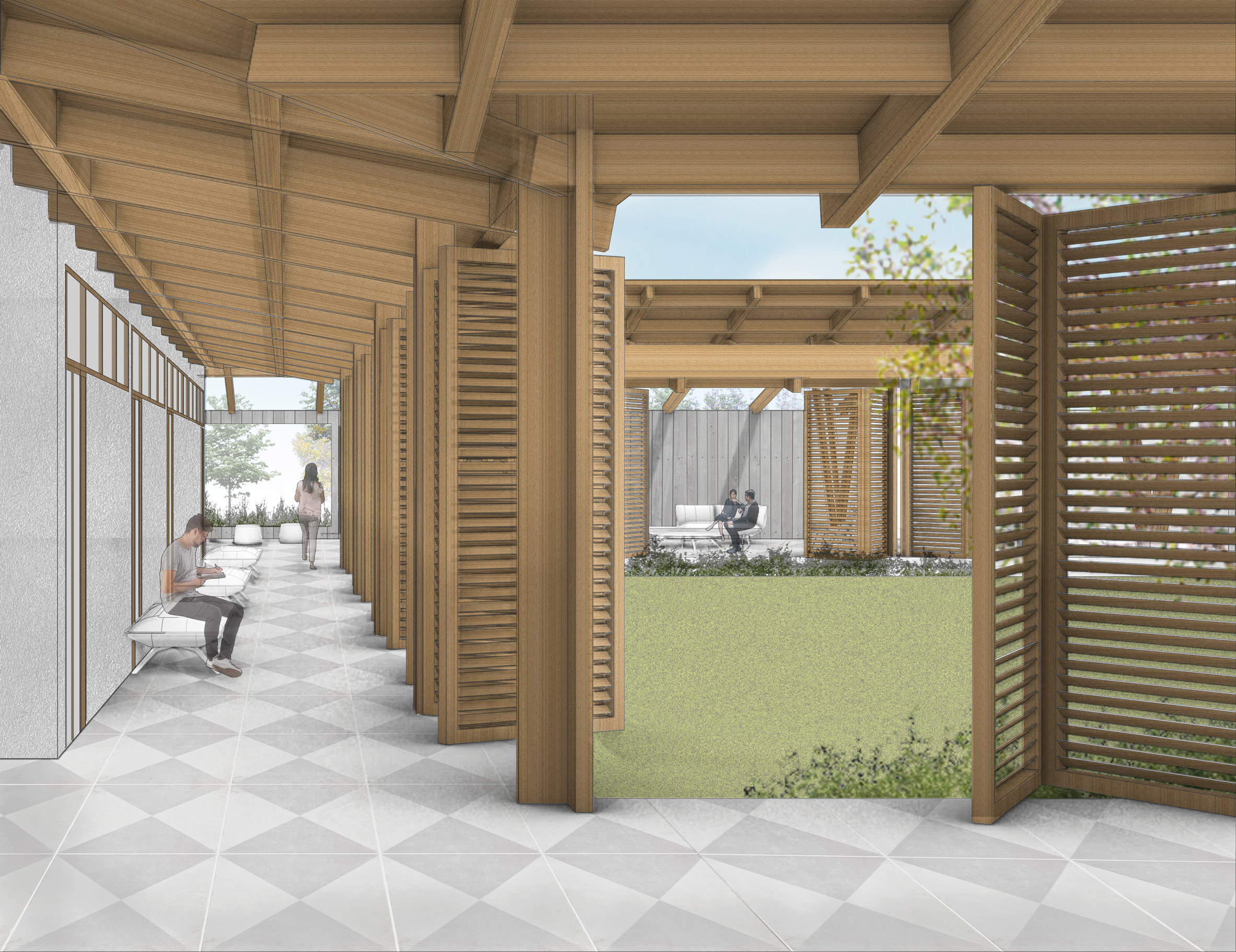
Healing Structures by Carmen Iris Ruiz Cruz

"The 6.4 magnitude earthquake that took place a year ago in Puerto Rico not only left the island's urban infrastructure compromised but challenged the survivors to recover from the physical and mental repercussions.

"The problem is that post-disaster response focuses on physical wellbeing, immediate solutions like shelter and overlooks mental wellbeing and invisible injuries like trauma, which have a long-term impact on the survivors.

"Architecture and lighting are integral to the healing process. Built spaces are not only meeting points, but environments where people share stories and attempt to heal one another through communal interaction. If healing is the goal, the quality of these spaces needs assessment and consideration."

Student: Carmen Iris Ruiz Cruz
Course:
Dual Degree: MArch and MFA Lighting Design


Partnership content

This school show is a partnership between Dezeen and The New School's Parsons School of Design. Find out more about Dezeen partnership content here.

The post Nine design projects from The New School's Parsons School of Design students appeared first on Dezeen.


from Dezeen https://ift.tt/3r7DB5W

"It is not acceptable for designers to be unaware of the carbon impact of their creations"

Sophie Thomas

Designers should design with carbon in mind according to environmental consultant Sophie Thomas, who sets out ten steps they can take to help eliminate emissions in the products they create.


The carbon implications of the design process are monumental, from material selection, manufacture, lifetime operation and maintenance to where our stuff ends up at the end of use-life.

With corporations and governments around the world declaring a climate emergency and setting out plans to drastically cut carbon emissions, it is just not acceptable for designers to be unaware or uncaring about the carbon impact of their creations. Whether it is a piece of packaging, an electronic product, an item of clothing or a building, each decision right from the start has carbon consequences.

The 2019 Ellen MacArthur Foundation report Completing the Picture: How the Circular Economy Tackles Climate Change demonstrated that efforts to tackle the climate crisis have focused on a transition to renewable energy and energy efficiency.

But this only addresses 55 per cent of emissions. The remaining 45 per cent comes from producing the products we use every day, showing that we must shift our thinking towards a more circular, zero-carbon design process. Here's a list to start you off.

1. Don't design in the dark

Get yourself some data to analyse. Data is king, so doing a lifecycle analysis (LCA) before you even start prototyping is key. But can be pretty complicated, so it helps to find a friendly systems engineer or LCA fanatic to collaborate with. You can also download one of the many LCA plugin tools available. You want one with a good database behind it.

Alternatively, you may find that you can begin working with some rough data that may be easier to collect. This "quick and dirty" approach is seen as a good way to see roughly where you should focus efforts.

A few pointers. Don't forget to set your boundaries: do you know what will happen to your product after it has finished its use life? How far into the supply chain do you want to dig? You may be designing a chair, but the velvet you want to cover it with didn't just materialise: the farmland was mowed and fertilised; seeds were sown, cotton was watered, cut and processed; cloth was dyed and woven; fabric was cut, packed and delivered. And that was before you had even started the creation of the chair itself.

All these processes, both before you start designing and when the product is disposed of, have carbon impacts through energy, water and waste. The majority – approximately 80 per cent – is set at the concept design stage. Most of the designer's direct impact will be in the material choices. Make a list of all your raw materials and see how much information you can get on each.

Start with the suppliers: where are they based? Where do they get the material from? What are the raw ingredients? How does the material travel to them and then to you? How are the factories that make the material powered? What does the factory do with its waste? Do they have any environmental accreditation? Do they monitor their suppliers? Do they have up-to-date, detailed spec sheets? If not, can you ask them for data?

2. Crunch the numbers

You can start to transform some of this data into carbon dioxide equivalent (CO2e) data and you will quickly see where the big impacts are. For example, if you know the leather you are ordering is being flown from Brazil then find a good online air-miles calculator to give you the flight CO2 emissions (for this example, it's 1,826 kilograms).

You should be able to quickly get a picture of where your impacts may be. These are most often in the material production, transportation, water usage and waste streams. Once you have this back-of-an-envelope data, start to consider different approaches to reduce your impact.

3. Investigate the too-good-to-be-true

Alarm bells should be ringing if a spec sheet says "eco-material", "recyclable material", "carbon-neutral" or something equally fluffy and non-specific. Find out more. If it is better than it reads, tell them to re-write the information.

4. Don't over-specify

We tend to err on the side of caution and sometimes over-specify the quantities just to make sure things don't fall down or break but try to optimise and minimise where possible without affecting the design. Trust your calculations, your design experience and the material.

5. Design for the use-life

Don't specify a material that outlives the life of your product 1000-fold (think a single-use plastic bottle full of water). Aim to bring these lives closer together.

6. Reuse and reduce as much as possible

Get friendly with the concept of waste hierarchy and design so that your product can have an extended life through repair or refurbishment. Try to increase the life of your product by making it reusable and ultimately recoverable. Build a third or fourth user-experience scenario into your brief.

7. Use materials with high recycled content

This will not only bring down your carbon impact but will also increase demand for the recycled material.

8. Be the storyteller

Tell the truth. Sometimes you can't do as much as you want to reduce your product's carbon footprint. Don't be afraid to tell your customers and clients what you have done and what you are still trying to do and why you can't yet do it.

9. Act as a citizen

More and more people want to take action and cut their carbon footprint but are often not exactly sure how to do it or what to tackle first. But while governments need to change policies and technologies need to develop, our behaviour as a citizen can have a real impact.

Everything we do, every lifestyle choice, every item we buy, eat, use or discard has the potential to emit carbon. Reduce food waste. Repair broken stuff. Go meat-free. Drop the car or go electric. Find a green electricity supplier. Search for fossil-free pensions and investments.

10. Don't wait

Act now. Declare a climate emergency. Set yourself a net-zero carbon target. Become a B-Corp. Don't bury your head in the sand. Life is too short. We are running out of time and resources.

Sophie Thomas is a designer, environmentalist and founding partner at London environmental communication-design studio Thomas.Matthews. She founded The Great Recovery, a pioneering project that explored the circular potential of materials and advised Dezeen on how to reduce waste and emissions at its 2019 Dezeen Day conference.


Carbon revolution logo

Carbon revolution

This article is part of Dezeen's carbon revolution series, which explores how this miracle material could be removed from the atmosphere and put to use on earth. Read all the content at: www.dezeen.com/carbon.

The sky photograph used in the carbon revolution graphic is by Taylor van Riper via Unsplash.

The post "It is not acceptable for designers to be unaware of the carbon impact of their creations" appeared first on Dezeen.


from Dezeen https://ift.tt/3yYJkxS

Third episode of Braun's Good Design Masterclass with Ilse Crawford explores objects that are "built to last"

Braun Good Design Masterclass

Ilse Crawford explains how designs including Isamu Noguchi's Akari light and Dieter Rams' T3 radio have stood the test of time in the third episode of Braun's masterclass video series, which Dezeen is publishing as part of a collaboration with the brand.

Led by Crawford, the Good Design Masterclass series explores Braun's three key design principles in three episodes: simple, useful and built to last. The series marks Braun's centenary and aims to "inspire good design for a better future".

The final episode of the series focuses on objects that are built to last. According to Crawford, this means designing objects that people will cherish as much as it is to do with creating durable products.

"Of course, [building to last] is about longevity and durability, but it must be consequent," she said in the video. "It's also about an authentic love for things rather than designing for obsolescence. It's about designing things we love more."

Braun Good Design Masterclass
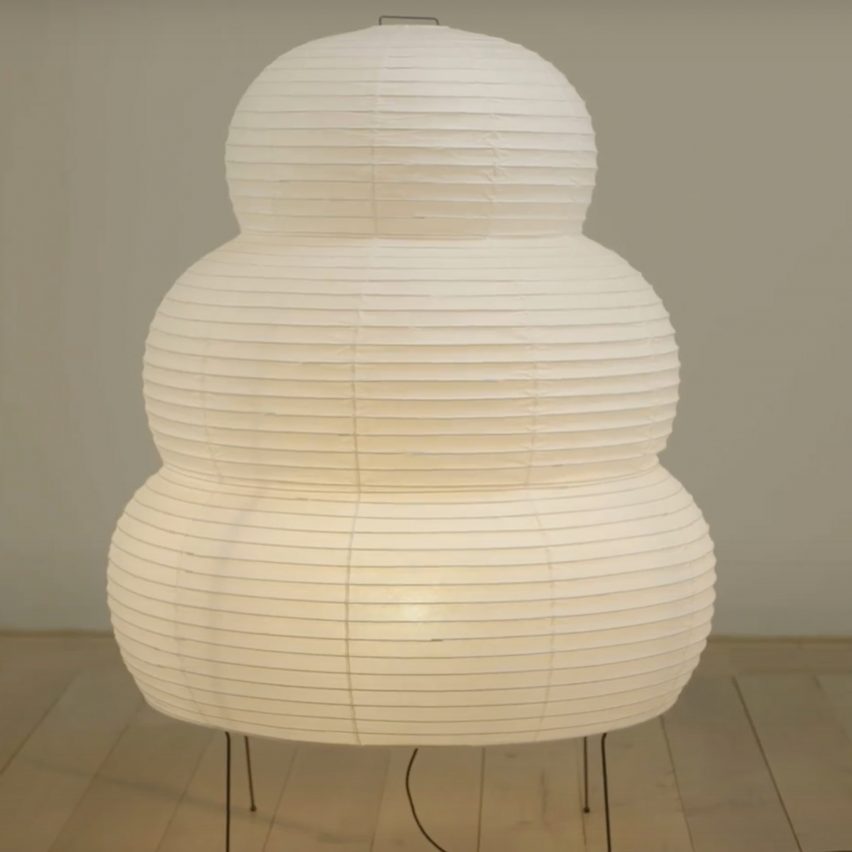
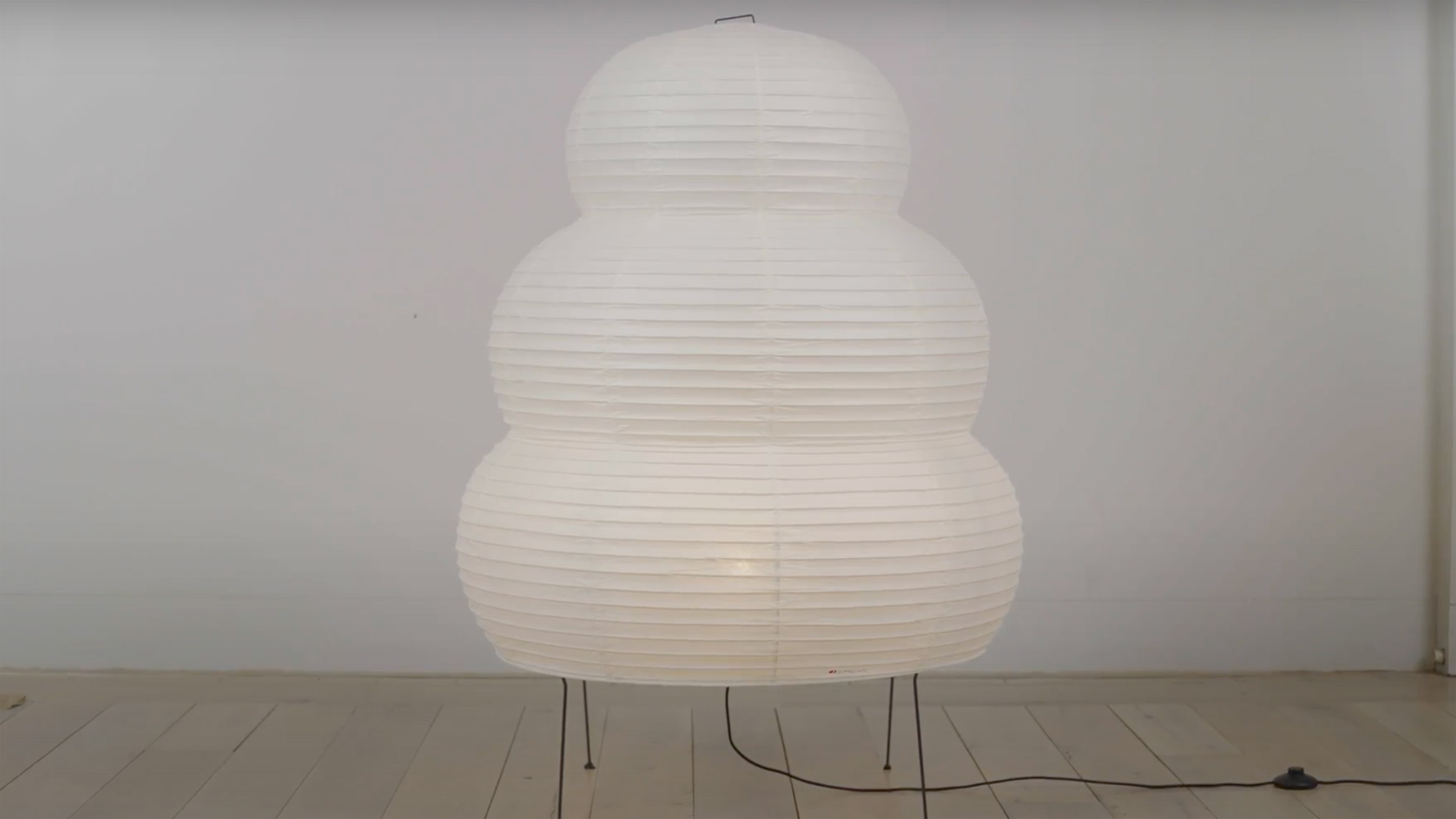
Crawford discusses the Akari light designed by Japanese-American artist and designer Isamu Noguchi.

According to Crawford, even fragile designs can have longevity.

"'Built to last' is often assumed to be about being robust and indestructible," she said. "But actually the opposite is often true. It is the things that are fragile and beautiful that inspire care and, therefore, they last."

She gave the paper Akari light, designed in 1951 by Japanese-American artist and designer Isamu Noguchi, as an example.

"There's something so warm and delicate about the lanterns that still enthrals us," Crawford said.

"As a studio, we use them in projects a lot – recently we used them in a mental health centre, where typically you'd expect things might need to be a bit more robust."

"But they bring this amazing warm glow to the space that really takes the edge off the experience, and they're still there and still perfectly intact."

Braun Good Design Masterclass
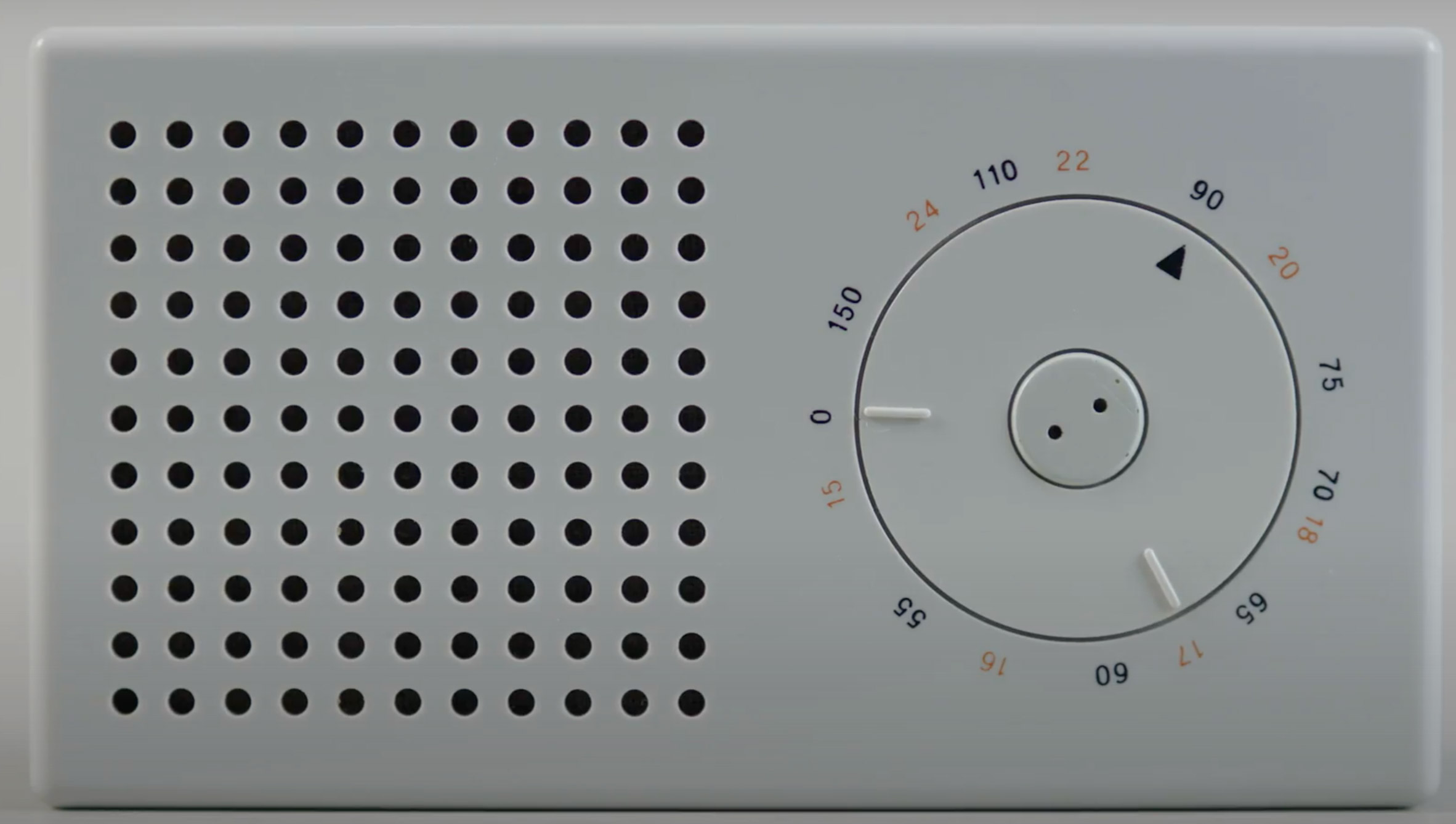
The 1958 T3 pocket transistor radio is an example of an object "built to last"

Other objects Crawford discussed in the video include Braun's T3 transistor radio designed by Dieter Rams in collaboration with the Ulm School of Design in 1953.

The radio is one of a host of Braun products that was informed by a design methodology, developed by Rams while a teacher at the school, that focussed on use.

"It's stripped-down, it's as neutral as it's possible to be," she said of the design. "It's uncompromising, reduced to the absolute minimum and its purpose-driven so the only bit that moves is the dial, which makes it super intuitive."

"These are the qualities that kept it relevant for decades and admired by so many, even if analogue has been superseded by technology."

According to Crawford, it is an example of how the most enduring designs are often those that are ahead of their time.

"One of the things that people often say when talking about 'built to last' is that we should design in a timeless, lasting way," said Crawford. "That is surprisingly difficult to do because, paradoxically, most lasting design is outside of its time or ahead of its time."

Braun Good Design Masterclass
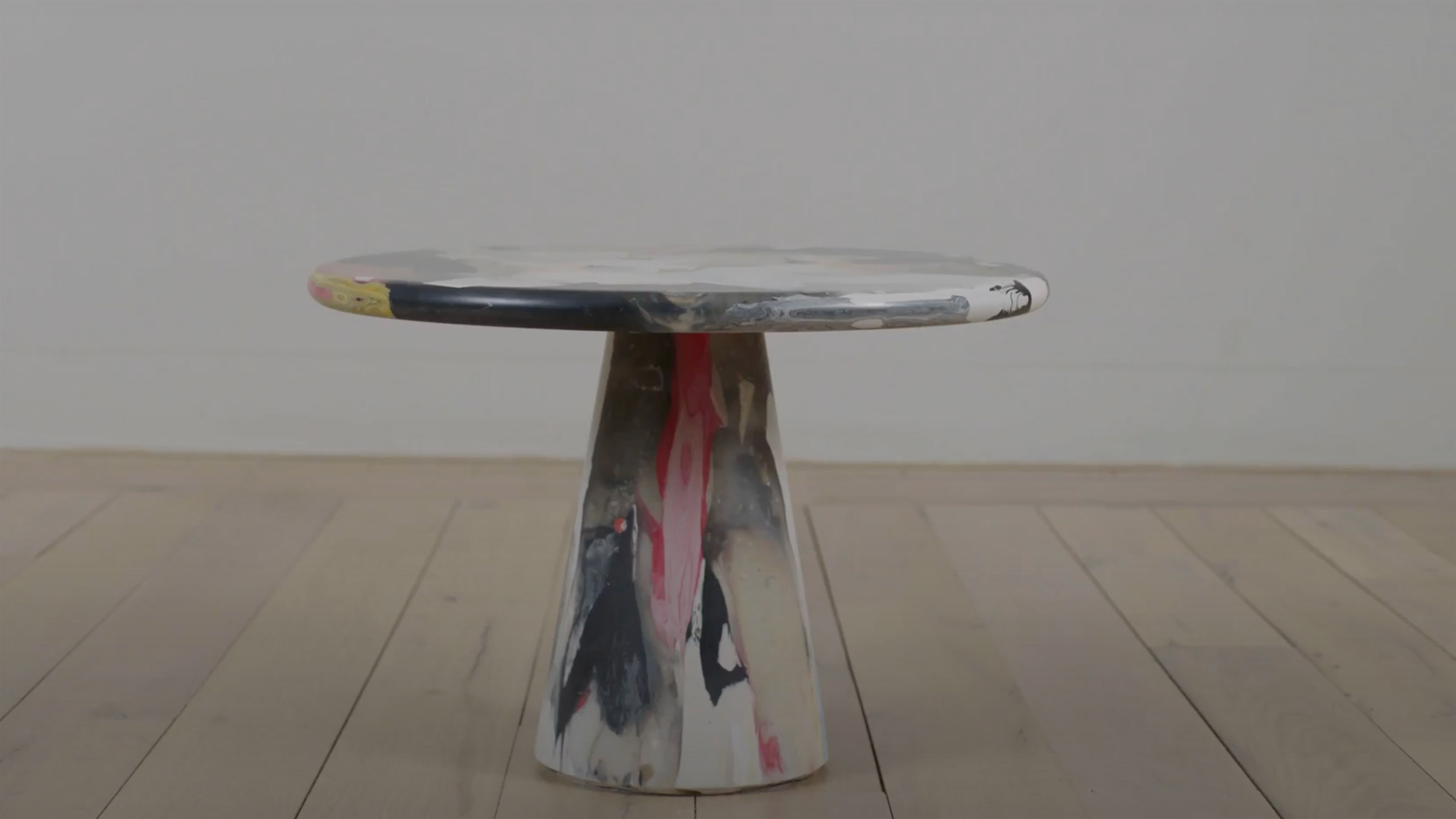
Dirk Van Der Kooij's table is made from recycled plastic

The final design Crawford discussed in the video is Dirk Van Der Kooij's Melting Pot Table, which is made from discarded plastic objects that have been reformed into a durable new item.

"As we all know, plastics and their durability is a real problem," said Crawford. "But they can be harnessed and upgraded, and this table is an interesting example of that."

To make the table, Van Der Kooij uses plastic from a range of sources, including discarded toys, garden furniture and refrigerator interiors.

"Dirk Van Der Kooij has used recycled plastic to make furniture that is far more appealing than the idea of recycled waste might suggest," Crawford said.

"He does that with all manner of plastic waste that is upgraded to make a really beautiful material and to make pieces that actually deserve to last."

Braun Good Design Masterclass
The episode "built to last" is the final series in Braun's Good Design Masterclass, led by Ilse Crawford

This is the third episode of Braun's Good Design Masterclass. In the first episode, Crawford discussed "simple design", while in the second, she explored "useful" objects.

Dezeen editor-in-chief Marcus Fairs also spoke to Crawford about the masterclass series in a live talk that we broadcast in June.

The Good Design Masterclass series is also available to watch on Braun's website.


Dezeen x Braun Good Design Masterclass

This article was written by Dezeen for Braun as part of our Dezeen x Braun Good Design Masterclass partnership. Find out more about Dezeen partnership content here.

The post Third episode of Braun's Good Design Masterclass with Ilse Crawford explores objects that are "built to last" appeared first on Dezeen.


from Dezeen https://ift.tt/3zbaHoD

Amazonia Tile Collection by ZYX

amazonia tiles

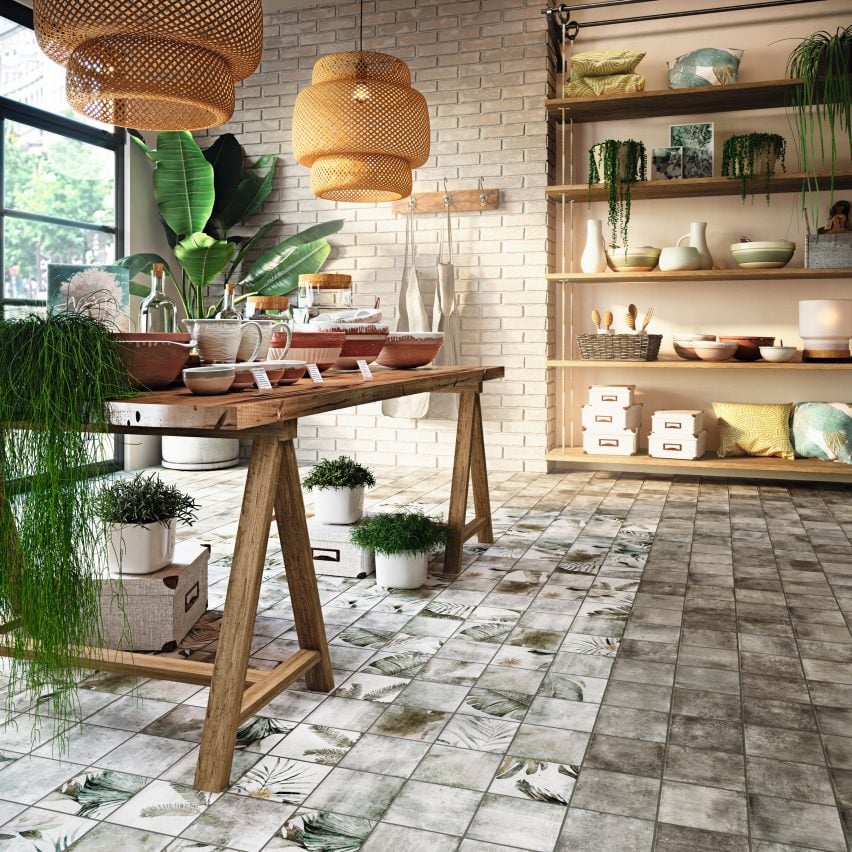
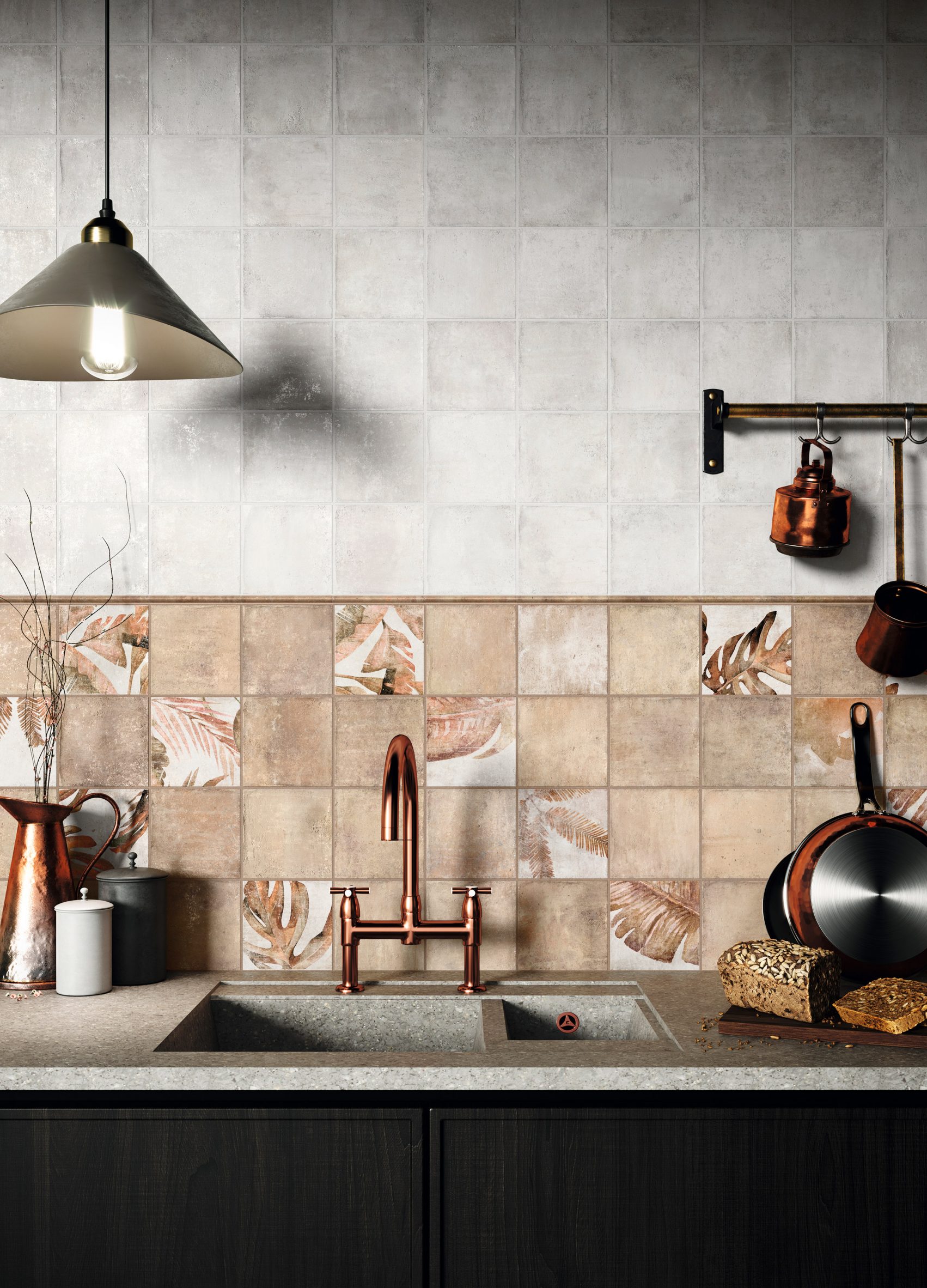
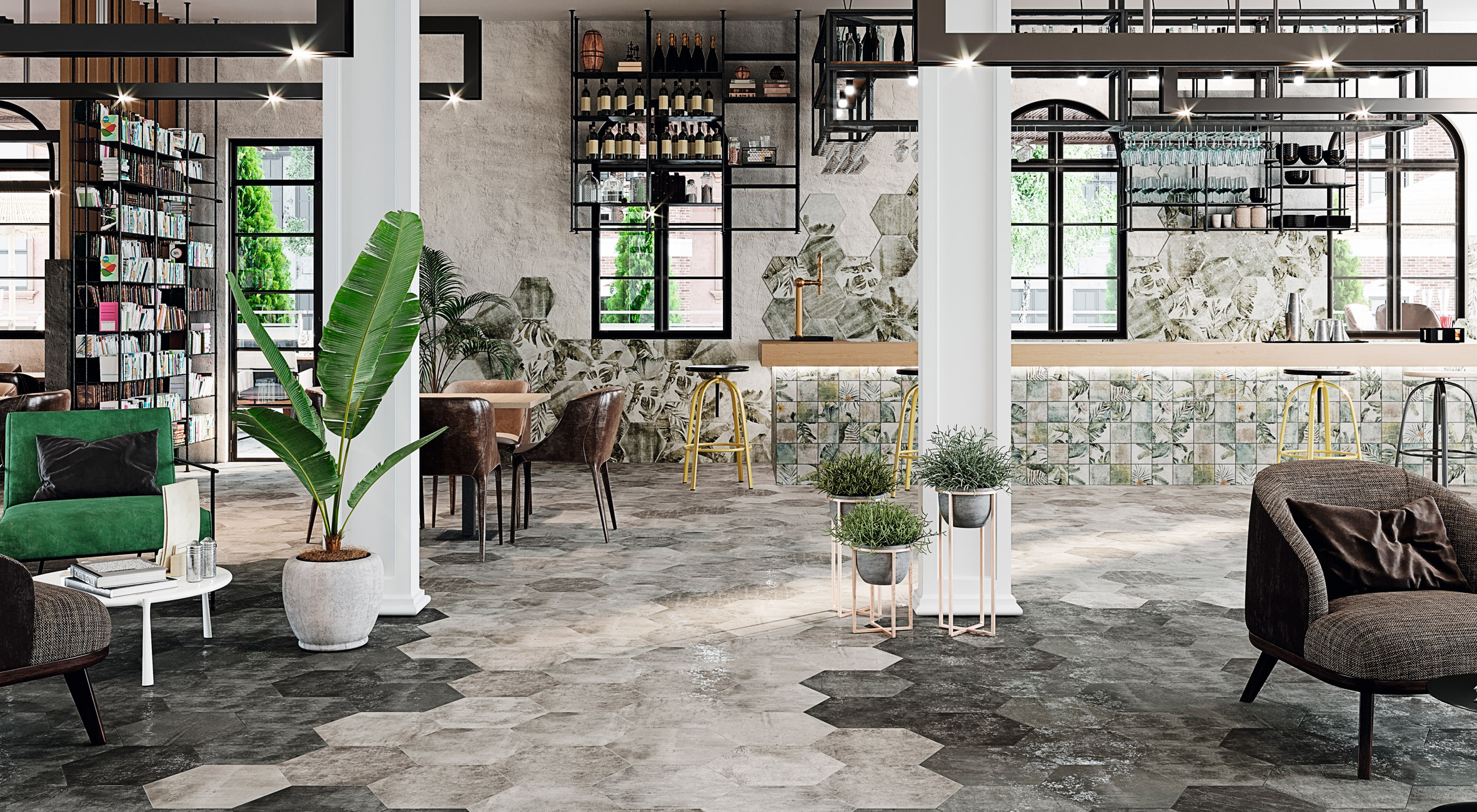
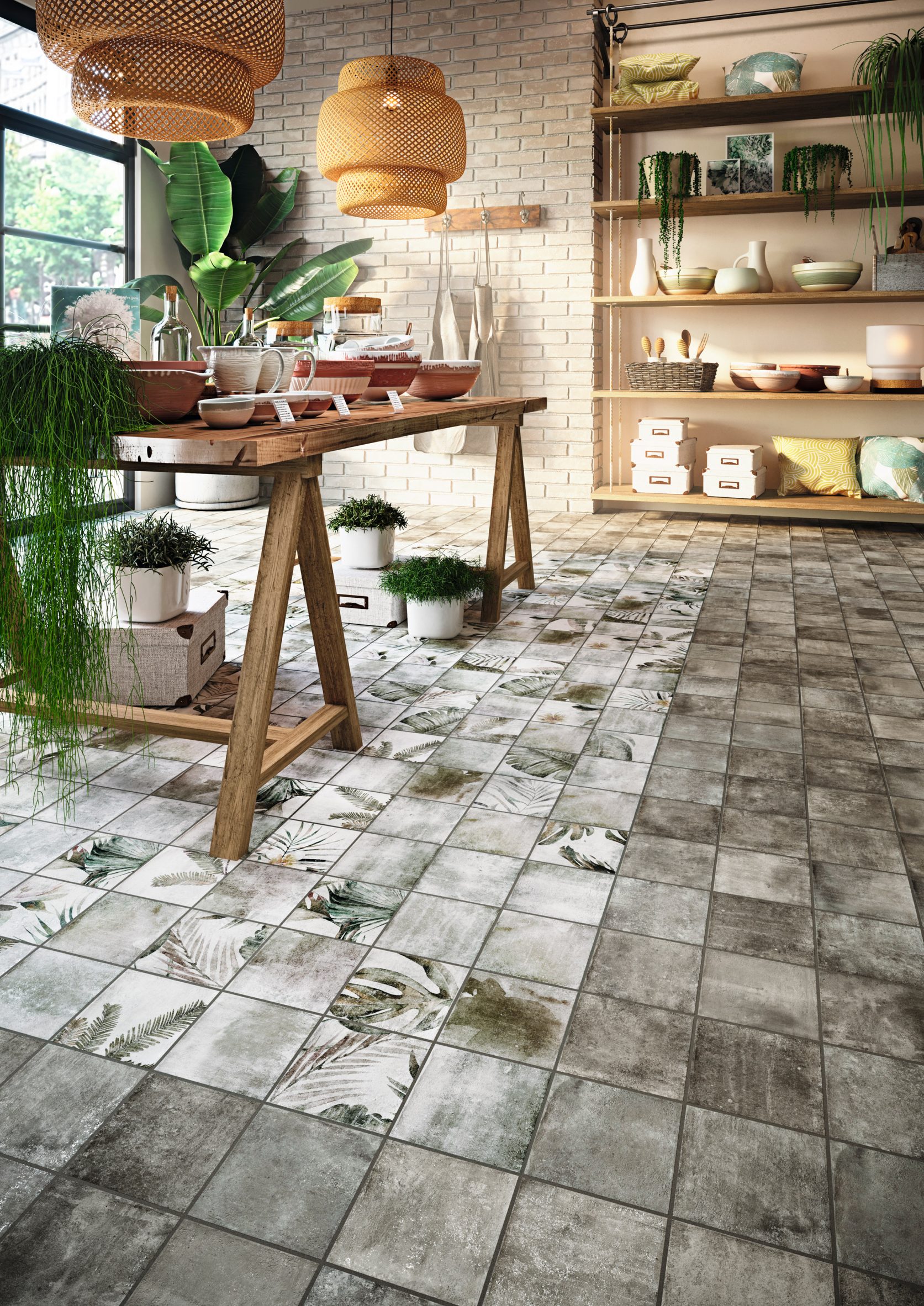
Dezeen Showroom: Spanish interior brand ZYX has designed the Amazonia Collection, a range of floor and wall tiles that resemble the "wild jungle".

Available in two shapes, the porcelain Amazonia tiles are all handcrafted to give them a "rustic" look that can be used on both walls and floors.

"Amazonia is inspired by tropical jungles," said ZYX area export manager Salvador Liñan. "It transports us to the Amazon and invites us to immerse ourselves in an atmosphere of exotic sensuality."

amazonia tiles
Amazonia tiles can be used on the wall and floor

The designers used five earthy colours such as deep green and sand to embody the jungle theme. Each tile has been handmade into either a square or hexagonal shape.

"The square Amazonia pieces, with a small format and details that follow the handmade trend, are the ones which are most faithful to the rustic narrative," the brand said.

"The hexagon format maximises the fresh botanical concept and particularly enriches the current character of the collection with this geometric shape."

amazonia tiles
The designers used earthy tones such as green and sand

Though each tile is individual, the designers believe that when used together, the colours complement each other and contribute to the rustic finish.

"The irregular profile of the pieces, as a result of the intentional cuts created with a handcrafted mould, means that it is hard to find two identical pieces," the brand continued. "The beauty of these effects is enhanced with a worn gloss effect, obtained with special ink that gives that rustic aura to the pieces."

amazonia tiles
Each tile is handmade into either a square or hexagon

The collection was designed to hark back to the origins of ceramics, which is why ZYX turned to traditional methods of craftsmanship to create the tiles.

"With Amazonia, we looked for a product whose result was a reminder of the most essential aspects of the ceramic culture, that absorbed the beauty of handcrafted products, from the craftsman's tanned hands that with meticulous patience, created pieces one by one, from the intimacy of his trade," the brand said.

"Studying the manufacturing process, inspired by traditional techniques, as well as designing the pieces following the latest trends, have been key to successfully give the whole character and personality to this new collection," it continued.

Product: Amazonia
Brand: ZYX
Contact: juliet@julietmcdonald.com

About Dezeen Showroom: Dezeen Showroom offers an affordable space for brands to launch new products and showcase their designers and projects to Dezeen's huge global audience. For more details email showroom@dezeen.com.

Dezeen Showroom is an example of partnership content on Dezeen. Find out more about partnership content here.

The post Amazonia Tile Collection by ZYX appeared first on Dezeen.


from Dezeen https://ift.tt/3Bd76Iq

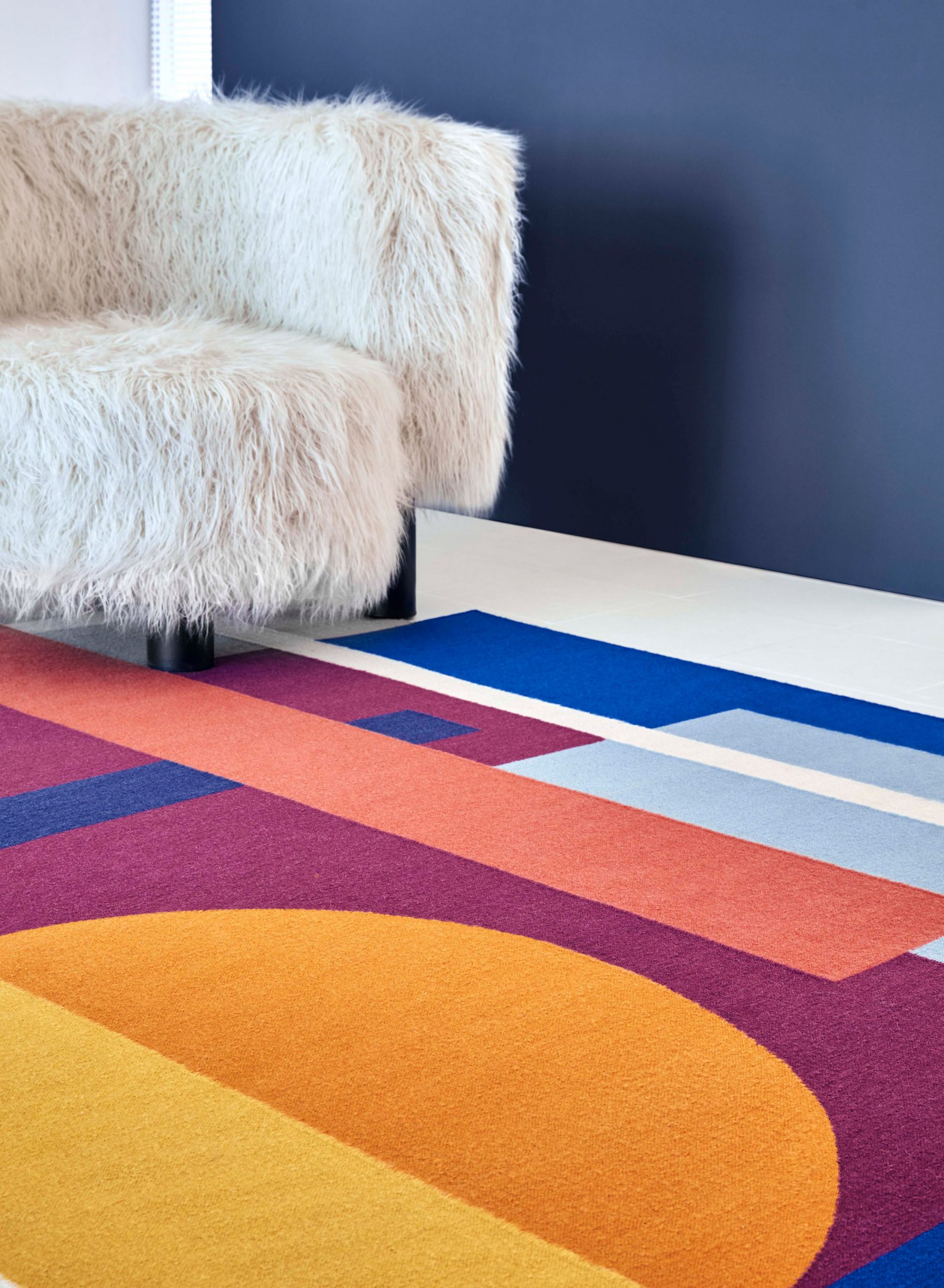
Zoe rug collection by Daria Zinovatnaya for Gan

Zoe Sool rug by Daria Zinovatnaya for Gan

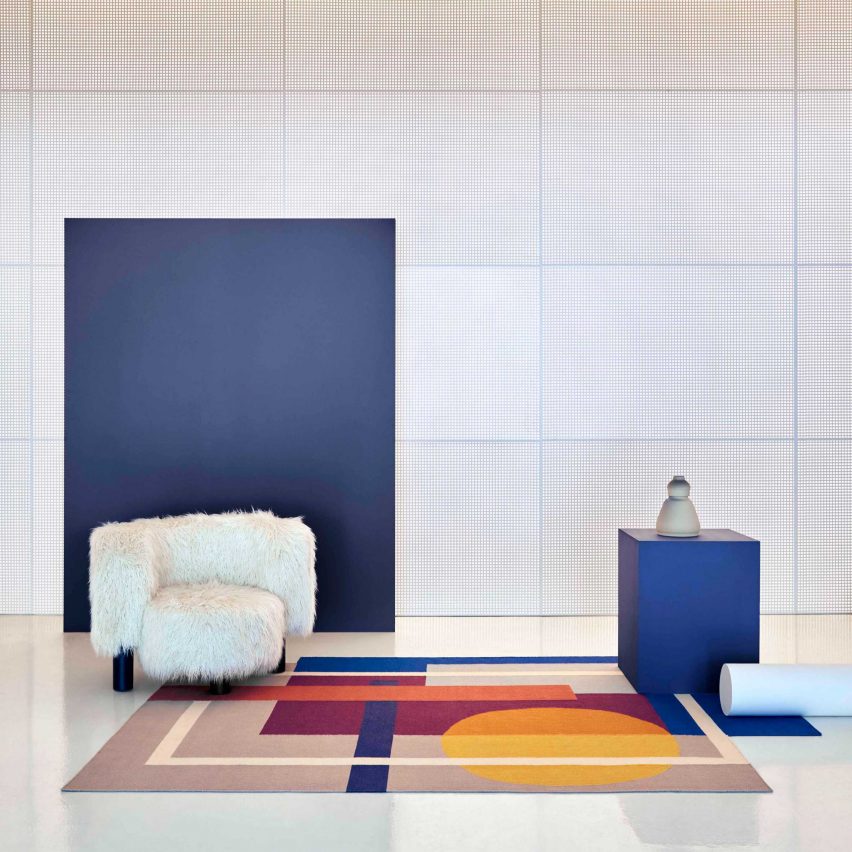
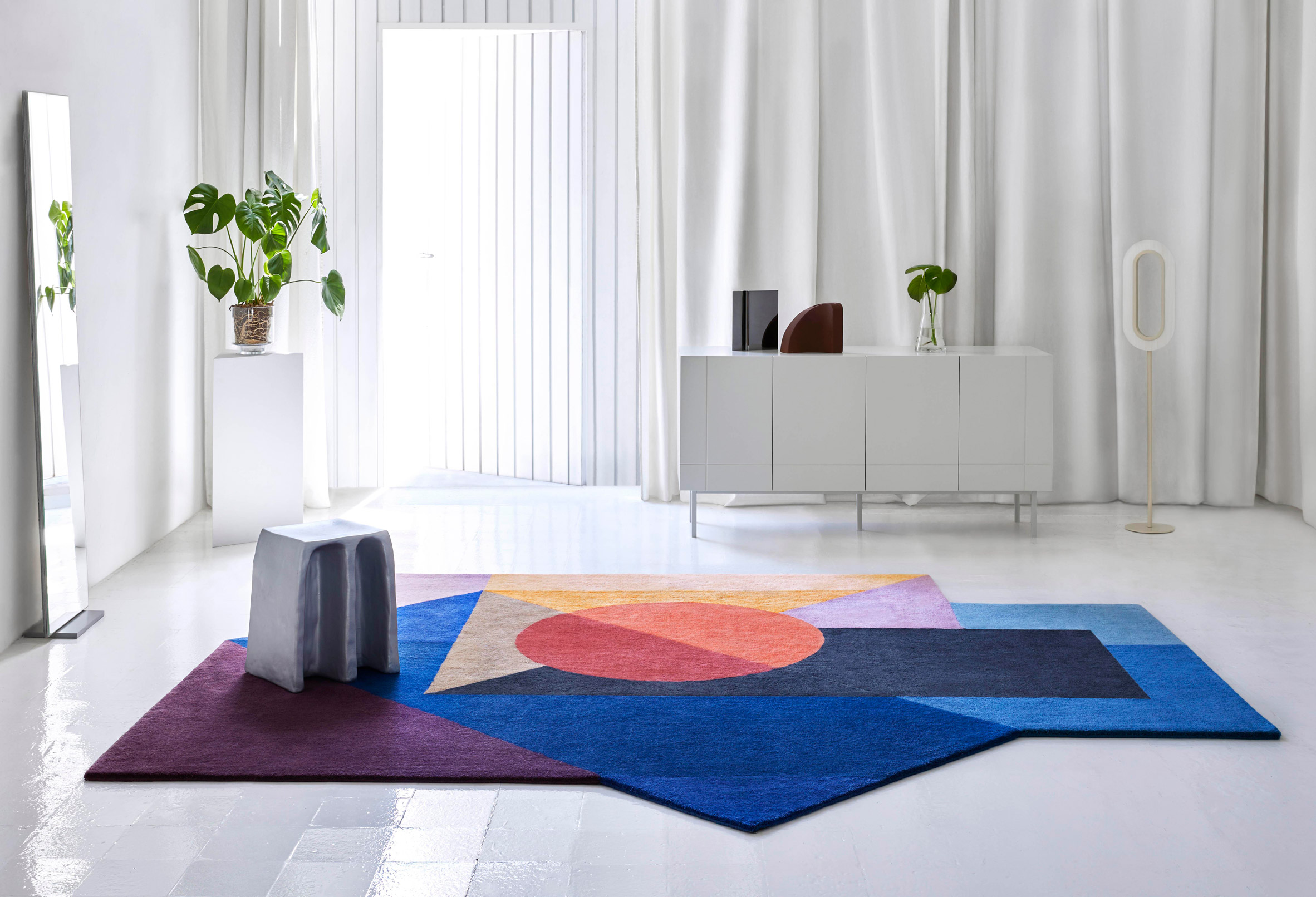
Dezeen Showroom: Ukrainian designer Daria Zinovatnaya has created the Zoe rug collection for Gan, applying her signature bold shapes and colours.

The Zoe collection consists of two rugs, Kubb and Sool, which are available in two sizes.

Both feature colourful planes and geometries reminiscent of the Bauhaus and Russian suprematists but with a contemporary mix of hues.

Zoe Kubb rug by Daria Zinovatnaya for Gan
The Kubb rug is hand-knotted for a fluffy finish

The two designs also have different textures, the result of being made by different artisanal techniques.

The Kubb rug has a thick and fluffy finish that is hand-knotted from 100 per cent wool.

Zoe Sool rug by Daria Zinovatnaya for Gan
Sool has the more varied texture of a traditional kilim rug

The Sool rug is also made from wool but using the kilim technique that is traditional to western and central Asia. It creates a light, flat-woven rug with a textured surface.

Zoe is the first collaboration between Zinovatnaya and Spanish brand Gan. The collection debuted at the Madrid Design Festival and won the 2020 NYCxDesign award in the residential flooring category.

Product: Zoe collection
Designer: Daria Zinovatnaya
Brand: Gan
Contact: info@ganrugs.com

About Dezeen Showroom: Dezeen Showroom offers an affordable space for brands to launch new products and showcase their designers and projects to Dezeen's huge global audience. For more details email showroom@dezeen.com.

Dezeen Showroom is an example of partnership content on Dezeen. Find out more about partnership content here.

The post Zoe rug collection by Daria Zinovatnaya for Gan appeared first on Dezeen.


from Dezeen https://ift.tt/3kg33Vs