Friday, 16 July 2021

This week creatives shared what made them grateful during the pandemic

100 days of gratitude illustration

This week on Dezeen, creatives including Arthur Mamou-Mani and Adam Nathaniel Furman revealed what has made them appreciative during the pandemic in an ongoing portrait series.

Illustrator Justyna Green started drawing her series 100 Days of Gratitude as Covid-19 restrictions begun loosening, and will draw one portrait per day for three months.

"100 Days of Gratitude is born from the idea that even in the toughest life situations, there's always something to be grateful for," Green told Dezeen.

Jan Wurm, Arup
Drive to reduce embodied carbon in buildings makes biomaterials market a "really exciting space"

We continued our carbon revolution series this week with an interview with Arup's Jan Wurm. The research and innovation leader said that the drive to reduce carbon emissions caused by the construction process has made the biomaterials market a "really exciting space."

This week also saw the European Union unveil new proposals aimed to reduce carbon emissions across the continent. For the first time, the proposals include caps for building and transport.

Cement plant in Sweden to close
Sweden faces "very serious" economic impacts as environmental ruling closes cement plant

In Sweden, the closure of a cement factory on environmental grounds is set to lead to "very serious economic impacts."

However, the plant, which is the second-largest source of greenhouse gas emissions in Sweden, could become the world's first carbon-neutral cement plant under plans announced by its owner.

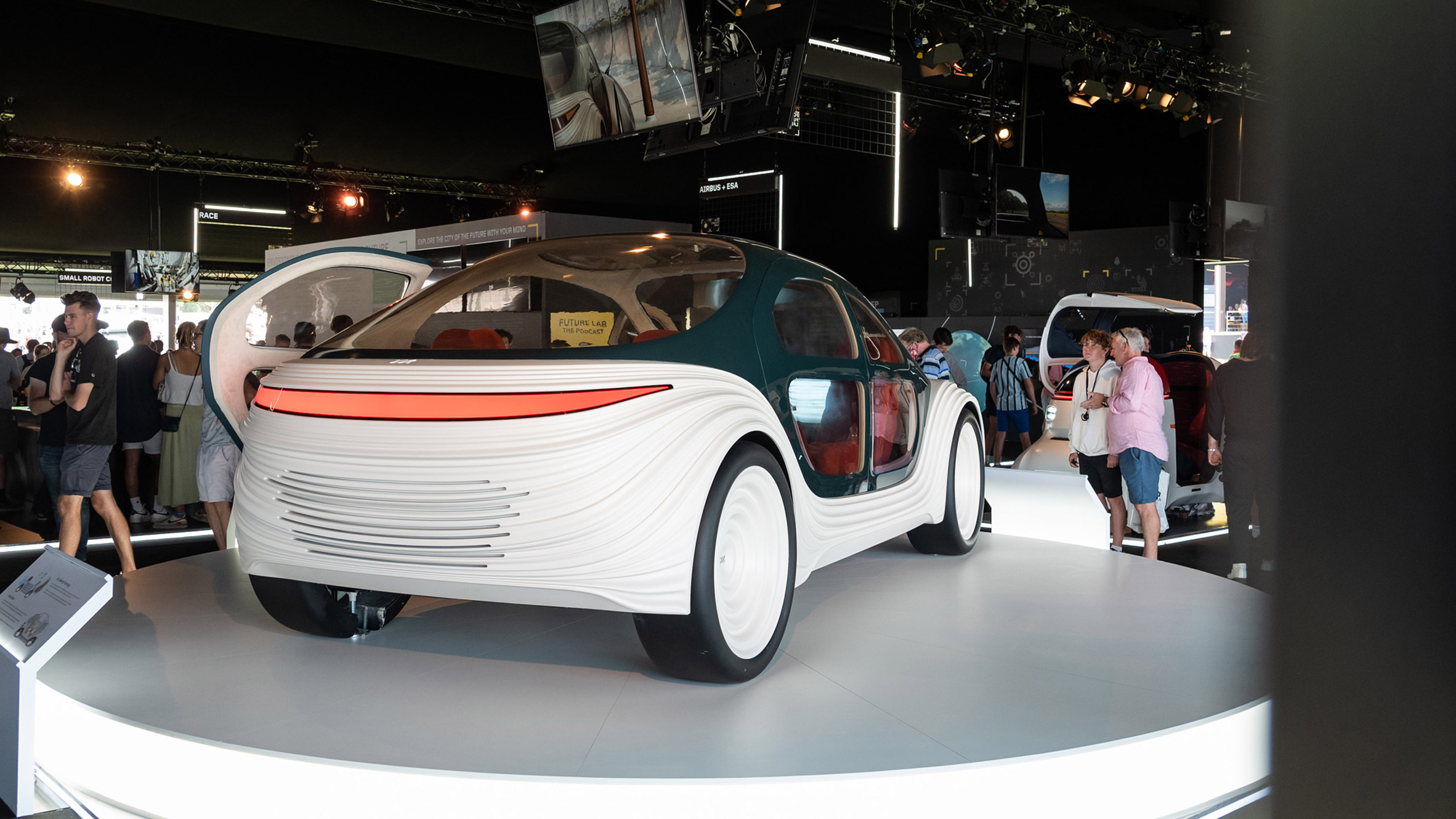
Heatherwick Studio unveils Airo prototype at Goodwood Festival of Speed

Design studio Thomas Heatherwick unveiled the prototype for its electric car Airo at the Goodwood Festival of Speed. The studio claims the car will clean the air as it drives by "vacuuming up pollutants from other cars."

Also at Goodwood, London-based production studio Unit9 showcased the tensegrity structure it designed for car brand Lotus, which can be enhanced using augmented reality.

Another tensegrity structure was in the news this week as we showed footage of police storming the Antepavilion office in London, where a structure of the kind being used by environmental protest group Extinction Rebellion was set to be unveiled.

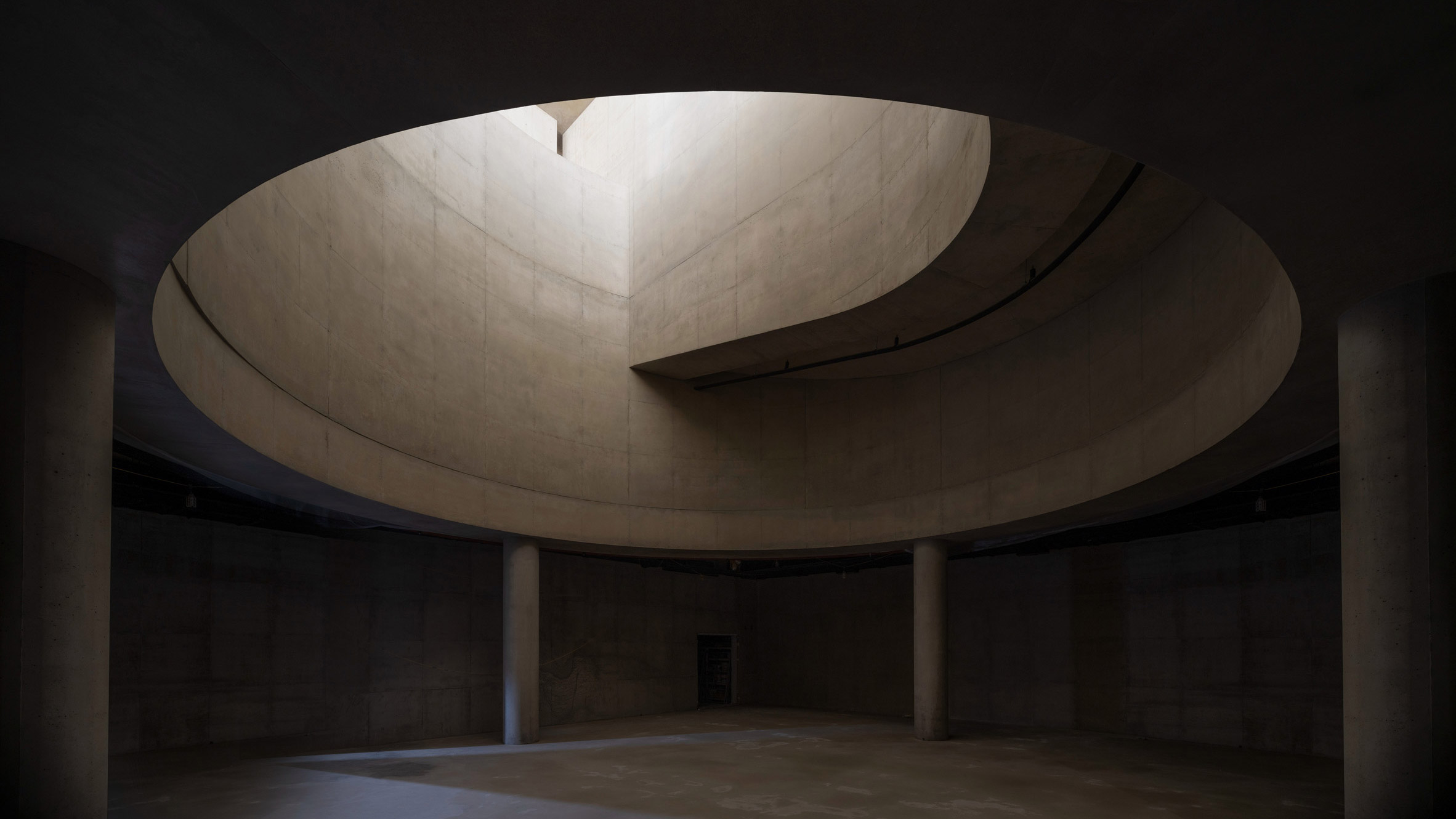
An exhibition space inside ST/SongEun Building
Images of Herzog & de Meuron's wedge-shaped art institute in Seoul revealed

In architecture this week, the first images of Herzog & de Meuron's wedge-shaped art institute in Seoul were revealed. The monolithic structure is set to open in September.

In Beverly Hills, Foster + Partners has won planning permission to redevelop a triangular site, creating a botanical garden as well as two plant-covered high-rises.

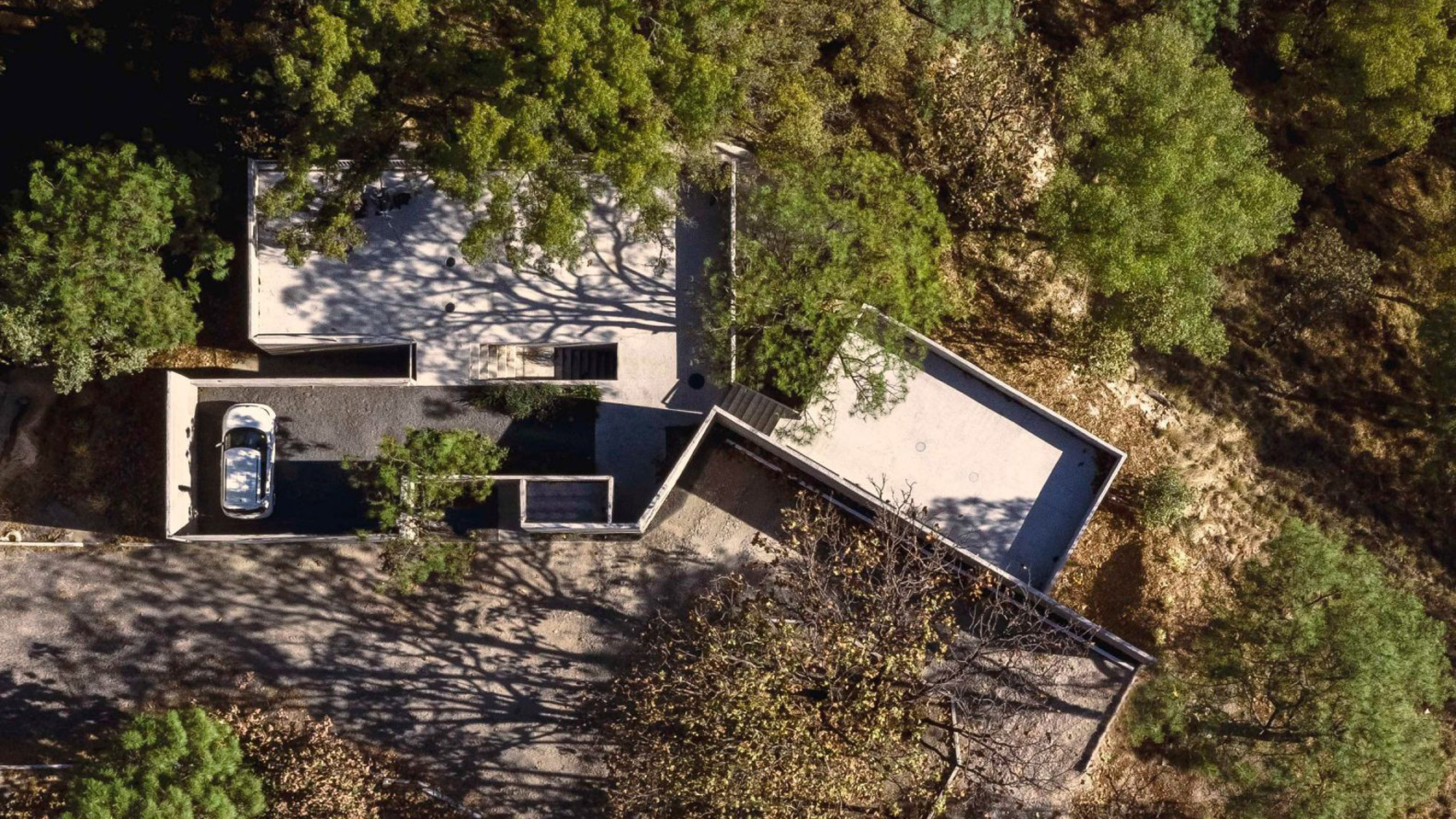
René Pérez Gómez designs concrete retreat in Mexican forest

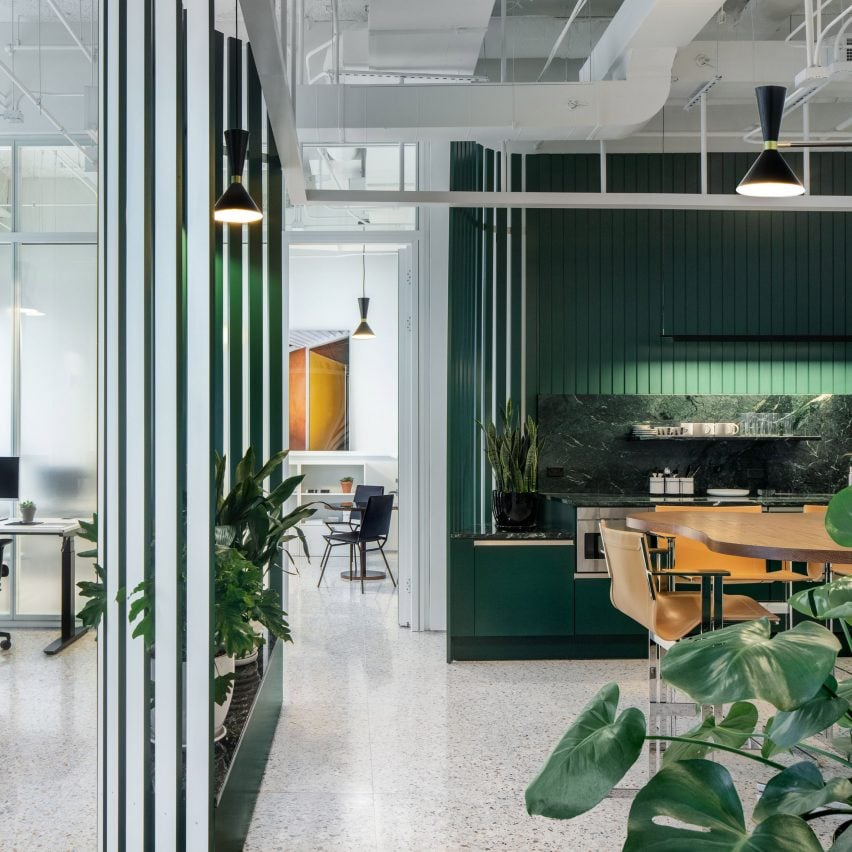
Popular projects this week include a pared-back concrete house nestled within a forest in Mexico, a kitchen refurbishment for hosting at-home supper clubs and a brickwork house in Australia with lofted white ceilings.

Our lookbooks this week focused on mezzanines and white interiors.

This week on Dezeen is our regular roundup of the week's top news stories. Subscribe to our newsletters to be sure you don't miss anything.

The post This week creatives shared what made them grateful during the pandemic appeared first on Dezeen.


from Dezeen https://ift.tt/3z8W456

Chicago's Swiss Consulate interior is a nod to 1960s modernism

Chicago's Swiss Consulate

Swiss firm HHF and Chicago-based studio Kwong Von Glinow have collaborated on the interiors of the Swiss Consulate located in Chicago's landmark John Hancock Center.

Located on the 38th floor of the 100-storey supertall skyscraper, the 1,500-square-foot office is designed to pay homage to the shared architectural history of Chicago and Switzerland.

Interior of Swiss Consulate in Chicago
The Swiss Consulate is located in the John Hancock Center

HHF and Kwong Von Glinow drew on the domestic interiors of Swiss modernist architect and designer Otto Kolb, who taught at the Illinois Institute of Technology.

Original Otto Kolb light fittings have been used throughout, and the office's mid-century style furniture is the result of a collaboration with Ginger Zalaba, Kolb's granddaughter and founder of Zalaba Design.

Swiss Consulate interiors by HHF and Kwong Von Glinow
HHF and Kwong Von Glinow referenced the work of 1960s architect Otto Kolb

"The Swiss Consulate was developed as one fluid space," the designers told Dezeen. "Similar to the design of the Villa Kolb on the outskirts of Zürich."

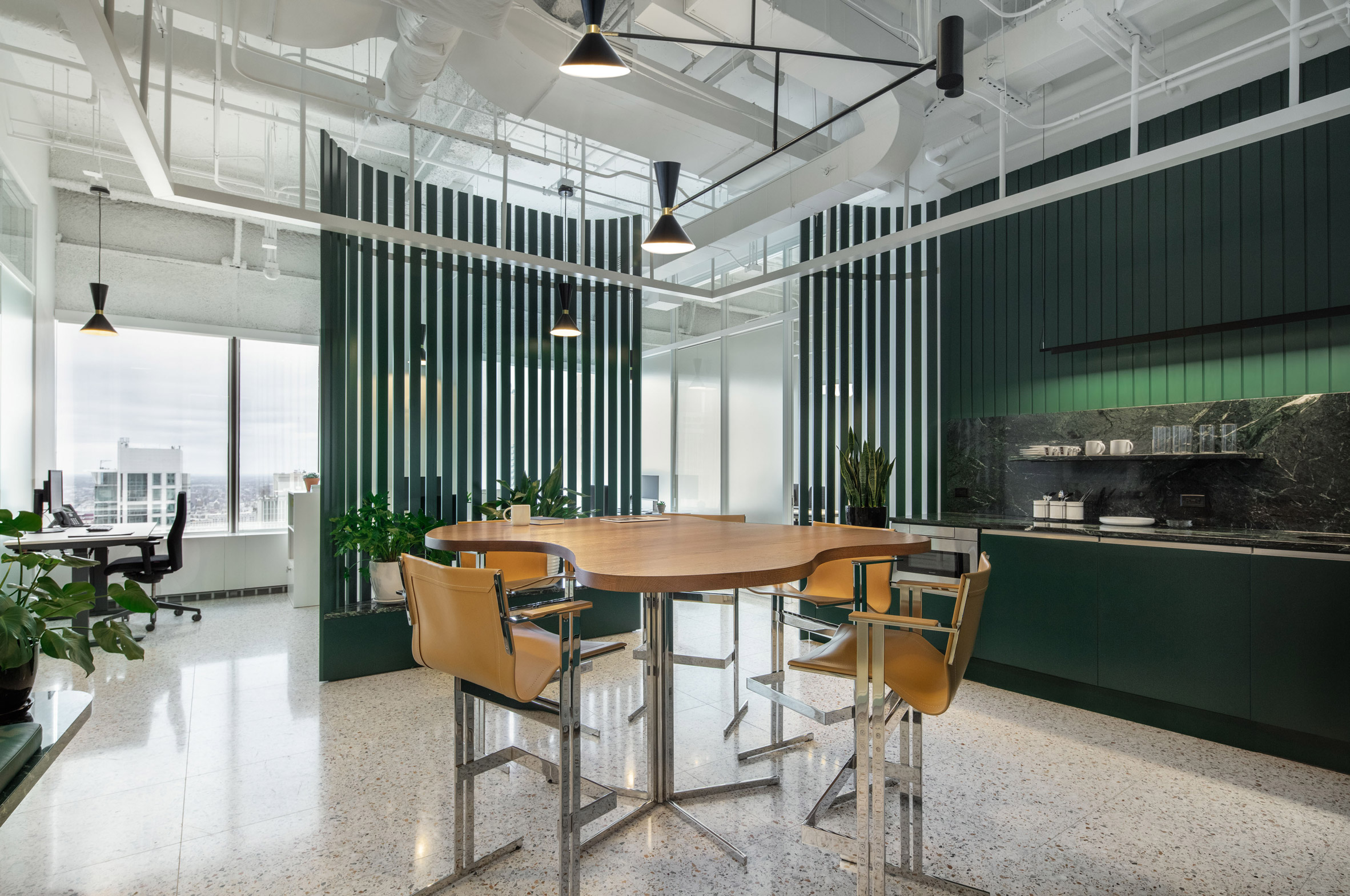
At the centre of the office, an area is carved out by curved sections of wooden slats and plants in reference to Villa Kolb's cylindrical fireplace.

Green kitchen of office interior in Chicago by HHF and Kwong Von Glinow
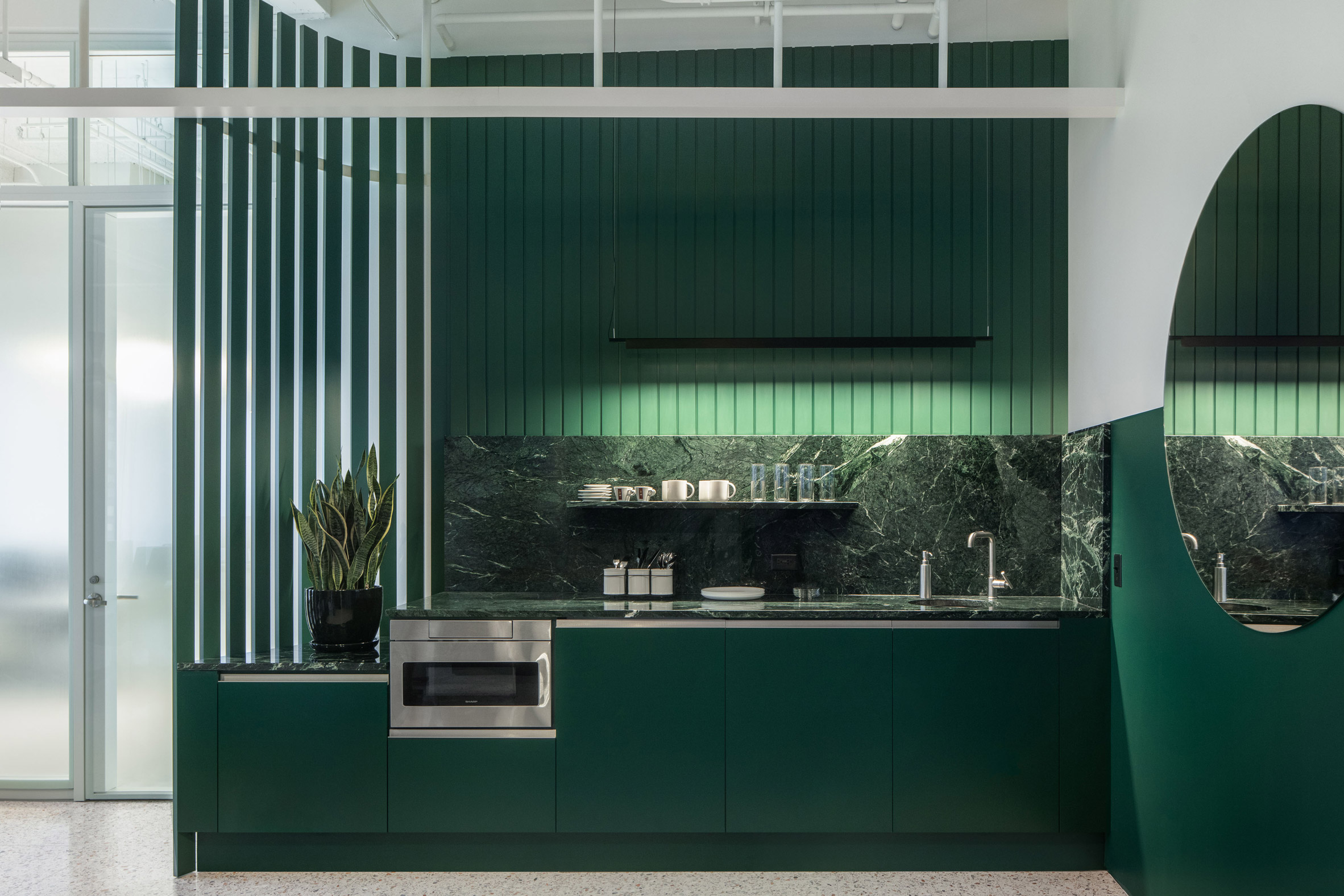
The kitchen is painted a deep green colour

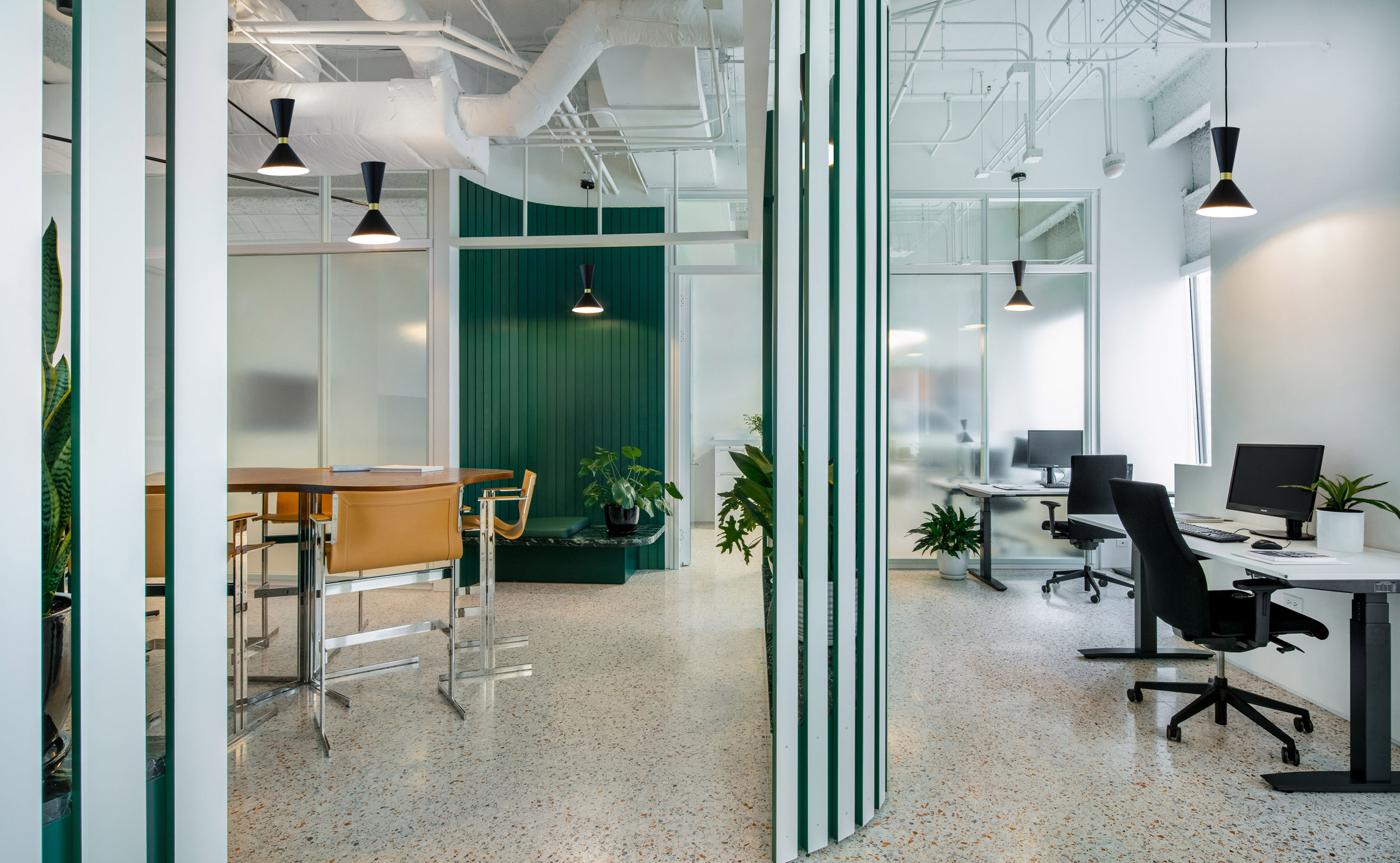
These wooden dividers – painted a deep green internally and white on the reverse – act to separate the social areas of the office from the workspaces, loosely enclosing a green kitchenette and central tall table.

"The light-altering screens that shape the green core act as mediators between the more public area and the working areas of the consulate," explained the designers.

"Taking cues from how kitchens are typically used in the home as a place where daily interactions between family members occur, the kitchenette becomes the meeting place of the Swiss Consulate."

Three desks sit alongside this central core, while two individual offices and a conference room are separated from the more social area with large frosted glass partition walls that help pull light deeper into the plan.

Meeting room inside the John Hancock Center
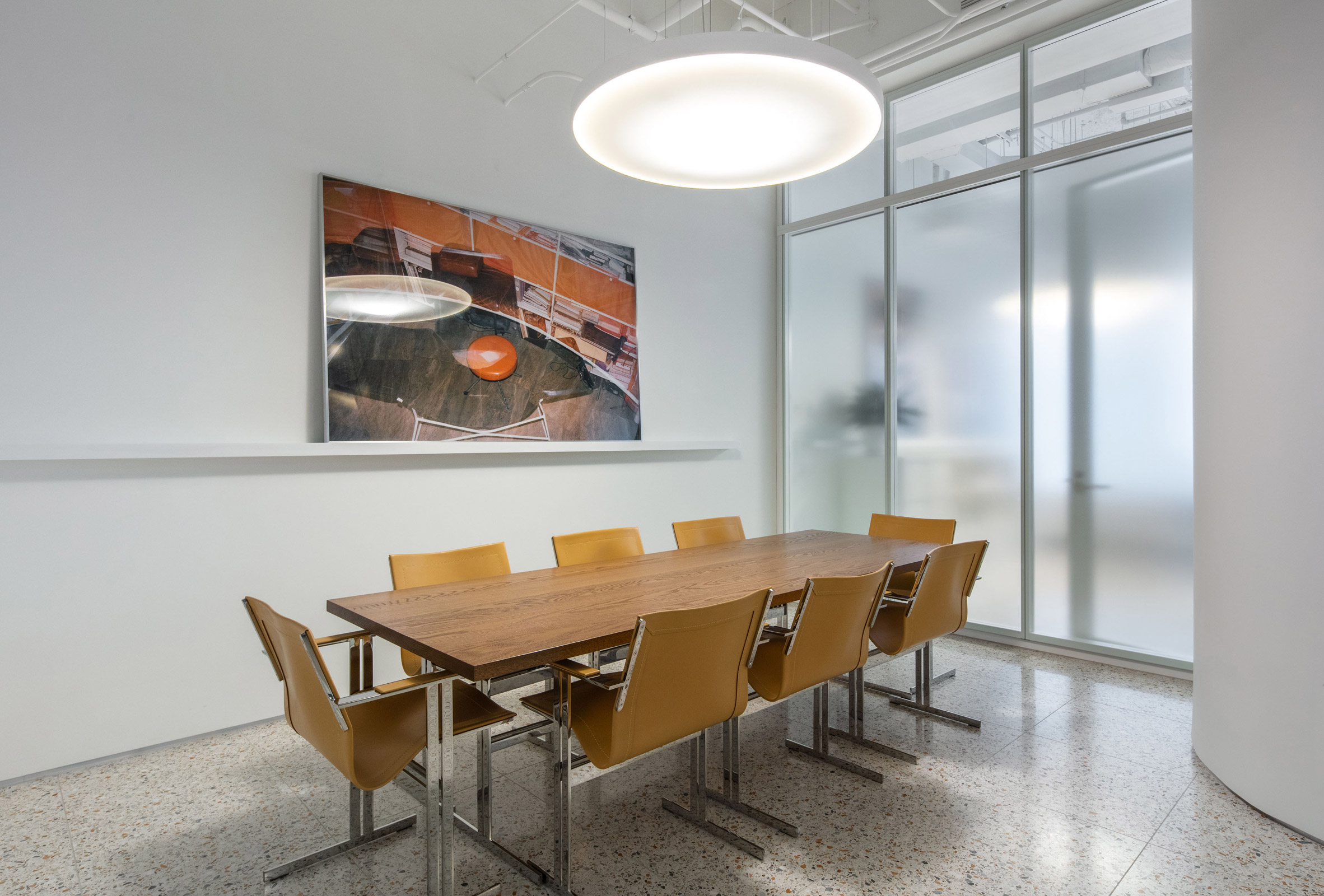
Meeting rooms are screened by frosted glass

"Given the meeting room's lack of access to direct light, natural light comes instead from the frosted glass partitions that separate it from the deputy's office," explained the designers.

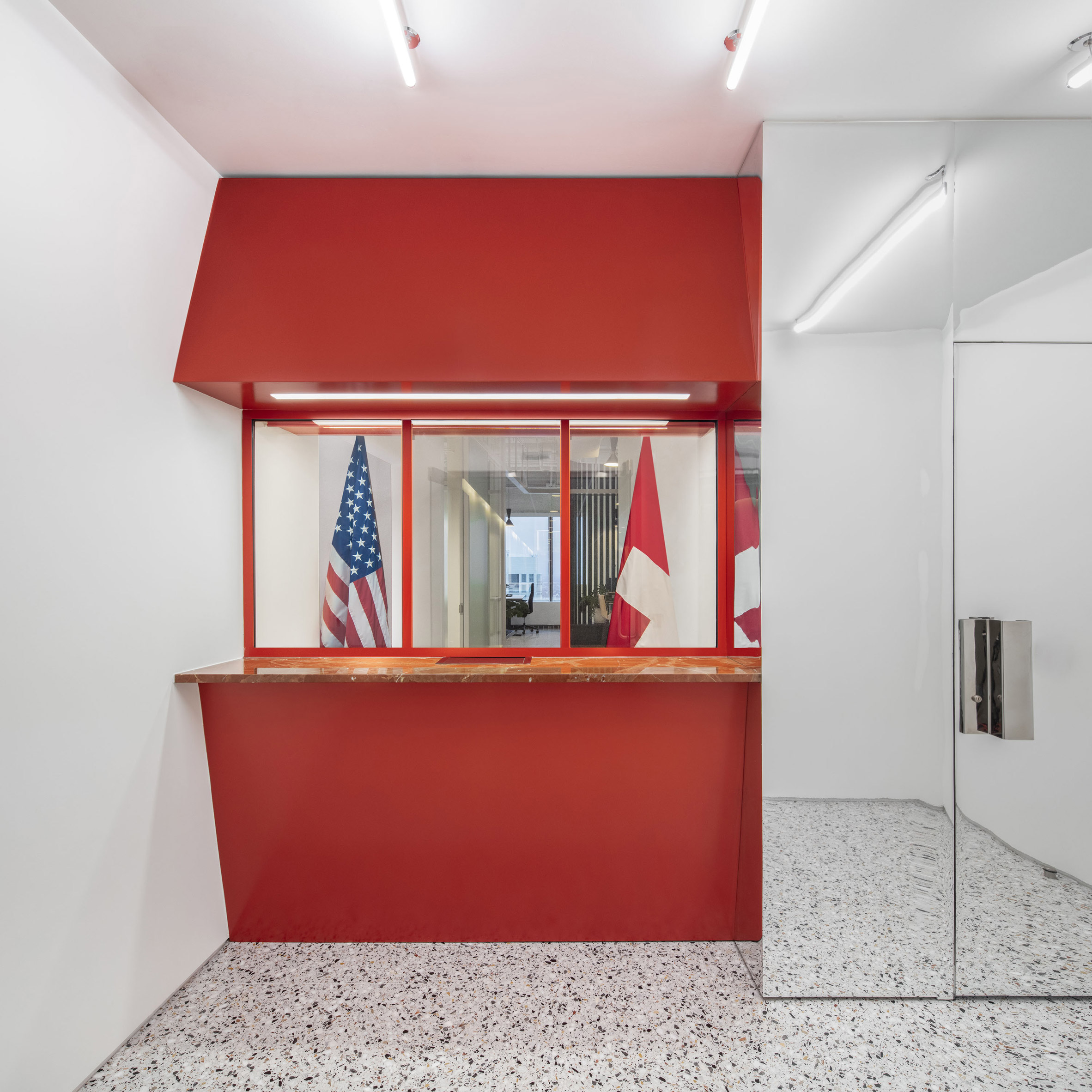
With privacy and security being important, the only entrance to the office is via a mirror-polished chrome door, which stands alongside a bright red reception booth.

Reception booth and chrome door of Swiss Consulate in Chicago
The reception booth is painted bright red

Kwong Von Glinow recently completed their first project since founding the practice in 2017, a light and spacious house in Chicago aimed to demonstrate an alternative to developer-led housing.

Global practice Skidmore, Owings & Merrill, the original designers of the John Hancock Center where the Swiss Consulate is based, has also recently revealed plans for a new curving glass canopy for the State/Lake station on Chicago's metro.

The photography is by James Florio.

The post Chicago's Swiss Consulate interior is a nod to 1960s modernism appeared first on Dezeen.


from Dezeen https://ift.tt/3BmoGd4

Nakagin Capsule Tower to be dismantled and turned into rental accommodation and exhibits

Nakagin Capsule Tower

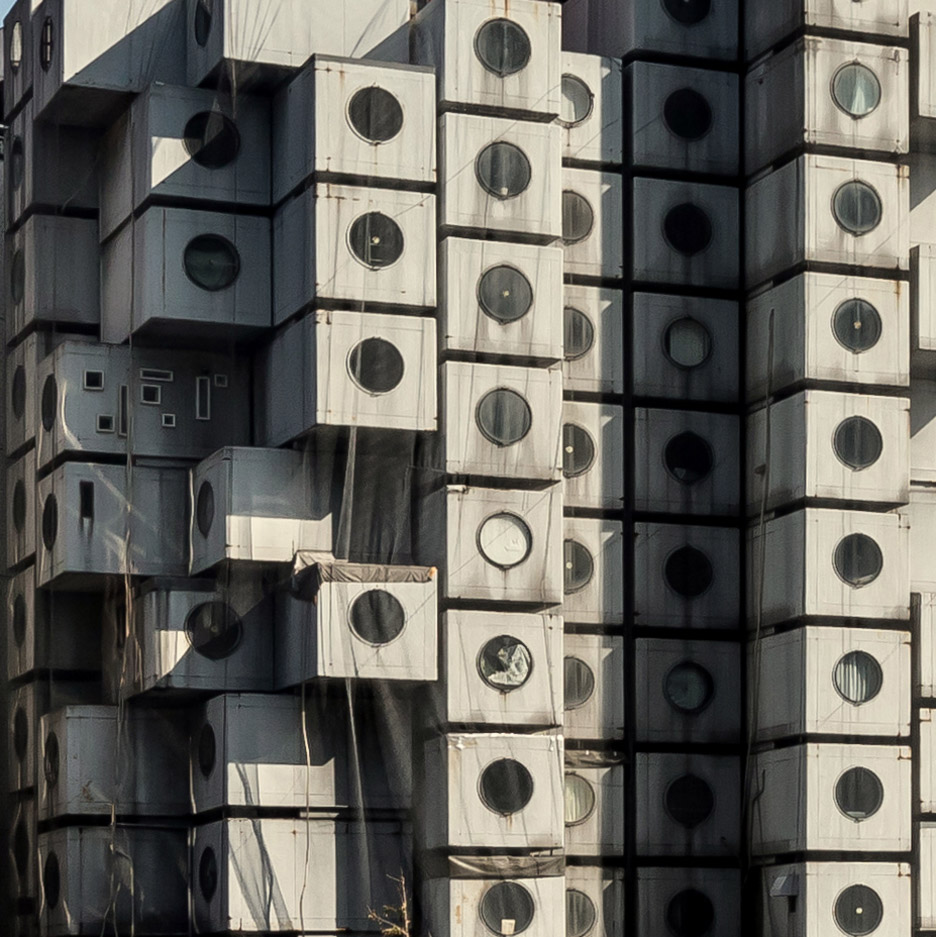
Tokyo's Nakagin Capsule Tower, the 20th-century metabolist landmark by architect Kisho Kurokawa, is set to be disassembled and donated to museums or turned into rental units.

Located in the Ginza neighbourhood and built over the course of just 30 days in 1972, the housing block is considered a rare example of Japanese metabolism.

Nakagin Capsule Tower
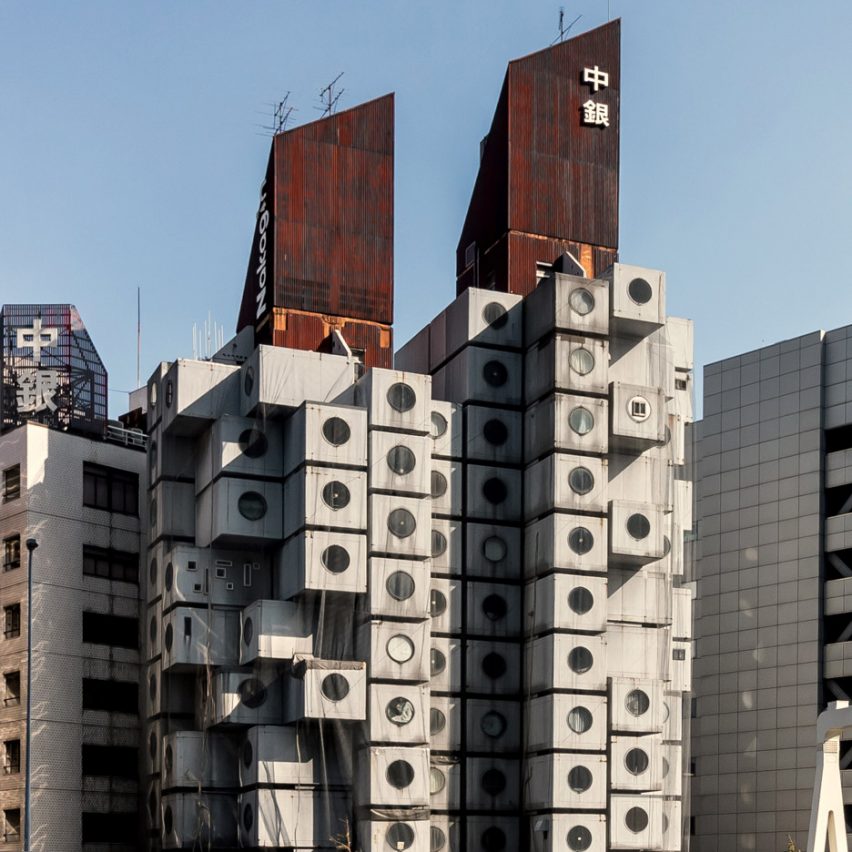
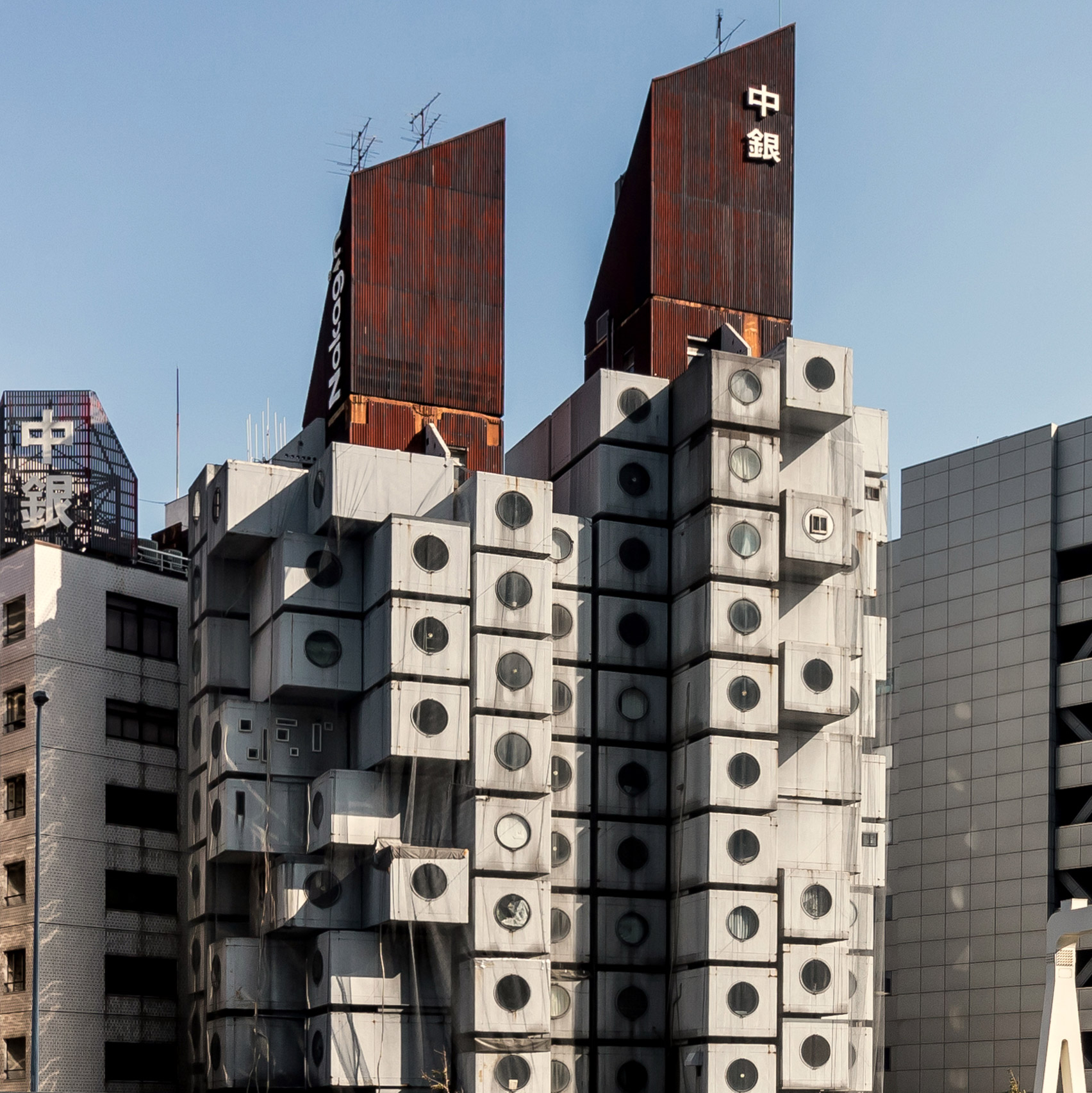
Top: the Nakagin Capsule Tower is made of steel modules. Photo is by Michael. Above: the building is a landmark of Tokyo's Ginza neighbourhood. Photo is by Kakidai

Much of the concrete and steel tower has fallen into disrepair and has been under threat of demolition since 2007.

Now, owners and residents of Nakagin Capsule Tower have decided to sell their homes and divvy up the capsules after attempts to find a buyer prepared to fund the restoration failed.

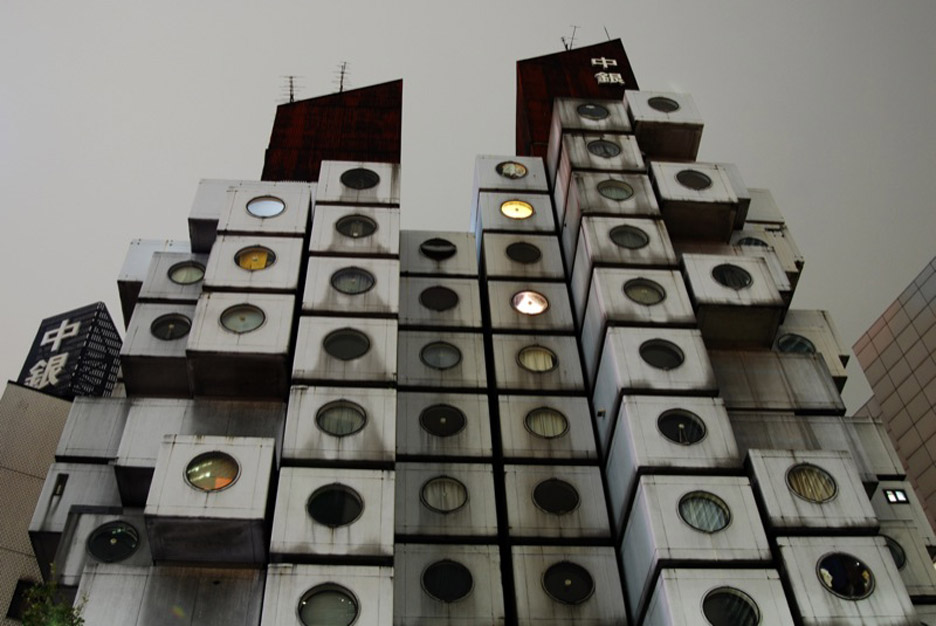
View of Nagakin Capsule Tower from Ginza in Tokyo
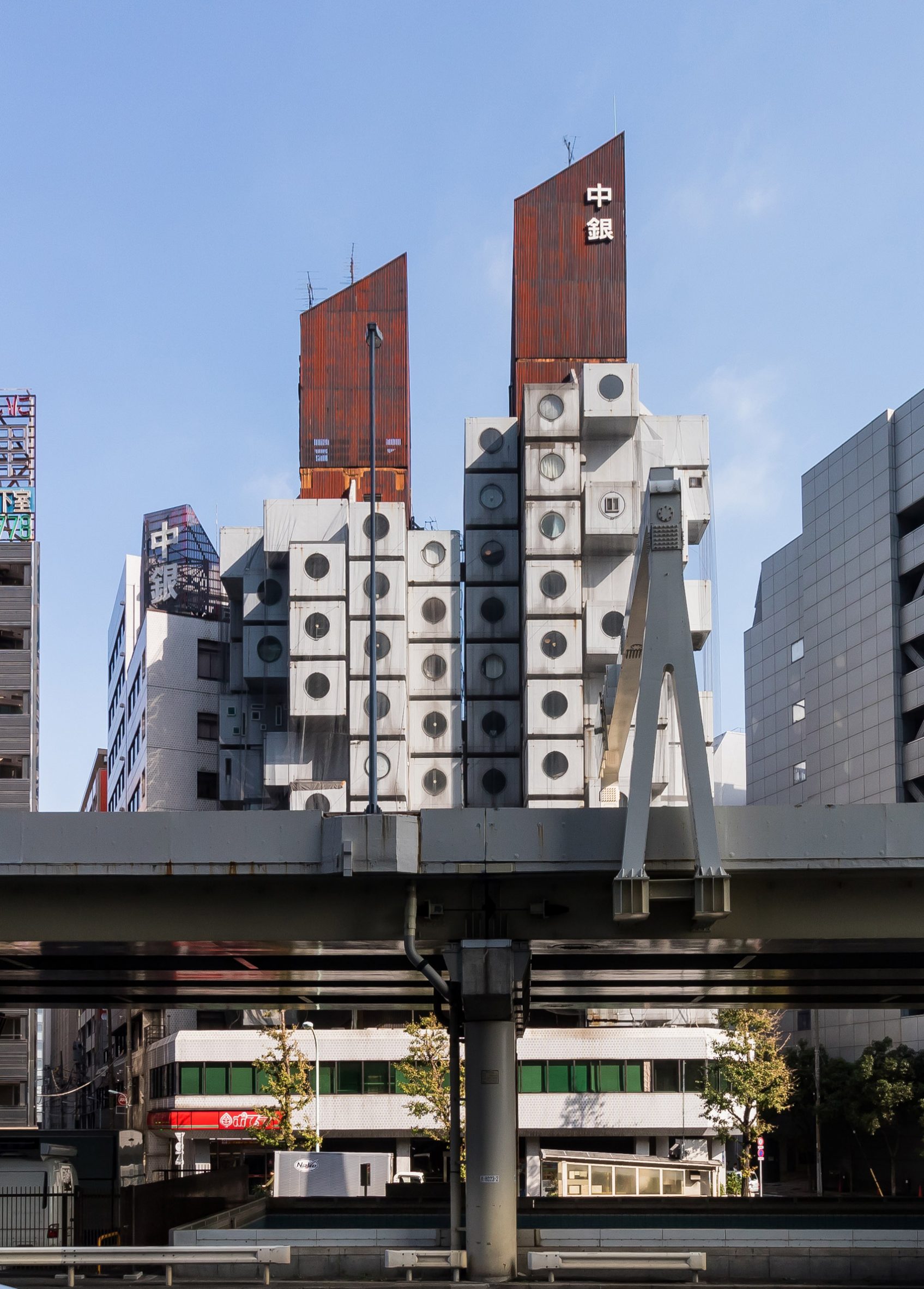
The tower will now be taken apart and repurposed. Photo is by Kakidai

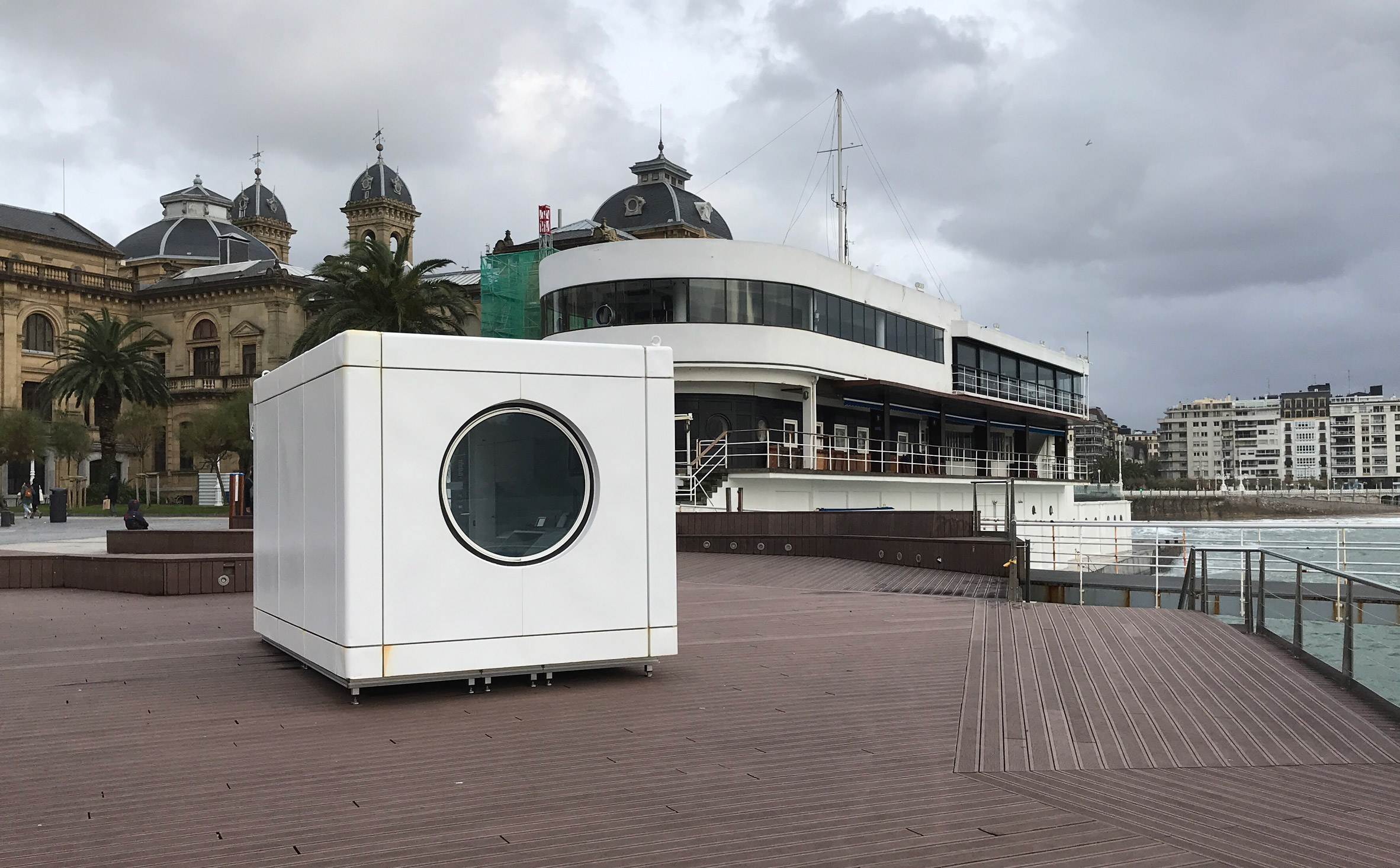
A module is already on display at Japan's Museum of Modern Art Saitama and the Centre Pompidou in Paris is reportedly keen to acquire one for its collection.

The owners are now crowdfunding to renovate the remaining 139 capsules so that they can be donated to institutions, or be relocated elsewhere in Tokyo and rented out to people who want to experience staying in one.

Kisho Kurokawa, who died in 2007, originally designed the modular housing block to attract single businessmen – the archetypal Japanese salaryman – looking for a compact and conveniently located apartment.

Formed of two interconnected towers made of concrete, the Nakagin Capsule Tower was built of 140 prefabricated steel modules bolted onto the main shafts.

Each module measures 2.5 metres by four metres and has a distinctive round window at one end.

Interior of a capsule on display at a museum
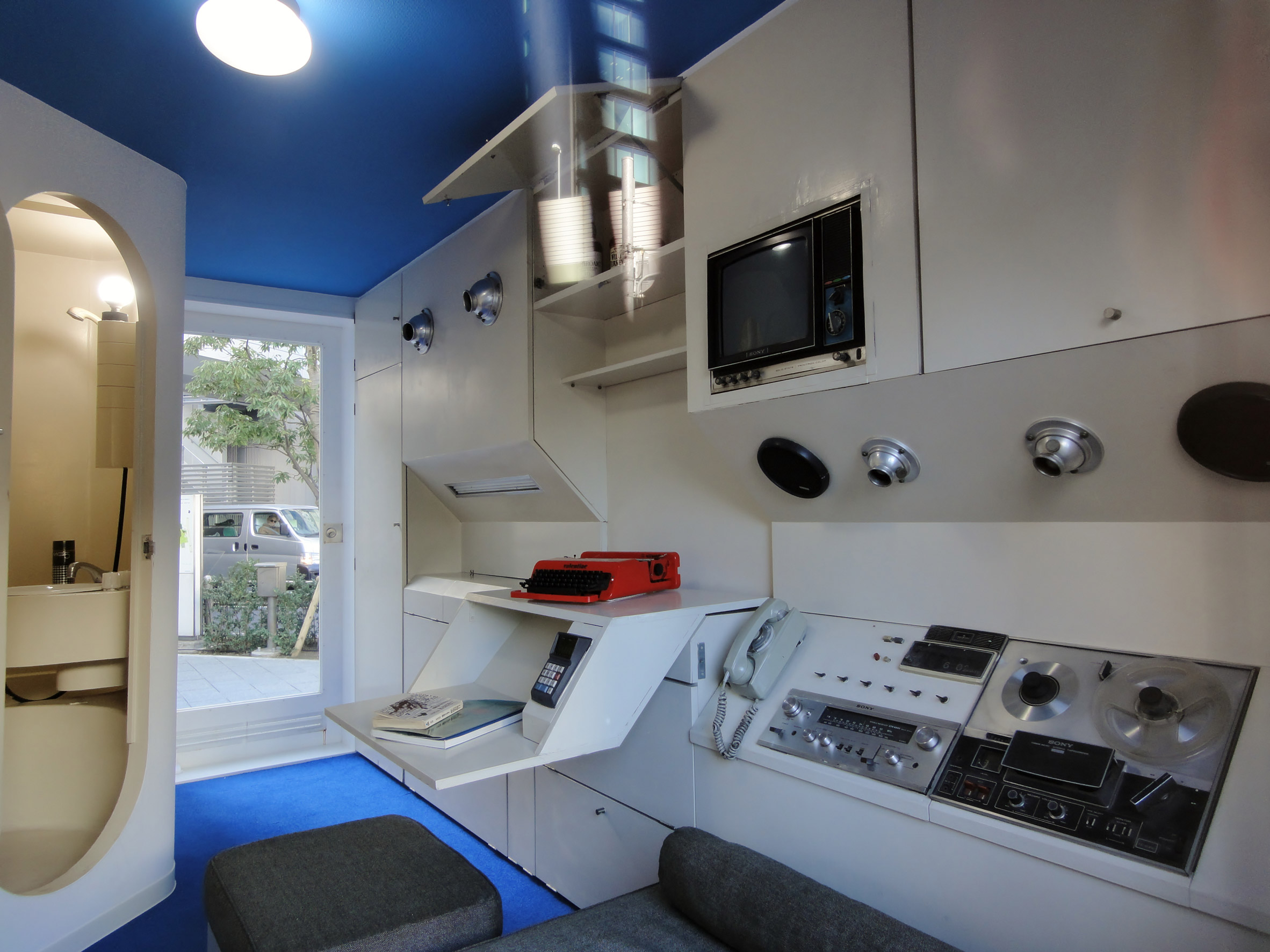
The interiors came with built-in furniture and technology. Photo is by Dick Johnson

The tiny homes were each fitted out with built-in furniture including a bed under the porthole-style window, cabinets, a kitchen stove and fridge, a telephone and Sony reel-to-deck recorder. A small bathroom even contains a tiny tub.

Kurokawa's vision was that each capsule could be rotated out and replaced every 25 years, to keep the building fresh, but problems with ownership and funding meant this never came to be. Instead, many of the capsules fell into disrepair.

The distinctive tower was built as part of Japan's Metabolist architecture movement, which was pioneered by Kurokawa along with Kiyonori Kikutake and Fumihiko Maki.

As students in the 1960s the architects were influenced by Marxism, megastructures and social growth. Metabolism was named for the constant biological process that keeps a body alive.

Module on display at a museum
One module has already been removed and displayed in museums. Photo is by Josugoni

Nakagin Capsule Tower embodies the ideals of Metabolism in the way that the cantilevered modules were designed to be swapped in and out, like the cells of an organism constantly renewing itself.

But this vision was never achieved and several of the capsules were abandoned or turned into storage units.

In 2007 the collective of owners announced they would sell to a developer who planned to demolish the building and build a new apartment block in its place.

However, the developer went bust in the 2008 recession, leaving the future of the tower uncertain.

Nagakin Capsule Tower exterior in Tokyo
Architecture fans have been able to rent out capsules to stay in. Photo is by Scarlet Green

In 2018 the owners started renting out the capsules on a monthly basis to architecture enthusiasts while the search for a buyer continued, until the coronavirus pandemic shut down negotiations.

Before Nakagin Capsule Tower is demolished, the residents association plans to undertake a survey of the building to be published in a book to record the architecture.

All around the world mid-century architecture is under threat. In the US, campaigners are lobbying to save Helmut Jahn's James R Thompson Center, while in the UK the 20th Century Society is campaigning to save a number of Brutalist buildings.

Photography is via Wikimedia Commons.

The post Nakagin Capsule Tower to be dismantled and turned into rental accommodation and exhibits appeared first on Dezeen.


from Dezeen https://ift.tt/3zawVXN

University of Plymouth spotlights ten student architecture projects

Plymouth University

A "thinkatorium" designed for children to learn about scientific experiments and a project that explores Plymouth's history of soap making are included in Dezeen's latest school show by students at the University of Plymouth.

Also featured is a community centre that reintegrates people into their neighbourhoods through music and an observatory designed to educate about climate change.


University of Plymouth

School: University of Plymouth, School of Art, Design and Architecture
Course: Architecture
Tutors:
Igea Troiani, Robert Brown, Sana Murrani, Mathew Emmett, Andy Humphreys, Ricky Burke, Michael Westley, Roy McCarty and Graham Devine

School statement:

"Architectural studies at undergraduate and postgraduate level at the University of Plymouth focuses on environmental, social, cultural and economic issues at local and global levels. We educate our graduates to be creative, critical thinkers through the production of live, real-world projects.

"Our expert researchers and practitioner-educators, and world-class facilities, support students to develop skills in design, communication, construction, historical and theoretical knowledge that is practice-centred. Our graduates are trained to be resilient, ecologically focused and civic-minded pioneers whose spatial and urban visions will better and delight all of society."

University of Plymouth

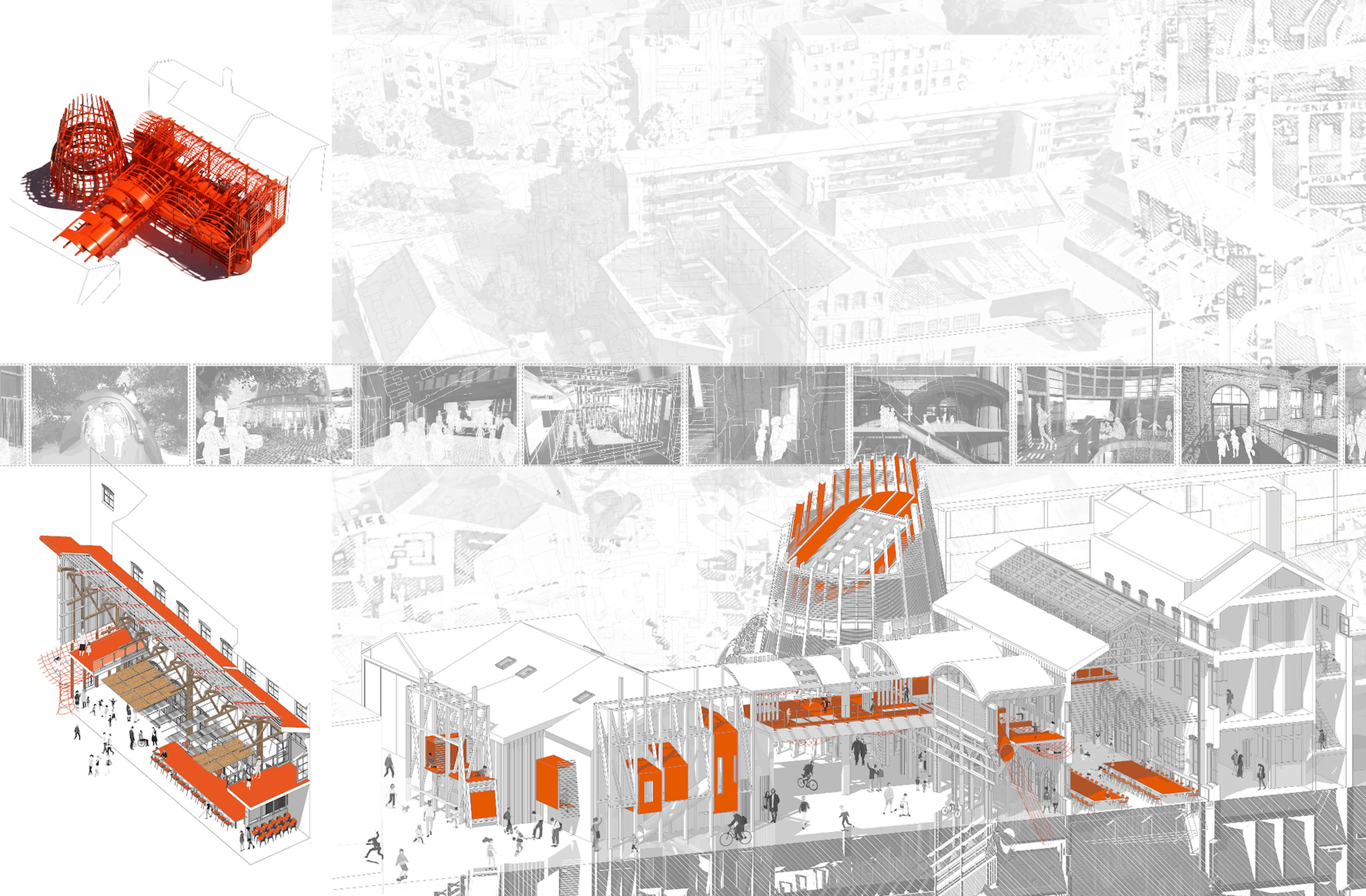
An Embedded Theatre of Convergence by Christopher Trigg

"This project aims to evoke a sense of collective identity and coming together through playful and appropriative acts of reinventing place and surface. The Manor Street Community Kitchen acts as a vessel for the acts of play and reinvention. This will enable memories of place and a sense of being and belonging."

Student: Christopher Trigg
Course: MArch – Year one
Tutors: Professor Robert Brown, Dr Mathew Emmett and Dr Sana Murrani
Email: christopher.trigg[at]students.plymouth.ac.uk

University of Plymouth

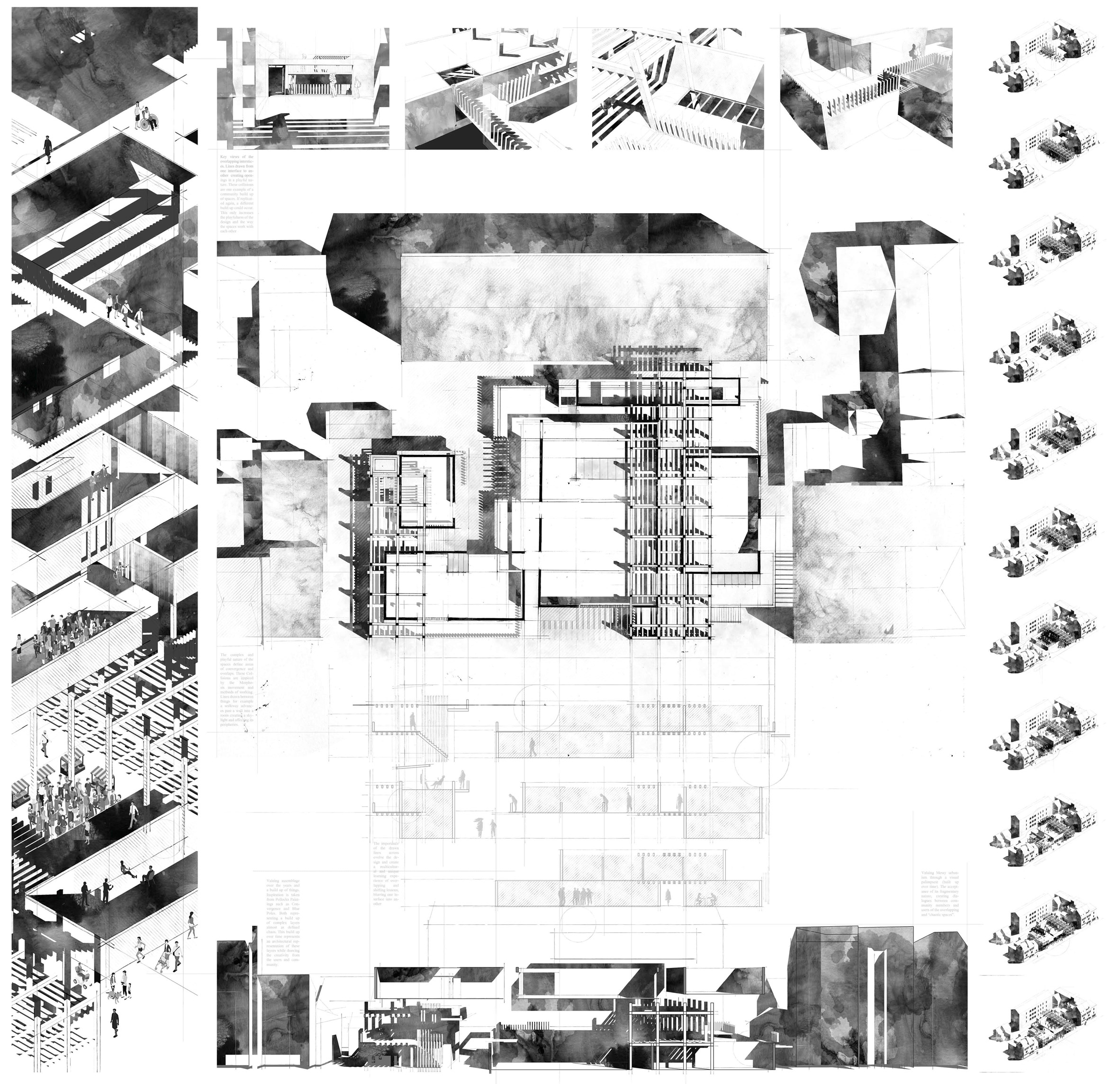
The Third Space Between Chaos and Order by Joshua Earl

"Through testing the spatial boundaries within Stonehouse, this project investigates whether it is possible to design architecture in response to chaos and order. Third space creation occurs by seeking to give those who are less fortunate the opportunity to learn a craft through the construction of the building.

"Value is given to palimpsest and assemblage over time (chaos), while the renovation of the existing occurs with its historical ties to the site (order). The proposition obtains ways of blurring the interface between one space and another by embracing the collisions that occur between playful spaces of community engagement and dialogic interactions."

Student: Joshua Earl
Course: MArch – Year one
Tutors: Professor Robert Brown, Dr Mathew Emmett and Dr Sana Murrani
Email:
joshua.earl-2[at]students.plymouth.ac.uk

University of Plymouth

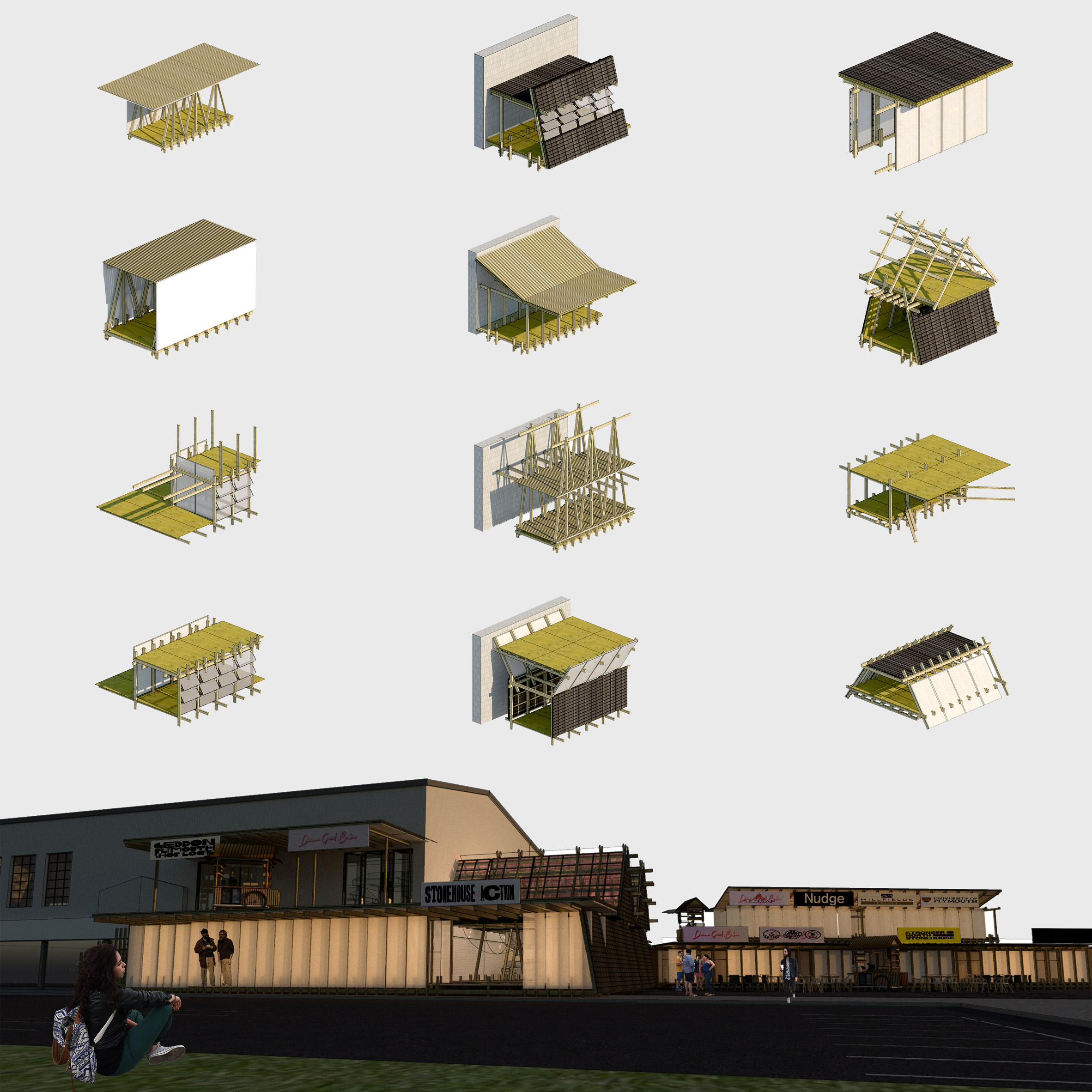
To [Re]Build A Community by Niall Hamilton

"To [Re]Build A Community focuses on combating Stonehouse's wicked problem of interrelated social, political and cultural challenges through the use of polyphonic (equal and simultaneous) responses and the service of dialogue to restitch the community.

"This approach utilises self-build architecture to engage the community, namely through kit-of-parts styled methods, simplifying the construction to encourage the community to alter and edit the proposed programmes where necessary.

"This, alongside a 25-year phasing, aims to keep the project as a bottom-up approach while the overall masterplan stretches across four different sites, working with different clients to create an aforementioned dialogue and polyphonic response."

Student: Niall Hamilton
Course:
MArch – Year two
Tutors:
Professor Robert Brown, Dr Mat Emmett and Dr Sana Murrani
Email:
theniallhamilton[at]gmail.com

University of Plymouth

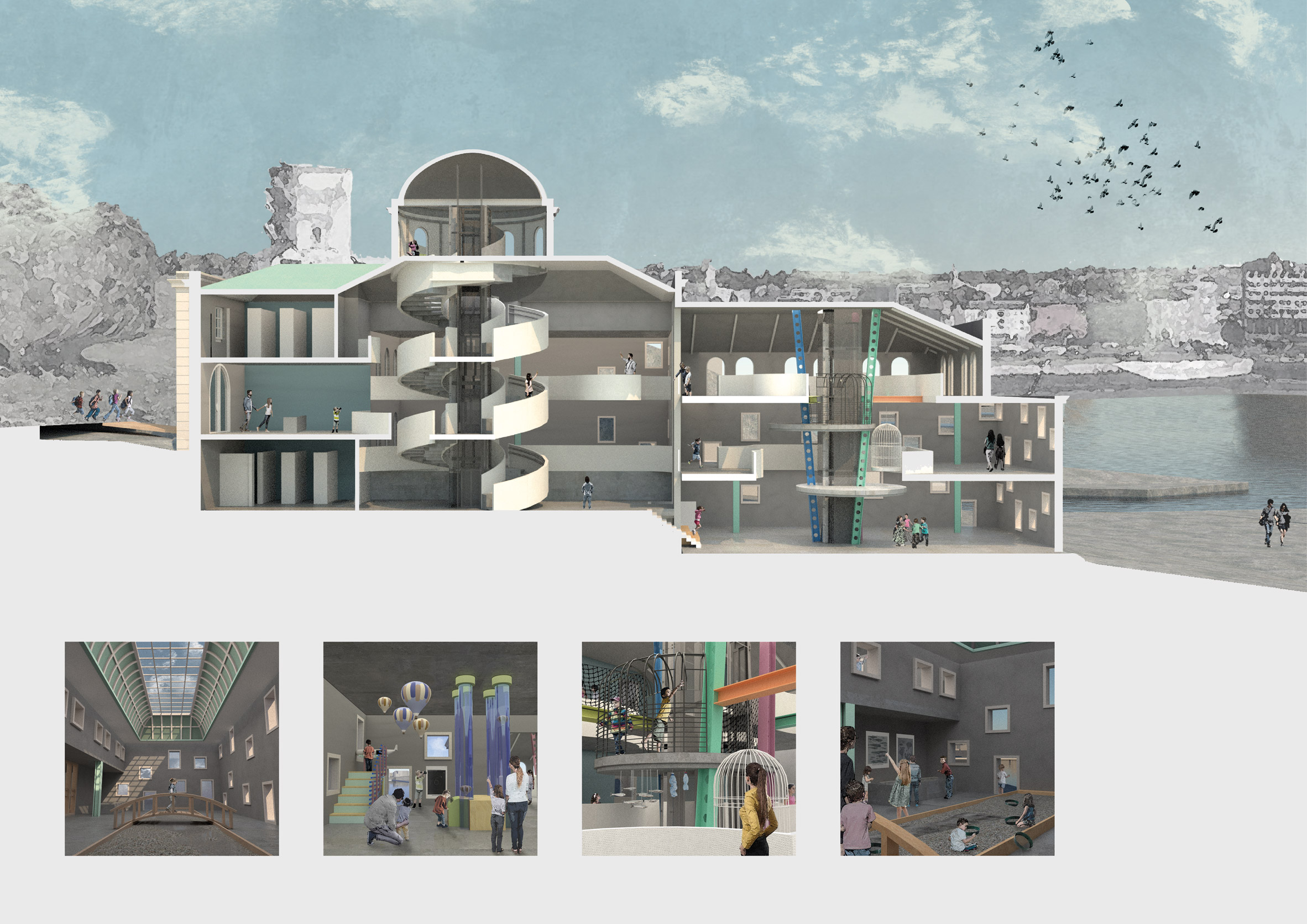
The Thinkatorium by Catriona Dodd

"The Thinkatorium gives children the opportunity to take a hands-on approach to experiments and scientific concepts. Combining the rigidity of imposed structure on the freedom of childhood being-in-the-world, the centre focuses on ocean sciences, air sciences and climate change: what has happened, what will continue to happen and why.

"Children are prioritised as the user by exploring architecture beyond the prescribed functions understood by adults. Here they find a balance between focus and distraction, where their community is established, connected across the building through a series of split levels, platforms and cutouts."

Student: Catriona Dodd
Course:
BA (Hons) Architecture – Year three
Tutors:
Mr Ricky Burke and Professor Igea Troiani with Andy Humphreys
Email:
catriona.dodd[at]students.plymouth.ac.uk

University of Plymouth

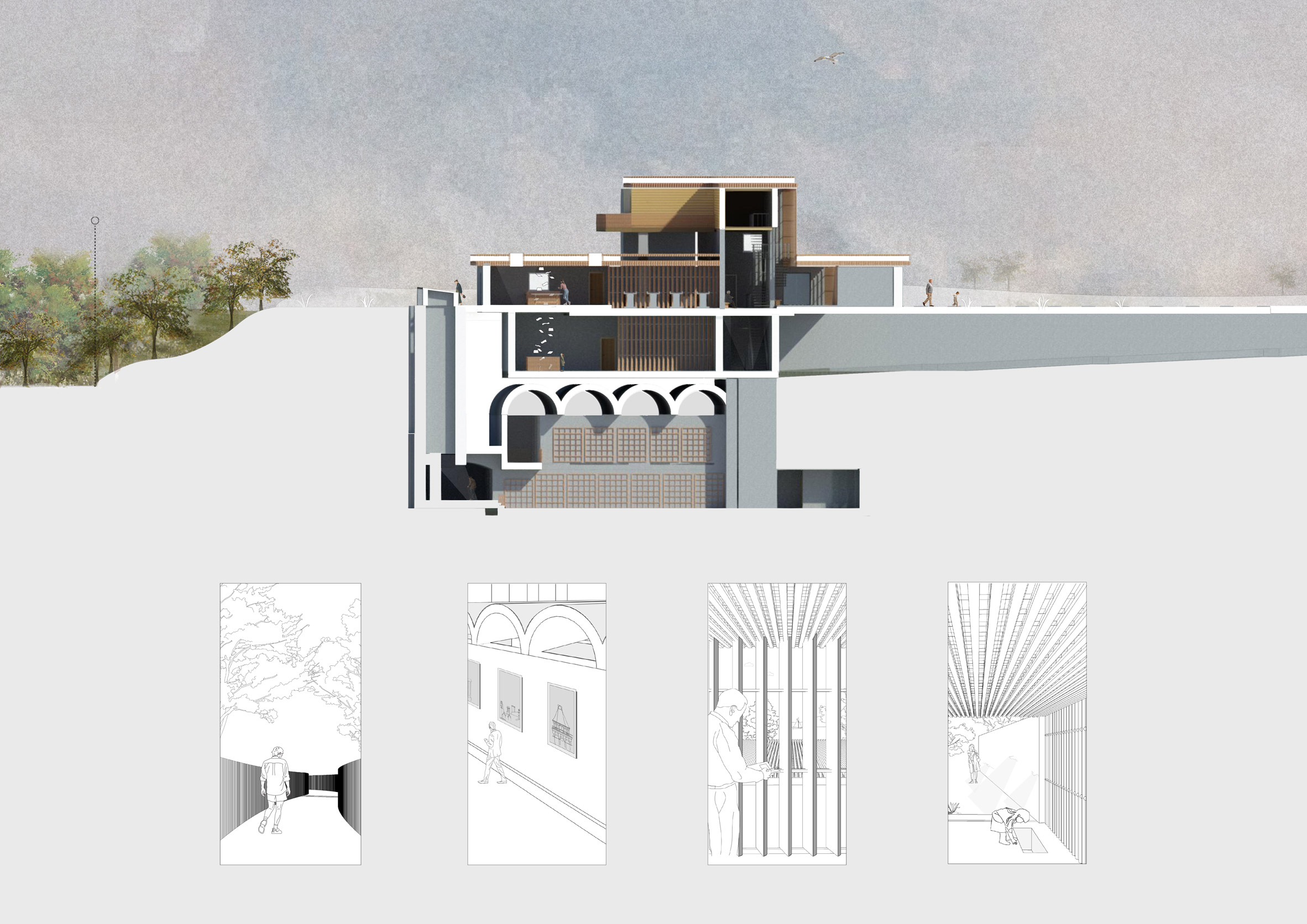
The Archive of the City by Eva Millward

"The Archive of the City situates itself on the historic site of Millbay Gaol Prison, utilising the remnants of escape tunnels beneath. The civic importance of citizenship is embodied through the cycles of birth, death and marriage through the signing of papers.

"Generations of heritage will be recorded and stored within this structure, demonstrating both social archaeology and the traumas related to the passing of a family member or friend.

"This is where we can begin to understand the words such as the uncanny and the abject. The project forms the end of the pilgrimage through the site, on a journey of regeneration and recovery, beacon to beacon."

Student: Eva Millward
Course:
BA (Hons) Architecture – Year three
Tutors:
Mr Andy Humphreys and Mr Graham Devine
Email:
eva.millward[at]students.plymouth.ac.uk

University of Plymouth

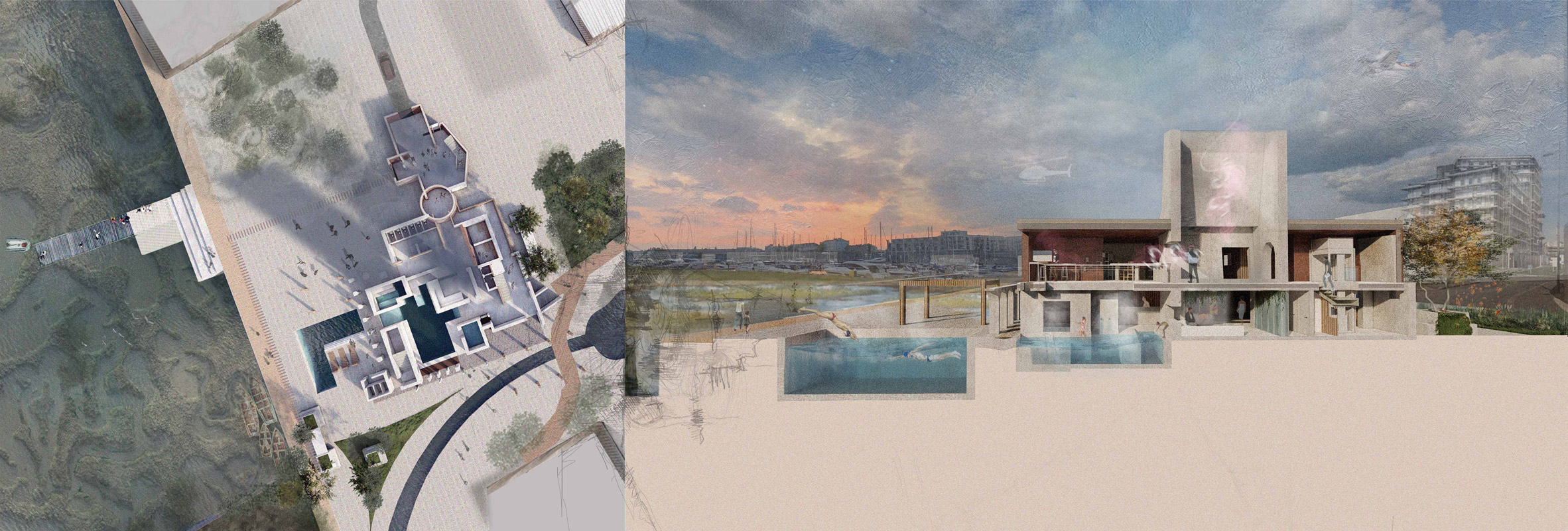
The Parallel of Change by Georgina Cameron

"The Parallel of Change is a poetic narrative of soap interrogating the resurgence of the lost memory from a waterfront ritual that was once rich in Plymouth's History, soap making and bathing.

"Key threads of presence and absence allow the memories of the Historic Soap works and Royal Union Public Baths to be reinstated and, as a result, invites a new collective to emerge over familiar ground.

"It is a reciprocal of renewal. The project understands water to be a purifying element which provides cleansing and comfort layer with a residue of fragrance and longevity of ageing that occurs."

Student: Georgina Cameron
Course:
BA (Hons) Architecture – Year three
Tutors:
Professor Igea Troiani and Mr Ricky Burke with Mr Andy Humphreys
Email: eva.millward[at]students.plymouth.ac.uk

Plymouth University

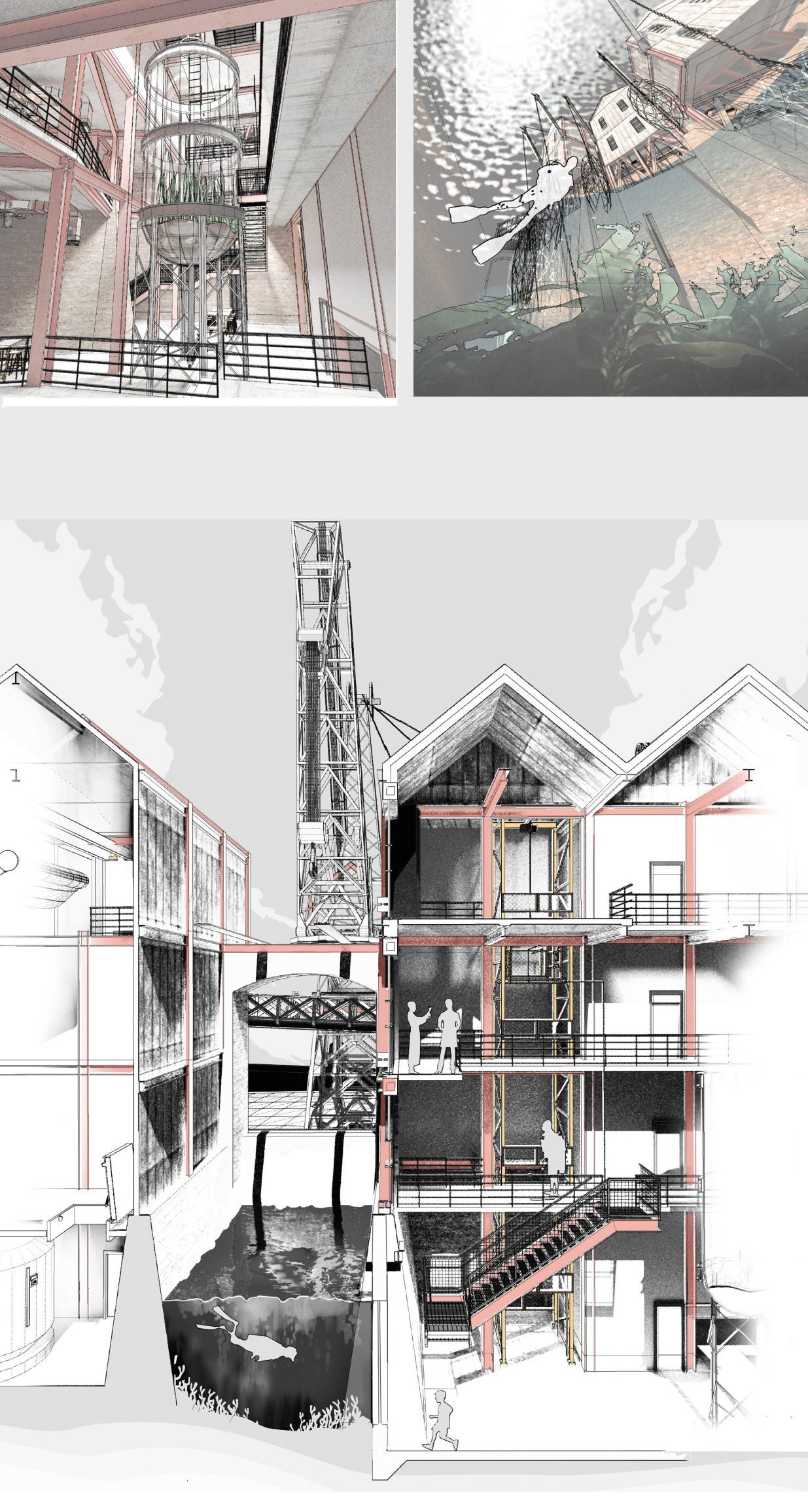
[Un]Settled Waters: A Tale of Evolving Archetypes by Harrison Lovelock

"The [Un]settled Waters Project applies the scientific backdrop of the Seagrass Conservation to the perceived understanding of nature, expressing itself as an industrial project as much as an ecological one. The project employs a series of archetypes to express the hybridisation in the development of human perception of nature whereby science is seen, not separate but rather as an integral part of nature.

"In doing so, the scientist becomes an extension of their work. The visitor is touched directly by the consequences of actions (or inaction), and the position of the resident can be understood in terms of biodiverse occupancy."

Student: Harrison Lovelock
Course:
BA (Hons) Architecture – Year three
Tutors:
Professor Igea Troiani and Mr Ricky Burke with Mr Andy Humphreys
Email:
harrison.lovelock[at]students.plymouth.ac.uk

University of Plymouth

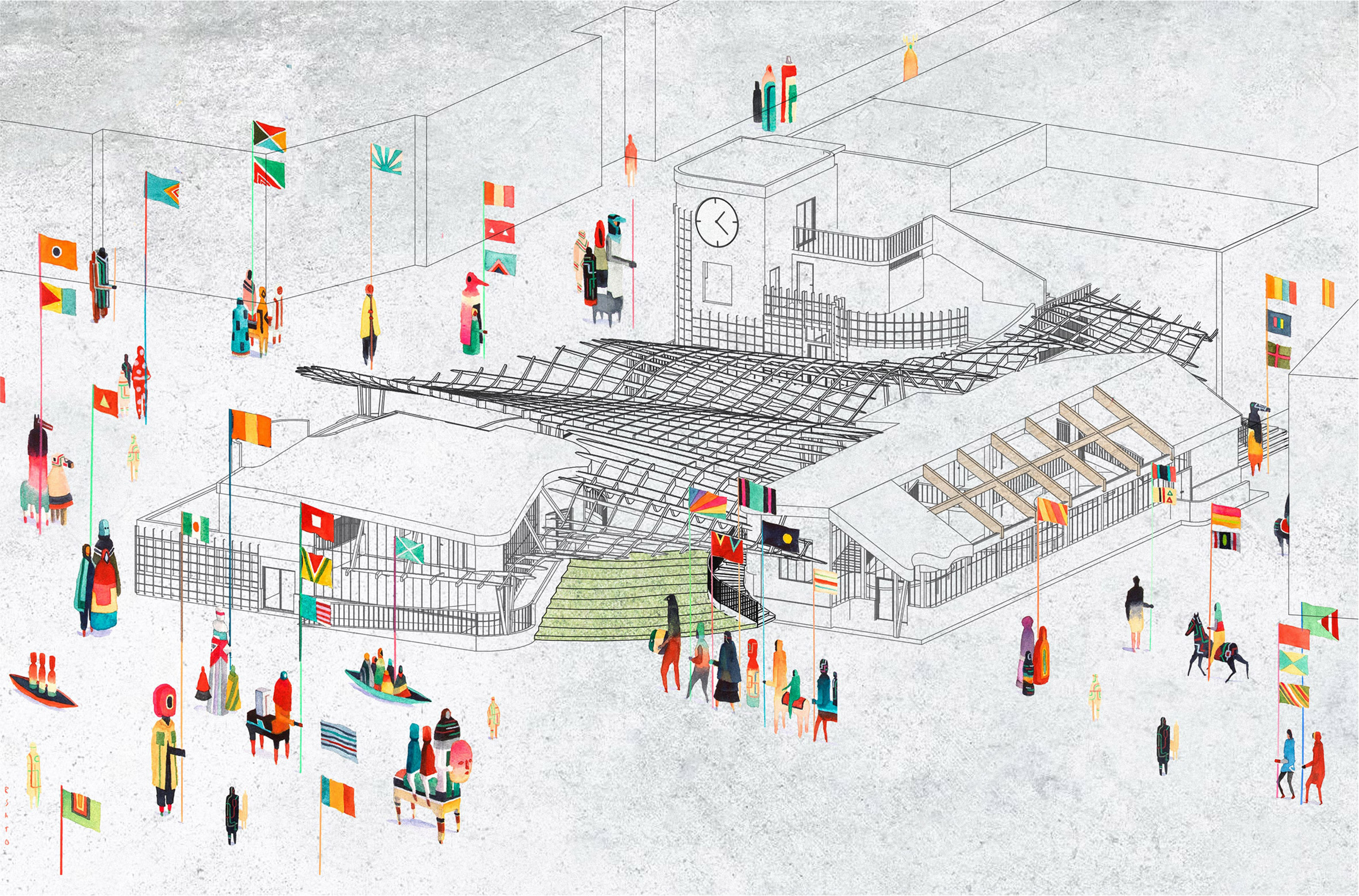
Rhythm Works by Harry Stradling

"Rhythm Works allows community reintegration through musical learning facilities. This is done by bringing the local migrant community together and by promoting and protecting the site's hidden rhythms.

"Programmes implemented include rhythm studios, music learning facilities, a community hall, and a recycling instrument workshop which enables recycled instruments to be made and used.

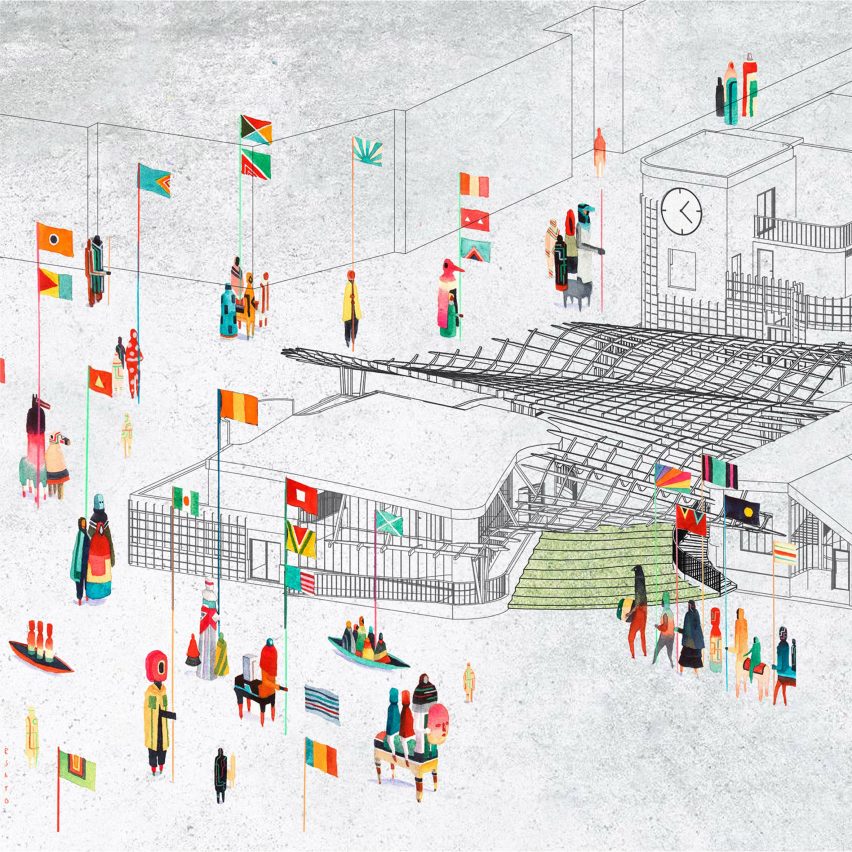
"These facilities are imagined to help bring diverse communities together through music. The visual signifies the rhythmic nexus of architecture and migrant communities, and illustration work is by Rob Sato."

Student: Harry Stradling
Course:
BA (Hons) Architecture – Year three
Tutors:
Mr Roy McCarty, Mr Michael Westley with Mr Andy Humphreys
Email:
harry.stradling[at]students.plymouth.ac.uk

University of Plymouth

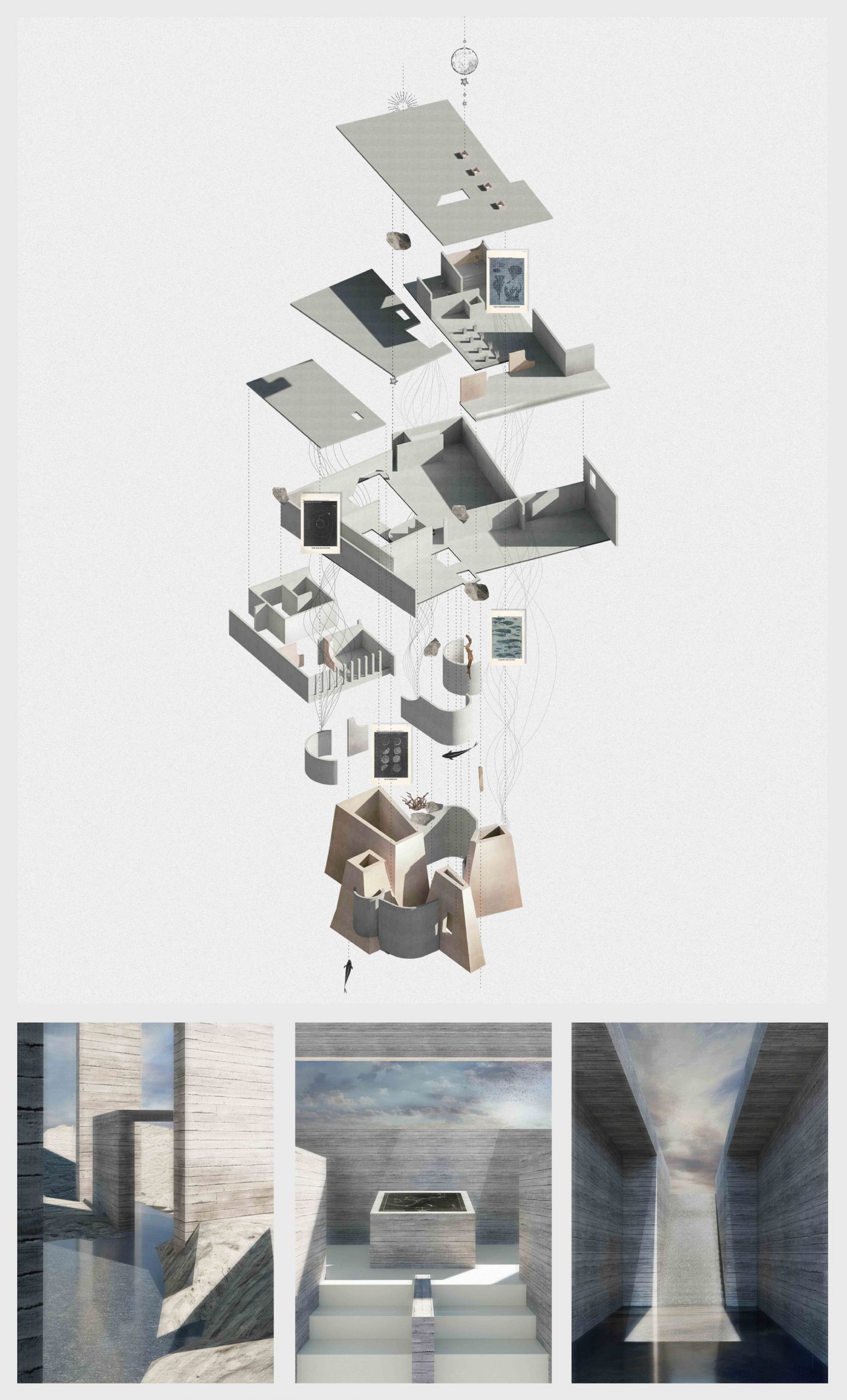
The Astronomer and The Sea by Sophie James

"Rooted in the thinking of Pierre Nora's le lieux de memoire, the project aims to bring status to the sea and the sky. Both under threat from climate change and pollution, the programme acts as a catalyst for a conversation surrounding our legacy.

"By day, it brings issues of climate change and destruction to the surface by teaching people of the urgency for change. By night, its lens is turned upwards. It acts as an observatory and a study of the stars by teaching people stories of the life above."

Student: Sophie James
Course:
BA (Hons) Architecture – Year three
Tutors:
Professor Igea Troiani and Mr Ricky Burke with Mr Andy Humphreys
Email:
Sophie.james-19[at]students.plymouth.ac.uk

University of Plymouth

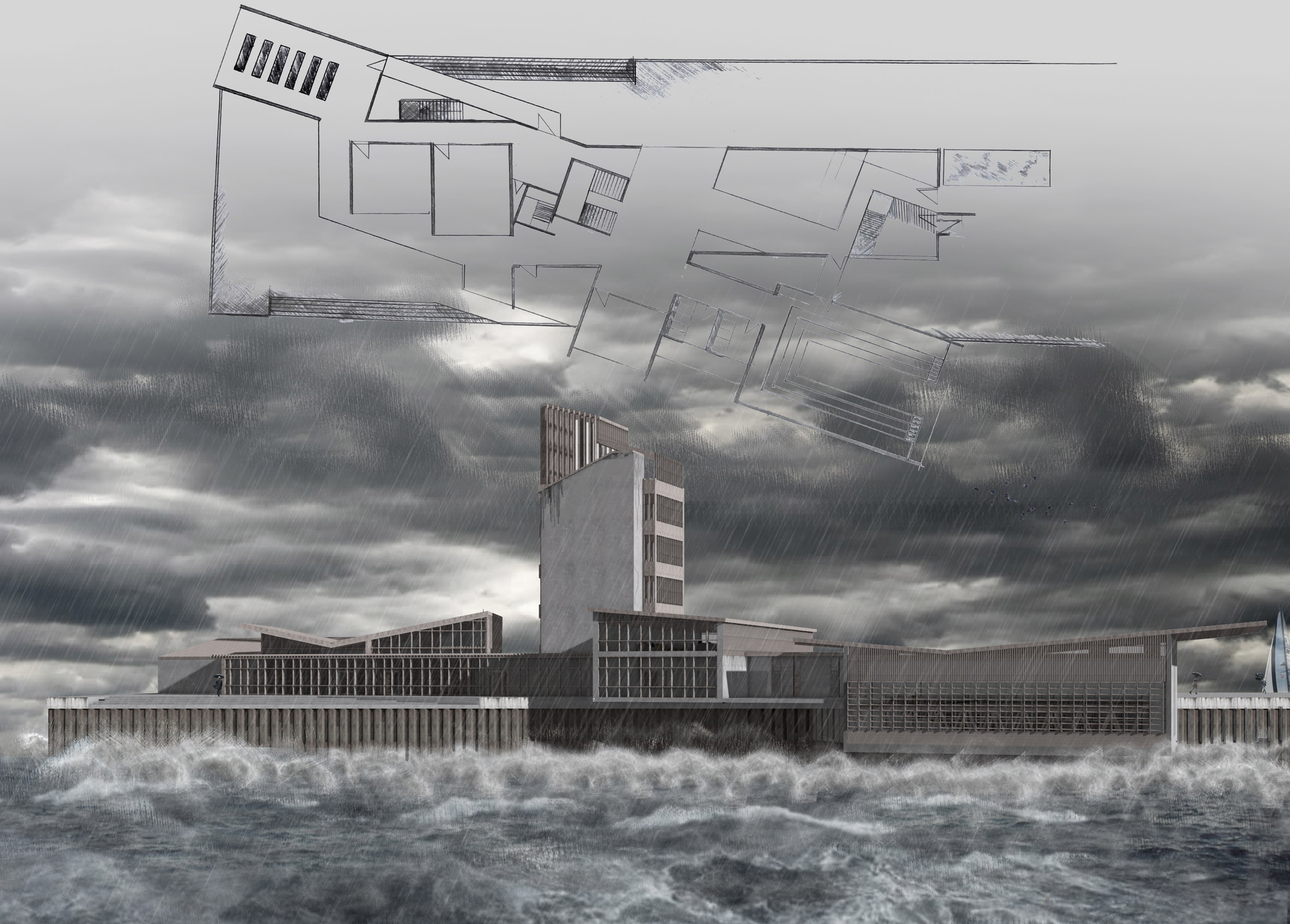
Power and the People by William Martyn

"In a pragmatic line of enquiry 'Power and the People' frames social power through addressing local civic matters against that of sustainable power generation that would supply Plymouth with renewable tidal energy.

"The pairing of these two programmes illustrates the responsibility that those with social power have. Millbay, often characterised as Plymouth's gateway, ushers in travellers from all over the world. The proposal's essential inspiration were the pump houses set on the Cornish moorland."

Student: William Martyn
Course:
BA (Hons) Architecture – Year three
Tutors:
Professor Igea Troiani and Mr Ricky Burke with Mr Andy Humphreys
Email:
william.martyn[at]students.plymouth.ac.uk


Partnership content

This school show is a partnership between Dezeen and the University of Plymouth. Find out more about Dezeen partnership content here.

The post University of Plymouth spotlights ten student architecture projects appeared first on Dezeen.


from Dezeen https://ift.tt/3Bbm41C

IVC Commercial launches Clay and Clay Create carpet planks

Clay and Clay Create

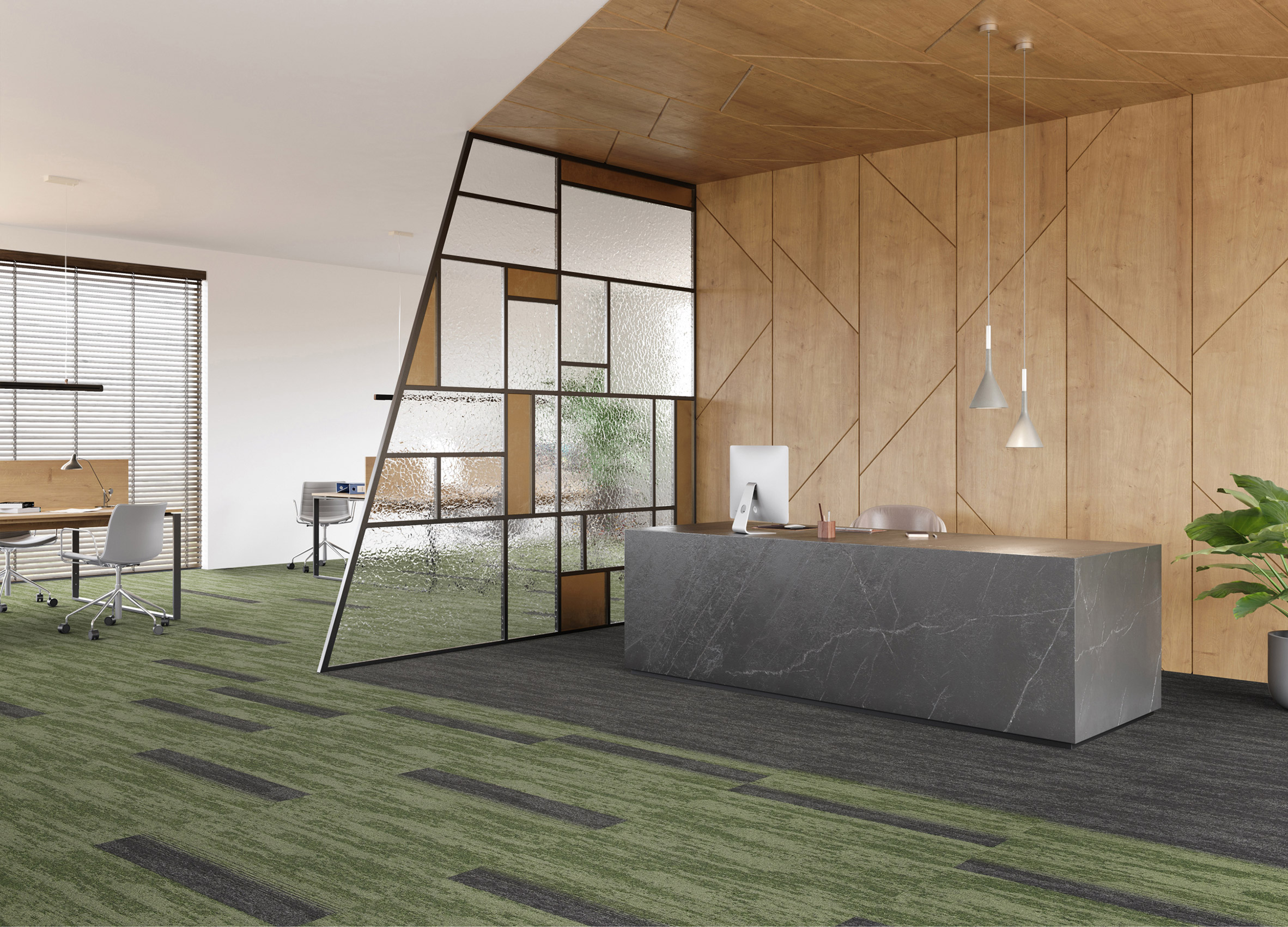
Dezeen promotion: Belgian carpet brand IVC Commercial has launched two types of carpet plank called Clay and Clay Create as part of its Rudiments collection.

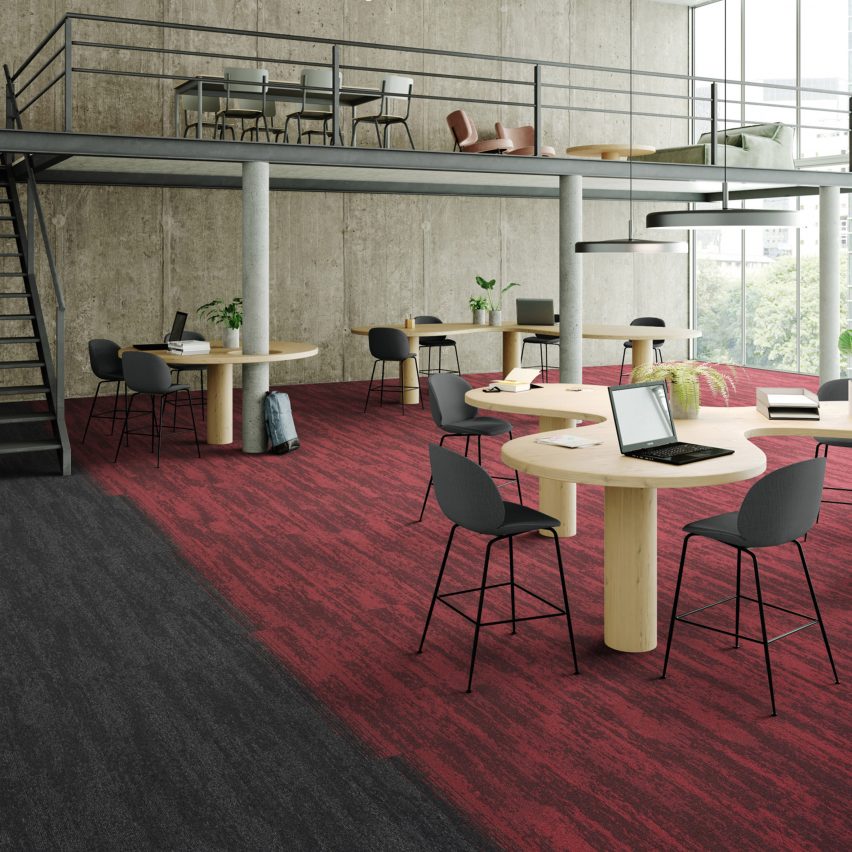
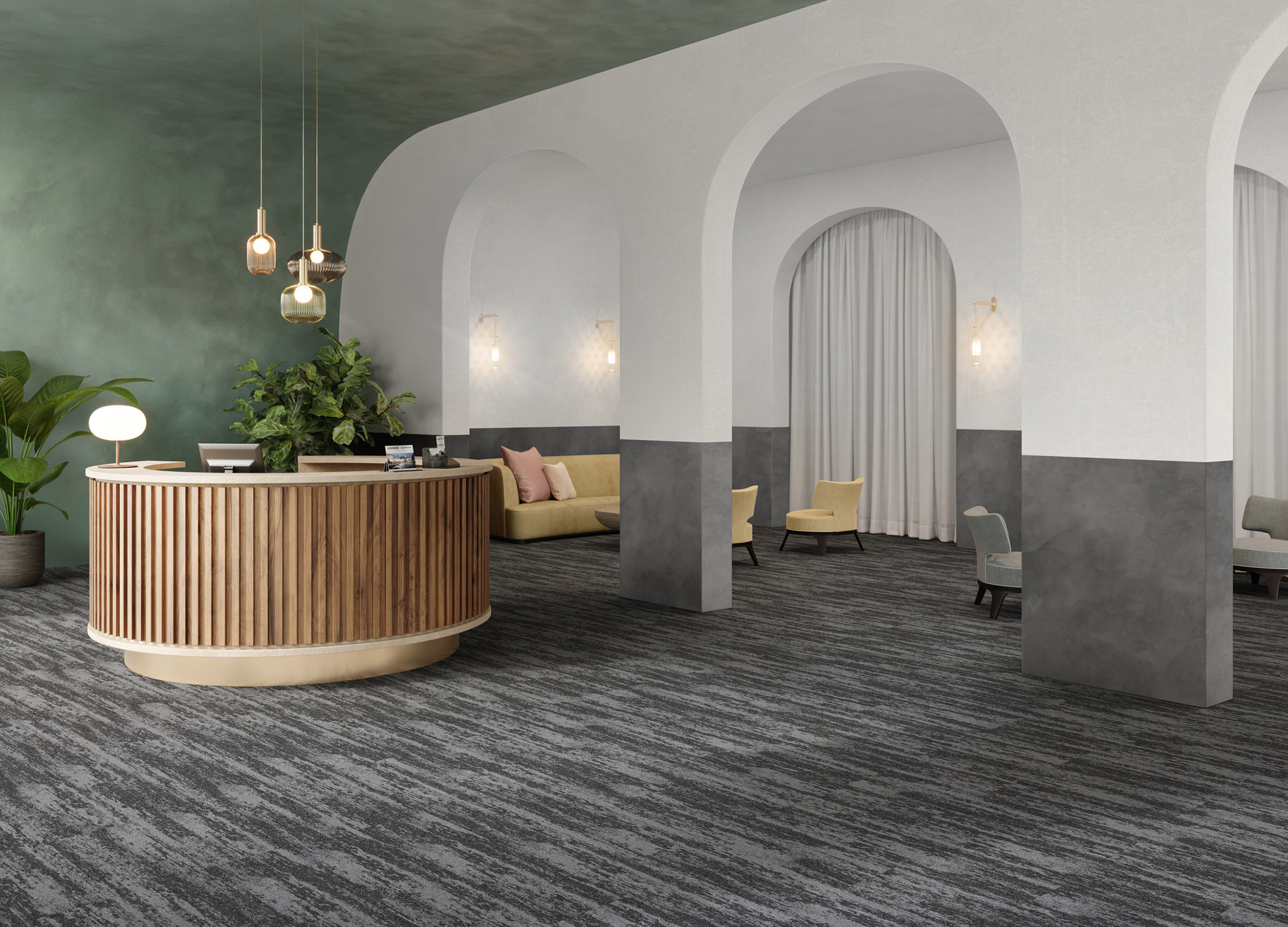
IVC Commercial's carpet tiles are durable solutions for commercial spaces. Both Clay and Clay Create are designed to give rooms an organic appearance, adding texture and colour to office interiors.

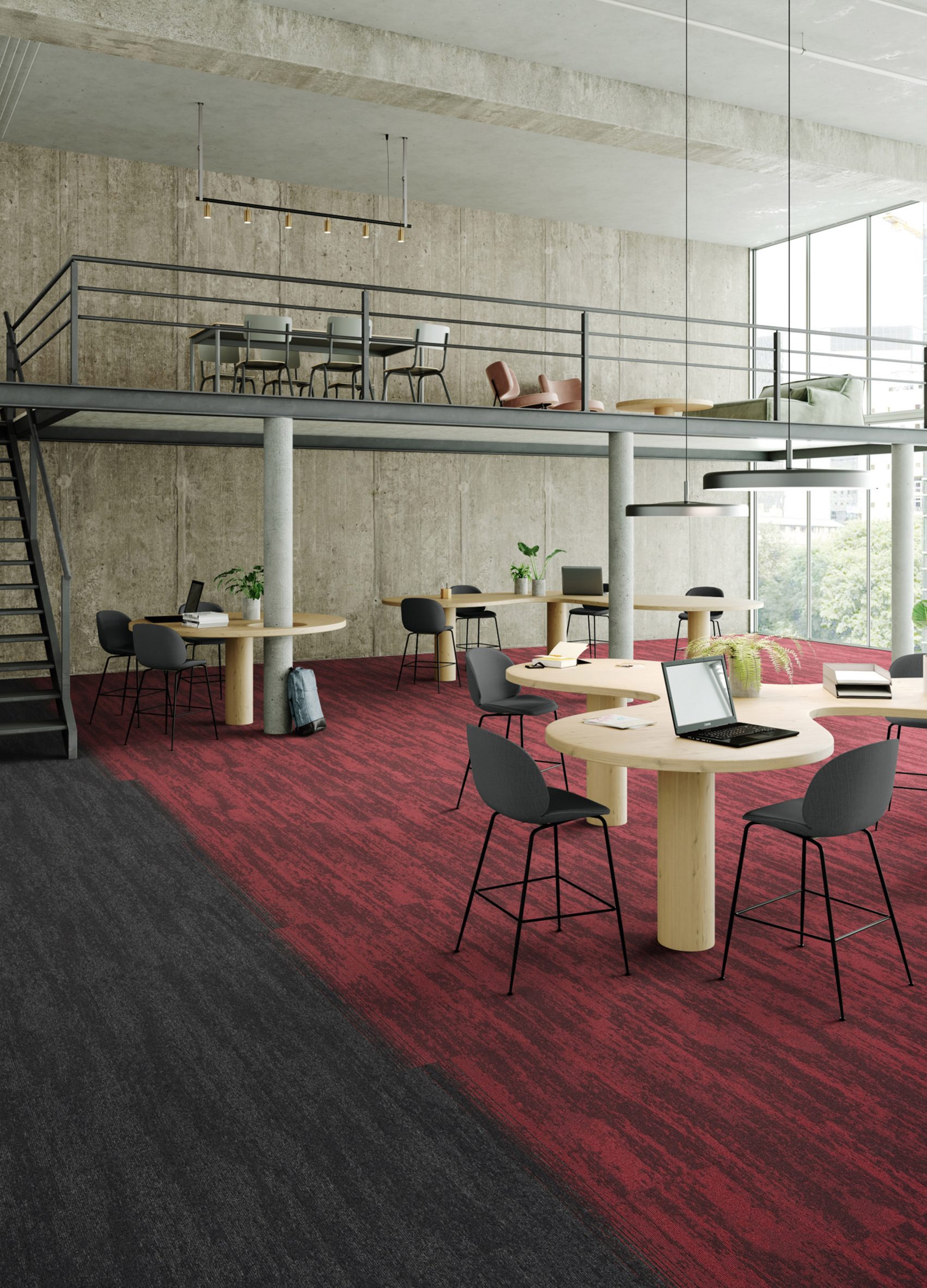
The carpet planks can be used to break up spaces and allow designers to signify different areas when needed, such as for wayfinding purposes.

IVC Commercial launches Clay and Clay Create
The Clay and Clay Create tiles are designed to add colour and texture to office space

IVC Commercial's Clay carpet pattern is evenly distributed across each tile, making it suitable for adding texture to large spaces. In comparison, Clay Create is designed as a "transition carpet plank, moving from one colour to another," said the brand.

"Clay Create is a playful random lay pattern that echoes the material's artistic side with a shifting colour gamut that adds exciting transition possibilities to mix and match Rudiments installs," said IVC Commercial.

Both Clay and Clay Create carpet planks reference the natural textures of clay ceramics. This follows the brand's other carpets in its Rudiments collection, which are tufted to appear like natural materials historically used for floorings, such as stone and wood.

"From hewn stone floors and hand-shaped clay tiles to coarsely cut wood blocks and artistic textiles woven from organic threads, Rudiments celebrates the flooring materials that have been closely linked to culture for centuries," said the brand.

IVC Commercial launches Clay and Clay Create
The tiles can be used to signify a change of area, activity or direction

Specifically, the brand's Clay and Clay Create tiles are designed to mimic clay's use as a structural and artistic material.

"The Clay carpet plank is inspired by mankind's crafting of the world's oldest known ceramic material, hand-shaped into the rudimentary building blocks that have protected us for centuries," said IVC Commercial.

Both Clay and Clay Create tiles are 25 to 100 centimetres and are available in 12 colours.

Designers can pick different colour combinations to customise their space. Clay and Clay Create can also be used alongside other carpet tiles in the Rudiments range such as Basalt, designed to look like age-old stone, or Teak, which references oiled wooden blocks.

IVC Commercial launches Clay and Clay Create
The tiles reference the texture and aesthetic of clay tiles

The brand's Rudiments carpets are made from solution-dyed nylon to give a "hassle-free" performance.

"Designers can focus on the job in hand, delivering inspirational spaces that support the productivity and wellbeing of their users," said IVC Commercial.

To learn more about IVC Commercial's range of carpets, visit its website.


Partnership content

This article was written by Dezeen for IVC Commerical as part of a partnership. Find out more about Dezeen partnership content here.

The post IVC Commercial launches Clay and Clay Create carpet planks appeared first on Dezeen.


from Dezeen https://ift.tt/2VKBtpk