Monday, 19 July 2021

Ohmie is a 3D-printed lamp made from orange peels

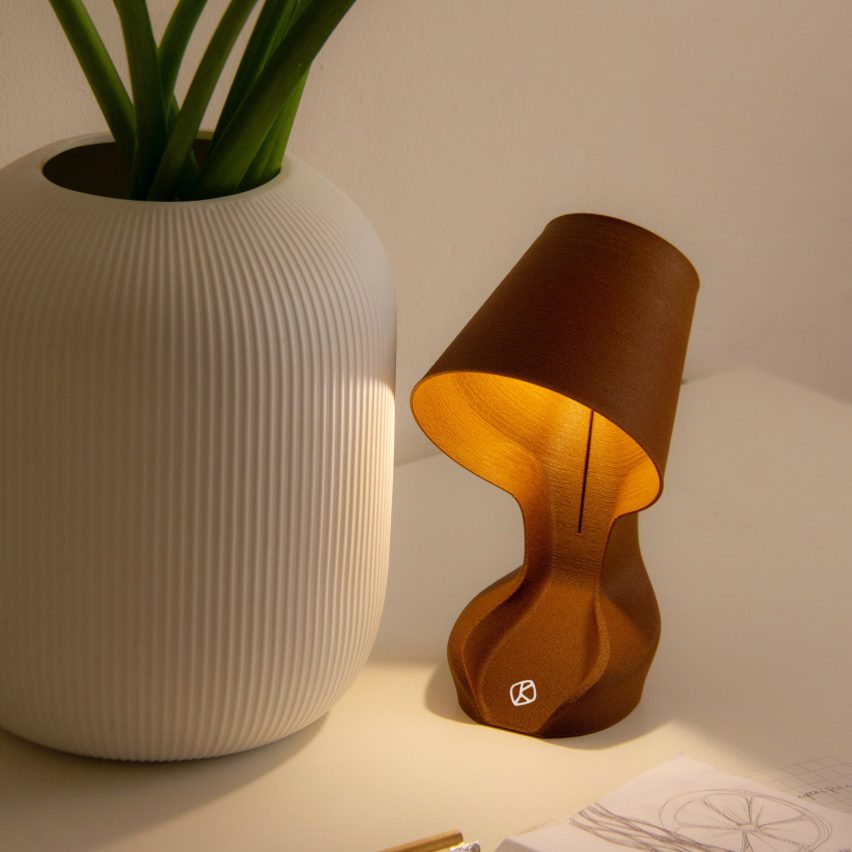
an ohmie lamp next to a plant pot

Milan-based start-up Krill Design has 3D printed Sicilian orange peels into a bright orange lamp that can be composted along with organic household waste.

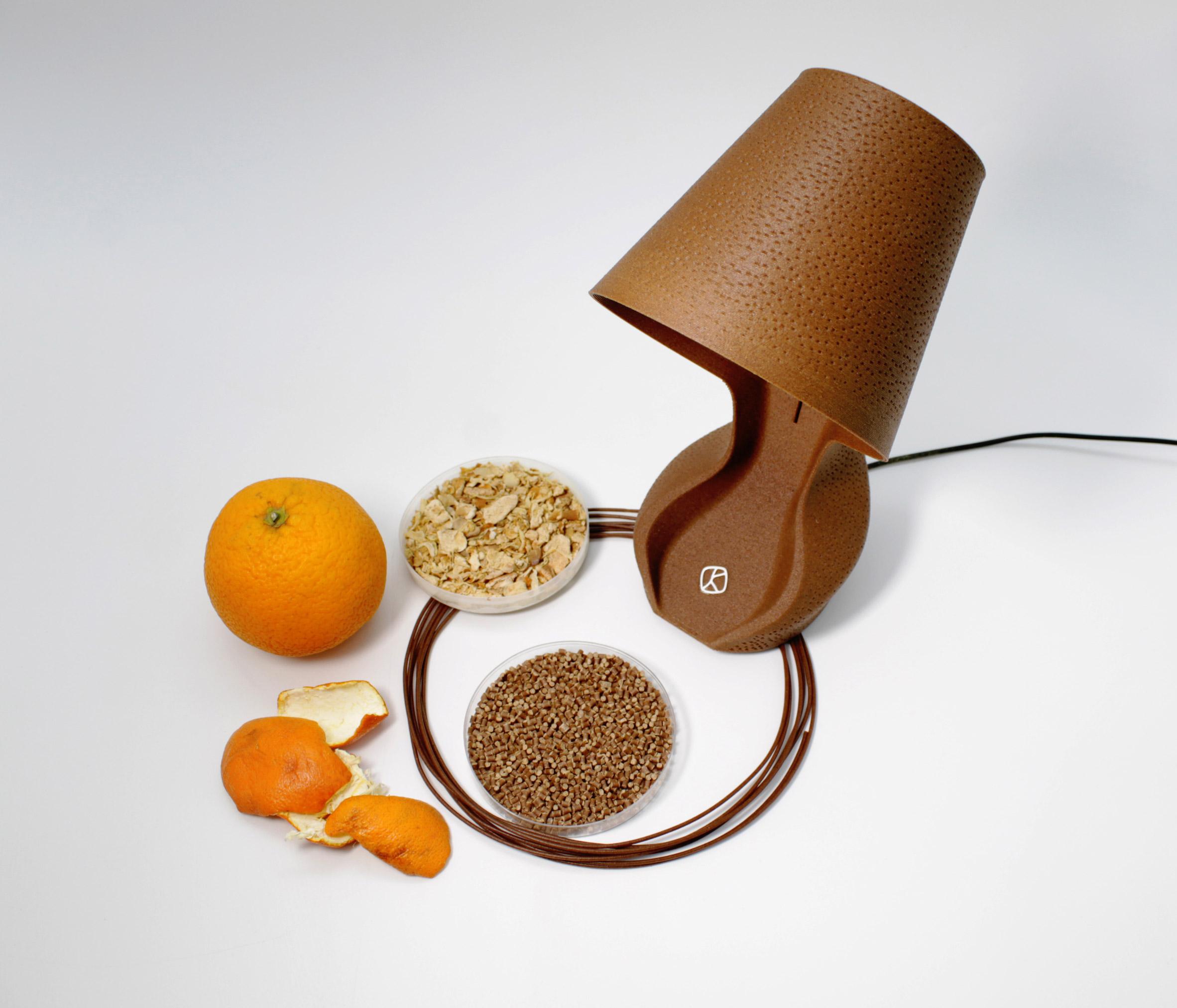
The designers at Krill Design turned to orange peel to create the lightweight lamp because of the citrus fruit's ubiquity in Sicily, Italy.

Each lamp is made from the discarded peels of two or three oranges sourced from a family-owned food producer in the Messina province of Sicily.
ohmie lamp made from orange peel
Top: each lamp is made from two or three oranges. Above: Ohmie retains the natural bumpy feel and smell of oranges

"We needed a material that would not run out and given that Sicily alone produces about 3 per cent of global oranges, that allows us to stock up on the peels and be able to always produce Ohmie," Krill Design told Dezeen.

"We are keen on promoting a local and fully Italian supply and production chain. Oranges are one of the many Italian produces renowned worldwide and we believe it is a nice symbol."
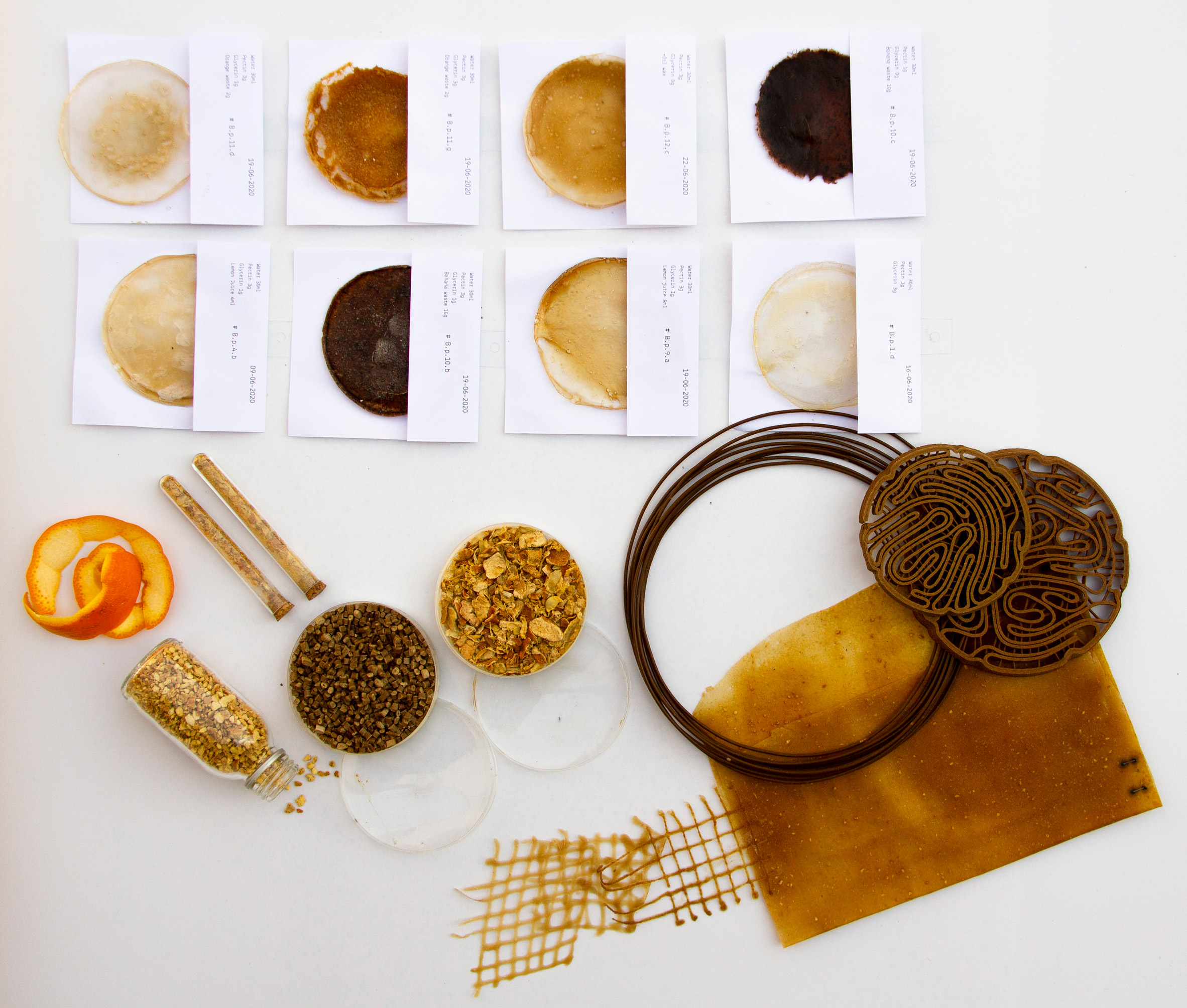
Materials used to create Ohmie
Ohmie is made from locally sourced Sicilian oranges

From its patterned surface to its orangey smell and vibrant colour, the 23-centimetre-tall lamp was designed to reflect its origins.

The designers hope the lamp demonstrates how food waste can be successfully repurposed into an "eco-design product that is both "beautiful and functional".
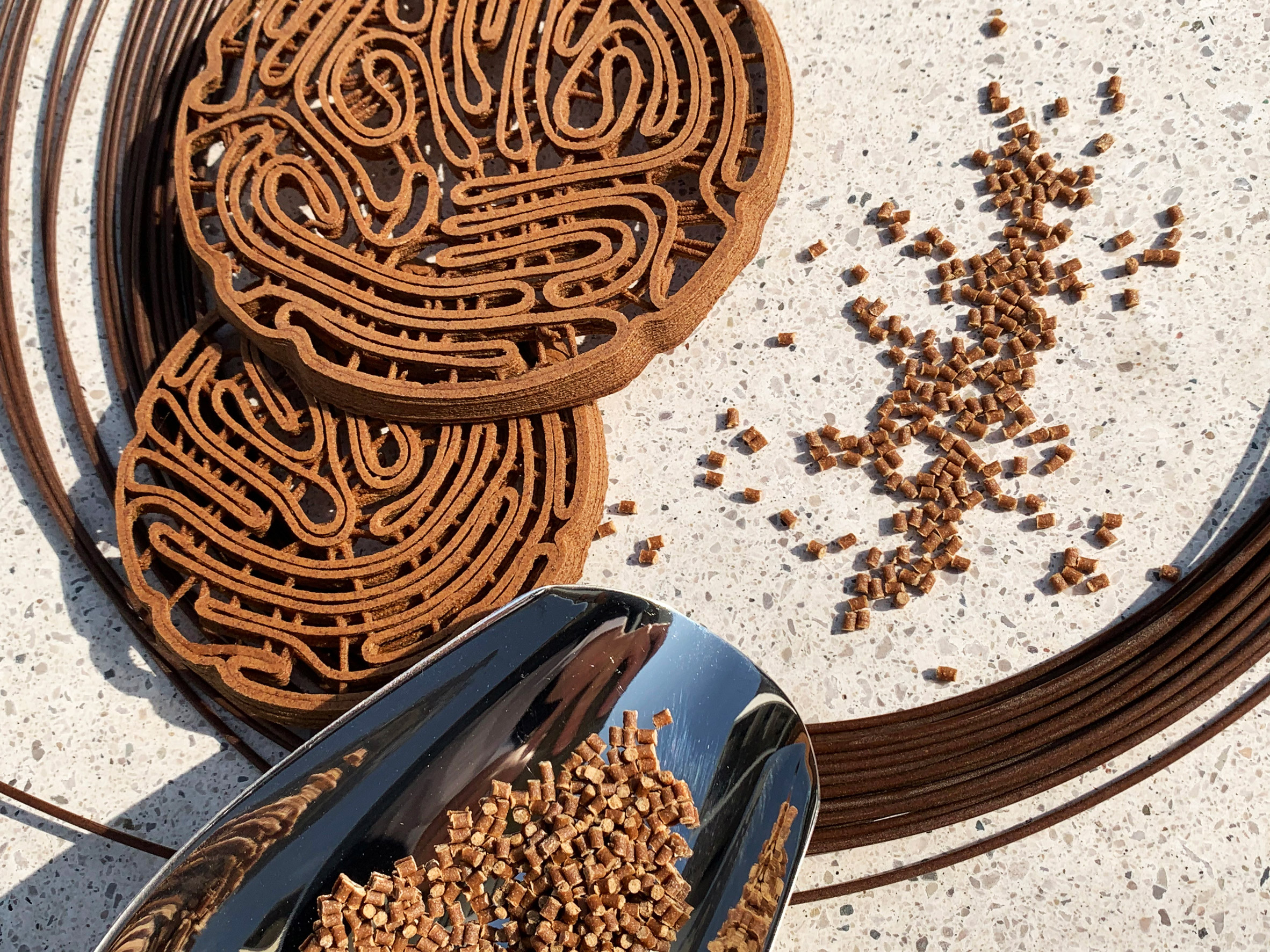
orange peel powder
The peels are ground down and combined with starch before being 3D printed

After use, the Ohmie lamp can be broken down by hand into smaller pieces before being thrown away with the household's organic waste, the studio explained.

"The orange lamp, at the end of its life, can simply be broken into fragments and tossed with the household's organic waste to be disposed of in composting facilities and be turned either into compost or biofuel depending on local dispositions," said Krill Design.

Currently, the remains have to be sent to a composting facility instead of decomposing straight into nature.

"We decided to develop a material that, for now, would only decompose in industrial facilities for performance and durability reasons, but we would like to research more and achieve a biopolymer that can be durable and sturdy as well as easy composted in nature or in an at-home compost," it added.
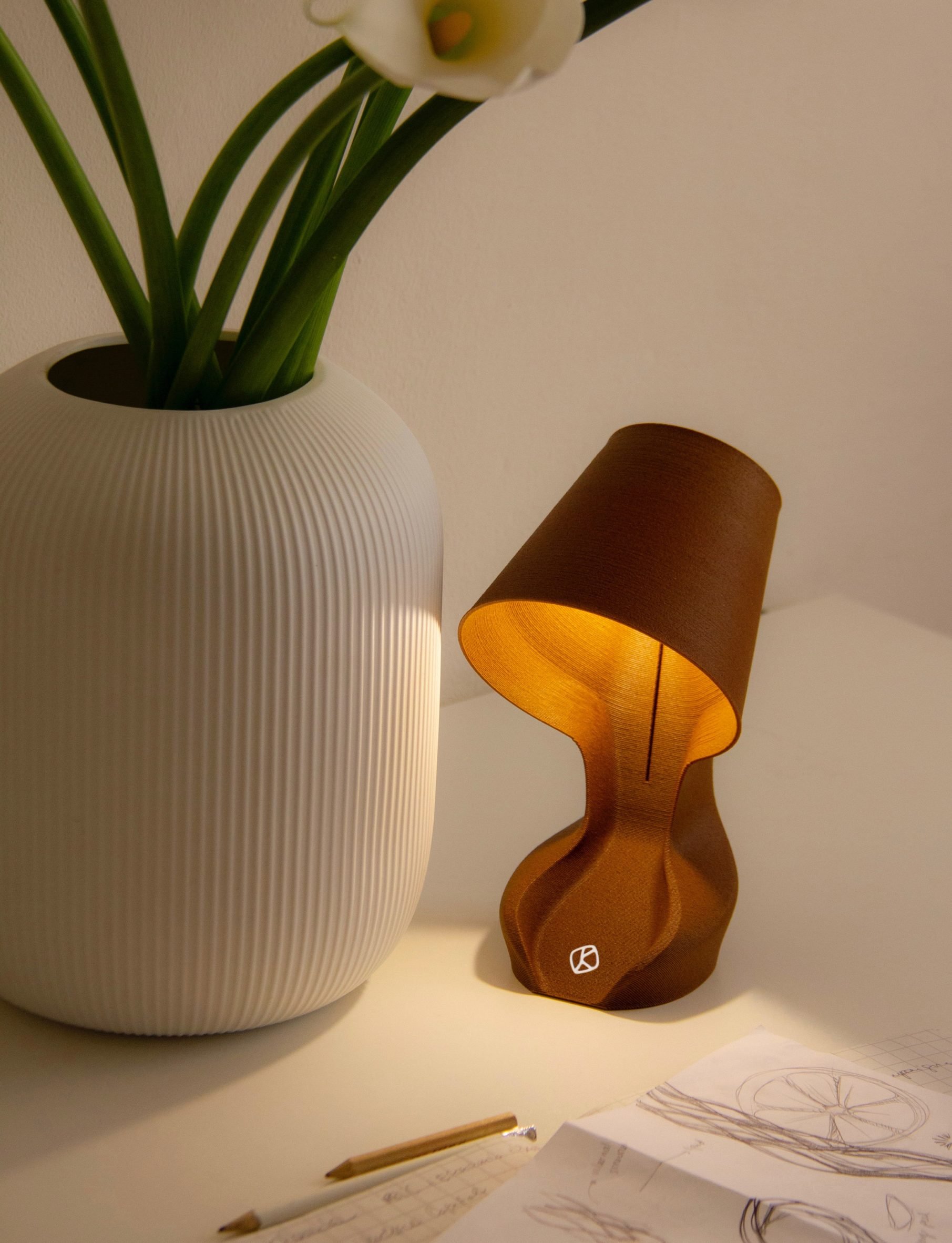
ohmie orange lamp
The light can be broken down and composted in a composting factory

Krill Design used 3D-printing techniques to "avoid any form of waste during production". The orange peels are ground down and combined with vegetable starch before being 3D printed.

"Once the peels have arrived in our office in Milan they are dried – the organic scraps need to have moisture level below 4 per cent – ground to a fine powder and sifted to make sure all grains are fine enough," the studio said.
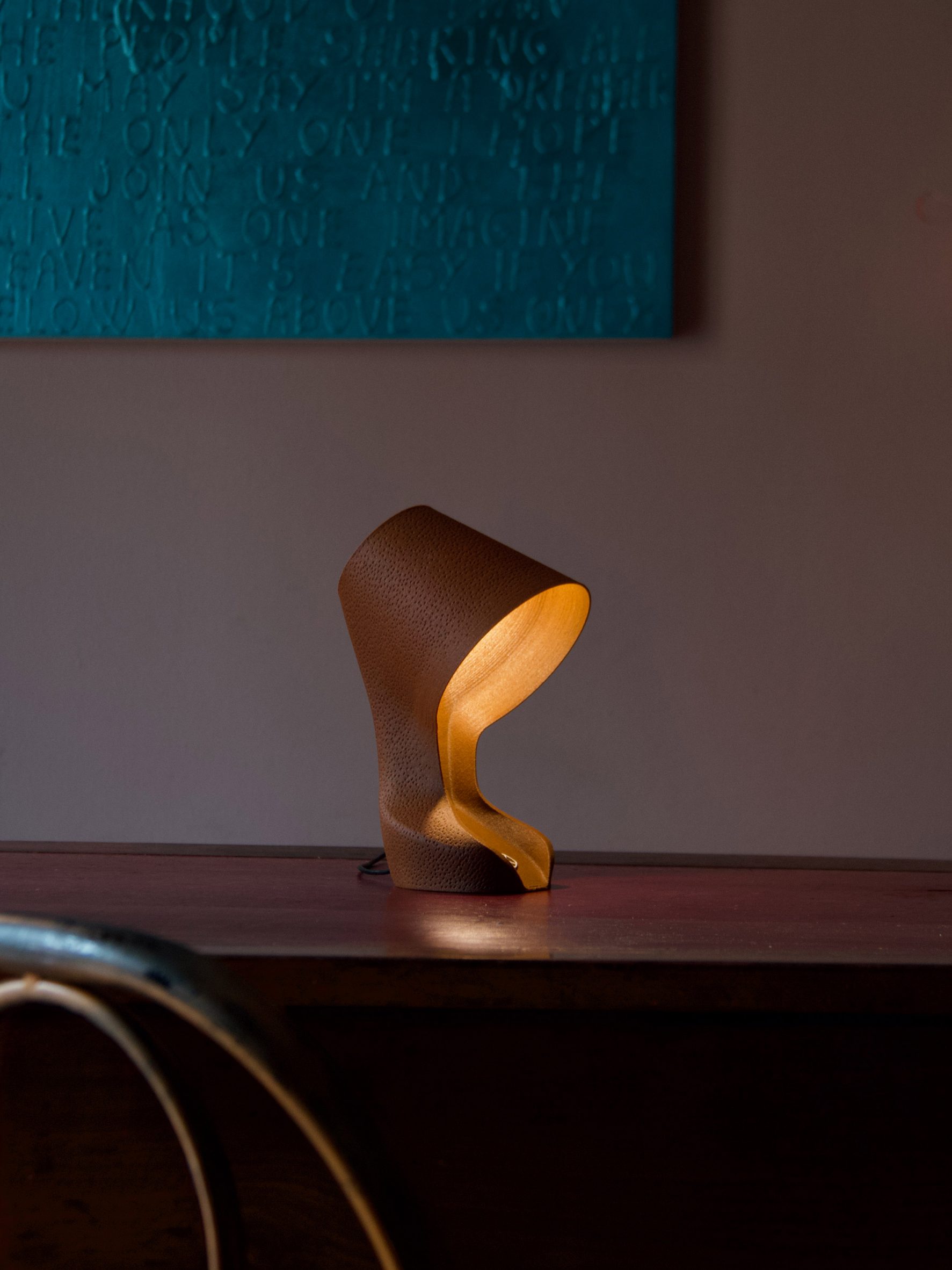
Ohmie lamp on in the dark
The designers hope to show how food waste can be effectively repurposed

The peel powder is then sent to a compounding facility where it is added to a biopolymeric vegetable starch base. Afterwards, the orange biopolymer is produced in the form of pellets.

This is the only part of the production phase that is outsourced, the brand said.

"Only this phase of the process is outsourced as the machinery needed is extremely bulky and expensive," Krill Design explained.

"After this, we extrude the orange filament from the pellet and use it within a 3D printer to bring Ohmie to life."

Fruits have been used in a number of designs. Copenhagen-based brand Beyond Leather combined apple juice leftovers with natural rubber to create Leap, a plant-based alternative to leather, while Júlia Roca Vera has created a cosmetics line made from discarded fruits.

The post Ohmie is a 3D-printed lamp made from orange peels appeared first on Dezeen.


from Dezeen https://ift.tt/3zejx4G

Rudiments tile range by IVC Commercial among new products on Dezeen Showroom

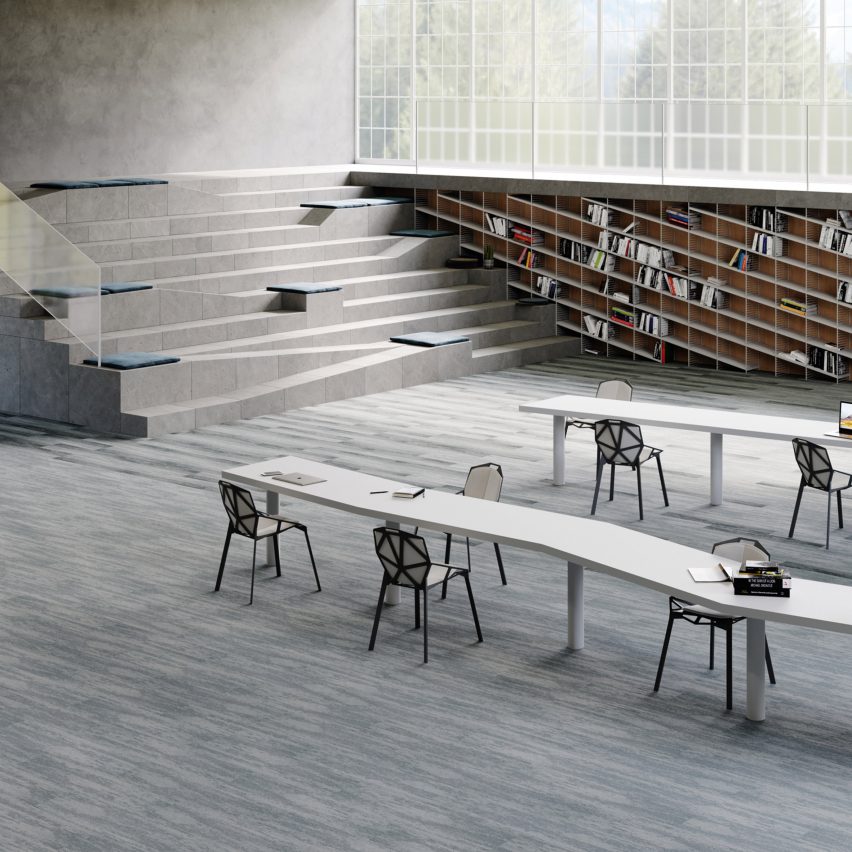
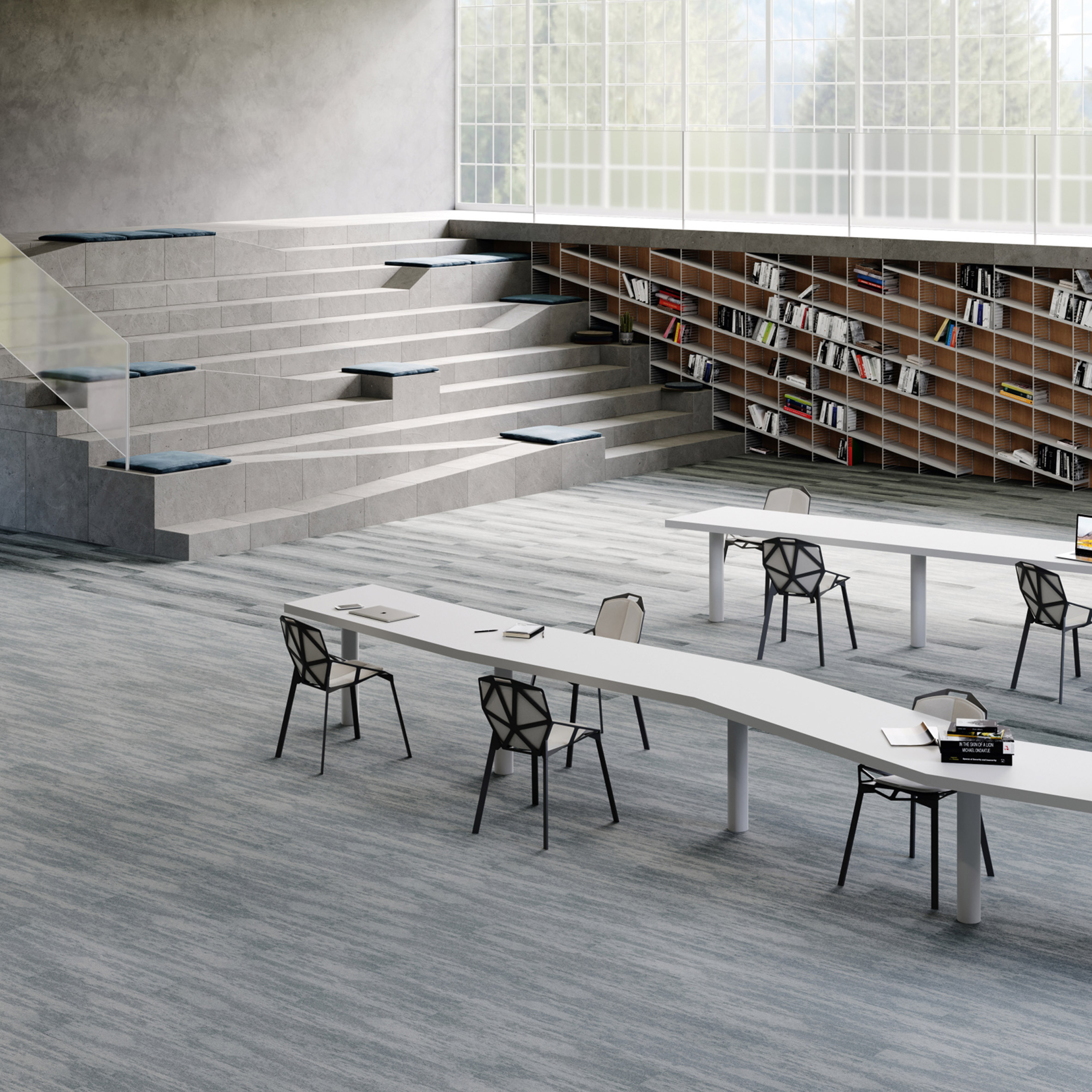
Rudiments tile range by IVC Commercial

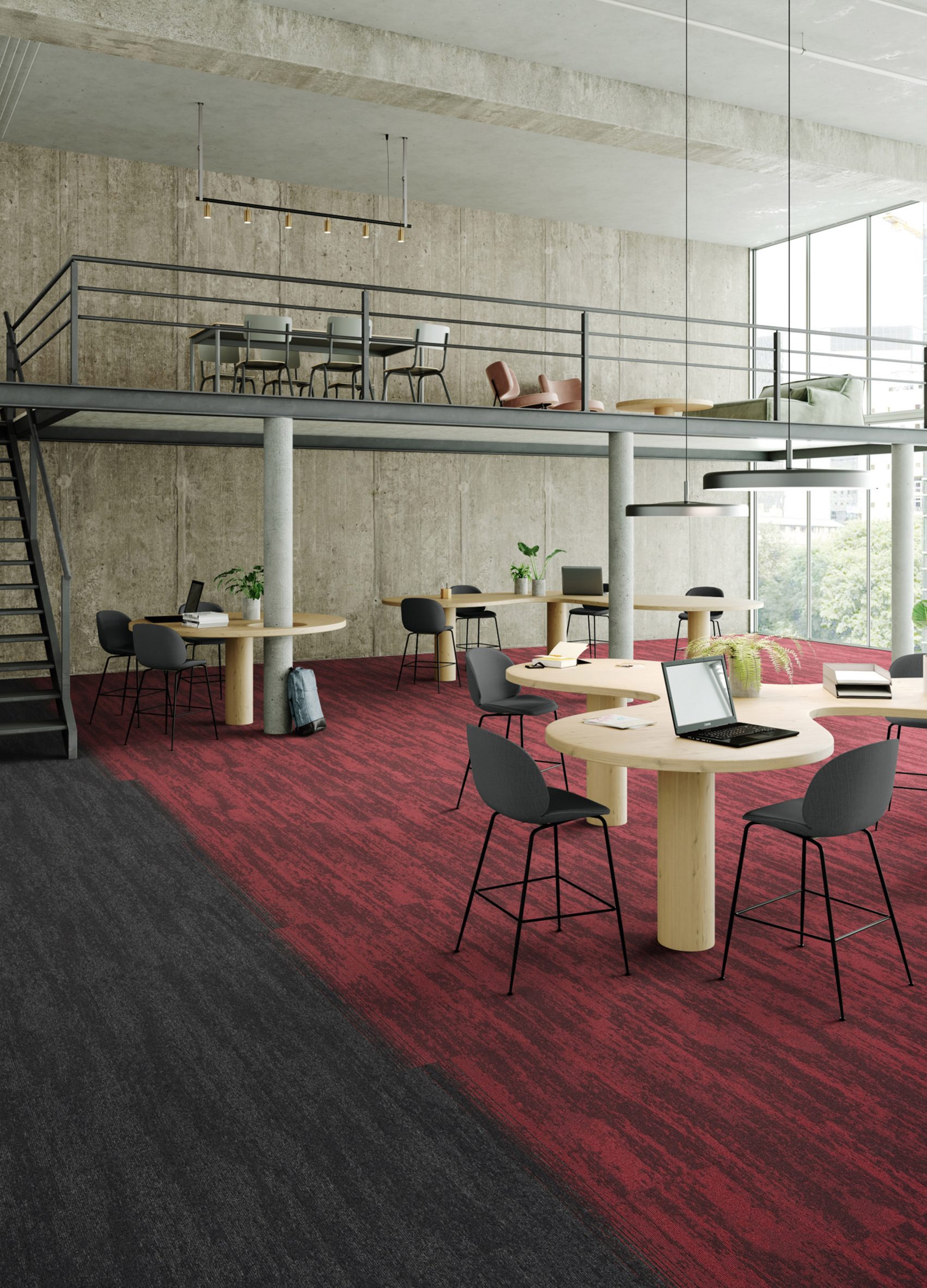
IVC Commercial's Rudiments carpet tile collection informed by the texture of fine-grained soil is among 13 new products featured on Dezeen Showroom this week.

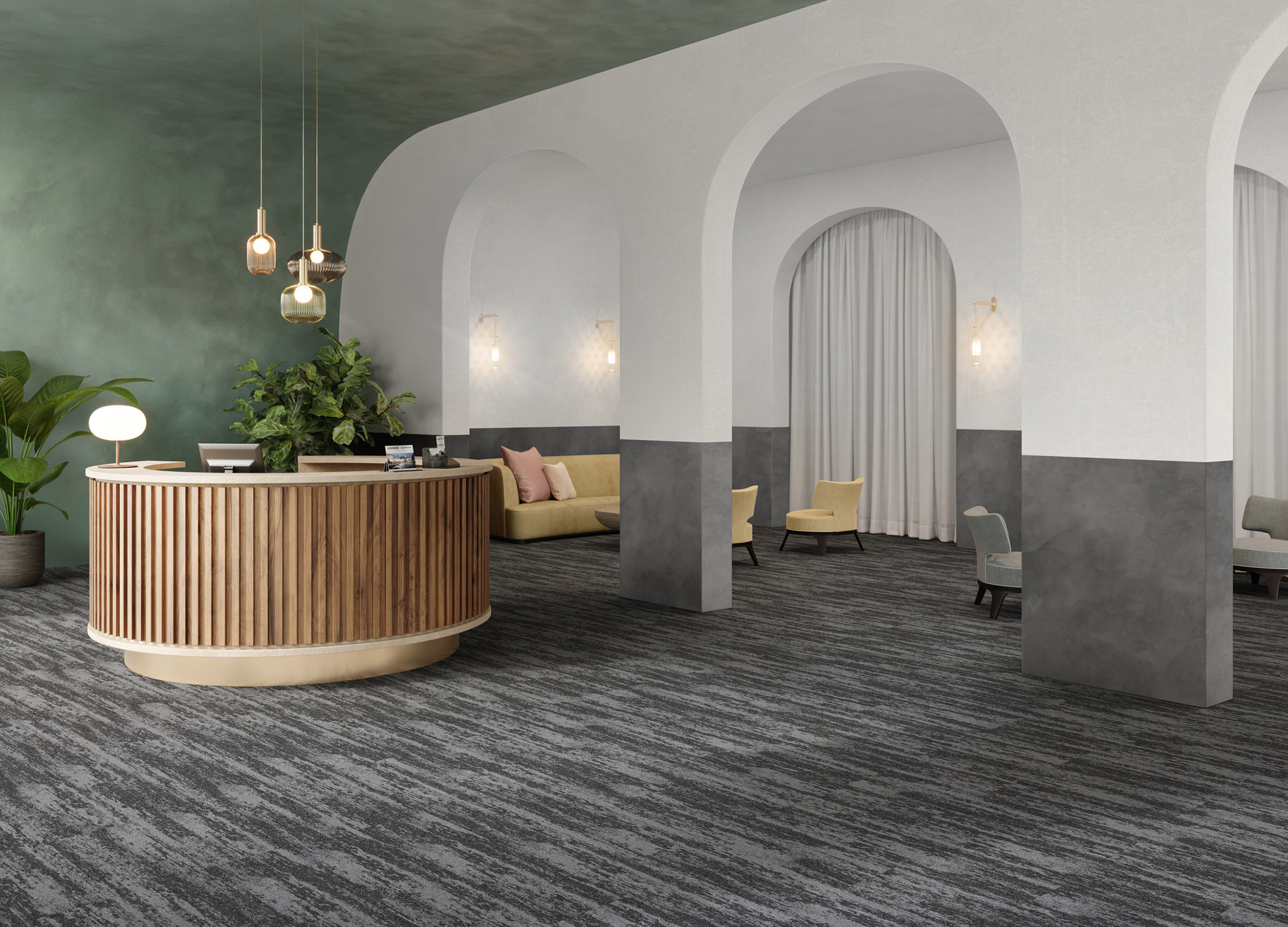
Rudiments carpet tile collection by IVC Commercial

Rudiments carpet tile collection by IVC Commercial

Clay and Clay Create are two new variations that have been added to Belgian brand IVC Commercial's clay-inspired carpet tile collection called Rudiments.

The tiles, which are intended for office environments, are made of solution-dyed nylon and come in a palette of 12 different colours and designs, including ones informed by historical flooring materials such as hewn stone and jute.

Rudiments was featured on Dezeen Showroom this week, alongside products including pendant lights that mimic the appearance of raindrops and a handwoven lounge chair with shaggy fibres draped over its backrest.

Read on to see the rest of this week's new products:


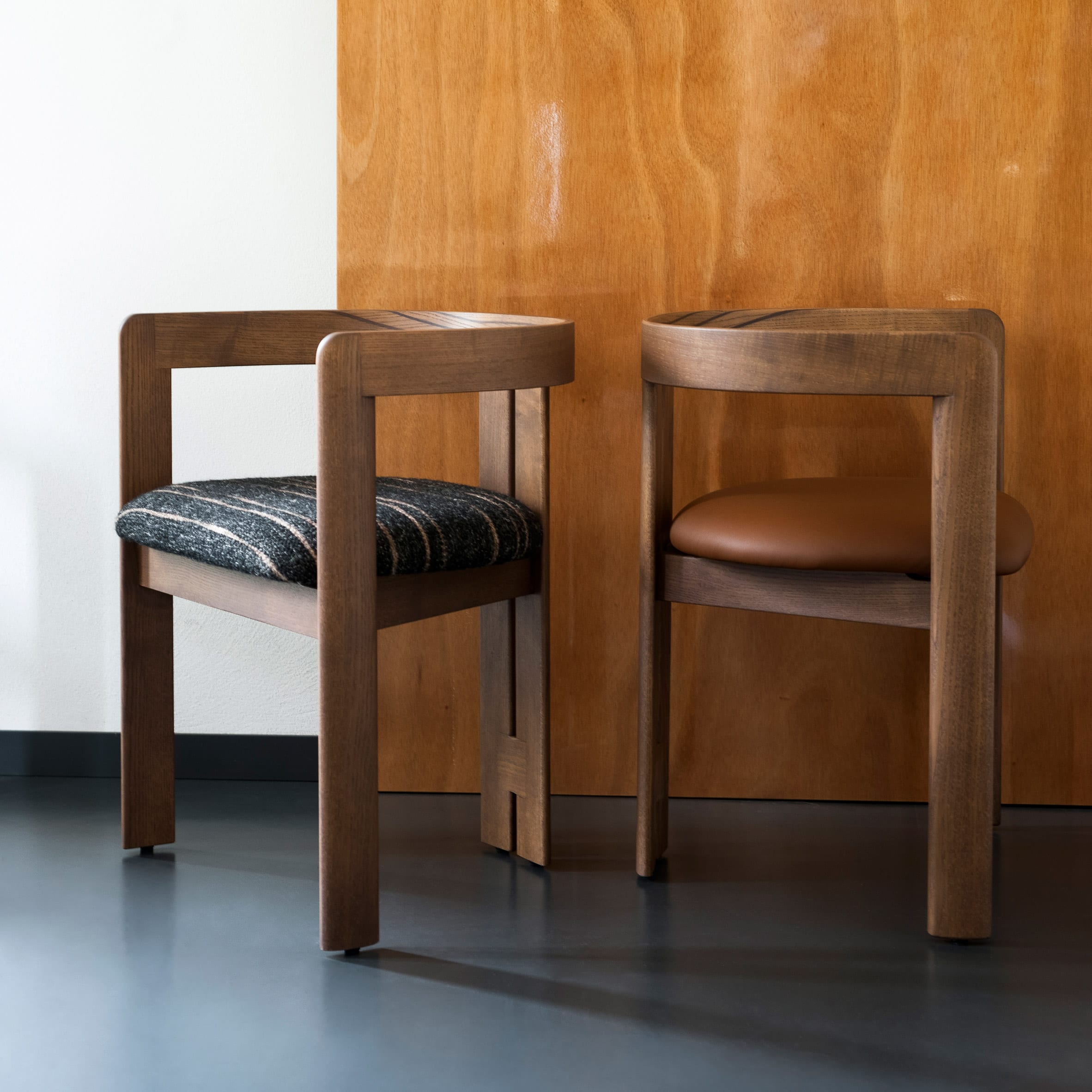
Pigreco chair by Tobia Scarpa for Tacchini

Pigreco chair by Tobia Scarpa for Tacchini

Pigreco is a wooden chair designed to offer an alternative to archetypal chairs, created by architect Tobia Scarpa for Italian furniture brand Tacchini.

The chair is distinguished by two back legs made from Canaletto walnut or ash wood, described by Scarpa as "sister legs", that offer structural strength and lead seamlessly into the enveloping backrest.

Find out more about Pigreco ›


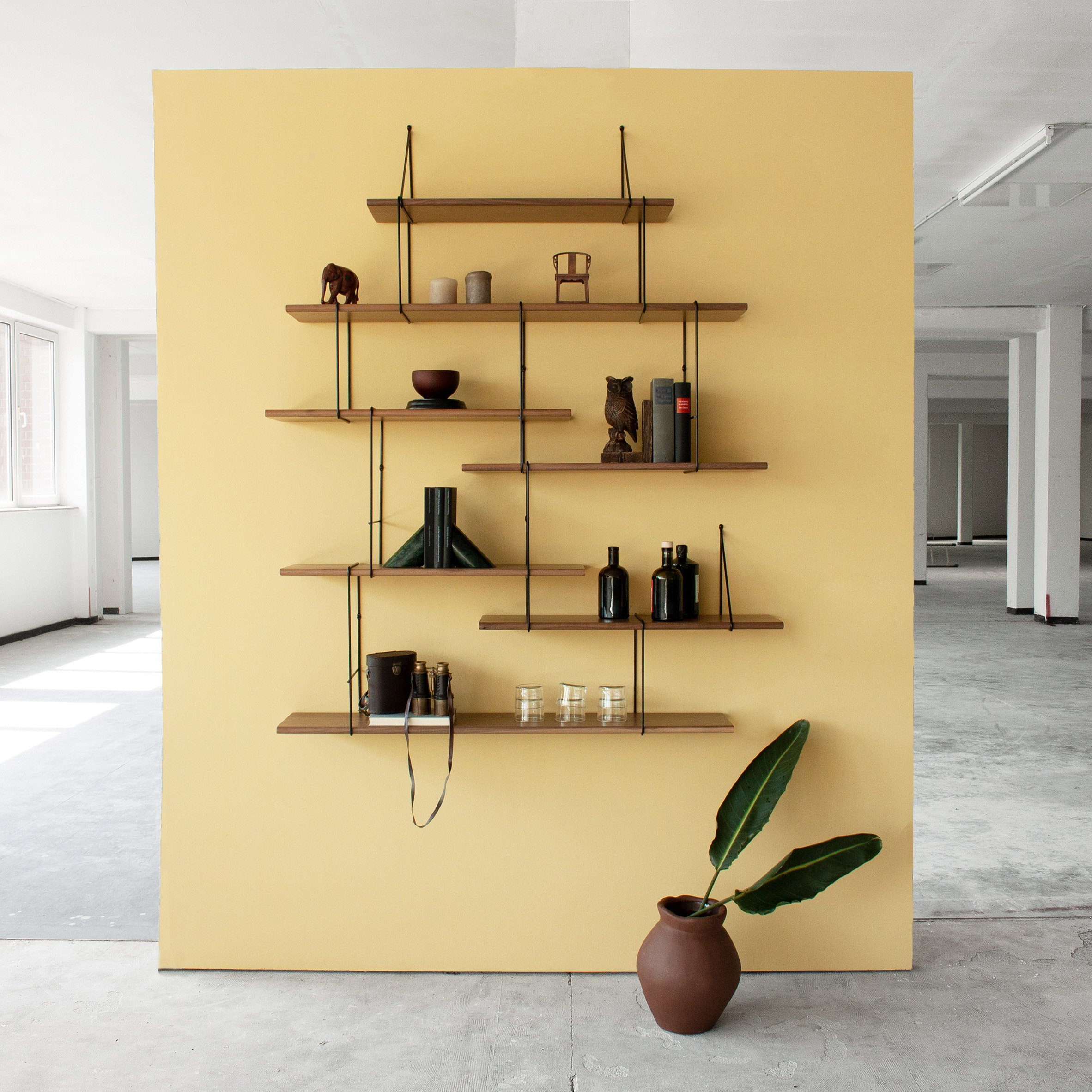
Link shelving system by Jörg Höltje for Studio Hausen

Link shelving system by Jörg Höltje for Studio Hausen

Link is a highly customisable display and storage shelving system designed by German designer Jörg Höltje for Berlin-based interior brand Studio Hausen.

The shelves, which are made from wood and steel, can be configured into a myriad of arrangements including asymmetrical, tall or wide designs to enable flexibility and versatility when designing spaces.

Find out more about Link ›


AME Natural Lounge chair by Paolo Ferrari via Twentieth

AME Natural Lounge chair by Paolo Ferrari via Twentieth

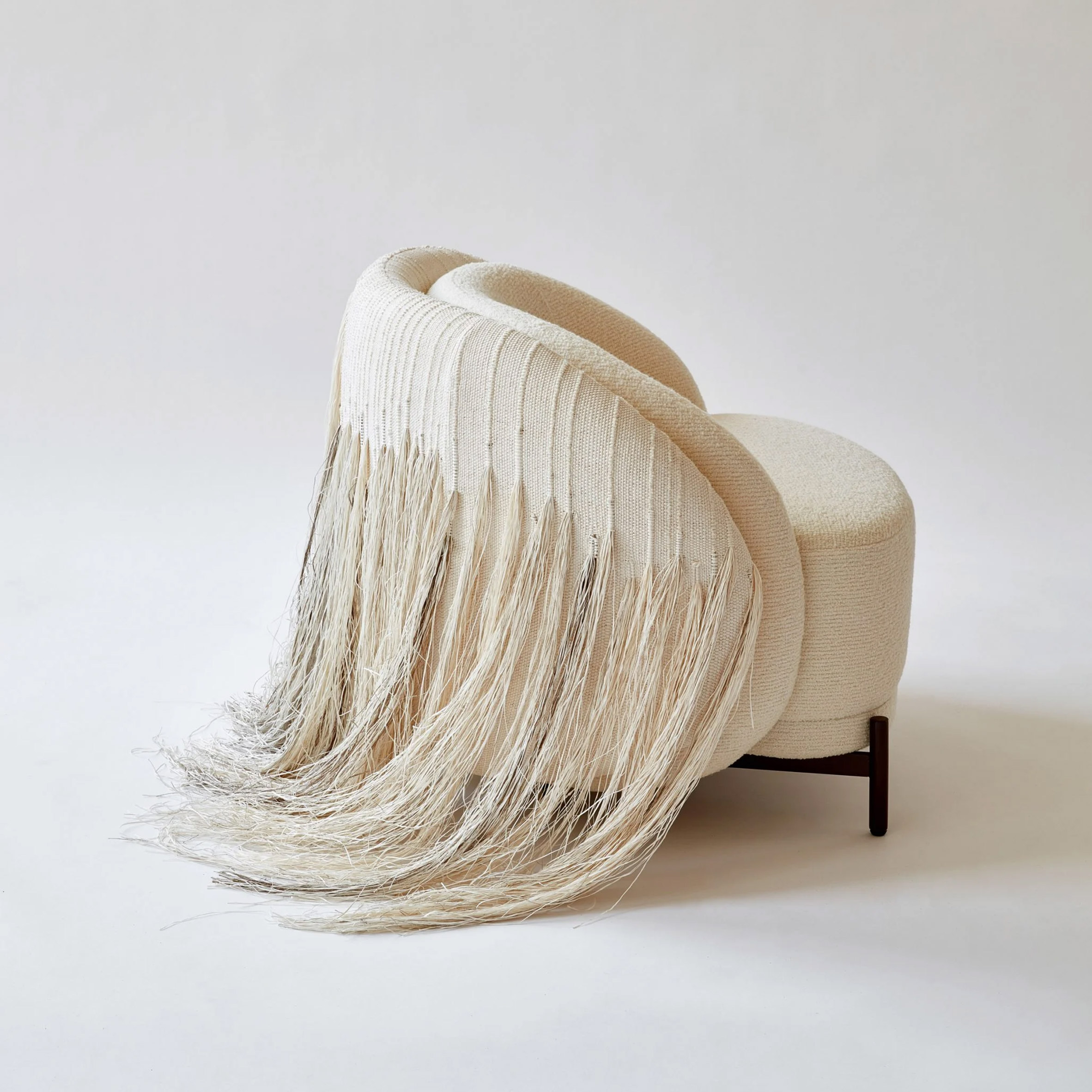
AME Natural Lounge is a handwoven chair informed by Japanese garment making, created by designer Paolo Ferrari and textile artist Hiroko Takeda, which is available via Twentieth.

The lounge chair is made from natural fibres, such as cotton tape yarn, linen, hemp, silk and wool, which drape over the backrest and down to the floor.

Find out more about AME Natural Lounge ›


Zoe Sool rug by Daria Zinovatnaya for Gan

Zoe rug collection by Daria Zinovatnaya for Gan

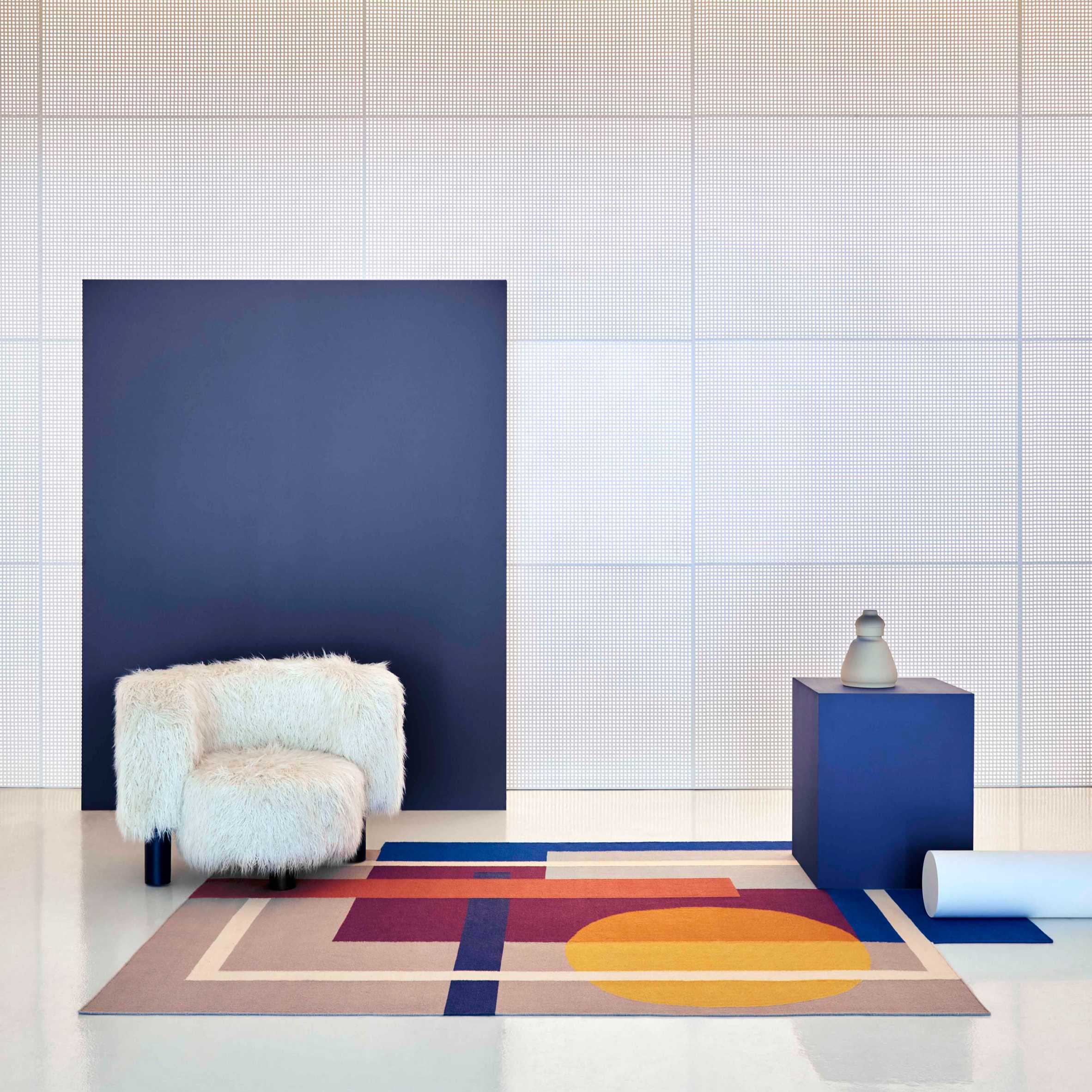
Zoe is a collection comprising two rugs called Kubb and Sool, designed by Ukrainian designer Daria Zinovatnaya for Spanish brand Gan.

The rugs feature vivid, colourful geometric patterns and are made from 100 per cent wool. The Sool rug has a light, flat-woven textured surface, while the Kubb rug has a thick and fluffy finish.

Find out more about Zoe ›


Pietre Maximum by Fiandre Architectural Surfaces

Pietre Maximum by Fiandre Architectural Surfaces

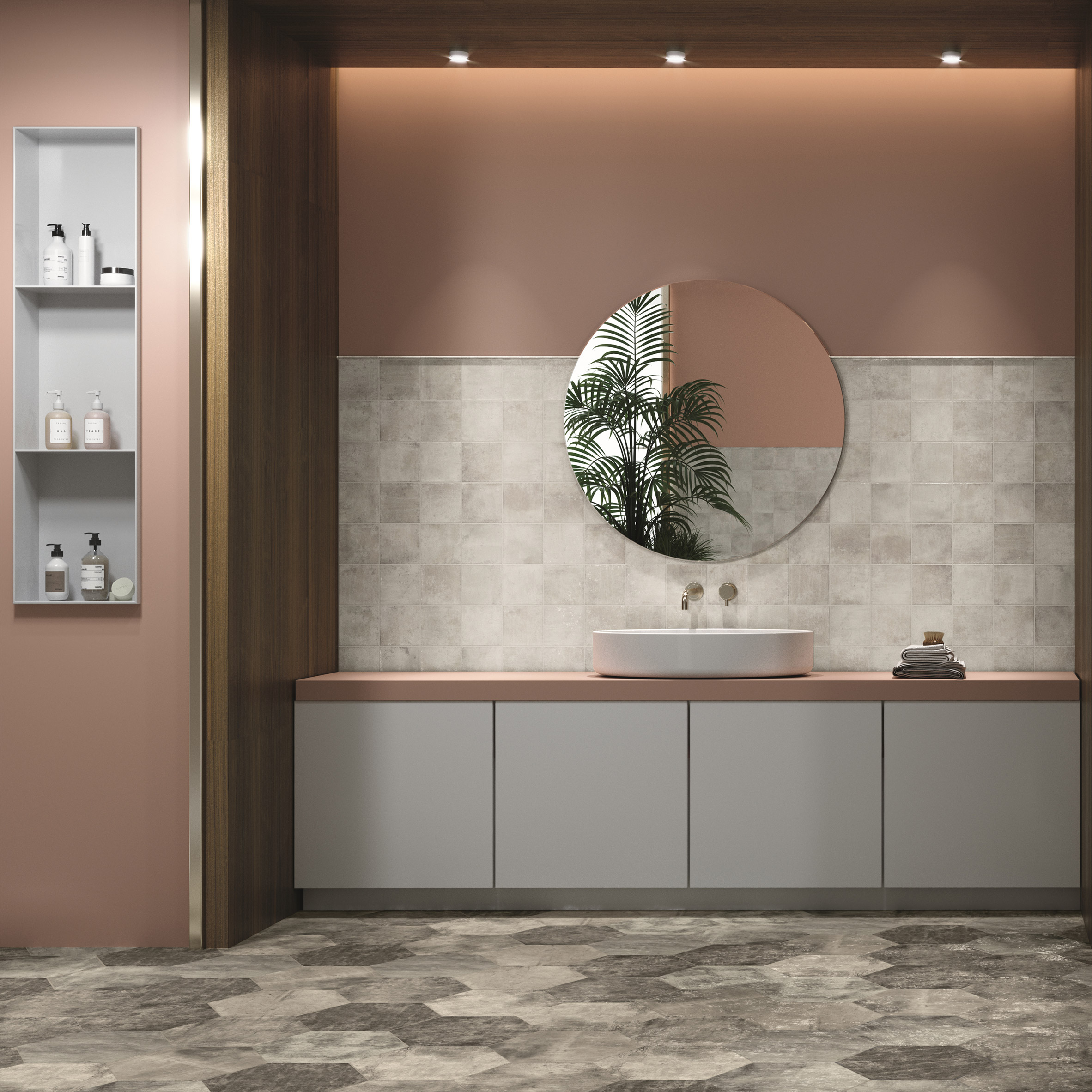
Pietre Maximum is a series of porcelain surfacing materials designed to echo the appearance and texture of natural stone, created by Fiandre Architectural Surfaces.

The collection is available in three options. All reference stones found throughout Europe, such as grey stone from southeast Switzerland and crema luna marble found in Spain and France.

Find out more about Pietre Maximum ›


Mello sofa by Steelotto

Mello sofa by Steelotto

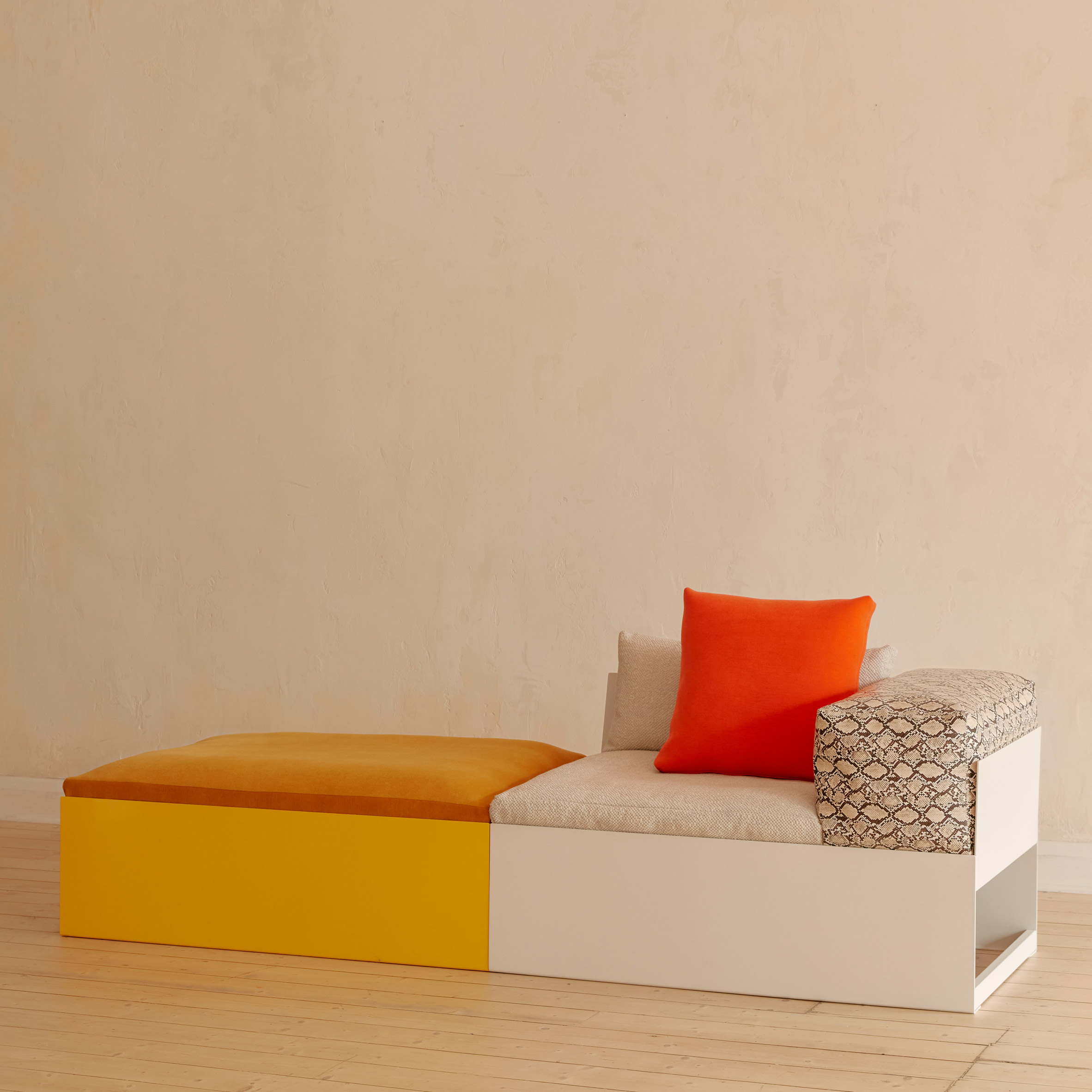
Mello is a sofa distinguished by its engaging interplay of metal textures and fabric, created by steel-furniture specialist Steelotto.

The sofa features a frame with folded planes of solid Australian steel and aluminium that contrasts the soft and cosy upholstery, which is available in a range of Kvadrat or Febrik fabrics.

Find out more about Mello ›


Valvola01 by Studio Adolini for Quadro Design

Valvola01 by Studio Adolini for Quadro Design

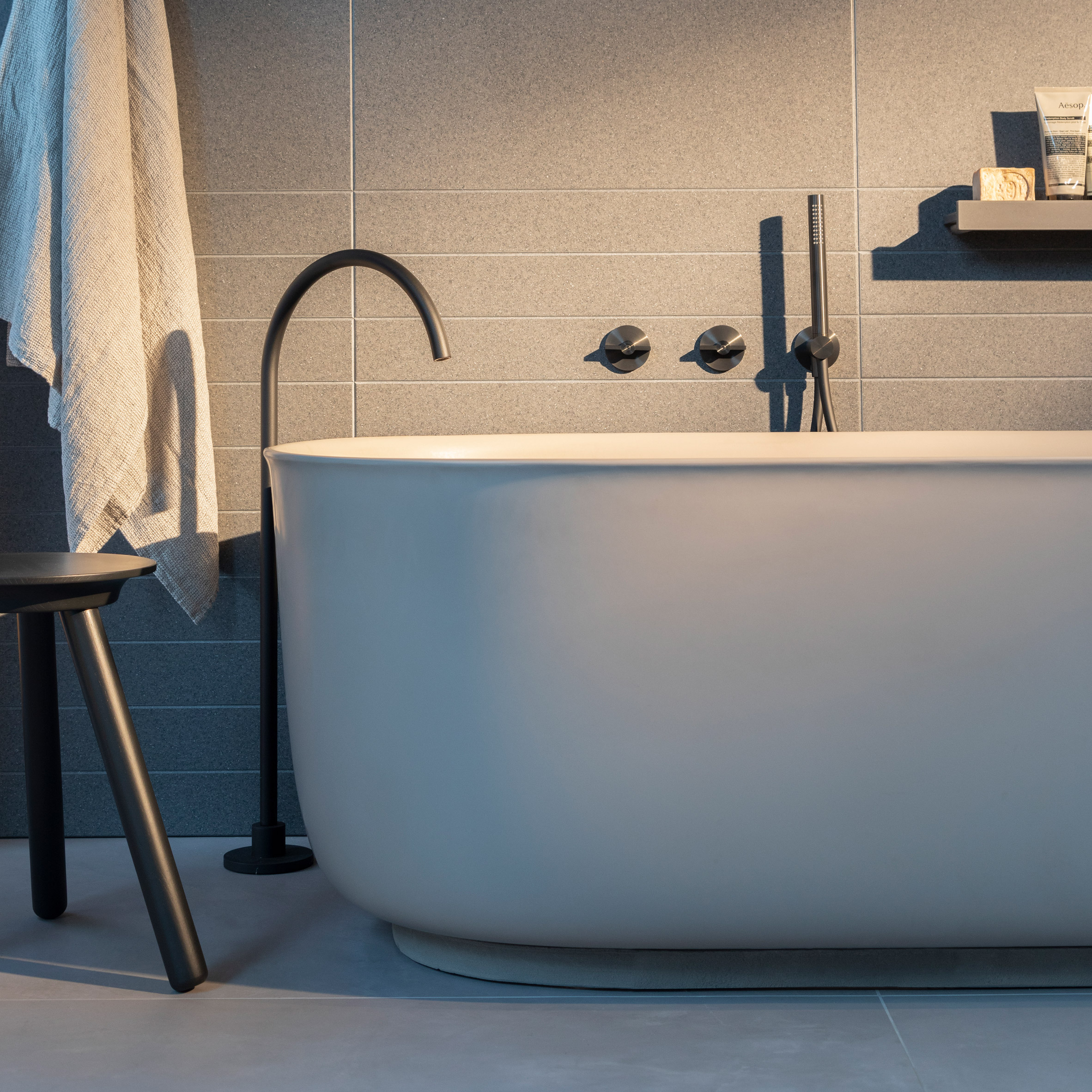
Valvola01 is a family of wall-mounted and floor taps for the bathroom and kitchen created by Studio Adolini for Italian bathroom products specialist Quadro Design.

The collection, which is available in light gold, pink gold or black gold finishes, is made of stainless steel and coated in a thin-film coating that enhances its durability against acid solvents, saline corrosion and environmental damage.

Find out more about Valvola01 ›


Amazonia Tile collection by ZYX

Amazonia tile collection by ZYX

Amazonia is a range of handcrafted porcelain tiles designed to evoke the "wild jungle", created by Spanish interior brand ZYX.

The tiles, which are intended for use on both walls and floors, are available in either a square or hexagonal shape and come in a palette of five earthy colours including deep green and sand.

Find out more about Amazonia Tile ›


Fender seating by Francesco Favaretto for True Design

Fender seating by Francesco Favaretto for True Design

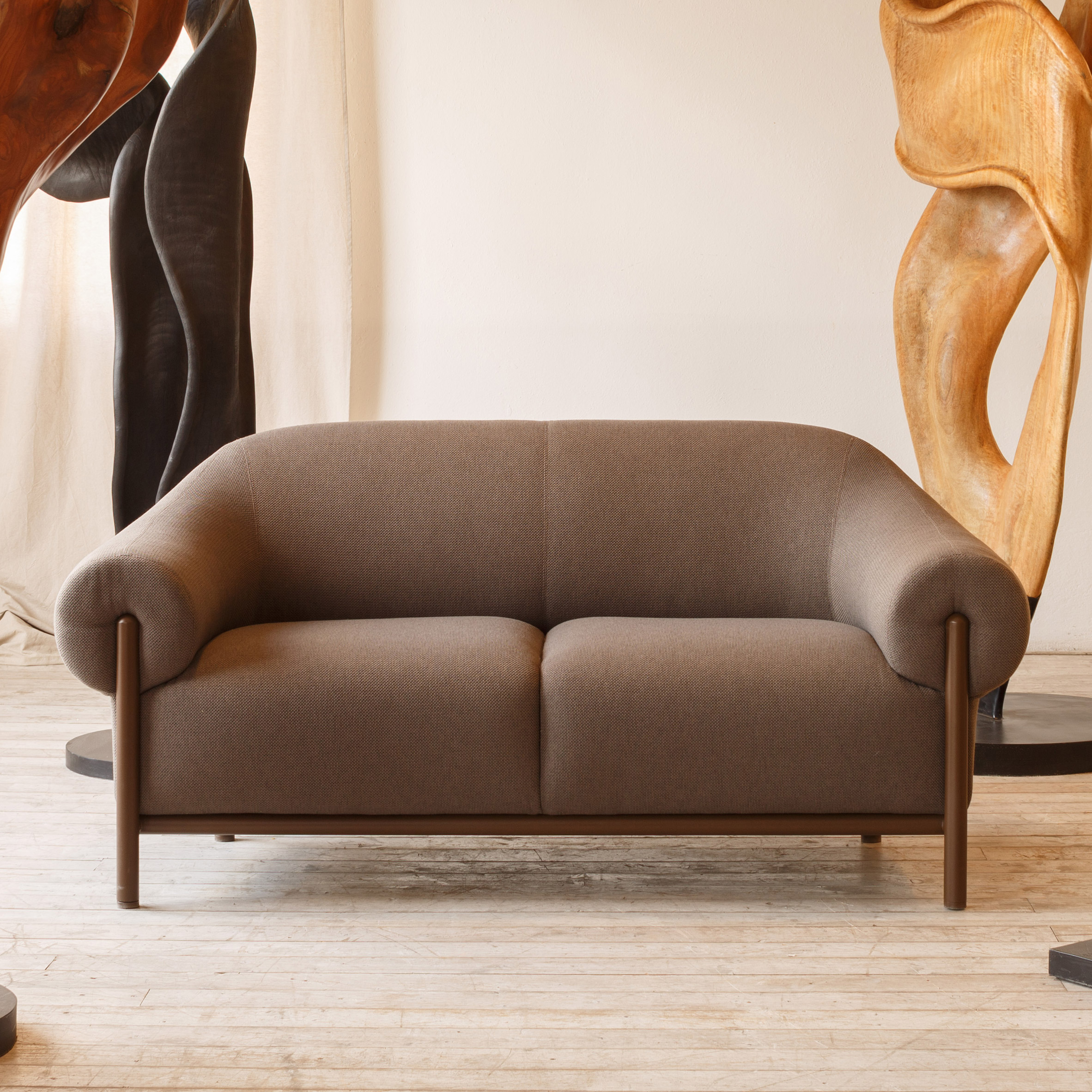
Fender is a collection of cosy and inviting seating comprising sofas and armchairs created by Francesco Favaretto for Italian brand True Design.

The seating, which is available in 16 colours including ochre brown and sand yellow, features large, plush cushions and distinctive rounded armrests with a tubular steel base.

Find out more about Fender ›


Raindrop collection by Shakúff

Raindrop collection by Shakúff

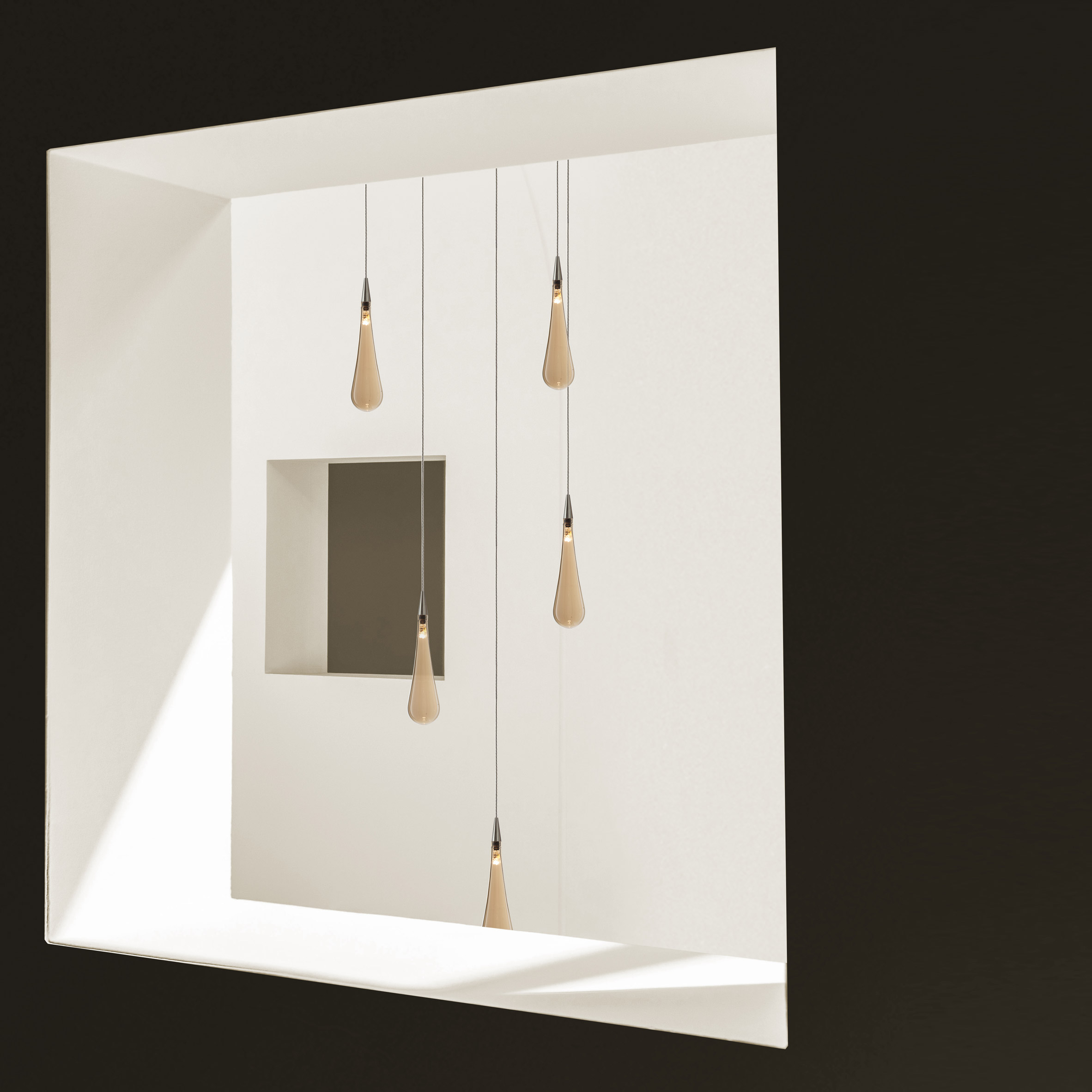
Raindrop is a range of sculptural pendant lights designed to resemble the appearance of raindrops, created by lighting company Shakúff.

The lights are composed of blown pyrex glass, brass and steel and are available in an array of colours ranging from matte silver to antique bronze for the base, while the glass pendants come in clear, black or amber hues.

Find out more about Raindrop ›


Crystal Shell Pendant lighting by Shakúff

Crystal Shell Pendant lighting by Shakúff

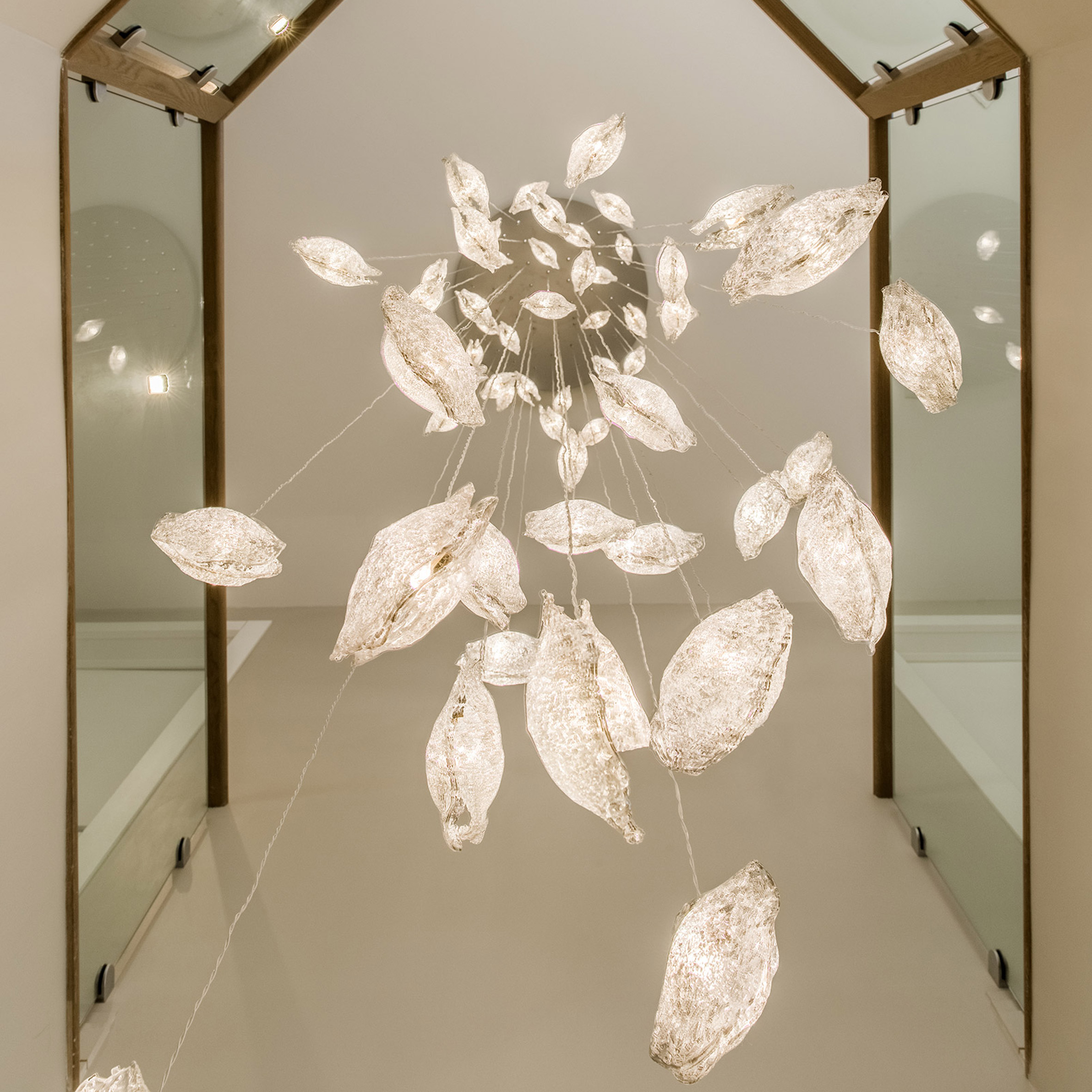
Crystal Shell is a cymbal-shaped pendant light that was informed by carapaces from sea creatures found on the beaches of Northern Israel and created by Shakúff.

The light is composed of surplus pyrex glass that has been crushed and then blown into a clam-like shape, resulting in a crackled finish with irregular edges.

Find out more about Crystal Shell Pendant ›


Kadur Drizzle orb pendant lights by Shakúff

Kadur Drizzle orb pendant lights by Shakúff

Kadur Drizzle is Shakúff's collection of orb-shaped pendant lights informed by snowglobes "filled with soft rain".

The lights, which are made from molten pyrex glass, are composed of two concentric orbs that have been hand-blown with drizzled patterns designed to evoke the appearance of drops of water.

Find out more about Kadur Drizzle ›


About Dezeen Showroom: Dezeen Showroom offers an affordable space for brands to launch new products and showcase their designers and projects to Dezeen's huge global audience. To launch a new product or collection at Dezeen Showroom, please email showroom@dezeen.com.

Dezeen Showroom is an example of partnership content on Dezeen. Find out more about partnership content here.

The post Rudiments tile range by IVC Commercial among new products on Dezeen Showroom appeared first on Dezeen.


from Dezeen https://ift.tt/3xS7eL4

Sunday, 18 July 2021

Tokyo 2020 Olympic torchbearers wear uniforms made from recycled bottles

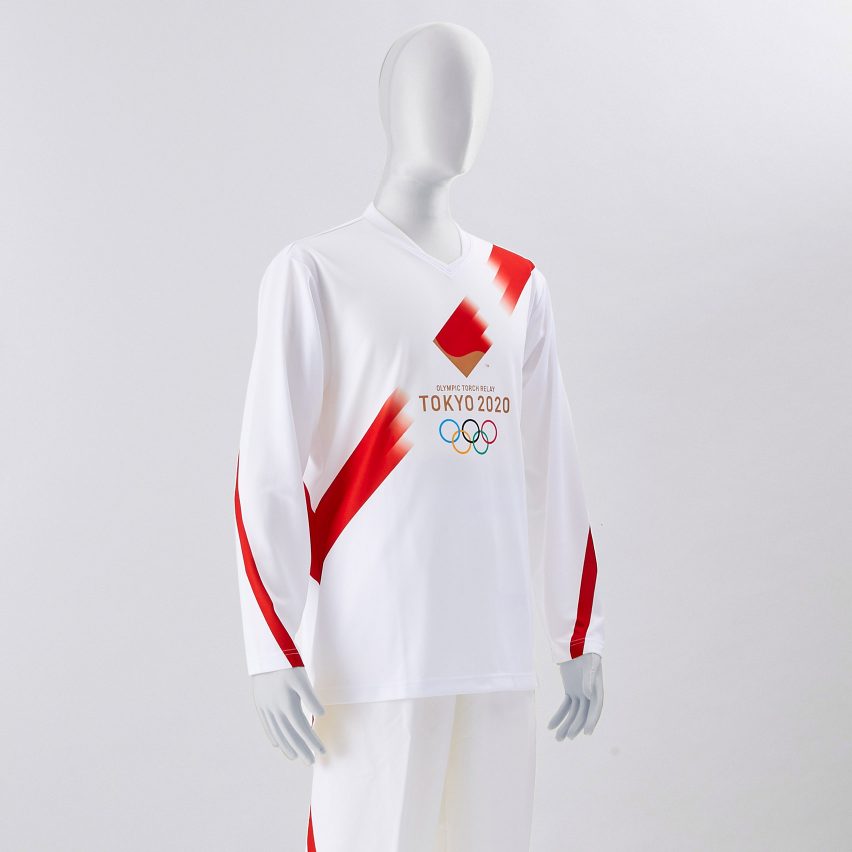
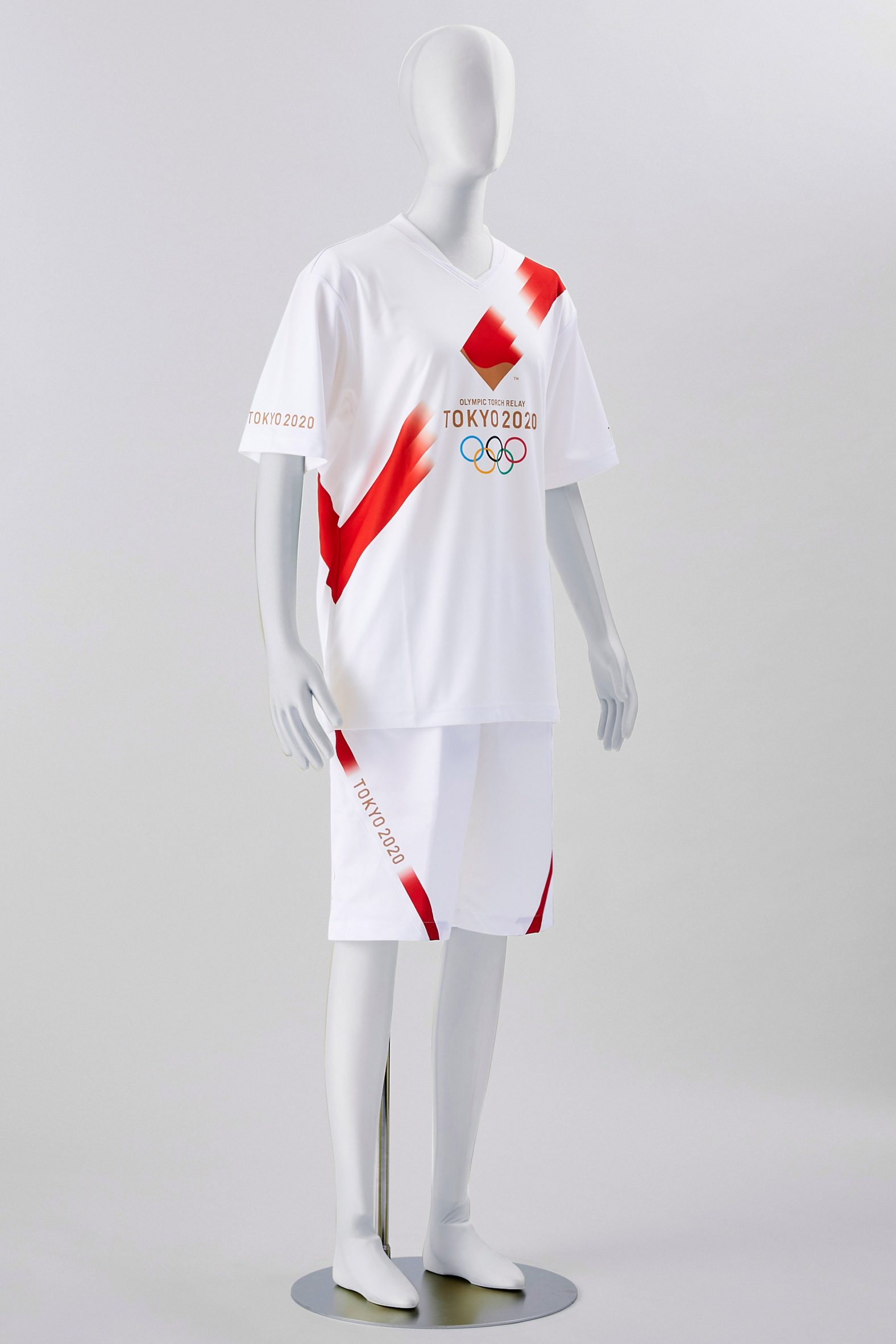
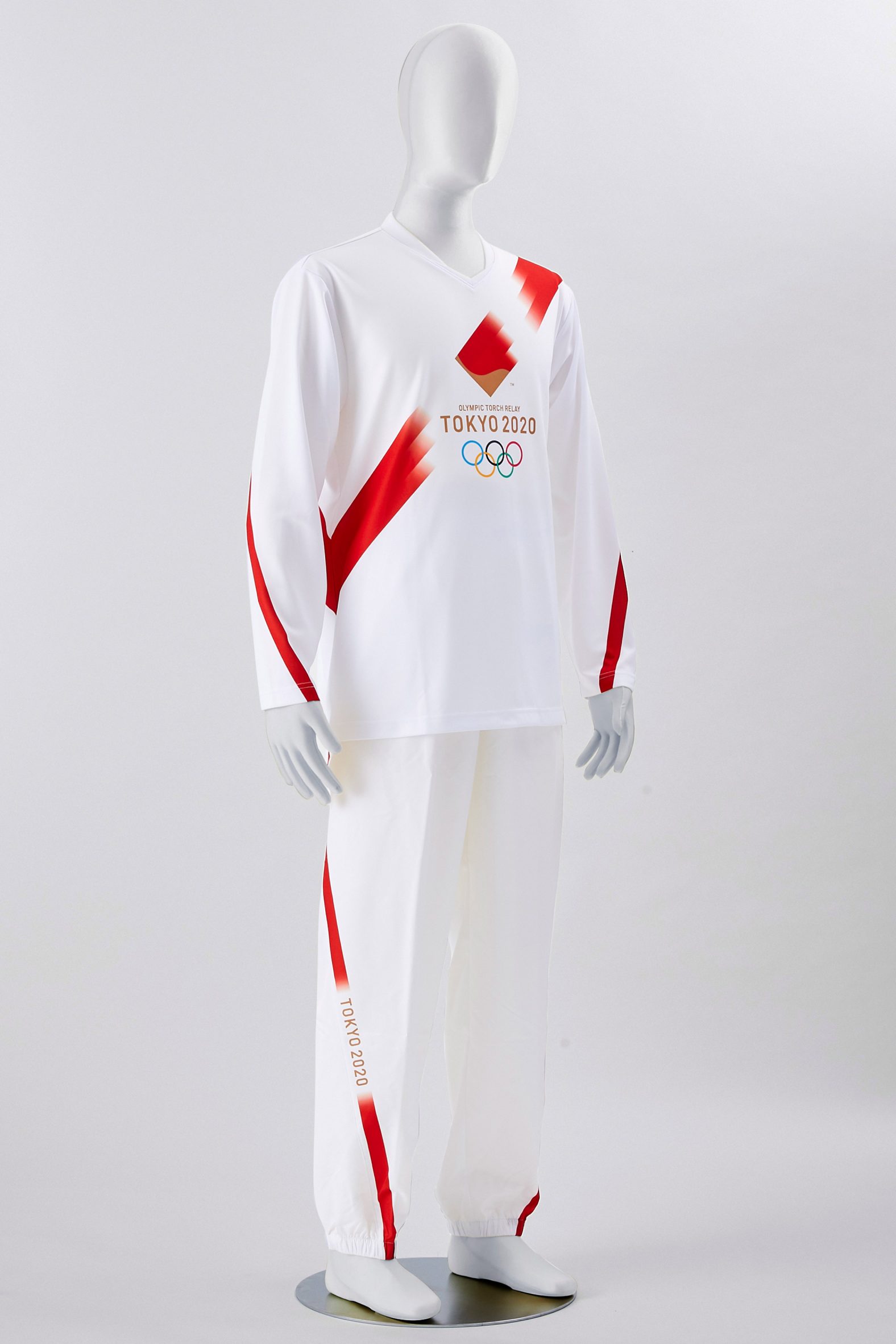
The white T-shirts and trousers worn by torchbearers carrying the Olympic flame at the Tokyo 2020 Olympic torch relay have been made from recycled plastic bottles collected by Coca-Cola.

The Tokyo Olympic Association designed the unisex Olympic torchbearer uniforms under the theme Hope lights our way.

Torchbearer shorts and T-shirt Olympic uniform
Top: the uniforms are partly made from recycled bottles. Above: the designs are meant to reflect hope

"Based on the Tokyo 2020 Olympic Torch Relay concept ‘Hope Lights Our Way’, great importance is being placed on delivering an outstanding Japanese-style Torch Relay with a seamless continuity to the Tokyo 2020 Games," said the association.

The association's design team – which is headed by Olympic design director Daisuke Obana – collaborated with Coca-Cola to create the uniforms for the relay, which is currently underway in Japan.

Plastic bottles collected by the soft-drink brand have been recycled and used to form part of the uniform.

The material choice aligns with the Games' sustainability goals, which aim to "deliver a sustainable Games."

Torchbearer shorts and T-shirt Olympic uniform
The red sash is worn in traditional Japanese relays

The loose-fitting T-shirt, shorts and trousers all have a red diagonal sash that runs from front to back. Such a sash is routinely worn in Japanese sporting relays.

"The design incorporates a diagonally-draped sash of the type used in place of batons in Ekiden, Japan’s famous long-distance relays," said Obana.

"As well as introducing an element of Japanese tradition, the design embodies respect for the Olympic Torch Relay and aspirations for the success of the Games."

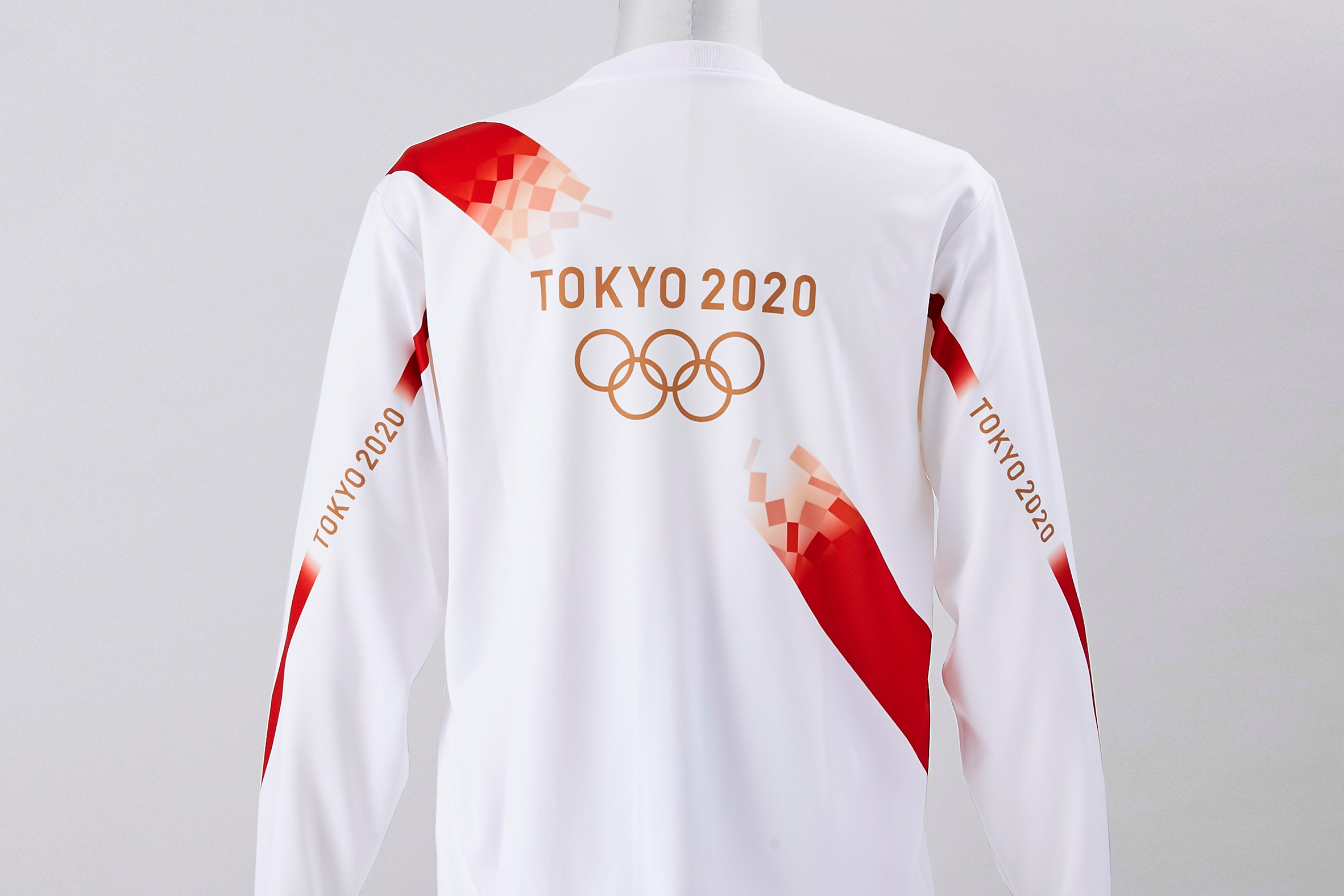
The sash also features a chequered pattern that is known in Japan as ichimatsu moyo. The same pattern can be found in the Tokyo 2020 logos.

"The path of hope weaved by each torchbearer is lit up by the Olympic flame and marks the way to the upcoming Games," said the association.

"This is expressed in the design, which originates in the Tokyo 2020 Olympic Torch Relay symbol positioned in the centre of the chest and connects to the 'look of the Games' ichimatsu moyo chequered pattern featured prominently on the back."

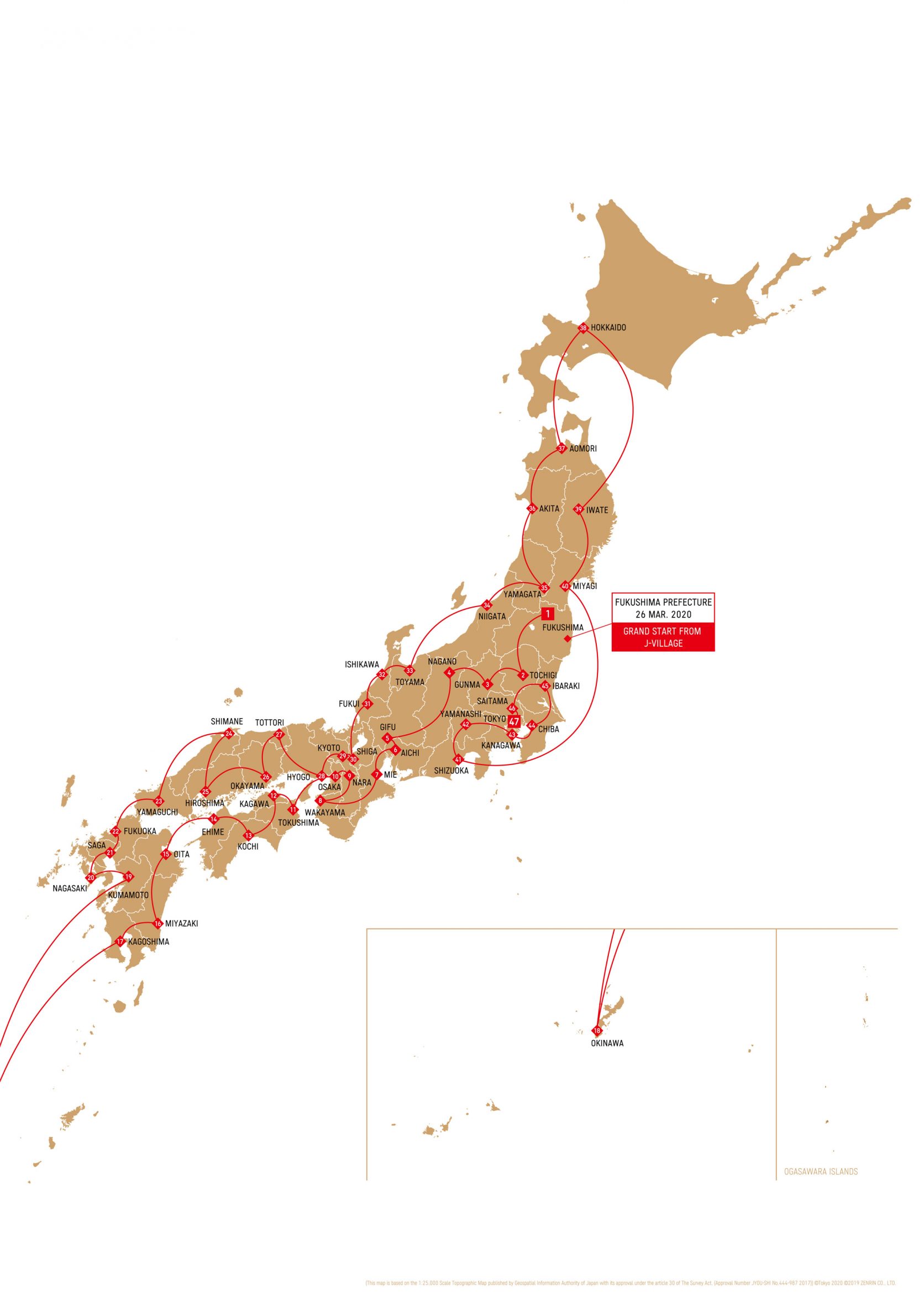
Map of the Olympic flame route in Japan
The Olympic flame will be carried from Fukushima to Tokyo

The white uniform is otherwise very simple in design. Its v-neck T-shirt features the Tokyo 2020 Olympic Torch Relay emblem on the front and the Olympic symbol on the back, while trousers and shorts have a red diagonal stripe.

The design team said it hopes the uniform "incorporates respect for the Torch Relay and hopes for the success of the Games".

“I have interpreted the Olympic Torch Relay as being something that connects torchbearers and their thoughts; in other words everyone who will participate in the Torch Relay having various thoughts – including about the Games – and the Flame connecting those thoughts," Obana commented.

The unisex torchbearer uniform comes in a long and short version

Much like the Tokyo 2020 Olympic torch, which was made from construction waste from the Great East Japan earthquake and 2011 tsunami, the torch relay is meant to help victims heal and to celebrate the progress that has since been made.

"In Japan, these Games are being referred to as ‘the Recovery Games’ and so the Olympic flame will start its journey from an area affected by recent natural disasters," Obana said. "I hope that the Olympic flame that is transported to Japan will bring with it the encouragement and thoughts of people from all over the world."

The torch relay began in March 2021 in Fukushima to honour the lives lost in the earthquake, tsunami and nuclear disaster.

While torchbearers wear outfits made from recycled bottles, athletes at the Tokyo 2020 Olympics will don medals made from recycled smartphones.

The post Tokyo 2020 Olympic torchbearers wear uniforms made from recycled bottles appeared first on Dezeen.


from Dezeen https://ift.tt/3rkrHWx

IVC Commercial launches Clay and Clay Create carpet planks

Clay and Clay Create

Dezeen promotion: Belgian carpet brand IVC Commercial has launched two types of carpet plank called Clay and Clay Create as part of its Rudiments collection.

IVC Commercial's carpet tiles are durable solutions for commercial spaces. Both Clay and Clay Create are designed to give rooms an organic appearance, adding texture and colour to office interiors.

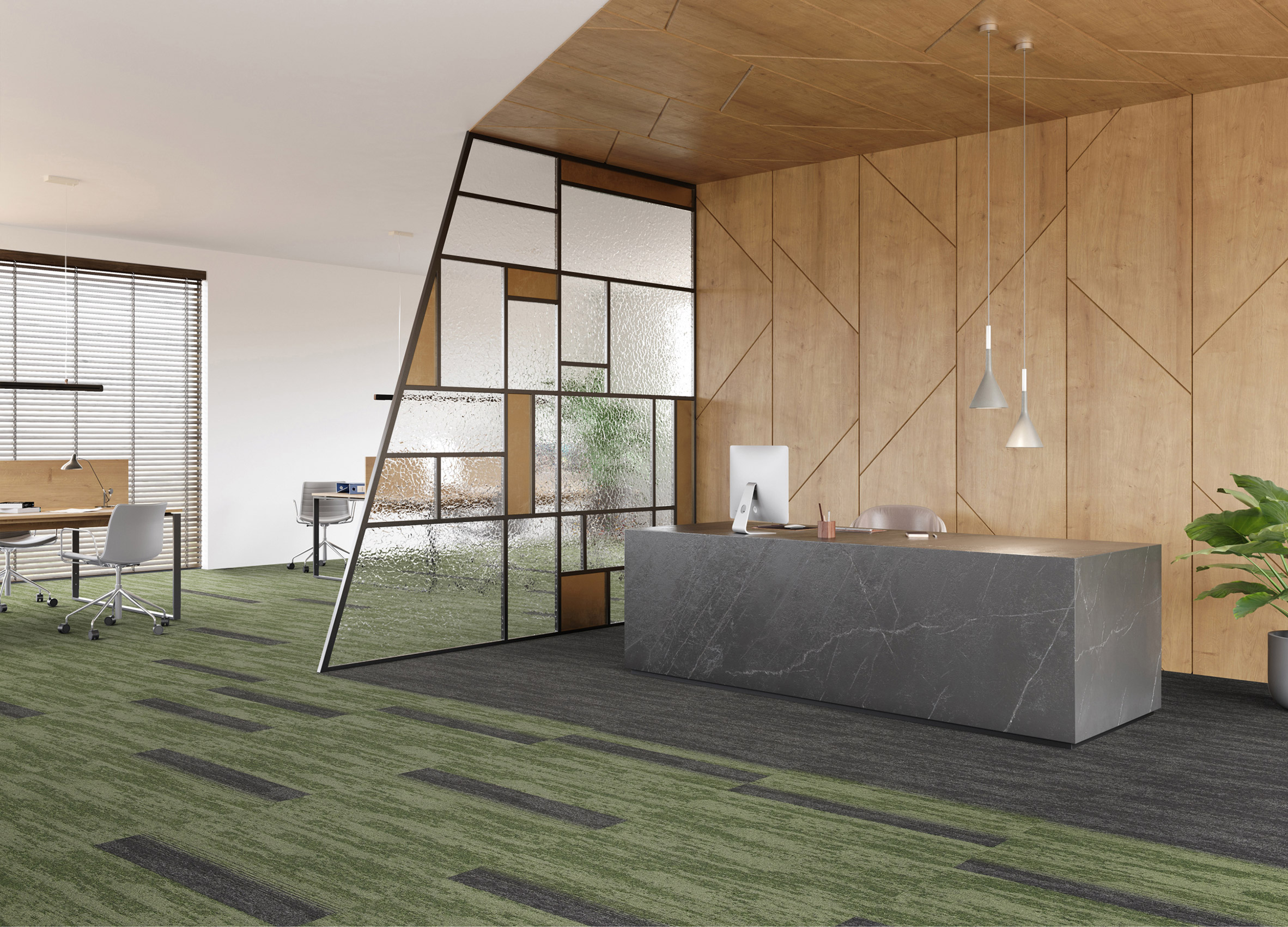
The carpet planks can be used to break up spaces and allow designers to signify different areas when needed, such as for wayfinding purposes.

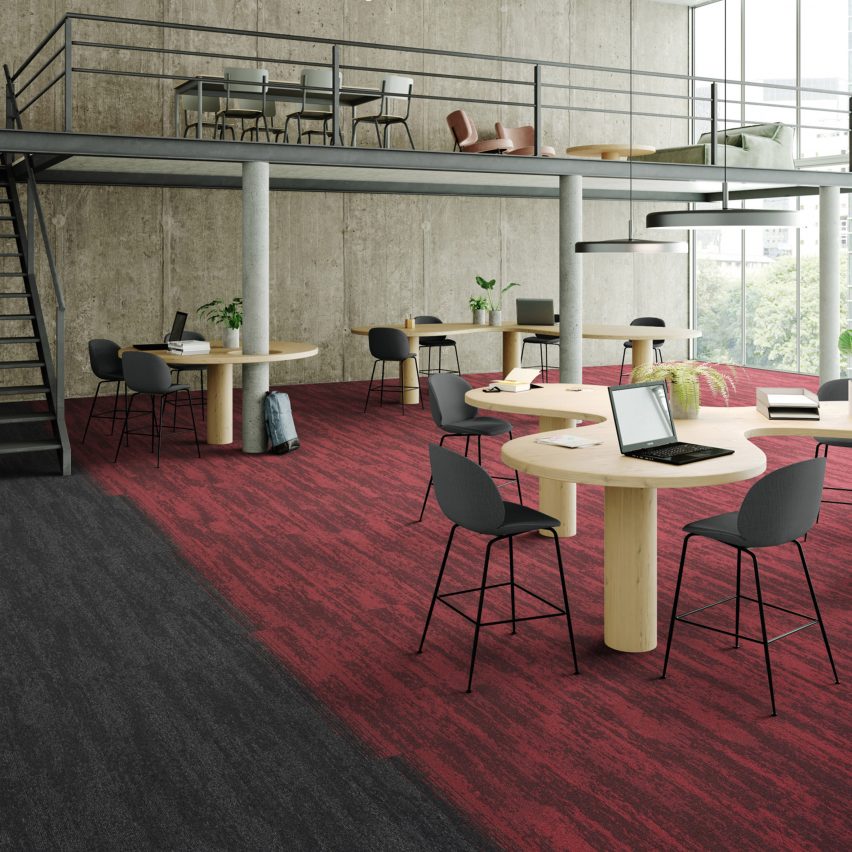
IVC Commercial launches Clay and Clay Create
The Clay and Clay Create tiles are designed to add colour and texture to office space

IVC Commercial's Clay carpet pattern is evenly distributed across each tile, making it suitable for adding texture to large spaces. In comparison, Clay Create is designed as a "transition carpet plank, moving from one colour to another," said the brand.

"Clay Create is a playful random lay pattern that echoes the material's artistic side with a shifting colour gamut that adds exciting transition possibilities to mix and match Rudiments installs," said IVC Commercial.

Both Clay and Clay Create carpet planks reference the natural textures of clay ceramics. This follows the brand's other carpets in its Rudiments collection, which are tufted to appear like natural materials historically used for floorings, such as stone and wood.

"From hewn stone floors and hand-shaped clay tiles to coarsely cut wood blocks and artistic textiles woven from organic threads, Rudiments celebrates the flooring materials that have been closely linked to culture for centuries," said the brand.

IVC Commercial launches Clay and Clay Create
The tiles can be used to signify a change of area, activity or direction

Specifically, the brand's Clay and Clay Create tiles are designed to mimic clay's use as a structural and artistic material.

"The Clay carpet plank is inspired by mankind's crafting of the world's oldest known ceramic material, hand-shaped into the rudimentary building blocks that have protected us for centuries," said IVC Commercial.

Both Clay and Clay Create tiles are 25 to 100 centimetres and are available in 12 colours.

Designers can pick different colour combinations to customise their space. Clay and Clay Create can also be used alongside other carpet tiles in the Rudiments range such as Basalt, designed to look like age-old stone, or Teak, which references oiled wooden blocks.

IVC Commercial launches Clay and Clay Create
The tiles reference the texture and aesthetic of clay tiles

The brand's Rudiments carpets are made from solution-dyed nylon to give a "hassle-free" performance.

"Designers can focus on the job in hand, delivering inspirational spaces that support the productivity and wellbeing of their users," said IVC Commercial.

To learn more about IVC Commercial's range of carpets, visit its website.


Partnership content

This article was written by Dezeen for IVC Commerical as part of a partnership. Find out more about Dezeen partnership content here.

The post IVC Commercial launches Clay and Clay Create carpet planks appeared first on Dezeen.


from Dezeen https://ift.tt/2VKBtpk

Coletivo de Arquitetos takes cues from Japan for São Paulo restaurant Kotori

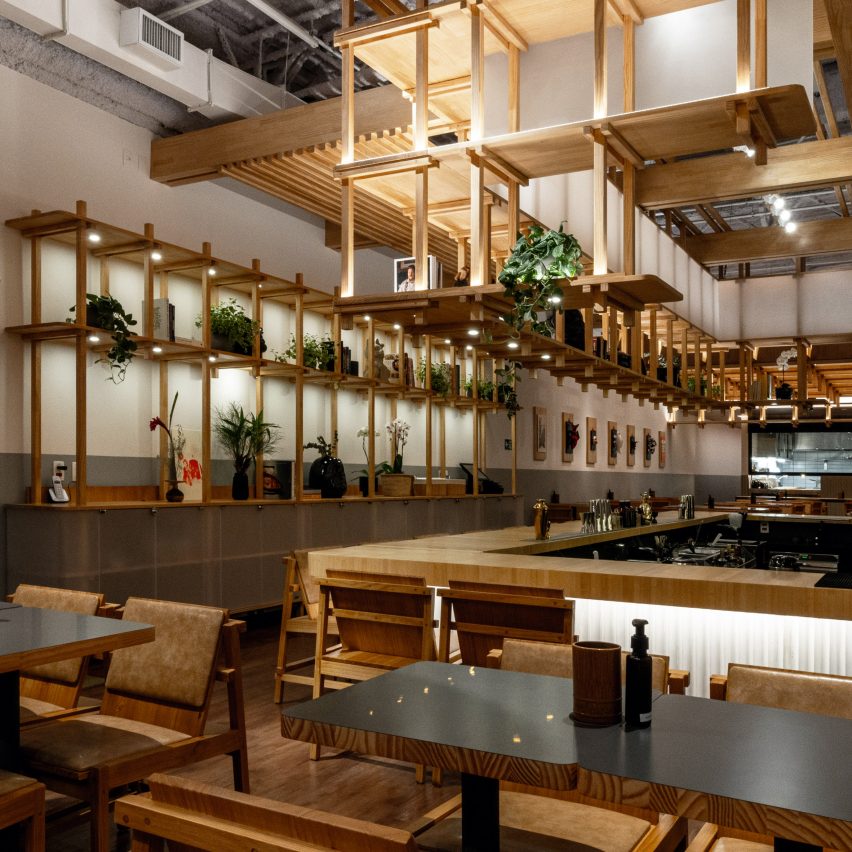
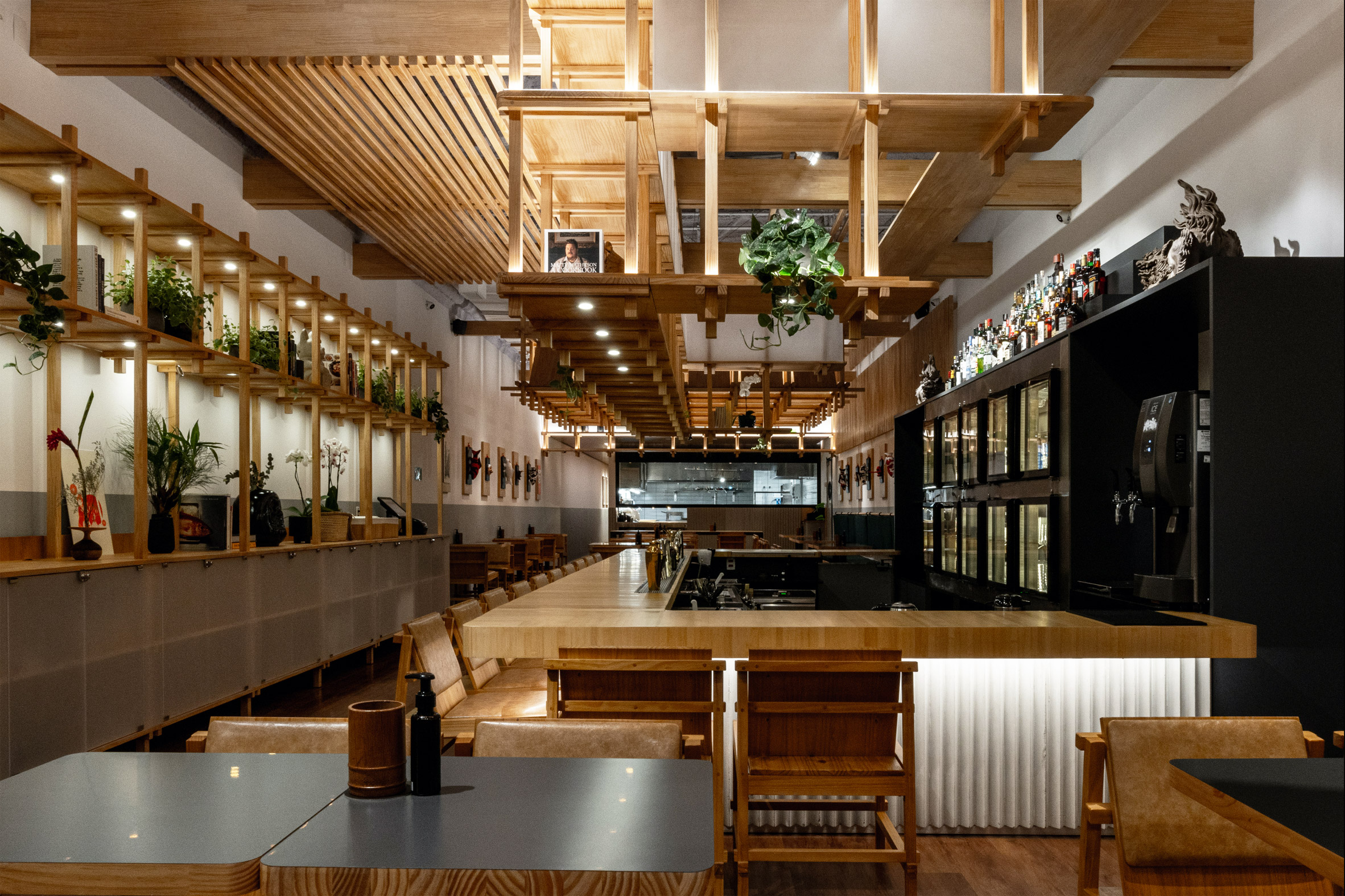
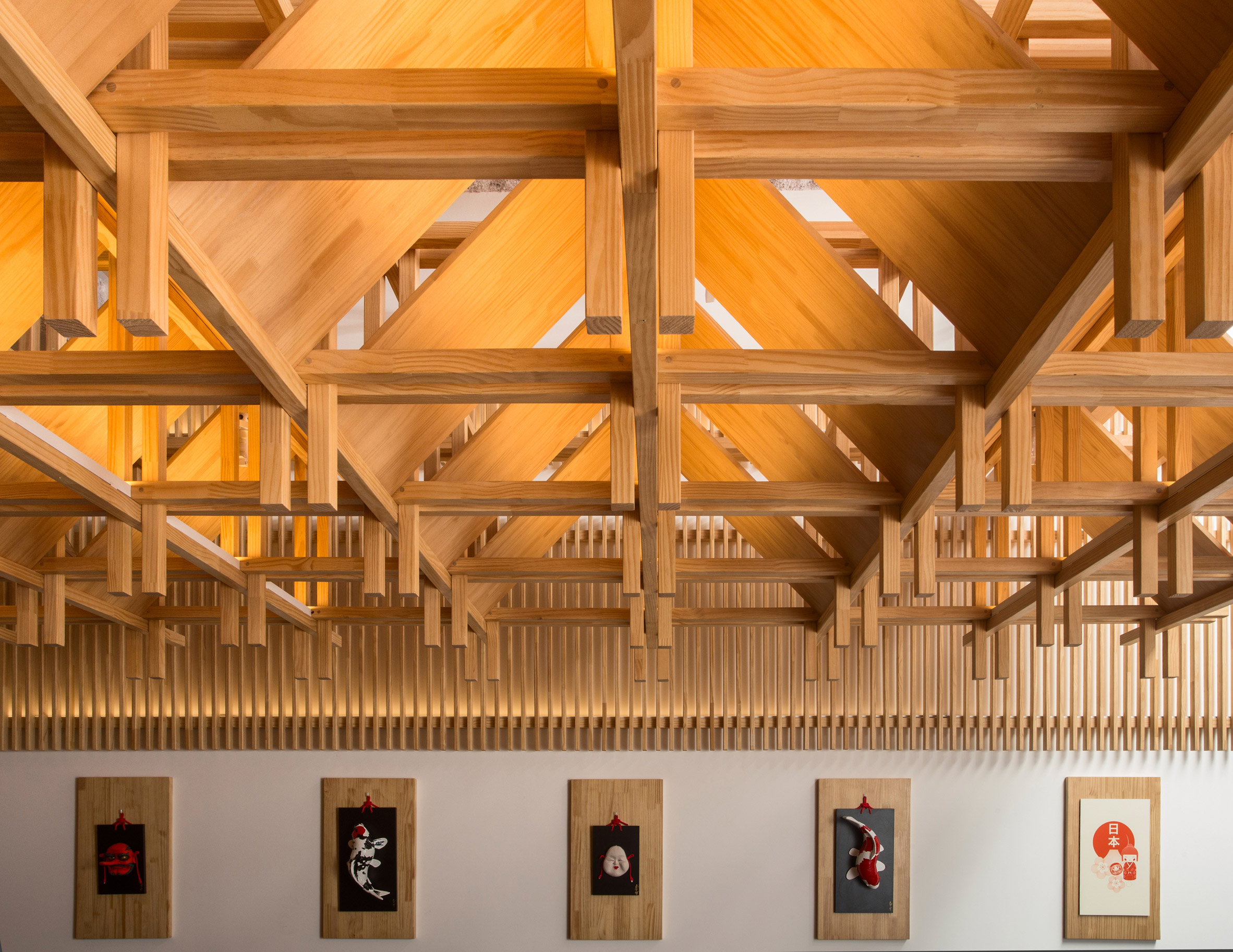
Brazilian studio Coletivo de Arquitetos has completed a Japanese restaurant in São Paulo's Pinheiros neighbourhood, using traditional wood joinery techniques from Japan.

Completed this year, the 350 square-metre restaurant Kotori has only a few seats at the front, facing the street through a full-height storefront window.

Japanese restaurant Kotori São Paulo interior
Kotori was designed in 2020 and opened earlier this year

On the exterior, the architects clad the facade in wood, with overhanging brackets that suggest the nature of the space within.

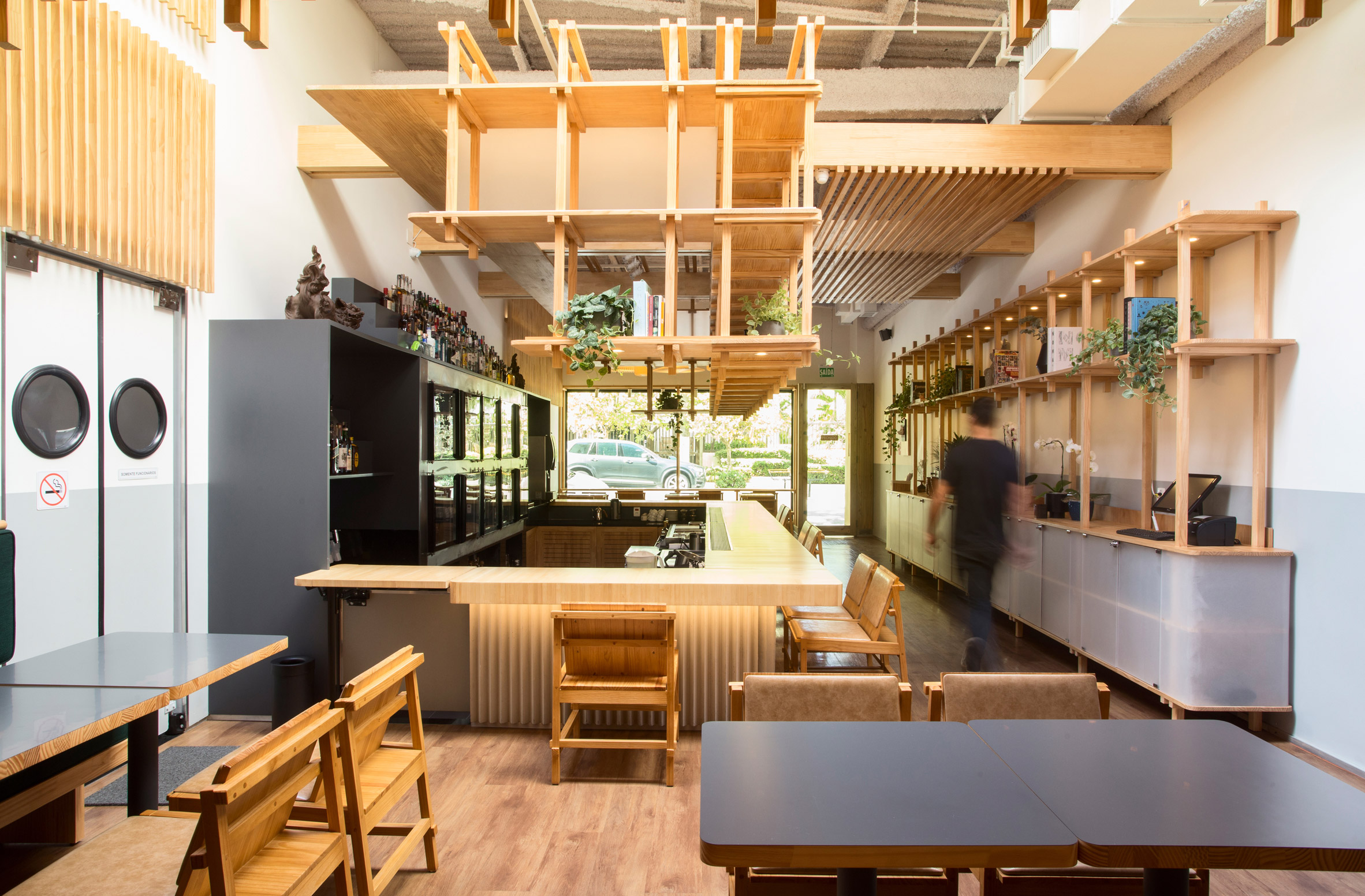
Most of the long, narrow dining room is occupied by the bar with additional table seating at the back of the restaurant.

Japanese Restaurant and Bar in São Paulo
The dark-coloured bar contrasts the other finishes in the space

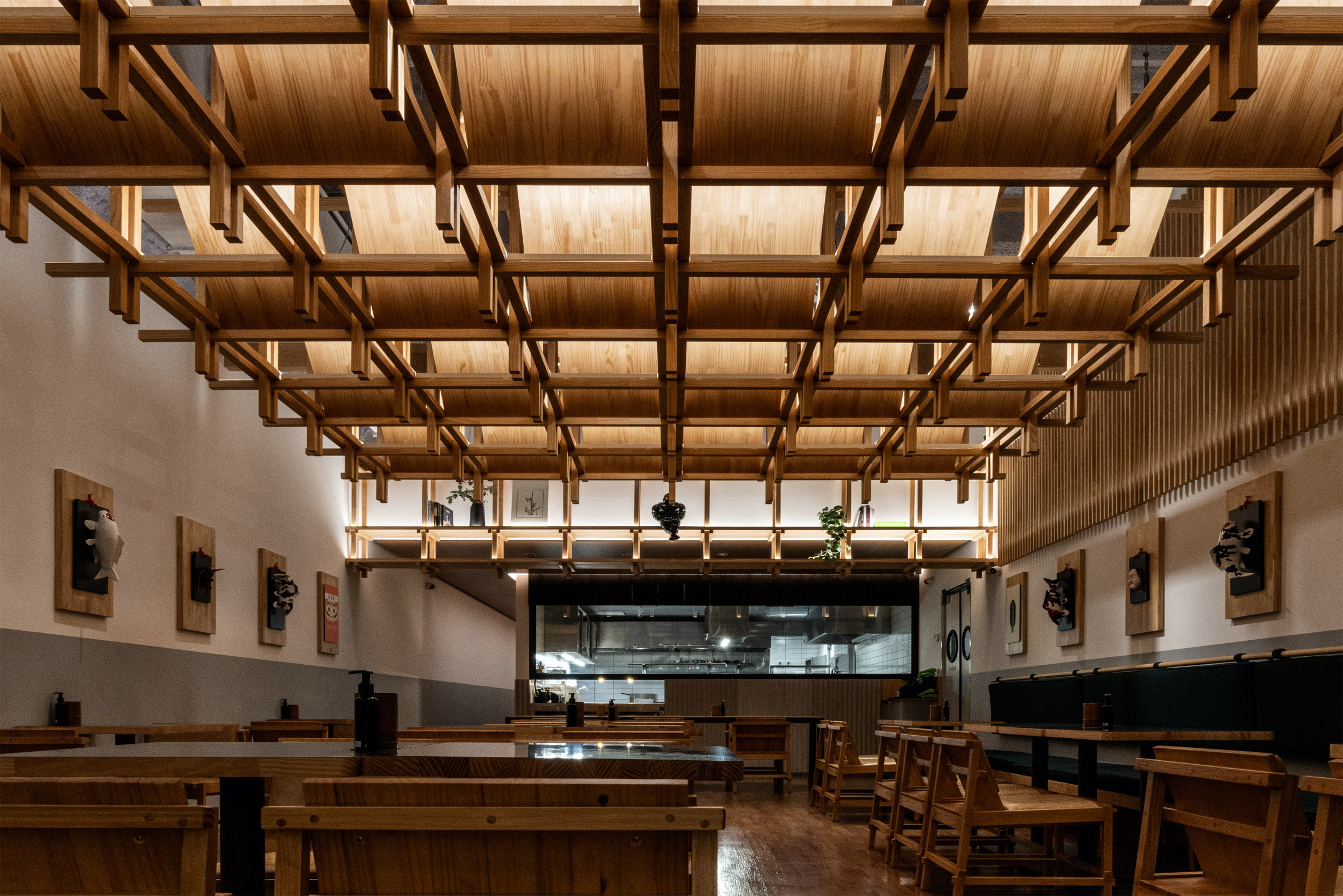
The architects hung a wooden lattice from the existing space's tall ceilings, which covers the dining area and helps delineate this space from the bar and entrance area.

The overlapping dowel elements hold up flat wooden panels that conceal lighting above while giving the space a sense of intimacy.

Over the bar, this structure acts as shelving, where the owners showcase books, plants and other objects.

At the back of the space, the kitchen is visible through a large pane of glass, which allows patrons to observe chef Thiago Bañares and his team at work.

Restaurant interior design in São Paulo with wooden canopy
A wooden structure above the tables defines the seating area near the kitchen

" Thiago always emphasised that he wanted to have a square kitchen with a central island able to provide him and his collaborators a total view of all the work areas," Coletivo de Arquitetos said.

Translucent film was used for some of the custom furniture to look like traditional Japanese paper known as Washi. Along the walls, the architects hung sculptures of koi fish.

Japanese Restaurant interior design Kotori São Paulo
The architects referenced traditional Japanese art and ornamentation

Other finishes throughout the space include wooden slat ceilings and walls, simple wooden furniture, and forest green accents.

Brazil is among the countries with the largest Japanese population outside of Japan itself. Other recently completed Japanese eateries around the world include a venue with stark black interiors in Colorado by Roth Sheppard Architects and an open-air dining room topped by a thatched roof by Mexico's West coast.

The photography is by Rubens Kato, unless otherwise indicated.


Project credits:
Architect: Coletivo de Arquitetos
Coletivo de Arquitetos design team: Guile Amadeu, Rodrigo Lacerda e Luna Viana

The post Coletivo de Arquitetos takes cues from Japan for São Paulo restaurant Kotori appeared first on Dezeen.


from Dezeen https://ift.tt/3Befoj3