Wednesday, 21 July 2021

Something Spaces web plugin showcases the work of Black creatives online

Plugin by Something and Where are the Black Designers?

Creative agency Something and nonprofit organisation Where are the Black Designers? have created a web browser plugin that exhibits the work of Black creatives every time a new tab is opened.

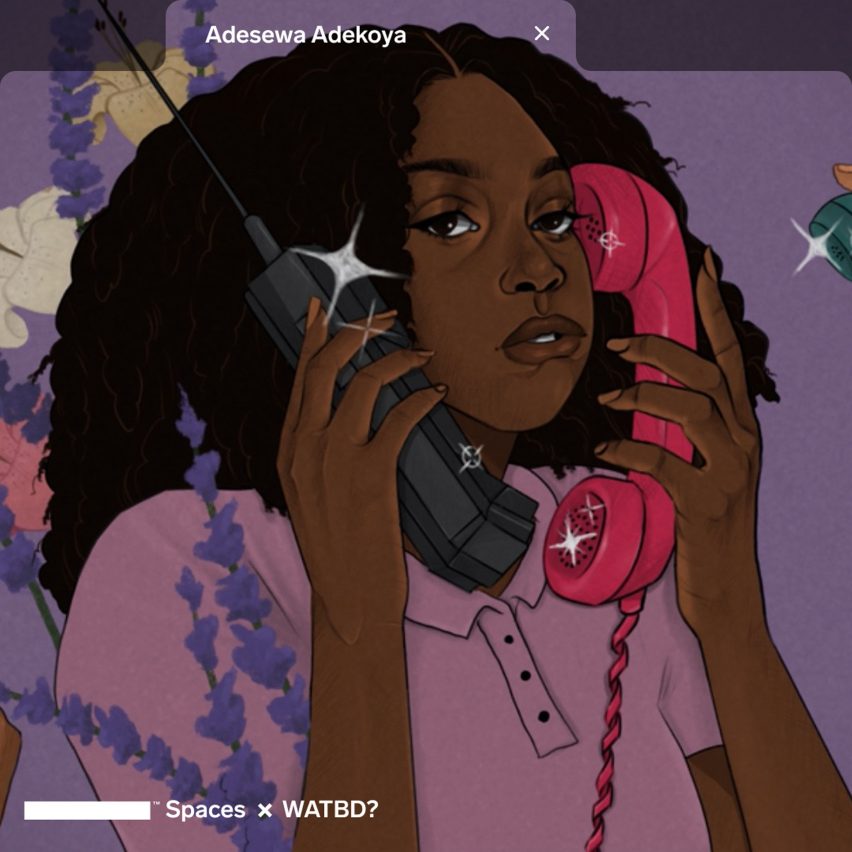
Called Something Spaces, the free plugin is available for anyone to download and presents users with an image of artwork by both established and emerging Black artists and designers on their computer screen.

Where are the Black Designers? curated the project
The Something Spaces plugin showcases the work of Black creatives

A web plugin is a type of software that adds features to existing programmes, enabling the customisation of a webpage. In this case, the plugin provides a platform for Black creatives to showcase their work online.

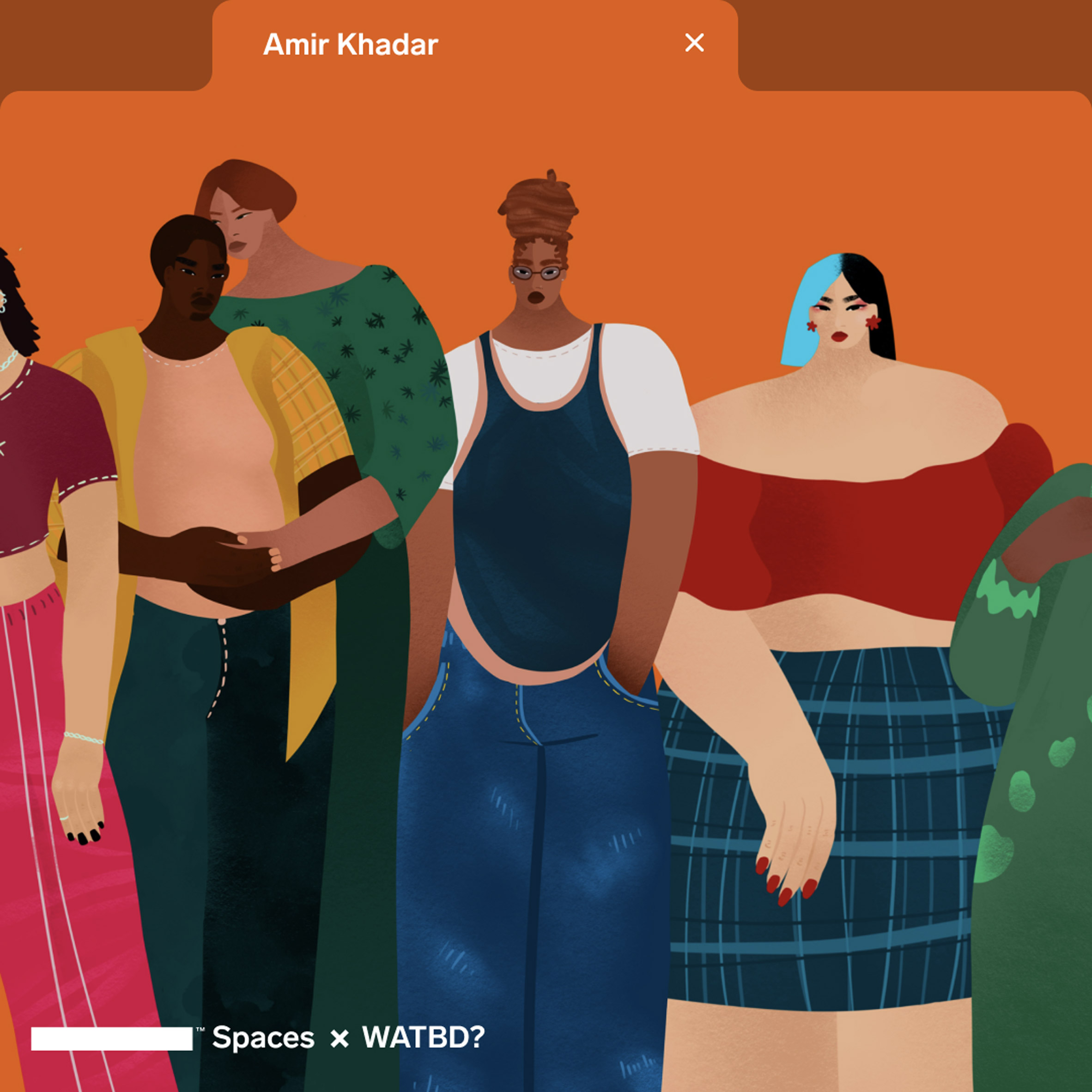
Featured creatives hail from the UK and beyond, including London-based illustrator Olivia Twist and Sierra Leonean-American artist Amir Khadar.

Amir Khadar is one of the featured creatives
Creative agency Something and non-profit Where are the Black Designers? created the project

"You can download the plugin extension to your desktop via Chrome, Firefox and Safari," Something studio manager Roshannah Bagley told Dezeen.

"You'll find an inspiring piece of artwork with every tab you open from local and international emerging creators,"

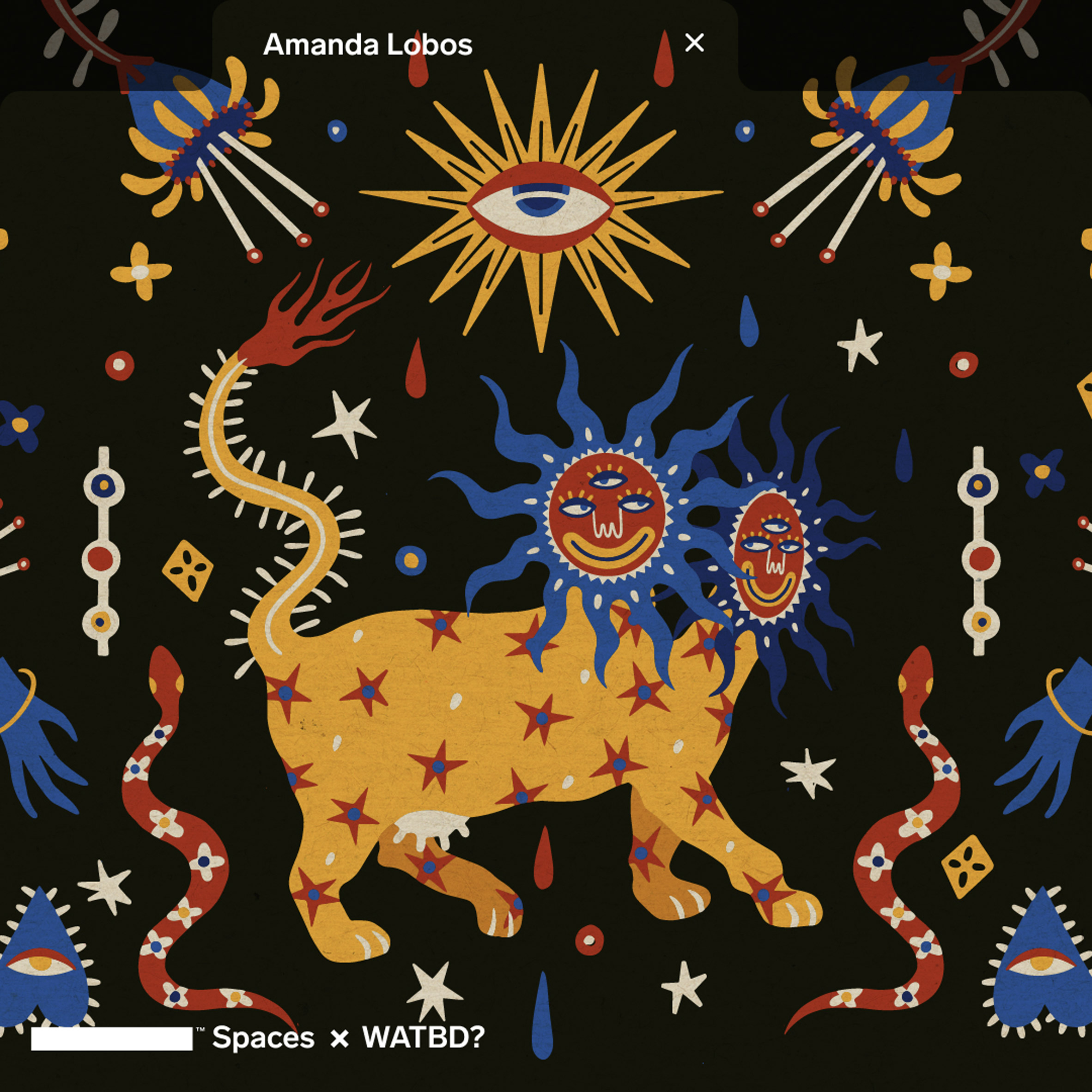
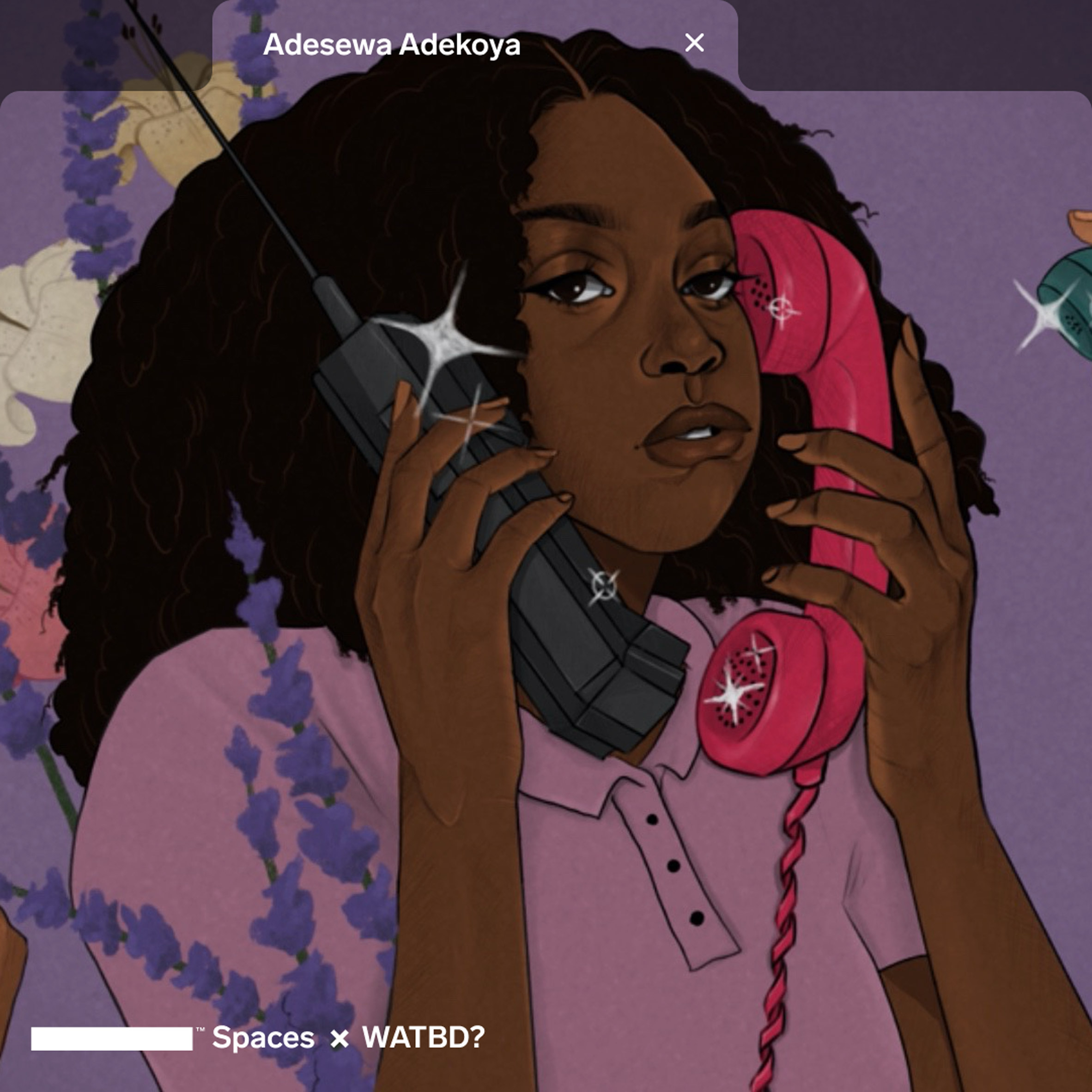
New York illustrator Adesewa Adekoya and Seattle-based designer Shakeil Greeley are among other American creatives featured in the project, while the work of emerging Brazilian designer Amanda Lobos is also included.

The Something Spaces plugin was created in collaboration with the volunteer-run, non-profit design advocacy organisation Where are the Black Designers?.

Founded in June 2020, the group was established as protests took place worldwide in support of the Black Lives Matter movement following the death of George Floyd.

Illustrator Amanda Lobos is part of the project
Featured creatives range from illustrators to designers

The plugin is an extension of Something's Spaces initiative, a project set up by the agency in 2019 that allowed creatives to add their work to overlooked public spaces such as windows of buildings.

Now also online, the project gives artists and designers space that they might not have otherwise had to showcase their work in the virtual world as well as the physical one.

The plugin aims to amplify Black voices
Black artists and designers from the UK and beyond feature on Something Spaces

"The initiative was created to remove the barriers between underrepresented talent and opportunities," continued Bagley, who is also a member of the Where are the Black Designers? team.

Bagley explained that the project aims to make it easier for those in the creative industry to find and hire talent from underrepresented communities.

"We fill under-utilised spaces such as browser tabs with inspiring artwork creators that are often overlooked. We’re on a mission to reimagine these spaces by turning them into canvases for creativity."

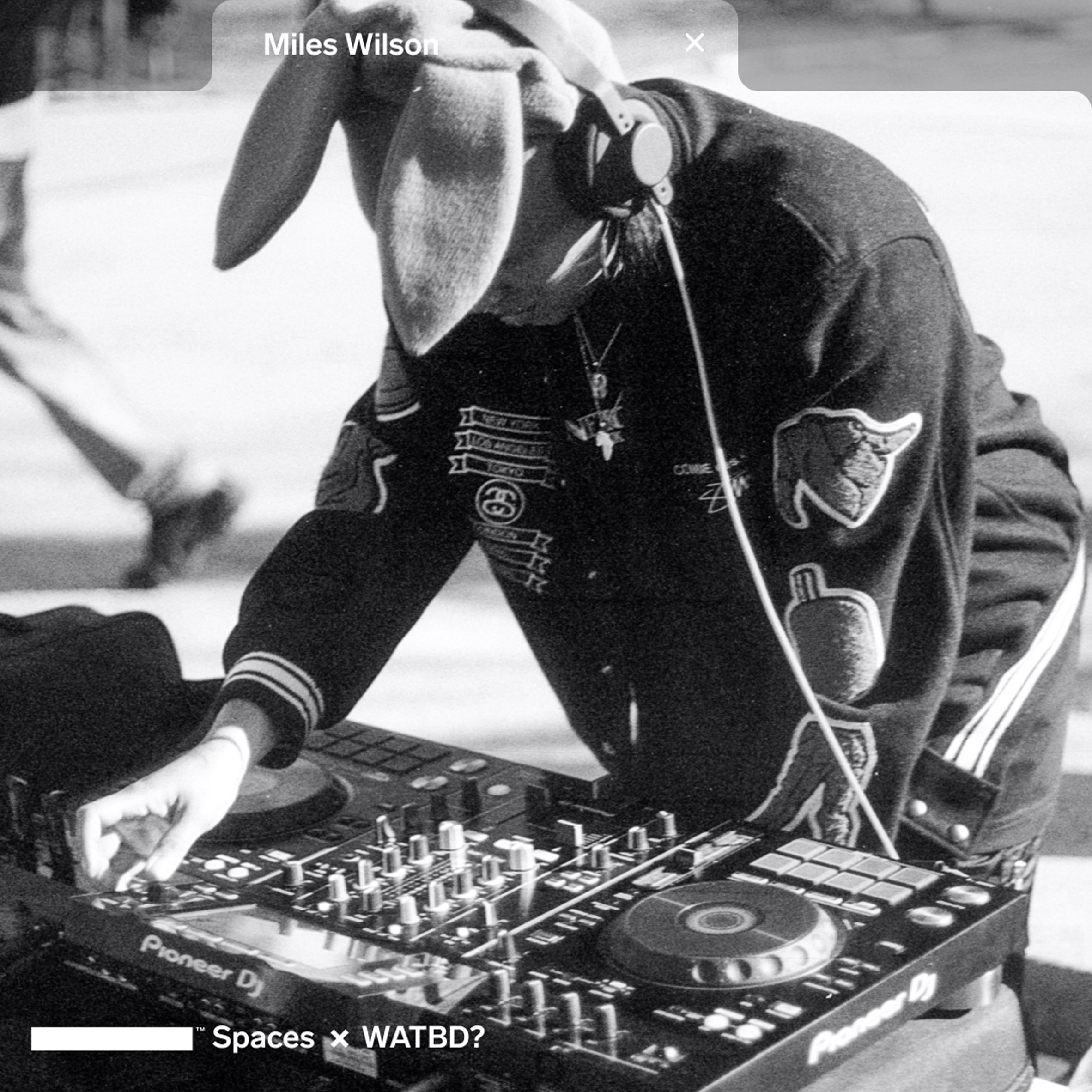
Photography by Miles Wilson
Photography is also included in the plugin's selection of featured artwork

Something is a London and Byron Bay-based creative agency. Where are the Black Designers? is a non-profit organisation that seeks to amplify and support Black artists and designers worldwide.

Recent projects that aim to educate audiences about Black history include an augmented reality app developed by London non-profit BLAM that gives users the opportunity to see virtual plaques and sculptures related to their current location.

The imagery is courtesy of Something.

The post Something Spaces web plugin showcases the work of Black creatives online appeared first on Dezeen.


from Dezeen https://ift.tt/36Qw3eD

Eight offbeat hotels in historic New Orleans buildings

New Orleans Dezeen hotel roundup

A convent, an infant asylum and a mid-century motel are among the buildings converted into eight unusual and stylish hotels you can stay at in New Orleans.


Hotel Saint Vincent in the Lower Garden District, New Orleans, by Lambert McGuire Design

Hotel Saint Vincent in the Lower Garden District, New Orleans, by Lambert McGuire Design

Built back in 1862, this red brick building used to be the Saint Vincent's Infant Asylum. Austin-based Lambert McGuire Design has converted it into a 75-room hotel that mixes 20th-century Italianate style with art deco and mid-century modern twists.

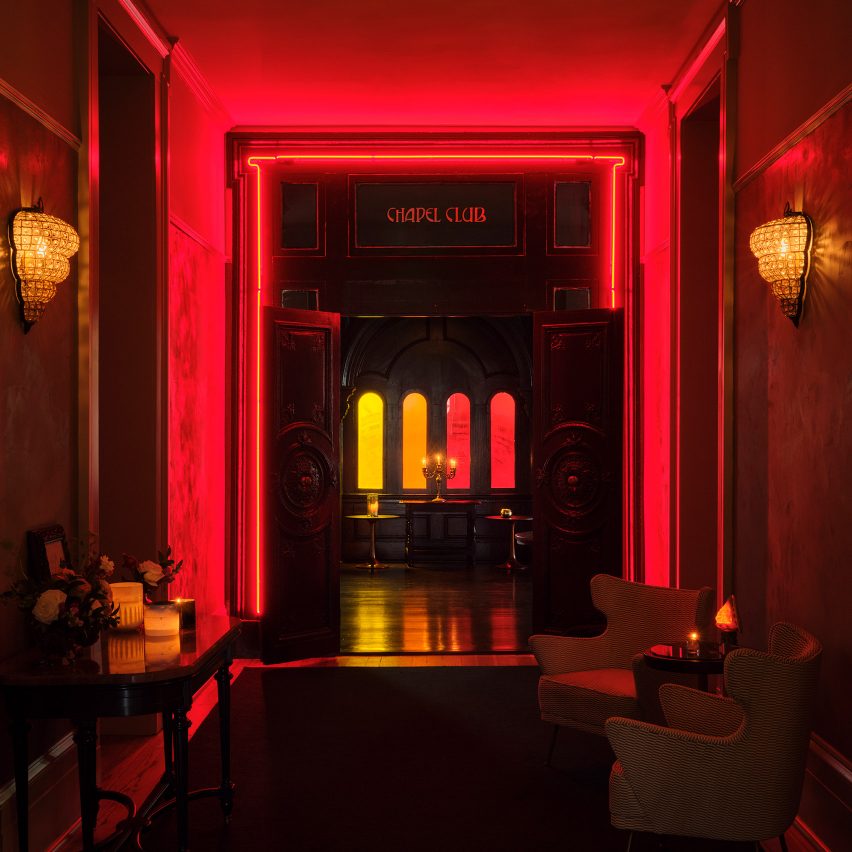
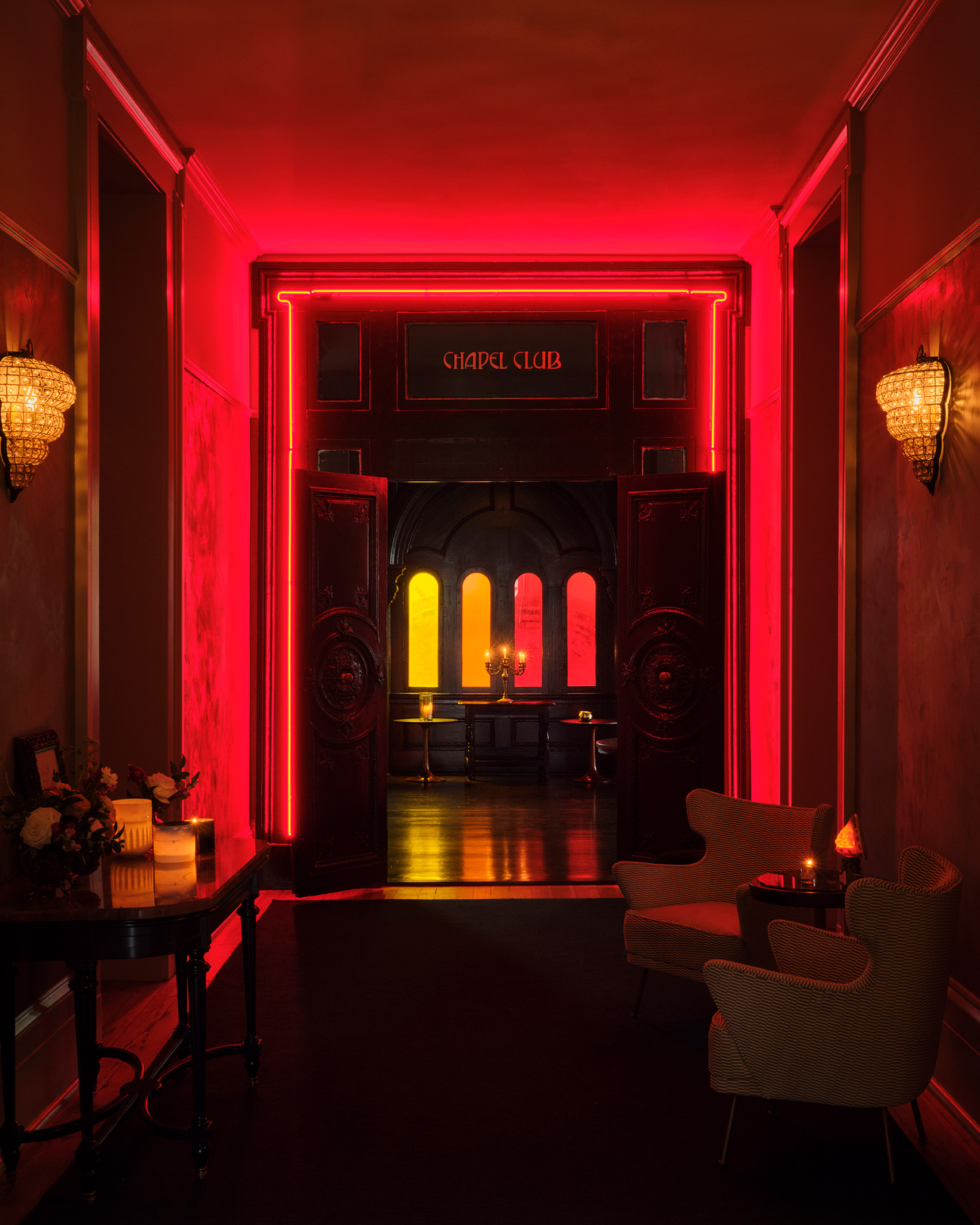
Bathrooms feature cherry-red tubs and psychedelic wallpaper, and the guest-only cocktail bar the Chapel Club is reached via a dramatic neon-lit corridor.

Find out more about Hotel Saint Vincent ›


he Chloe in Uptown, New Orleans, by Sara Ruffin Costello

The Chloe in Uptown, New Orleans, by Sara Ruffin Costello

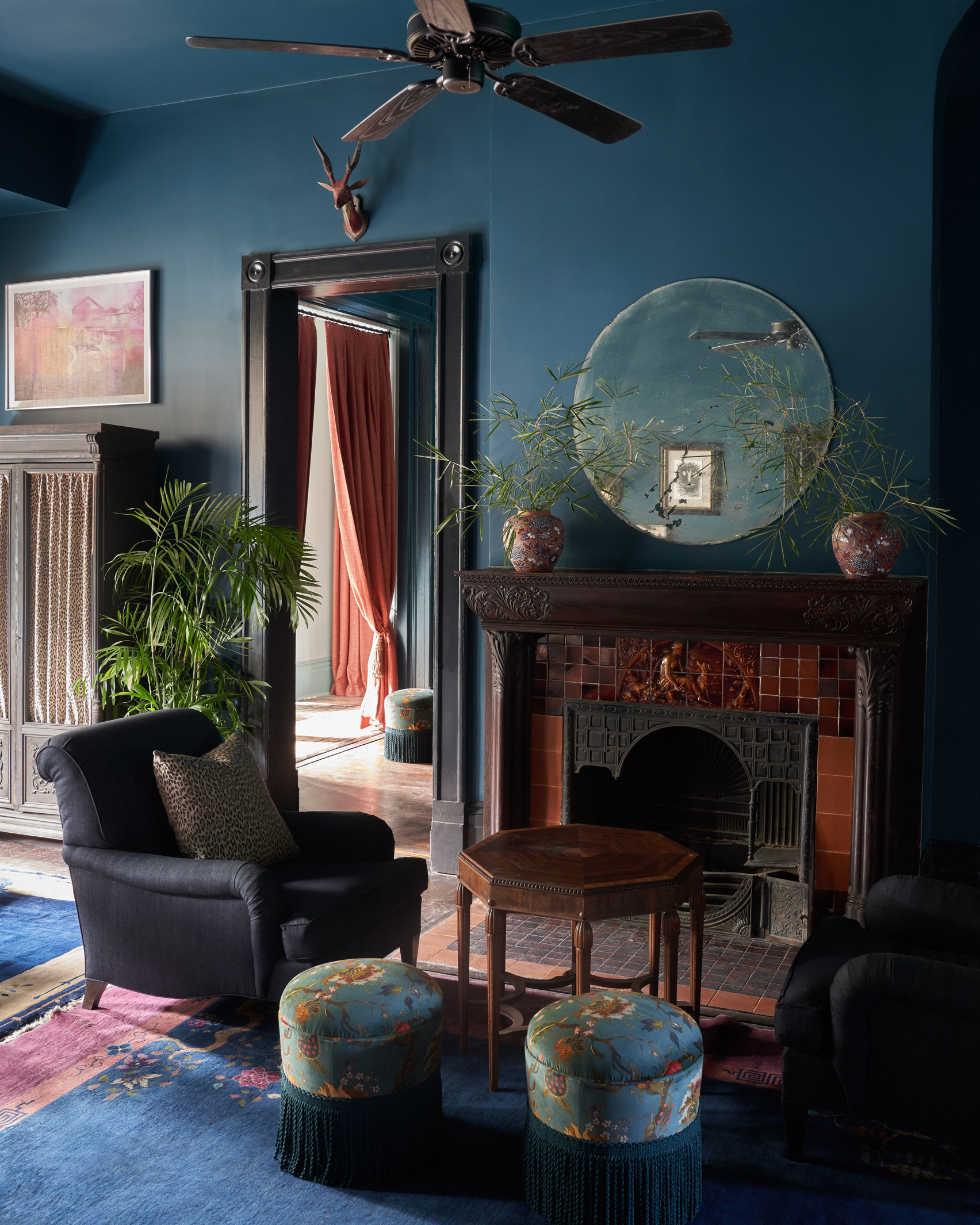
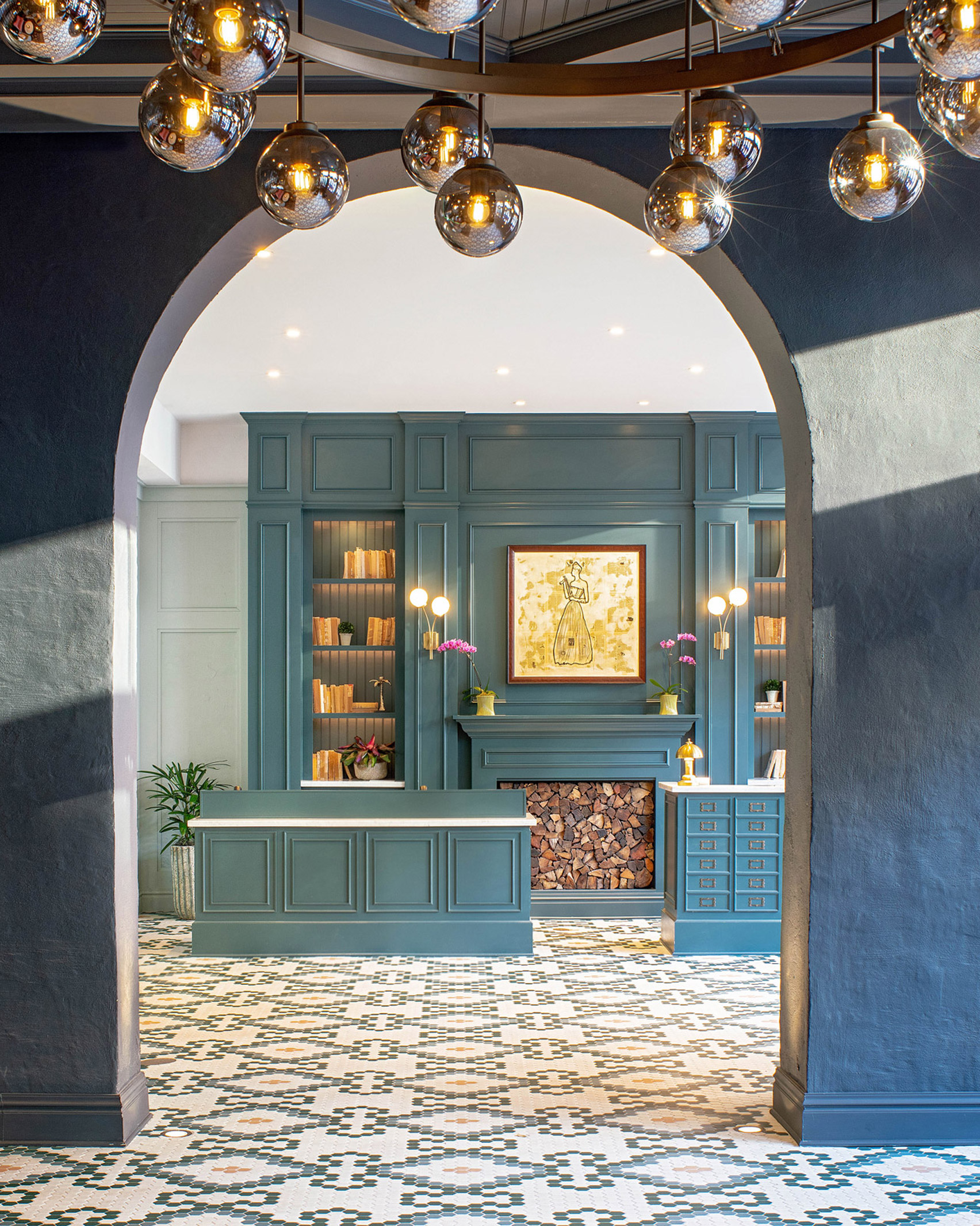
The Chloe occupies a former mansion house designed in 1981 by American architect Thomas Sully. Local decorator Sara Ruffin Costello created moody interiors for the hotel, with inky blue walls and an alligator-print carpet running up the stairs.

Antiques fill the halls and the bedrooms feature four-poster beds and freestanding tubs. Guests can sip cocktails out on the porch, which is lined with 19th-century tiles.

Find out more about The Chloe ›


Maison De La Luz in the Arts District, New Orleans, by Atelier Ace

Maison De La Luz in the Arts District, New Orleans, by Atelier Ace

Kelly Sawdon and Studio Shamshiri co-founder Pamela Shamshiri describe their design for the 67-room Maison De La Luz as "madcap and fun", featuring snake-themed iconography and eccentric decor in a converted historic building.

The hotel includes Bar Marilou, a public bar painted a glossy red colour with tiger-print fringed bar stools. Private bedrooms are decorated with a calmer colour scheme to encourage guests to relax and recharge.

Find out more about Maison De La Luz ›


Hotel Peter and Paul in Marigny, New Orleans, by StudioWTA and ASH NYC

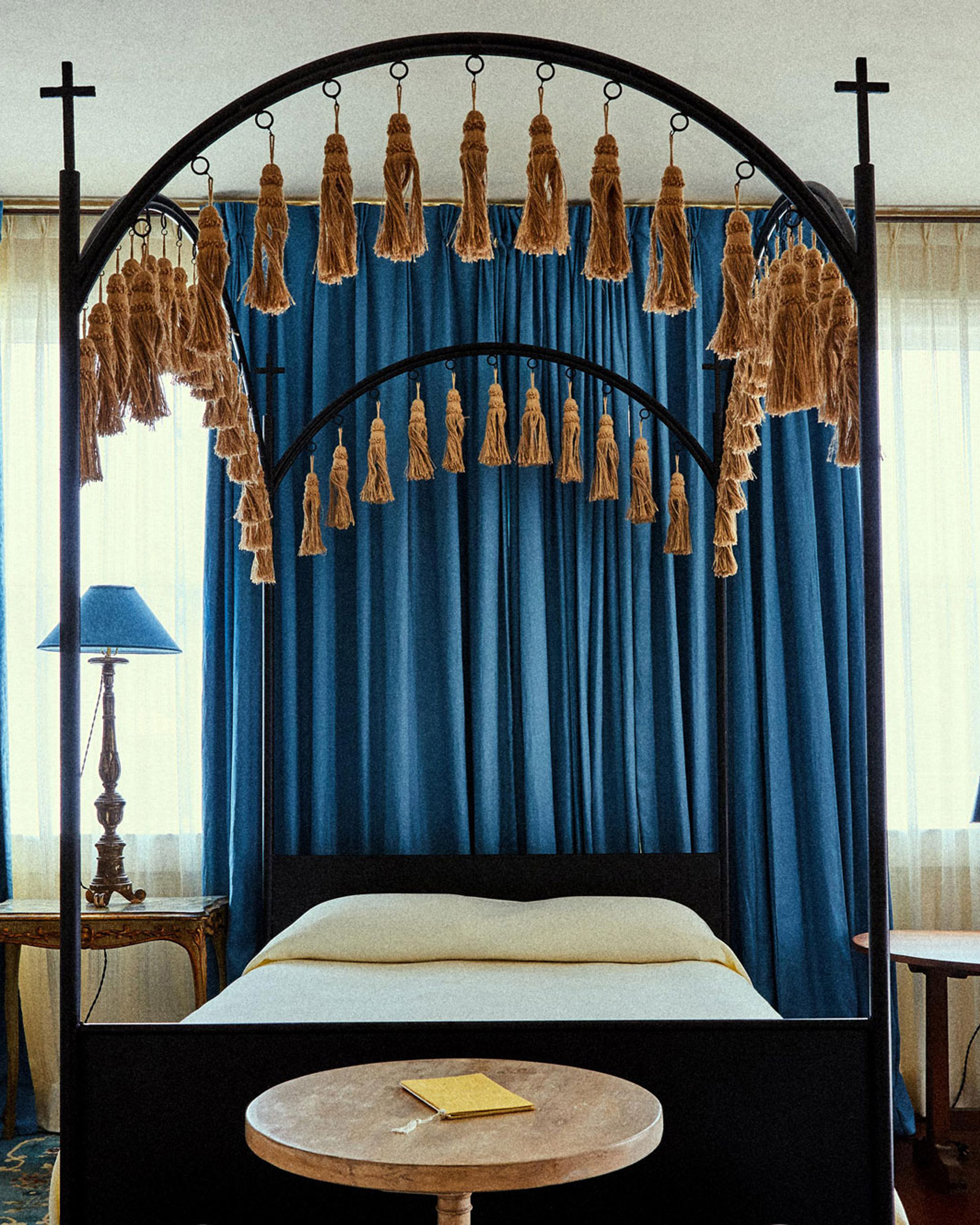
Hotel Peter and Paul was originally a church, rectory, convent and school from the 1800s and remained in use up to the 20th century. New Orleans-based StudioWTA and New York studio ASH NYC have created a 71-bed hotel in the building, repairing the stained glass windows and preserving cypress wood mouldings and marble fireplaces.

Religious iconography features throughout, including four-poster beds topped with crucifixes and paintings of saints hanging in the bedrooms.

Find out more about Hotel Peter and Paul ›


The Eliza Jane in the Central Business District, New Orleans, by Stonehill Taylor

The Eliza Jane in the Central Business District, New Orleans, by Stonehill Taylor

New York studio Stonehill Taylor knocked through seven warehouses to create the 196-bed Eliza Jane hotel. The buildings used to house businesses, such as the Peychaud Bitters factory and local paper The Daily Picayune.

Antique typewriters decorate the bar area and exposed beams and brickwork nod to the building's industrial past.

Find out more about The Eliza Jane ›


Ace Hotel New Orleans in the Warehouse District, New Orleans, by Eskew+Dumez+Ripple

Ace Hotel New Orleans in the Warehouse District, New Orleans, by Eskew+Dumez+Ripple

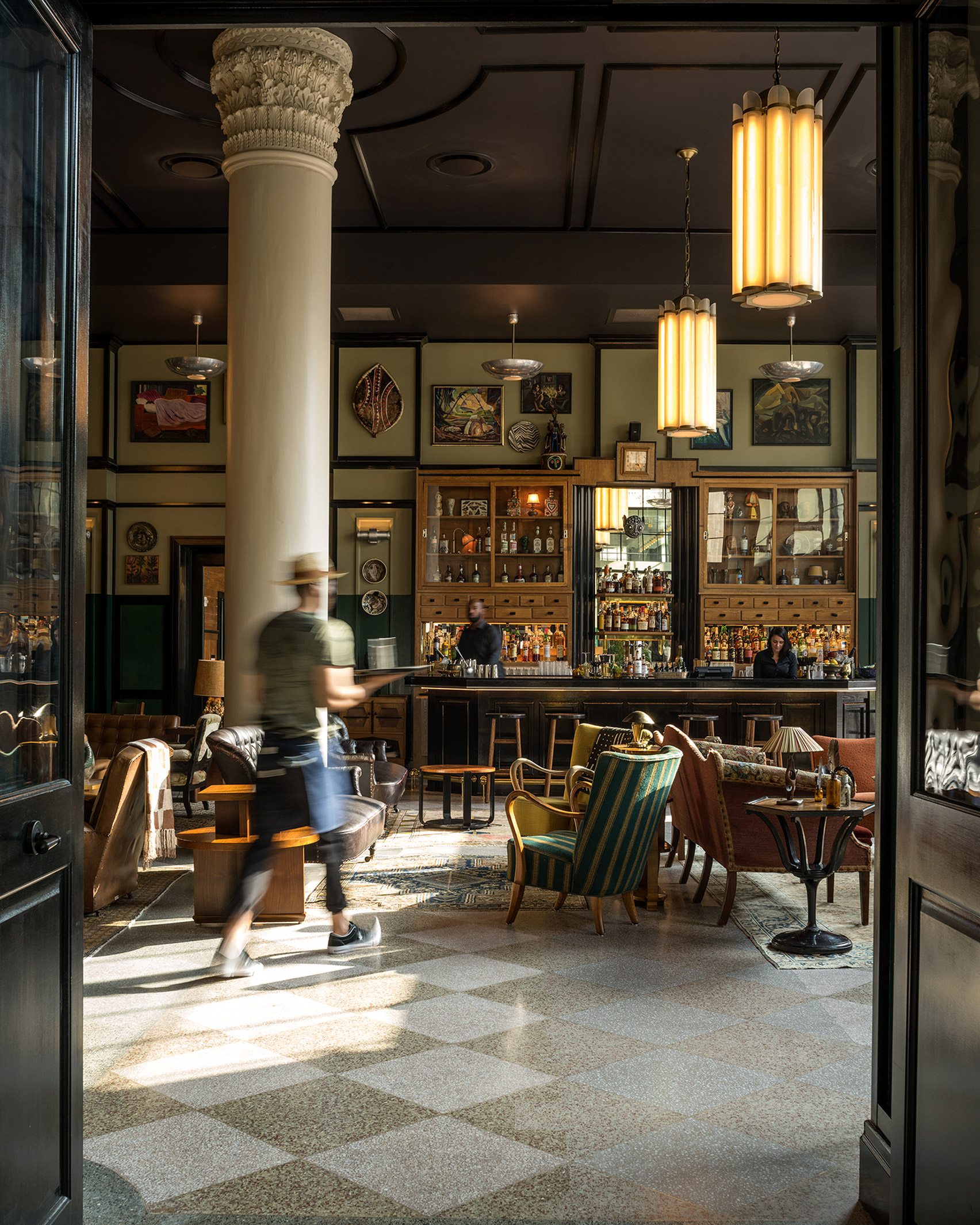
Local firm Eskew+Dumez+Ripple converted and extended this nine-storey art deco furniture factory, originally designed in 1928 by Weiss, Dreyfous and Seiferth, into a 234-room hotel for the Ace Hotel chain.

Original terrazzo floors and dramatic columns have been restored and preserved in the lobby and restaurant, while rooms feature dark wood furniture and a colour palette of smokey blues and greys.

Find out more about the Ace Hotel New Orleans ›


Drifter in Mid-City, New Orleans, by Joel Ross of Concordia Architecture

Drifter in Mid-City, New Orleans, by Concordia Architecture

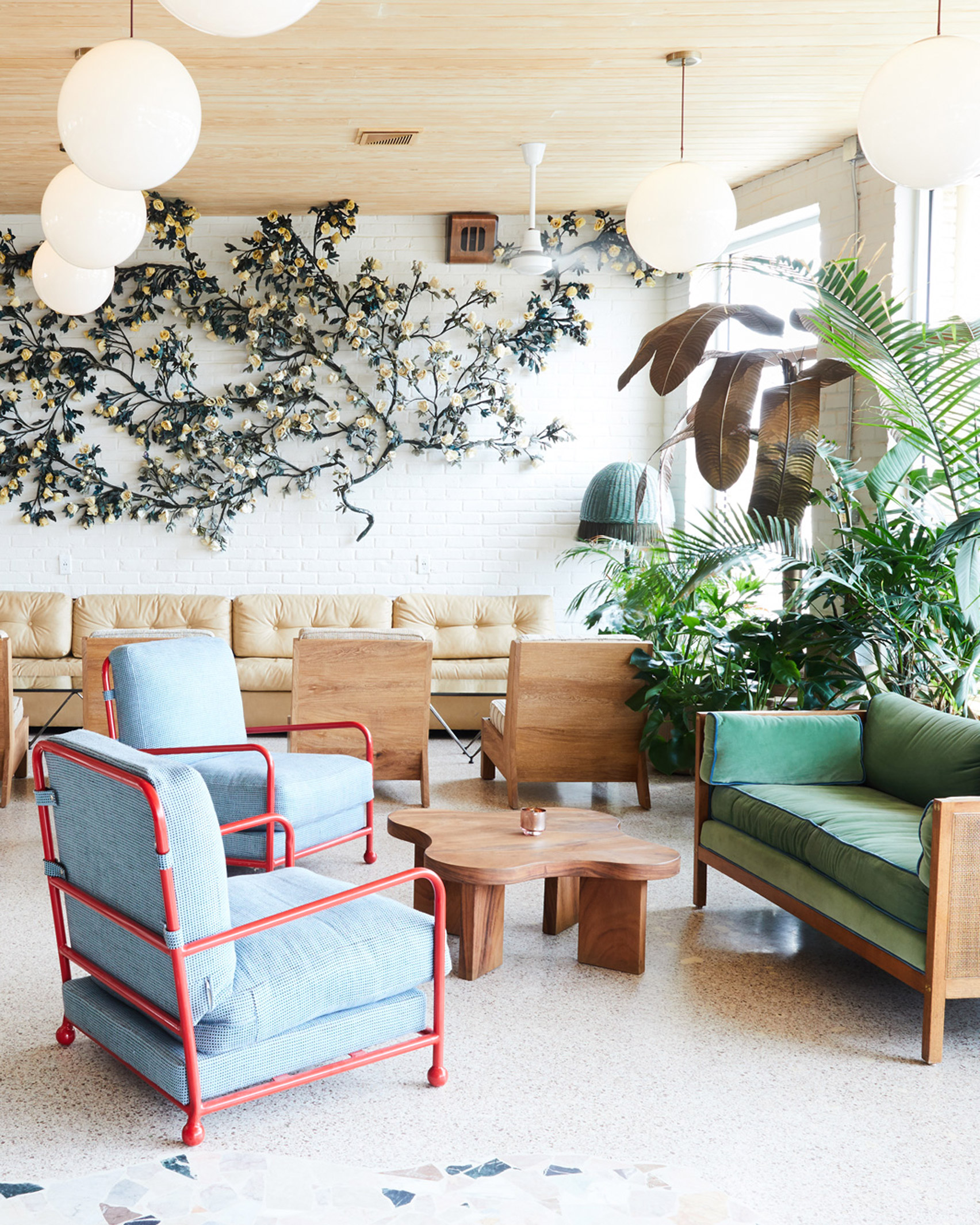
Concordia Architecture converted a mid-century modern motel into the 20-room Drifter hotel, which features tiles from Oaxaca in Mexico and a bar with tropical decor.

Period-appropriate furniture decorates the common areas, while bedrooms contain double bunk beds. Out back, a giant disco ball hangs near a pool set in a brickwork terrace.

Find out more about Drifter ›


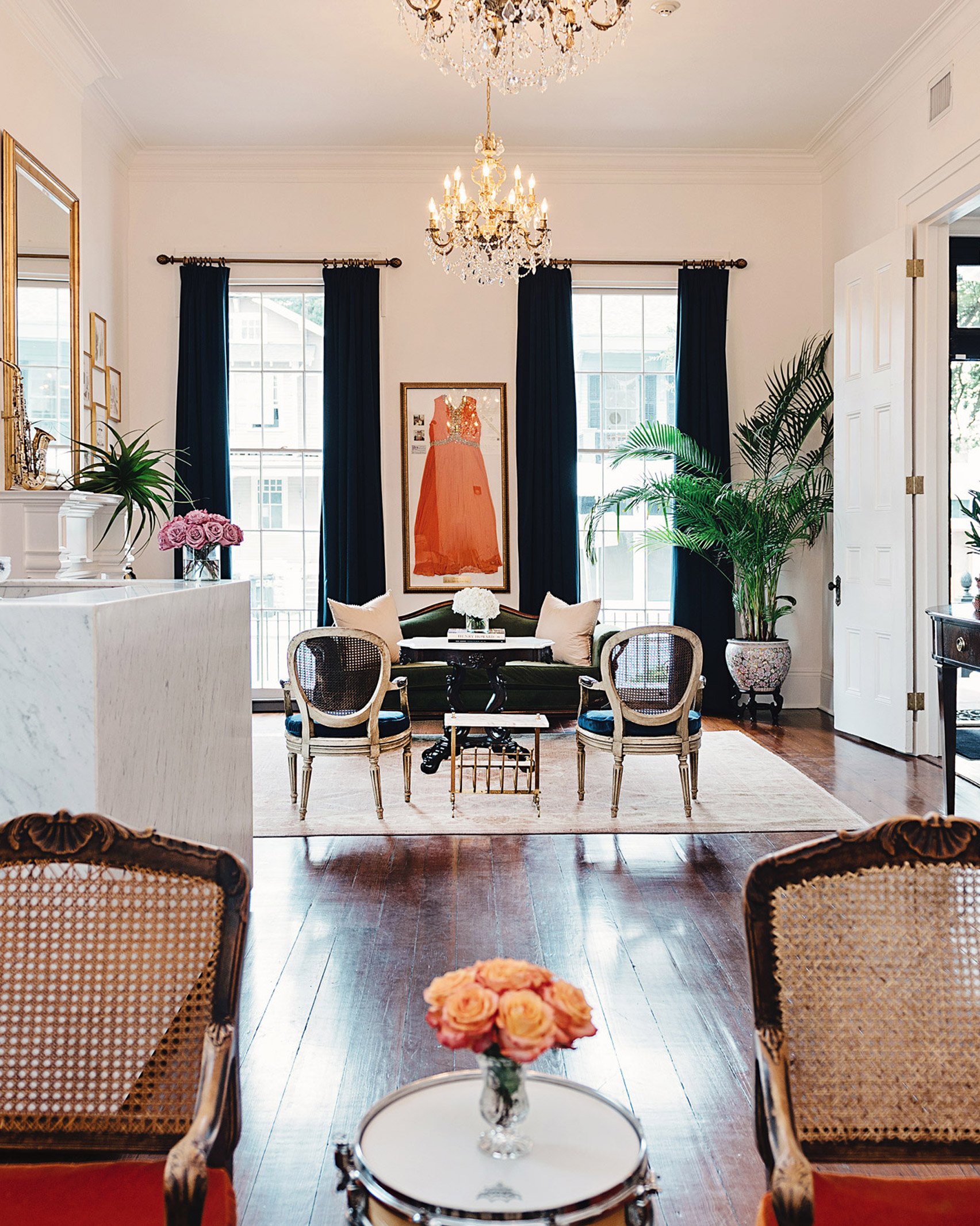
Henry Howard Hotel in the Garden District, New Orleans, by Hunter Mabry Design

Henry Howard Hotel in the Garden District, New Orleans, by Hunter Mabry Design

A pair of townhouses originally designed in the 1860s for two sisters have been converted into the 18-room Henry Howard Hotel.

Grand white-painted columns and walk-through windows line the exterior, while interiors feature high ceilings and an eclectic mix of furniture. Musical instruments in the bedrooms nod to the city's jazz connections.

Find out more about Henry Howard Hotel ›

The post Eight offbeat hotels in historic New Orleans buildings appeared first on Dezeen.


from Dezeen https://ift.tt/3rCCrjr

Birmingham City University spotlights 12 creative partnership projects

Birmingham City University

A project that asks how to design packaging to encourage consumers to recycle it and a 'biobox' to help people learn about biomaterials are included in our latest school show by students at Birmingham City University.

The Collaborative Laboratory is a multidisciplinary initiative at the Birmingham School of Architecture and Design. This year the students have collaborated with creative partners, including the Birmingham City Council Environment and Sustainability and Birmingham School of Jewellery.


Birmingham City University

School: Birmingham City University, Birmingham School of Architecture and Design
Courses:
Collaborative Laboratory
Co\Lab Coordinator:
Alessandro Columbano

School statement:

"The Collaborative Laboratory is a multifaceted initiative embedded within the Birmingham School of Architecture and Design. We focus on design research, entrepreneurial community engagement, design innovation, collective urbanism, installations and structures, and trans-disciplinary exploration with collaborative practice as a critical working methodology.

"It acts as a vehicle to directly engage the school, our staff and students to collaborate with partners across a varied field of artistic disciplines and scales.

"Projects intervene across the city – acting as a laboratory to test our ideas against. We explore liveness issues – the relevancy of the creative arts, design industries and all its disciplines to challenge the limits and crossovers between them – developing new innovative practices to explore contemporary issues that affect our urban contexts.

"Each elective is partnered with an organisation to enact the liveness between the design school and the city. Projects are completed by second-year undergraduate students across different courses with postgraduate MArch students. This showcase demonstrates a full range of our transdisciplinary collaborations."

Birmingham City University

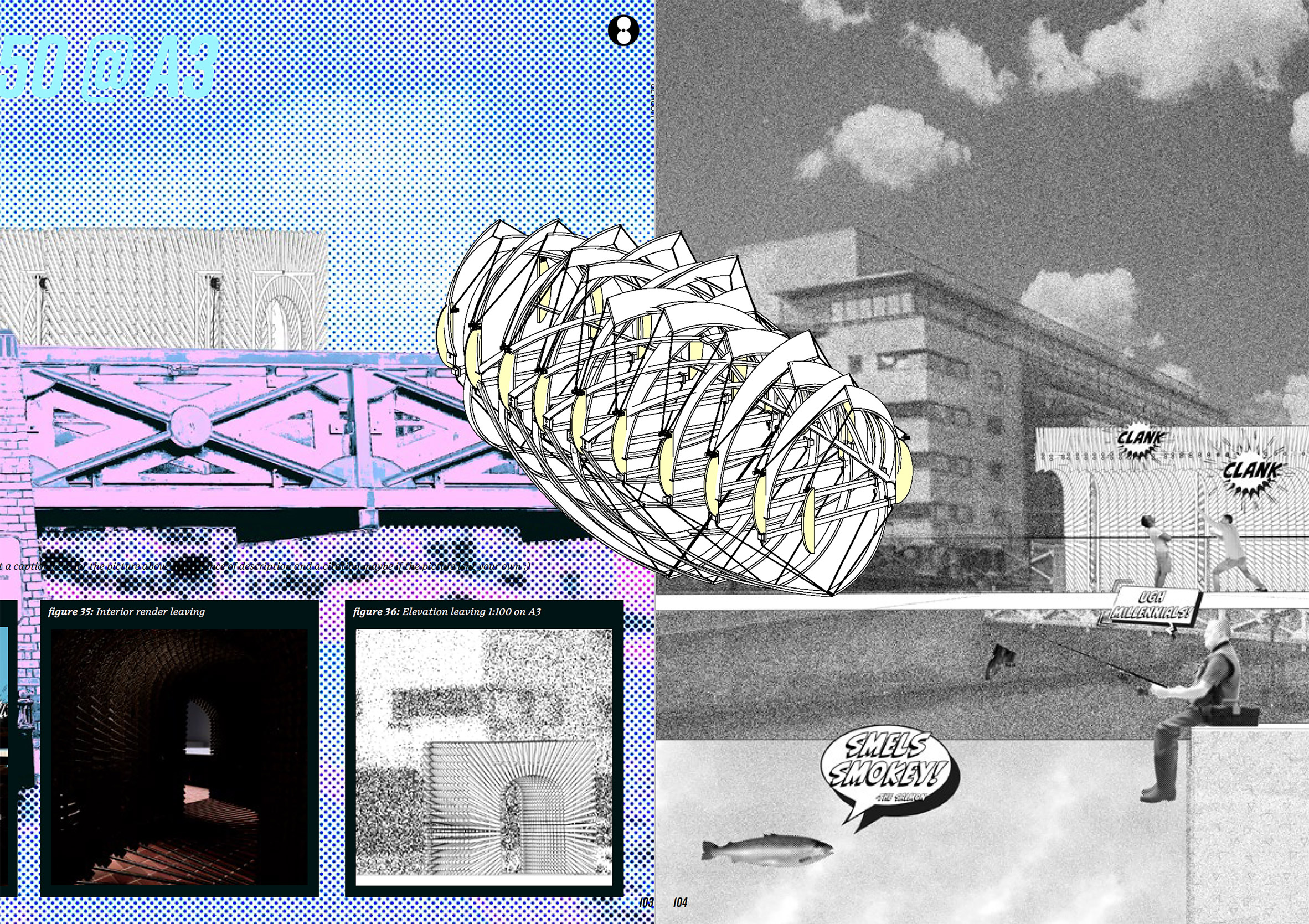
Sensory Narrative Devices

"Sensory elements can be used as a medium to tell stories of buildings and create exciting experiences for heritage spaces. Working with Roundhouse, a 19th-century stable building now managed by the National Trust, students produced a series of spatial interventions on-site to celebrate the building's history and link to the wider parts of the canal network it straddles.

"This project offers an opportunity to explore the experiential design for new museum and gallery spaces, engaging with the narrative design theories."

Partner: Birmingham Roundhouse
Group image: 
Soha Khazaie, Ella Merritt, Shivsen Padhiar and Amber Gadsby
Tutors:
Delia Skinner and Dr Jieling Xiao

Birmingham City University

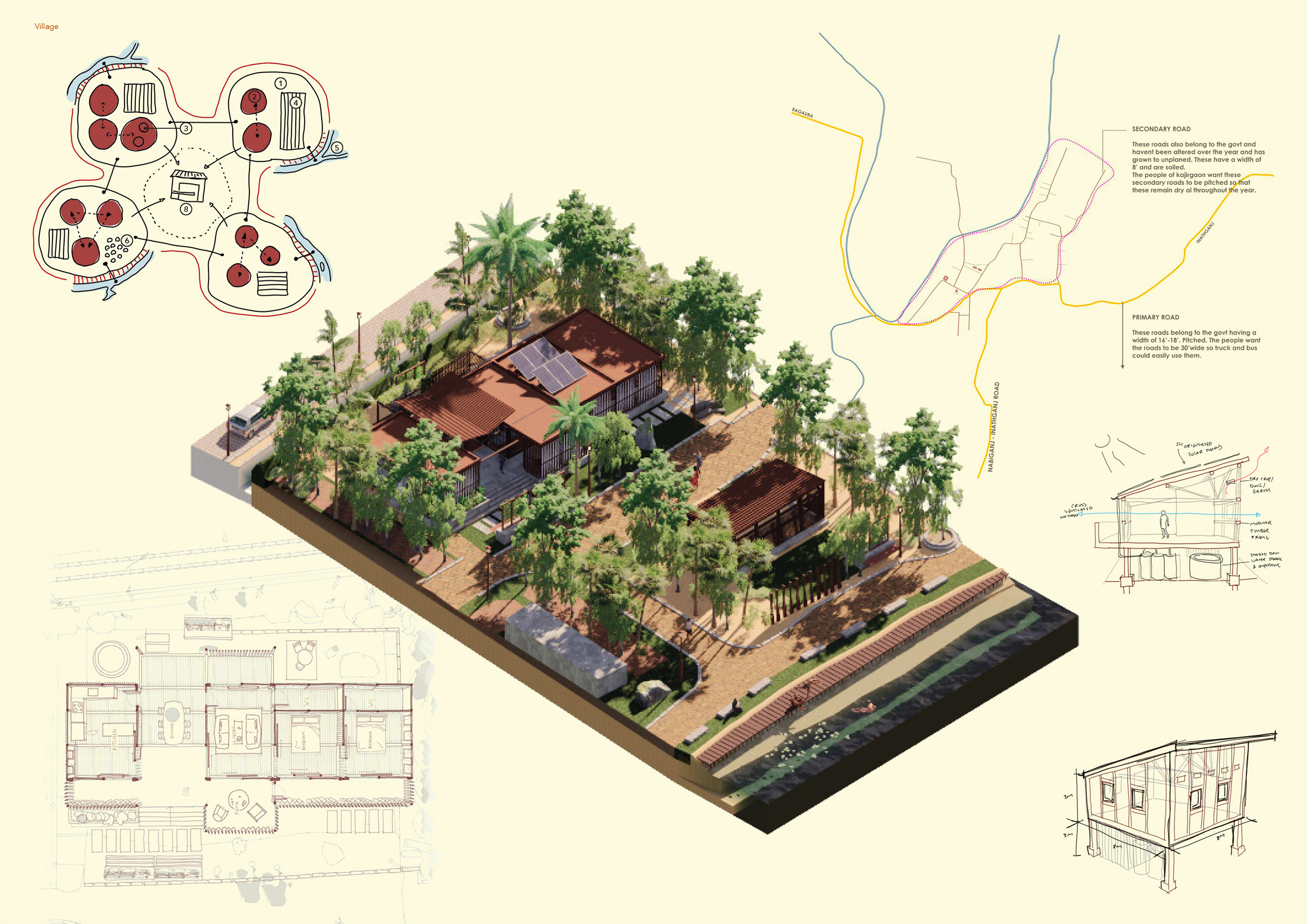
Gramer Haor

"Haor is a unique seasonal wetland ecosystem in the northeast area of Bangladesh. Due to climate change, seasonal flooding and economic influence, the lives of local people have gradually separated from the connection to the water.

"Students from Co\LAB and Shahjalal University have worked together to create a new vision for the site within the village of Kazigonj Bazar, located approximately 40 kilometres southwest of Sylhet.

"The vision was developed with a series of mapping studies before developing sustainable proposals for its context to become a pilot project for other villages to follow."

Partners: Shahjalal University of Science and Technology, Speakout Woolwich and The Prince's Foundation
Group image:
Iulia-Oana Marinescu, Makhi Datta, Jaspal Khangura, Shakib Shohan, Sadia Afrin and William Weston
Tutors:
Eccles Ng with and Abu Siddiki (Speakout Woolwich)

Birmingham City University

Jewellery Multiplicity

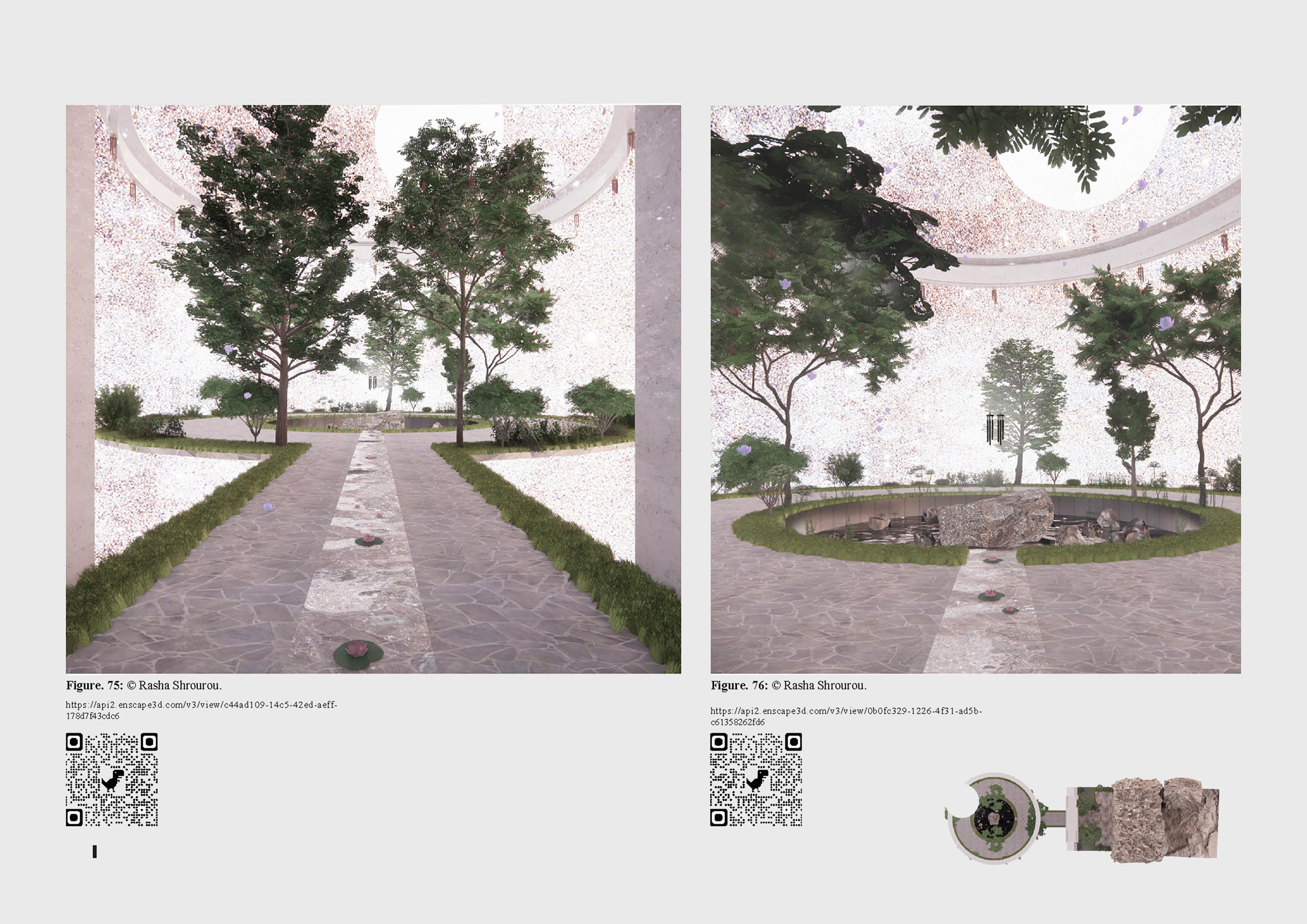
"In this project, the students explored the different ways in which jewellery can be displayed. Breaking away from the traditional jewellery exhibition, we will be using various media to investigate the relationships between jewellery and the space beyond the body.

"Projection, lighting, video and augmented reality were used to propose live and virtual events of the final display. Collaborating with students and tutors from Birmingham School of Jewellery, the installation piece brought different design disciplines together, breaking the boundaries between them.

"The project explored scale and the possibilities that augmented reality opens up in the inhabitation of jewellery pieces and artefacts."

Partner: Birmingham School of Jewellery
Group image:
Rasha Shrourou, Emma Trotman, Angelique Edwards, Lowell Shanks, Tai Teng, Haoming Tang and Shuyue Zhang
Tutors:
Dr Maria Sanchez and Lucas Hughes

Birmingham City University

Packaging Possibilities

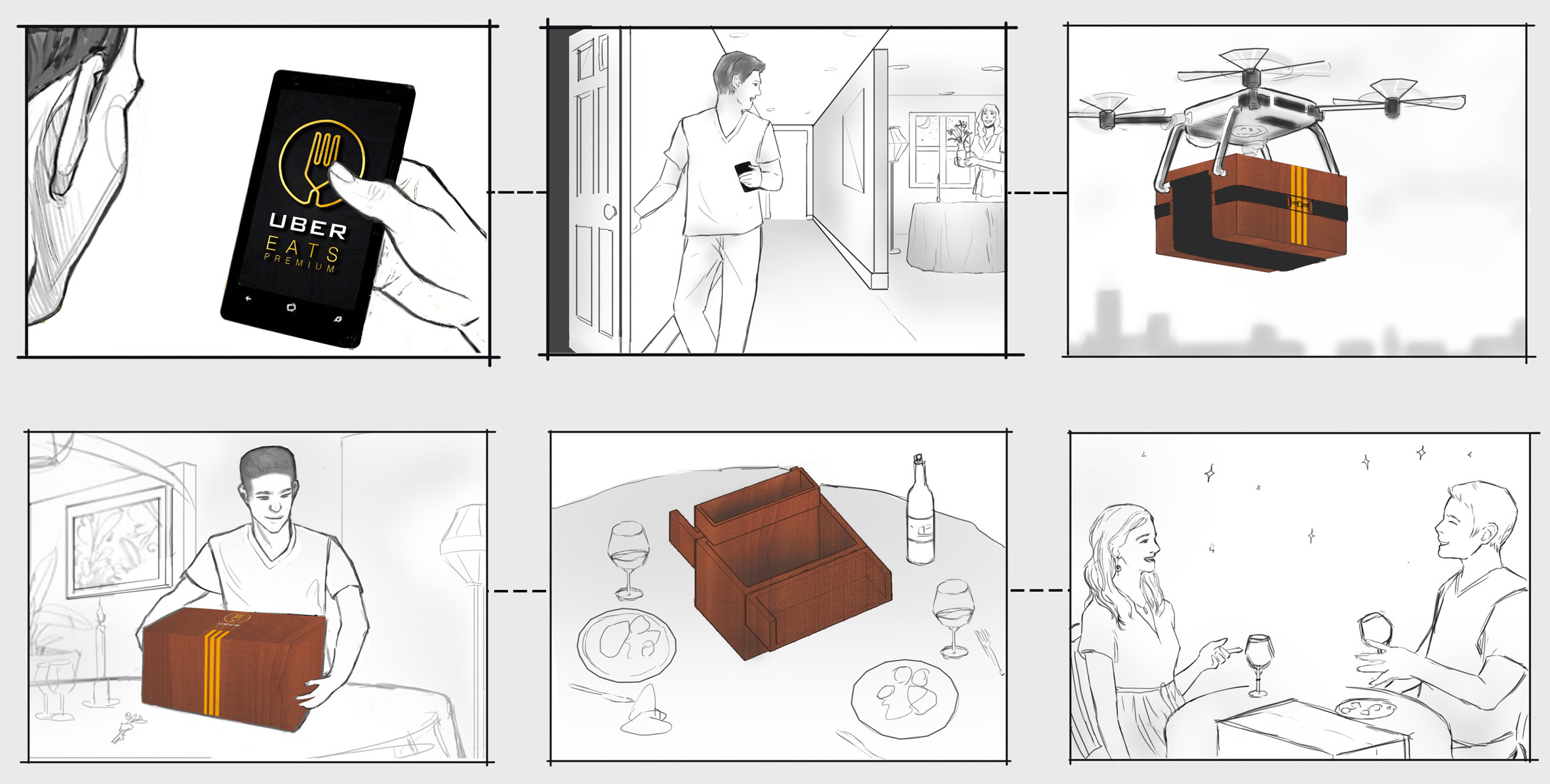
"Packaging is one of the most ubiquitous forms of design visible in our world today. Packaging is considered an essential part of the consumer experience and is interacted with and, in most instances, discarded once it has served its purpose.

"There is no ignoring the impact of packaging and its negative reputation concerning sustainable issues. The collaboration involved students with Euro Packaging, a Birmingham-based company specialising in packaging manufacturing. The student work asks how we find better ways to design packaging or encourage consumers to consider recycling or re-use."

Partner: Euro Packaging Ltd
Group image:
Konstantina Charitonidou, Ezgi Cokyasar, Eloise Hanion, Tasneema Begum and Tooba Nadeem
Tutors:
Wayne Pottinger

Birmingham City University

High Street 2030

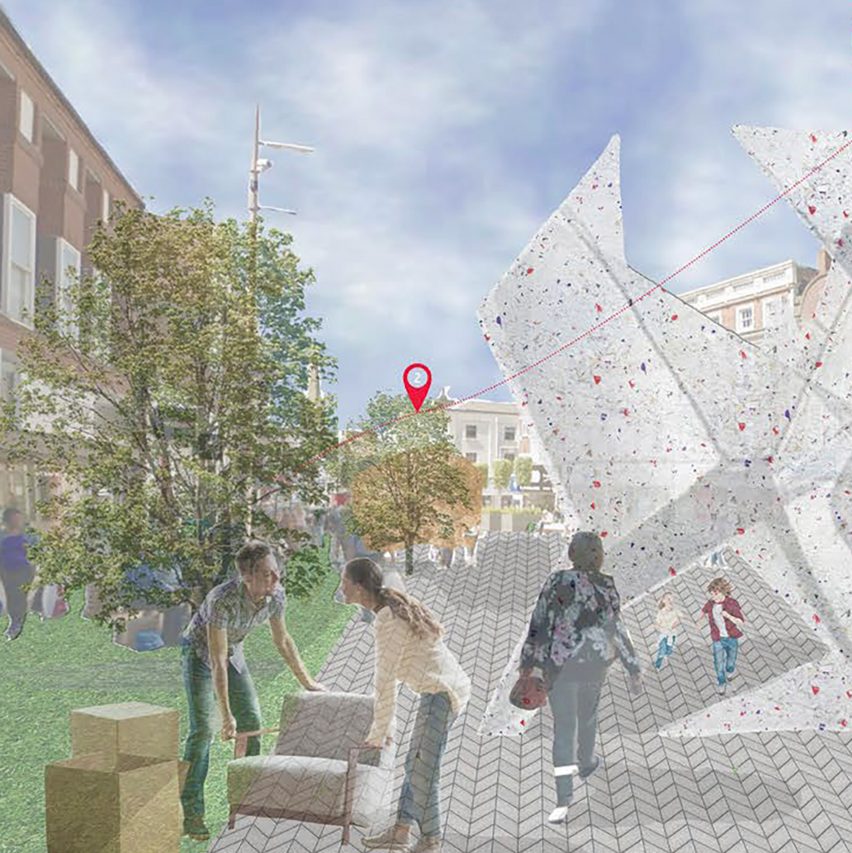
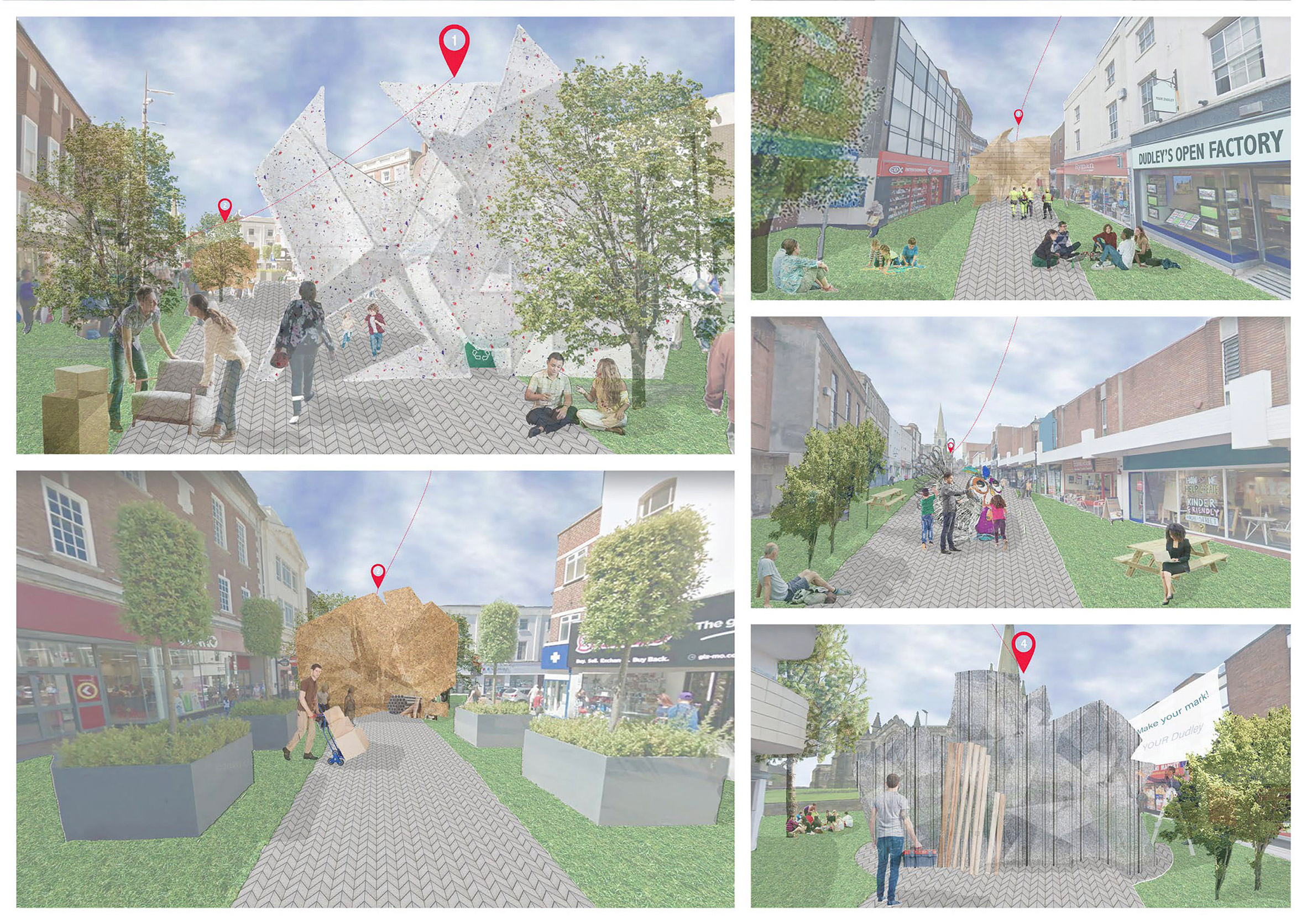
"High streets are a vital part of everyday life in the UK, a focal point for exchange, social interactions, public services and cultural activity. However, they are facing well-documented challenges. In order to survive and thrive, we need to reconsider what and who high streets are for.

"Colab Dudley has been supporting local people to cultivate a kinder, more connected High Street. These collective experiments aim to uncover new, shared understandings of how a safe, friendly High Street can be shaped through imagination and collaboration. The group worked through participatory processes to design new physical and social infrastructure, supporting the shift from lockdown to a longer-term, people-led renewal of the High Street."

Partner: CoLAB Dudley
Group image:
Oliwia Malanowicz, Weitong Jiang, Emma Langley and Luciana Micarelli
Tutors:
Dr Mat Jones with Holly Doron (APEC)

Birmingham City University

Frameworks for Environmental Justice 

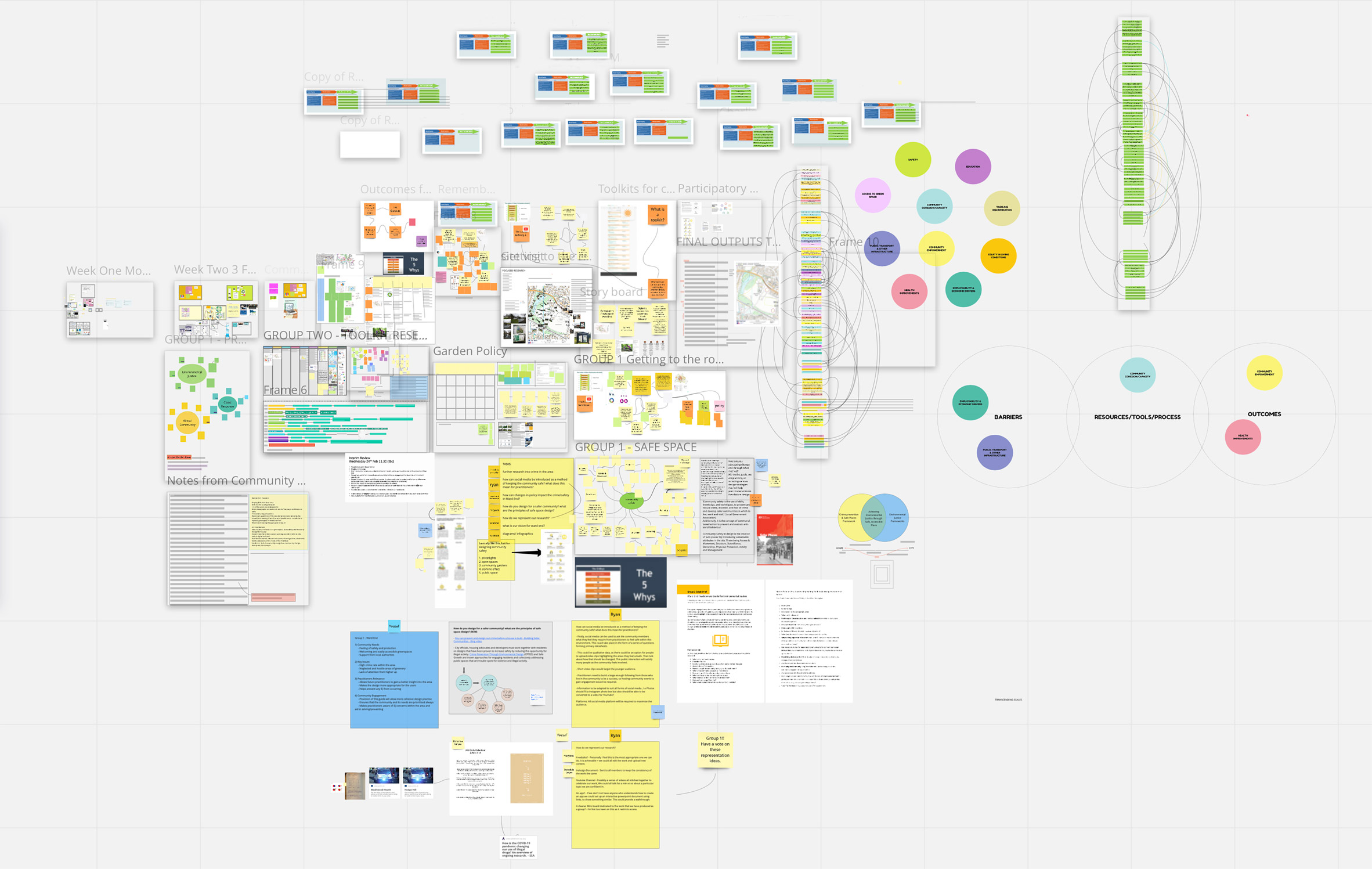
"The Liveable Cities Research study looked at all aspects of what makes a sustainable city, and the global scientific community joined forces to agree upon and construct the UN New Urban Agenda.

"Both studies highlighted a similar conclusion: Within most cities, there had become a disconnect between municipal planning, municipal finance and municipal governance. One of the most significant city elements to fall has been the importance of ownership of the natural environment.

"This collaboration examined frameworks for environmental Justice and Green Infrastructure to improve the quality of life and environment for the Ward End Community, working with a local women's charity, considering how policy, economy and society influences environmental justice to pilot a methodology to connect environmental justice and placemaking."

Partner: Birmingham City Council Environment and Sustainability
Courses participating: BA (Hons) Architecture, BA (Hons) Landscape Architecture, MArch Architecture
Tutors: Dr Jemma Browne and Dawn Parke

Birmingham City University

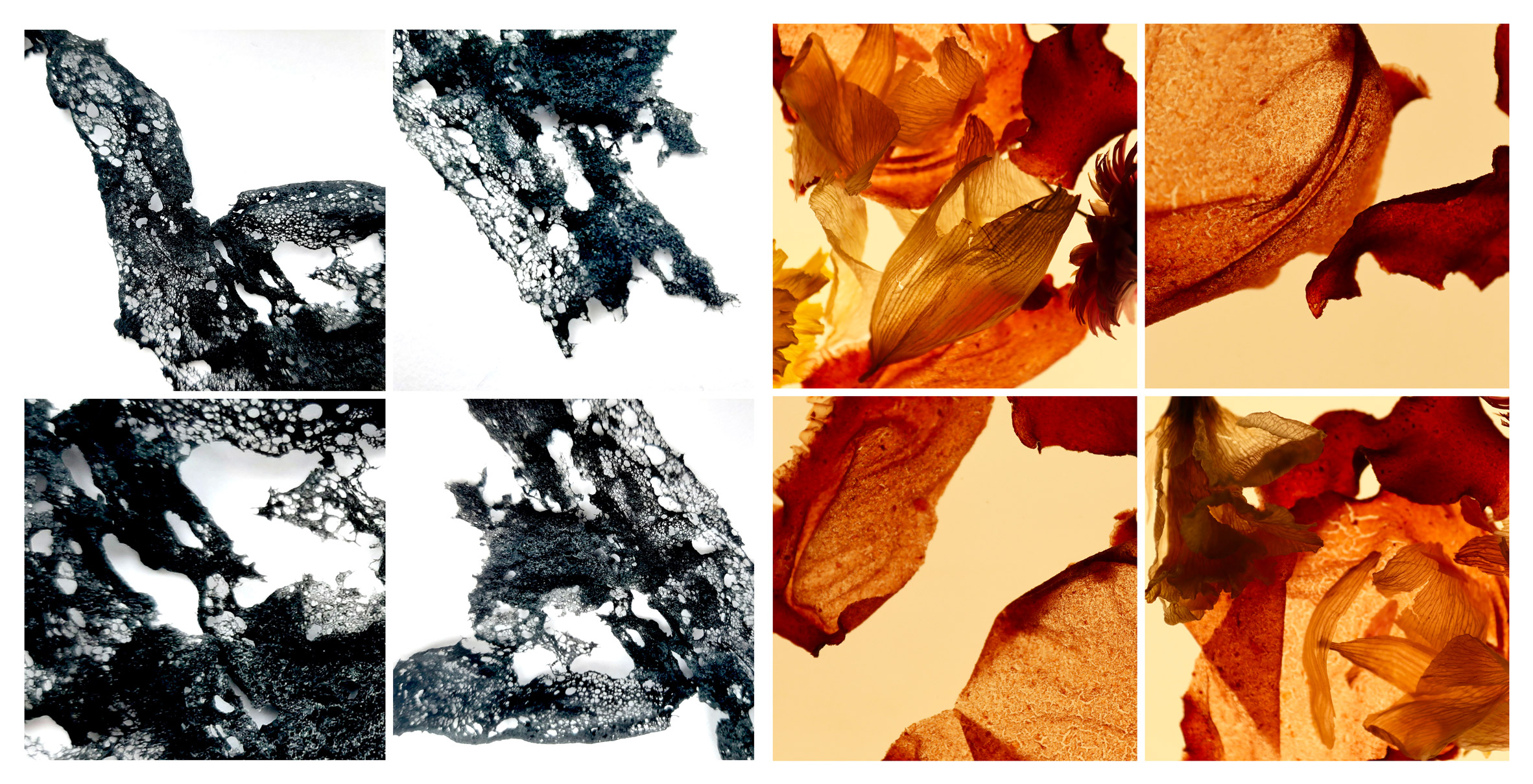
Biobox

"The climate emergency has brought industries to focus on their role in consuming resources and generating waste. Within the last two years, several initiatives, organisations and collectives are devoting themselves to a new way of creating materials from bio (organic) matter.

"Steamhouse, an innovation centre, has recently set up a material science lab to help local artists and designers expand their knowledge in the bio-materials discipline with a BioBox.

"This is an introductory kit of key ingredients and equipment to experiment with at home. Our students worked with Steamhouse and Materiom to explore this design science approach, learning the fundamentals of biomaterials and testing in agar and aggregates recipes for new applications."

Partner: Steamhouse and Materiom
Group image:
Tegan Robinson-Morris, Molly Ratcliffe, Lauren Cadwgan and Sadea Abdo
Tutors:
Alessandro Columbano with Sarah King (Steamhouse)

Birmingham City University

Autonomy Complicity and Ascension

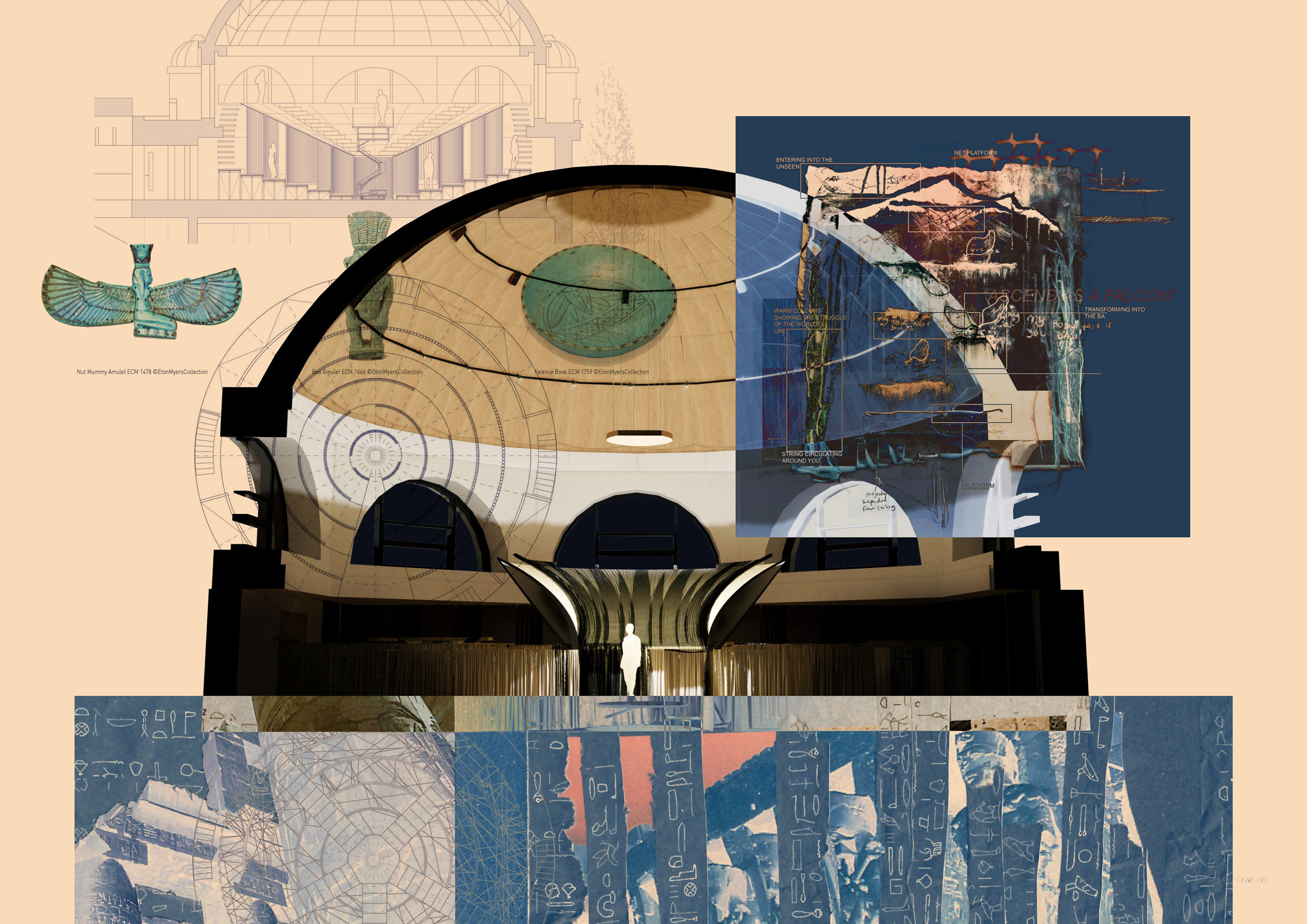
"The statue of the Princess Shebensopdet, in the University of Birmingham's collection, evokes the scent of myrrh, the ceremonial sounds of Egyptian funerary rituals and the potential uplifting of the soul from the body. How might one translate these evocations into the phenomenal experience of a visitor?

"In collaboration with artist Kate DeRight, students investigated the statue in the collection of UoB and developed a multi-sensory experience. Here the audience physically rises in a space that echoes the multi-sensory story told by the statue of Shebensopdet – with a projection of images that would be paired with the other senses of sound, smell, taste and touch, and more."

Partner: Kate DeRight and Beastdome
Group image:
Lauren Francis, Amsal Hassan and Pablo Cevallos
Tutors:
Dr Maria Sanchez and Max Carlsson Wisotsky

Birmingham City University

Cucina Futurisa

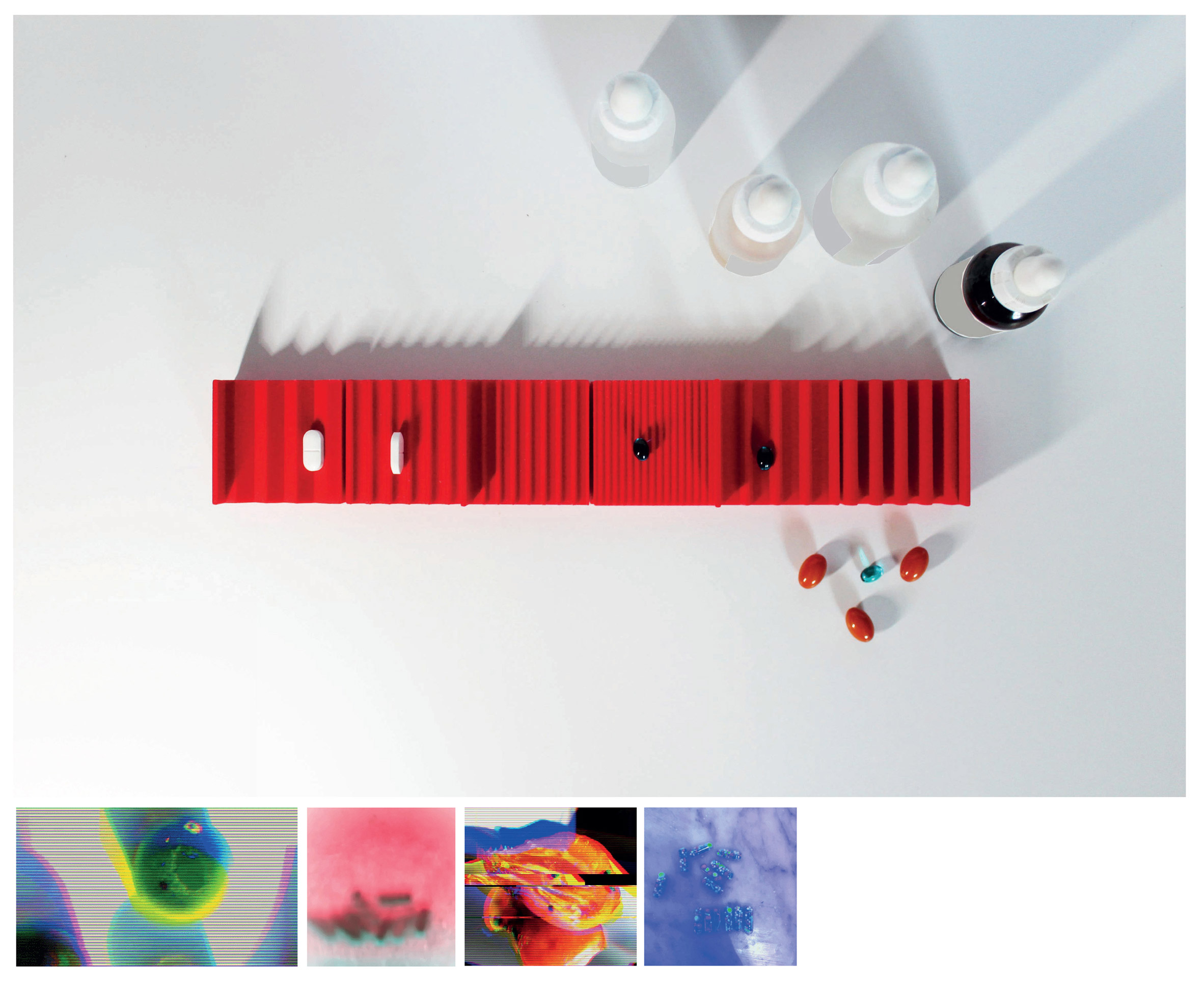
"Futurism was an artistic movement that emerged in early 20th century Italy, as a consequence of the rapid industrialisation of a traditional and agriculture-based society. The futurists were fascinated by technology and its potential for new possibilities in all aspects of life, including eating.

"The Futurist's Cookbook (La Cucina Futurista) was its key bible – a compendium of recipes, environments and events that spans across food, architecture, interior and technology.

"Students referenced the cookbook to curate a unique dining experience with Kaye Winwood Projects set in the ornate interior of Medicine Gallery. Their experiments are indebted to the Marinetti's Futurists Cookbook to design a range of utensils, lighting, atmosphere, food layouts and even cooking ingredients and recipes."

Partner:  Kaye Winwood Projects and Medicine Gallery and Bakery
Group image:
Huma Mahmood, Tina Chaova, Dunia, El-Zahawi, Gertuda Blazaityte and Shannon Ciriaco
Tutors:
Alessandro Columbano and Nuno Jose

Birmingham City University

Real (Self-build) Homes, Real (Self-build) People

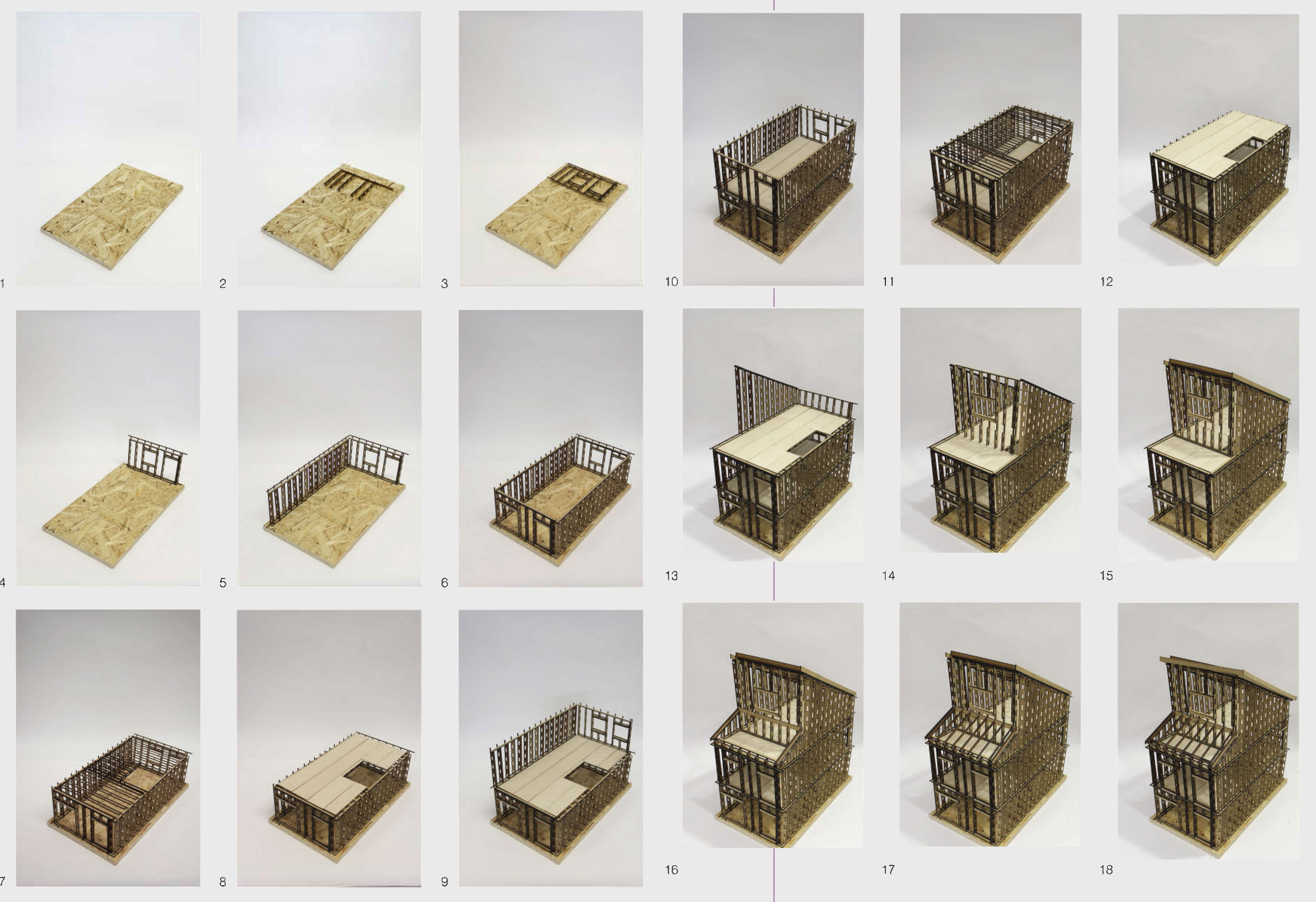
"Home construction today is dominated by a few large developer builders. This project asks: how can you disrupt the design and construction process for those seeking an alternative, so home seekers could be hands-on and create a healthy, comfortable, and genuinely affordable home?

"Cherwell District Council is a pioneering local authority in Oxfordshire, which has been looking into this question by setting up the Build! initiative to deliver innovative forms of affordable housing.

"Collaborating with our students, the research uncovered the background to self-build approaches and developed a detailed design resolution of a two-bedroom terraced house complete with fabricated junction details and a scaled innovative timber-framed structural system to allow for an environmentally high-performing envelope."

Partner: Cherwell District Council, Clancy Consulting and EBS
Courses participating: BA (Hons) Architecture, BA (Hons) Product Furniture Design, BA (Hons) Interior Architecture and MArch Architecture
Tutors: 
Dr Mat Jones and Ana Rute Costa

Birmingham City University

Brickhandwerk

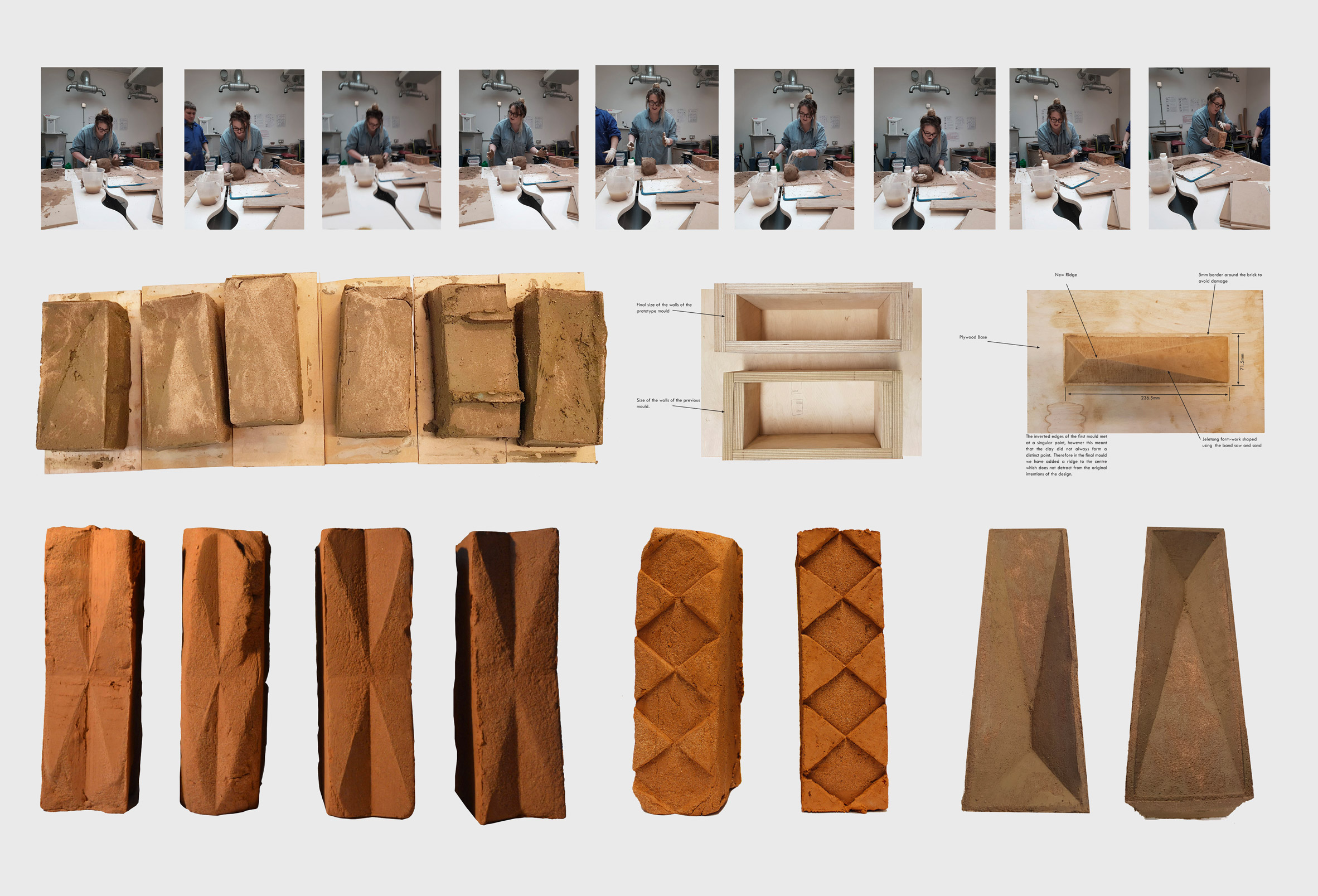
"Known as the Brick Project, this project saw a small group of students study the design and manufacture of special bricks, partnering up with Ibstock, one of the world's largest brick manufacturers.

"Students experienced the process of brick manufacture at a factory visit before fabricating in our workshop facilities, producing scale samples how the design of the individual unit.

"Students explored relief, technique and surface. This simple creation of form, using the mouldable properties of clay, relies on careful manipulation of the raw material and consideration of how the final product can be configured as part of a repeating pattern."

Partner: Ibstock Bricks
Group image:
Will Haynes, Danielle Long, Adam Scrimshaw, Ella Yafai, Olivia Myttion and Stuart Lee
Tutors: 
Jim Sloan, David Sharpe and Ollie Chapman

Birmingham City University

Archival Conc(re)te.rip

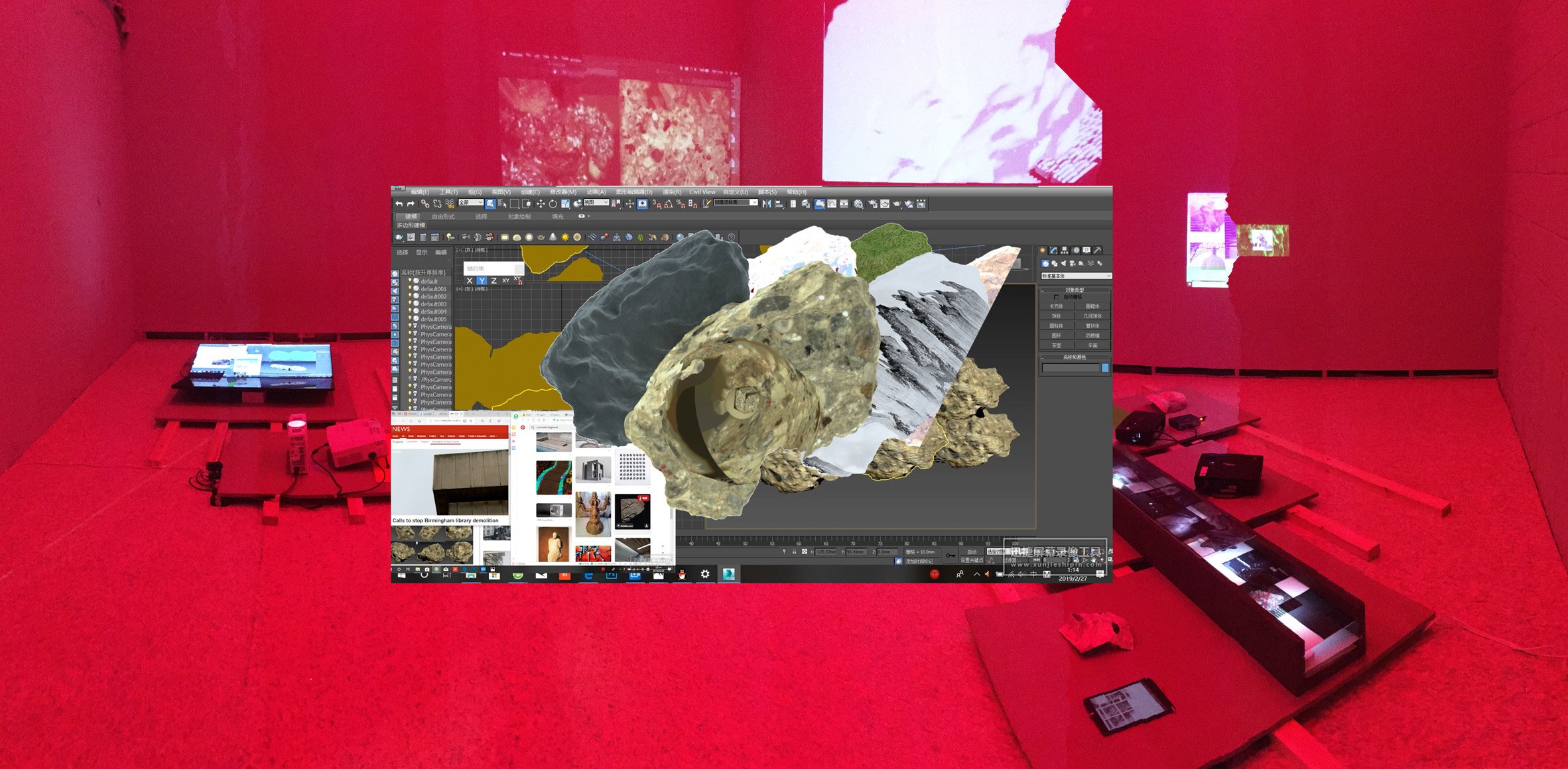
"This is a theoretical space to speculate alternative scenarios from which to reimagine our relationship to materials of our urban landscape. It developed ideas around the 'archive' as a production site and questions of ownership in the age of digital piracy.

"Starting with digitised ruins of the Birmingham Central Library and the utopian ambition of brutalism, Conc(re)te.rip investigates the potential of concrete as a digital .obj file, manipulated and reformed, providing a space to experiment, think and play.

"It remoulds the debris of our past to develop new a visual language to think about the future. From Instagram to film work, and publication in digital form, the artefacts were presented at Eastside Projects."

Partner: Agency for Speculative Landscapes and Birmingham School of Art
Student image:
Chen Liu
Tutors: 
Alessandro Columbano and Gareth Proskourine-Barnett


Partnership content

This school show is a partnership between Dezeen and Birmingham City University. Find out more about Dezeen partnership content here

The post Birmingham City University spotlights 12 creative partnership projects appeared first on Dezeen.


from Dezeen https://ift.tt/3xQZ0TD
Liverpool stripped of World Heritage status due to waterfront developments

Liverpool loses World Heritage status UNESCO

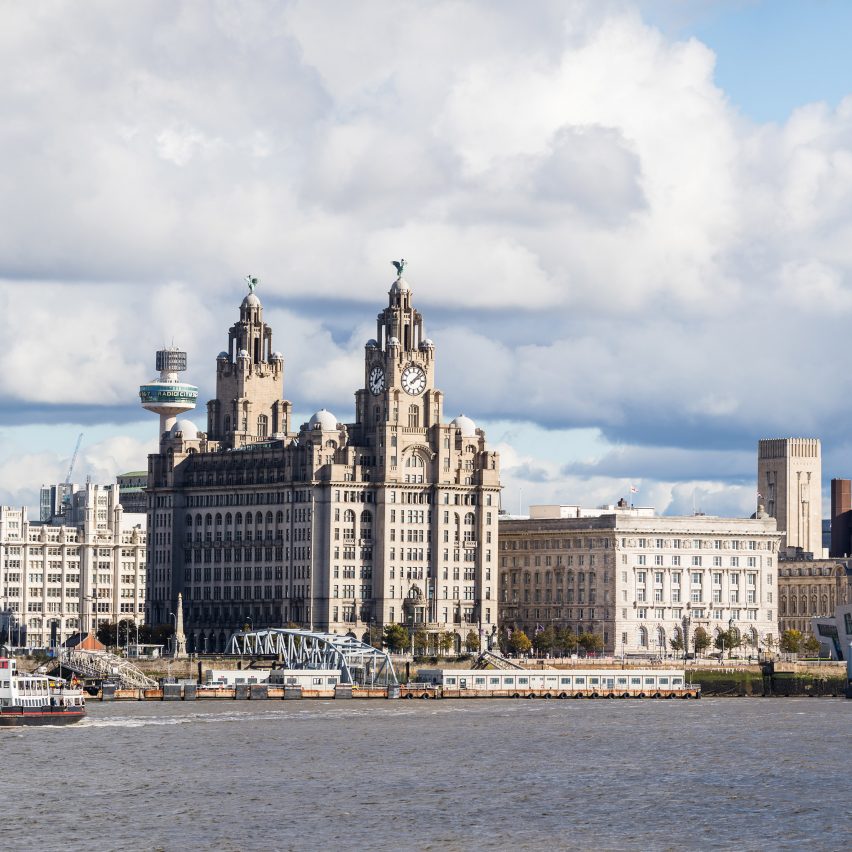
UNESCO has stripped Liverpool of its prestigious World Heritage status after a UN committee found recent developments caused an "irreversible loss of attributes" in the city.

Following a vote that took place in Fuzhou, China earlier today, the UK city has been removed from the list, which designates locations of Outstanding Universal Value (OUV) to humanity and had been given to Liverpool for its historic centre and docklands.

Several recent developments, including the Liverpool Waters development, contributed to the ballot decision which was taken "due to the irreversible loss of attributes conveying the outstanding universal value of the property."

Thirteen members of the United Nations Education, Scientific and Cultural Organisation (UNESCO) committee voted in favour of deleting Liverpool from the register. Five voted against the proposal. The chair of the Unesco World Heritage Committee, Tian Xuejun, announced the decision at a virtual conference.

The decision makes Liverpool the third site to lose the status in just under 50 years. It means that the location is no longer considered to possess OUV.

Liverpool joins Dresden's Elbe Valley and Oman's Arabian Oryx Sanctuary as the only sites to have been stripped of their World Heritage status.

UNESCO recommended city be stripped of its status in June

In a report released by UNESCO last month, a draft decision was made to remove Liverpool's docks from the World Heritage list.

The list of action points includes: "Decides to delete Liverpool – Maritime Mercantile City (United Kingdom of Great Britain and Northern Ireland) from the World Heritage list."

The report cites the £5.5 billion Liverpool Waters development and the planning application for the Everton FC football stadium in Bramley-Moore Dock as justification for stripping Liverpool of its heritage status.

"The inevitable process for the implementation of the Liverpool Waters project and other large scale infrastructure projects in the waterfront and northern dock area of the property and its buffer zone have progressively eroded the integrity of the property and continue to do so as the most recent project proposals and approvals indicate," said the report.

City has faced threat of deletion for nearly a decade

UNESCO states that it made "repeated requests" to the local and national government to protect the site, which largely went ignored.

In 2012, UNESCO placed the city on the danger list as concern grew over the planned Liverpool Waters development in the city's north docks.

Named The Plaza 1821 and Hive City Docks, the pair of high-rise towers by UK studios Hodder and Partners and Brock Carmichael Architects, were given planning approval as part of the Liverpool Waters in 2011 despite warnings about their impact.

Liverpool's docks and historic centre were placed on the list in 2004 to mark the city's role as a major trading port during the British empire.

The post Liverpool stripped of World Heritage status due to waterfront developments appeared first on Dezeen.


from Dezeen https://ift.tt/3rqG1gd

Watch our talk with Steelcase and J Mayer H about post-pandemic office design

Dezeen has teamed up with office design brand Steelcase and architecture firm J Mayer H to host a live talk exploring the needs of office workers after the pandemic. Tune in live at 4:00pm BST.

Moderated by Dezeen's chief content officer Benedict Hobson, the panel features founder Jürgen Mayer H and partner Hans Schneider from Berlin architecture firm J Mayer H.

Also joining the panel is Dewi Schöberg, director of workplace design and consulting at Steelcase, and Vanja Misic, lead UX designer at Steelcase.

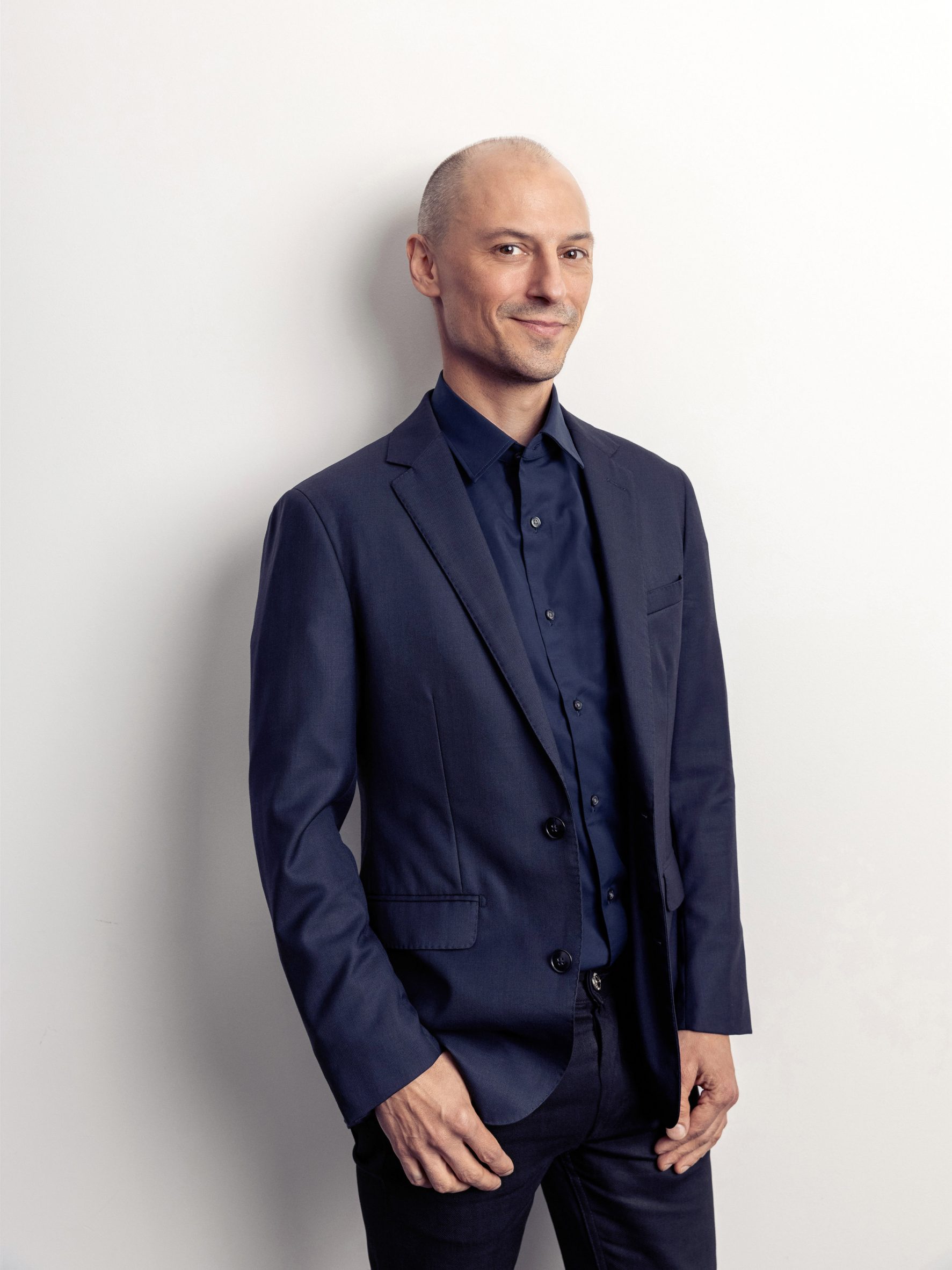
Jürgen Mayer H. Photo: Tom Wager
Architect Jürgen Mayer H will join the panel. Photo is by Tom Wager

The panel will discuss how the pandemic has revealed a need for better-designed office spaces.

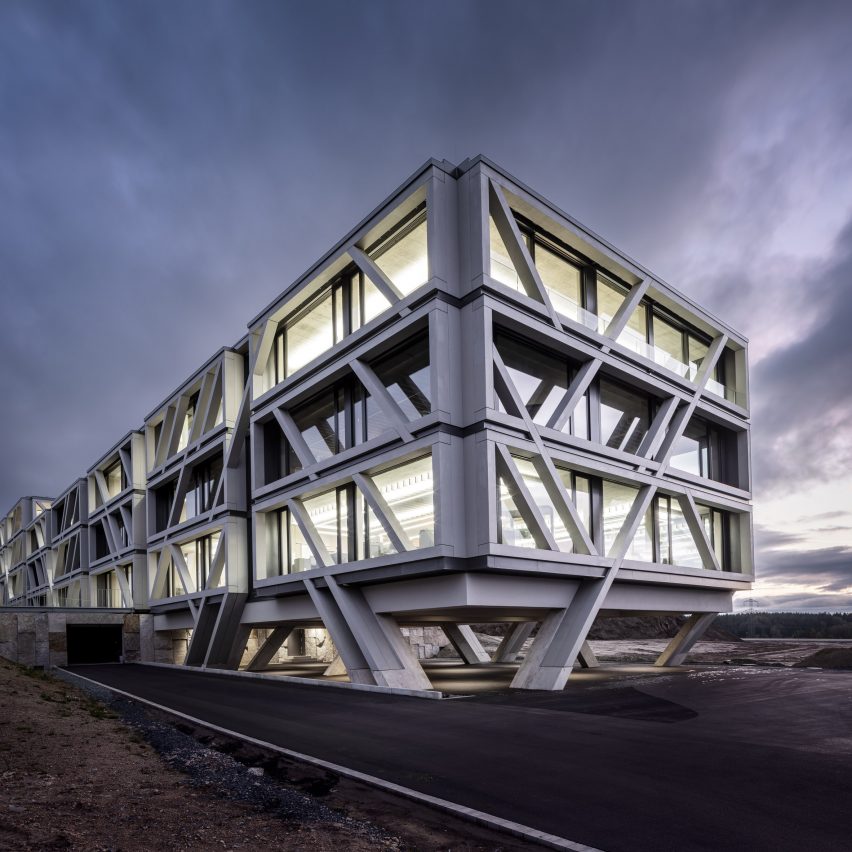
Using J Mayer H's design for the IGZ building as an example, the panel will explore if flexible interior design and building geometry can allow office spaces to be easily adapted in response to Covid-19.

They will also share how design can help to reflect a company's culture and how the emerging needs of office workers are shaping how we design office spaces.

Hans Schneider. Photo Tom Wager
Partner at J Mayer H, Hans Schneider, will also join the panel. Photo is by Tom Wager

Designed by J Mayer H, the IGZ building is located in Falkenberg in southeast Germany.

Serving as an office for a software company, the flexible interior design of the building was designed in partnership with Steelcase.

This year Steelcase released its Work Better report, a collection of research into the emerging needs of office workers following the pandemic.

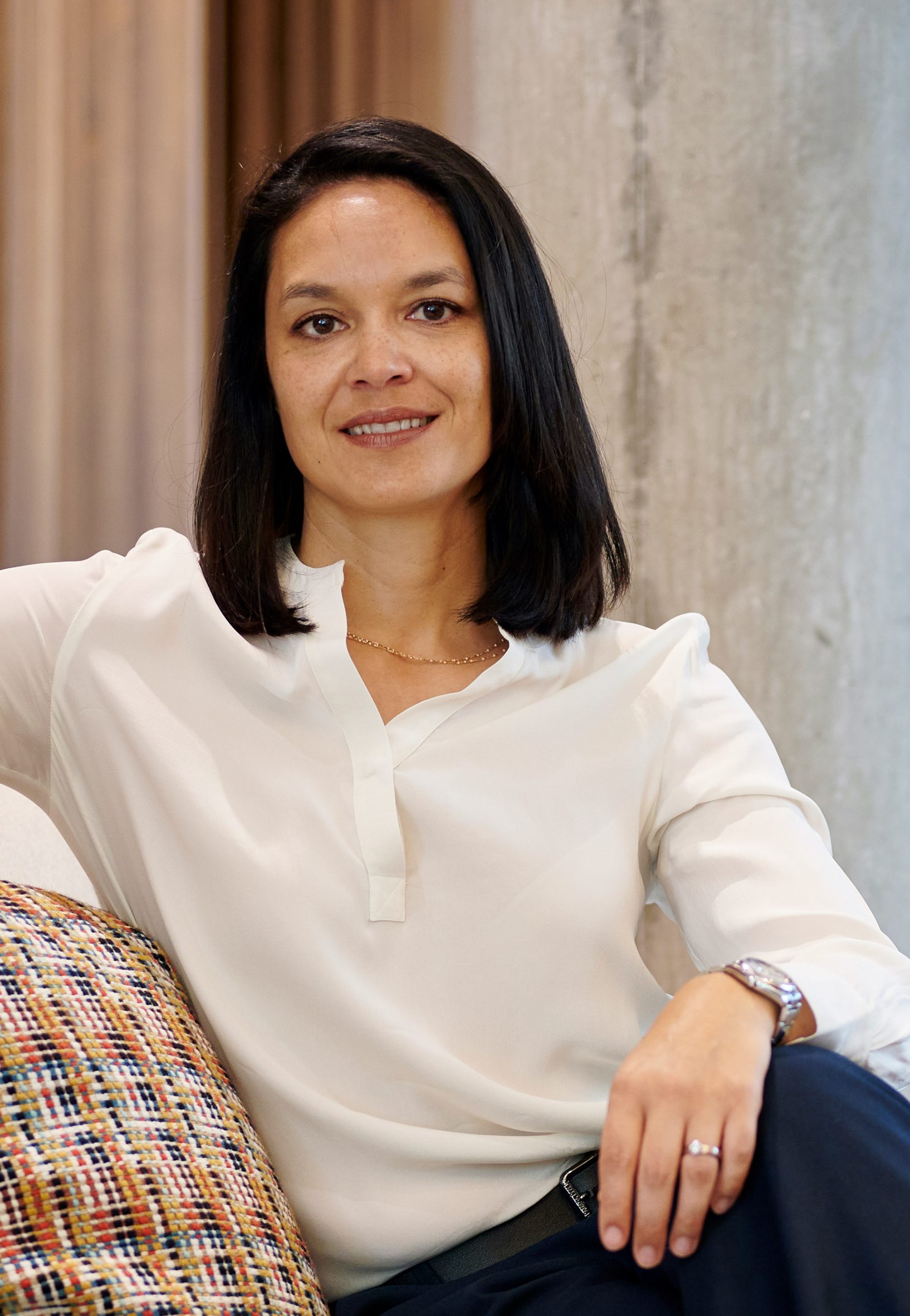
Dr Dewi Schönberg
Director of workplace design and consulting at Steelcase, Dr Dewi Schönberg, will also be joining the panel

The report identified four macro shifts that it believes organisations will need to address as employees return to working at the office, such as the need for safety, flexibility and productivity, as well as the need to foster a sense of purpose and belonging.

Founded in 1912, Steelcase is an American office design company specialising in furniture and lighting for the workplace.

Based in Berlin, J Mayer H is an architecture firm founded in 1996 and is led by Jürgen Mayer H and Hans Schneider.

Vanja Misic
Lead UX designer at Steelcase, Vanja Misic, is joining the panel

Its previous projects include a house in Germany built from a set of irregular concrete blocks and a university building in Düsseldorf that is carved into a sculptural shape, connecting windows, balconies and stairs.

Partnership content

This talk was produced by Dezeen for Steelcase as part of a partnership. Find out more about Dezeen's partnership content here.

The post Watch our talk with Steelcase and J Mayer H about post-pandemic office design appeared first on Dezeen.


from Dezeen https://ift.tt/3zm5HgY