Thursday, 22 July 2021

Marshalls Landscape Protection creates protective design-led street furniture

Colourful street furniture

Dezeen promotion: Marshalls Landscape Protection's RhinoGuard decorative and protective street furniture, including planters and seating, has been crash-tested to the latest standards in Hostile Vehicle Mitigation to help create safe outdoor spaces without sacrificing design.

UK-based Marshalls Landscape Protection has a wide selection of products that can be used to ensure safety while blending in with the existing landscape.

Protective street furniture
Benches can be used to create protected areas

The products aim to make public areas feel less fortified while opening spaces to increase footfall in town centres and cities.

Specifically, Marshalls Landscape Protection's protective street furniture is designed to be a decorative addition to urban environments and to prevent hostile or errant vehicles from entering an area.

Bollards, cycle stands, benches and litter bins can all be used to help keep public spaces safer from vehicles, something that Marshalls Landscape Protection believes will become even more important as people start returning to city centres for work and leisure post-pandemic.

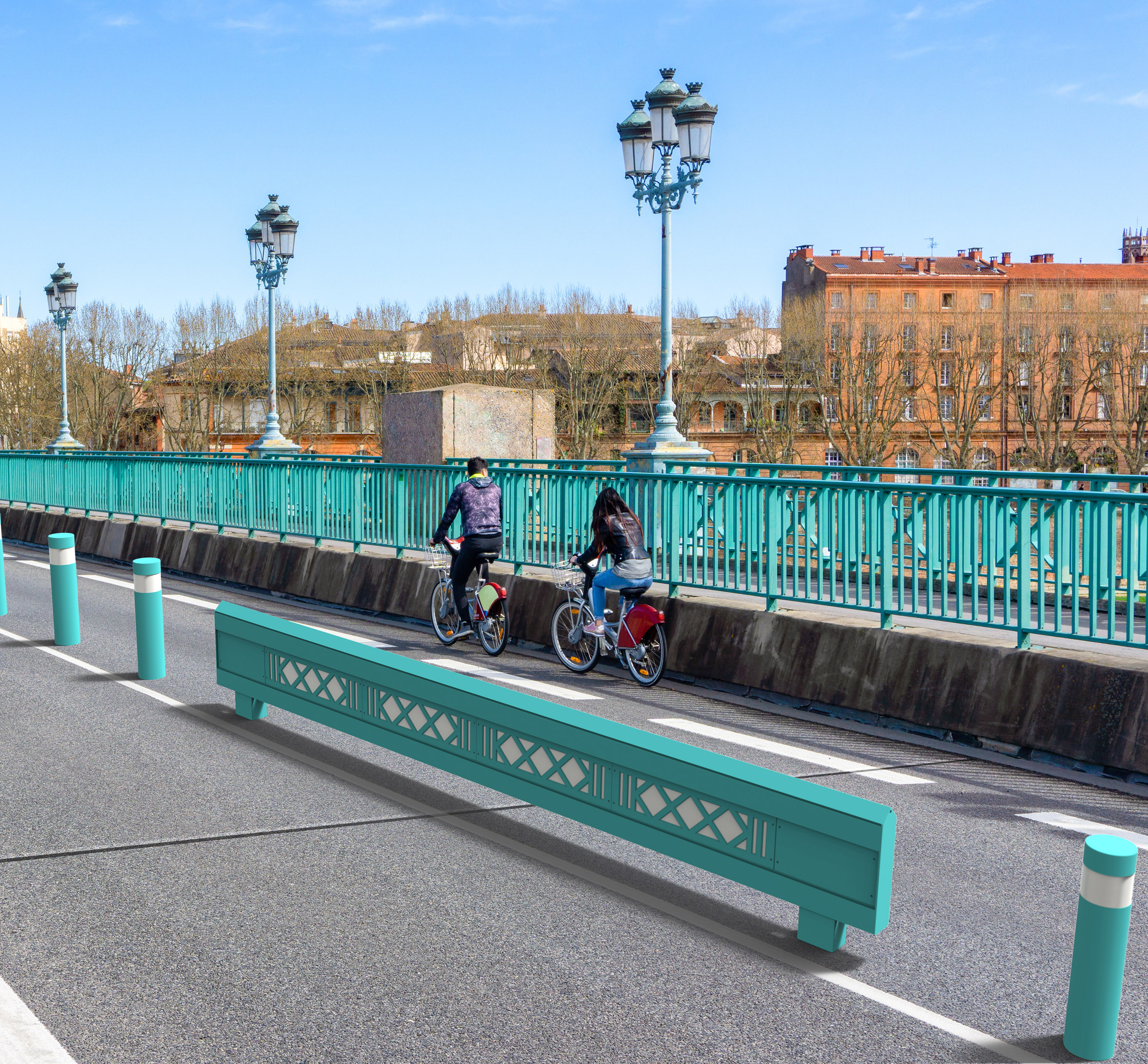
Turquoise protective barriers
They are designed to have minimal visual impact 

The company's products are designed to have a minimal visual impact on the environment while negating the need for harsh measures such as metal barriers or concrete blocks.

Instead, its RhinoGuard street furniture aims to combine safety and aesthetics and can be tailor-made to suit the needs of individual projects.

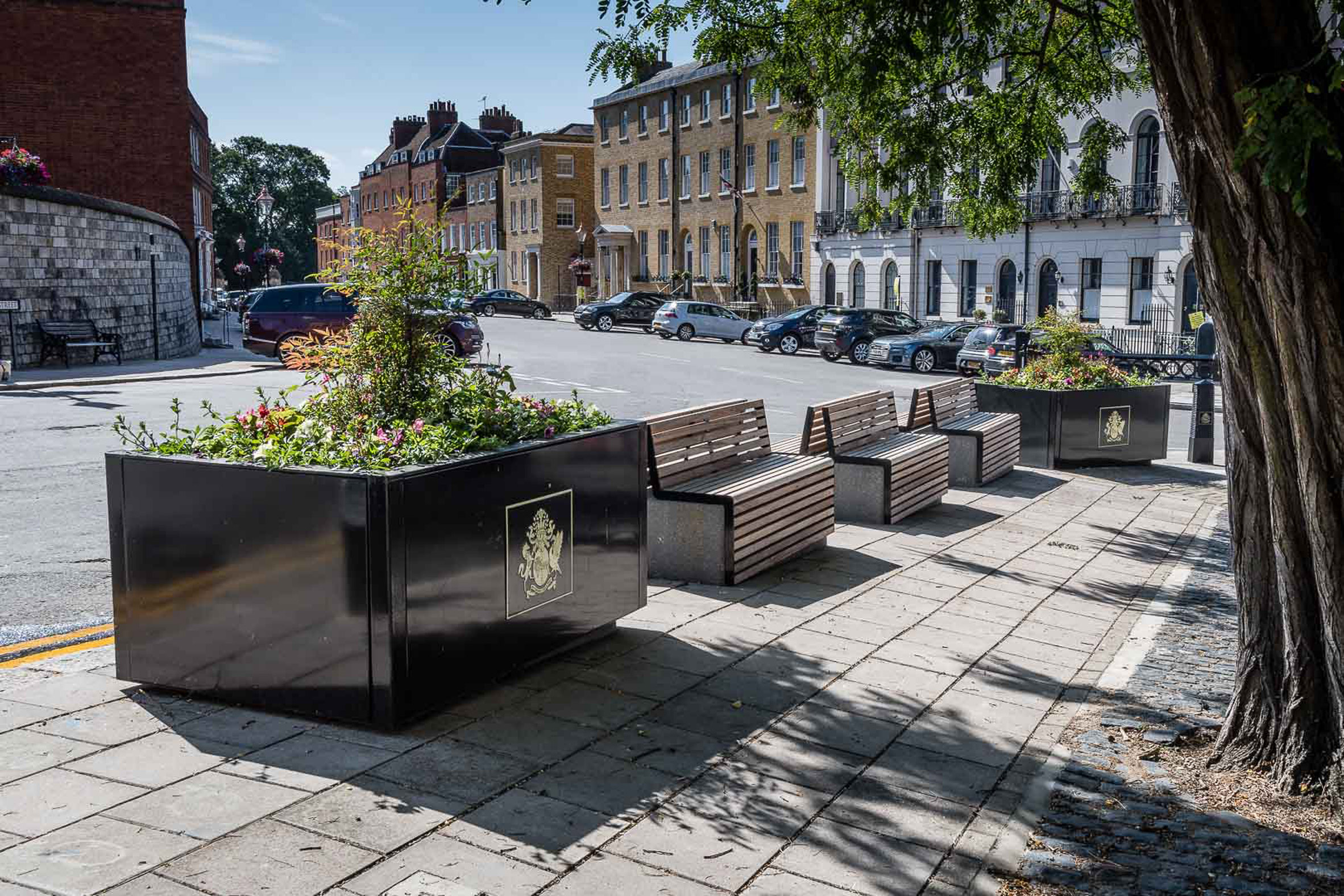
Large planters that function as vehicle protection
Large planters function as vehicle protection

Marshalls Landscape Protection offers a flexible portfolio of crash-tested street furniture products.

From the top levels of Hostile Vehicle Mitigation (HVM) certification, PAS 68/IWA 14.1, which are capable of stopping a 7.5 tonne vehicle travelling at 50 miles per hour, to the PAS 170 accreditation at the other end of the scale.

This protects against vehicles weighing up to 2.5 tonnes travelling up to 10 or 20 miles per hour.

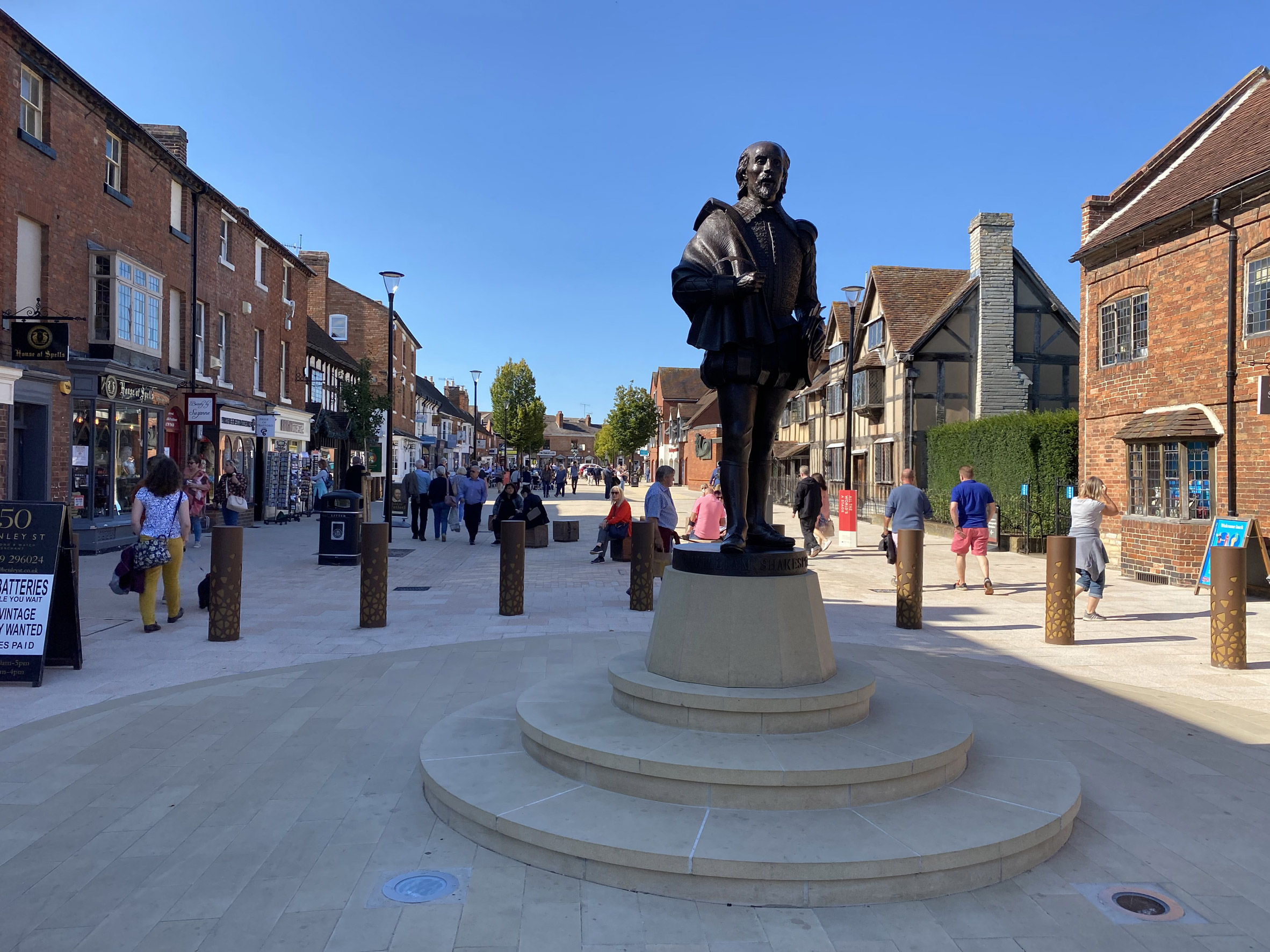
Bollards surrounding a statue
Marshalls Decorative bollards protect a historical site in Stratford upon Avon

The majority of Marshalls Landscape Protection's products are manufactured in the UK, and the company uses ethically sourced materials.

It has also signed up to the Carbon Trust Standard to reduce the carbon footprint in its product manufacturing processes.


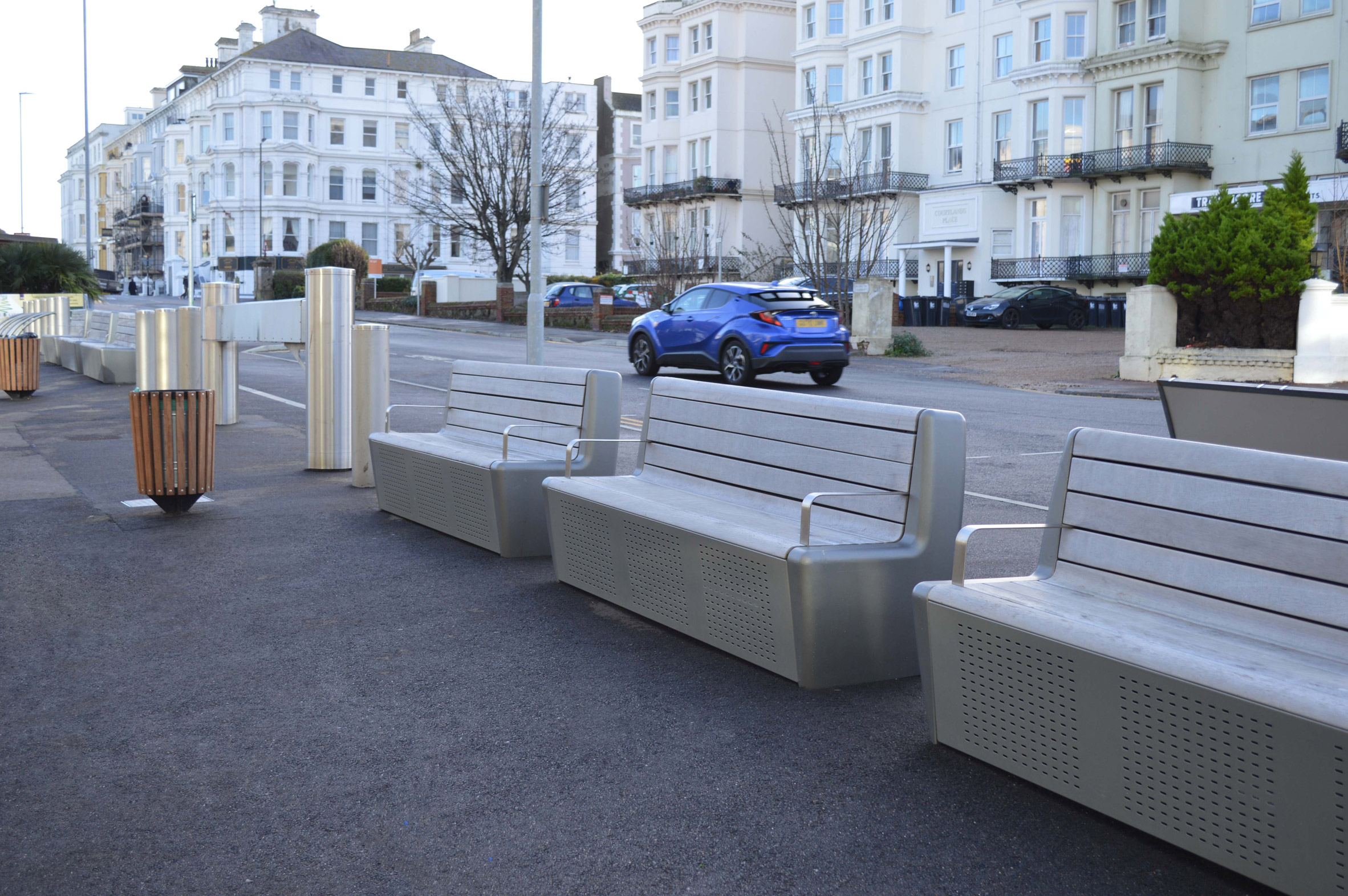
Stone benches
Discreet benches offer protection and a place to rest

The company believes its products will be helpful as pandemic restrictions start to lift and urban areas get busier.

"Architects and landscape designers are in a strong position to create safe and attractive urban spaces that will be crucial for attracting people back into towns and city centres," the brand explained.

"By implementing protective street furniture products and taking a design-led approach to security, our public spaces can be future-proofed in a way, keeping people safe, not scared for years to come."

To learn more about the products on the brand's website.


Partnership content

This article was written by Dezeen for Marshalls Landscape Protection as part of a partnership. Find out more about Dezeen partnership content here.

The post Marshalls Landscape Protection creates protective design-led street furniture appeared first on Dezeen.


from Dezeen https://ift.tt/3wXKc4n

Ten design projects from students at design and communication school Centro

Centro de Diseño y Comunicación

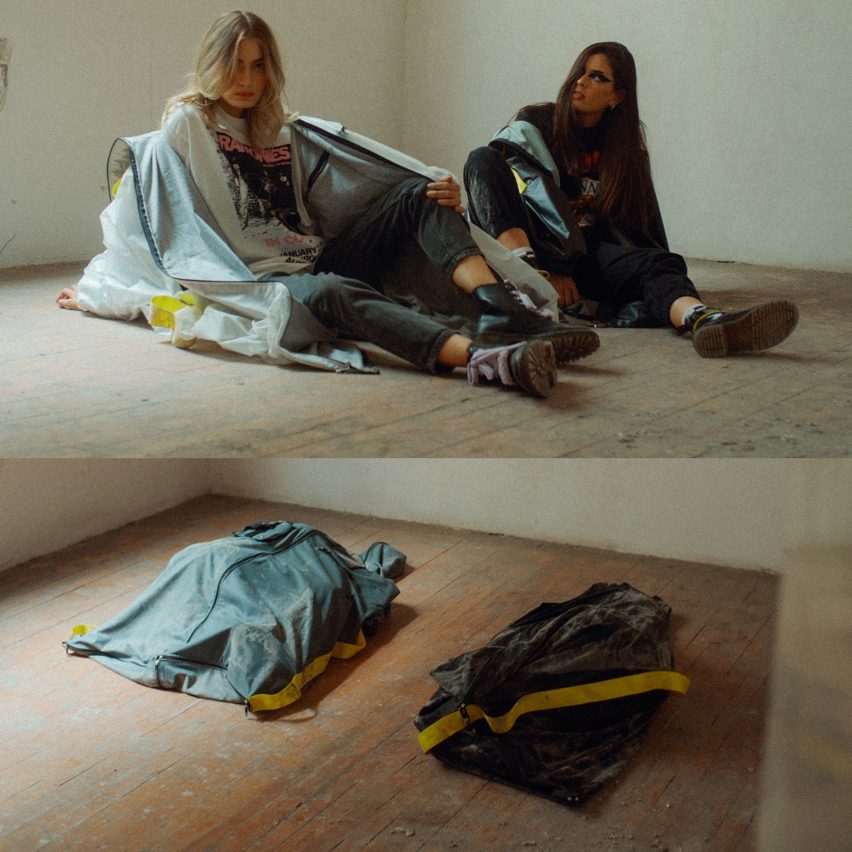
A coat that can be used as a body bag and bird protection nests waterproofed with "cactus slime" are included in Dezeen's latest school show by students at Centro, a design and communication school in Mexico City.

Also included is a fashion project promoting children's cognitive development and a reinvented hospital gown designed to prioritise patients' dignity.


Centro de Diseño y Comunicacón

School: Centro de Diseño y Comunicación (Centro)
Courses: BA Film and Television, BA Industrial Design, BA Interior Architecture, BA Marketing and Strategic Design, BA New Media and Technology, BA Textile and Fashion Design and BA Visual Communication.

School statement:

"Centro is an urban model for higher education in design, architecture, digital media and film in Mexico City. Since its founding in 2004, it is Mexico's pioneer institution for higher learning in the field of creativity, providing its 2,500 plus students with the unique opportunity to transform their passion and talent into successful, cutting-edge professional careers.

"Centro focuses on the critical role of creativity in analysing and resolving problems of varied complexity in diverse contexts, using a human-centred and system-oriented approach. Centro makes creative experts with a socially conscious, sustainable, and entrepreneurial perspective through a specialised and personalised educational model.

"It offers undergraduate and graduates degree programs to future generations of creative leaders in Mexico and beyond. We are focused on creativity because we believe it is the key element to thrive in today's complex world and its intricate dynamic systems."
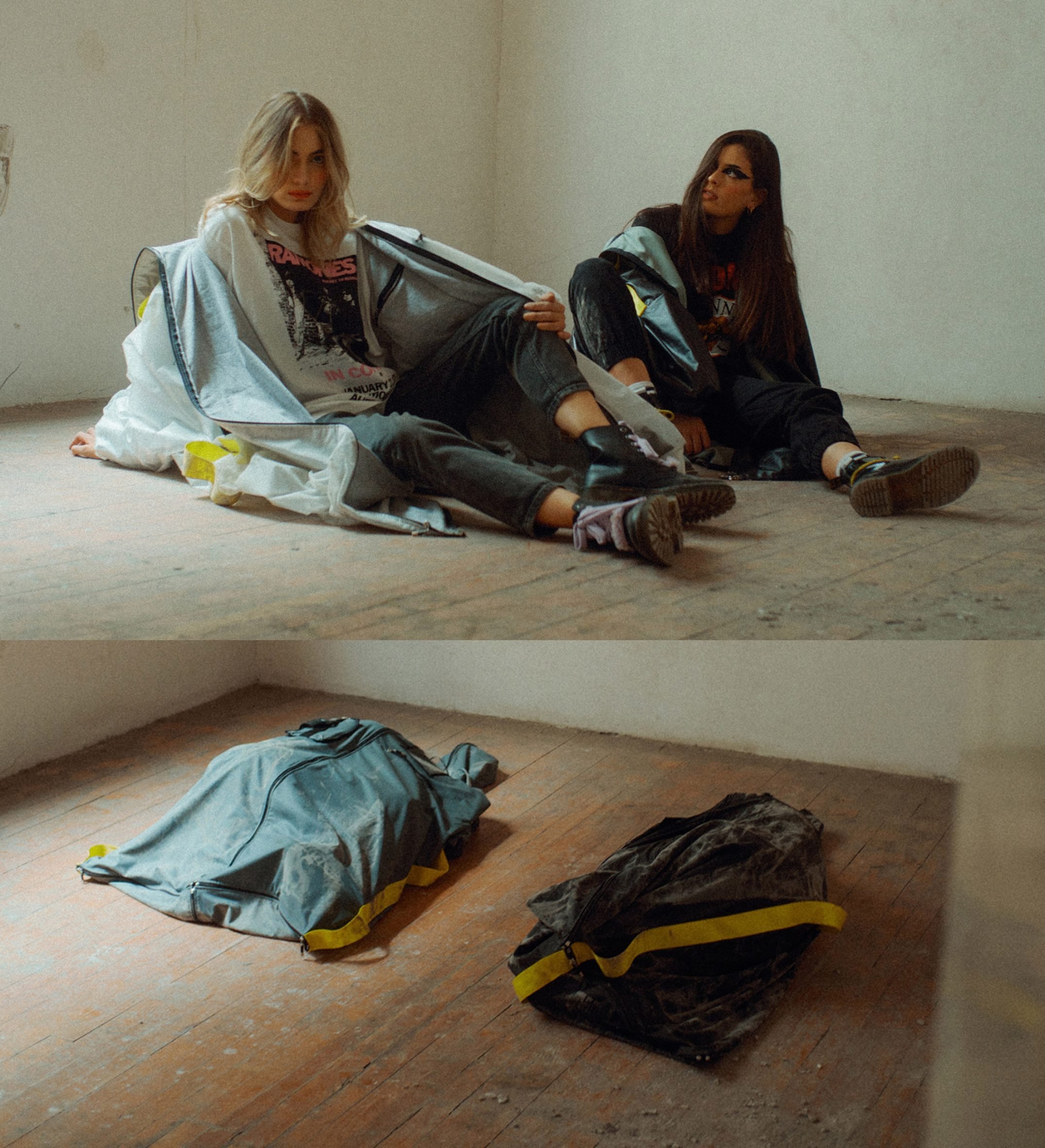

Centro de Diseño y Comunicación

Feminist Punk by Ariadna Yamile Quintanar Ganem

"Feminist punk arose within the context of feminist struggles and the vicious retaliation that activists face when they speak up and denounce patriarchal violence against women.

"The project comprises a series of coats that have been designed with a dual purpose: as an efficient garment during a protest and as a body bag in the event of violent death.

"The twofold usage intends to raise awareness of the risks faced by the feminist movement in Mexico via a product that incorporates elements of both fashion and industrial design."

Student: Ariadna Yamile Quintanar Ganem
Course: BA Industrial Design
Tutors: Mariana Loaiza and Miguel Jaramillo
Emails: aquintanarg[at]centro.edu.mx
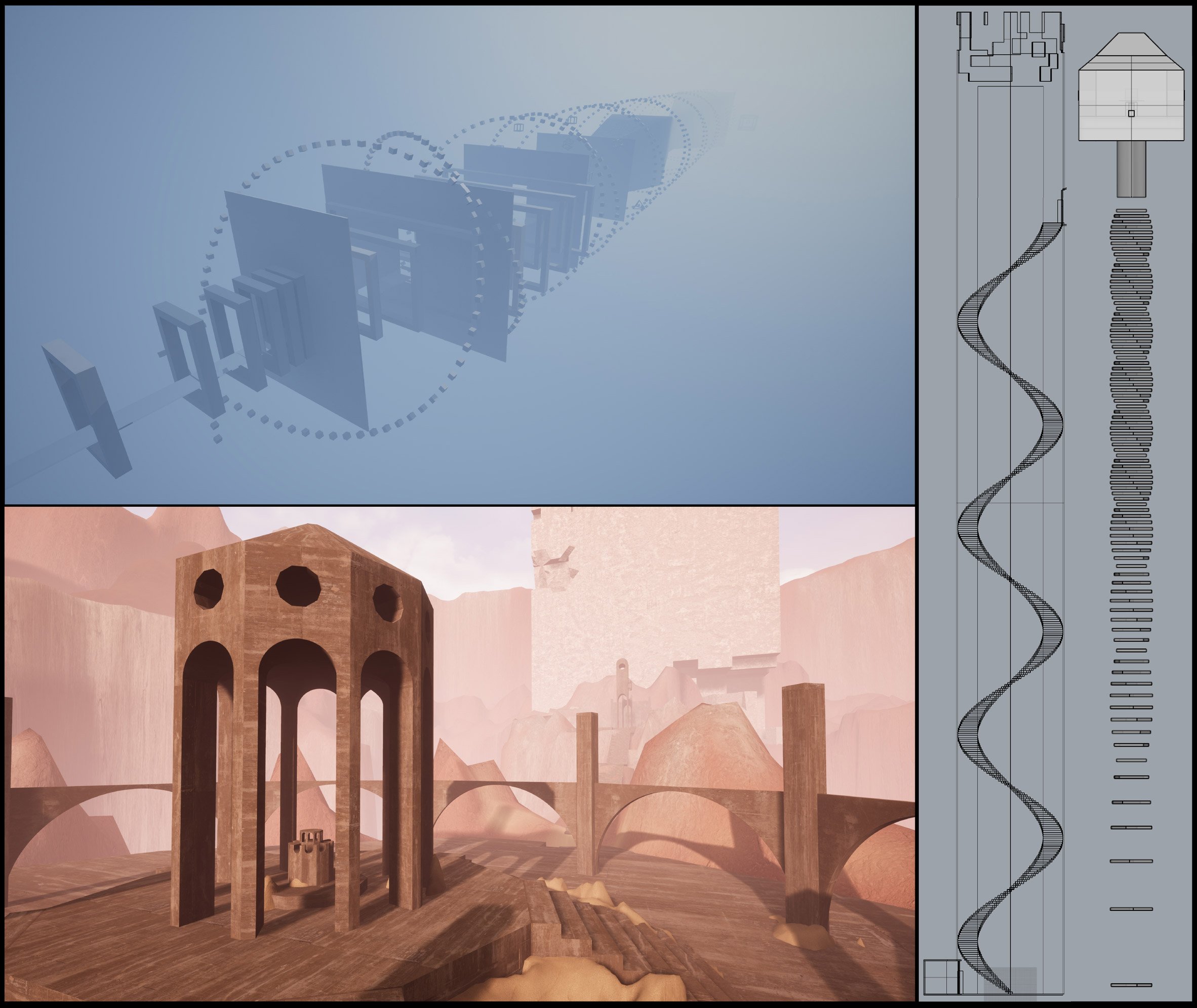

Centro de Diseño y Comunicación

The Fifth Shadow by Gino Leyva del Real

"The Fifth Shadow is an interactive and speculative architecture animated essay that aims to reflect on various conditions of human existence and their temporality. It is a poetic and architectural exploration of the multiple edges of being alive.

"It is a journey through abstract structures located in the unconscious and involves dream-like spaces that project and reflect different experiences and memories.

"The architecture was designed to enhance the narrative voice and user experience. In the absence of visible characters, the spaces take on a guiding role through which events, affections and concerns are recreated."

Student: Gino Leyva del Real
Course:
BA New Media and Technology
Tutors:
Ana Rosa Gómez, Fernanda del Monte, Malitizin Cortés, Bruno Díaz and Roberto Cabezas
Emails:
gleyva[at]centro.edu.mx
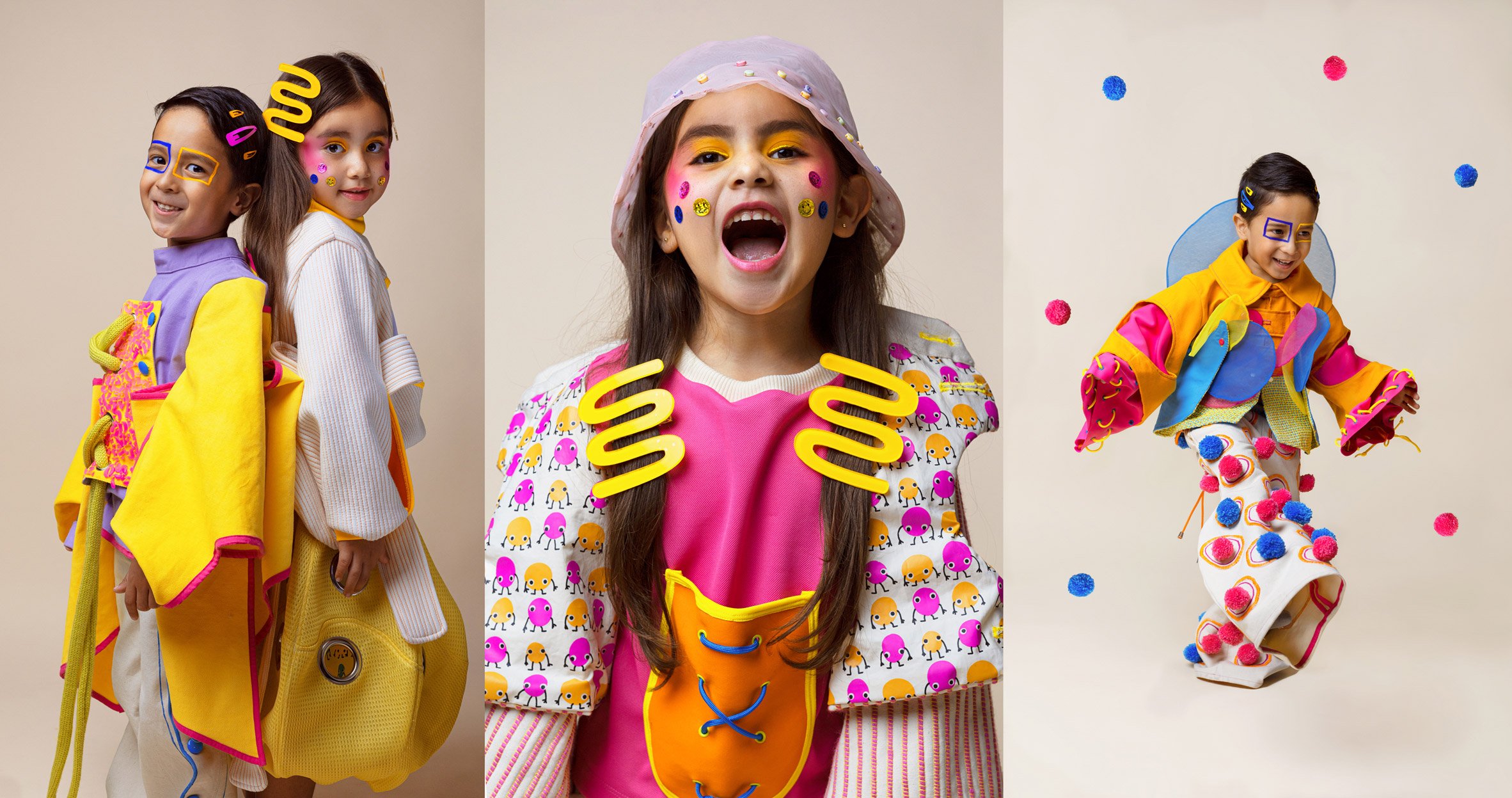

Centro de Diseño y Comunicación

Miniatura (Miniature) by Bibiana Mancilla Sánchez

"Miniatura uses fashion as a learning tool in early childhood, by representing the qualities of its visual forms that draw people's attention due to its structure's simplicity, balance and stability.

"By playfully activating the senses, the garments are a medium for self-awareness as well as objects and the environment.

"It is a fashion project focused on promoting children's sensory and cognitive development through dressing, an act that they perform daily."

Student: Bibiana Mancilla Sánchez
Course:
BA Textile and Fashion Design
Tutors:
Andrea Bores, Jimena Herrera, Judith Almazán and Isaac Guillermo
Emails:
bmancilla[at]centro.edu.mx
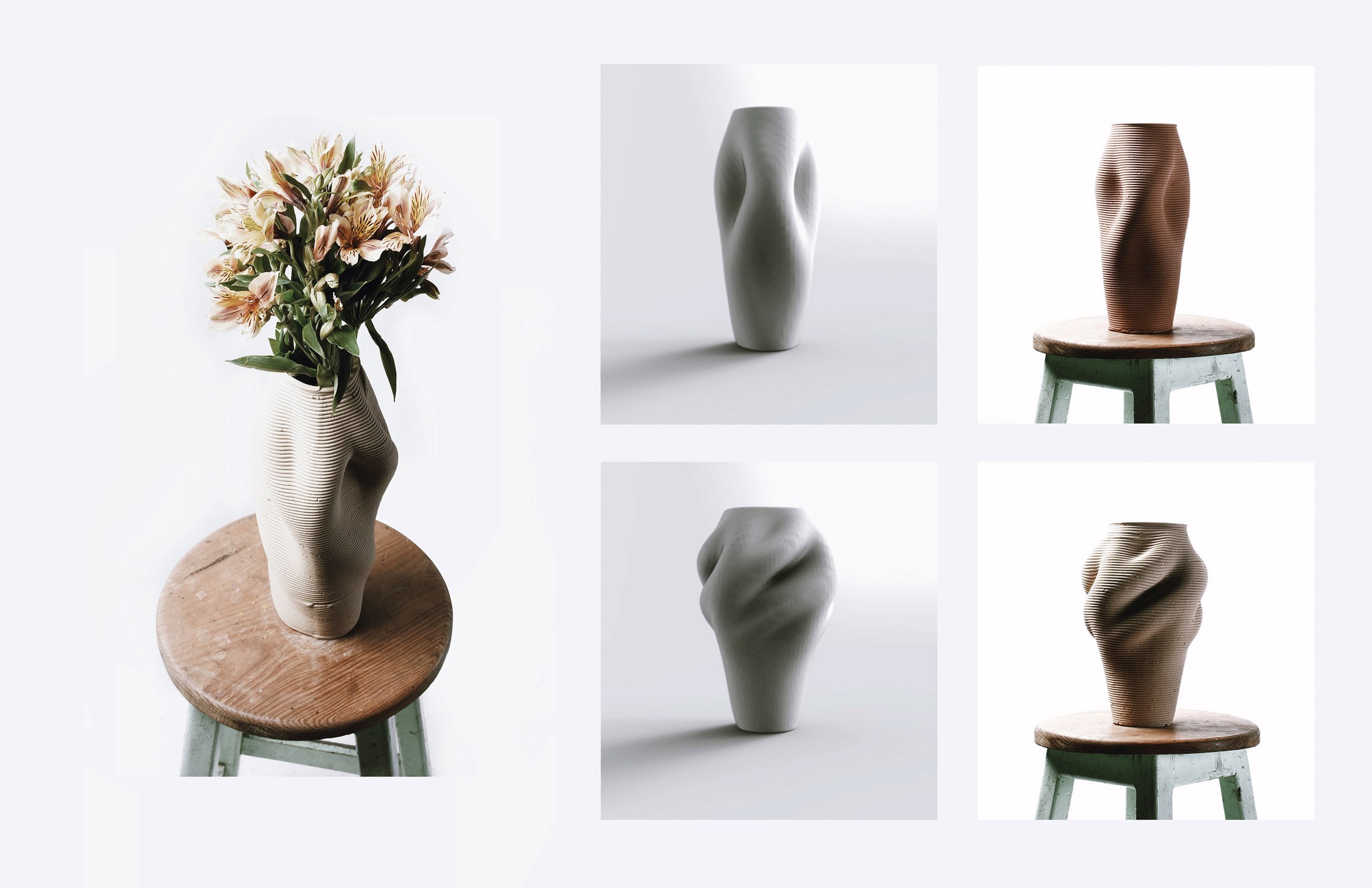

Centro de Diseño y Comunicación

Health Materialisation by Eduardo Rivas Martin del Campo

"This project stems from the interest of creating a one-of-a-kind and customised product that can materially present the health status of a person. The vases are developed using specific geometry and form, based on a personalised 27-element biometric evaluation done via parametric coding.

"The vase is, thus, not only a highly personalised aesthetic object but it is also a tangible archive of an individual's health in a particular moment in their life."

Student: Eduardo Rivas Martin del Campo
Course:
BA Industrial Design
Tutors:
Eduardo Duarte
Emails:
erivasm[at]centro.edu.mx

Centro de Diseño y Comunicación

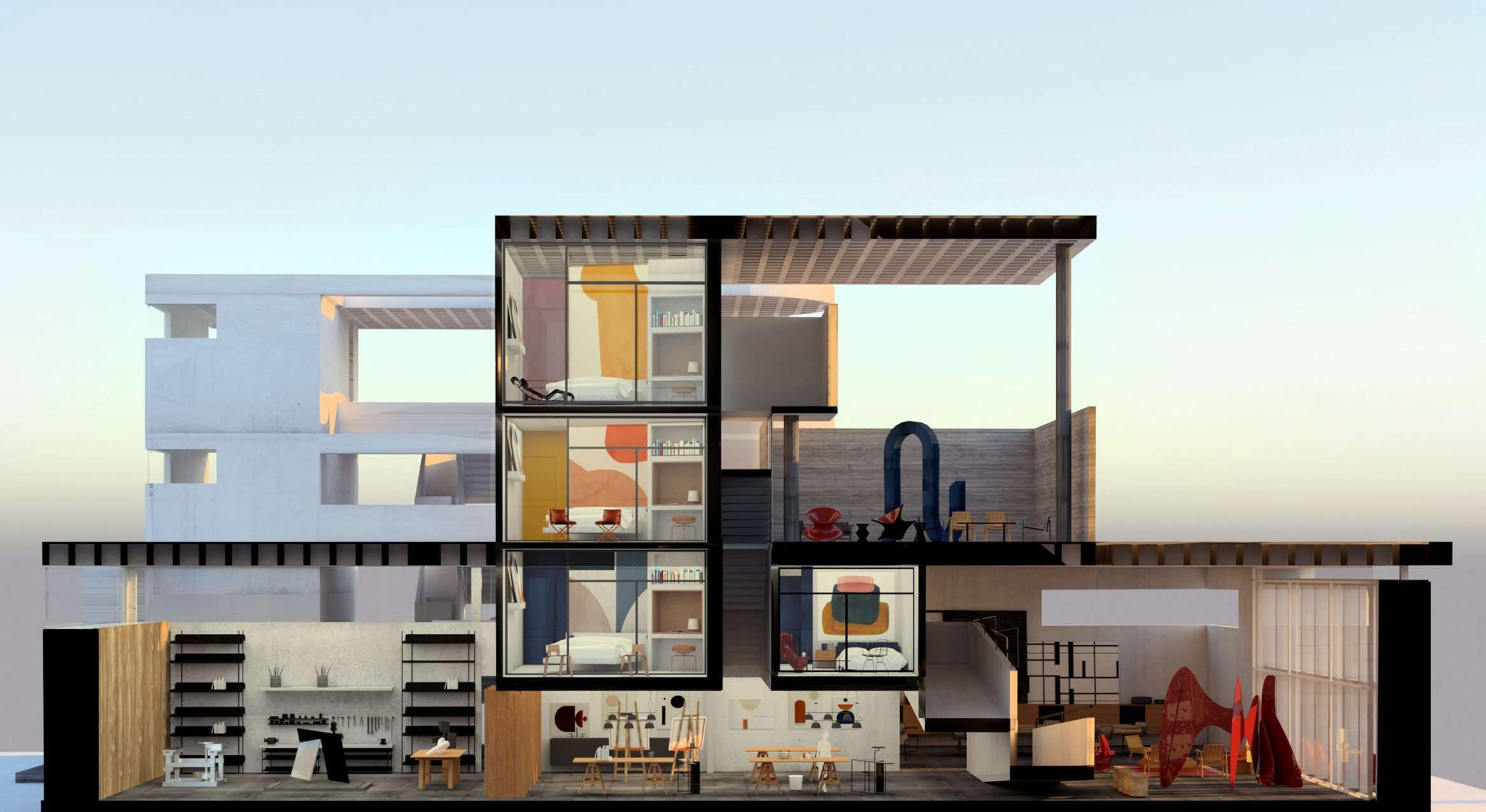
Thinking Like Le Corbusier by Emma Cohen Mizrahi

"This project entails the application of Le Corbusier's architectural principles, as they are expressed in Shodhan Villa located in Ahmedabad, India, to a studio-home in Valle de Bravo, Mexico. The aim is to show that the architecture is designed from the inside out.

"Le Corbusier's principles stem from an analysis of the De Stijl movement and consider the simplification of forms and the lack of ornaments. In turn, the principles imply a special focus on furniture, contrasts, openness, colour expressiveness and the incorporation of the natural surroundings."

Student: Emma Cohen Mizrahi
Course:
BA Interior Architecture
Tutors:
Beata Nowicka and Luis Beltrán
Emails:
ecohenmi[at]centro.edu.mx

Centro de Diseño y Comunicación

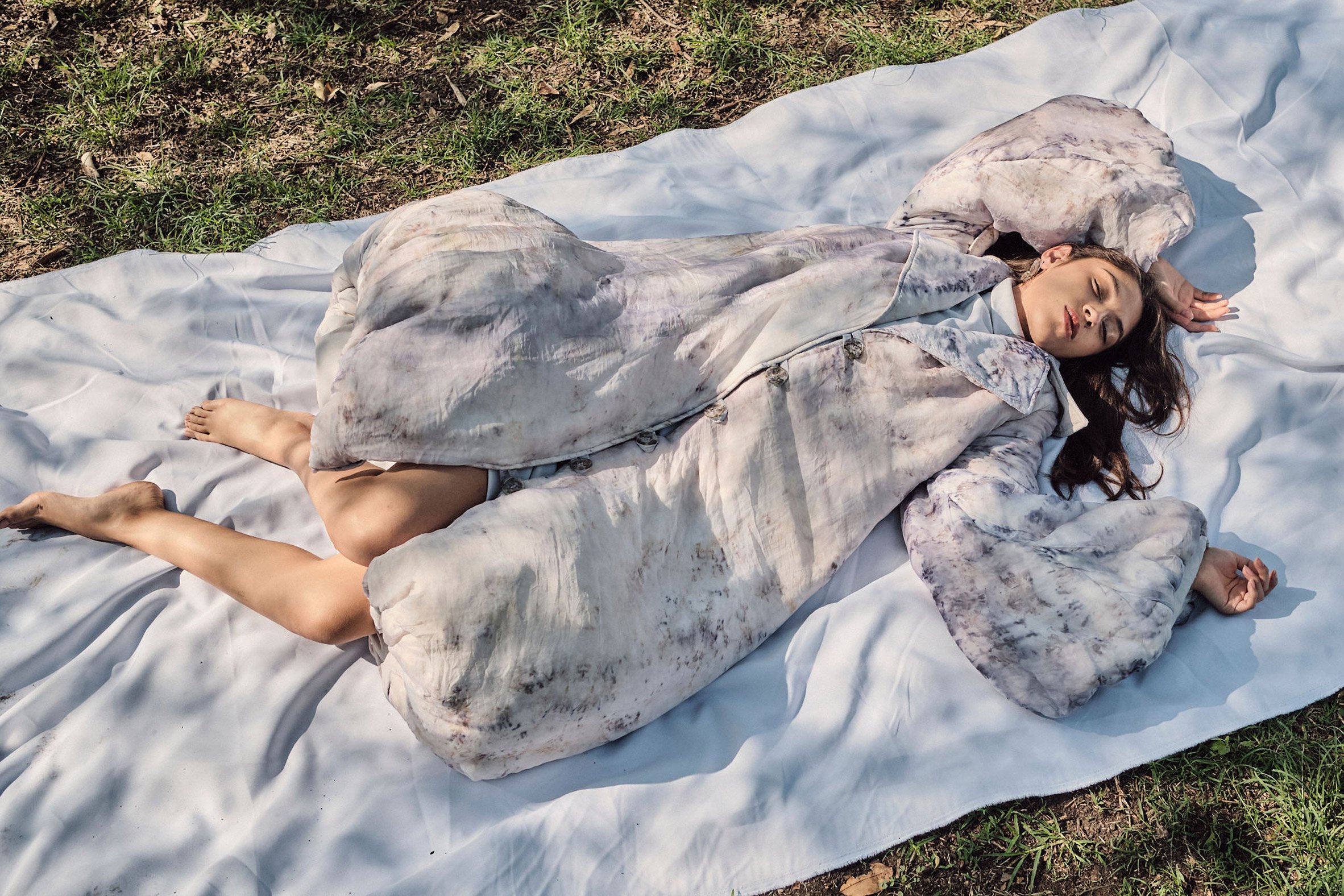
Sahumados by Lorena Salgado Juárez

"Sahumados is a ready-to-wear clothing collection inspired by healing rituals. All the garments and pieces in the collection have been designed to offer a sensory experience and help users in their healing process.

"The outerwear clothes of the collection have a lavender scent to promote relaxation, and each piece has been created to ensure comfort and safety.

"The design was developed after exhaustive research of healing rituals which included a direct ritualistic experience in Tepoztlán, Mexico; this is reflected in the natural dye that was produced with flowers and herbs commonly used during these rituals."

Student: Lorena Salgado Juárez
Course:
BA Textile and Fashion Design
Tutors:
Andrea Bores, Judith Almazán and Isaac Guillermo
Emails:
lsalgado[at]centro.edu.mx

Centro de Diseño y Comunicación

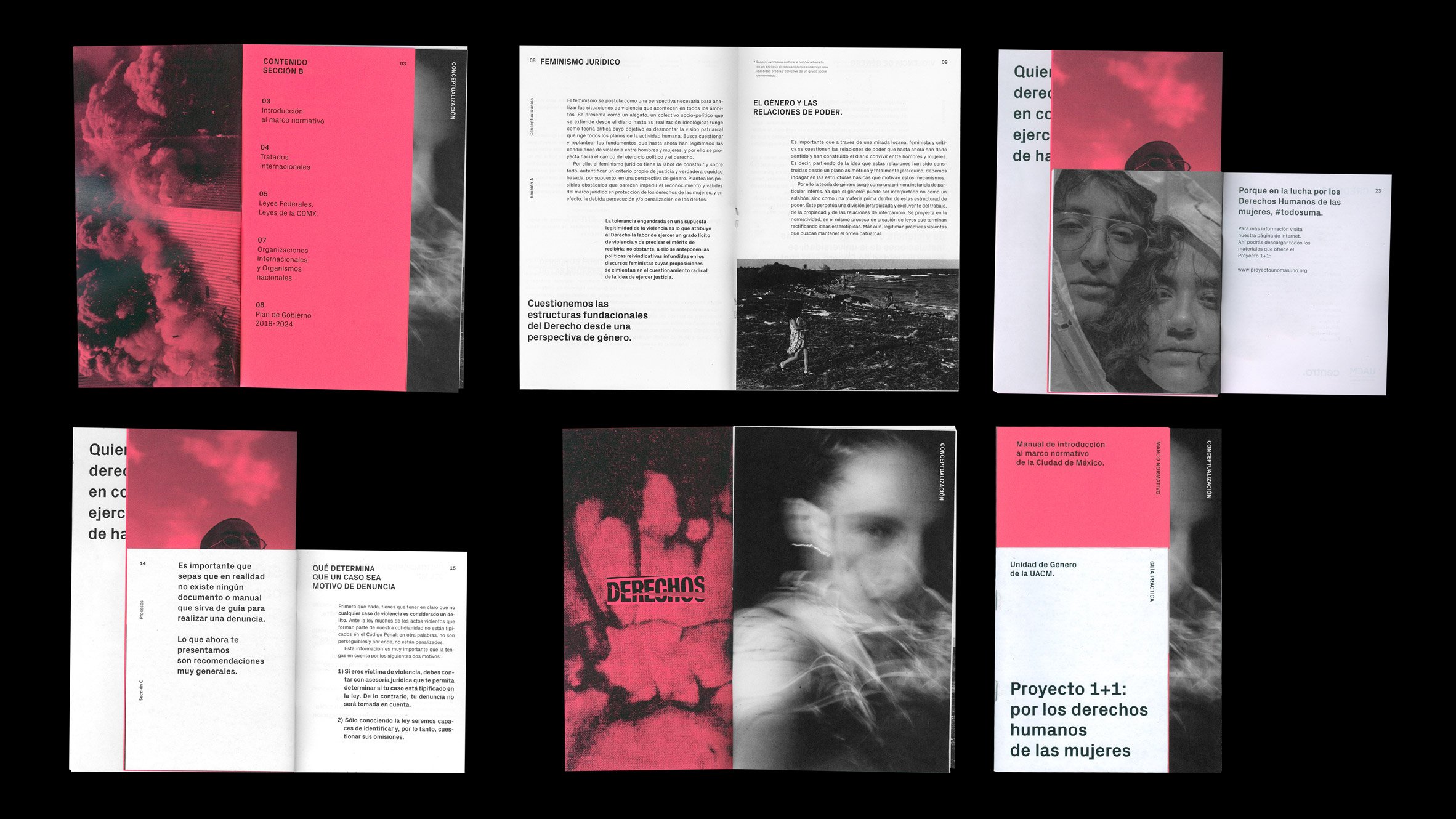
1+1 by Regina Jimena Marín Rivero

"1+1 is a human rights project that aims to promote awareness amongst the female population in Mexico regarding their rights and the protocols they should follow in case of gender violence.

"The research process involved a rigorous design methodology that considered clear communication, aesthetic suitability, and accurate information regarding a topic of the utmost importance considering Mexico's violent history against women."

Student: Regina Jimena Marín Rivero
Course:
BA Visual Communication
Tutors:
Andrés Mario Ramírez
Emails:
 rmarinri[at]centro.edu.mx

Hombre pájaro (Bird Man)

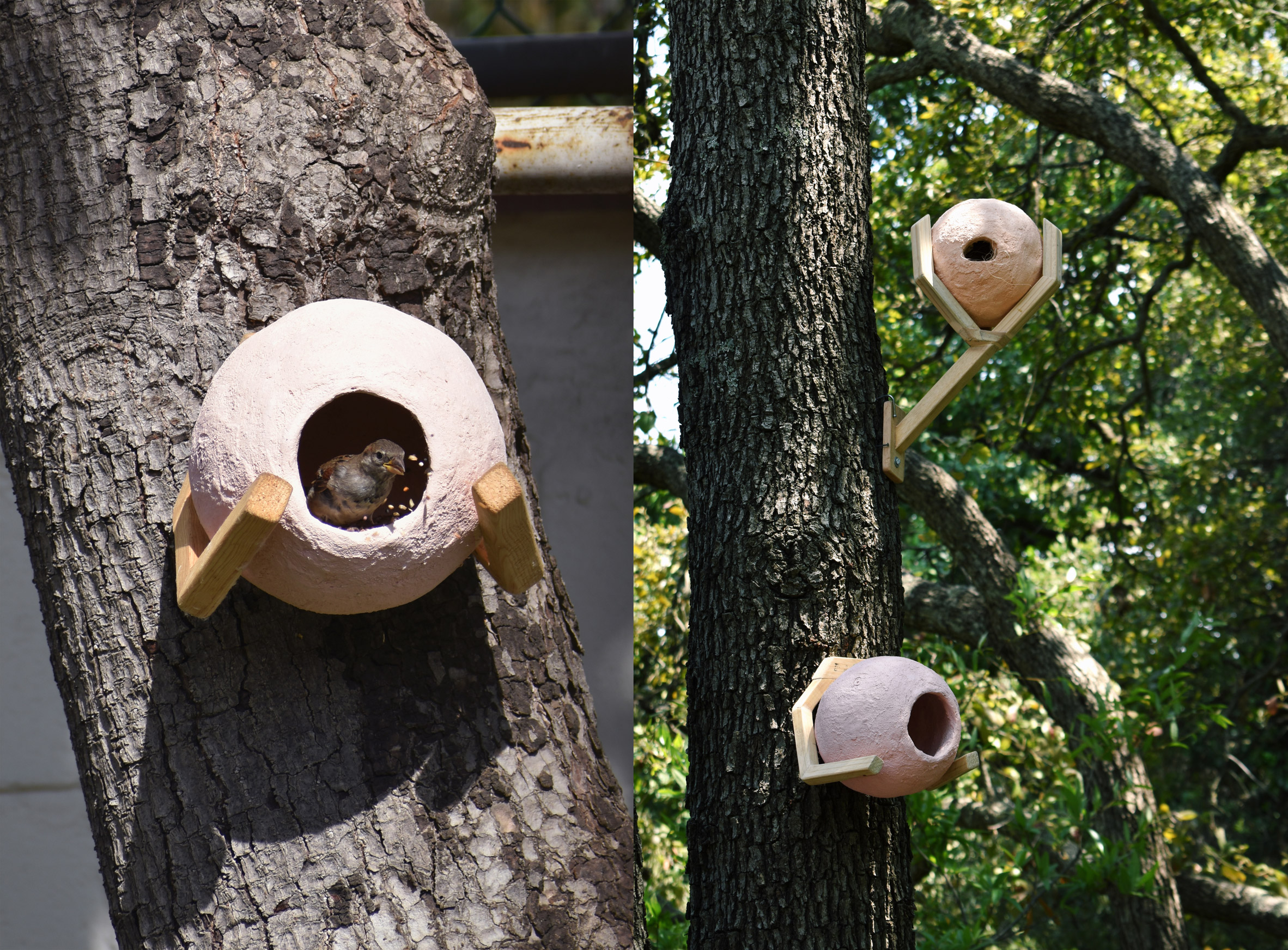
Hombre pájaro (Birdman) by Sofía Mendoza Díaz

"Hombre pájaro (Birdman) is an experimental project inspired by ancient techniques of vernacular architecture and focused on the preservation of birds in an urban environment. It involves a series of sustainable nests and feeders composed primarily of compressed mud, clays and plaster.

"The design included the evaluation of 35 different mixtures and the selection of three adequate ones to create resistant, handmade pieces.

"Each piece is waterproofed with cactus slime and lined internally with a mixture of horse manure and dark soil. They can individually be placed on different surfaces aided by three types of wooden supports."

Student: Sofía Mendoza Díaz
Course:
BA Industrial Design
Tutors:
Alejandra Rodríguez
Emails:
smendoza[at]centro.edu.mx

Centro de Diseño y Comunicación

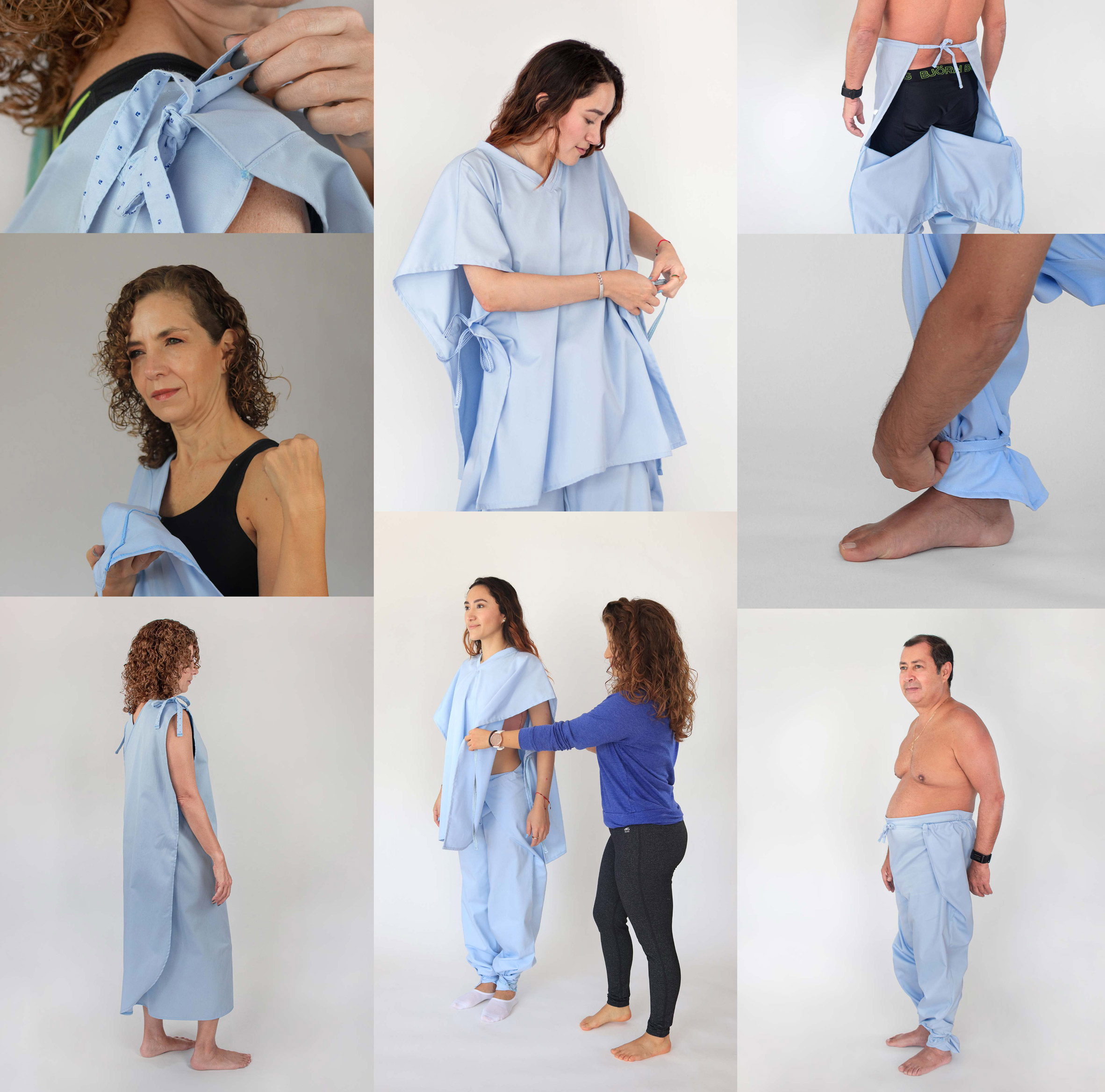
Ando: User-Centered Hospital Garments by Regina Abán Tapia

"Ando is a thesis project which had the aim of redesigning the traditional hospital gown and designing two different garments that can satisfy the patients' various needs.

"In contrast with current hospital garments, the proposals prioritise the patient's dignity by limiting unintended exposure and aiding in their physical recovery in a safe, comfortable and practical manner.

"The design process included interviews with four patients, four doctors and four nurses to understand and work towards satisfying the specific needs the designs should consider."

Student: Regina Abán Tapia
Course:
BA Industrial Design
Tutors:
Eduardo Duarte
Email:
rabant[at]centro.edu.mx
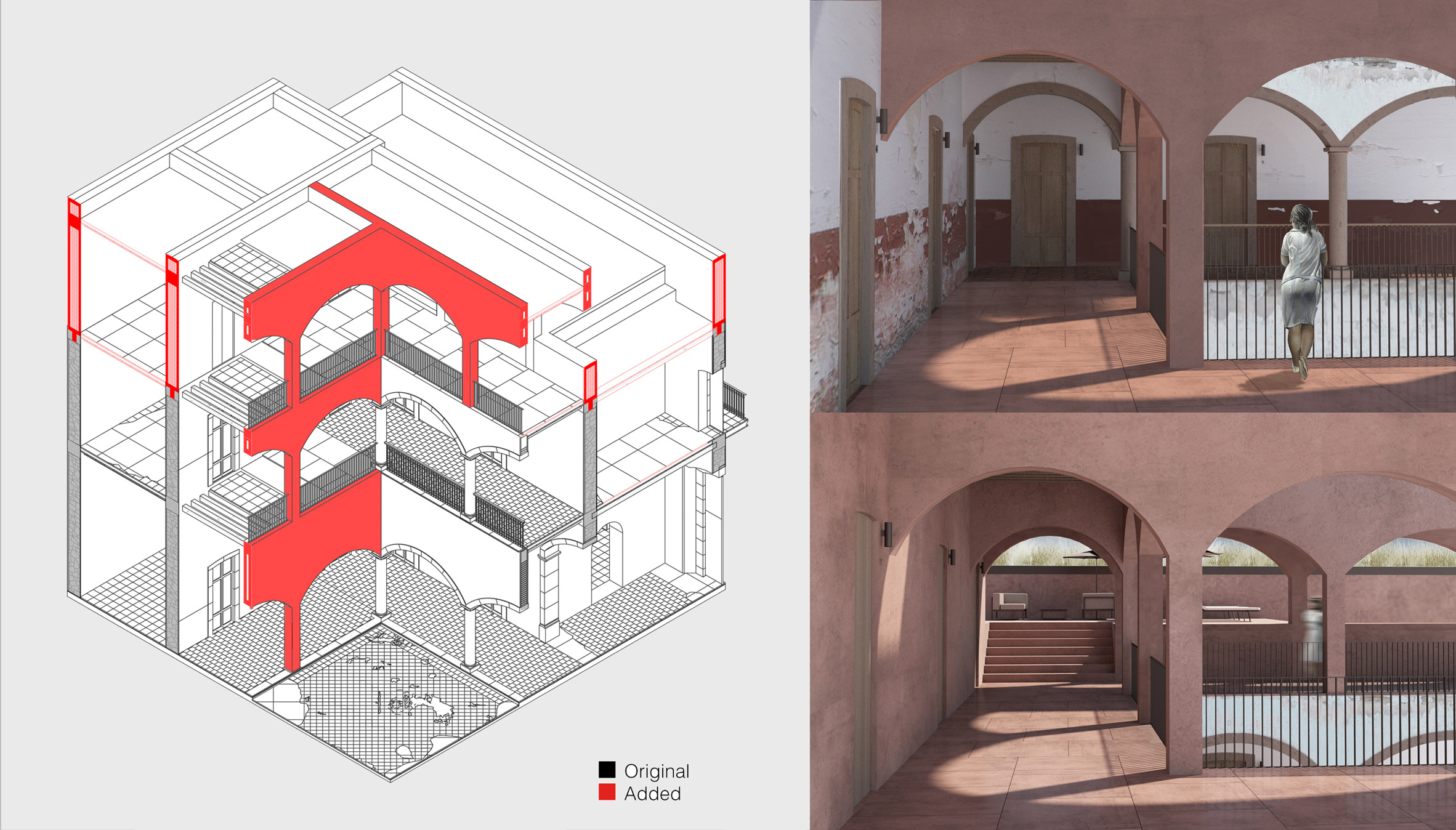

Historical Building Additions According to Chipperfield by Lorena Esquivel Maldonado

Historical Building Additions According to Chipperfield by Lorena Esquivel Maldonado

"This project stems from the question: how to create a continuous dialogue between existing buildings and contemporary additions?

"It aims to assess the methodology and resources applied by David Chipperfield to historical buildings such as the Neues Museum and the Royal Academy of Arts.

"The proposal consists of an intervention on what used to be a hotel and arena dating from the XVIII century and which is now in ruins. The approach involved three steps: adding new sections to complete the original volume; treating, completing and adding finishes to the original sections; and space rehabilitation."

Student: Lorena Esquivel Maldonado
Course:
BA Interior Architecture
Tutors:
Luis Beltrán and Aldo Ecker
Email:
lesquivelm[at]centro.edu.mx


Partnership content

This school show is a partnership between Dezeen and Centro de Diseño y Comunicación. Find out more about Dezeen partnership content here.

The post Ten design projects from students at design and communication school Centro appeared first on Dezeen.


from Dezeen https://ift.tt/3iETzR9
Style stoneware by Caesar Ceramics

Style stoneware by Caesar Ceramics

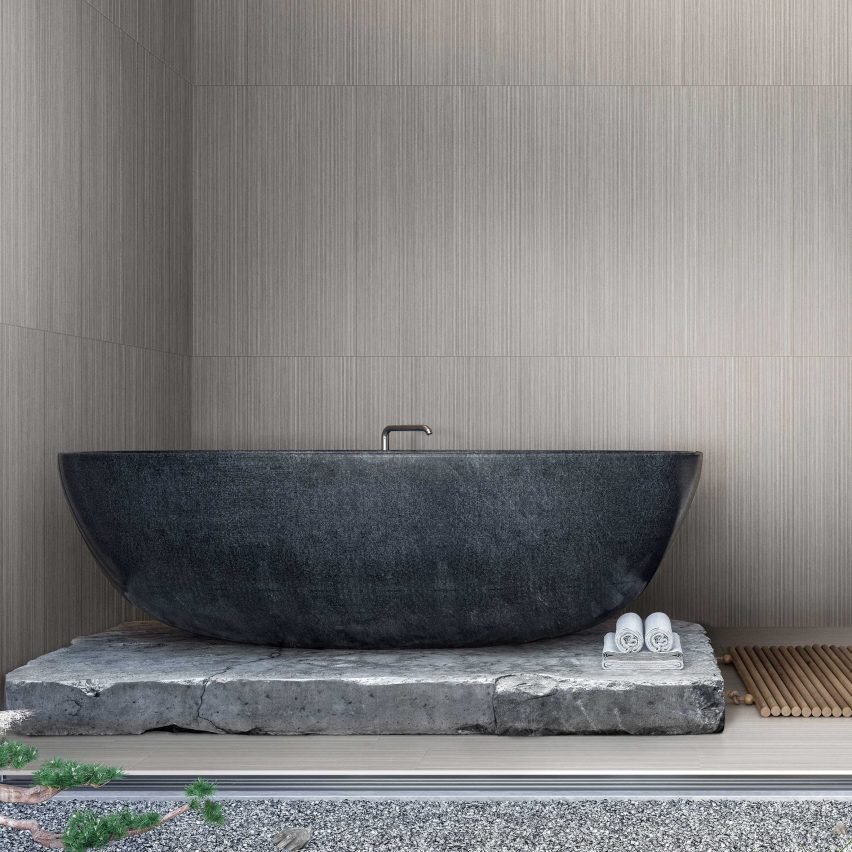
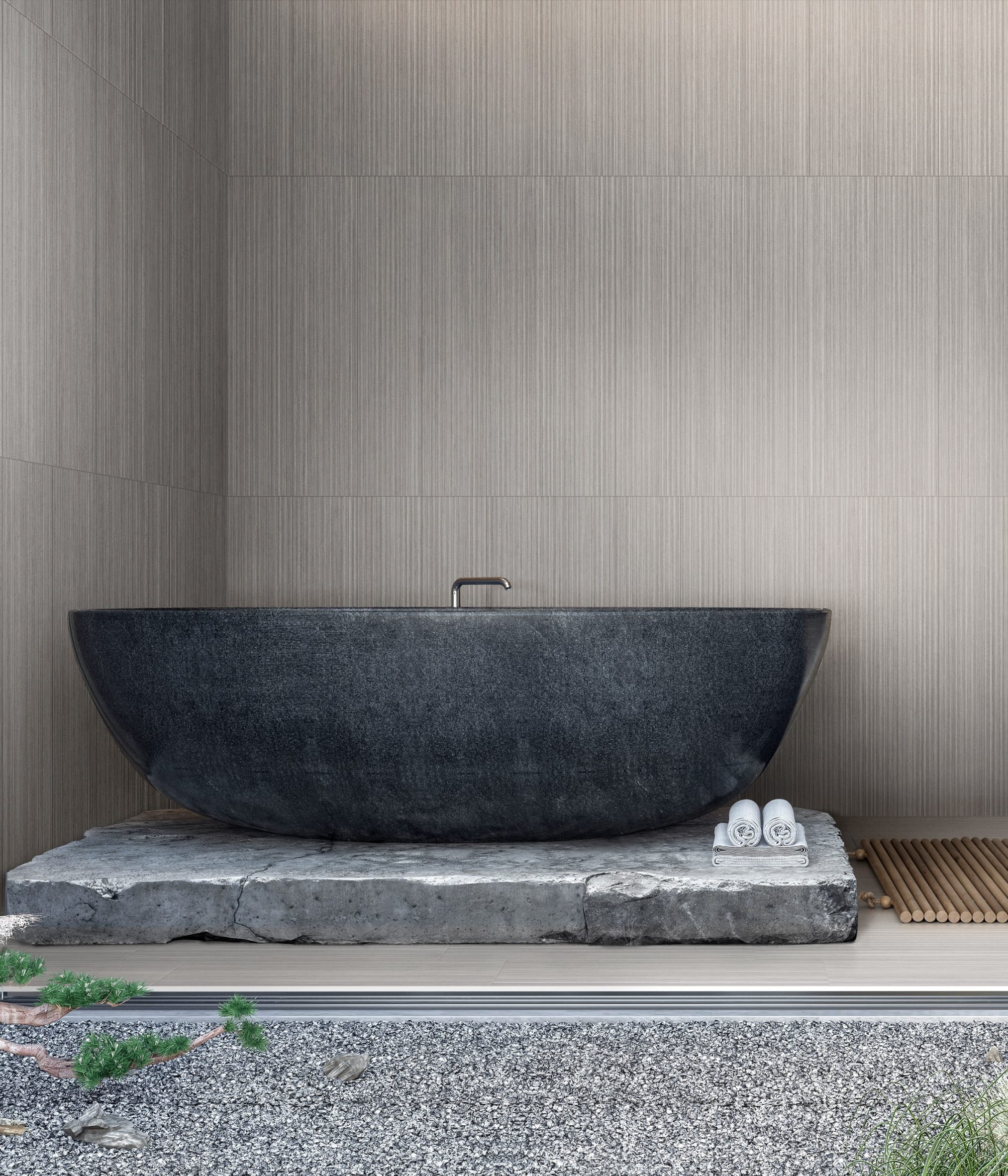
Dezeen Showroom: Caesar Ceramics has launched Style, a collection of US-made porcelain tiles with a subtle pattern that suits modern interiors.

The Style stoneware is patterned with soft lines and comes in four neutral shades — the grey hues Pure, Lovely and Elegant, and the cool brown Rich.

Style stoneware by Caesar Ceramics
The Style stoneware features a pattern of faint lines

Caesar Ceramics describes the tiles, which have a matt finish, as expressing a refined minimalism.

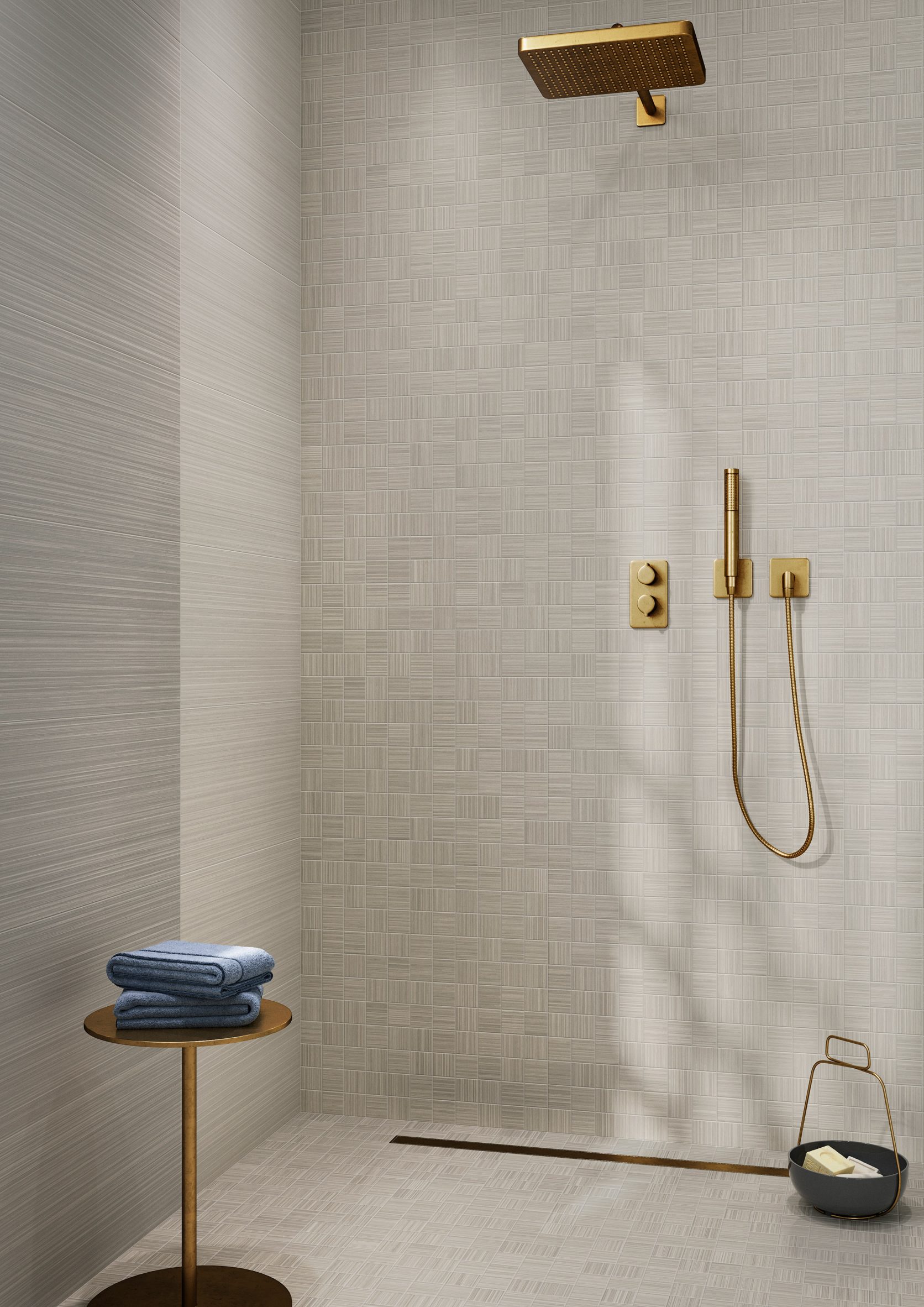
Style comes in a range of sizes, including a mosaic tile featuring five-by-five-centimetre squares arranged over a 30-by-30-centimetre sheet.

Style stoneware by Caesar Ceramics
The range includes a mosaic tile

The other sizes are rectangular shapes ranging from 15 by 60 to 20 by 100 centimetres, and all nine millimetres thick.

The colour-body porcelain tiles are suitable for both residential and commercial projects, and are VOC-free, frost-proof and chemical-resistant.

Product: Style
Brand: Caesar Ceramics
Contact: info@caesarceramicsusa.com

About Dezeen Showroom: Dezeen Showroom offers an affordable space for brands to launch new products and showcase their designers and projects to Dezeen's huge global audience. For more details email showroom@dezeen.com.

Dezeen Showroom is an example of partnership content on Dezeen. Find out more about partnership content here.

The post Style stoneware by Caesar Ceramics appeared first on Dezeen.


from Dezeen https://ift.tt/3hWIo7v

Aextra20 Pennsylvania tiles by Caesar Ceramics

Aextra20 Pennsylvania stoneware by Caesar Ceramics

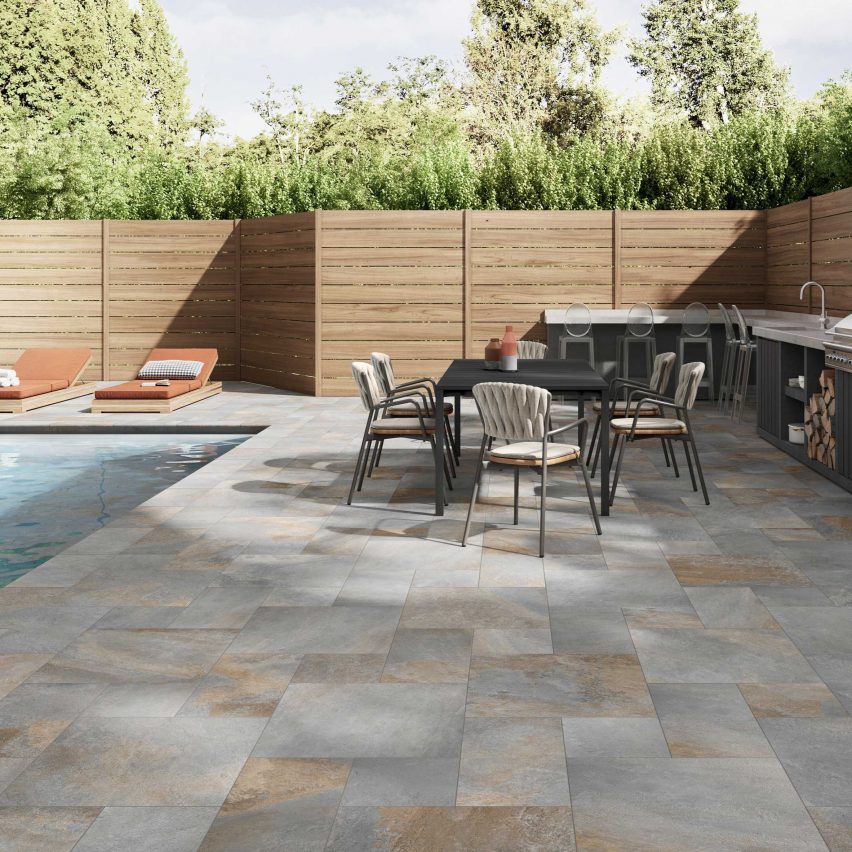
Dezeen Showroom: Caesar Ceramics has mimicked the tone and texture of sandstone from the northeastern United States to create its Aextra20 Pennsylvania outdoor paving tiles.

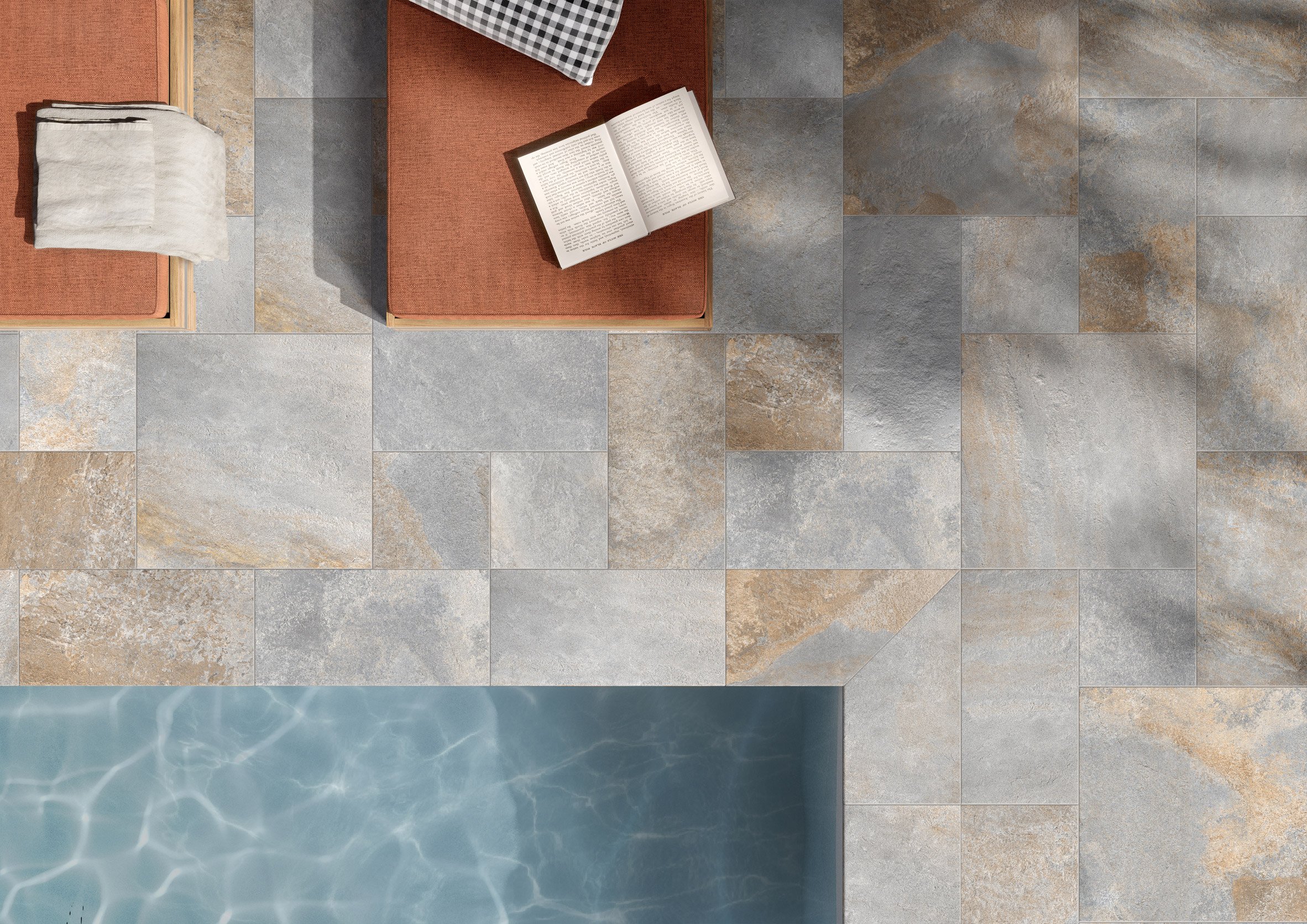
The Aextra20 Pennsylvania porcelain pavers feature a design inspired by the fine-grained sandstone that is quarried primarily in Pennsylvania and upstate New York.

Aextra20 Pennsylvania stoneware by Caesar Ceramics
The porcelain pavers emulate the look of sandstone from the northeastern United States

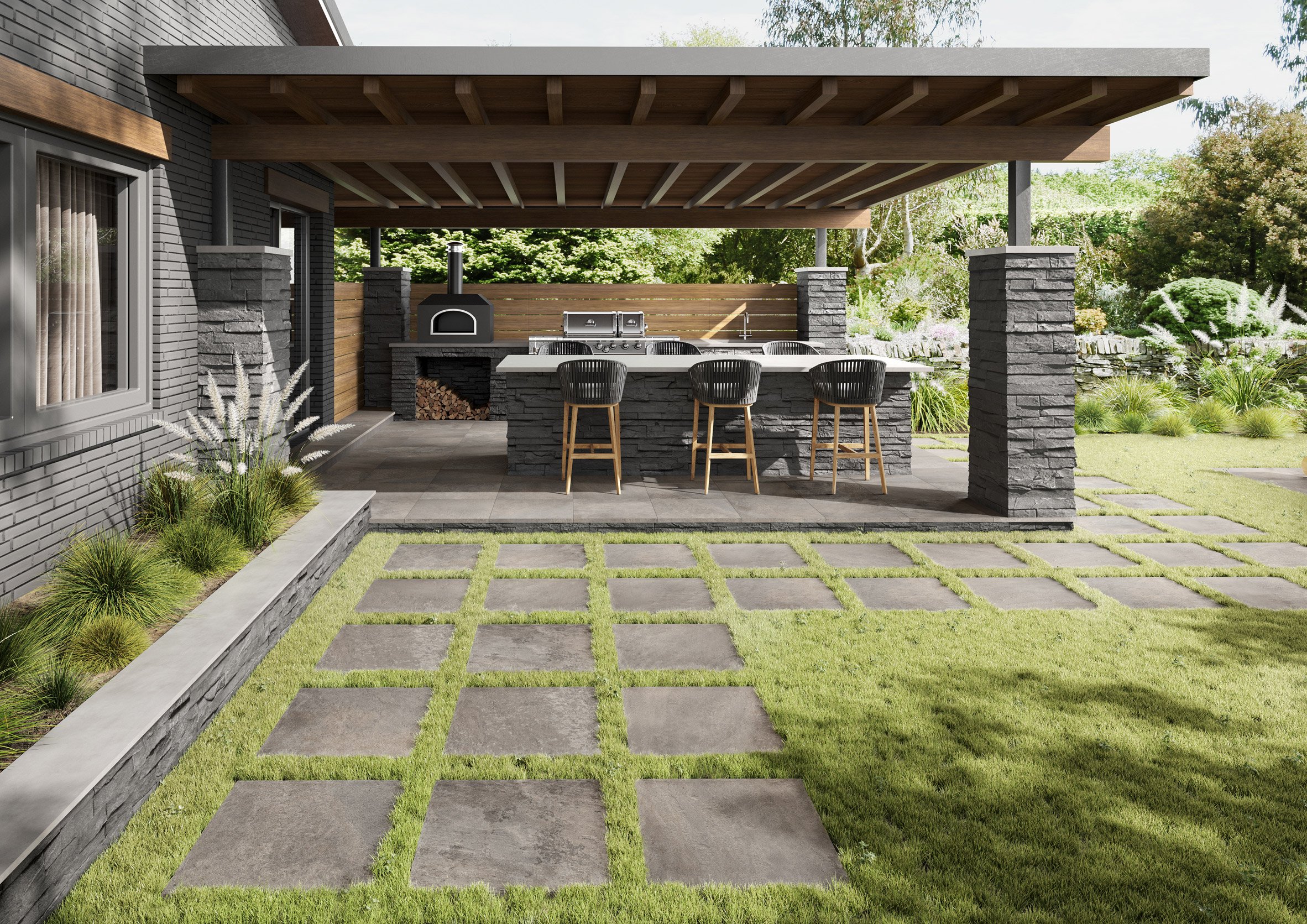
The 20-millimetre-thick pavers can be installed in one of four ways: directly onto grass, gravel or sand, raised over the ground or fixed in place with adhesives.

Aextra20 Pennsylvania stoneware has an anti-slip finish and comes in two colours – blue and grey.

Aextra20 Pennsylvania stoneware by Caesar Ceramics
The pavers can be installed directly onto grass

There is a choice of three sizes: 30 by 30 centimetres, 30 by 60 centimetres or 60 by 60 centimetres.

Suited to both contemporary and rustic outdoor settings, Aextra20 Pennsylvania is manufactured in the USA.

Product: Aextra20 Pennsylvania
Brand: Caesar Ceramics
Contact: info@caesarceramicsusa.com

About Dezeen Showroom: Dezeen Showroom offers an affordable space for brands to launch new products and showcase their designers and projects to Dezeen's huge global audience. For more details email showroom@dezeen.com.

Dezeen Showroom is an example of partnership content on Dezeen. Find out more about partnership content here.

The post Aextra20 Pennsylvania tiles by Caesar Ceramics appeared first on Dezeen.


from Dezeen https://ift.tt/3zjvINI

The Author's House is a copper-clad cabin in a Danish forest

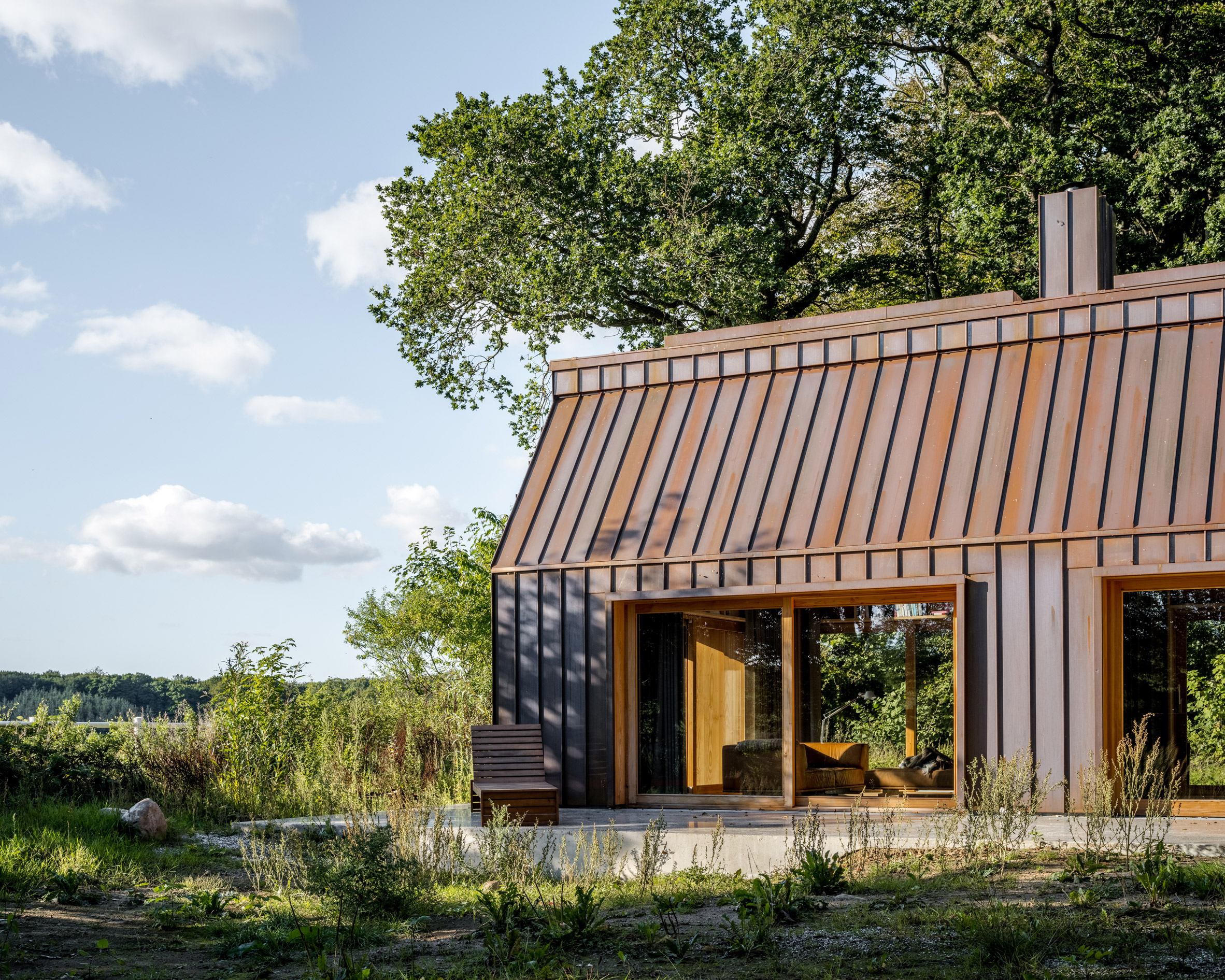
Copper cladding and wood-framed doors of The Author's House by Sleth

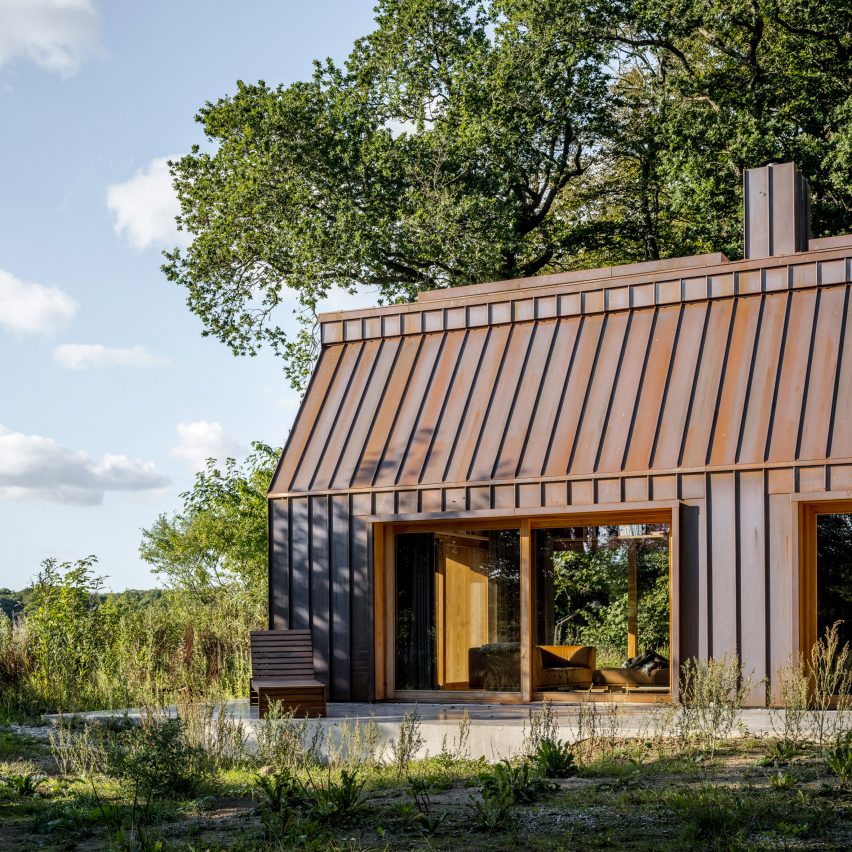
A lakeside forest on the outskirts of Aarhus, Denmark, is the setting for this copper-clad writer's cabin designed by architecture and landscape office Sleth.

Sleth, a practice with offices in Copenhagen and Aarhus, designed The Author's House to function as a full-time workspace for its client.

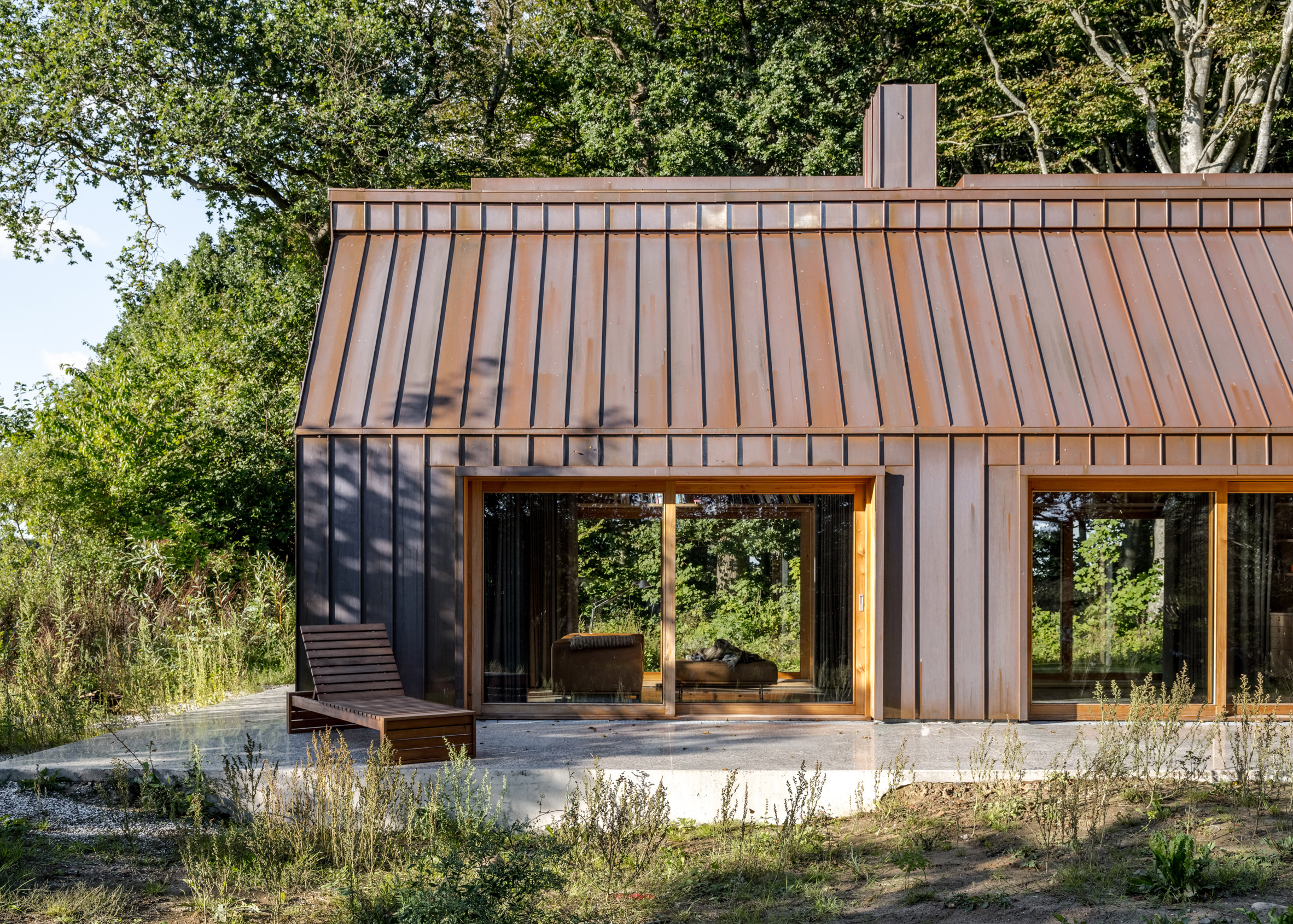
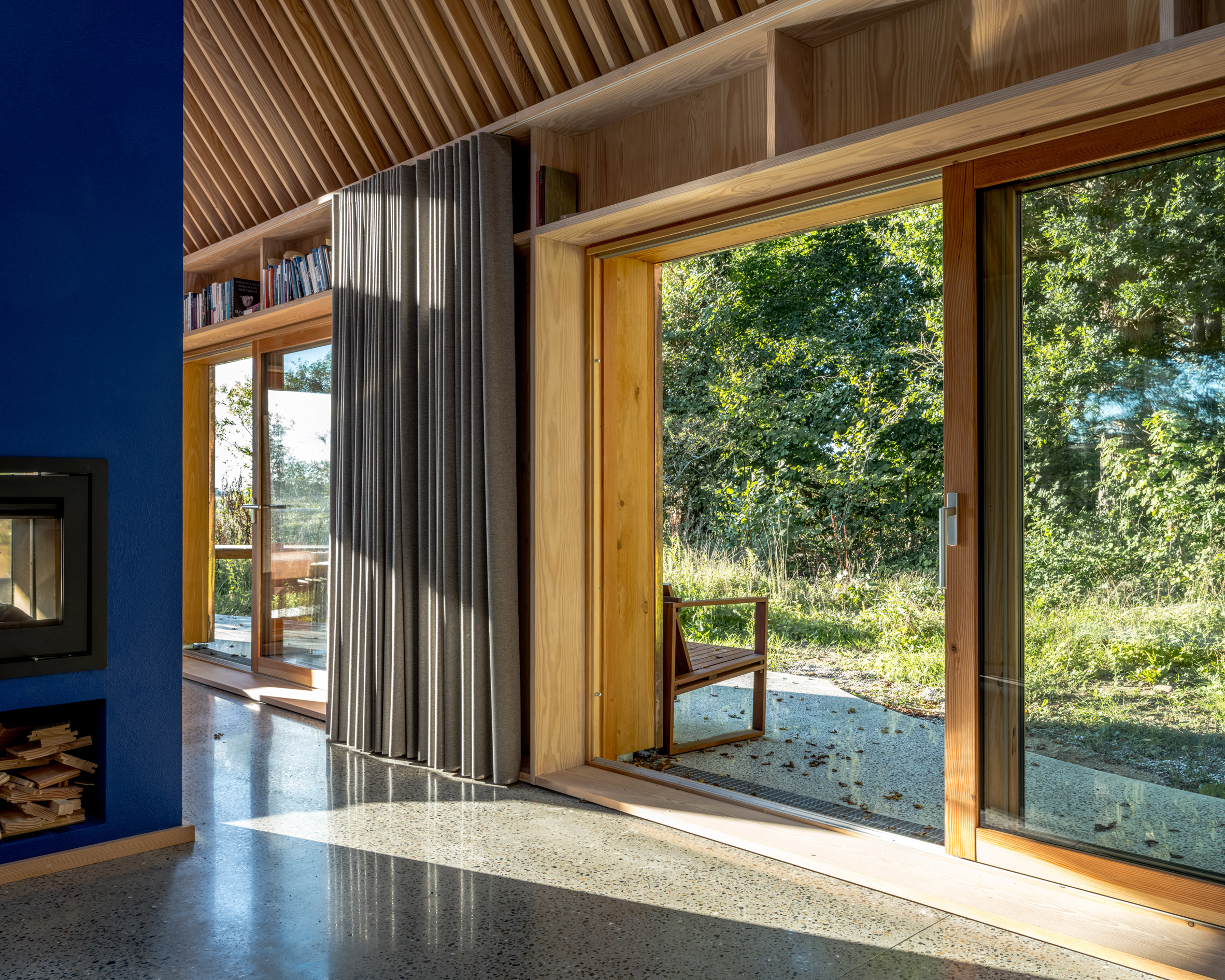
The building is designed to take advantage of its natural setting, with large sliding glass doors that frame views in all directions and allow the living space to extend outside.

Copper cladding and wood-framed doors of The Author's House by Sleth
The Author's House is located in a forest on the outskirts of Aarhus

"The area is so lush and beautiful that we wanted to really capture the essence of it, to try to create a seamless transition between the inside and outside," explained Søren Leth, who is one of Sleth's two founding partners.

"This was also very important for our client," he told Dezeen, "as she works as much outside as inside, and is inspired by the landscape."

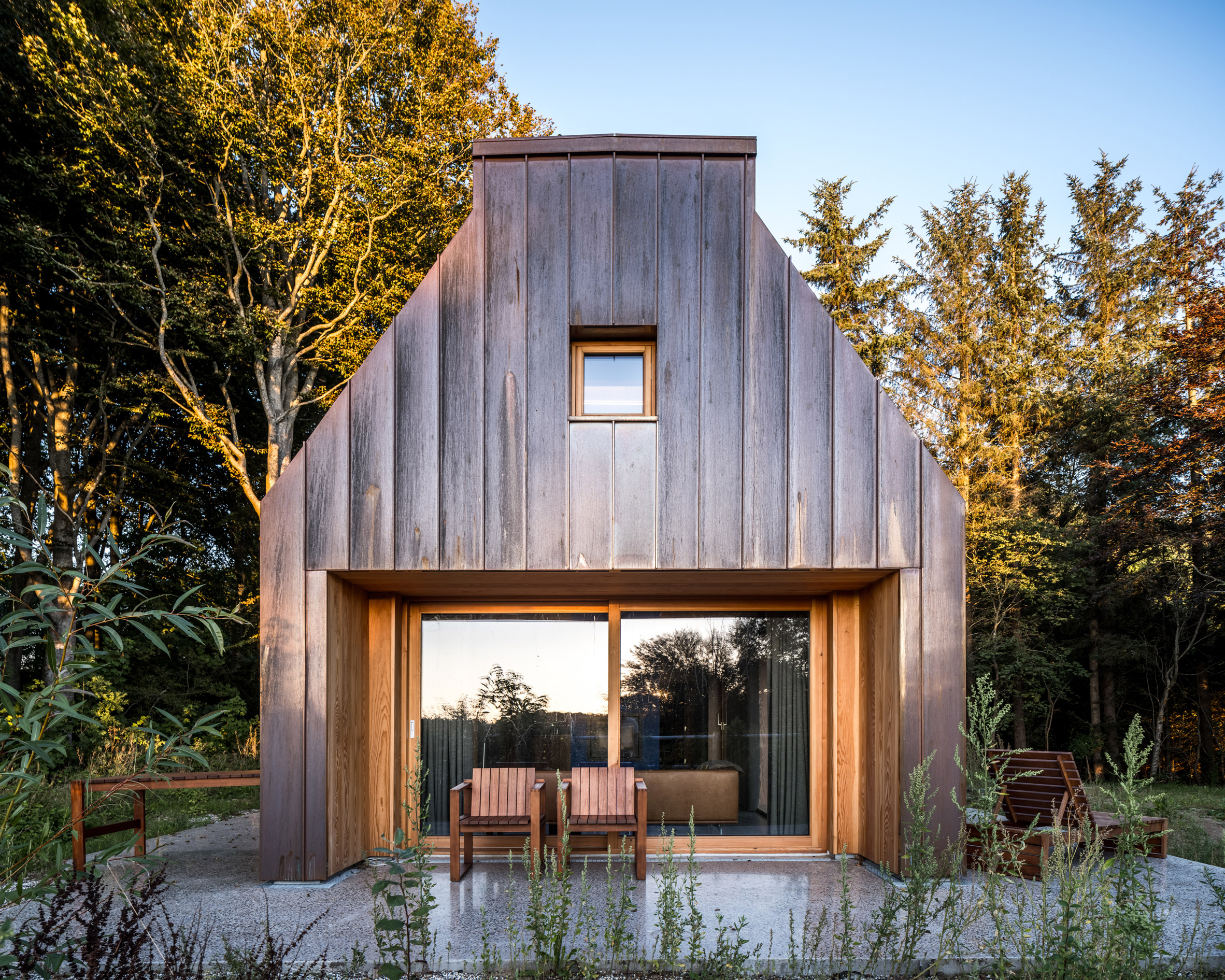
Front elevation of The Author's House by Sleth
The building has a gabled profile

Another building occupied the site before The Author's House, so the cabin has been built over pre-existing foundations.

Planning regulations dictated that the building should follow the same rectangular footprint as its predecessor, which led Sleth to design a building with gabled profile and a simple layout.

Side view of The Author's House by Sleth
Large sliding doors allow the living space to extend outdoors

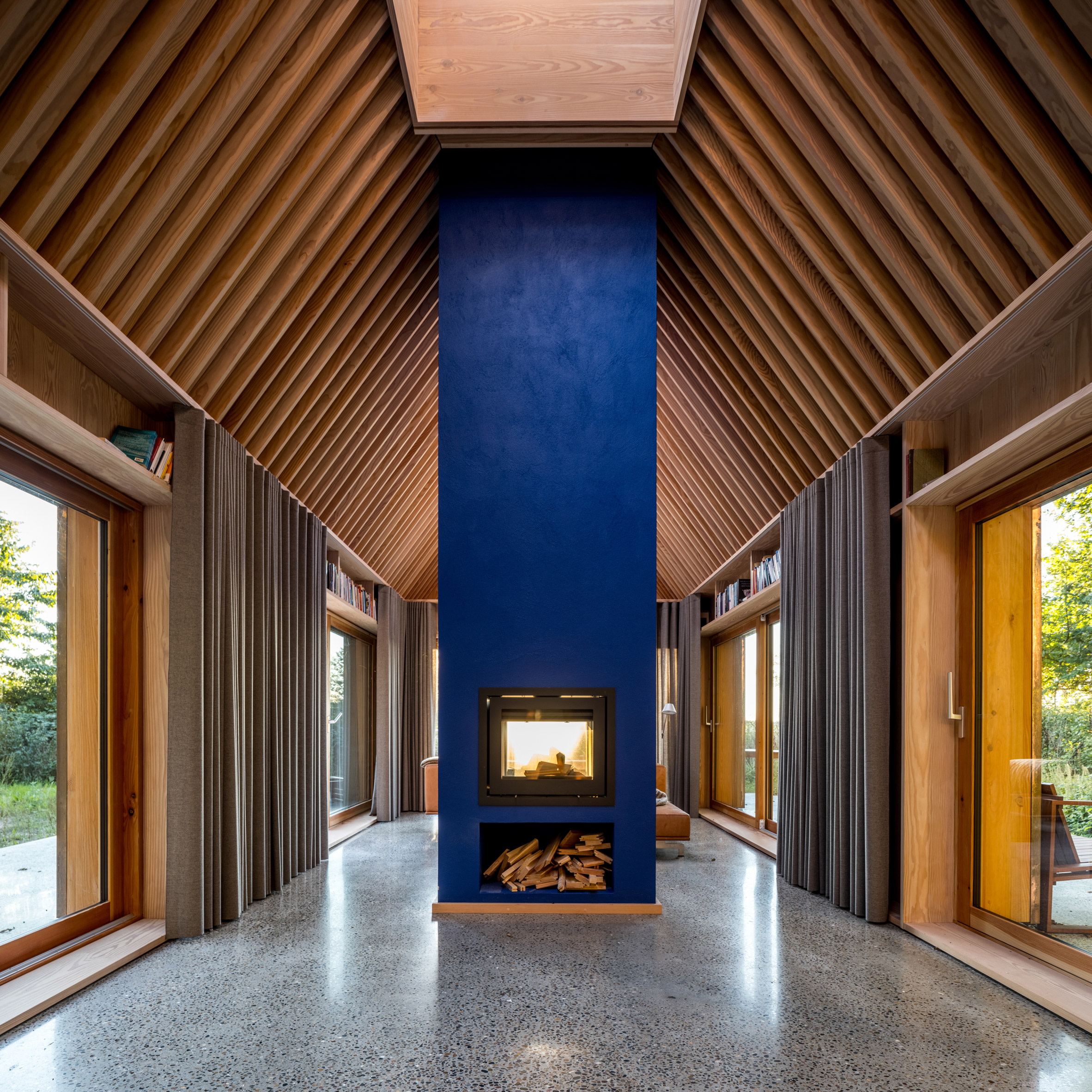
The open-plan ground floor accommodates a large studio, which is divided into two spaces by a central hearth and chimney. A kitchenette is included in the space, while a separate bathroom and entrance lobby are located at one end. Meanwhile the loft can be used for storage or as a sleeping space.

"The house was made to meet the needs of the client, which was mainly as a place to work, think and be inspired, but there is also a loft with room to stay overnight for a couple of persons," said Leth.

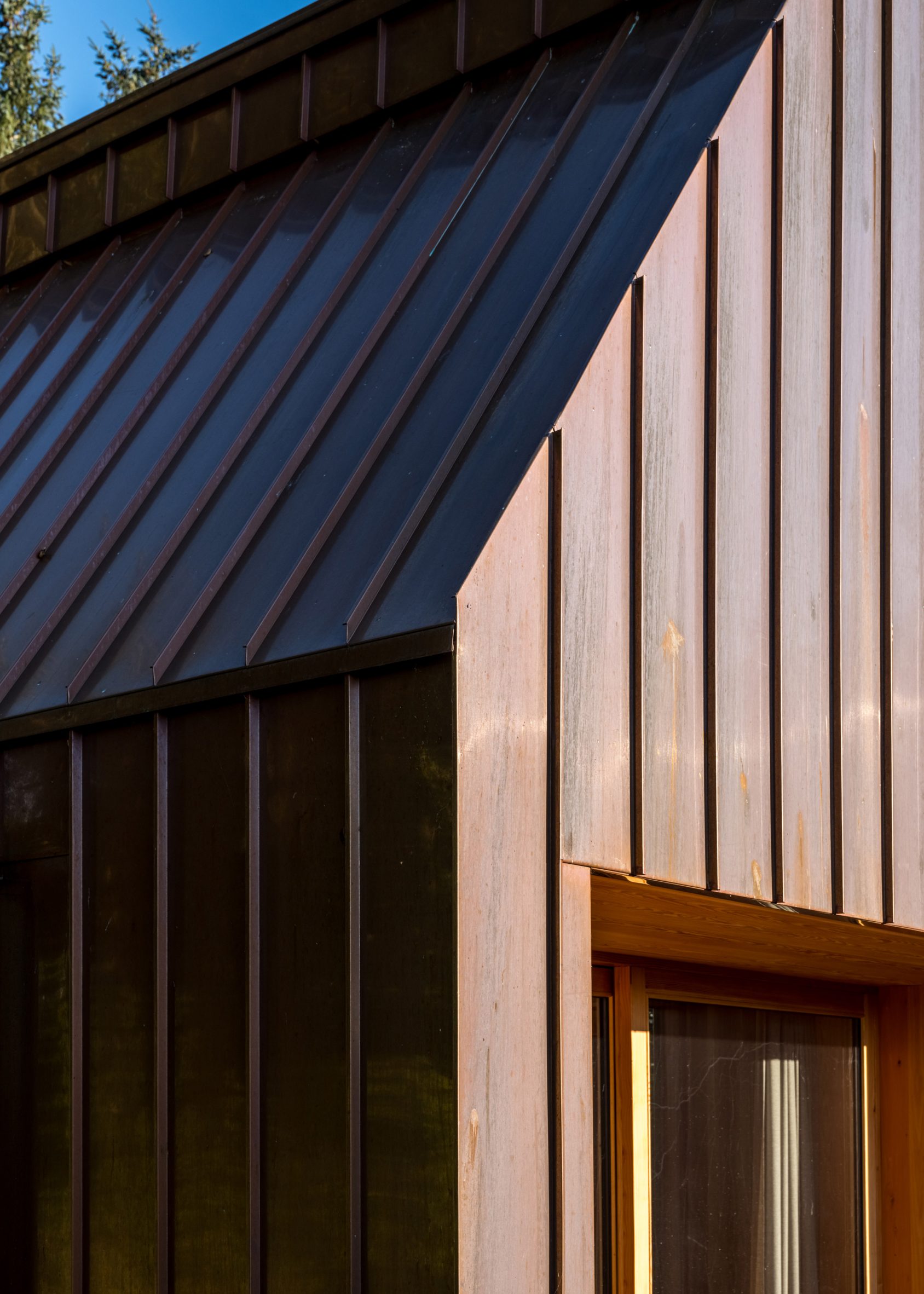
Copper roof detail of The Author's House by Sleth
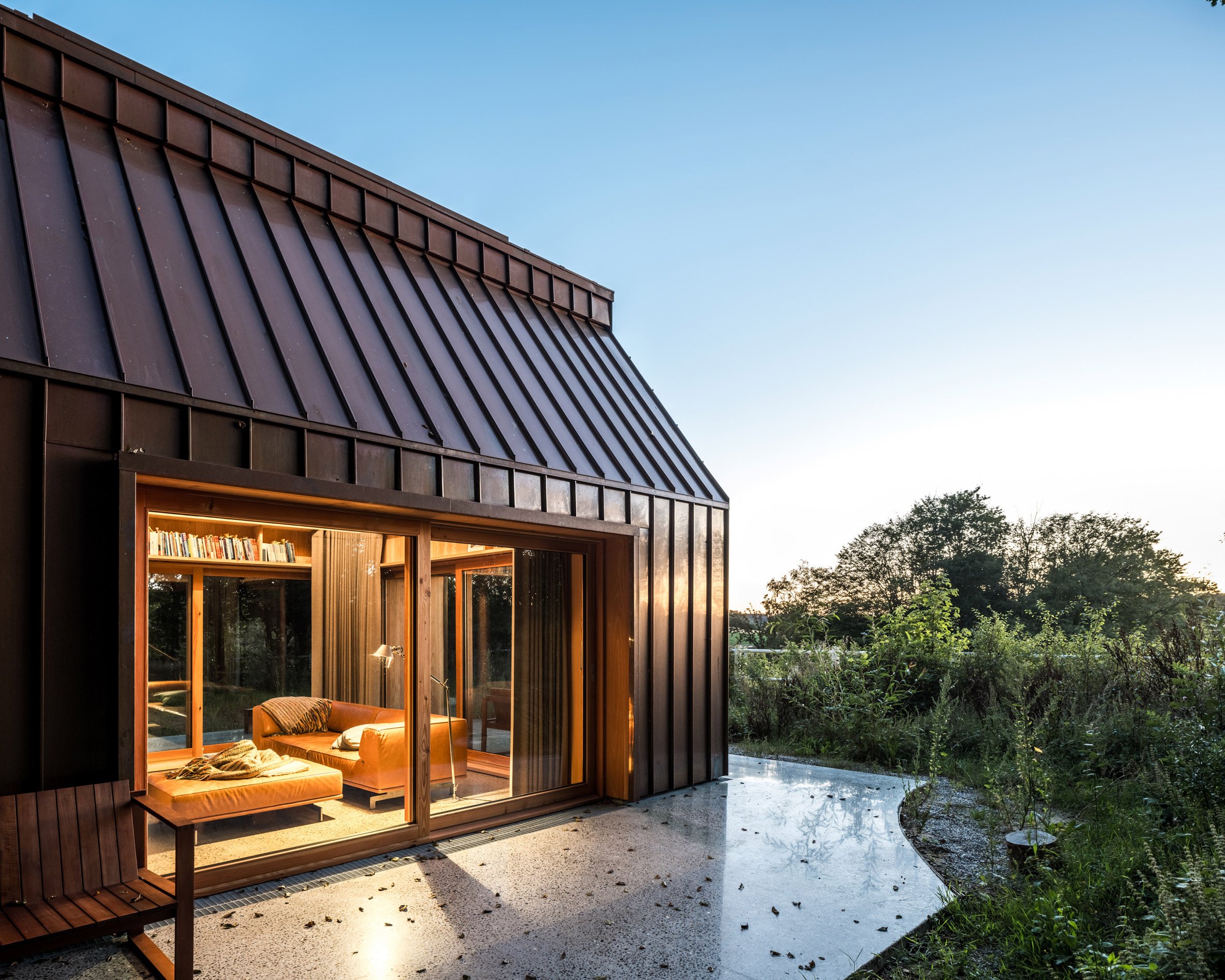
Copper clads the exterior walls and roof

The materials palette was chosen to help the building blend with the landscape as much as possible.

The most distinctive of these is the reddish-brown copper skin, while will eventually oxidise to a green tone.

"On the plot there are large copper beech trees that match the colour of the copper facade," said Leth.

"In time, as the copper oxidises towards a more green tone, the colours will match the other trees in the area, which are more traditional green."

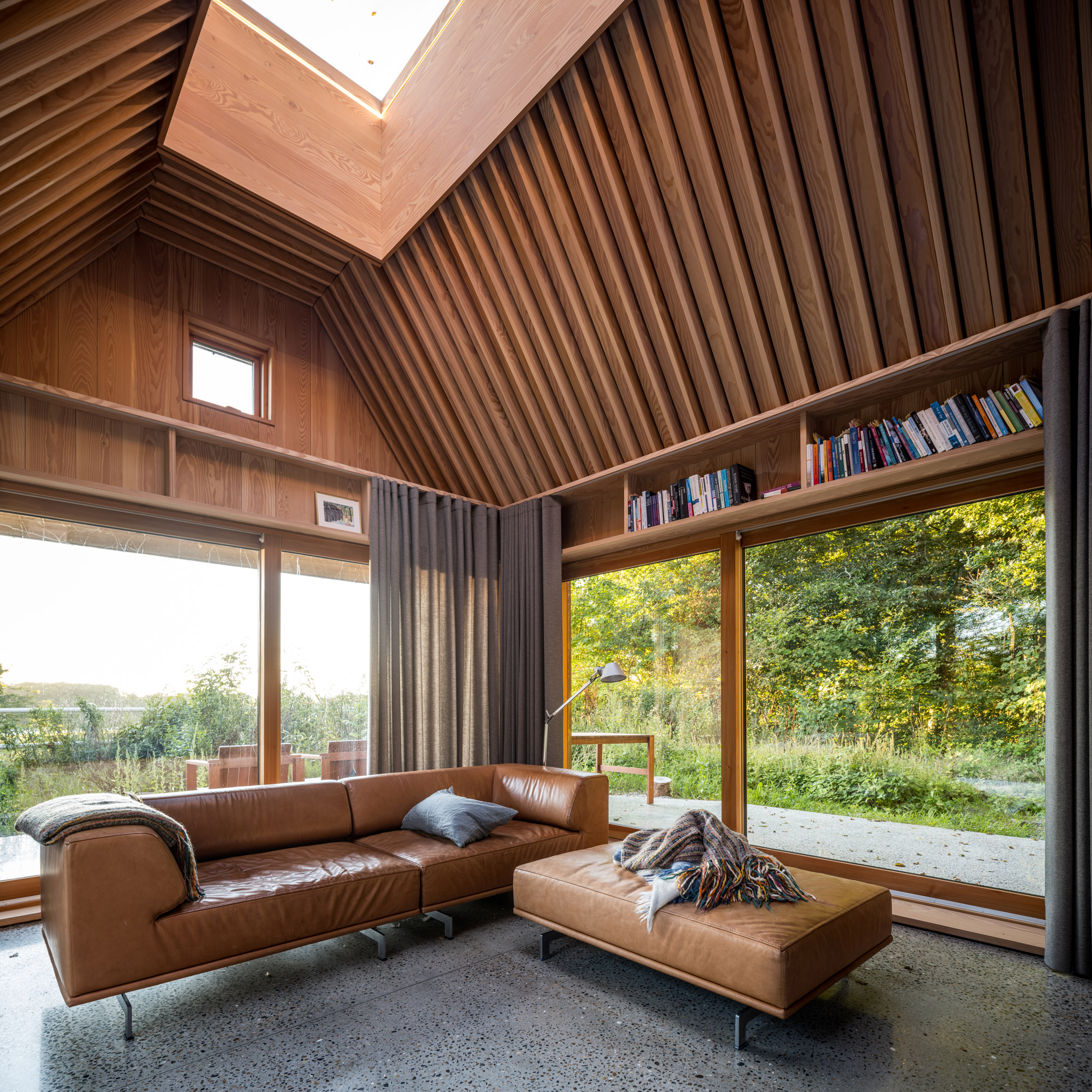
Sofa and in-built shelving in The Author's House by Sleth
The interior is built from Douglas fir

Besides the copper, the predominant building material is wood supplied by Danish manufacturer Dinesen. Douglas fir planks frame the building's interior, providing warmth and good acoustics, while also creating in-built furniture and shelving.

The floor is concrete, but is inset with stones to create a more natural aesthetic. This surface continues out onto the terrace, to allow indoor and outdoor spaces to feel as one.

Blue hearth and timber ceiling beams inside The Author's House by Sleth
The fireplace is picked out in a deep blue shade

"The texture of the aggregated concrete is meant to mimic the forest floor," said Leth.

"When the doors are open, leaves from the trees and other outside elements are easily blown inside the house; this is all part of the charm and enhances the feeling of the forest floor inside the house."

There is one element that stands out from the natural colour palette. Sleth chose a deep shade of blue – much like the shade used by artist Yves Klein – to allow the fireplace and bathroom walls to stand out.

Large sliding doors in The Author's House by Sleth
The flooring is a concrete aggregate intended to resemble the forest floor

Sleth typically works on large-scale urban projects, with previously completed buildings including the town hall for Tønder, in southern Denmark, and the three-storey Sonnesgade 11 office block in Aarhus.

While The Author's House is quite a small project, Leth believes it epitomises two qualities that became highly important recently, following the impact of Covid-19 – it offers its owner separation between her home and work life, and an opportunity to feel close to nature.

Night view of The Author's House by Sleth
The client uses the building as a workspace

"This house feels rather relevant in a post-pandemic situation," he said.

"Of course not everyone has the possibility to build their own office getaway," he added, "but a lot of people in Denmark enjoyed having to work from home during the pandemic, and surveys suggest they would like to continue having some days working from home going forward.

"You could imagine a future setup where this office getaway had more users, in a co-working and sharing economy kind of way, or even as an office hotel or a modern-day refuge, where you could stay for a period of time while writing a thesis or a novel, or making music or art."

Photography is by Rasmus Hjortshøj, Coast.

The post The Author's House is a copper-clad cabin in a Danish forest appeared first on Dezeen.


from Dezeen https://ift.tt/3xYj1aZ