Thursday, 22 July 2021

Emil Eve Architects brings warmth and colour to London warehouse apartment

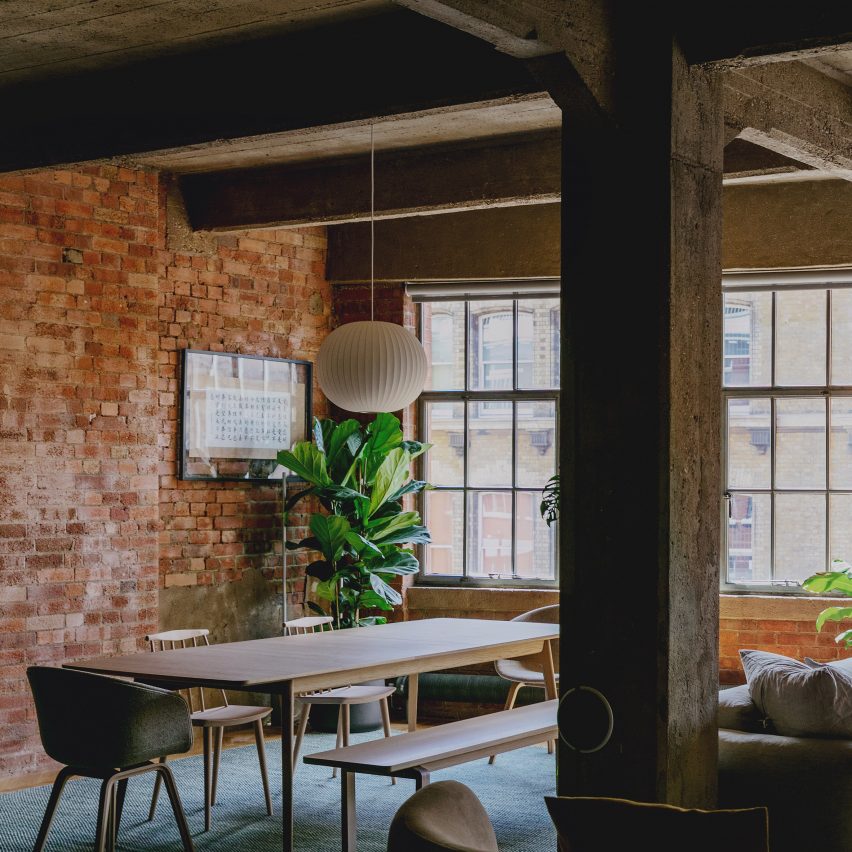
Living space in St John Street warehouse apartment by Emil Eve Architects

The owners of a converted warehouse apartment in London's Clerkenwell have swapped open-plan living for a more functional room layout, following a redesign by Emil Eve Architects.

The project, called St John Street, sees the previously stark and industrial space transformed into a practical two-bedroom home for clients Mike and Jen.
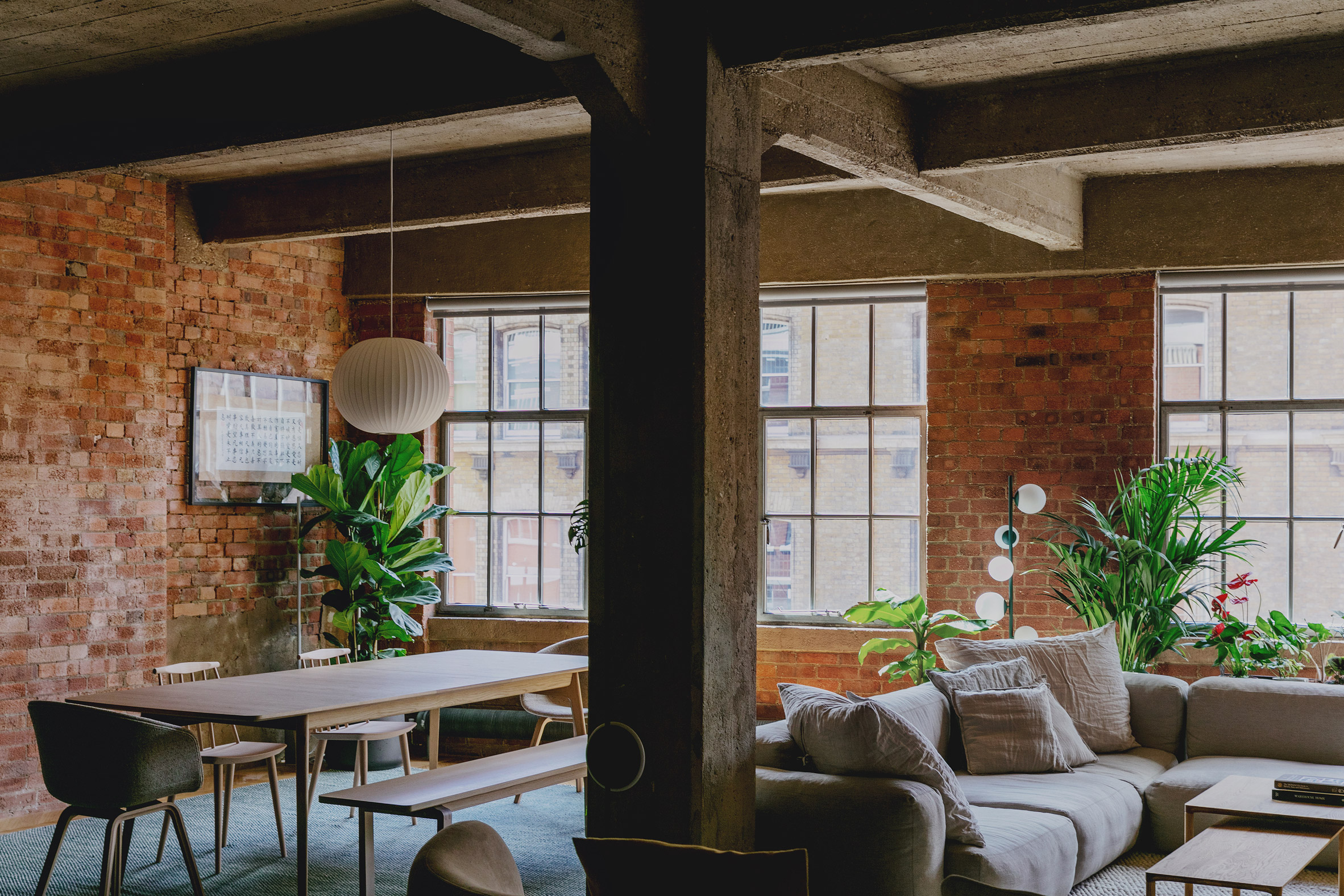
Living space in St John Street warehouse apartment by Emil Eve Architects
The original brick walls and concrete columns are left exposed in the main living space

Along with the new layout, Emil Eve introduced oak joinery, glazed tiles and terrazzo flooring to bring more warmth and colour into the renovated living spaces.

The aim was to make the former warehouse space feel more comfortable, but without losing the industrial character that gives the space its identity.

"When our clients acquired the apartment it was a large empty shell, with exposed brickwork walls and columns, and a board-marked concrete ceiling slab," said Emma Perkin, who founded Emil Eve with partner Ross Perkin.
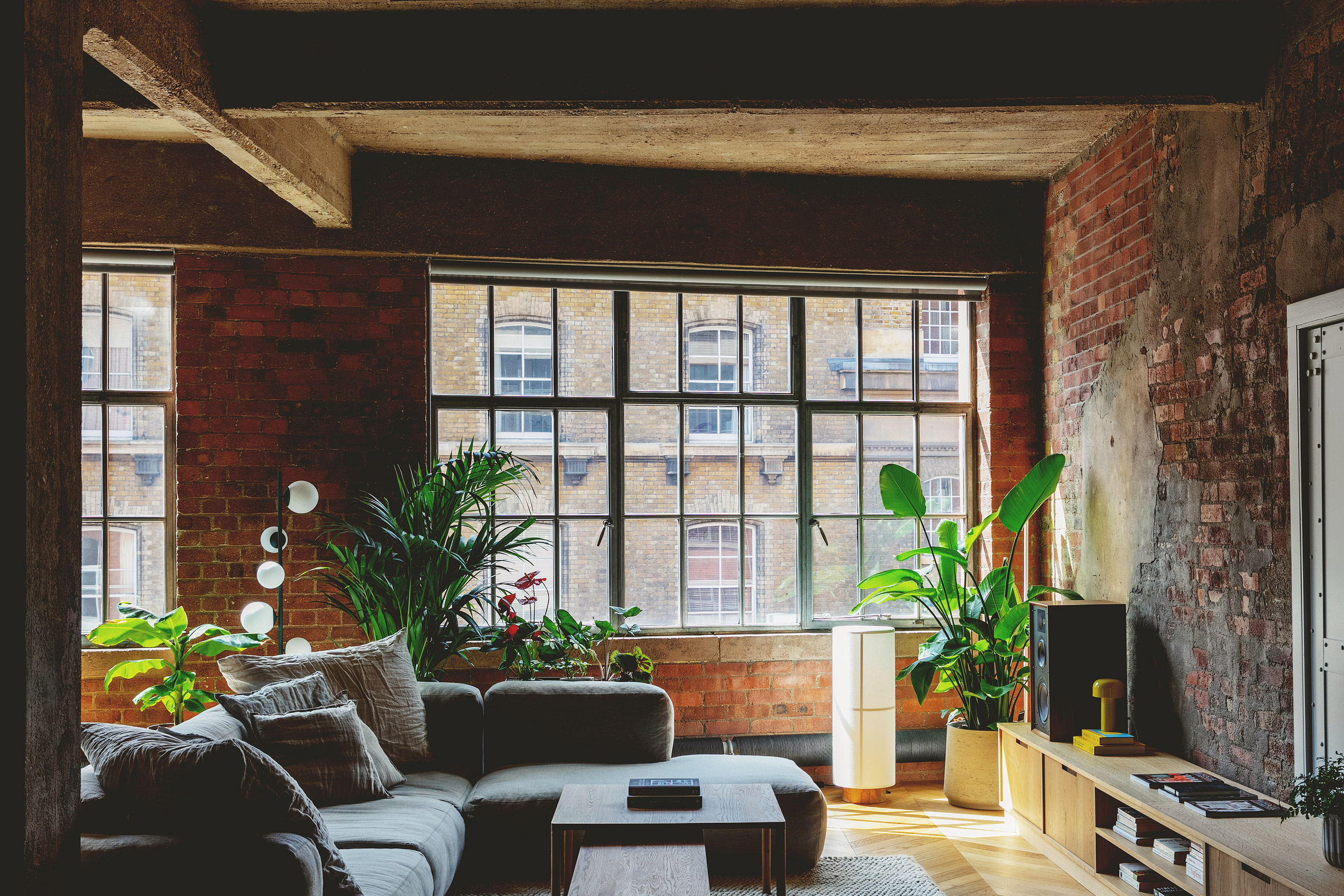
Lounge windows in St John Street warehouse apartment by Emil Eve Architects
Furniture helps to divide the room into three zones

"Although an industrial palette can feel quite raw and harsh, the materials here had such a beautiful range of tones and textures that we knew we wanted to retain them," she told Dezeen.

"Our approach was to contrast these rougher historic surfaces with contemporary interventions in a carefully considered palette of materials to complement the existing tones and create a warm and inviting home."
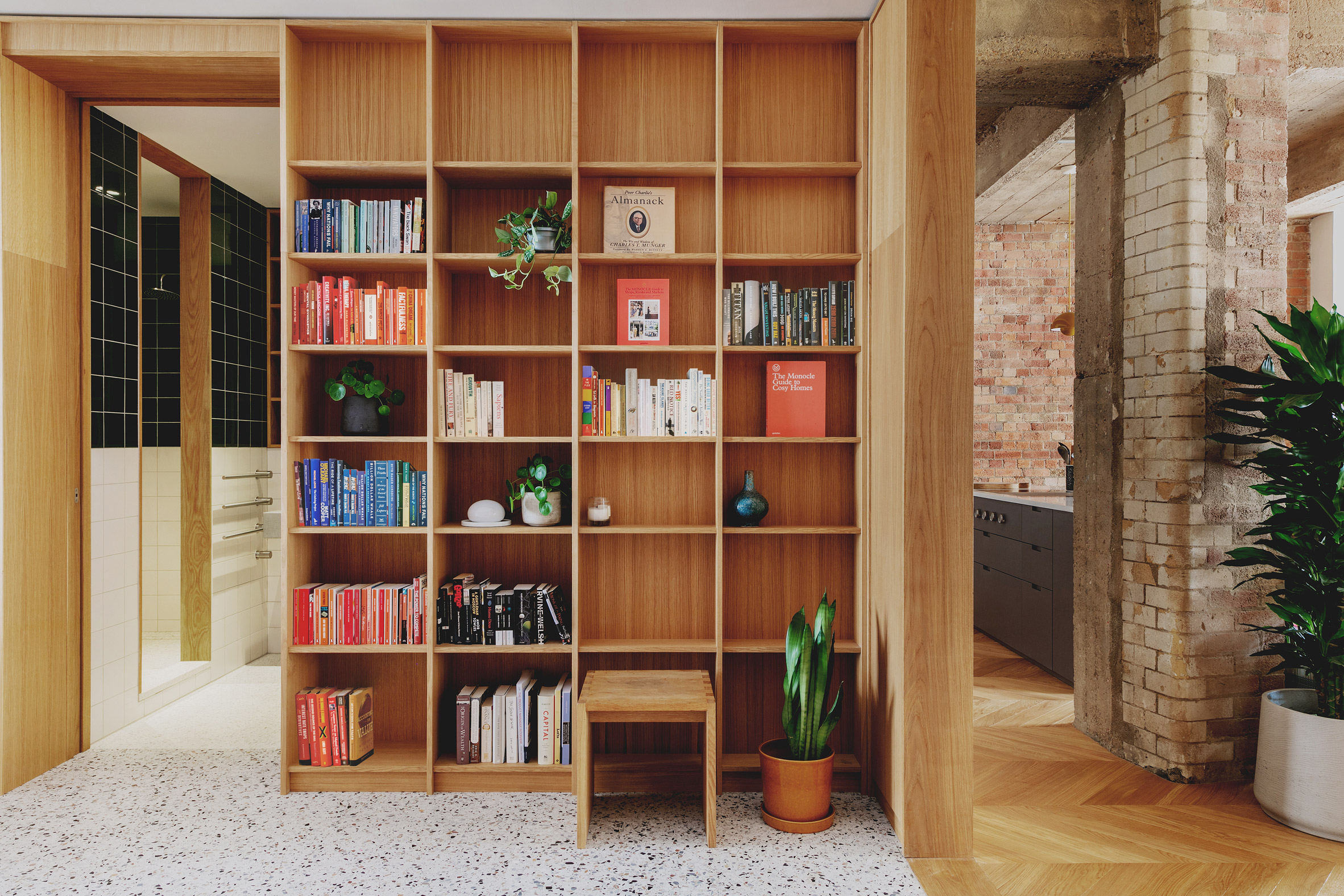
Entrance library with oak shelving in St John Street warehouse apartment by Emil Eve Architects
The entrance lobby doubles as a library with in-built oak shelving

The biggest task of the project was planning a new layout that would suit the client's lifestyle and daily habits, but which also work with the existing windows and structural columns.

Emil Eve's approach was to organise the main living spaces at one end of the floor plan and the bedrooms at the other, so that both could benefit from the natural light. Ancillary functions, such as bathrooms, were then slotted into the centre, behind a spacious library-style entrance lobby.
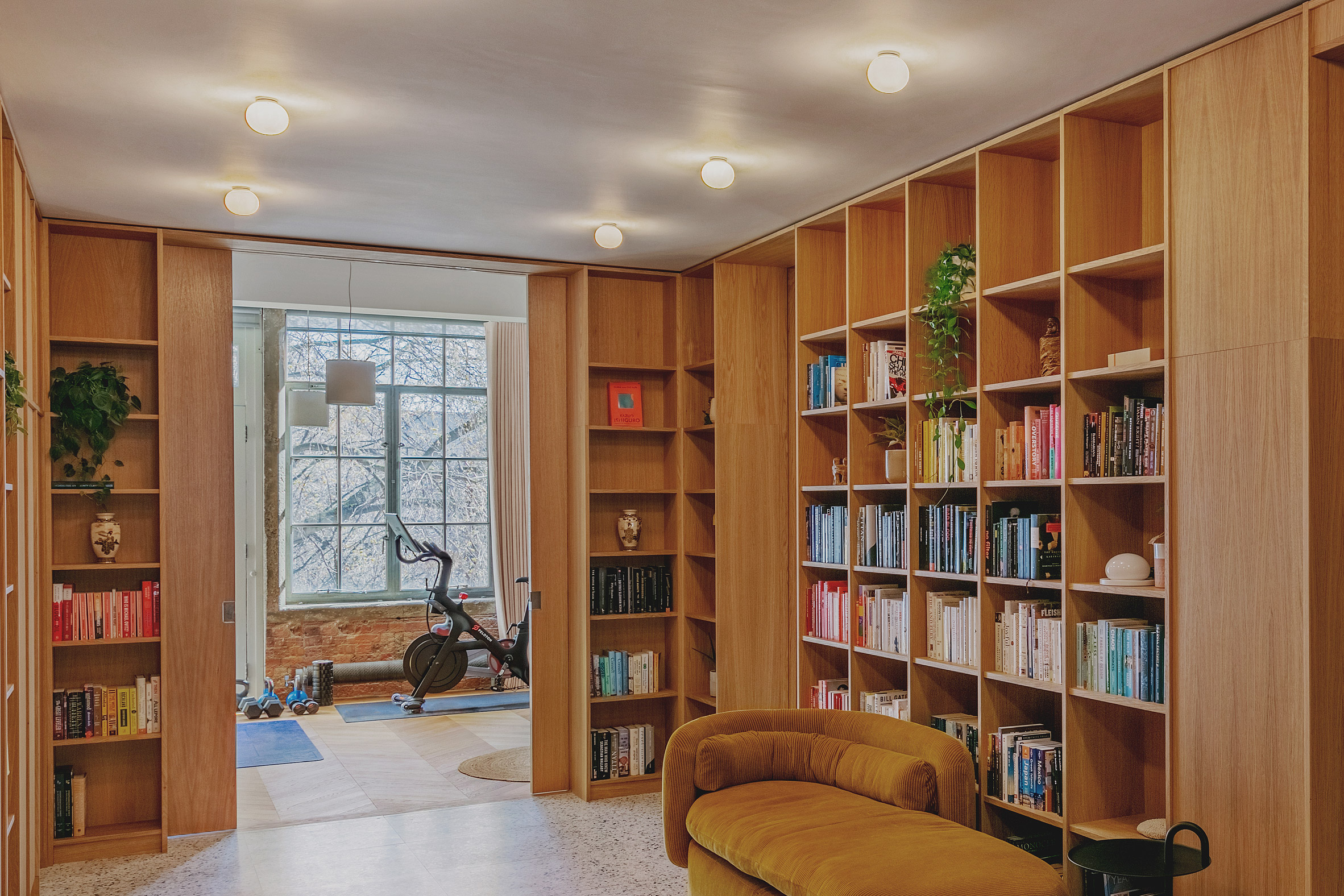
Pocket doors and entrance library in St John Street warehouse apartment by Emil Eve Architects
Pocket doors allow spaces to feel more bright and open

"The space is long and thin, with windows at each end, so we needed to consider how to maximise natural light in the areas where our clients would spend most of their time," said Ross Perkin.

"We developed the idea for a library space, which would form the entrance to the apartment, which linked all the other rooms and enabled views from one end of the apartment to the other through large sliding pocket doors," he explained.

Entrance with oak cupboards in St John Street warehouse apartment by Emil Eve Architects
The new joinery creates plenty of storage space

Almost all of the new partition walls integrate built-in shelving and cupboards, giving them a feeling of solidity while also creating much-needed storage space.

As a result, these elements have a high-quality finish level, allowing them to contrast with the raw surfaces of the original outer walls.

"We wanted to retain as much of the historic fabric and the sense of openness as possible," said Ross.

"So these internal spaces are conceived as independent elements, each lined with bespoke timber joinery and ceramic tiling to create a distinctive atmosphere and identity."
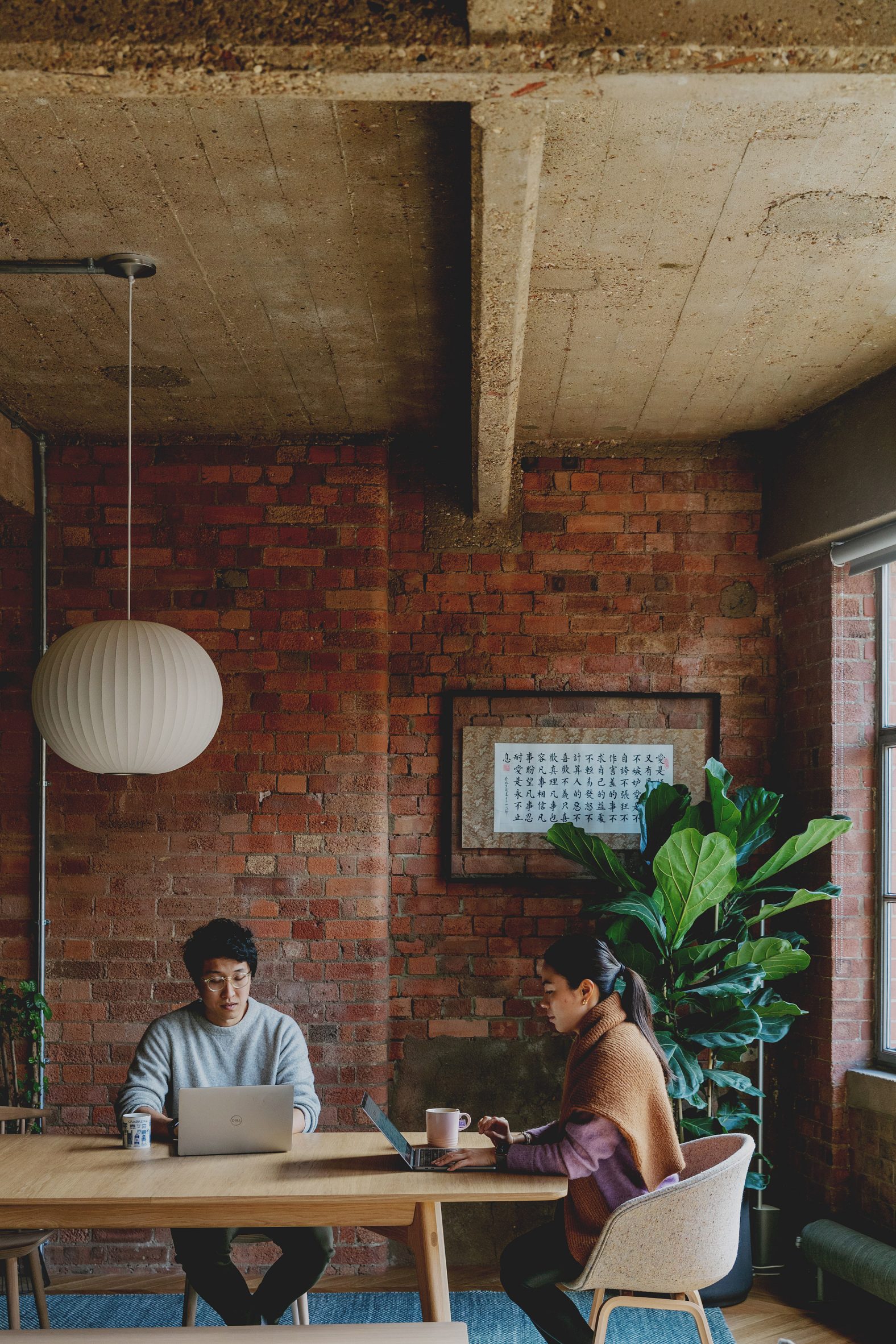
Mike and Jen at the dining table in St John Street warehouse apartment by Emil Eve Architects
The new layout allows clients Mike and Jen to comfortably work from home

The living area is now the largest space in the home.

Two concrete columns, as well as large furniture pieces, help to divide the space into three different zones – a lounge space, a dining area that doubles as a workspace, and a kitchen and breakfast bar. This makes it easier for multiple activities to be going on at once.
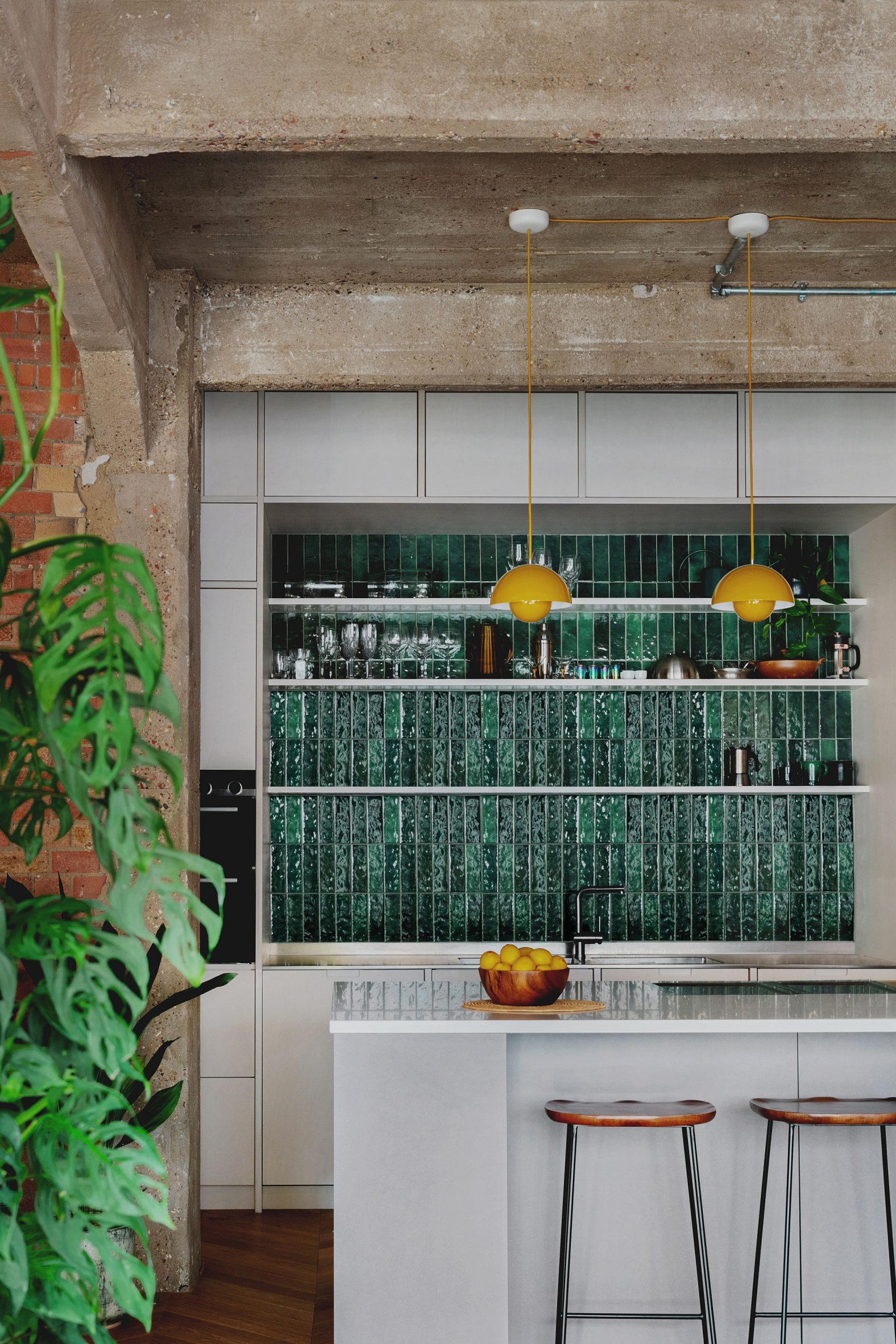
Kitchen with green tiles and birch plywood cabinets in St John Street warehouse apartment by Emil Eve Architects
The kitchen features an island with an integrated teriyaki hotplate

The kitchen is the most distinctive element in this room, combining lime-washed birch plywood units, dark green tiles, yellow pendant lights and an island with an integrated teriyaki hotplate.

A similar green tile features in the main bathroom – the idea was to reference the Victorian glazed tiles that are common in the area.
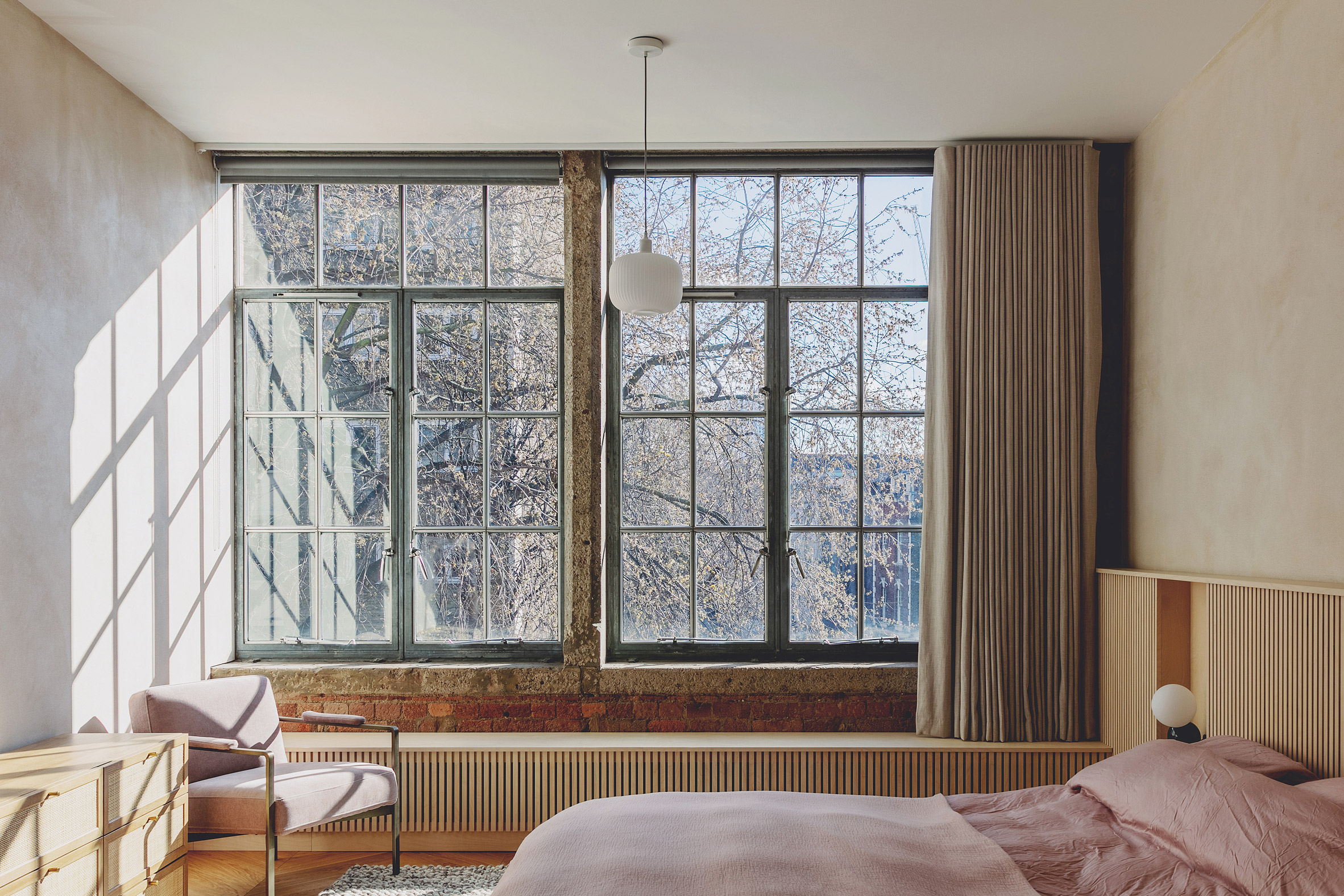
Main bedroom in St John Street warehouse apartment by Emil Eve Architects
The main bedroom features a slatted bedhead and window seat

A more serene approach was adopted for the bedrooms, where the brick walls have been finished with a natural clay plaster.

As well as a walk-in-wardrobe and en-suite, the main bedroom also features a custom-made slatted bedhead and window seat, with interacted bedside shelving.

The other bedroom is a guest room, so most of the time it functions as a gym.
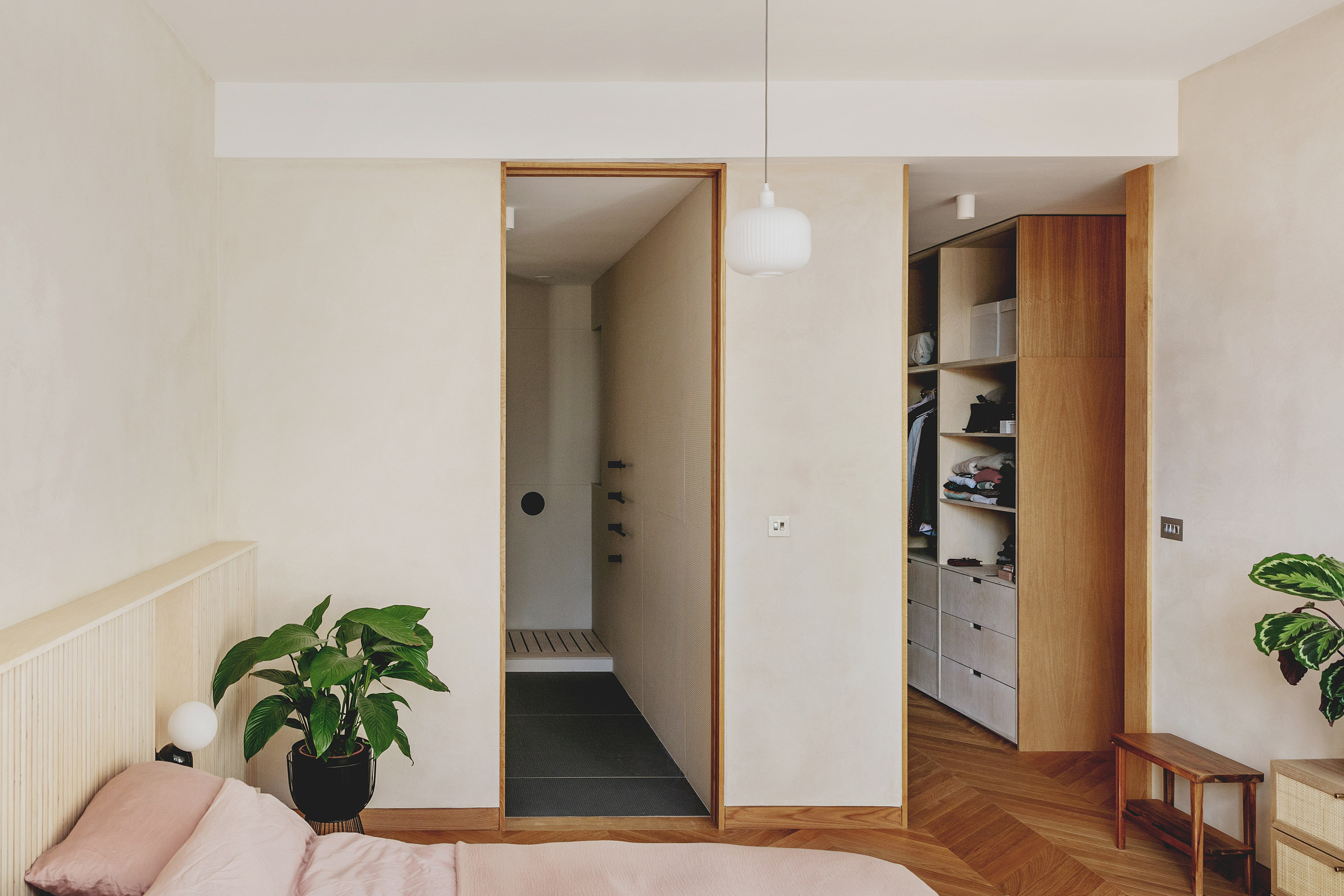
Main bedroom with en-suite and walk-in-wardrobe in St John Street warehouse apartment by Emil Eve Architects
The brick walls are finished in clay plaster, for a calmer feel

Parquet flooring features in both the bedrooms and living spaces, while the rest of the apartment features terrazzo flooring, which helps to create subtle transitions between different areas.

Emil Eve worked with Harbour Joinery Workshop to design and build all of the new joinery elements, as well as some of the furniture pieces.

It is an approach the architects are familiar with, having designed in-built furniture for previous projects, including their own former home, Gibson Gardens.
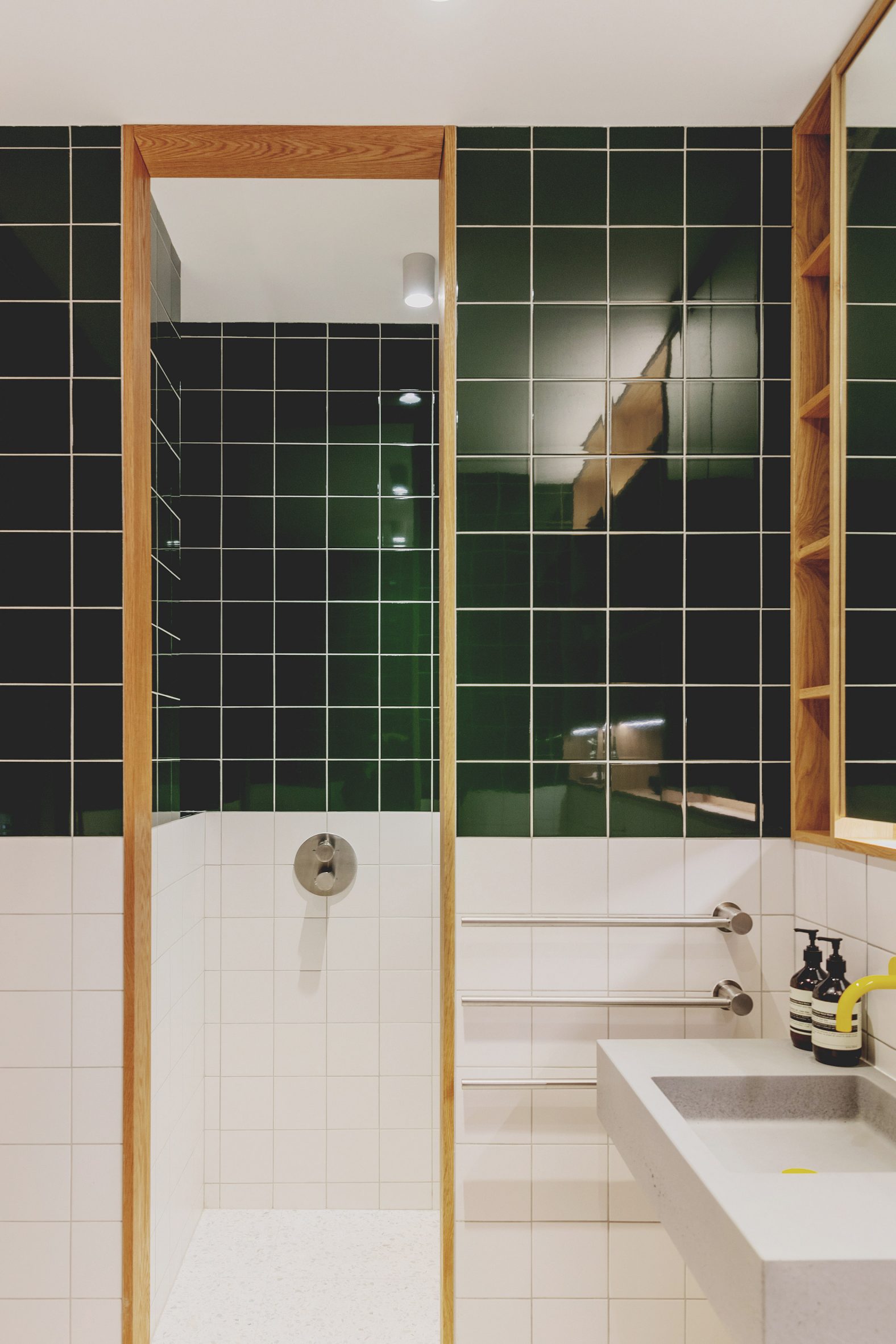
Bathroom with green and white tiles in St John Street warehouse apartment by Emil Eve Architects
Green tiles in the bathroom reference the area's Victorian history

The standout elements here include the floor-to-ceiling shelves and closets in the library, the neatly organised walk-in-wardrobe in the main bedroom, and the custom low sideboard in the living room.

"We love joinery and always design our own pieces to suit each project," said Emma. "Here, we conceived a family of joinery elements for the different spaces, but with common characteristics."

"We used oak for the library space, which is a really warm timber and a traditional material for libraries, to give the atmosphere of a book-lined sanctuary at the heart of the home. The dressing room, kitchen, pantry and ensuite echo the language, but in lighter plywood to delineate these spaces."

Photography is by Mariell Lind Hansen.

The post Emil Eve Architects brings warmth and colour to London warehouse apartment appeared first on Dezeen.


from Dezeen https://ift.tt/2WdlmRm

David Rockwell displays the seven deadly sins in shop windows

Seven Deadly Sins by David Rockwell

American architect David Rockwell has designed the sets for an outdoor theatre series in New York composed of short plays based on the seven deadly sins and performed in empty shop windows.

Called Seven Deadly Sins, the seven 10-minute-long plays are each by a different playwright. All but one of the plays takes place in a series of empty shopfront windows in Manhattan's Meatpacking District.

Seven Deadly Sins by David Rockwell
Rockwell's seven sets represent the seven deadly sins

"As an architect and New Yorker, the pandemic has made it clear that the city without people feels like an empty theater," Rockwell told Dezeen.

"A production such as The Seven Deadly Sins that takes place right on the street creates that kind of interactive frisson that makes New York one of the greatest cities in the world," he added.

"It celebrates that spirit of gathering outside and transforms the streets into a playhouse."

The play takes place in Manhattan's Meatpacking District
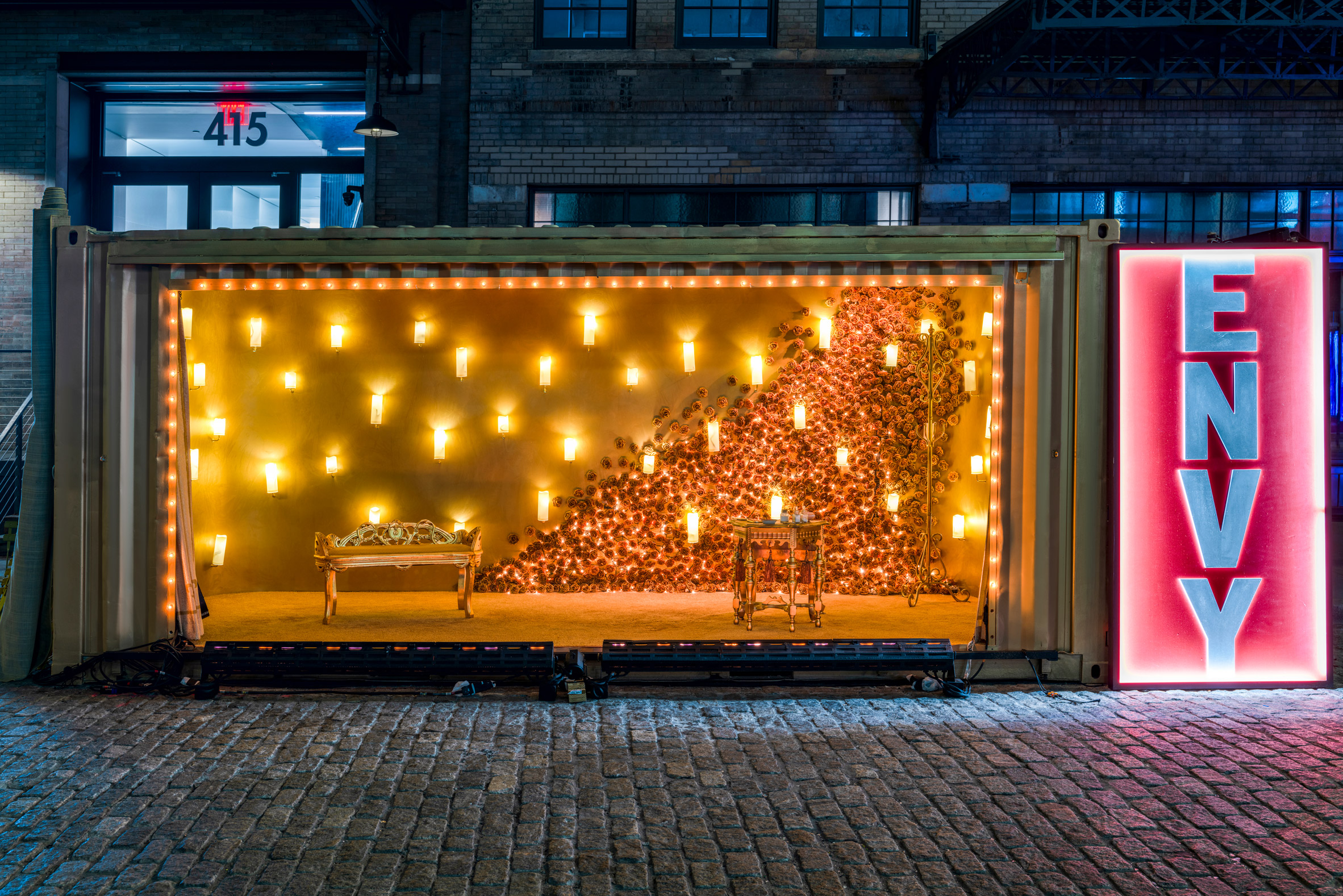
The play entitled Envy takes place in a shipping container

Envy is the only production performed in a shipping container, while the rest of the plays take place in shopfronts close together between West 13th Street and Gansevoort Street. Rockwell did not design the set for Greed.

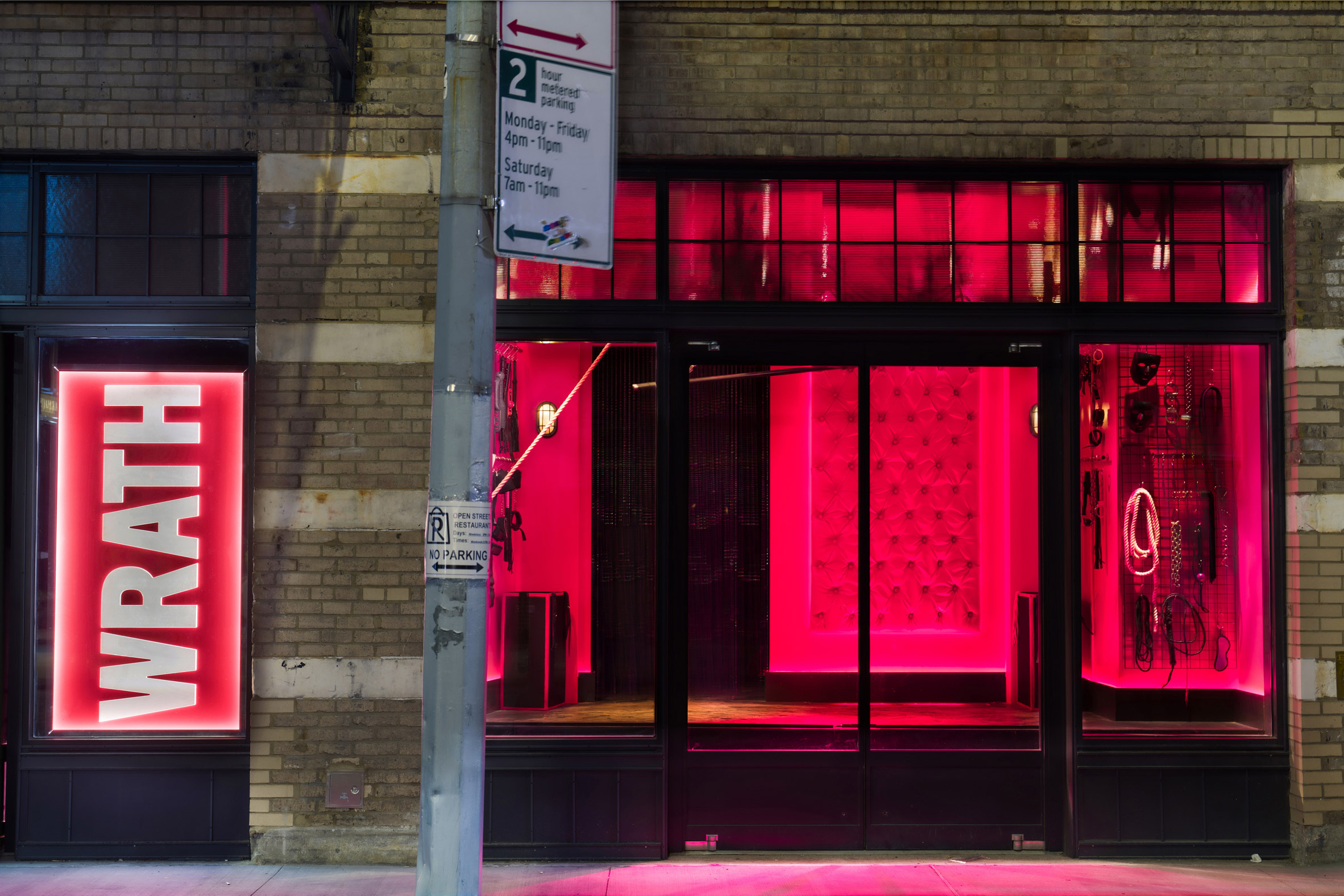
Designed in individual distinctive colours, each play's set features a bright graphic sign spelling out the word of the sin it represents.

The seven deadly sins, also known as cardinal sins, refer to seven universal sins that are traditionally considered to be immoral in Christian teaching. They are pride, greed, wrath, envy, lust, gluttony and sloth – the names of each of the plays.

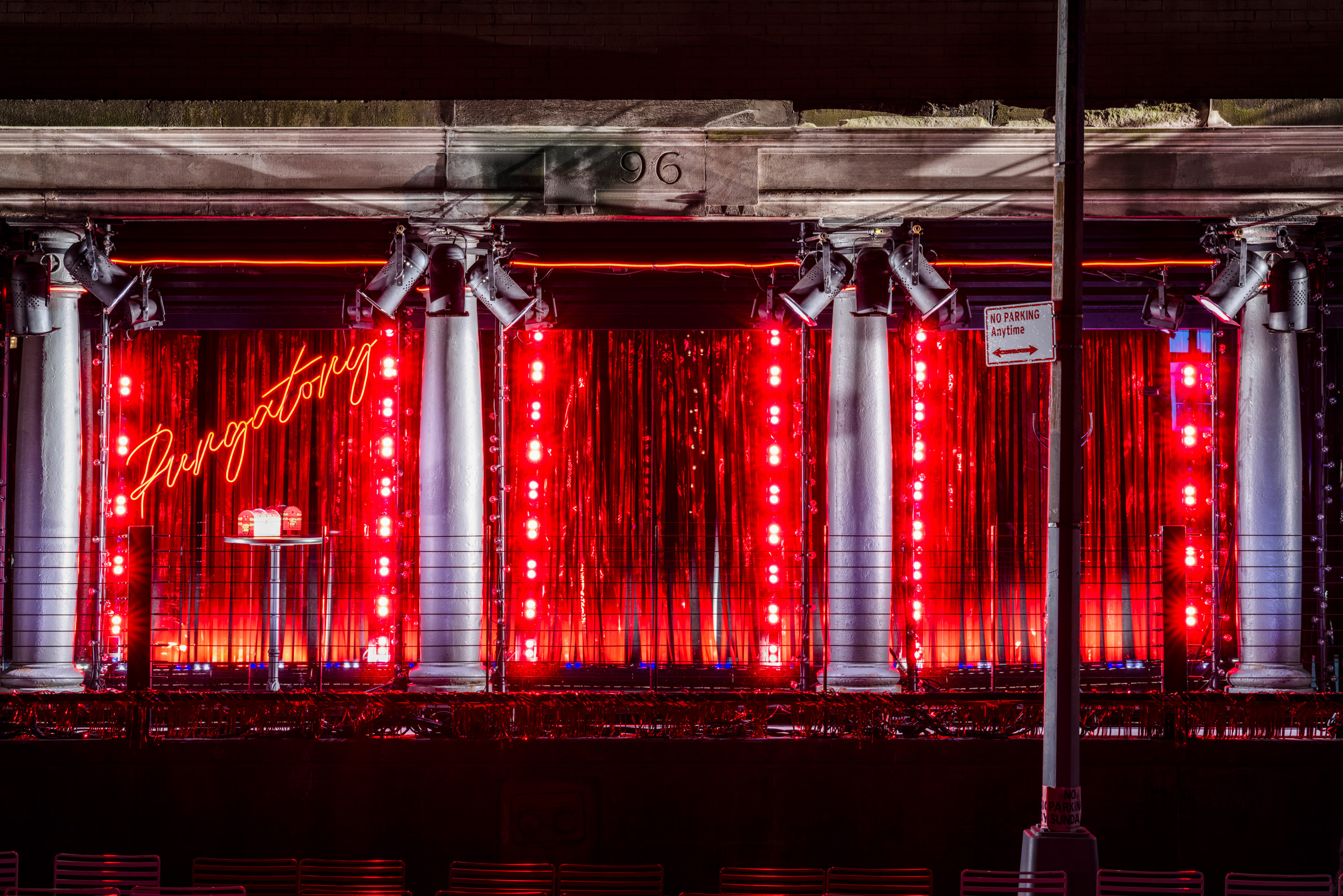
Purgatory is near the Whitney Museum
Audiences begin the experience at a set representing the concept of purgatory

Audiences begin their experience at a loading dock near the Whitney Museum which acts as Purgatory, a biblical concept for the place that sinners go to when awaiting their fate after death. Neon lights and a red Mylar curtain that doubles as a ticket window decorate the space.

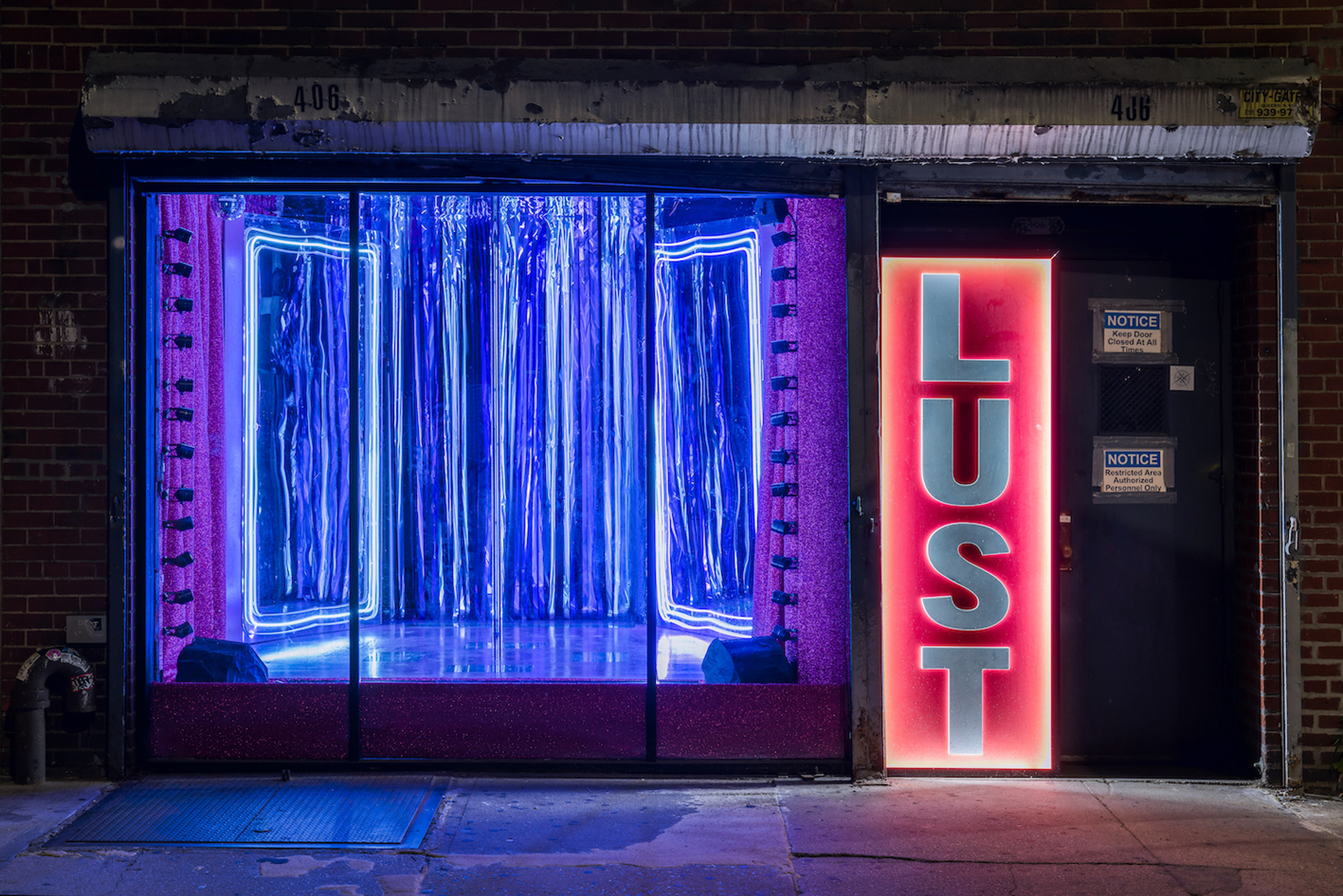
The sets and storylines of each short play vary dramatically. Lust presents its audience with a vivid neon purple scene with a pole placed in the middle of the set, on which a pole dancer performs a monologue.

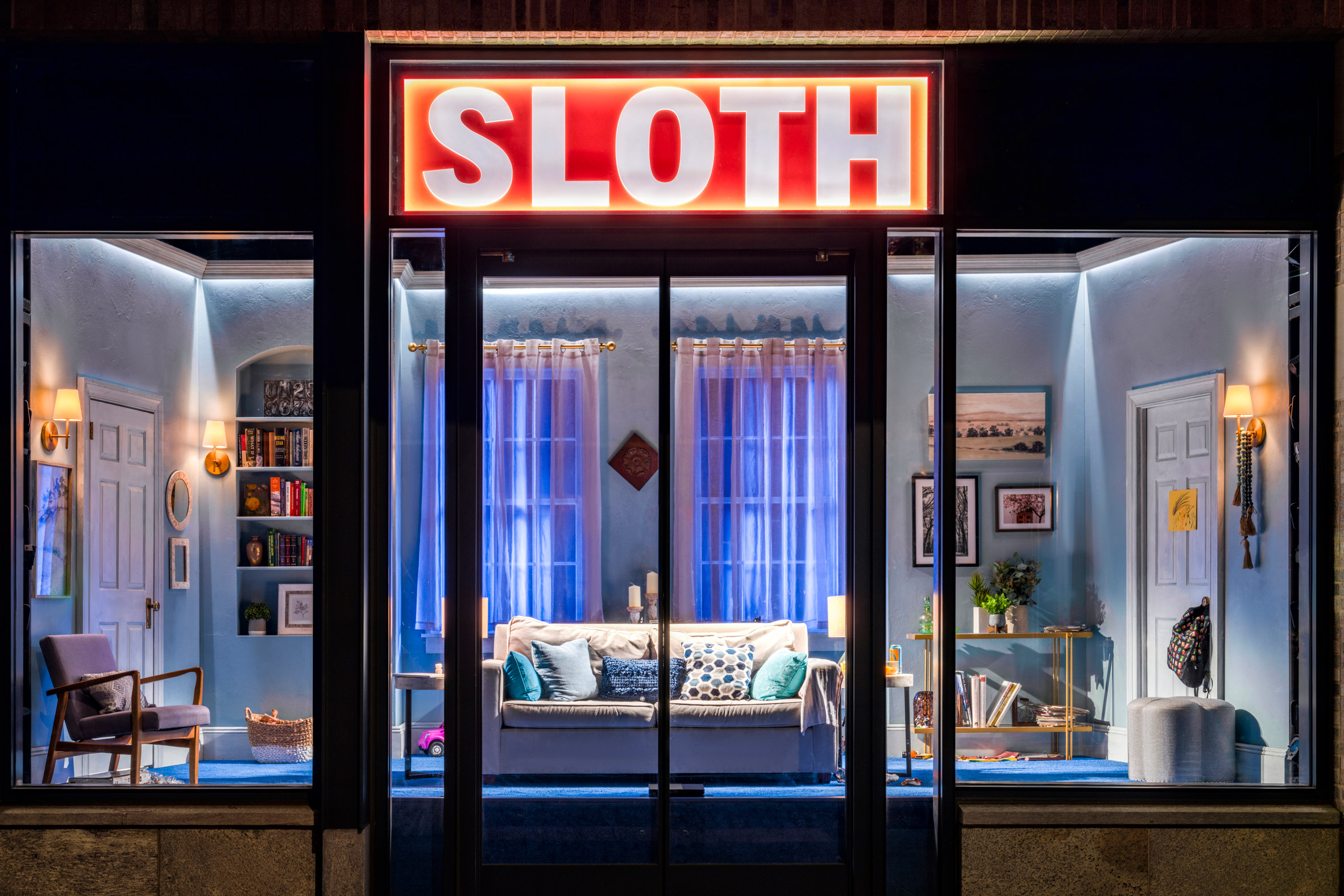
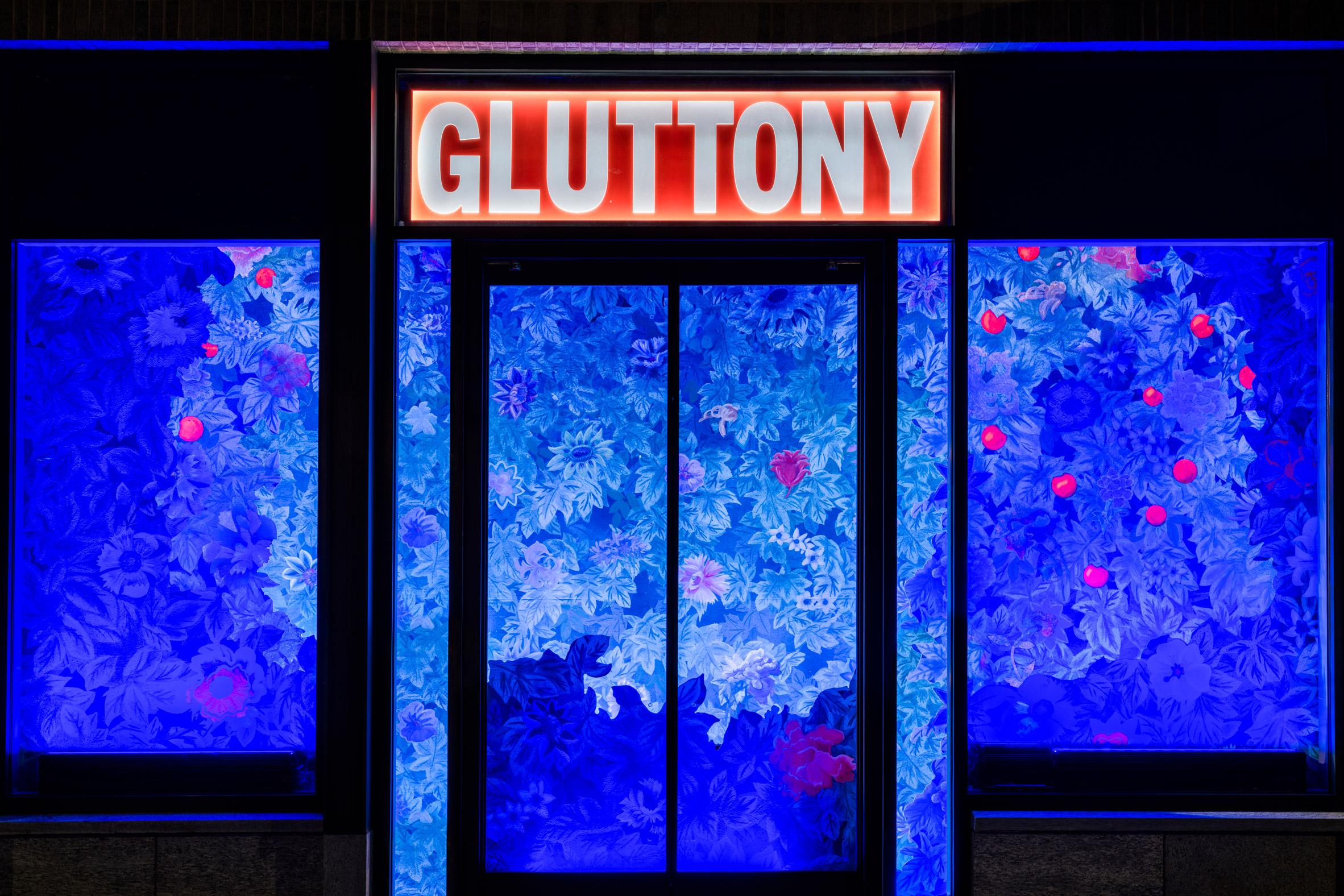
Sloth, meaning laziness, includes a contrastingly mundane living room and reveals a young couple arguing while the husband idly plays video games. Gluttony takes place in a reimagined Garden of Eden.

"The experience is highly choreographed," explained Rockwell. "Audiences move from storefront to storefront in groups, seeing all seven plays in an hour and 45 minutes."

Seven Deadly Sins is a play in seven parts
Lust presents the set for a pole dancer

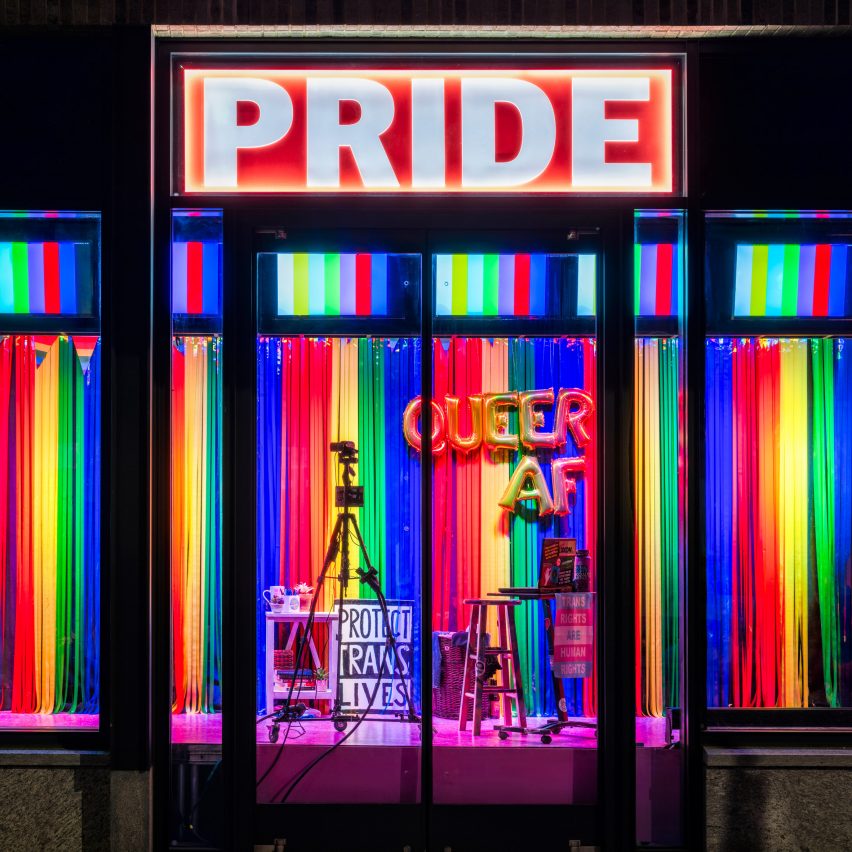
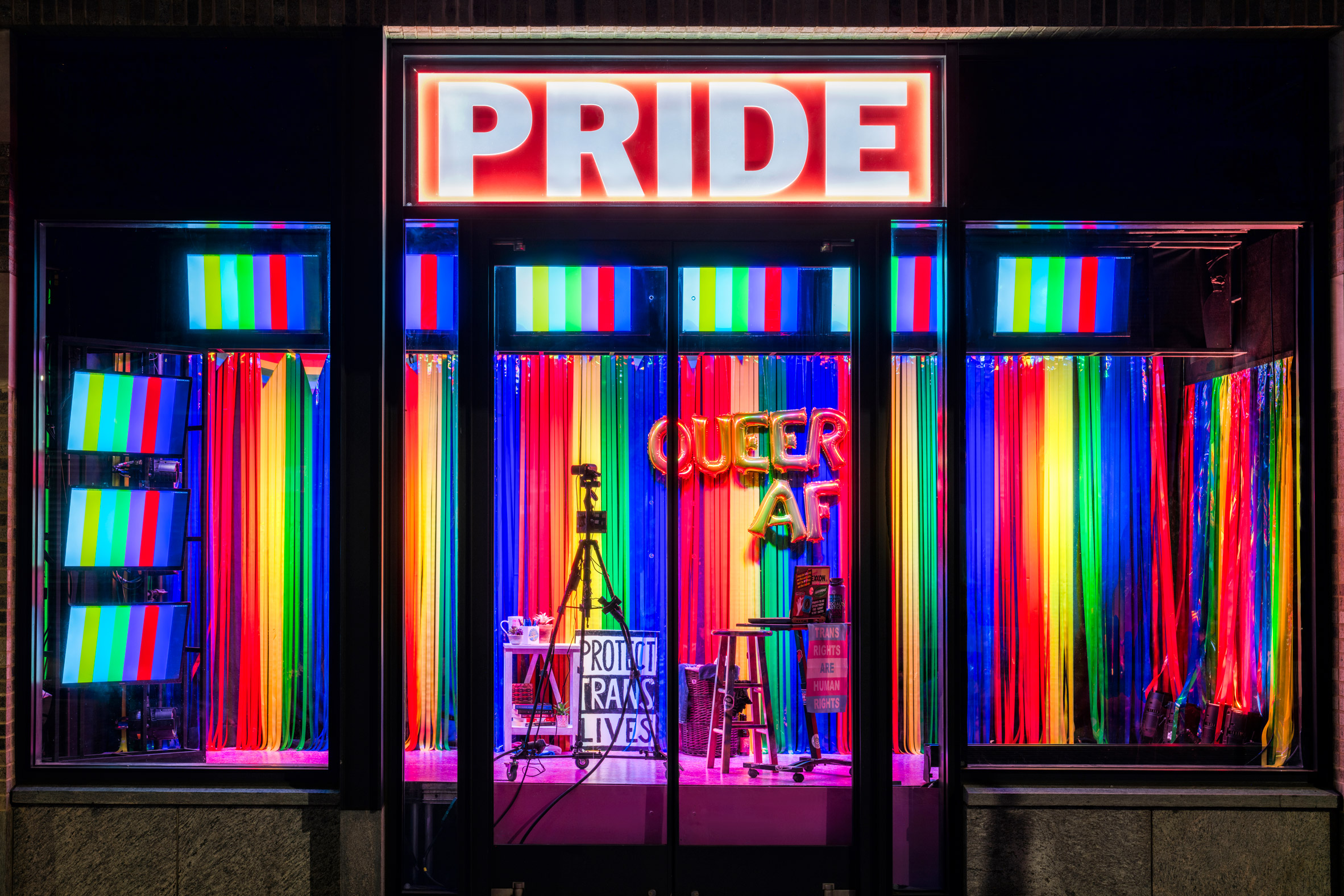
Pride delves into the story of a trans blogger who is wrestling with a large corporation having begun to craft the content he publishes, leading to his readers feeling betrayed by him.

The play takes place against a backdrop of trans flags, a rainbow curtain made of Mylar and Pride-themed bunting.

"Each play has its own unique story to tell," said Rockwell.

"We developed a concept for each show then explored the design in renderings before laying out ground plans that accounted for the various audience sightlines, one of our main challenges."

Rockwell designed a set for each deadly sin
Sloth features an ordinary-looking living room

The architect walked through various New York neighbourhoods with Seven Deadly Sins director Moisés Kaufman before settling on the Meatpacking District.

New York City Department of Transportation worked with the pair to make the productions possible.

Pride features trans flags and Pride bunting
Pride features brightly-lit Pride bunting

Rockwell reflected on what he hopes audiences will take away from the plays, which are showing in Manhattan until 25 July.

"The playwrights have tackled the subject matter in incredibly compelling and divergent ways, so I expect audiences will be hugely entertained and provoked, in the best possible sense, by the work," he said.

"Sin is a topic about which everyone can relate, and this is a very full theatrical meal with something for everyone."

"On a deeper level, I hope that this gives audiences a chance to flex our collective empathy muscles, which may have atrophied a bit during a year of isolation," concluded the architect.

Seven Deadly Sins by David Rockwell
The plays take place in Manhattan shop front windows

David Rockwell is an American architect and designer who founded the Rockwell Group in 1984. He recently designed the set for this year's Oscars ceremony in Los Angeles.

The photography is courtesy of David Rockwell.


Seven Deadly Sins is on show in the Meatpacking District in New York until 25 July 2021. See Dezeen Events Guide for an up-to-date list of architecture and design events taking place around the world.

The post David Rockwell displays the seven deadly sins in shop windows appeared first on Dezeen.


from Dezeen https://ift.tt/3eKvo2T

News of RIBA's climate initiative features in today's Dezeen Weekly newsletter

RIBA 2030 Climate Challenge

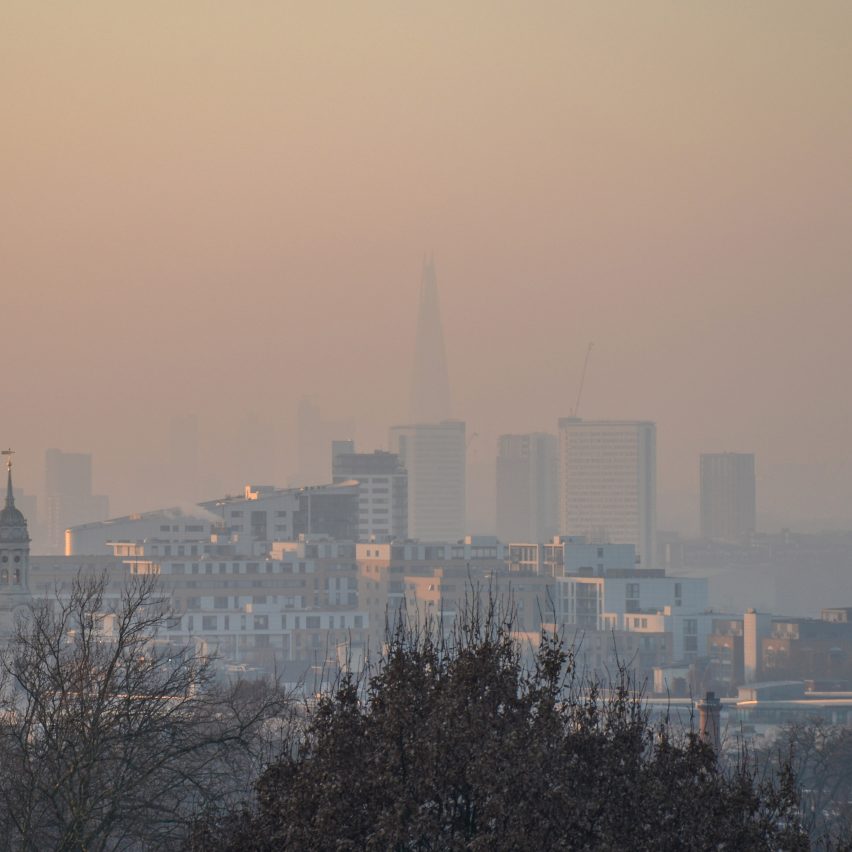
The latest edition of our Dezeen Weekly newsletter features news that fewer than six per cent of UK architecture firms have signed up to a RIBA climate initiative.

Just 230 of the 4,000 Royal Institute of British Architects chartered practices have signed RIBA's 2030 Climate Challenge. Those who have signed aim to achieve net-zero carbon emissions from buildings they design.

Foster + Partners, Zaha Hadid Architects and Grimshaw Architects are among those that have failed to join.

Readers aren't surprised. One said, "This is because architects don't get to dictate what buildings are made from or how they are made. It's the client or builder, who pays the bills, that determines these things."

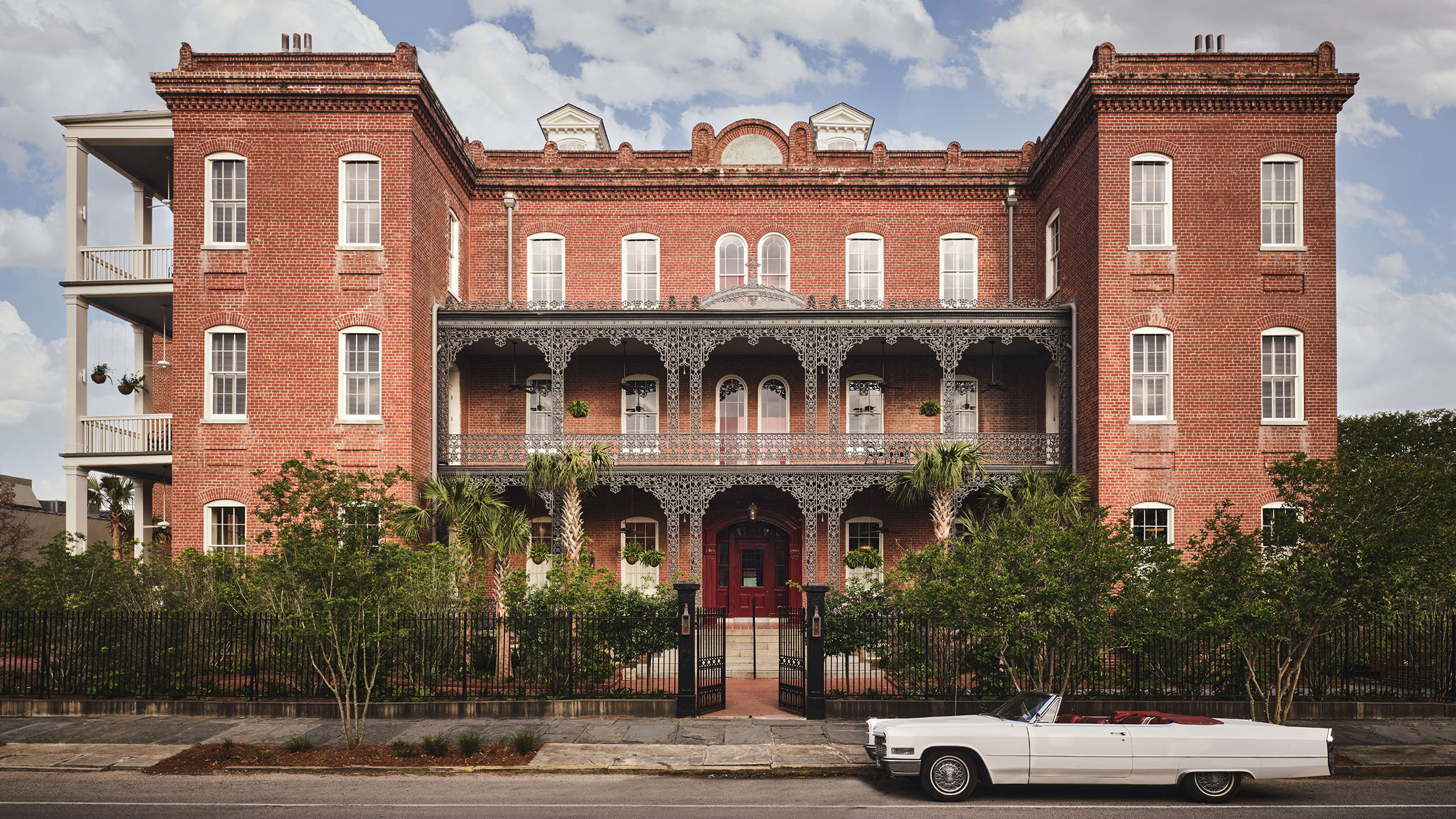
Hotel Saint Vincent exterior
NOLA children's asylum revived as Hotel Saint Vincent by Lambert McGuire Design

Other stories in this week's newsletter include the renovation of a 19th-century infant asylum in New Orleans, a 12-metre 3D-printed pedestrian bridge in Amsterdam, and our lookbook featuring tactile interiors that make use of natural biomaterials.

Subscribe to Dezeen Weekly

Dezeen Weekly is a curated newsletter that is sent every Thursday, containing highlights from Dezeen. Dezeen Weekly subscribers will also receive occasional updates about events, competitions and breaking news.

Read the latest edition of Dezeen Weekly. You can also subscribe to Dezeen Daily, our daily bulletin that contains every story published in the preceding 24 hours.

Subscribe to Dezeen Weekly ›

The post News of RIBA's climate initiative features in today's Dezeen Weekly newsletter appeared first on Dezeen.


from Dezeen https://ift.tt/2TugHJP

Tropical treehouses and clifftop villas form Mexico's One&Only Mandarina hotel

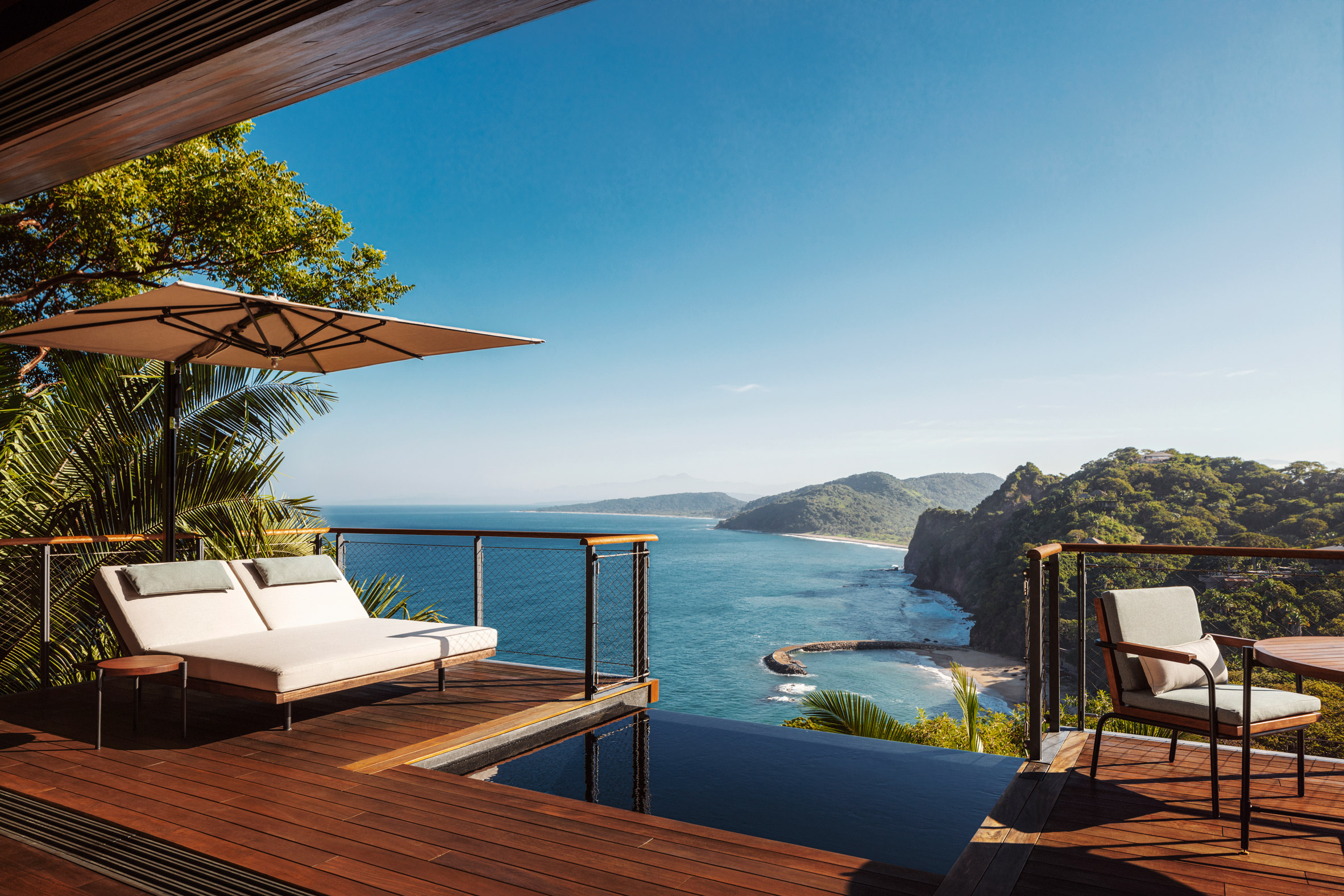
Ocean view from villa at One&Only Mandarina hotel

Villas and treehouse suites peek out from the jungle-enveloped cliffs of this hotel on Mexico's Pacific Coast, allowing guests to soak in the views from private plunge pools.

The One&Only Mandarina hotel is situated above a string of sandy coves on the Nayarit Riviera, about an hour and a half's drive north of Puerto Vallarta.

Aerial view of One&Only Mandarina Hotel
The One&Only Mandarina Hotel is situated on the cliffs of Mexico's Pacific Coast

Designed by Tucson-based Rick Joy Architects and executed by a team of local designers and craftspeople, the complex comprises a collection of communal facilities surrounded by 105 standalone suites.

At the heart of the hotel is an open-air outdoor living space arranged around a black swimming pool.

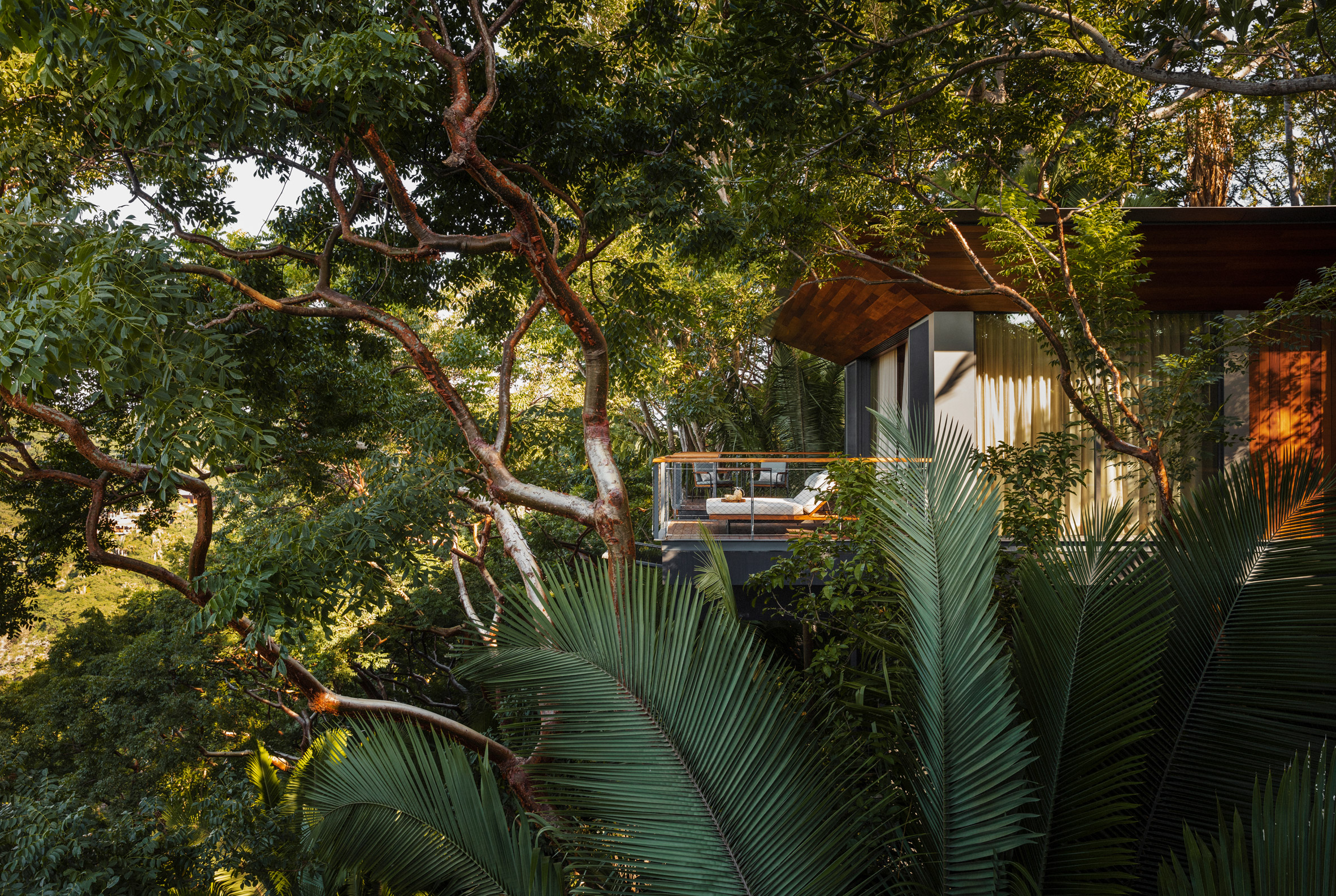
Treehouse suite among the rainforest foliage
Accommodation options include Treehouse suites, which are elevated 12 metres off the ground

"Reminiscent of the open porches of traditional Mexican haciendas, the outdoor living area features cosy woven settees and cradling rocking chairs made of Mexican tropical woods, such as Parota and Teak," said the hotel operators.

Accommodation options are split between Villas and Treehouses, both of which can be booked either perched on the cliffs or nestled into the dense rainforest.

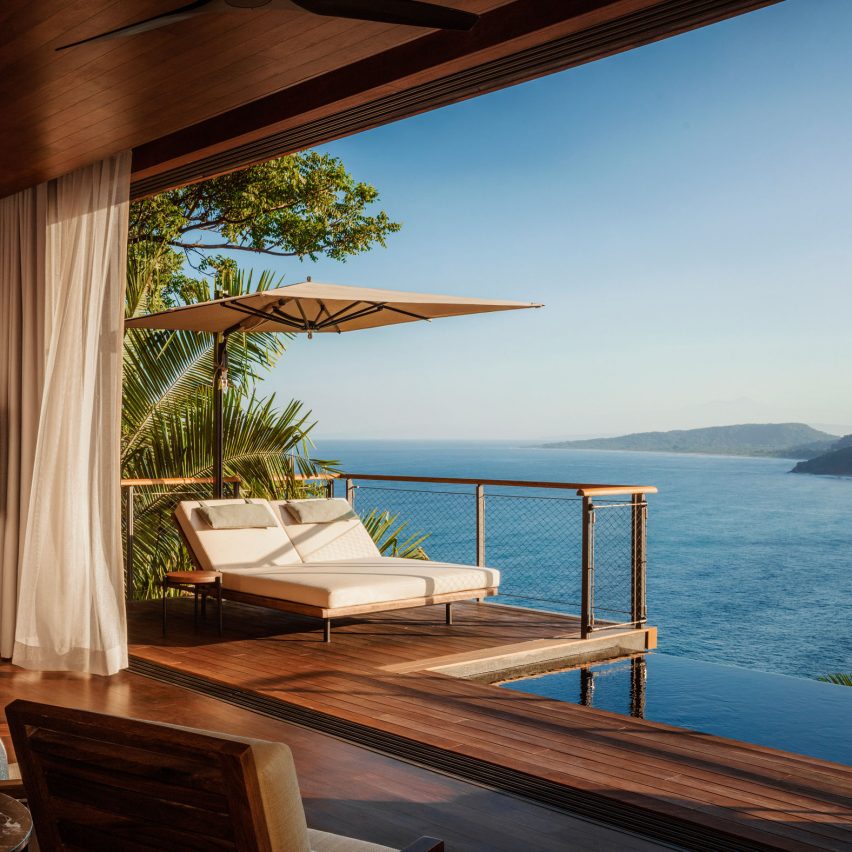
Ocean view from Treehouse suite
The highest Treehouse suites have panoramic ocean views

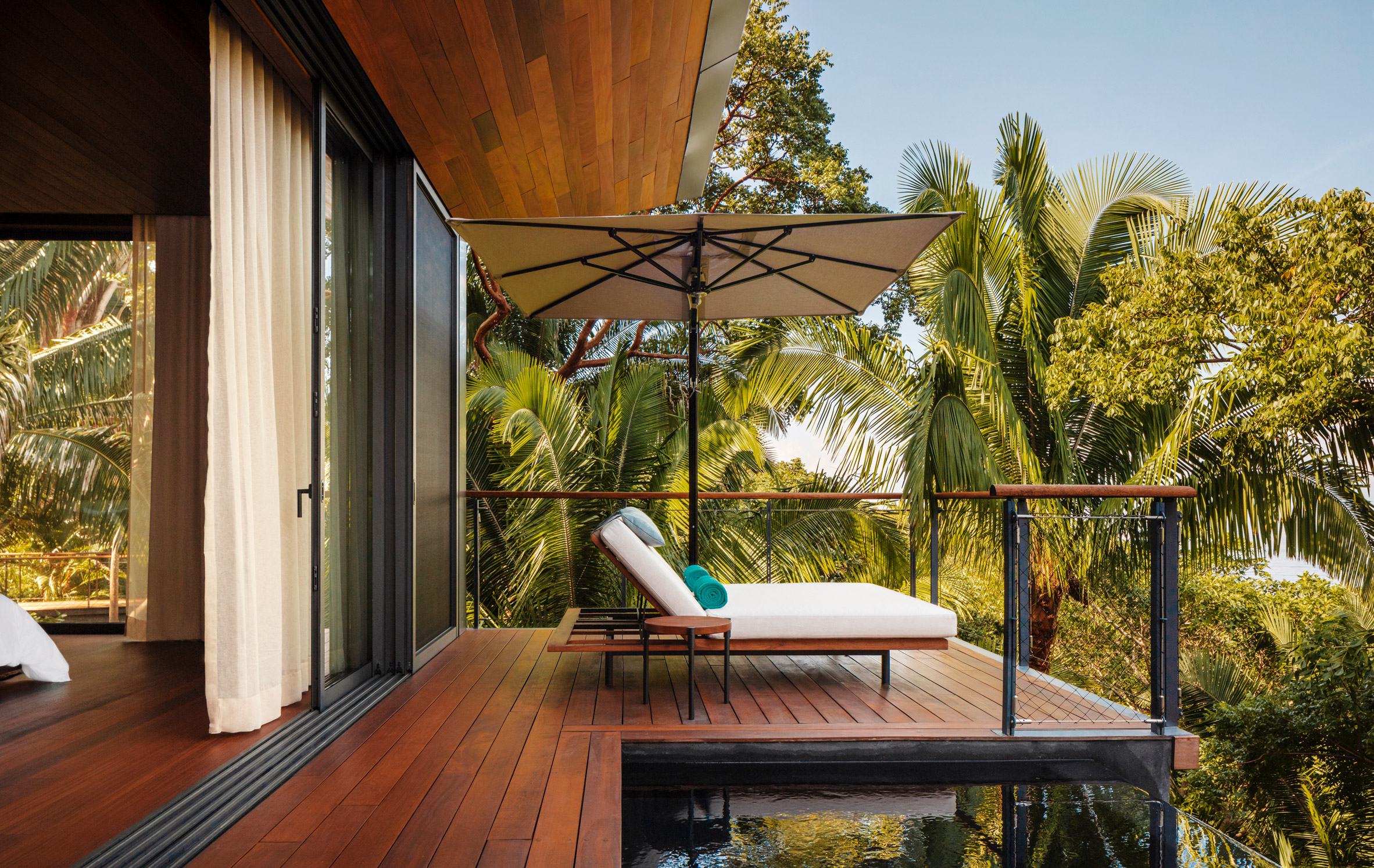
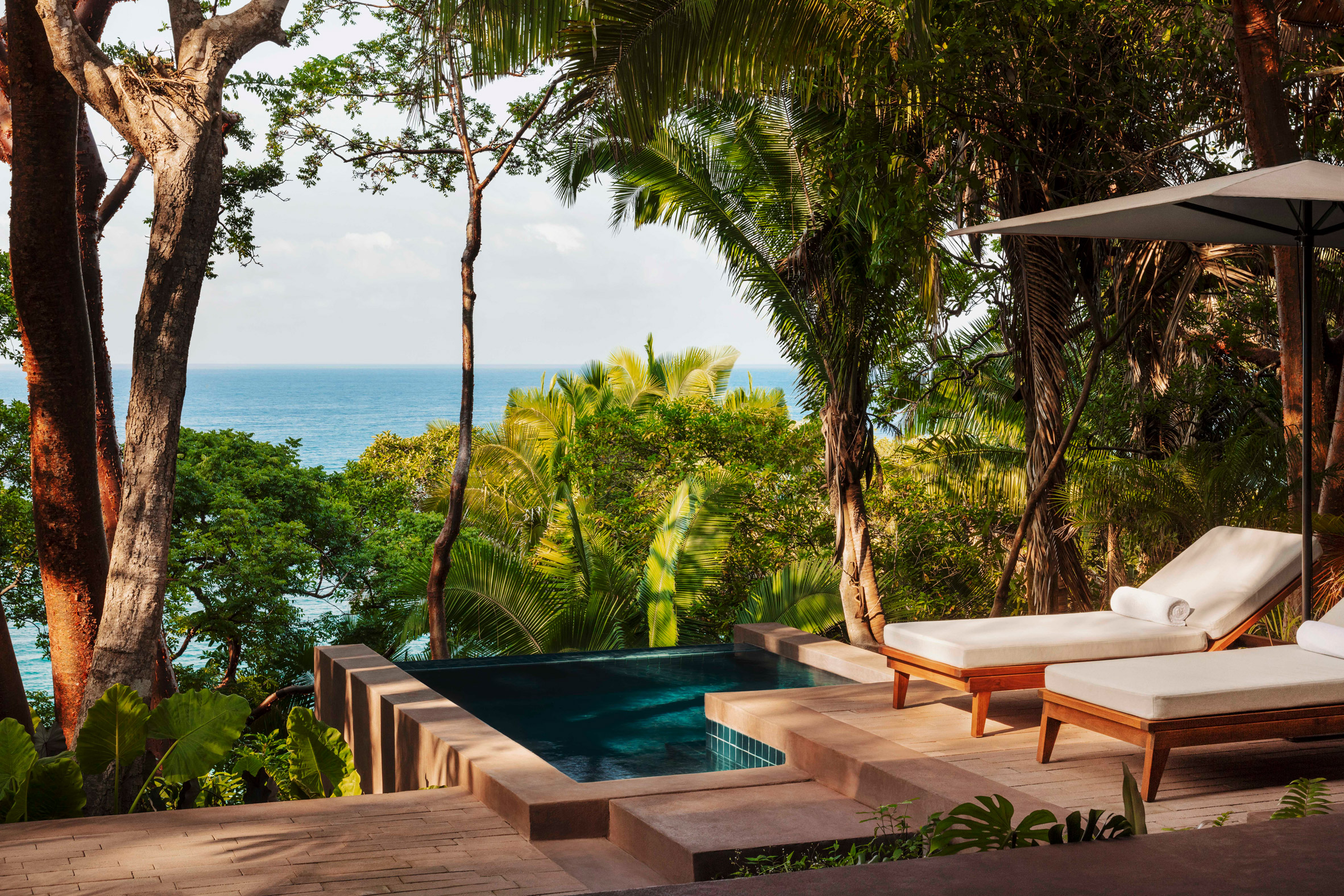
Treehouses are elevated 12 metres off the ground, engulfed by tropical foliage that encroaches their private outdoor decks and plunge pools.

Some have ocean views, and a select few at the highest elevation enjoy panoramic vistas of the coastline.

Treehouse suite terrace
Interiors of the Treehouse suites (top image) open onto terraces and plunge pools (this image)

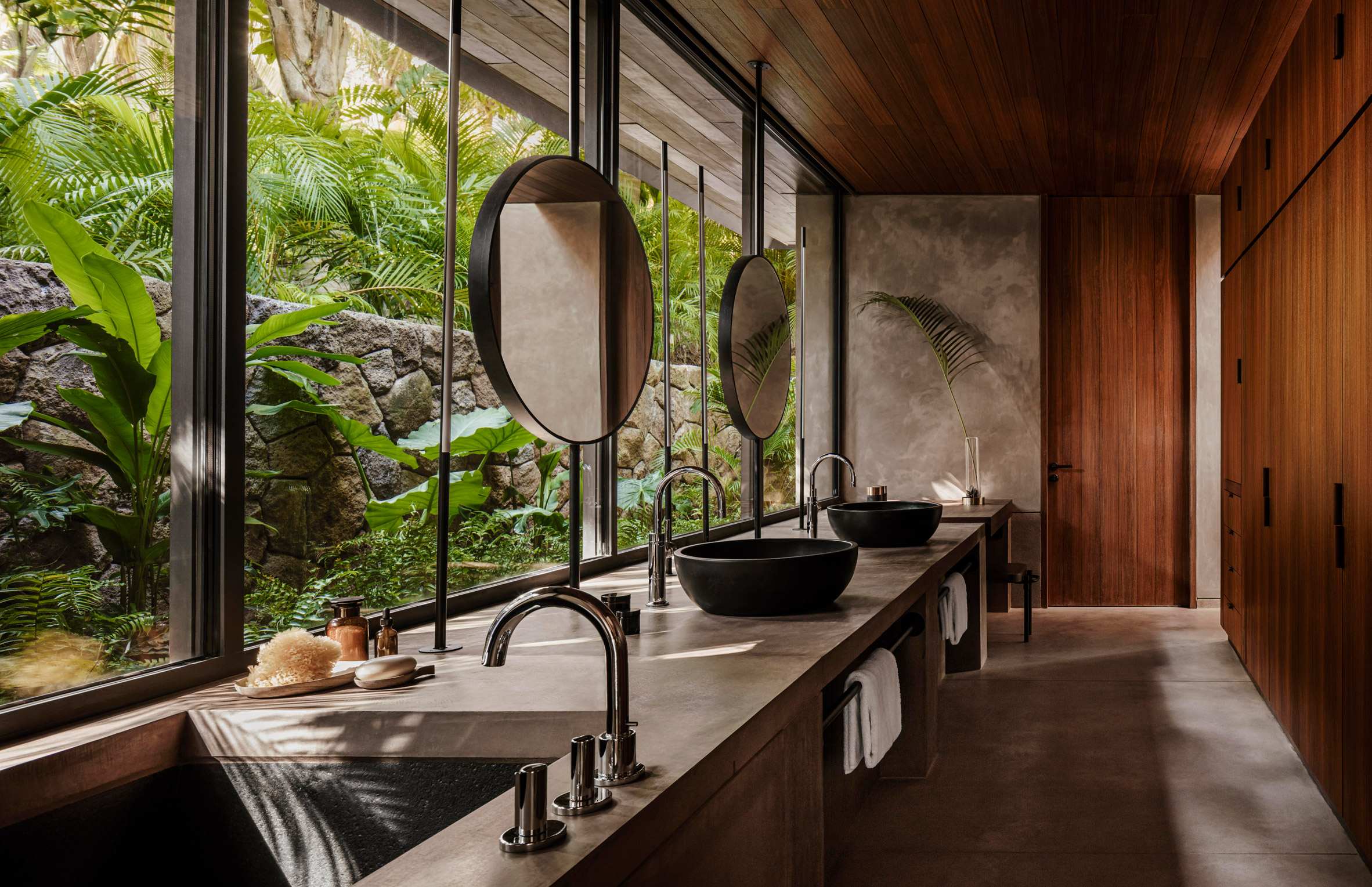
Walls, floors and ceilings in the Treehouses are formed from local Cumaru wood in an attempt to connect the interiors and their surroundings.

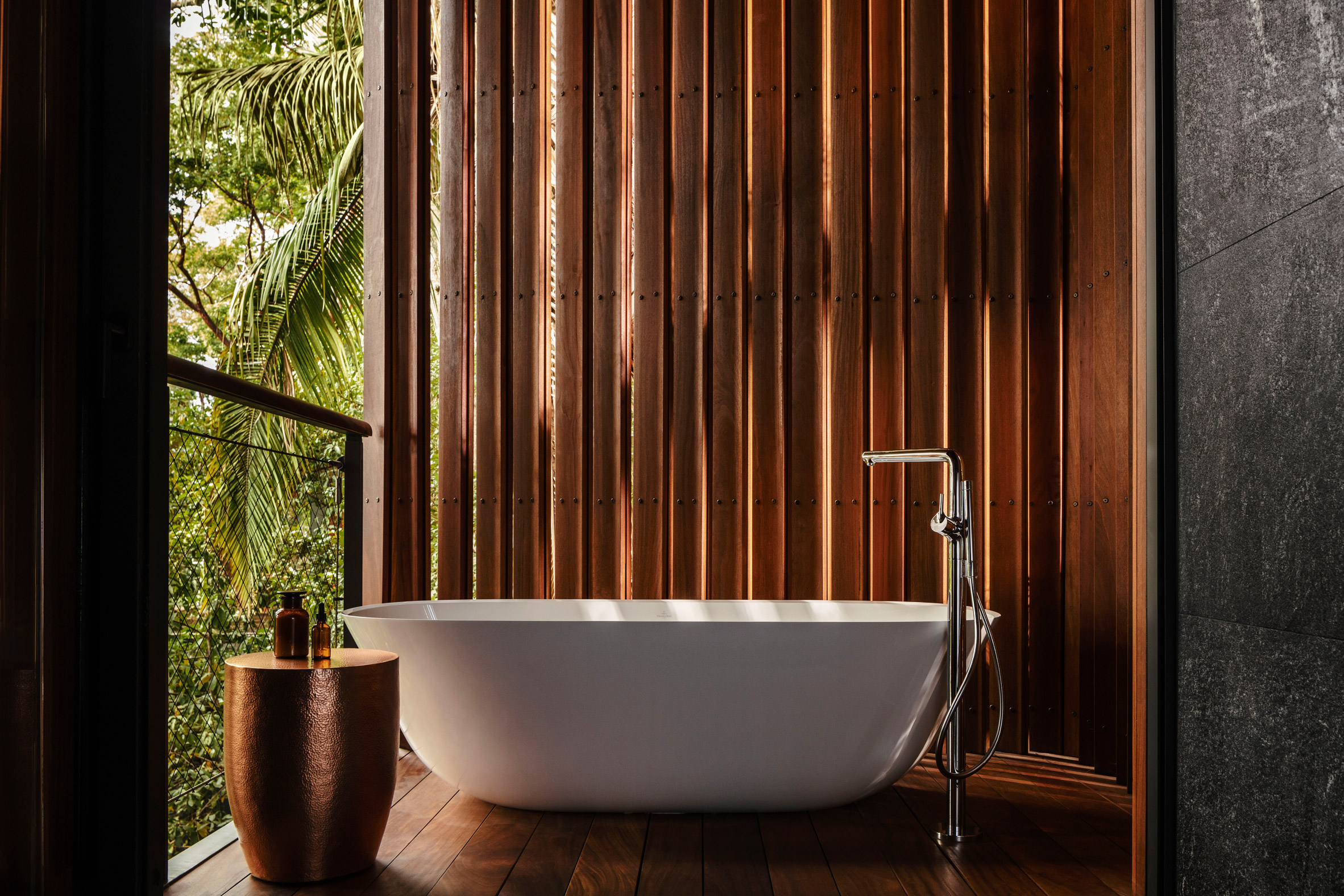
The floor-to-ceiling glazing of the bedrooms can be fully retracted to create indoor-outdoor spaces. Open-air bathtubs are partially enclosed by wooden slats, while showers inside are tiled with dark stone.

Treehouse bathtub
Treehouse suites also feature bathtubs that are partially open to the elements

"Open structures capture natural light, filtered through the towering trees," the hotel said. "While traditional Mexican design elements are reimagined, including pitched roofs with large overhangs, a nod to local palapas featuring modern, luxury design."

The larger villas feature earthen walls that reference historic buildings once constructed on the site by the indigenous Cora people.

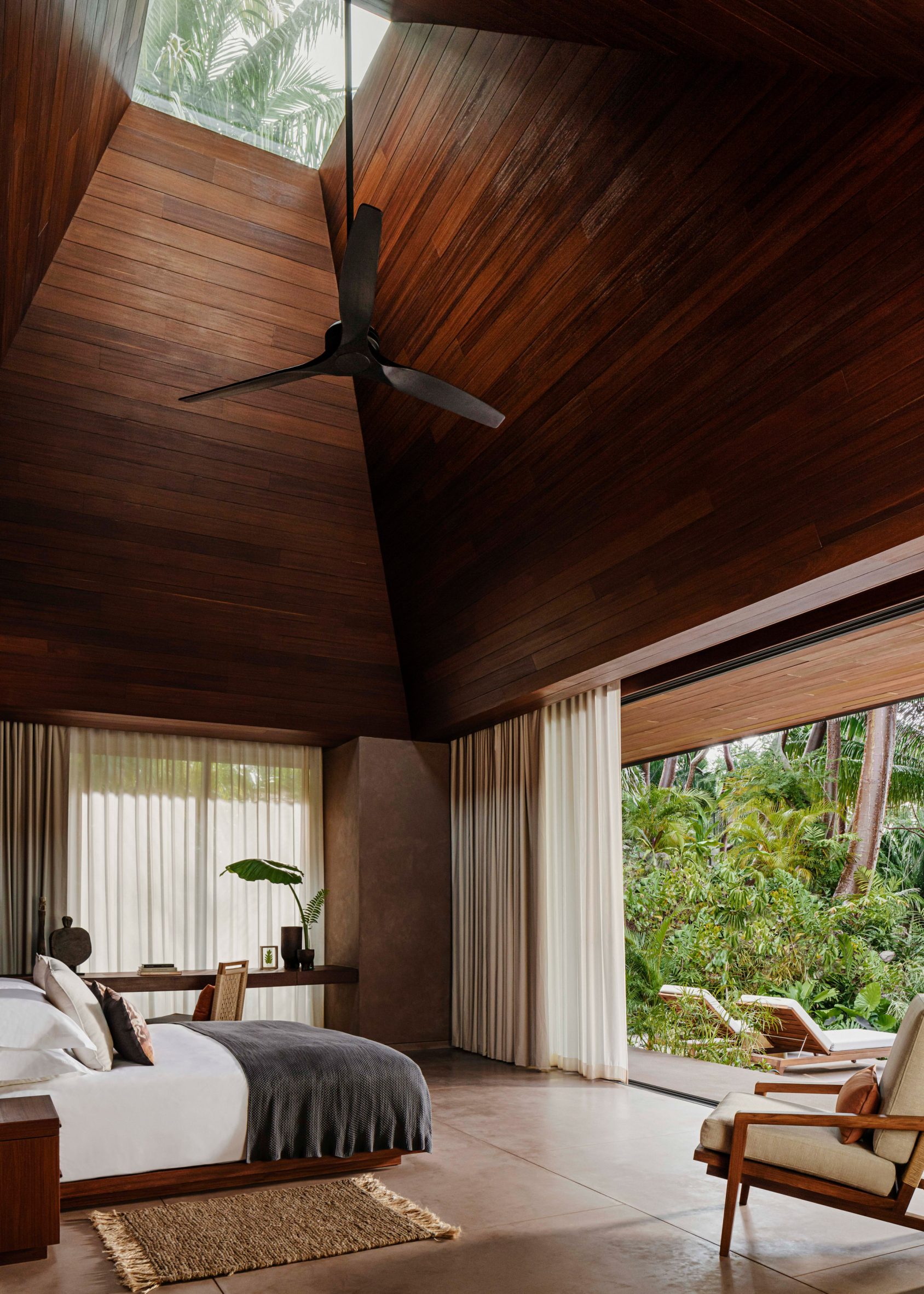
Funnel-shaped tiled roofs are lined in tropical wood and narrow to glass skylights, adding to the natural light that pours in from glazed retractable walls.

Villa with funnel-shaped ceiling
Guests can also stay in larger Villas, which have earthen walls and pitched roofs

Sheer curtains help to control glare and privacy, matching the neutral-toned furniture and accessories.

Outdoor showers, also coated with earth plaster, heighten the experience of staying in the rainforest.

Villa bathroom
The Villas have expansive bathrooms and outdoor showers

Two- and three-bedroom Villas are available for larger parties, families, or those desiring more space. Some of these have private dining rooms, cinemas, hot tubs and fire pits.

Villa One, the property's most exclusive offering, also has its own wine cellar, spa and gym.

Villa terrace
Villas also come with private plunge pools and the option for ocean views

The One&Only Mandarina, which opened 1 November 2020, also offers several dining options for guests that are spread across its expansive site.

Beside the communal pool, the Alma restaurant has a diverse menu of "garden-to-plate" dishes, while Mexican cuisine reimagined by celebrity chef Enrique Olvera can be sampled at the cliffside Carao.

Jetty Beach Club restaurant
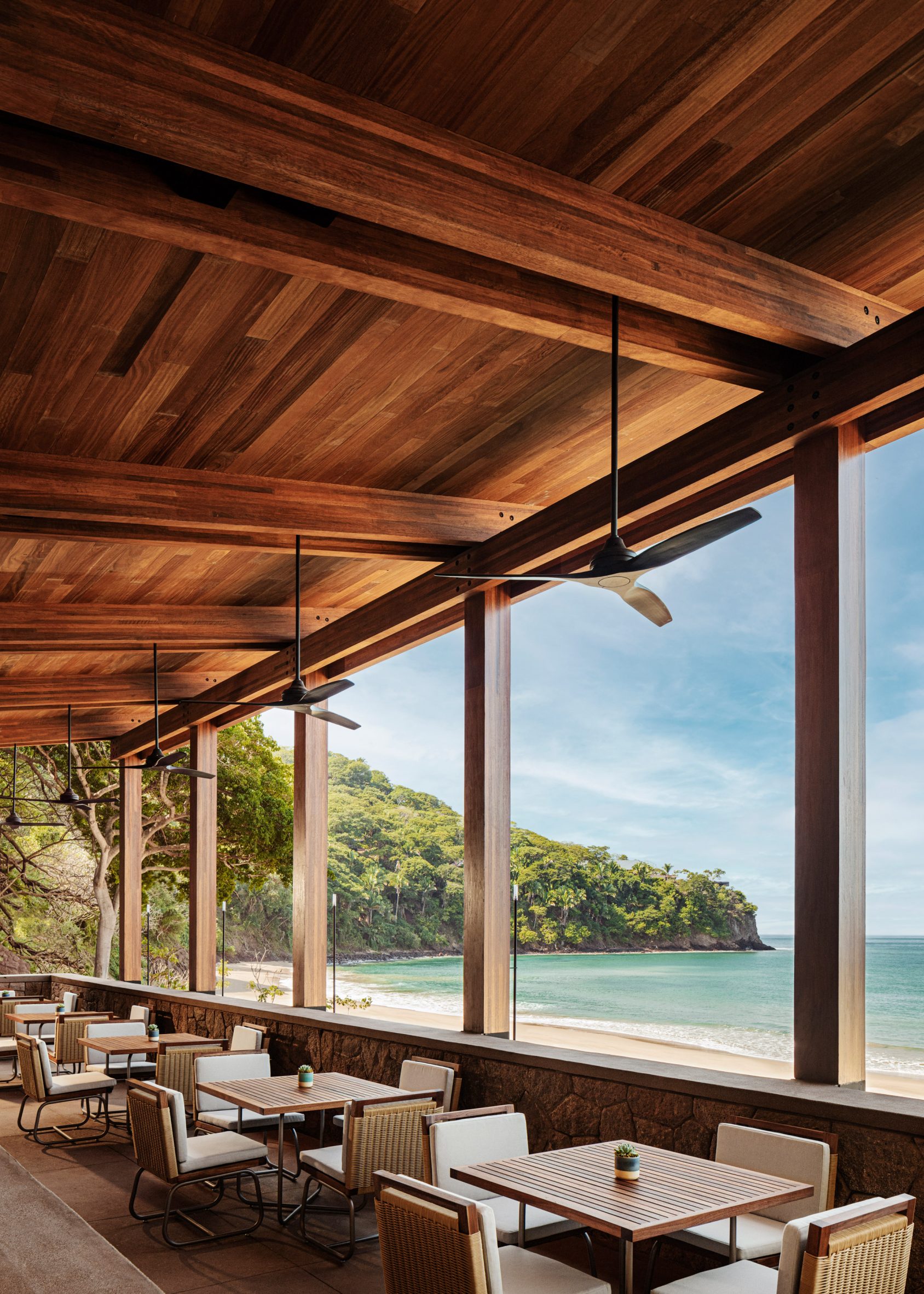
The hotel's dining options include the casual Jetty Beach Club restaurant

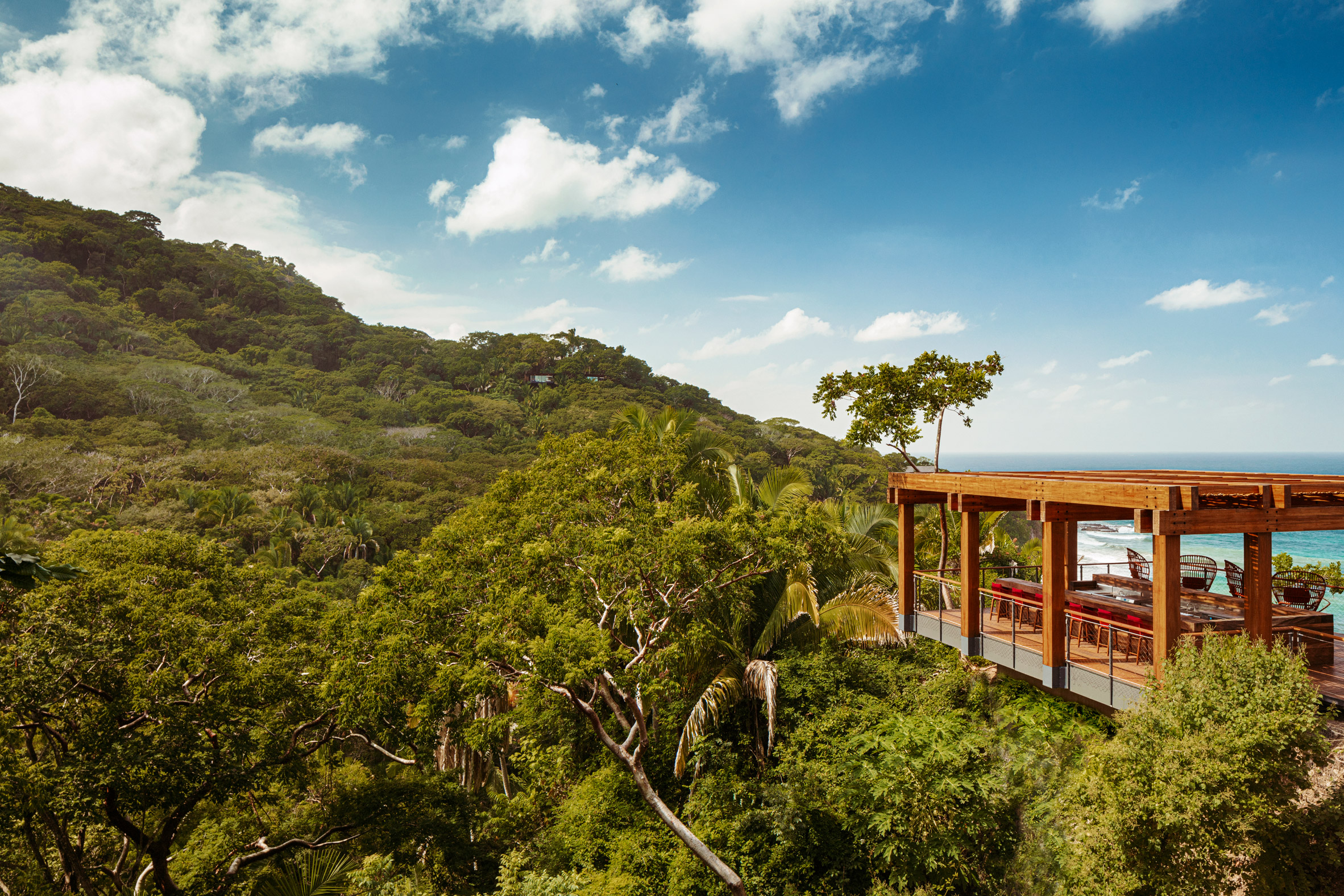
The Treetop bar offers cocktails and light fare to be enjoyed during sunset, while down by the sand is the Jetty Beach Club, named for the semi-circular structure that arcs from the cliff into the water.

This casual restaurant serves seafood to tables and beach cabanas that all face the ocean.

Treetop bar
The Treetop bar serves cocktails to be enjoyed while watching the sunset

From Baja California to Oaxaca, Mexico's Pacific Coast has no end of vacation resorts and boutique hotels for visitors to choose from.

Among recently completed options for design fans are El Perdido Hotel in Pescadero, Casona Sforza in Puerto Escondido, and Paradero Hotel in Todos Santos.

The post Tropical treehouses and clifftop villas form Mexico's One&Only Mandarina hotel appeared first on Dezeen.


from Dezeen https://ift.tt/2UuQlYL

Marshalls Landscape Protection creates protective design-led street furniture

Colourful street furniture

Dezeen promotion: Marshalls Landscape Protection's RhinoGuard decorative and protective street furniture, including planters and seating, has been crash-tested to the latest standards in Hostile Vehicle Mitigation to help create safe outdoor spaces without sacrificing design.

UK-based Marshalls Landscape Protection has a wide selection of products that can be used to ensure safety while blending in with the existing landscape.

Protective street furniture
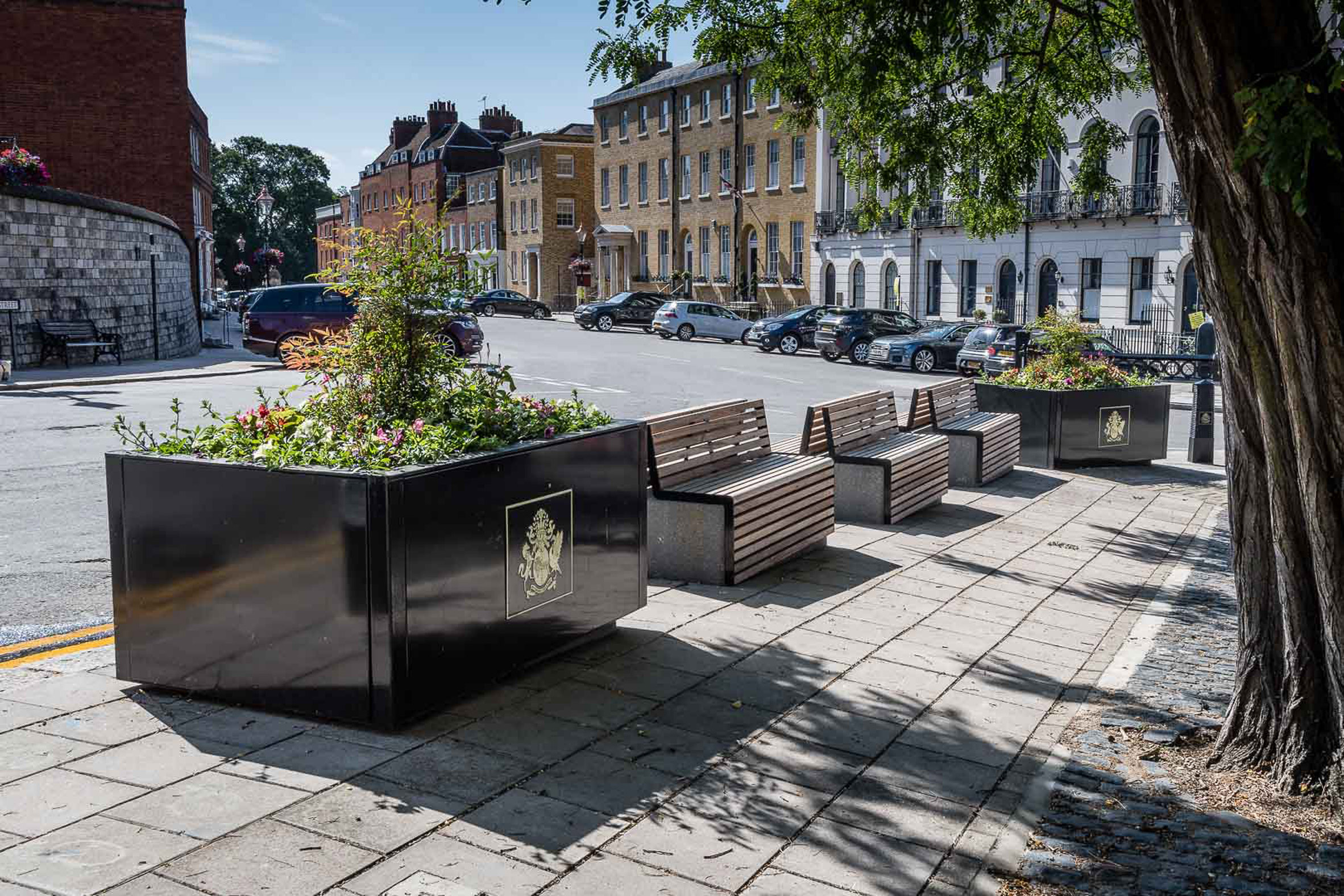
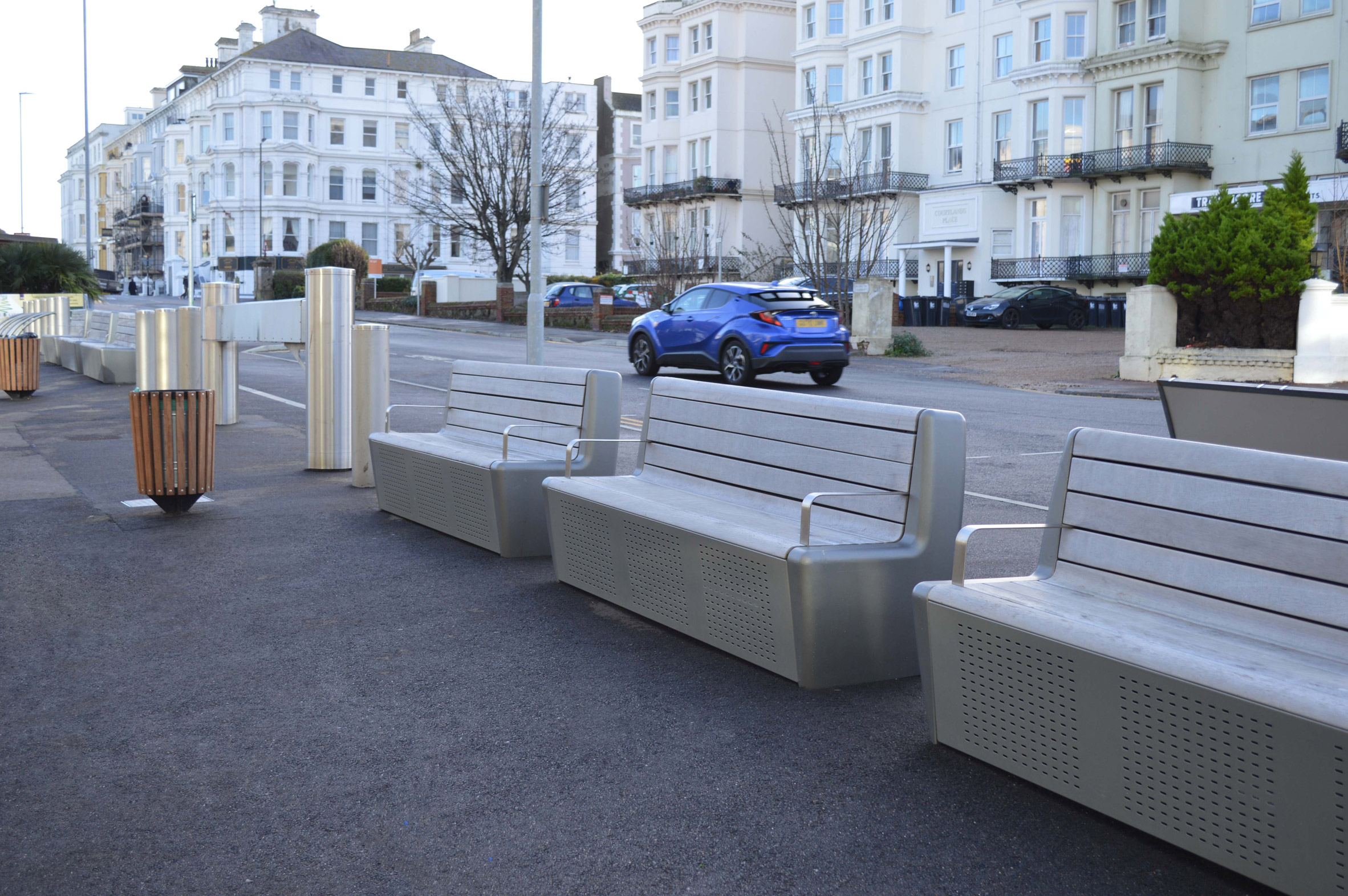
Benches can be used to create protected areas

The products aim to make public areas feel less fortified while opening spaces to increase footfall in town centres and cities.

Specifically, Marshalls Landscape Protection's protective street furniture is designed to be a decorative addition to urban environments and to prevent hostile or errant vehicles from entering an area.

Bollards, cycle stands, benches and litter bins can all be used to help keep public spaces safer from vehicles, something that Marshalls Landscape Protection believes will become even more important as people start returning to city centres for work and leisure post-pandemic.

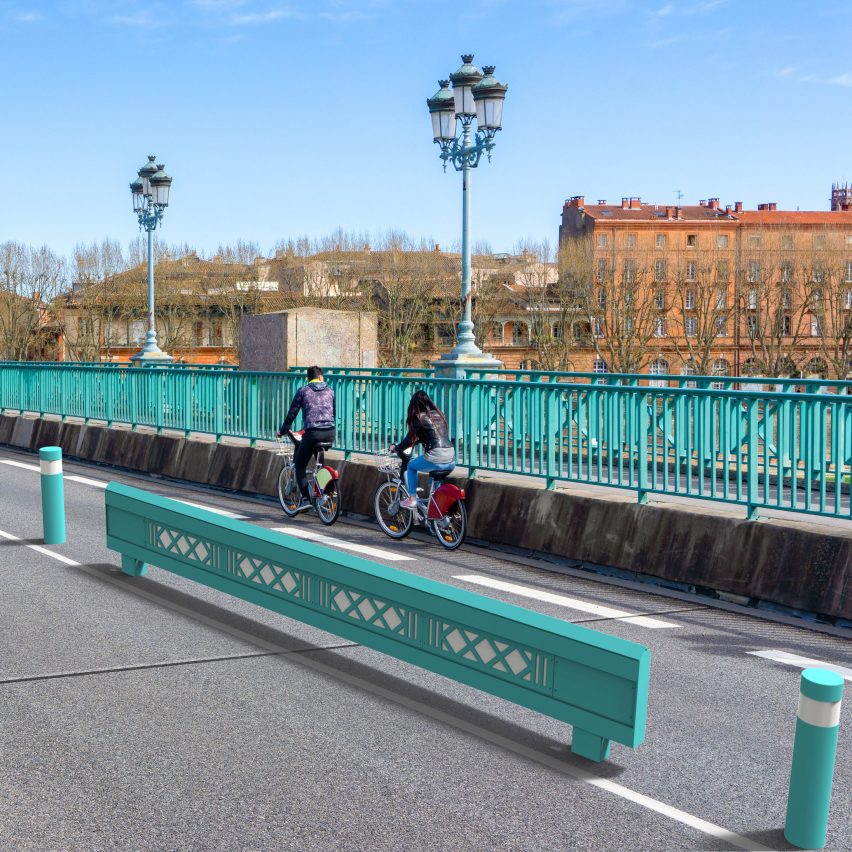
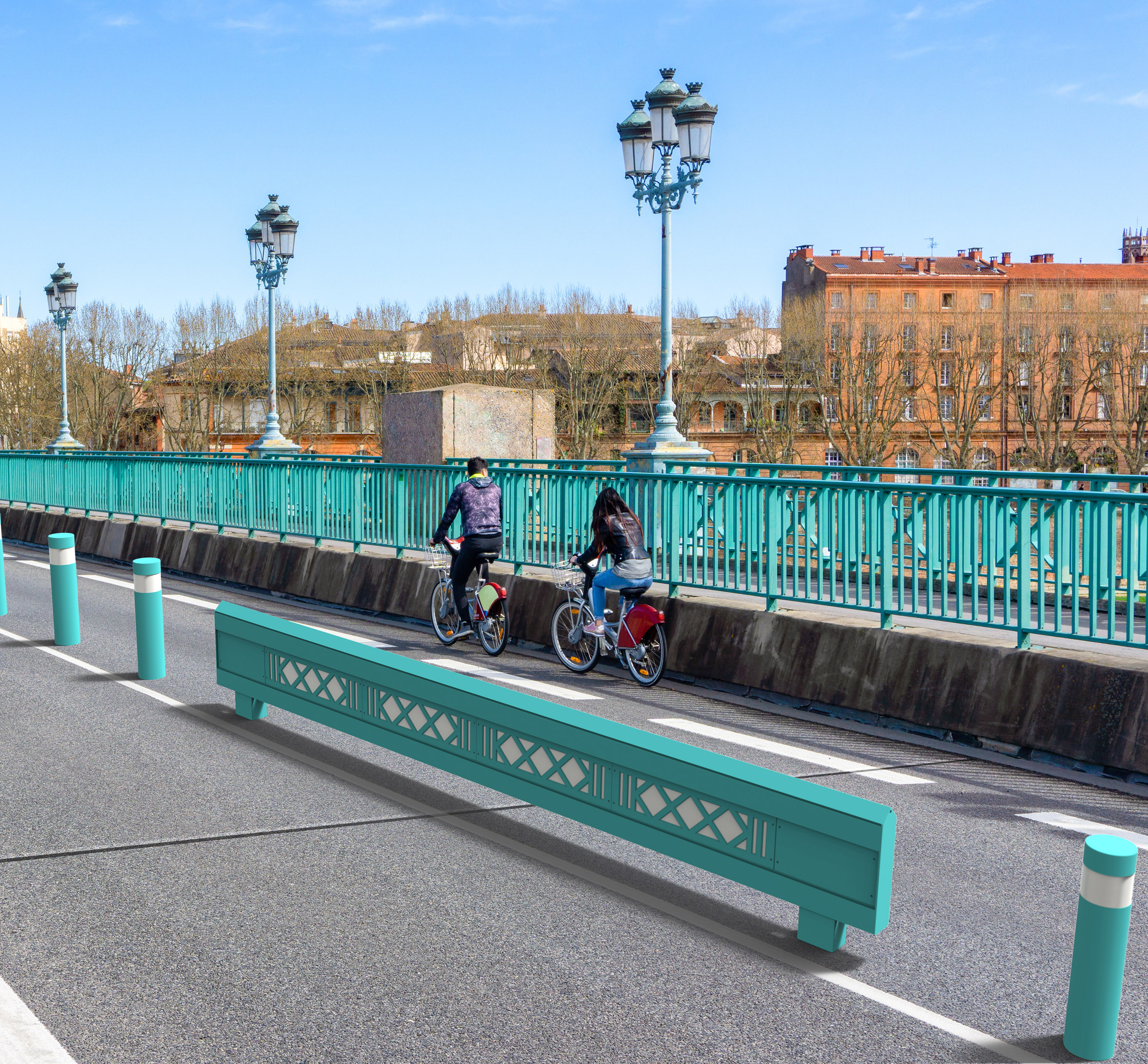
Turquoise protective barriers
They are designed to have minimal visual impact 

The company's products are designed to have a minimal visual impact on the environment while negating the need for harsh measures such as metal barriers or concrete blocks.

Instead, its RhinoGuard street furniture aims to combine safety and aesthetics and can be tailor-made to suit the needs of individual projects.

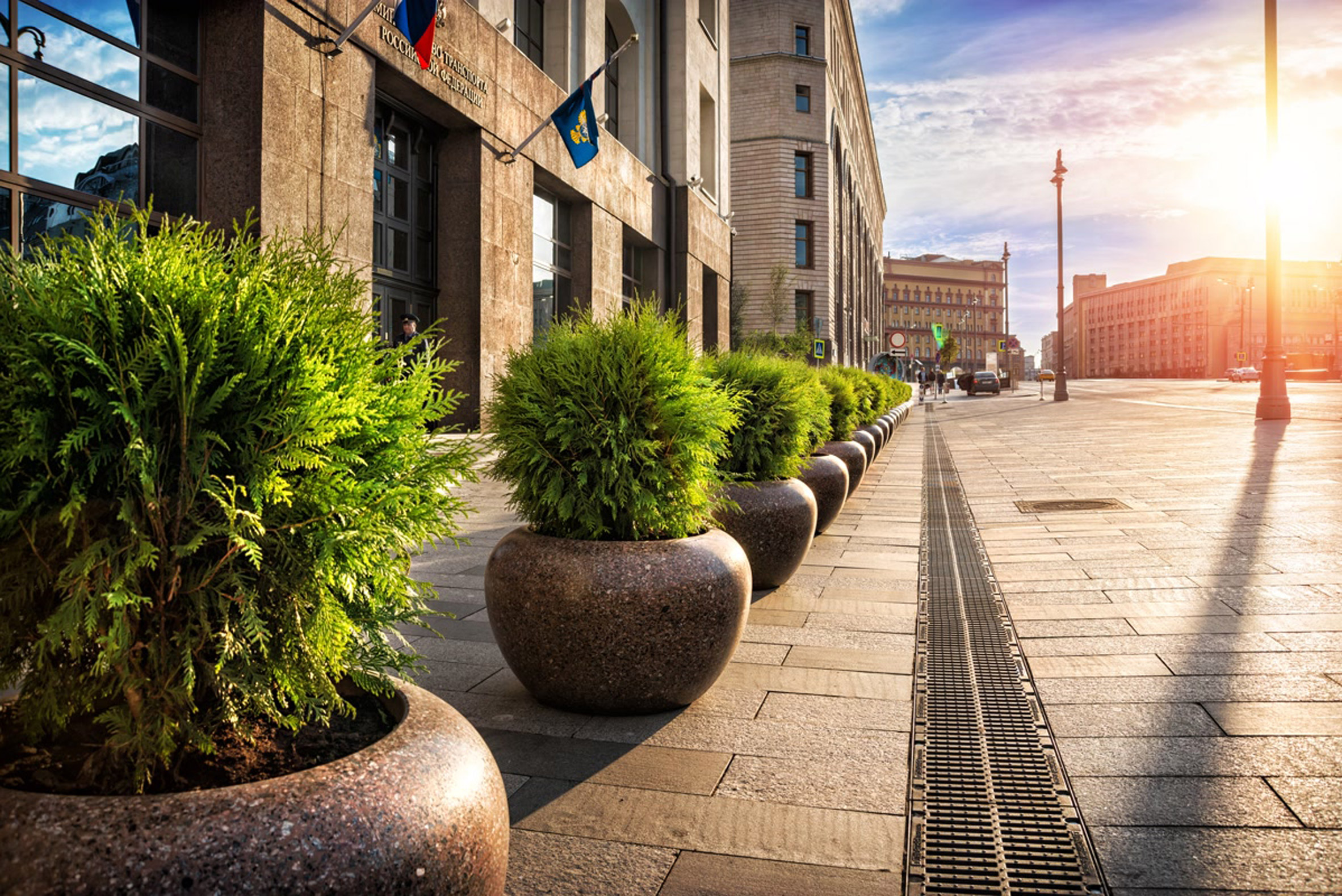
Large planters that function as vehicle protection
Large planters function as vehicle protection

Marshalls Landscape Protection offers a flexible portfolio of crash-tested street furniture products.

From the top levels of Hostile Vehicle Mitigation (HVM) certification, PAS 68/IWA 14.1, which are capable of stopping a 7.5 tonne vehicle travelling at 50 miles per hour, to the PAS 170 accreditation at the other end of the scale.

This protects against vehicles weighing up to 2.5 tonnes travelling up to 10 or 20 miles per hour.

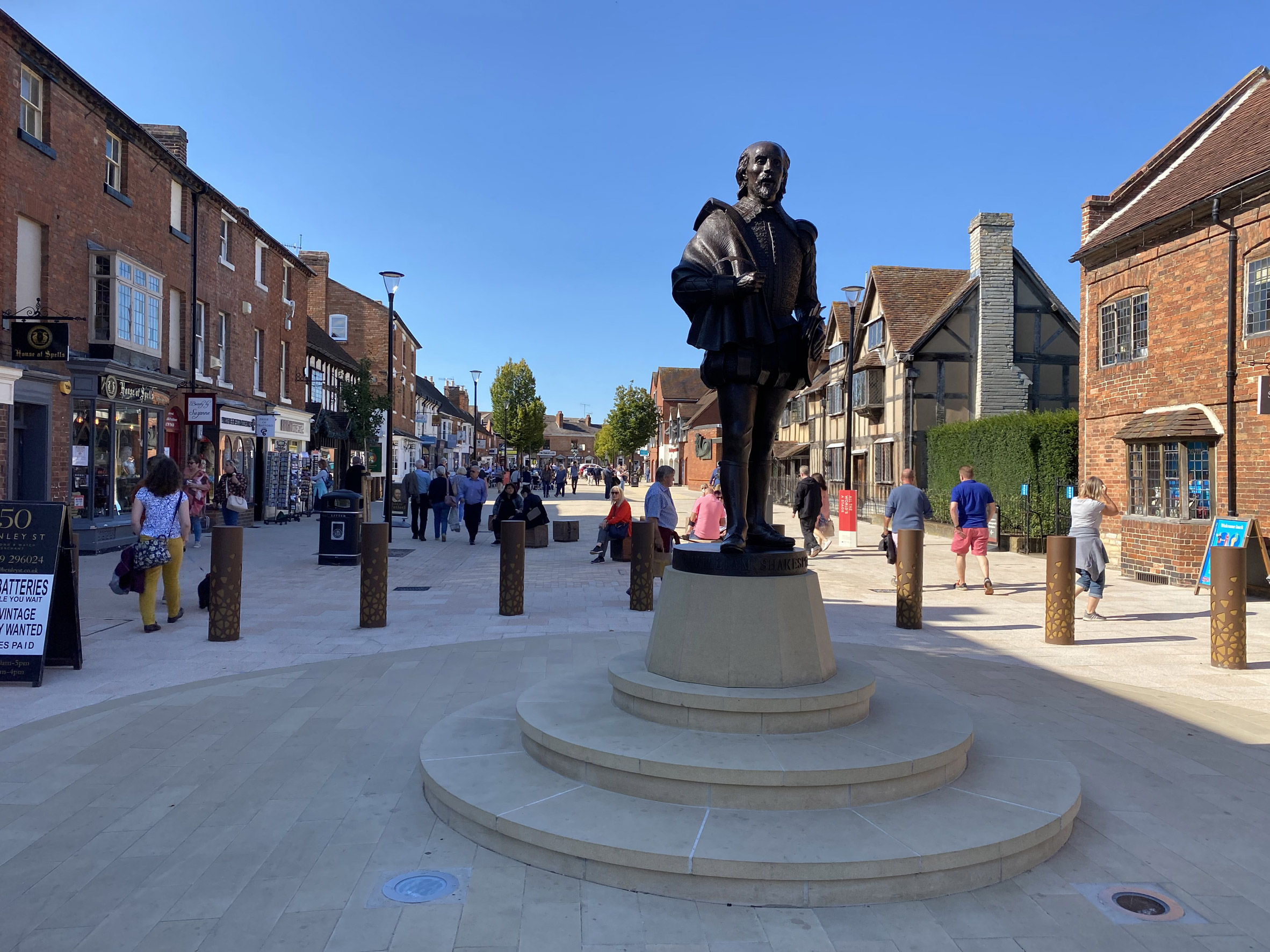
Bollards surrounding a statue
Marshalls Decorative bollards protect a historical site in Stratford upon Avon

The majority of Marshalls Landscape Protection's products are manufactured in the UK, and the company uses ethically sourced materials.

It has also signed up to the Carbon Trust Standard to reduce the carbon footprint in its product manufacturing processes.


Stone benches
Discreet benches offer protection and a place to rest

The company believes its products will be helpful as pandemic restrictions start to lift and urban areas get busier.

"Architects and landscape designers are in a strong position to create safe and attractive urban spaces that will be crucial for attracting people back into towns and city centres," the brand explained.

"By implementing protective street furniture products and taking a design-led approach to security, our public spaces can be future-proofed in a way, keeping people safe, not scared for years to come."

To learn more about the products on the brand's website.


Partnership content

This article was written by Dezeen for Marshalls Landscape Protection as part of a partnership. Find out more about Dezeen partnership content here.

The post Marshalls Landscape Protection creates protective design-led street furniture appeared first on Dezeen.


from Dezeen https://ift.tt/3wXKc4n