Friday, 23 July 2021

ASKA draws on Wes Anderson films for pastel-coloured Cafe Banacado design

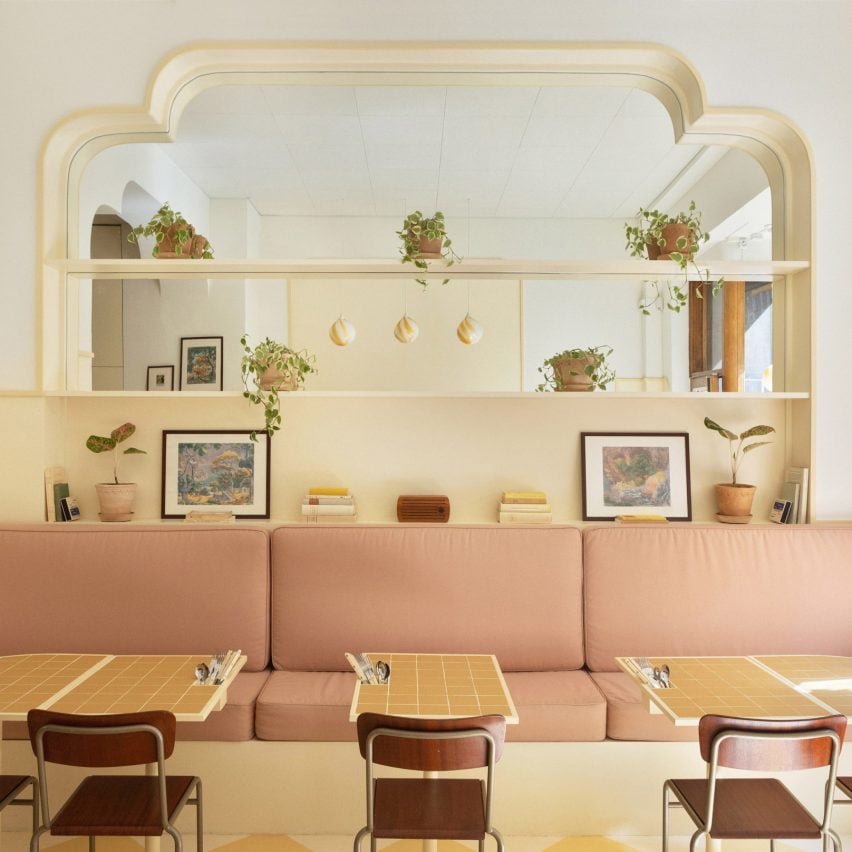
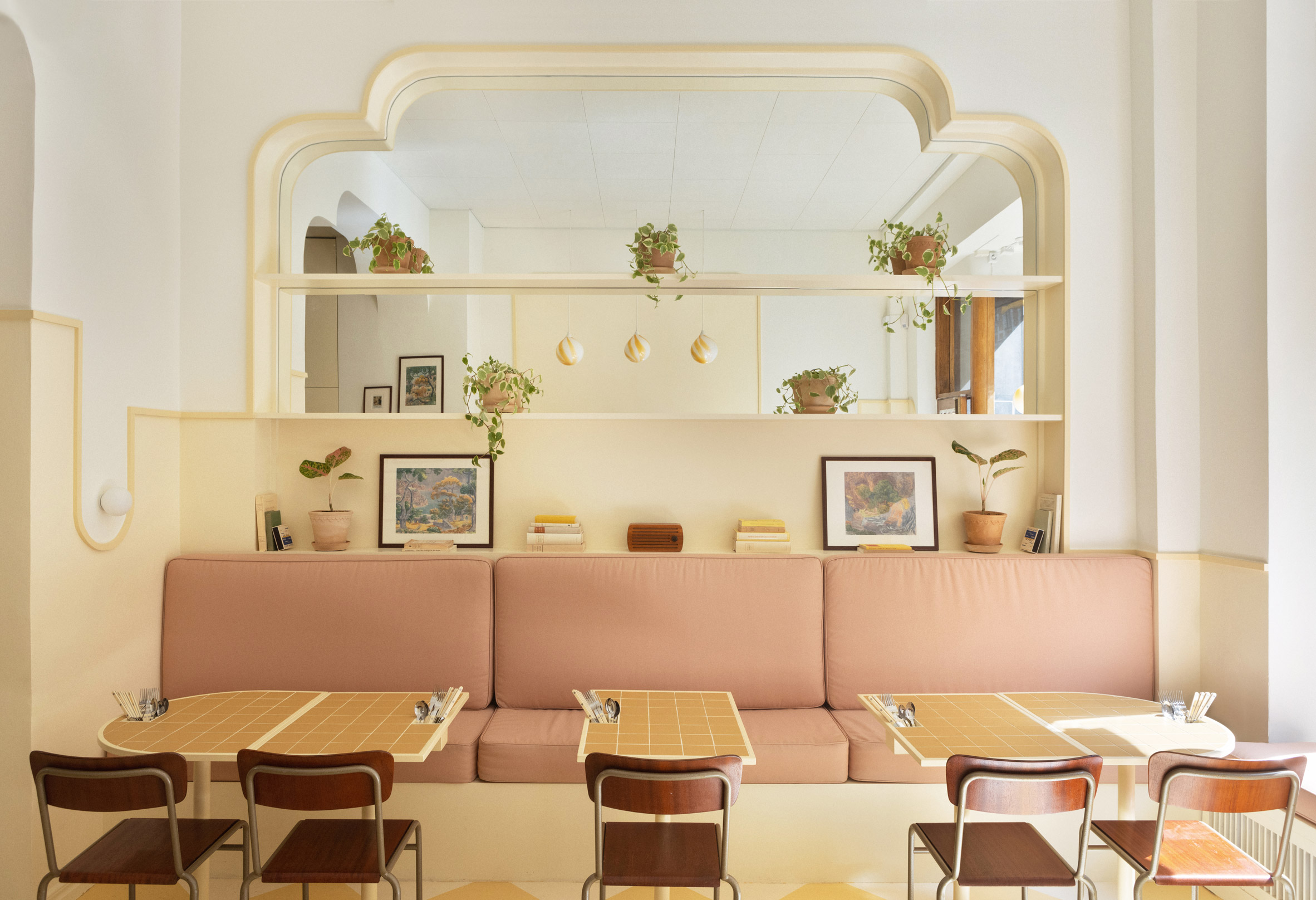
Large form-cut mirror

Swedish architecture studio ASKA has created a pale-yellow interior informed by Wes Anderson movies and the aesthetics of Cuba for Stockholm restaurant Cafe Banacado.

The all-day breakfast cafe has a colour palette of muted yellows, brown and cream hues, deliberately chosen to evoke the sun-drenched bars and cafes in more southern climates.
Interior of Cafe Bancado
A large form-cut mirror reflects the cafe's pale yellow interior

The cafe's painted checkerboard floor is a reference to Cuba, and the space features a number of vintage touches – including a wall decked out in Polaroid pictures and an LP player – that add to its nostalgic feel.

"In order to create an environment that evokes a sense of 'time stood still' it felt natural to search for inspiration from the aesthetics seen in Cuba, as the design language found there follows classical timeless shapes while at the same time integrating retro and vintage elements," ASKA co-founder Polina Sandström told Dezeen.
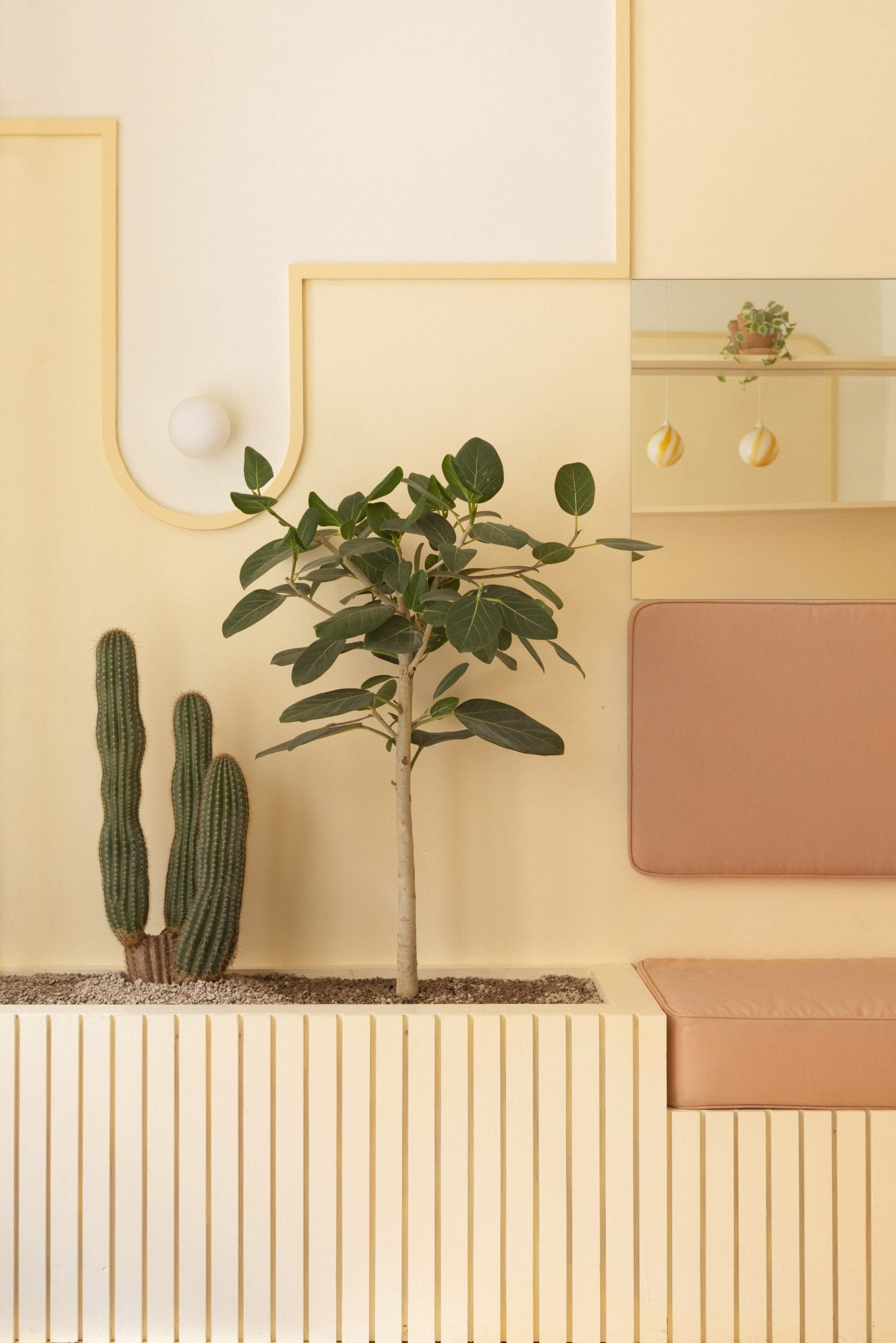
Corner with plant in pastel cafe
Green plants stand out against the pastel-coloured walls

Cafe Banacado also nods to American filmmaker Wes Anderson's dreamy retro style.

"The composition of the interior references the aesthetics of a Wes Anderson movie, as his motives often follow a strong symmetry and are built from a one-point perspective," Sandström explained.

"That sense of constructed perfection makes a space feel somewhat unreal."
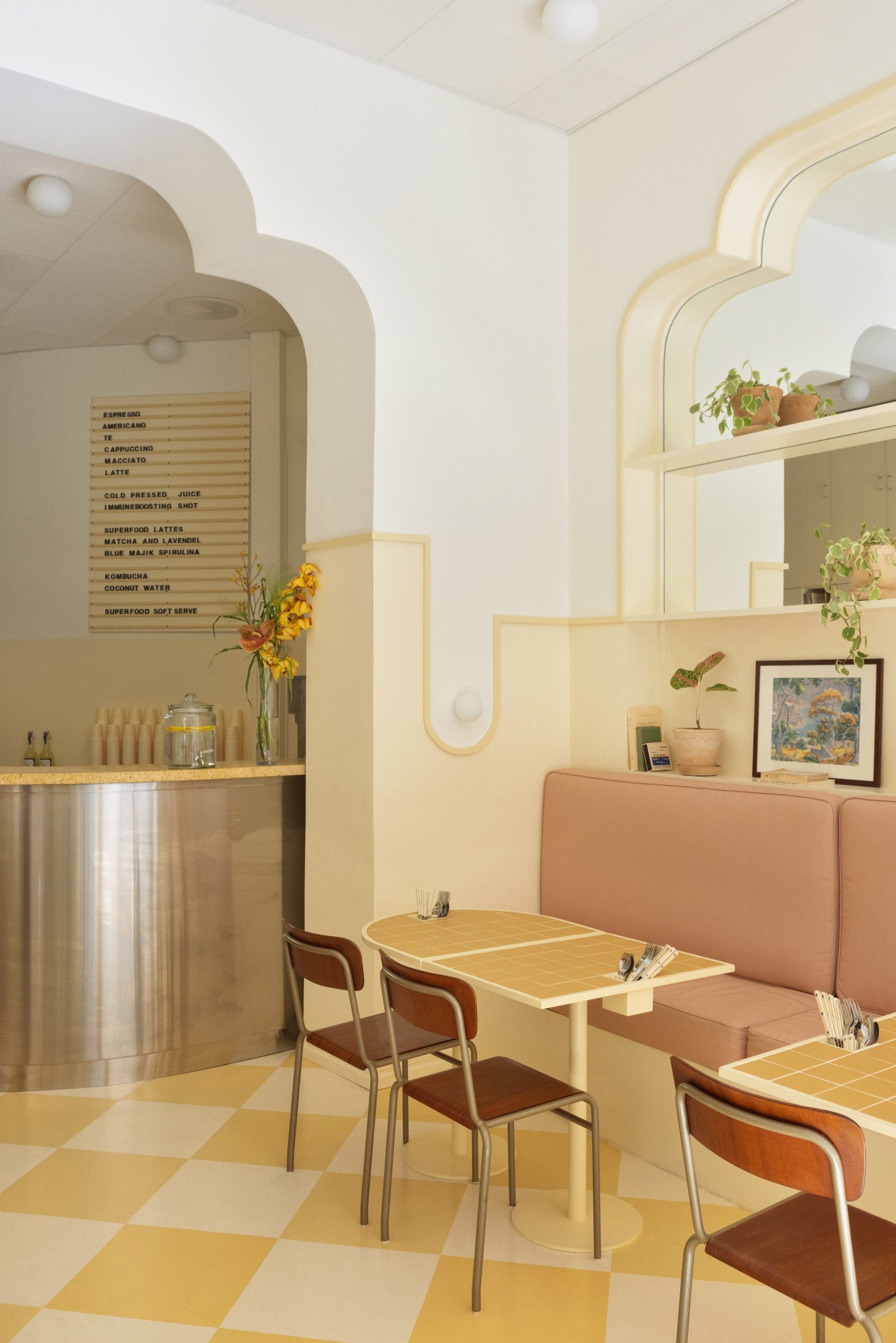
Seats and yellow custom-made tables
ASKA designed tiled tables for the cafe

The 70-square-metre cafe has built-in sofas with comfortable pale-brown cushions, as well as small tables specially designed by ASKA for the space.

These were made from yellow tiles with ochre grout, to match the yellow-and-cream chequered floor, and feature functional integrated cutlery holders.

The colour scheme was decided on as a way of creating a harmonious interior by using subtle tonal changes.

"When working with colour, it's always a fine line between being too bold or too cautious," ASKA co-founder Madeleine Klingspor said.

"In order to create an environment that feels harmonious we work with subtle layering and tone in tone methods. The same yellow is used on the walls, lamps, tables and floor but in different scales and intensity."
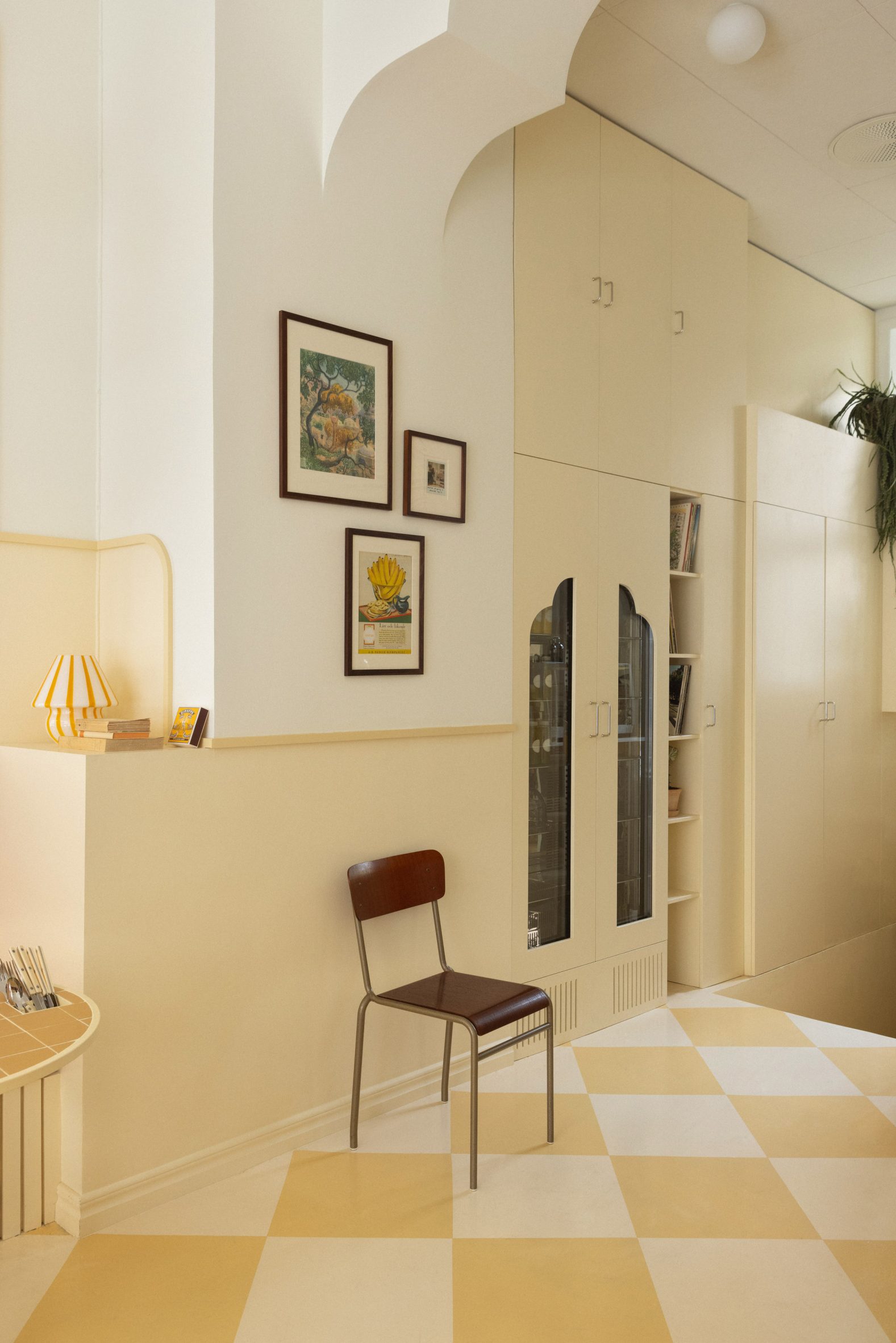
Chequered yellow floor
A chequered floor adds to Cafe Banacado's retro feel

Using yellow throughout also helped give the cafe a warm, sunny feel.

"When the sun appears, it filters through the yellow awning filling the space with a warm embrace, both visually and physically," Klingspor added.

ASKA added large form-cut mirrors and chose "natural and timeless" materials for Cafe Banacado – including wood and stainless steel – that would develop a patina over time.
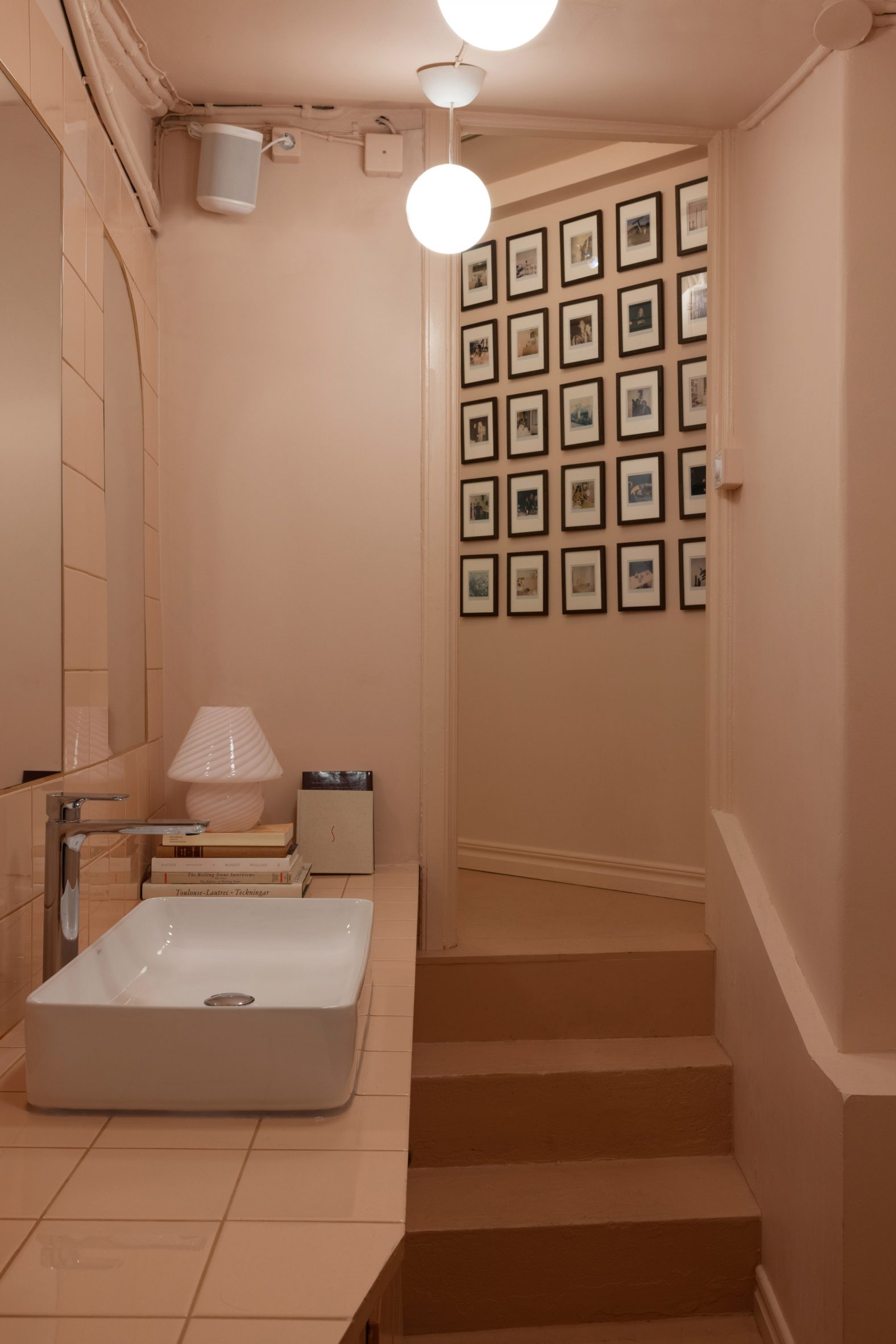
Polaroid pictures on wall
The wall outside the bathroom is decorated with Polaroid pictures

"For instance, the painted concrete floor and the vintage chairs already bear the mark of time," Sandström said.

"The vintage chairs in teak together with the frames in dark brown wood also adds a matureness to the overall pale colour scheme. While the mirrors, terrazzo and stainless steel adds a luxurious feel to the space."
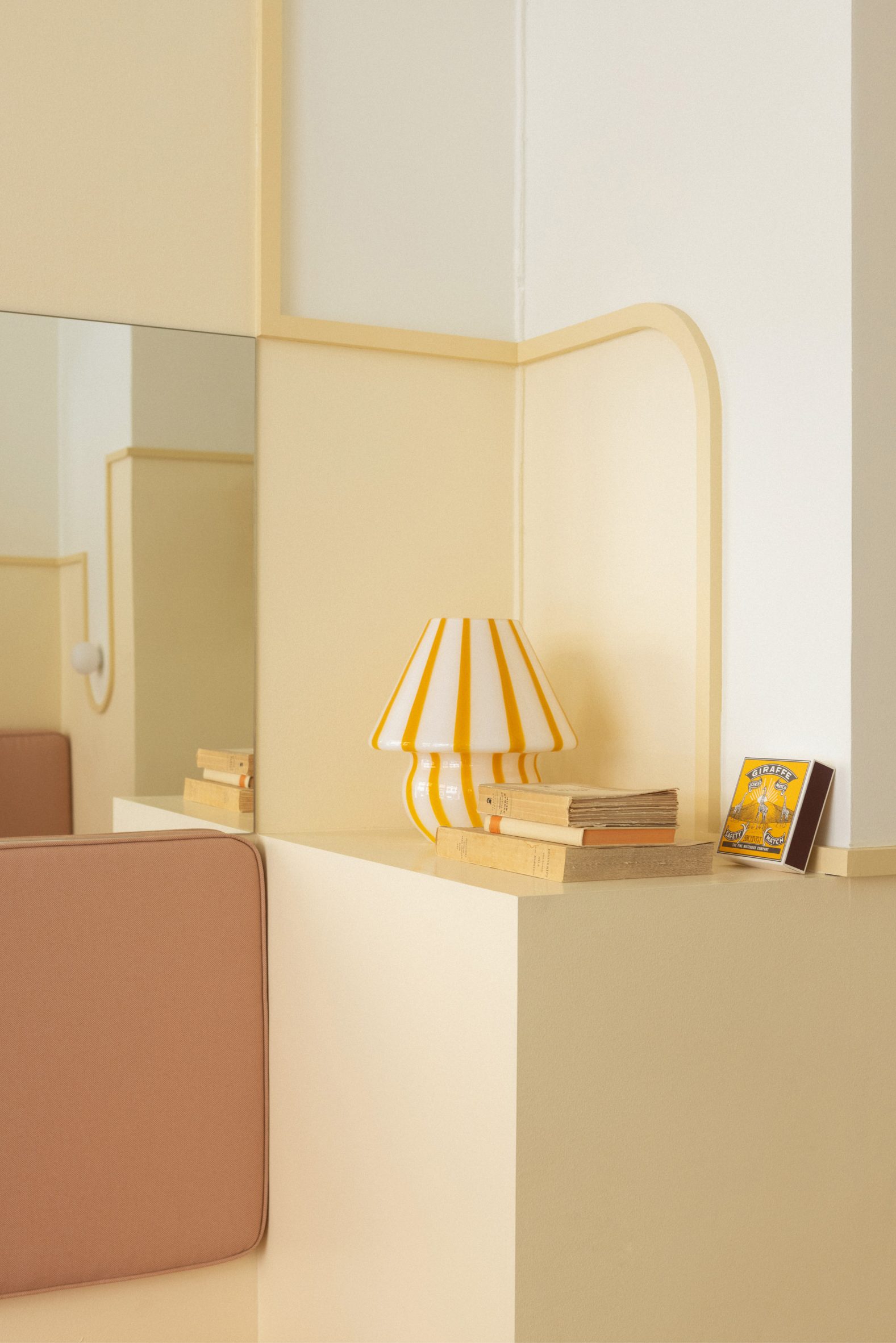
Striped glass lamp
Hand-blown striped glass lamps add a playful feel

To decorate the space, the designers commissioned custom-made hand-blown lamps in striped glass by glass artist Ulla Gustafsson, which are reminiscent of traditional Swedish polka caramels.

Artworks by impressionist painter Carl Palmé are dotted around the space alongside vinyl records and potted plants.
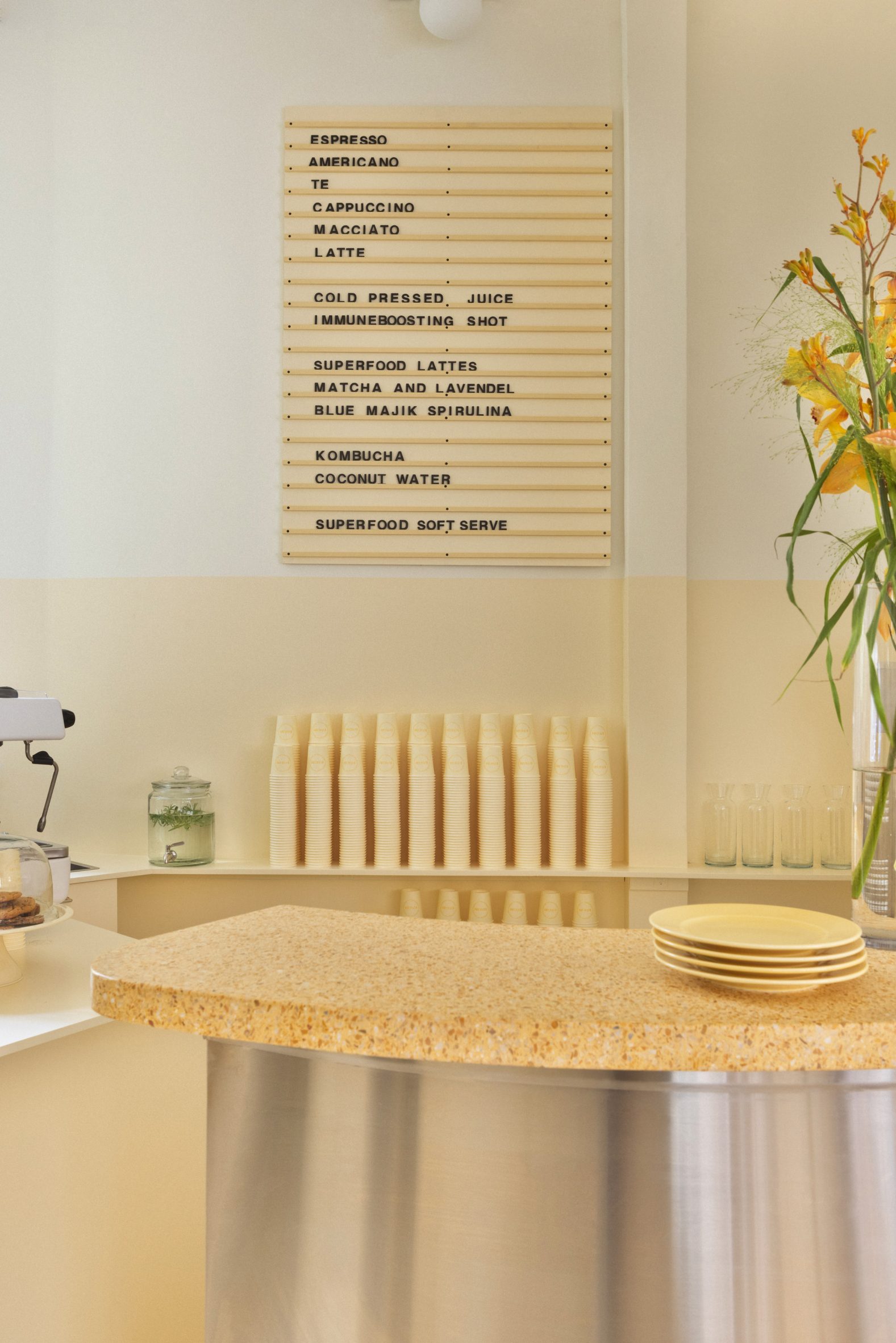
Yellow cafe counter
The counter of Cafe Banacado

As well as the interior design and some of the furniture, the architects also created the graphic design and logotype for the cafe, which is located in Stockholm's Vasastan neighbourhood.

ASKA has previously designed the pastel interiors for the refurbishment of the Maria Nila headquarters in Stockholm and created an escapist TV set for the city's design week.

Photography is by Mikael Lundblad.

The post ASKA draws on Wes Anderson films for pastel-coloured Cafe Banacado design appeared first on Dezeen.


from Dezeen https://ift.tt/2V8wzCg

Ten Tokyo 2020 Olympics designs that help the games move "towards zero carbon"

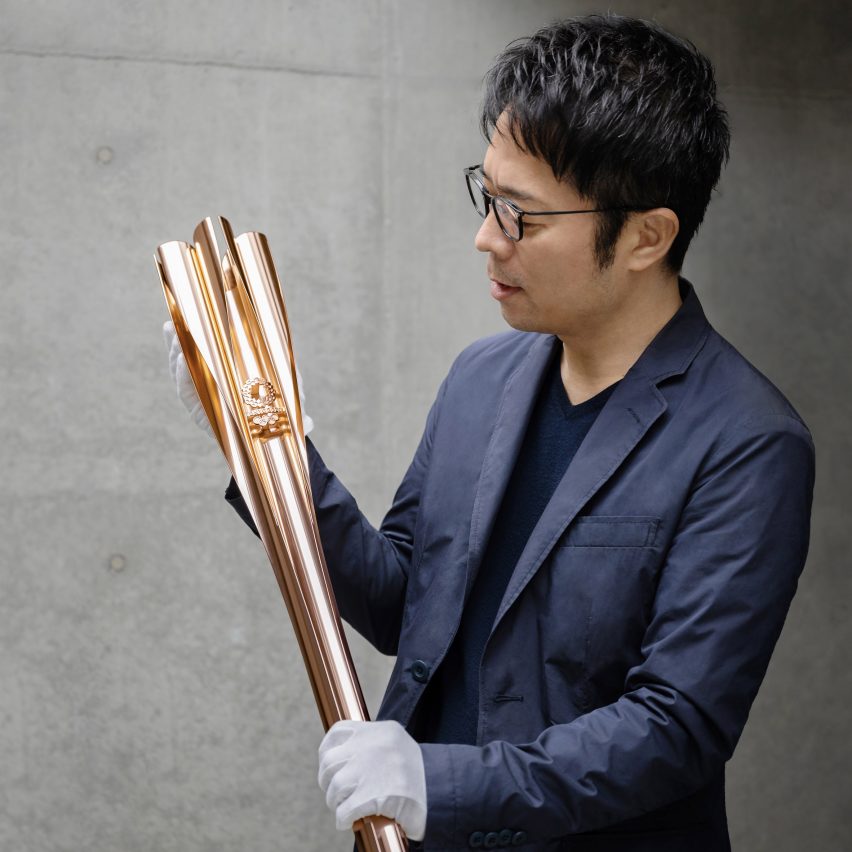
Tokyo 2020 Olympics torch by Tokujin Yoshioka

From beds made out of recycled cardboard to podiums made of donated plastic, the Tokyo 2020 Olympics are aiming to be the greenest games yet.

The organisers of the Olympics are aiming to create a "minimal impact Games", through a series of steps outlined in the Tokyo 2020 Olympic and Paralympic Games Sustainability Plan.

The majority of venues that will host events already existed with several reused from the Tokyo 1964 Olympics and podiums and medals have been made from recycled materials.

The sustainability plan claims the games are aiming to move "towards zero carbon" by "focusing on maximum energy savings and use of renewable energy".

However, a recent peer-reviewed report has called into question the event's green credentials and ranked it among the least sustainable Olympics of recent times. Co-author David Gogishvili told Dezeen that the efforts were "greenwashing".

Read on for 10 design projects aiming to make the games sustainable.


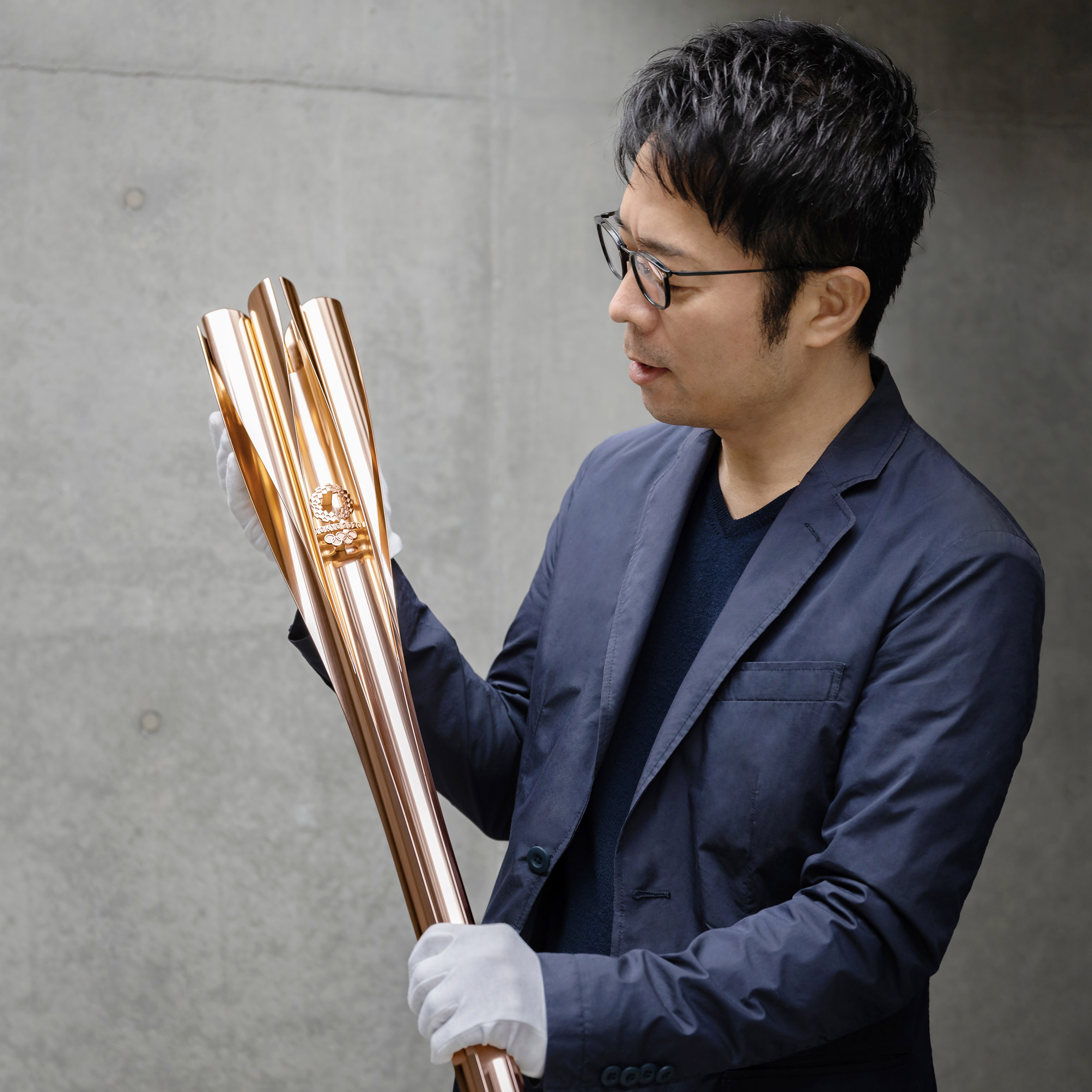
Tokyo 2020 Olympics torch by Tokujin Yoshioka

Torch by Tokujin Yoshioka

The Olympic torches, designed by Tokujin Yoshioka, were made up of recycled construction waste from temporary housing used in the aftermath of the Great East Japan earthquake and tsunami in 2011.

The designer used an extrusion technique to produce the 71-centimetre rose-gold torches, which resemble the national flower of Japan, the sakura flower. Both the relay torches and cauldron holding the Olympic flame are fueled by hydrogen instead of fossil gas.

Find out more about the Tokyo 2020 Olympics torch ›


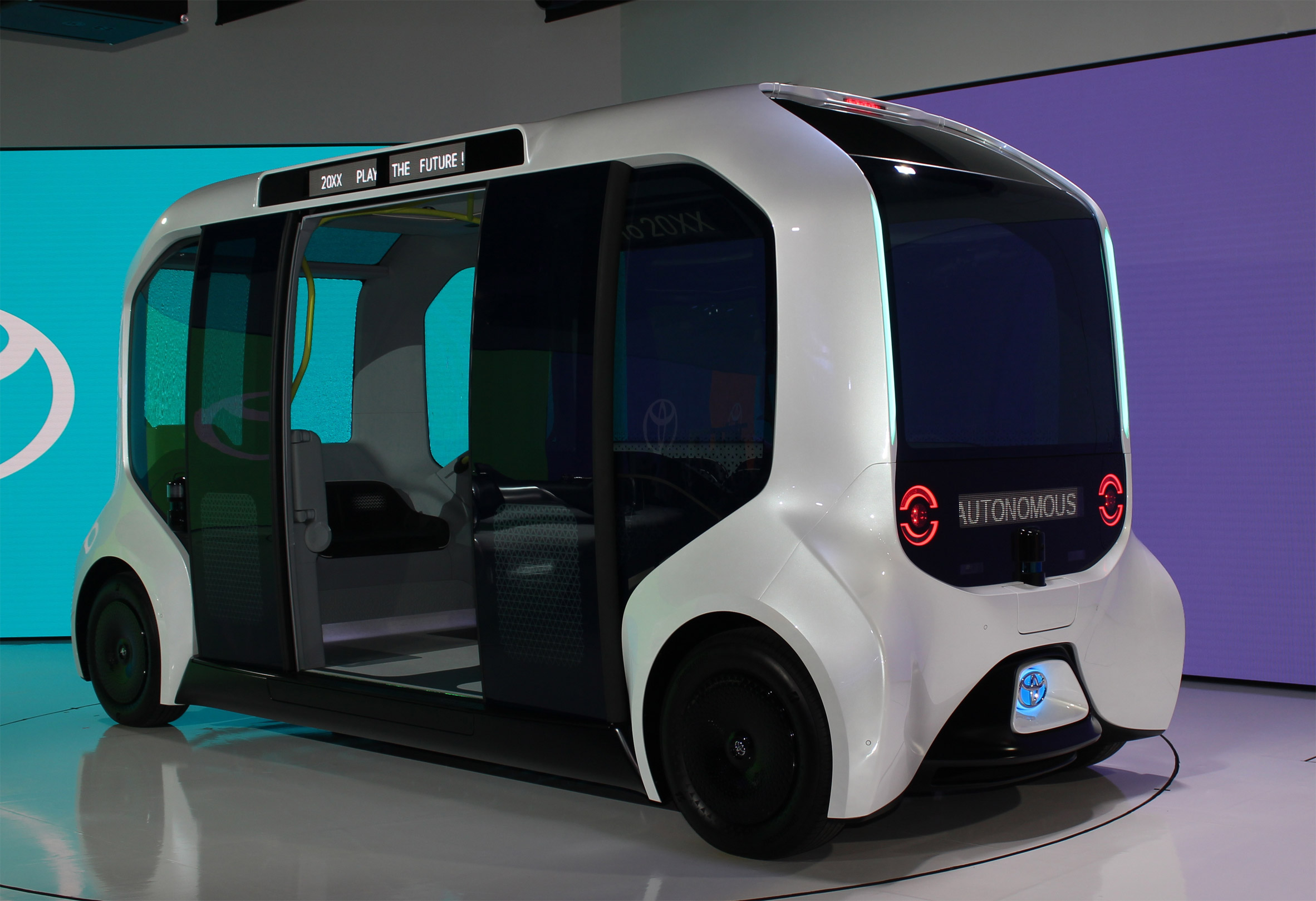
toyota e palette

Electric e-palette vehicle by Toyota

The autonomous and electric e-Palette vehicle was designed to transport Olympic and Paralympic athletes around the Olympic Village without generating emissions.

Japanese car company Toyota modified its existing fleet of e-Palette vehicles to better suit the needs of athletes who required fuss-free and comfortable transport.

Some of the modifications include widening the doors, lowering the flor and adding electric ramps to enable passengers – particularly wheelchair users – to board easily and quickly.

Find out more about the electric e-Palette vehicle›


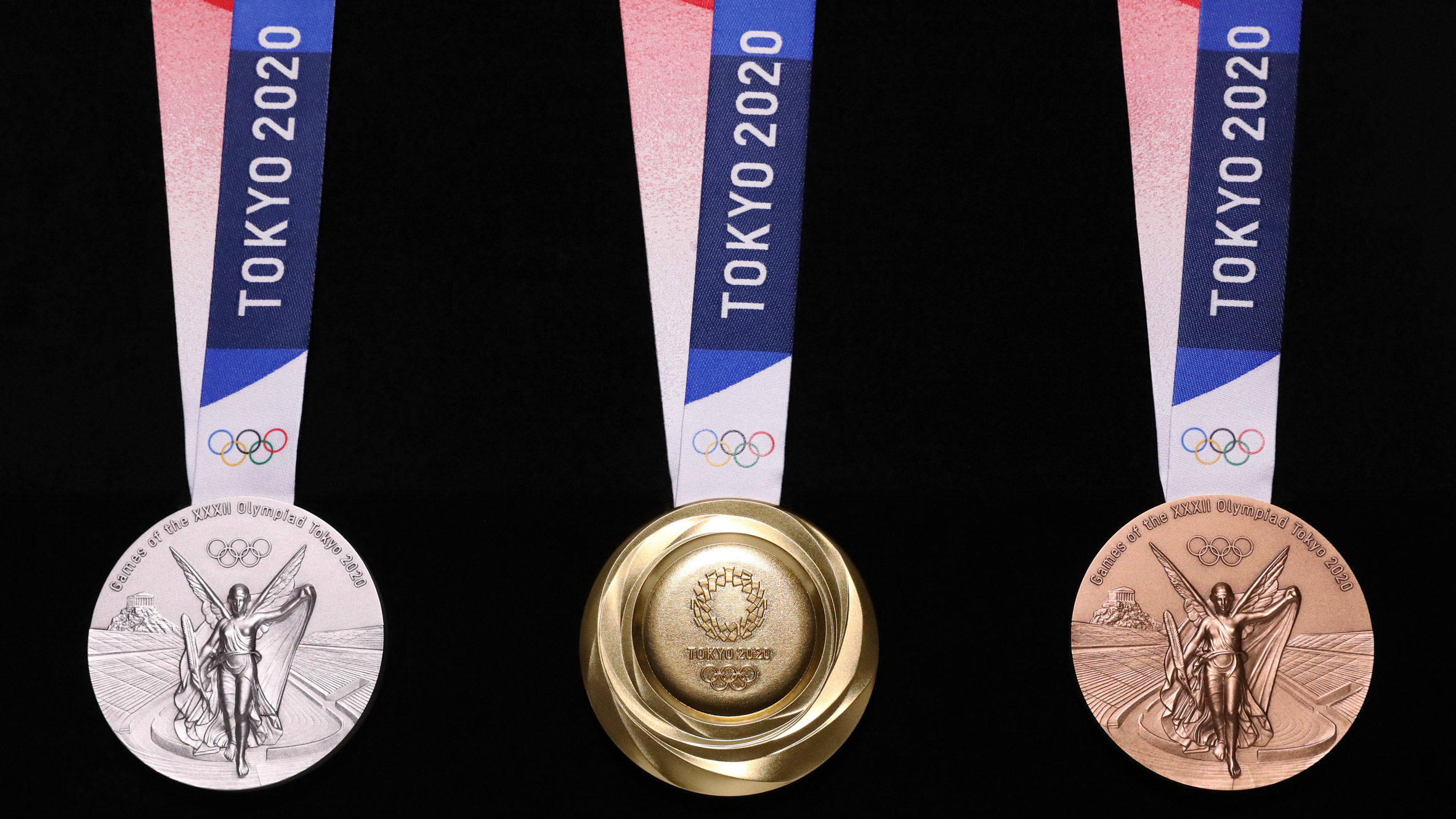
Tokyo 2020 Olympic medals

Medals by Junichi Kawanishi

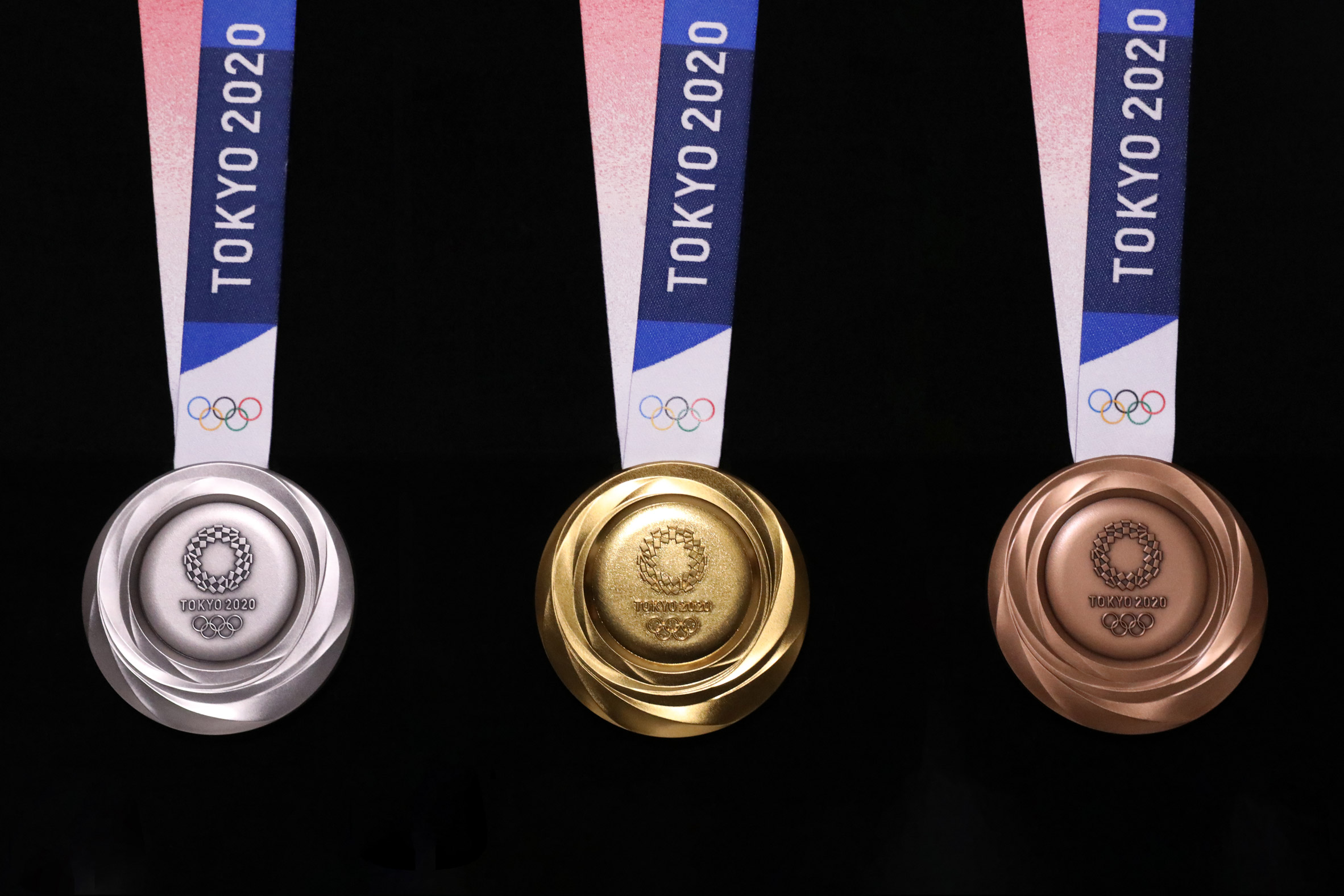
Japanese designer Junichi Kawanishi extracted precious metal from old mobile phones and other e-waste donated by the public to create reflective, ribbon-like rings around the edge of the Tokyo 2020 Olympic and Paralympic medals.

Kawanishi's winning medal design was selected from a competition that drew entries from more than 400 professional designers and design students. The medal cases which are manufactured from dyed Japanese ash wood, have been designed by Shinya Yoshida.

Find out more about the Tokyo 2020 Olympic and Paralympic medals ›


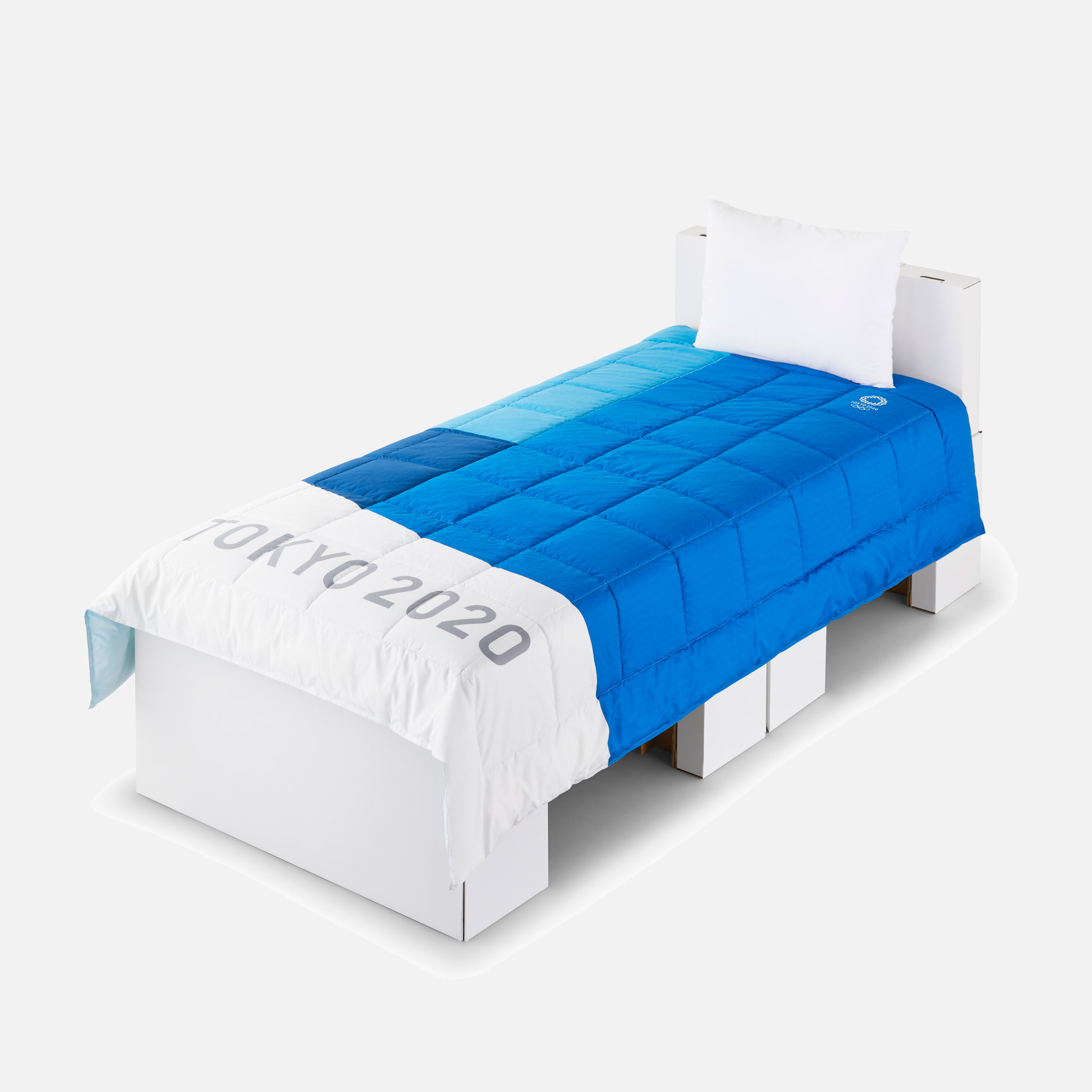
A blue and white Tokyo 2020 Olympic bed and mattress

Beds by Airweave

Japanese bedding company Airweave produced these lightweight recycled cardboard beds and customisable mattresses for athletes.

Of the 18,000 beds and customisable mattresses created for athletes at this summer's Olympics, 8,000 will be repurposed for use by athletes at the Paralympics.

The brand claims that the mattresses, which are made from polyethylene fibres, can be recycled an unlimited number of times.

Find out more about the cardboard beds›


Olympic architecture

Japan National Stadium by Kengo Kuma

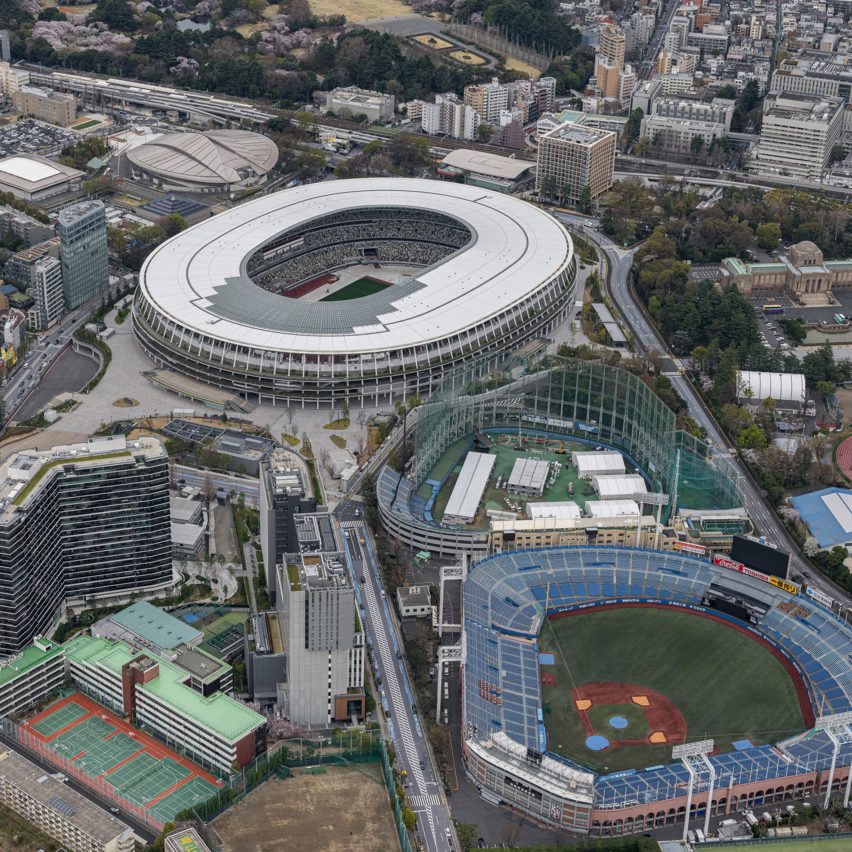
Japanese architect Kengo Kuma created a wooden lattice design for the Japan National Stadium, which will house the opening and closing ceremonies as well as the athletics events.

Although timber is generally considered a sustainable building material due to its ability to store carbon, the design came under fire for using wood linked to deforestation and human-rights violations.

It was found that the wood used in Kuma's wooden, plant-filled structure could be traced back to Shin Yang, a Malaysian logging giant accused of illegal logging and rainforest destruction.

Find out more about the stadium ›


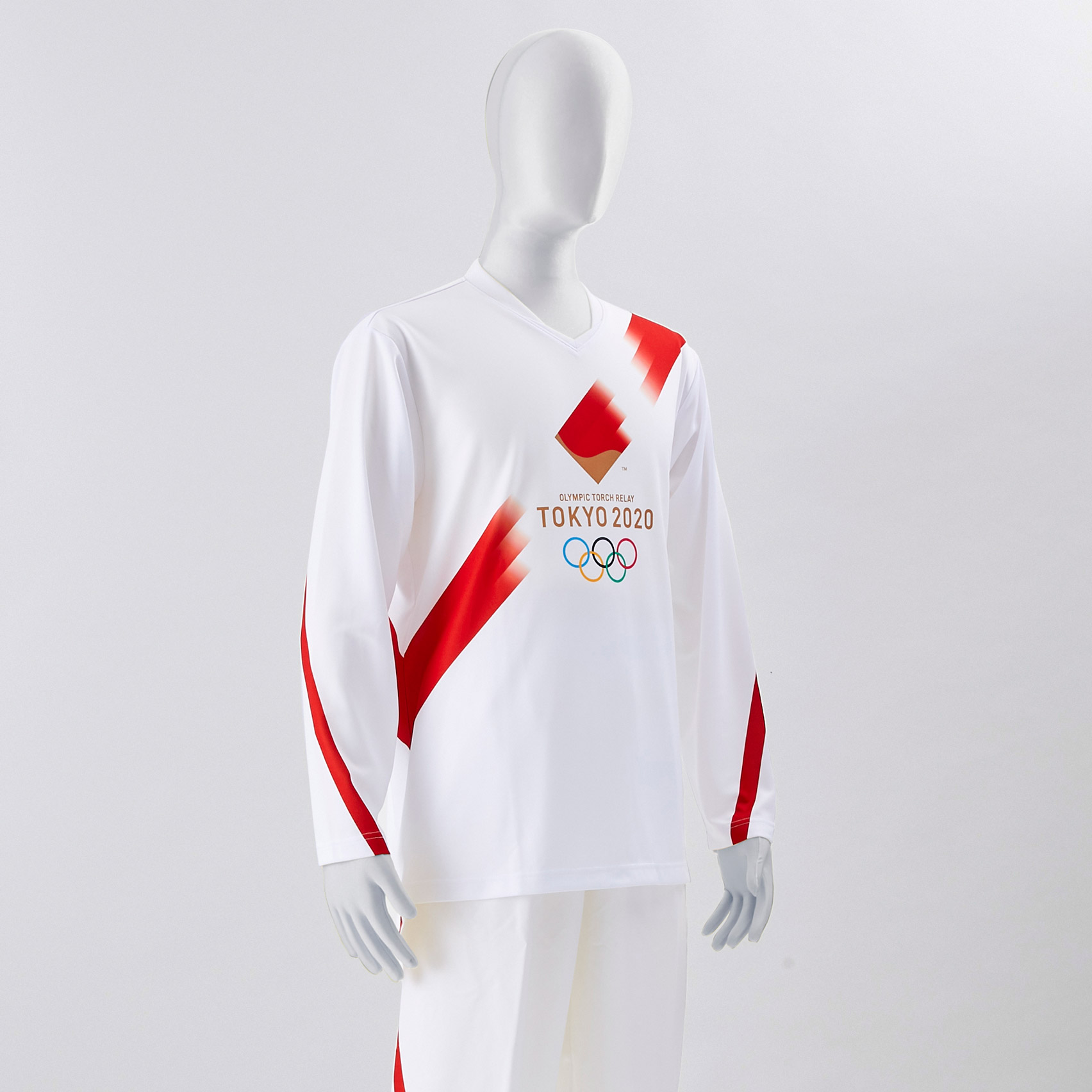
Olympic flame torchbearer T-shirts and T-shirt

Torchbearer uniforms by Daisuke Obana

Recycled plastic bottles collected by Coca-Cola have been used in the white T-shirts and trousers worn by torchbearers carrying the Olympic flame at the Tokyo 2020 Olympic torch relay.

The Tokyo Olympic Association designed the unisex Olympic torchbearer uniforms under the theme "hope lights our way".

The designs all feature a sash with a chequered pattern that is known in Japan as ichimatsu moyo. The same pattern can be found in the Tokyo 2020 logos.

Find out more about the Torchbearer uniforms ›


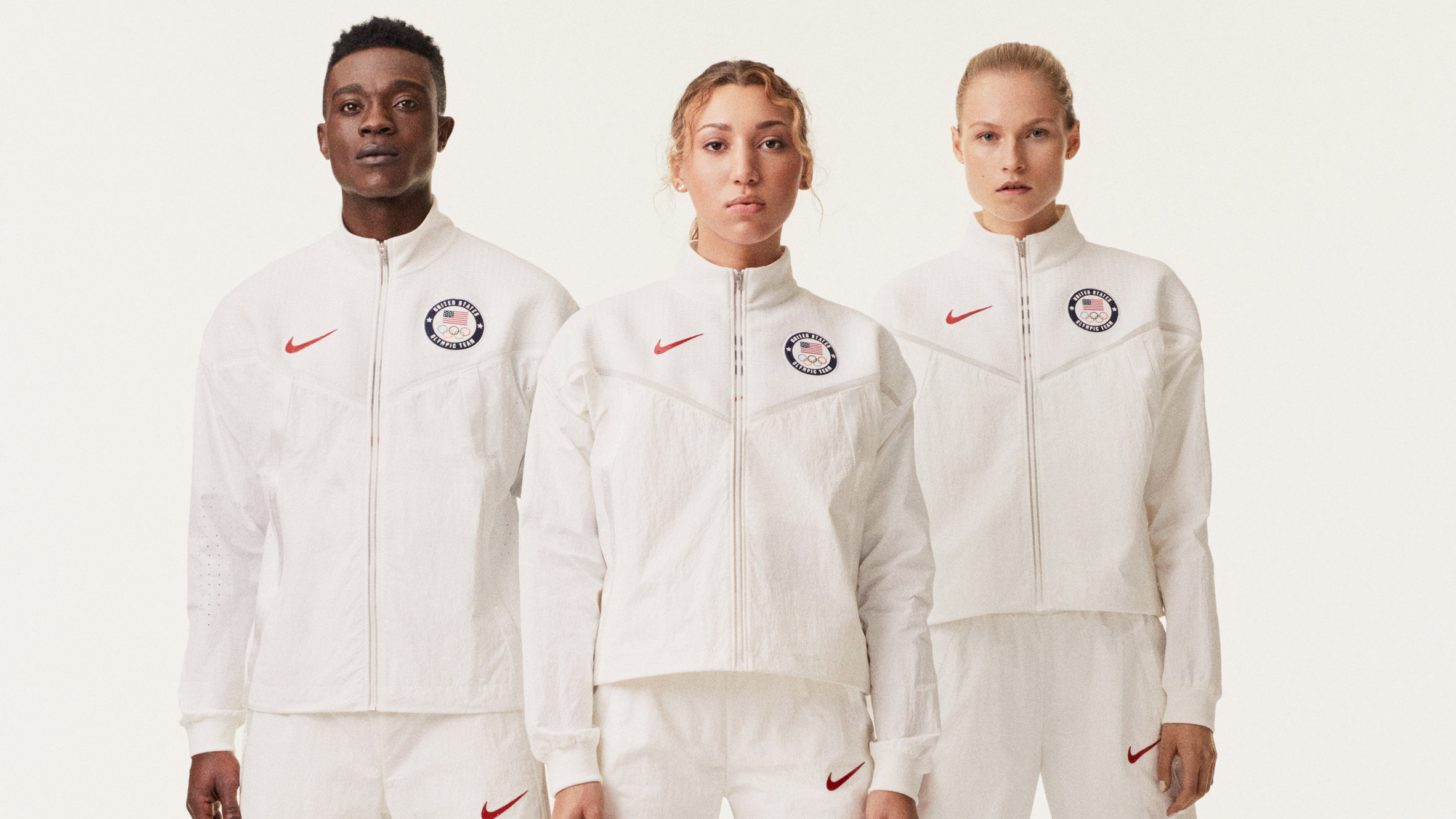
Nike Tokyo 2020 Olympic Uniforms

Basketball and soccer uniforms by Nike

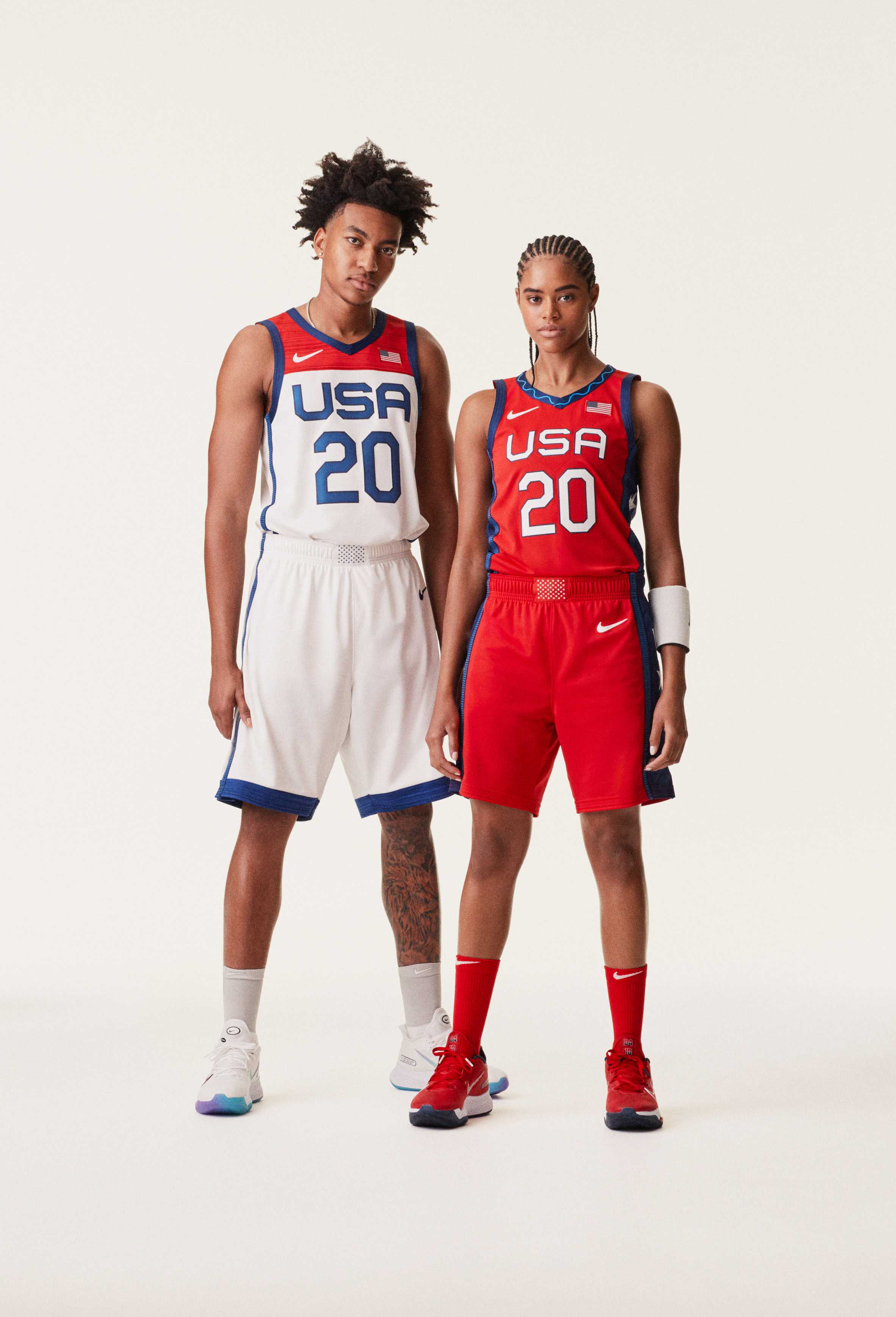
Sportswear brand Nike used recycled polyester made from plastic bottles and recycled nylon as well as rubber and yarn waste from the company's factories to create these uniforms.

Among them are soccer jerseys for the American, Korean and Nigerian teams, alongside kits for the USA's men and women basketball teams.

The brand says that the uniforms will be the "most sustainable" and "highest performing" to date.

Find out more about Nike's basketball and soccer uniforms ›


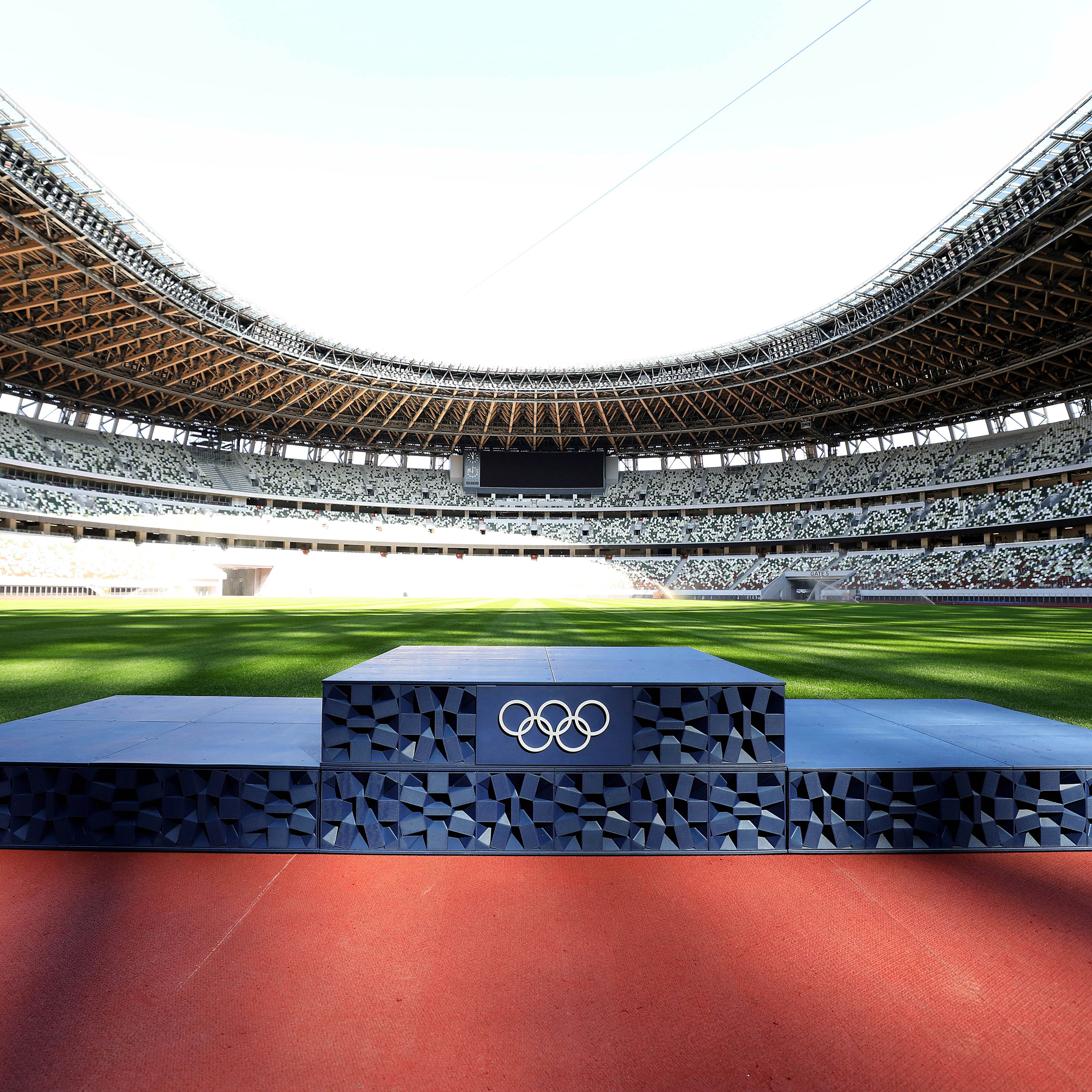
3d-printed Podium in a sports stadium

Podiums by Asao Tokolo

The winners at the Tokyo 2020 Olympics and Paralympics will receive their medals on podiums made from 24.5 tonnes of discarded household plastics.

Japanese artist Asao Tokolo gathered the plastics from the Japanese public before recycling the material and turning it into filaments, which were used to 3D-print the podiums.

The equivalent of 400,000 bottles of laundry detergent was collected to create all 98 podiums that will be used during the Games.

Find out more about the podium ›


Olympic Plaza by Nikken Sekkei

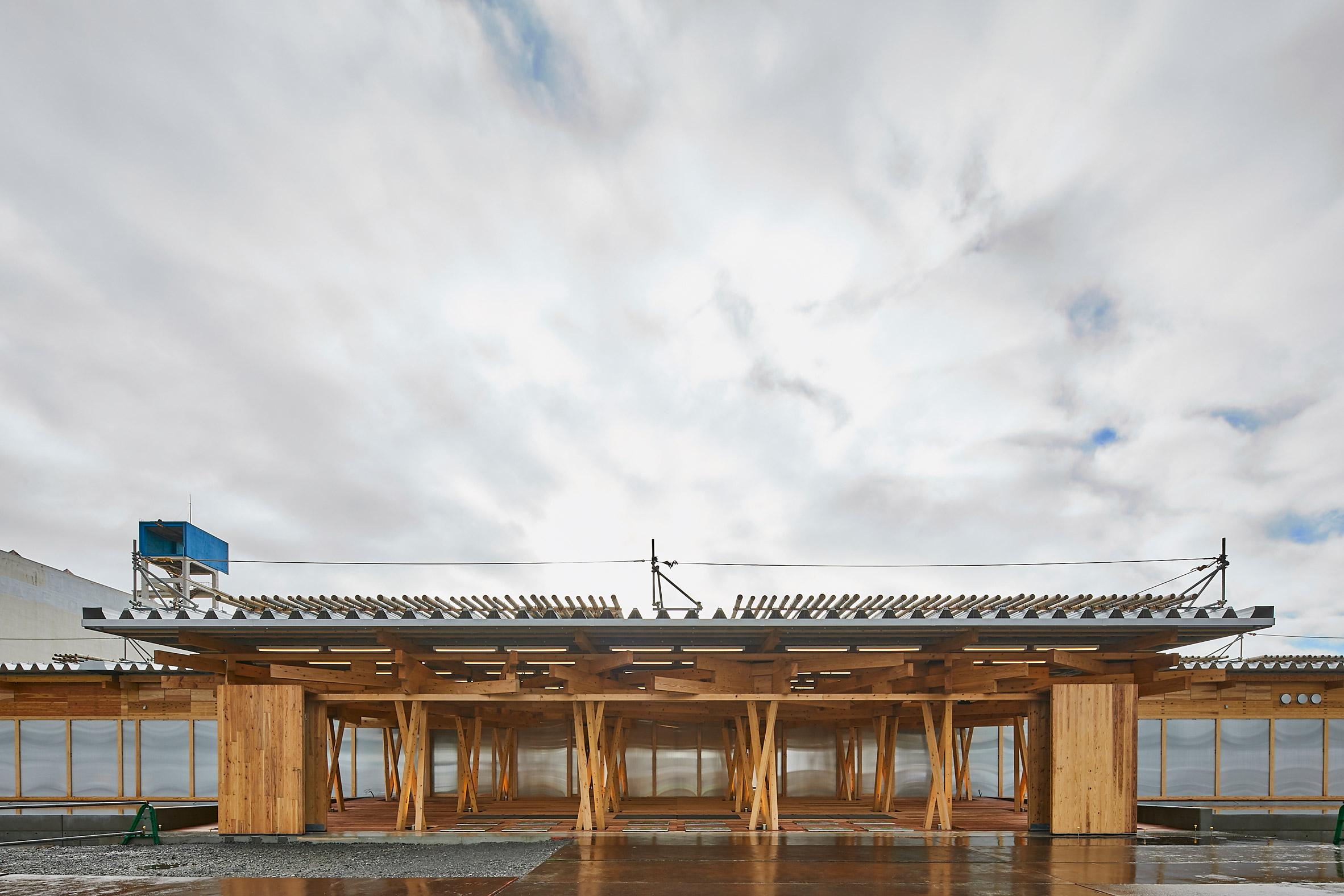
This temporary structure by Tokyo studio Nikken Sekkei was built using 40,000 pieces of Japanese wood. The pieces of cypress, cedar and larch were "borrowed" from local governments across Japan.

The timber space will be used as the central meeting and dining place for athletes, officials, guests and the media within the Olympic Village throughout the games.

Find out more about the village plaza ›


Nike Olympics 2020 Skateboarding Uniform

Skateboarding uniforms by Nike

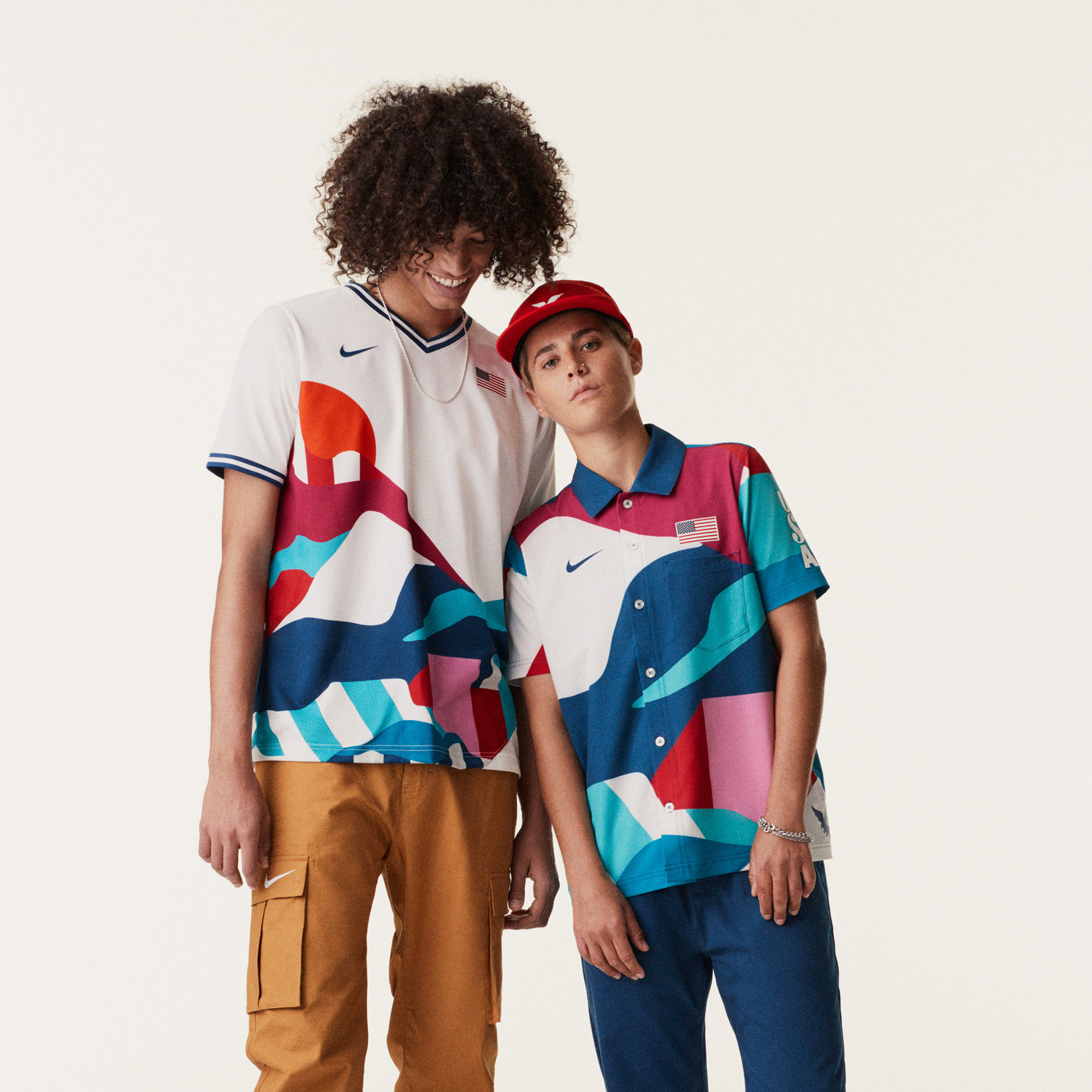
Bright colours and geometric patterns adorn the skateboarding uniforms that Nike has designed for the first skateboarding competitors at the Olympic Games.

According to Nike, all of the skateboarding jerseys are made up of 100 per cent recycled polyester from "water bottles and other things that would go to waste".

The sportswear company has created uniforms for the United States, France and Brazil. They will all be bringing teams to the Tokyo 2020 Olympics to compete in the sport's first street and park competitions at the Olympic level.

Find out more about the skateboarding uniforms ›

The post Ten Tokyo 2020 Olympics designs that help the games move "towards zero carbon" appeared first on Dezeen.


from Dezeen https://ift.tt/3ixHe16

Tokyo 2020 Olympics accused of "superficial" sustainability efforts

Tokyo Olympic Stadium

The Tokyo 2020 Olympics opens today amid claims that its promise to be the greenest games ever are "greenwashing".

Instead, it is the third-least sustainable Olympics since 1992, according to a new report.

This year's event marks the first Olympics to be carbon neutral and to run entirely on renewable energy, according to its organisers.

"The majority of the measures that have been included in this particular Olympics, and the ones that were particularly mediatised, have a more or less superficial effect," said David Gogishvili, who is co-author of a peer-reviewed study of the games conducted by the University of Lausanne.

"From my perspective, unless the International Olympic Committee heavily limits the construction aspect and the overall size of the event, they will always be criticised for greenwashing."

Focus on recycling without banning plastic

The games, postponed from last year due to the pandemic, have been billed as the greenest-ever.

At today's opening ceremony, the torchbearer will wear a uniform made from discarded Coca-Cola bottles and hold a hydrogen-fueled torch formed of repurposed aluminium from disaster relief shelters.

Throughout the competition, athletes will sleep on recycled cardboard beds and receive medals made from old smartphones on podiums 3D-printed from household plastic waste.

Yet despite these initiatives, Tokyo 2020 is still the third-least sustainable Olympics to take place in the past 30 years, according to the report.

Nike Tokyo 2020 Olympic Uniforms
Above: Nike designed uniforms from recycled materials. Top: Kengo Kuma's Japan National Stadium is built using timber

Masako Konishi, climate and energy project leader at the World Wildlife Fund Japan, agreed with its findings.

"Using recycled plastic for building podiums is good as a showcase but it doesn't leave any legacy to Japanese society as they didn't ban the use of these plastics," she told Dezeen.

However, Konishi, who is a member of the Tokyo Olympics sustainability committee, also argues that the event will set an important precedent by becoming the first games to offset all its emissions through carbon credits.

"The Tokyo Olympics collected more than enough carbon credits, more than 150 per cent of what was needed, meaning that it will be carbon negative," she said.

"These carbon credits follow robust guidelines, which I think could be a role model for future Olympics."

Olympics have become less sustainable over time

Concern around the environmental impact of the Olympic Games first arose in the 1990s, when the International Olympic Committee (IOC) published its own version of the UN's sustainable development plan Agenda 21, sponsored by oil giant Shell.

However, when University of Lausanne researchers analysed all 16 Olympics that have taken place since 1992, they noticed a clear decrease in the sustainability of the games since then, with Tokyo in the bottom three.

This trend can be traced back to the increasing size of the event, Gogishvili says, which causes a chain reaction of environmental, social and economic impacts.

"In 1964, when Tokyo last hosted the Summer Olympics, there were 5,500 athletes participating," he said. "Today, there will be around 12,000."

"More athletes means more events, more participating countries and more media. They need more venues, accommodation and larger capacity, which means more construction and a more negative ecological footprint."

toyota e palette
Athletes will be transported by Toyota's electric e-Palette vehicles

The IOC announced last year that all of its upcoming events would be carbon-neutral and, as of 2030, "climate positive".

With this aim, Tokyo 2020 implemented a decarbonisation strategy that helped reduce the event's estimated carbon footprint from 2.9 million tonnes of carbon dioxide equivalent (CO2e) to 2.73 million tonnes.

Beyond the use of renewable energy and electrified transport, this was achieved by cutting down on new construction in favour of retrofitting 25 existing sports venues and making both old and new buildings more energy-efficient.

Among the newly constructed buildings, the Olympic Plaza and Kengo Kuma's Japan National Stadium are built from timber in a bid to limit emissions. However, some of this wood has been linked to deforestation, which effectively negates its positive impacts.

Tokyo 2020 is carbon neutral

To compensate for the emissions that remain, the Japanese Olympics Committee has purchased 4.38 million tonnes worth of carbon credits, generated through local energy-saving and efficiency projects in Tokyo and Saitama prefecture.

"The decarbonisation strategy is the best out of all the past Olympics," Konishi said. "I believe the most important thing that the Tokyo Olympics can show the world is that with current technology, it's possible to get to carbon-zero."

However, unlike offsets that directly remove carbon from the atmosphere via processes such as direct air capture (DAC) or soil carbon sequestration, energy efficiency projects like this only help to reduce future emissions rather than removing existing ones from the atmosphere.

Tokyo 2020 Olympic medals
The Tokyo 2020 medals are made from donated e-waste

Even as Tokyo 2020's estimated footprint has been lowered further now that foreign visitors will be barred due to the pandemic, the event will still result in a net addition of 2.4 million tonnes of CO2 to the atmosphere, which is more than the entire city of Copenhagen emitted last year.

"Carbon offsets have been criticised by different scholars, because what they tell us is: we'll keep emitting but we'll just try to offset it," Gogishvili said.

"It is possible to have more sustainable Olympics but there are some radical changes that the IOC needs to take."

Event should be downsized

According to the researcher, this includes establishing an independent body to evaluate the Olympics' sustainability claims, as well as rotating the games among the same cities to mitigate the need for constantly constructing new infrastructure.

But the thing that would have the biggest impact, he argues, would be a focus on degrowth and downsizing the event.

"The first modern Olympics, which were hosted in Athens in the late 19th century, had only 300 athletes," he said.

"Of course, we are not saying that we have to go to that level. But there needs to be a discussion between the IOC, National Olympics Committees and maybe the UN, which takes into consideration the current realities of the world and the climate crisis, to come to a reasonable number."

The Tokyo 2020 Olympics run from 23 July to 8 August 2021 in venues across Tokyo. See Dezeen Events Guide for an up-to-date list of architecture and design events taking place around the world.

The post Tokyo 2020 Olympics accused of "superficial" sustainability efforts appeared first on Dezeen.


from Dezeen https://ift.tt/3hUKhkZ

Marcel Wanders Studio's designs for Moooi "tap into the irrational side of the brain" says Gabriele Chiave

Gabriele Chiave discusses the new light and sofa system that Marcel Wanders Studio has created for Moooi in our latest Design Dreams video for the Dutch furniture brand.

Chiave is creative director at the eponymous studio of Dutch designer Marcel Wanders, who is also one of the co-founders of Moooi.

Under Chiave and Wanders' leadership, Marcel Wanders Studio has created two new products for Moooi – the Hubble Bubble suspension lamp and a modular sofa system called Sofa So Good.

Hubble Bubble by Marcel Wanders for Moooi
Hubble Bubble is a suspension lamp designed by Marcel Wanders Studio for Moooi

Chiave explained his intuitive approach to designing furniture in an exclusive video interview with Dezeen shot at Marcel Wanders Studio in Amsterdam.

"Marcel Wanders Studio is a hub of crazy, creative and amazing people and designers," he said. "We aim to reach people in their heart and their soul, tapping into their emotions, tapping into the irrational side of their brain more than the rational one."

Hubble Bubble by Marcel Wanders Studio for Moooi
Hubble Bubble features glass spheres arranged around a circular metal frame

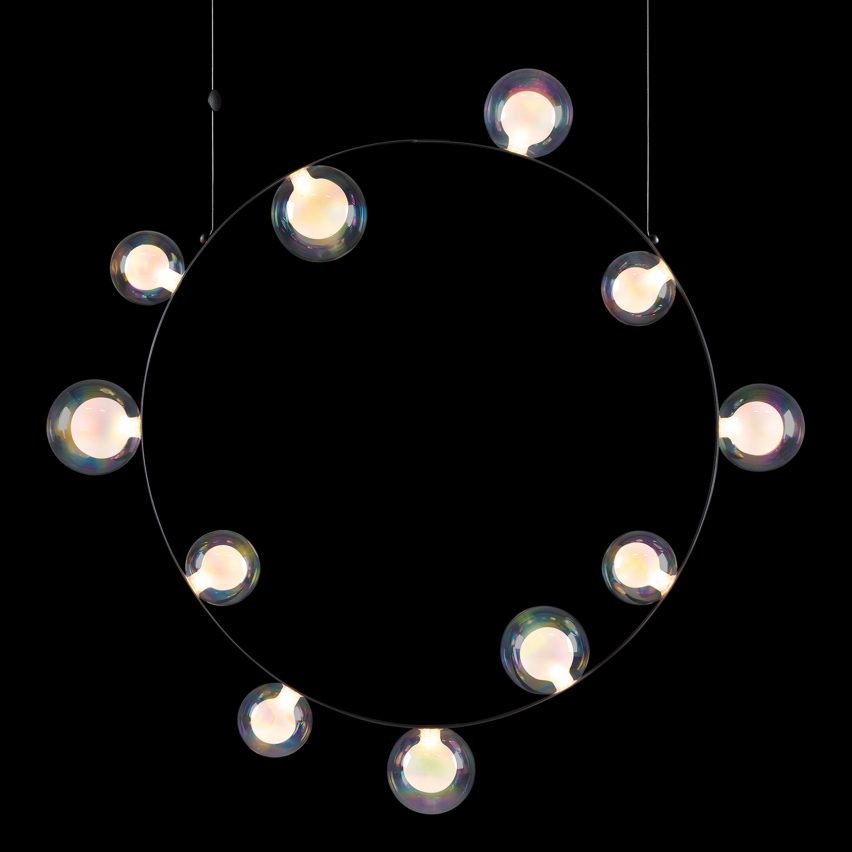
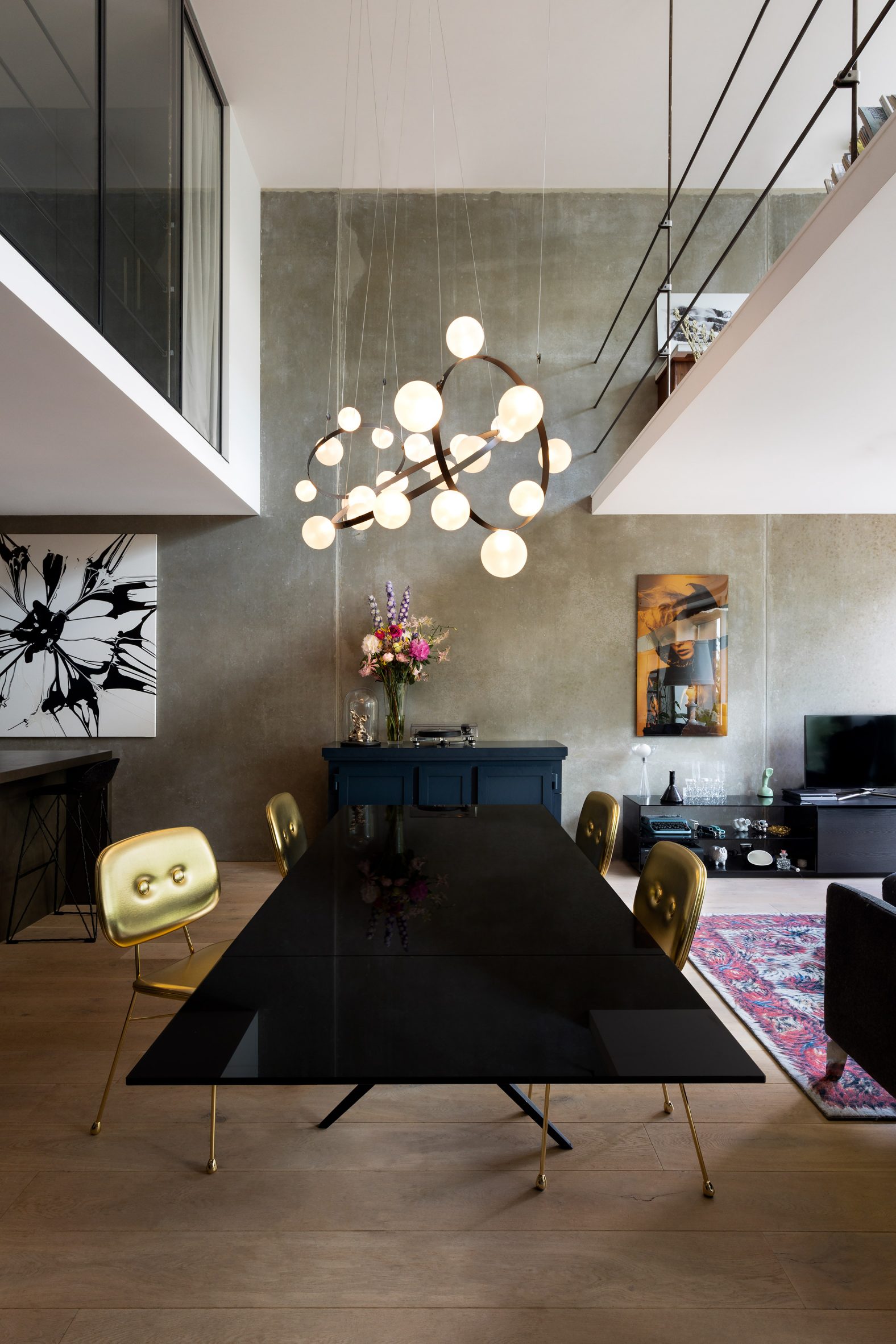
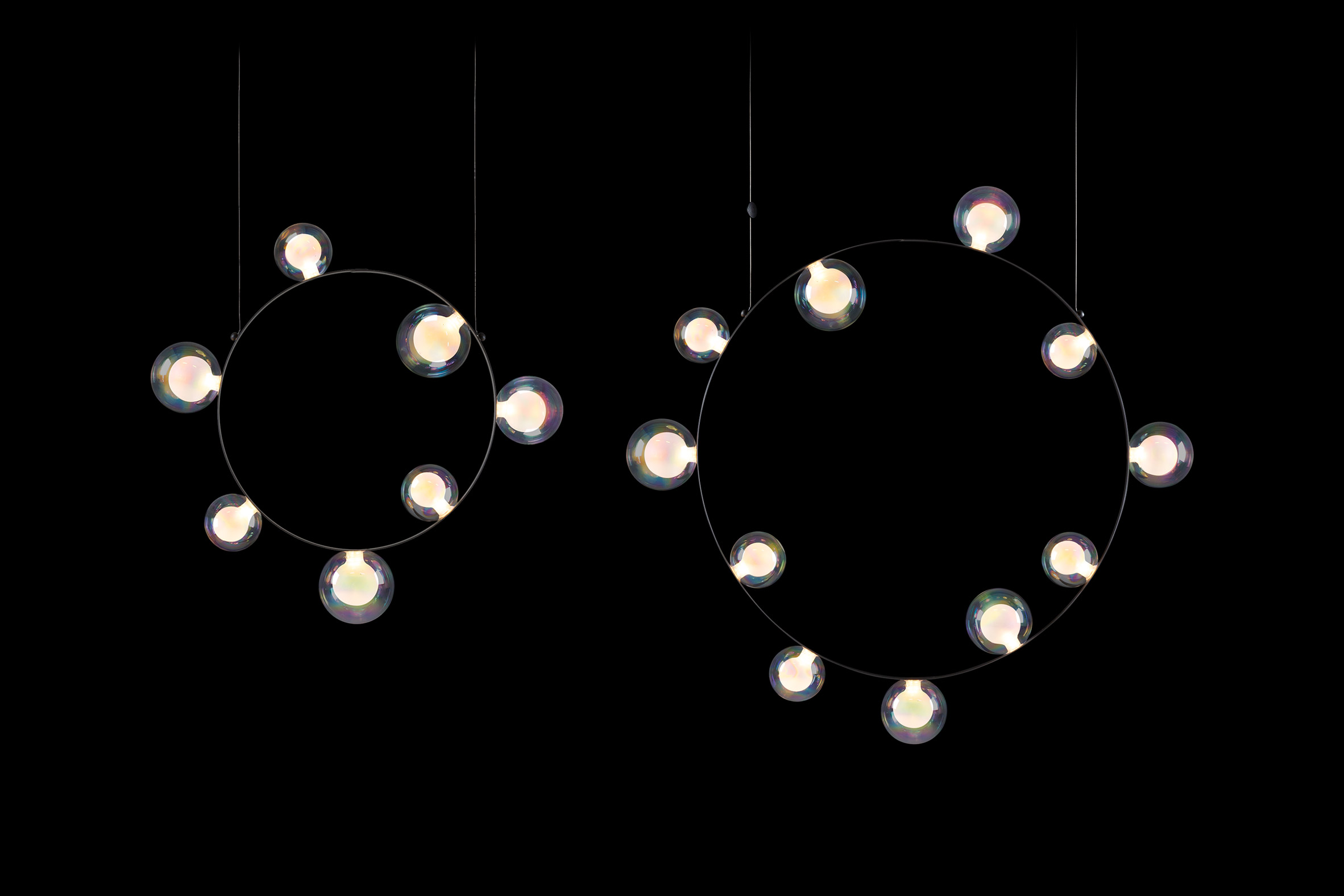
The Hubble Bubble light comprises an arrangement of glass spheres attached to a circular metal frame.

The light can be hung either vertically or horizontally, and its hand-blown spheres come in either iridescent or frosted glass.

Its uncluttered design makes use of Moooi's Electrosandwich technology, which allows a current to pass through the body of the lamp without requiring visible cabling.

According to Chiave, the lamp was designed to recall childhood memories of blowing bubbles.

"Hubble Bubble is a very poetic light, it's a very ethereal light," he said. "It's like seeing a little cloud of soap bubbles in the air floating."

Sofa So Good by Marcel Wanders Studio for Moooi
Marcel Wanders Studio has also created a modular sofa system for Moooi called Sofa So Good

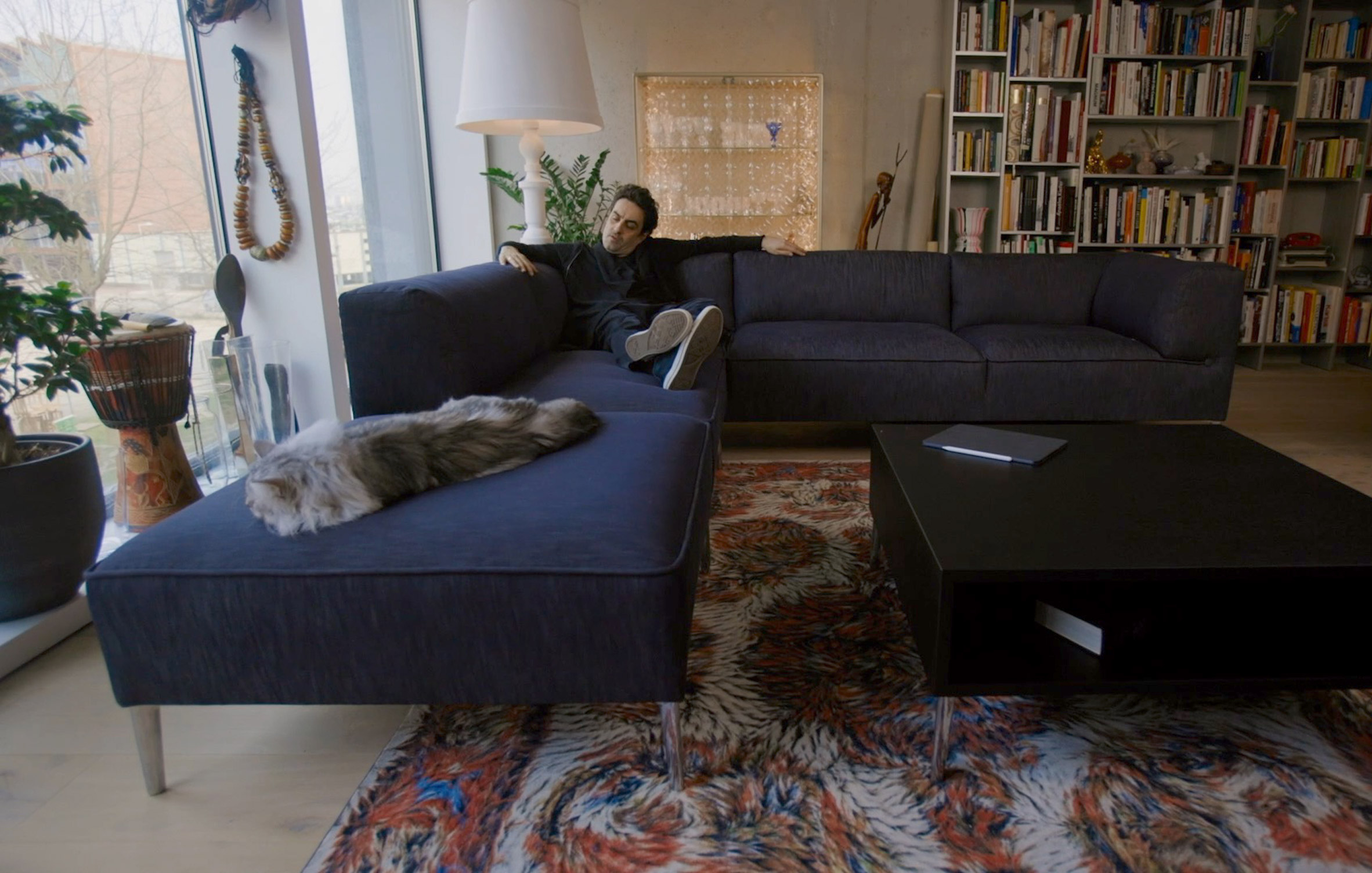
Sofa So Good is a modular sofa system that offers eight different seating modules that can be upholstered in Moooi's range of fabrics, as well as two table elements and three shelving units.

According to Chiave, the sofa was designed to combine a boxy form with surprisingly soft and generously proportioned seats.

"It's a very elegant, simple, but very sophisticated sofa that looks comfortable and feels even more comfortable, with amazing details and all the opportunities of using Moooi textiles and finishes," said Chiave.

Sofa So Good by Marcel Wanders Studio for Moooi
Sofa So Good can be upholstered in Moooi's range of fabrics

On top of its numerous designs for Moooi, Marcel Wanders Studio creates products and interiors for brands around the world, including air pollution masks with graphic prints for San Francisco company O2Todaykaleidoscopic mirrors mounted on leather backing for Louis Vitton, and leather hides digitally printed with fractal patterns for specialist leather studio Bill Amberg.

Dezeen's Design Dreams video series has profiled a number of the designers who have created products for Moooi, including Simone Bonanni, Kranen/Gille and Joep van Lieshout.

Partnership content

This video was produced by Dezeen for Moooi as part of a partnership. Find out more about Dezeen's partnership content here.

The post Marcel Wanders Studio's designs for Moooi "tap into the irrational side of the brain" says Gabriele Chiave appeared first on Dezeen.


from Dezeen https://ift.tt/3iDTBZM

Digital twins will act as "foundations of the metaverse" and allow people to move between real and virtual spaces

Fortnite hosts Travis Scott concert Astronomical

Digital replicas of buildings and cities will one day link together to form a parallel world where people work, play and socialise, according to David Weir-McCall of gaming company Epic Games.

Weir-McCall has predicted that the fast-growing phenomenon of digital twins will merge with the metaverse, an evolving network of digital spaces that includes video-game environments and virtual-reality worlds.

David Weir-McCall of gaming company Epic Games
David Weir-McCall is a business development manager for Epic Games. Top image: Epic Games' Fortnite hosted a virtual Travis Scott concert in April 2020

"The metaverse is this digital world that lives alongside our physical one and allows us to live, work and play alongside each other," said Weir-McCall, a business development manager for Epic Games with a background in architecture and technology.

"And digital twins are the foundations that the metaverse will be built on," he told Dezeen.

The next version of the internet

Digital twins are clones of real-world objects and systems. The technology is revolutionising the way architects and designers work. In a recent interview with Dezeen, Mansoor Kazerouni of architecture firm IBI Group described them as "a very powerful way of developing, evolving and designing our cities."

The metaverse, meanwhile, is often referred to as the next version of the internet, featuring video-game-style interactivity instead of static web pages. A primitive version of this was demonstrated at Dezeen's Metaverse Meet-Up earlier this year, where over 200 guests used their keyboards to direct simple avatars around a virtual rooftop bar where performances, discussions and conversations took place.

Dezeen Club speakers
Dezeen's Metaverse Meet-Up showed how a virtual world can be used to host talks and performances

A more sophisticated version features in sci-fi blockbuster Ready Player One, where the action follows characters as they move between the real world and a digital universe called the OASIS.

But the best-known example of the metaverse is Epic Games' Fortnite, which is the most successful video game of the past decade. With 350 million users as of May 2020, Fortnite has developed from a multiplayer battle game into a virtual destination where users go to do much more than just play.

In April 2020, music artist Travis Scott staged a virtual concert inside the game that was attended live by 12.3 million people. It was a global phenomenon that sent the American rapper to the top of all music charts and earned him a reported $20 million.

Fortnite's Travis Scott concert was attended live by 12.3 million people

"Fortnite is a very early beta of a metaverse," said Weir-McCall.

"It is more than just a game. It hosts concerts, it hosts entertainment spaces, you can go in and socialise with your friends. You don't have to go in and blow each other up anymore."

Digital twins connect metaverse with reality

However, metaverse environments like Fortnite are fantasy worlds that are entirely separate from real-world spaces, even if they are modelled on them. Things that happen in the metaverse are not reflected in reality, and vice versa.

"If the metaverse is an equivalent reality that coexists next to the physical reality, there needs to be a connection," said Weir-McCall.

Wellington city digital twin created by Buildmedia with Unreal Engine
Digital twins, like this one of Wellington, New Zealand, could provide a connection between the metaverse and reality

Digital twins offer this missing element and so can provide the connection, he said. They are linked to live streams of data gathered from sensors and other connected devices, which allows them to mirror, analyse and predict the behaviour of their real-world equivalents.

Epic Games is already exploring the potential of linking its gaming worlds to digital twins via an expansion into the world of architecture and urbanism.

The company created a new version of Unreal Engine, the gaming engine behind Fortnite, especially for architects, engineers and construction professionals. Called Twinmotion, it can be used in the design and management of buildings and infrastructure.

This software is now being used by digital-twin providers to create highly realistic virtual replicas of entire cities. For example, Chinese company 51World has used it to create clones of Shanghai and Singapore, which can be used to measure the impact of new developments and for risk assessment.

Epic Games has also recently acquired Capturing Reality, the technology company behind software program RealityCapture, which uses photogrammetry and lidar capture to create accurate 3D scans of objects and environments.

Making it easier to build parallel worlds

Weir-McCall said the goal is to make it easy to capture the real world then implant it into Unreal Engine in the form of a digital twin.

"We're building this environment where people can capture the real world in minutes," he said, "and we're creating a pipeline through that so they can connect to the internet of things, they can add in layers of sensors."

MetaHuman Creator from Epic Games
Applications such as MetaHuman Creator could allow metaverse users to create lifelike avatars

The software company is also looking at other technologies that can help people build parallel worlds. Earlier this year it launched MetaHuman Creator, an app that can create lifelike virtual humans for games and movies.

Weir-McCall believes the people visiting the metaverse will use virtual humans like these as avatars. These "metahumans" could even be dressed in virtual outfits designed by digital fashion houses such as The Fabricant, which creates clothes "that only exist in a digital space and never exist in the physical world," according to the label's co-founder Amber Slooten.

The Fabricant virtual design
Metaverse avatars could wear virtual outfits, like those created by The Fabricant

"In these digital worlds that we're going to create, we will all need a representation," Weir-McCall said. "This is a way of creating your digital replica, which will exist in these spaces as you exist in the physical one."

"The metaverse is what we're building up to," he concluded, "and digital twins are just part of that conversation."

The post Digital twins will act as "foundations of the metaverse" and allow people to move between real and virtual spaces appeared first on Dezeen.


from Dezeen https://ift.tt/3ydzJ6t